For buses…always waiting. They all seem to travel at night, here on the east coast of Patagonia. Which means you arrive at your destination at an uncomfortable hour. A few days ago I realised that there comes an hour when very late at night becomes very early in the morning. I would put it between 02h00 and 04h00. I told my landlord in Puerto Santa Cruz that I would be arriving very late, which at that stage was 02h30, but then the bus was more than an hour late and it became 03h30, which ended up being 04h30. As I walked down the street, dawn was just lighting up the horizon, and night was suddenly morning and I’d missed the night’s sleep that I had paid for. More about this story later.
I left Sarmiento for Comodoro Rivadavia at 13h00, but there I had to wait until 20h30 to catch a bus to Fitz Roy, my next stop. Fitz Roy is a town of 10 streets long and 3 streets broad, with 2 garages with restaurants, one proper restaurant and a cafe, all along the one street next to the highway. I had decided to stay there for two reasons: 1) it was cheaper than the town on the coast, which is where people usually stay, and 2) it was closest to the Nacional Parques Petrificados (national park) with petrified trees, which I had planned to visit.
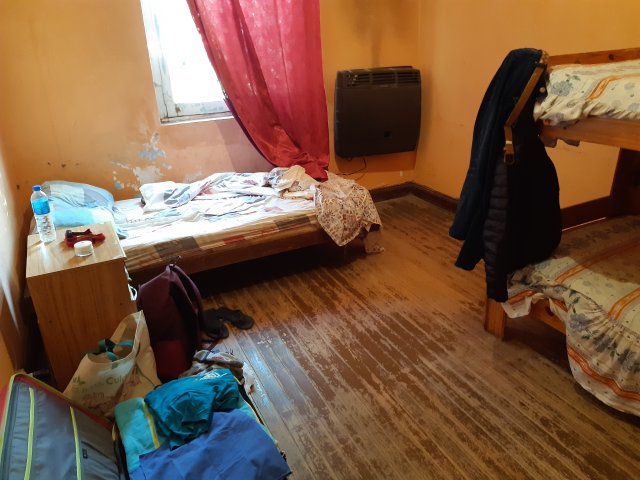
I got off the bus at 24h30, sort of a decent hour (in Argentinia anyway), and walked to the hospejade (type of hotel) I had seen on the map. It was full, and she directed me to a ‘hotel’ accross the street, which looked more like a dilapidated old house. A girl of about 12yrs old was in the shop (front of hotel) and took charge of booking me in – $400 (R100). Down the passage, to a dorm with 3 beds and communal bathroom further down the passage. Luckily I was the only one in that room, but really, only the sheets were clean. There were even cobwebs behind the curtain. I had paid for 2 nights, as I needed a day to visit the national park.
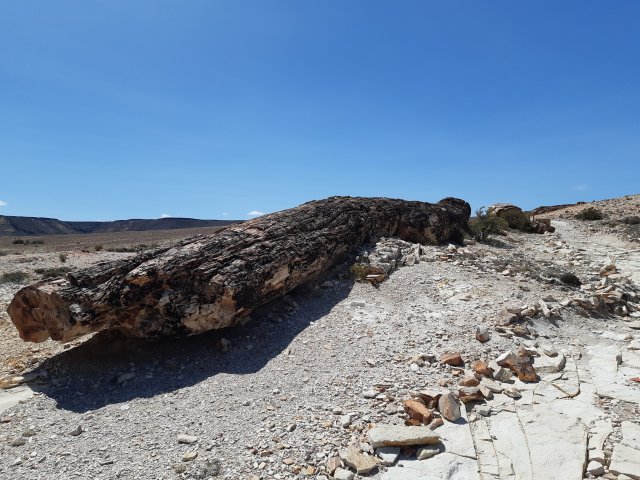
Enquiring about a bus or taxi to the park the next morning, I was told there was none. As I was determined to see the 130 million year old trees from the Jurasic period, I decided to hike. Got a lift after about 10min, with a guy from the military who was returning from a fishing trip to the Parana river at Rosario. He proudly showed be pictures of the huge dorado’s he had caught, and typically fisherman style, I showed him pictures of the even bigger fish my son Francois had shot in the Ivory Coast. I felt quite bad afterwards, he was so proud of his fish.
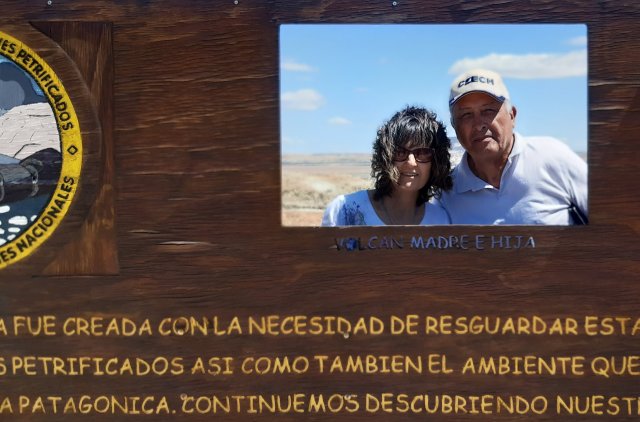
After 70km he dropped me off at the turn-off to the park, which was another 50km further along on a dirt road. I was thinking “right, come on lift”, when a car turned off onto the dirt road, right on cue. But it drove straight past me! I immediately recalled the wish I had made for a flat tyre for them, and it must have worked, because a few minutes later they came back and stopped on the opposite side of the road. The window rolled down, and a very suspicious man asked to see my passport. I reluctantly handed it over (one is told never to let go of your passport, but I needed that lift), and he told his wife: es una turista (it’s a tourist). Once I was settled in the back seat, he emphatically told me that I was very fortunate because it was the first time in 10 years he had picked up someone, and again he asked my passport and took a photo of it. By the end of the outing (I had gone there and back with them), he asked me if I had made provision for my old-age, which had me bursting out with laughter as he is a broker. We exchanged emails, and he promised to come and do business in South Africa.The lift-givers:
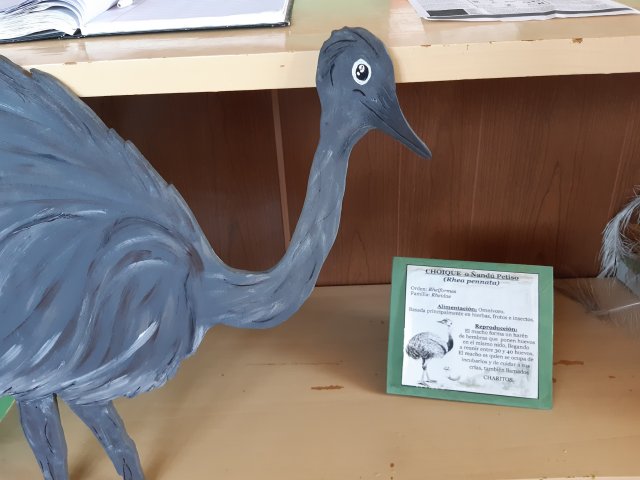
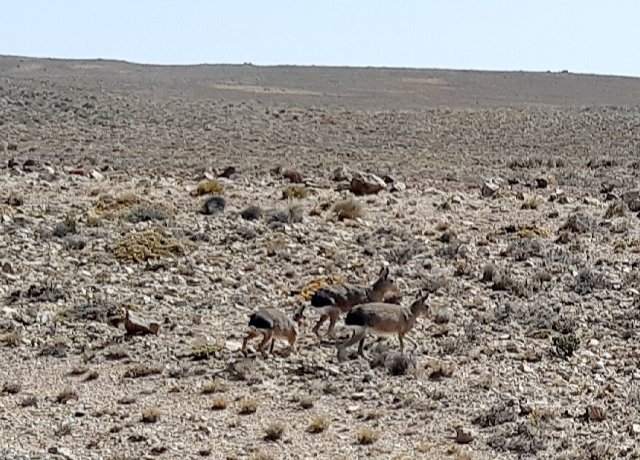
In the previous blog I had complained about the lack of wildlife, but on the way to the park we saw many guanacos (a kind of llama, I was told), a few choiques (ostriches, but much smaller than the one’s in South Africa), a zorro (rooijakkals) and 3 mara’s (big hares that walk, with black bottoms).

The mountain in the background of the following photo is a volcano, called madre e hija (mother and daughter).
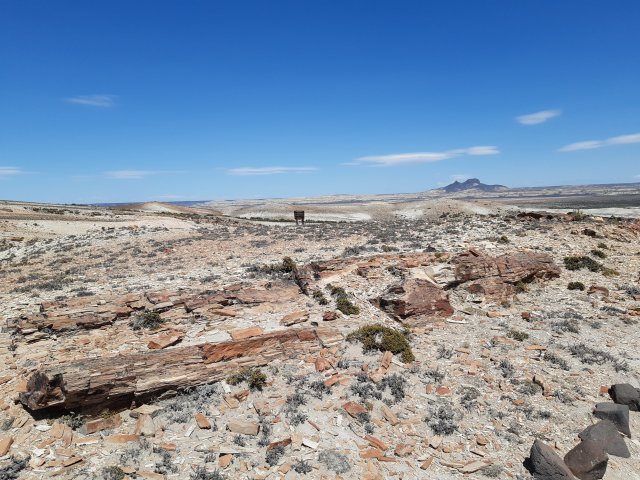
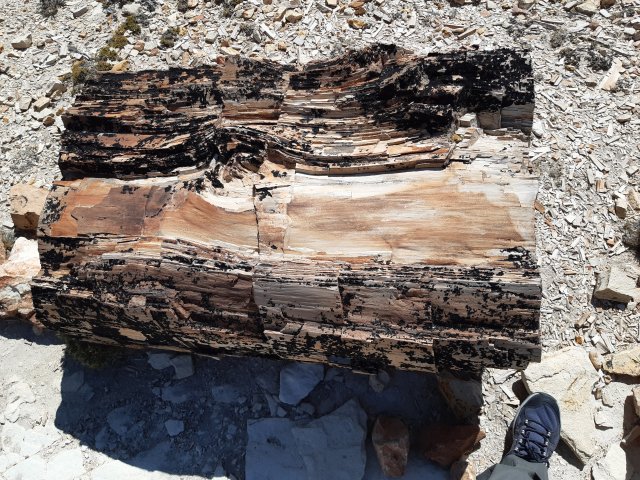
The trees had grown in a swamp area before the existence of the Andes, when winds had blown in moist air from the Pacific, causing high rainfall. Volcanic ash and other sediments had covered them, causing petrification. I was very impressed when the friendly park ranger knew and asked me about the petrified trees in Namibia.
There must have been a comunication barrier, because my benefactor and his wife were passing Fitz Roy on their way back, but for some or other reason they decided to drop me off at the T-junction at the highway. And there I stood, in wind worse than the strongest southeaster, with only the sun as company. Interesting experience, hitchhiking. At first I was very optimistic, sure that the next car would stop. Later I began to yank my hat off the minute a car appeared over the ridge, and pleaded, hands together, with a big smile. Even later I decided, whatever, and just carelessly put my thumb out. Admittedly most of the cars were full, some people waved and one driver coming in from the dirt road offered me water. He was going in the other direction. Eventually, after an hour, a car passed, turned back and picked me up. By that time I was sure that people probably thought I had escaped from an asylum, crazy old woman, hat in hand, with hair standing on end in the wind.
Back in Fitz Roy I asked about a bus to Puerto San Julian, my next destination, only to find out it leaves at 24h30 (of course, that was the time I had arrived). I had paid for 2 nights, so decided I would sleep, and then sit in one of the restaurants at a garage the following day, with the hope of catching a lift with someone. I had asked the petrol attendant to enquire about possible lifts, and waited for 3hrs, nothing happening. On impulse, or divine inspiration, I approached the people at the table behind me, and by 13h00 I was in the car with a silent driver and his very talkative 16yr old daughter, who wanted to practice her English as payment. None of the people would take money for the lifts – the broker said I had to give him one Rand, and I just happened to have a R10 note in my bag, so he was very impressed.
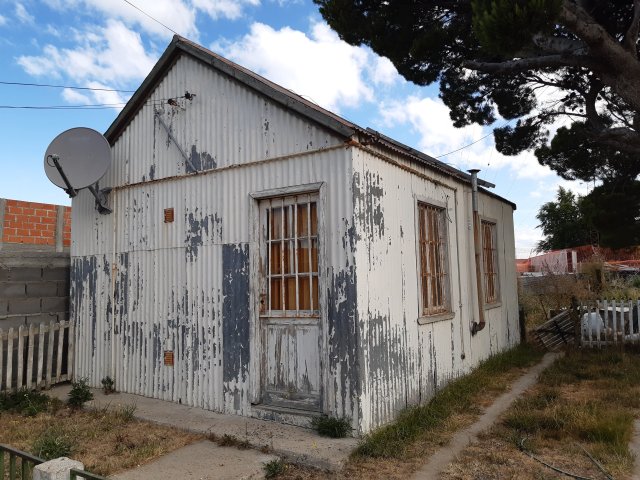
In Puerto San Julian I booked into a hotel – I wanted a clean room with my own bathroom for one night! I walked around town for an hour or two, saw what there was to see, and enjoyed my hotel room.Cute new corrugated iron sheet houses:

And old ones:

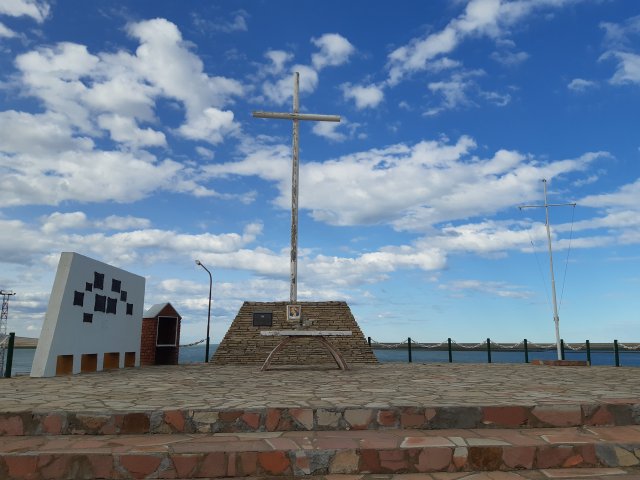
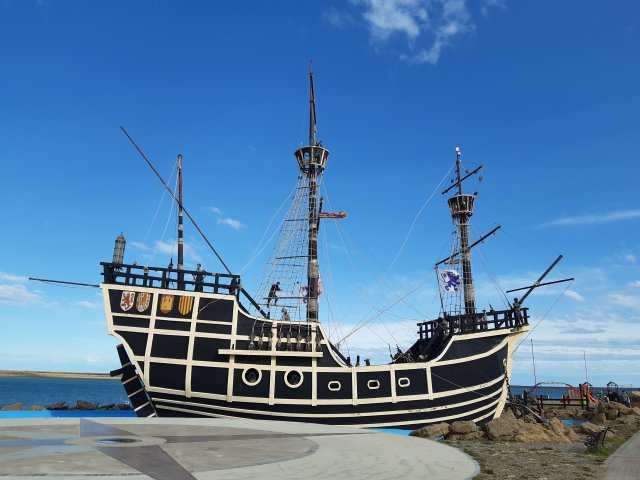
Puerto San Julian is the place where Ferdinand Magellan first landed in Argentina on 31st March 1520. He decided to spend the winter, and left again in August. During that time he had had a mutiny and he had exiled one person and had another beheaded. Francis Drake also landed there in 1578, spending the winter. A small settlement was started in the 19th century, but never came to anything. Only in the 20th century did the towns on the east coast start thriving when European settlers wanting to escape the threat and aftermath of World War I started to arrive, mostly Spanish, English, Germans and Slavs. A monument pays tribute to the first communion that was held on the beach on Palm Sunday. I stood there above the water’s edge in the wind, and could well imagine the piety of the moment.
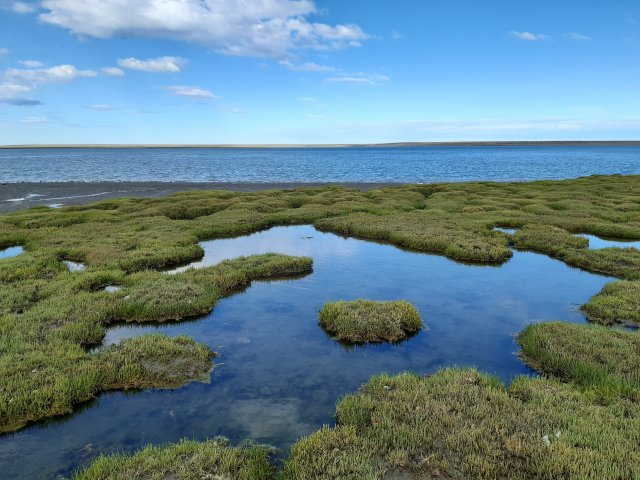
‘Rockpools’ with a difference:
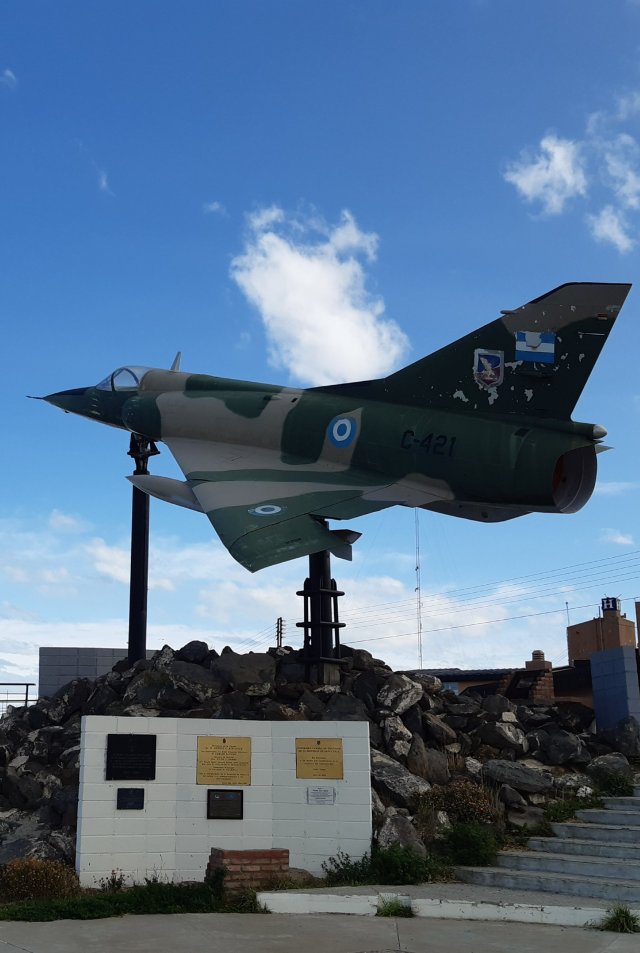
In all the towns on the east coast of Patagonia there are monuments honouring the soldiers who had fought and died in the Malvinas (Falkland) war in 1982.
I spent another day waiting for a bus to my next destination, Puerto Santa Cruz, and got to the bus station at 17h00, just to be told that I had been misinformed by the tourist office re the time, the bus was only leaving just after midnight. So Louise and I kept each other company here for another 8hrs 30 min, as the bus was 1hr 30min late:
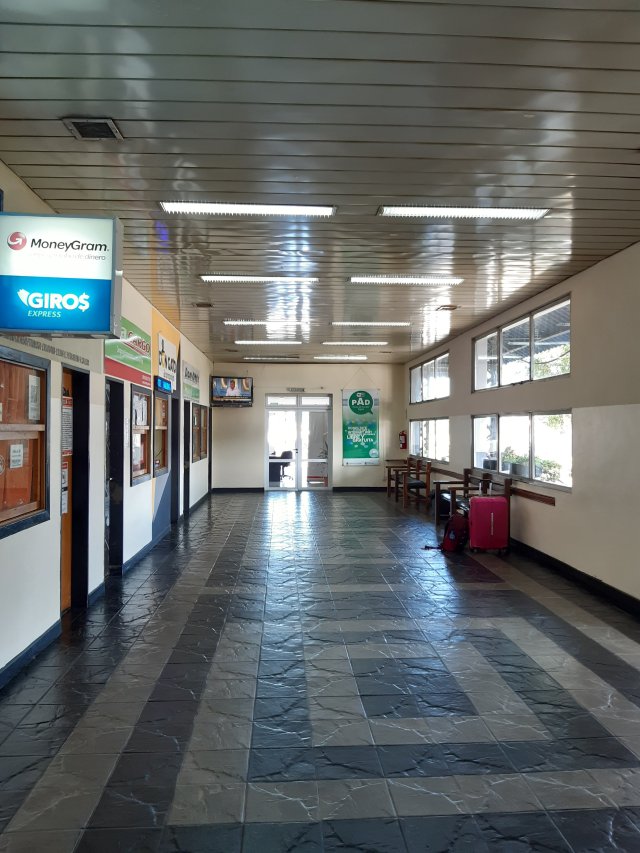
I now go back to the story I was telling earlier.When I disembarked in Puerto Santa Cruz at 04h30, I headed in the wrong direction for two blocks before realizing I had made a mistake, again. I had just turned back when a twin-cab bakkie drew up and the driver questioningly said: “Meriel?” It was my host, he had been waiting for me at the bus station, an angel from heaven! The apartment I had booked was like a little house, all my own, and I decided to stay 2 extra days, cooking, relaxing and taking short walks.
Puerto Santa Cruz lays two claims to fame: one that Charles Darwin, in 1834, on board the HMS Beagle under command of captain Robert FitzRoy, had taken a cruise up the river that runs into the sea there (the Santa Cruz river). He found his first fossils, which contributed to the development of his theory of evolution. This visit to Patagonia also made him realise that he was more of a geologist than zoologist. In studying the valley of Santa Cruz, he concluded that this part of Argentia had once been submerged under the sea, rising slowly to change from a group of islands to the land it now is. It also made him realise that the world was much older than ever imagined.
The second claim is that the pilot-writer, Antoine de Saint Exupéry, auther of The Little Prince, spent time in Puerto Santa Cruz. He was in Argentina from 1929 to 1931, flying between Buenos Aires and the south. In 2015 an organisation, The Freedom Bench Project, was established by a nephew of the writer, to promote values such as commitment, exchange and links. Benches could only be erected in places that Exupéry had actually lived.
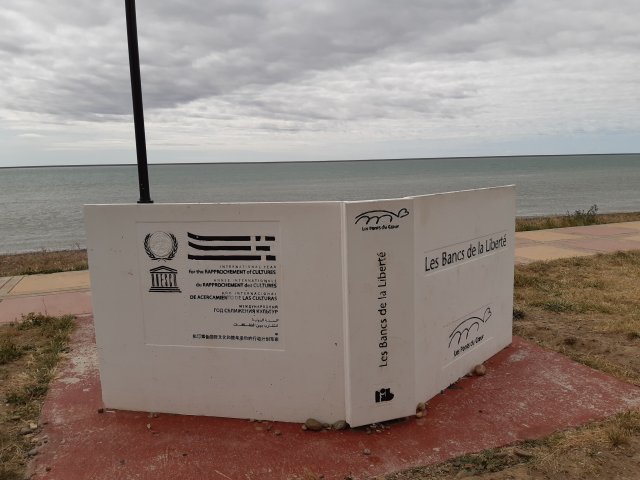
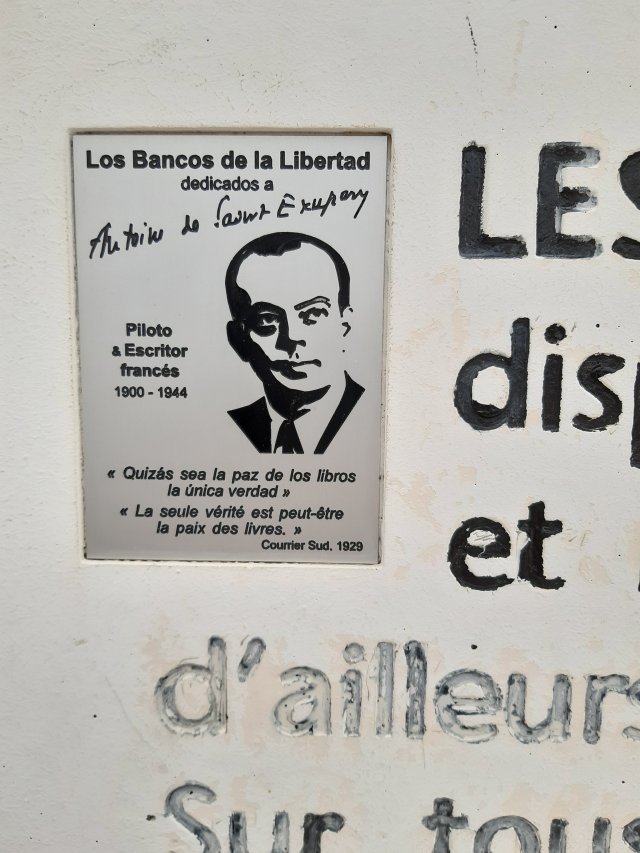
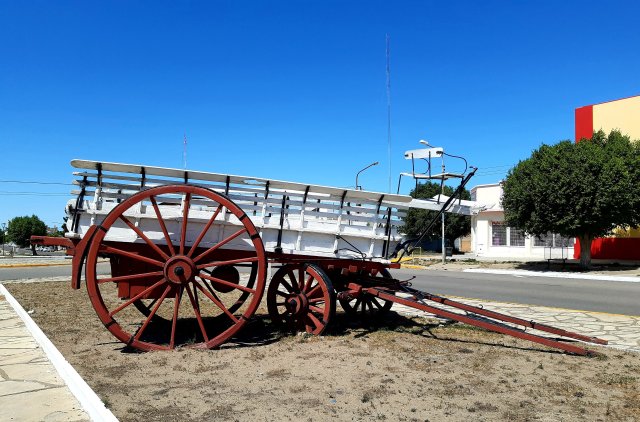
Some scenes from the town:
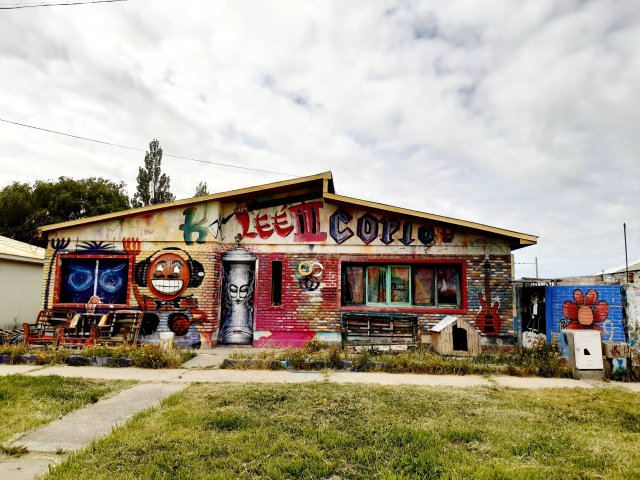
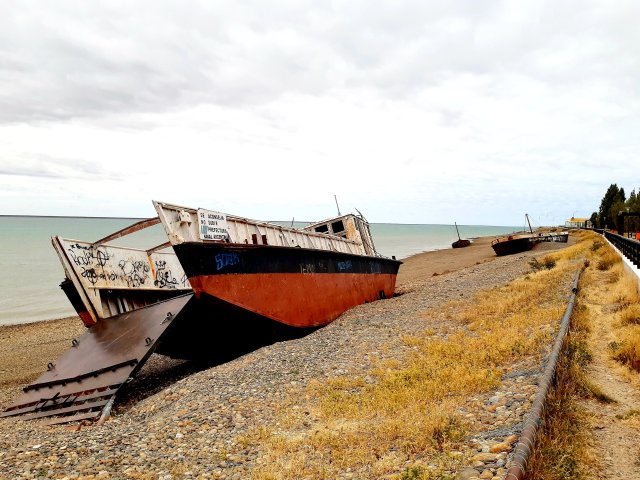
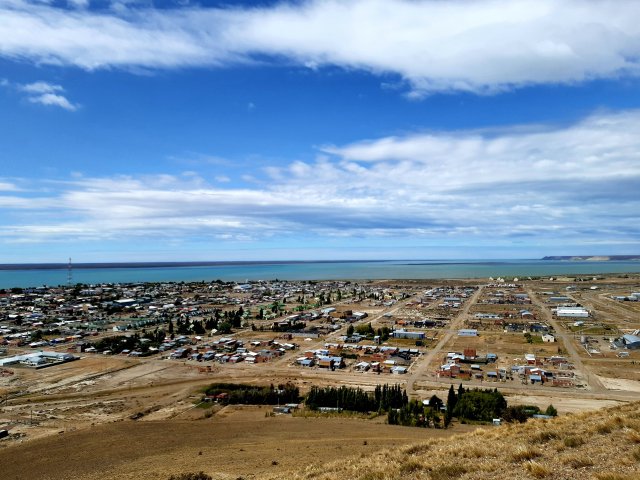
There is an abundance of marine life along the whole of the east coast of Patagonia, with many colonies of penguins and sea lions, as well as pods of Commercon’s dolphins. I was fortunate to spot some of these graceful black and white dolphins in the bay of Puerto Santa Cruz, but unable to take pictures. Anyone planning on doing a trip in Patagonia would be wise to rent a car, as many more places could be reached and explored in that way. Unfortunately a bit expensive for a solo traveller on a tight budget…
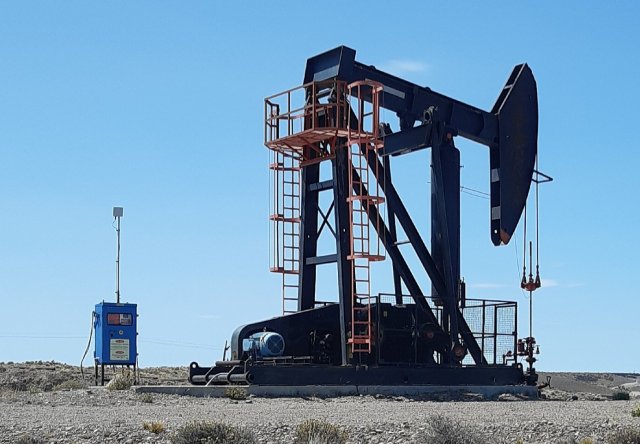


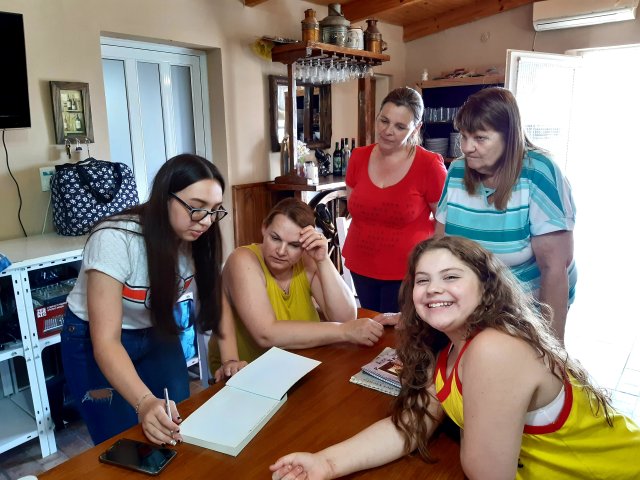

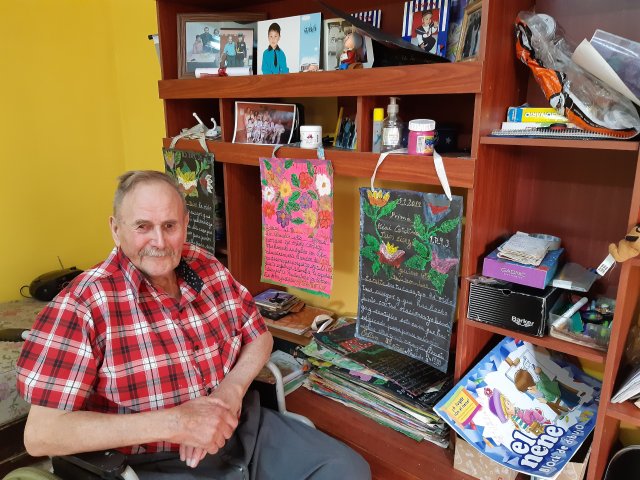
 I’m feeling nostalgic, as usual when I have to leave. Sitting alone with a copa de vino tinto (glass of red wine), watching the colours change as the sun sets, is intensifying the nostalgia. It is só beautiful here and I’ve met such wonderful people.
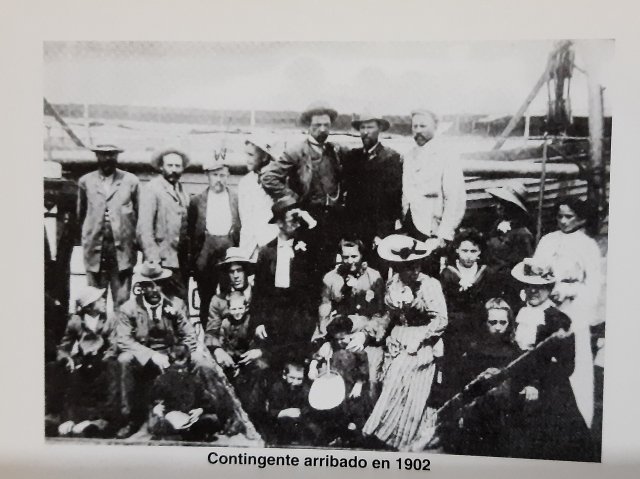
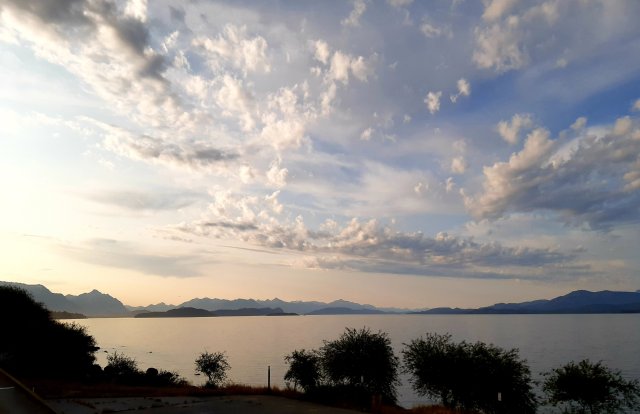 Tomorrow I’m heading to Comodoro Rivadavia on the east coast, where descendants of the Afrikaners who emigrated in 1902 are still living. I’ve known about them since I was a little girl, and always thought that I would visit them if I went to Argentina. I was reluctant, as it is out of my way, but a friend encouraged me to try and find them and put me in touch with a researcher at Michigan University, who referred me to Facebook. So I’m going there.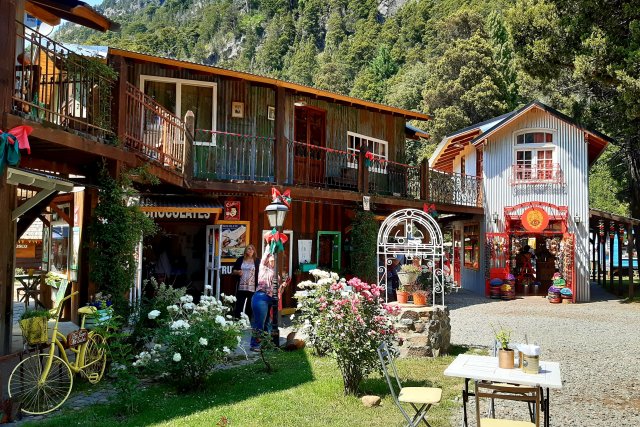
 My mood had lifted considerably, so I thought I was making good progress. Until this morning… One of the volunteers, Petr (a Czech), was leaving, and I was sad to see hom go as we had had some interesting philosophical conversations about stoicism, minimalism, etc. In spite of his cynicism, I enjoyed his forthright comments regarding people, situations and attitudes. He kept on encouraging me to learn more Spanish (and take cold showers), and helped me when I was stuck with computer bookings, making bread and cookies, answering Spanish phone calls or receiving Spanish guests. So I was sad. And then it was a hectic morning, with organising breakfast, guests booking out and early check-ins, people wanting to exchange money, etc. At some stage I must have left money on the counter, because when Marina (one of the owners of the hostel) arrived and checked the cash register, there was 2000 pesos (R500) missing, which I had to refund. Someone must have swiped it, or I had made a wrong entry. I couldn’t believe that I had been so careless and was most upset. R500 is a lot of money, but I was more upset with the whole situation than with the loss of the money. Not being able to converse properly in Spanish does not help of course. I felt like the proverbial ‘old woman trying to do a job’, not very successfully. On the other hand, one slip-up per job is probably not a bad track record… And I should count my blessings, as my dear mother always said (and she did exactly that, sometimes up to two hours if that is what it took to make her feel better): Mei-tal, a volunteer from Israel, fell of her bike today, hurting herself quite badly. I just had an ego fall… Not a good weekend, as Annorien said!
 I am really missing seeing wildlife. Birds and butterflies are all I see here. I don’t miss the mosquitos, flies and brommers, but even seeing a mouse or lizard would be great. Or a snake, on one of my many walks – but nada (nothing)! There are puma’s in the mountains, but I have not been lucky enough to see one. One does not realise how fortunate we are in Africa, to have so much wildlife. Interestingly enough, everyone I meet here who hears I am from South Africa, either comments on or questions me about wild animals. Something to appreciate even more when I am back.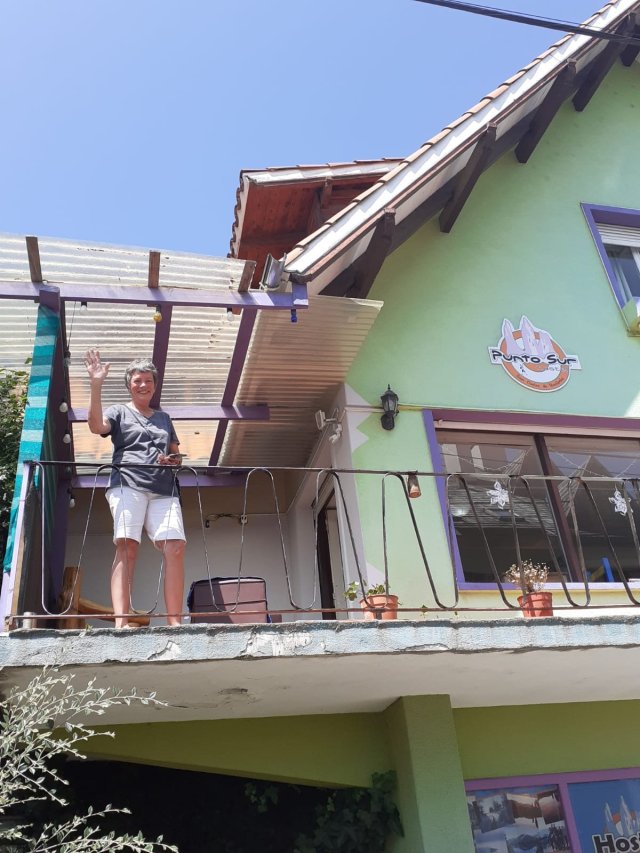
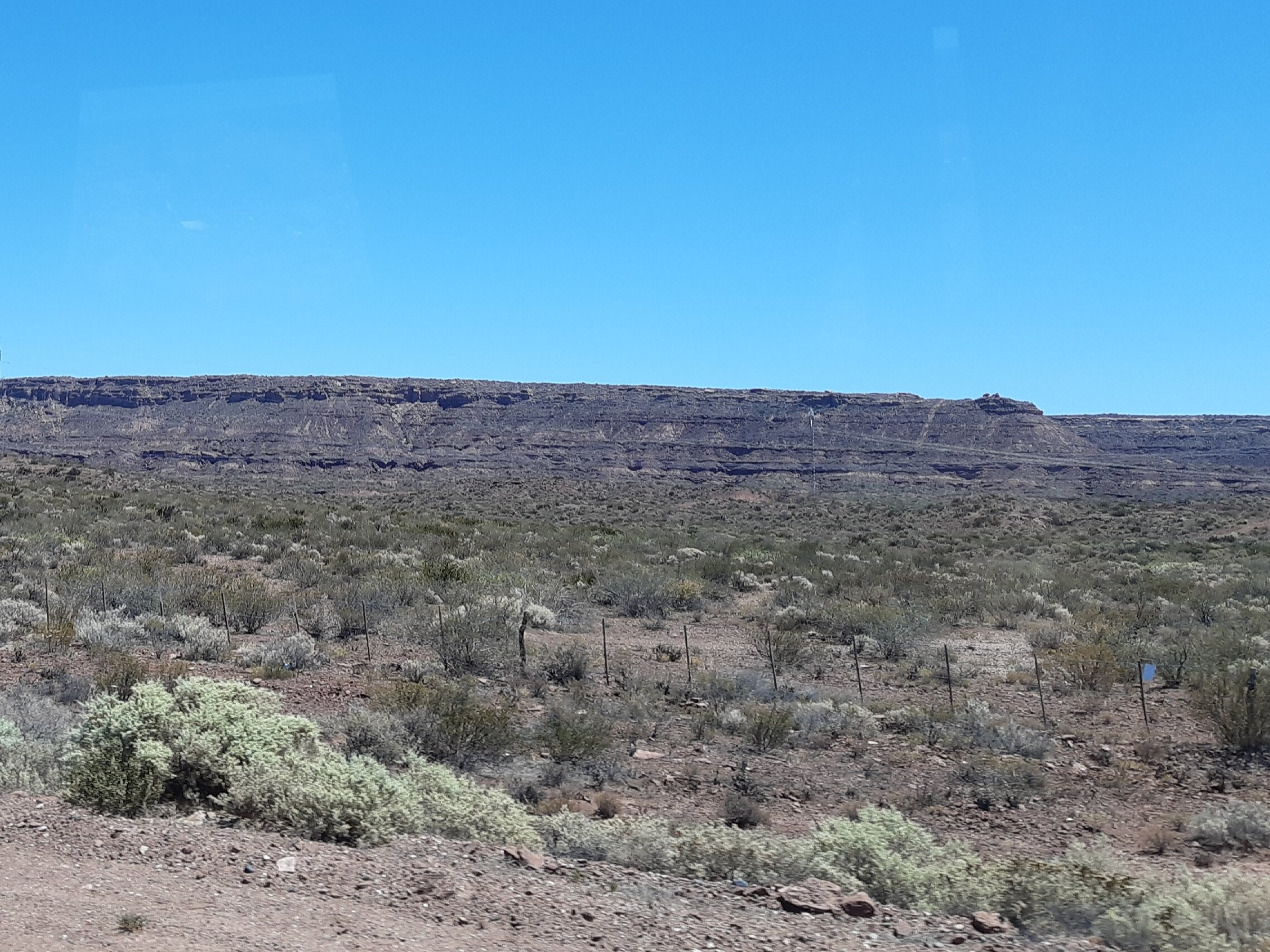
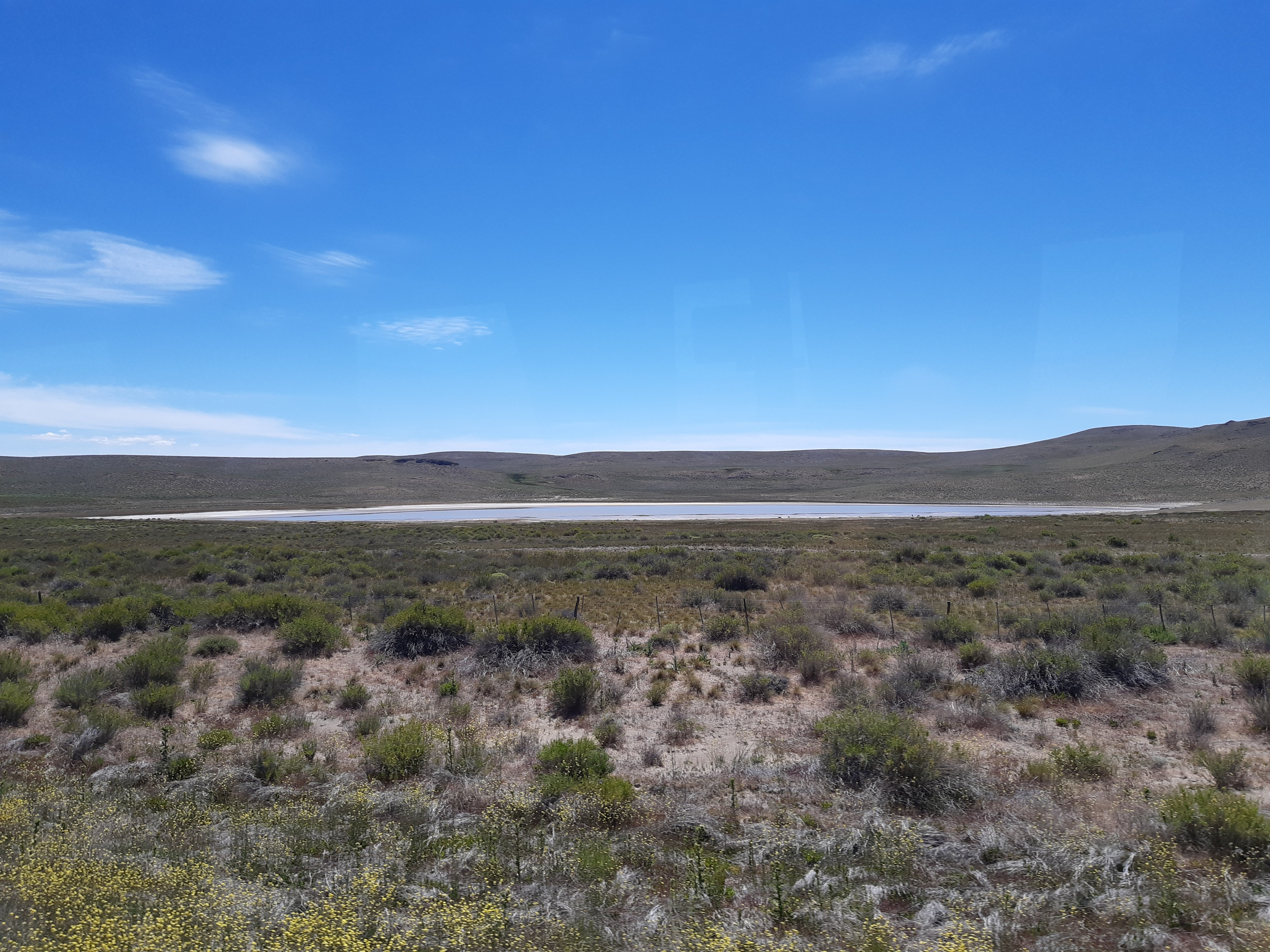
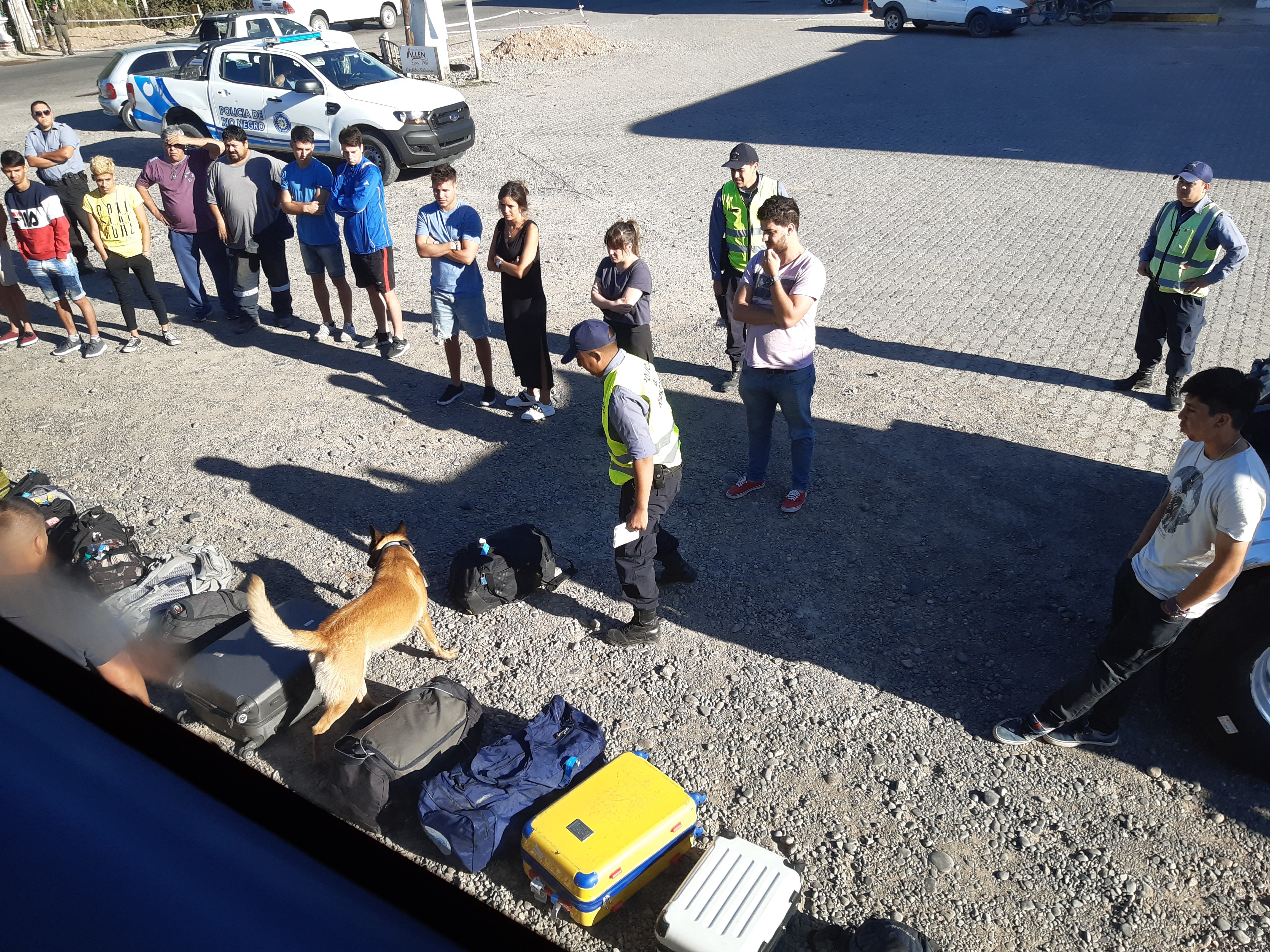
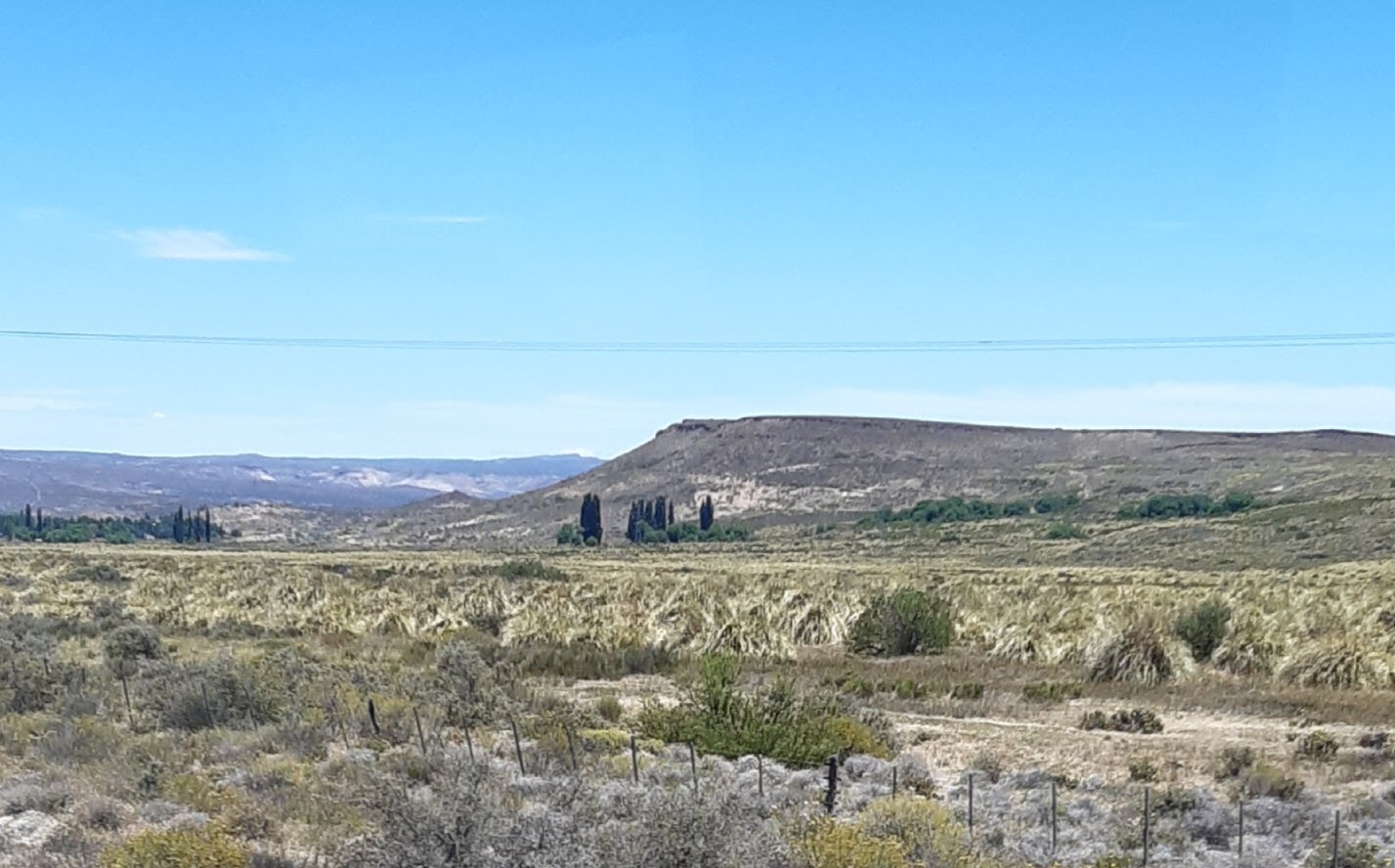 We had this one crazy police stop, where quite a few youngsters were asked to step out of the bus and line up with their bags. A police dog then sniffed at all of the bags and yanked one out. The poor guy had to stand in public view while the police unpacked his whole bag, just to reveal nothing. I have no idea what thát was about.
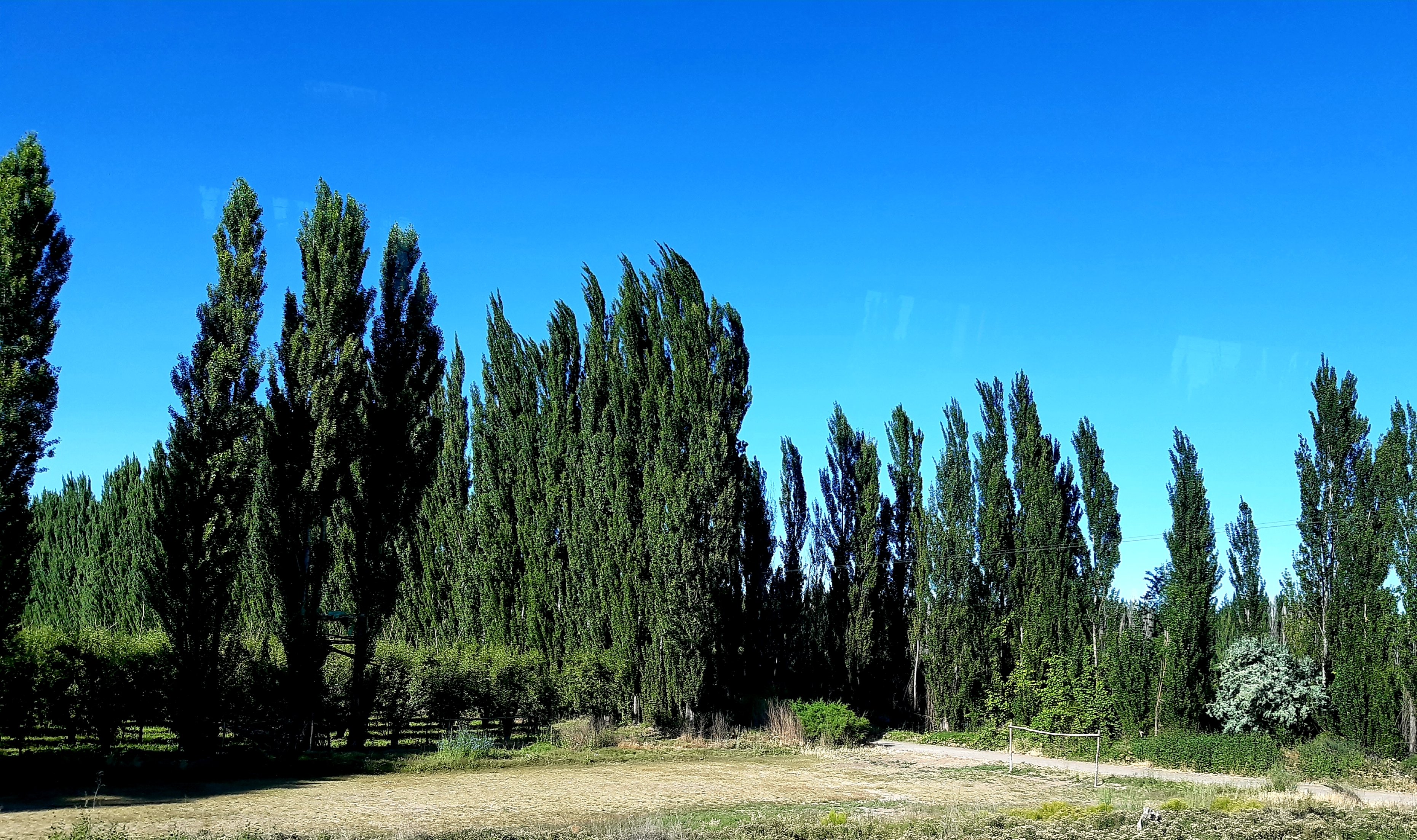
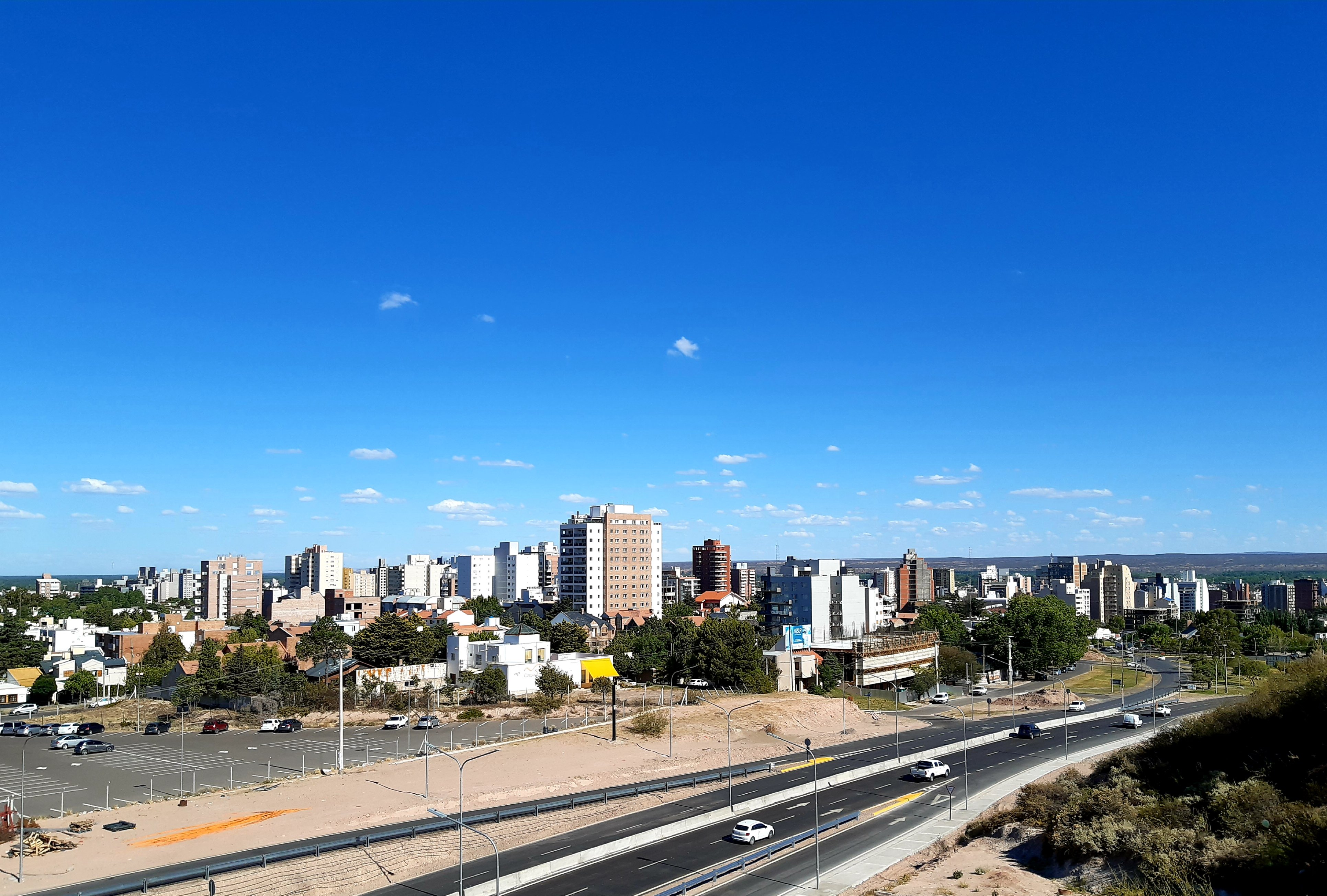
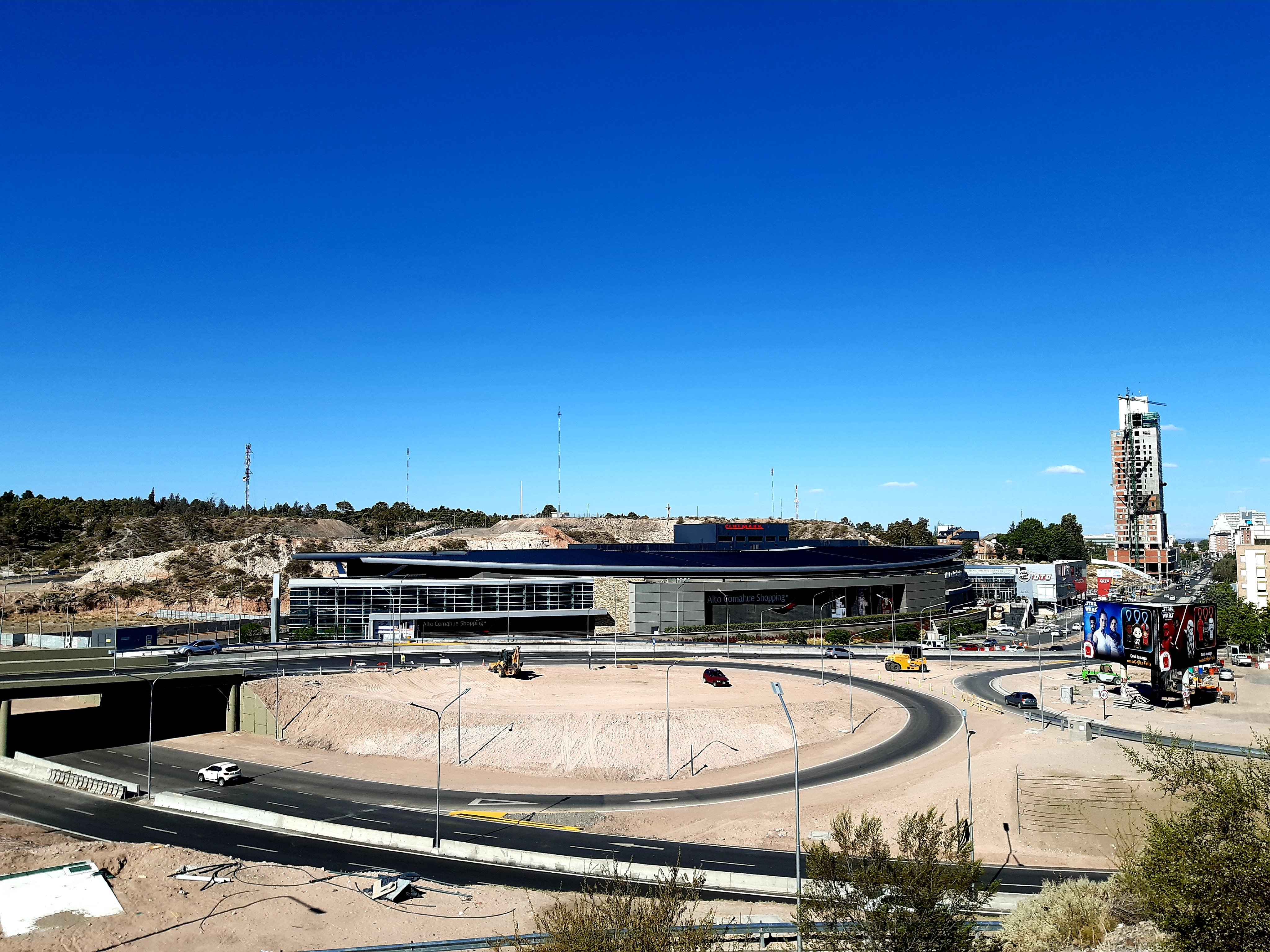
  After a night bus I spent the following day in Neuquen, the ‘capital’ of Patagonia (I was told). An impressive city, after so many miles of nothingness. It is in a river valley where mostly apples are grown, and seems to be expanding rapidly, judging by the malls and high-rise blocks of apartments going up.

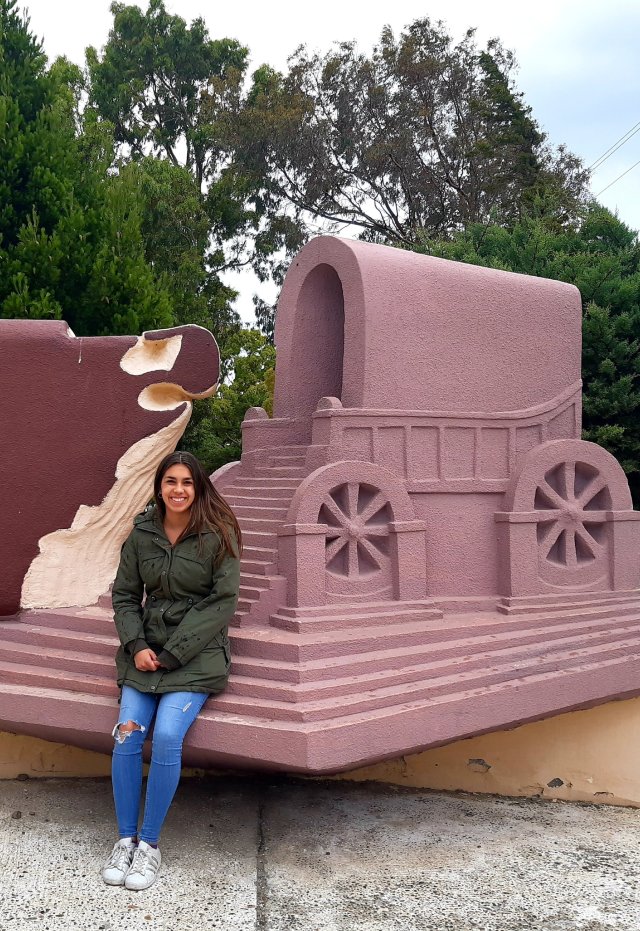
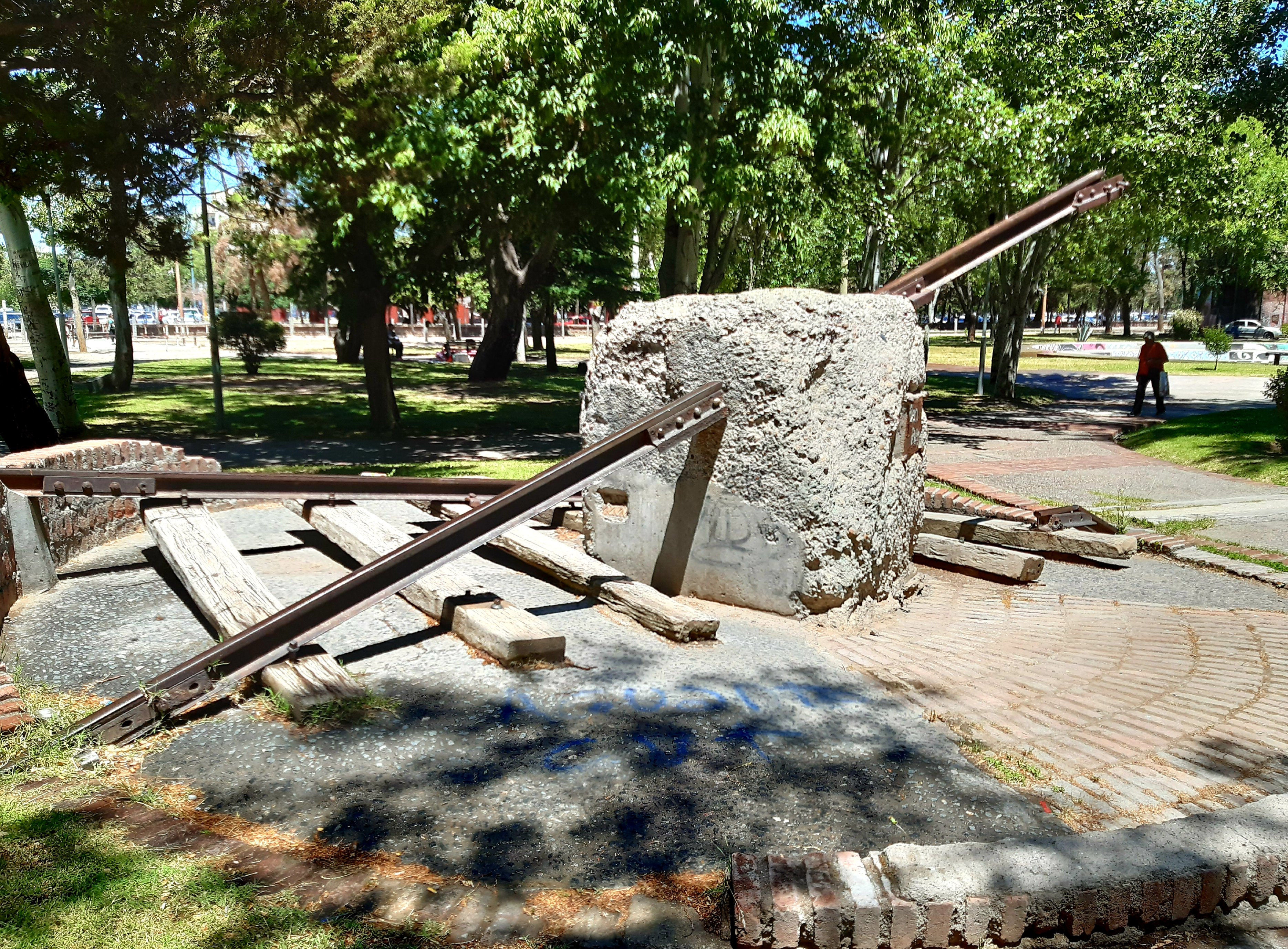
 I was intrigued by this following sculpture, a homage to whoever built the railway line (that is no longer functional):
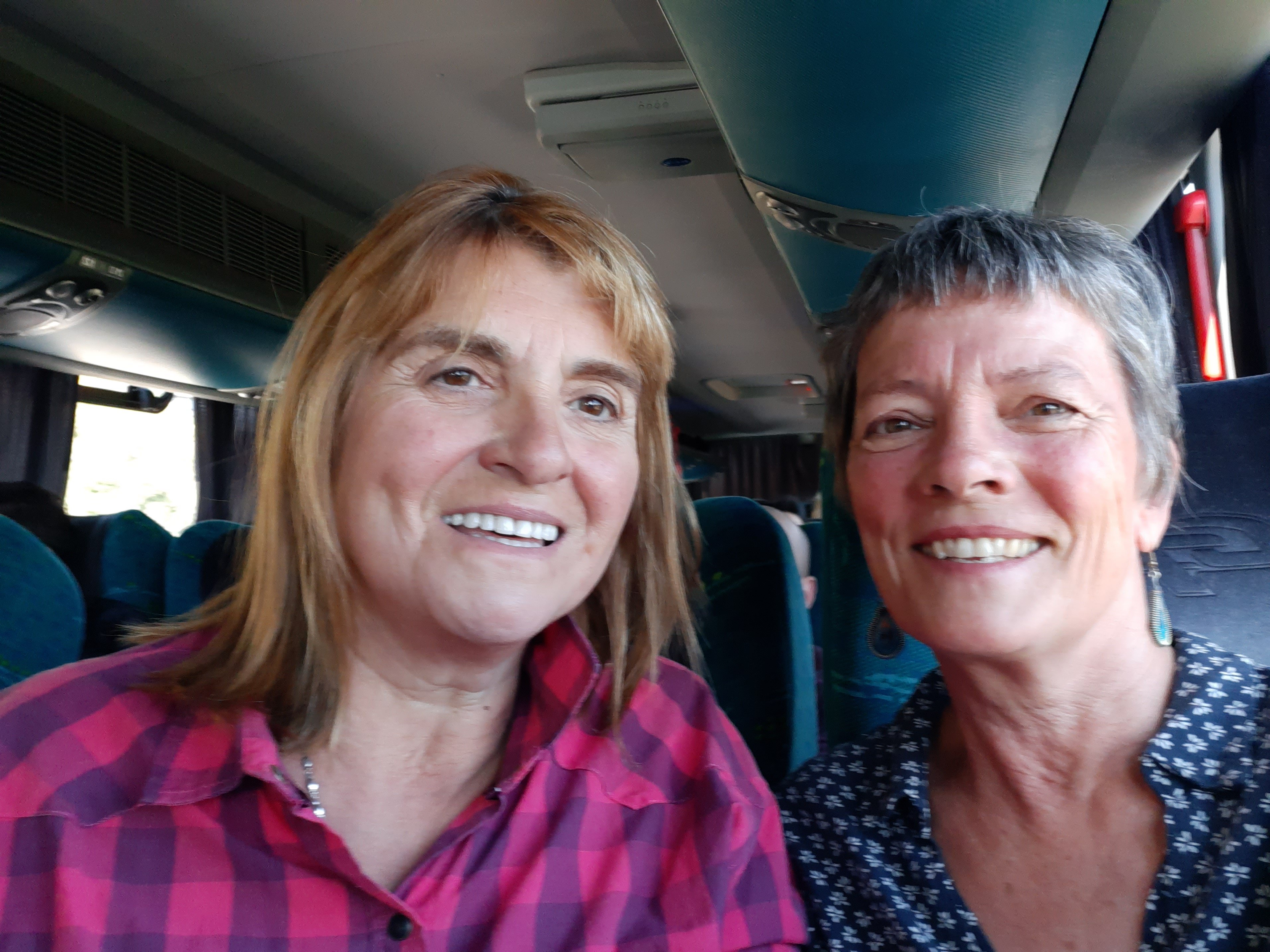
 The following day I was on my way to San Carlos de Bariloche, or Bariloche, as it is popularly known, with a very friendly and talkative Spanish lady (and grandmother) next to me in the bus. She had me practicing my Spanish for quite a few hours. We exchanged phone numbers and have been in contact since. Inis – she lives in Playas Doradas on the East coast and I might visit her there (see the strain of speaking Spanish on my face.
 Bariloche, a little Switserland in the northwest of Patagonia, and gateway to the south. The most beautiful lakes, forests and mountains, with zilions of trails, overnight camping spots, cycling, horseriding, sailing, kayaking, paragliding and many more activities.
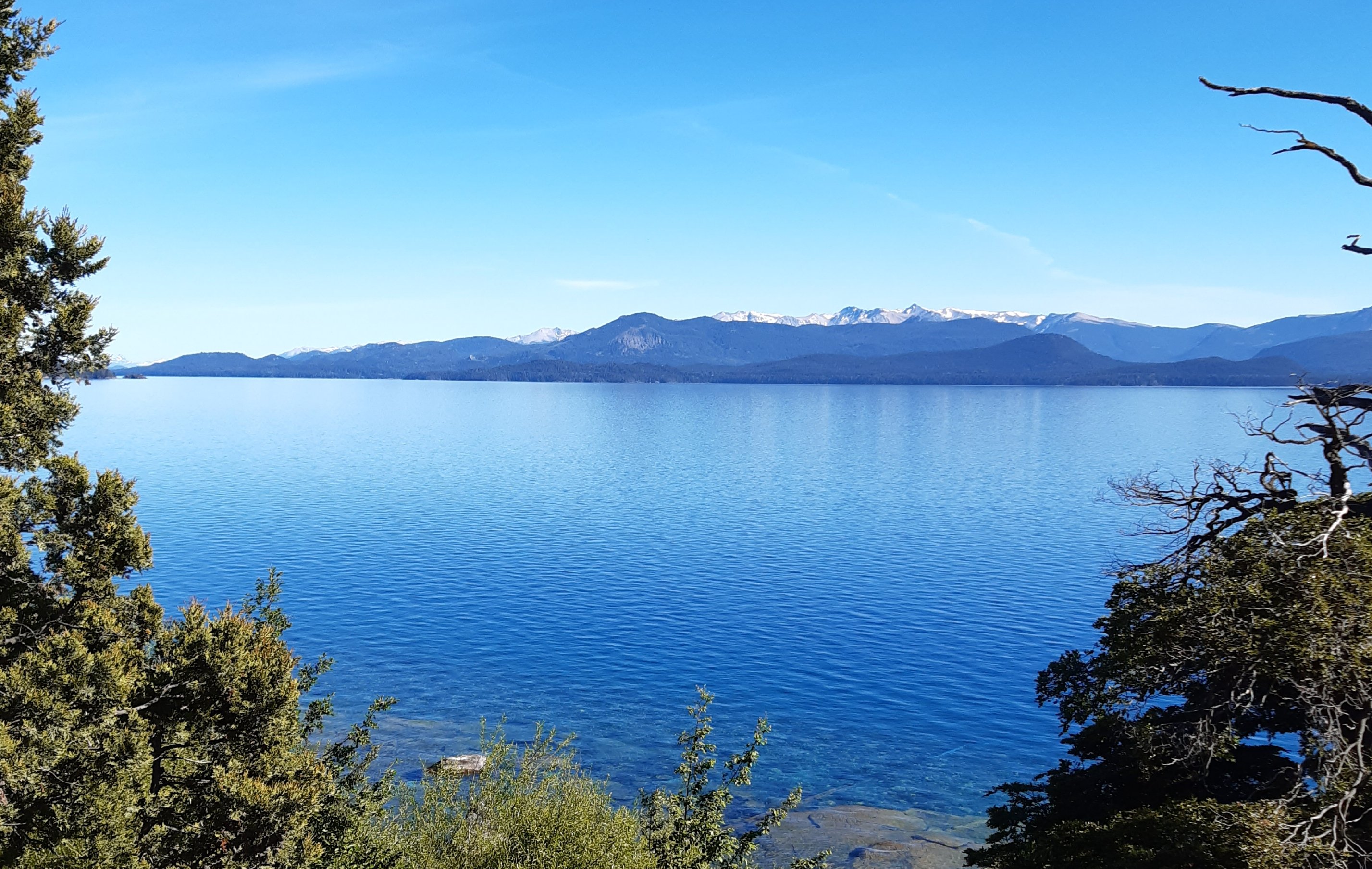 I was persistant in the finding of volunteer work here, and was accepted at Hostel Punto Sur, right in the heart of town, with friendly and supportive owners, Martin and Marina. The work is scheduled in 8hr shifts for 4 days, and then 3 days off, which gives me time to explore towns close by, or do one of the overnight stays in a cabin in the mountains. In winter the mountains are snow-covered and skiing is a great attraction. According to Marina, the Argentinias come here in winter mostly to see and enjoy the snow. The Europeans are the ones who come to ski. I’ve climbed several hills with great views of the lake, Lago Hauma Haupi, and wildflowers along the way, much to my delight.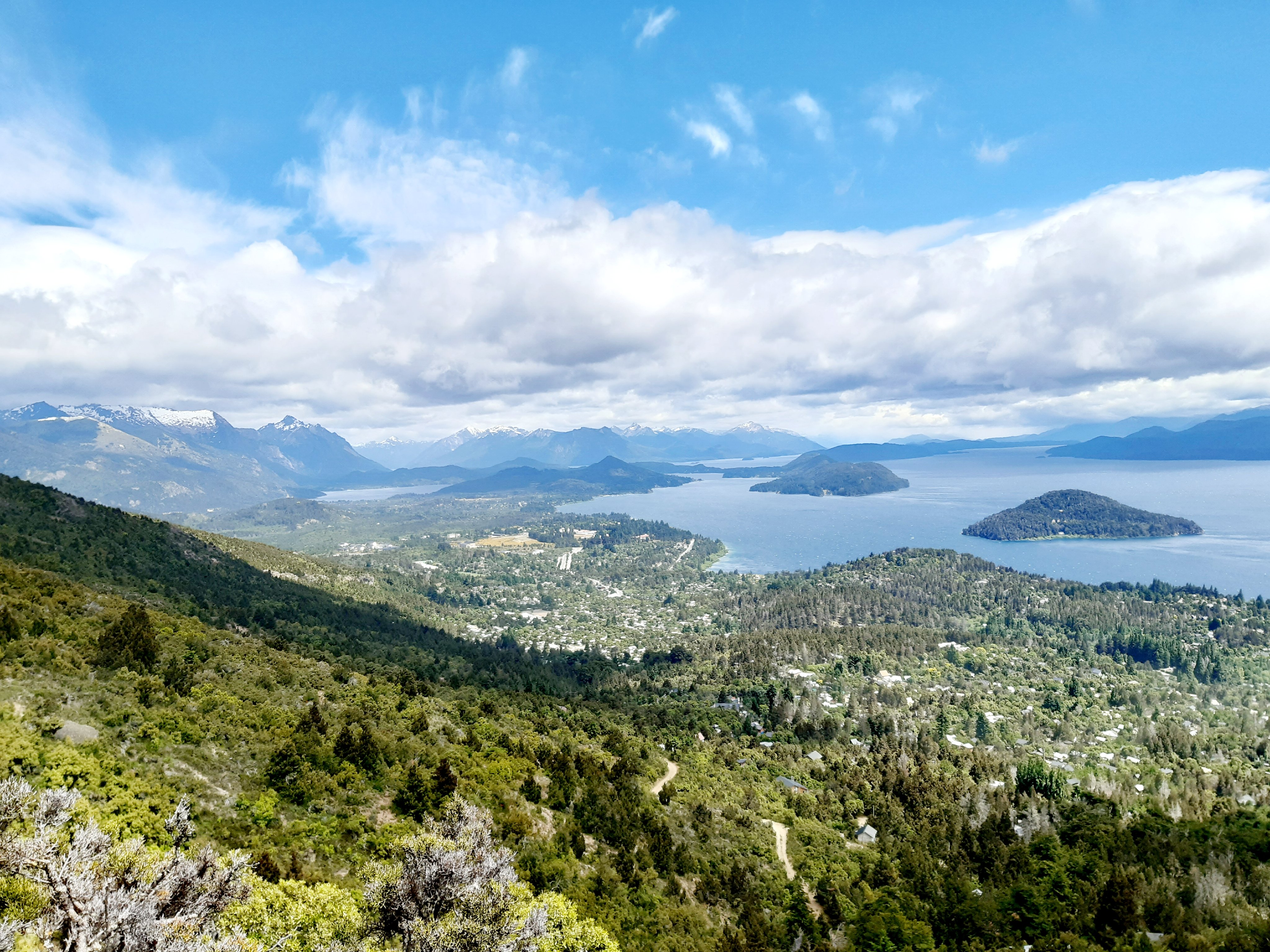

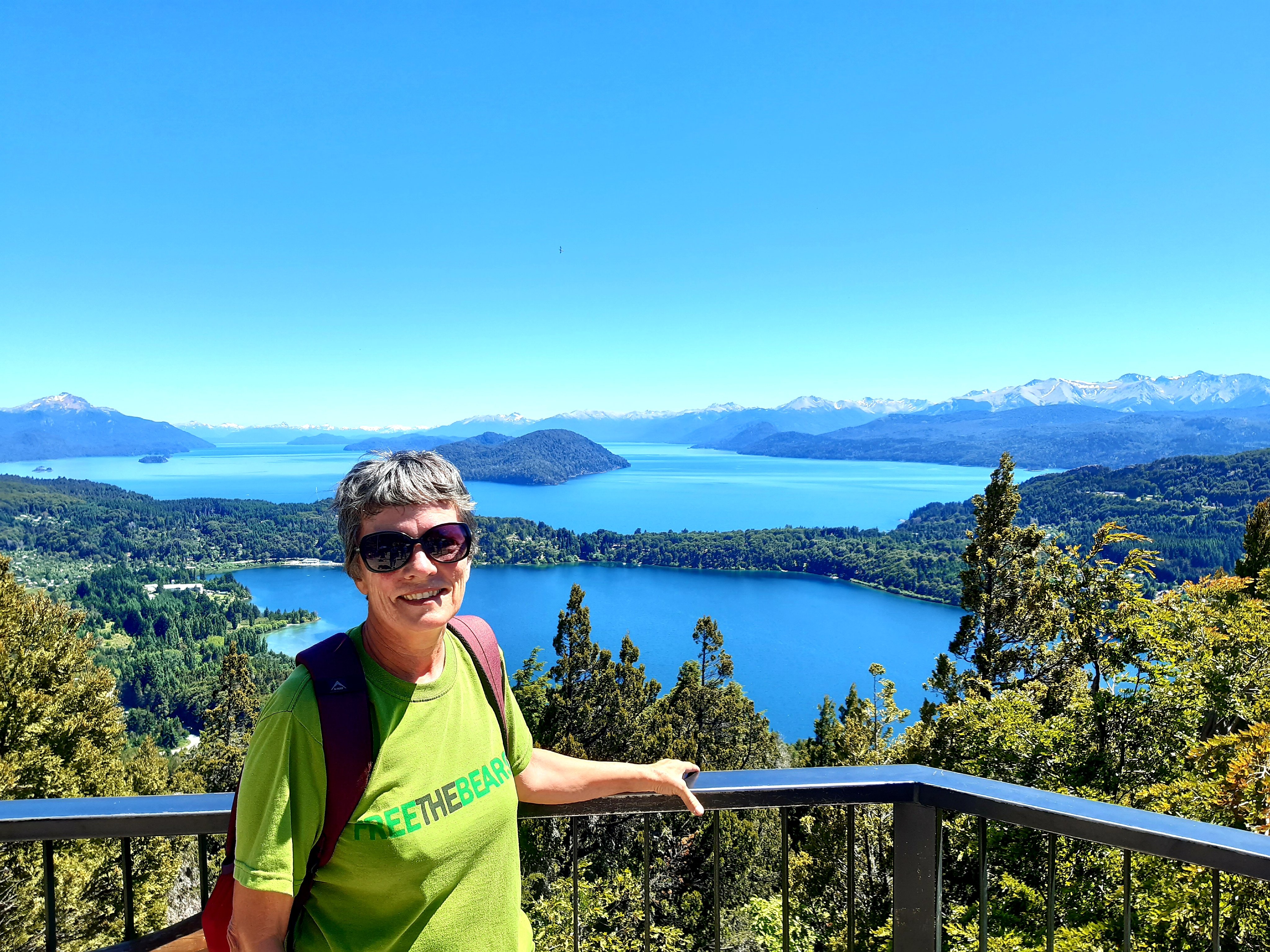

 I did a 30km bicycle trip one day, Circuito Chico it is called, with crystal clear lakes, forests and spectacular views. Renting a bike was quite expensive as it is high season now, R300, but totally worth it.


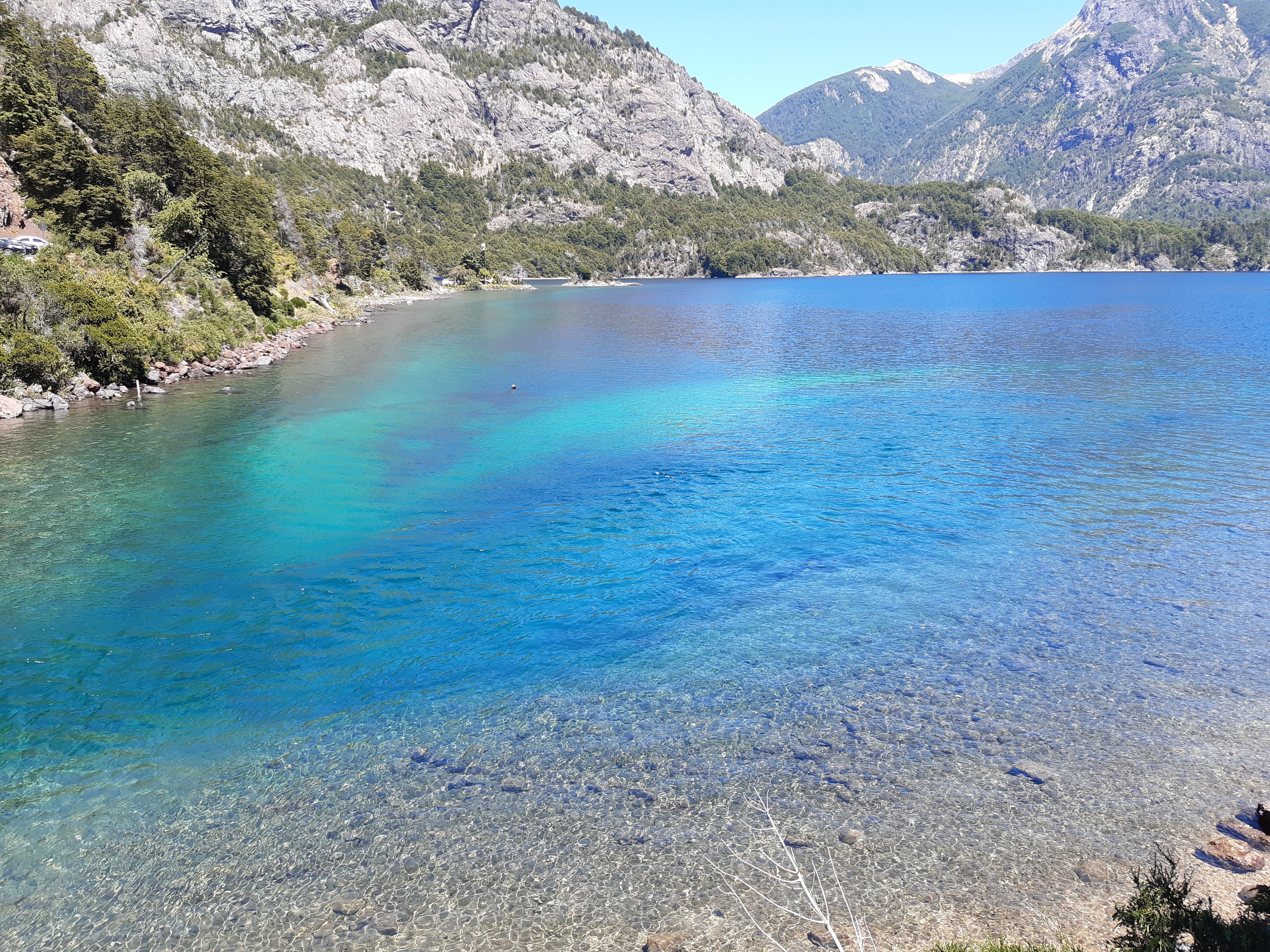
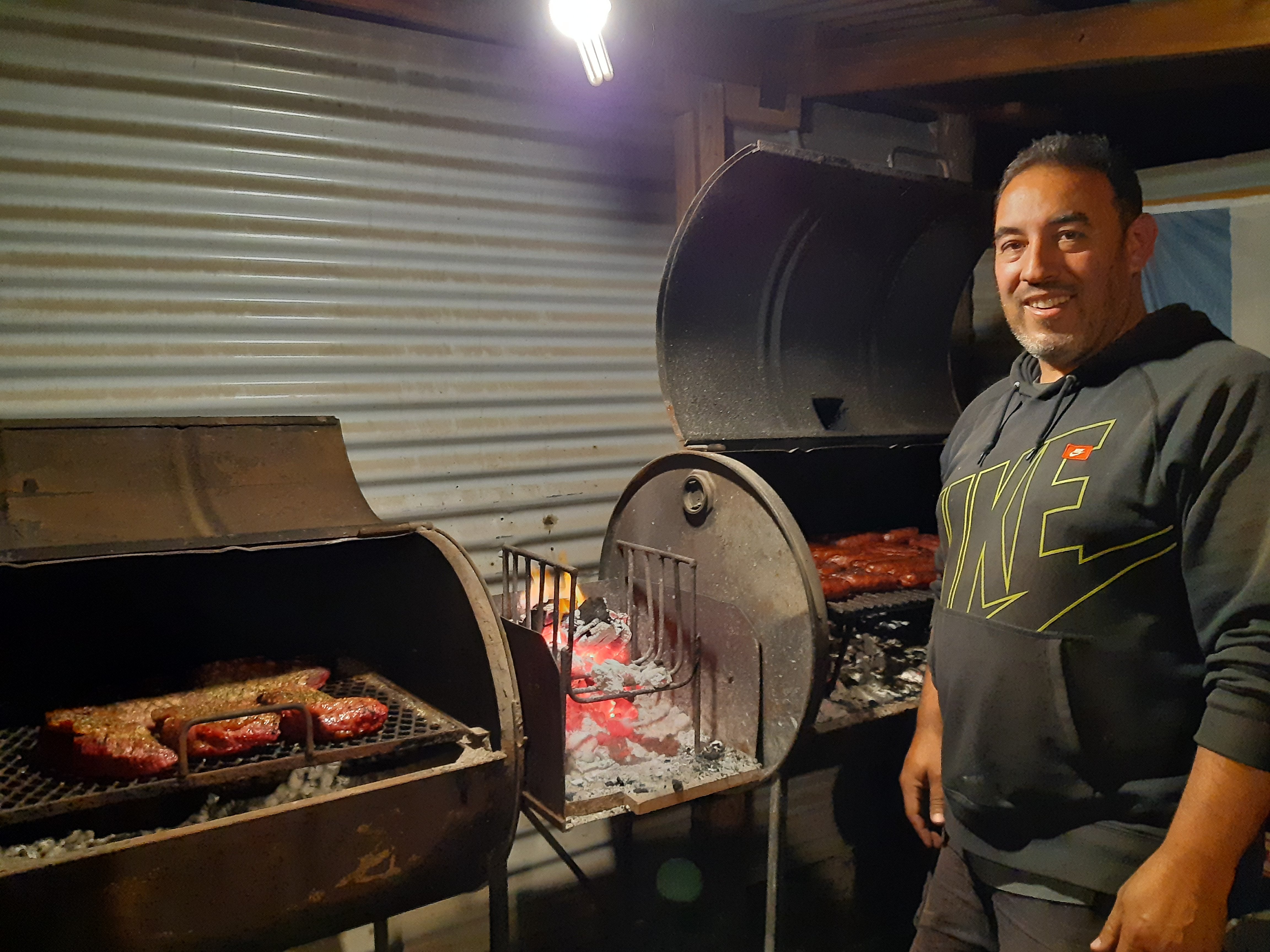
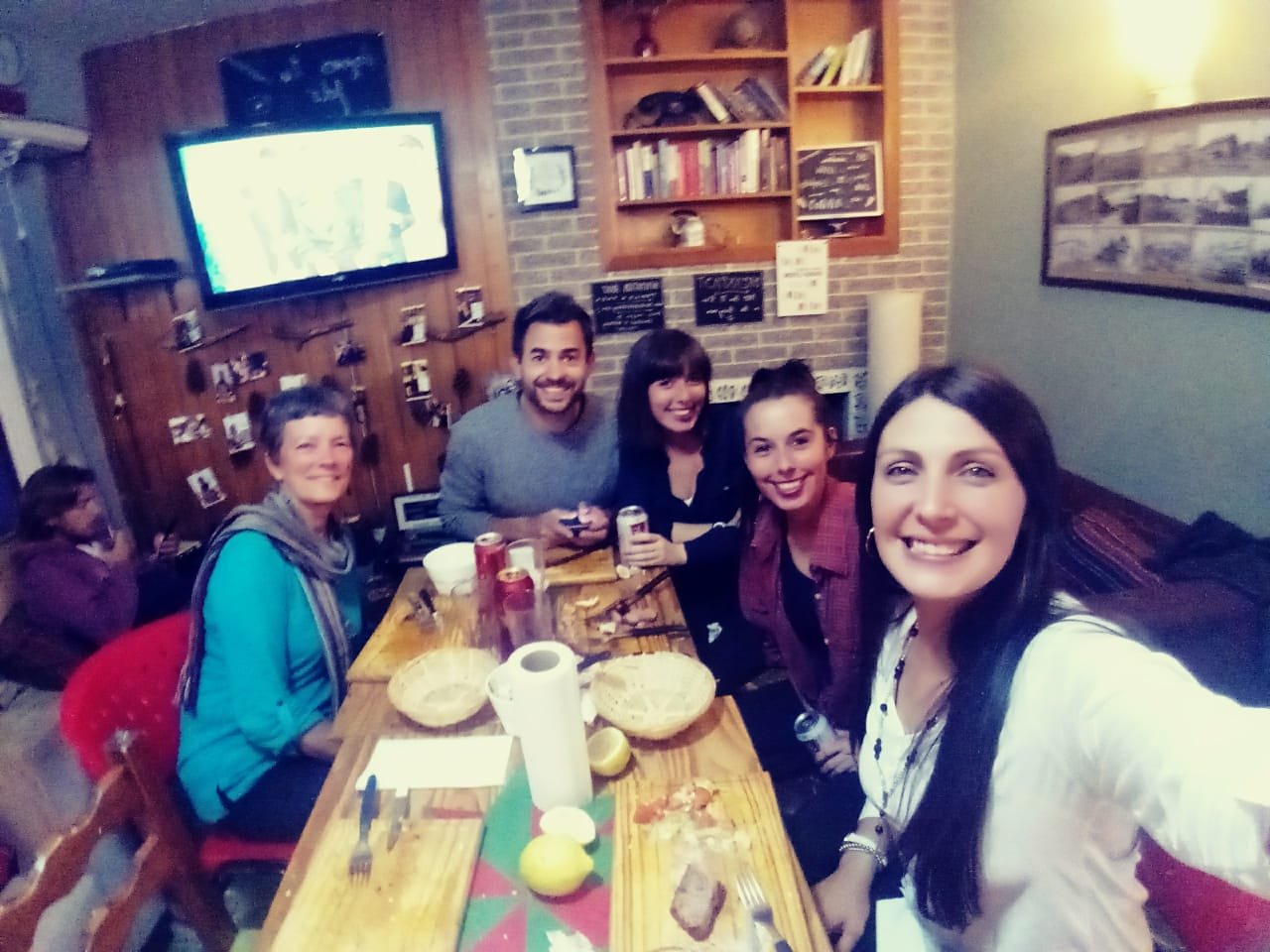
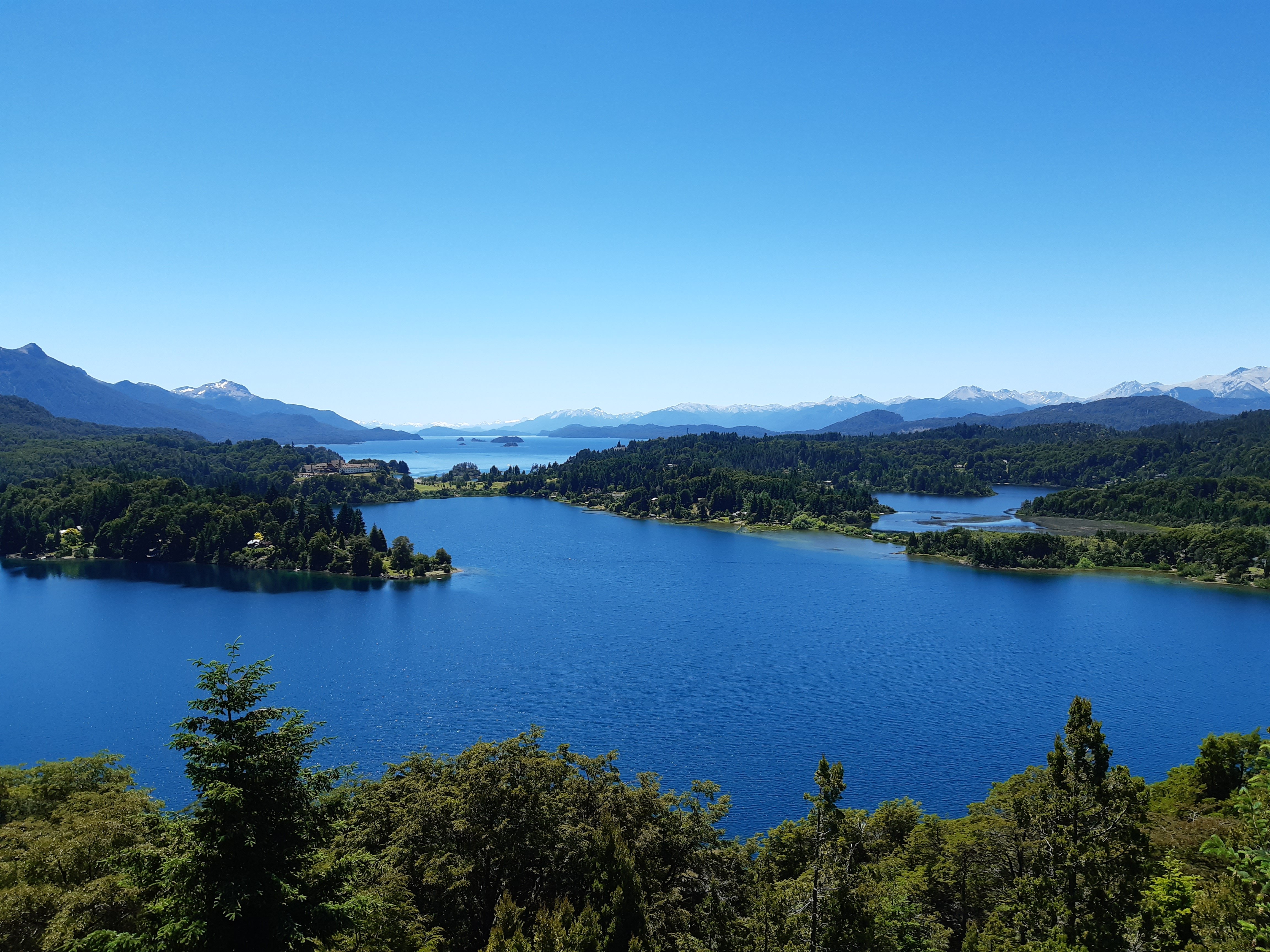 It was Marina’s birthday on the 30th Dec, and again we were treated to an asado, a whole sheep this time, with a chunk of rib-eye steak and sausages. It was held at a smaller lagoon, and l decided to brave the icy water and had a refreshing swim.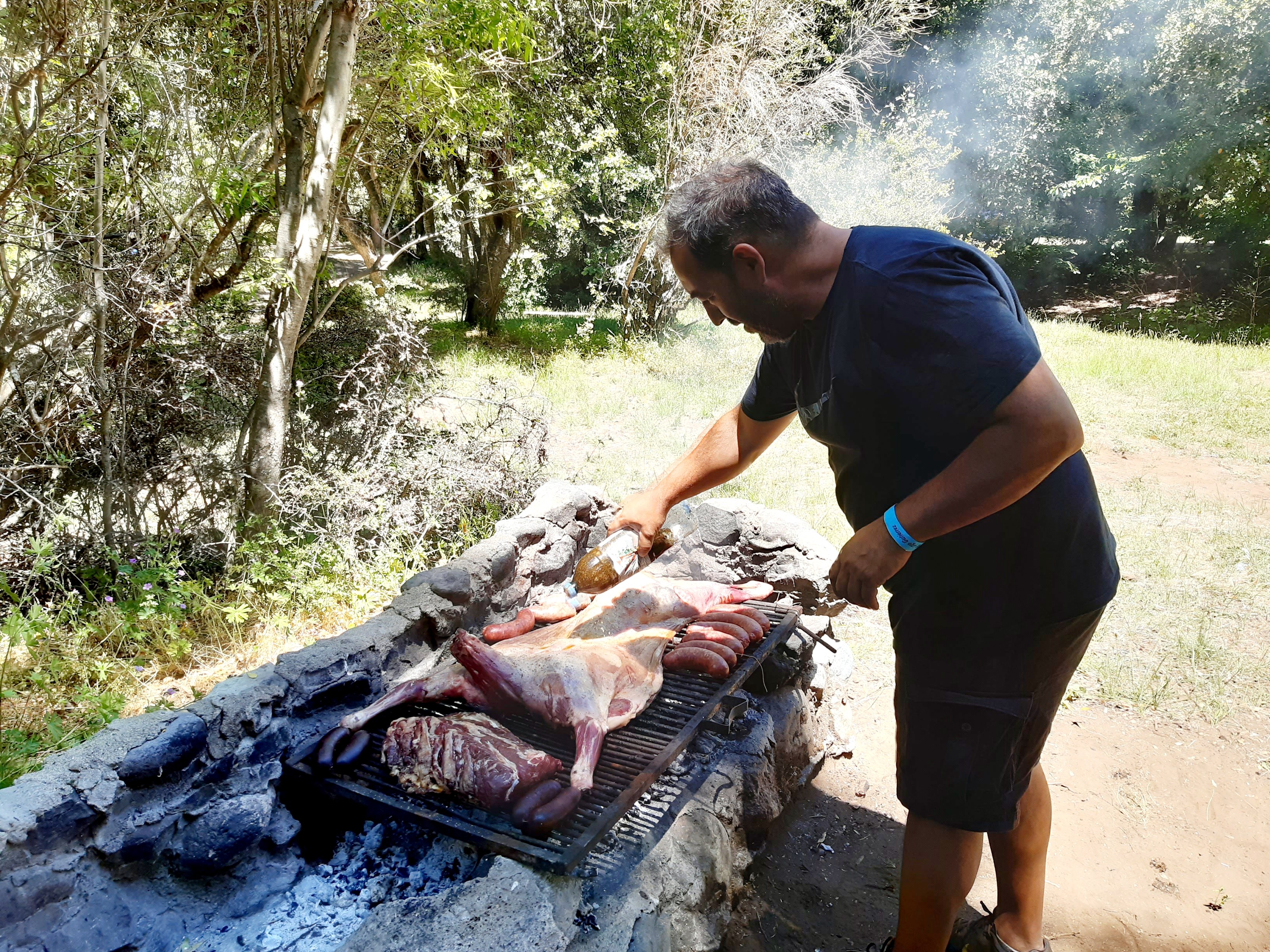
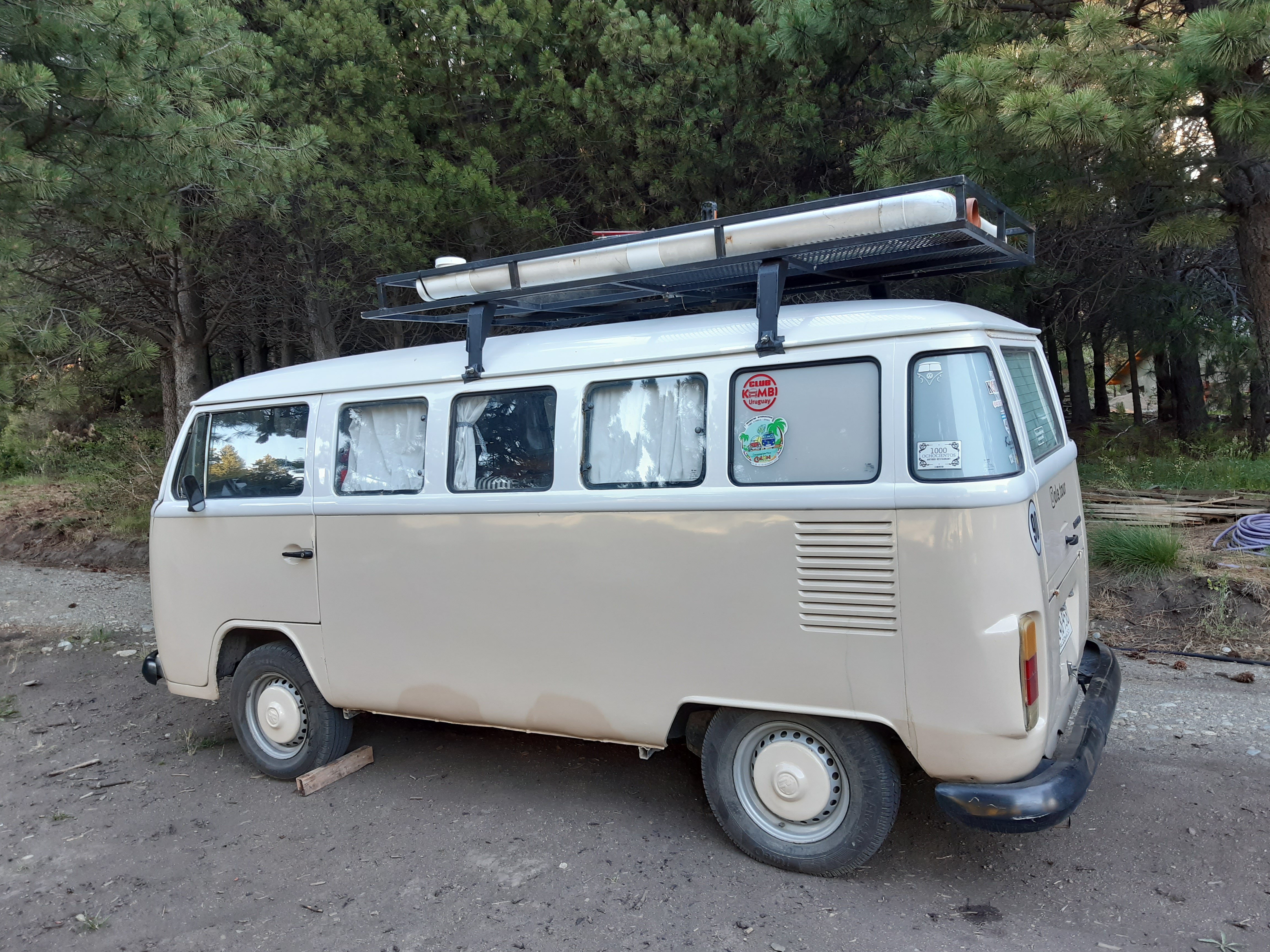
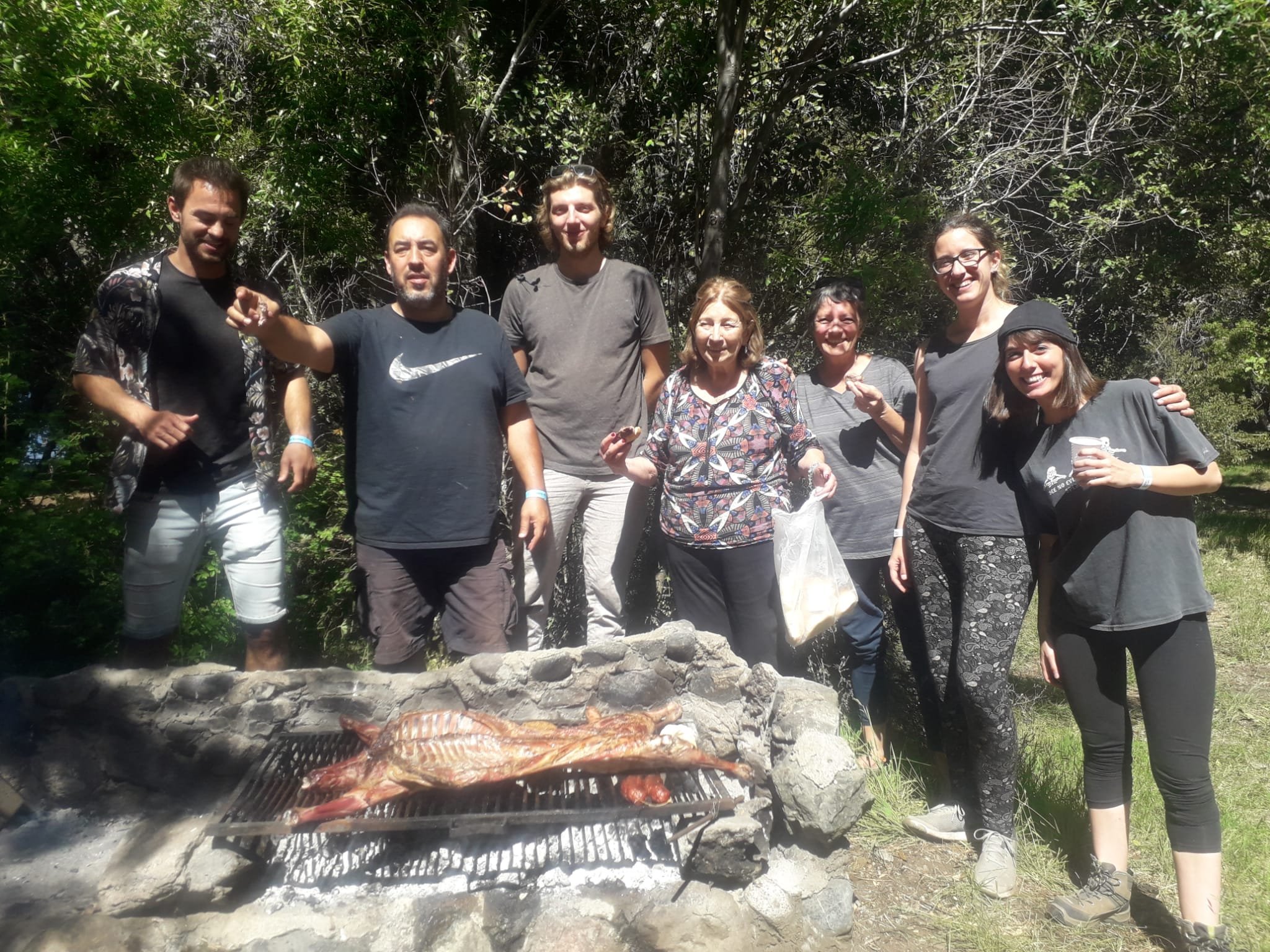 And then my friend Ale, whom I had worked with at Sauce Viejo in August last year, surprised me here at the hostel! He had a friend with him and they picked me up after work the following day and we went bundu bashing up a mountain where he was camping in his combi.
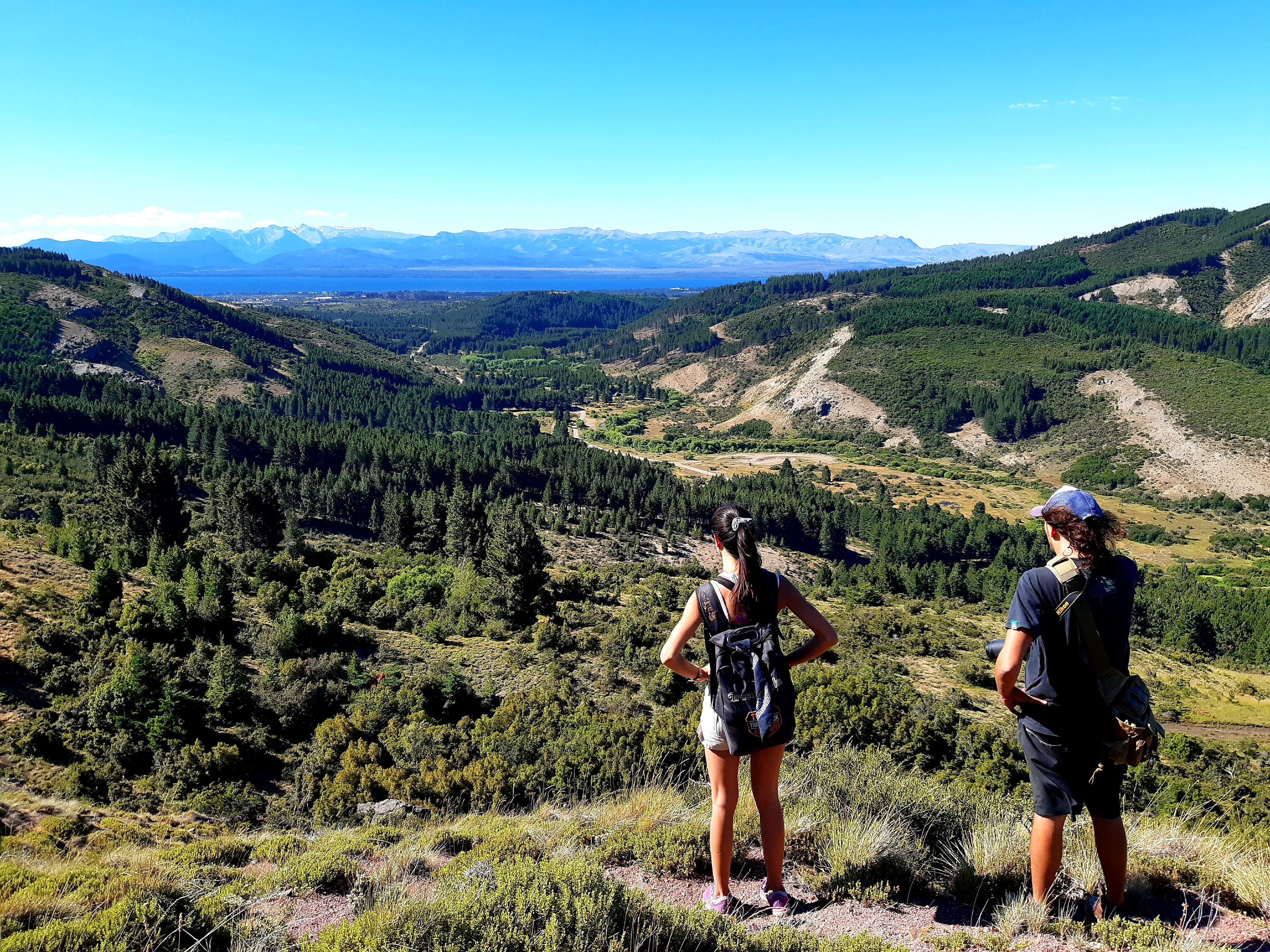 Bariloche became popular in the 1930 – 40’s, with many Swiss and German people settling here. The European influence in visible in the architectural styles of buildings and houses, as well as in the infrastructure and neatness of the town. The beaches around the lagoon are not sand, but smooth pebbles, which does not deter people from sunbathing and occasionally wading or even bravely taking a dip. The water wasn’t too cold after a few days of hot sunshine and swimming was quite pleasurable.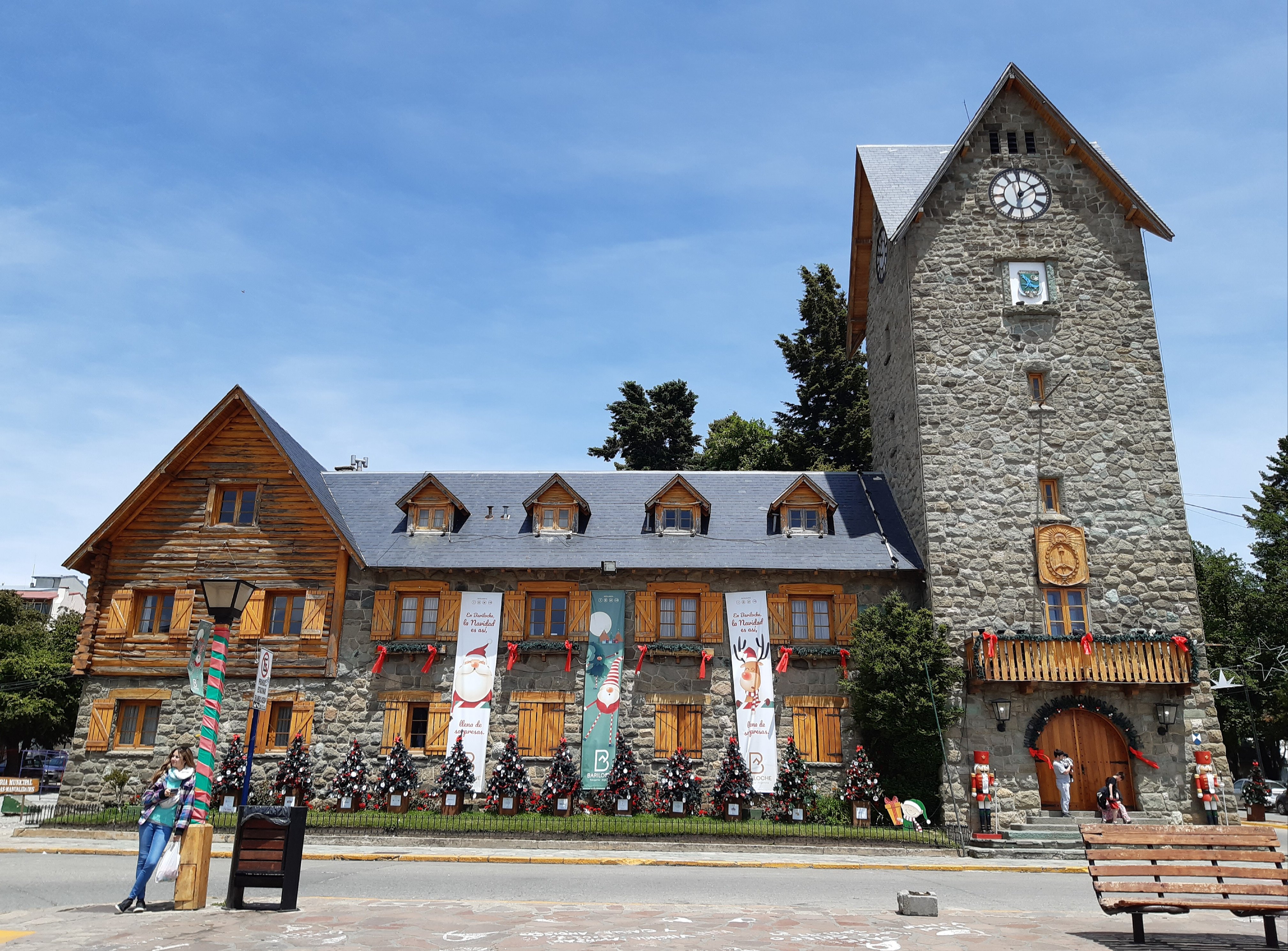
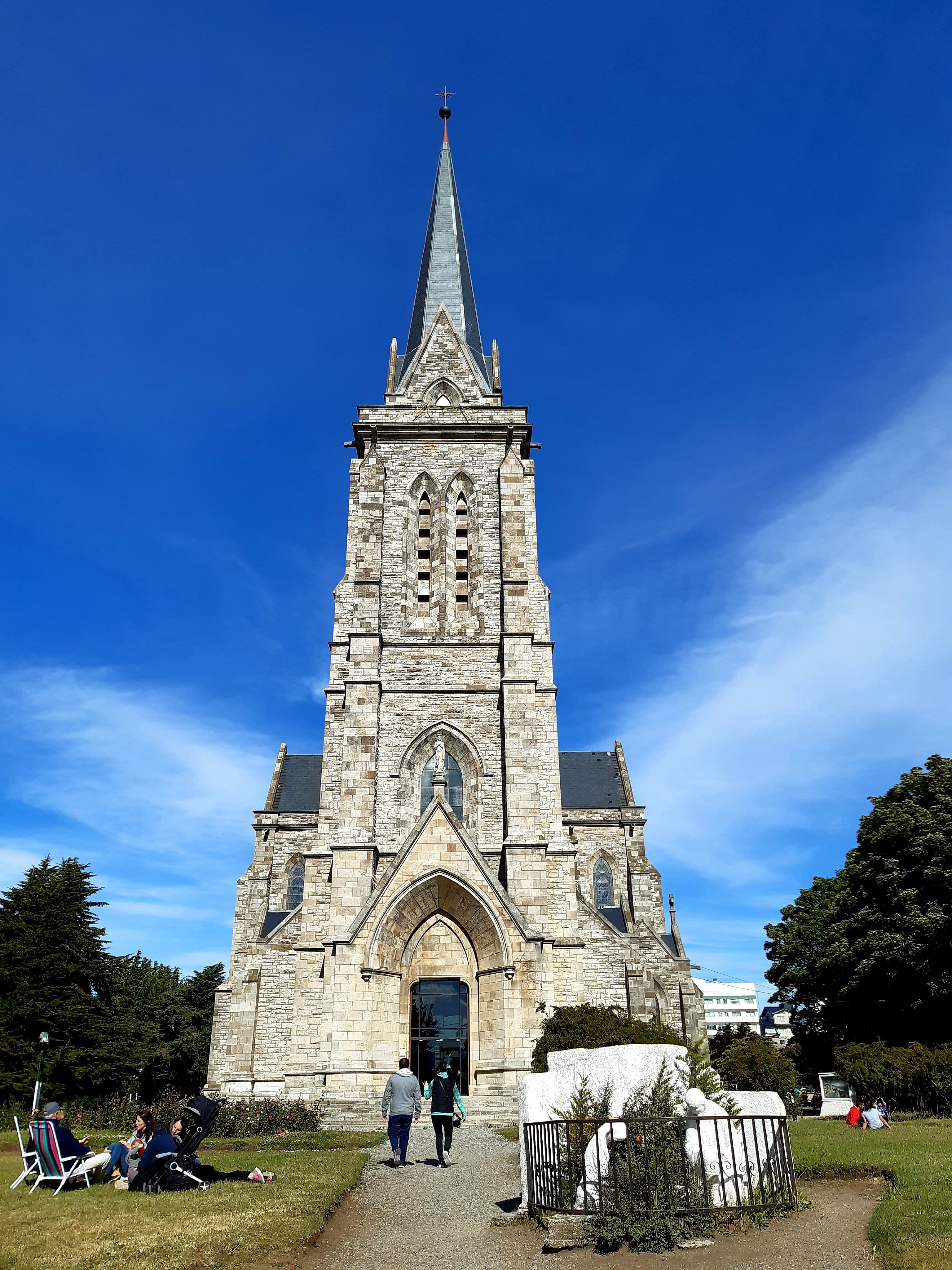
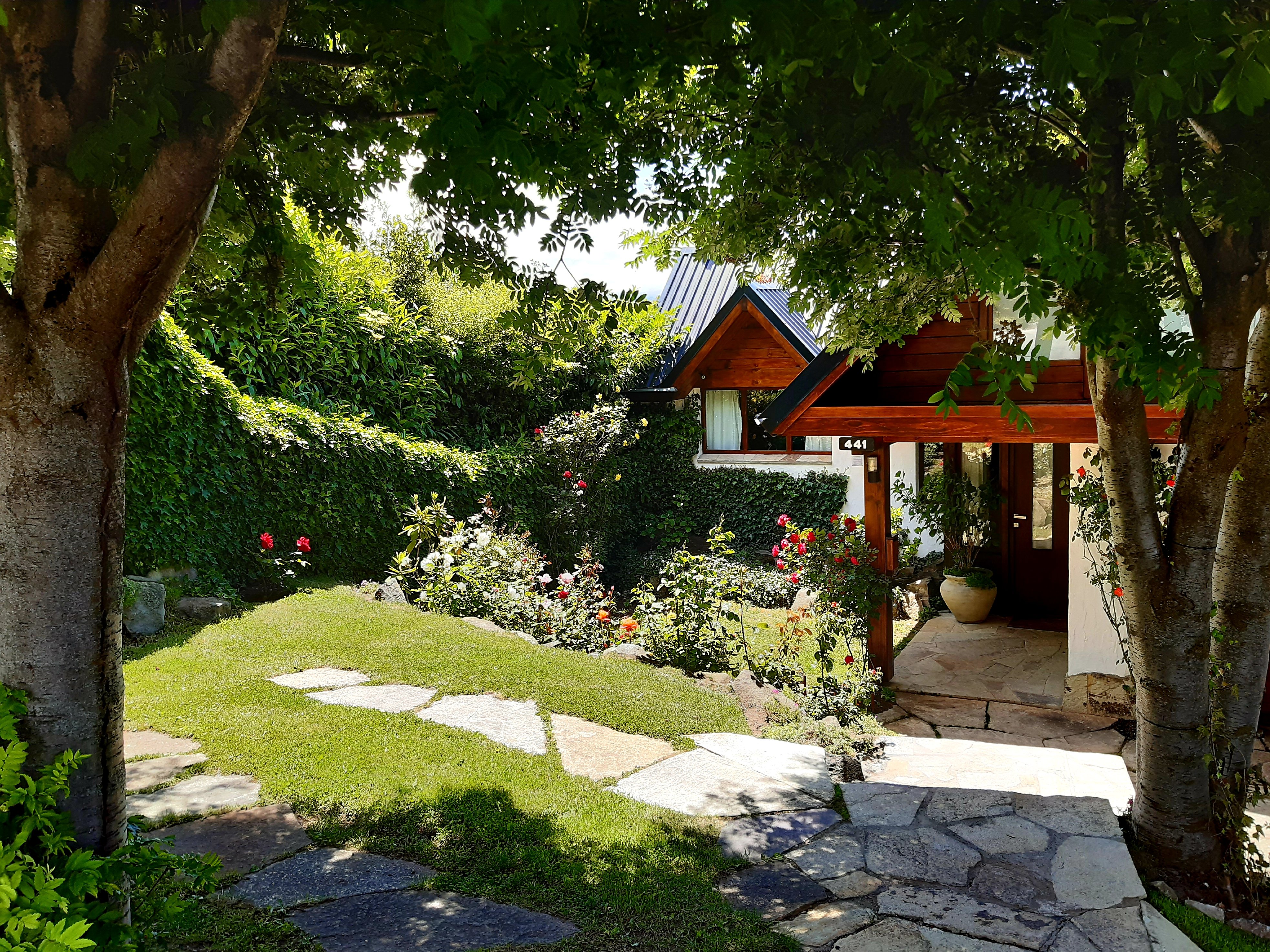


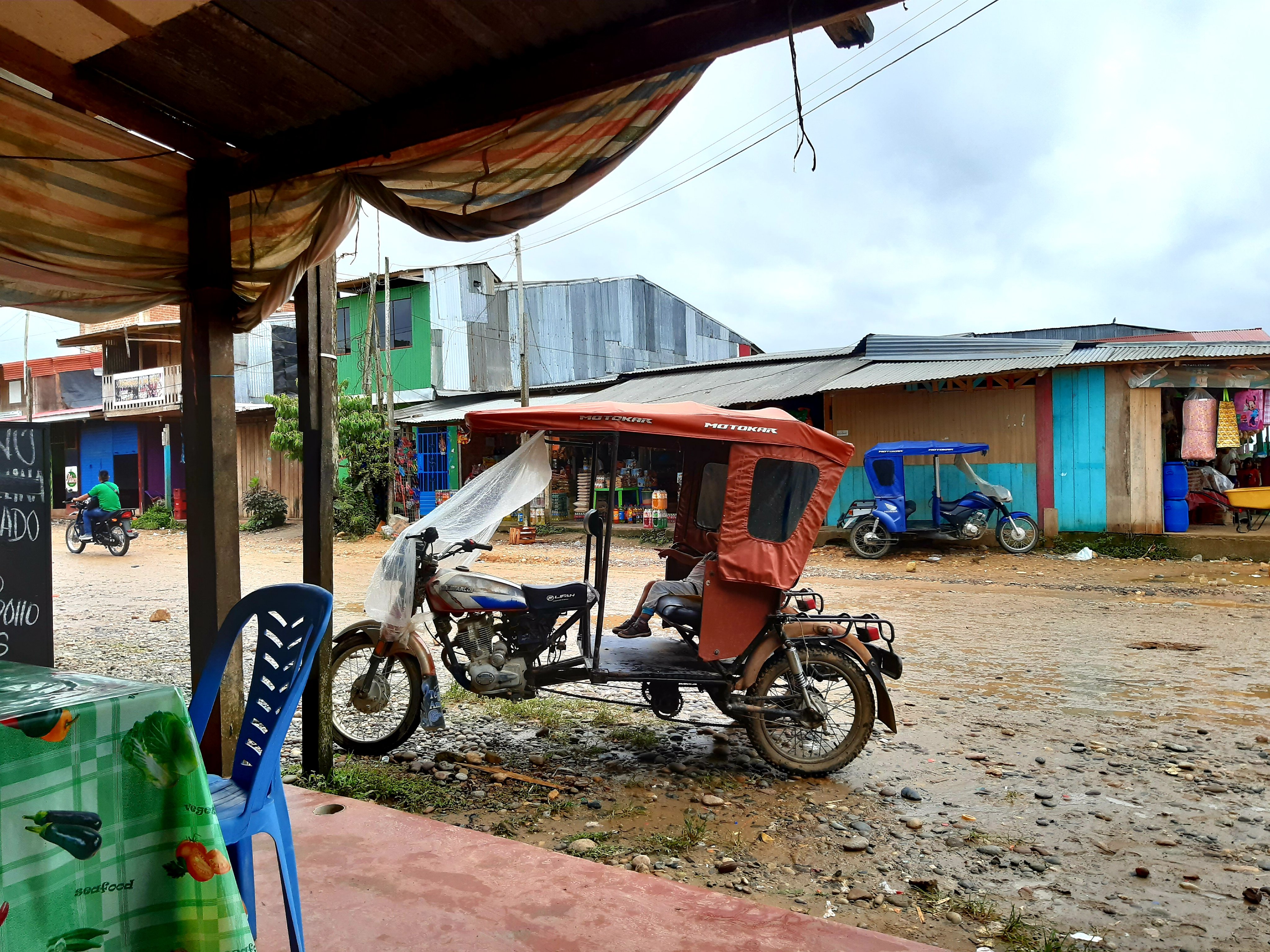 I walked around town, ate at local restaurants for 5 soles, visited a few places out of town and spent a lot of time sleeping and relaxing, especially as it rained for a certain part of the day every day. Nobody speaks English at all, which was good for practicing my Spanish.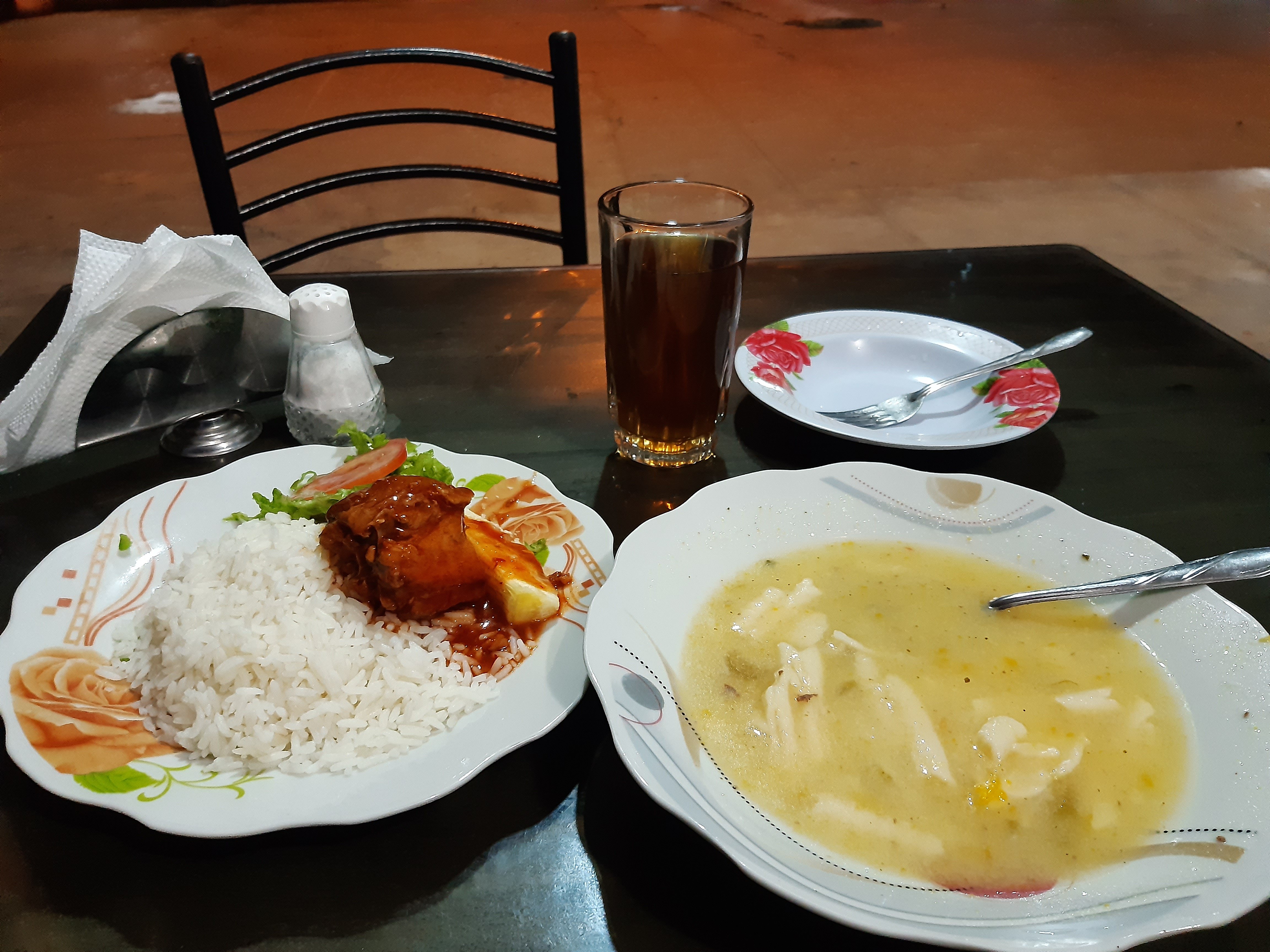

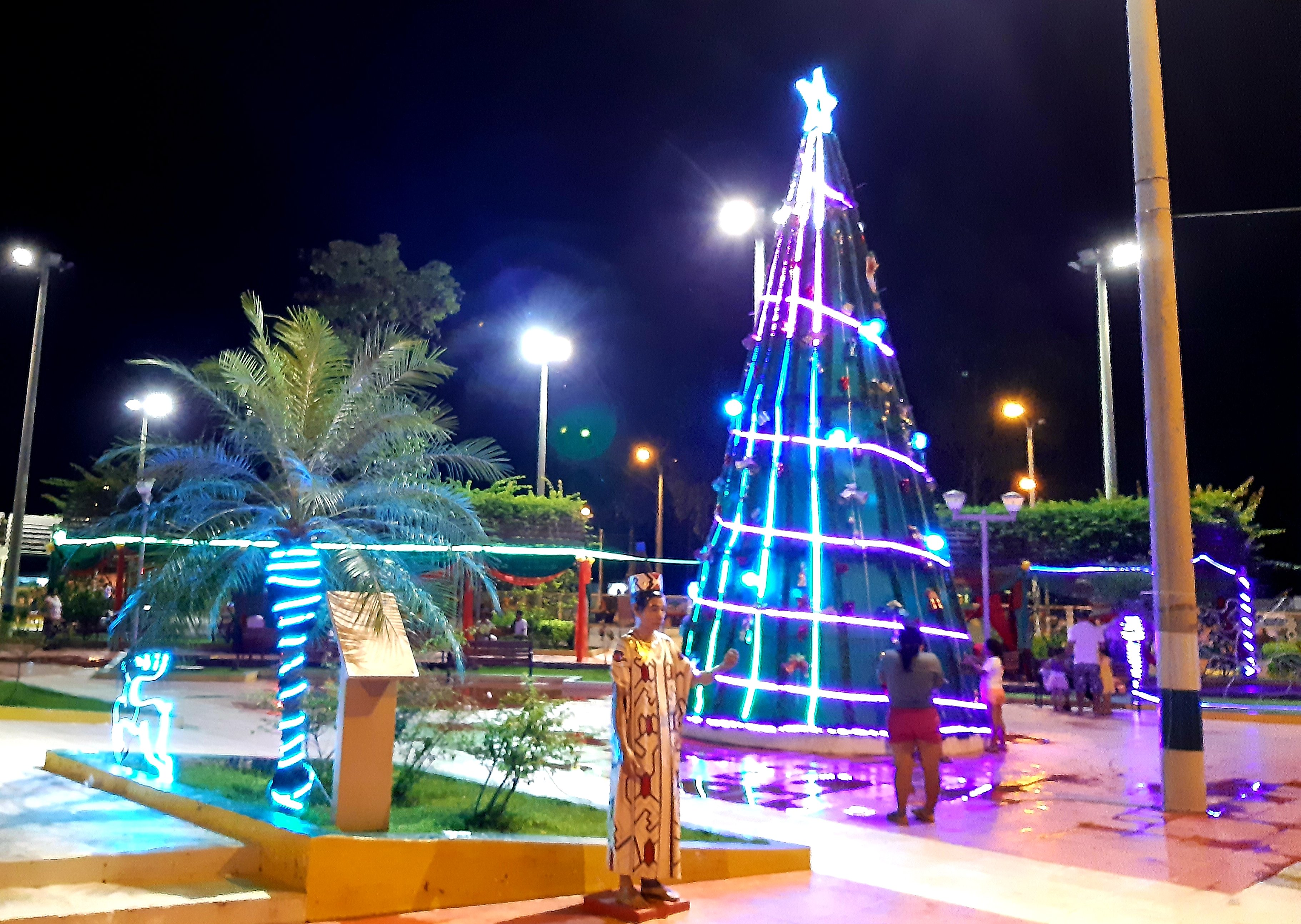
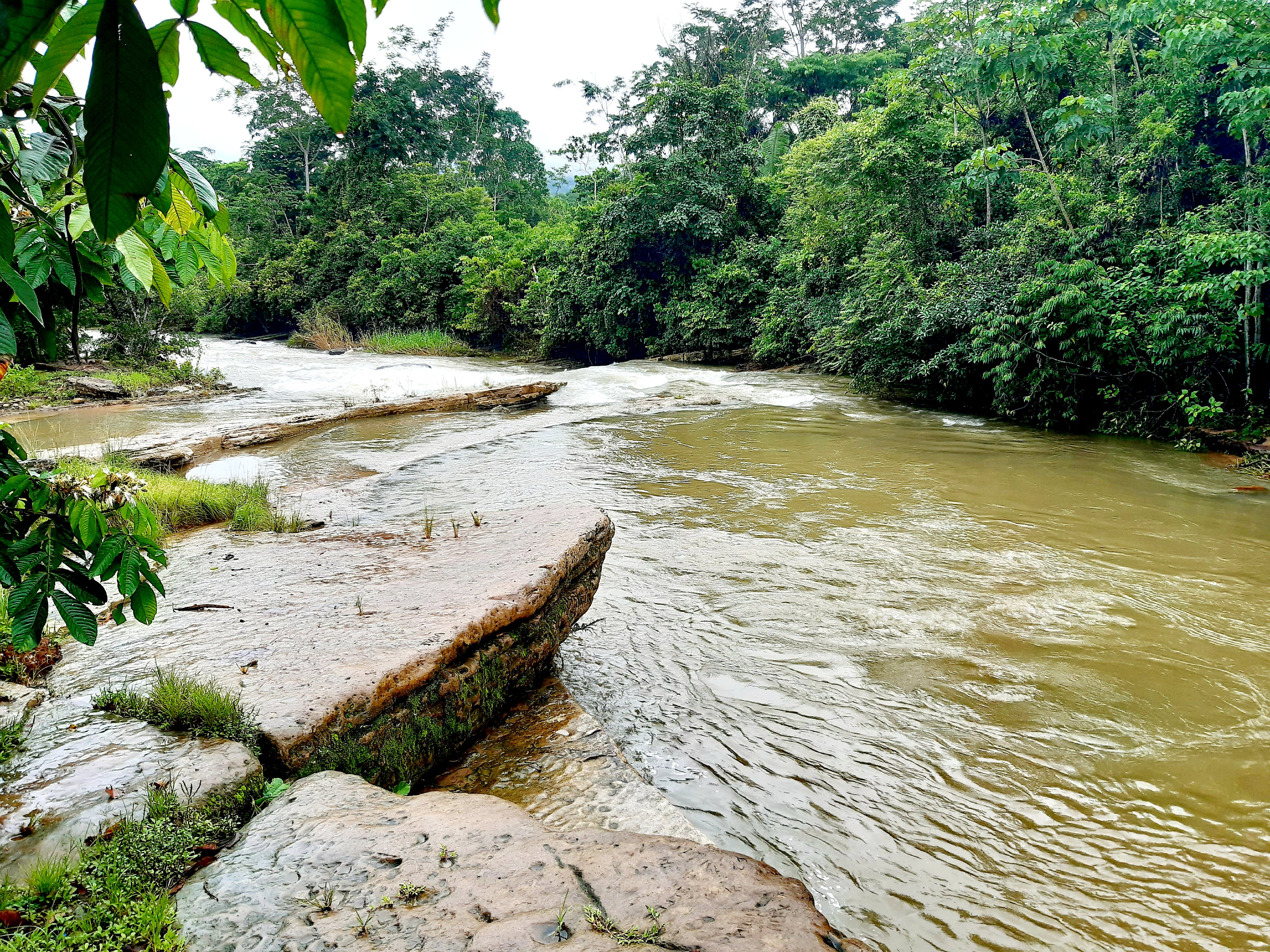 The above photo was taken at Sapani, a resort that normally has crystal clear pools, but was flooded after the rains.
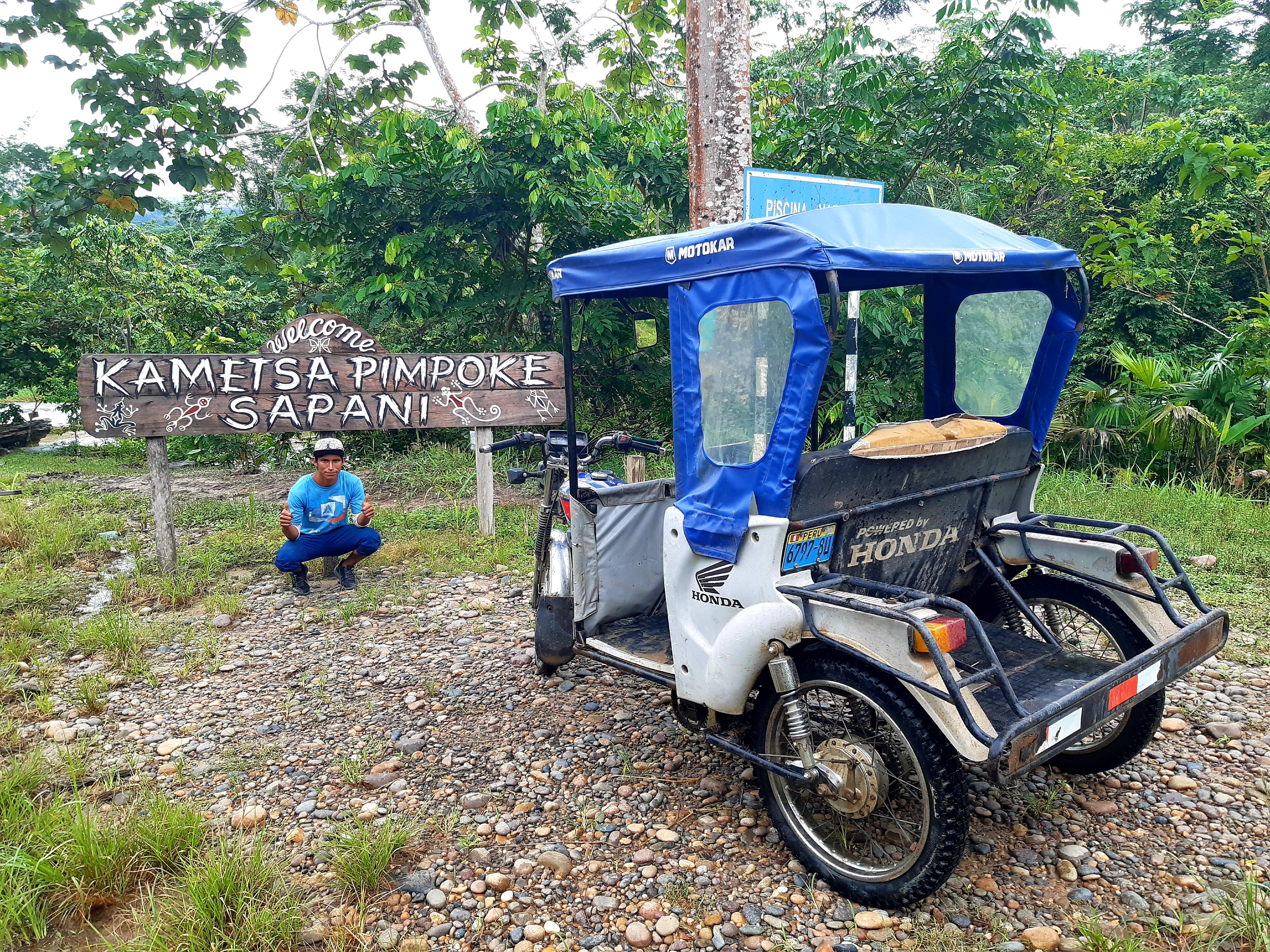
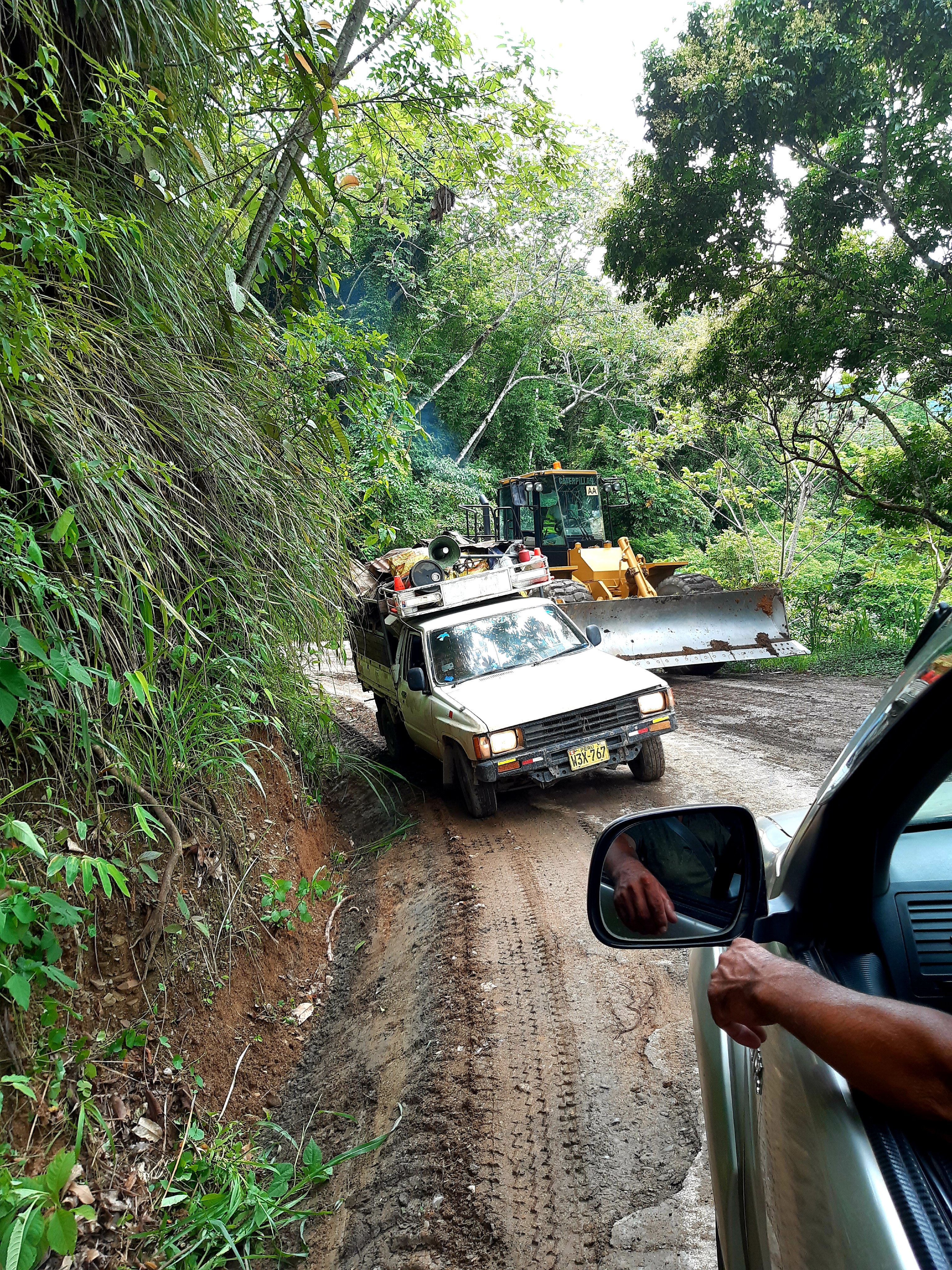
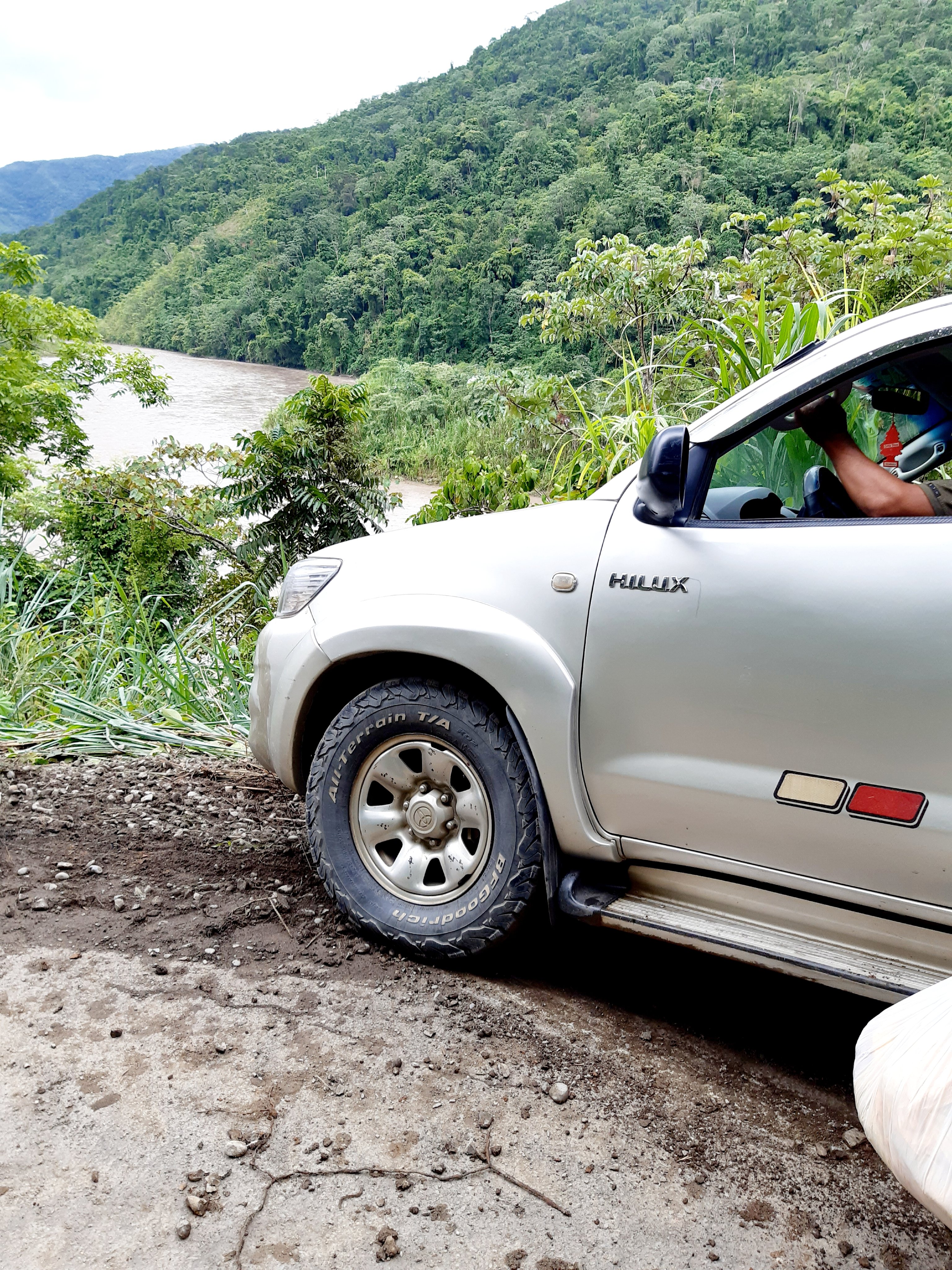
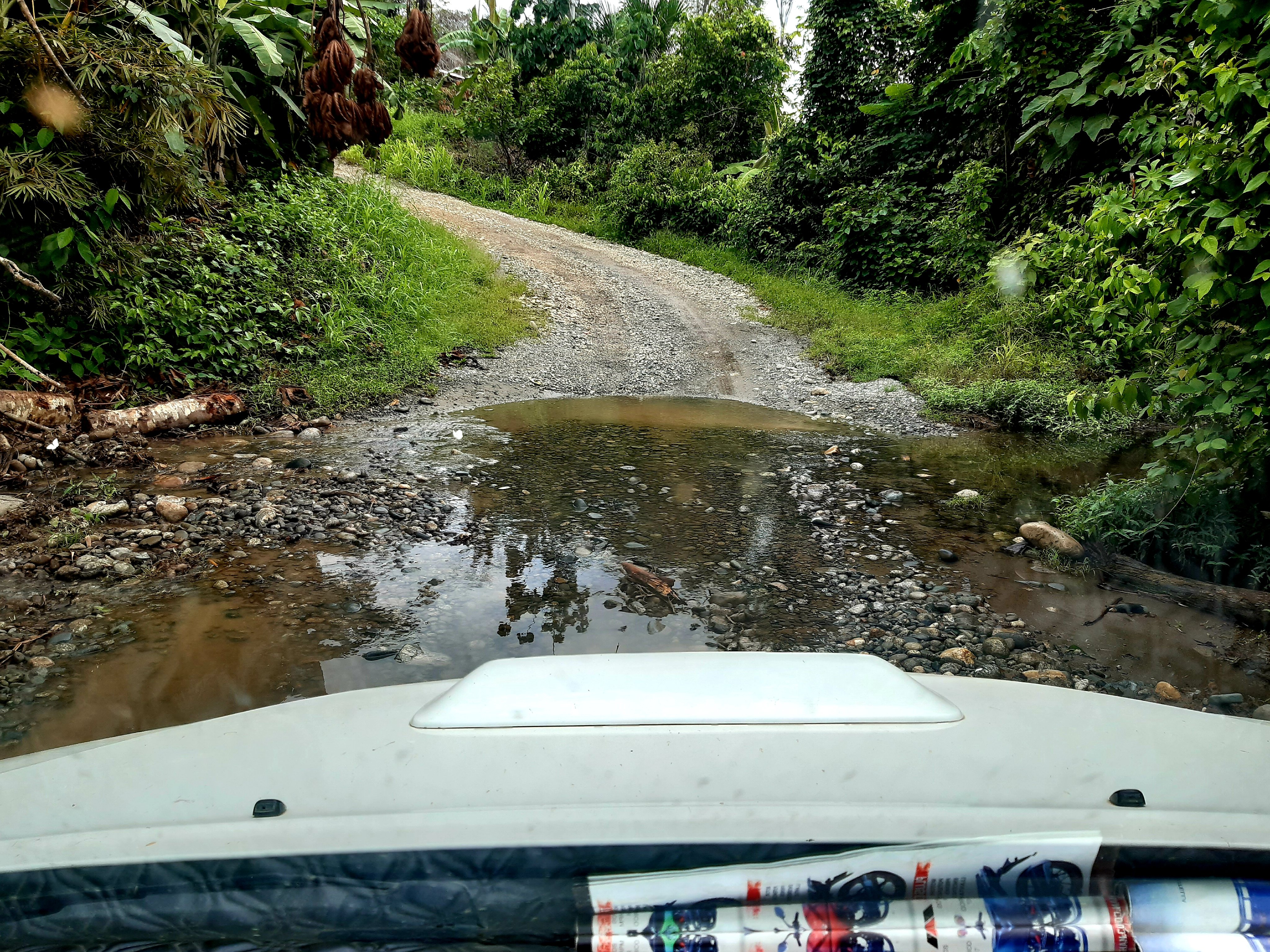
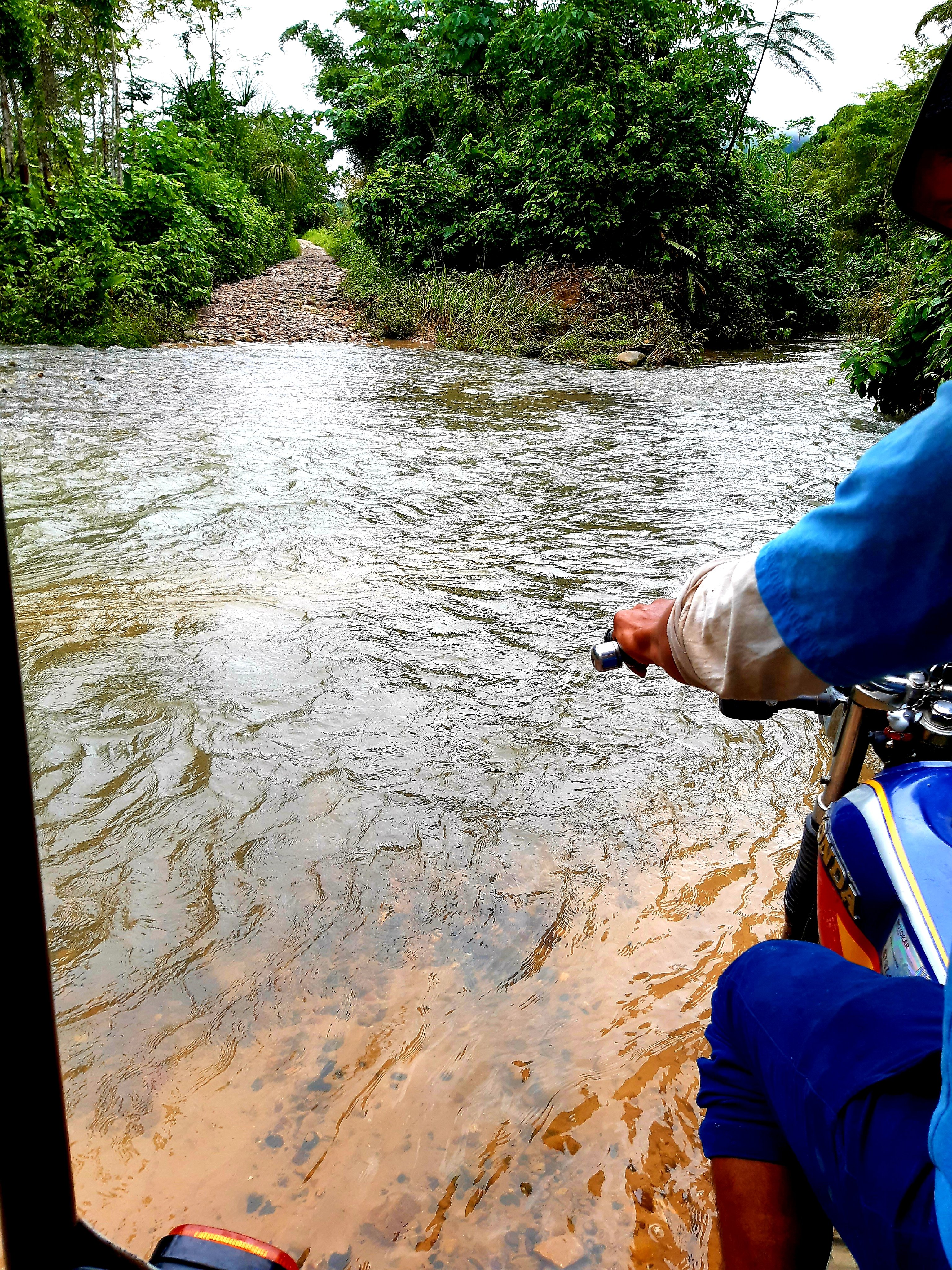 The motor taxi I took out there had to cross streams like this twice. I had to move to the corner if the back seat, to put some weight on the back wheel for better grip. We made it through both times. My proud driver:
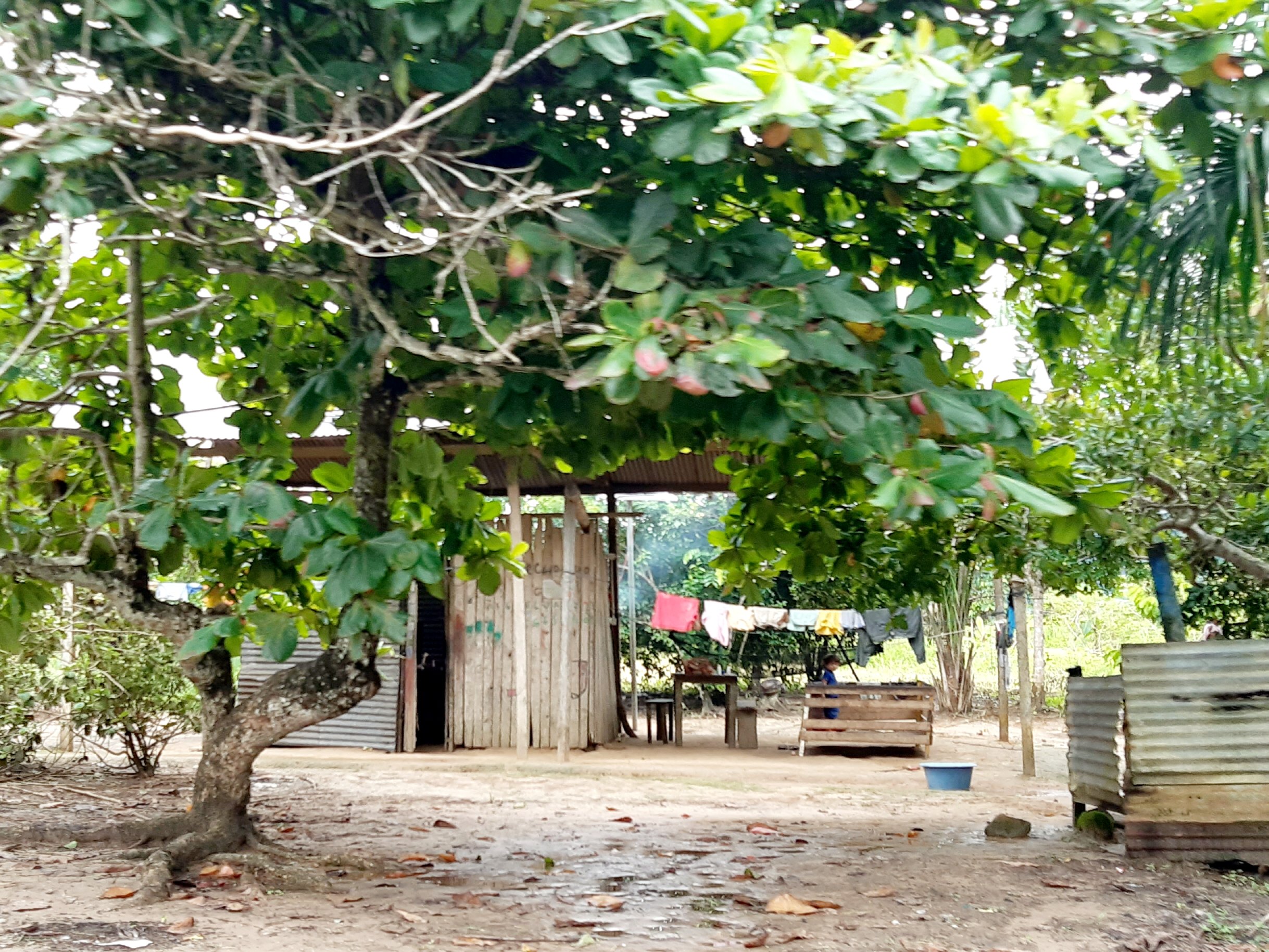
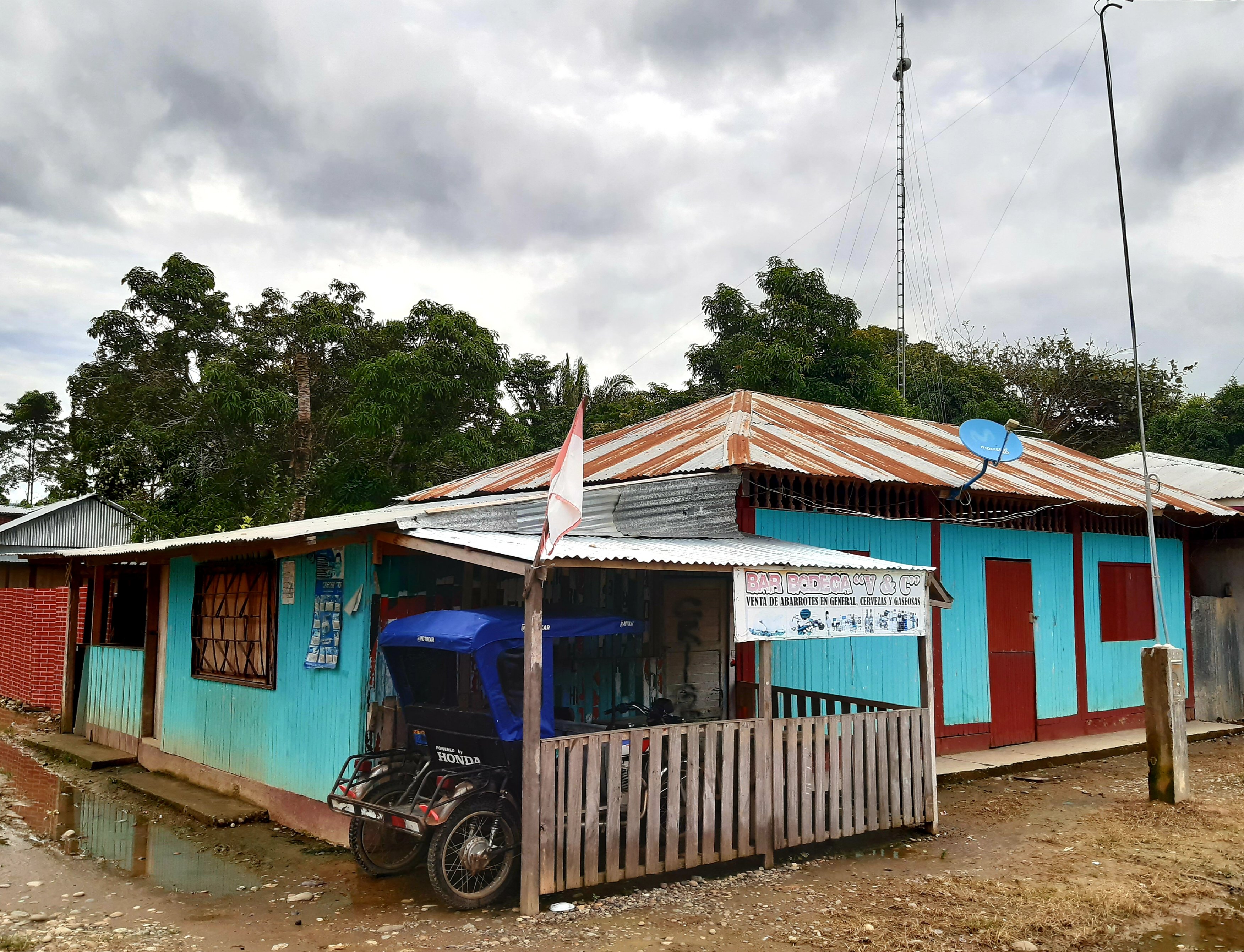
 Some houses in the forest: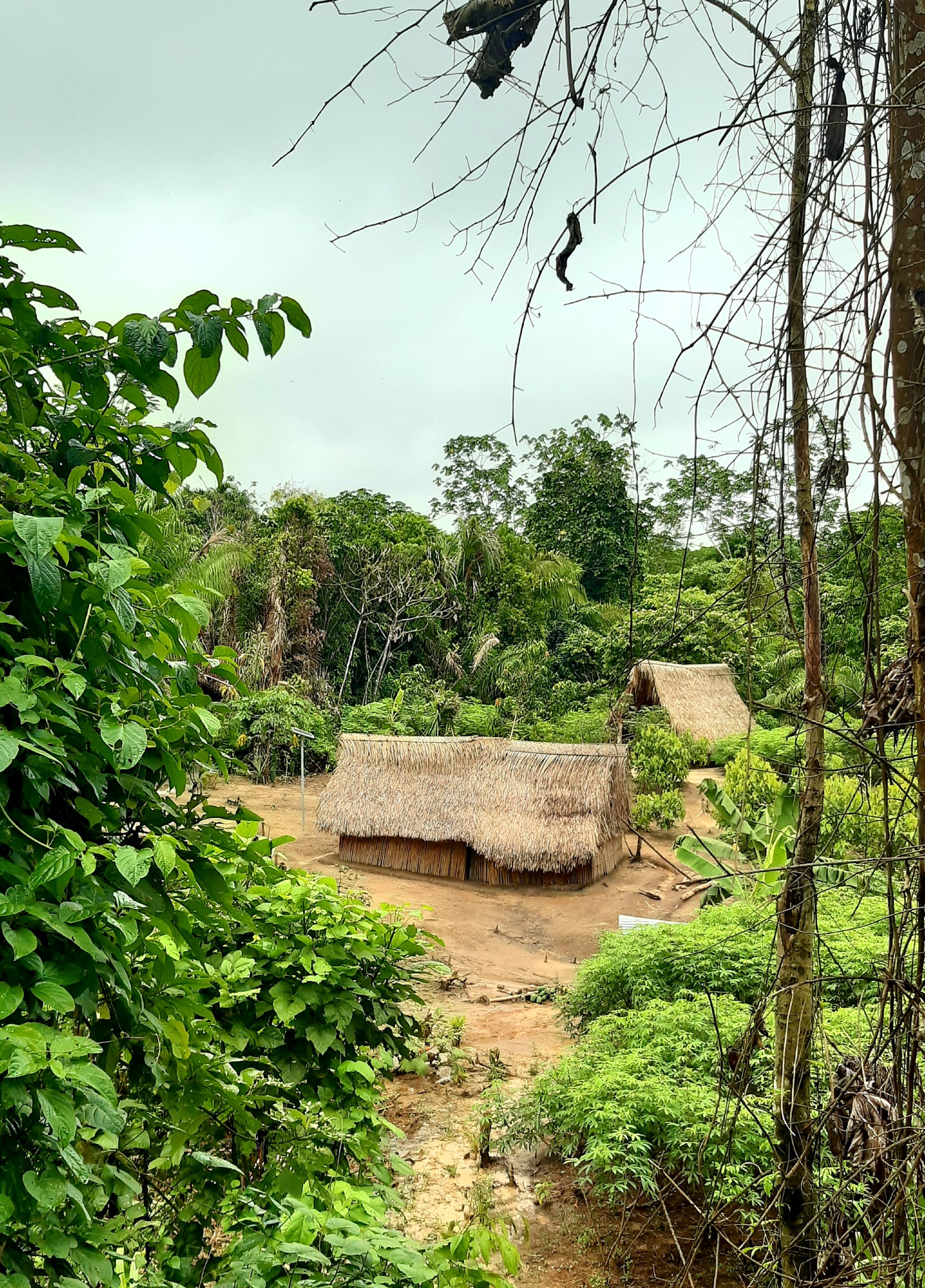
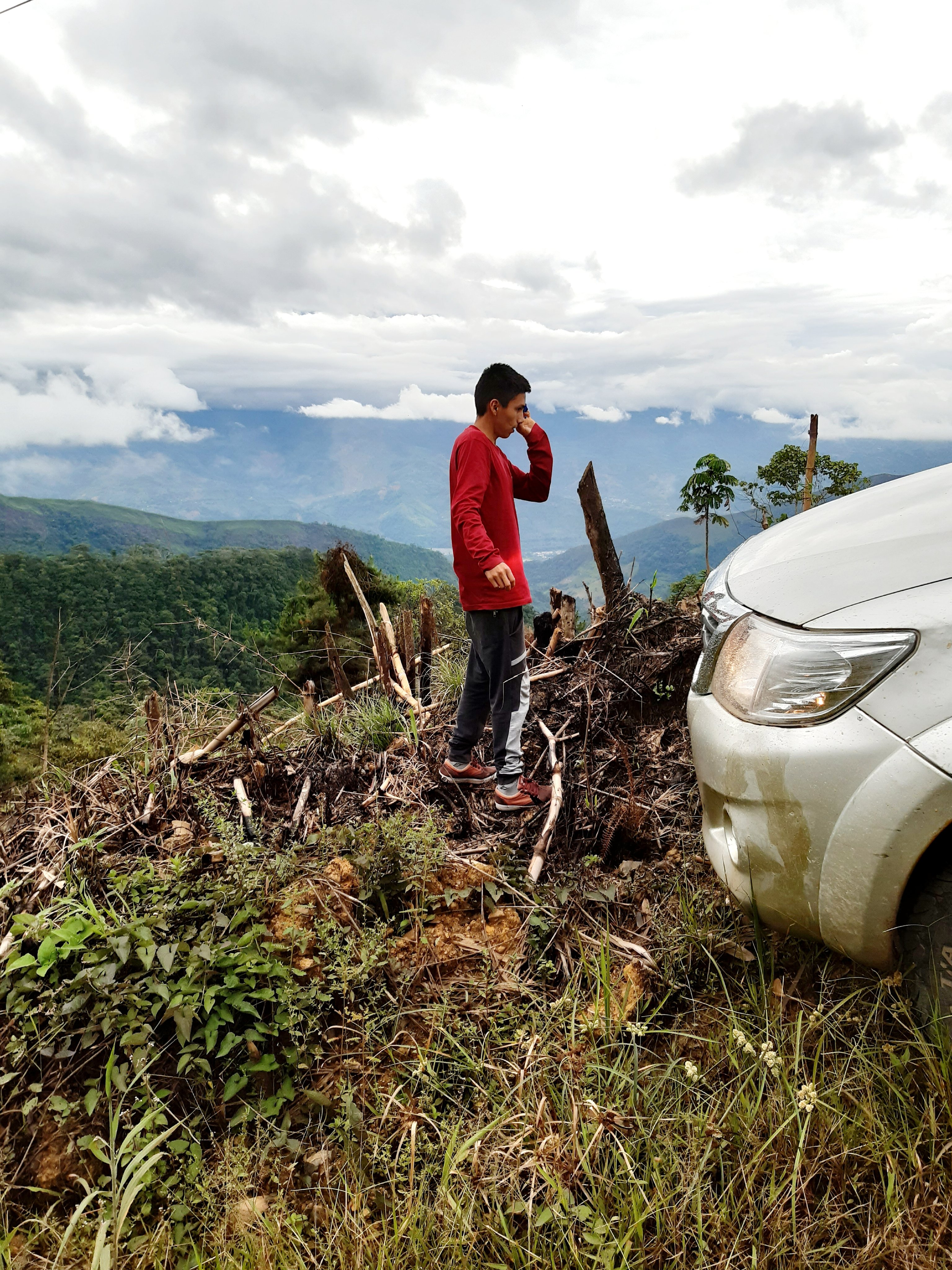
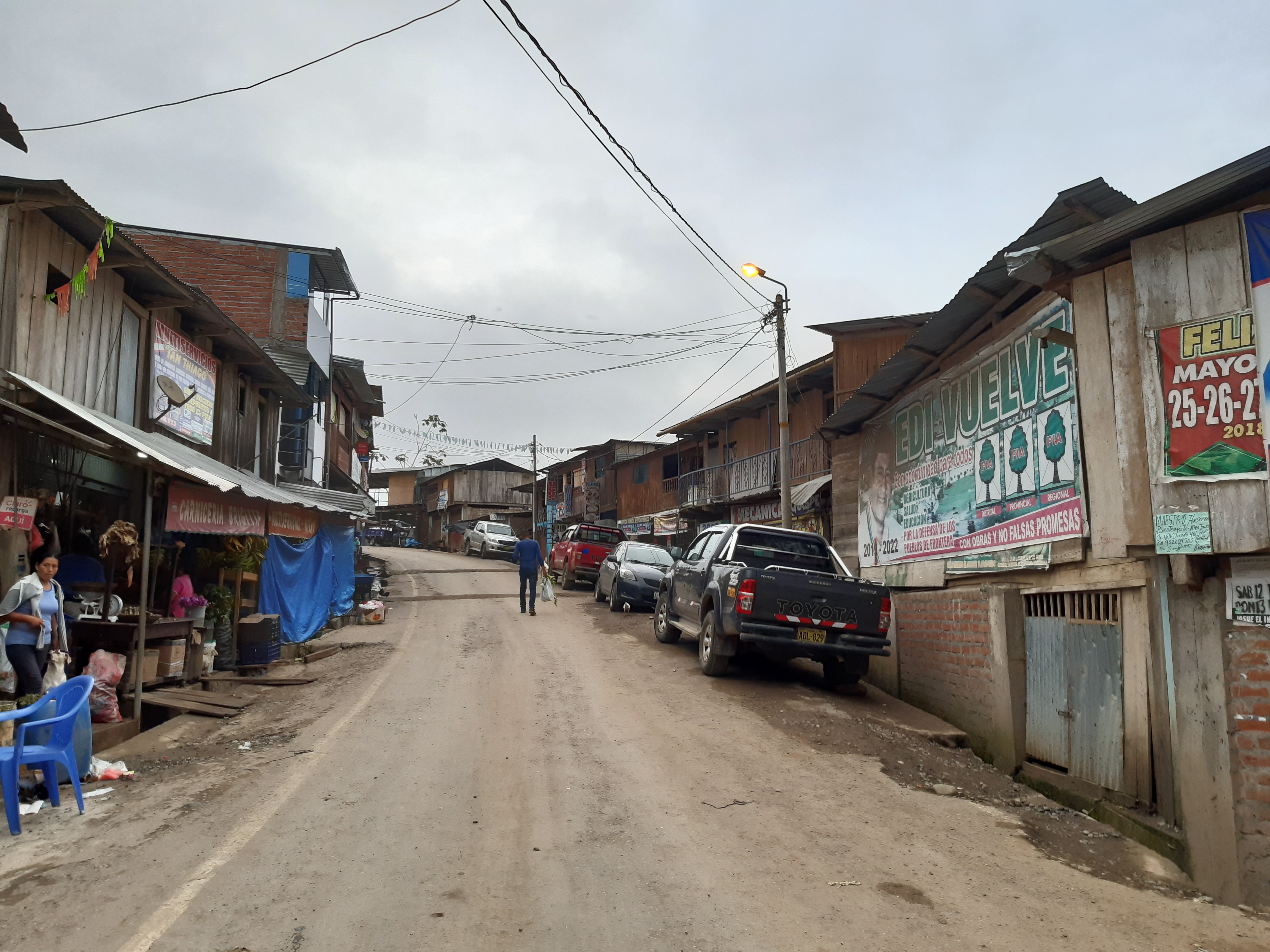
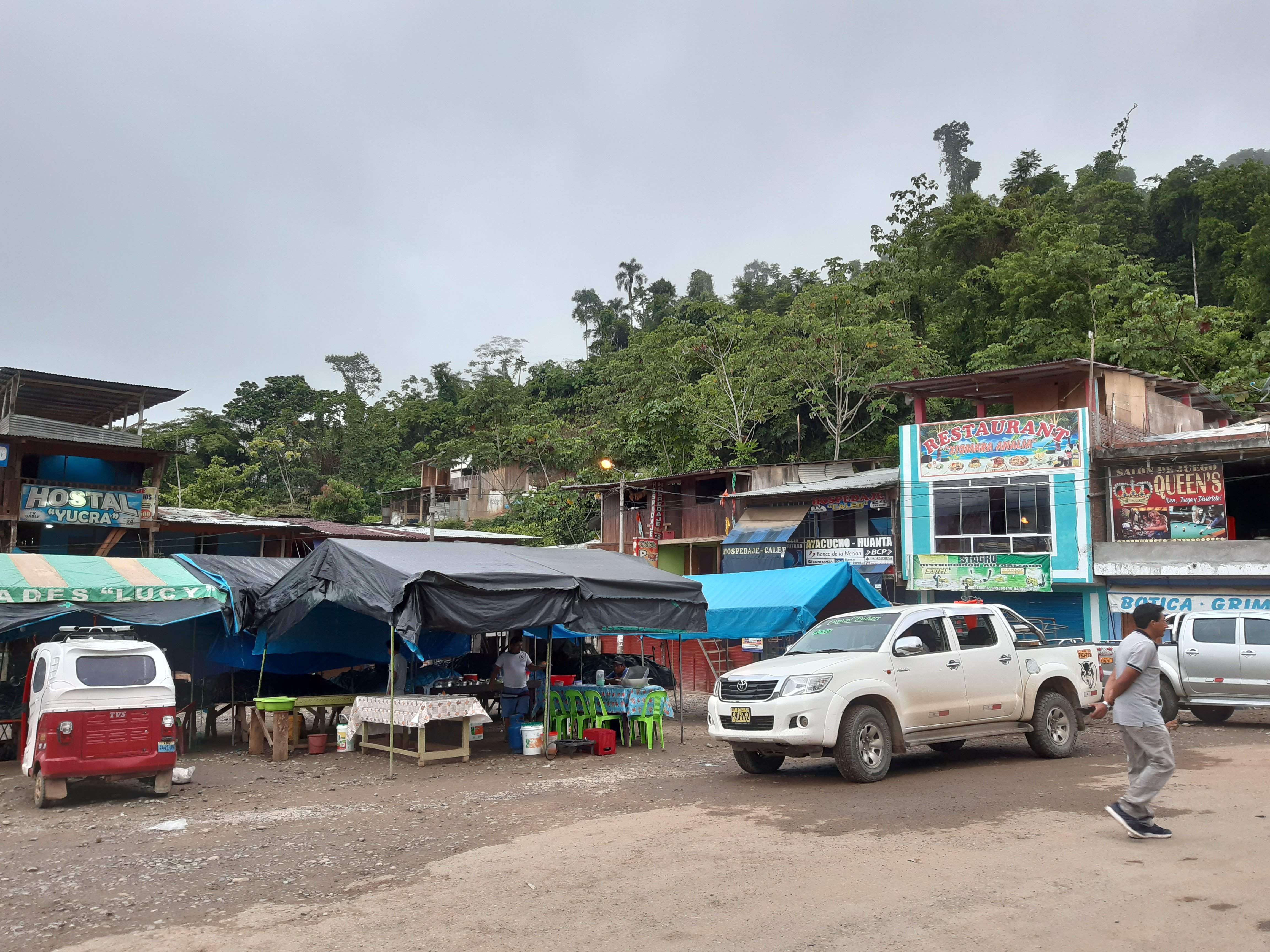
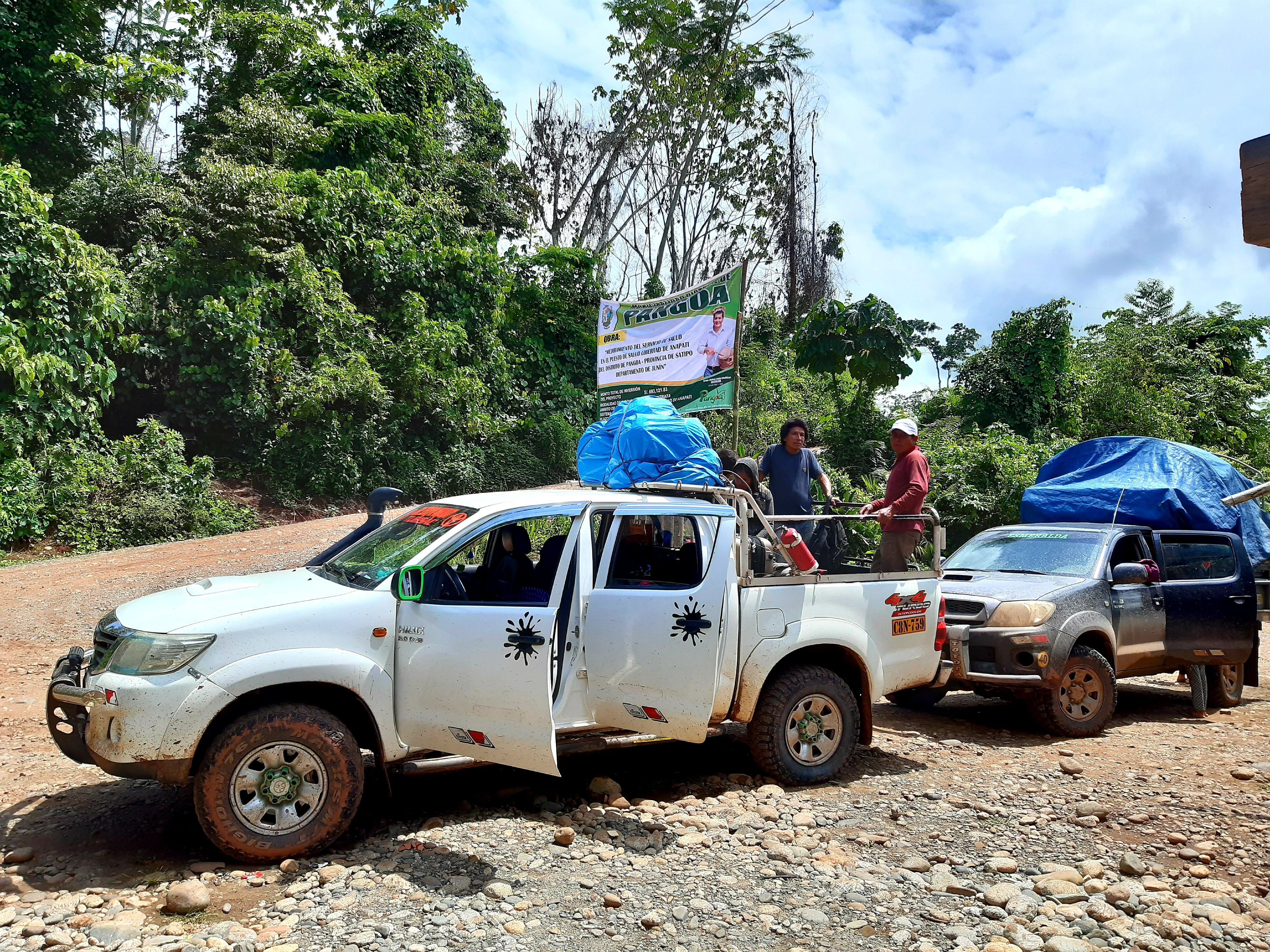
 The houses are all built of wood, in a specific style, and on my trip through the jungle I saw signs of deforestation, especially high up on the flat part if the mountains.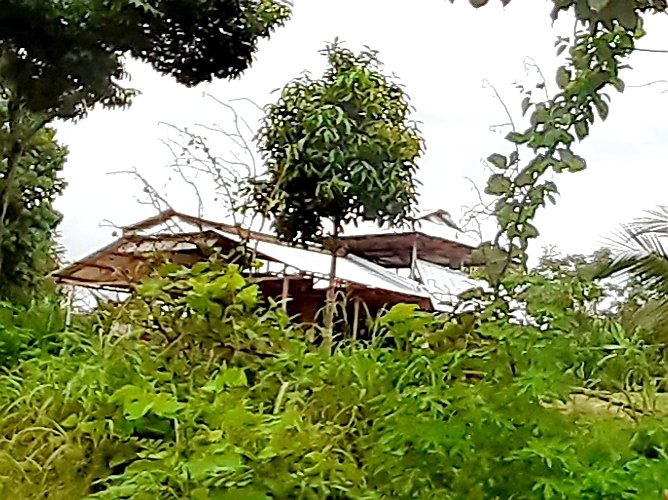
 I saw the full moon rise on my first night in Atalaya, over the Tambo river, which joins the Urubamba (the same one that passes Machu Picchu and Quillabamba), becoming a torrent of water of which I took a picture from the plane when flying back to Lima (the window of the plane was extremely dirty or perished or something, all my photo’s were flops).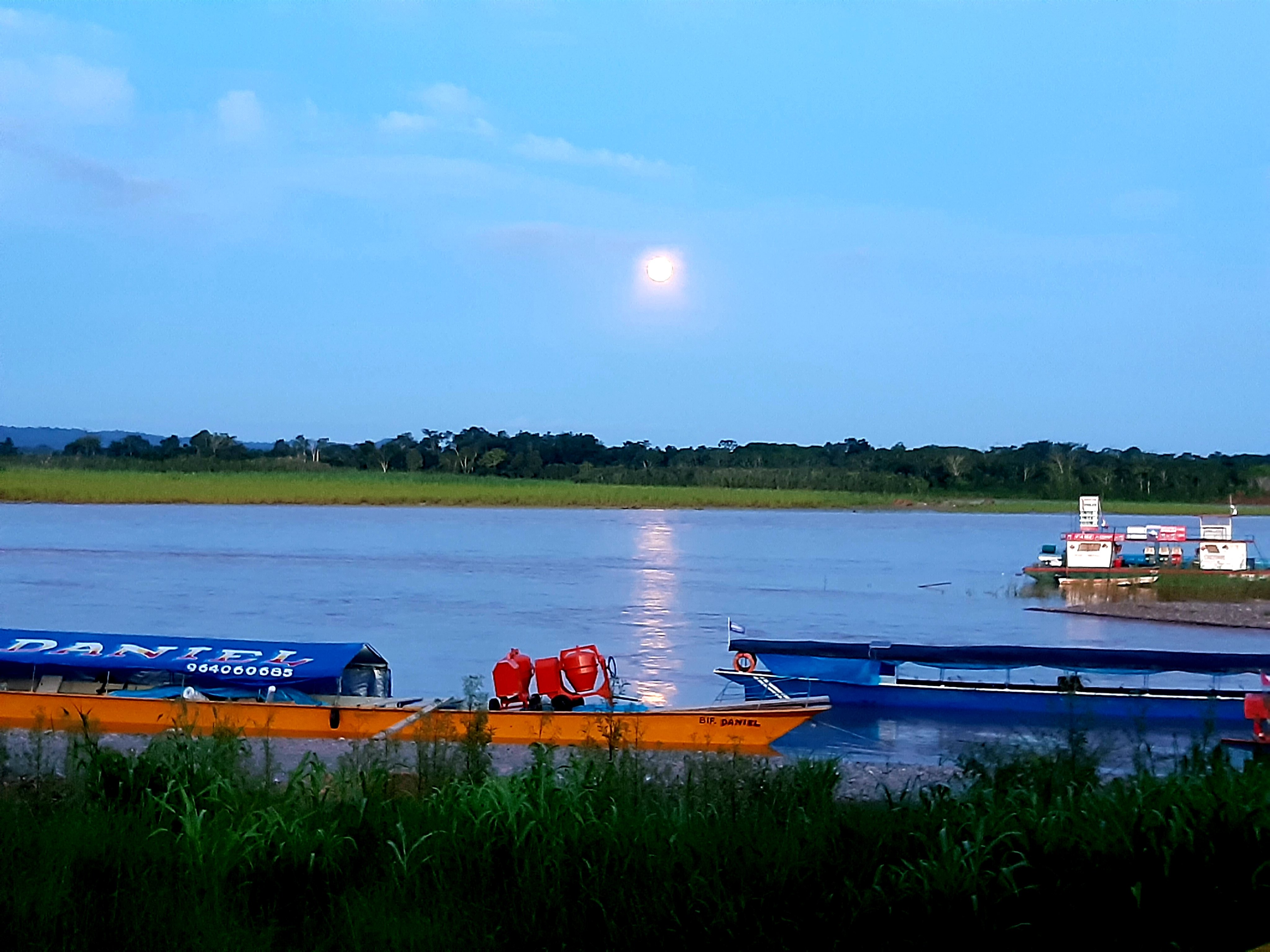
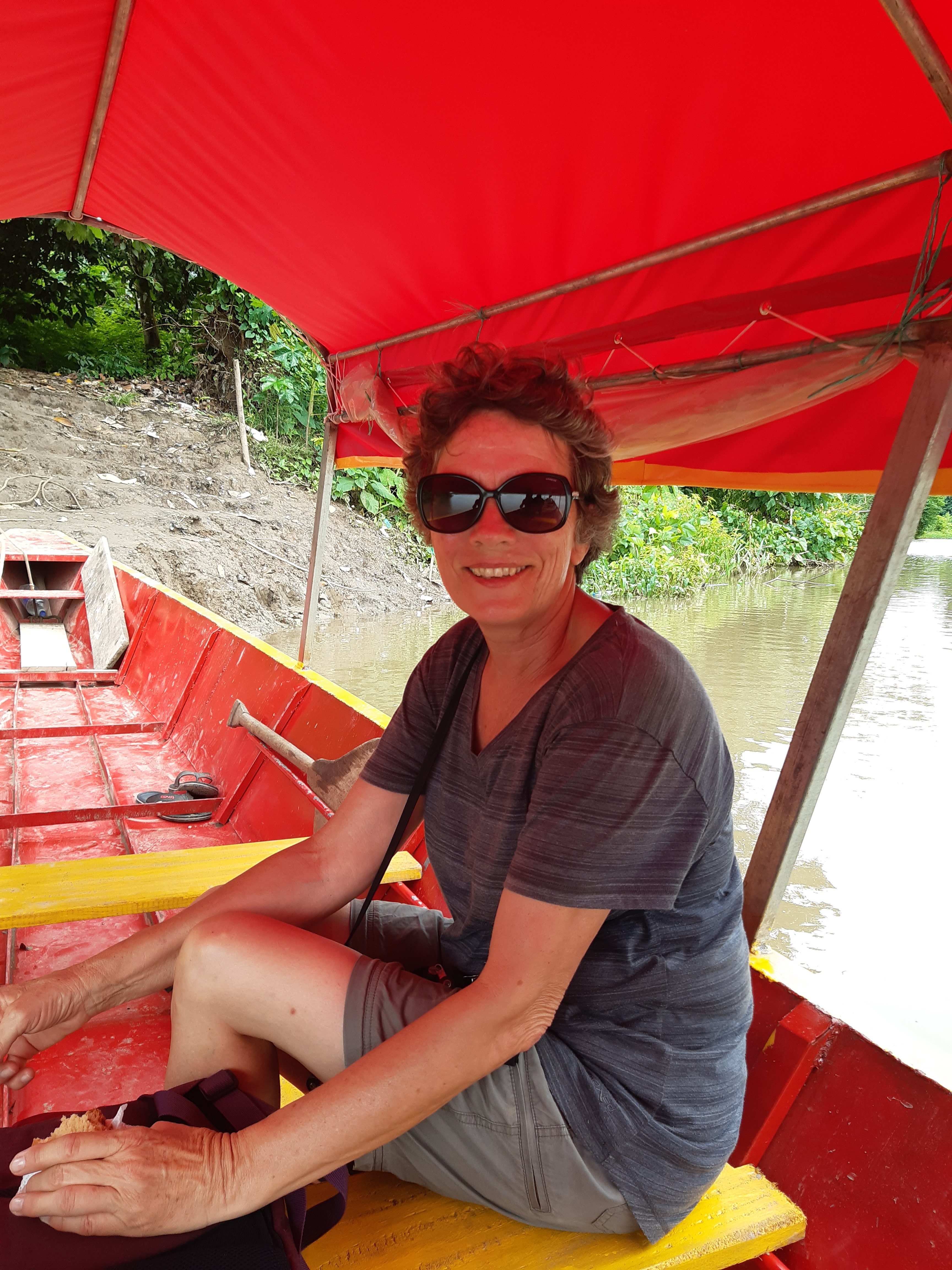
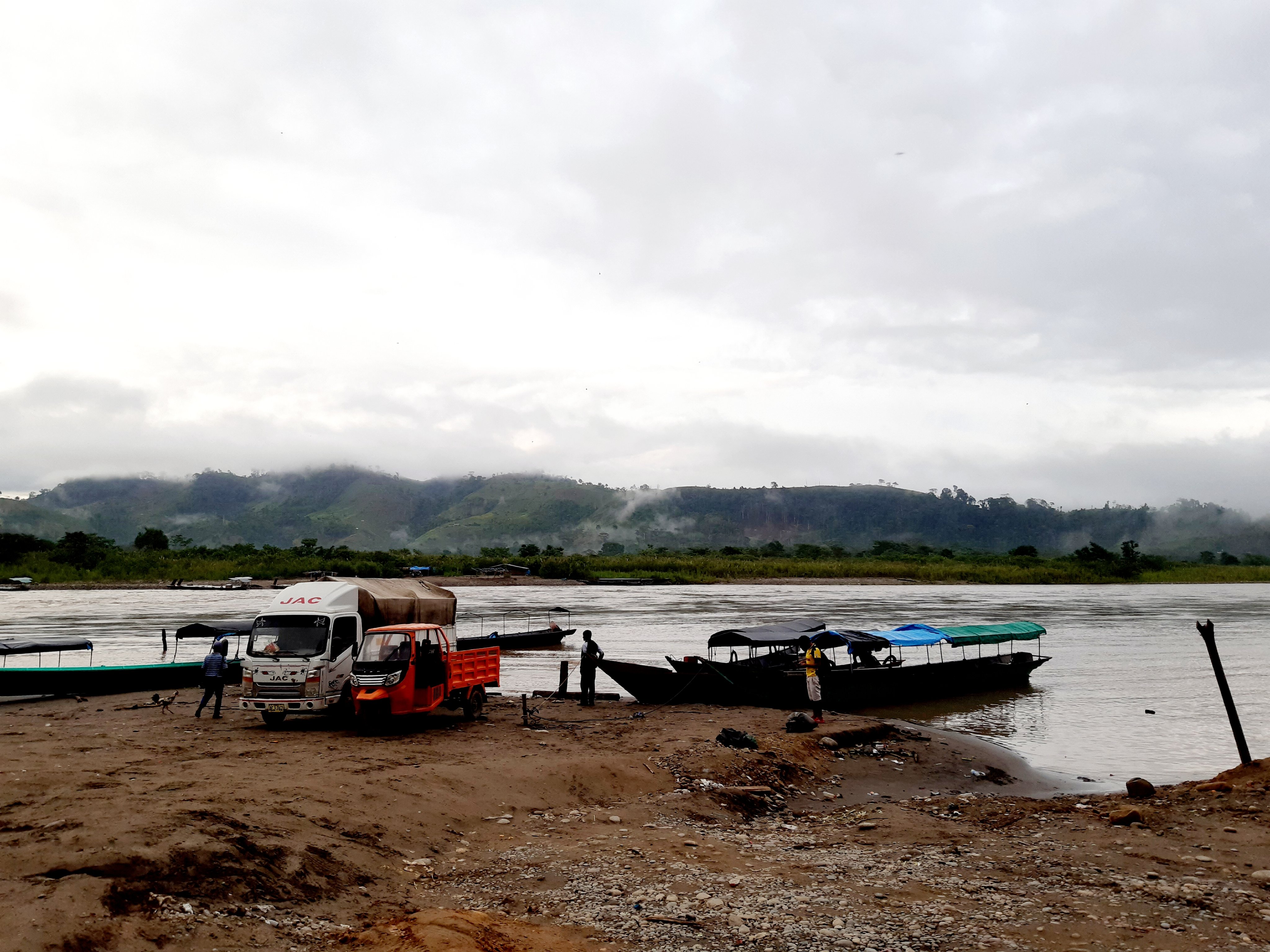
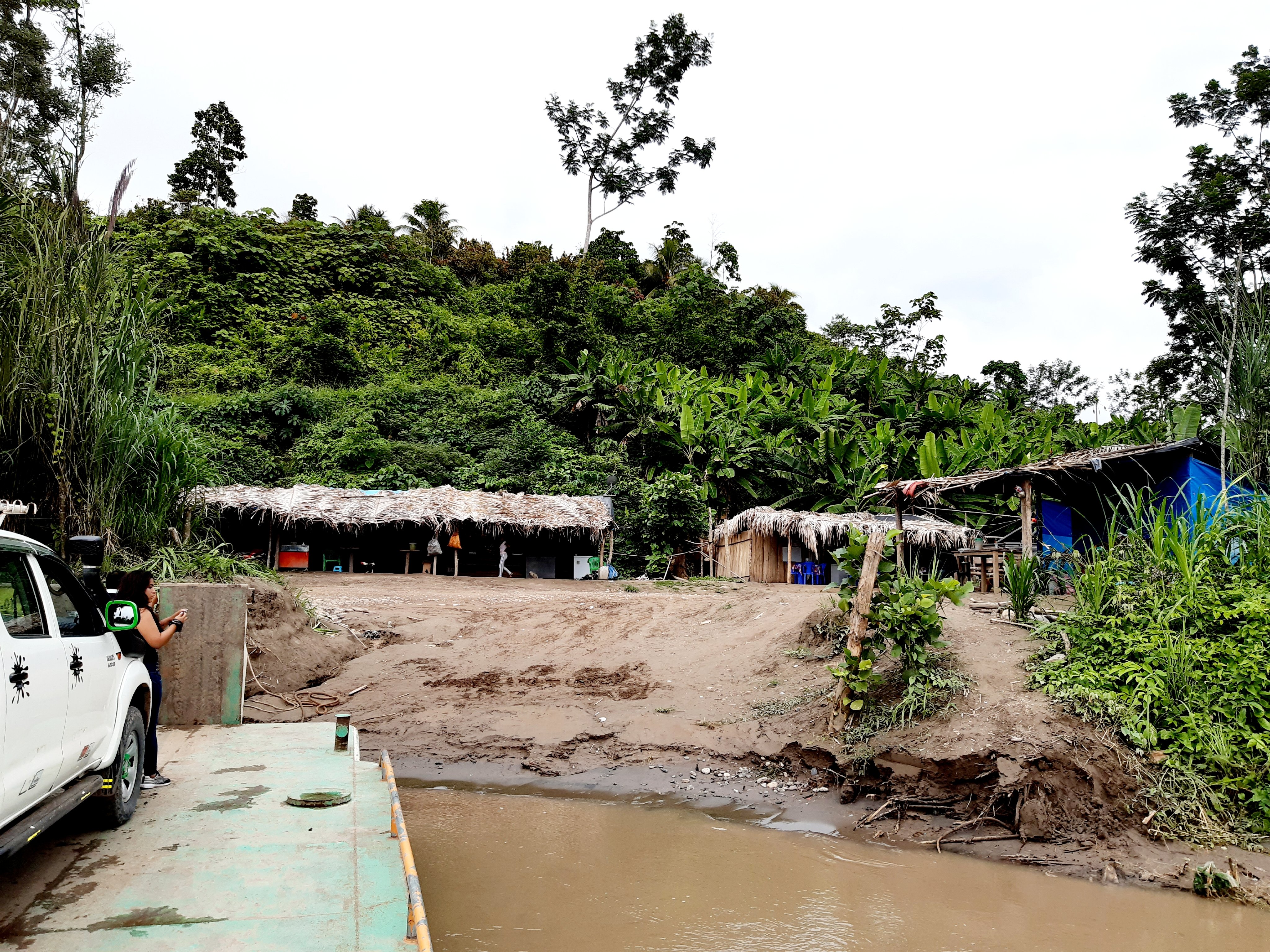
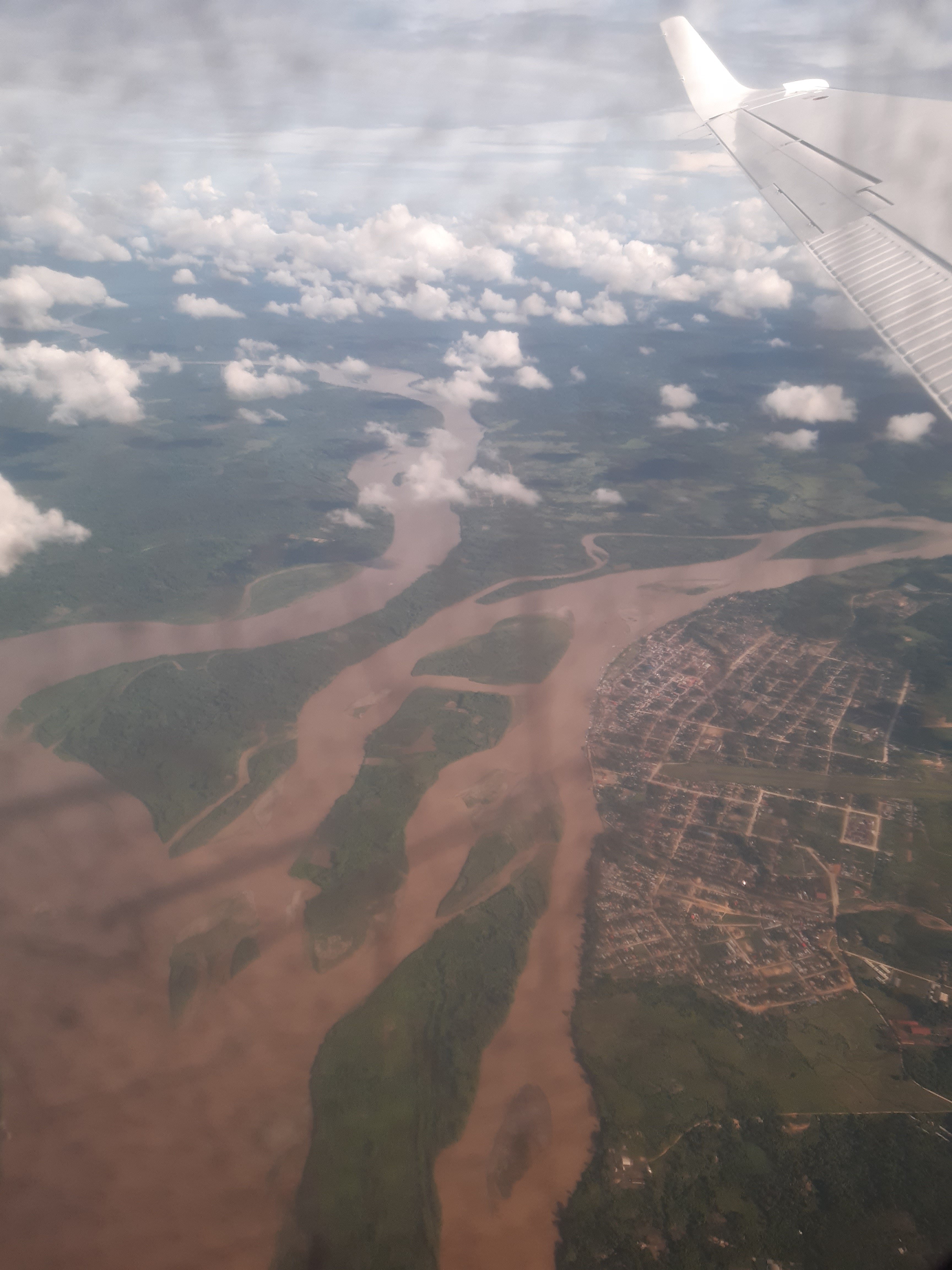 I badly wanted to see the Urubamba at Atalaya (on the photo it is the stream furthest left), so decided to take a boat. After much asking around, I finally found the place from which to depart, but we went to the opposite bank of the Tambo, from which I had to take a motor taxi overland to a little village on the banks of the Urubamba.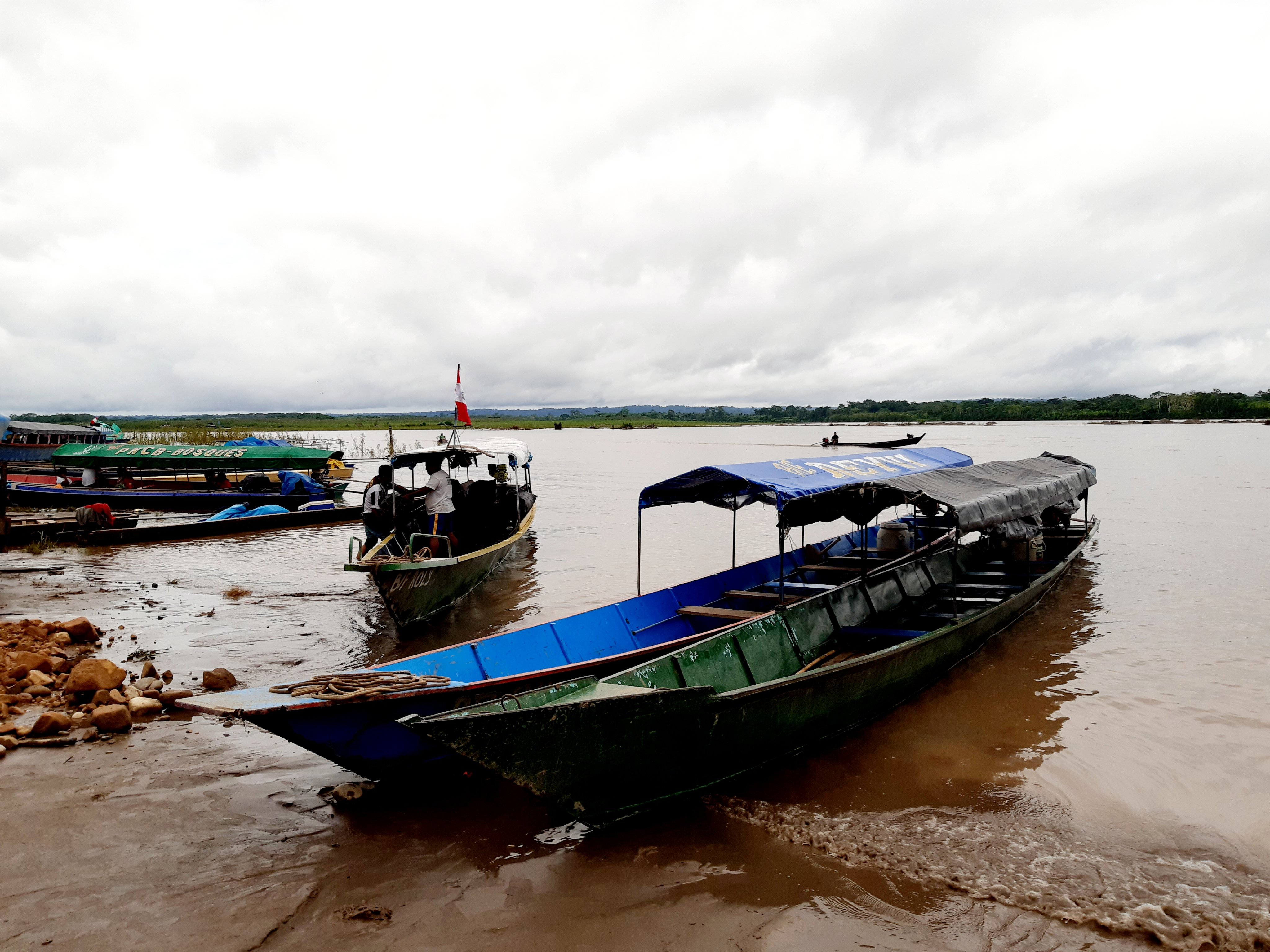
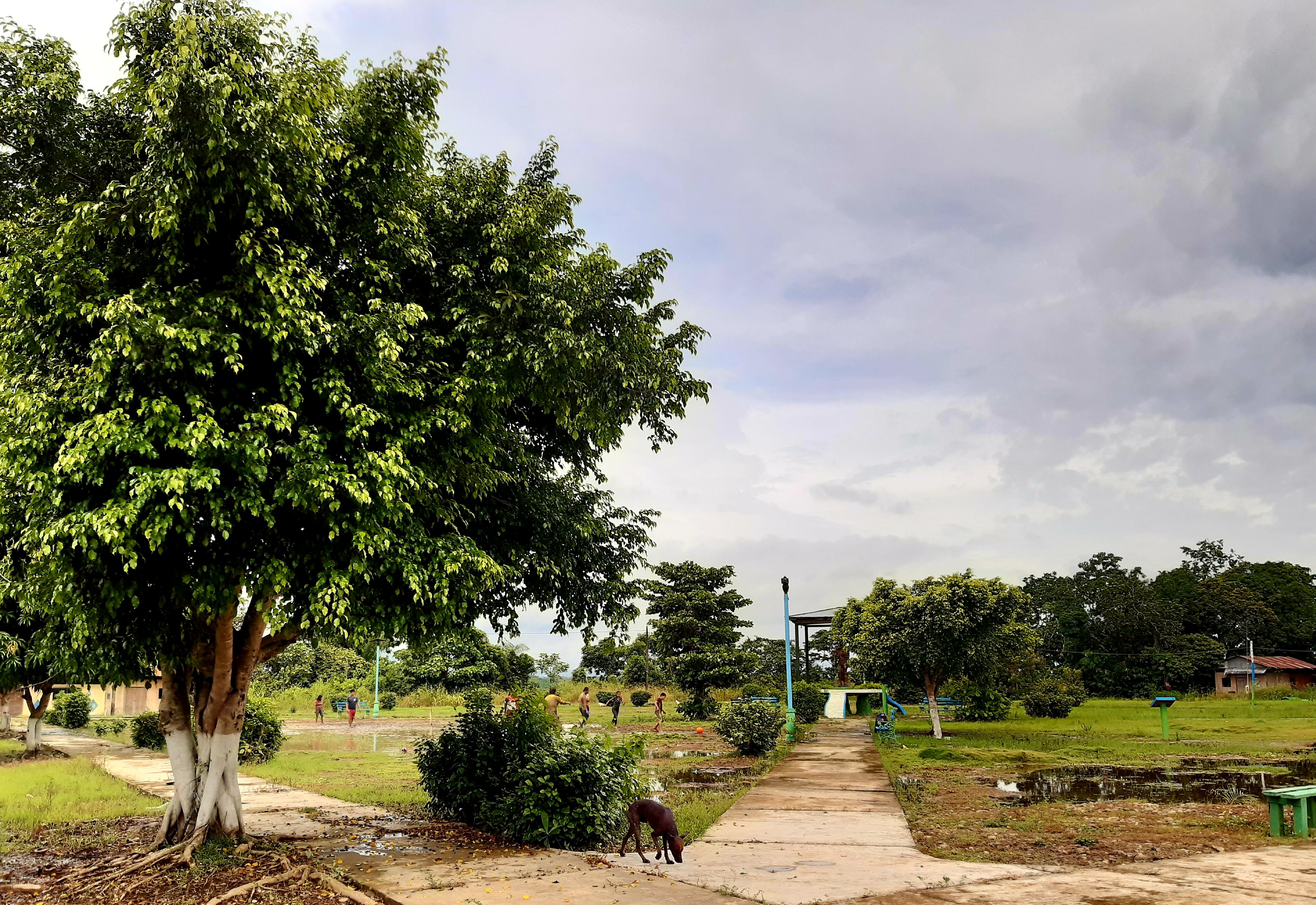
 At least I saw it, full of wood, plants and debris after two weeks of rain in the area, I was told. I loved walking through the little town, saw some youngsters playing soccer in a mud field on the square (more falling around in the mud than kicking the ball) and going for a swim in the river after their game. An older man was selling chickens that he was carrying around in heavy wooden crates, calling out as he was walking down the street. He stopped every now and then, wiping sweat from his brow, but would scuttle away when a potential buyer would beckon him.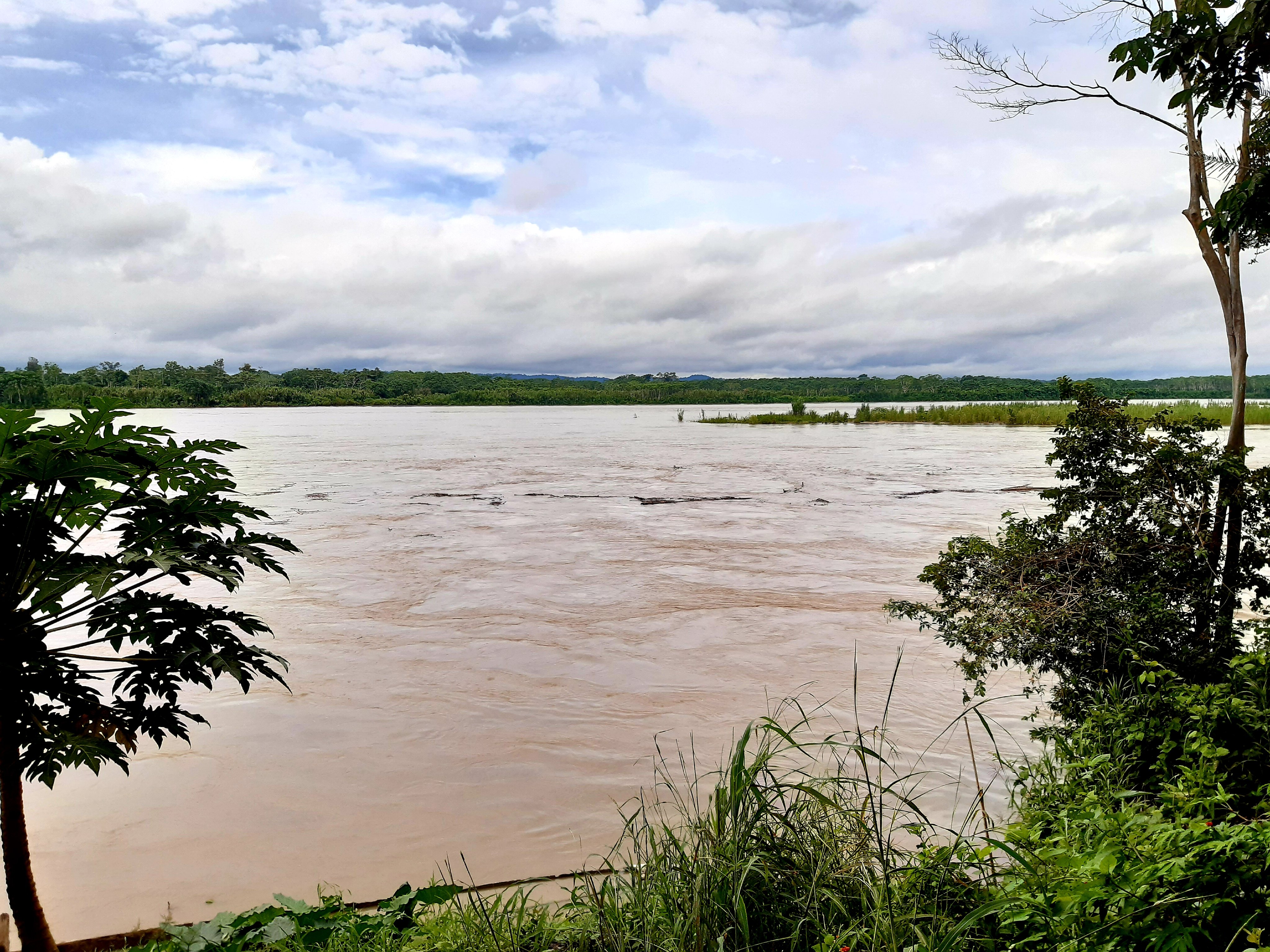
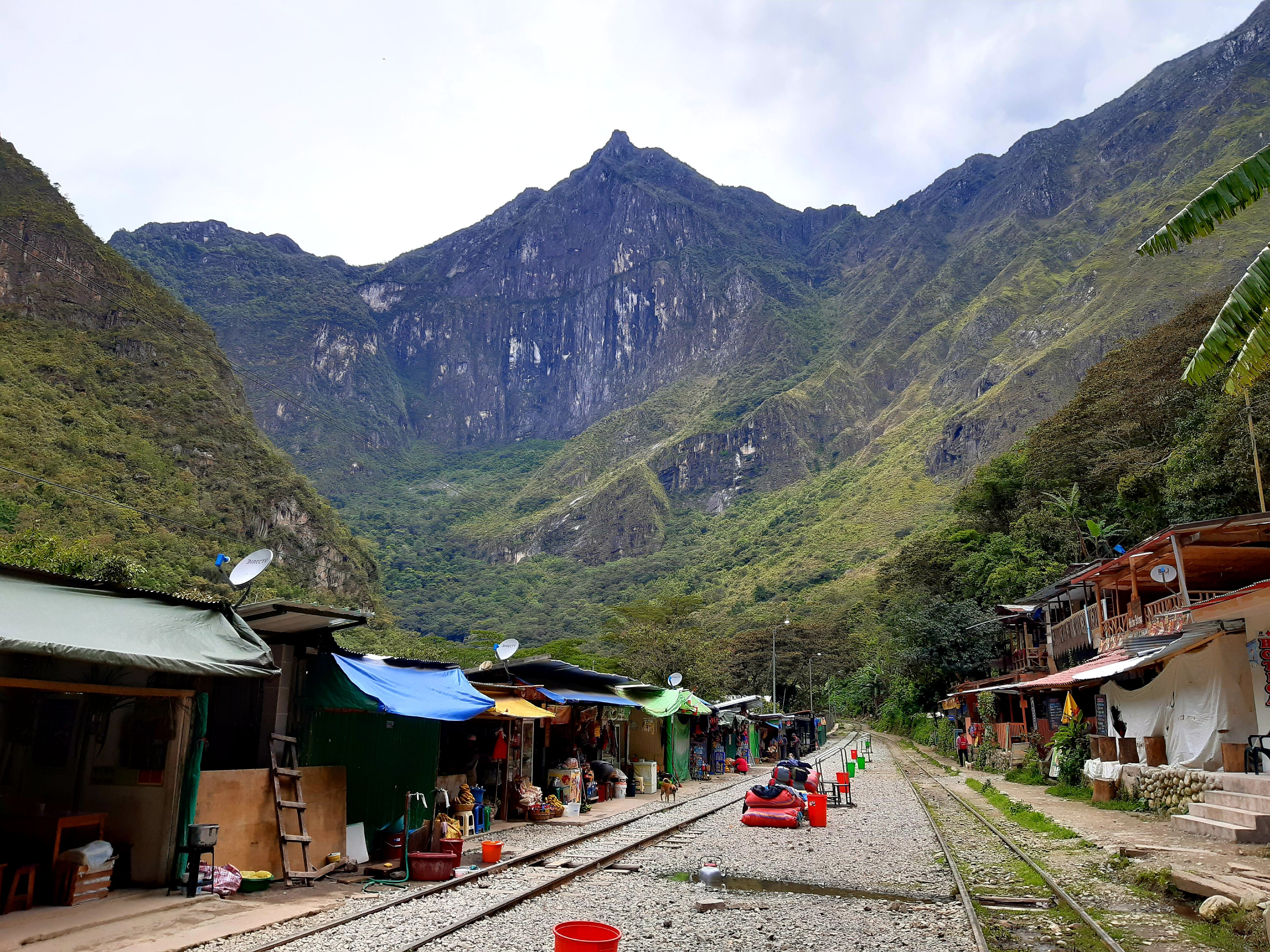
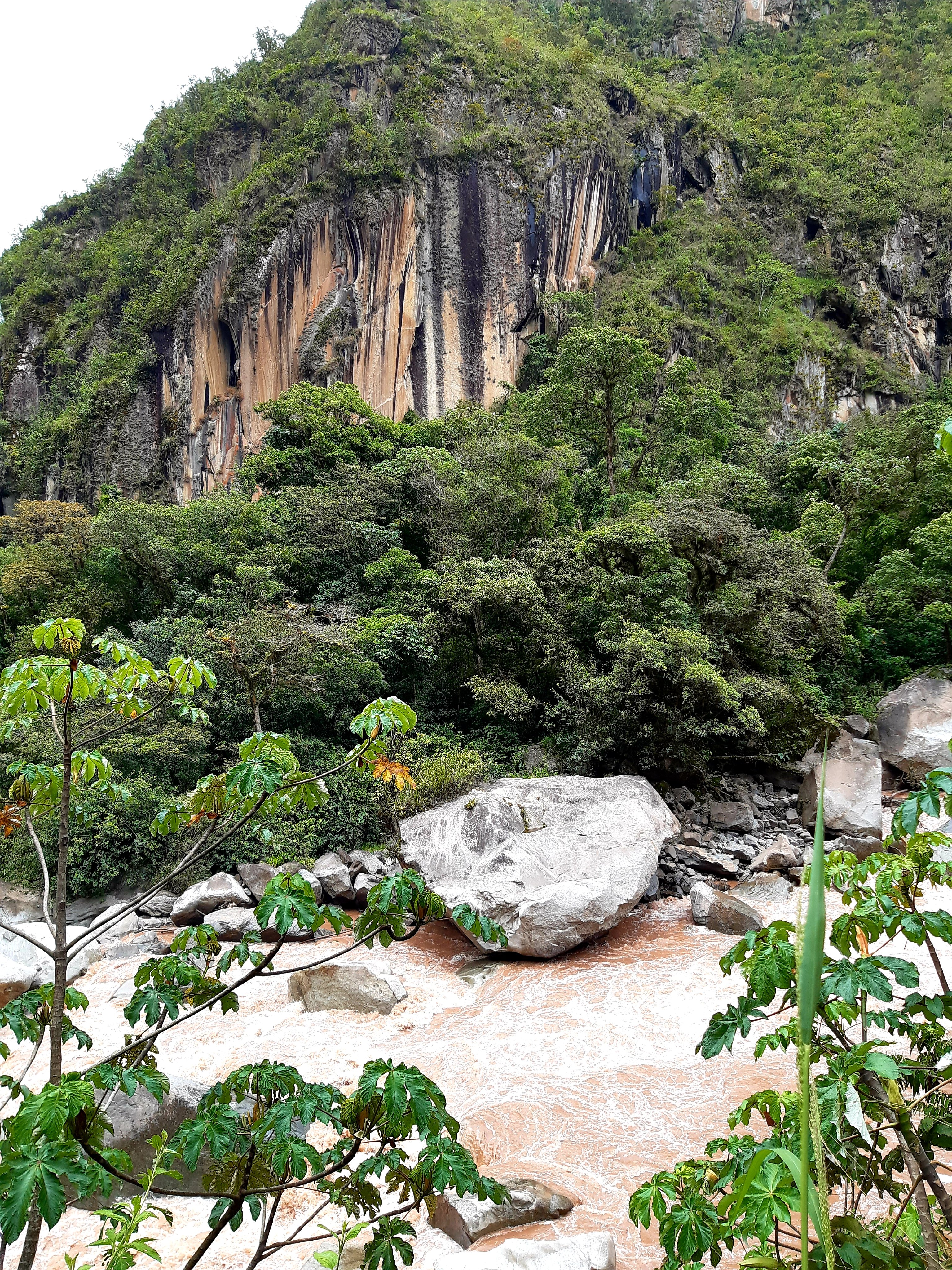
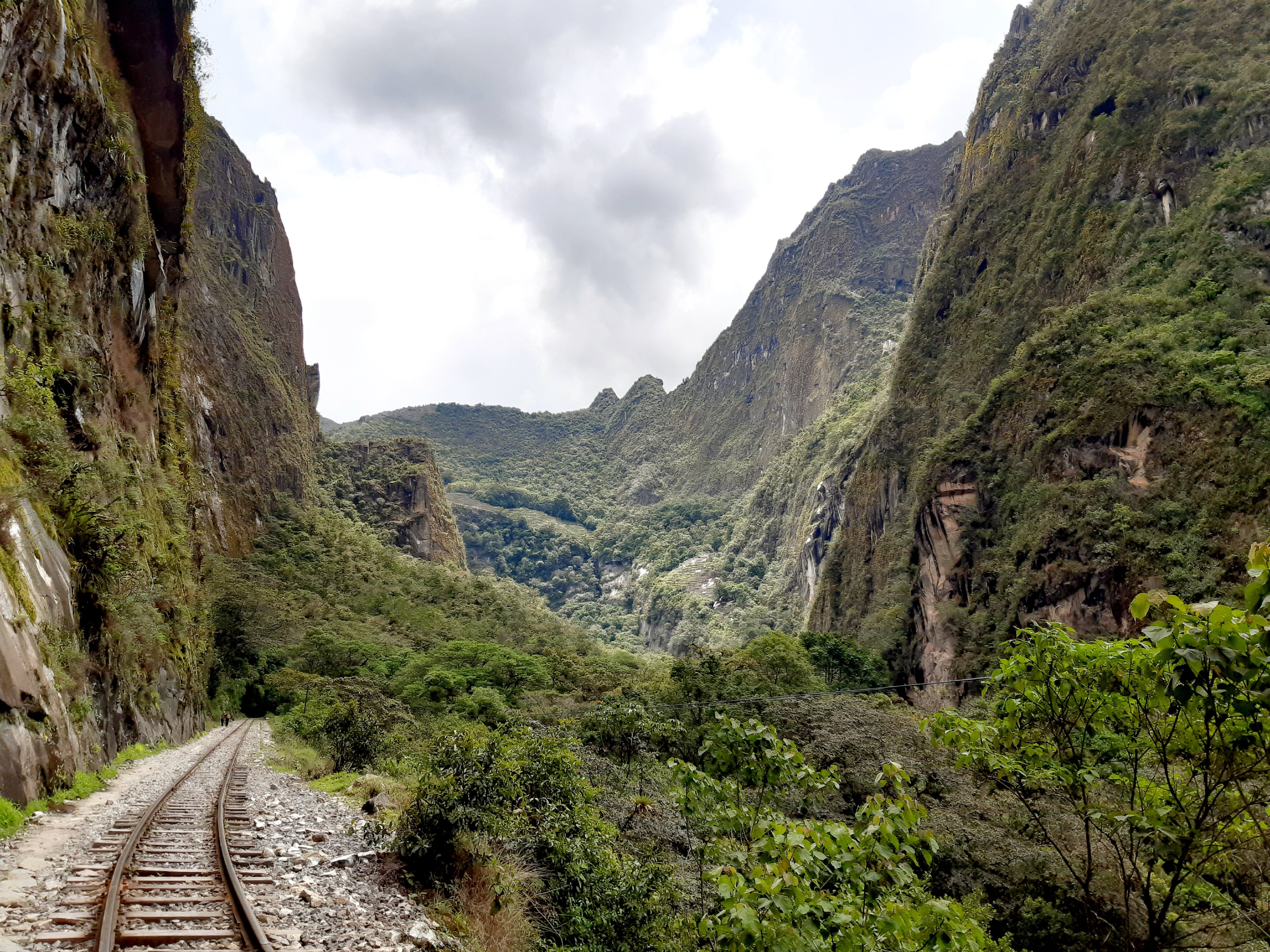
 The night before I left a friend asked me what my general impression of Peru was. I had returned to Lima and wrote the following: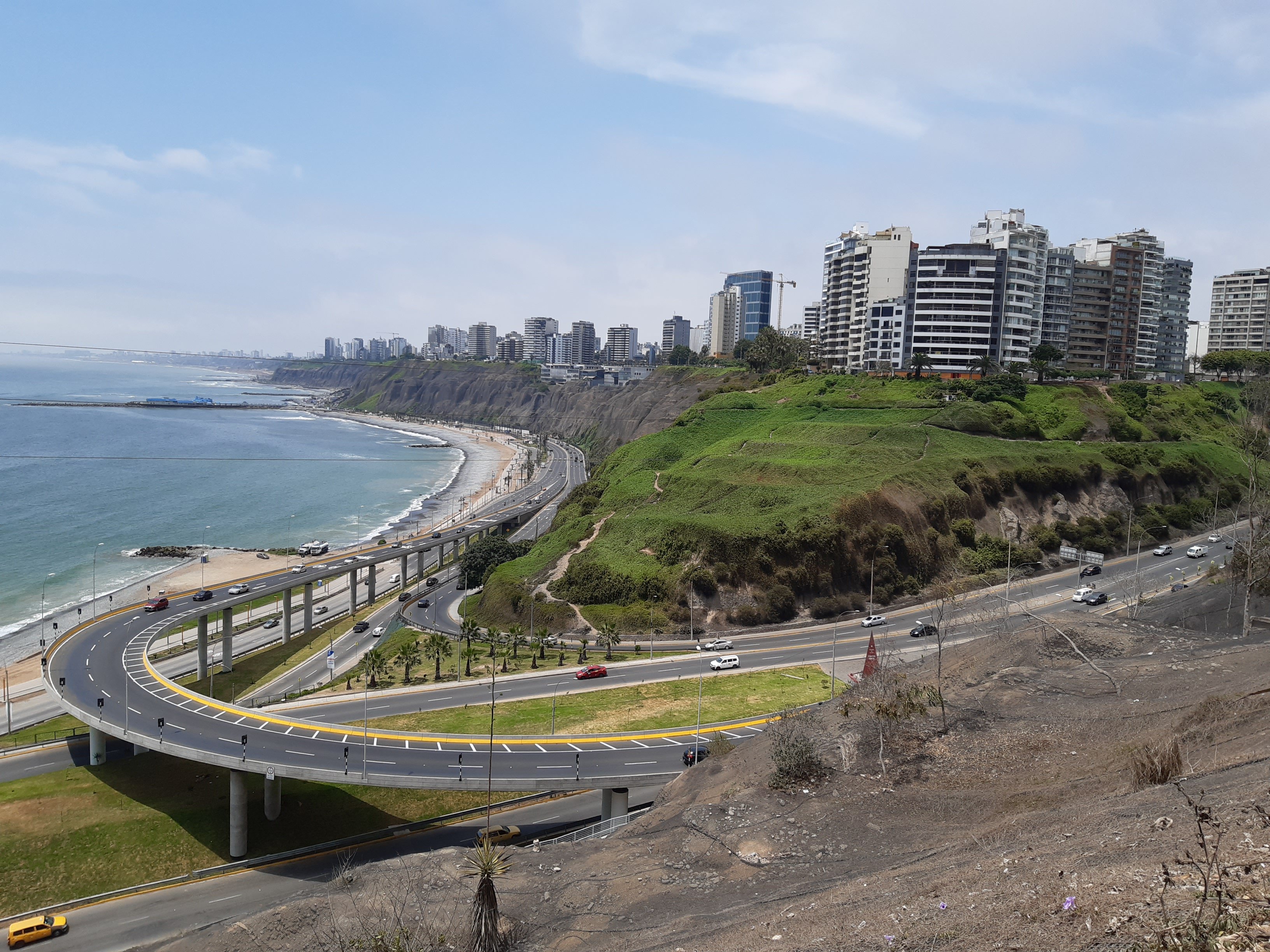
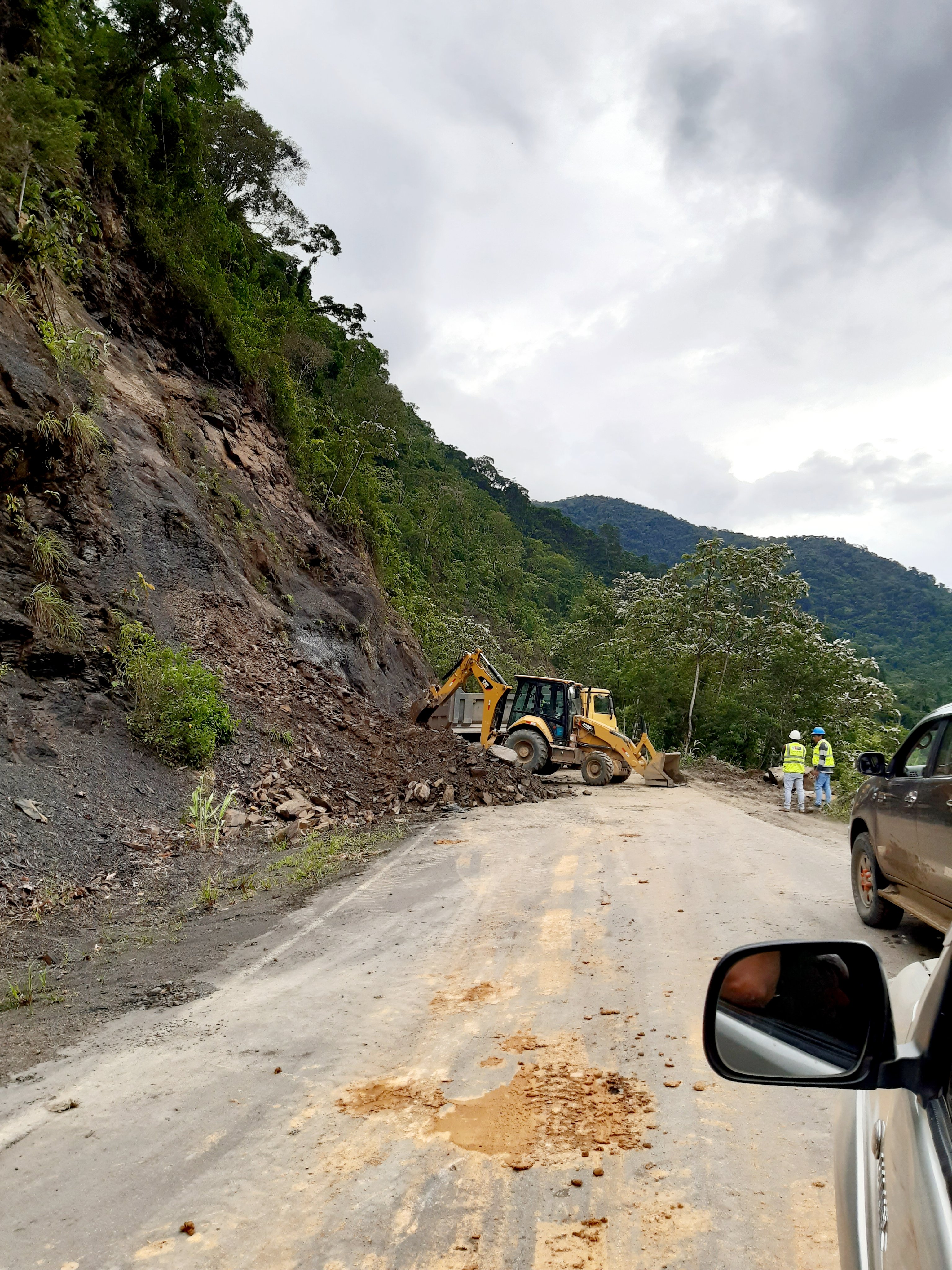

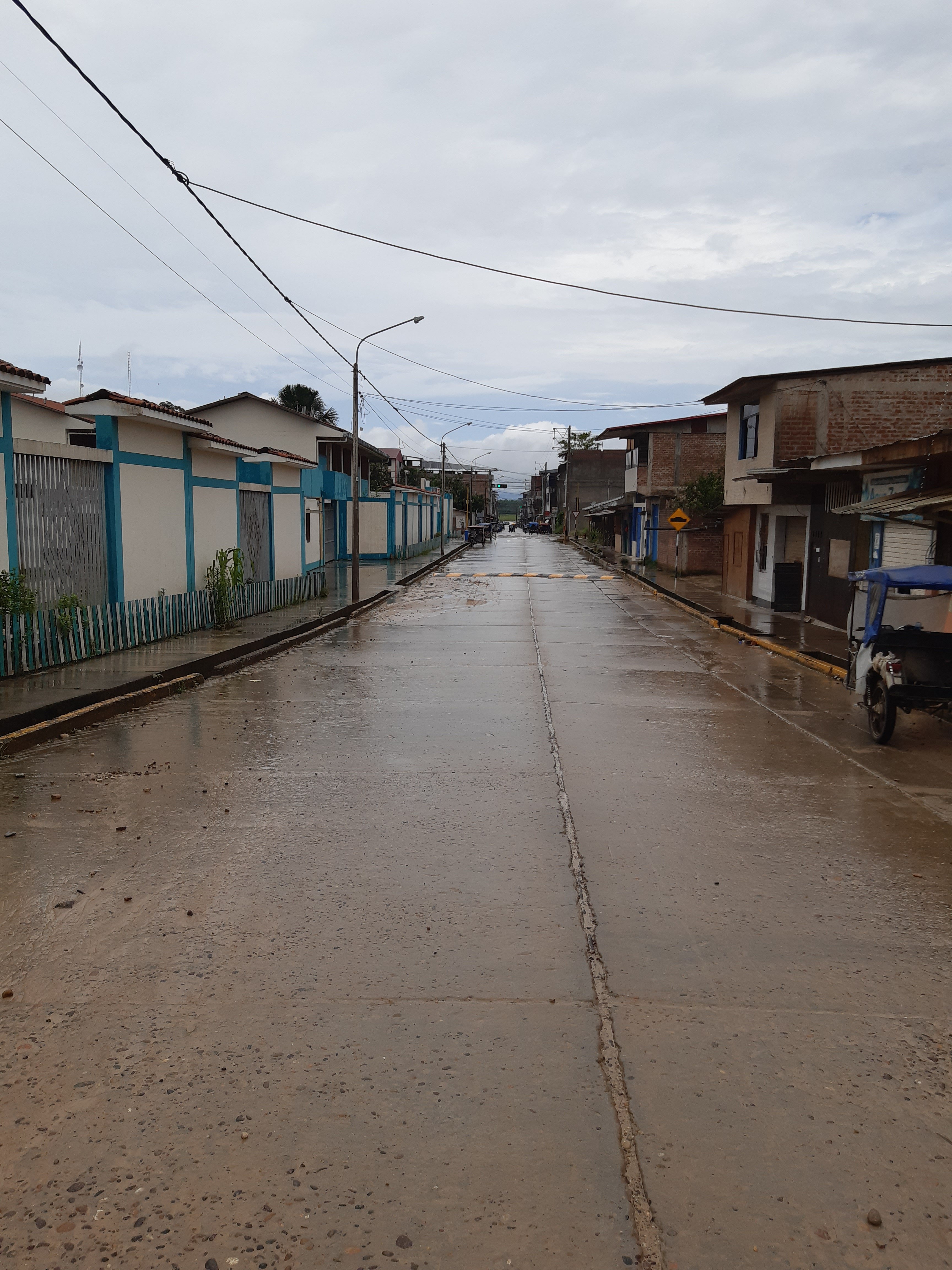
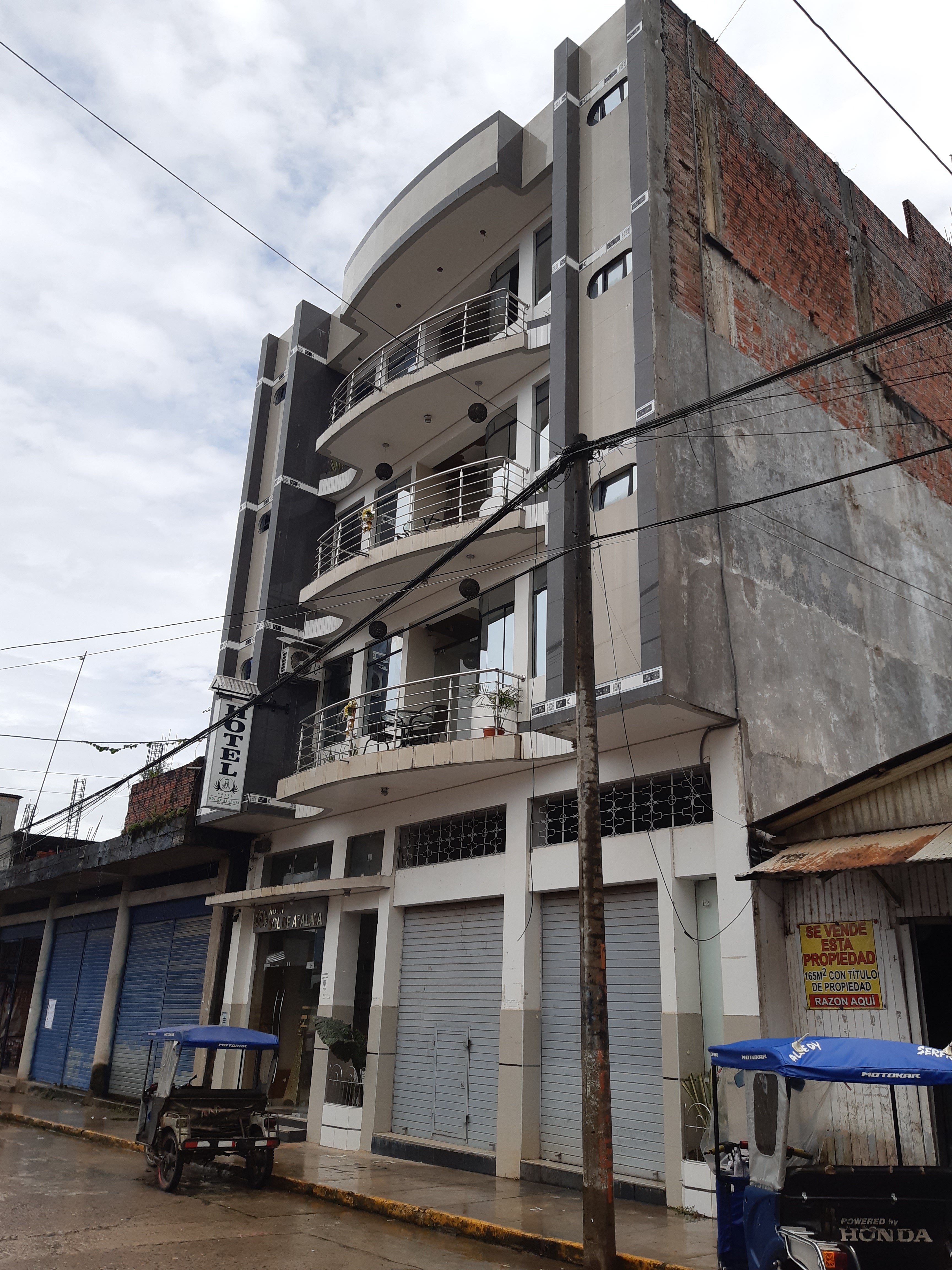
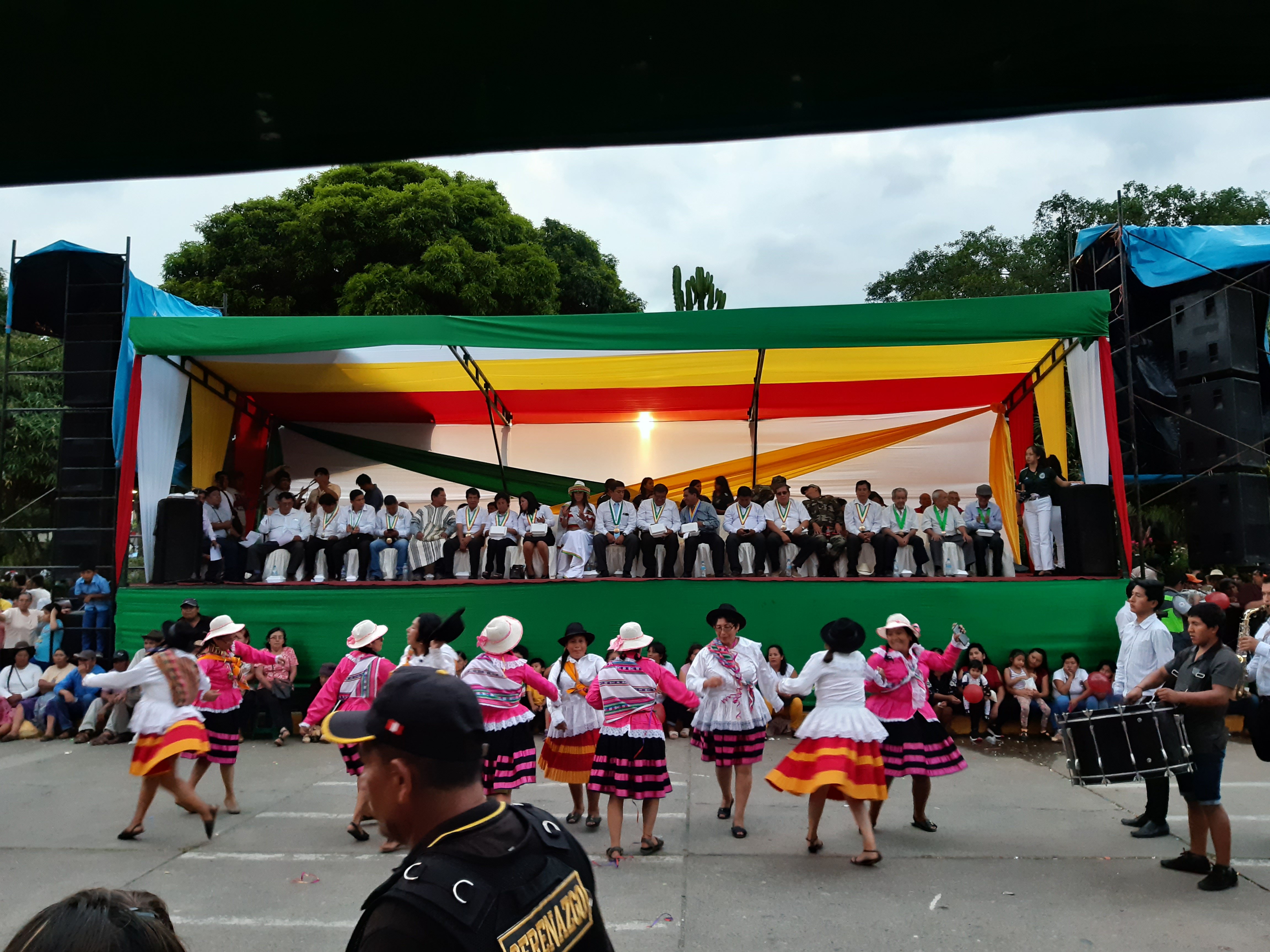
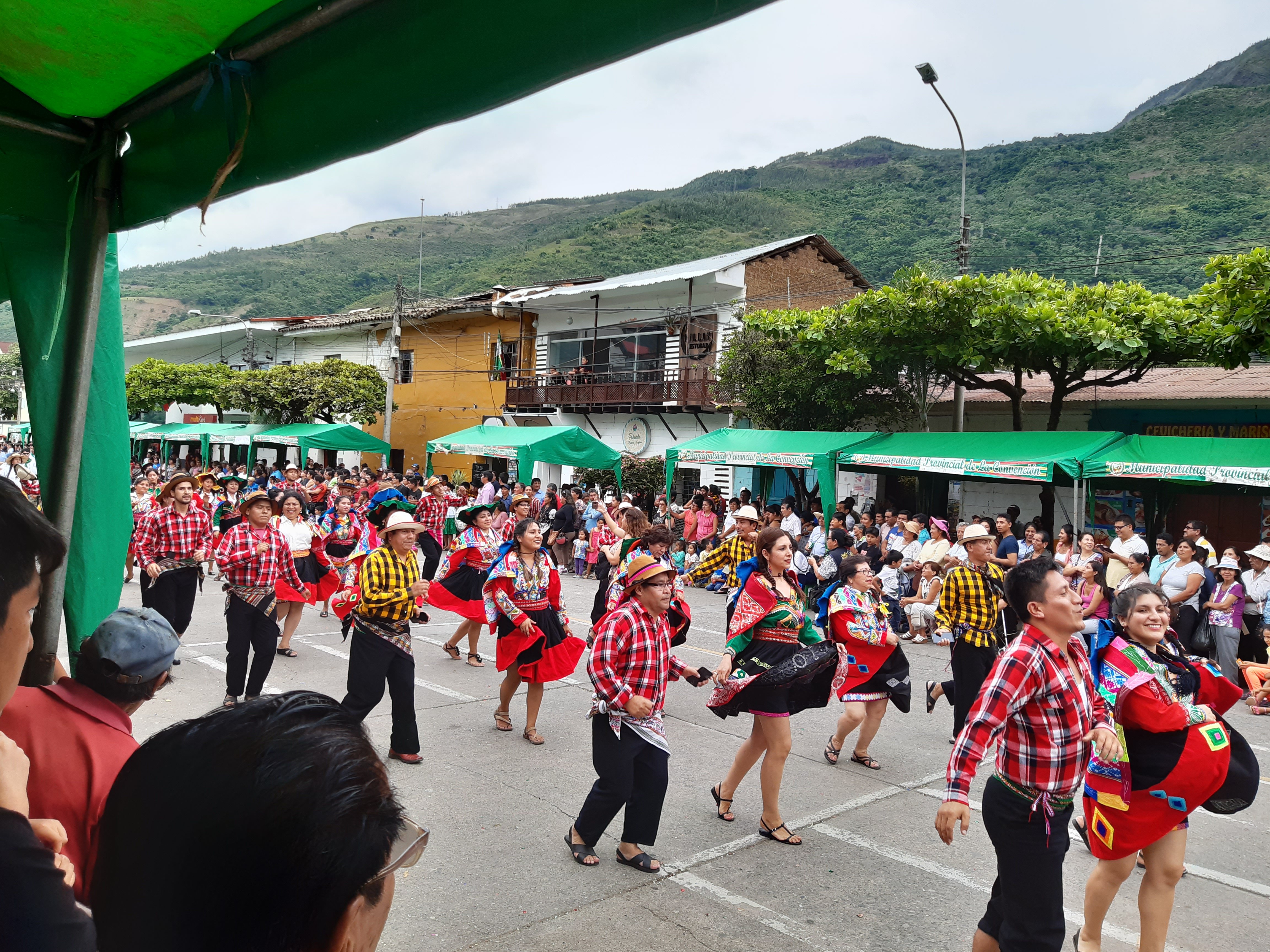
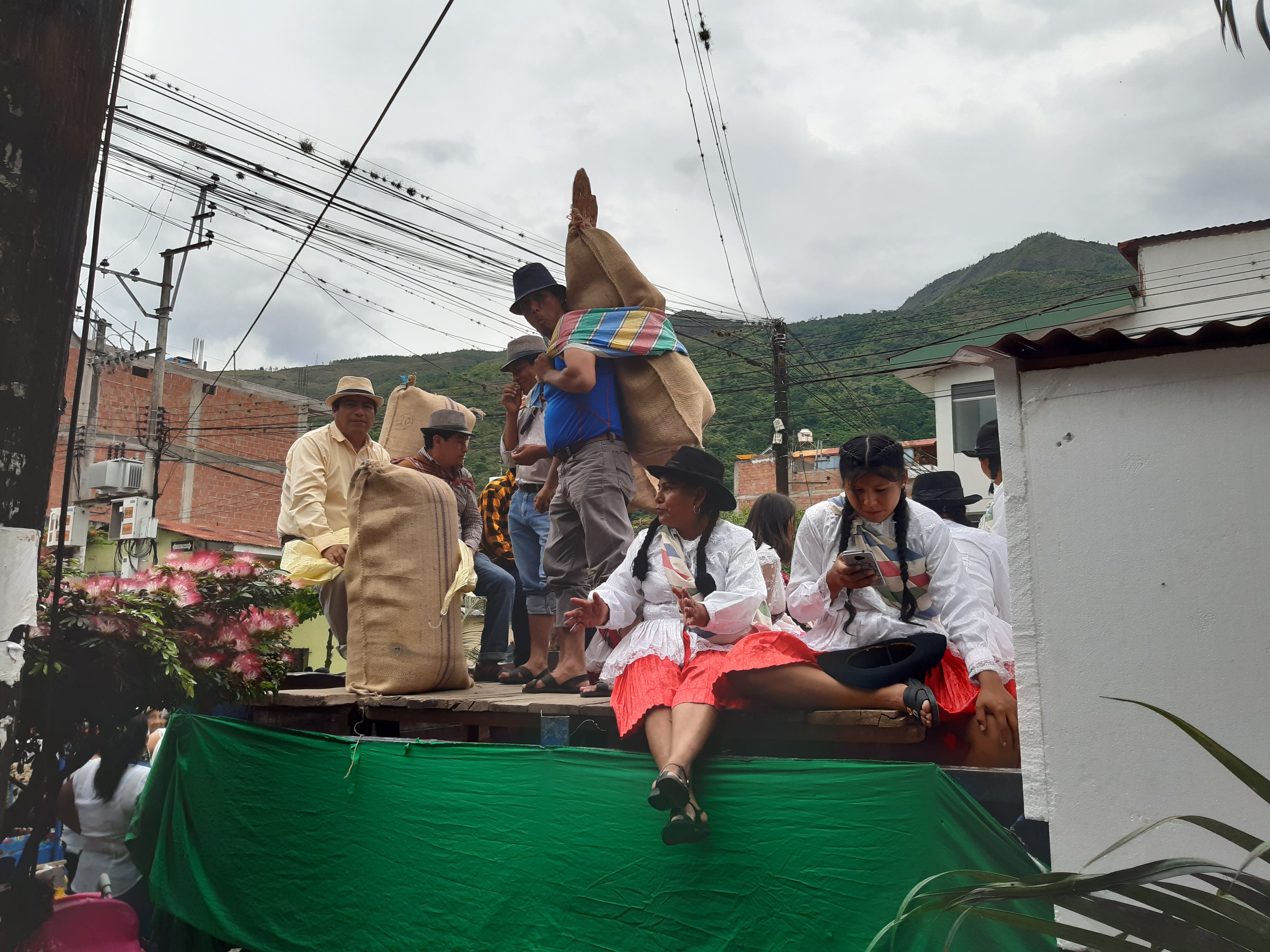
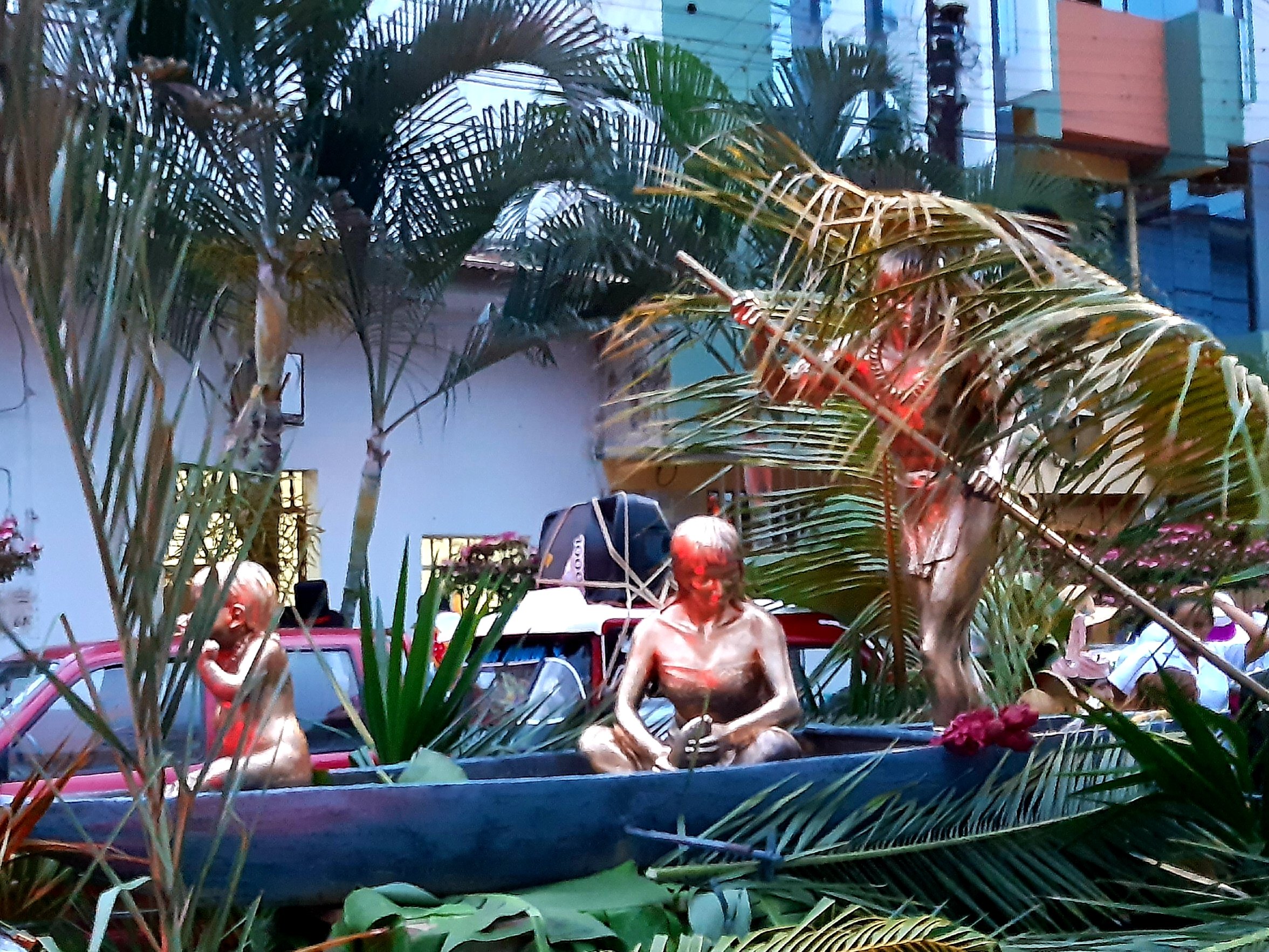
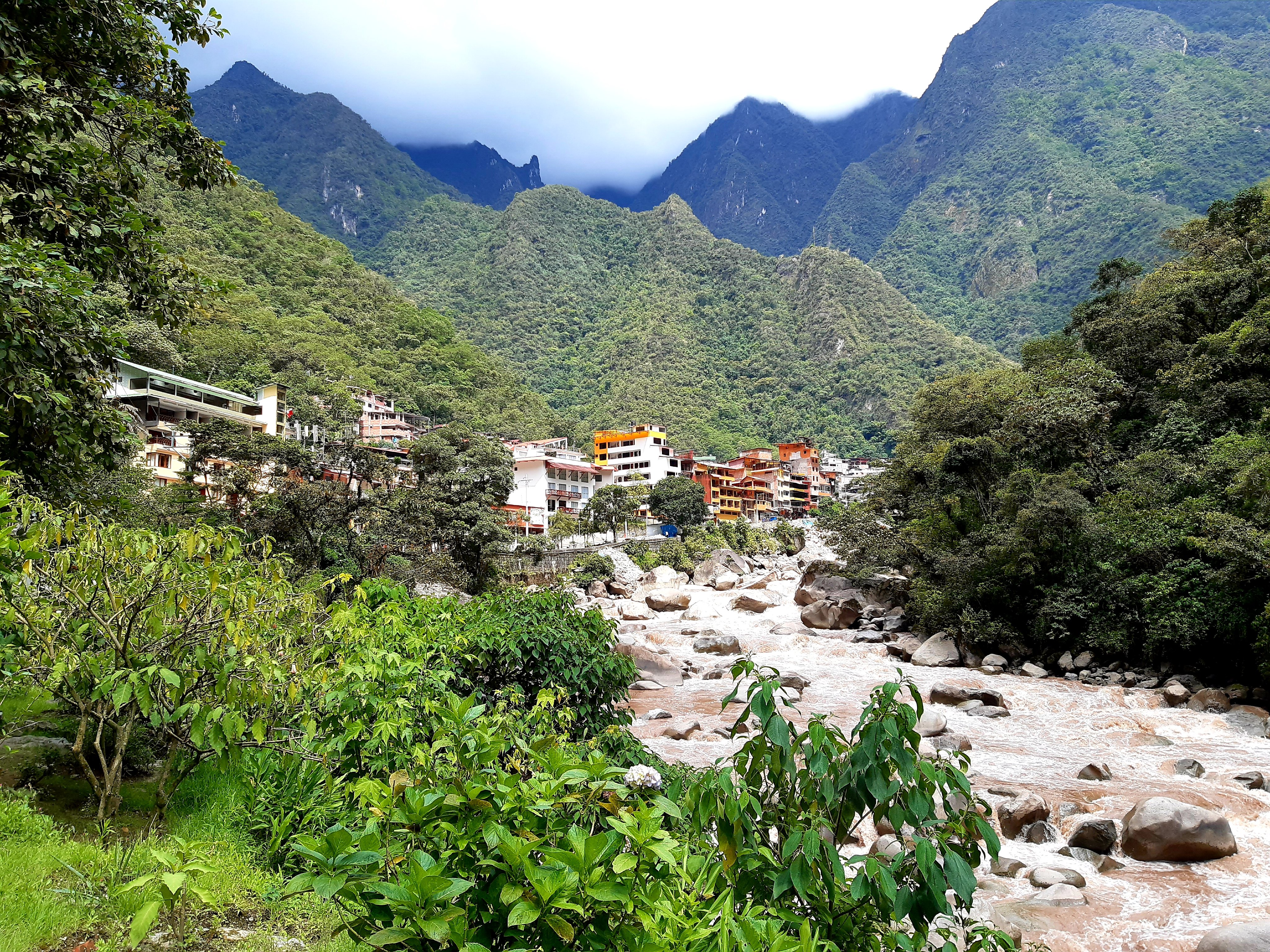
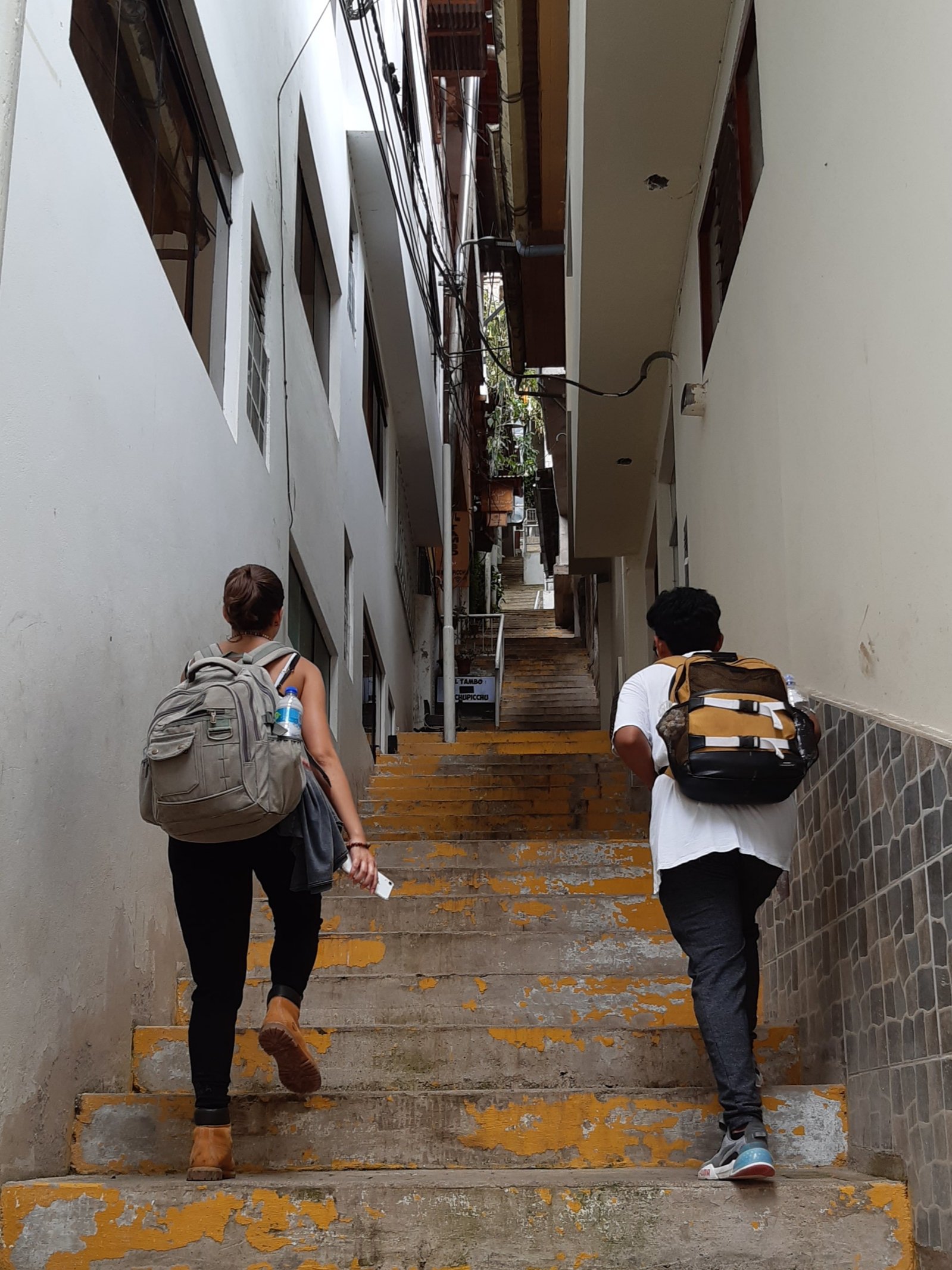
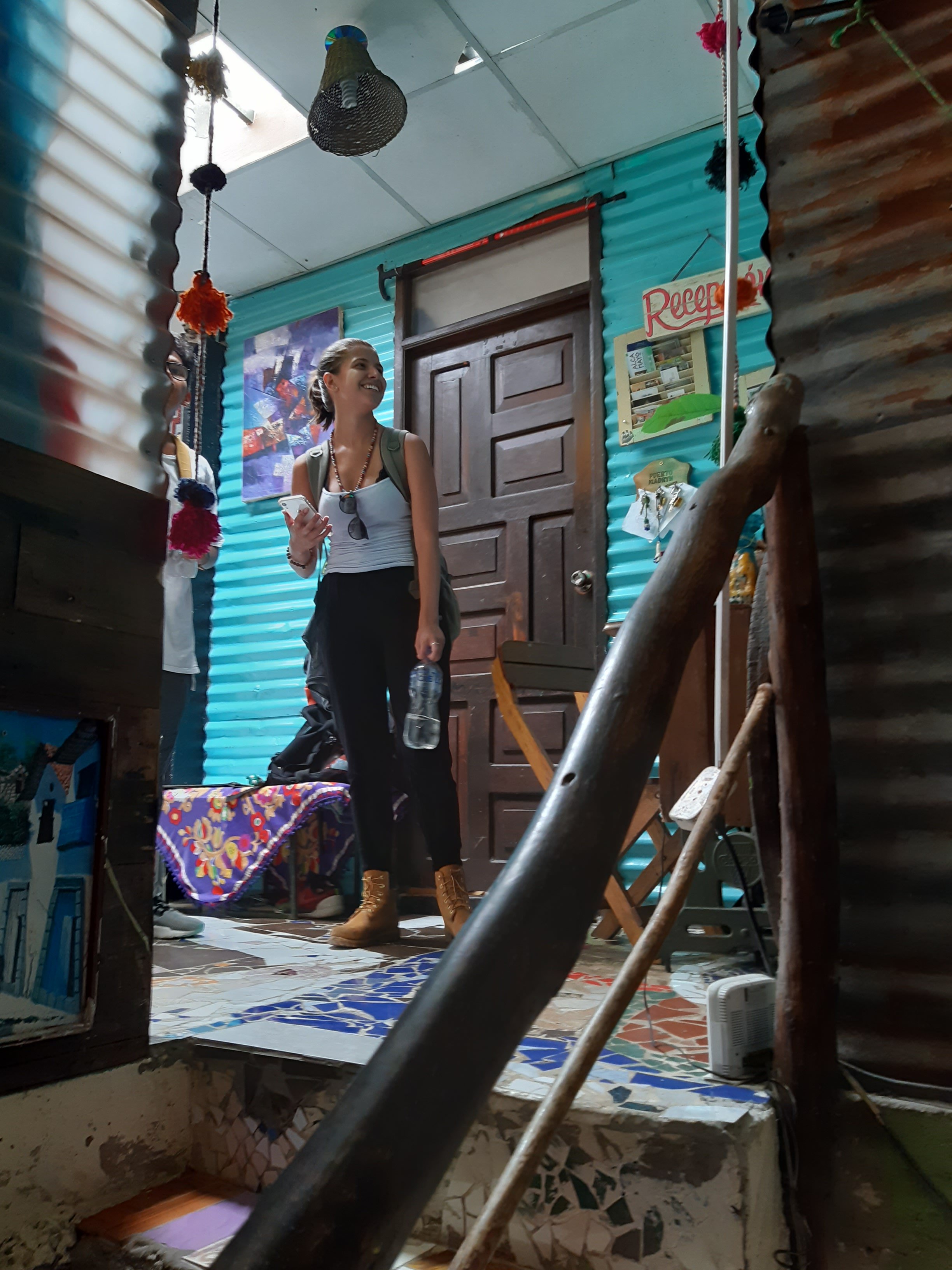
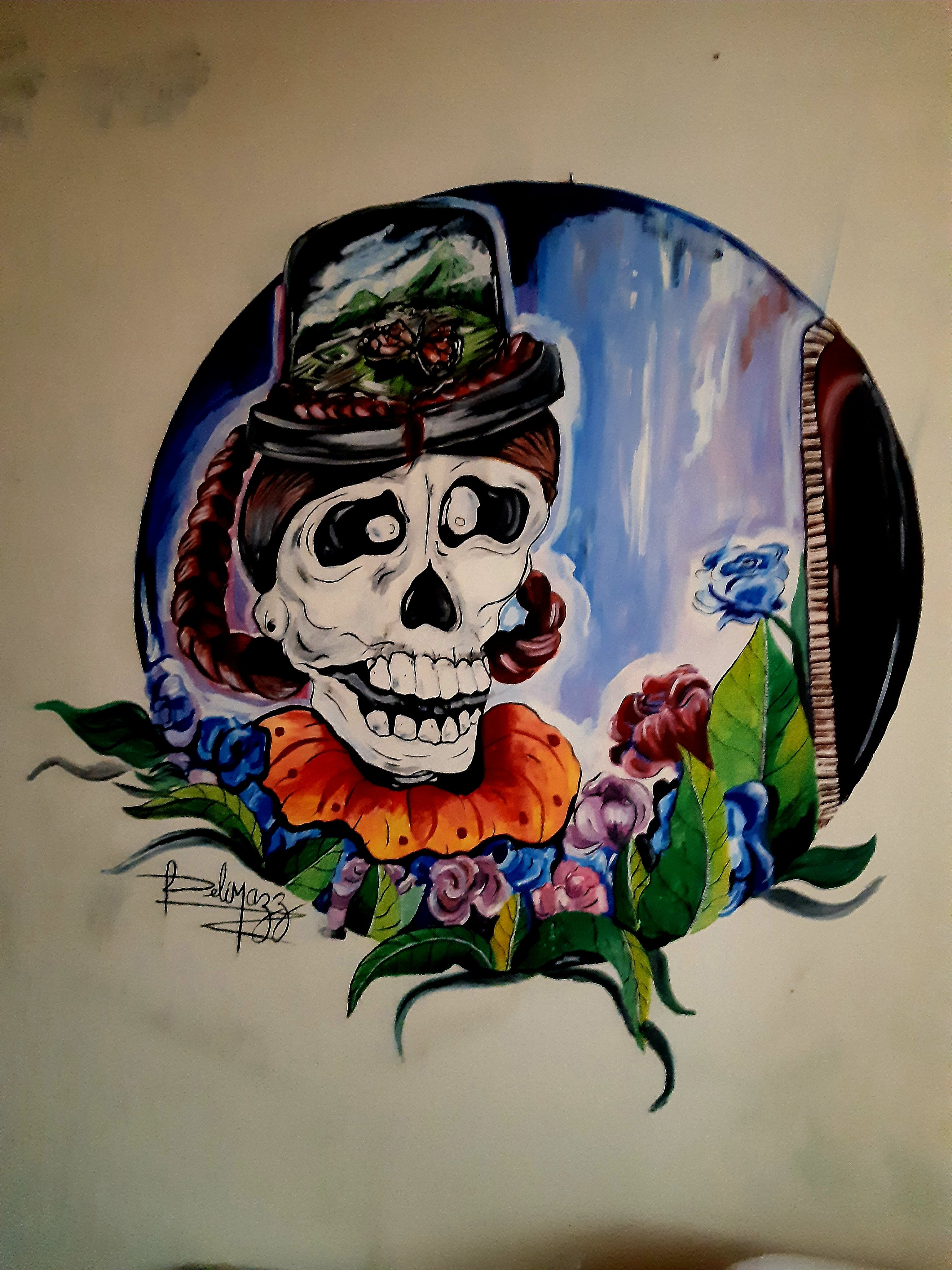
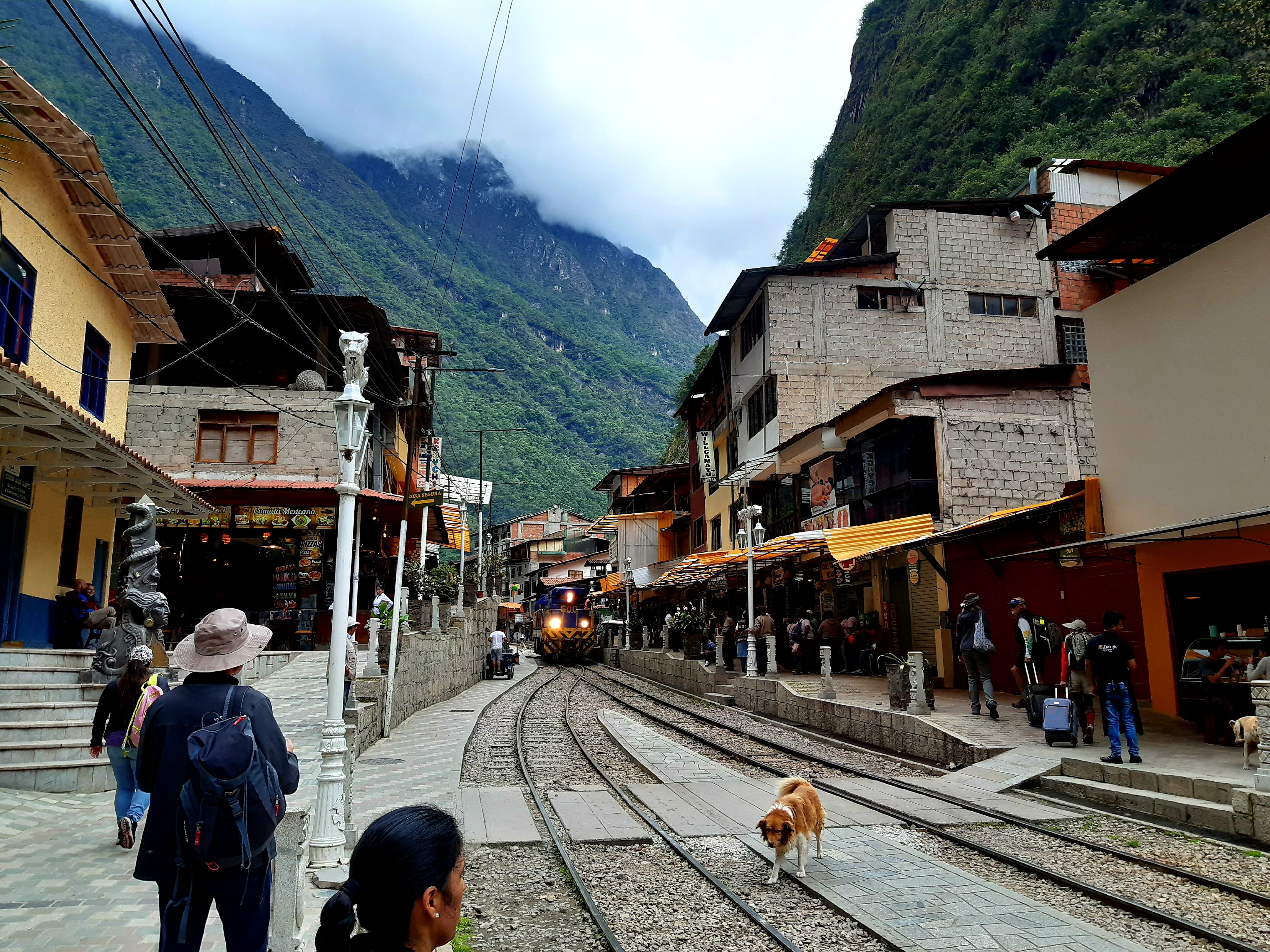
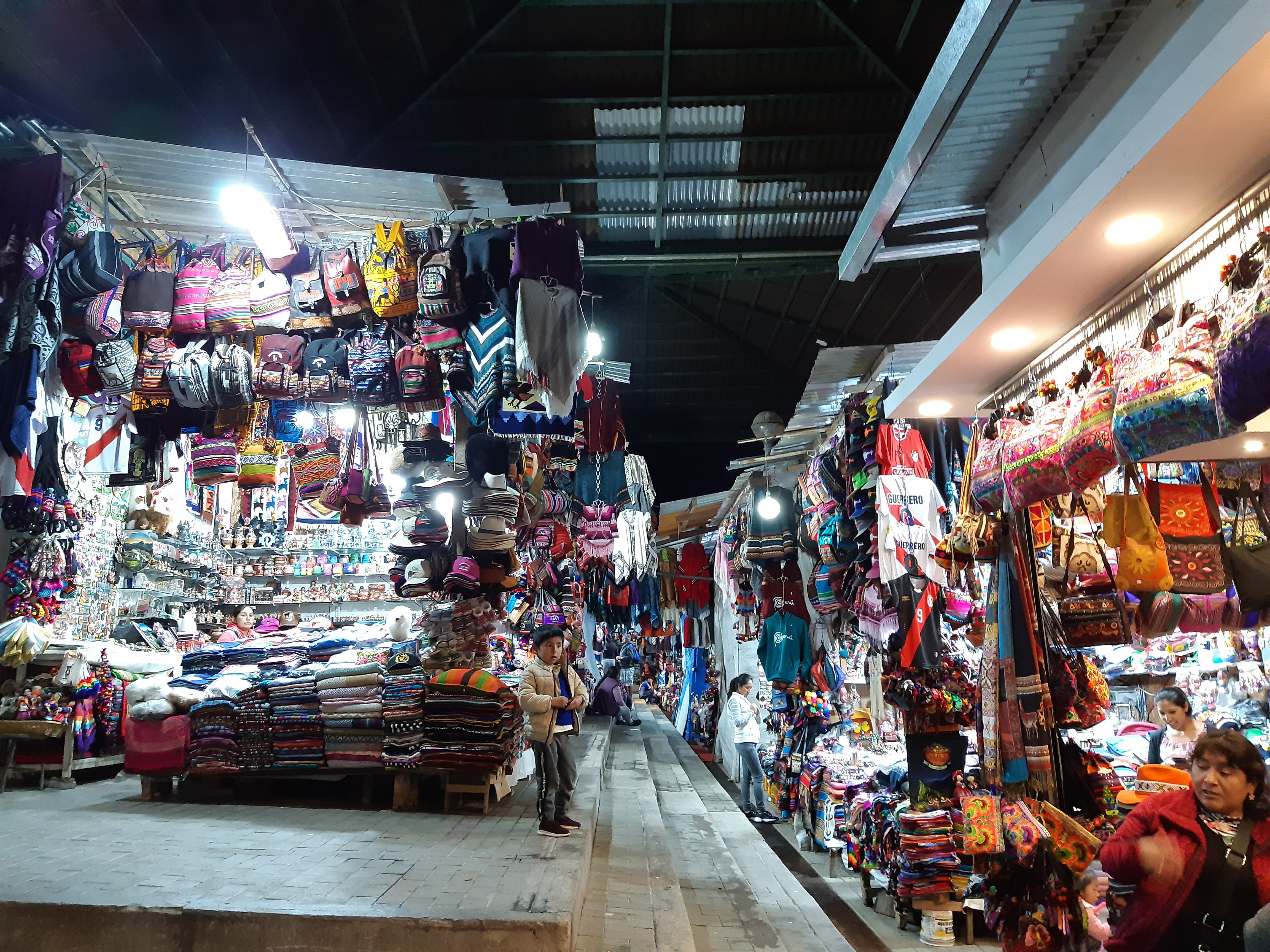
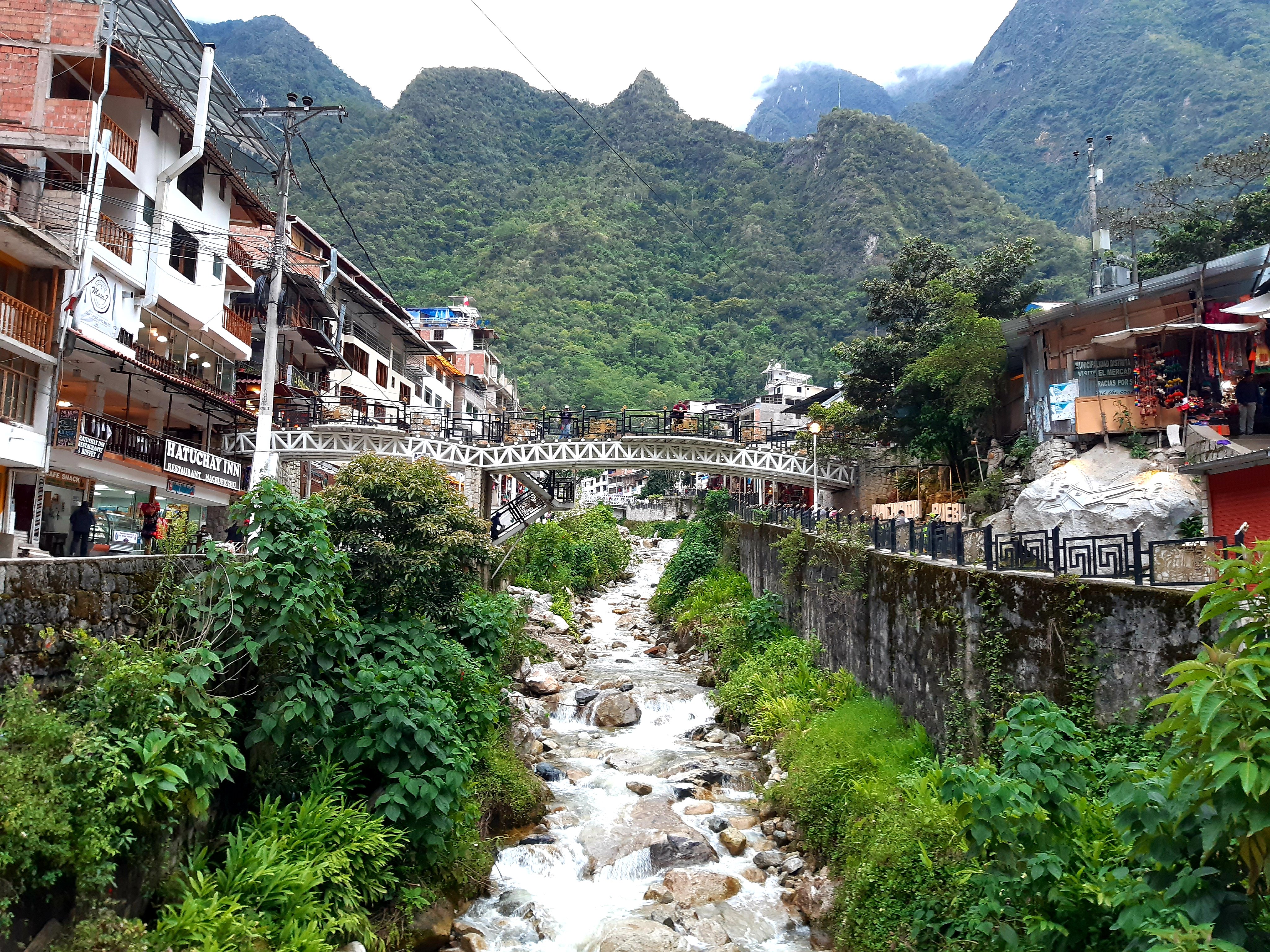
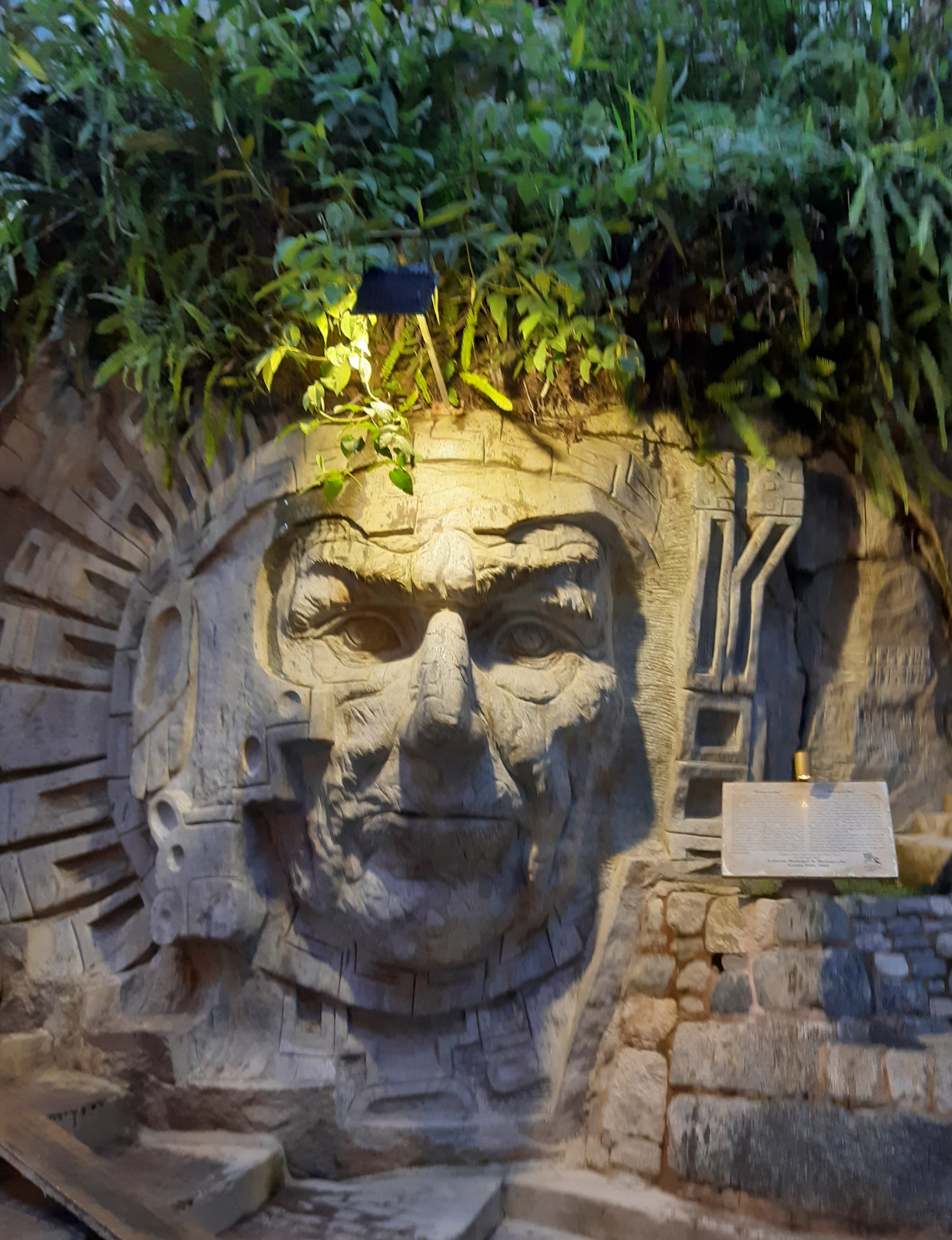
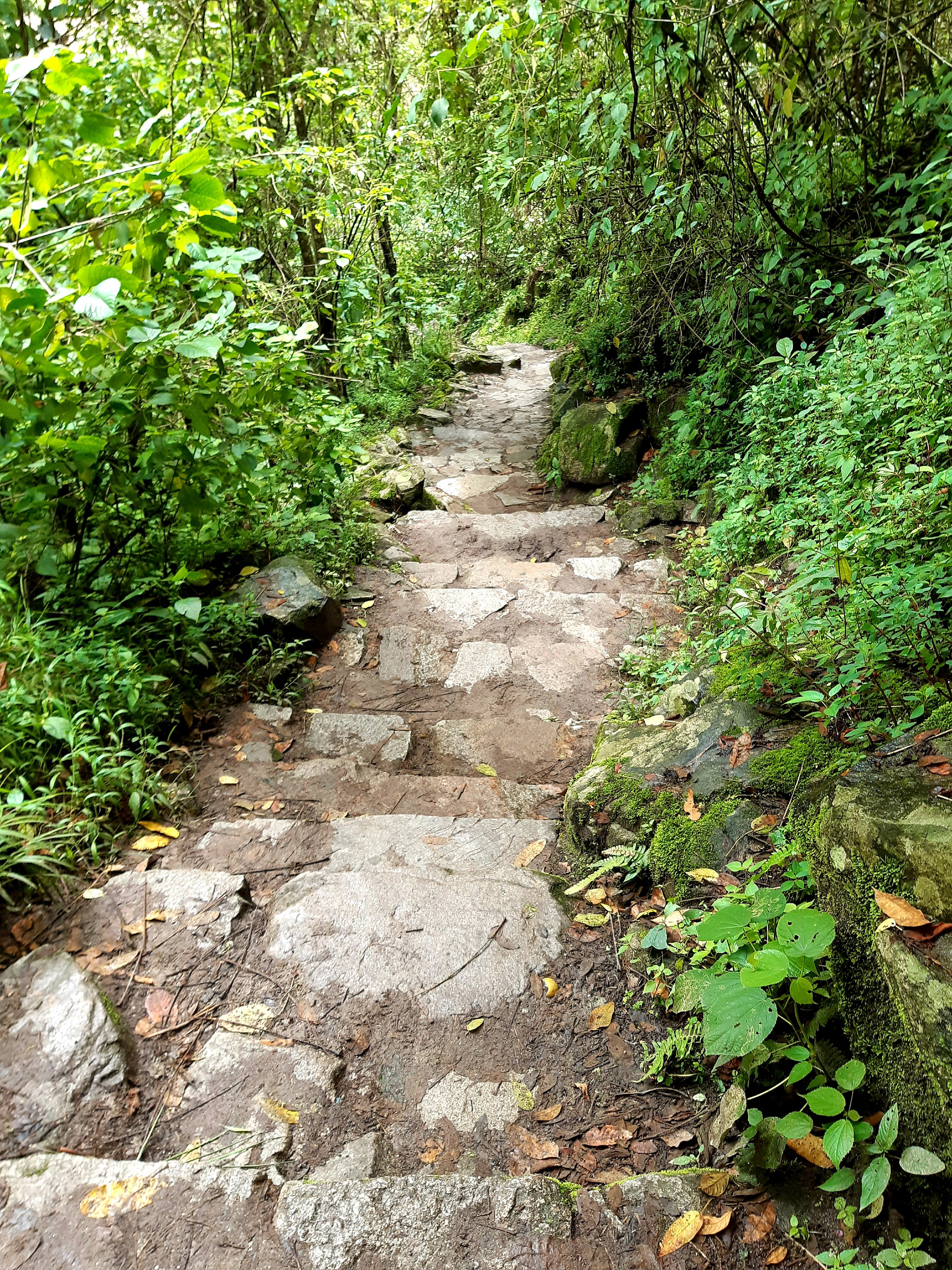
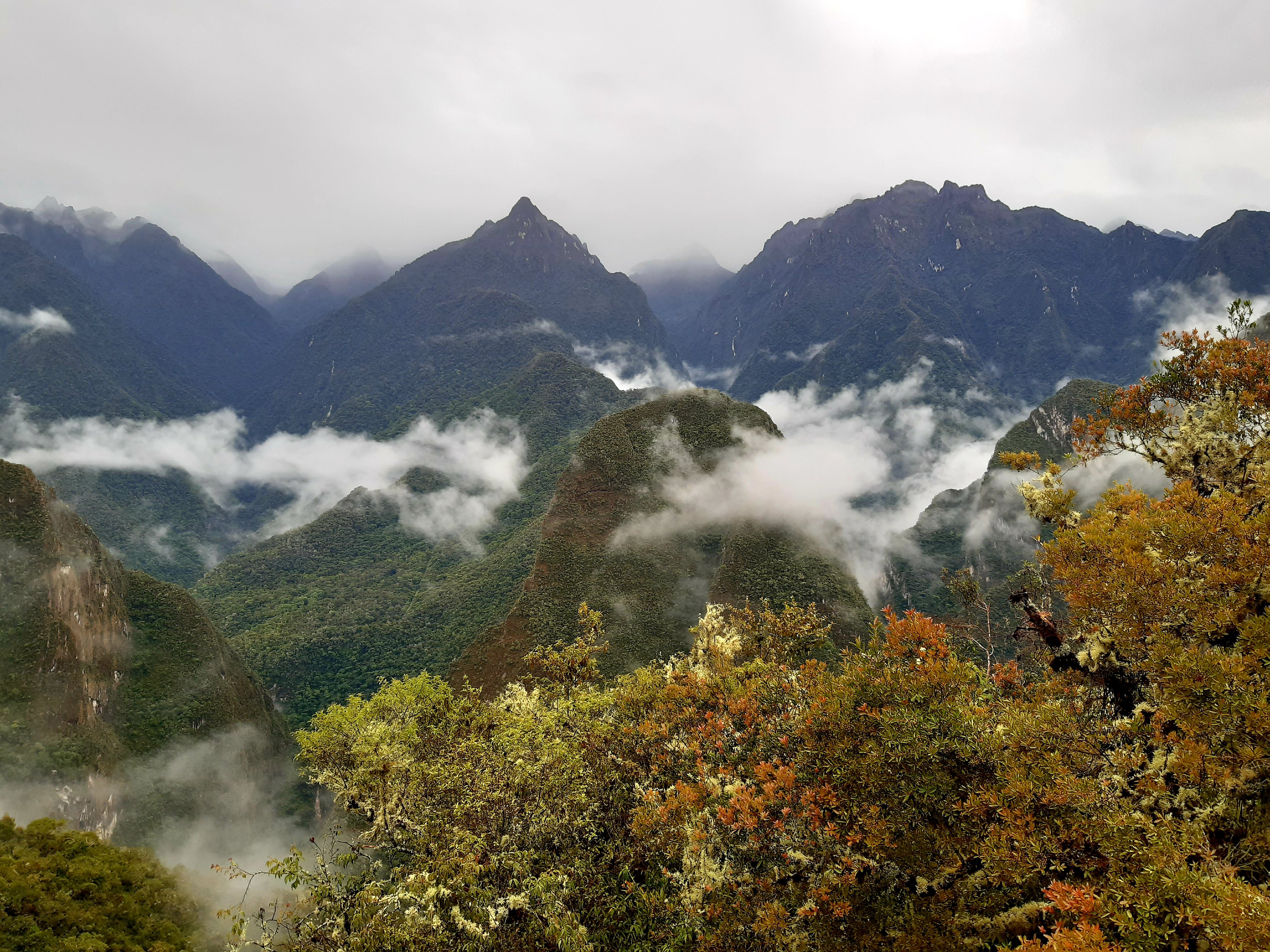
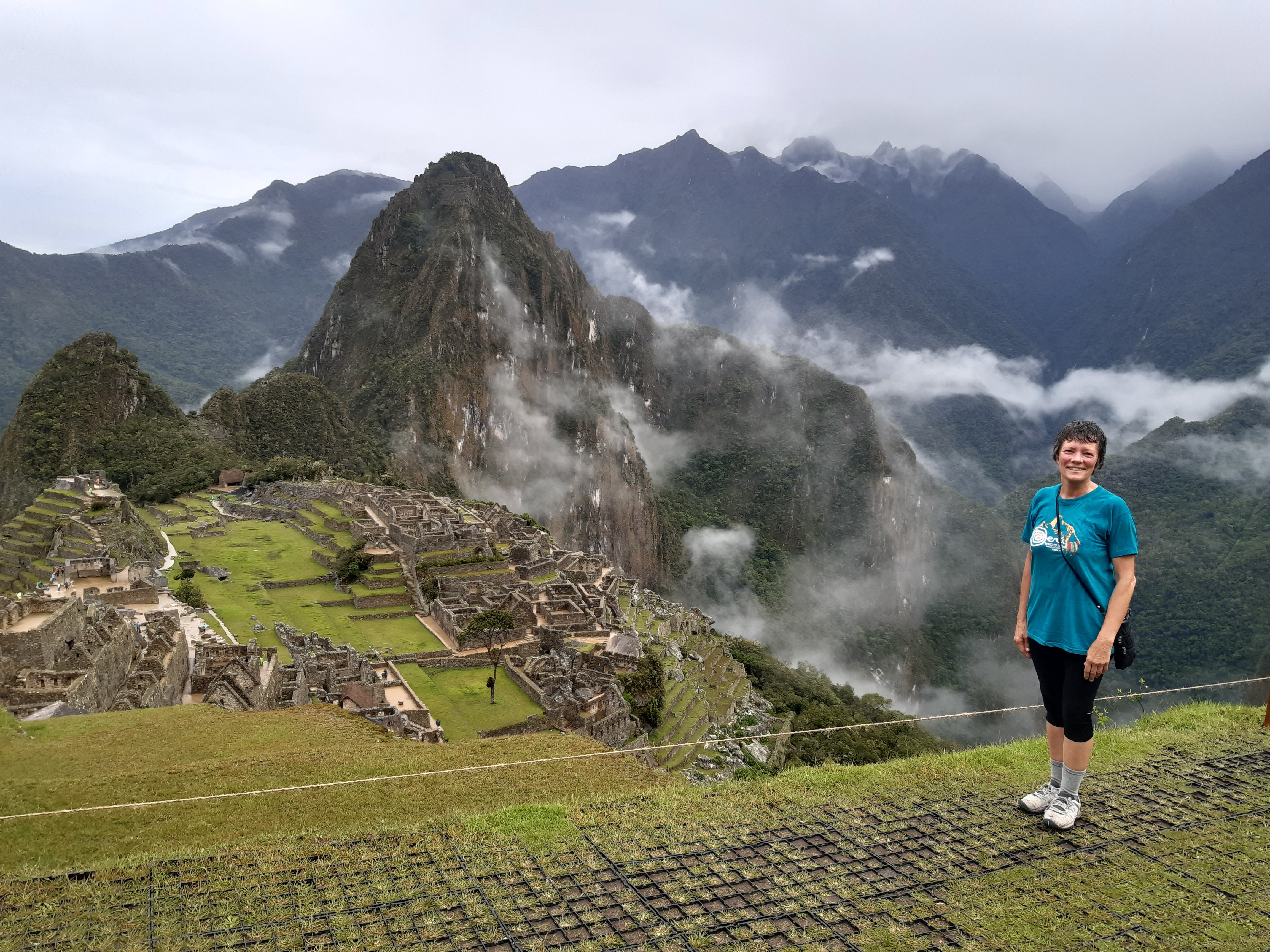

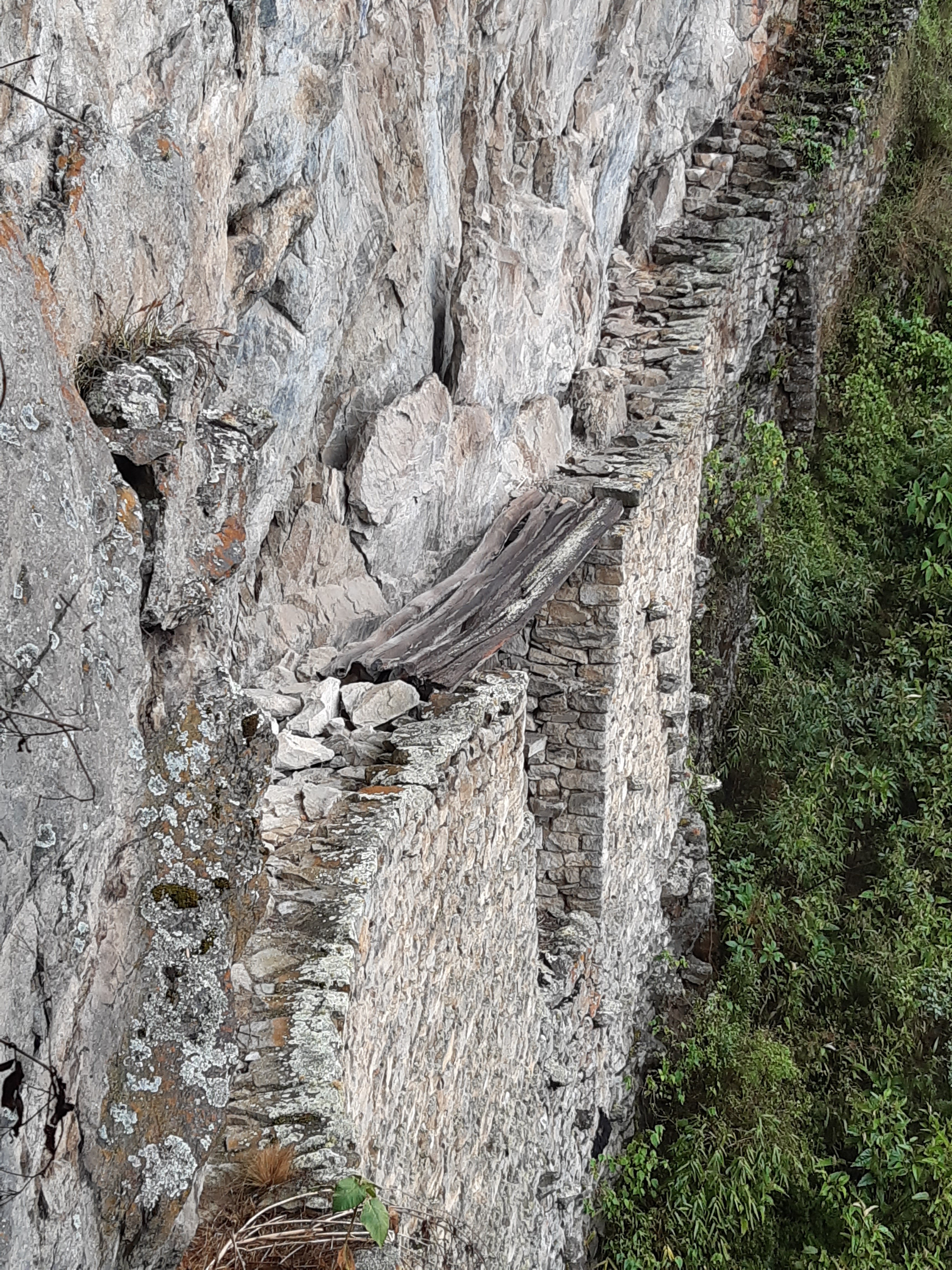

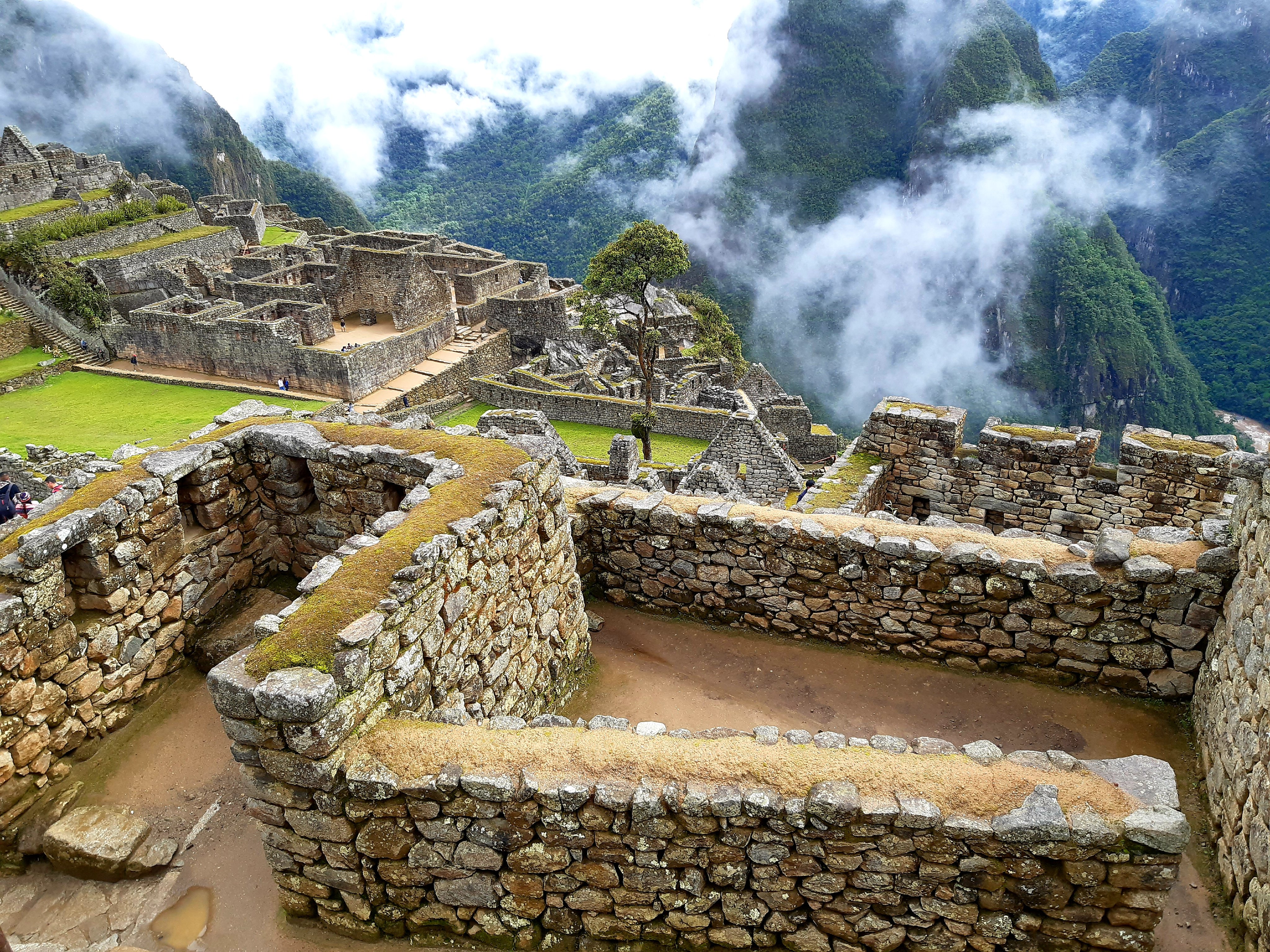
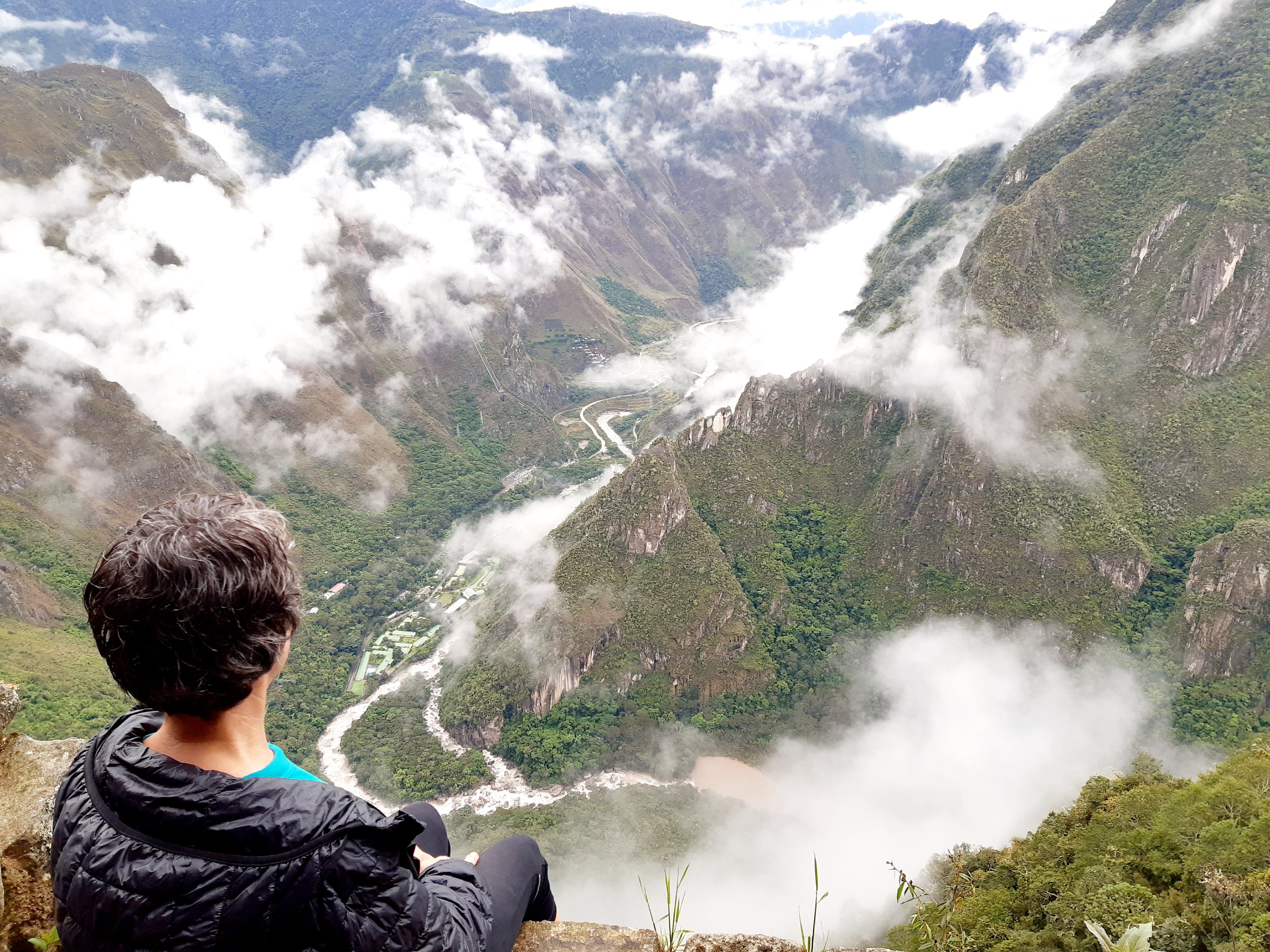
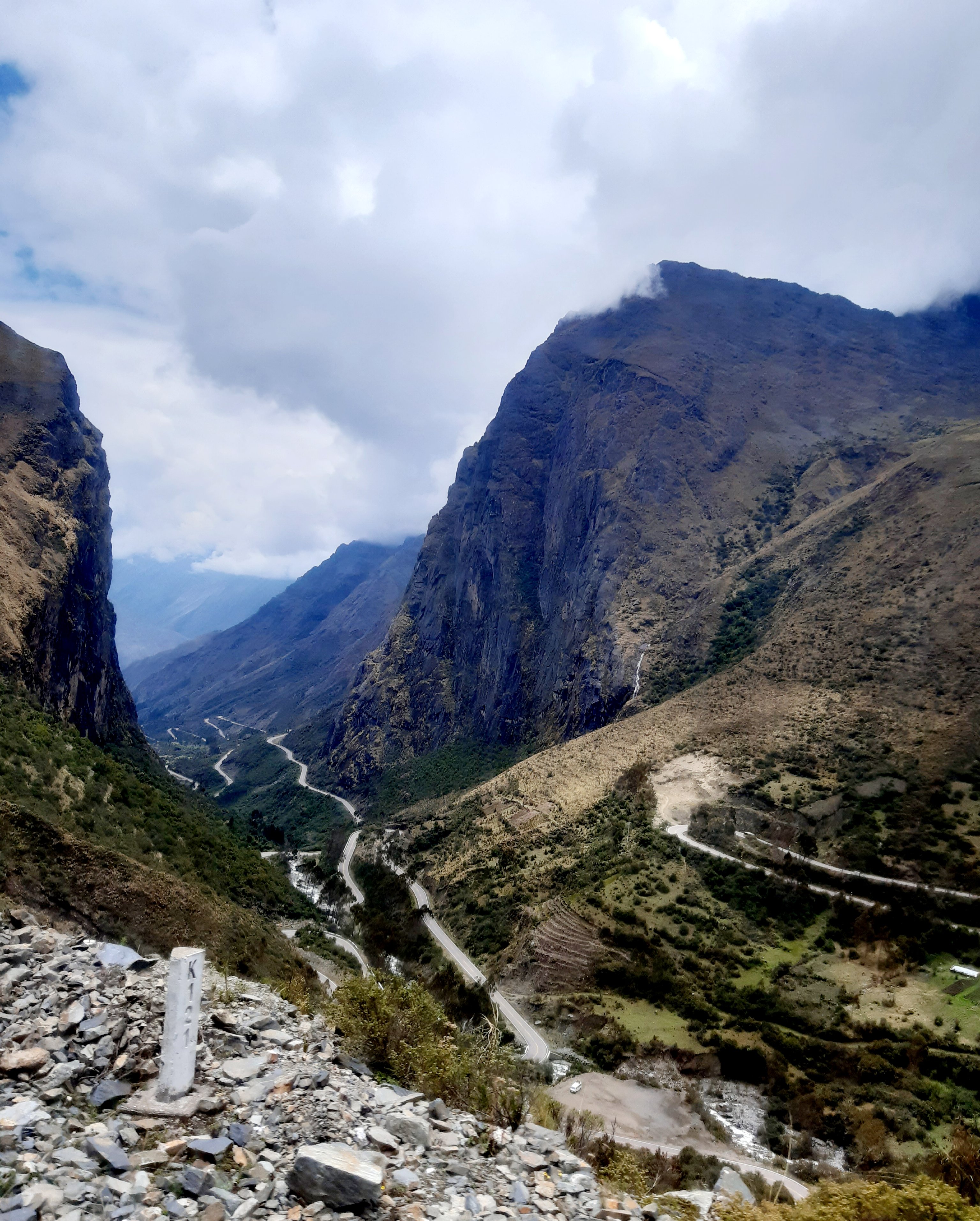 Going up
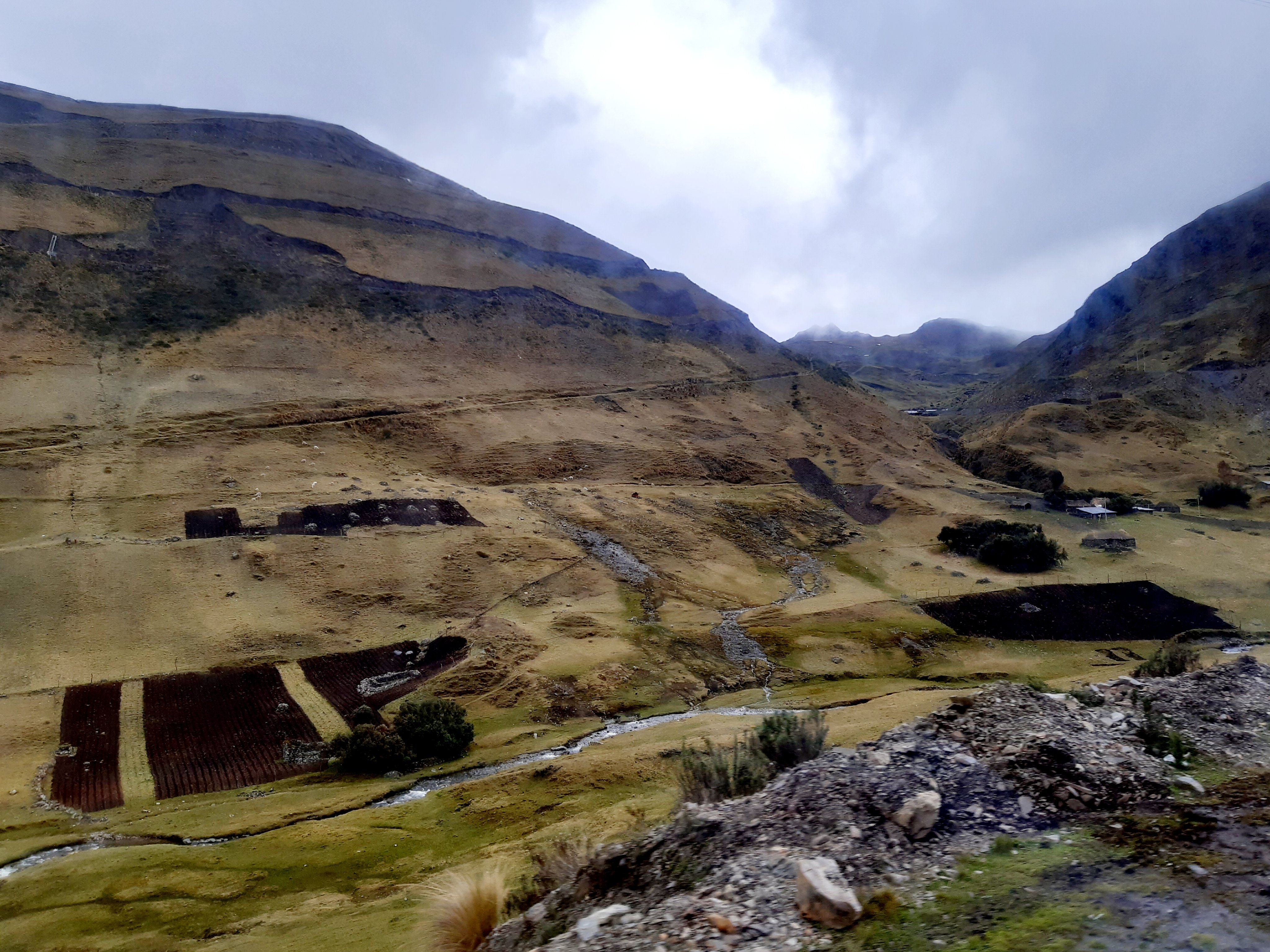 At the top, black soil turned up in the lands.
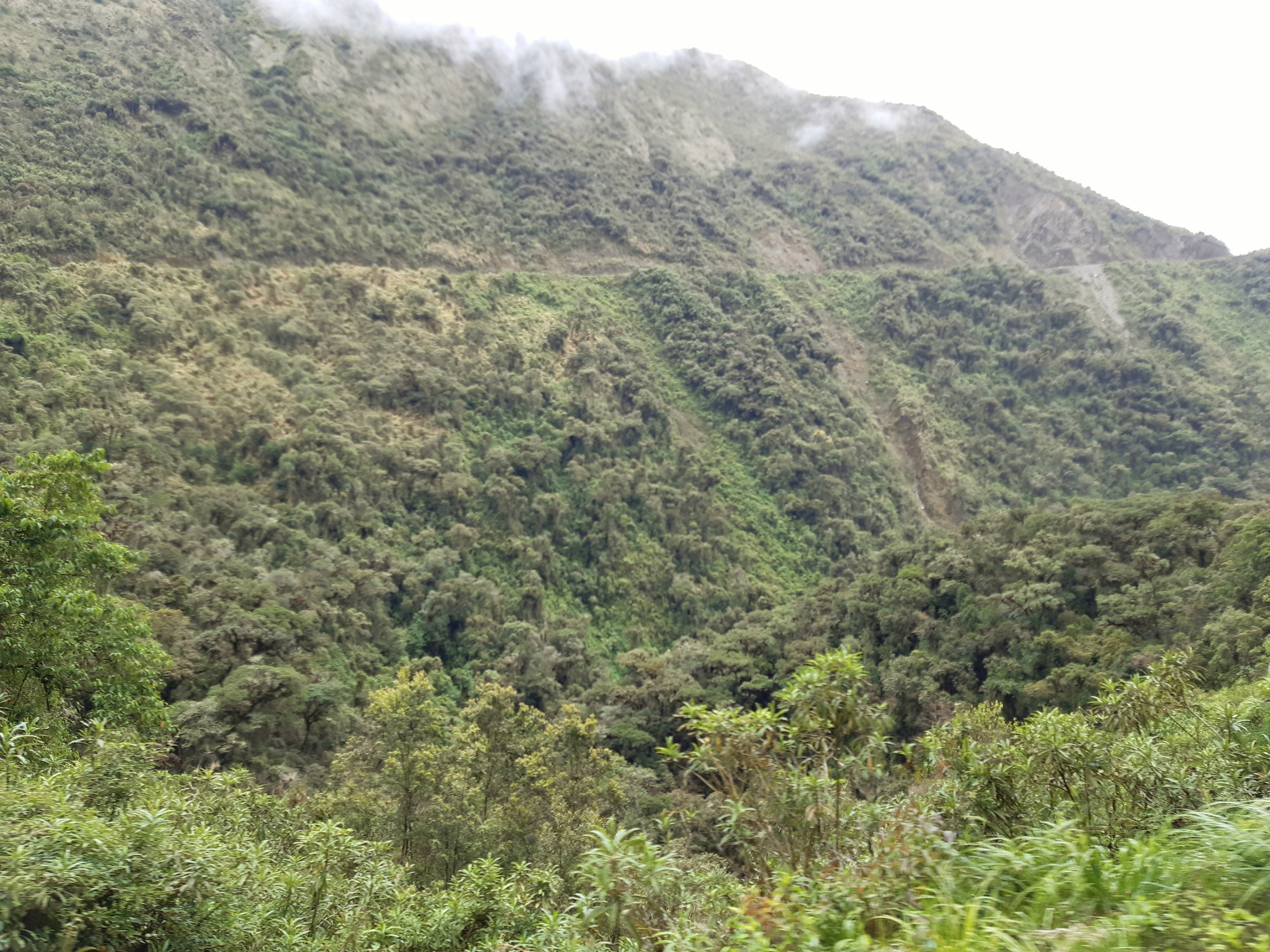 Altogether different landscape on the other side, lush and green. Quillabamba is on the edge of the Amesone forest.
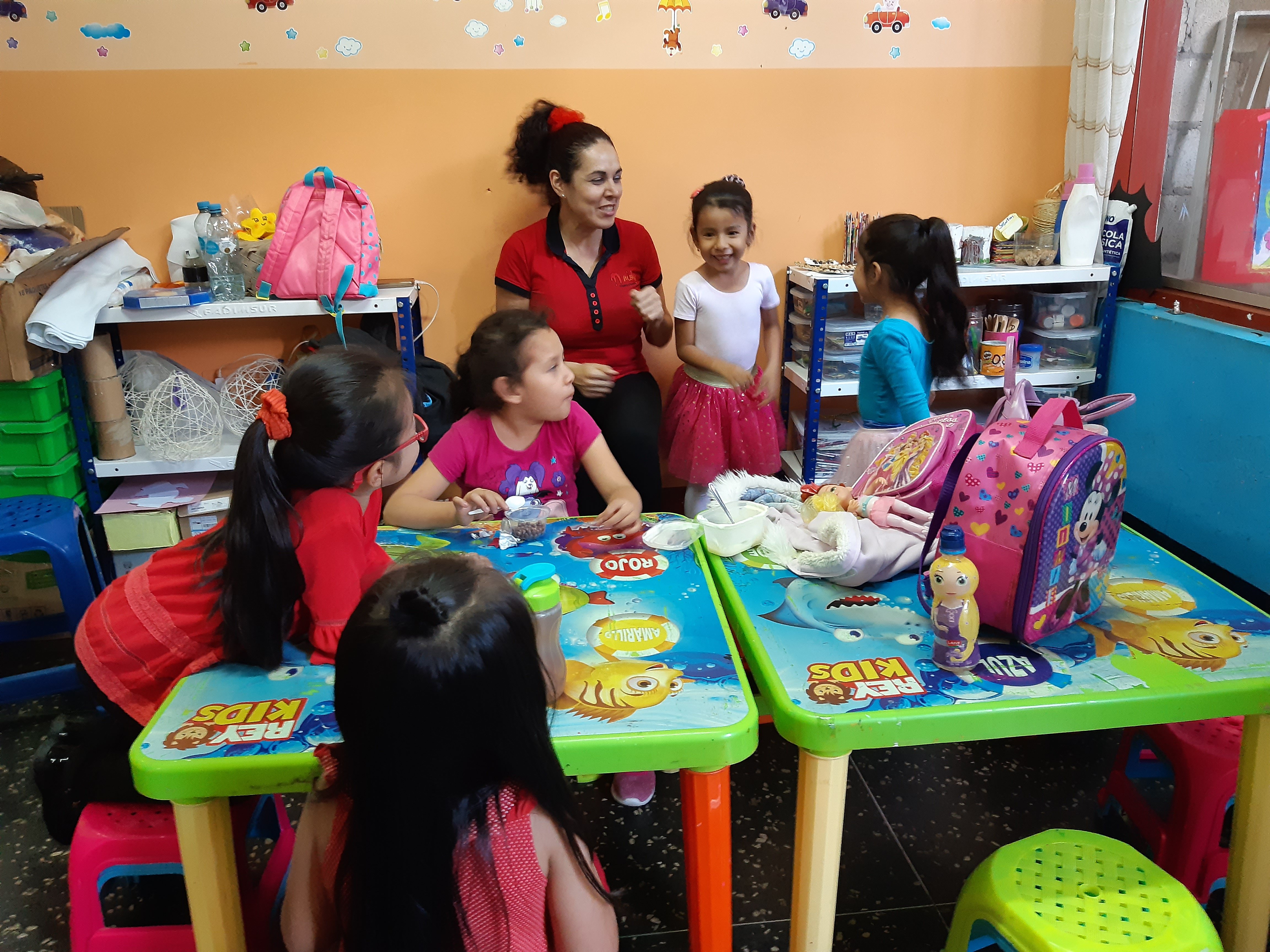
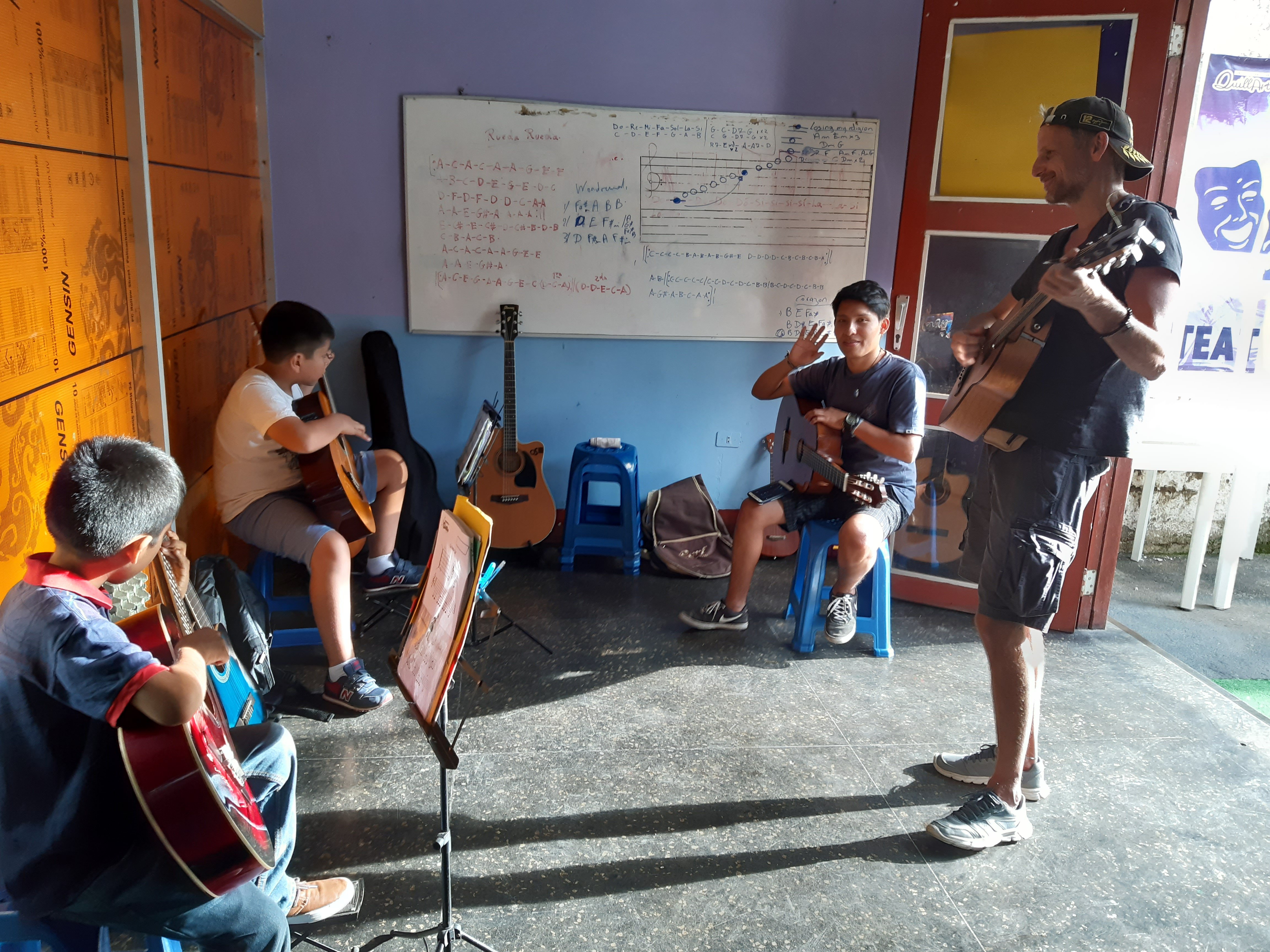
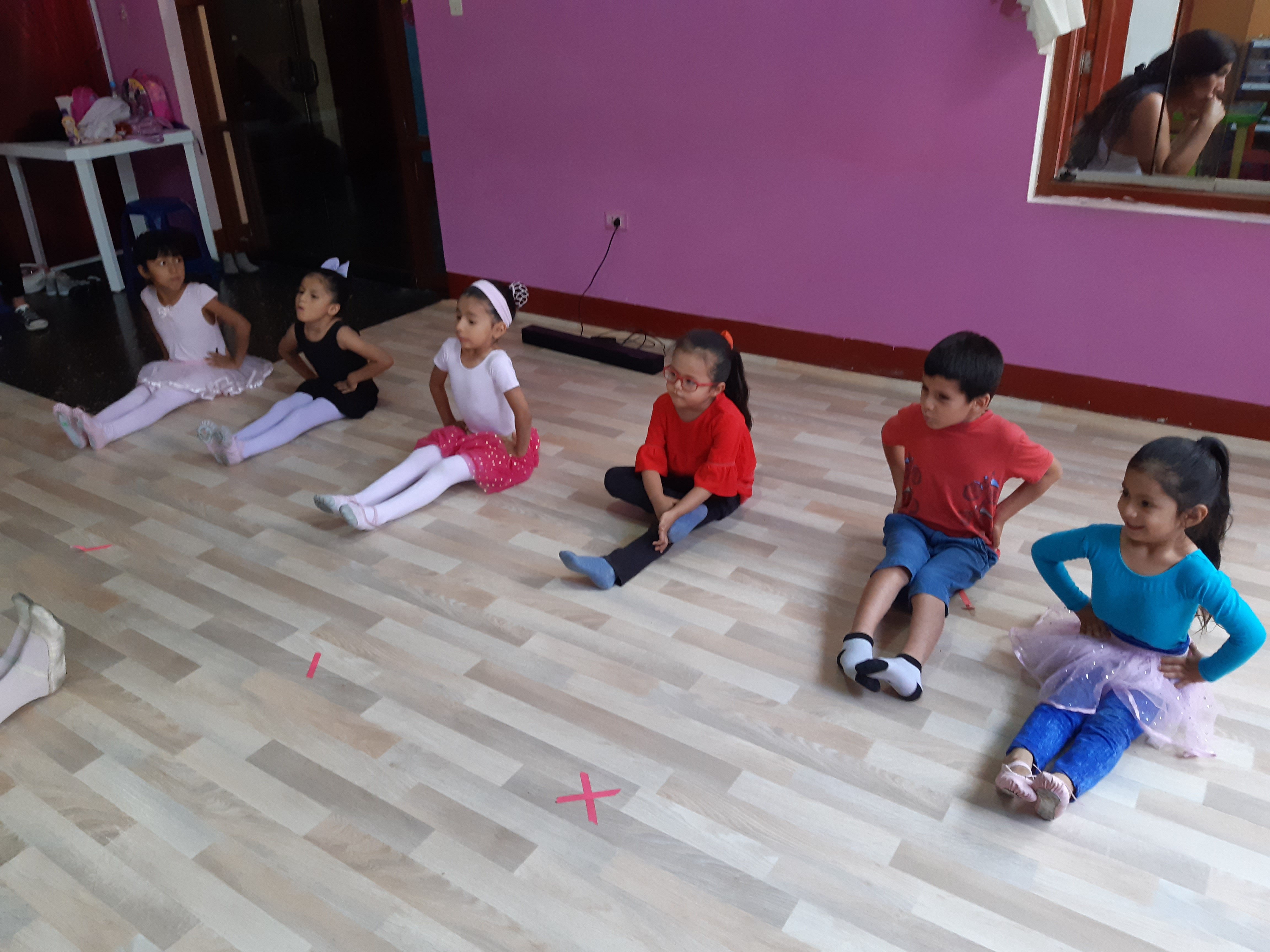
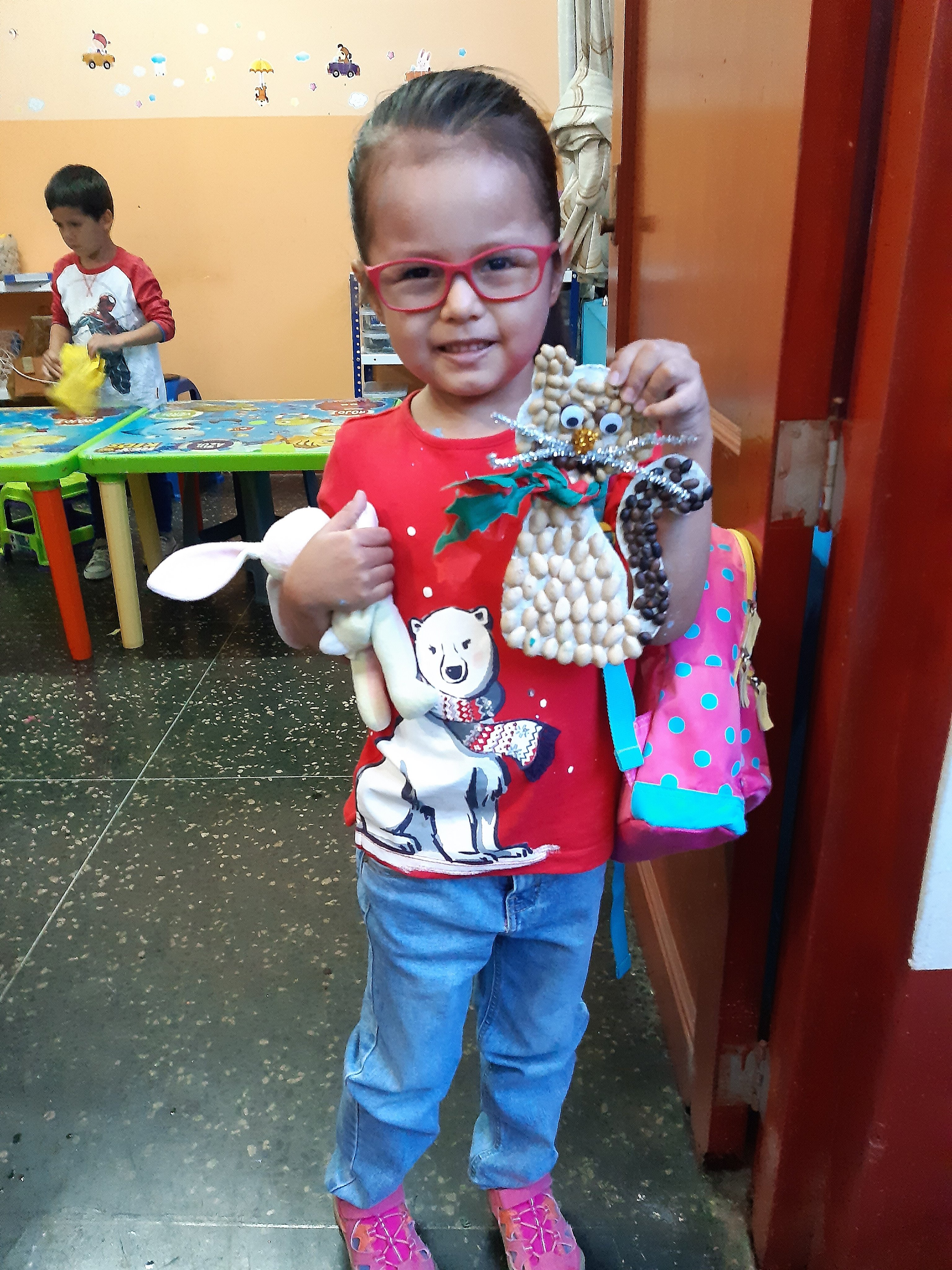
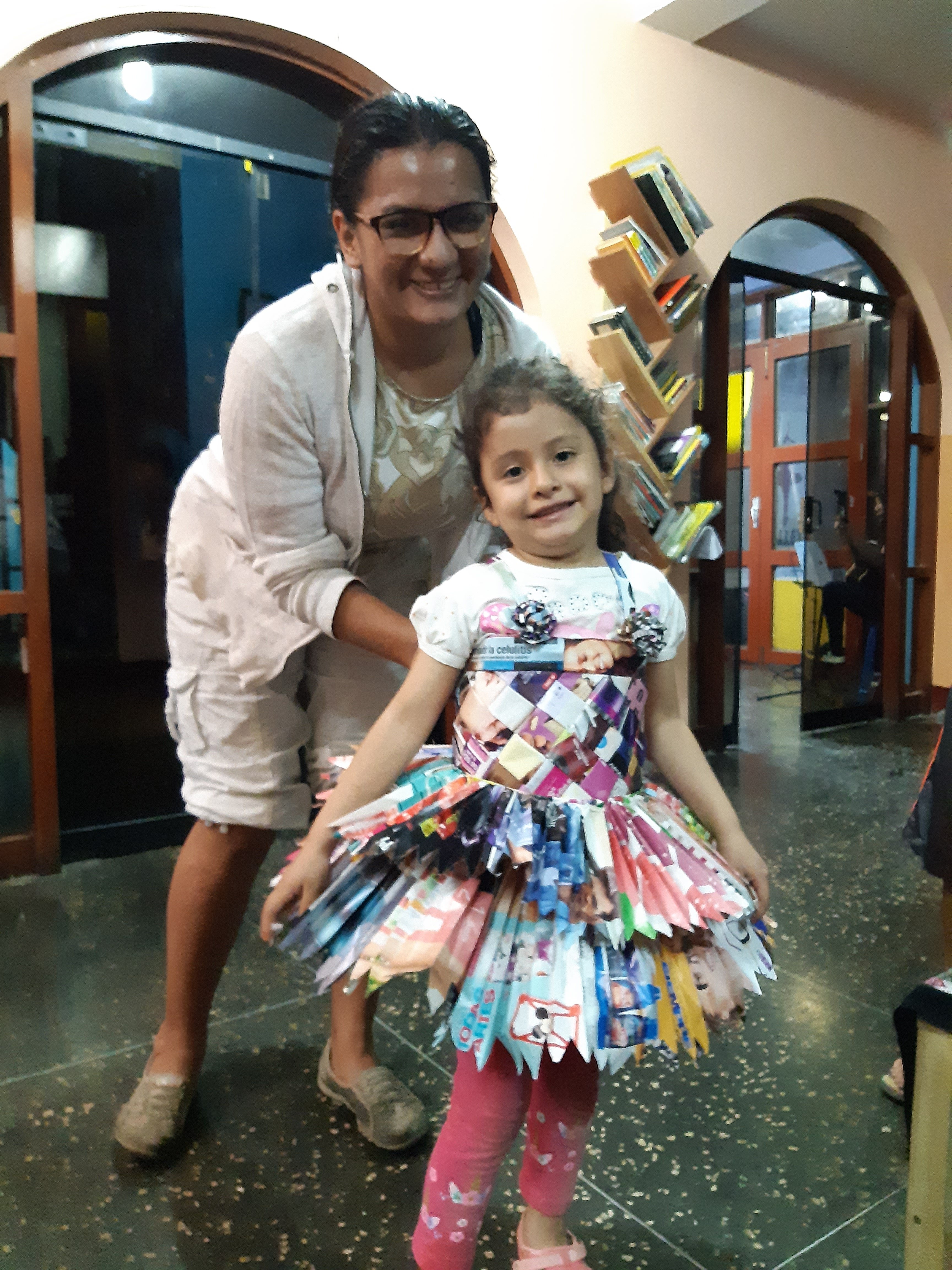
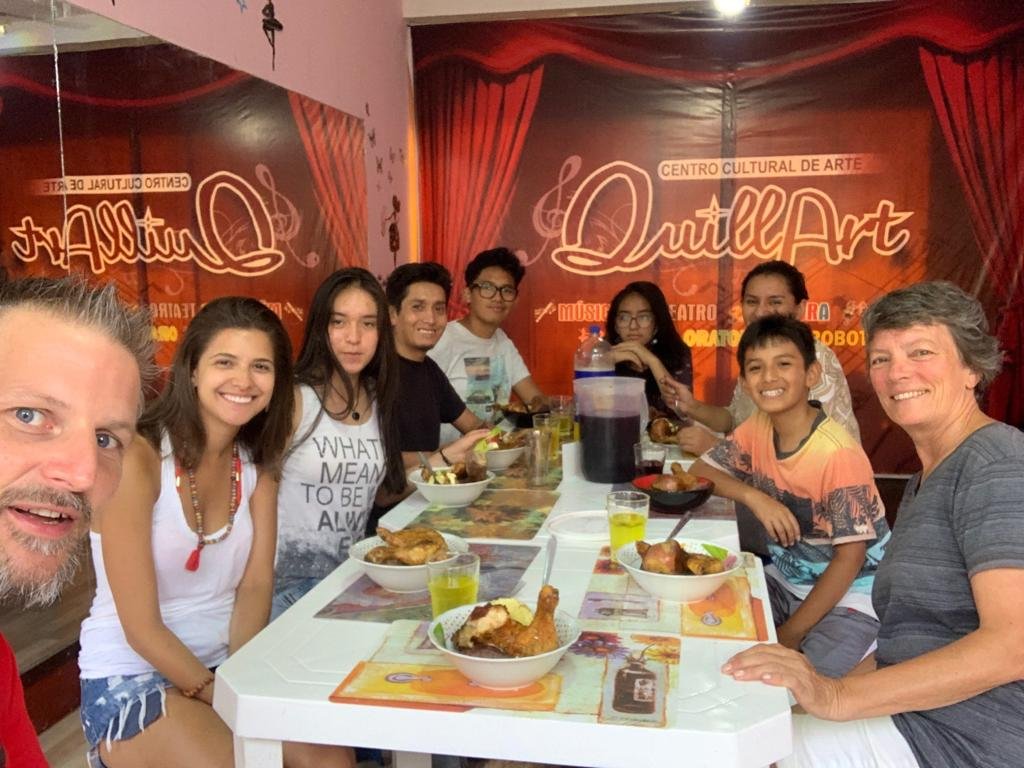
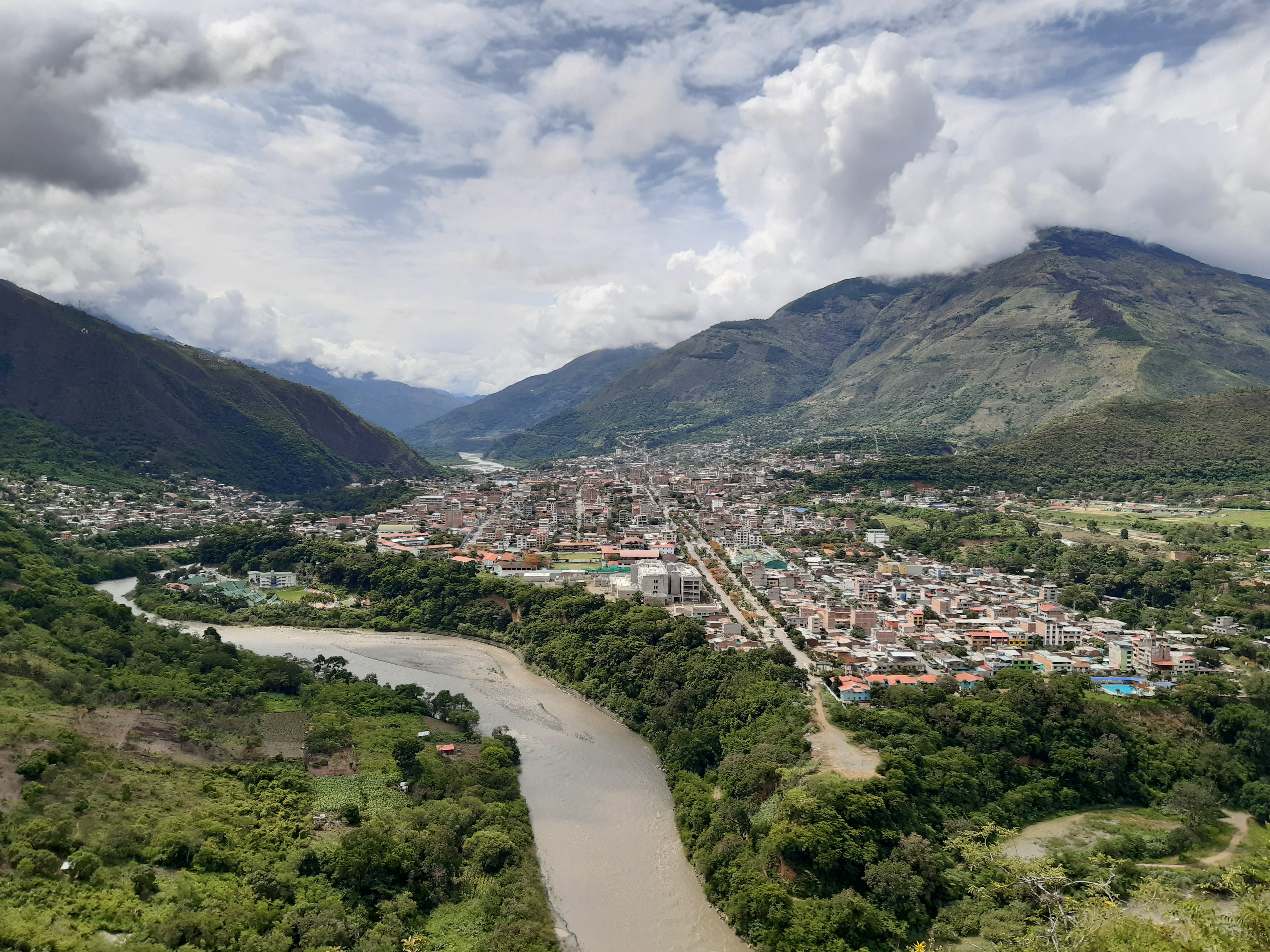
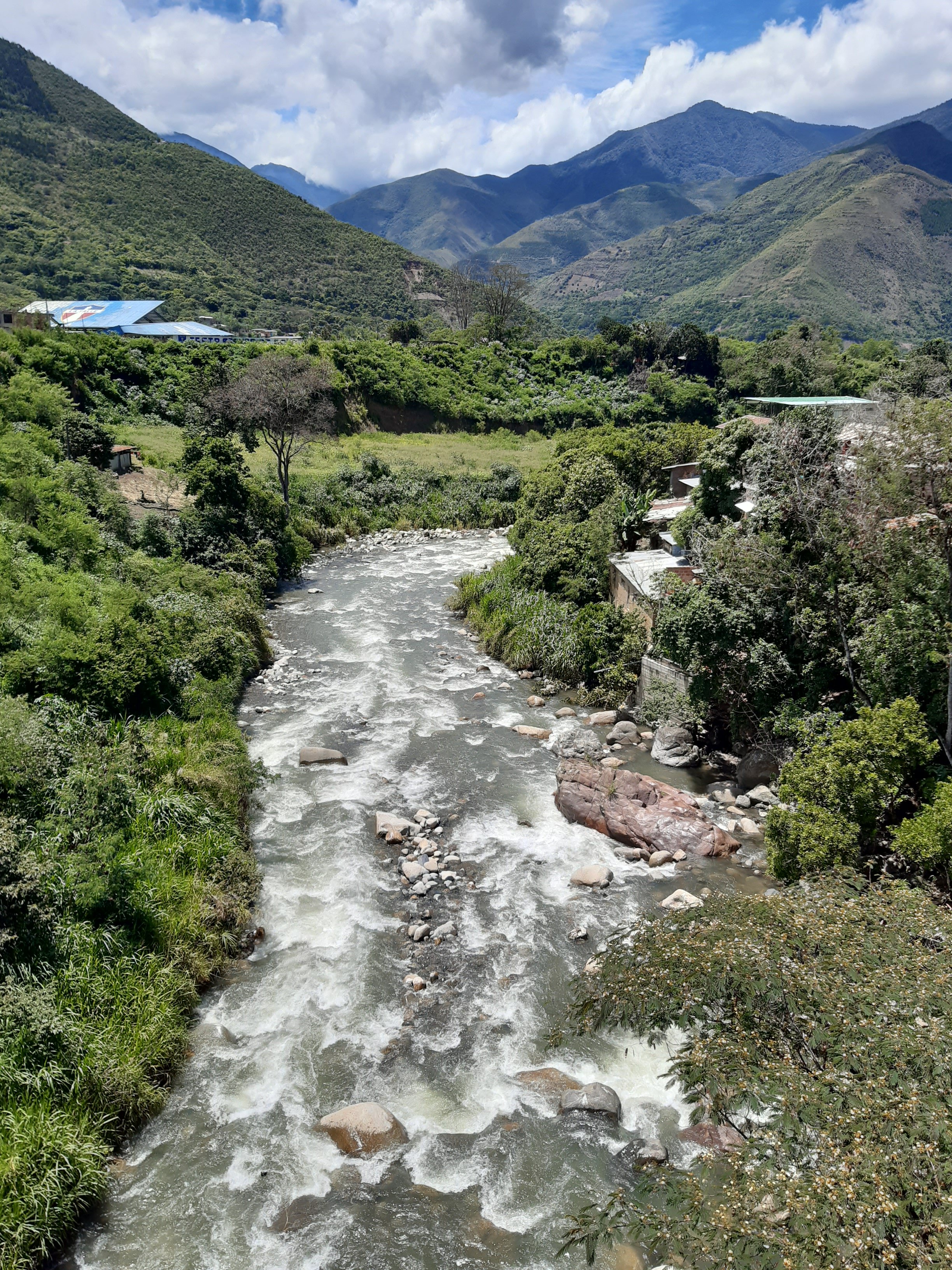
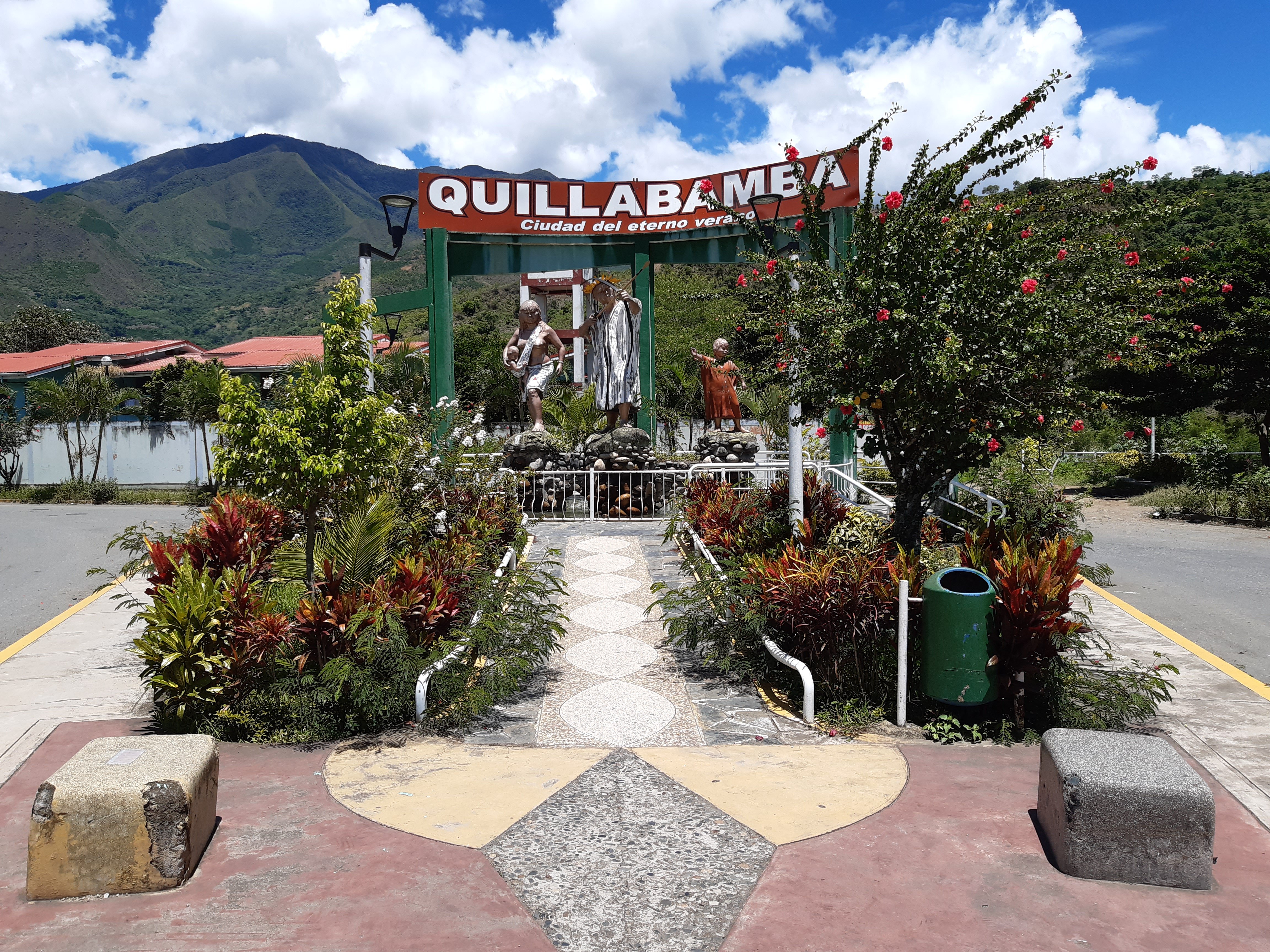
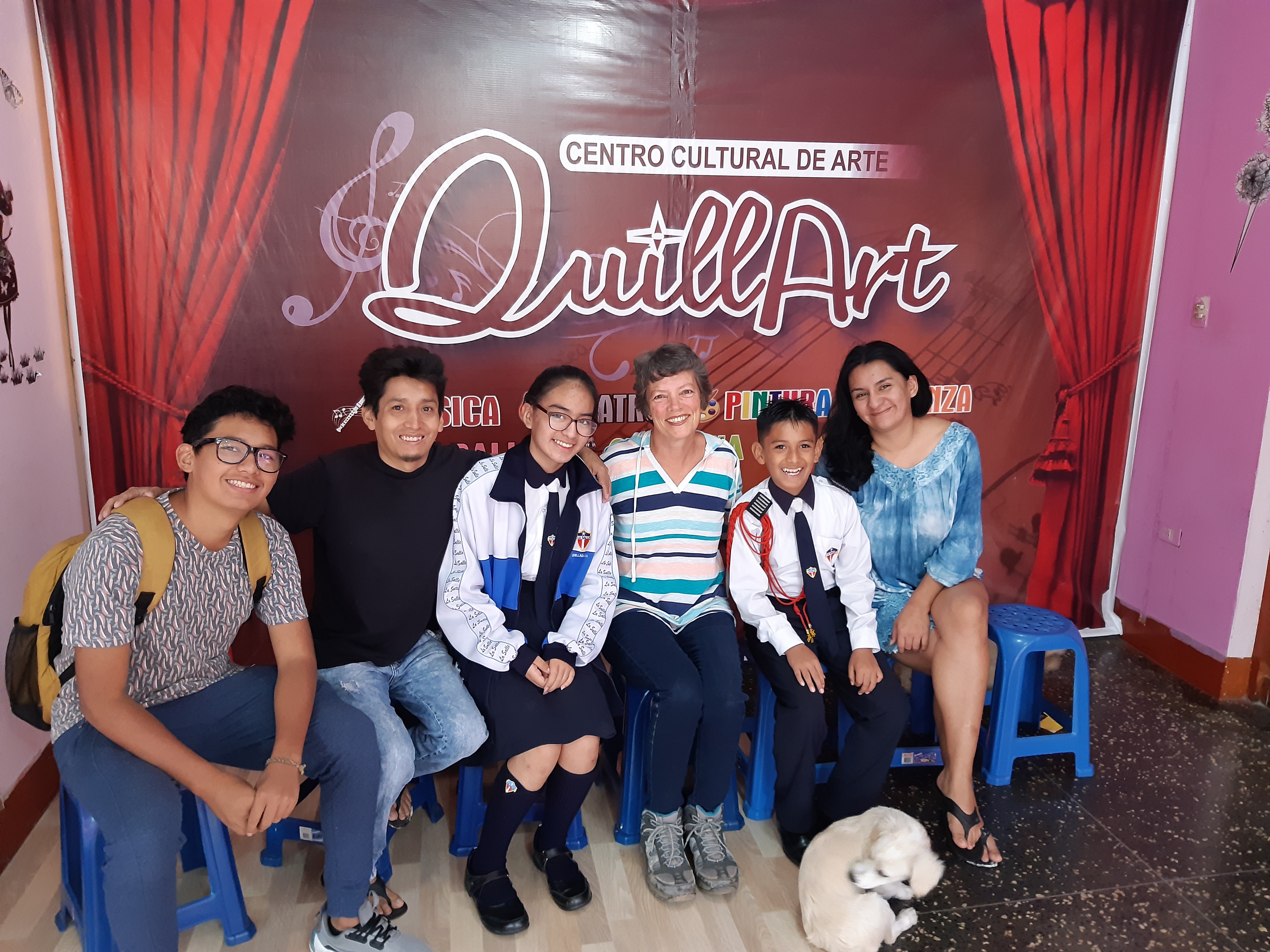
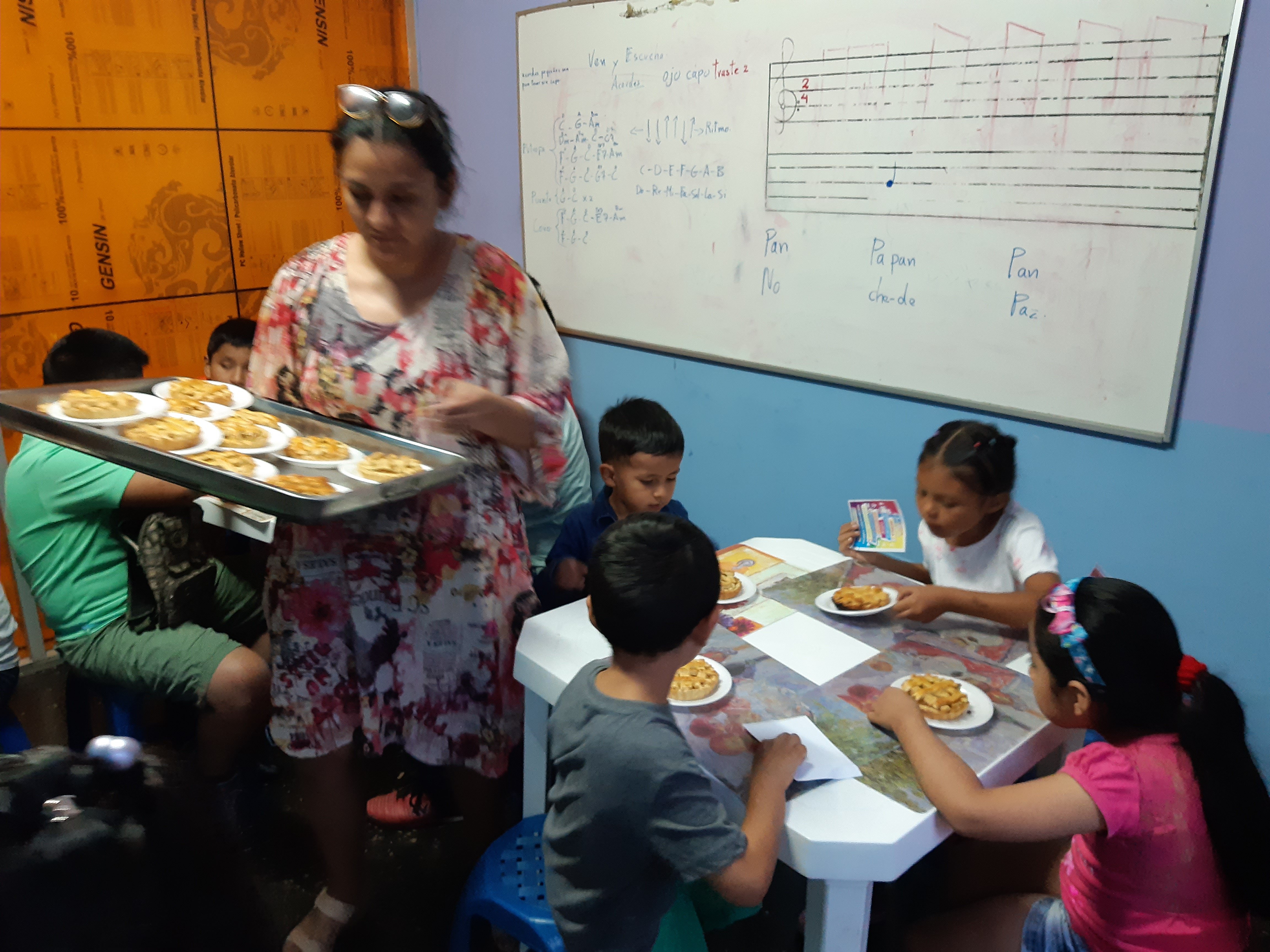
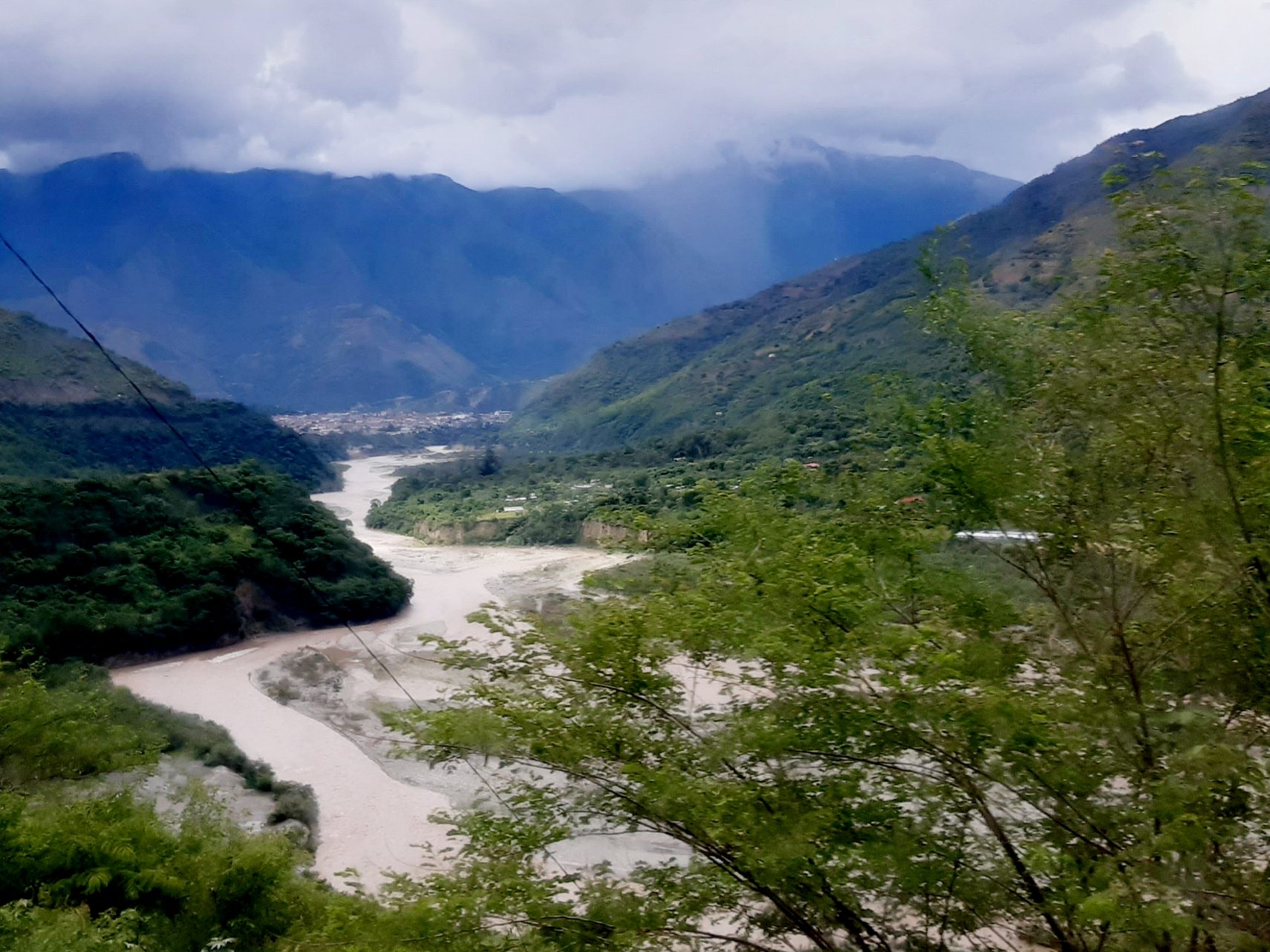 The river is called the Urubamba, and runs through the Sacred Valley which is at the foot of Machu Picchu. Quillabamba is 2hrs north of Machu Picchu, and can be seen in the far distance of the above photo.My Workaway volunteer work for this month is with Jennifer, her husband Darsey, and three children. They run an art institute which they started 3 years ago, and offer guitar and piano lessons, ballet, drama, cooking and art for small children and adolescents. Evidently Jennifer arrived here with nothing but a pot for boiling rice and her rucksack, and started the business from the room she had rented and was living in, converting it to a studio during the day. Her story is inspirational, as she had to persuade reluctant fathers that art in its various forms was an important part of a child’s development. Today they have a thriving business with many children participating and they are involved in community activities and festivals.Gabriella (the other volunteer from Brazil) and I have our rooms on the 2nd floor, with a bathroom and a deck overlooking the mountains. The family occupy the 1st floor (or 3 rooms, the other 2 are classrooms), and the kitchen and 3 more classrooms are on the ground floor. Free board and one meal is provided, work is from 4 – 8pm on week days and the rest is free time to relax and explore. The family are all keen on the interchange of cultures, cooking and language and to have us take part in their activities. They have opened their home with warm hearts and are really want us to see as much of the area as possible. Jennifer speaks English, and I’m working hard at my Spanish to be able to communicate with the rest of the family. Apart from helping with the little ones, I am teaching English to her daughter and some friends, amidst much fun and laughter.
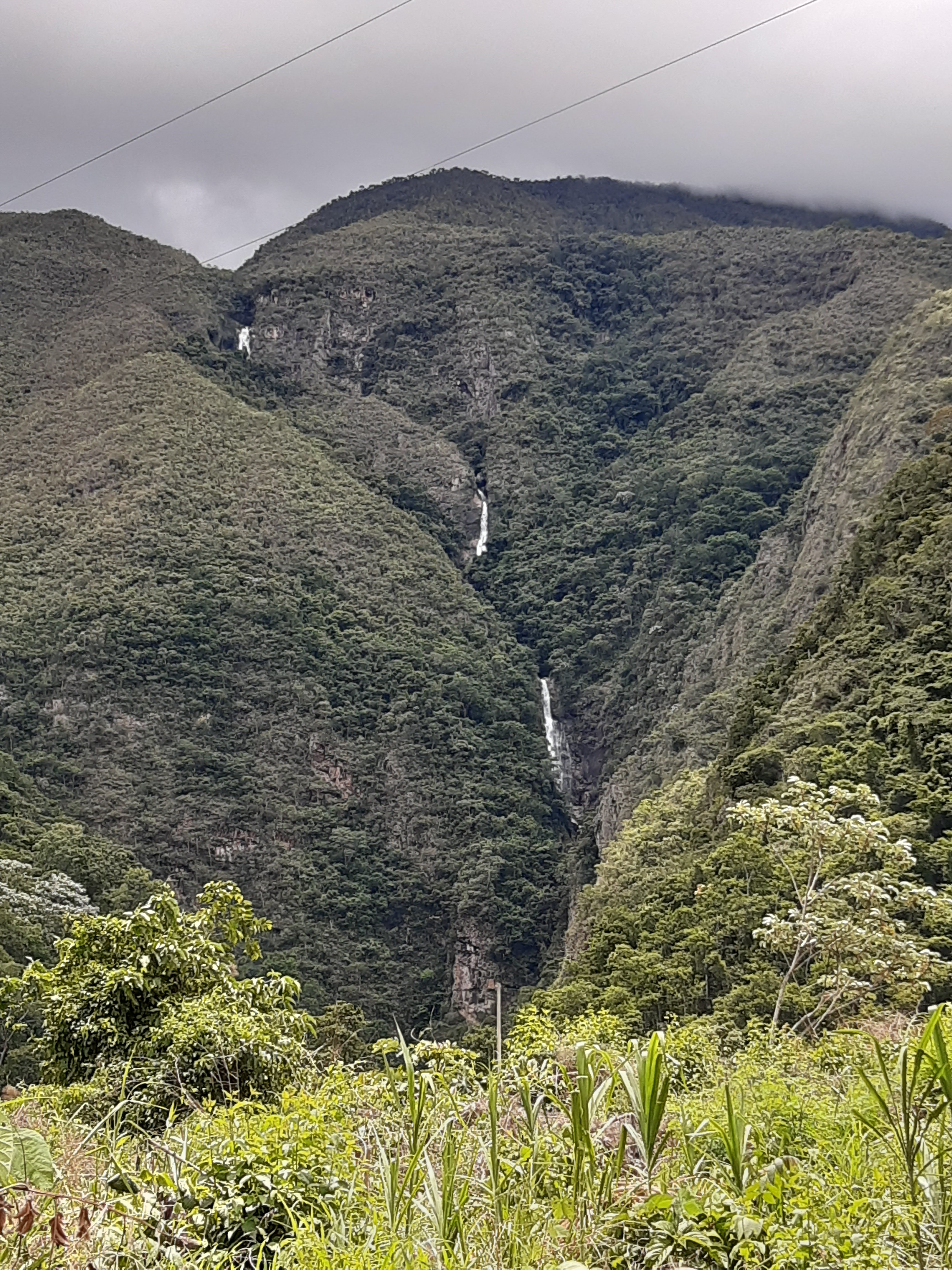
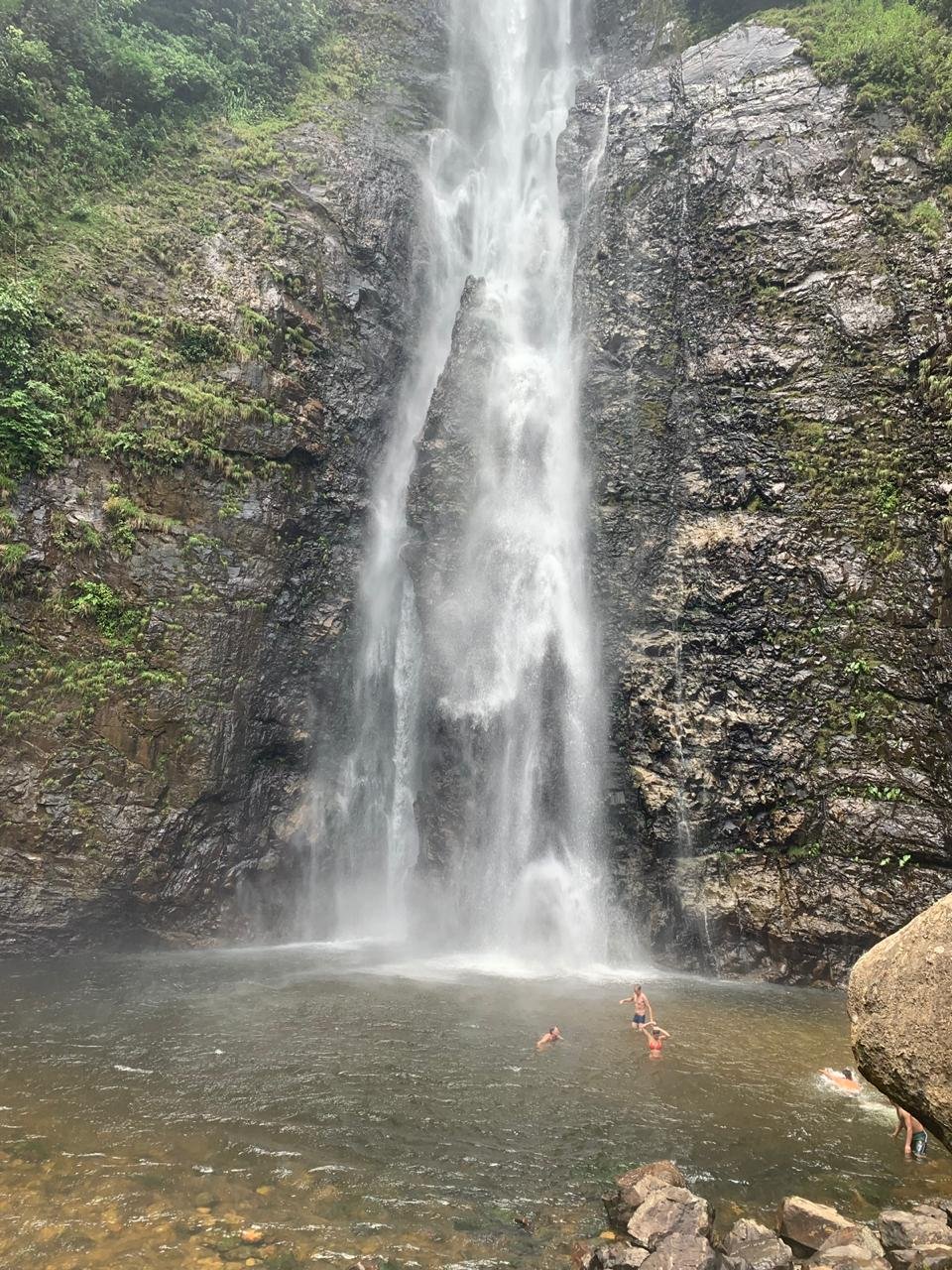
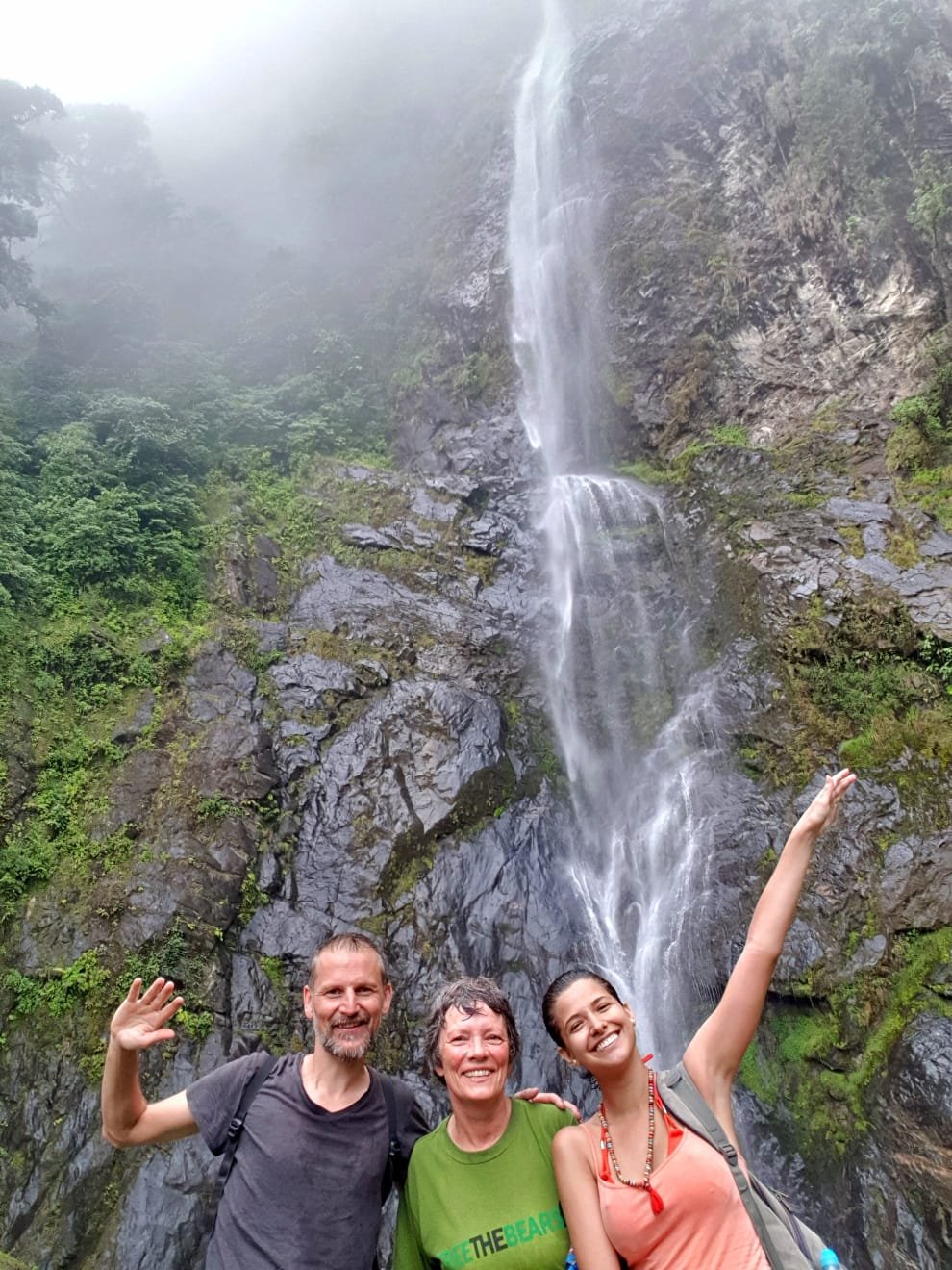
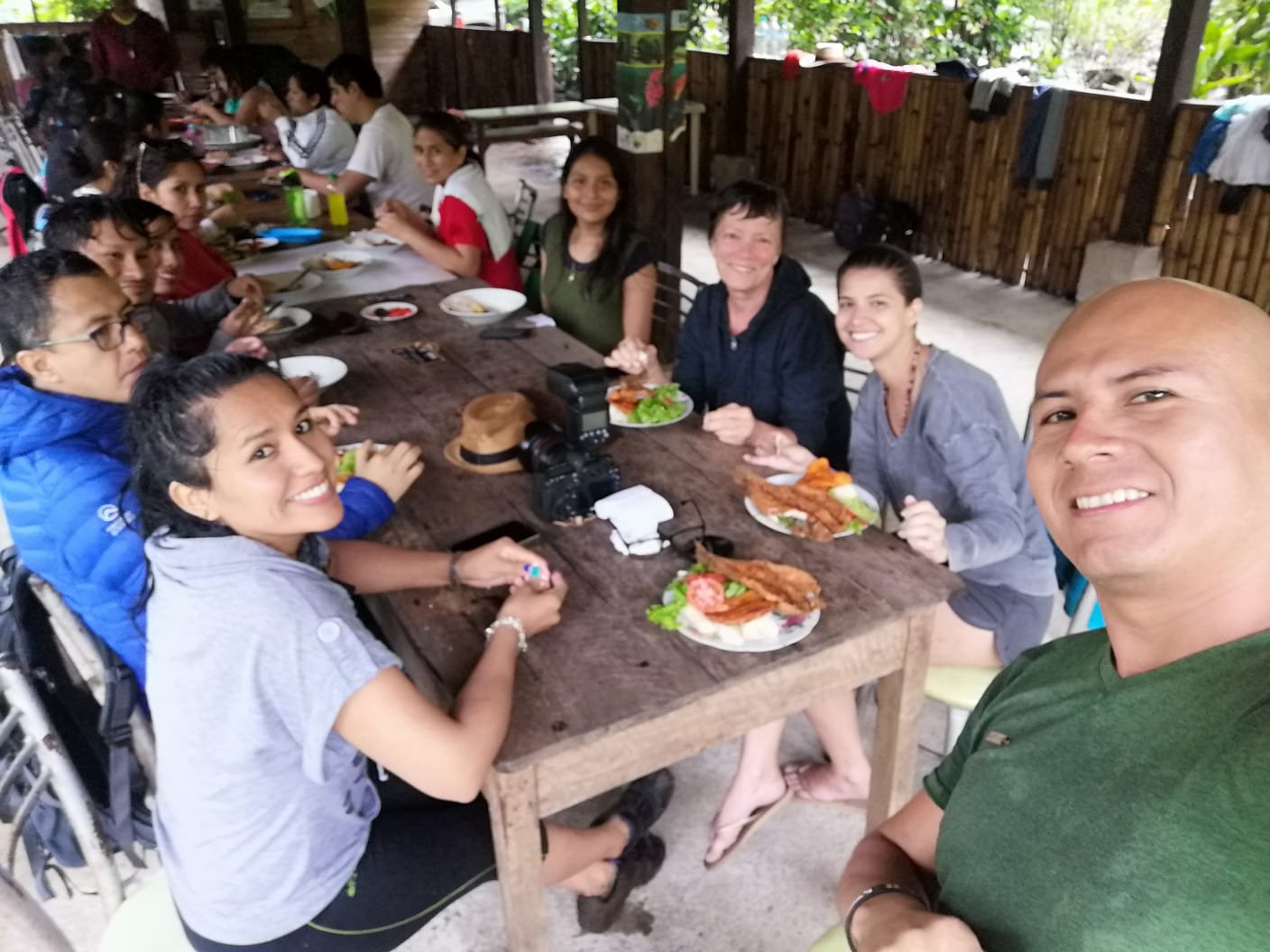
 One of the good things about living with a local family is that one is able to do things in a non-tourist way. A trip to one of the many beautiful waterfalls in the area is done with a group who was started by an enthusiastic nature lover, and who go on excursions every weekend. The price is 20 soles instead of the 100 or 200 soles that tour guides would have asked. Dogs and children are part of the group, and we all got thoroughly soaked in a proper jungle downpour on the way back.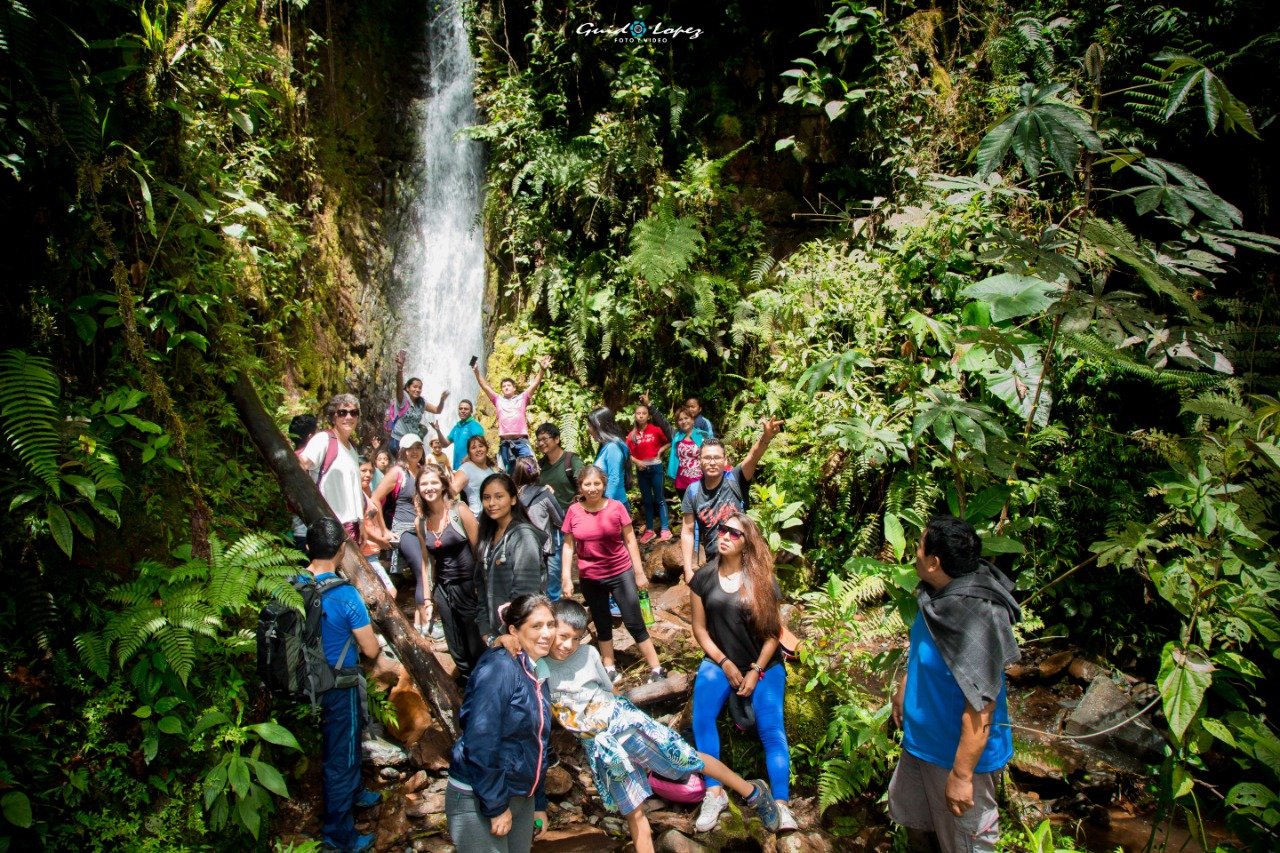
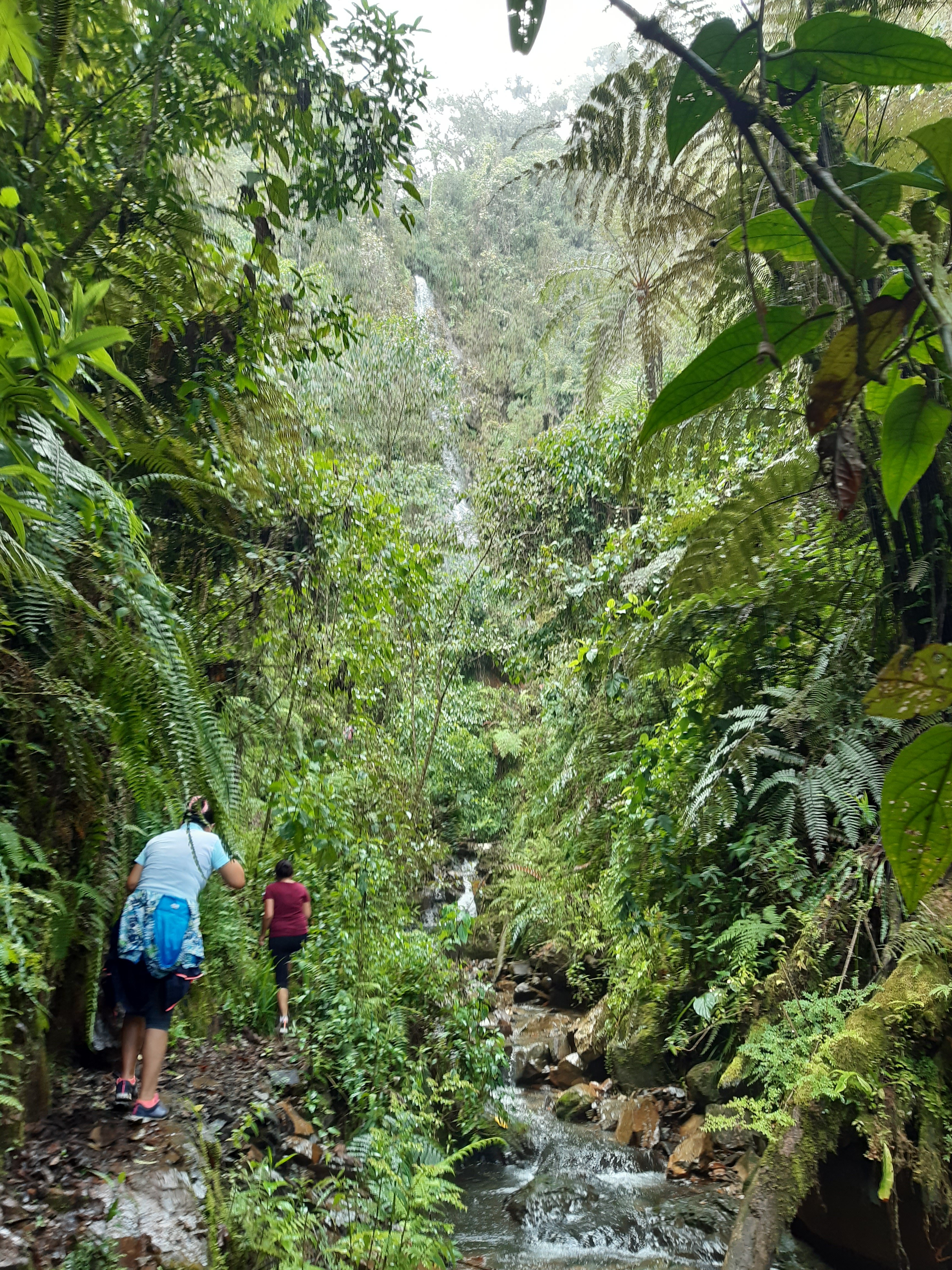
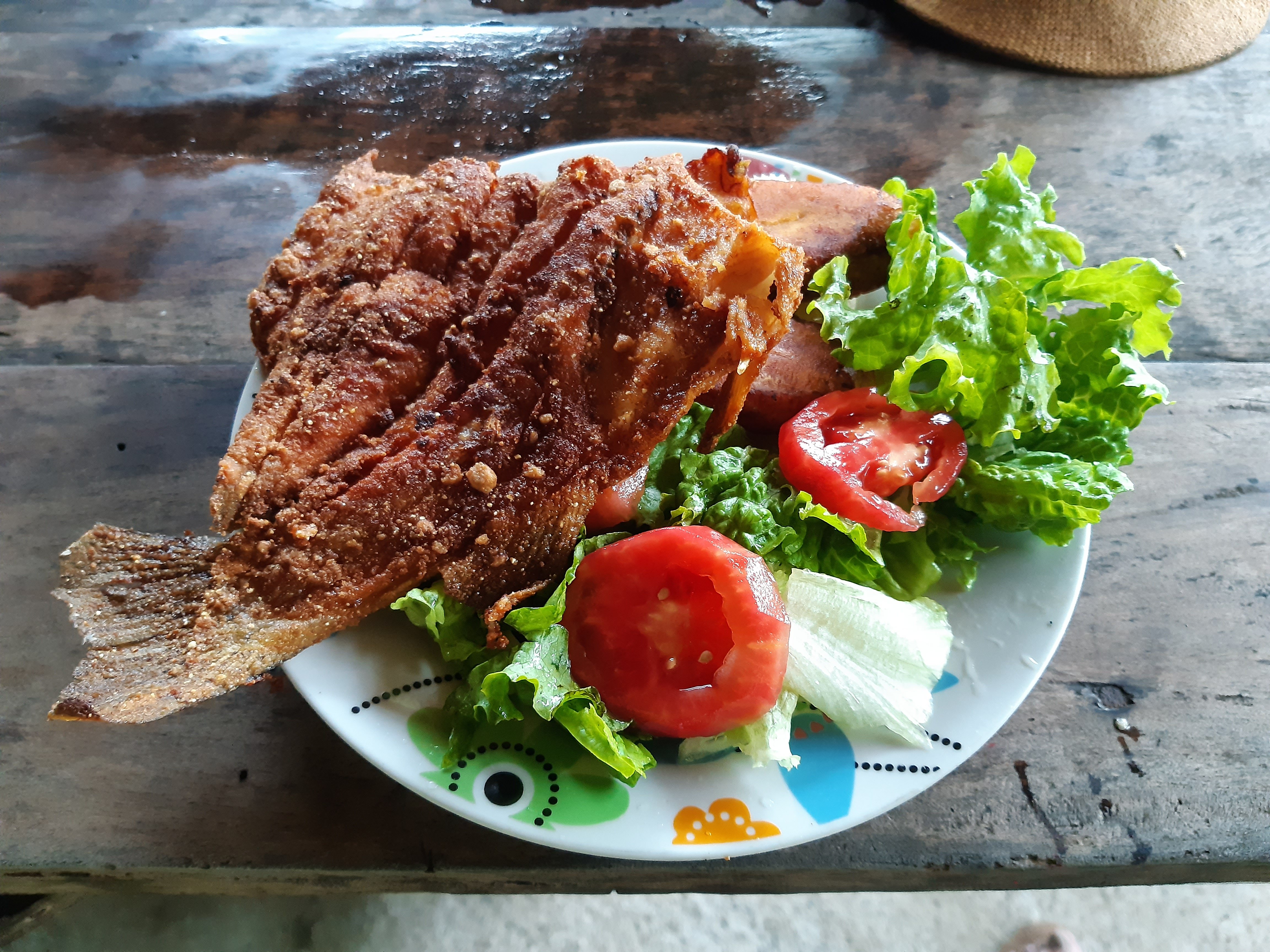
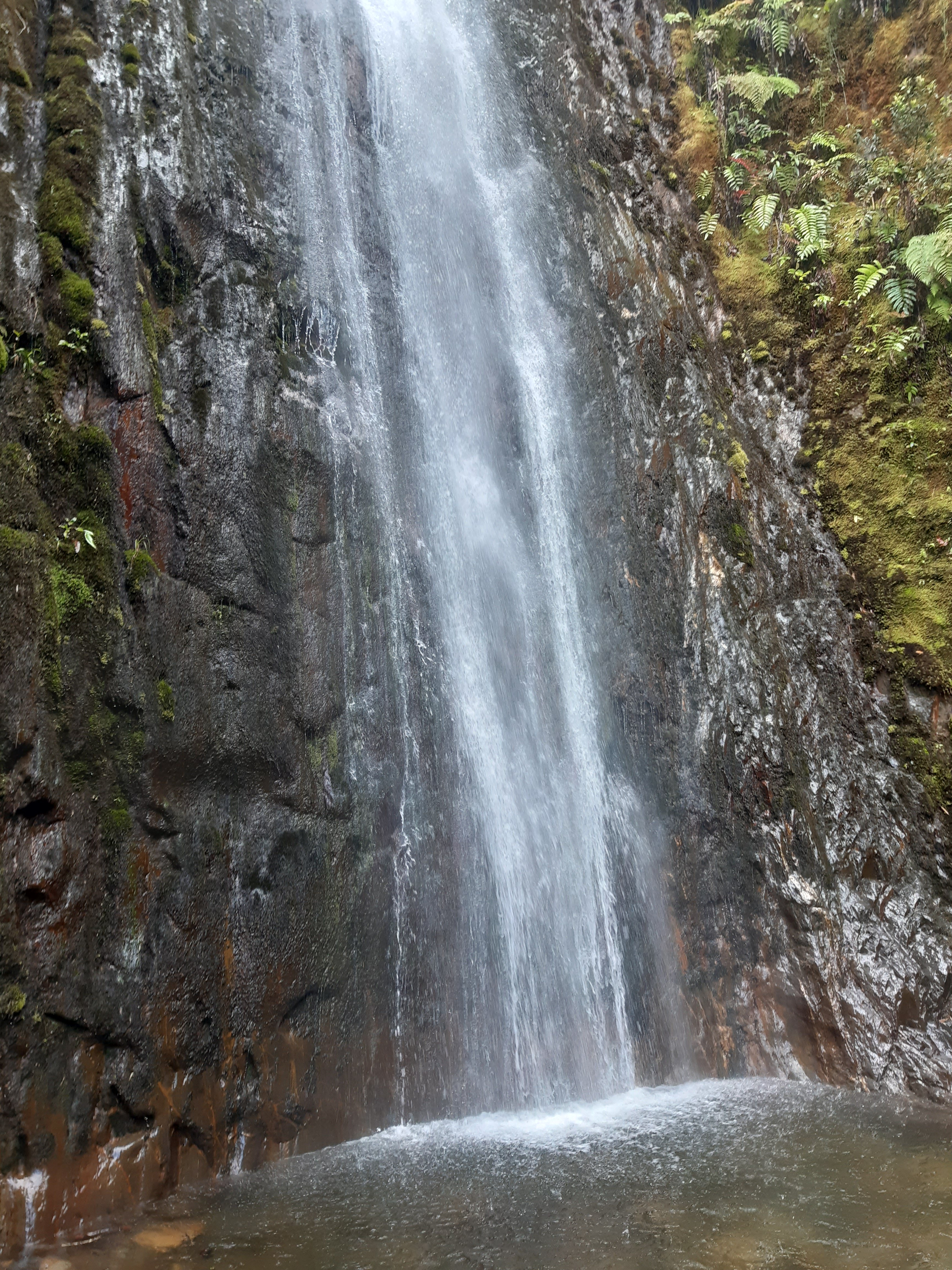 We had parked at a ‘lodge’ and trout farm, so before we started our trek up the mountain to the waterfall, we watched lunch being caught in one of the ponds. A scrumptious meal of trout, chips, salad, sweet potato and duca awaited us on our return, undercover and dry.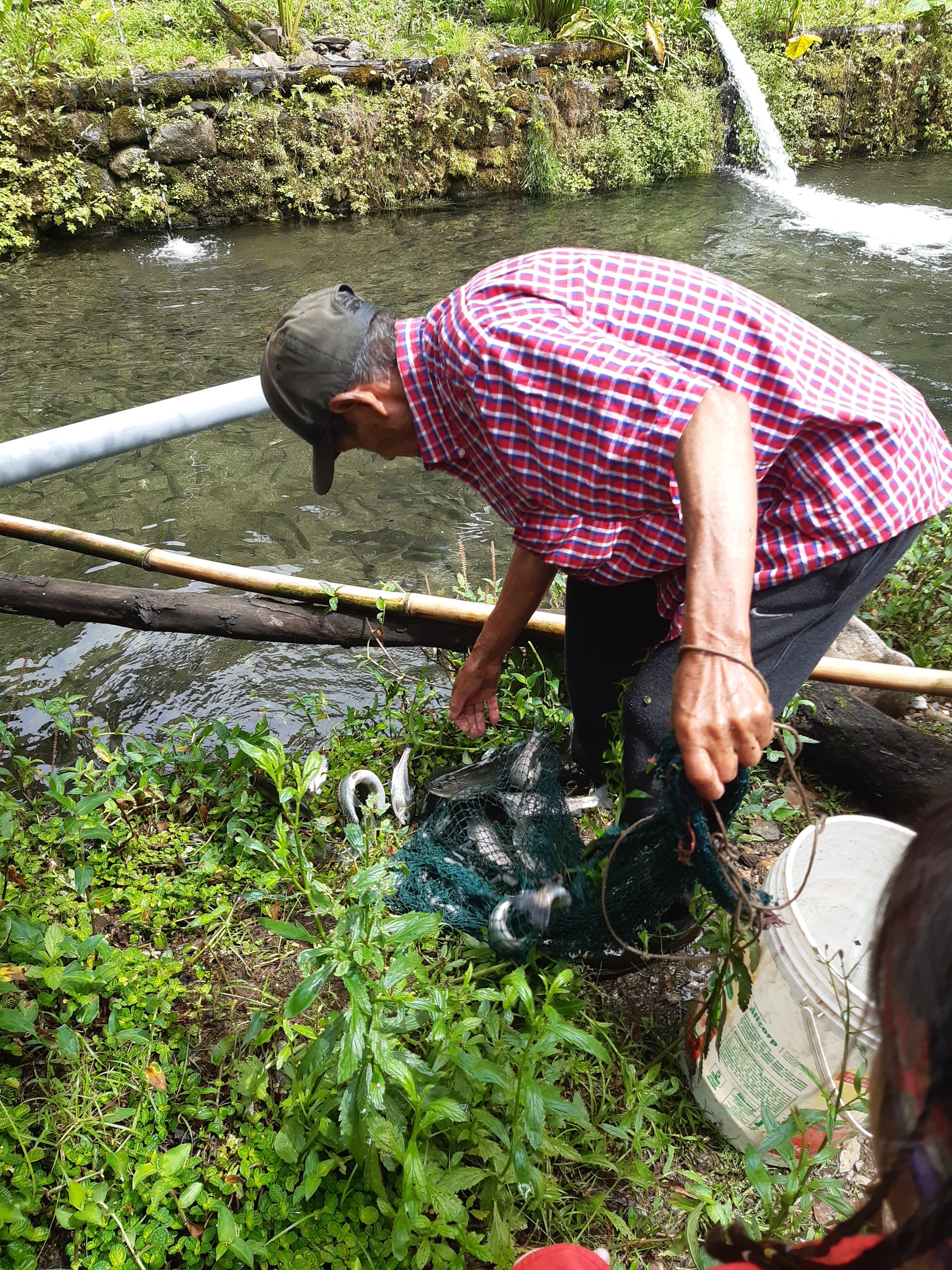
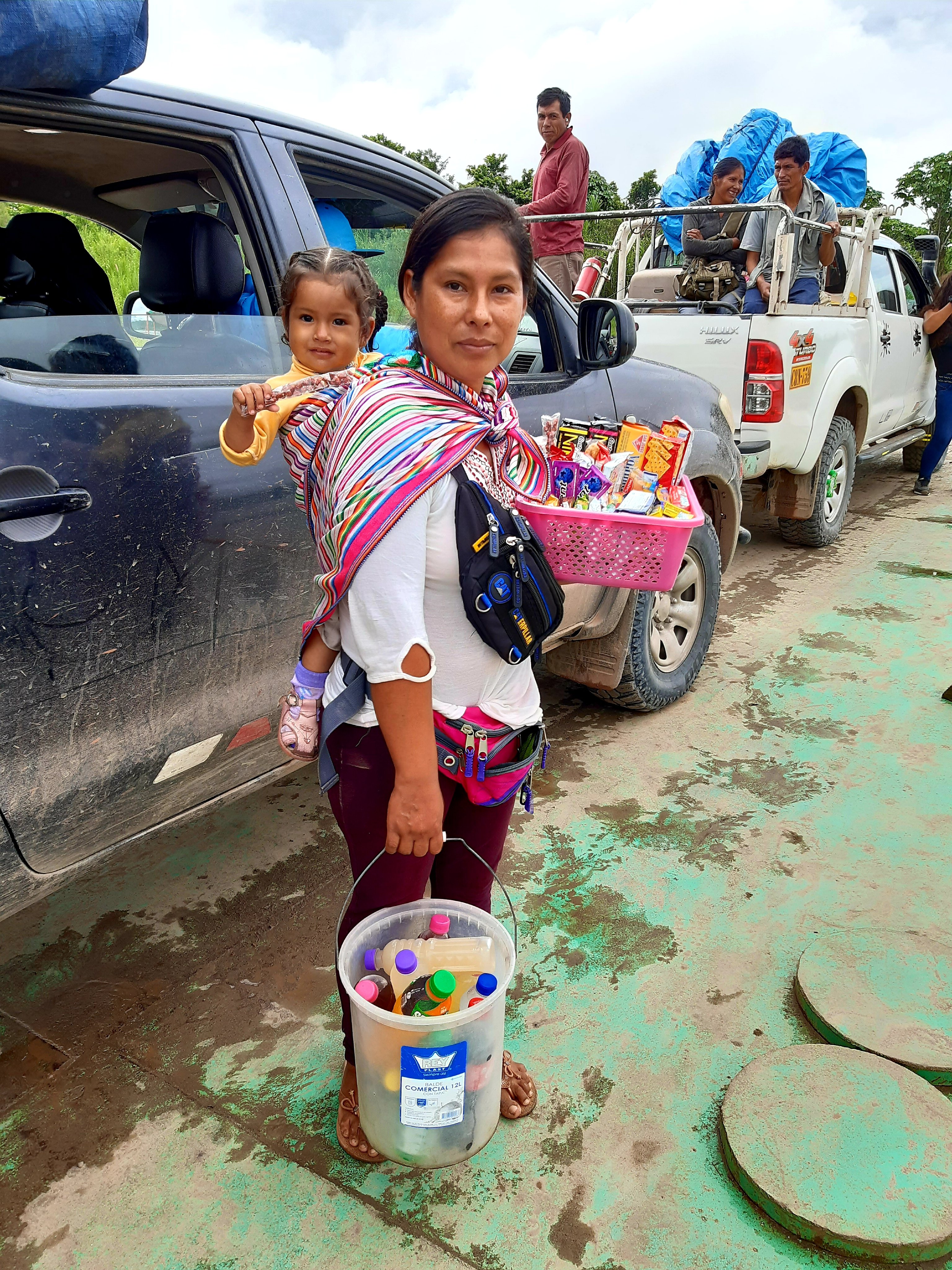
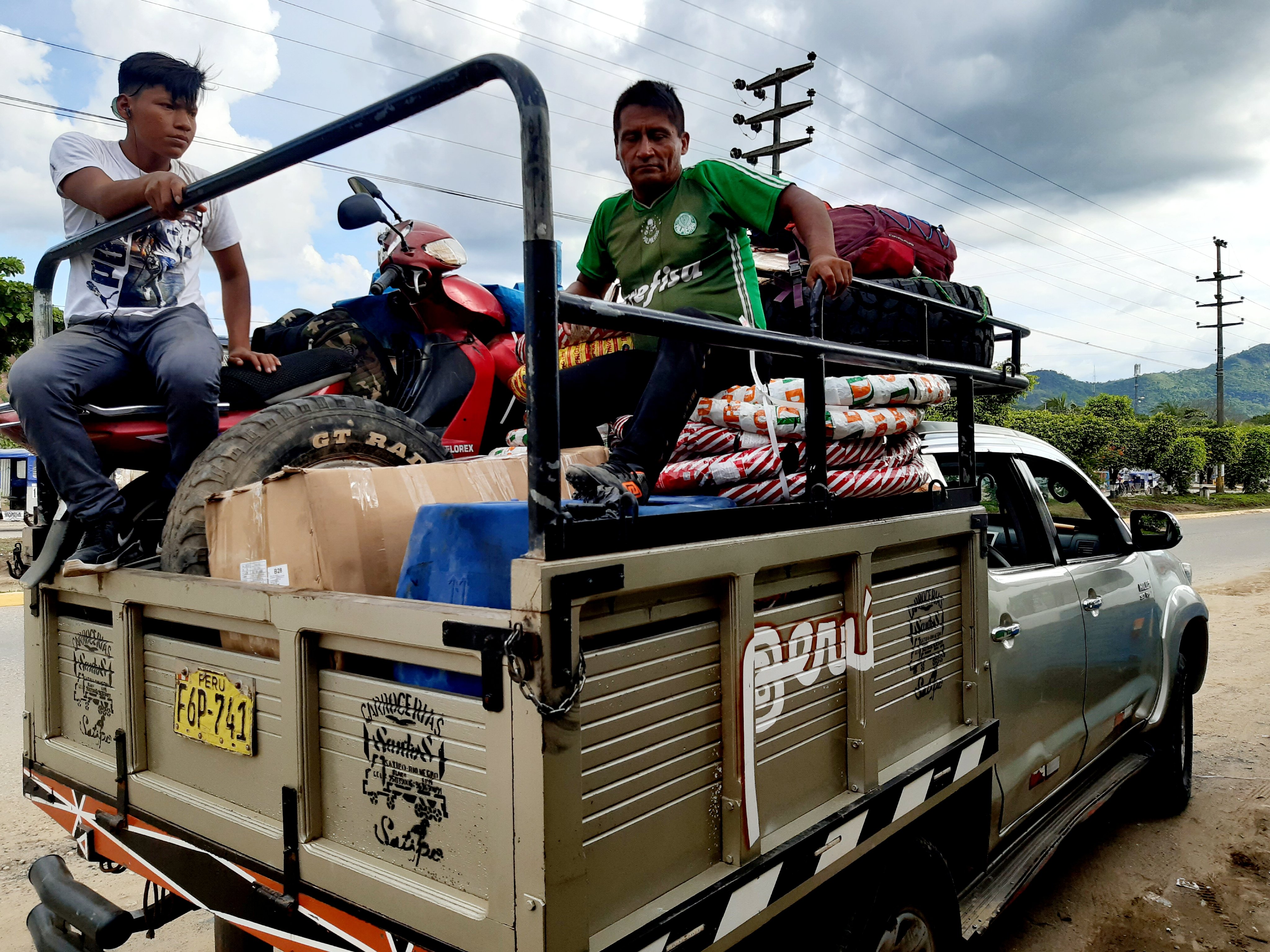
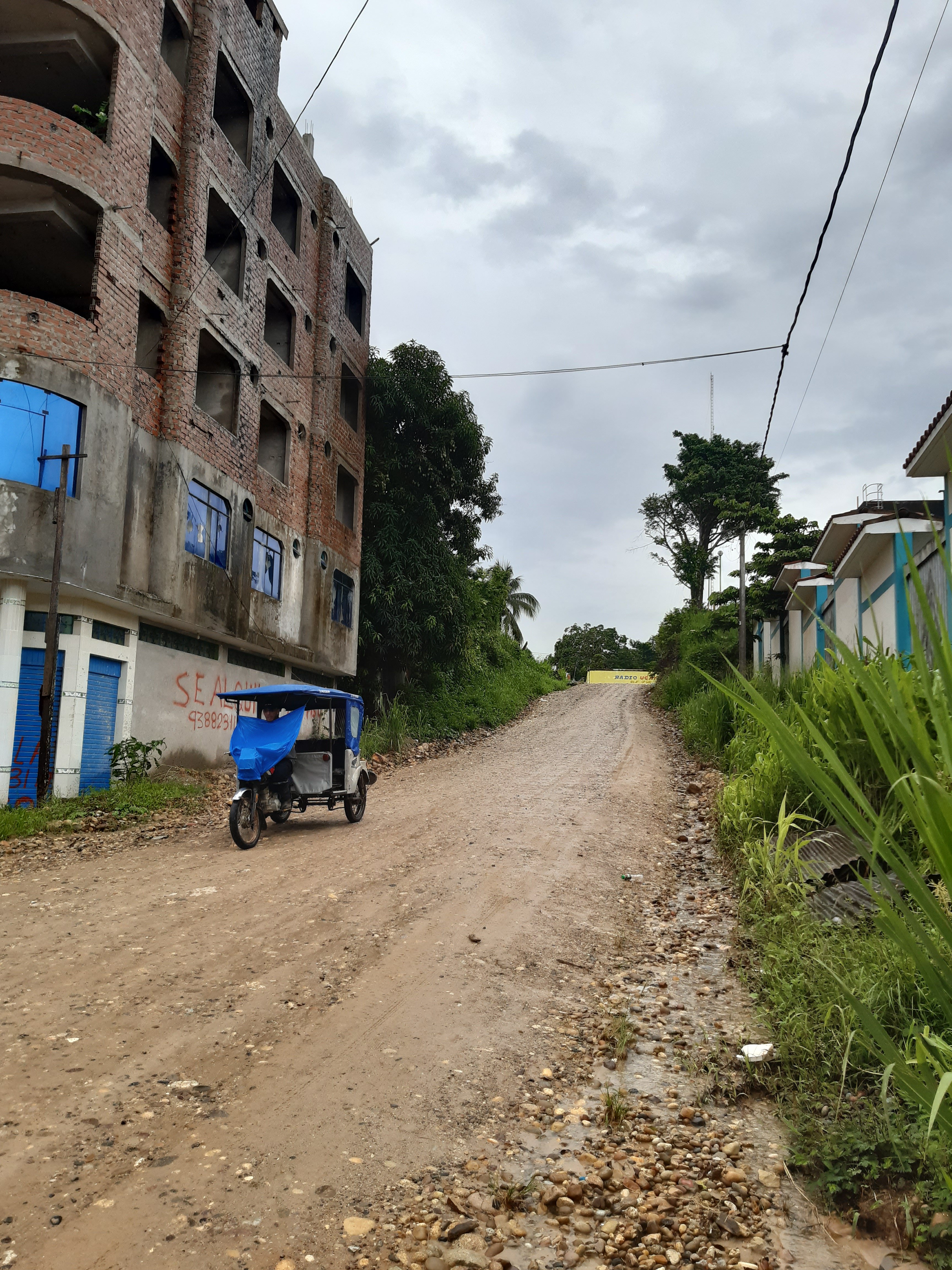
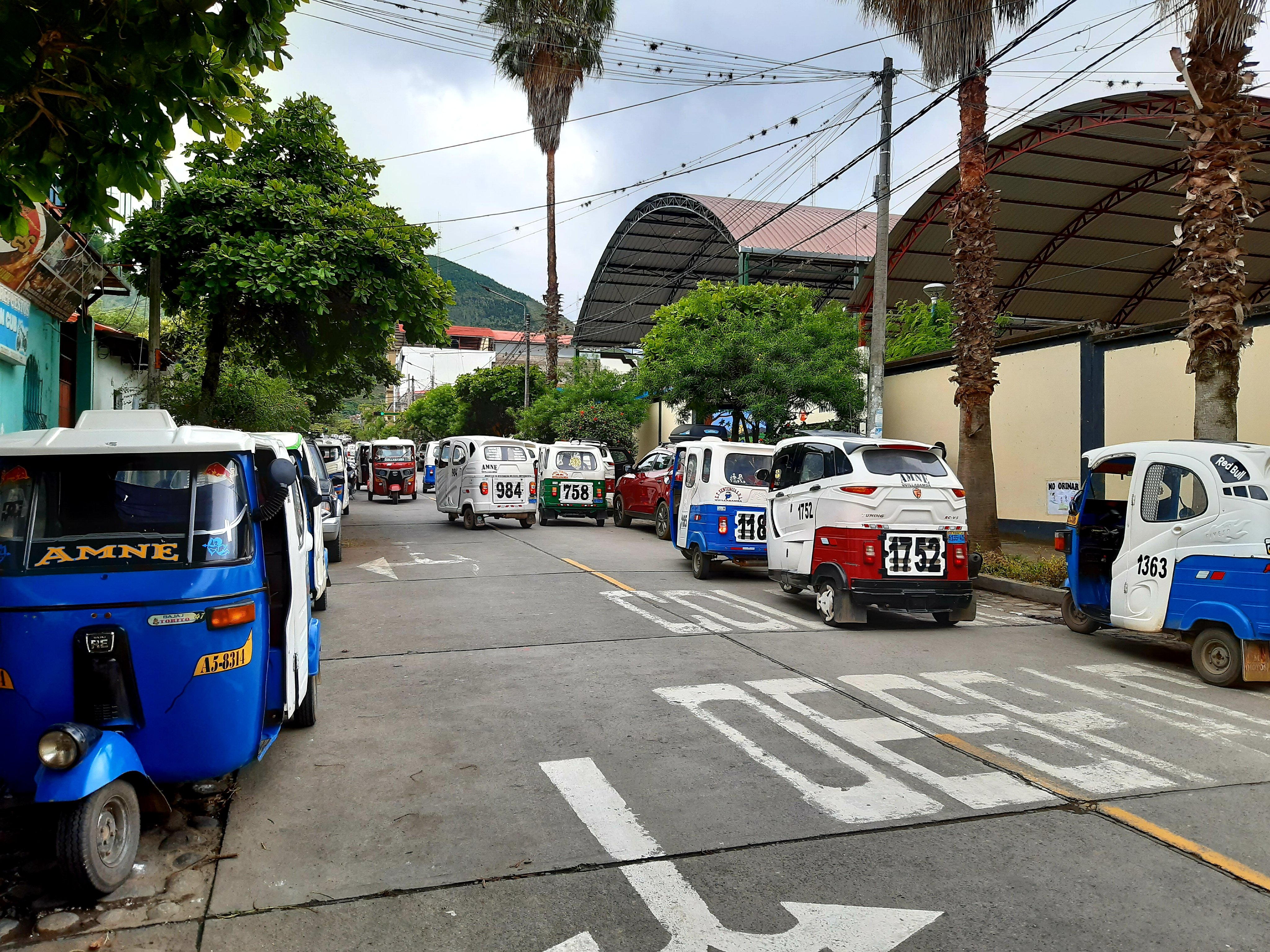
 There are two clear blue swimming pools close by to where we stay, much to my delight in this sweltering humidity. It rains every night, seldom during the day, and often thunderstorms. Life in this undiscovered gem of a town is slow-paced, local and lekker. Zillions of the cutest little 3-wheeled taxi’s abound, riding up and down the streets all day long, with a flat rate of 1 and a half soles. I’m going to pack one in Louise to take home, I love them!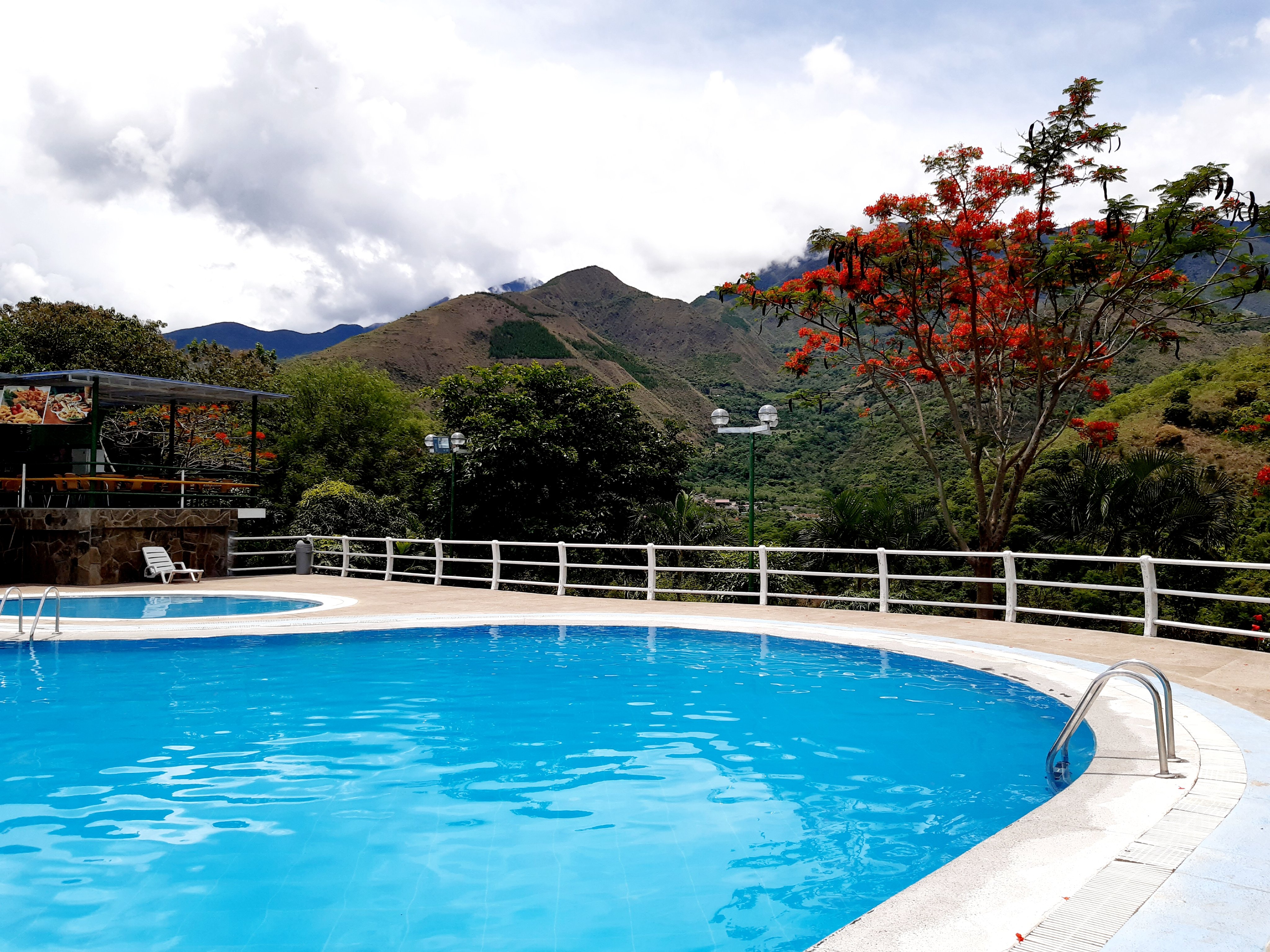
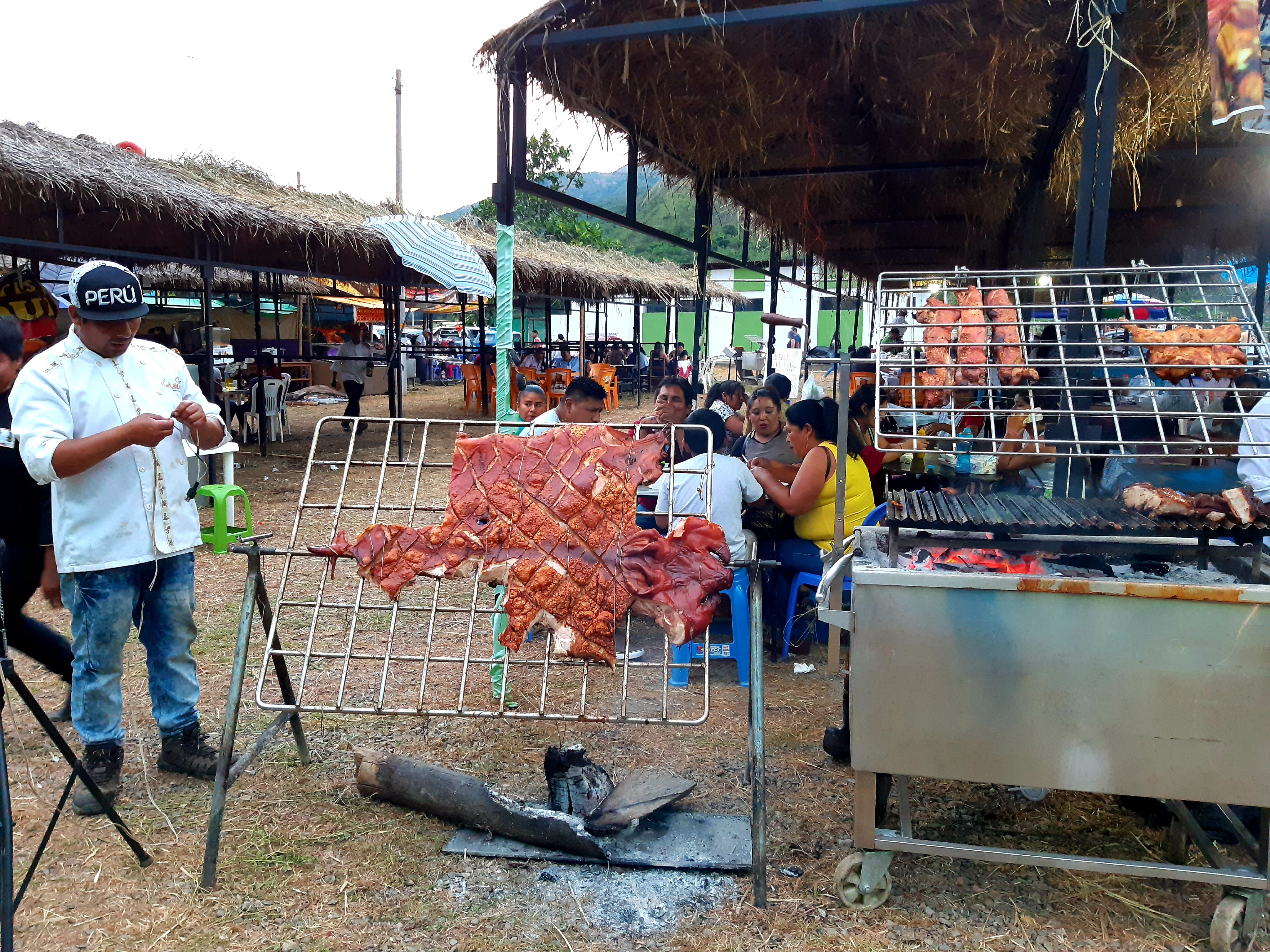
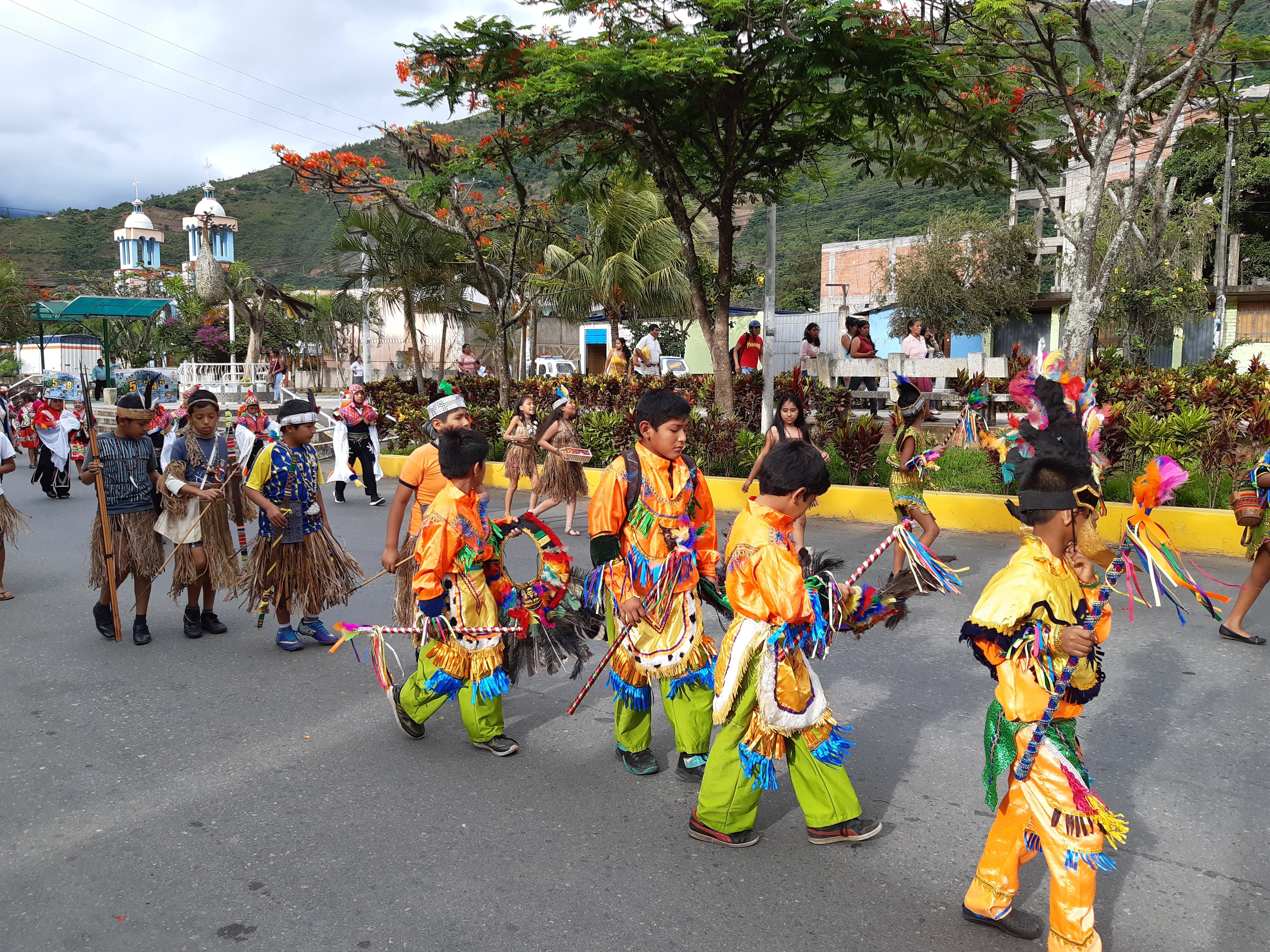
 One of the girls that attend the English classes invited us to her school a few days ago, as they were having an exhibit of different kinds of traditional foods. It was supposed to start at 10am, but by 12 noon the judges were still walking around (evidently not uncommon according to Peruvian standards) and we decided to go for a swim instead of waiting to buy or taste the food. It all looked delicious, excepting for the guinea pig.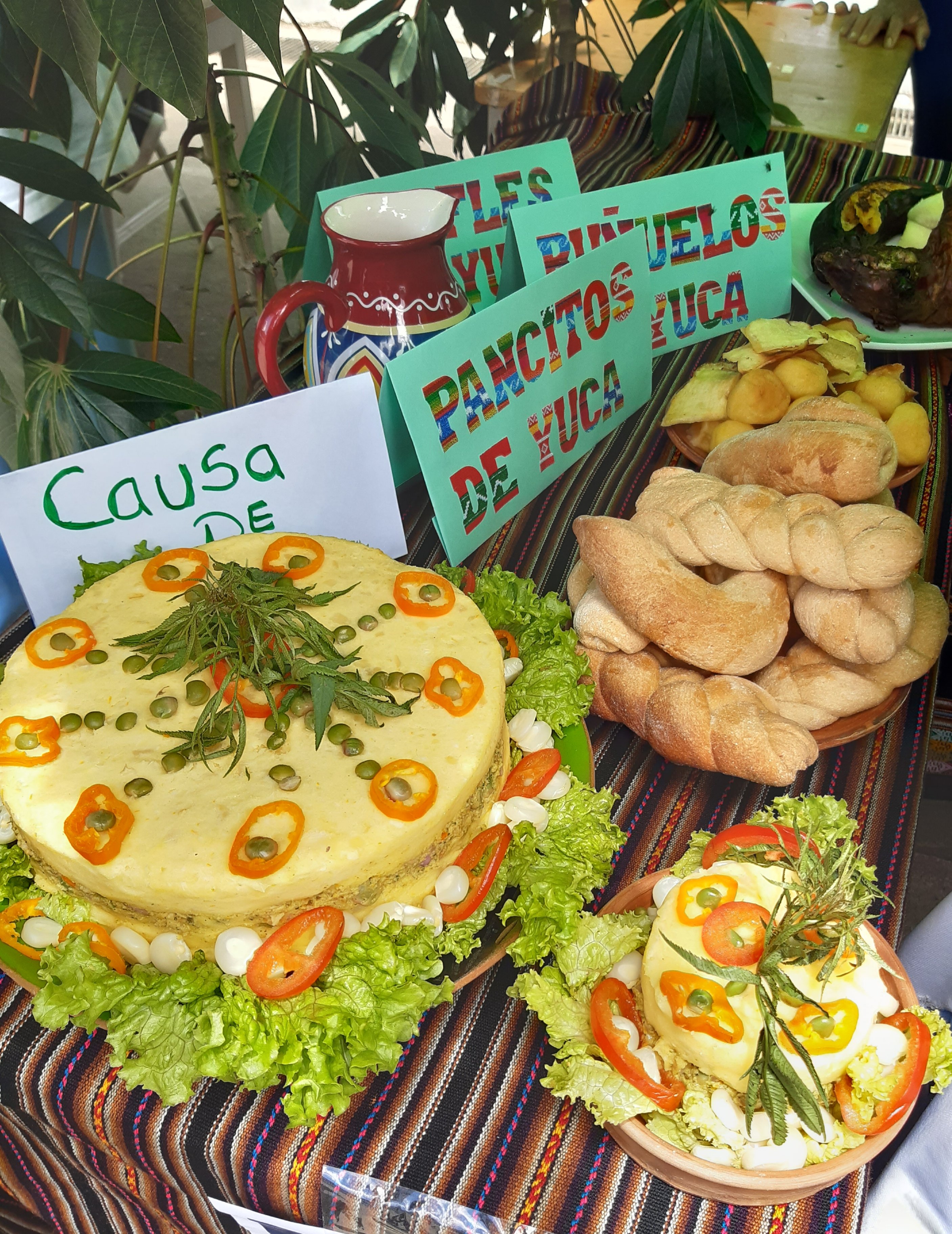
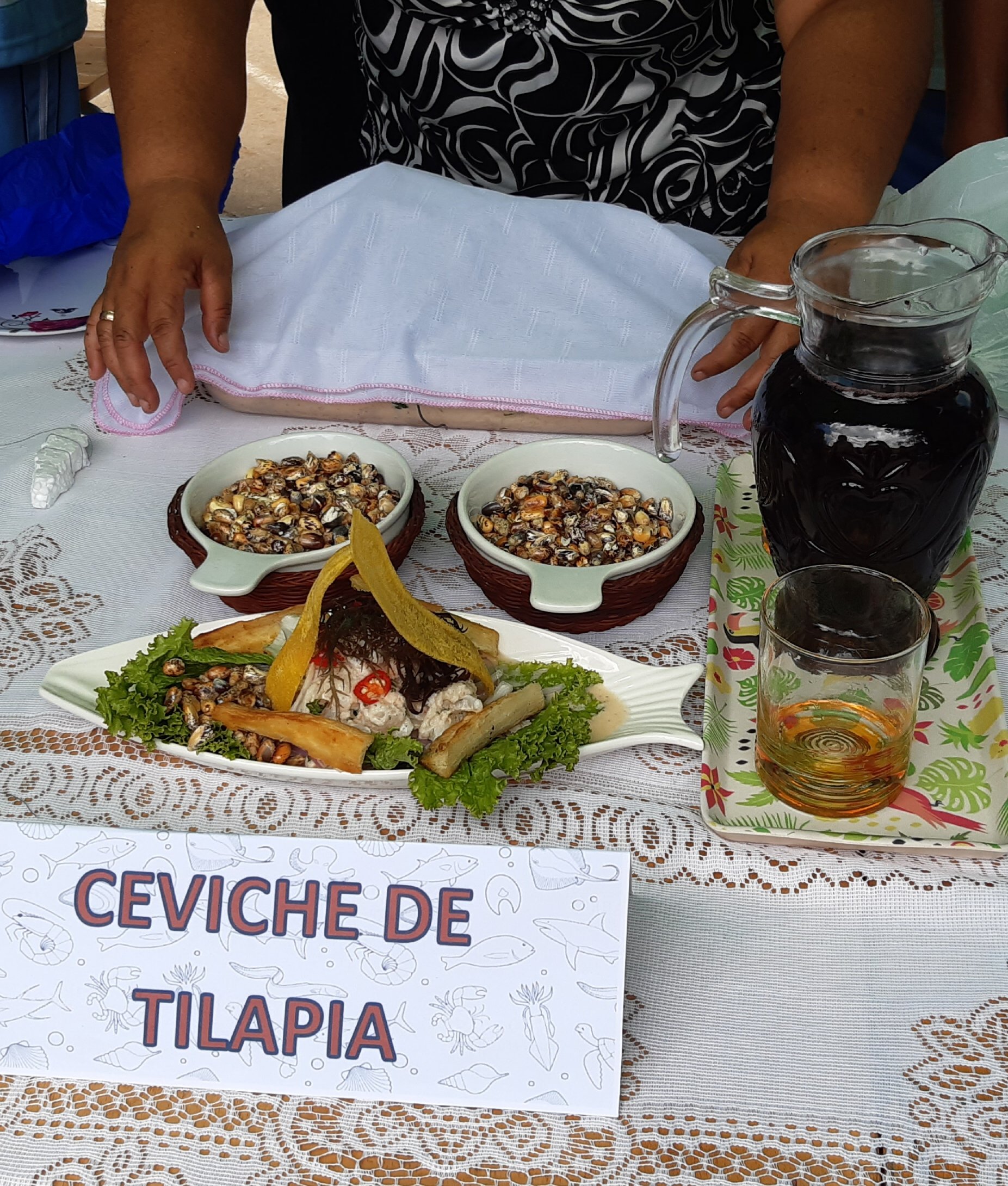
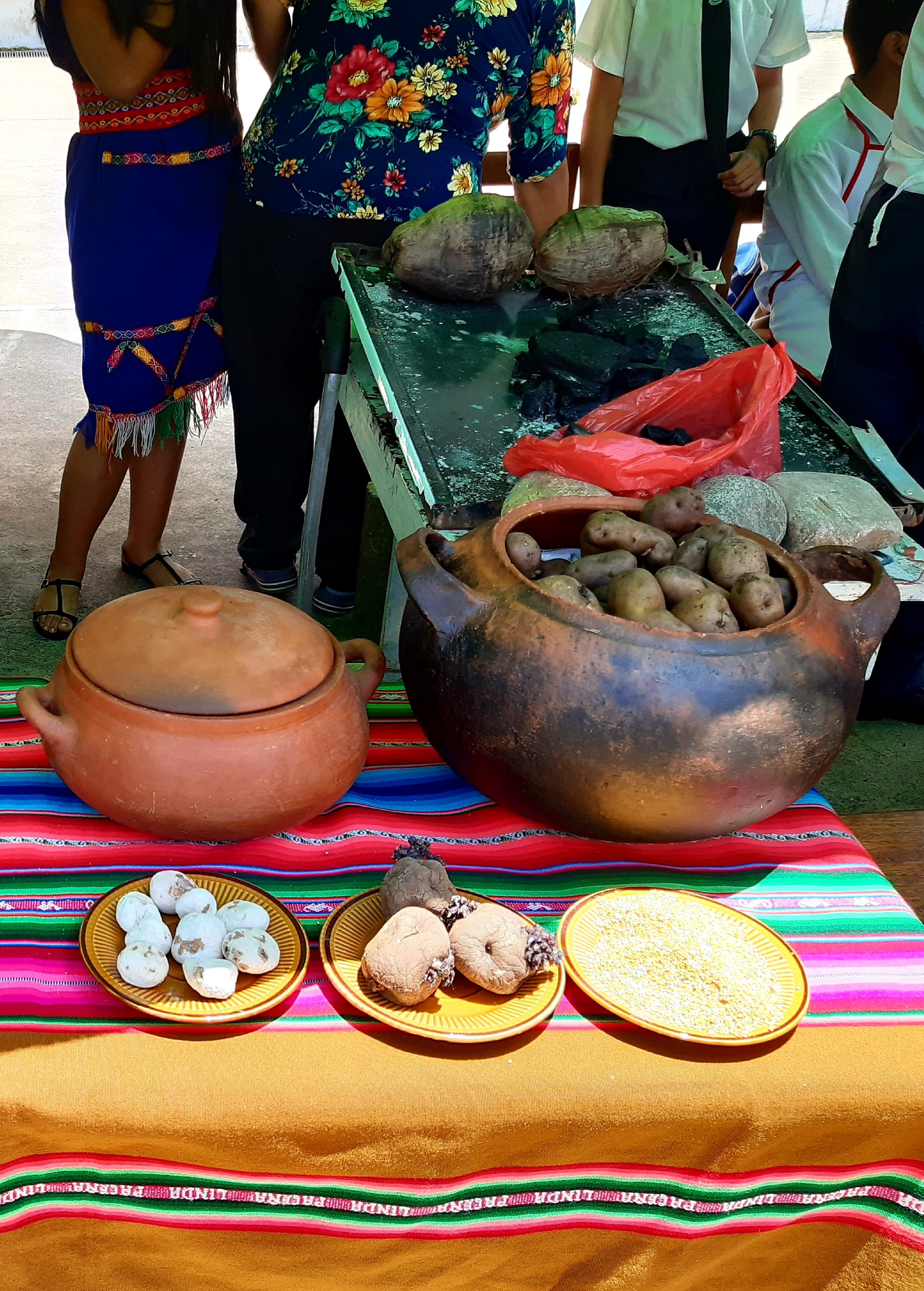
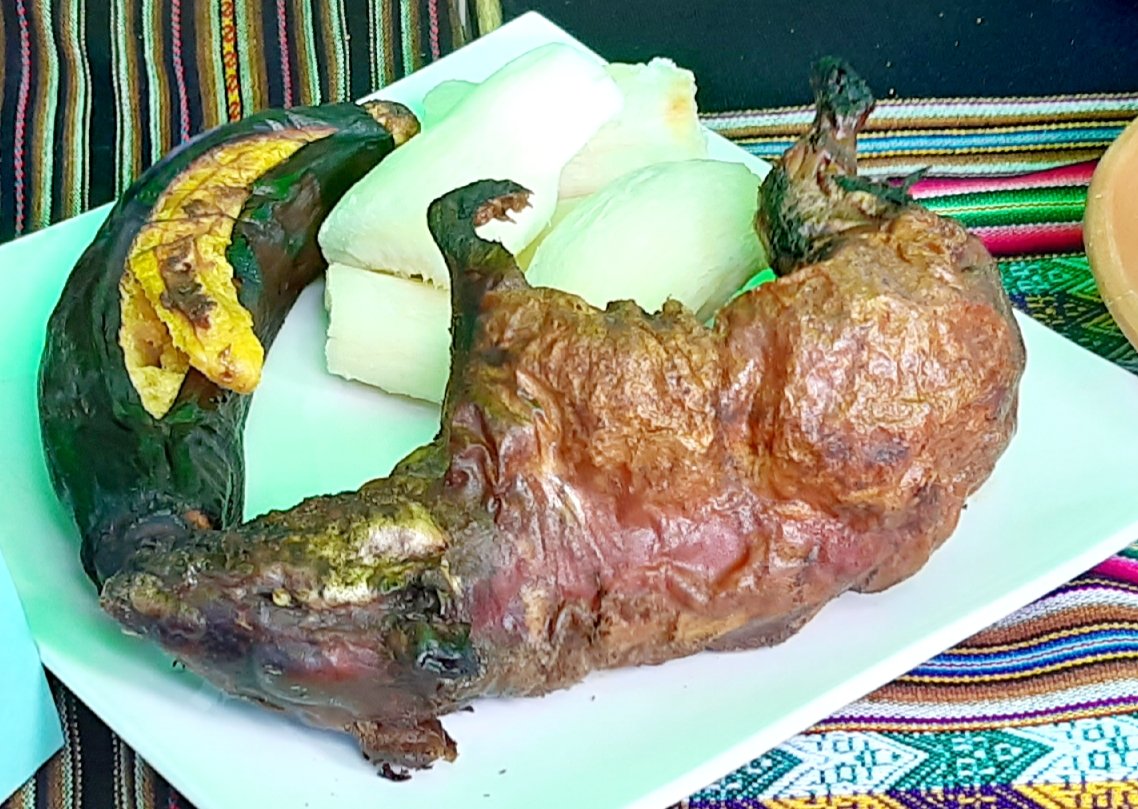 There are two guinea pigs running around in our backyard, but Darsey has assured me that they are pets, not to be eaten, thank goodness!Yesterday Gabriella and I went to another waterfall close by, taking a small bus from the taxi rank after having stood through a fighting match between the various drivers. Quite overwhelming, but that is how it is done, according to Jennifer. We had the waterfall to ourselves for about an hour, but a group of school children from Araquipa arrived and entertained us with their splashing and antics, just as children everywhere do. Afterwards we just stood next to the road and hitched a ride back to town for 5 soles, the going rate.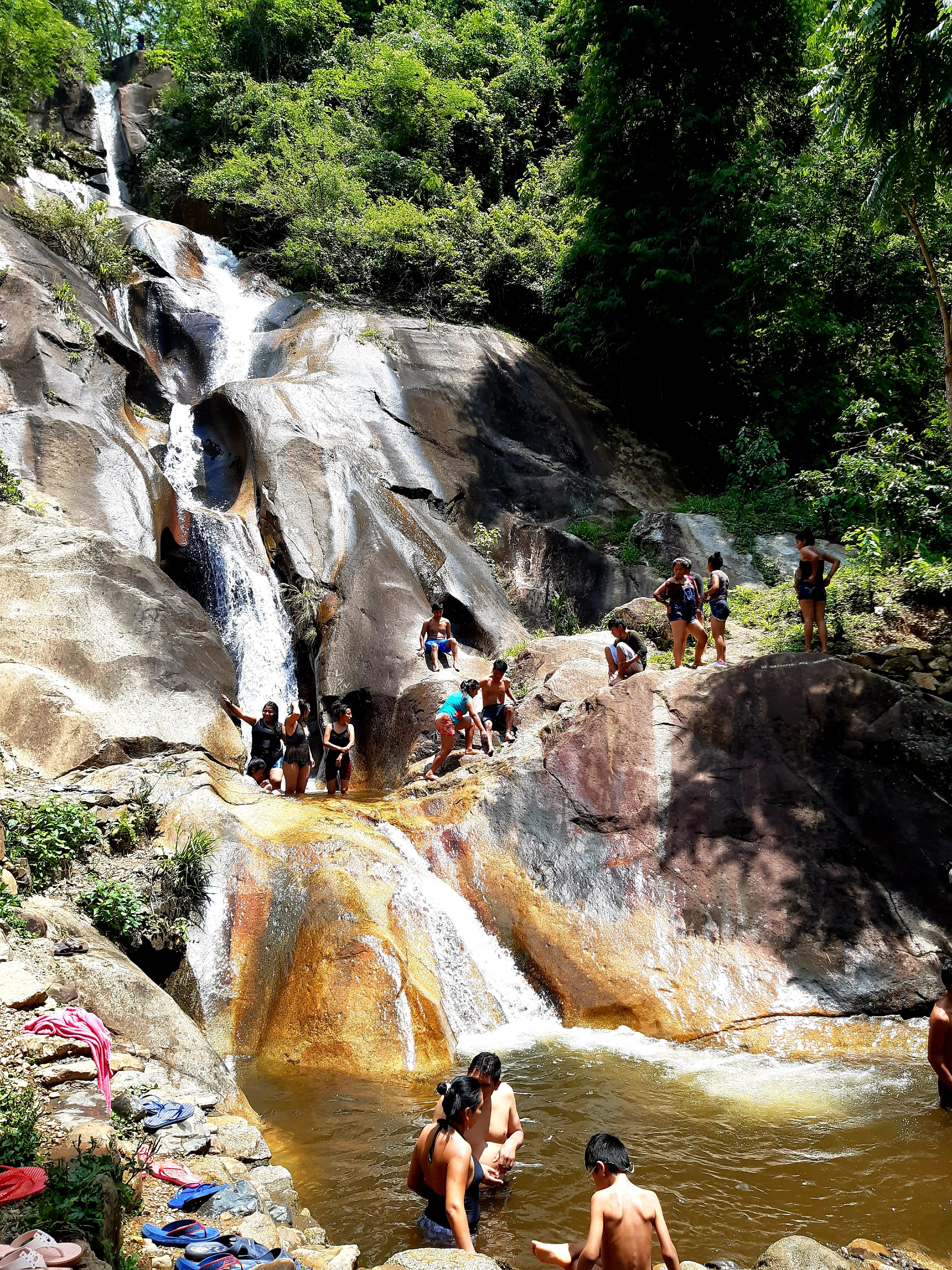
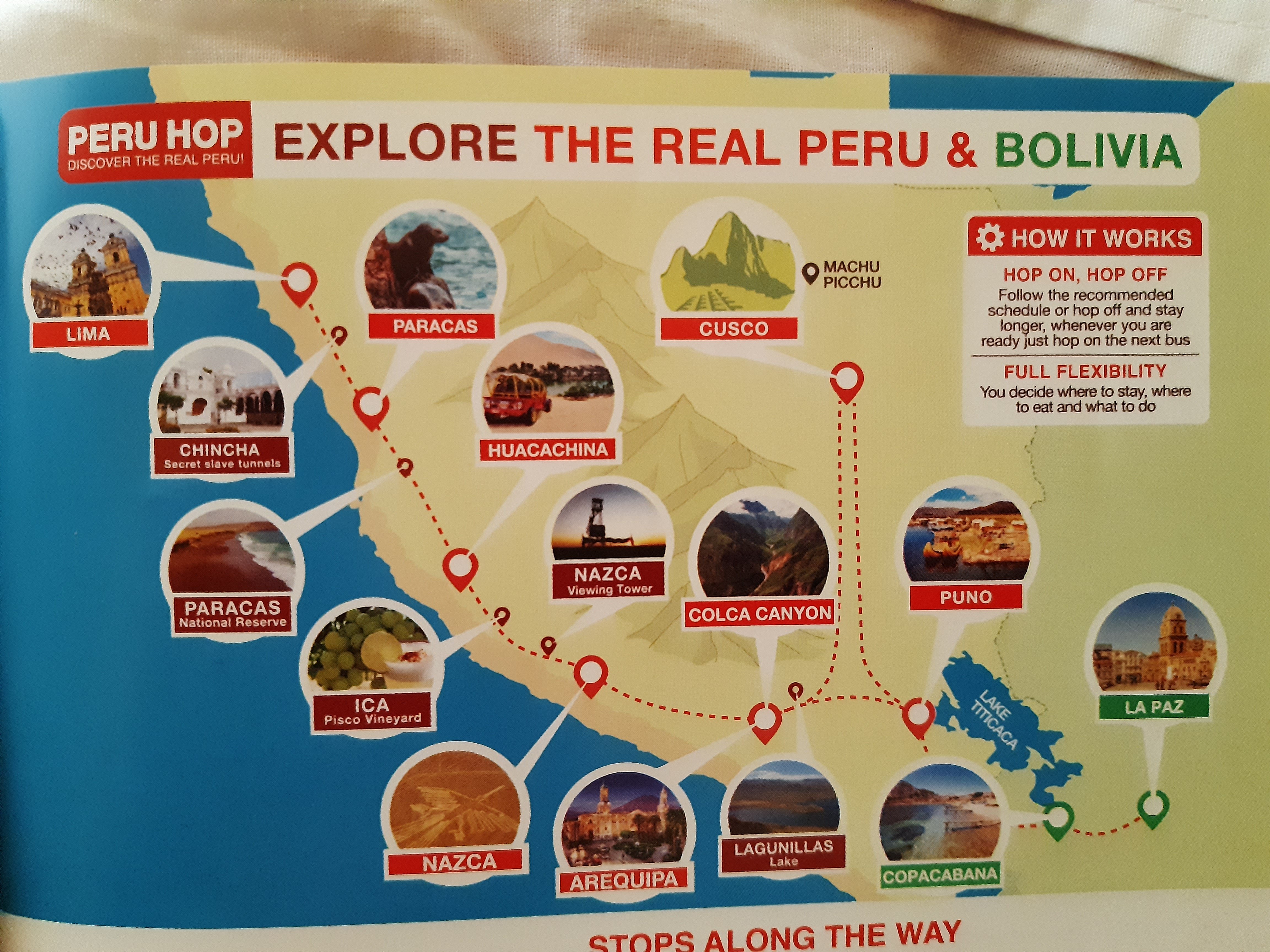 Louise (my pink suitcase, for new readers) and I set off at 05:15 last Tuesday at a brisk pace to be at a pick-up point almost 2km from me. All went well and we left Lima just after 07:00. Deborah was our guide, a very friendly, concerned and efficient Peruvian lady.Our first stop was breakfast, and that was when I realised that I was part of the tourist-clan. Queuing for breakfast, watching a man riding his horse up-and-down and playing a game involving a guinea pig chosing a numbered box to win a prize…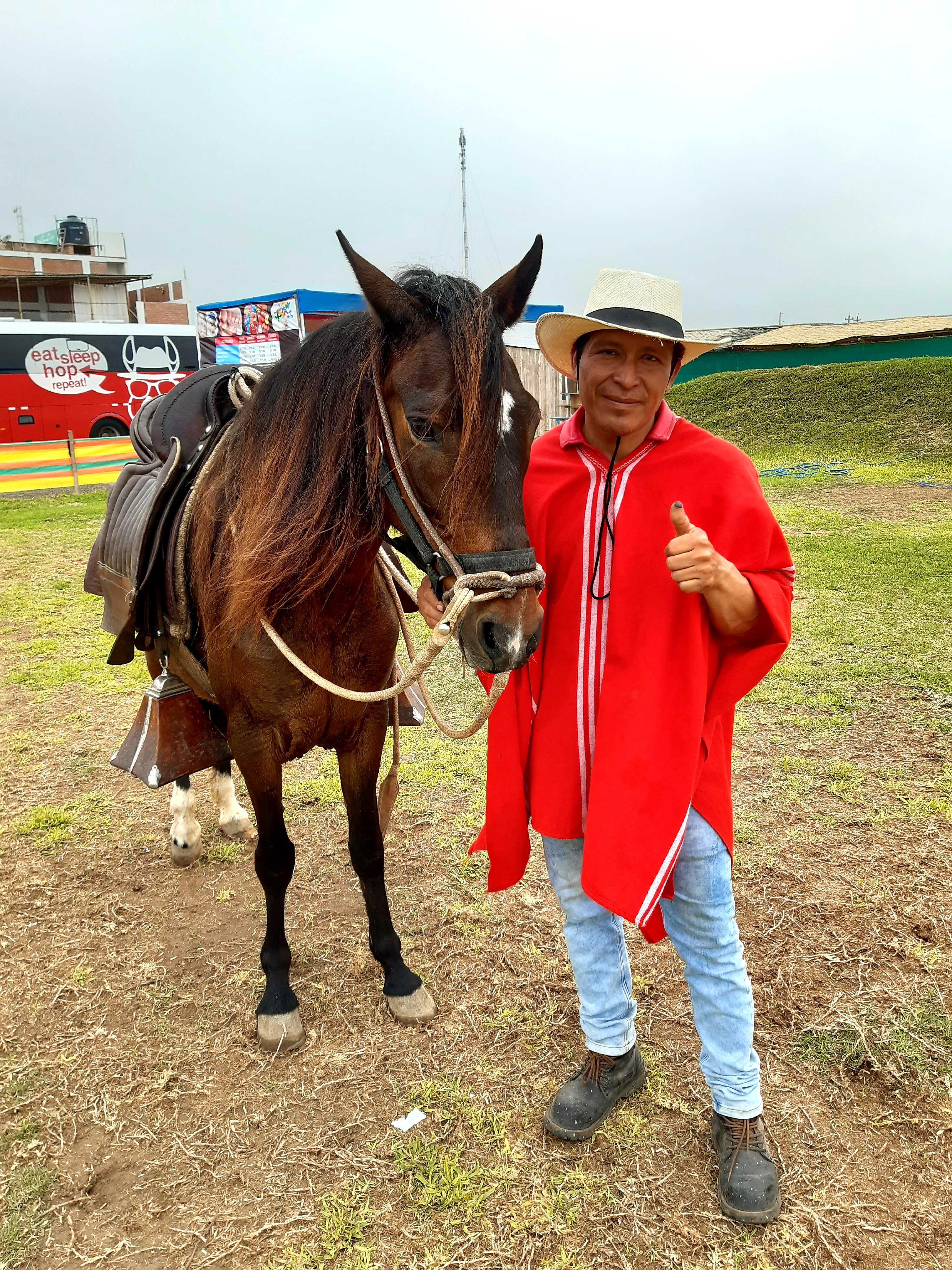
 They breed some guinea pigs there, it is a popular Peruvian dish, cuy al horno (fried whole, head, feet and all). I haven’t tried it, although I have had some other tasty dishes, such as palta a la reina (avo filled with chicken, potatoes and cheese), rocoto relleno (stuffed peppers), alpaka steak and alfajores (two biscuits with dulce de leche in between). Two other local dishes are lomo saltado (stirred fried meat & vegetables on chips, with a pyramid of rice) and ceviche (marinated raw fish).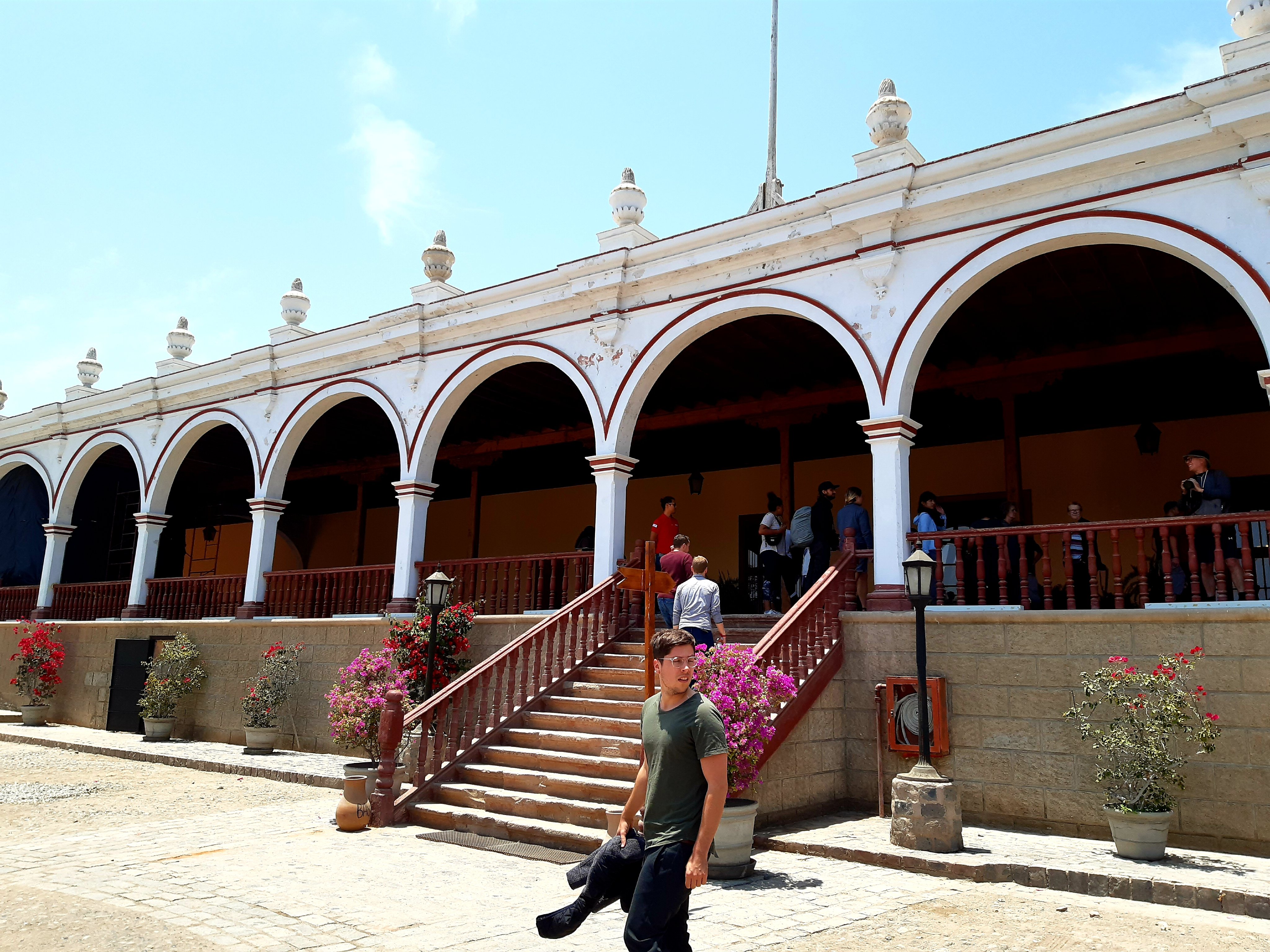
 Paracas is a holiday town for Peruvians, with bikes, quad bikes and kitesurfing activities, as well as boat trips to the Ballestos islands where there are sea lions, penquins, dolphins and whales (I didn’t do the trip as I had seen all the boats heading out to the island when I was flying over on my way to Lima. It just seemed too touristy and expensive.)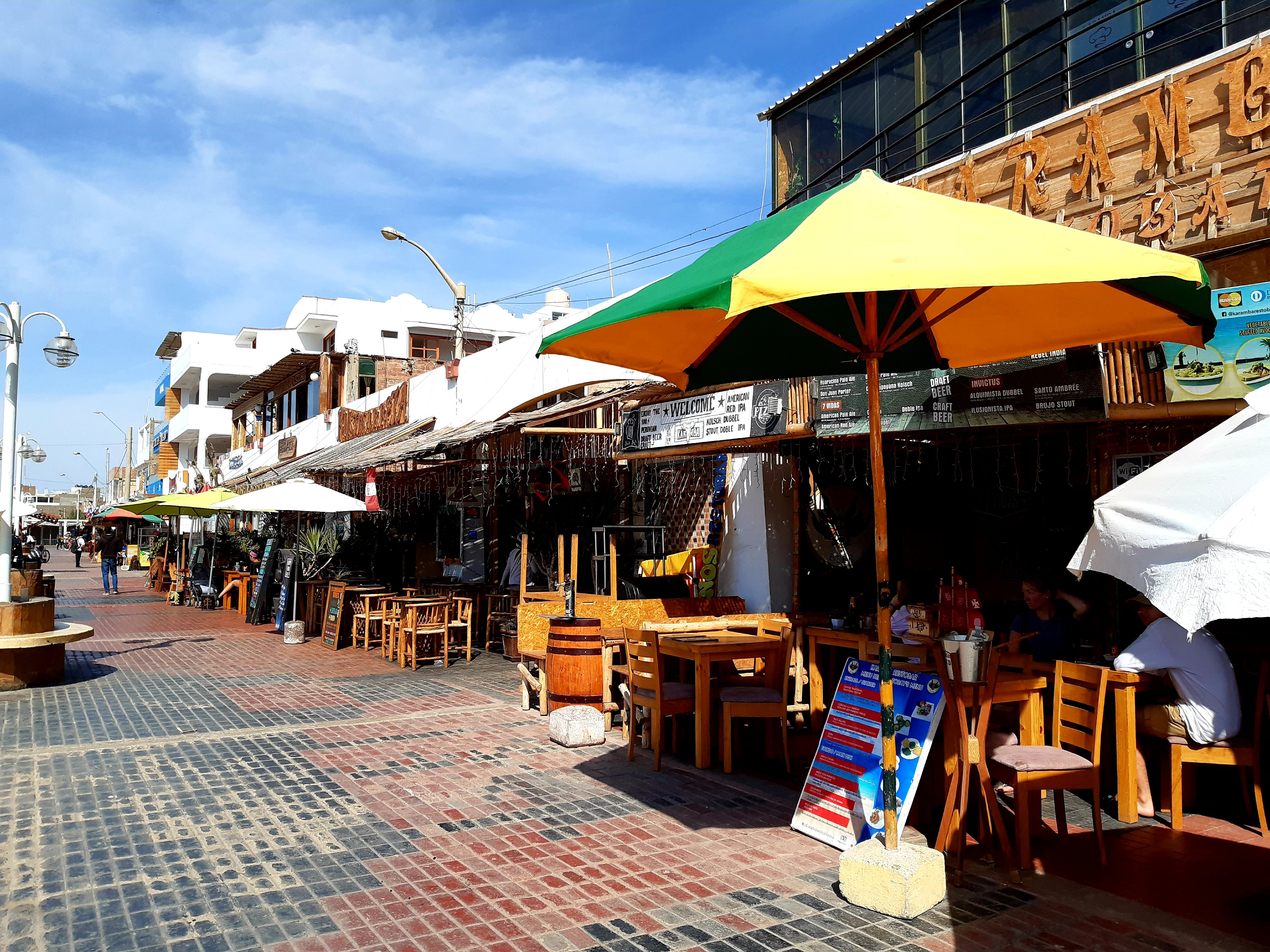
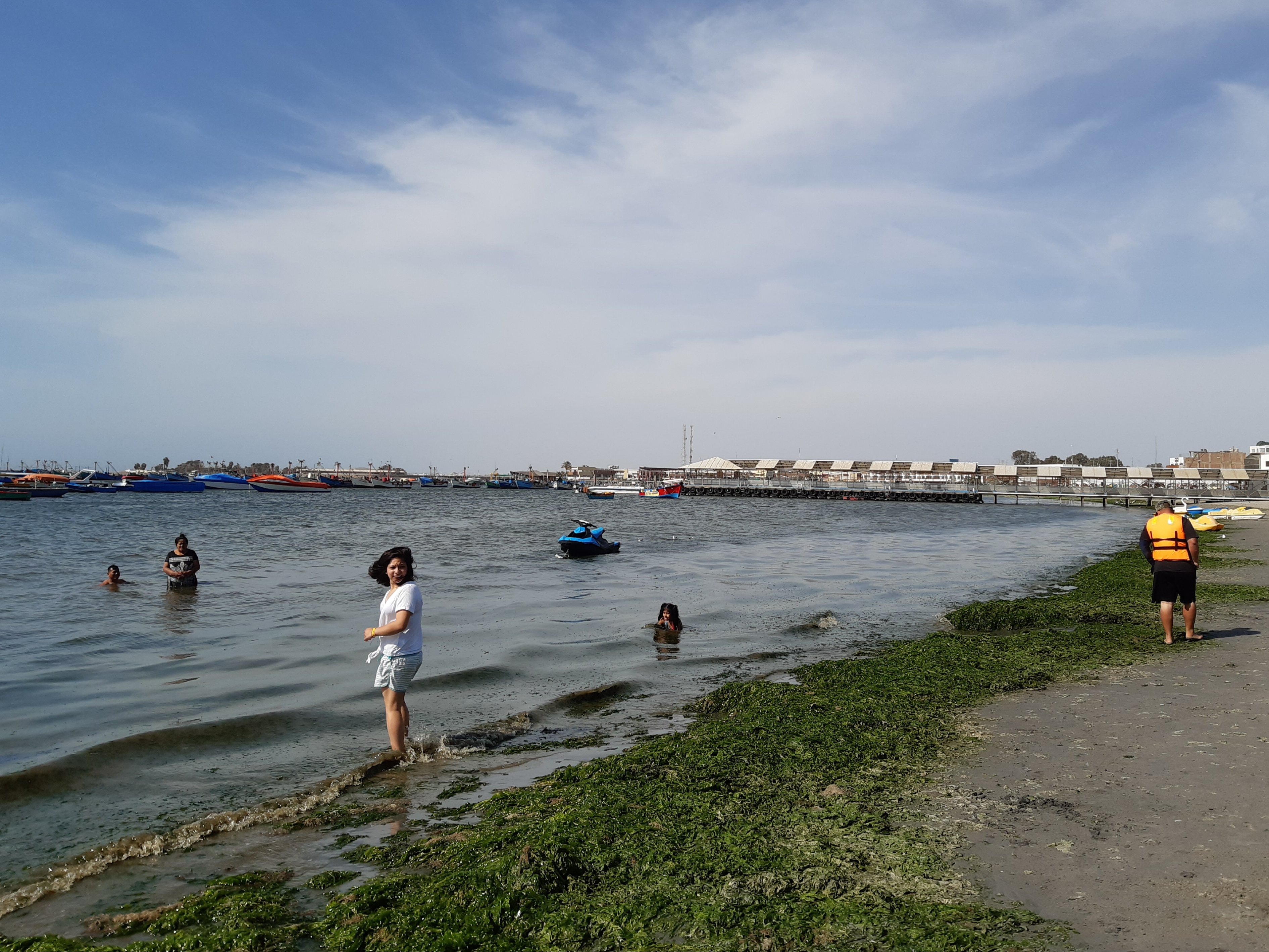 The sea in Paracas is very polluted, not just full of seagrass, and I was not enticed to swim but the locals clearly thought differently.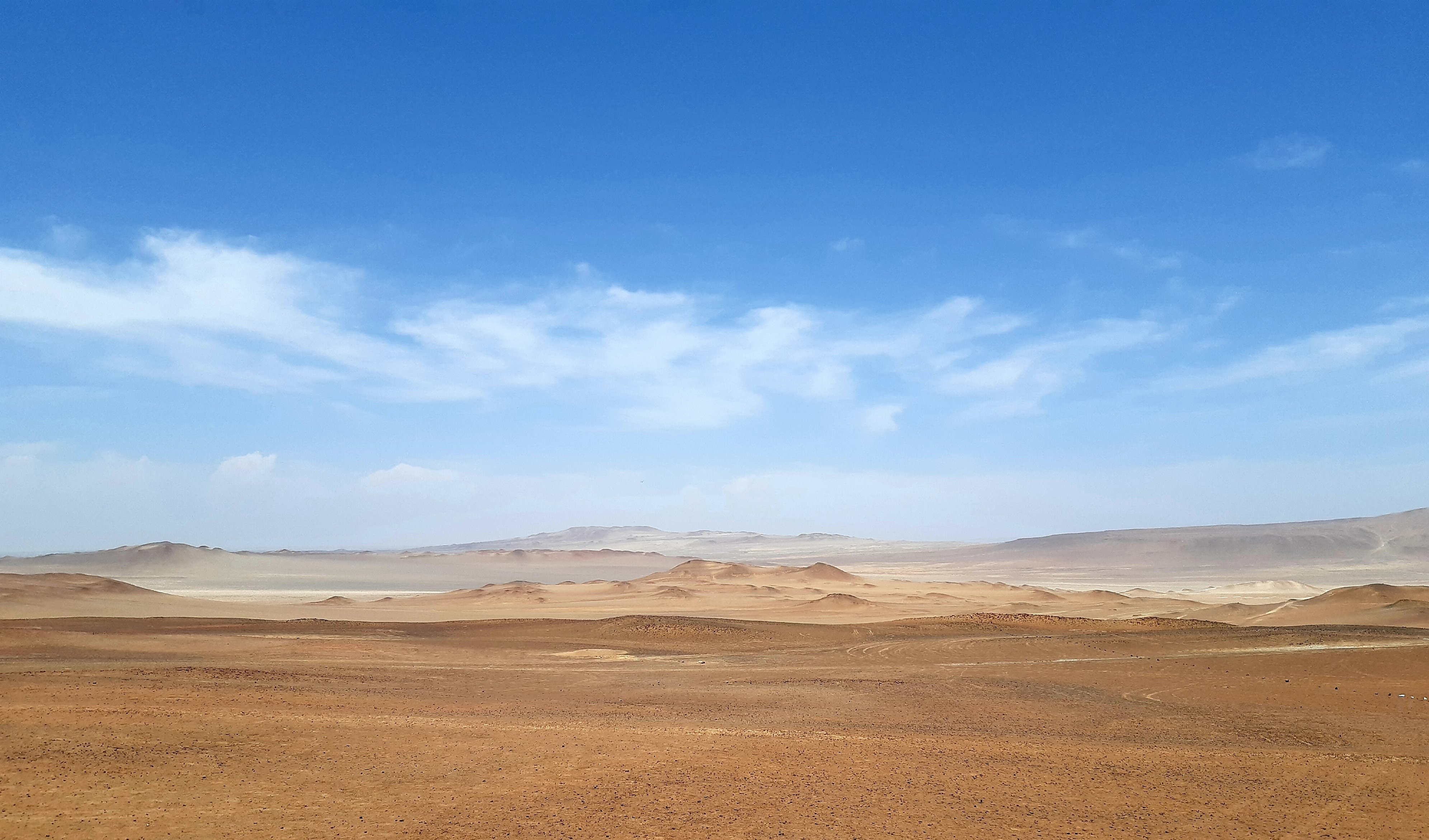
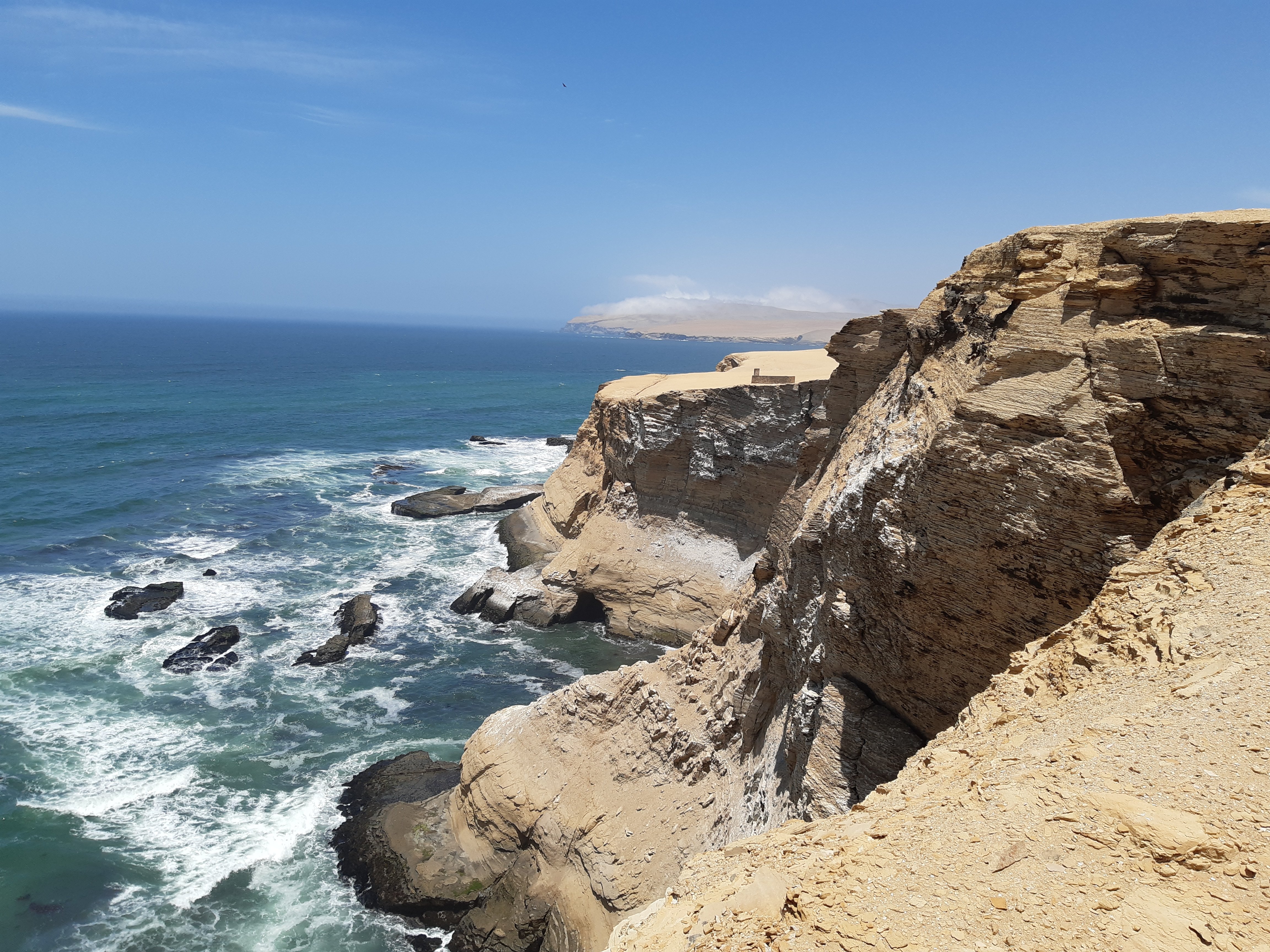
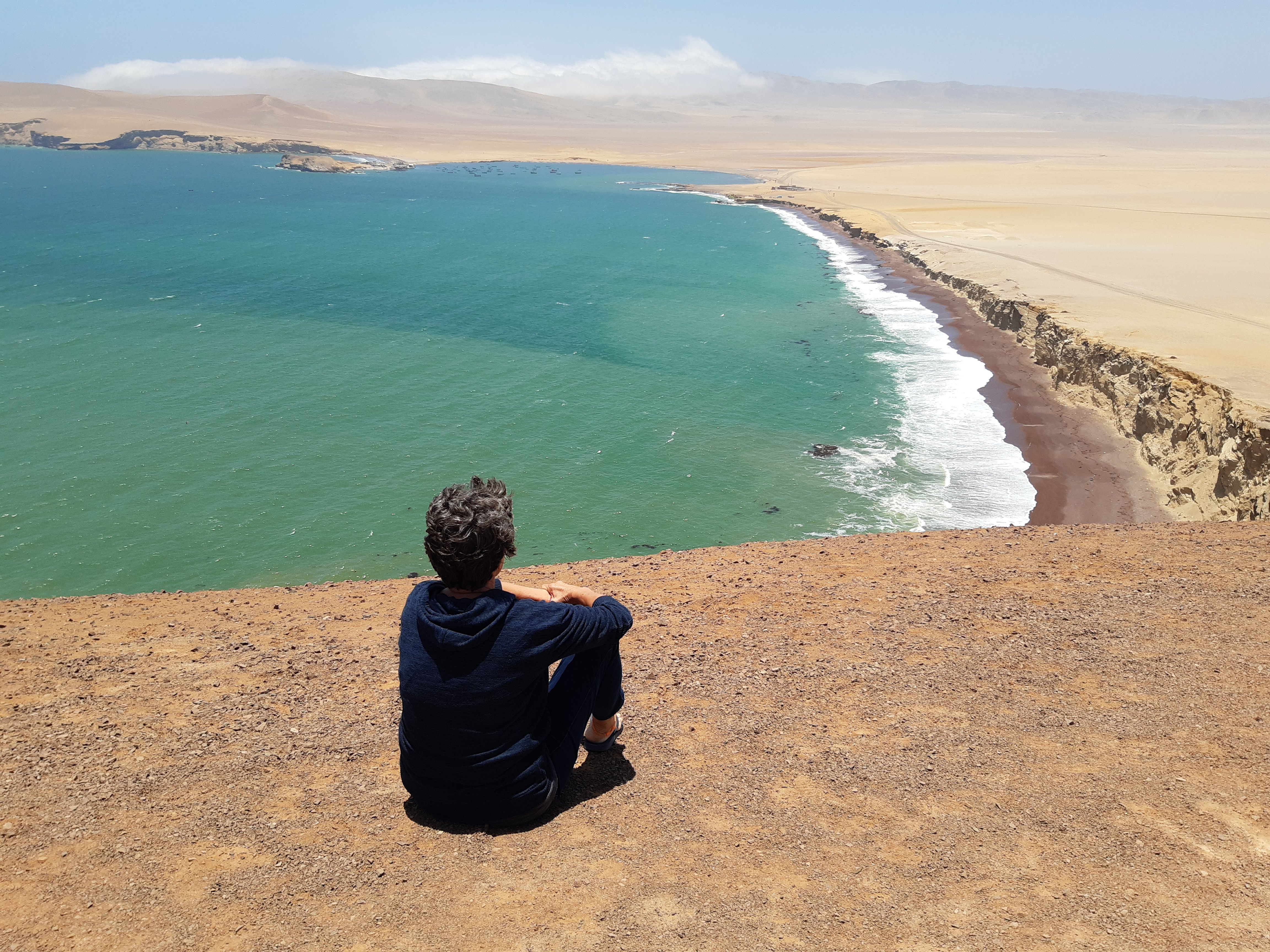 The above beach is called Playa Roja (red beach) as the small rust coloured stones that make up the beach are as a result of the waves pounding on the cliffs of Punto Santa Maria,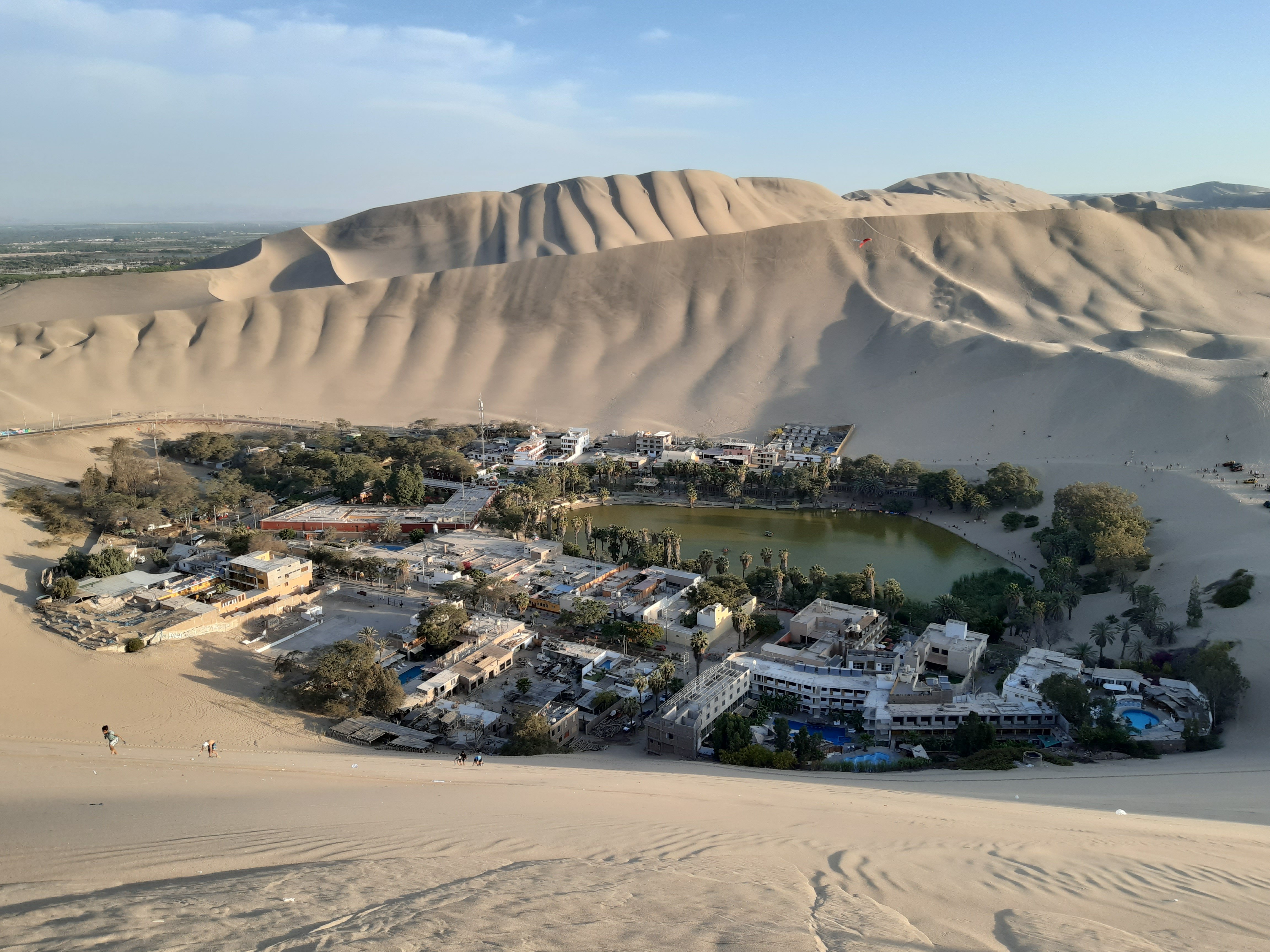
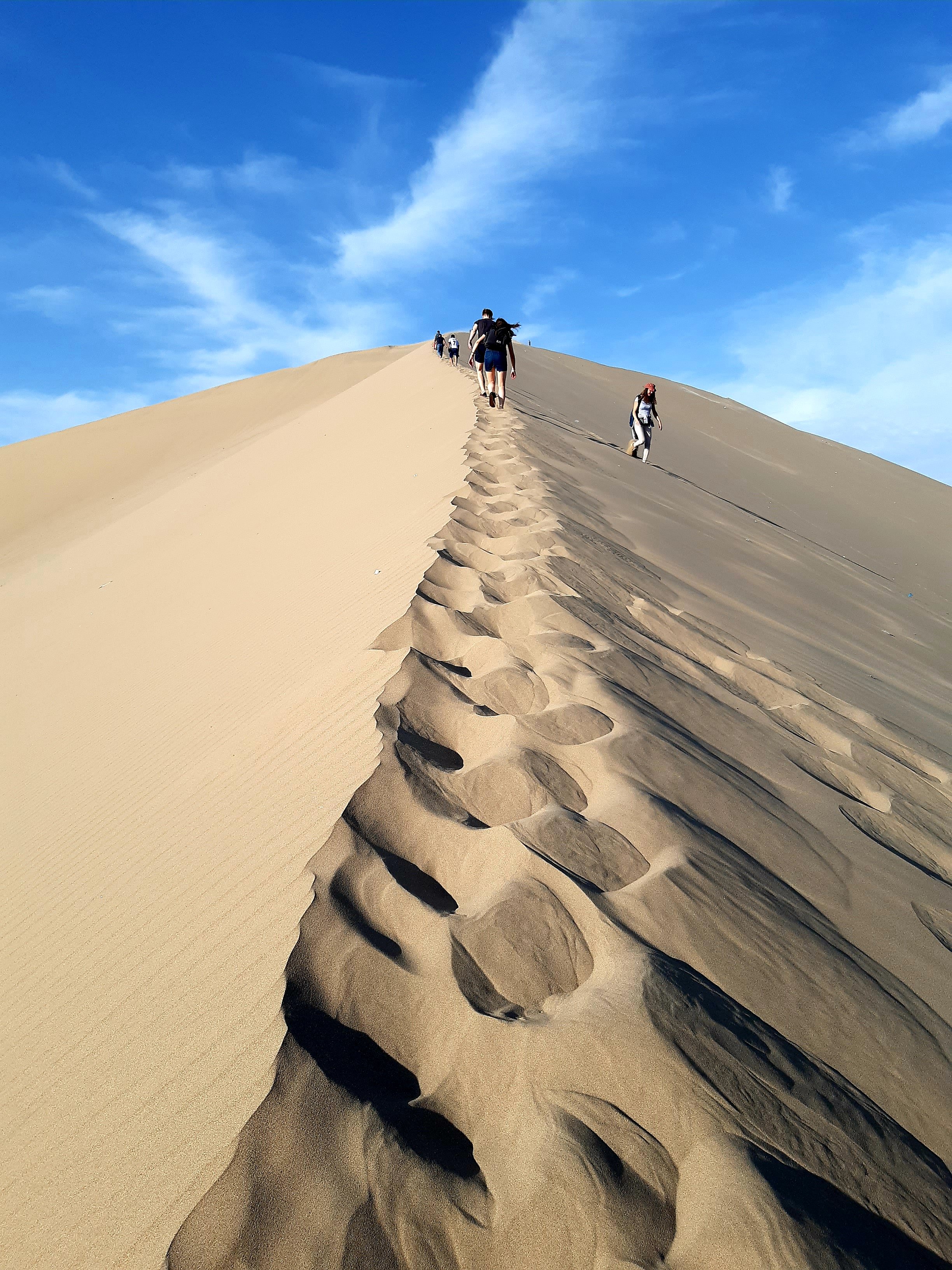
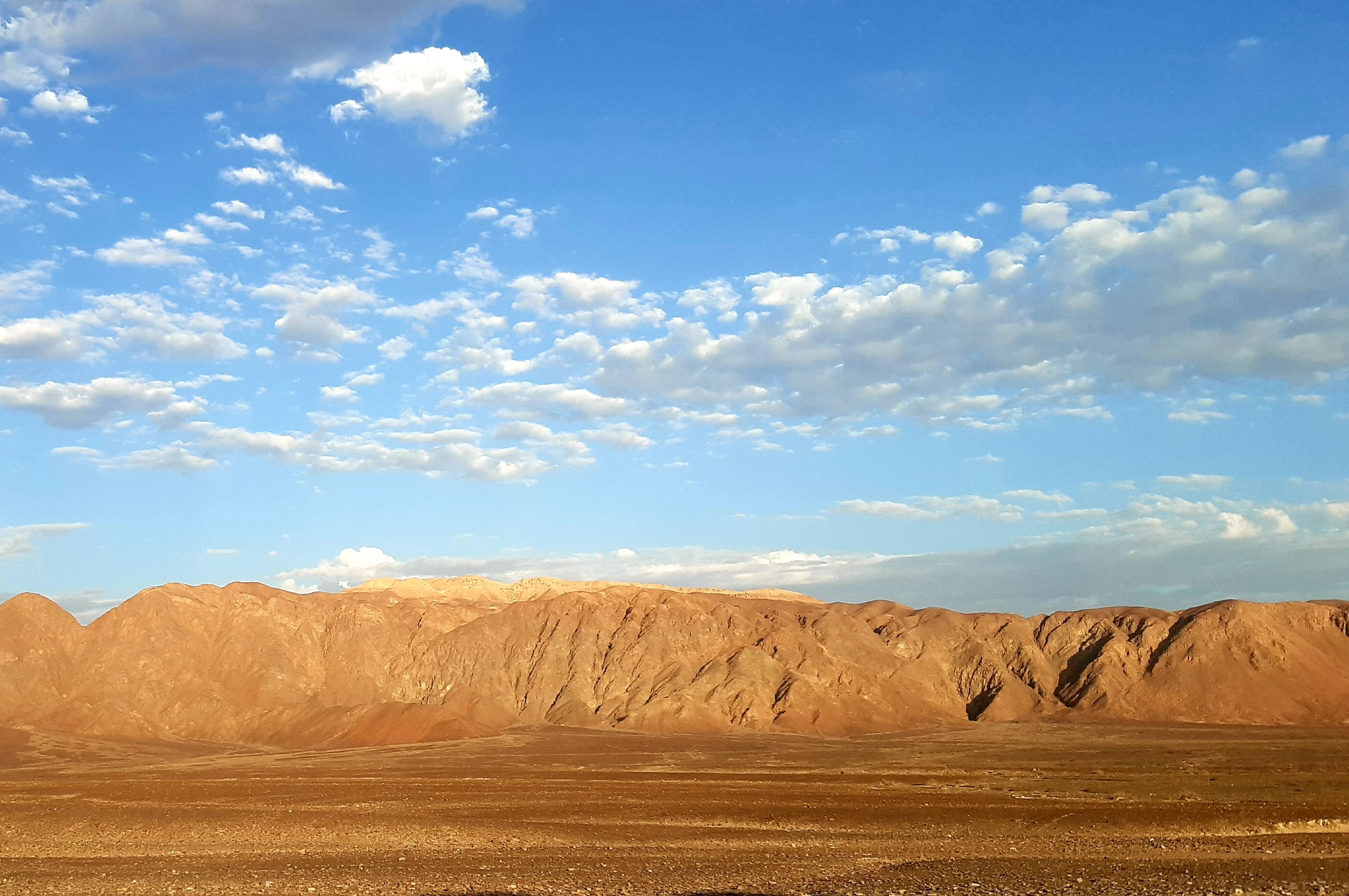
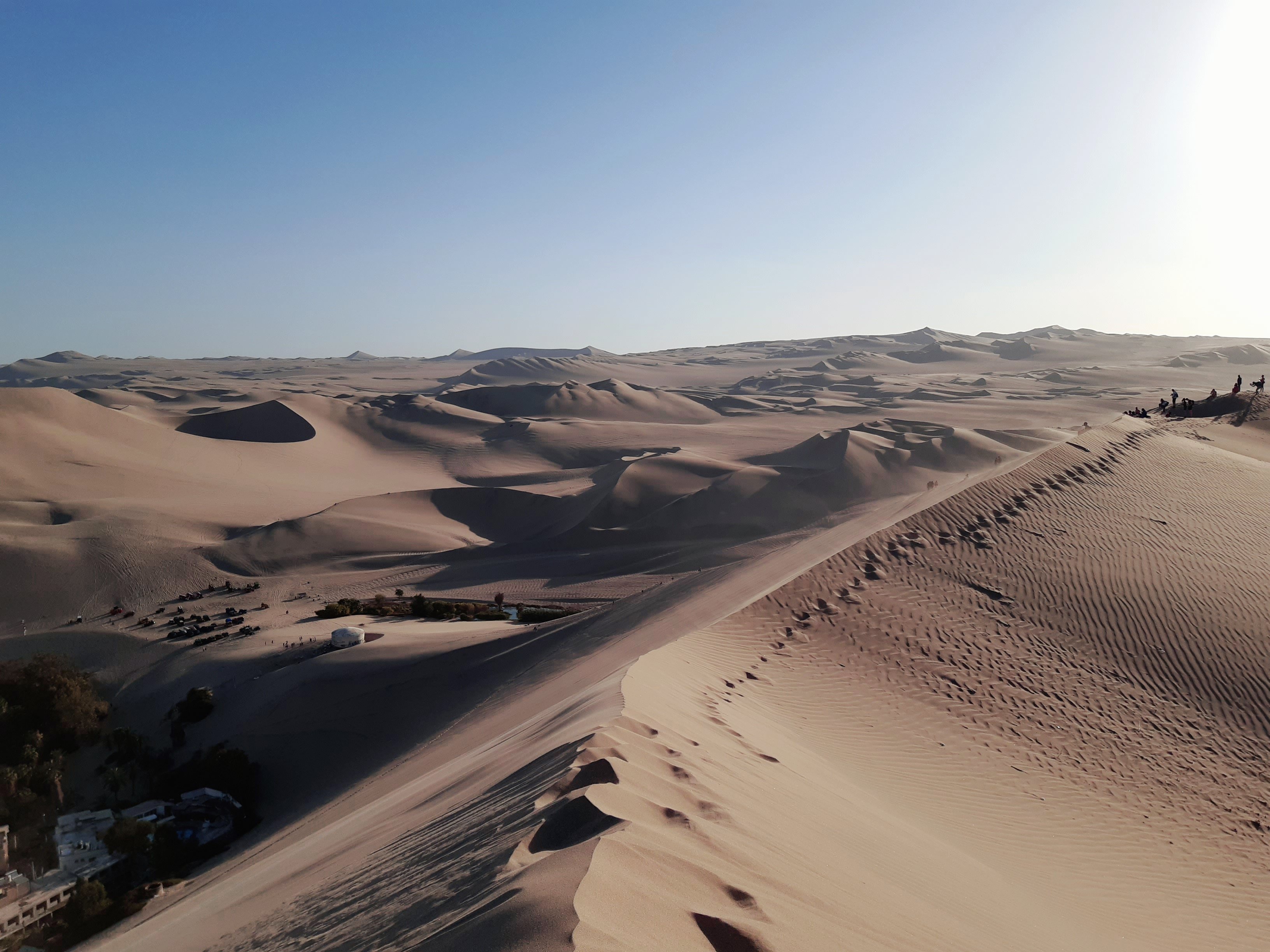 Ica, I must admit, is in the middle of the desert. I didn’t know that virtually the whole southwestern part of Peru is desert, both dunes and hard desert. I saw some of it when flying to Lima, but driving through it by bus makes one realise the vastness and barenness of it all. I couldn’t stop taking photo’s, most of which I had to delete later as they were either blurry or had light reflections or marks from dirty bus windows.
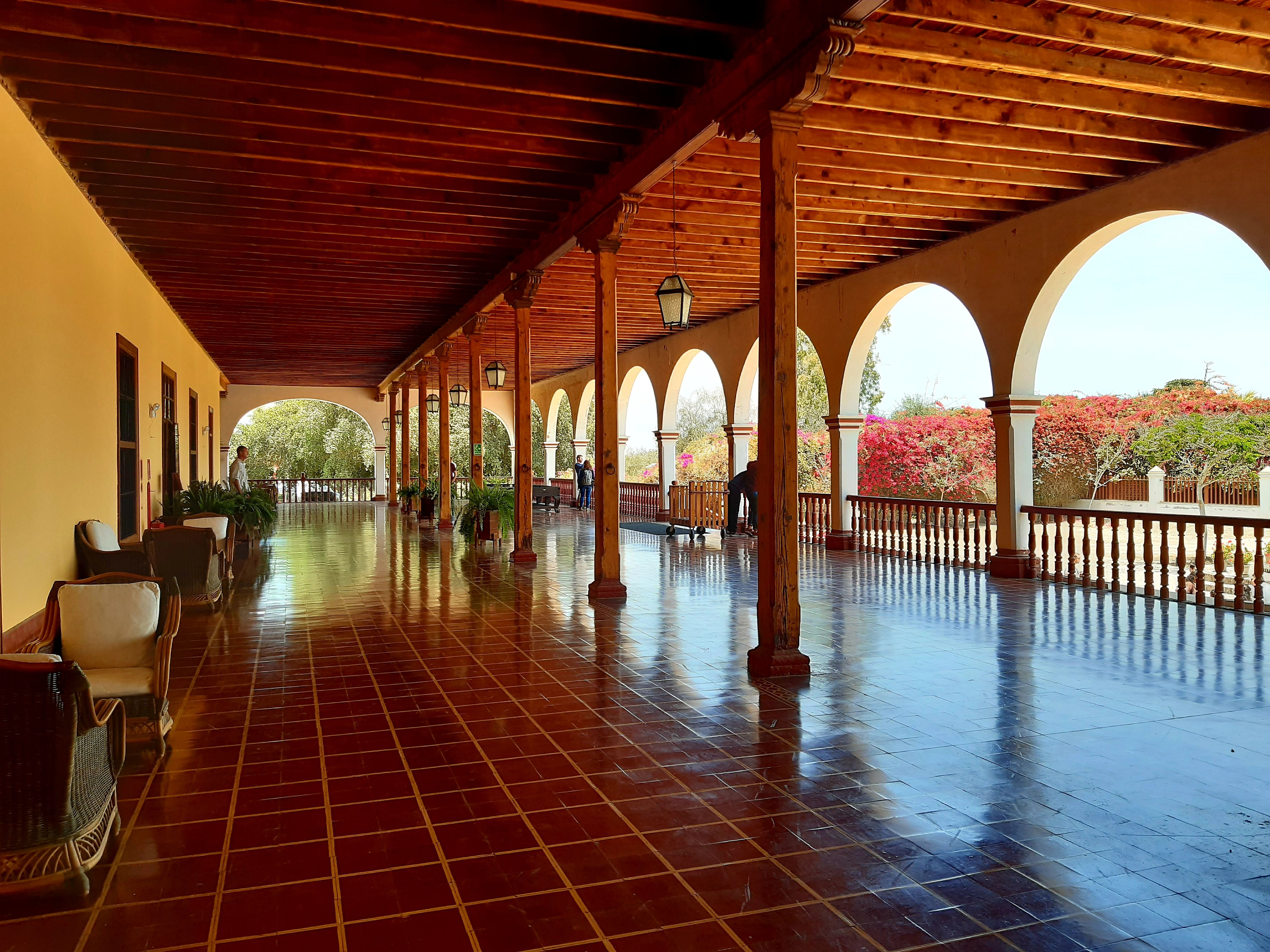
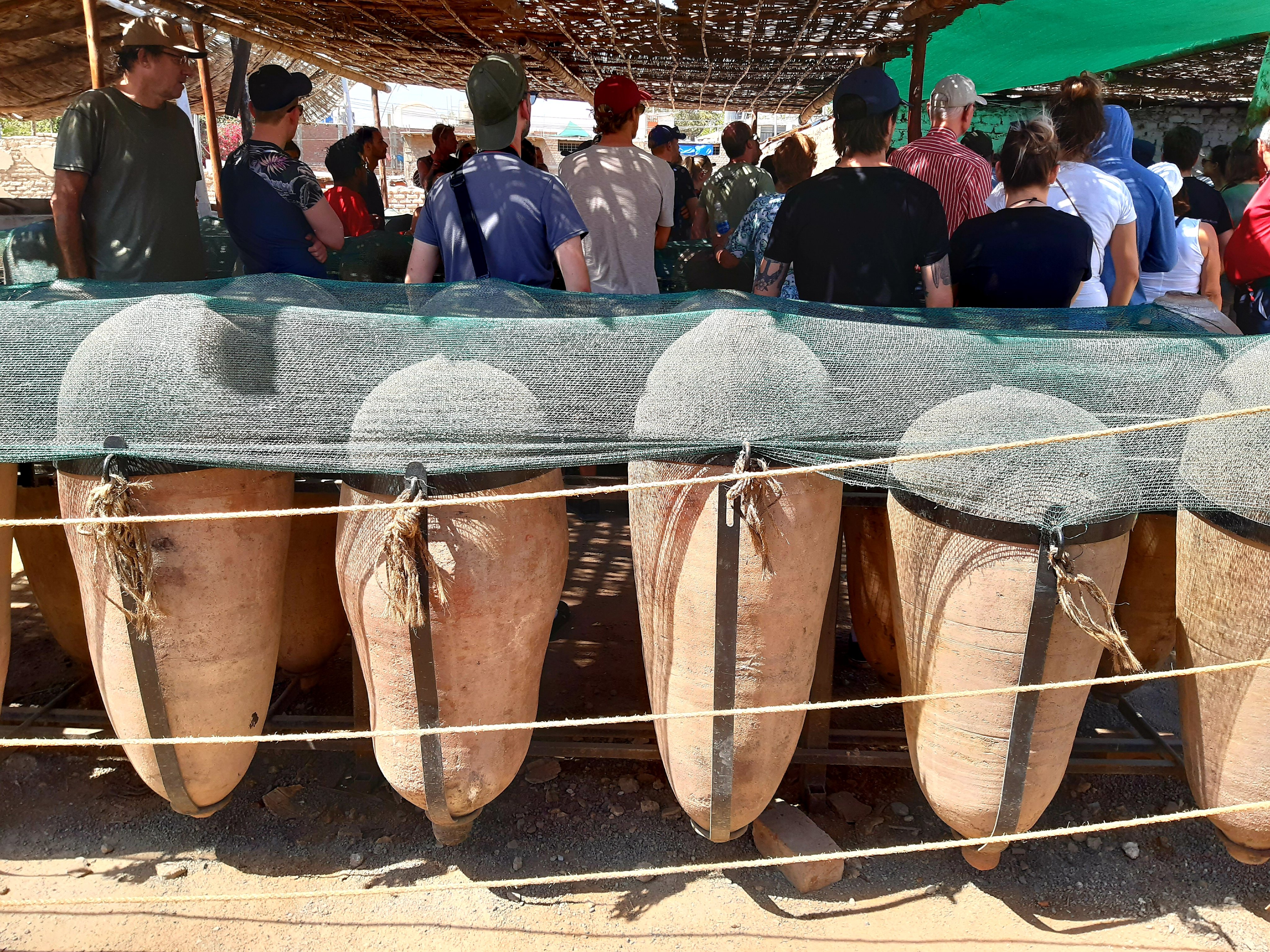
 Ica is known as the wine and pisco capital, where this Peruvian national drink is mostly made. Pisco is similar to our witblits, distilled from grape juice, with an alcohol content of 48%. It is served as pisco sour, a cocktail made up of pisco, egg white, syrup and lime juice. Delicious and could become addictive! We stopped at one of the oldest vineyards for a tour and wine and (pure) pisco tasting. The grapes have a high sugar content as the climate is hot and dry, and fermentation takes only two weeks. Peruvians like their wine sweet or semi-sweet, not dry at all. The methods used on that specific estancia are very traditional: they do not use a press, but trample the grapes and fermentation takes place in earthen jars.
 On our way to Araquipa, we passed Nasca and stopped to view some of the Nasca Lines from a tower next to the road. Some of these lines were formed over 2000 years ago, and there are different theories as to their existence, varying from indigenous people using them as places of worship, to an alien airport. Quite intriguing, as I was following our route on Maps.Me and could clearly see the geometrical lines crossing each other and the shapes that have been identified, such as the tree, lizard, hand, etc. This one is the tree:
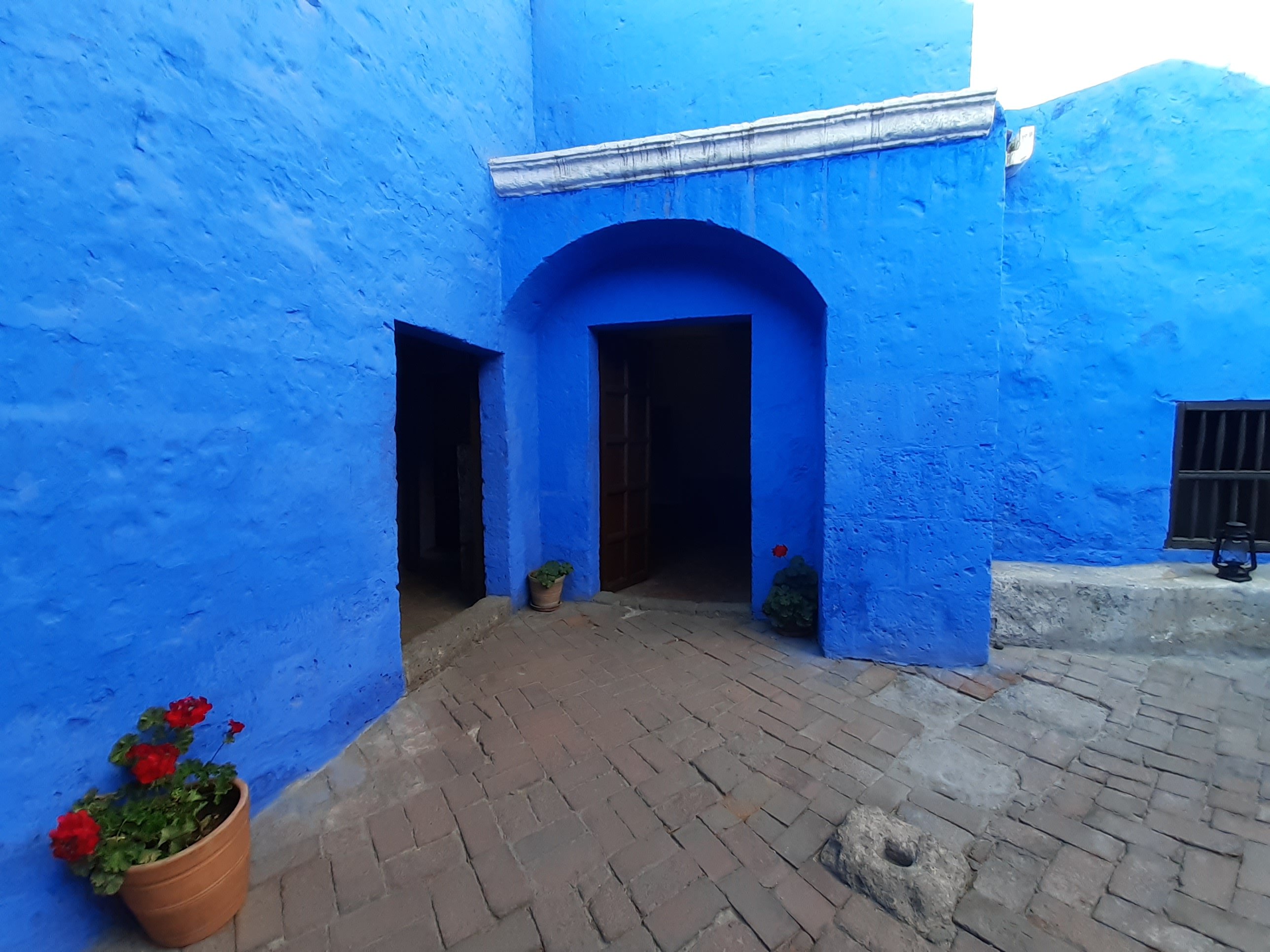
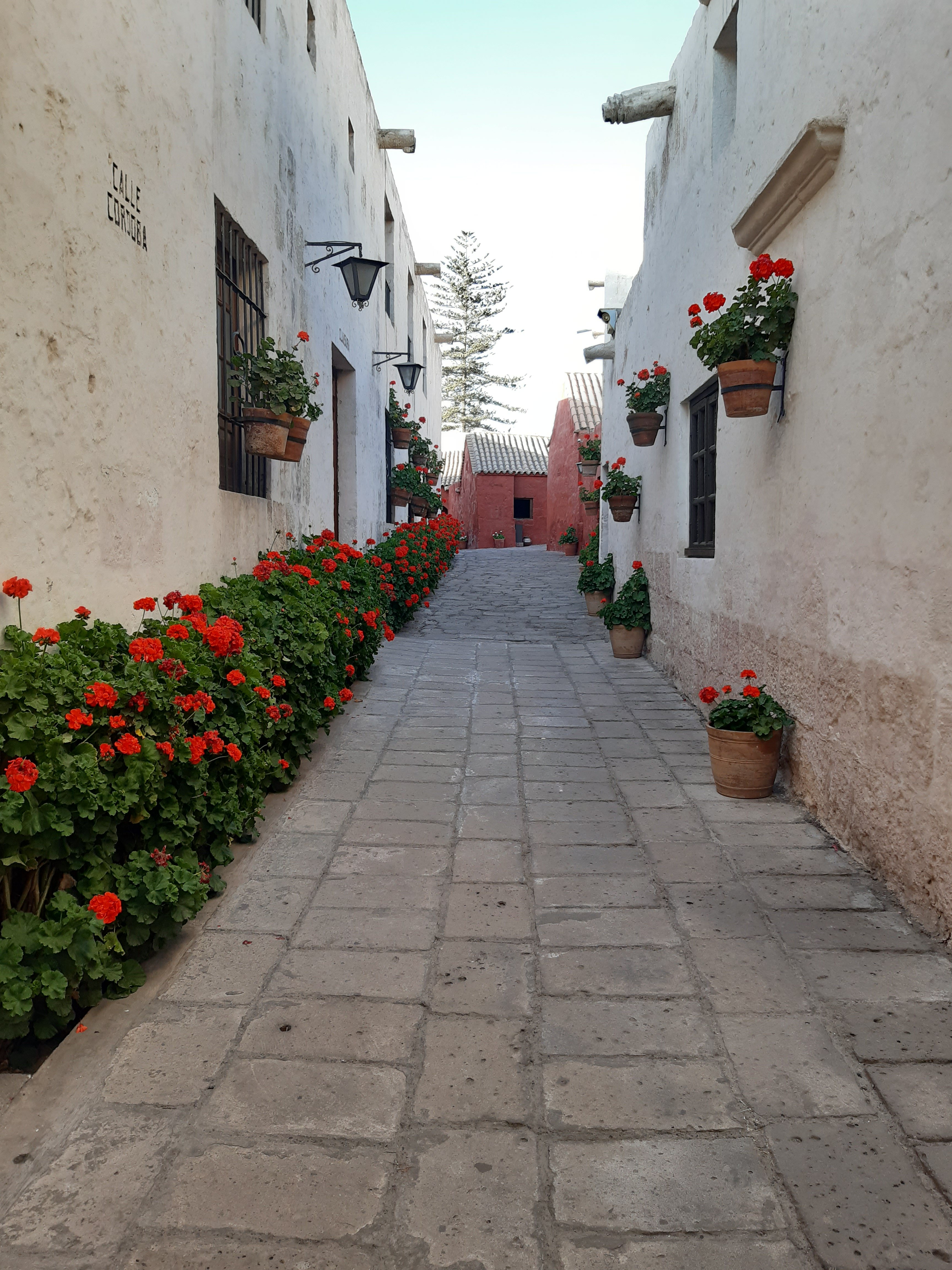
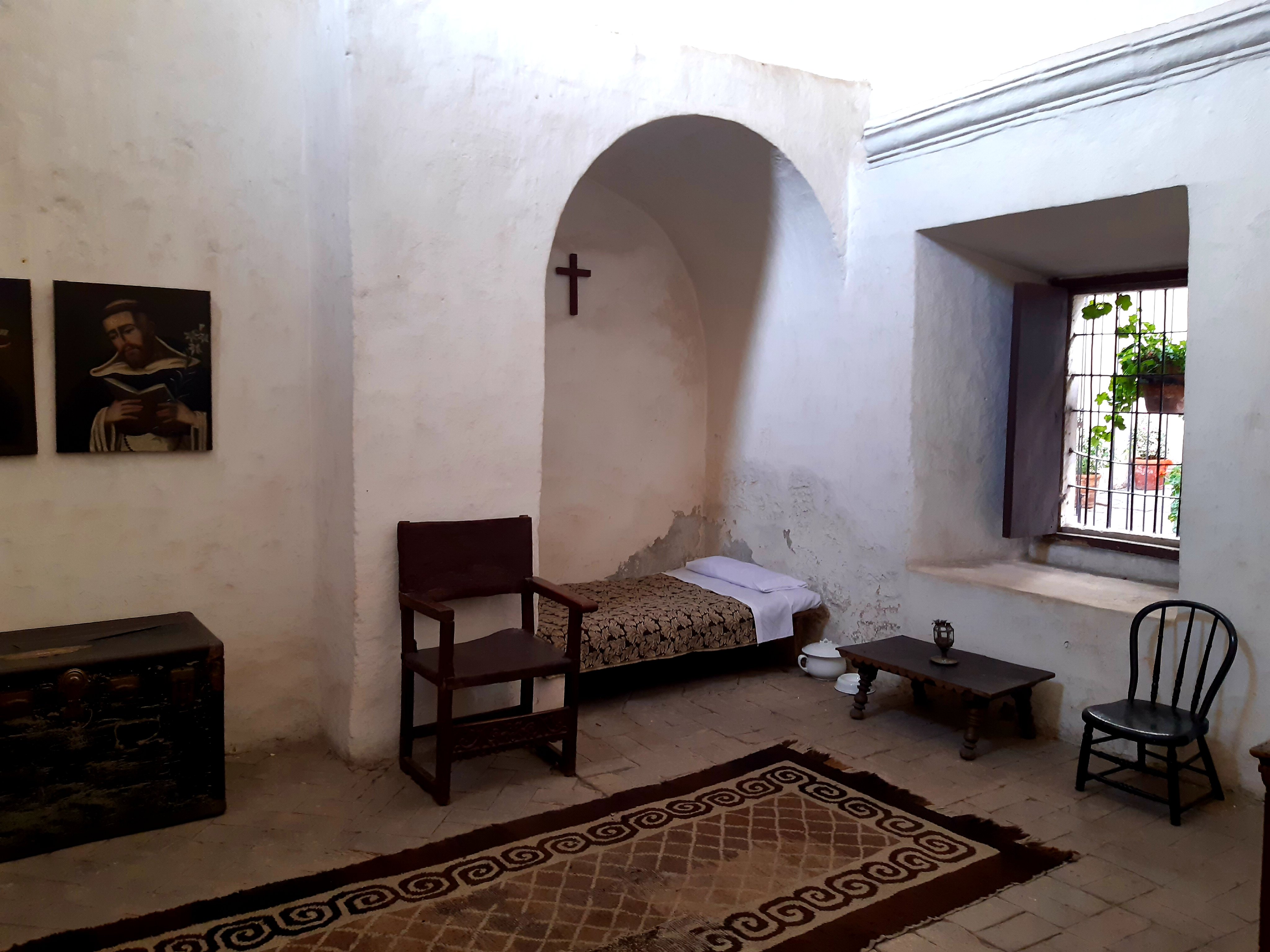
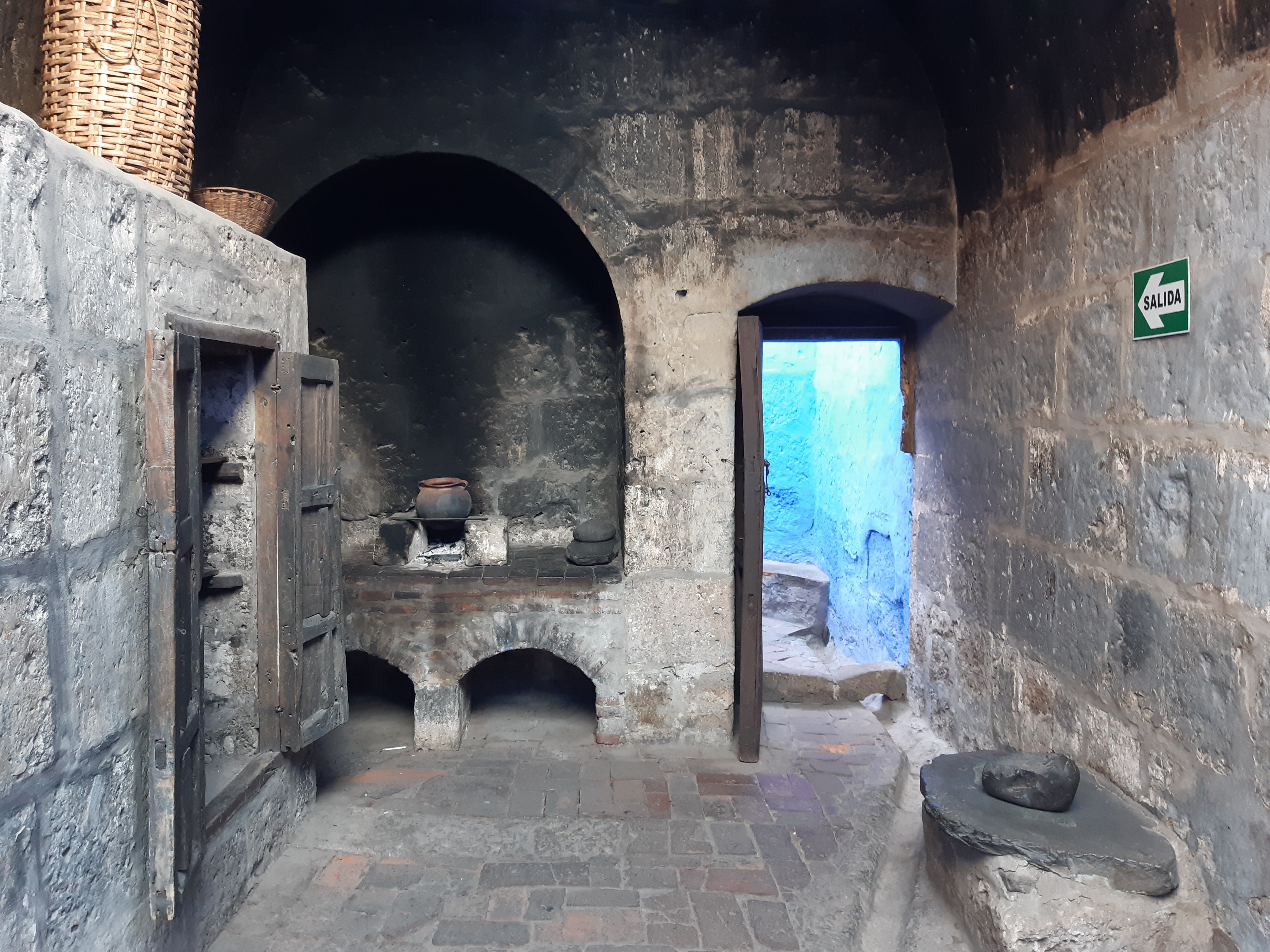
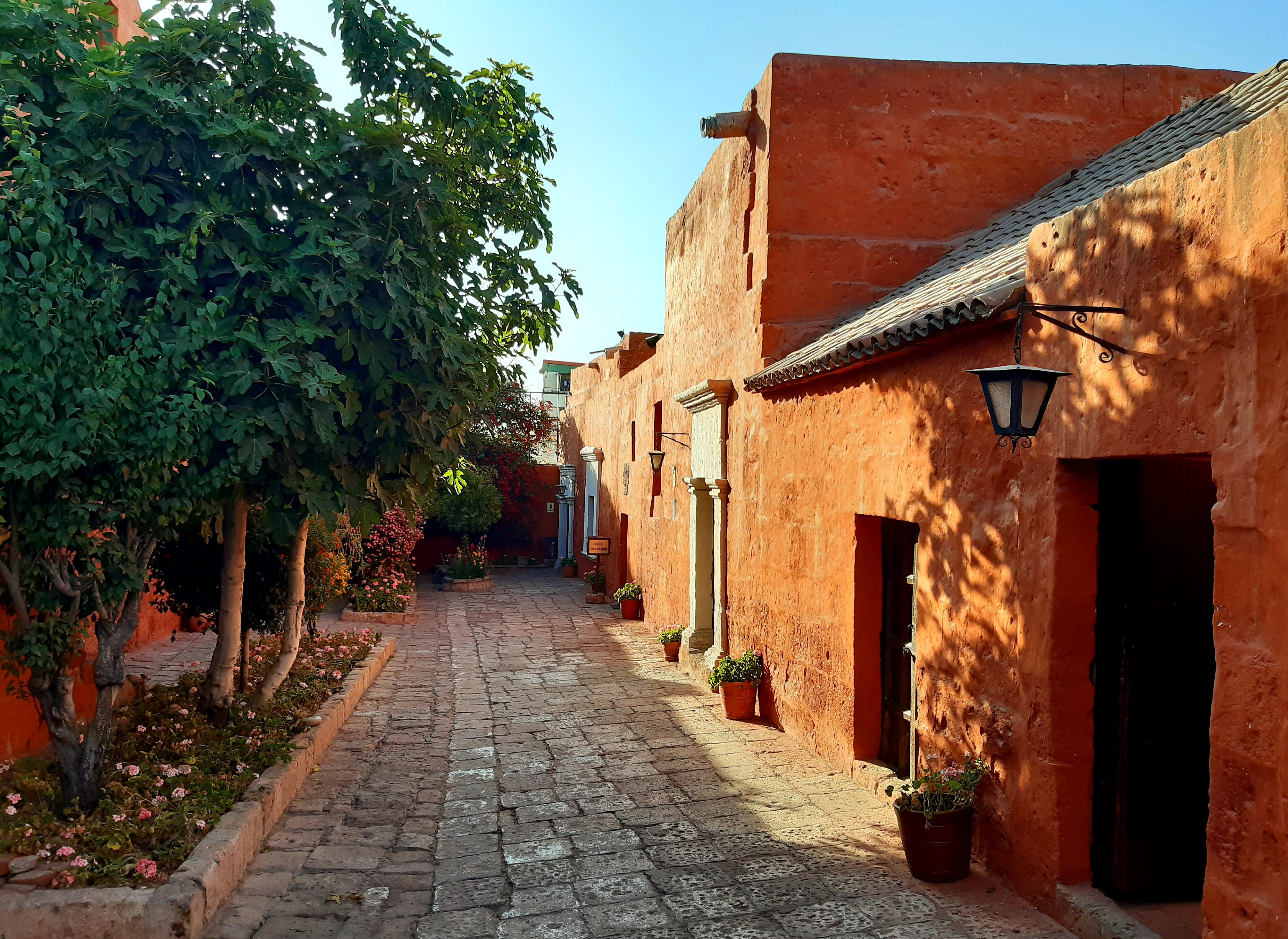
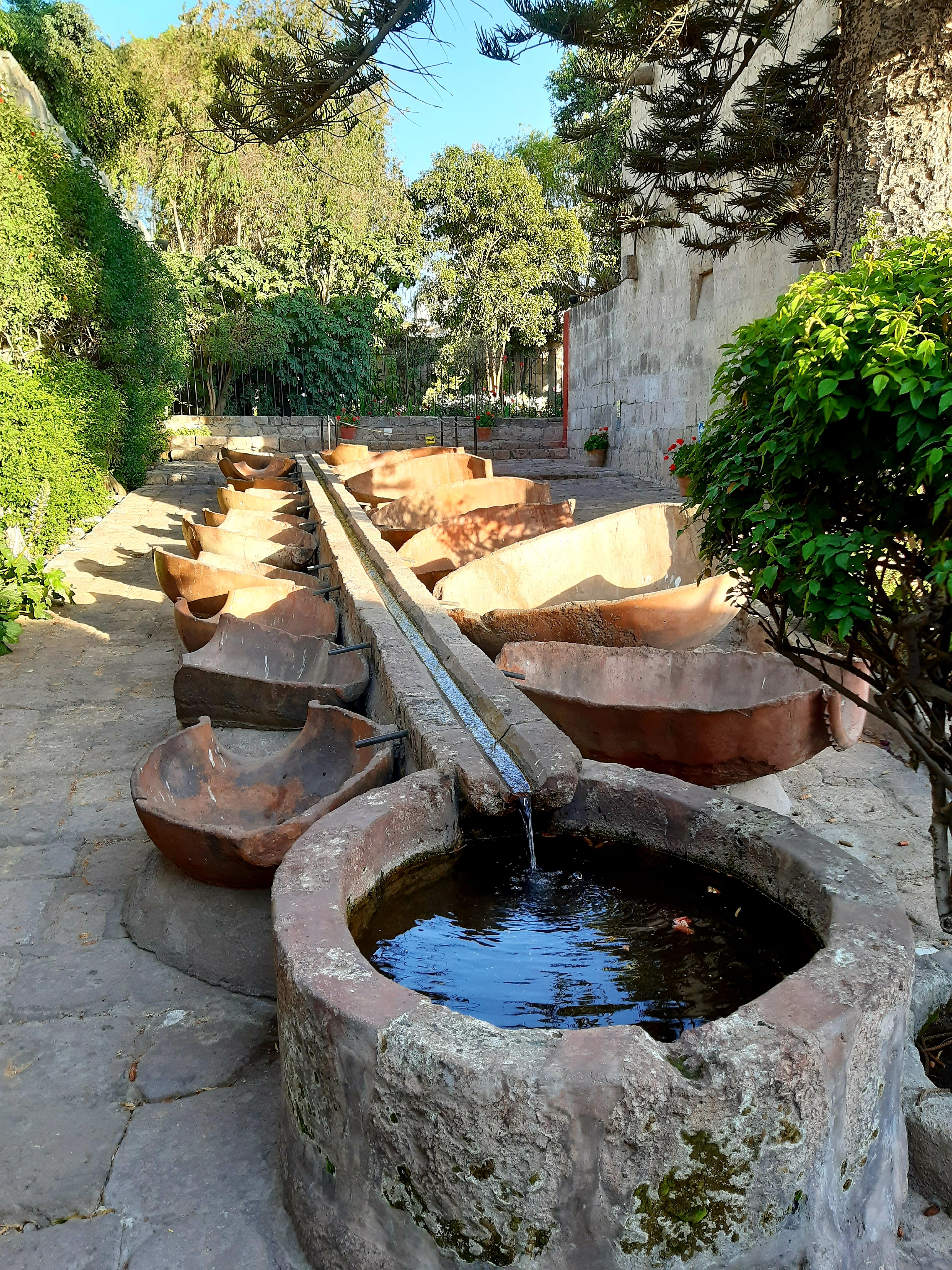
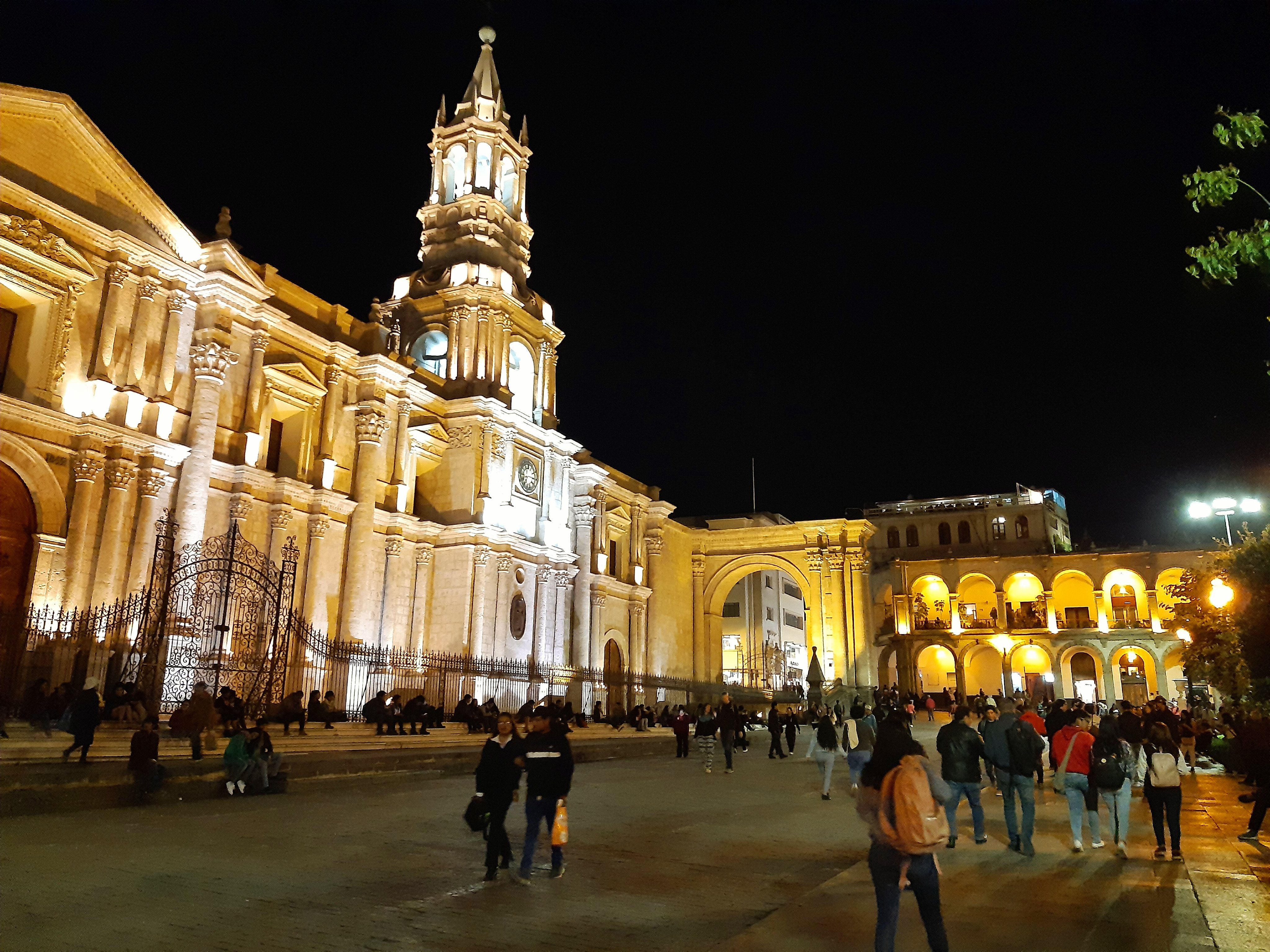 Santa Catalina Monastry close the square is well worth a visit. Founded in 1579, it was only recently opened for public viewing and is known for its colourful architecture and intriguing past. The nuns had little ‘houses’, belonging to them which they could sell to other nuns, so it is like a town within the securing walls. There is a communal washing area for clothes and a huge undercover bathing area.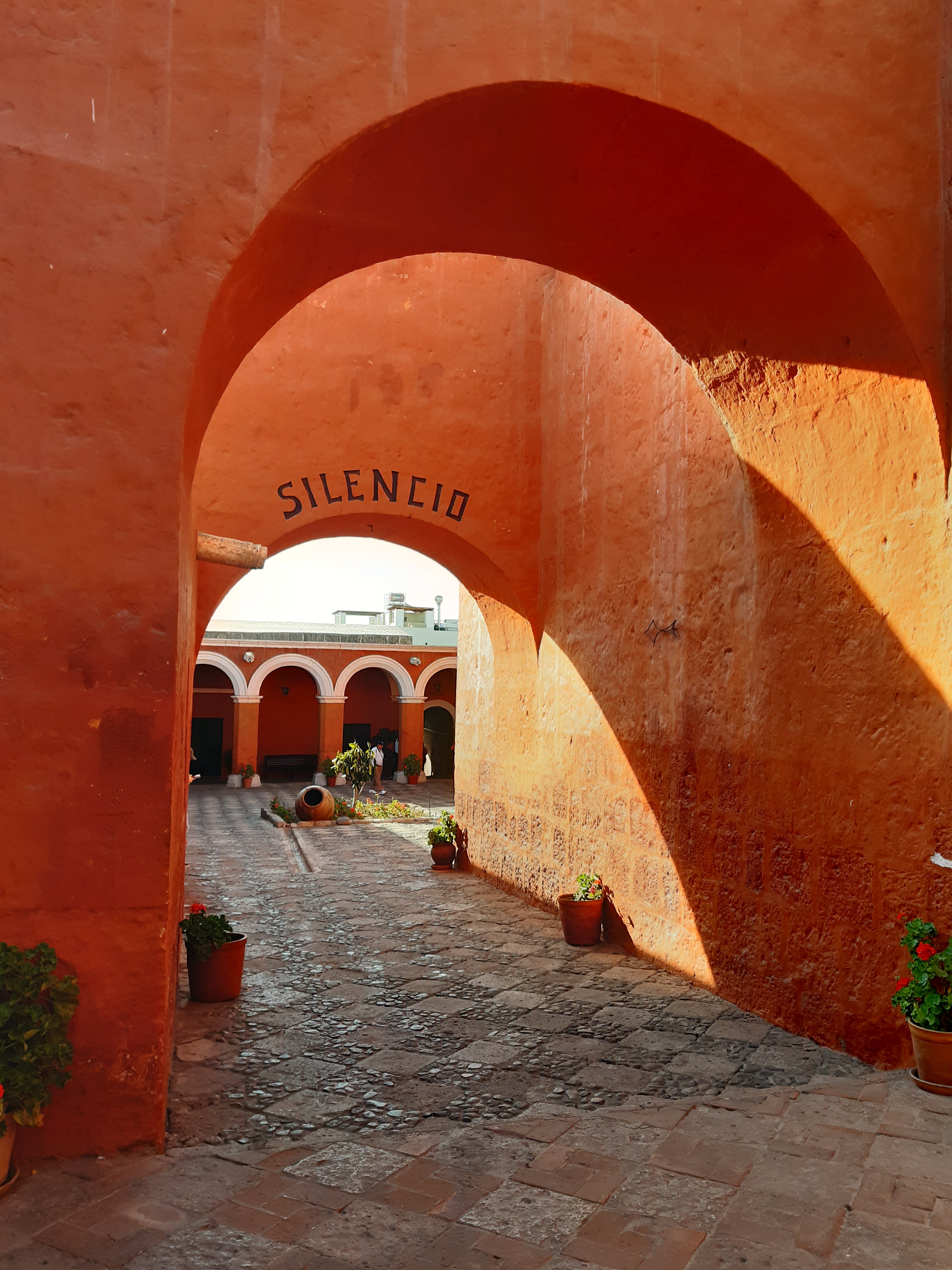
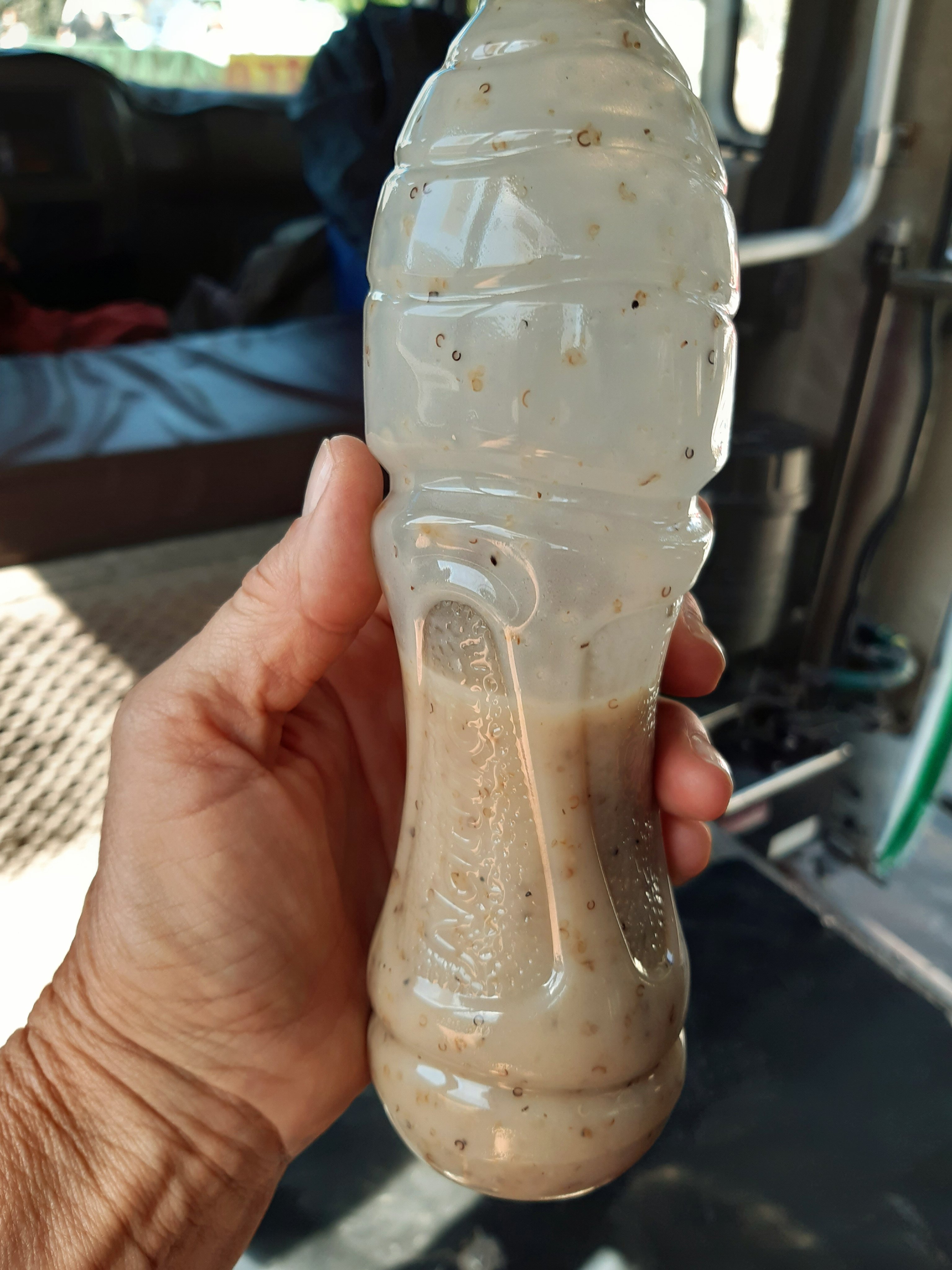
 I had booked a room through Airbnb, just to have some time away from the group and to be able to some exploring on my own. In this way one discovers many local things, such as kiwicha, which is sold as a nourishing drink full of proteins, minerals and other nutrients. Kiwicha was grown and used by the Incas, but the Spanish prohibited them from eating it during their rule, can you believe it!
 My host had given me some tips on what to explore, and I ended up taking a local bus where I saw a touching exchange of products between these two women – the one took a small bag of prickly pears from her big bag, handed it to the other one, who in exchange took out a huge piece of cake from hers and handed it to the first, both smiling shyly at each other. And yes, it is lucern in the blue plastic.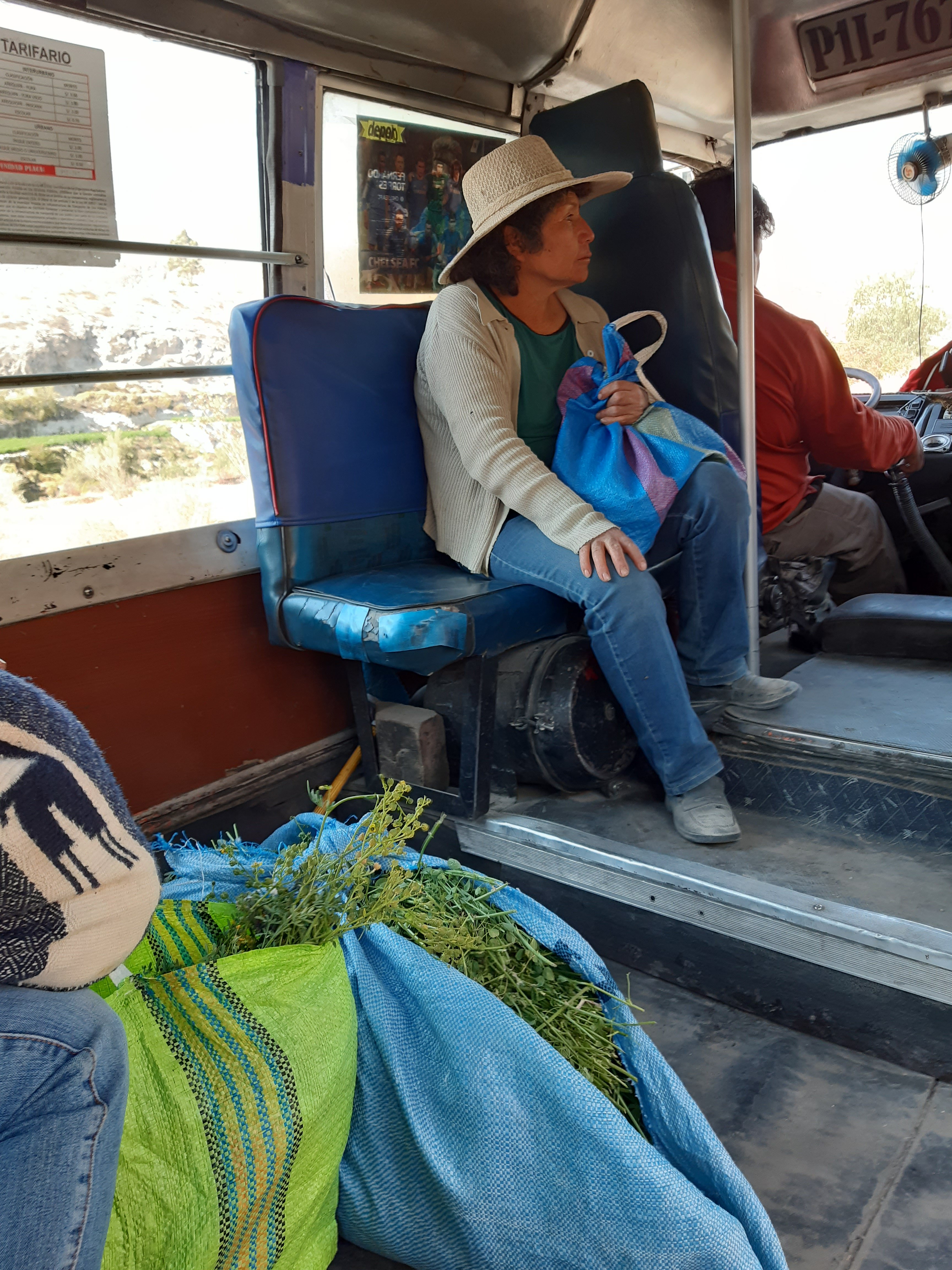

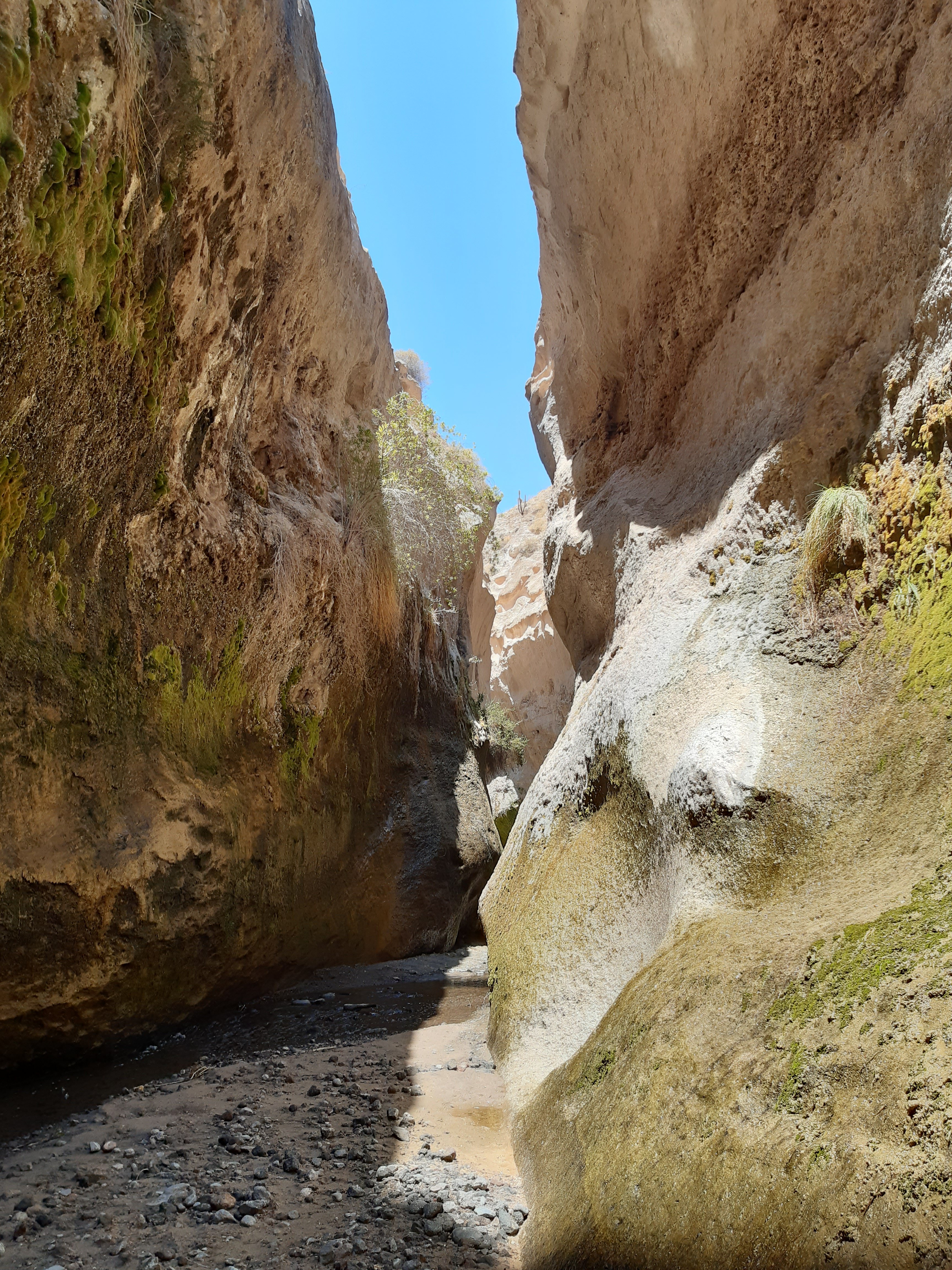
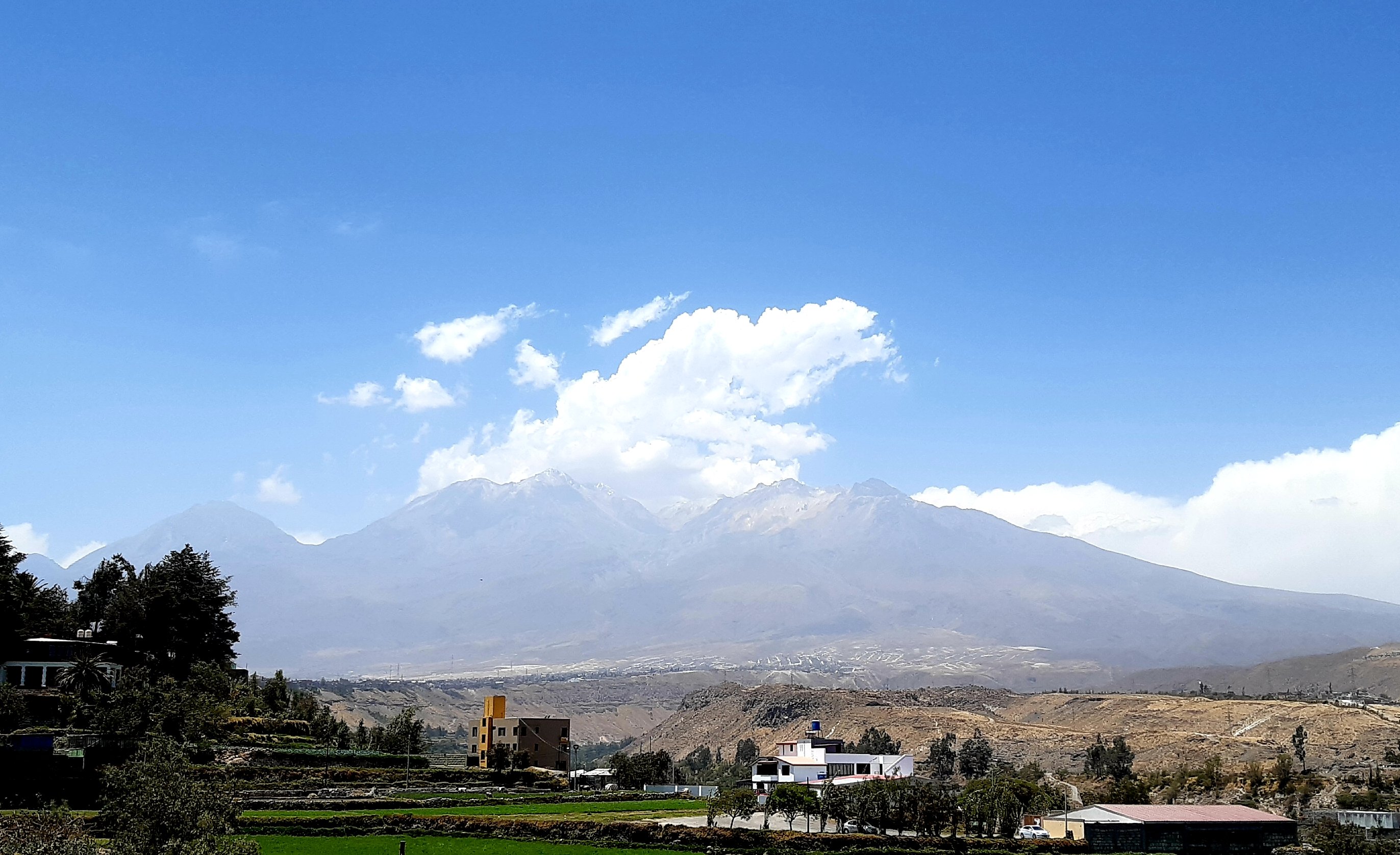
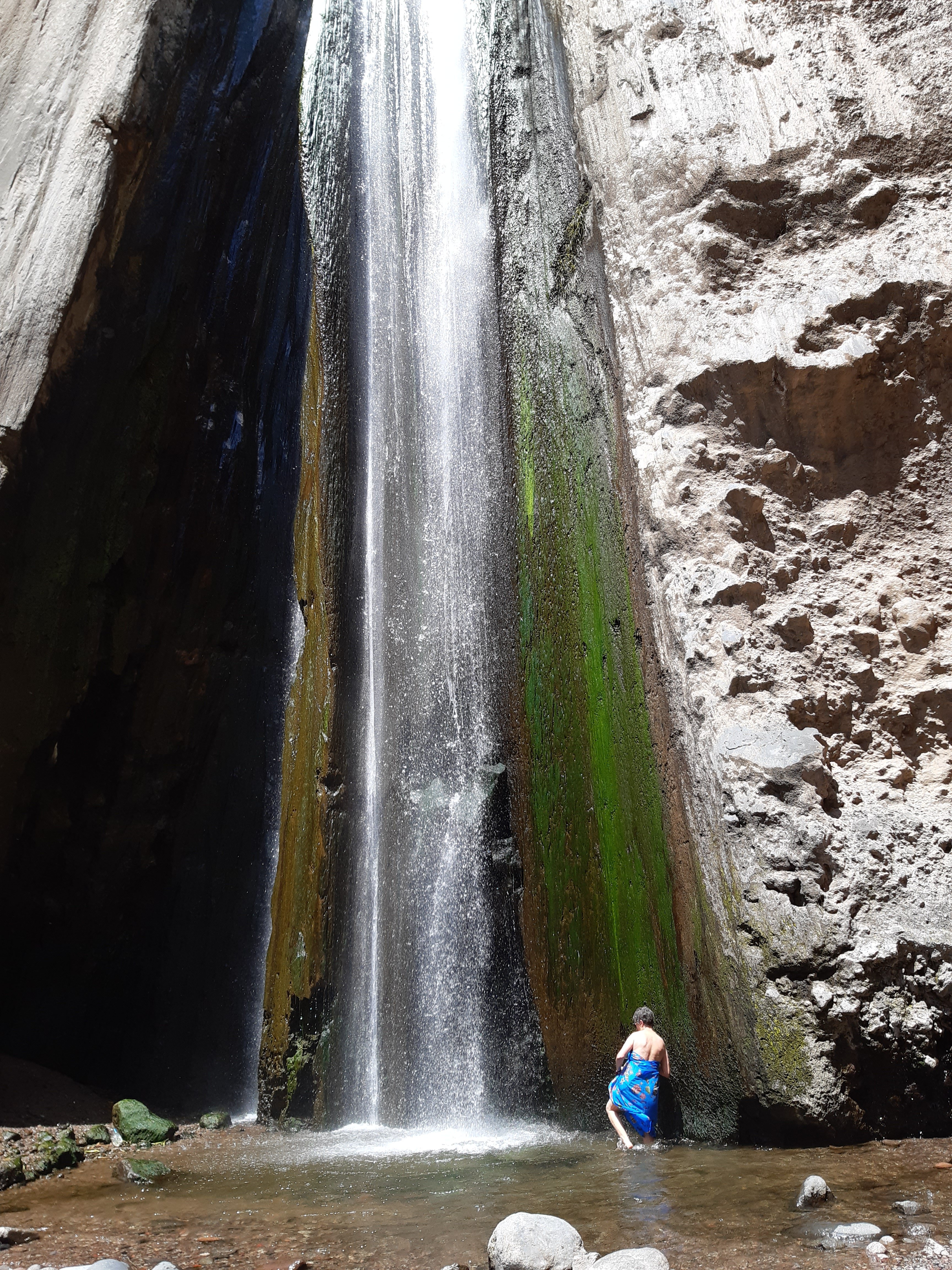 I bought their traditional rice-icecream from a vendor on my walk to a viewpoint from where I could see the two volcanoes, one of which I believe is still active.
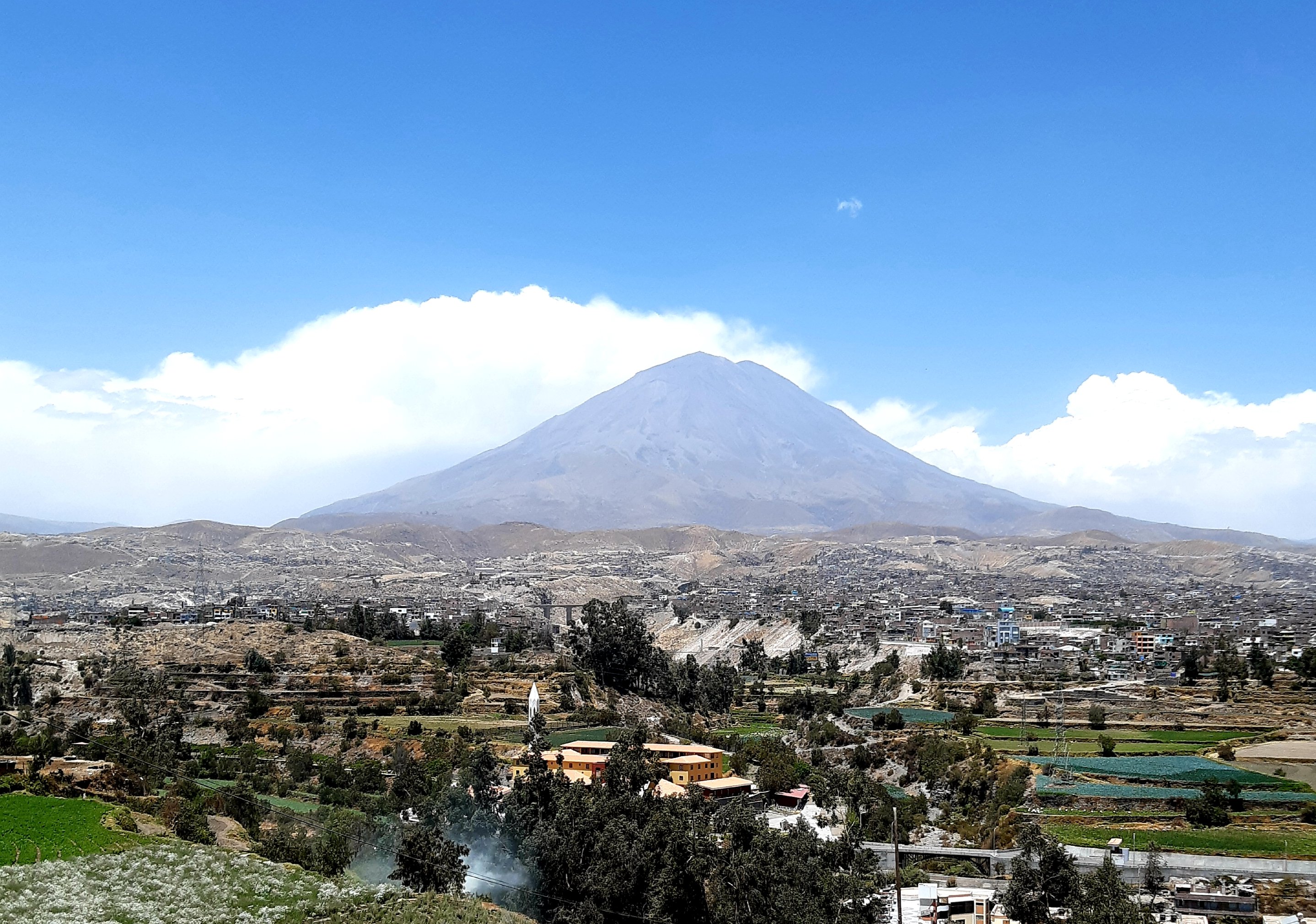 Our next stop was Puno, which lies next to Lake Titicaca, 3 800m above sea level. On our way there we stopped at another small lake, also very high, and I had my first experience of being affected by the high altitude. I felt very light-headed and had a headache, so went to sit in the bus. I was holding my head in my hands, eyes closed, when I had a halucinating flying experience, quite exciting! Altitude sickness is no joke, and although I have managed to avoid the full impact, I think lower altitudes suit me better.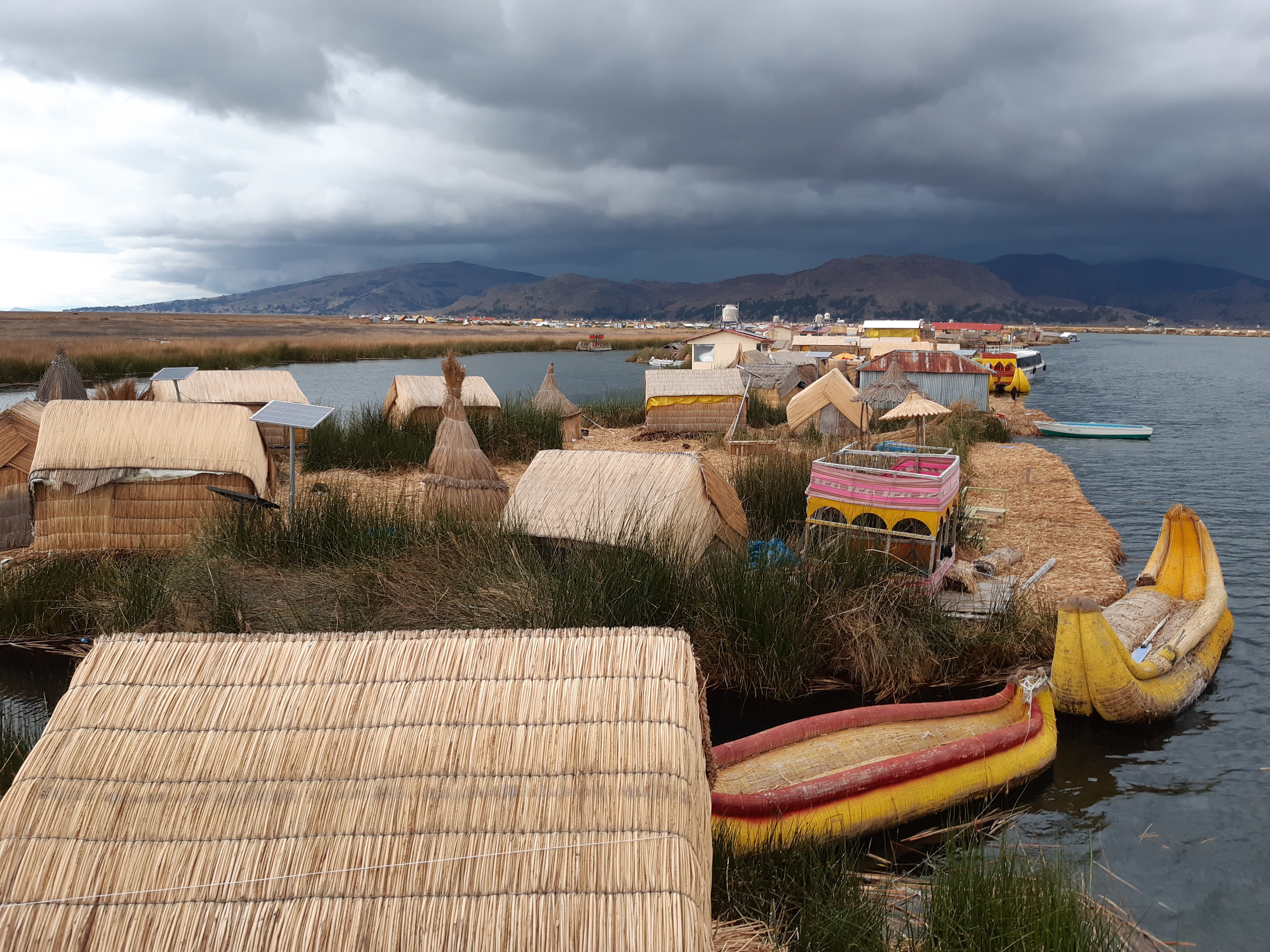
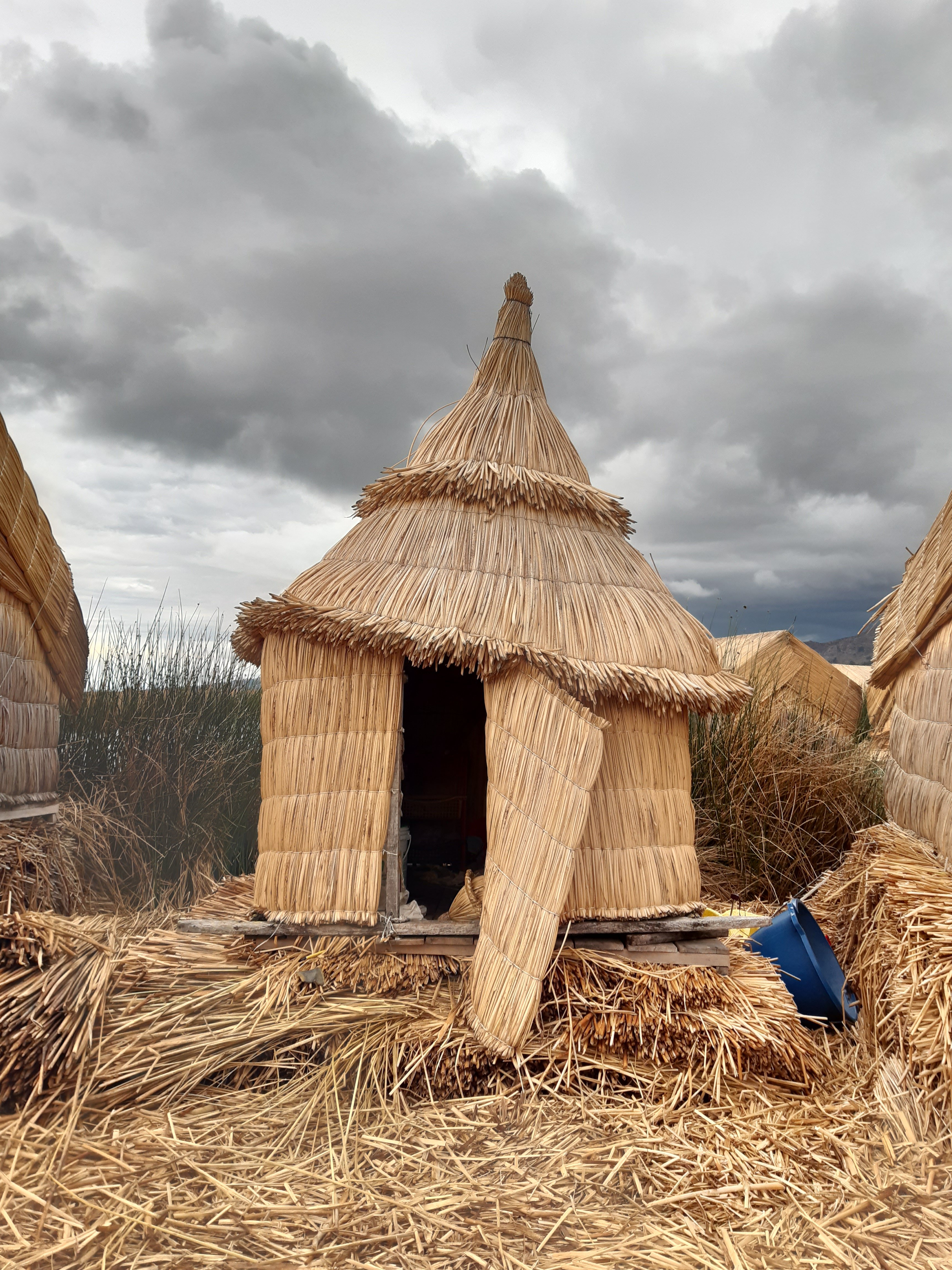
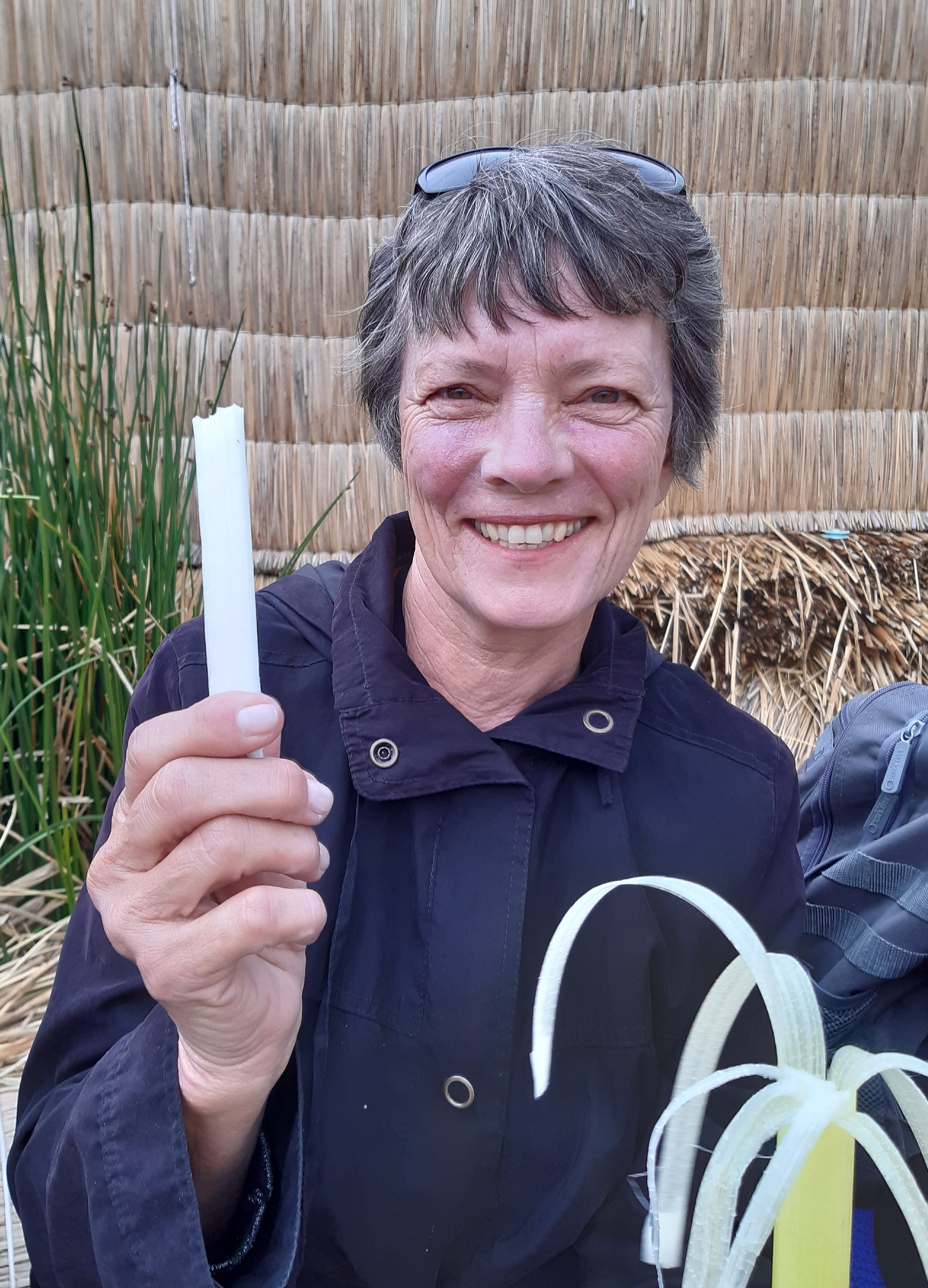
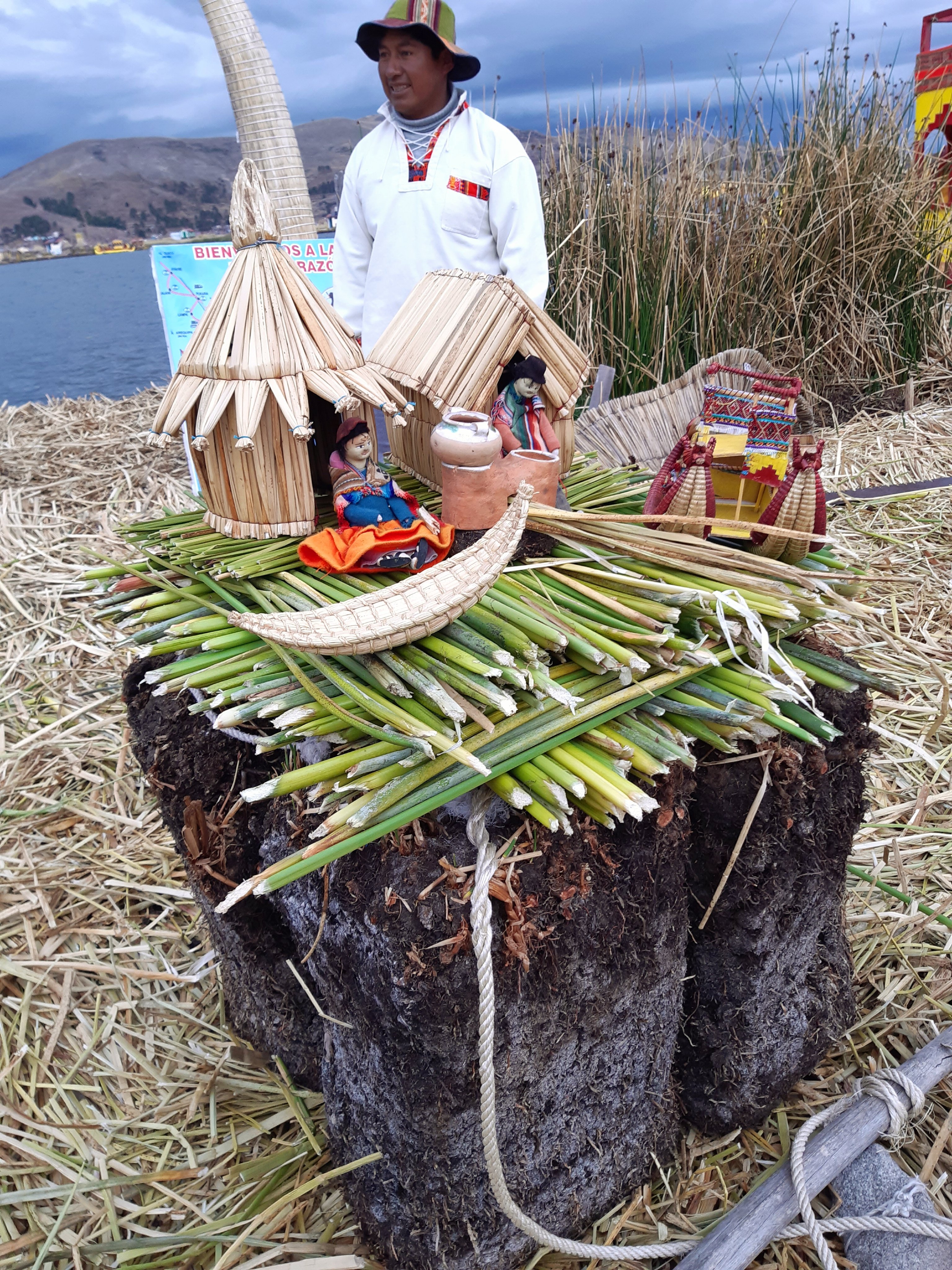
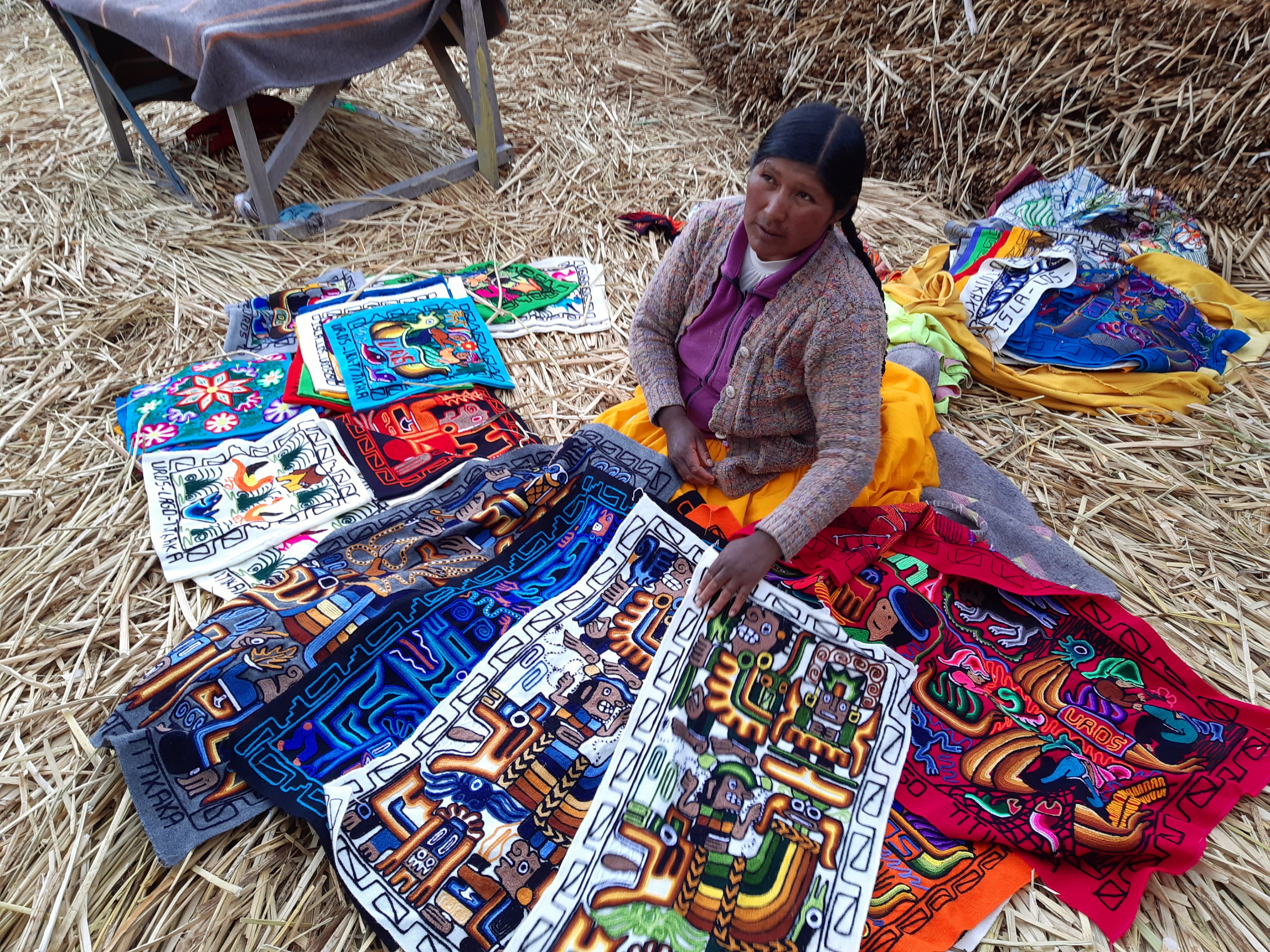
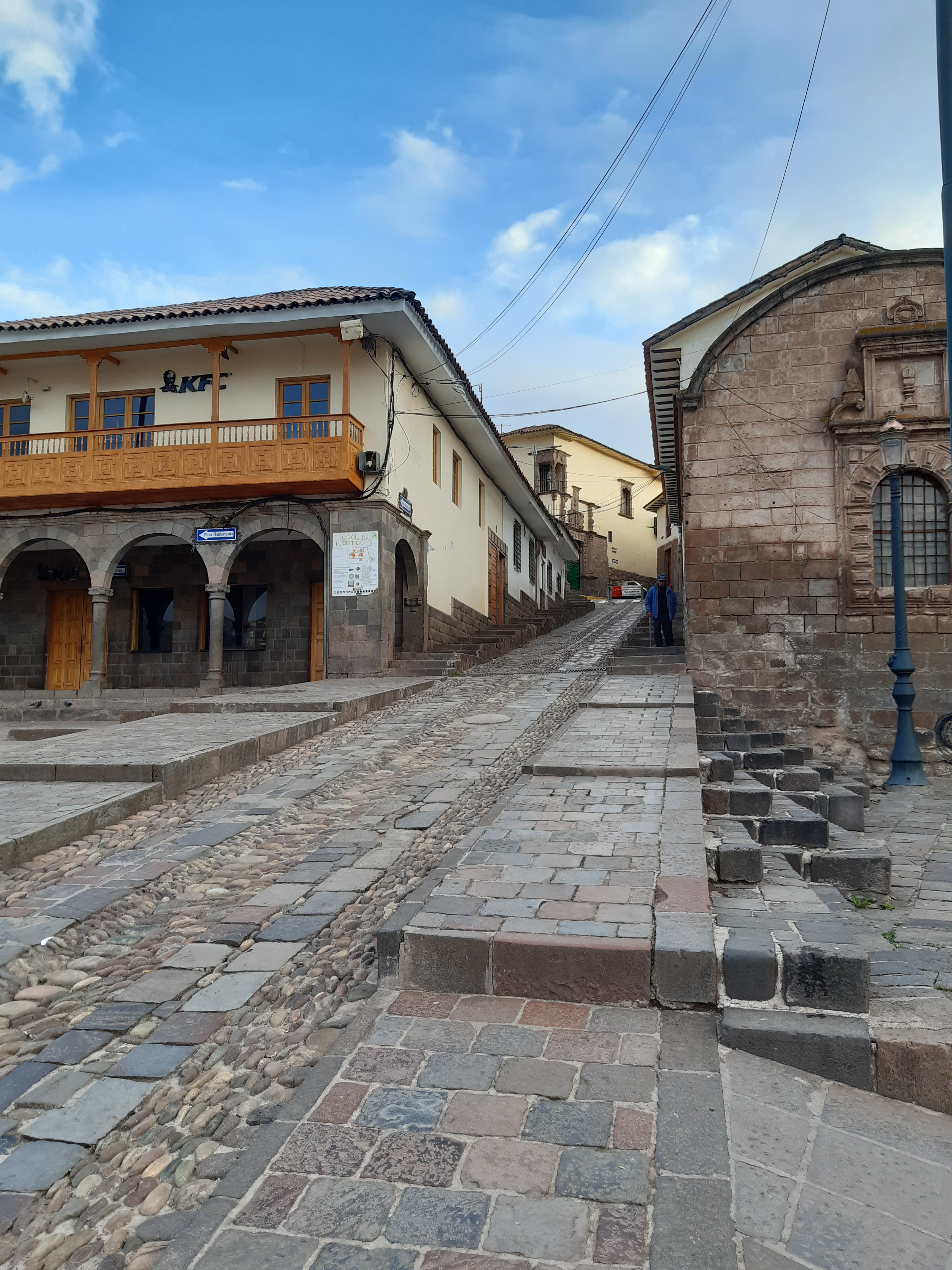
 I didn’t stay in Puna but took the overnight bus to Cusco, from where I leave tomorrow to go to Quillabamba. I have a volunteer job there for the next month, working at an institute that does art, music, dance and theatre therapy with children and young people.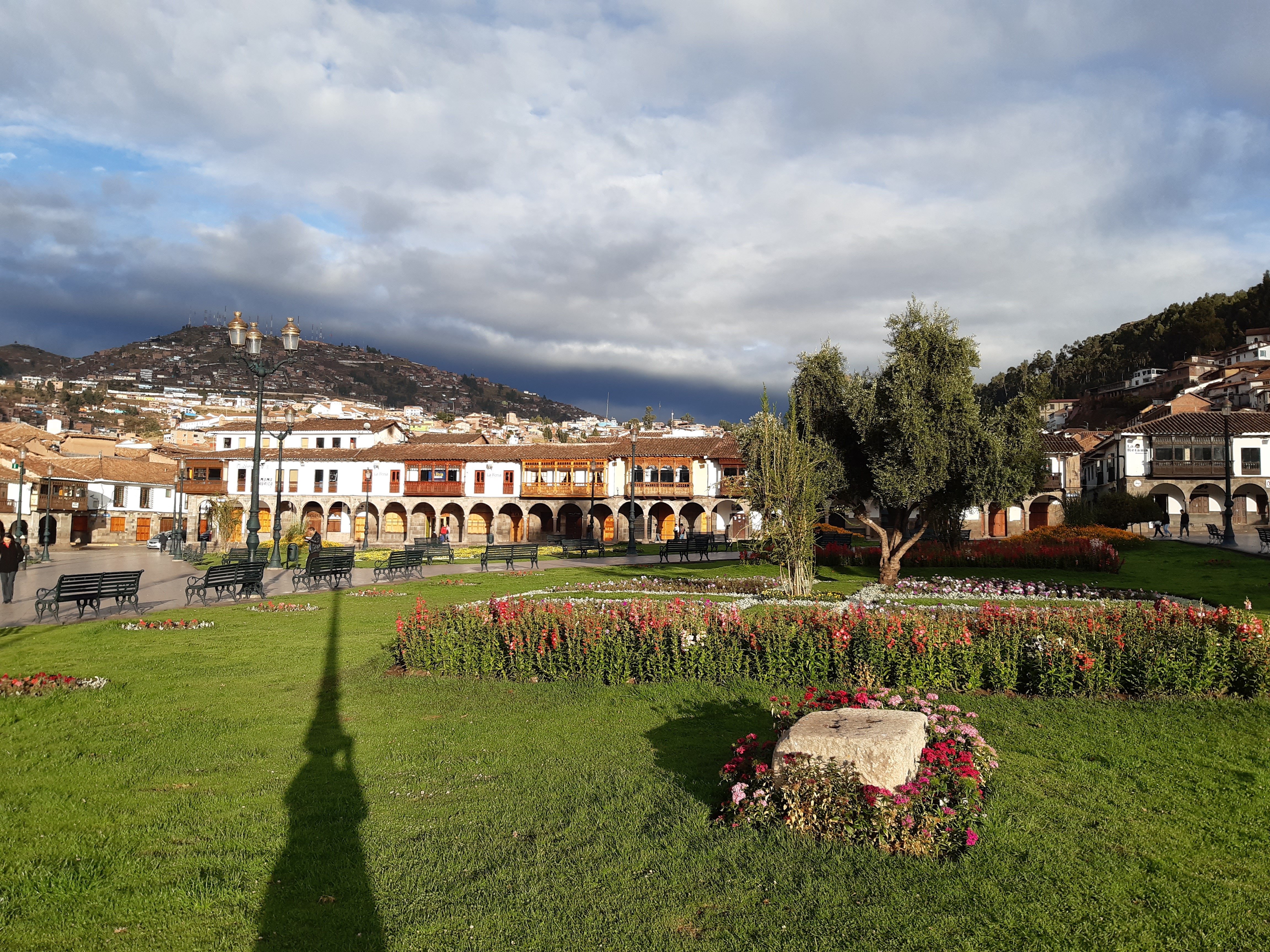
 Mella Madness