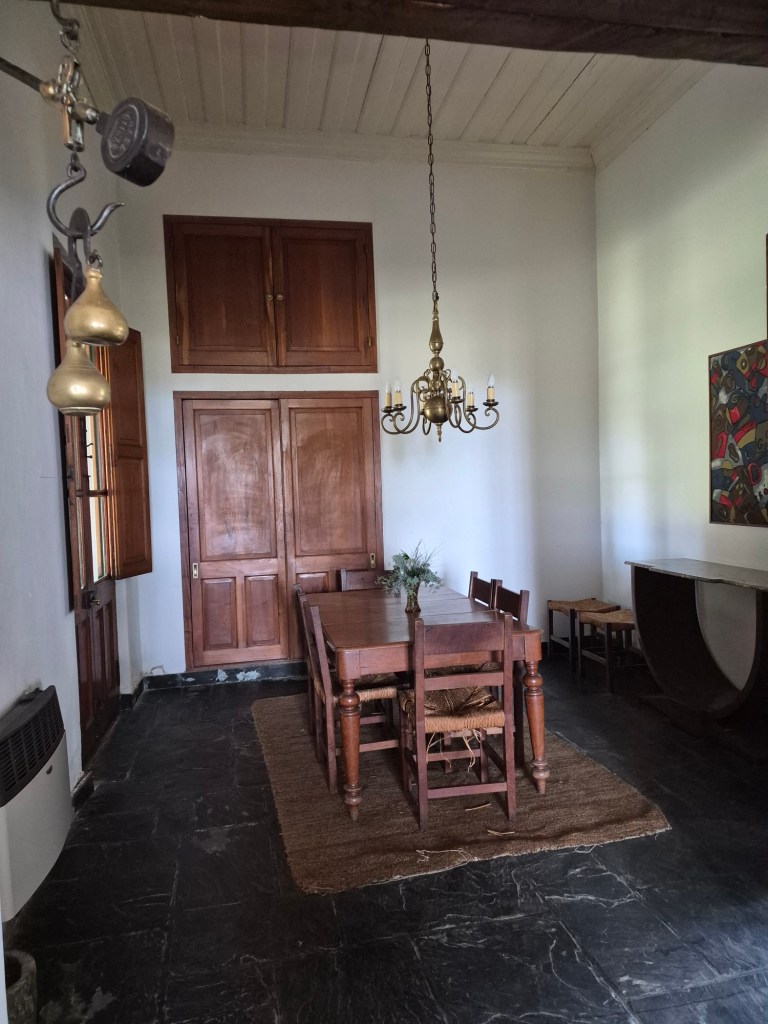
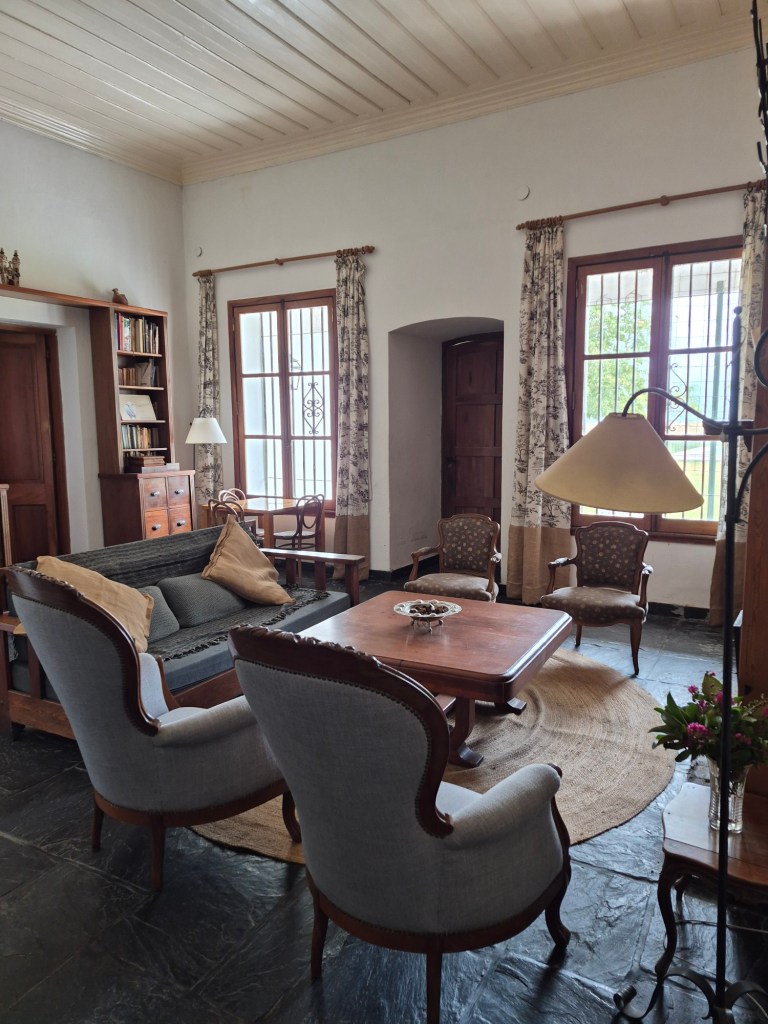
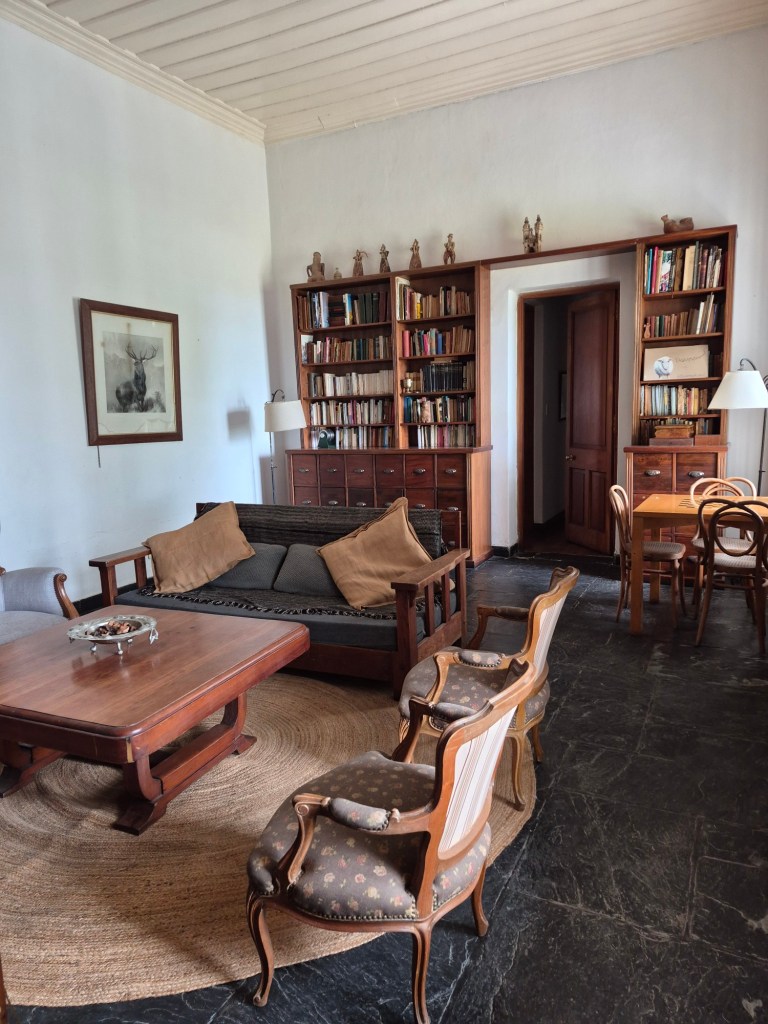
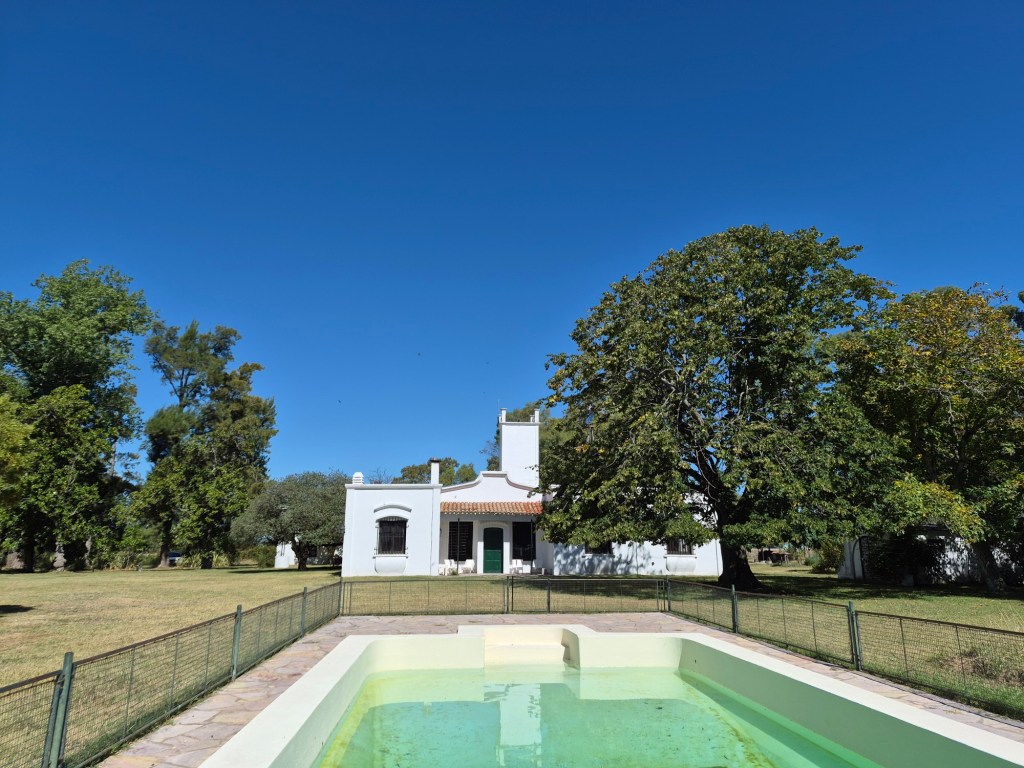
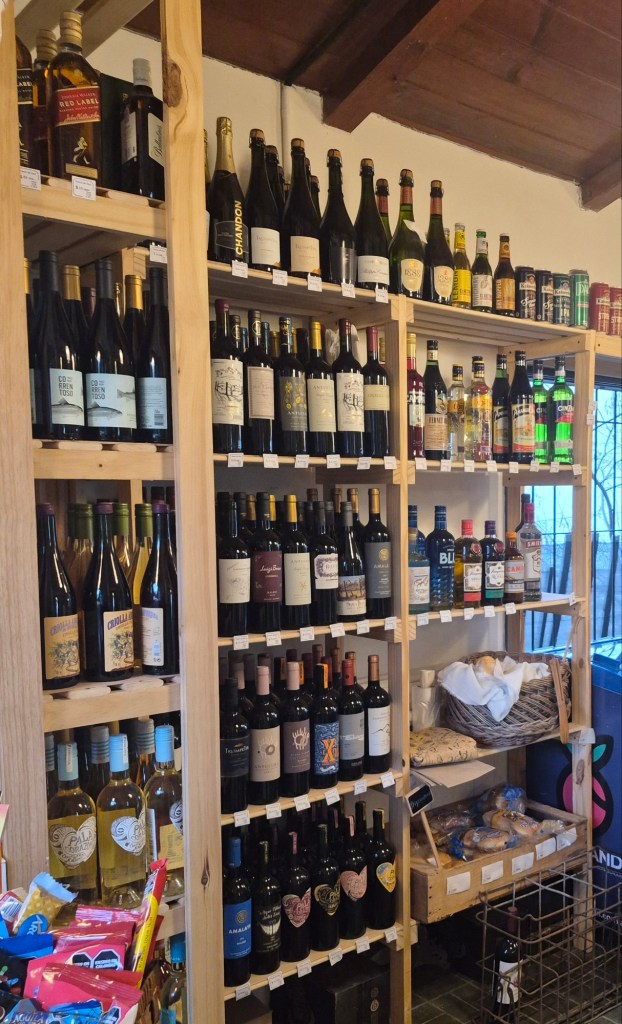
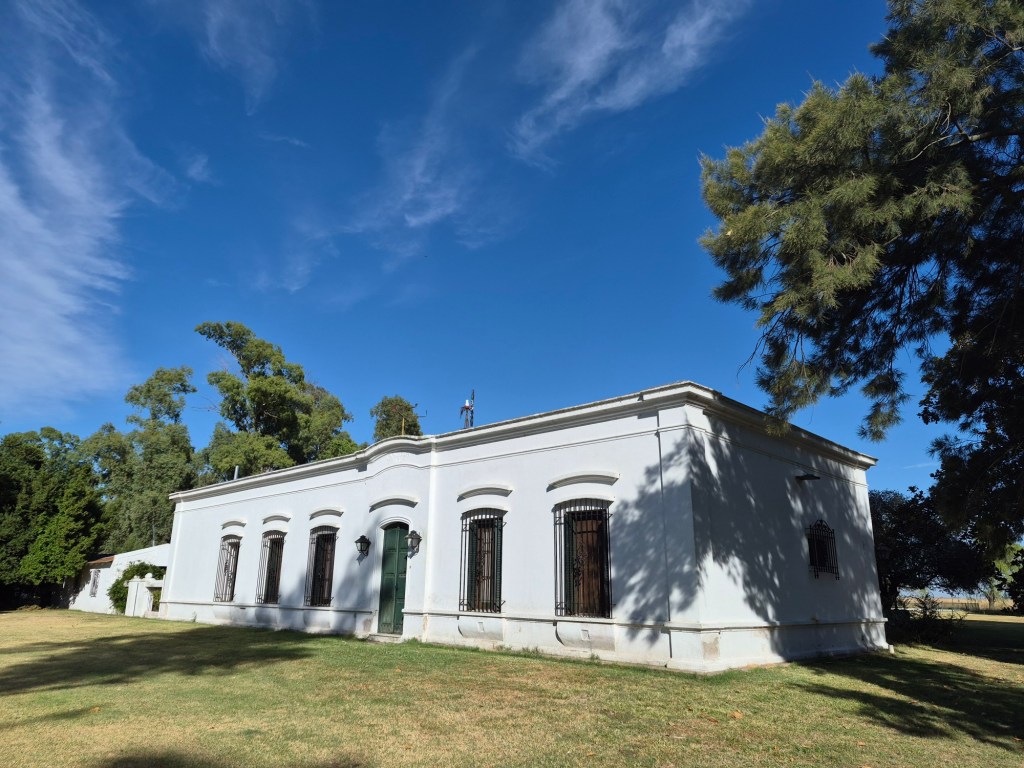
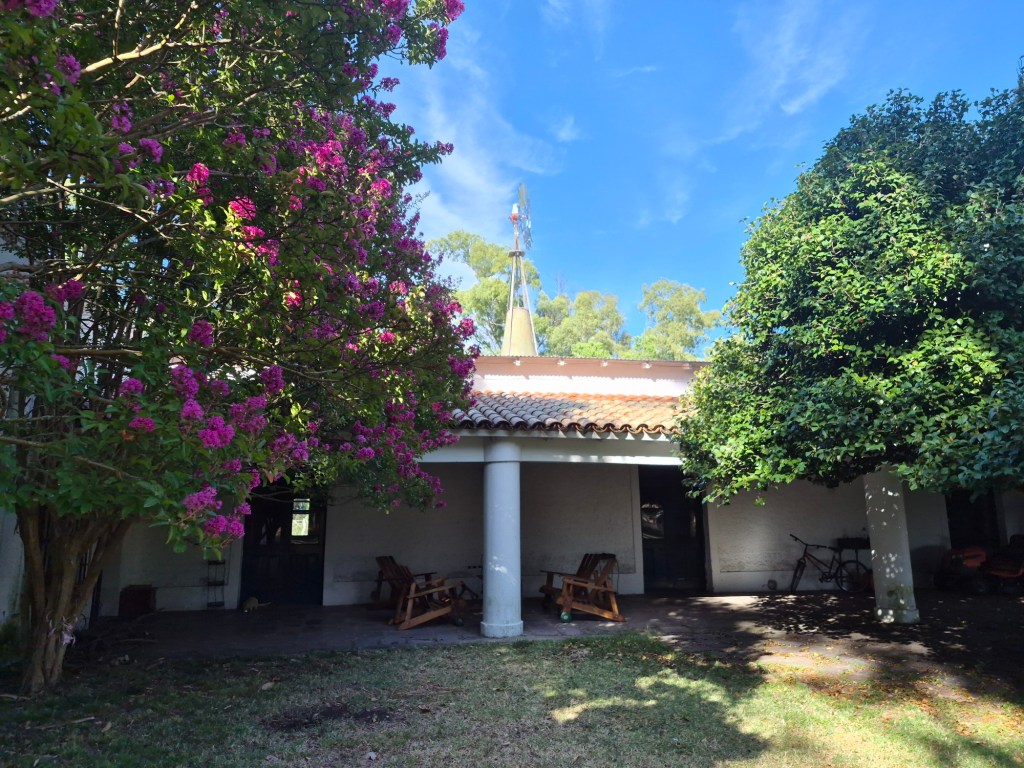
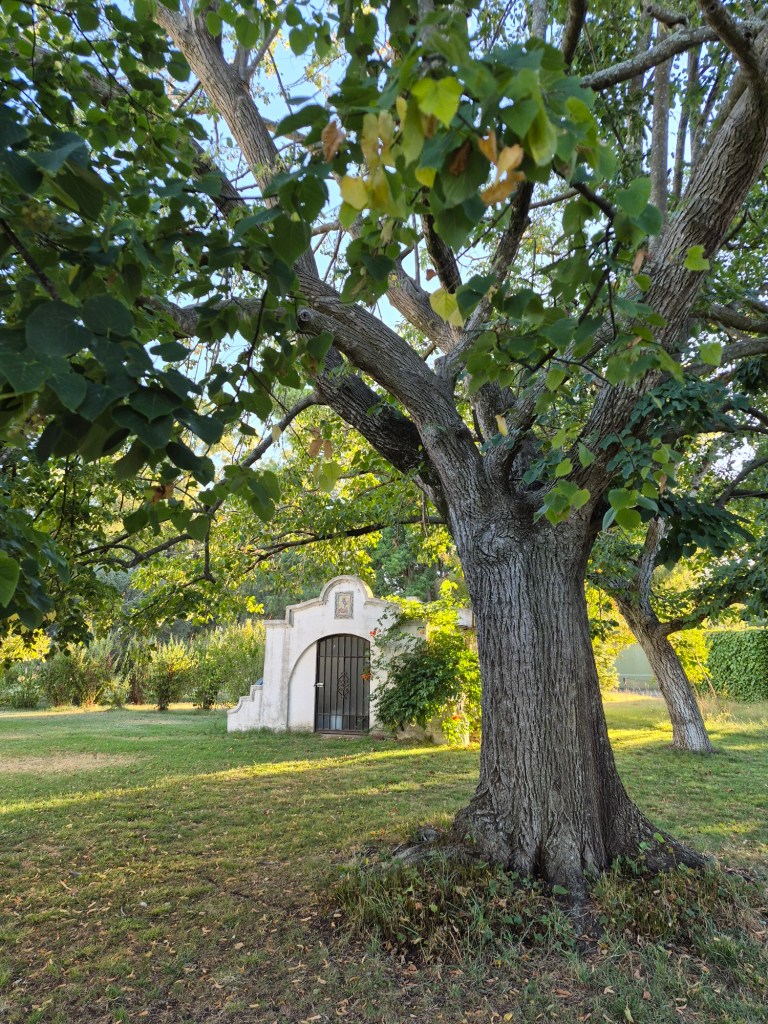
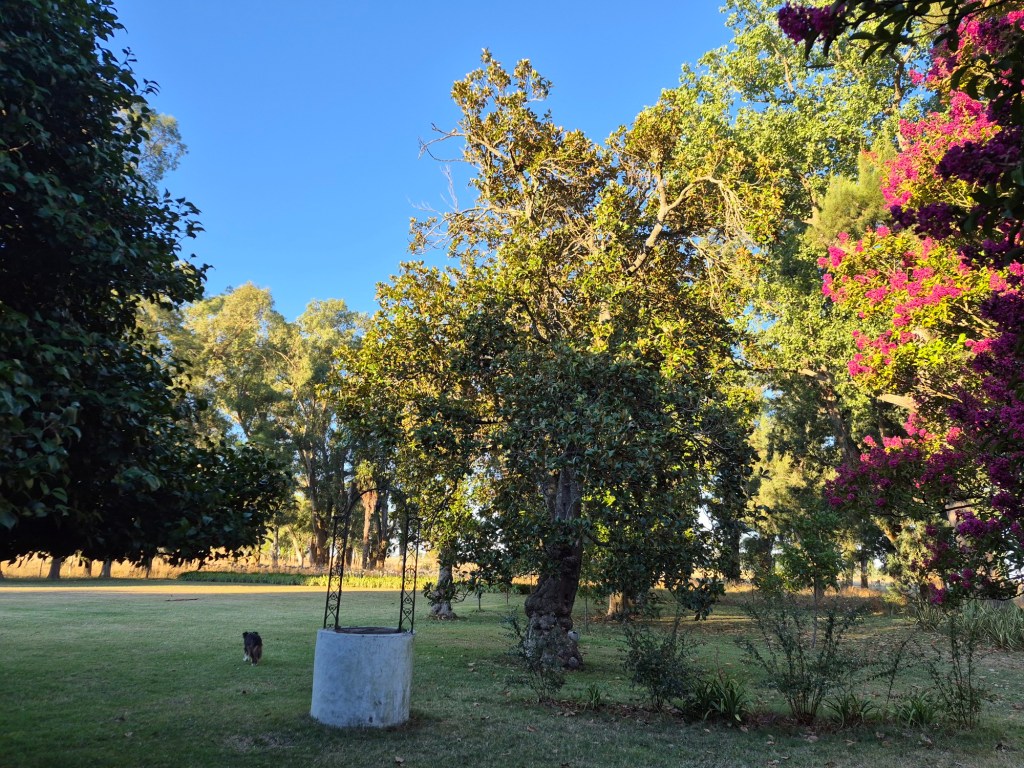
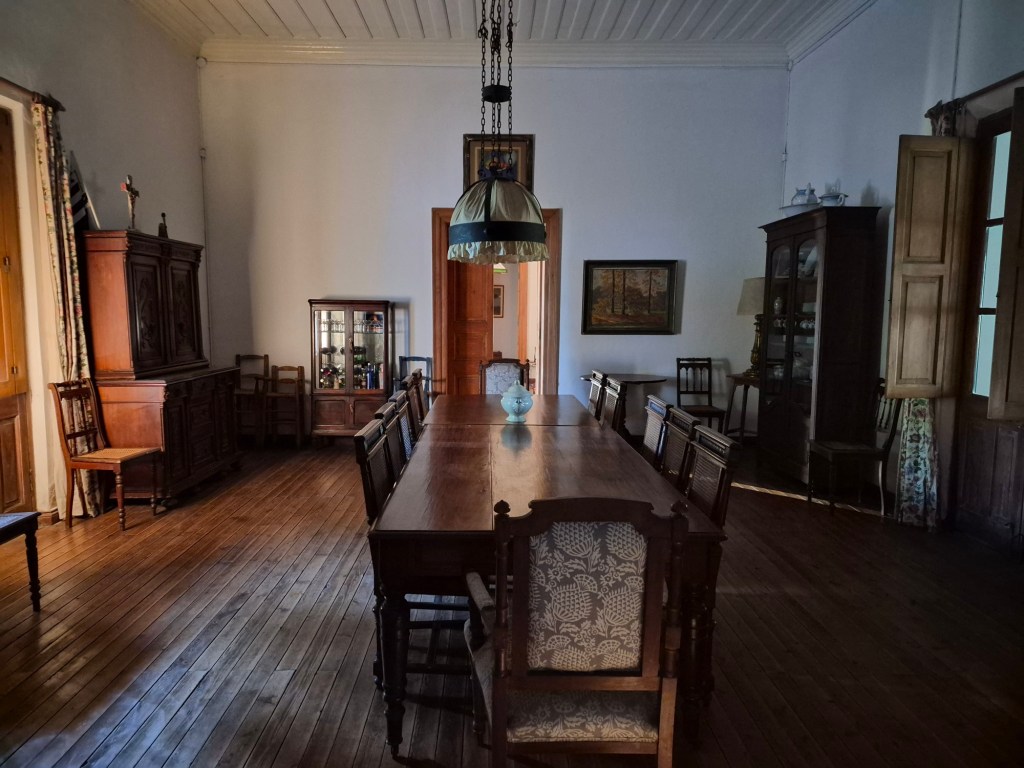
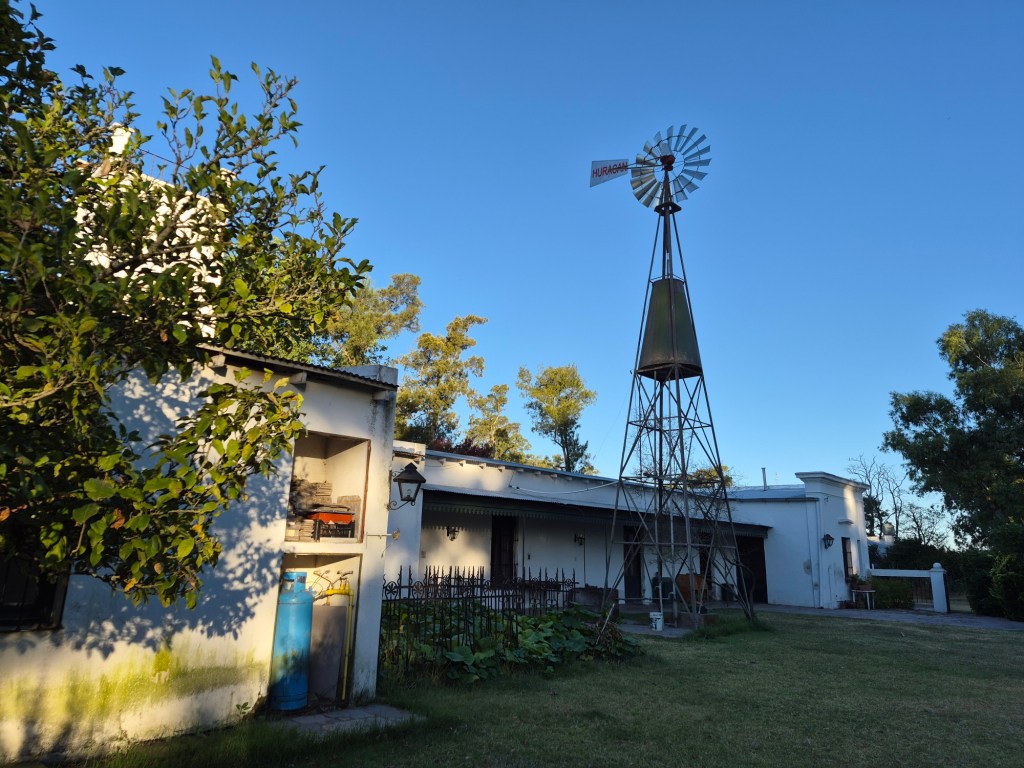
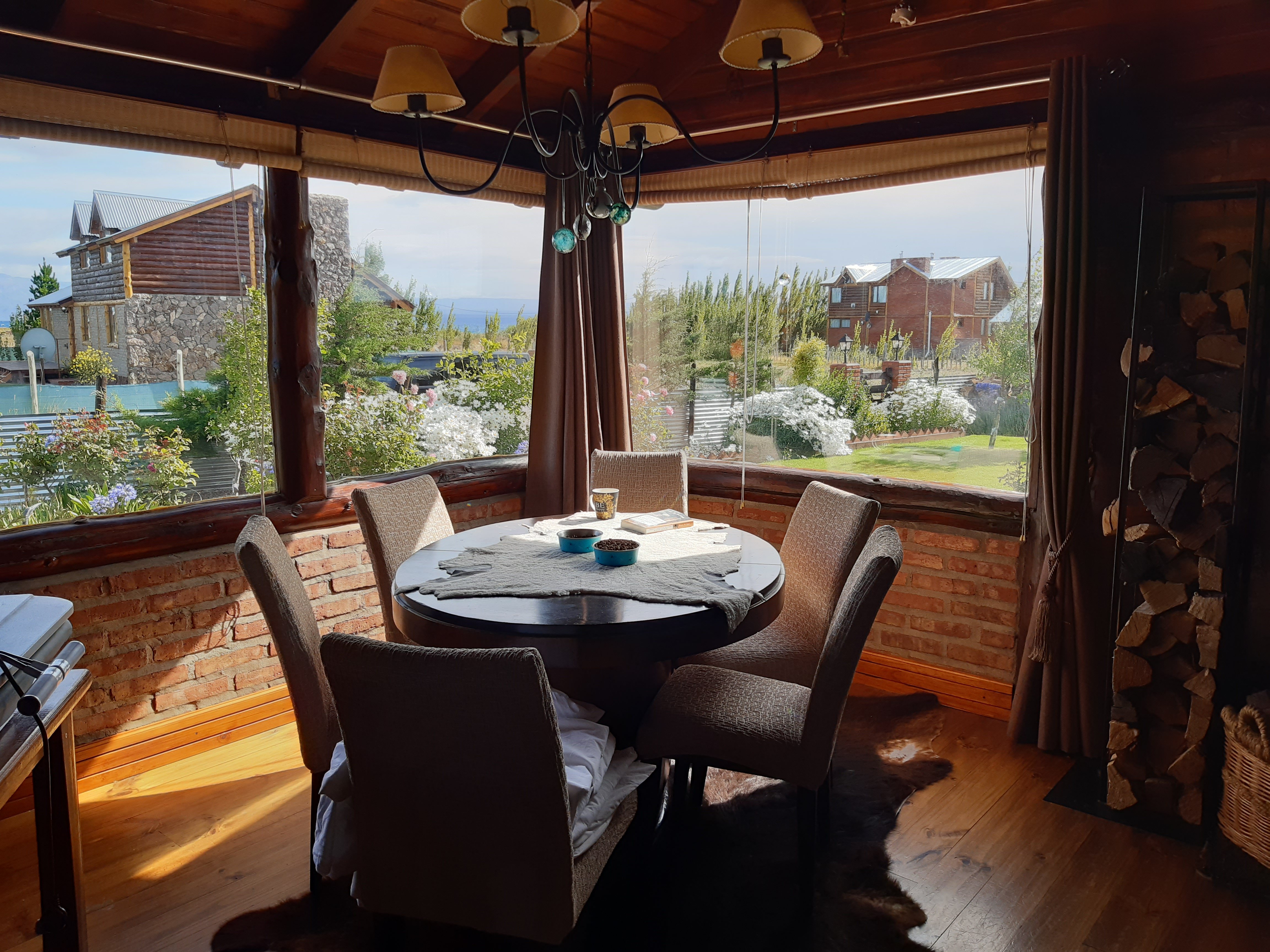
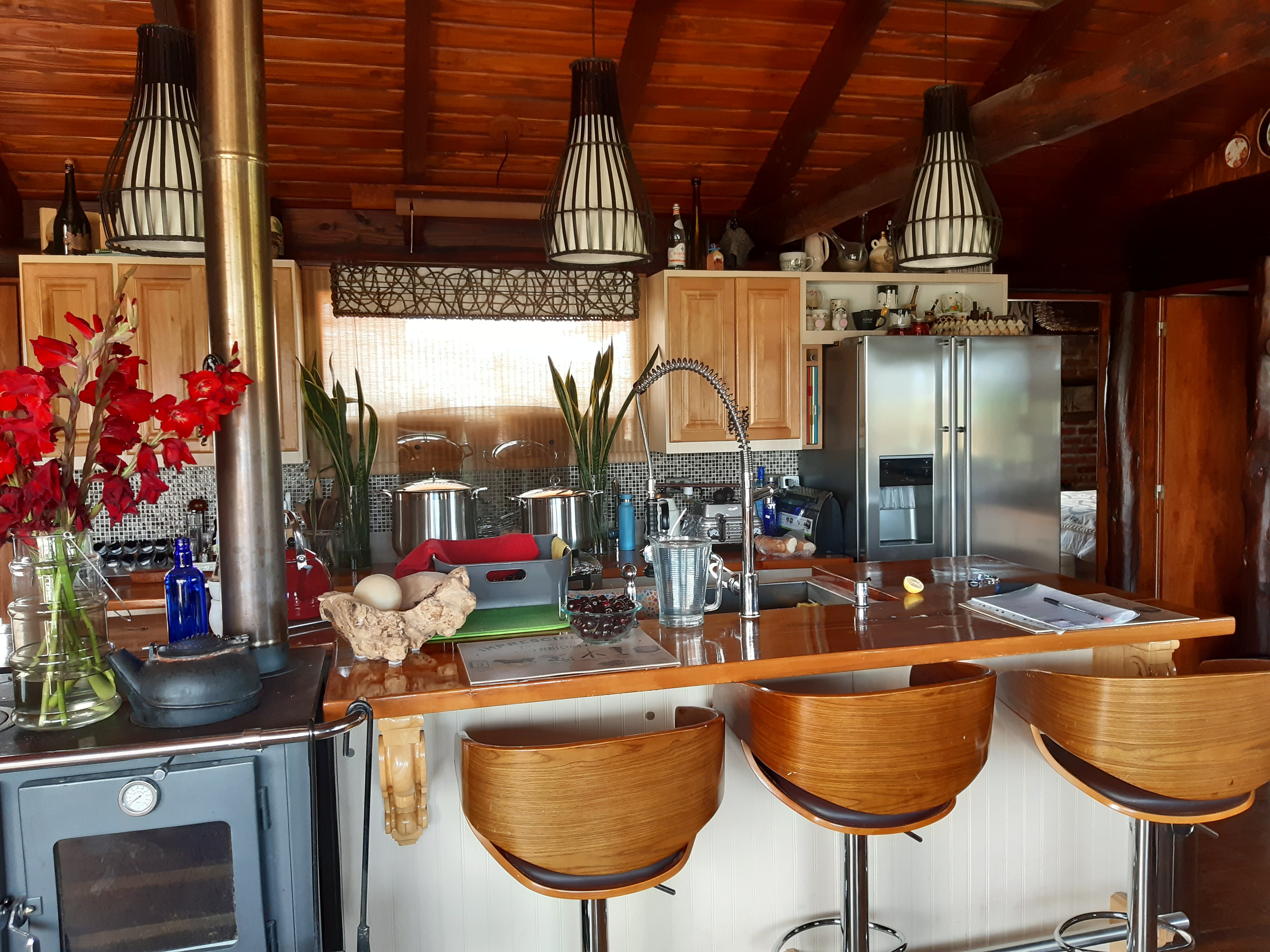
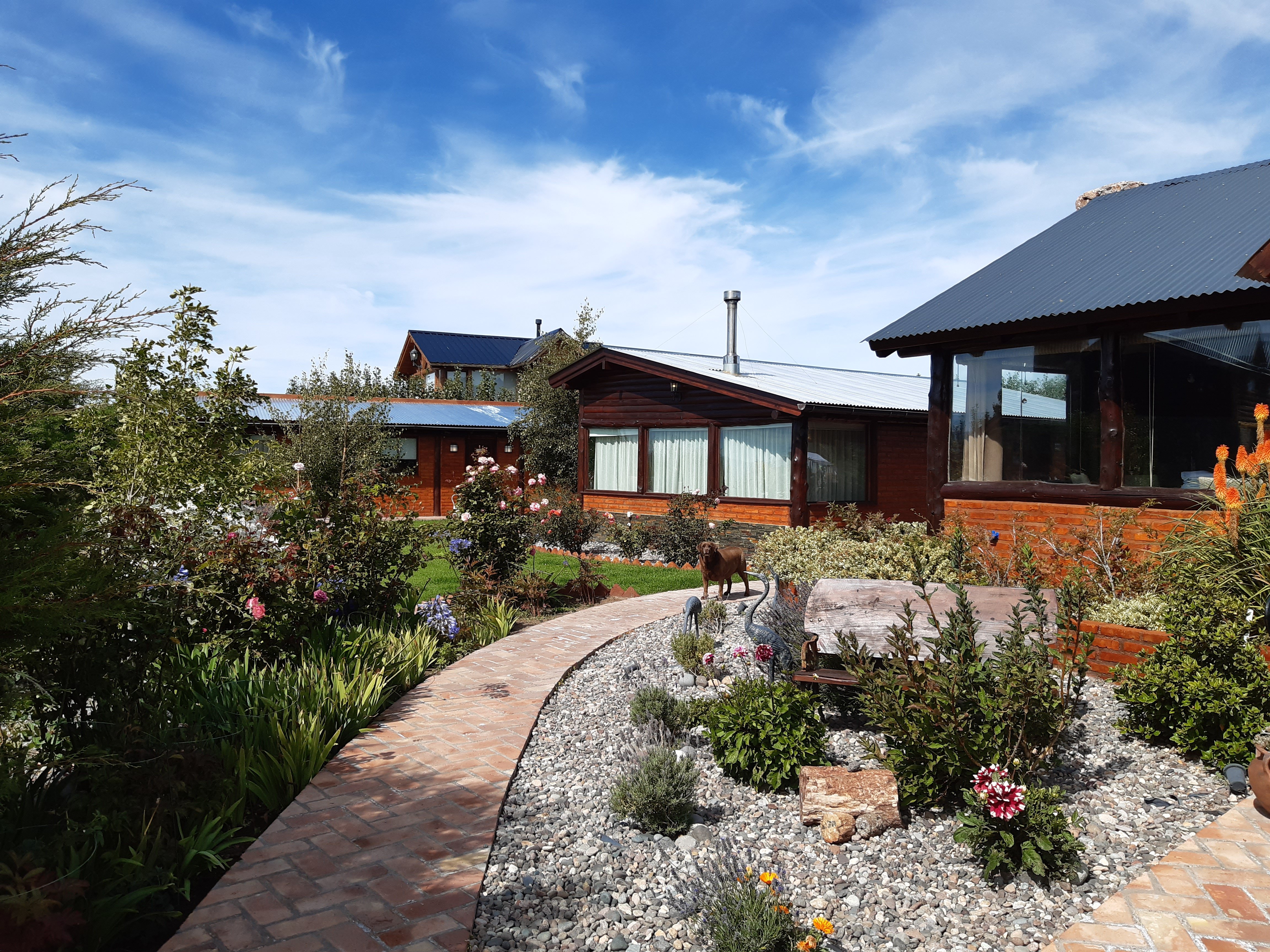
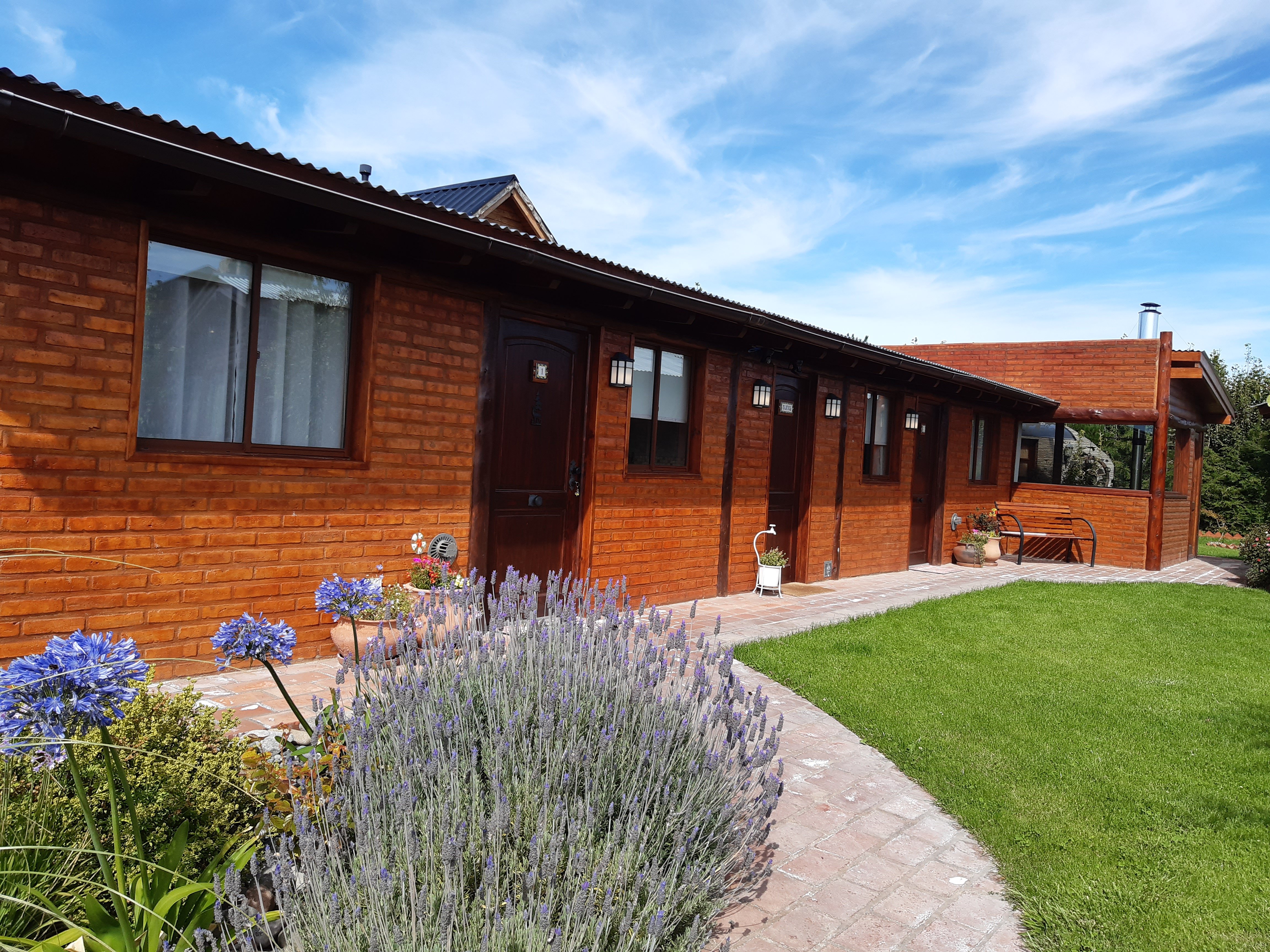
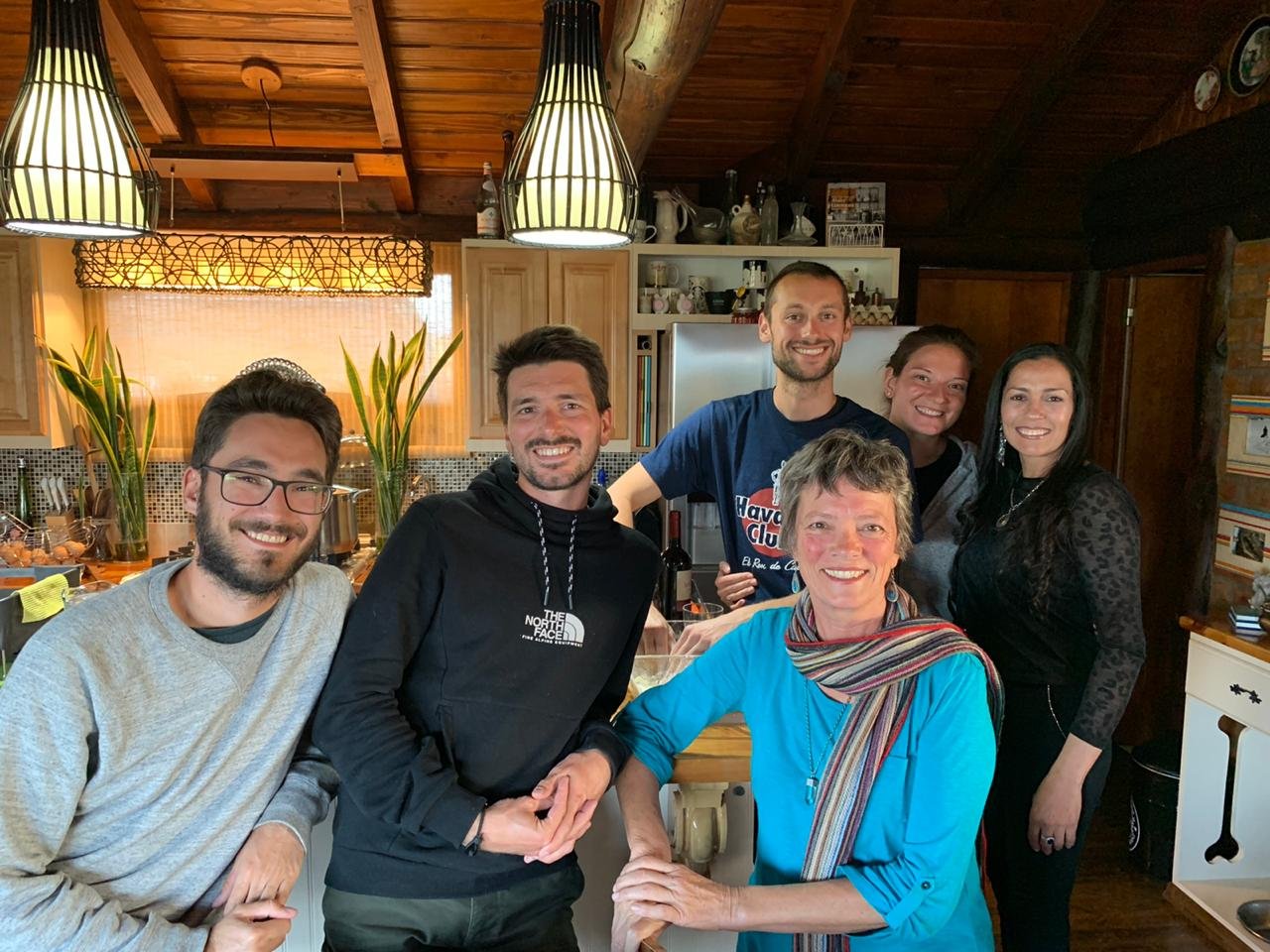
There is something about living on a farm. It is not just about being there, it is about inhibiting the space, of becoming one with the buildings, the trees, the birds, the people, the pets, the garden, the animals, the night sky – every day and night, aware and mindful of all that surrounds you. And that is what La Aurora, Enca’s farm, meant to me. I was sad to leave two days ago, I think a little bit of me stayed behind – La Aurora takes what it wants, but gives so much in return.
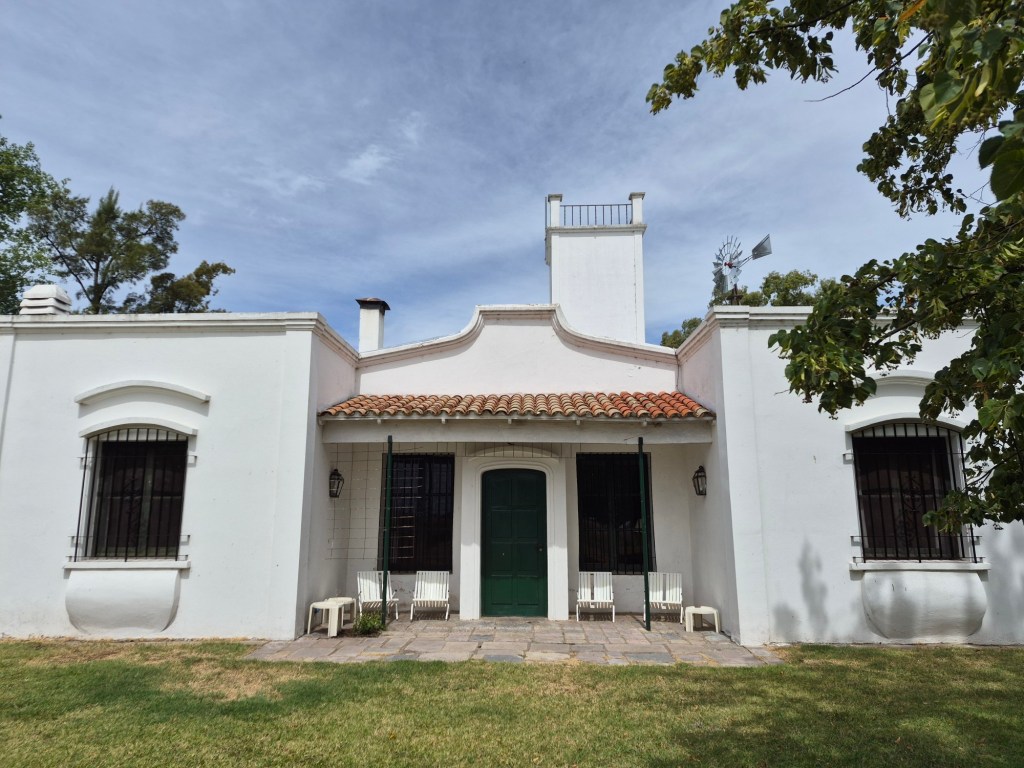
On the first day of work, I helped Enca clear out some grass and unwanted plants in the vegetable garden, while Louanne and Vincent (the French volunteers) started cleaning and scraping the wrought iron burglar bars that had to be repainted for the first time in 50 years. Enca went to town to buy paint and brushes, and returned in a state of shock after discovering the full extent of the job she was undertaking. First of all, the rust converter (red) had to be painted on when it was below 22° (two coats) and left to dry for 3 hours between layers. Then the black enamel had to be done in two coats as well, allowing a day for drying between coats. After a serious discussion and lots of mate, we agreed that we would all work on the burglar bars, start at 6 am and finish at 10 am, before it got too warm, and do only one coat of red. Too bad about the vegetable garden, that would have to wait. (Enca did some work there in the afternoons, and planted three fruit trees that she was hoping would survive.)
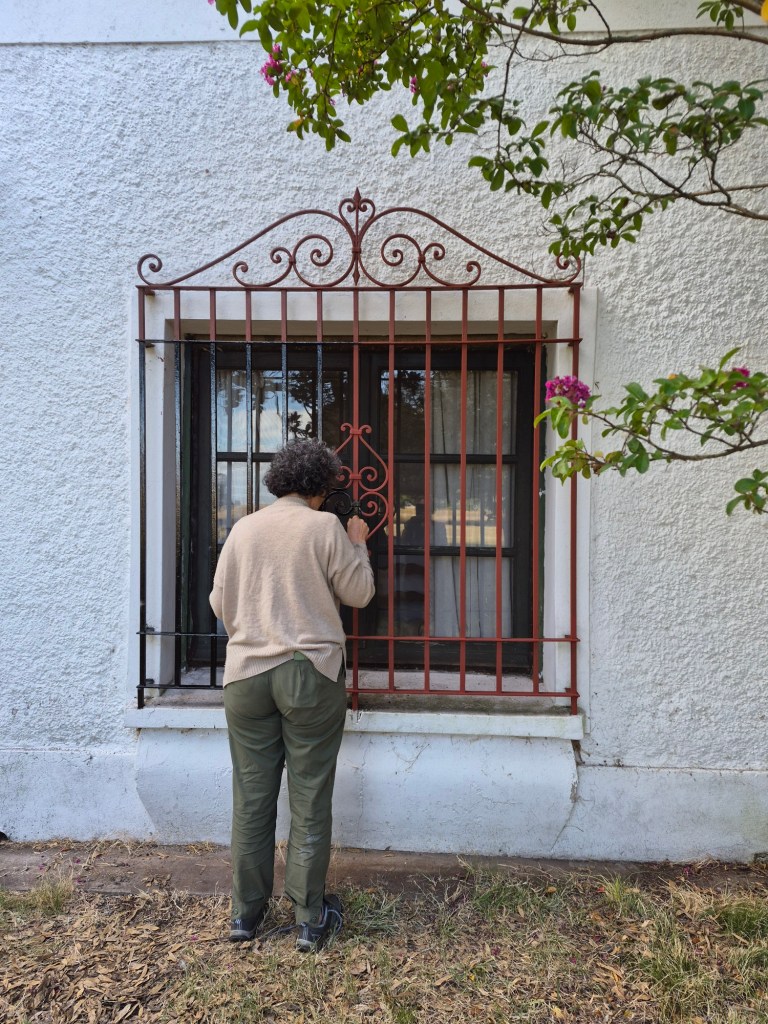
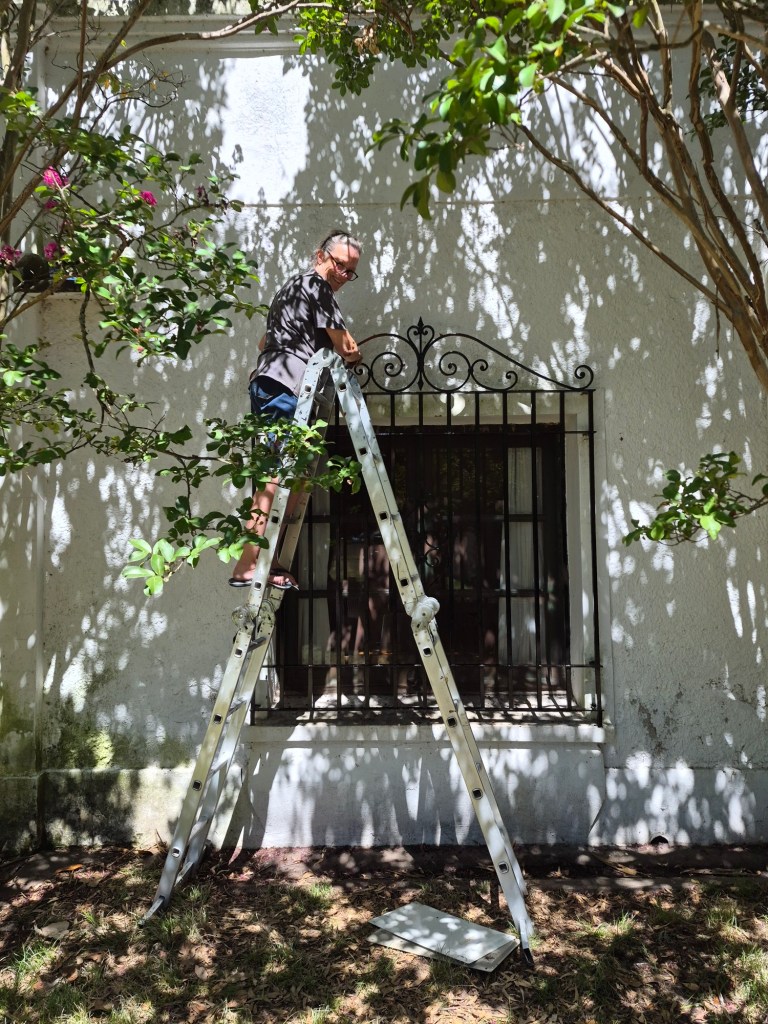
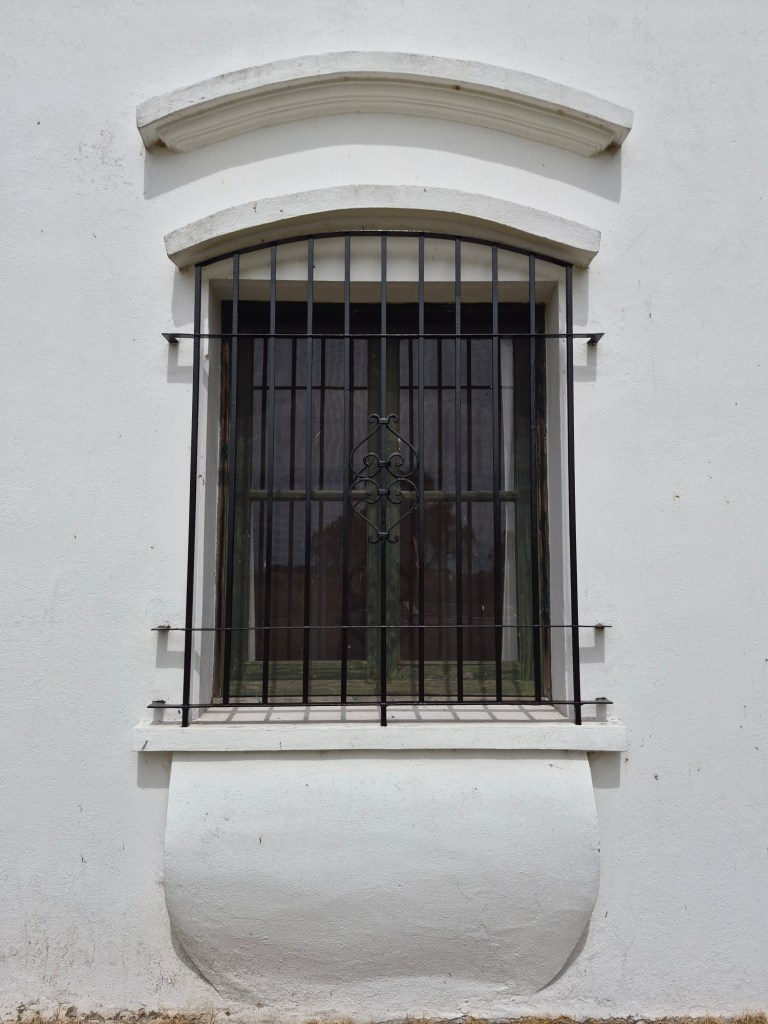
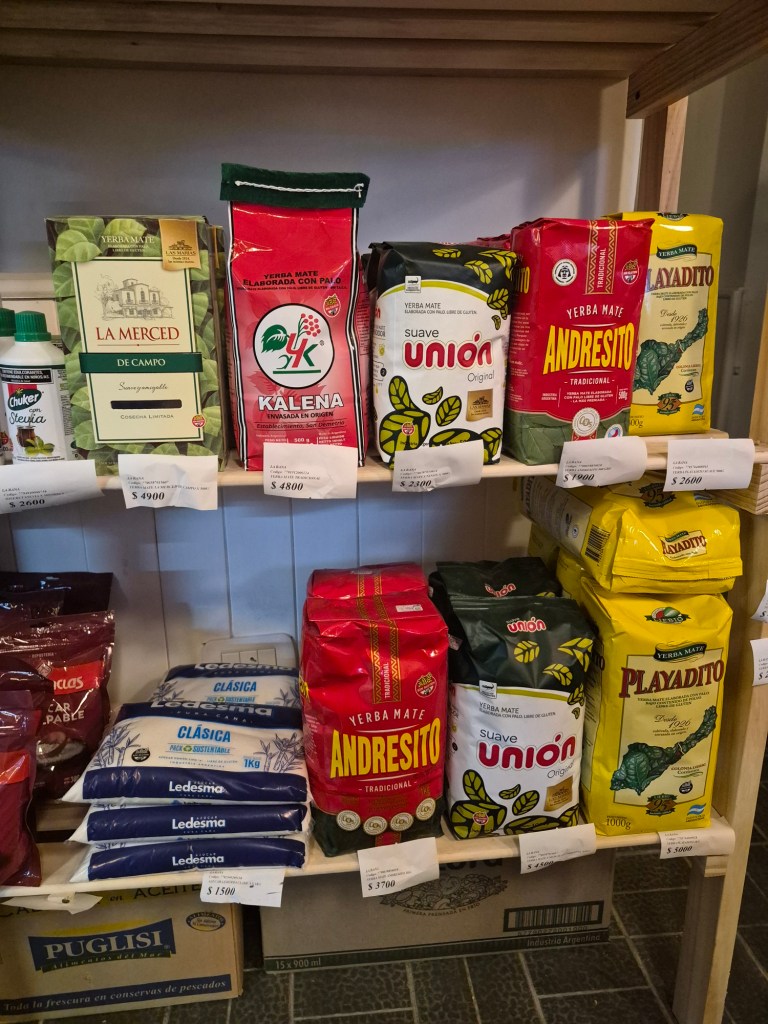
We managed to finish 10 of the 25 windows in the 8 days that we worked, and Enca reckoned the French couple would one day have to send their children and grandchildren to help, as she would still be at it, scraping and painting burglar bars…! One tremendous advantage of working on such a big project, was that we shared mate every morning. That first sip on the first day was like coming home – Argentina at it’s best!
Finishing work at 10 am meant that the rest of the day was spent lazing around – for us anyway, not Enca, she hardly ever stopped working. I would go for a swim, lie on the lawn, read, knit, cook, eat, sleep, go for a walk, and share life experiences in long chats, repeating it all in any order. I did make rusks, which Enca decided is a perfect match for mate.
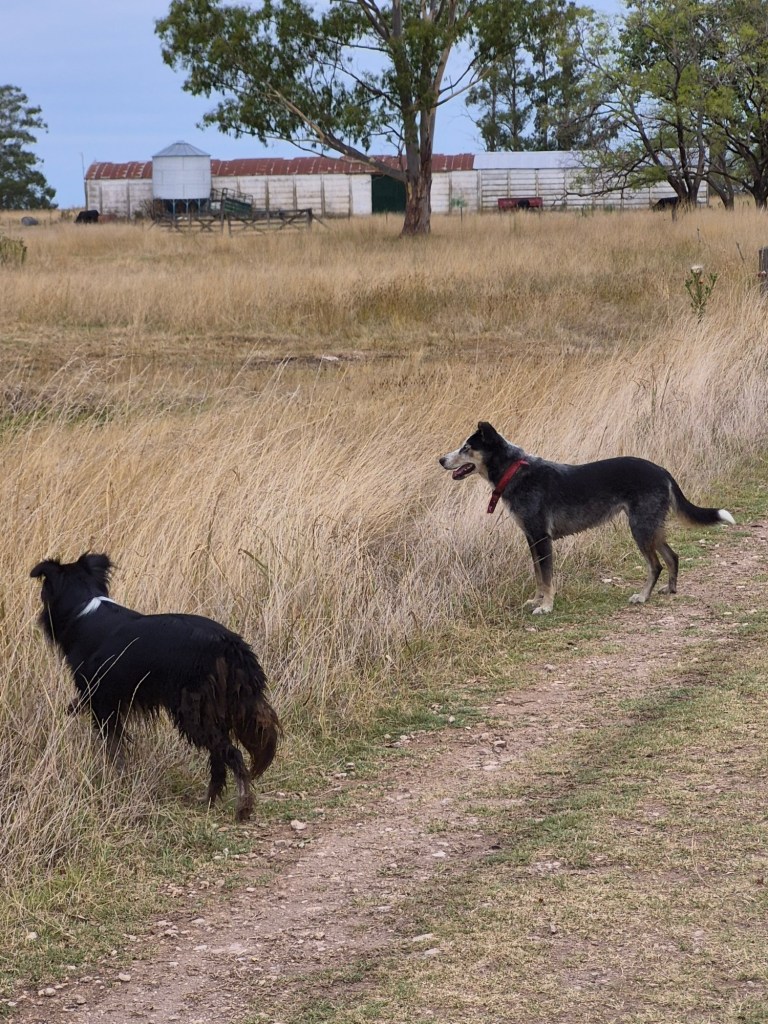
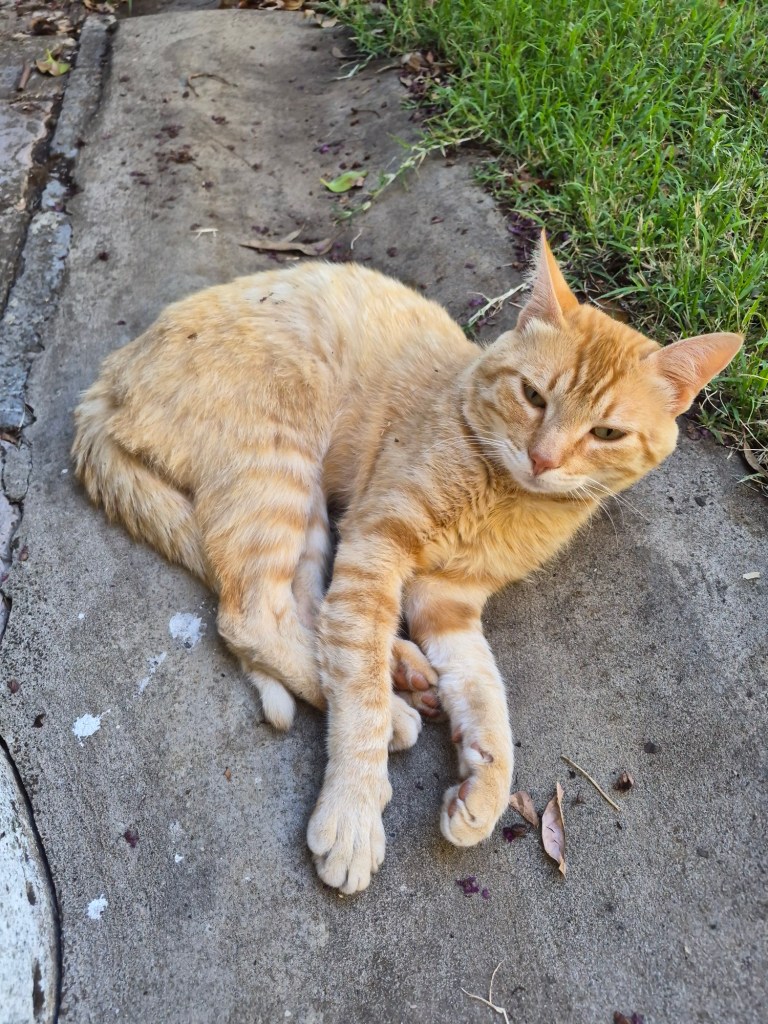
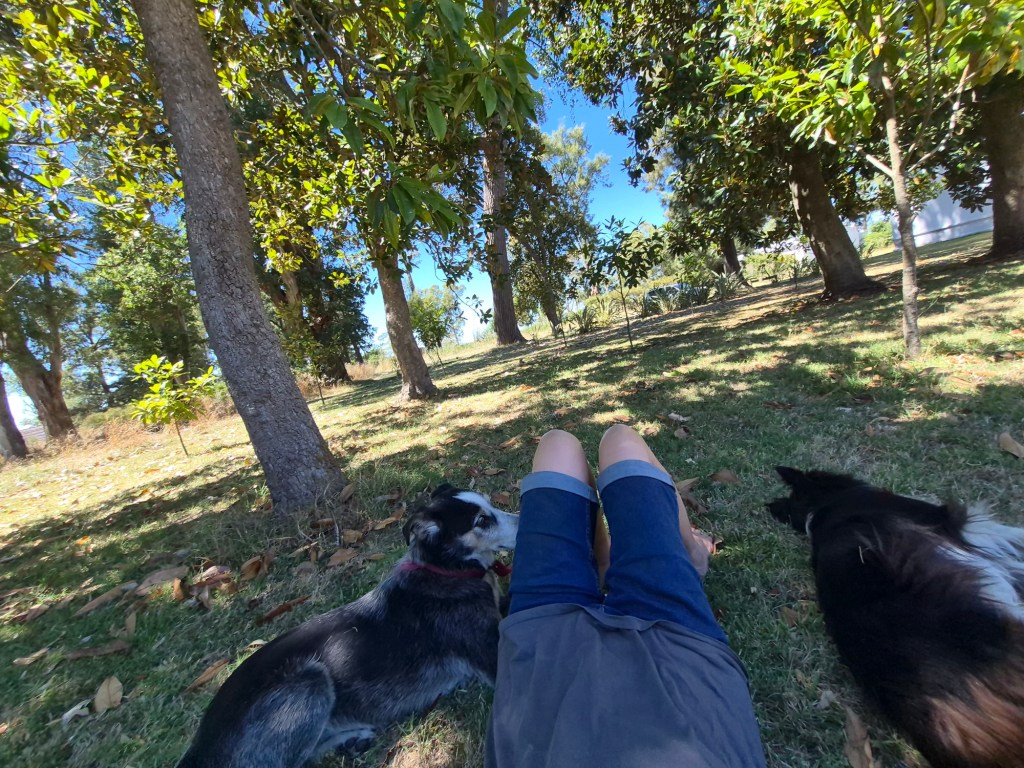
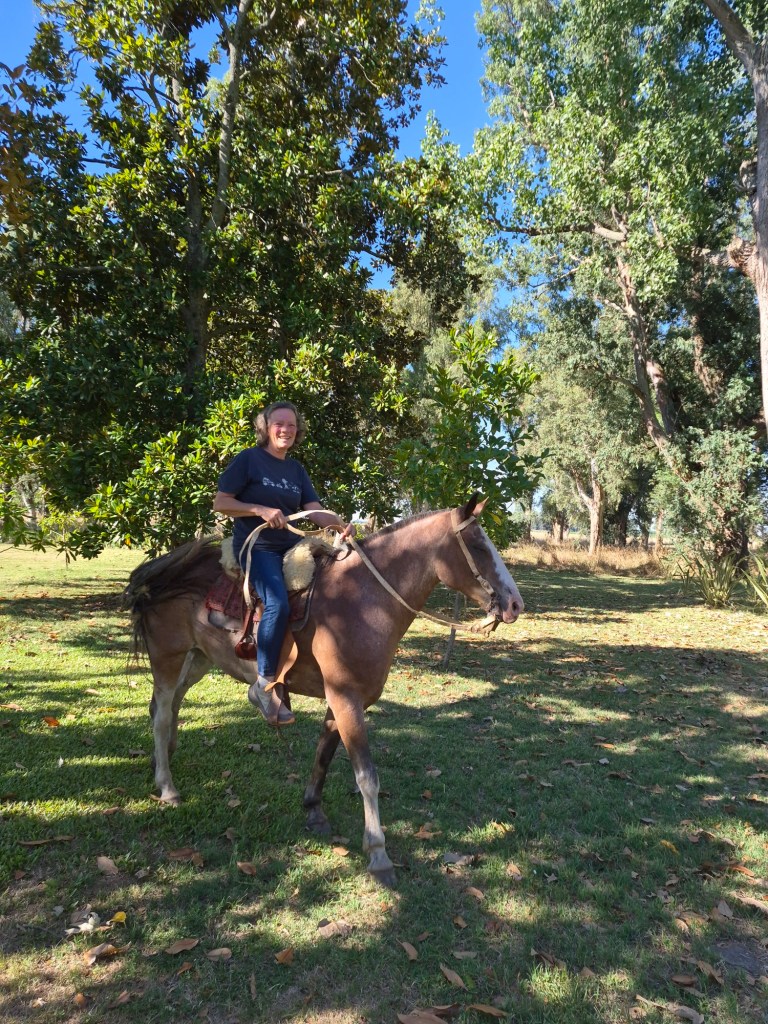
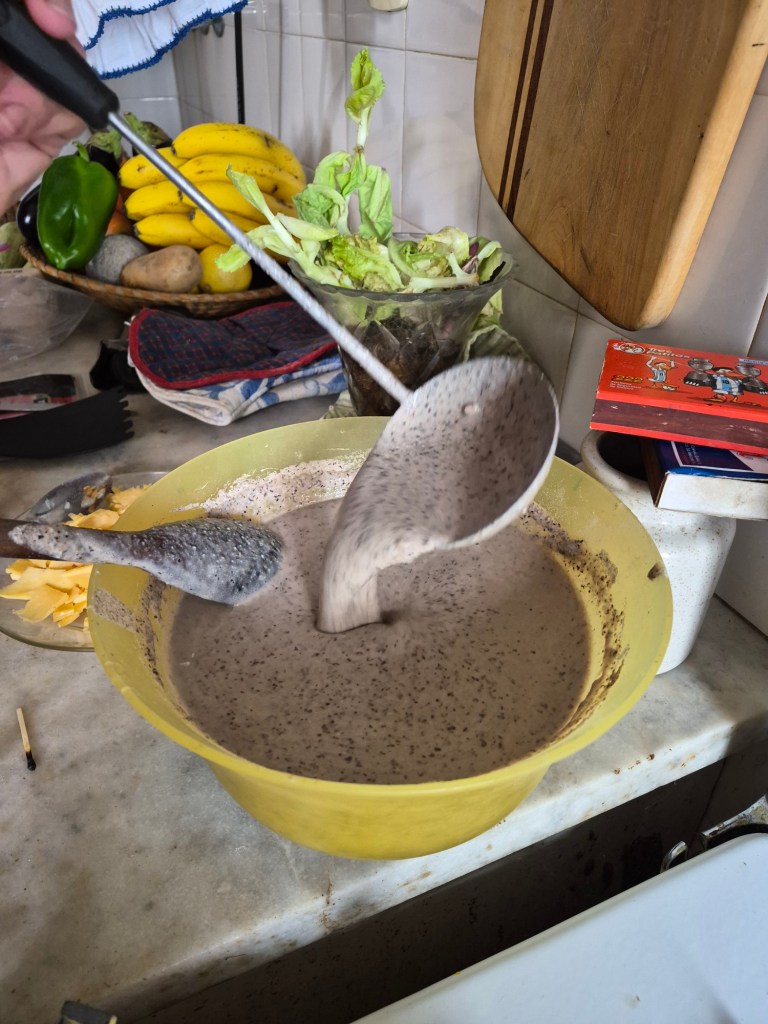
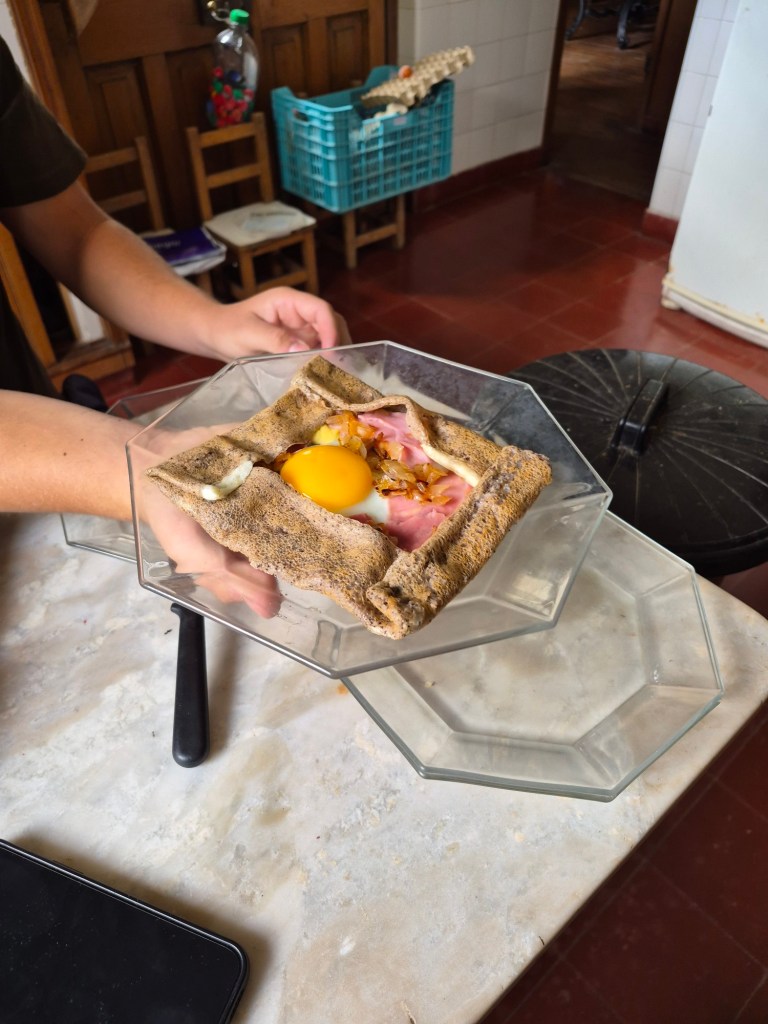
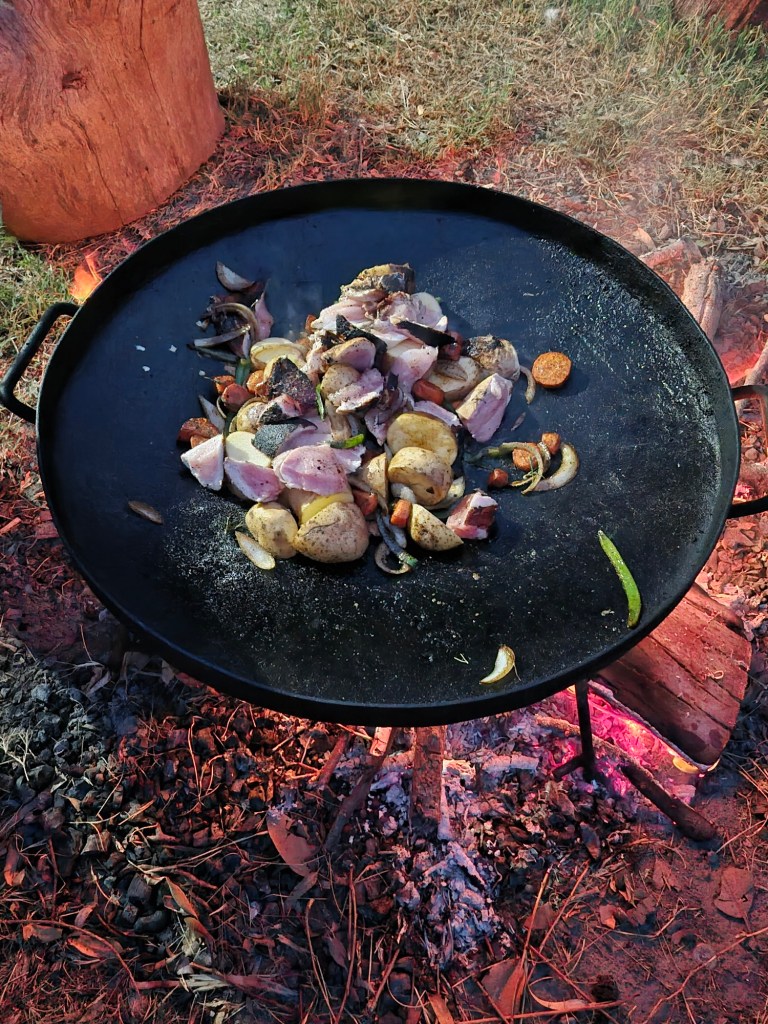
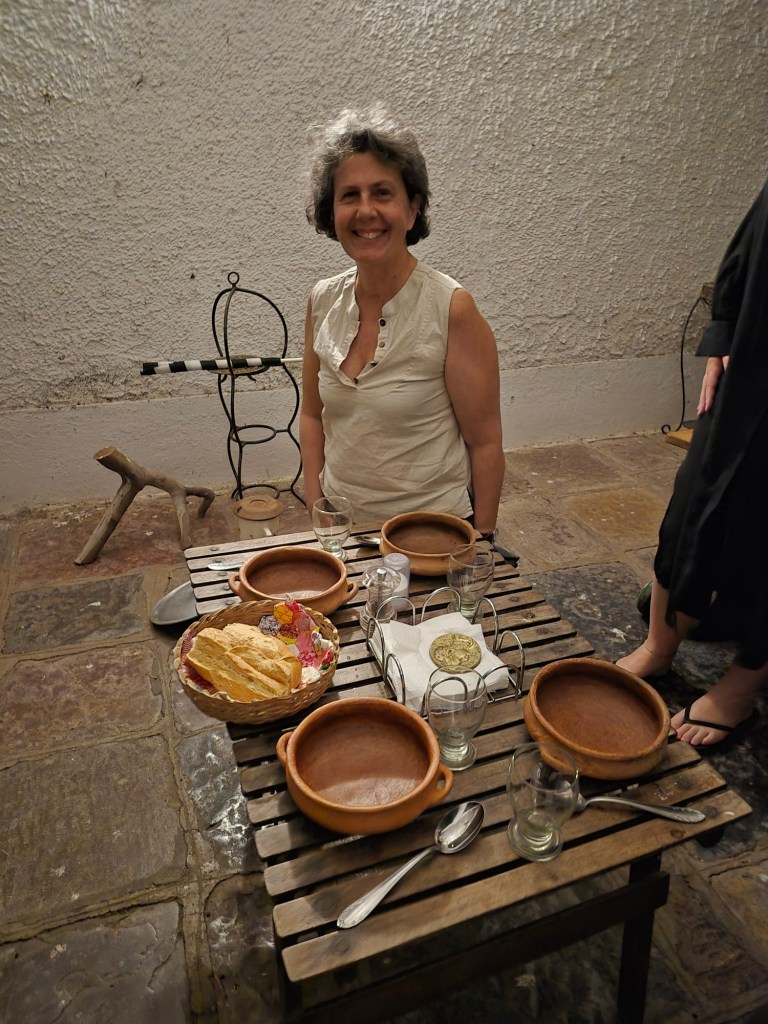
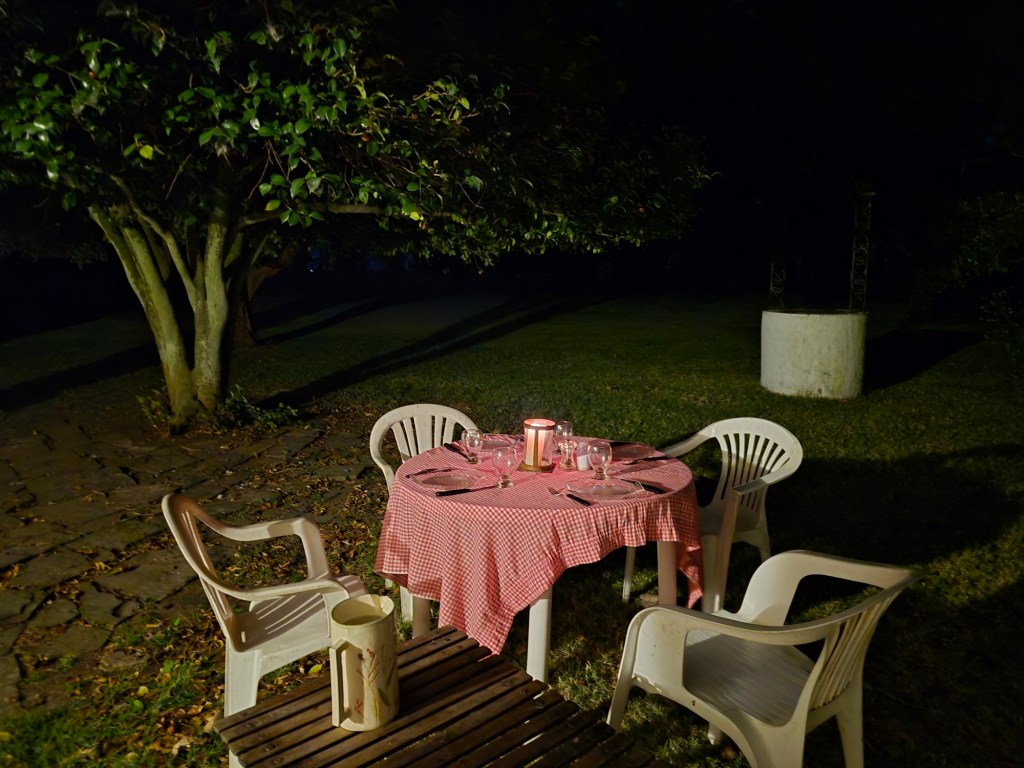
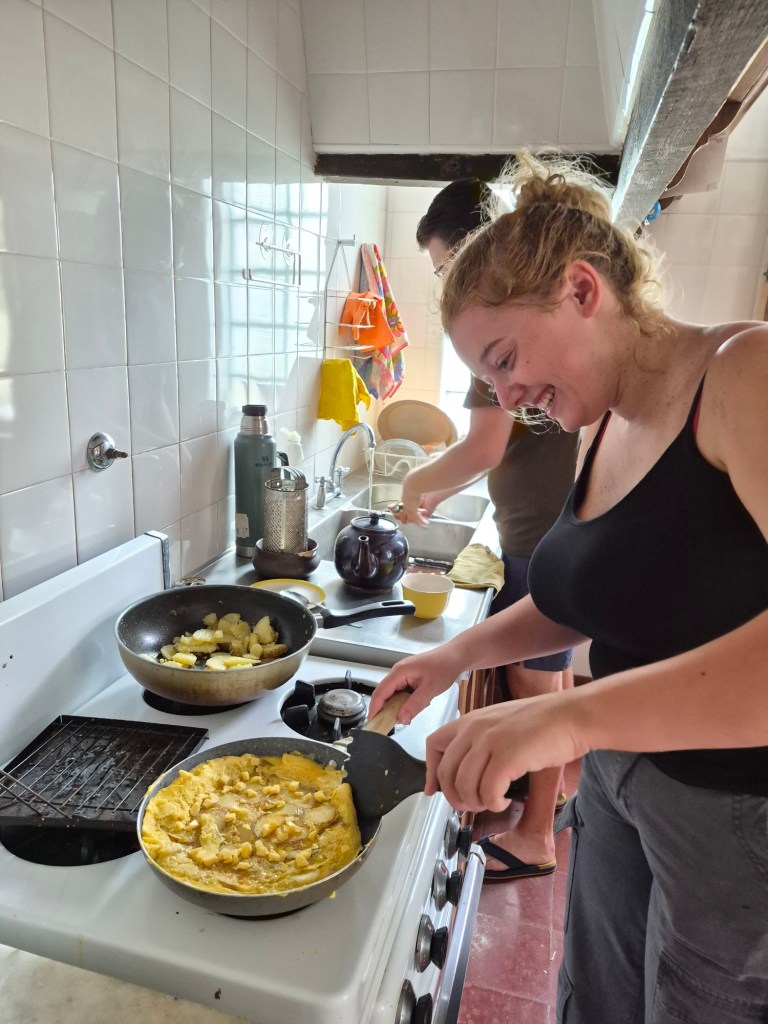
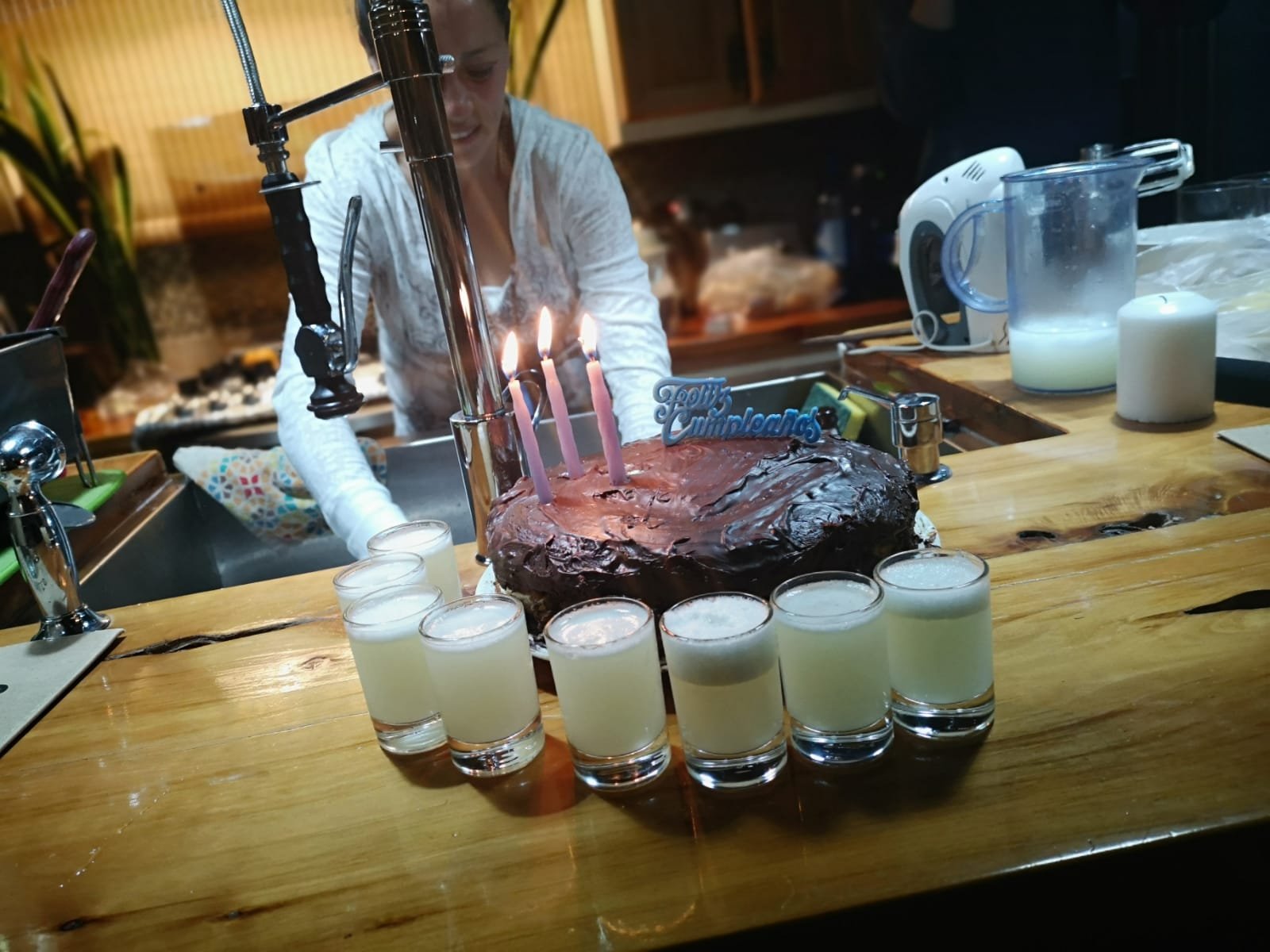
Cooking was the main activity late afternoon, and we all took turns in preparing a meal. We had the Spanish tortilla I mentioned in the previous blog, galettes (a typical dish from Brittany, France), vegetarian lasagne, crepes, polenta with vegetables, homemade pasta with sauce, and a chicken stew cooked on a “disco” (ploughshare/ploegskaar) on an open fire, aptly called “pollo al disco” (chicken cooked on a disc). Enca explained that the gauchos all carried one on their horses, and they would use horse manure to make a fire and cook a stew on it, using anything they could find in the vicinity. It was quite dark when we eventually sat down to eat at the table outside, and we were amused by a visiting friend who kept on using his cellphone light to see what he was eating. He only spent one night there, not long enough to adjust to farm life.

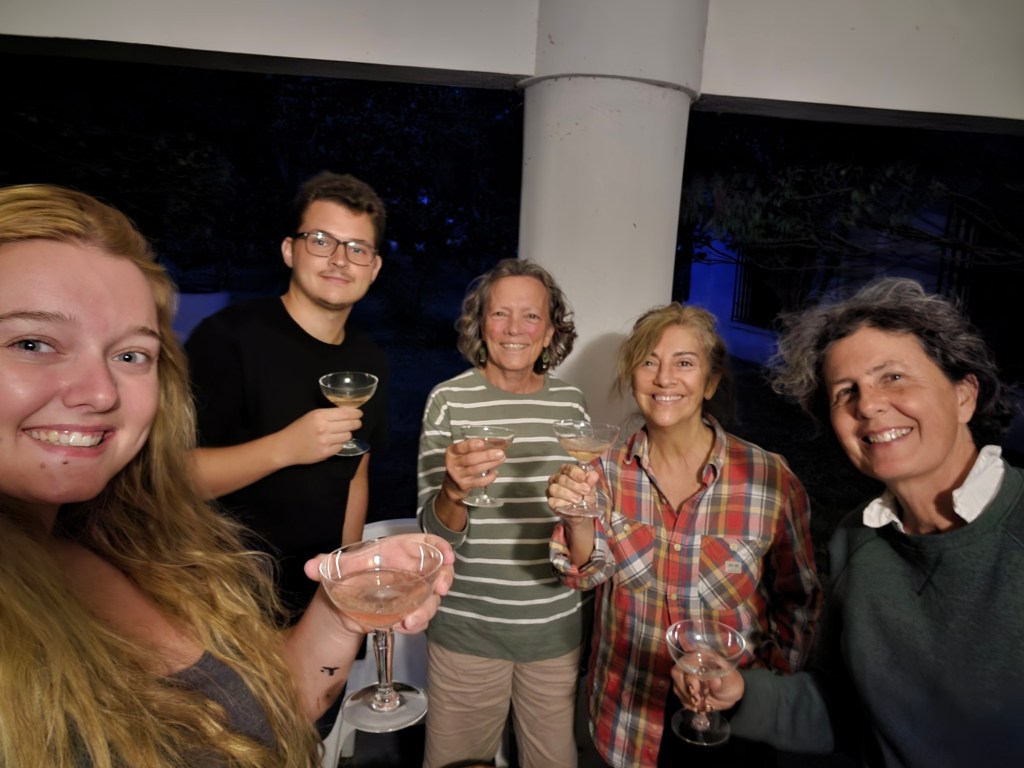
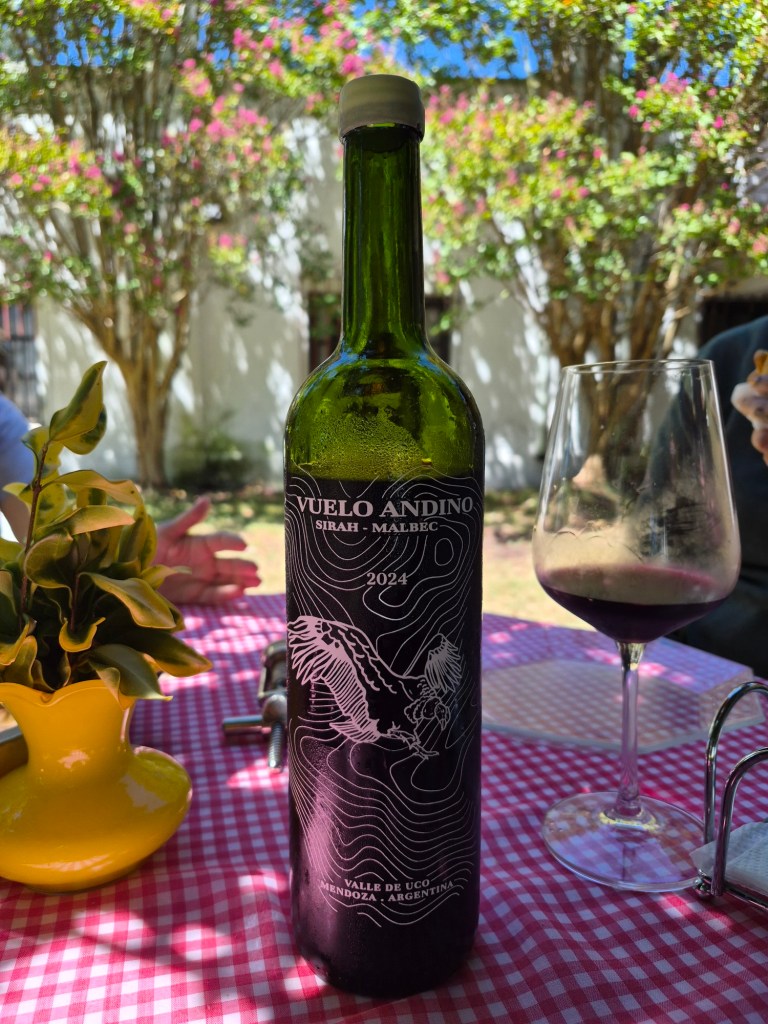
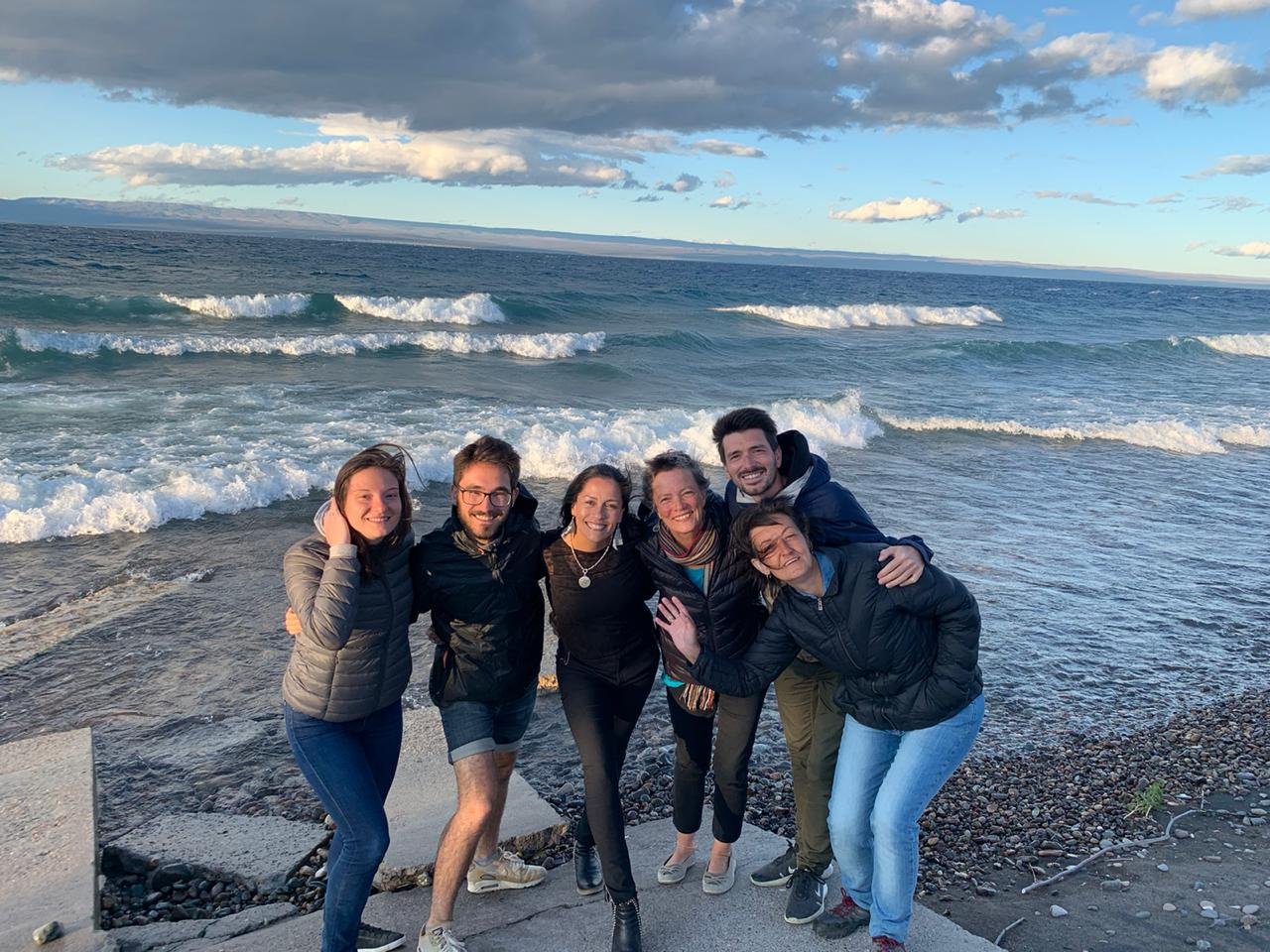
And so the days passed. A friend of Enca’s, Sabrina, came to visit, and she happily donned her old farm clothes that she kept there as she was a regular visitor, and helped with the painting. We had many in-depth conversations, rediscovering the power of women as we shared our stories, listening, commenting and supporting each other with unconditional caring. A gift that was given to me by Enca, was the following: “Remember, it is yóúr experience.” (Which I gladly share with all of you that are supporting me in this venture.)
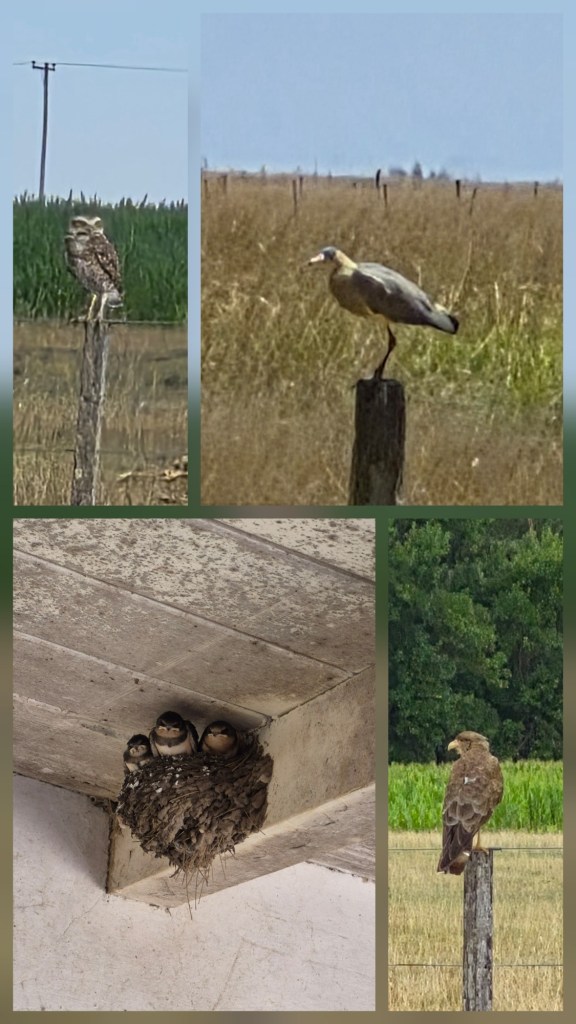
The birdlife was exceptional, and I managed to photograph a few, but my cellphone doesn’t do justice to them. Ones that I got to see include the Monk Parakeet, Chalk-browed Mockingbird (that makes the sound of a reversing truck), Chimango Caracara (sounds like a dog whining, most upsetting at first), Southern Crested Caracara, Burrowing Owl (a small little owl), Greater Rhea (looks like an emu), Whistling Heron, and of course my favourite, the Great Kiskadee (nicknamed the ‘bicho feoo’ because of the sound it makes, like a Piet-my-Vrou, which sounds to me like ‘beat your fear’).
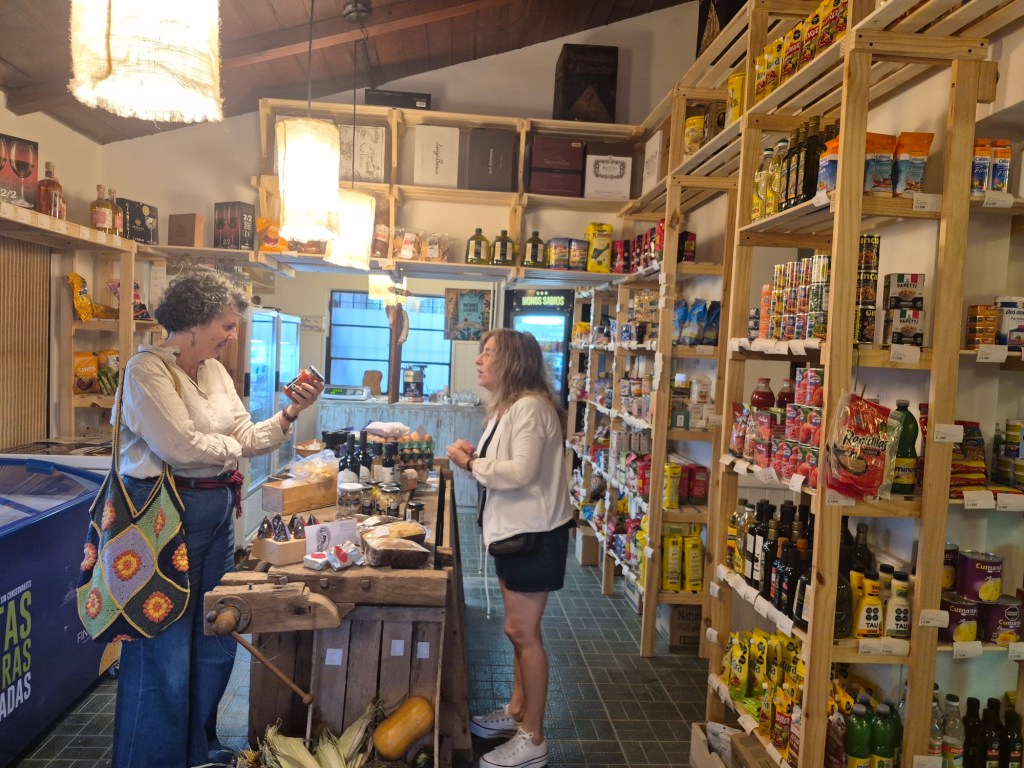
One evening we attended a get-together that was arranged by Andrea, a friend of Enca’s, who had opened up a shop specializing in local produce and other goods. As usual, everyone greeted everyone else with the traditional hug and kiss on the right cheek, and I was immediately made to feel welcome. There was a band and a singer, evidently the local hairdresser, who sang a lot of familiar English songs too, with people joining in. It was fun to see families with children – I miss my grandchildren.
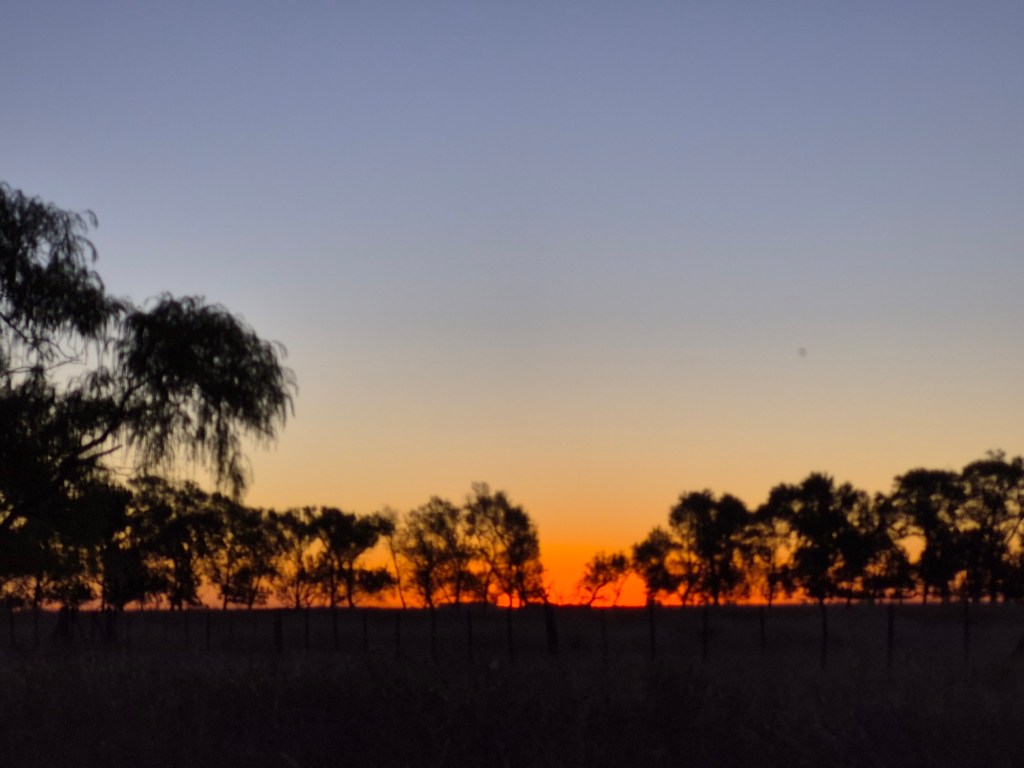
The sunsets were glorious, as we’re the stars at night. One feels so insignificant when looking up, realizing that one is seeing the same stars that are visible in South Africa, which goes to show how enormous the universe is and how small we are.


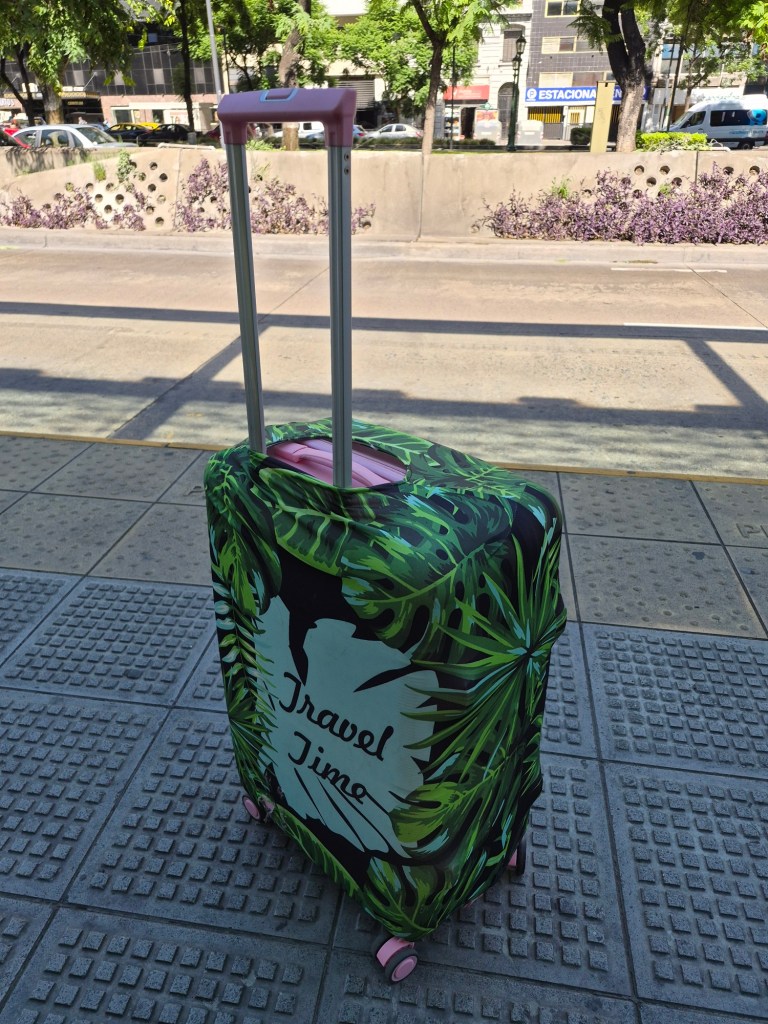
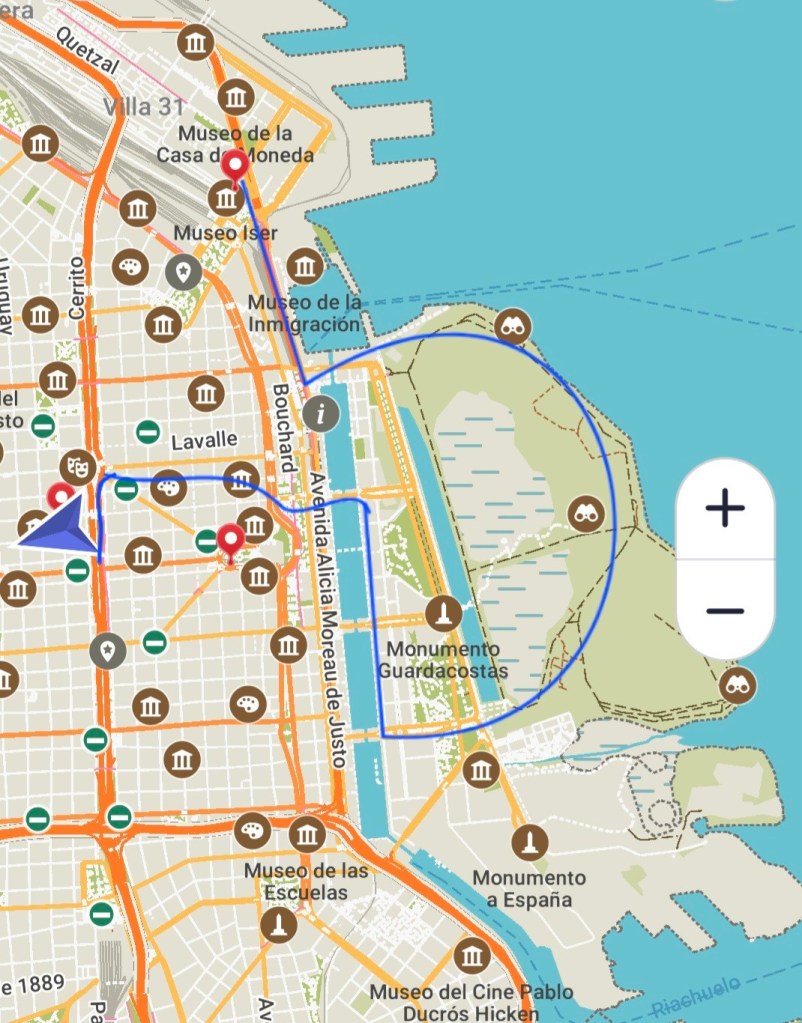
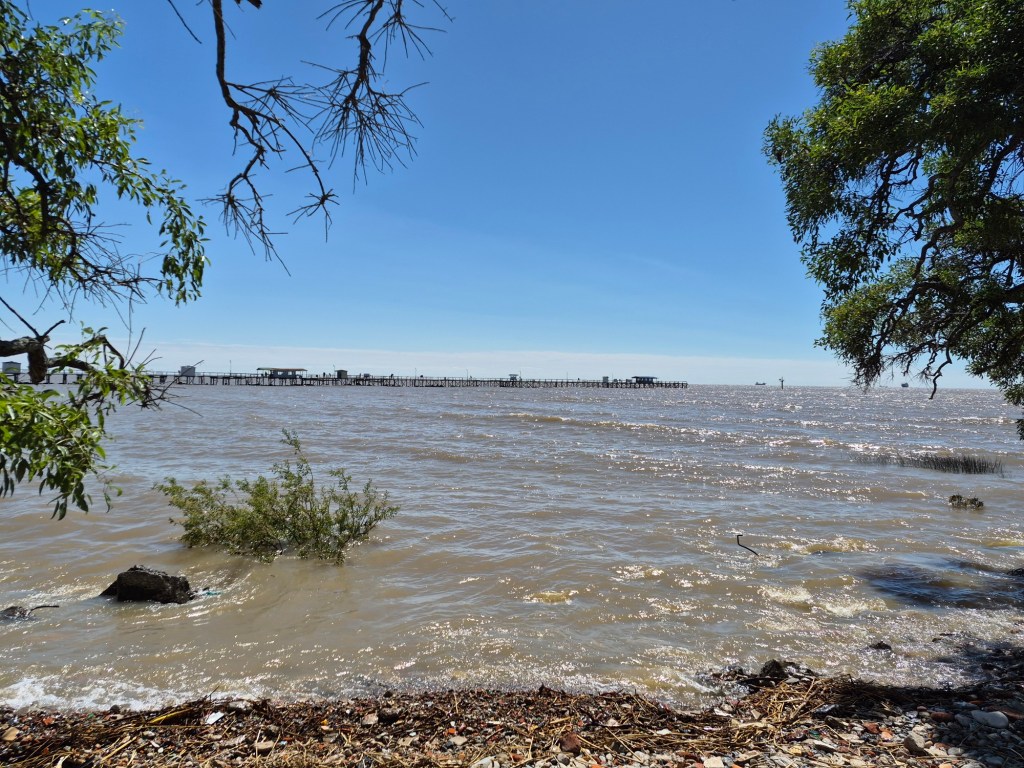


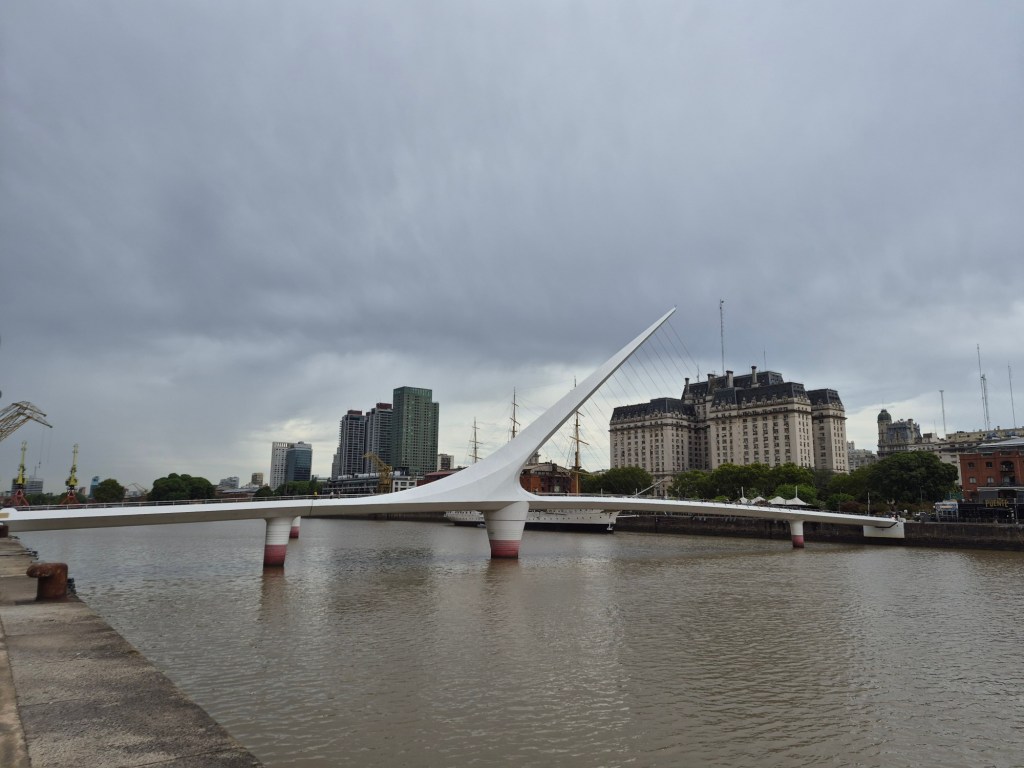
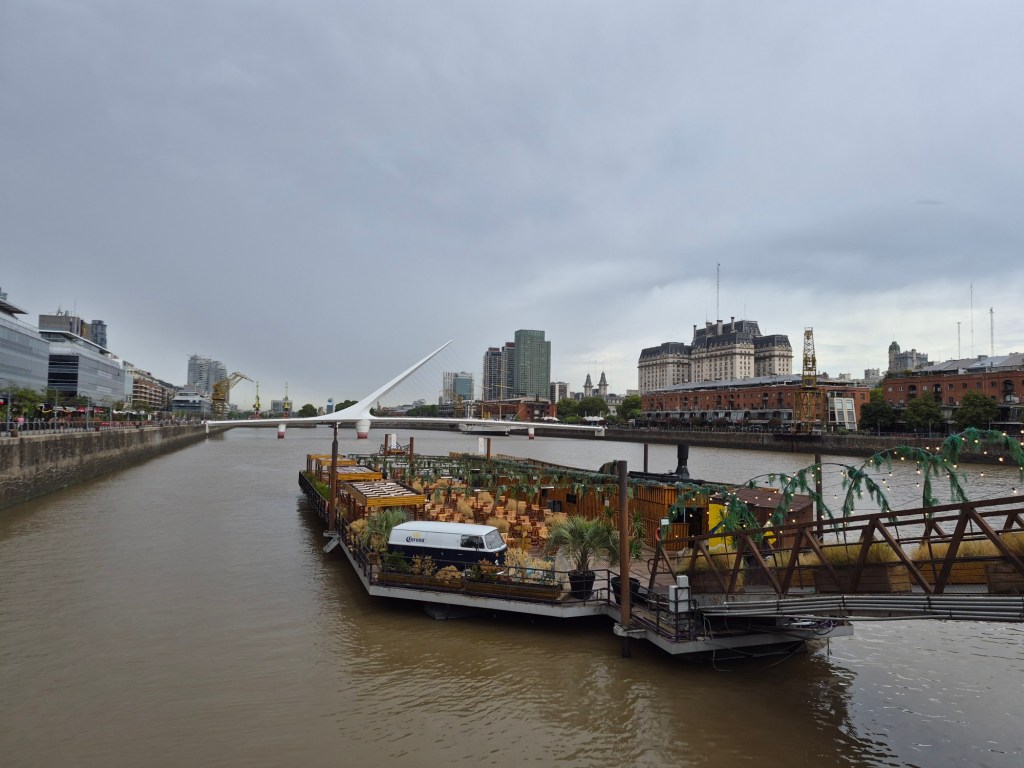
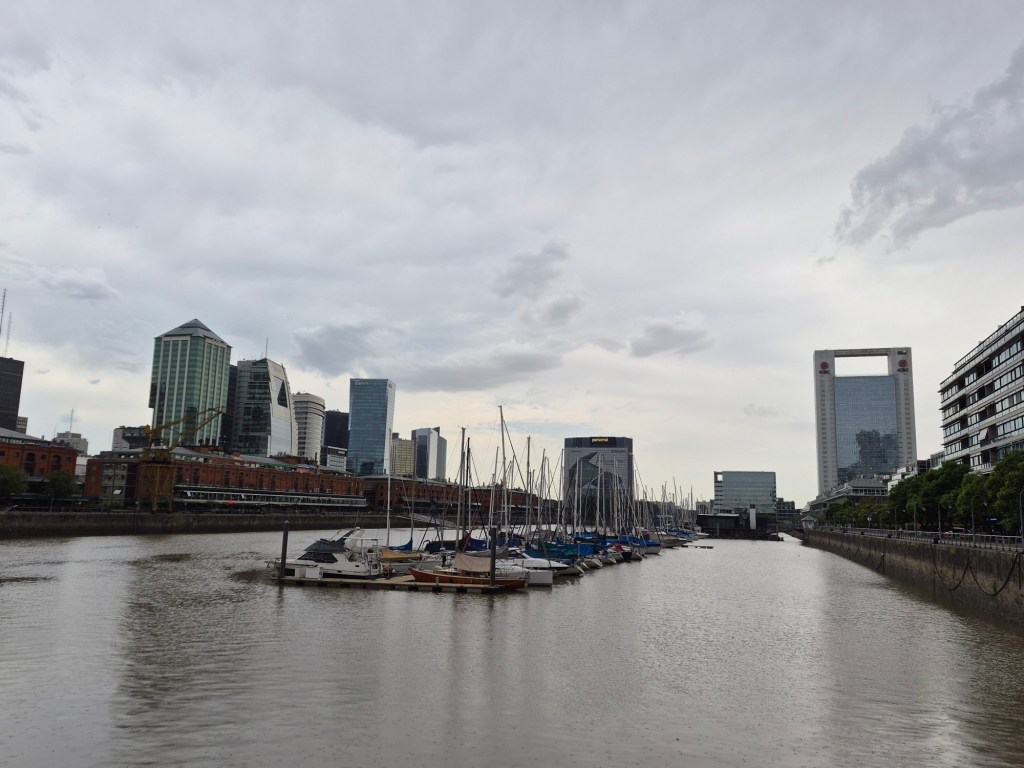
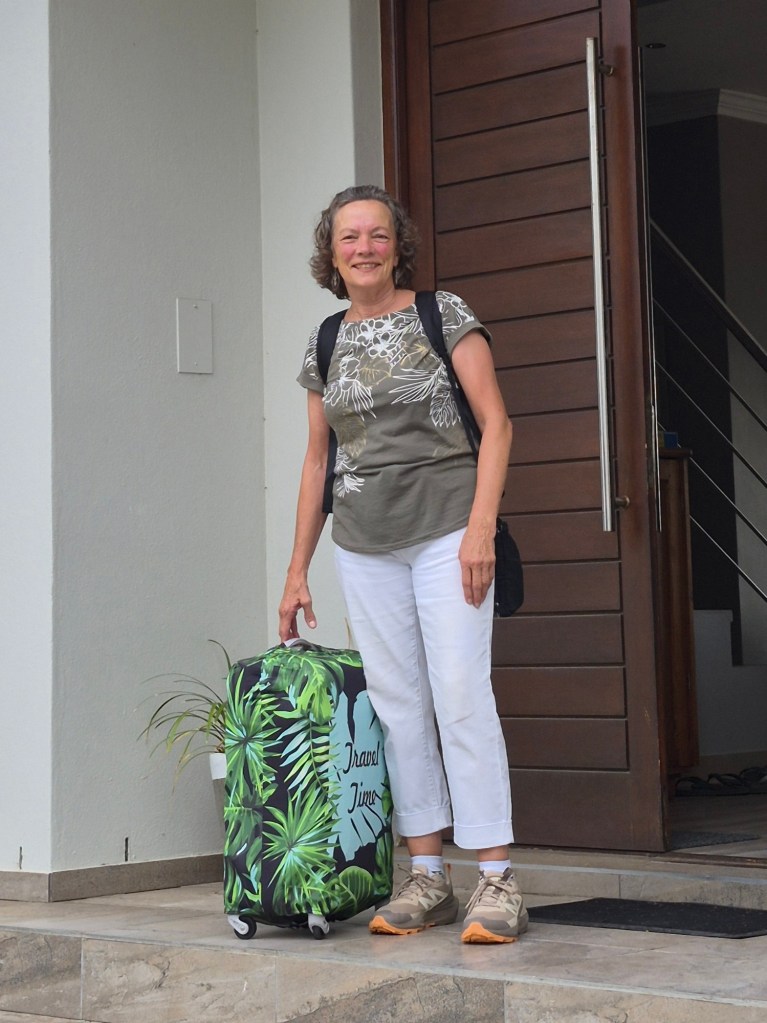
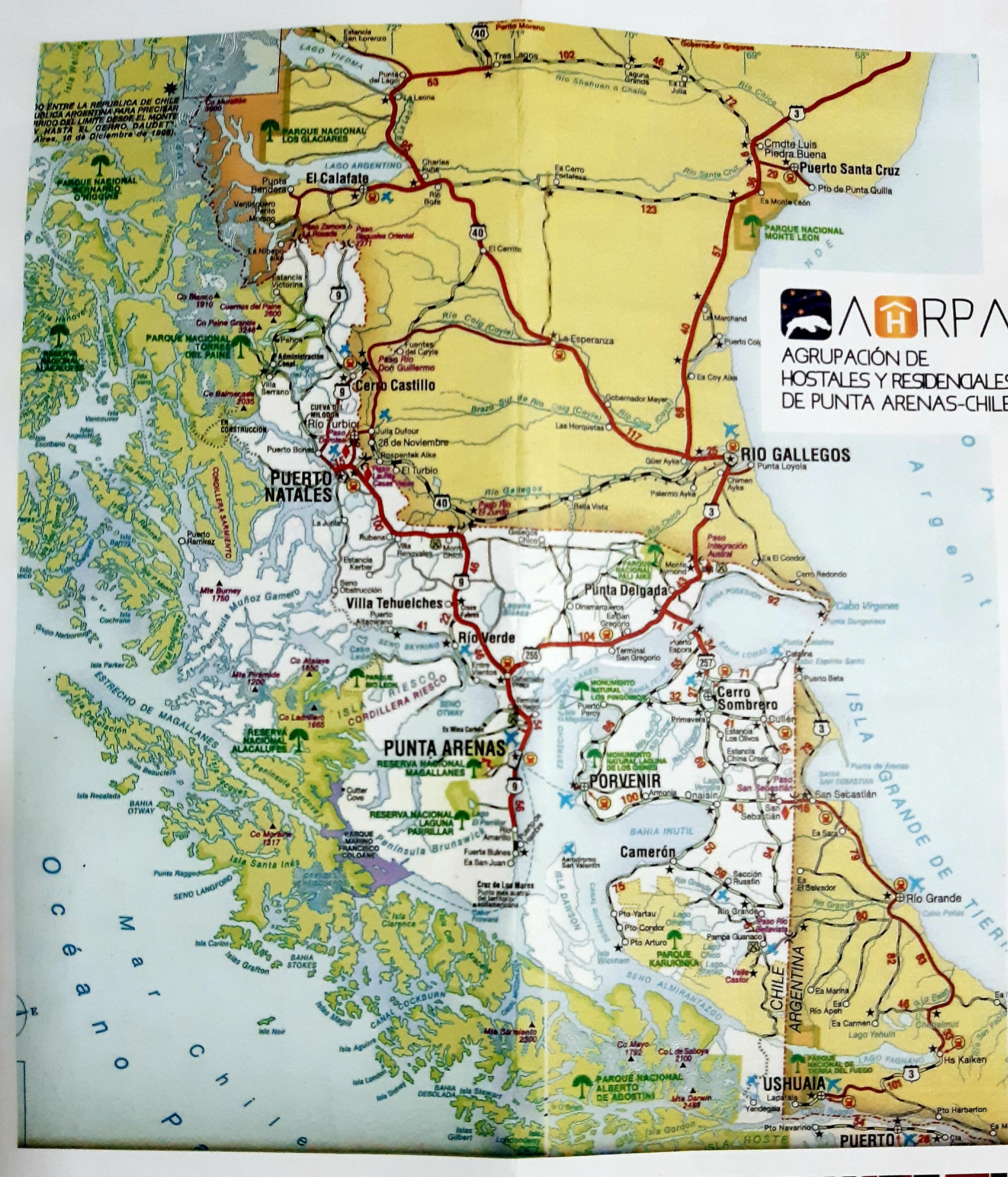 As usual on arrival, I decided to walk to the place I had booked, not realizing that it was 2,4km, with a hefty uphill to boot. The swivel of Louis’ wheels is not working that well anymore, so the poor thing periodically gets kicked just to keep her on track. I arrived hot and sweaty, ate a leftover sandwich and went to bed.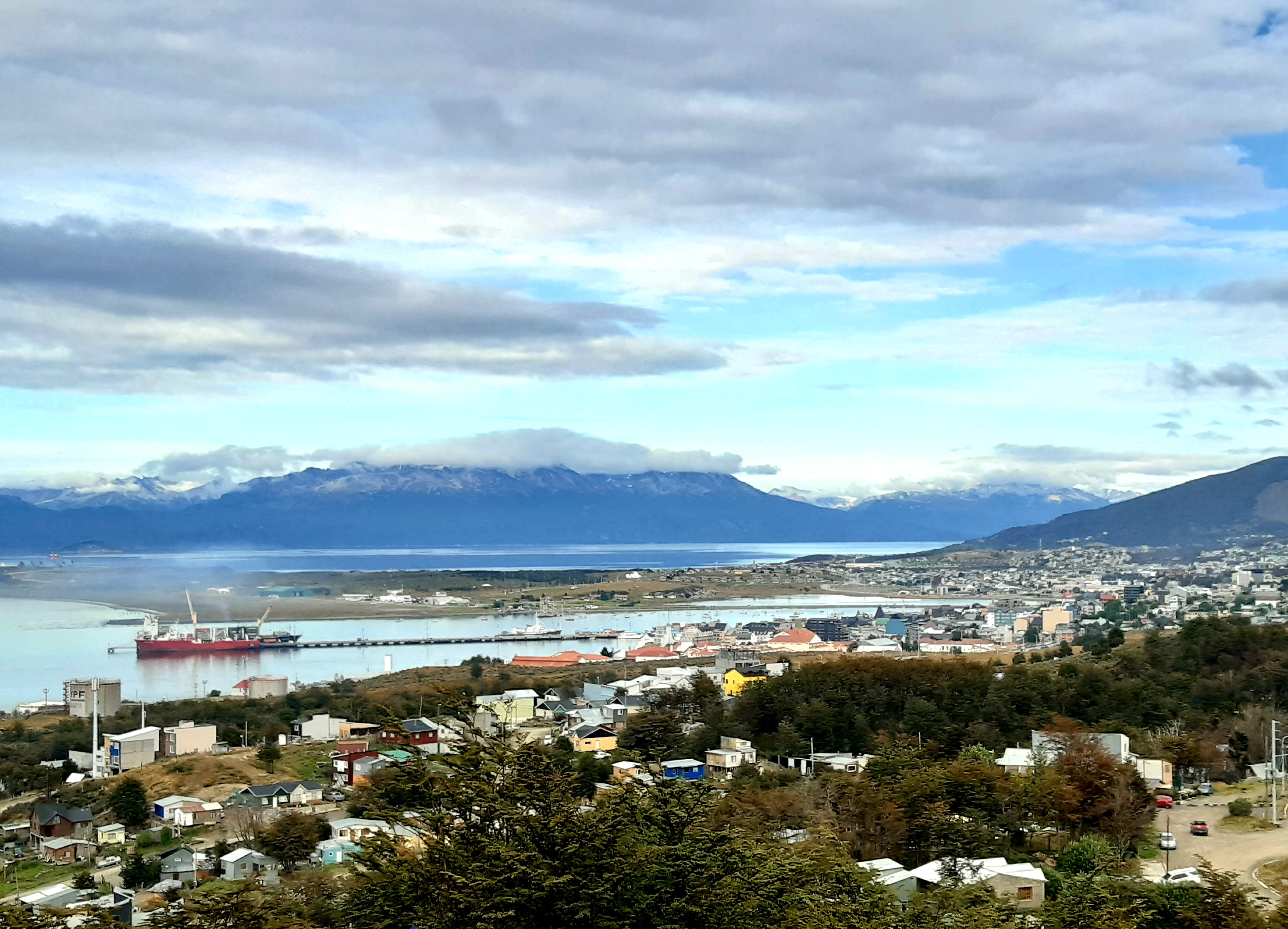
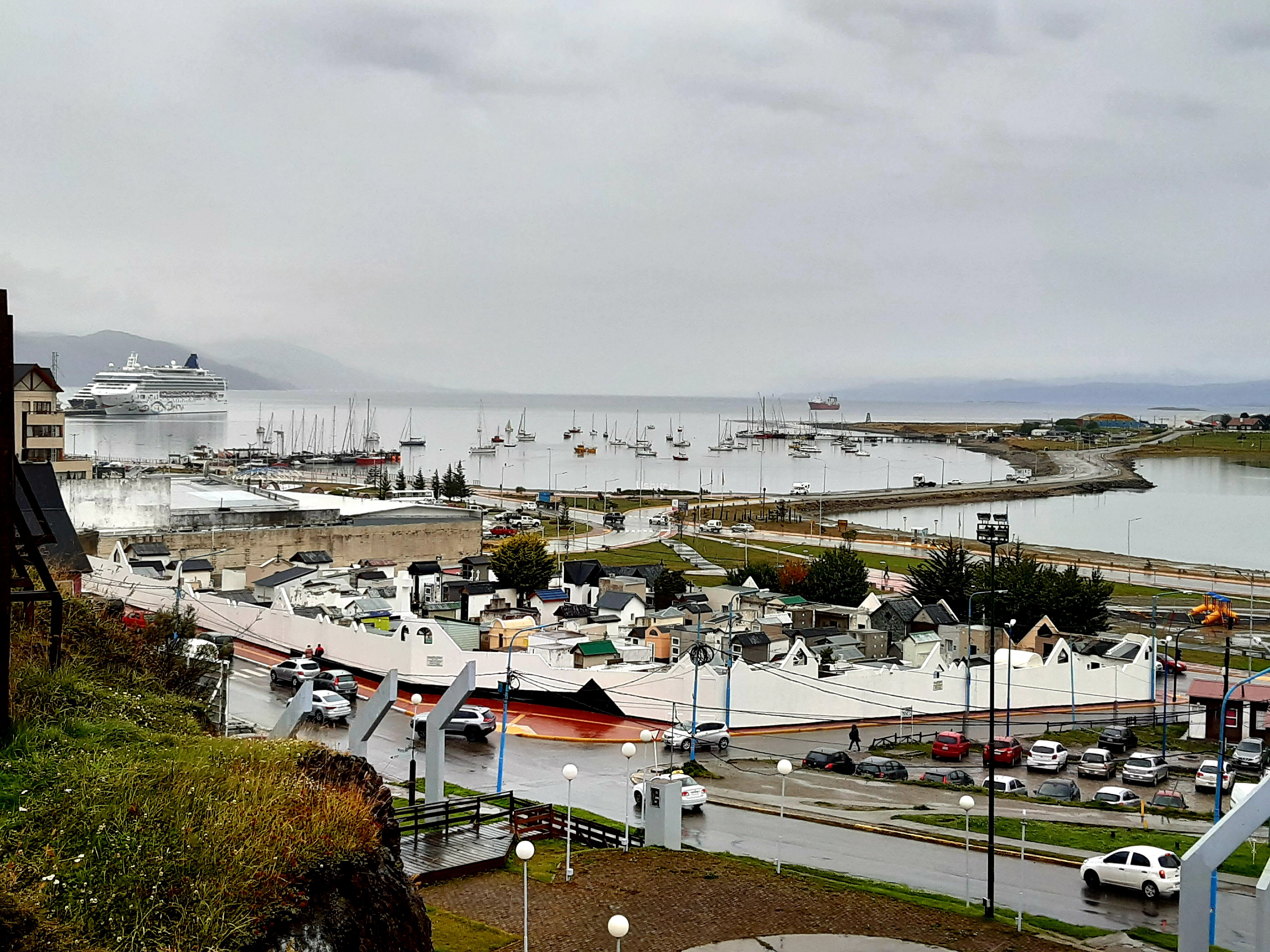 The Argentinian part of Tierra del Fuego, the large island south of the Strait of Magellan, was populated by mostly non-Argentinians during the second half of the 19th century. In 1869 a British missionary, Stirling, lived among the native Yámana and was later joined by other missionaries, teachers and farmers. These natives suffered many deaths as result of diseases and eventually the missionaries withdrew.
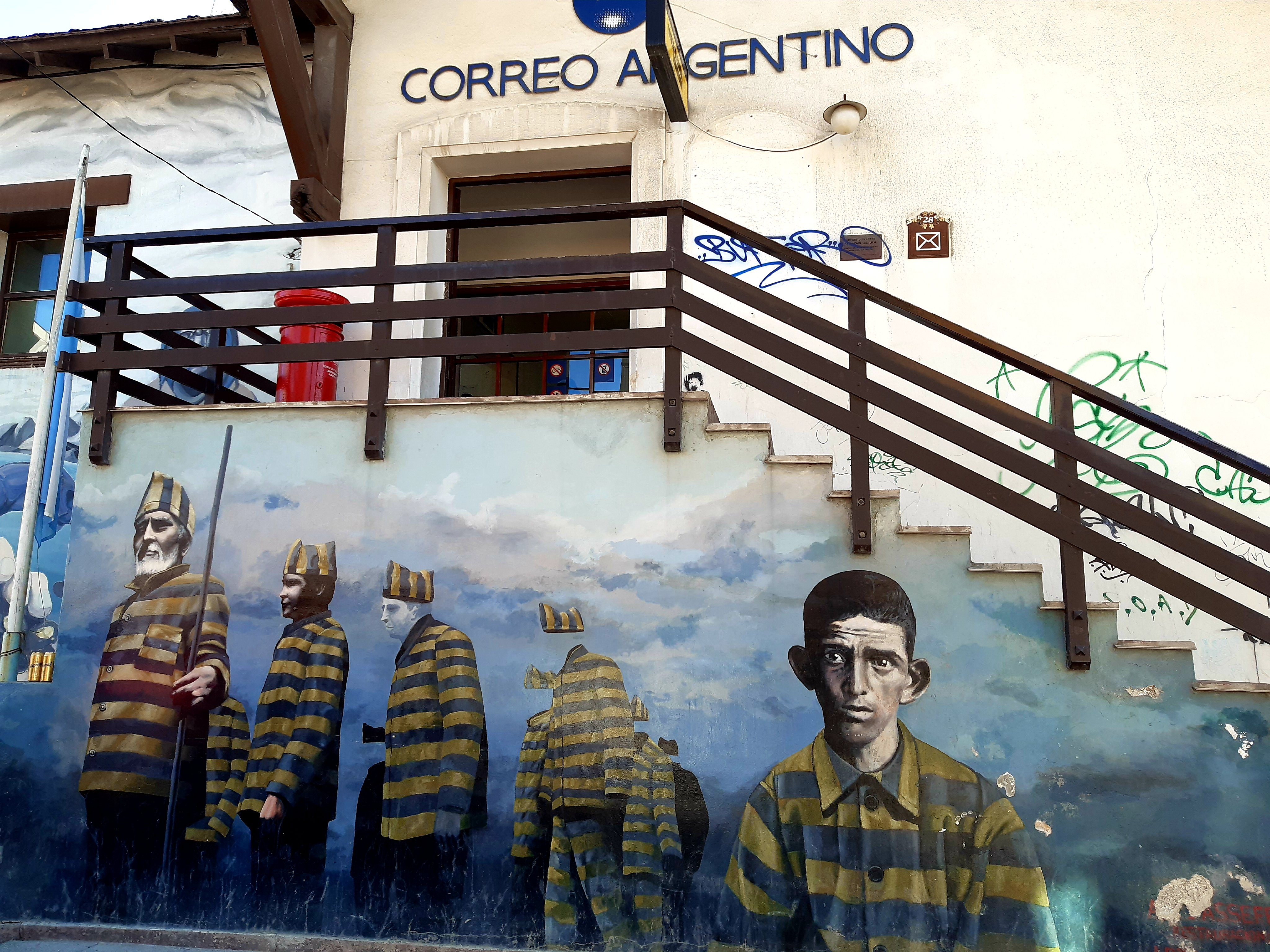
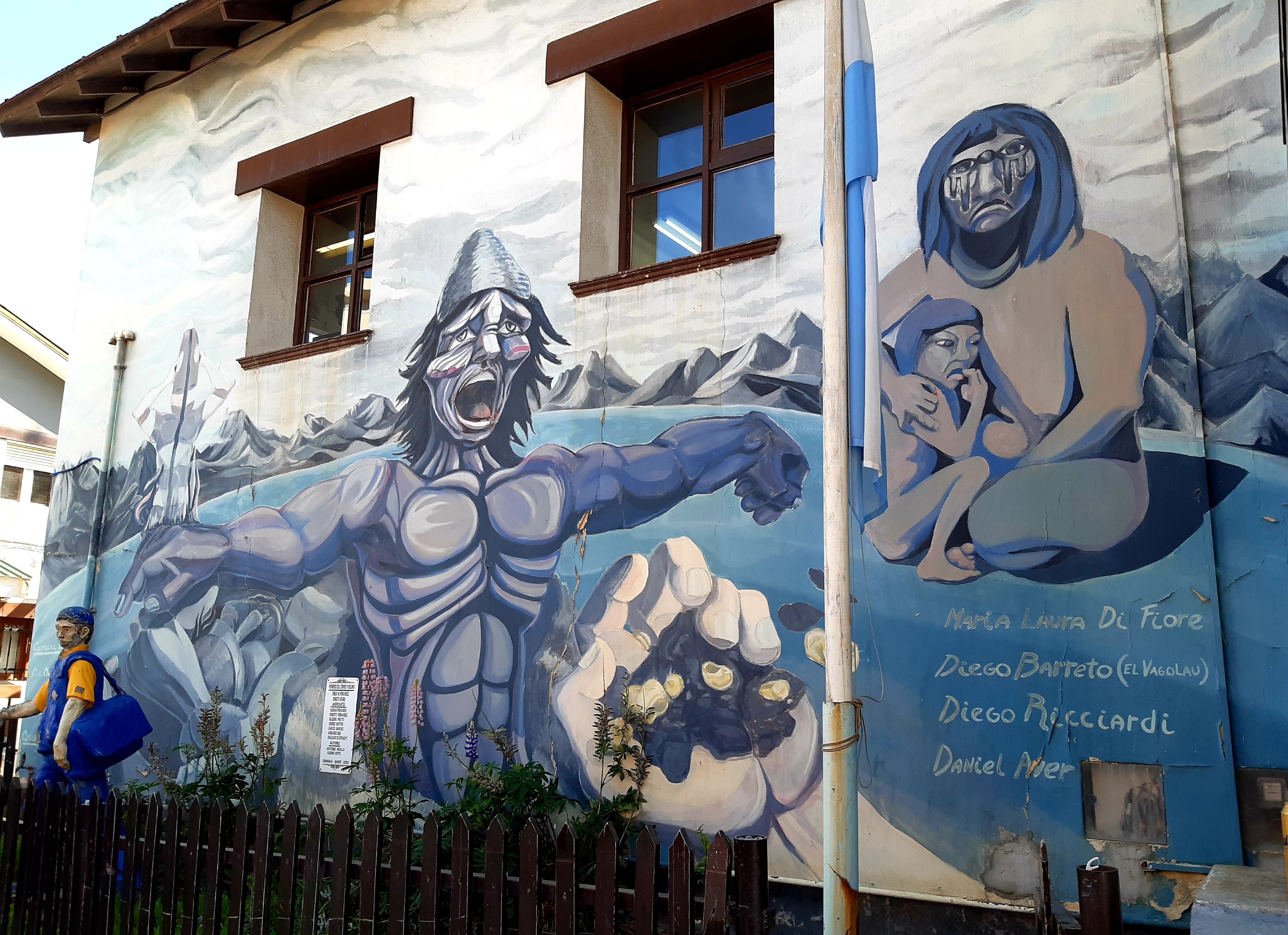 The Argentinian government decided to establish this area as a penal colony in an attempt to gain sovereignty and to populate the area. In 1896 the first inmates were accepted in the newly built prison in Ushuaia. They were some of the most serious criminals and second-time offenders of the country, and were used to chop down thousands of trees in the area. They built a railway-line from the forest to the settlement, and most of the timber houses of the town were built by them as well. The prison was closed down in 1947 because of reports of abuse and poor conditions. The train is now run as a tourist attraction to transport visitors to the National Park. A mural on the post office wall:
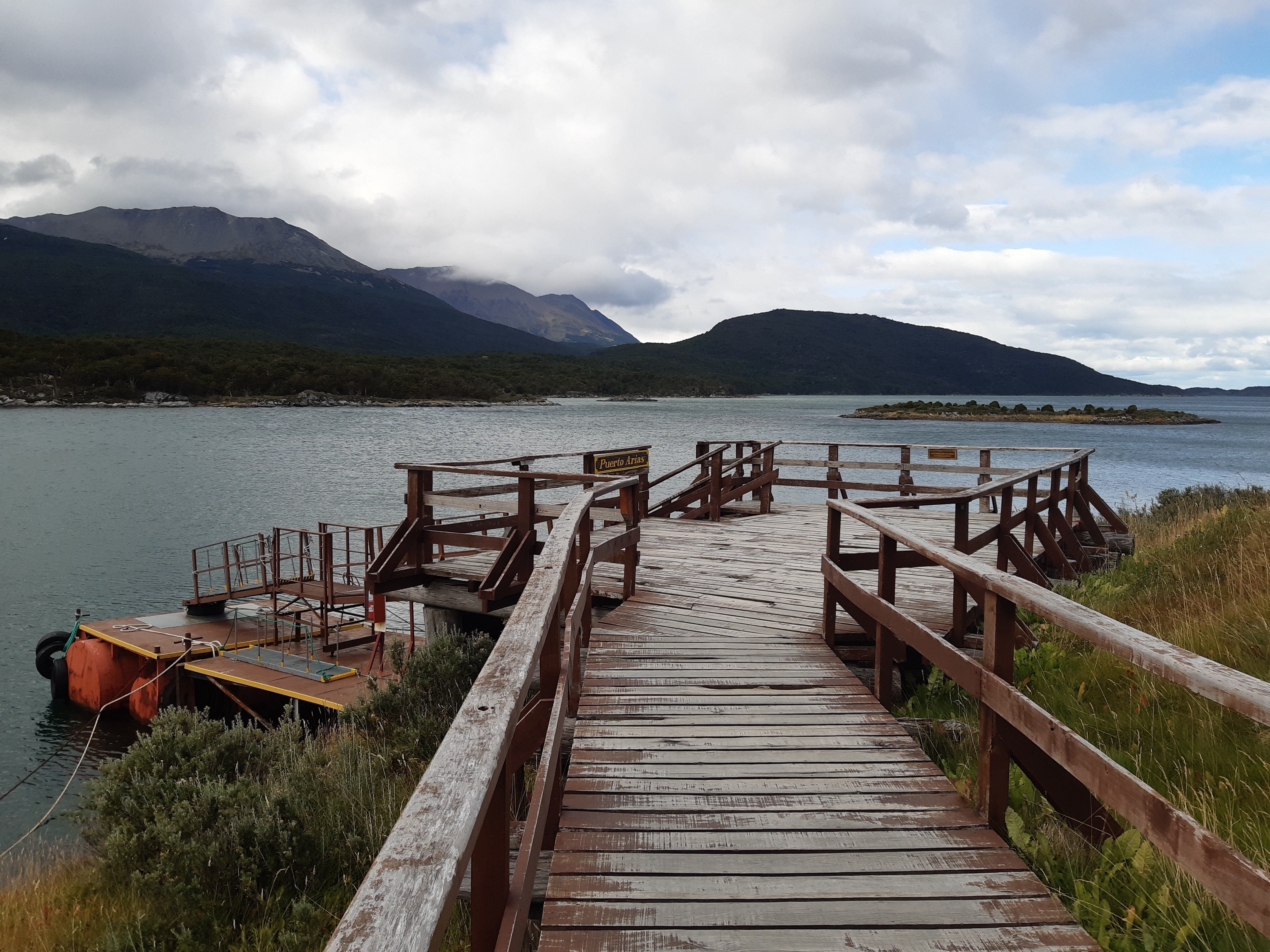
 Today, Ushuaia has much to offer in the way of trekking, catamaran trips along the Beagle Channel to see lighthouses, sea lions, birds and penguins, visits to museums and estancias (farms), skiing and walks along the waterfront. The long main street has many restaurants and shops, some of them tax-free.All the excursions are quite expensive (most are over a R1000), so I limited myself to two of the cheaper ones. The first was to the National Park where I spent the day walking some trails. The bus stops at different points in the park, and I got off at the pier, where the smallest and southernmost post office is.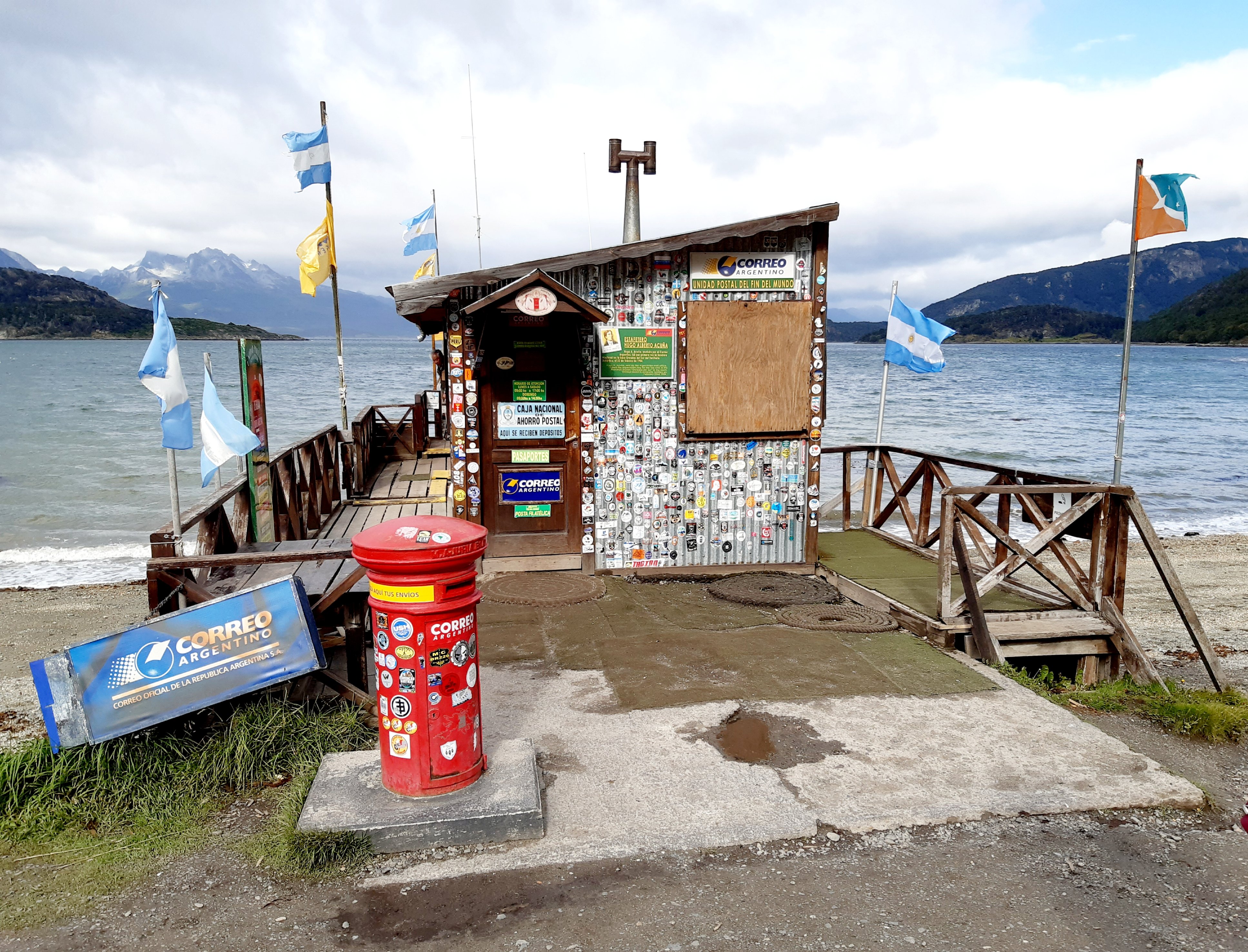
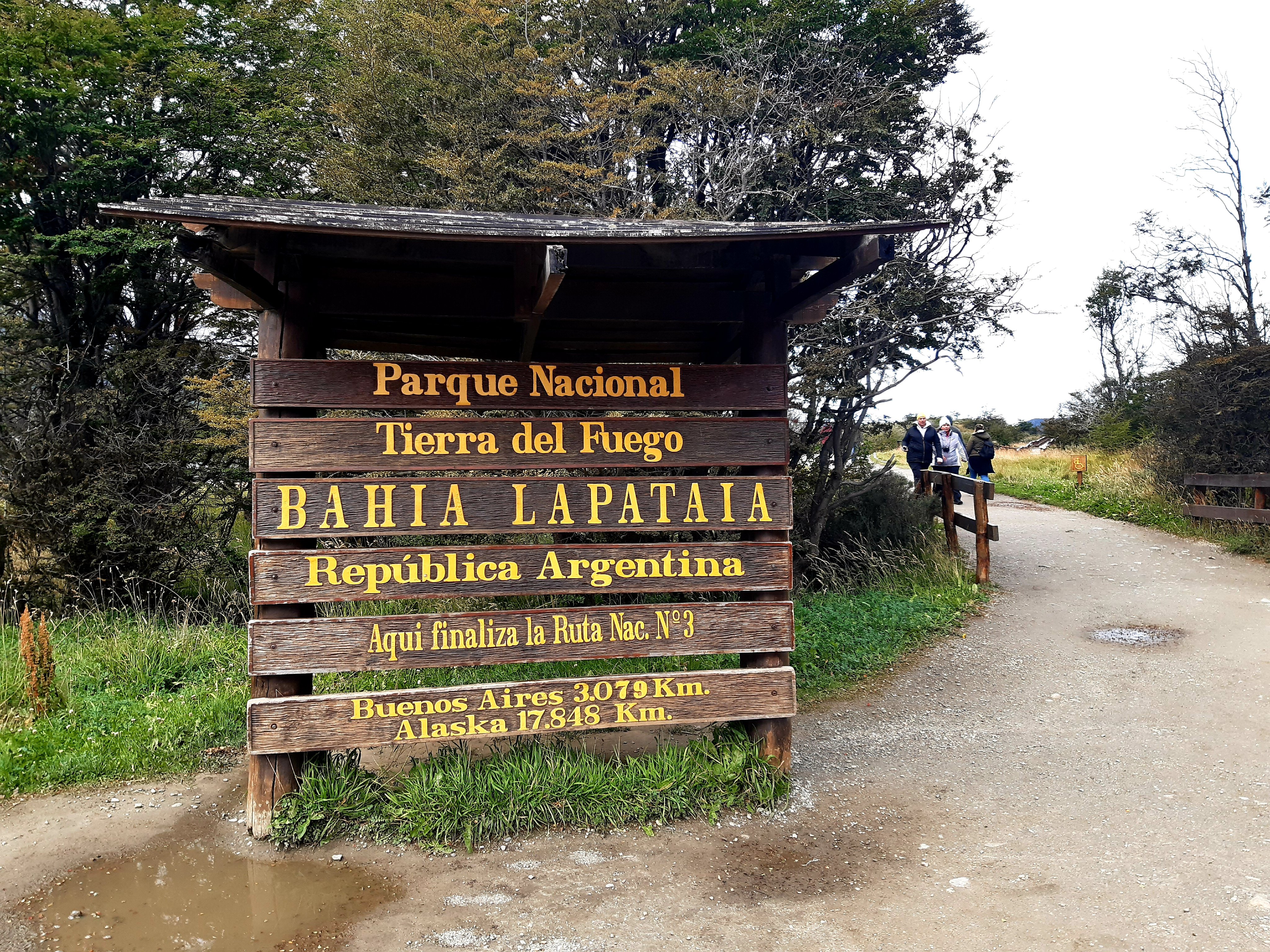
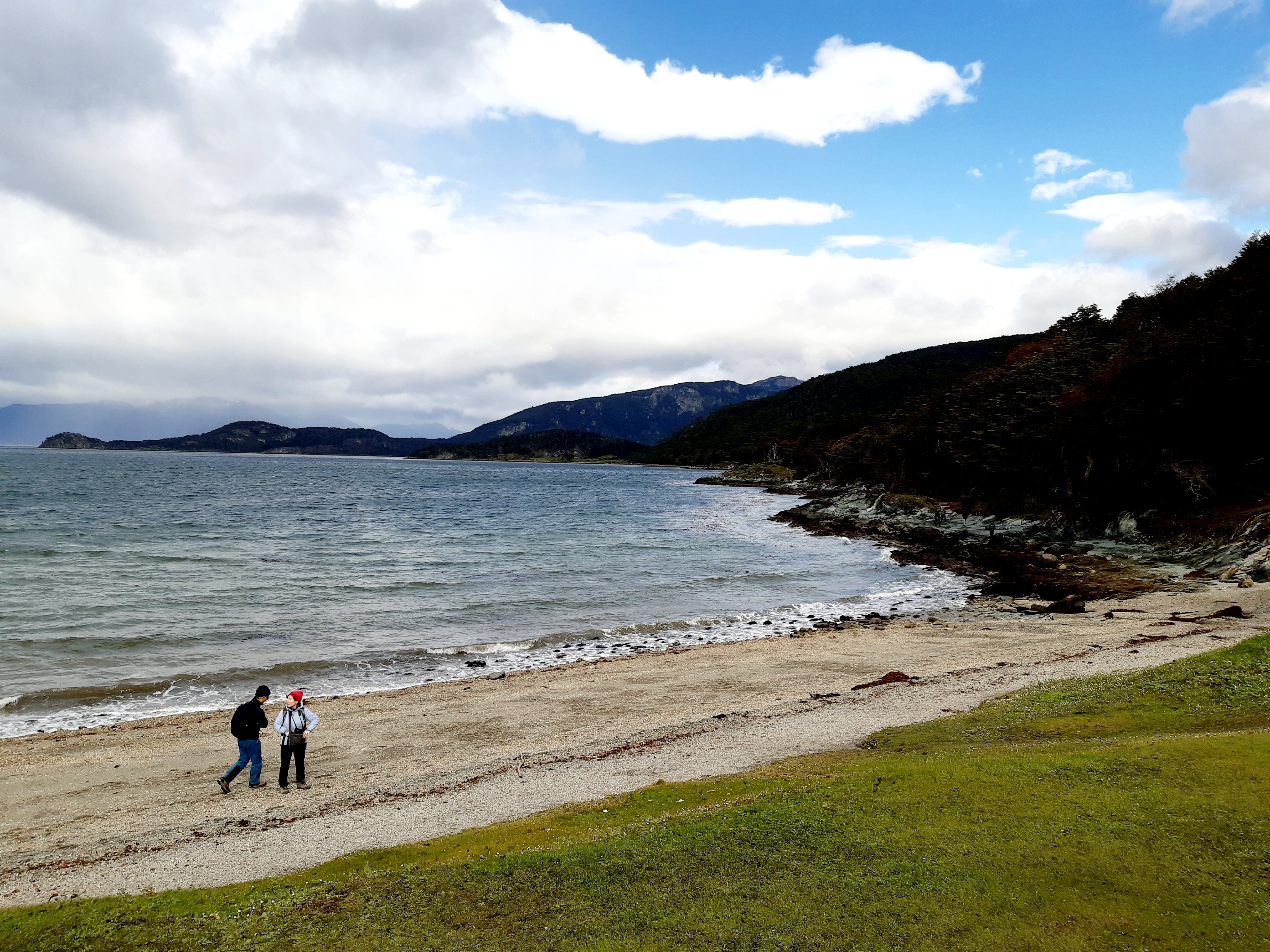
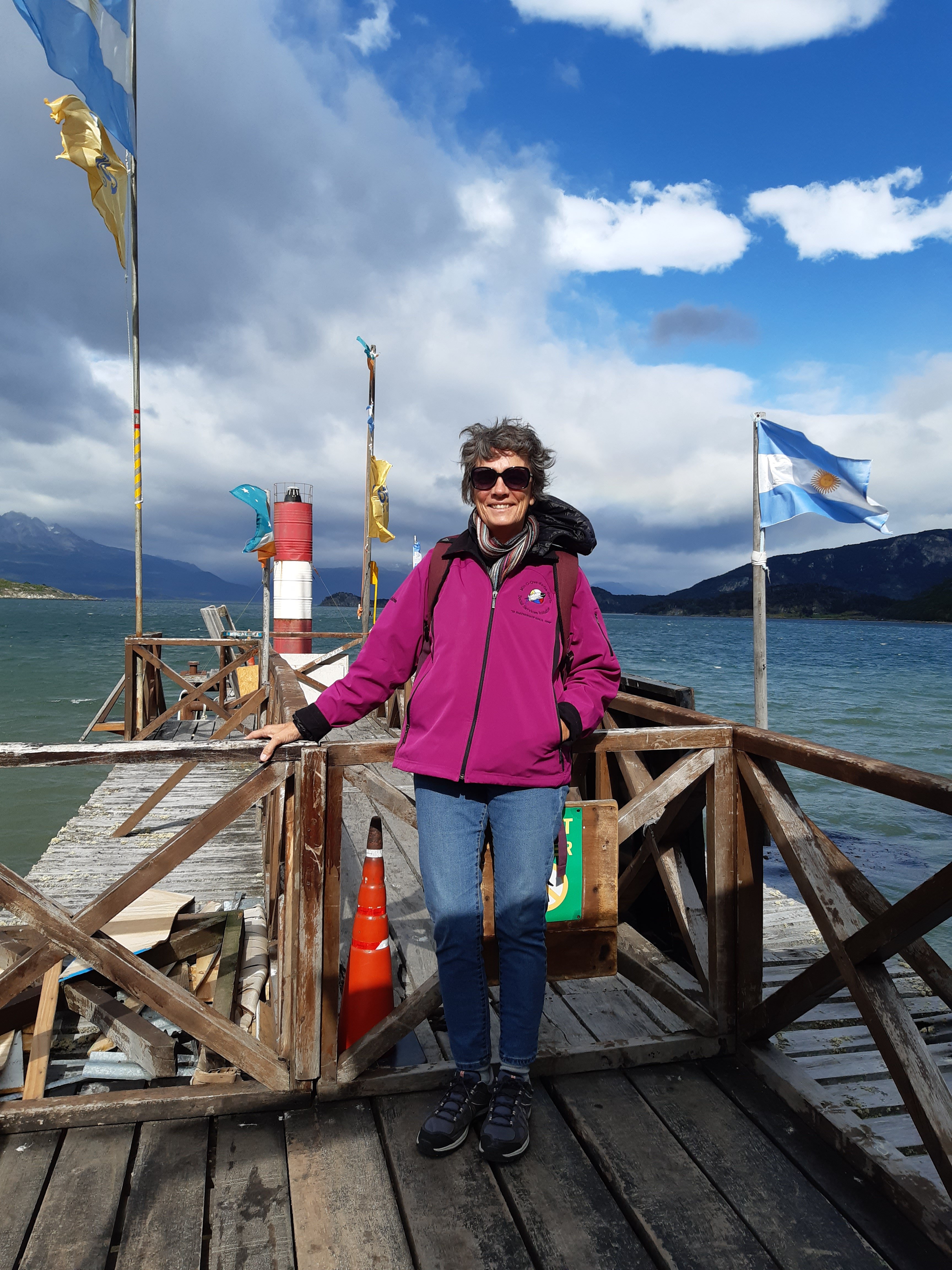 From there I followed a trail through more enchanted forests and along picturesque coves, until I reached a point where one can cross to a small island, where the end of Route No 3 is, which starts in Alaska.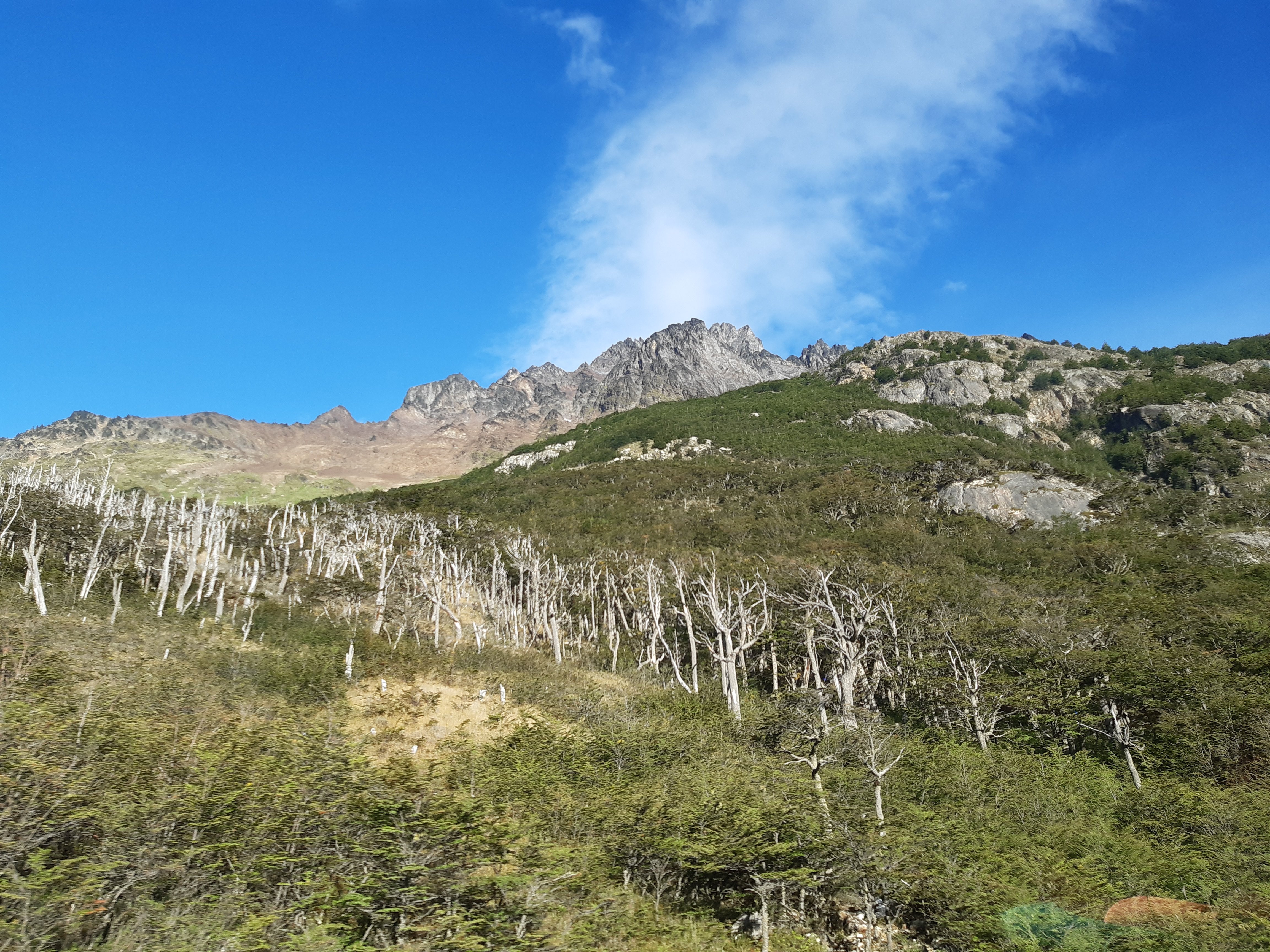
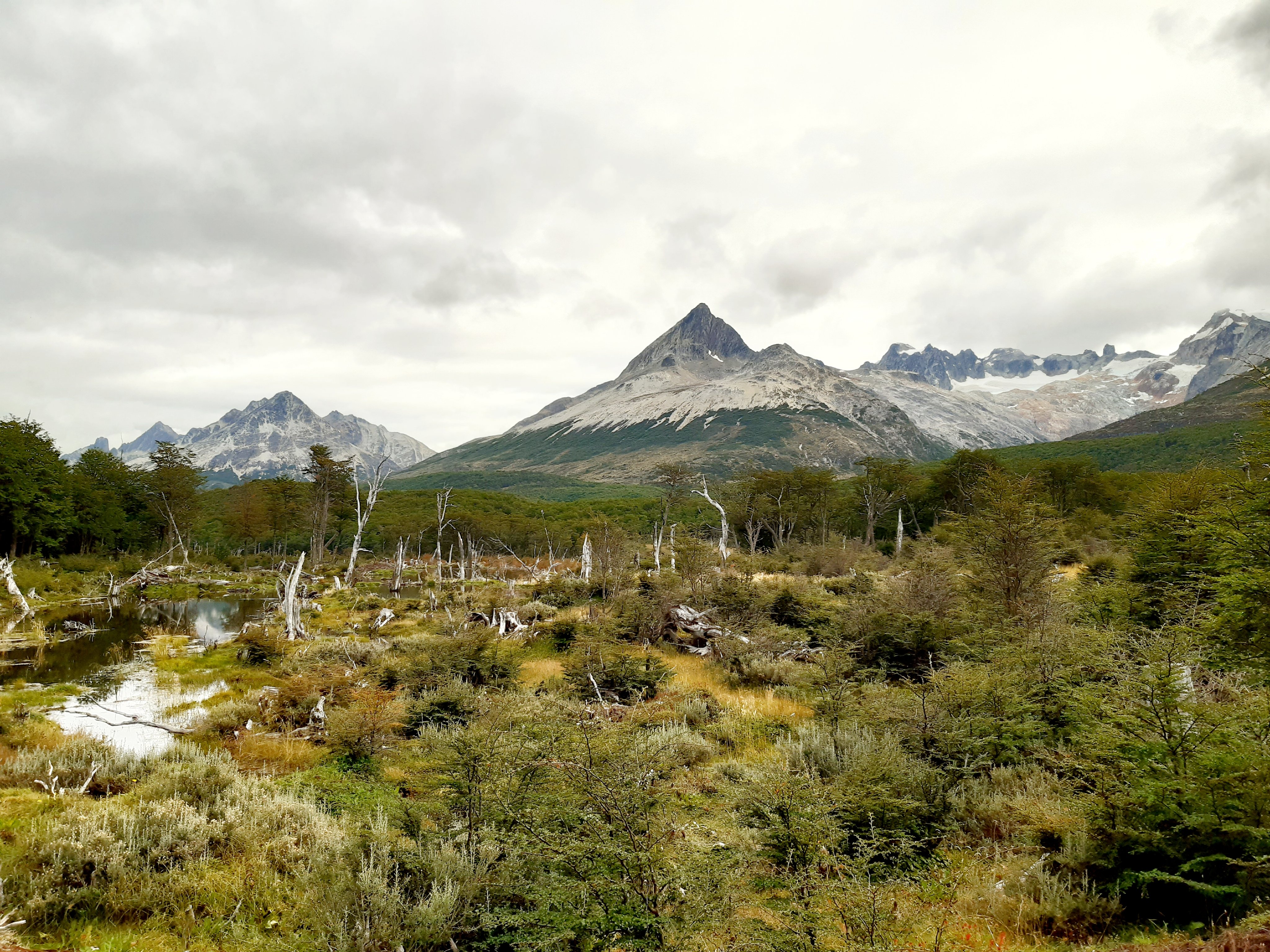

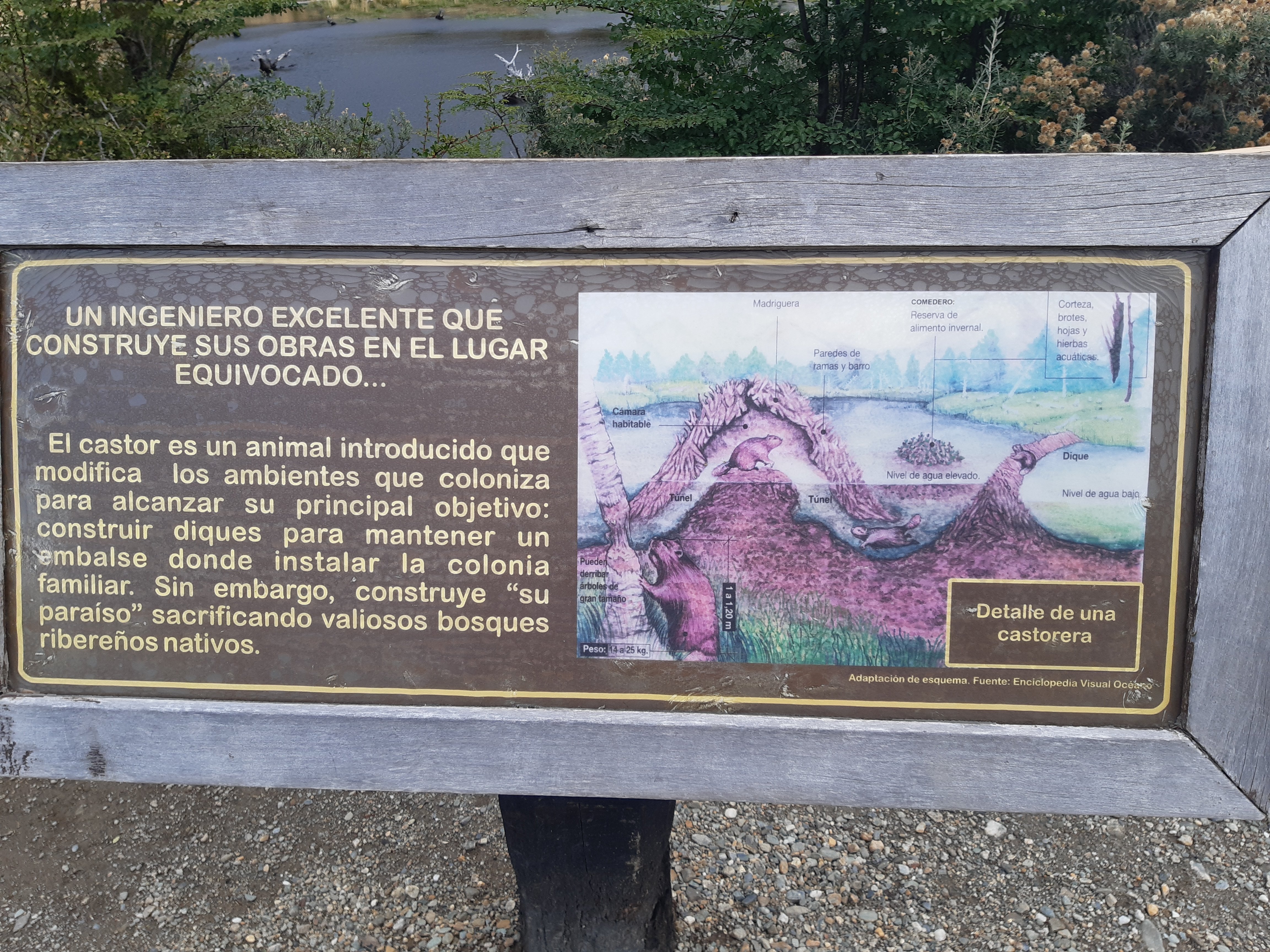
 There is a beaver dam built in one of the rivers on the island, most intriguing. Unfortunately they are a pest, as they were orginally brought in to breed for their pelts, which was not lucrative, so they became wild. They cause a lot of damage to the forests and are being trapped and castrated or sterilised to curtail their numbers.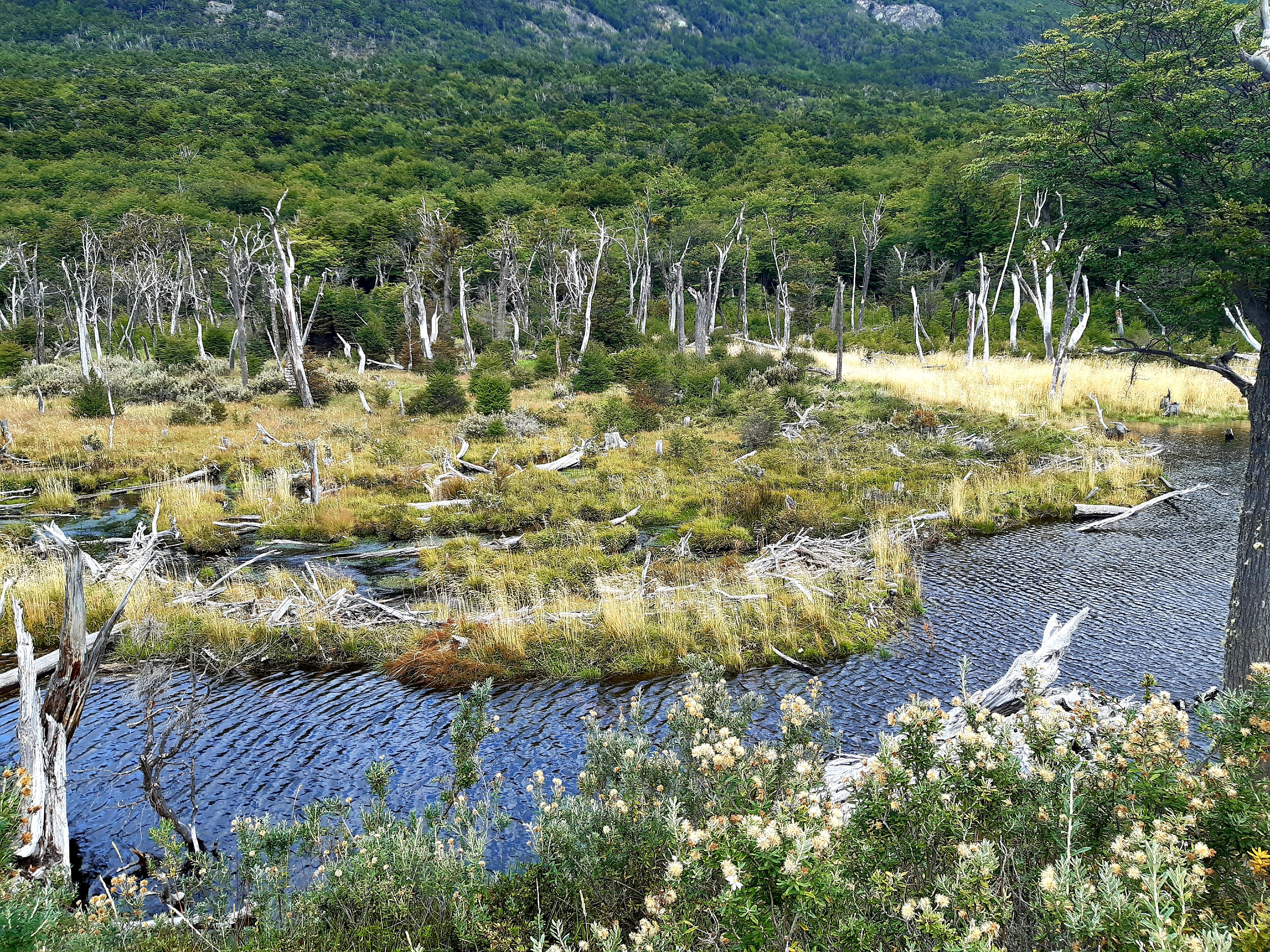
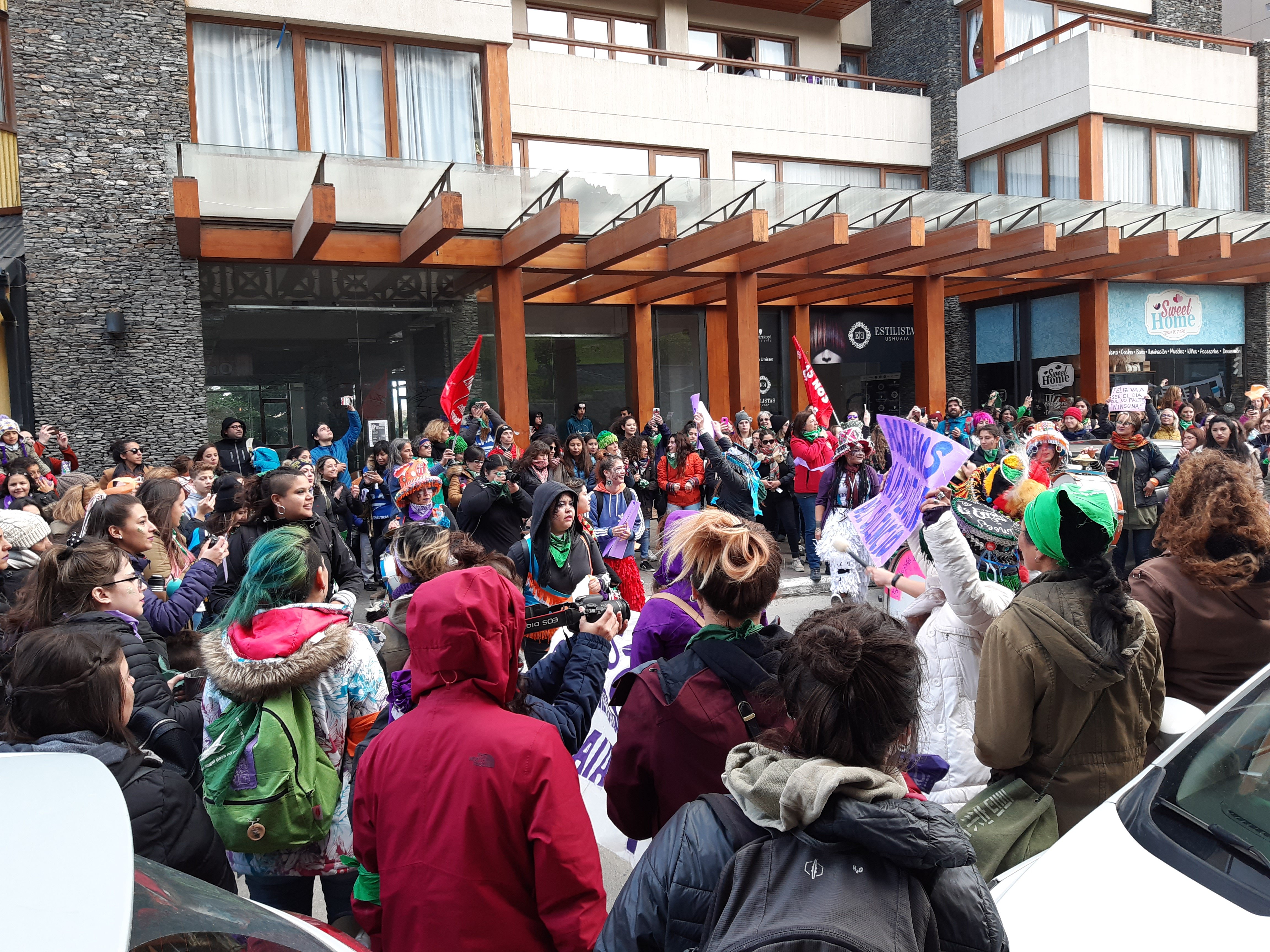
 On my way back through town, I ran into a protest march for International Women’s Day. Ooh boy, I wouldn’t want to cross swords with some of those ladies! They were dancing and having fun though, and feminism is huge in Argentina. Necessarily so, as abuse towards women is rife.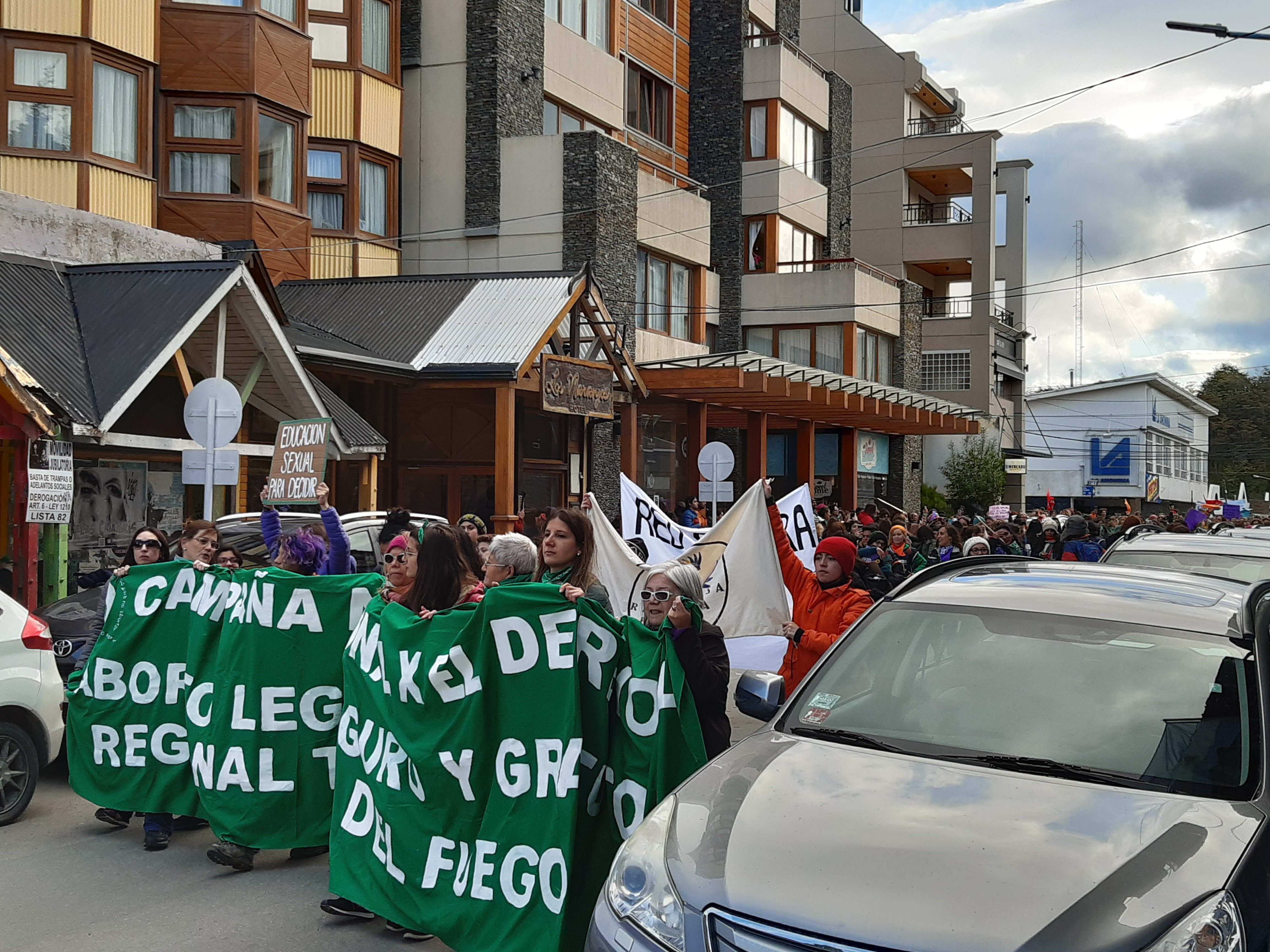
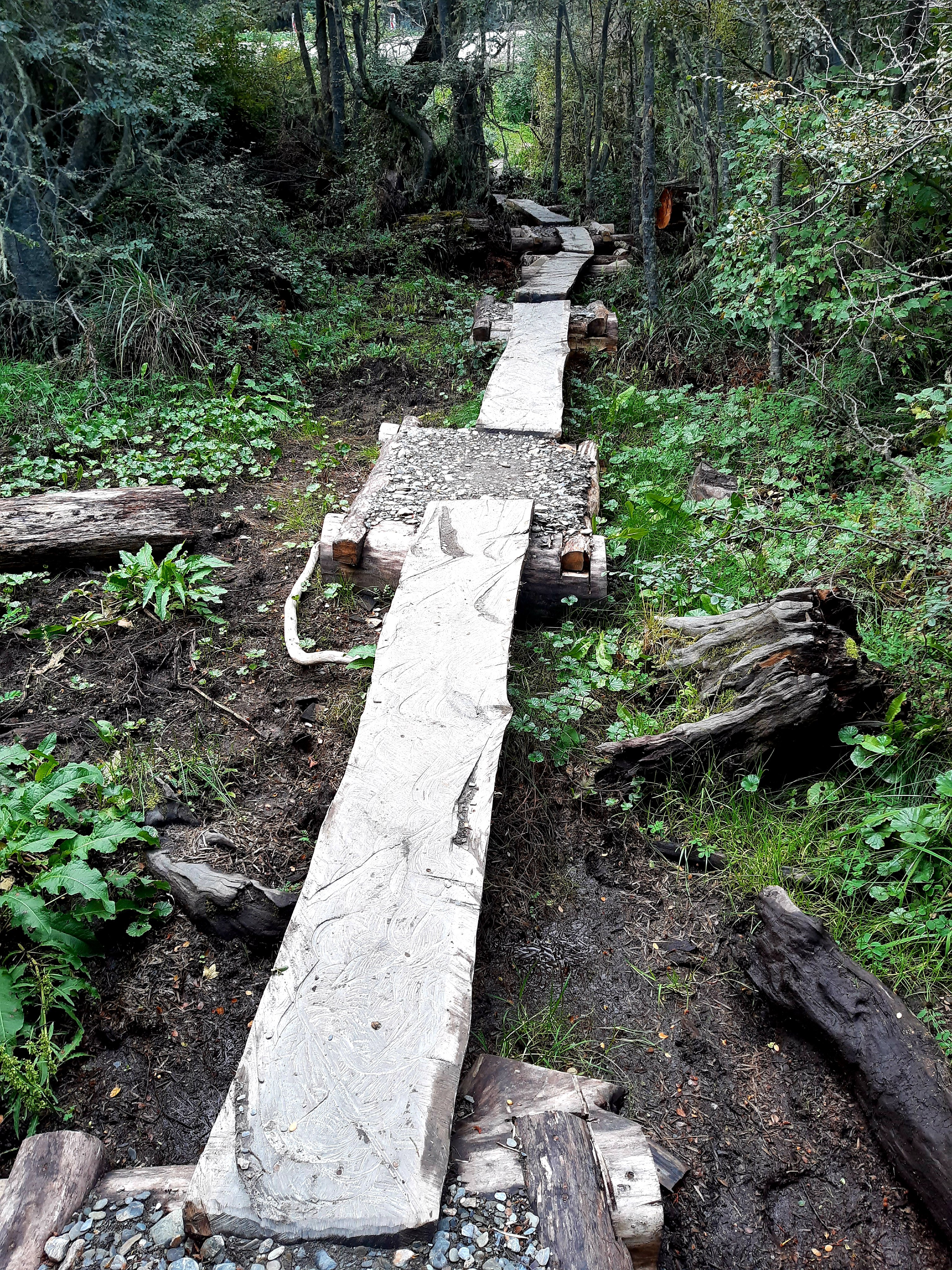
 My second outing was to Laguna Esmeralda, an emerald coloured lake northeast of Ushuaia, surrounded by the Sierra Alvear and with water from a hanging glazier feeding into the lake. To get there, one has to hike 4km through muddy forest paths and peat bogs. Suggested walking time is 2hrs, and it takes 2 long hours to slog through it all. The parts of the path in the forest that were dry were a pleasure, but the rest was a matter of hopscotch from solid piece, to roots, to plant mounds, to stones and little detours that take you to firmer ground. One slip, and you land ankle deep in the mud. I slid on some flat pieces of logs that had been packed to serve as pathway, and had quite a nasty fall. Luckily my phone didn’t hit the water, but I was a bit shaken up and my arm and leg bruised.I came prepared for the peat bogs though, as I had read a blog beforehand, warning of the treacherous stretch before the final part taking you up to the lake. I took off my shoes and rolled up my pants, and just walked through the peat, trying to keep to more solid spots, because one can sink in knee-deep. I had slip-slops for the stony bits in between, and washed my feet in the emerald river water afterwards – I had even brought a towel. Everybody commented on the suitability of the plan, but nobody followed suit. Some people very meticulously picked their way through, others just gave up and got their shoes thoroughly covered in mud and peat. It was a challenge, and the view from above of the lake and mountains was spectacular. There were hordes of people doing the hike, but on my way back I had a few minutes of walking alone through the forest. I stopped and listened to the silence, breathing in the rich, moist air and appreciating the stillness of the soft green leaves, filling my soul.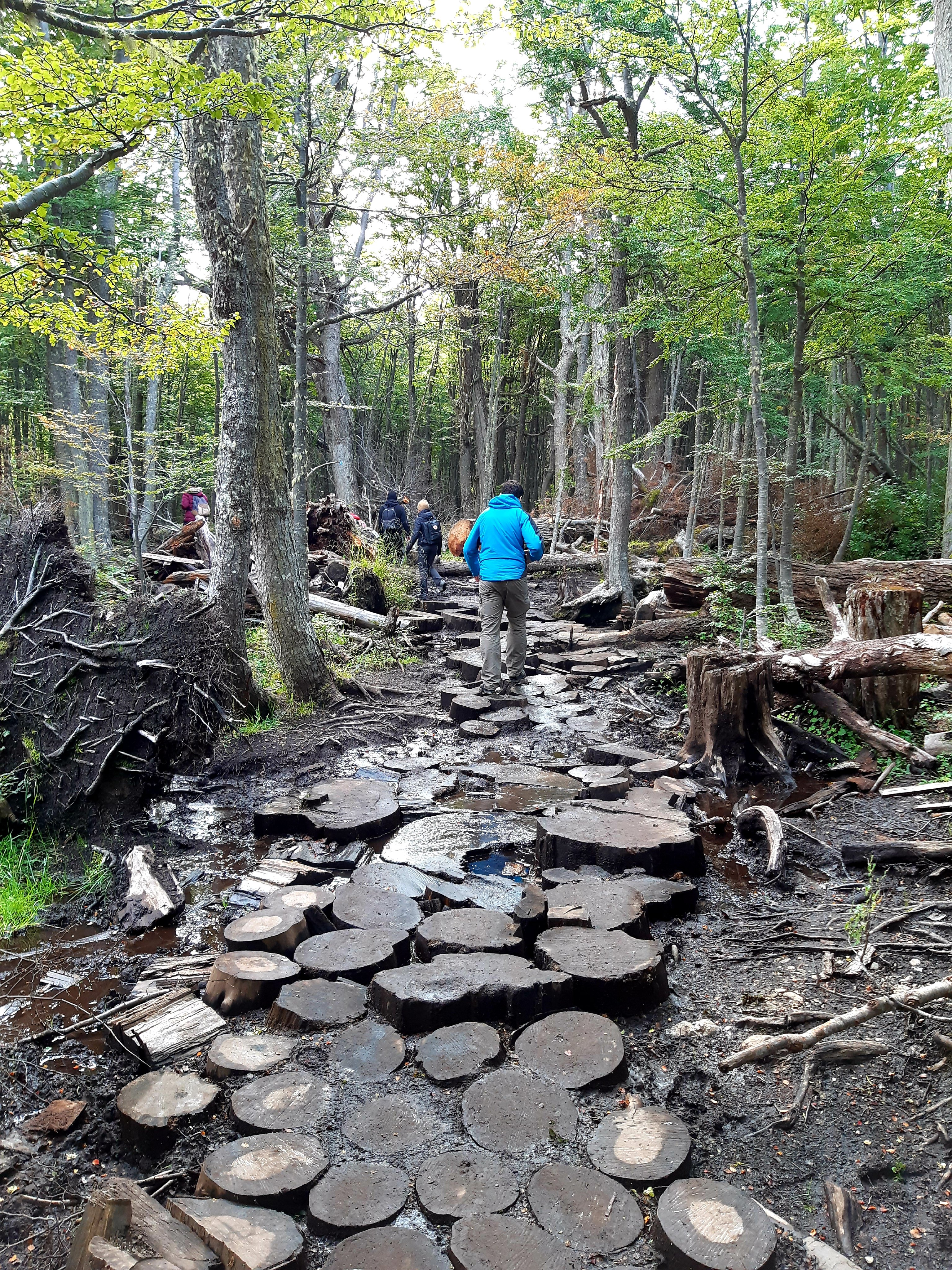
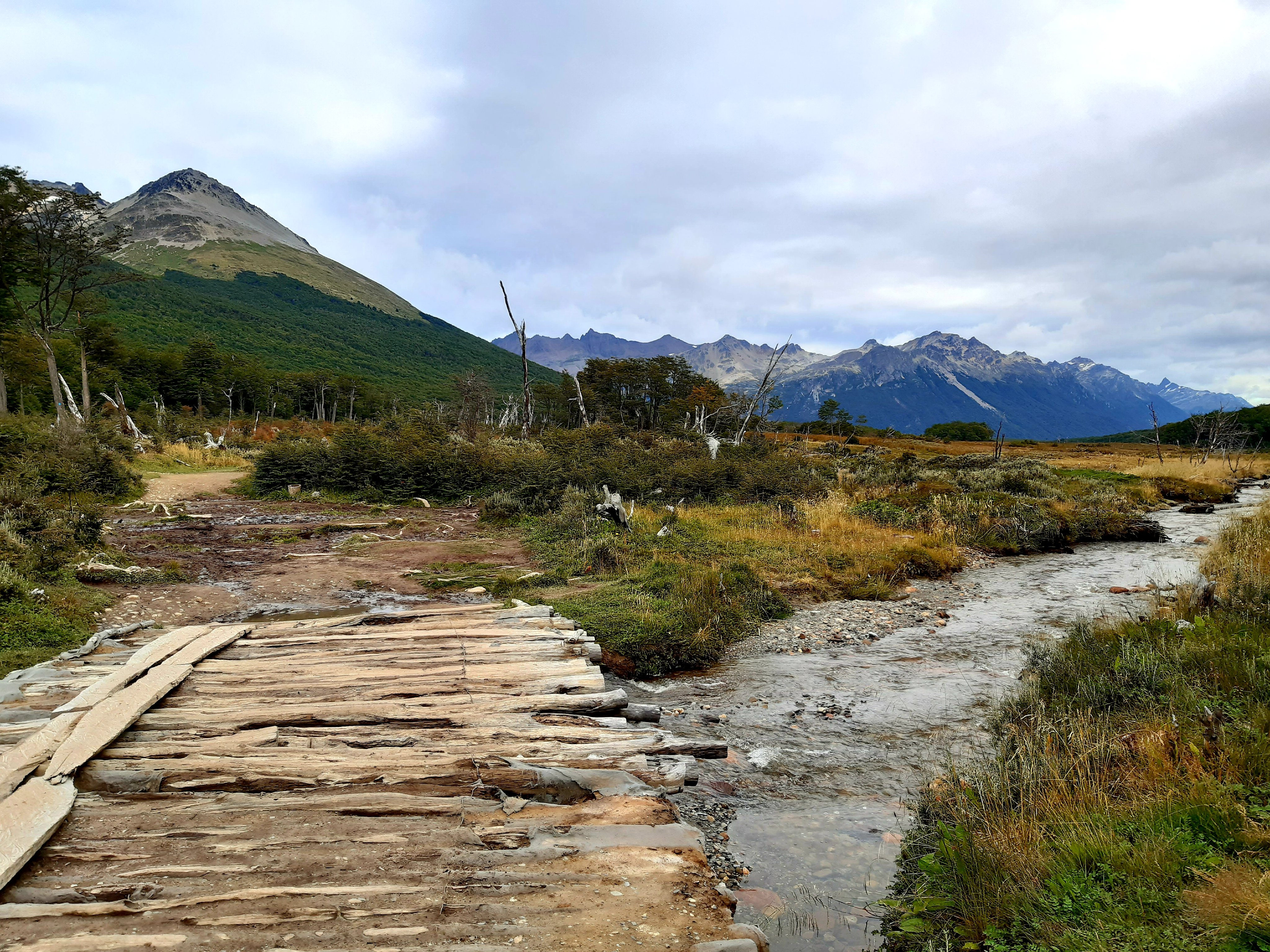
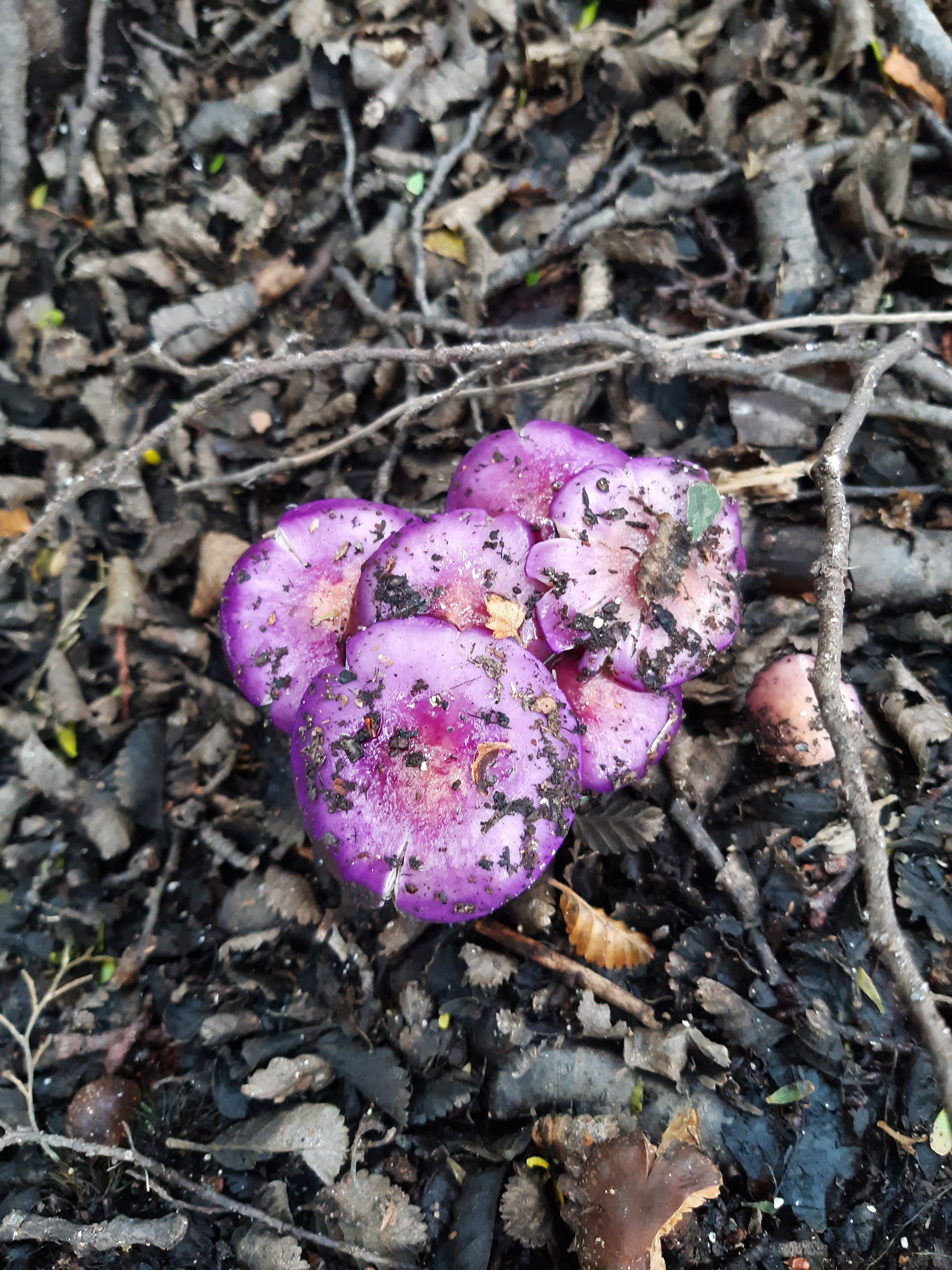
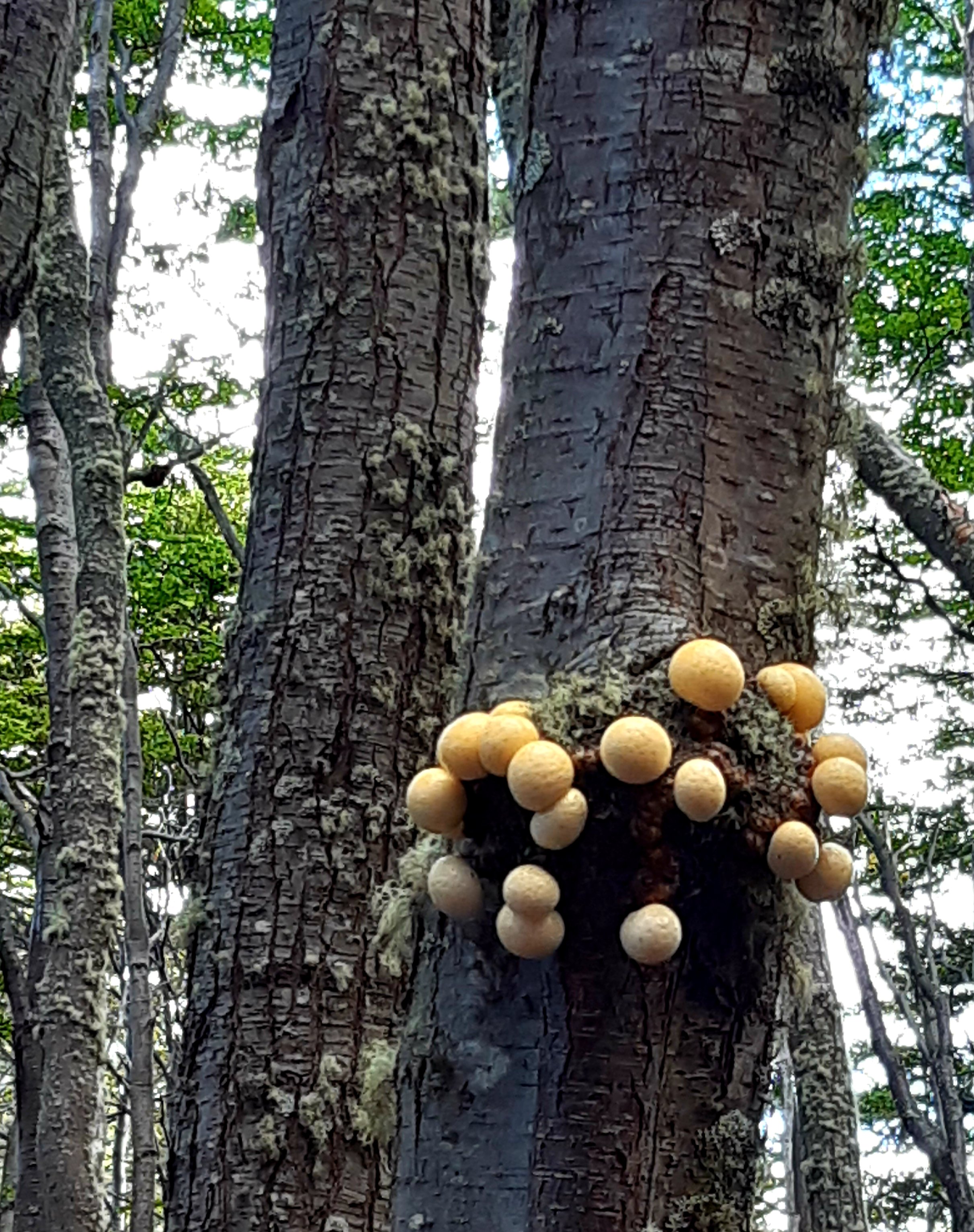
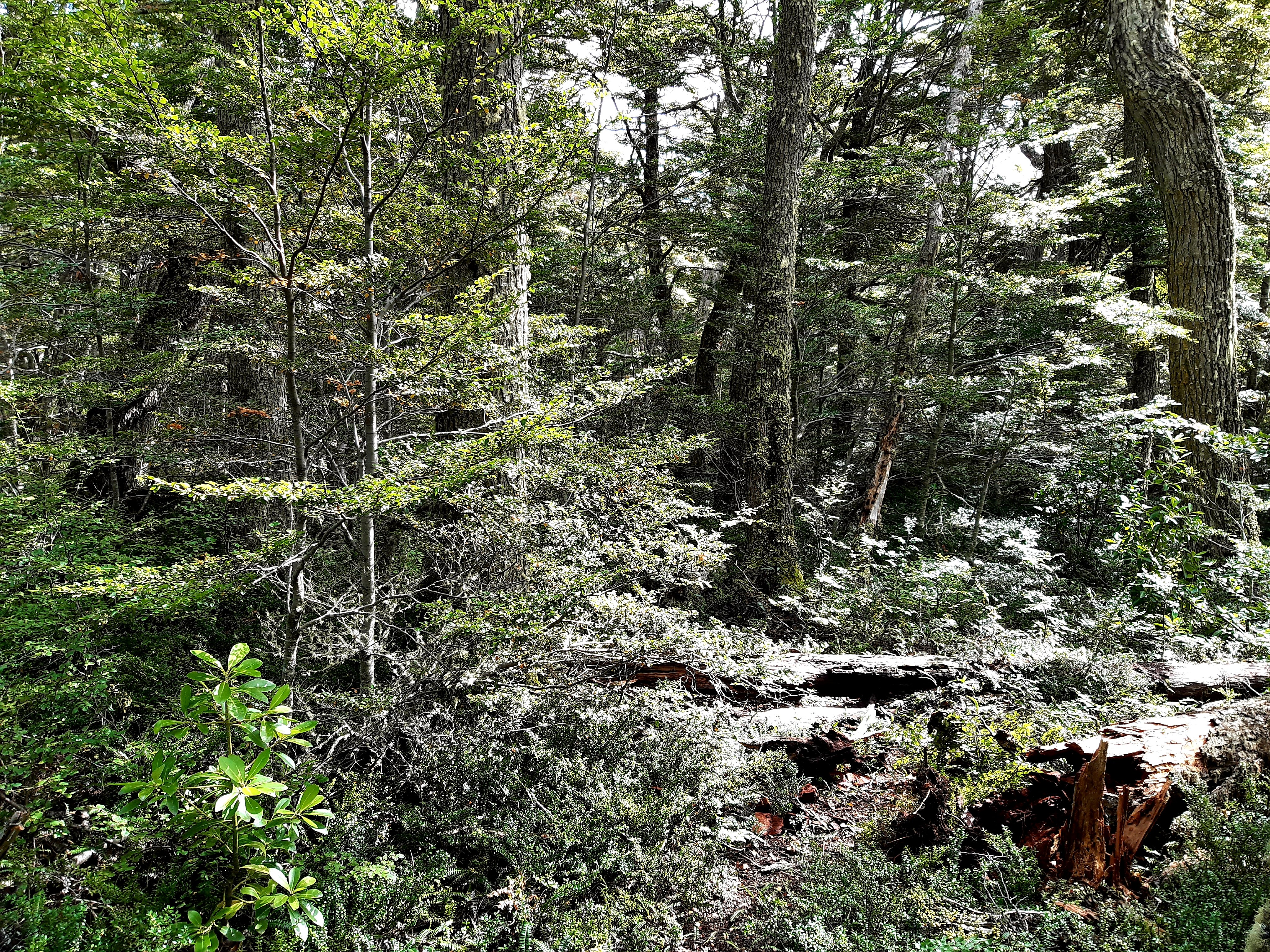
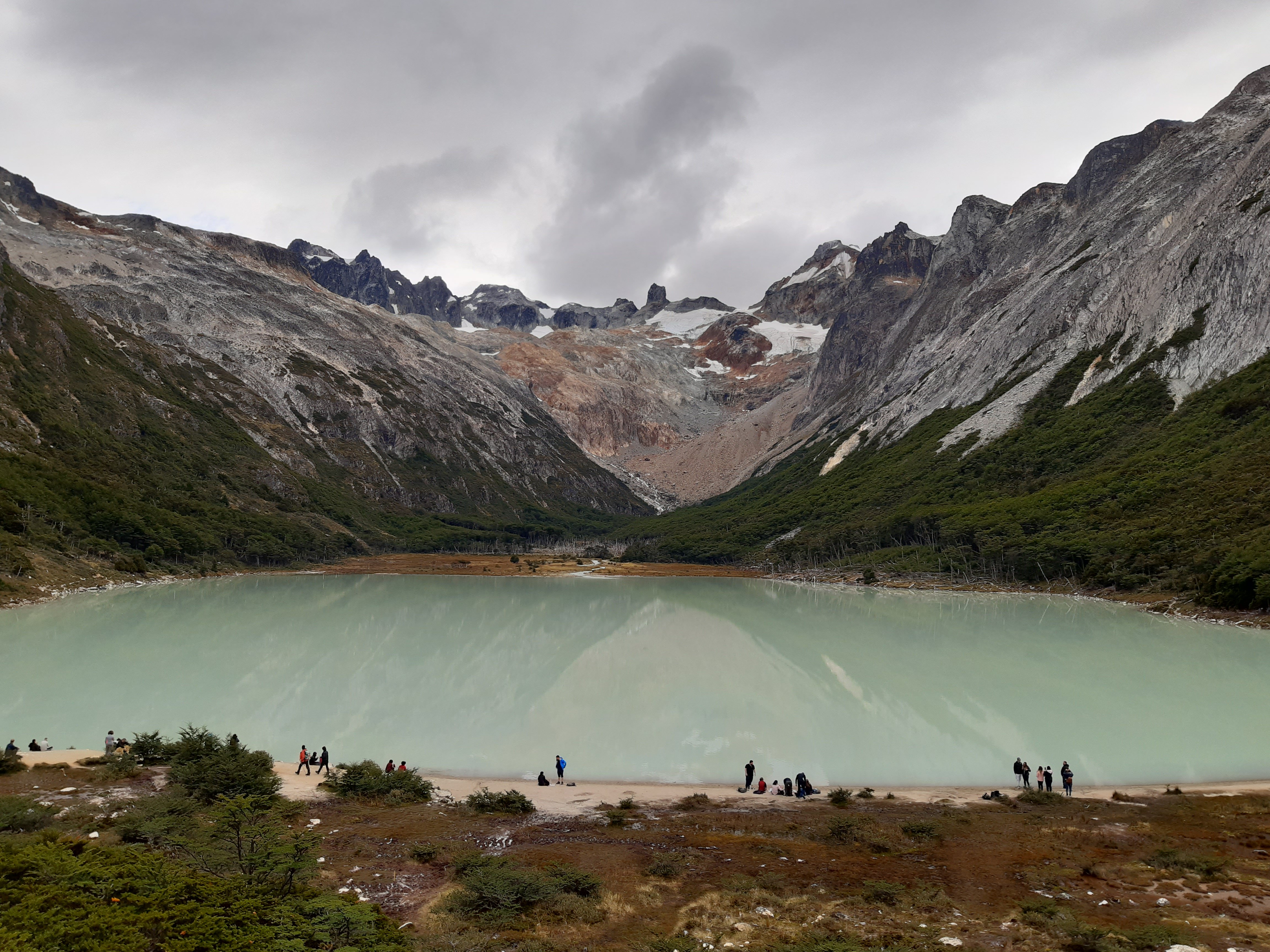
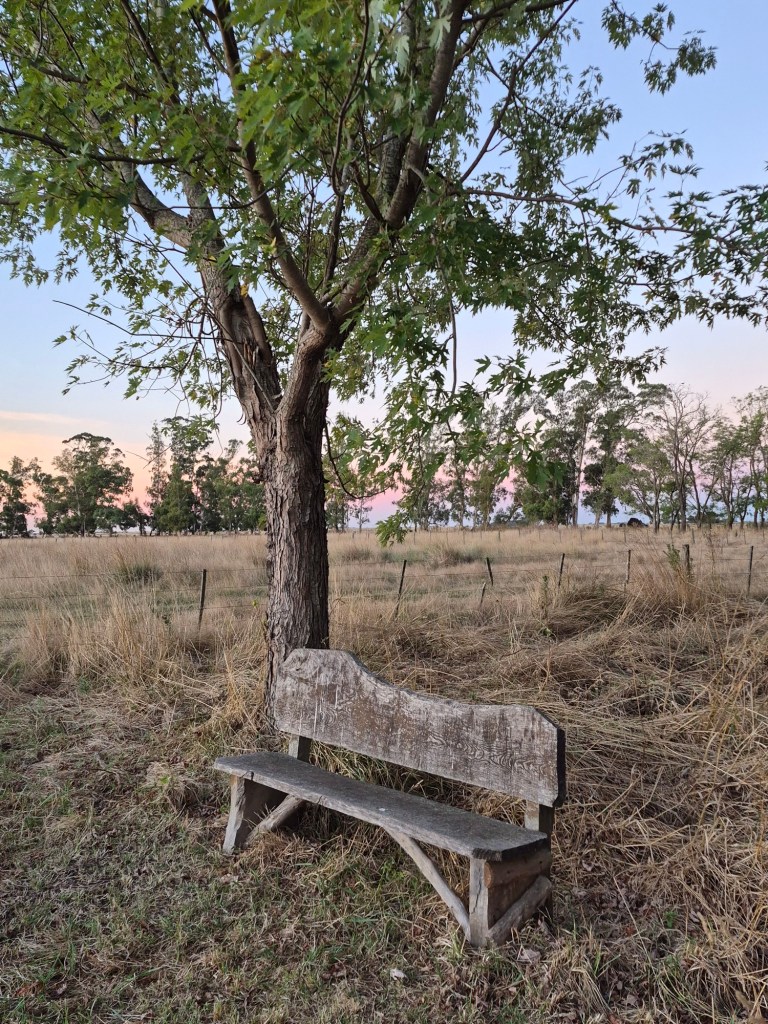
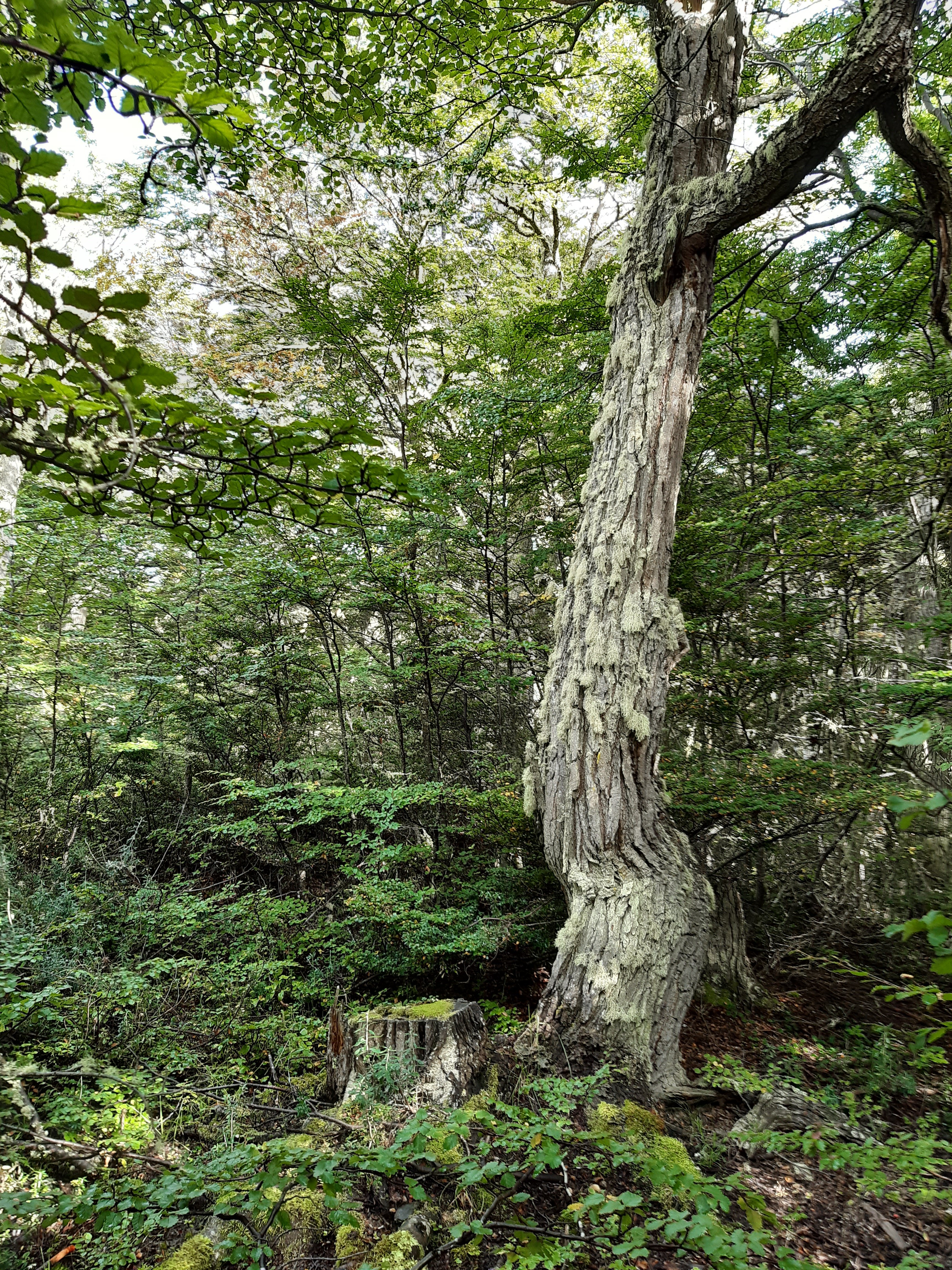
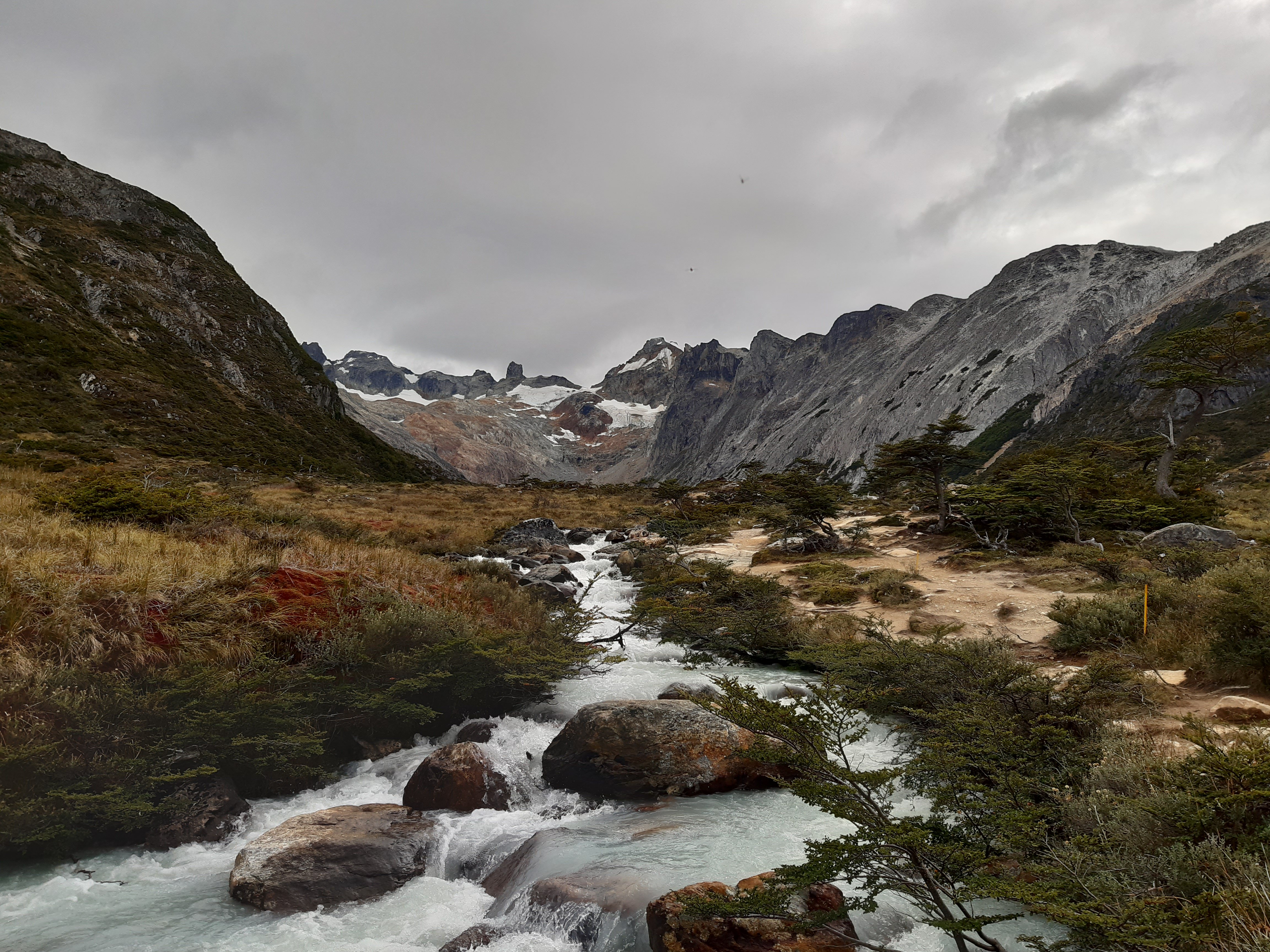 The day before the 13th I followed a road up a mountain to what I thought would be a view, but all I found were cabins in the forest and dogs. I also found a tree under which I could sit and gather my wits, do the thing I described at the beginning of this blog. When I got up from there, things had changed, I just knew it
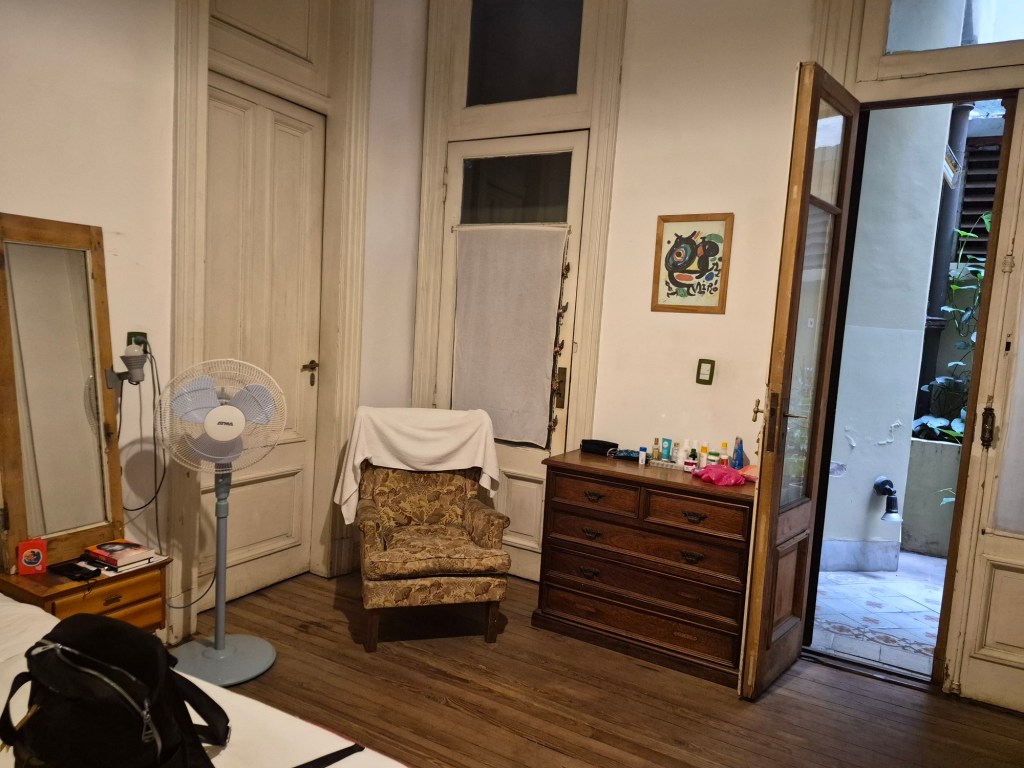
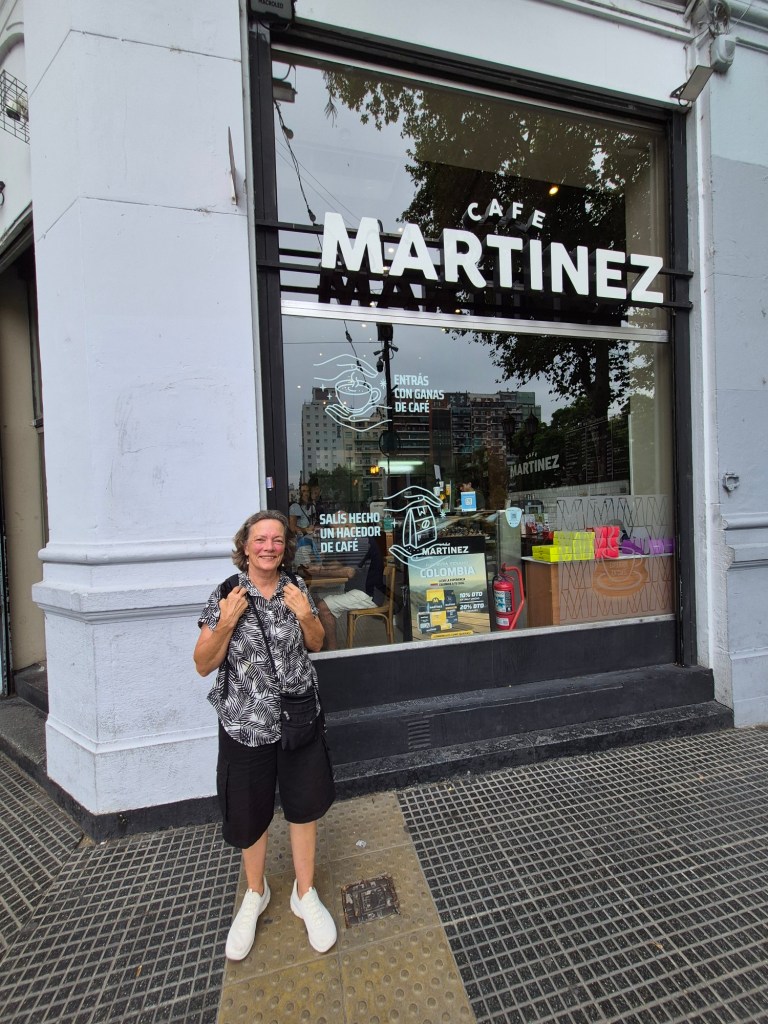
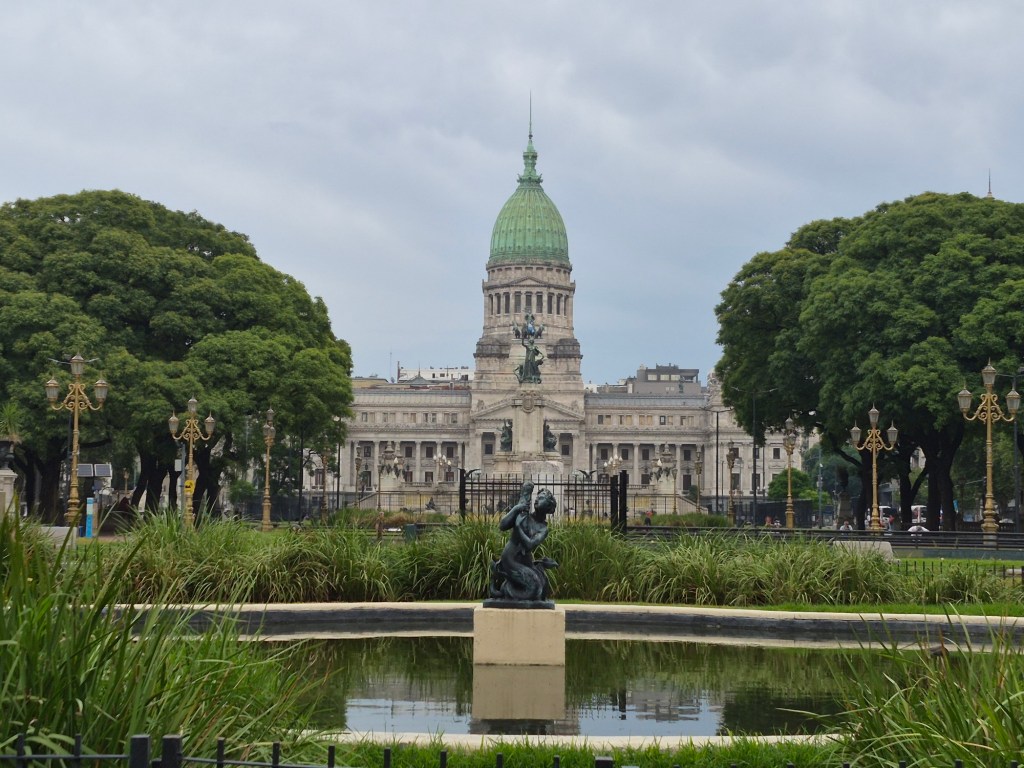
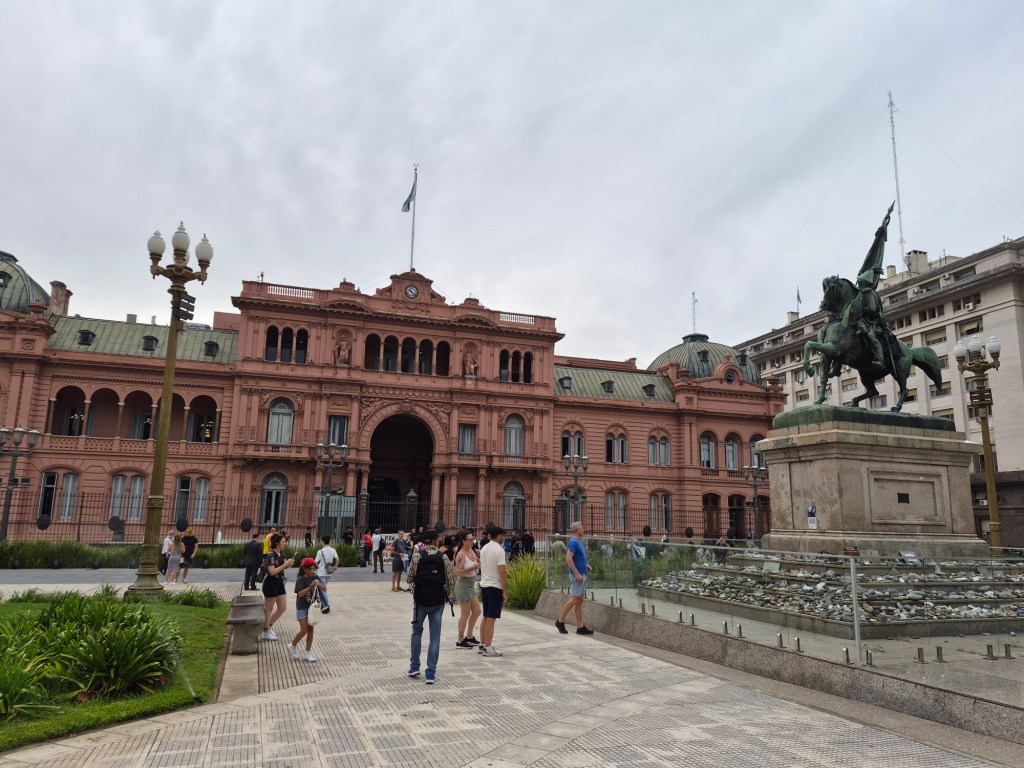
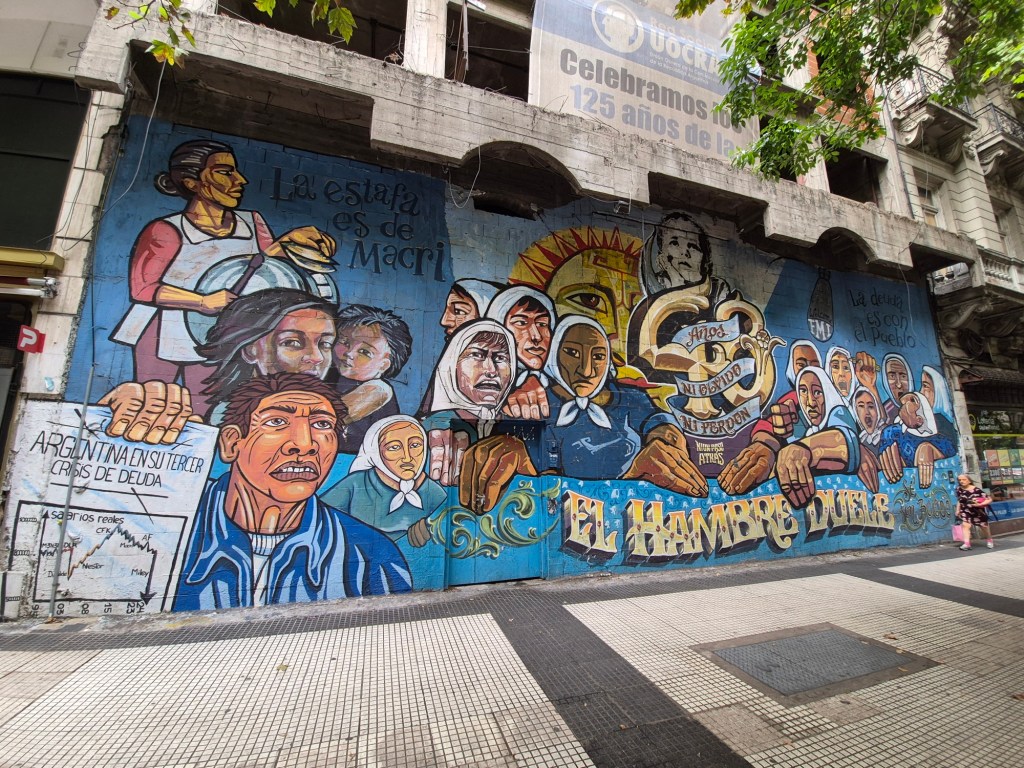
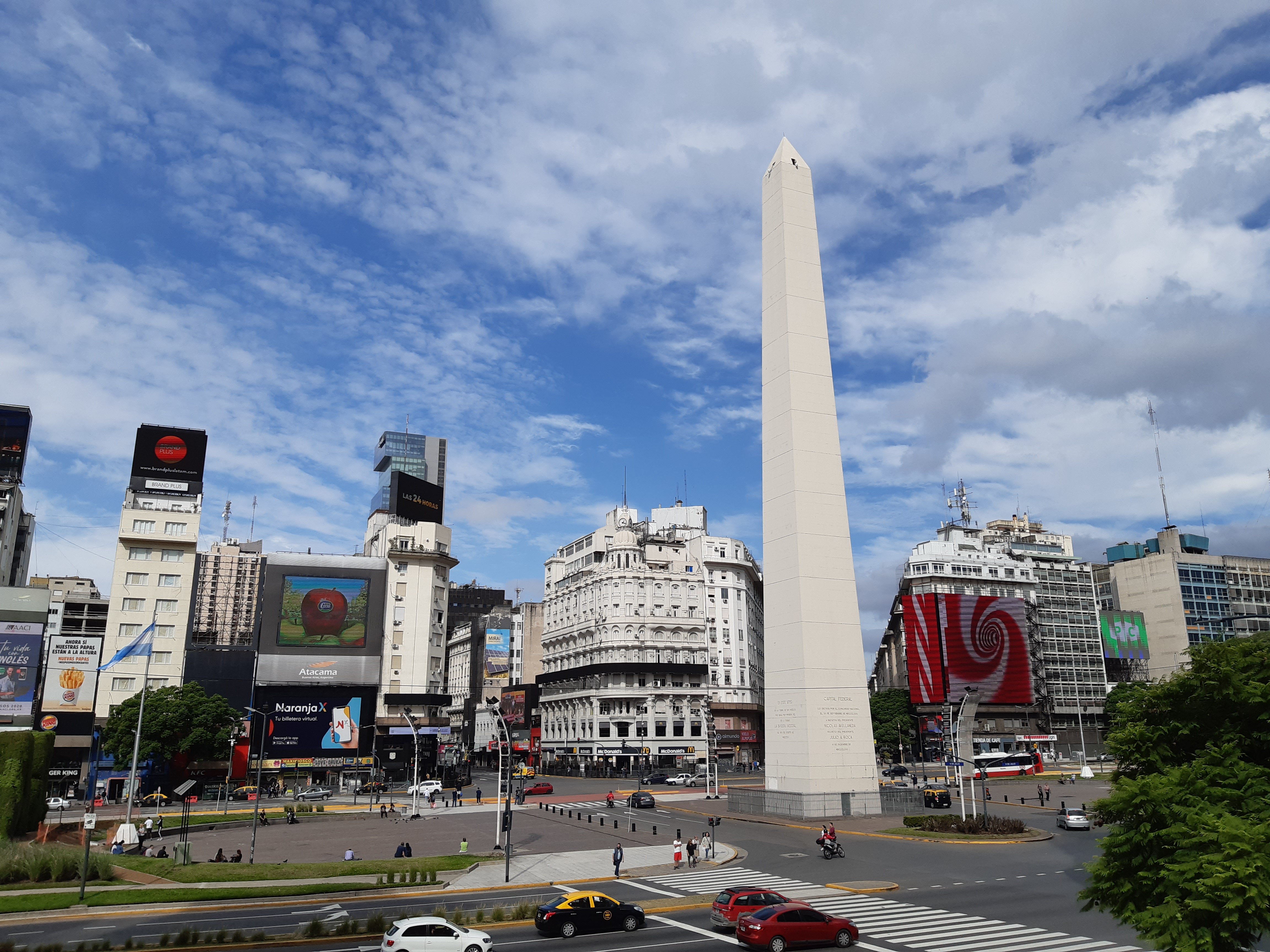
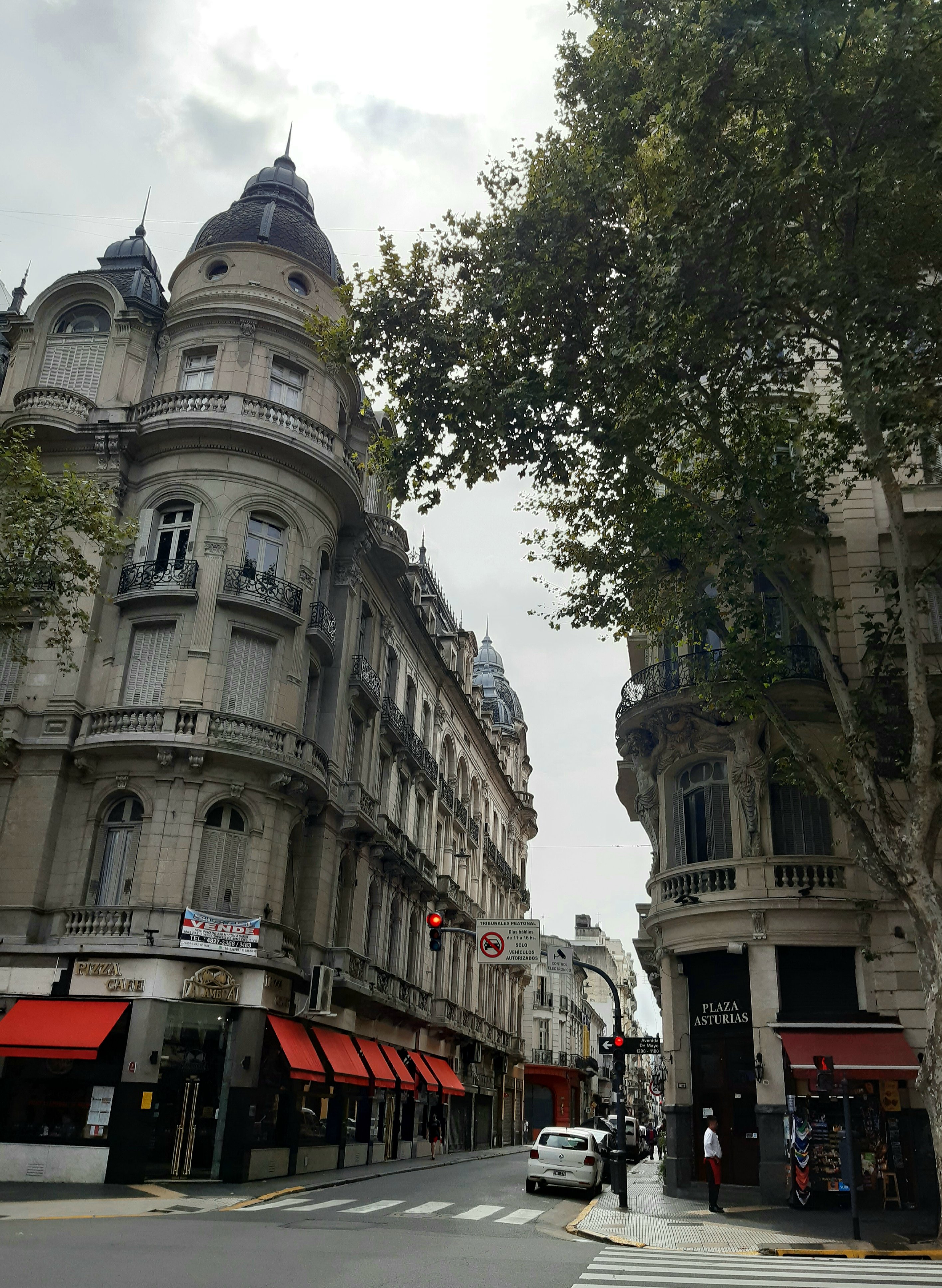
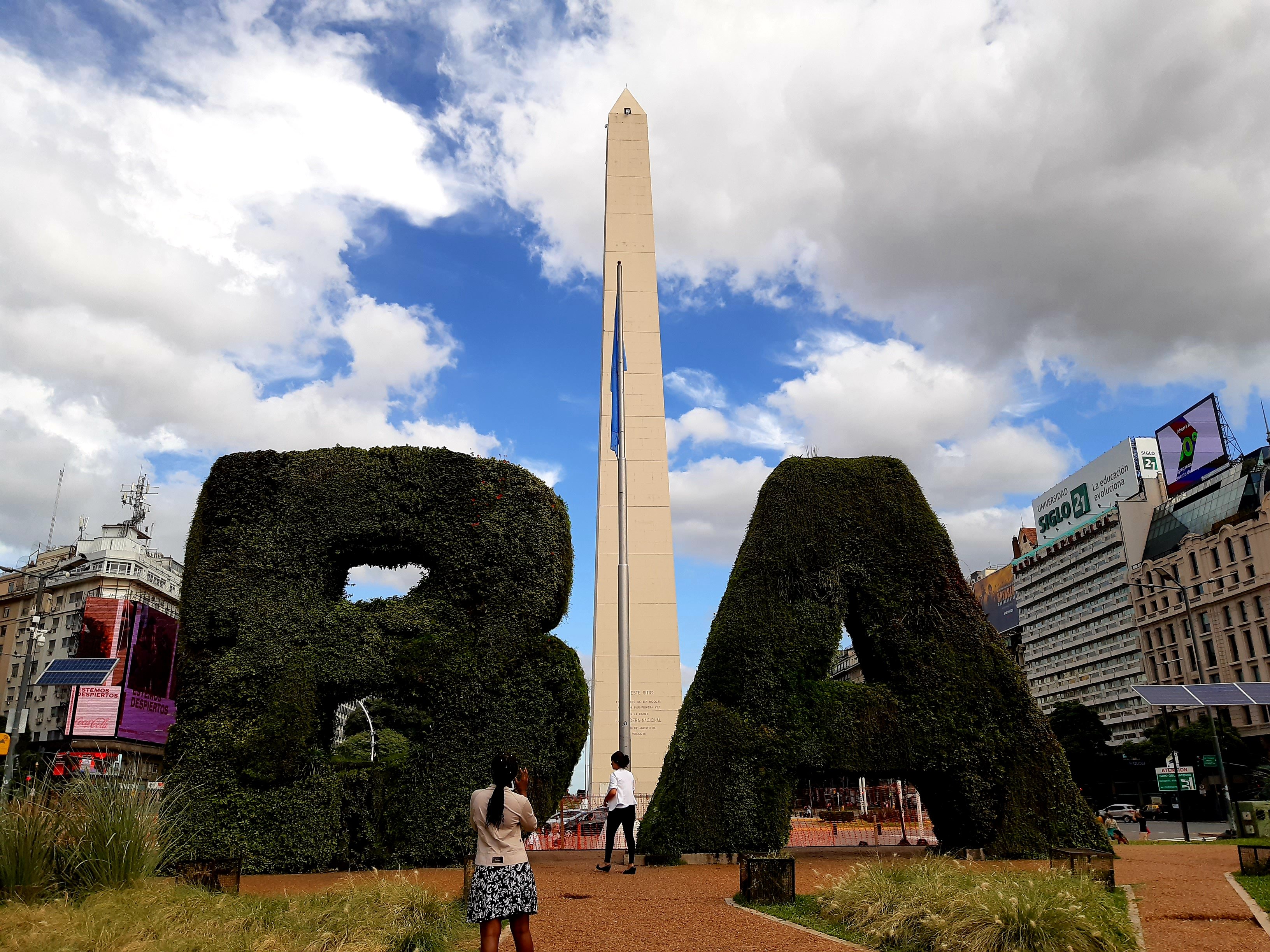
 On the 14th I left for Buenos Aires, and had one day to take my leave. My accommodation was in a lovely old homely apartment, with a super helpful hostess who insisted on cooking for me and driving me to the shop. I walked 25 blocks to Plaza de Mayo, a nostalgic and emotional trip, reliving my introduction to Argentina more than 7 months ago. Time had passed in the blink of an eye.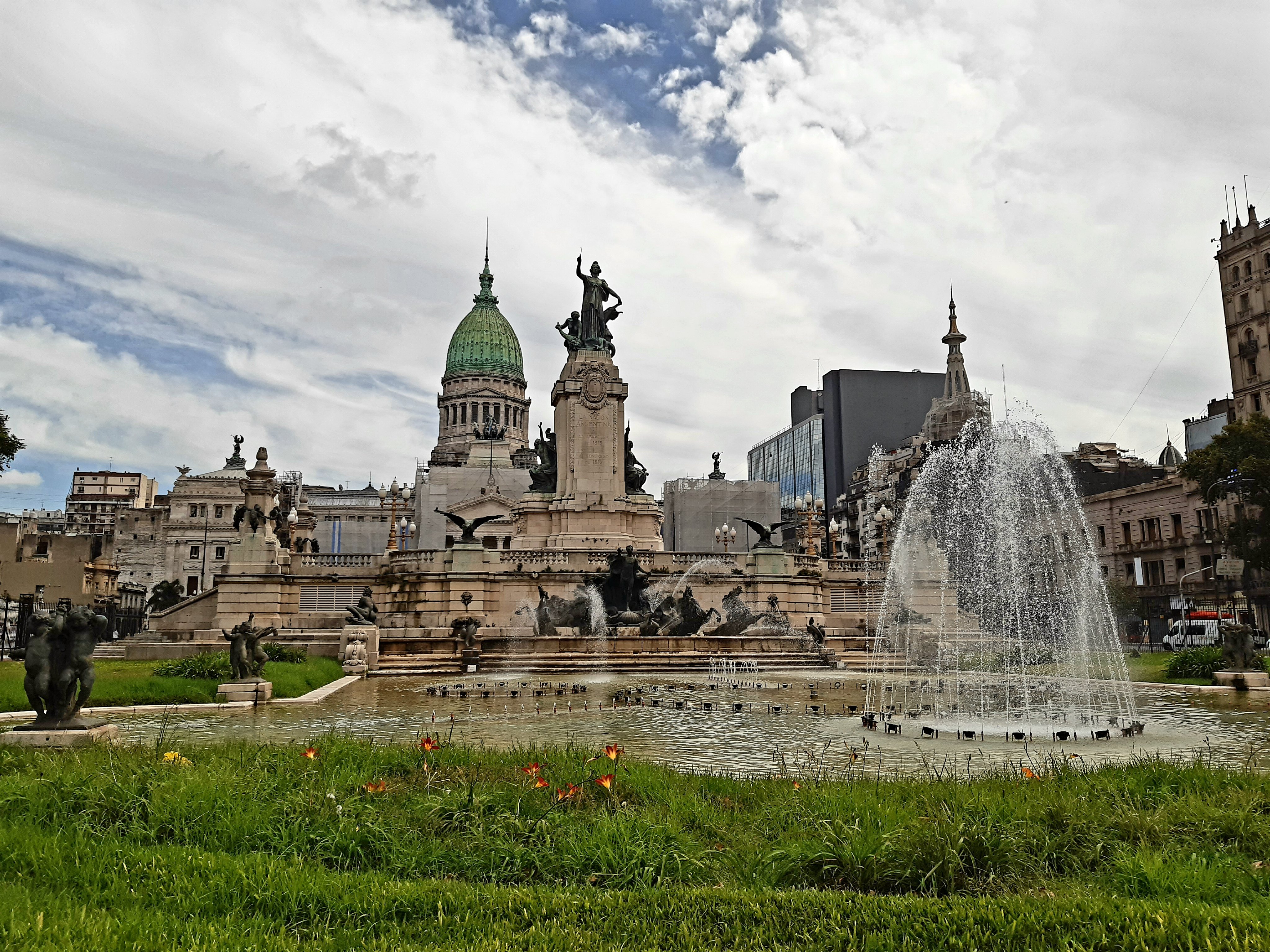
 1
1
 Alan stayed for a couple of days, and we managed to do a hike in the Reserva Nacional Magallanes, a fascinating forest a few kilometers out of the city. It is eerie in some places, fairy like in others. There was evidence of thick old trees that had been harvested years ago, their stumps often covered with bright green moss. I love the musty smell of decaying wood and leaves in a forest and the sponginess of the ground. I visualize the new growth springing forth from the graveyard of the old, and I’m reminded of the inevitable cycle of life and death.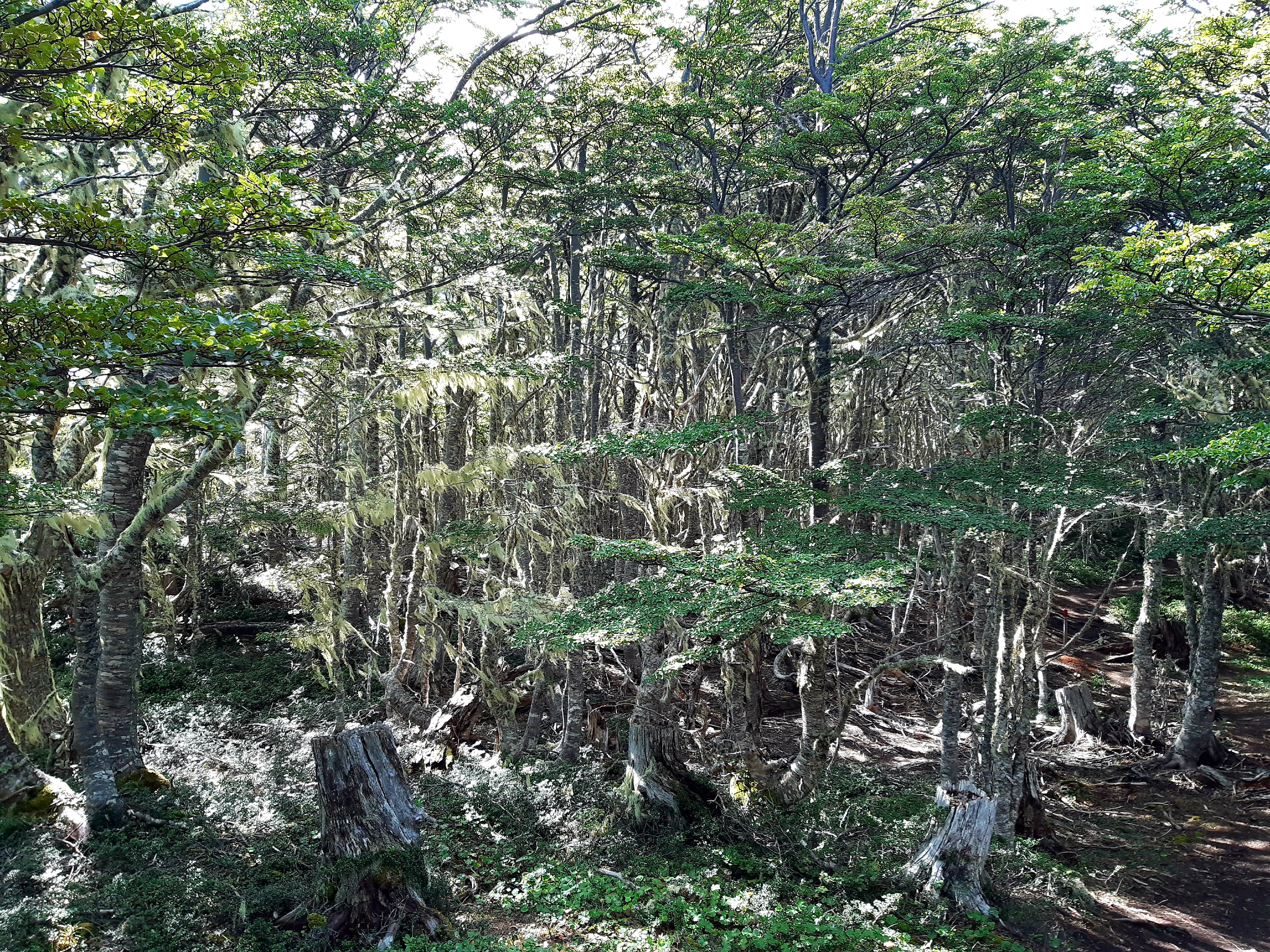
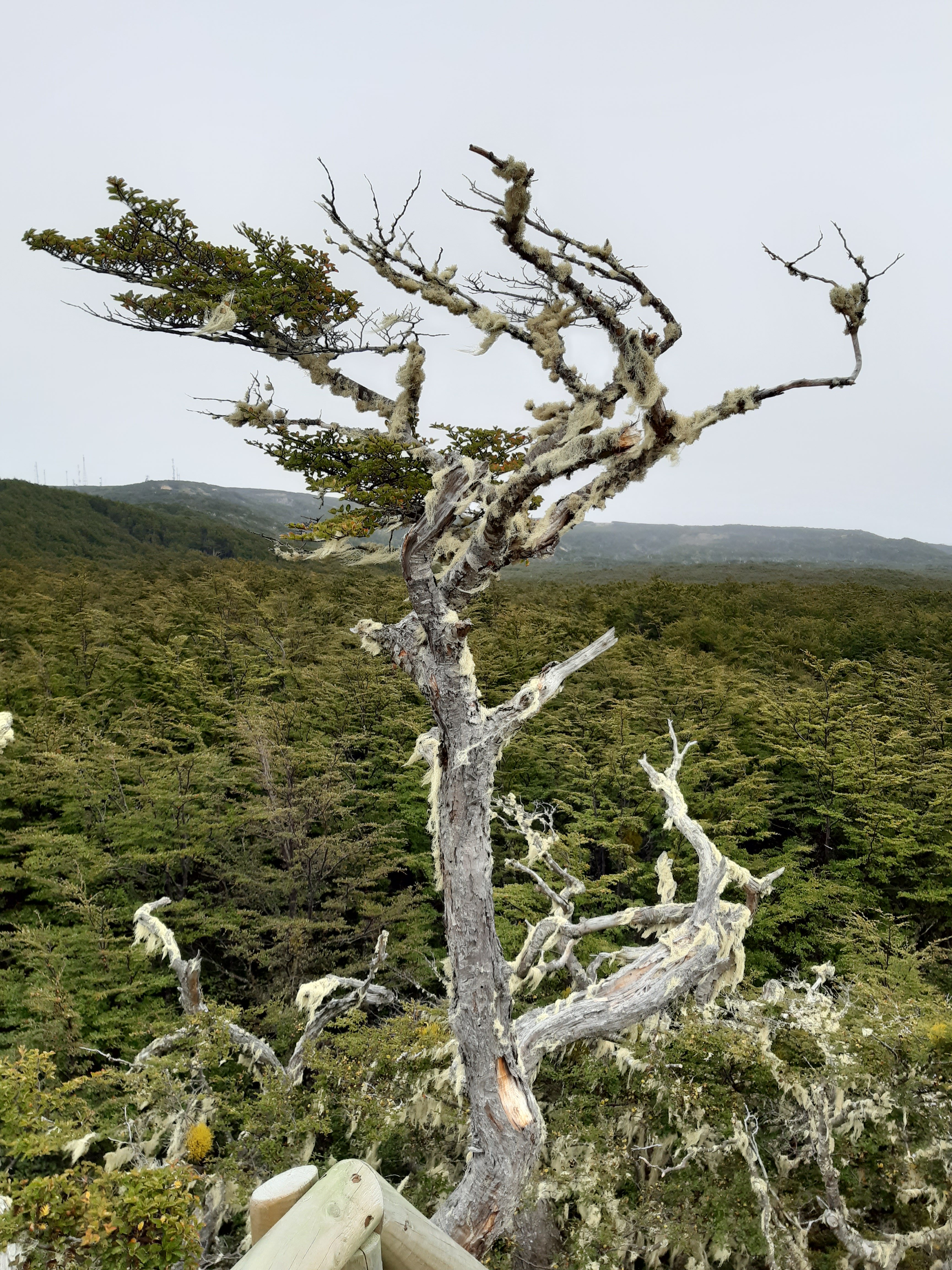
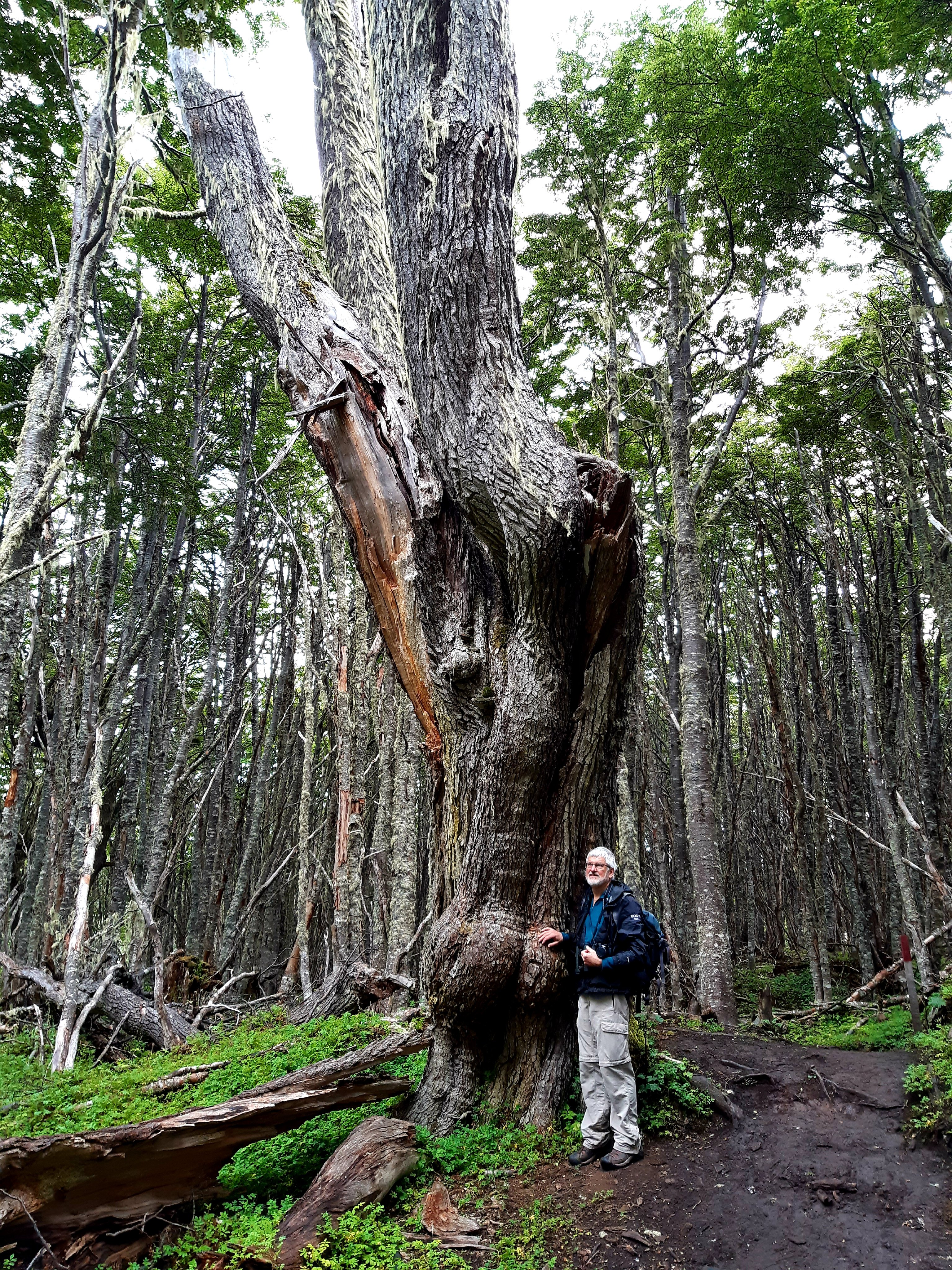
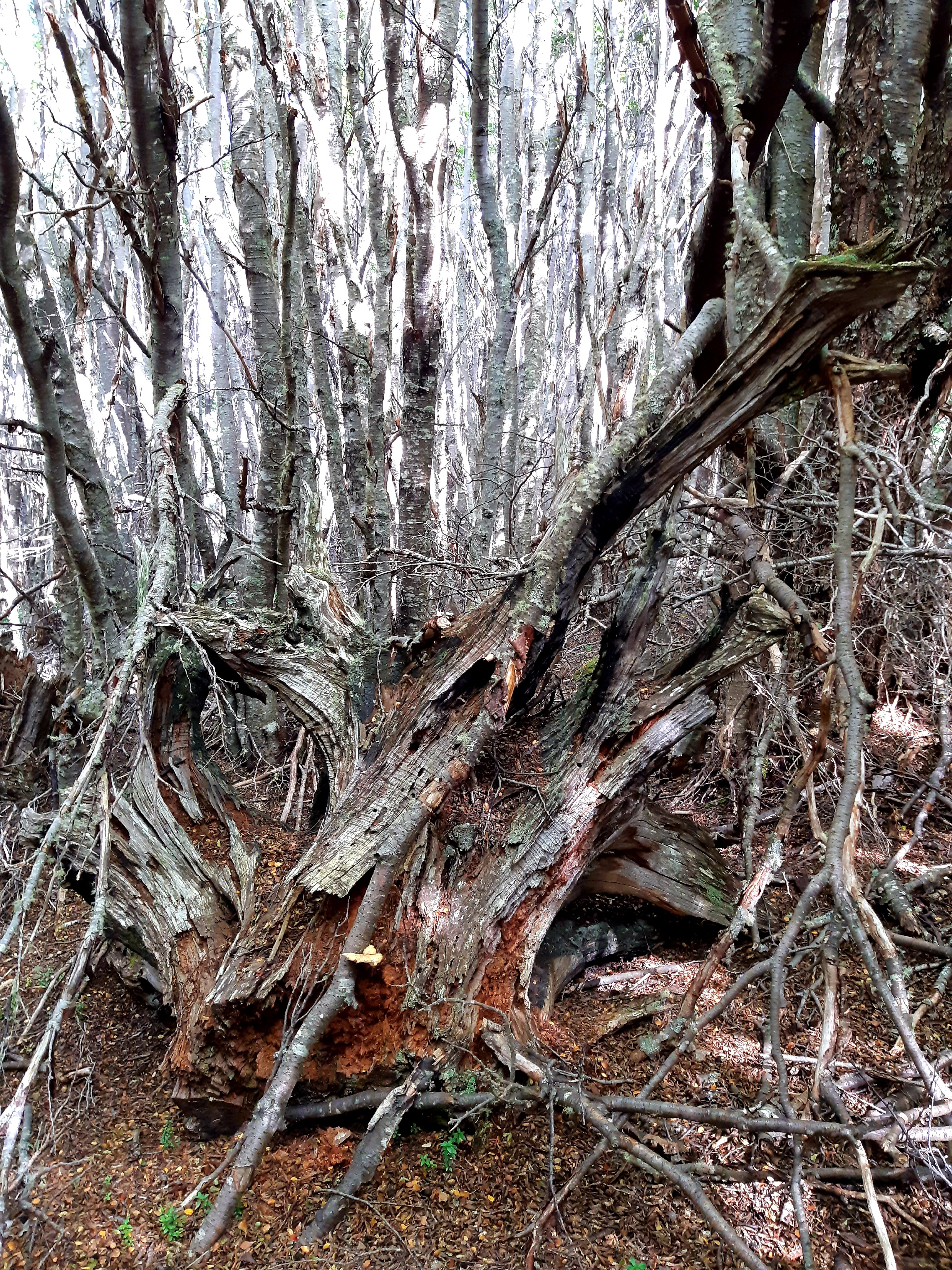
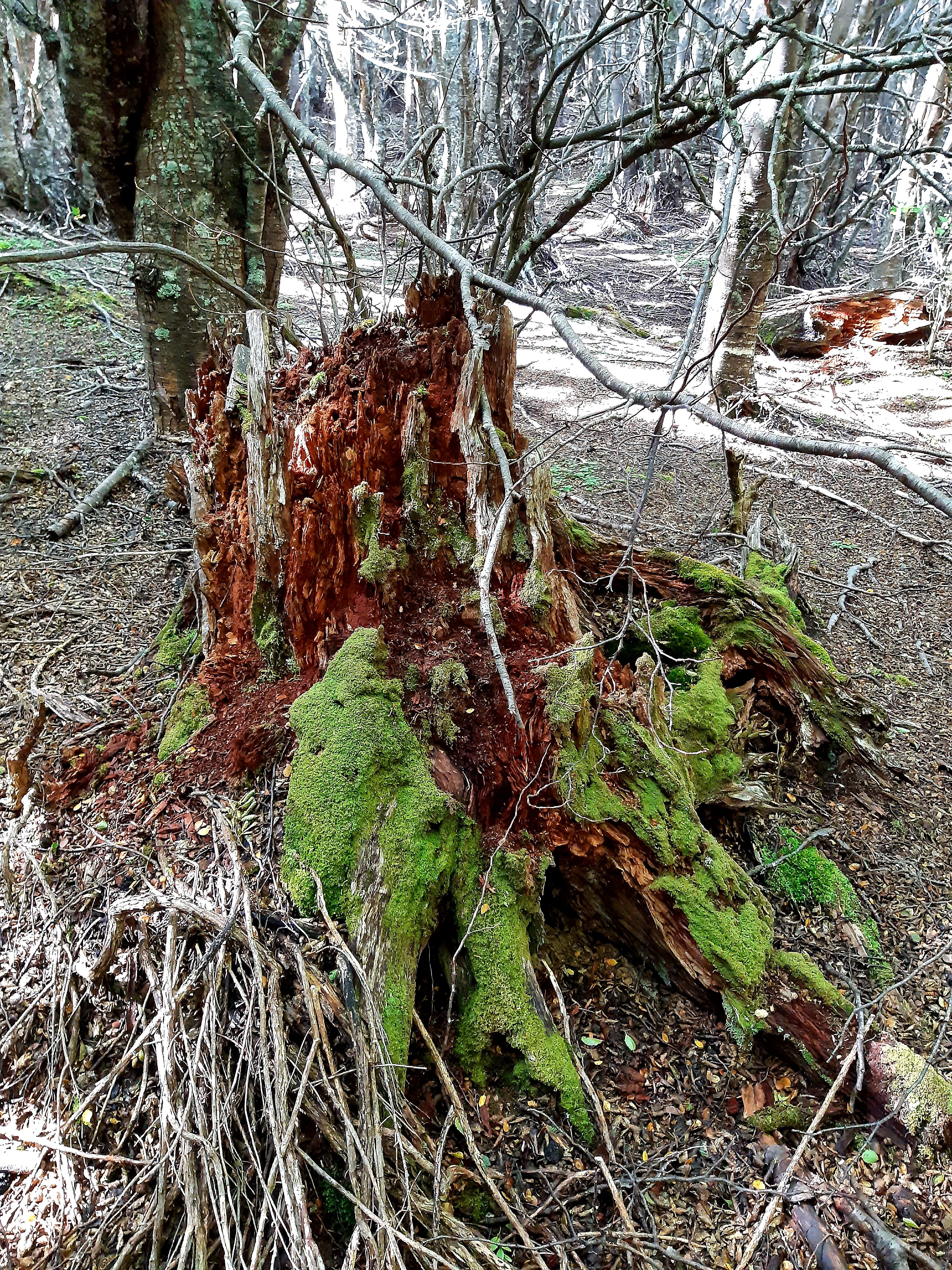
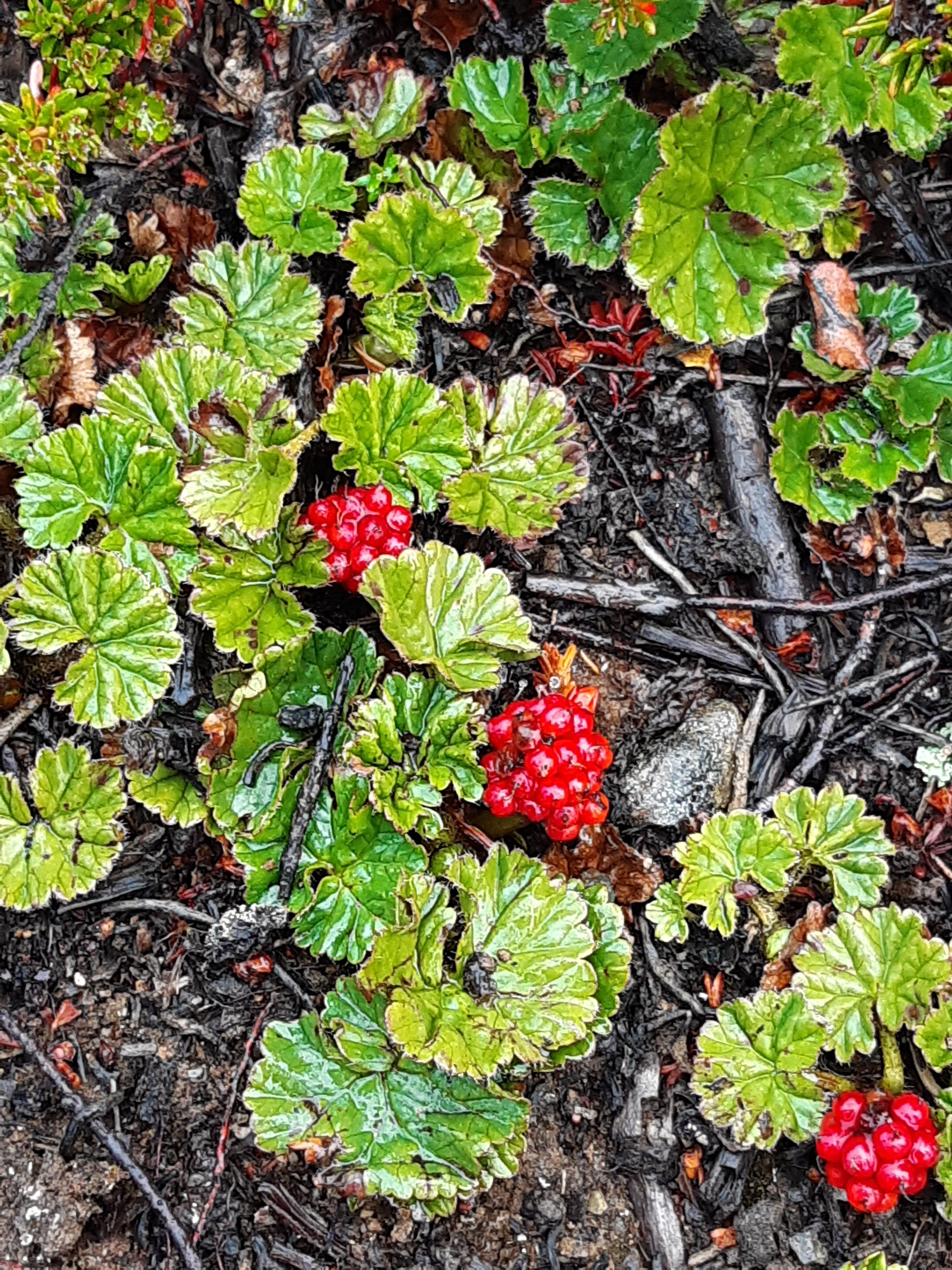
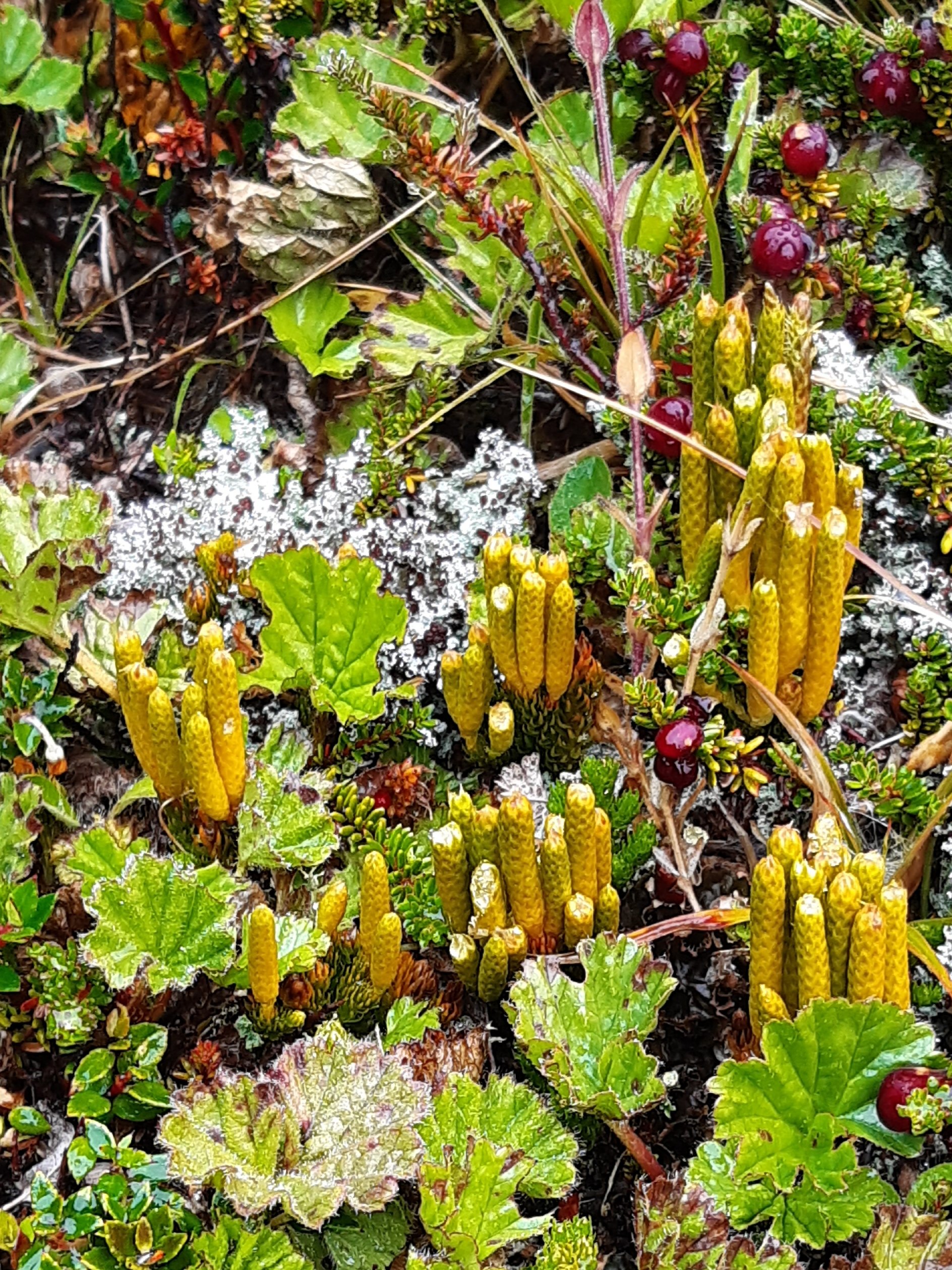 The trees in this area are mostly lenga, ñirre and coigüe (beech). There are edible berries all over – it was a first for me to be told “eat the berries”! I had calafate, murtilla and chaura.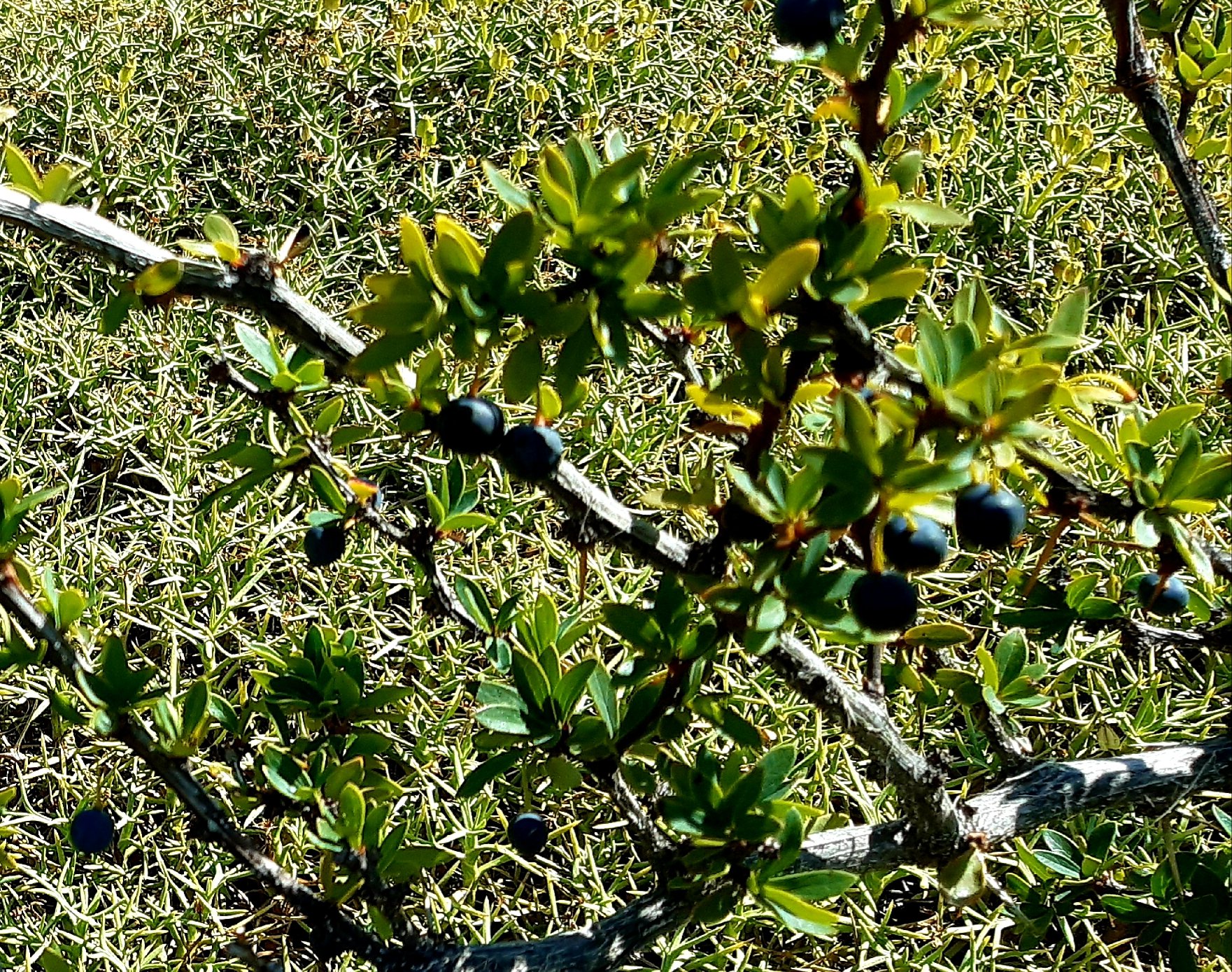
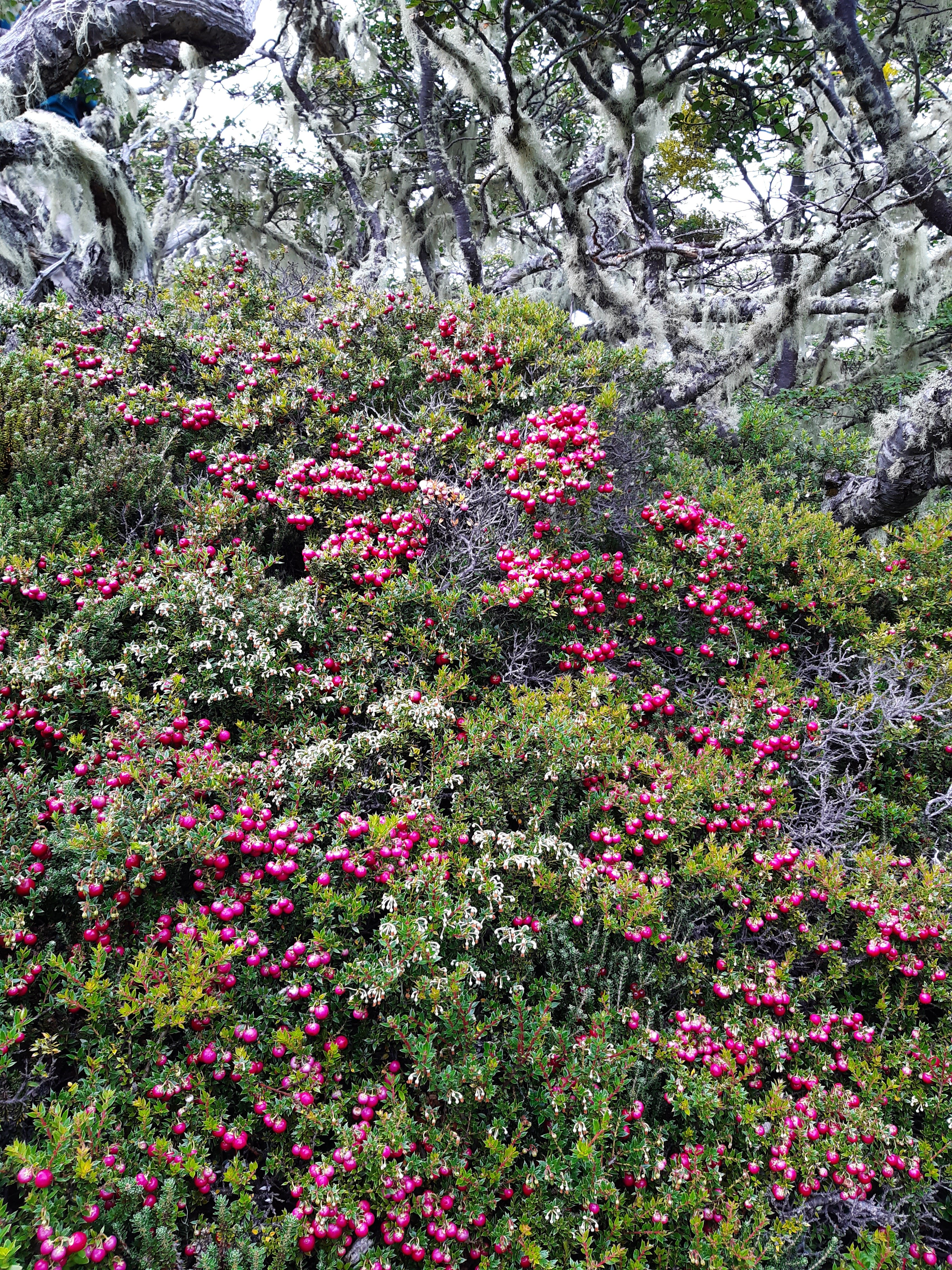
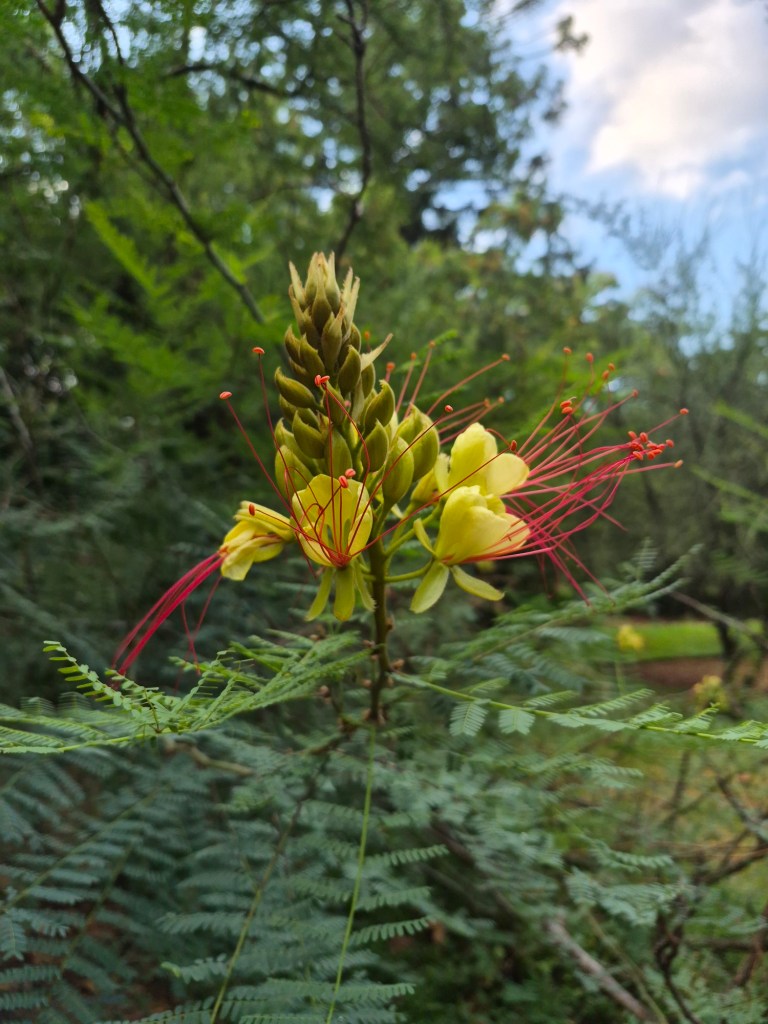
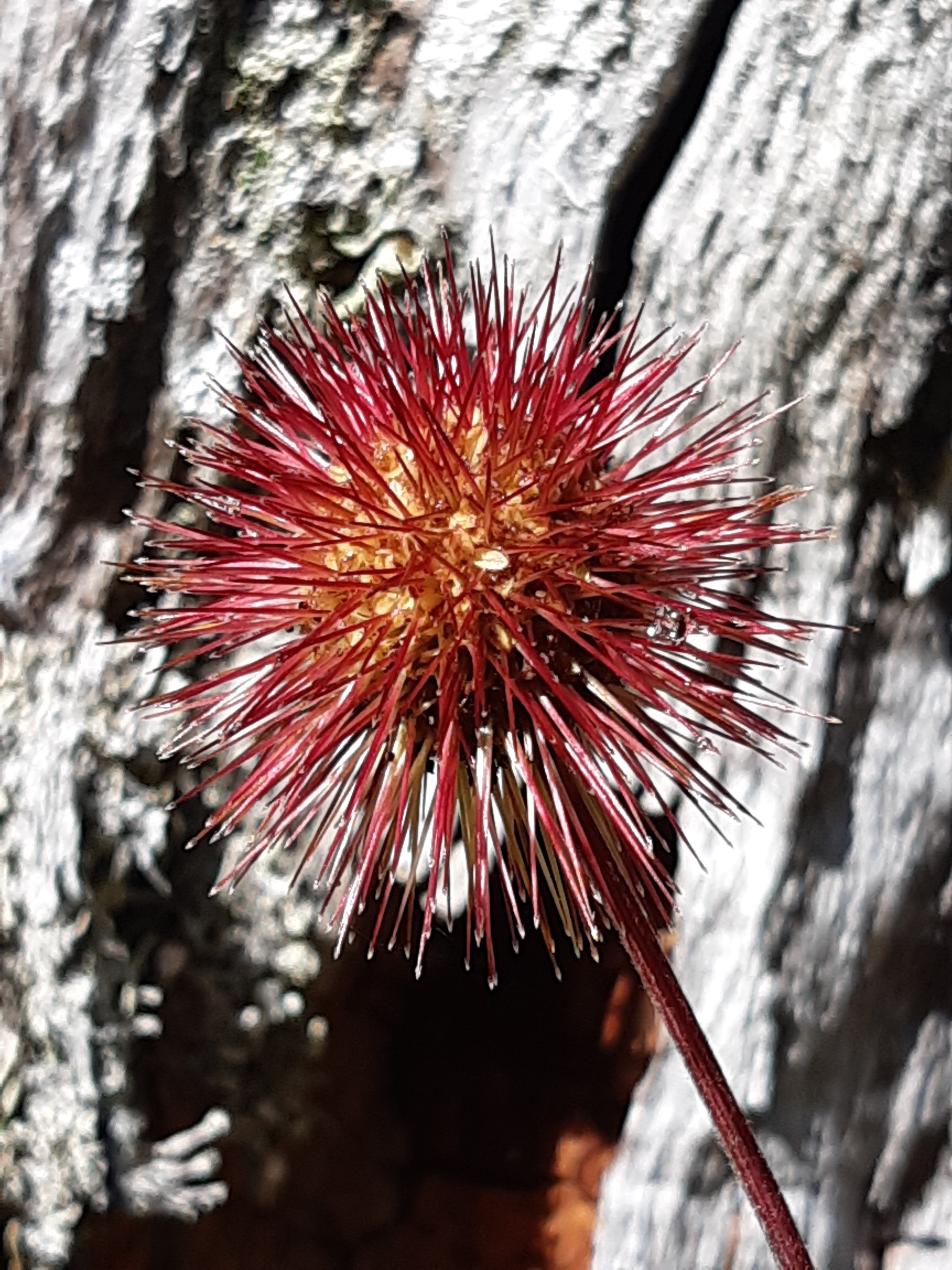
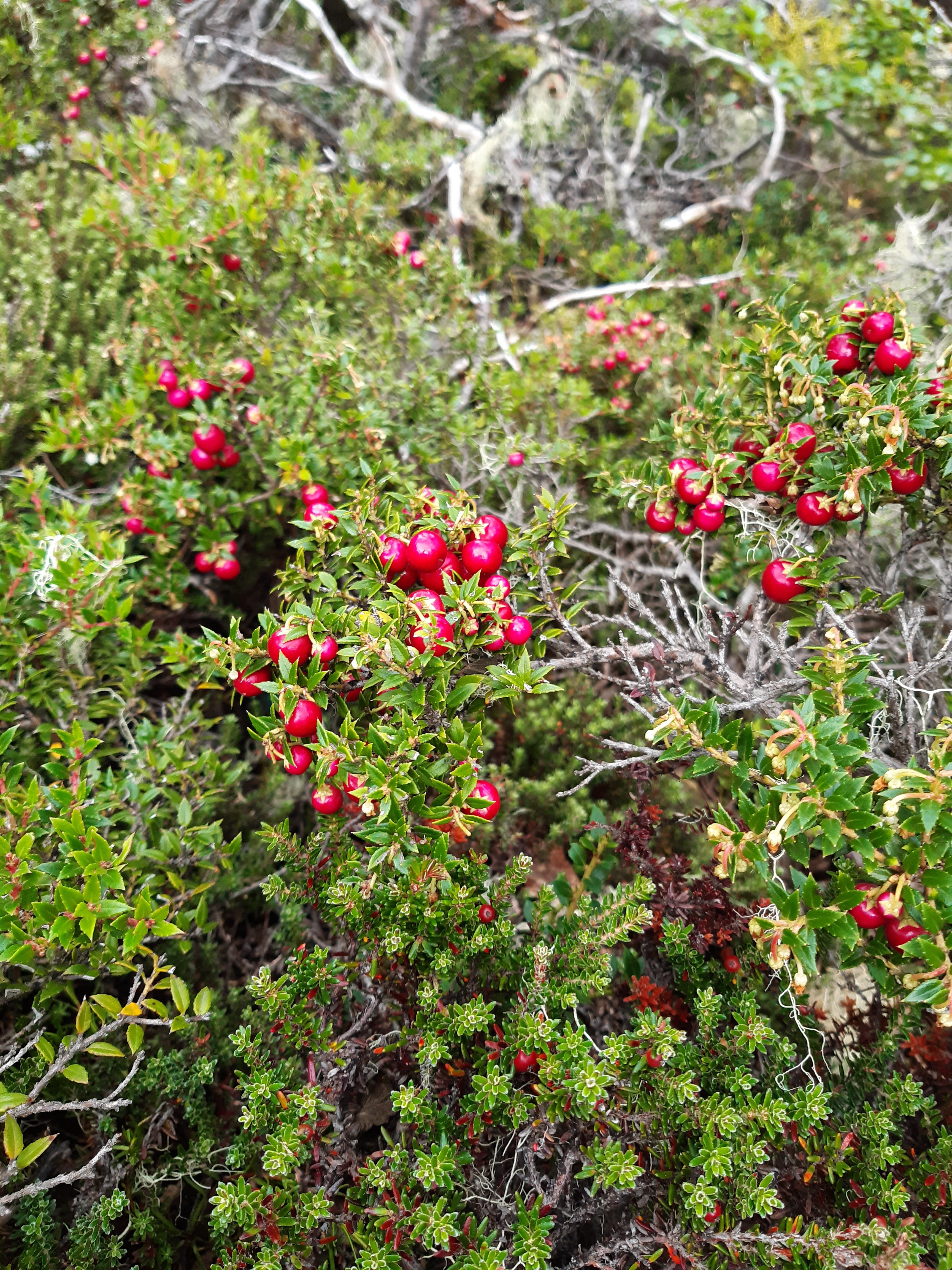 There were a variety of exquisite plants and flowers, some very small. The flower in the next picture is a quarter of the size of my pinkie nail. The red beauty in the following one is no fun when it is dry. It clings to your trousers or socks, and when you touch it to remove it, it disintegrates and each of those seeds have to be removed individually.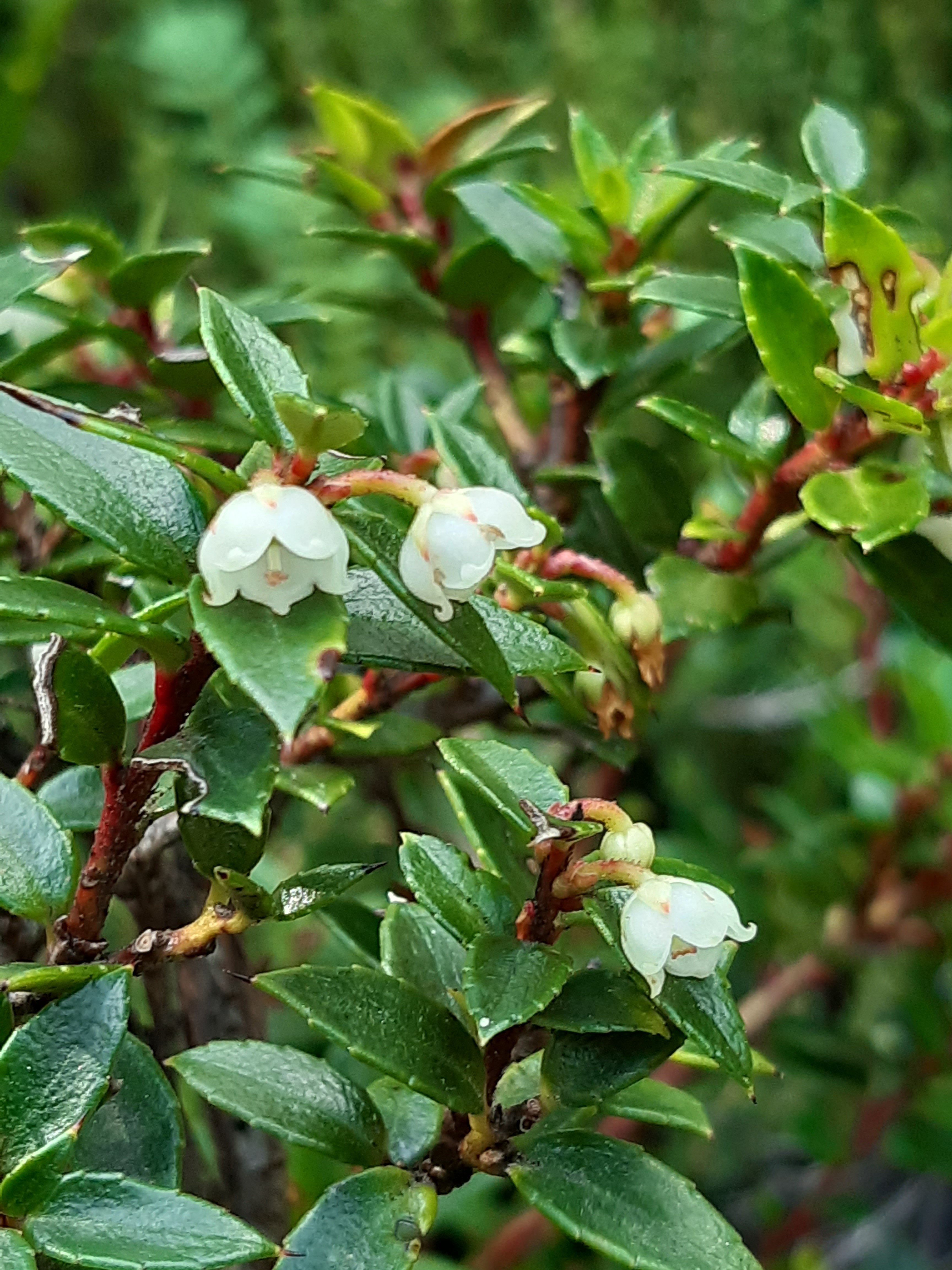
 Alan is an ornithologist, so needless to say we saw many birds, including a Black-chested Buzzard-Eagle and a Rufous-legged owl. I was treated to a few dinners and many good conversations – very happy to visit with my cousin and sad to see him go!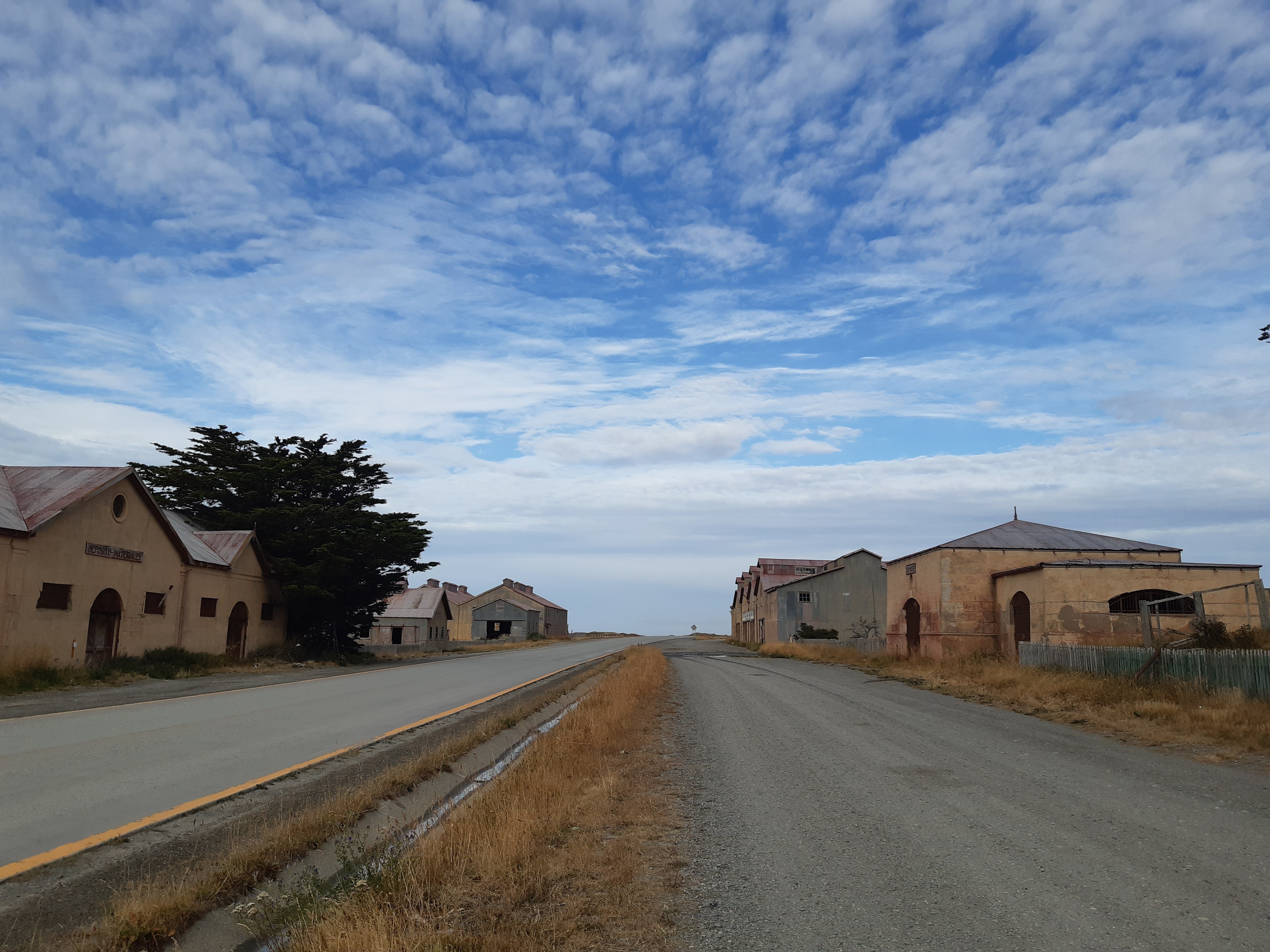
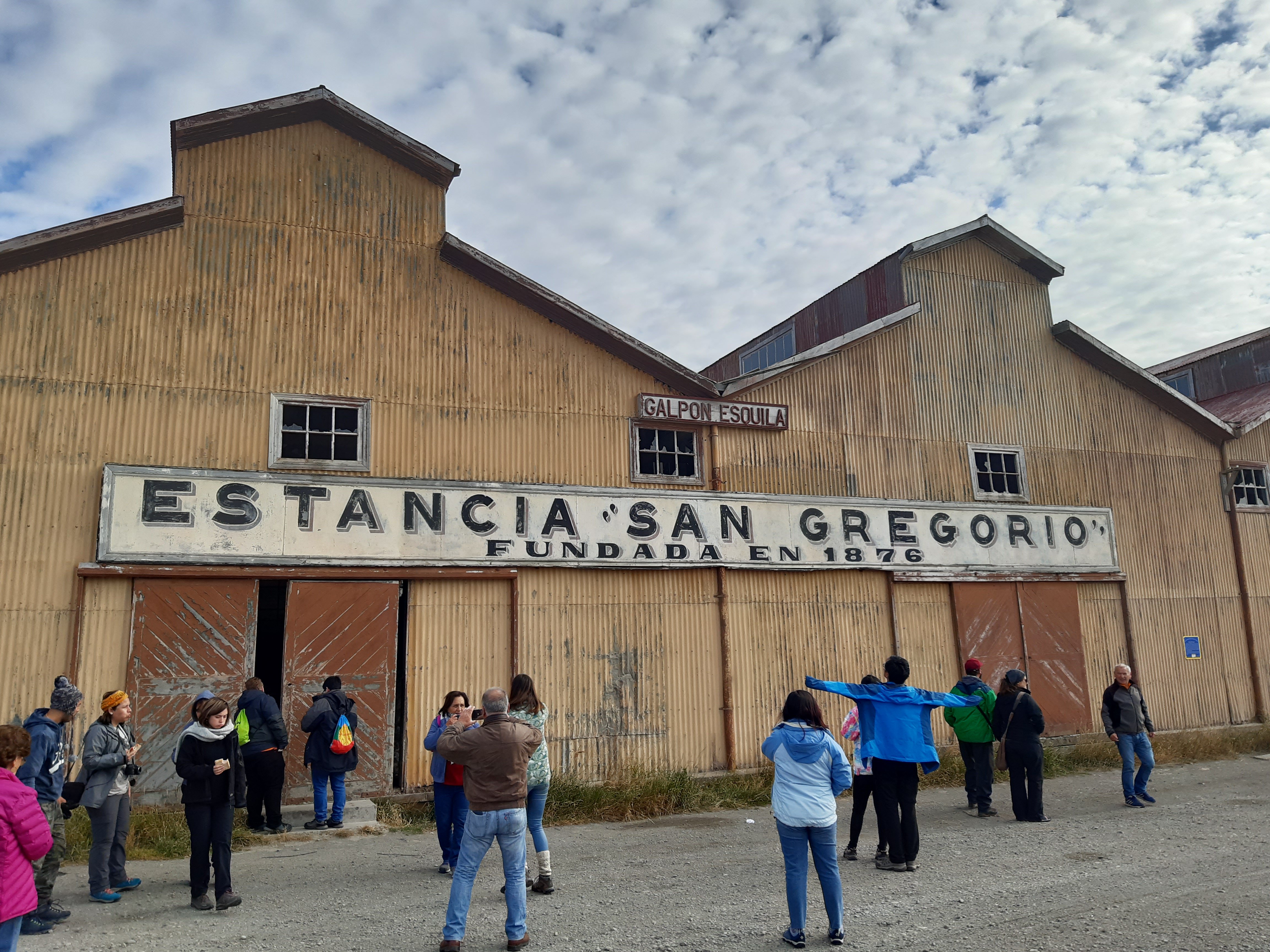
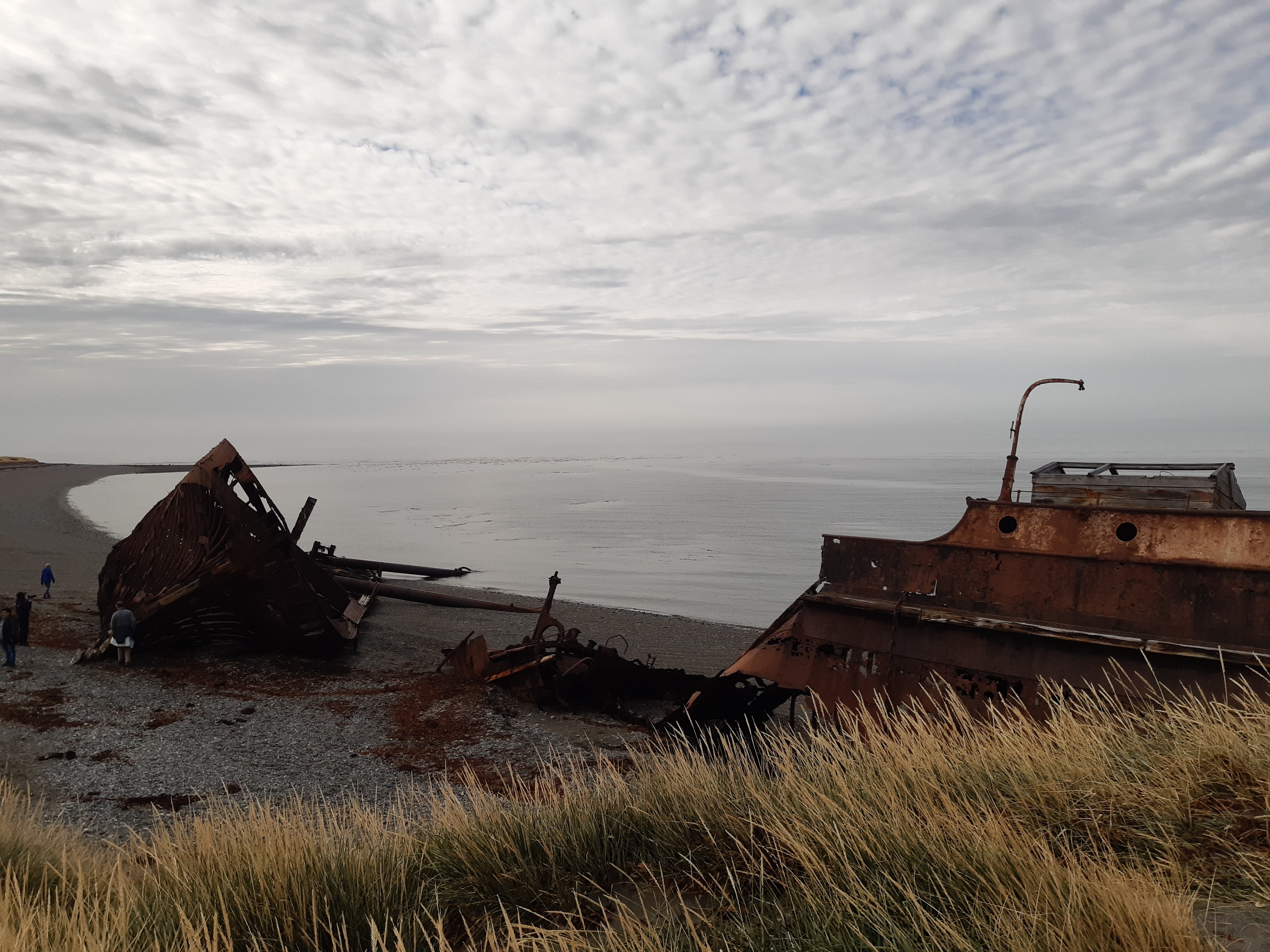
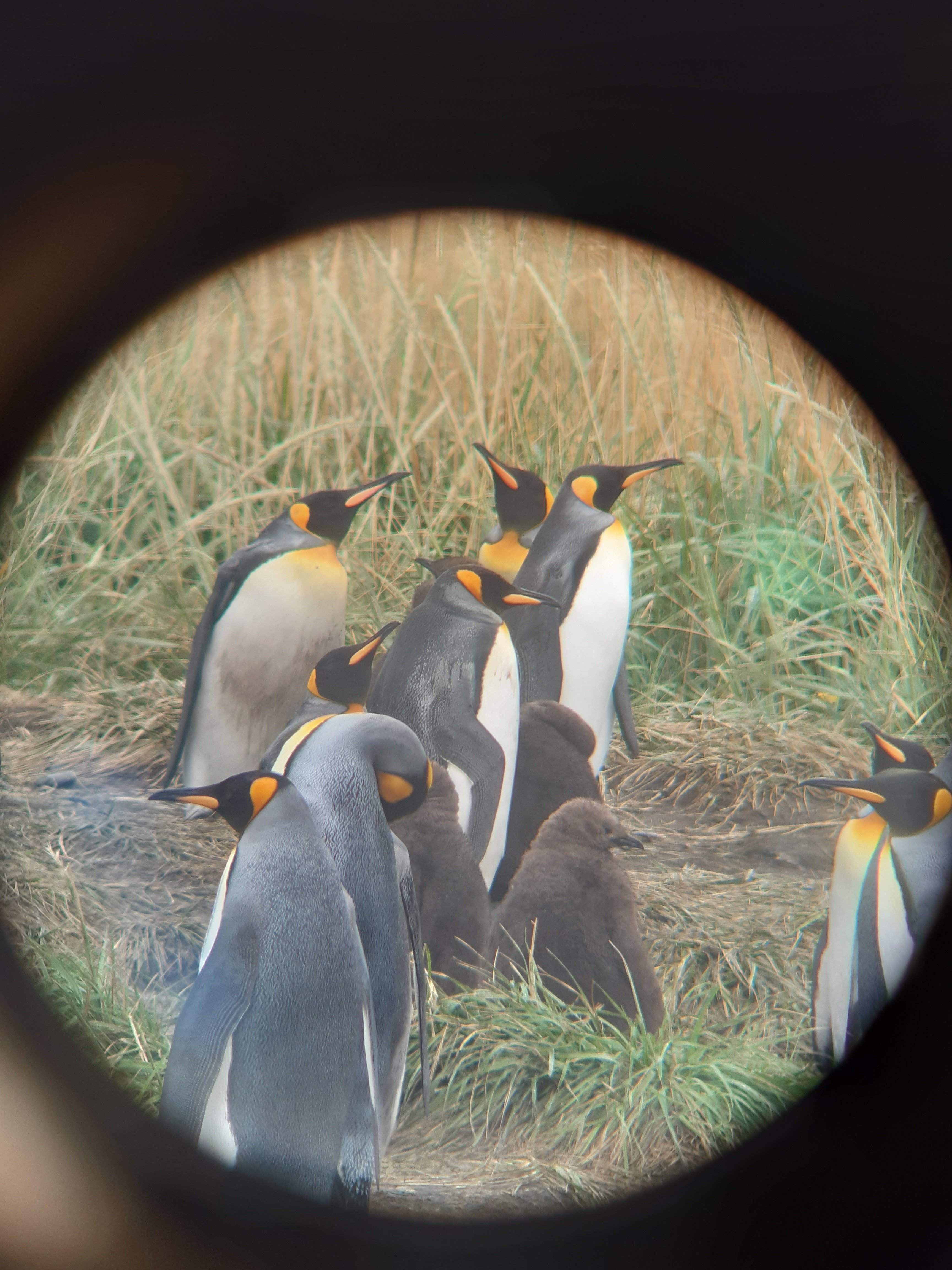
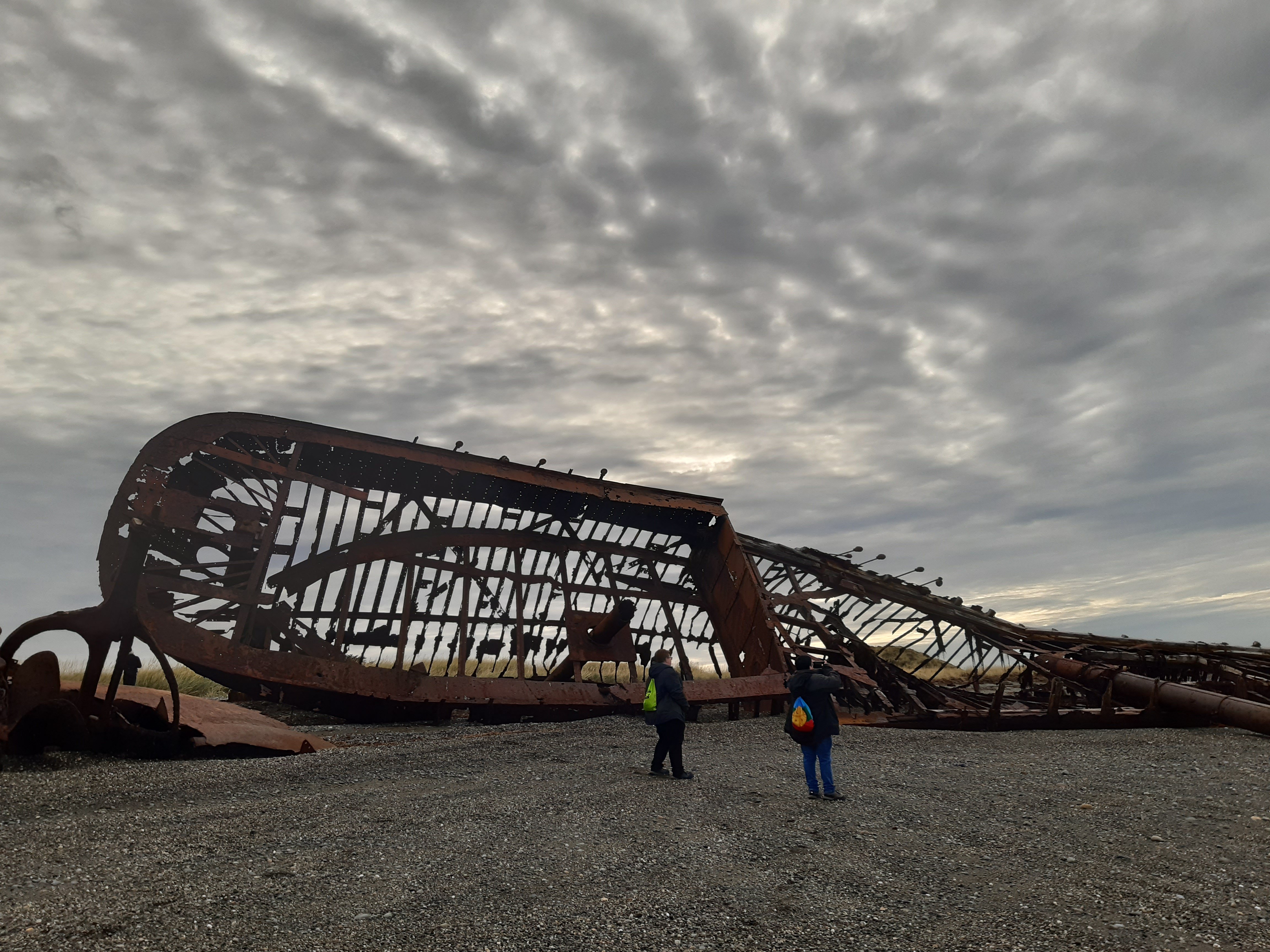 The penguins are a small colony of about 120 who established themselves there 12 years ago, originally just with a few pairs. An interesting fact that I was unaware of, is that after raising the first chick, the female decides if the male was a good enough father or not, and based on that, she will either call for him the following year, or she will mate with another male. Unfortunately it was raining, and they were a bit far for good pictures.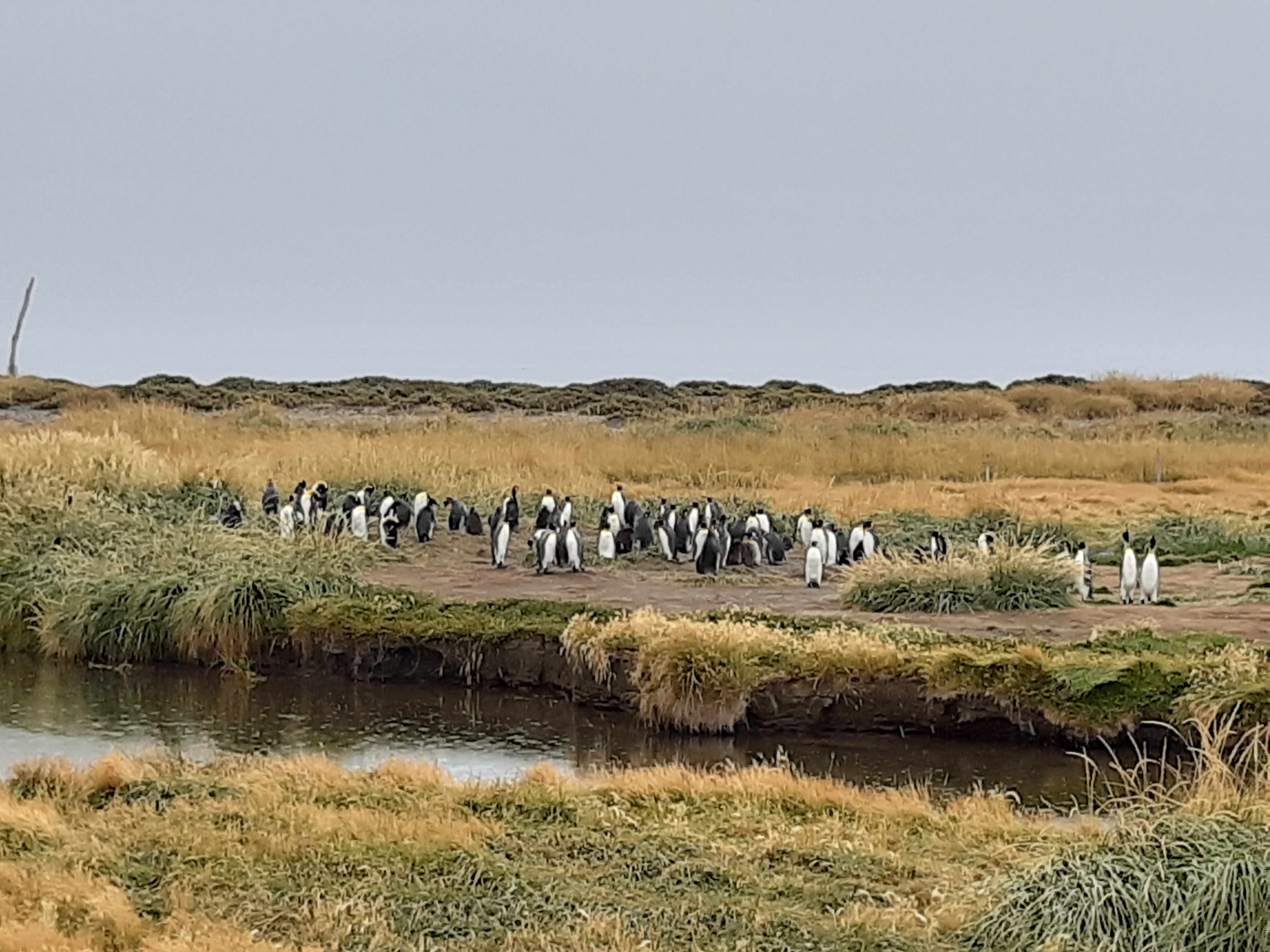
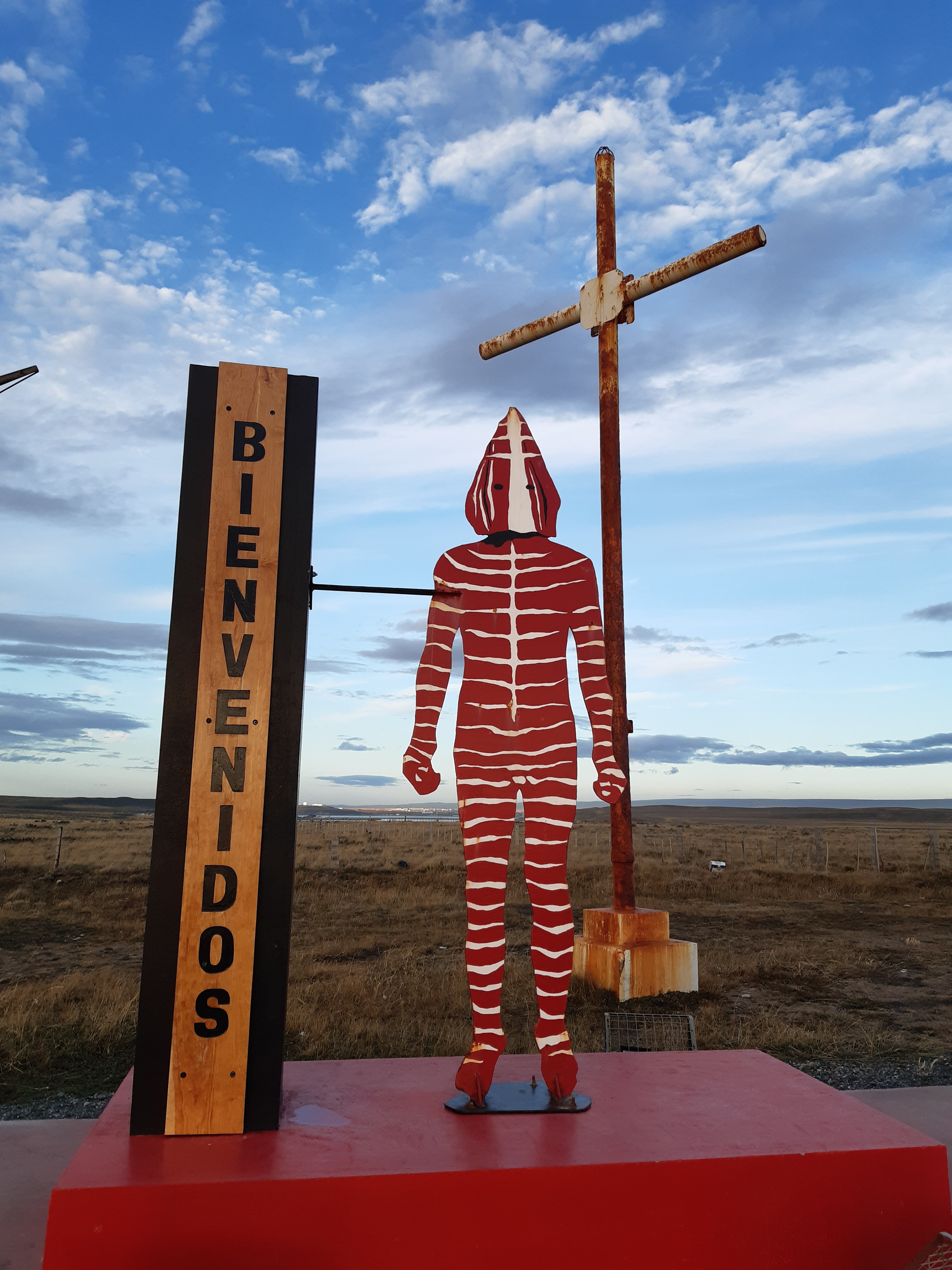
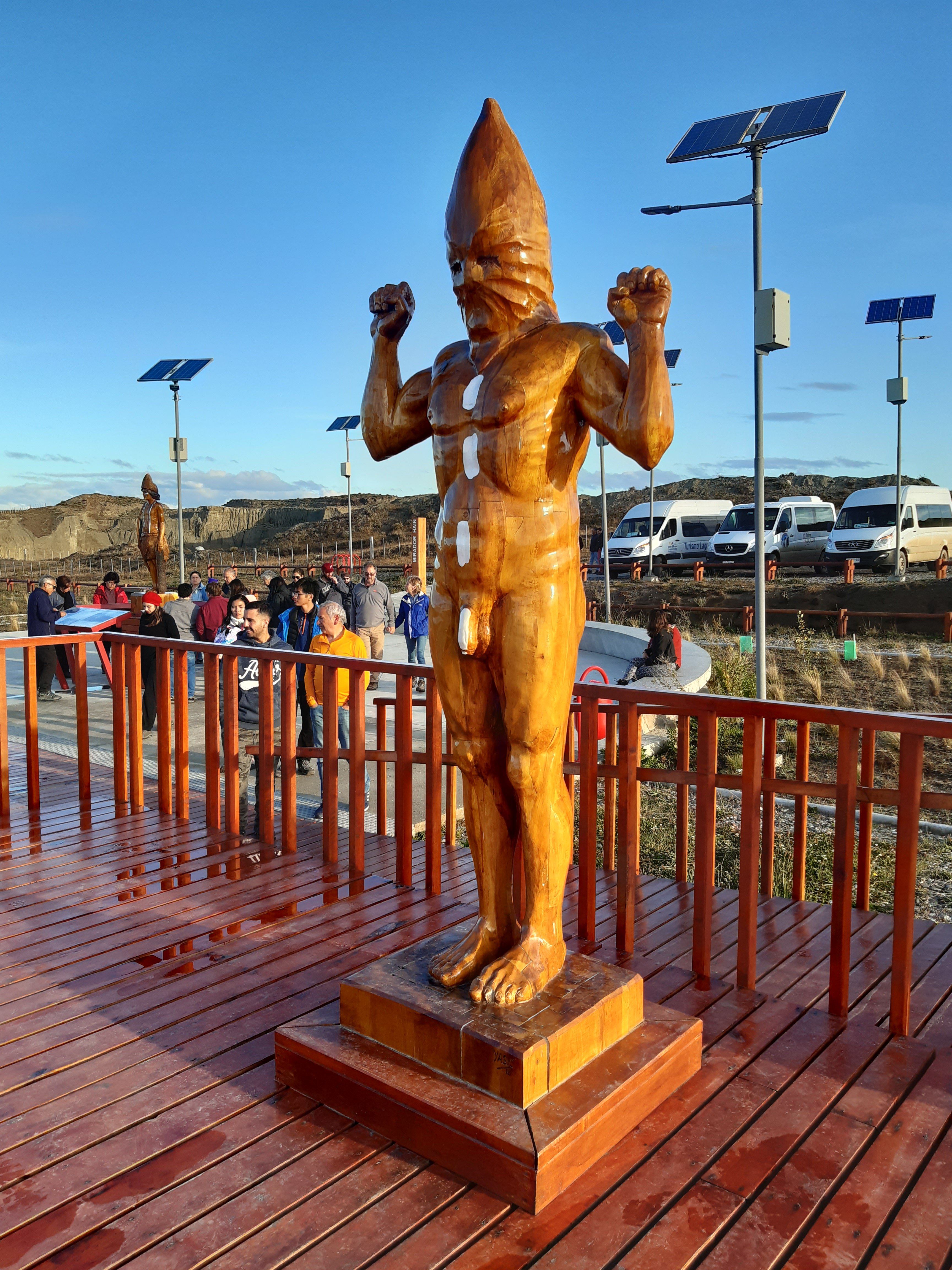
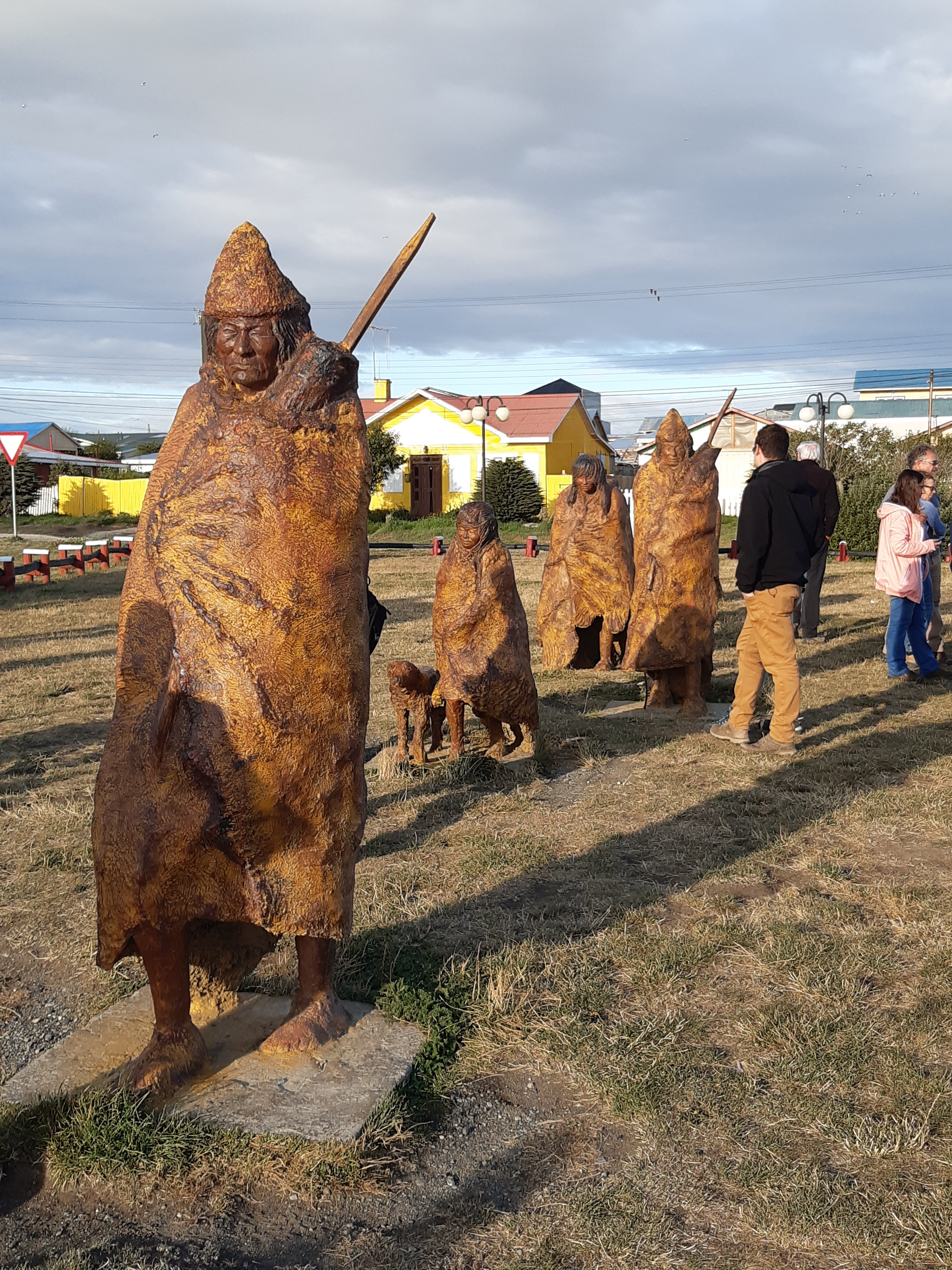
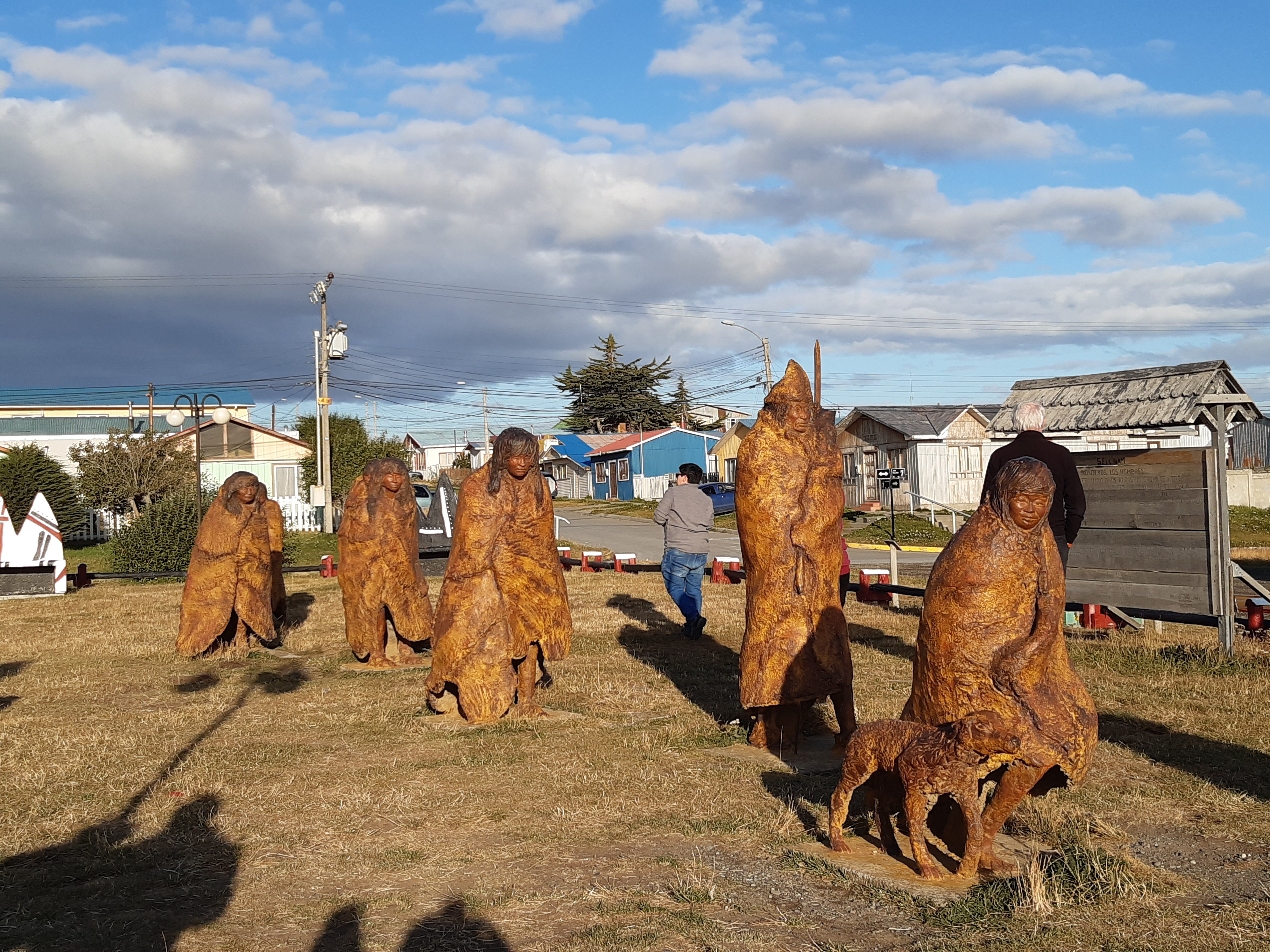
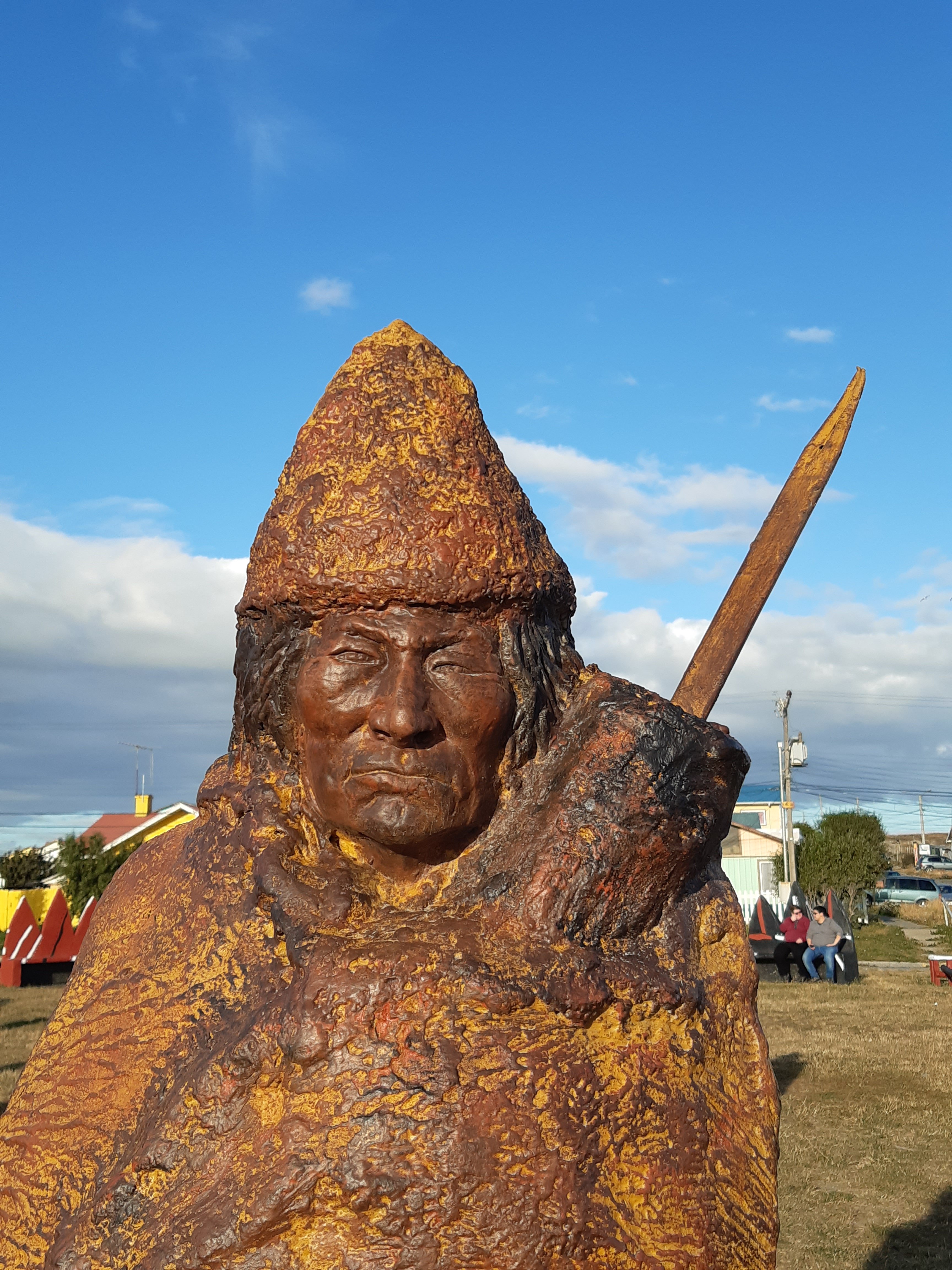
 We returned to Punto Arenas via Porvenir, from where a two-and-a-half hour ferry trip took us back accross the Strait of Magellan. At Porvenir we visited the Hain viewpoint, a site where the Hain intiation ceremonies of the Selk’nam are commemorated. During the initiation the young men would paint their bodies according to the spirit they wanted to represent. There were three spirits: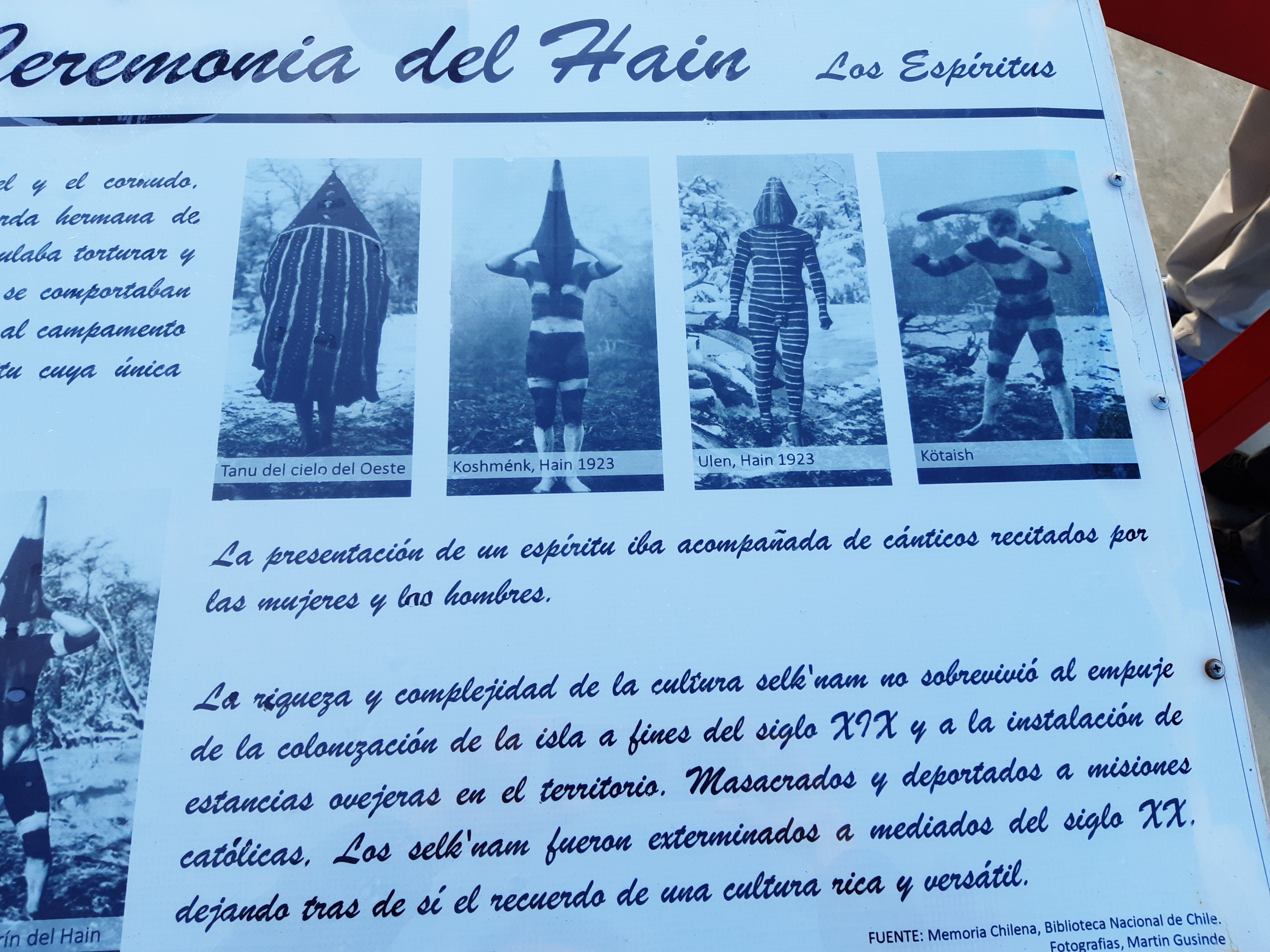
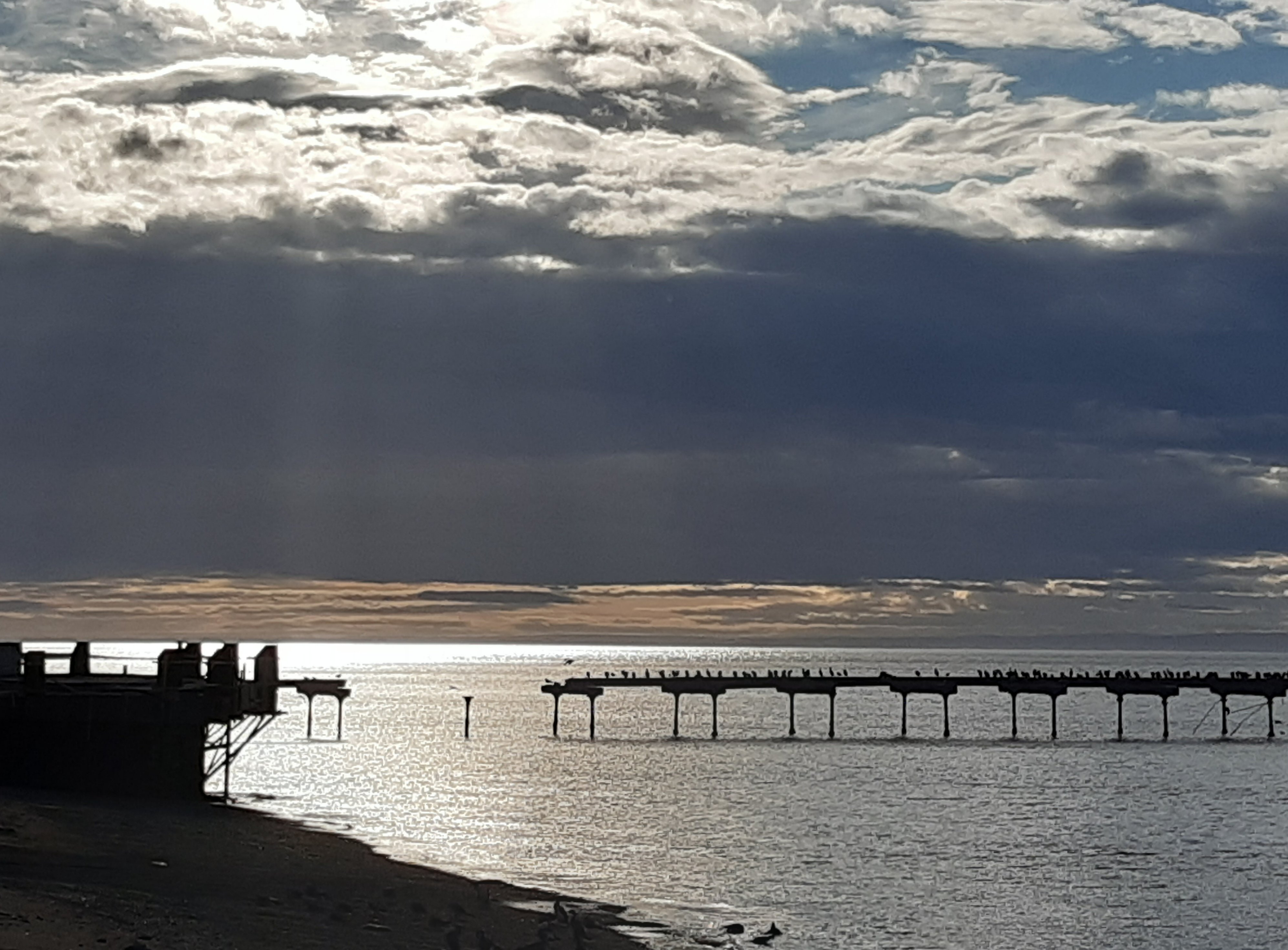
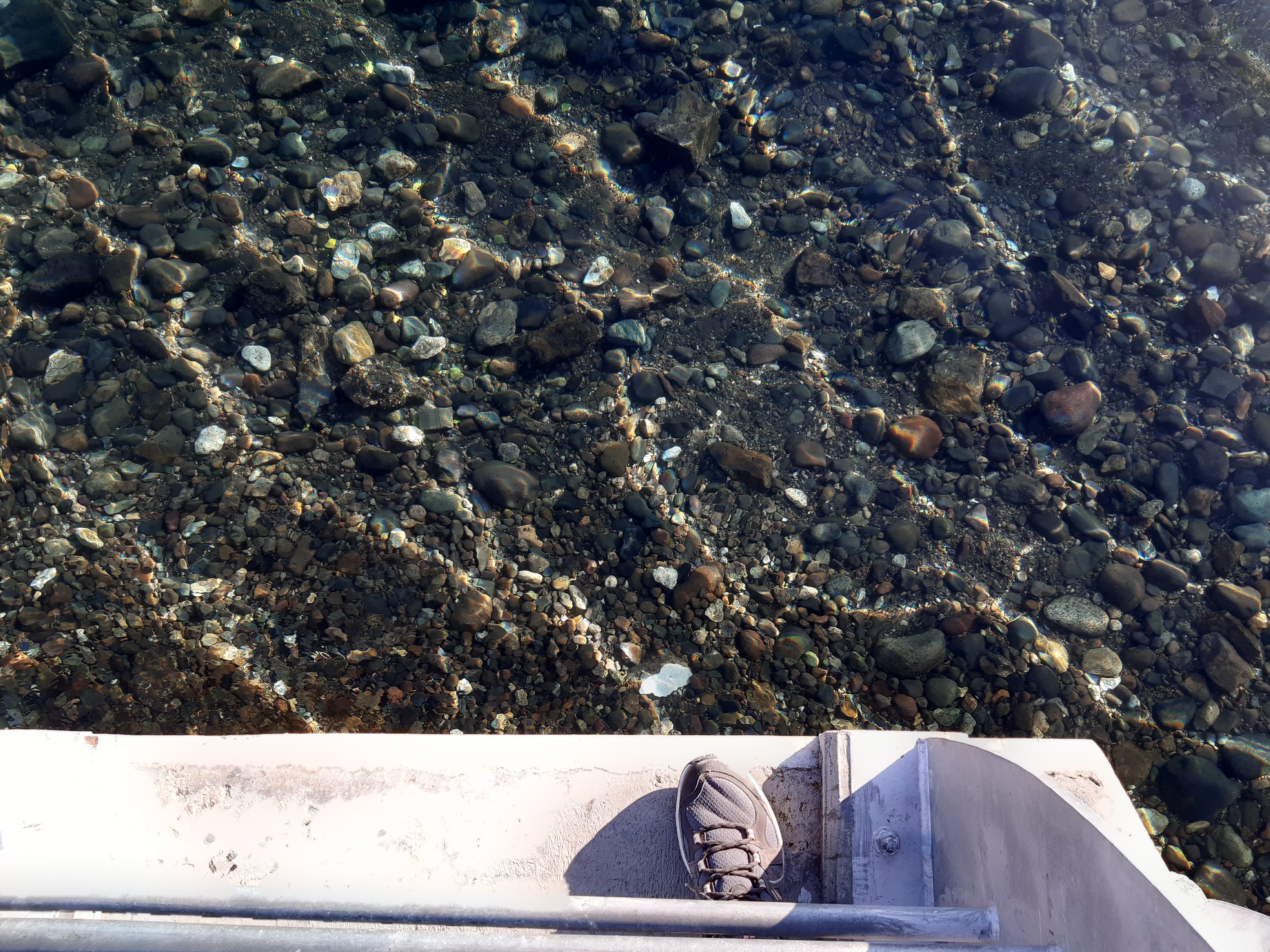
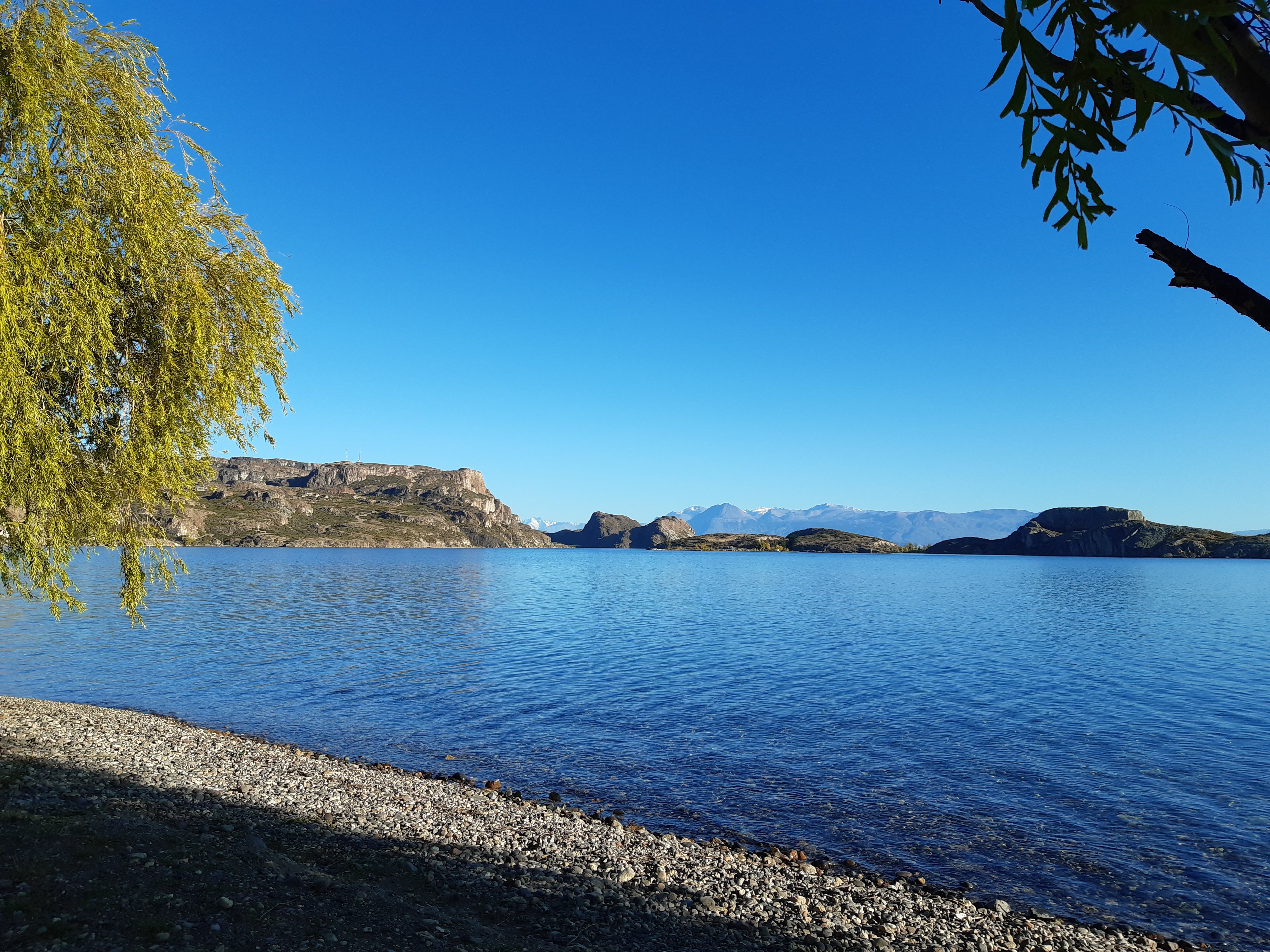 The water is crystal clear and unpoluted. I took this photo from the jetty – what looks like patterns are the slight ripples on the surface of the water:
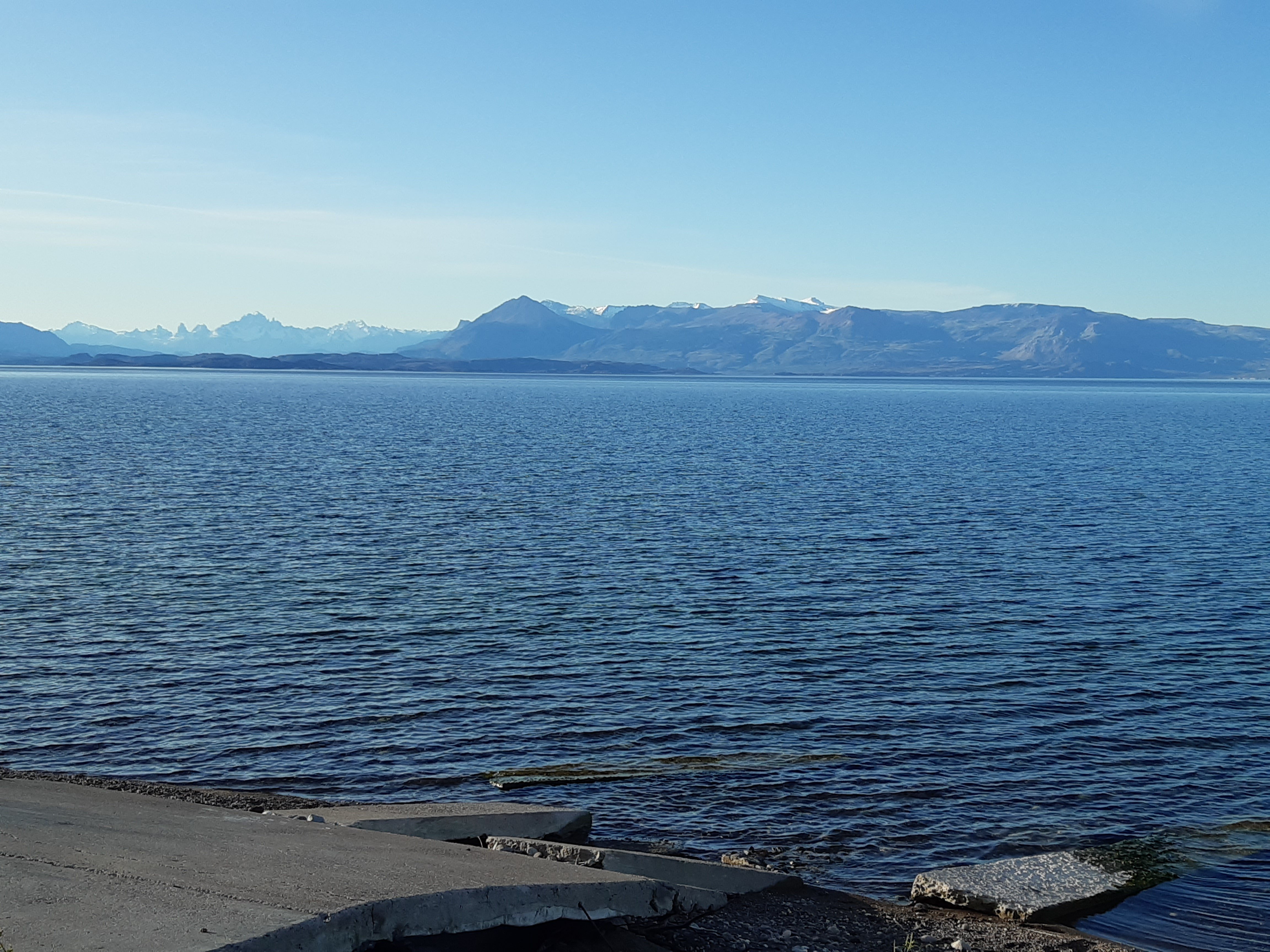
 When Carla (my boss in Los Antiguos, who had brought me accross the border to Chile Chico) left after our lunch the previous day, I had walked up to a mirador (lookout point) in the howling wind. Chile Chico is a small town, and a ferry takes people and cars accross the lake to Puerto Ibañez in 2 hours, a trip that would take about 6hrs by car.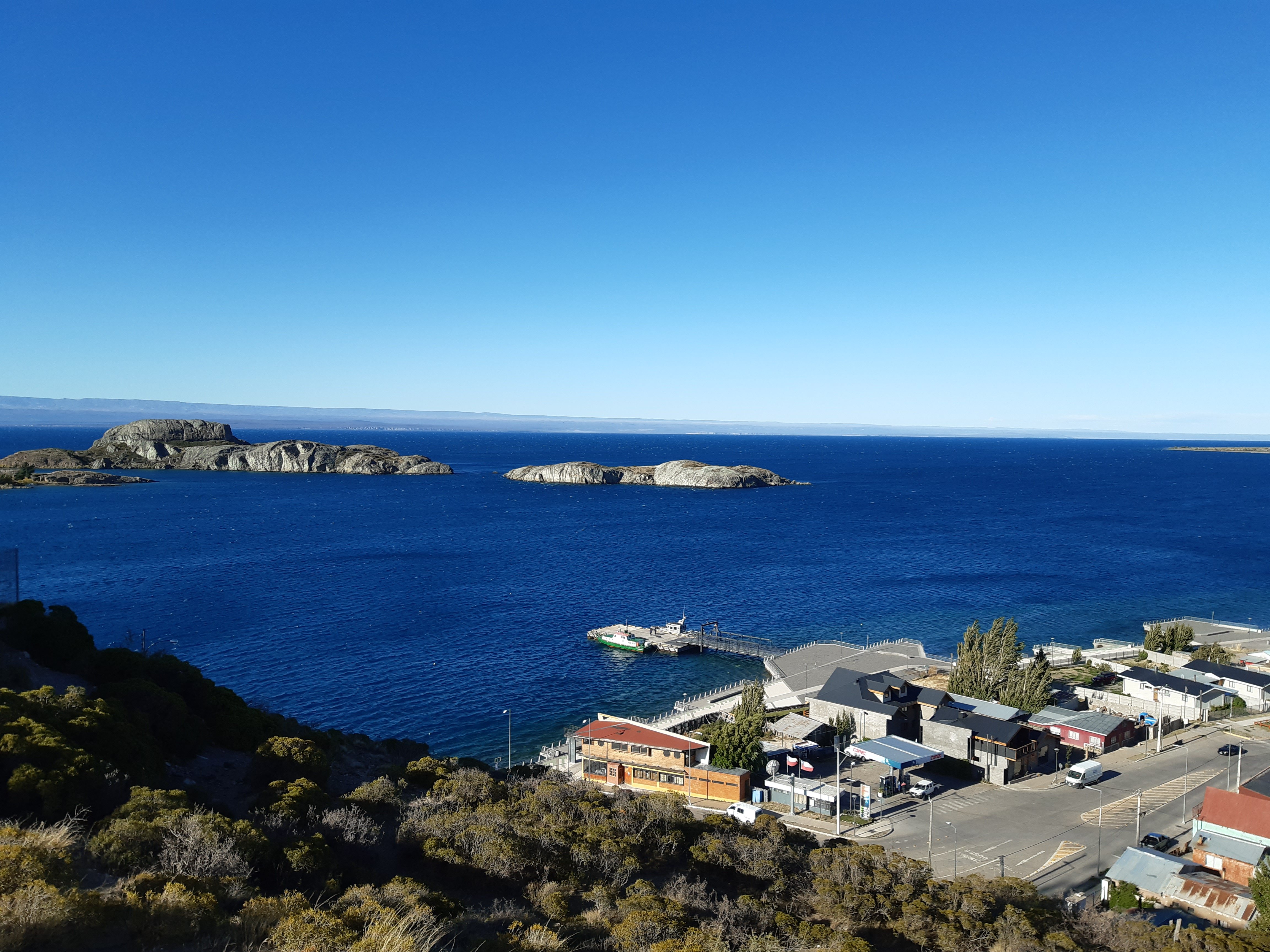
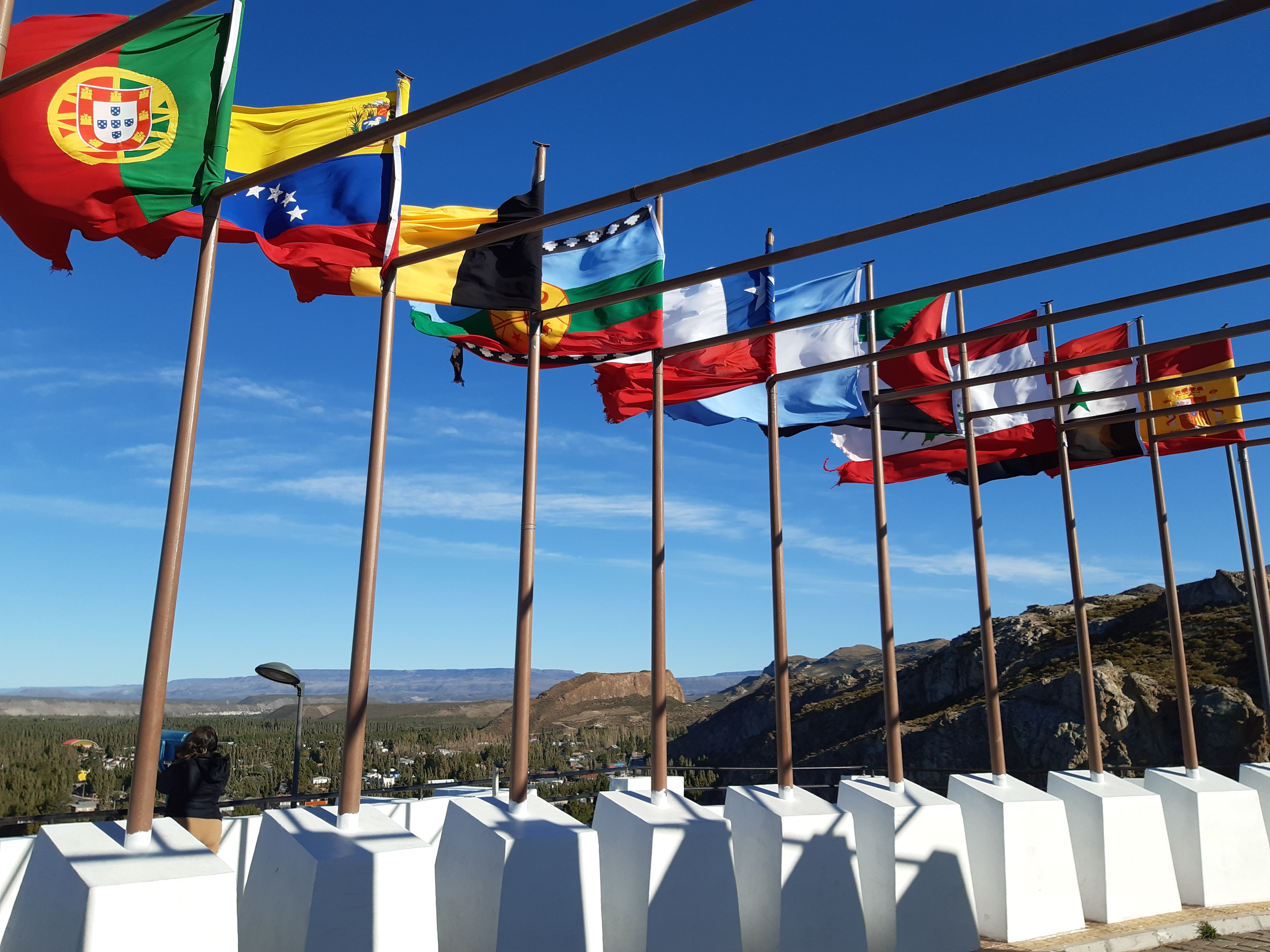
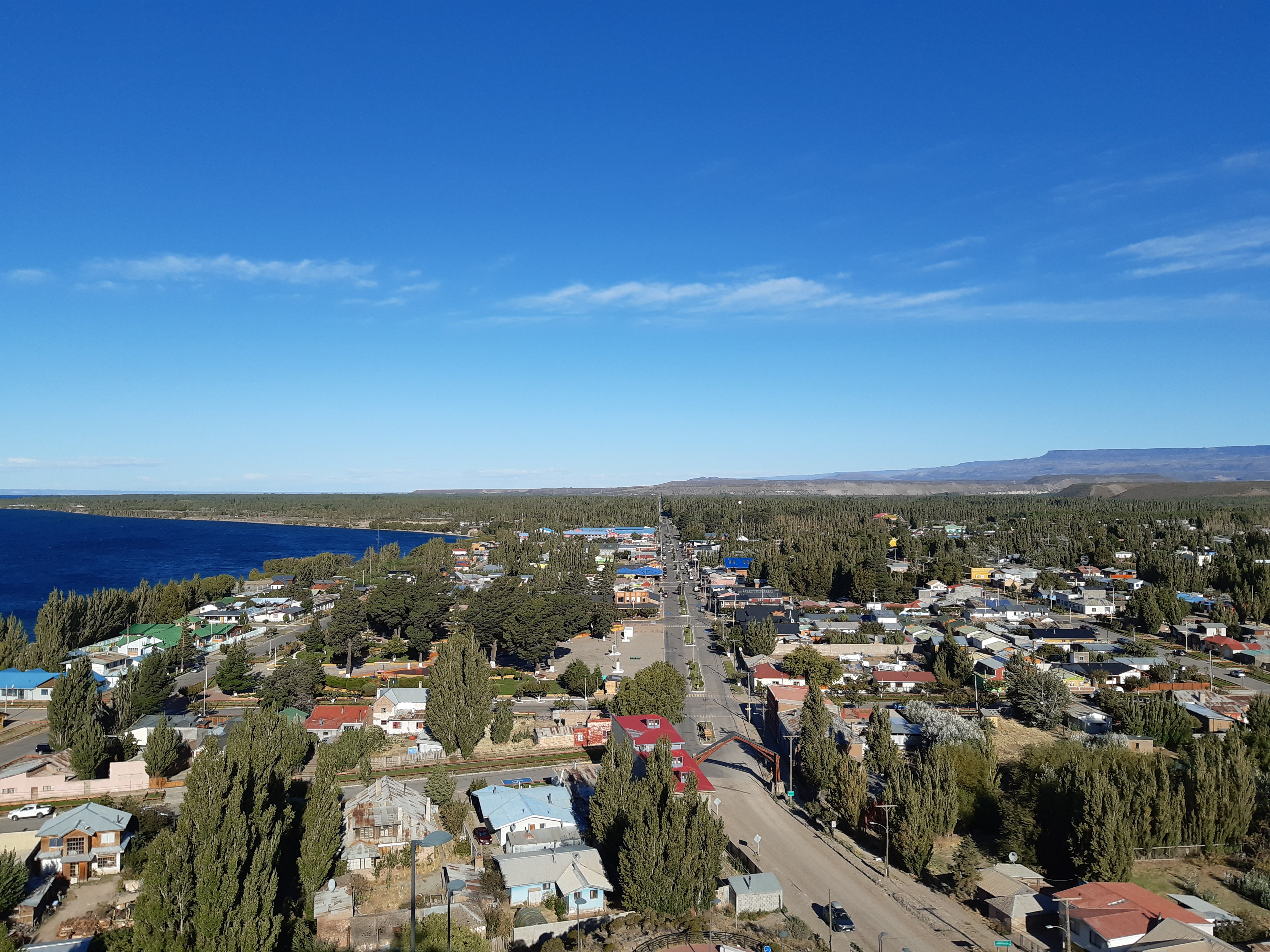 I was heading to Cochran, which is south of Chile Chico, along the Carrera Austral, the main road runnning longitudinally down Chile. There are only direct buses on three days of the week, so I had to go to Puerto Rio Tranquilo, which was more north, and then catch a bus south again, retracing about one third of my trip. It wasn’t bad, because it is a scenic route all along the lake and countryside.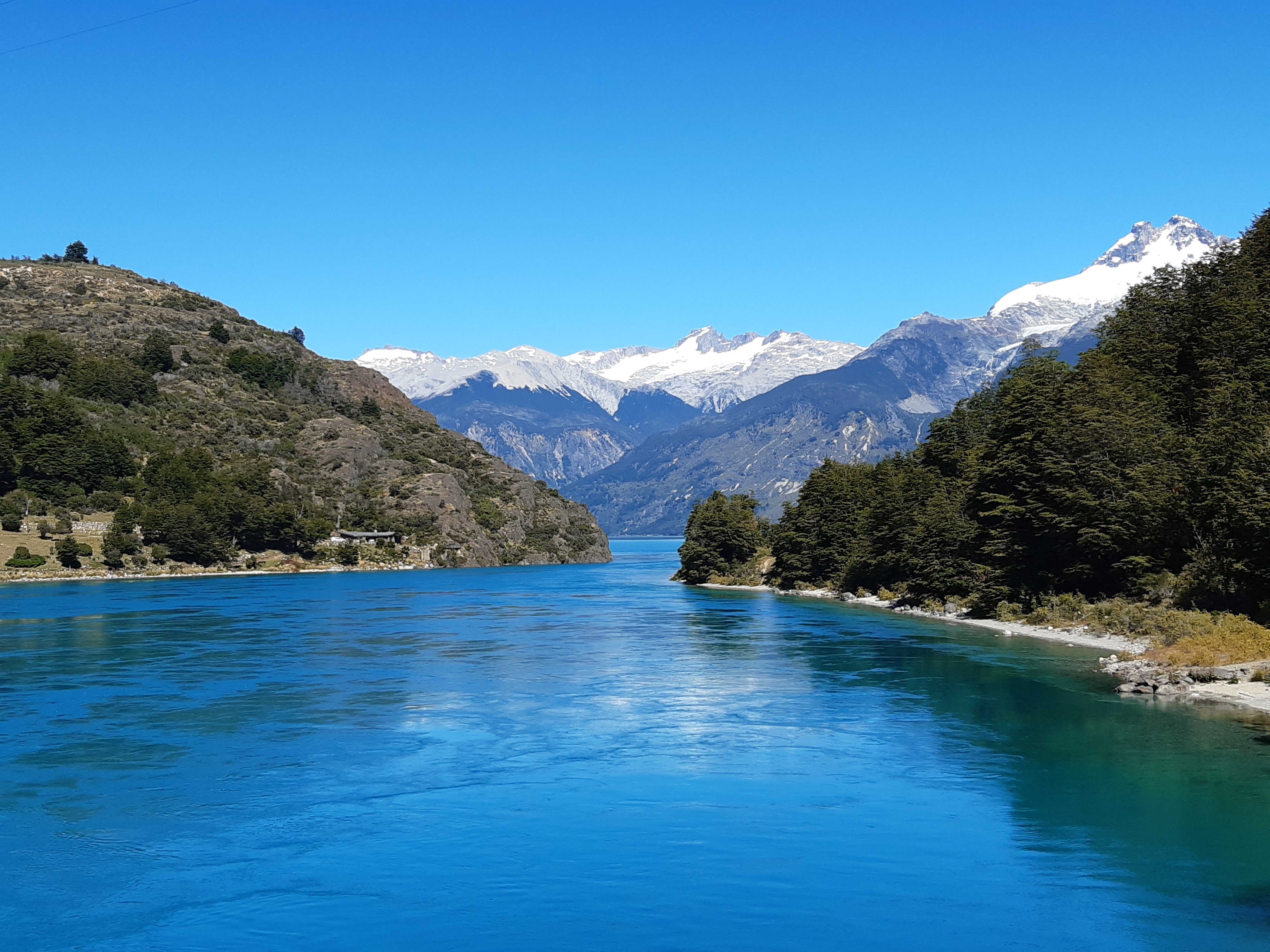
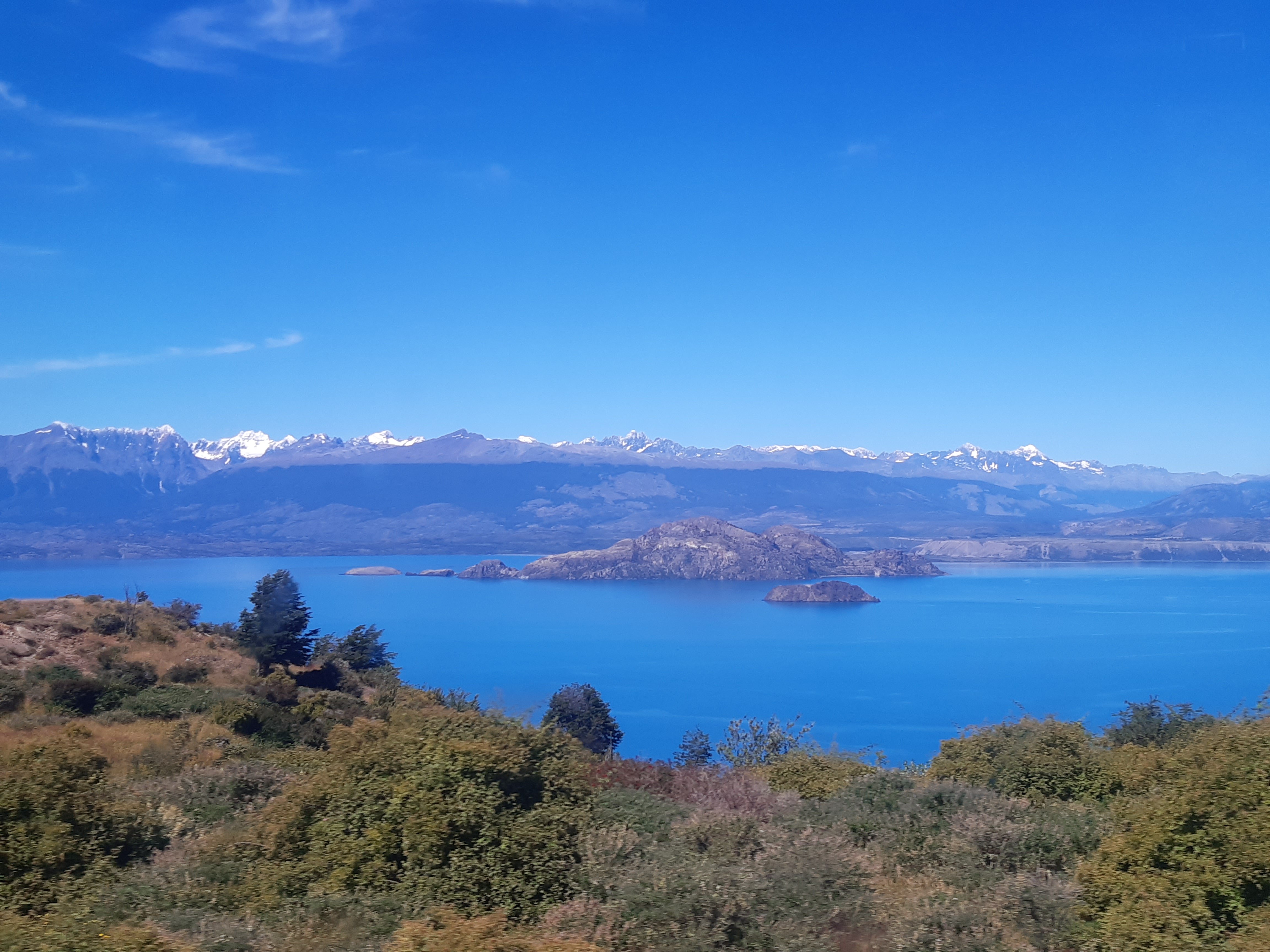
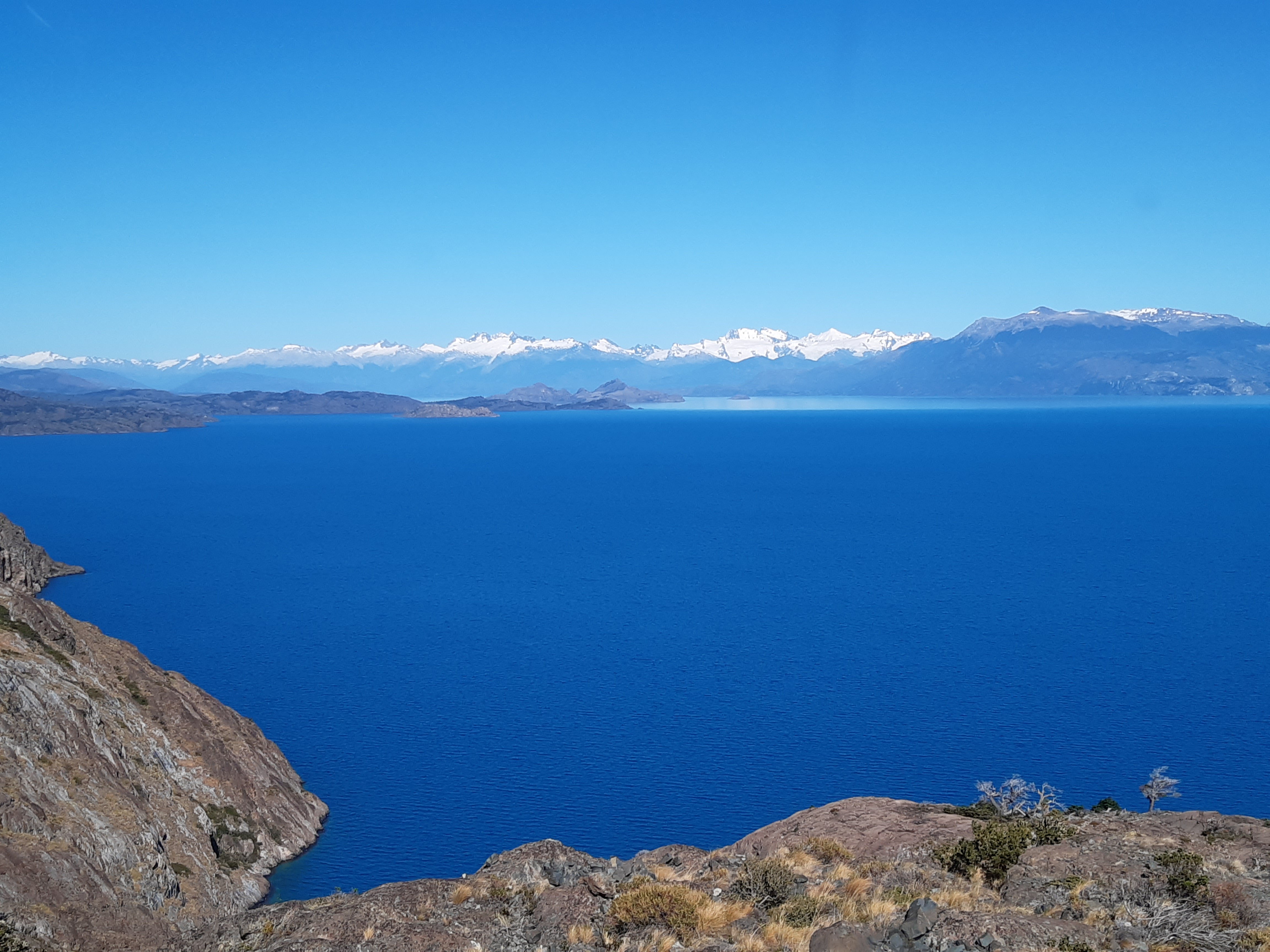
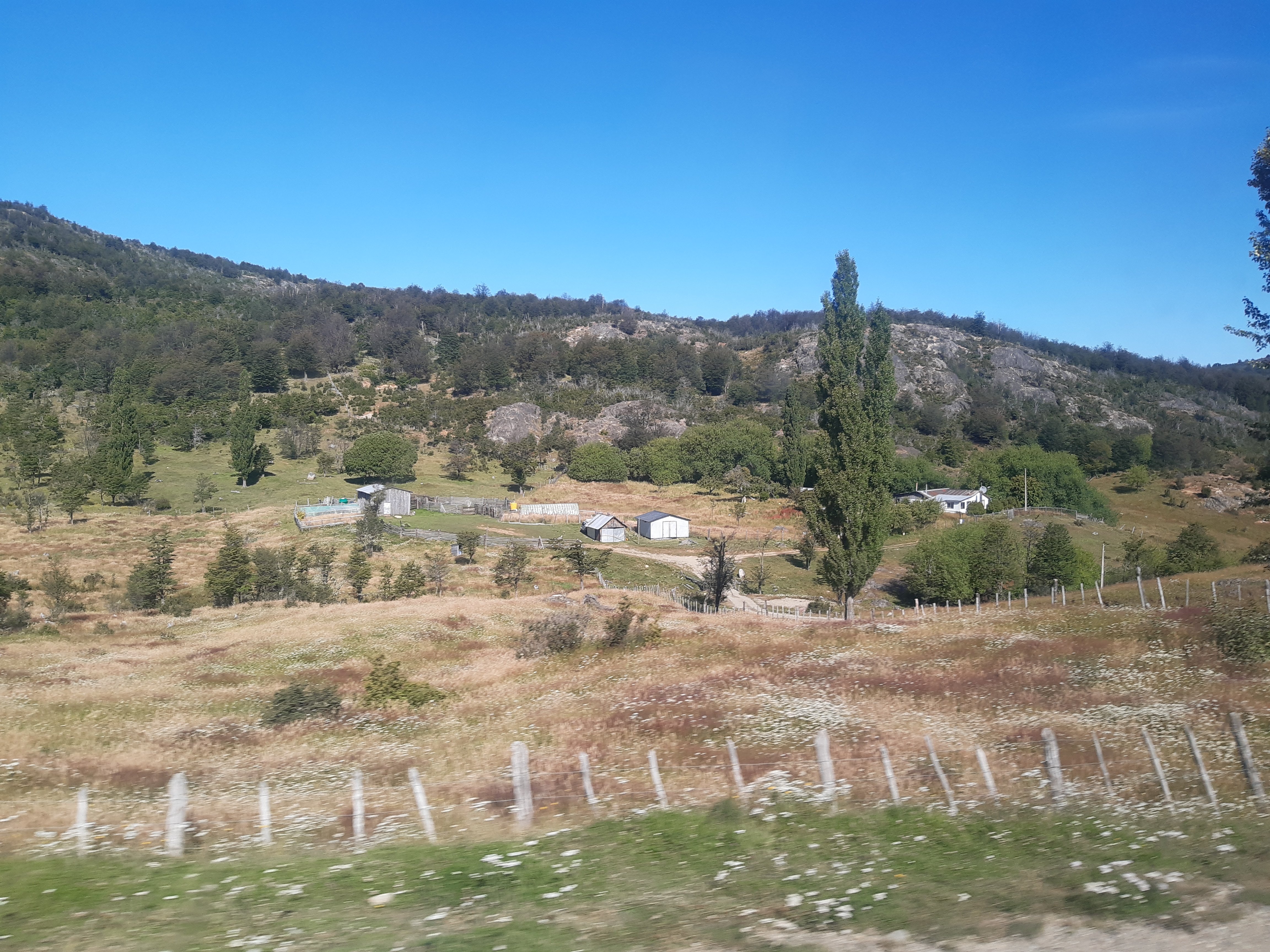 Cochrane is a small town which is covered in snow in winter, but once again I was blessed with a bright windless day. I borrowed my hostess’s bicycle to ride the 4km to the Parque National and did a 2hr hike to a lookout point of the lake and river. On my way into the park I was lucky enough to see a huemul, the south Andean deer that is an endangered specie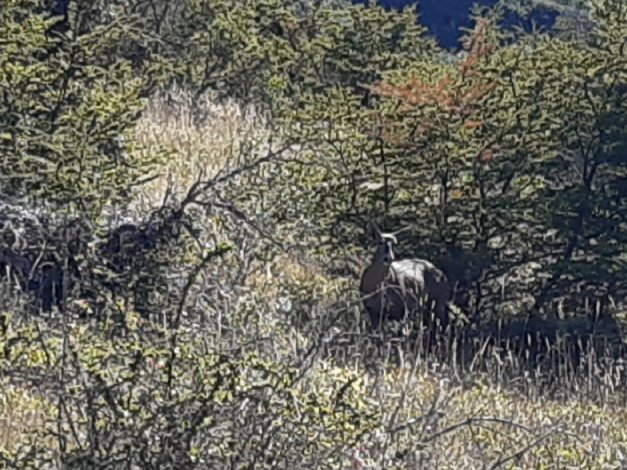
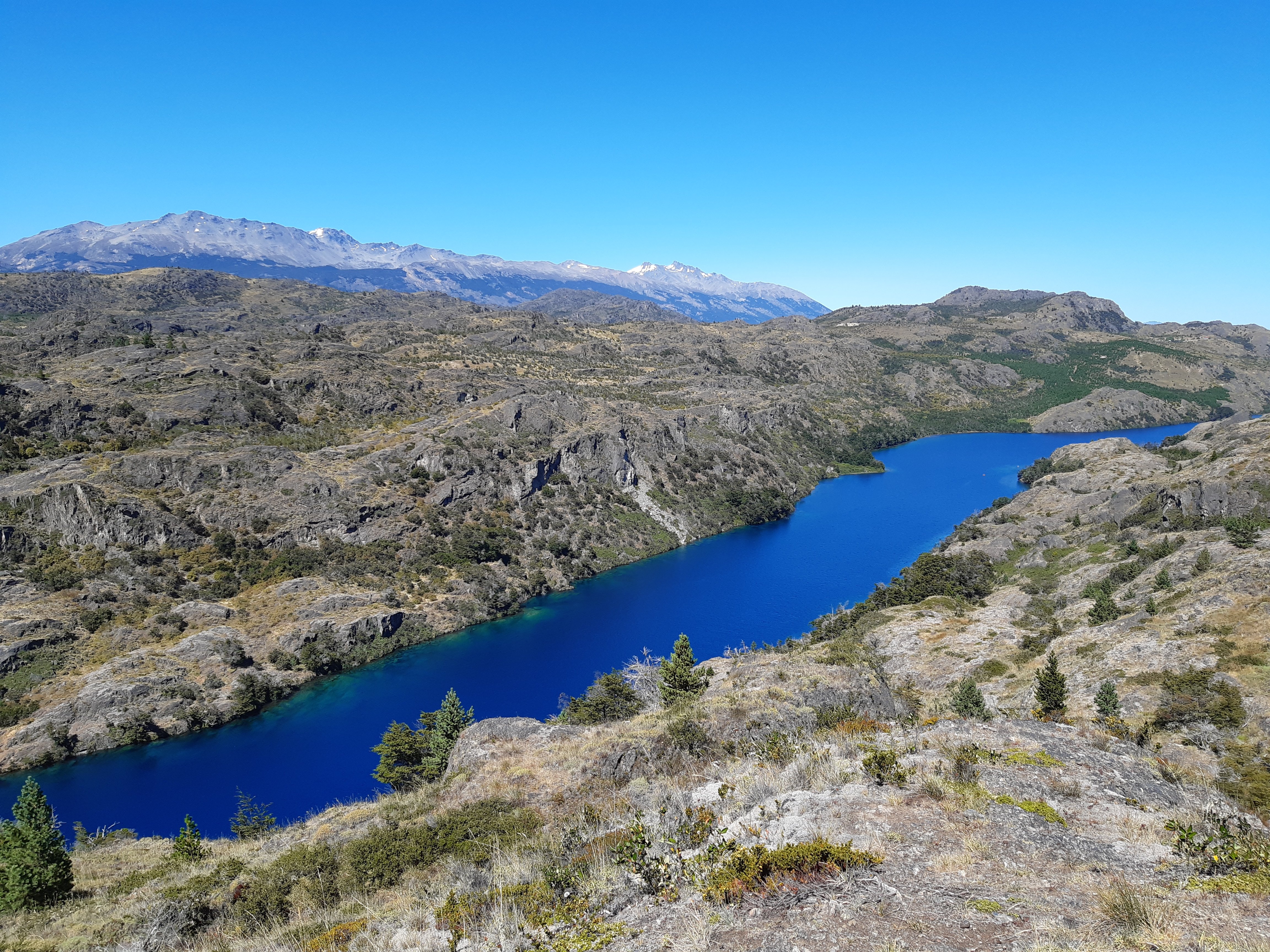
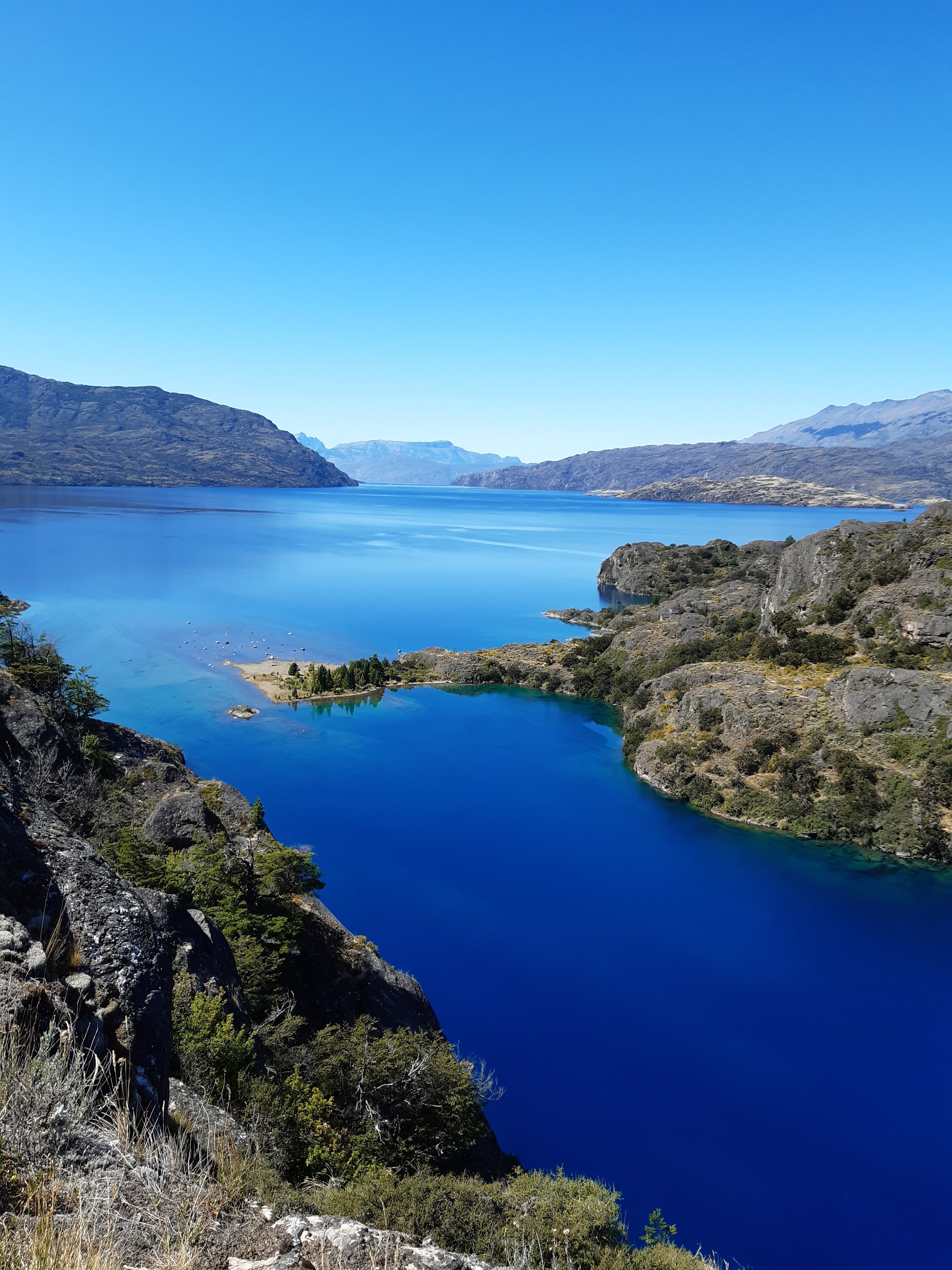
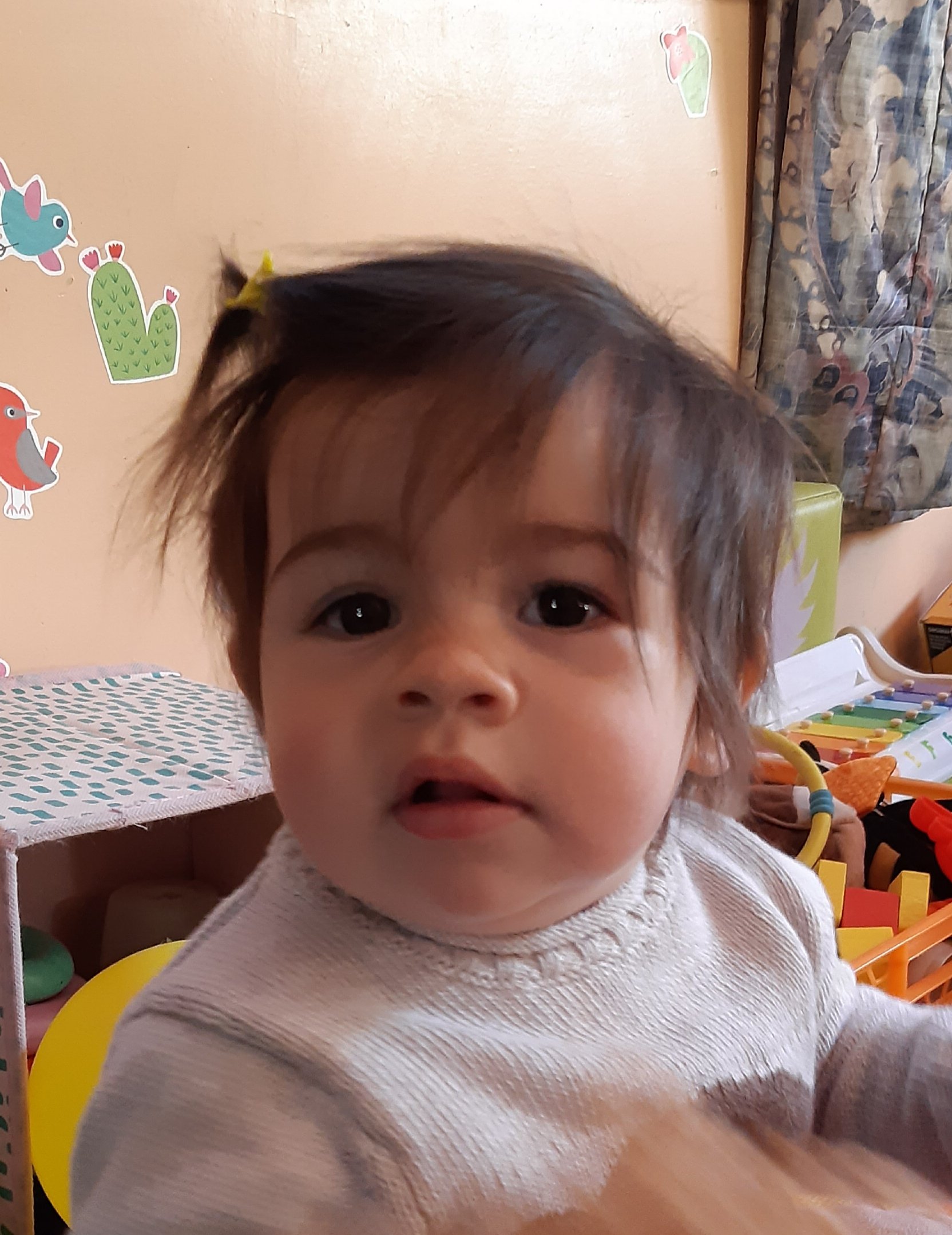
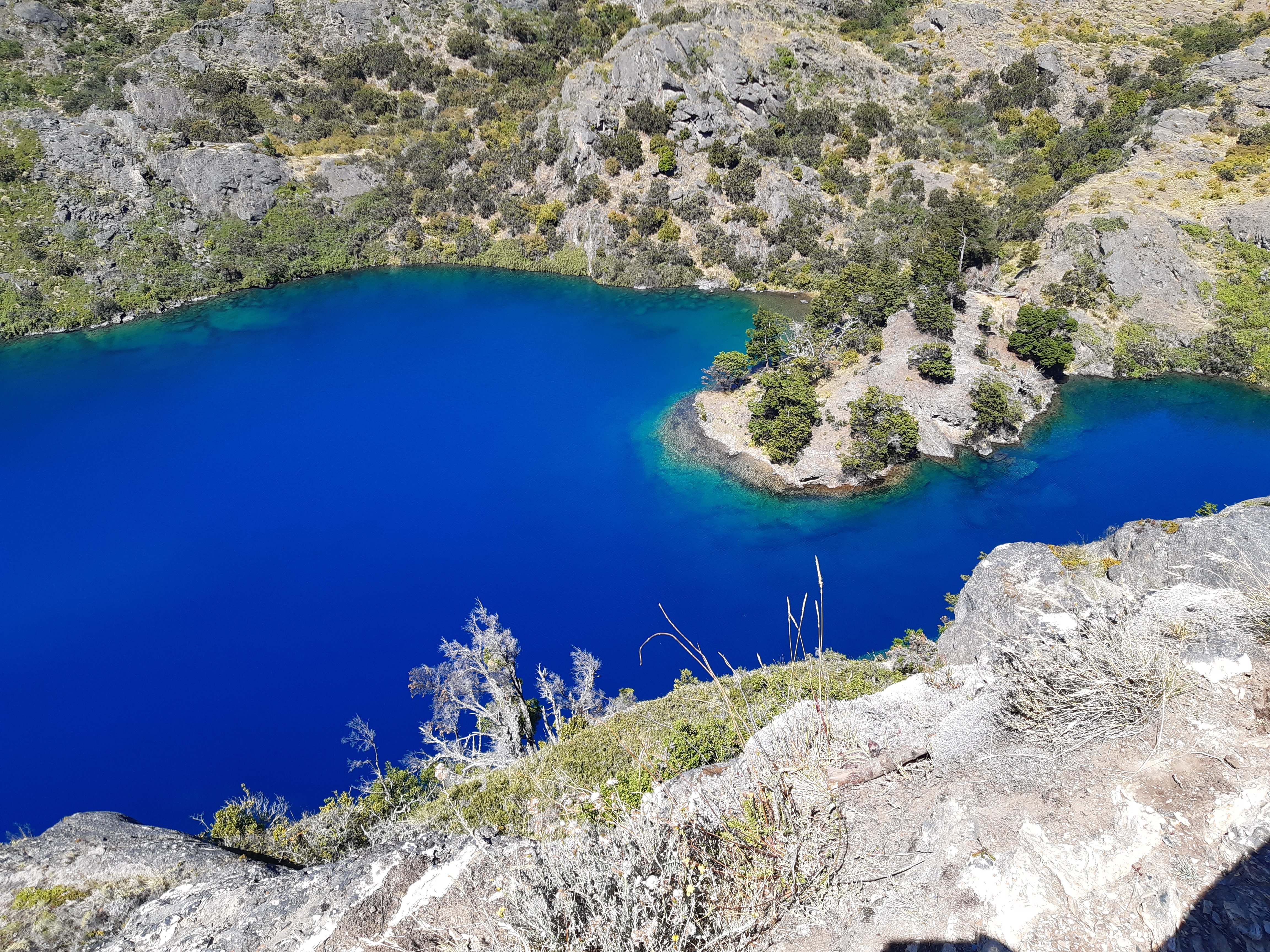 I was staying with the most wonderful couple, Maurice and Carmen, and I fell completely in love with little Amara, their one-year old daughter. Her penetrating brown-eyed stare never wavered for a moment – she must be an old soul, with the wisdom of the ancients. Both Carmen and Maurice know much about Chile, its history, indigenous people and the political situation, and they happily shared all of it with me.
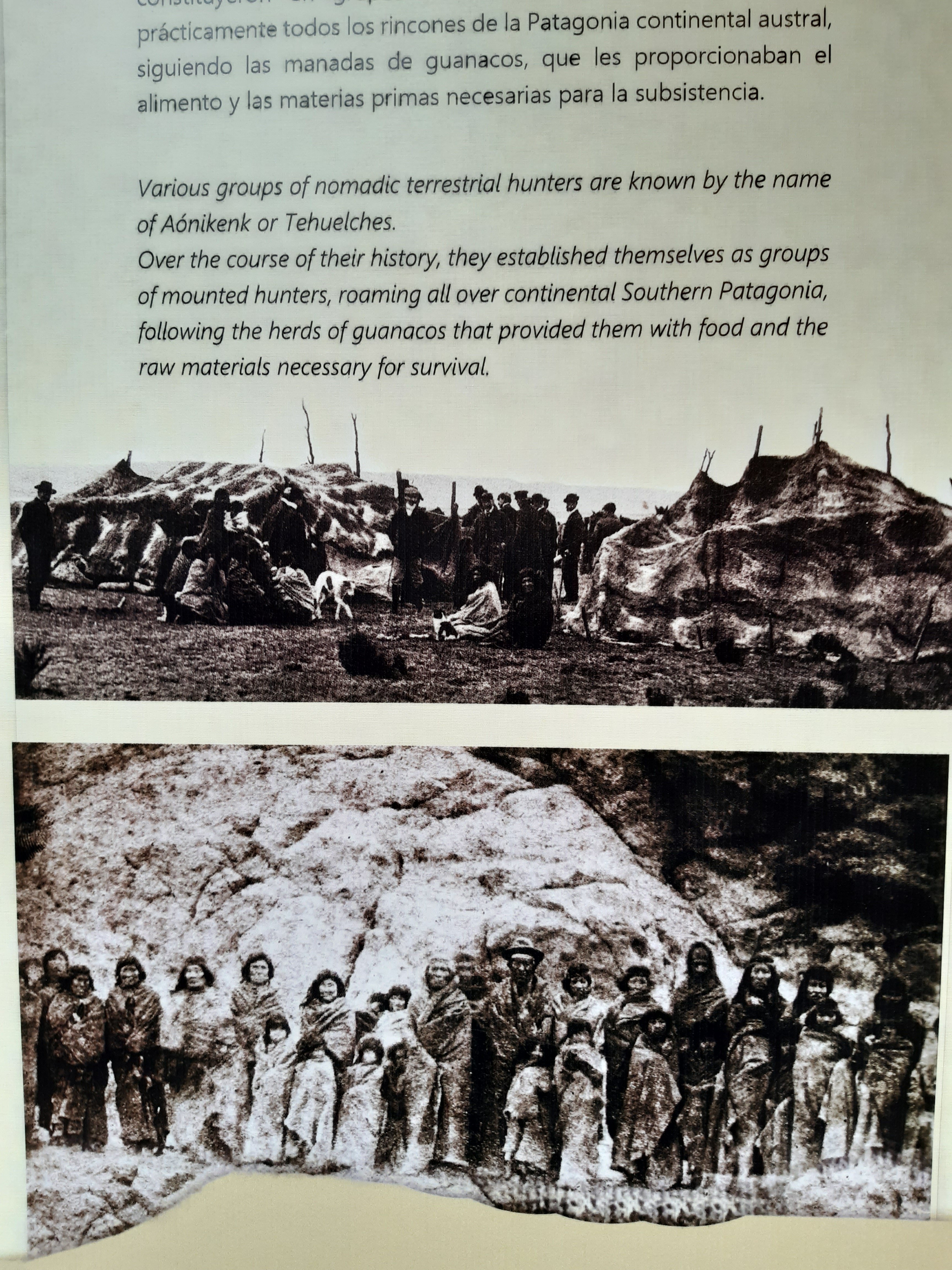
 The first group of hunter-gatherers arrived in Patagonia about 12000 years ago, when the landscape was mostly cold steppe, and trees grew only in some parts of southern Patagonia. The Aonikenk, or Tehuelces, were the group who roamed the steppe, living in tents and hunting guanacos for food and raw materials. After the settlers arrived, their numbers started dwindling as they succumbed to sickness, strange food and alcohol. They couldn’t hunt anymore, so took to breeding horses and working for the settlers. The last Aonikenk, Alberto Achacaz Walakial died in 2008.
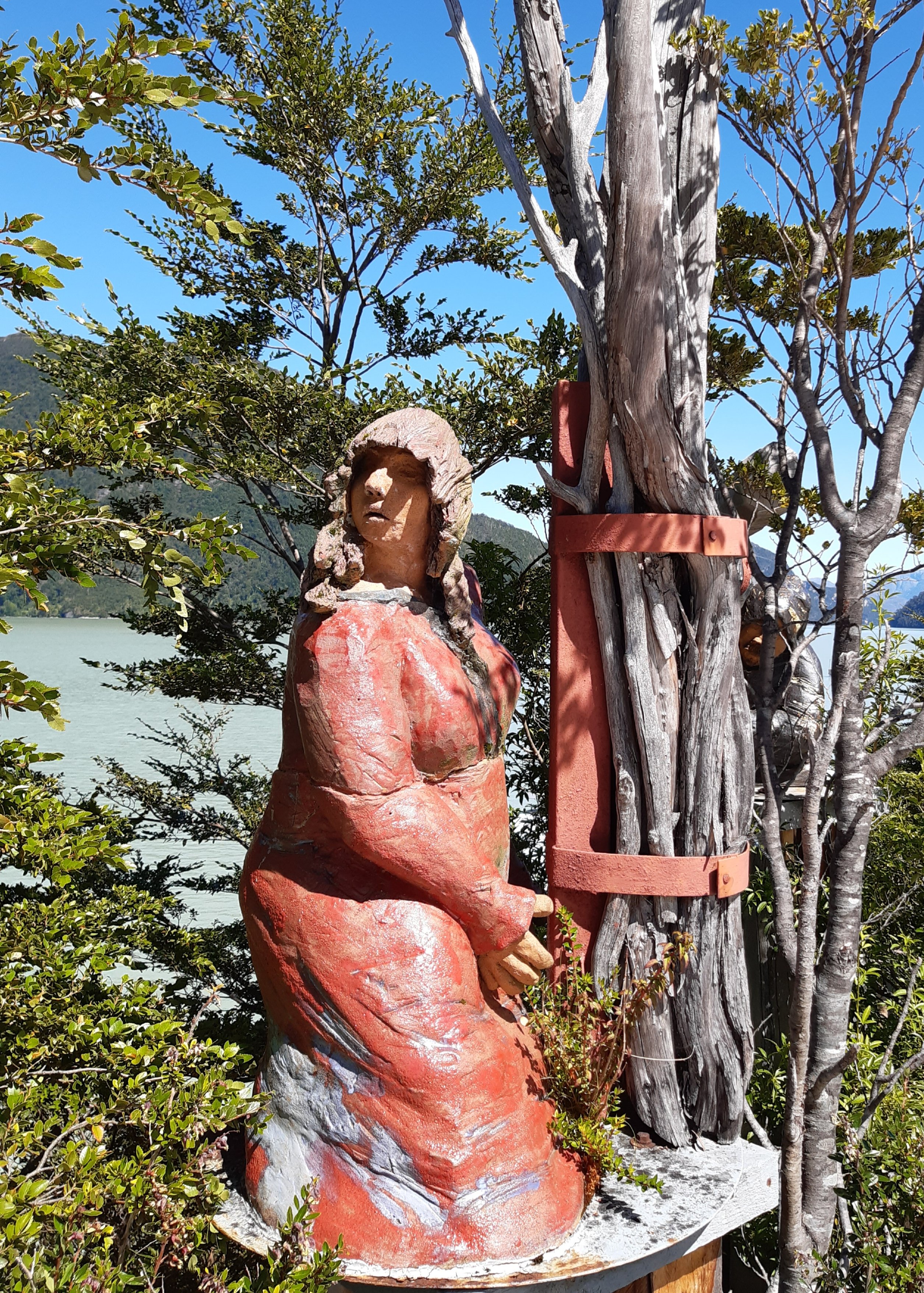
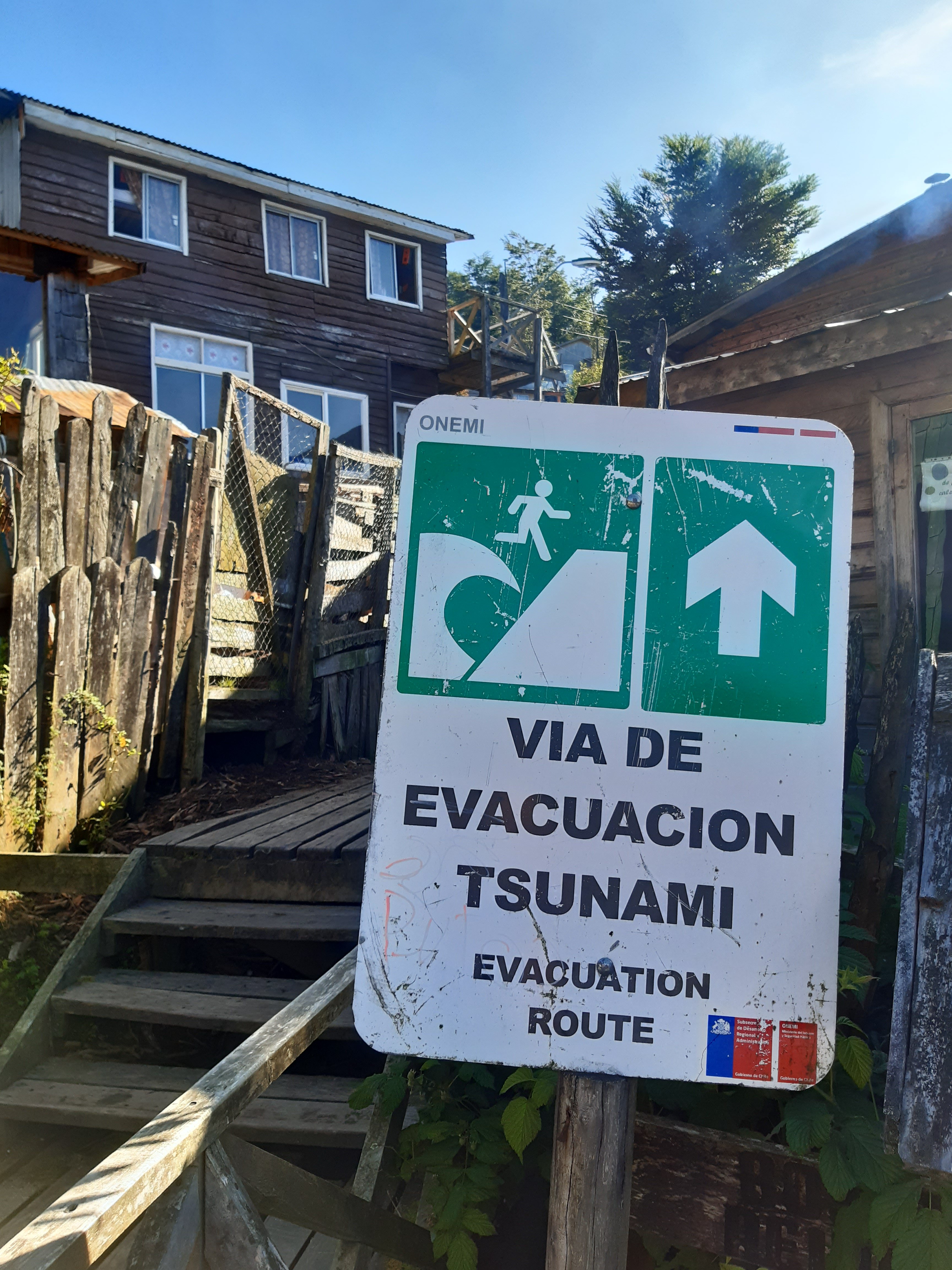
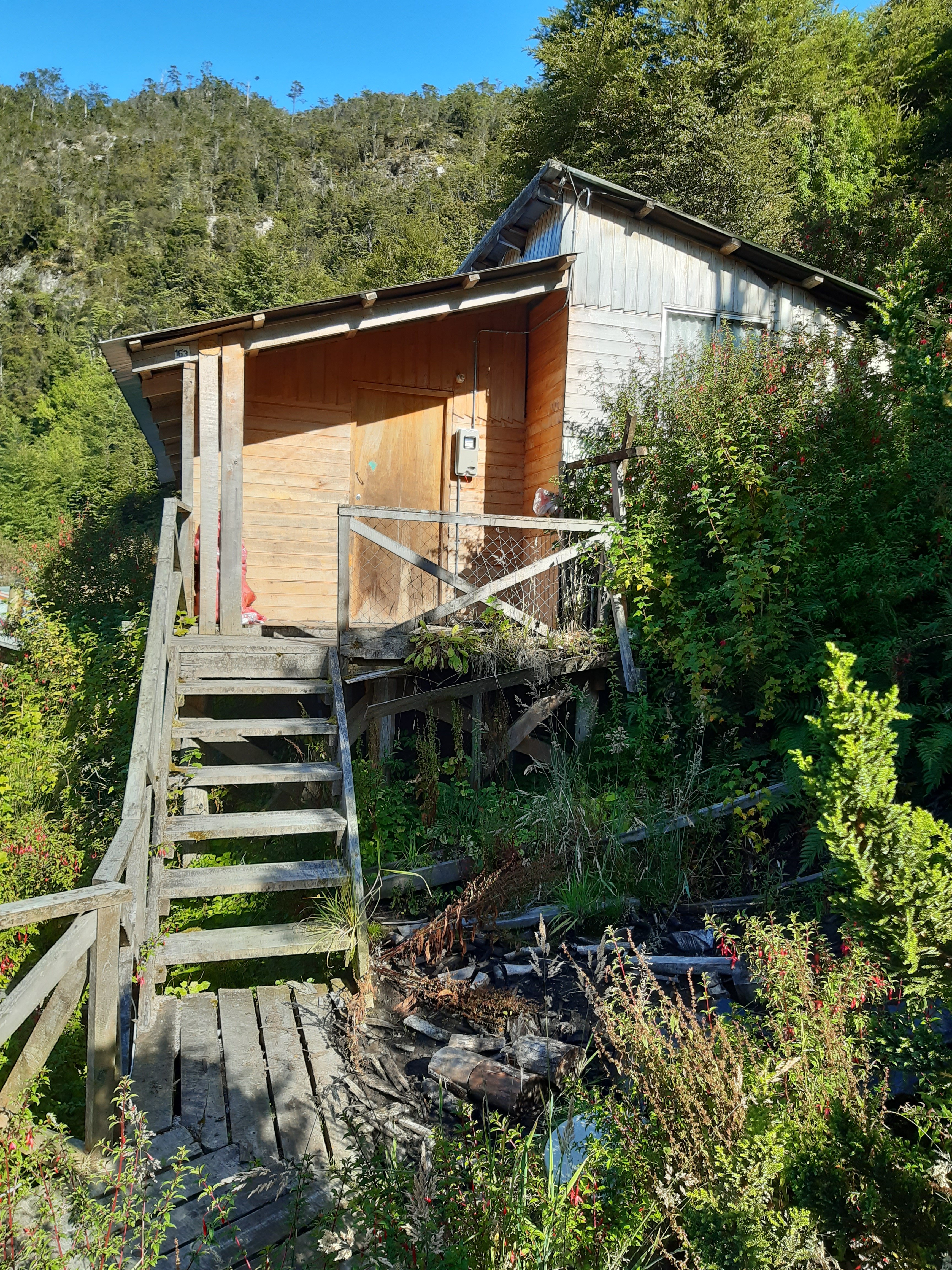
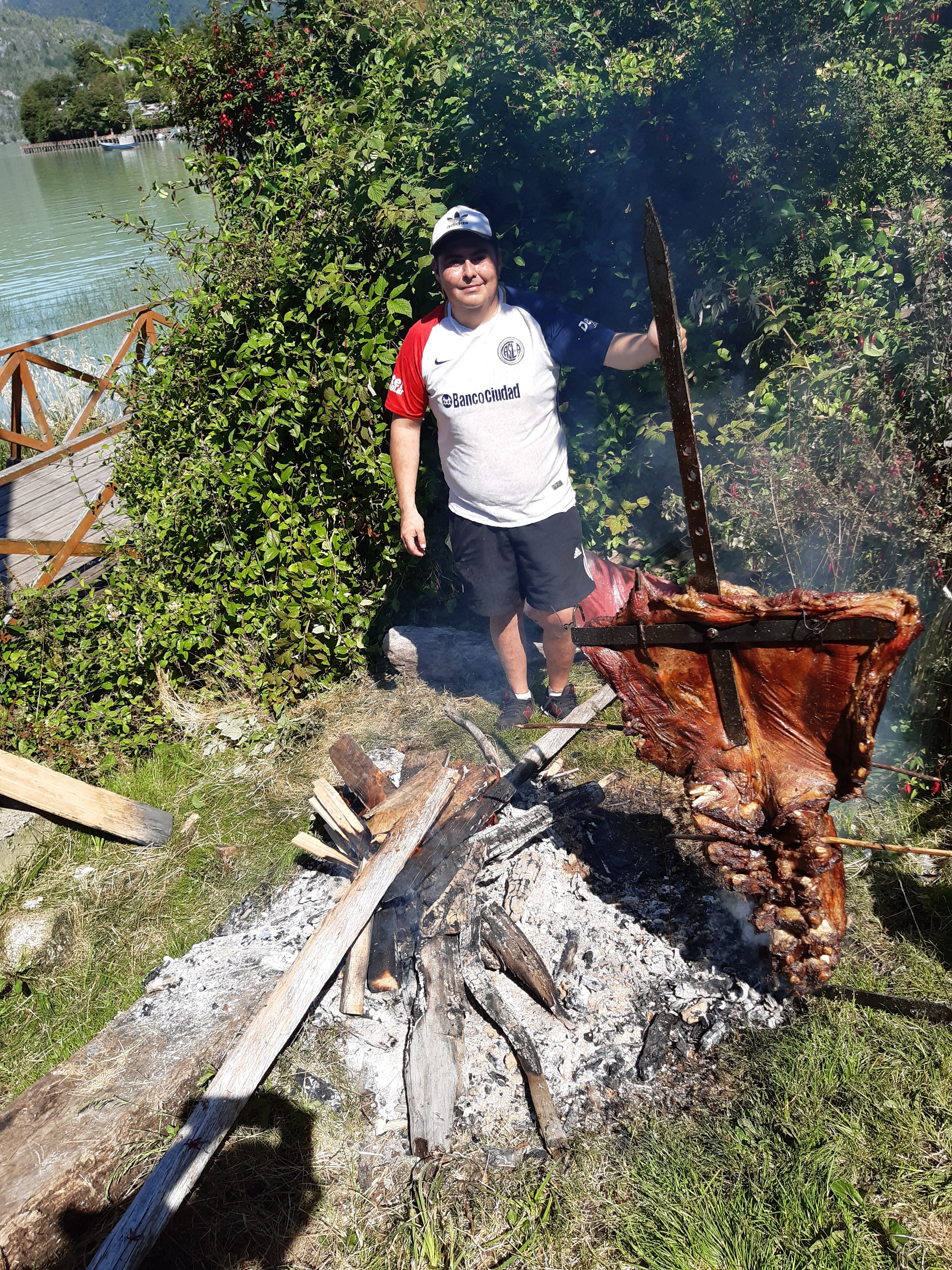
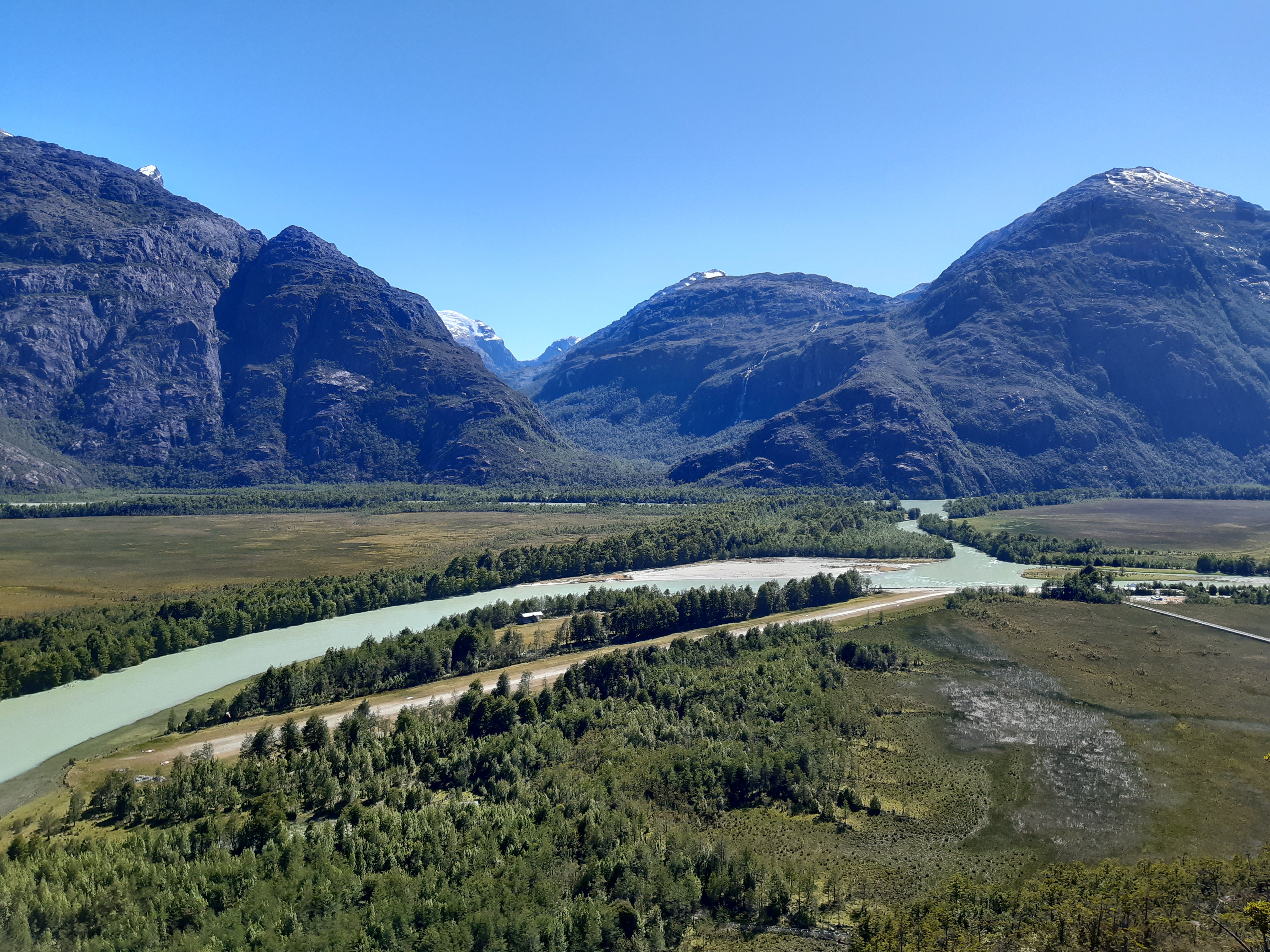
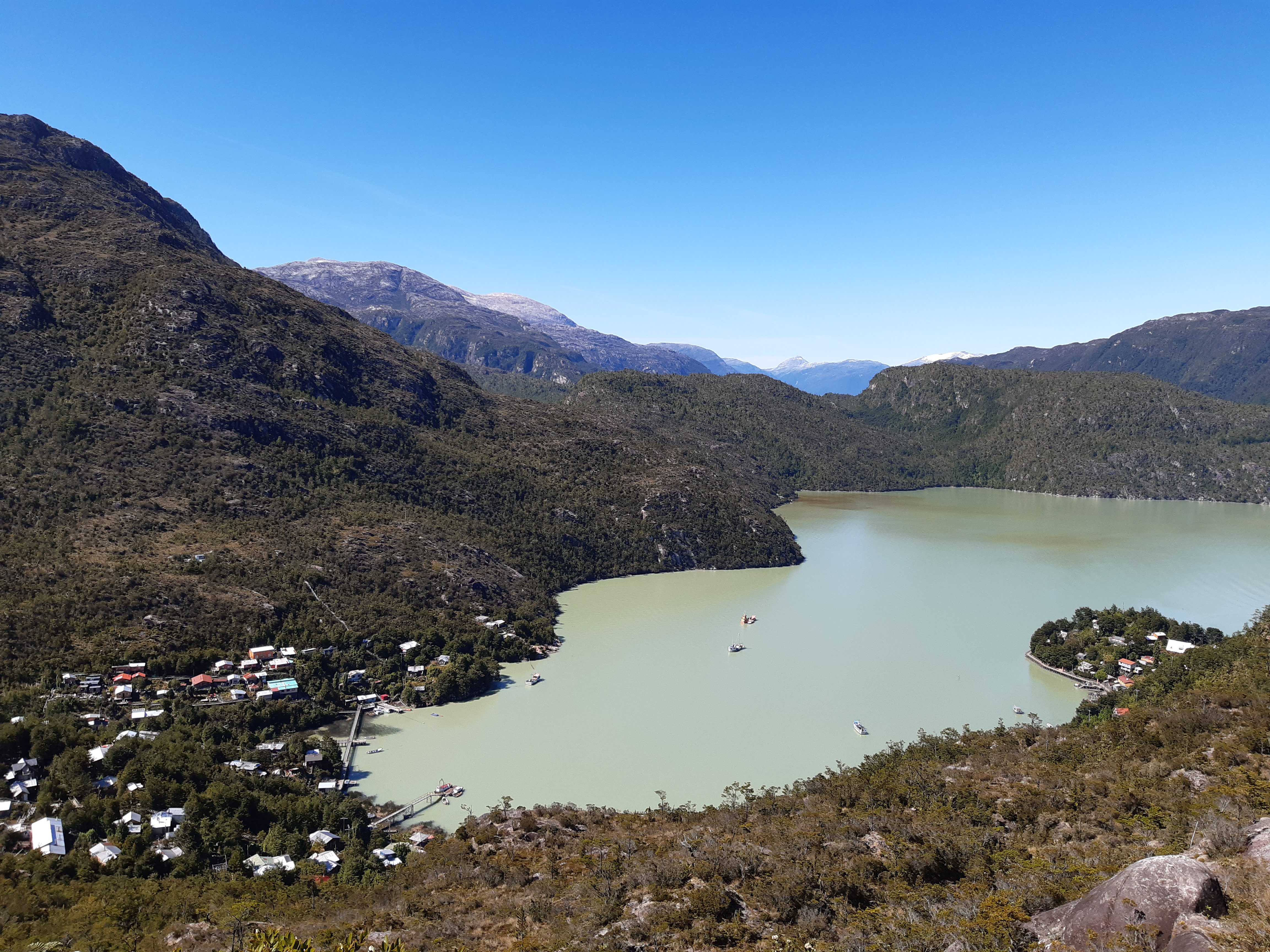
 My mission was to go from Tortel (south of Cochran) to Puerto Natales by ferry, a once-a-week 41hr trip down the fjords, having only an allocated reclining chair and meals served in a dining salon. I had unsuccessfully tried booking online for several weeks beforehand, and finally was told that there were no seats available for the 22nd February, the day I wanted to leave. I determinedly caught the bus to Tortel anyway, a picturesque village with no cars, only boardwalks. There is a parking area for vehicles at the top, and wooden stairs lead to the village below. The road there from Cochrane had only been built in 2000 – previously it had only been accessible by horseback.
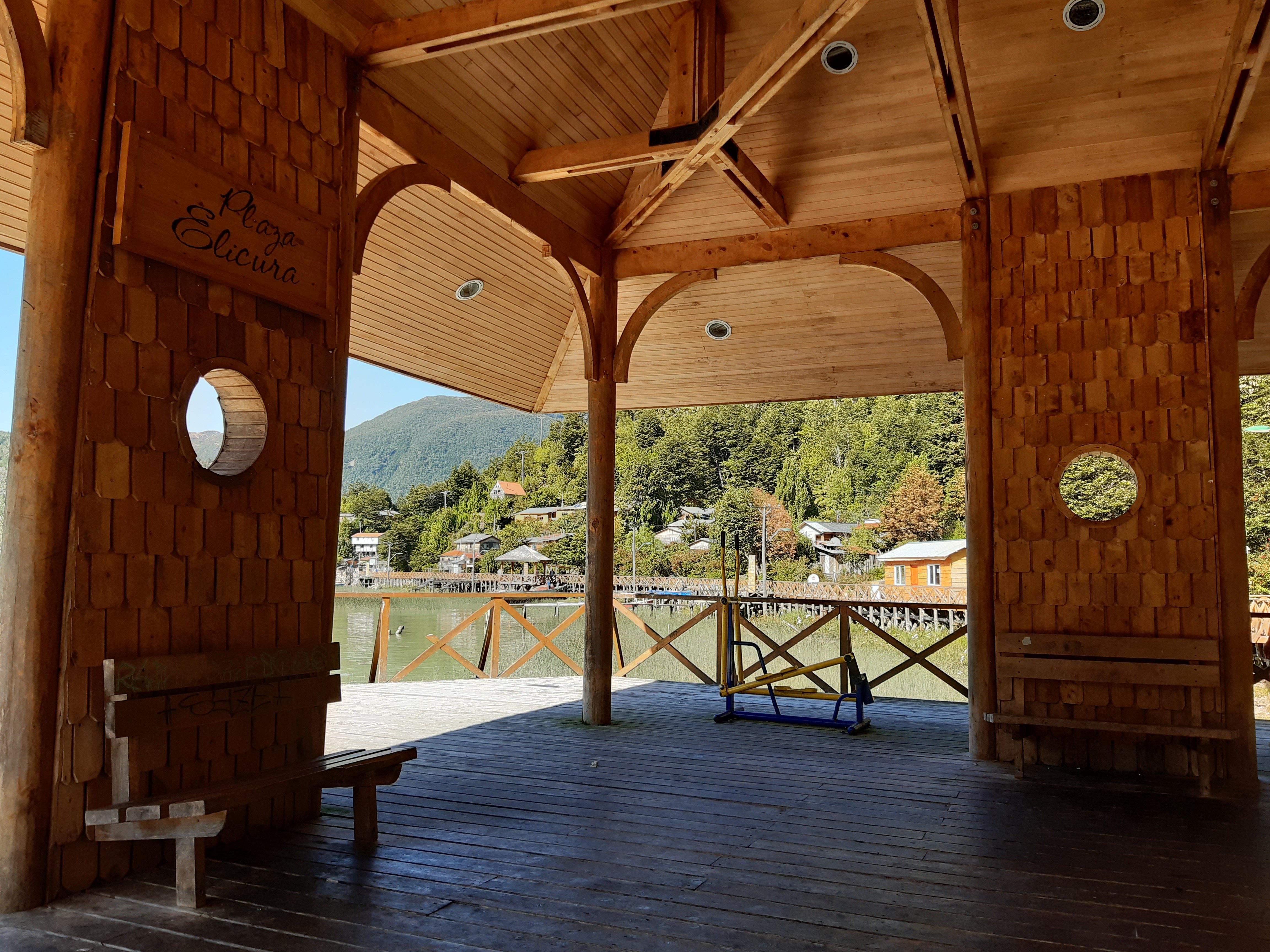
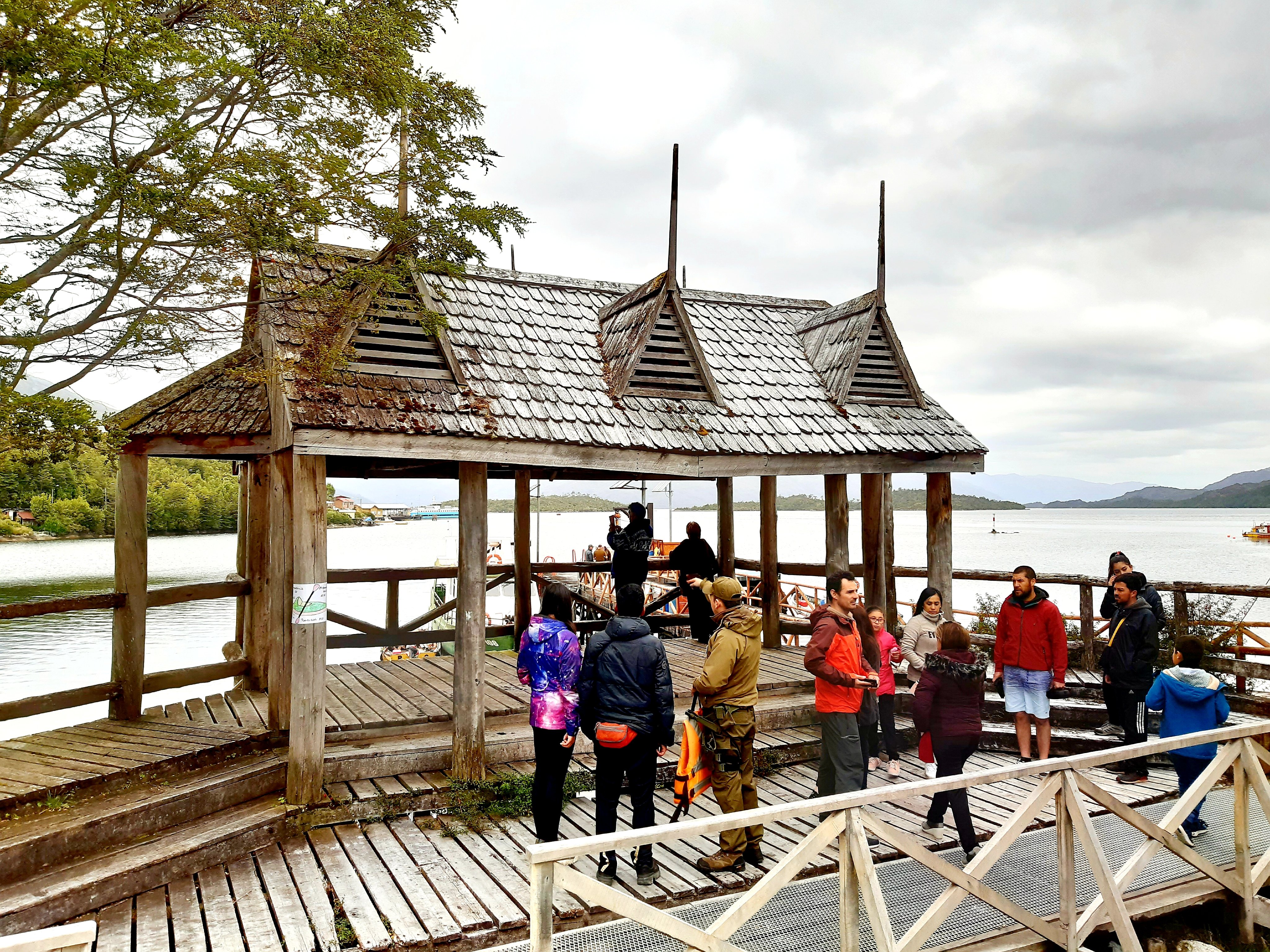
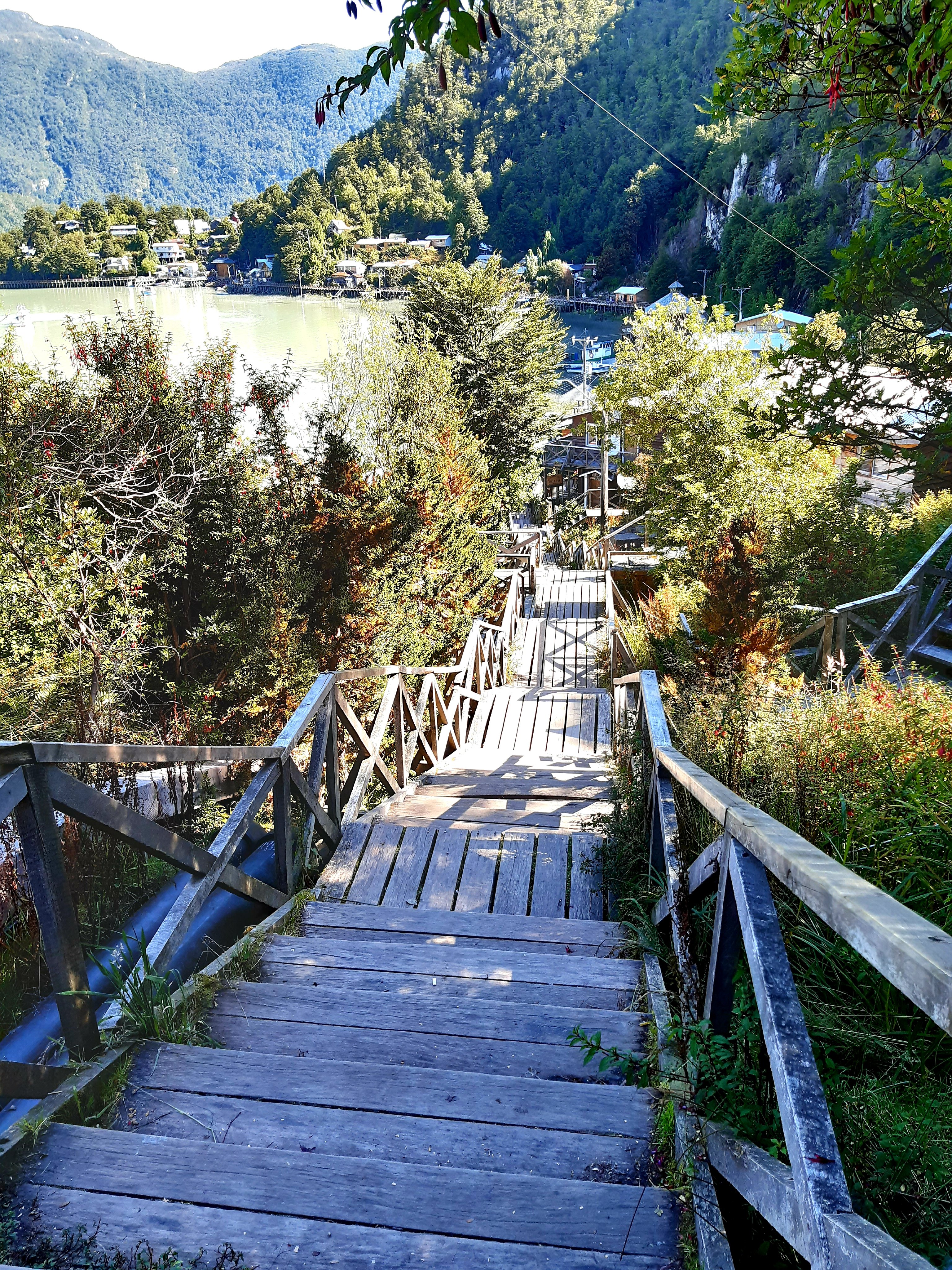 I arrived at Tortel at 9am, stored Louise at the bus station, and spent the day exploring, climbing to a mirador, eating and waiting. I mentioned in a previous blog that every town, no matter how small, has a plaza (square), and in Tortel, those covered areas jutting out are the plazas.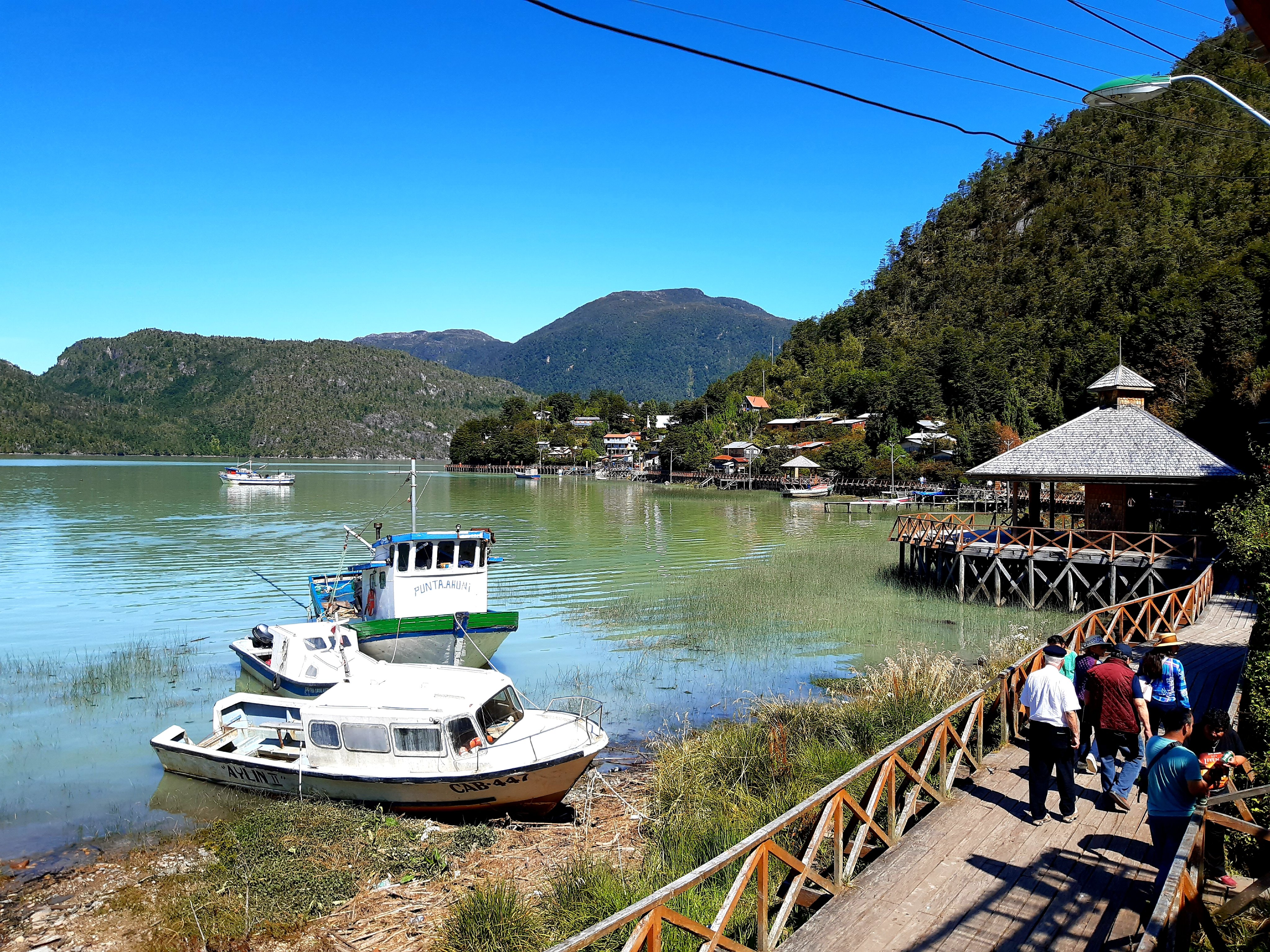
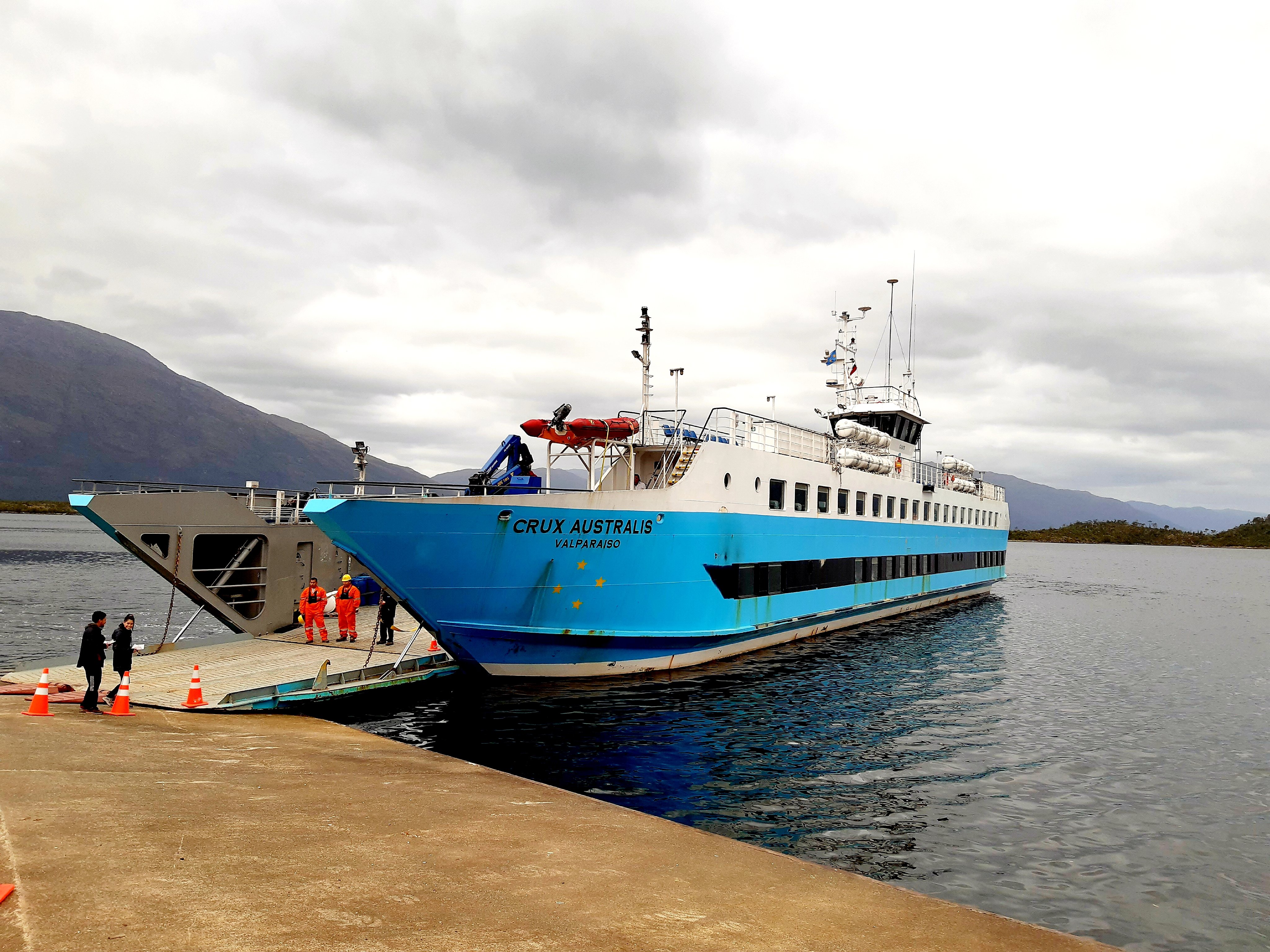
 At the local Astral Broom office (the company running the ferry) they also told me there was no space, but that I could go to the docking pier at 10pm and enquire if there had been cancellations. My nerves were being severely tested, but everyone around was supportive and encouraging, and there was no way I was lugging Louise back along the boardwalks (her wheels kept on going into the grooves) and úp all the thousands of steps which I had had to carry her dówn. So I focussed on staying positive. In the end there were seven of us without tickets, and we all got a seat after waiting for about an hour. The price of the ferry was 125000 pesos (Chilean = R2500), which included good meals. The ferry takes about 30 cars and 150 people, of which 50 tickets are allocated to foreigners, 50 to Chilean travellers, and 50 to local Chileans. The Chileans’ tickets are subsidised by the government, so they travel very cheaply.
 This is a map of the area south of Tortel, the dotted line between the fjords is the route the ferry took:
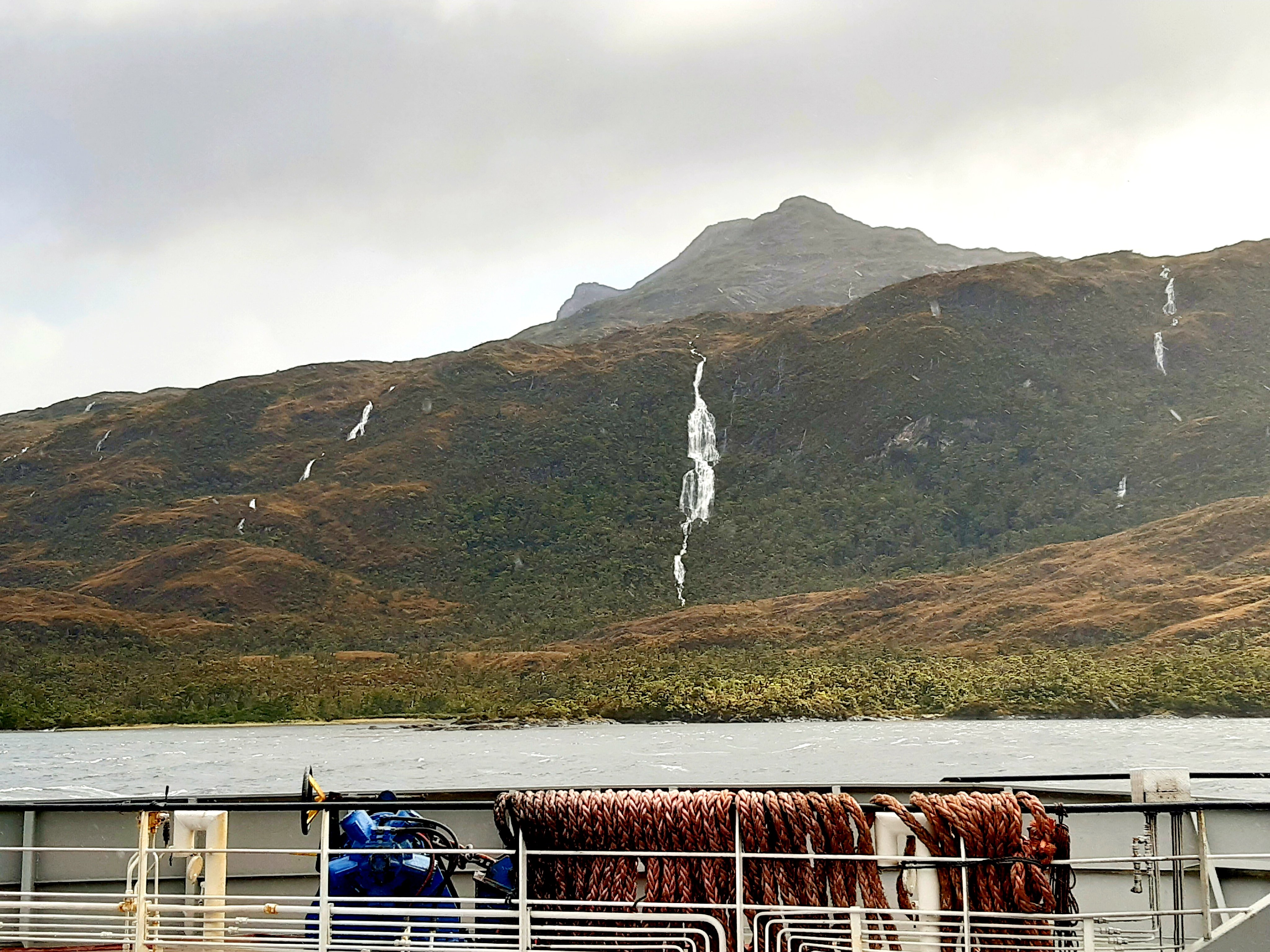
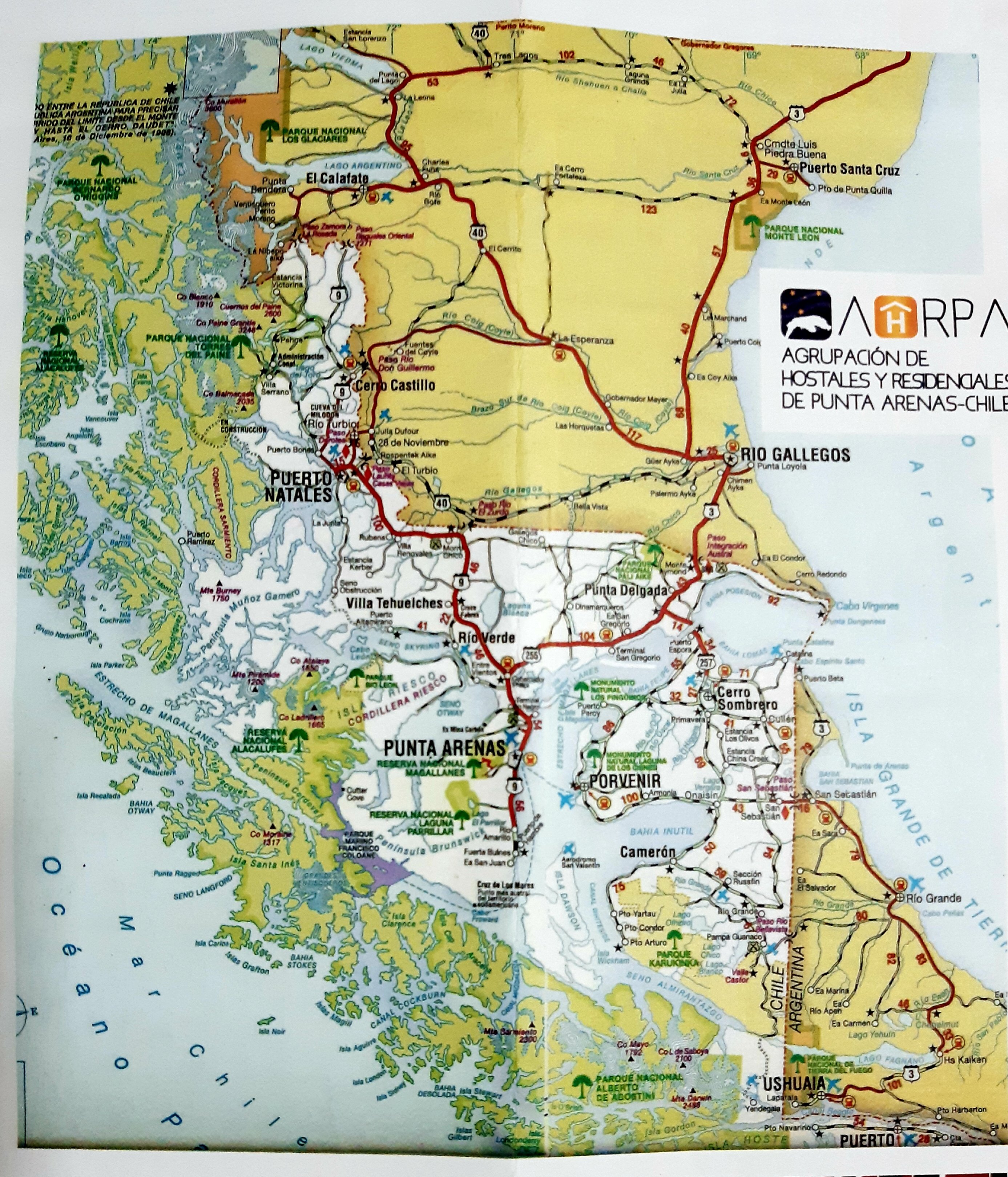 I was super excited and on deck before sunrise, taking pictures and going from one deck to the other up and down the steps. There were waterfalls, wooded mountains and wrecks along the way, and I saw some dolphins and many kinds of birds.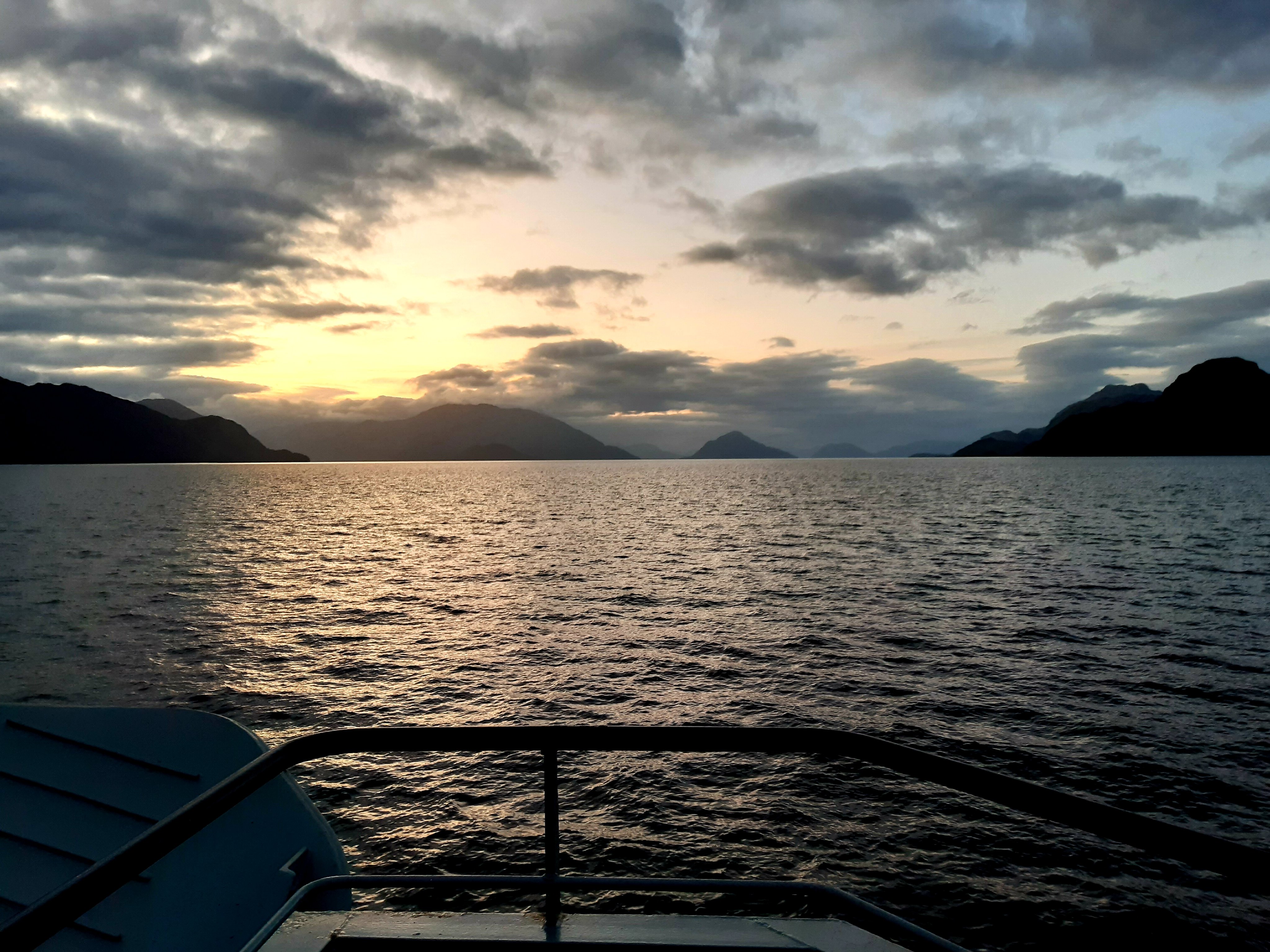
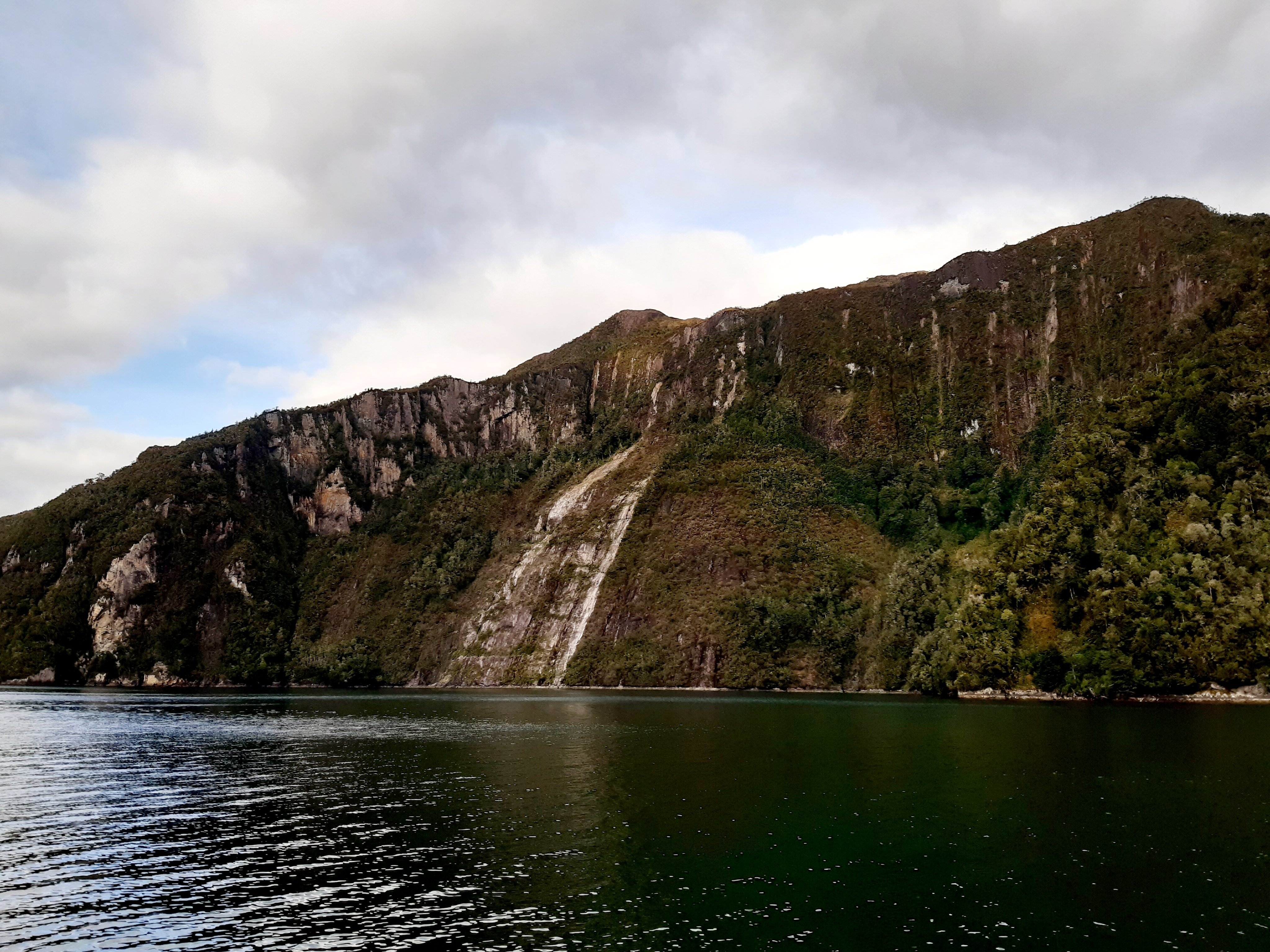
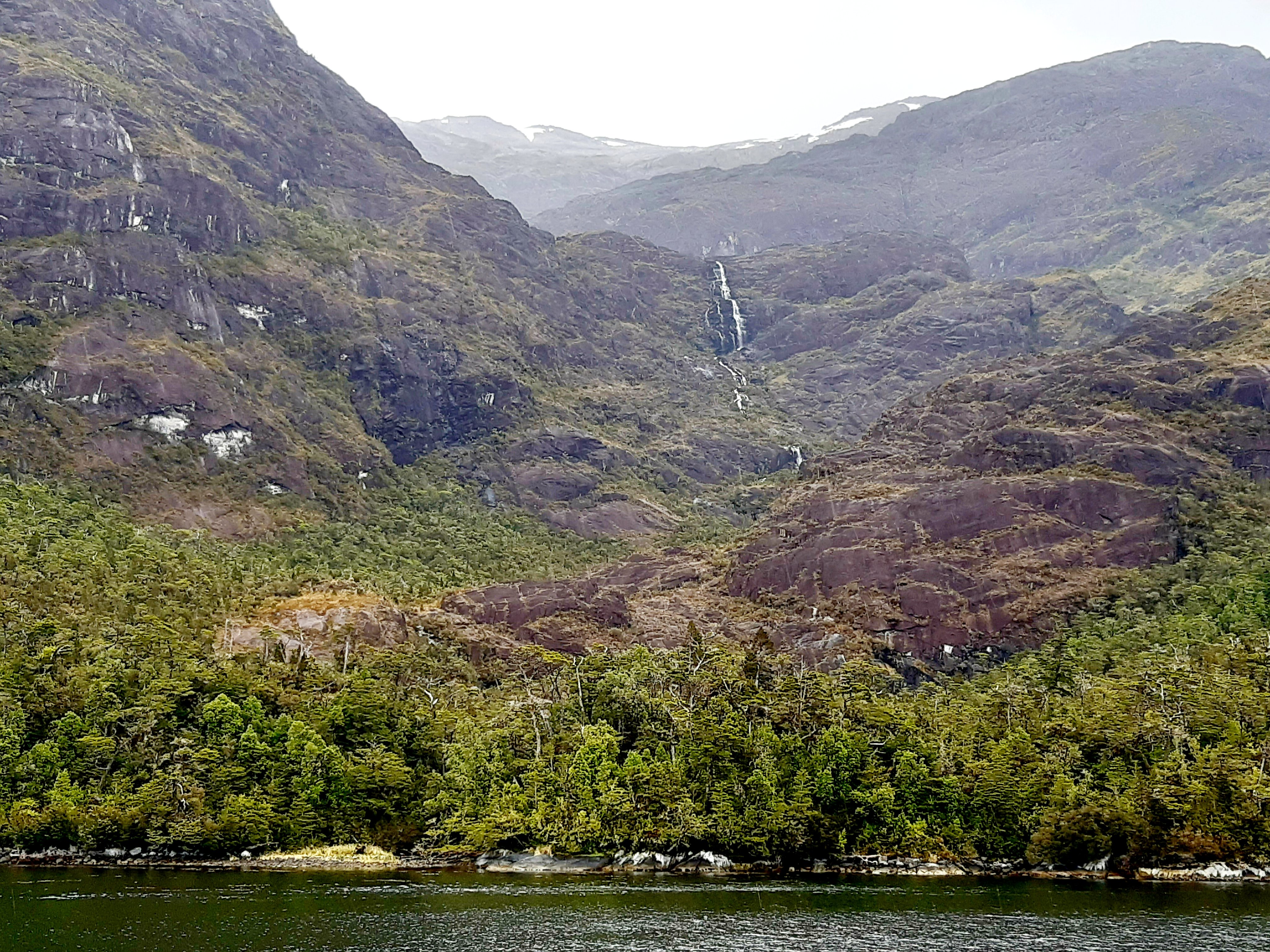
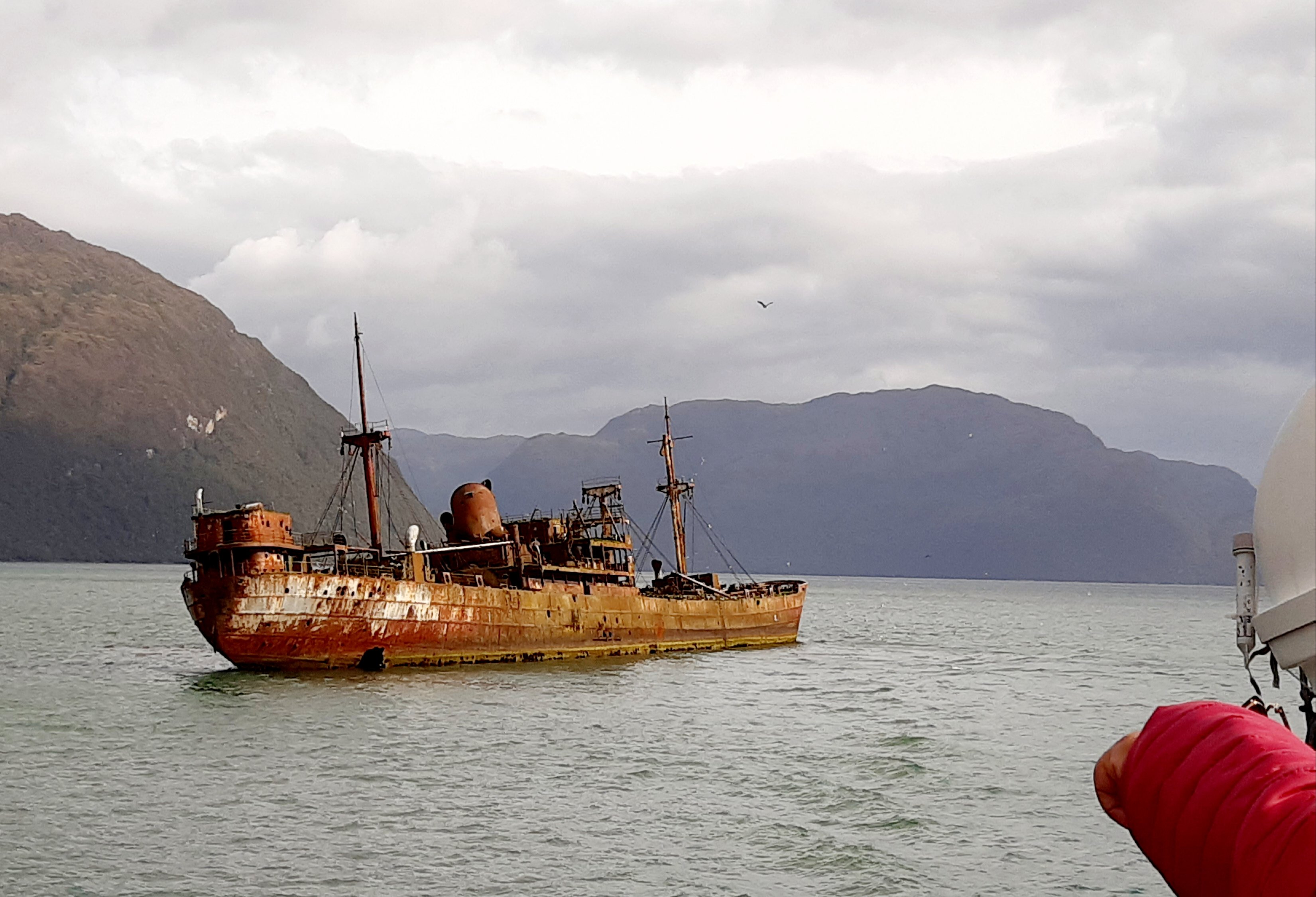
 Around noon of the first day we stopped at Puerto Eden, a pueblo (town) on an island, also with no cars. This part of Patagonia had been inhabited by the Kawésqar, nomadic people who spent most of their time (as families) on their canoes, going up and down the fjords. The canoes were made of bark and caulked with a mixture of plant material, mud and roots, and sometimes covered with skin. They always kept a fire going in the canoe, on a bed of stones, shells and sand. Sometimes a woman would even give birth on the canoe, and the man would wear the umbilical cord around his neck to show that he had become a father. It was worn for a year, and meant bad luck for the child if he lost it before the year was over. The women gathered shellfish, diving for it (in that freezing water) if necessary, wove baskets, cleaned birds and looked after the children. The men made boats and weapons, and fished and hunted. The 3000 inhabitants met with the same fate as the other indigenous people when the whaling and sealing boats started arriving at the end of the 18th century. Individuals, and sometimes whole families, were also taken to Europe and North America to be exhibited and studied, as they were believed to be savages worthy of scientific study.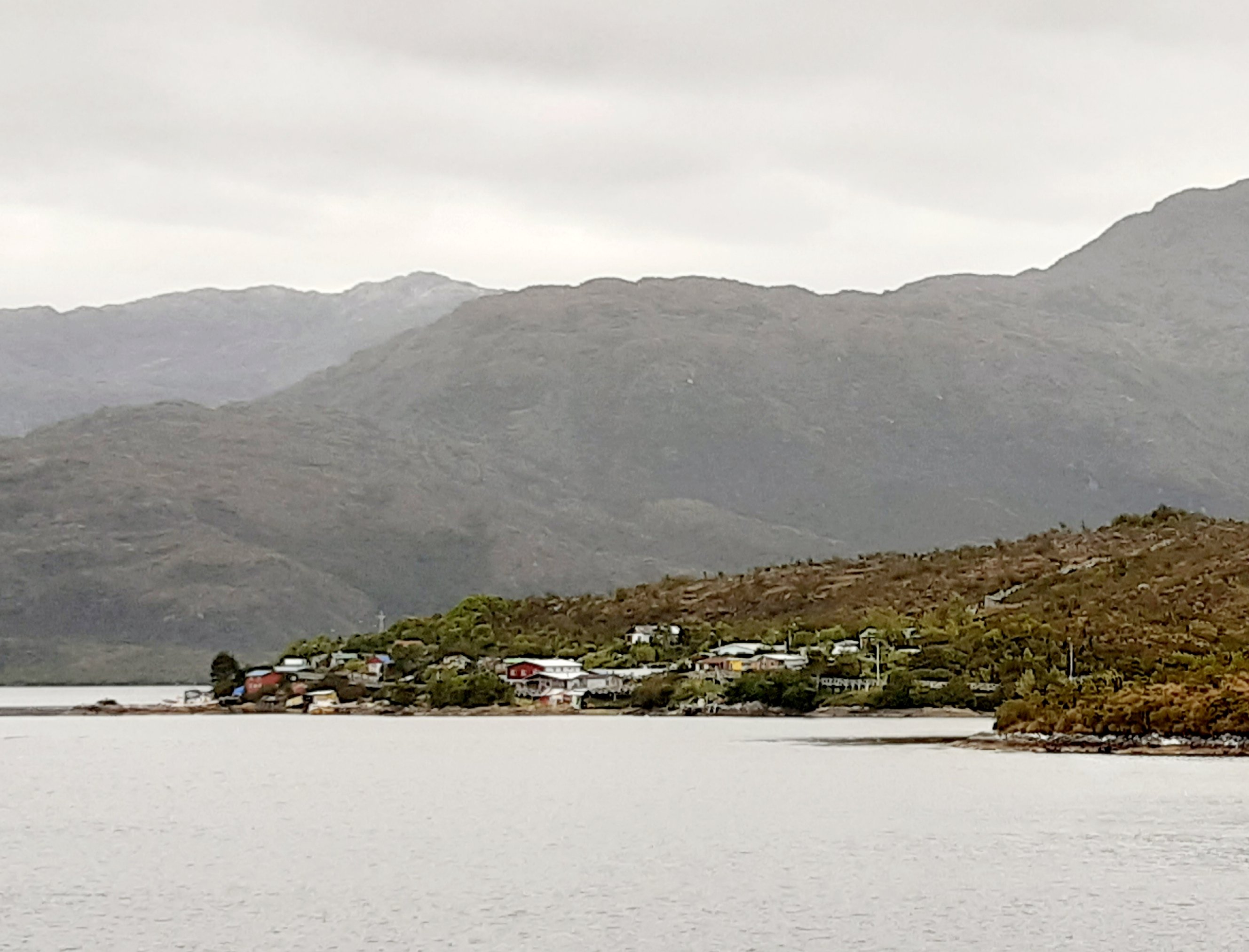
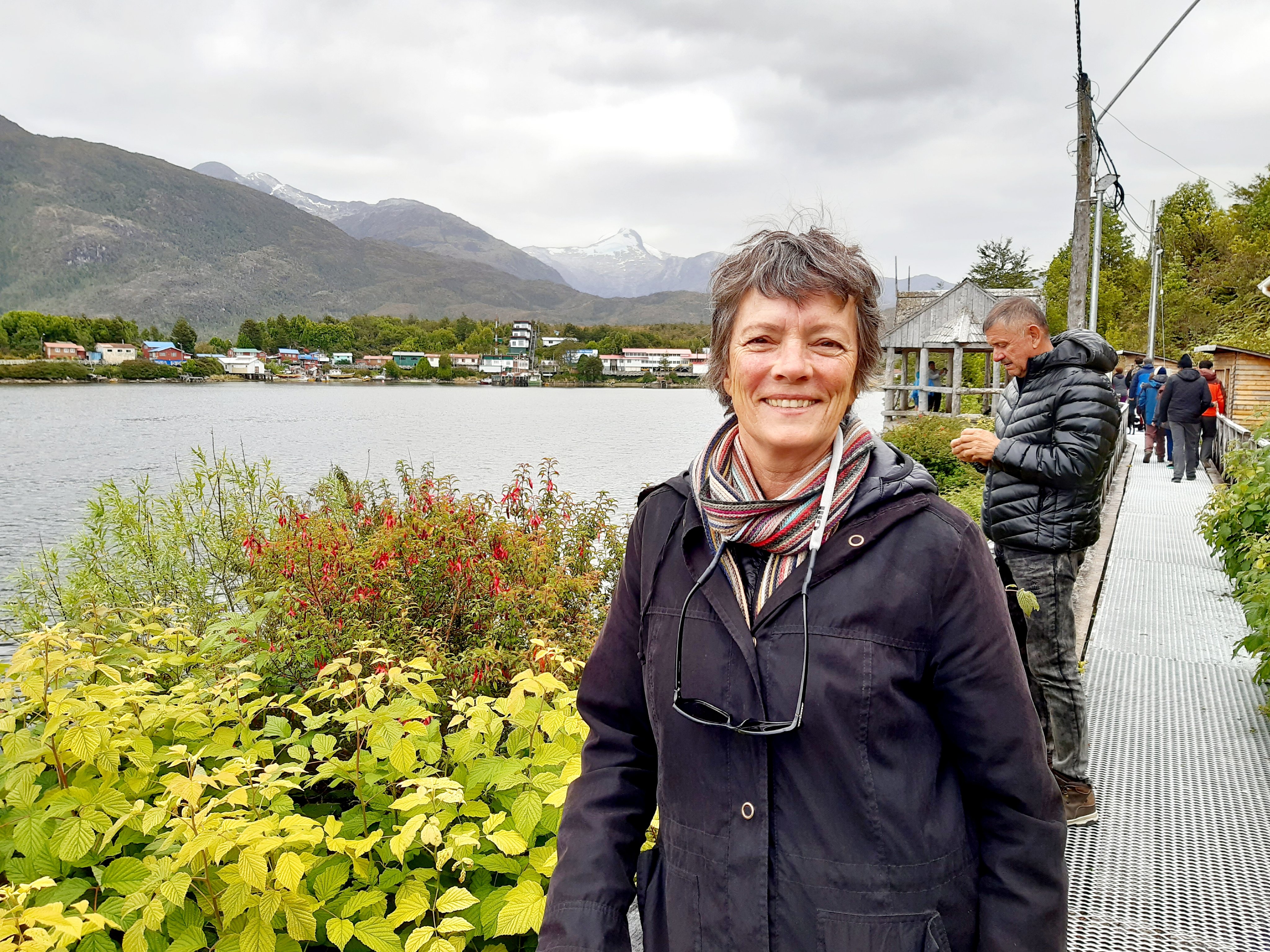
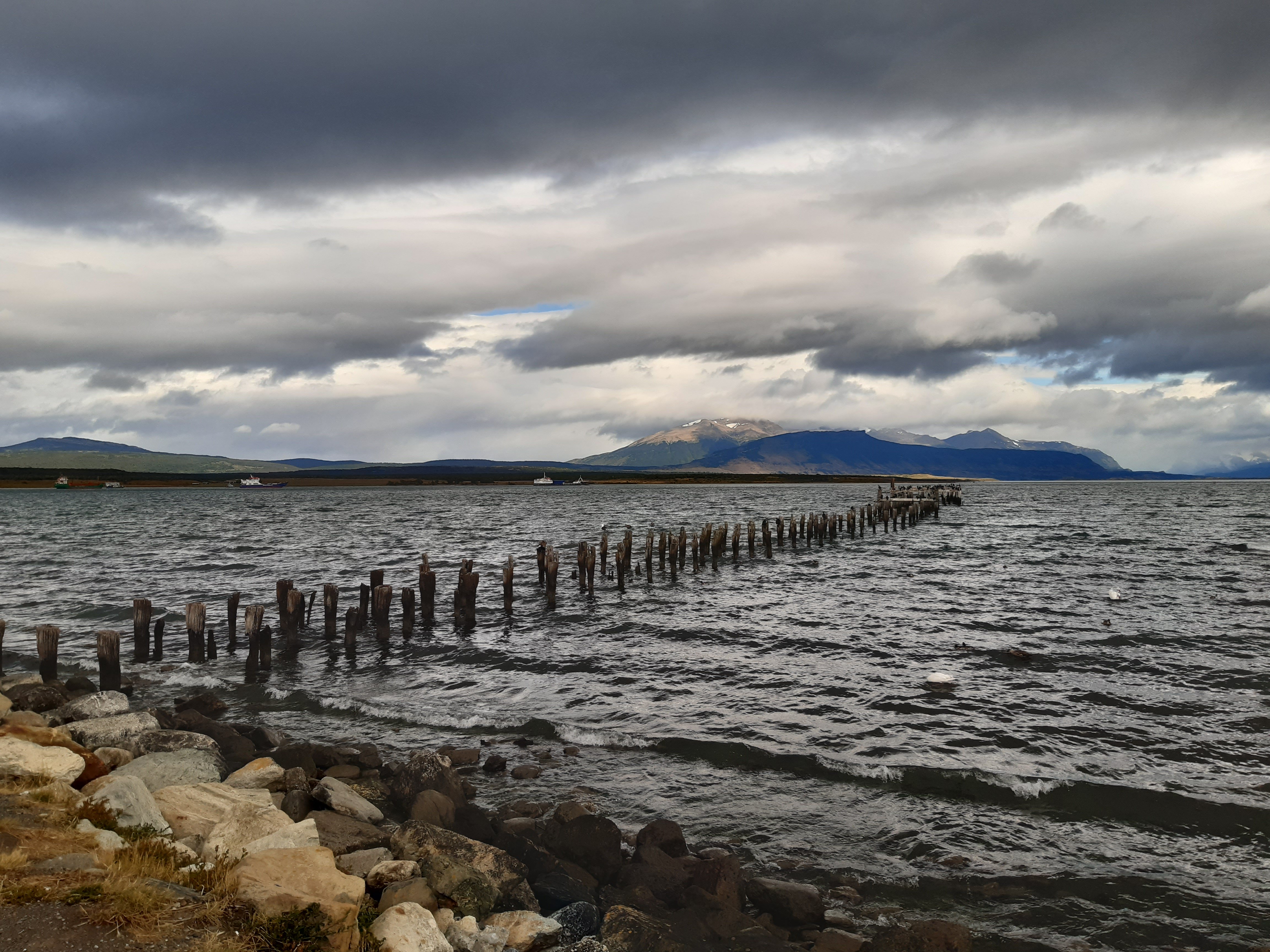
 The weather changed later that afternoon, and we had rain and an icy wind for the rest of the trip, arriving at Puerto Natales at about 4pm.Puerto Natales is the town from which most people do the trekking in Torres del Paine, a popular and quite difficult 5 or 8 day hike in the park. There are caves worth visiting, where fossilized bones of the milidon, a large sloth with a head like a horse, were discovered. They date back at least 9000 years, when they had disappeared as a result of natural catastrophes.
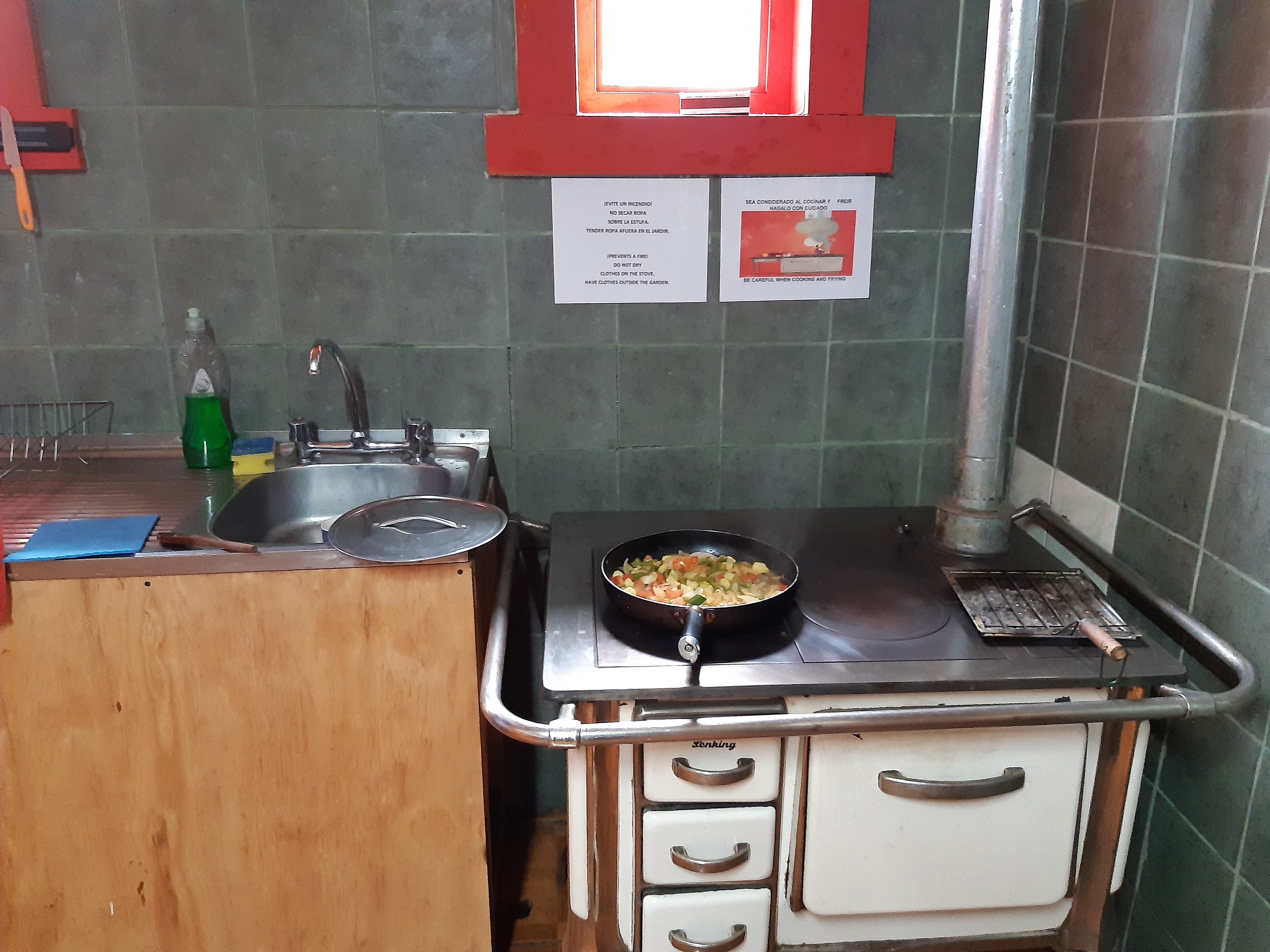
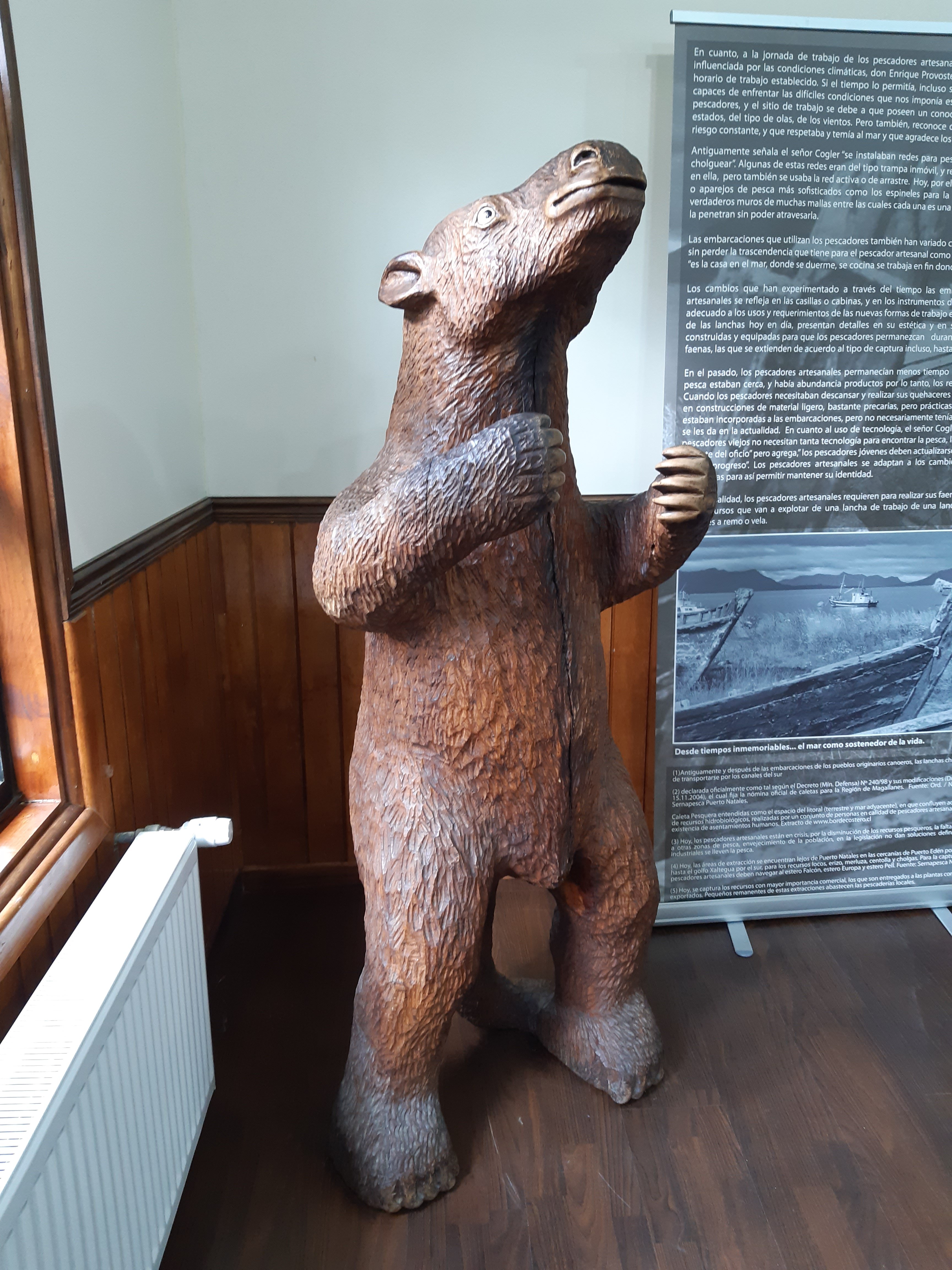 I didn’t do much other than walk around, visit a museum and the graveyard, have a few dinners with a friend that I had met on the boat, and cook on a lovely warm woodburning stove. I was meeting up with two of the French Workawayers that had been at Los Antiguos, and we had a happy reunion at a bar/restaurant overlooking the bay.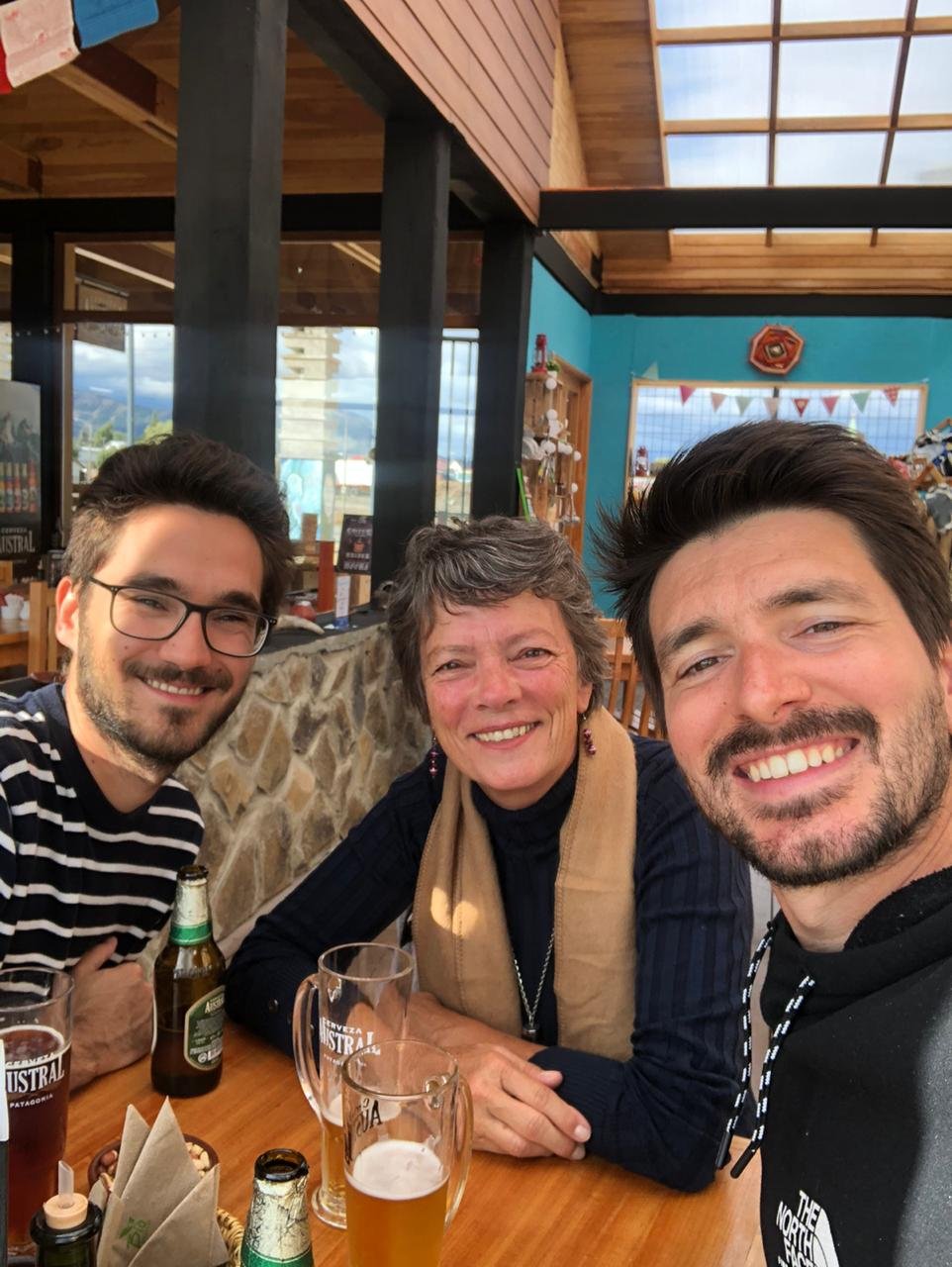
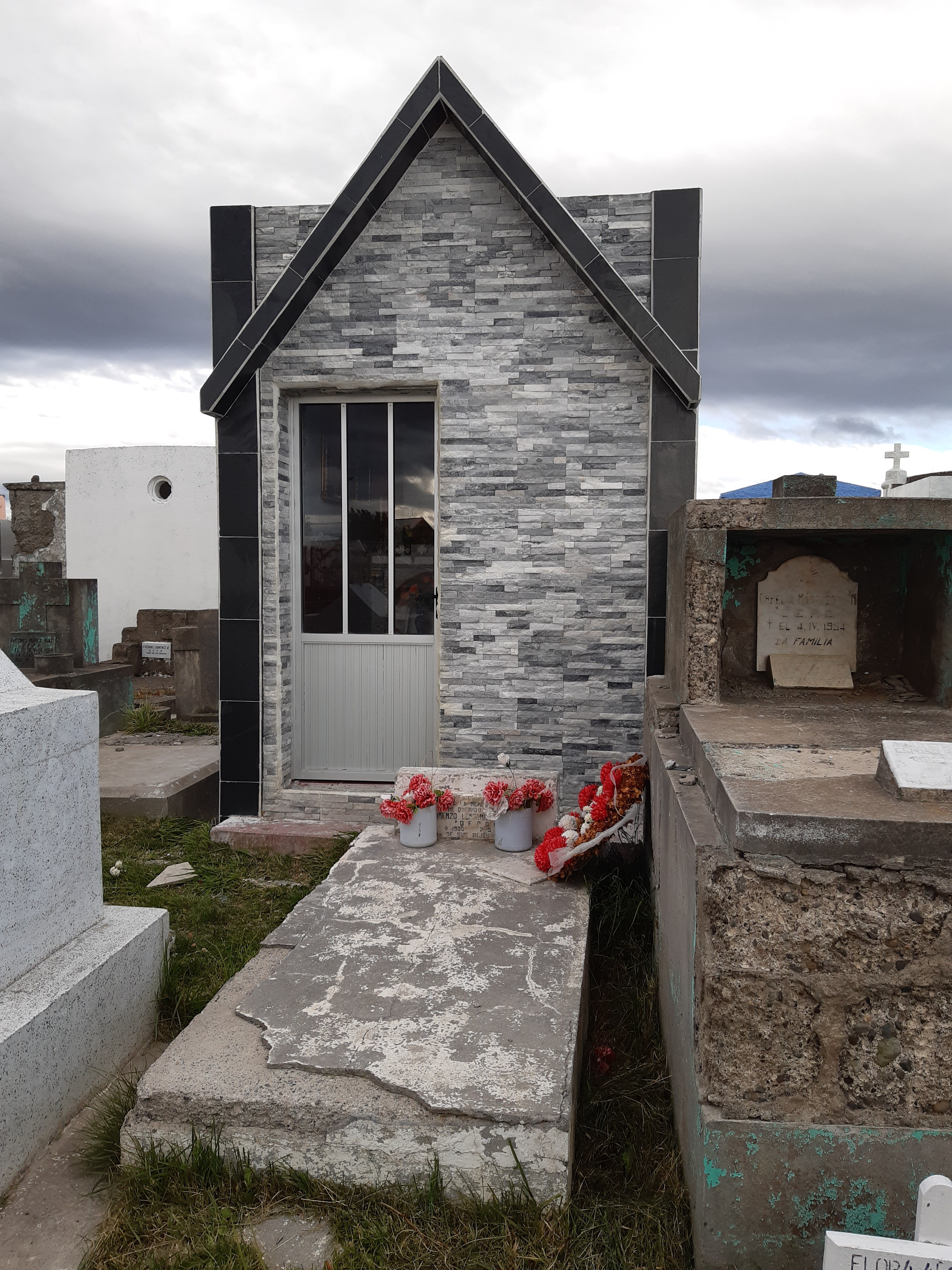
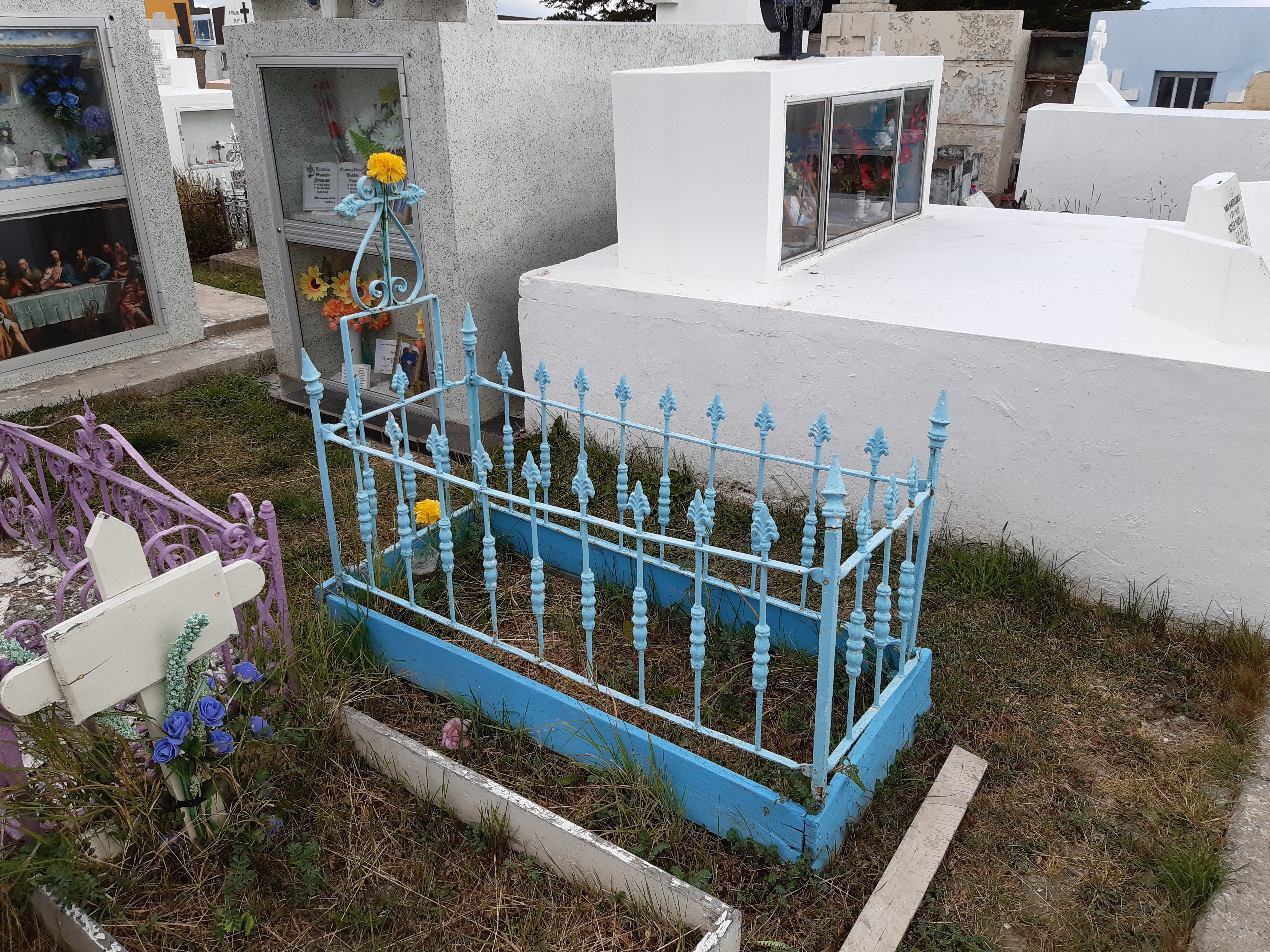
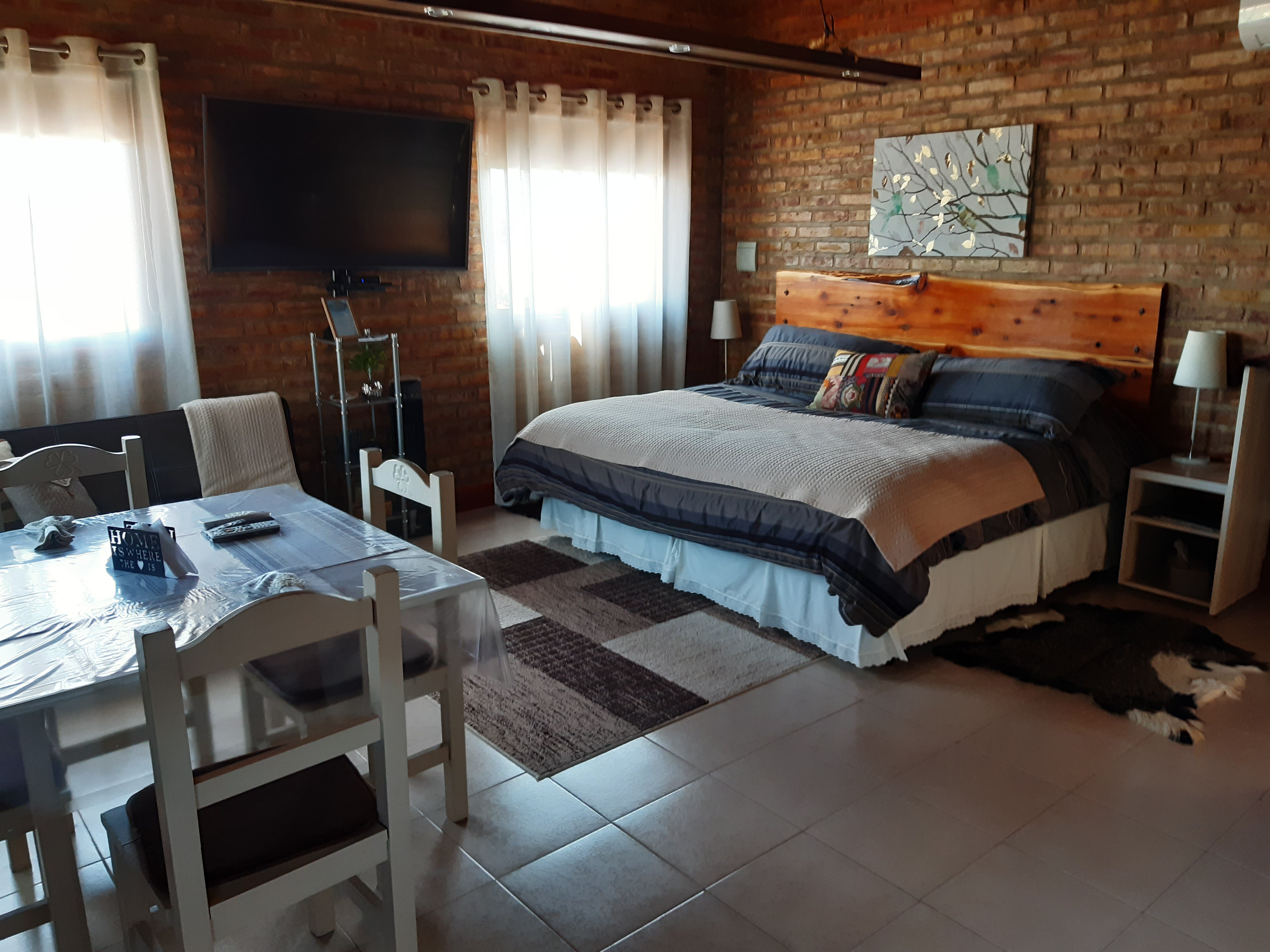
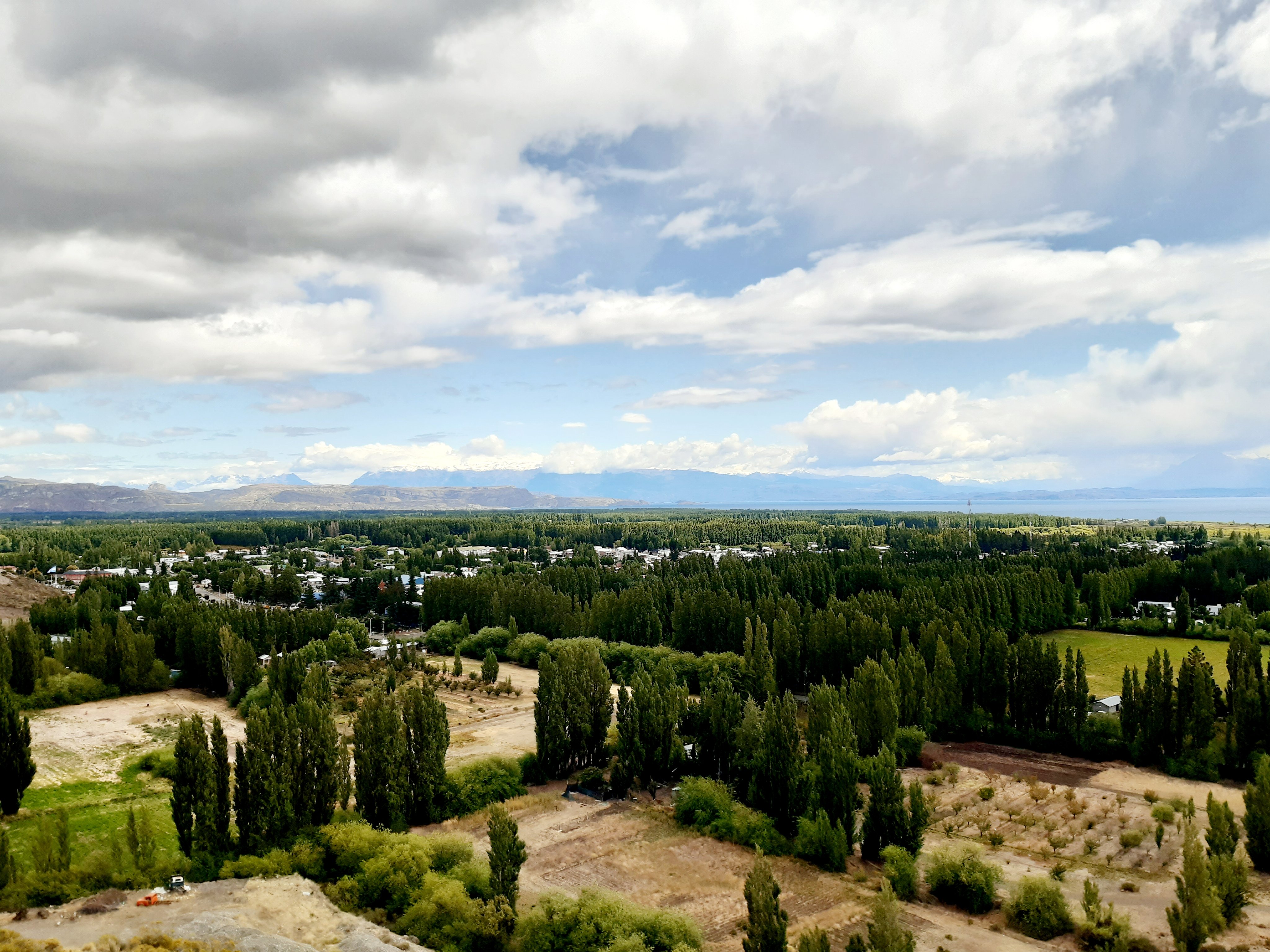
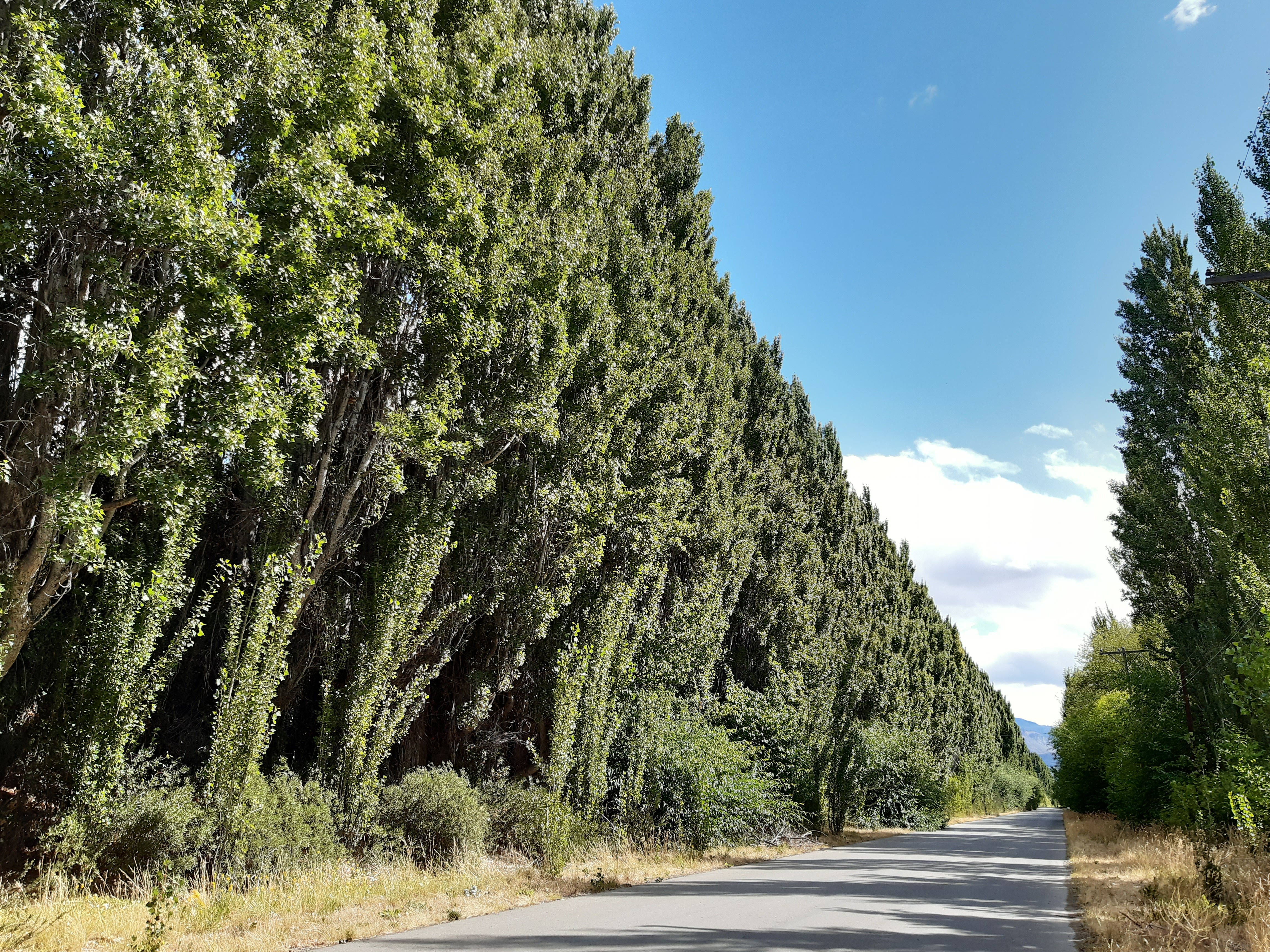
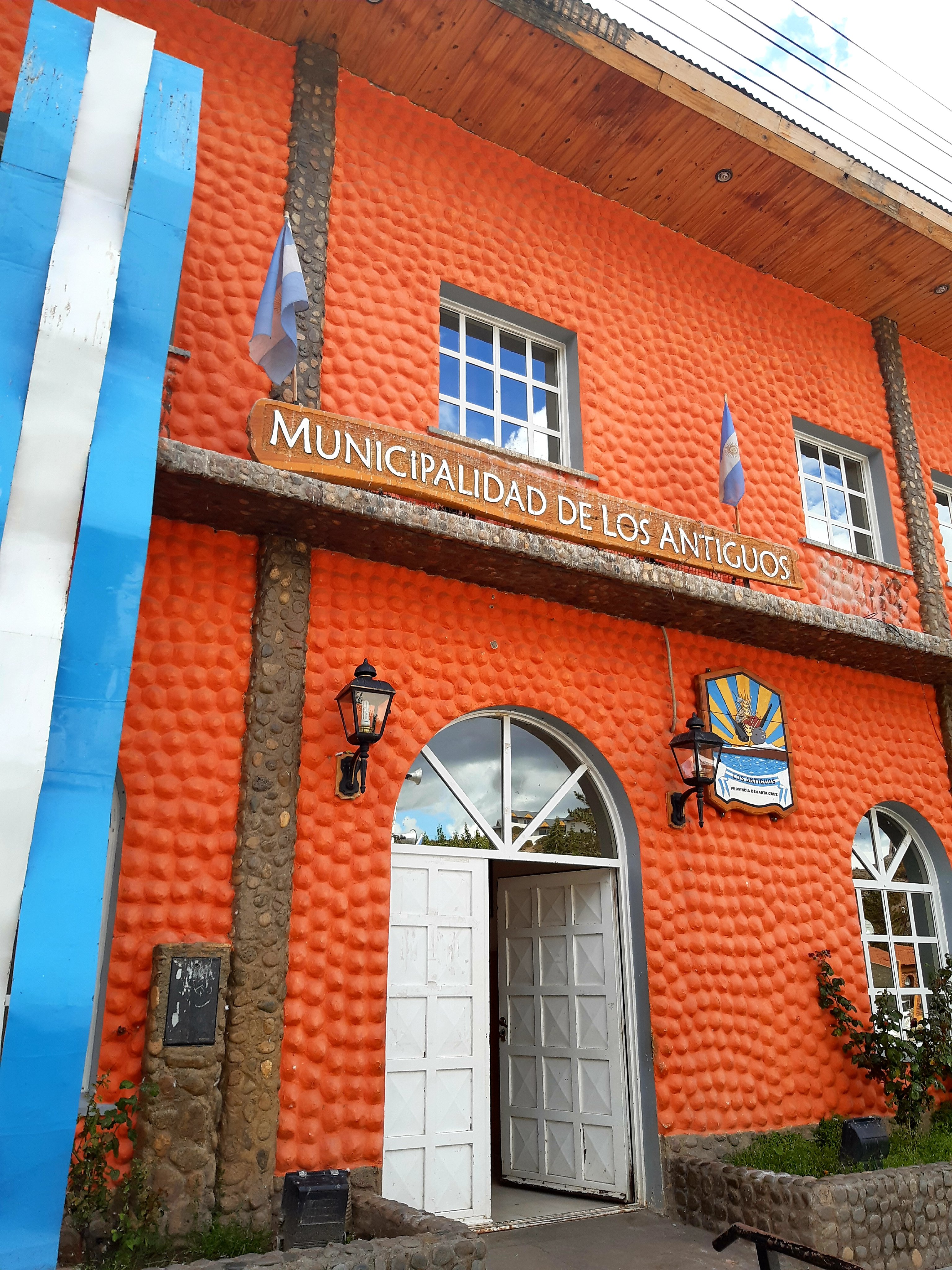
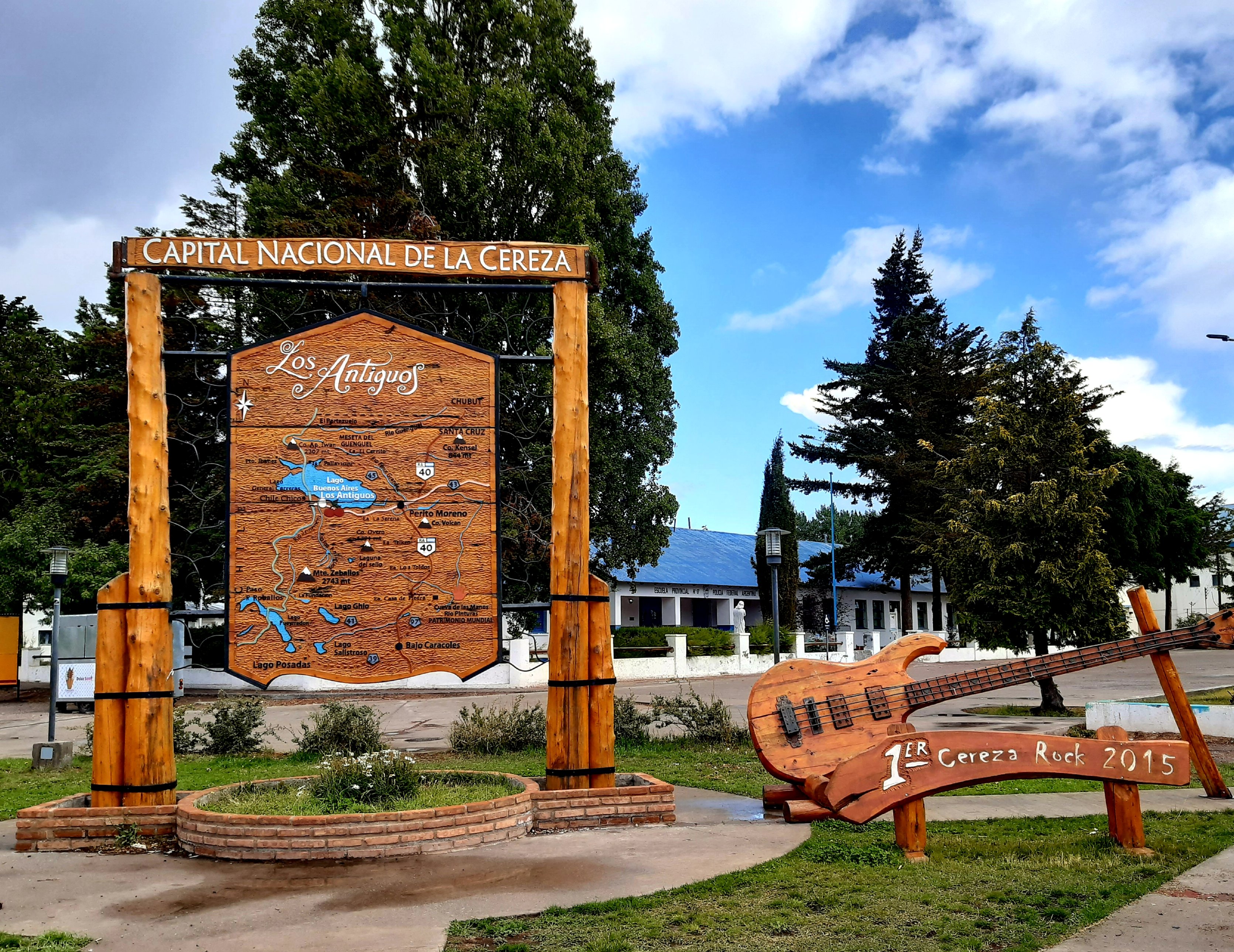
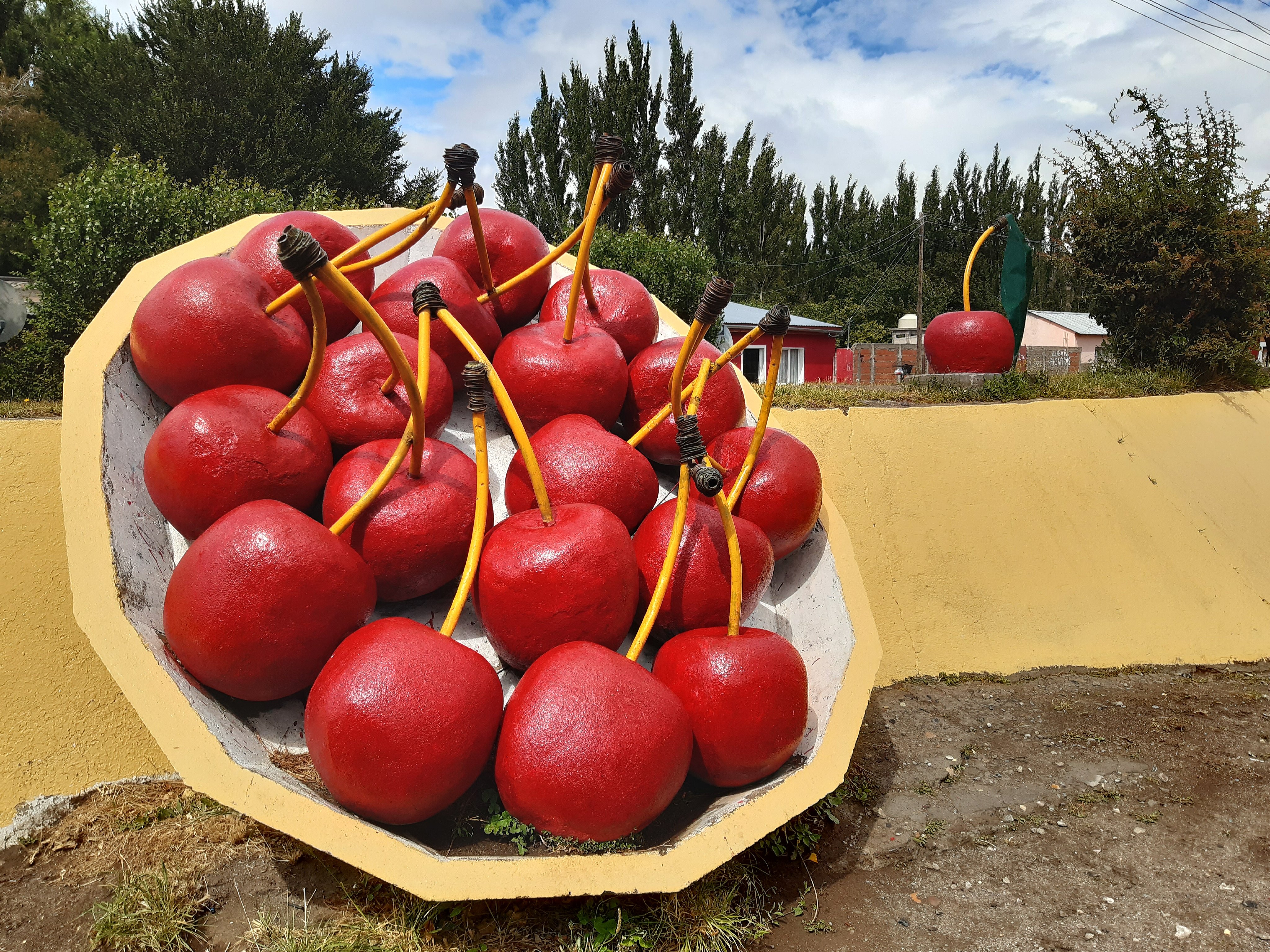
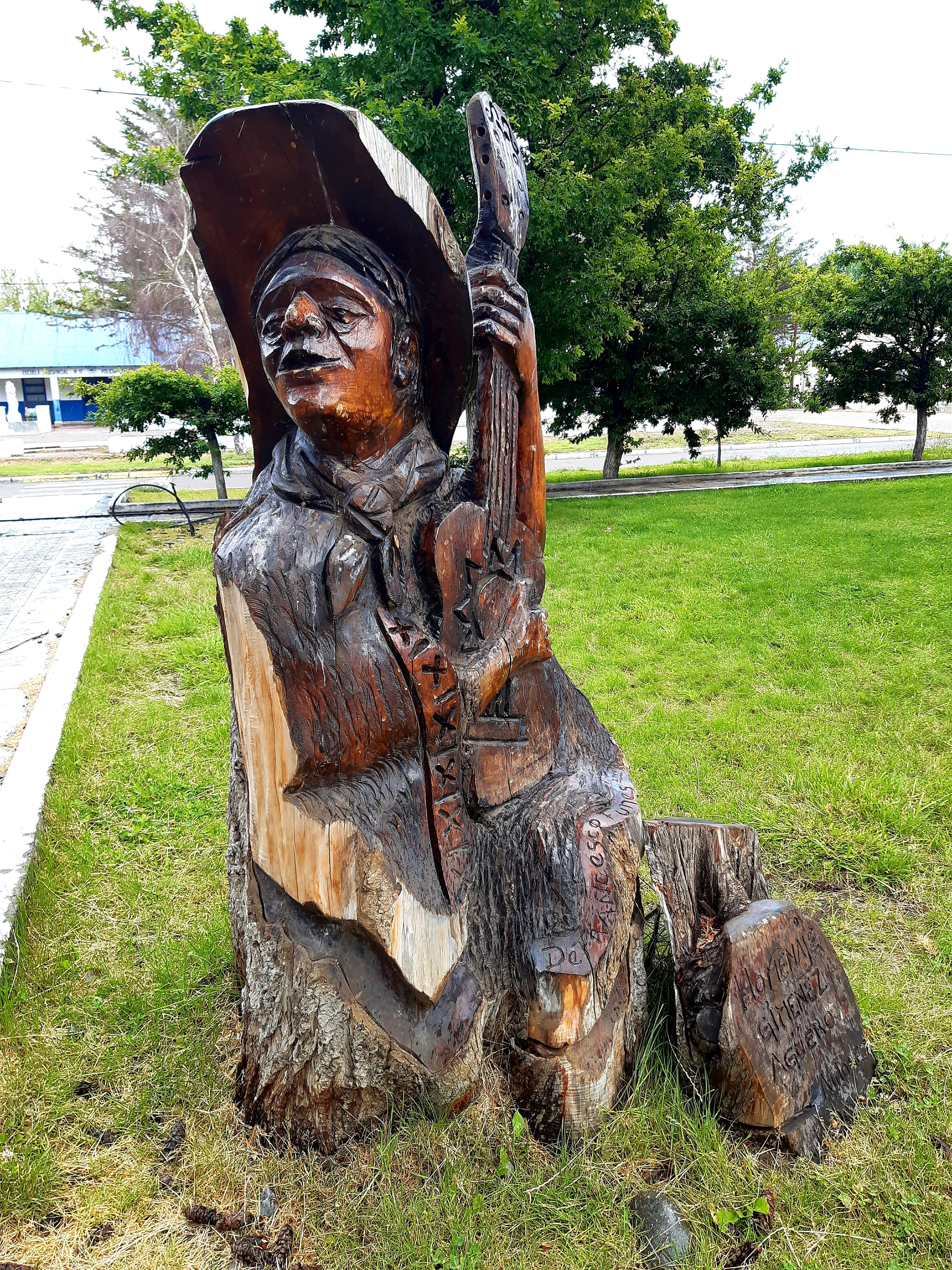
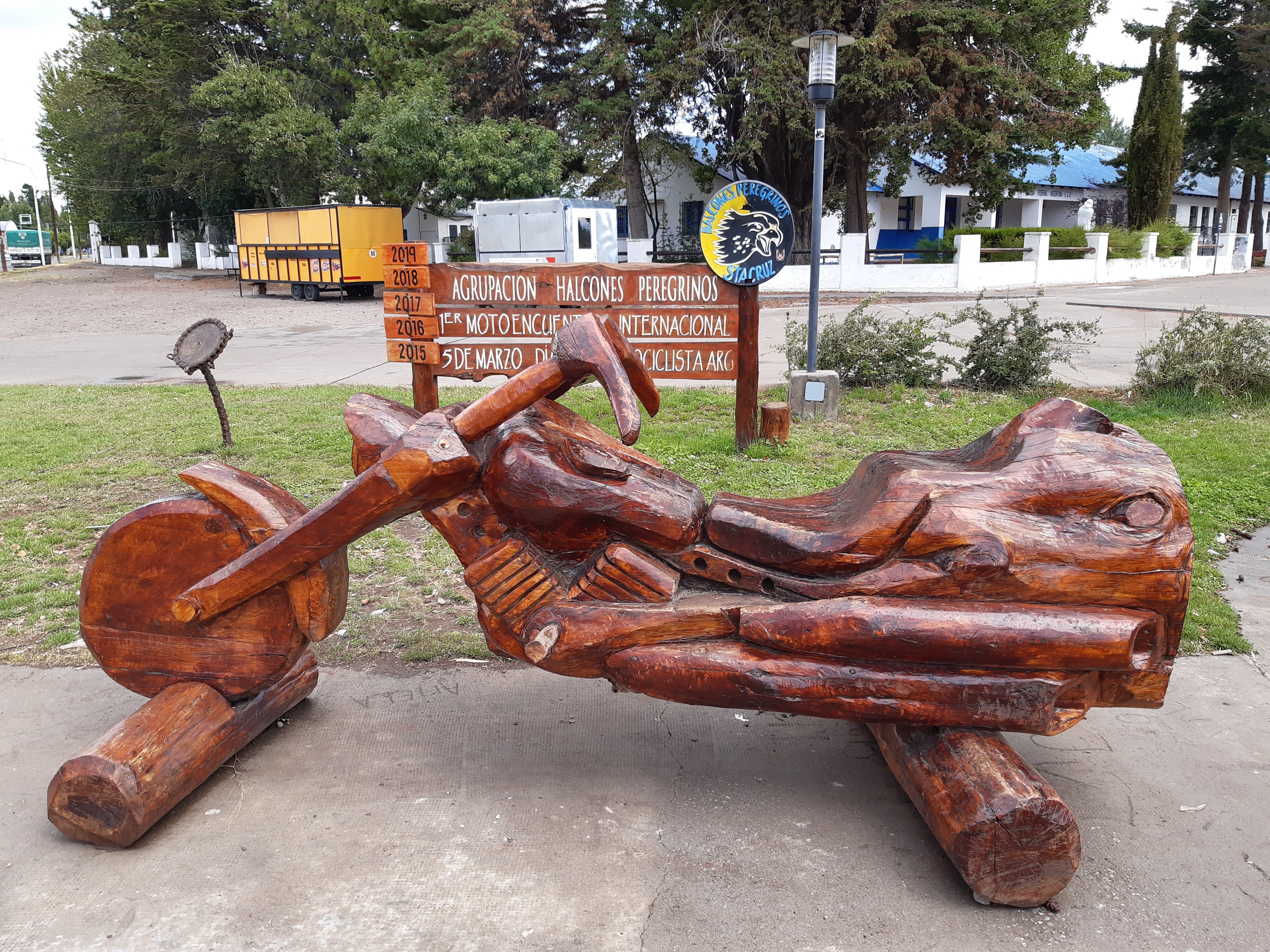

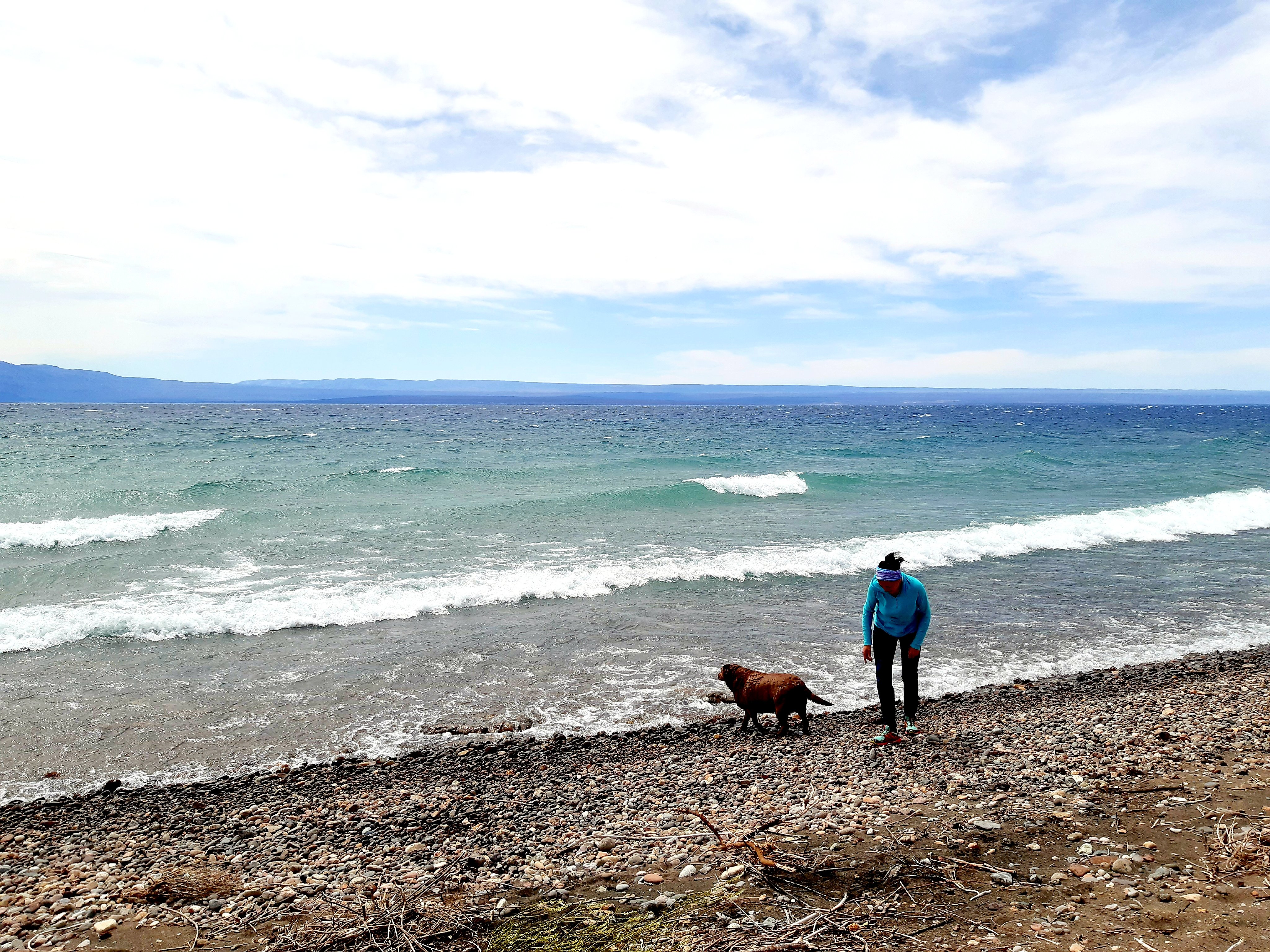
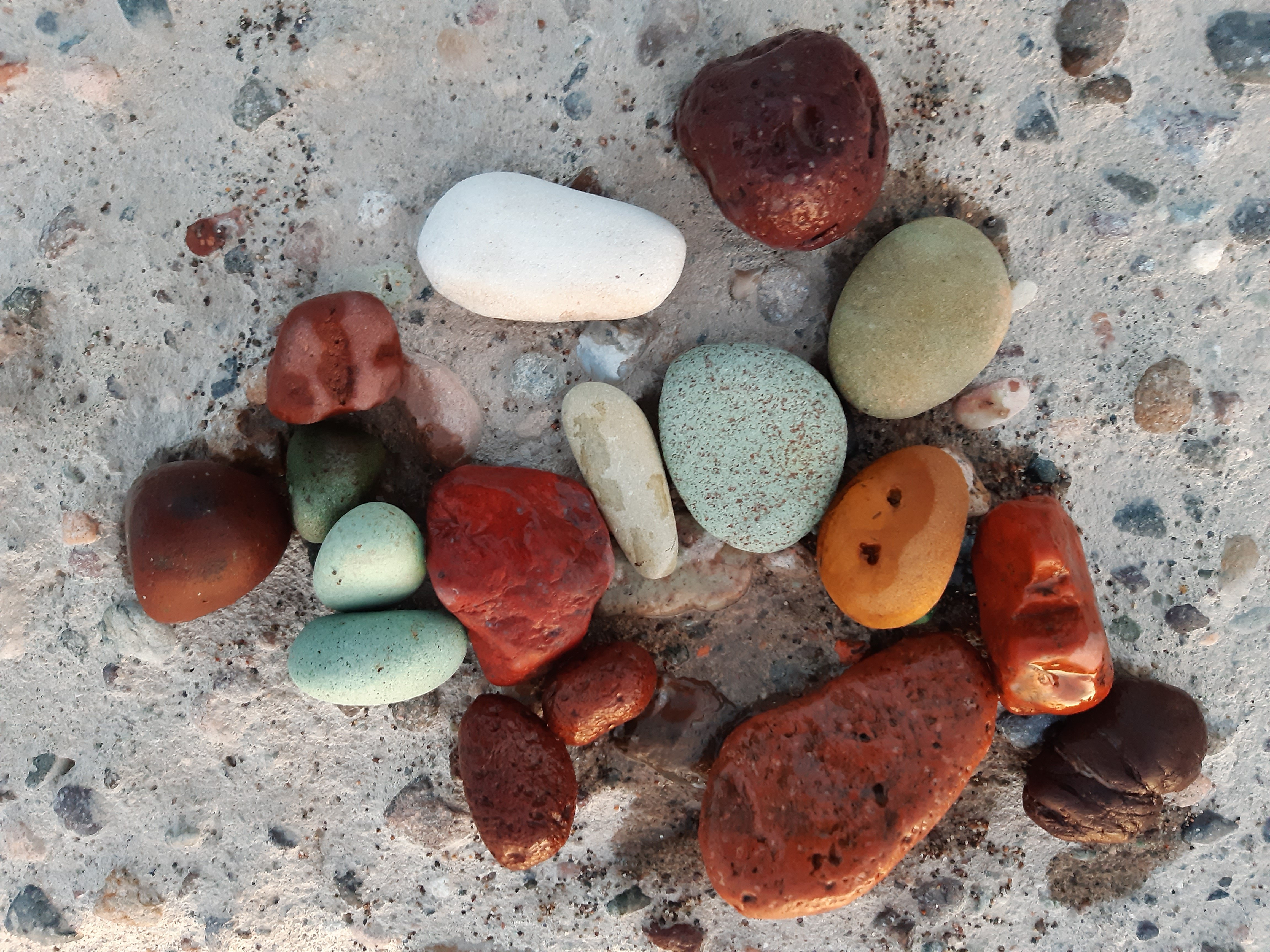
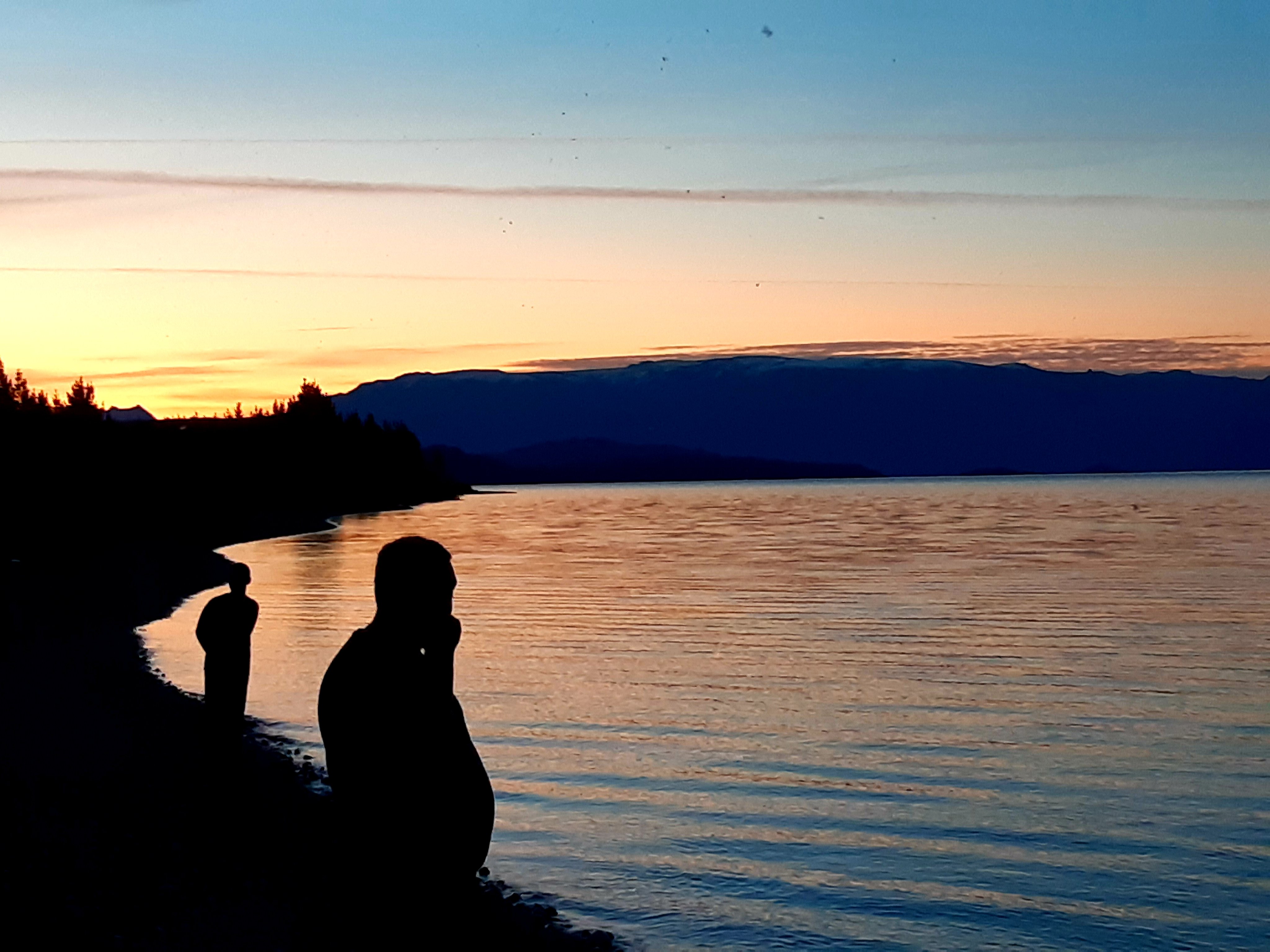
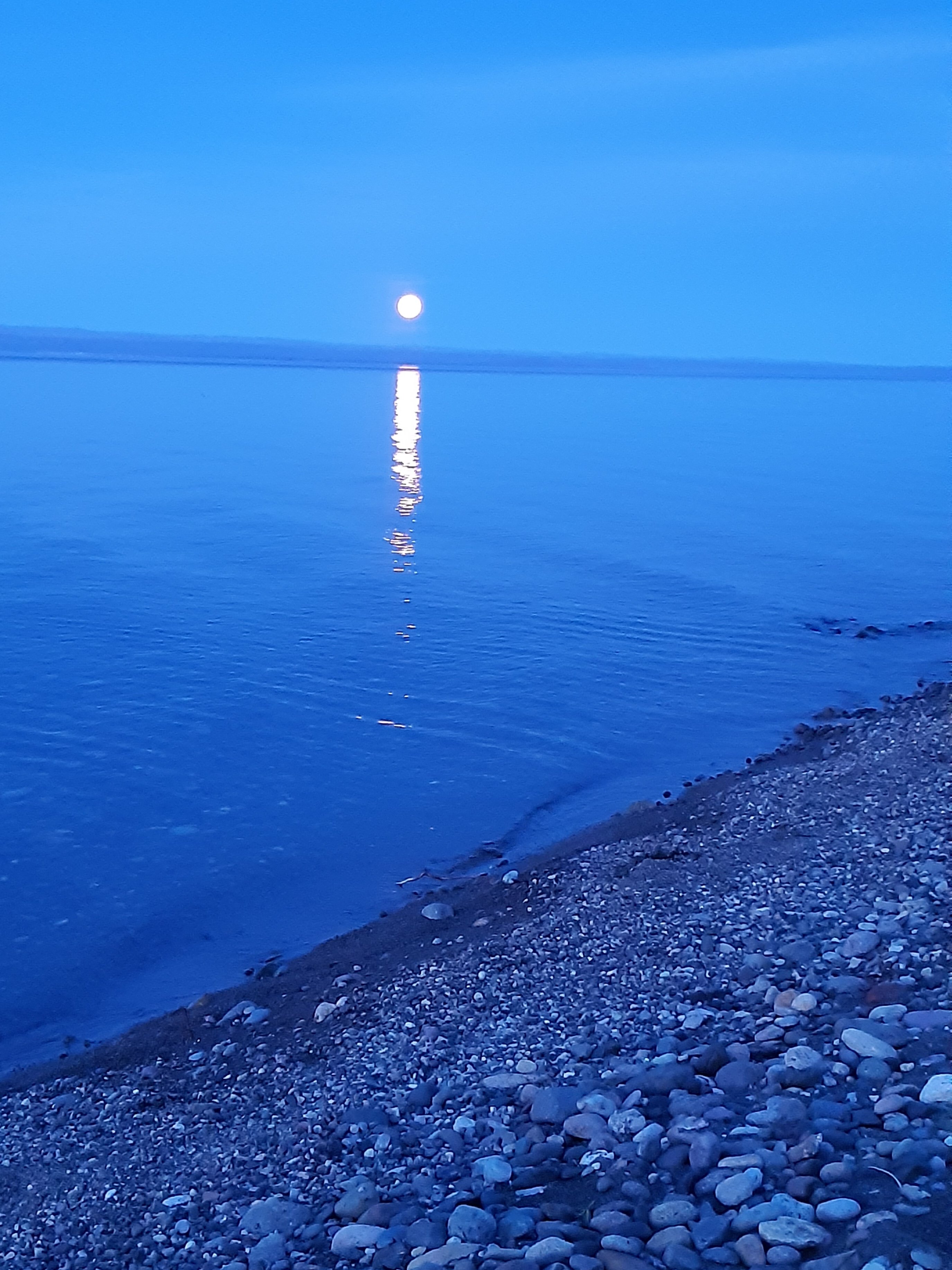



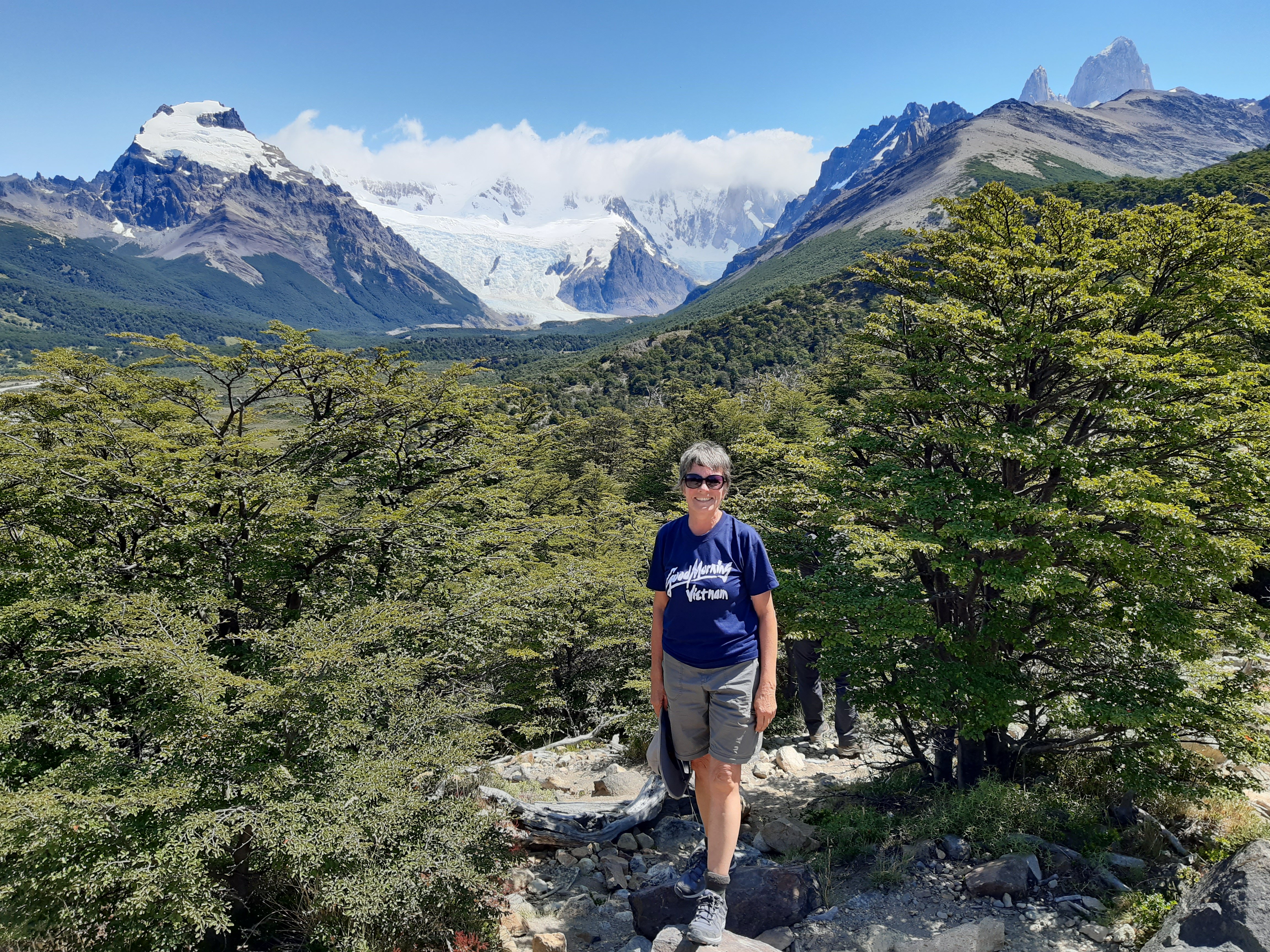
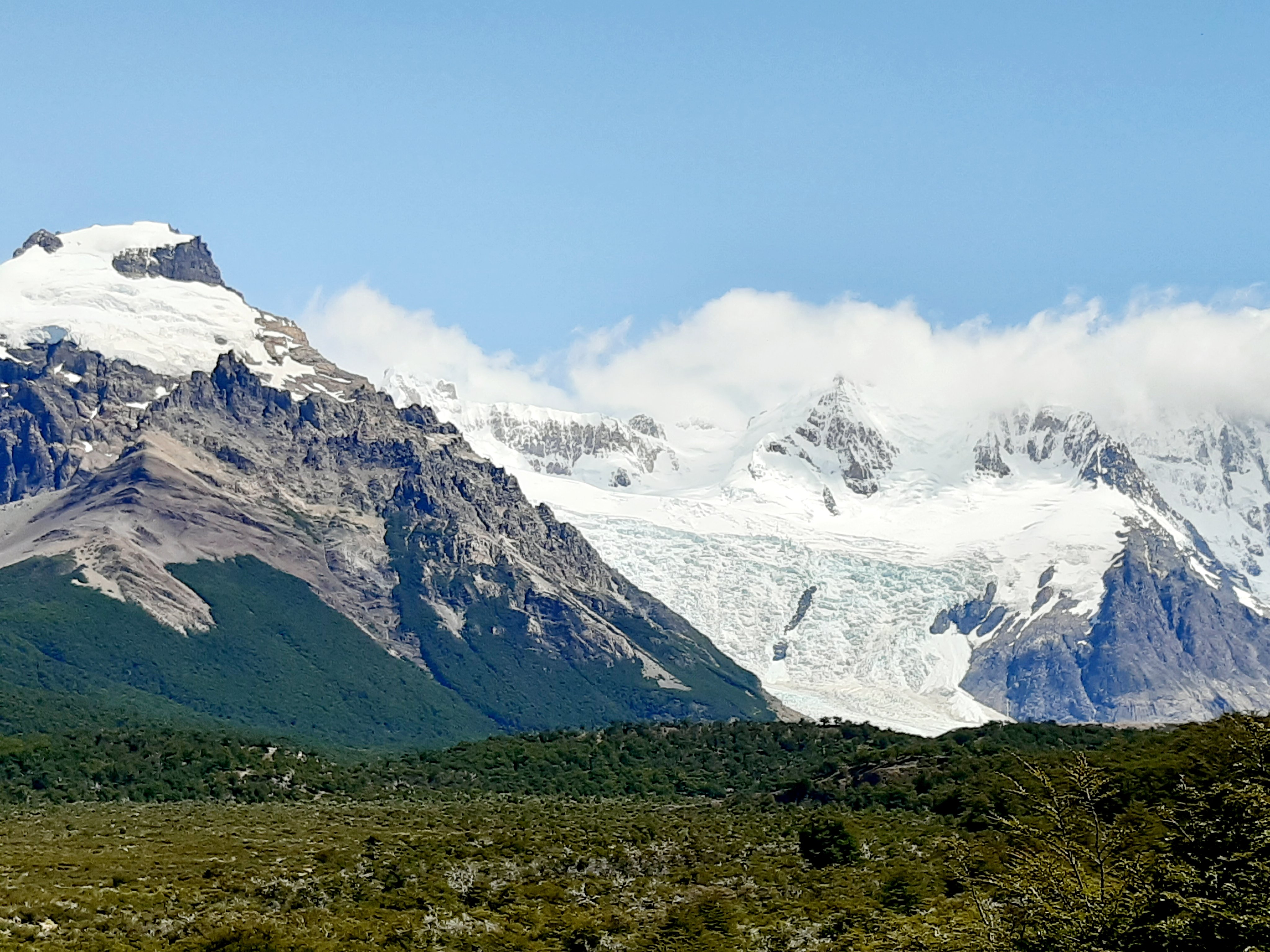
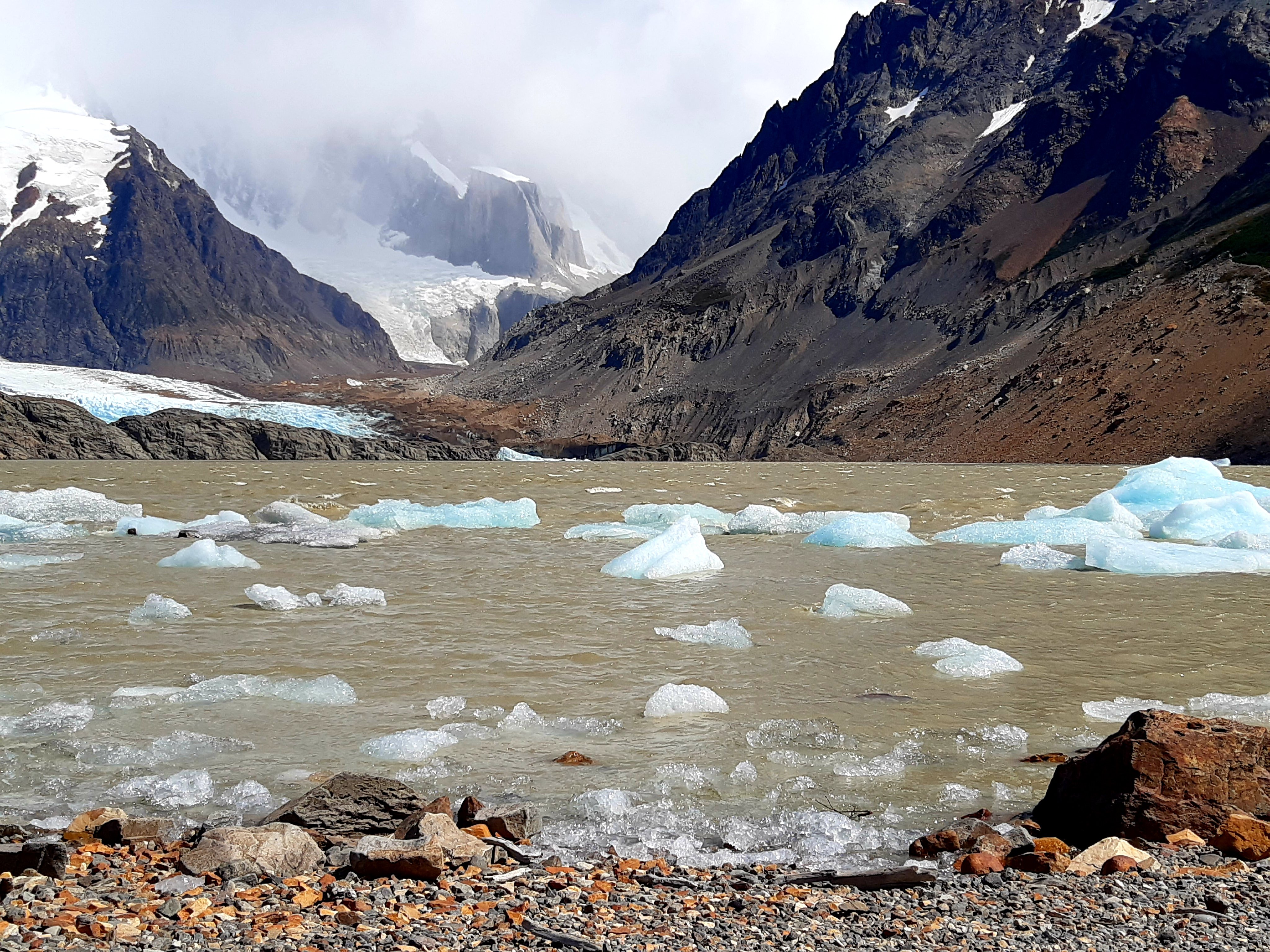 After all this excitement I headed further north on a night bus to a town called Los Antiquos, where I had a 3-week Workaway stint planned. More about that next time.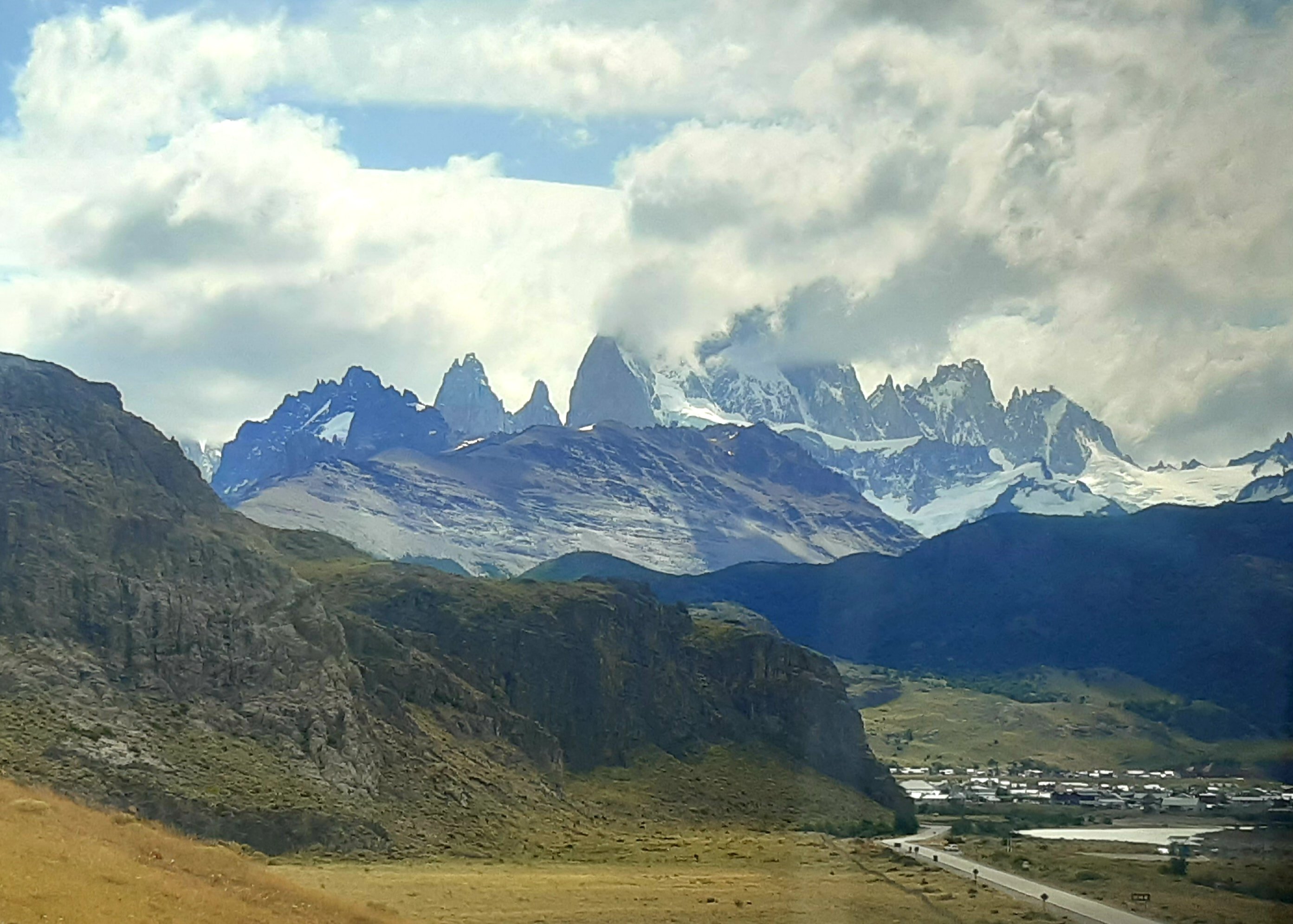
 Mella Madness