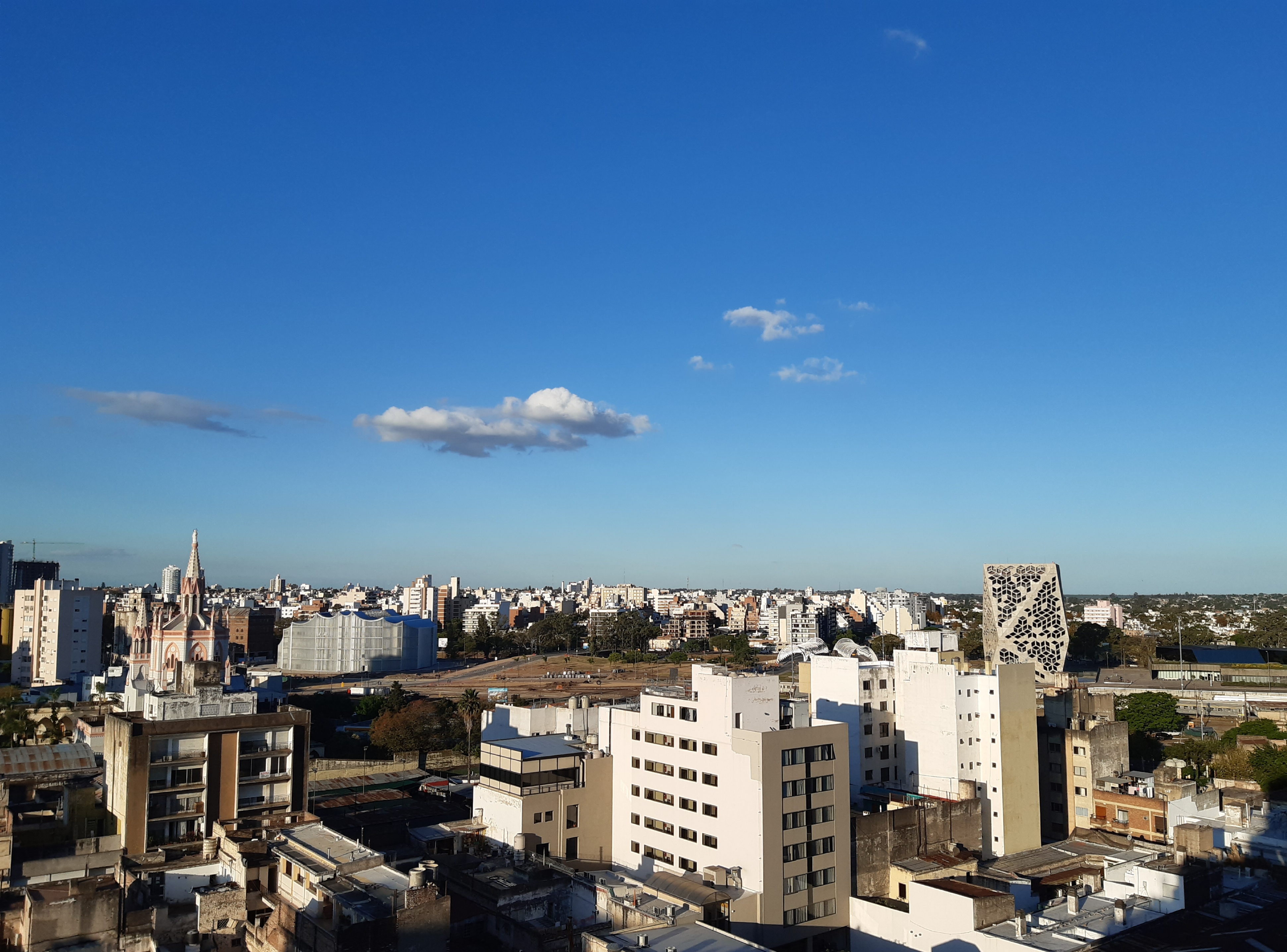
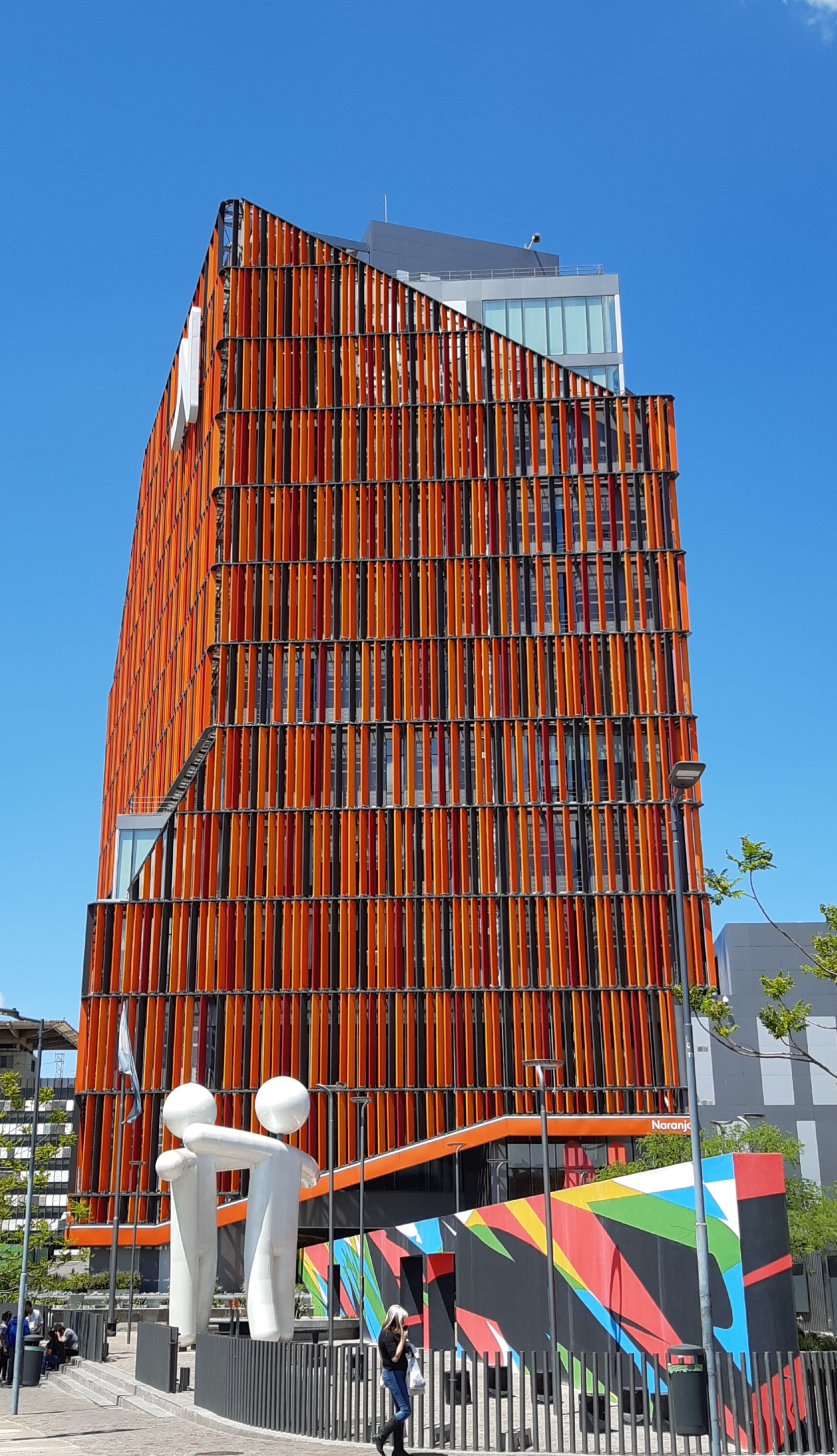
 That strange big building on the right is part of a complex that was built for their bicentennial celebrations of in dependence on 9th July 2016. I’ve thought about that, the fact that Argentina has been independent for over 200 years, and South Africa only for 58 years – there’s hope for us!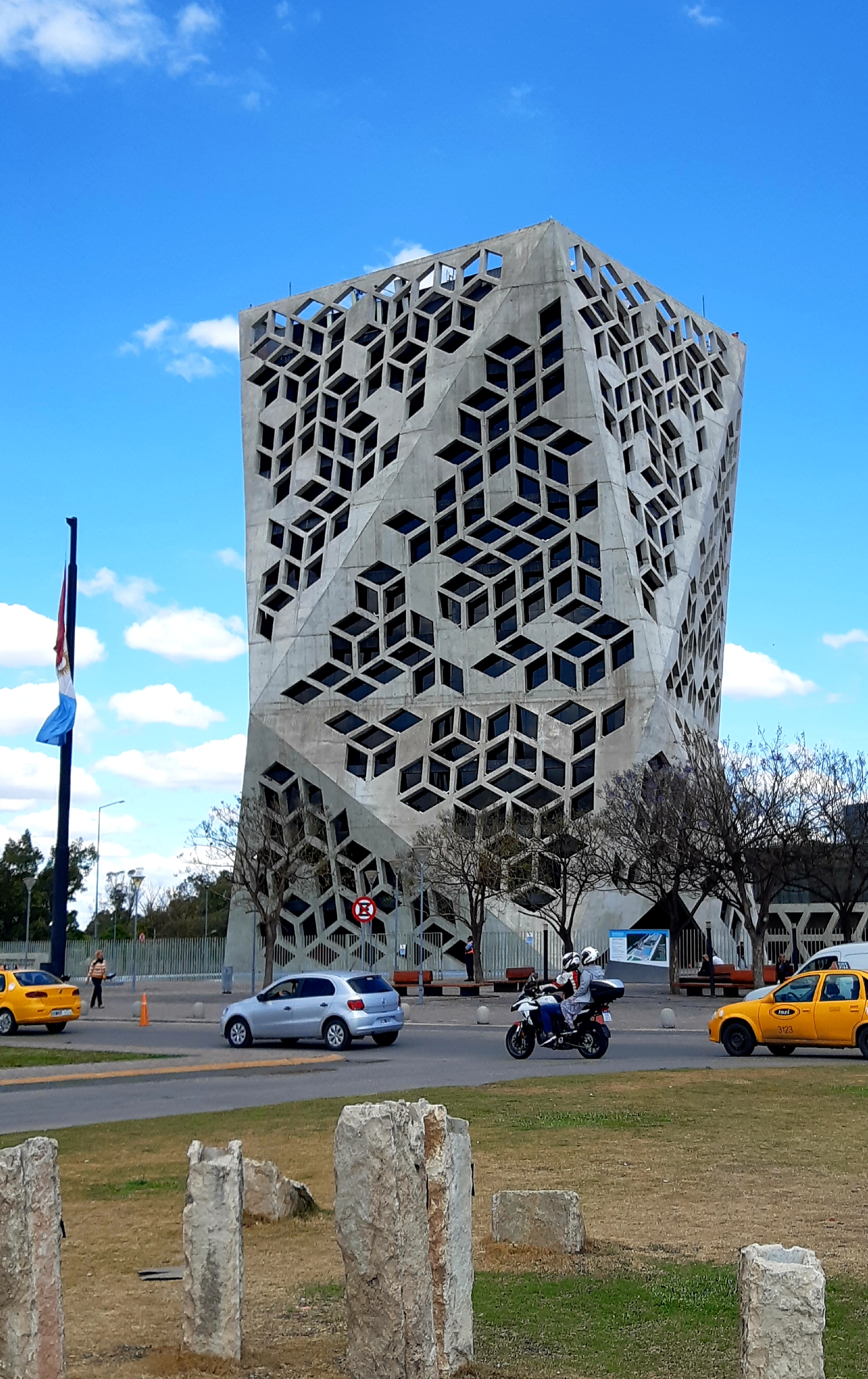
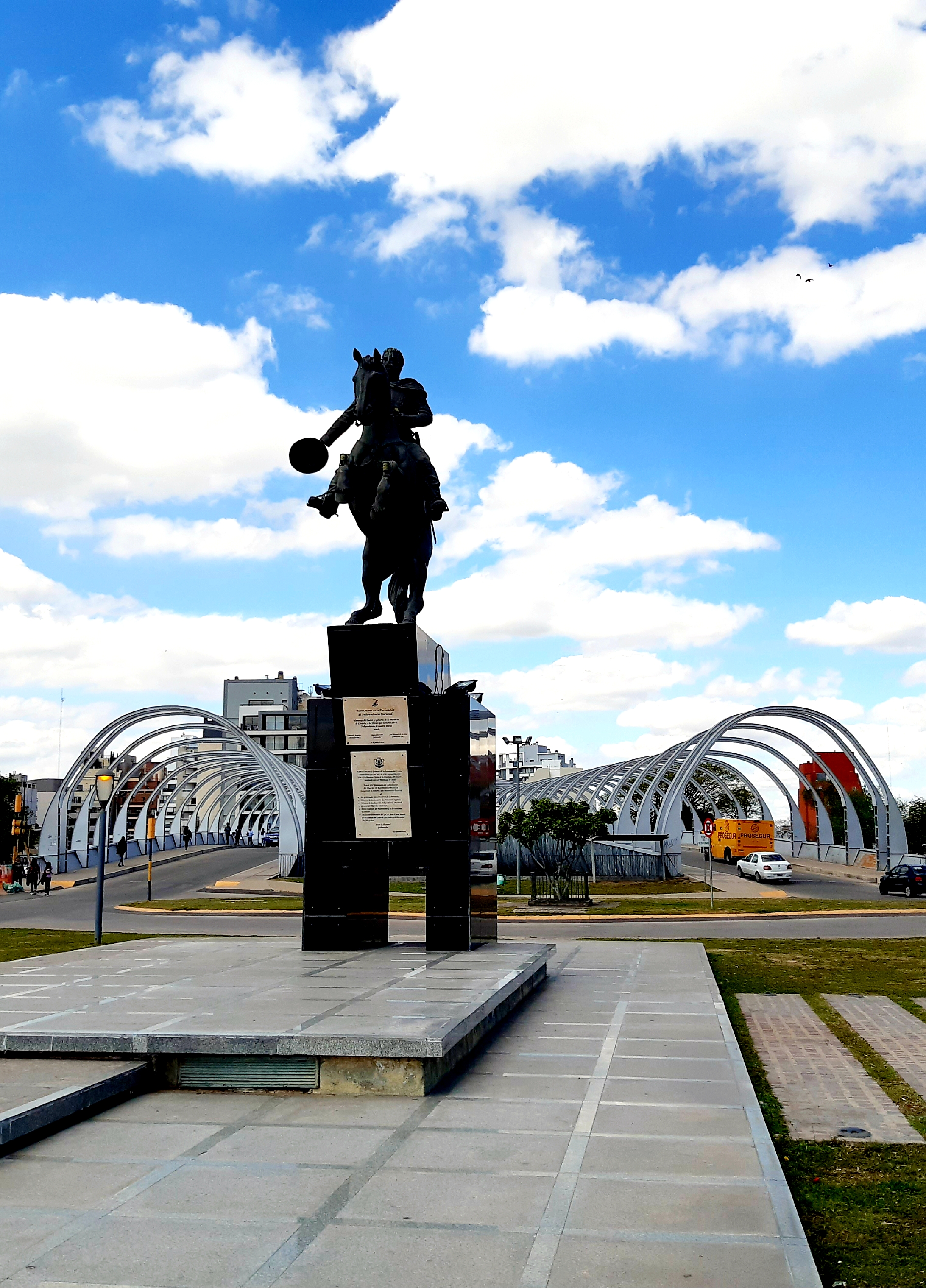 In 1810 Buenos Aires was the capital of the Viceroyalty of the Rio de la Plata, which included Argentina, Bolivia, Paraquay, Uruqauy and parts of Brazil. The war for independence was started with a week long revolution in Buenos Aires from 18 – 25th May 1810, on which day viceroy de Cisneros was removed from power and a local government, called the Primera Junta was estsblished. The problem was it had only representatives from Buenos Aires and when other cities of the Viceroyalty were invited to join, war broke out as they were opposed to what had happened in Buenos Aires. The War of Independence was from 1810 to 1818, with a formal Declaration of Independence being issued at the Congress of Tucumán on 9th July 2016. The Argentinian Civil Wars between the Federals (who had declared independence) and the Unitarians (who opposed it) lasted from 1814 to 1880, when peace was finally reached.
That concludes the history lesson for today. I just had to sort out for myself why every town and city has a 25 de Mayo (May) and 9 de Julio (July) street, an Av San Martin (he was one of the main independence fighters), and squares and parks with similar names. It’s uncanny how the cities all have the same names for streets: Belgrano, Sarmiento, Molina, Mitre, Colon, etc – all war heroes, I have discovered. They also have city names as streets, such as Buenos Aires, Córdoba, Corrientes, etc. It makes it quite easy to move from town to town, one’s address is often the same.
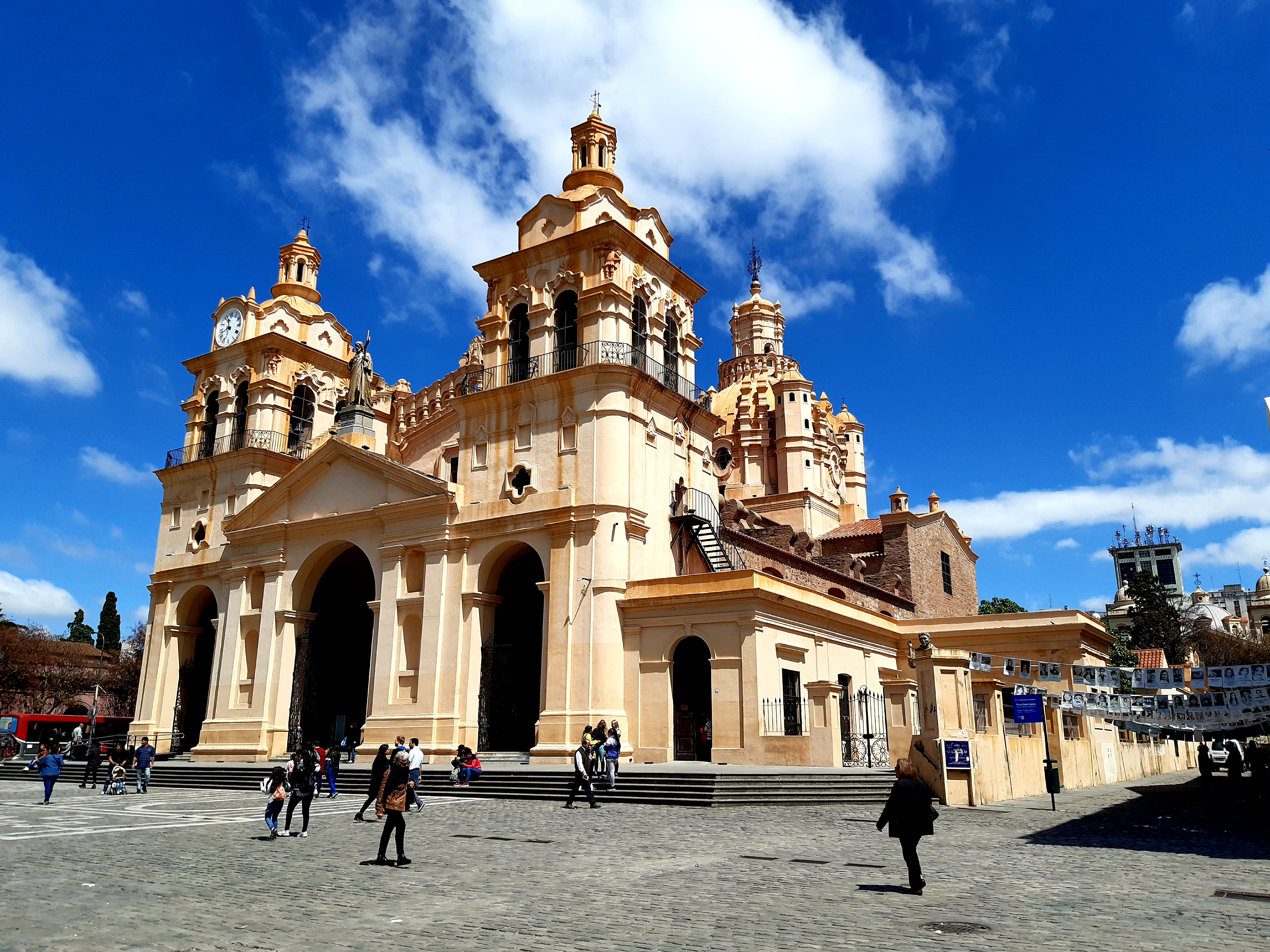
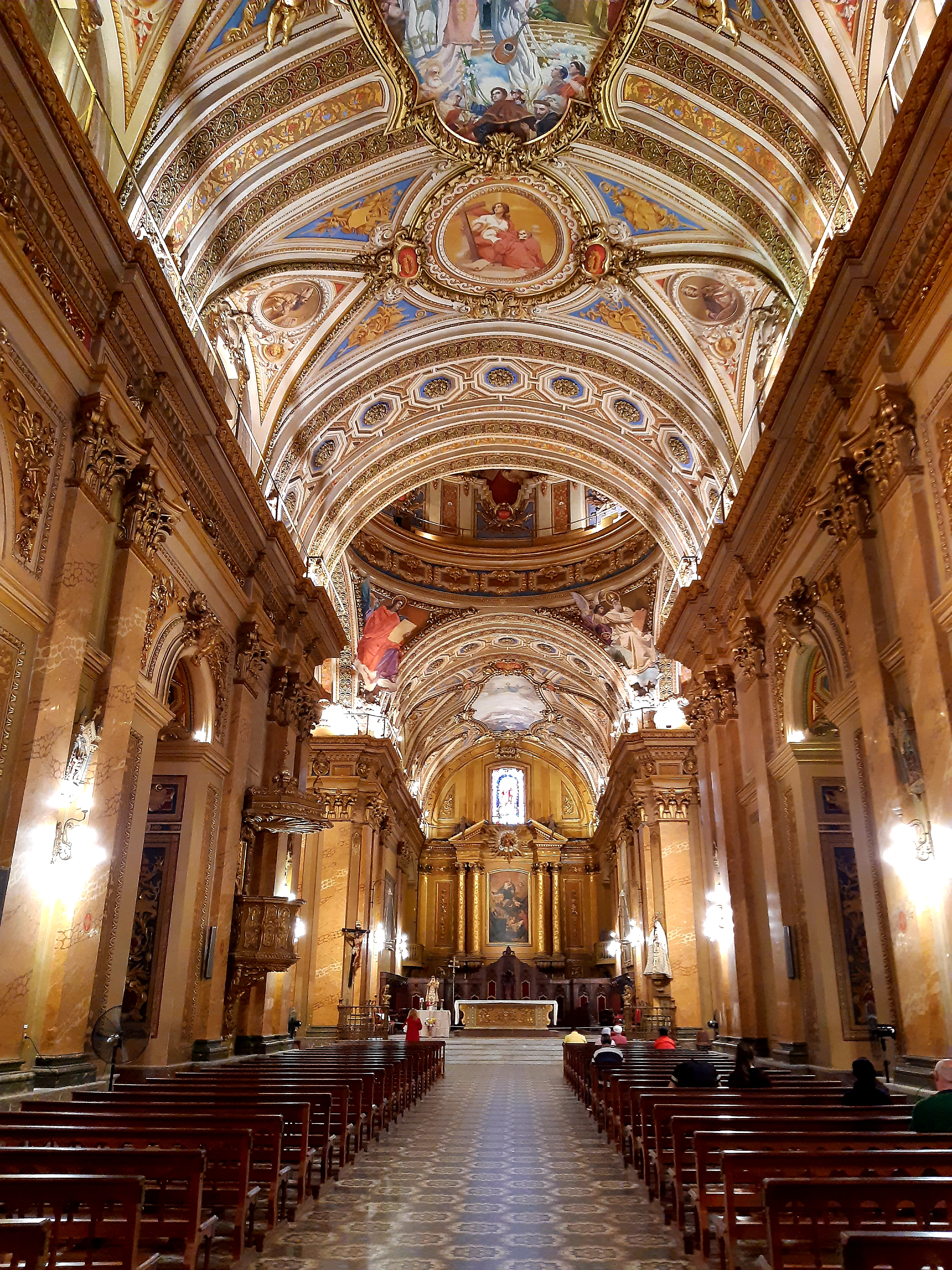
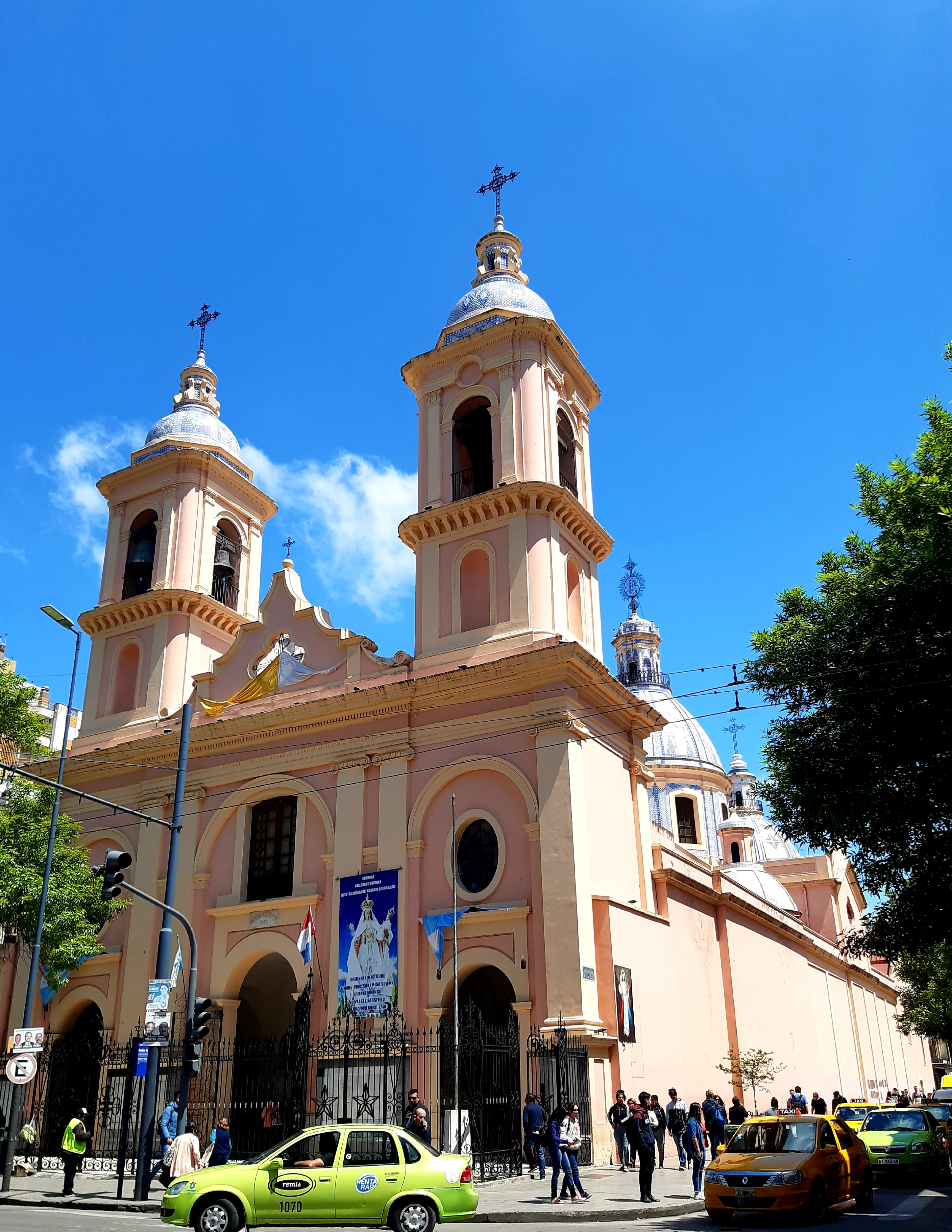
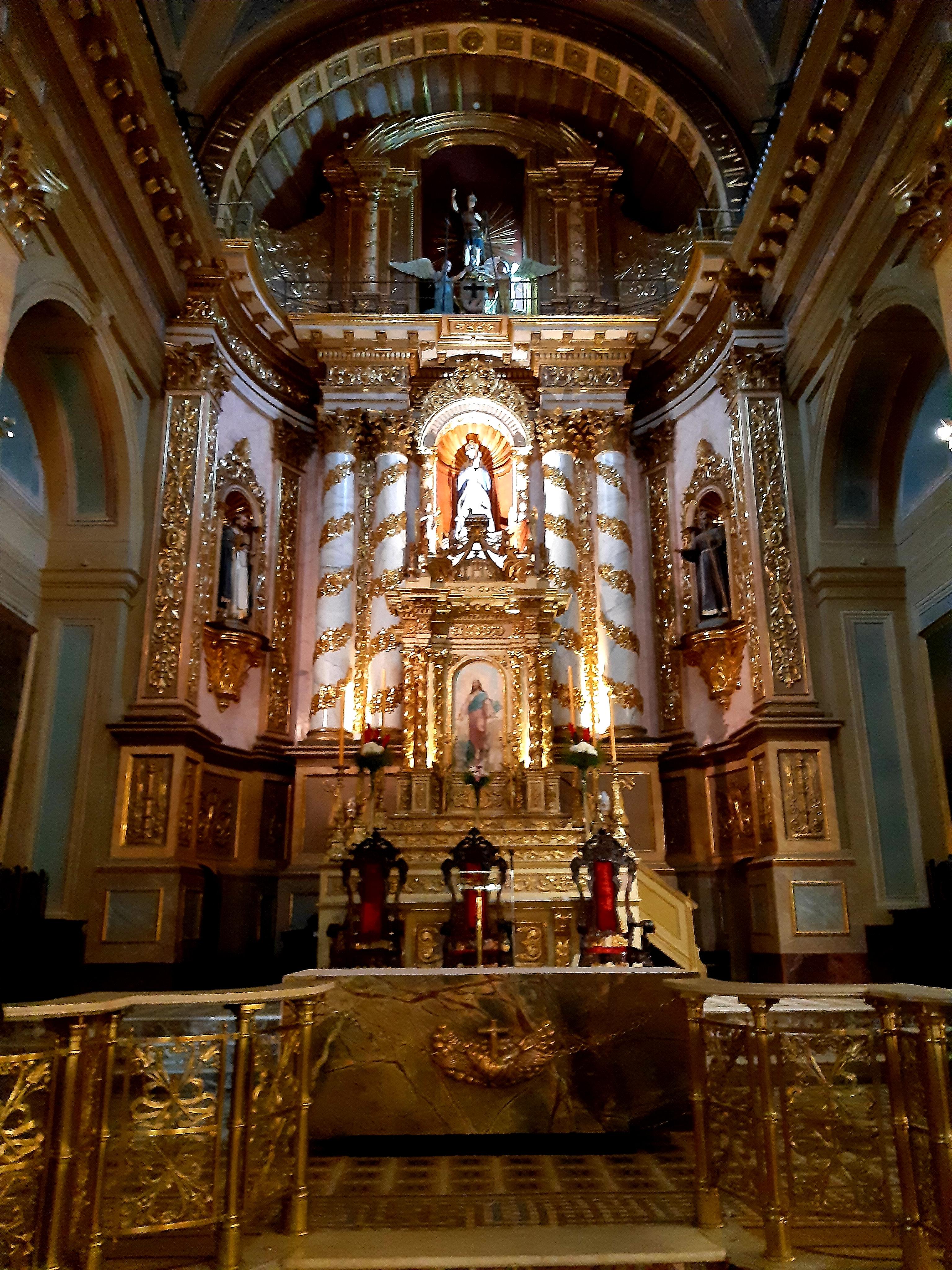
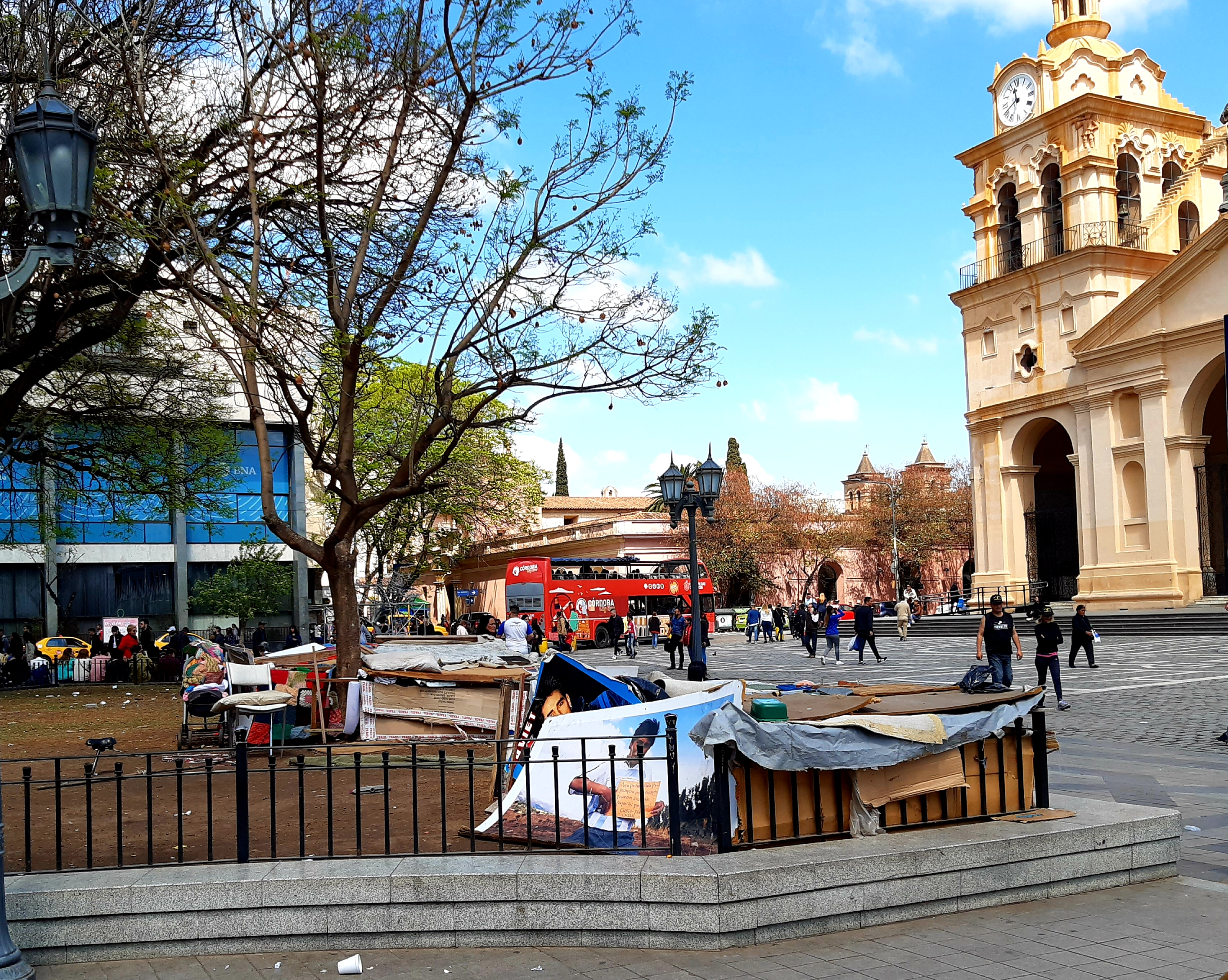
Córdoba has its quota of iglisias (churches) and cathedrals and I visited and photographed most of them. Unfortunately they don’t have candles to light, so I would spend time sitting, meditating or just contemplating life in general. Mostly I was praying for a very sick family member, who is making a remarkable recovery. I told his wife that he hád to get better, else they would start charging me money for all my visits to the cathedrals! The first picture is of the Iglesia Catedral, Argentina’s oldest cathedral, built in 1782.
 In 1583 land was given to the Jesuits in Córdoba and the complex that was developed is now called the Museo Histórico de la Universidad Nacional de Córdoba. From here they oversaw all their conversion activities across central and northwestern Argentina, as well as the farming they had started to help fund their projects. One main project was that of the National University of Córdoba, one of Latin America’s oldest universities. The Iglesia de la Compañia, which forms part of the museum complex, was built in 1640 and is the oldest surviving Jesuit temple. This complex, as well as the estancia (farm) built in Alta Gracia, a town 25km from Córdoba, was declared a World Heritage Site in 2000.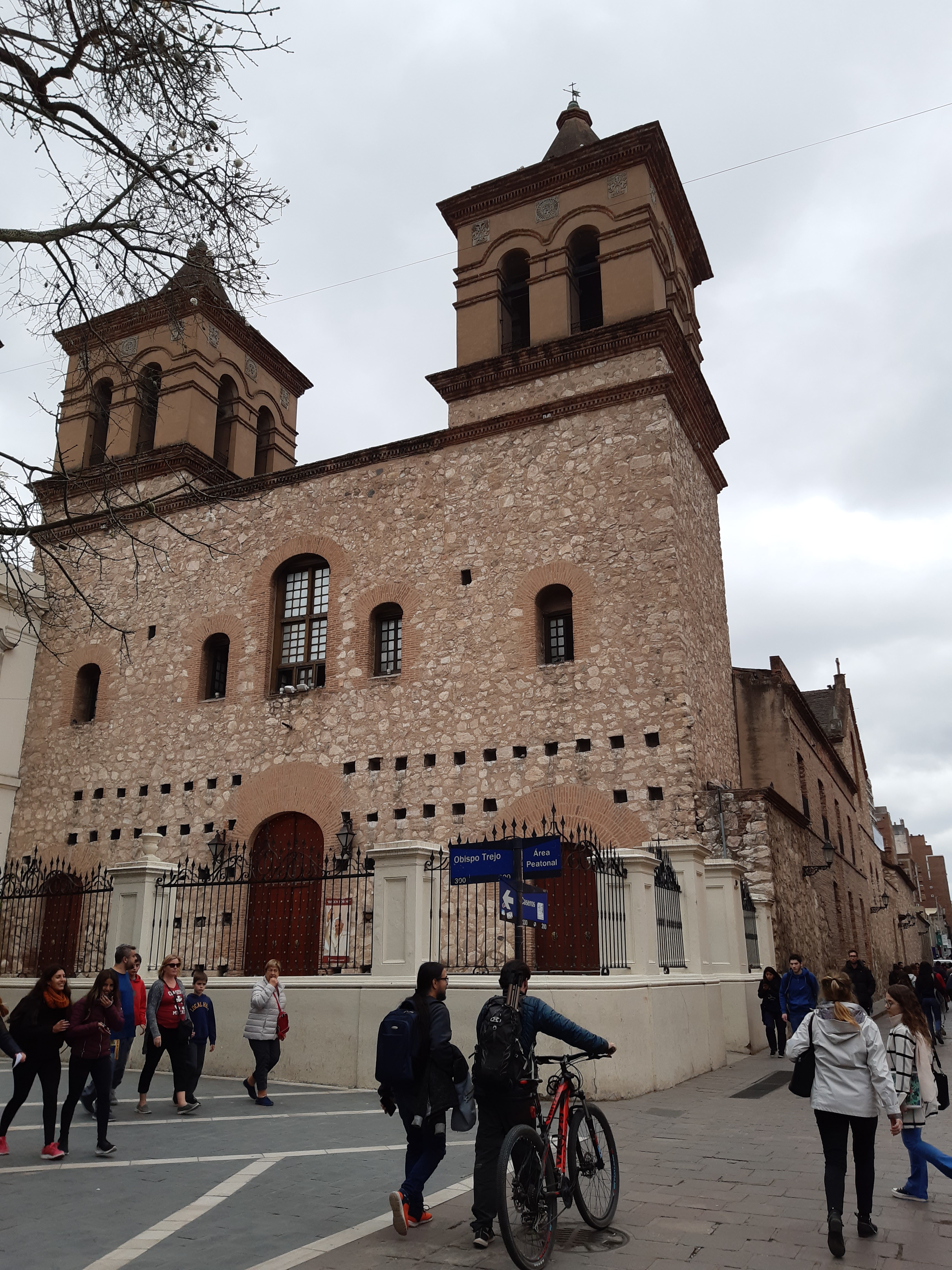
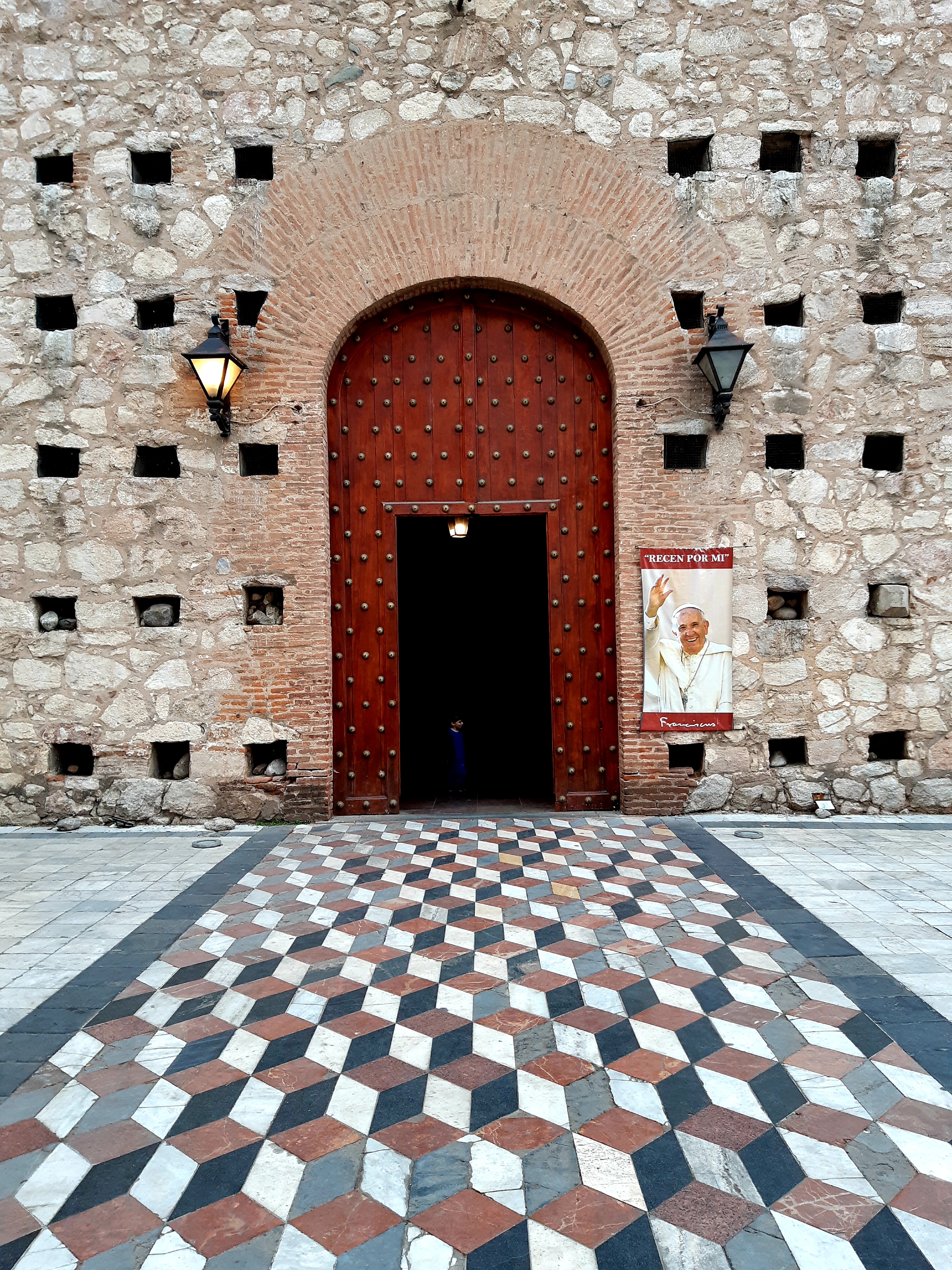
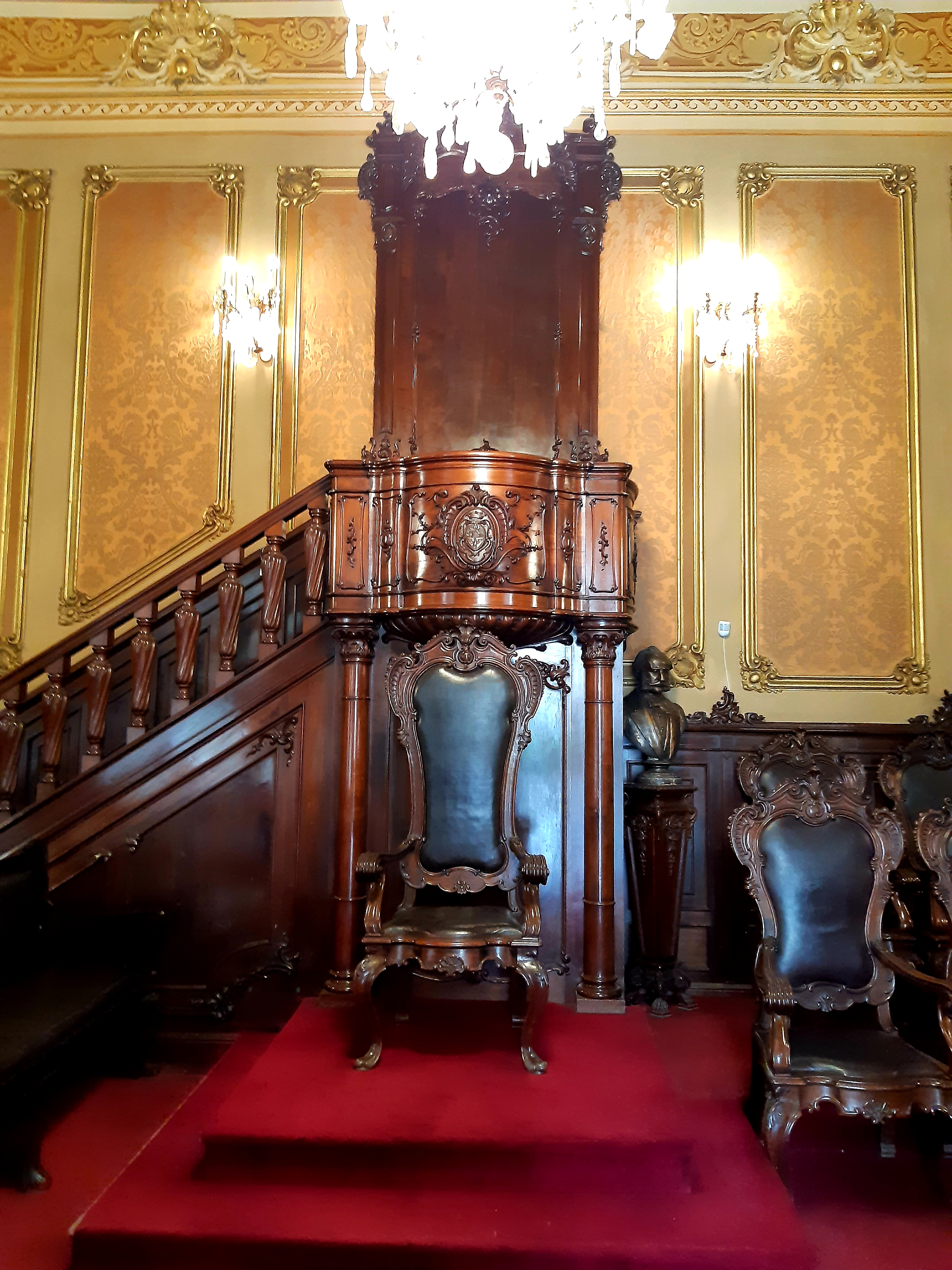
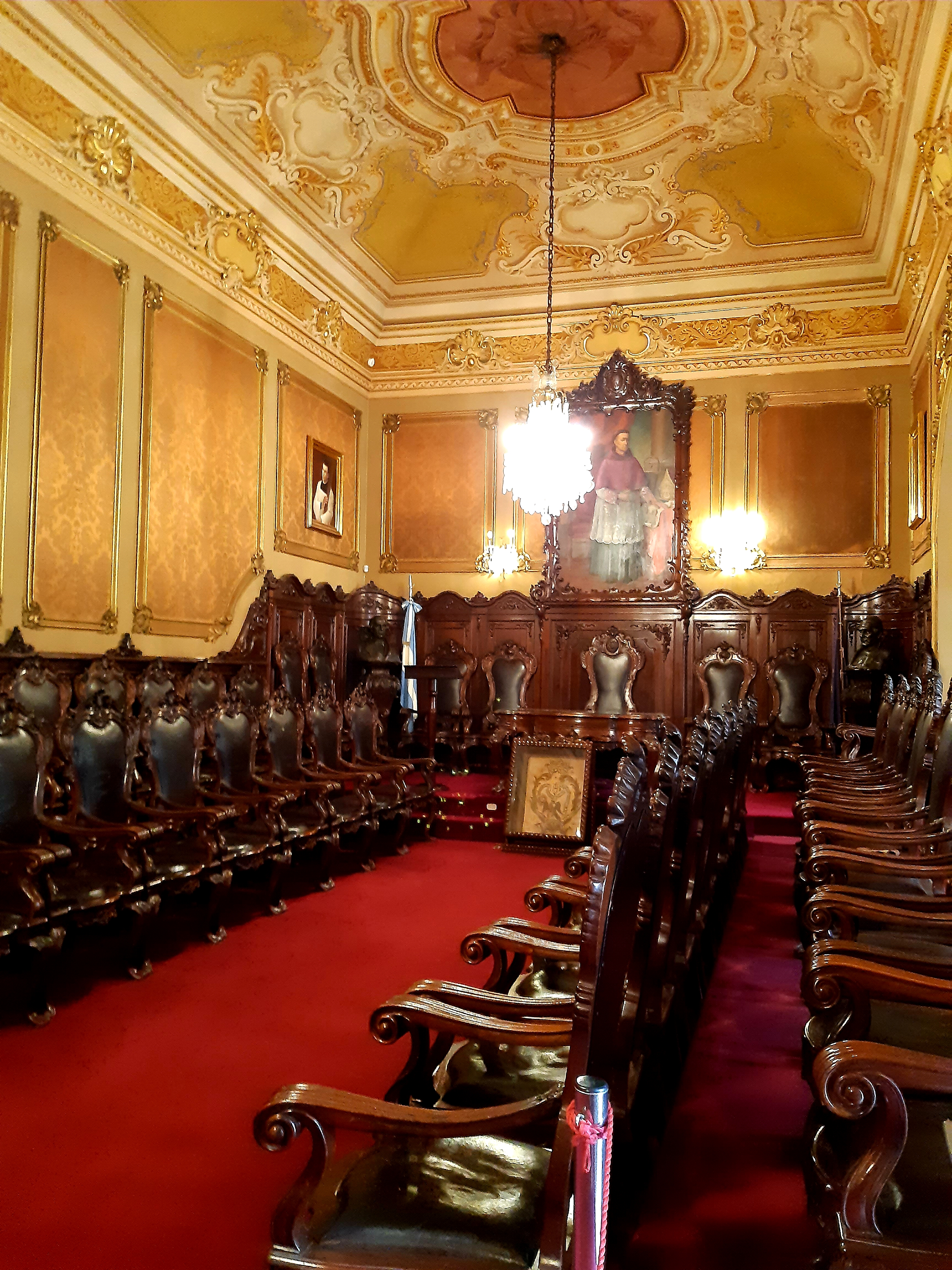
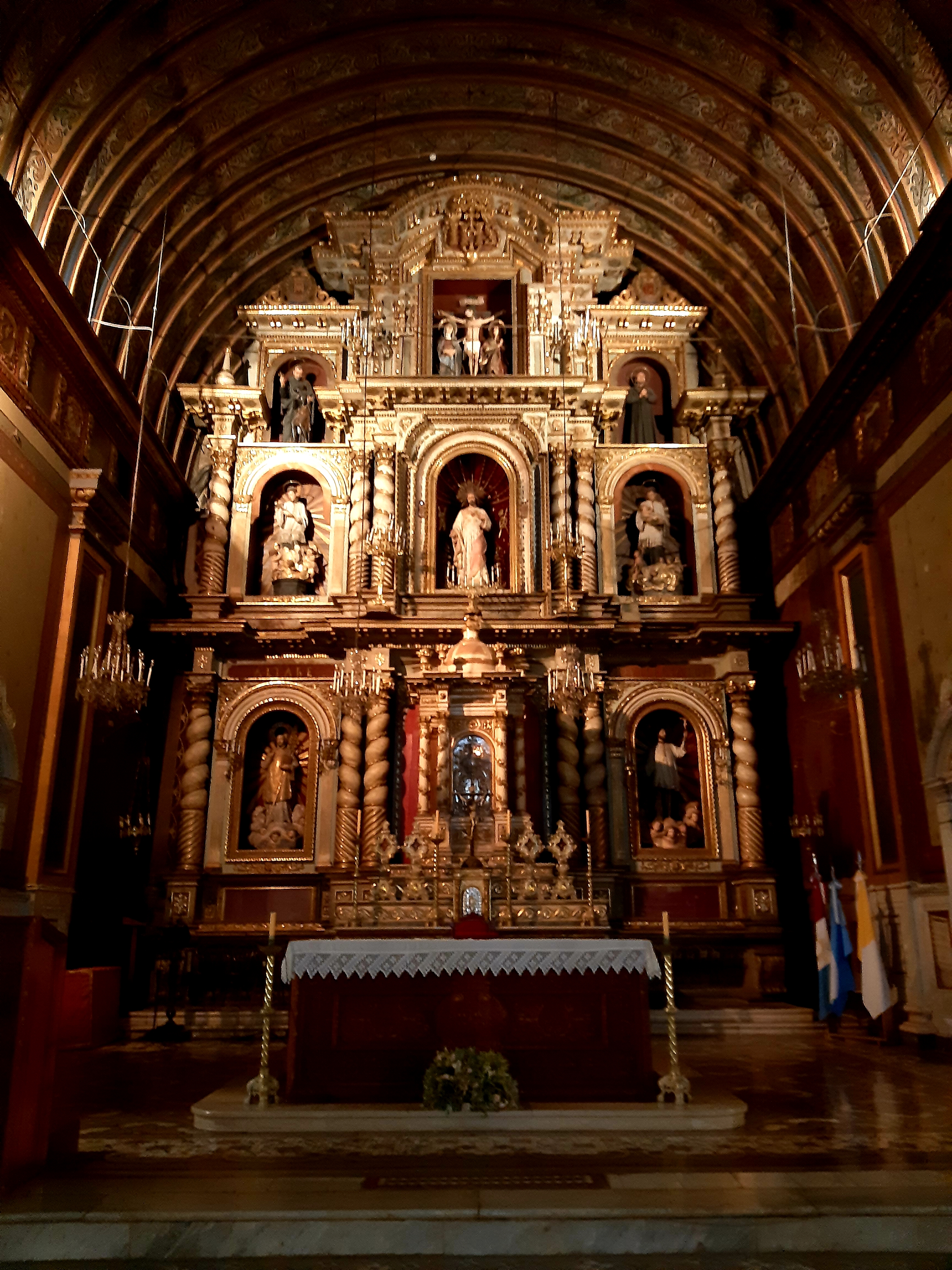 The hall at the university that was used for presentation of dissertations is both impressive and intimidating. The student stood on a raised podium in the middle of the hall, with his godfather in a carved high chair below him:
 The family sat to the left:
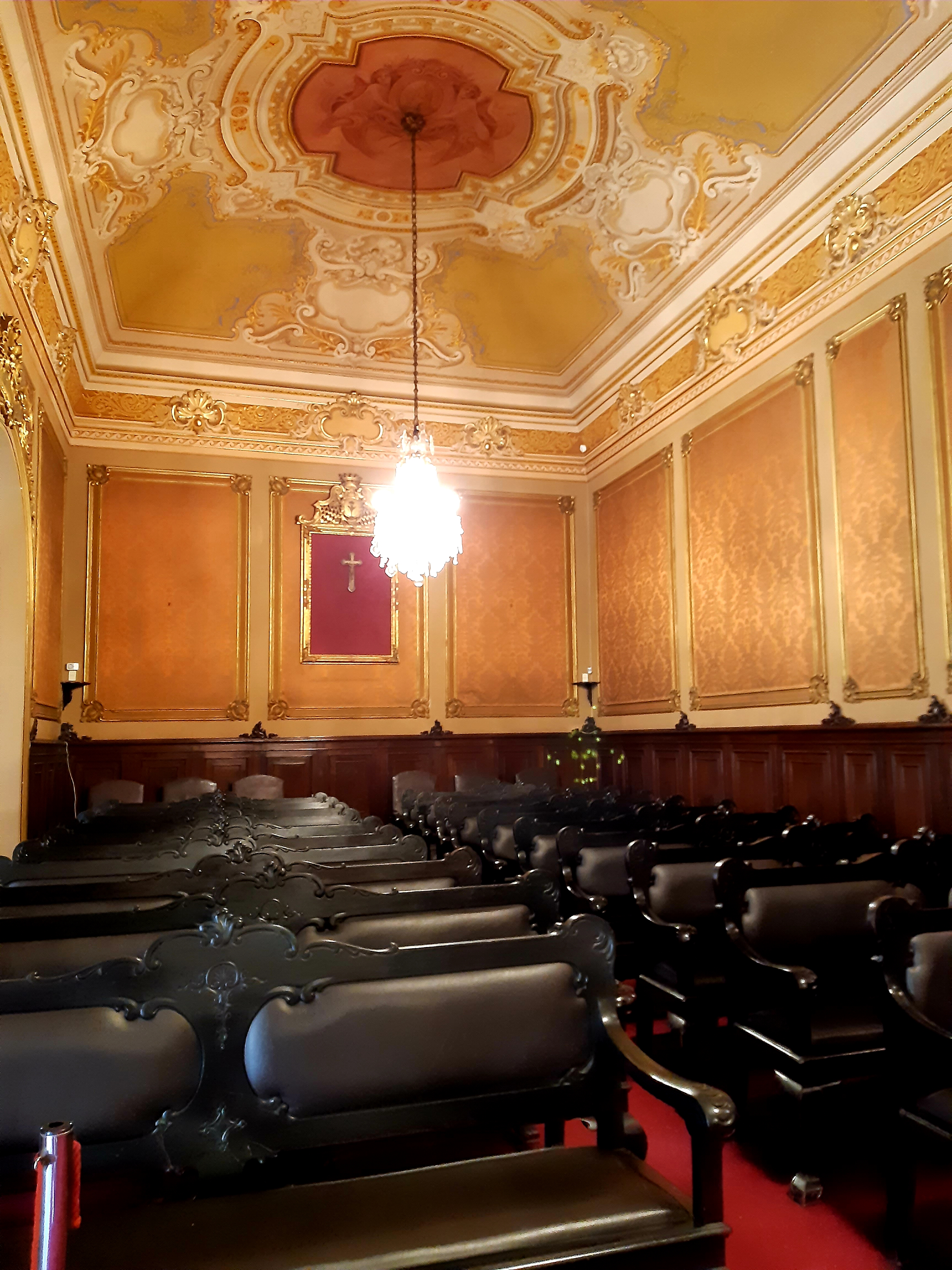 And the professors sat to the right:
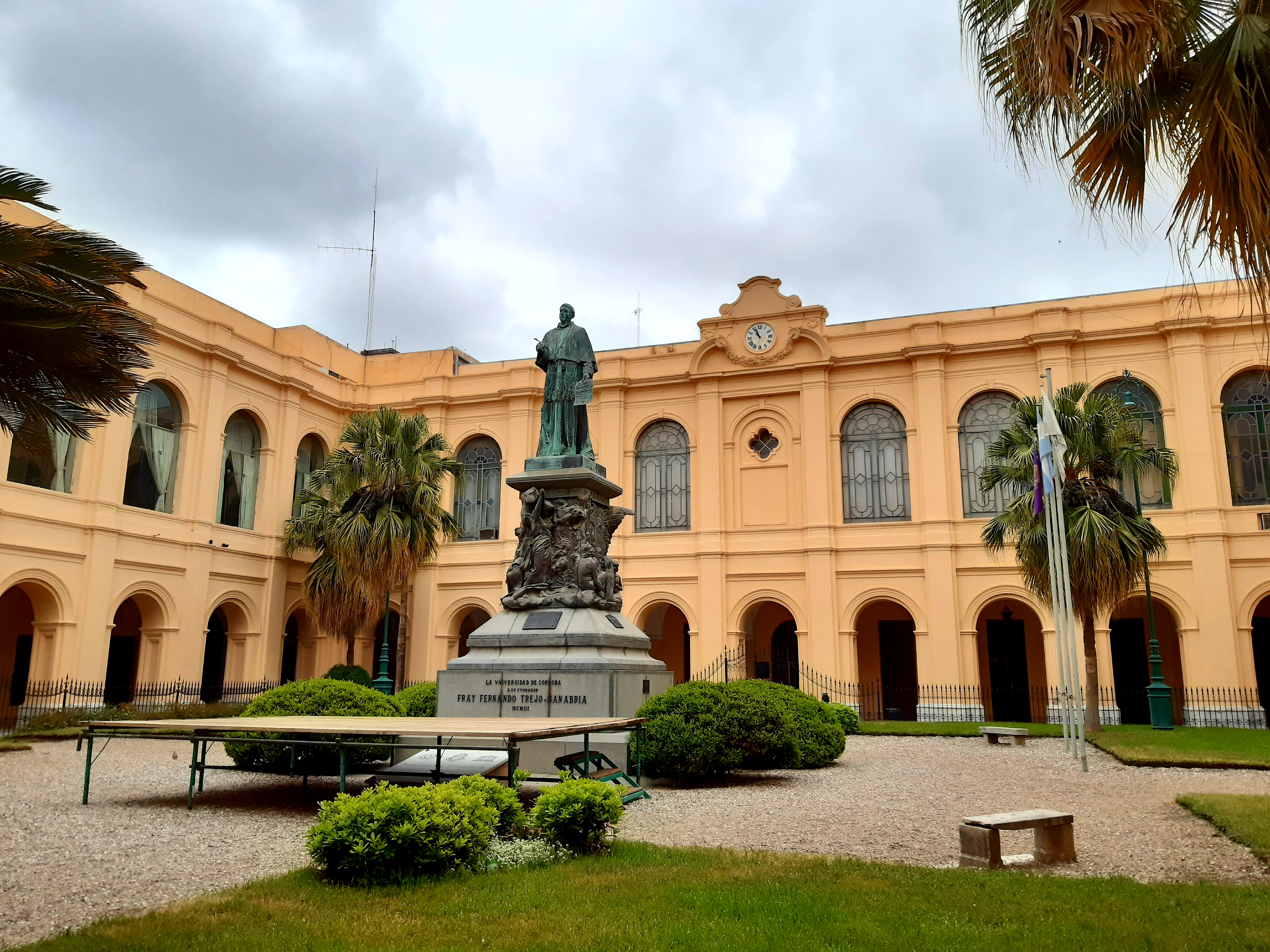
 One of the courtyards of the university:
 In 1989 a Jesuit crypt was unearthed and partially restored. This underground site was a novitiate where new Jesuits were trained, until they were expelled from the country in 1773.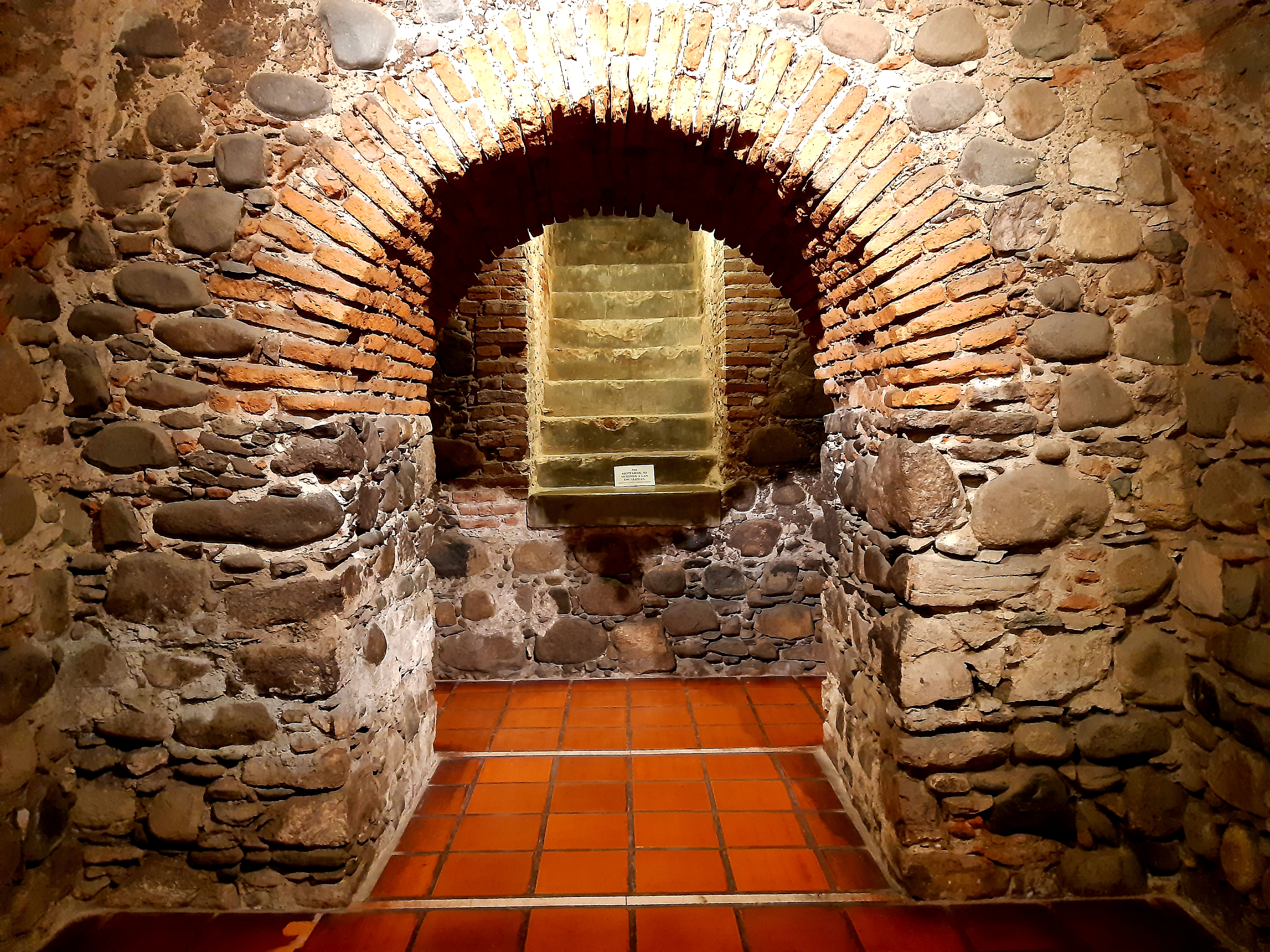
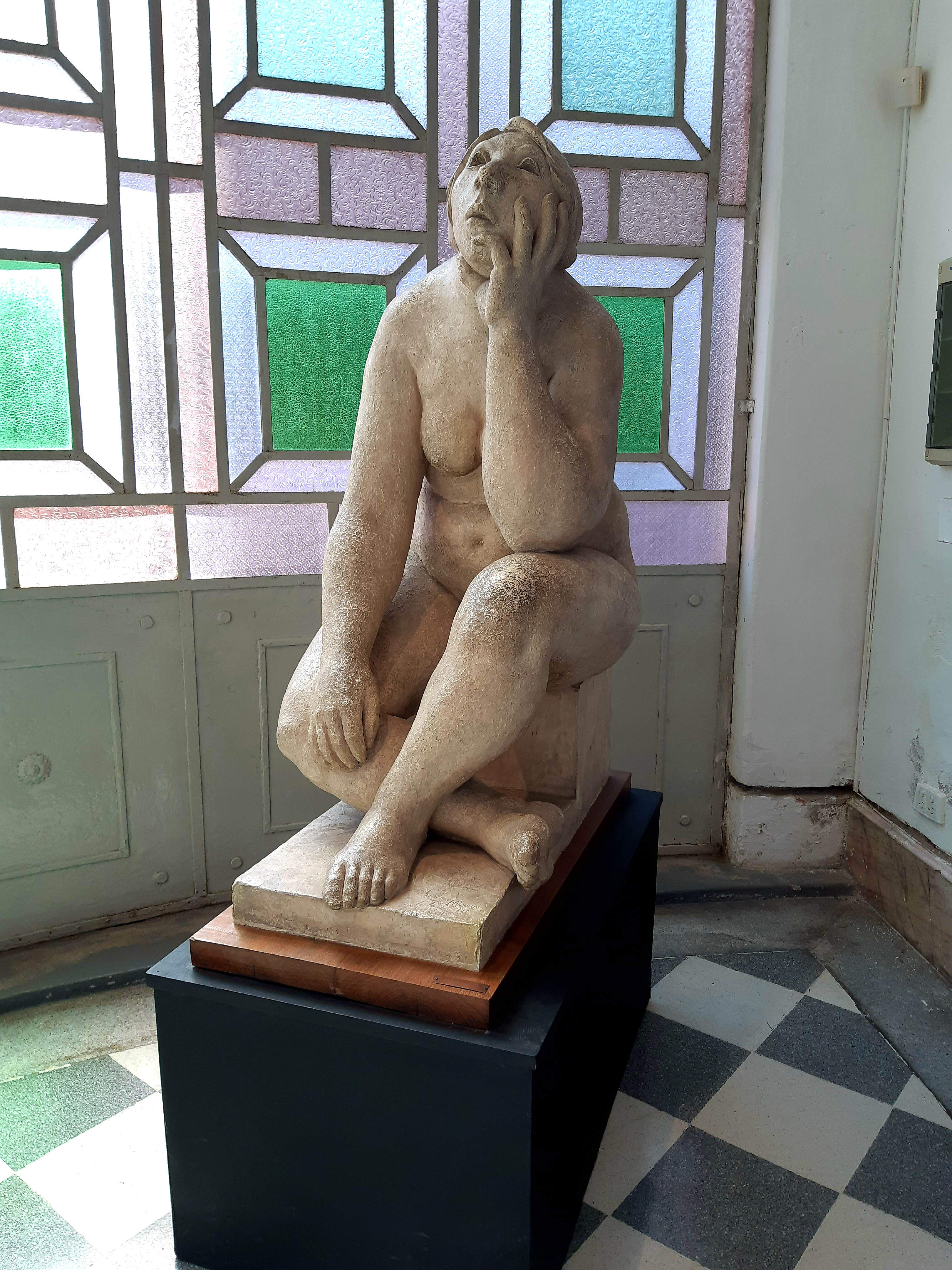
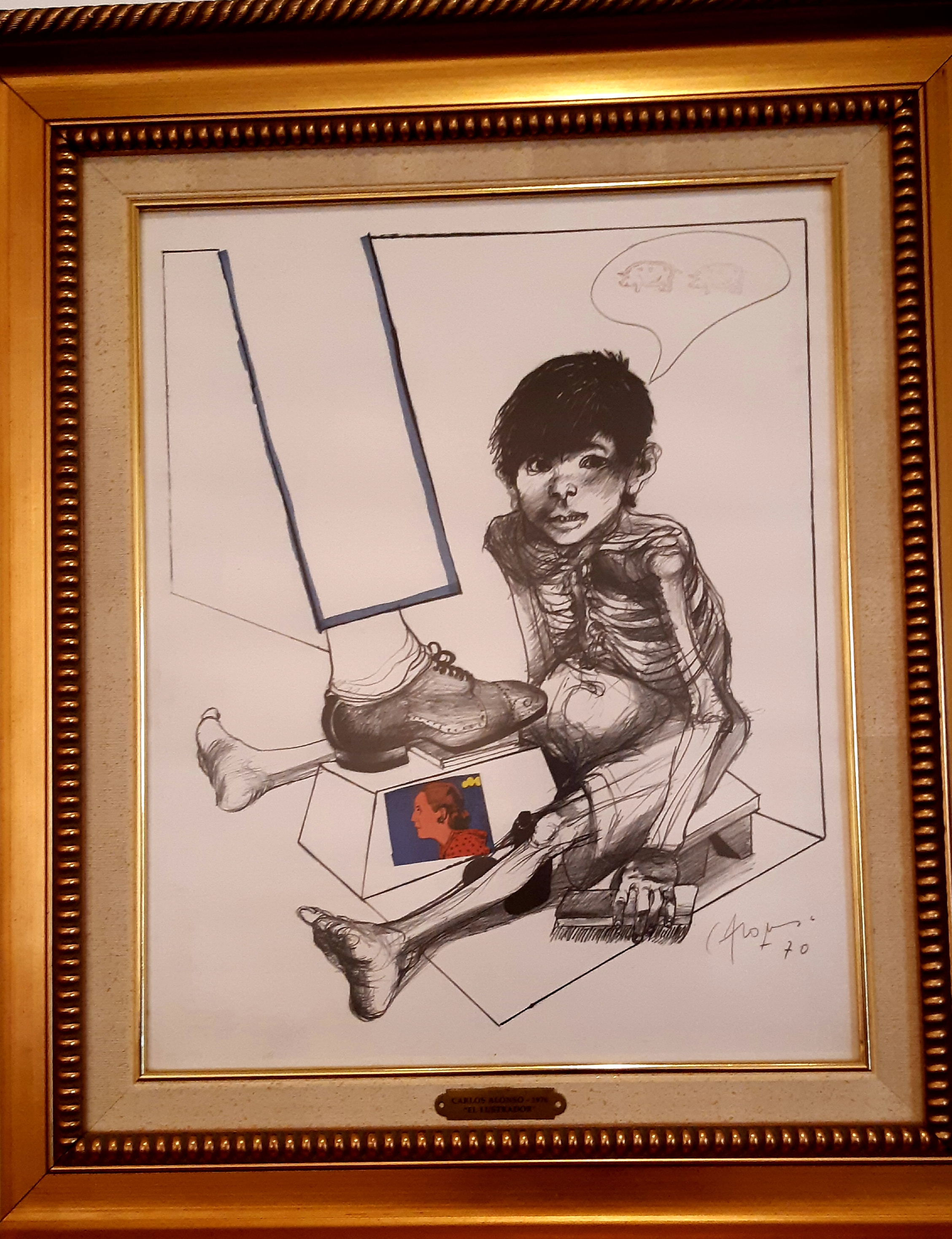
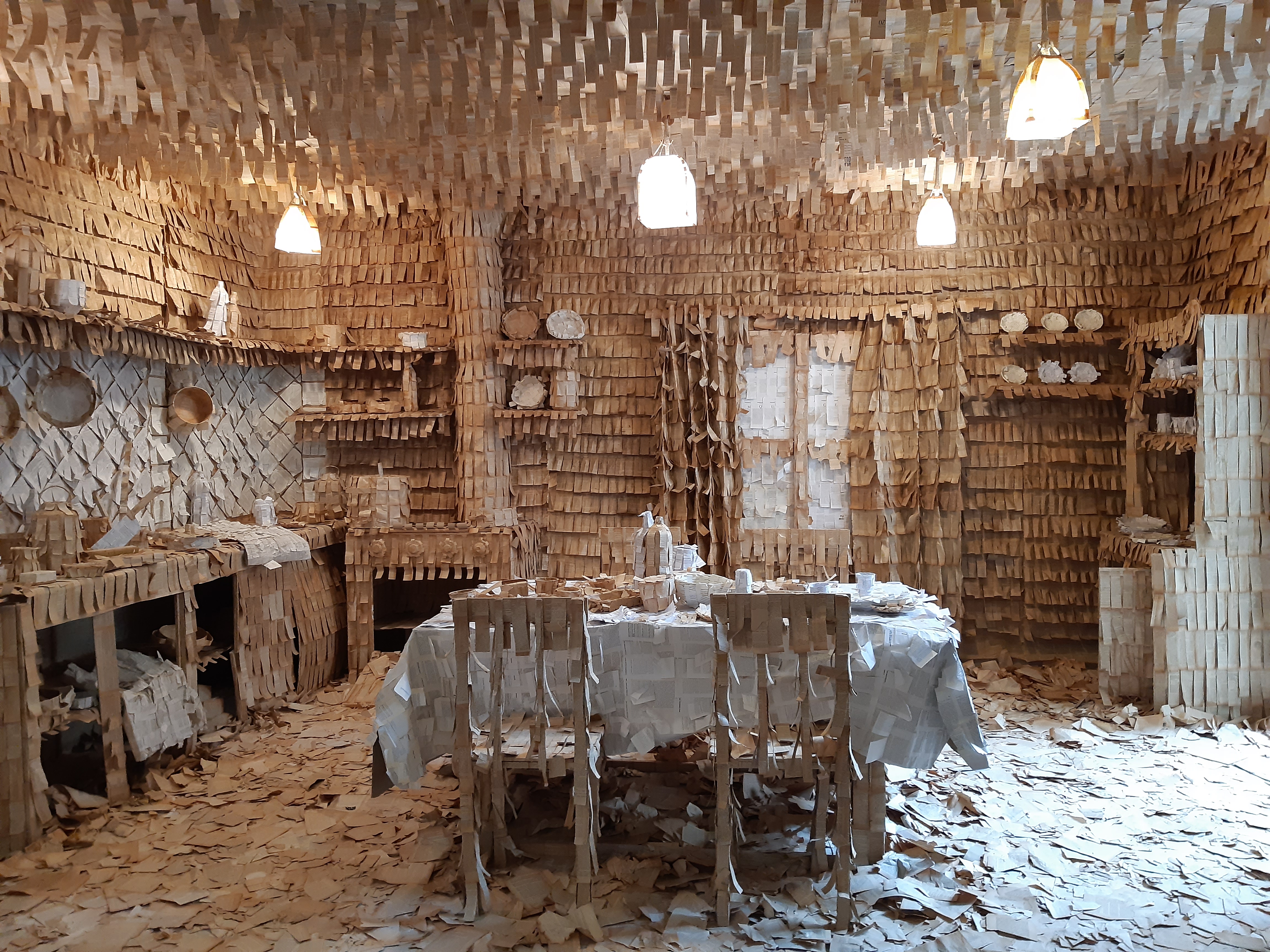
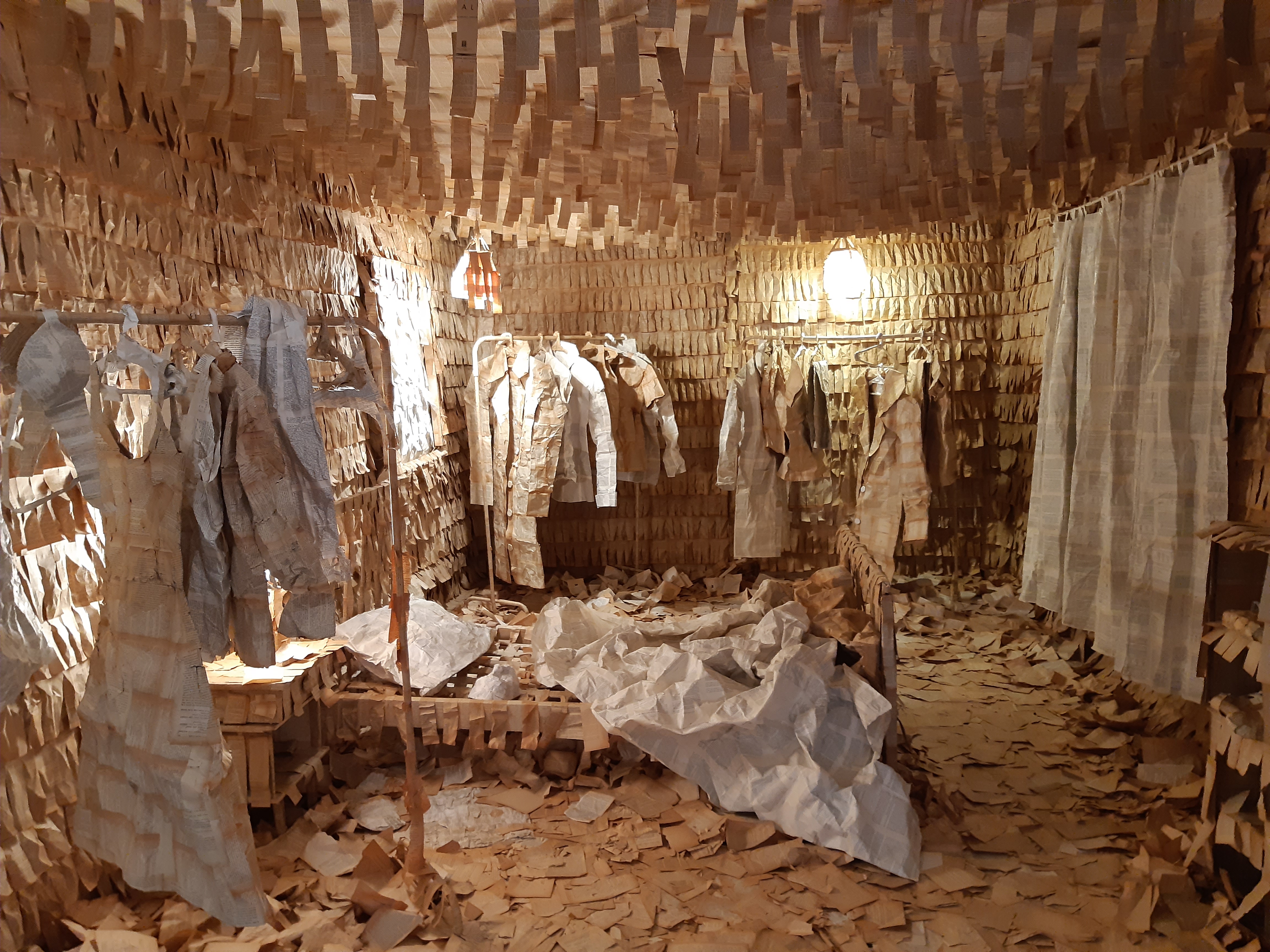
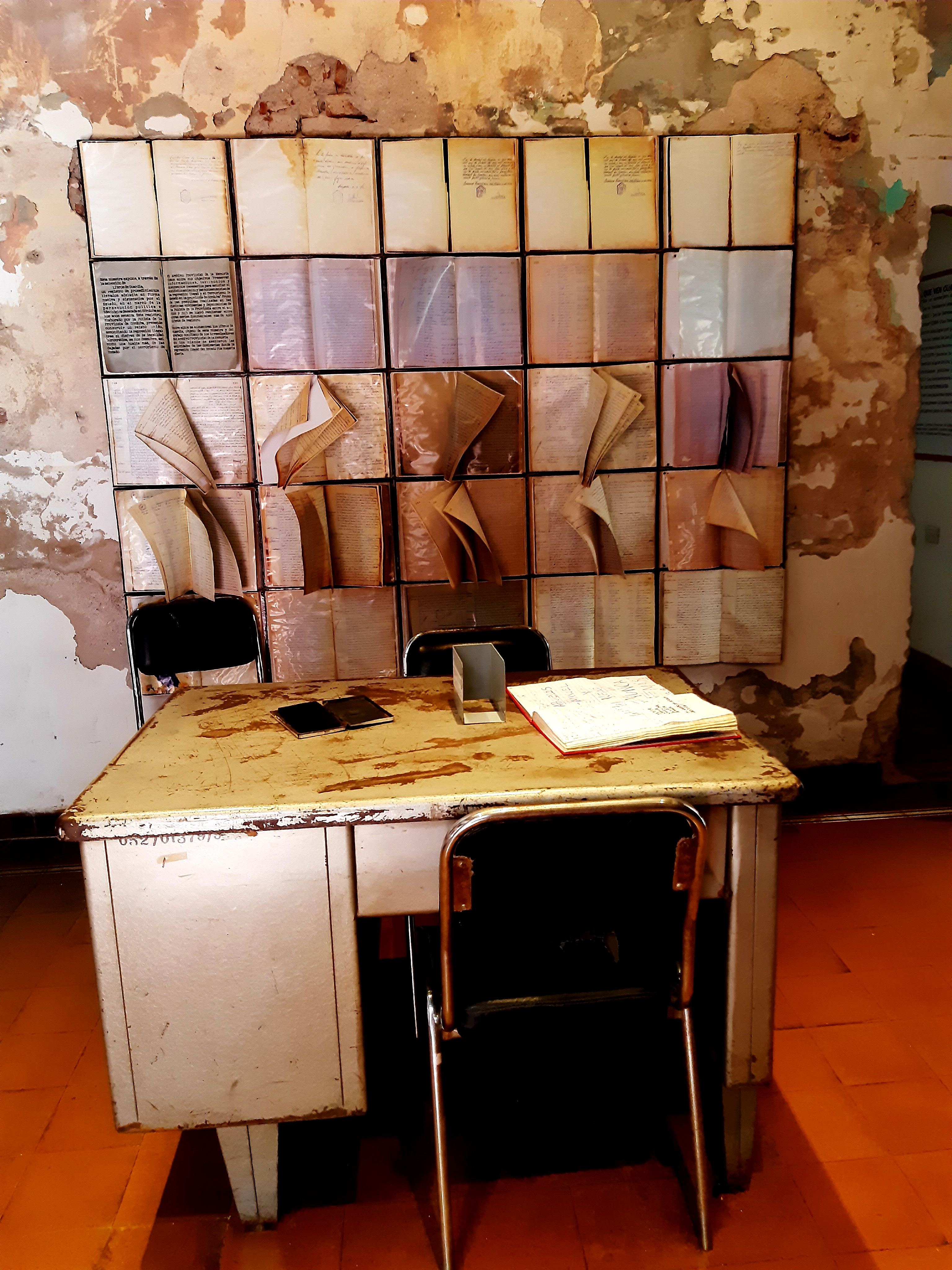
 I visited the Genaro Pérez museum, an art museum housed in an old mansion, with old and new works, most interesting. Some well-known Argentinian artists’ works are exhibited, such as Emilio Caraffa, Lucio Fontana, Lino Spilimbergo, Antonio Berni and Antonio Seguí. I found the ‘paper rooms’ most intriguing – imagine tearing up all those books, it must have taken ages to construct. That artist’s name is Pablo Lehman.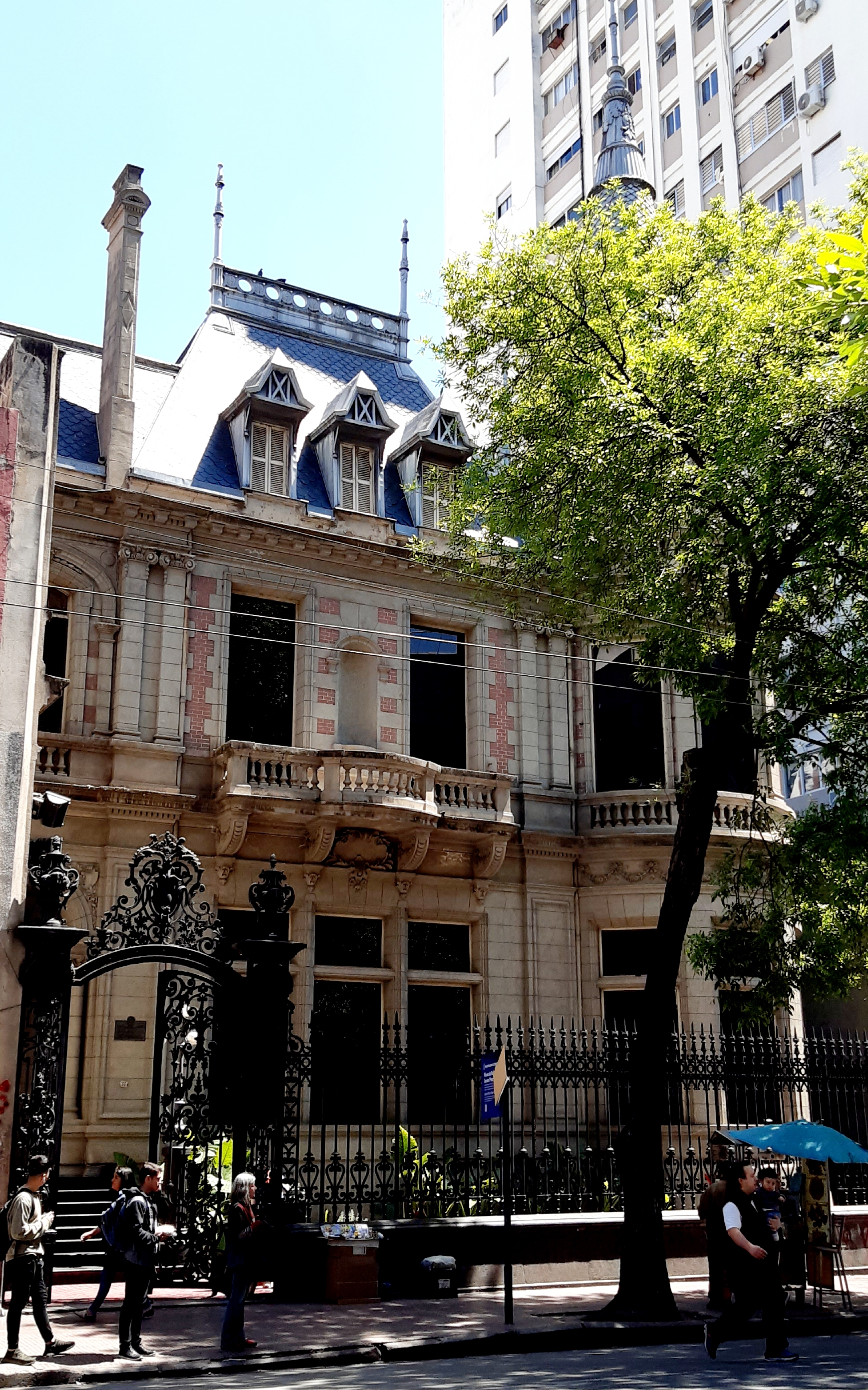
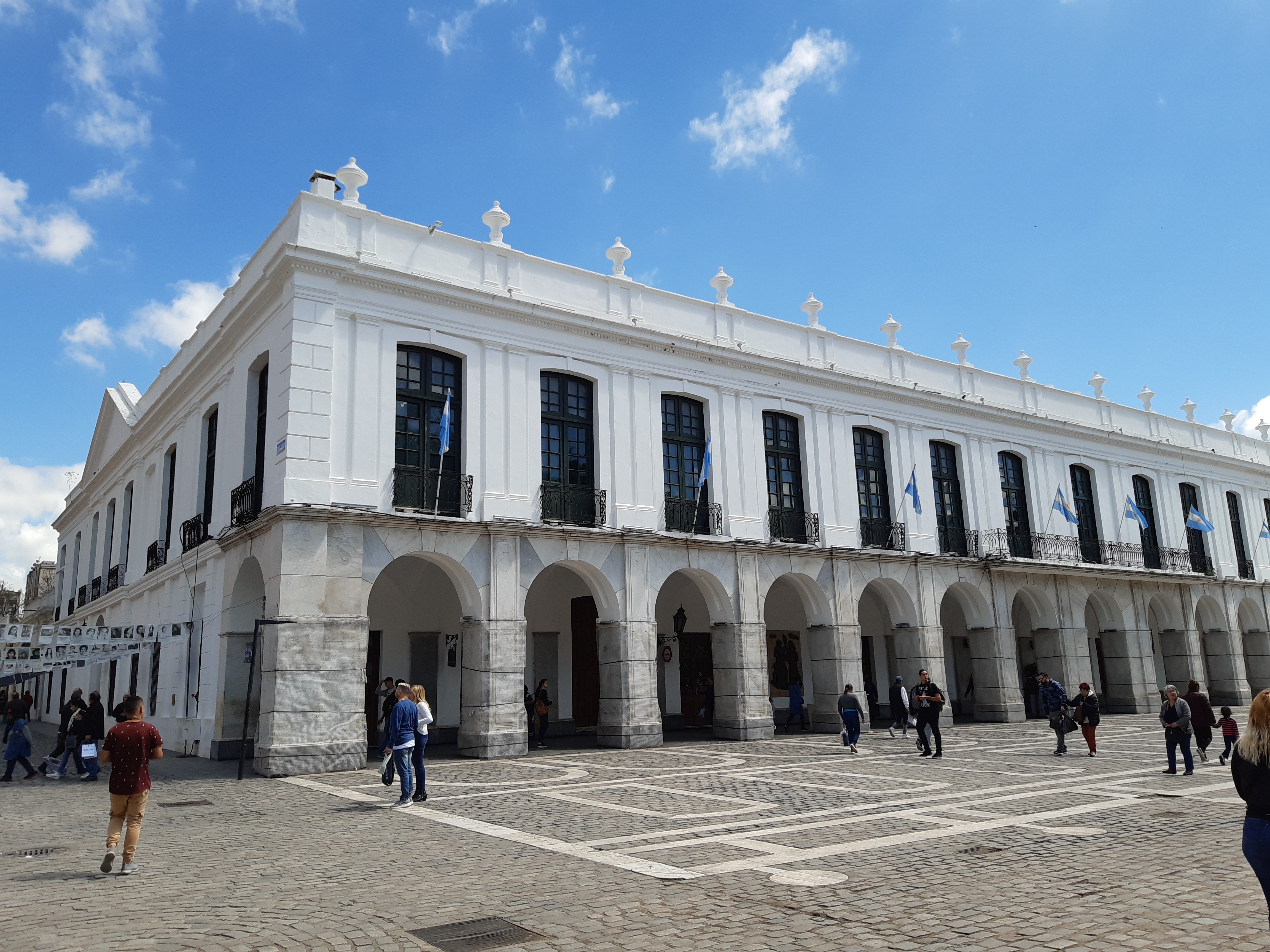
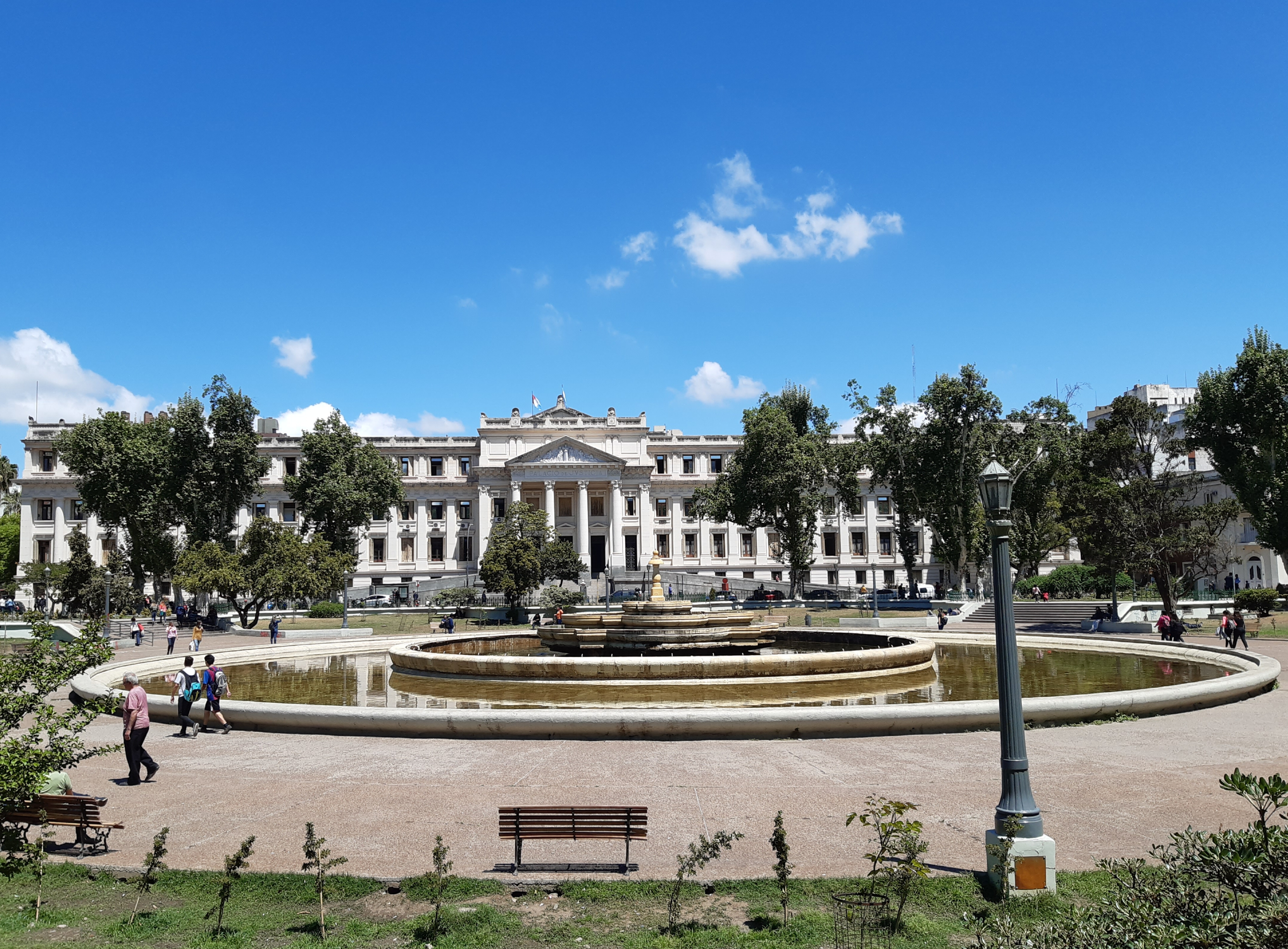
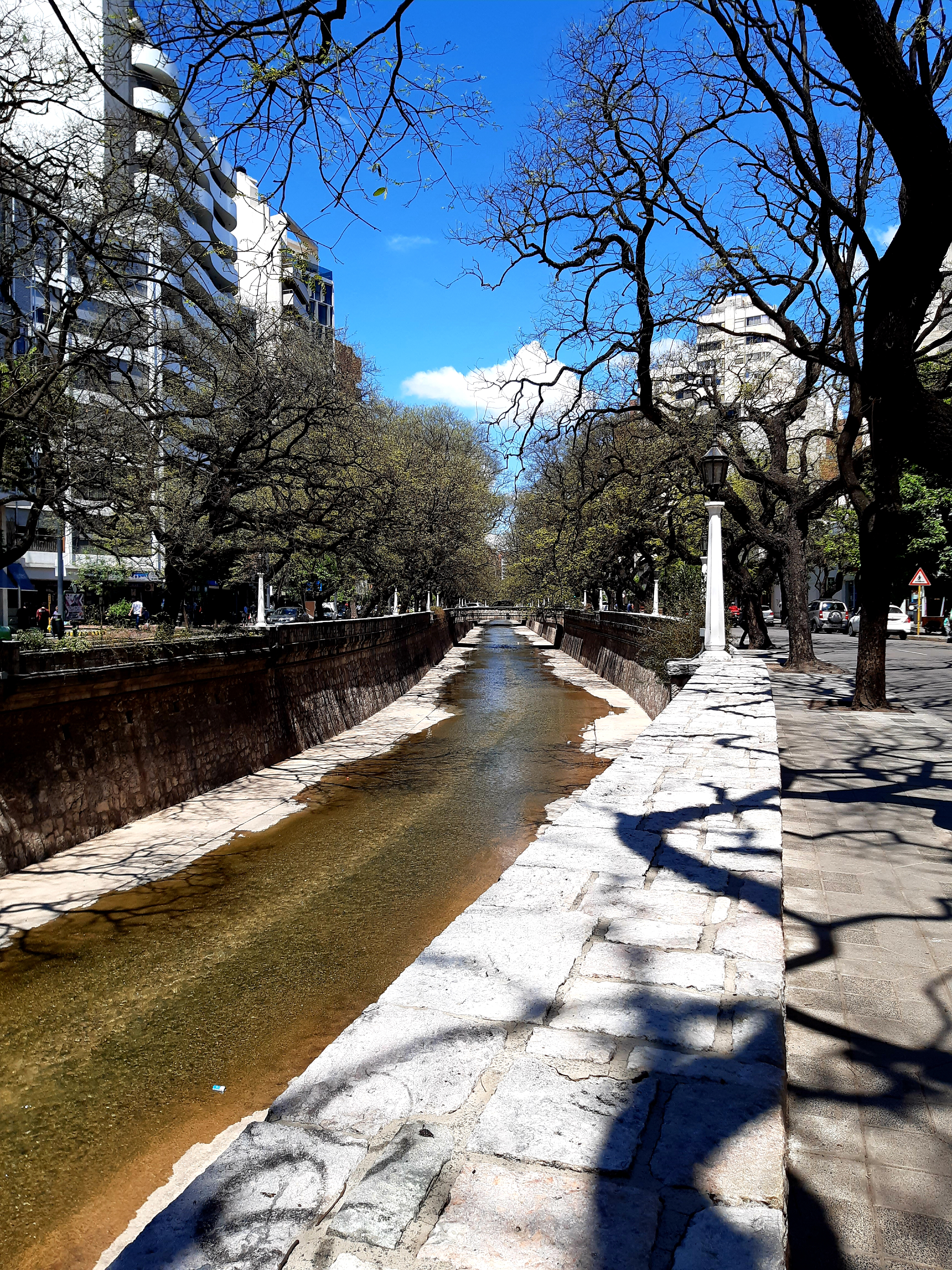
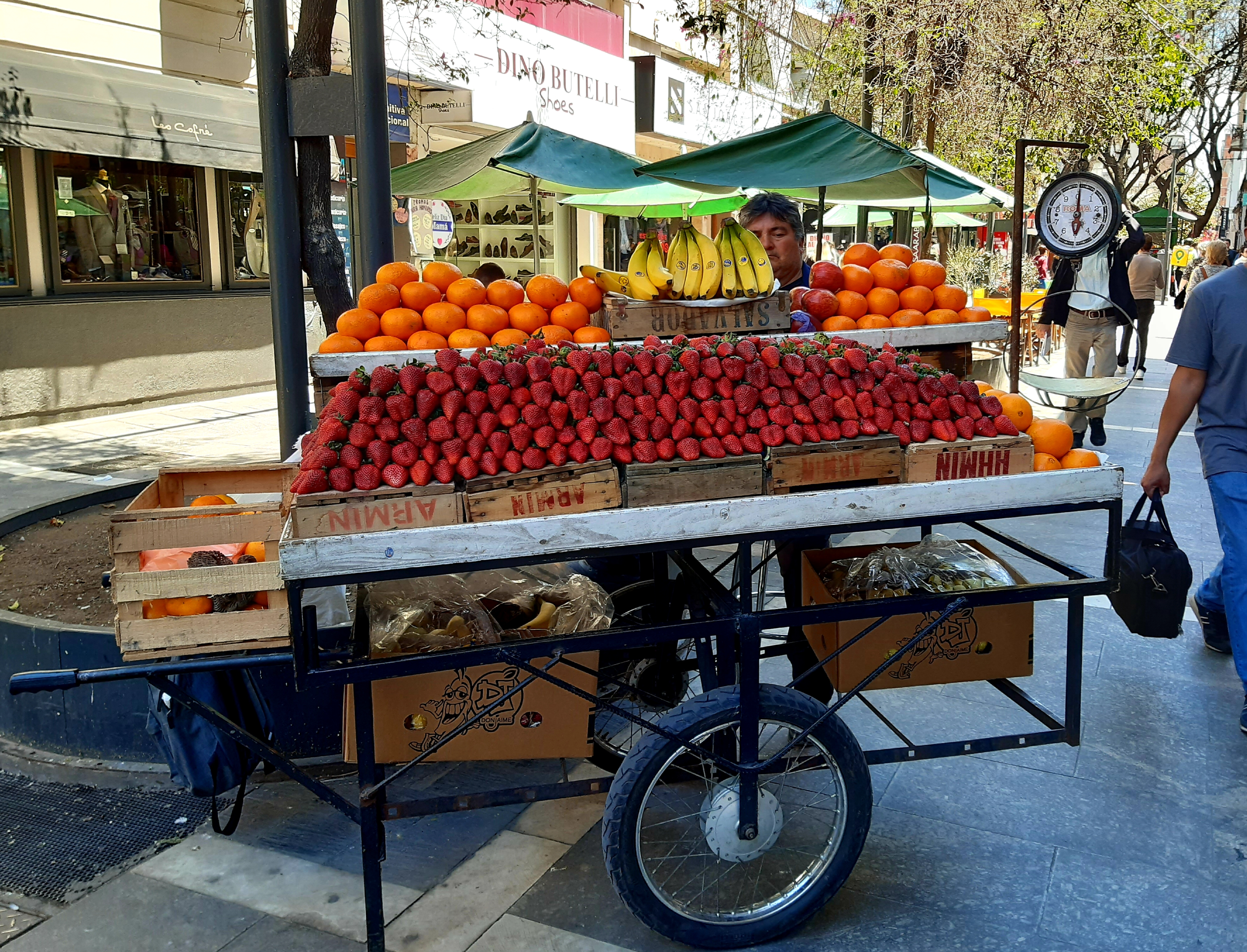
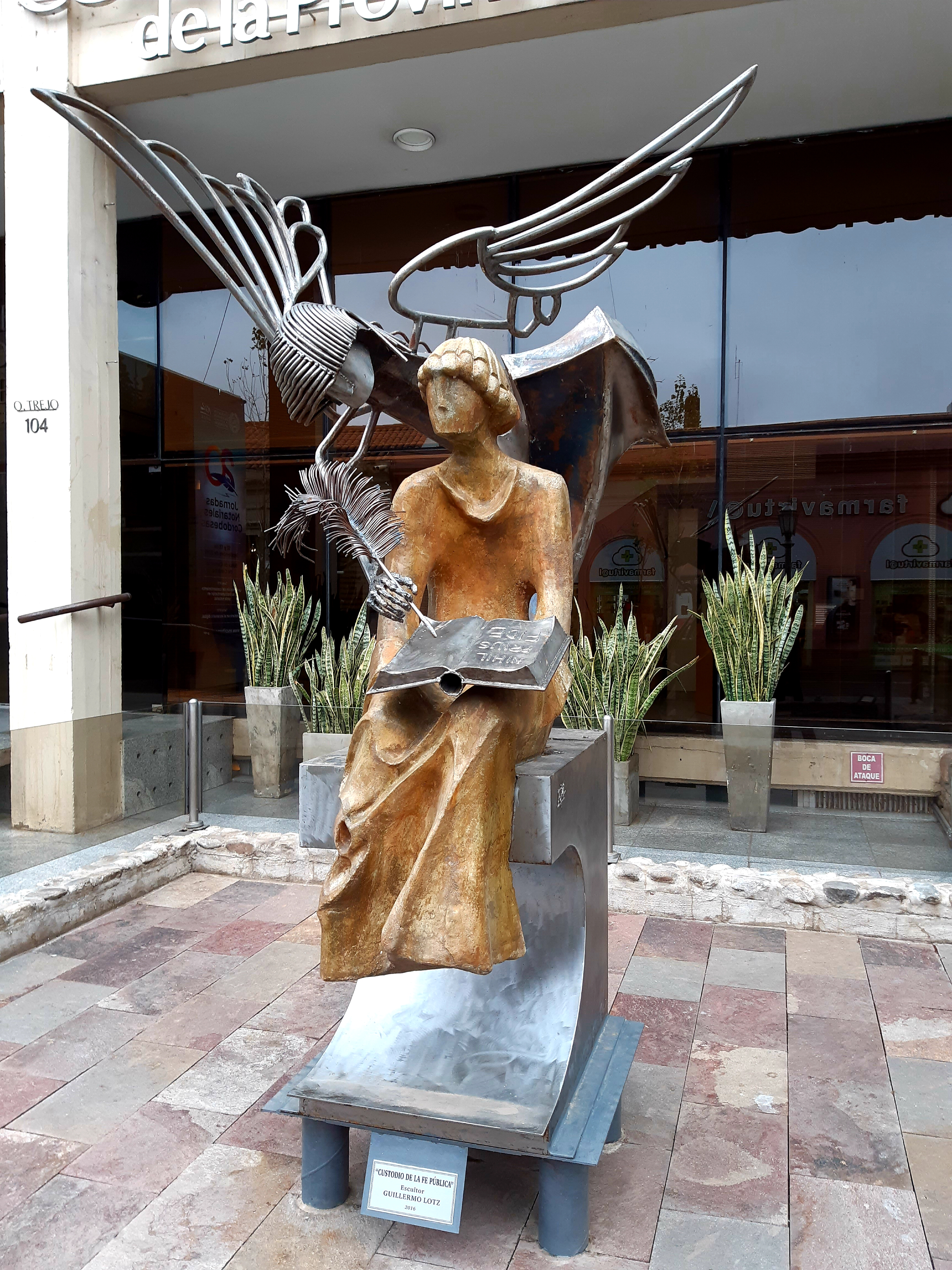
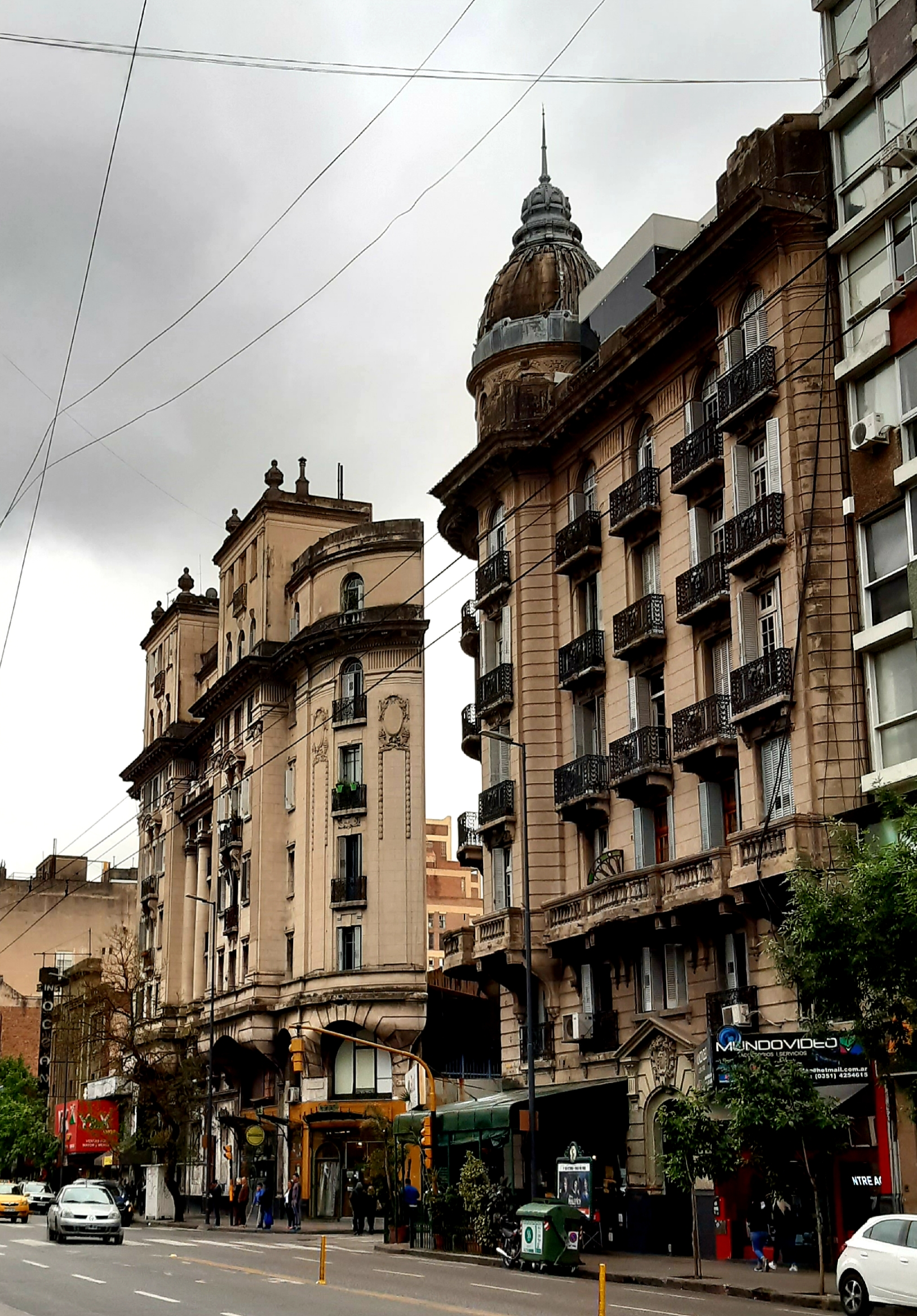
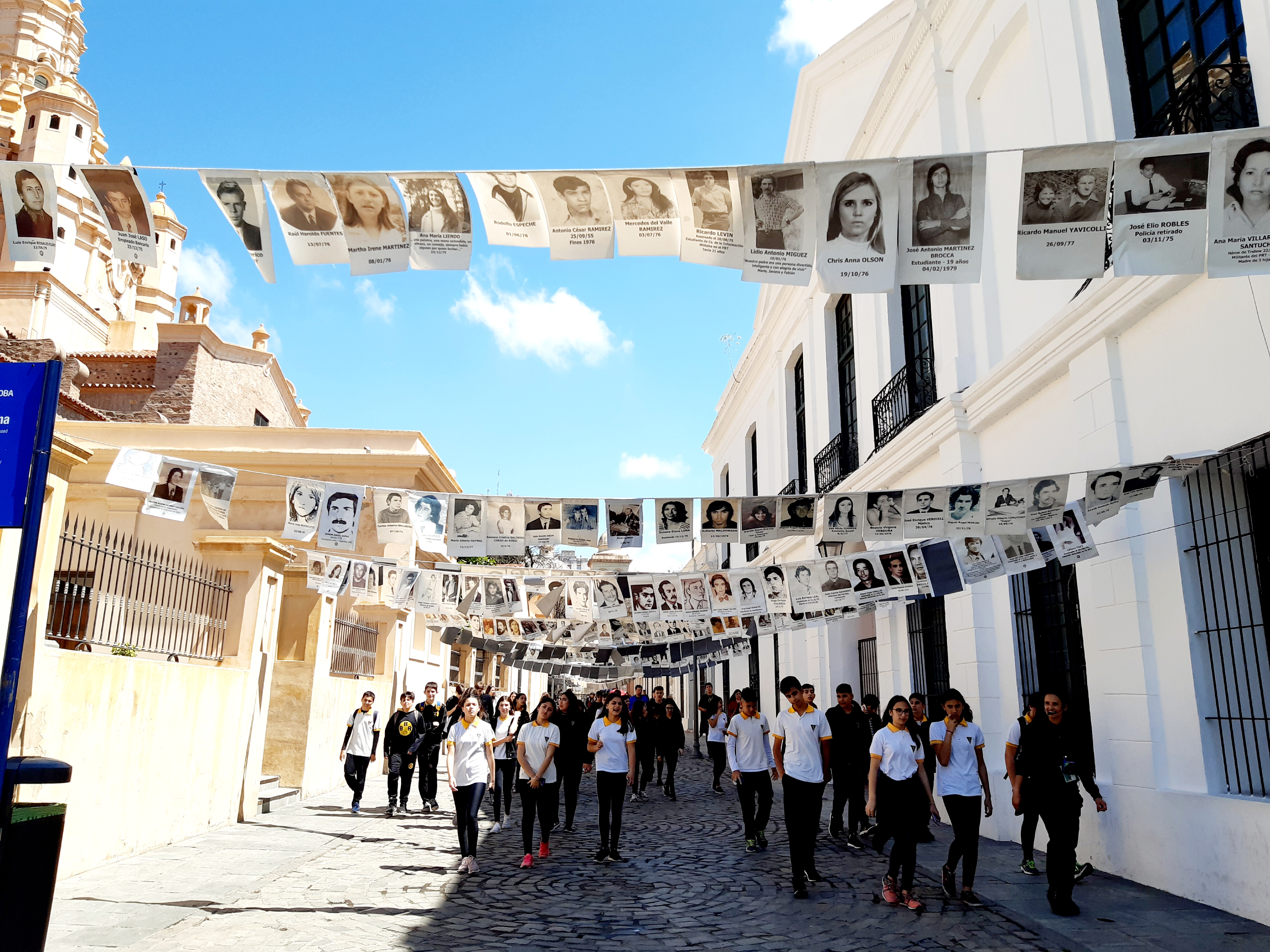
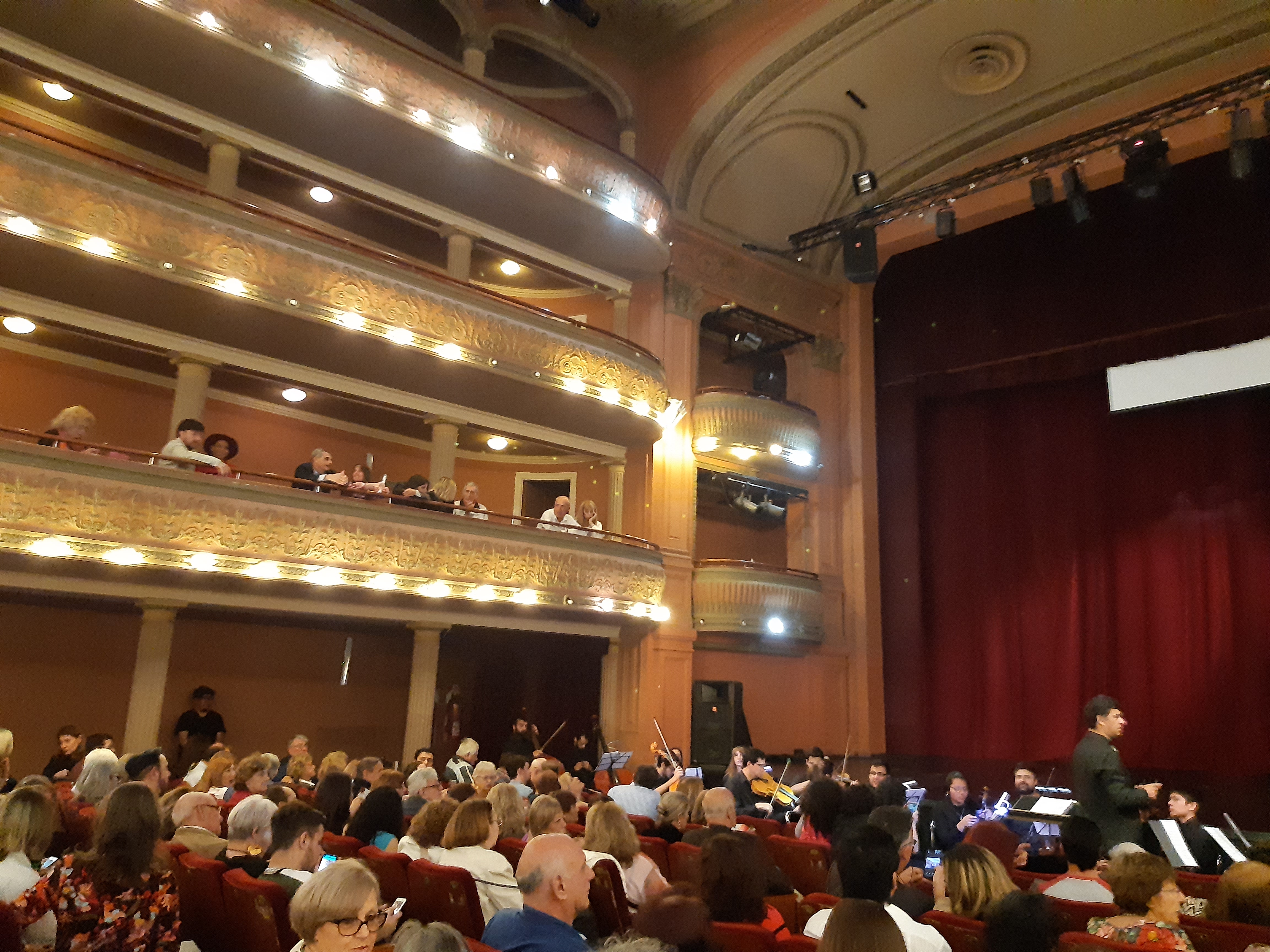
Finally, just a few general pictures of Còrdoba.



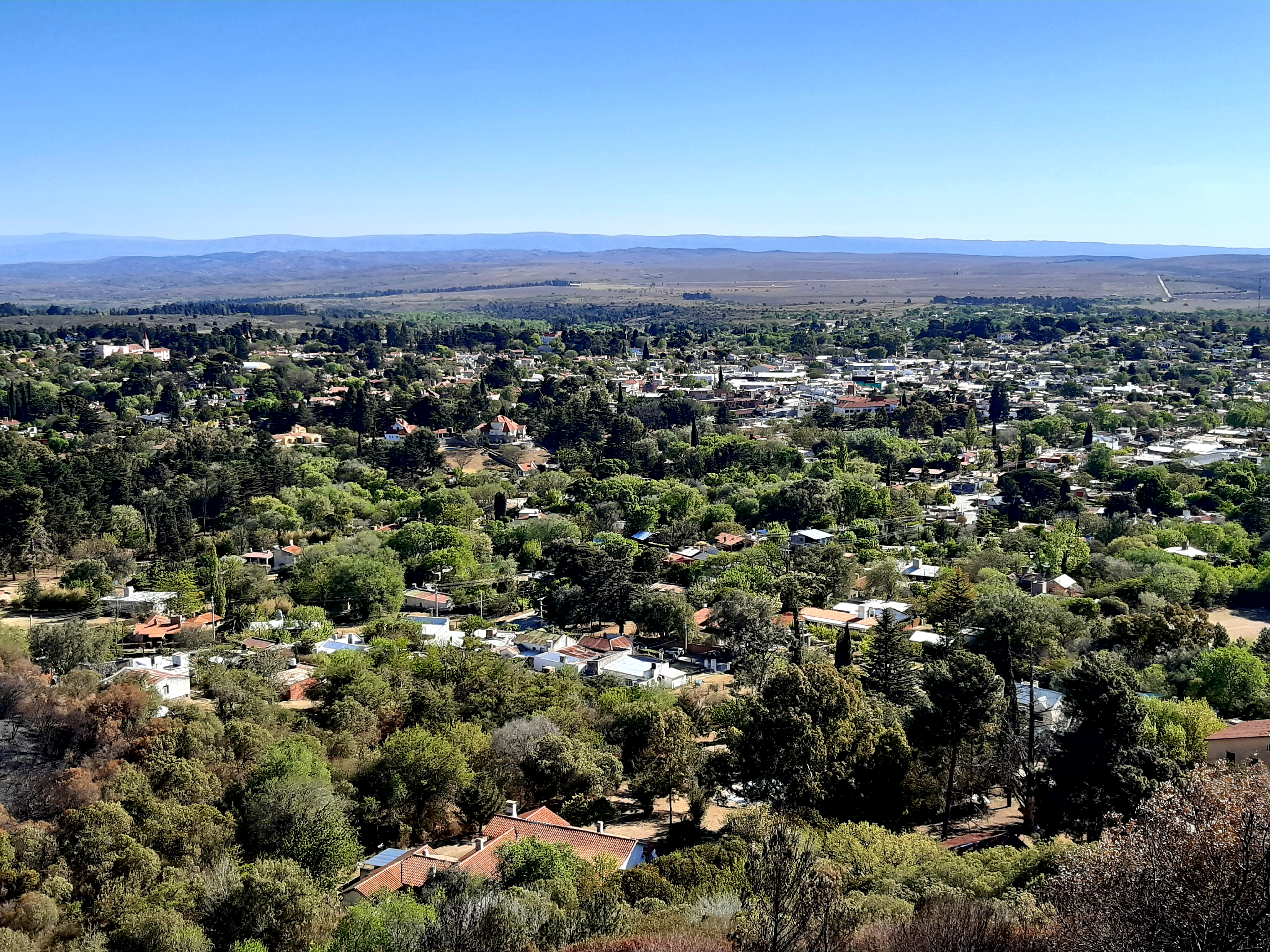
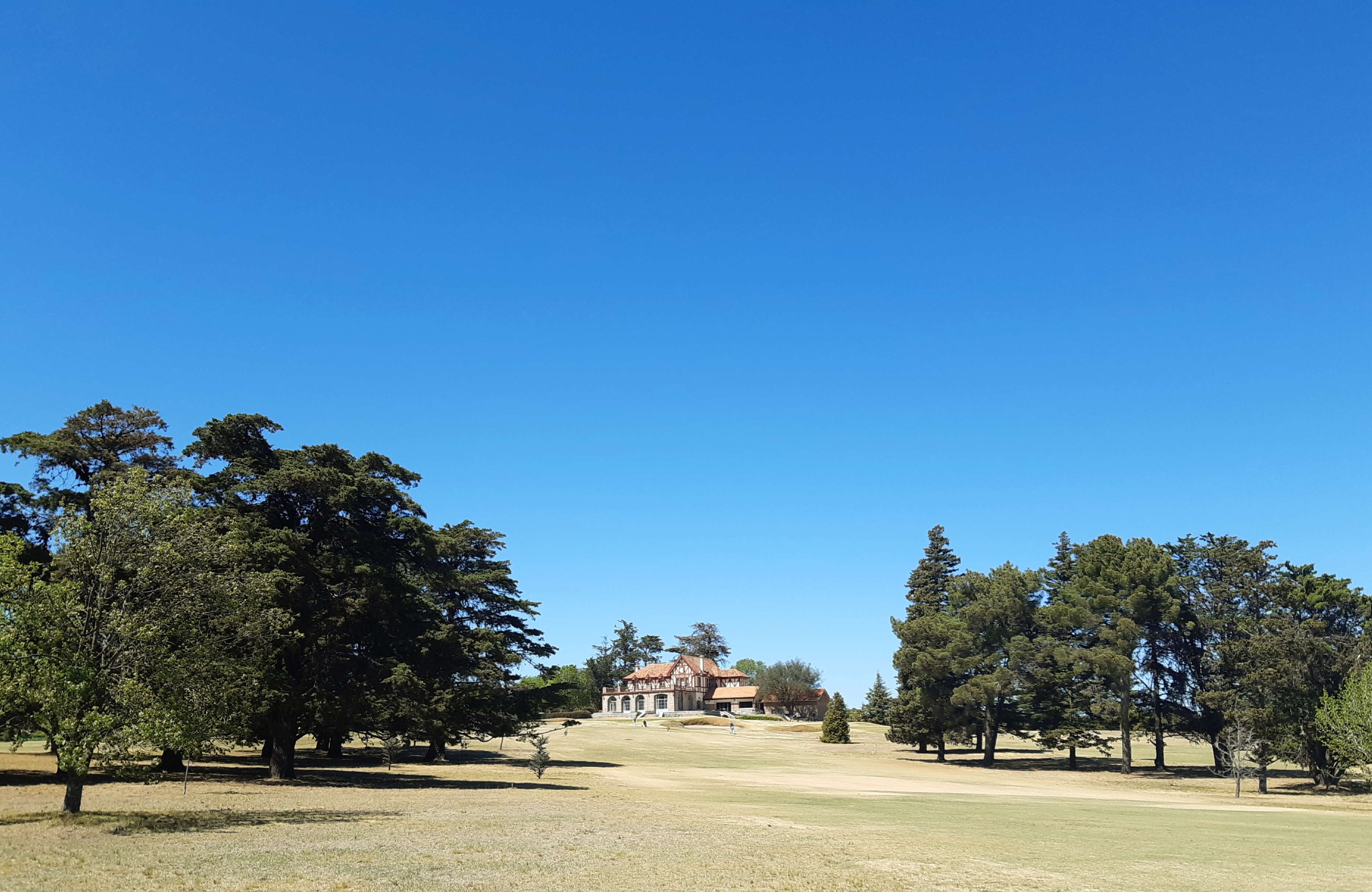
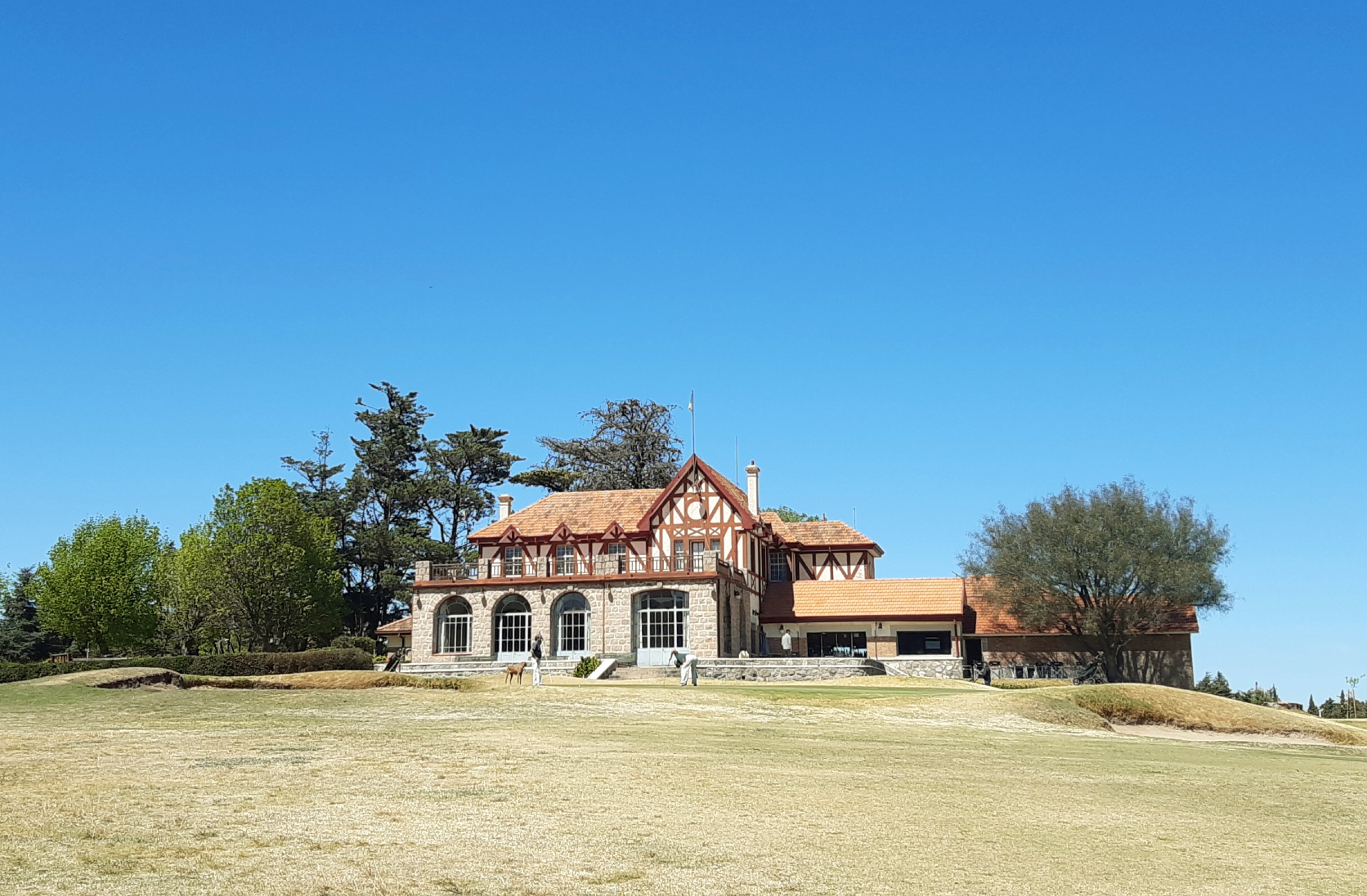
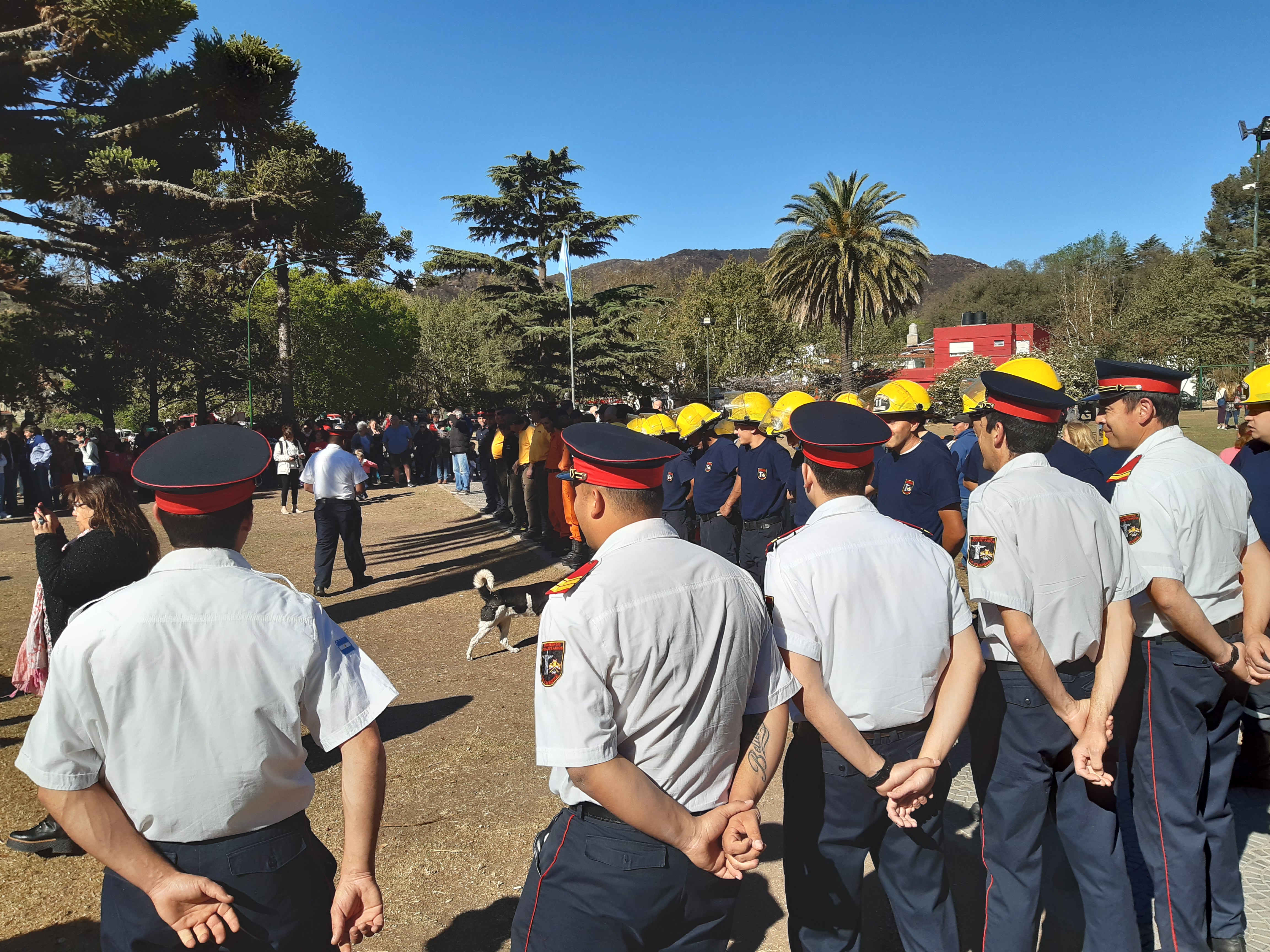
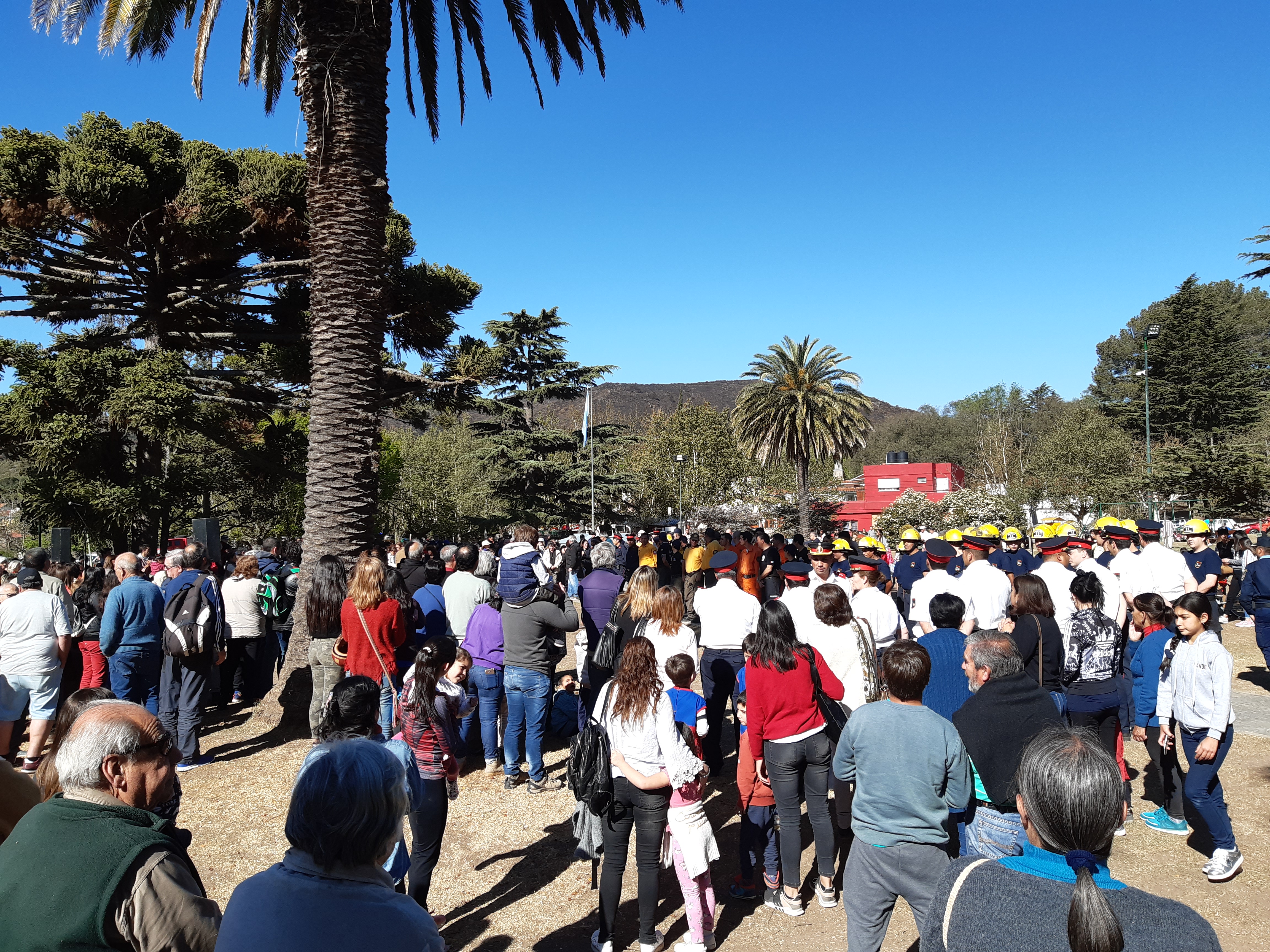
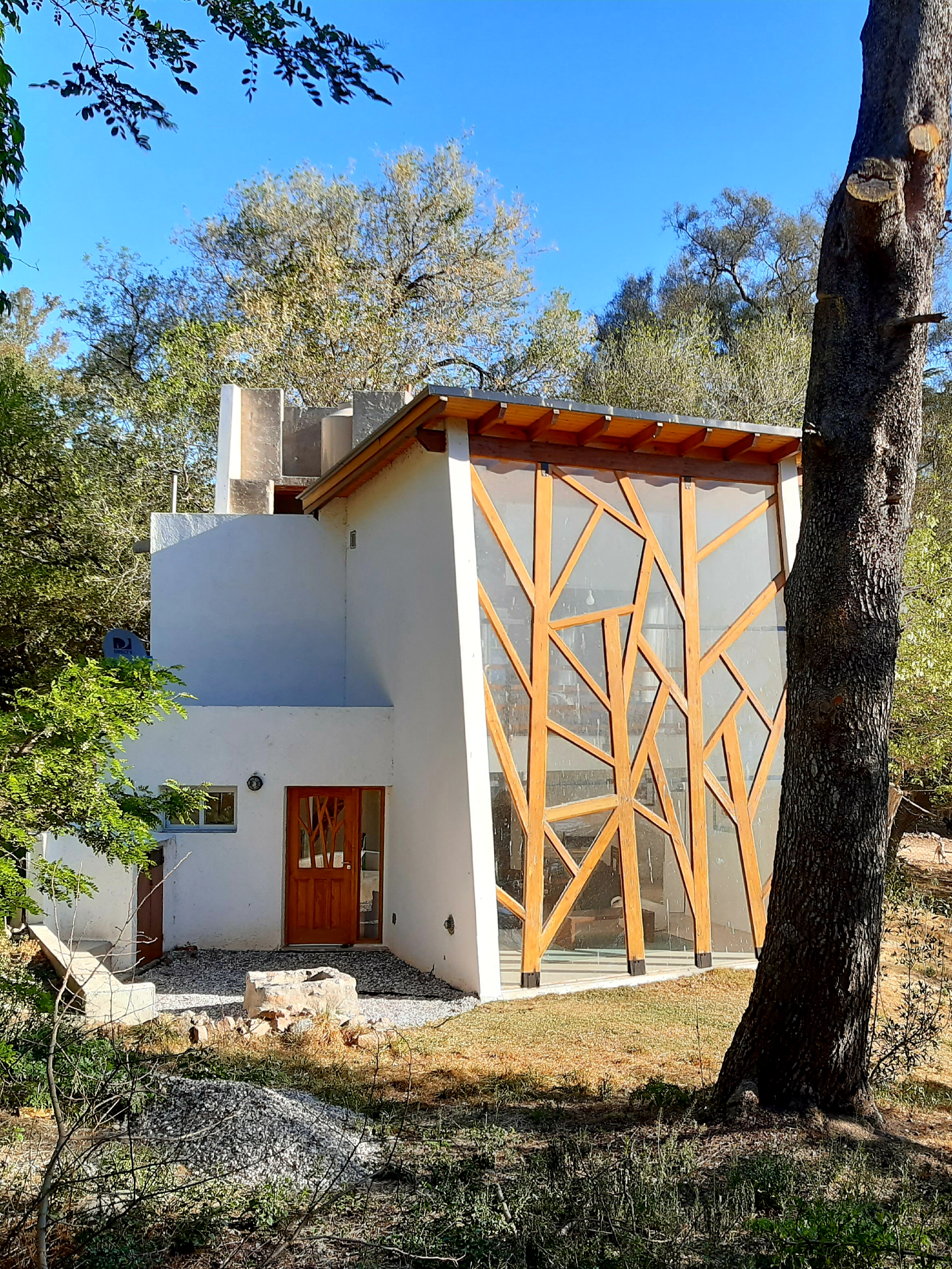
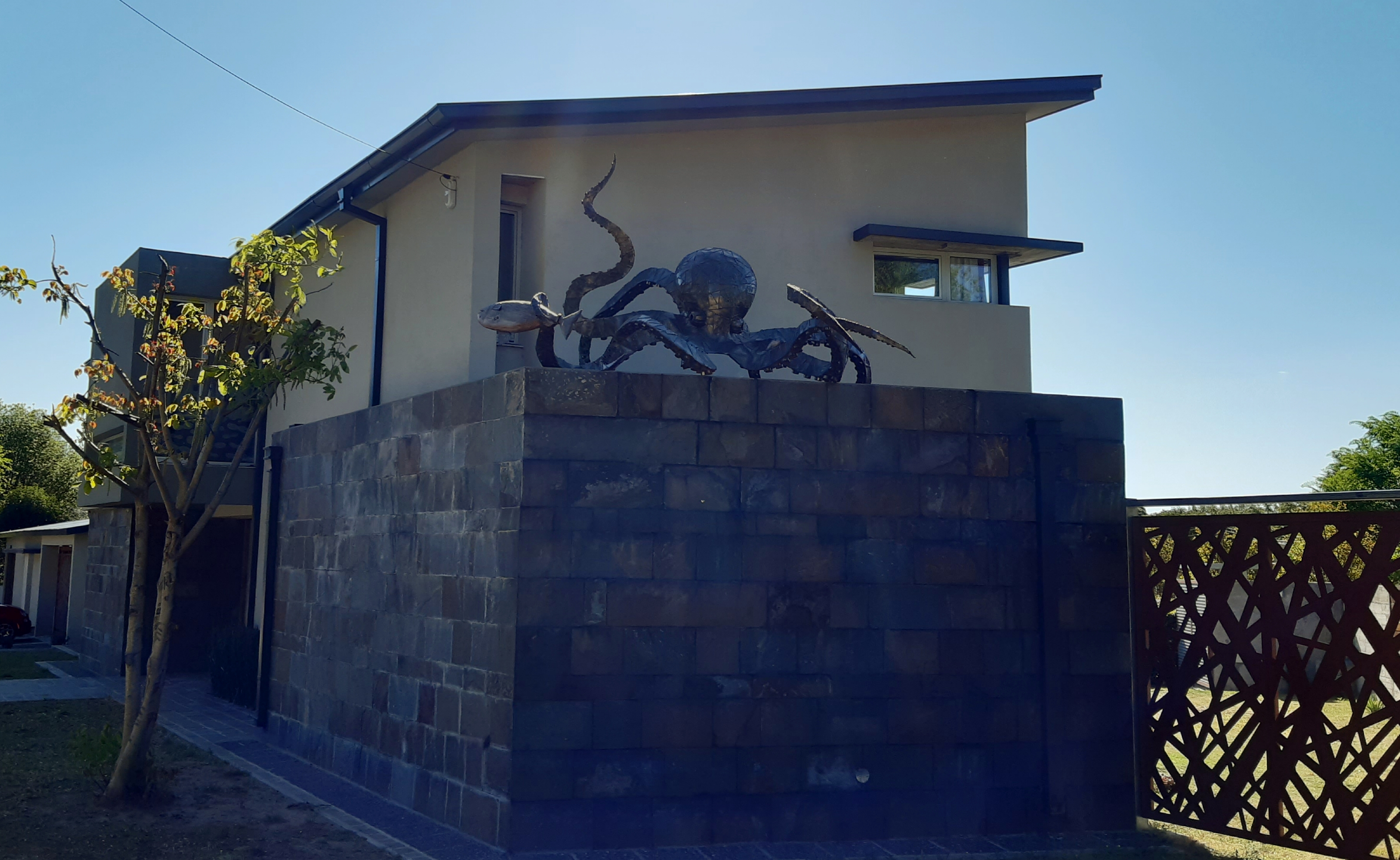
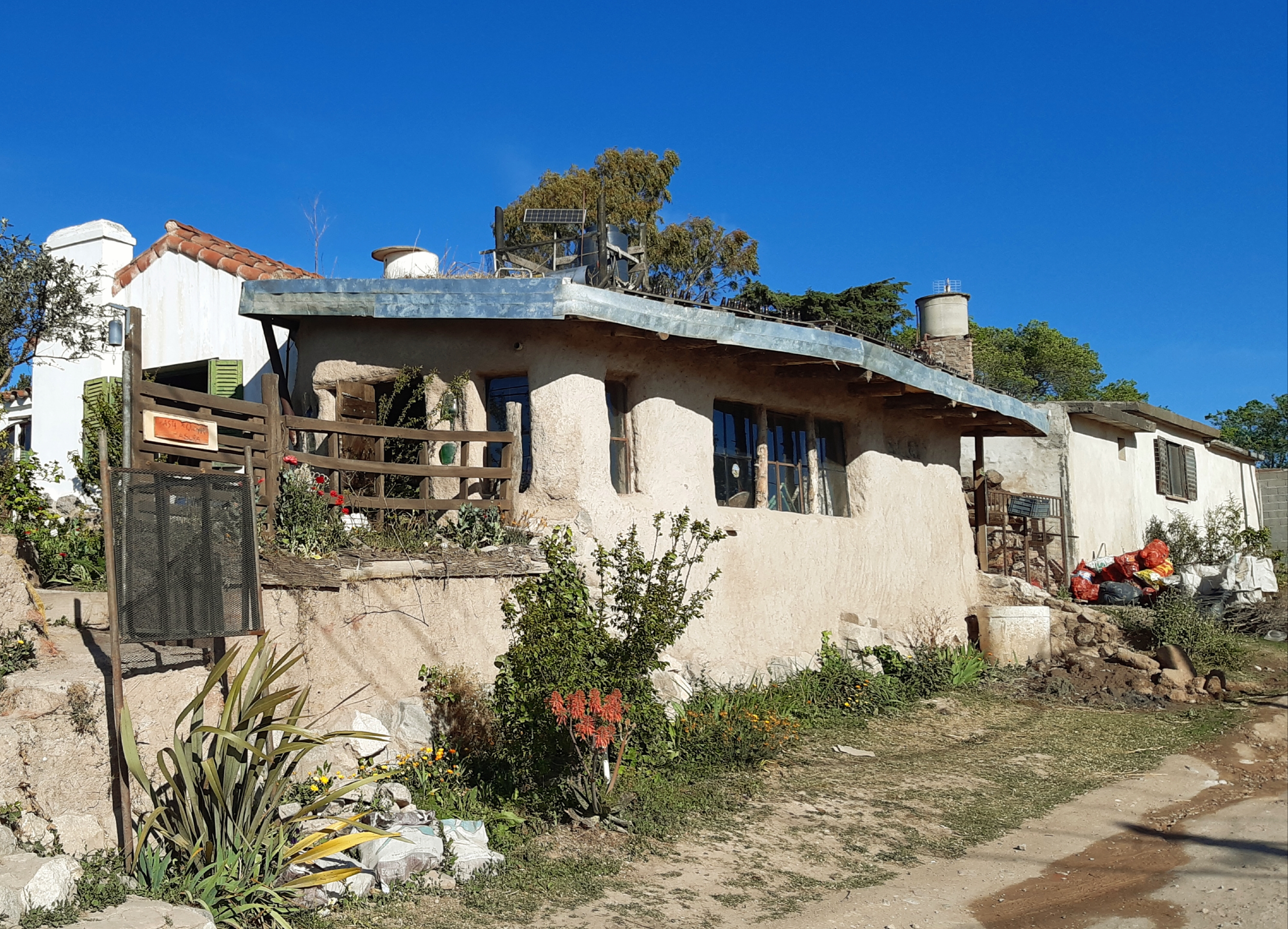

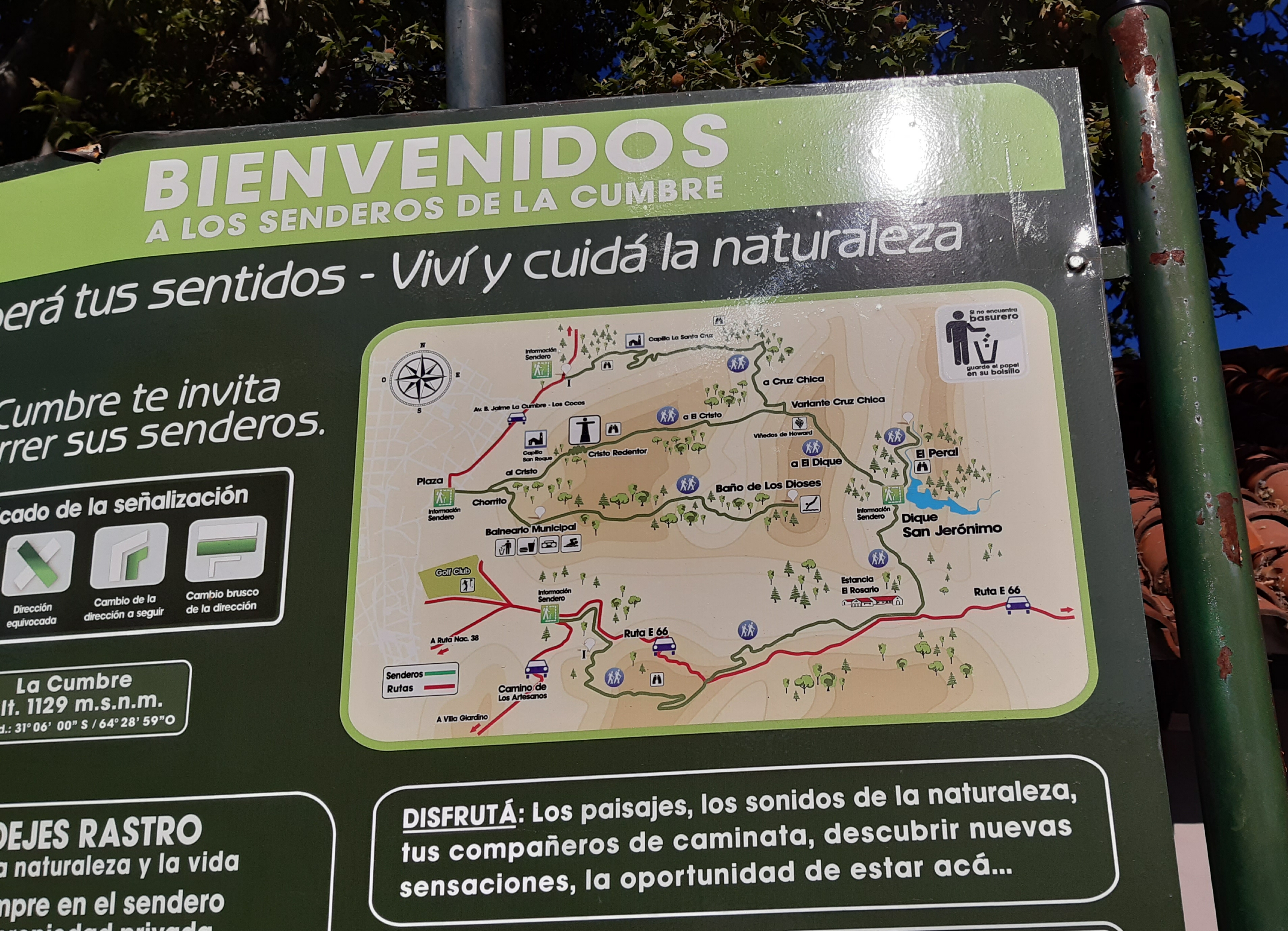
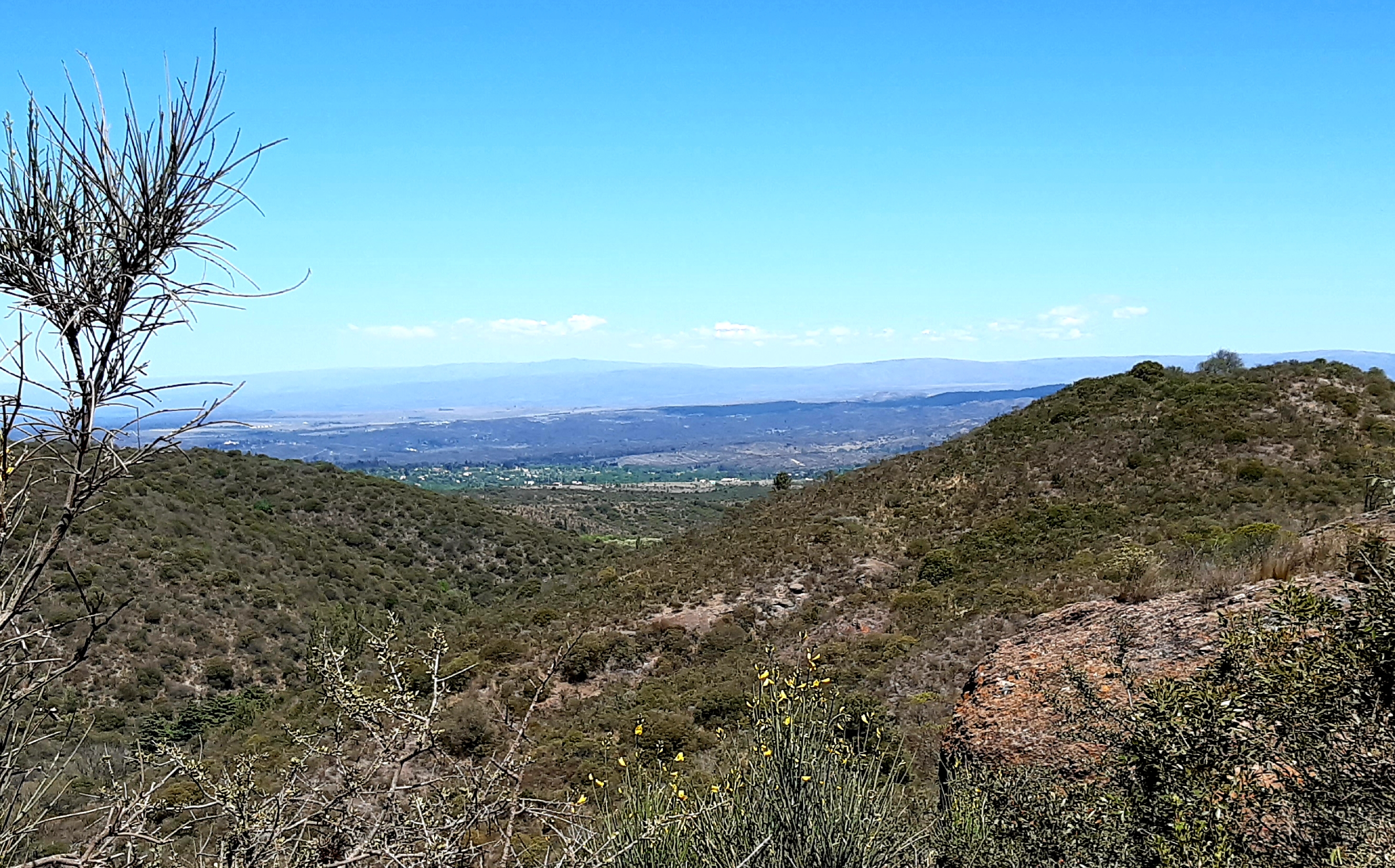 But good fortune was shining her light on me, as it just so happened that there was a shortcut back from exactly that point. 3km later I was at the foot of the mountains, and realised that my way was UP, 3km of mountain pass. I walked past an adventure farm, a cherry orchard
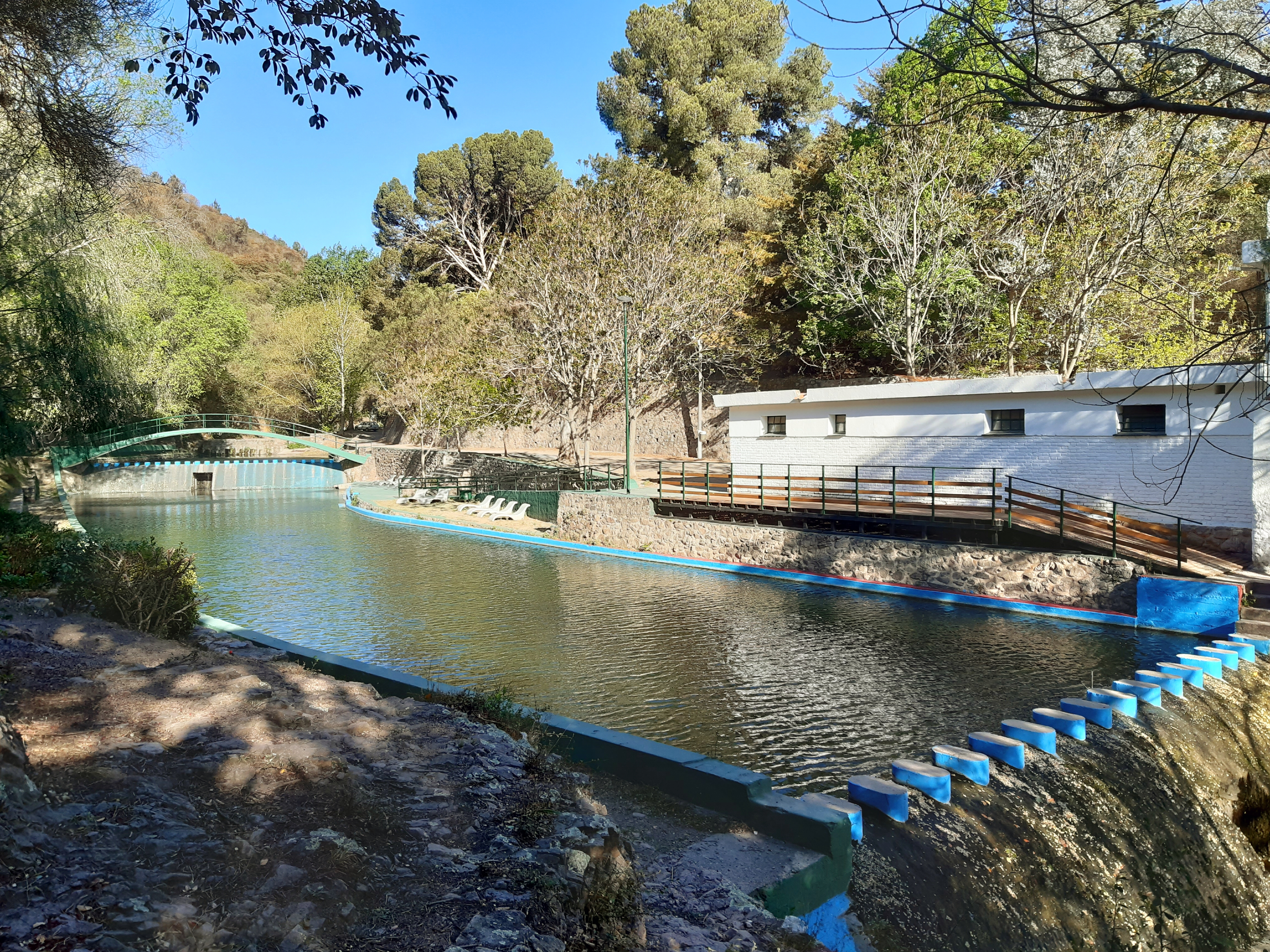
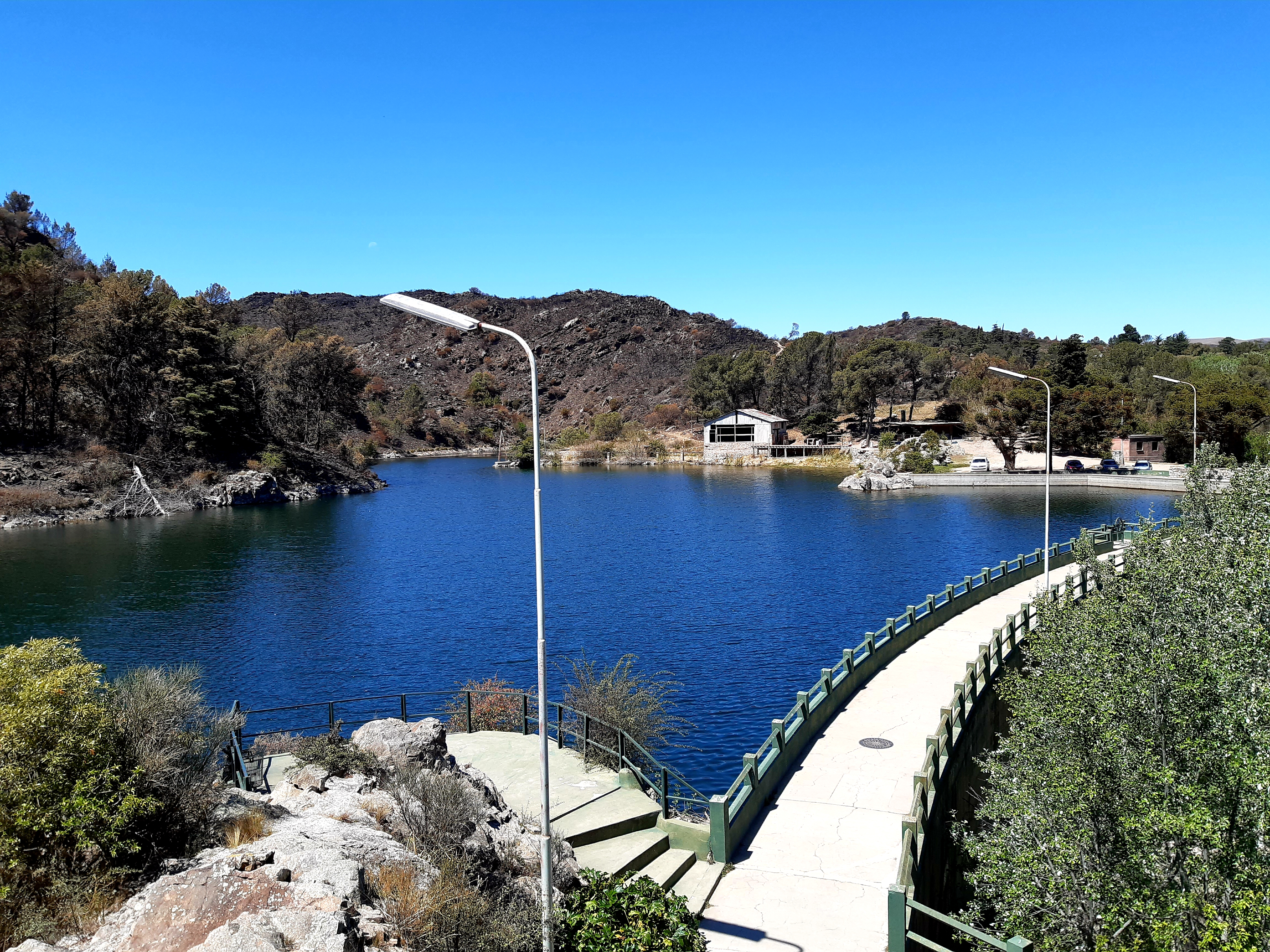
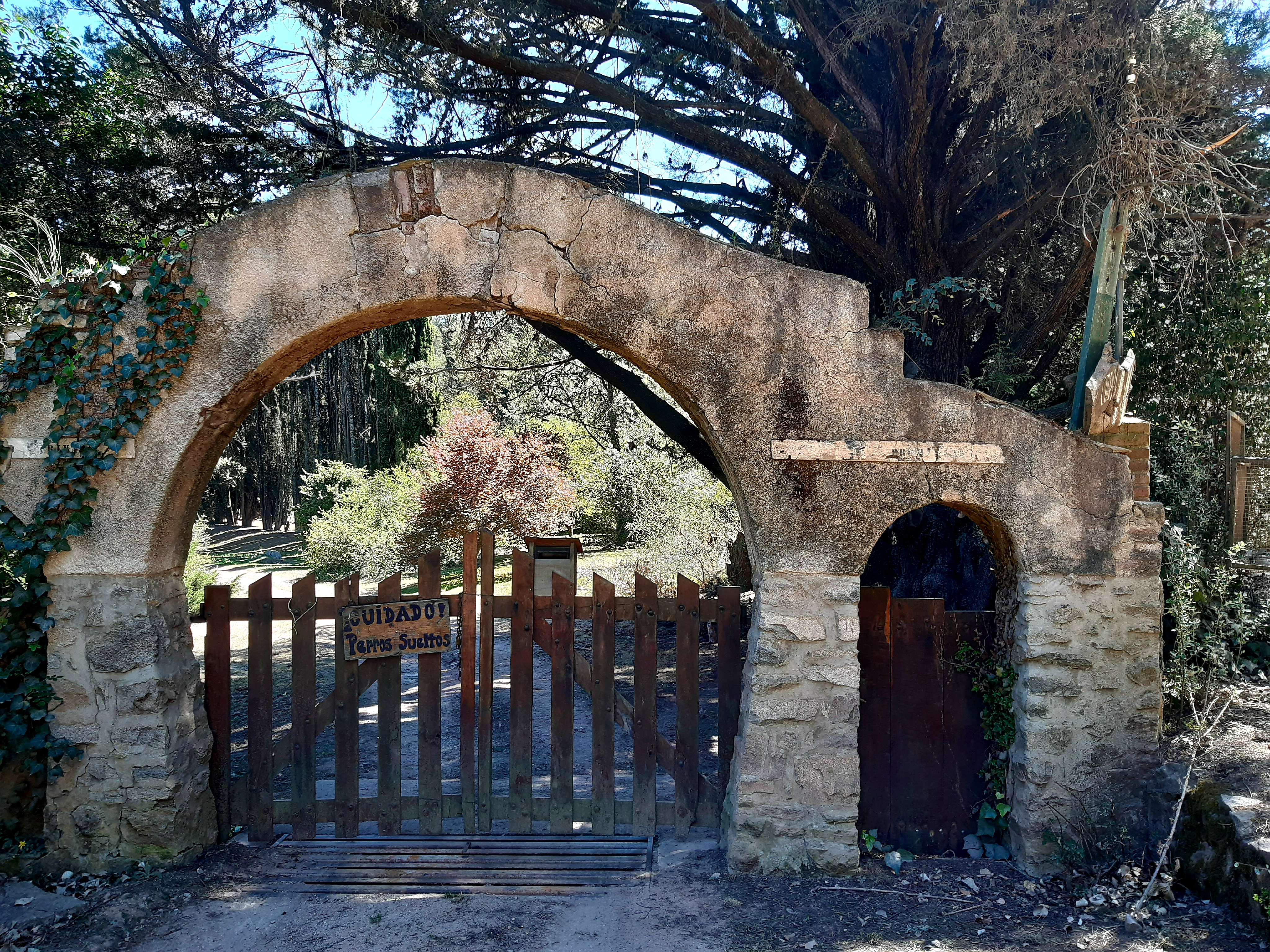 and berry farm, and I was just about to give up, when the welcome sight of water came into view. Dique, by the way, means dam, not lake…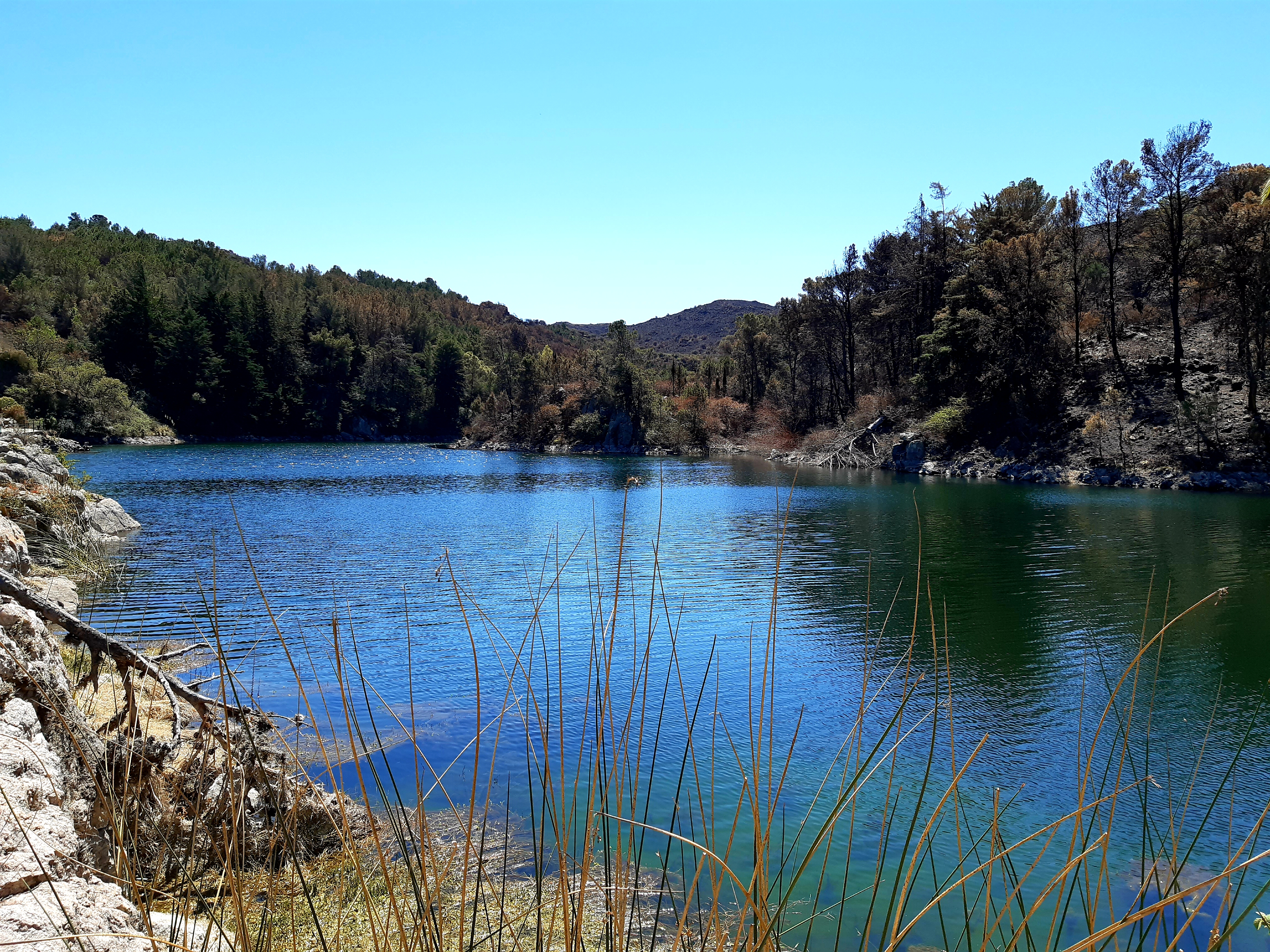
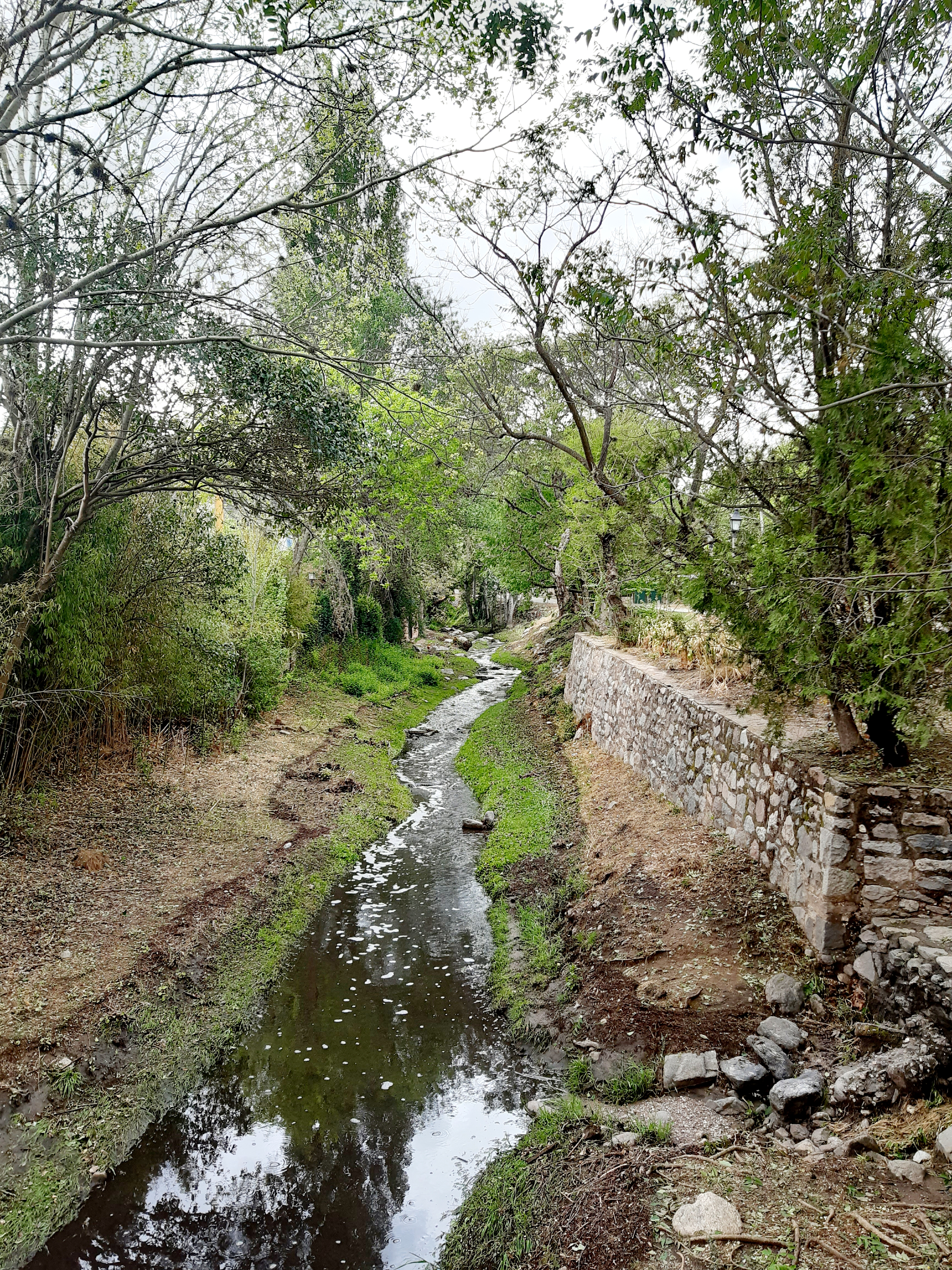
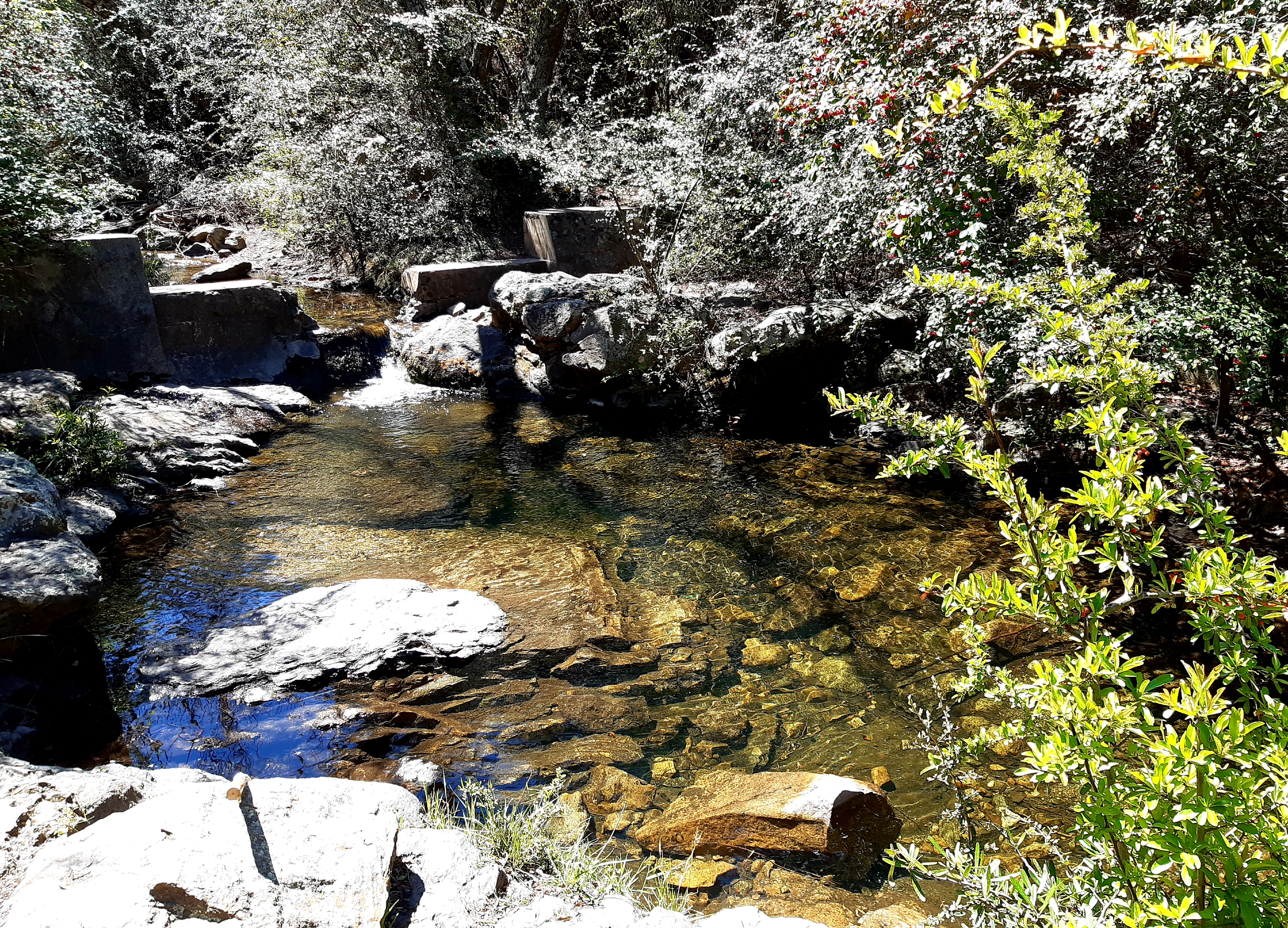
 I walked a little way up the river that feeds into the dam, made me think of Jonkershoek, the babbling sound of water running over rocks and stones.
 I had packed some rolls and fruit, and after a well-deserved lunch I headed home along a track that was clearly marked on the municipal map as well as on MAPS.ME. I should have realised something was wrong when I came to a place where a bridge used to be, but no longer was:
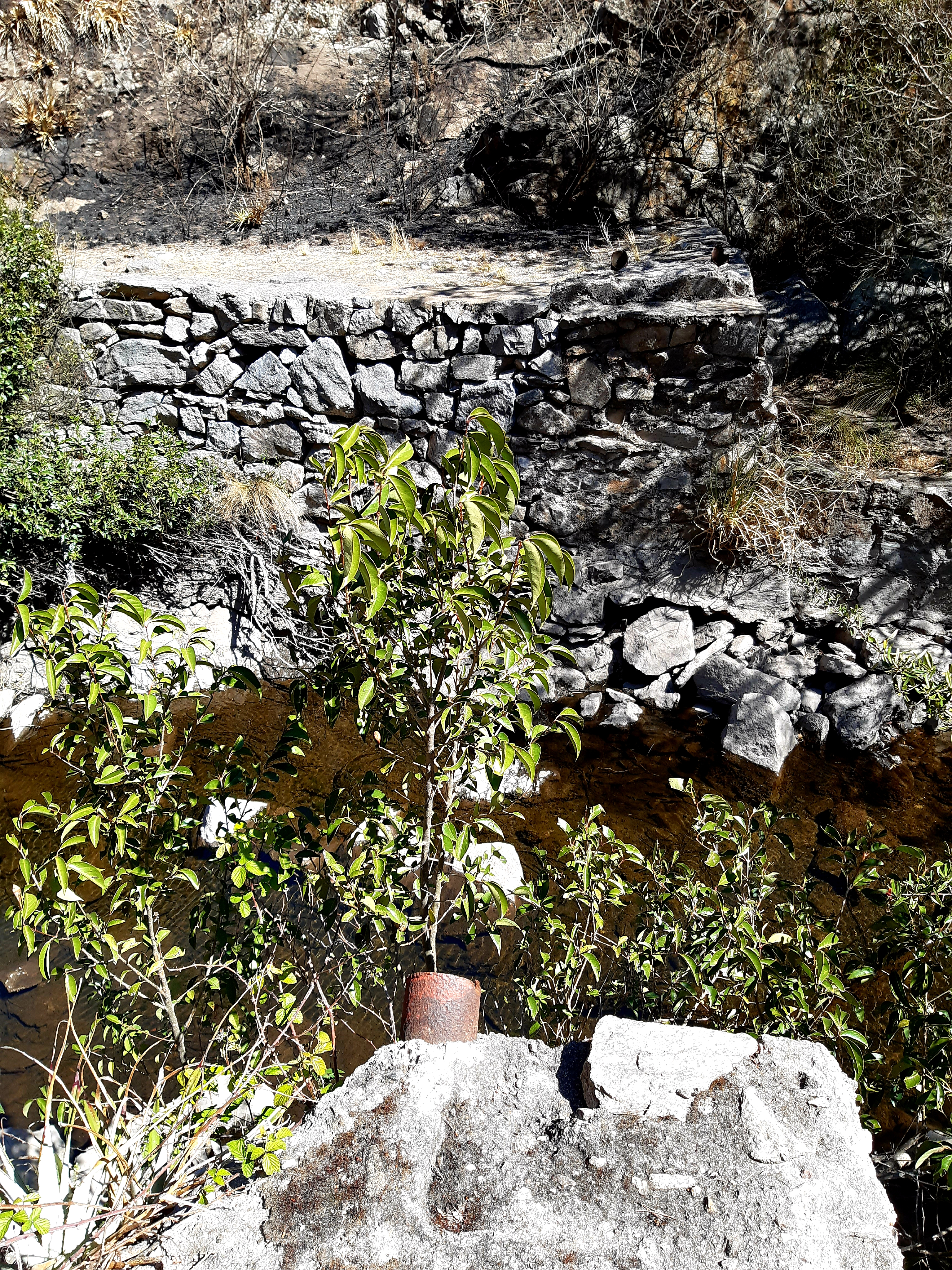 I saw that there was a path down the side, so other people had met with the same trouble. This process repeated itself several times, sometimes with missing bridges, and sometimes with overgrown plants or fallen trees. I was wondering if the track was going to take me back to town, when I saw some houses and a gate that said ‘no entry’. It was loosely fastened with a piece of wire, so I just opened it and went through.
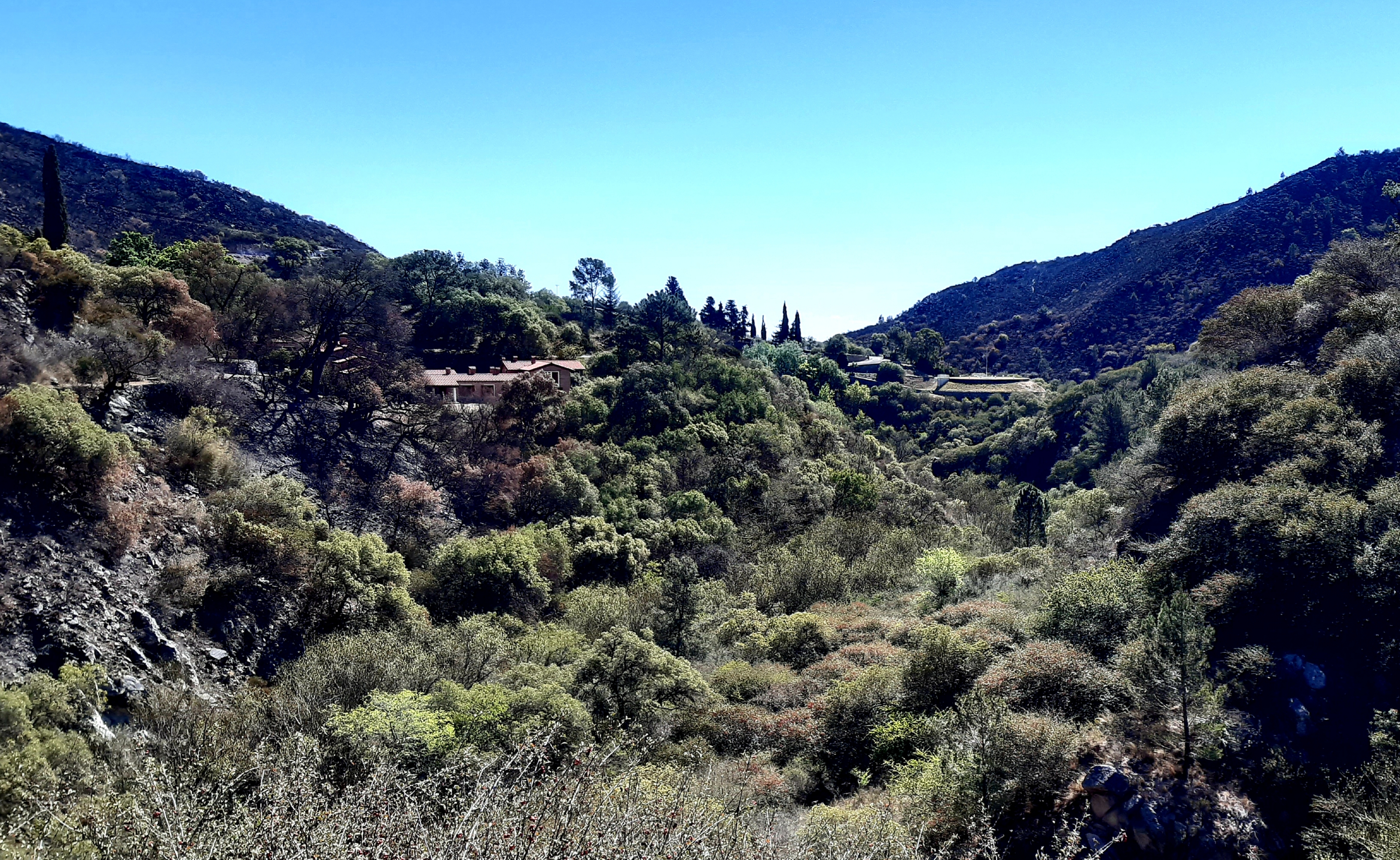 I heard voices and saw some people, so I got scared and decided to bundu bash up the side of the mountain that had been turned to charcoal by a fire the previous weekend. Easy to climb up, not many shrubs left, yet some black stalks often blocked my way. When I got to the top, there were of course more hills, and a dirt track in the distance. Not for me, so I decided to go down again and face whoever was at the first house, asking permission to pass. I was almost at the bottom when I realised that people were coming down the path, and I scurried to get onto the path before they got to me, so that they wouldn’t know I had been trespassing even more by climbing up the hill. I clumsily fell into the way of the leader of a group of about 25 youngsters, and scrambled to my feet, feeling as stupid as a naughty child, blustering half-Spanish excuses. The guy could speak English, and very kindly informed me that it was quite okay, I could follow the path past the house and follow the dirt track back to town. I thanked him sheepishly, and when I had passed all 25 youngsters with as much dignity as I could muster, I started looking at myself and realised that I was covered in soot from the burnt bushes. Black streaks covered my hands, arms, legs, clothes and I suppose my face too. I felt like the proverbial chimney sweep who had fallen into the fire-place in a cloud of soot. Moral of the story: never climb a burnt hill. Even my hat had black marks on it. Was I happy to see La Cumbre!
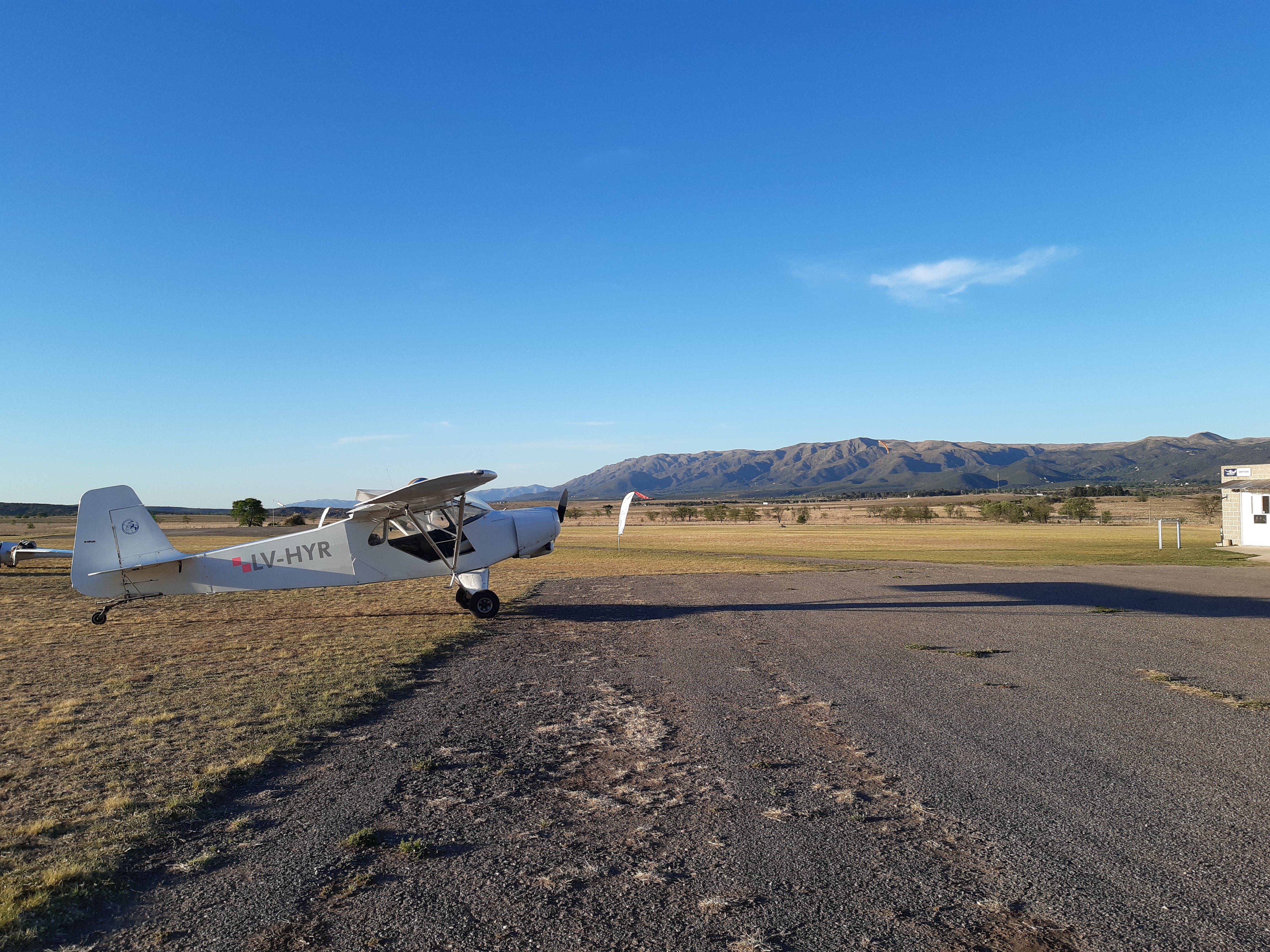
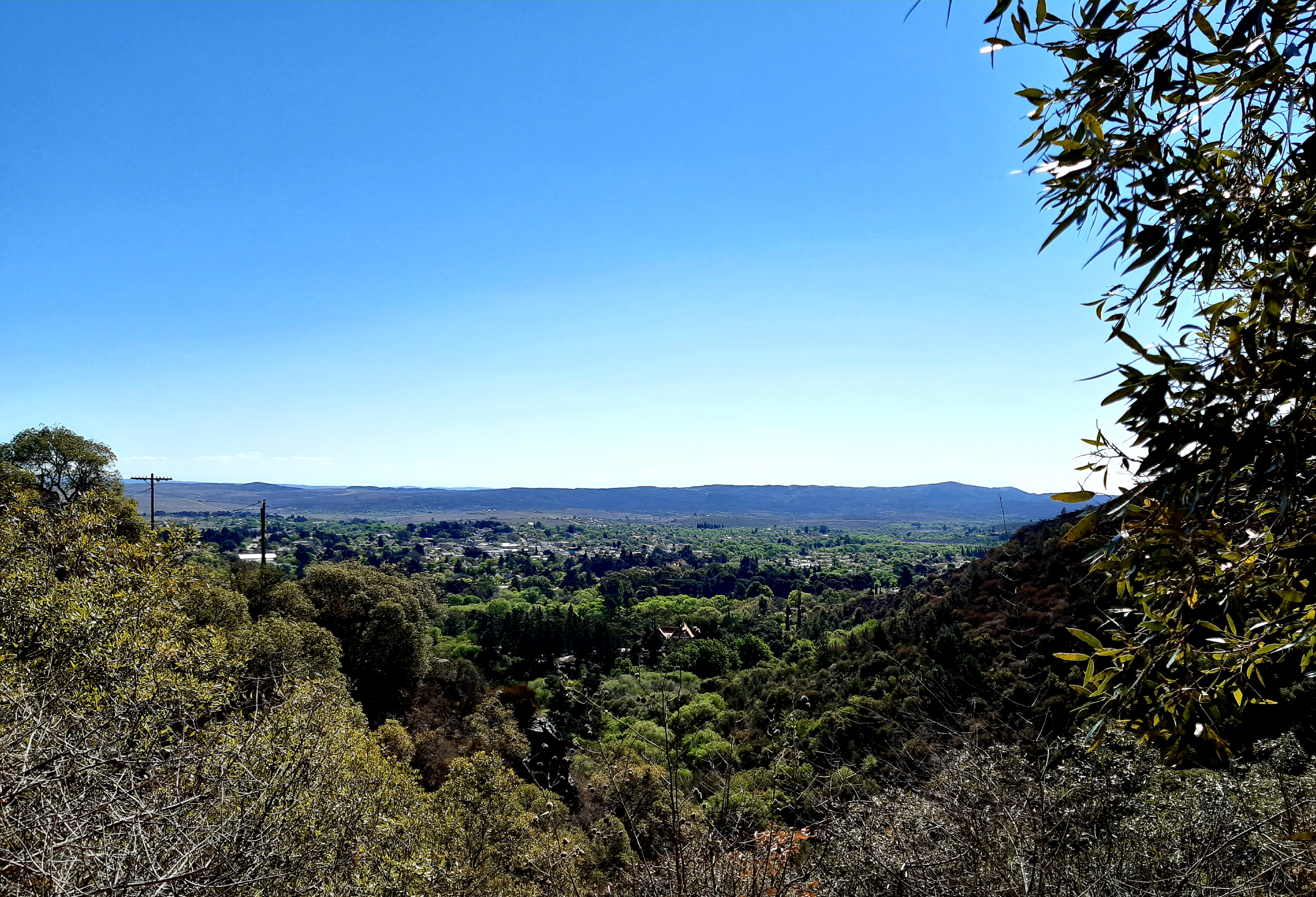 On Sunday Lucia told me that the sunsets at the flying club were quite spectacular, so I decided to walk there. She never mentioned the distance: 2km along the highway and then another 2km on a dirt track. All the way there I was thinking that it turns dark after sunset, and 4km is a long way to cover. A band was playing at the restaurant at the airfield and there was quite a jolly crowd gathered. Not many planes, but some kites and gliders.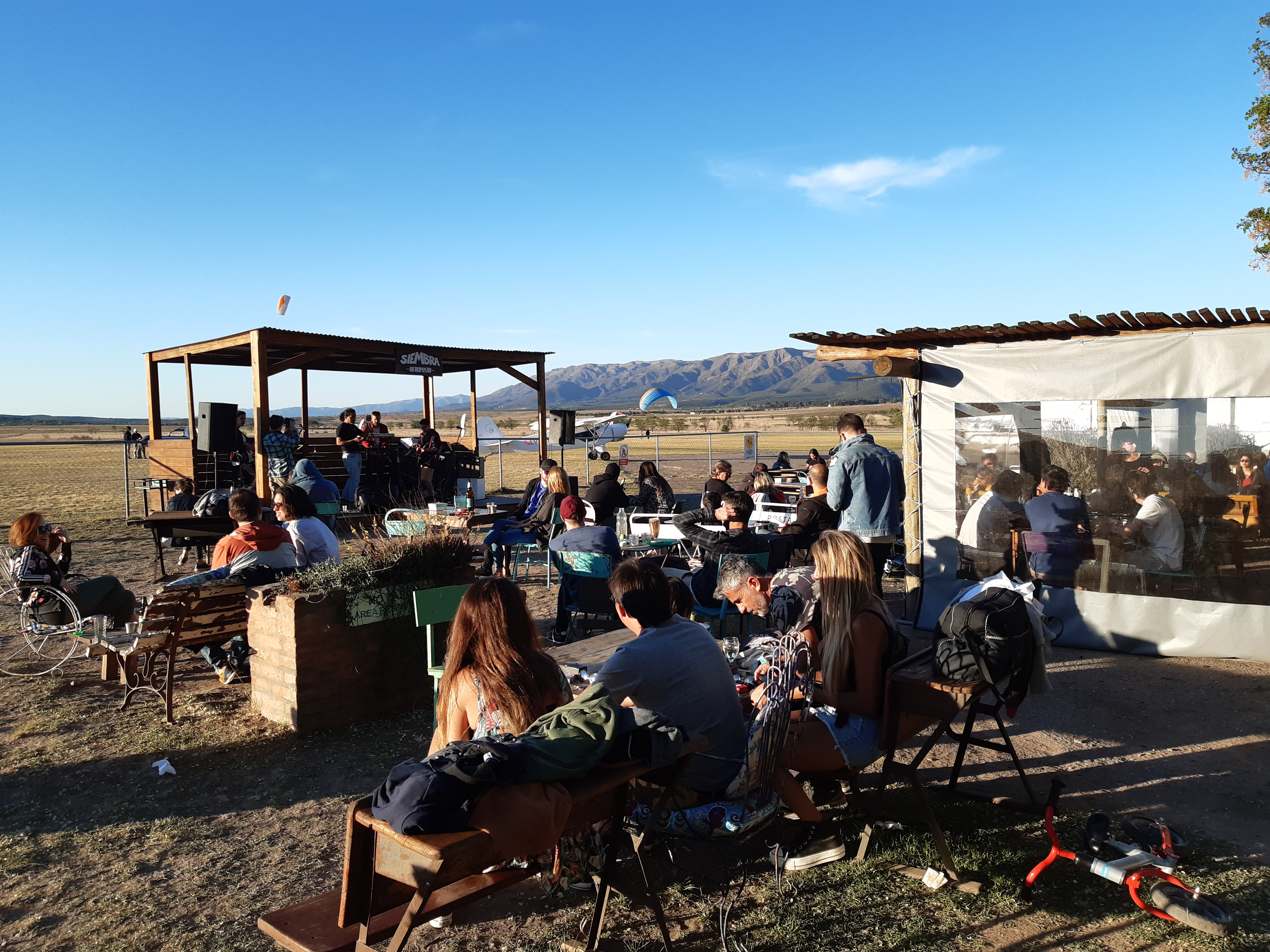
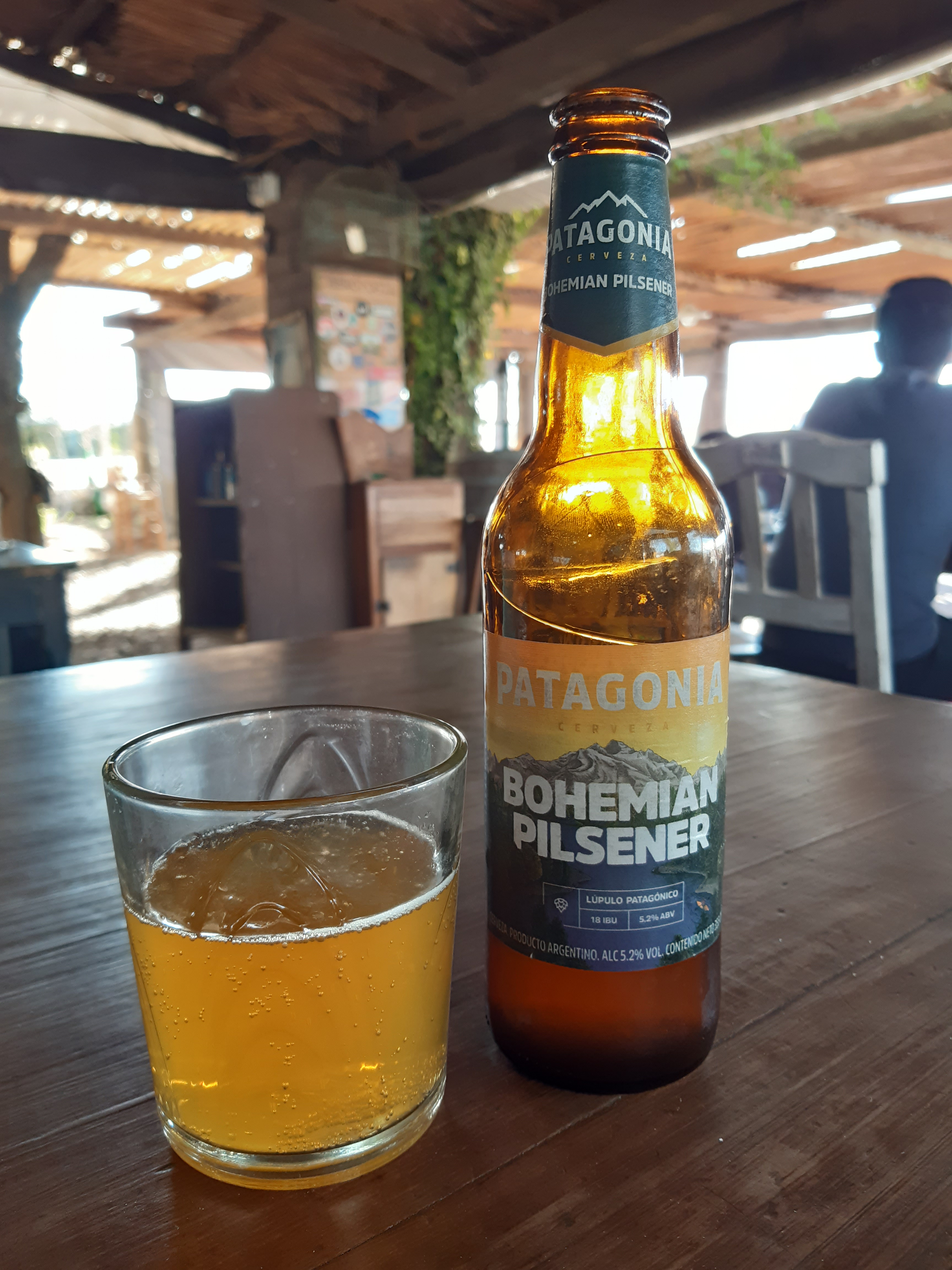 I had my beer and left early, to catch the light, and then I decided to hike. Just my luck: I was given a lift by a couple who were going back to Córdoba, so they dropped me at the intersection on the other side of town and I ended up walking 2km anyway. Sometimes I wonder at the picture I’m presenting: old woman walking along a highway/dirt track/mountain pass, alone, with a huge hat and rucksack. Life lesson?? Doubtful…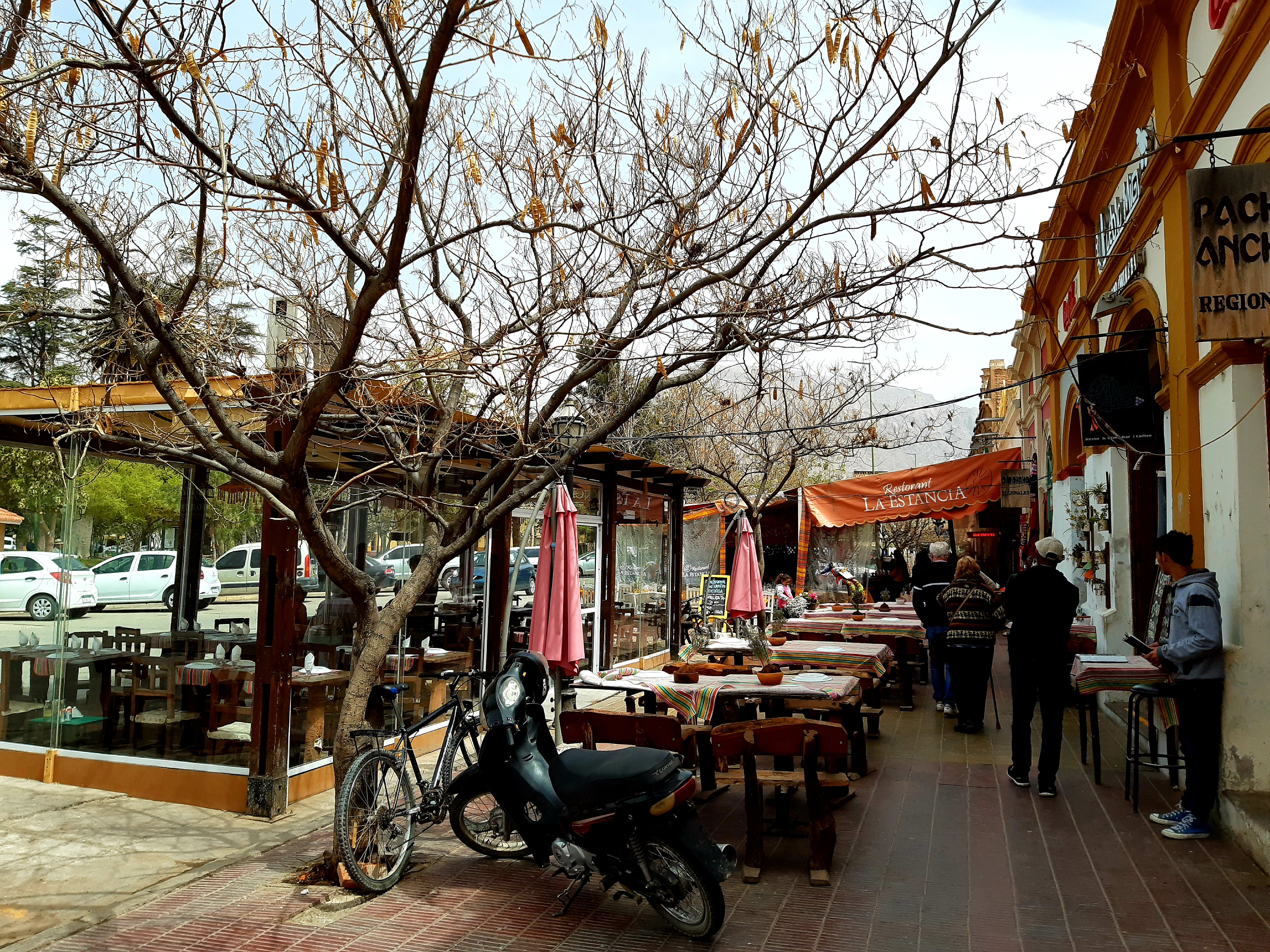
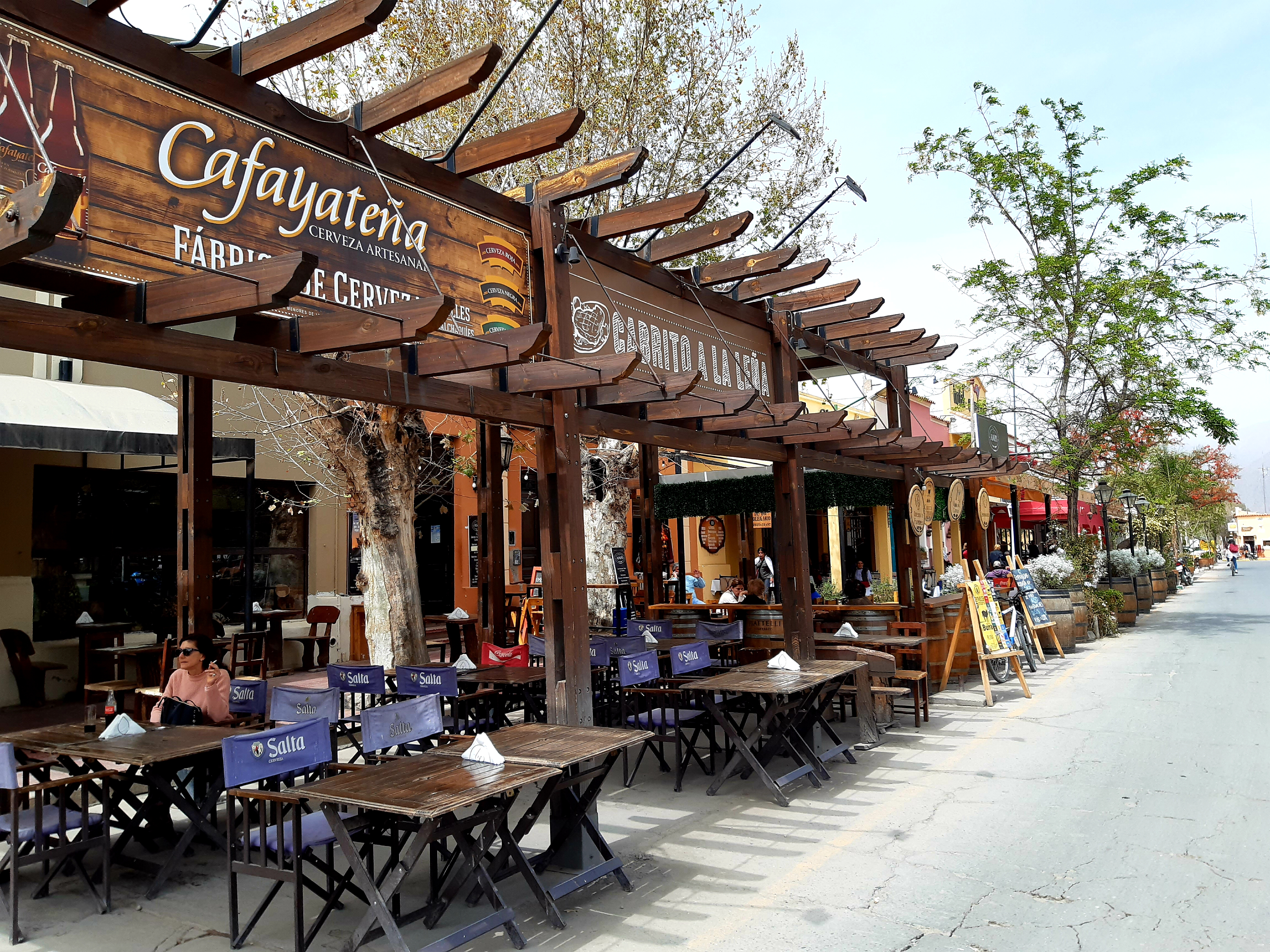
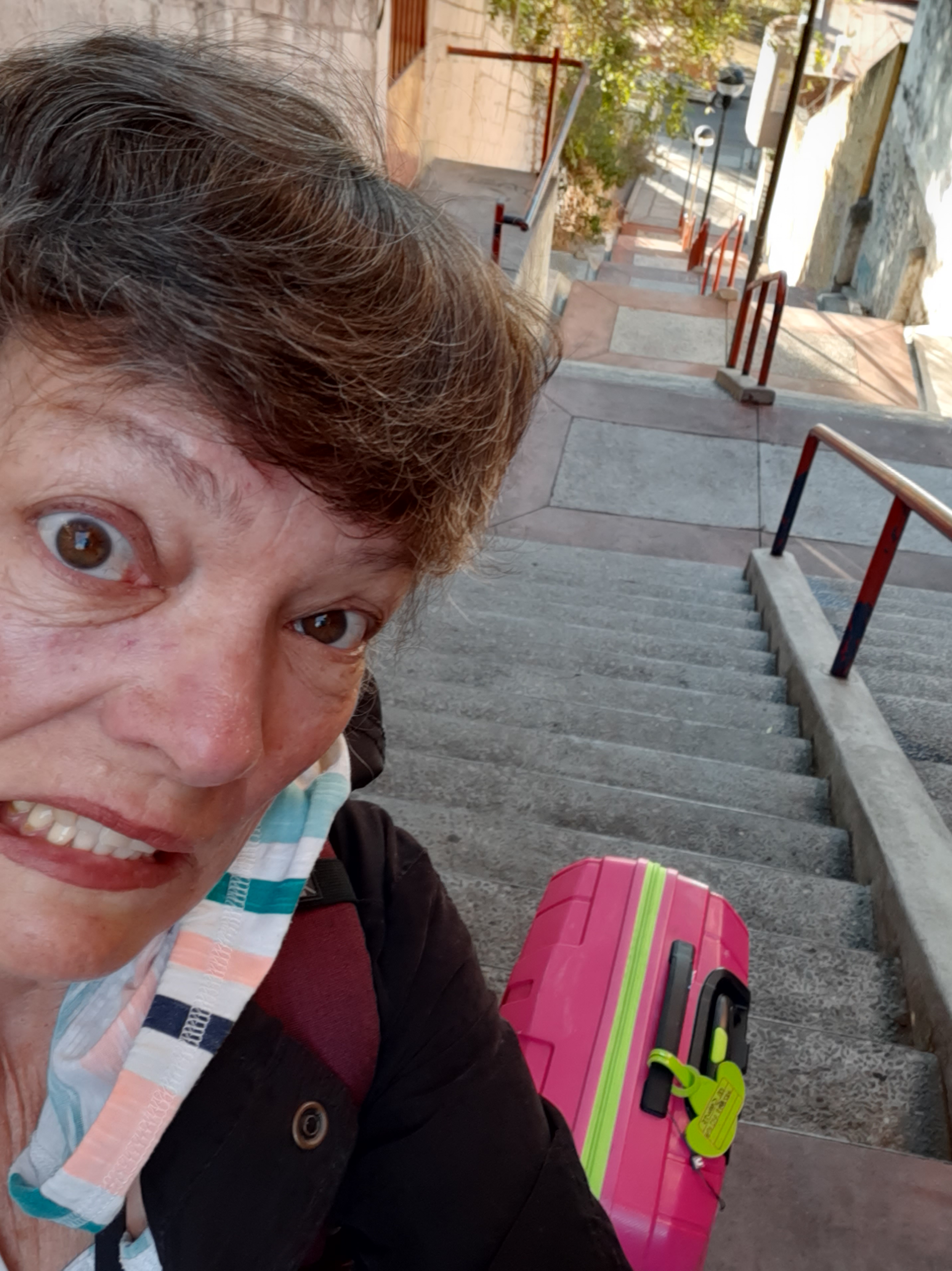
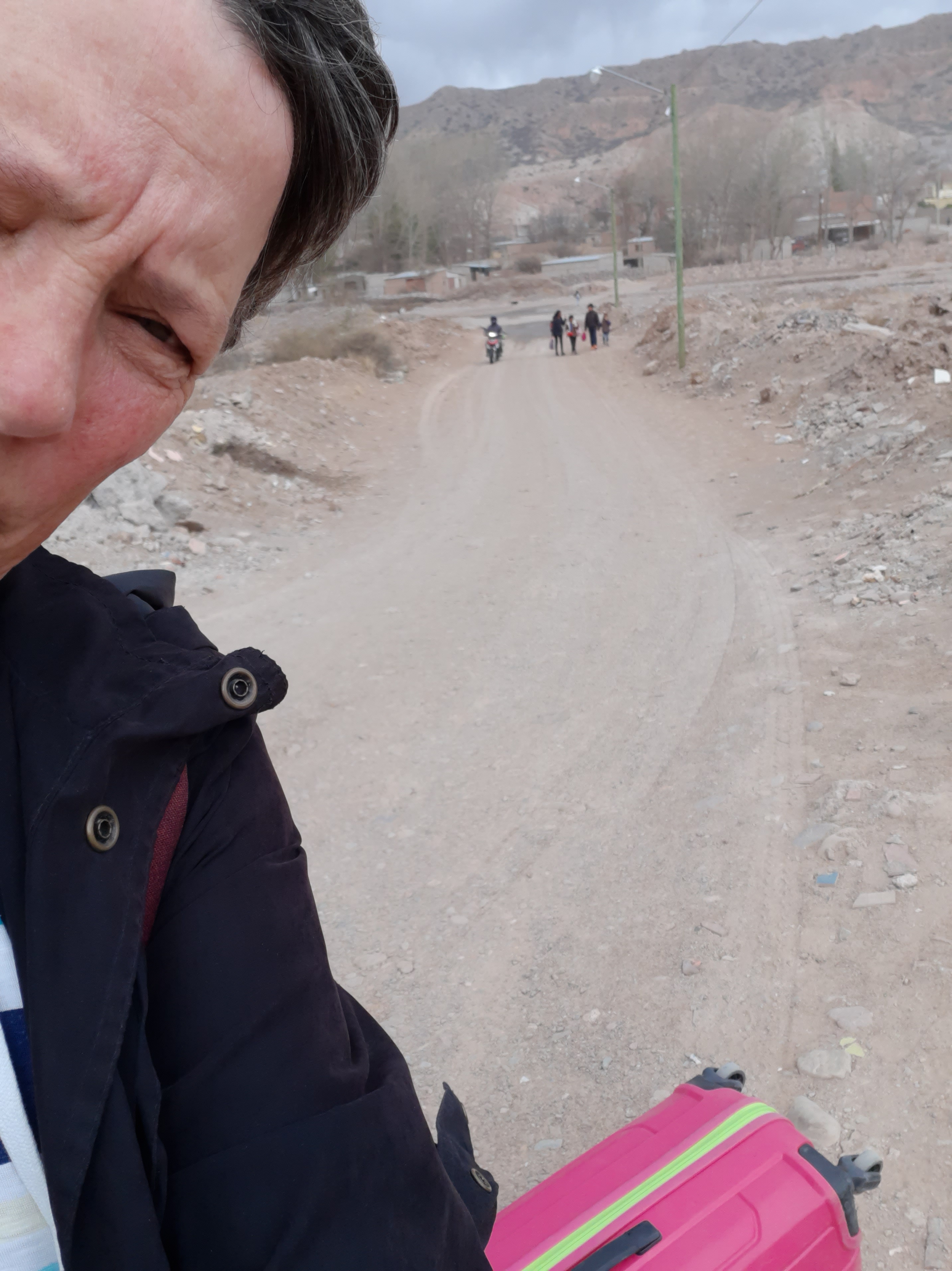
 When Louise and I (for new readers: Louise is my ‘companion’, my very pink suitcase on wheels) arrived at the plaza last Sunday evening at about 21h30, I was dumbstruck. All the restaurants were brightly lit, sidewalk tables and chairs filled to capacity, loud live music everywhere and people, young and old, strolling around. I thought I’d landed in Paris! There had been a religious celebration that day, which accounted for the presence of so many people, but it has not been much different every other night. I have loved having a beer or glass of wine at one of the restaurants after my work shift at the hostel, reading my book or just watching people go by.
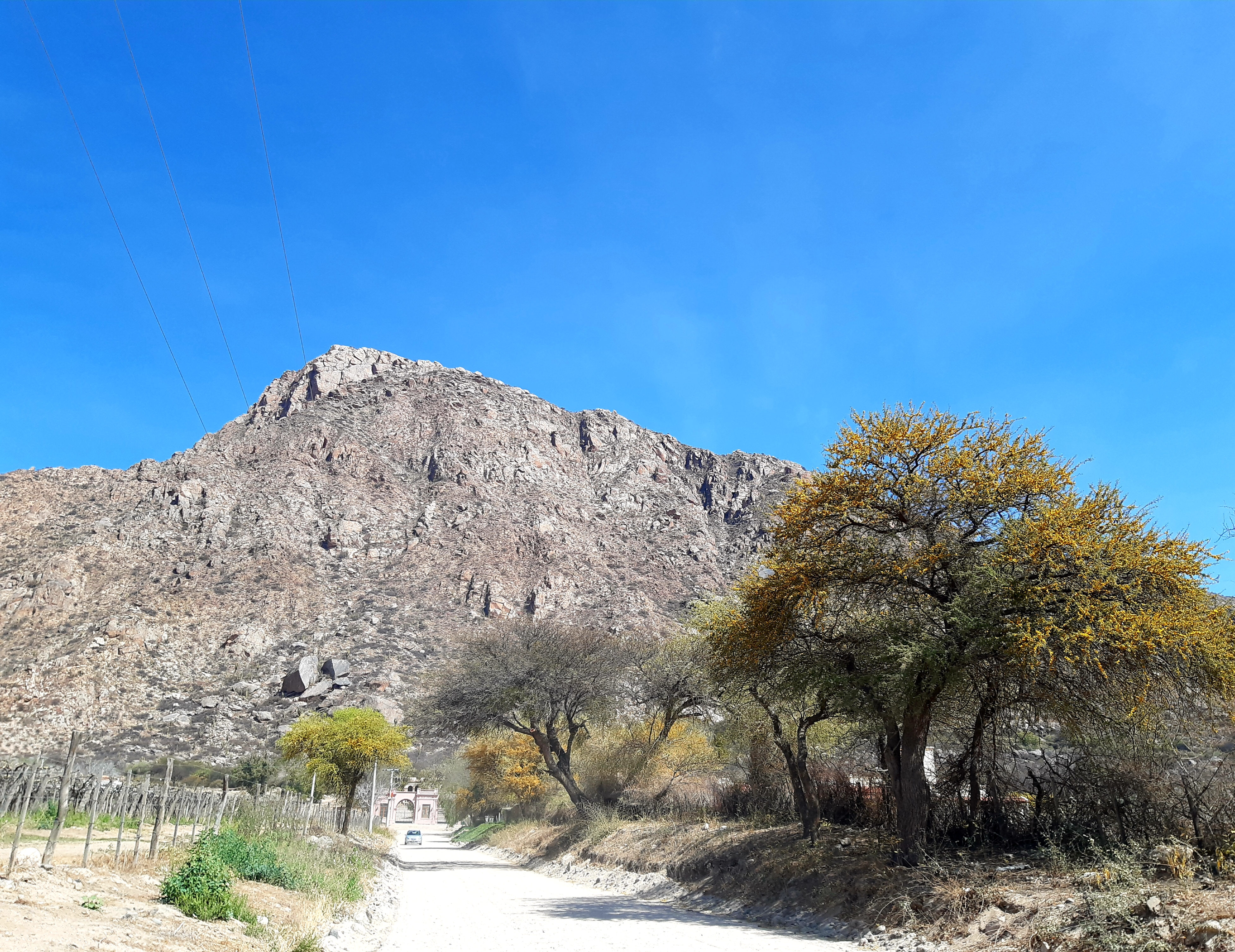
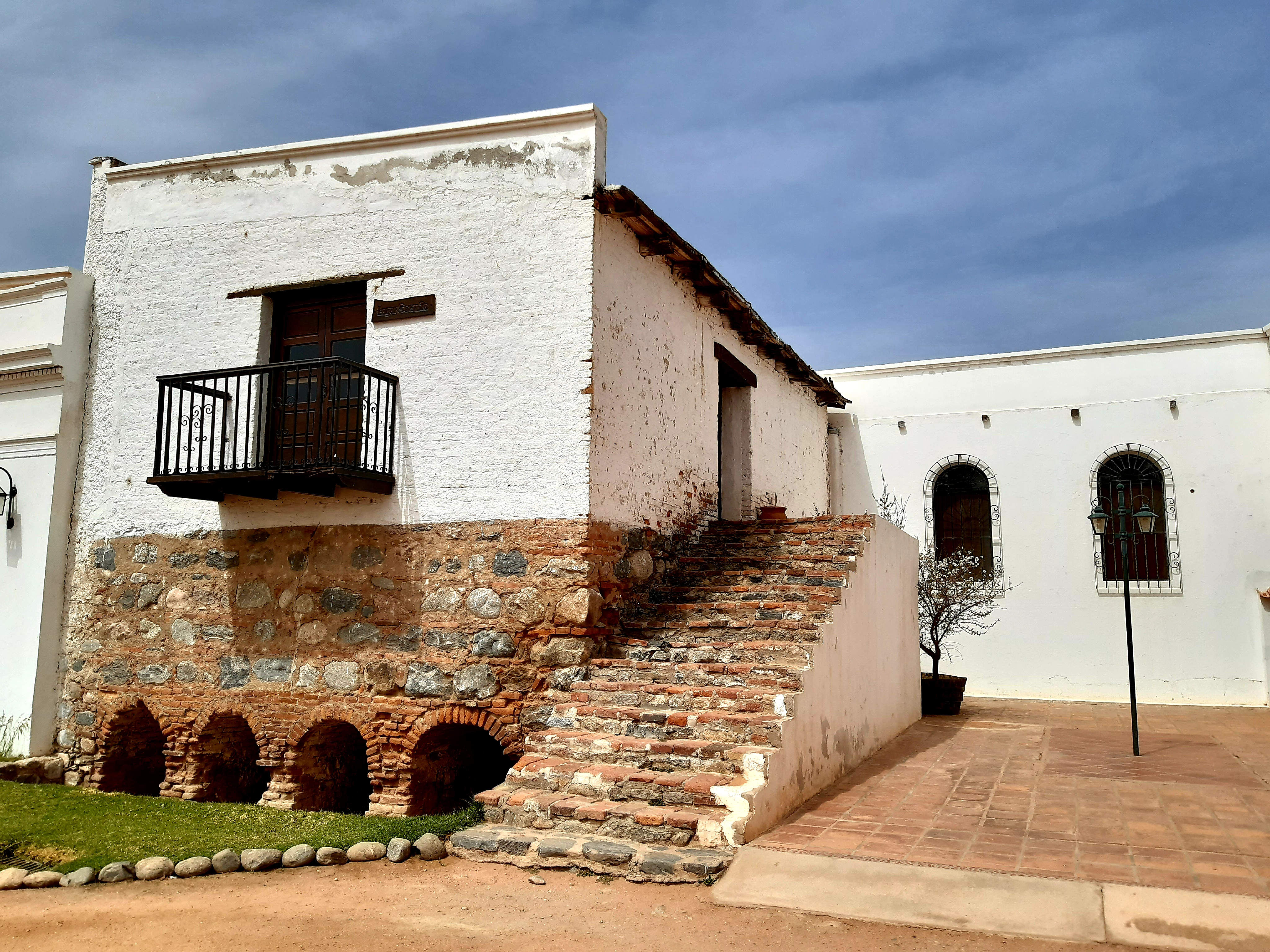
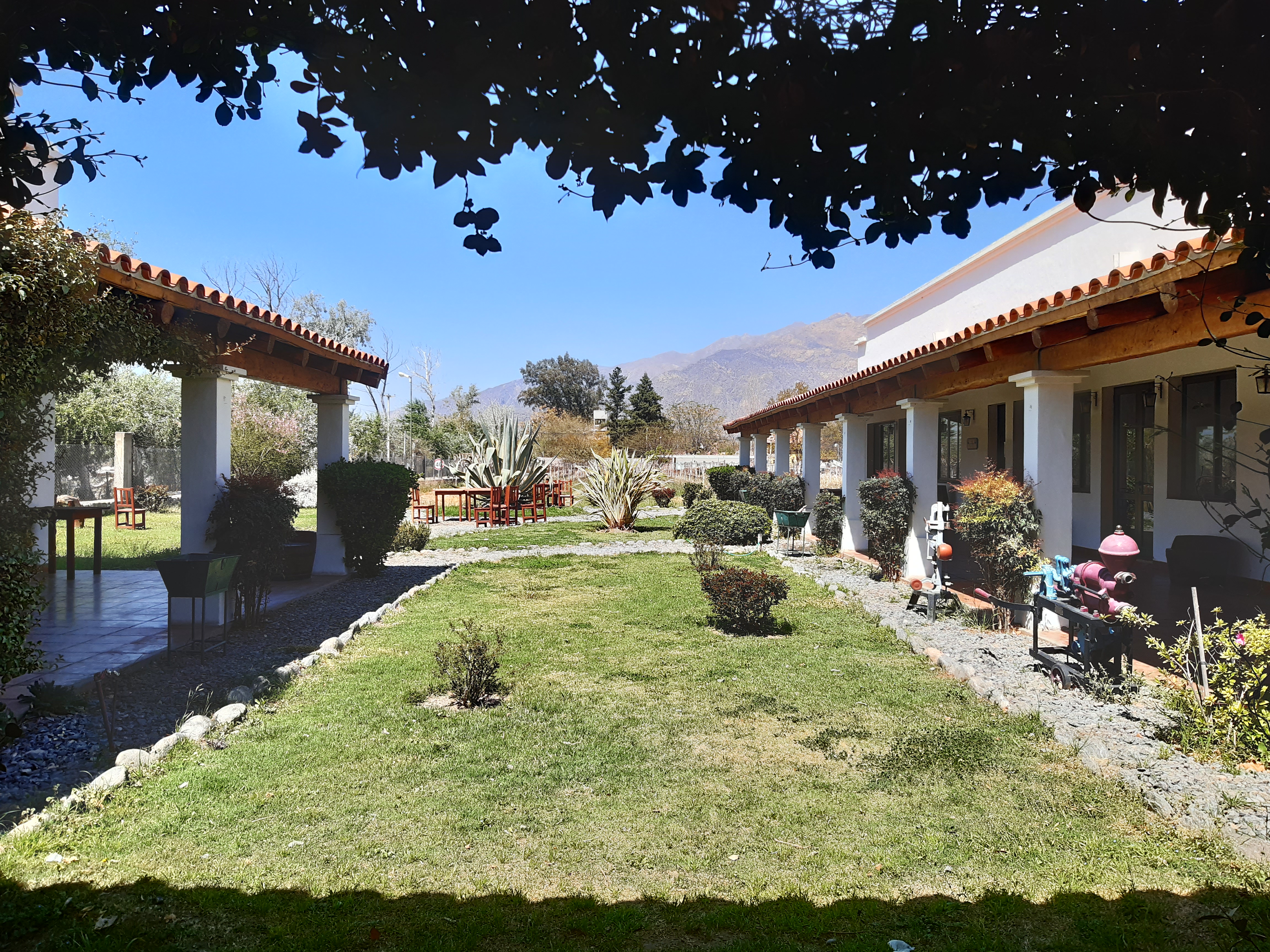
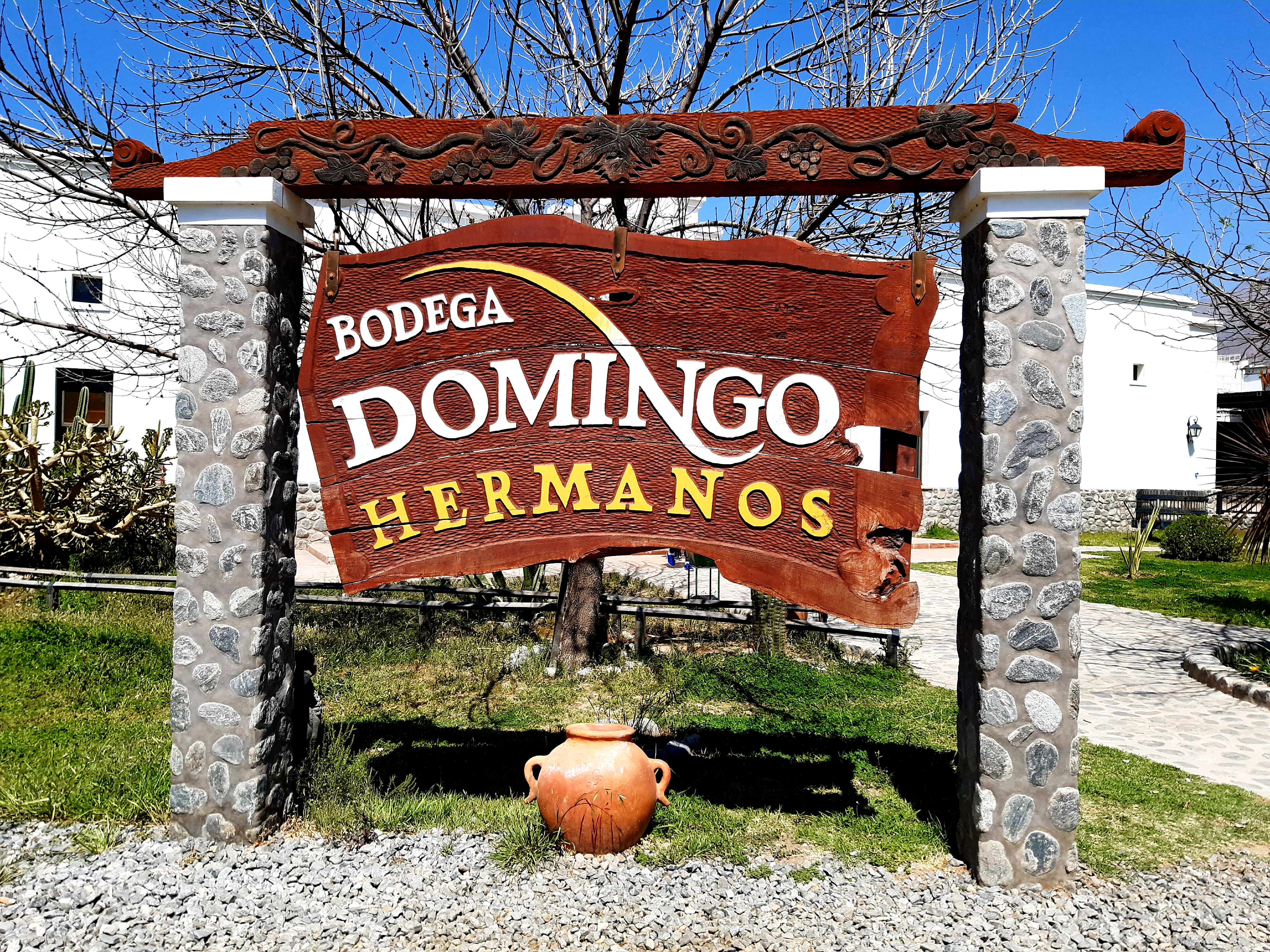
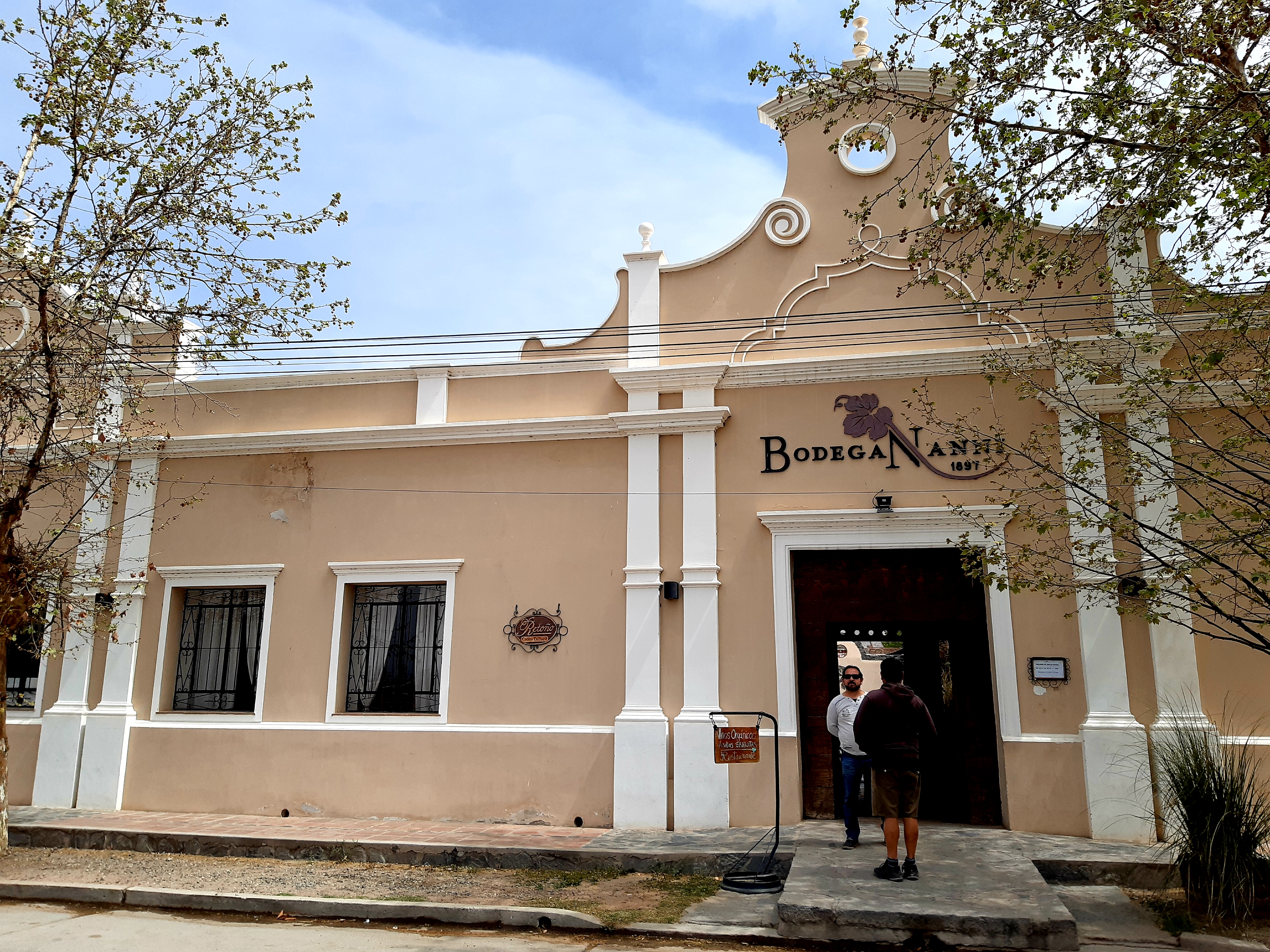
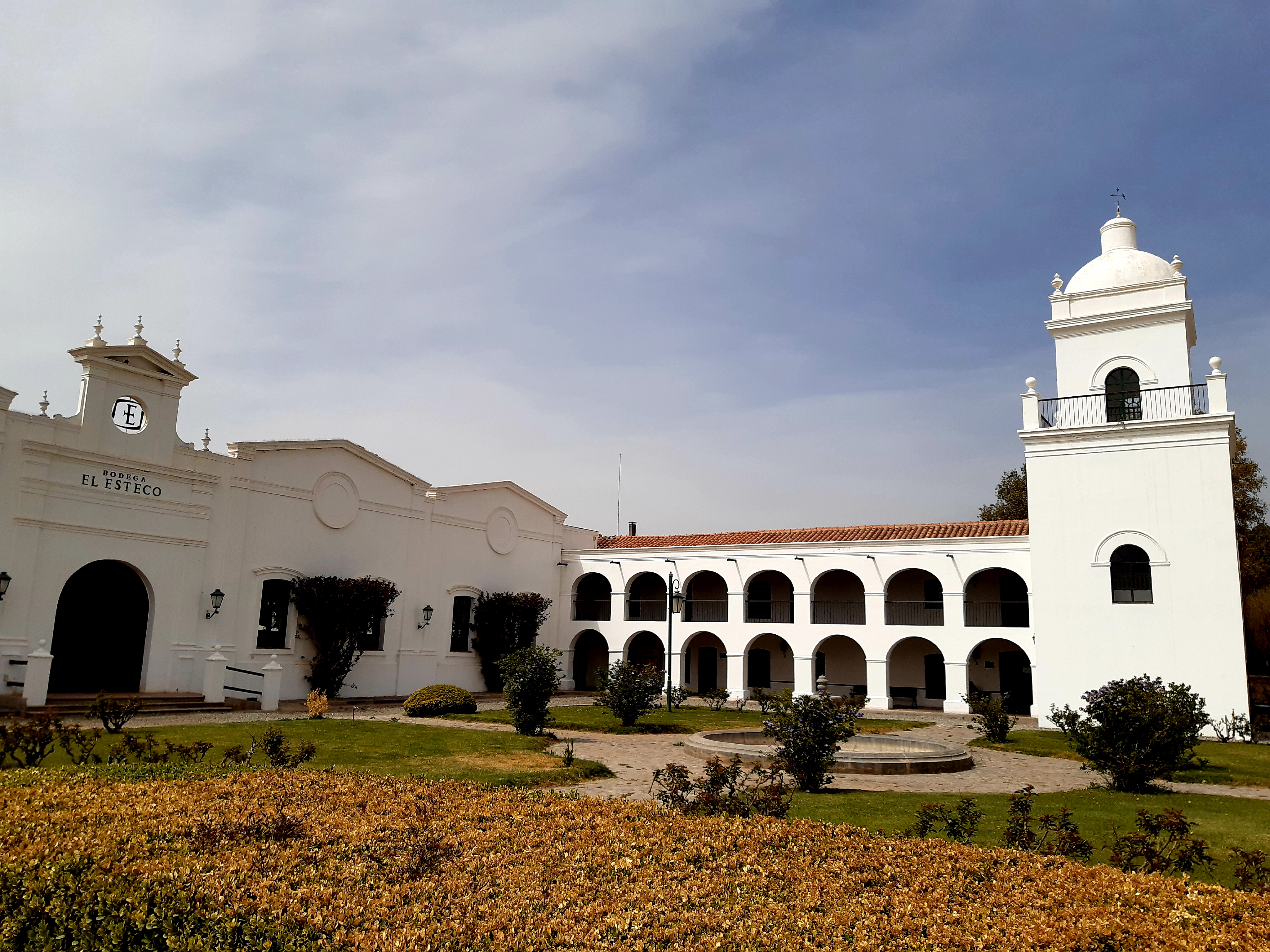
 I filled my days with long walks on different roads out of town, or exploring the town itself and doing some wine tasting at the different bodego’s (wineries).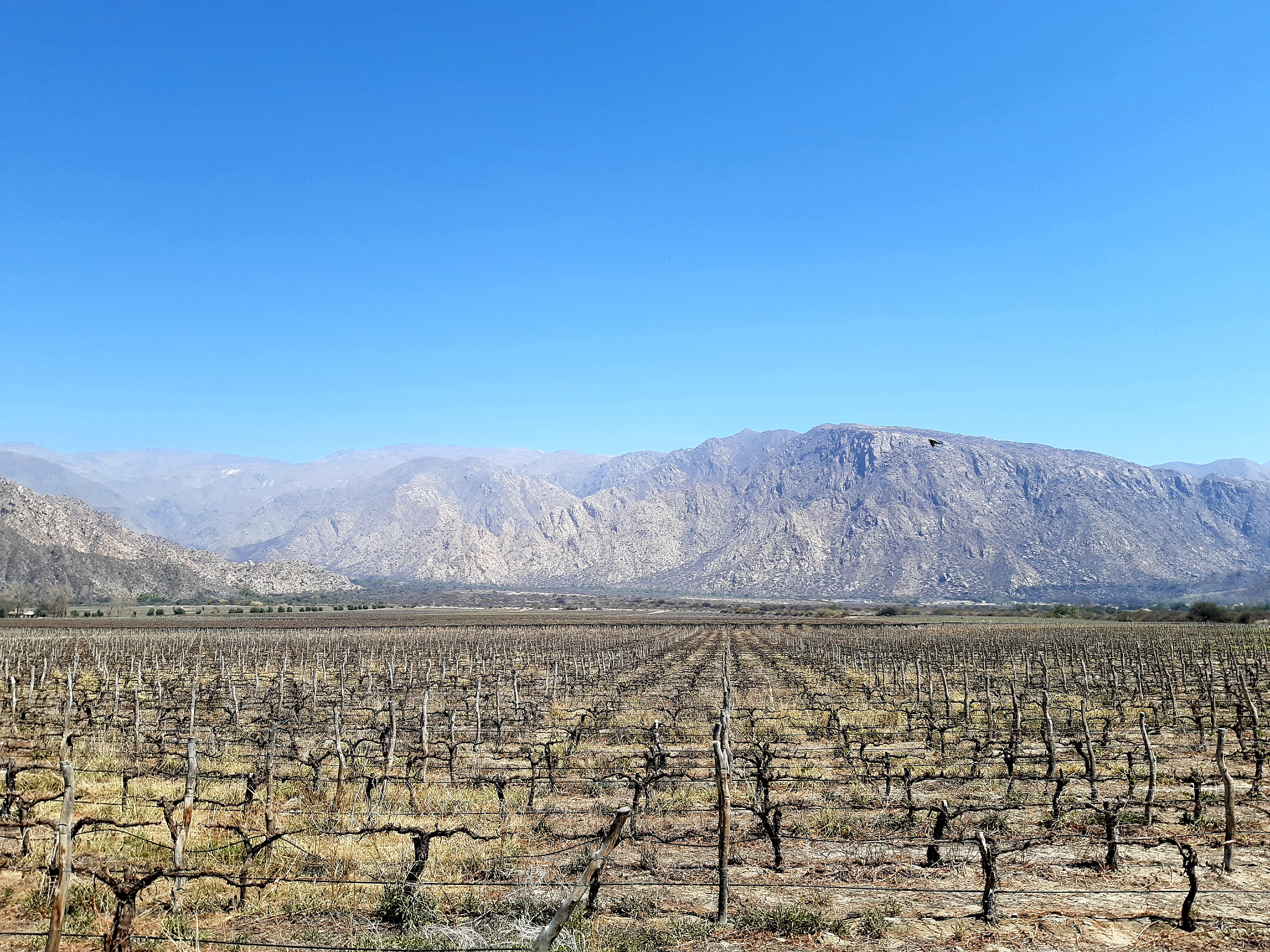
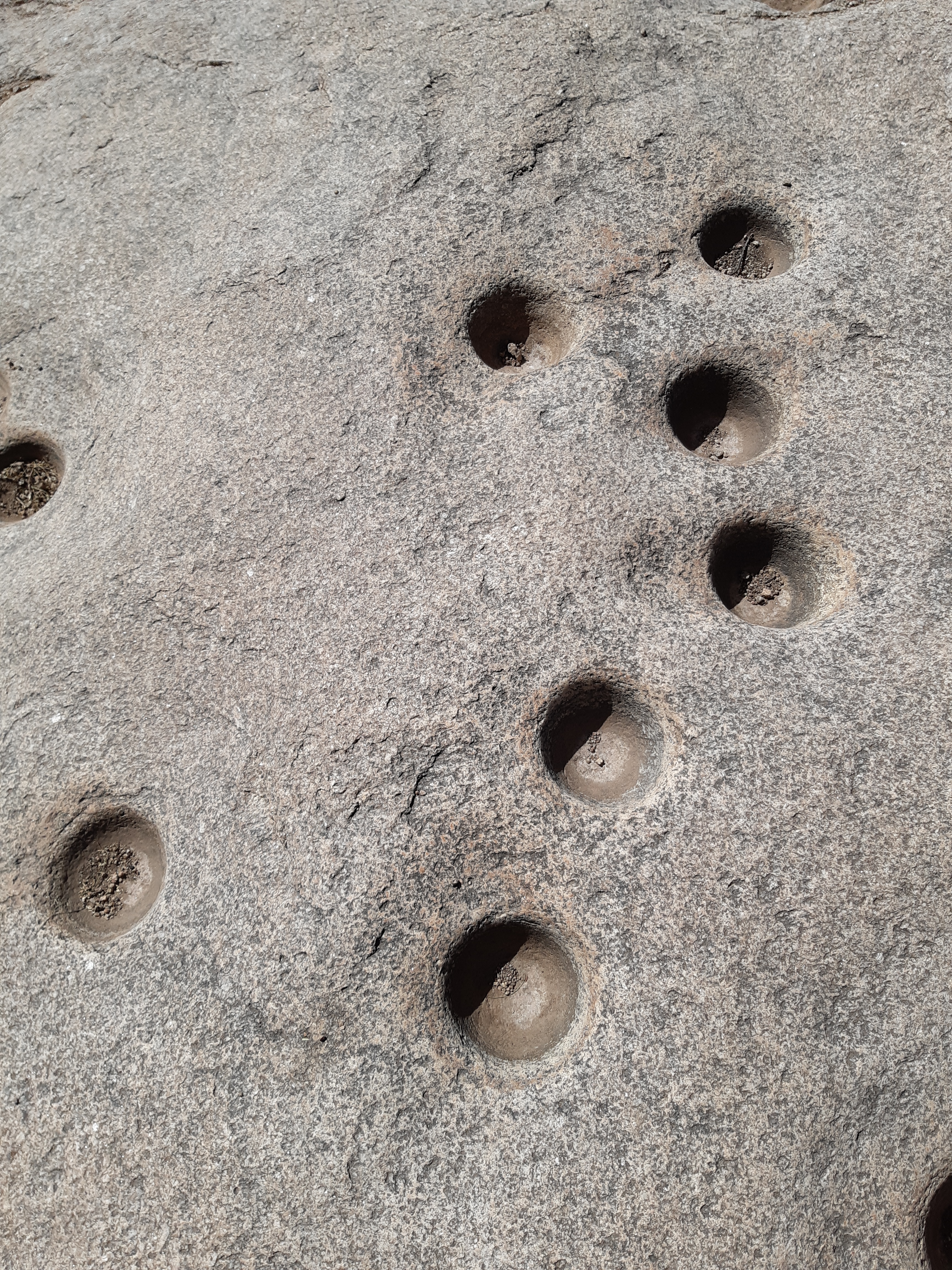
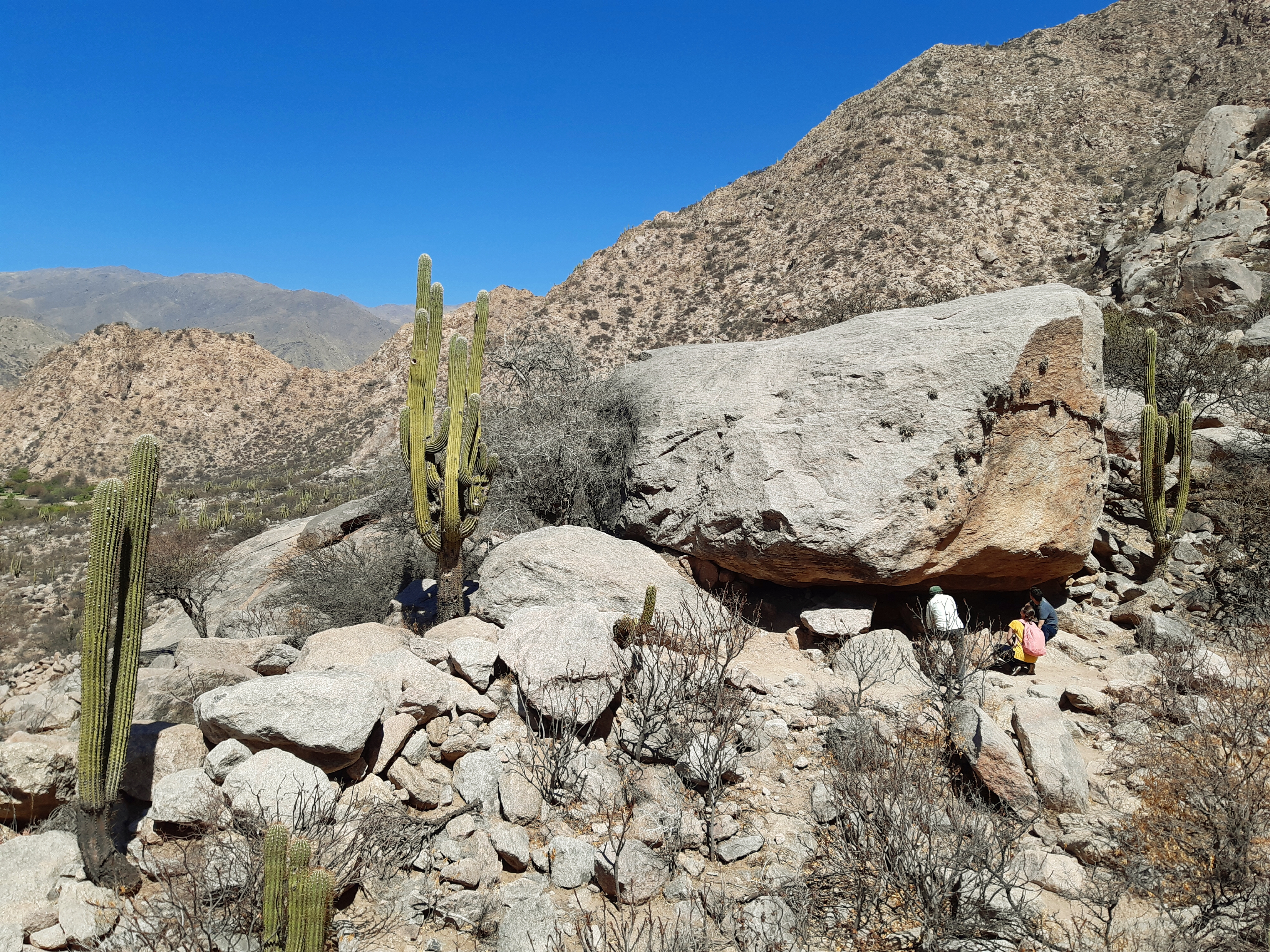
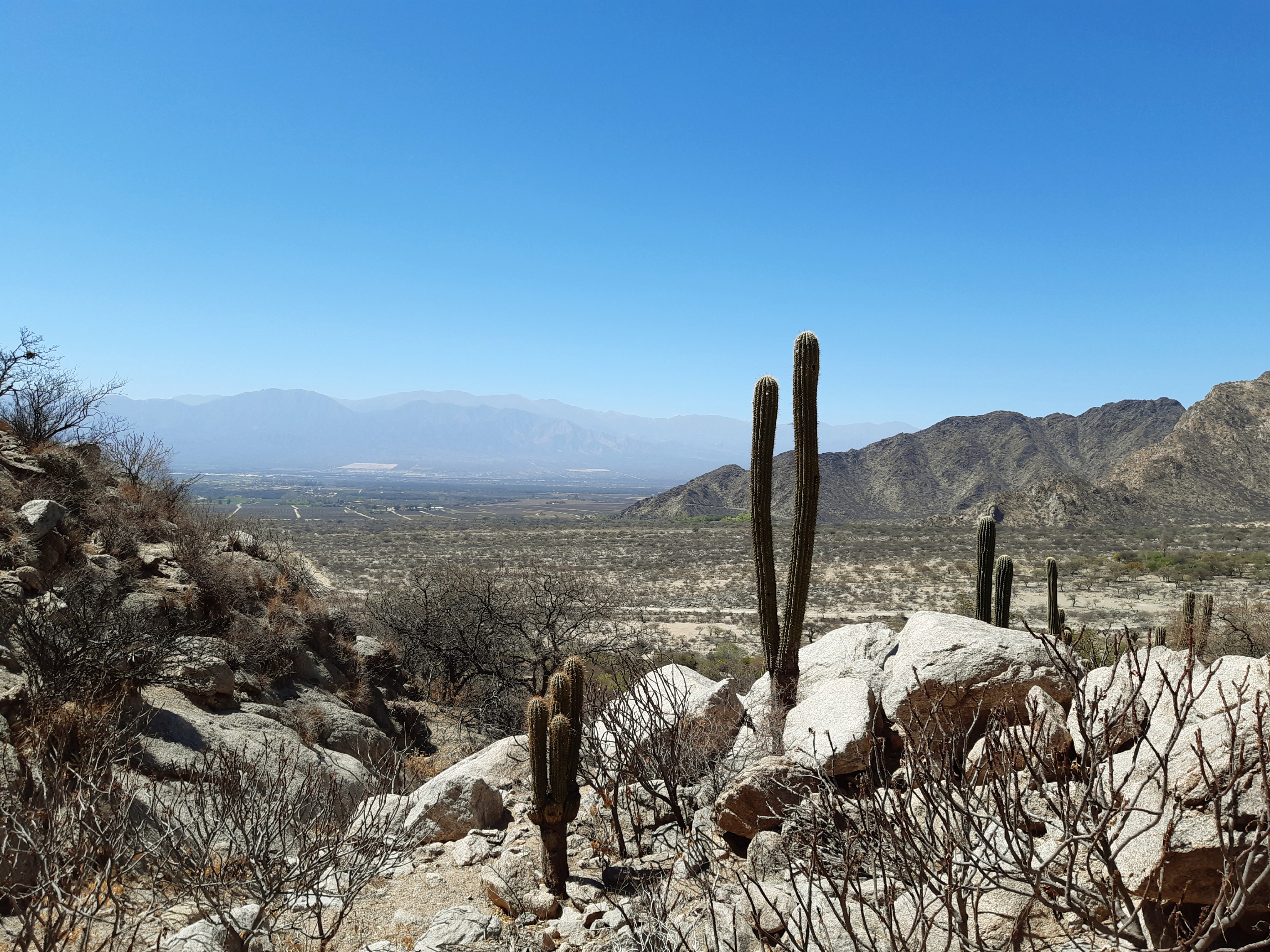
 I joined up with some English speaking guests at the hostel to visit a site where there are 3000yr old rock paintings done by the original people of the area, the Diaguites, and later by Inca’s who travelled through, or settled as their empire extended beyond the Peruvian borders. (The Inca’s annexed the area during the 15th century imposing their language, religion, art and government on the Diaguites.)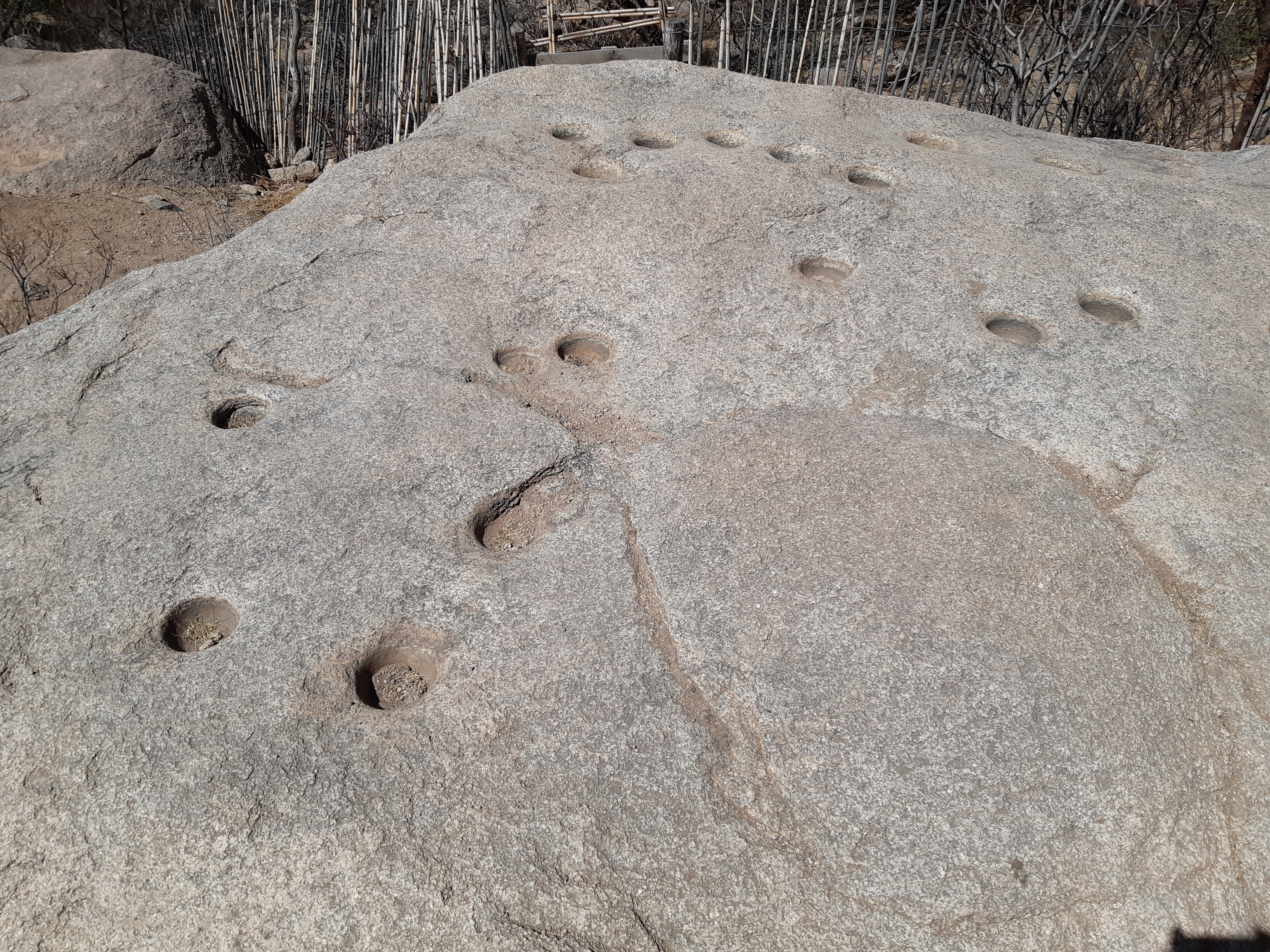
 The rock paintings, which were often symbolic, were also used to inform the Inca’s when they should be on the move to be in time for the trade that occurred further south before the rainy season started. (Yes, that ís an ostrich – for a moment there I thought I was back in South Africa).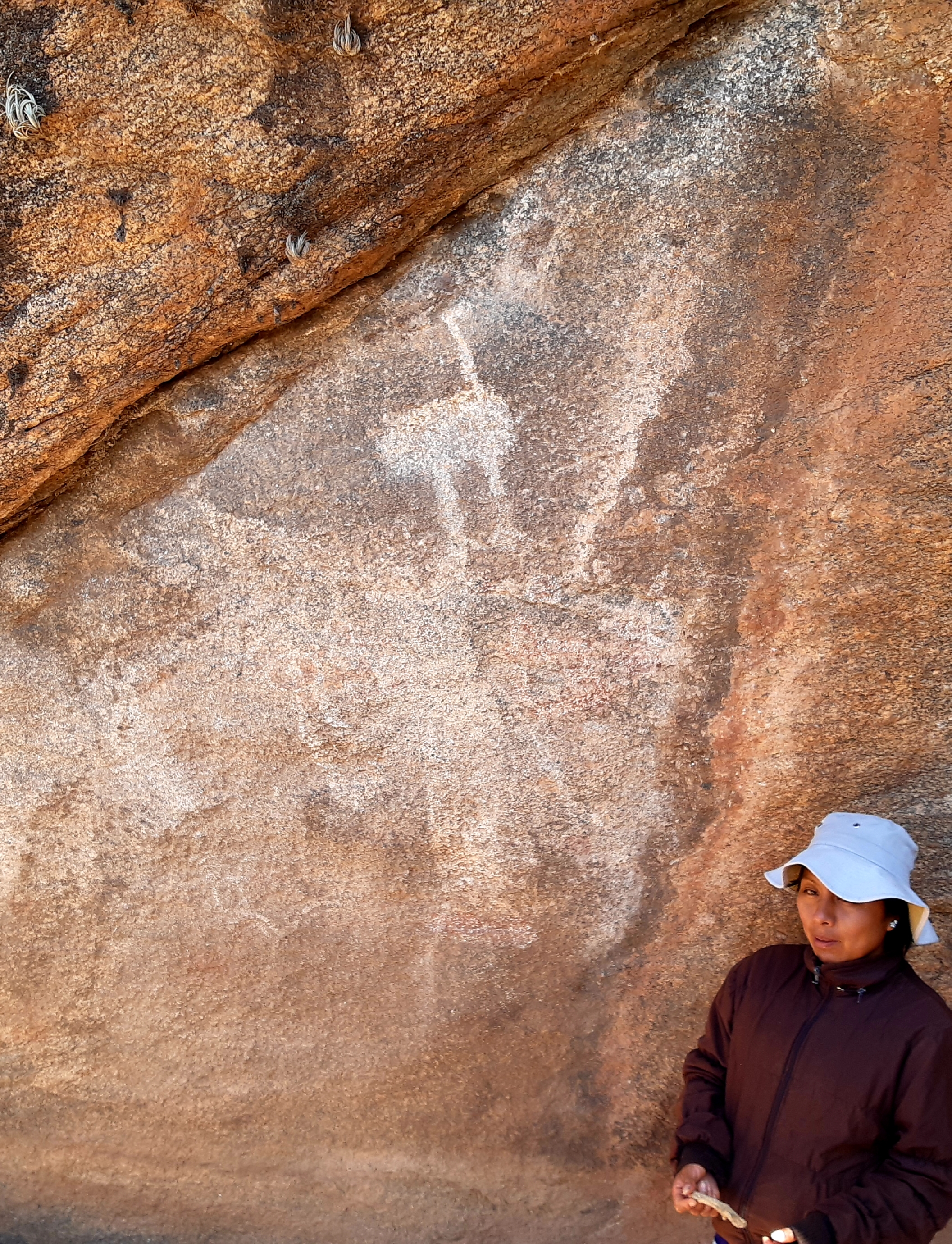

 There is an excellent wine museum, partly in a new building, and partly in the Enchanted Winery, an old family owned winery that had been replaced with another new building. The walls are covered in poetry about the earth, water, sun, air and wine, reflecting the respectful and romantic approach that is maintained towards the cultivation of wine in this region. Vines were brought to the Calchaqui valley in 1556 by the Spanish Conquerors, who came from the north (Chili and Peru). Huge clay pots were used for the fermenting process and subsequent storage.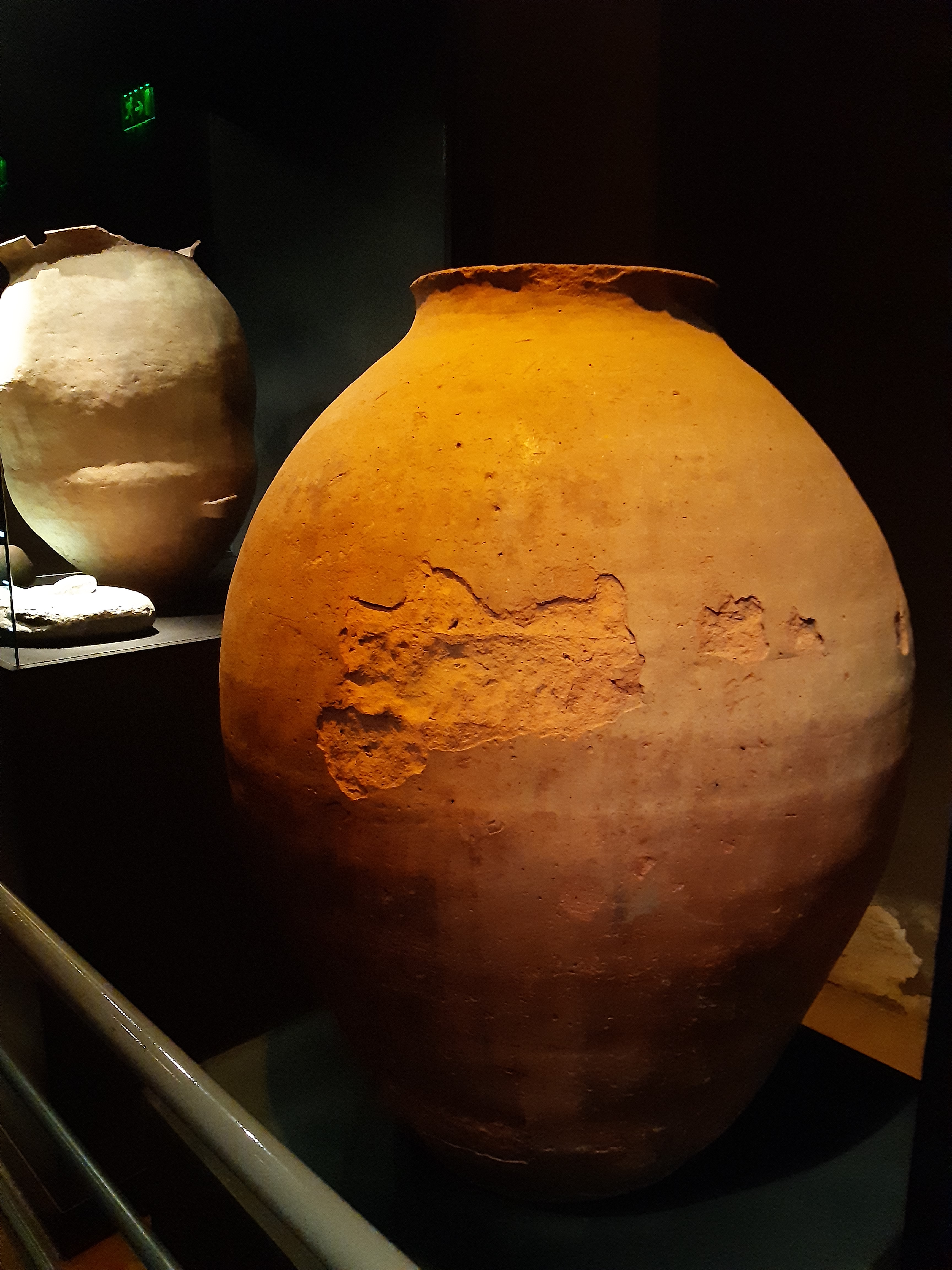
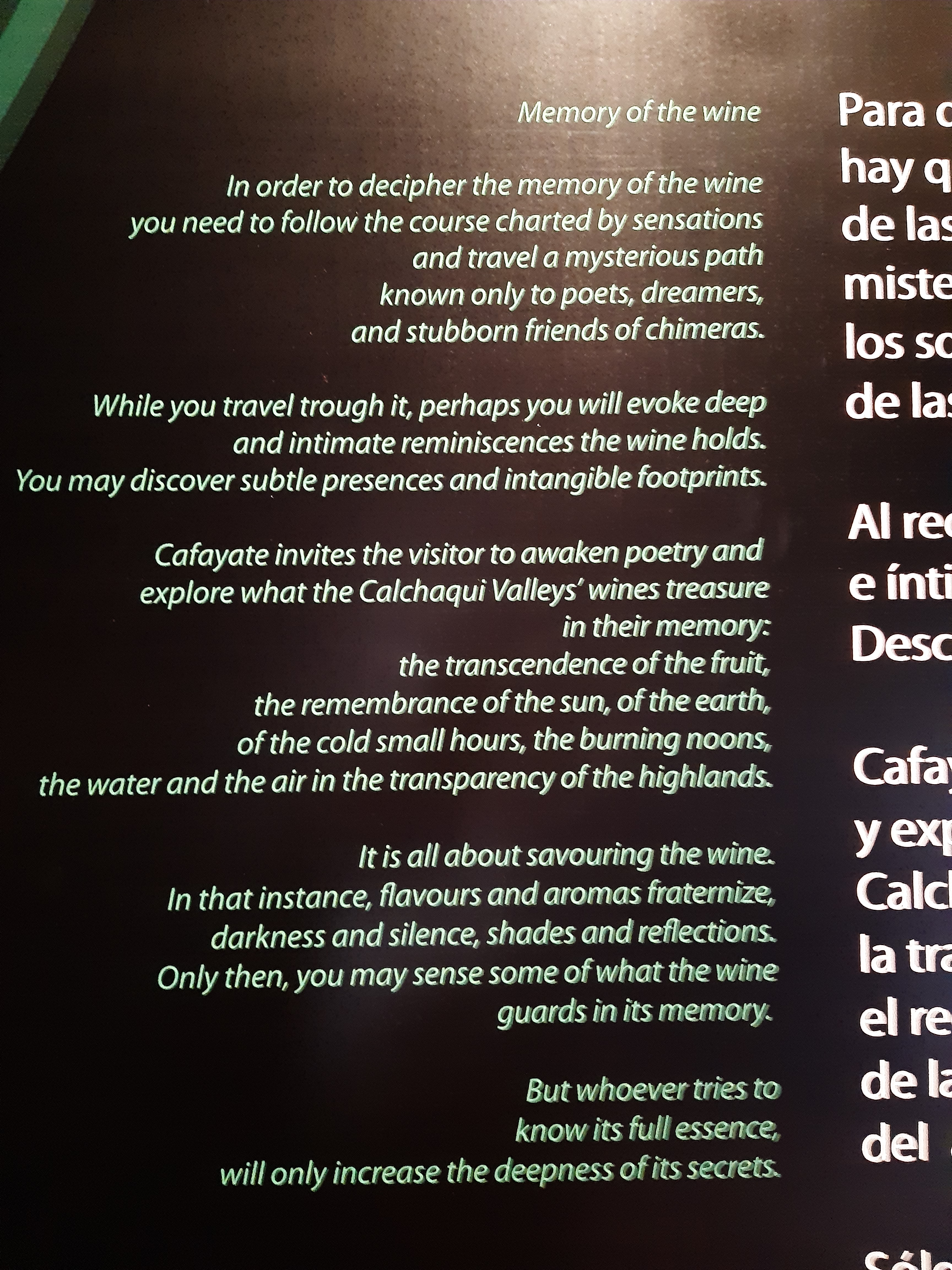 The above reminded me of a thought that I had had when living amongst the vineyards outside of Stellenbosch years ago. I was taking a walk in the vineyards one day, when something I had been thinking about made me laugh out loud. The grapes were full and ripe, just about ready to be picked, and it suddenly occurred to me that my laugh might be caught up and stored in the grapes, and some day, someone might be taking a sip of wine and suddenly laugh without reason – my laugh, stored as ‘memory’ in the juice of the grapes. Possible, why not?
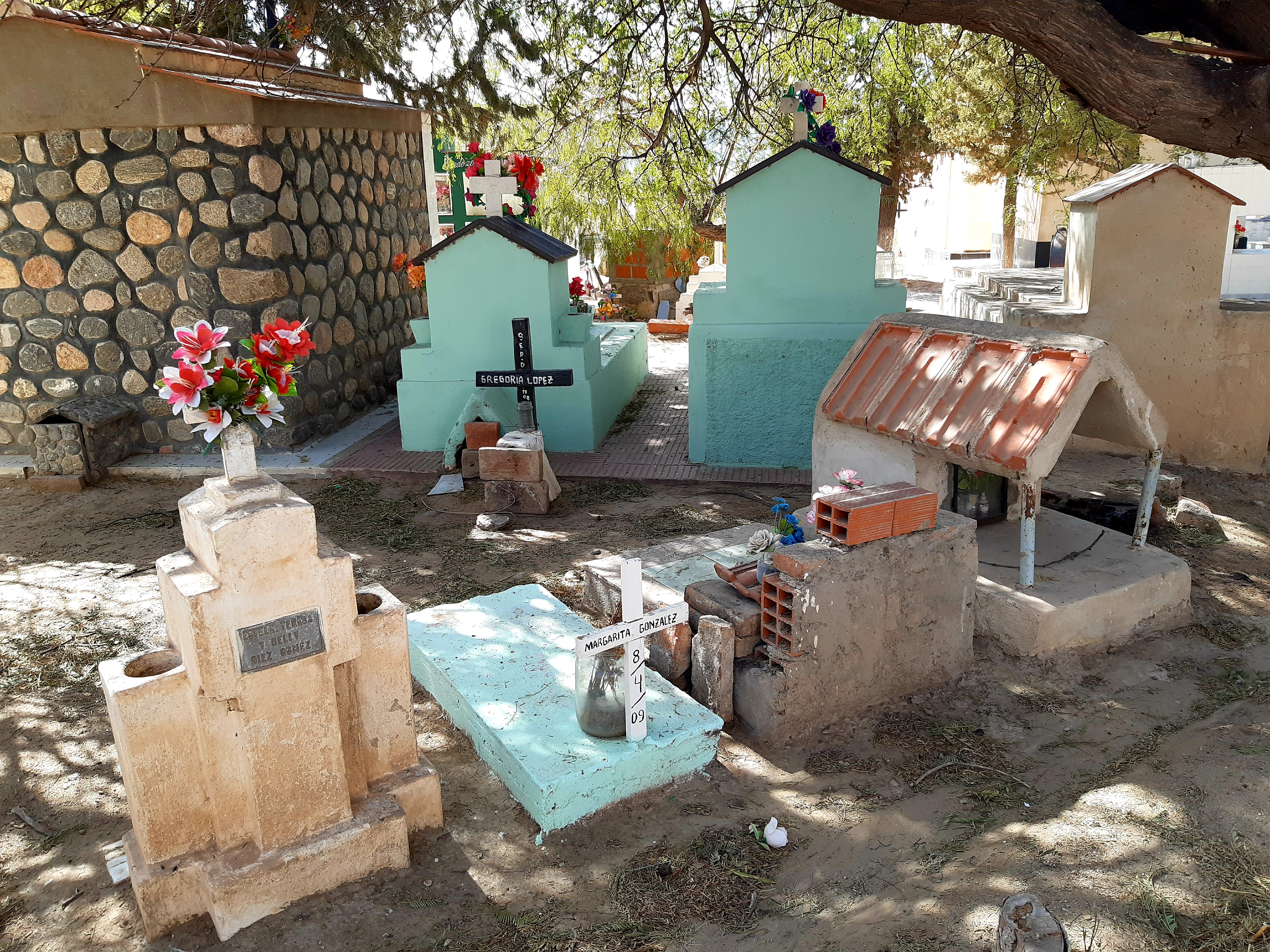
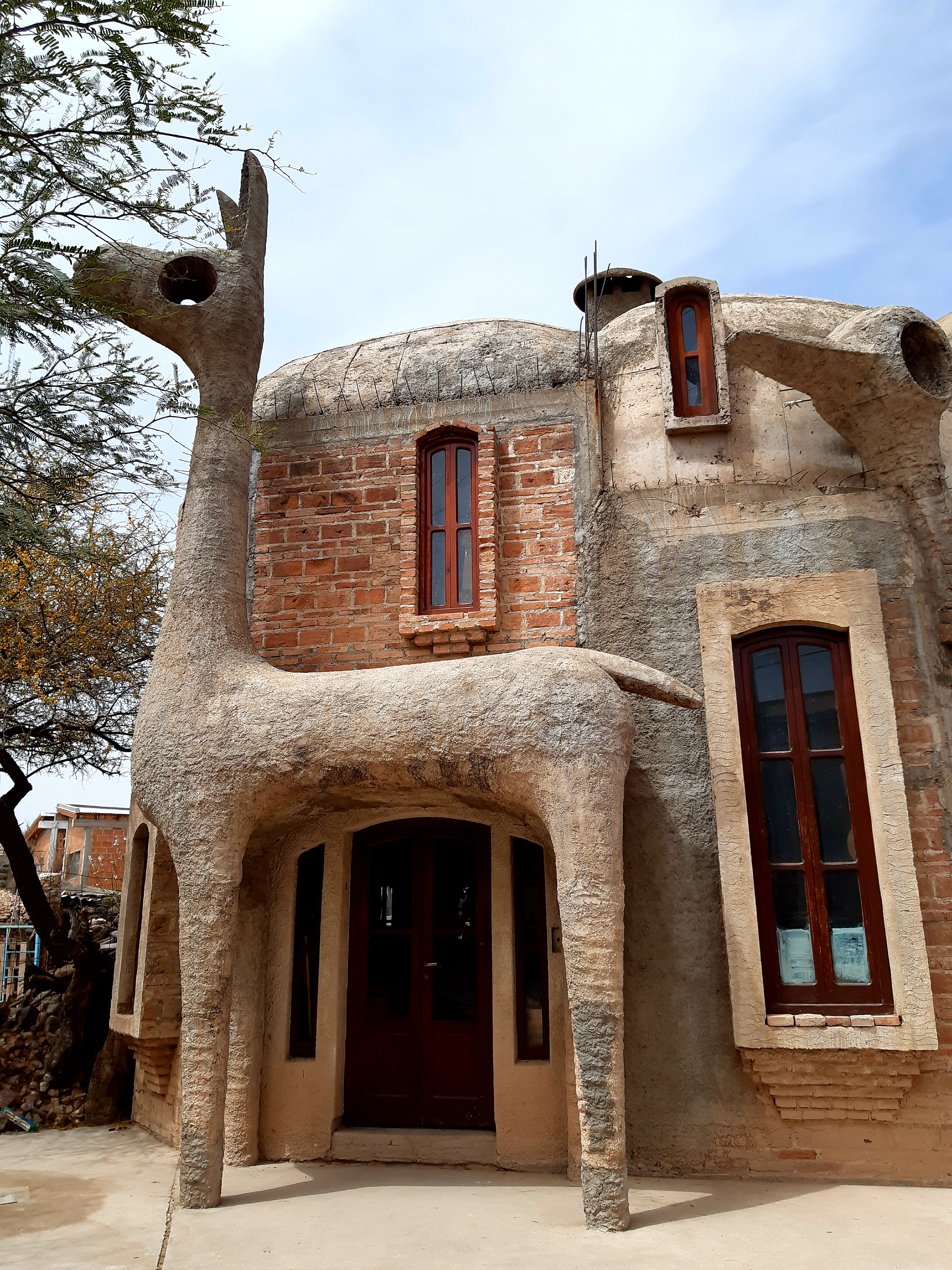
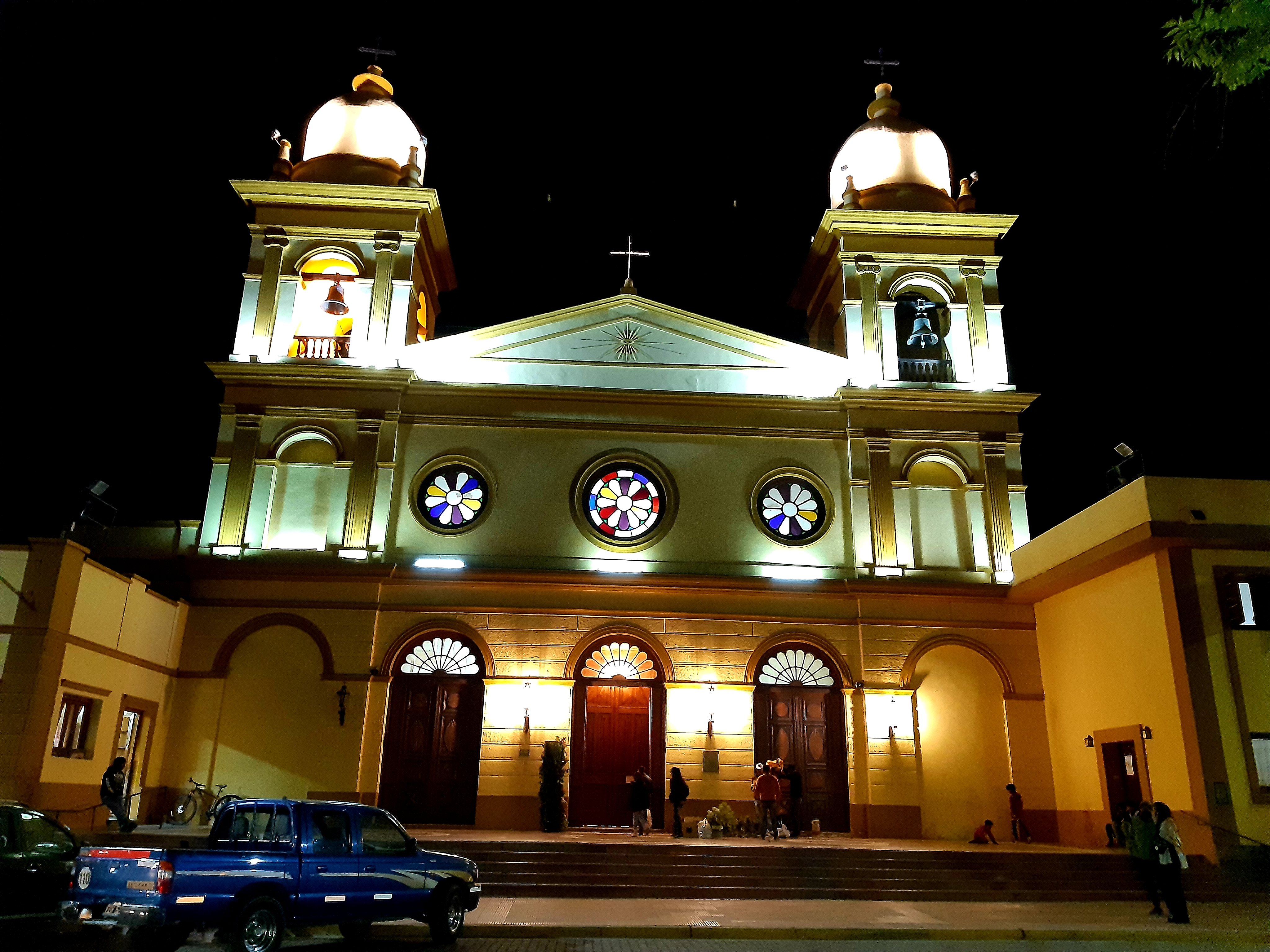
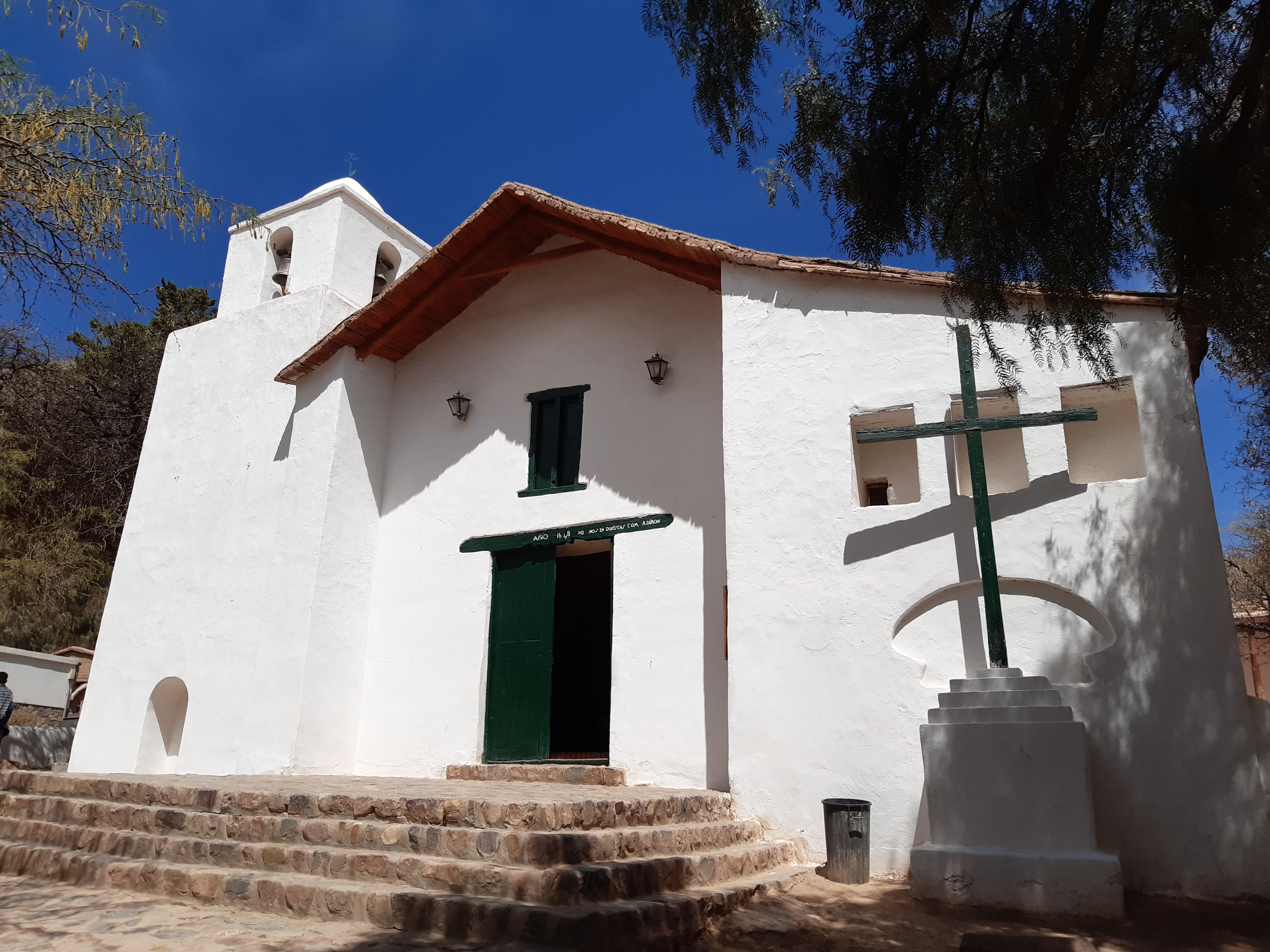
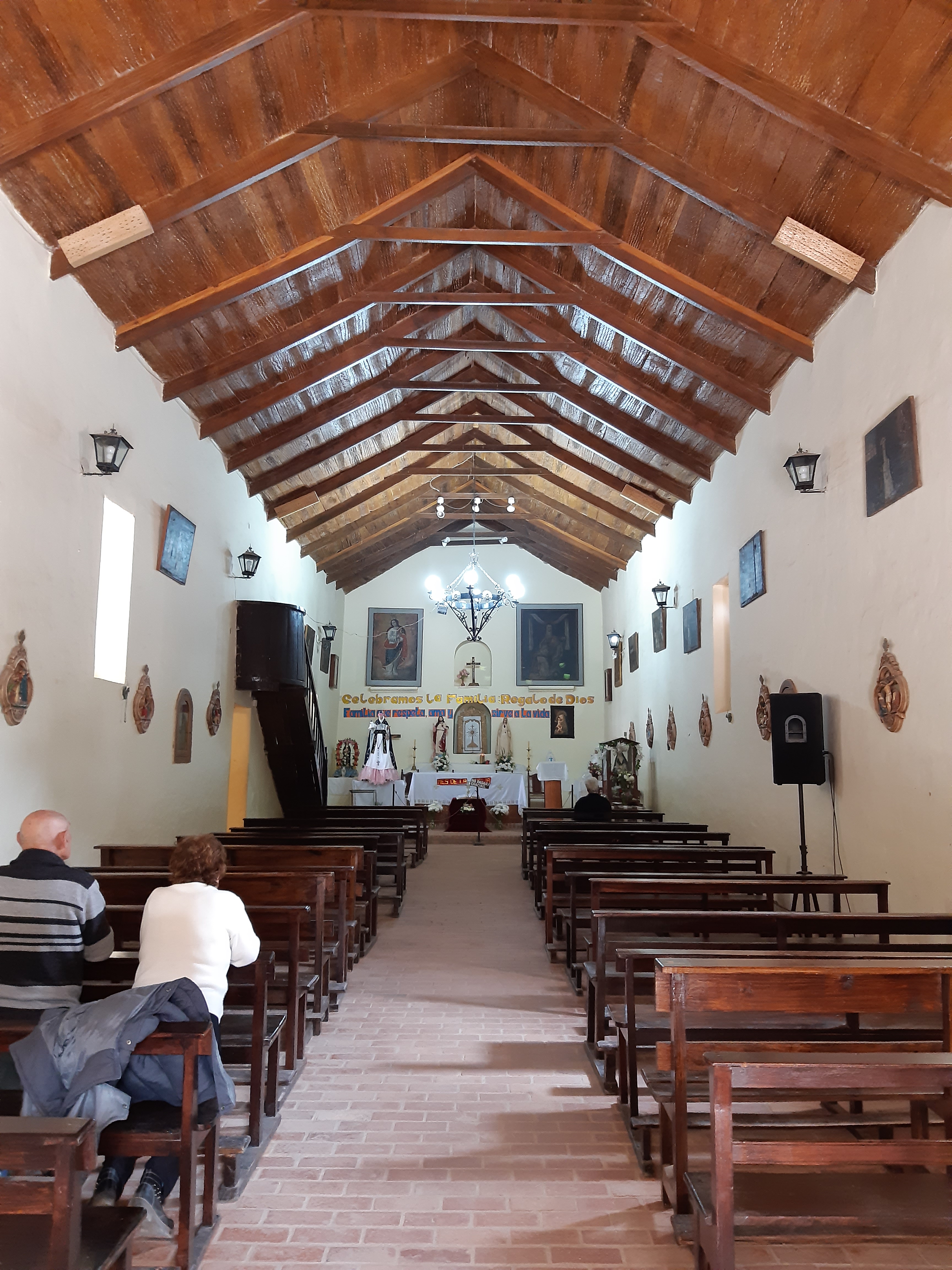
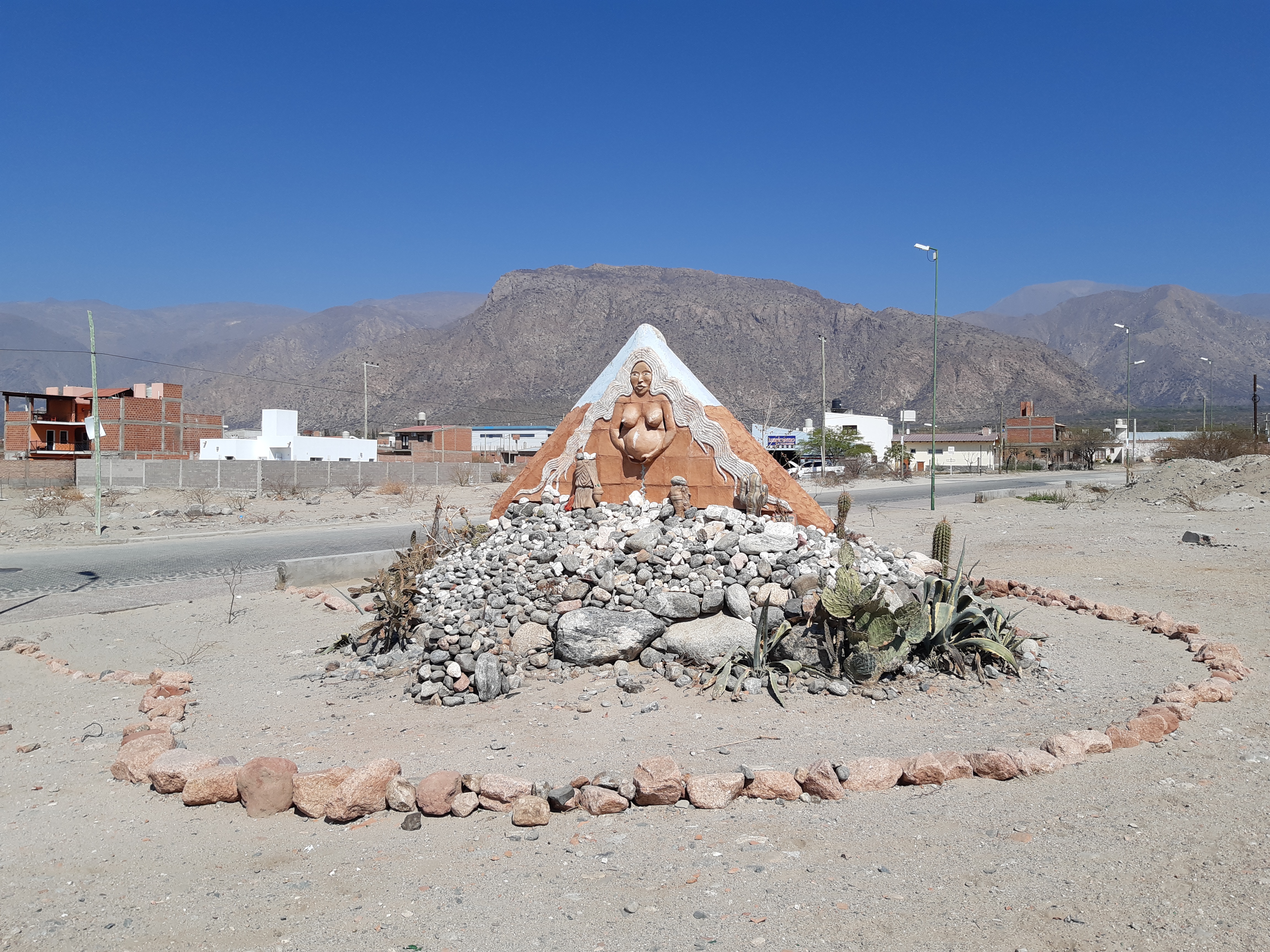 Here are some photo’s of other places and buildings of interest. I was astounded by the amount of graves of small children in the graveyard.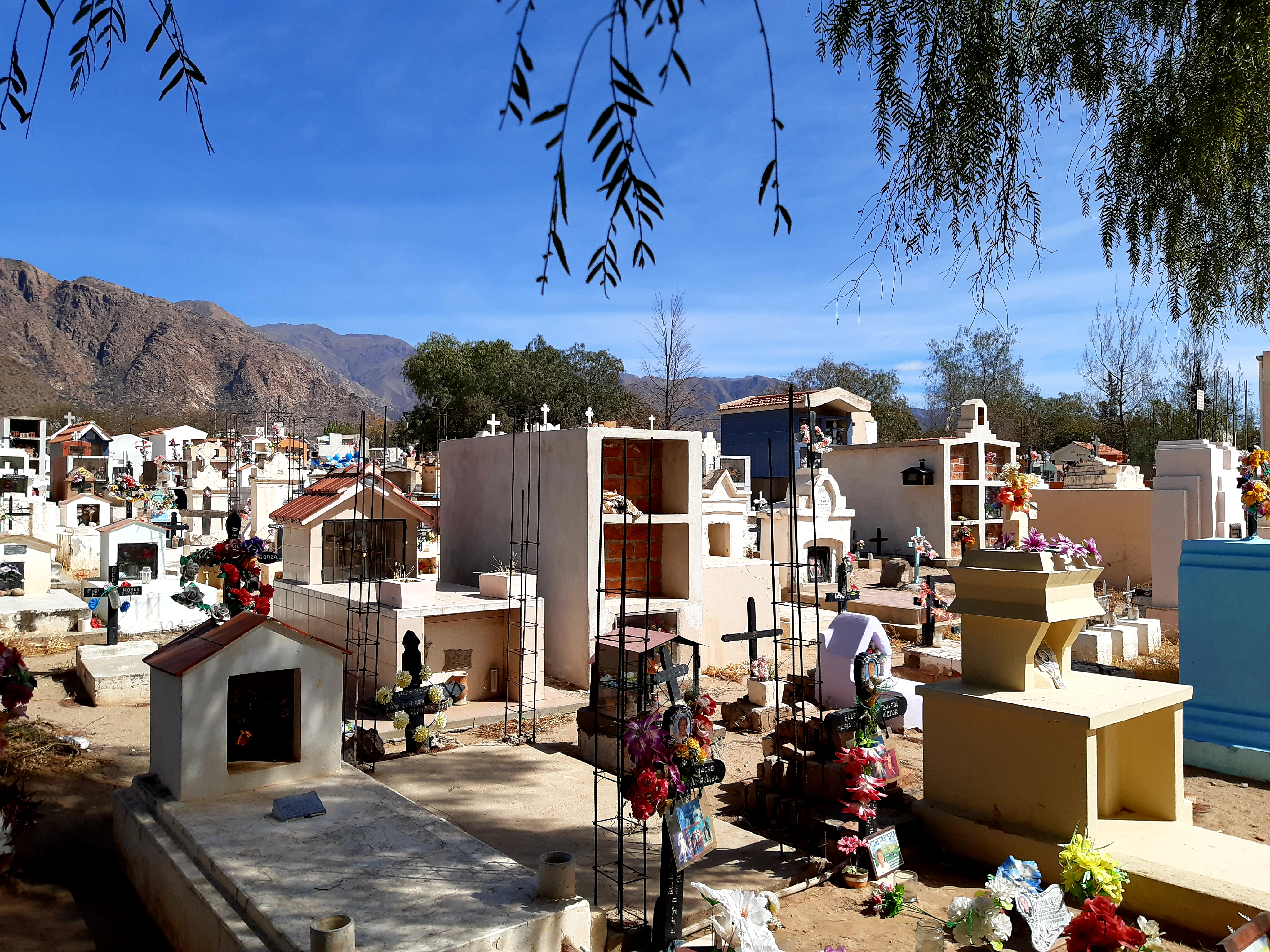
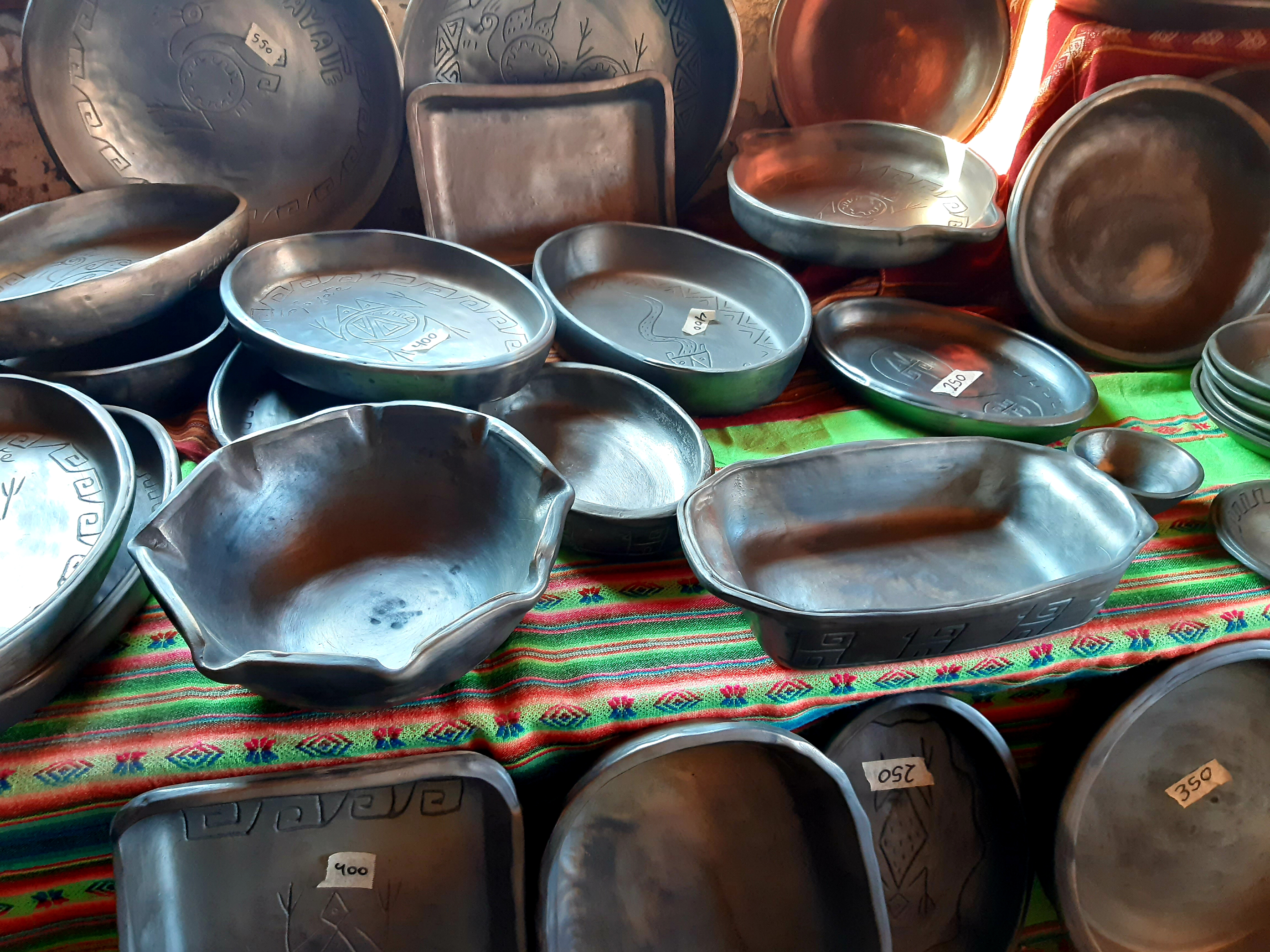
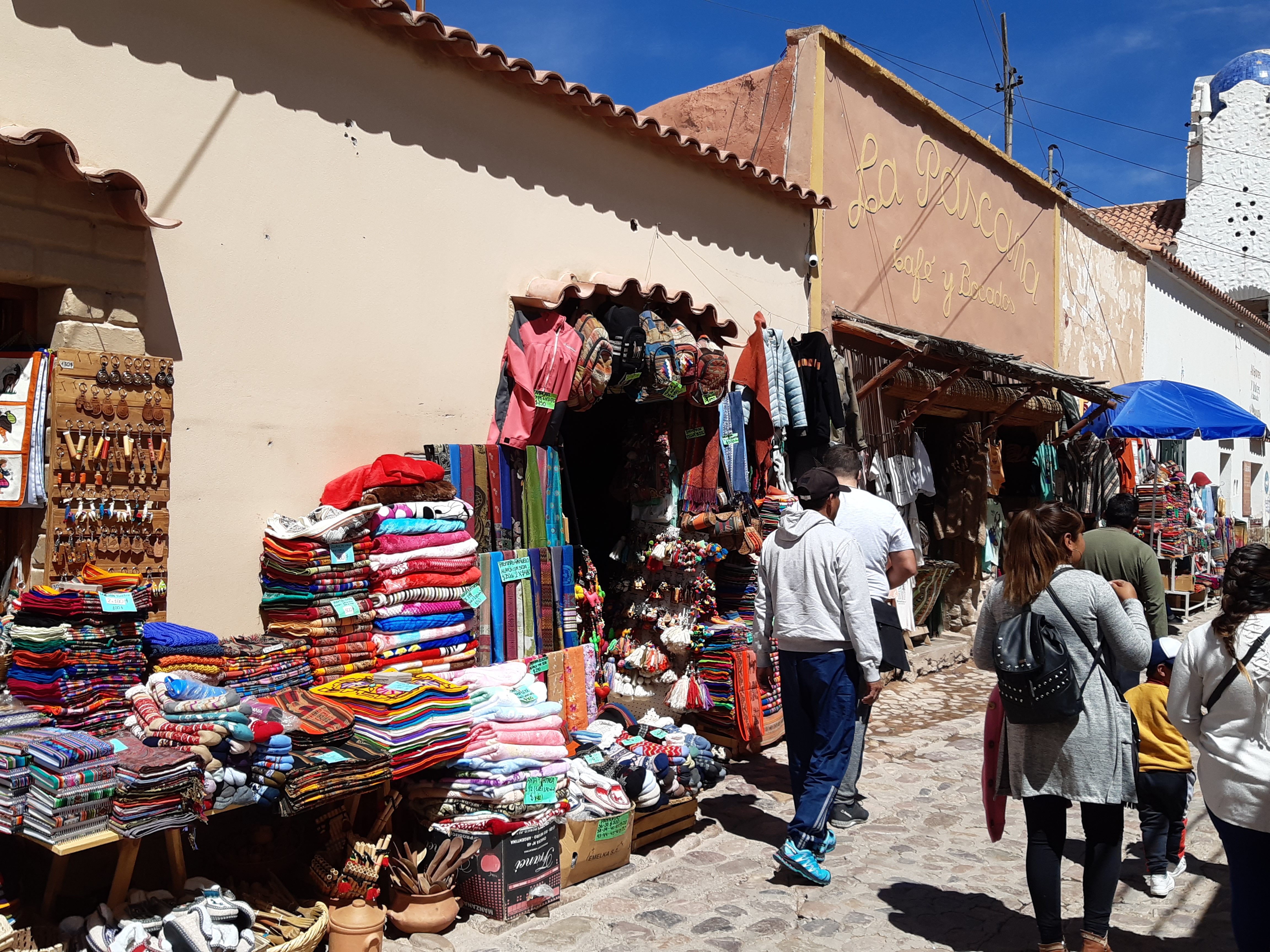
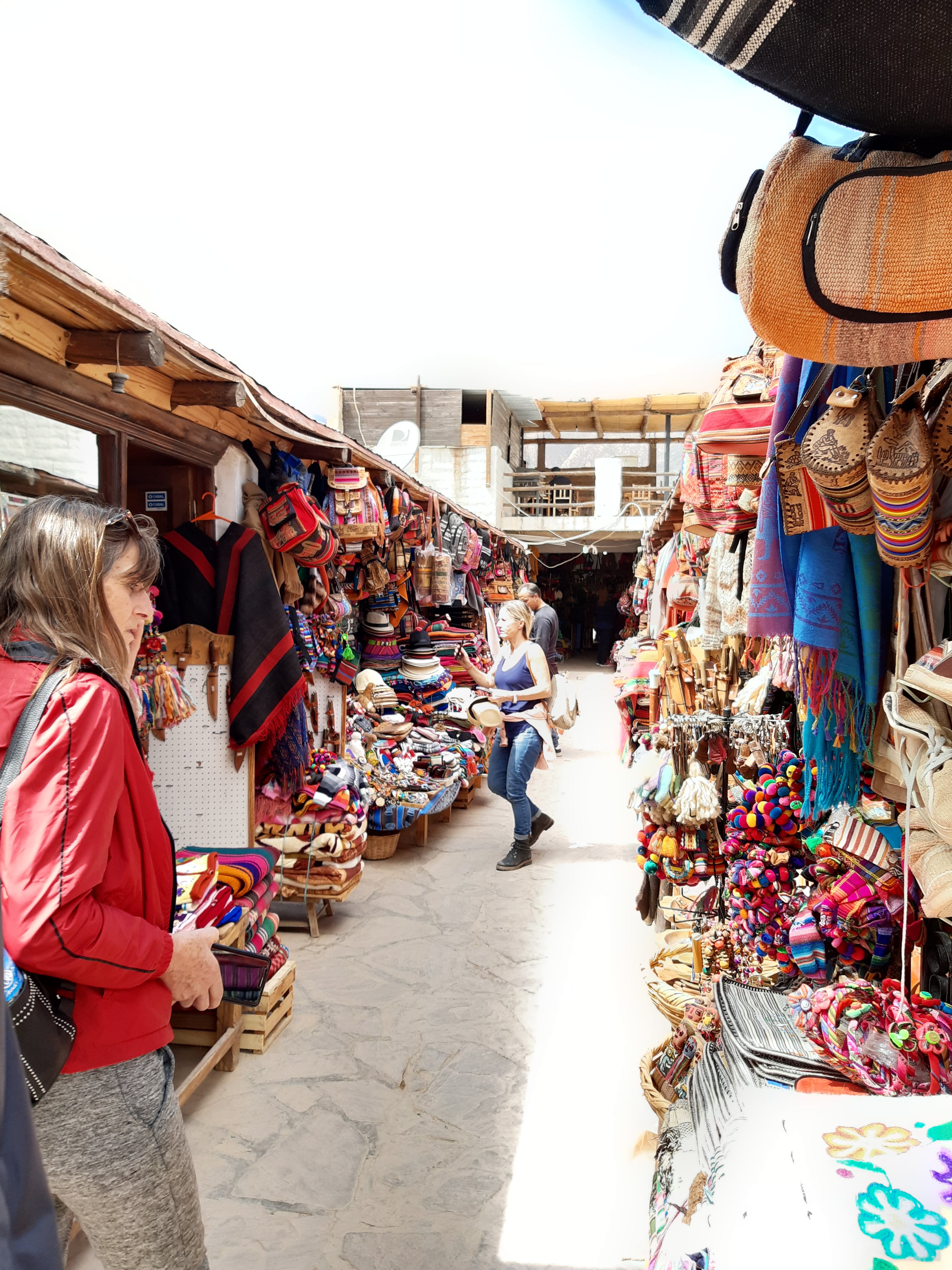
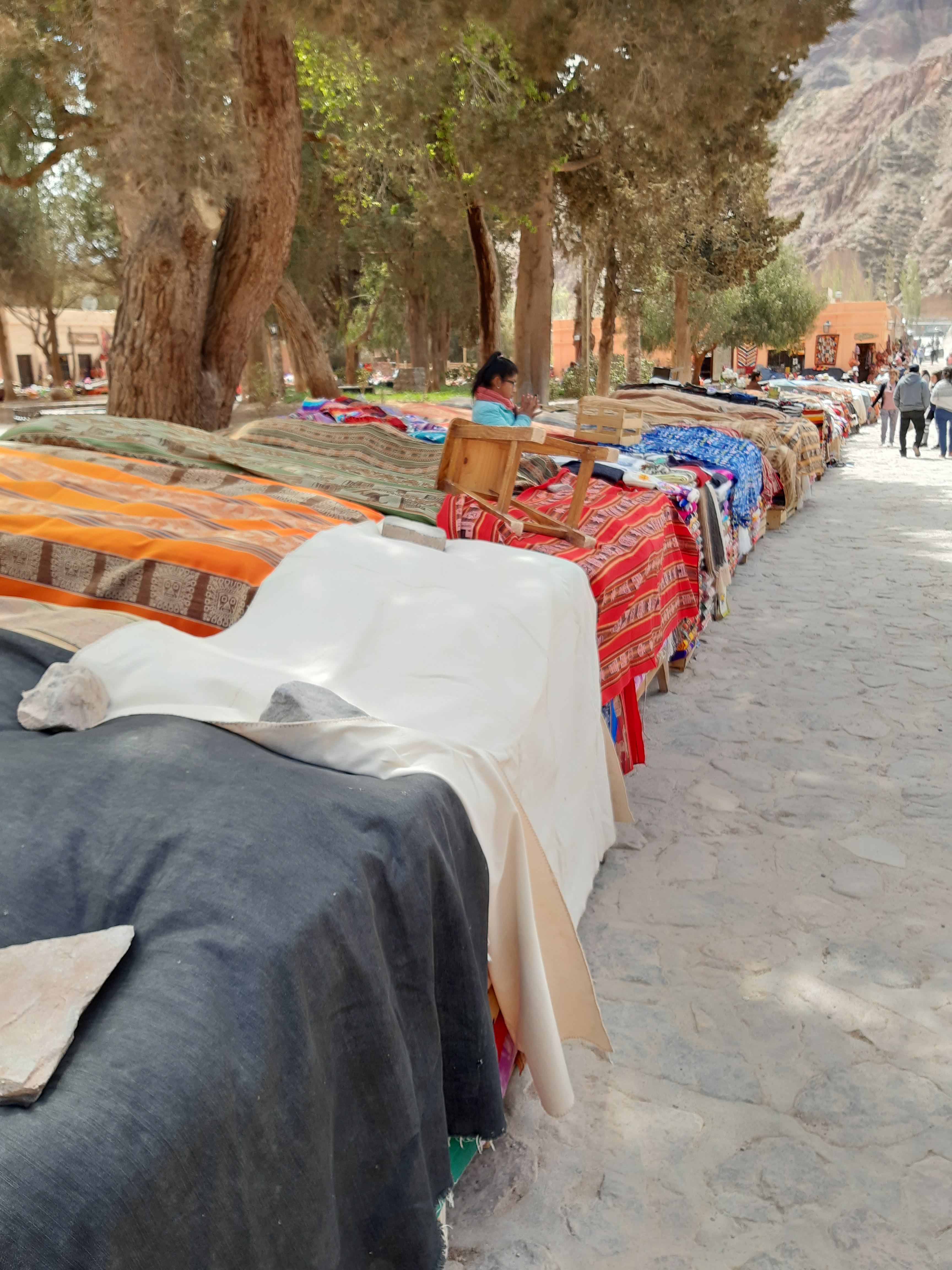
 One of the artisan markets, with woven and knitted items made from llama wool: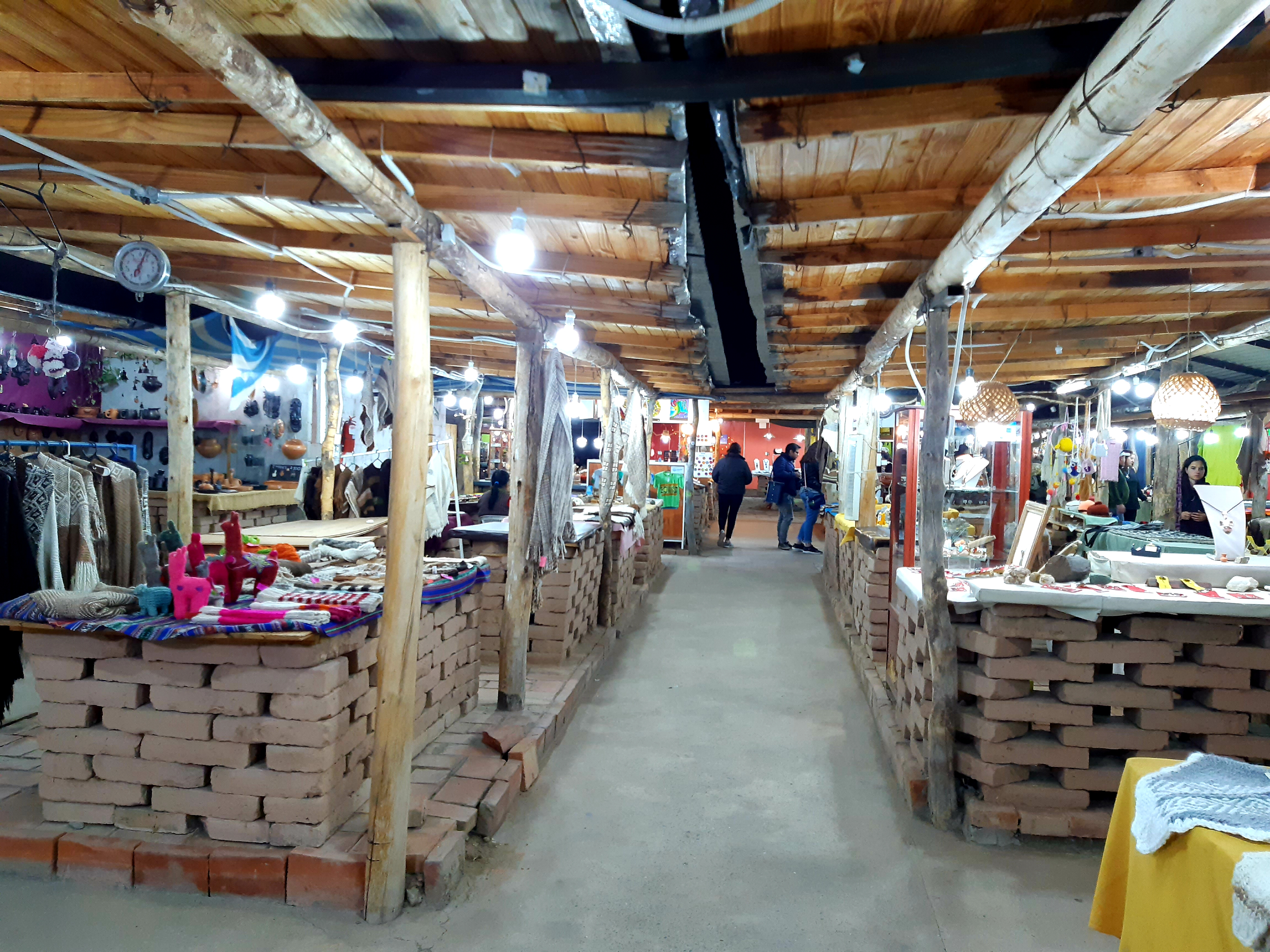
 These old Ford and Chev bakkies (trucks) are everywhere, still very much in use: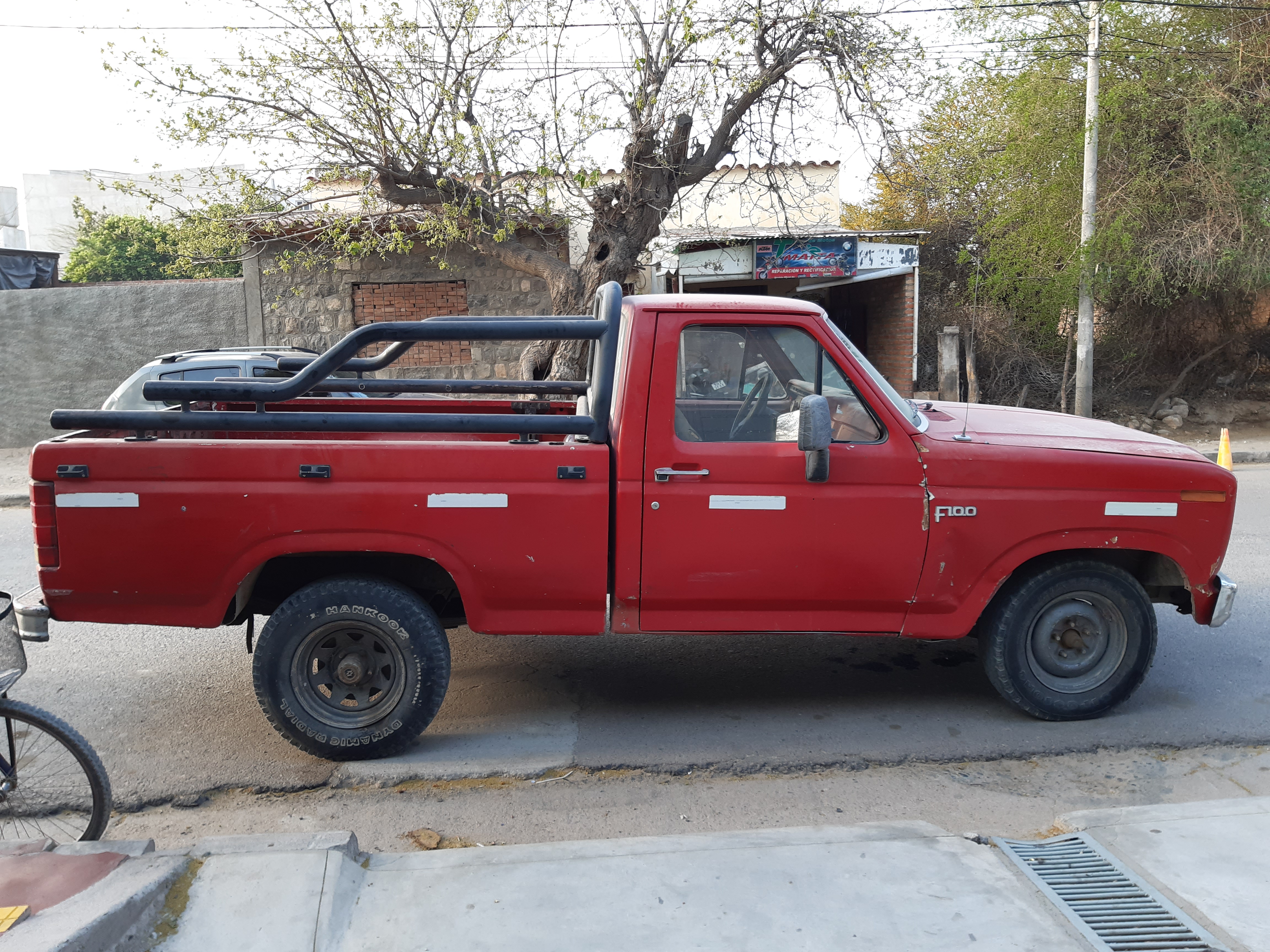
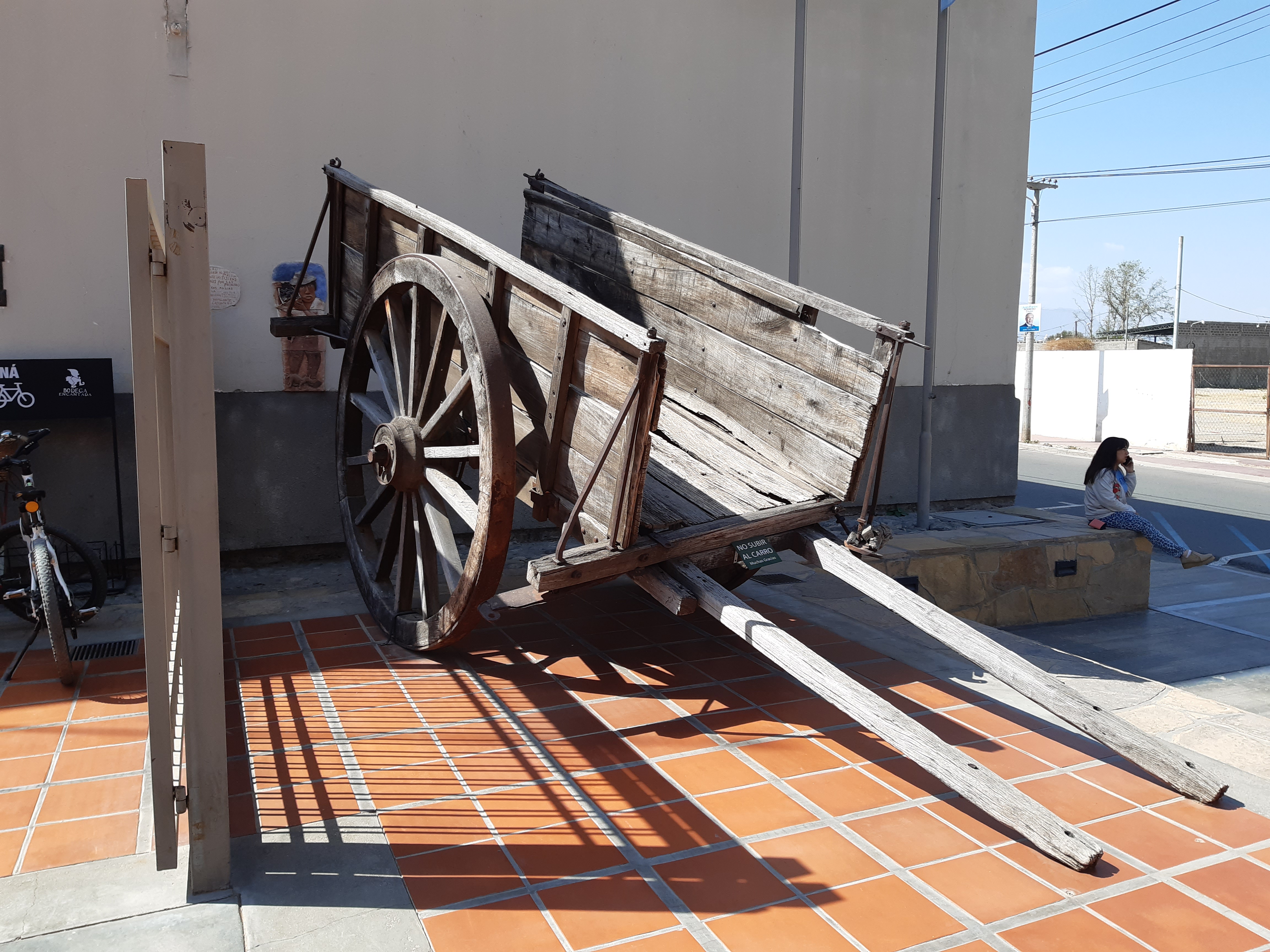 Obviously the above is nót a Ford or Chef – or maybe it was the forerunner??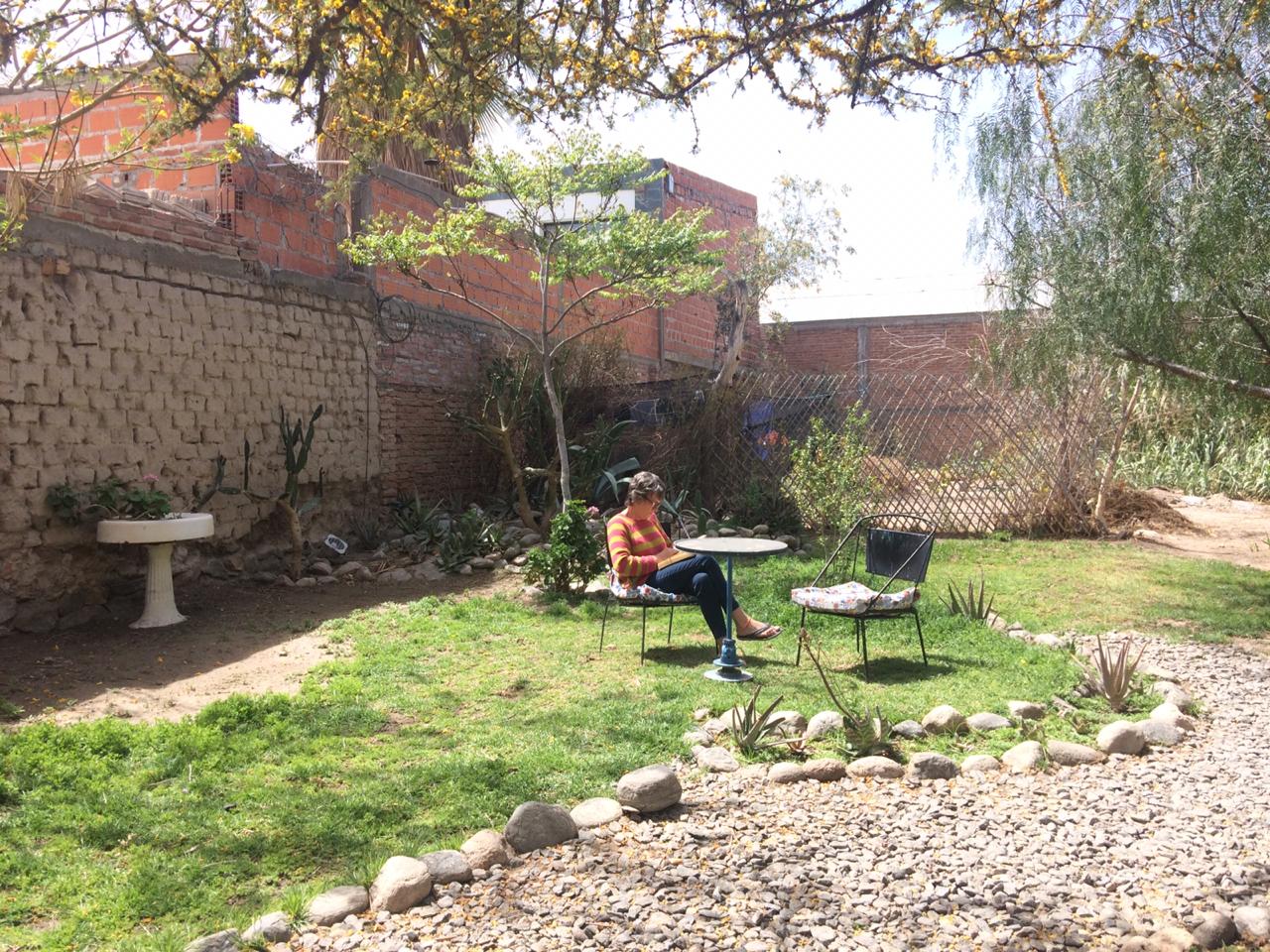
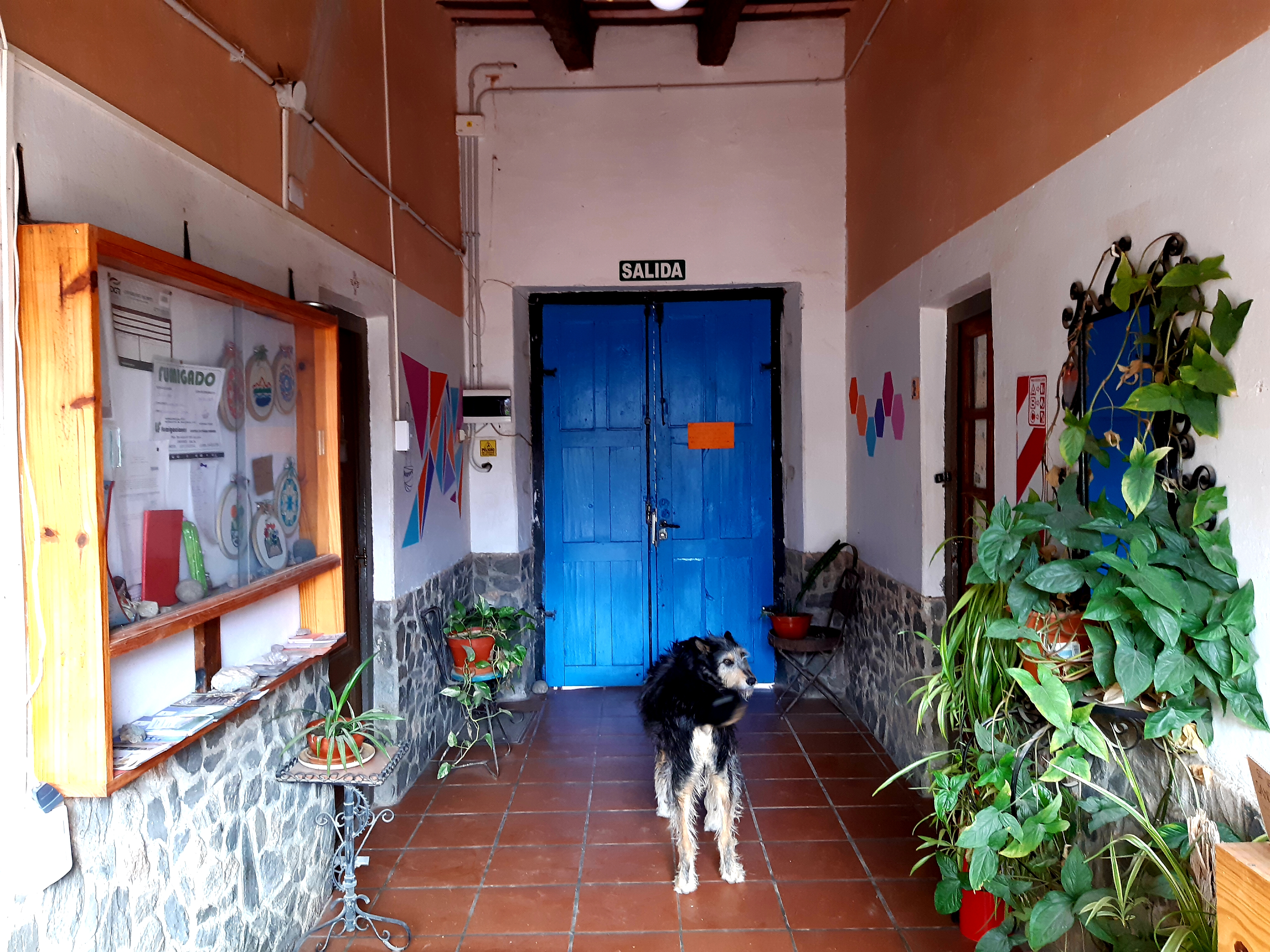
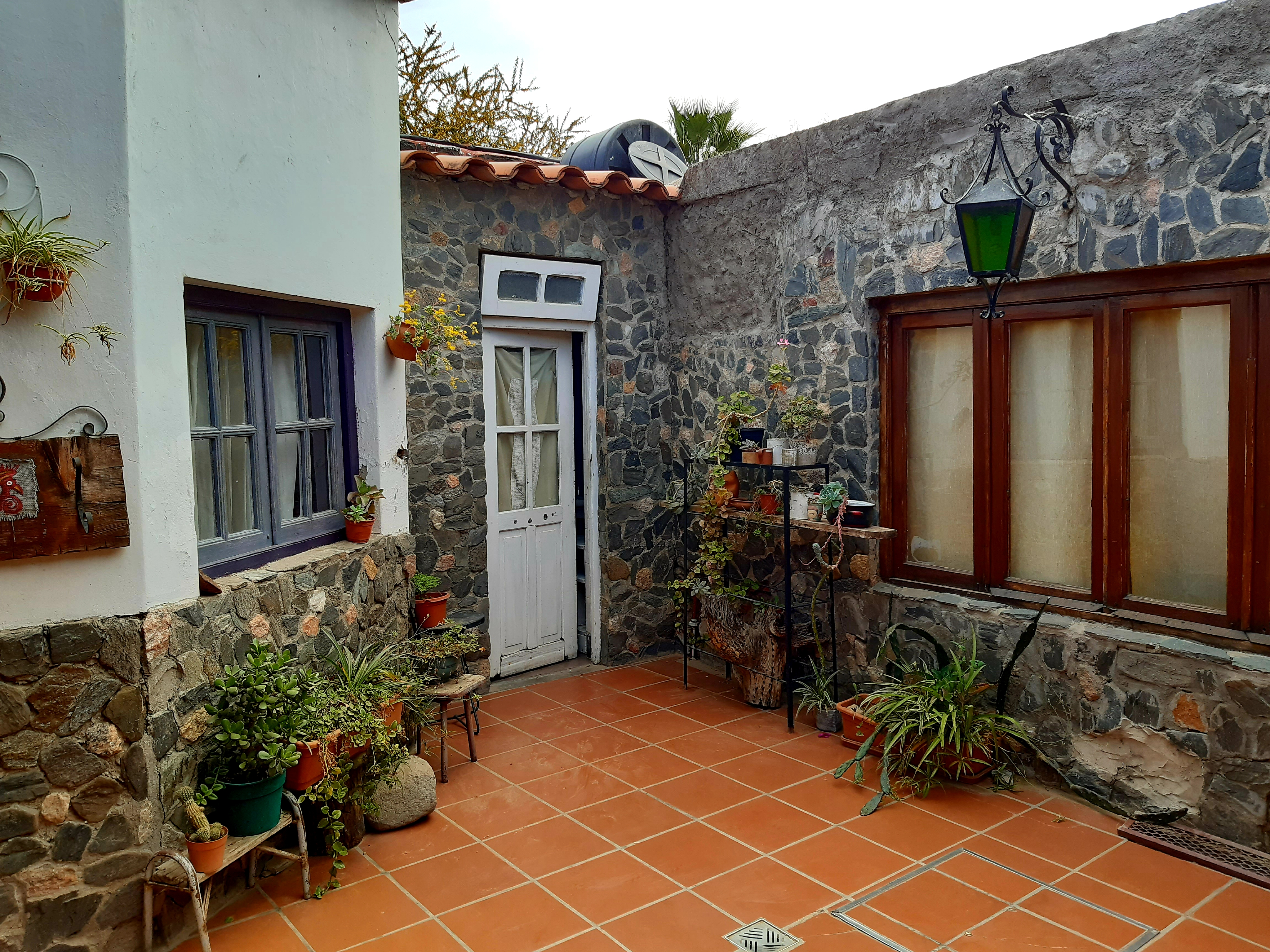 I have to share an emotional moment I had yesterday morning. I was leaving the hostel on a walk, when I literally stopped ‘to smell the roses’ – a deep crimson rose, of the kind that is deliciously fragrant. As I inhaled, I was jolted by immediate memories of my mother’s garden on our farm, Blaauwkrantz. So strong were these memories that tears welled up in my eyes, and I just could not pull myself away from that rose. I kept on pushing my nose into it, inhaling as if I could conjure up the real setting. It is said that smell is directly linked to the memory centre in the brain – well, I can most certainly vouch for that!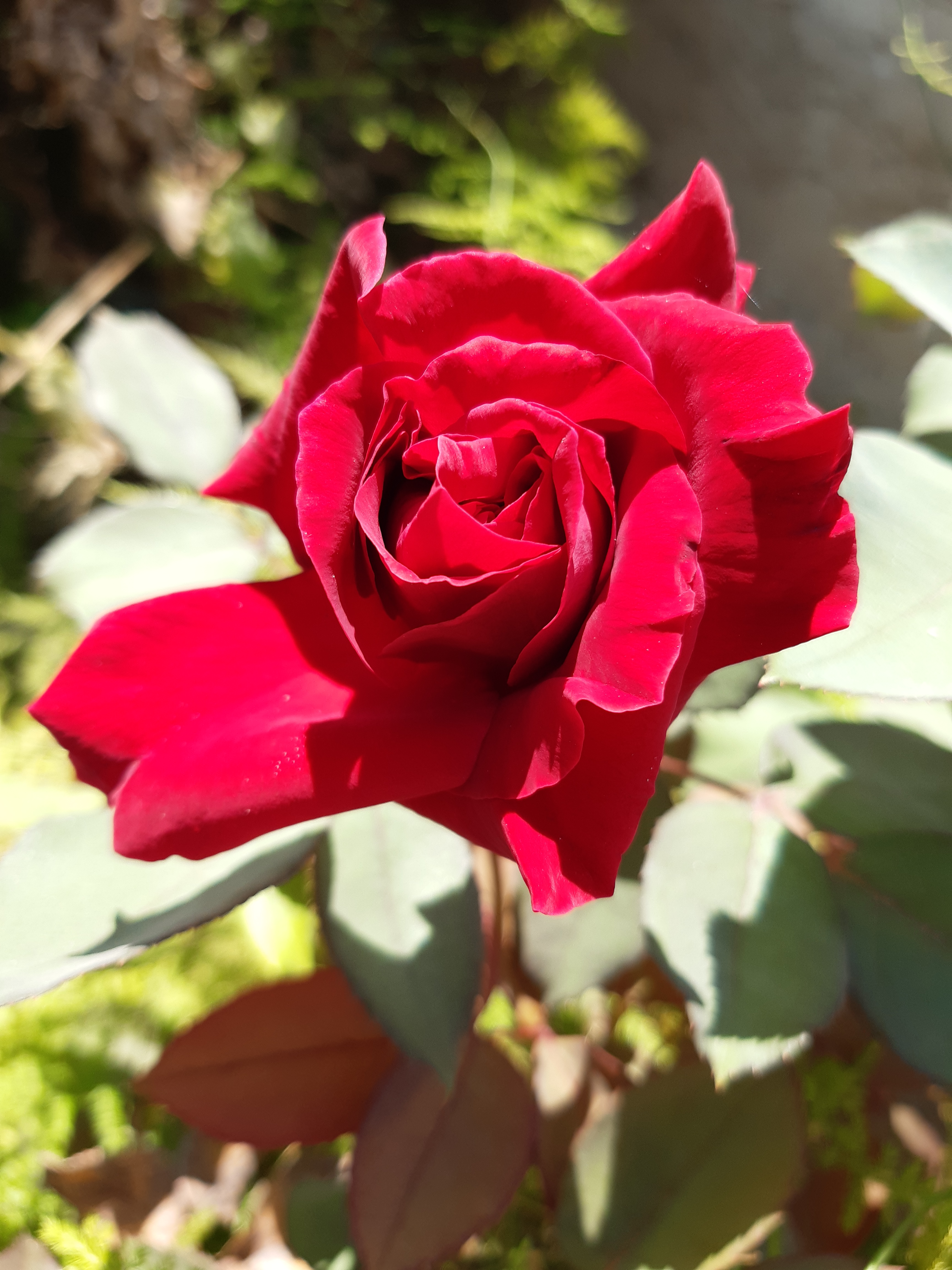
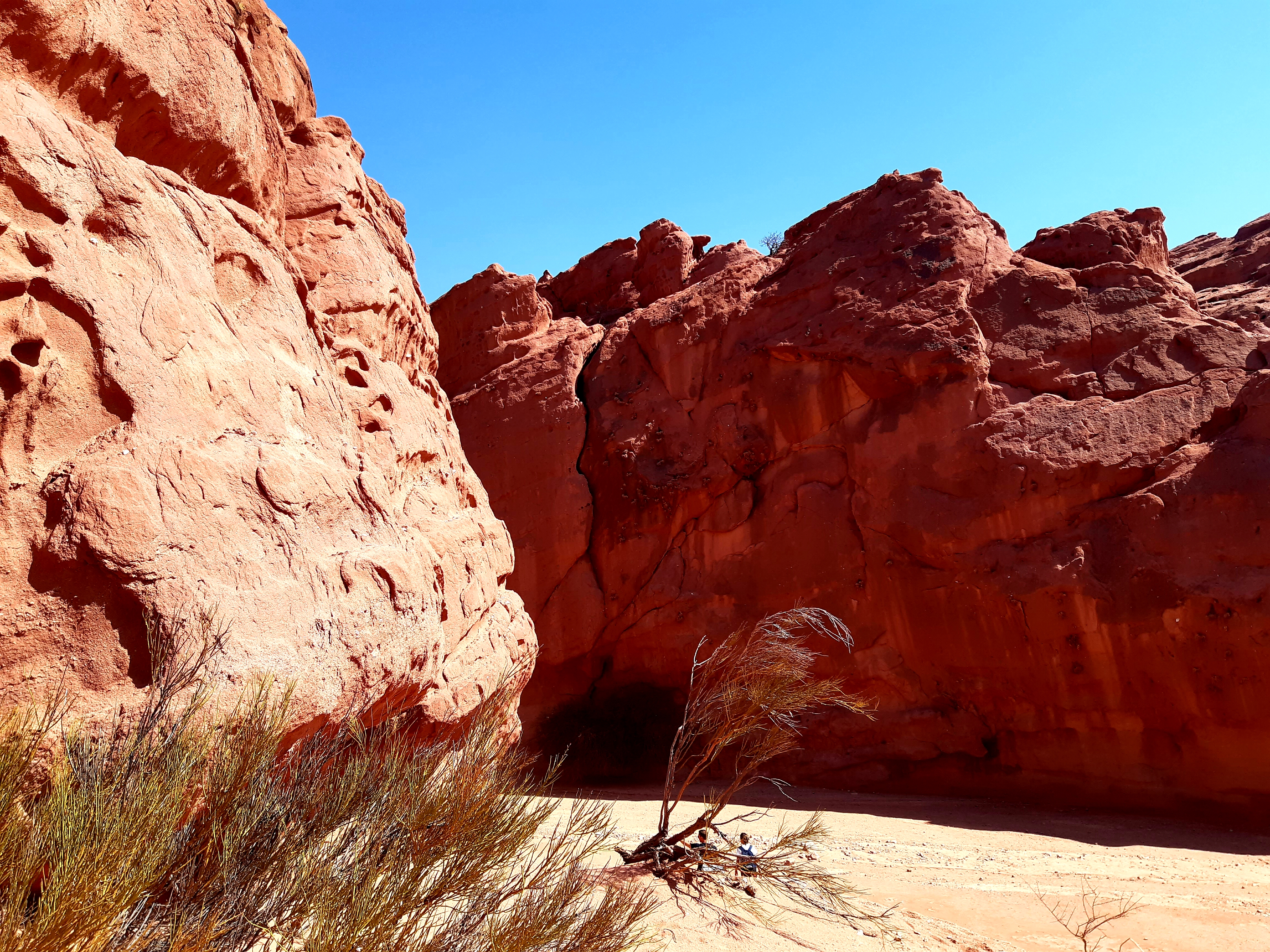
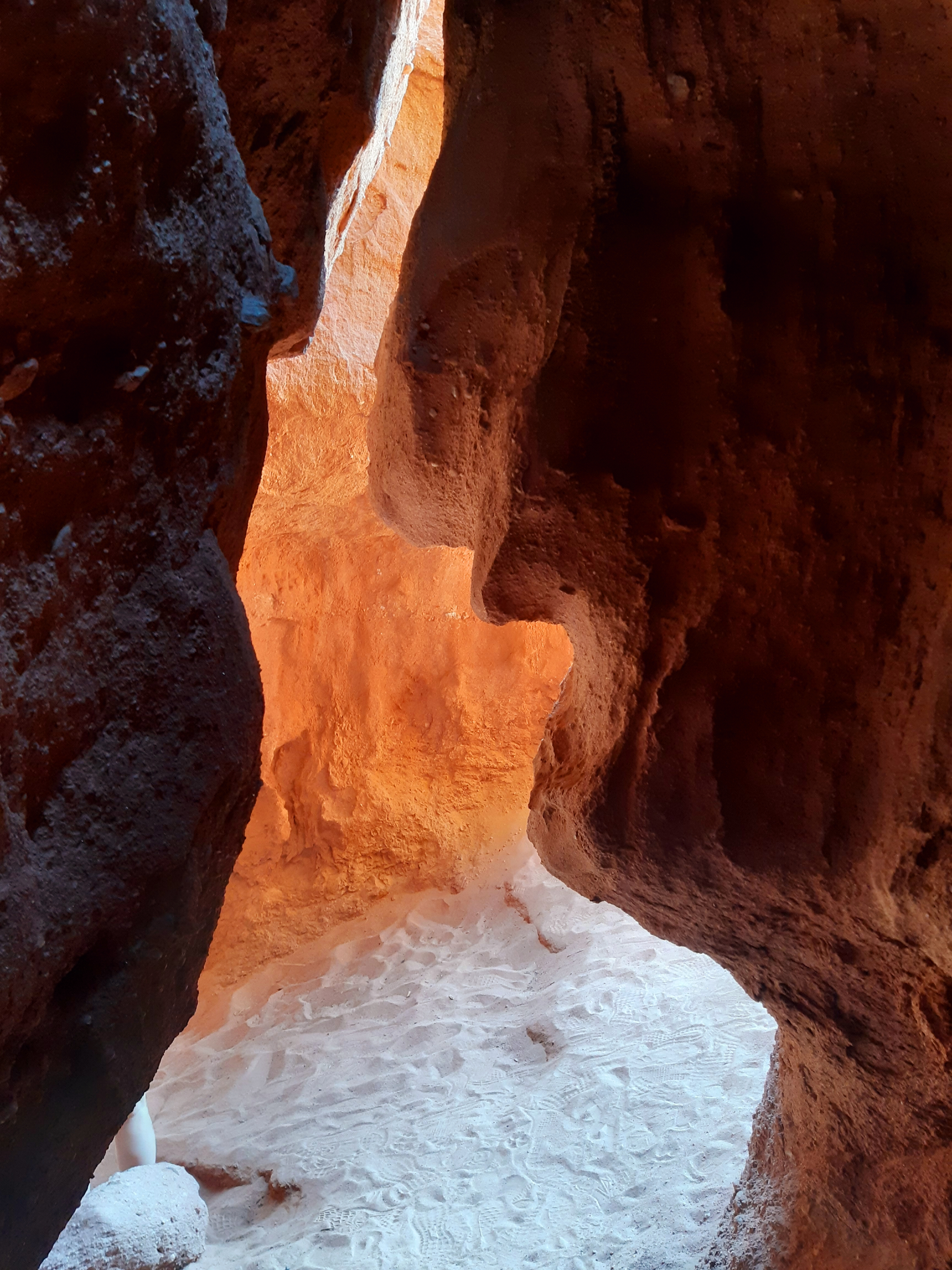
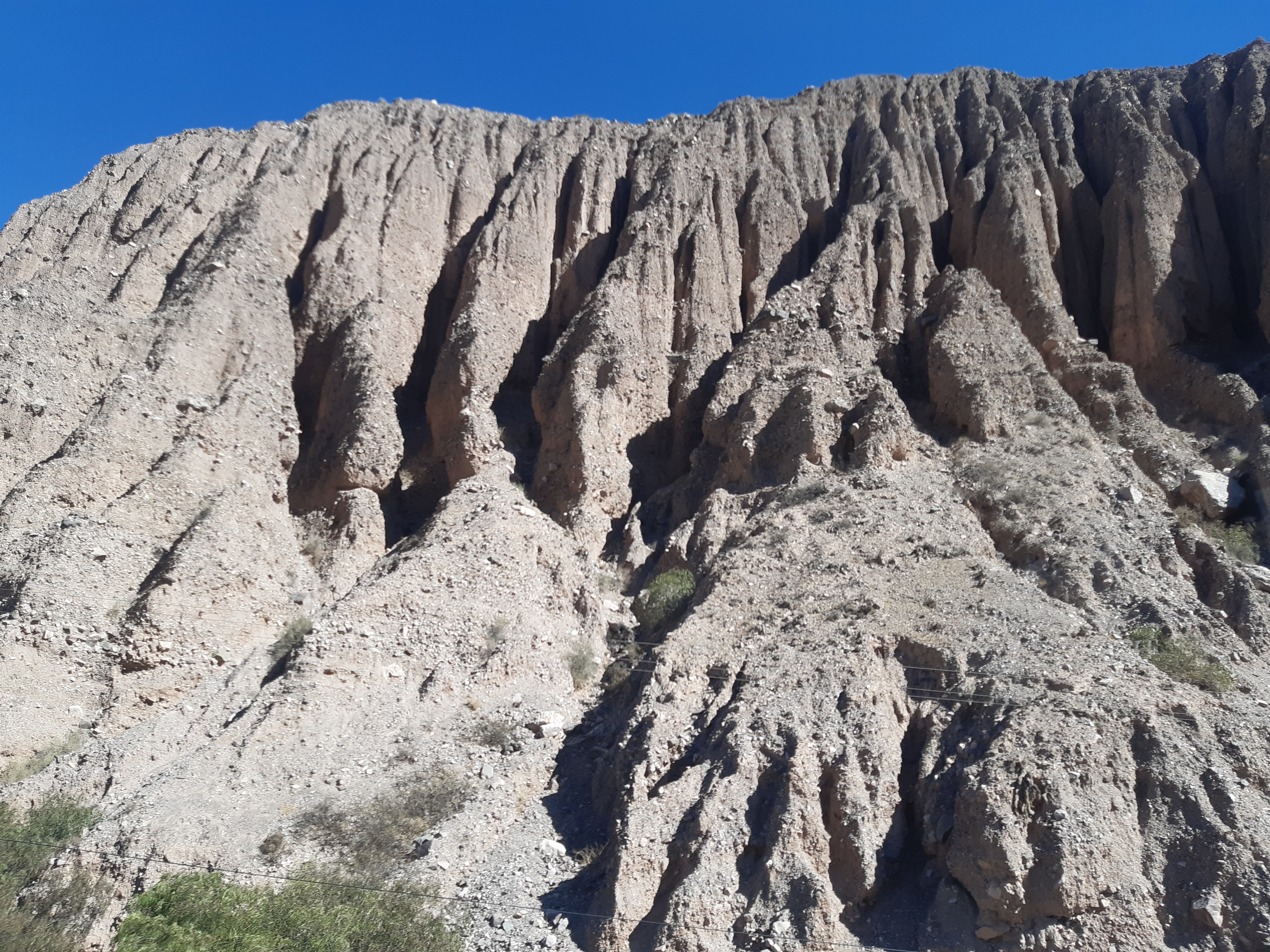
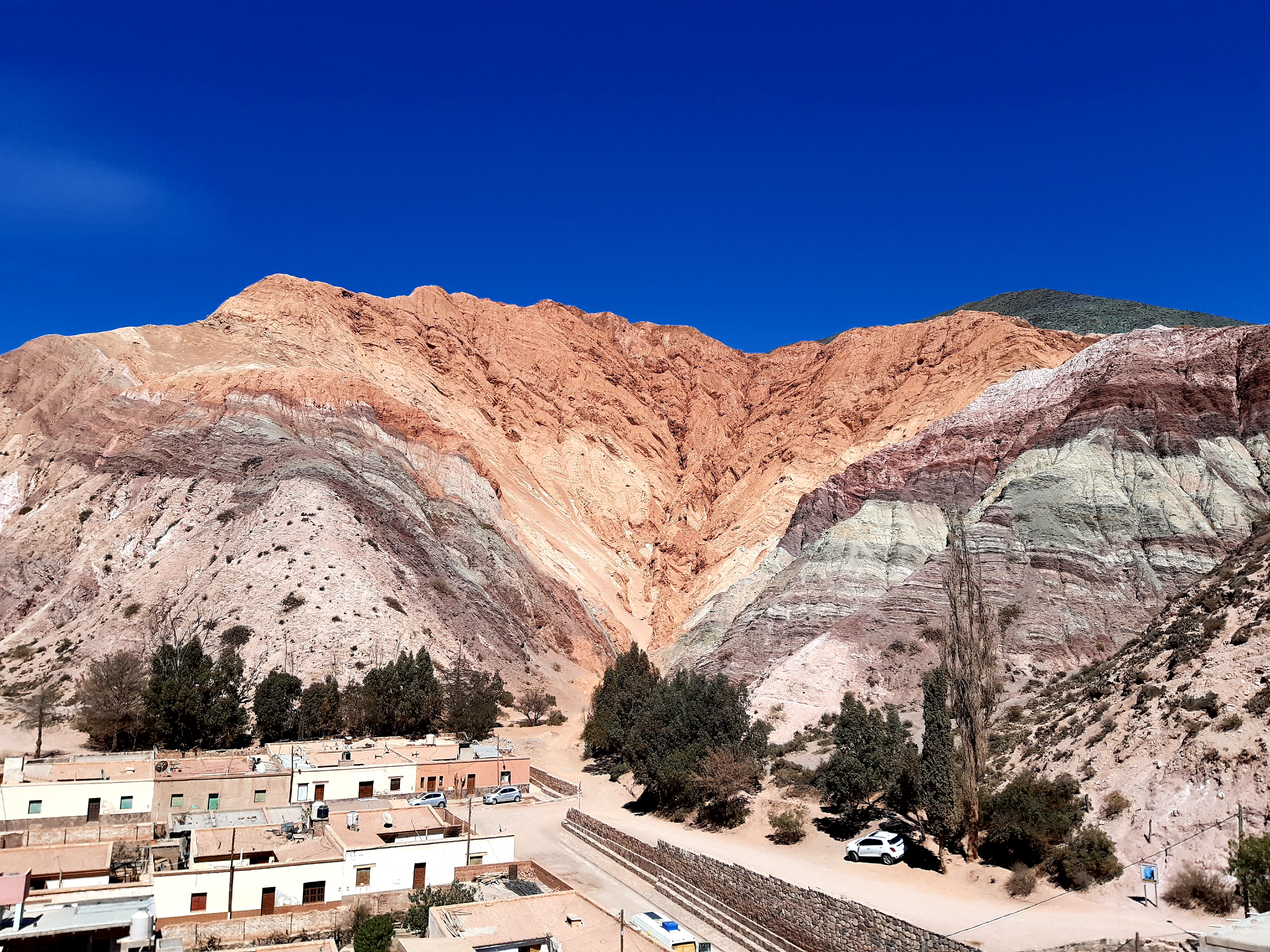
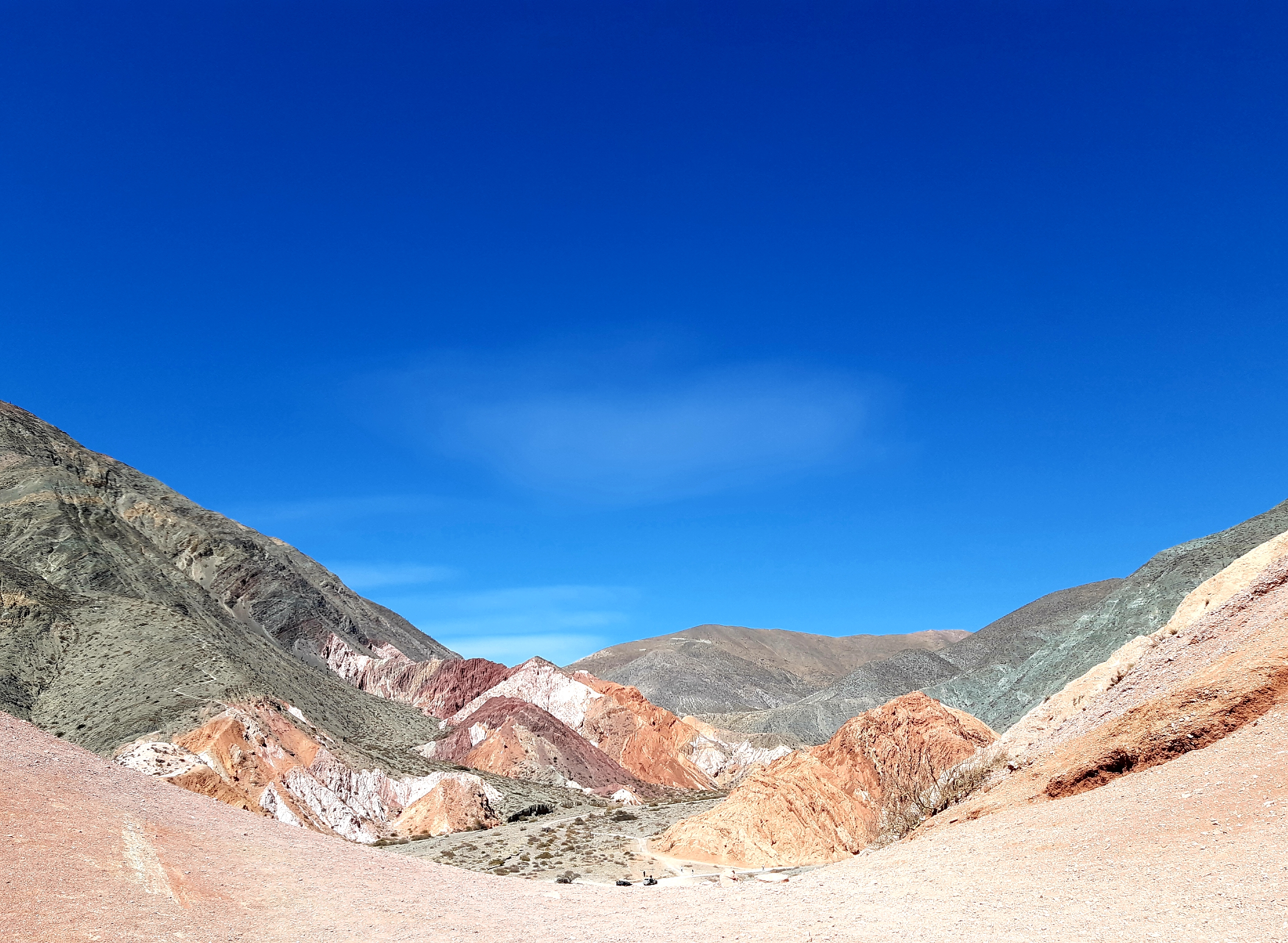
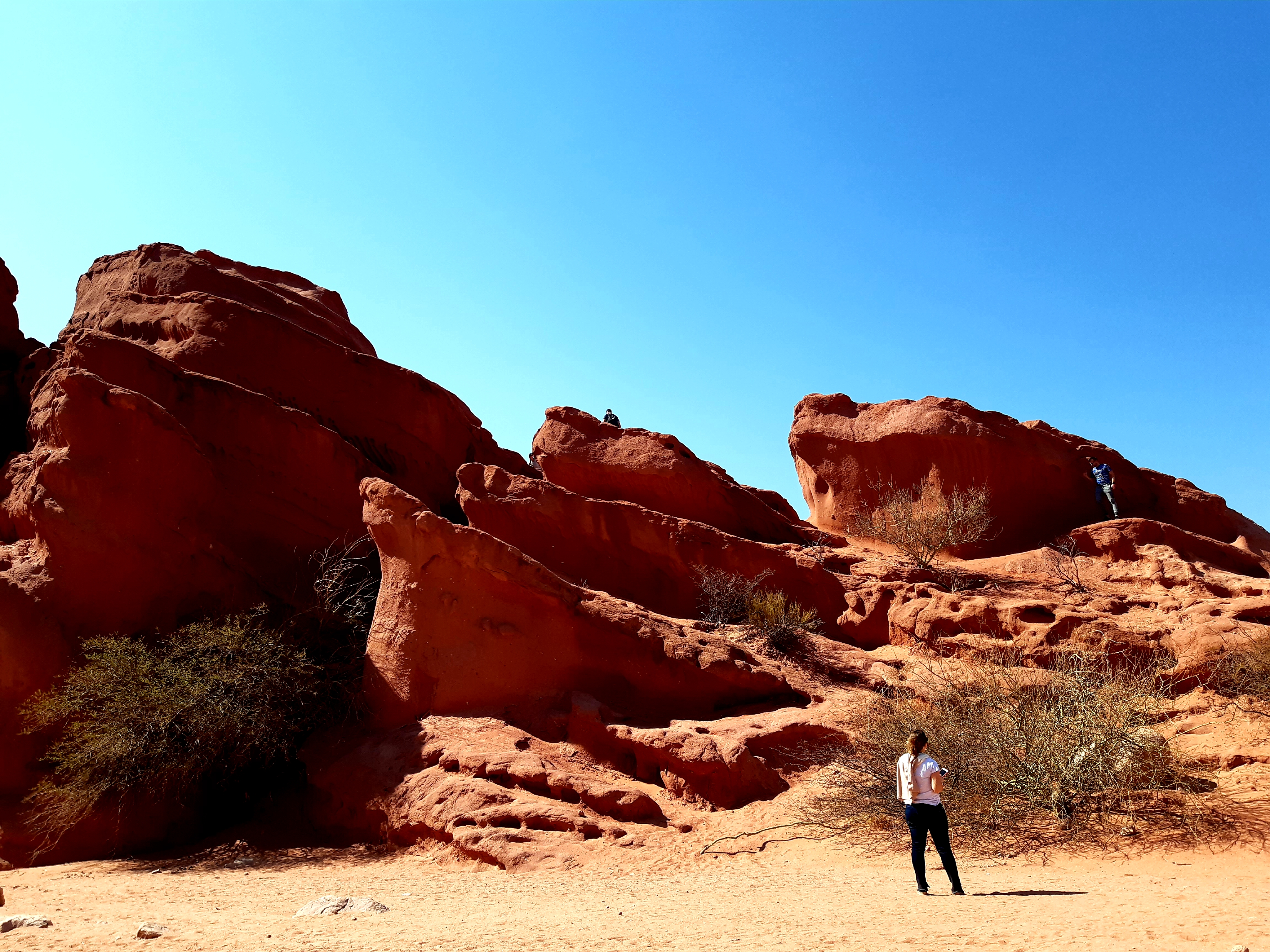 We had to walk about 500m to the following scene, where many colours were visible in the formations: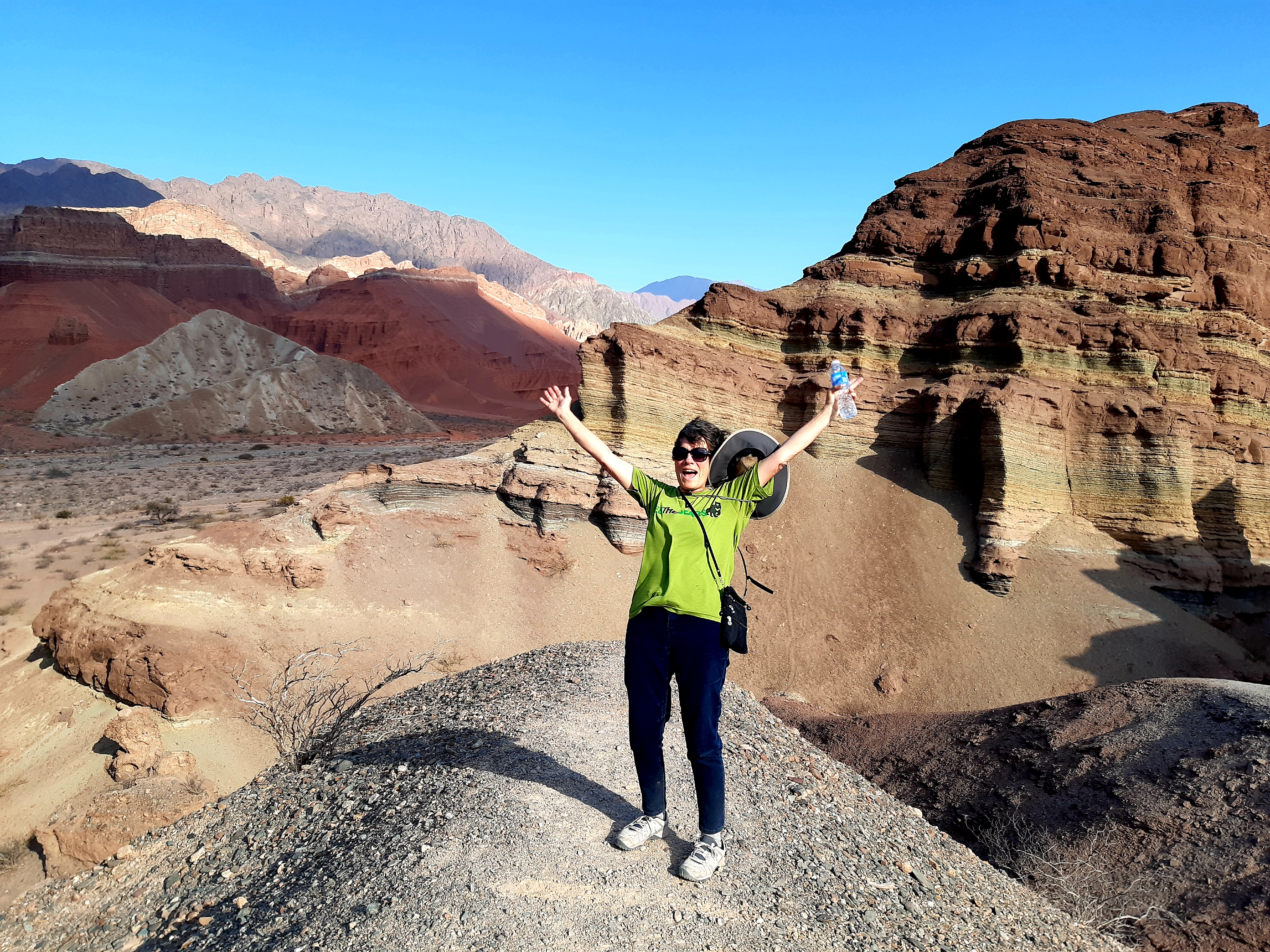
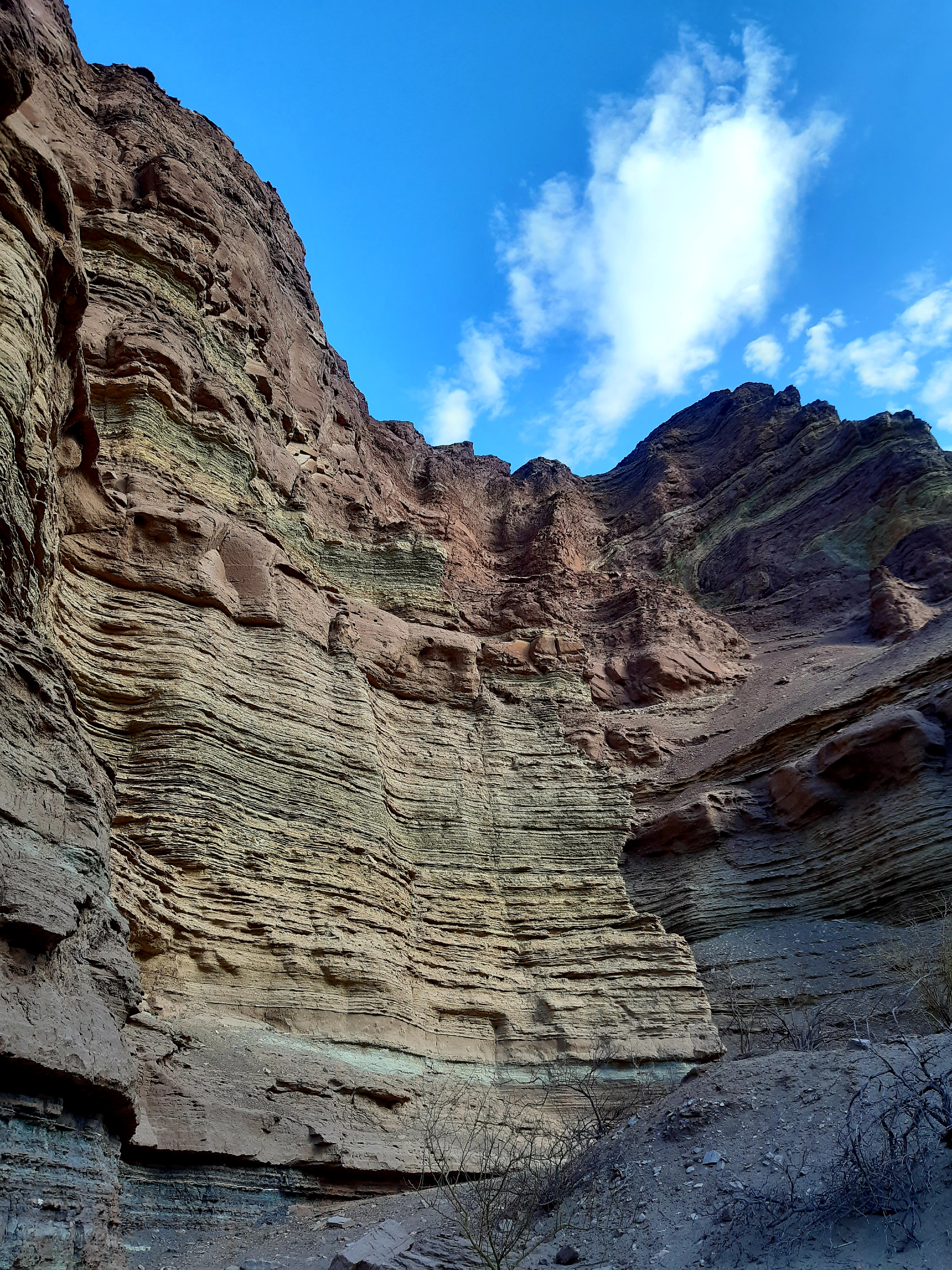
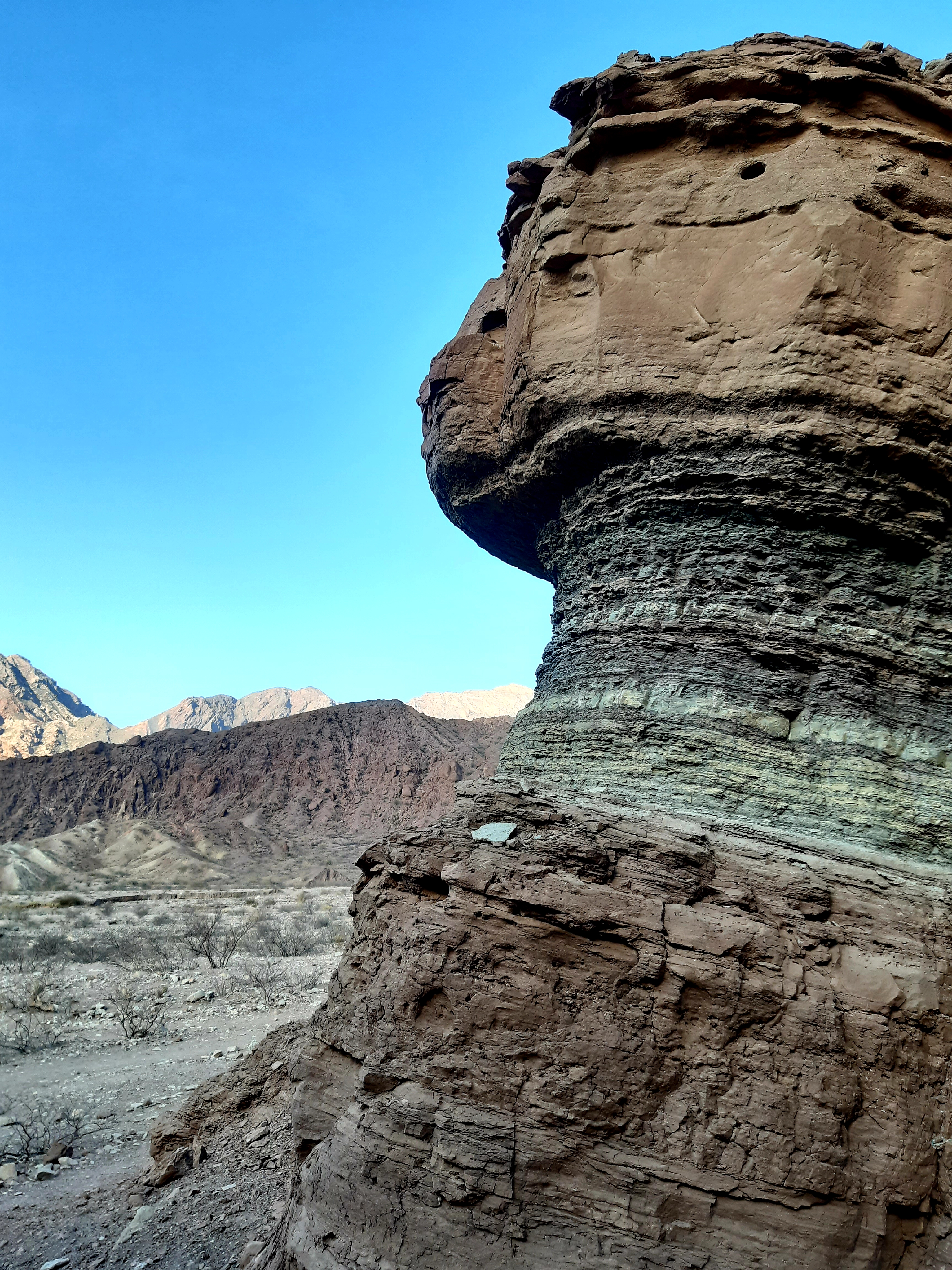
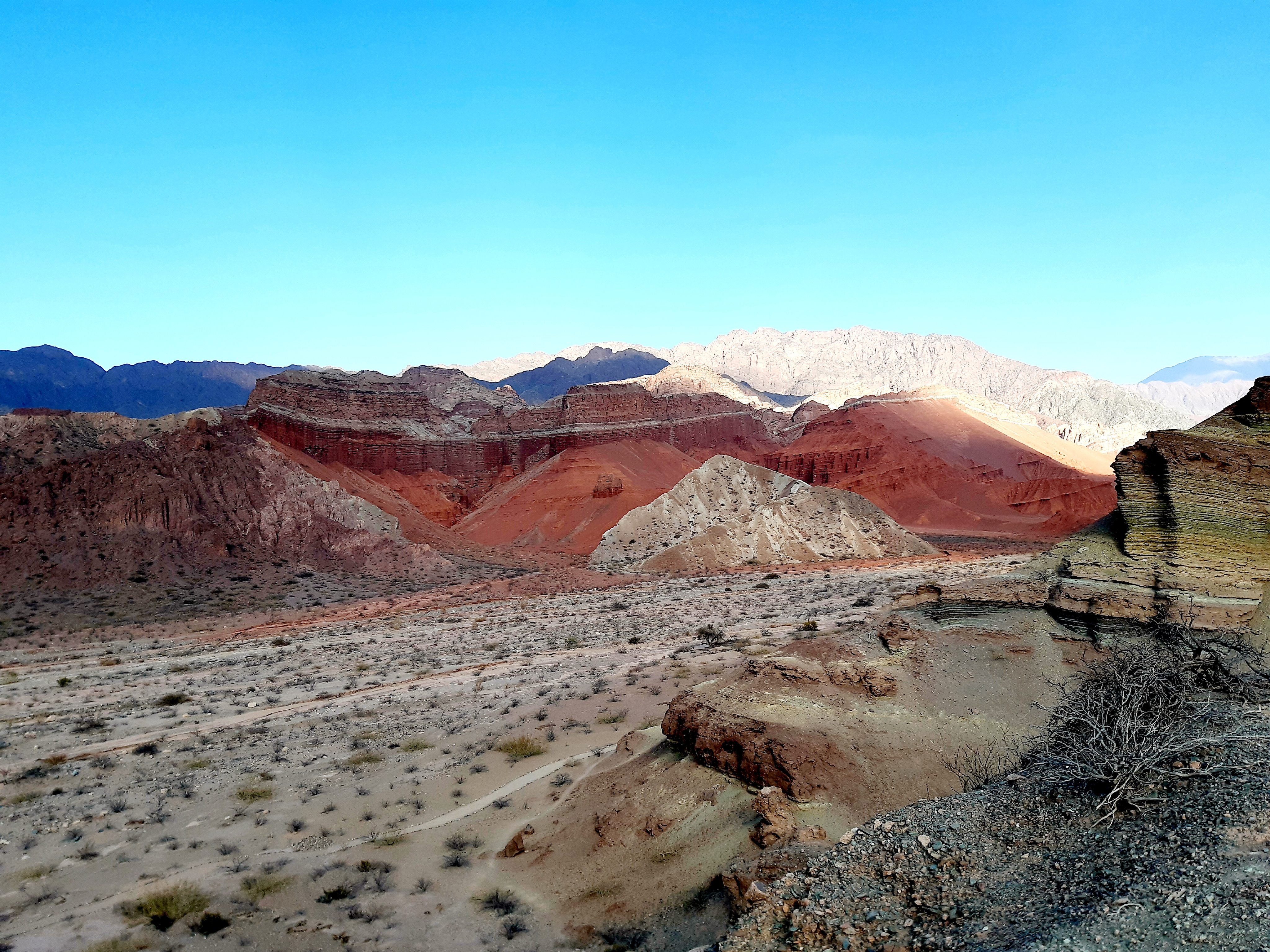 I was told that the red indicates the presence of iron, green is copper, brown is sinc, blue is cobult, yellow is sulphur and white could be salt or gypsum.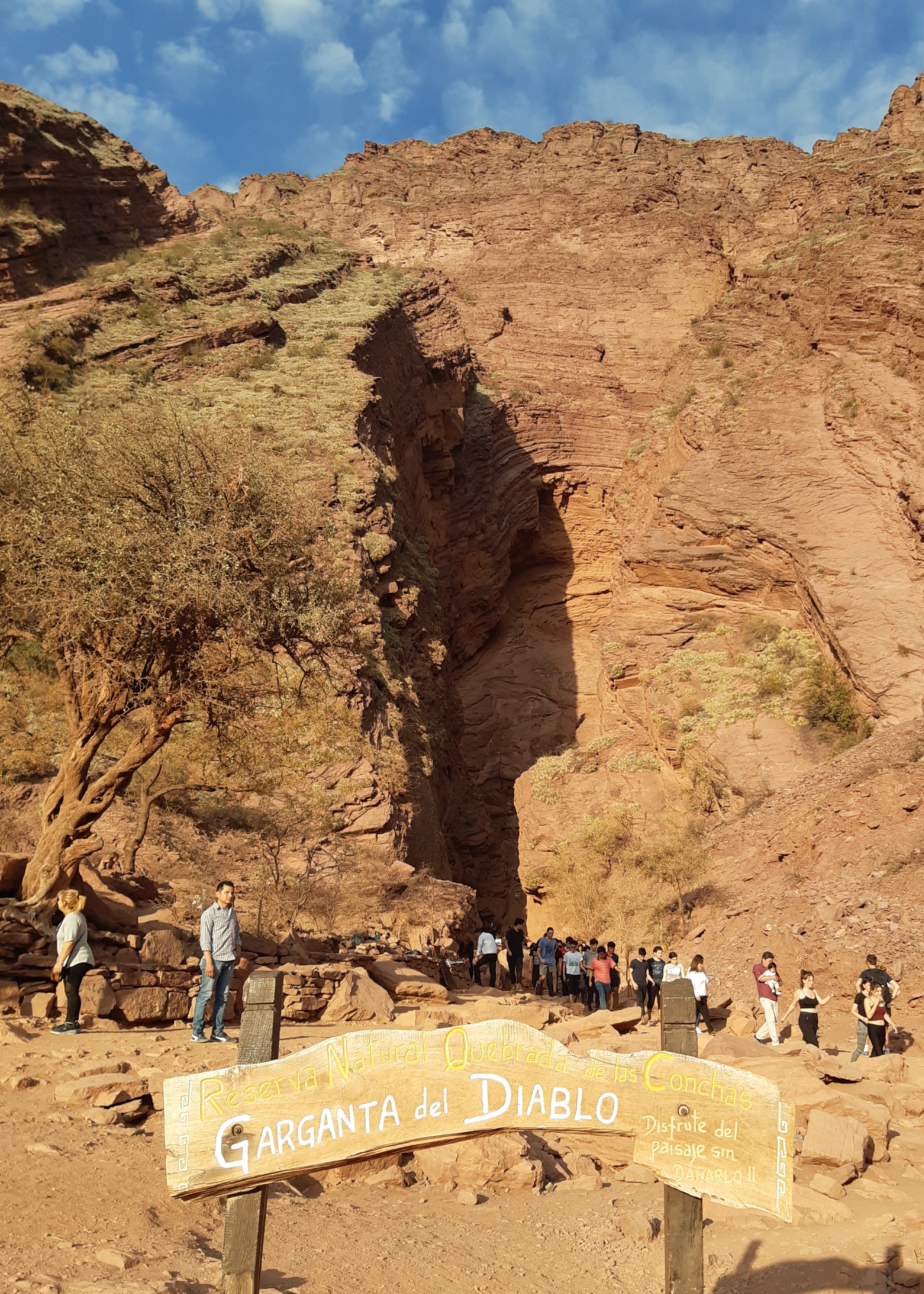
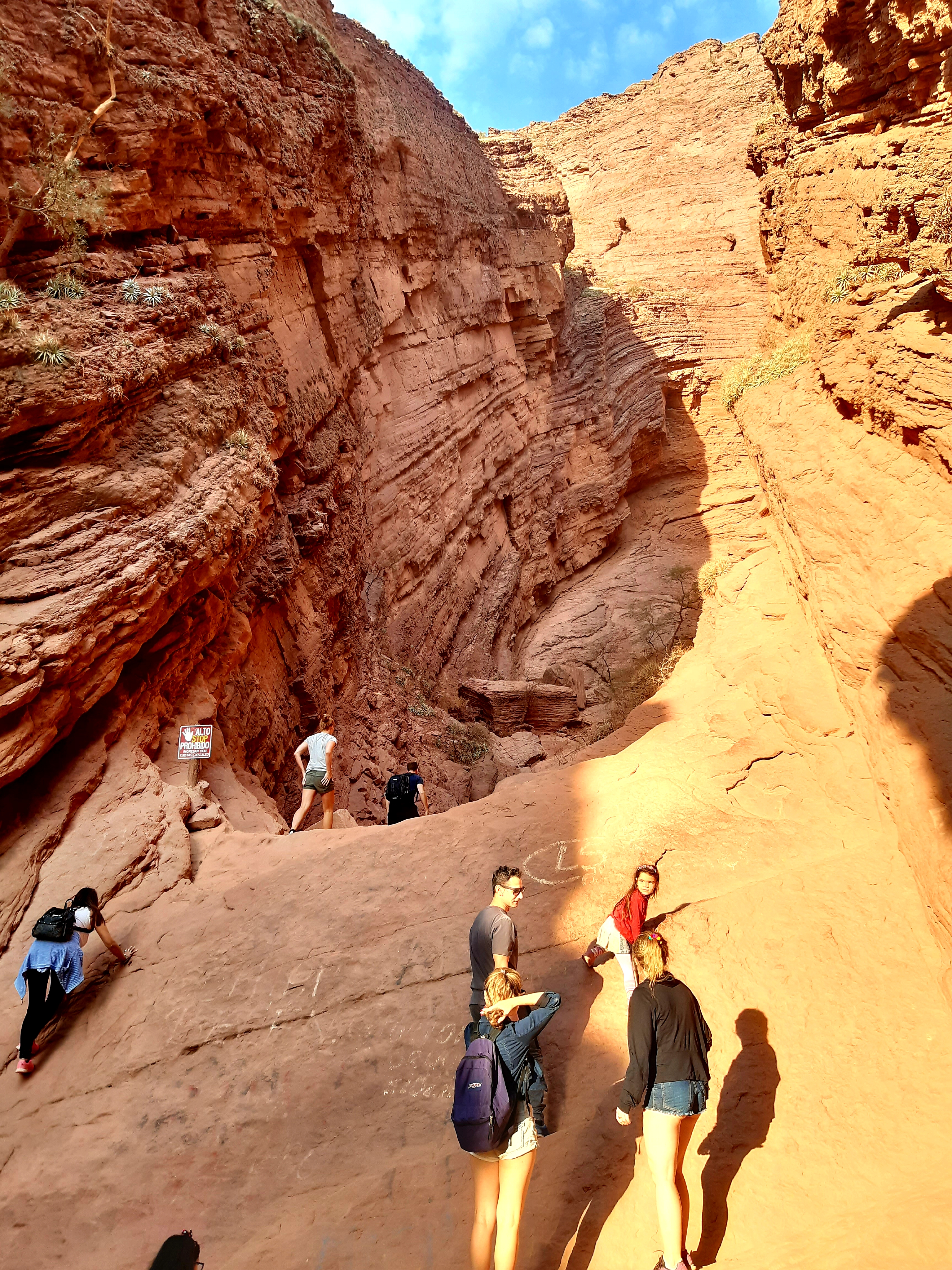
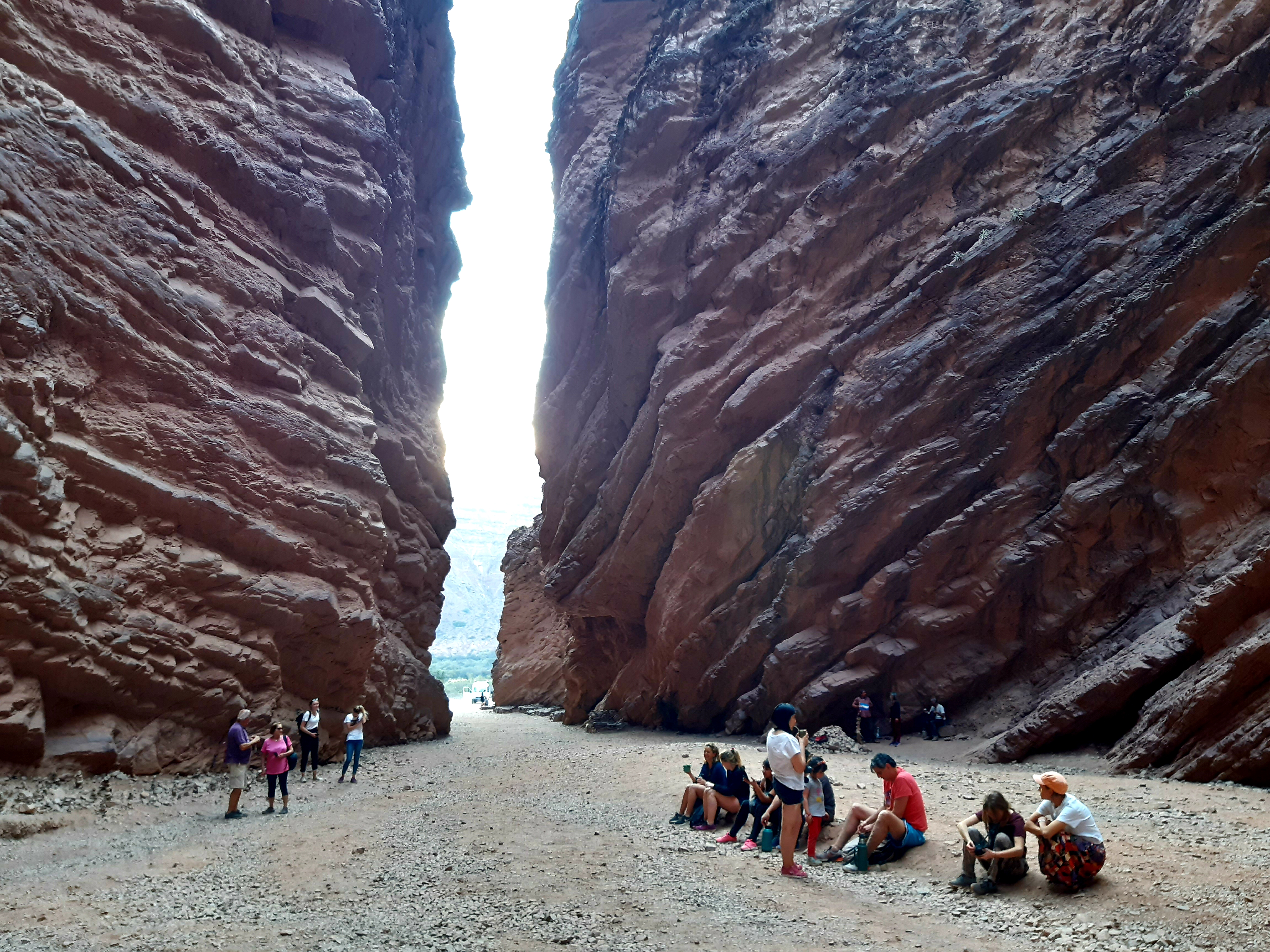
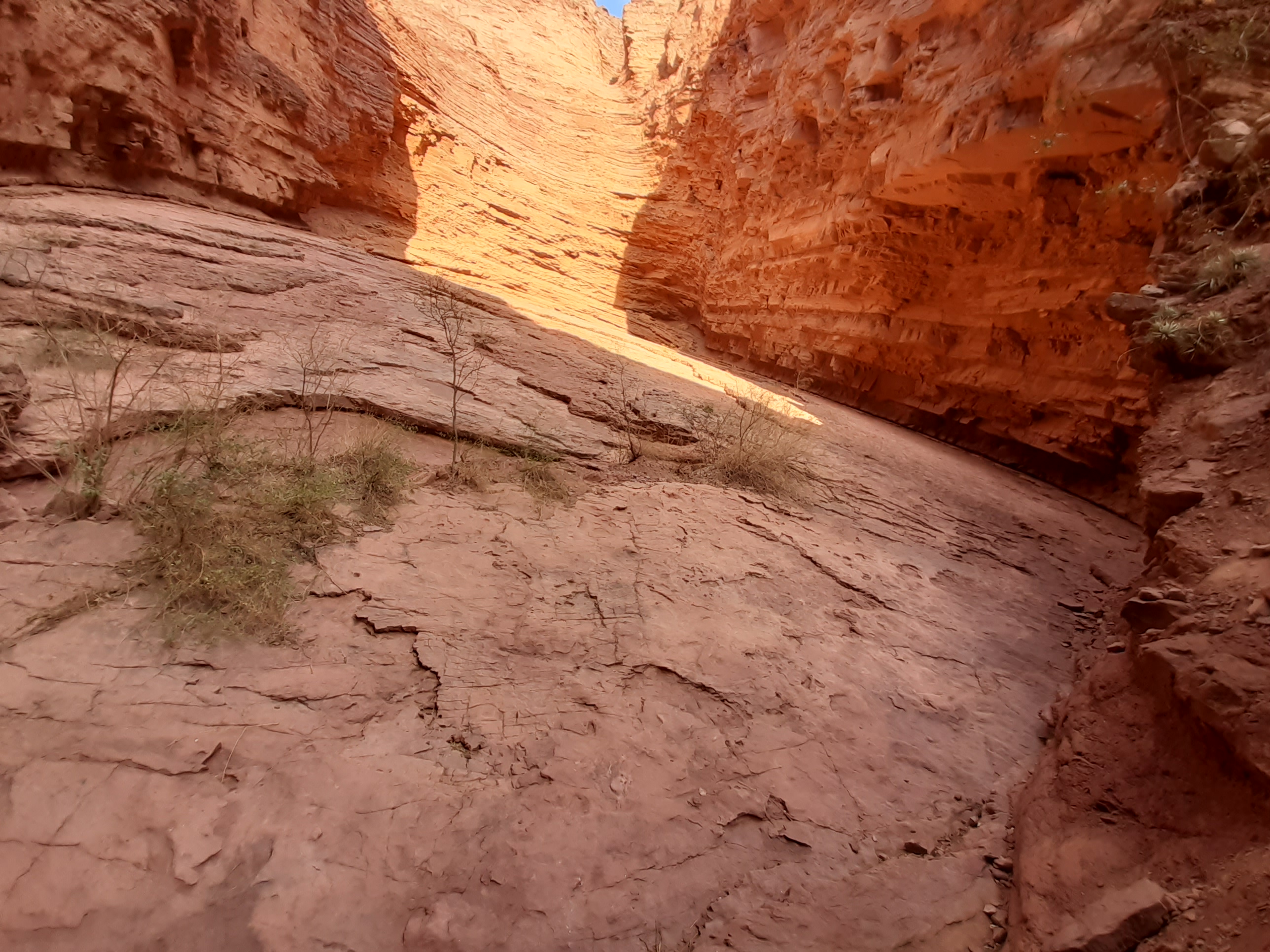 The site just before the Devil’s Throat is called the Amphitheatre, and has a marvelous acoustic. There was man playing a traditional flute, a beautiful haunting sound filling the huge space, sending shivers down one’s spine. It was our last stop, and quite a few of the tourists sat down in the ‘theatre’ and shared their mate (tea).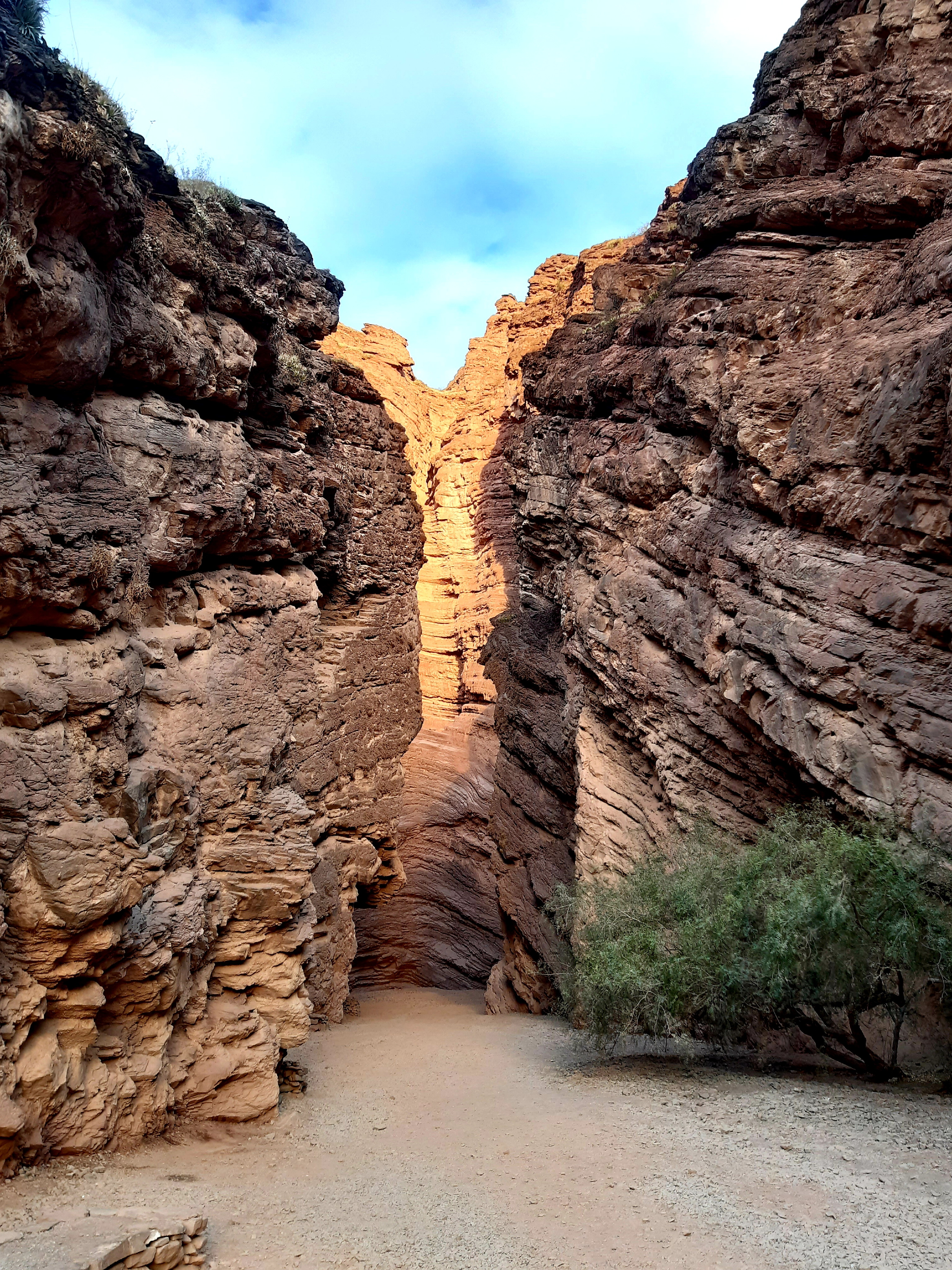

 Each bend in the road opens up another breathtaking view, and about half way through we stopped at an artisan shop for some wine tasting and ‘selfies with llamas’ – what people find amusing never ceases to amaze me. The wine was excellent though, I sampled the sweet torrentés, very fruity and aromatic.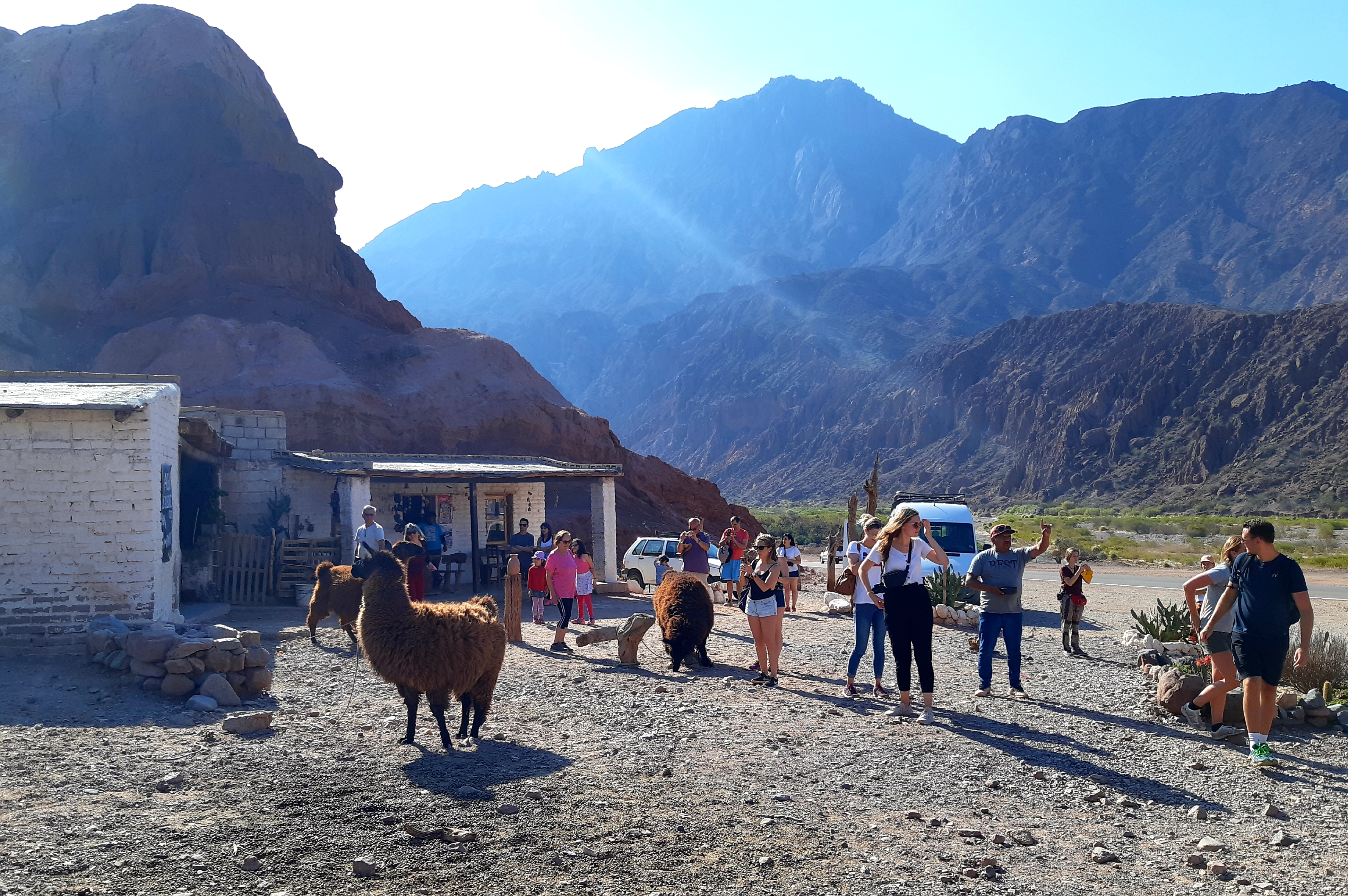
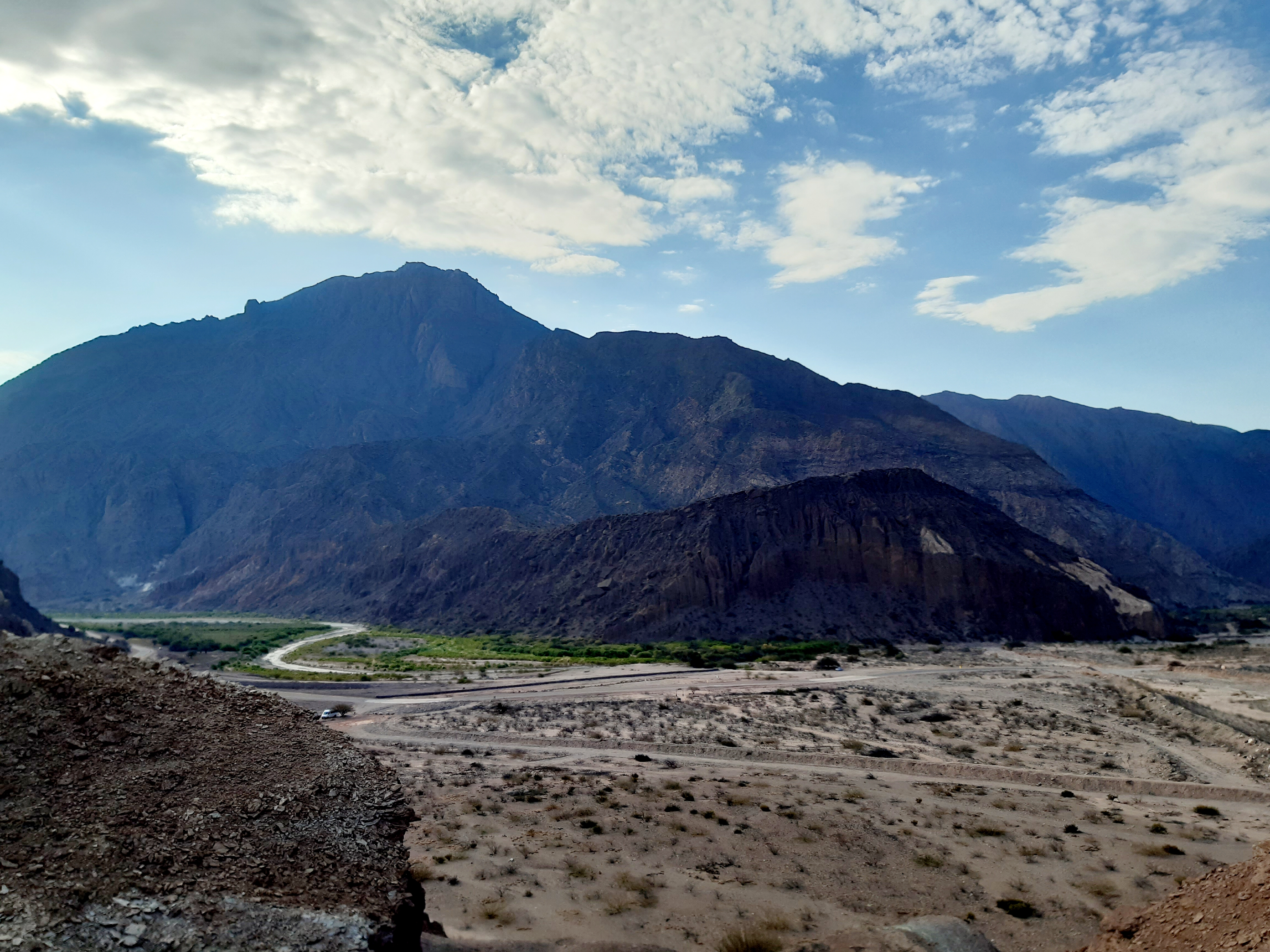
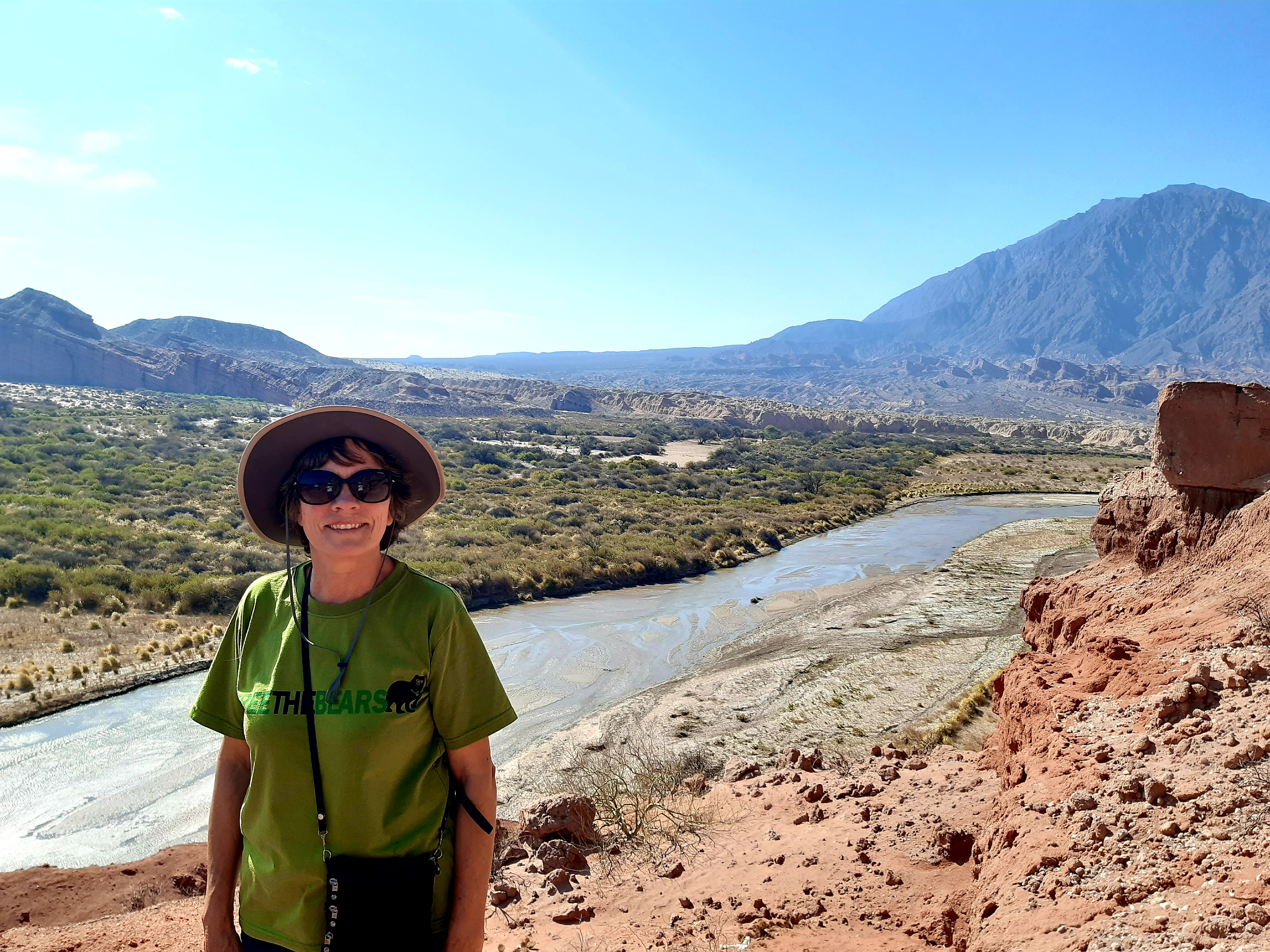
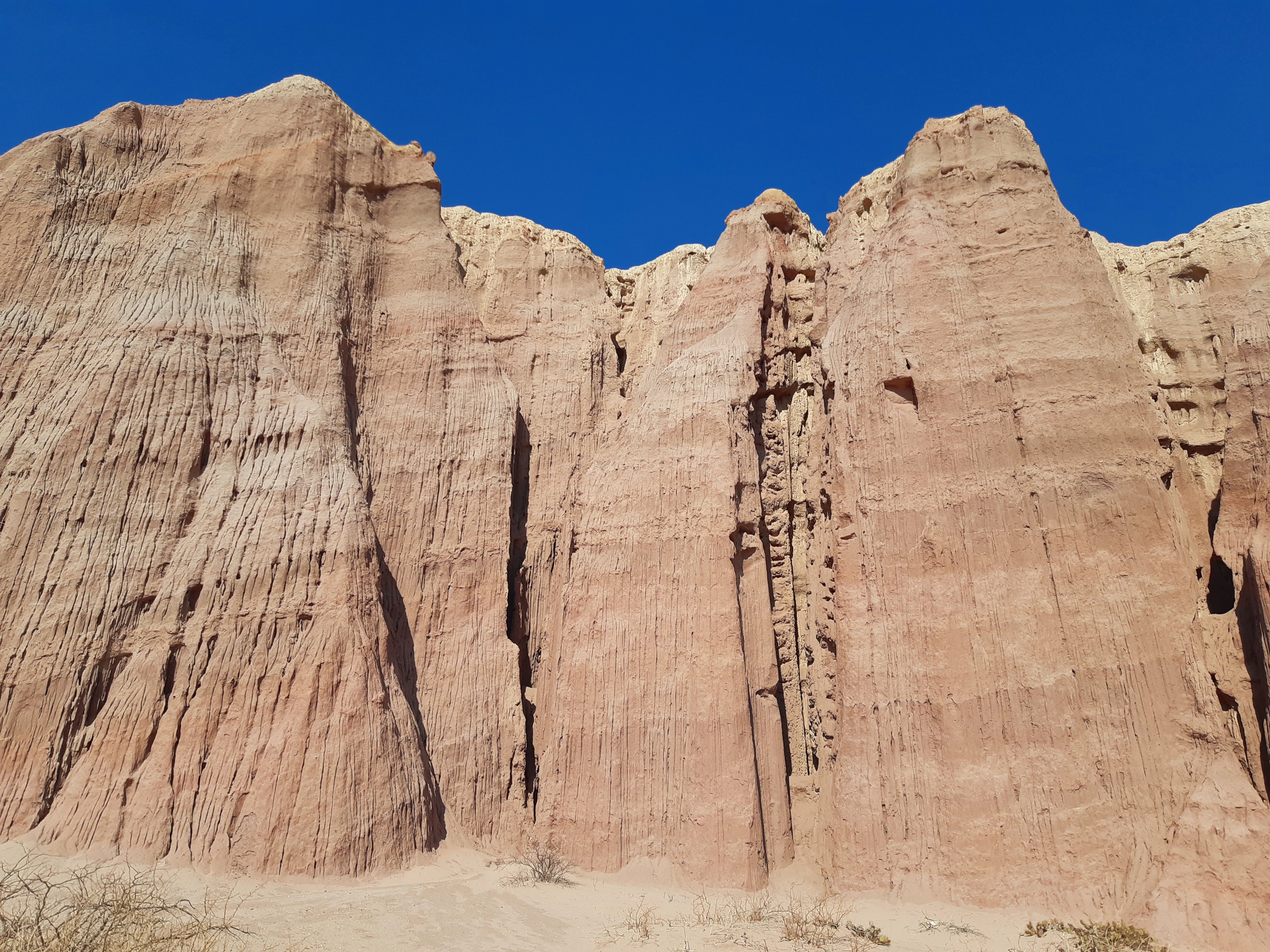
 Another soul enriching experience. I am so blessed. At one point, in a crevis in the green rocks, I spontaneously dropped to my knees, feeling deep and humble gratefulness and respect for Mother Earth, in all her glory. Pachamama came to mind, without me even quite understanding the meaning of the Inka earth/time goddess. It was just there.




 Mella Madness