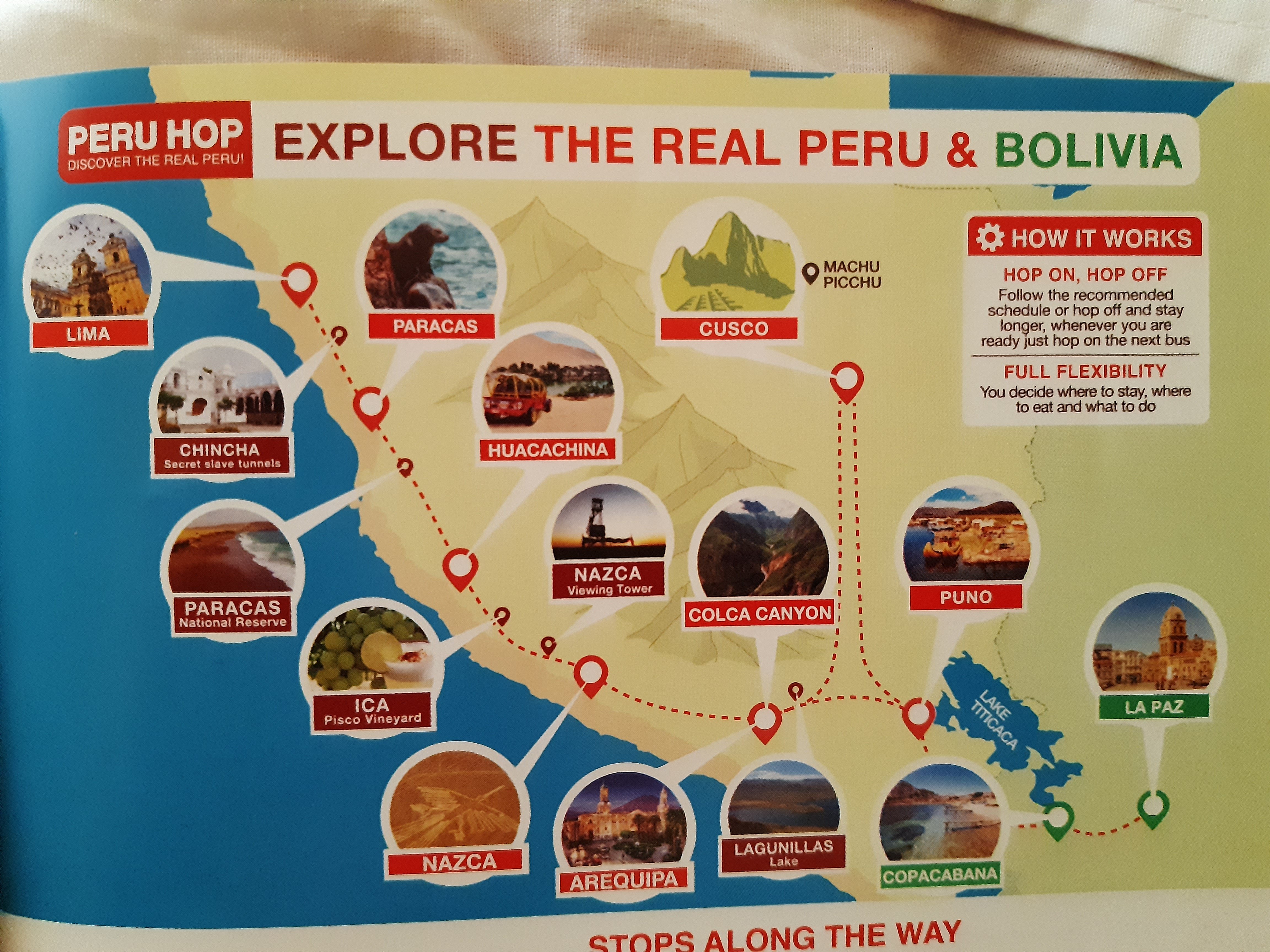
Oh no, I’ve become a tourist! Being on a bus with 40 English speaking people (from different countries) was quite a shock after going solo for such a long time. Peru Hop is a company that was started by a couple of young men 6 years ago, and has been extended to include Bolivia. They have a planned route that is repeated every day, so you can literally hop off and -on at any one of the towns en route and stay as long as you want to. They stop at places of interest along the way, and have a 6-day recommended itinerary from Lima to Cusco, which I followed. It meant sleeping on the bus for 2 nights, which is a pity as I suffer from FOMO (fear of missing out) and didn’t like missing out on landscape changes. It did, however, save on accommodation.
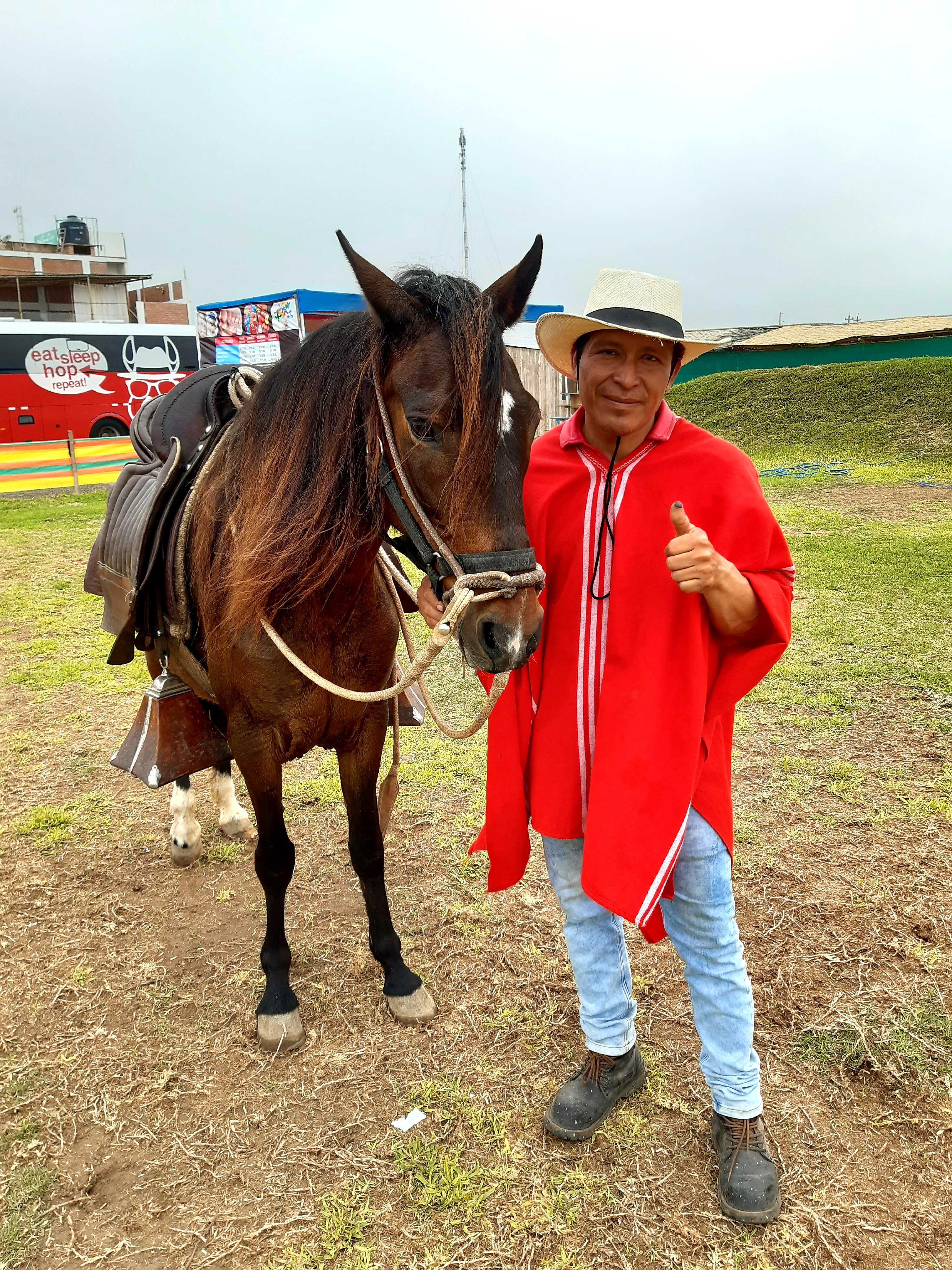
Louise (my pink suitcase, for new readers) and I set off at 05:15 last Tuesday at a brisk pace to be at a pick-up point almost 2km from me. All went well and we left Lima just after 07:00. Deborah was our guide, a very friendly, concerned and efficient Peruvian lady.Our first stop was breakfast, and that was when I realised that I was part of the tourist-clan. Queuing for breakfast, watching a man riding his horse up-and-down and playing a game involving a guinea pig chosing a numbered box to win a prize…

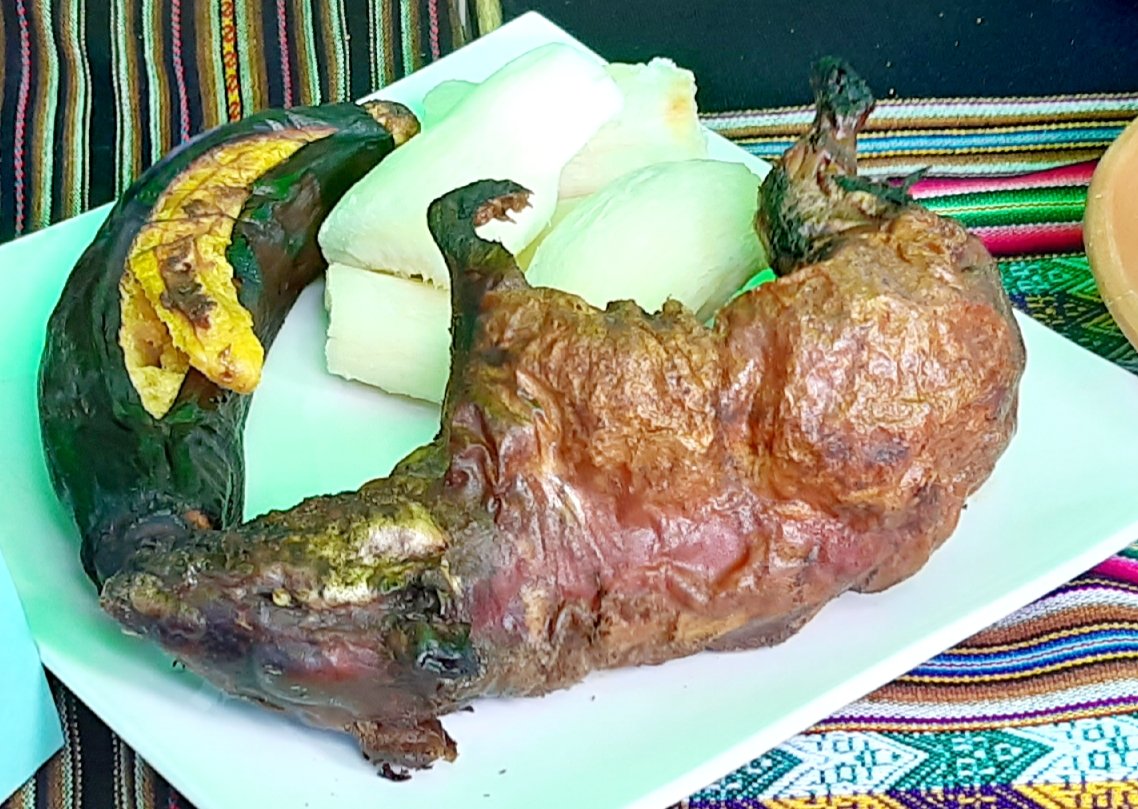
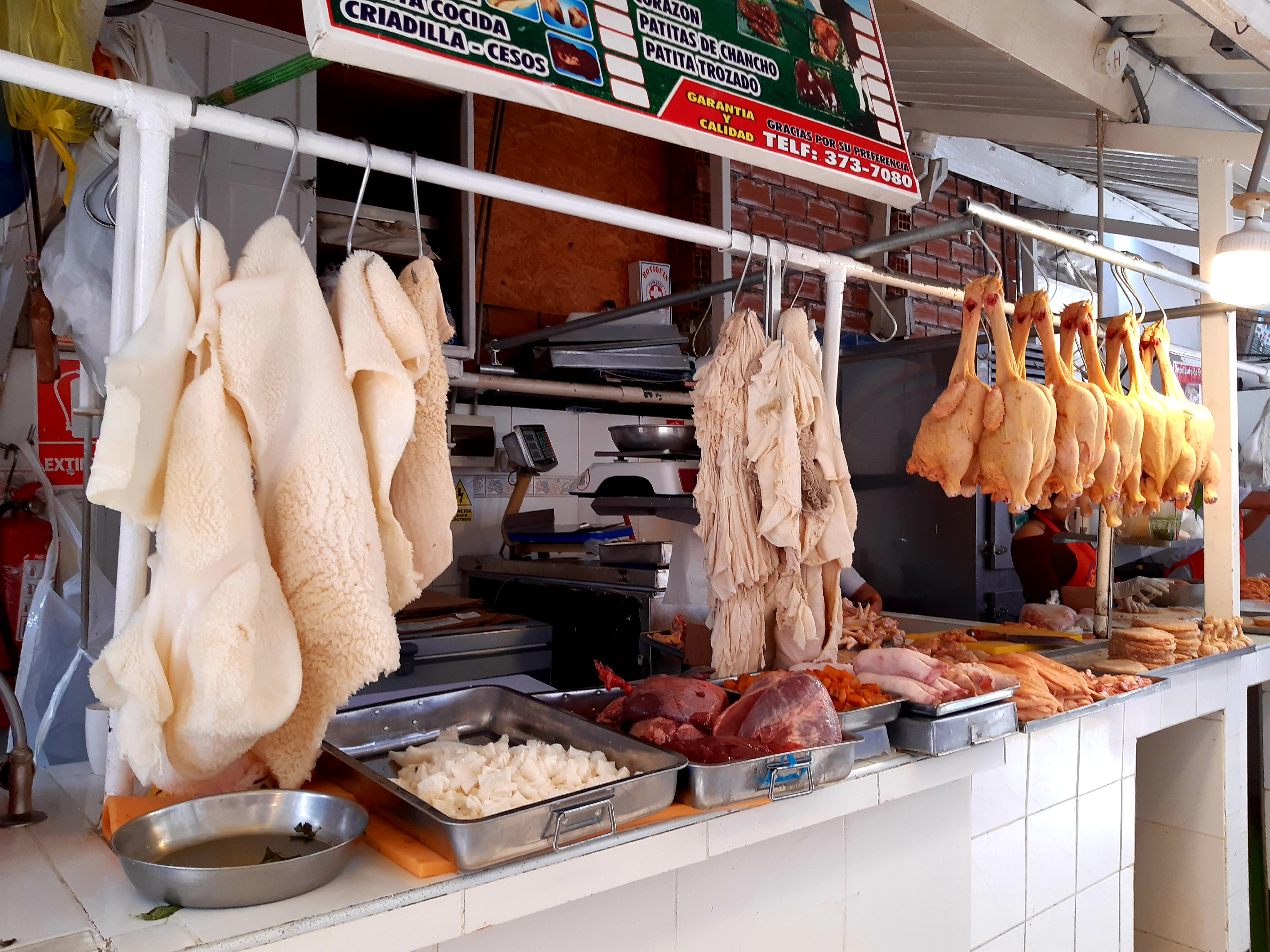
They breed some guinea pigs there, it is a popular Peruvian dish,
cuy al horno (fried whole, head, feet and all). I haven’t tried it, although I have had some other tasty dishes, such as
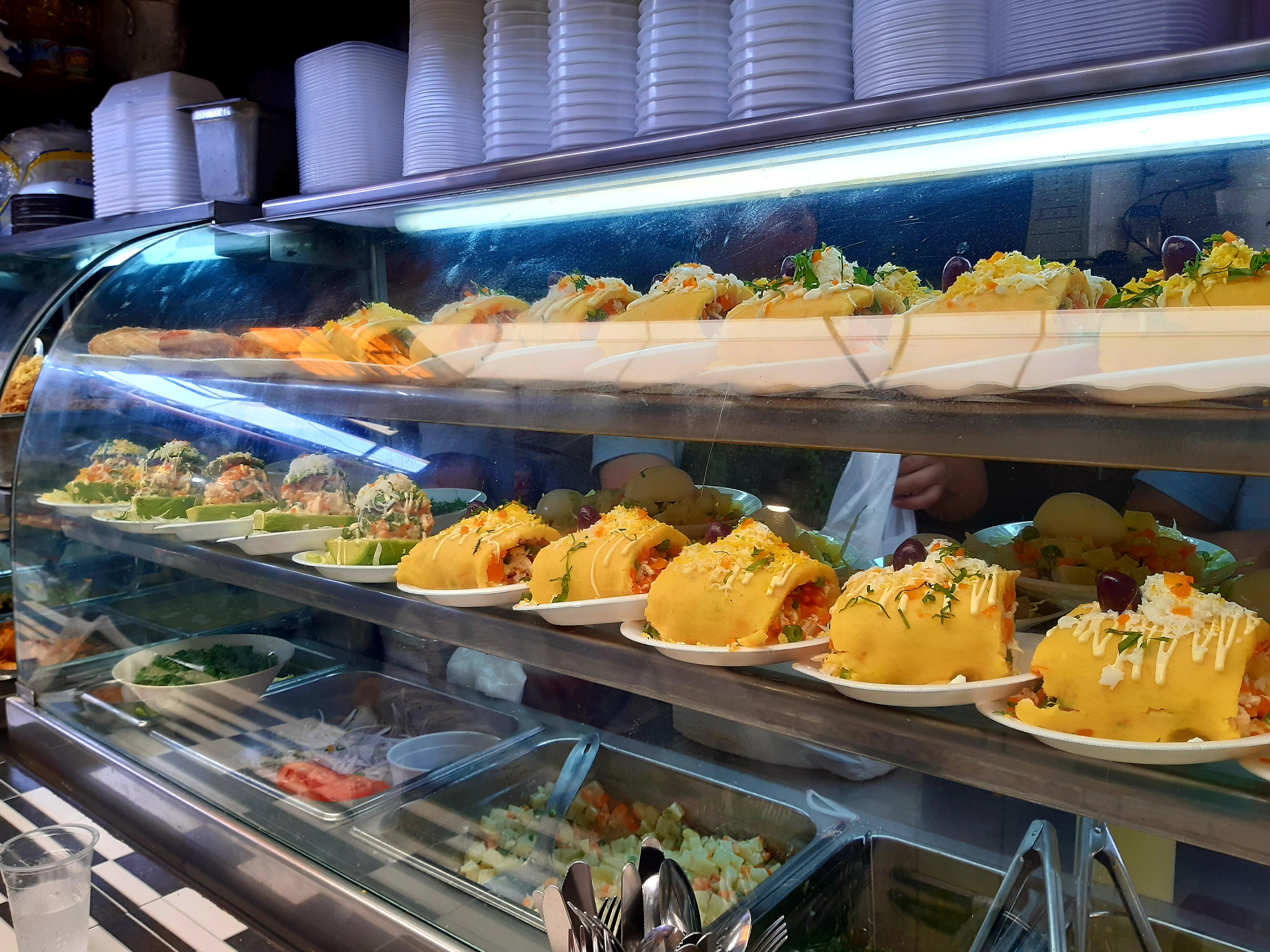
palta a la reina (avo filled with chicken, potatoes and cheese),
rocoto relleno (stuffed peppers), alpaka steak and
alfajores (two biscuits with dulce de leche in between). Two other local dishes are
lomo saltado (stirred fried meat & vegetables on chips, with a pyramid of rice) and
ceviche (marinated raw fish).
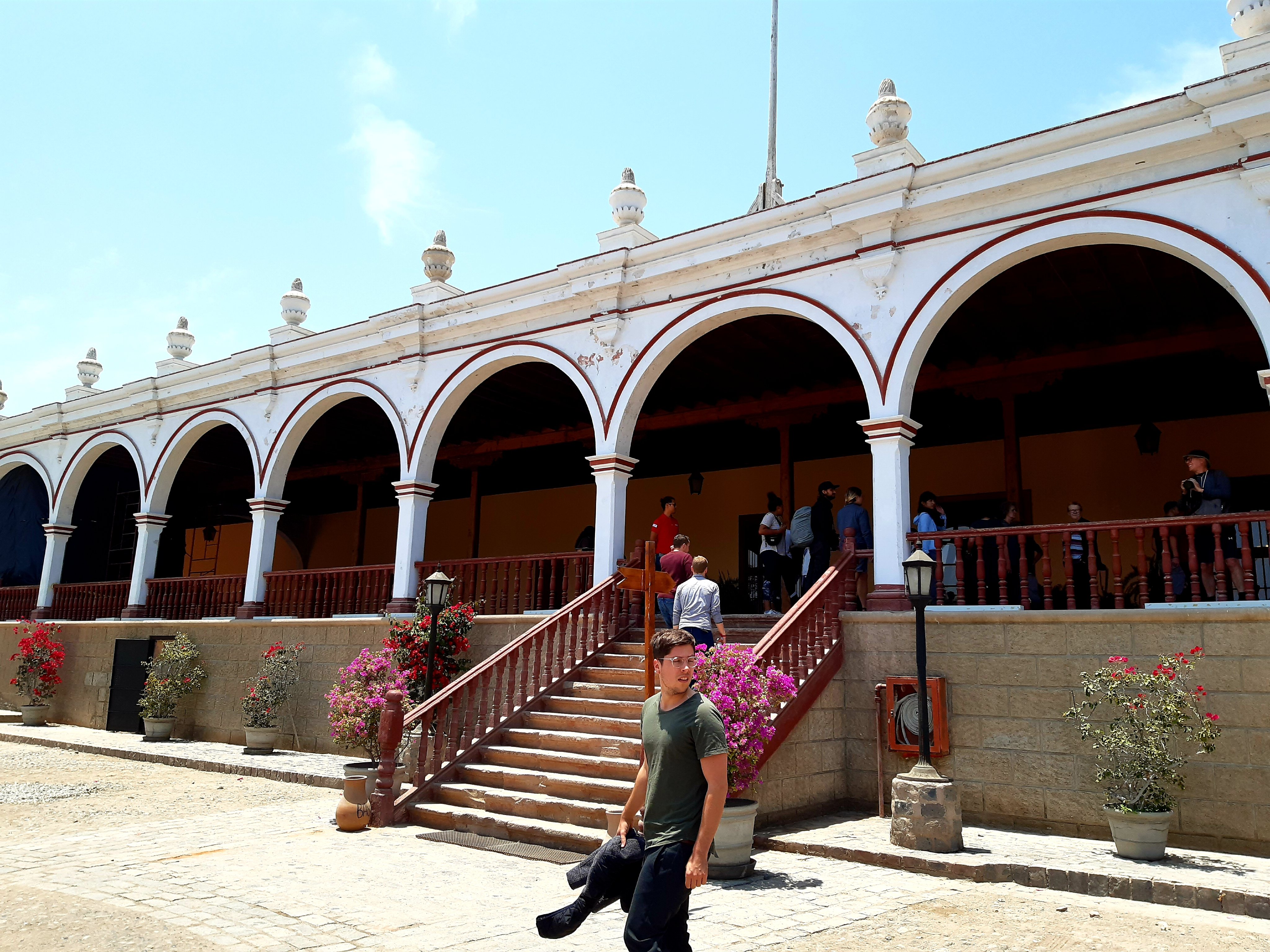
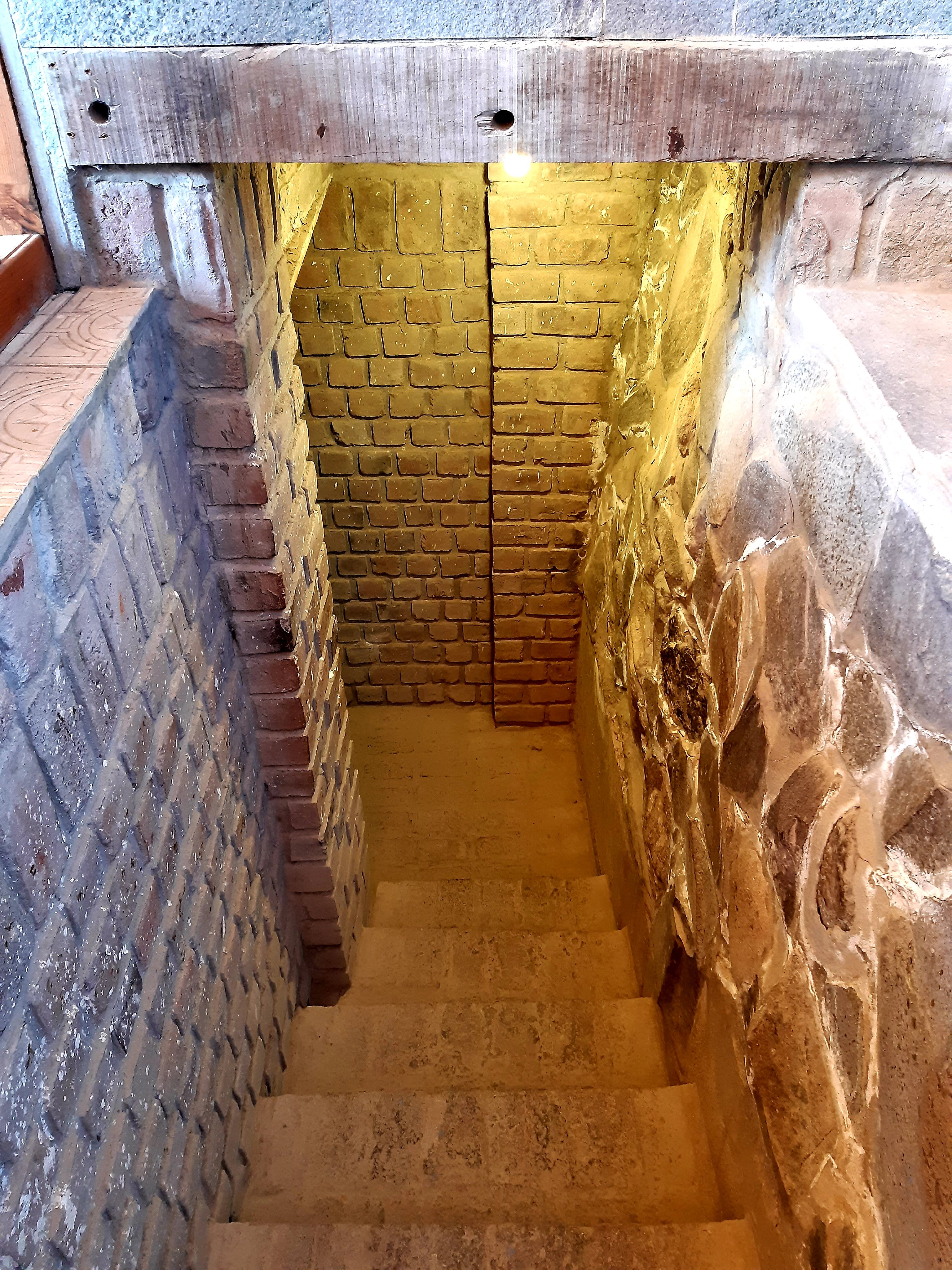
On our way to Paracas, our first stopover for the night, we were shown the slave tunnels on
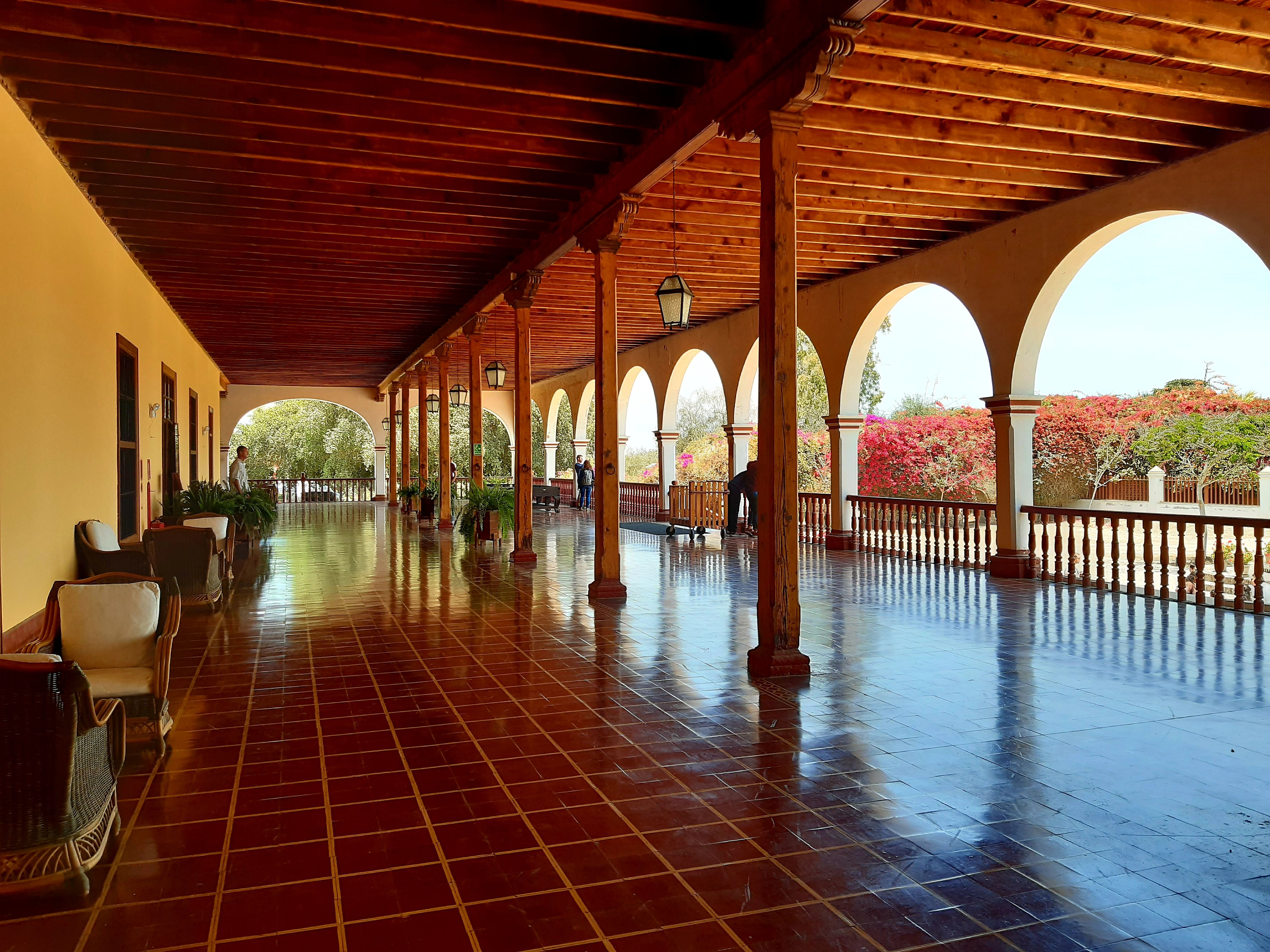
Hacienda San Jose, a colonianal plantation founded in 1688. By 1811, two estates had been combined and over a thousand slaves were working there. Slavery was abolished in 1854. They eventually murdered the last owner on the steps of the manor house, and today it is a hotel. There are 17km of tunnels, starting from the courtyard of the house and having steps up into the master bedroom (one can only guess why), and running from one plantation to the next and even to the Pacific Ocean. It is thought that apart from servicing the household, slaves were smuggled in through the tunnels to avoid being taxed for them. There were rooms leading off the tunnels that were used to isolate the sick slaves coming in from the boats (leaving them there to die), to punish slaves, and to keep men that were strong and healthy to procreate. Well that is what we were told. Today there is a strong Afro-Peruvian culture in the Chincha area as a result of the fusion of the cultures, especially music, dancing and art.
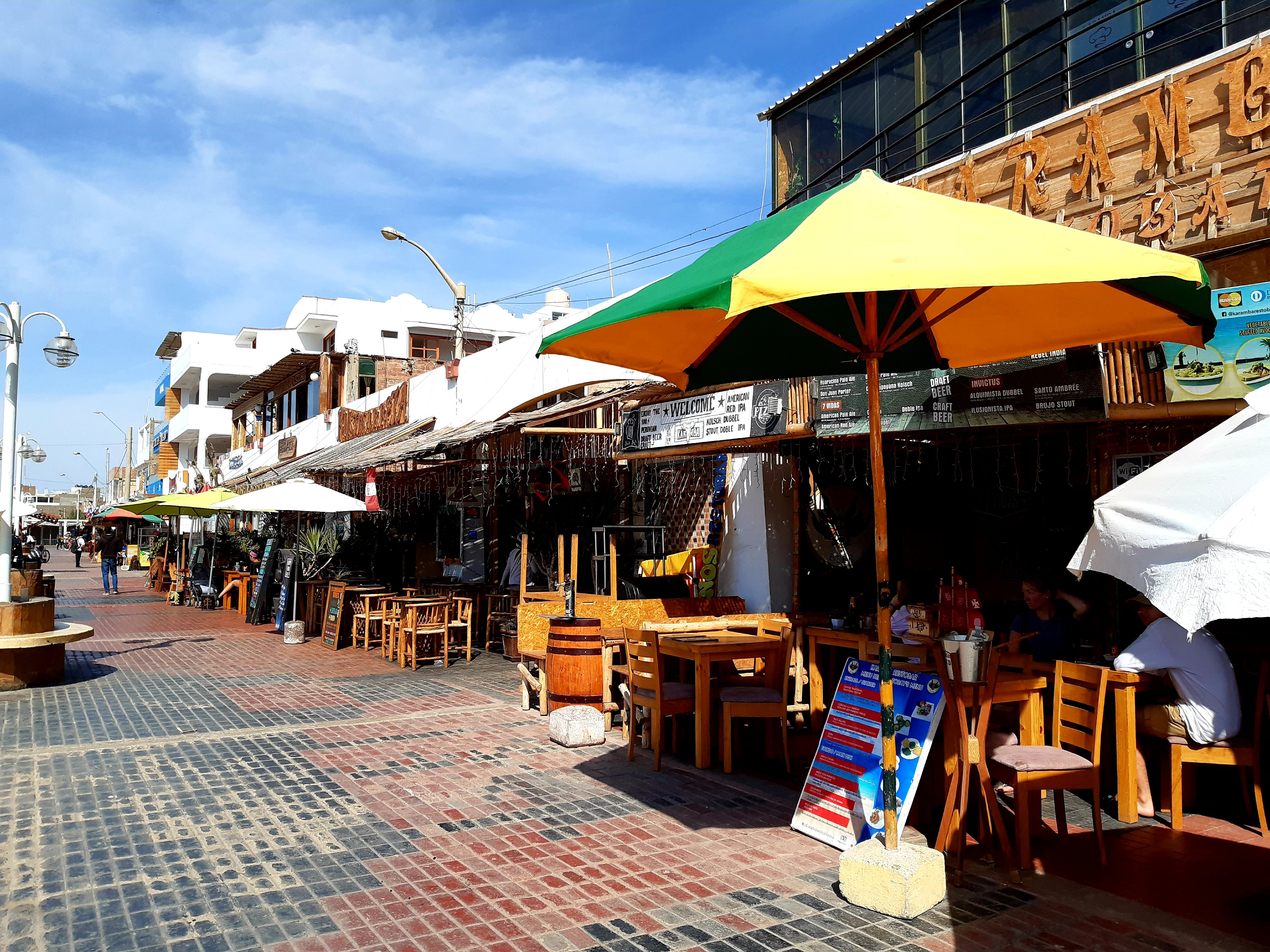
Paracas is a holiday town for Peruvians, with bikes, quad bikes and kitesurfing activities, as well as boat trips to the Ballestos islands where there are sea lions, penquins, dolphins and whales (I didn’t do the trip as I had seen all the boats heading out to the island when I was flying over on my way to Lima. It just seemed too touristy and expensive.)
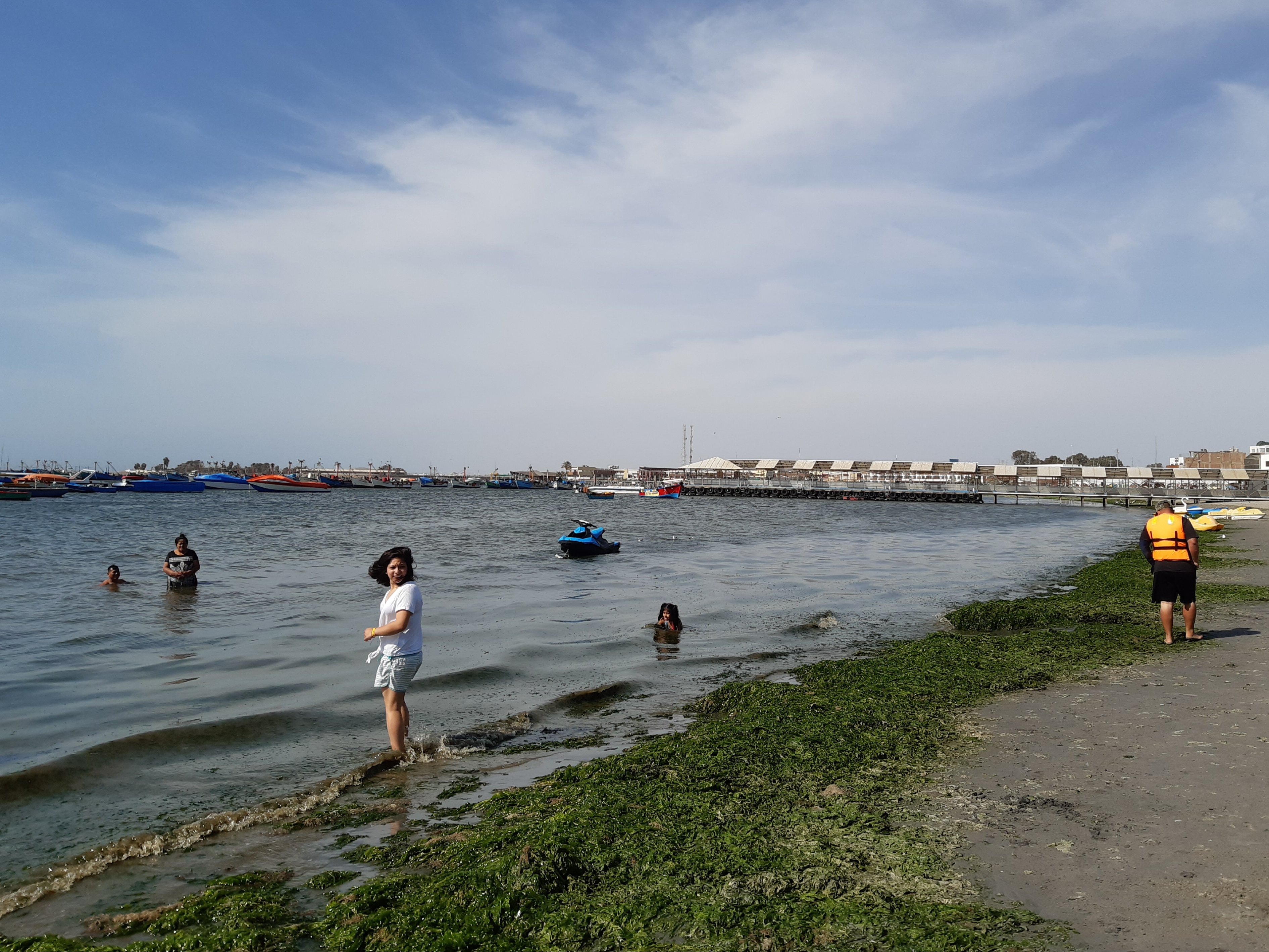
The sea in Paracas is very polluted, not just full of seagrass, and I was not enticed to swim but the locals clearly thought differently.
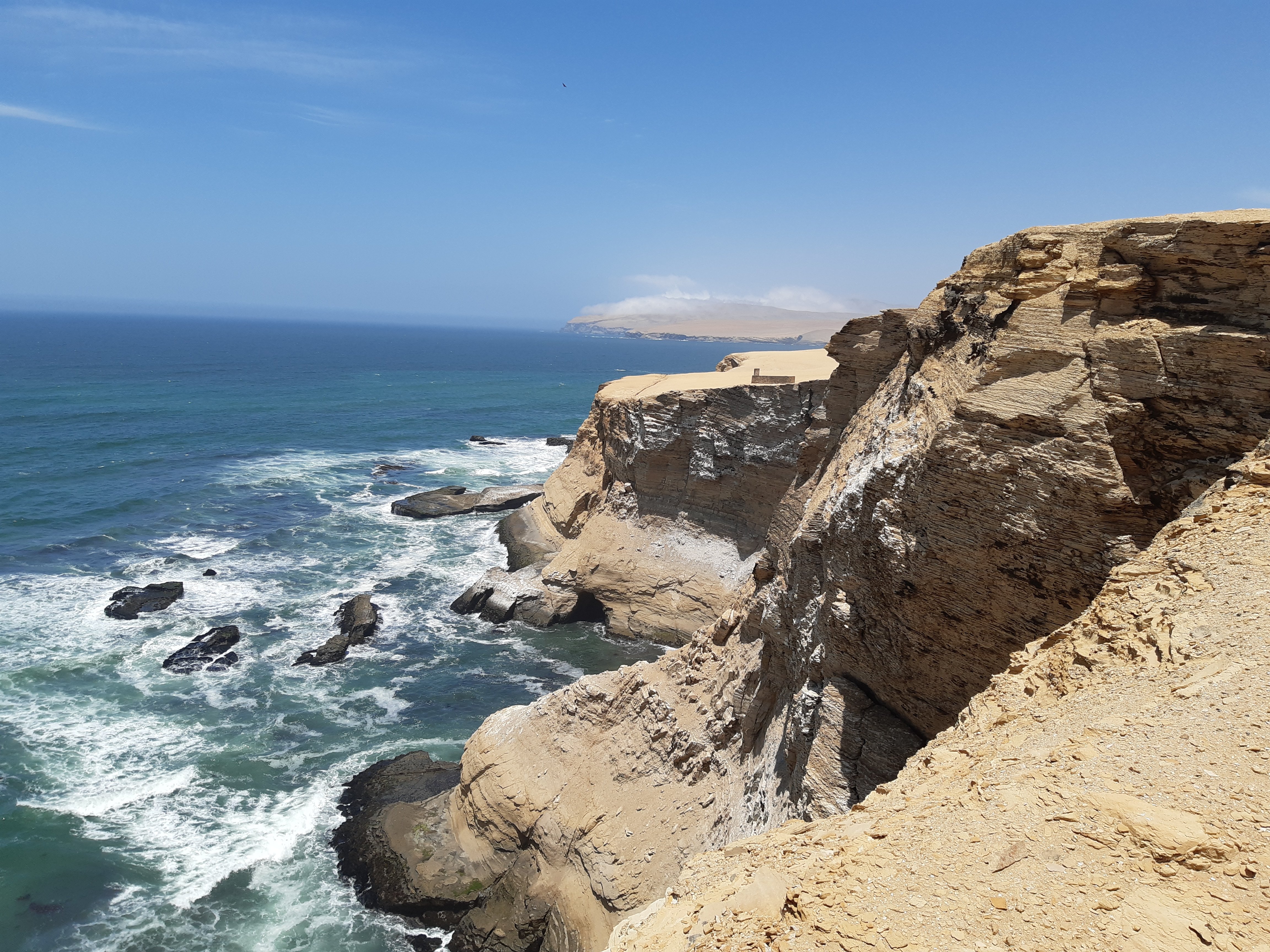
The National Reserve to the west of the town is a square shaped desert peninsula with spectacular views from various lookout points. Camping is allowed close to the beaches, and according to Deborah, is very popular during summer. I was filled with awe – the desert and the ocean, together as one. I thought of what I often experience in the Namib Desert, of wanting to dissolve into the sand, becoming part of it. And which I do when I dive into the ocean, submerged in the water. Both simultaneously, almost too much!
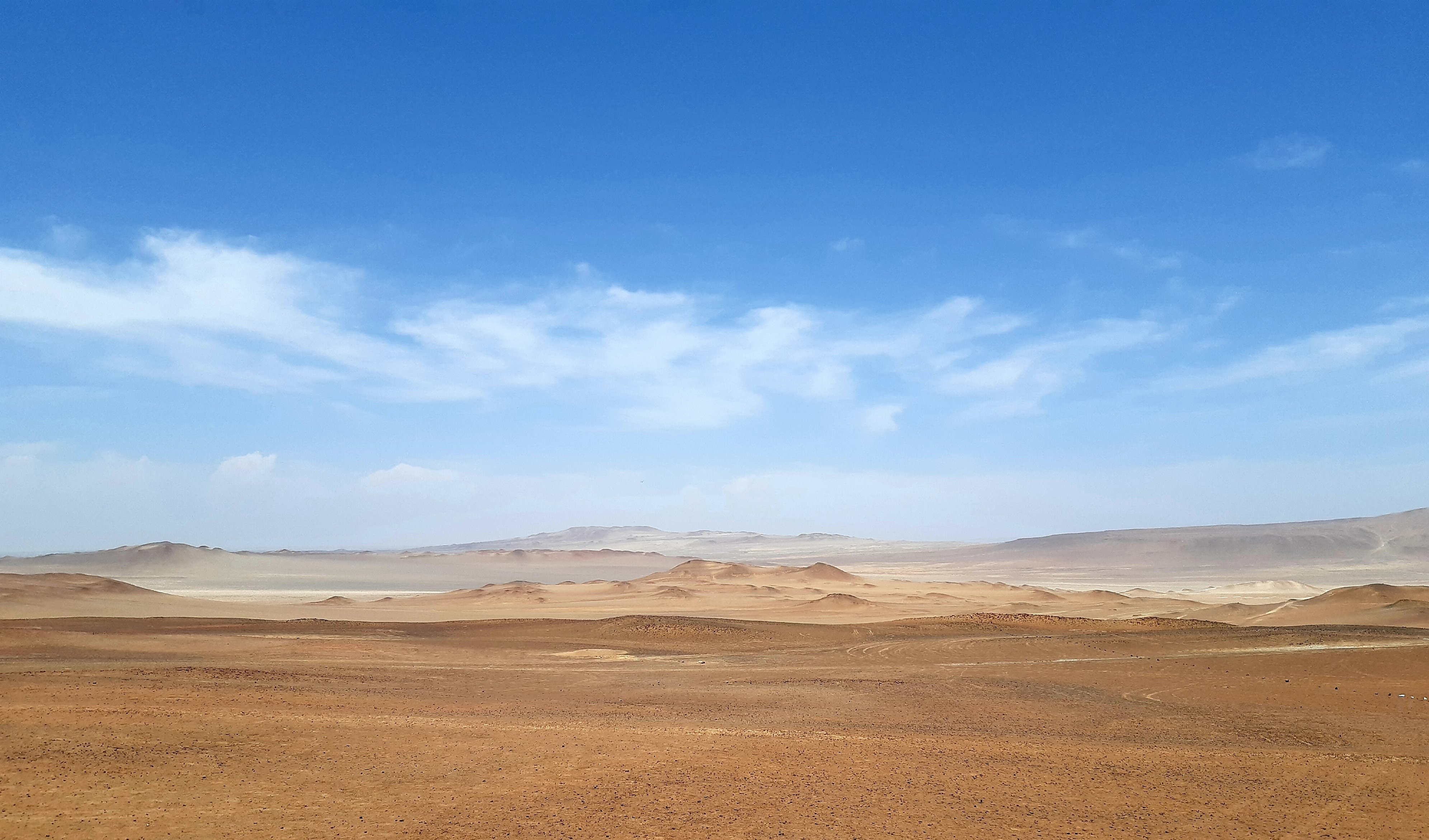
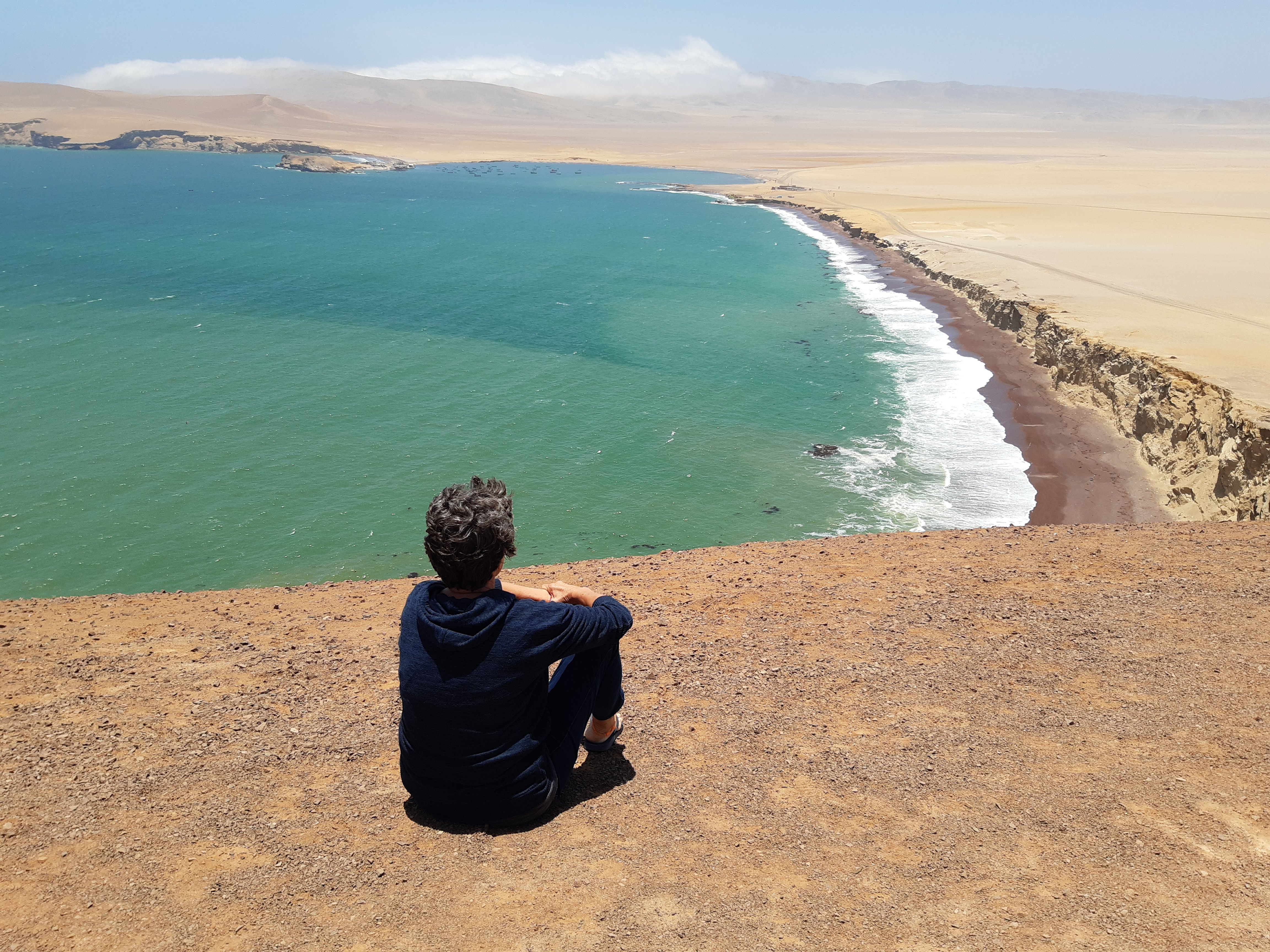
The above beach is called
Playa Roja (red beach) as the small rust coloured stones that make up the beach are as a result of the waves pounding on the cliffs of
Punto Santa Maria,
picking up small amounts of the red rock which over time have been deposited by the receding tide to create the beach.
From there it was a few hours to Huacachina, a small oasis town surrounded by towering dunes. I was expecting it to be in the middle of the desert, but Ica, the fourth biggest city in Peru, is just on the other side of the dune.
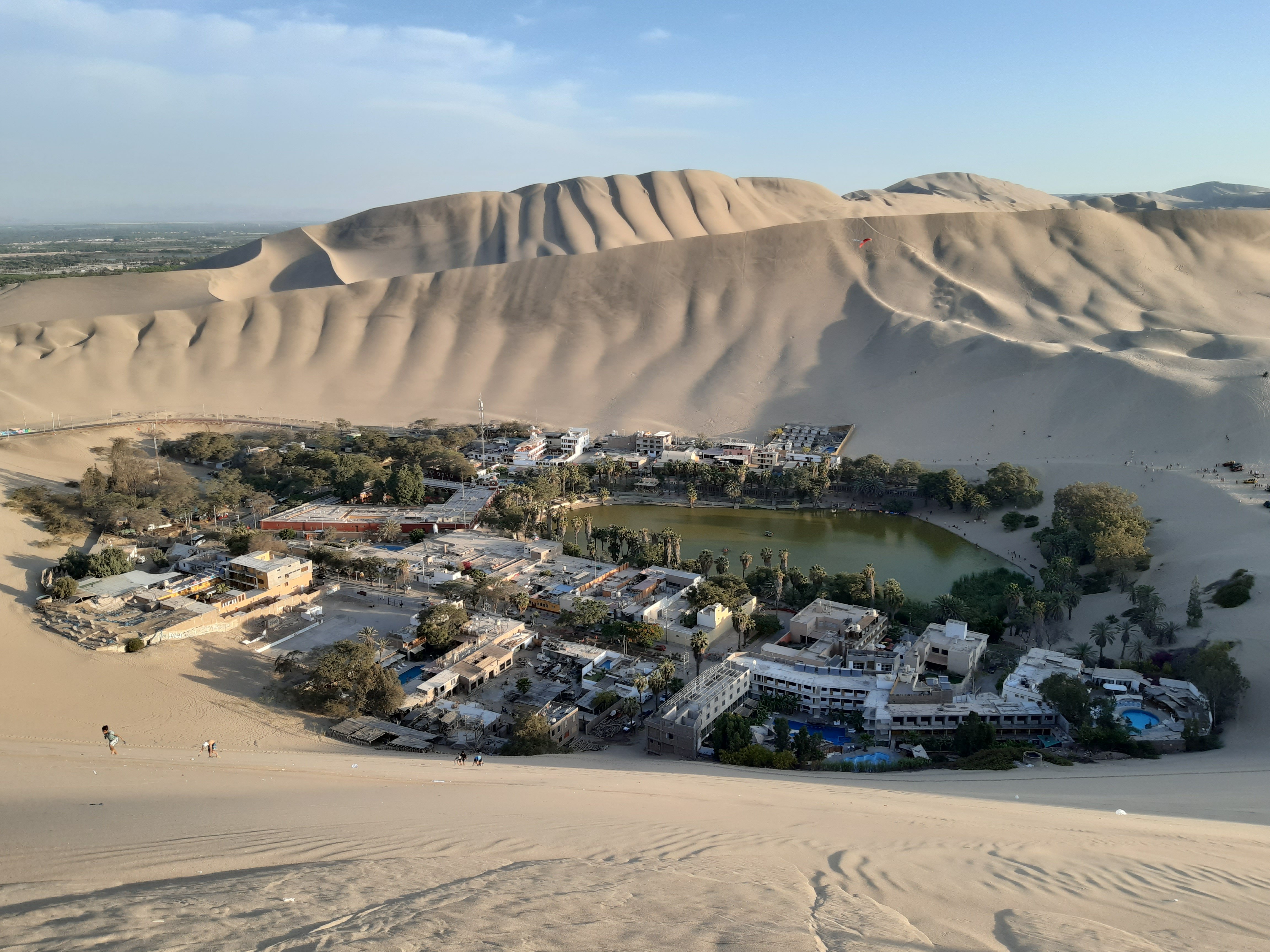
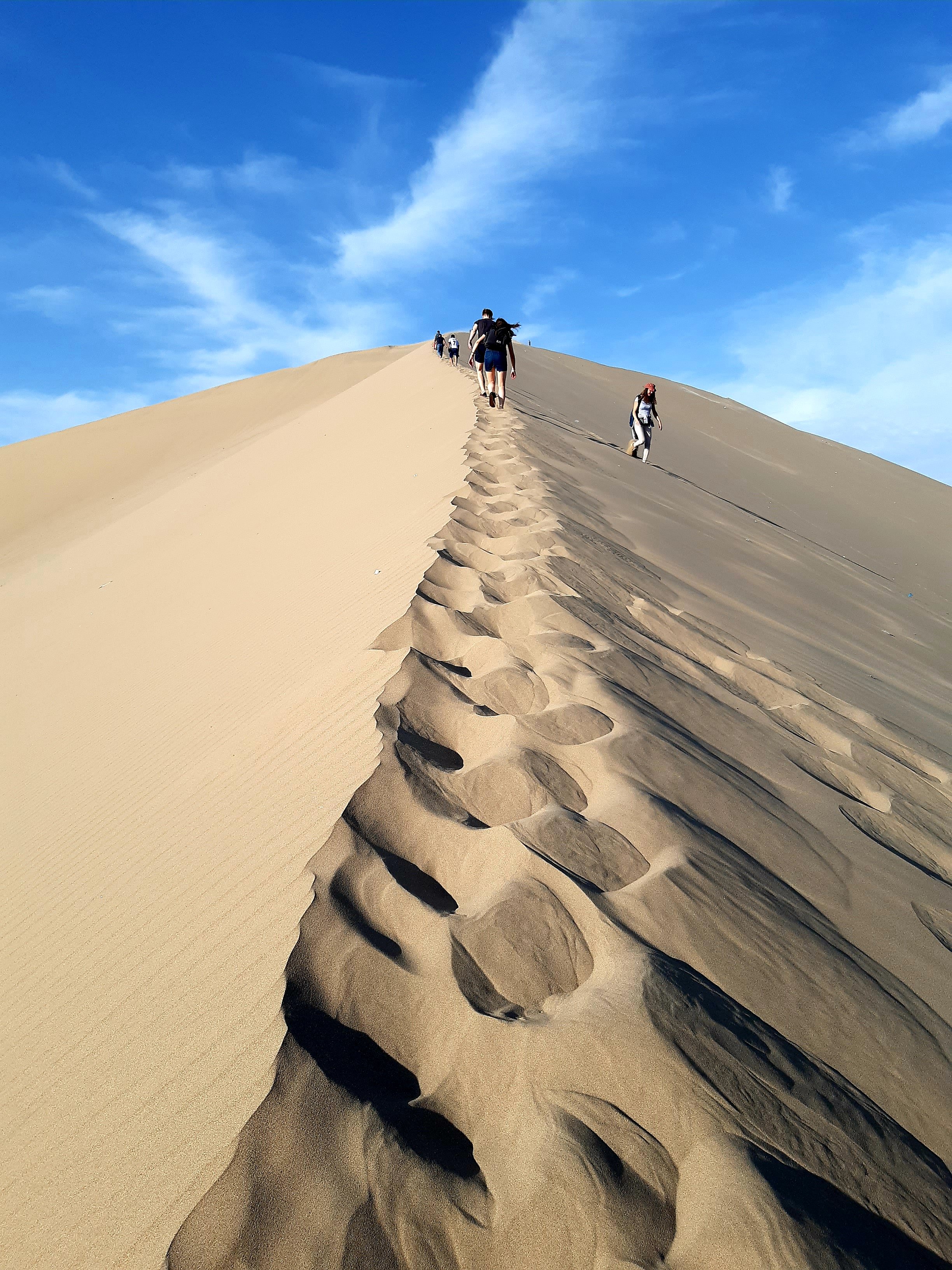
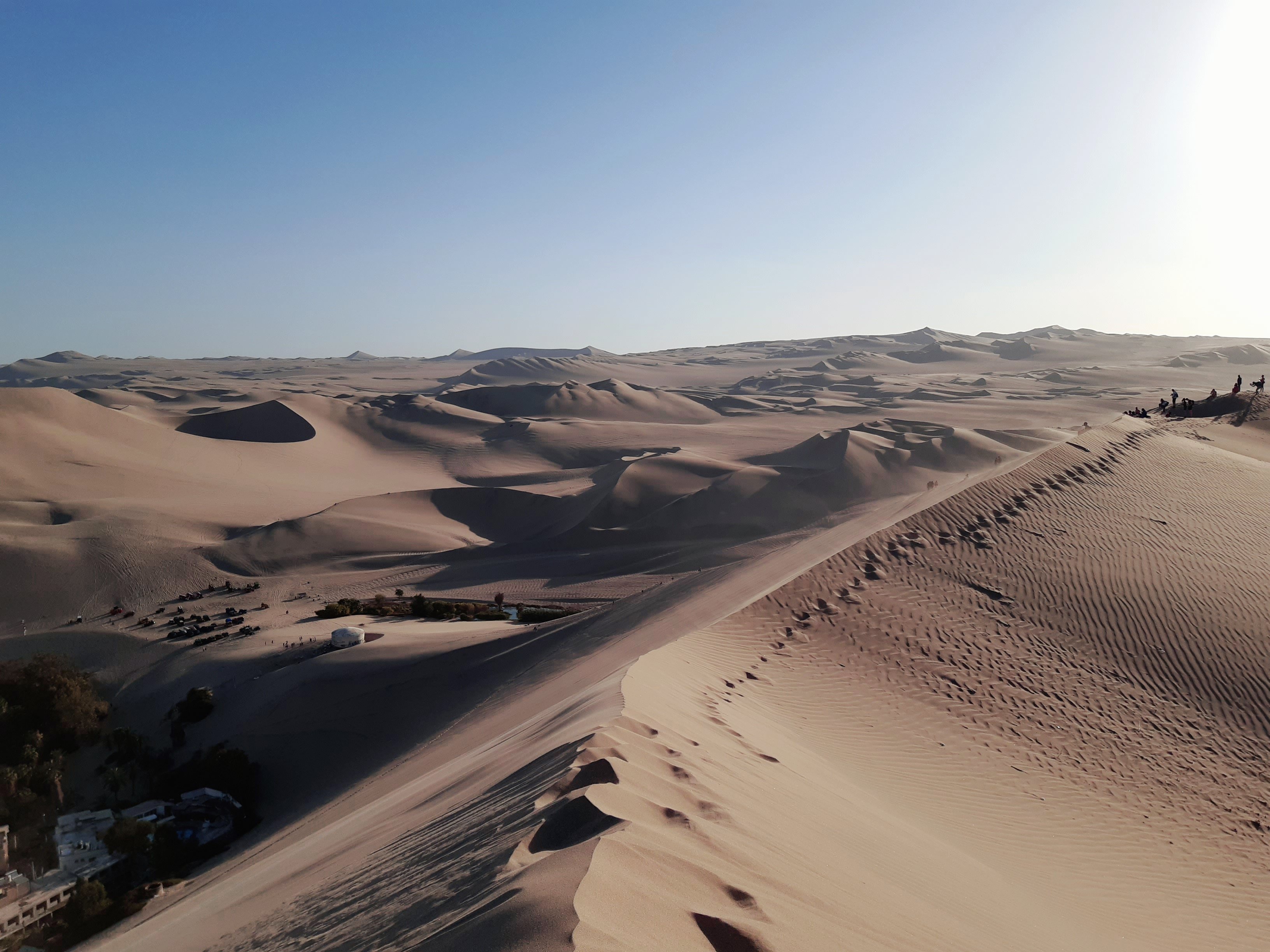
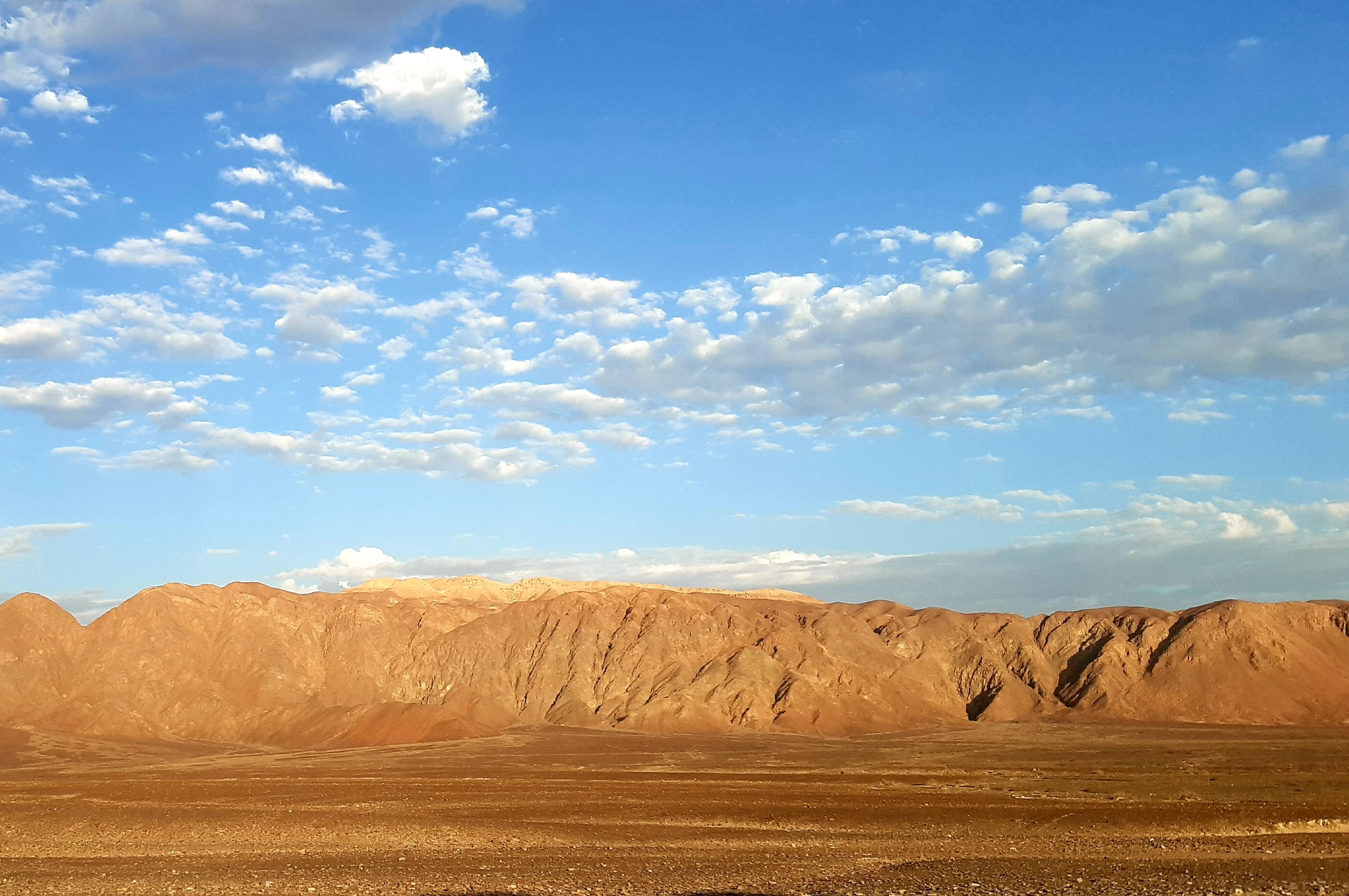
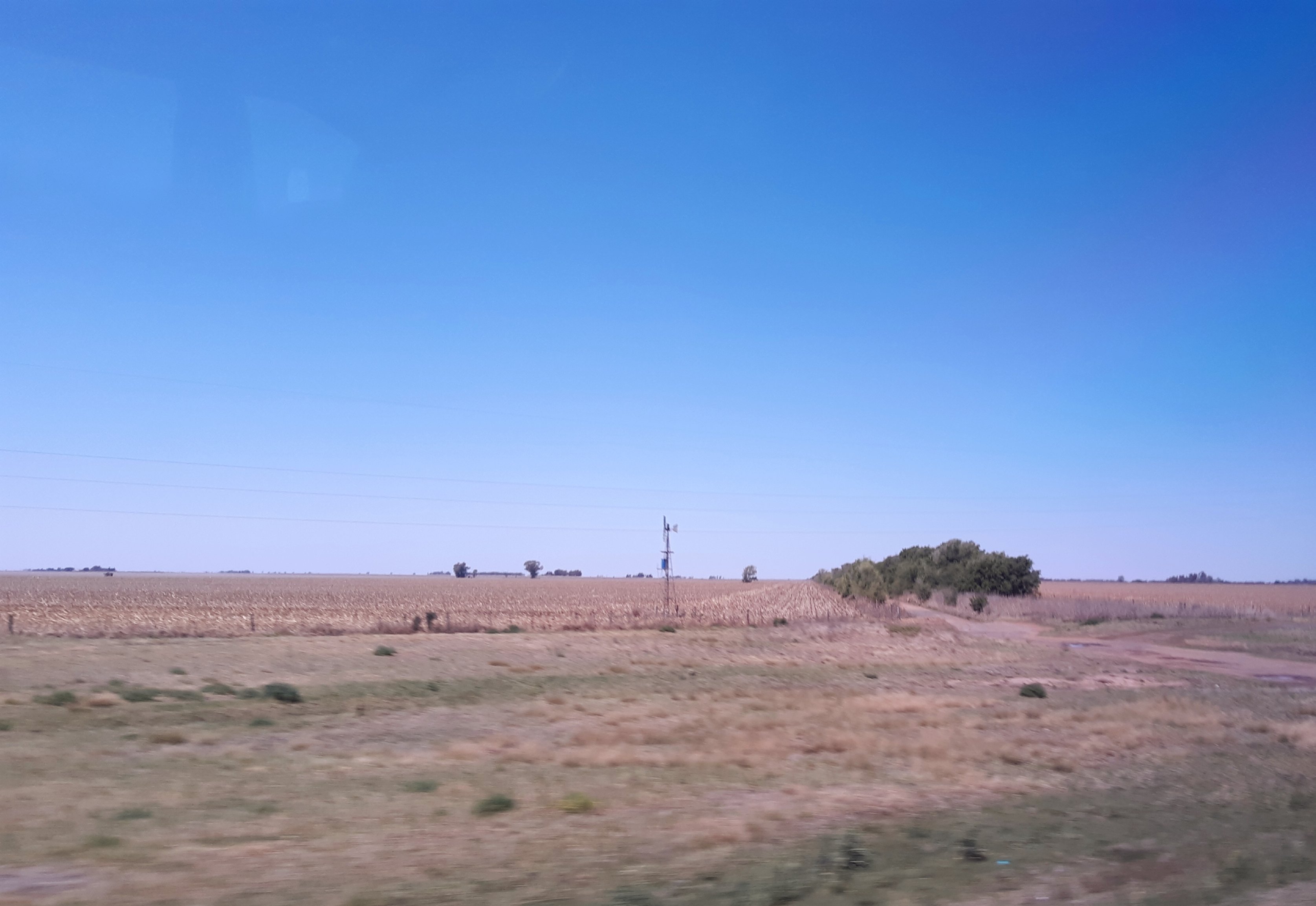
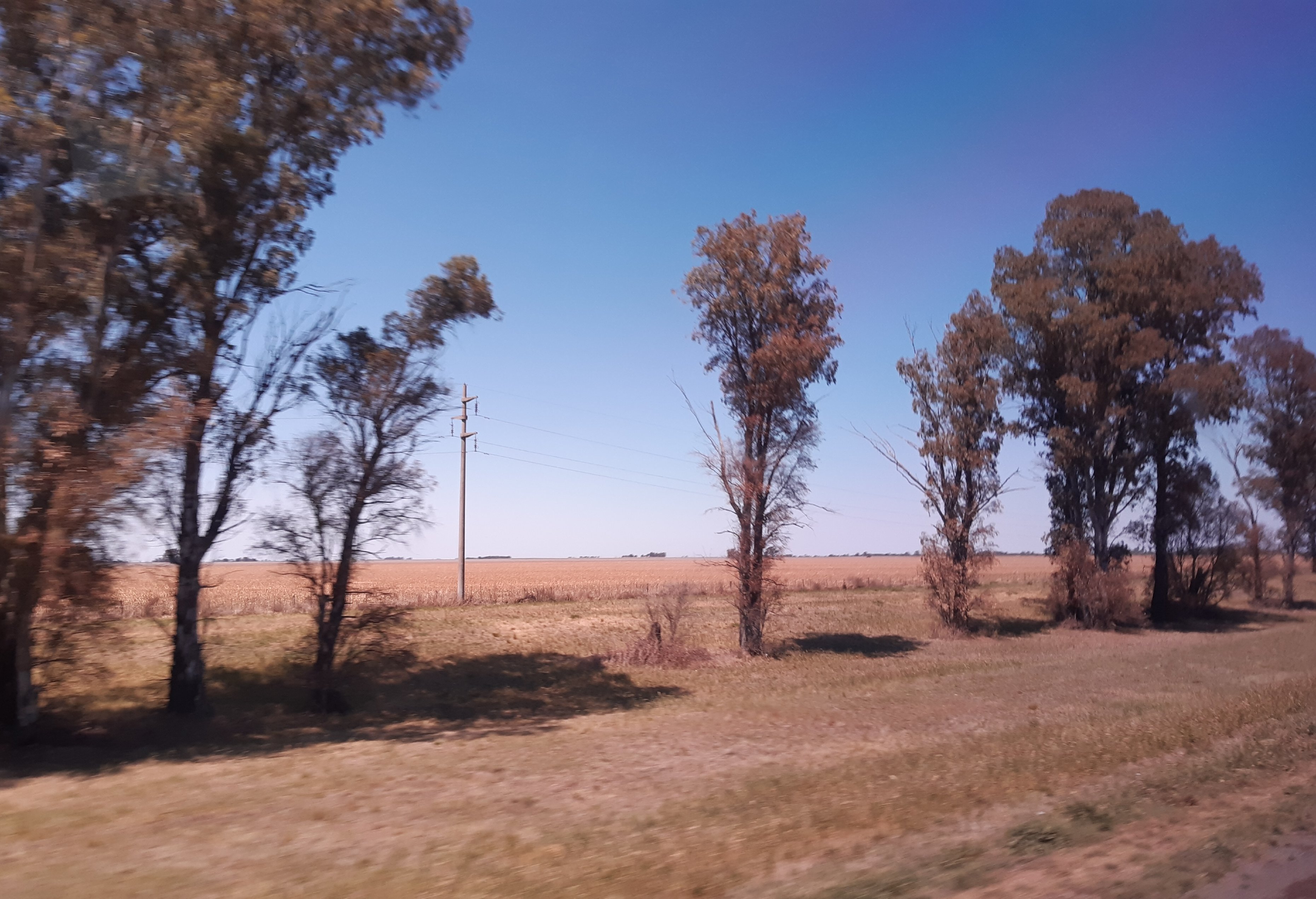
Ica, I must admit, is in the middle of the desert. I didn’t know that virtually the whole southwestern part of Peru is desert, both dunes and hard desert. I saw some of it when flying to Lima, but driving through it by bus makes one realise the vastness and barenness of it all. I couldn’t stop taking photo’s, most of which I had to delete later as they were either blurry or had light reflections or marks from dirty bus windows.

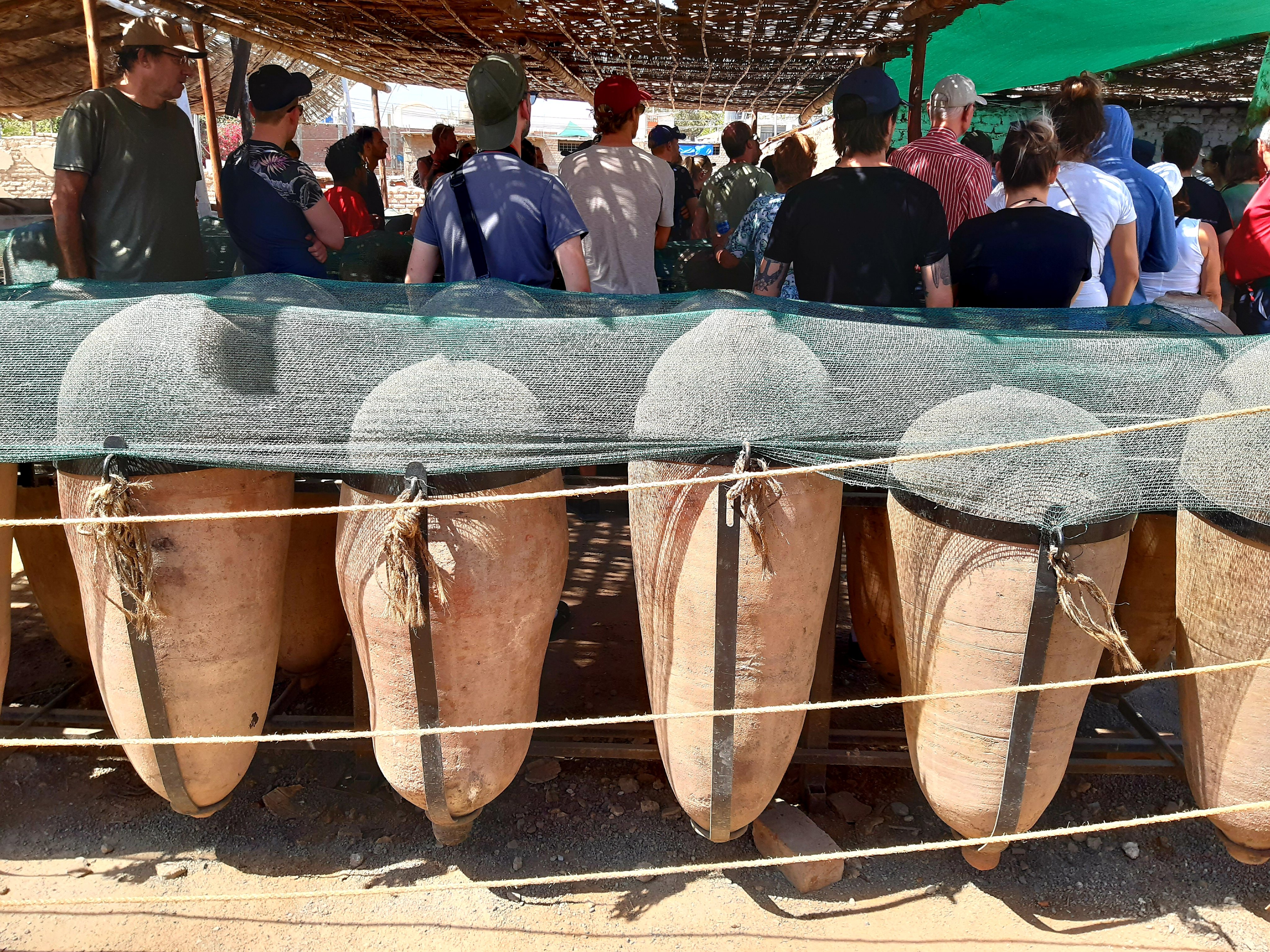
Ica is known as the wine and pisco capital, where this Peruvian national drink is mostly made. Pisco is similar to our
witblits, distilled from grape juice, with an alcohol content of 48%. It is served as
pisco sour, a cocktail made up of pisco, egg white, syrup and lime juice. Delicious and could become addictive! We stopped at one of the oldest vineyards for a tour and wine and (pure) pisco tasting. The grapes have a high sugar content as the climate is hot and dry, and fermentation takes only two weeks. Peruvians like their wine sweet or semi-sweet, not dry at all. The methods used on that specific
estancia are very traditional: they do not use a press, but trample the grapes and fermentation takes place in earthen jars.

On our way to Araquipa, we passed Nasca and stopped to view some of the Nasca Lines from a tower next to the road. Some of these lines were formed over 2000 years ago, and there are different theories as to their existence, varying from indigenous people using them as places of worship, to an alien airport. Quite intriguing, as I was following our route on Maps.Me and could clearly see the geometrical lines crossing each other and the shapes that have been identified, such as the
tree, lizard, hand, etc. This one is the tree:

We arrived in Araquipa at 05:30, and I had to wait until 08:00 to book into my room that I had reserved through Airbnb, so I went to the main town square and had a very expensive breakfast in the only open restaurant.
Plaza de Armas is one of the most beautiful squares I’ve seen, with many restaurants on the balconies of the old buildings surrounding the square.
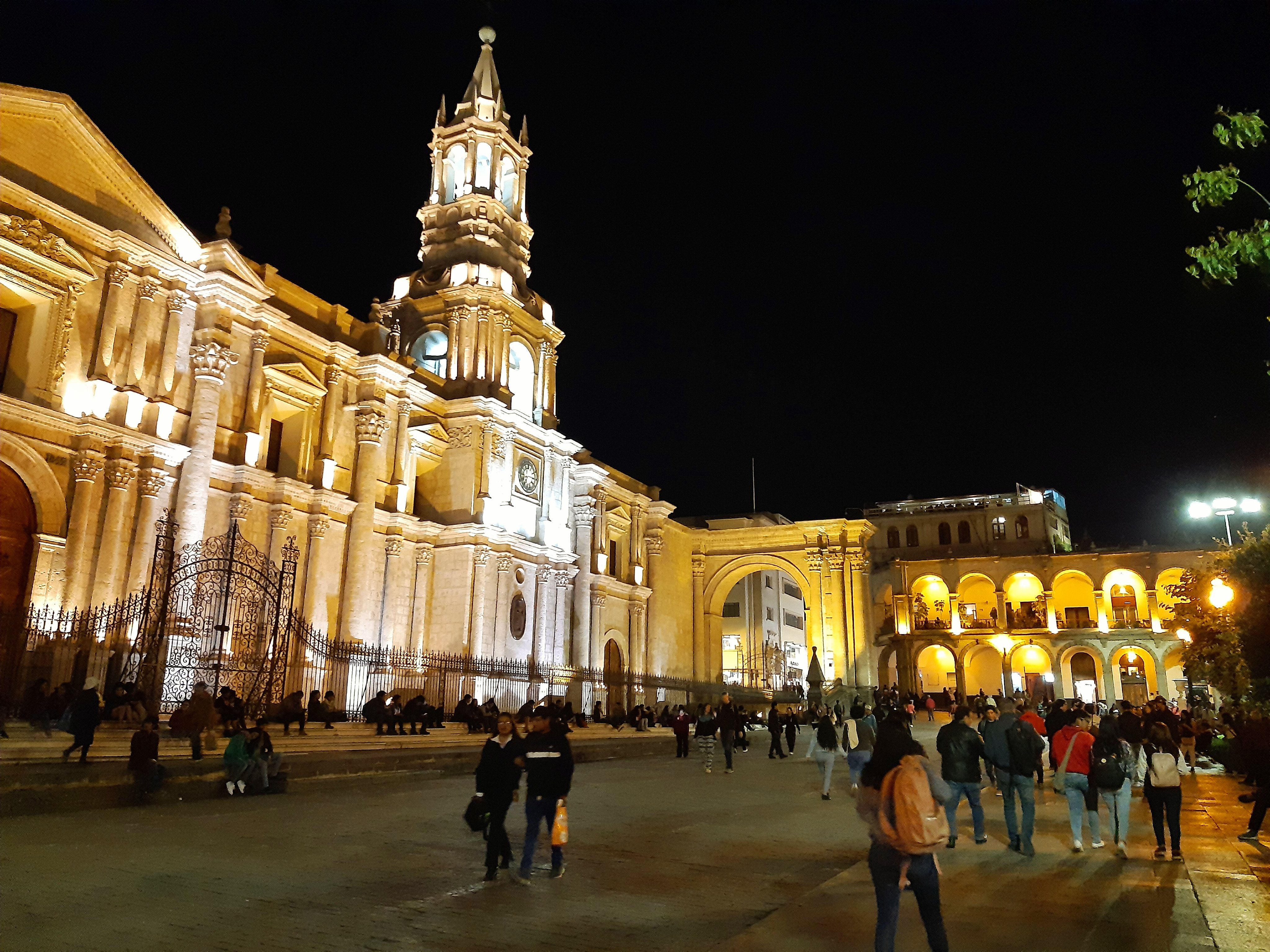 Santa Catalina Monastry
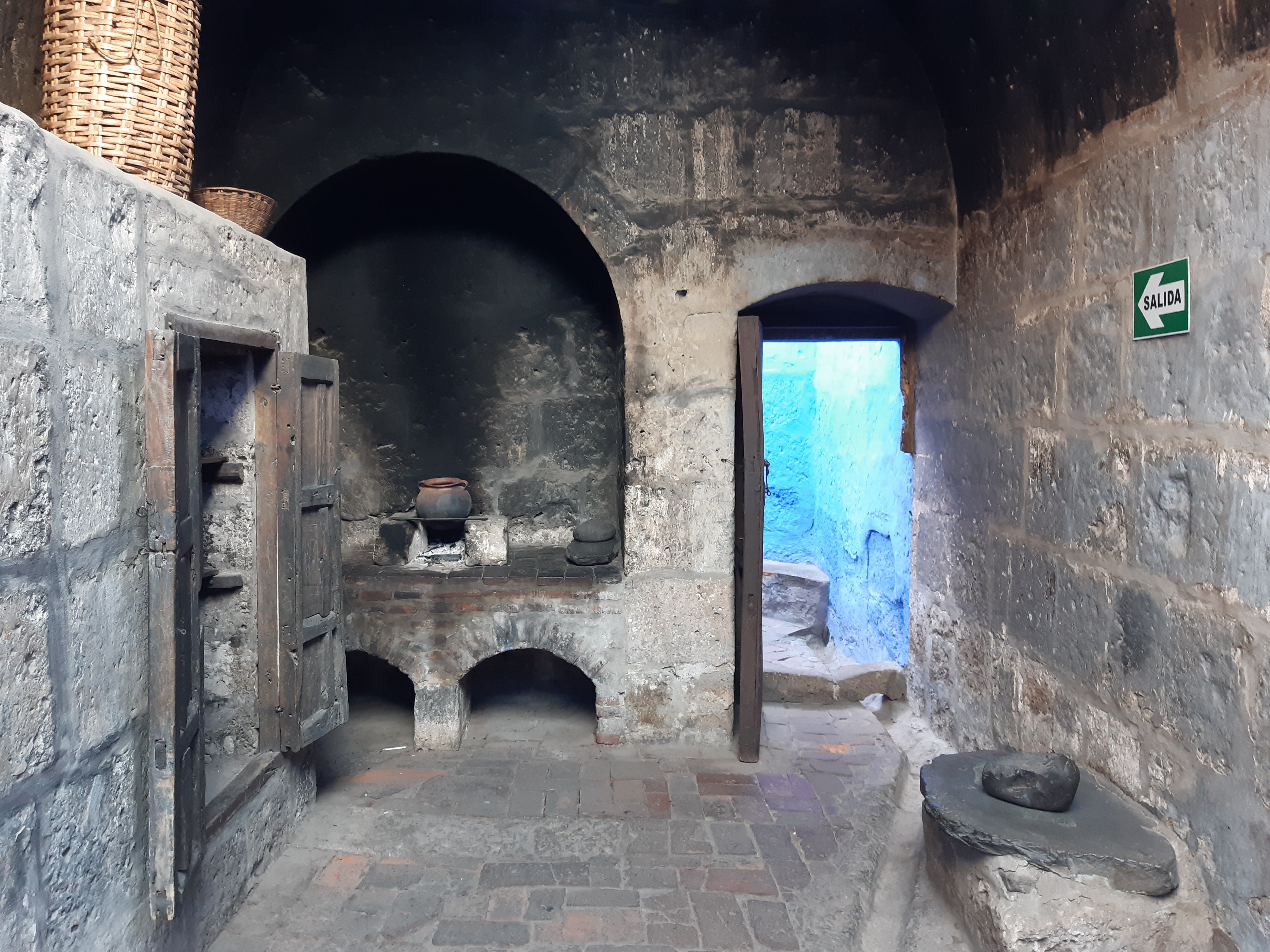
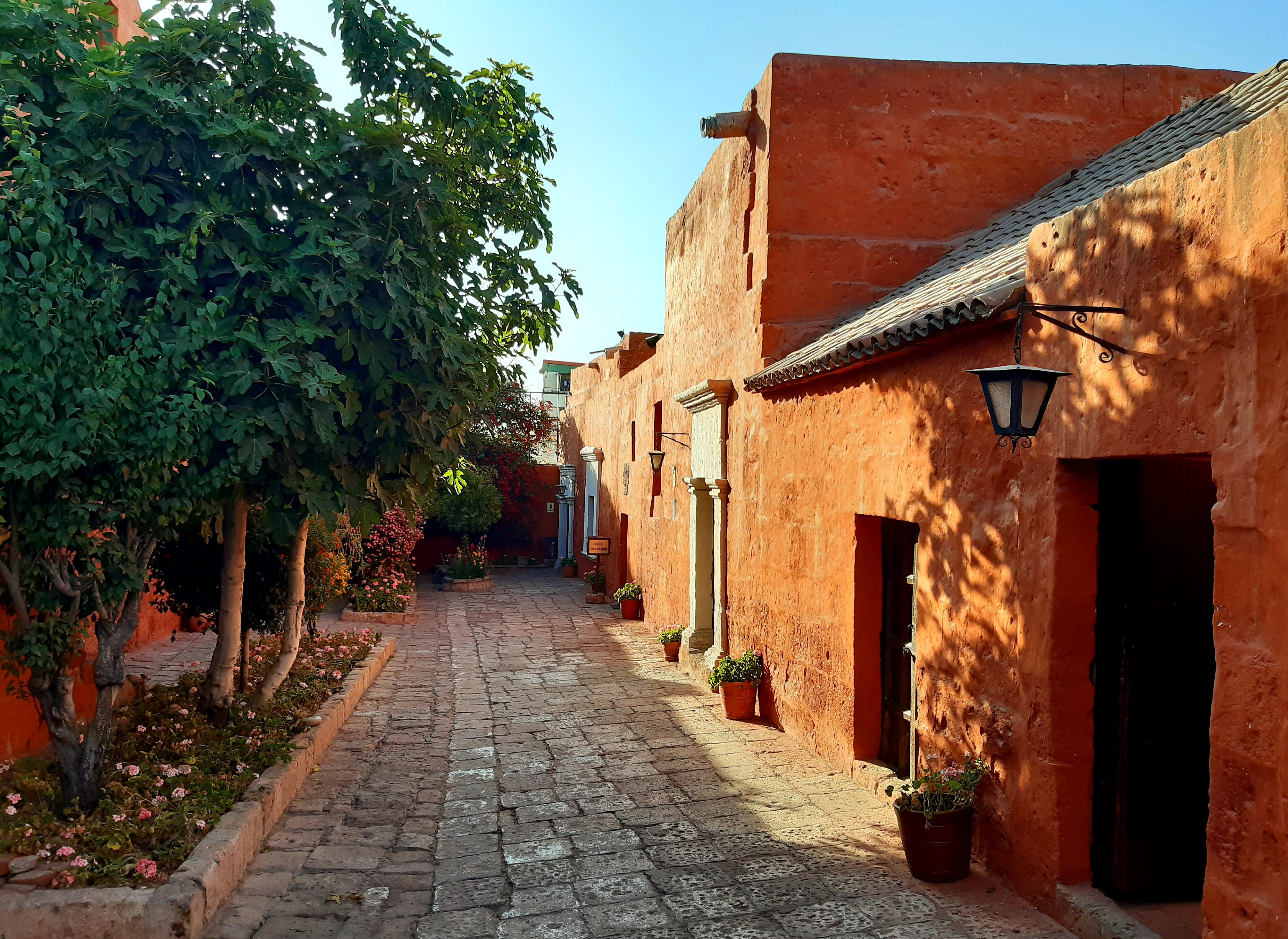
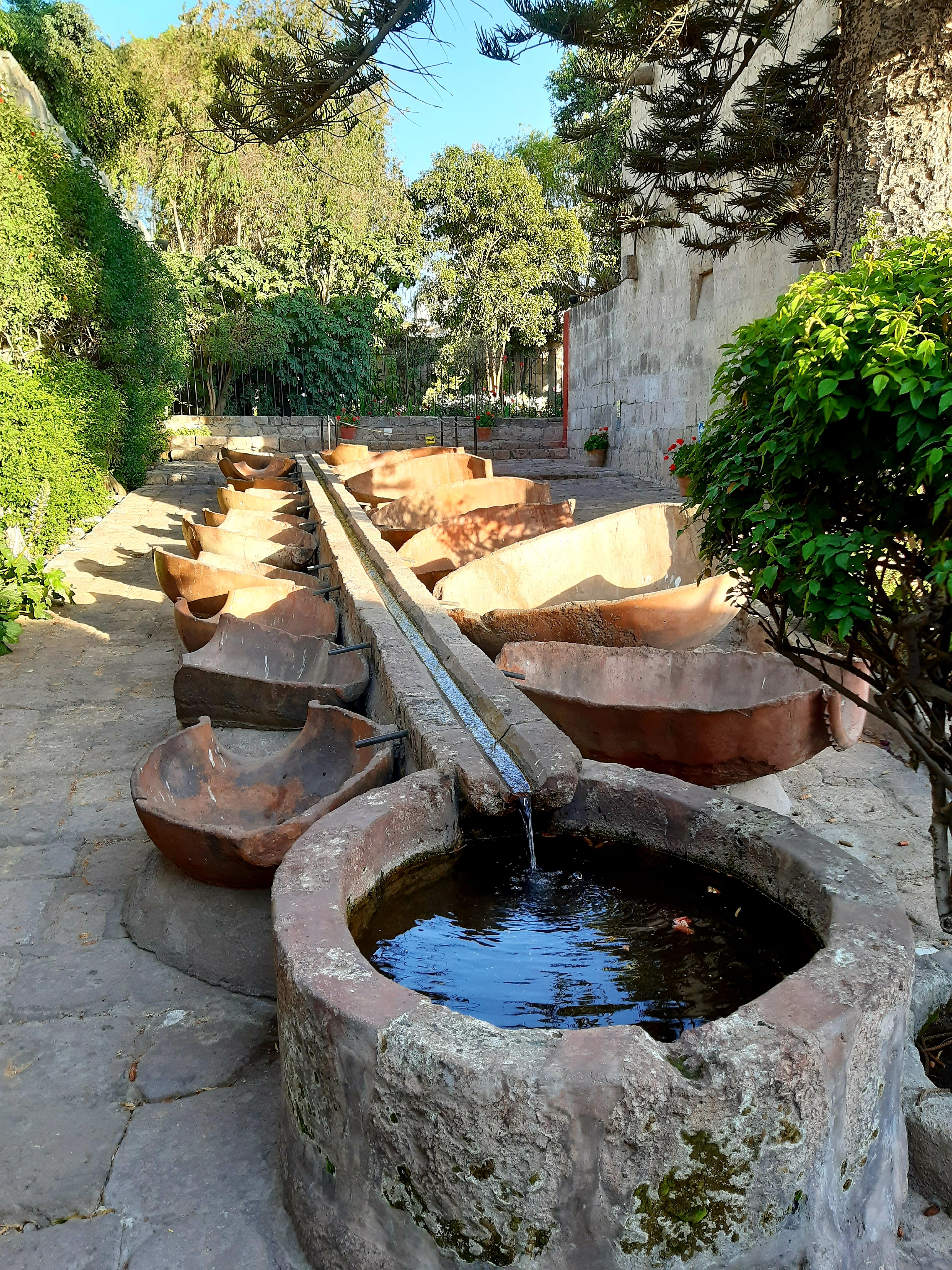
 close the square is well worth a visit. Founded in 1579, it was only recently opened for public viewing and is known for its colourful architecture and intriguing past. The nuns had little ‘houses’, belonging to them which they could sell to other nuns, so it is like a town within the securing walls. There is a communal washing area for clothes and a huge undercover bathing area.
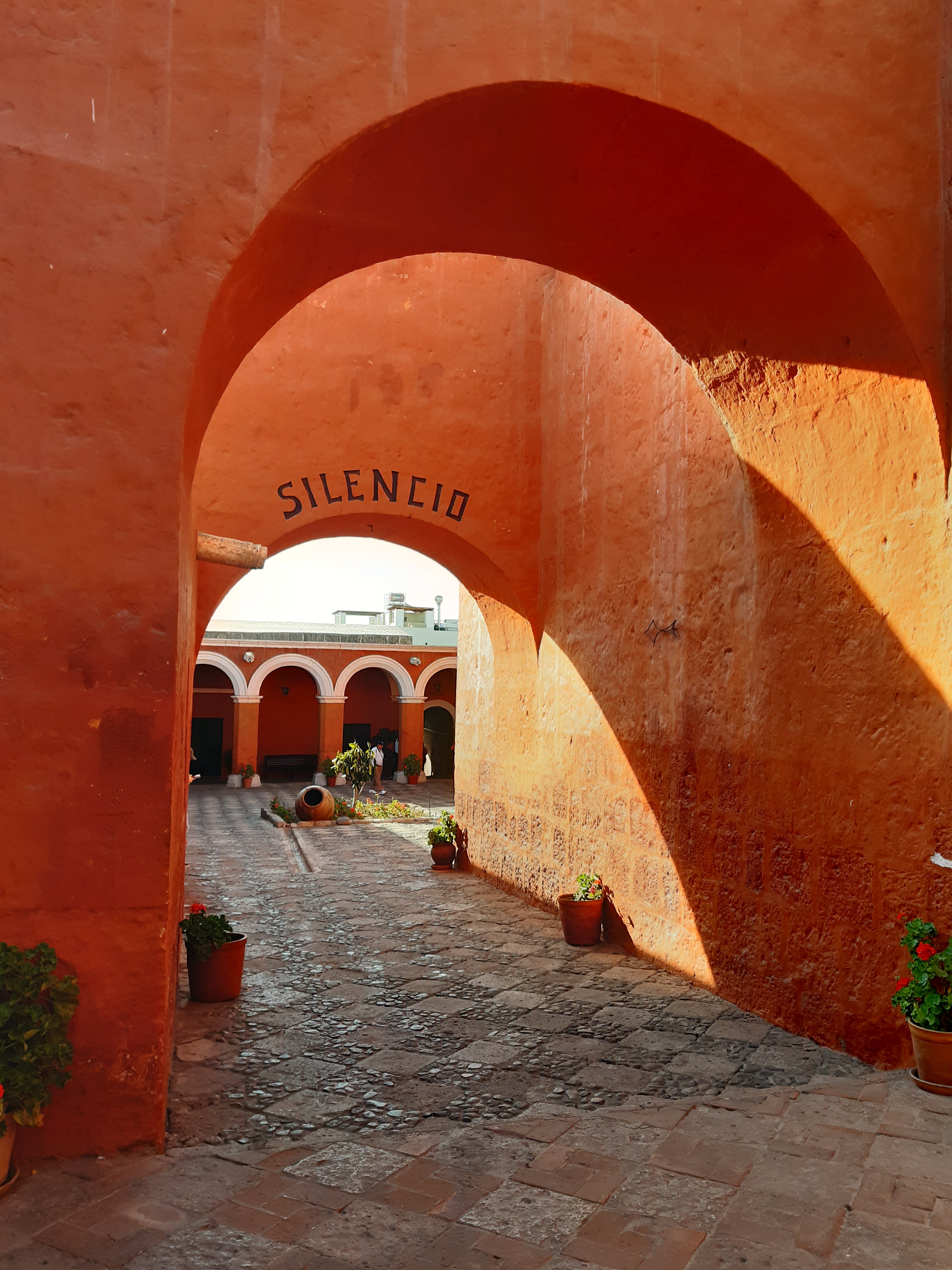
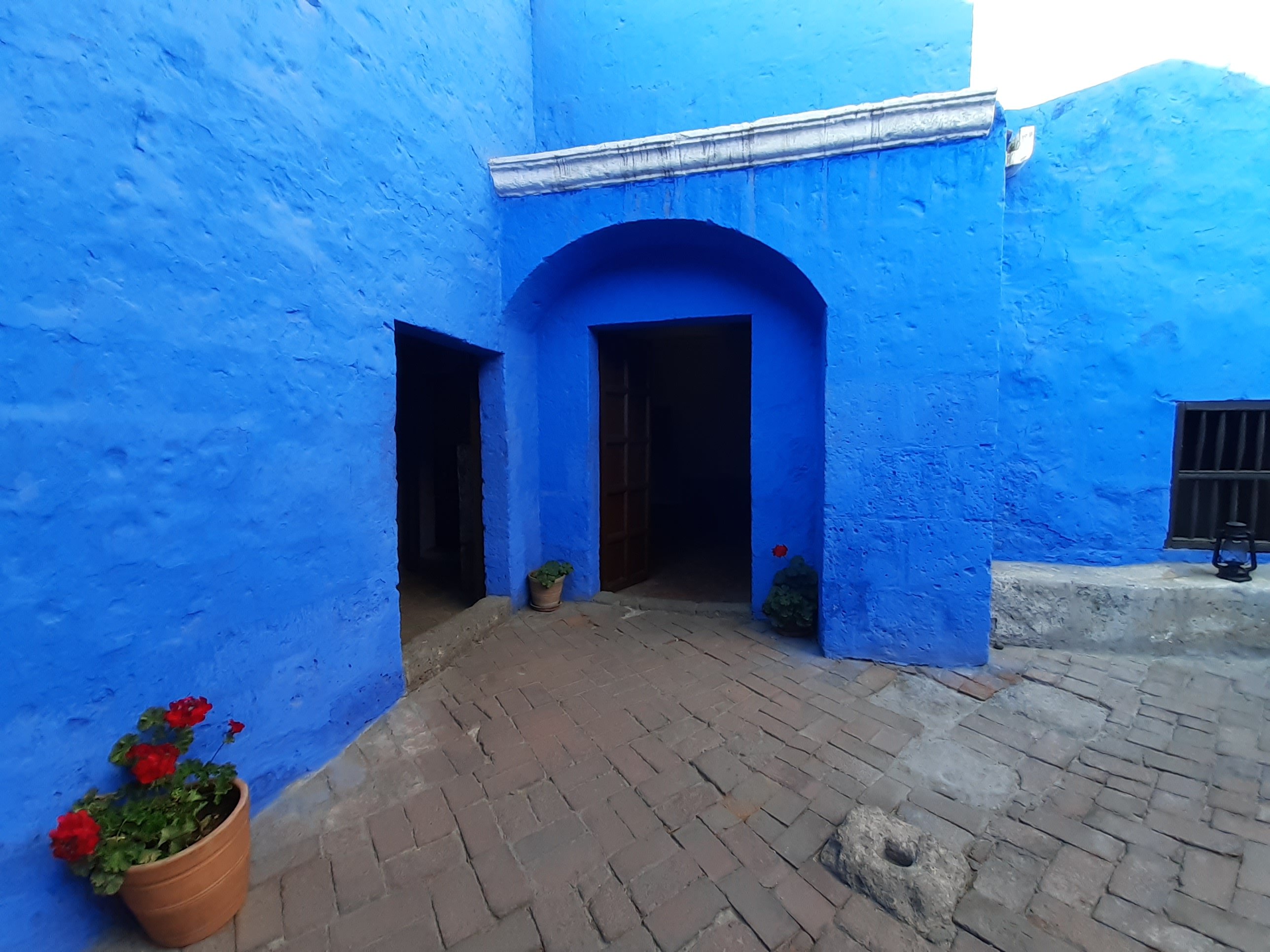
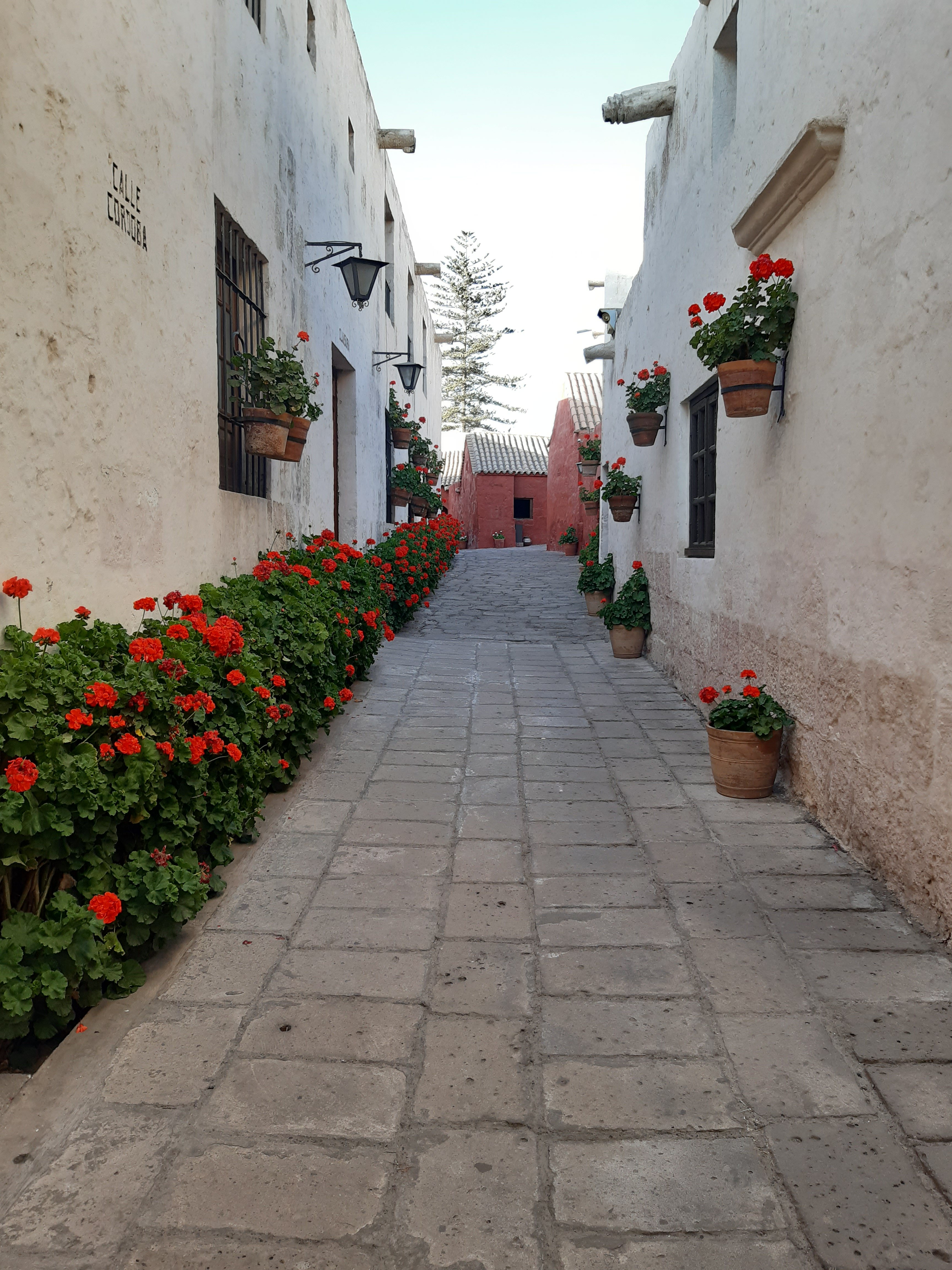
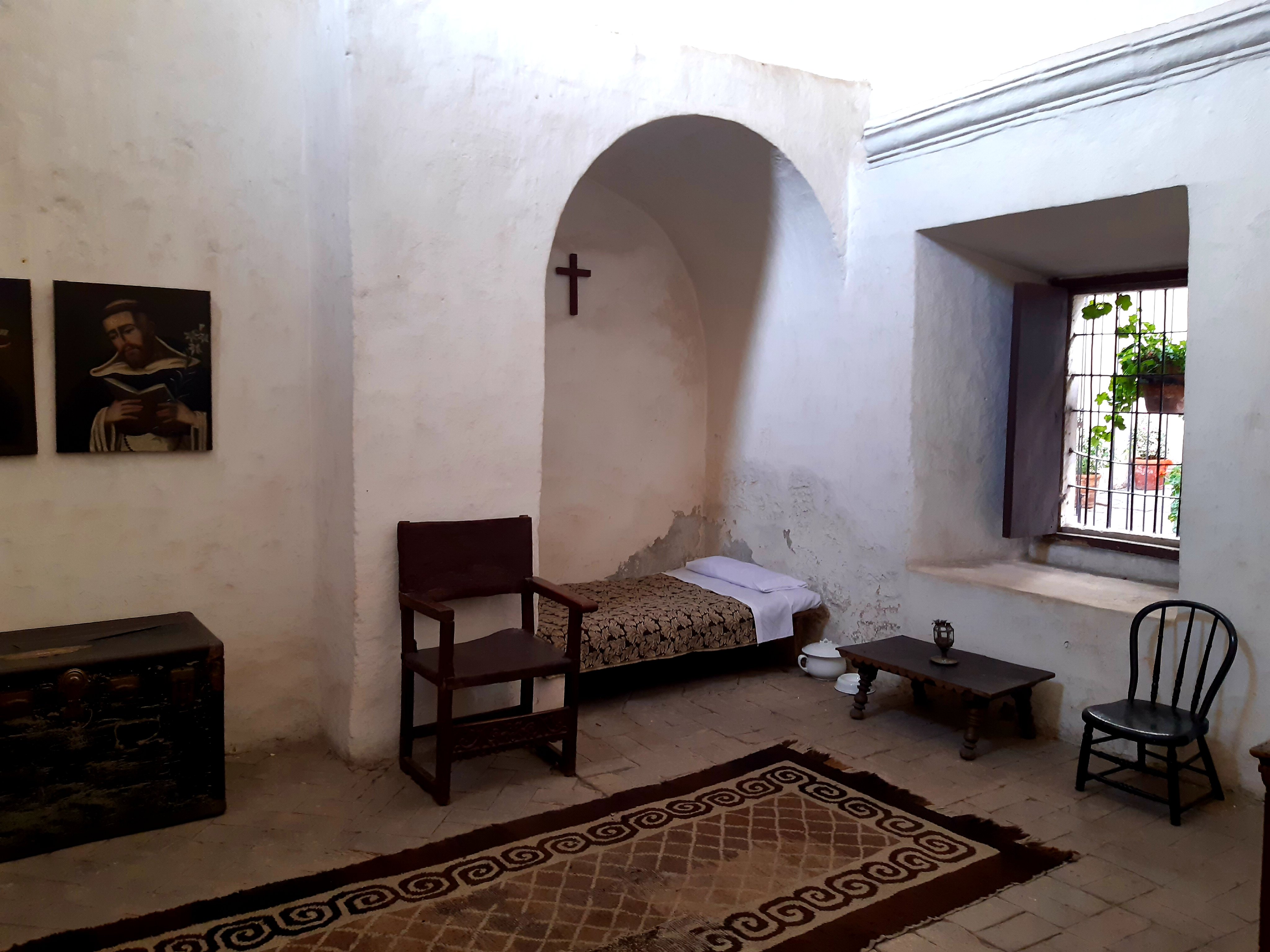
I had booked a room through Airbnb, just to have some time away from the group and to be able to some exploring on my own. In this way one discovers many local things, such as
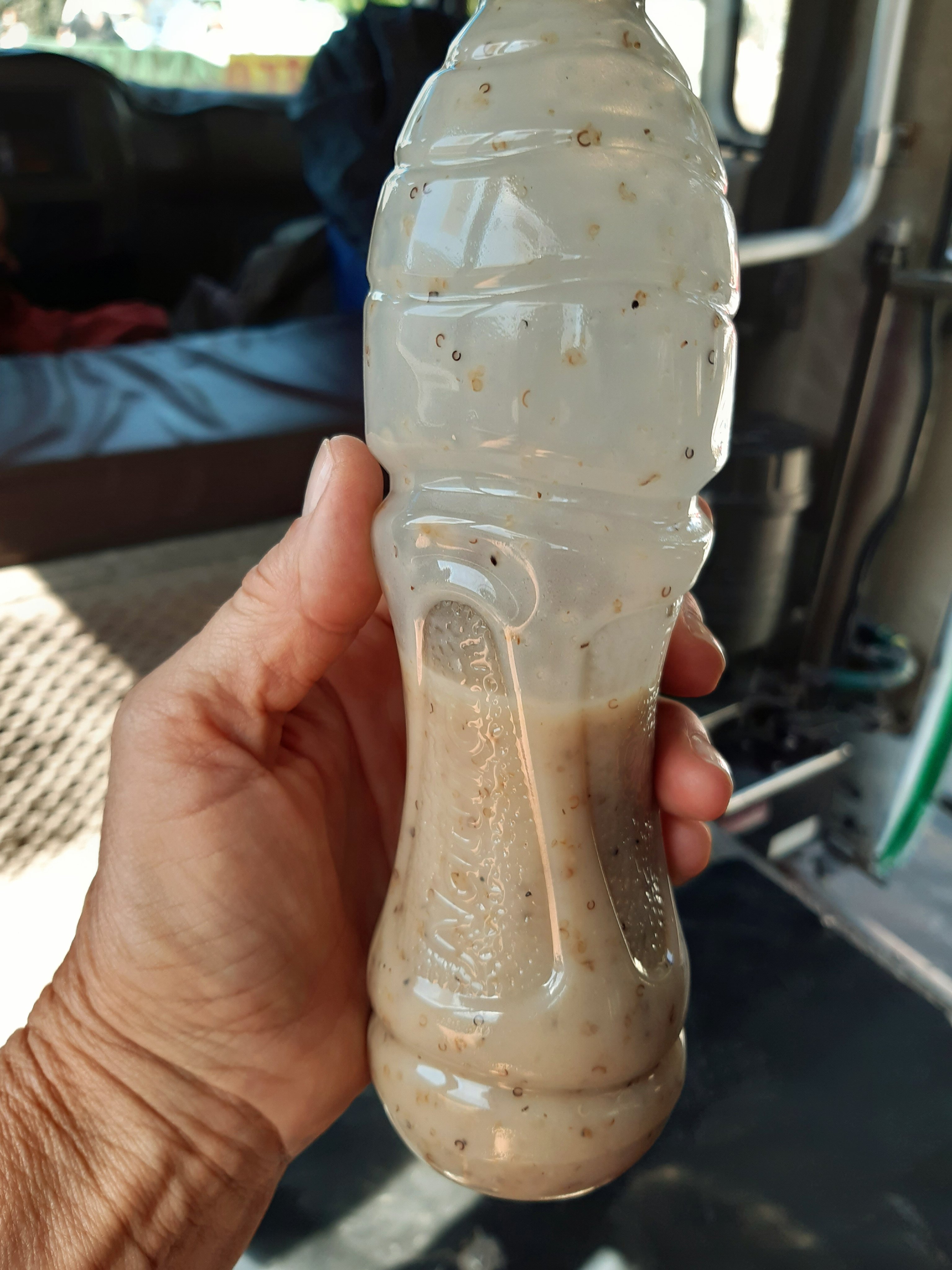
kiwicha, which is sold as a nourishing drink full of proteins, minerals and other nutrients. Kiwicha was grown and used by the Incas, but the Spanish prohibited them from eating it during their rule, can you believe it!
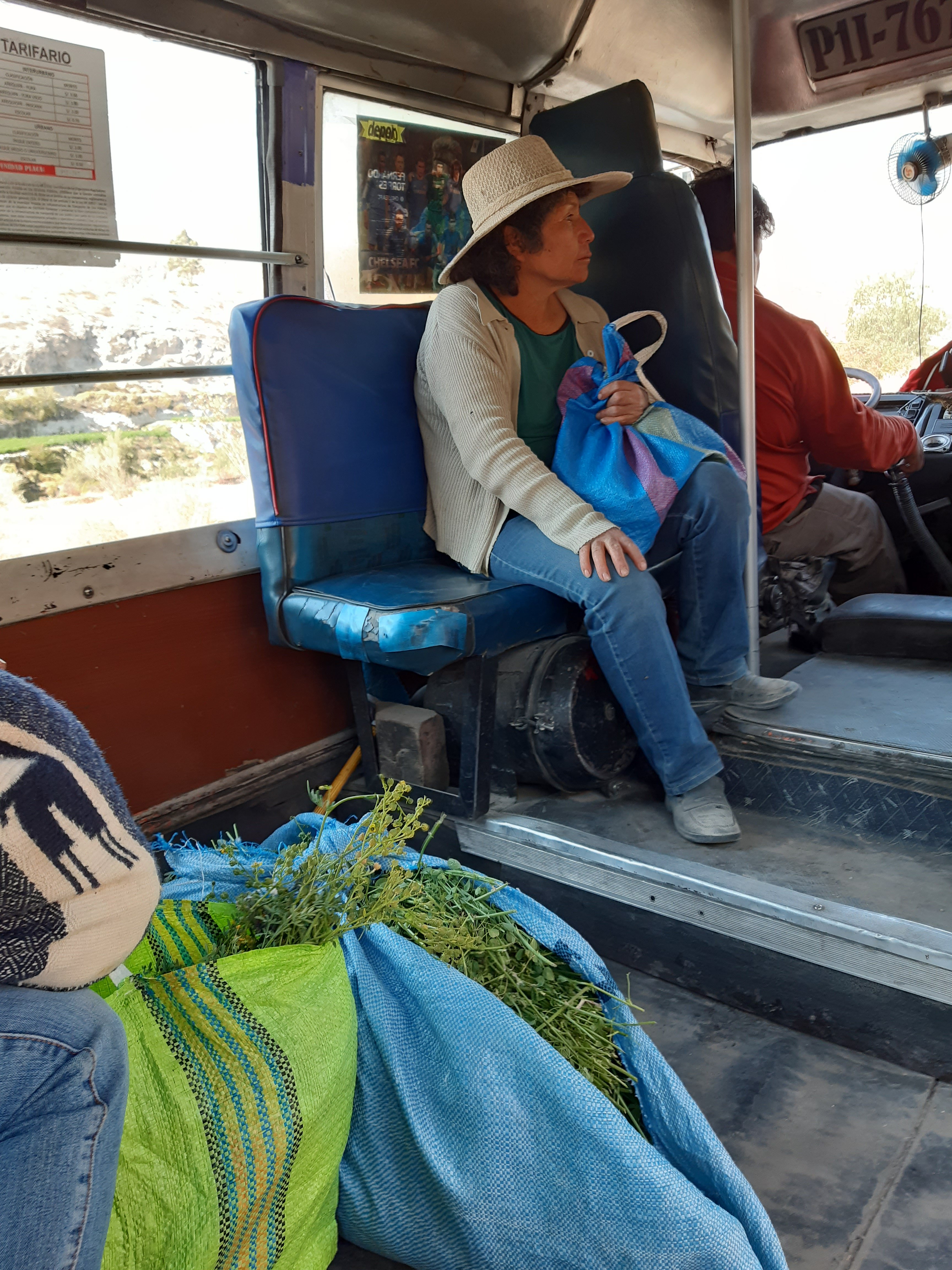
My host had given me some tips on what to explore, and I ended up taking a local bus where I saw a touching exchange of products between these two women – the one took a small bag of prickly pears from her big bag, handed it to the other one, who in exchange took out a huge piece of cake from hers and handed it to the first, both smiling shyly at each other. And yes, it is lucern in the blue plastic.
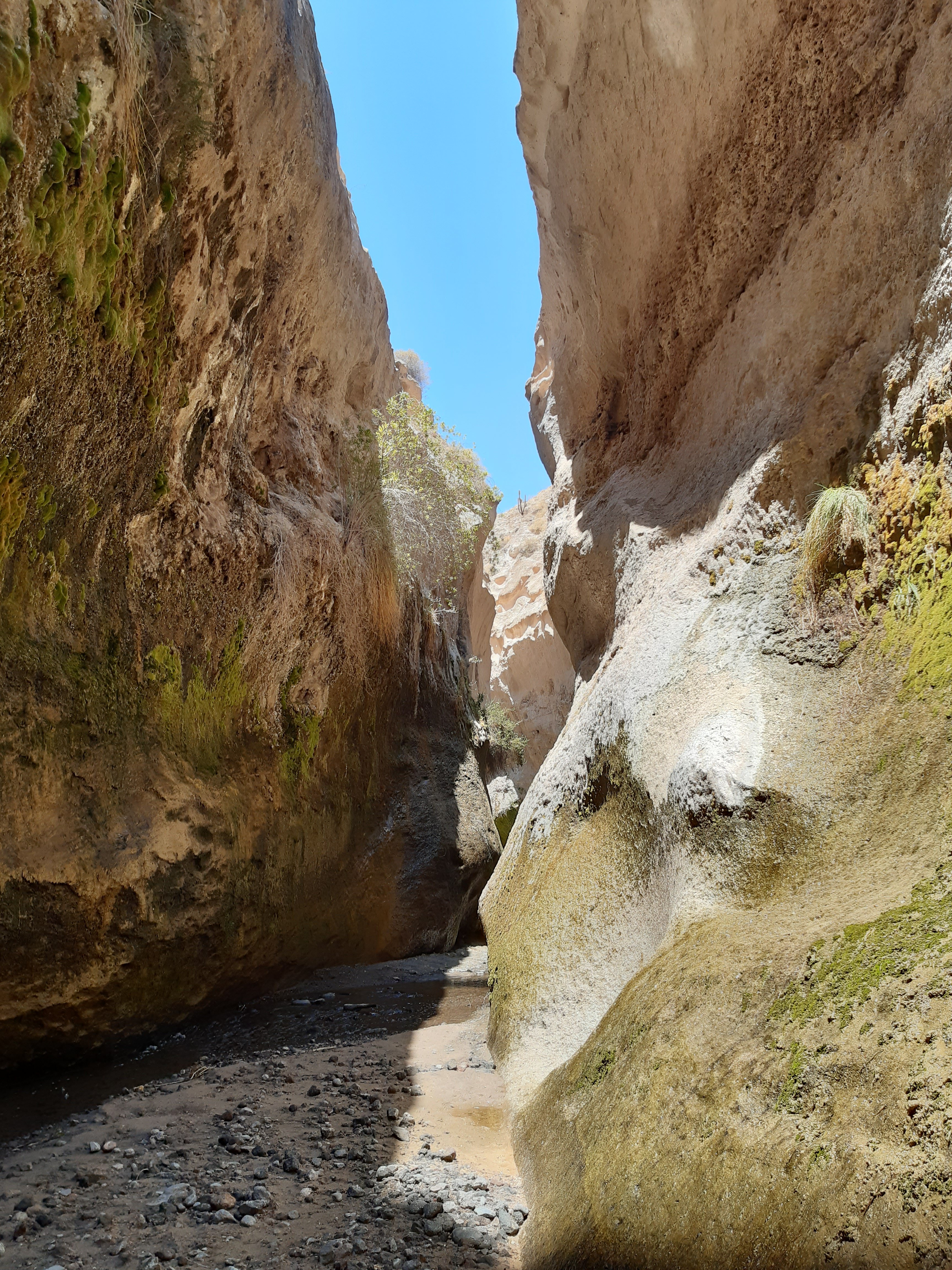
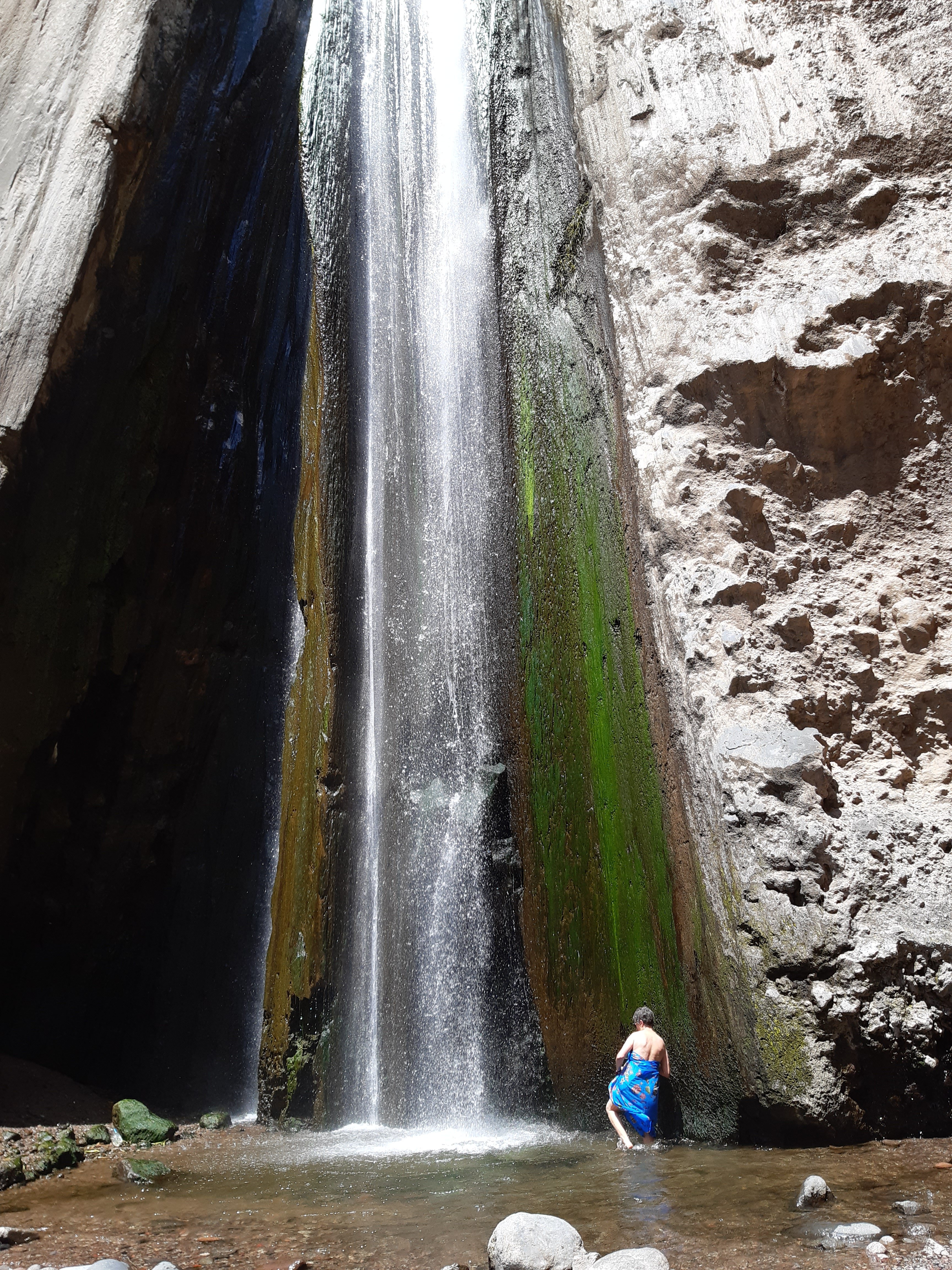
The bus dropped me in an isolated village, no-one in sight, and I ended up walking 5km through barren mountains to a waterfall deep in a ravine, having a refreshing swim and standing under the fall.

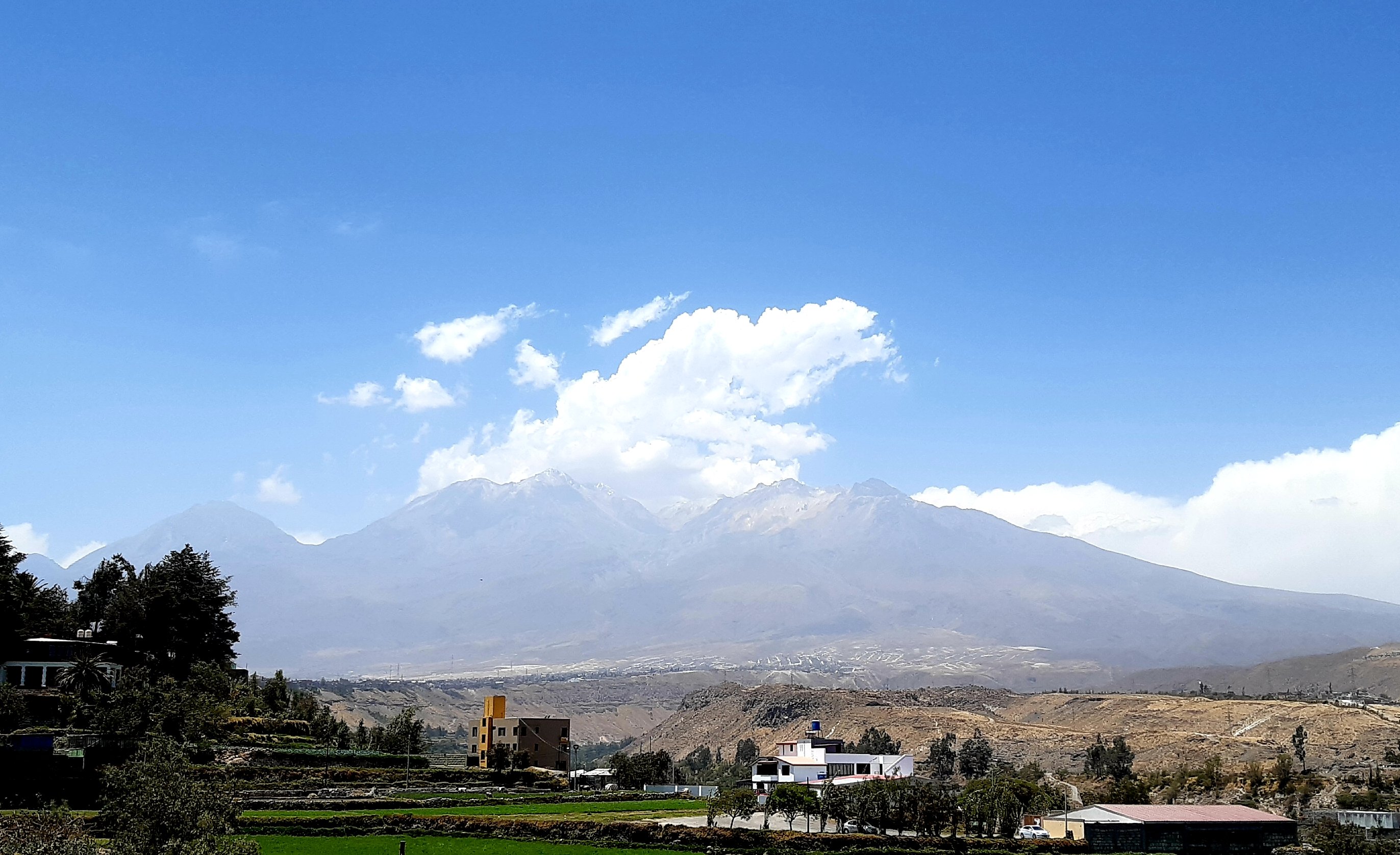
I bought their traditional rice-icecream from a vendor on my walk to a viewpoint from where I could see the two volcanoes, one of which I believe is still active.

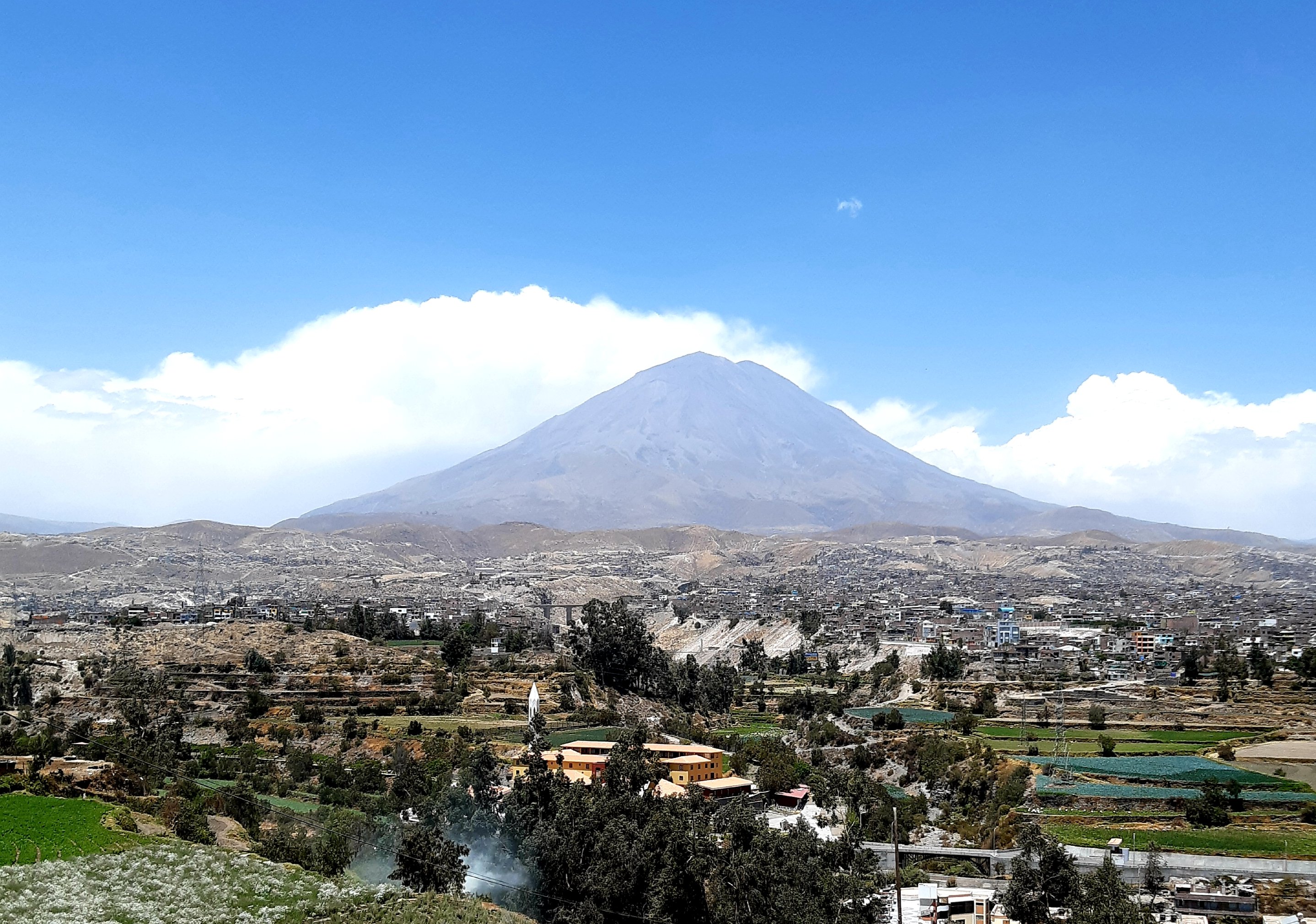
Our next stop was Puno, which lies next to Lake Titicaca, 3 800m above sea level. On our way there we stopped at another small lake, also very high, and I had my first experience of being affected by the high altitude. I felt very light-headed and had a headache, so went to sit in the bus. I was holding my head in my hands, eyes closed, when I had a halucinating flying experience, quite exciting! Altitude sickness is no joke, and although I have managed to avoid the full impact, I think lower altitudes suit me better.
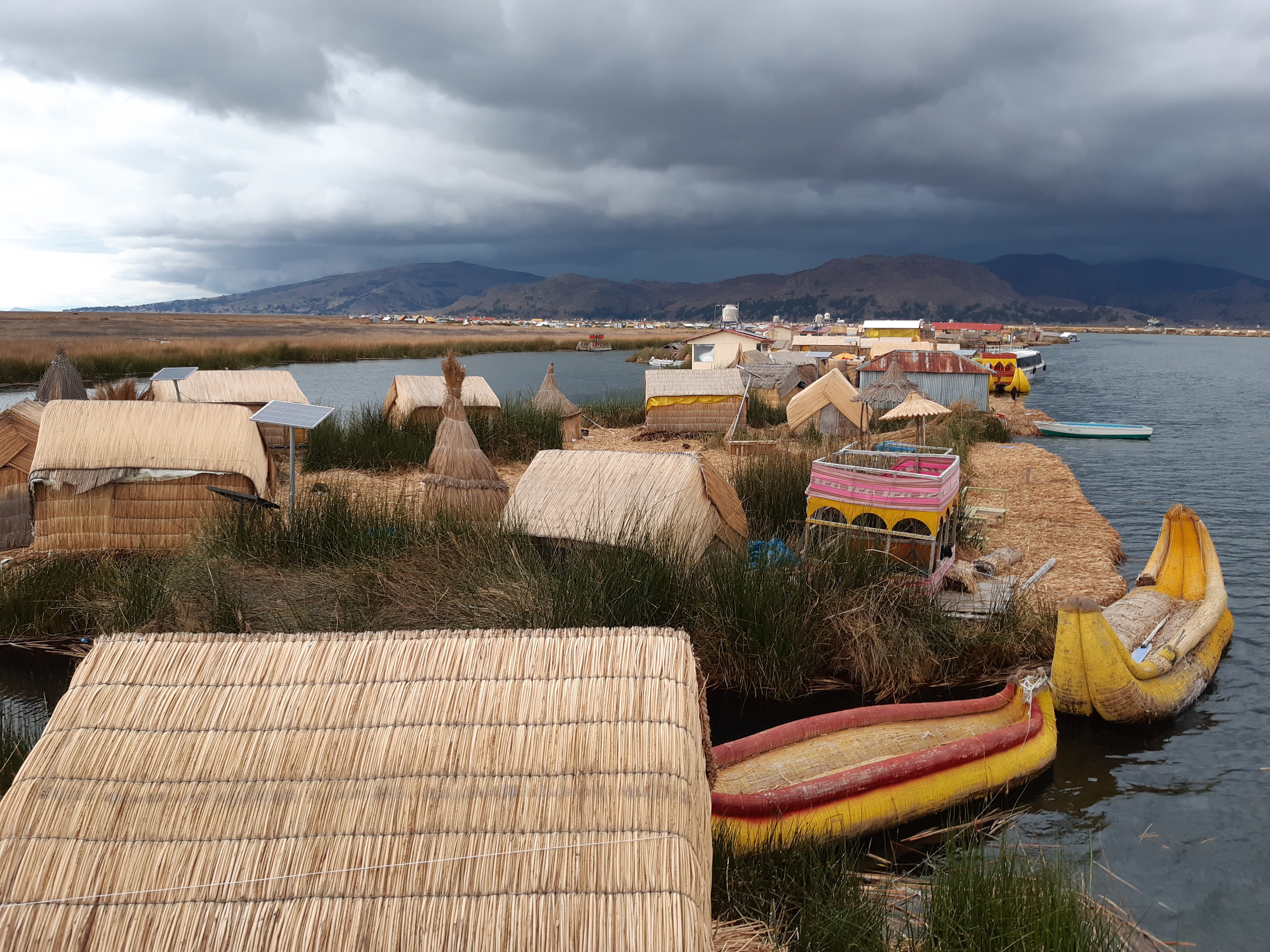
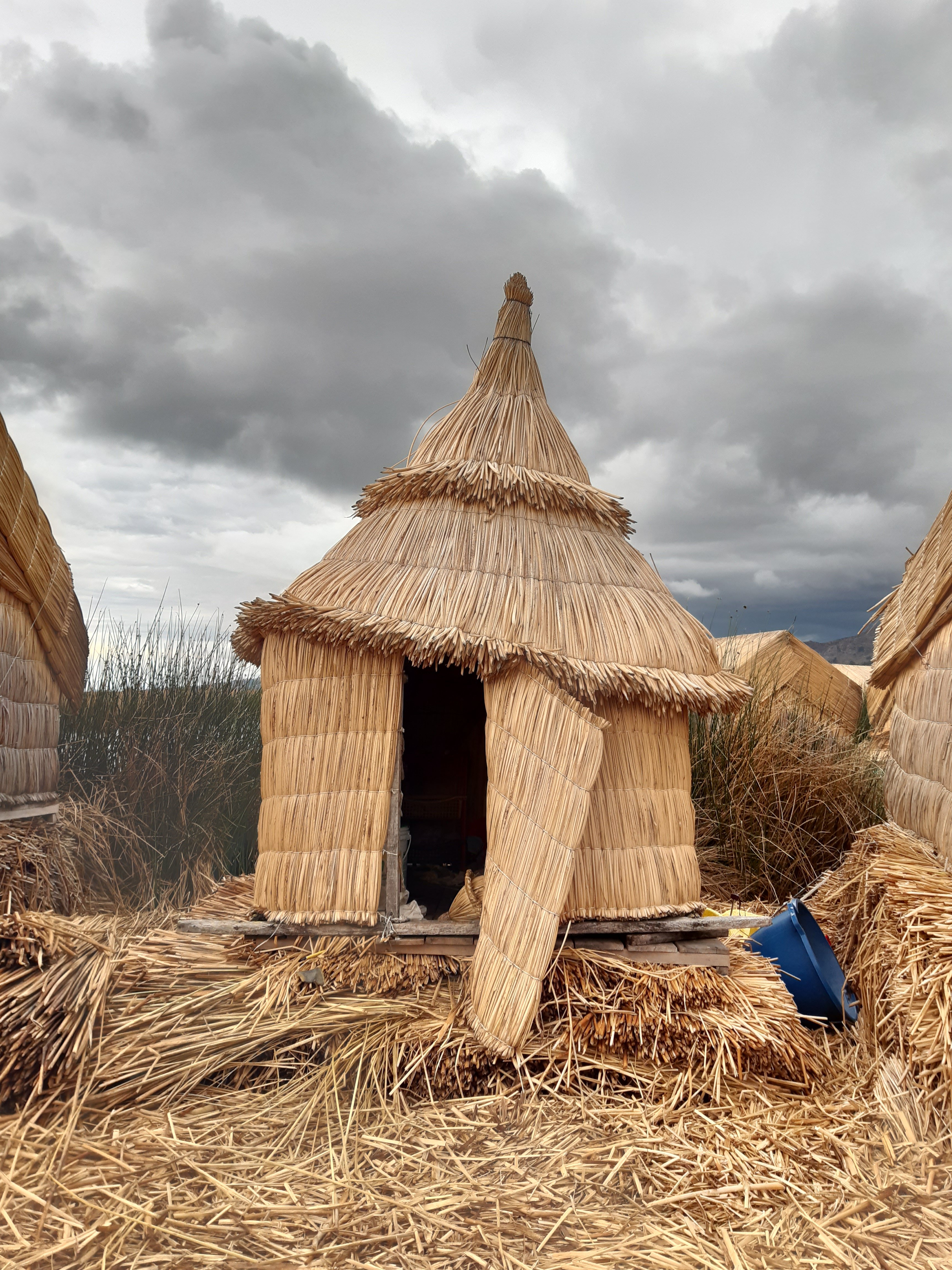
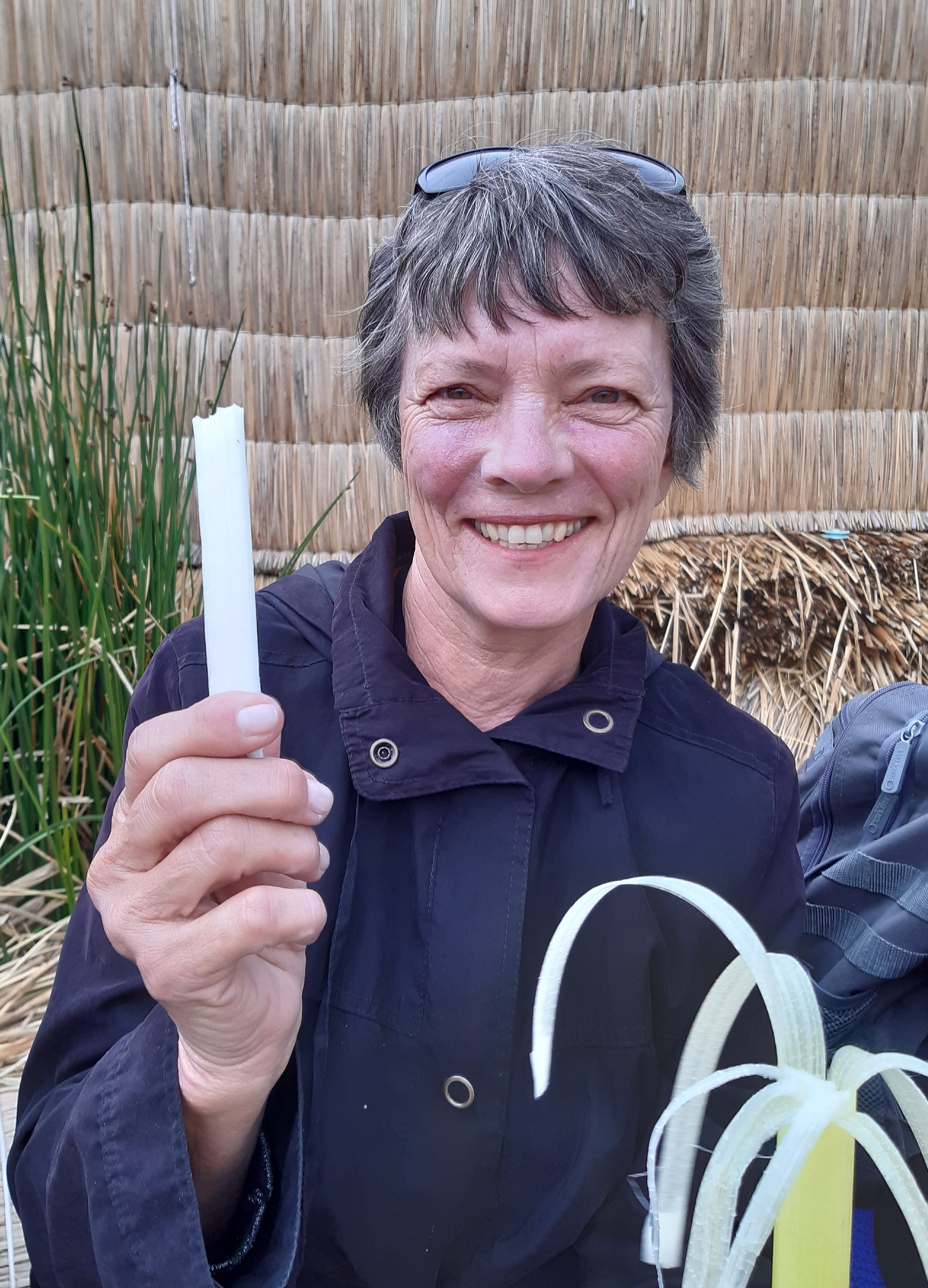
Lake Titicaca is the location of the second chakra of the earth and therefore a very special place. I was rather taken aback by the decay, poverty and pollution – the part of the lake next to the city is só polluted, it smells like a sewage plant. We visited the man-made floating islands and were shown how the islands are made, and we were given ‘reed bananas’ to eat. The outer skin of the root of the reed is peeled back, and the juicy bit eaten. They use the reeds for everything: building the island, their houses and boats. These days they have synthetically constructed bathrooms with showers, hot water and chemical toilets, using solar panels to heat the water and produce electricity.
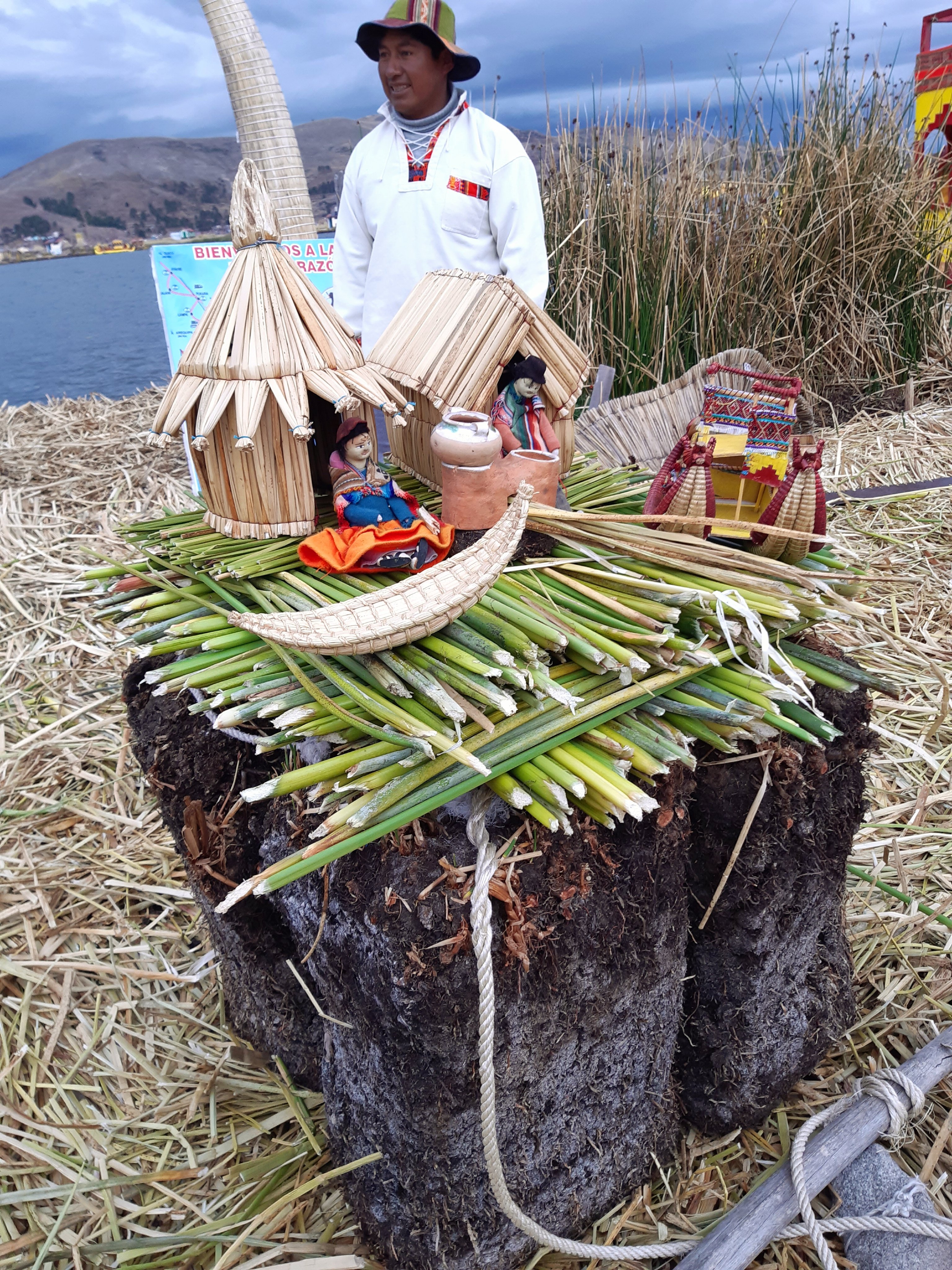
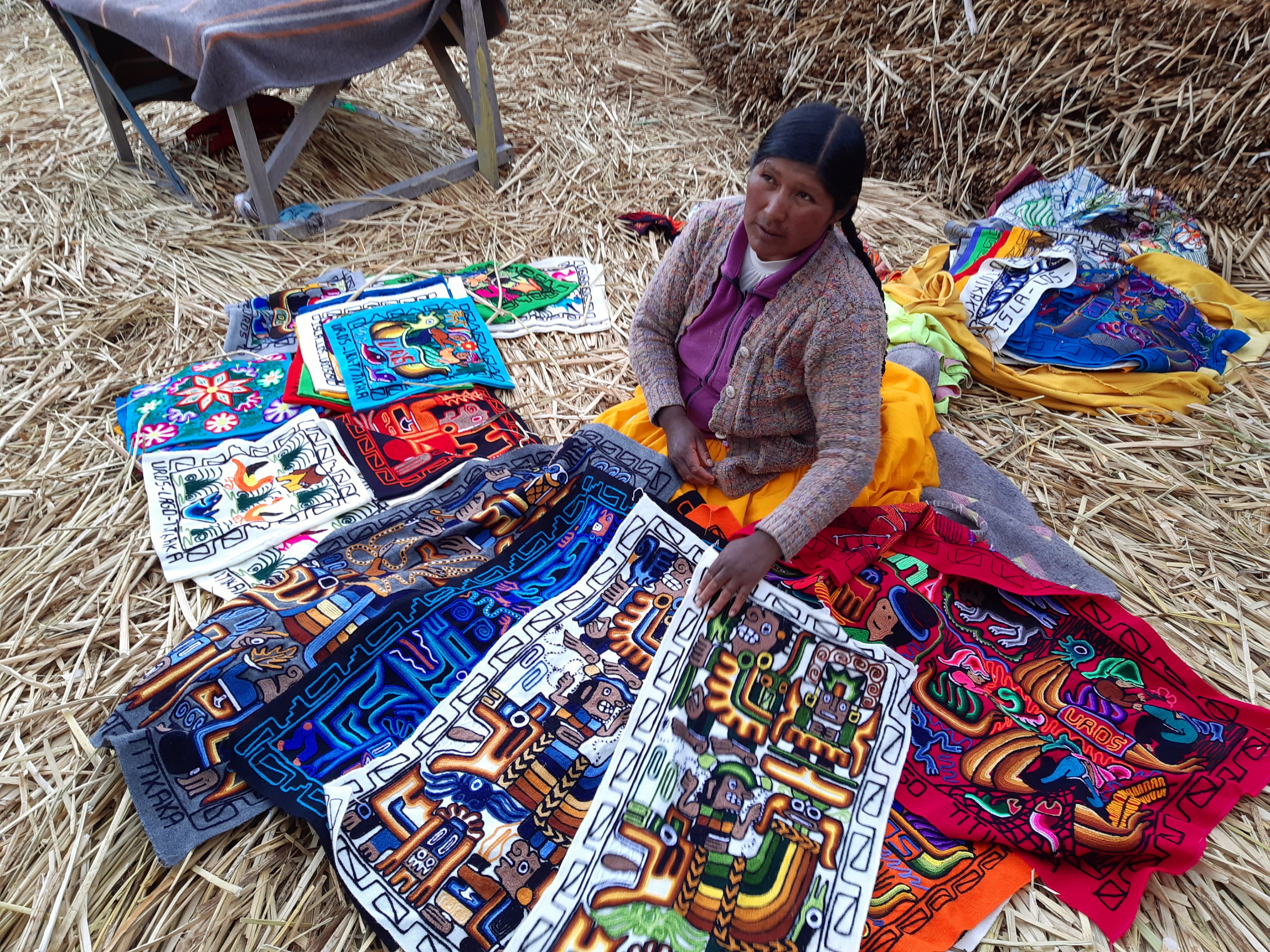

I didn’t stay in Puna but took the overnight bus to Cusco, from where I leave tomorrow to go to Quillabamba. I have a volunteer job there for the next month, working at an institute that does art, music, dance and theatre therapy with children and young people.
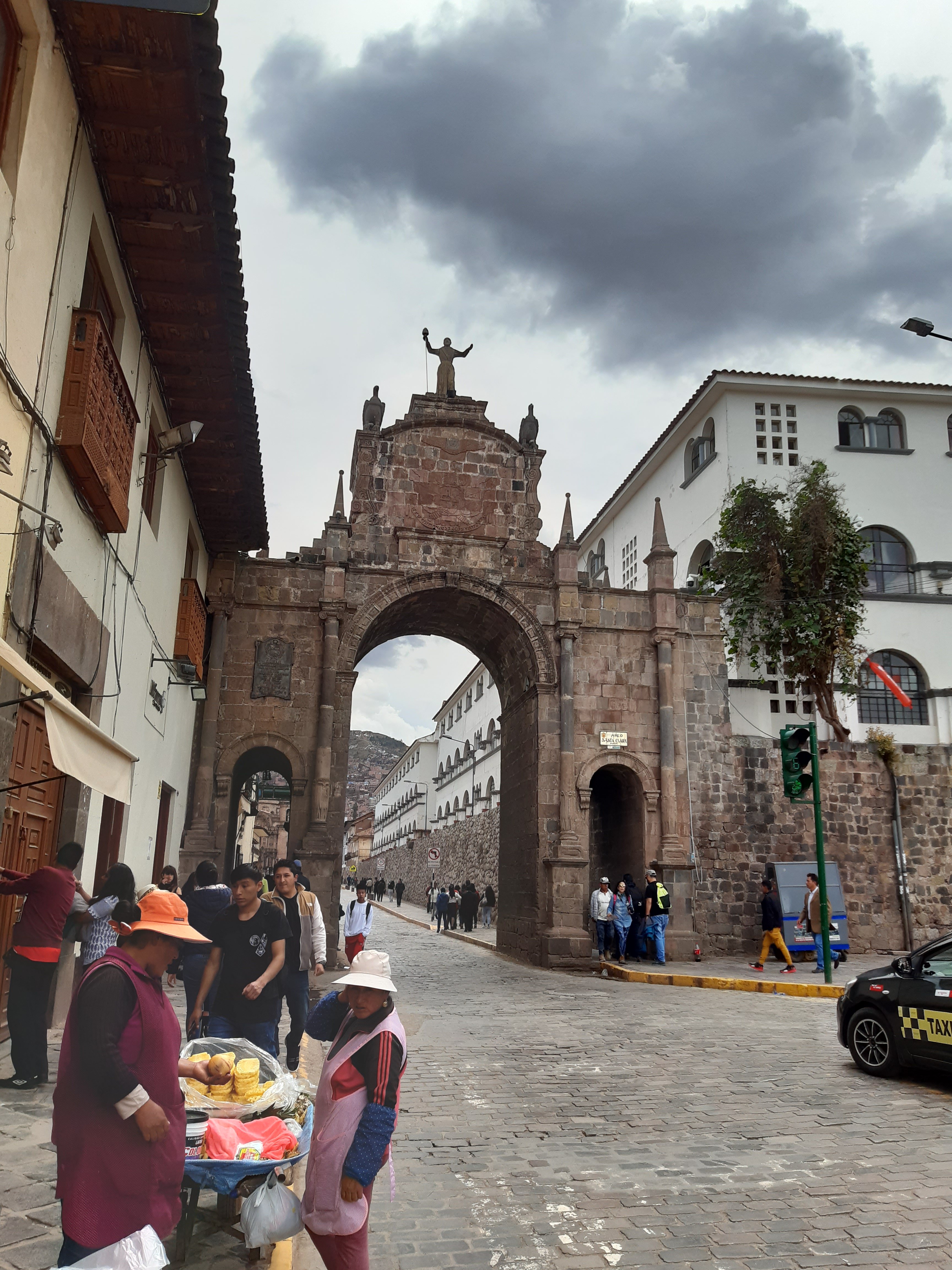
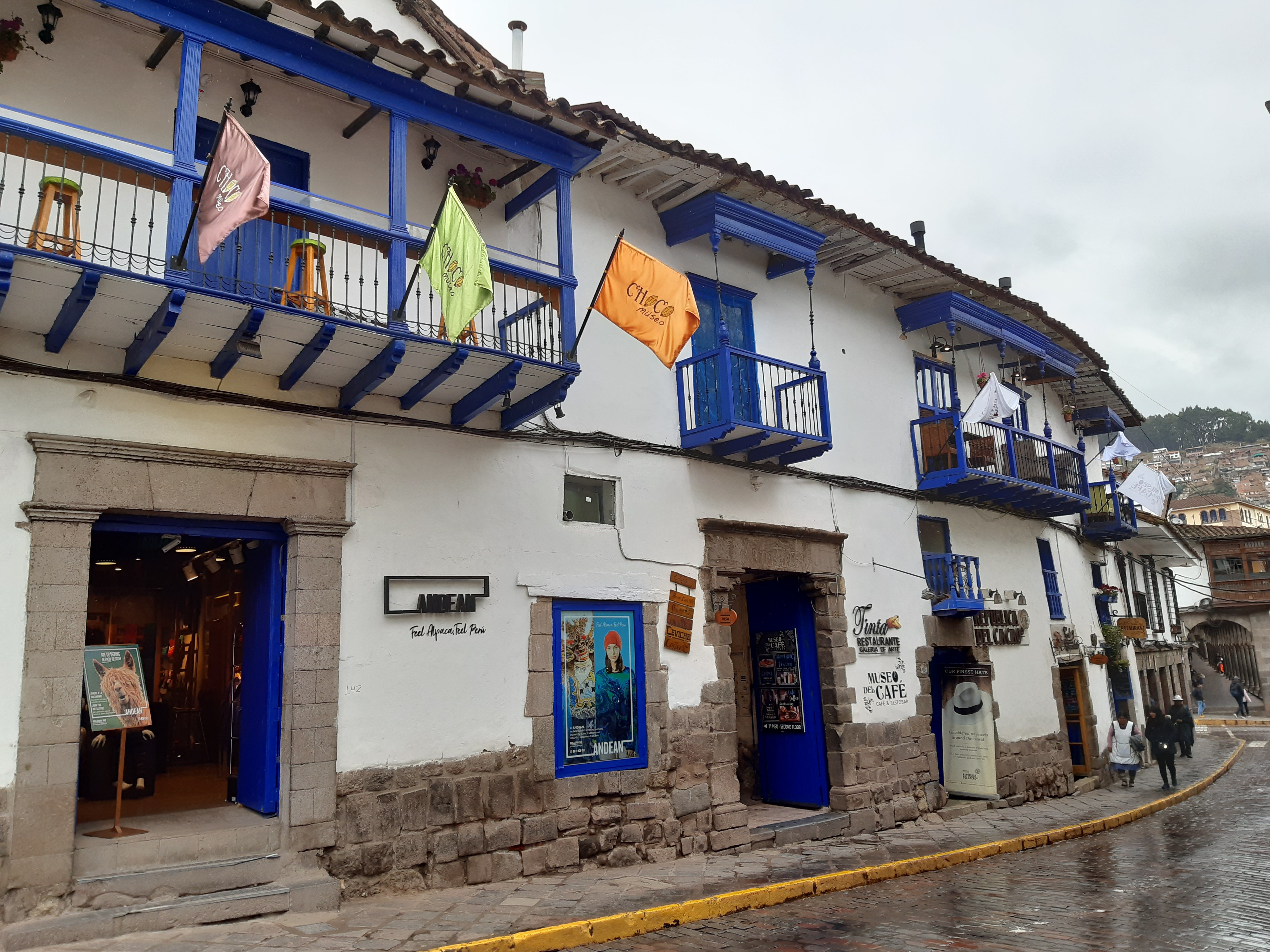
Cusco has many beautiful old buildings, churches and narrow cobbled streets, and is full of tourists planning their Machu Picchu trips. I’ve just spent the day relaxing and walking around a bit, nurturing my altitude dizziness by drinking lots of tea made with coca leaves. I succumbed and bought some, after reading that the leaves themselves are not bad, it’s when chemicals are added and they are powdered that it becomes the drug cocaine. Locals chew the leaves a bit, move the wad to their cheeks and keep it there, occasionally chewing and spitting. It is said that it prevents altitude sickness – who am I to query such a strong belief and custom that has thrived for centuries. They also sell coca toffees and chocolates, which I haven’t tried.
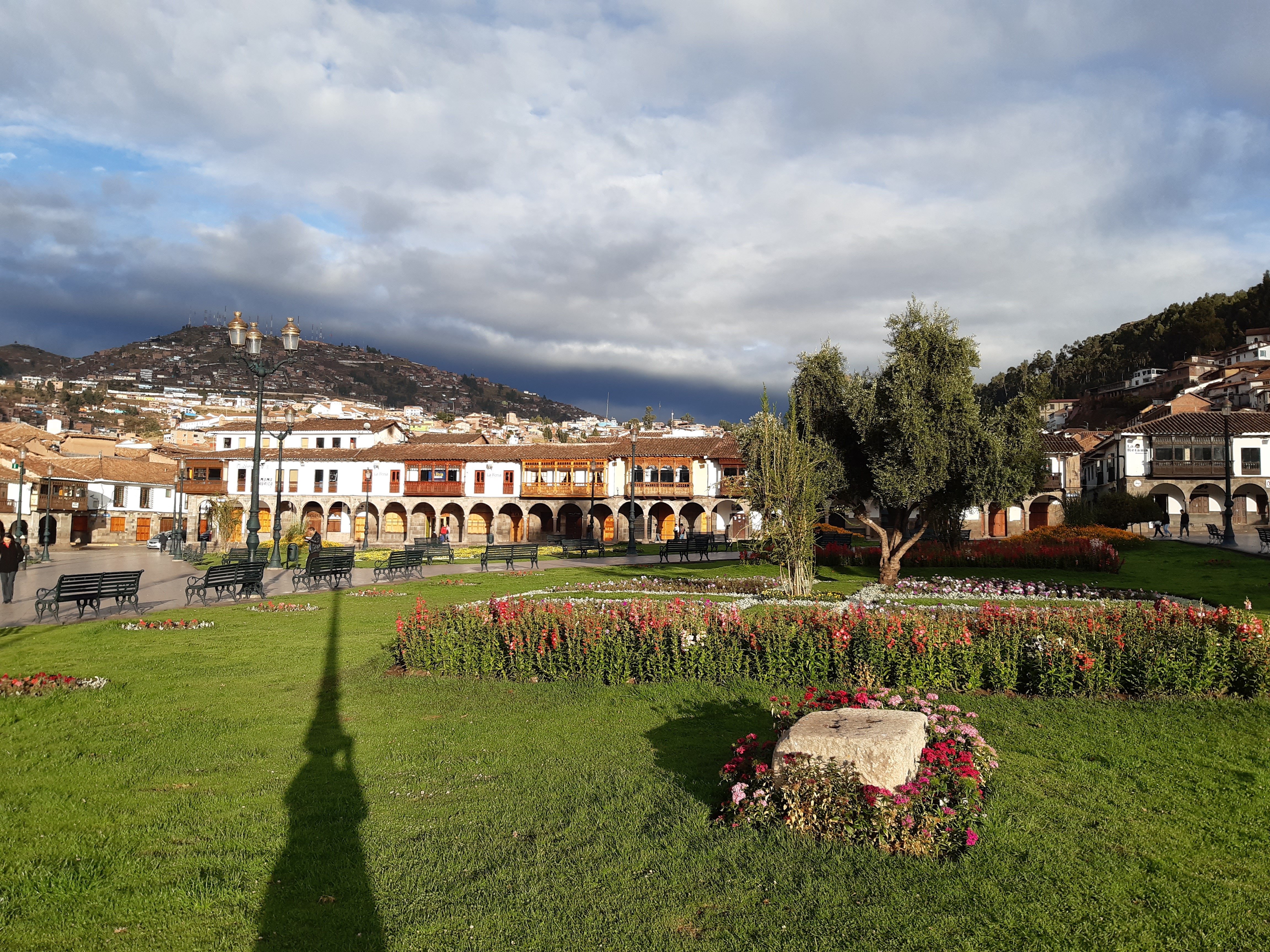
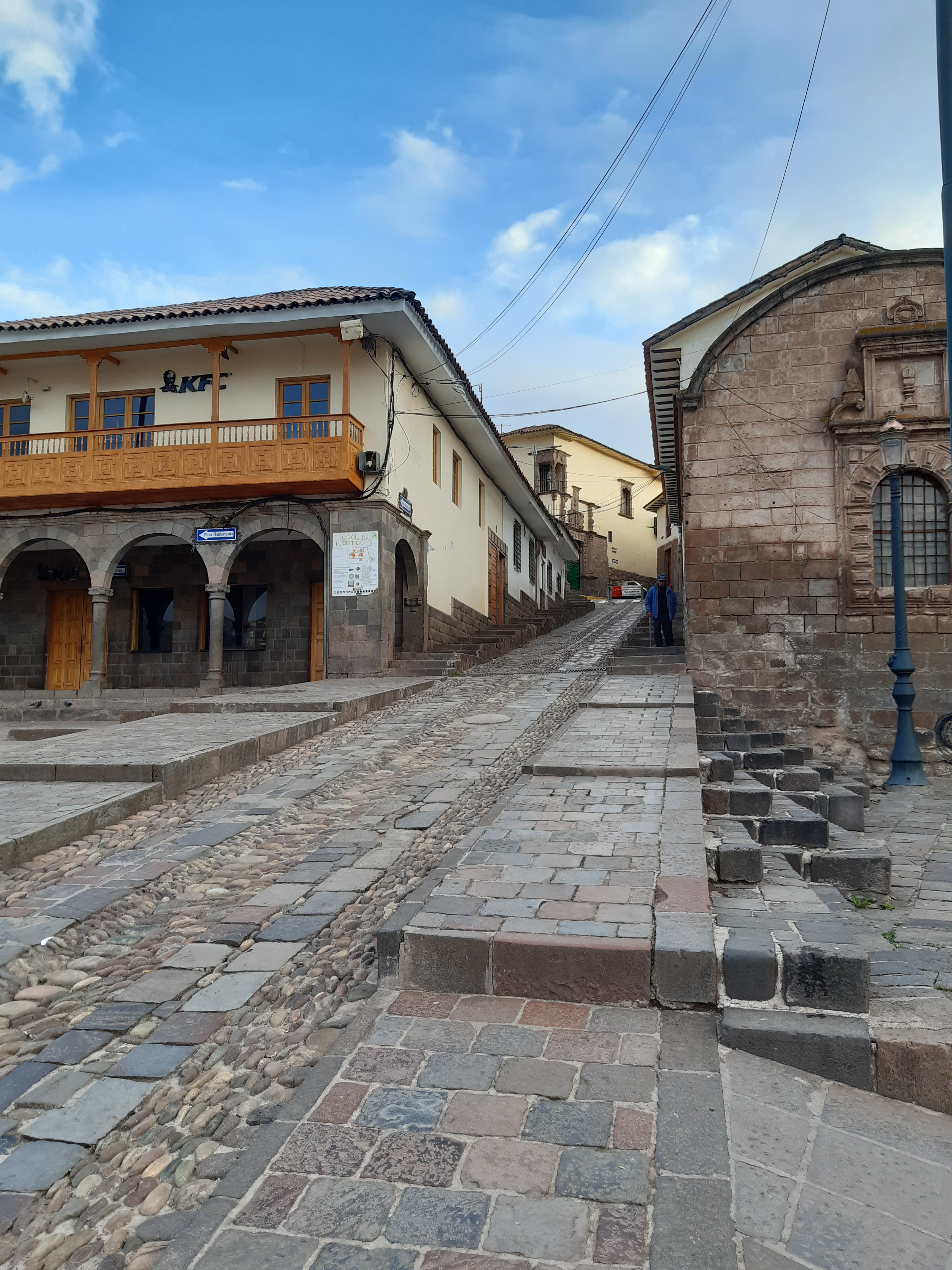
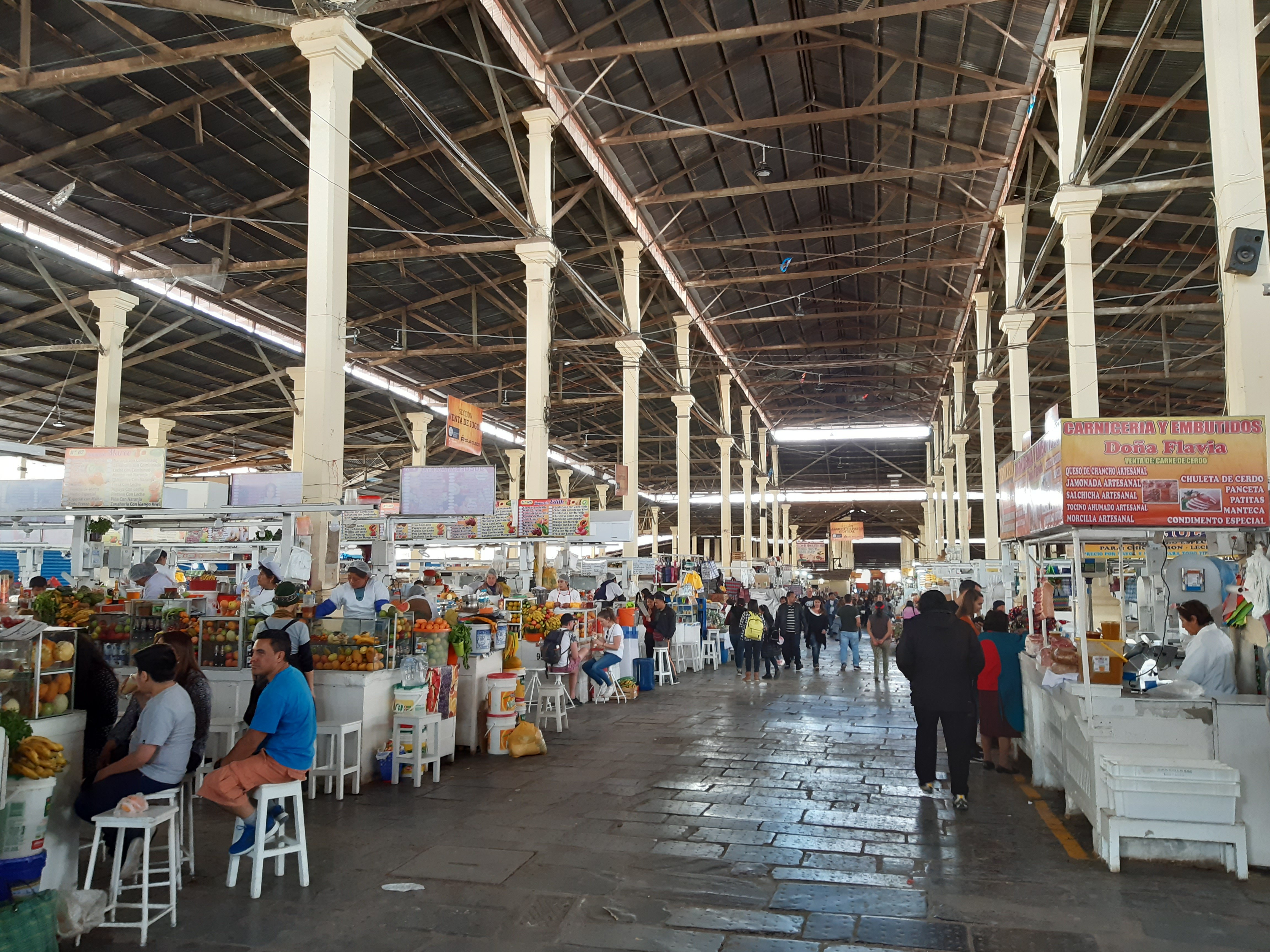
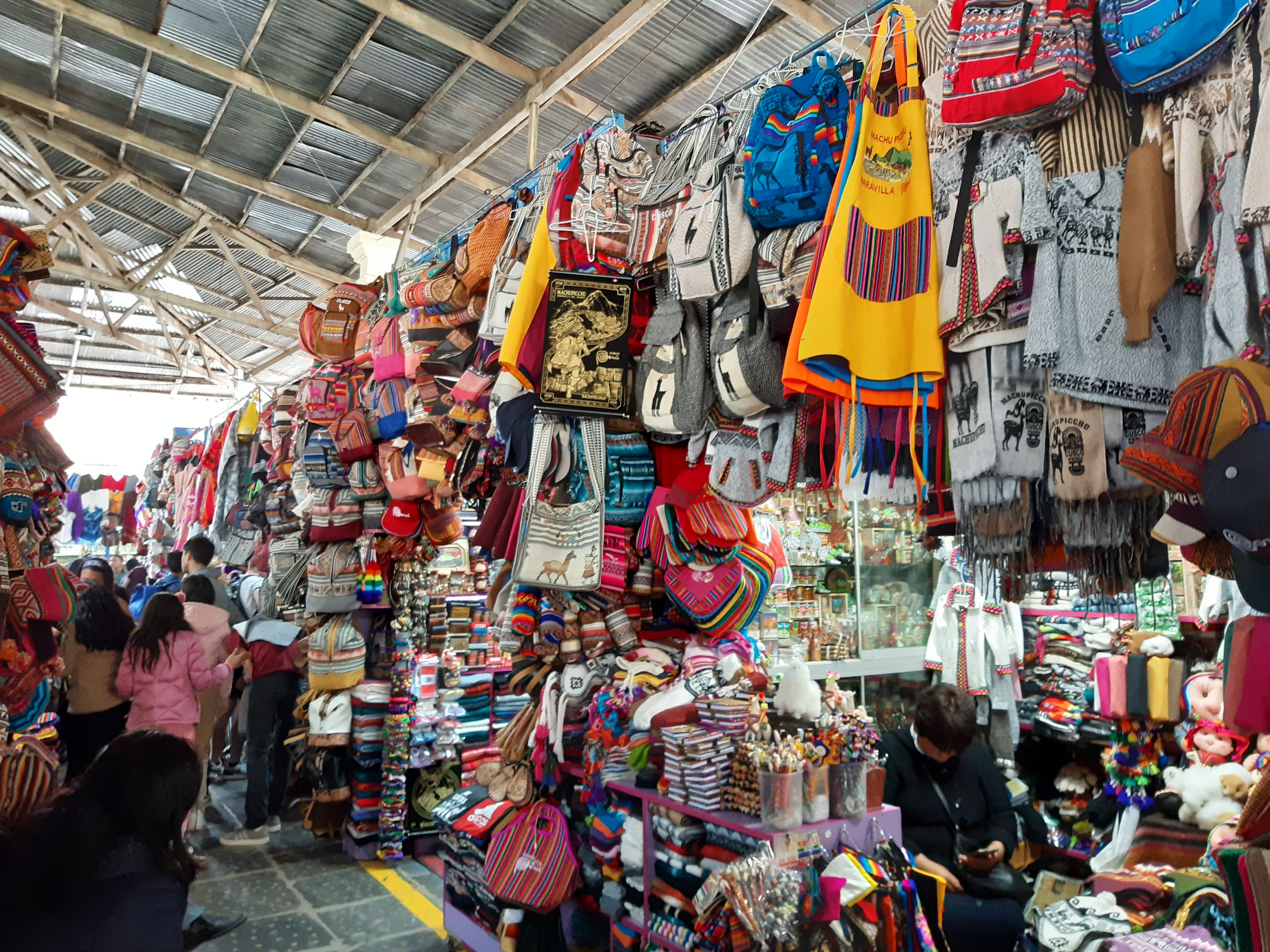
There are many artisan shops in all the cities, and people come to your table in restaurants to sell their products, but because of lack of space (Louise is bursting ar her sides as it is) and having many months of travelling ahead, I have not bought anything. There is also só much more that I have experienced, but this blog has become rather lengthy, so till next time (which I promise will be shorter), take care.
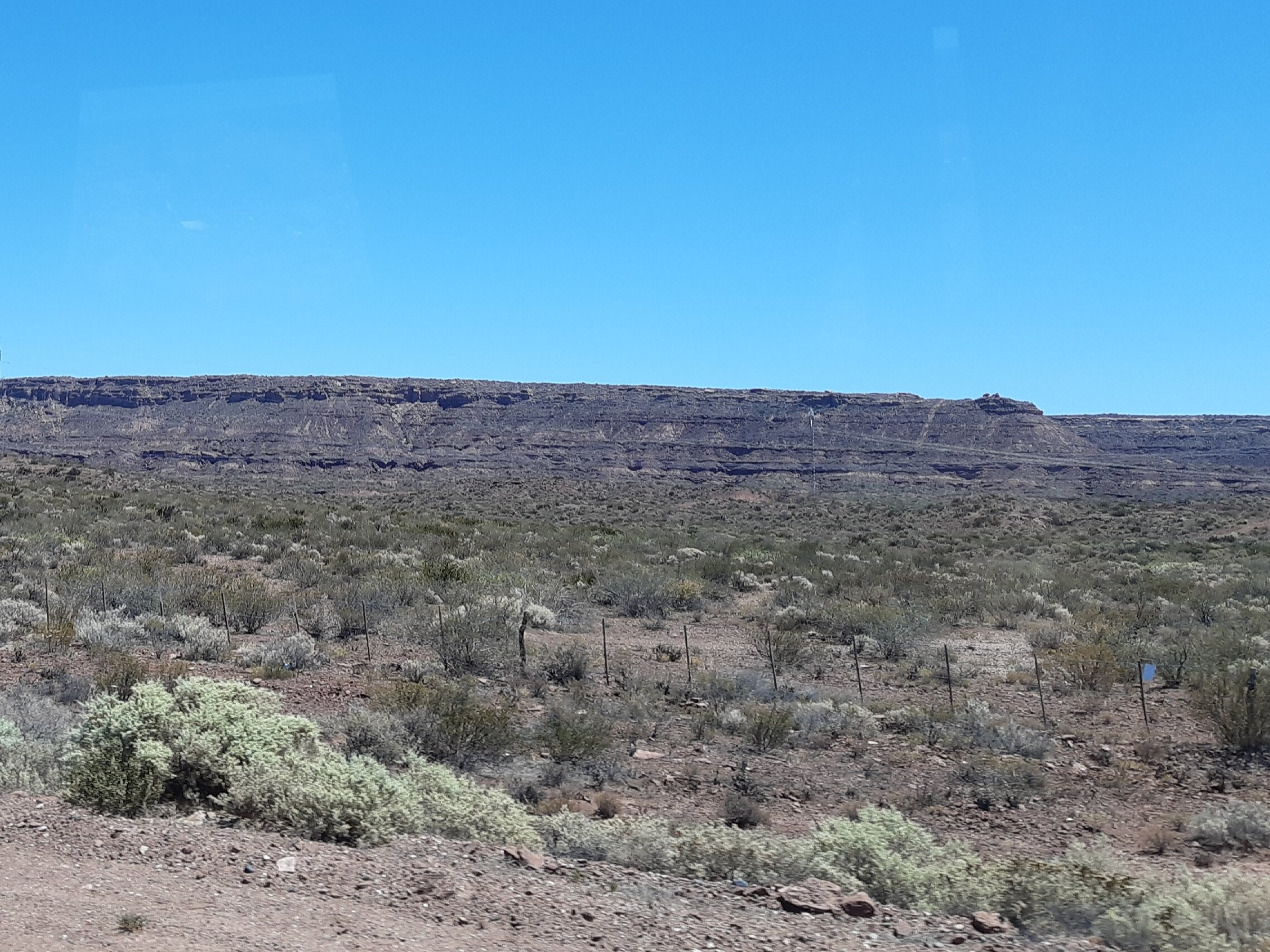
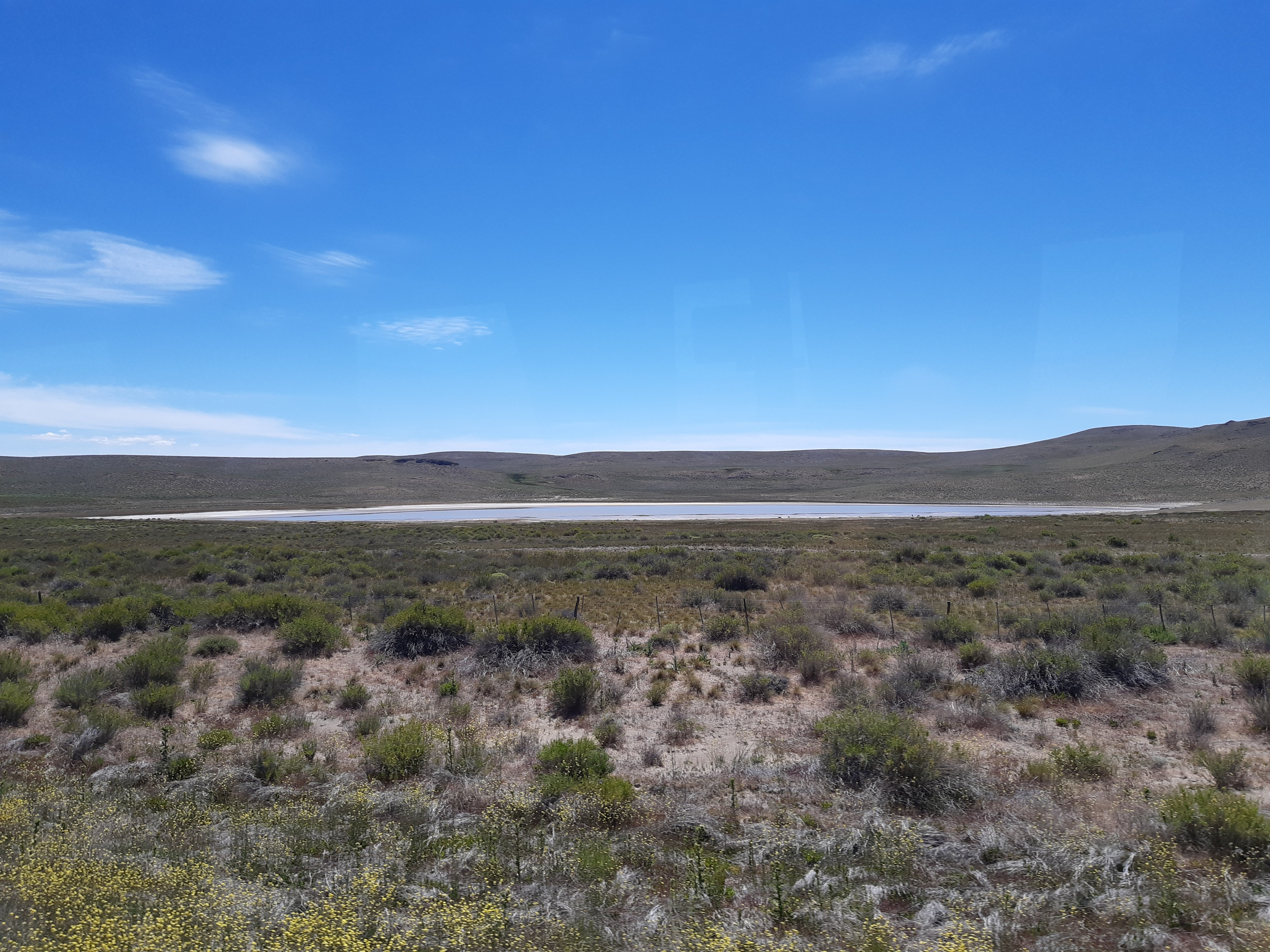
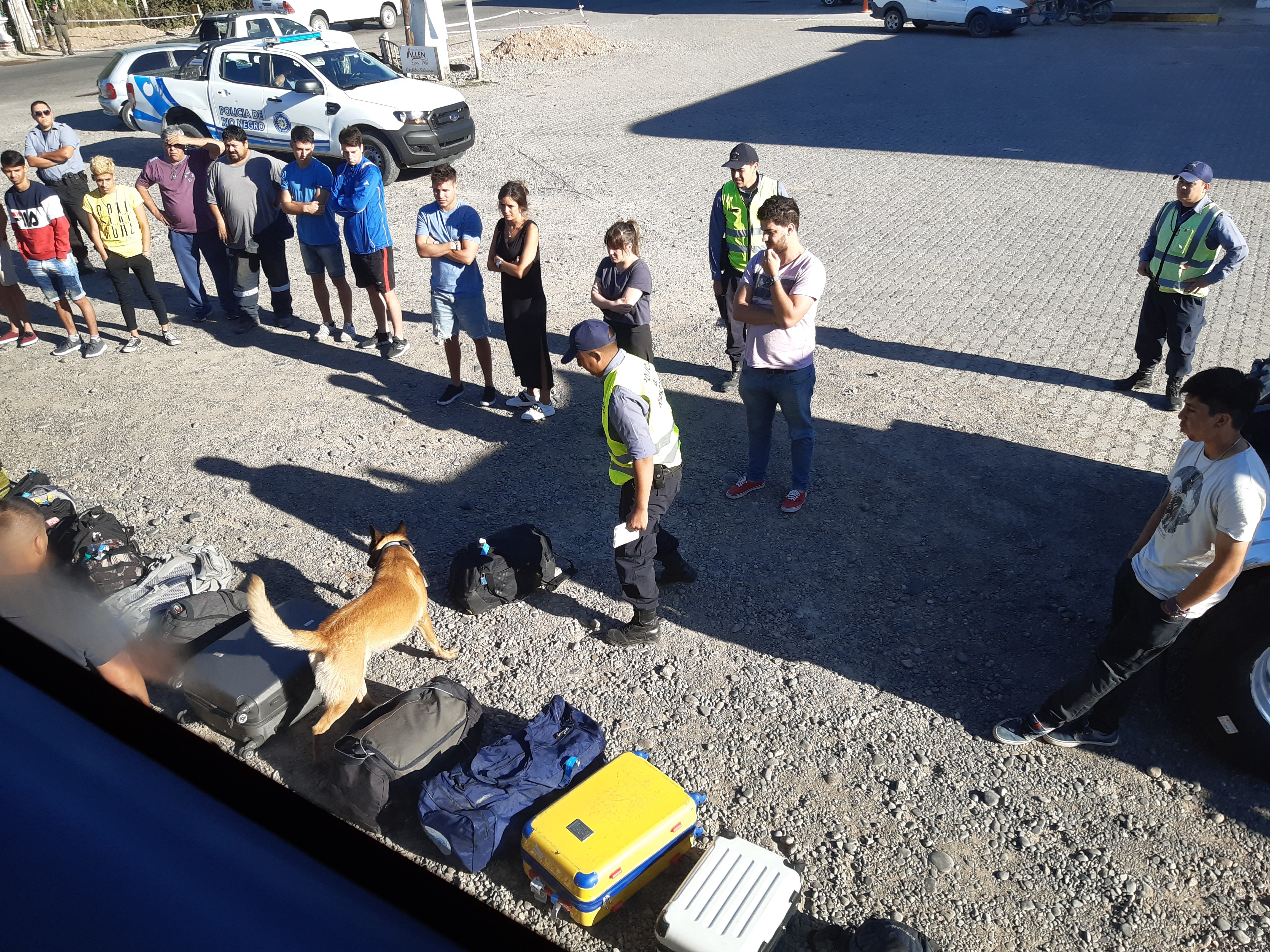
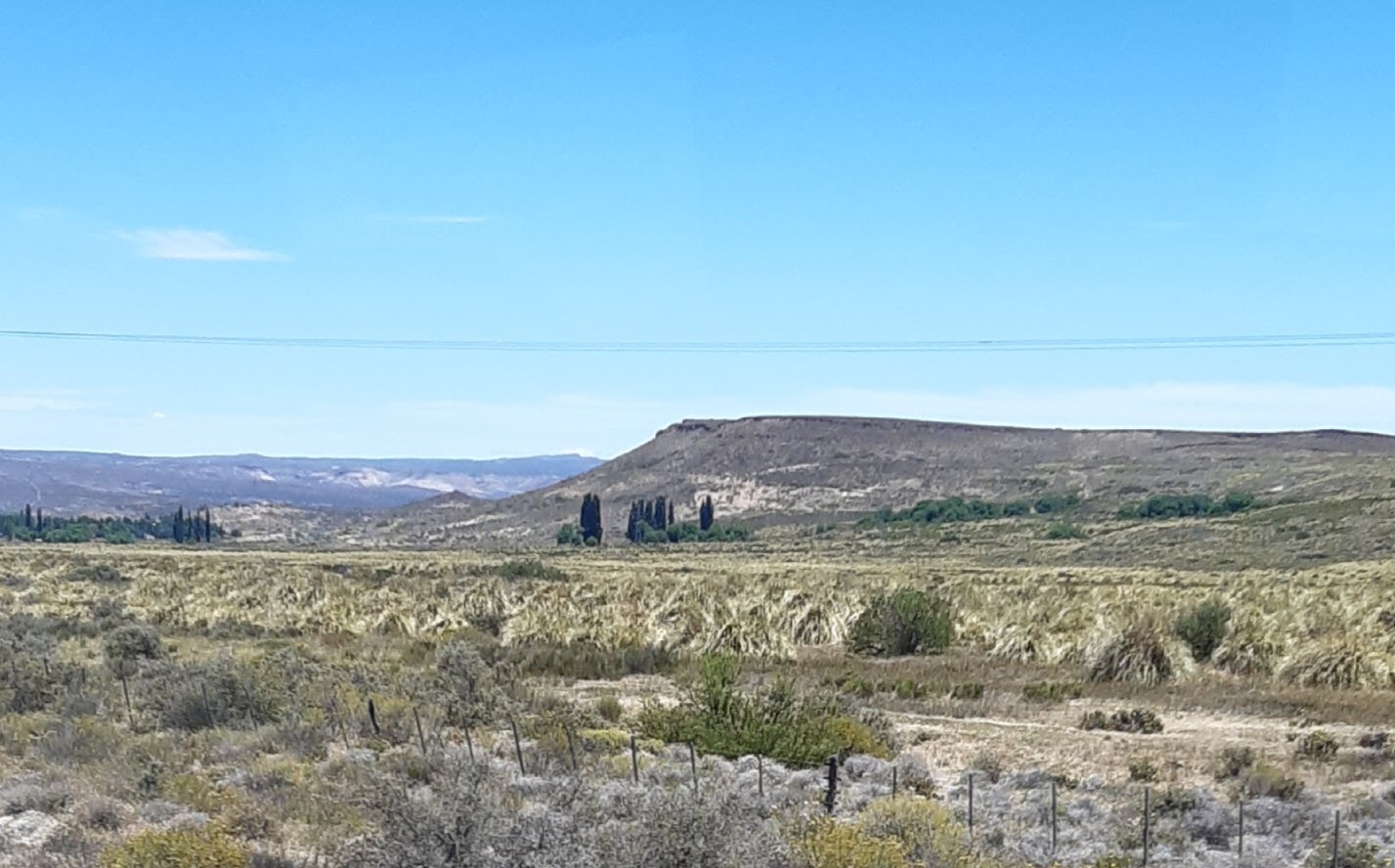 We had this one crazy police stop, where quite a few youngsters were asked to step out of the bus and line up with their bags. A police dog then sniffed at all of the bags and yanked one out. The poor guy had to stand in public view while the police unpacked his whole bag, just to reveal nothing. I have no idea what thát was about.
  After a night bus I spent the following day in Neuquen, the ‘capital’ of Patagonia (I was told). An impressive city, after so many miles of nothingness. It is in a river valley where mostly apples are grown, and seems to be expanding rapidly, judging by the malls and high-rise blocks of apartments going up.

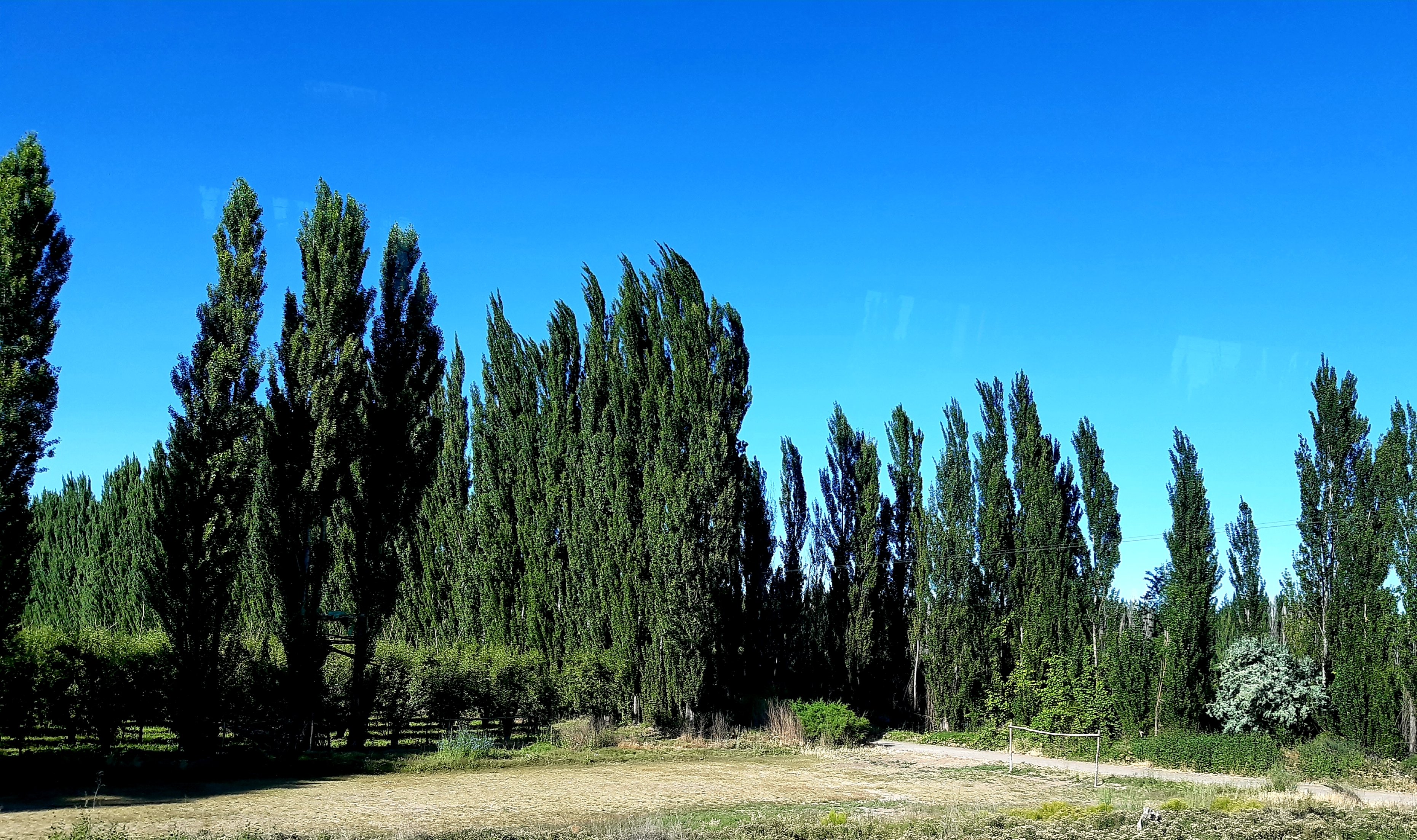
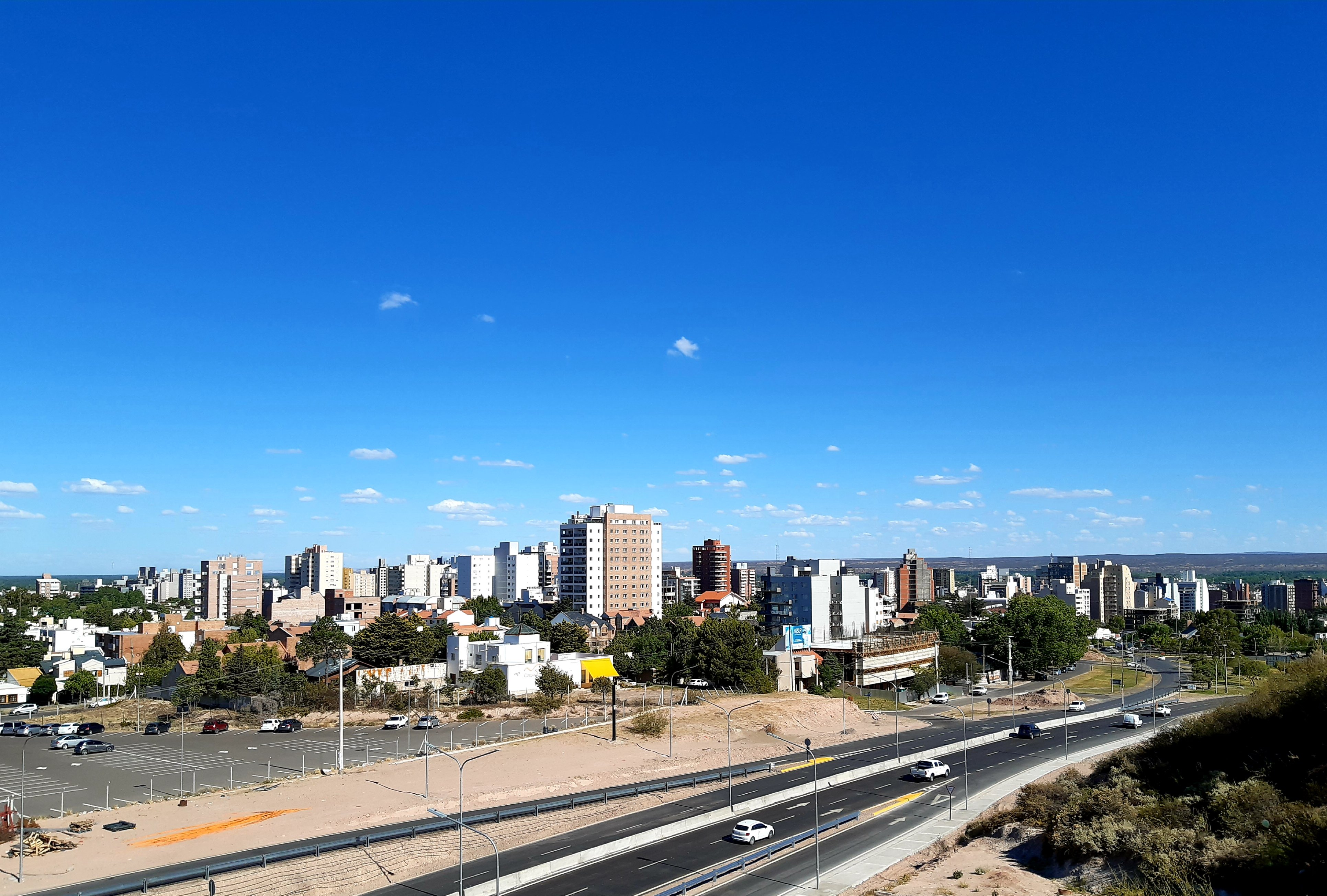
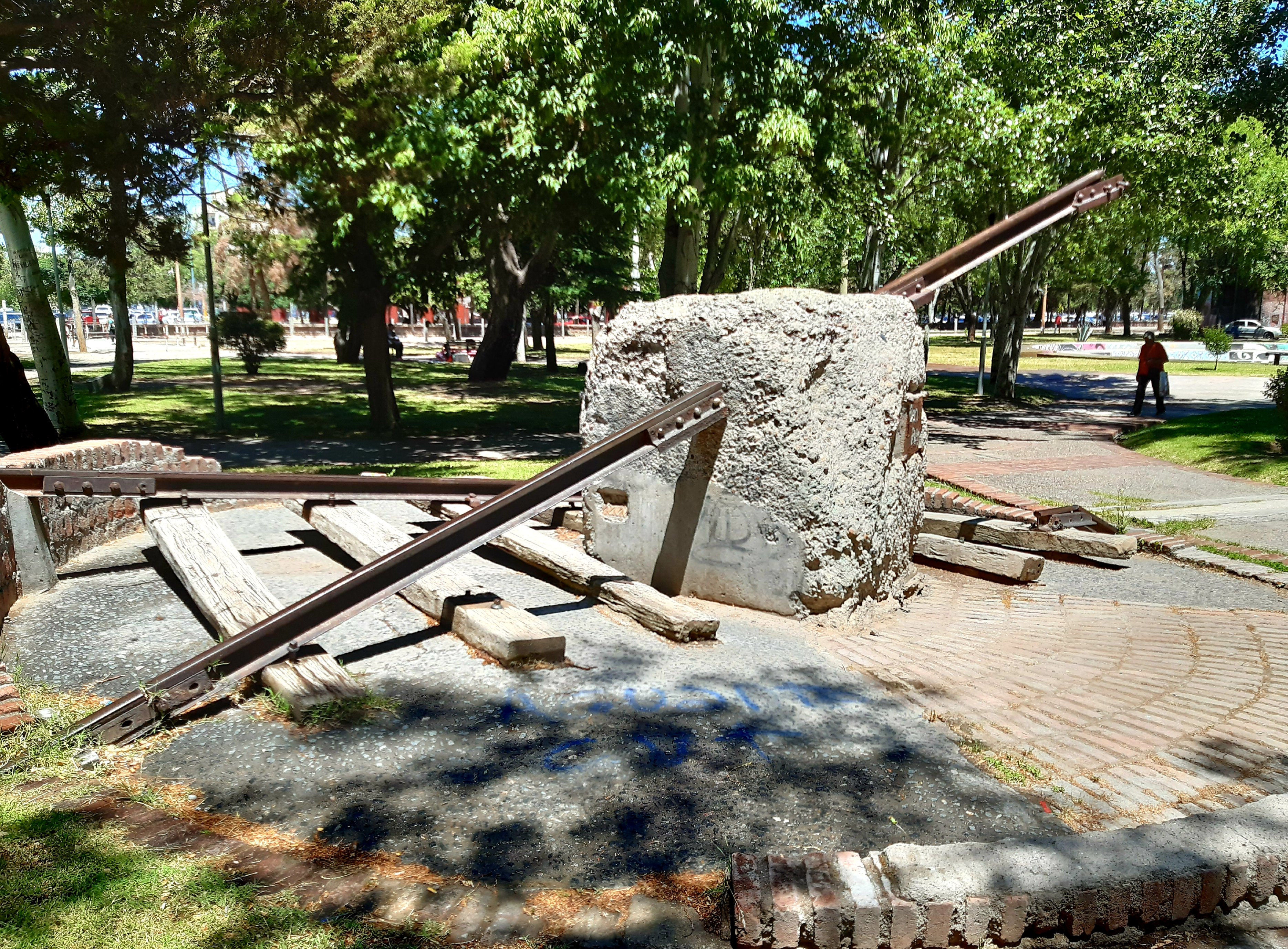
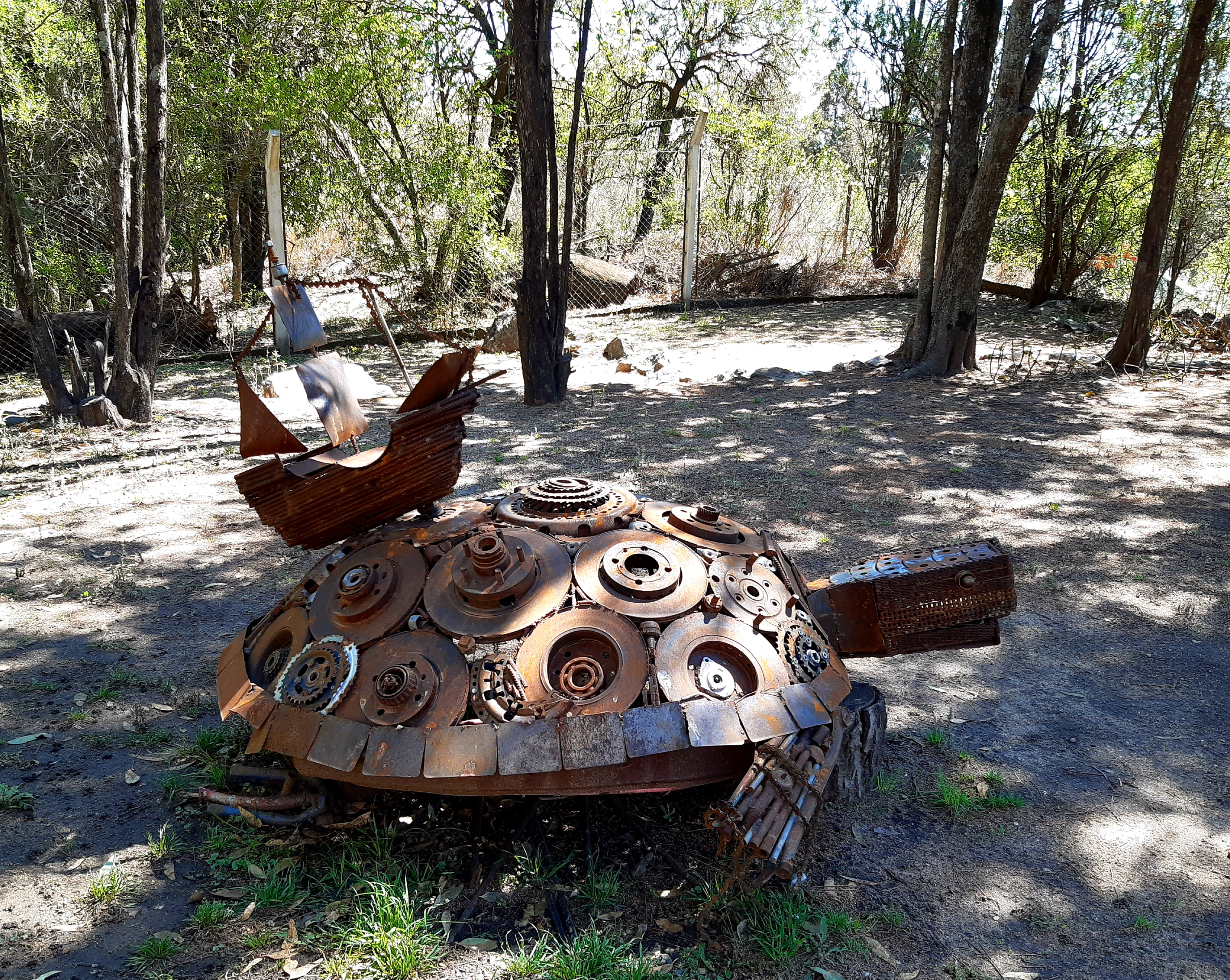
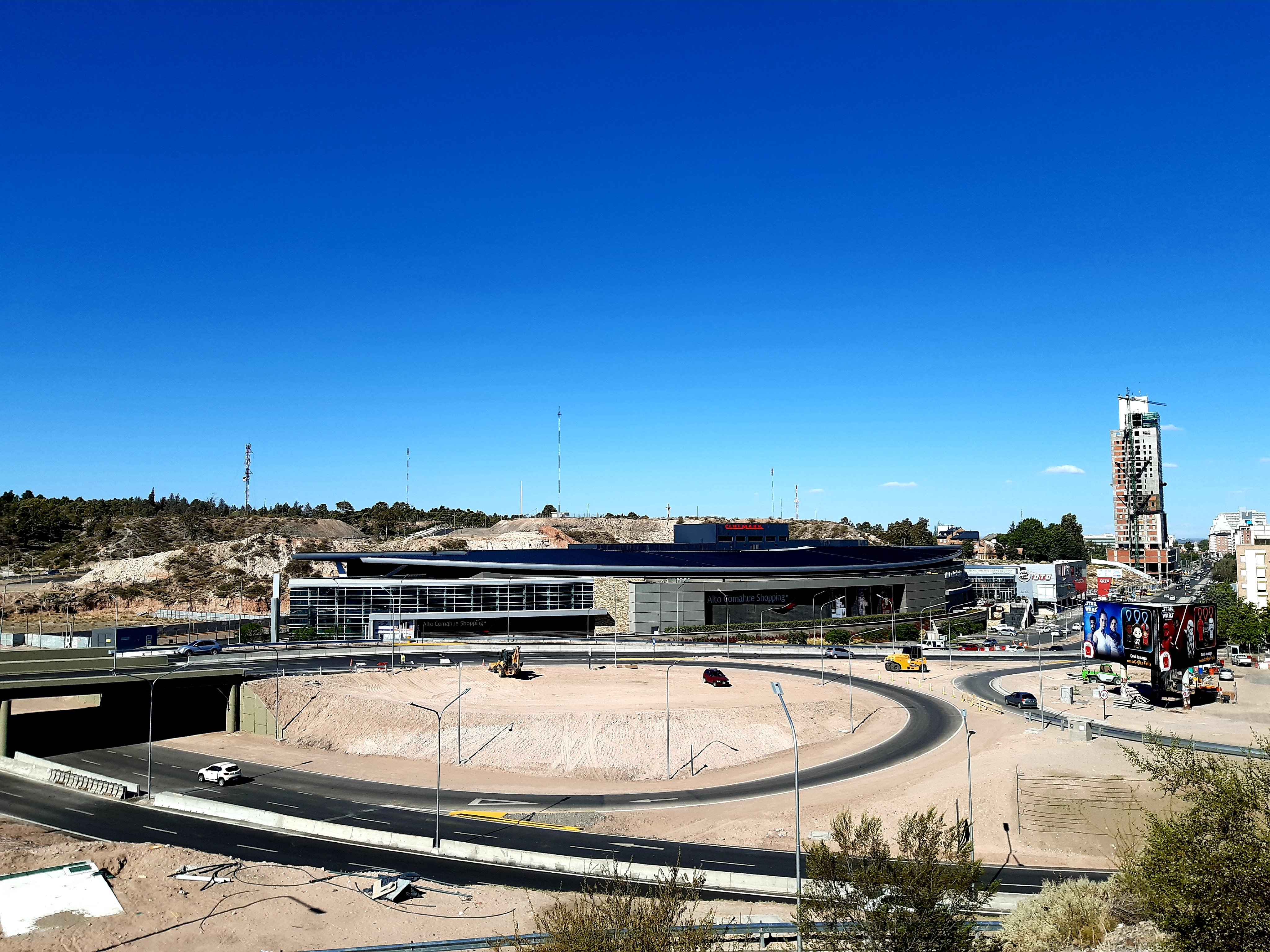 I was intrigued by this following sculpture, a homage to whoever built the railway line (that is no longer functional):
 The following day I was on my way to San Carlos de Bariloche, or Bariloche, as it is popularly known, with a very friendly and talkative Spanish lady (and grandmother) next to me in the bus. She had me practicing my Spanish for quite a few hours. We exchanged phone numbers and have been in contact since. Inis – she lives in Playas Doradas on the East coast and I might visit her there (see the strain of speaking Spanish on my face.
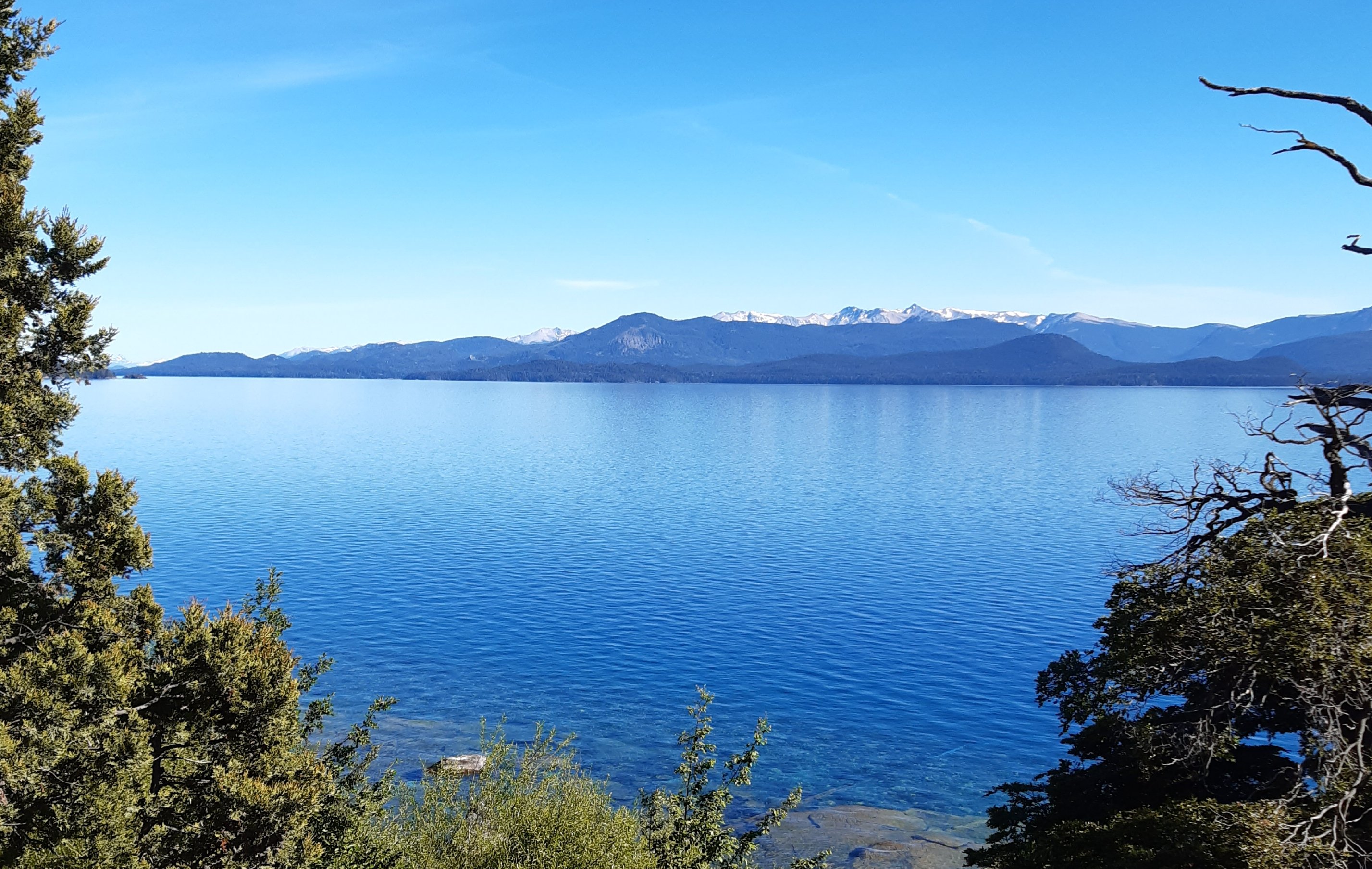
 Bariloche, a little Switserland in the northwest of Patagonia, and gateway to the south. The most beautiful lakes, forests and mountains, with zilions of trails, overnight camping spots, cycling, horseriding, sailing, kayaking, paragliding and many more activities.
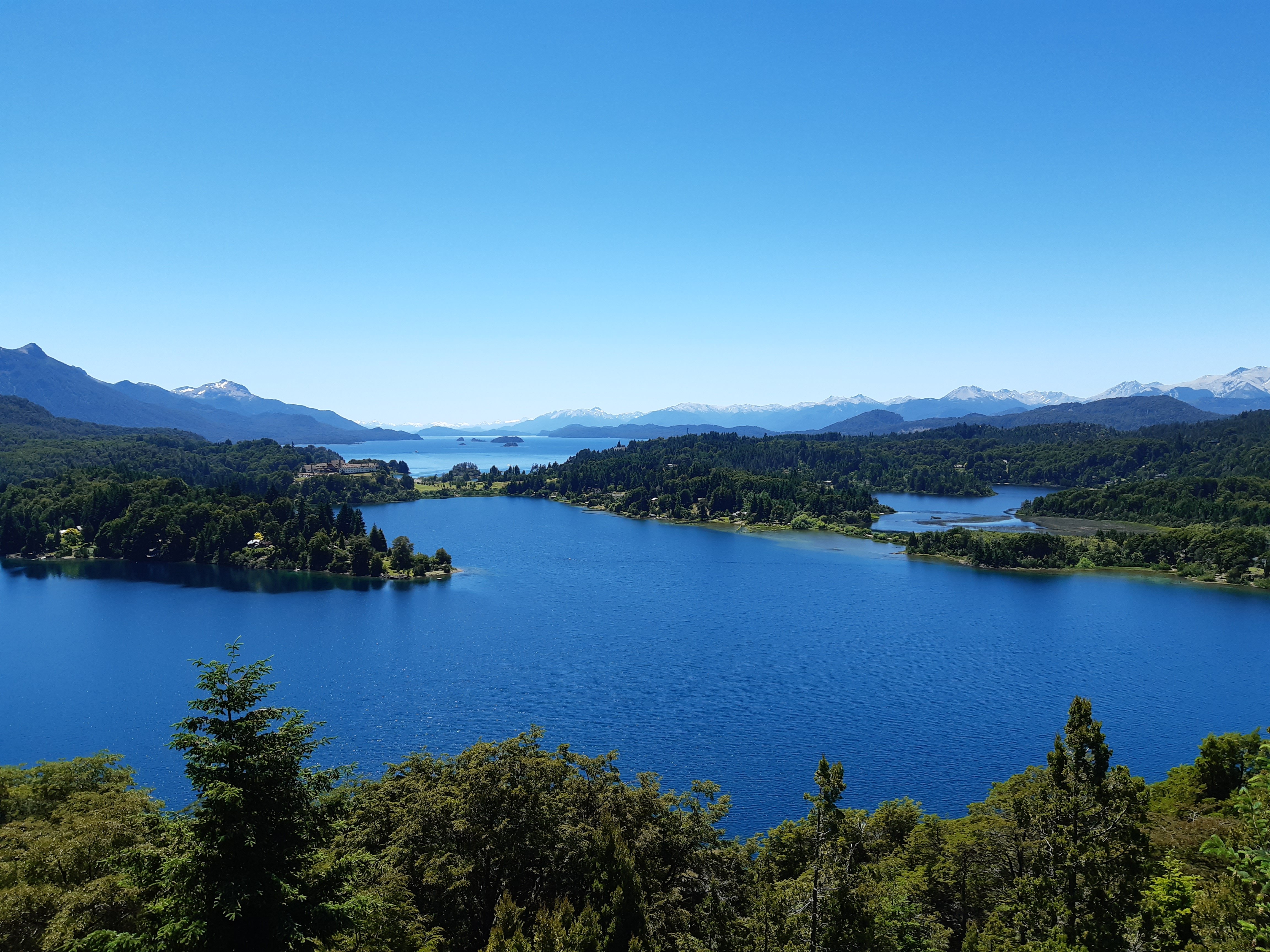
 I was persistant in the finding of volunteer work here, and was accepted at Hostel Punto Sur, right in the heart of town, with friendly and supportive owners, Martin and Marina. The work is scheduled in 8hr shifts for 4 days, and then 3 days off, which gives me time to explore towns close by, or do one of the overnight stays in a cabin in the mountains. In winter the mountains are snow-covered and skiing is a great attraction. According to Marina, the Argentinias come here in winter mostly to see and enjoy the snow. The Europeans are the ones who come to ski. I’ve climbed several hills with great views of the lake, Lago Hauma Haupi, and wildflowers along the way, much to my delight.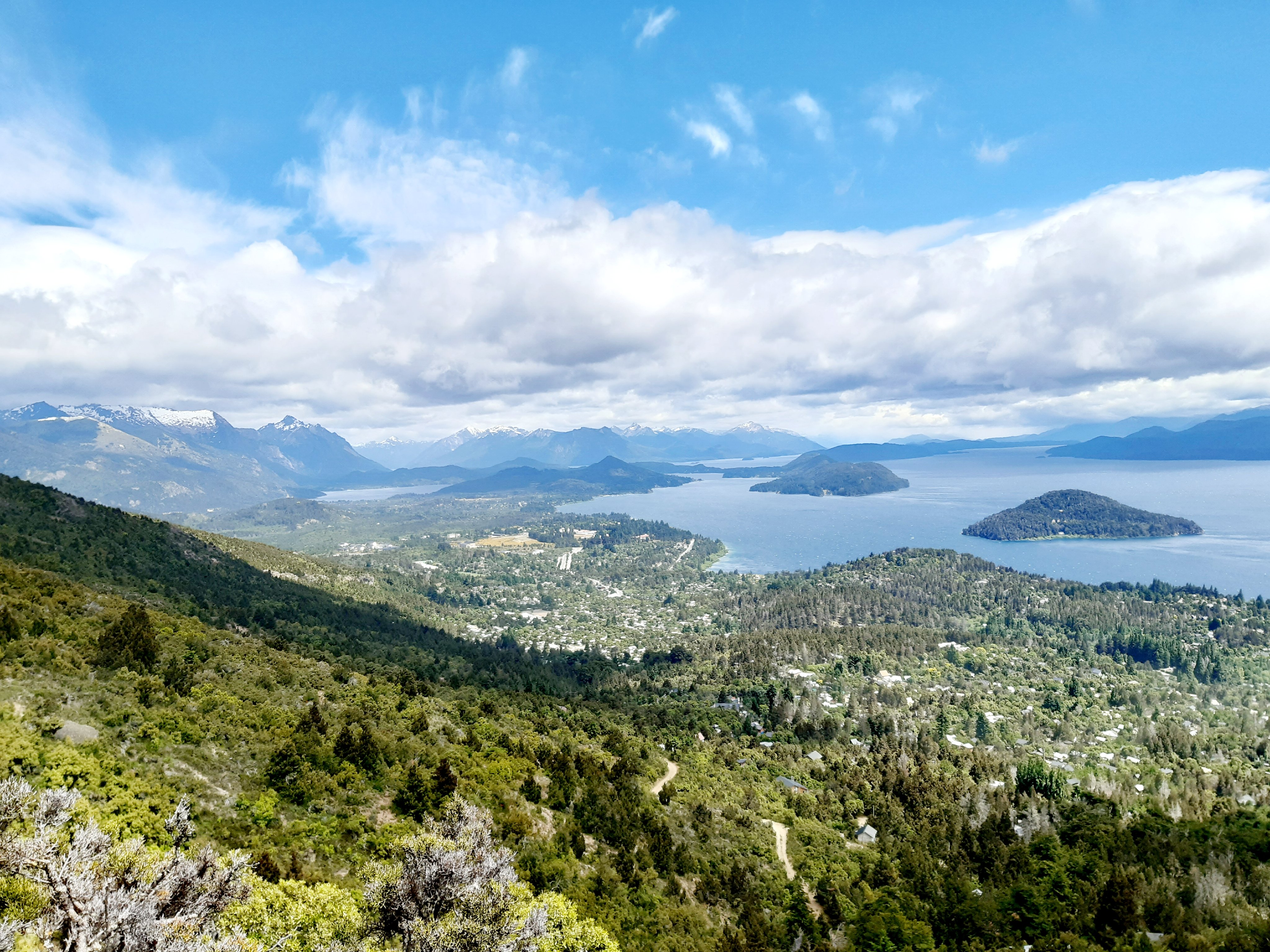

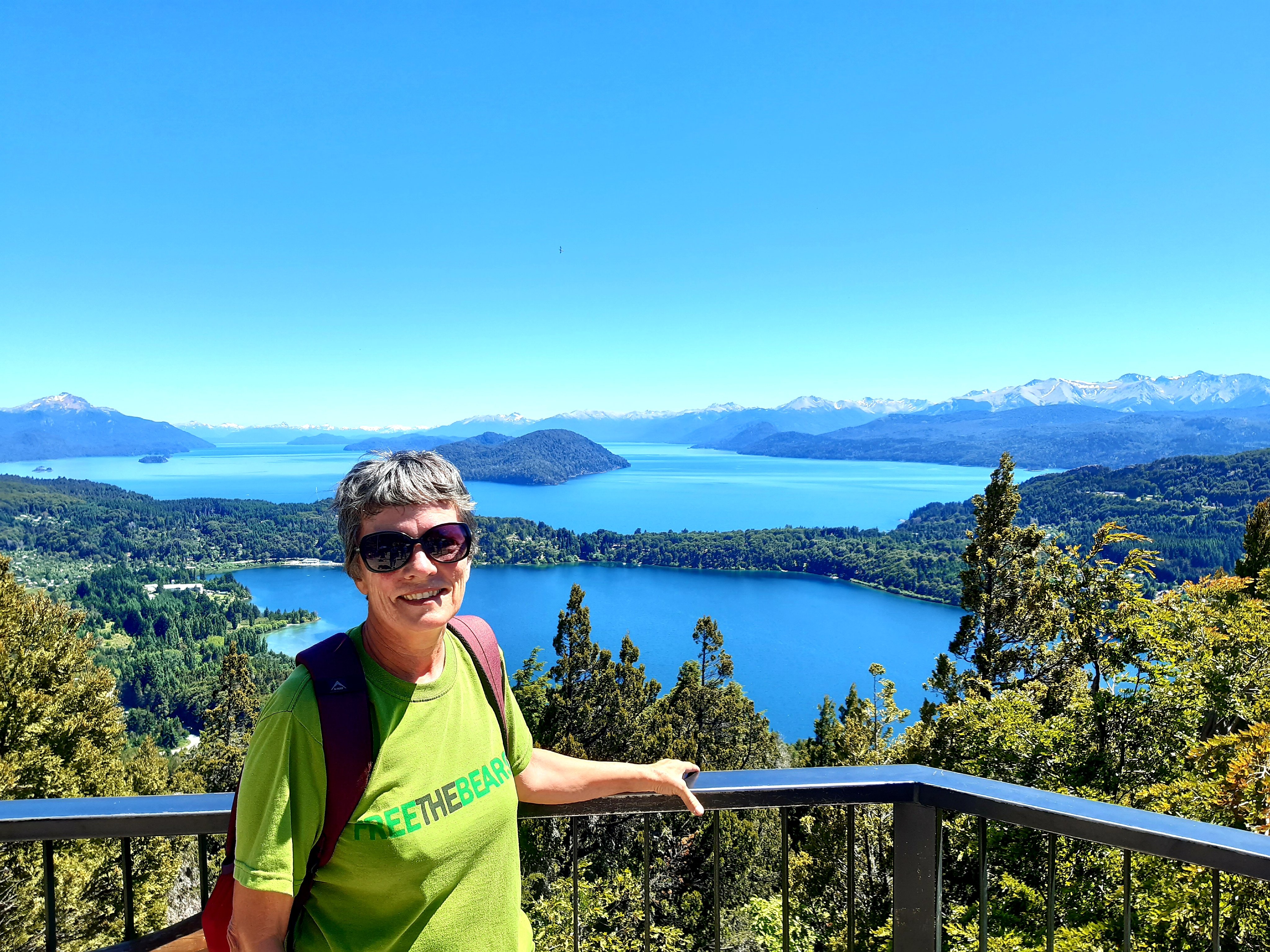

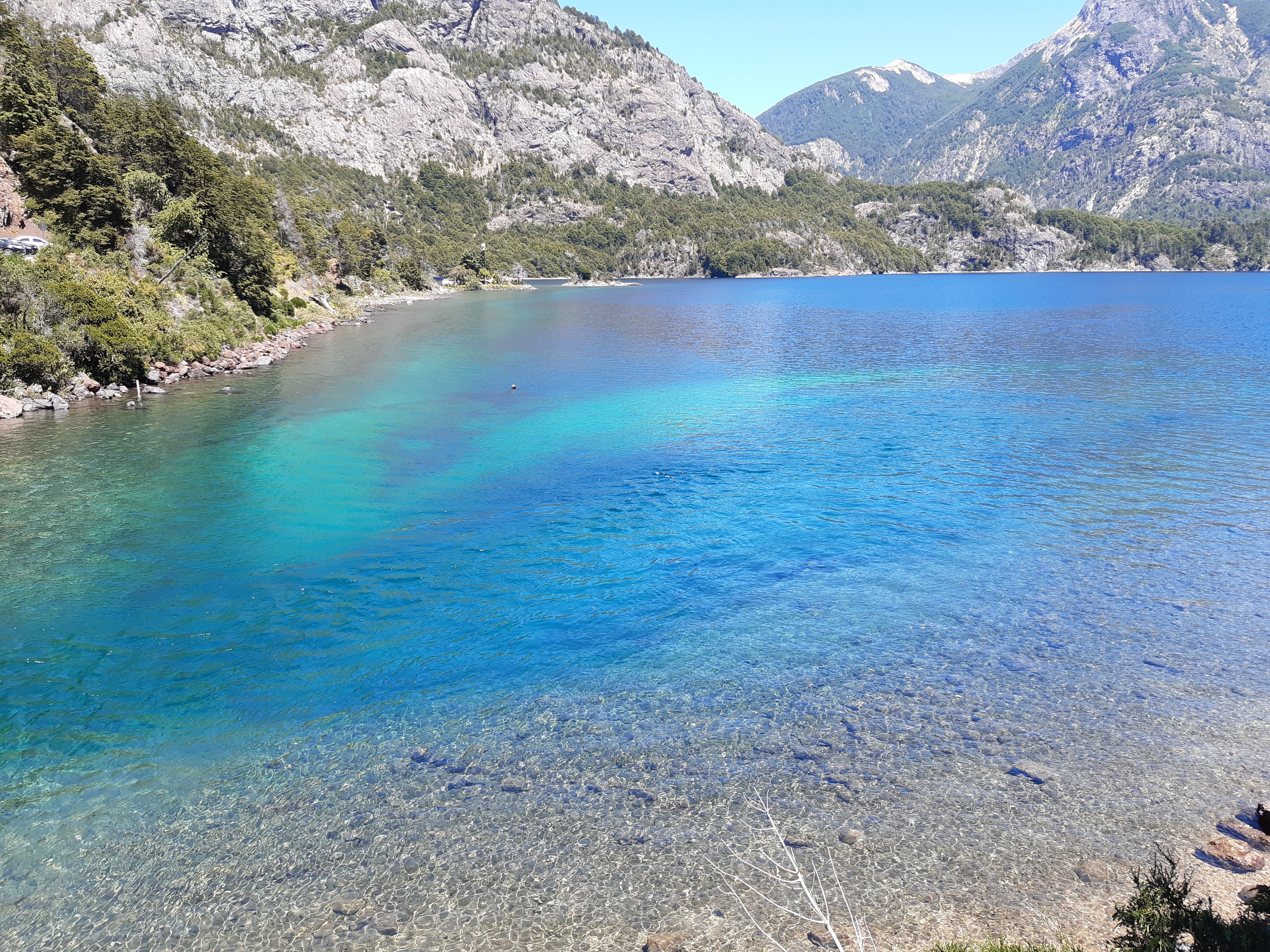
 I did a 30km bicycle trip one day, Circuito Chico it is called, with crystal clear lakes, forests and spectacular views. Renting a bike was quite expensive as it is high season now, R300, but totally worth it.


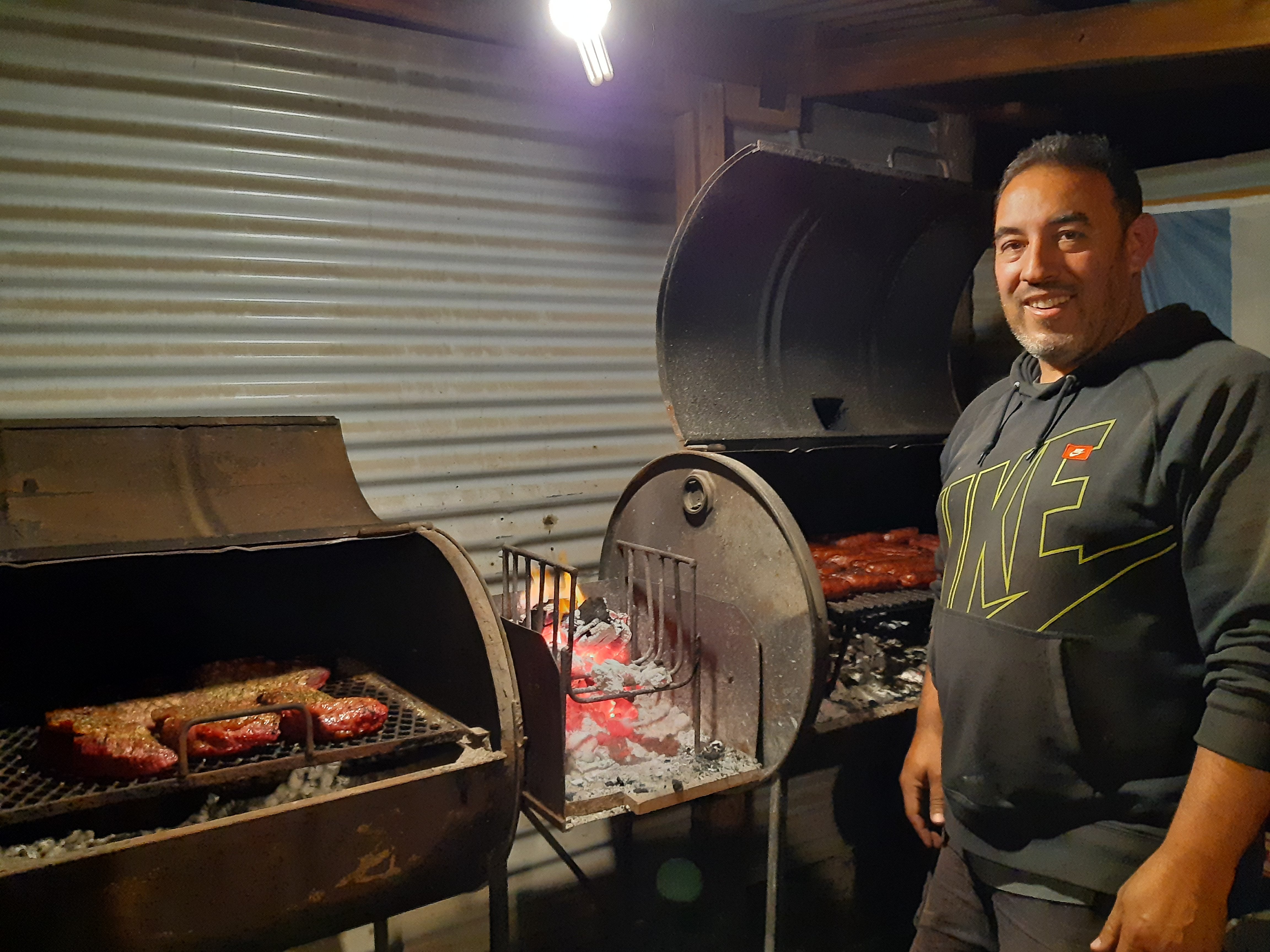
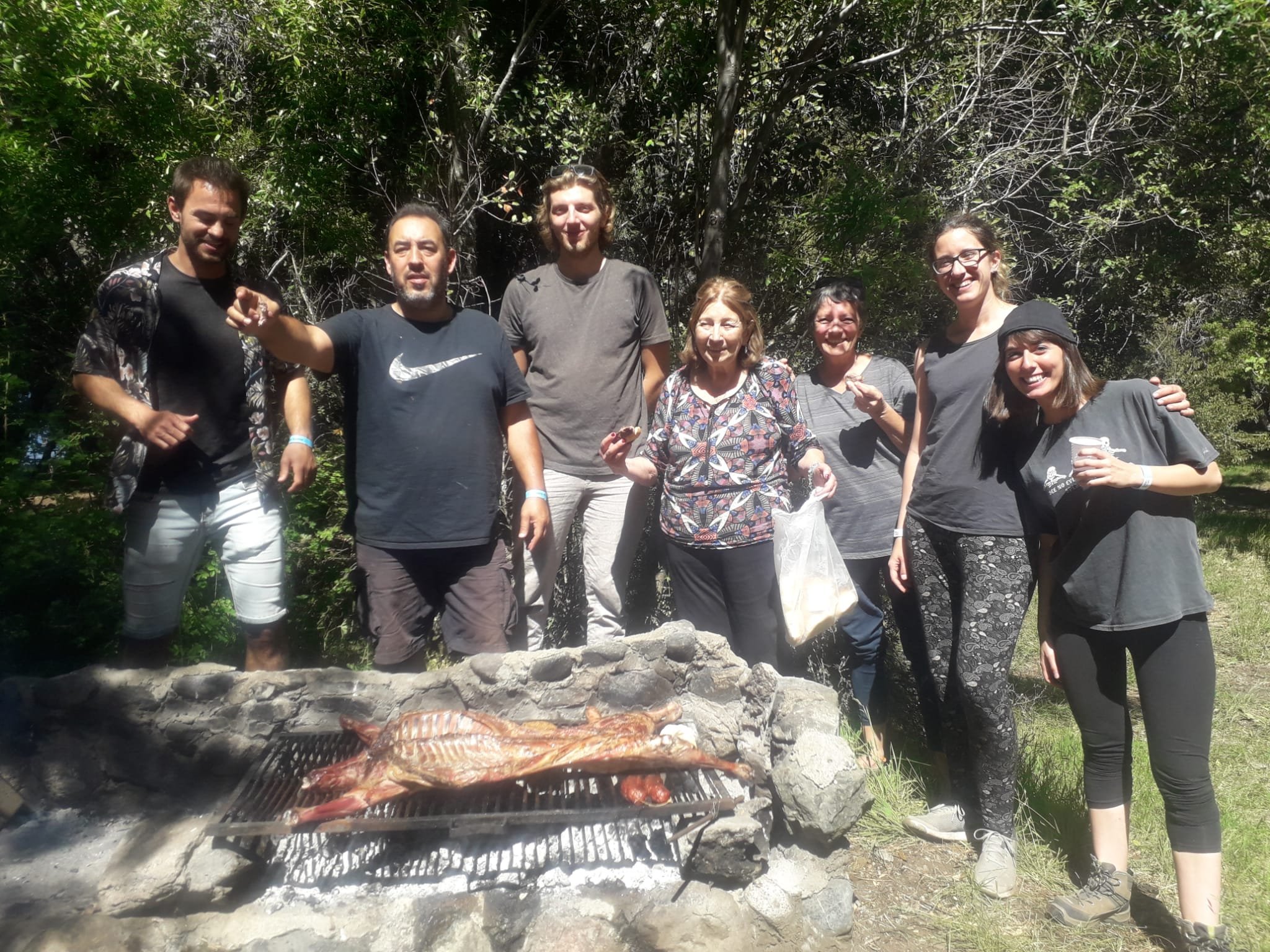
 It was Marina’s birthday on the 30th Dec, and again we were treated to an asado, a whole sheep this time, with a chunk of rib-eye steak and sausages. It was held at a smaller lagoon, and l decided to brave the icy water and had a refreshing swim.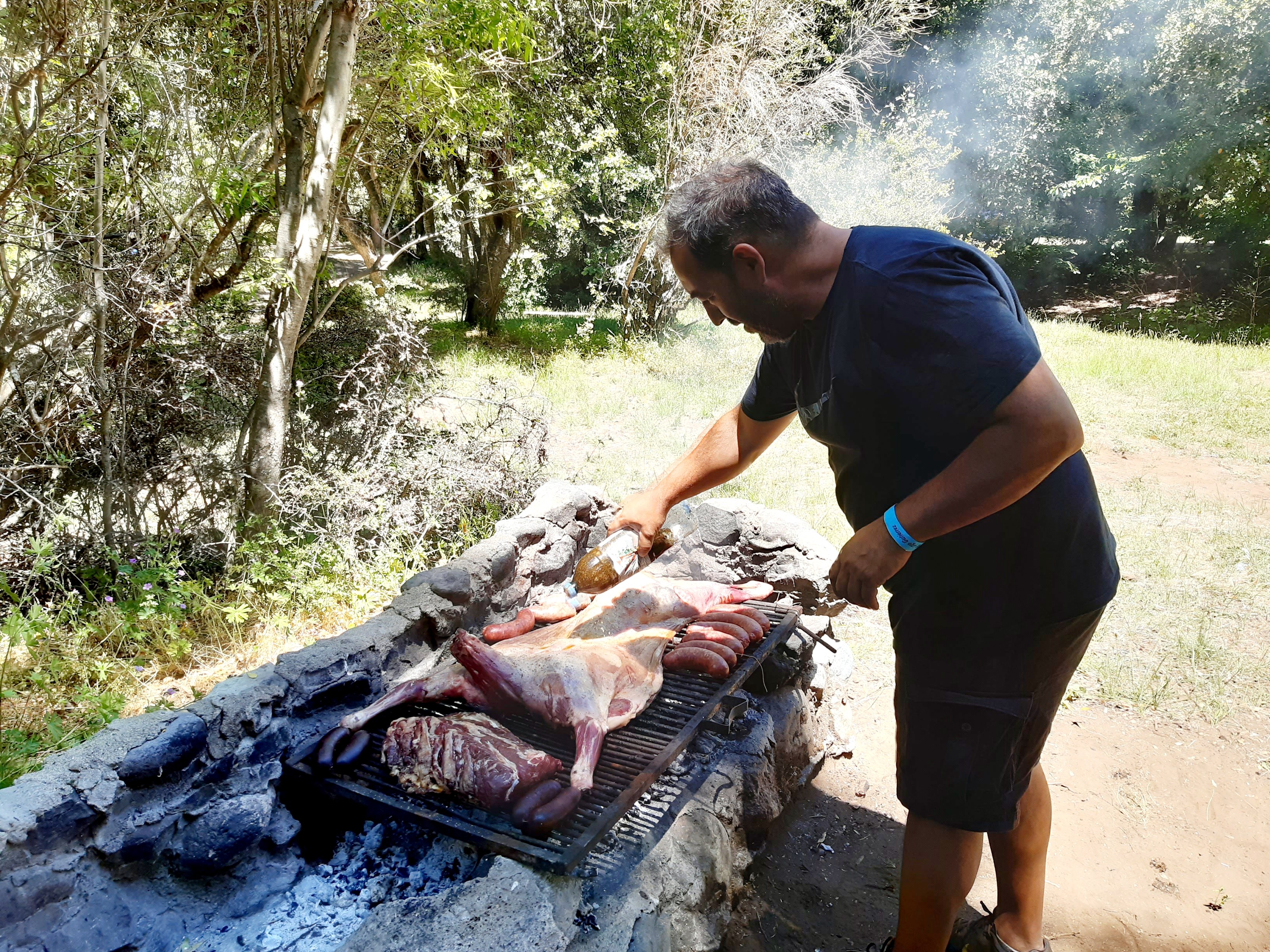
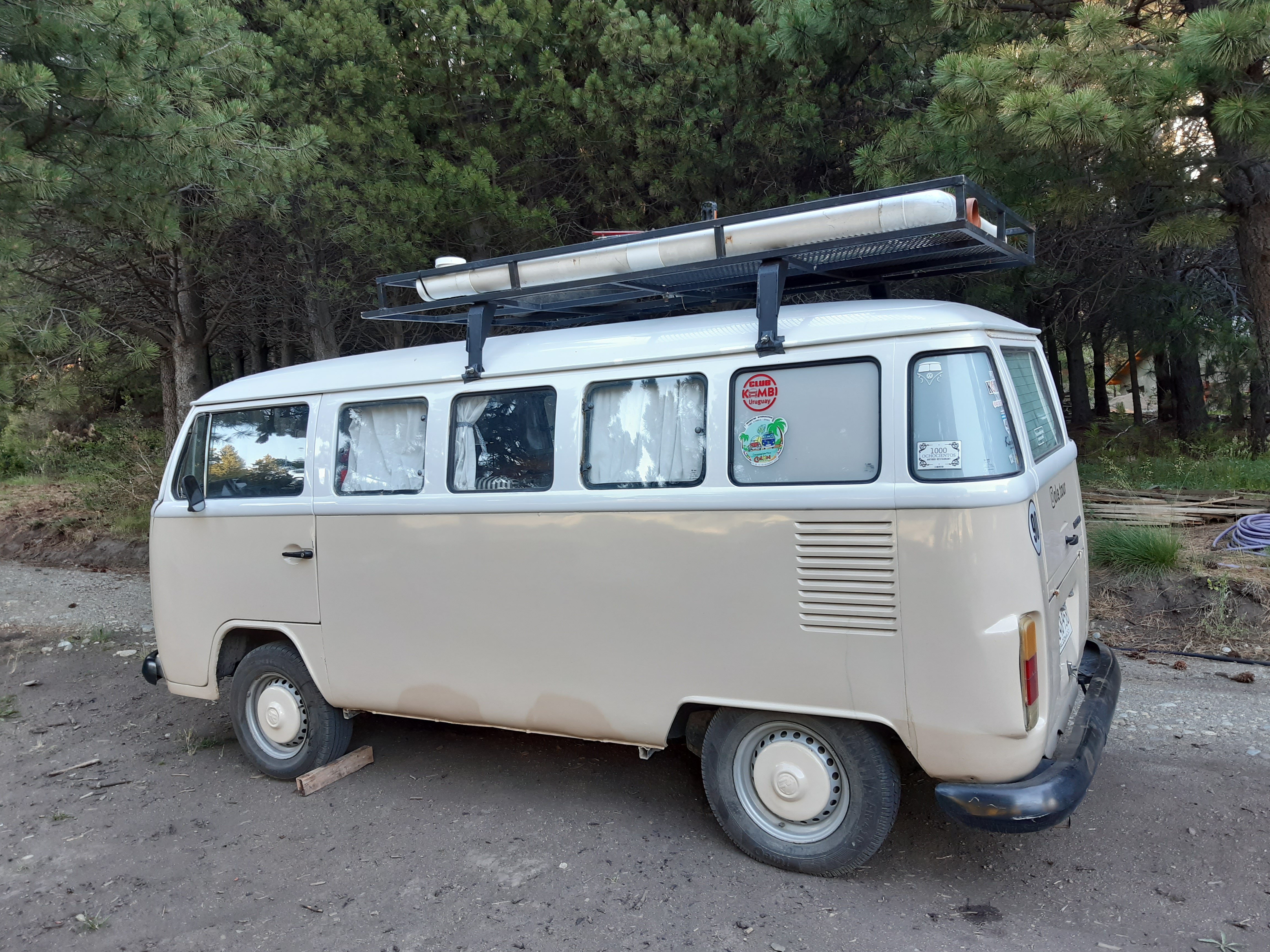
 And then my friend Ale, whom I had worked with at Sauce Viejo in August last year, surprised me here at the hostel! He had a friend with him and they picked me up after work the following day and we went bundu bashing up a mountain where he was camping in his combi.
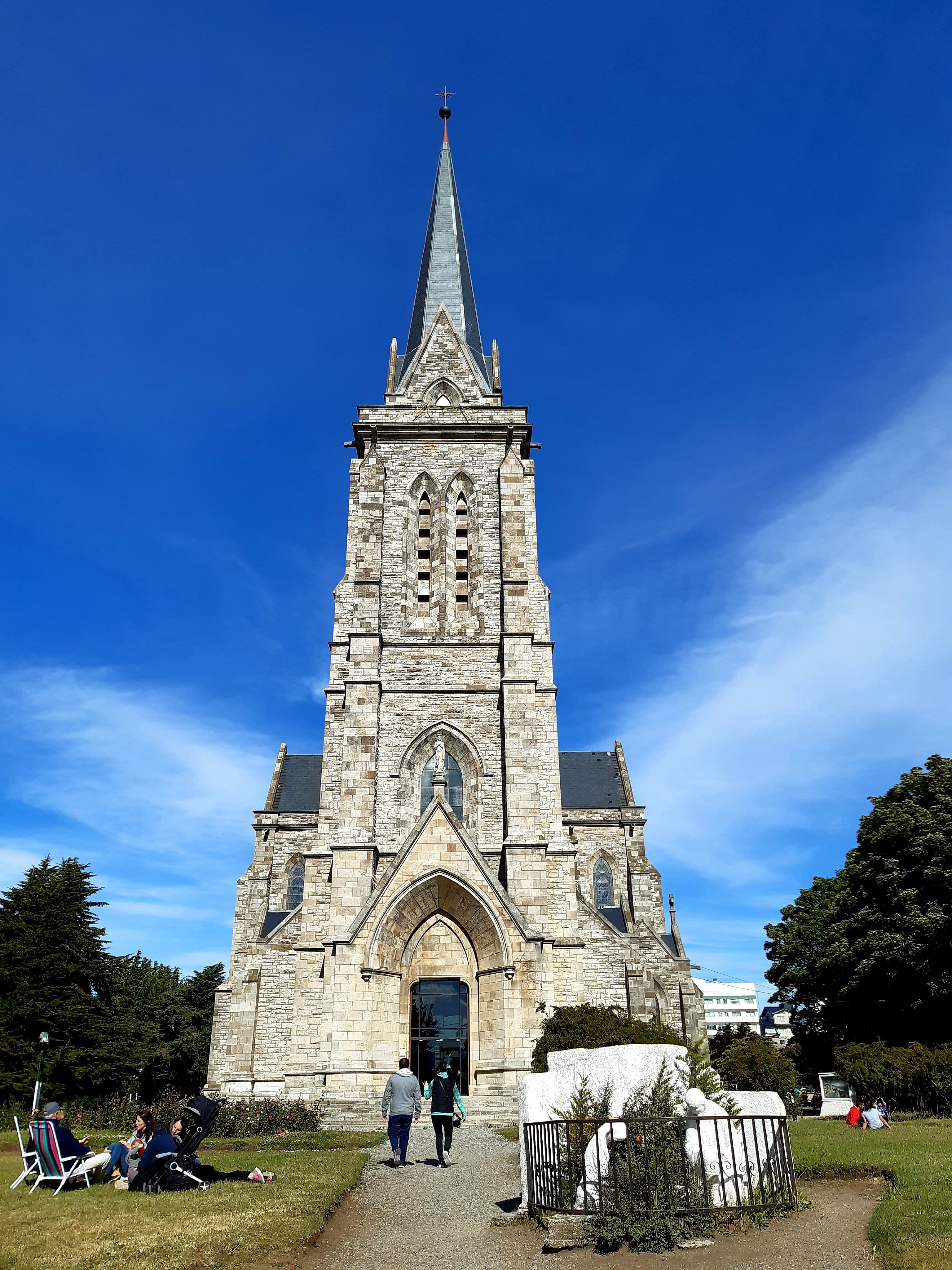
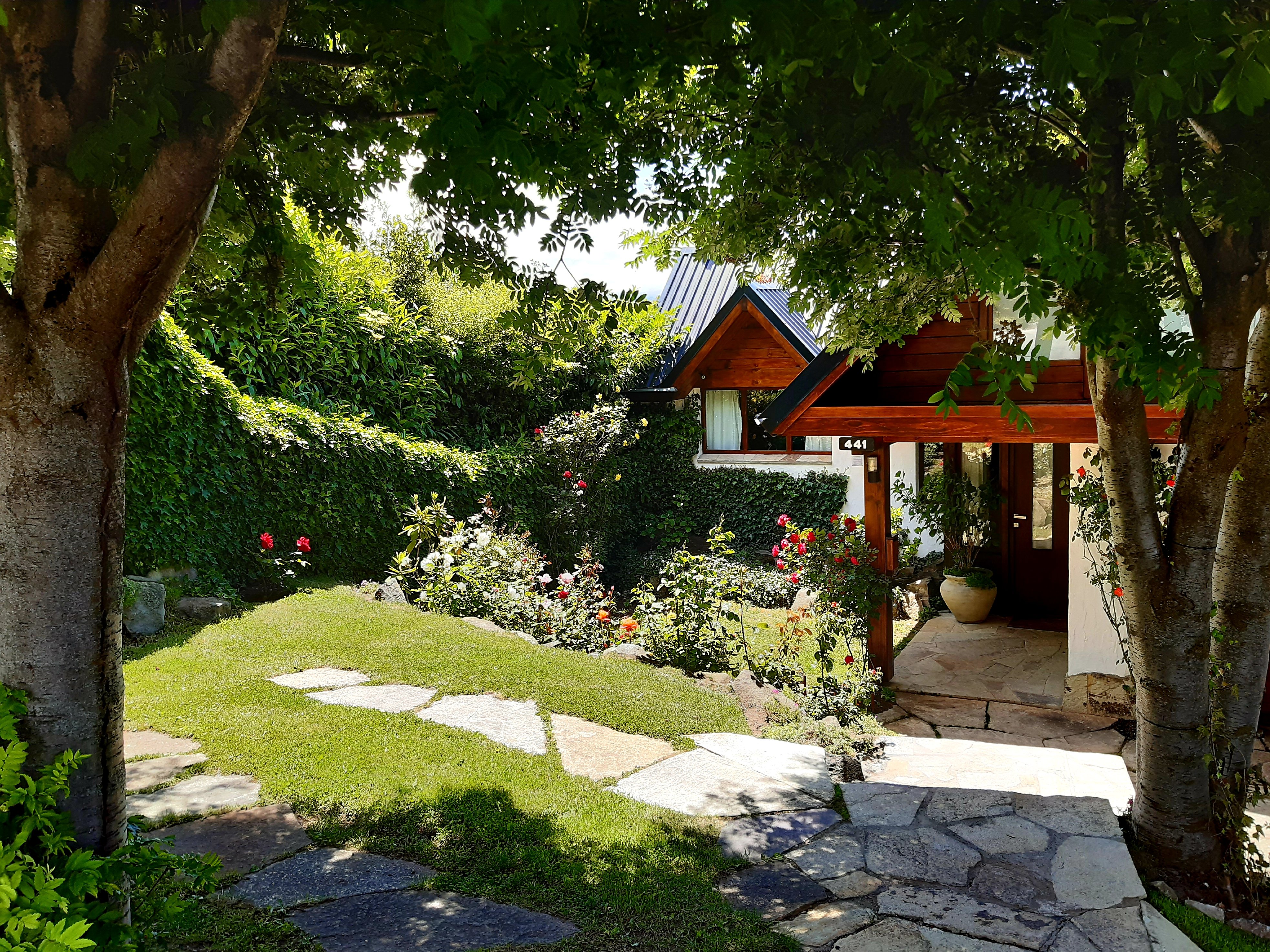
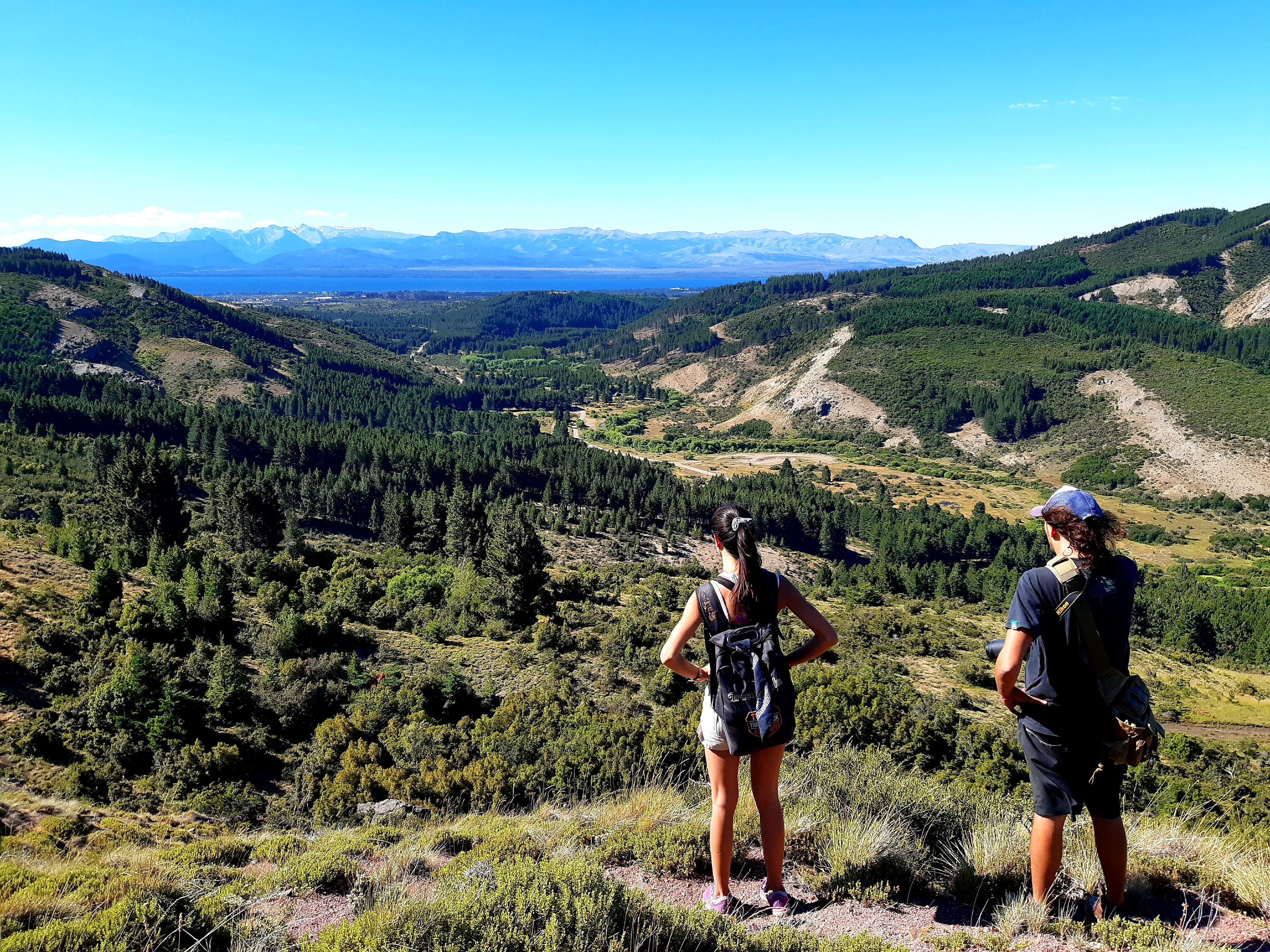 Bariloche became popular in the 1930 – 40’s, with many Swiss and German people settling here. The European influence in visible in the architectural styles of buildings and houses, as well as in the infrastructure and neatness of the town. The beaches around the lagoon are not sand, but smooth pebbles, which does not deter people from sunbathing and occasionally wading or even bravely taking a dip. The water wasn’t too cold after a few days of hot sunshine and swimming was quite pleasurable.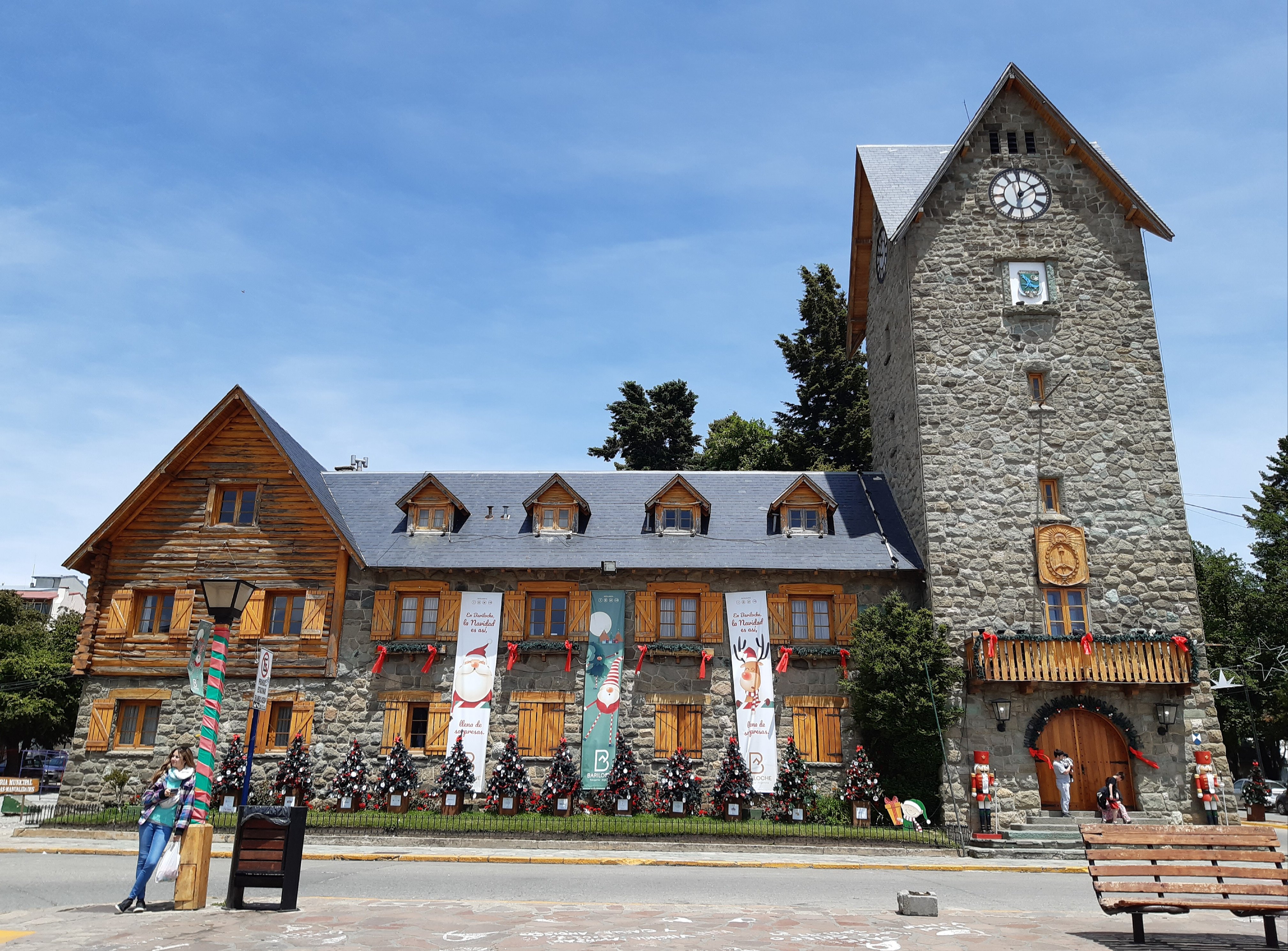


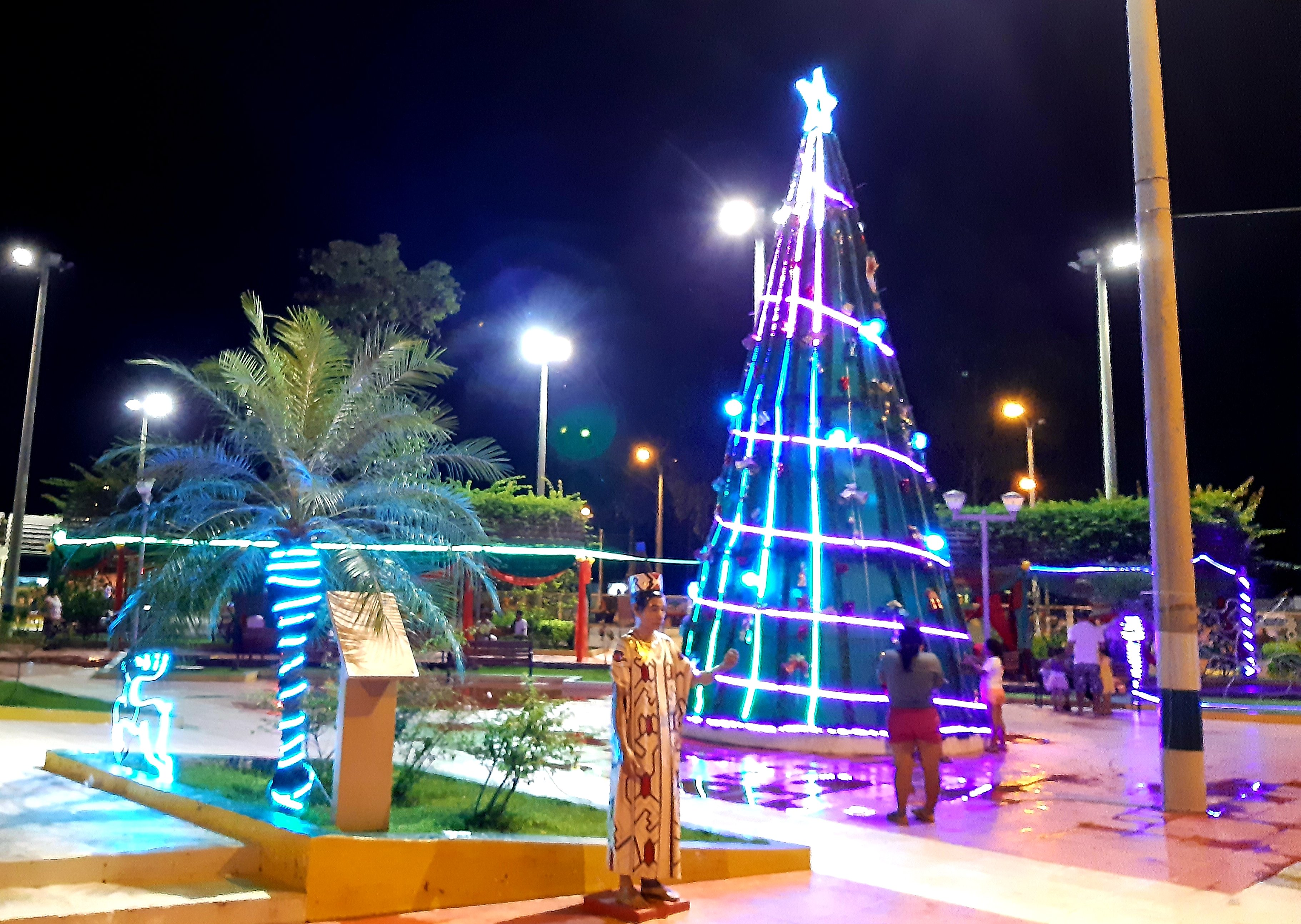
 I walked around town, ate at local restaurants for 5 soles, visited a few places out of town and spent a lot of time sleeping and relaxing, especially as it rained for a certain part of the day every day. Nobody speaks English at all, which was good for practicing my Spanish.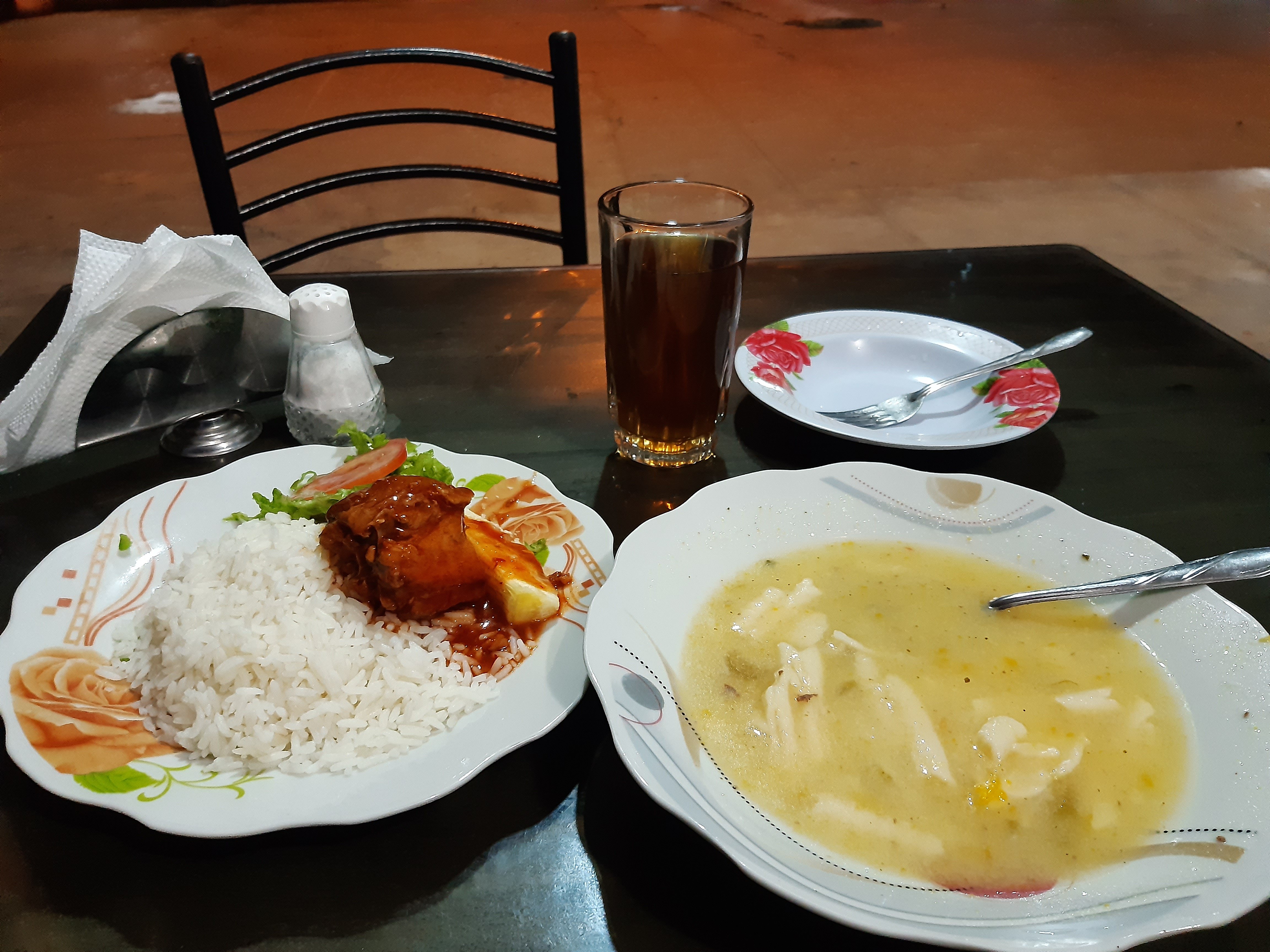

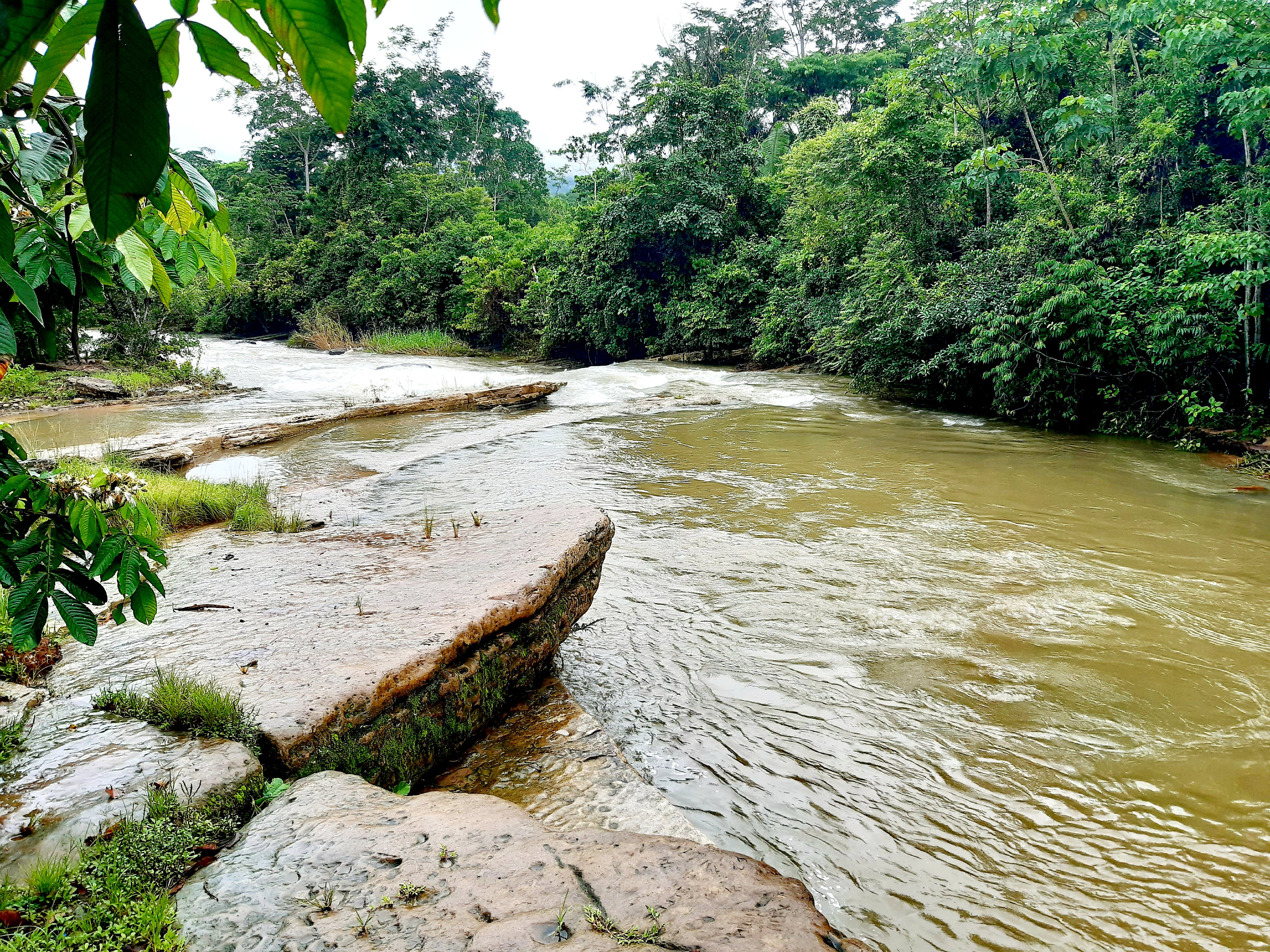 The above photo was taken at Sapani, a resort that normally has crystal clear pools, but was flooded after the rains.
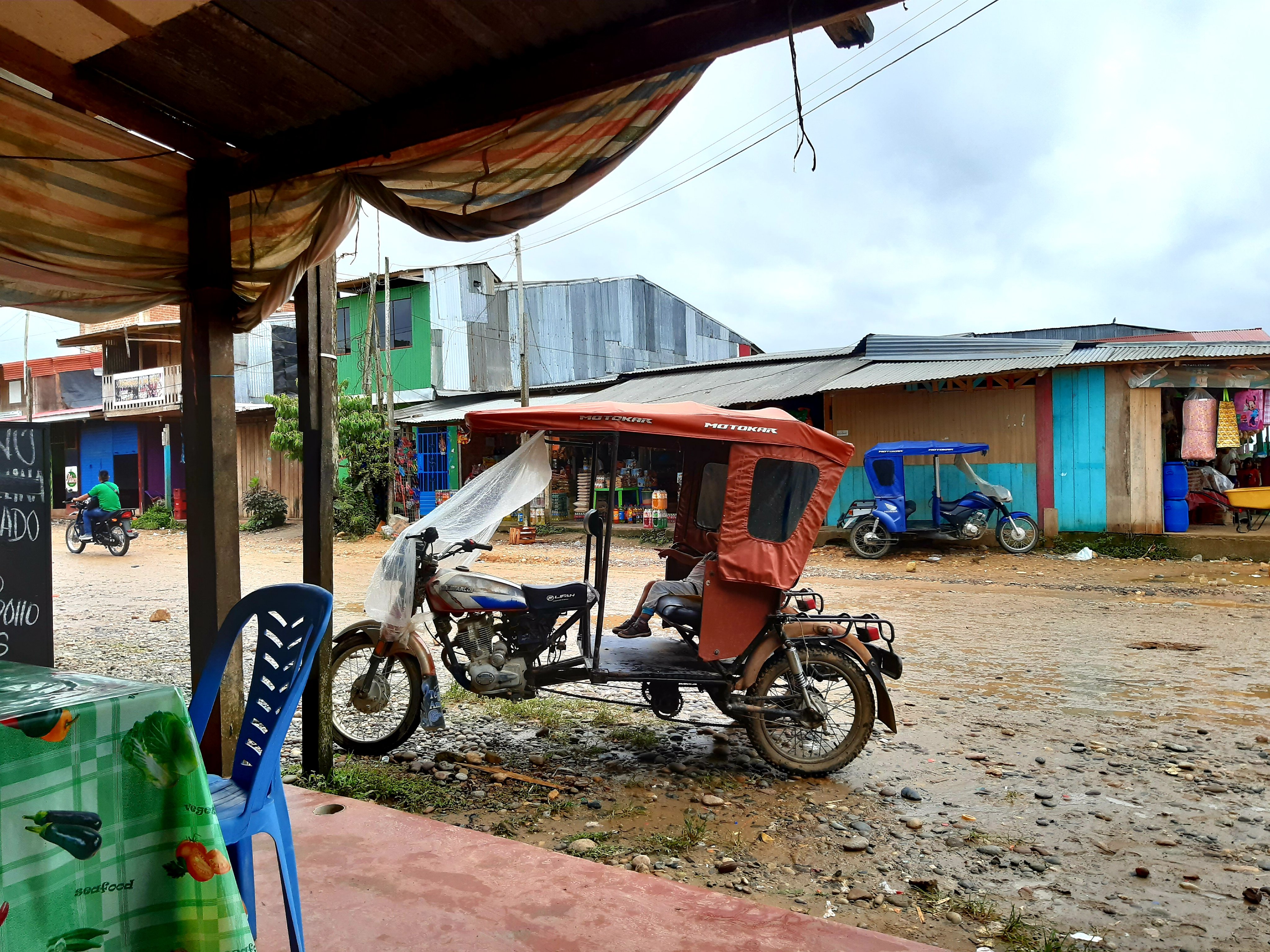
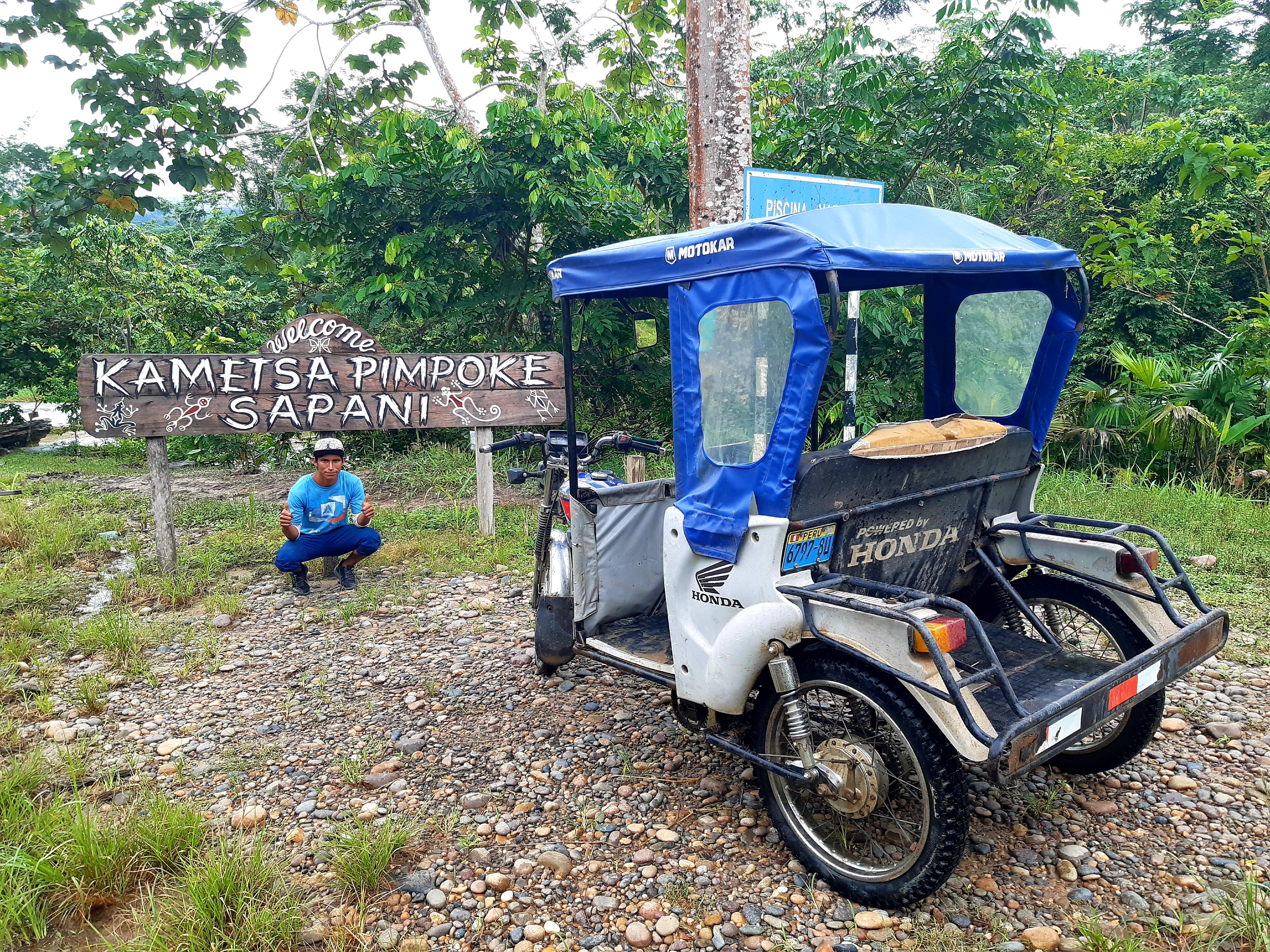
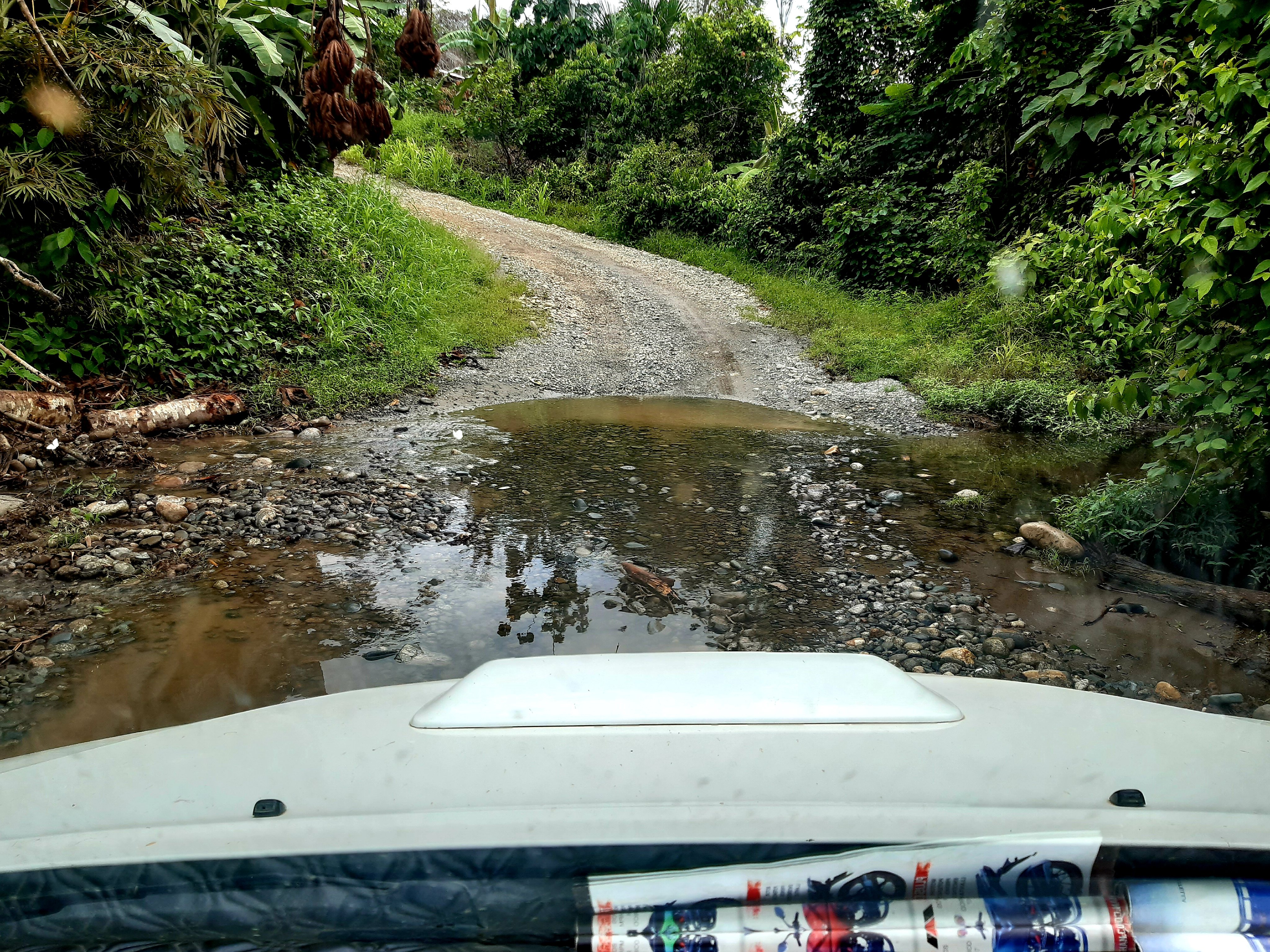
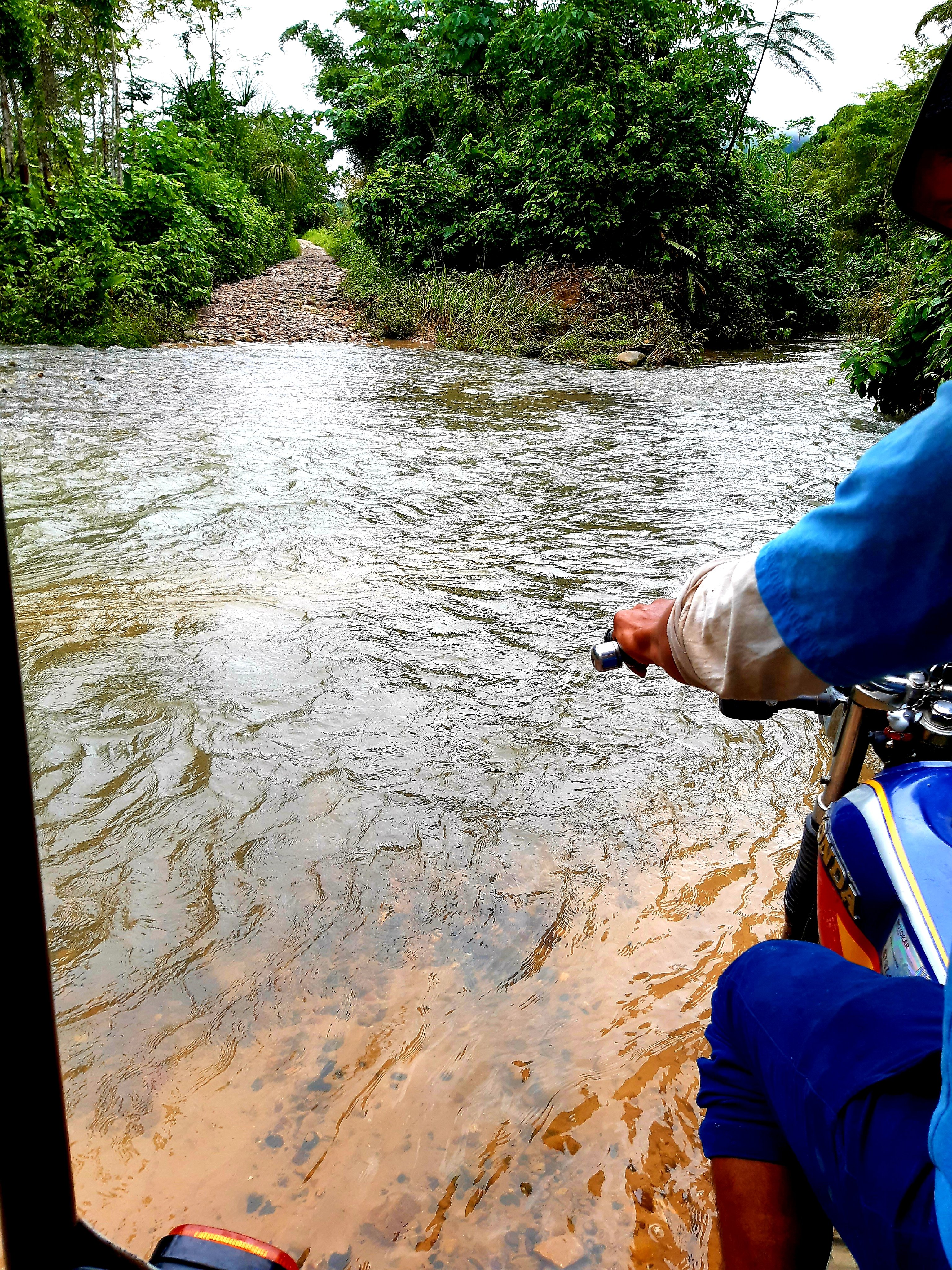 The motor taxi I took out there had to cross streams like this twice. I had to move to the corner if the back seat, to put some weight on the back wheel for better grip. We made it through both times. My proud driver:
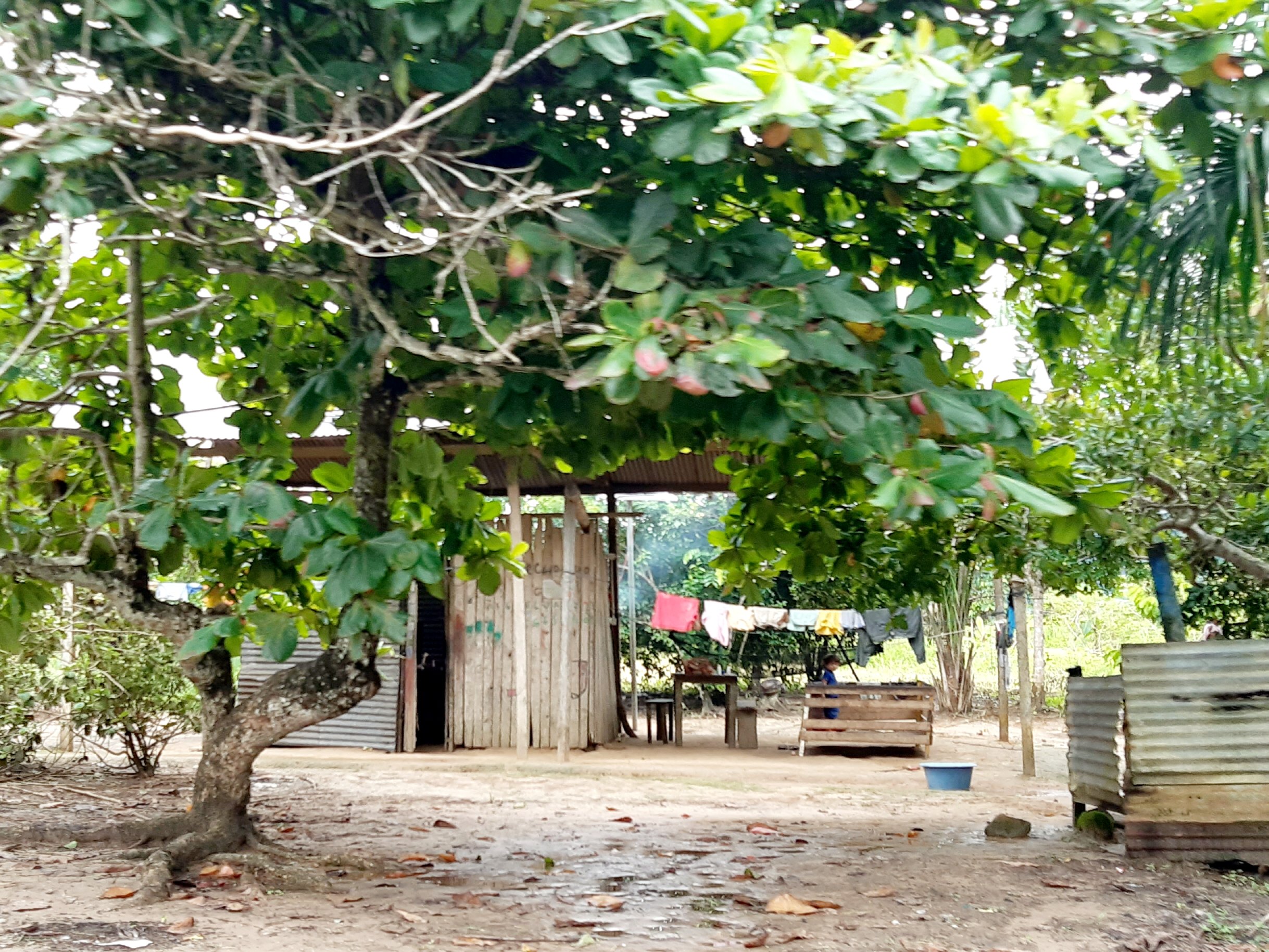
 Some houses in the forest: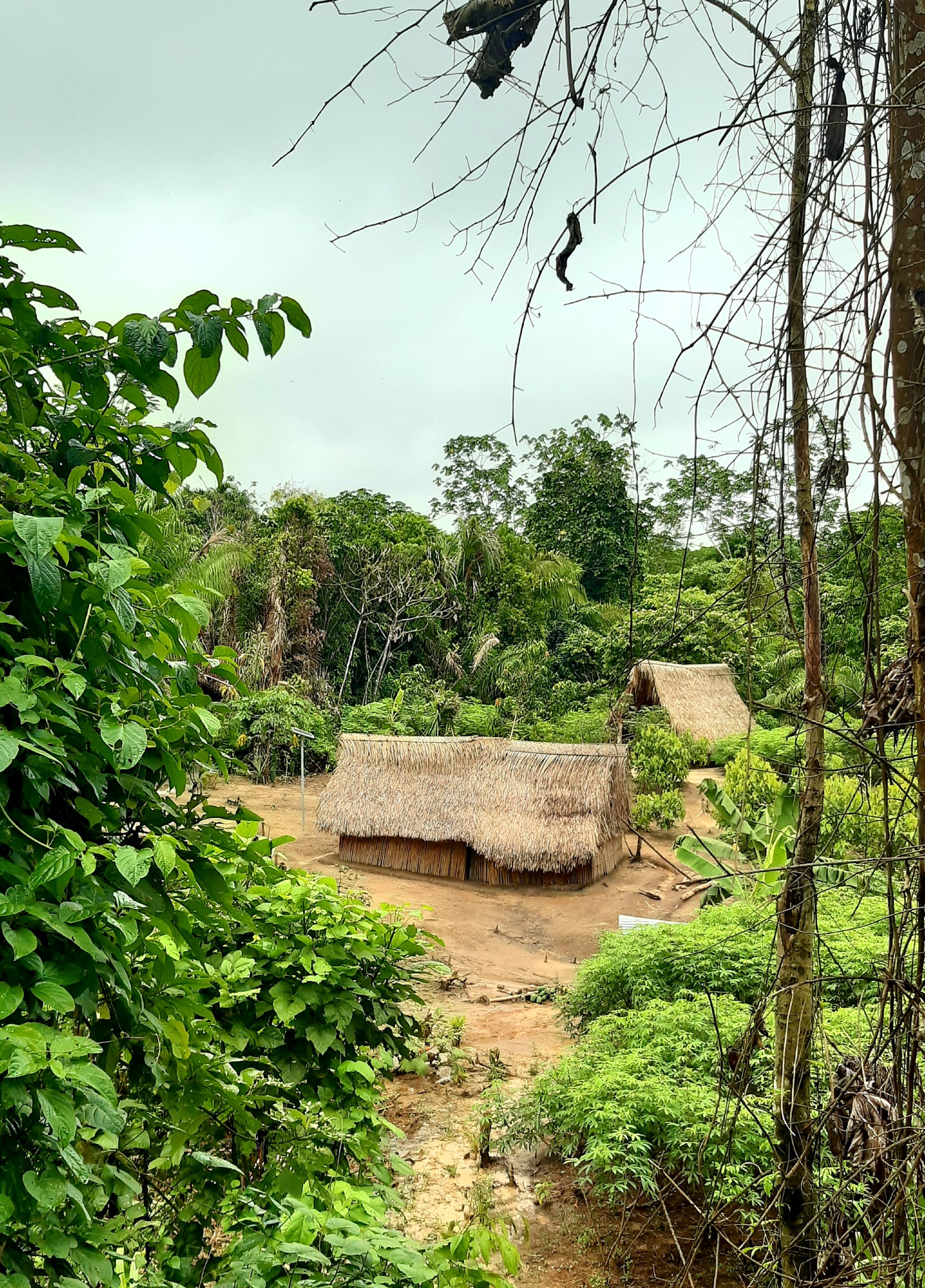
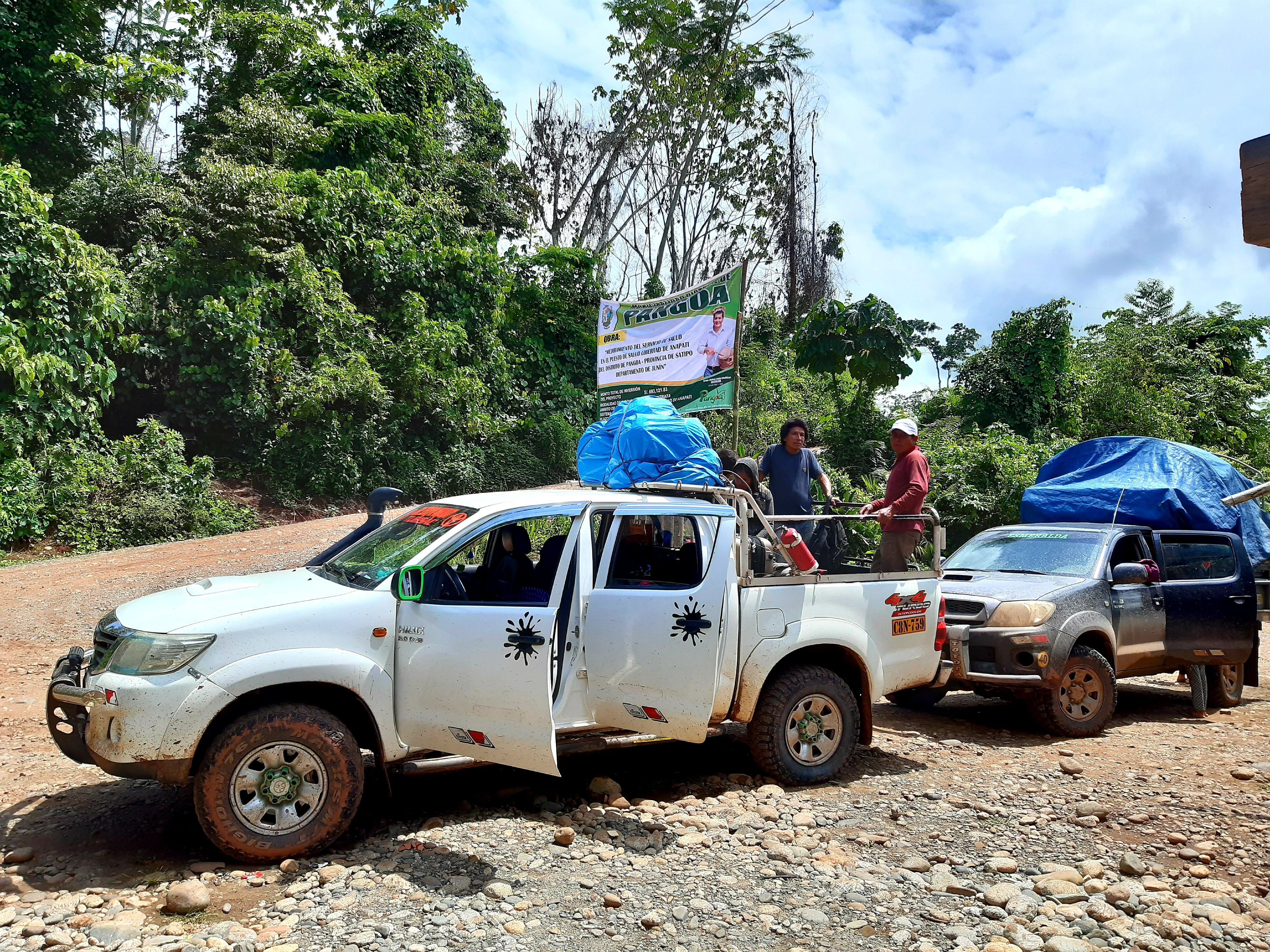
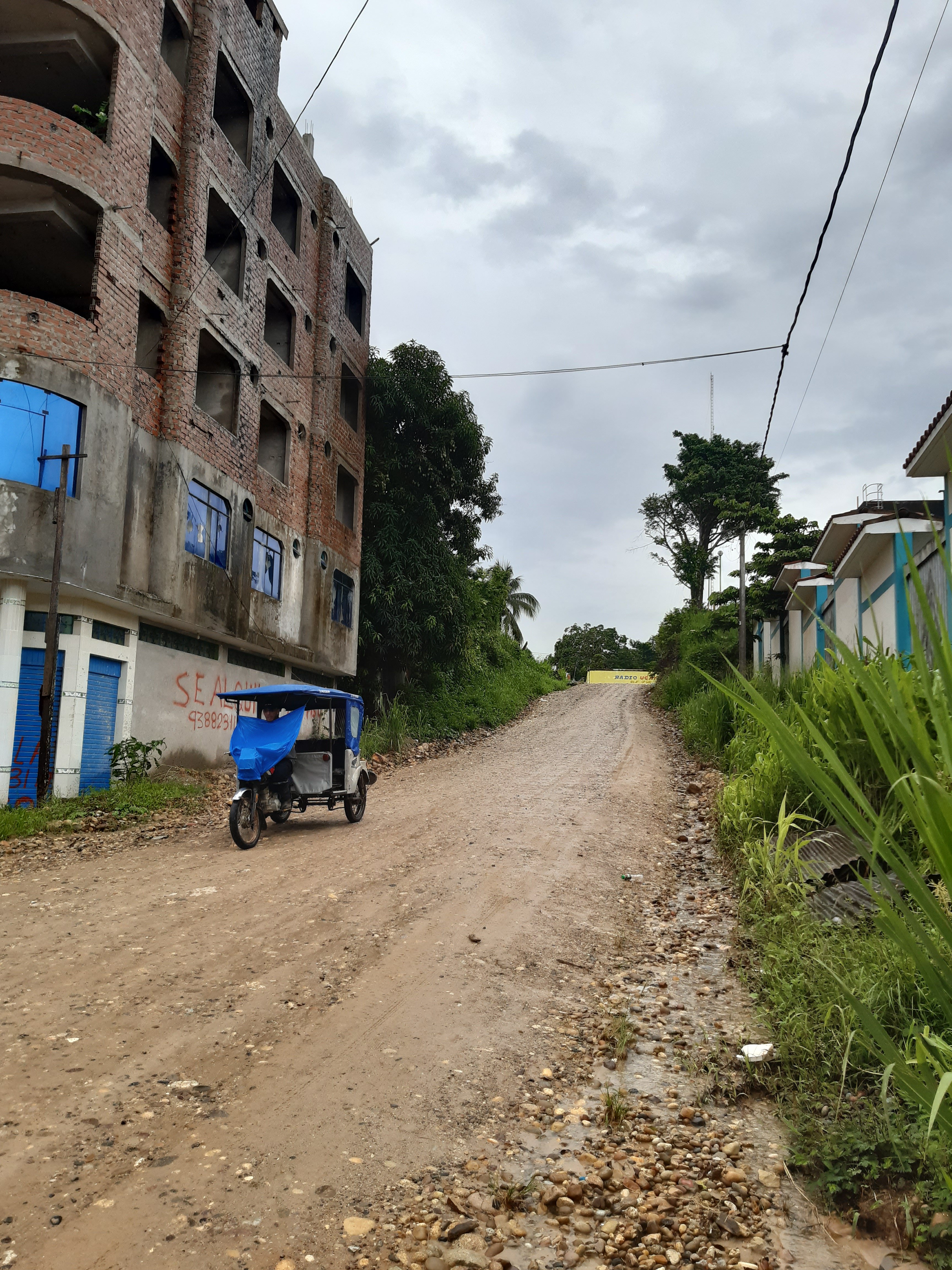
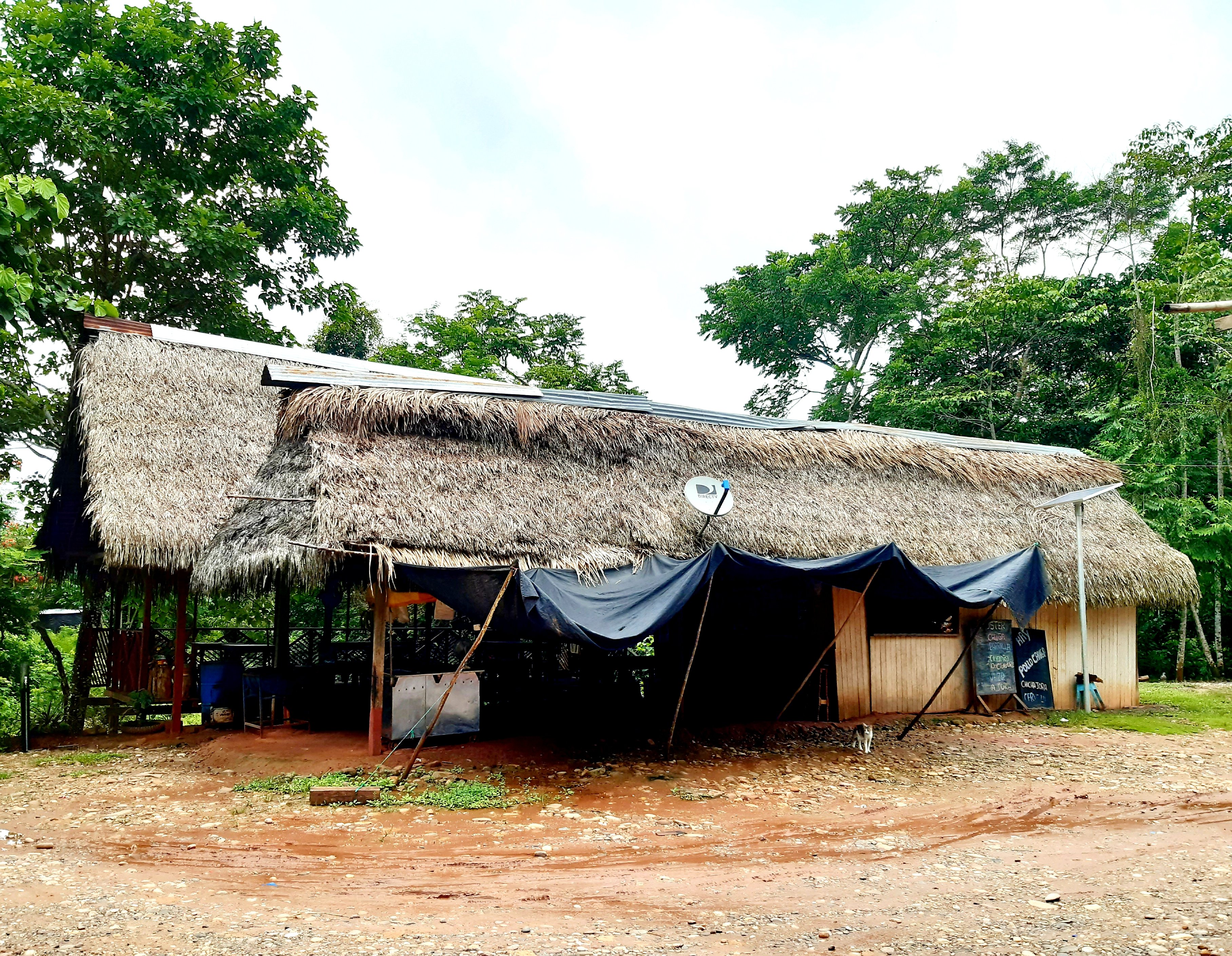 The houses are all built of wood, in a specific style, and on my trip through the jungle I saw signs of deforestation, especially high up on the flat part if the mountains.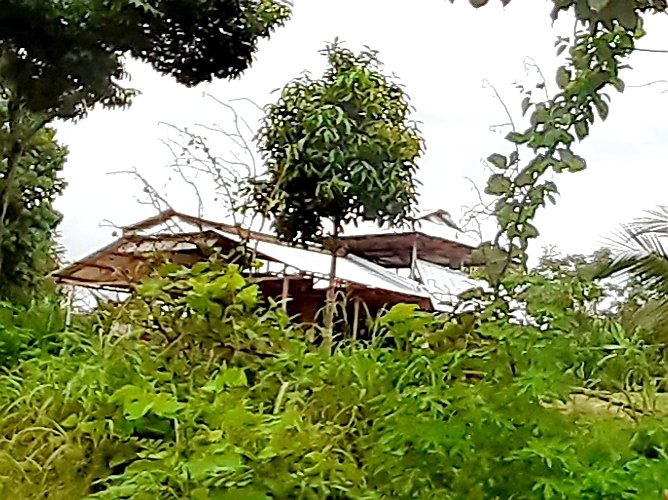
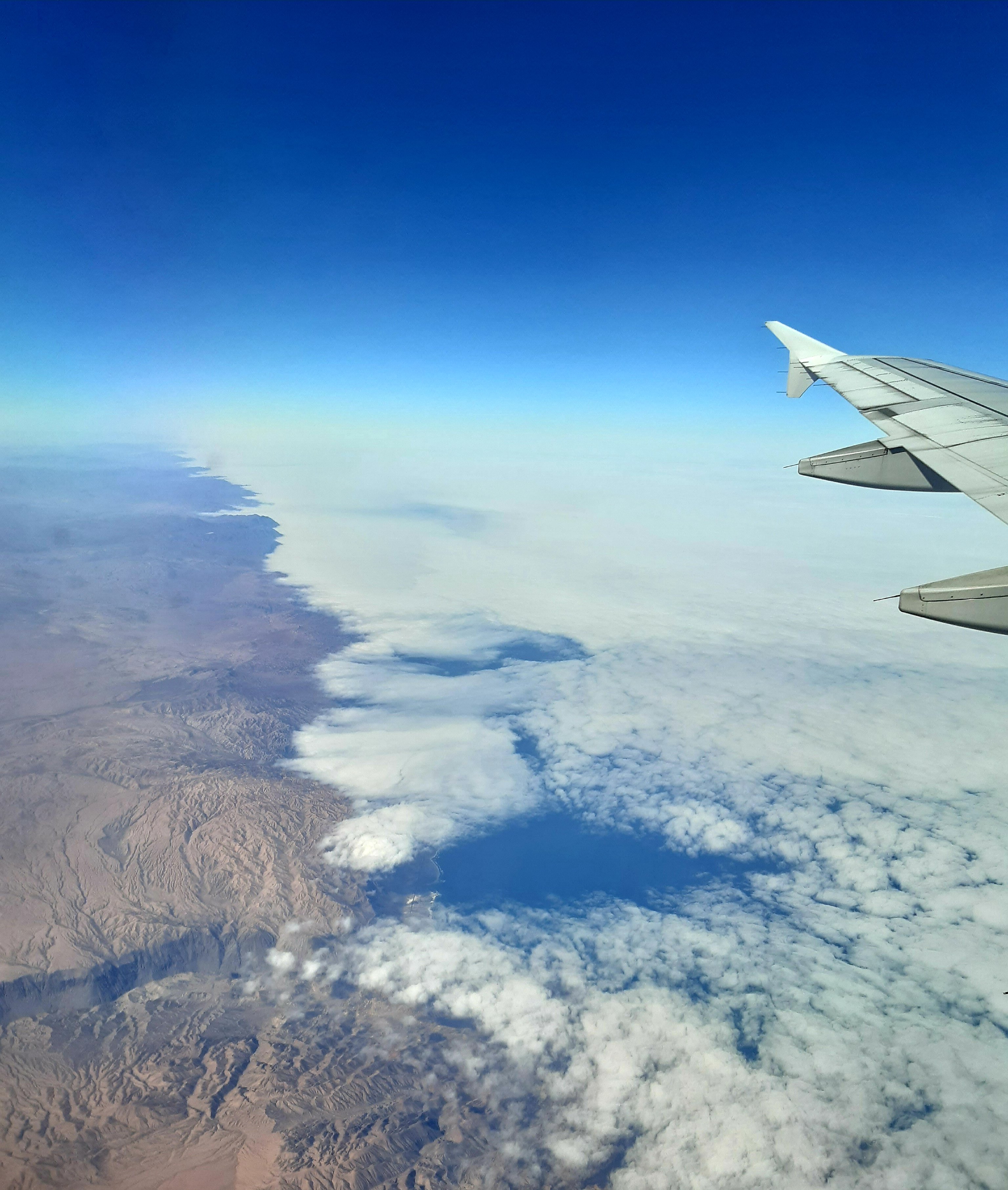
 I saw the full moon rise on my first night in Atalaya, over the Tambo river, which joins the Urubamba (the same one that passes Machu Picchu and Quillabamba), becoming a torrent of water of which I took a picture from the plane when flying back to Lima (the window of the plane was extremely dirty or perished or something, all my photo’s were flops).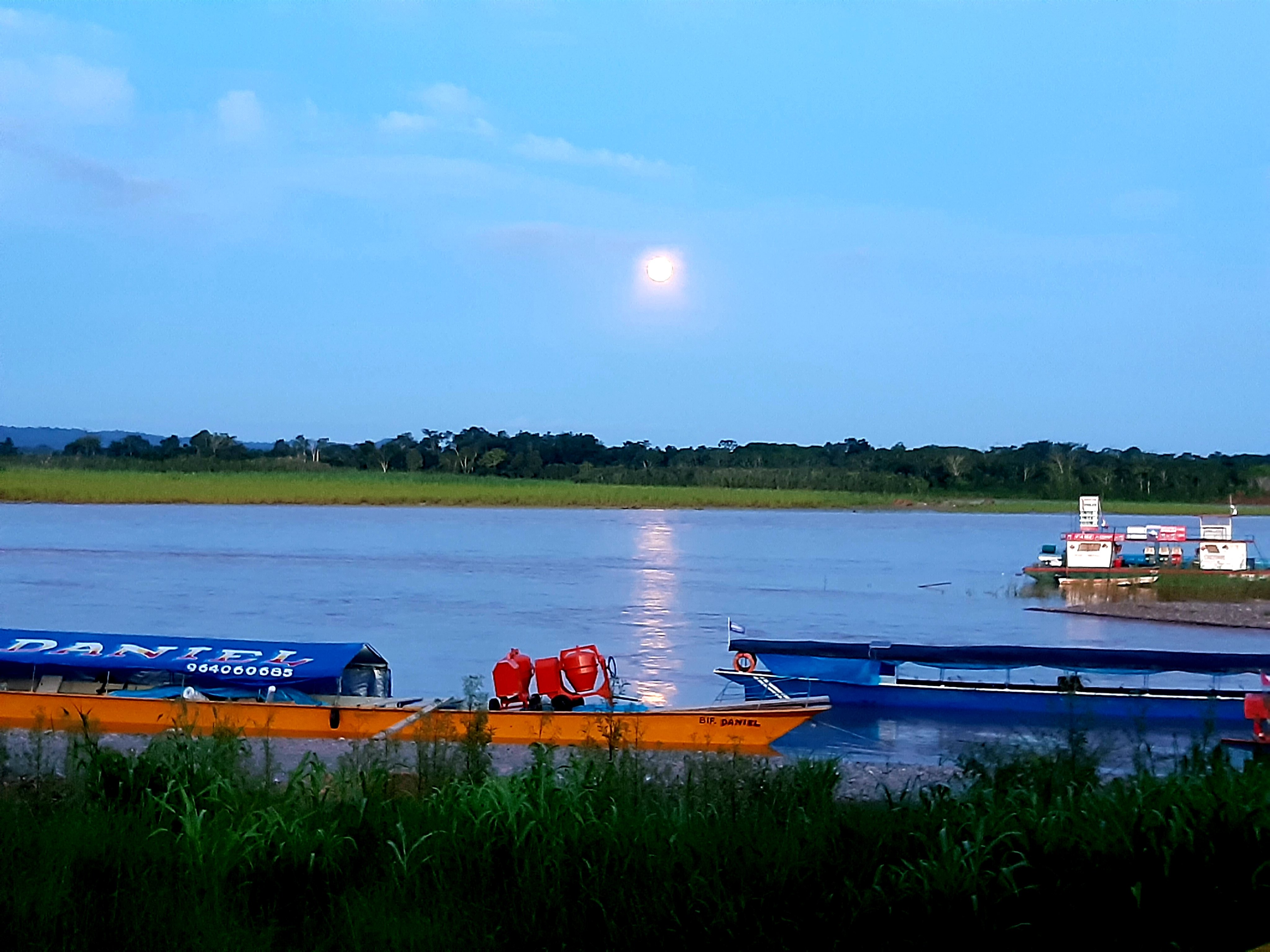
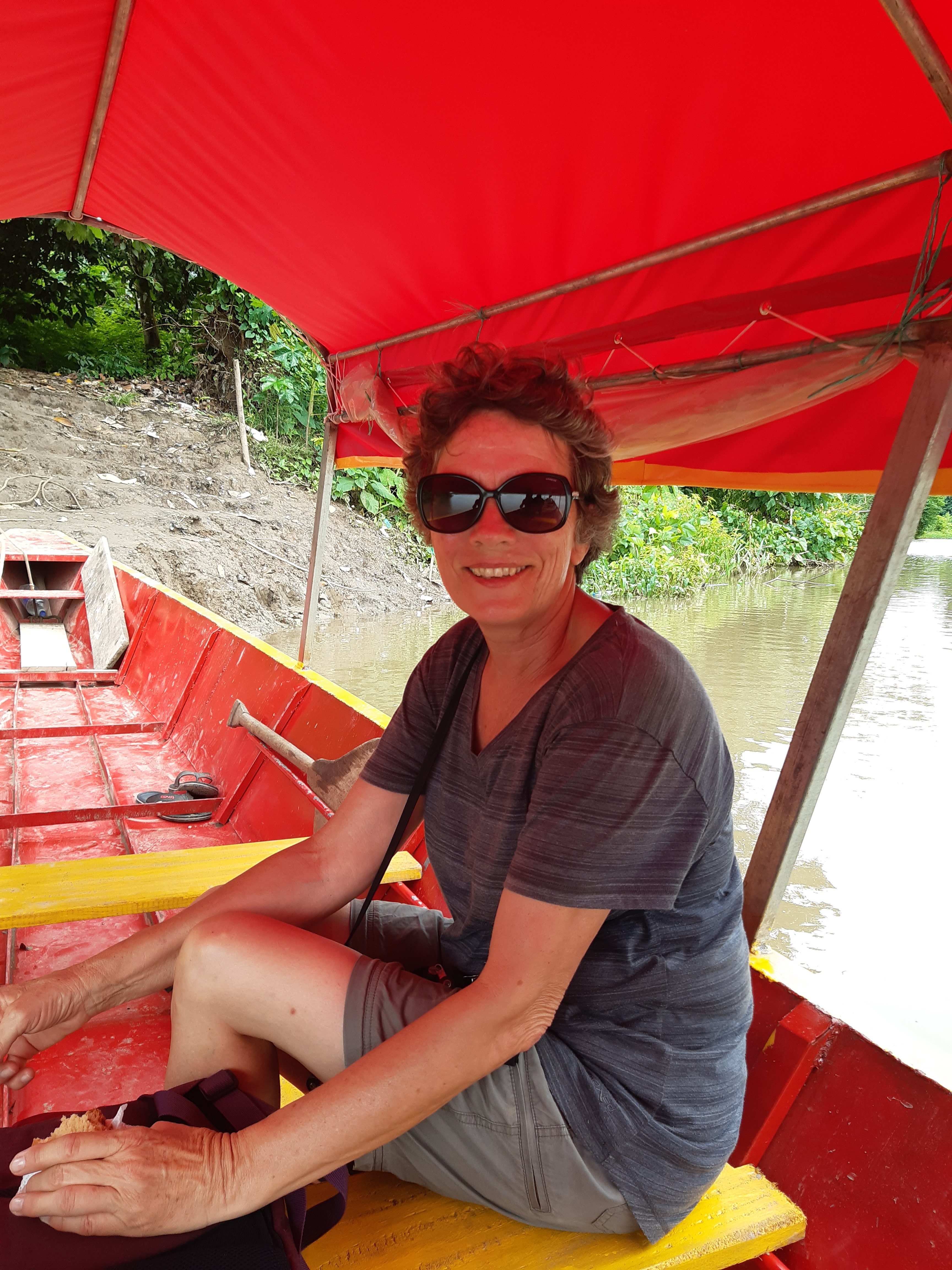
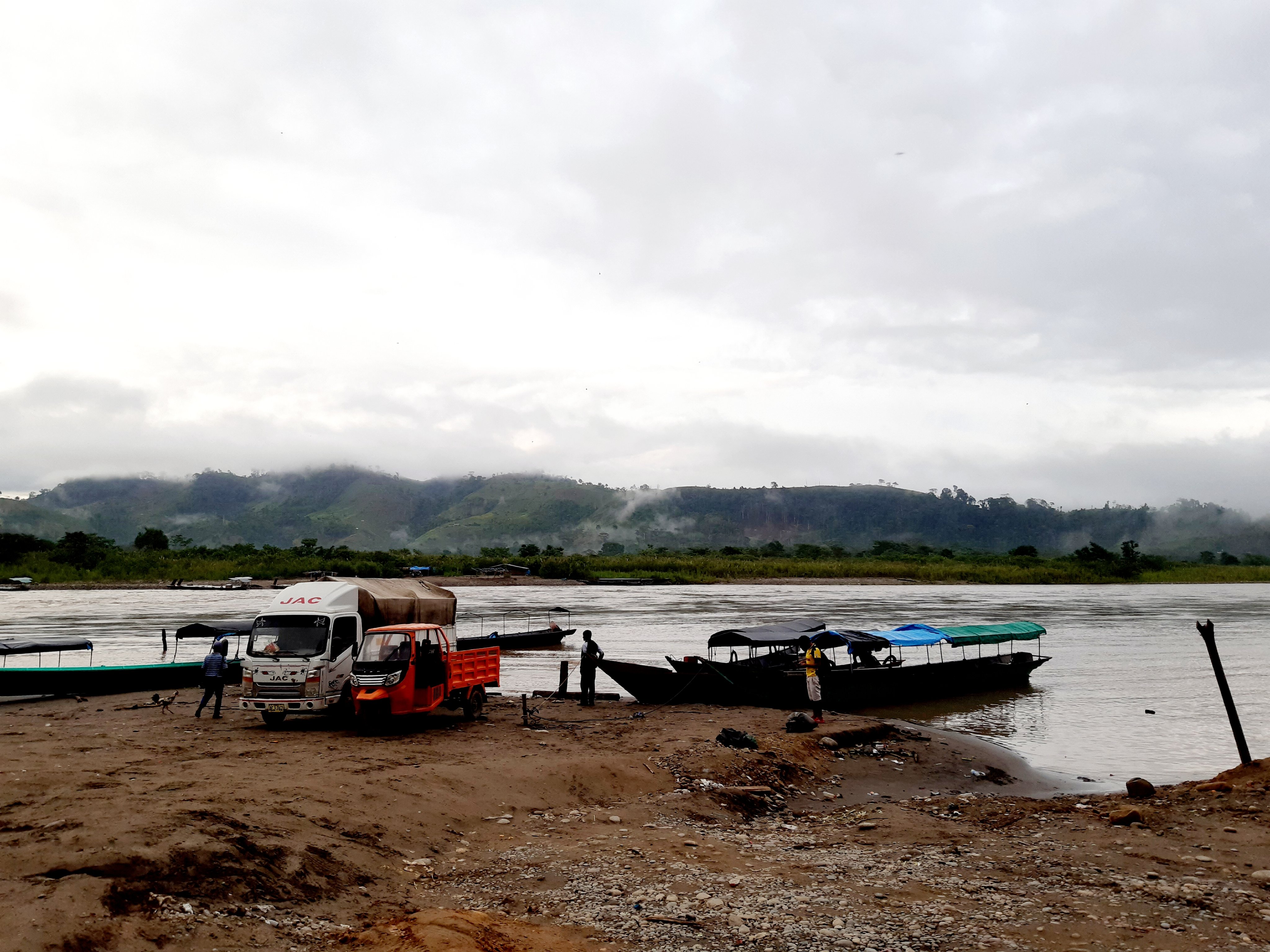
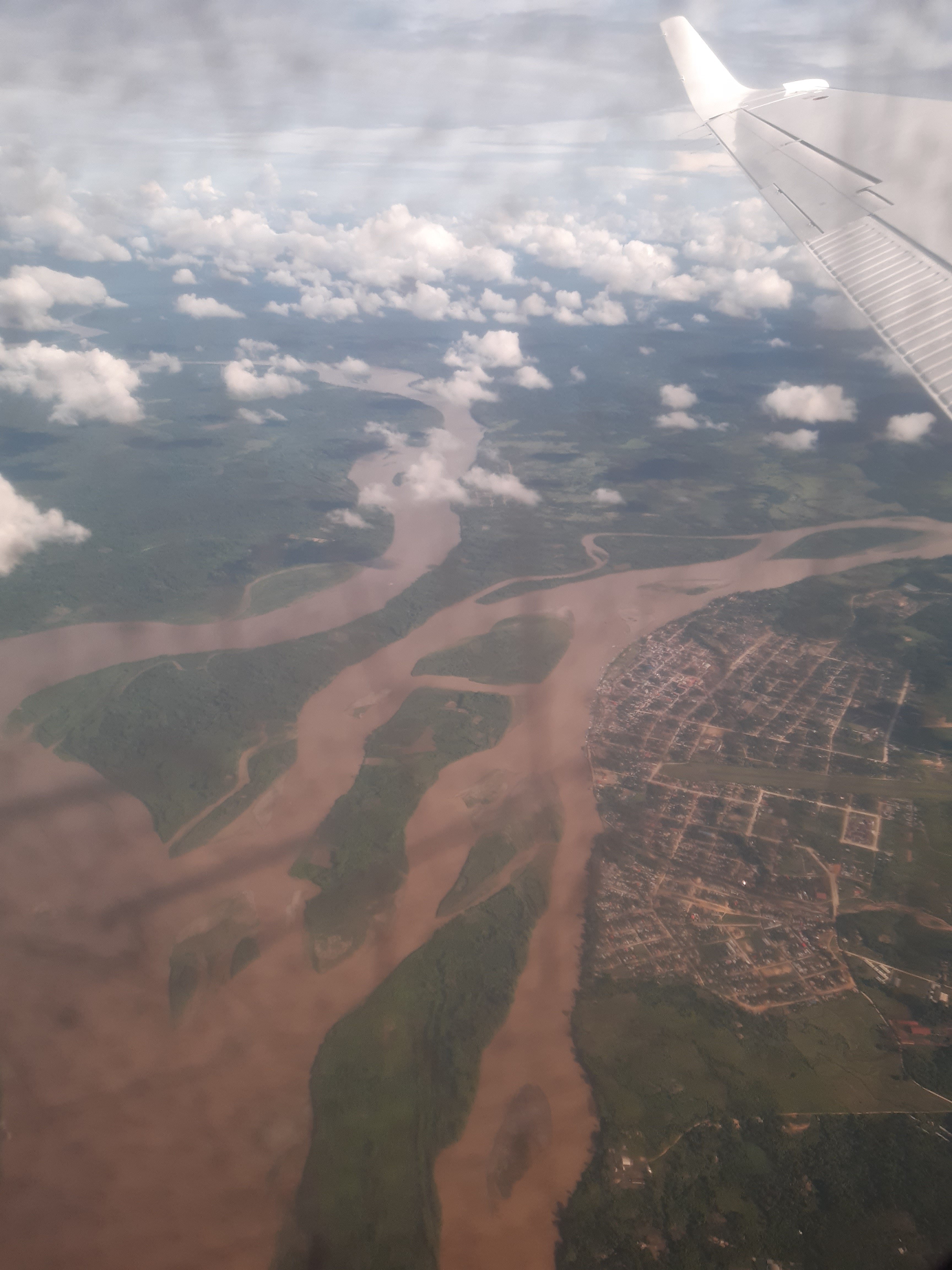 I badly wanted to see the Urubamba at Atalaya (on the photo it is the stream furthest left), so decided to take a boat. After much asking around, I finally found the place from which to depart, but we went to the opposite bank of the Tambo, from which I had to take a motor taxi overland to a little village on the banks of the Urubamba.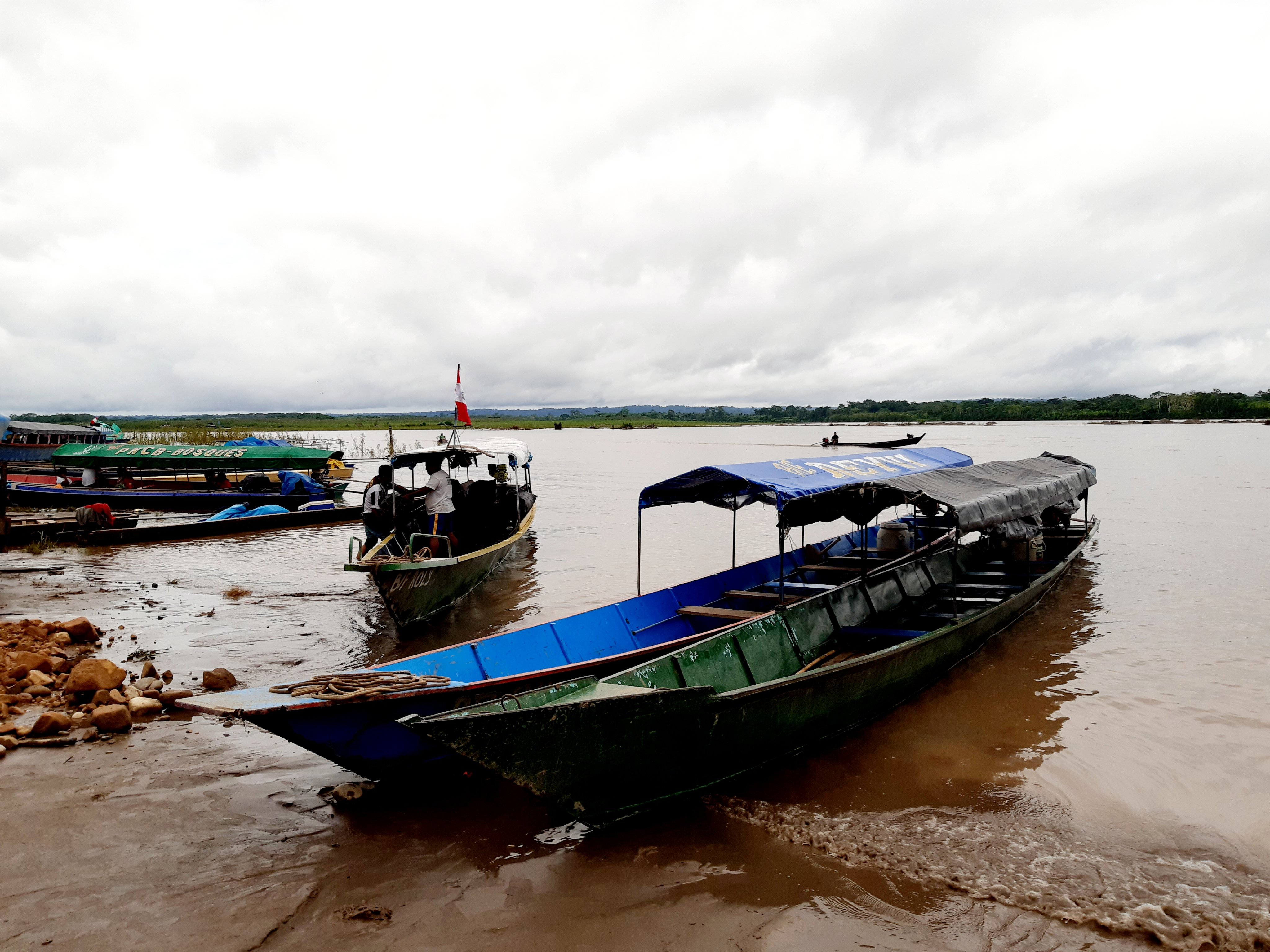
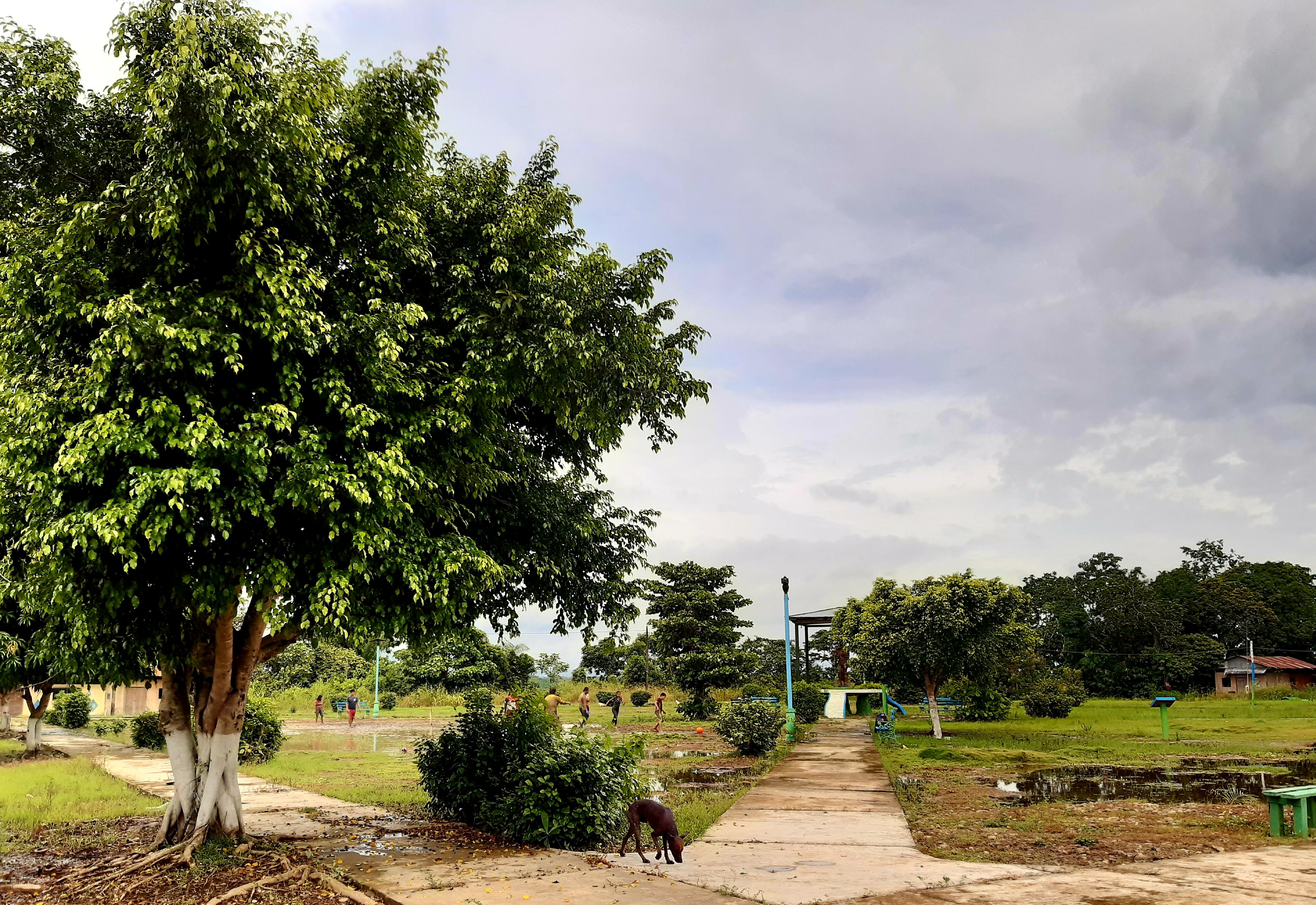
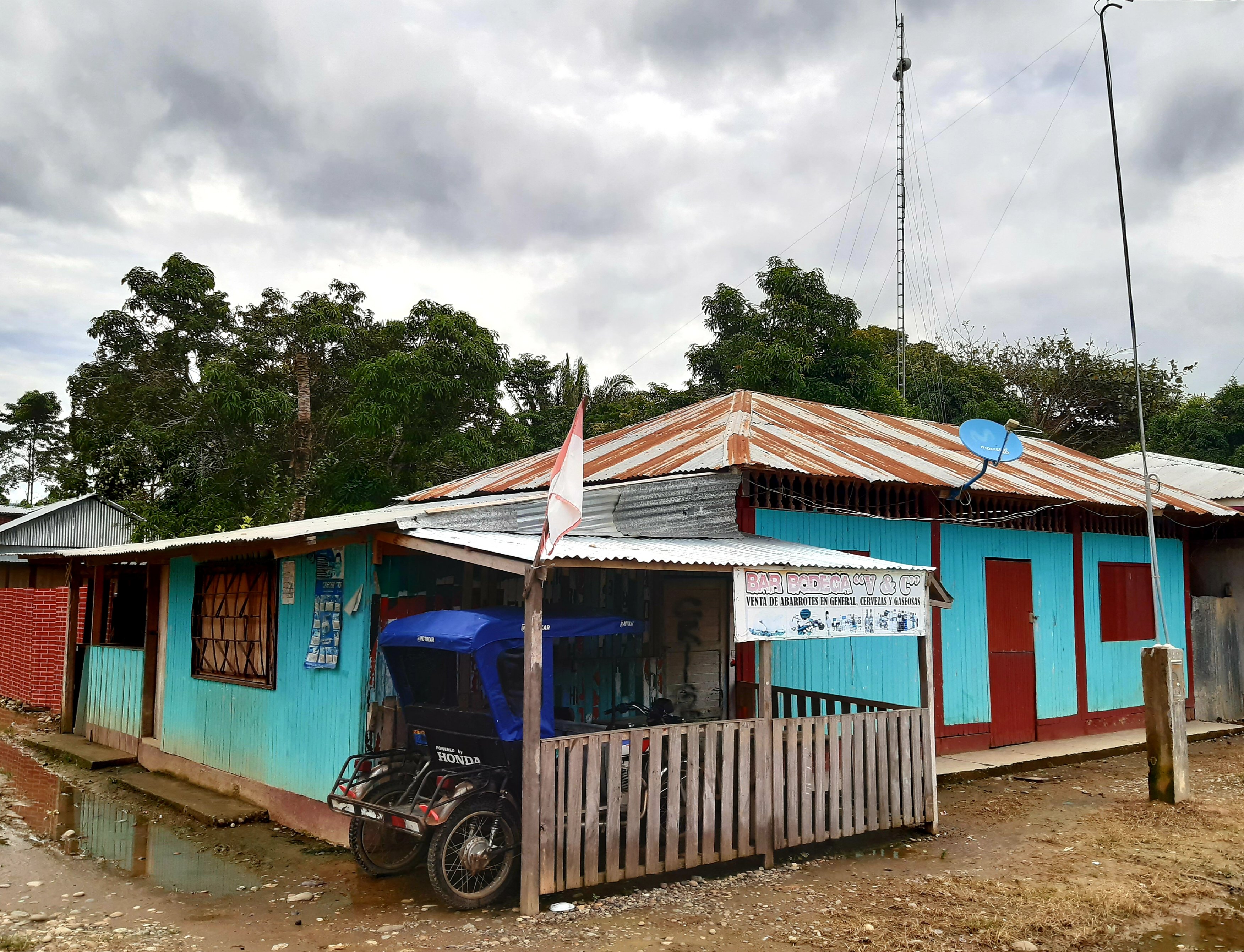
 At least I saw it, full of wood, plants and debris after two weeks of rain in the area, I was told. I loved walking through the little town, saw some youngsters playing soccer in a mud field on the square (more falling around in the mud than kicking the ball) and going for a swim in the river after their game. An older man was selling chickens that he was carrying around in heavy wooden crates, calling out as he was walking down the street. He stopped every now and then, wiping sweat from his brow, but would scuttle away when a potential buyer would beckon him.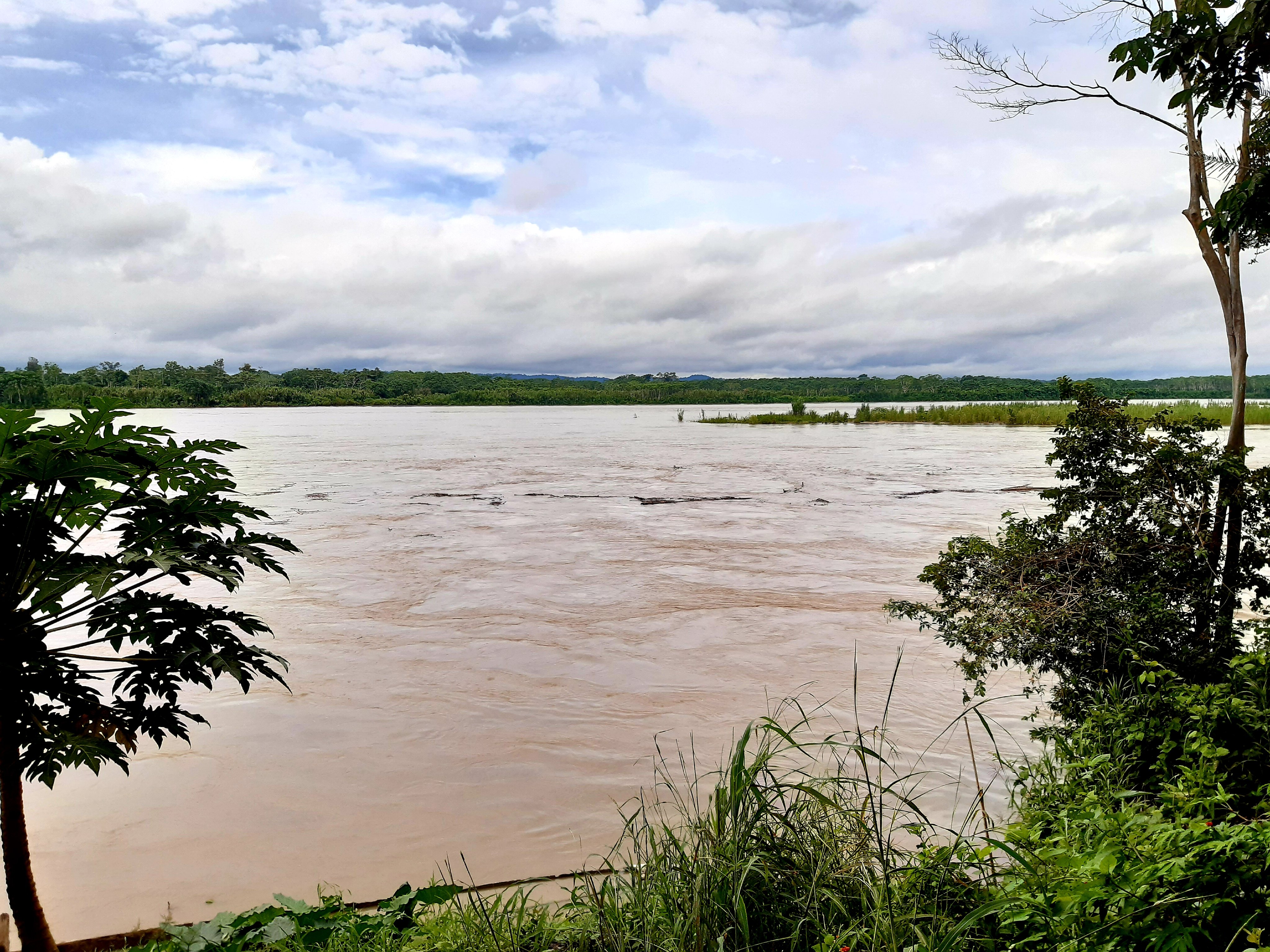
 The night before I left a friend asked me what my general impression of Peru was. I had returned to Lima and wrote the following: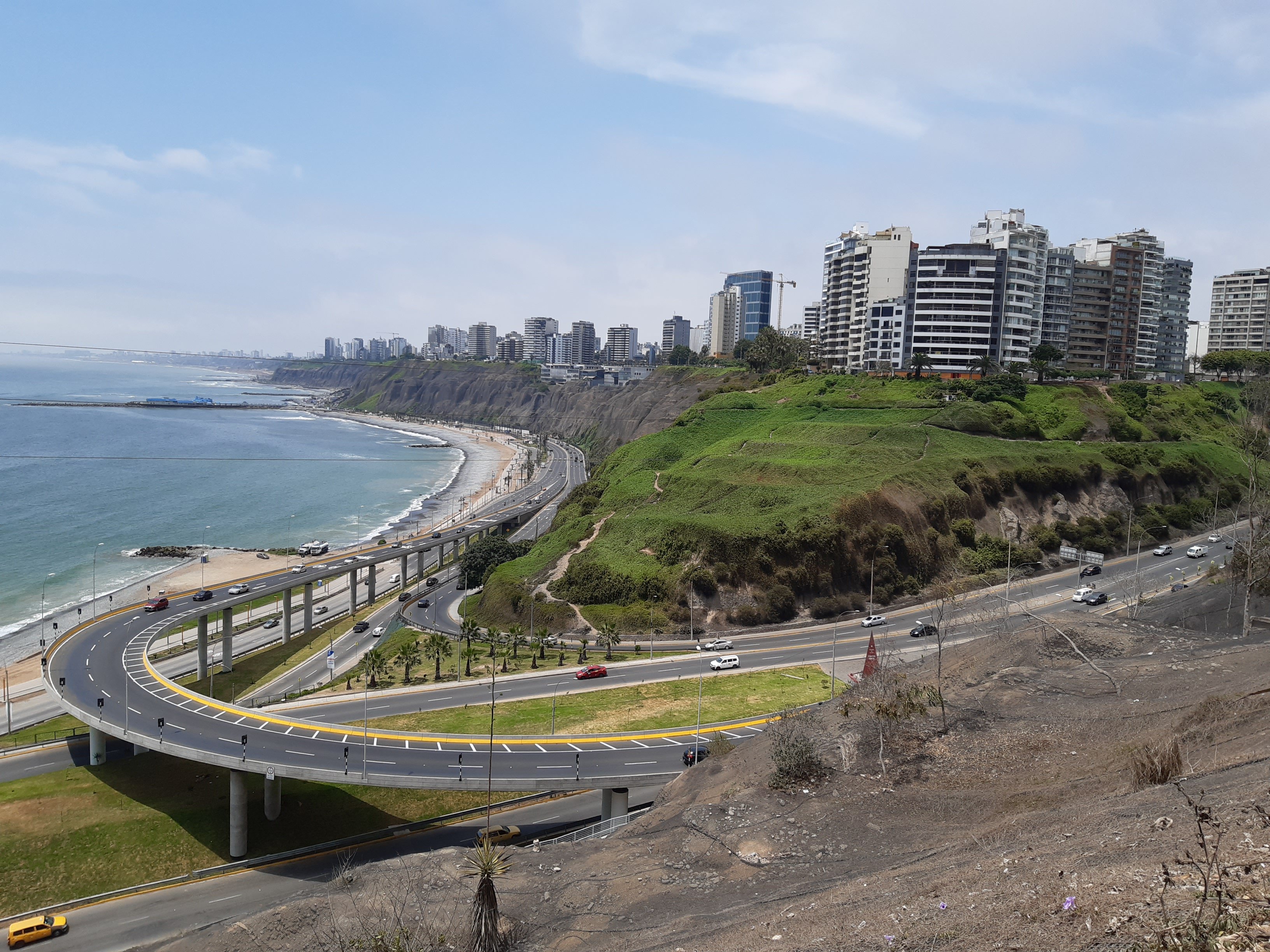
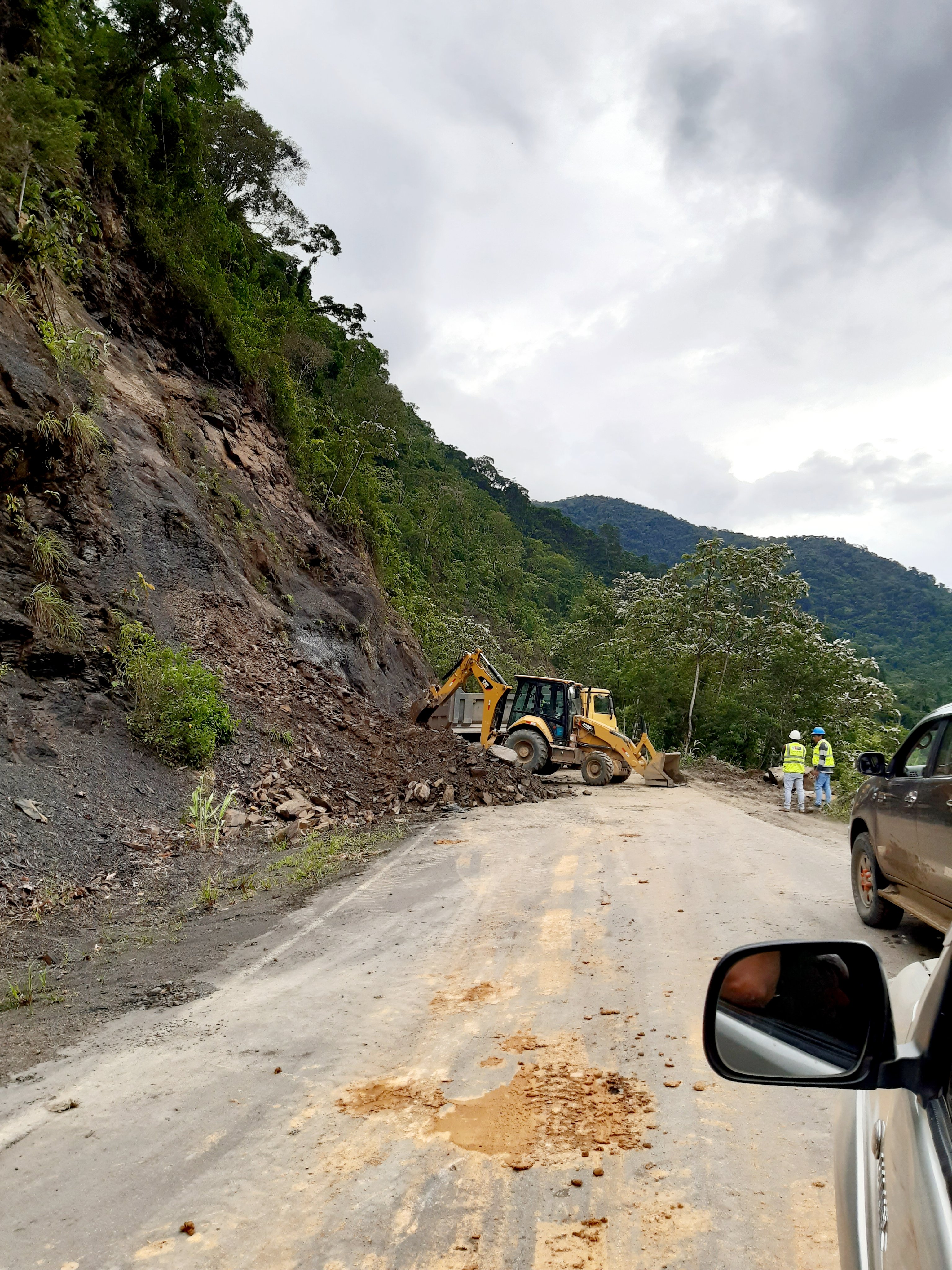
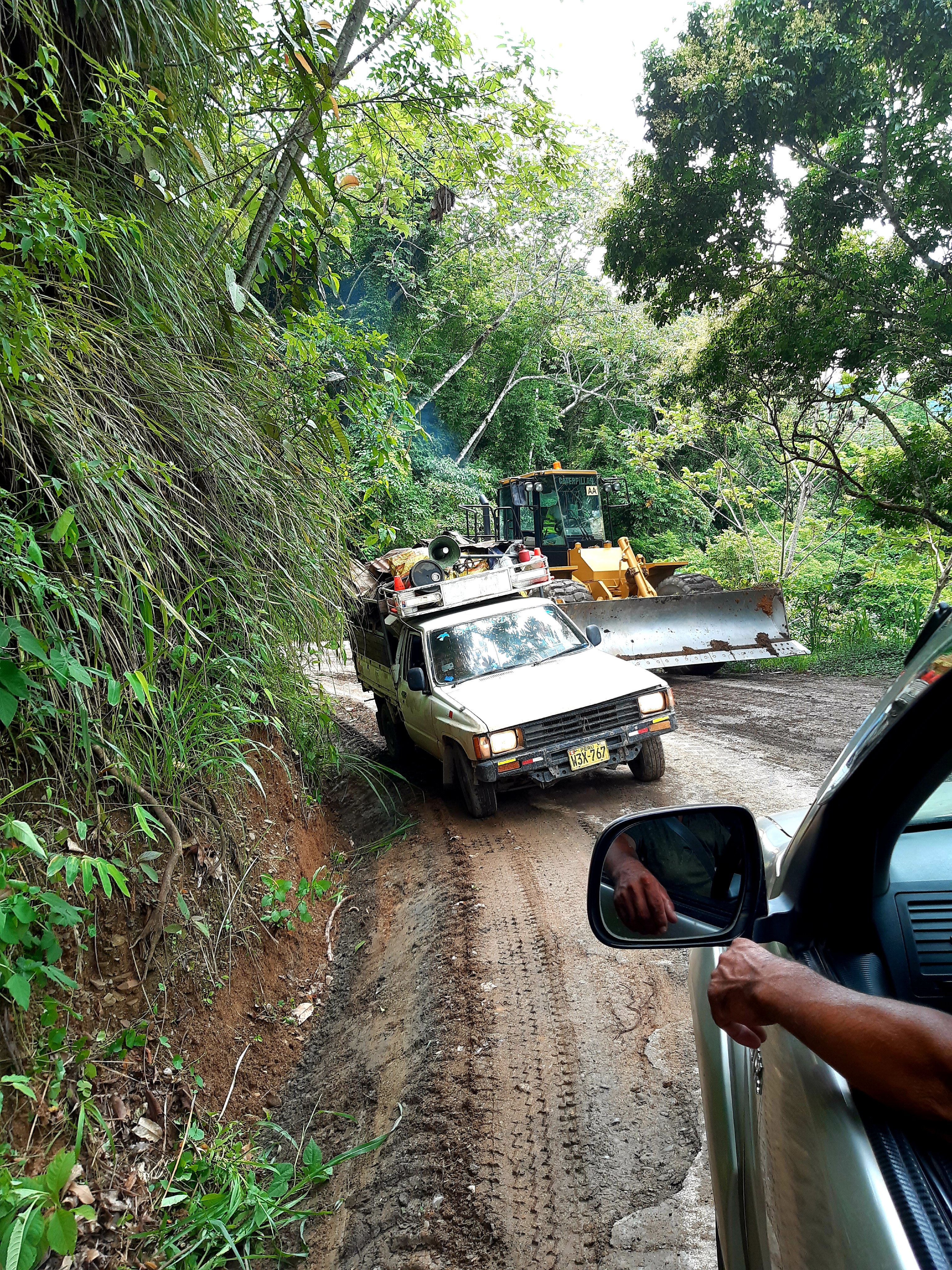
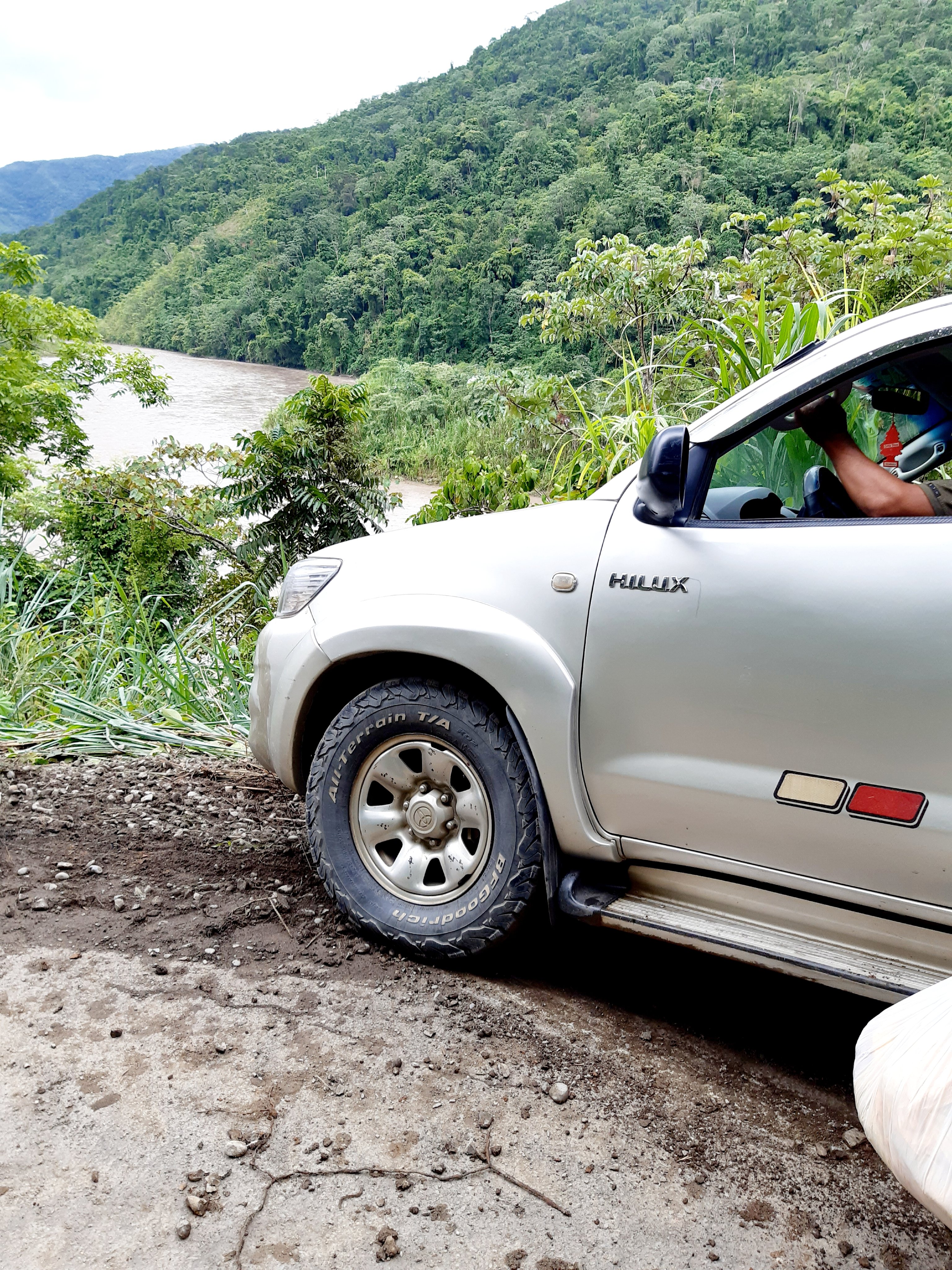
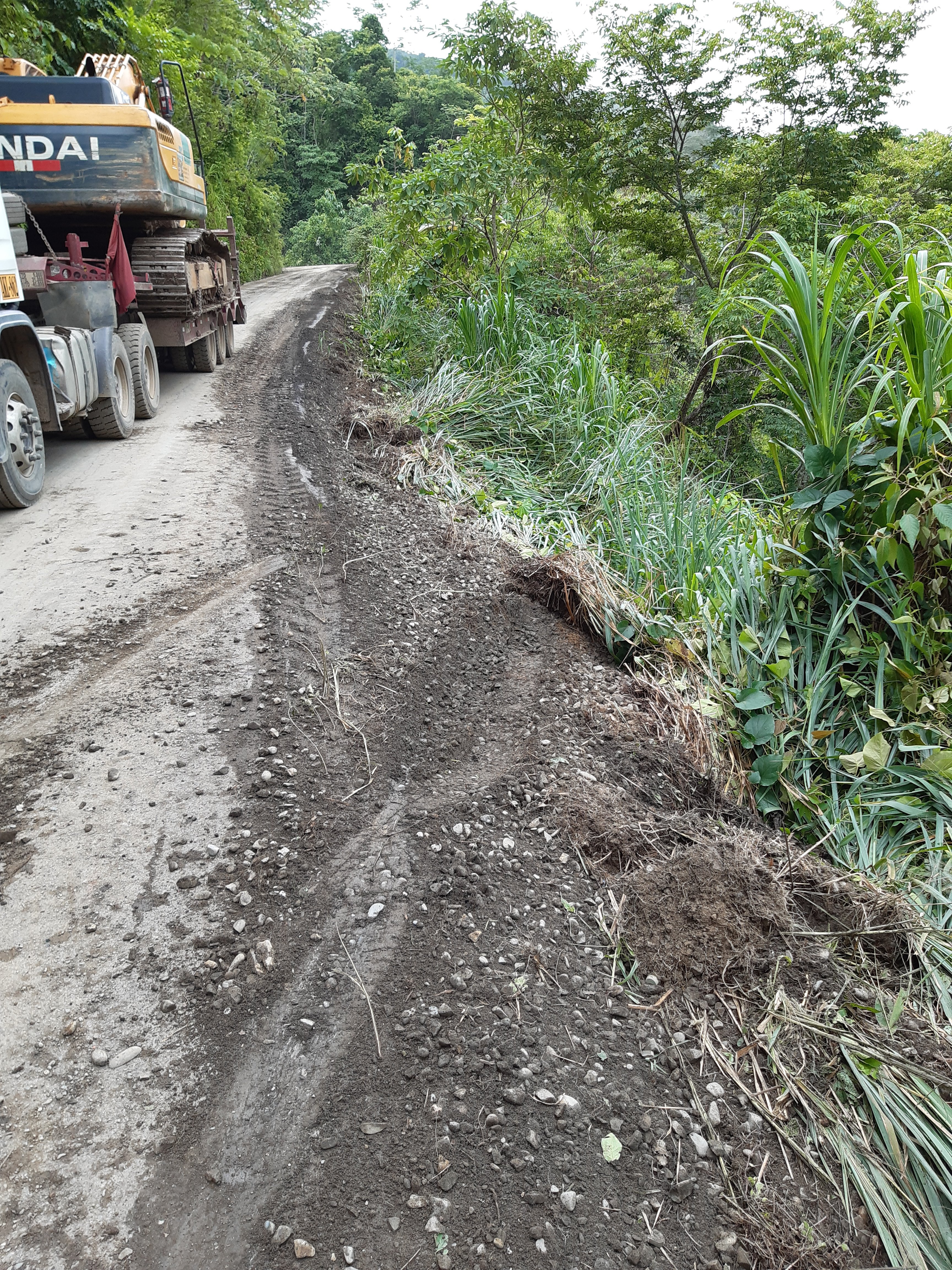
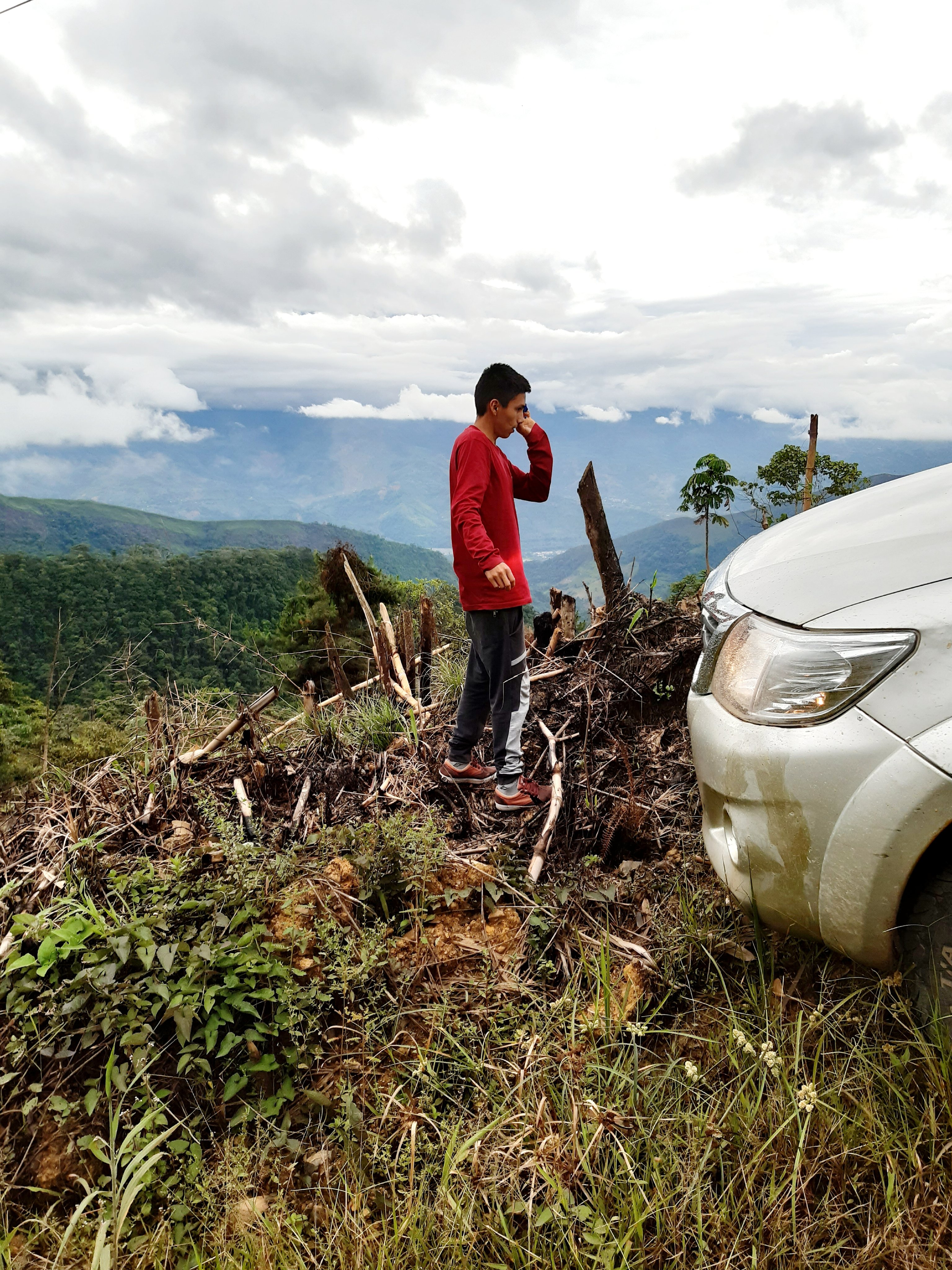
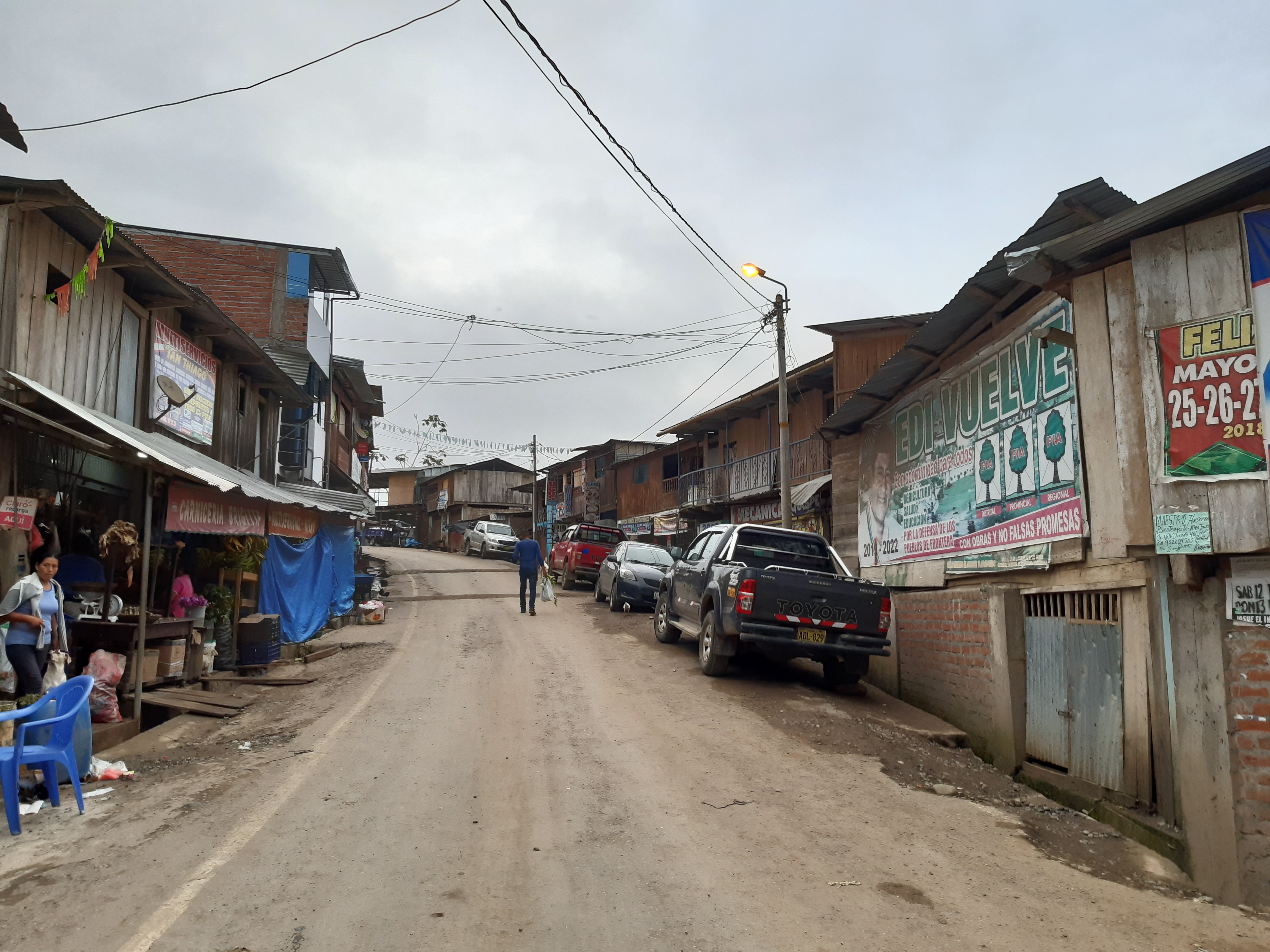
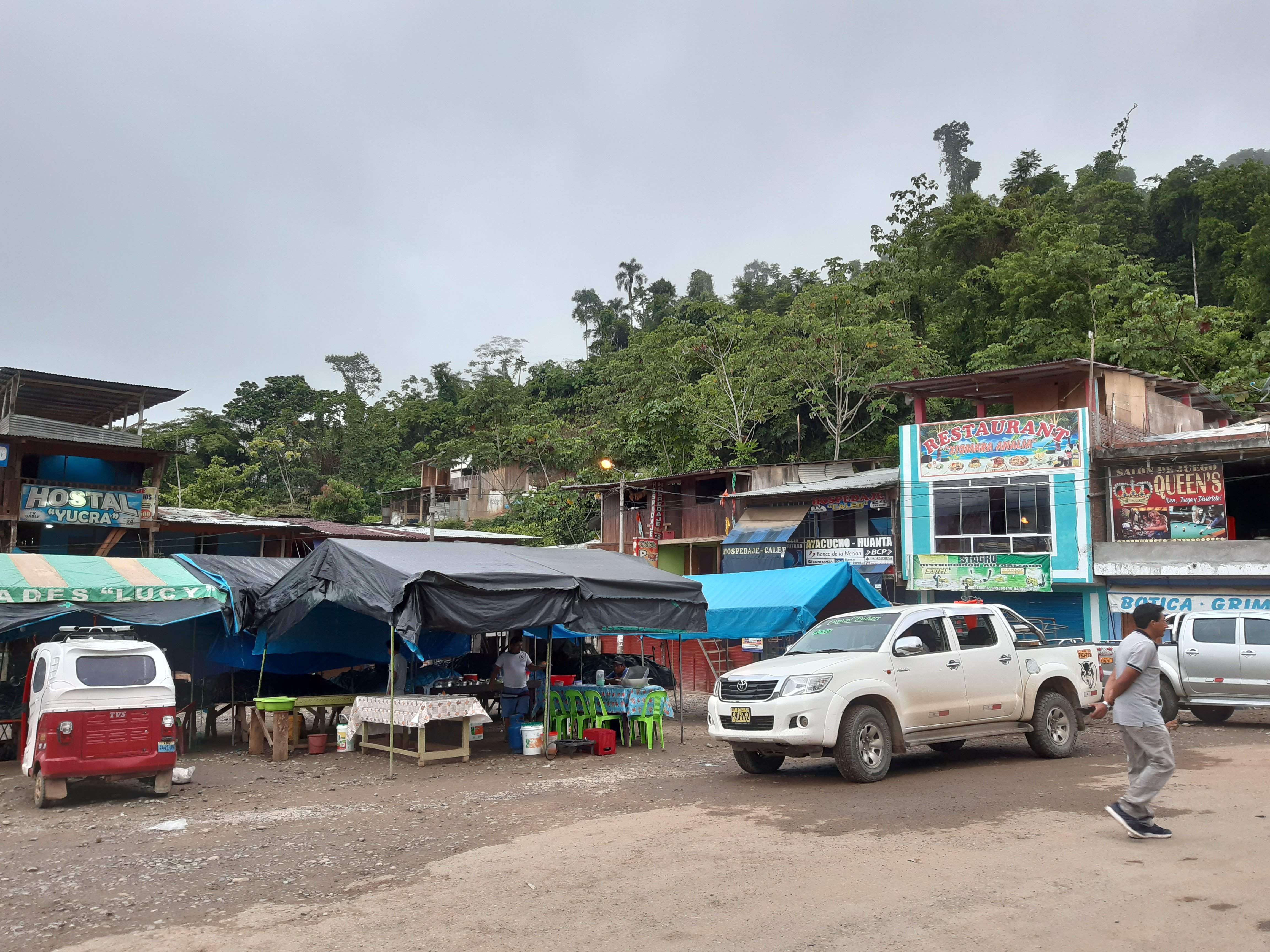
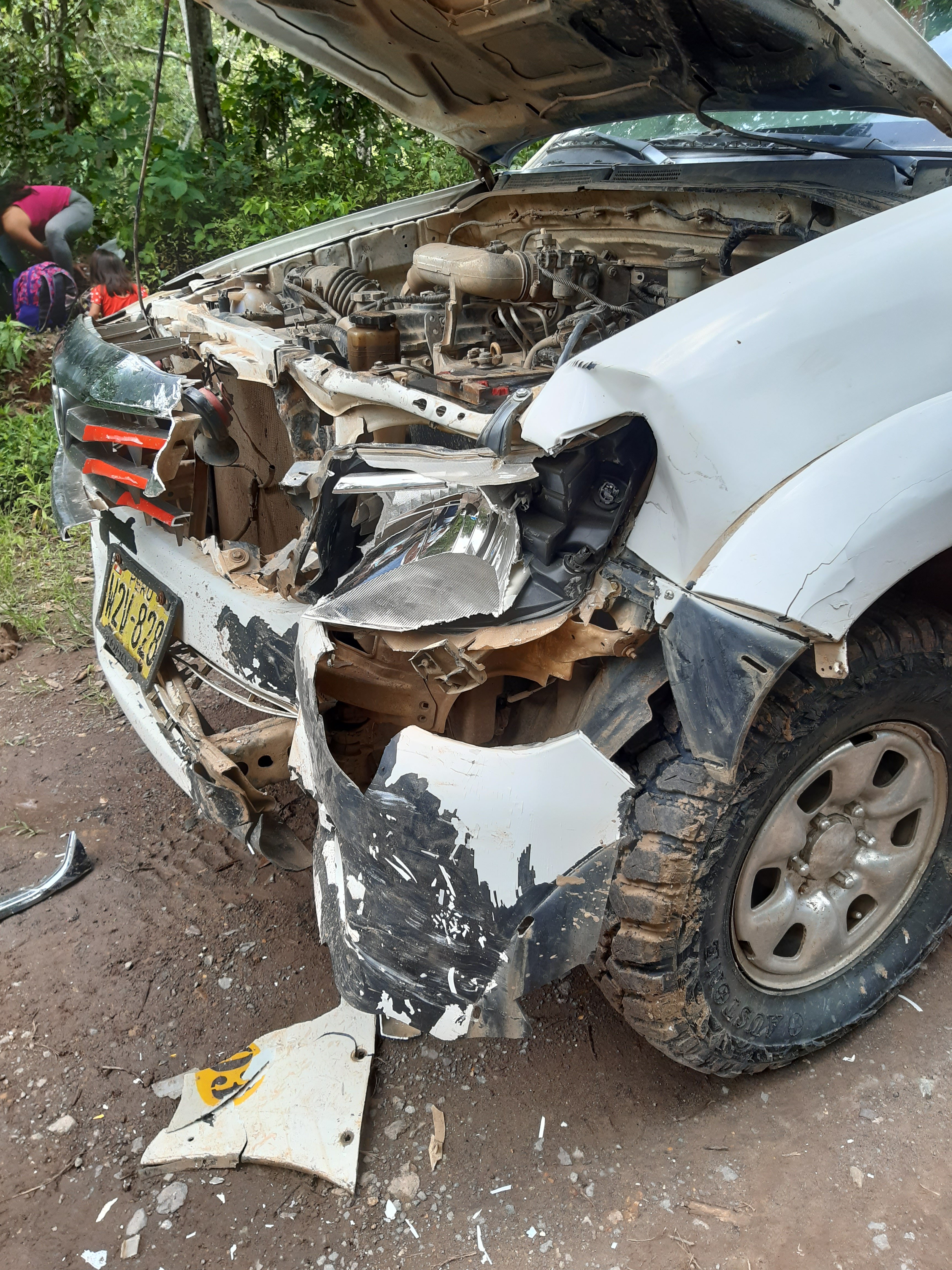
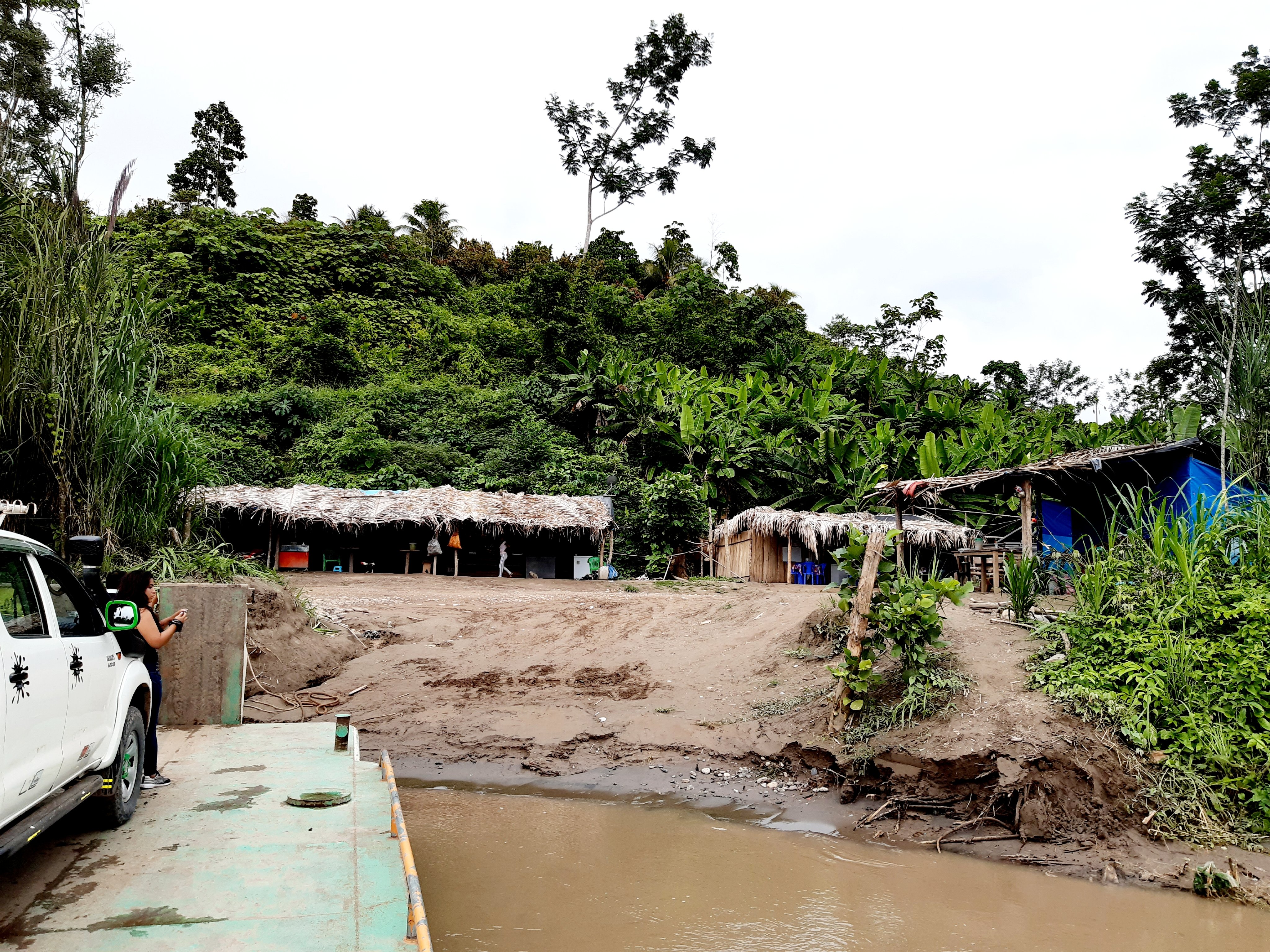
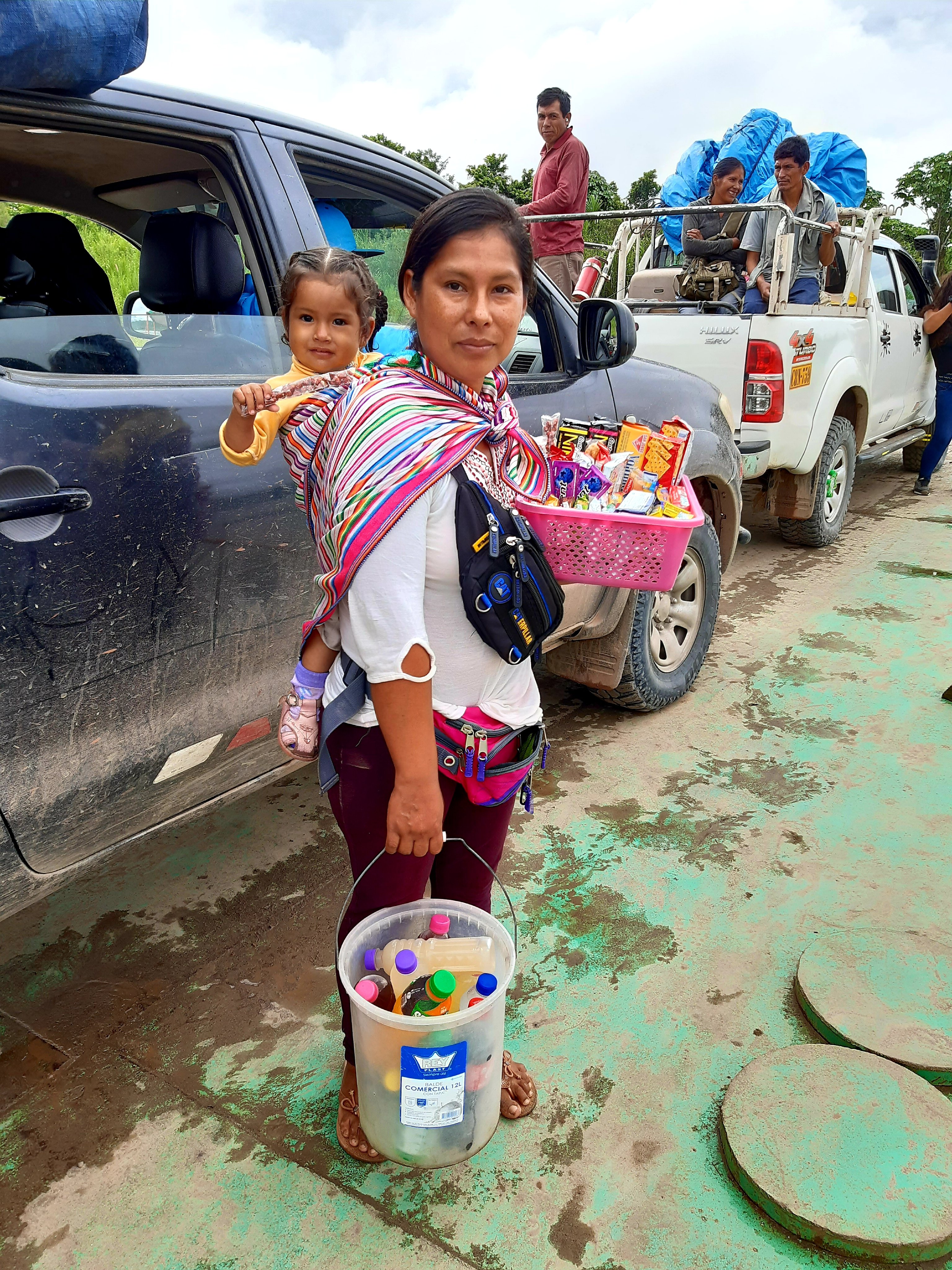
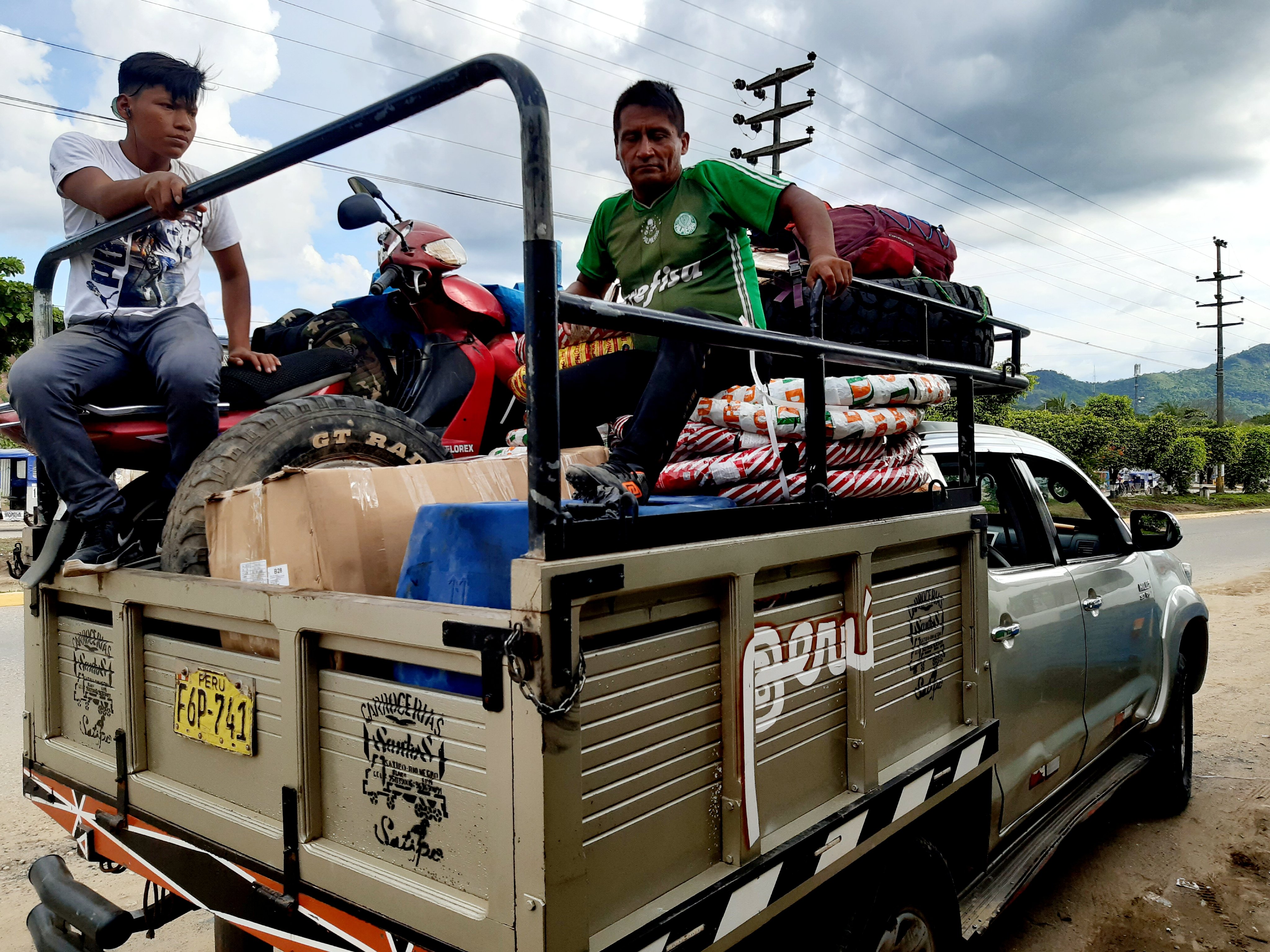

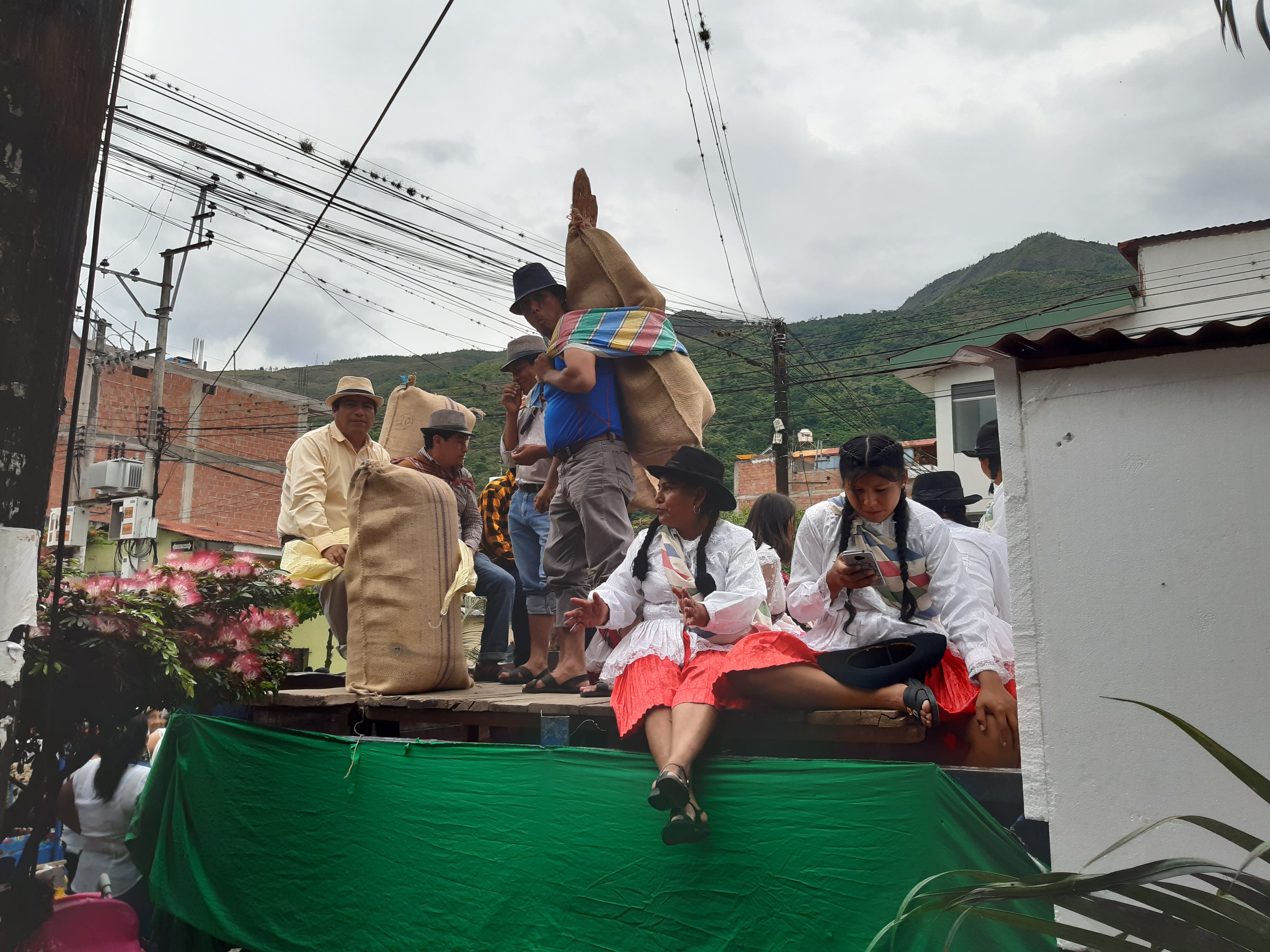
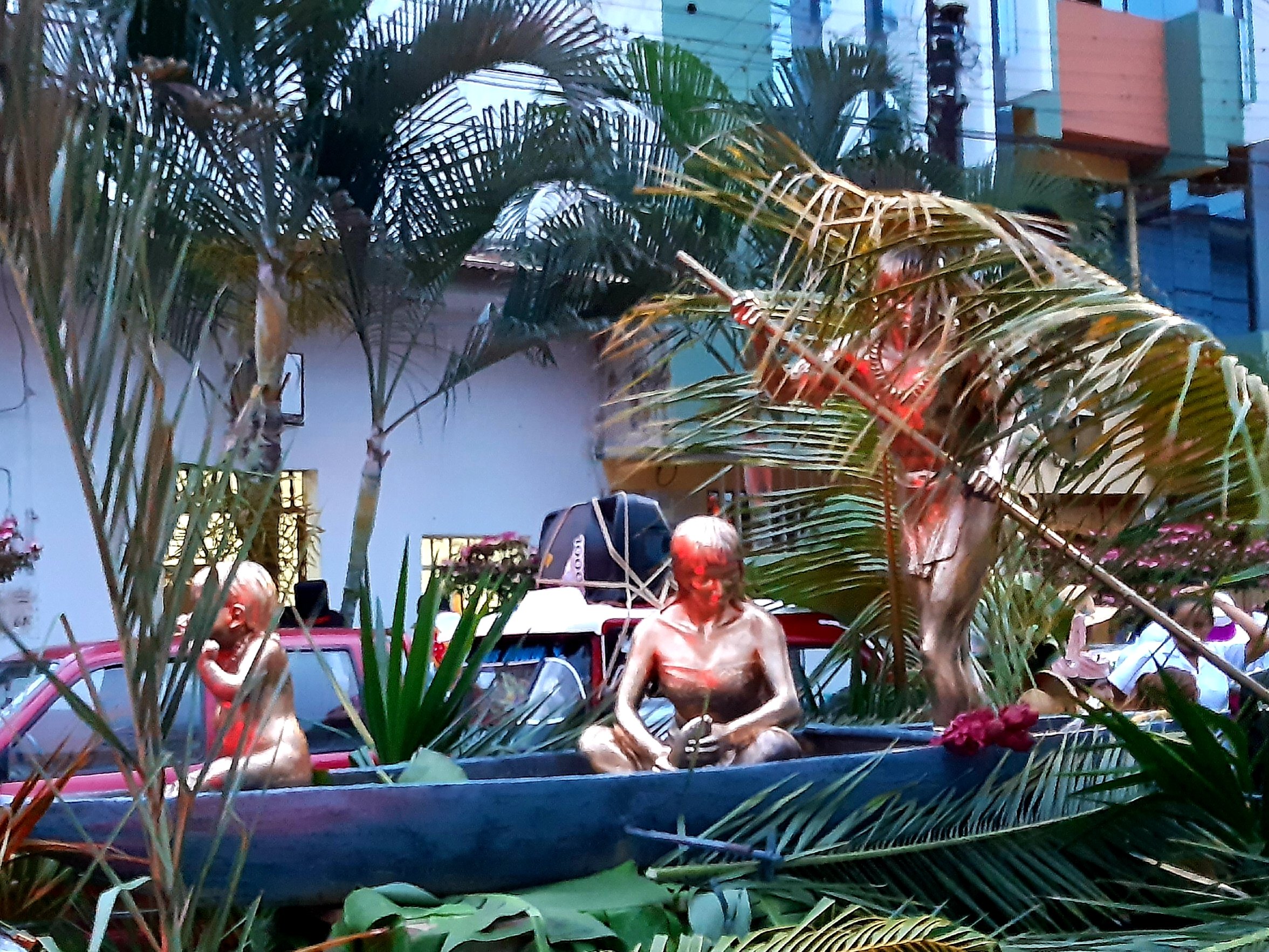
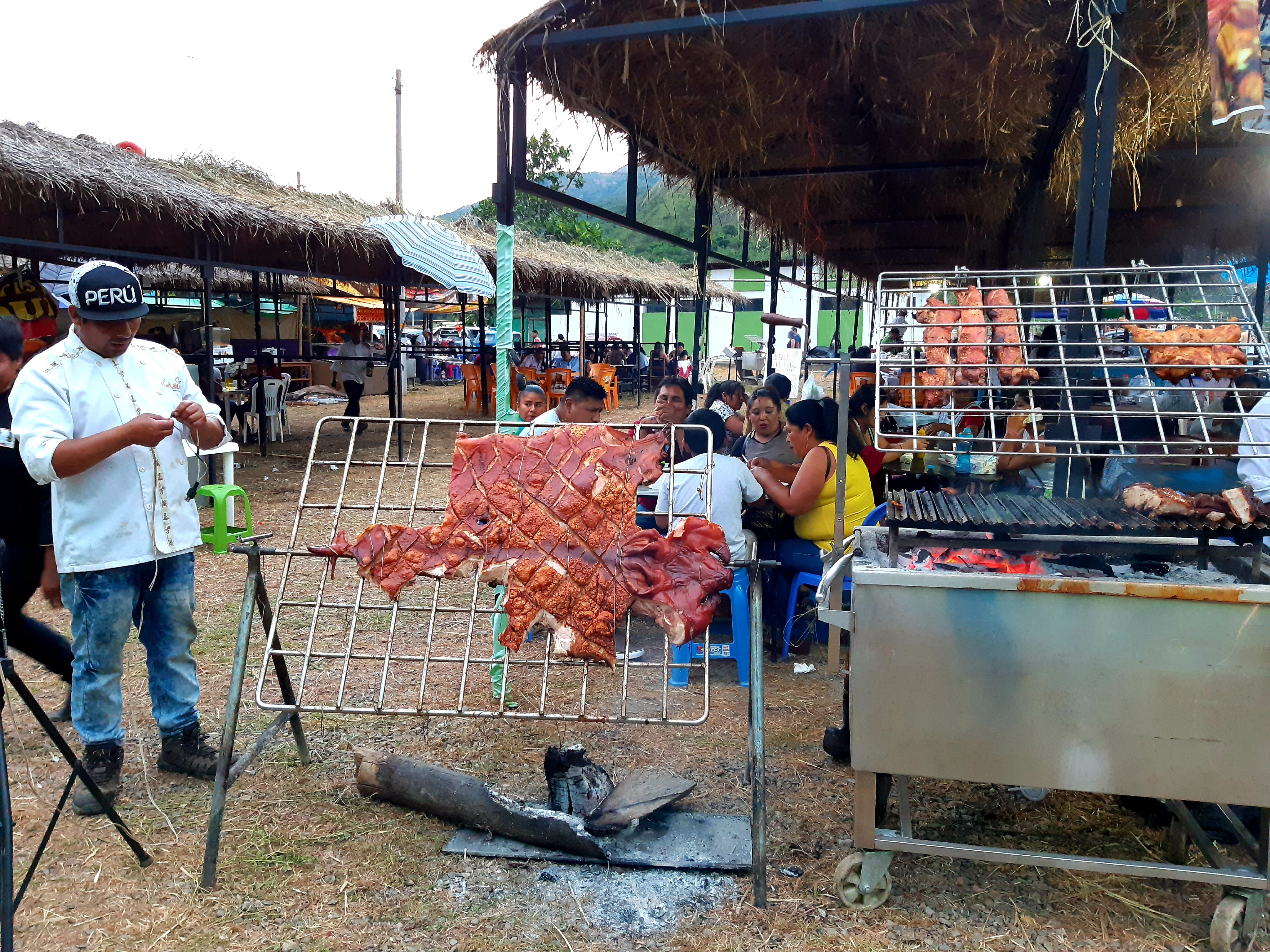
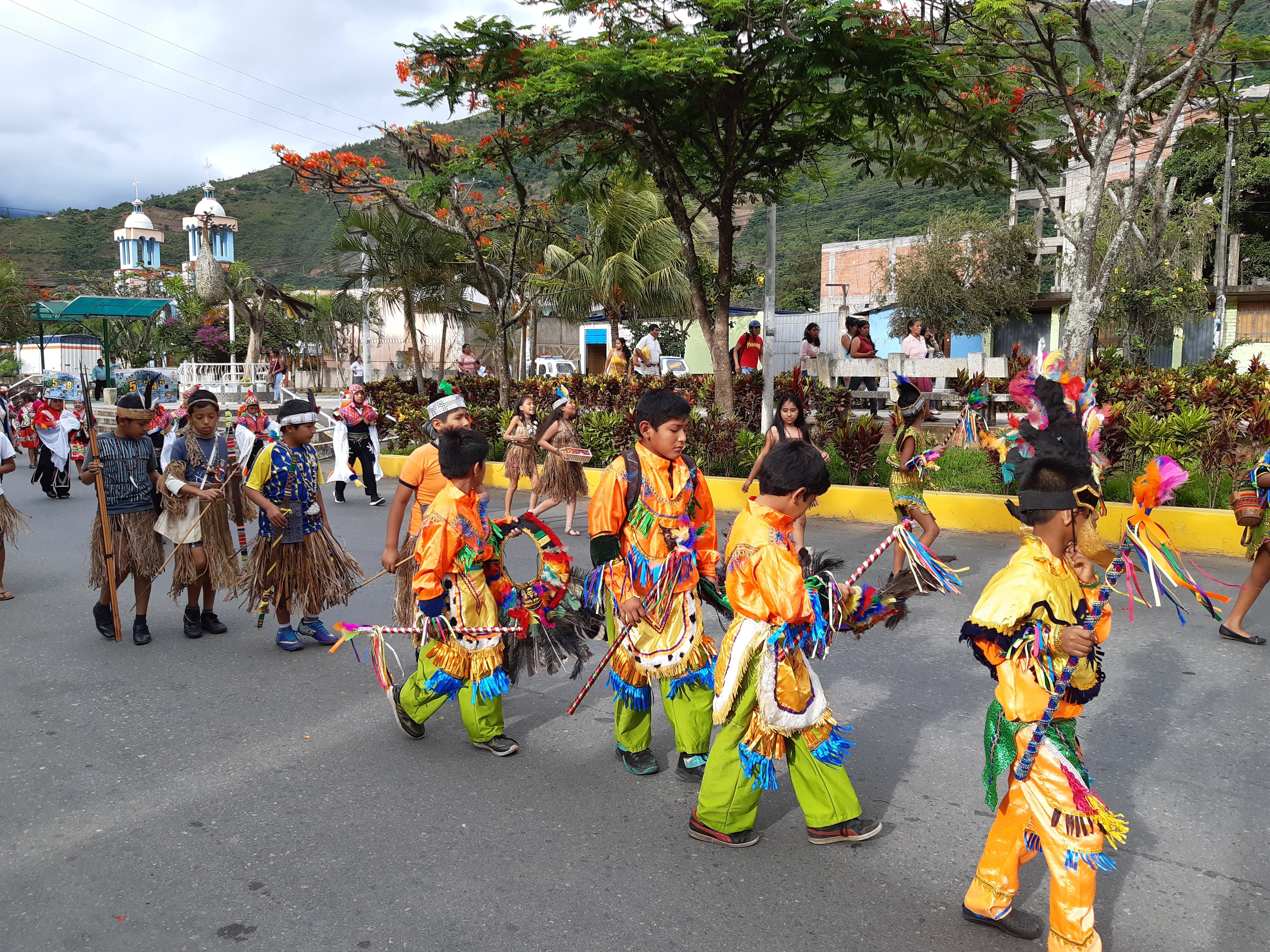
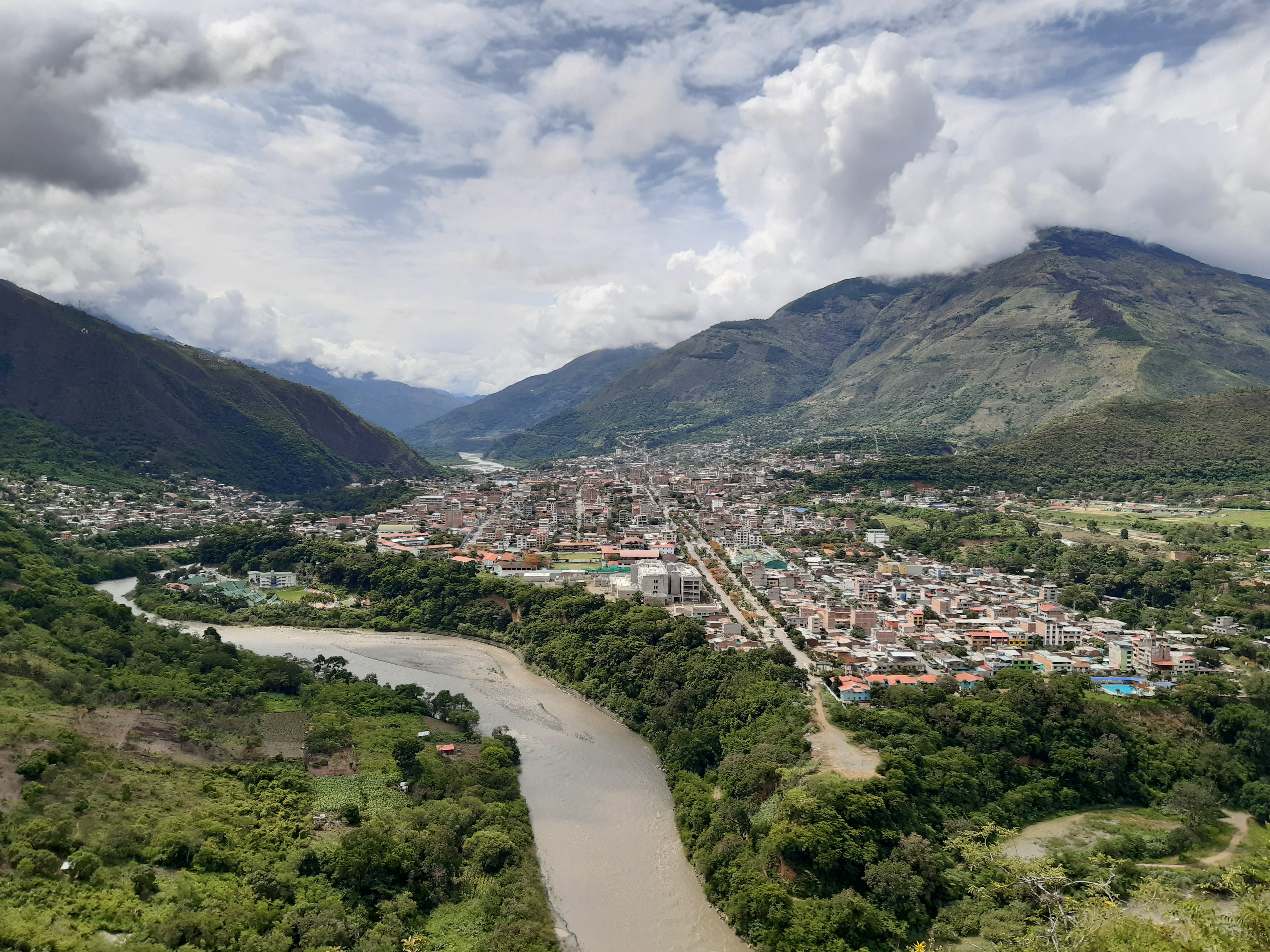
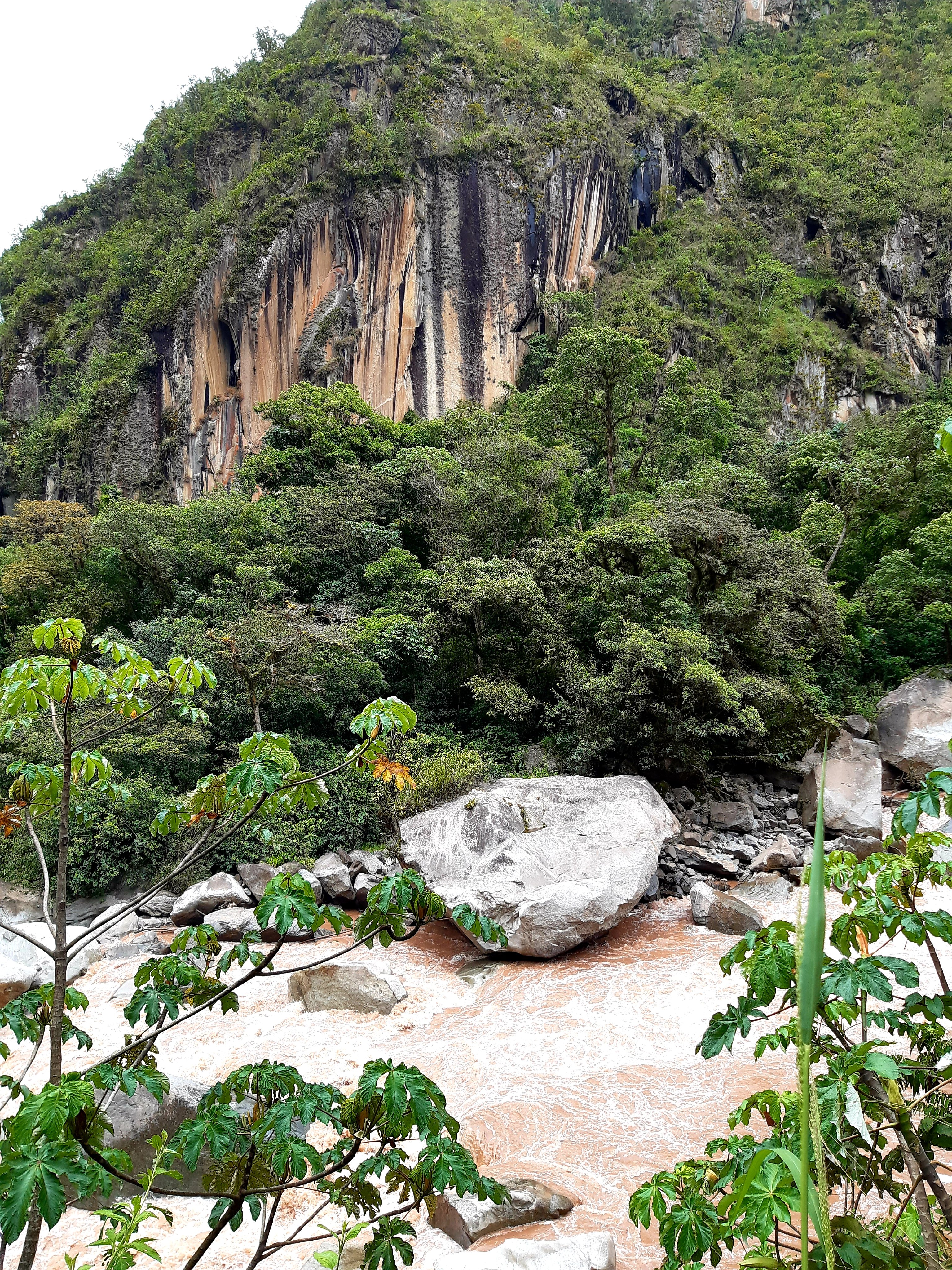
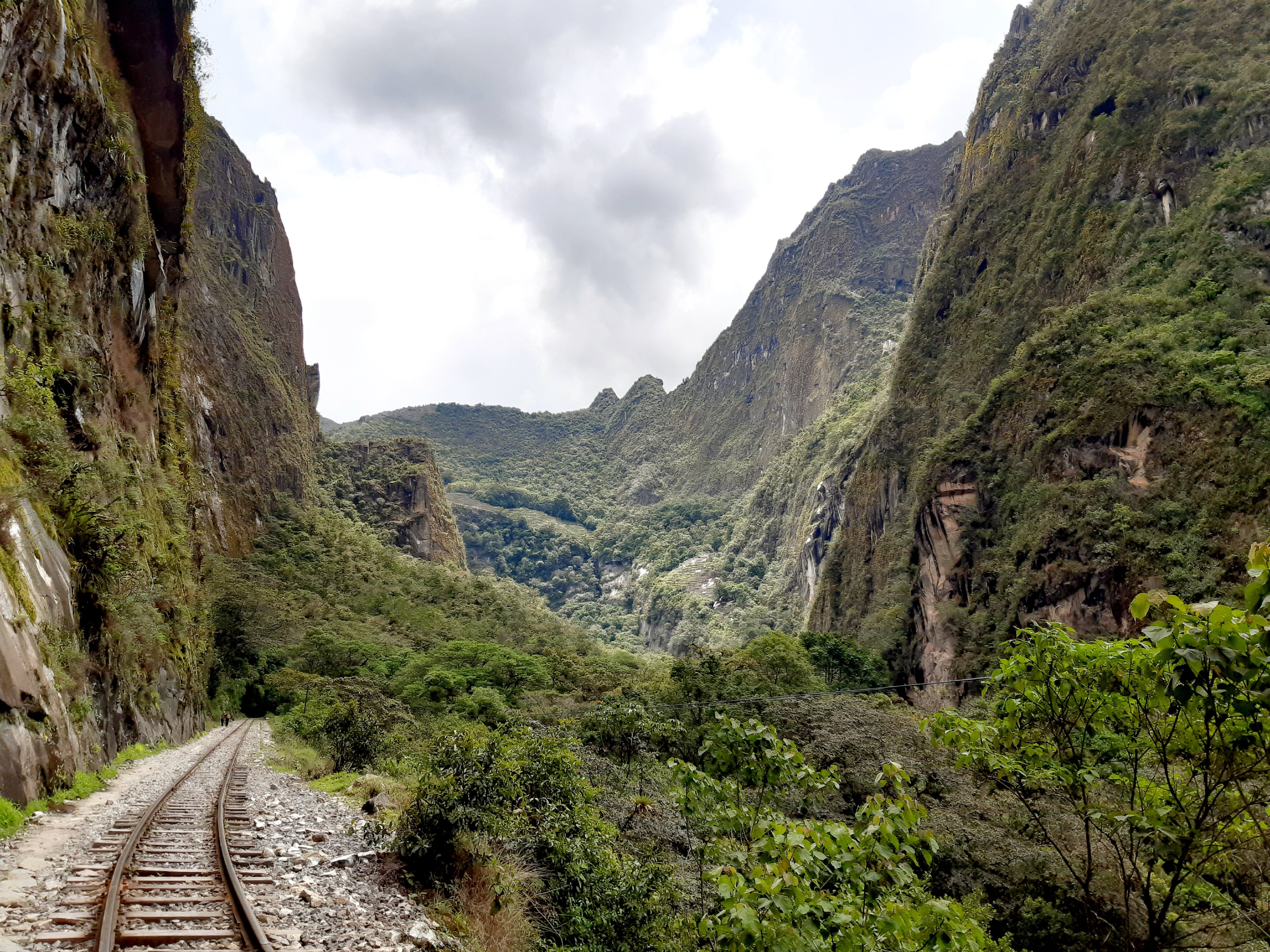
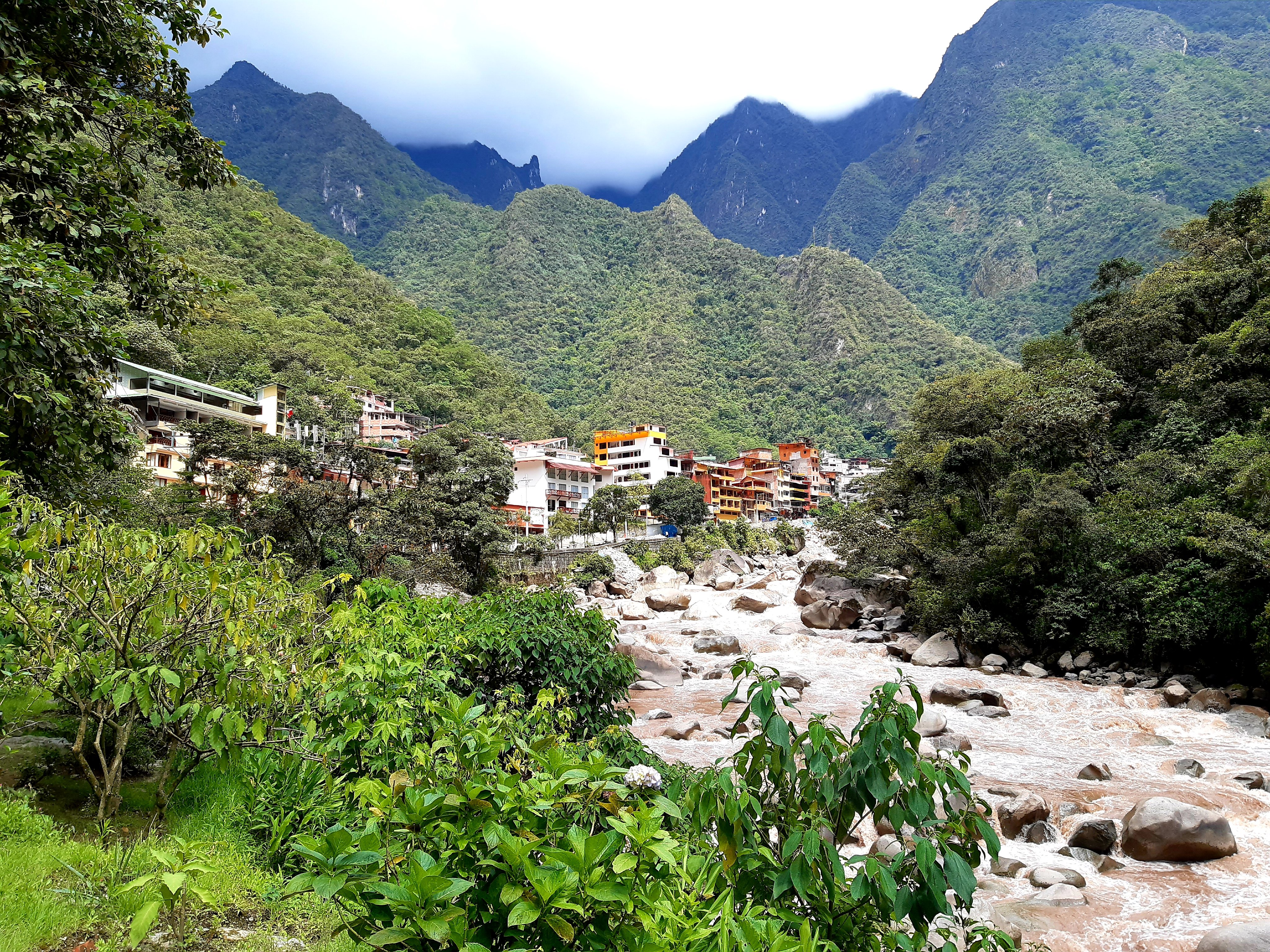
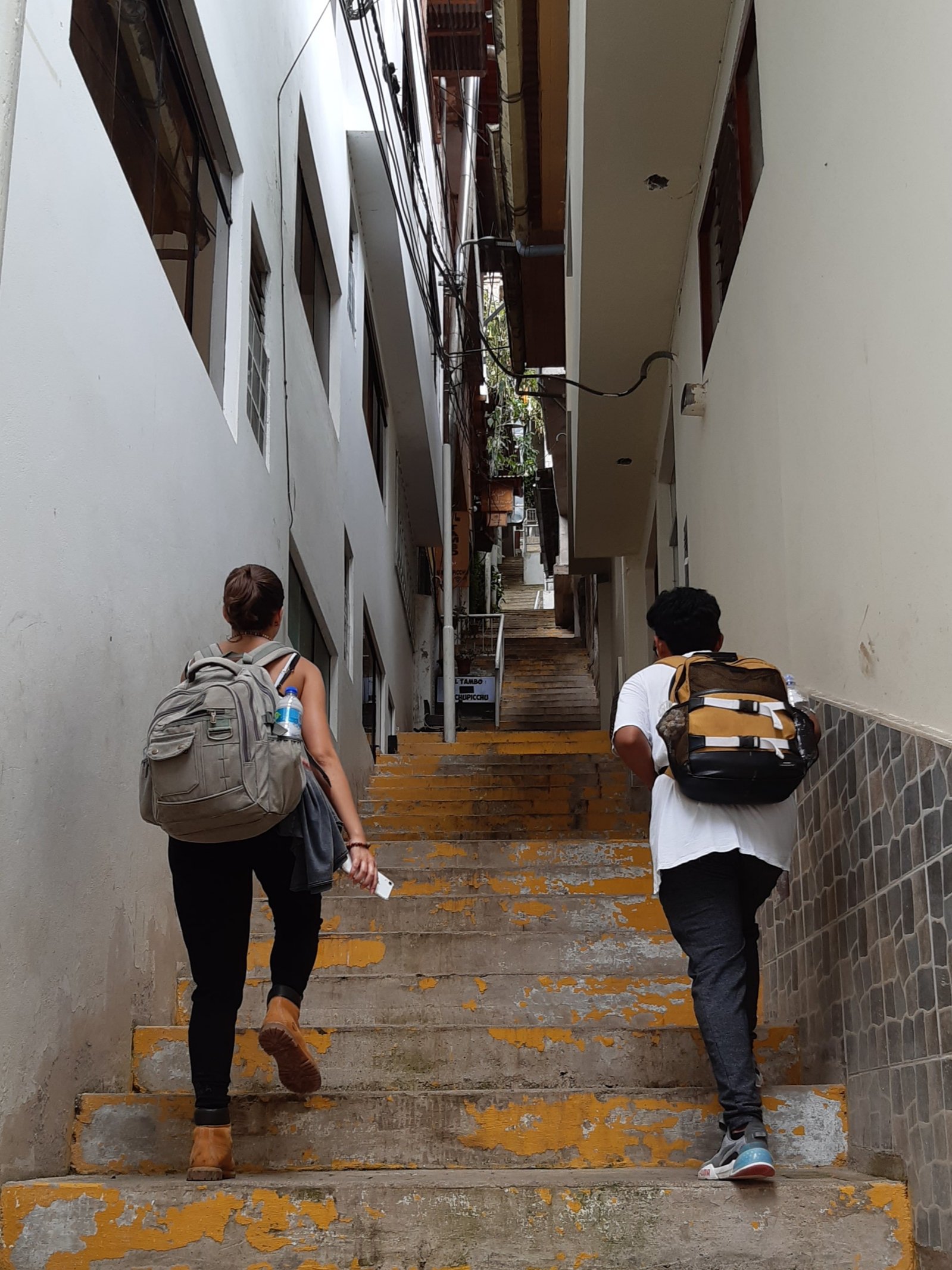
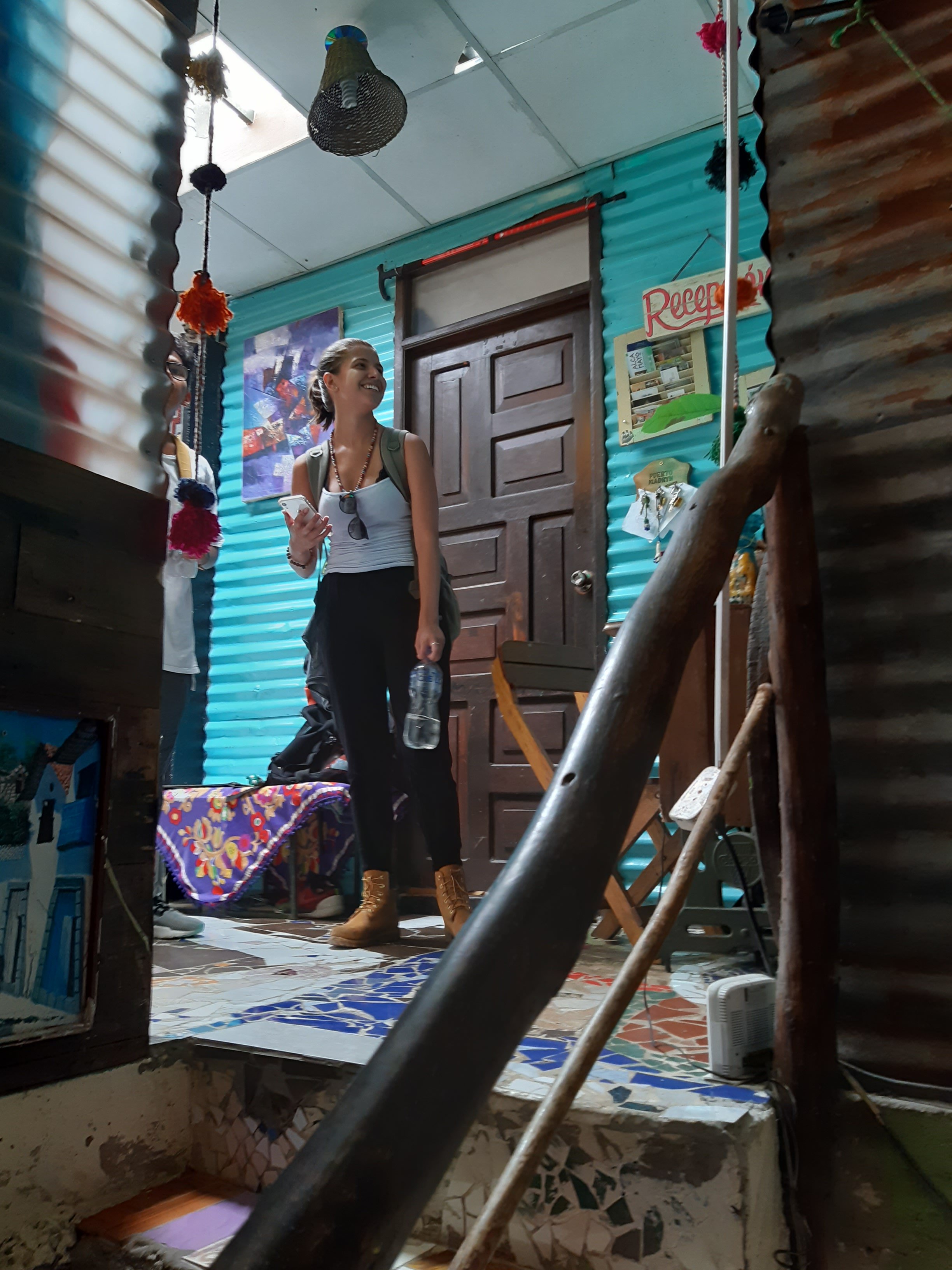
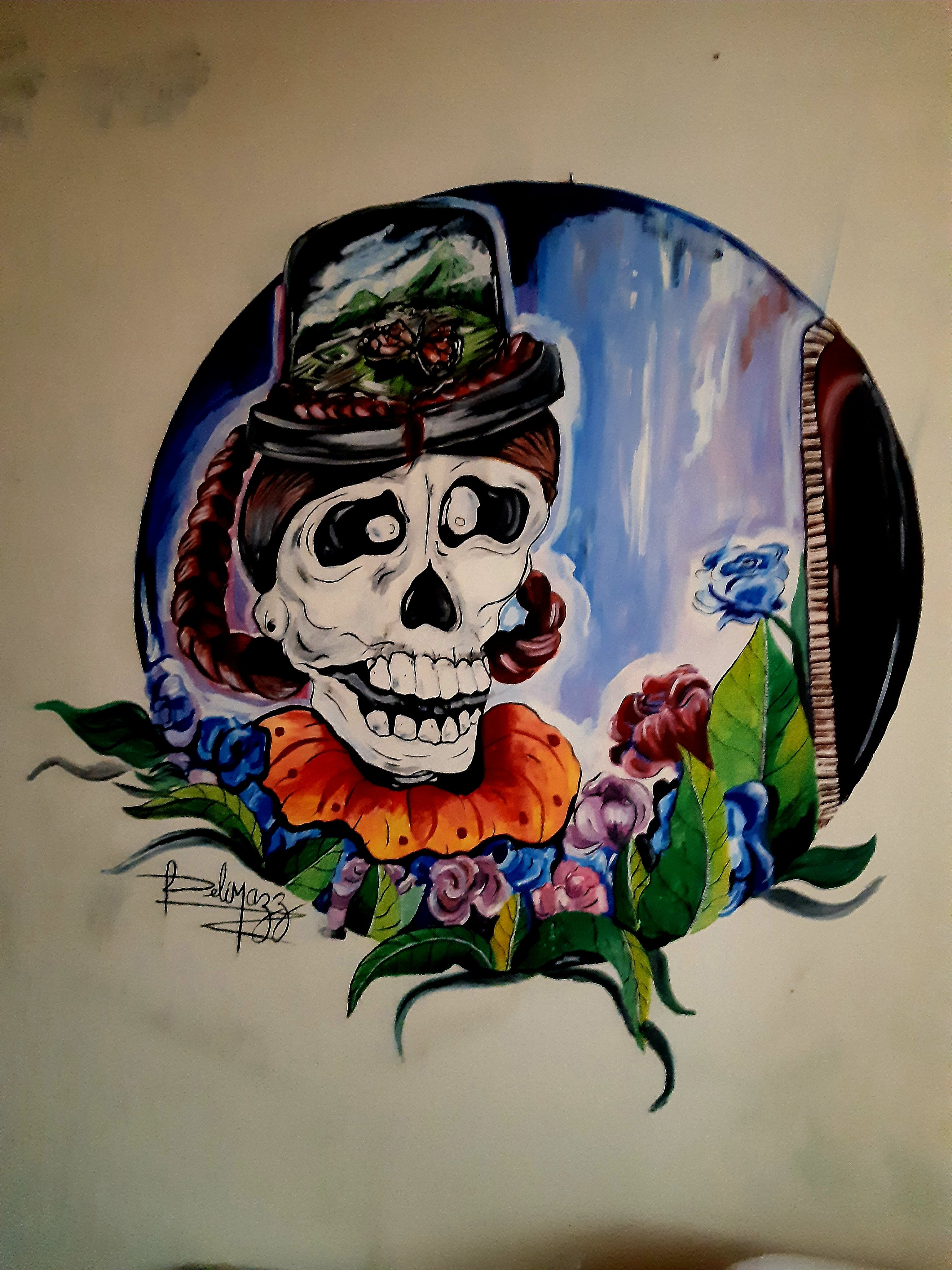
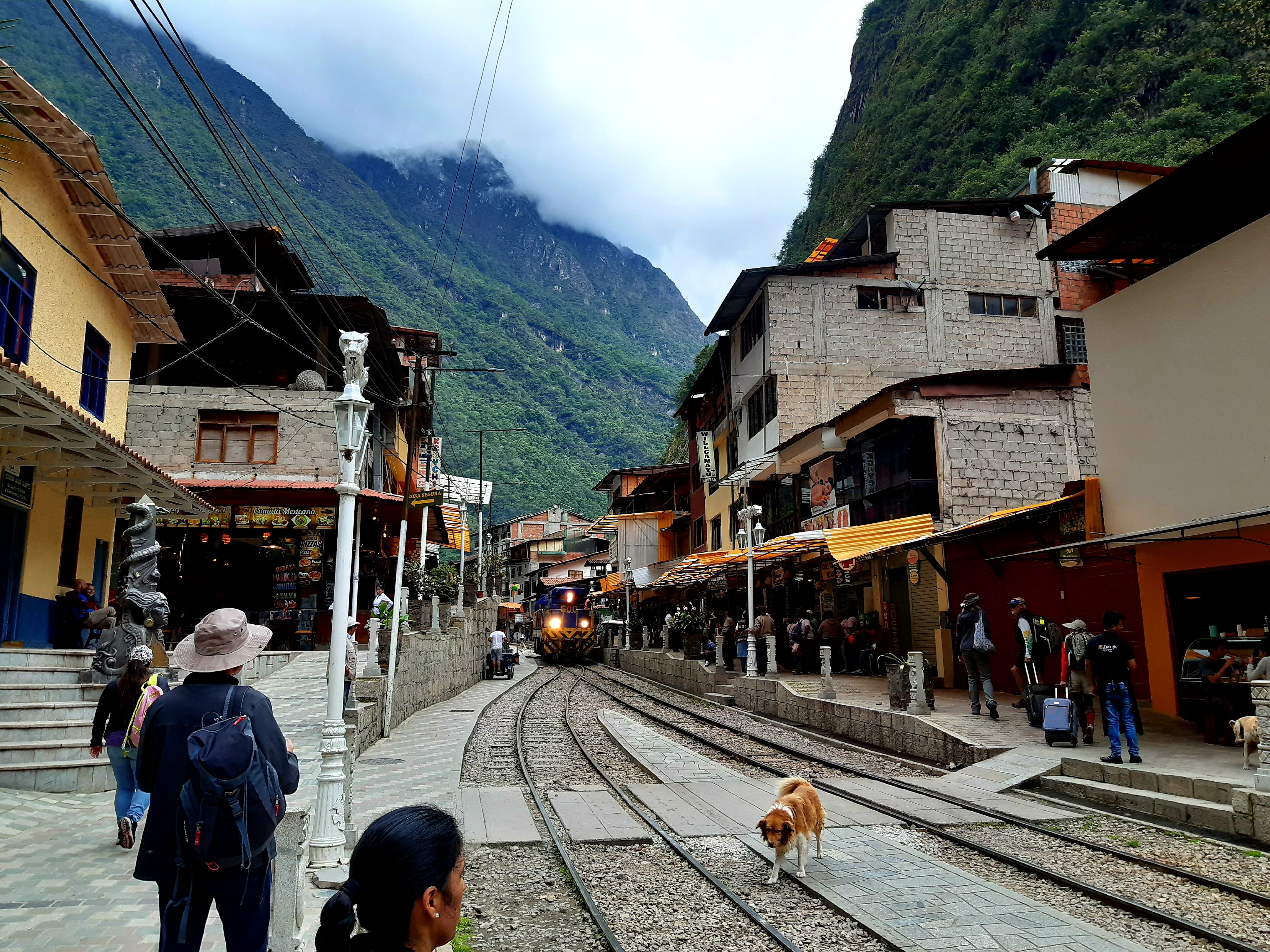
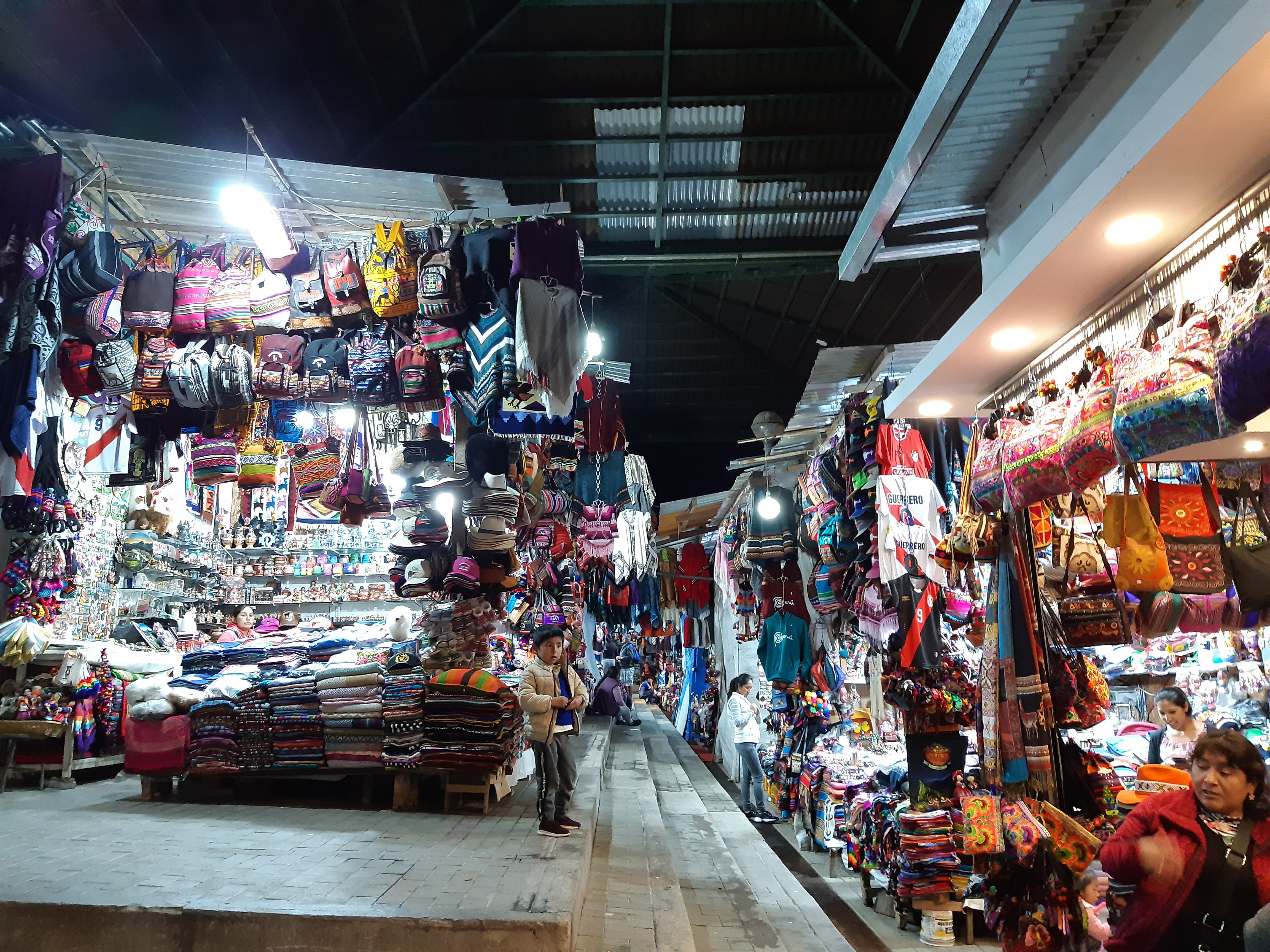
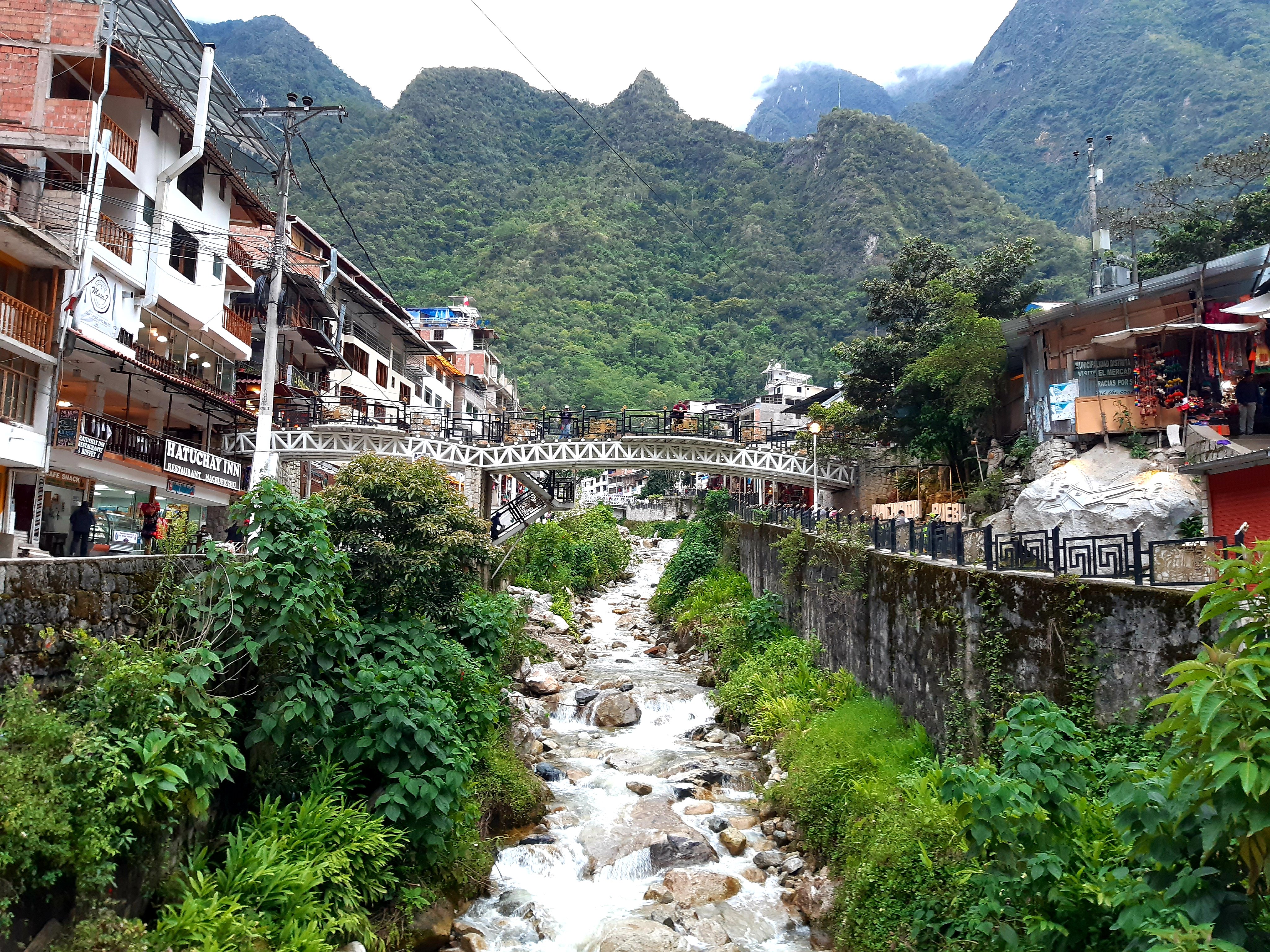
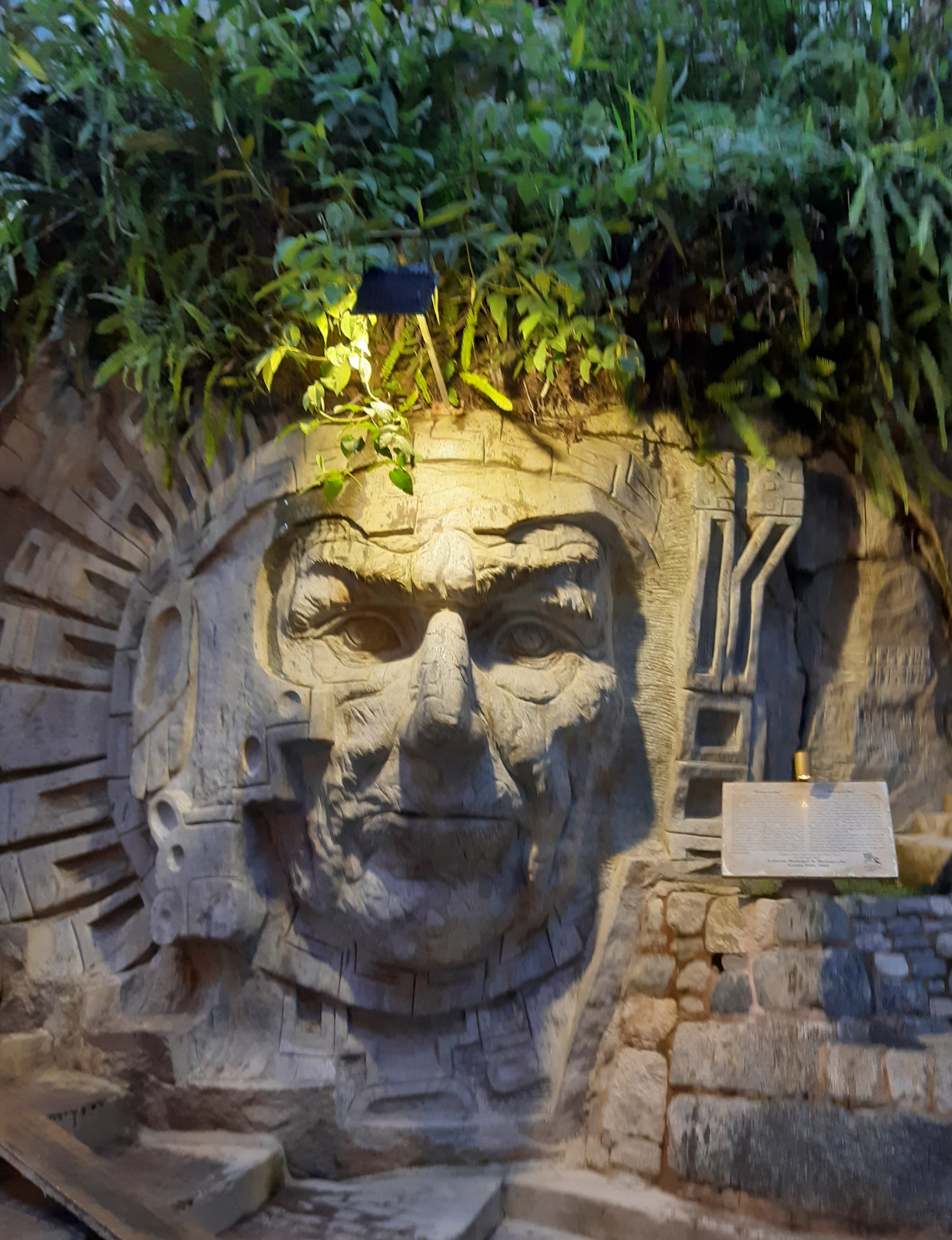
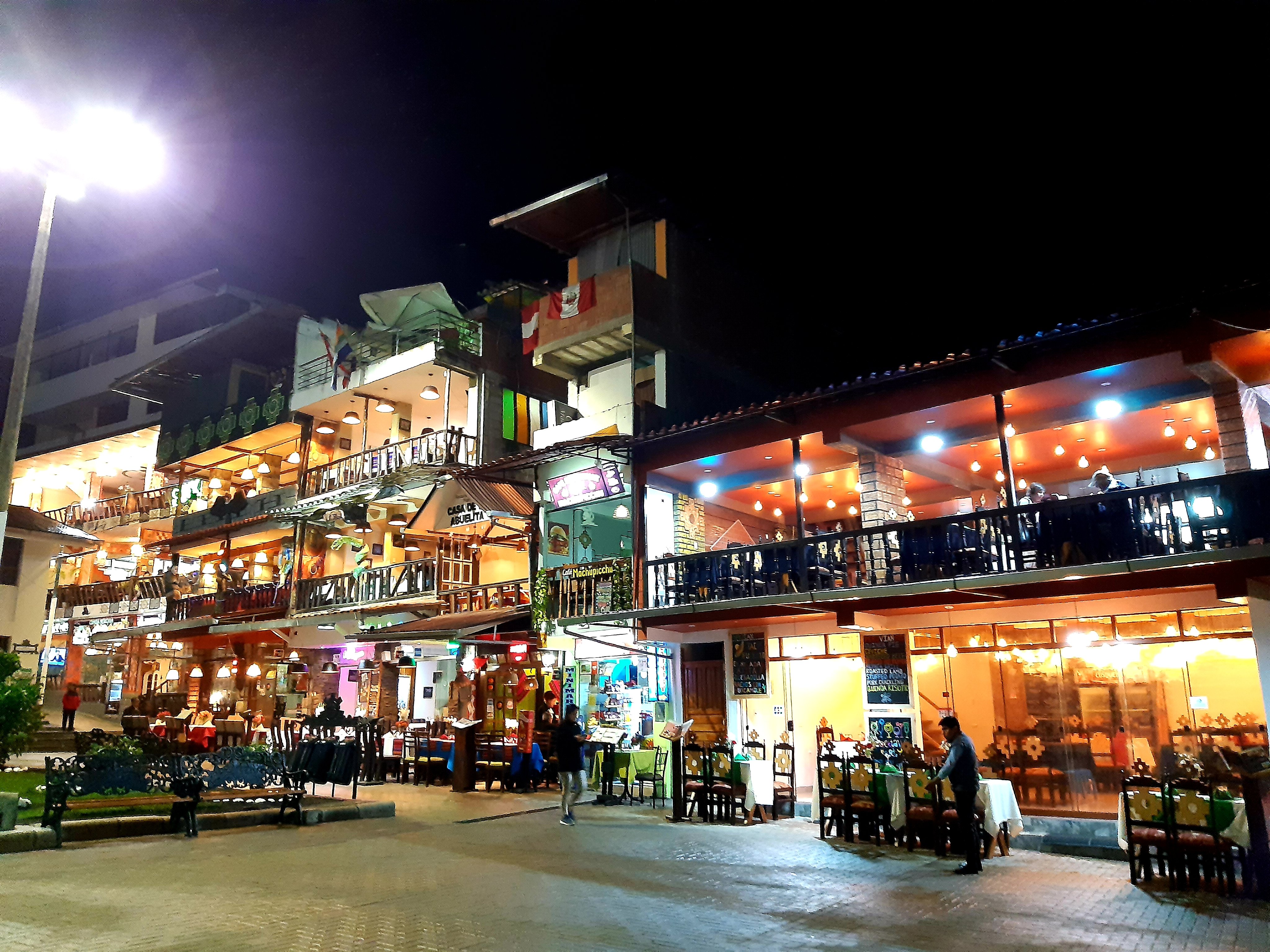
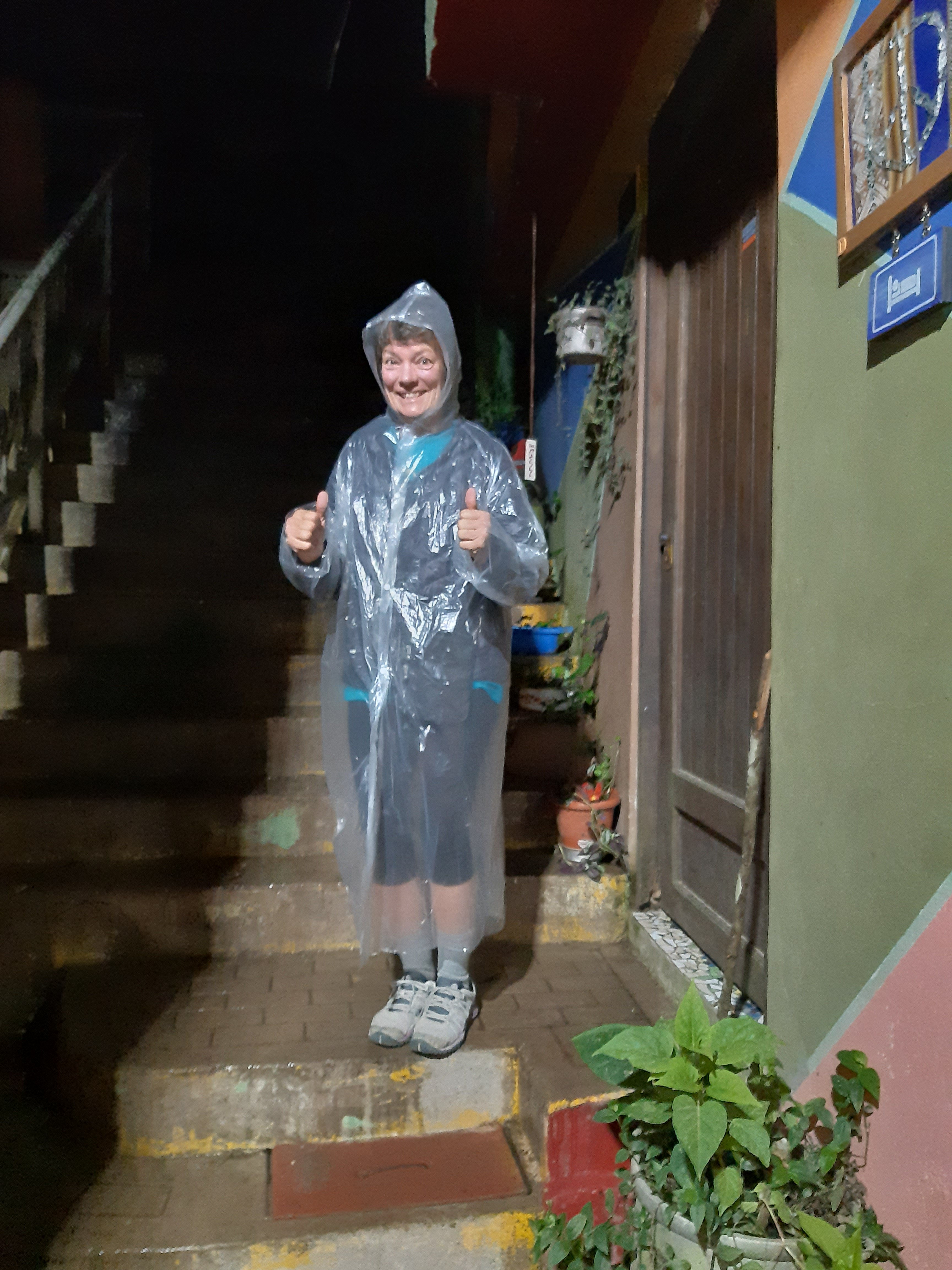
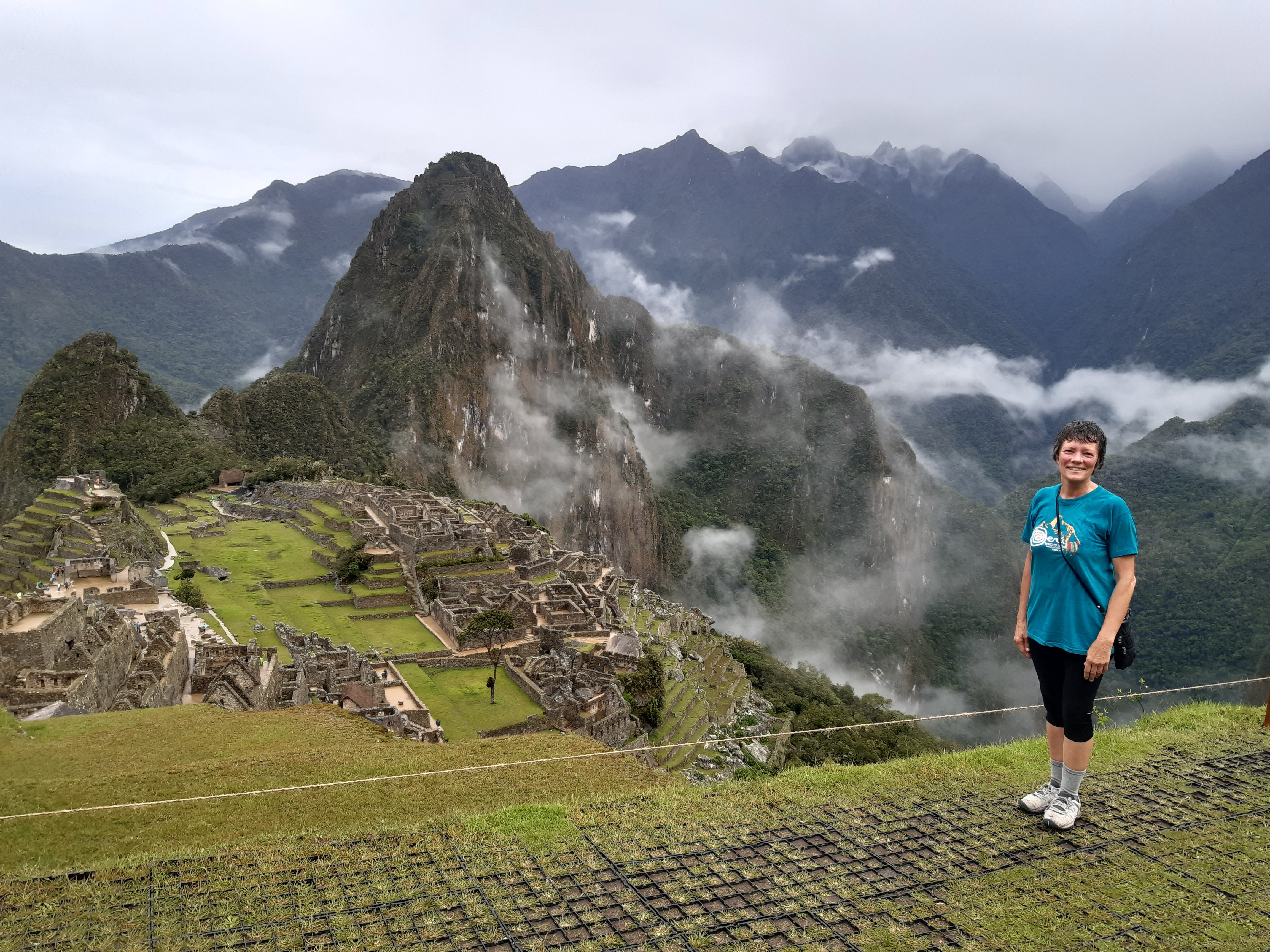

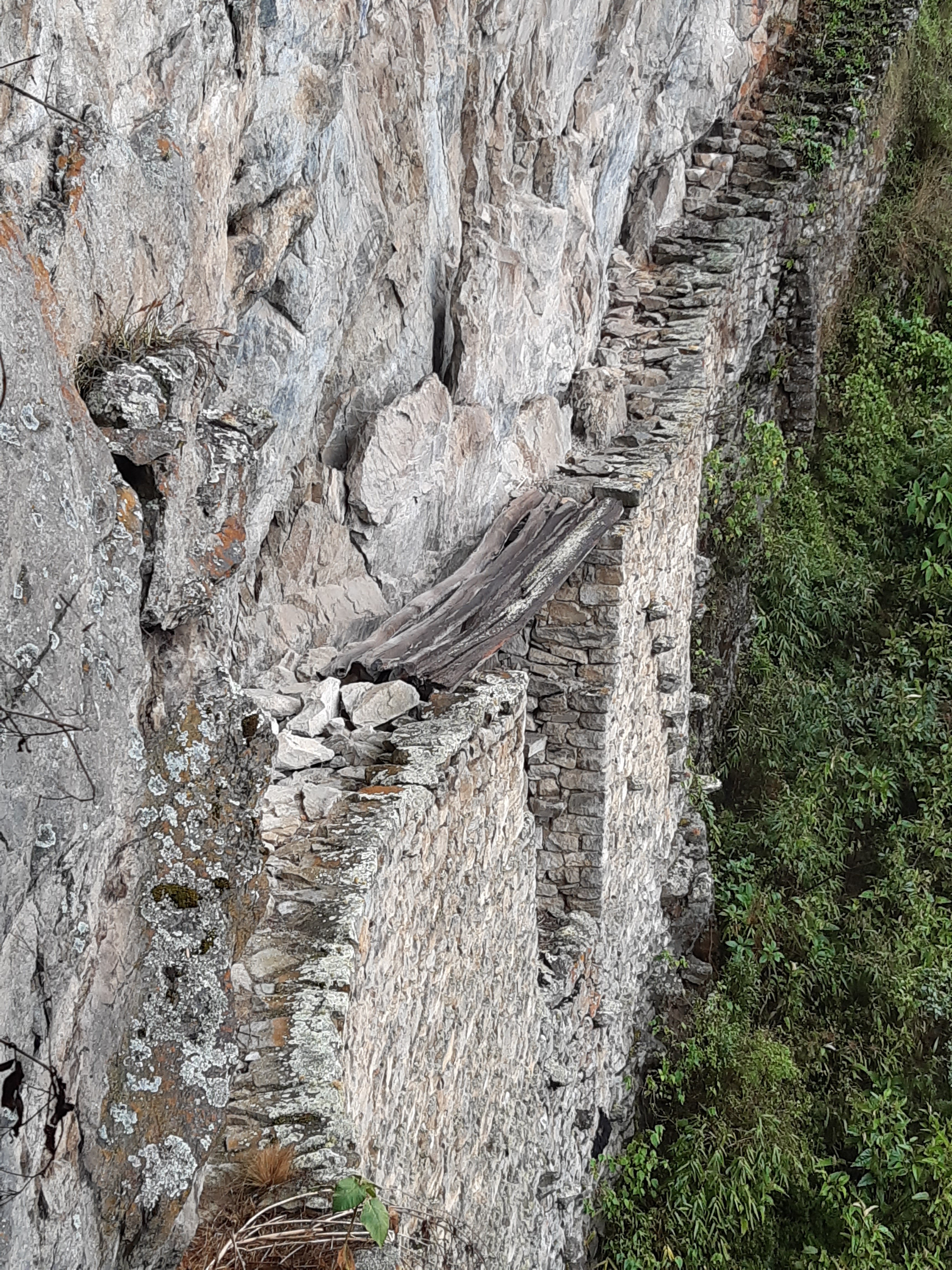

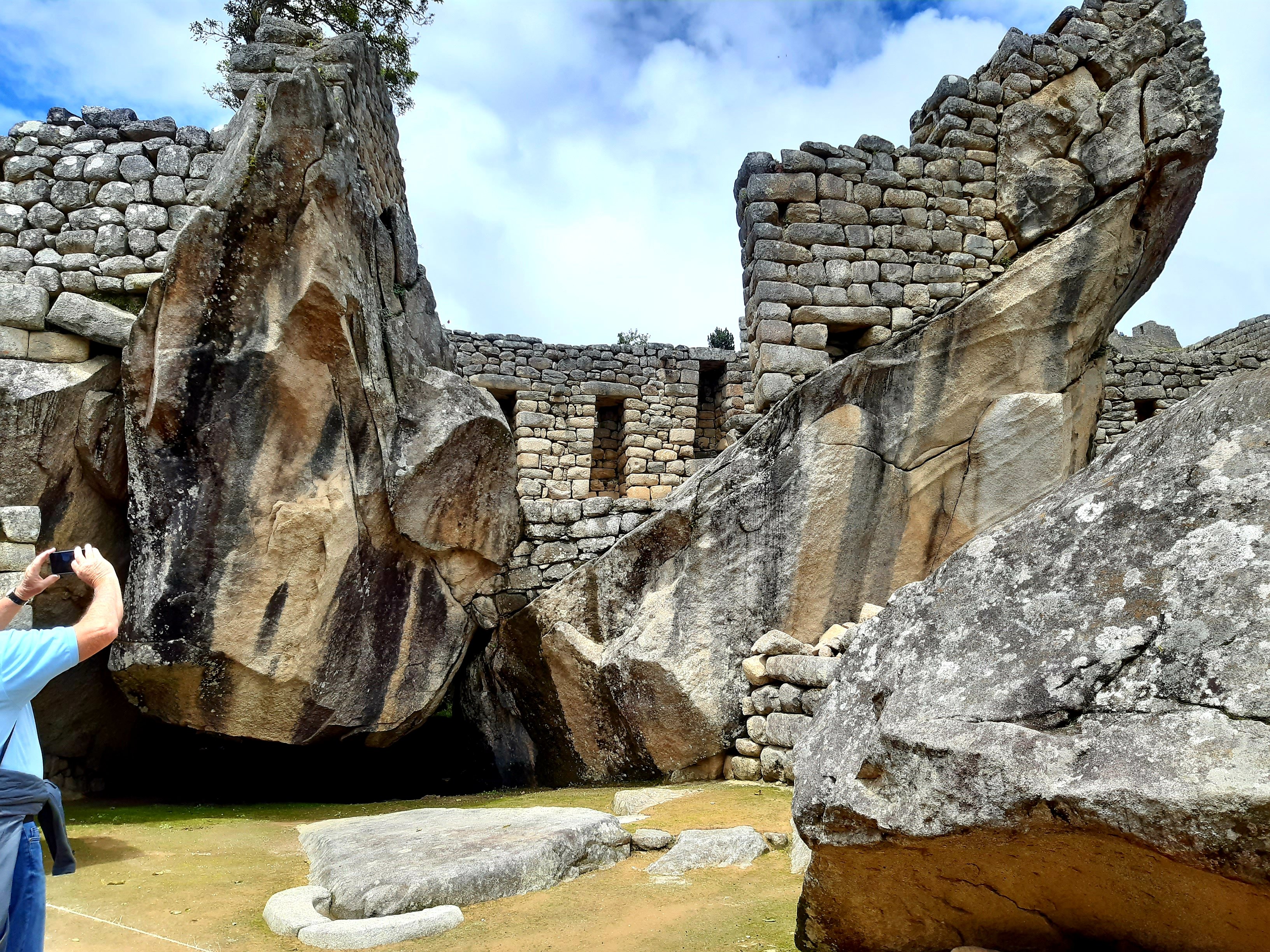
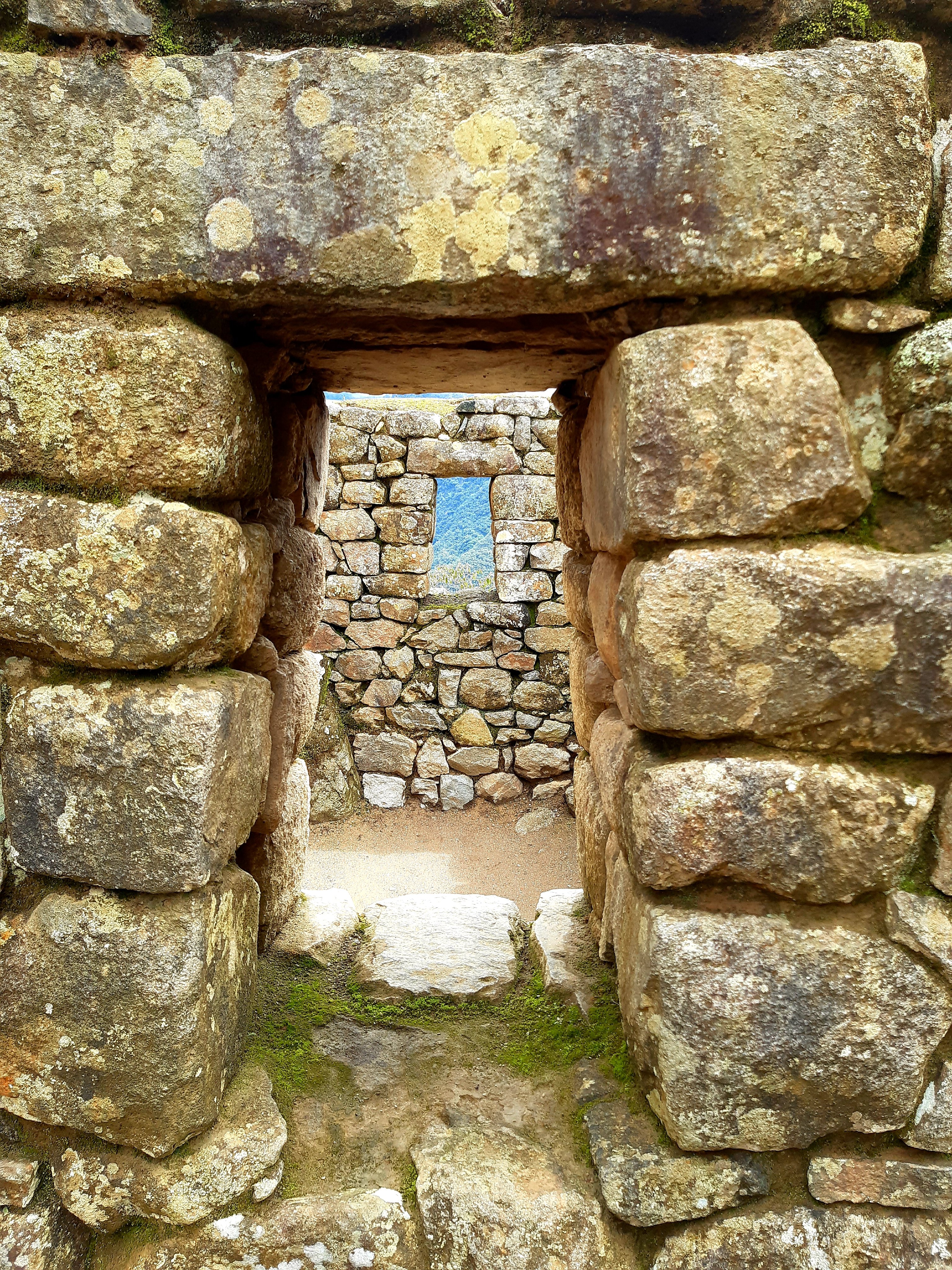
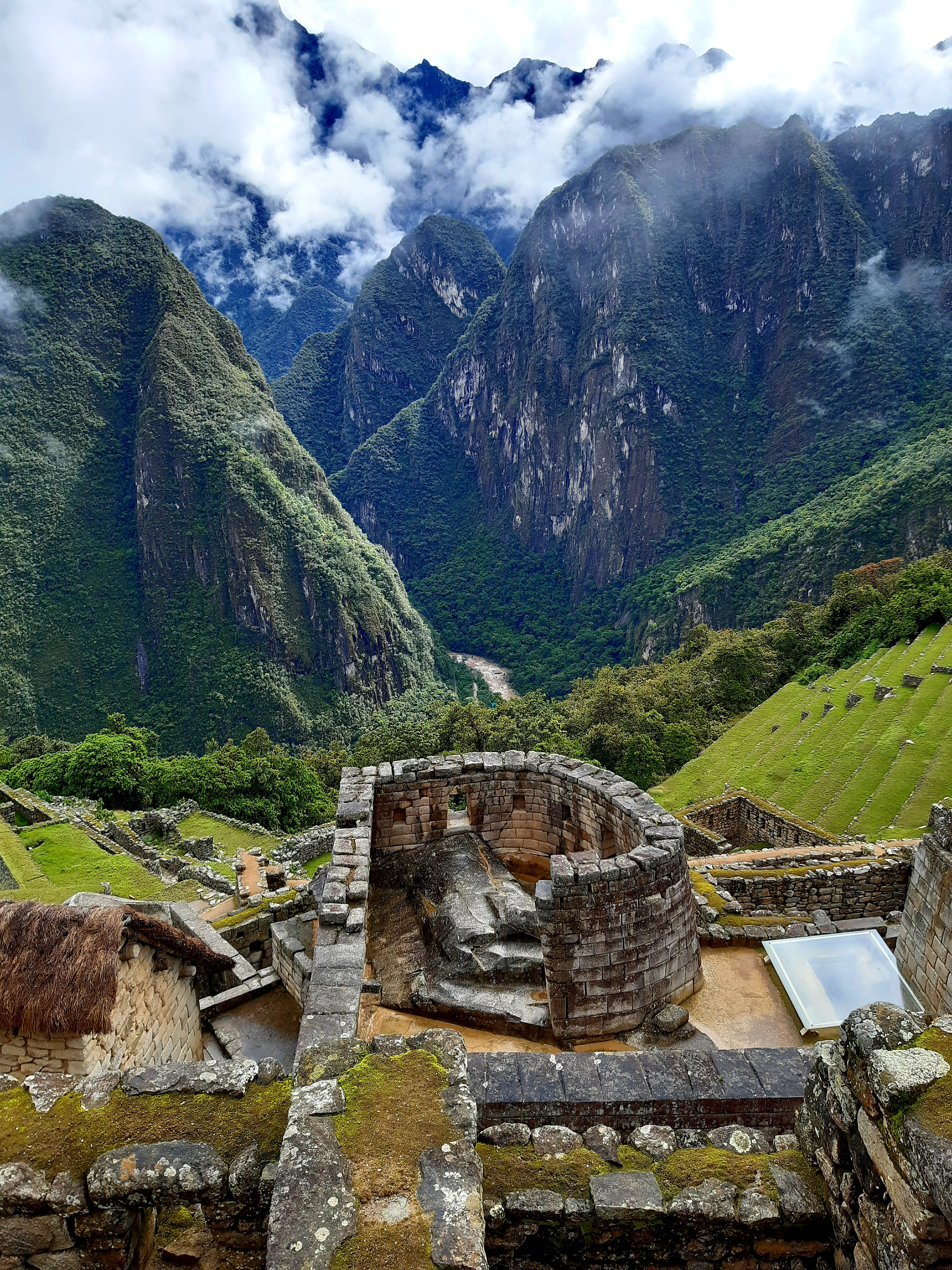
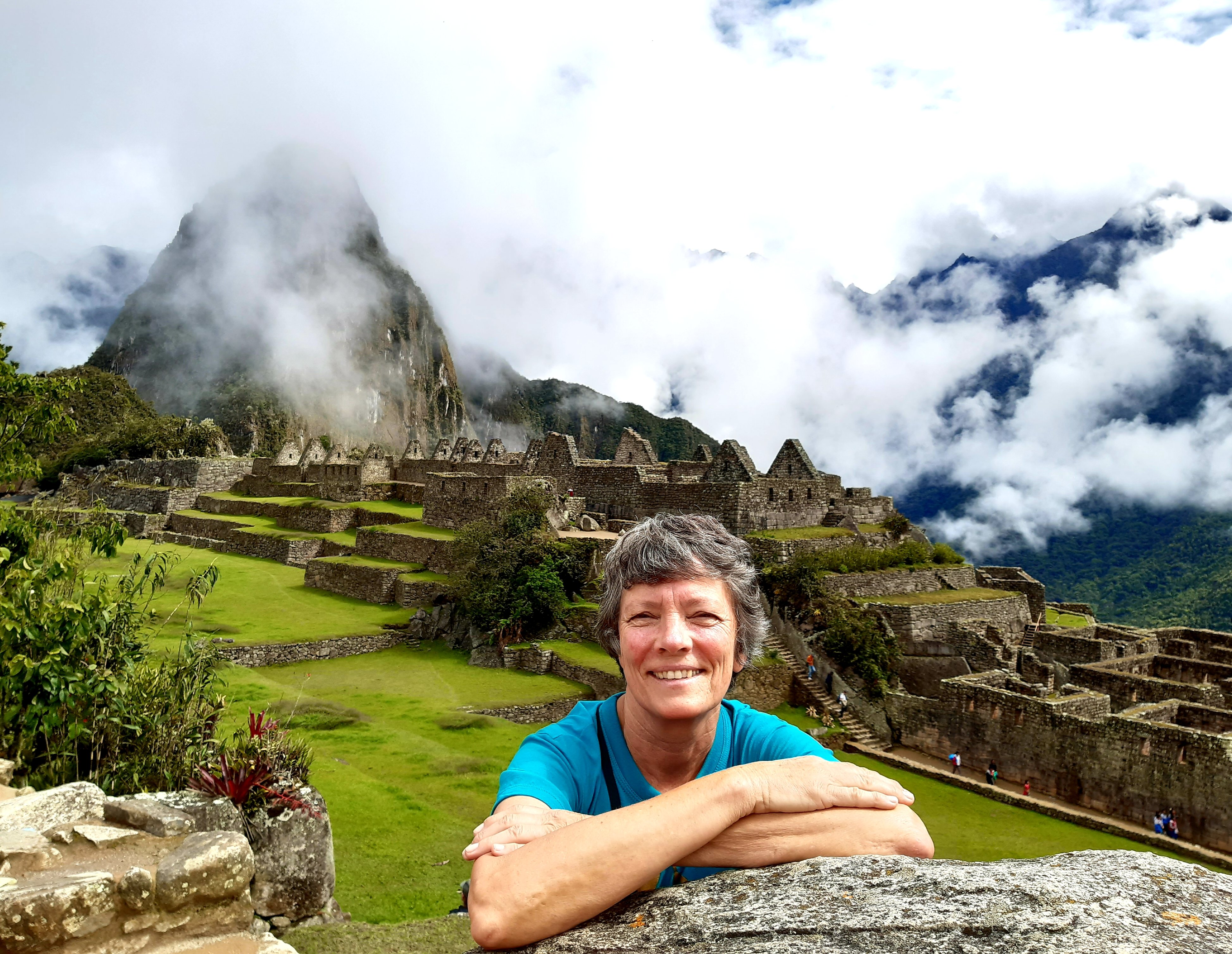
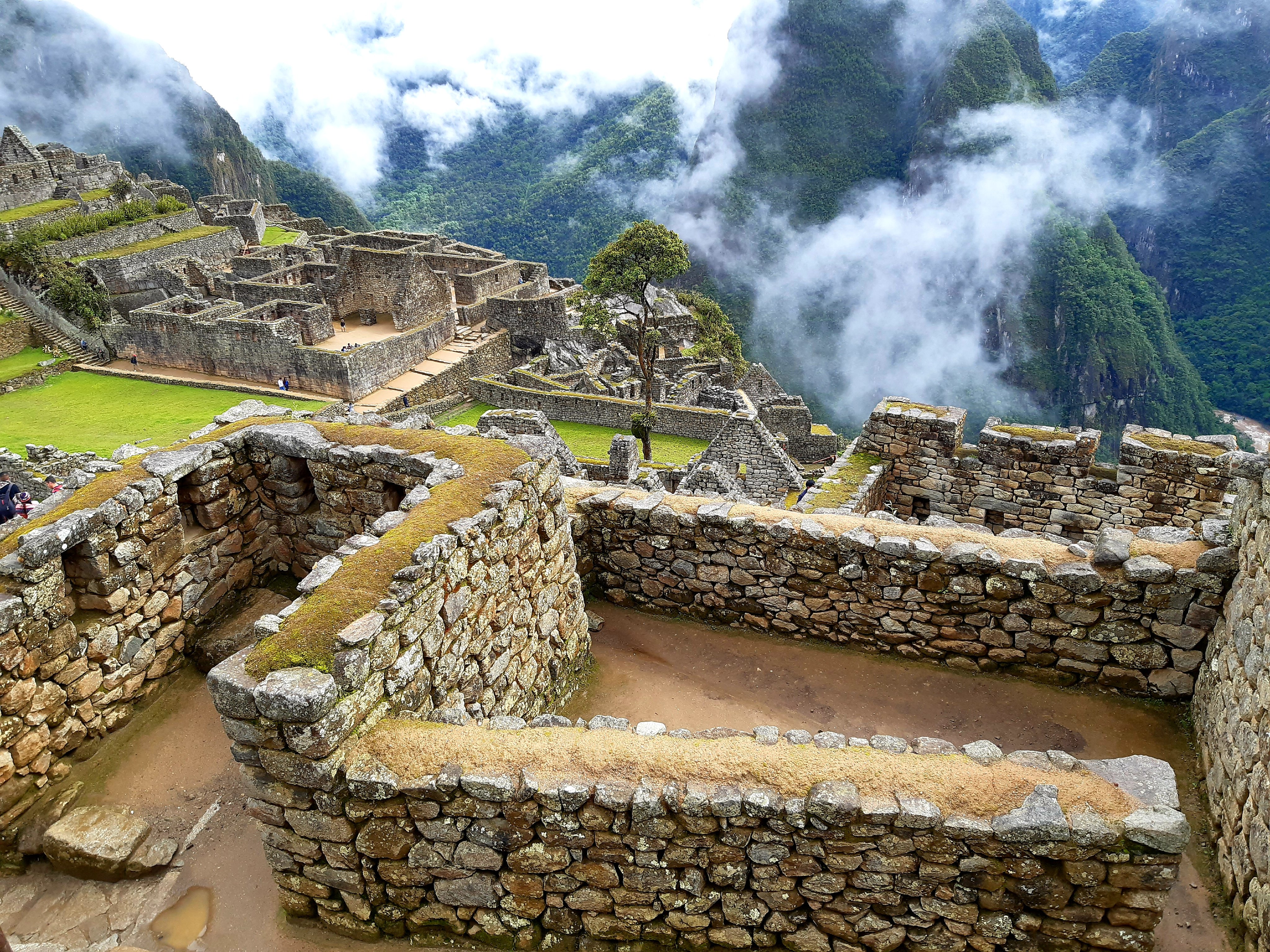
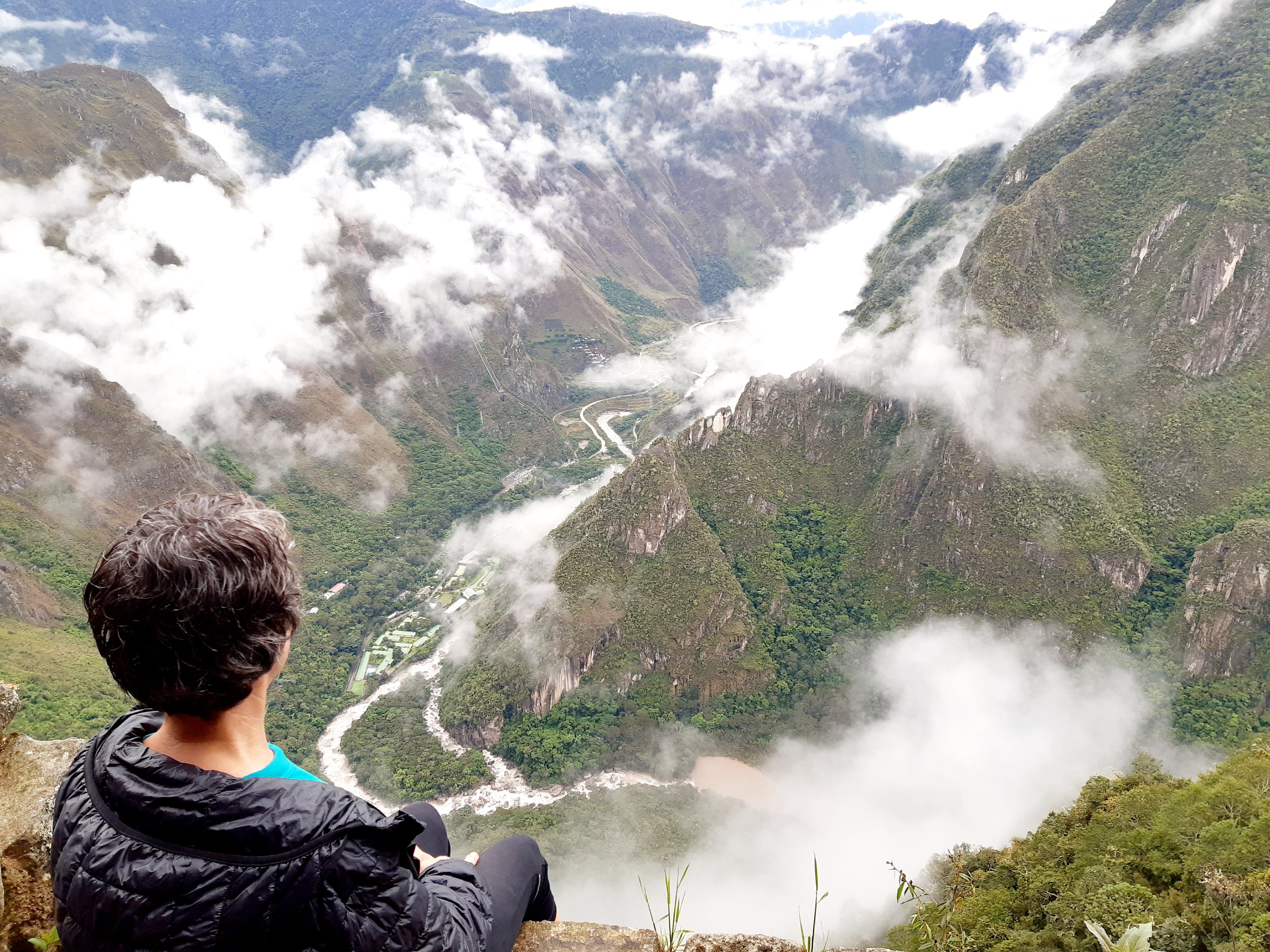
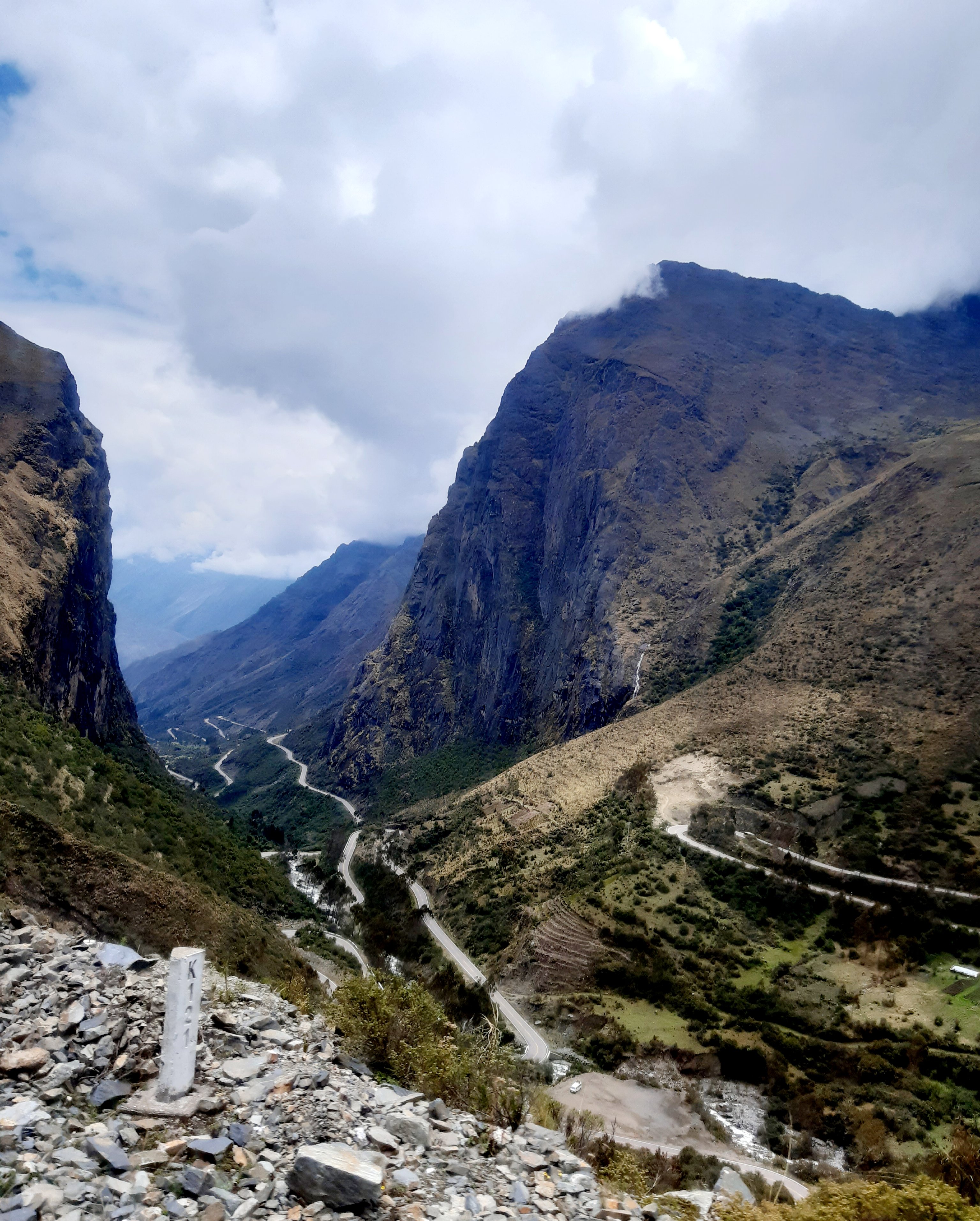 Going up
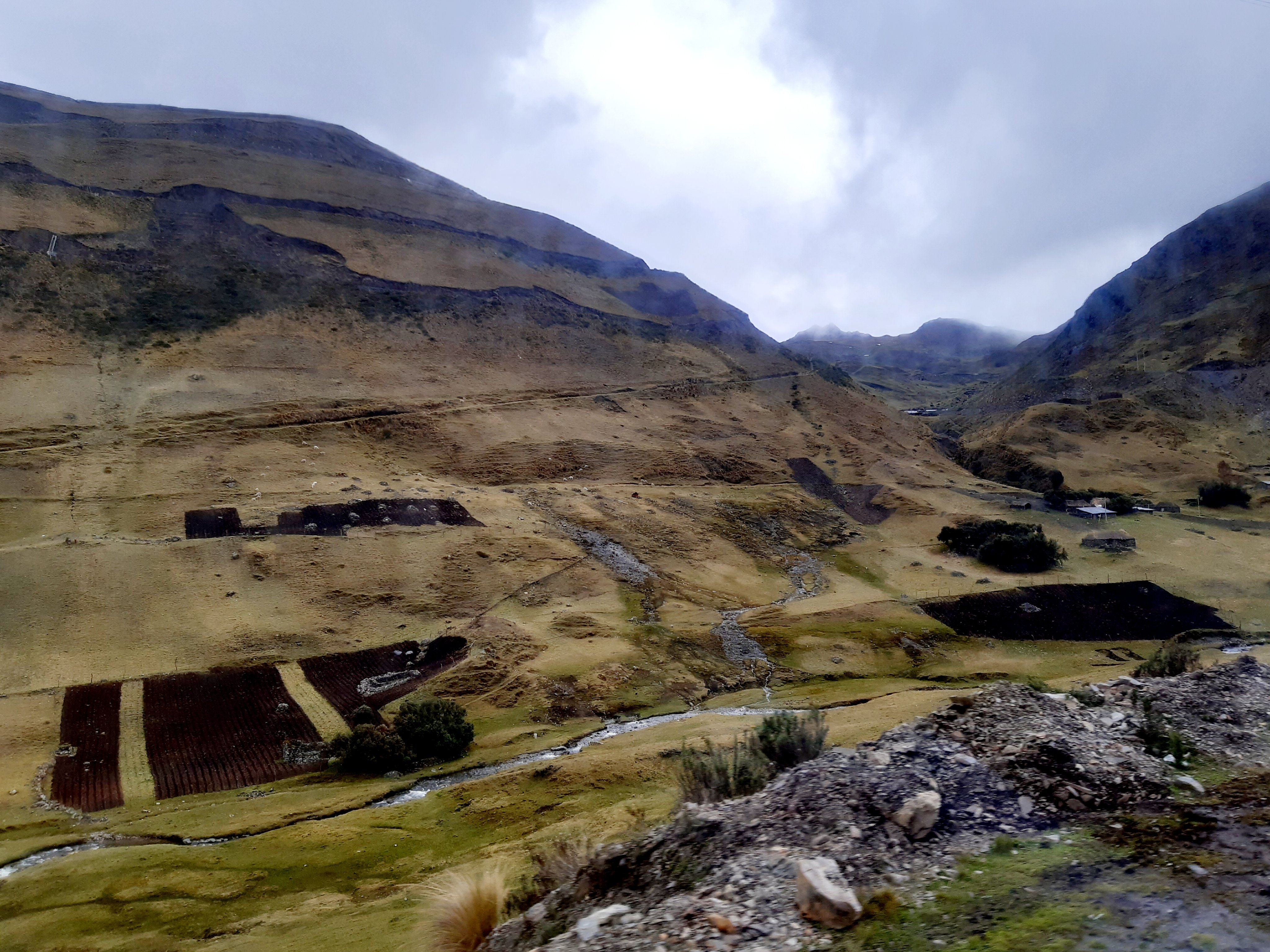 At the top, black soil turned up in the lands.
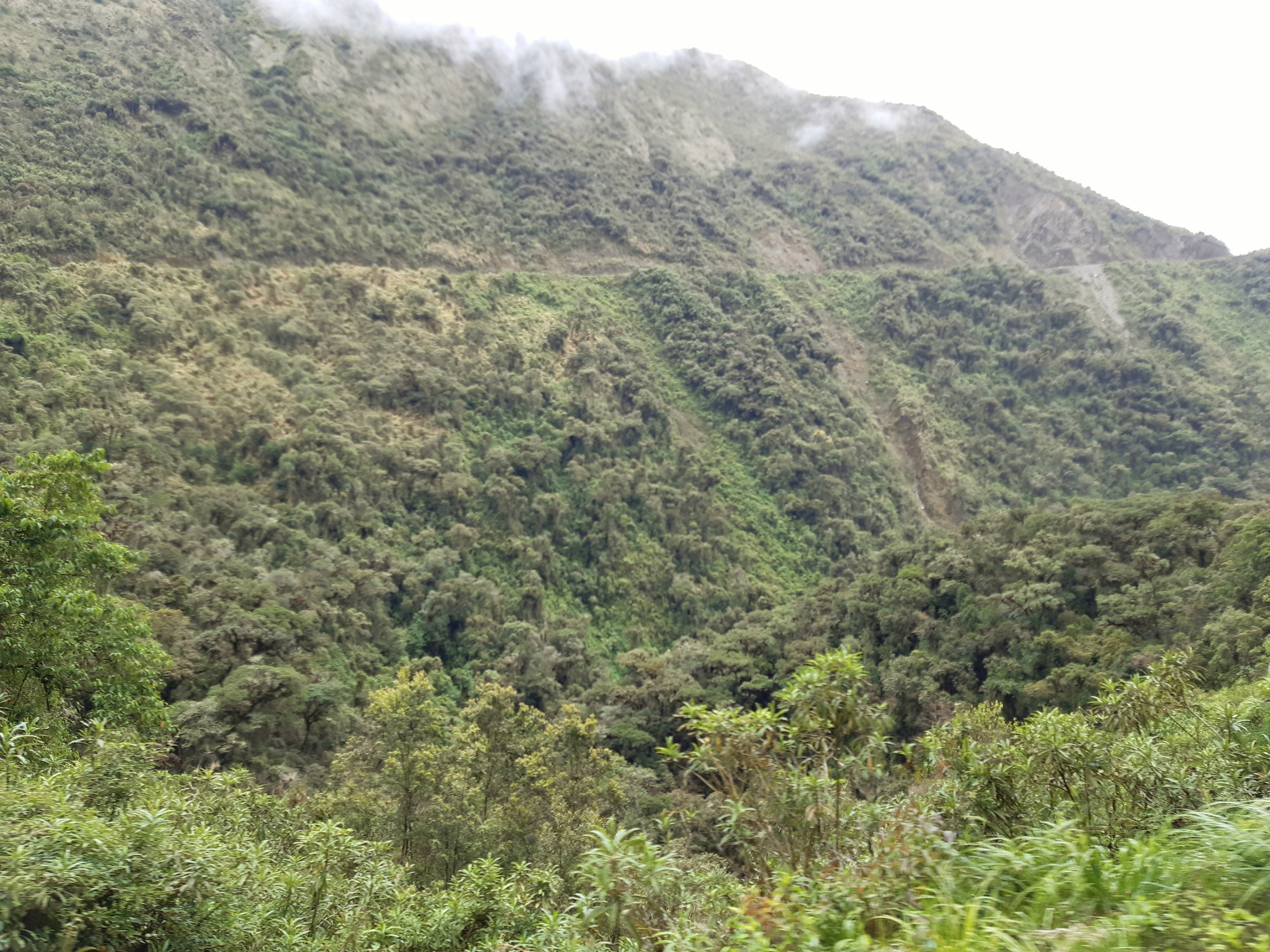 Altogether different landscape on the other side, lush and green. Quillabamba is on the edge of the Amesone forest.
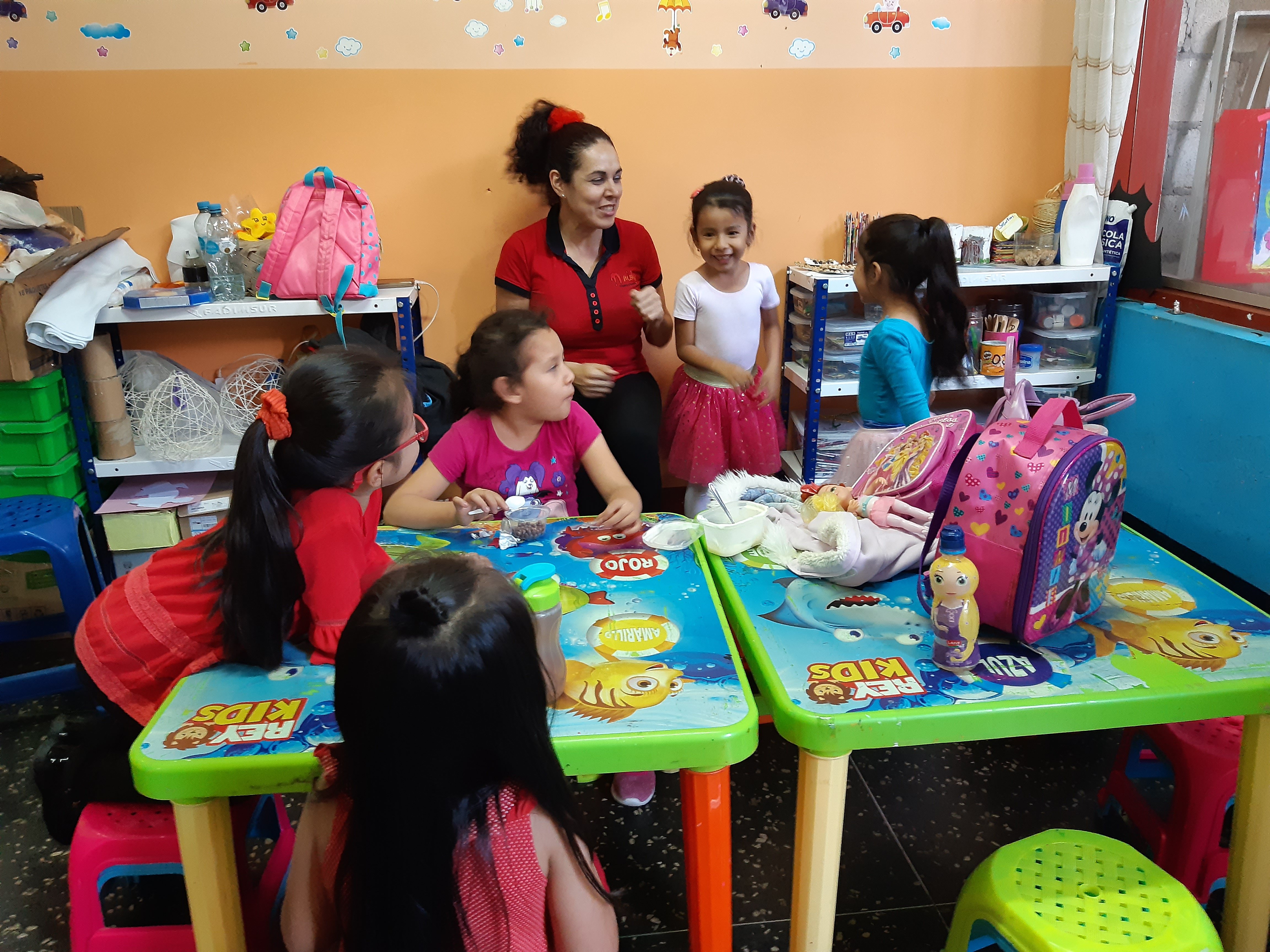
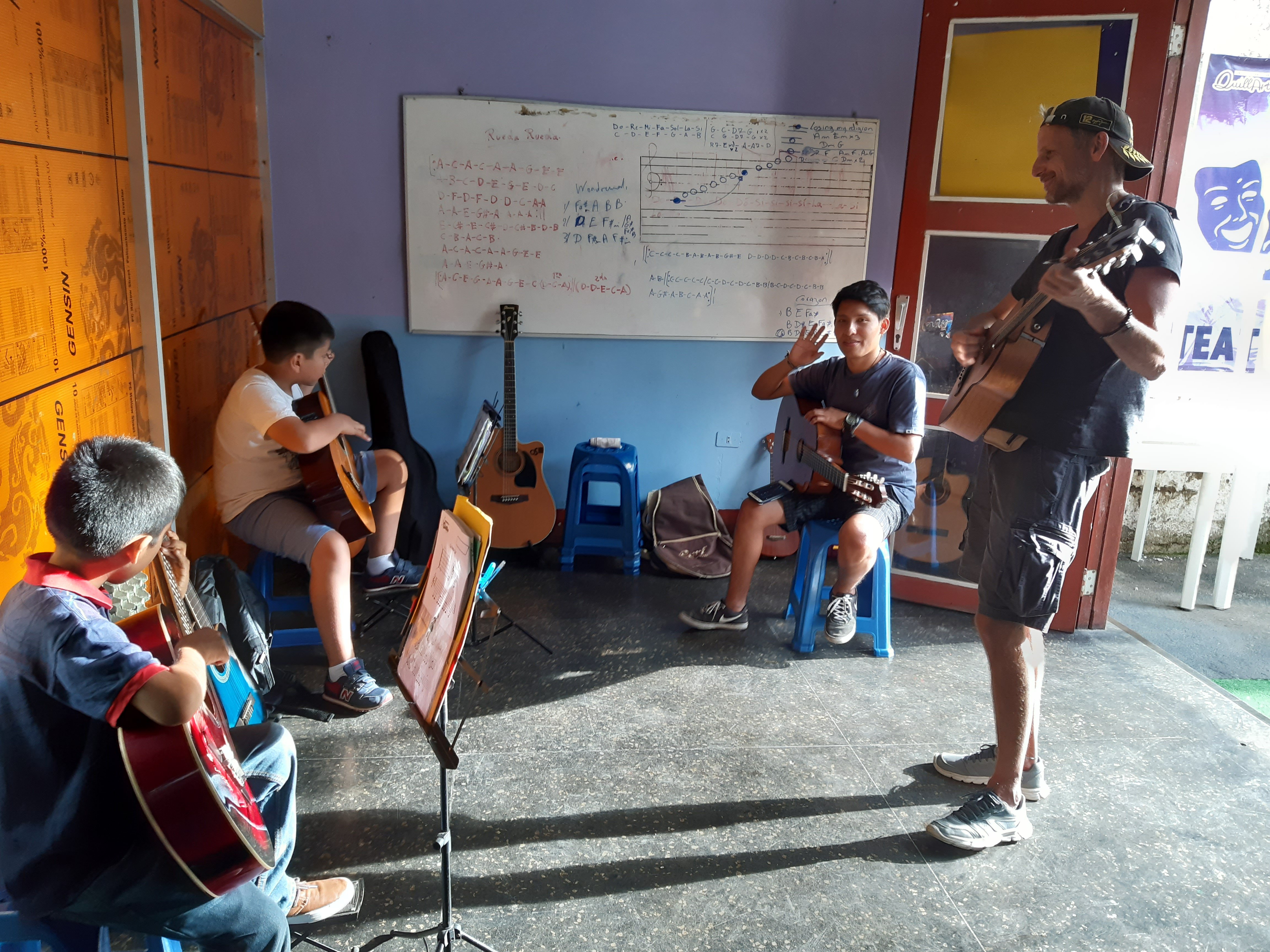
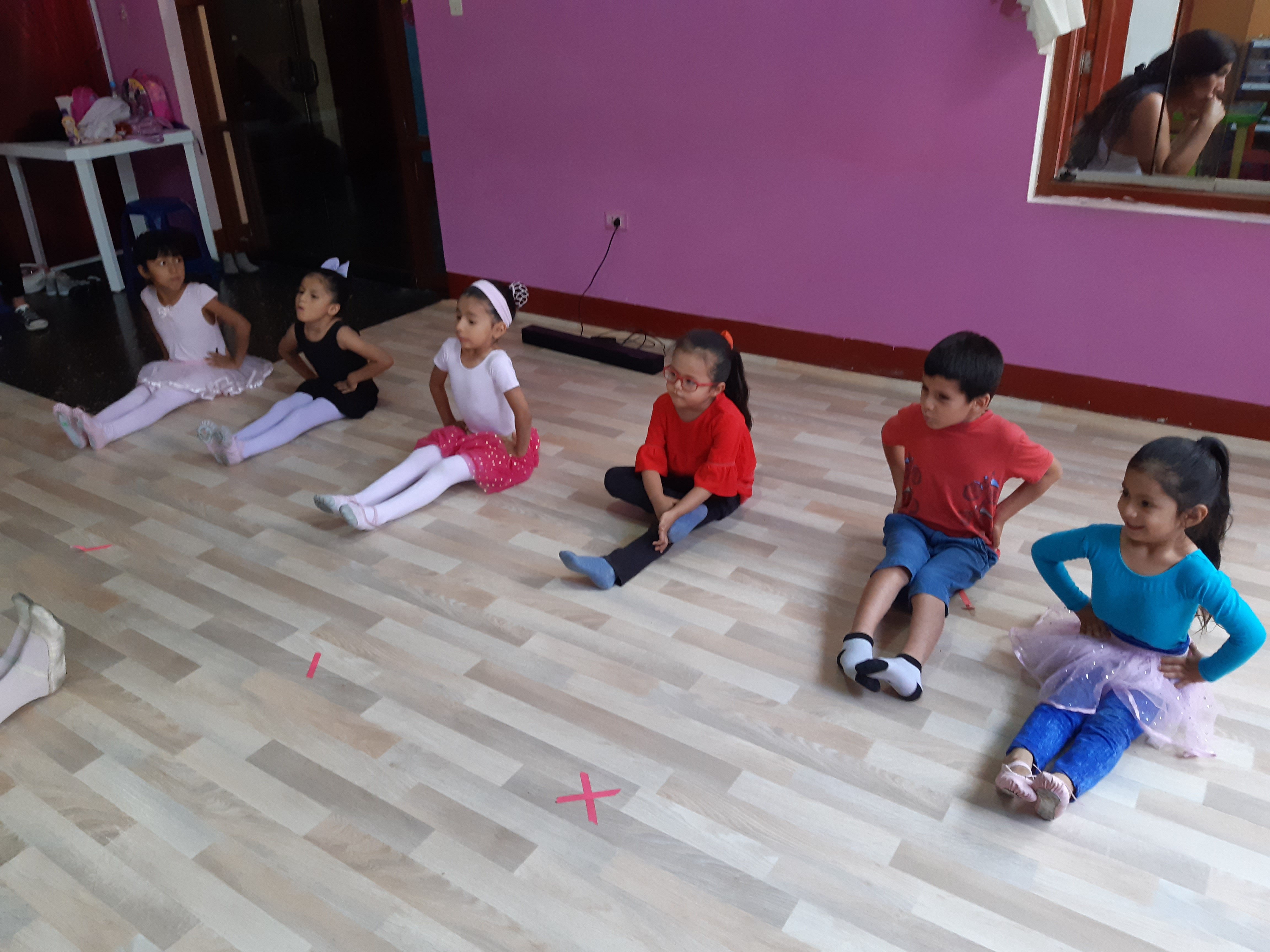
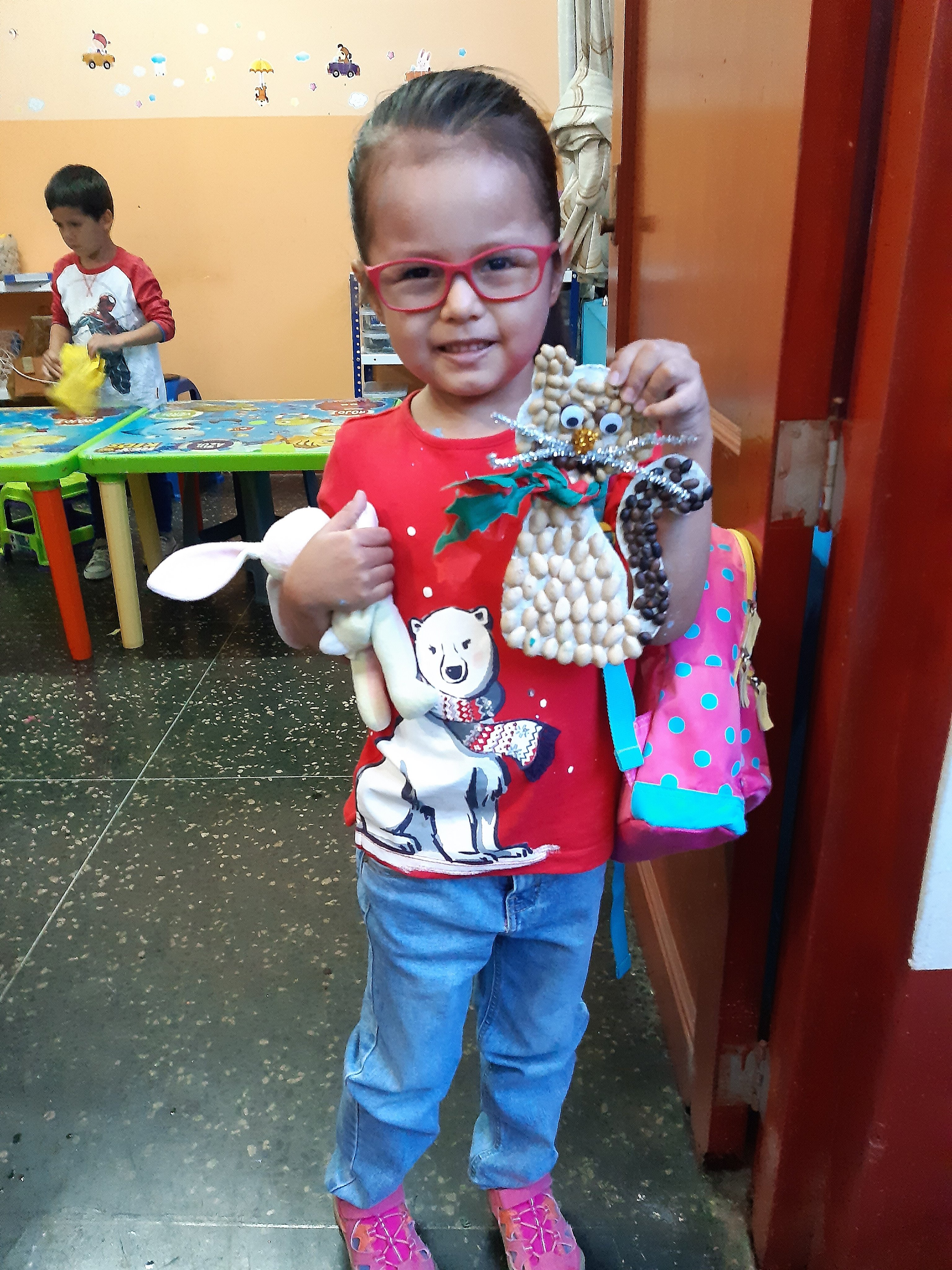
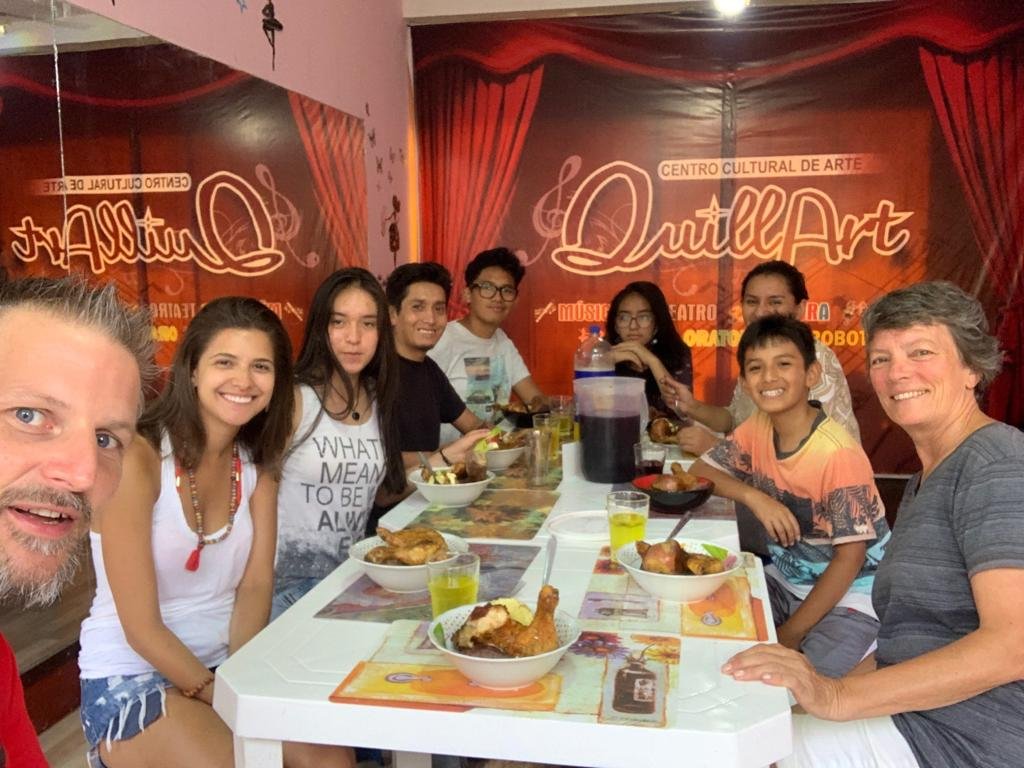
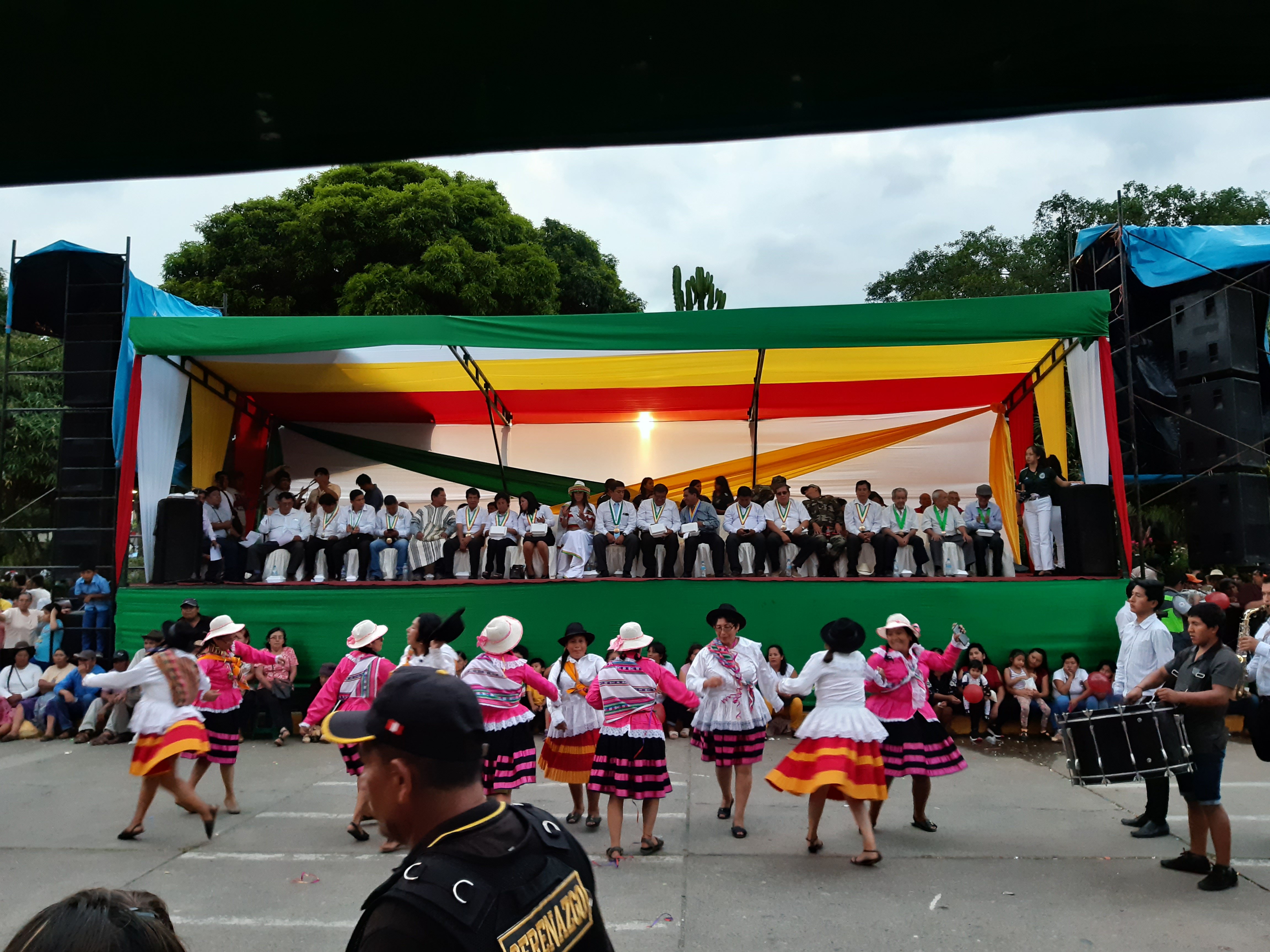
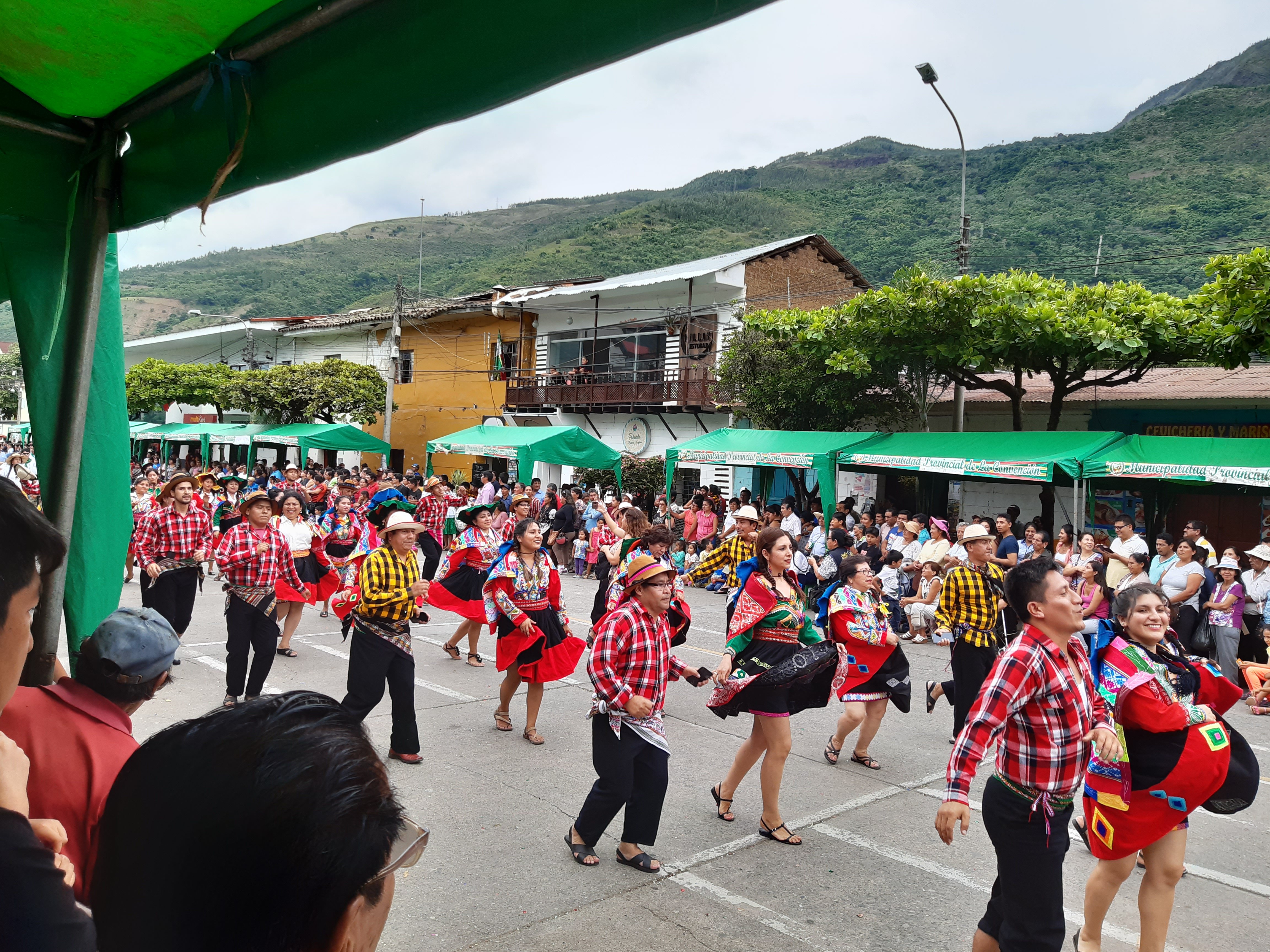
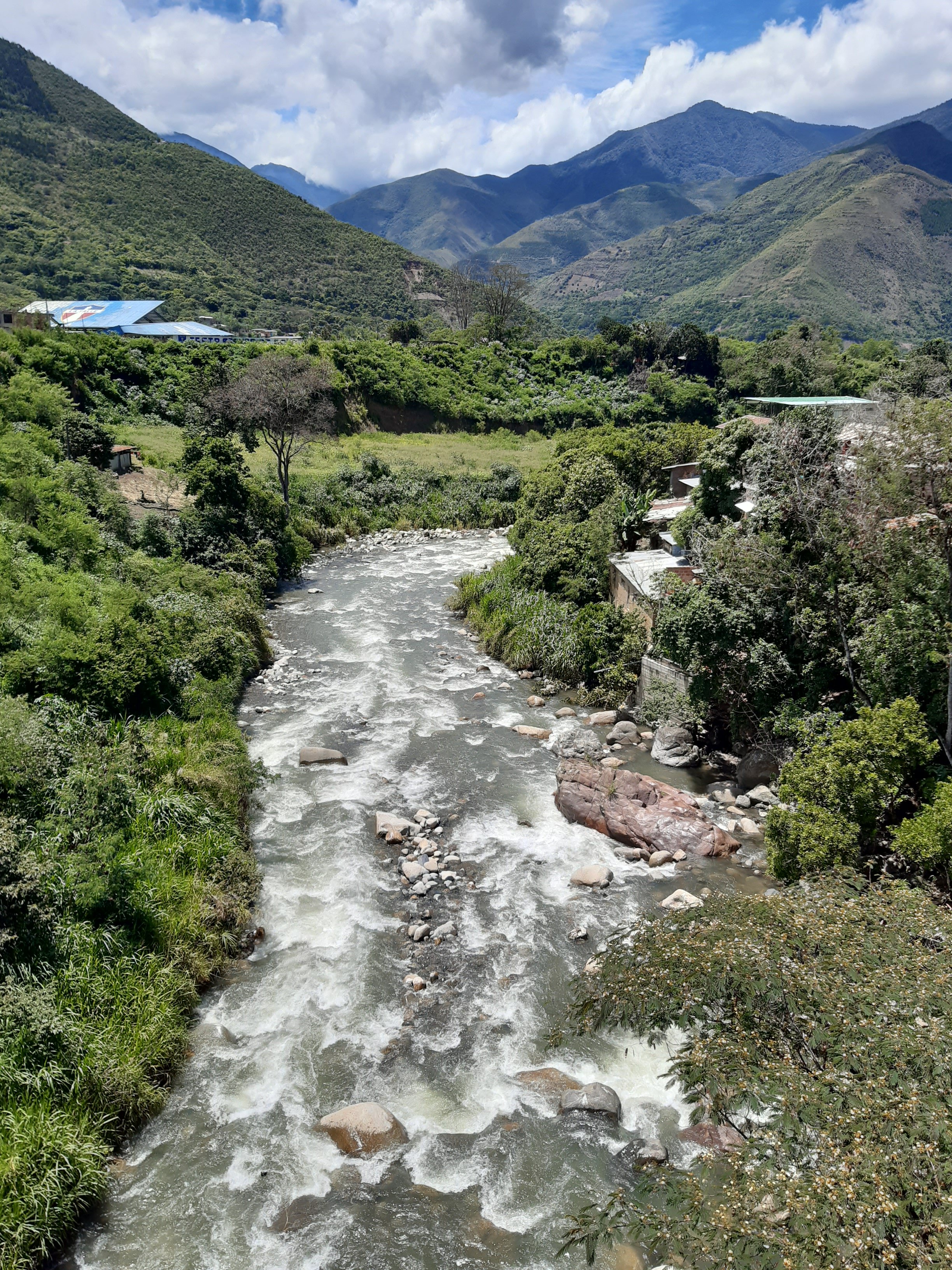
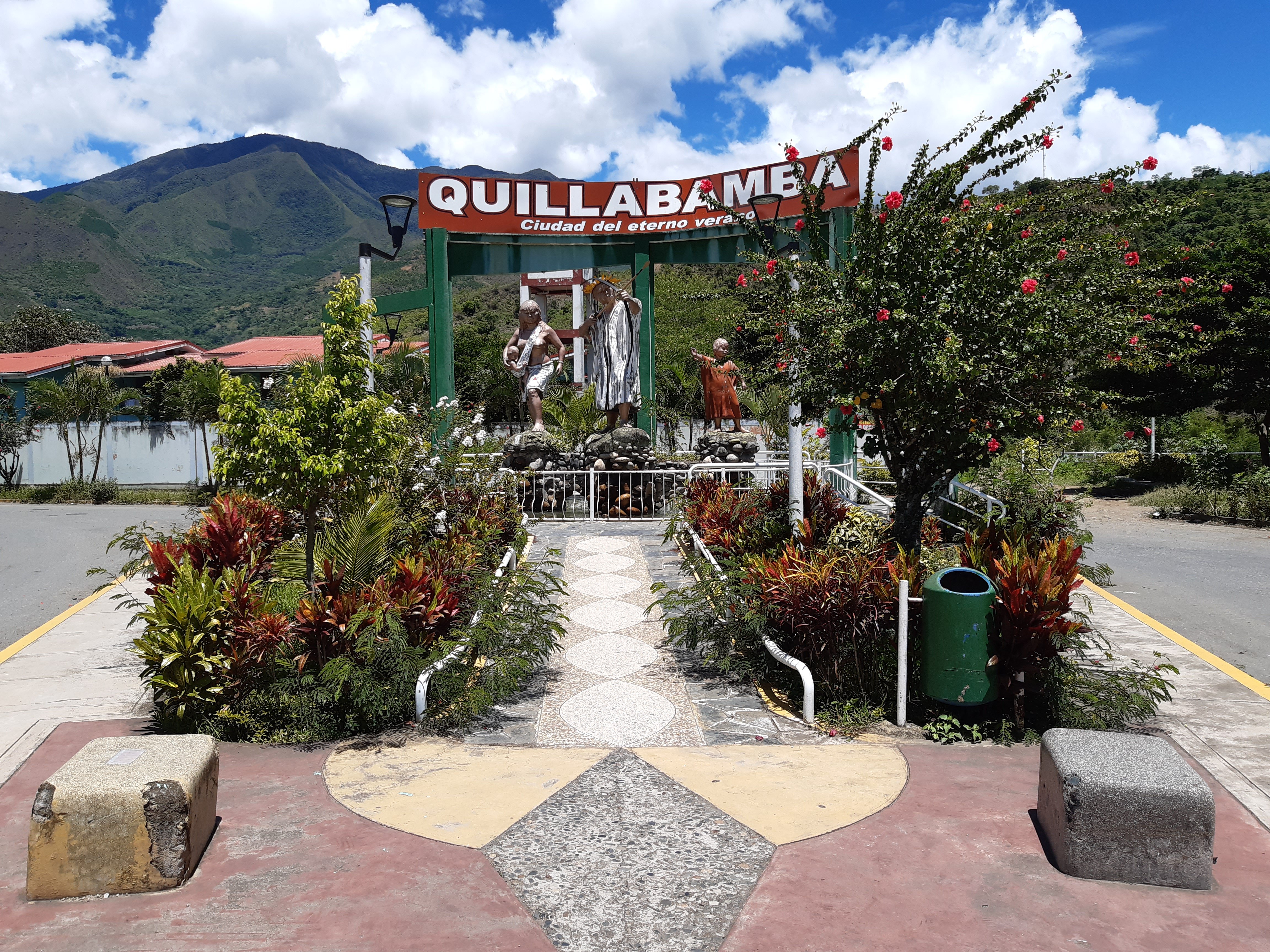
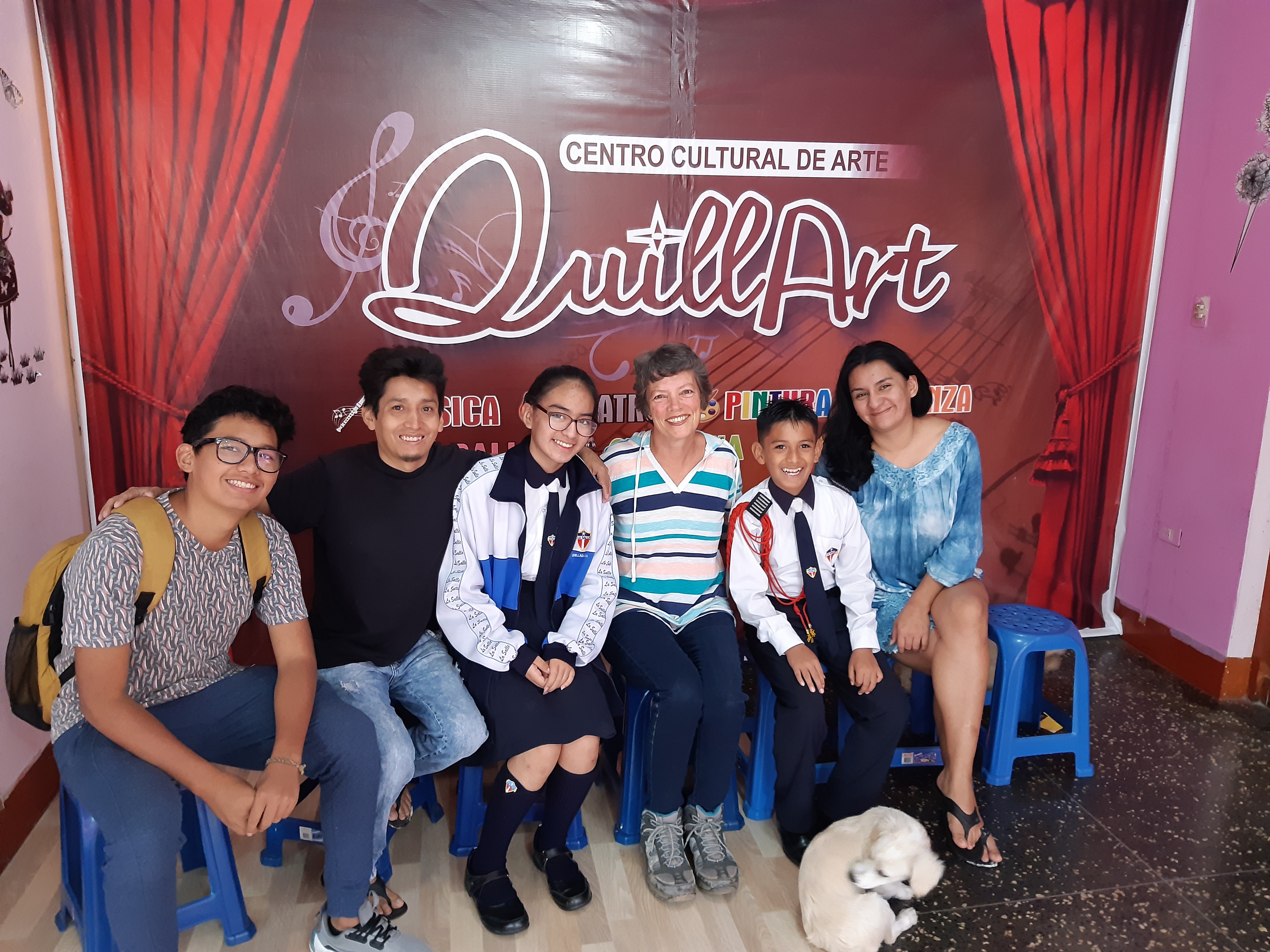
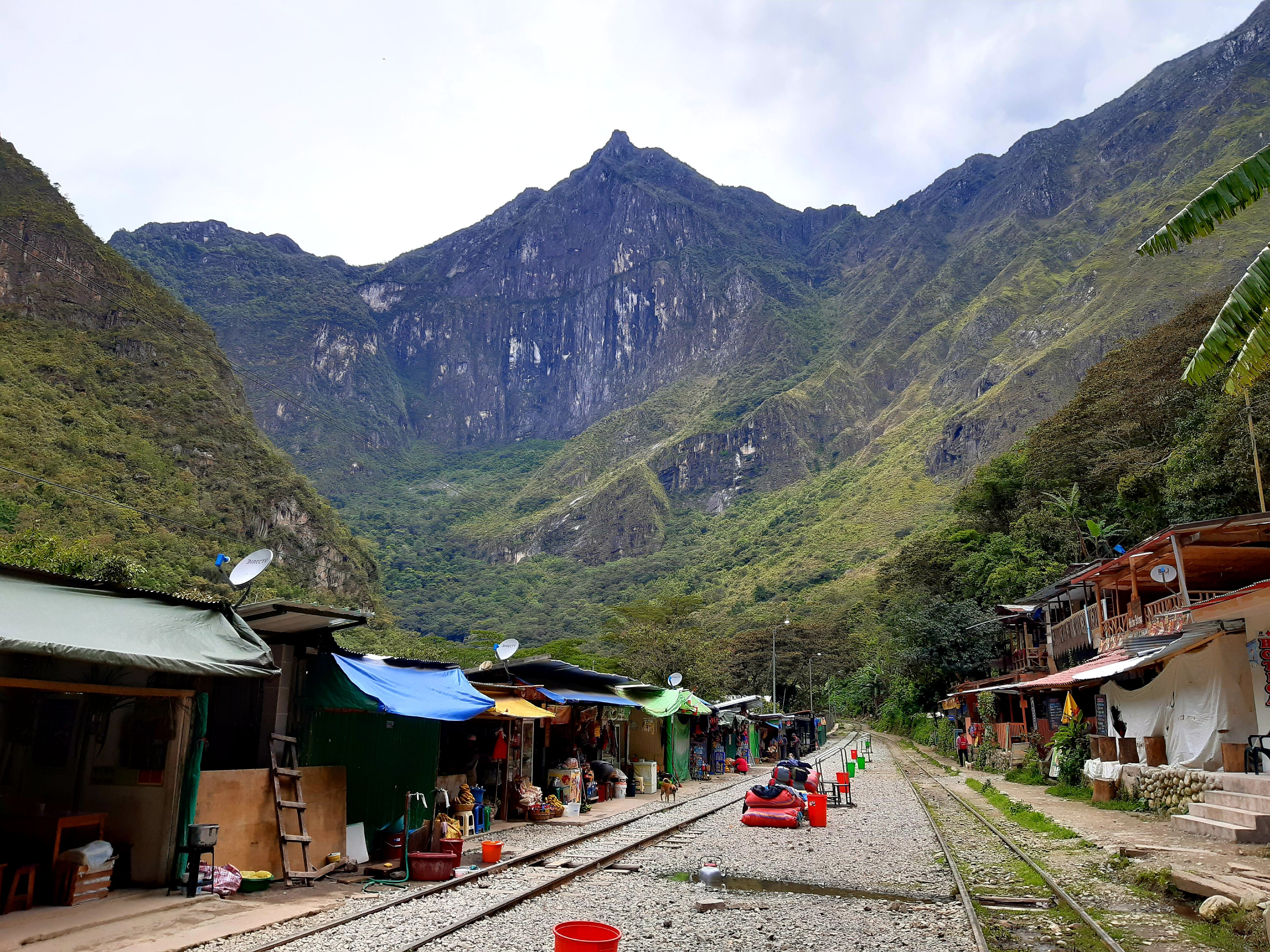
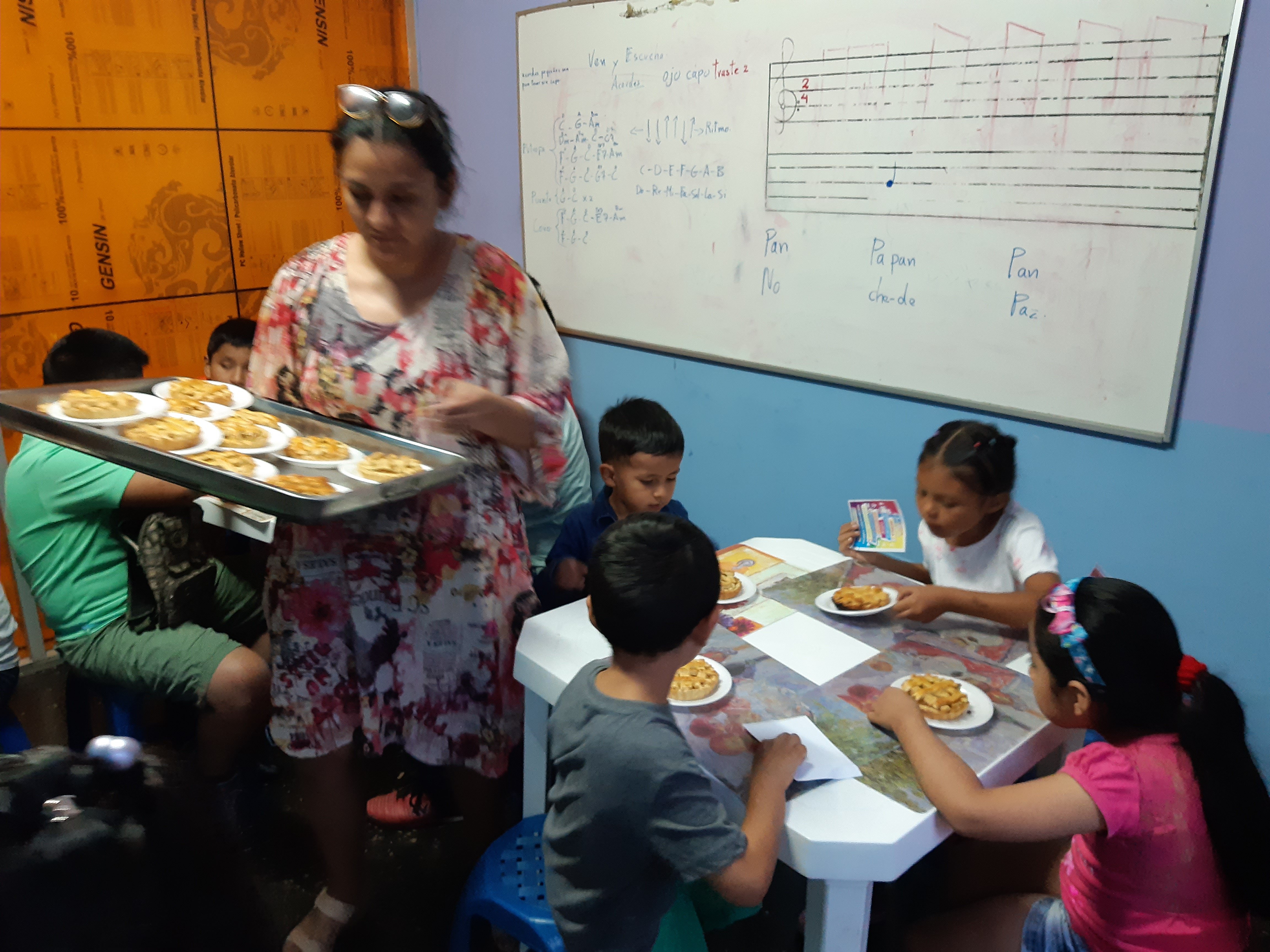
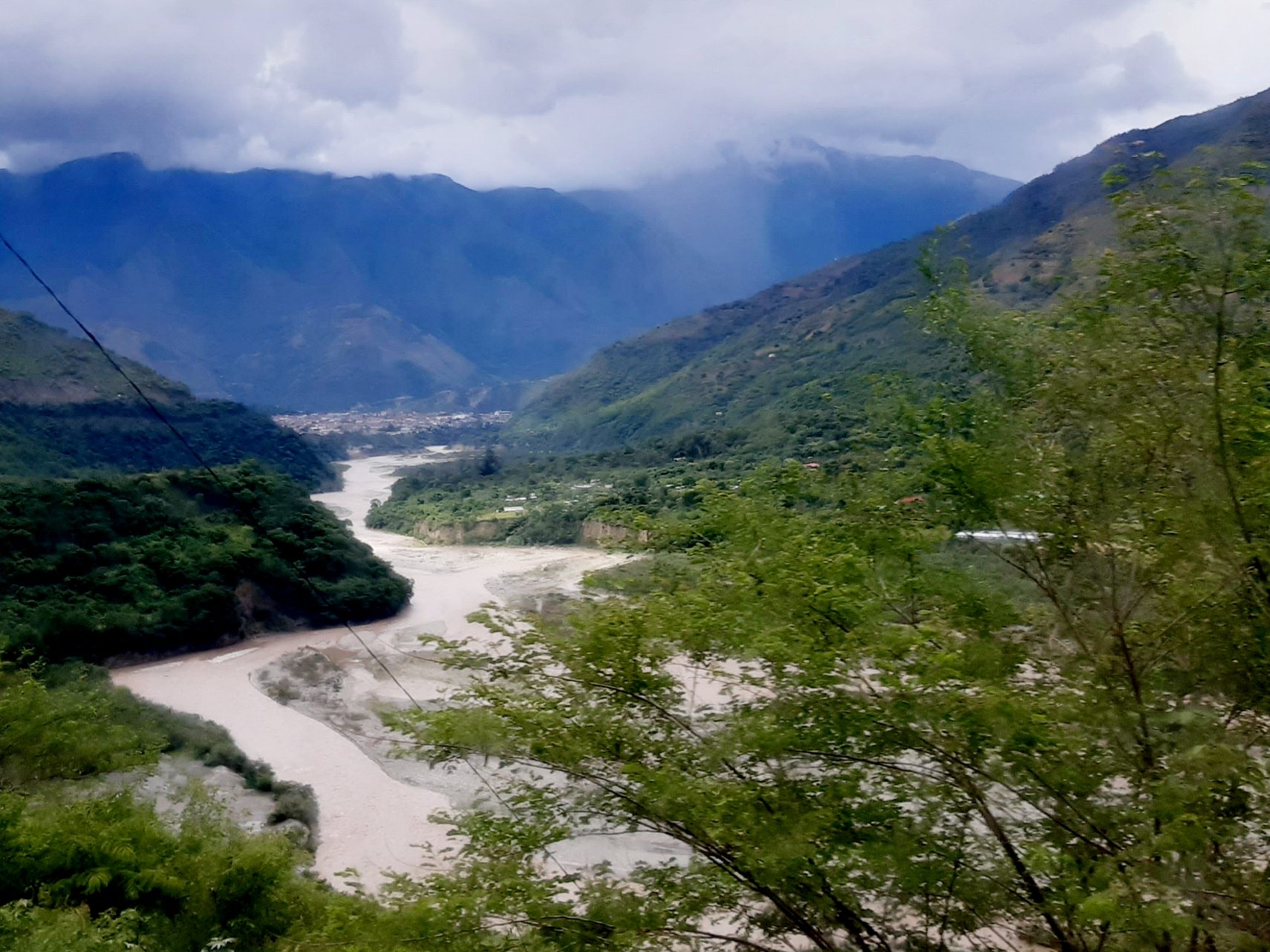 The river is called the Urubamba, and runs through the Sacred Valley which is at the foot of Machu Picchu. Quillabamba is 2hrs north of Machu Picchu, and can be seen in the far distance of the above photo.My Workaway volunteer work for this month is with Jennifer, her husband Darsey, and three children. They run an art institute which they started 3 years ago, and offer guitar and piano lessons, ballet, drama, cooking and art for small children and adolescents. Evidently Jennifer arrived here with nothing but a pot for boiling rice and her rucksack, and started the business from the room she had rented and was living in, converting it to a studio during the day. Her story is inspirational, as she had to persuade reluctant fathers that art in its various forms was an important part of a child’s development. Today they have a thriving business with many children participating and they are involved in community activities and festivals.Gabriella (the other volunteer from Brazil) and I have our rooms on the 2nd floor, with a bathroom and a deck overlooking the mountains. The family occupy the 1st floor (or 3 rooms, the other 2 are classrooms), and the kitchen and 3 more classrooms are on the ground floor. Free board and one meal is provided, work is from 4 – 8pm on week days and the rest is free time to relax and explore. The family are all keen on the interchange of cultures, cooking and language and to have us take part in their activities. They have opened their home with warm hearts and are really want us to see as much of the area as possible. Jennifer speaks English, and I’m working hard at my Spanish to be able to communicate with the rest of the family. Apart from helping with the little ones, I am teaching English to her daughter and some friends, amidst much fun and laughter.
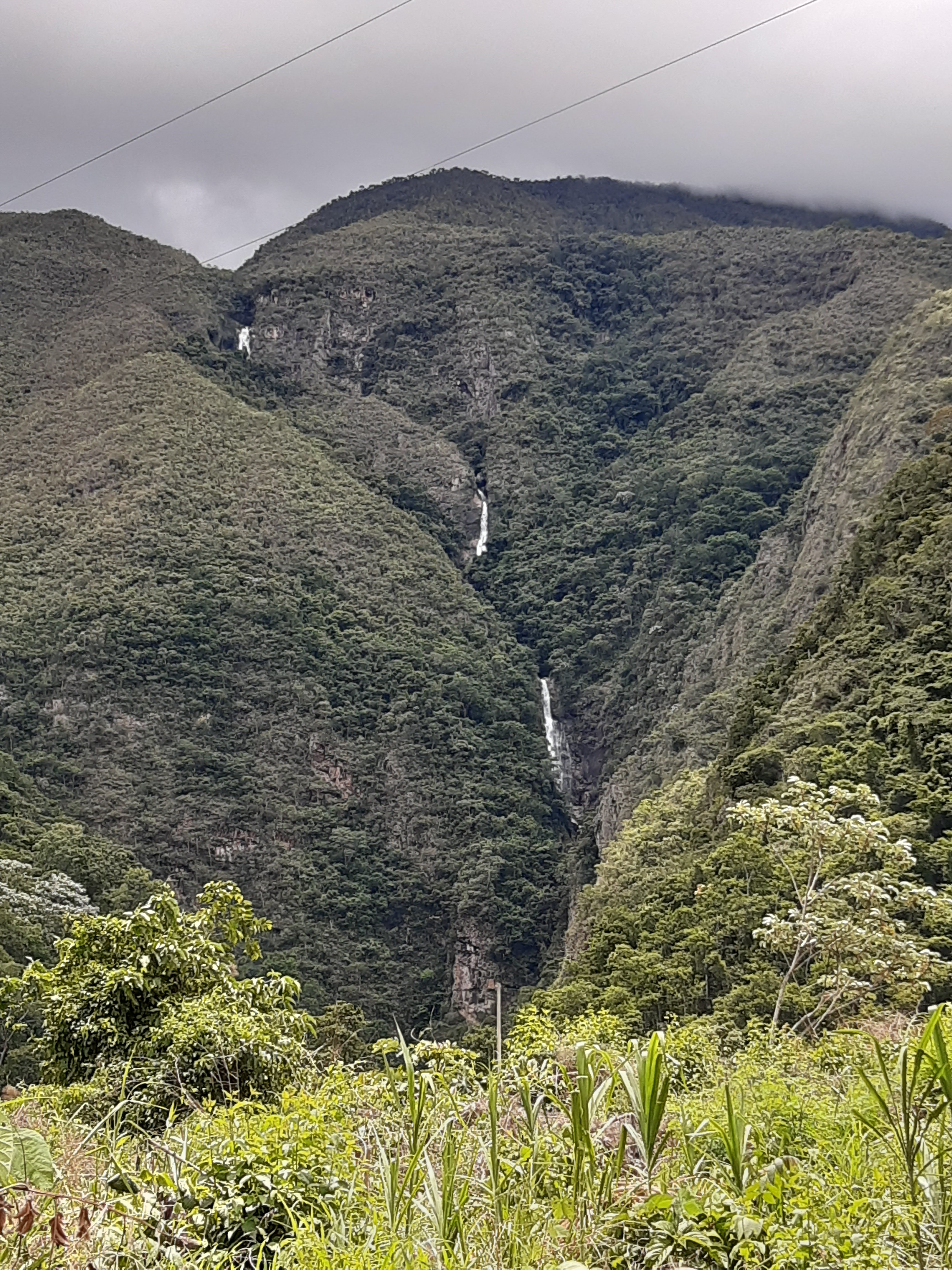
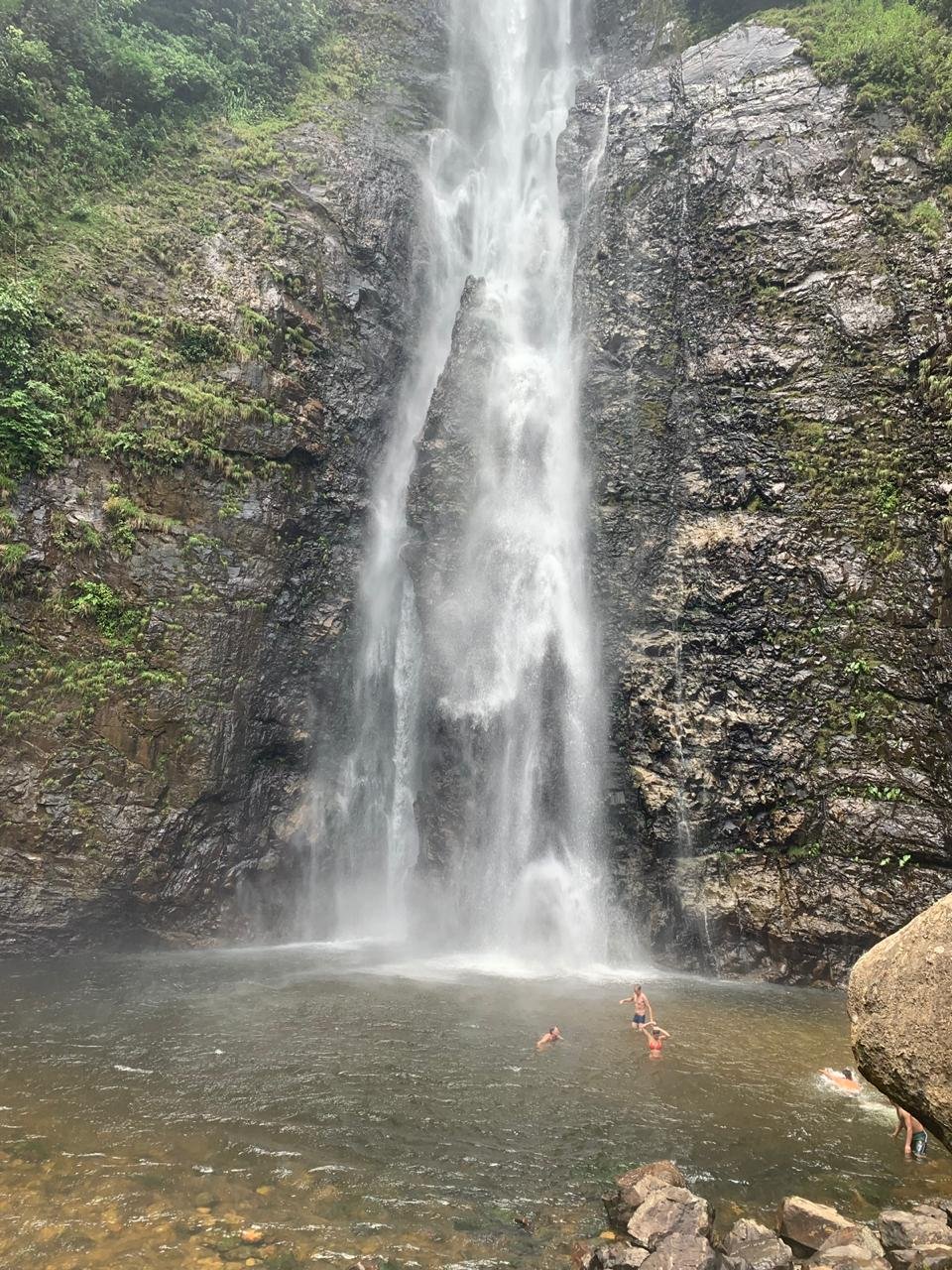
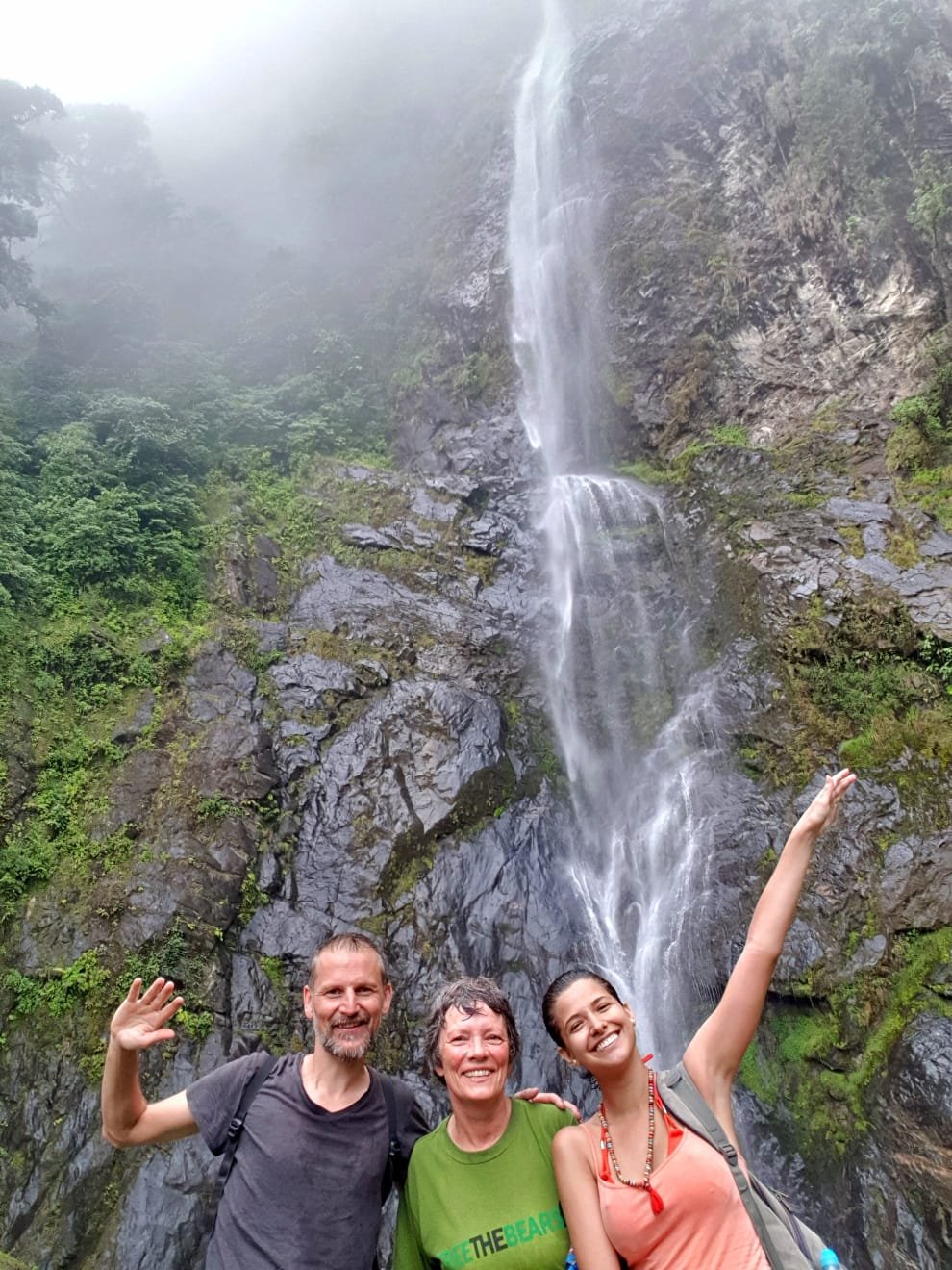
 One of the good things about living with a local family is that one is able to do things in a non-tourist way. A trip to one of the many beautiful waterfalls in the area is done with a group who was started by an enthusiastic nature lover, and who go on excursions every weekend. The price is 20 soles instead of the 100 or 200 soles that tour guides would have asked. Dogs and children are part of the group, and we all got thoroughly soaked in a proper jungle downpour on the way back.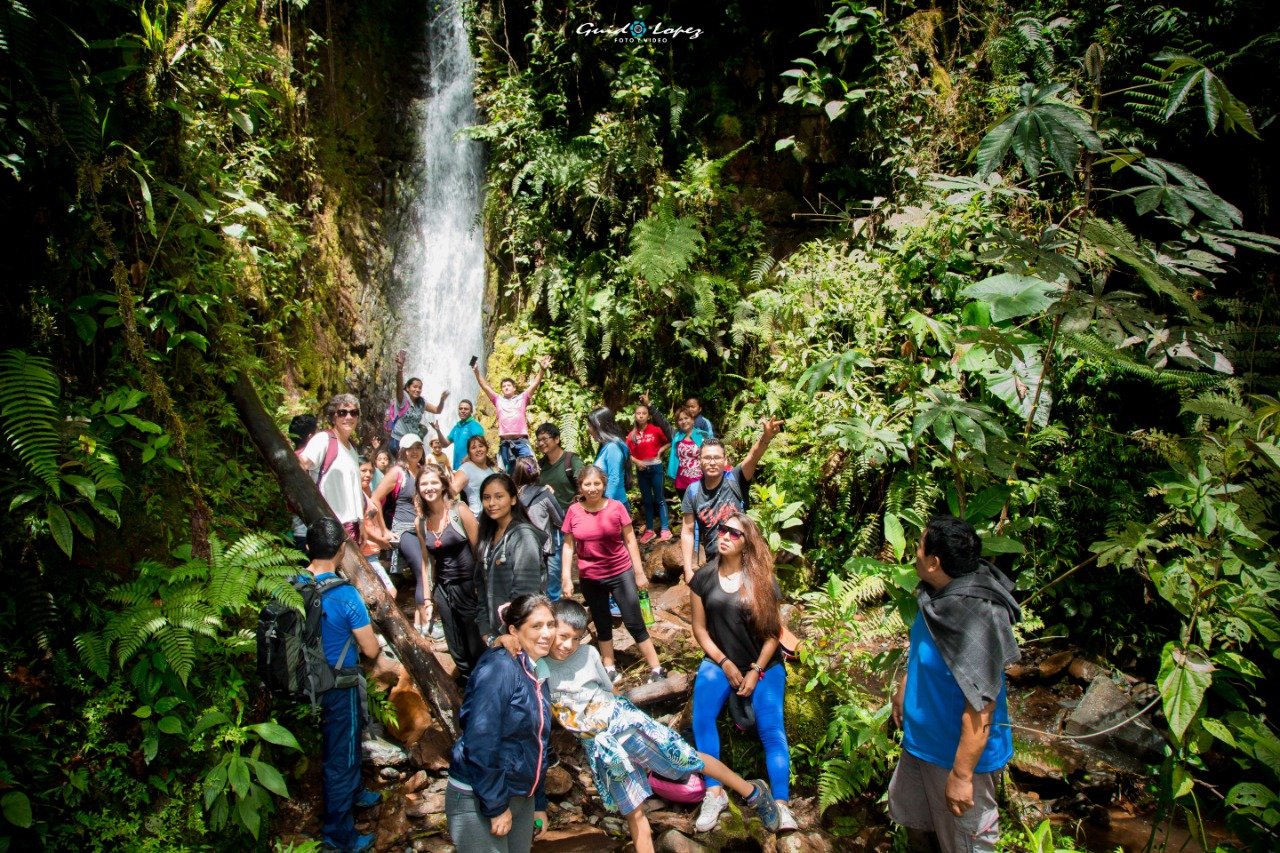
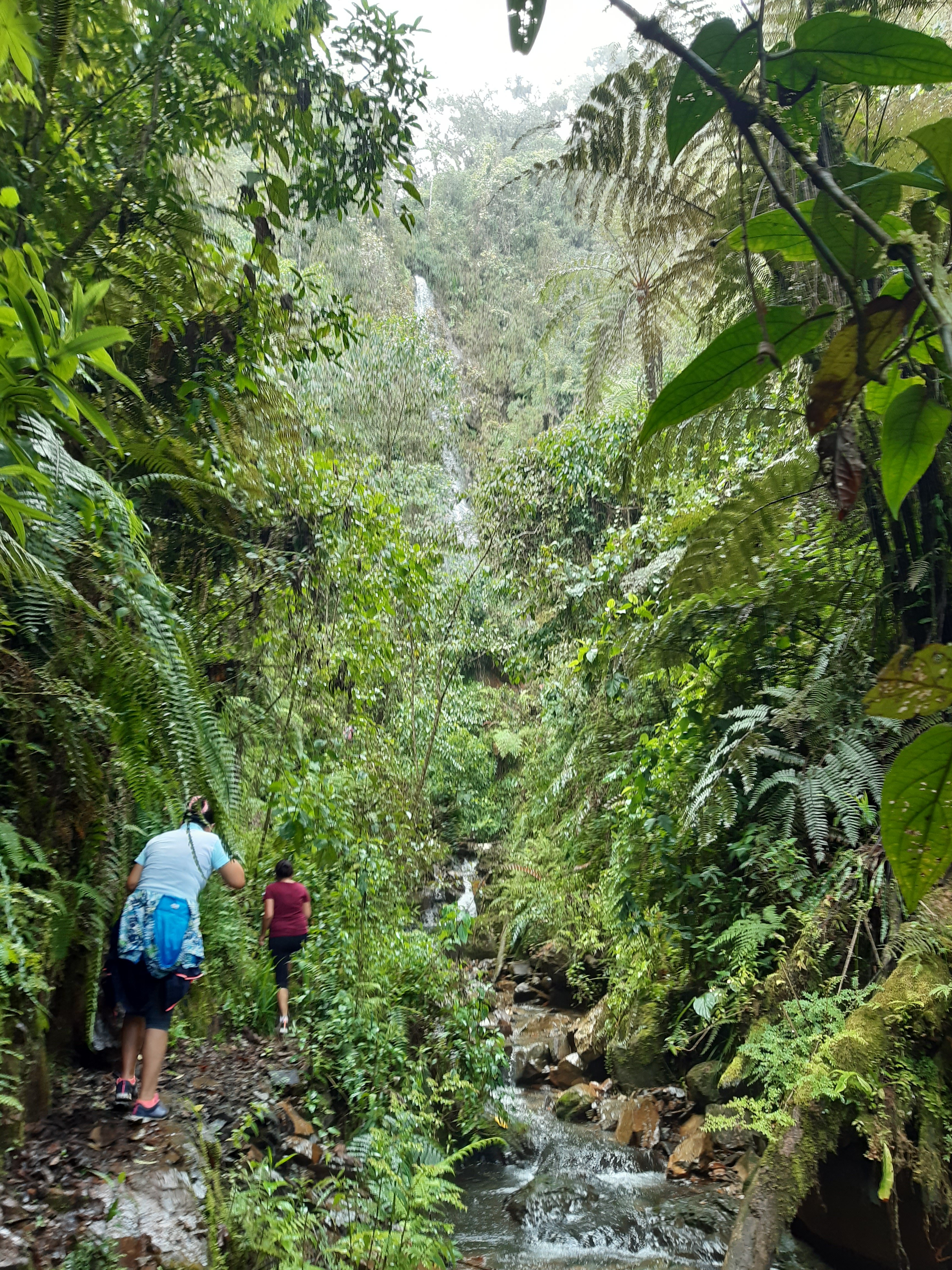
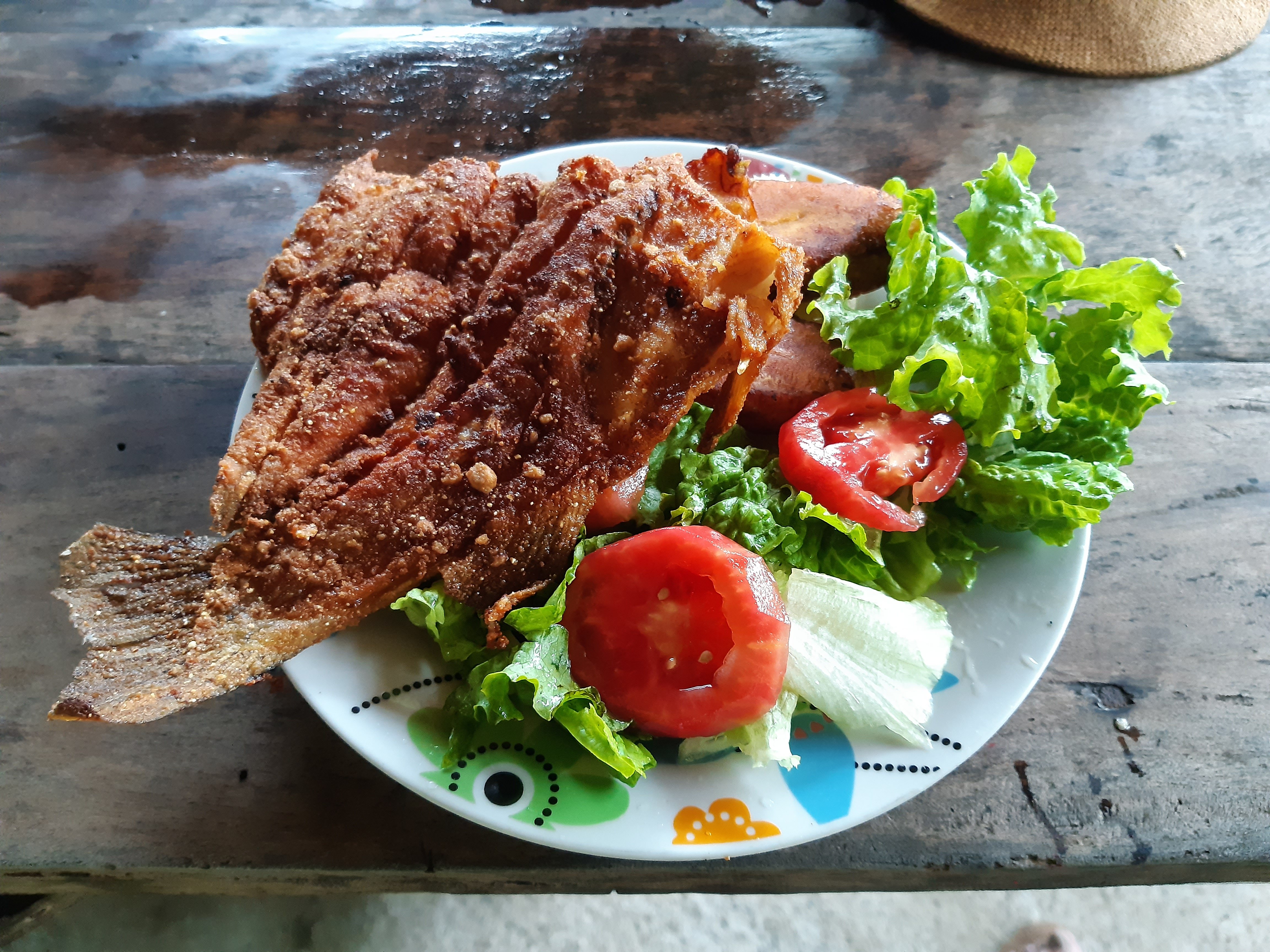
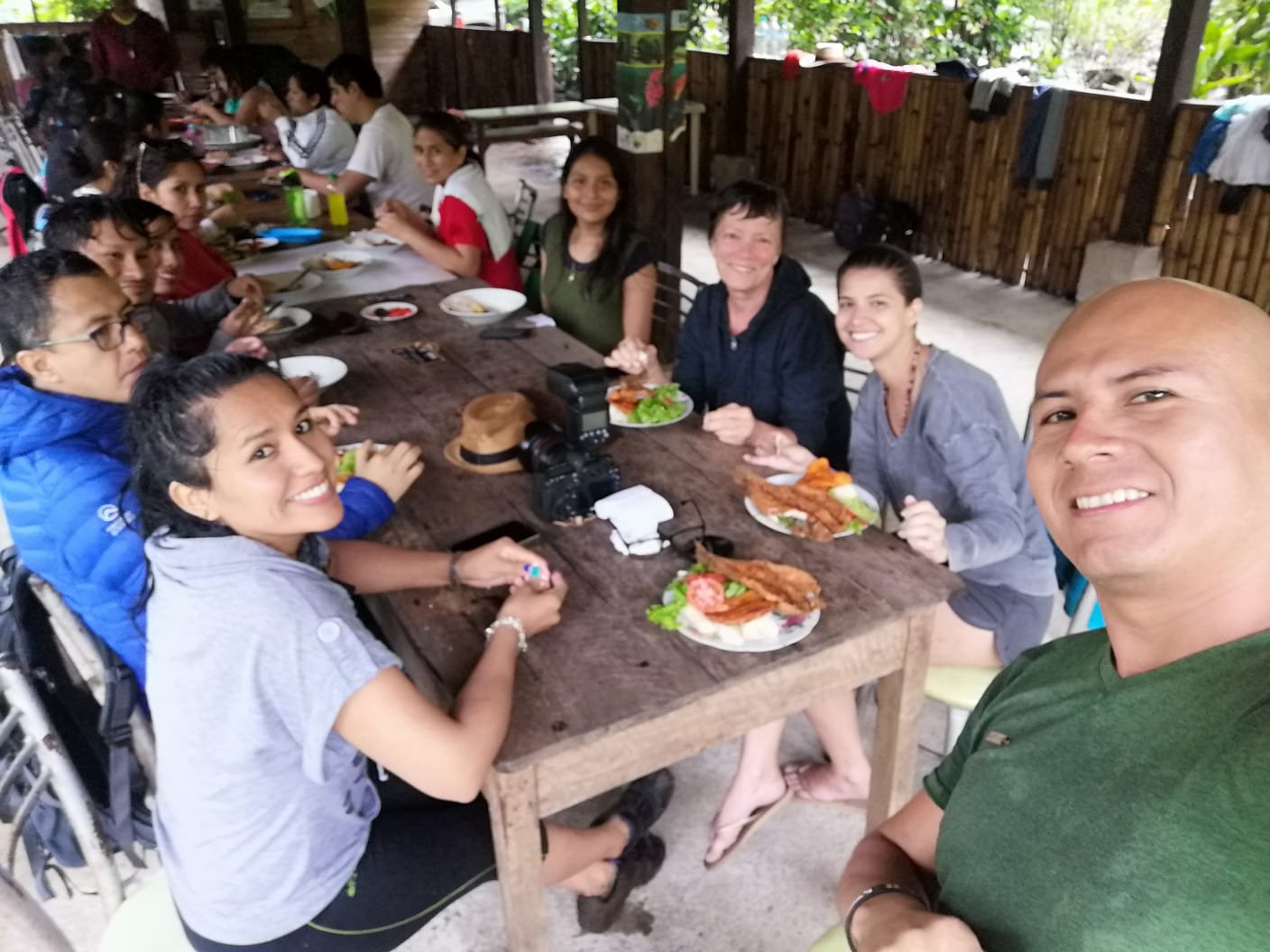
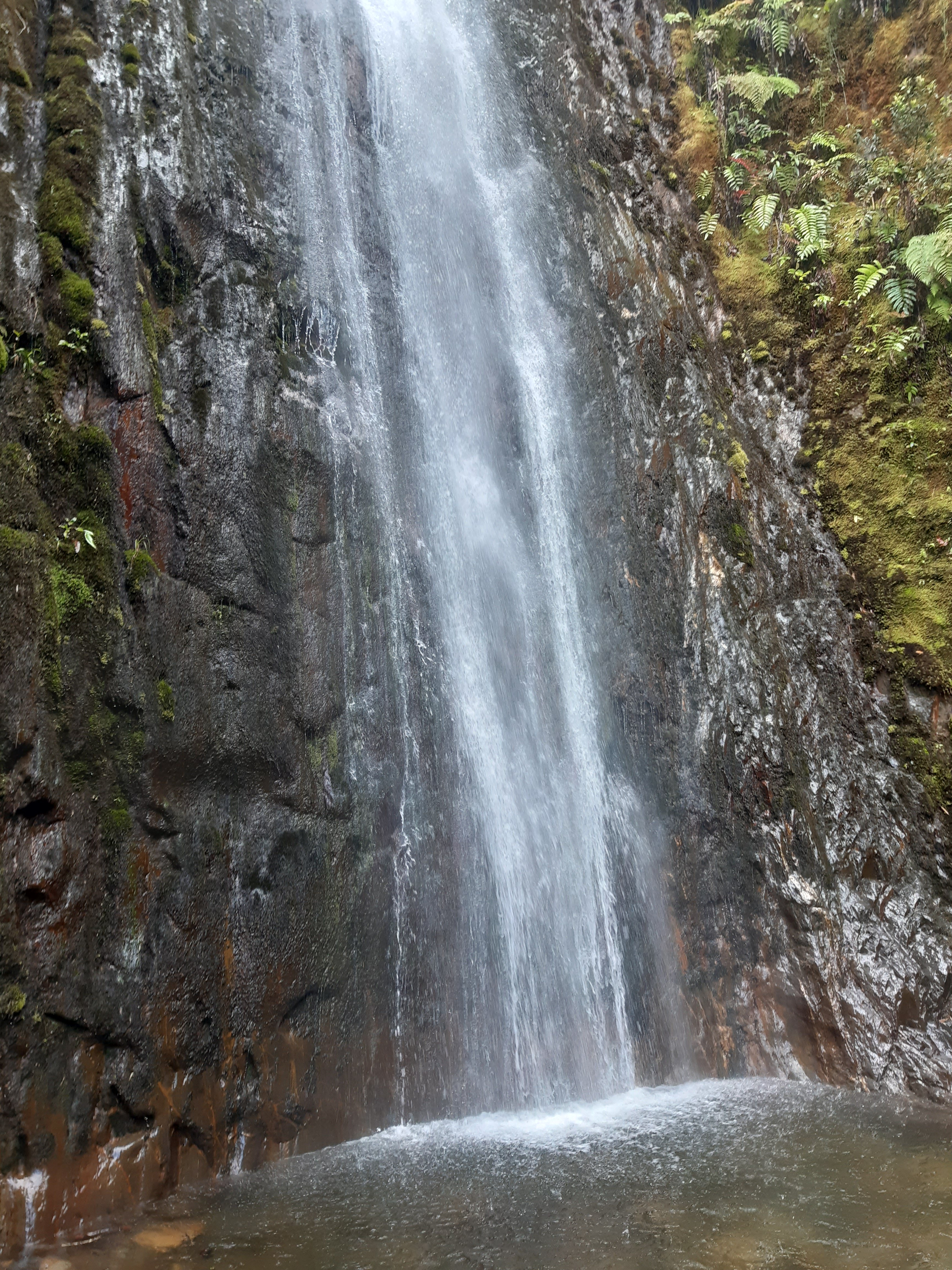 We had parked at a ‘lodge’ and trout farm, so before we started our trek up the mountain to the waterfall, we watched lunch being caught in one of the ponds. A scrumptious meal of trout, chips, salad, sweet potato and duca awaited us on our return, undercover and dry.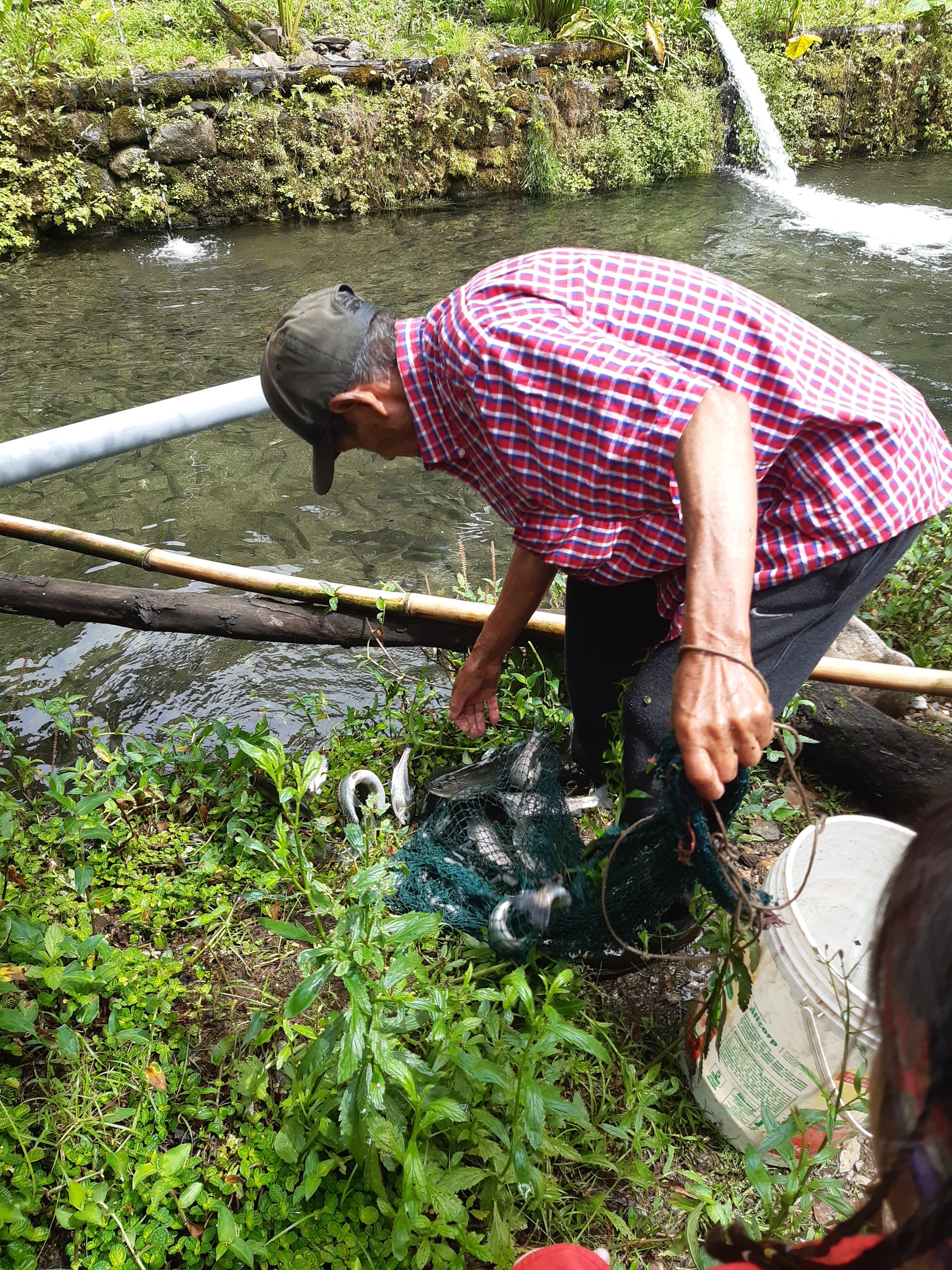
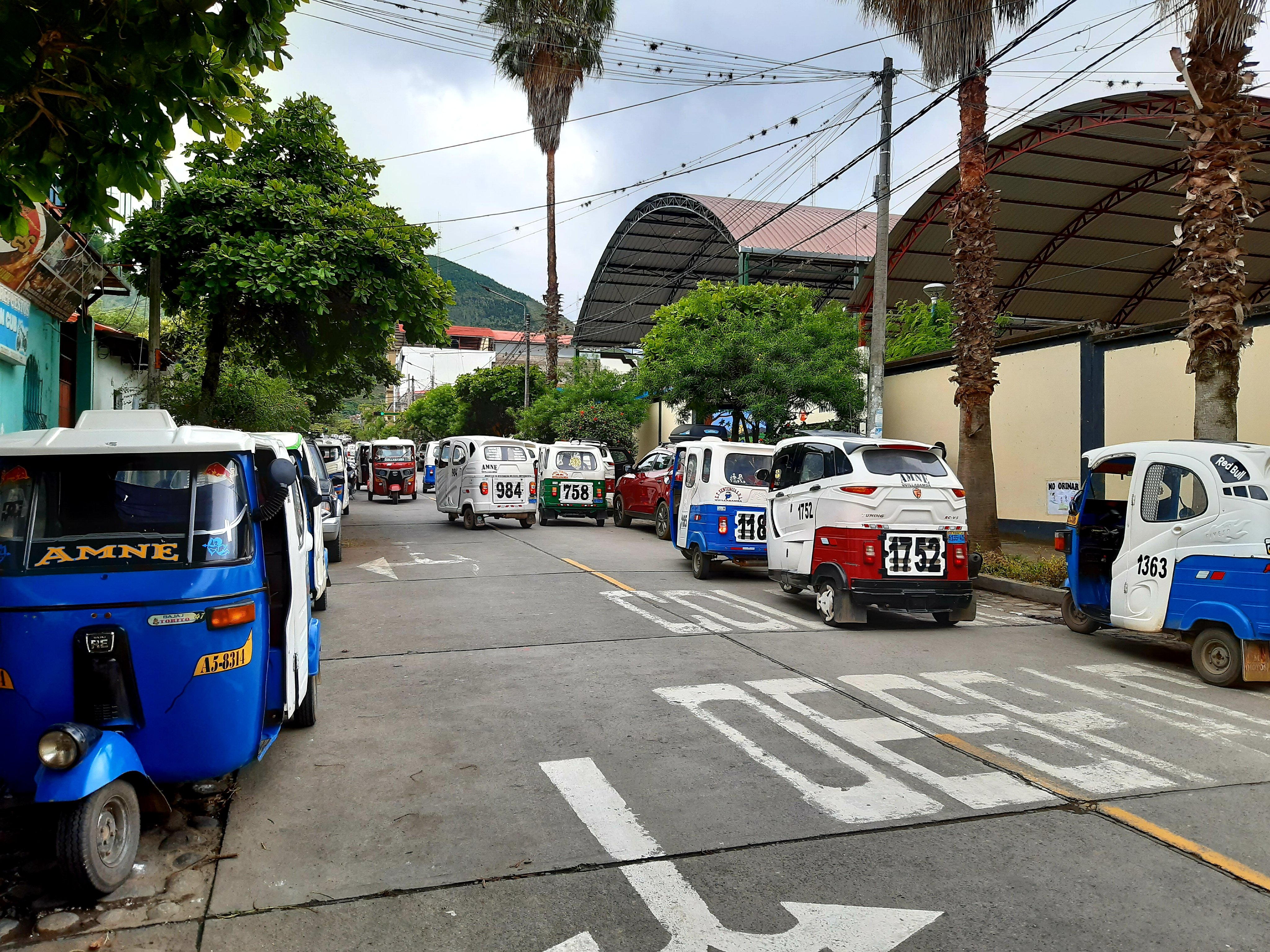
 There are two clear blue swimming pools close by to where we stay, much to my delight in this sweltering humidity. It rains every night, seldom during the day, and often thunderstorms. Life in this undiscovered gem of a town is slow-paced, local and lekker. Zillions of the cutest little 3-wheeled taxi’s abound, riding up and down the streets all day long, with a flat rate of 1 and a half soles. I’m going to pack one in Louise to take home, I love them!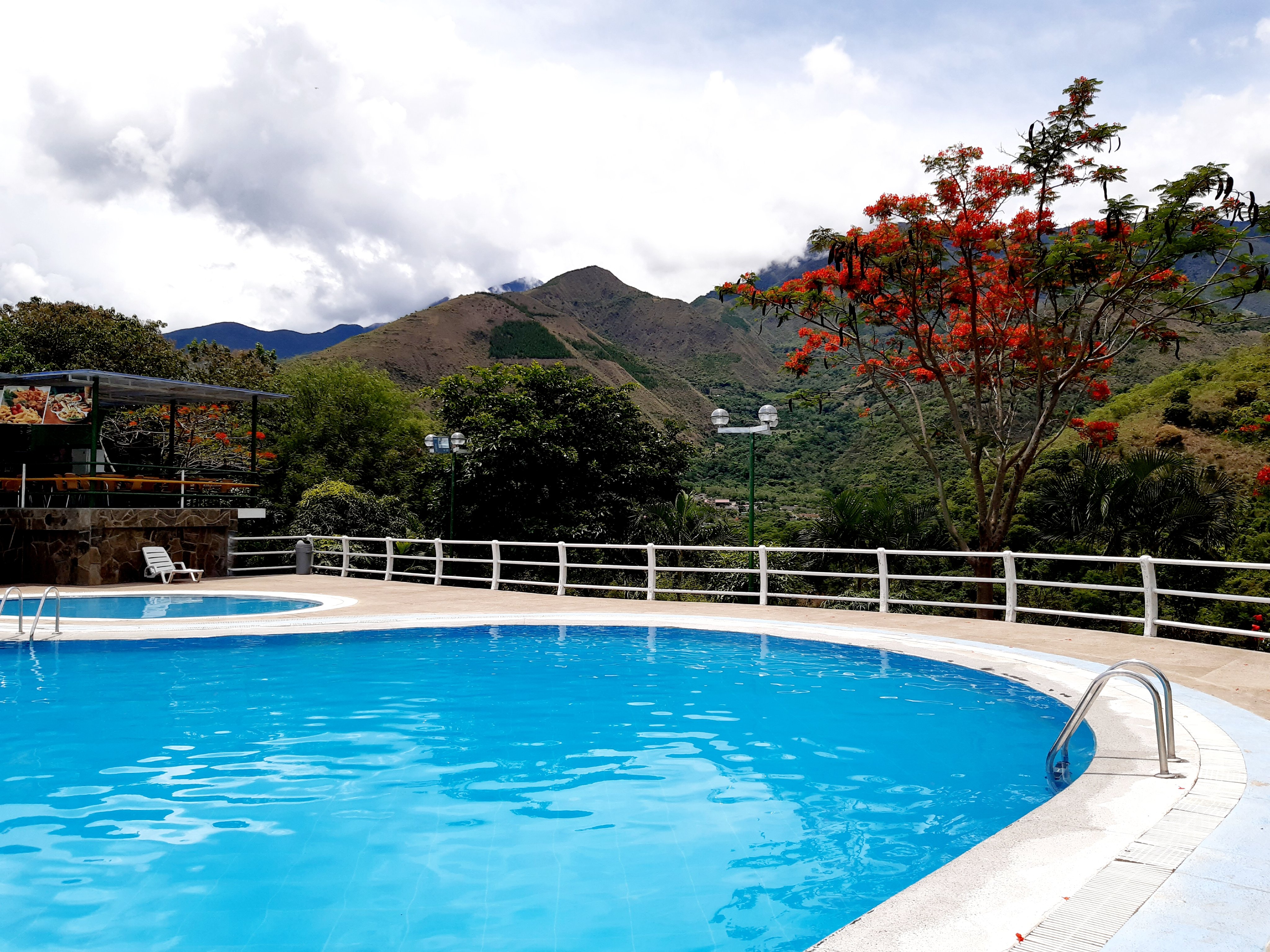
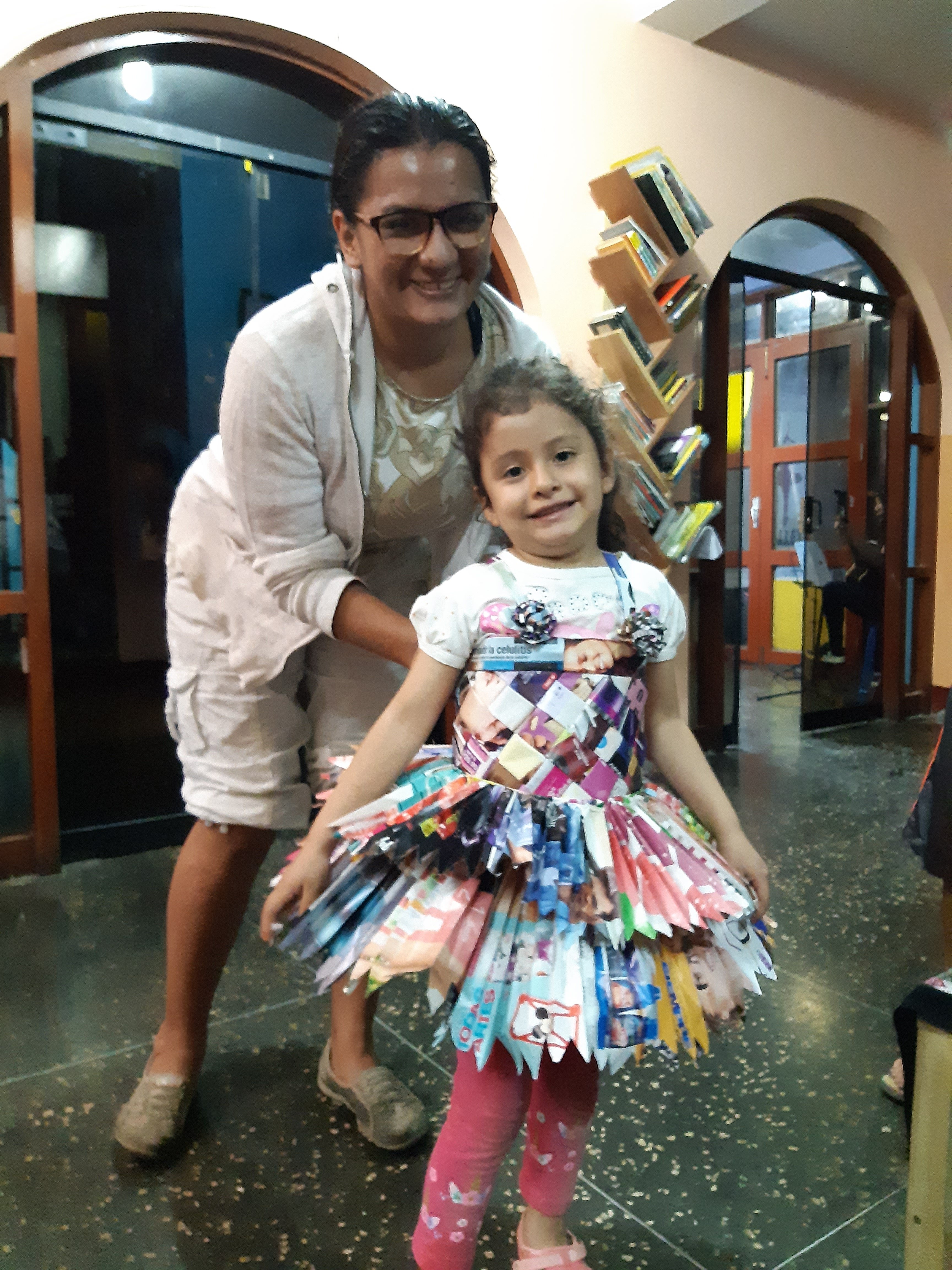
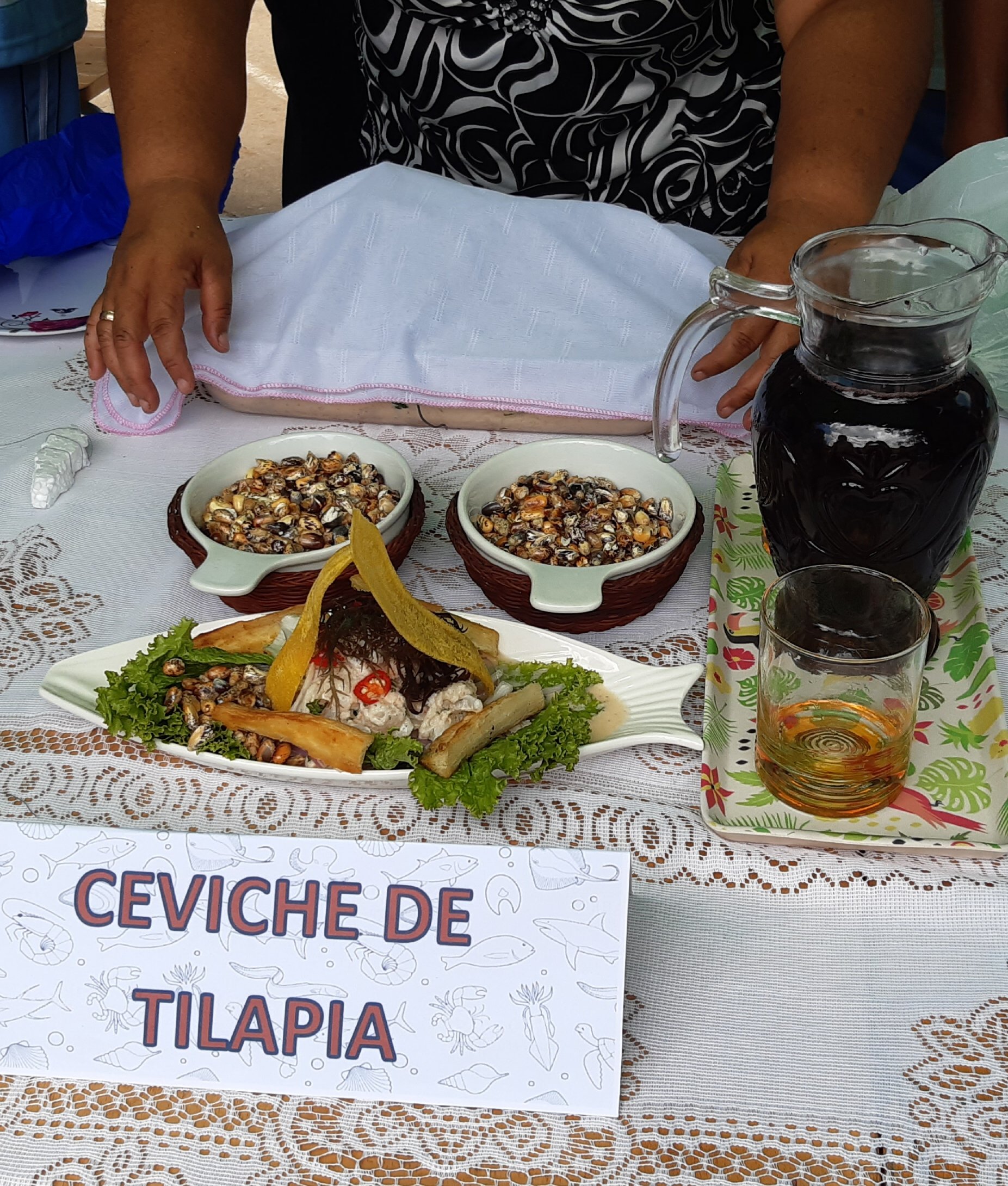
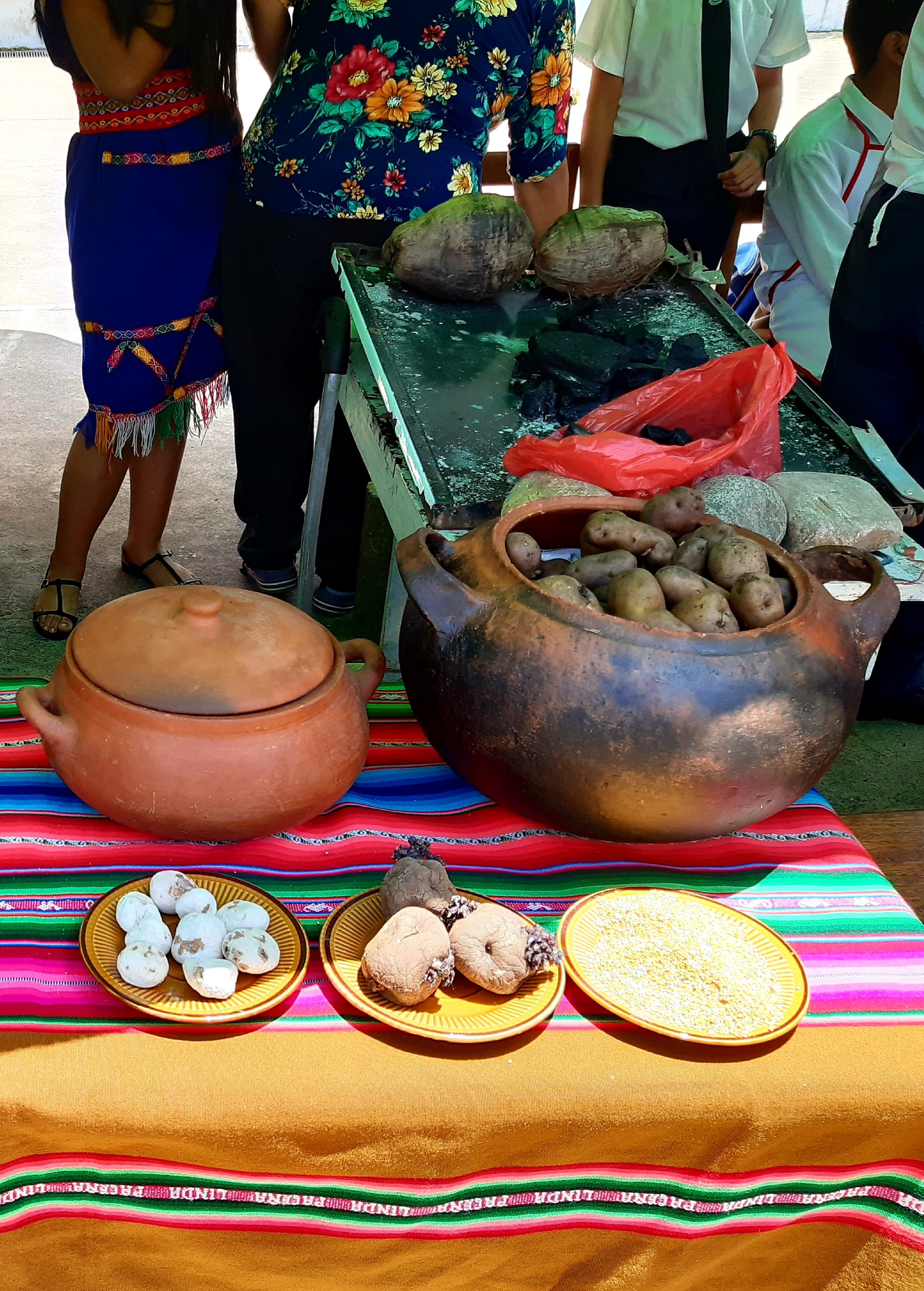
 One of the girls that attend the English classes invited us to her school a few days ago, as they were having an exhibit of different kinds of traditional foods. It was supposed to start at 10am, but by 12 noon the judges were still walking around (evidently not uncommon according to Peruvian standards) and we decided to go for a swim instead of waiting to buy or taste the food. It all looked delicious, excepting for the guinea pig.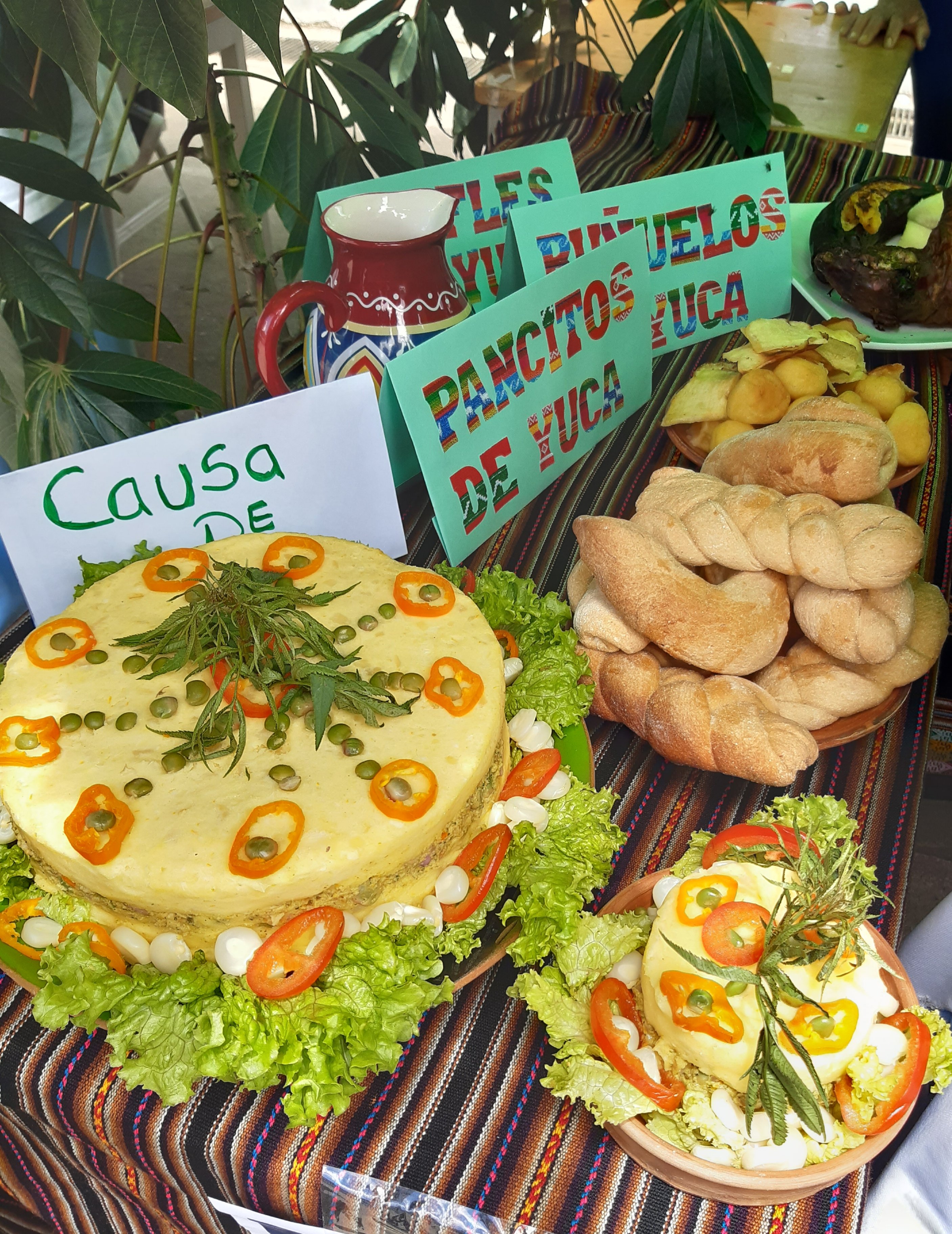
 There are two guinea pigs running around in our backyard, but Darsey has assured me that they are pets, not to be eaten, thank goodness!Yesterday Gabriella and I went to another waterfall close by, taking a small bus from the taxi rank after having stood through a fighting match between the various drivers. Quite overwhelming, but that is how it is done, according to Jennifer. We had the waterfall to ourselves for about an hour, but a group of school children from Araquipa arrived and entertained us with their splashing and antics, just as children everywhere do. Afterwards we just stood next to the road and hitched a ride back to town for 5 soles, the going rate.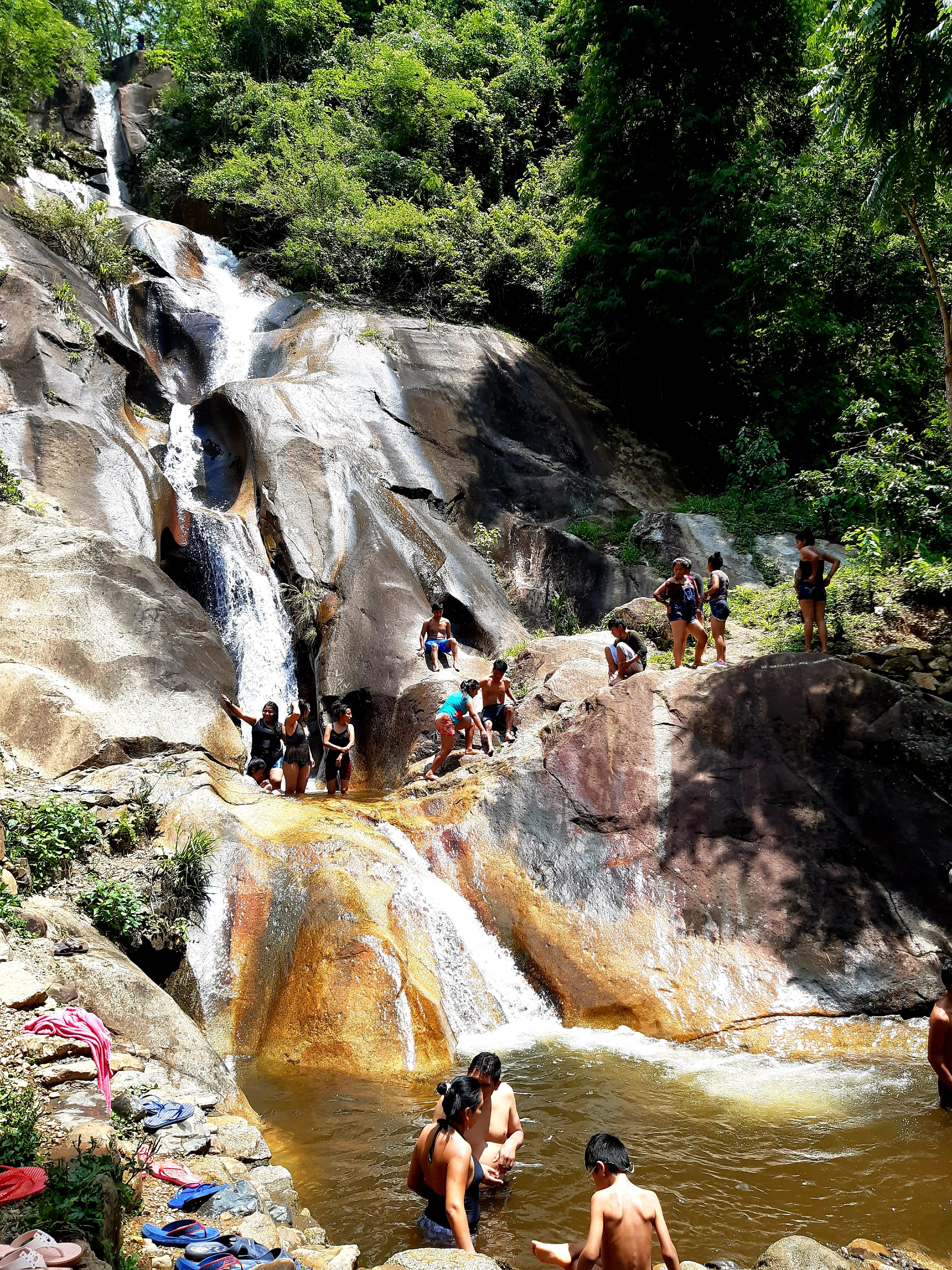
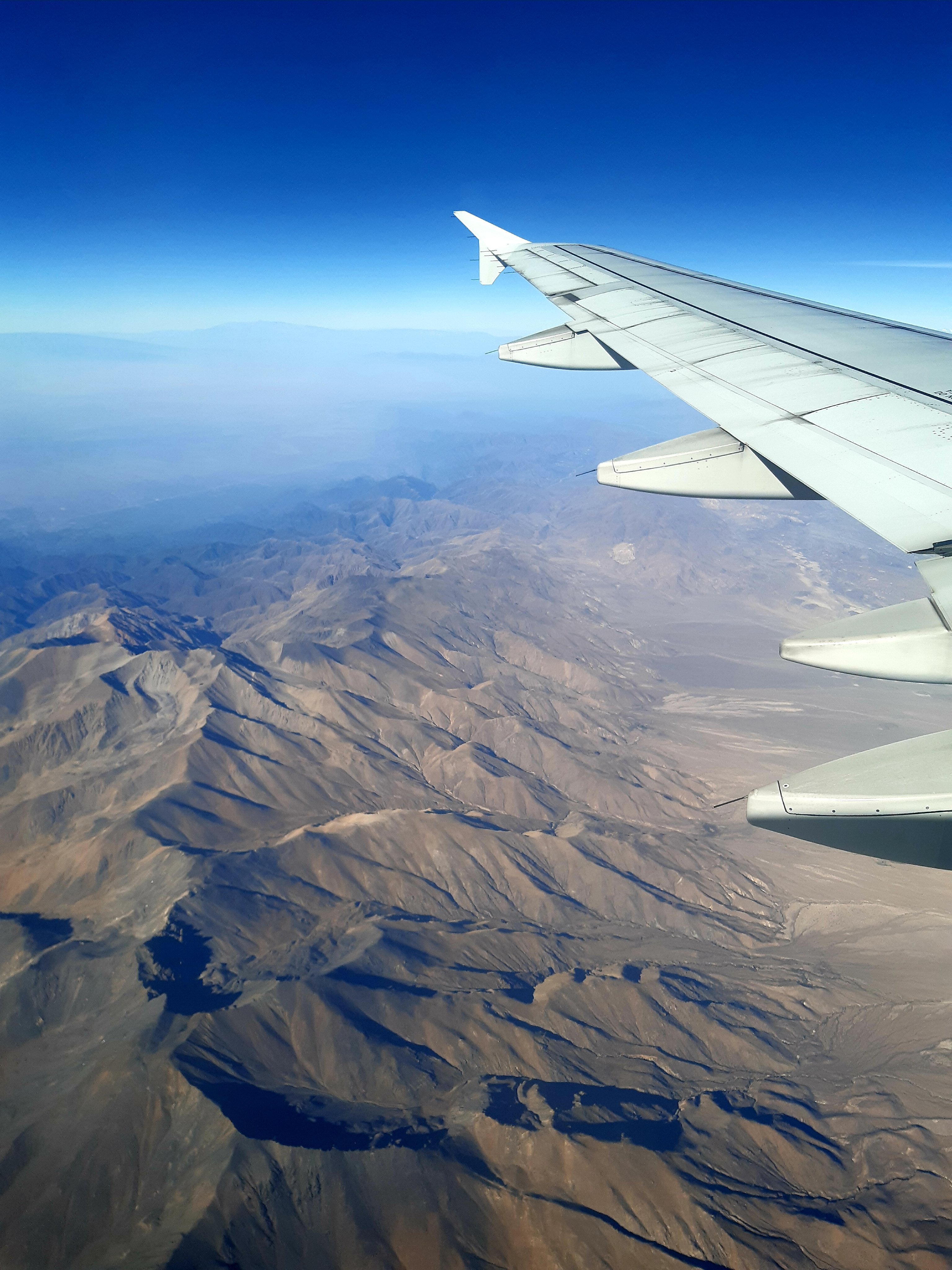
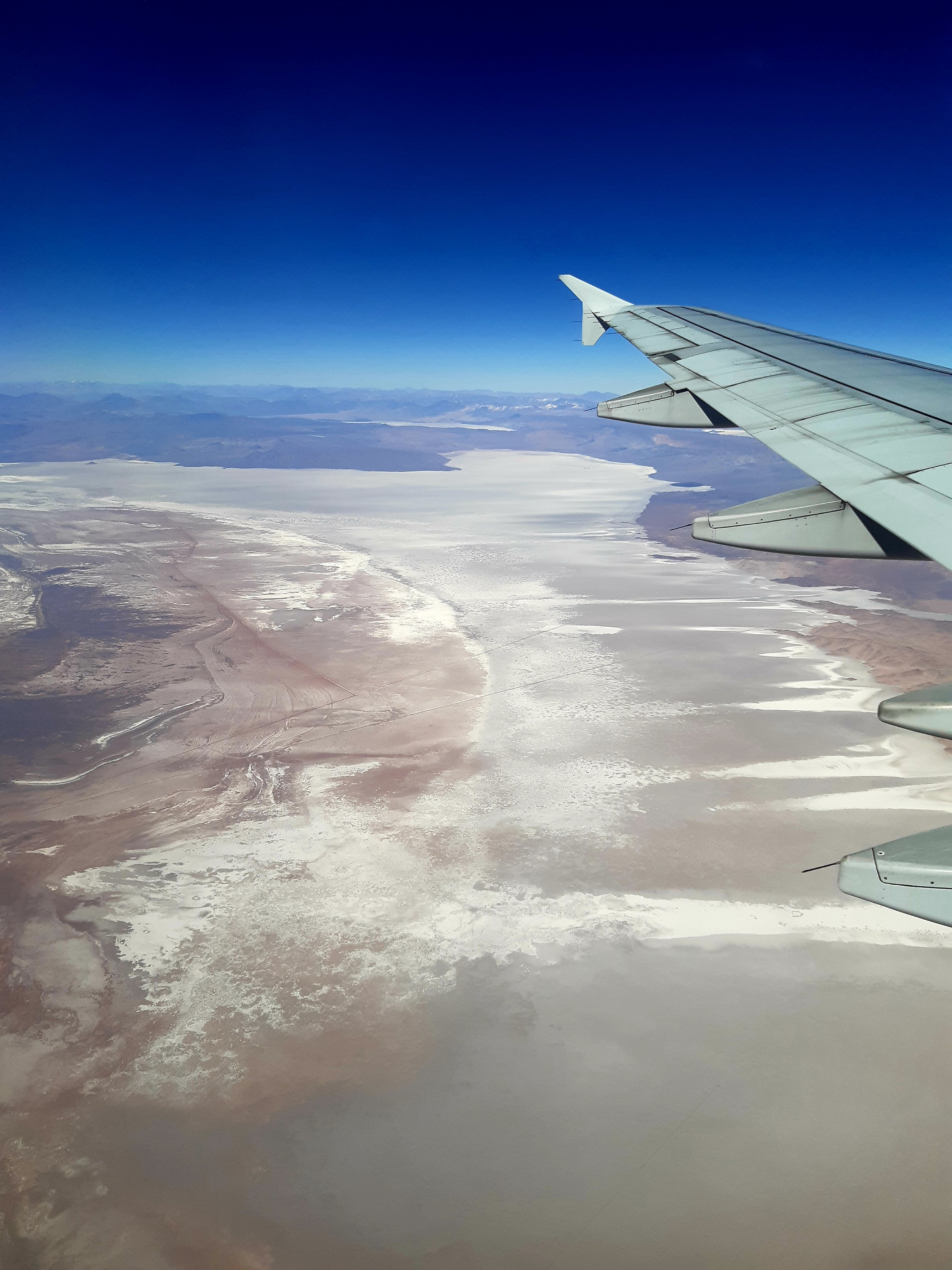




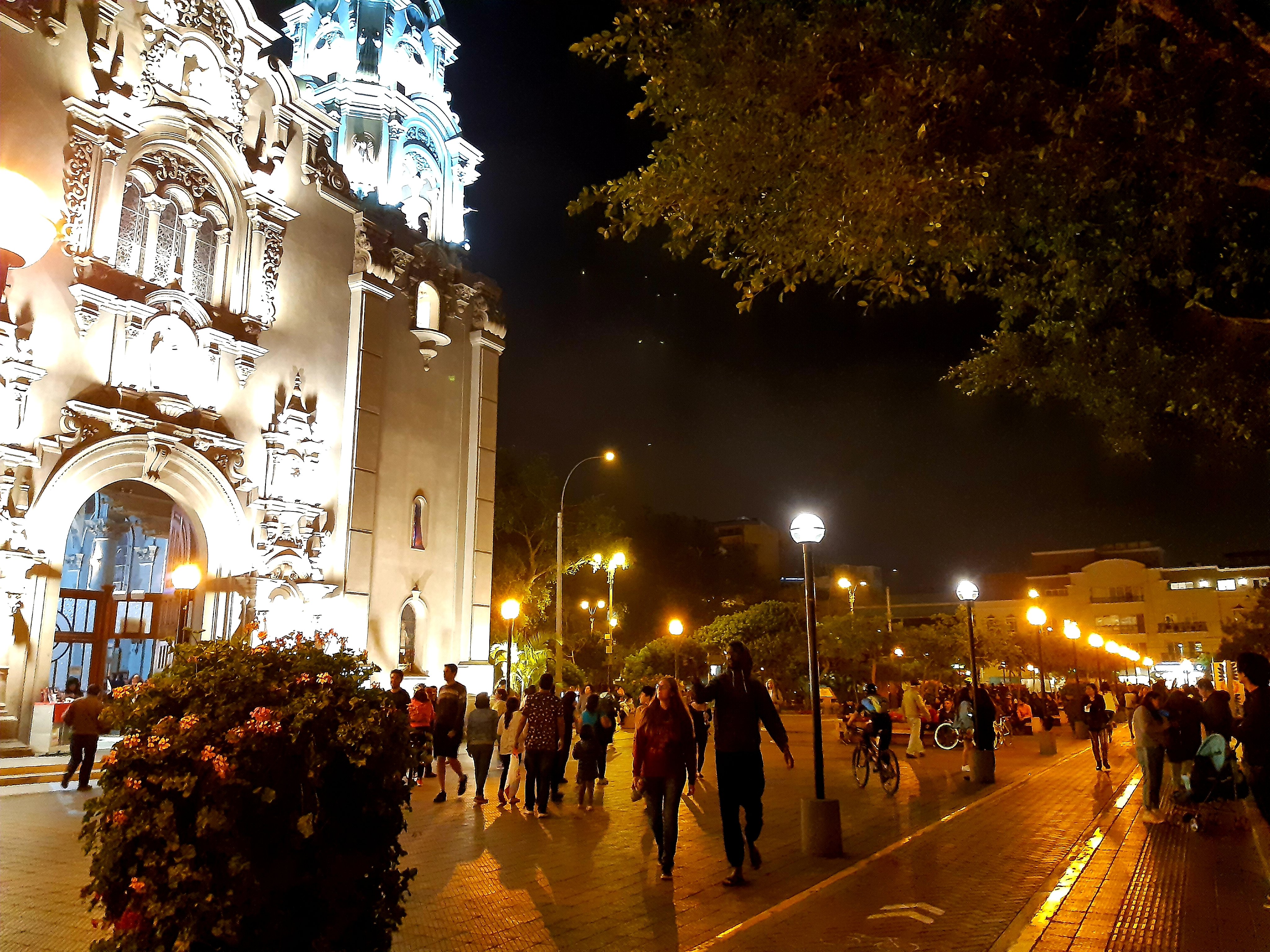


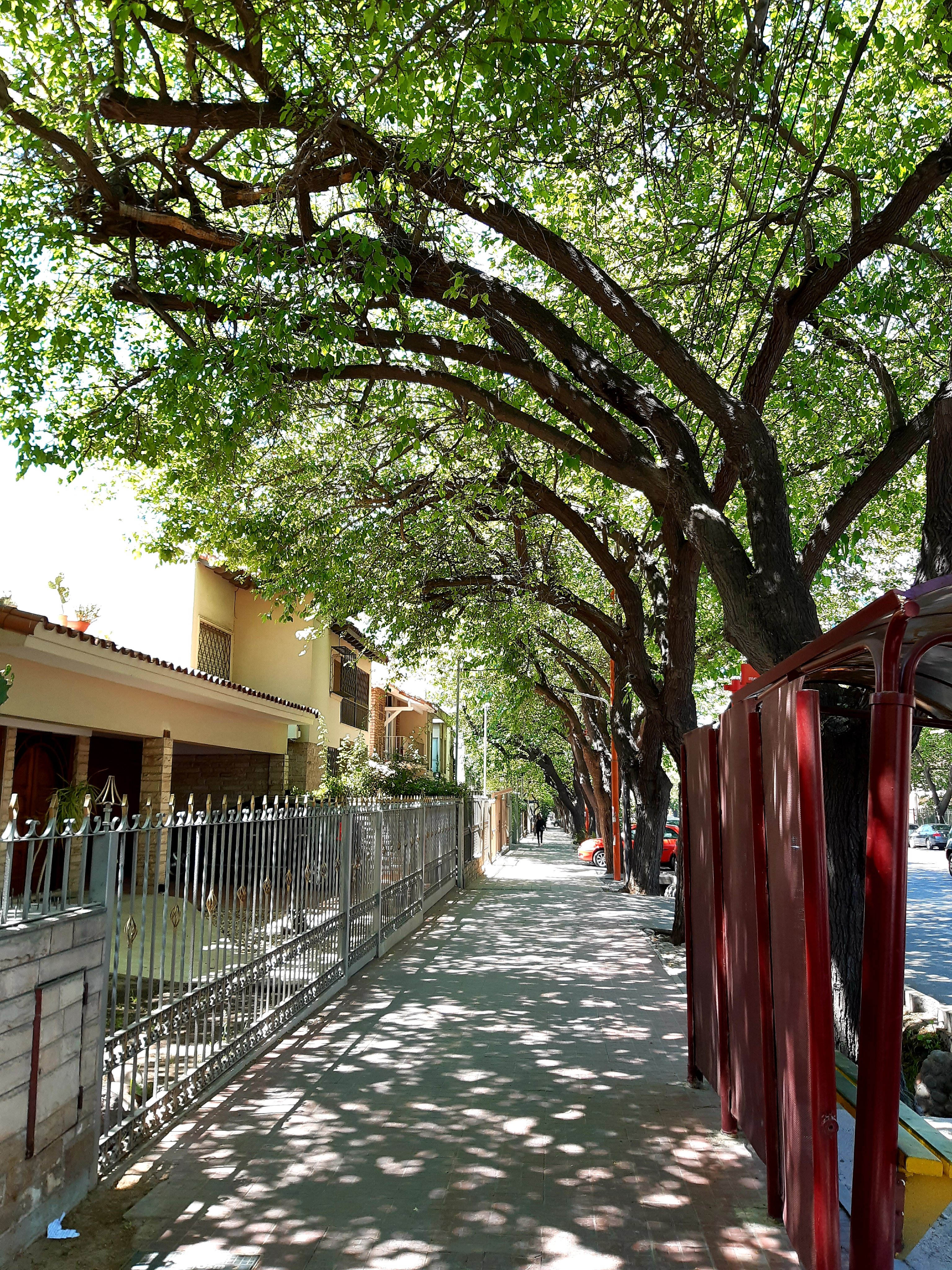
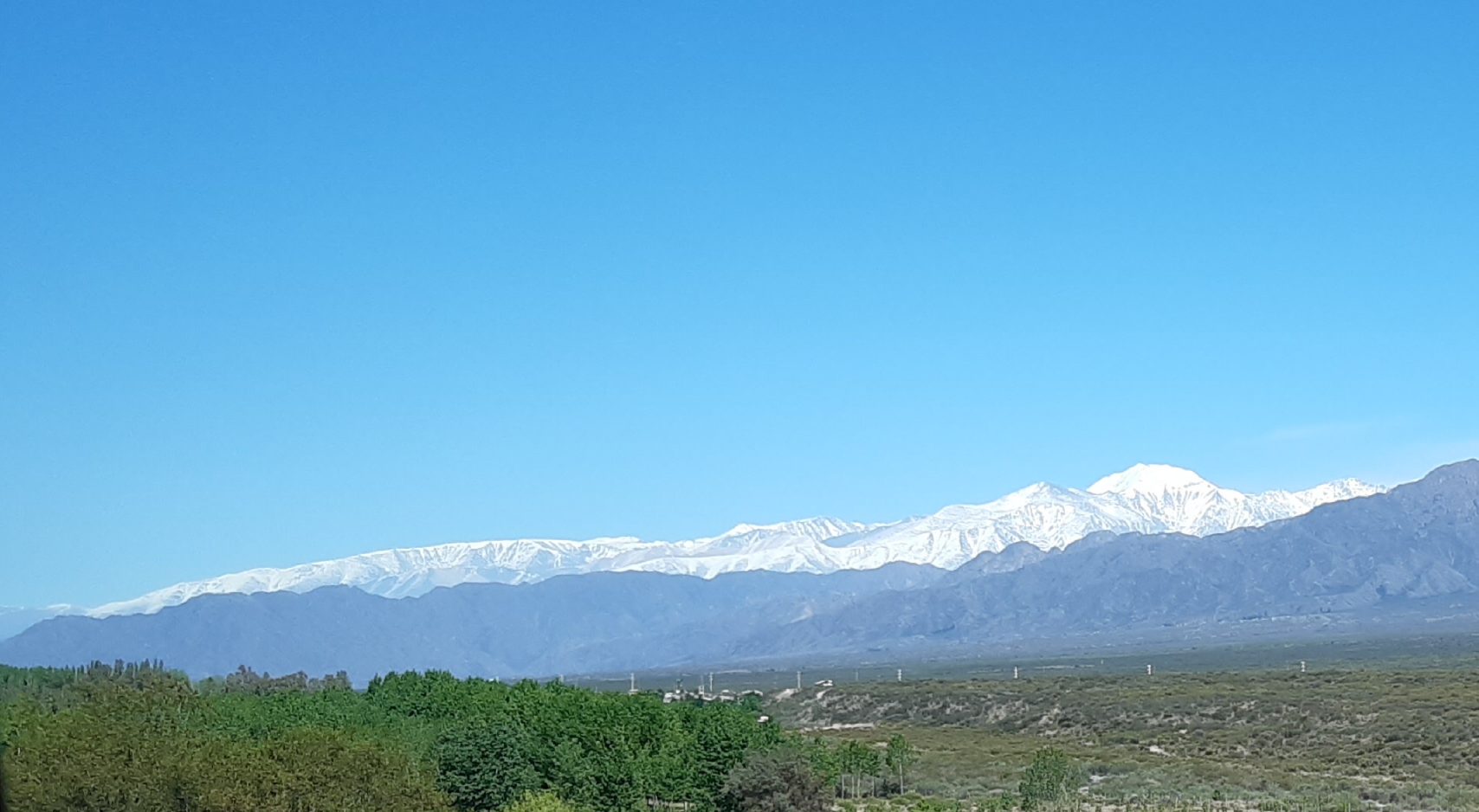
 About 100km before Mendoza the first vineyards started appearing, bright green after the dreary landscape, in a valley which produces most of Argentina’s wine, noticably Malbec. Walking into Mendoza from the bus station was like entering a forest, lush and cool, the trees forming a canopy of foliage, the buildings dwarfed by their size. There are many wild mulberry trees with huge leaves, their fruit staining the pavement, but also plane and other trees. The air was filled with the sweet scent of the flowers of the syringa trees, and the pavements were smooth and wide – Louise (my pink suitcase) had a joyride!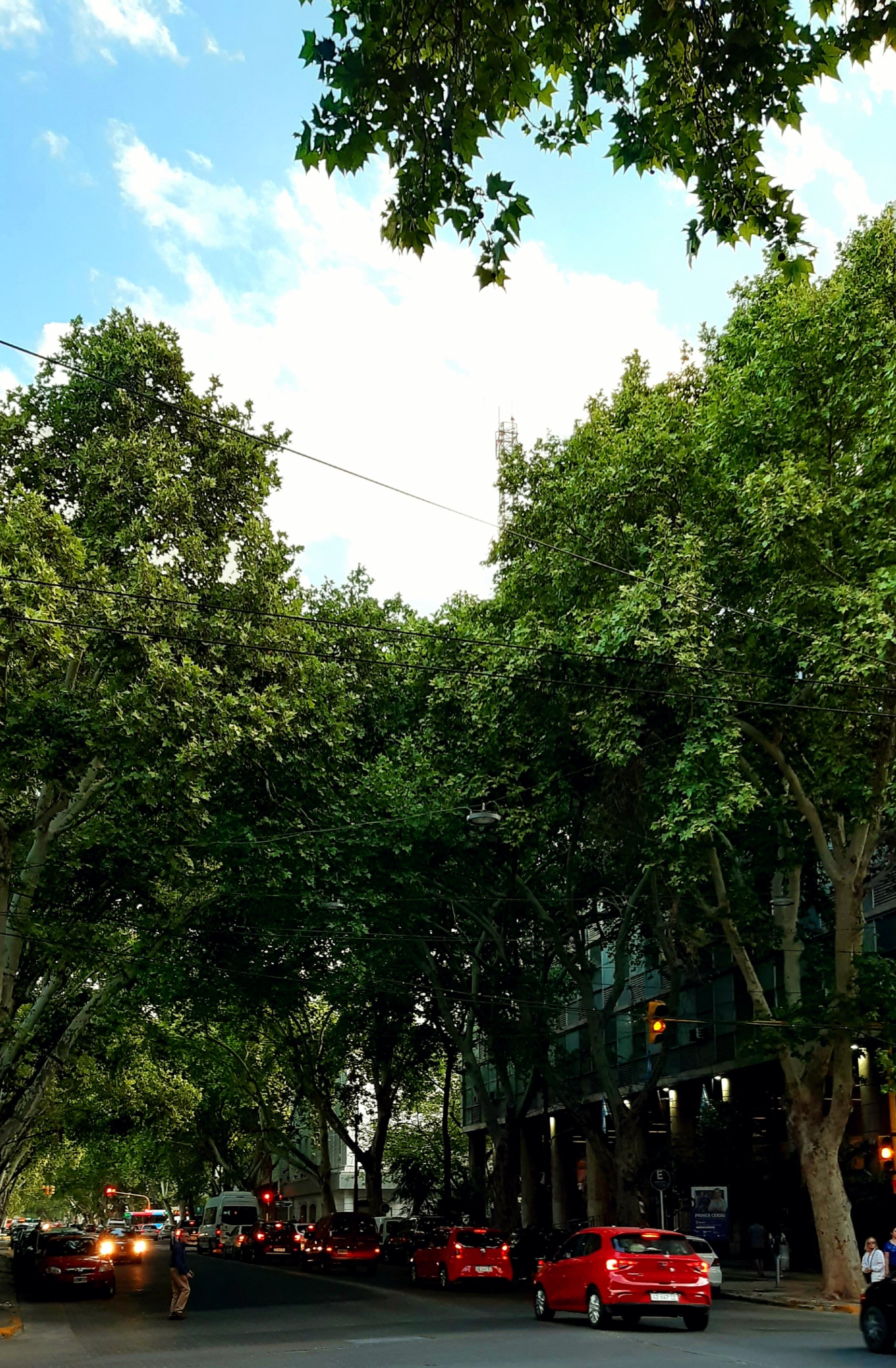
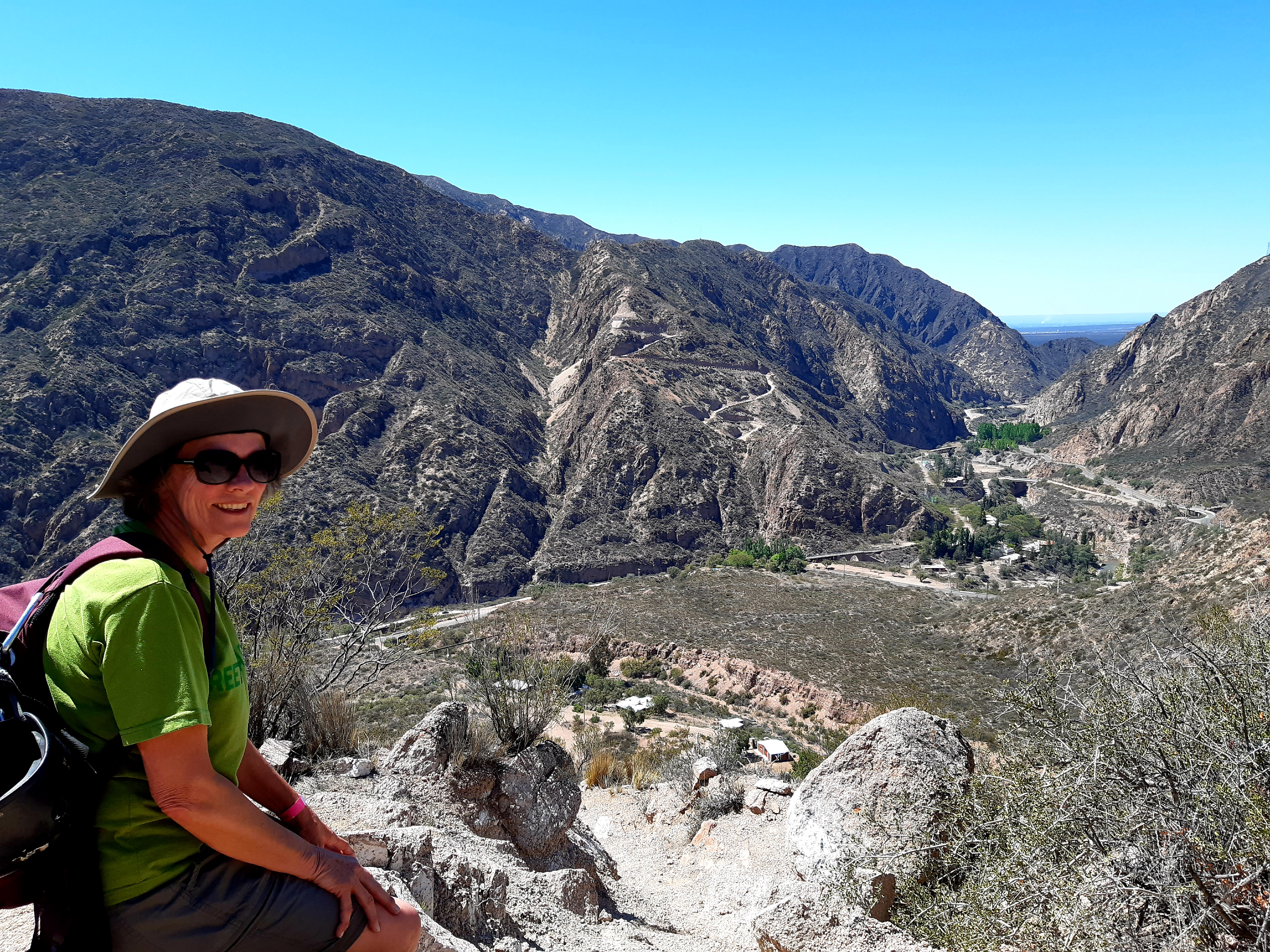
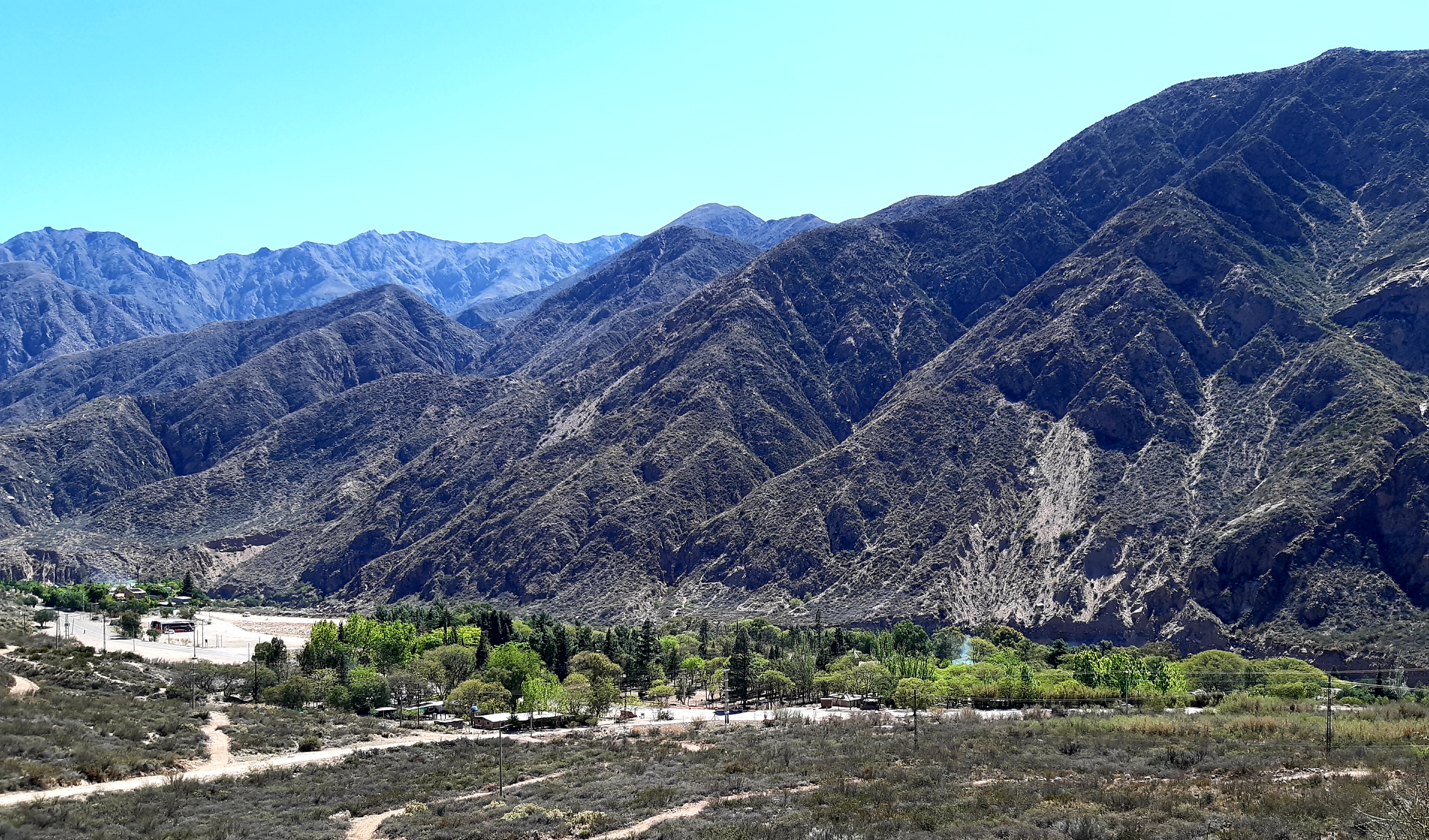 We found this guy cooking hamburger patties on the rocks, which, to judge by all the burnt out fires, happens there quite frequently. There were a group of children who were being shown how to do it as well.
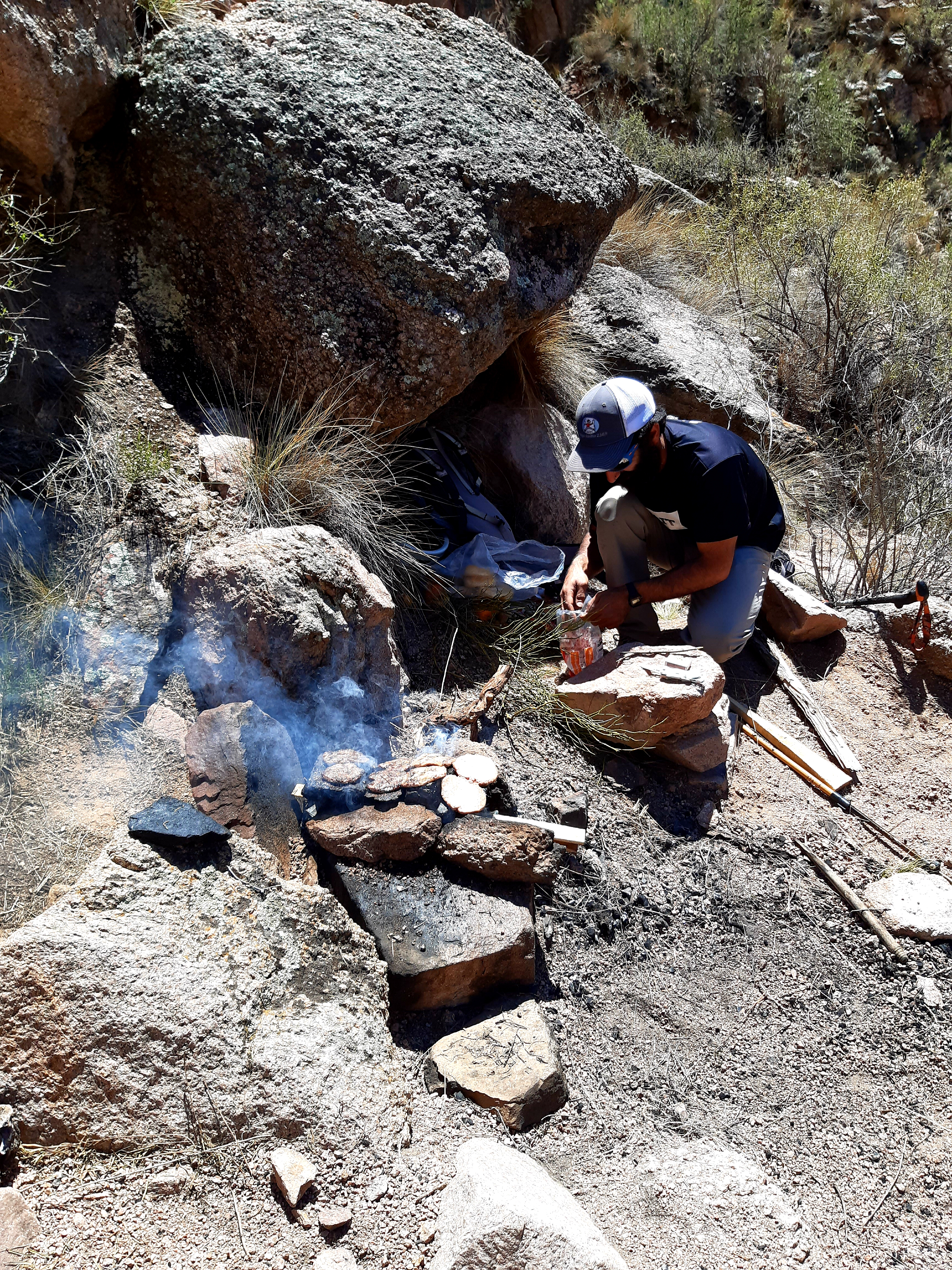 Then came the fun part: absailing down, 3 sections, the longest one about 70m. I loved it!


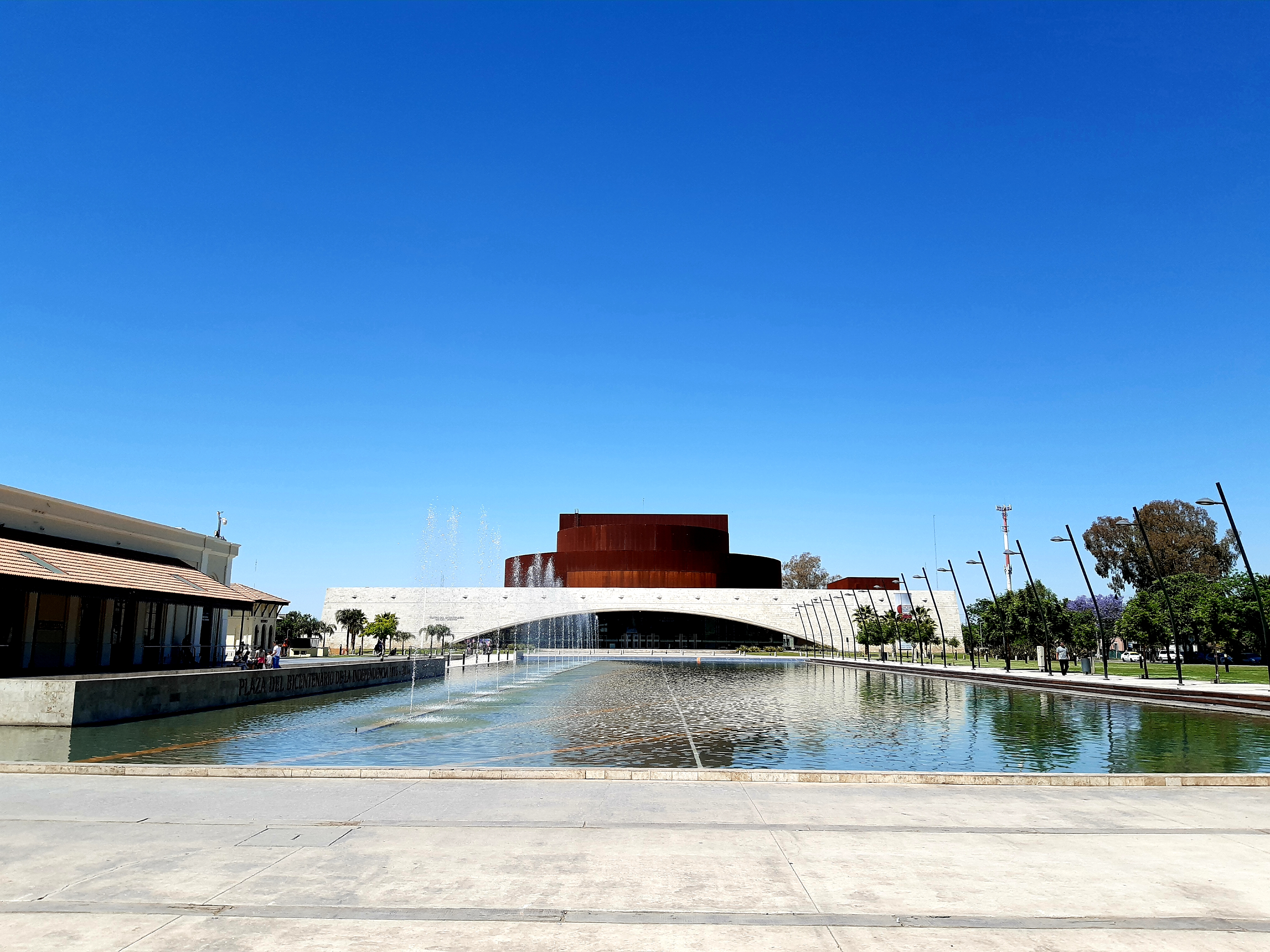
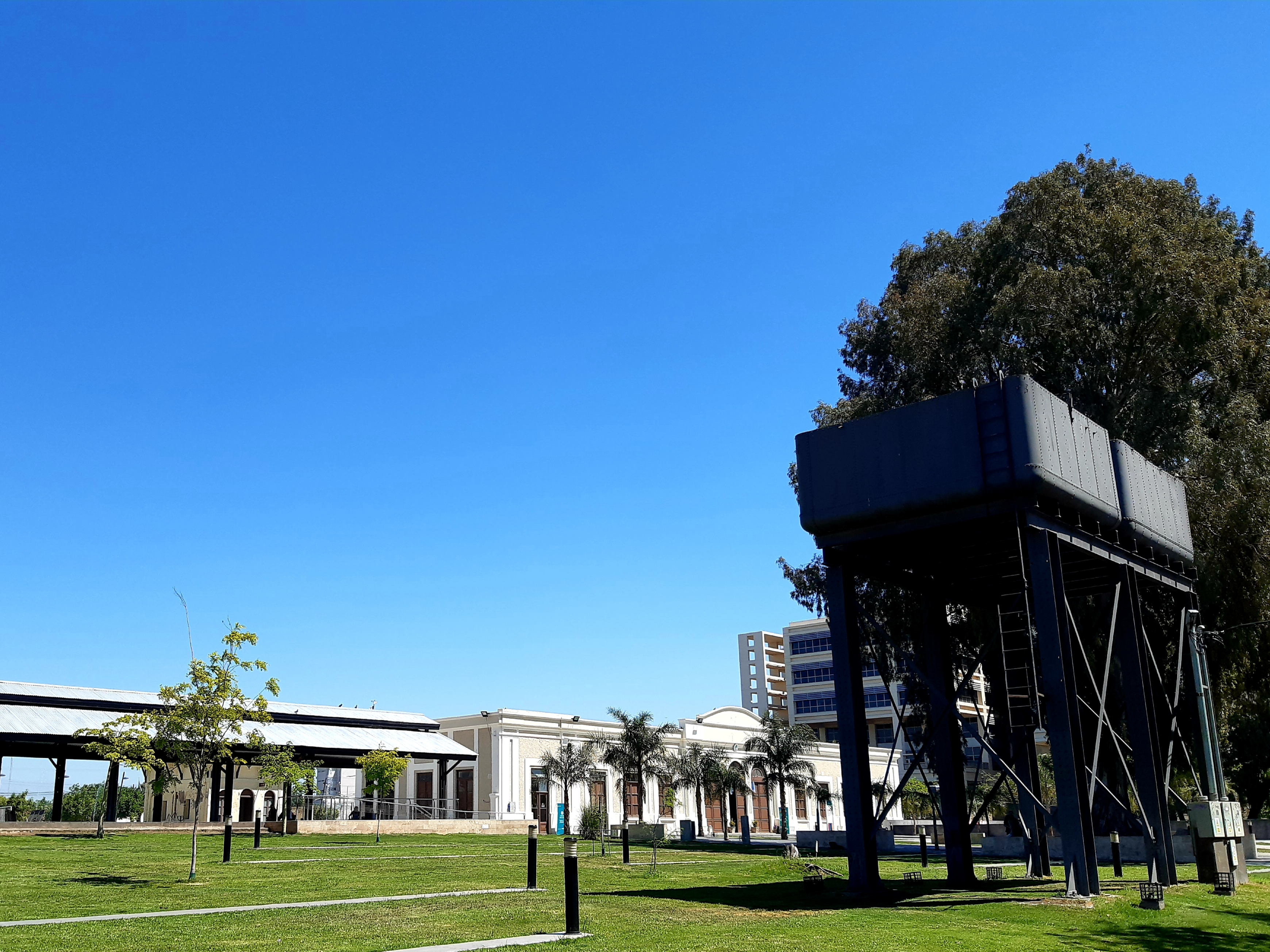 There are beautiful parks and ponds, and walking streets with shops, but I really have to choose better times of being in a city centre. Everything closes and people and cars disappear between 13:00 and 17:00, and then come back to life, reaching a peak around 20:00.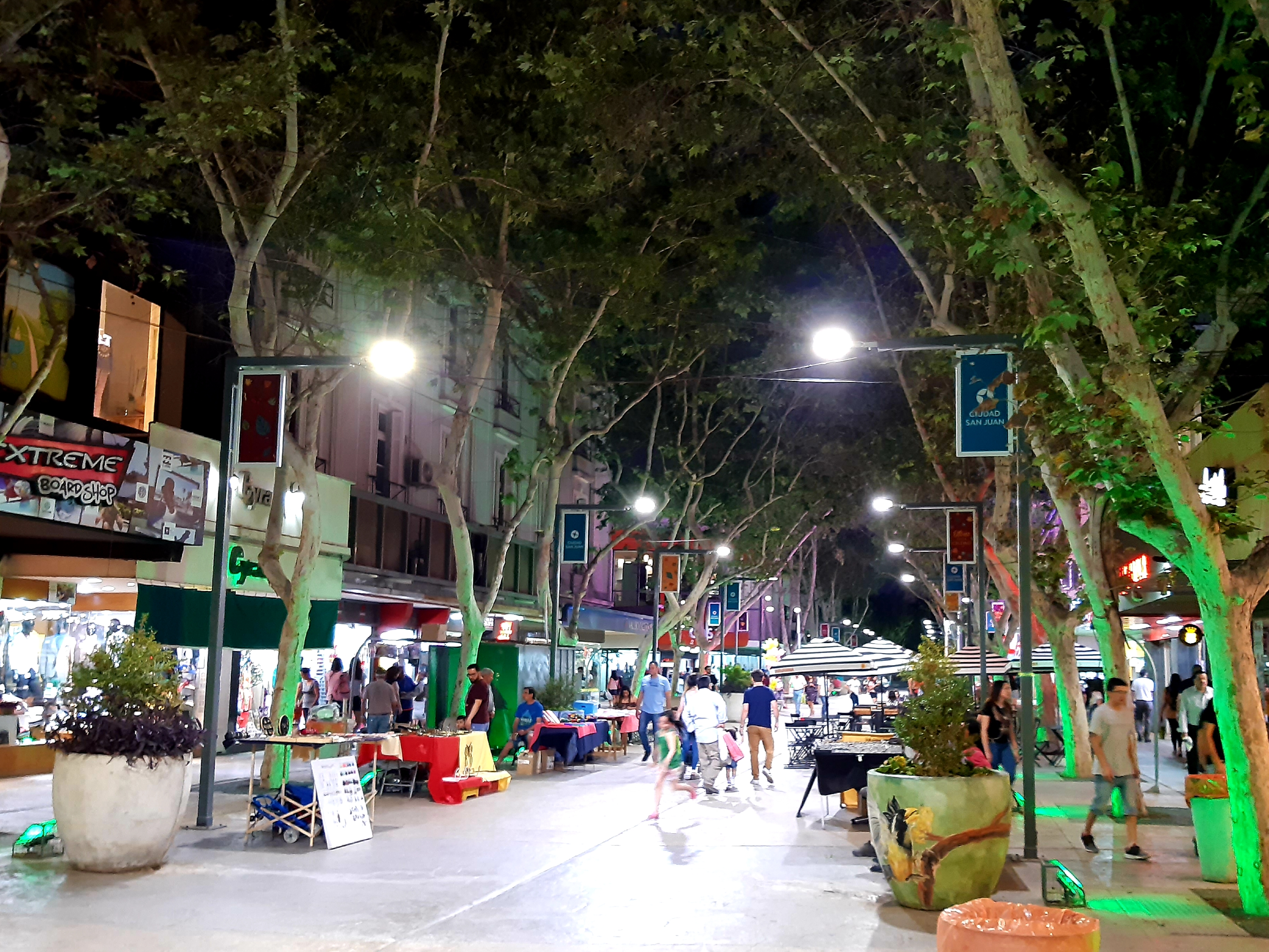
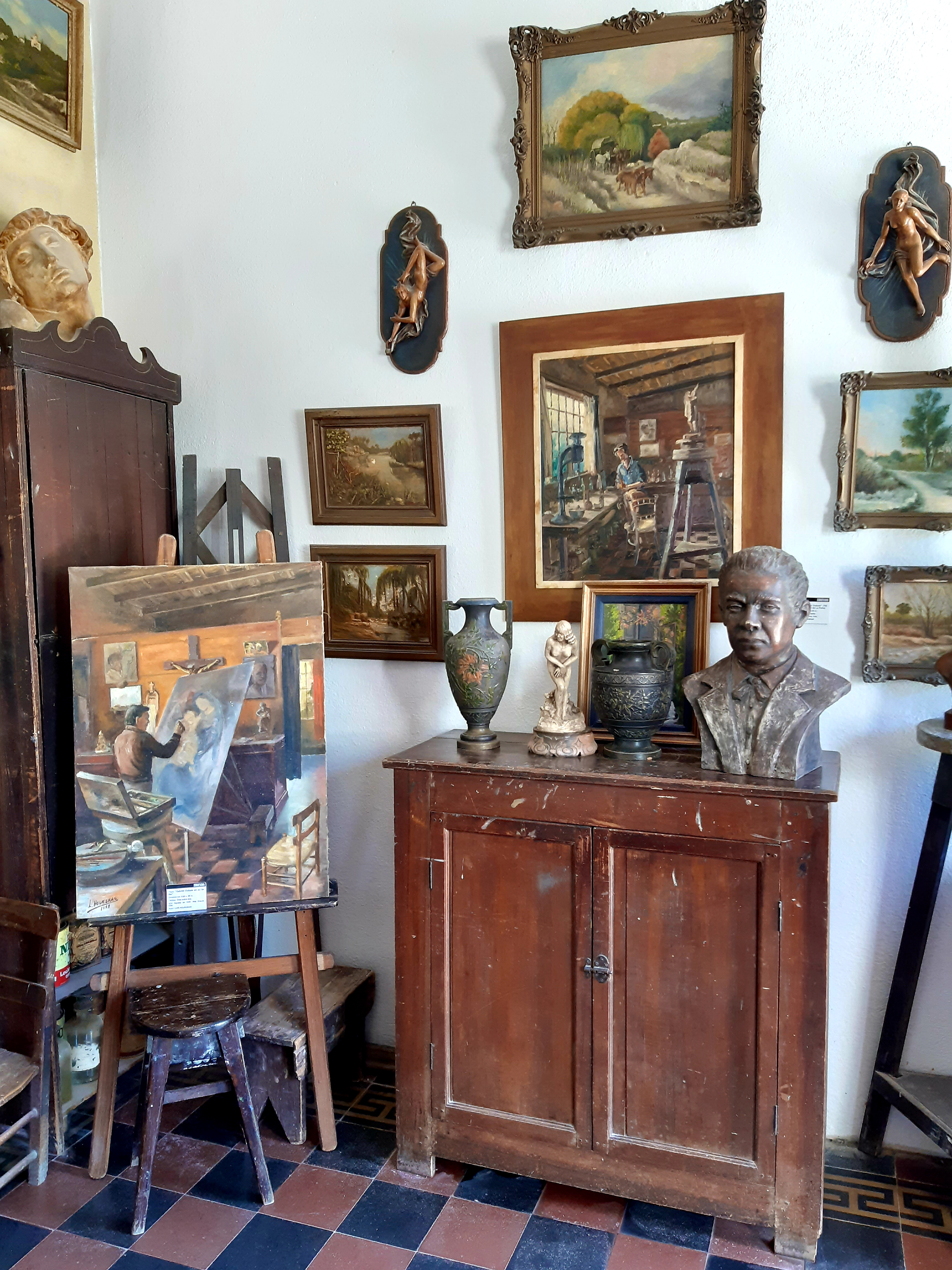 The painting in the middle is of Titi in the workshop, and it was a unique experience to be standing in the exact same workshop, everything kept as it was at the time of Gabriel’s death.
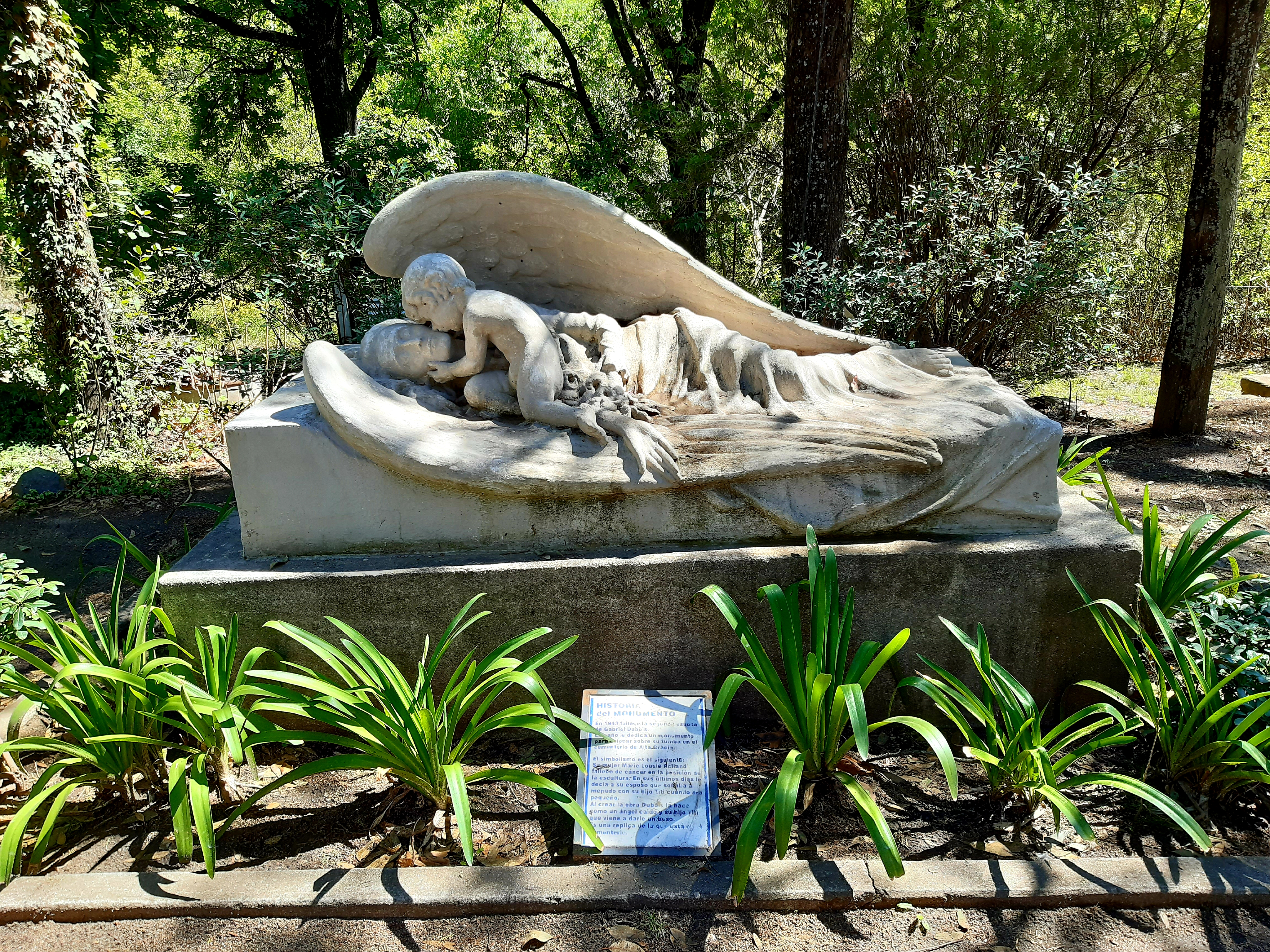 Gabriel then took in a woman to do the housekeeping, and her son, Luis Hourgas, became the only student he ever had. The house was often the gathering place for artists and intellectuals of the town, and one could easily imagine the conversations that took place there.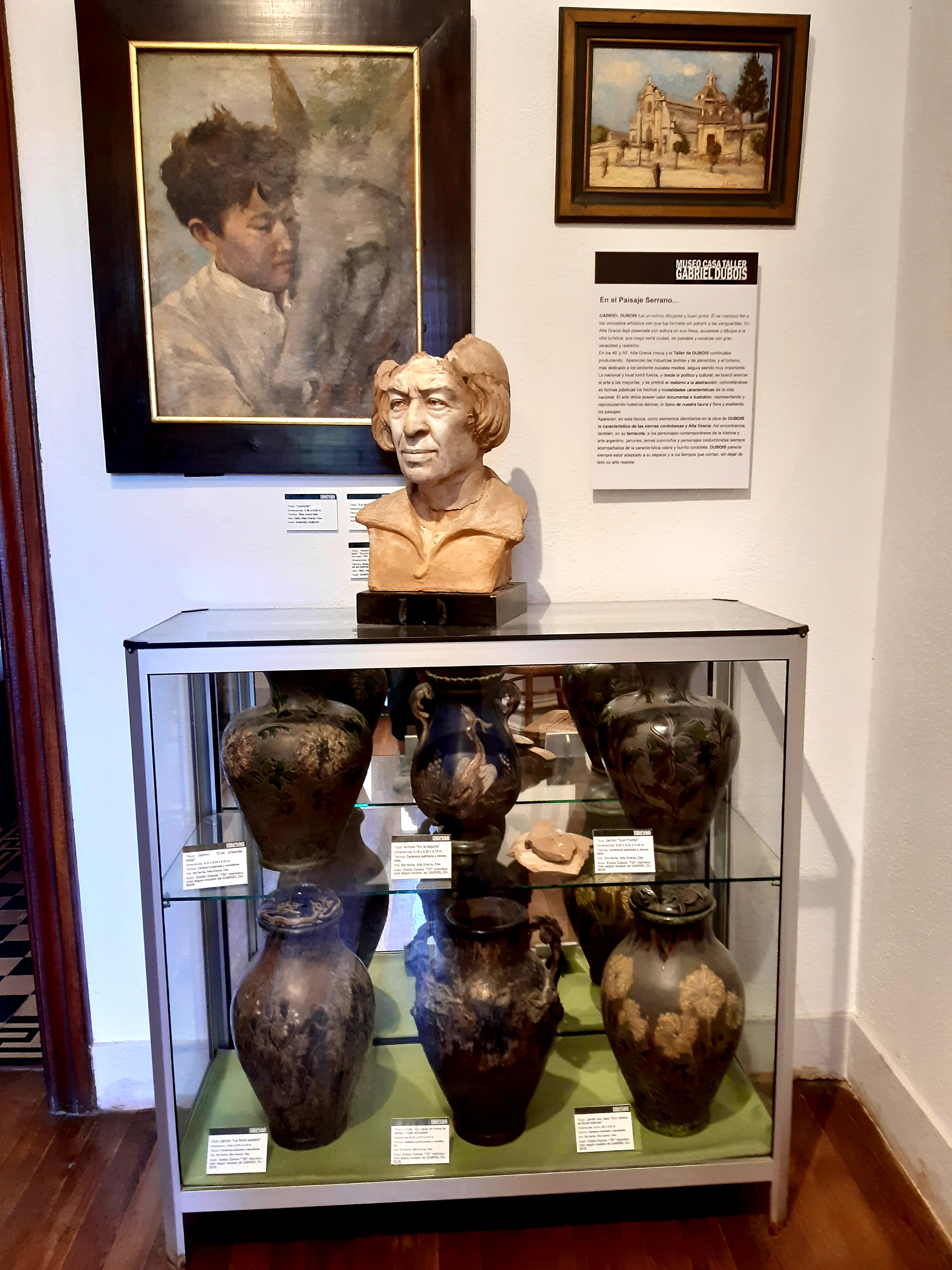
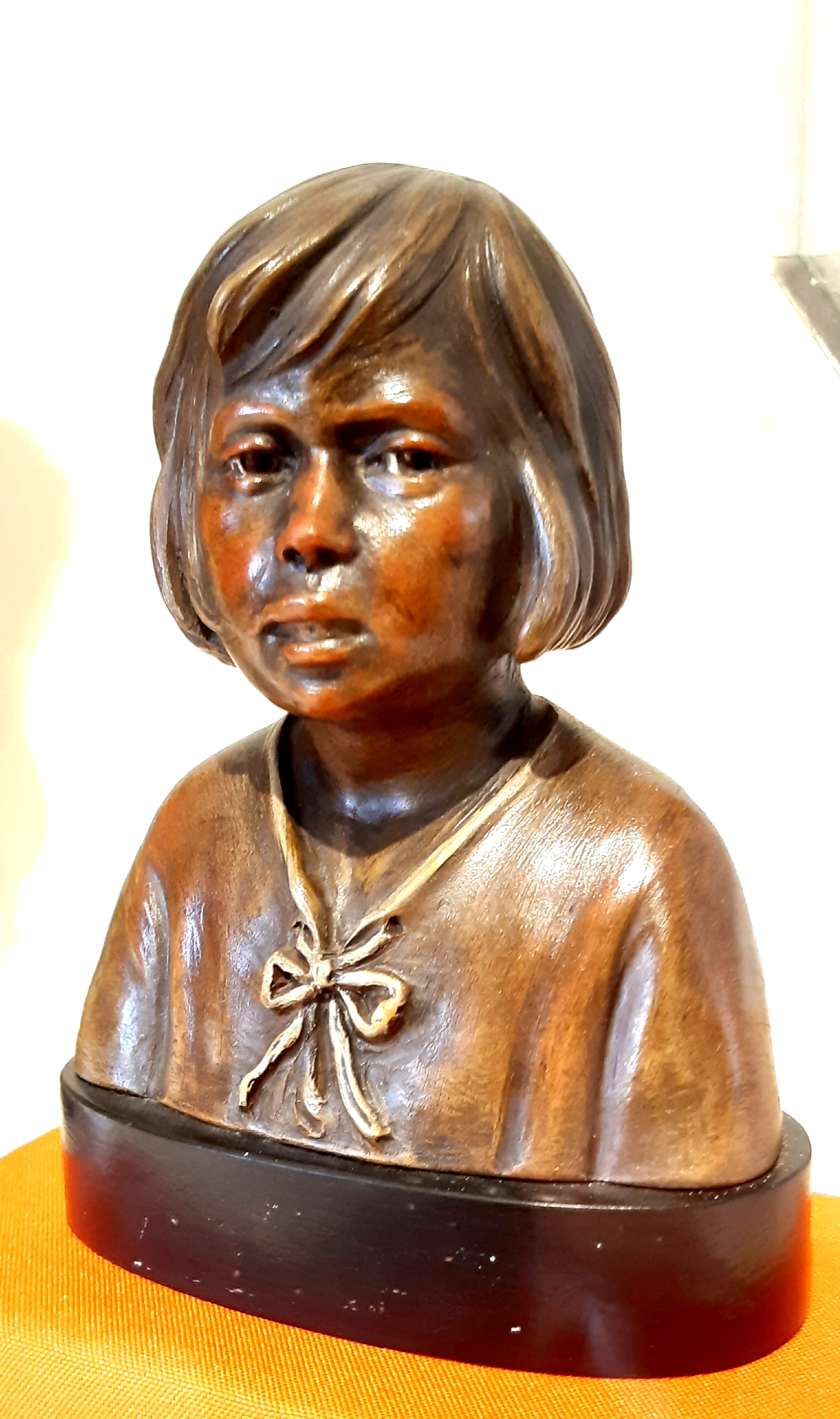
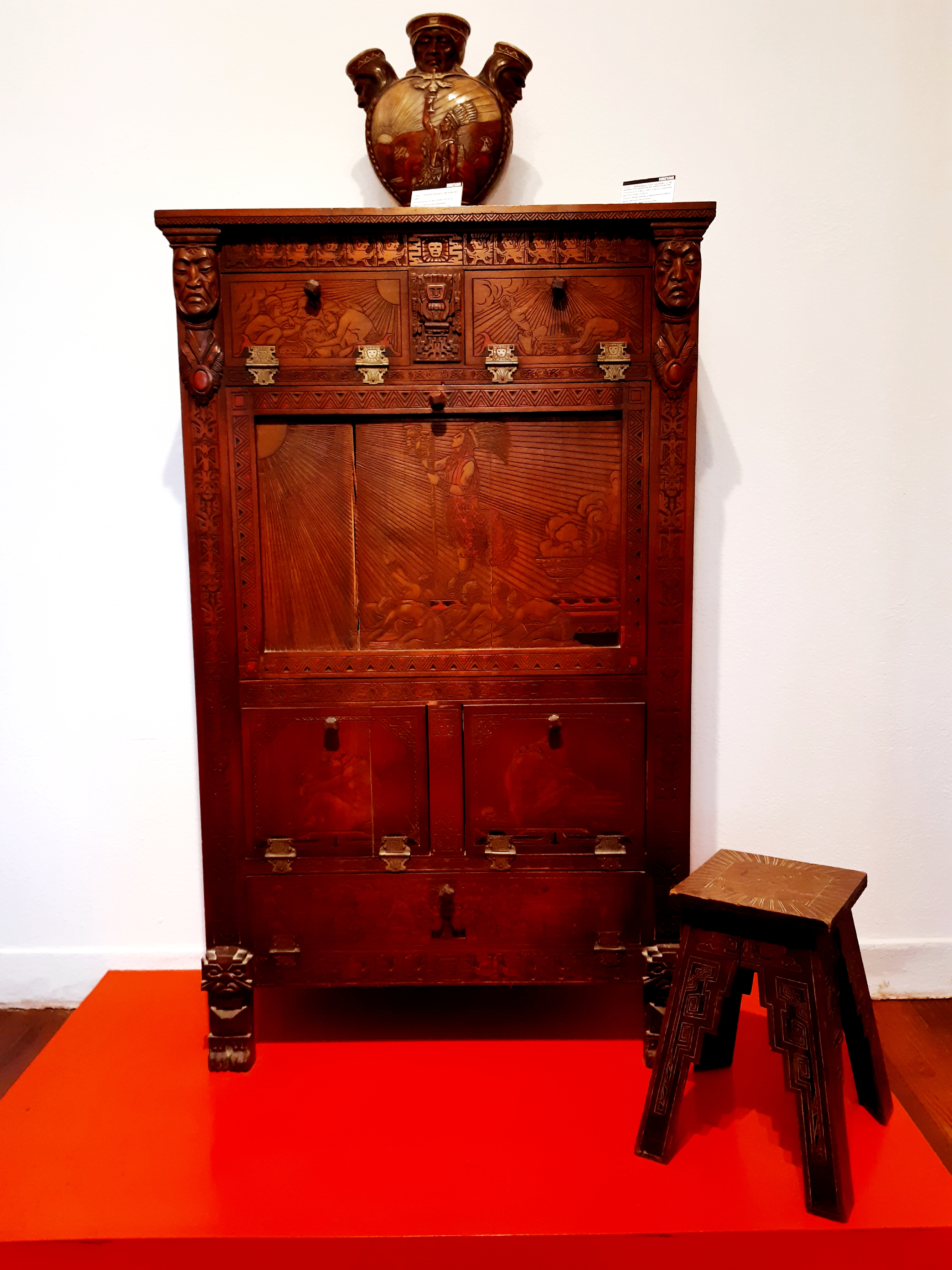
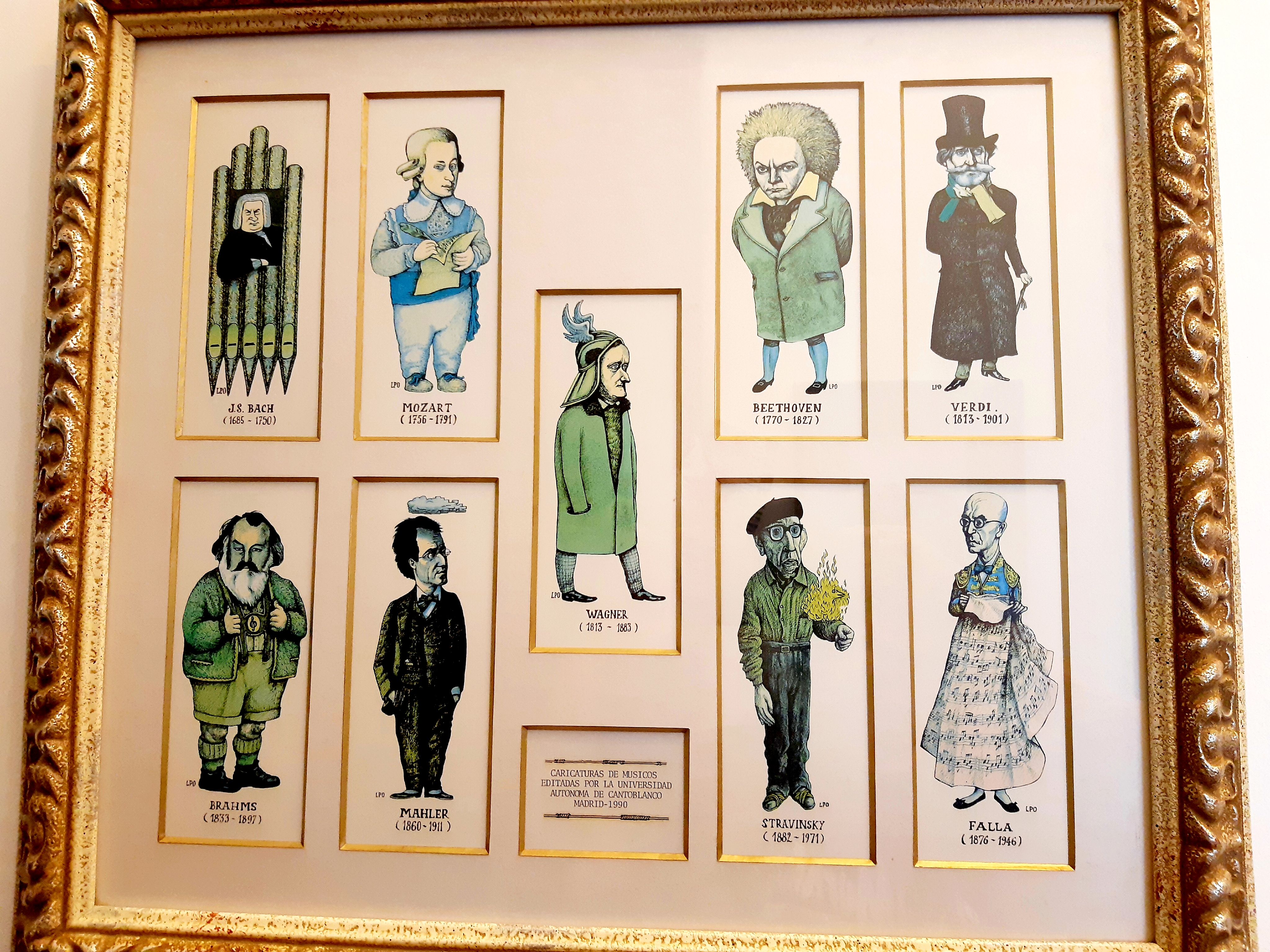
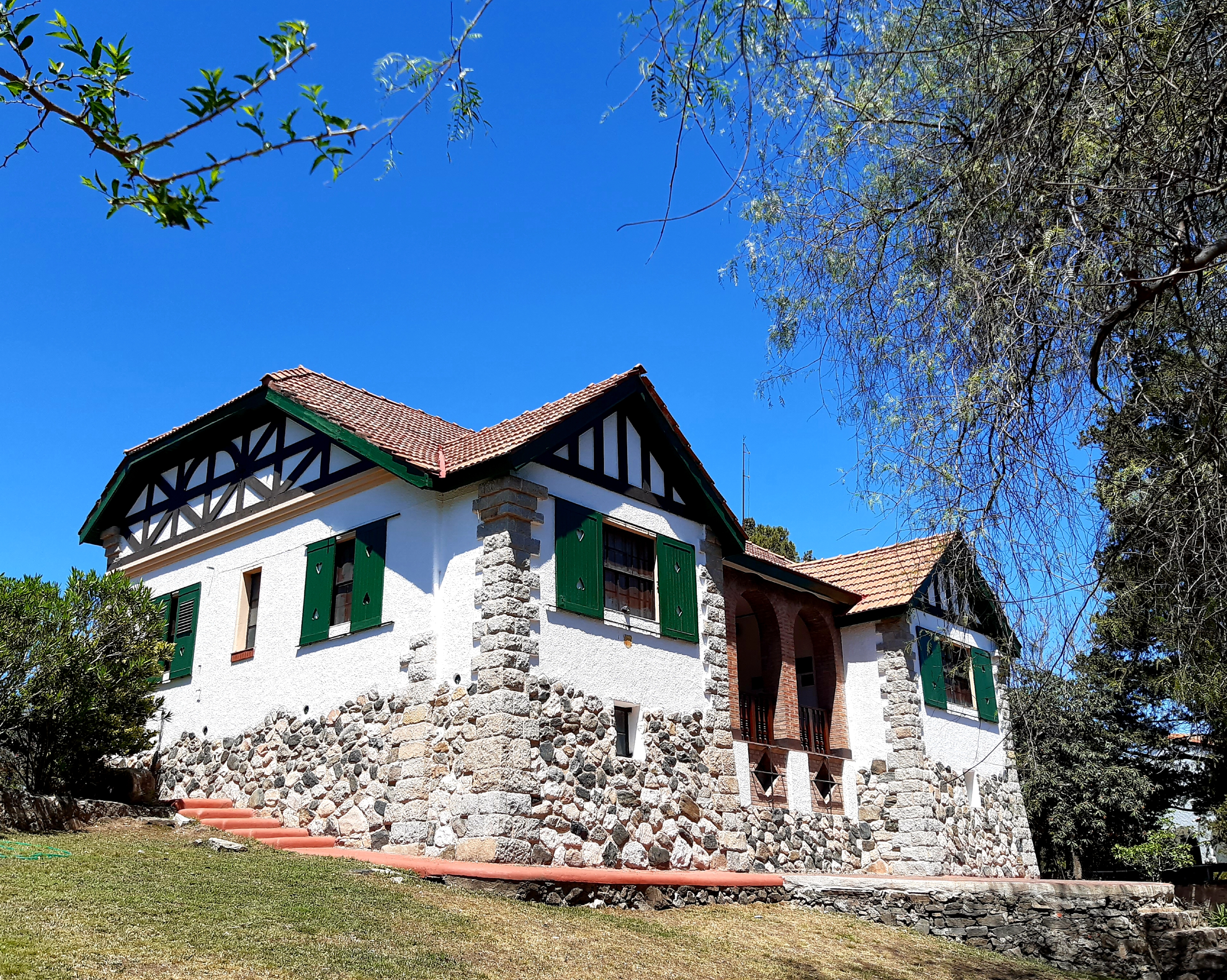 He had never married and his sister, also unmarried, took it upon her to care for him after their parent’s death in 1919. As one enters the house, one is enchanted by his music which fills the rooms. He had many well-known friends, such as Picasso, Dalí, Vázques Díaz and others, who had all made caricatures of him that hang in the passage. Picasso also made drawings of costumes used for one of his operas. Some fellow composers:
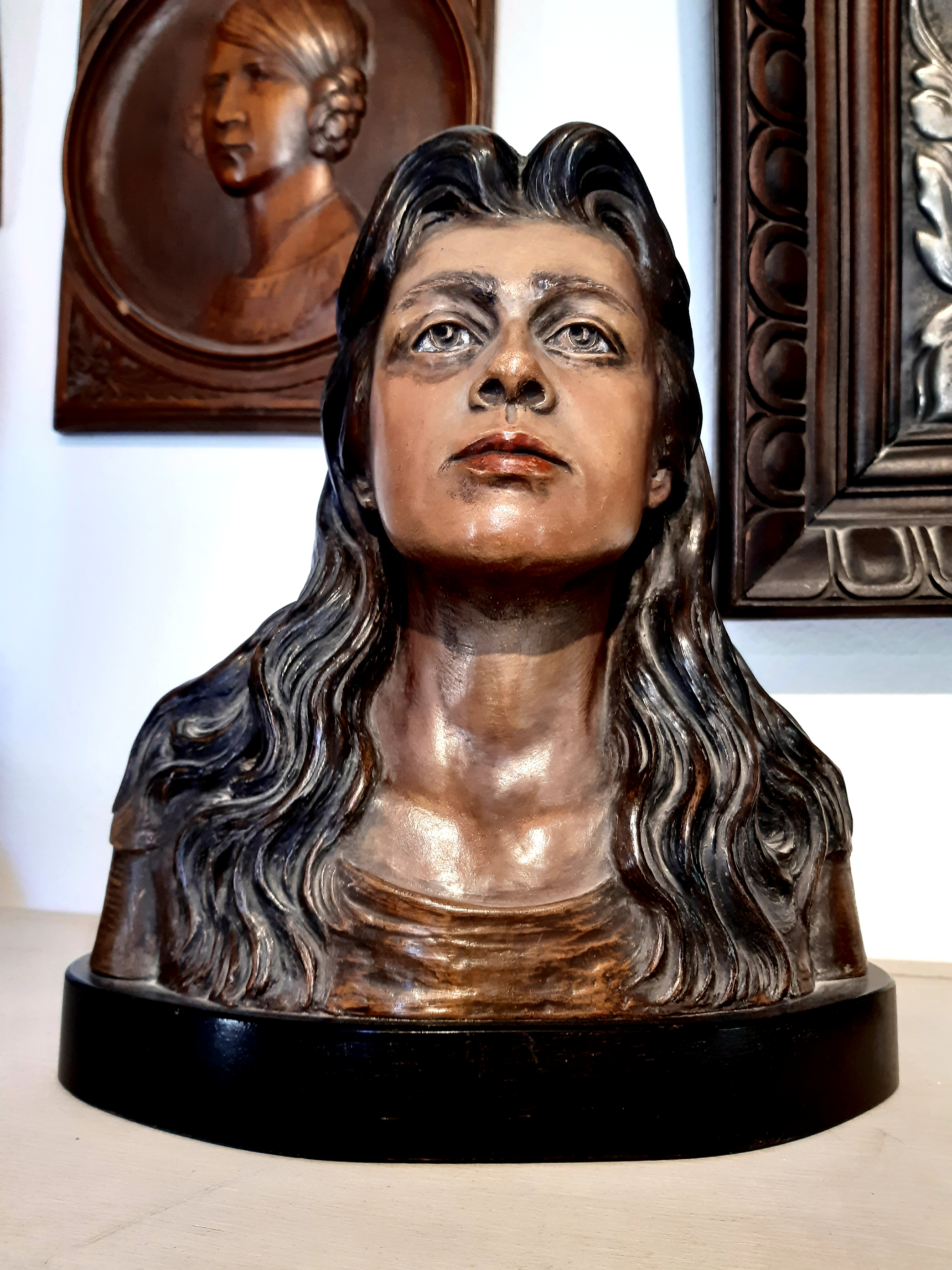
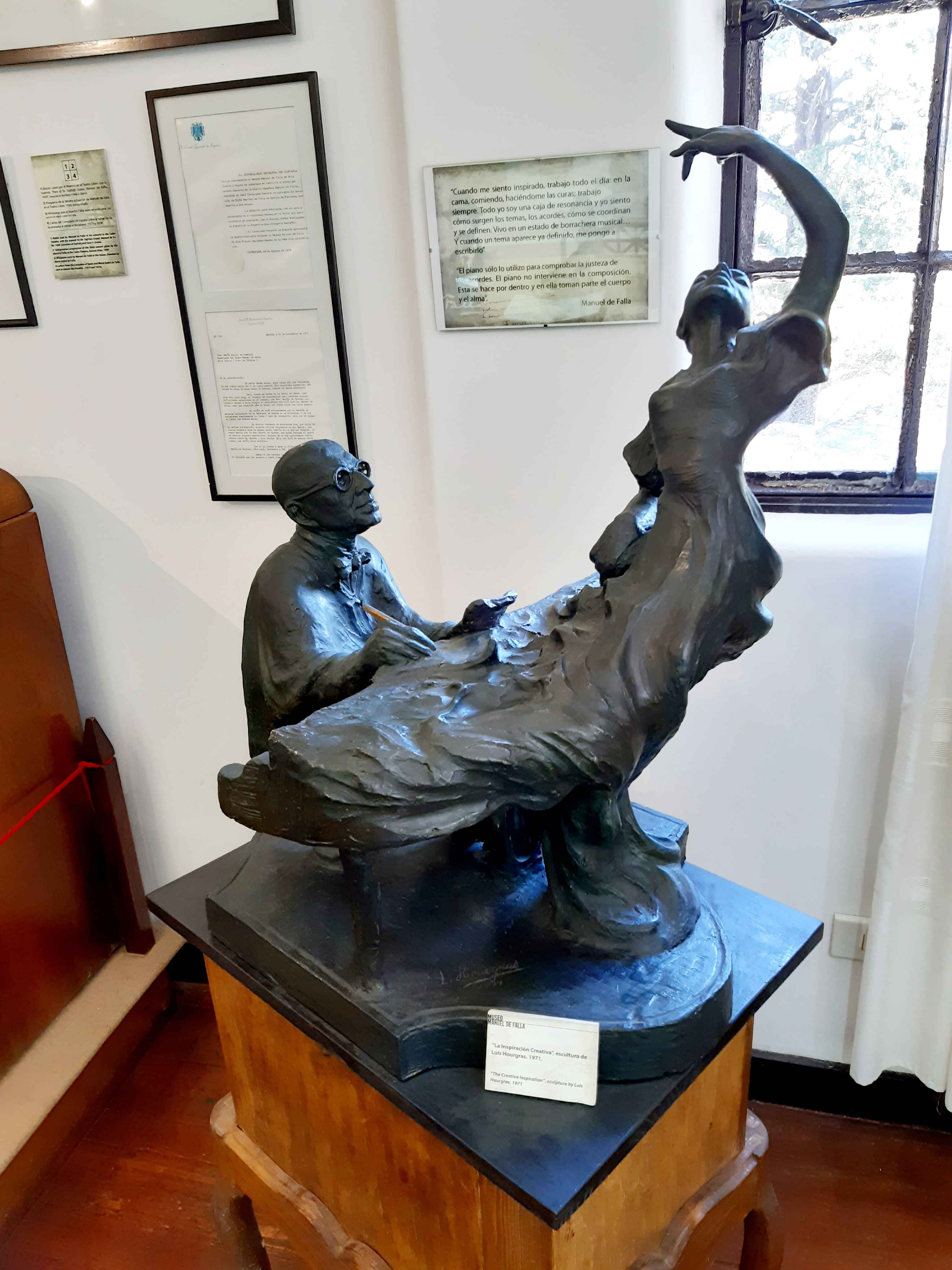
 This following sculpture of La Falle, ‘The Creative Inspiration’, was made by Luis Hourgas, the student of Gabriel Dubois – quite uncanny for me to have just heard of him.
 The elongated window seen in the photo was designed for La Falle to be able to see the mountains while he worked. He also had another window from which he could view the chapel on a hill that he and his sister often attended, his health and weather permitting.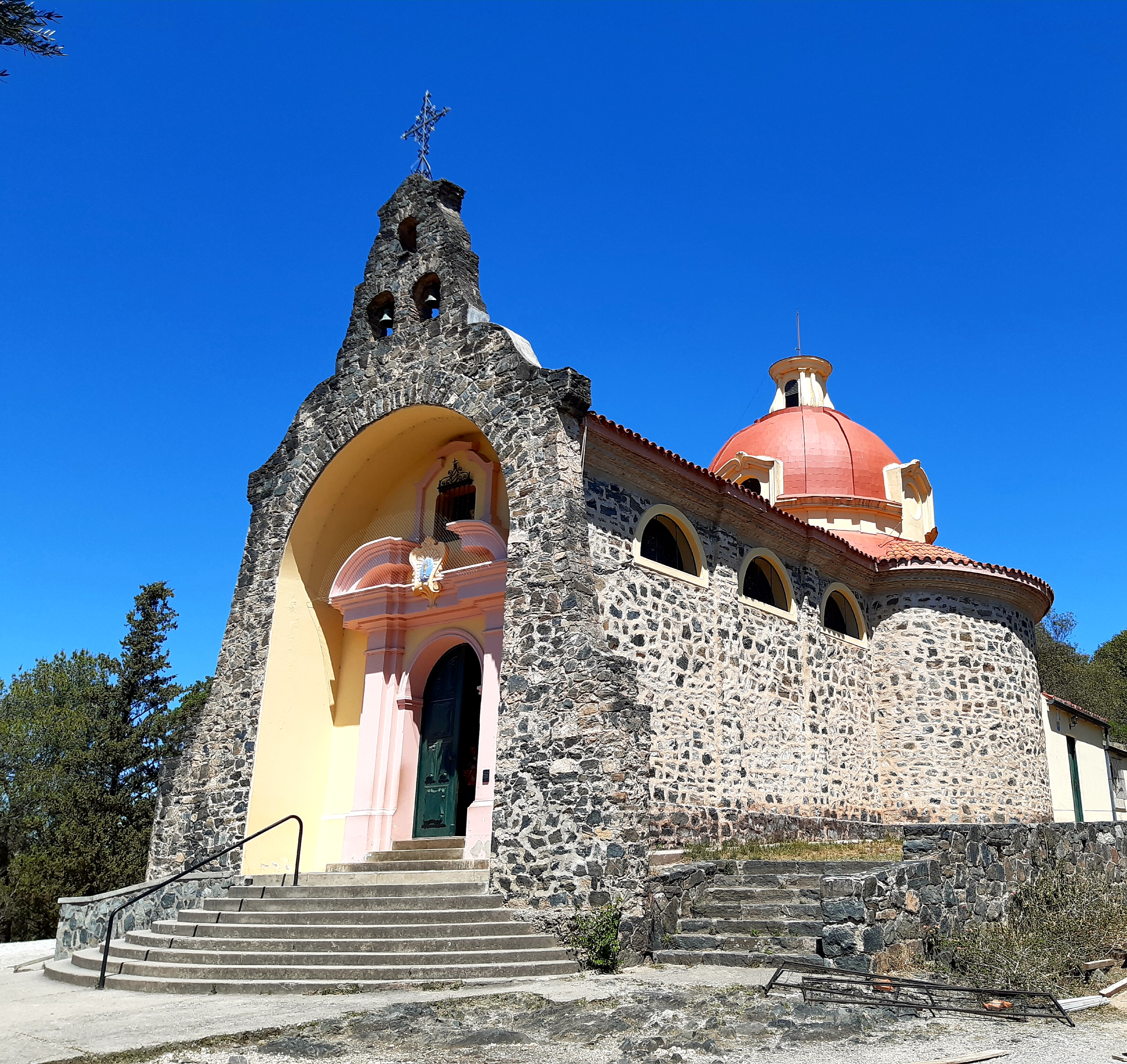
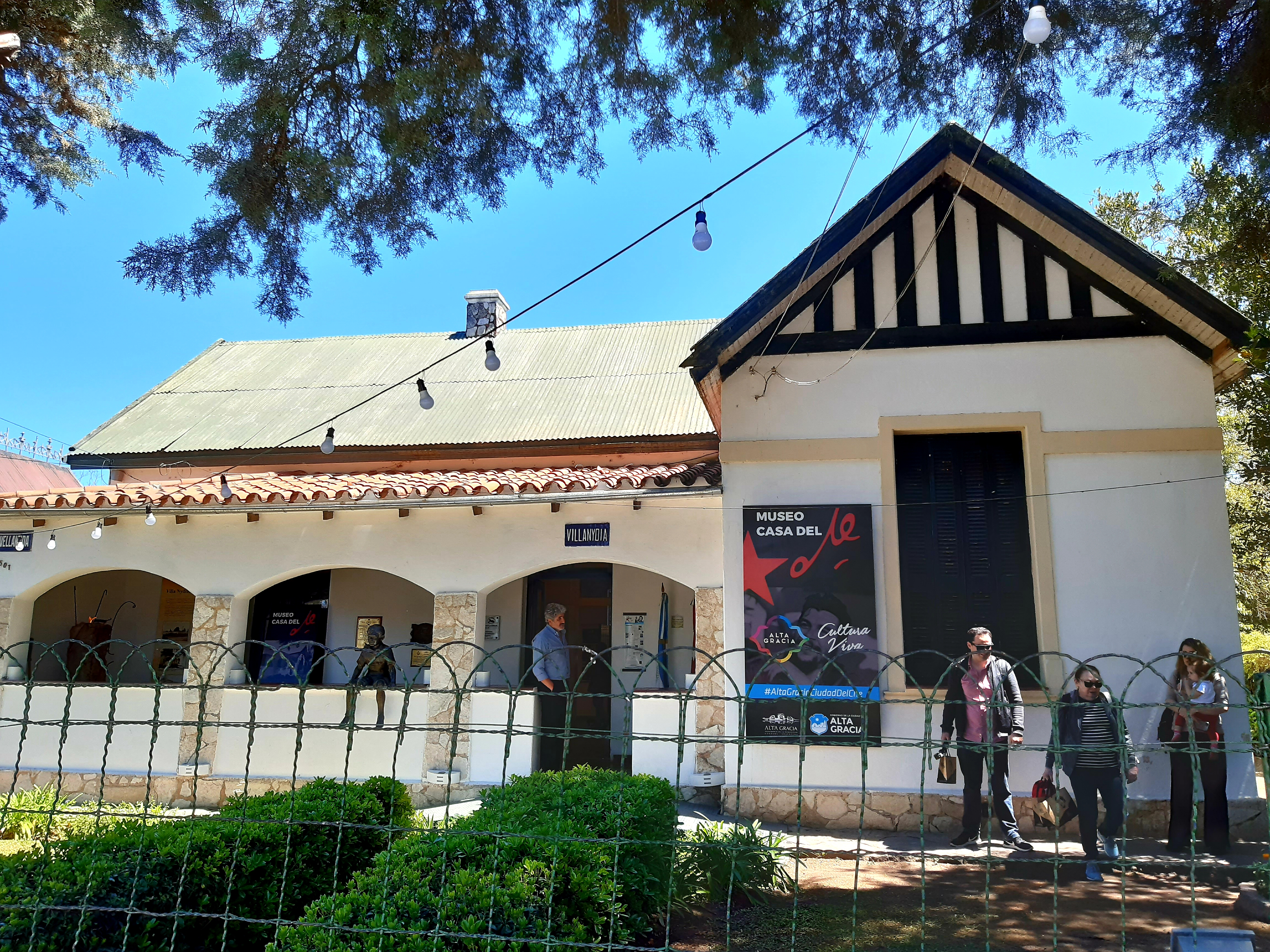
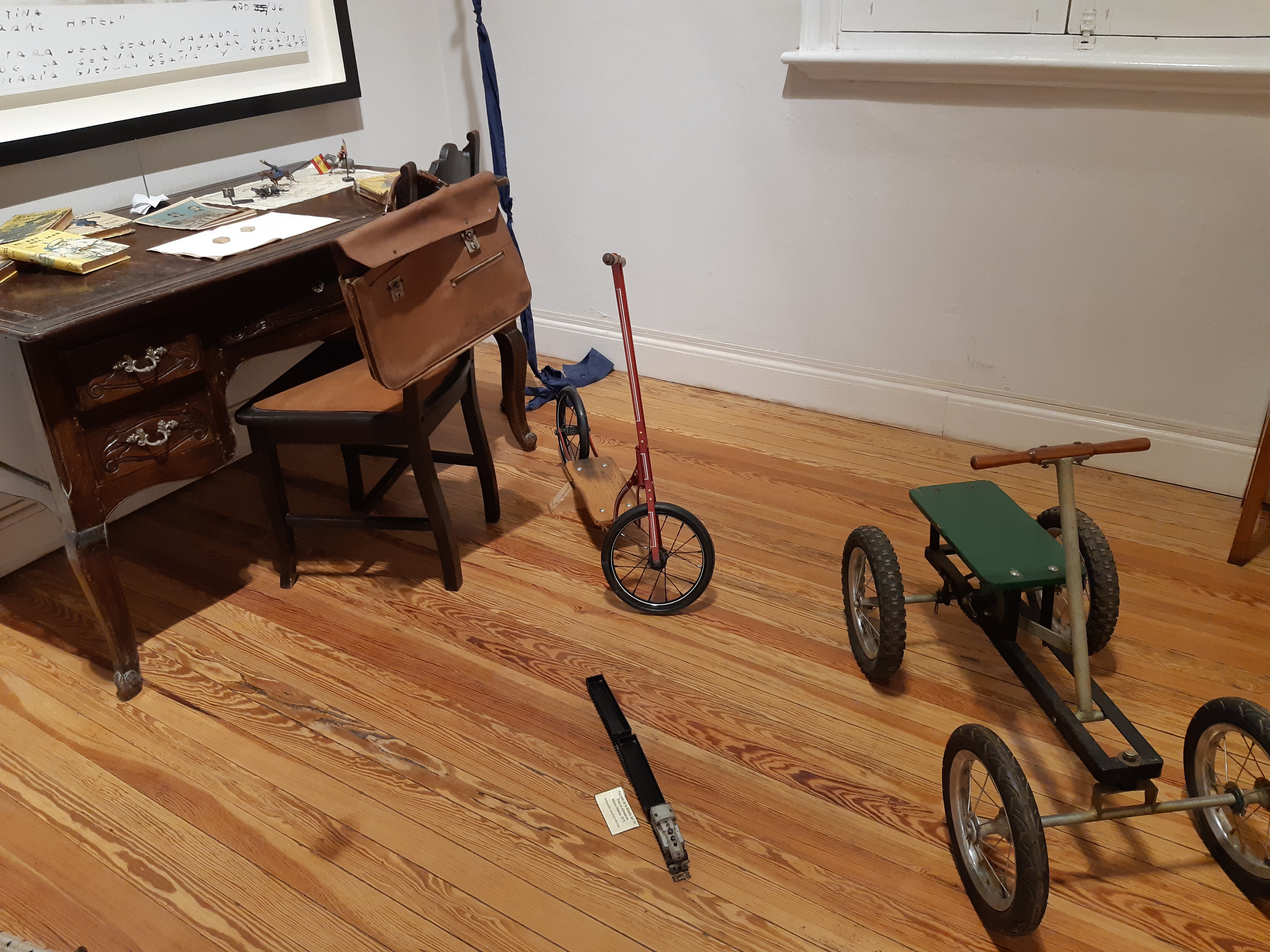
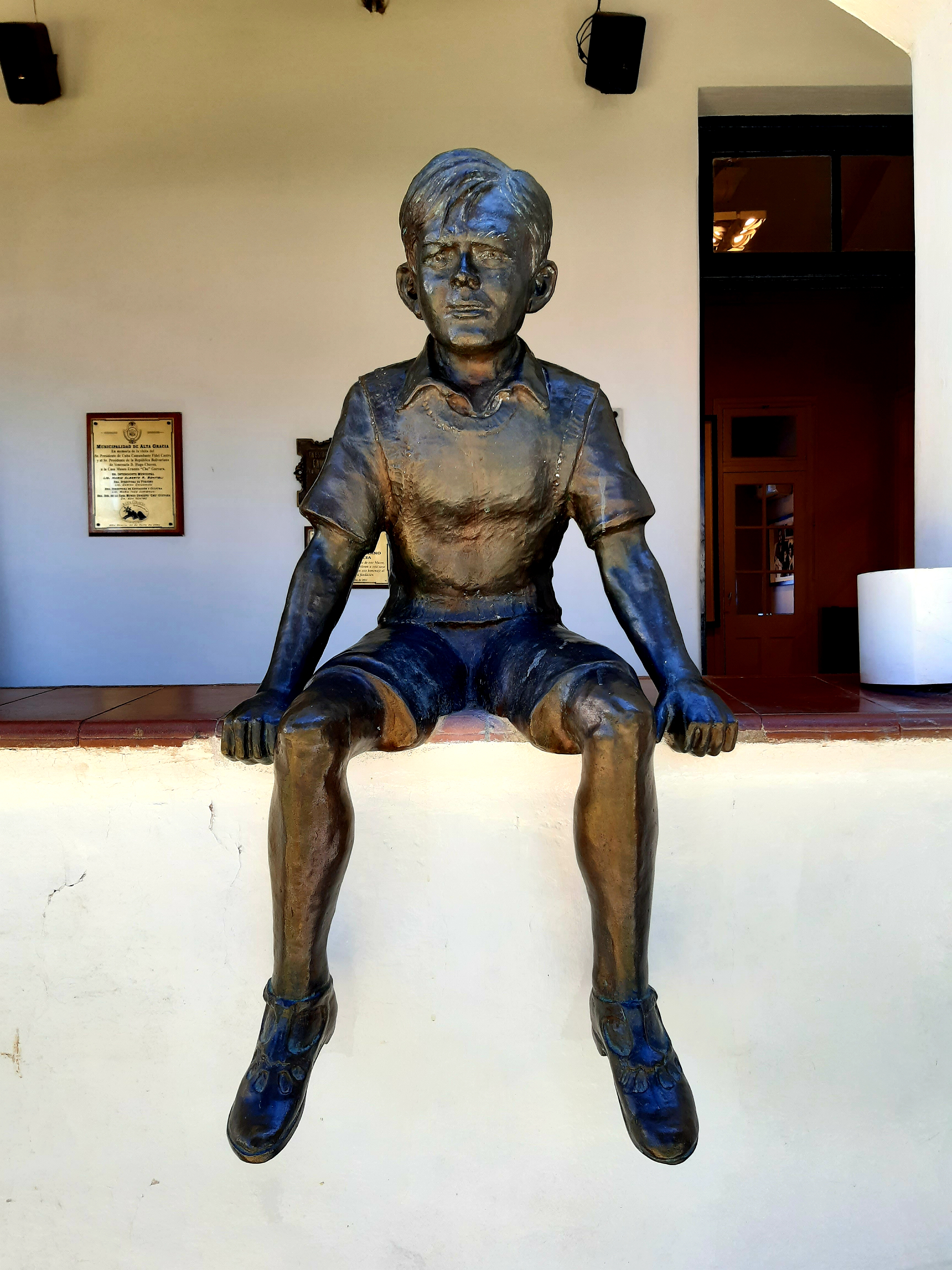 Che’s full name was Ernesto Guevara de la Serna, the last part being his mother’s surname. Despite his health problems, he led an active life taking part in different sports, thus ‘acquiring a spirit of discipline and self-control‘, alias the brochure. Evidently he was a playful and intelligent child, who shared many adventures with his friends. He was an avid reader of well-known authors from an early age, as can be seen from the children’s books lying on his desk in his bedroom.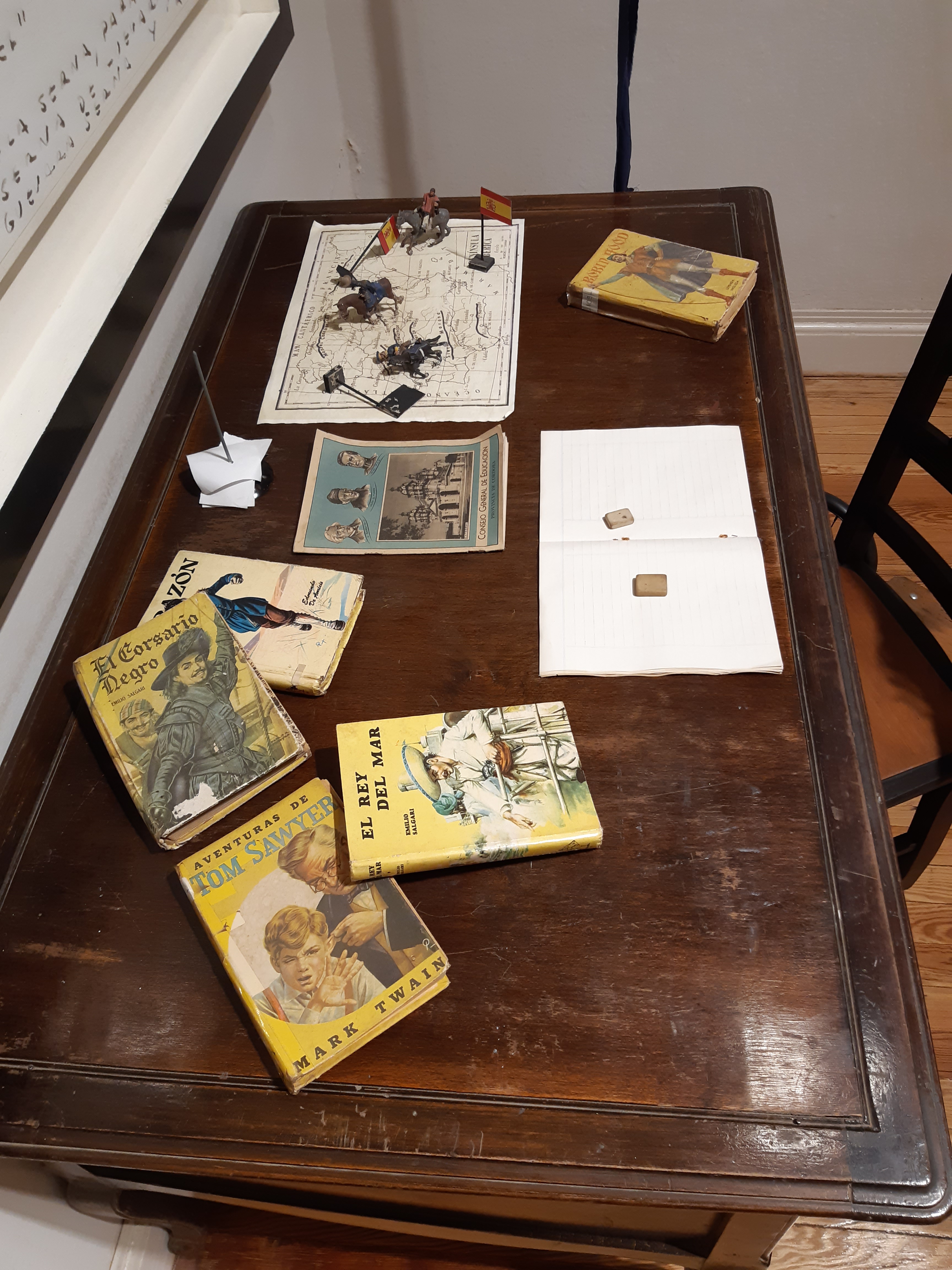
 After school he went to study medicine in Buenos Aires, but interrupted his studies to do a 4 000km bicycle tour of northern Argentina, during which time he became aware of the social inequality in the country.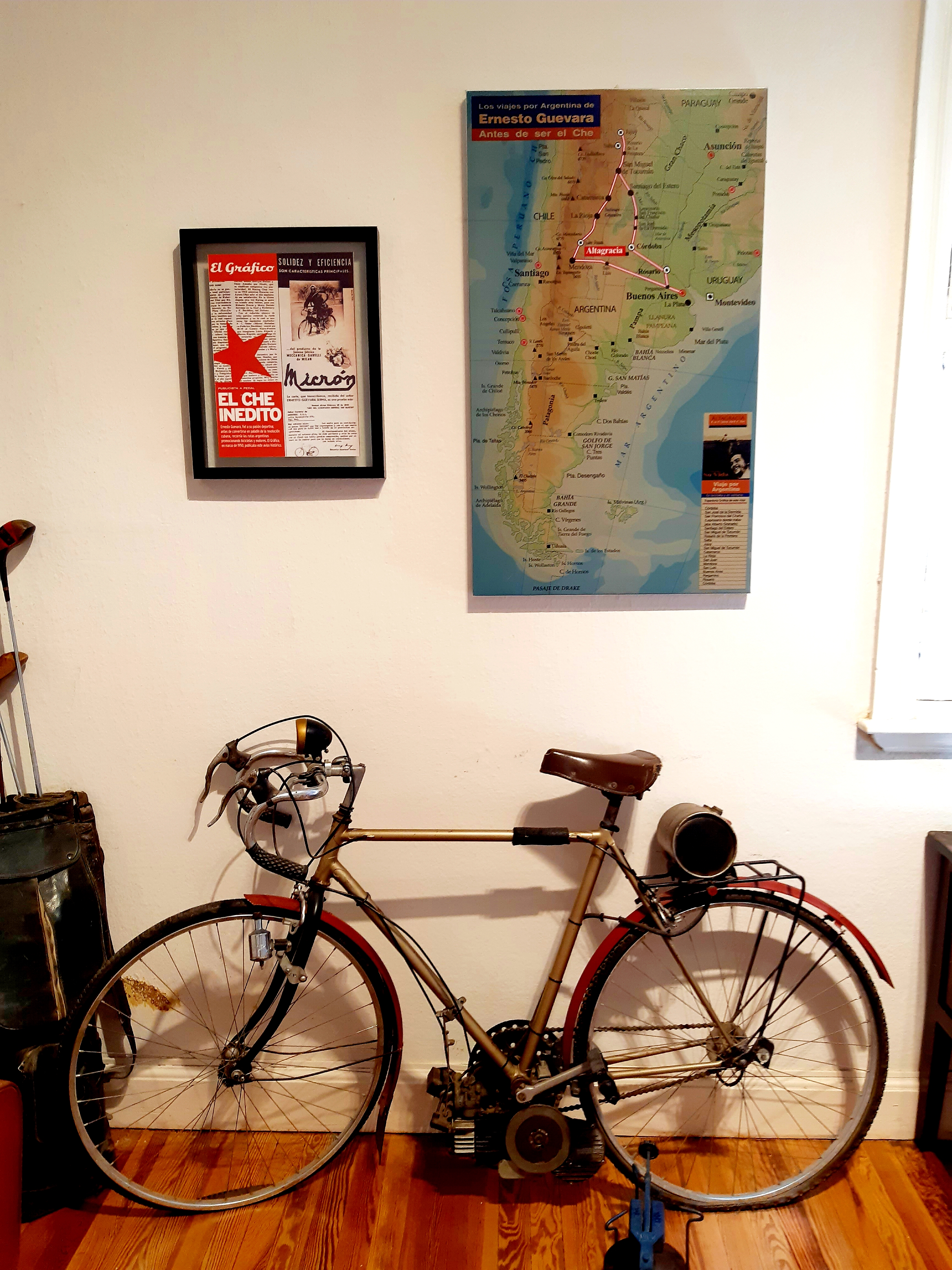
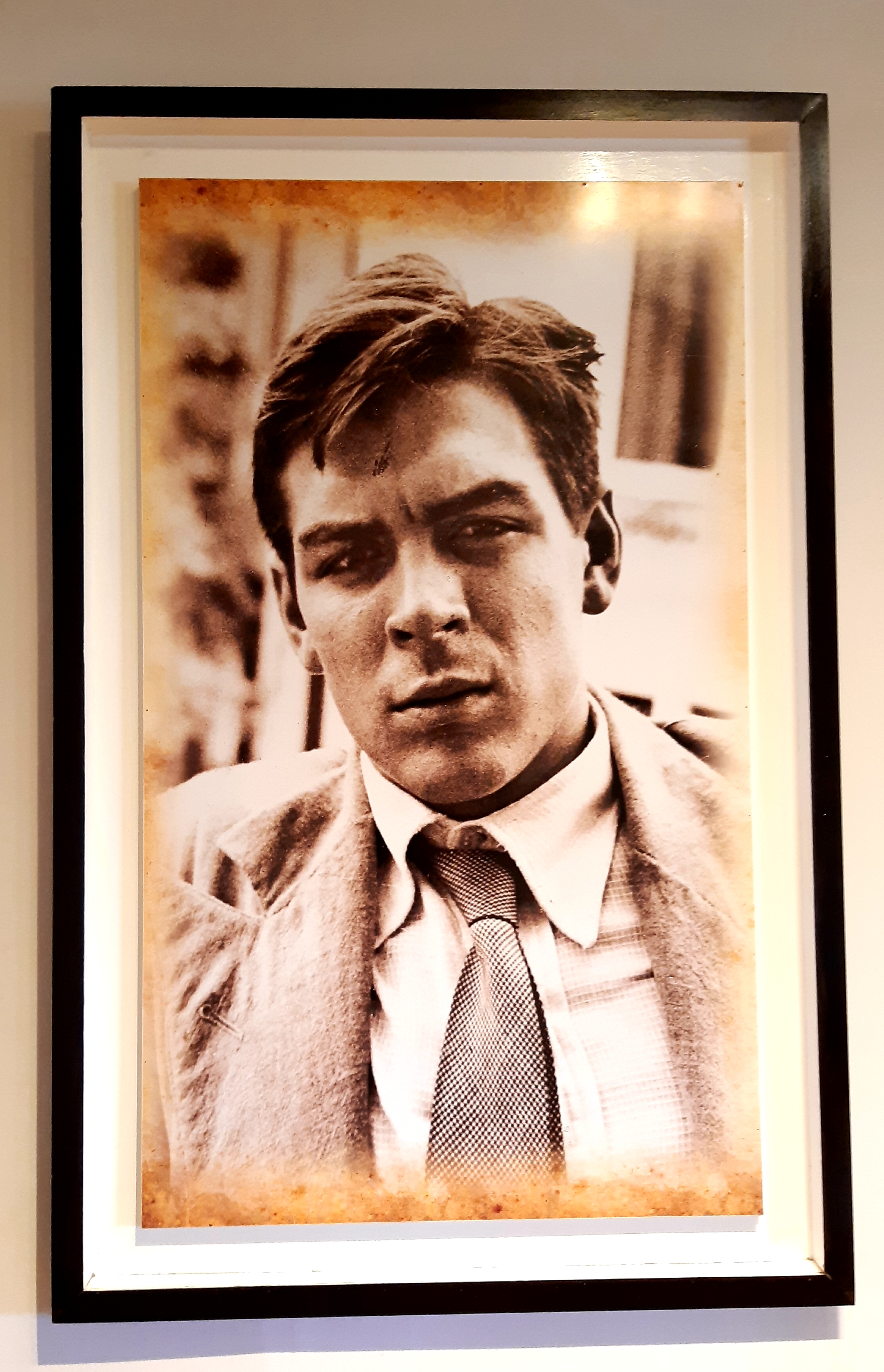 After returning to Buenos Aires, he embarked on a another tour, this time of Latin America, on a motorbike with a friend, Alberto Granado.
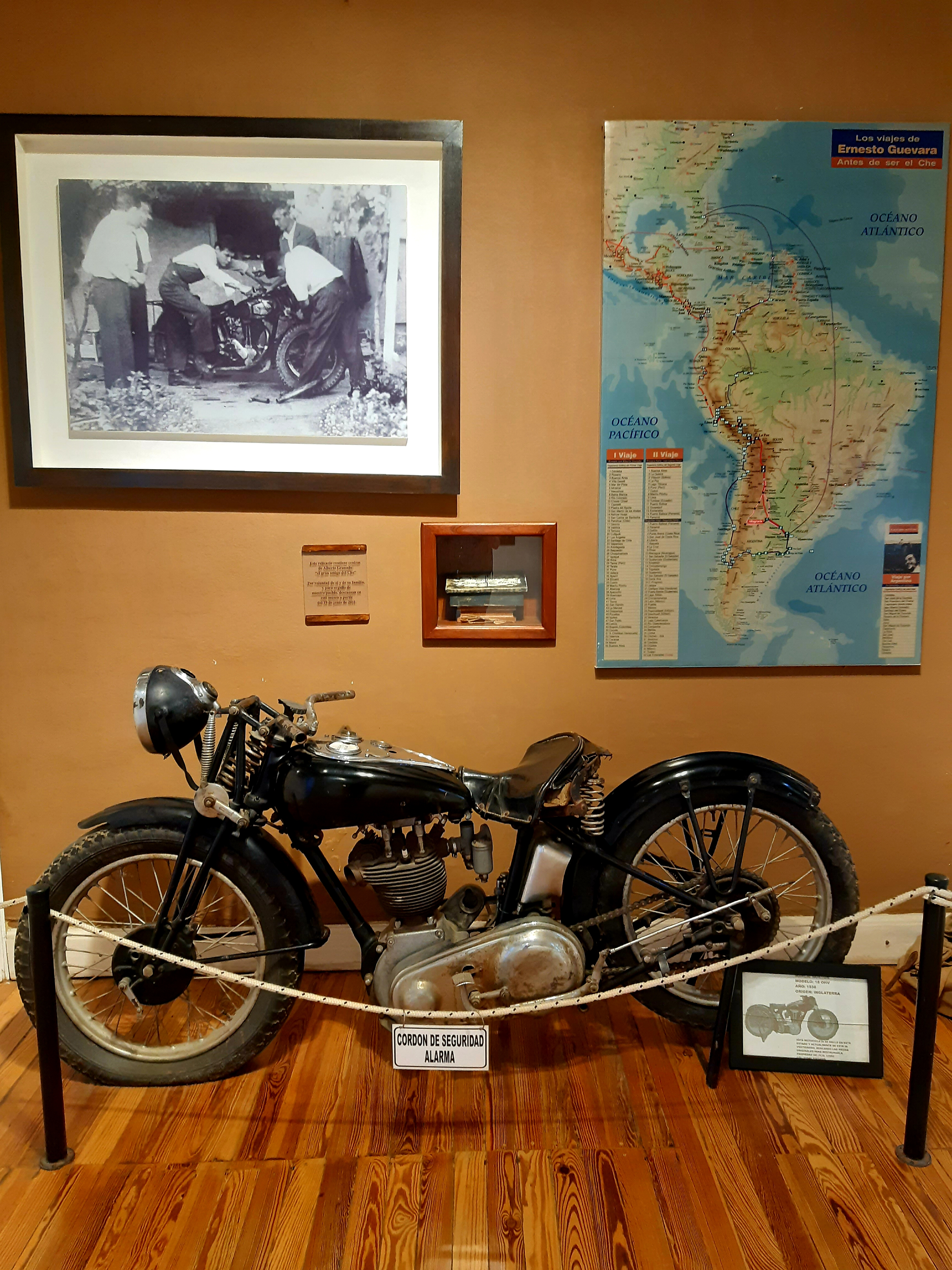 After reaching Venezuela, he returned to finish his medical studies, as he had promised his mother. This he did in less than a year, qualifying as physician at the age of 25. He and a childhood friend, Calica Ferrer, made a second trip through Latin America, travelling through Bolivia, Peru and Ecuador, where they parted ways. Ernesto went to Guatemala, where he met a Cuban Ñico López, who gave him the nickname Che, and a woman who became his first wife, Hilda Gadea. He left for Mexico, where in July 1955 he met Fidel Castro from Cuba, and enlisted as a field doctor in his future guerilla expedition.
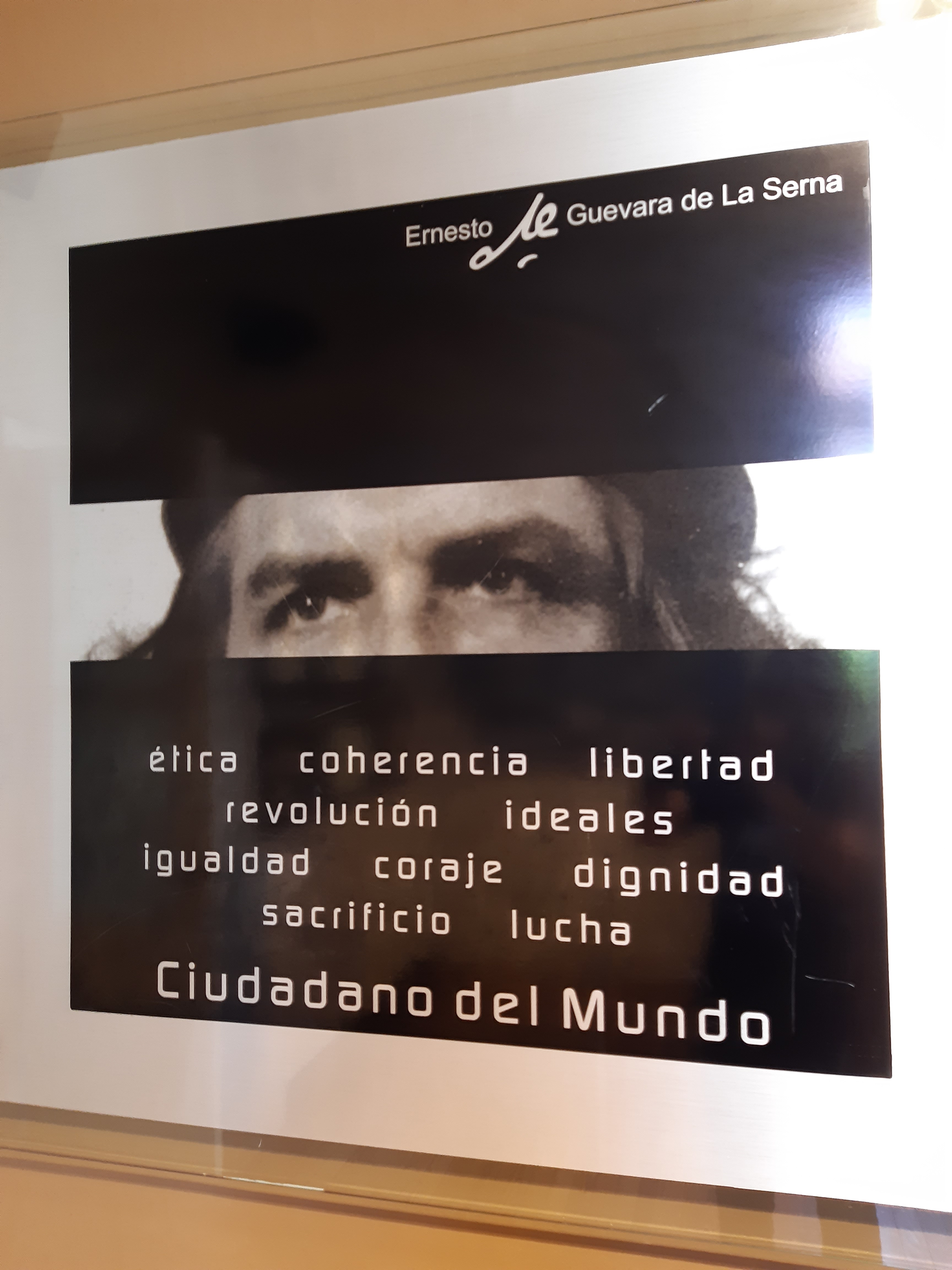 Che left Cuba in 1965 to join forces with guerrillas in the Congo, but left after 7 months, as their disorganization, mass desertions and tribal divisions led to failure. He went to Bolivia to lead the revolution in that country, but was wounded, captured and interrogated on the 8th October 1967, and shot dead on the 9th October. His body was only found 30 years later in a communal grave in Bolivia.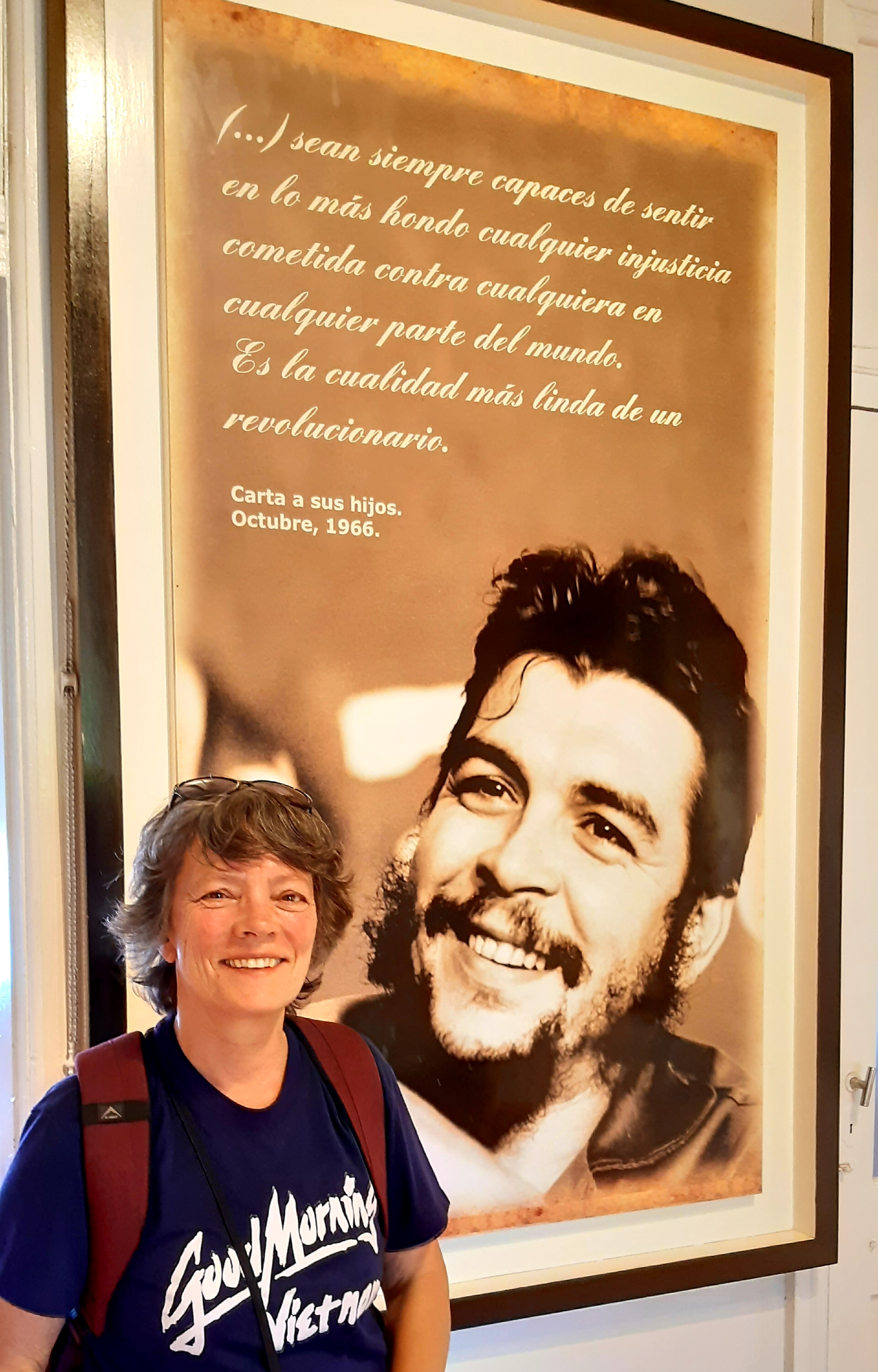

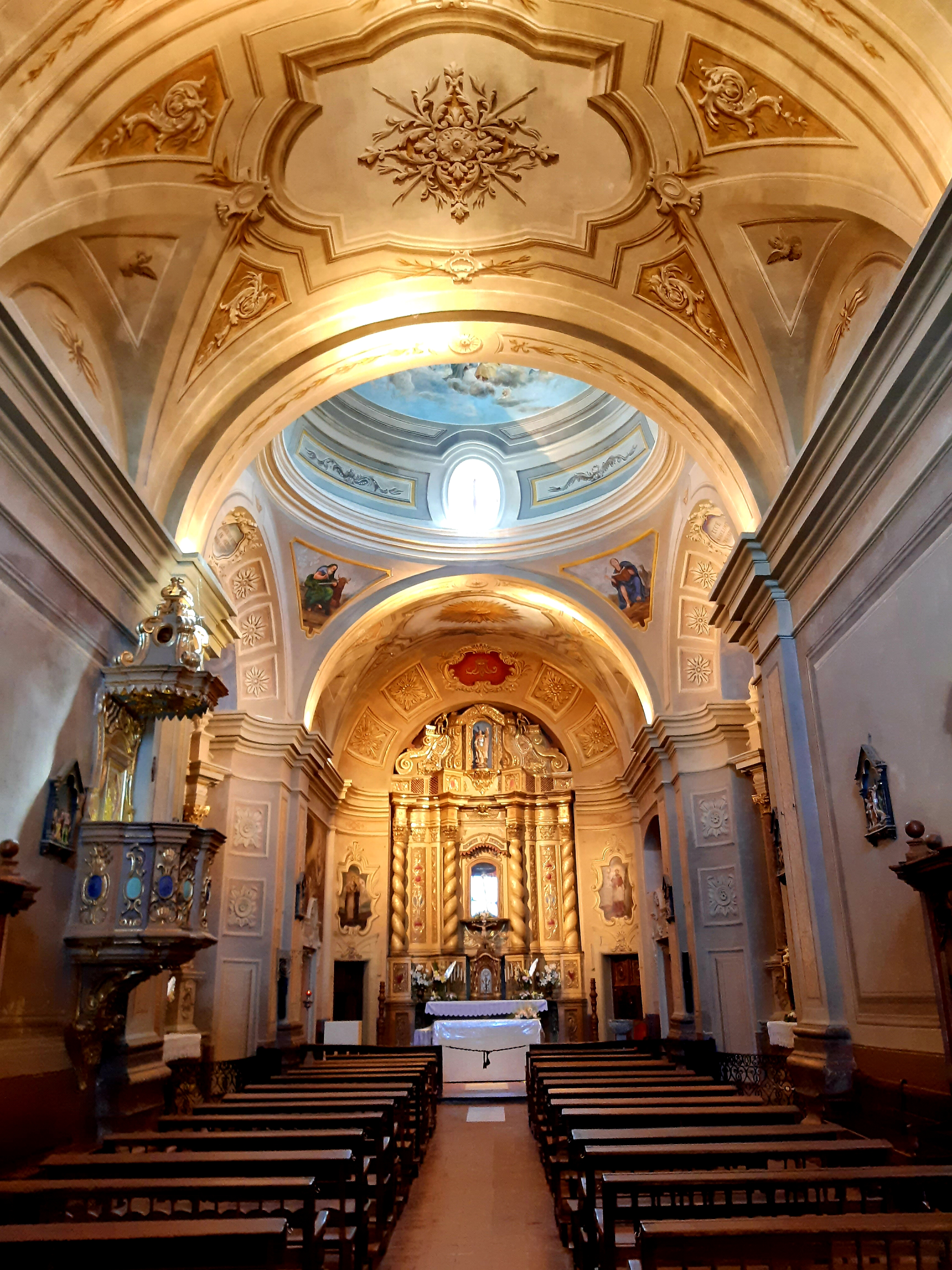
 The cathedral next to it was well worth a visit, as always.
 There is tranquil man-made lake where I had my sandwich, watching some dragonflies mating, one immediately afterwards being caught by a frantically hungry bird. Shocking, to say the least. I felt sorry for the other one, who was hovering around the death scene for a while, until it too was caught. Oh well, such is life in the animal kingdom.
 Mella Madness