Don’t think a thousand steps get you to heaven. It only takes you to the top of Cerro San Bernardo, a hill overlooking Salta, a beautiful city in the north of Argentina. Although, with the spectacular backdrop of the Andes mountains, an exalted feeling is not precluded. It’s just the sweat and shortness of breath that brings you back to earth.


A man-made waterfall greets one at the top, which was not too bad as it is the end of the dry season here and no natural waterfalls to refresh the weary climber. I love the energy of running water. I was amused by the sign at the fall and still don’t quite get it. According to Google Translate zona cardio protegida means area of cardio protection. I thought if I stood there for a while, my heartbeat would return to normal…

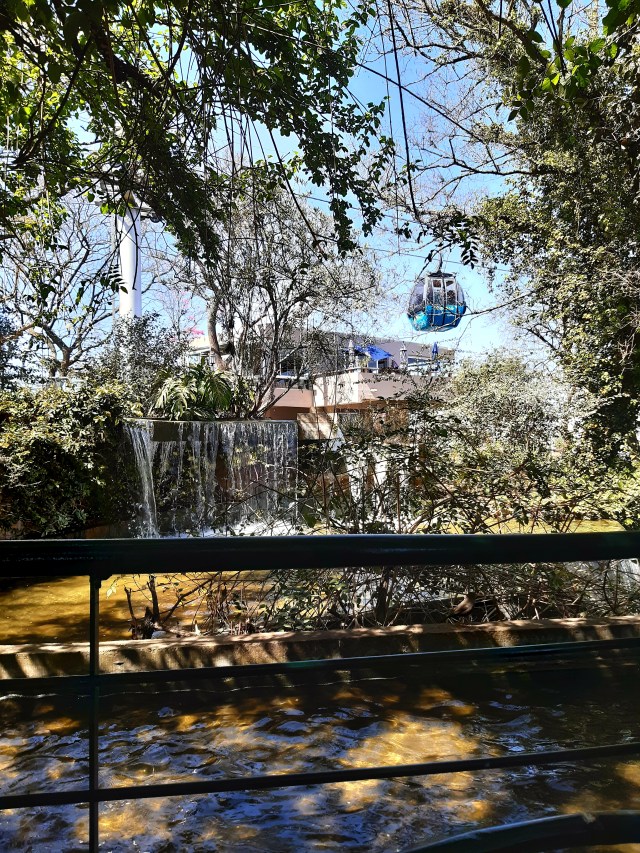
Yep, that’s a cable car – as usual I opted for the more challenging way of getting to the top, feeling very superior. I sheepishly have to admit that it probably had more to do with dinero (money) than the physical exertion.
Just a slight diversion here. There was a documentary made a few years back, fast-forwarding the decline of planet earth once humans ceased to exist, and how nature would take over again. Somewhere there was a scene showing packs of dogs roaming and scaveging for food in the absence of man. I am seriously beginning to feel that here – roaming dogs are everywhere. On the streets, in the parks, in the city centre, and a lot on the San Bernardo stairs. Just lying there, obviously not belonging to anyone. I remember Paolo Coelho writing about the dogs of O’Cebrero on his pilgrimage to Santiago, and how fearful I was as I approached that town on my own Camino – I never saw any dogs. But now I seriously am becoming concerned.

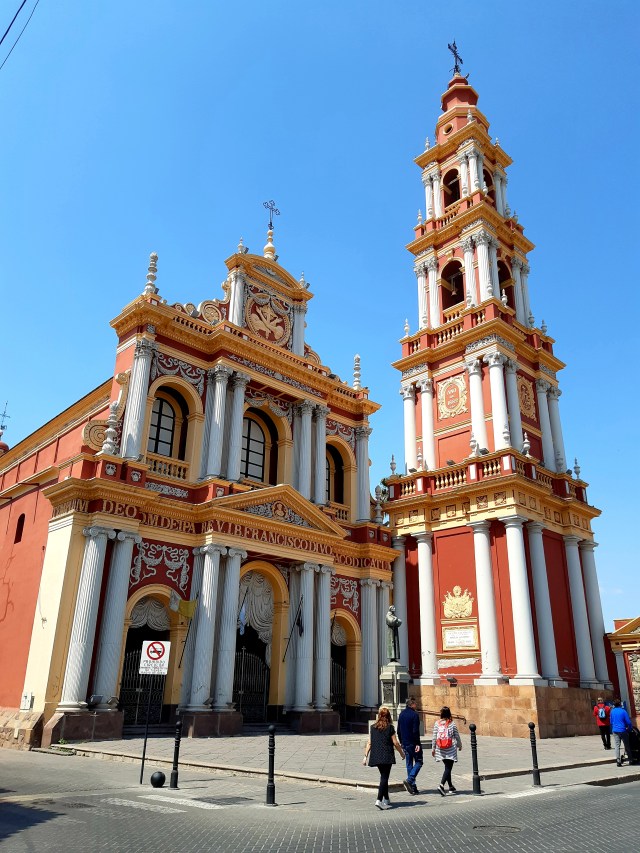
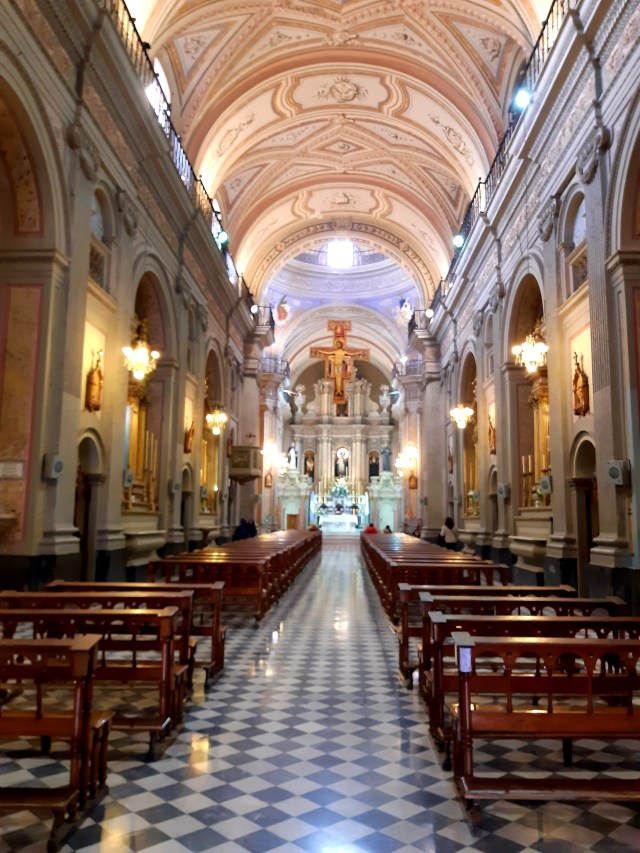
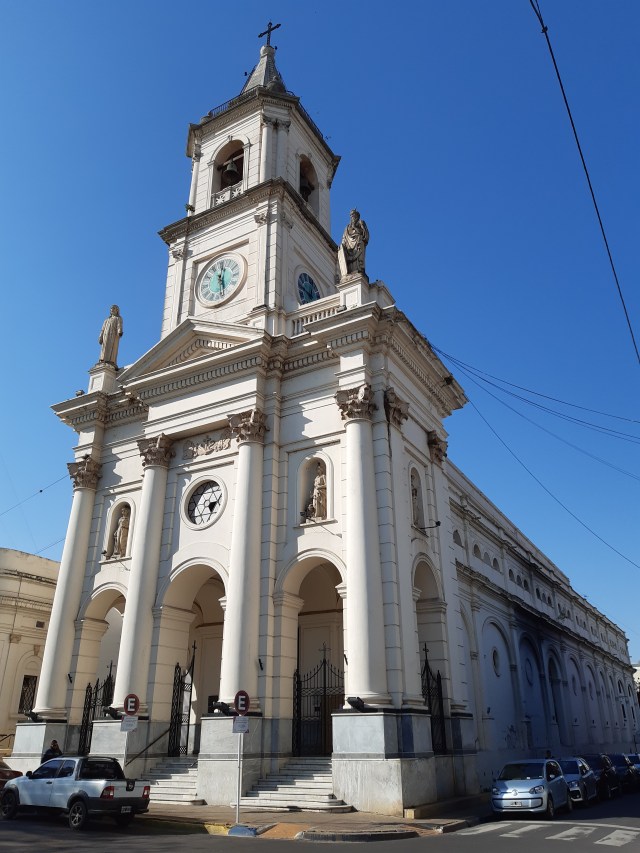
Salta was founded in 1582 and the name is derived from the Diaguita word sagta which means ‘beautiful’, so I feel quite justified for having called it a ‘beautiful’ city in the first paragraph. For me, there is always beauty in everything, but seeing all the colonial and pre-colonial buildings around Plaza 9 de Julio, a tree-filled green park in the city centre, the name is easily justified. Most striking is the Iglesia y Convento San Francisco (church and convent of St Francis), which was started in the mid-18th century and the facade, done by Italian architect Luigi Giorgi, was only completed in 1870.
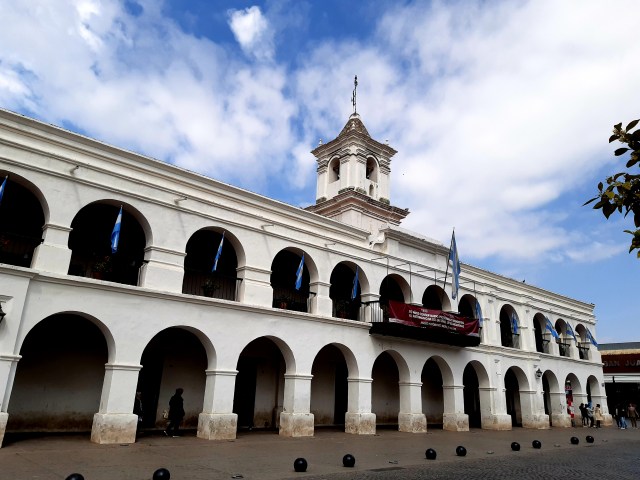
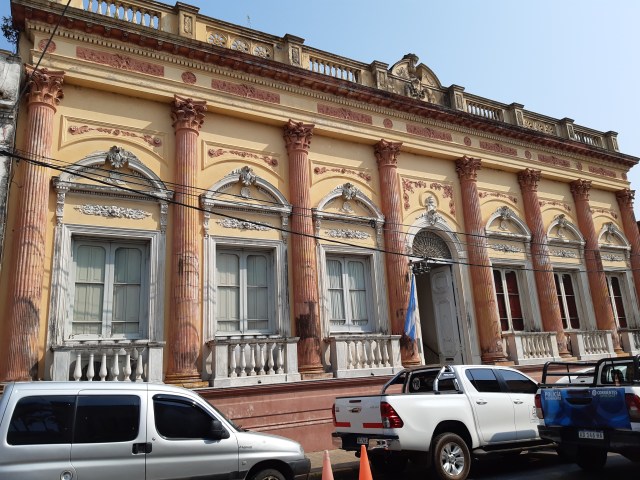
Two of the oldest surviving buildings (although both have been restructured as result of earthquakes and wars) are the Cabildo de Salta and the Convento San Bernardo (Convent of St Bernard). St Bernard is the patron saint of Salta, hence the hill named after him too.
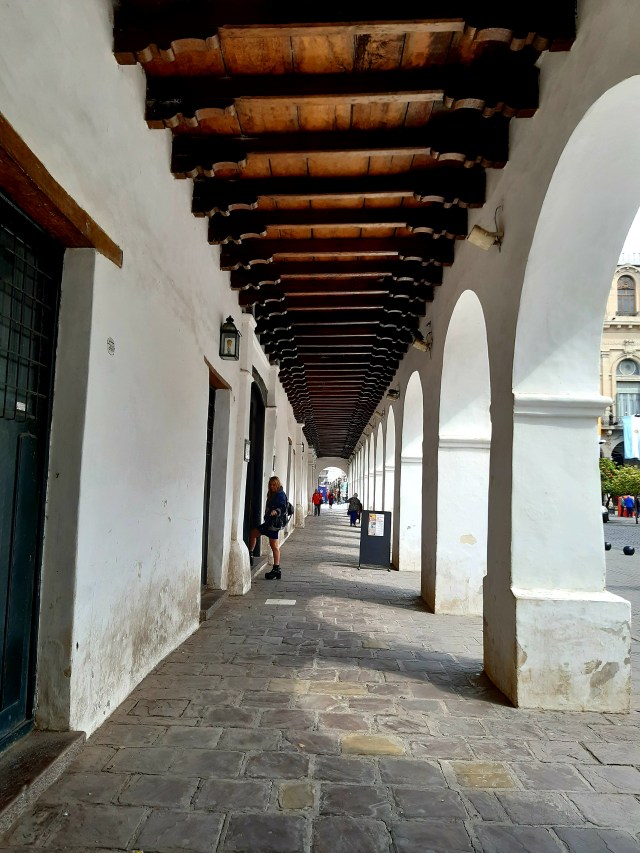
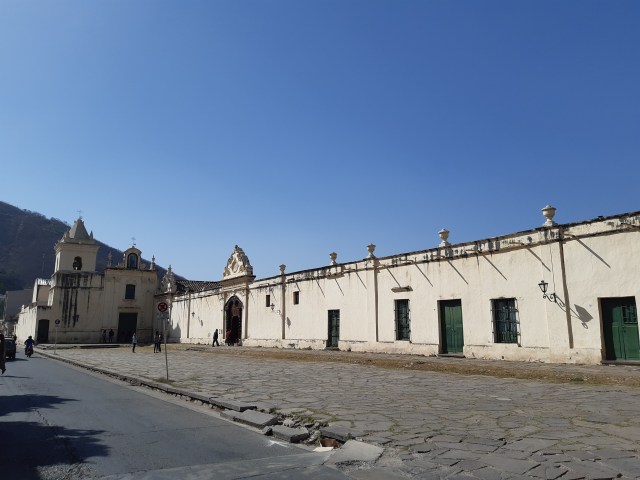

This door is the only original part of the convent and was carved by indigenous craftsmen in 1762.
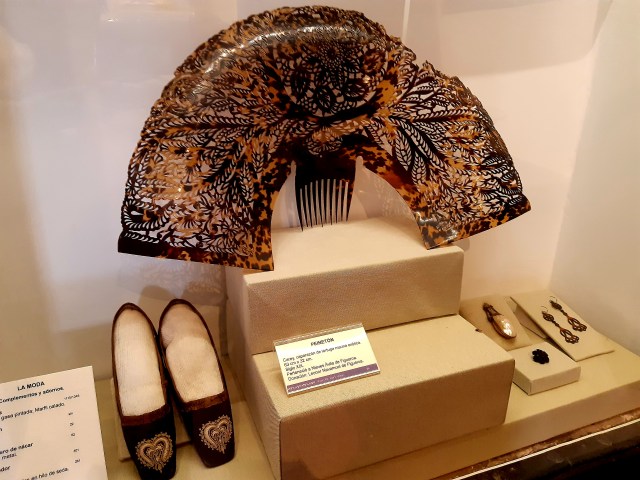
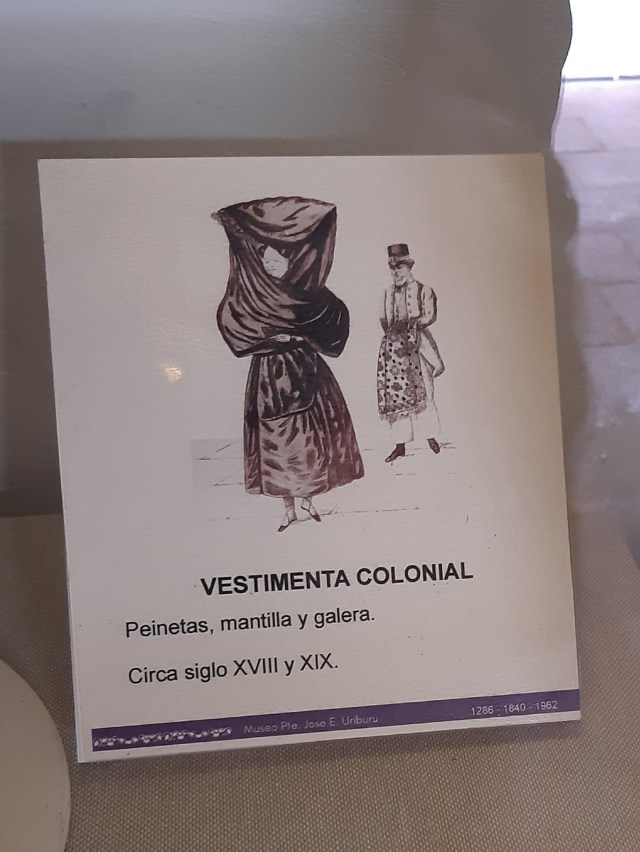
Something really upsetting is displayed in one of the museums here. It is a head piece that is carved out of turtle shell. It was fasionable in the 18th and 19th centuries and was worn by women, as shown in the illustration:
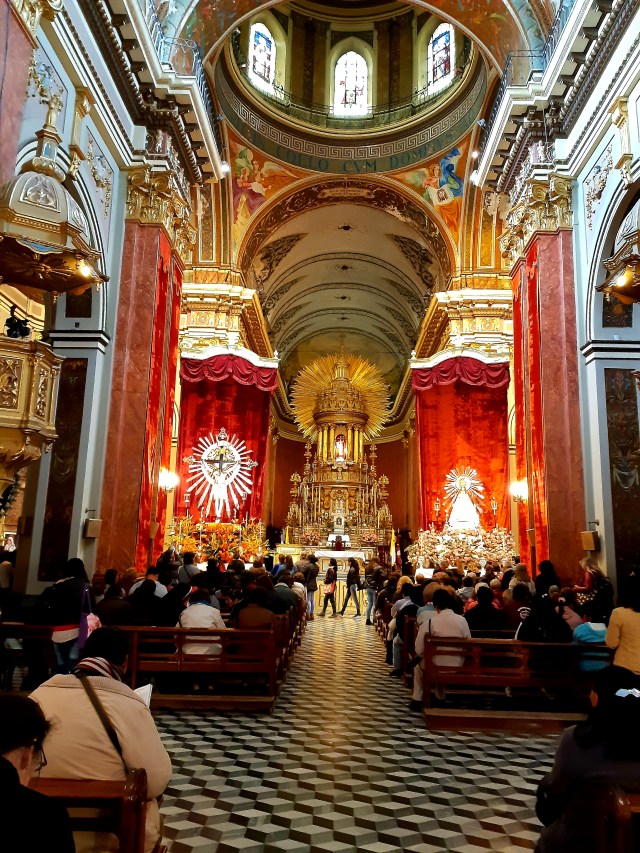
It is Miracle Week in Salta this week, with a huge parade and festival ending it on Sunday. The cathedral on the plain has daily ongoing services which are publically broadcast and people are queuing for communion and blessings, bringing little bunches of red and white carnations that are being sold on street corners. Quite inspirational, the piety accompanying it all. Although my poor mother would have had a fit, as she believed that red and white flowers together predicted death. Just goes to show how supestitions can govern one’s life. The flower arrangements in the church were different though.
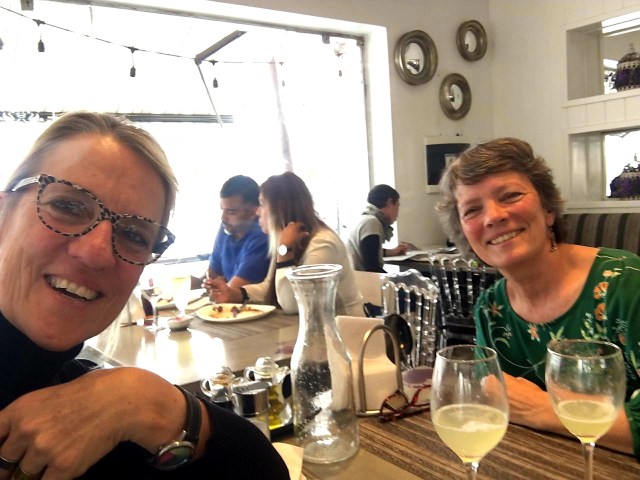
Workaway has bestowed me with another friend who invited me for lunch today. She responded to my application, stating that she no longer accepted Workawayers, but would love to meet me as my vocation was of interest to her. She has etablished and runs a language institute in the city and has suggested that I teach English classes there in exchange for Spanish lessons. So I might come back to Salta in December or January!



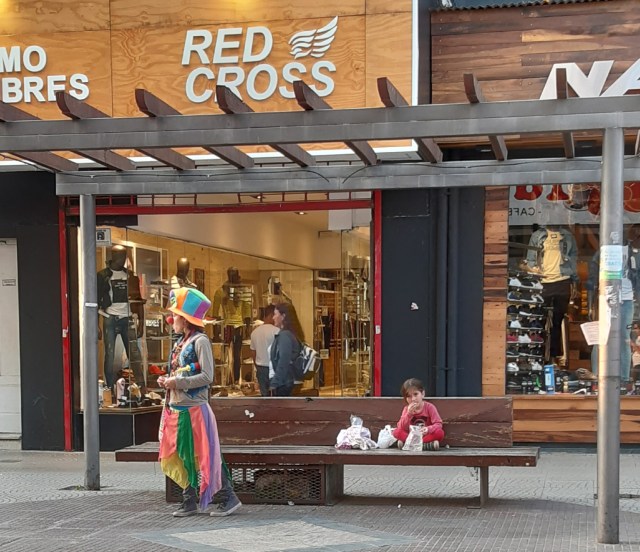
 Sometimes the mother would check on her…
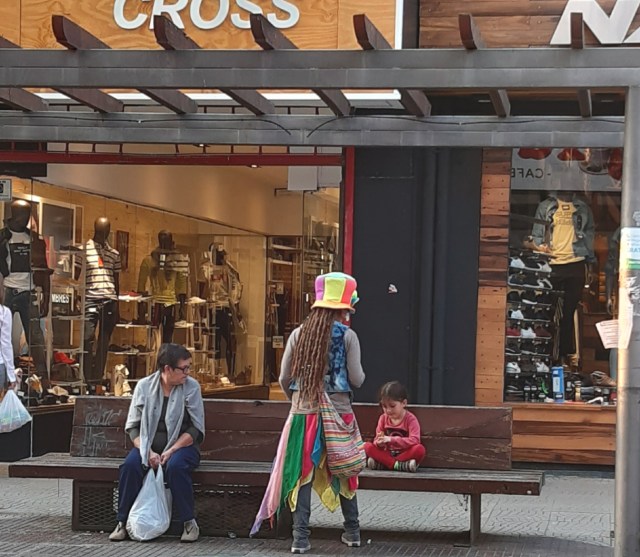 And then she got tired…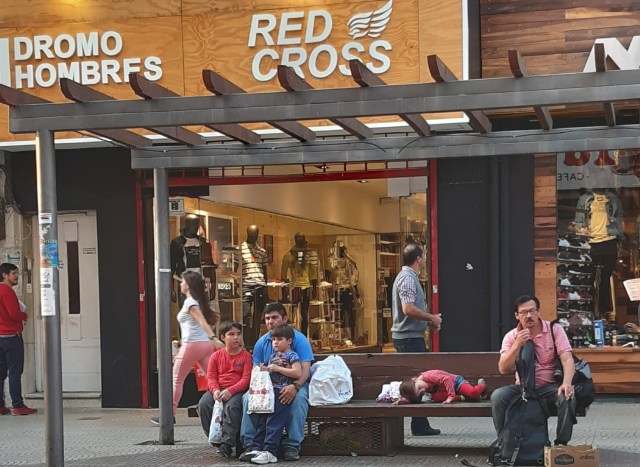


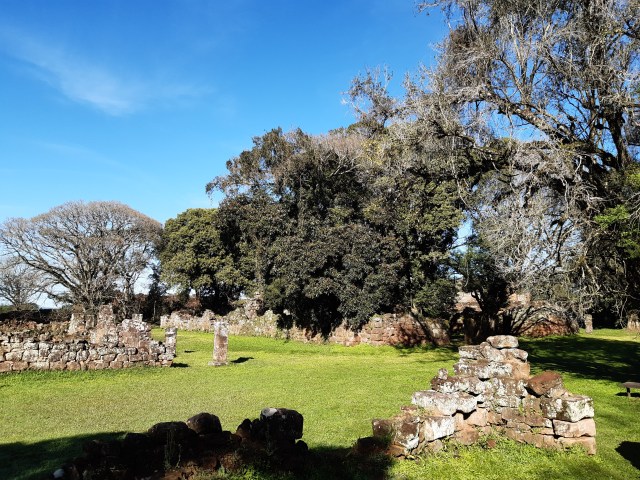



 Note the pink travelling companion waiting to hit the road…



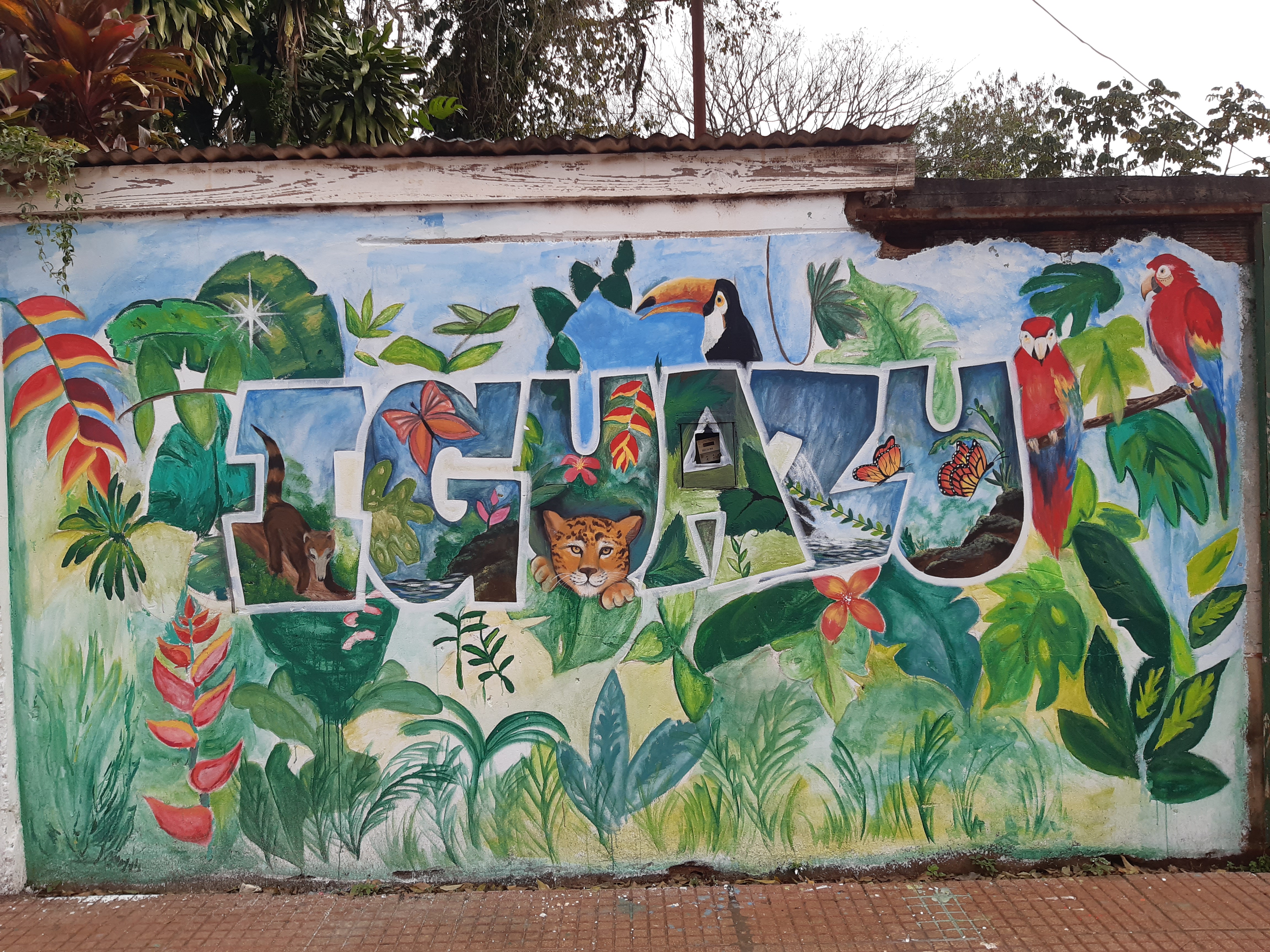
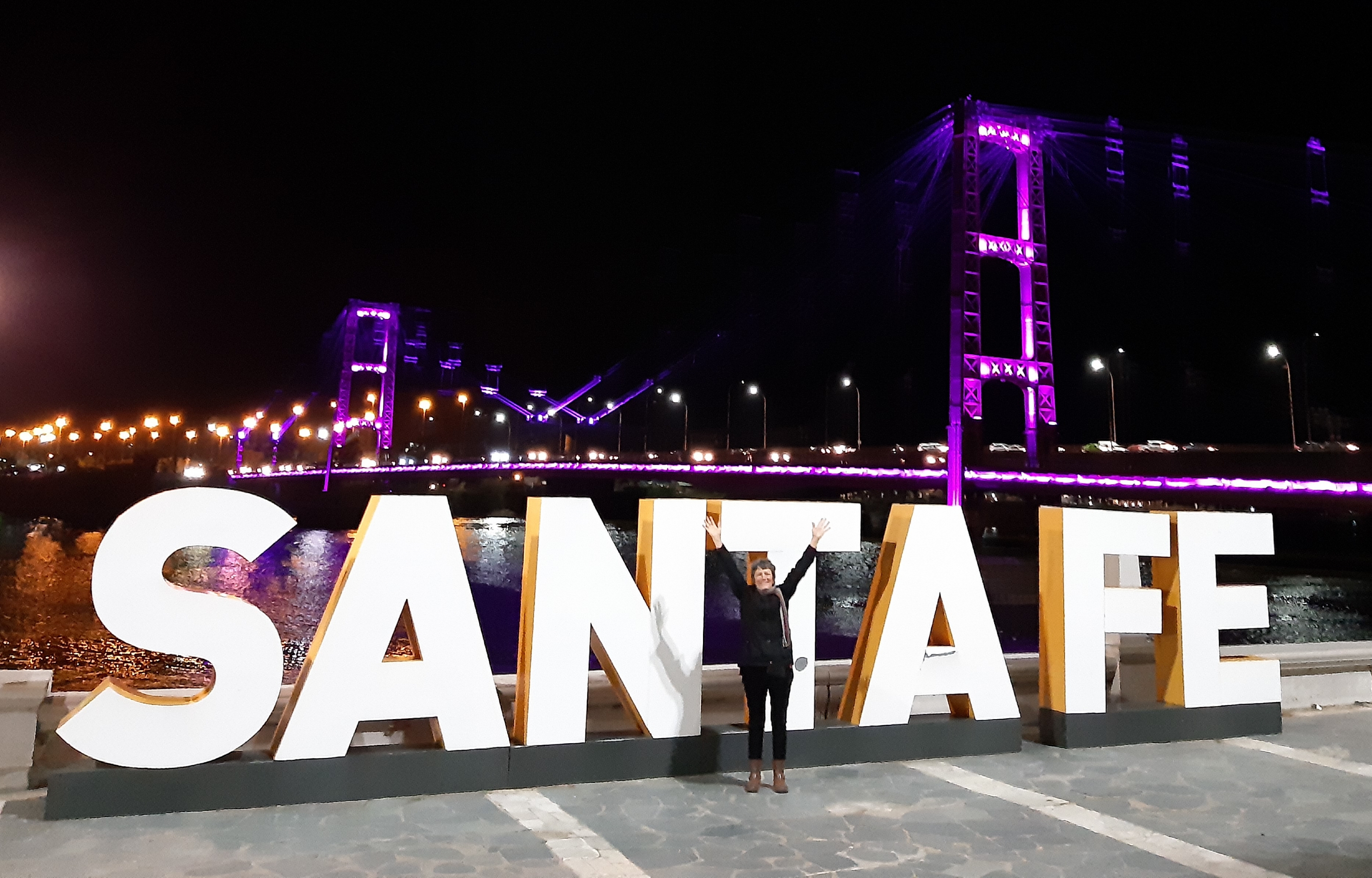
 I waited until they were all doing yoga on the lawn before my grand exit – I had no intention of having witnesses. My ‘long walk’ towards a new adventure. Time for reflection, for a farewell. The gate at the end of the driveway was only the beginning, as I had 6 blocks to go to catch the local bus, and 6 more once I got to Santa Fe. I made it, and am on the night bus to Puerto Iquazu, my next destination.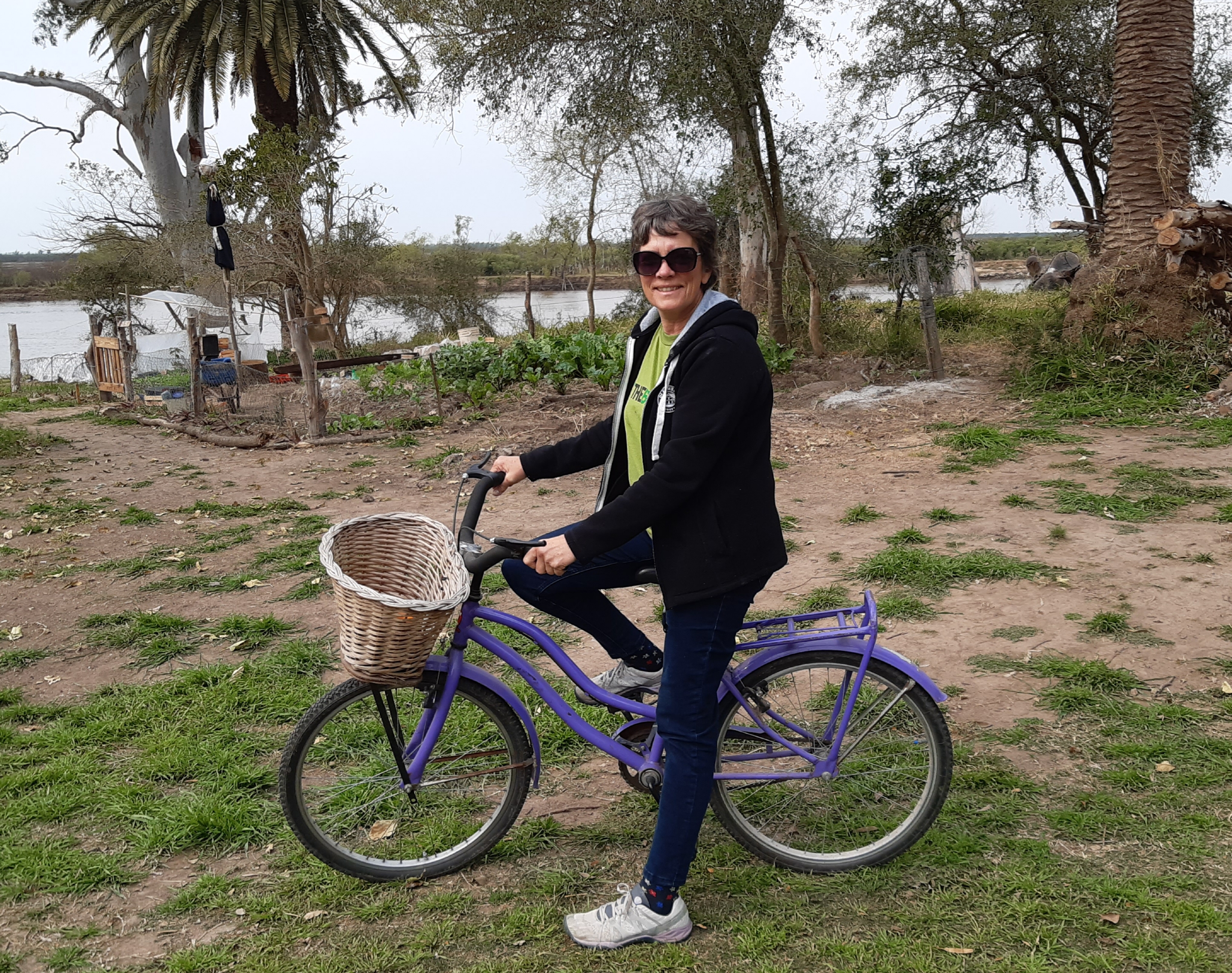

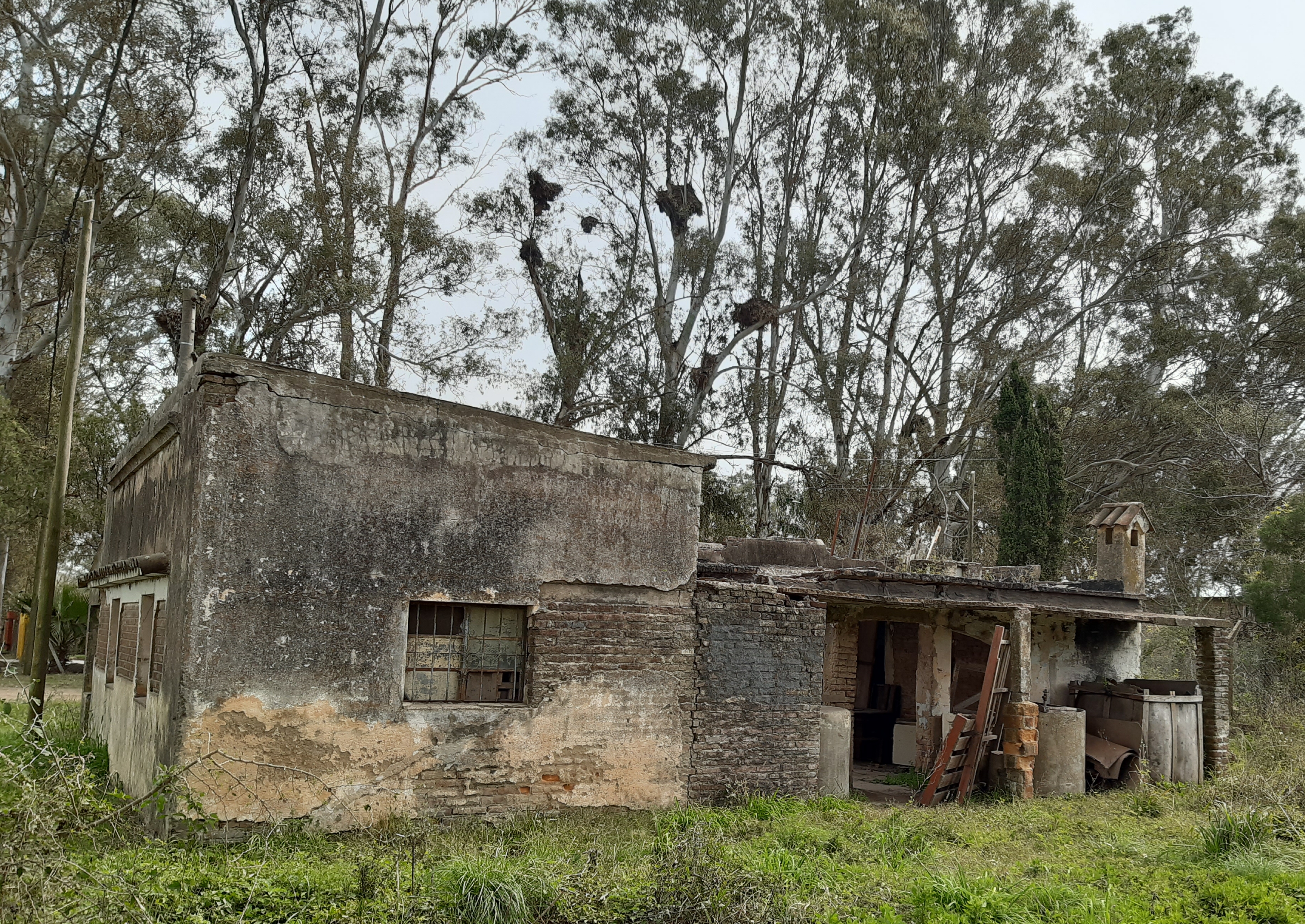
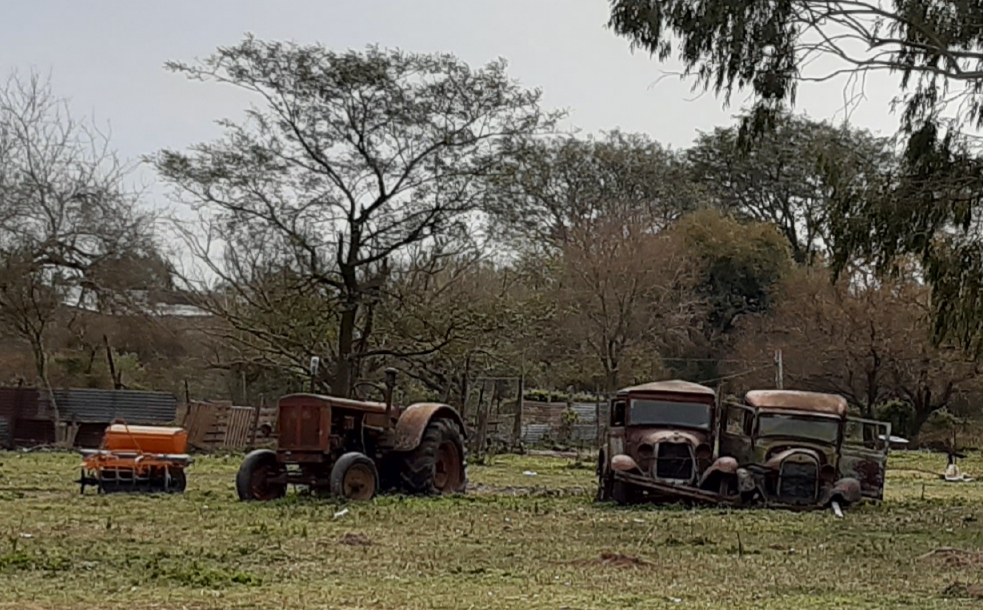
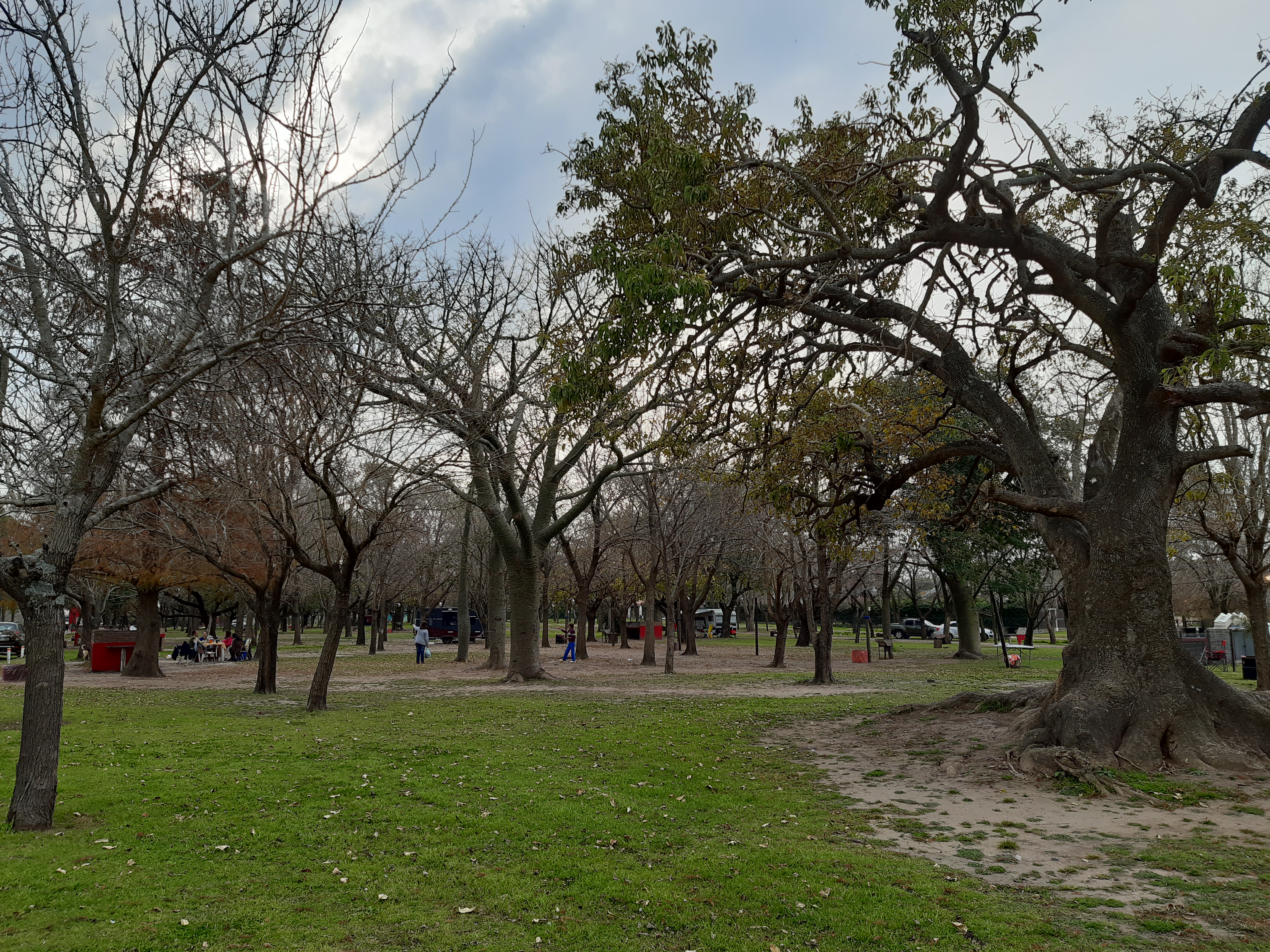
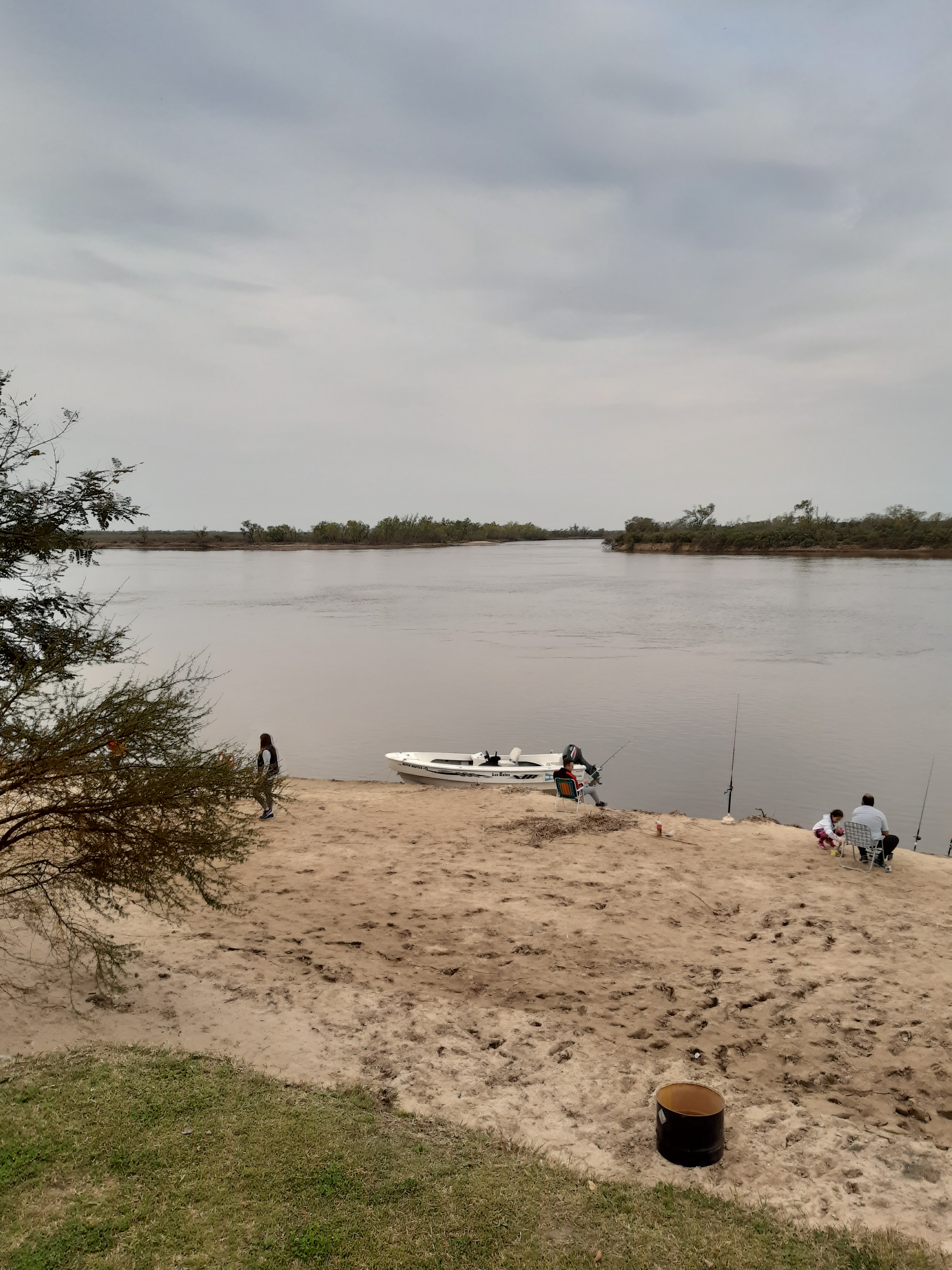
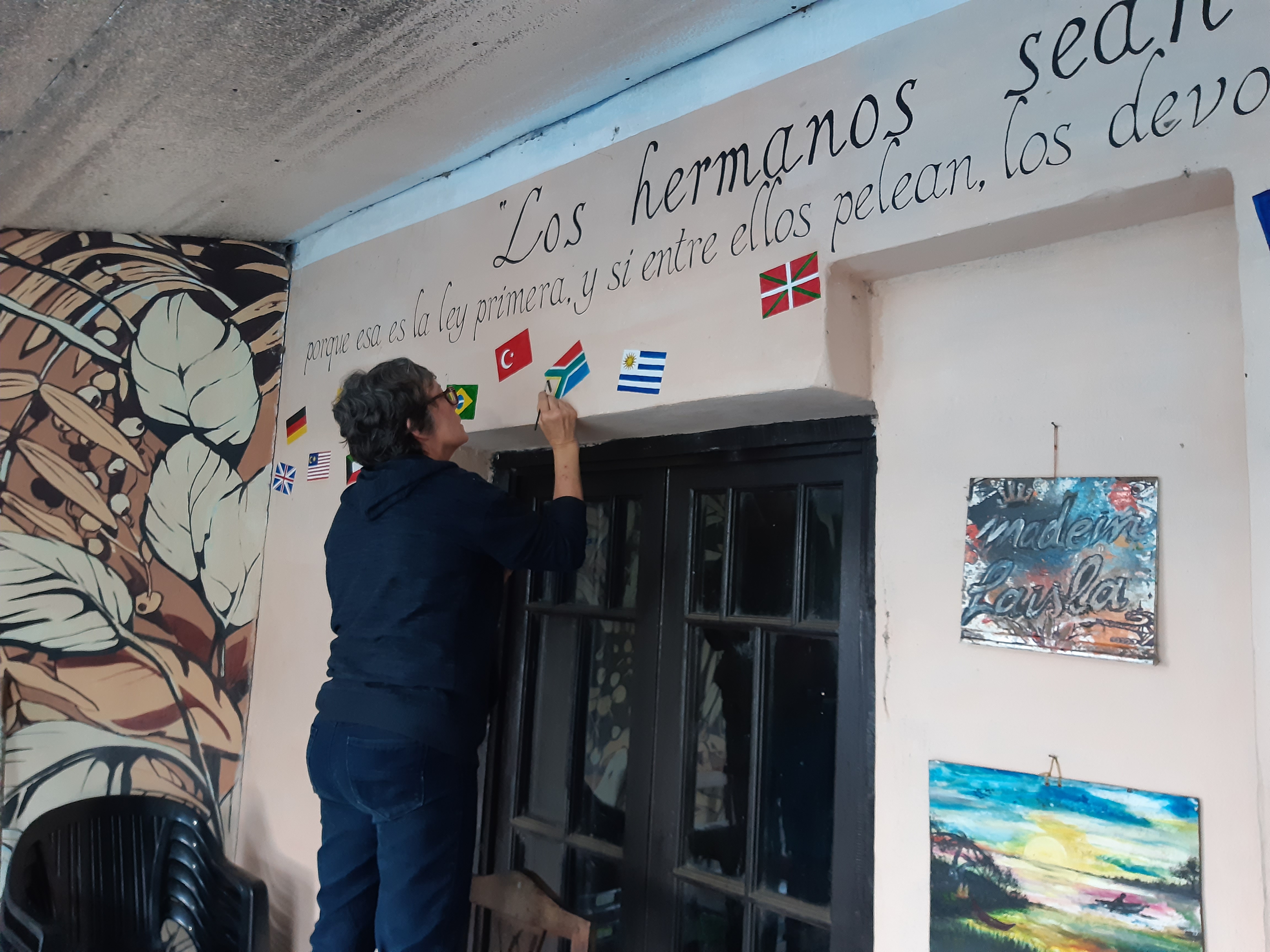
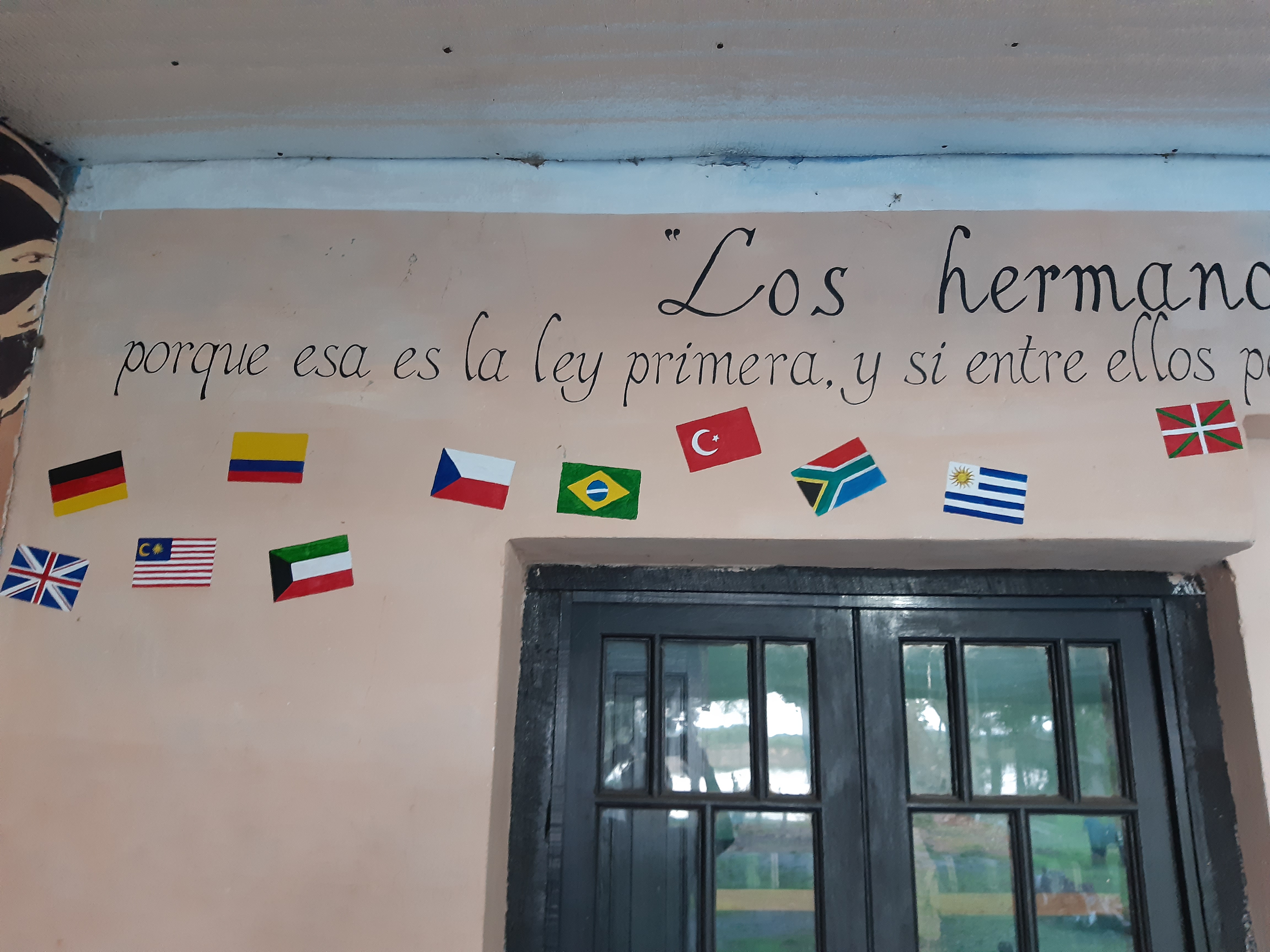
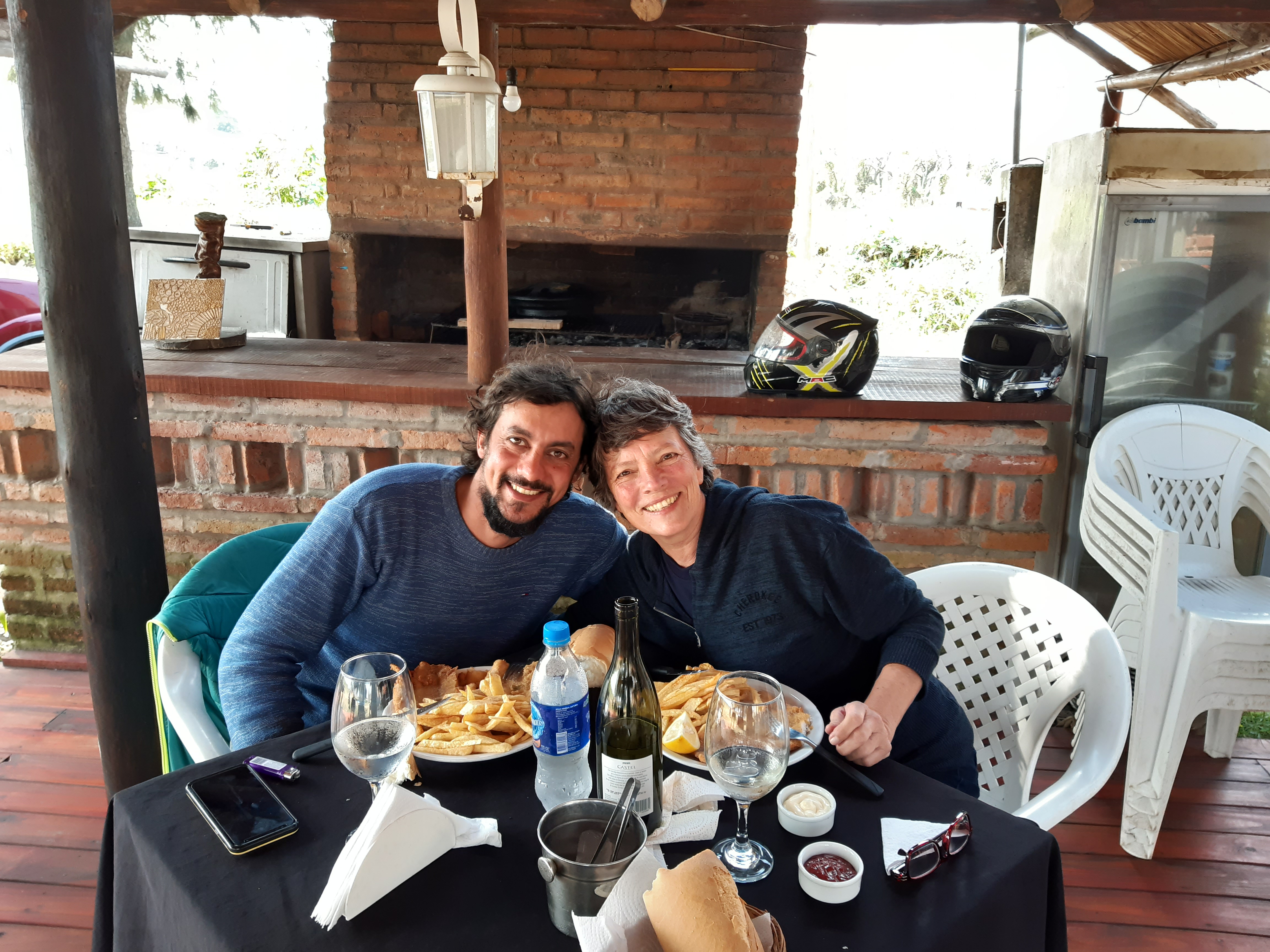
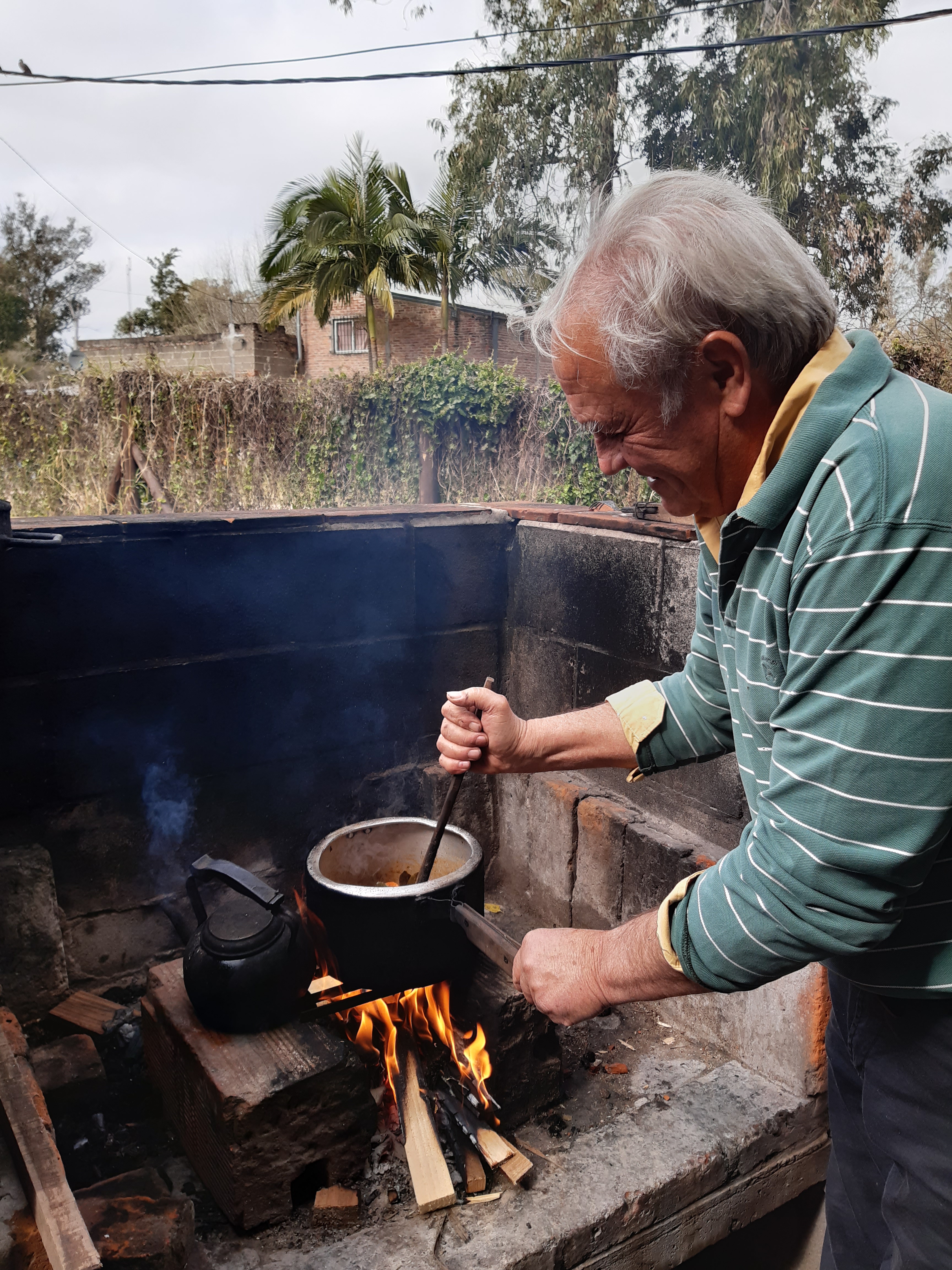
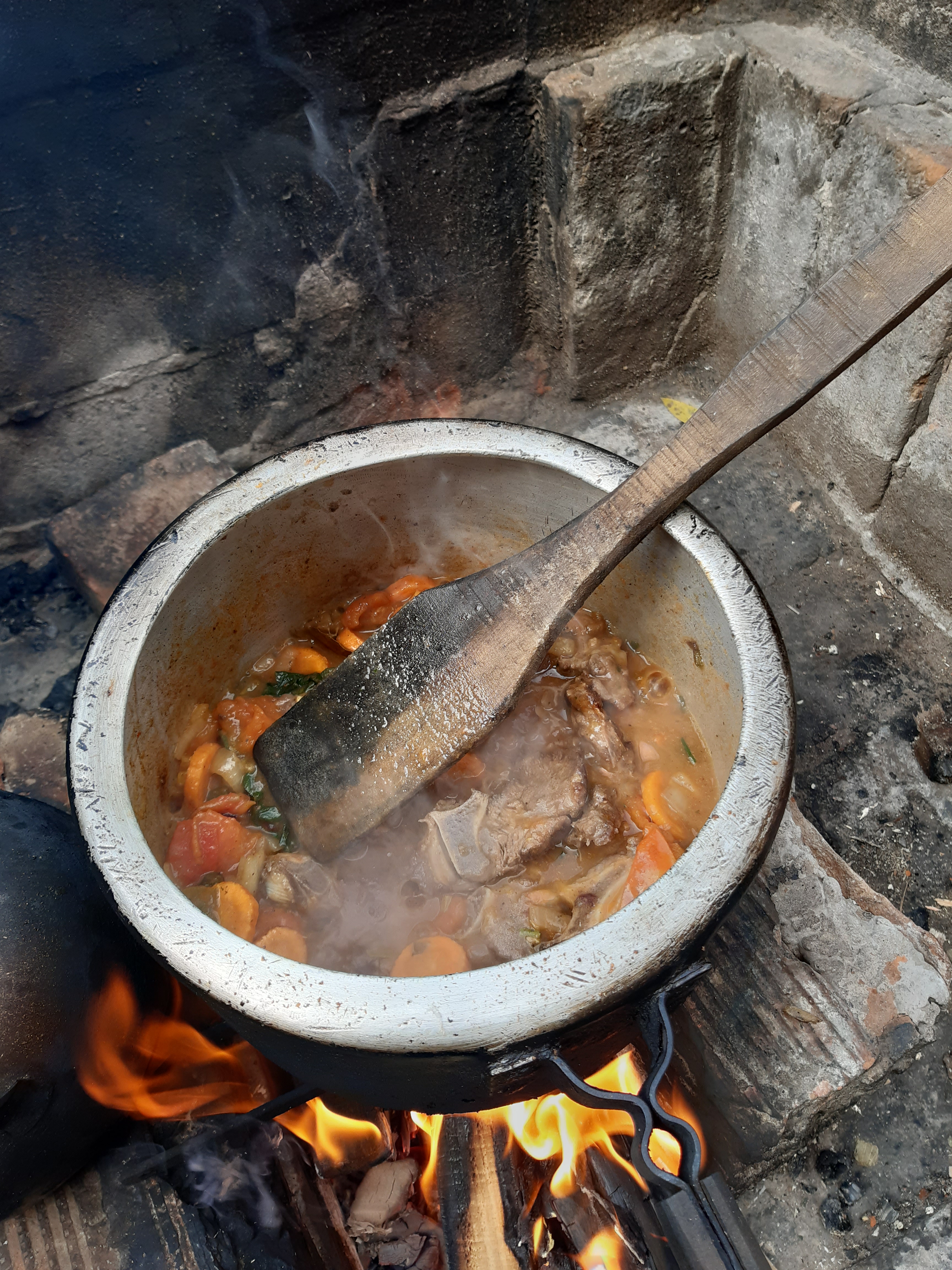
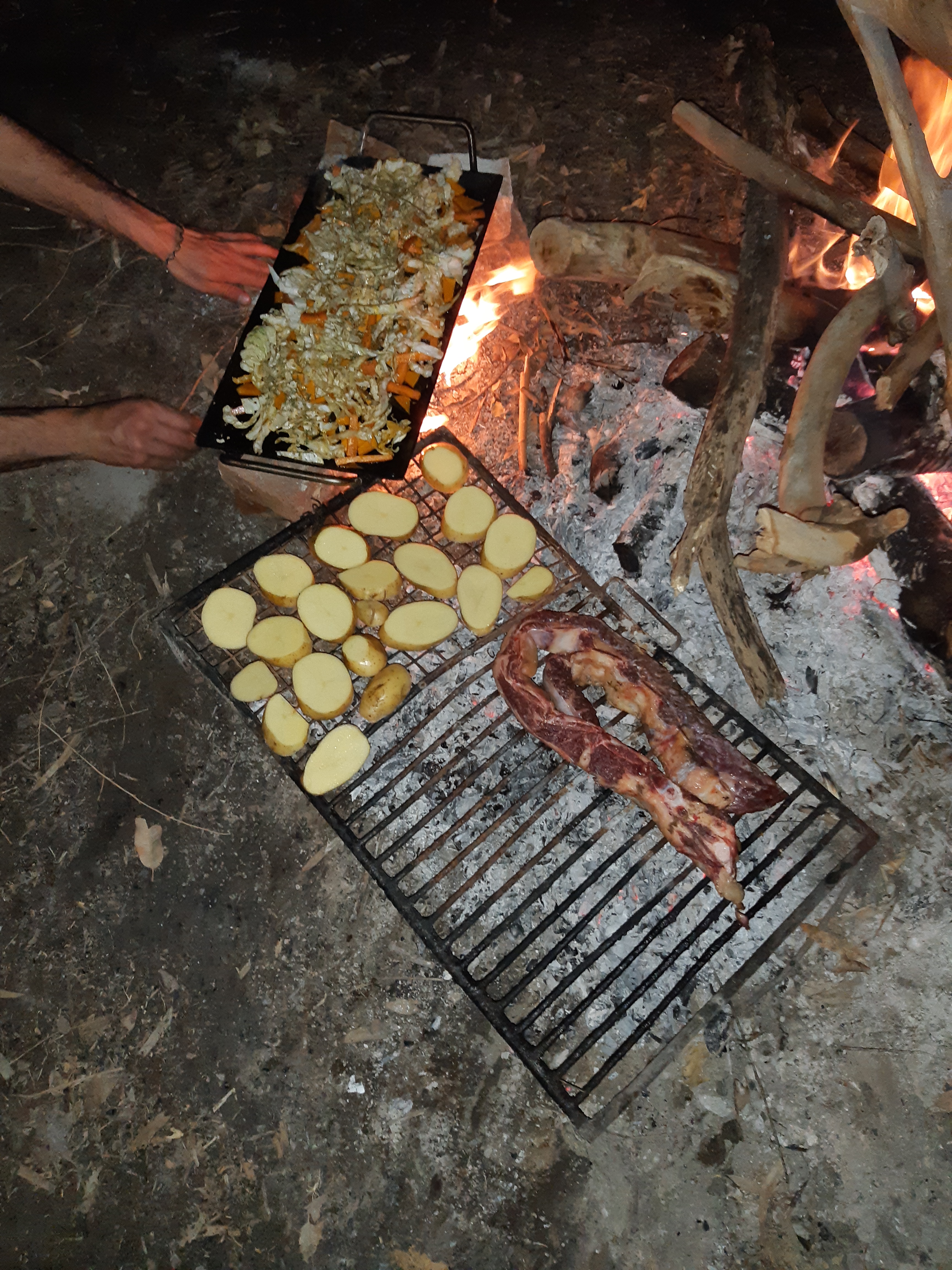
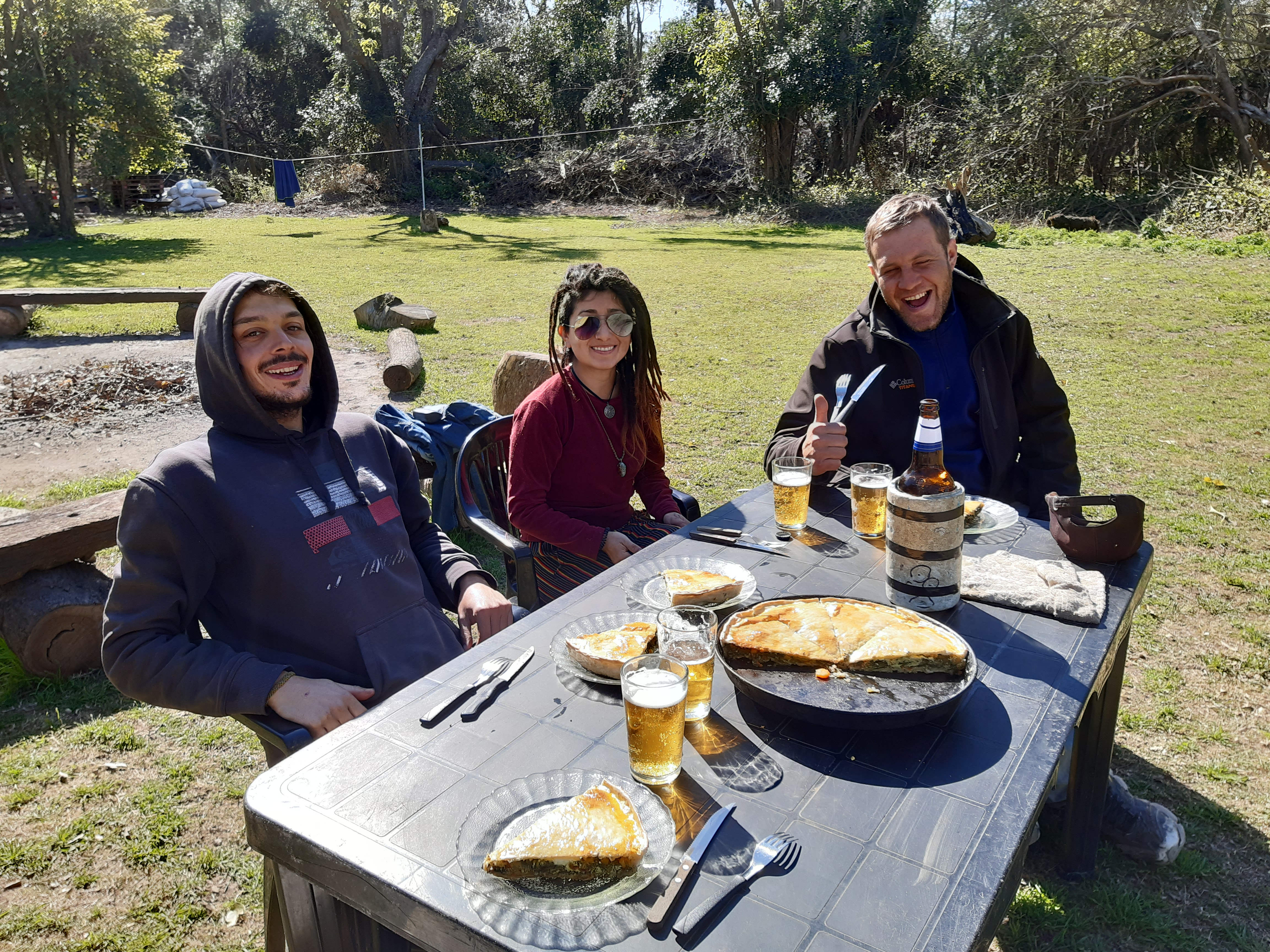
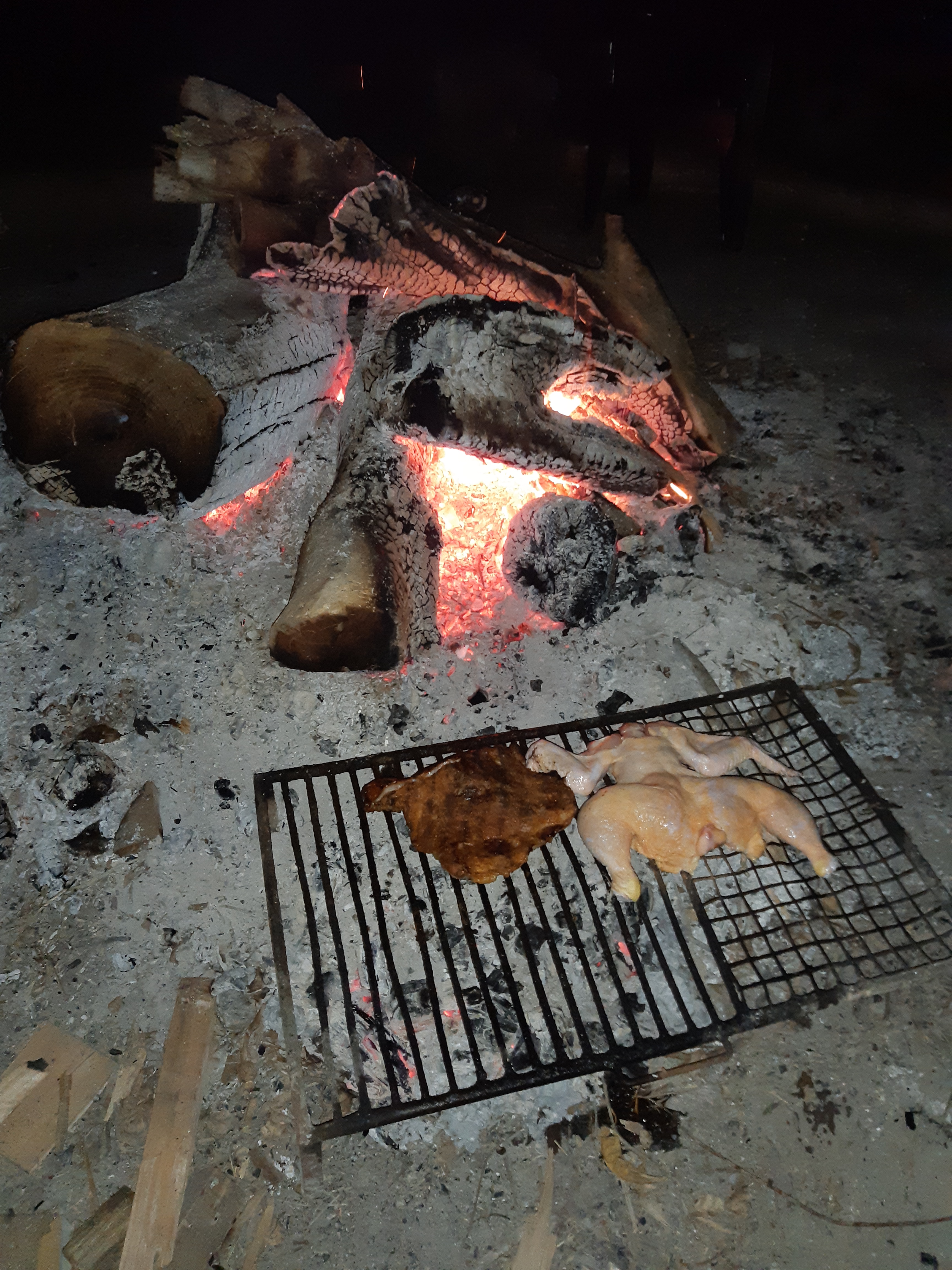
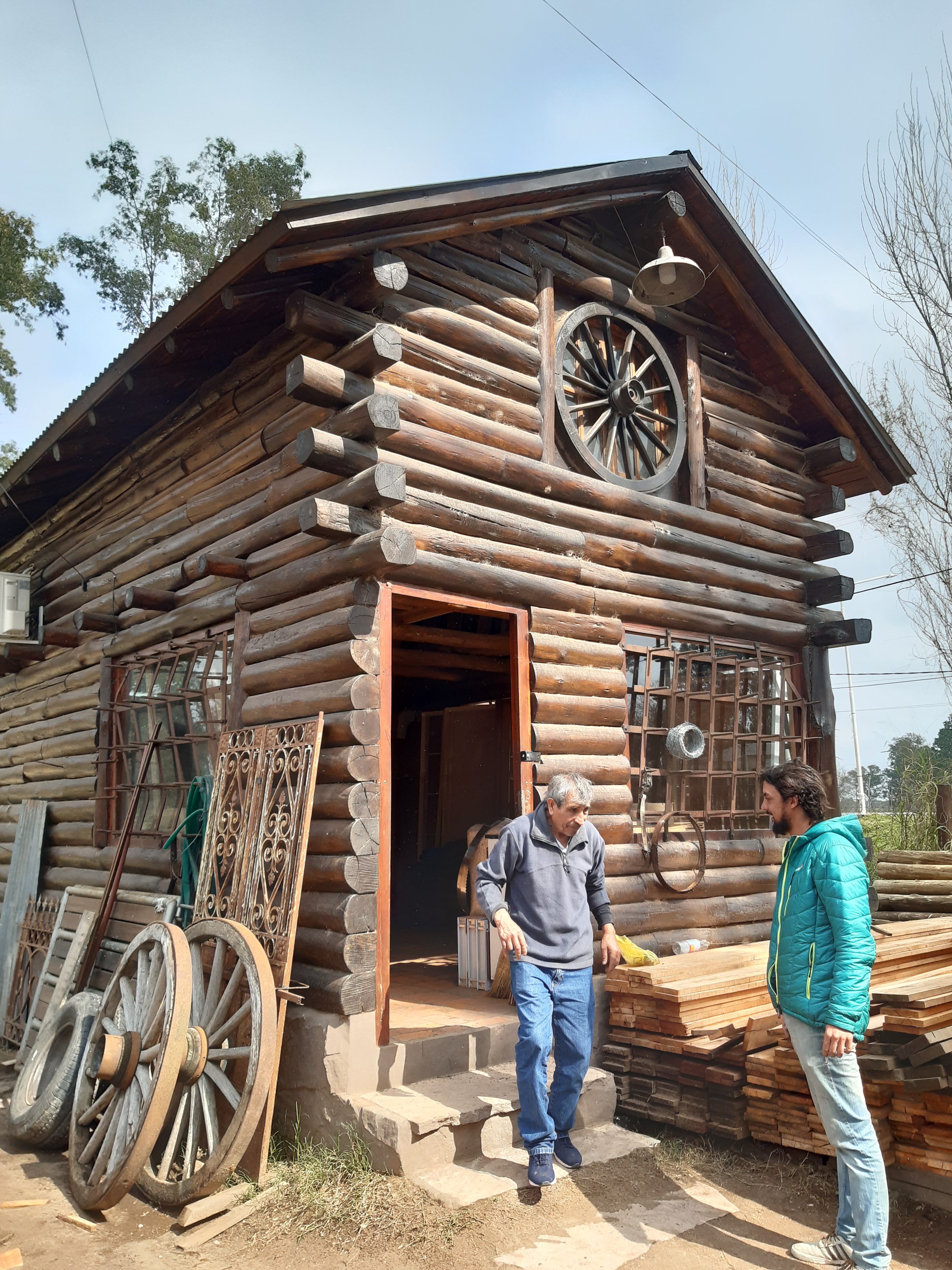 Of course the mate was made and offered, and much to my surprise sugar had been added. Not so good. Which reminds me: Ale pointed out to us that all the ground coffee sold in Argentina has sugar added to it. We didn’t want to believe him, but it is clearly stated on the package. What a disappointment.I did my first Argentian constellation!! On the grass outside, with 4 beautifully sensitive people. The horses were around, the river in the background and the late afternoon sun shining through the trees. One of the Spanish volunteers did an a excellent job of translating while representing as well. I am só excited, would love to pursue this avenue of work. On Tuesday, my last night, Alejandros barbecued meat and stir fried vegetables as a special treat, much appreciated.
  The parting gift this morning was a turtle that appeared from the forest, making its way accross the grass to the river, literally falling down steps and into the water. It came up twice, as if in greeting. Goodbye turtle, goodbye Camino del Indio, goodbye Alejandros and goodbye Ale. Thank you for an incredibly special time.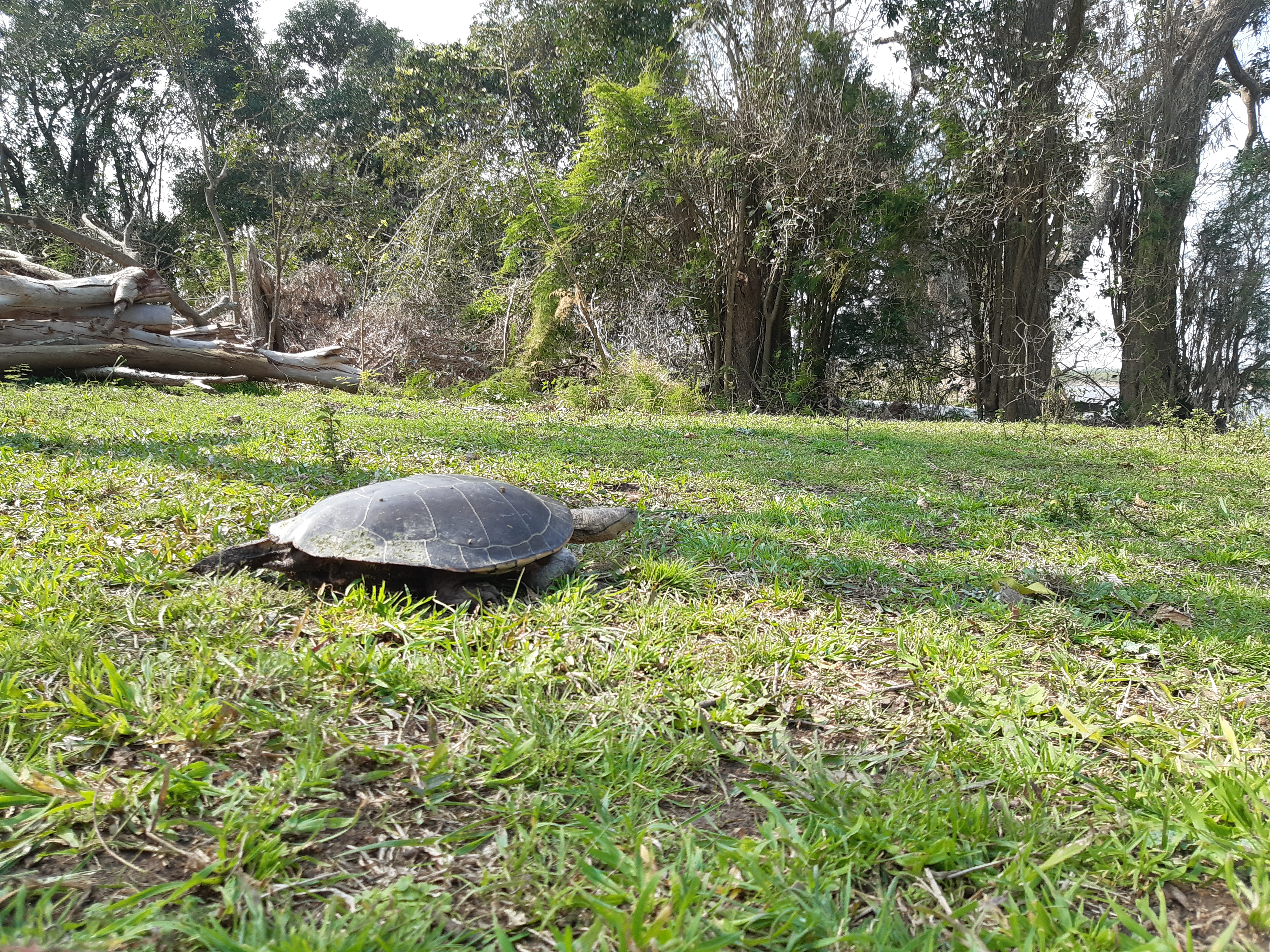
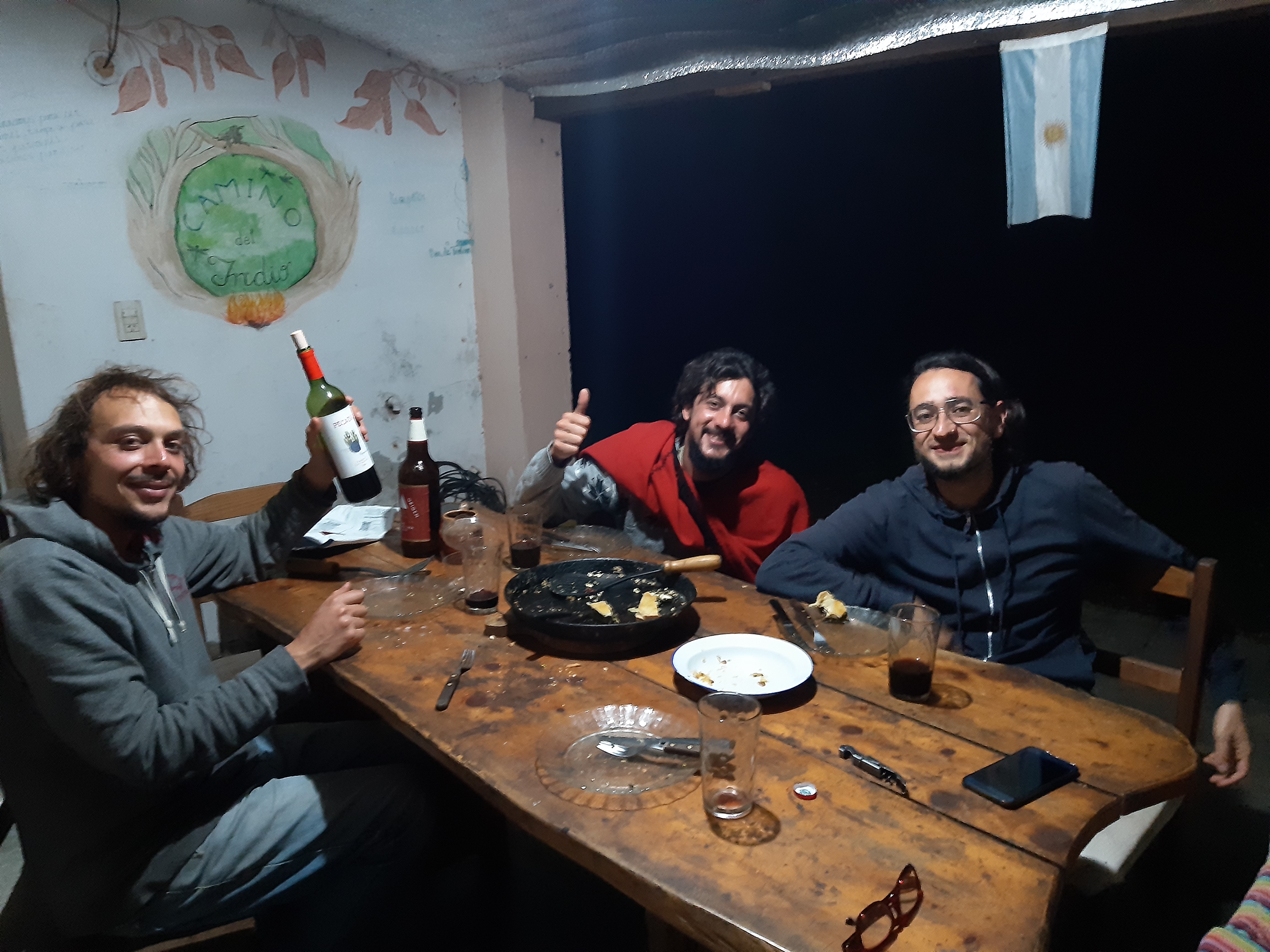

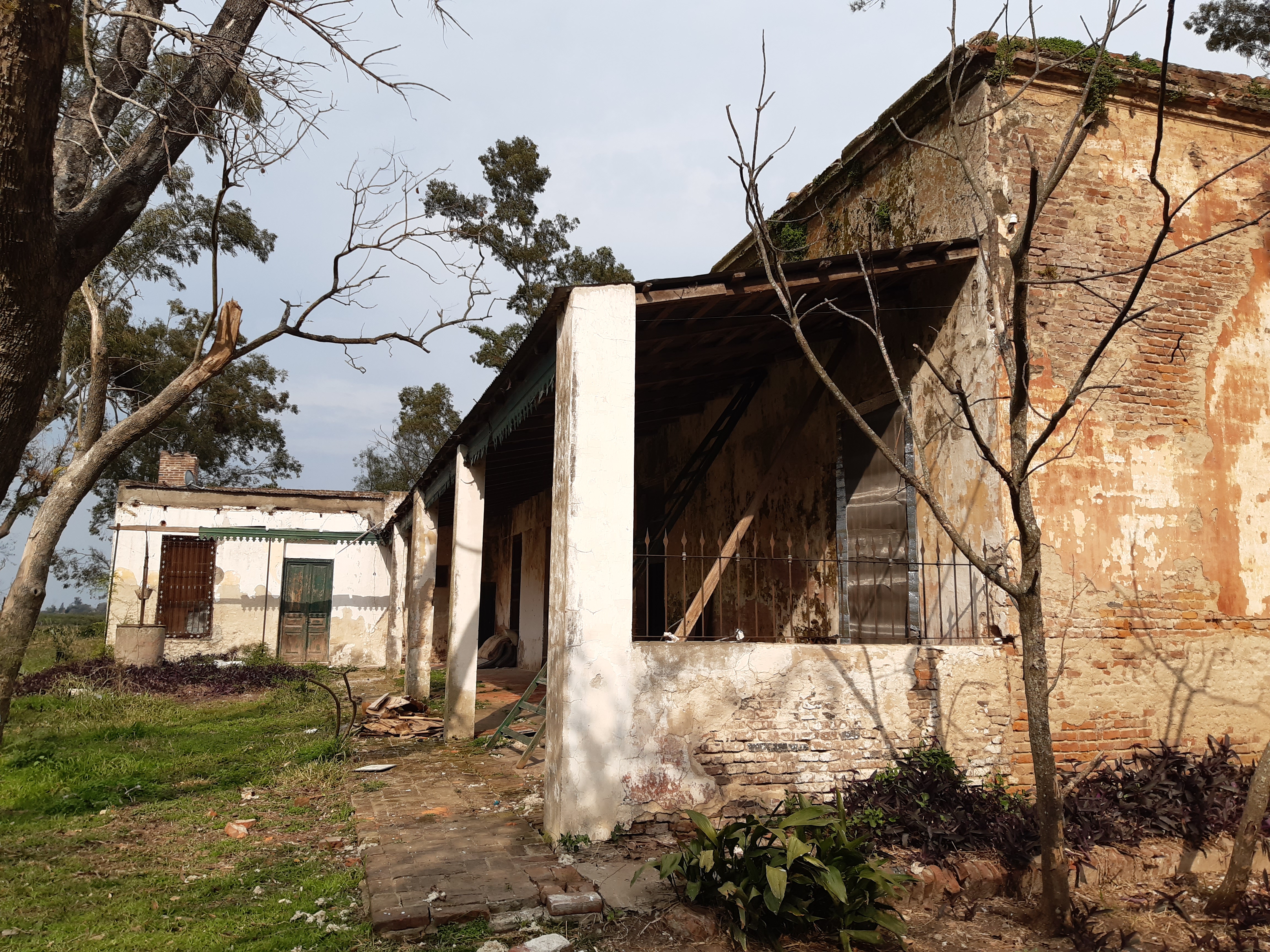
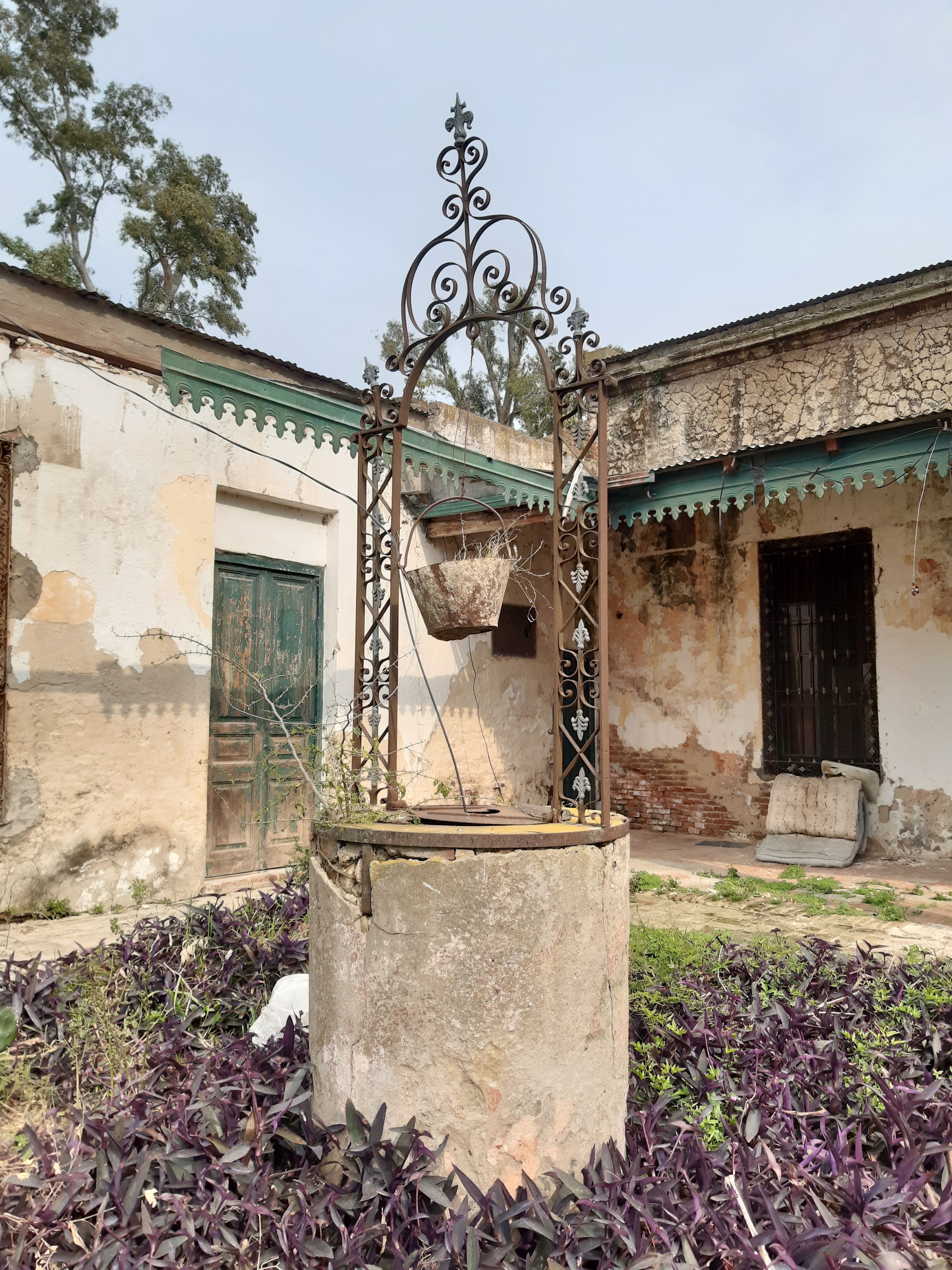
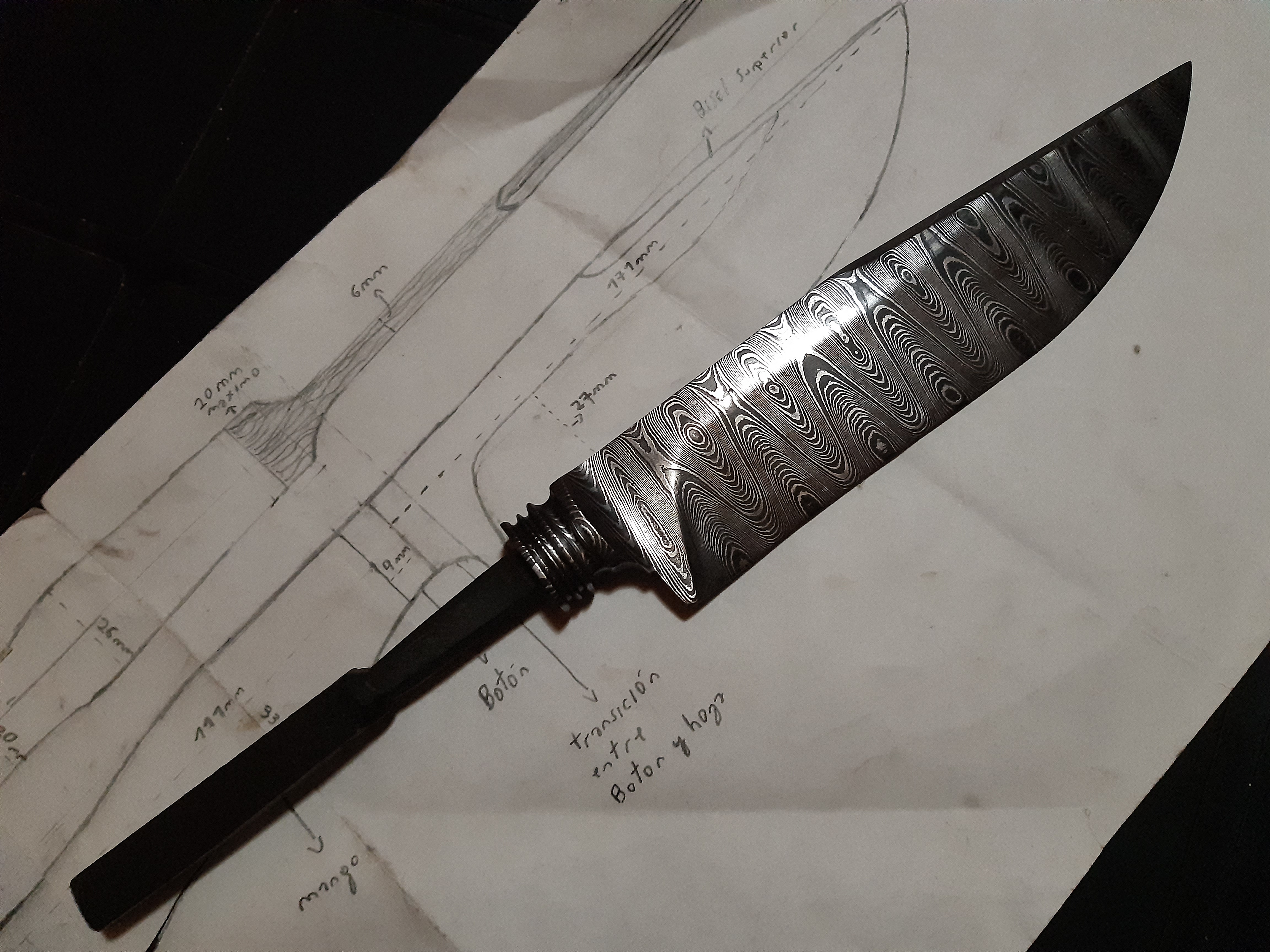
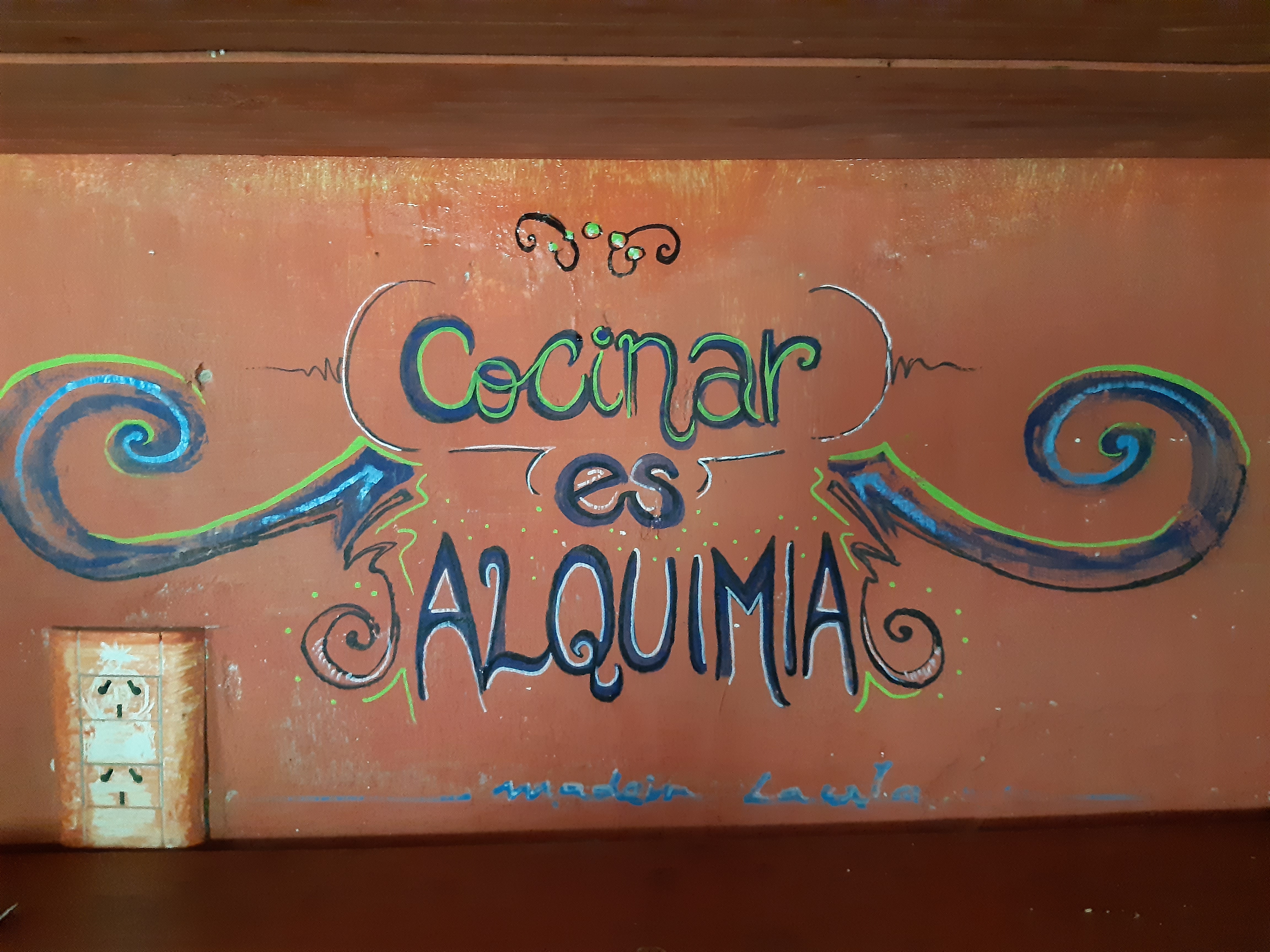

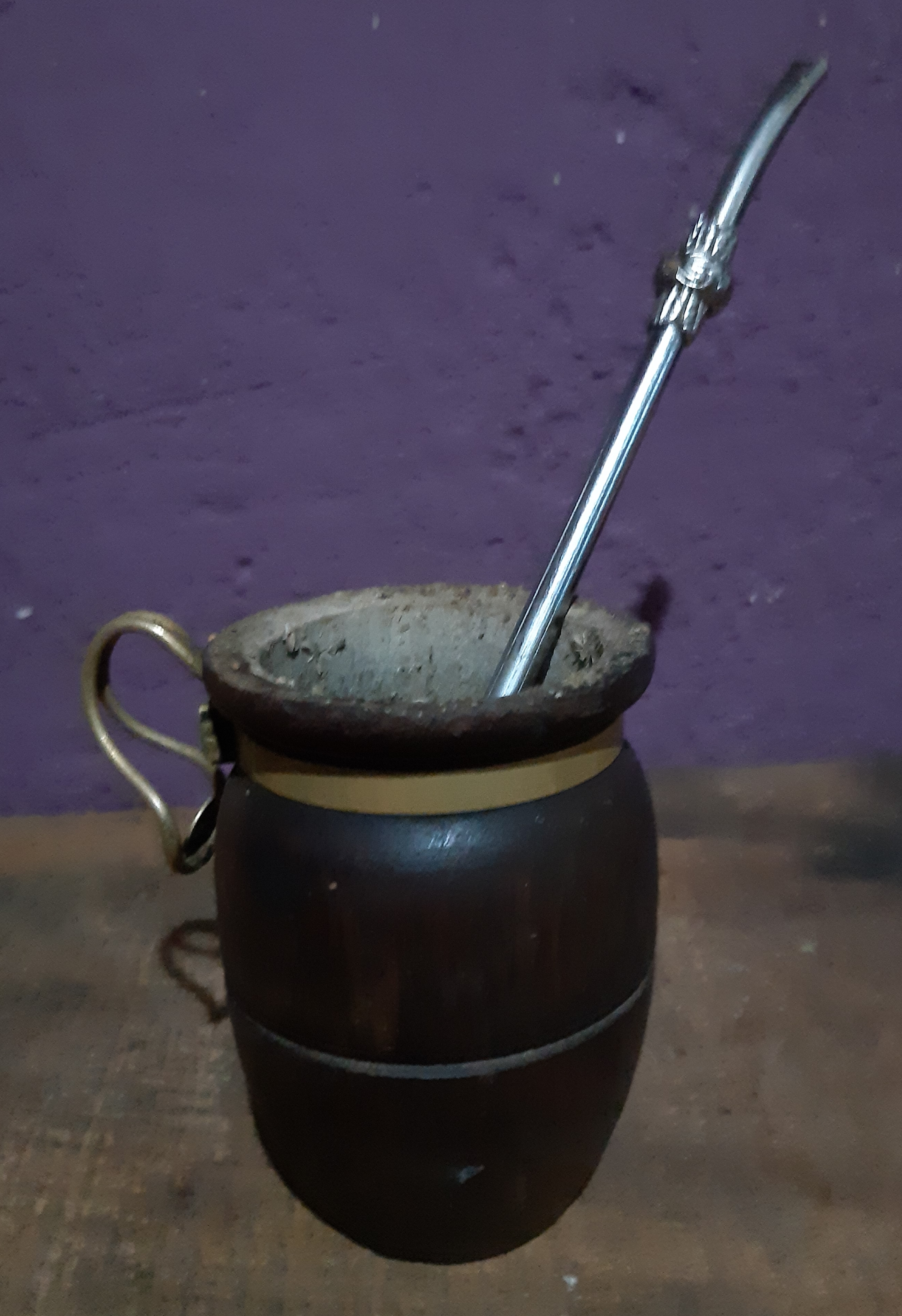

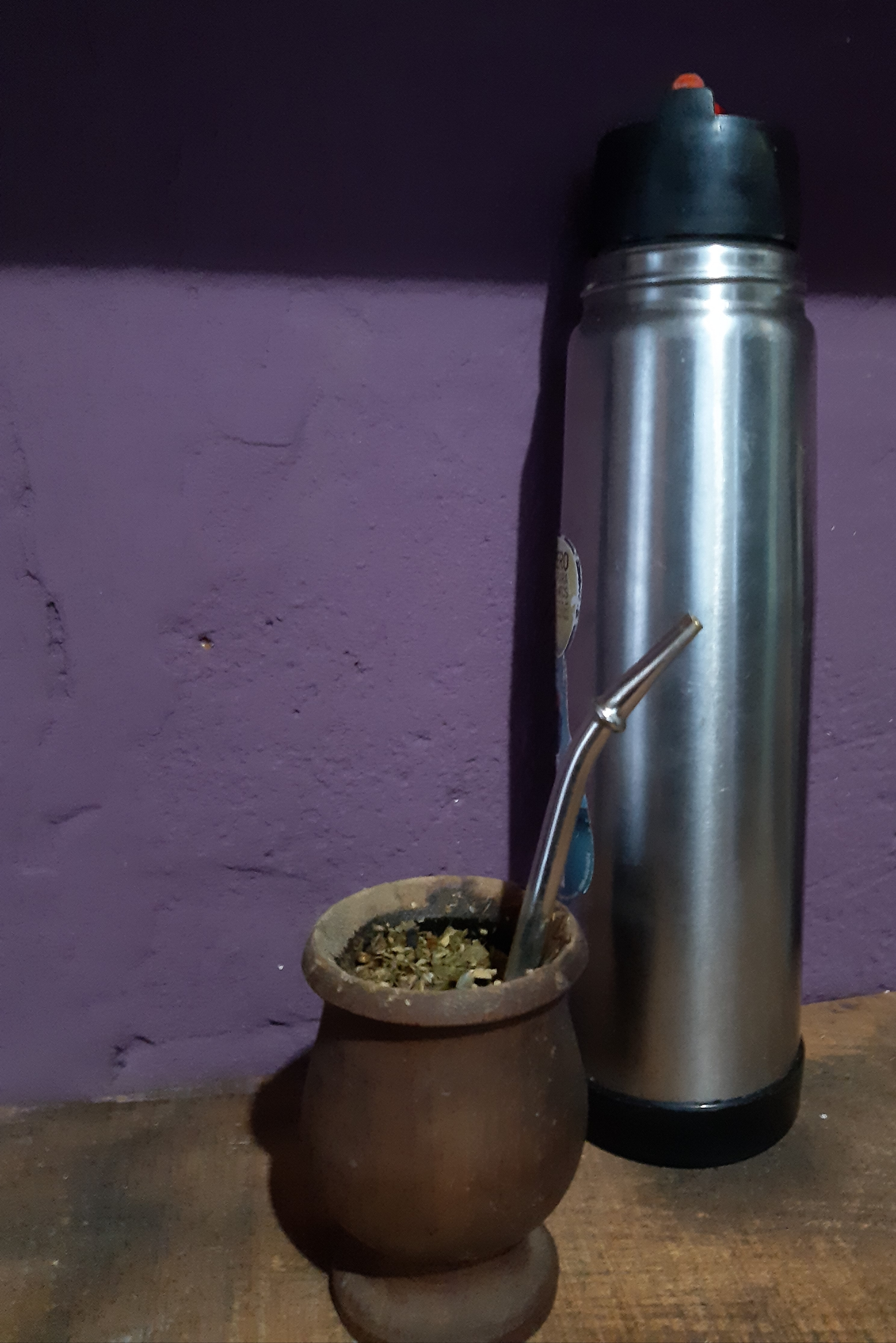
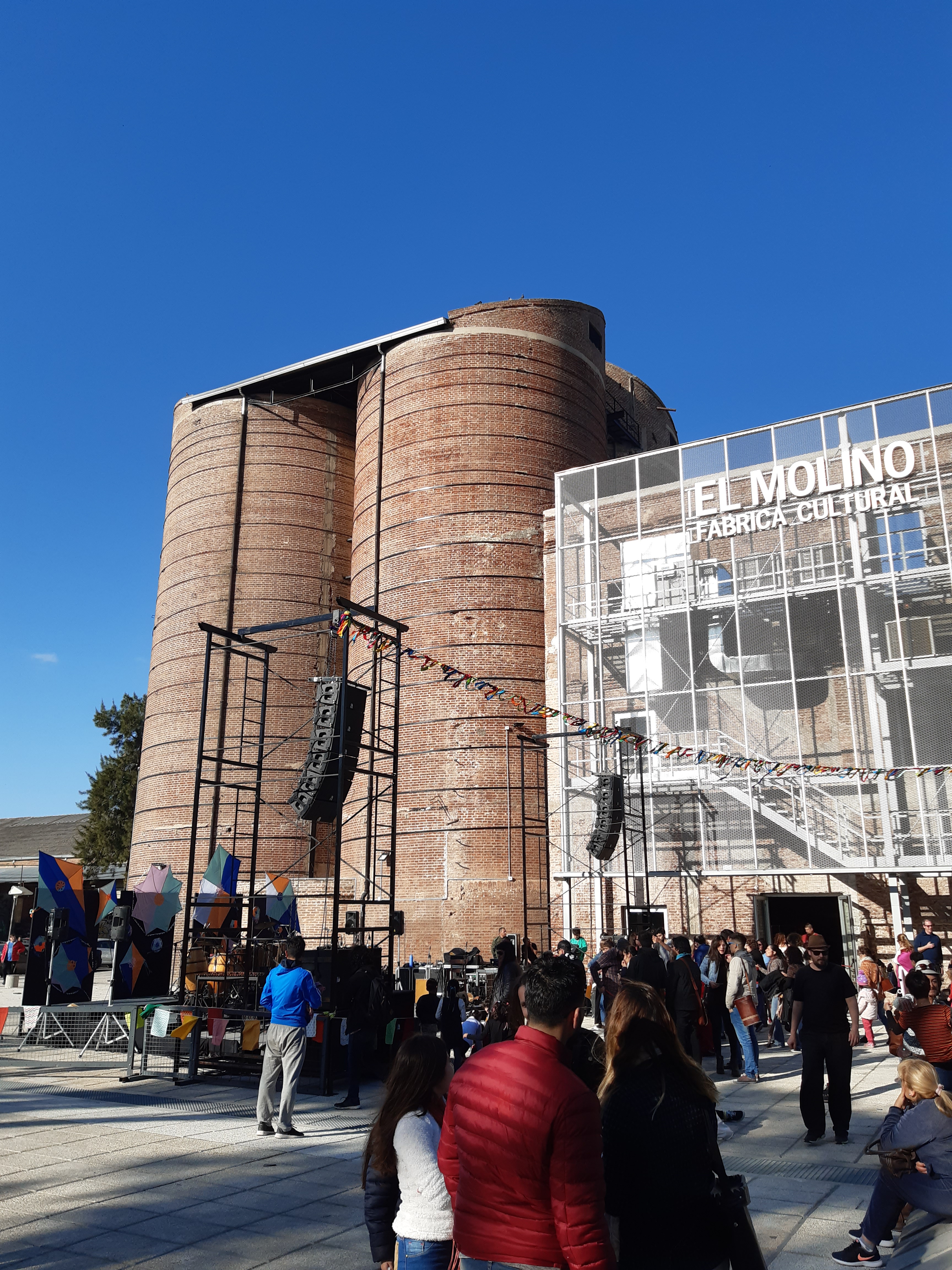
 The band was good, the instruments being used mostly traditional, and the performance unconventioal, mostly to entertain the children.And then of course the eye-opener for me: half of the people there were carrying flasks and mate, drinking and sharing all the time. That is how it is done here, be it outdoor entertainment, markets or indoor festivals, where people gather, they carry their mate. Some have smart carry bags, some have loose bags, others just carry it in their hands. A sneak photo…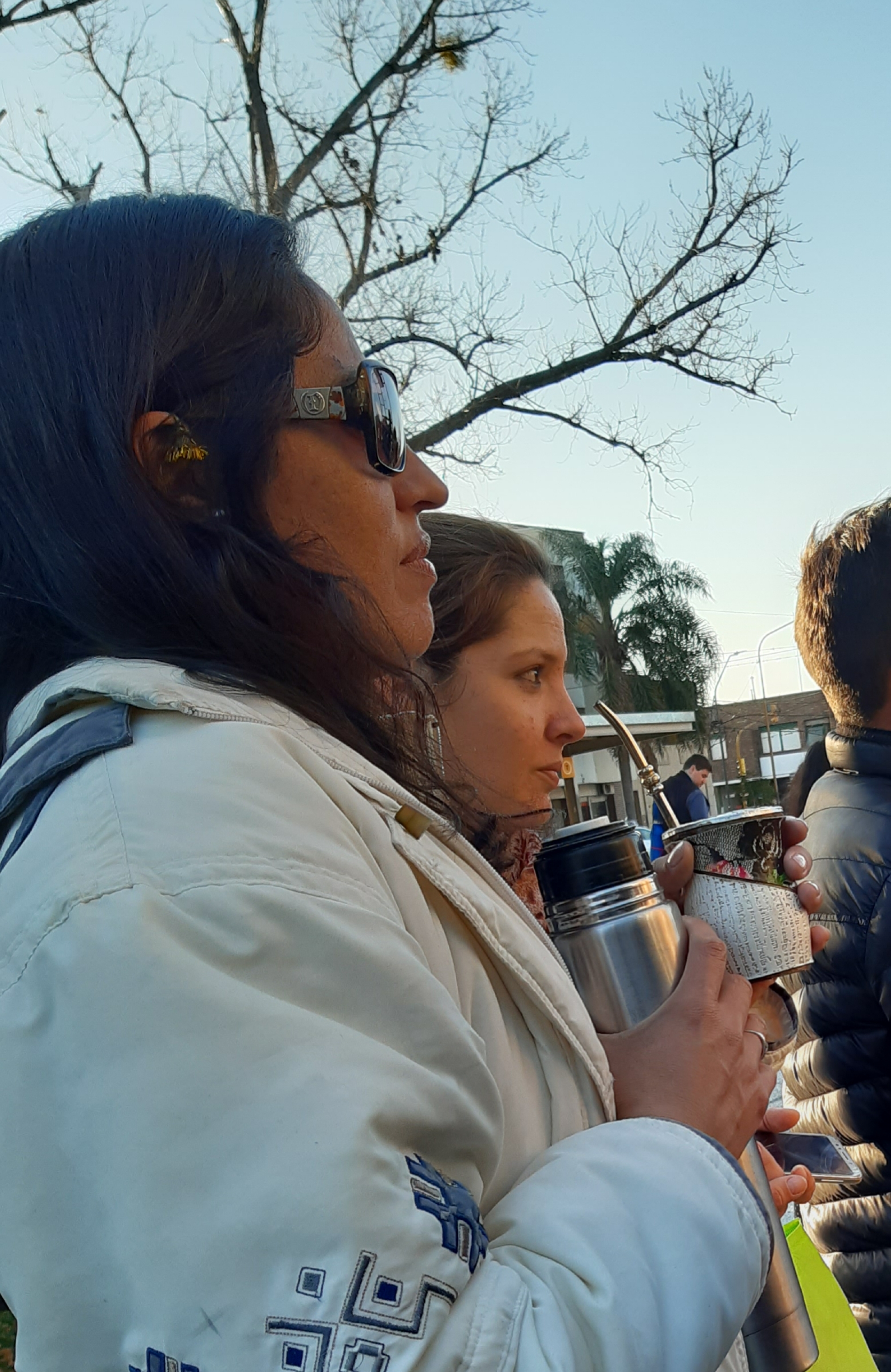

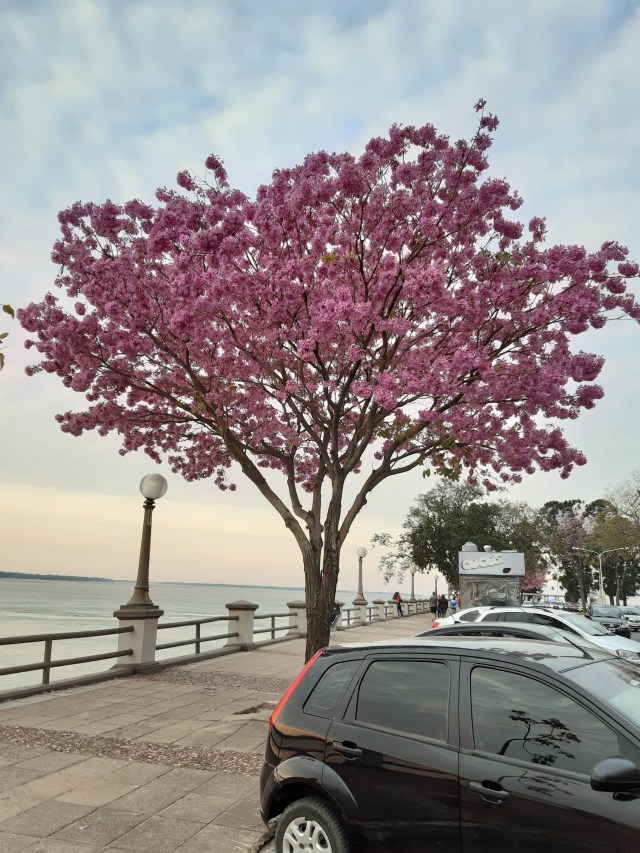
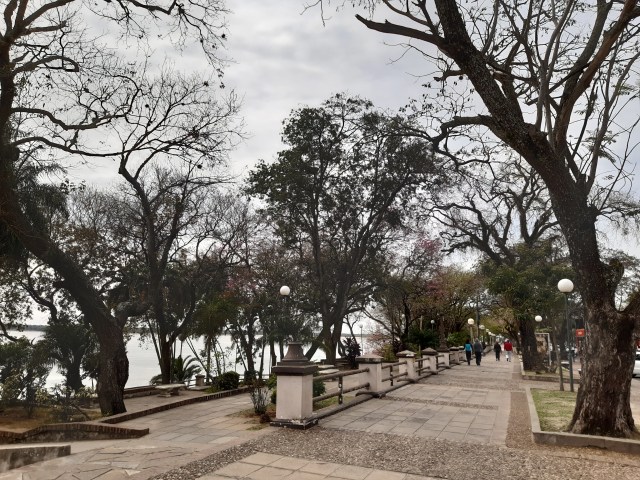
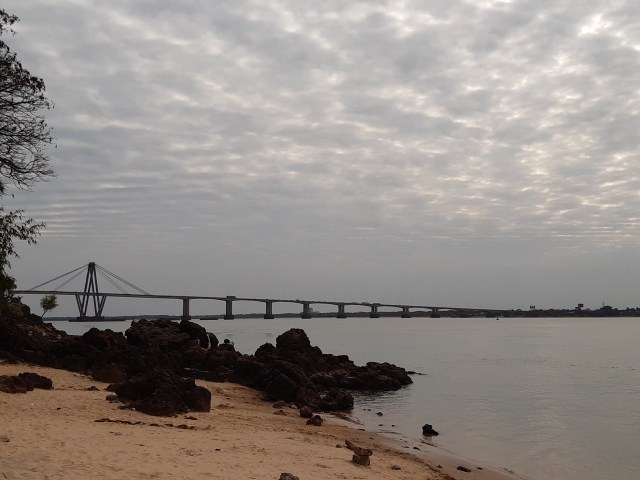
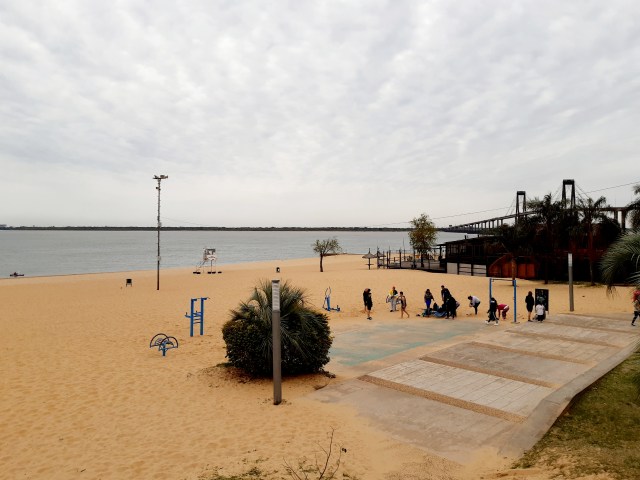
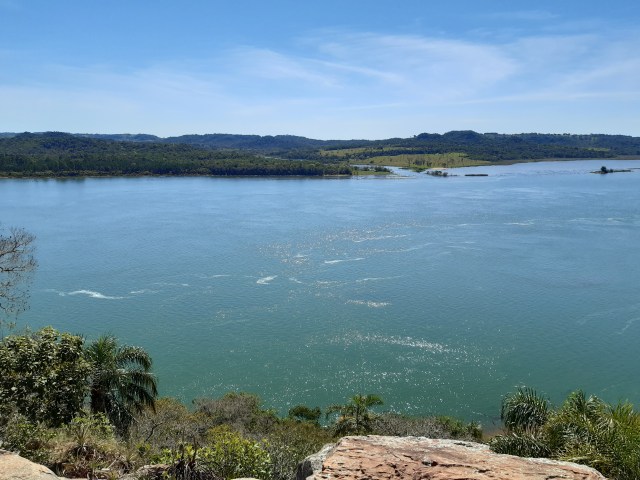
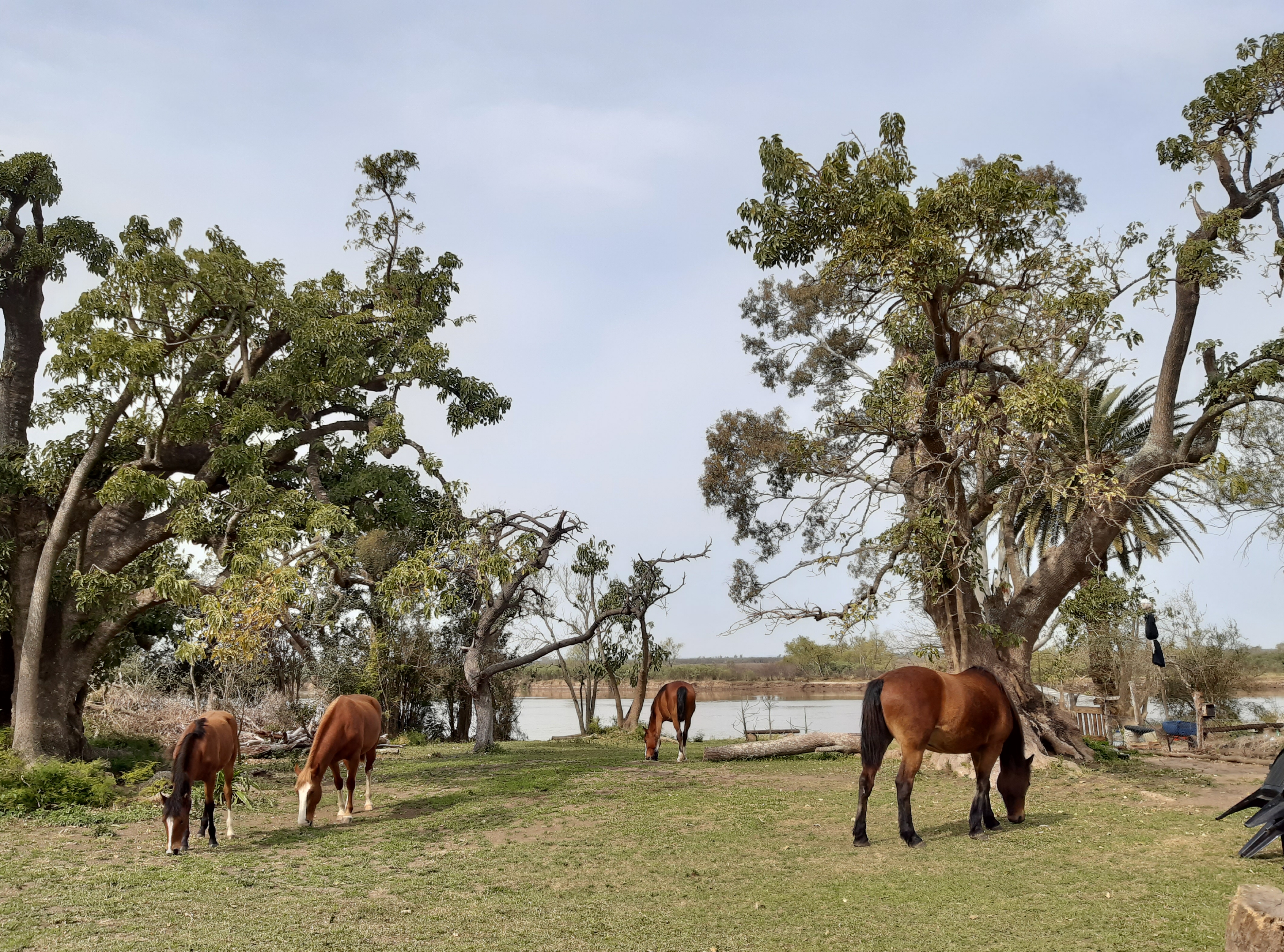
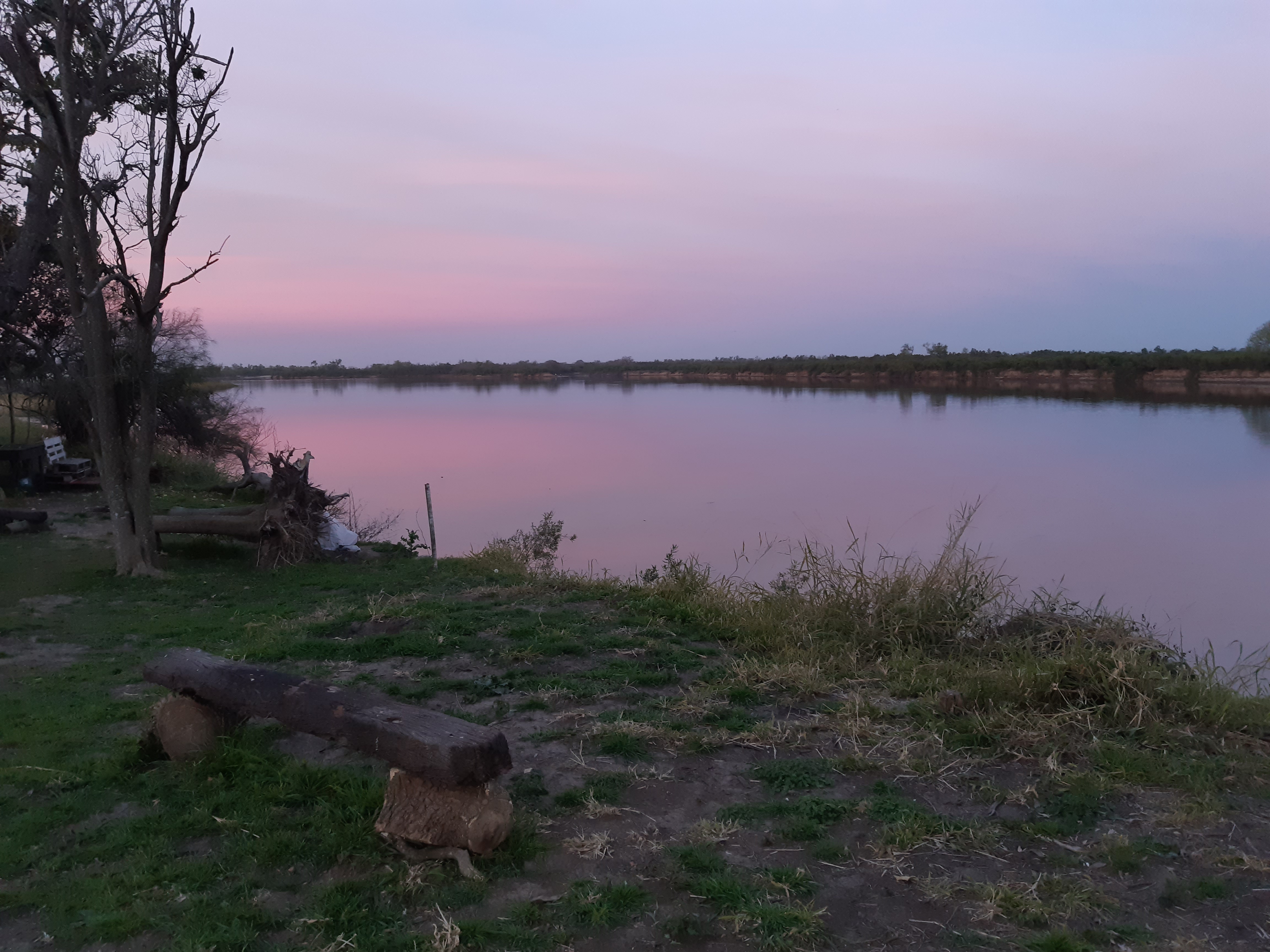
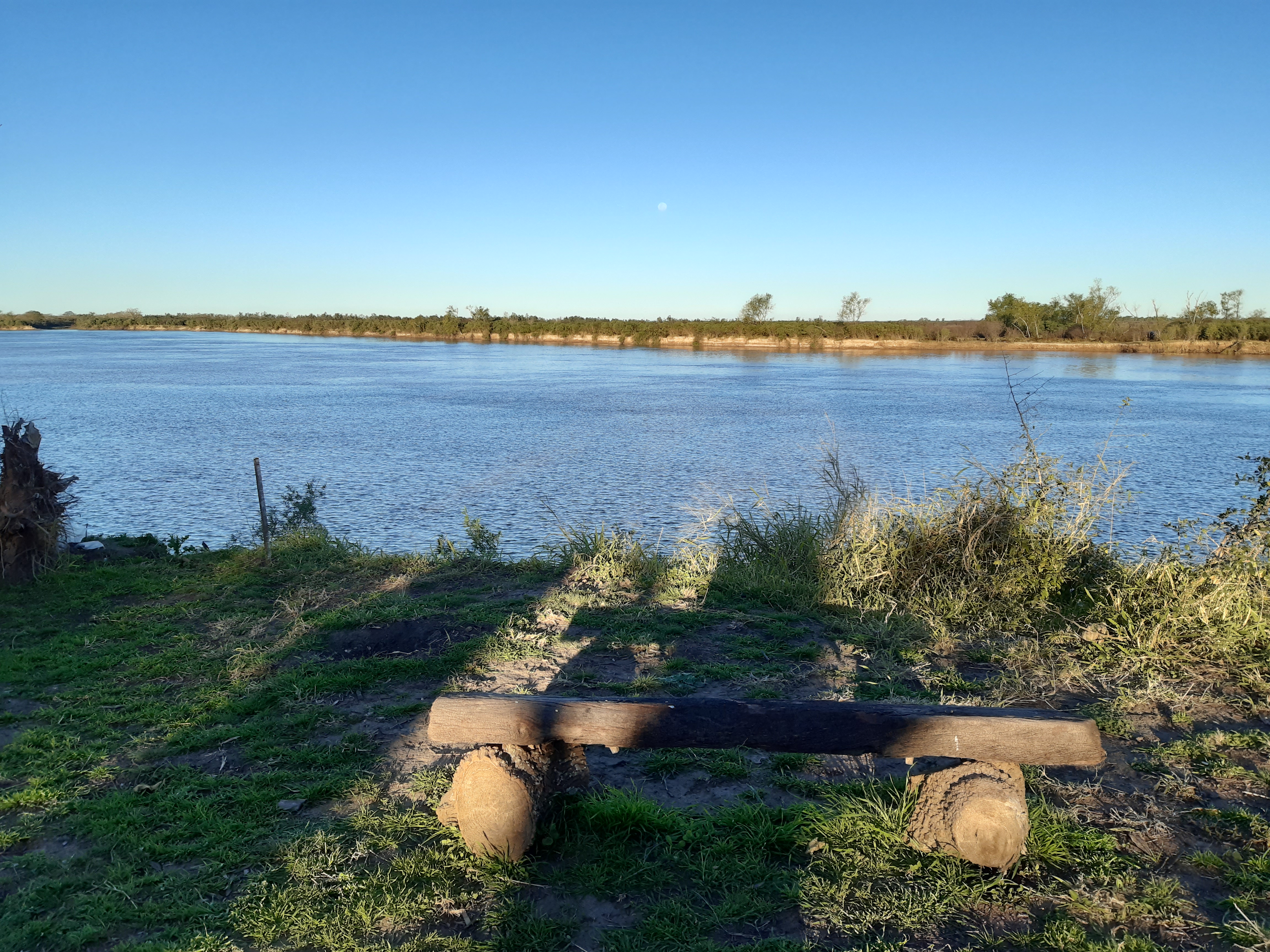
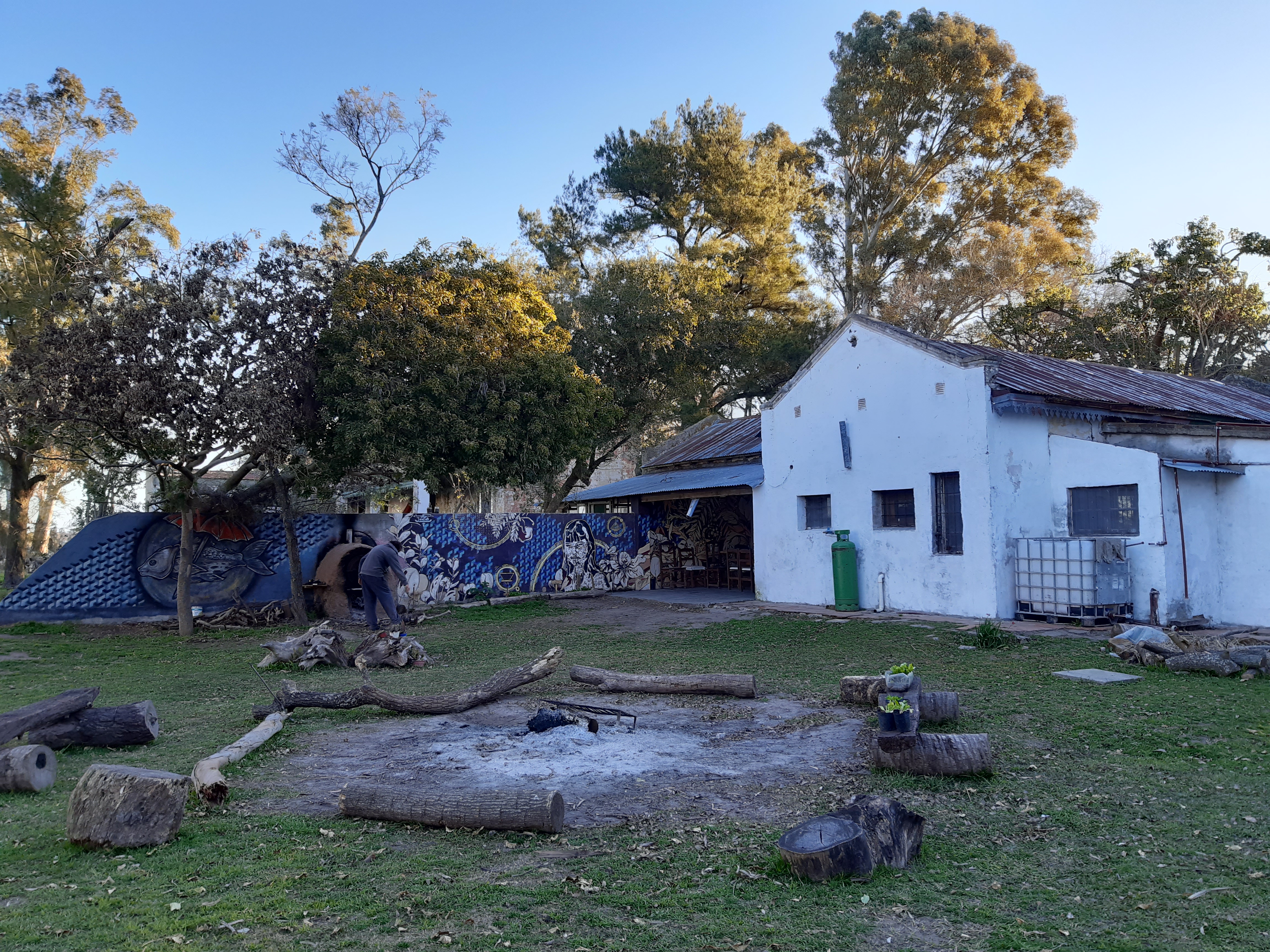 The house is on the banks of the Rio Coronda, which runs into the Rio Paraná, which is the longest river in Argentina, and second longest in South America. The Paraná forms a delta which enters the ocean just north of Buenos Aires. This is the view from the house:
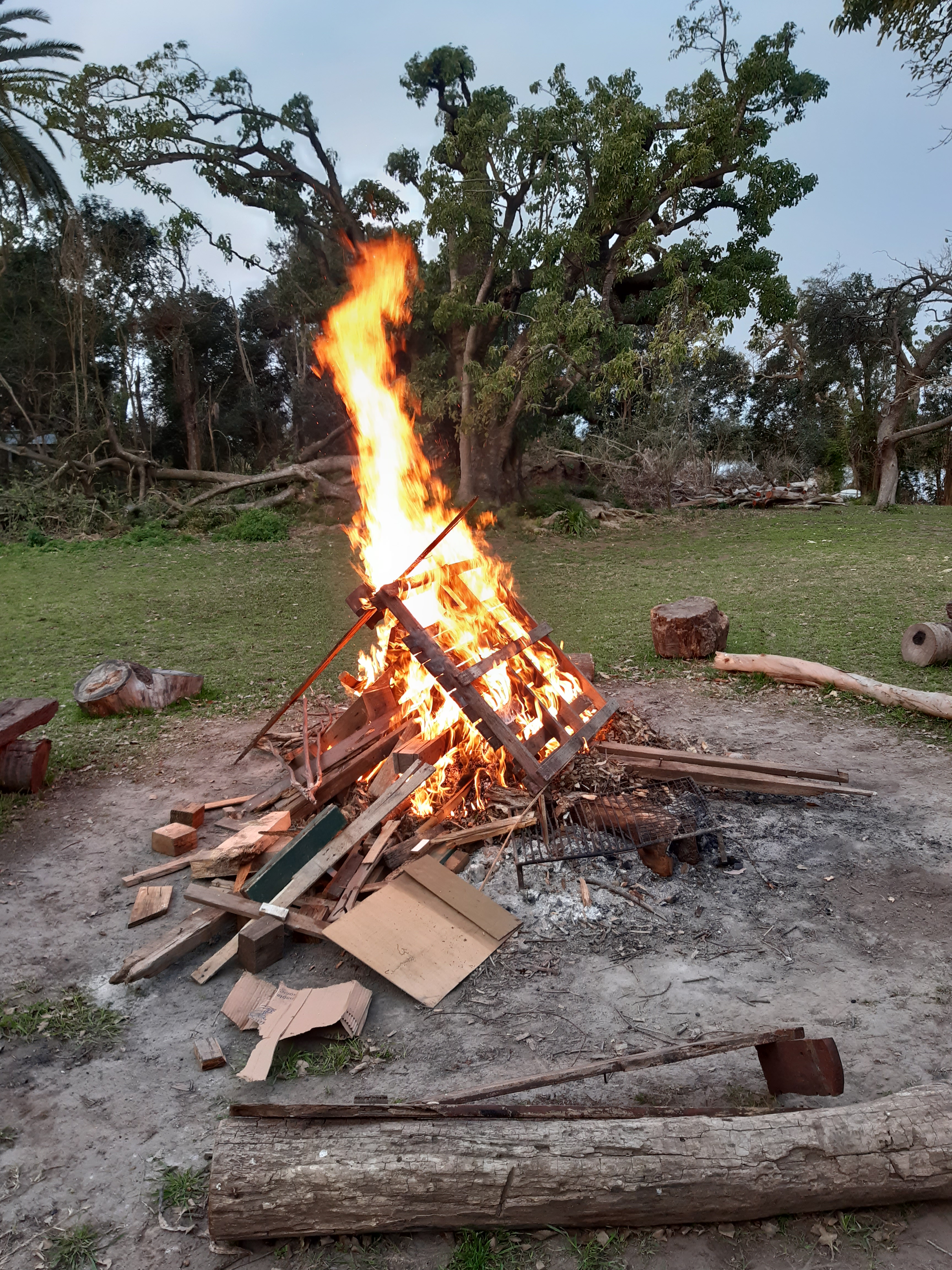
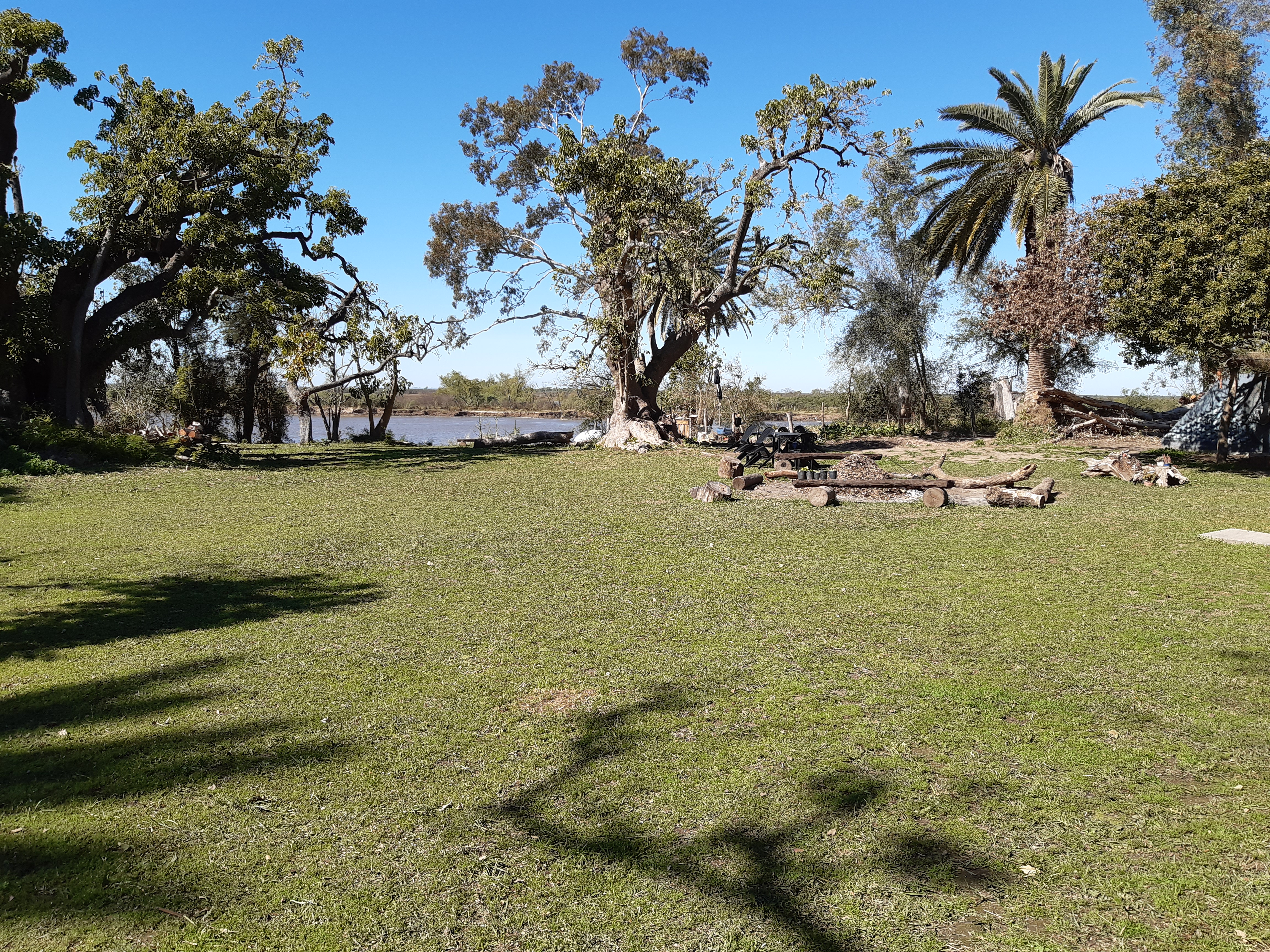
 So this morning I raked the leaves on this huge lawn – notice the pile in the braai area…
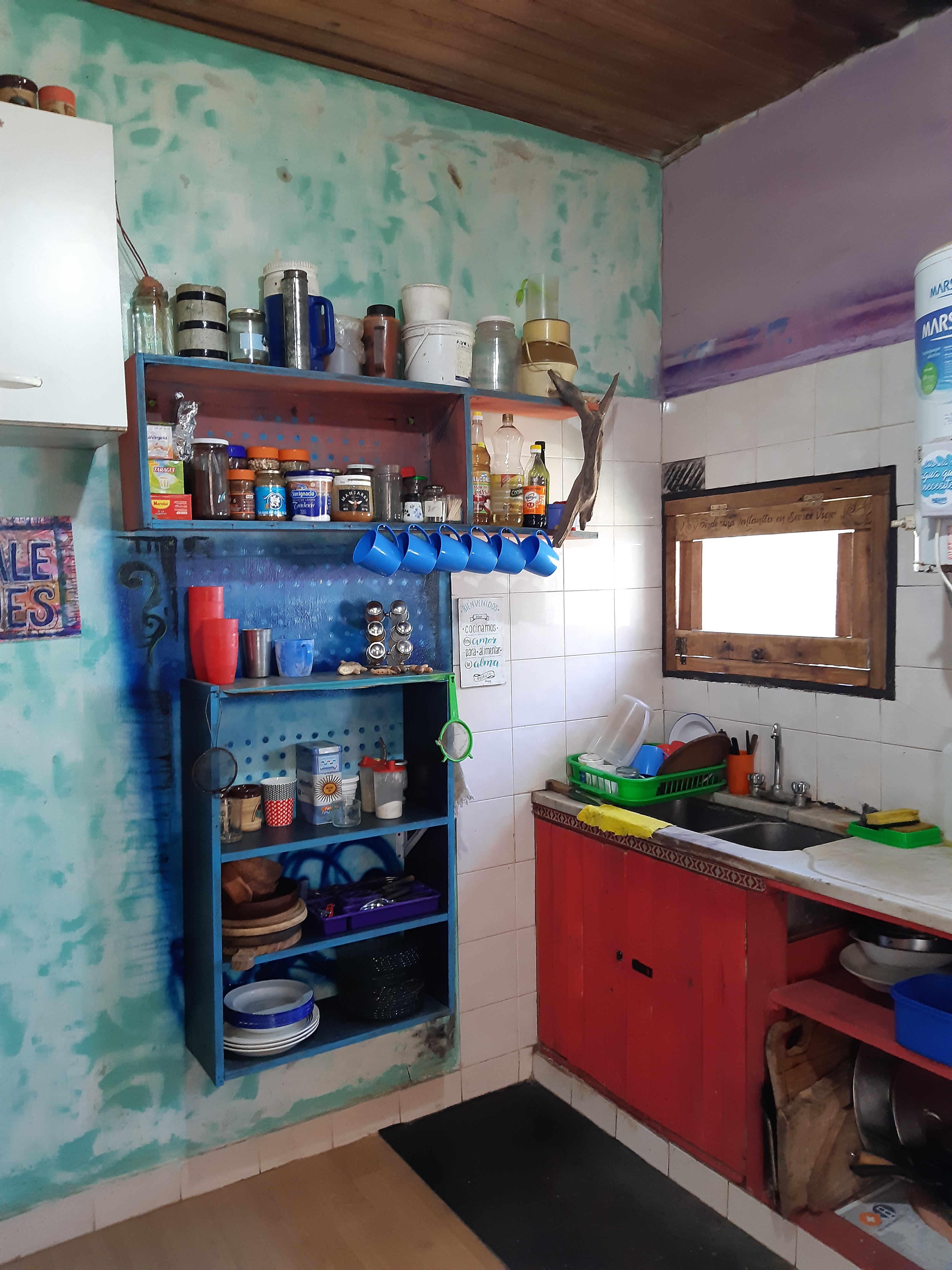
 And cleaned the kitchen
  and swept the lounge and dining area
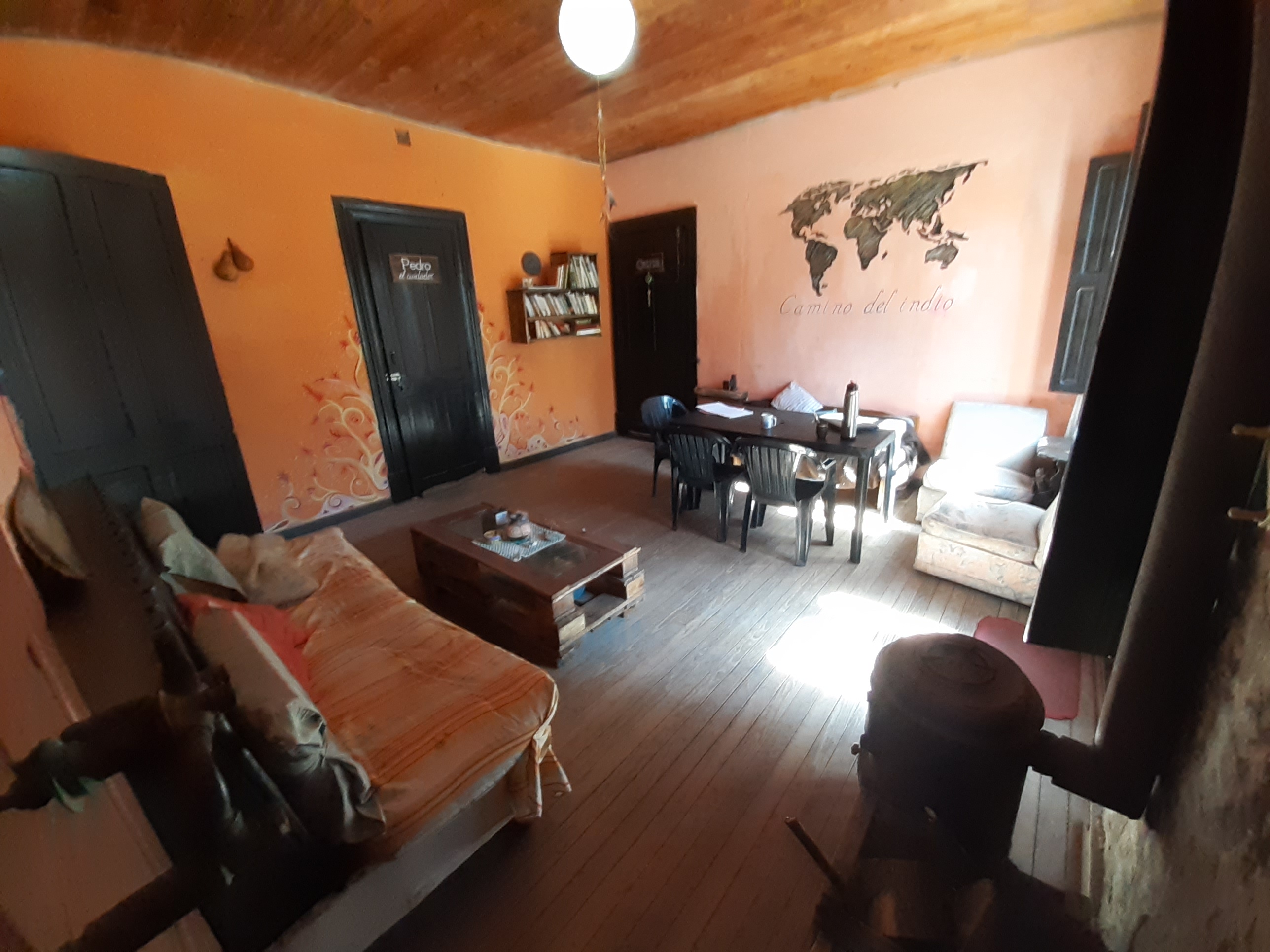 That little stove (right bottom) is a life saver, warms up the room beautifully. And the sleeping quarters:
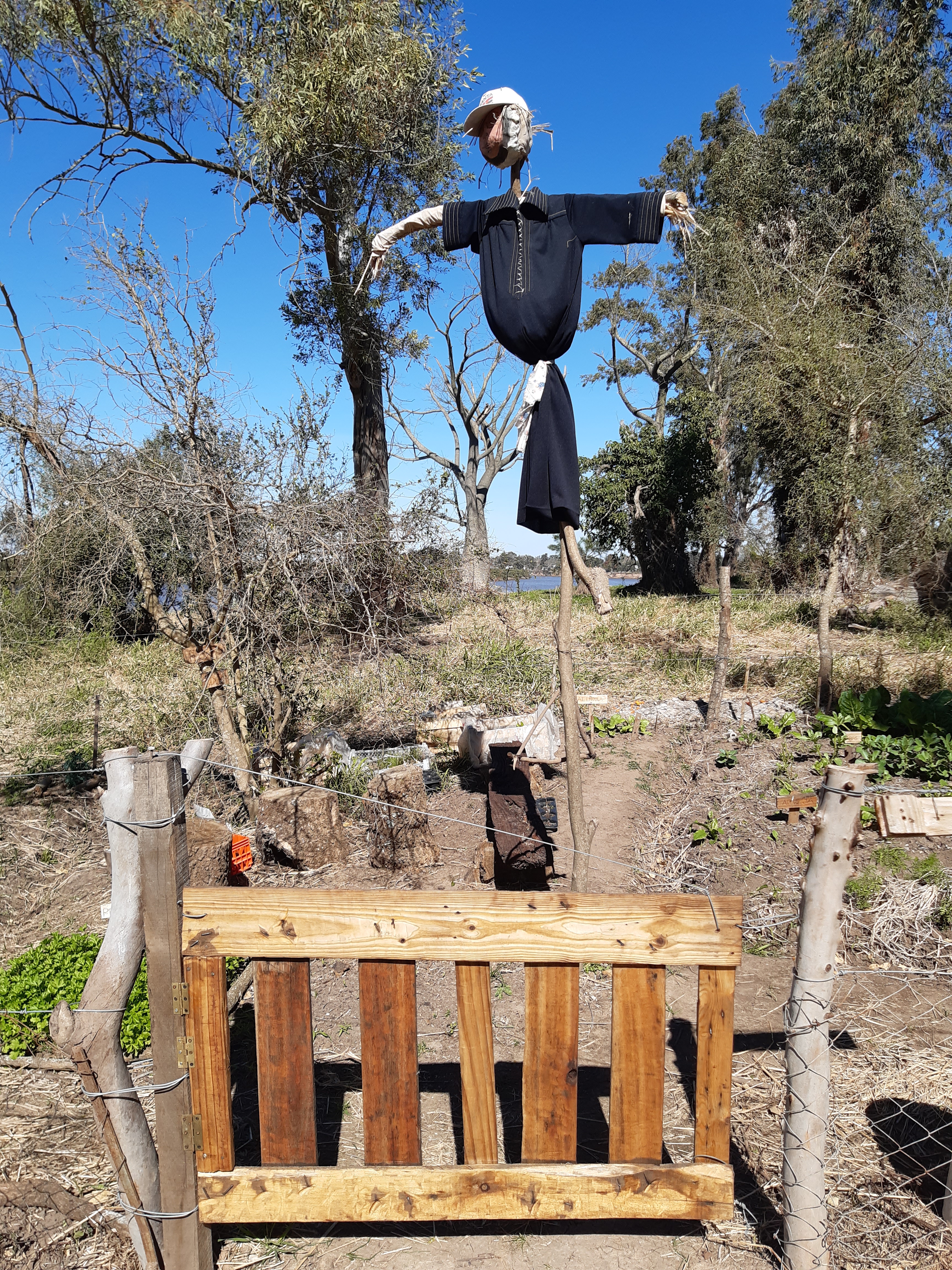
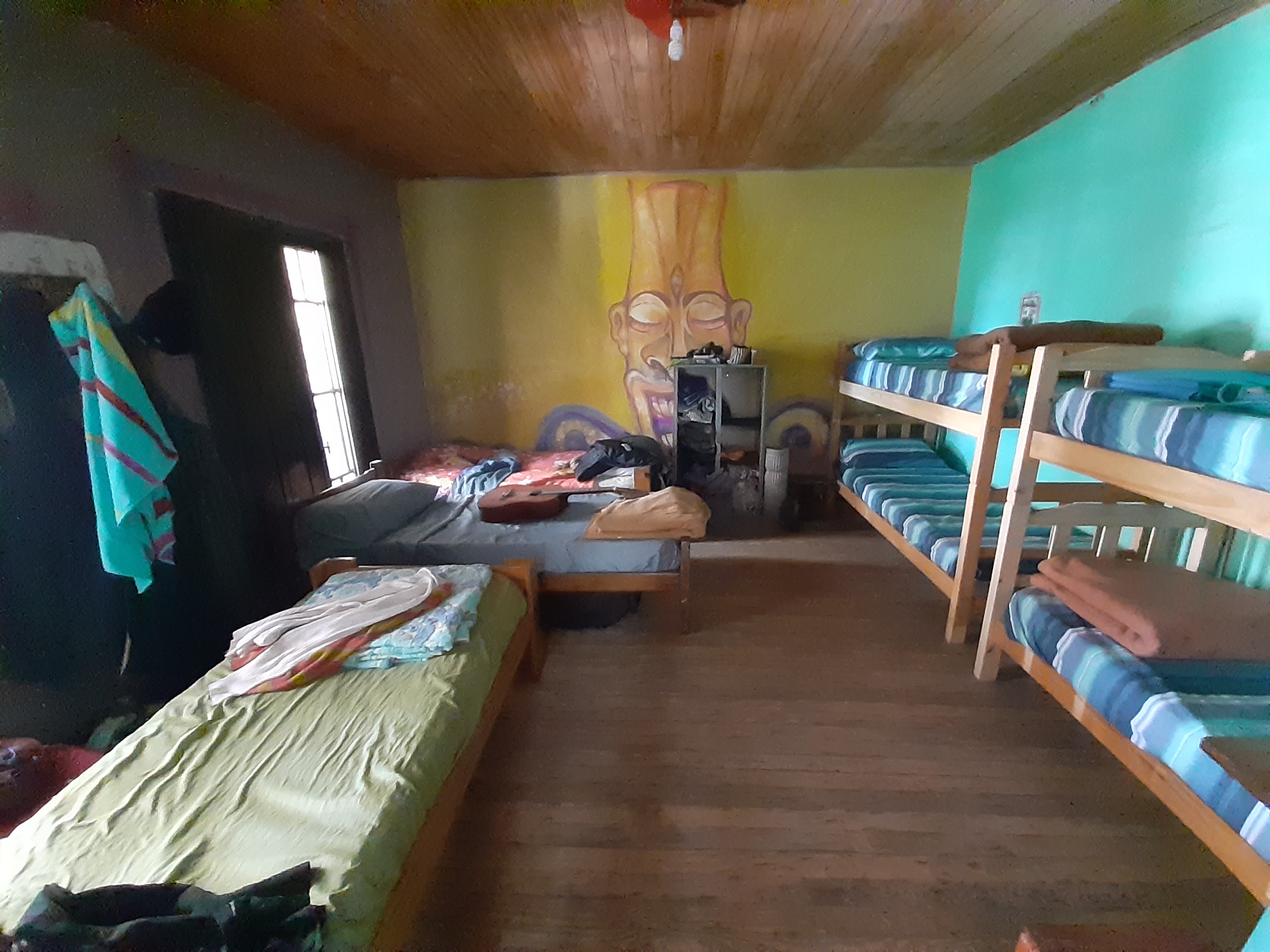 Hats off to Alejandros, who came to this place in February last year and decided to create a hostel and start with permaculture. He has a small vegetable garden, and this morning a woman took away two crates of plants, free of charge, as it is food, and gladly given away. He even has a scarecrow watching over the garden.
 They had just become operational in February this year, when a twister came through and wrecked havoc, breaking branches and tearing corrugated iron sheets off the roof of their workshop. Fortunately the house was not hit, but the paradise garden was in a mess and had to be cleaned up. Huge torn off limbs of the ombú tree (which is not really a tree but a huge cluster of pampass-like grass) are still lying around.
 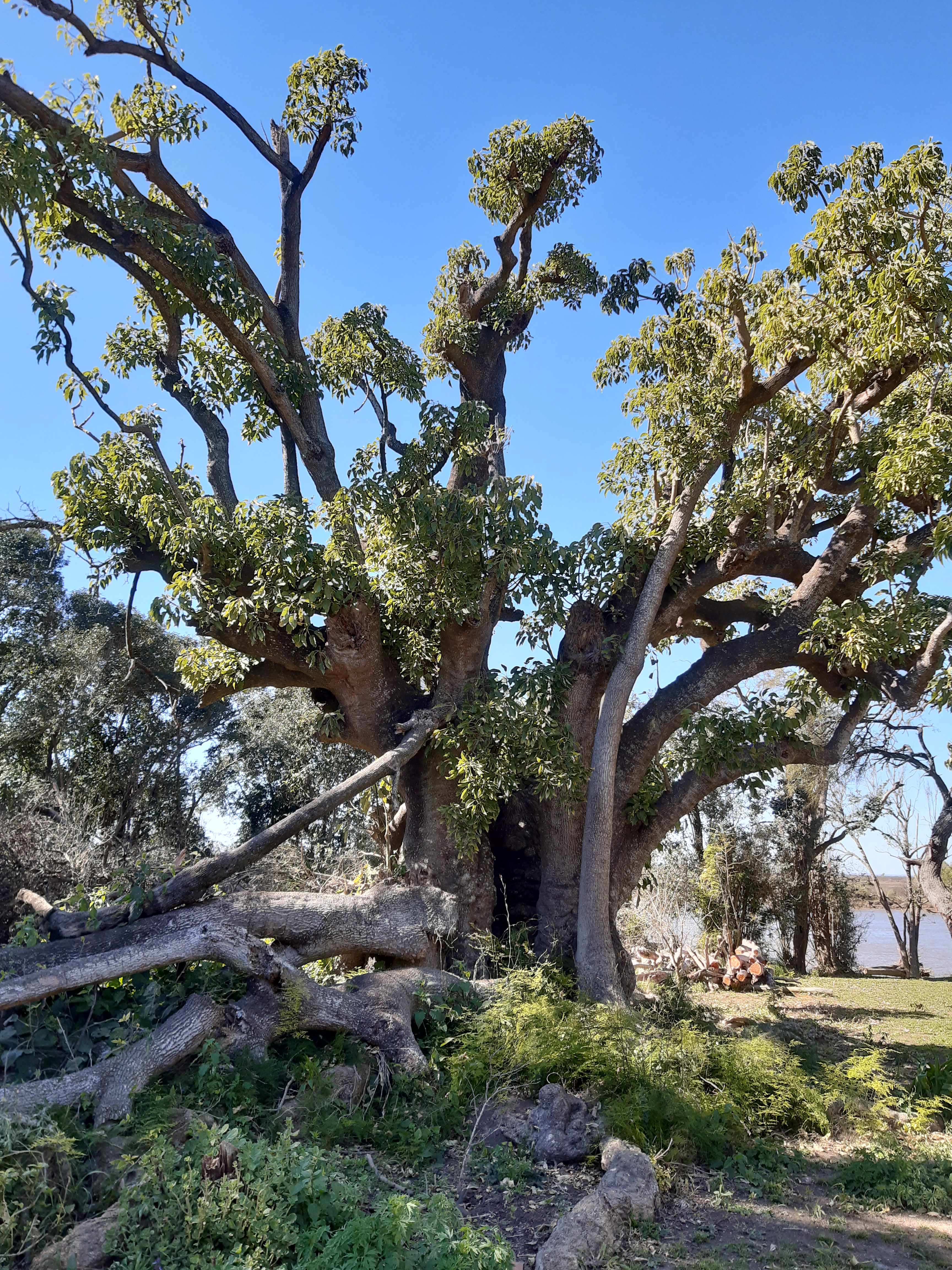 The rarity of finding óne 200yr old ombú here next to the river is made rarer still by the fact that there are twó standing close together (see lawn picture). According to Ale there are forests if Ombú trees in Uruguay.In spite of my fragile emotional state, these past two days have been filled with new experiences and people coming and going. There were two guests staying the first night, a young couple whom I gathered were here to advise Alejandro on the business. The latter cooked us a typical Colombian meal of legumes and rìce, rather bland but tasty. And dinner is served late, at about 21h00. Ale bakes bread as needed, and at about 19h00 I was presented with bread, chocolat con leche (a caramel chocolate spread) and mate.
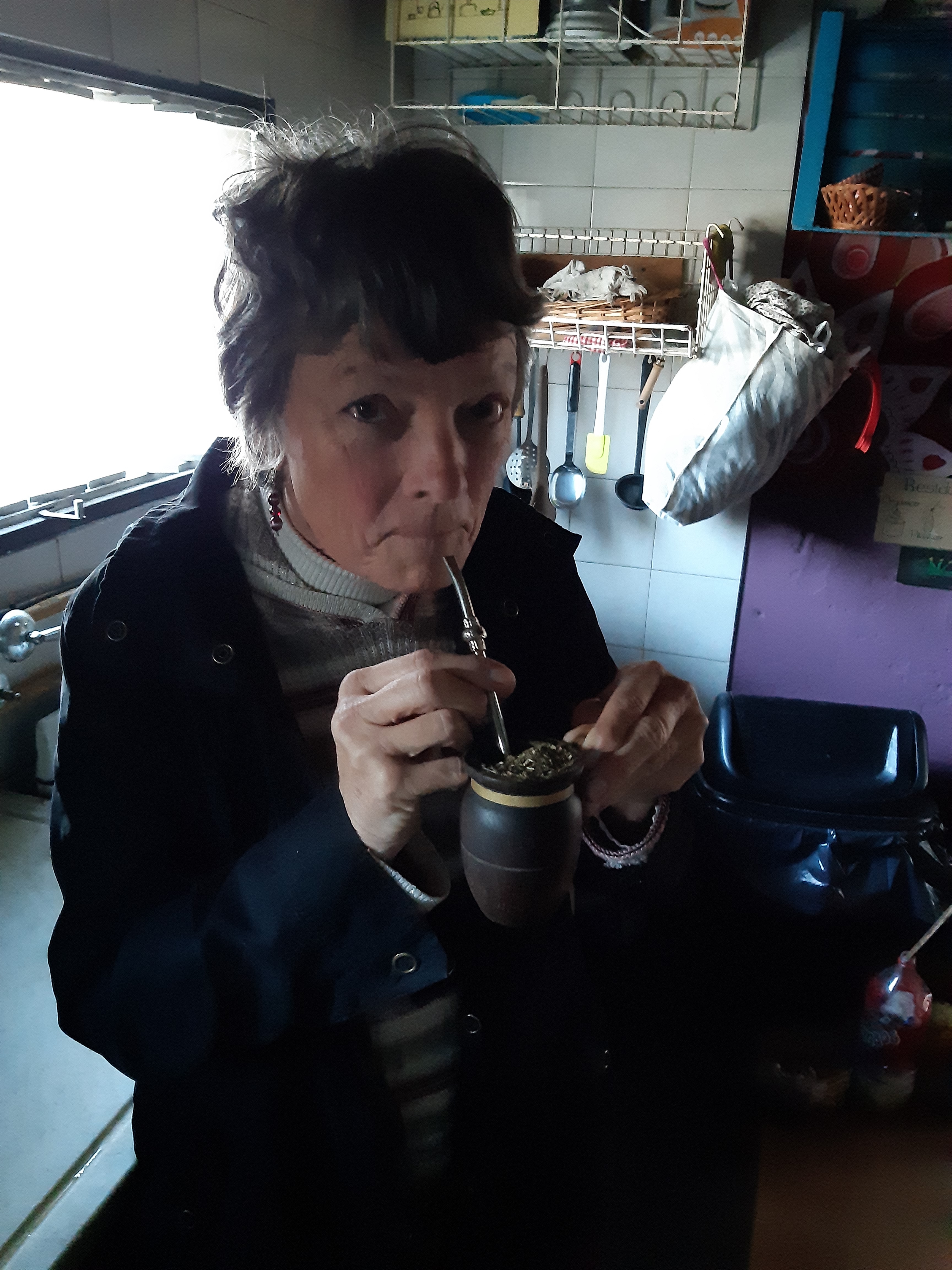
 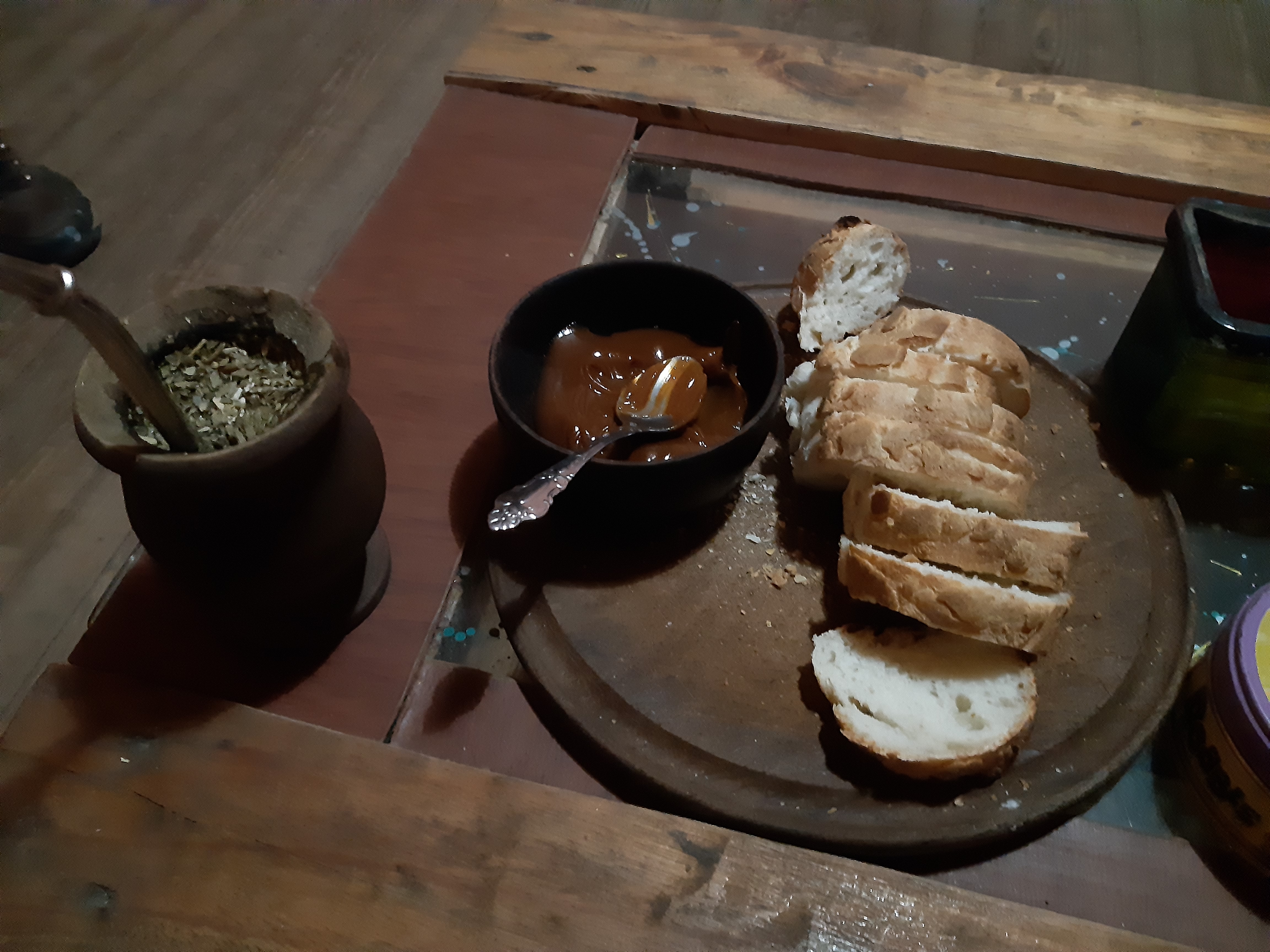 My first experience of mate had been yesterday. It is a traditional herb tea shared by everyone present (from the same cup, drinking from the same bombilla, pronounced bombisha). Making and drinking it is more of a ritual than a process. It is an honour to be offered to partake.
 There is no WiFi at the house but Ale was kind enough to give me the password of the WiFi at the ice cream shop. The shops in Sauce Vieje are open from 9 – 11am, and again from 3 – 6pm, so I just stood on the pavement in front of the closed shop and read and sent WApps. Only later I discovered a cafe that also had WiFi, so this is where I will go to everyday after work. I took a cup of tea down to the river after work and while watching the water flow, I realized that my eyes were drawn downstream. I looked upstream and realized it felt different, quieter and less energy. I looked in front of me, and again my eyes were naturally drawn downstream, seeing the noticeable flow of water. I thought about Siddhartha and how he had spent time learning from the river. What I learnt today is that upstream is the past, it is over, it holds no energy. The water is the same, yet the present (in front of me) and future (downstream), is what matters. That is where my focus will be.
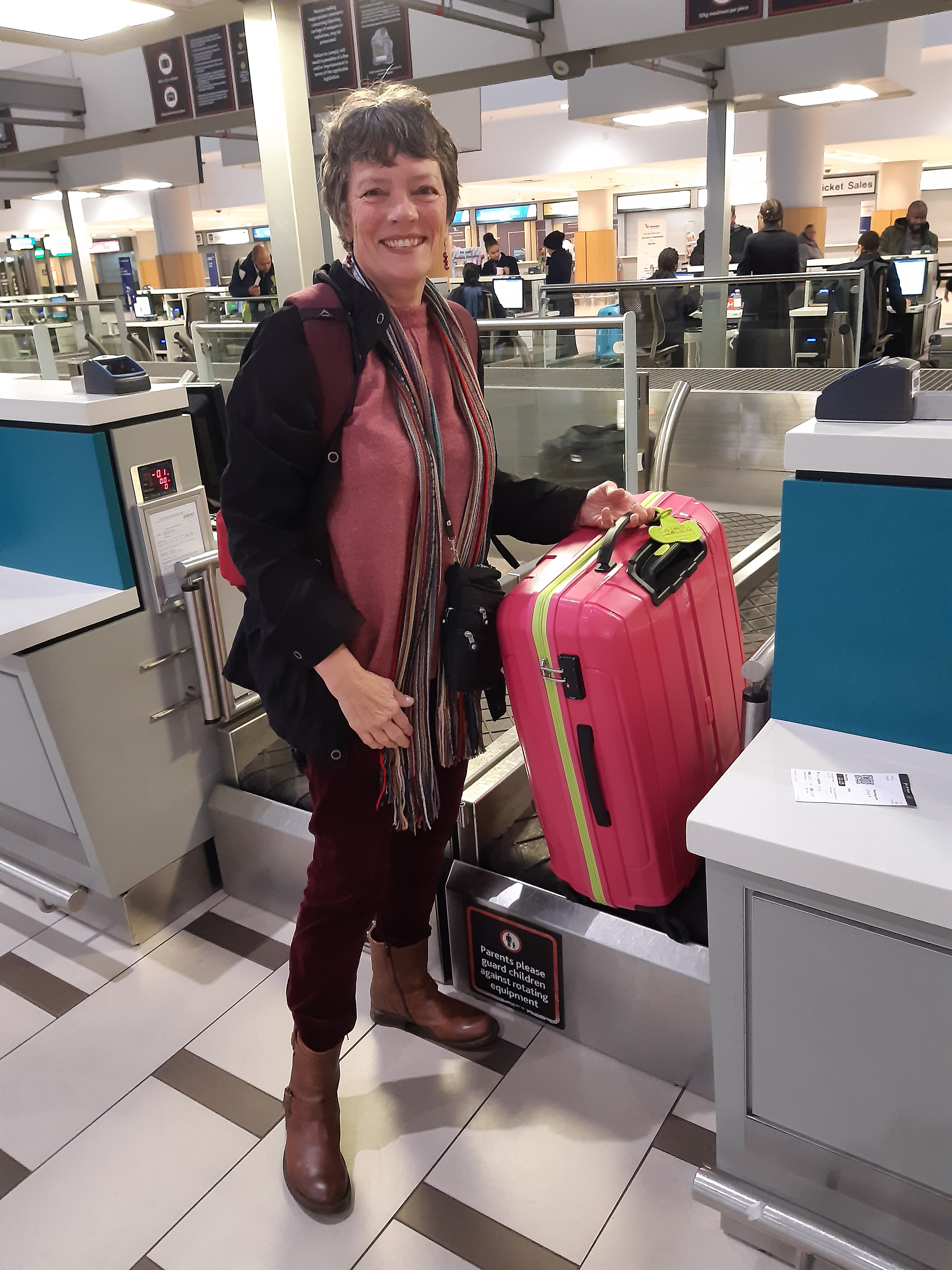 This picture was taken when I left South Africa, just to show my suitcase.
 Mella Madness