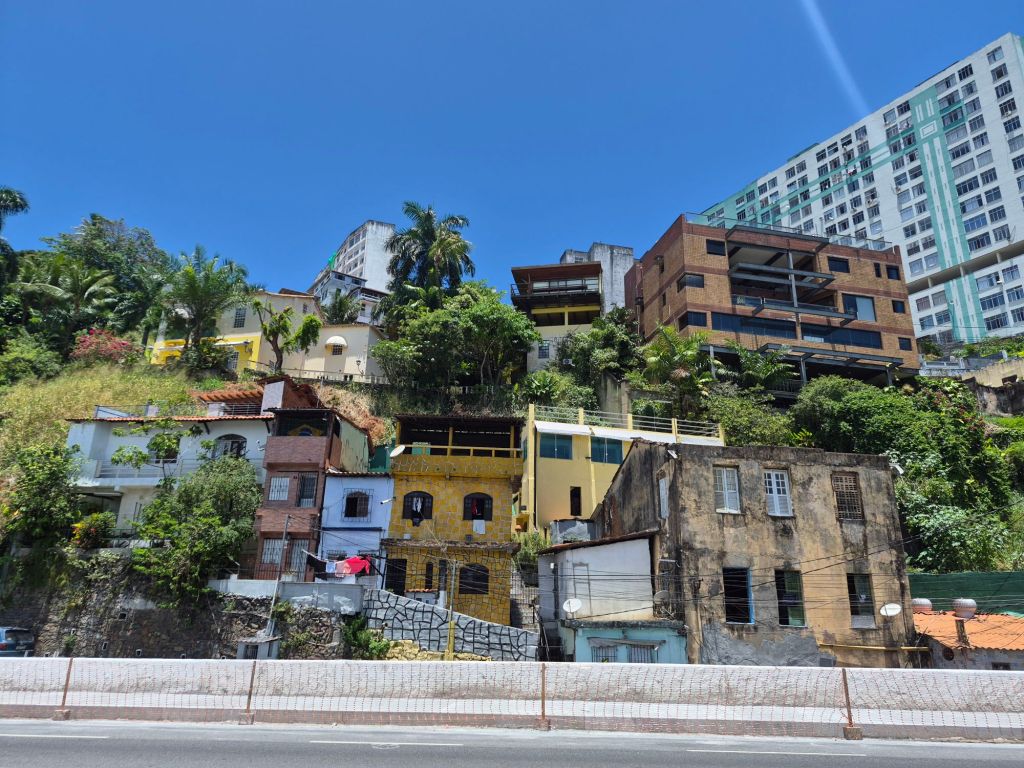
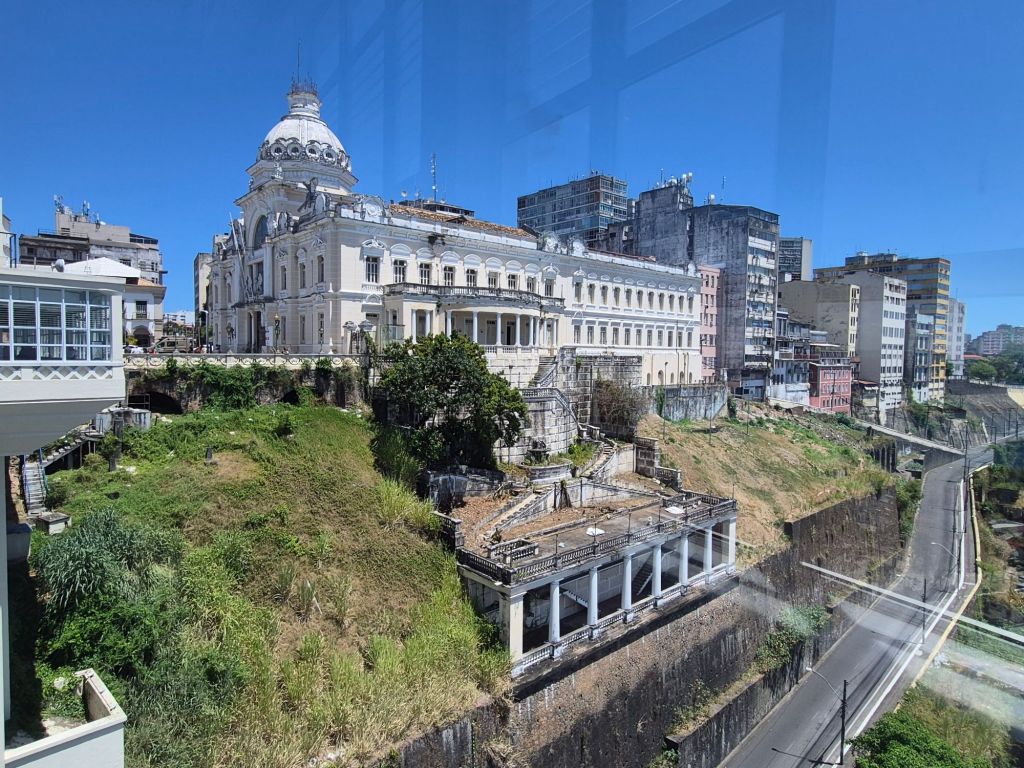
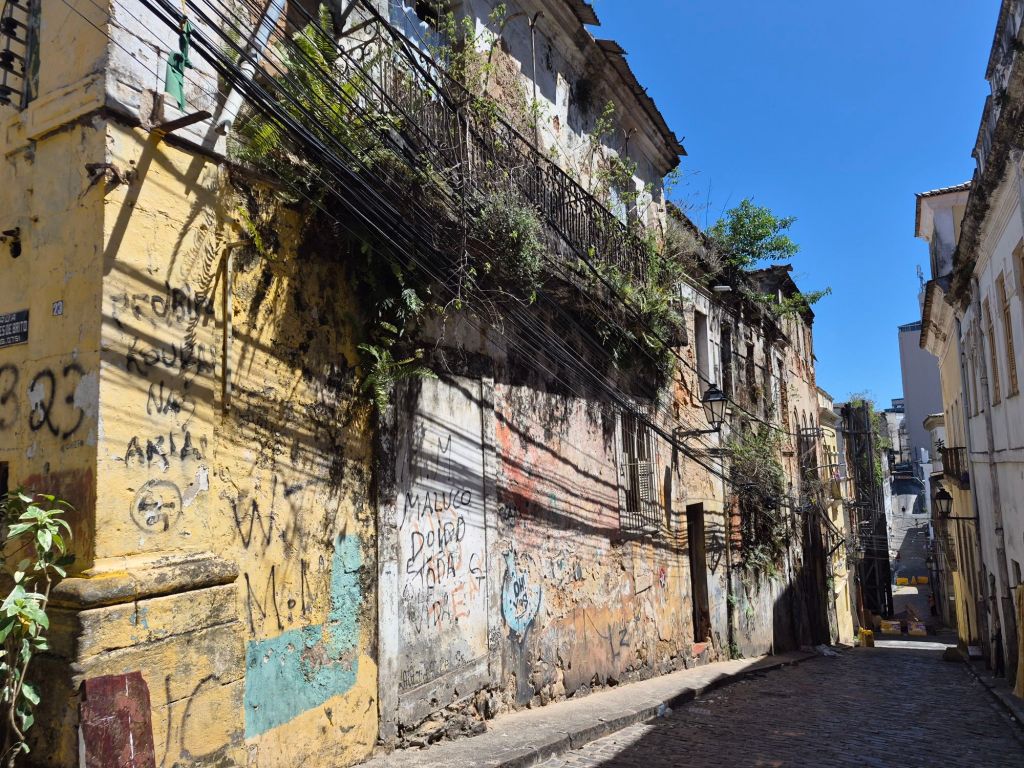
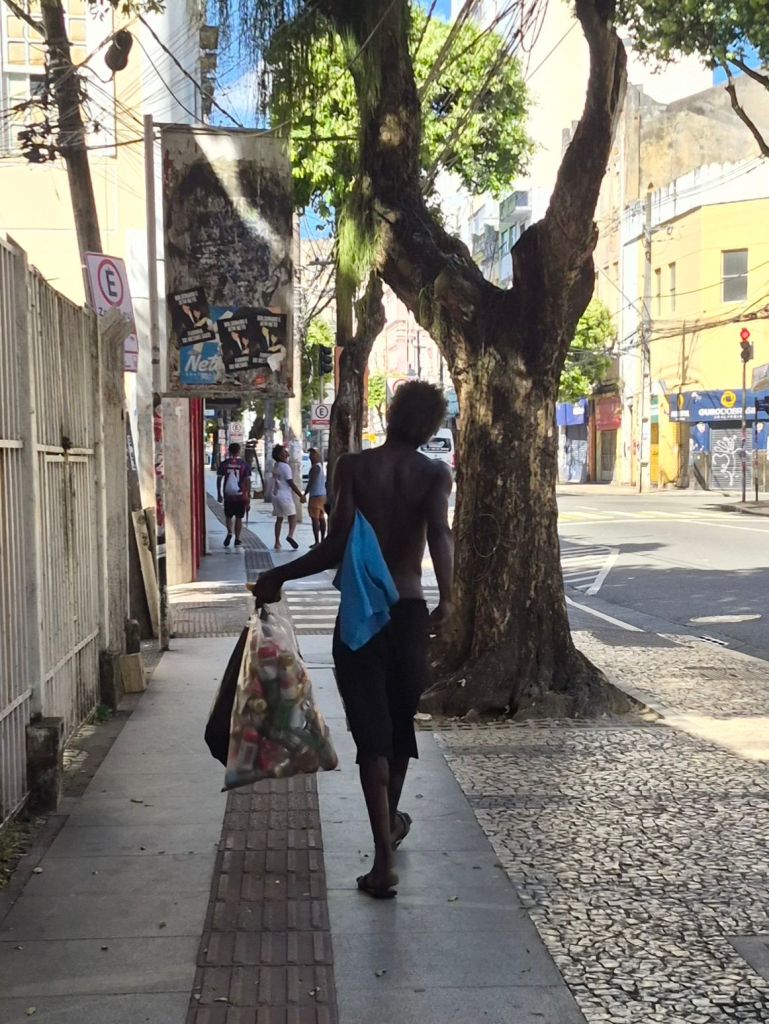
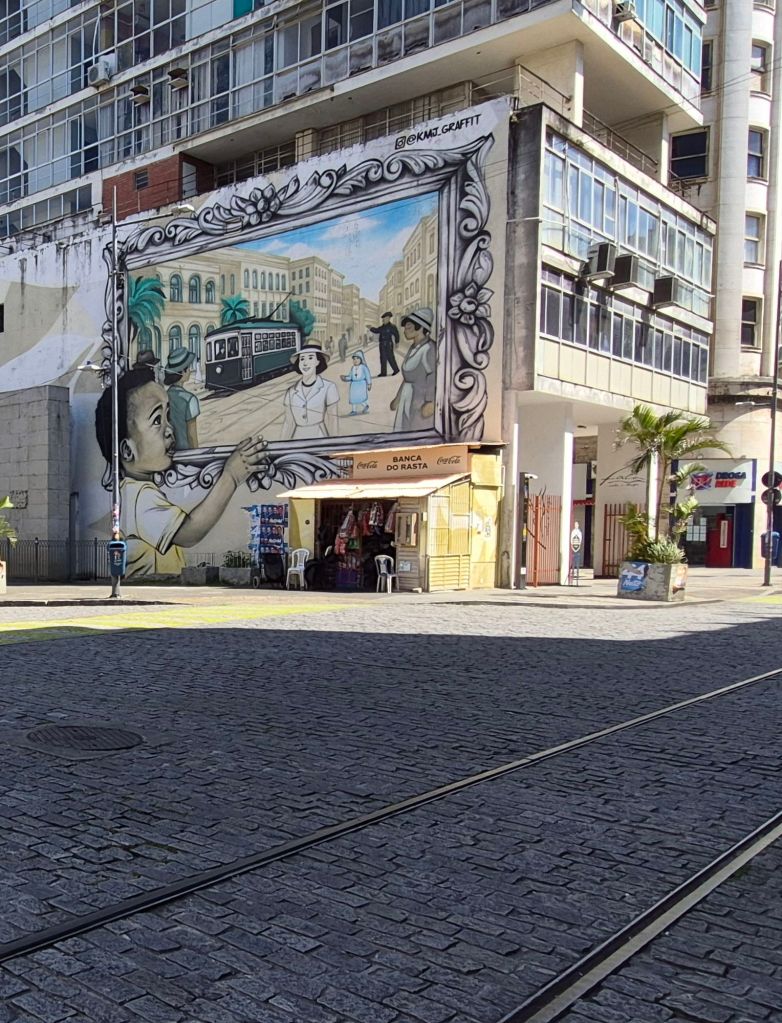
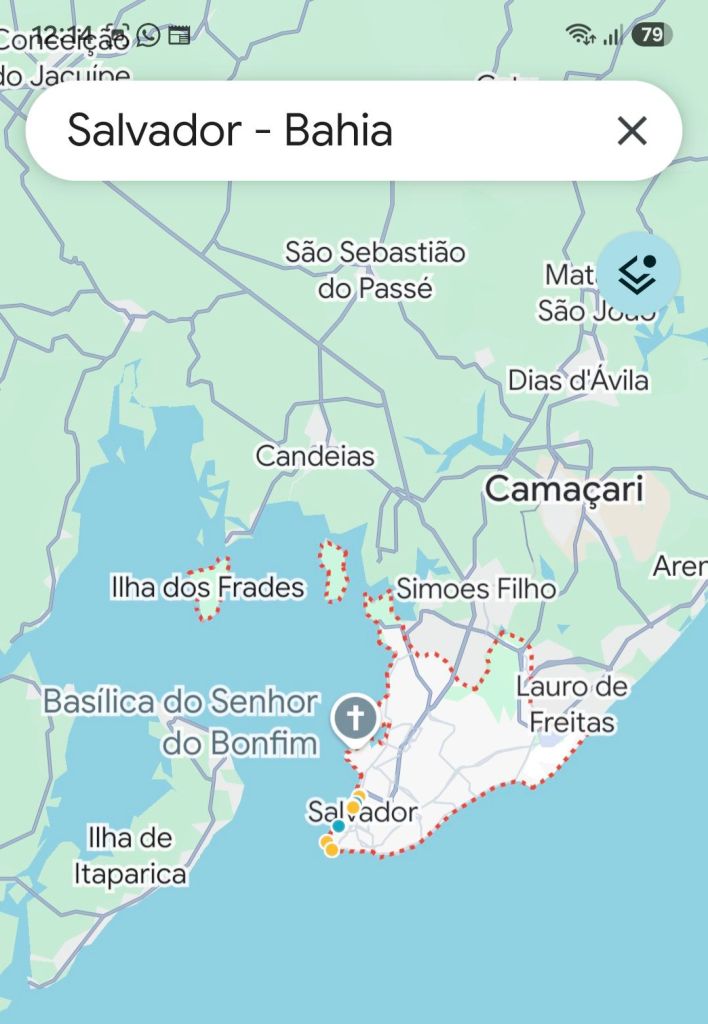
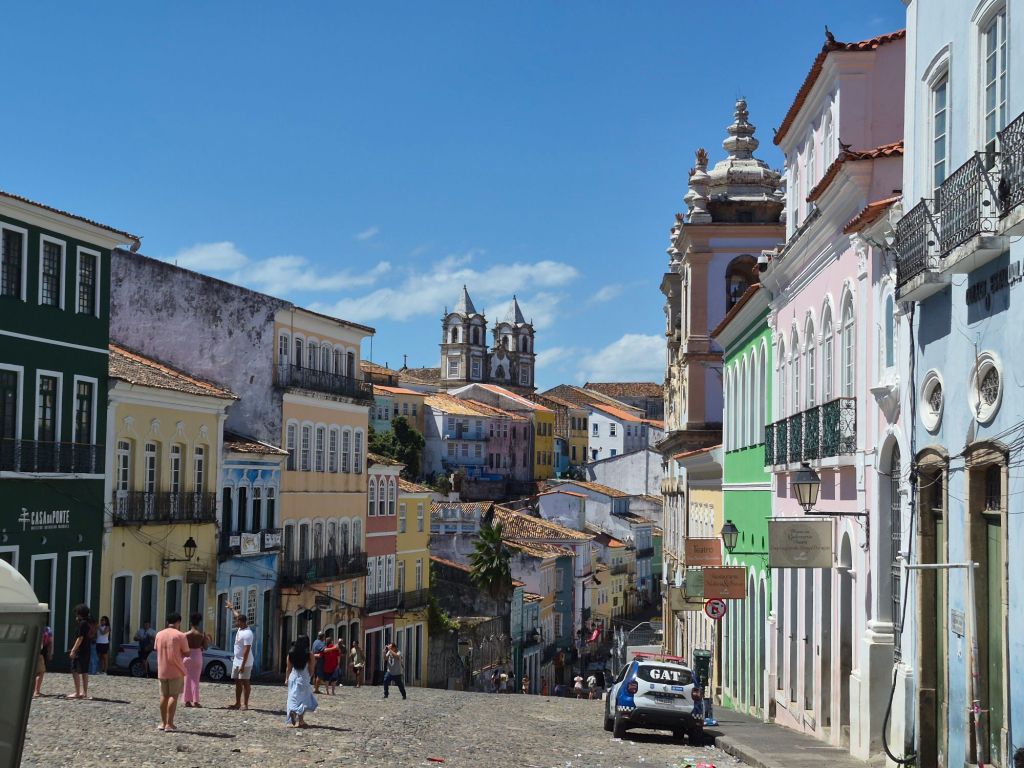
Bahia, at last! Salvador, the coastal city and capital of Bahia, is a vibrant and exciting city, the epicentre of the Afro-Brazilian culture. It is a big city with a historical centre known as Pelourinho. Unbeknownst to me, I had booked a hostel in that area for the first night, so I was pleasantly surprised when I was dropped off late at night to find narrow streets with crowds gathering and drinking outside of bars.
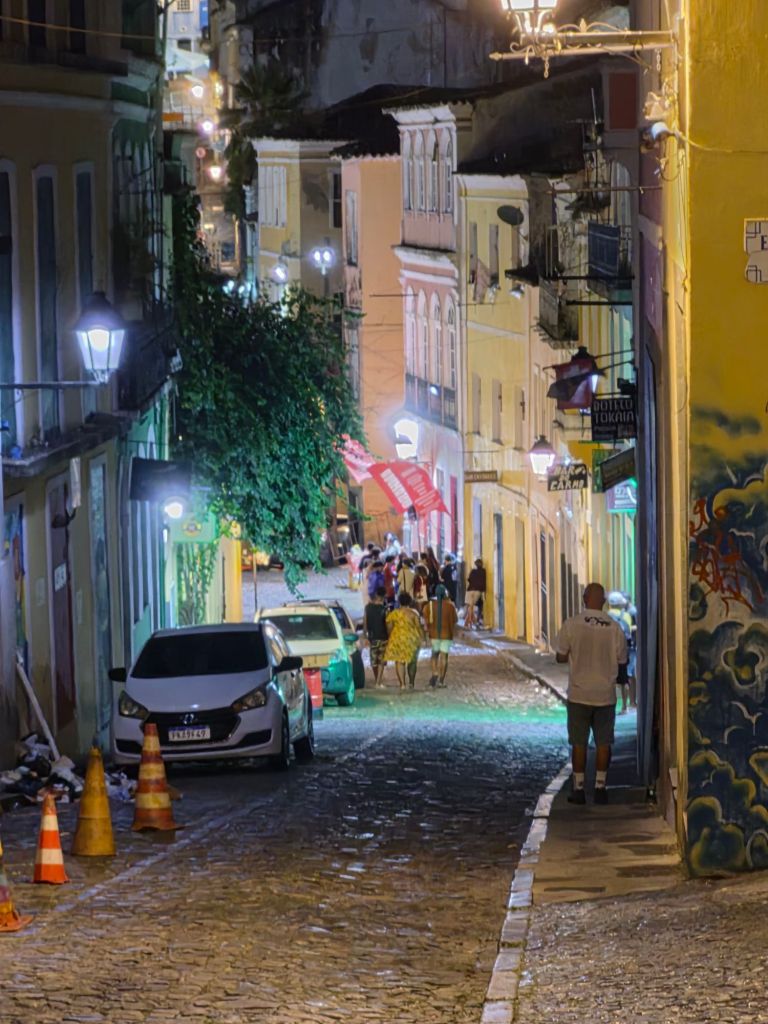
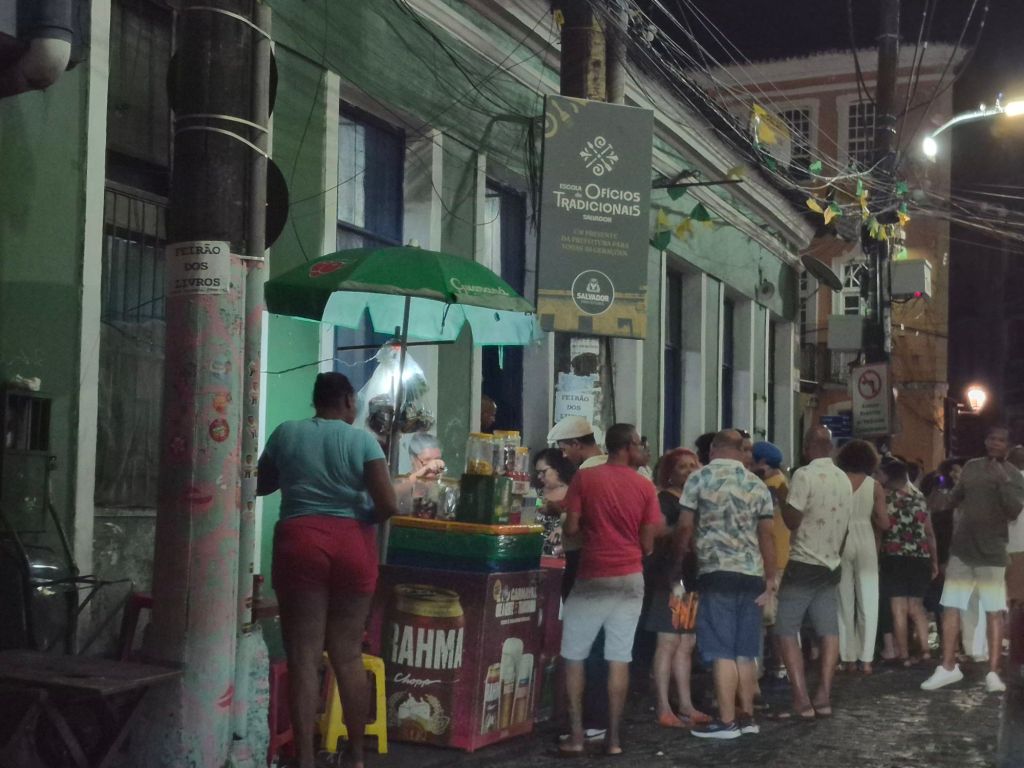
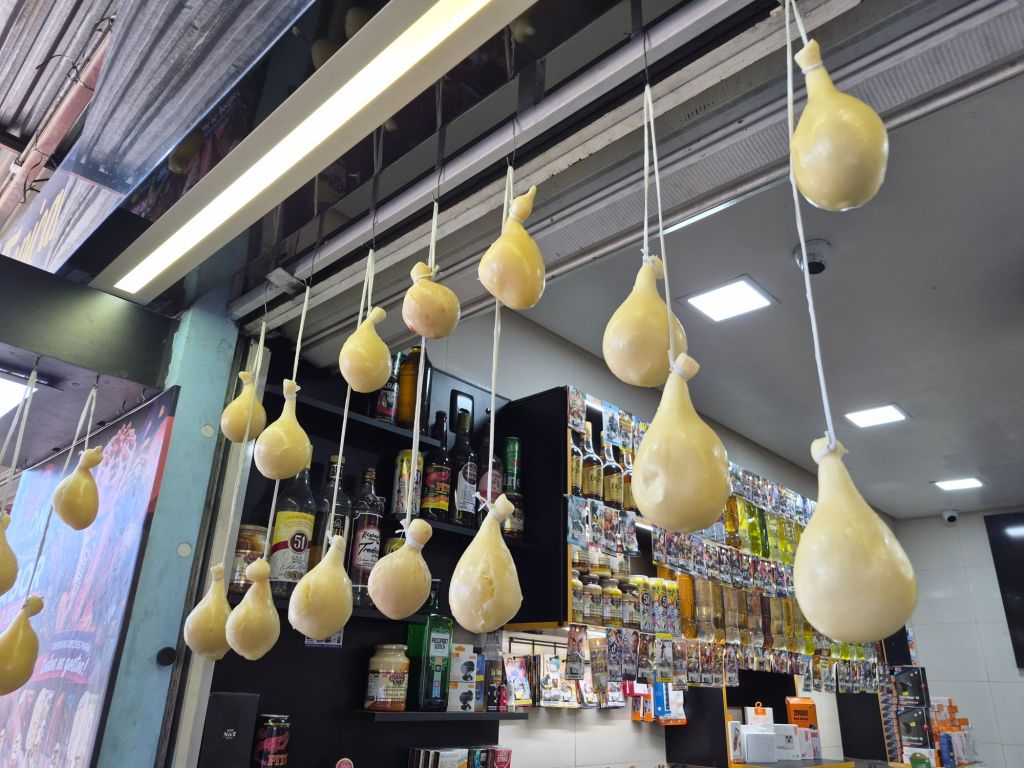
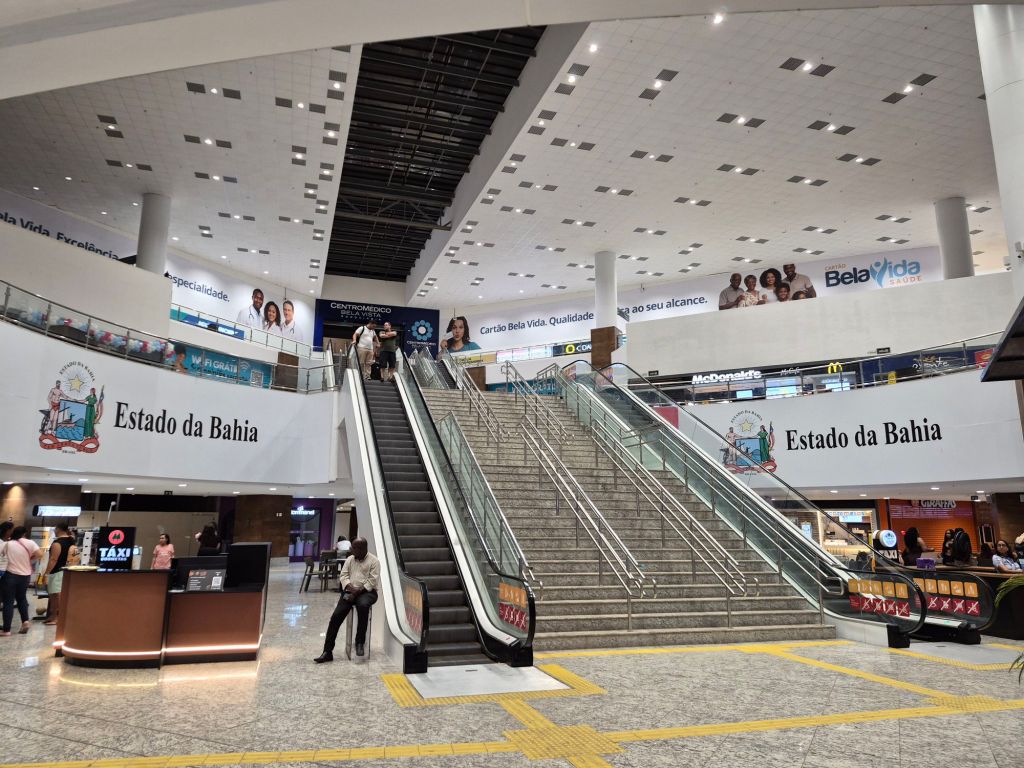
The bus trip to Salvador took 15hrs, and the place we stopped for lunch had little cheeses hanging everywhere, a speciality of the area. The bus terminal in Salvador looked like an airport building, I had no idea where to find the pick-up point for my Uber, so I missed that ride (but still had to pay) and had to take a taxi to the hostel.
I had the morning to explore the area before booking in with Mericia, the Airbnb hostess whose apartment was in a more upmarket area called Canela.
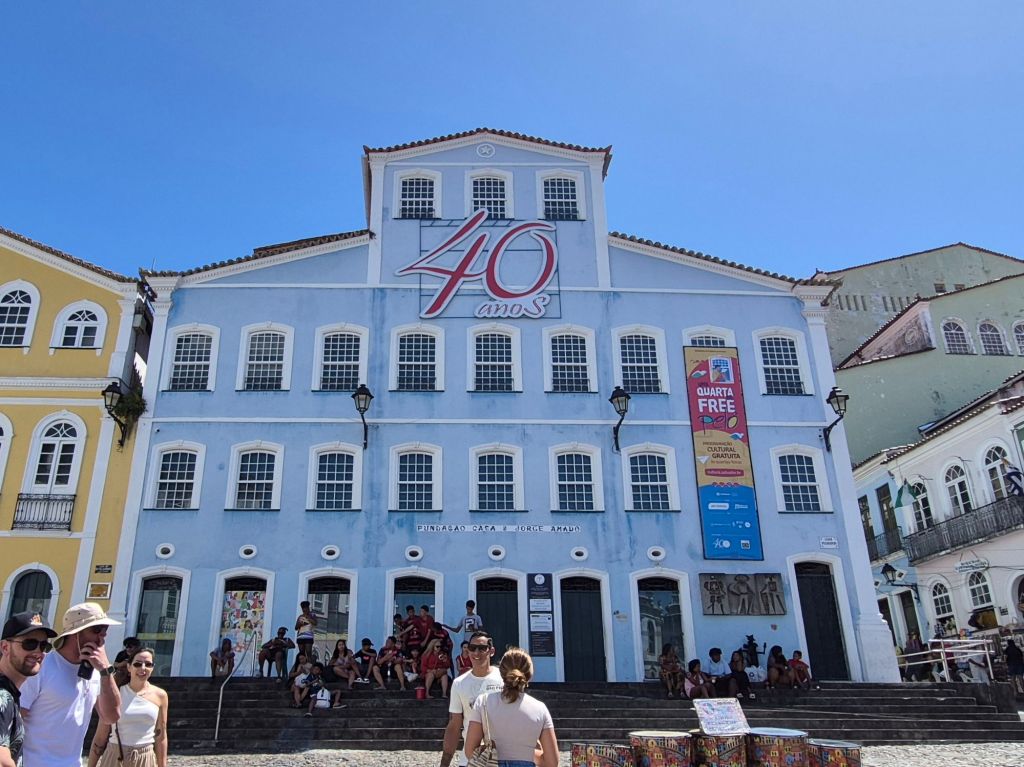
Just down the street from my first hostel was a square that had a museum dedicated to Jorge Amado, one of the best-known modern Brazilian writers. I couldn’t understand why everyone was having their photo taken in front of this blue building, until I found out what it was.
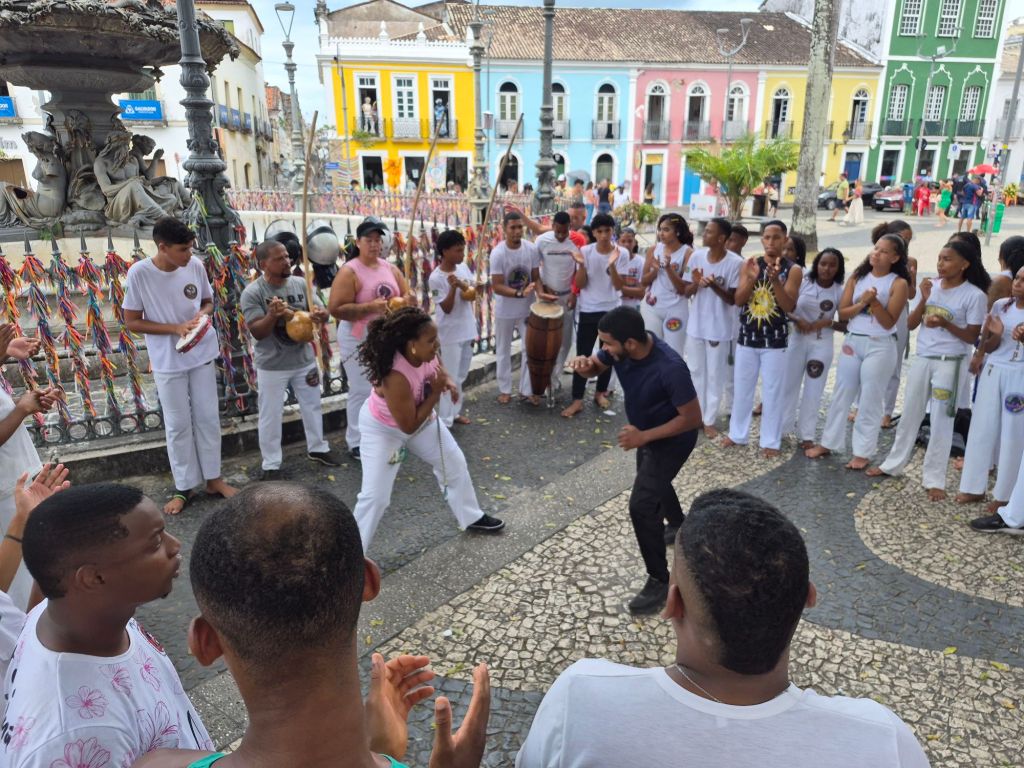
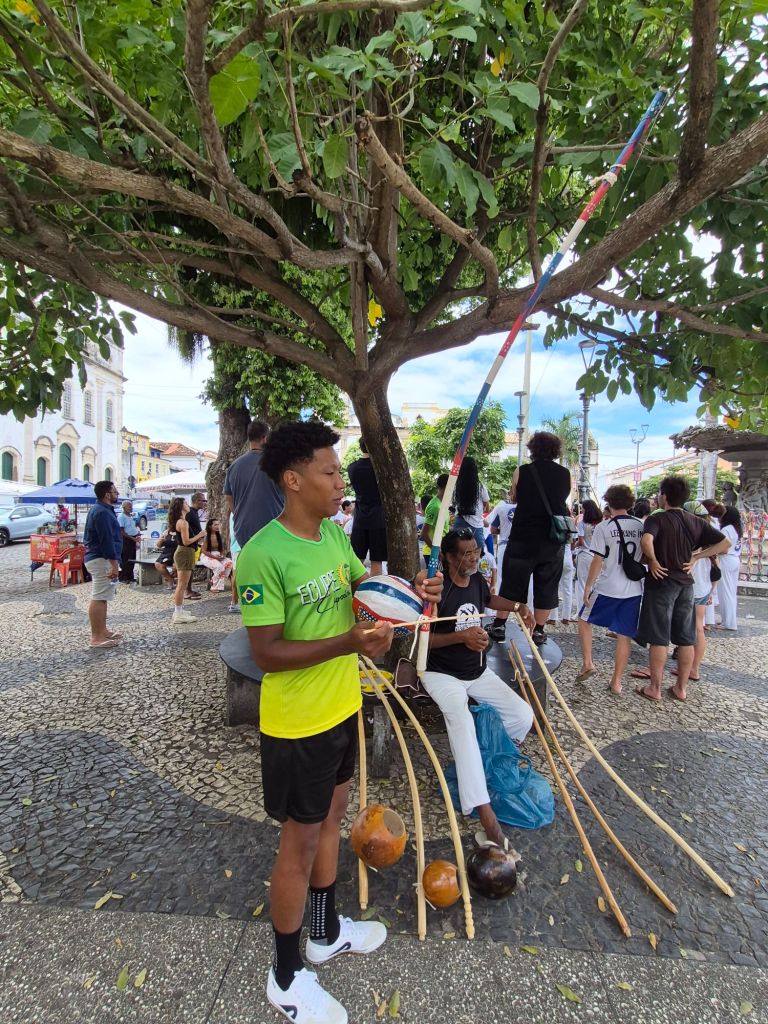
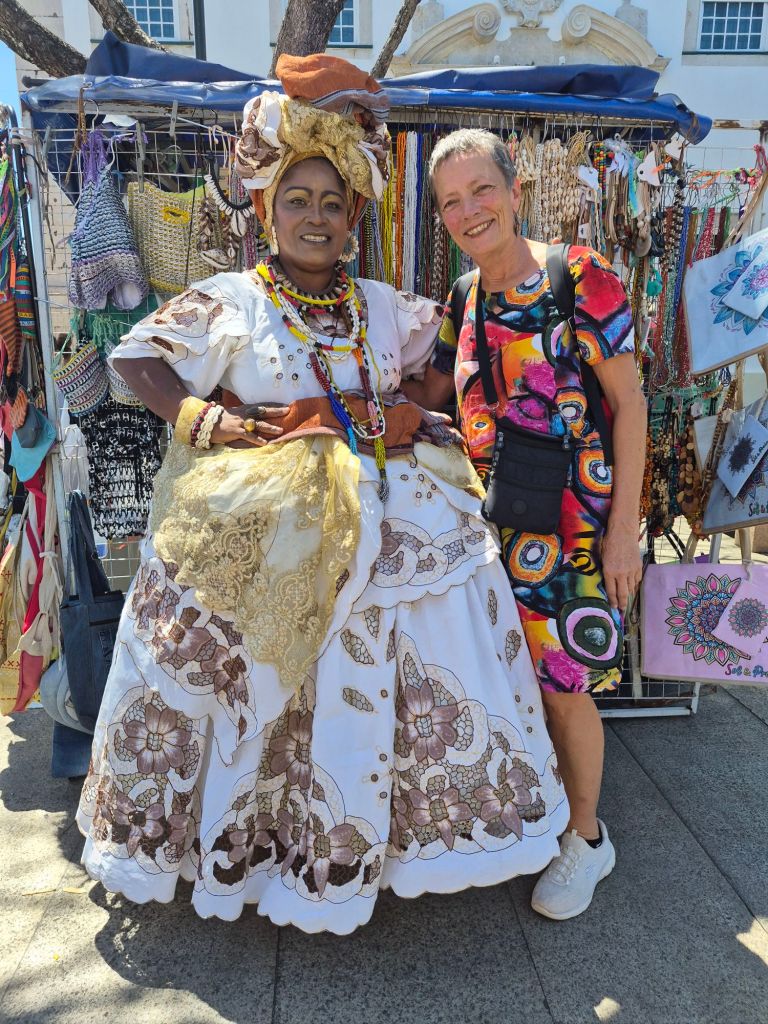
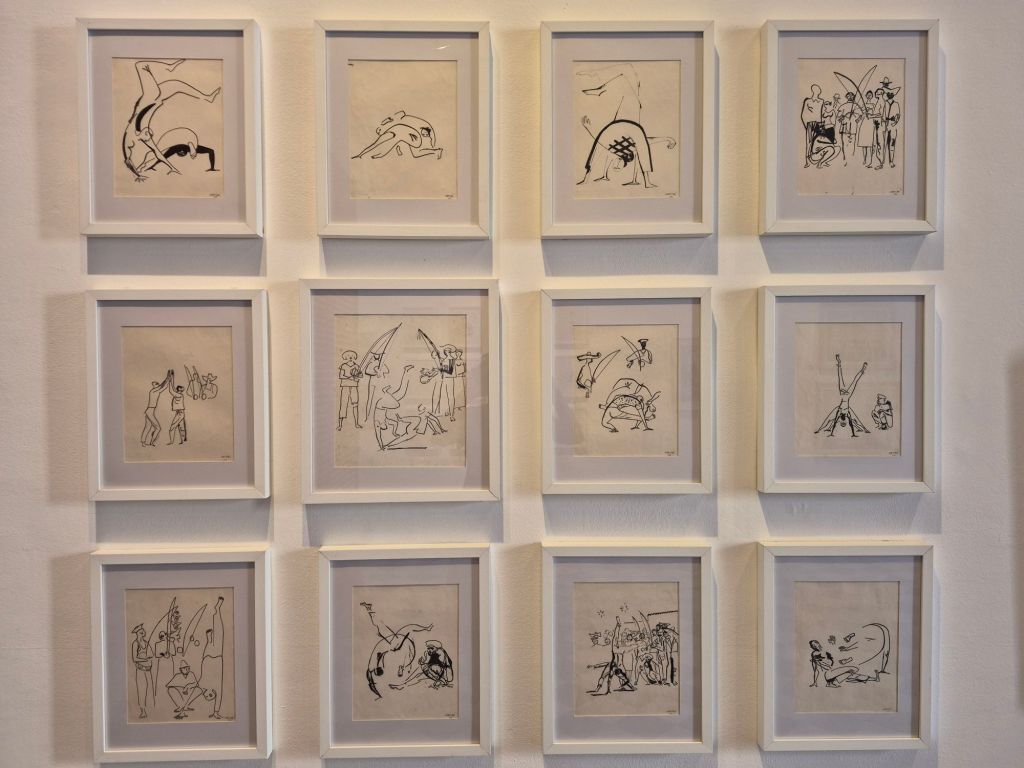
The Afro-Brazilian culture includes music, food, religion and rituals, all influenced and typified by the Africans that were brought to Brazil as slaves, more than 5 million of them between the 1540’s and the 1860’s. It is especially the Candombe religion and Afro-Brazilian dance forms that are uniquely found in Salvador. Of the dance forms, the capoeira is most often done publicly and I saw a performance in the historical city centre. It is martial art camouflaged as a dance ritual that the slaves did to practice fighting moves without being punished. A circle is formed and two partners engage in combating movements to the sounds of berimbau instruments, the partners being replaced randomly by others from the circle.
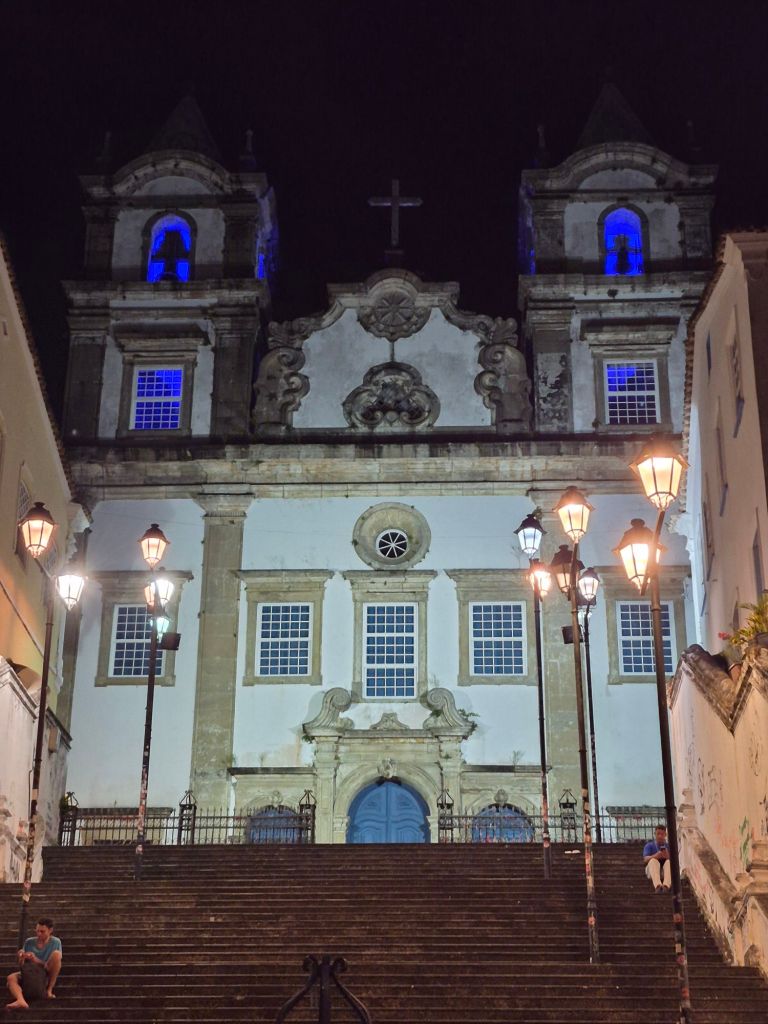
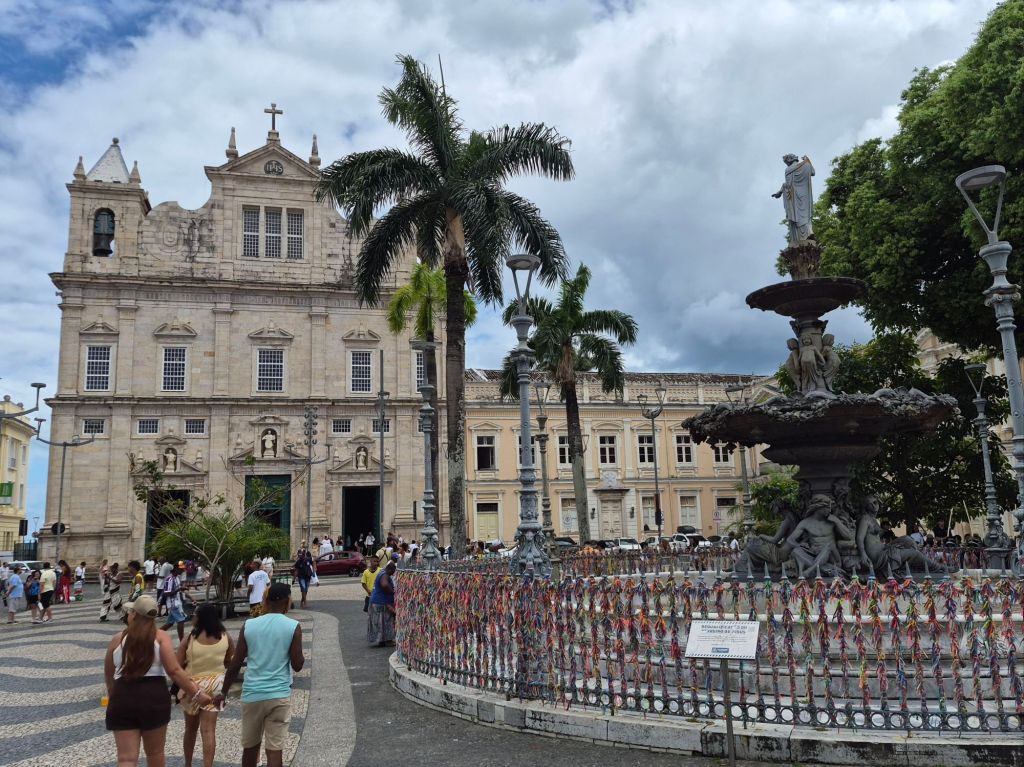
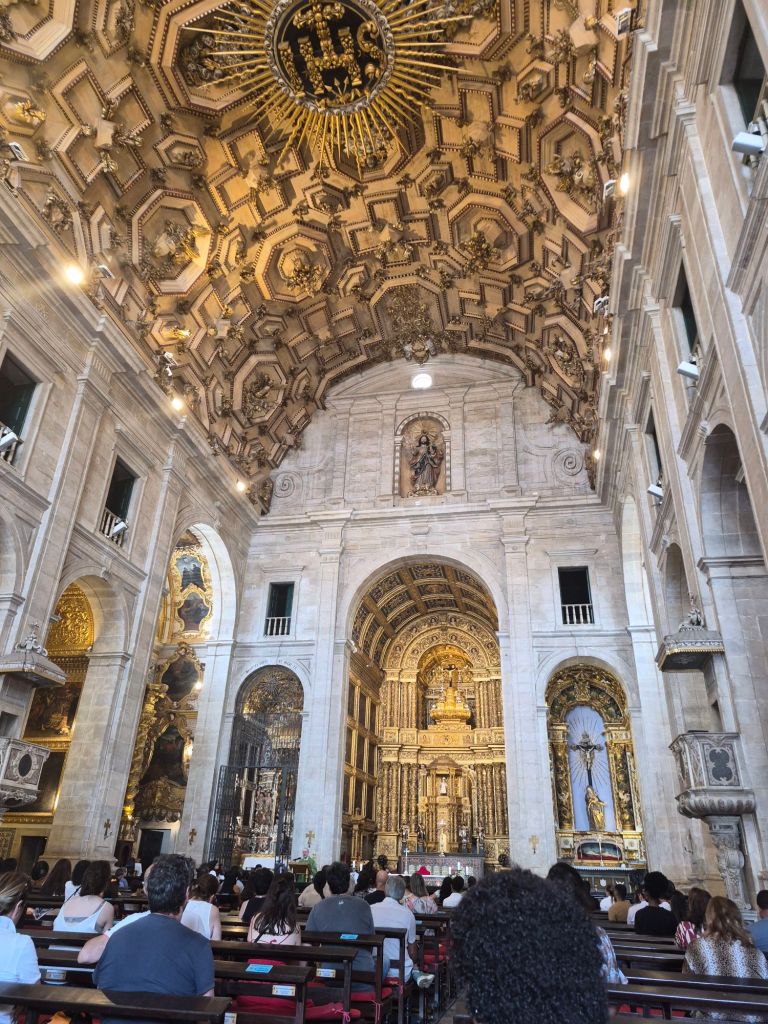
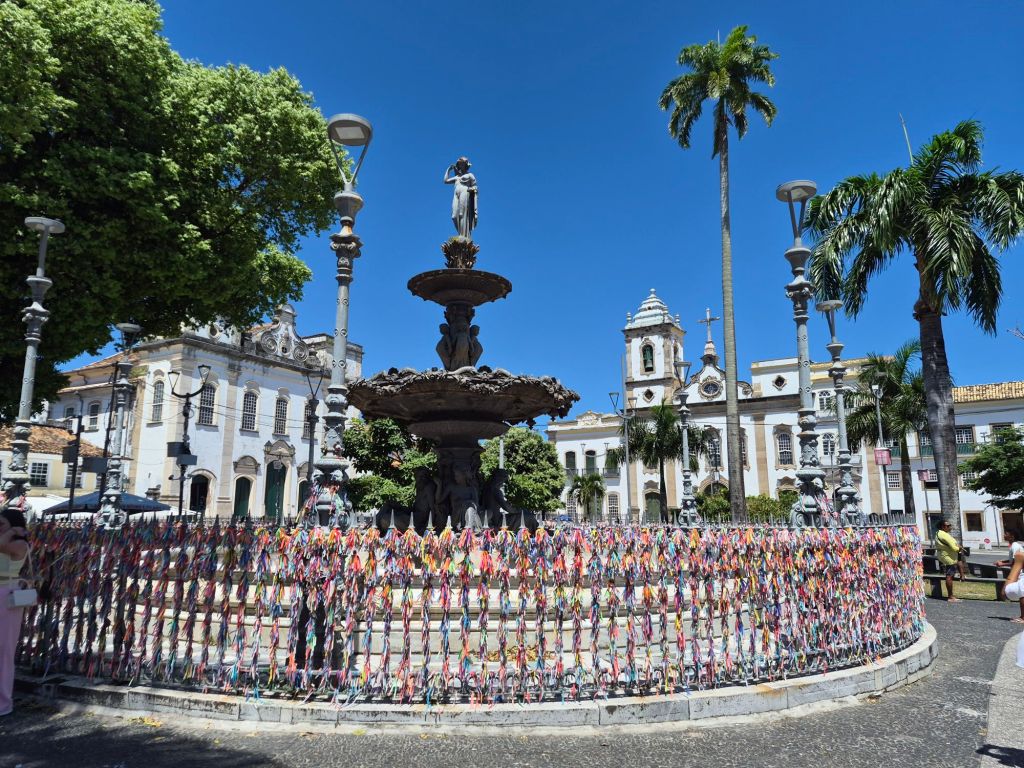
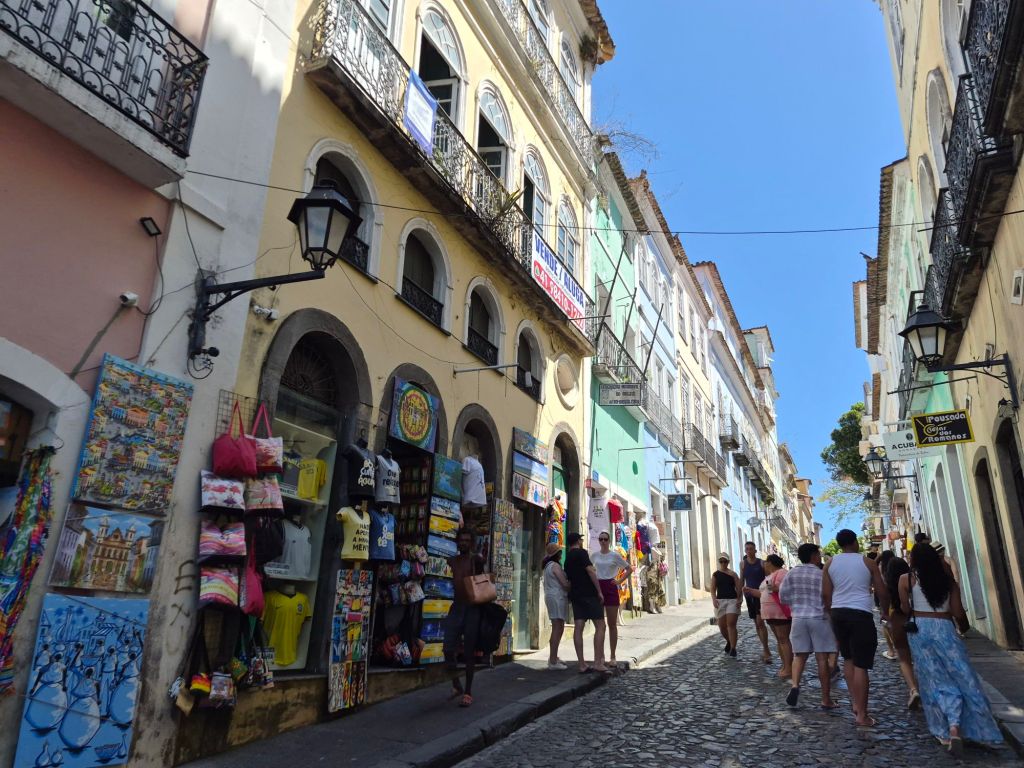
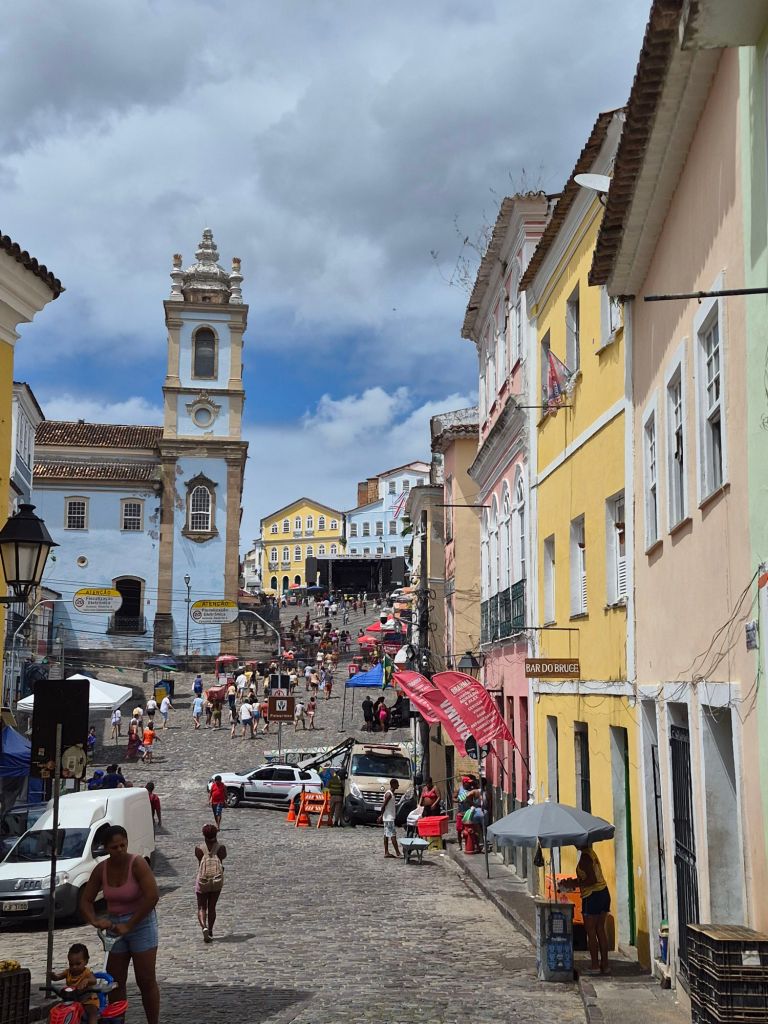
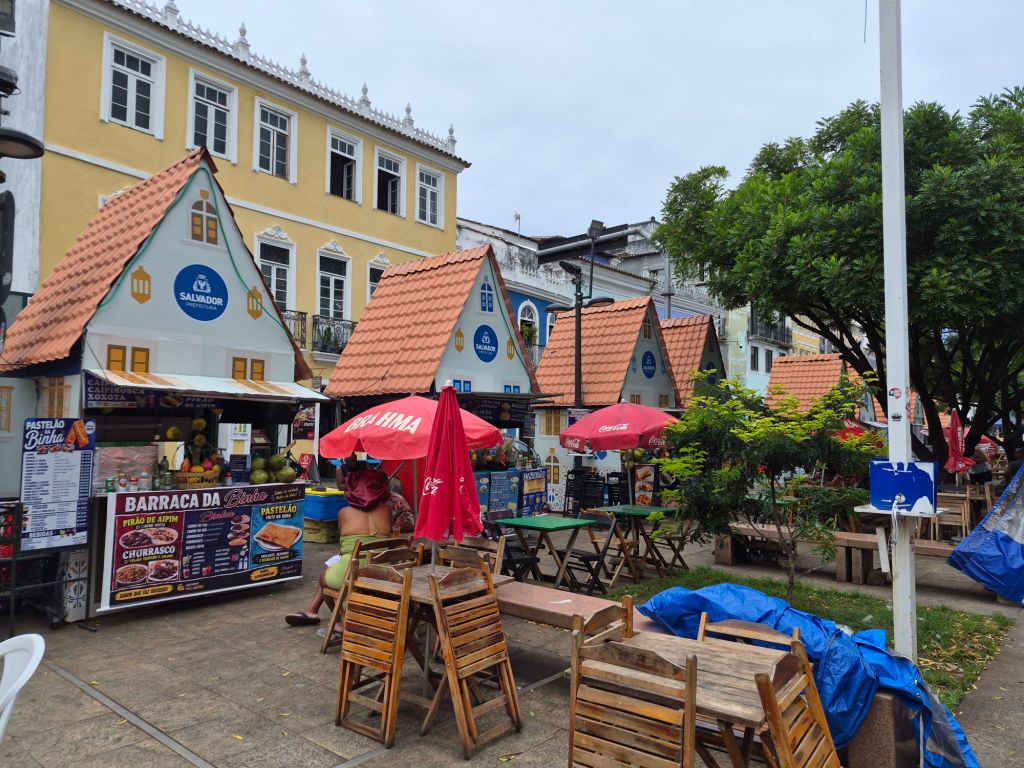
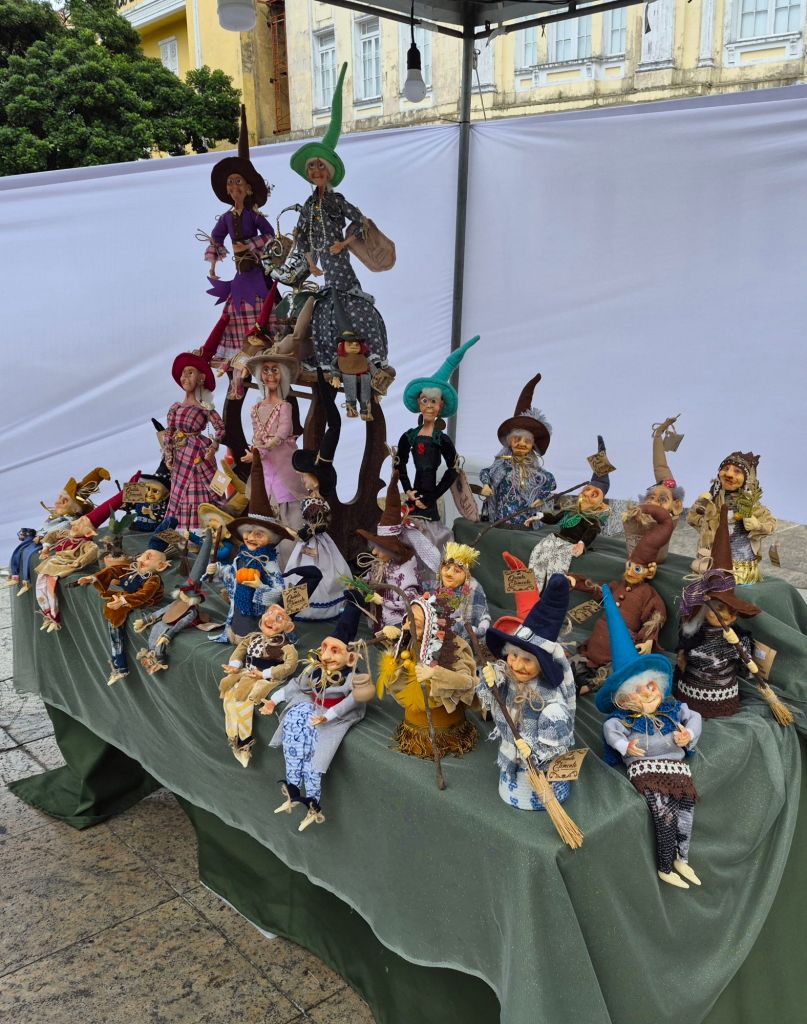
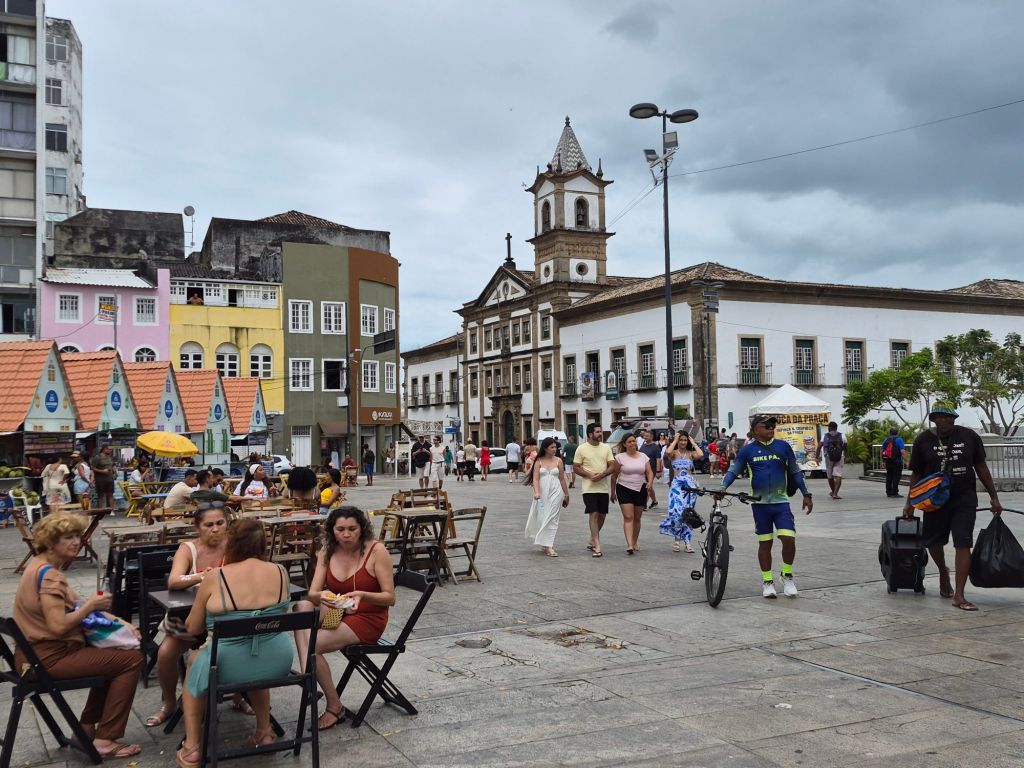
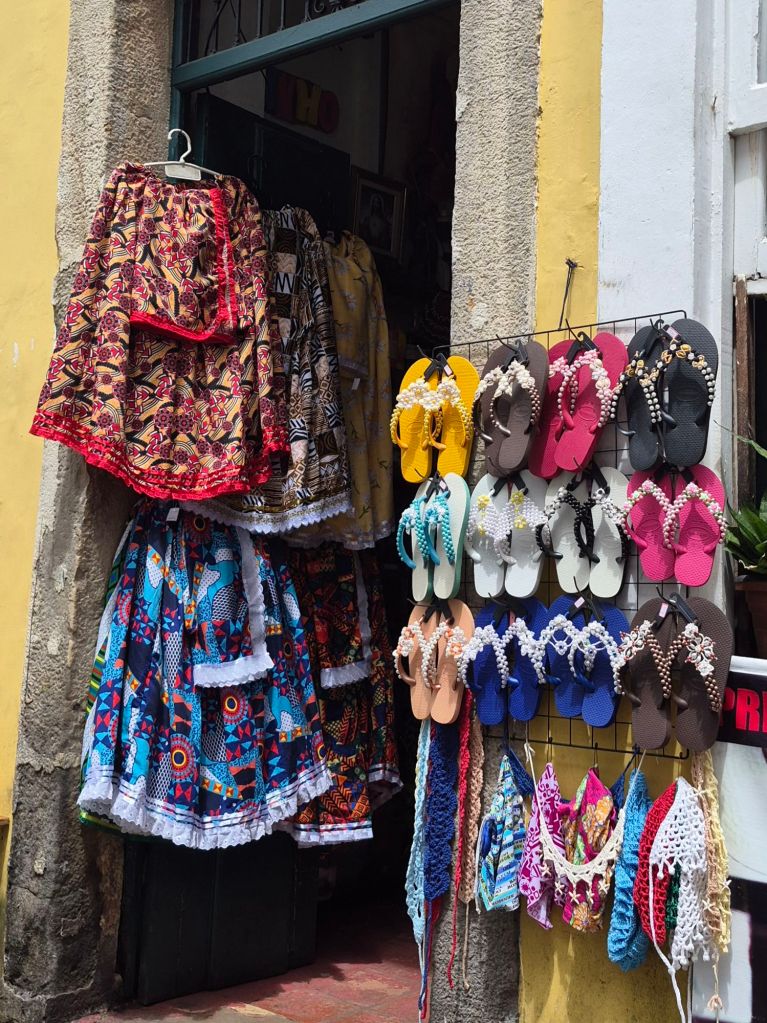
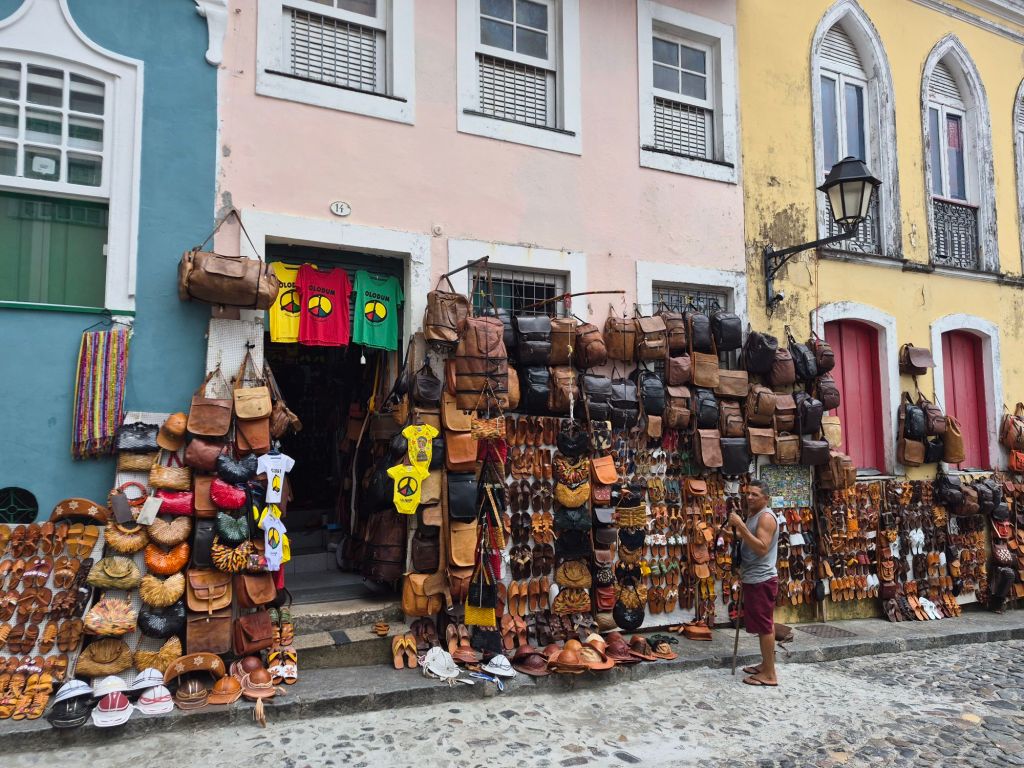
There are many cathedrals in Salvador, but the Cathedral Basilica of Salvador (Catedral-Basílica Primacial de São Salvador) is the mother church of all Catholic churches in Brazil and the seat of the Archbishop of the country. The Baroque style interior is magnificent, but a service was on so I only took one photo. The streets in Pelourinho are narrow and cobbled, with colourful houses, shops, restaurants and murals, with quite a few squares and market places.
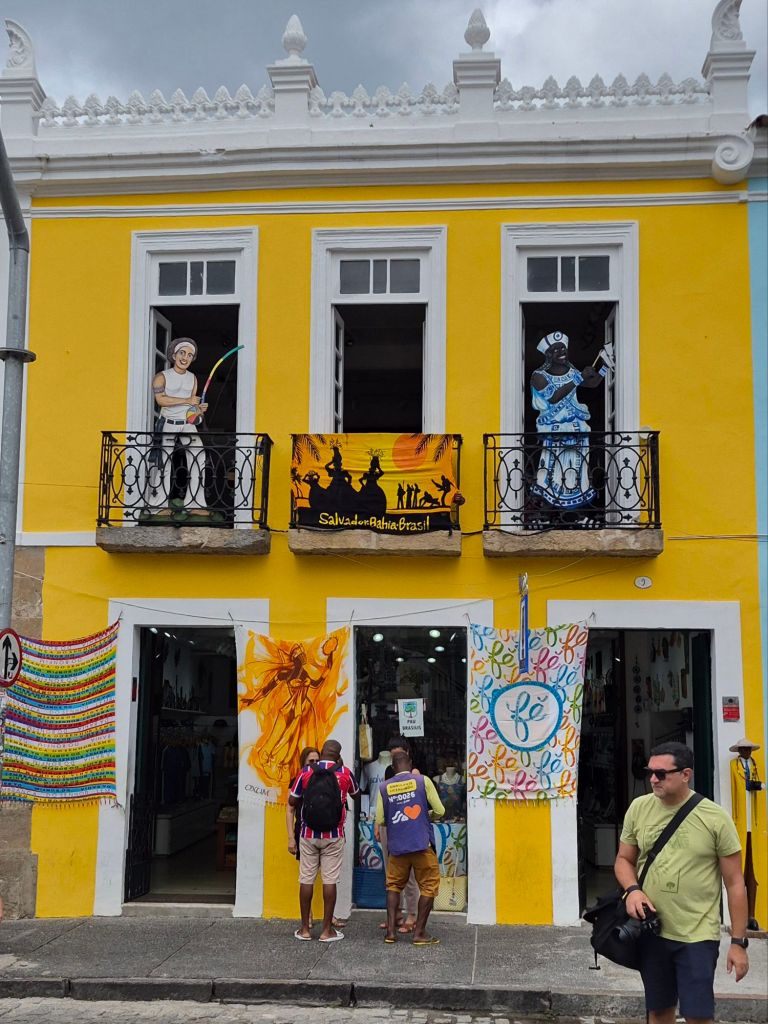
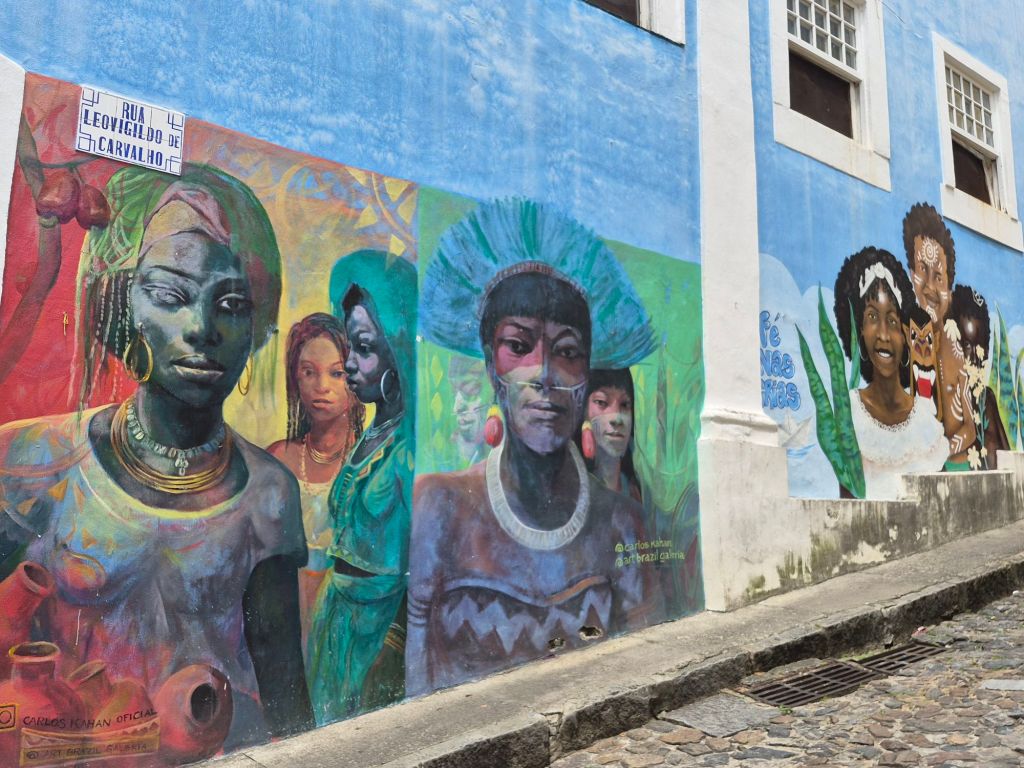
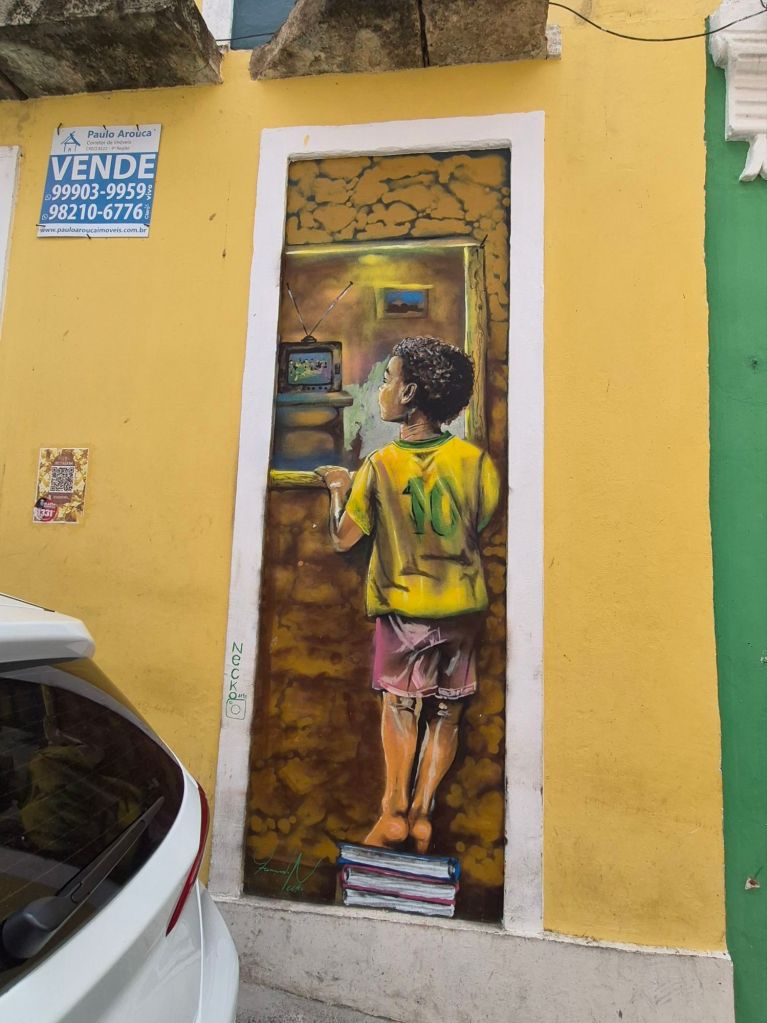
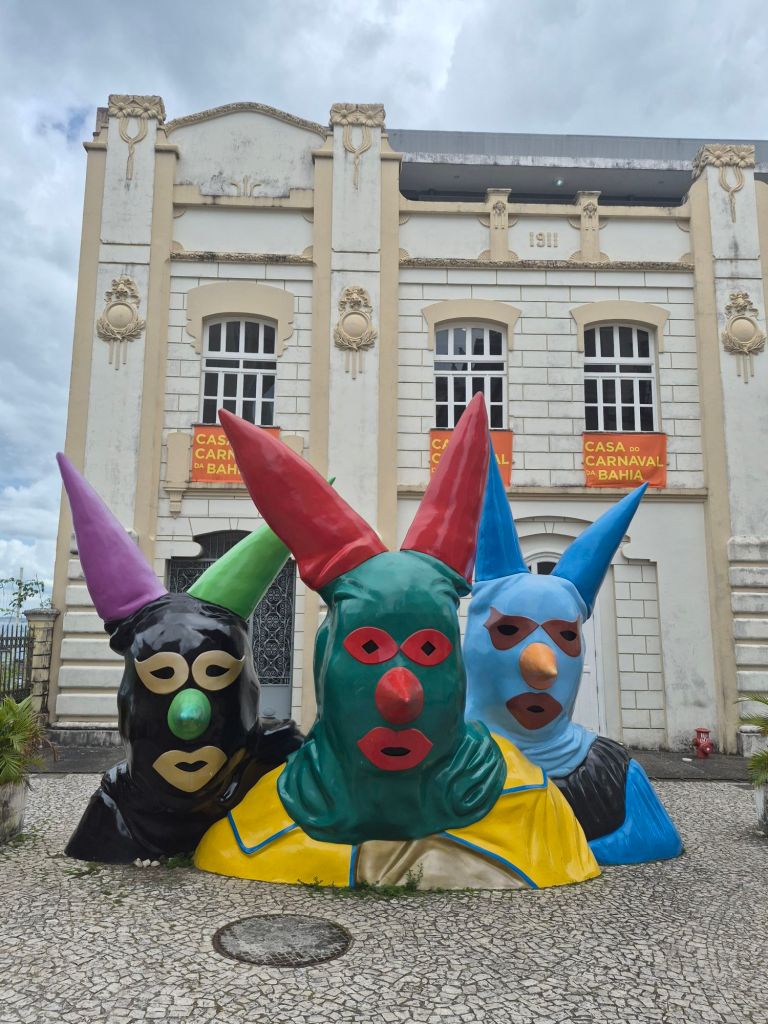
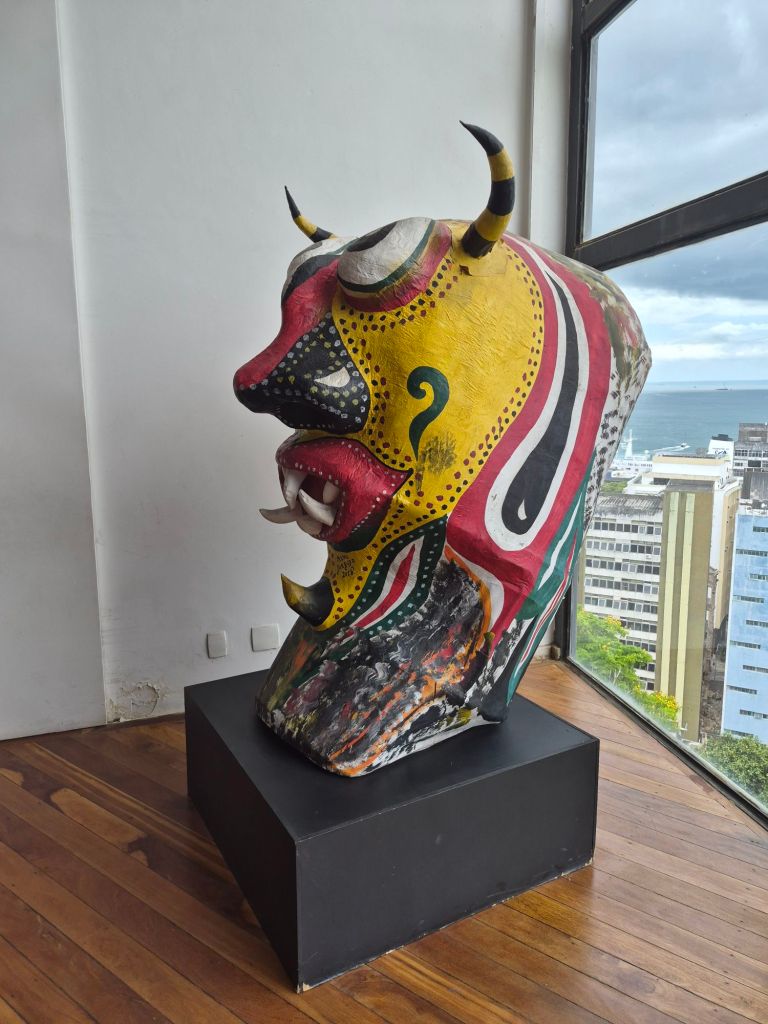
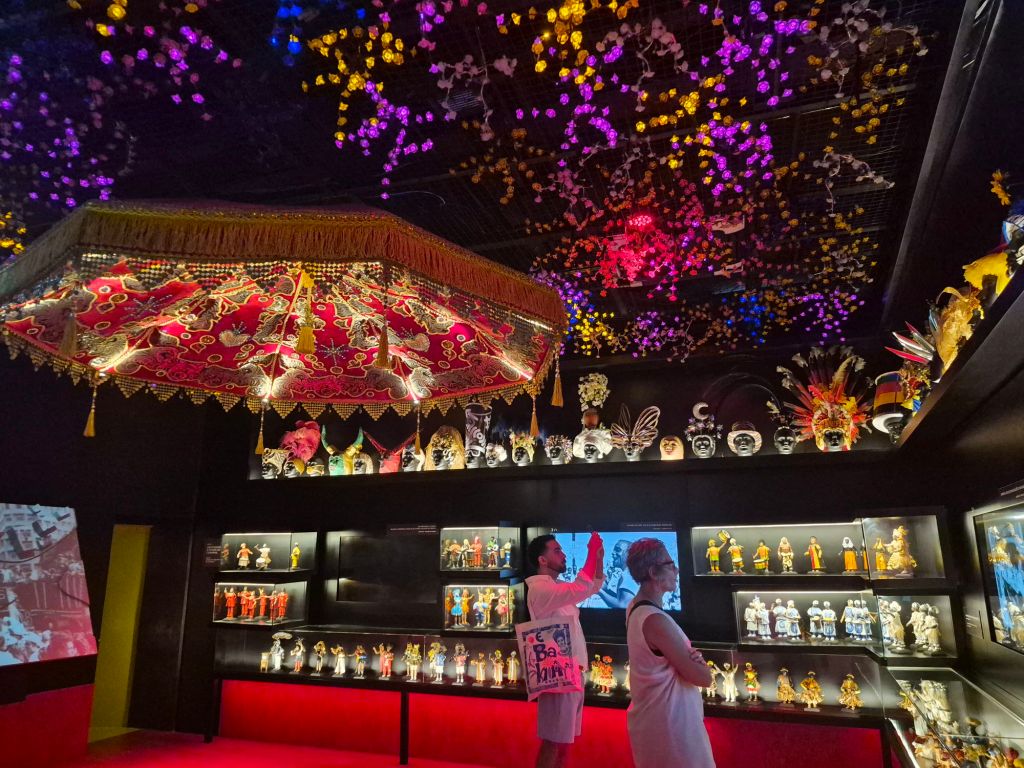
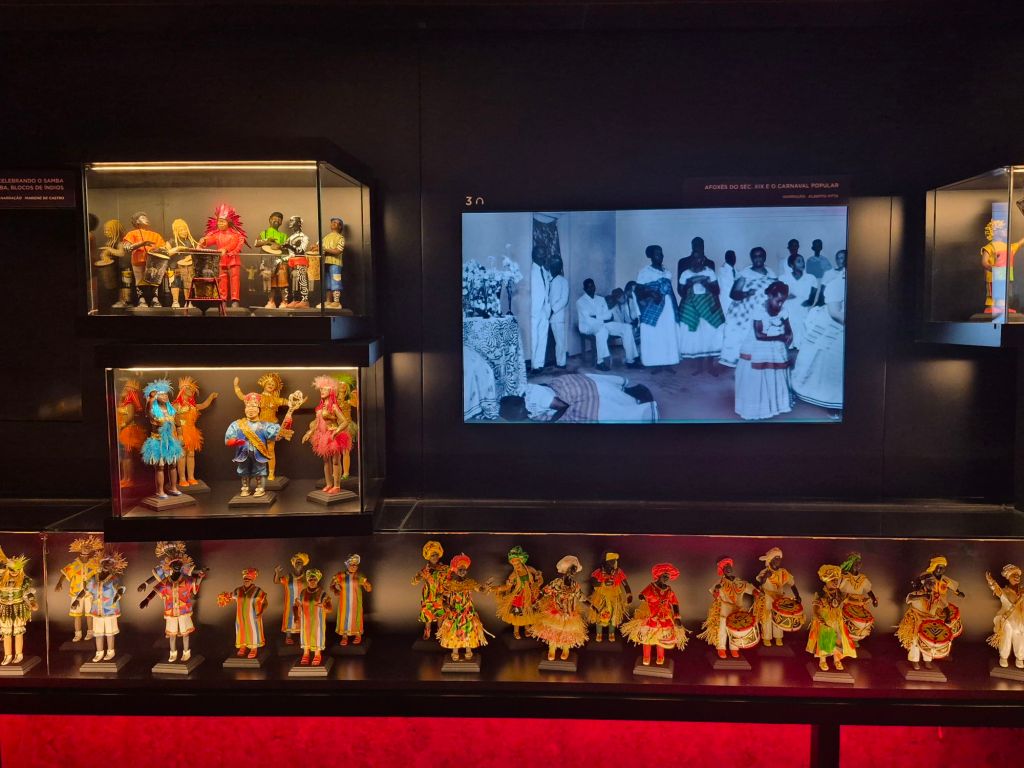
I was walking around, when I saw a museum called the Casa do Carnaval de Bahia, which is about the carnival that is annually held in Salvador in February.
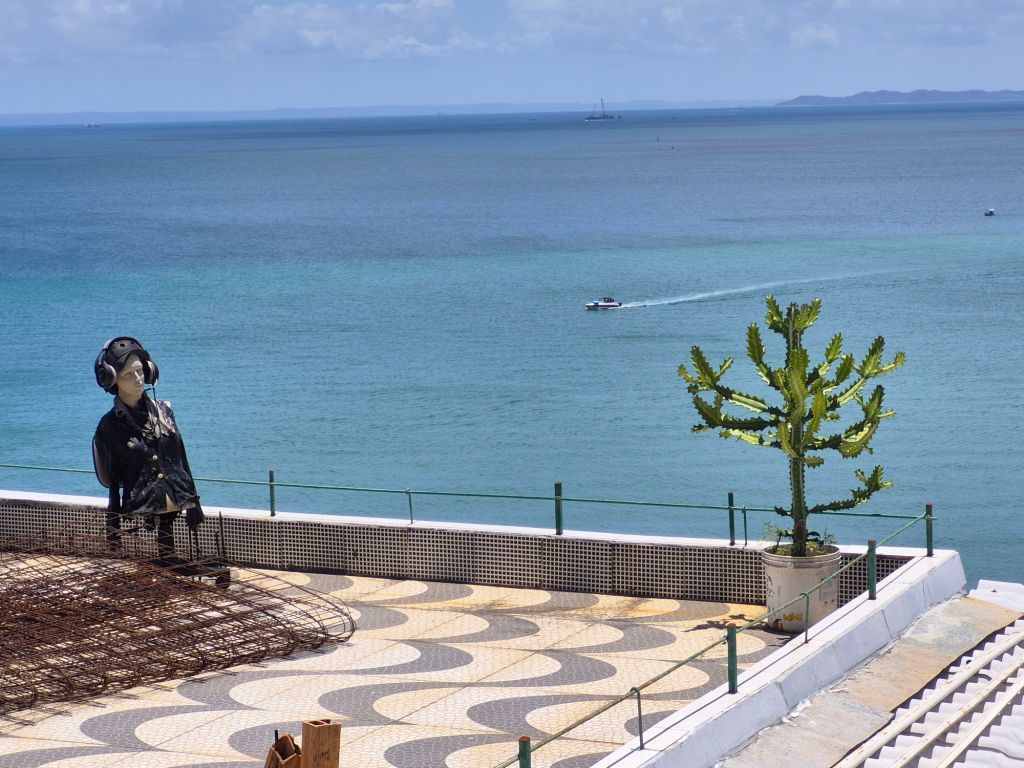
Mericia lives on the 24th floor of an apartment building, with a view over adjoining high-rise buildings and the sea. She is an Airbnb superhost, who cares about people, wants everyone to be happy and has an interesting life story. She speaks English, and made recommendations about places to visit, providing information and letting me taste typical food that a friend of her had made. She kept on talking about ‘chipco’ food, until I asked her what ‘chipco’ was – turns out it is the Portuguese pronunciation for típico (typical).
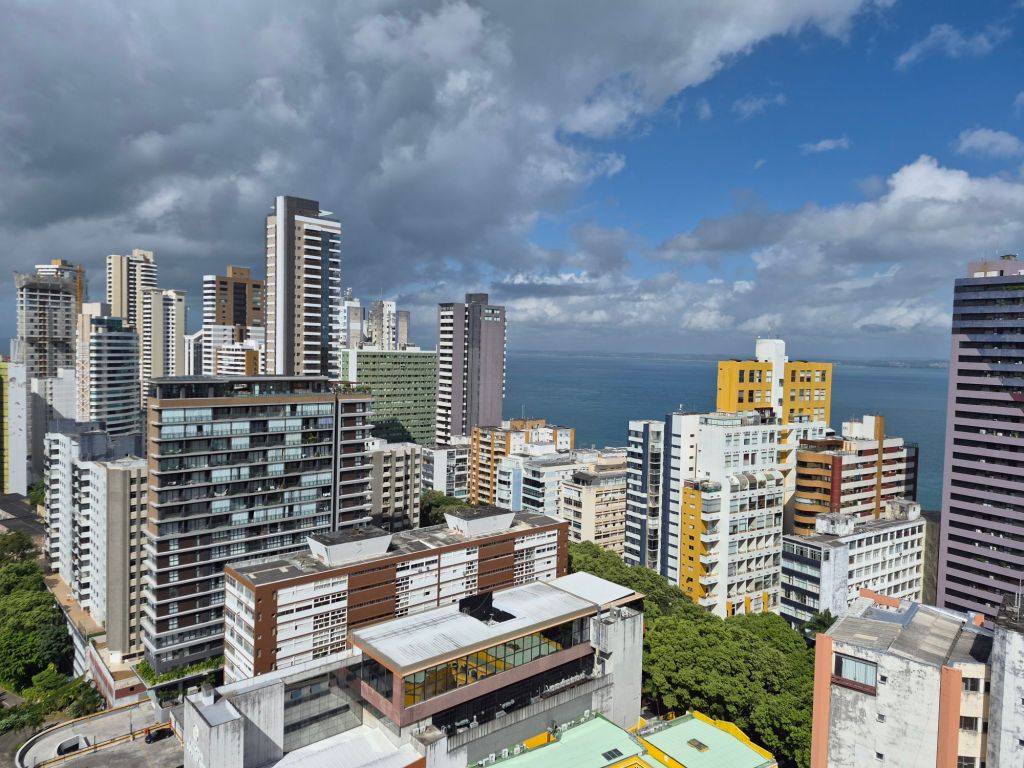
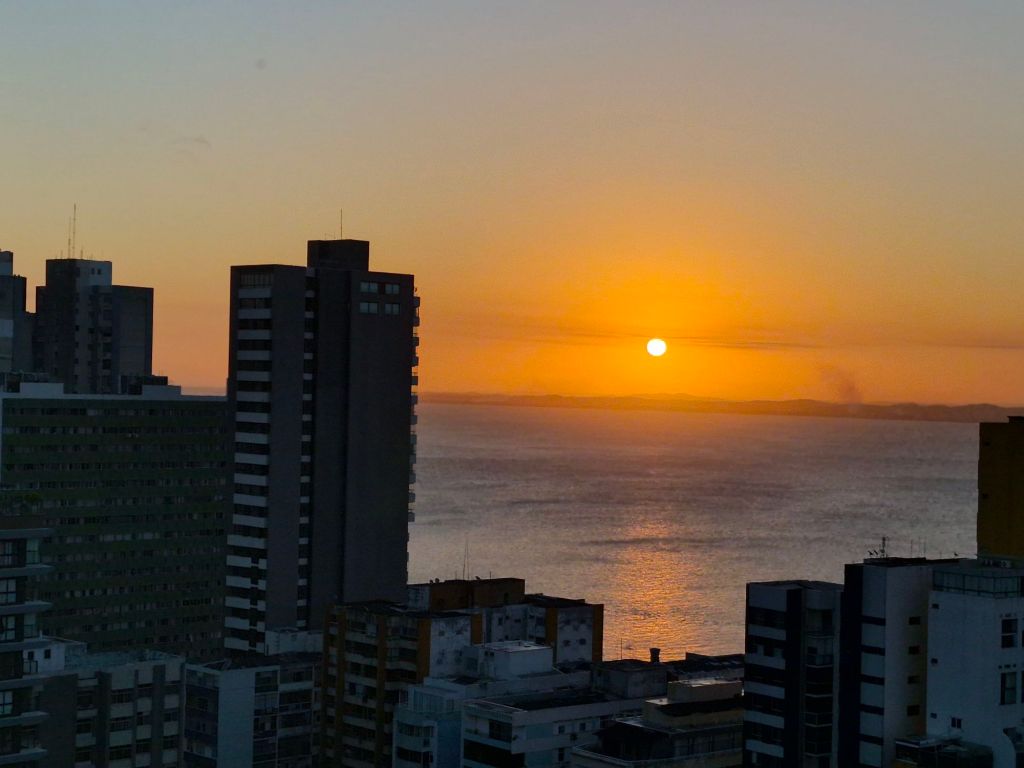
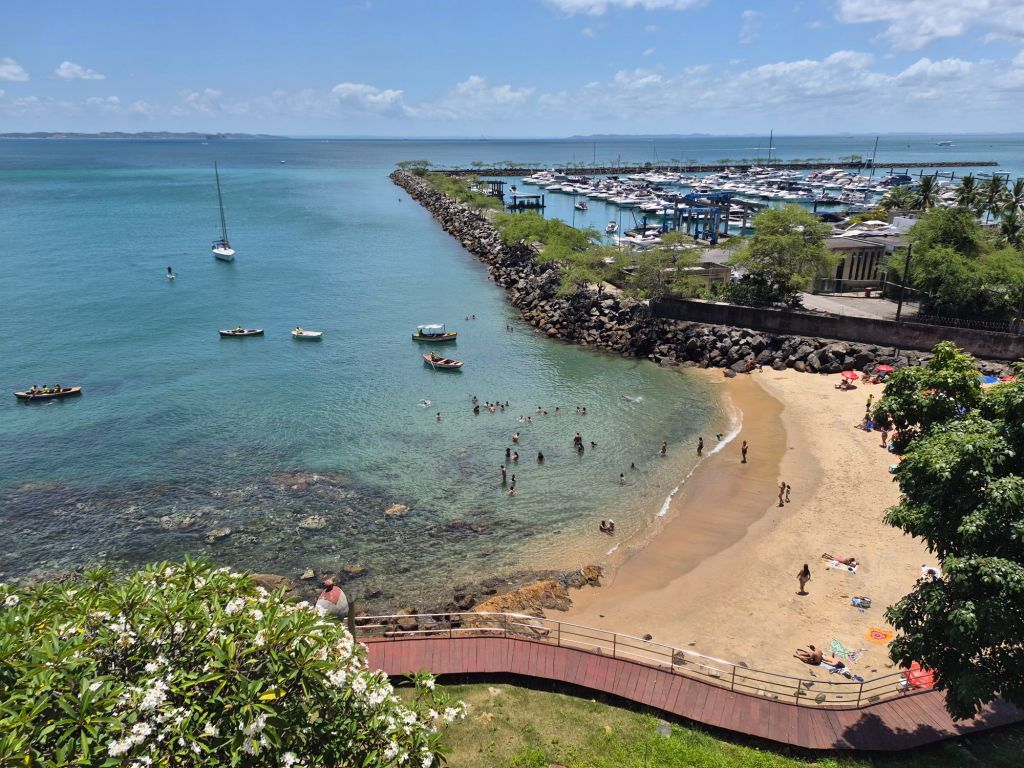
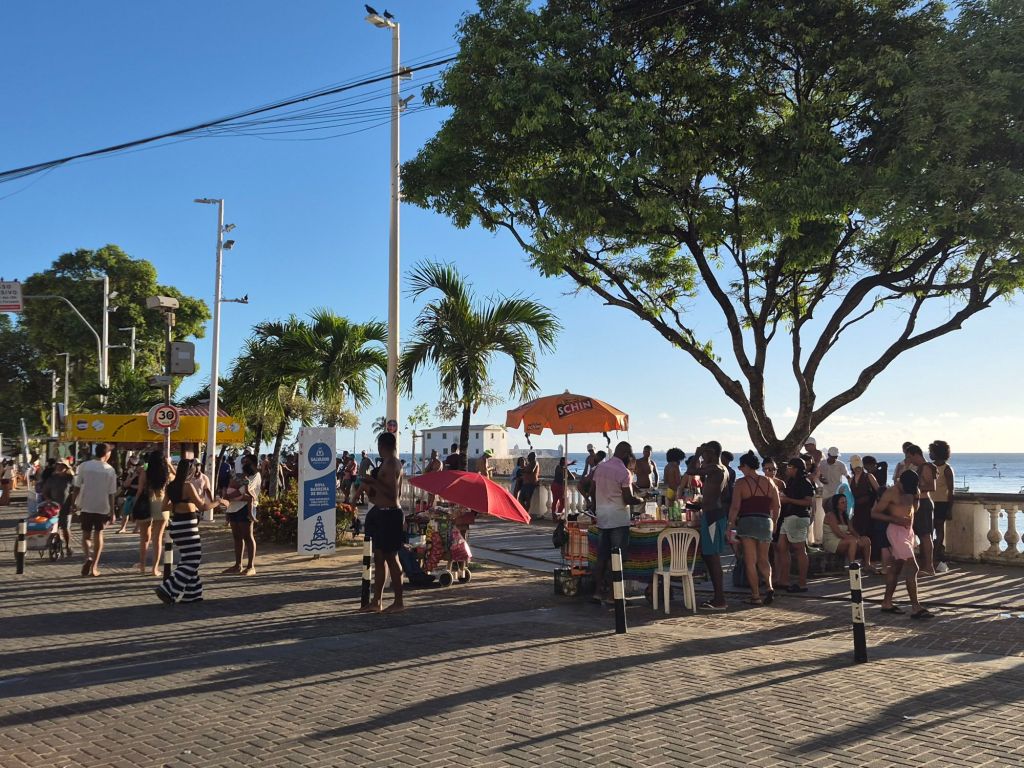
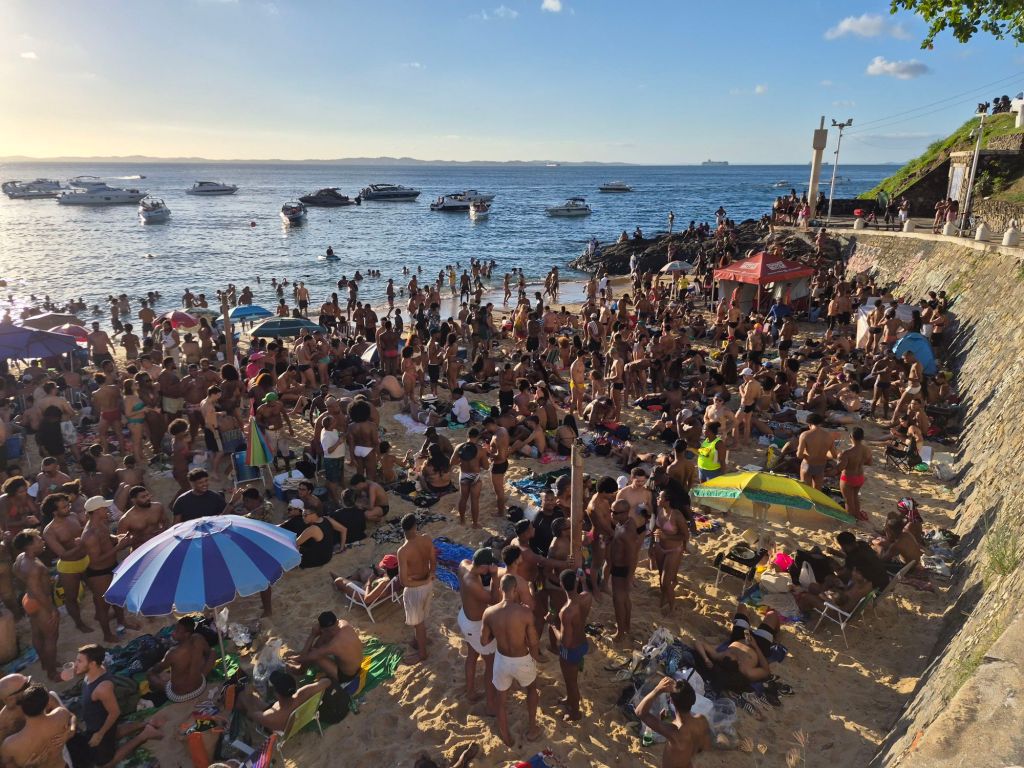
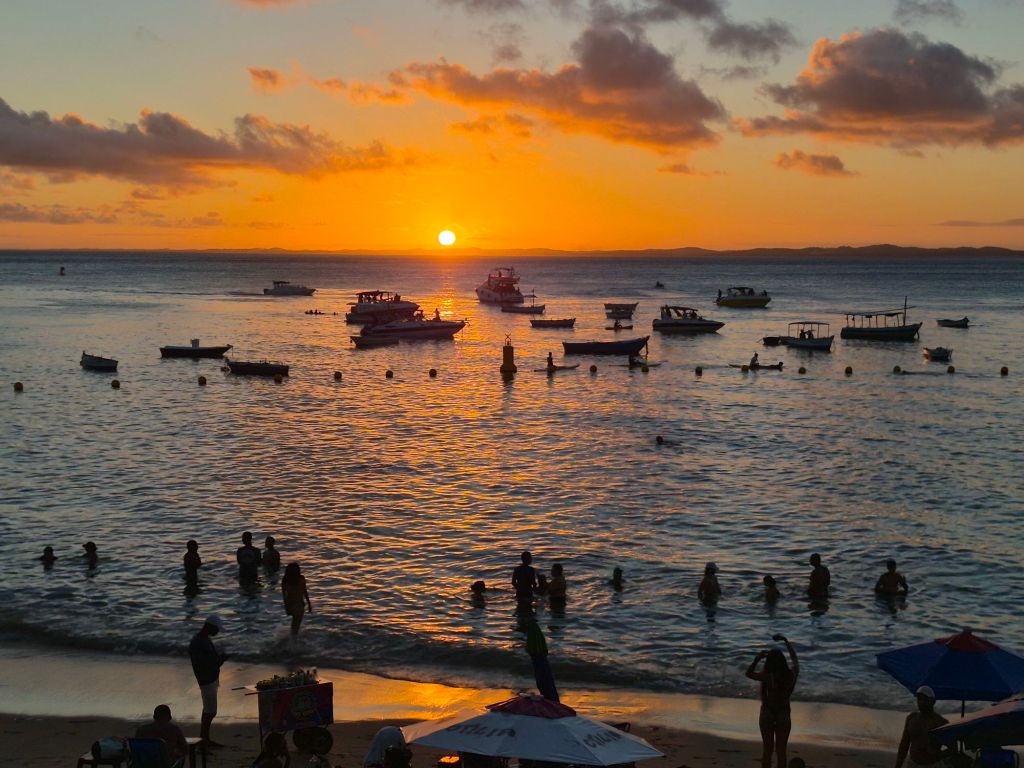
I walked to a beach called Porto da Barra the first afternoon, a 2,5km hike, mostly downhill, expecting a lovely swim in warm, clear water. I was not prepared for what I found – it being Sunday, it was so crowded I didn’t even go onto the sand.
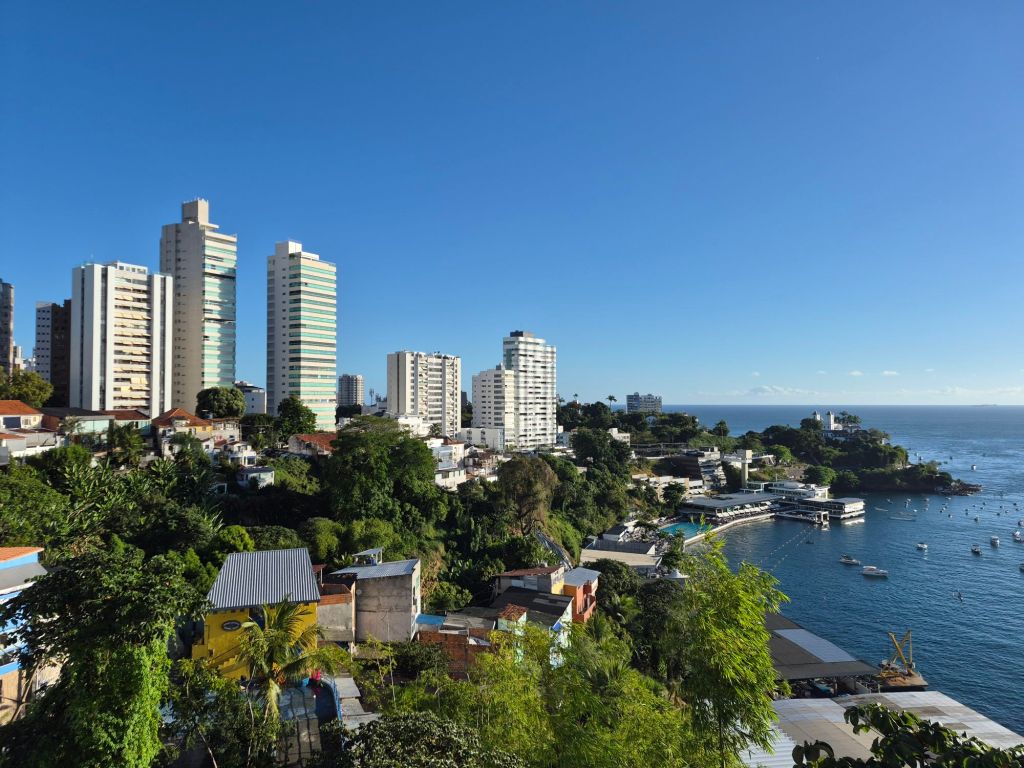
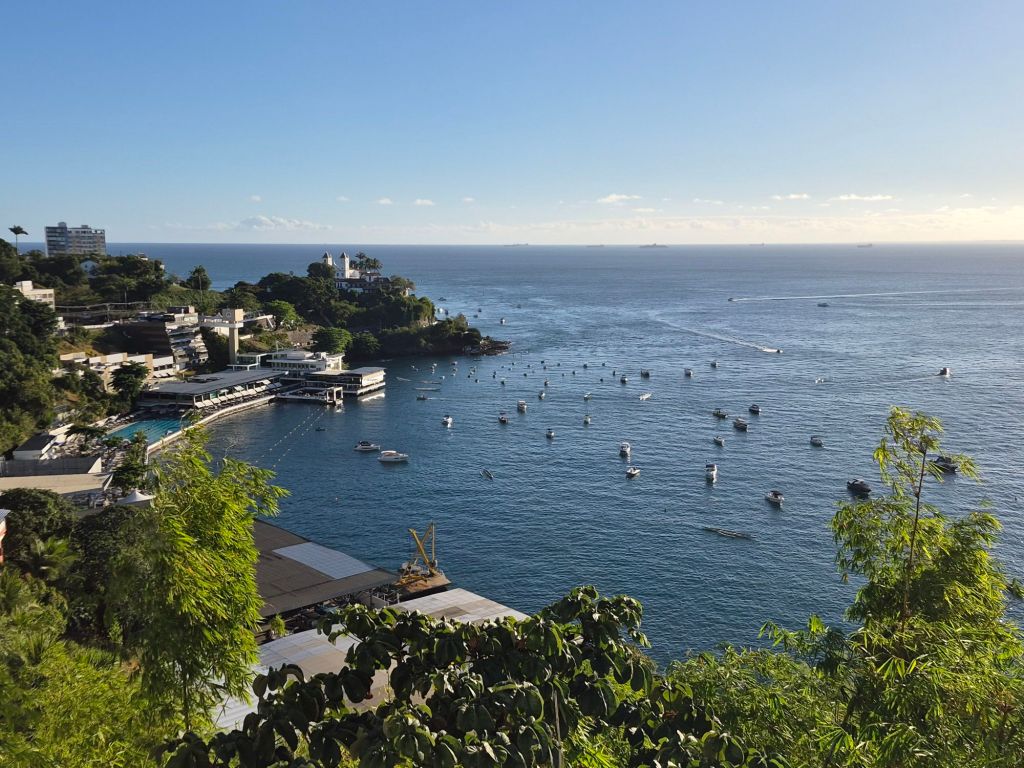
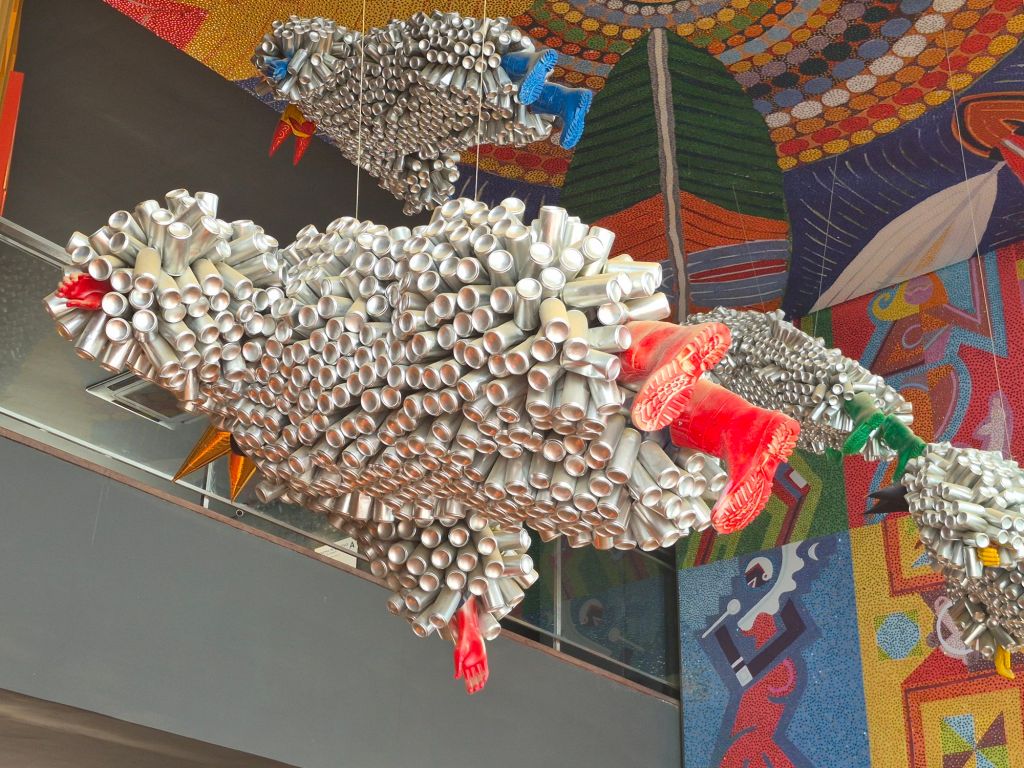
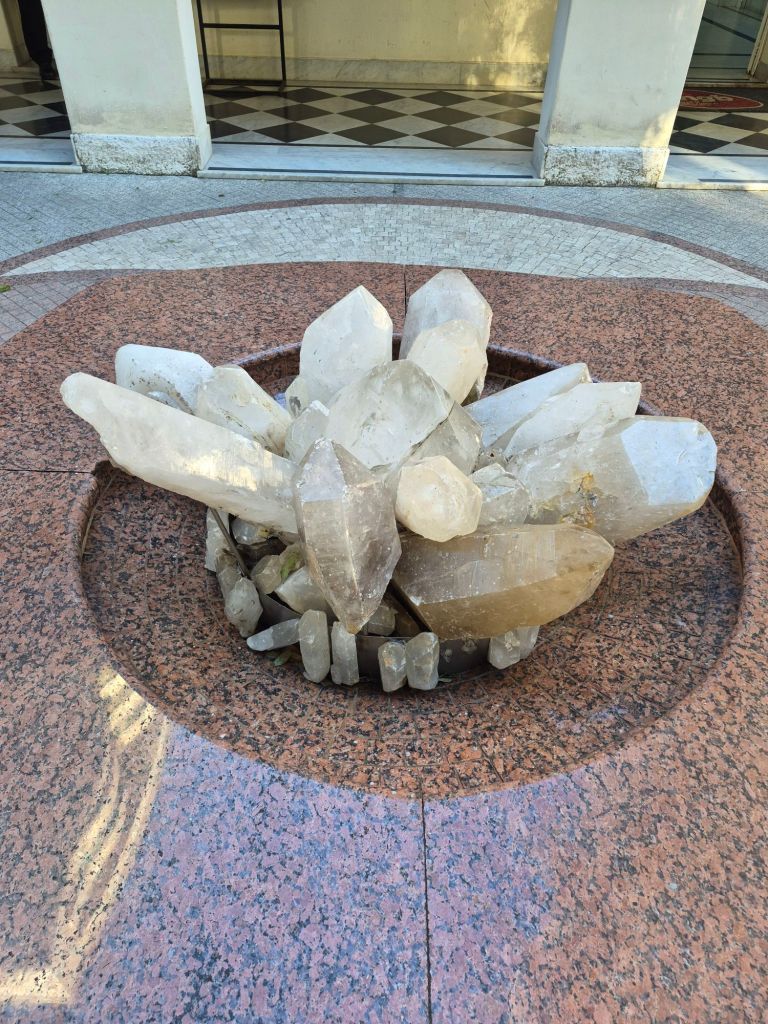
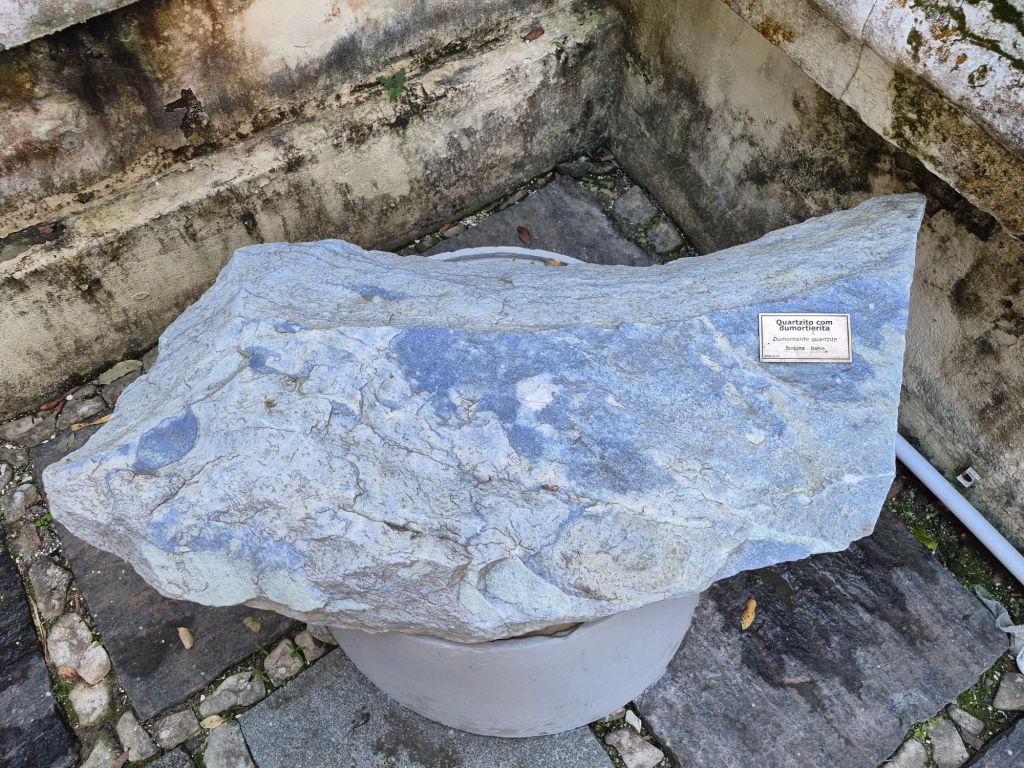
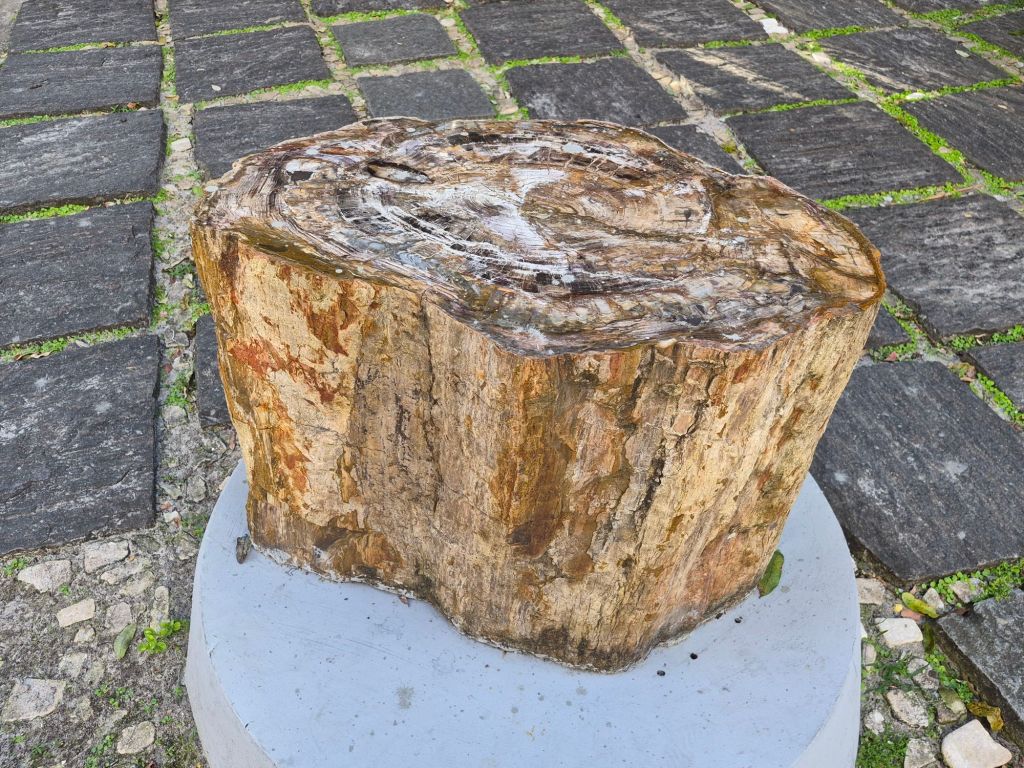
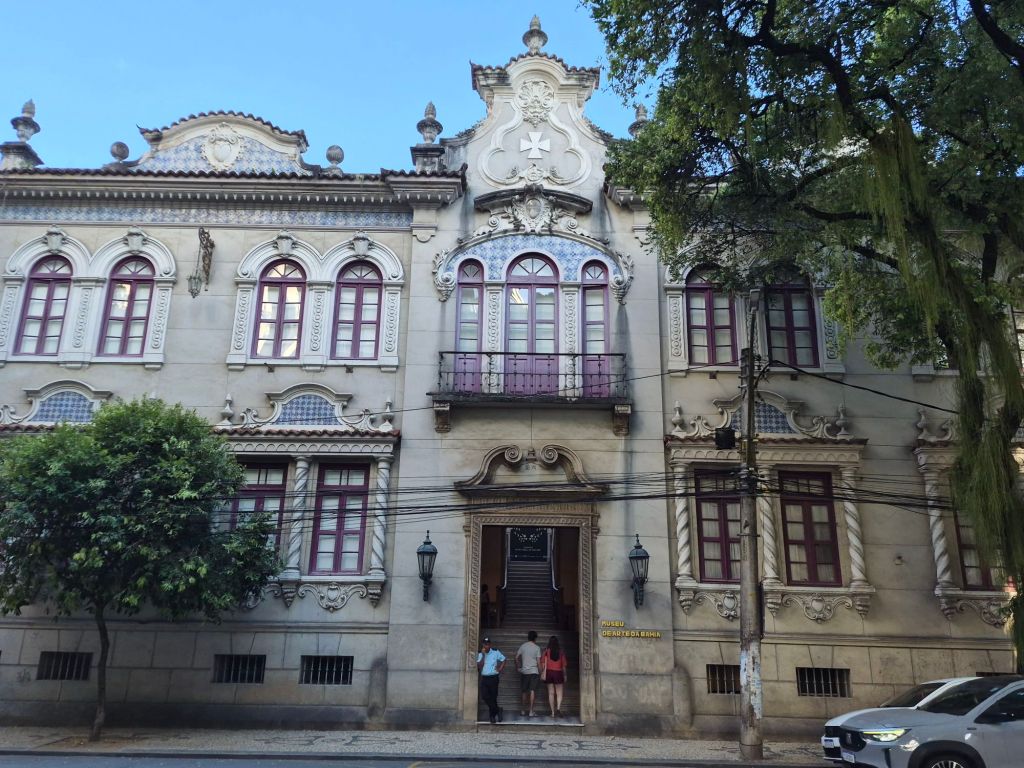
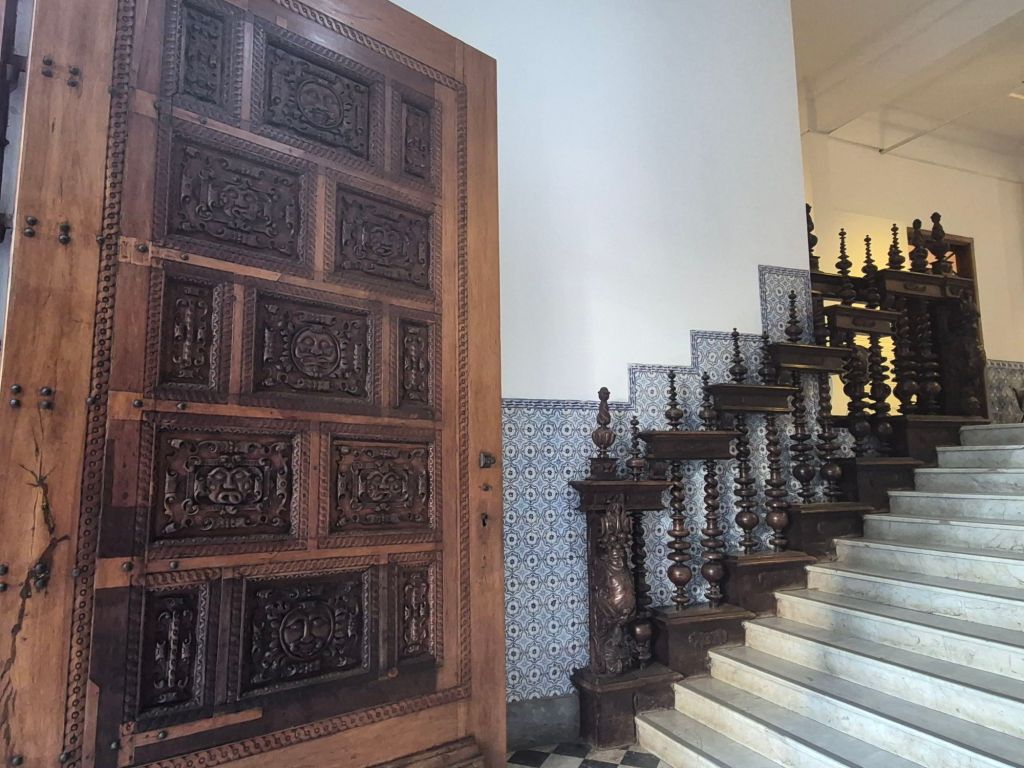
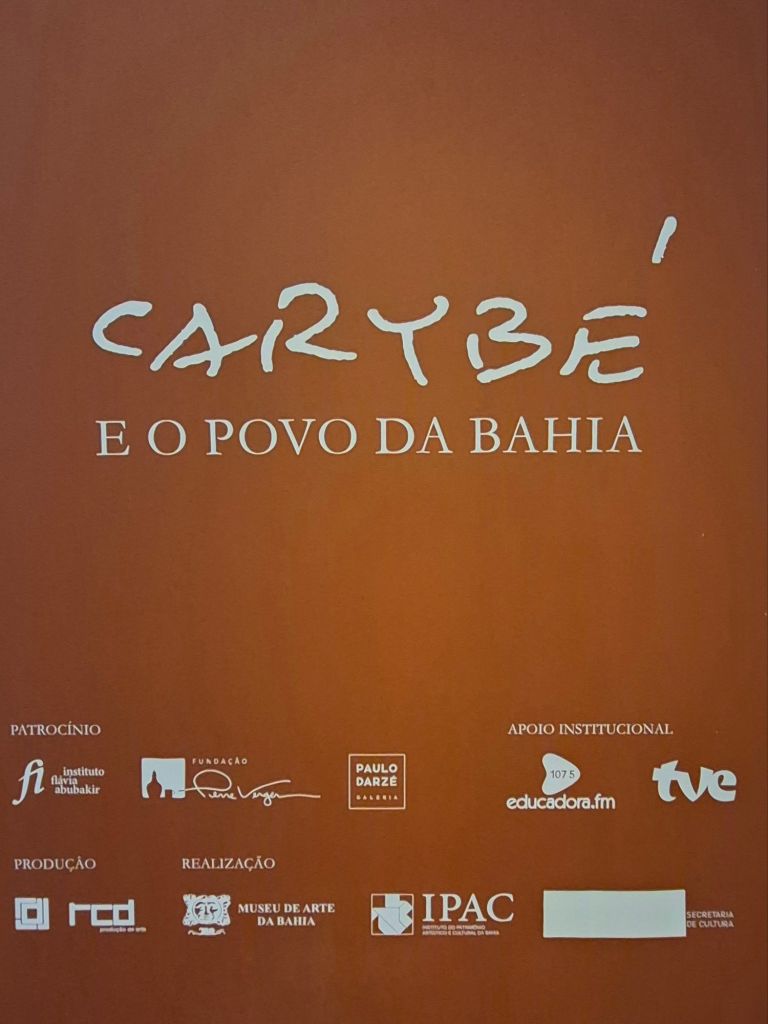
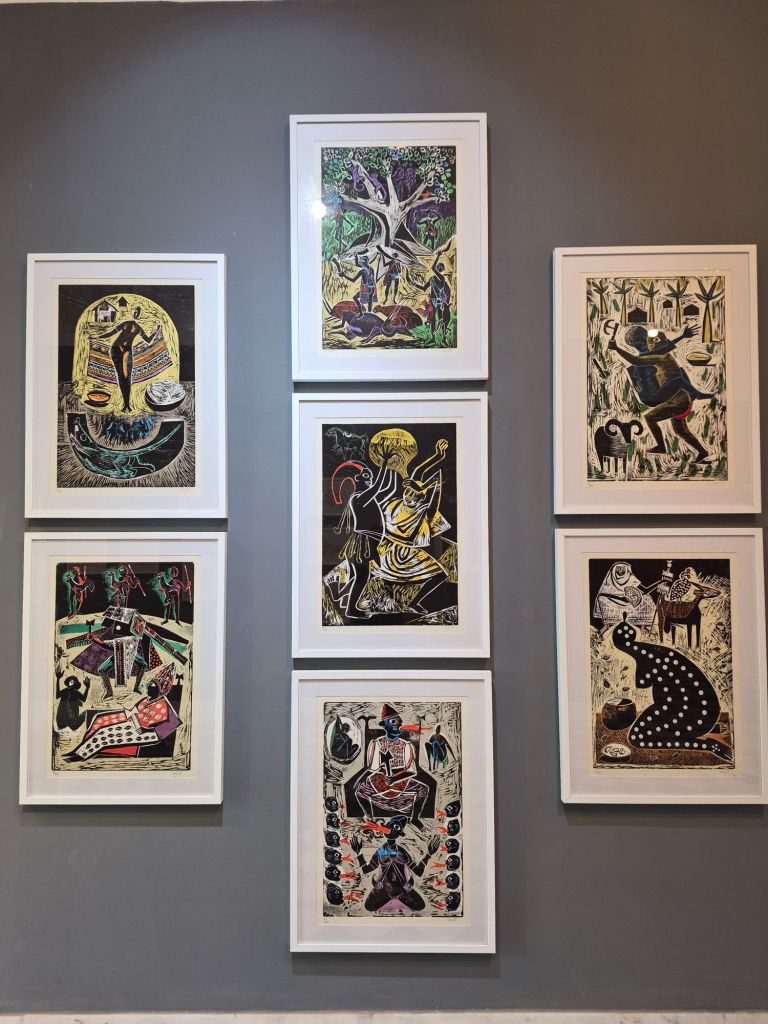
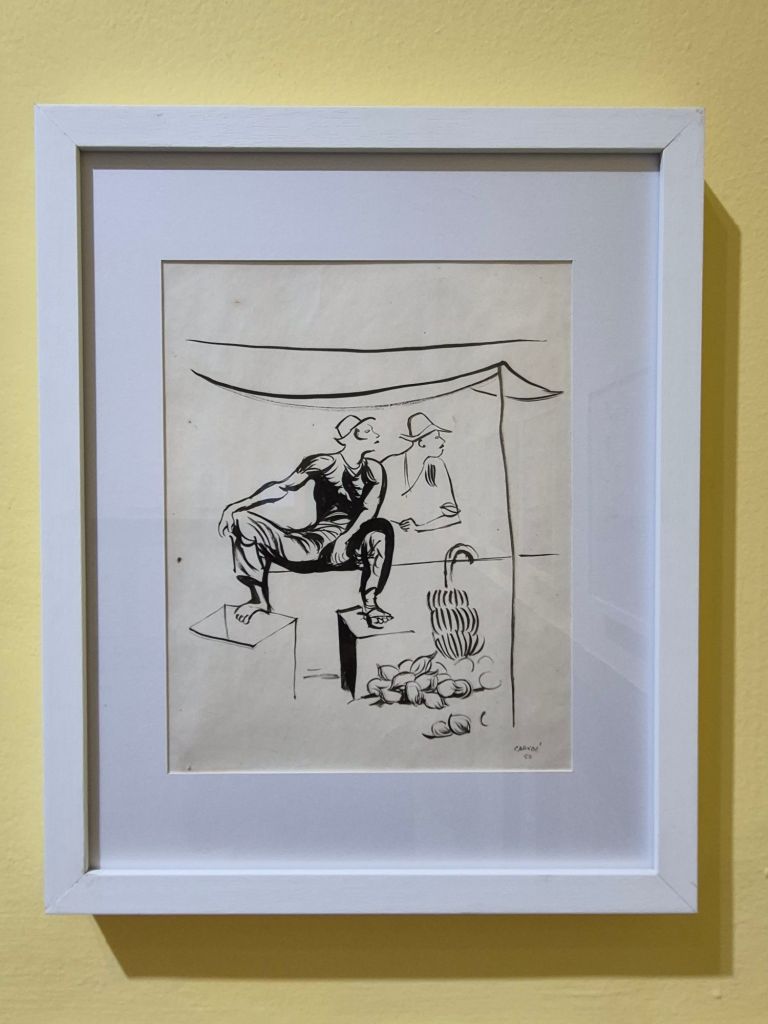
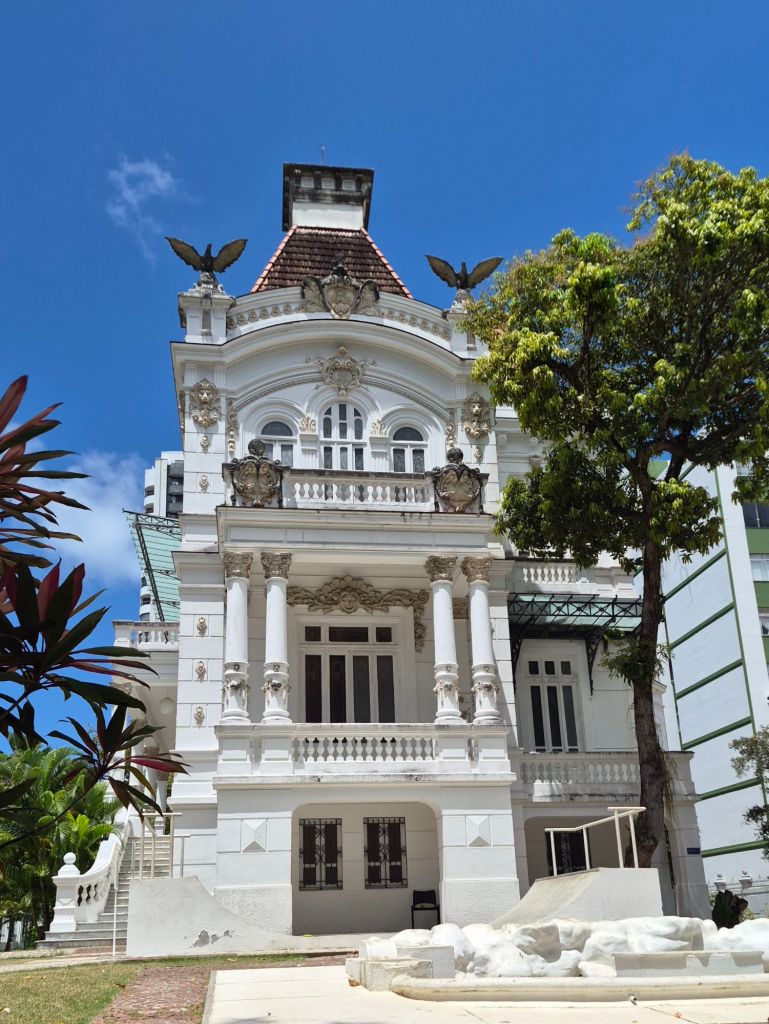
The area around Mericia’s apartment has a few museums, which I visited the next day.
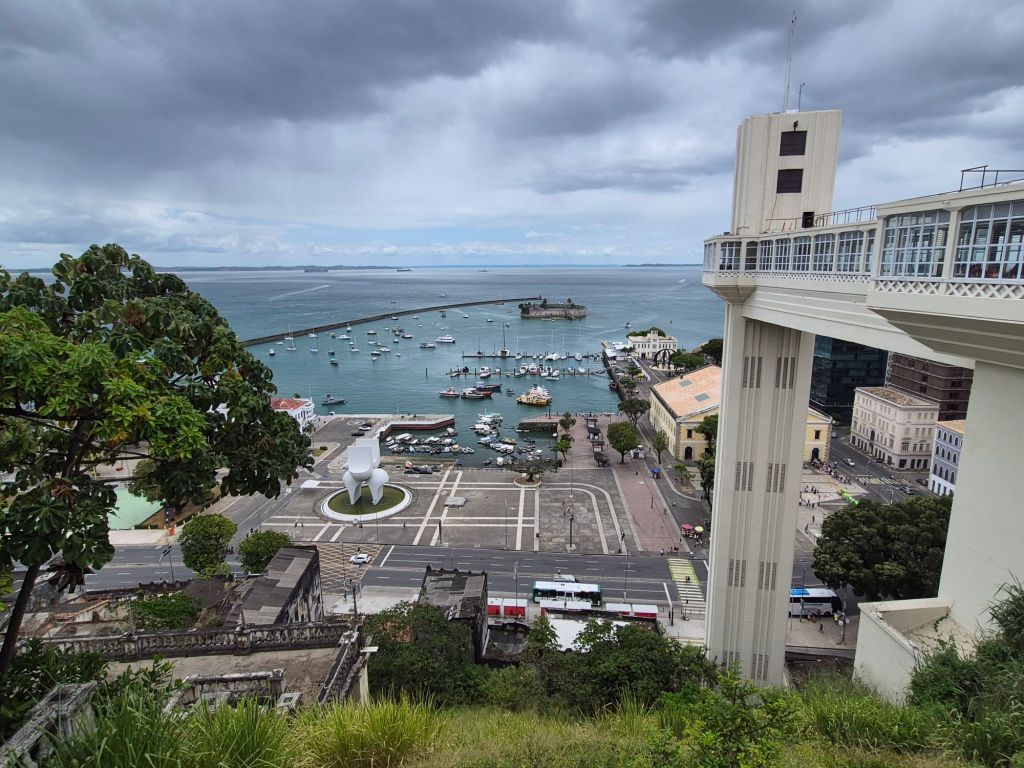
On my last day in Salvador, I decided to go back to the historical centre, but via a different route that would take me to the bottom of the Elevador Lacerda (lift), a prominent landmark. It is the first lift in the world that was built for urban use, and today it transports more than 30 000 people a day. It was completed in 1873 and was built to connect the lower and upper areas of Salvador that were divided by a steep cliff. It was revamped in 1932 and now has a height of 72m.
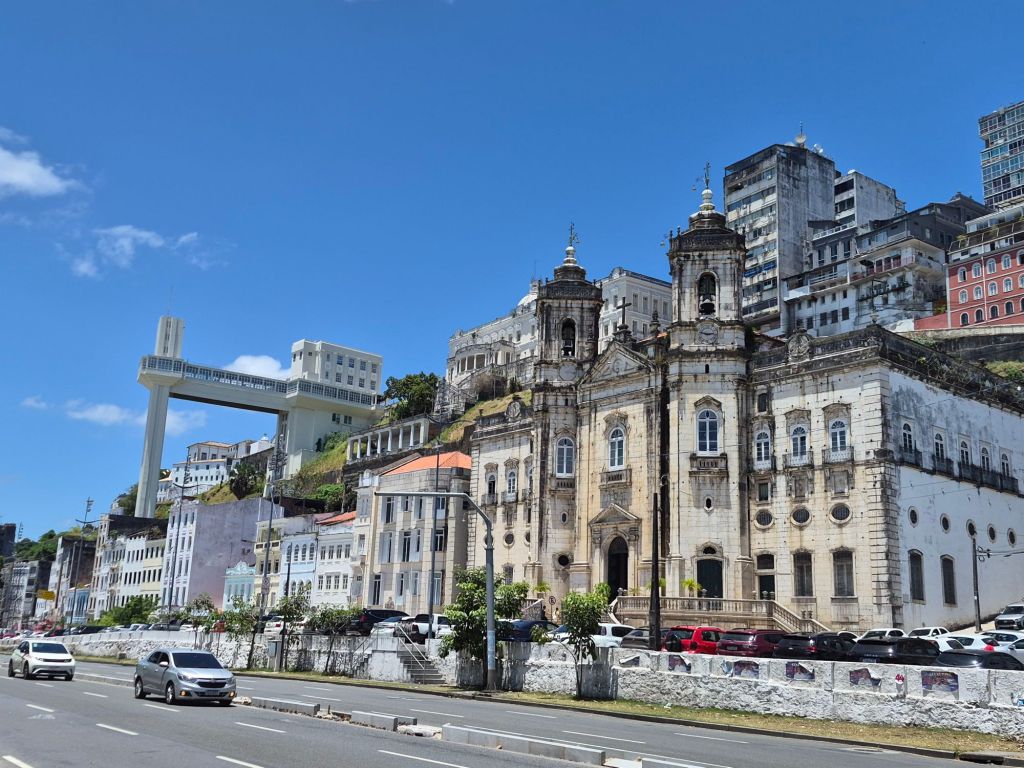
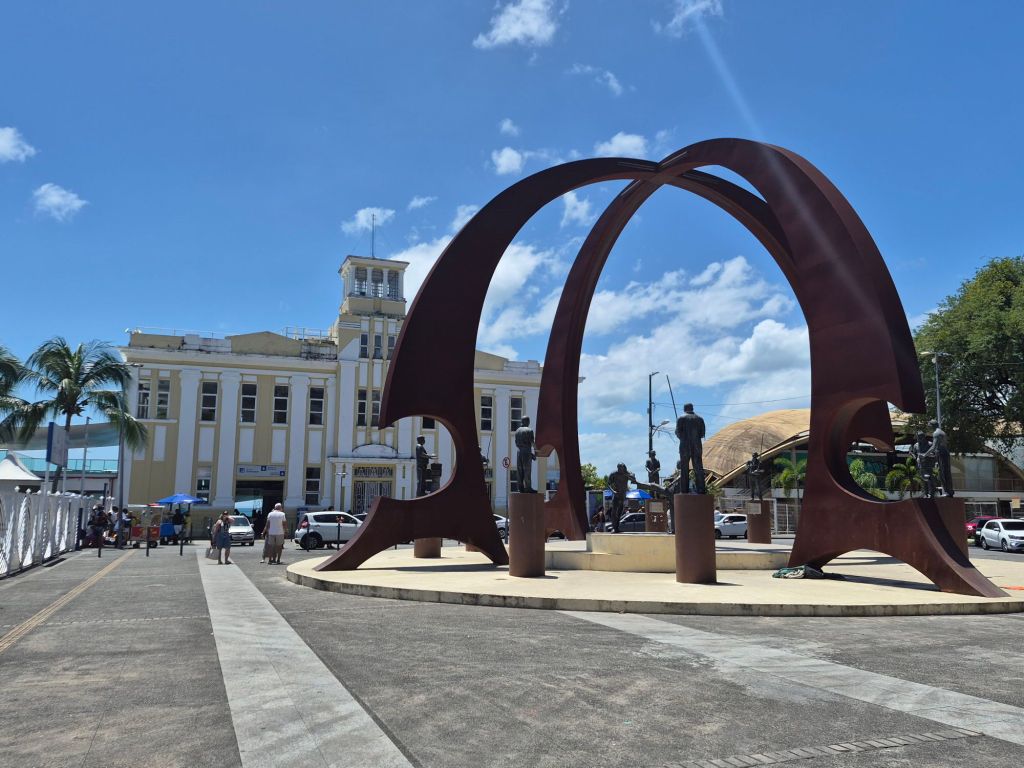
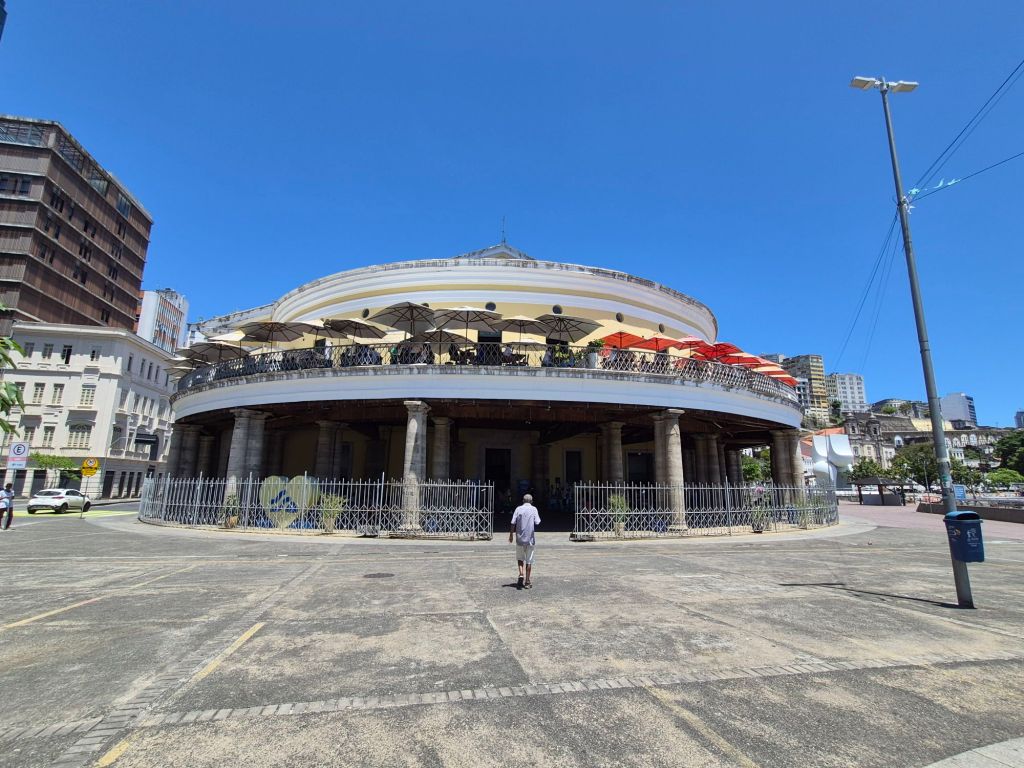
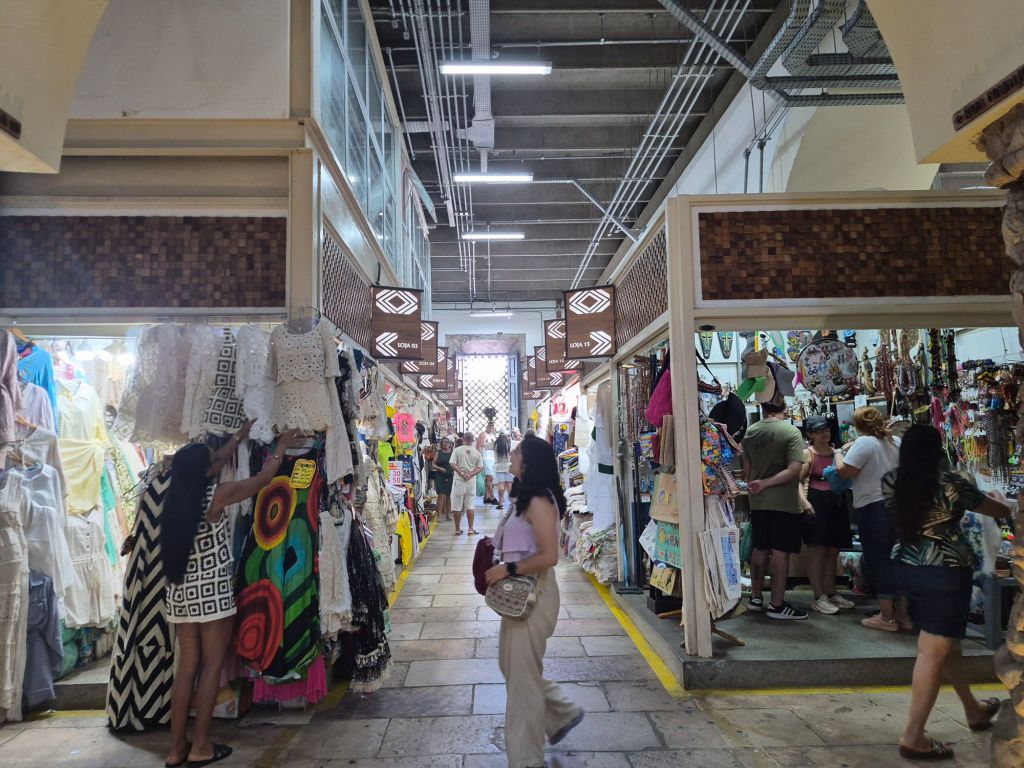
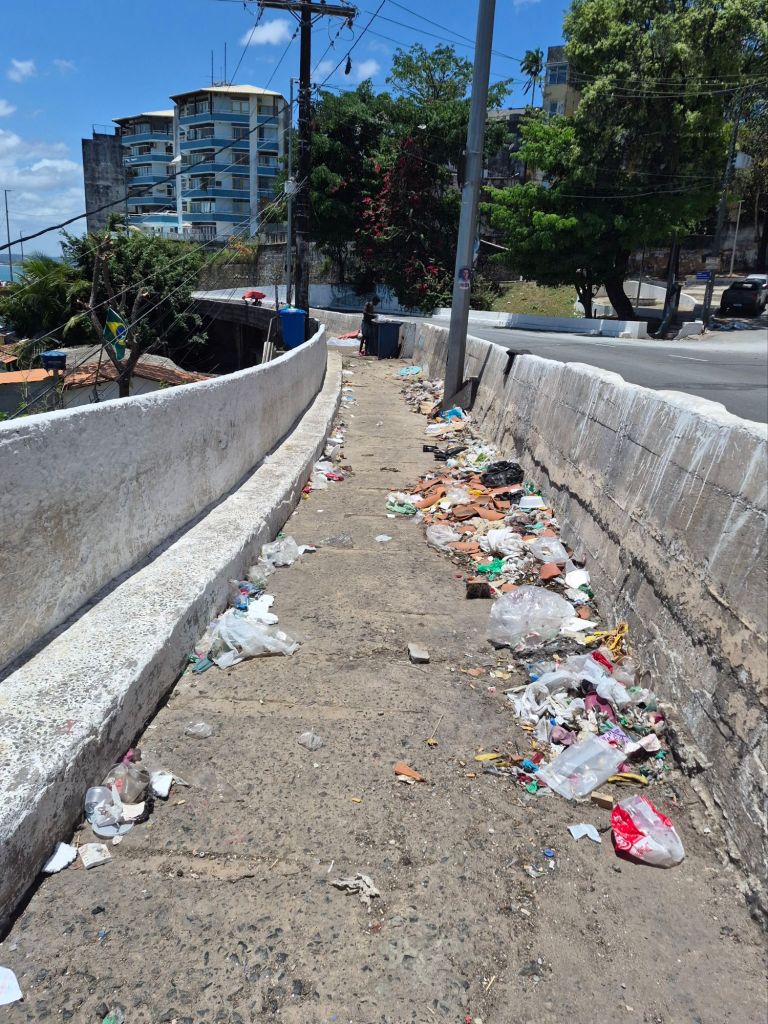
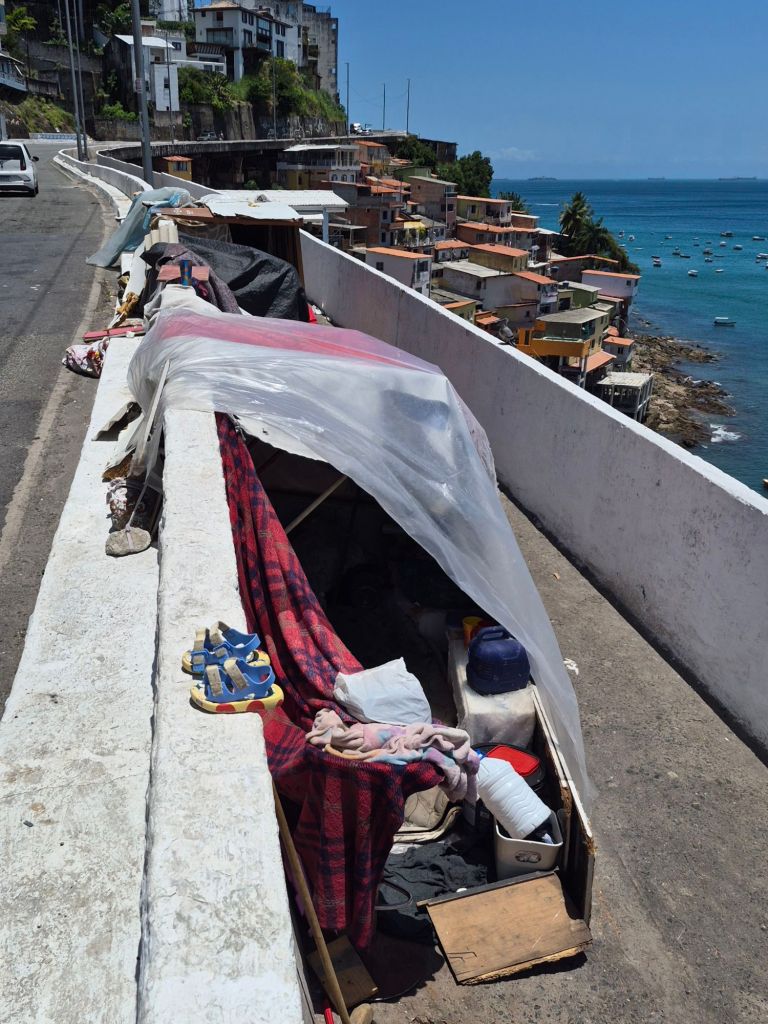
When I left the apartment to start walking, Maps.Me showed a route that was not the most pleasant walking circumstances. Mericia was appalled to hear I had walked there, she said it was a dangerous area.