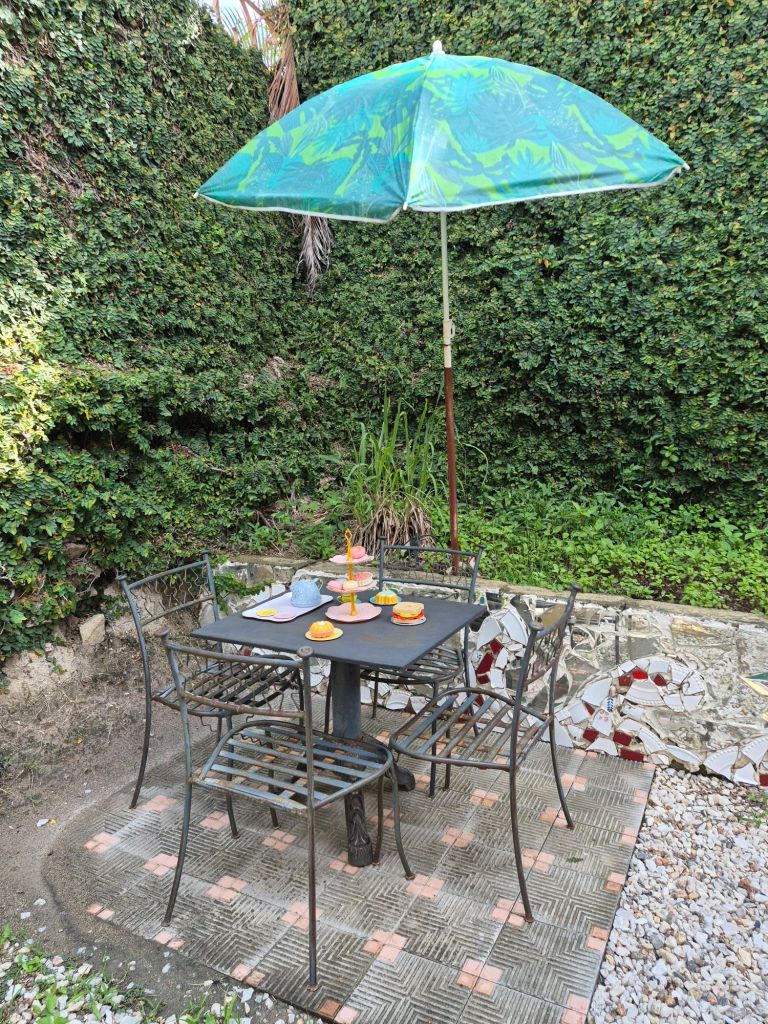
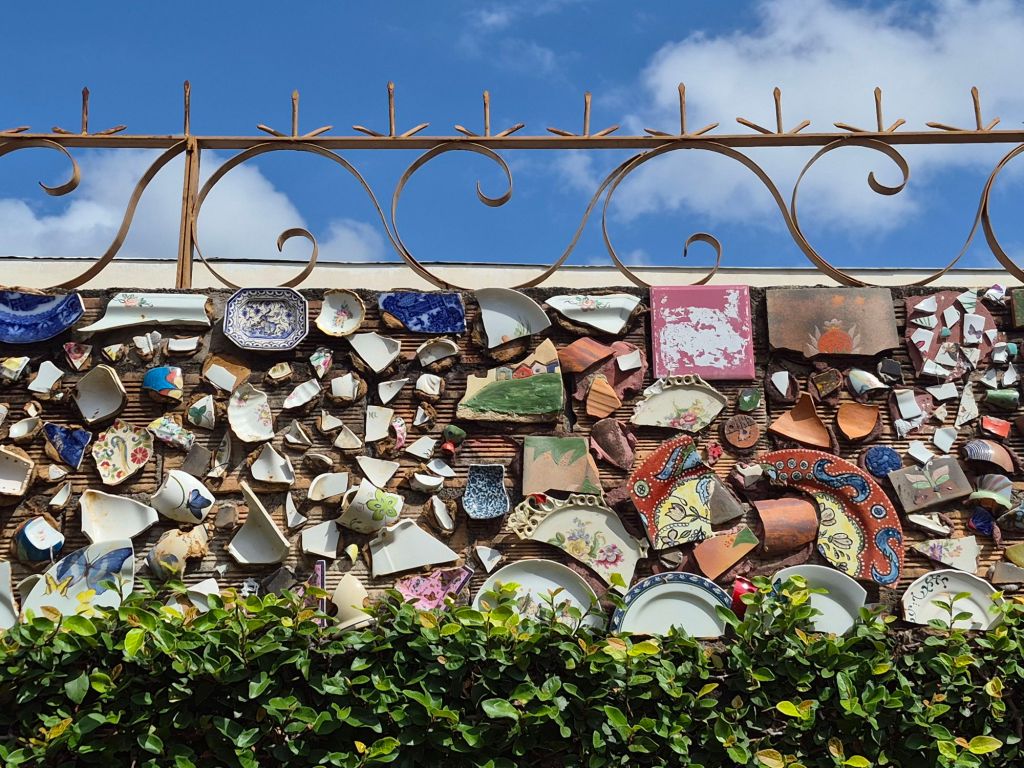
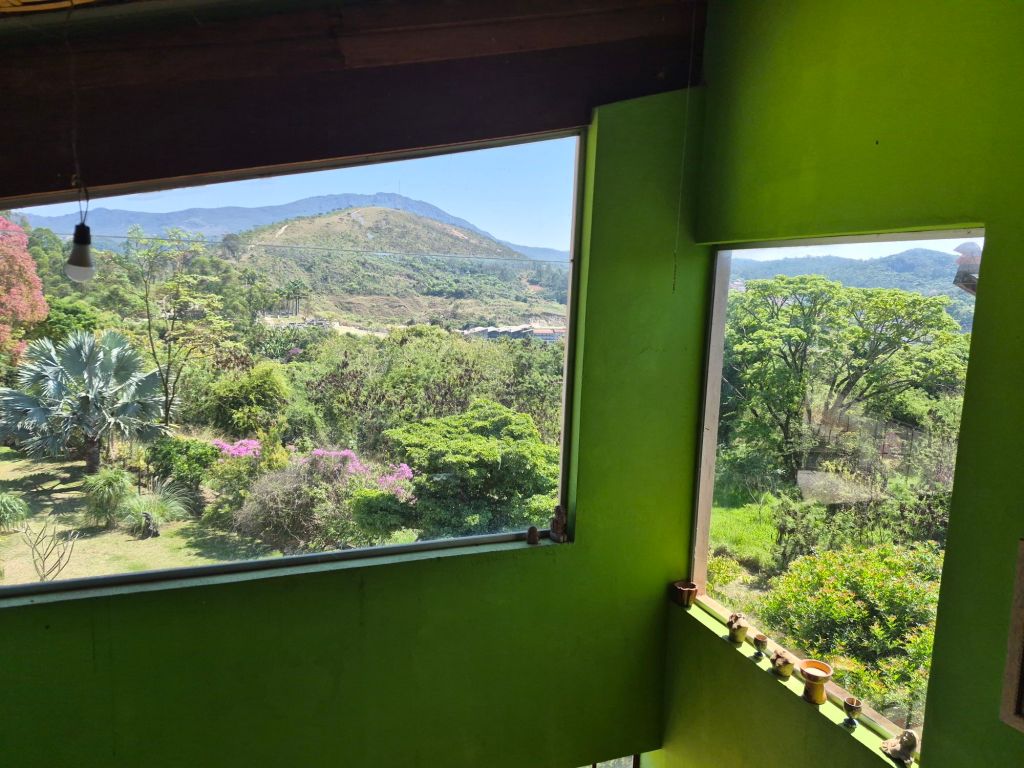
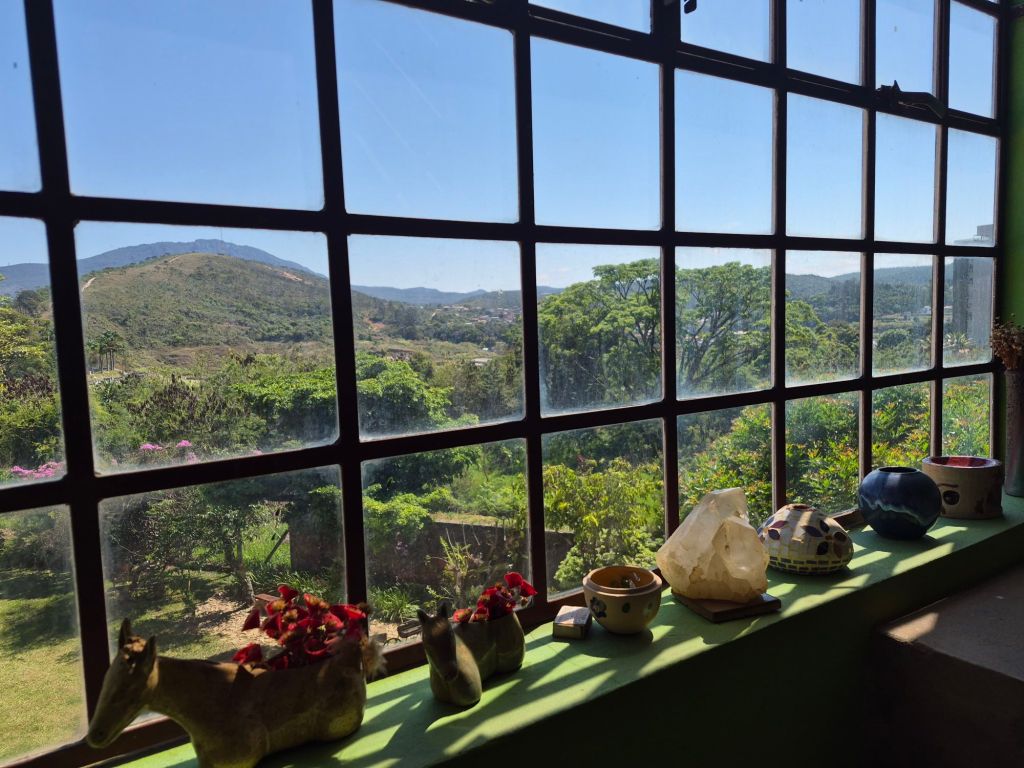
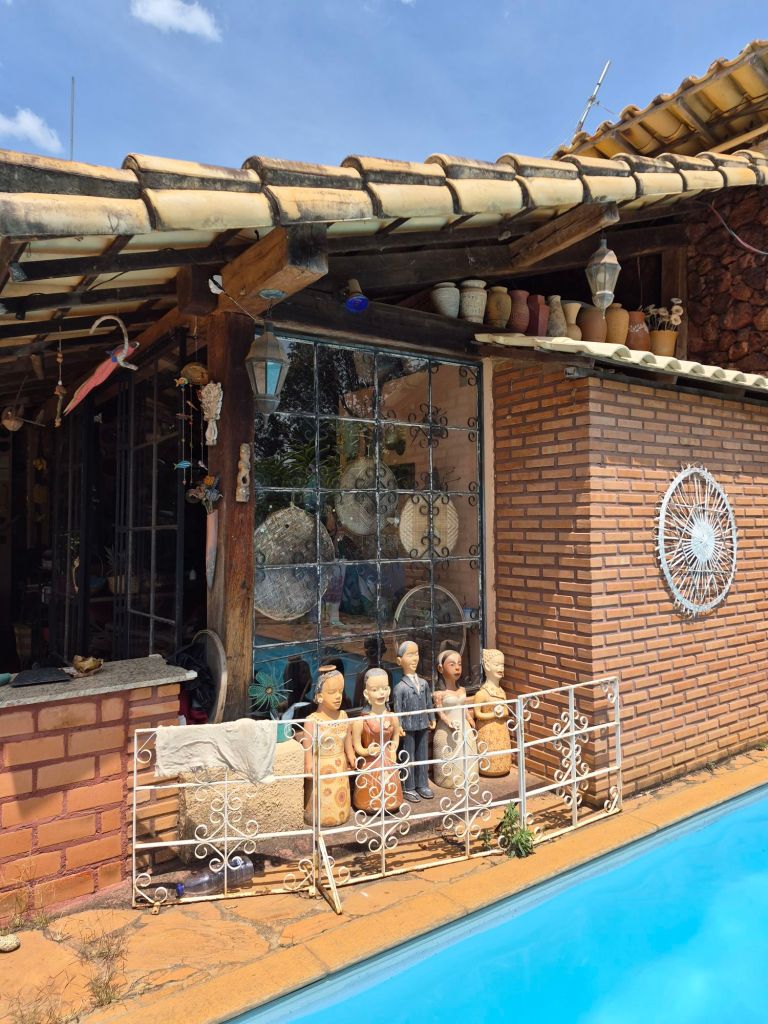
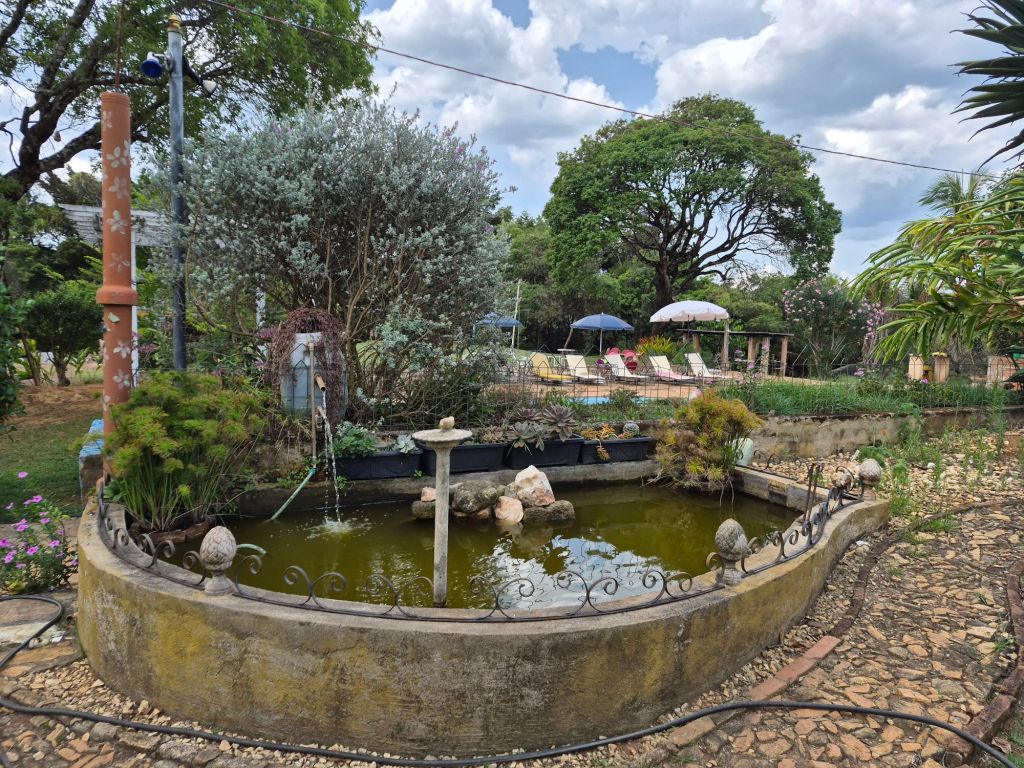
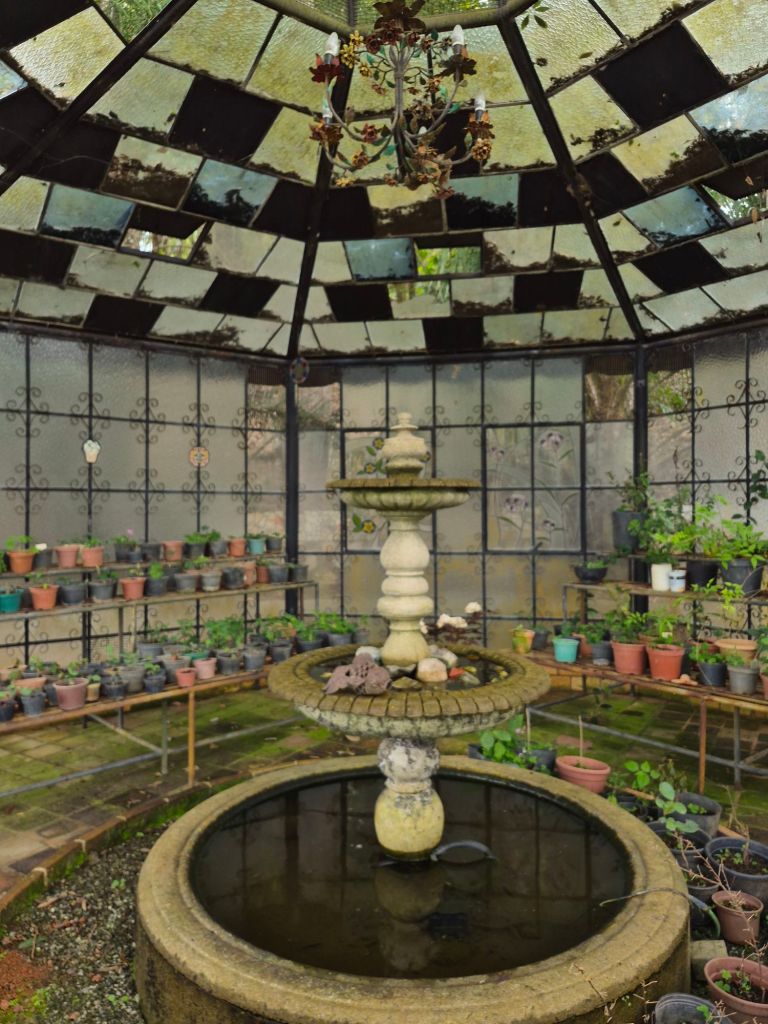
Monte Alvão – a paradise created by Iara, my Workaway host, near Caeté in the province of Minas Gerais in Brazil. The farm was bought by Iara’s father after his retirement from local politics, and she took possession of a section, developing it into what it is today in just a few years.
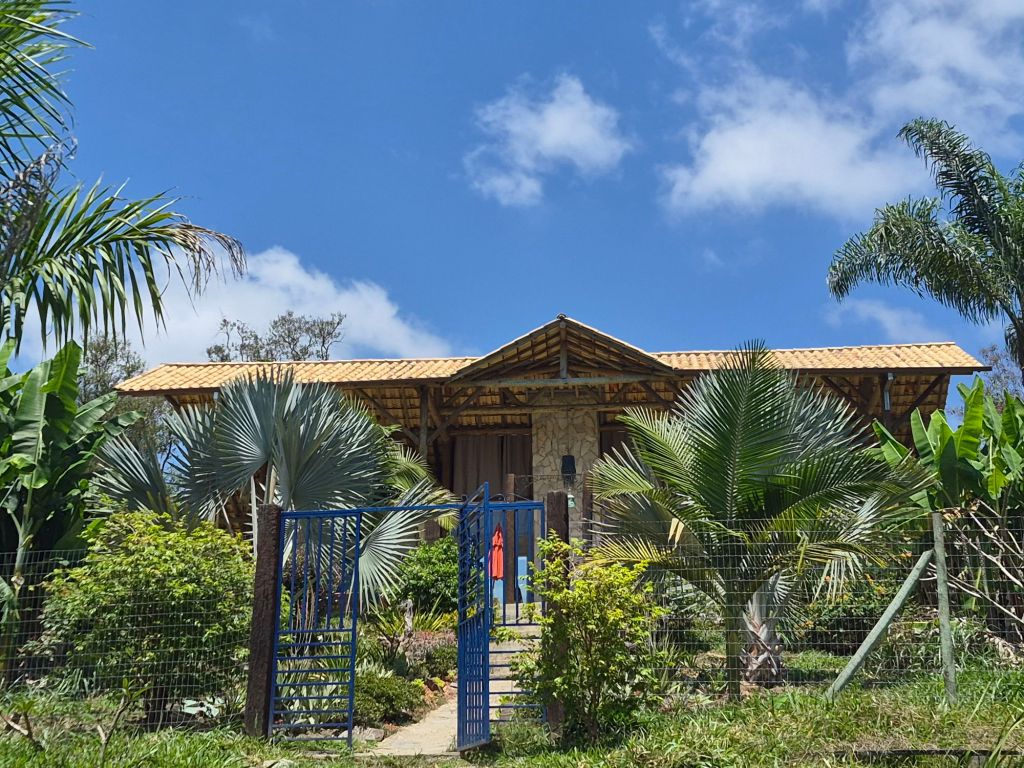
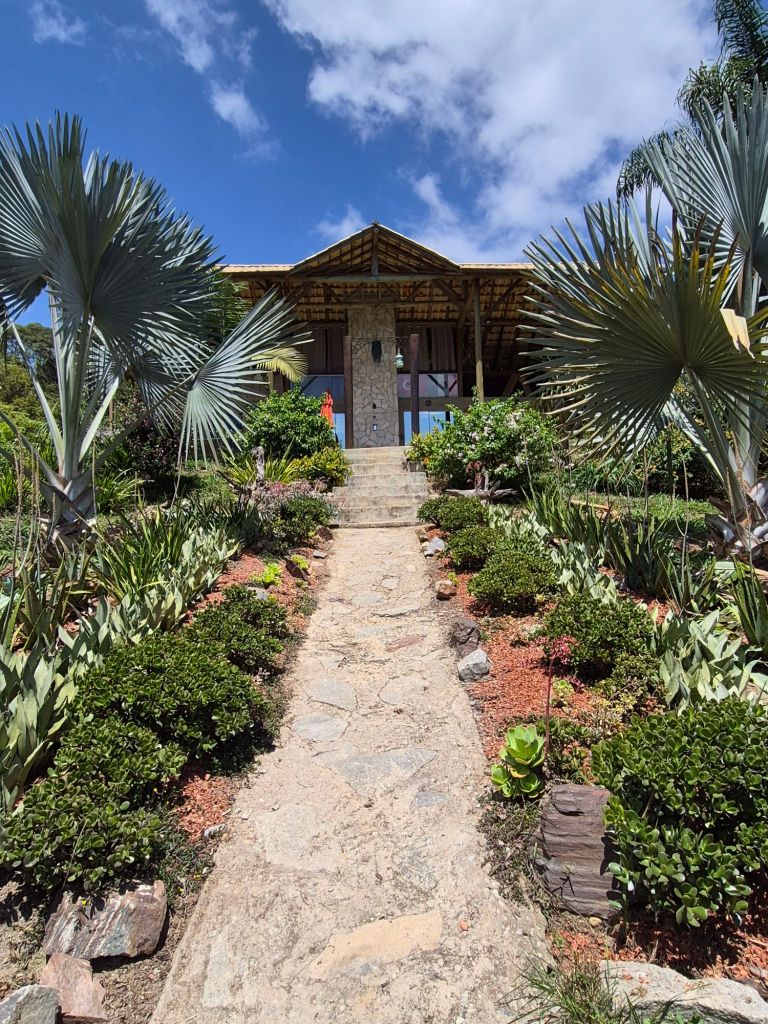
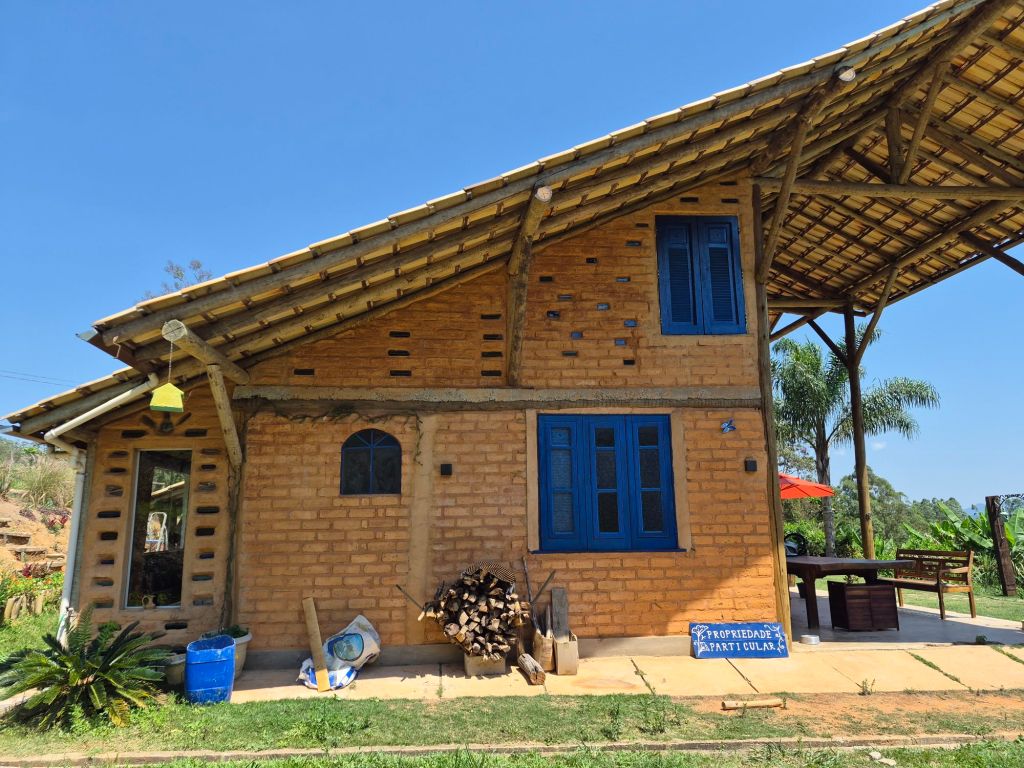
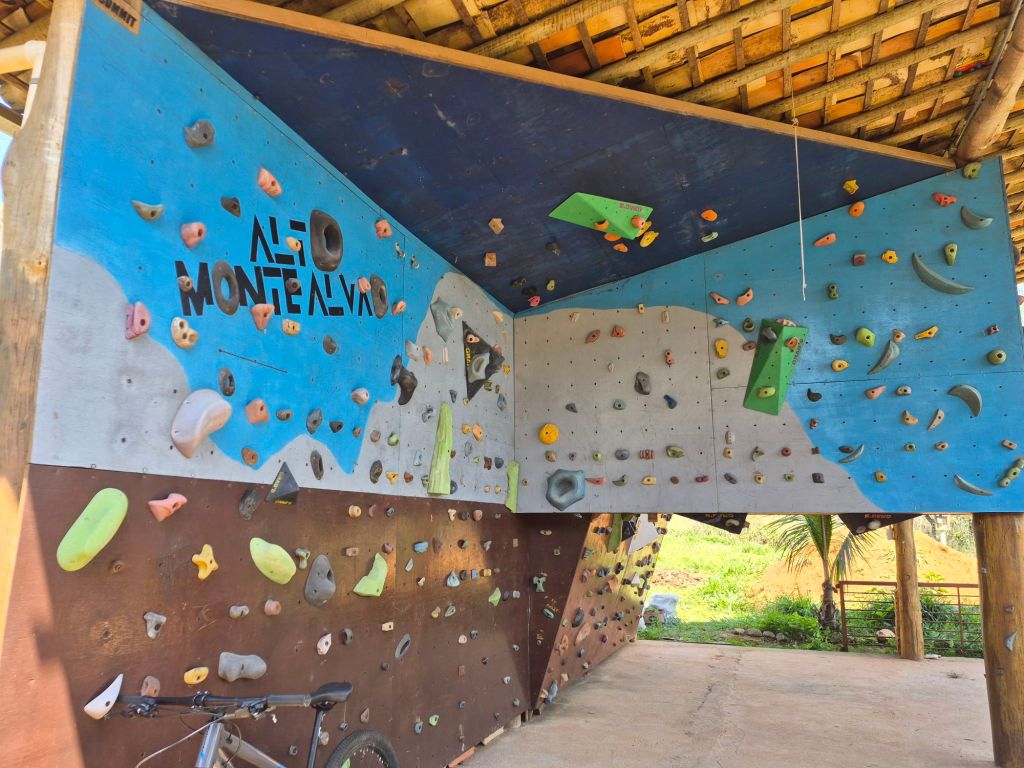
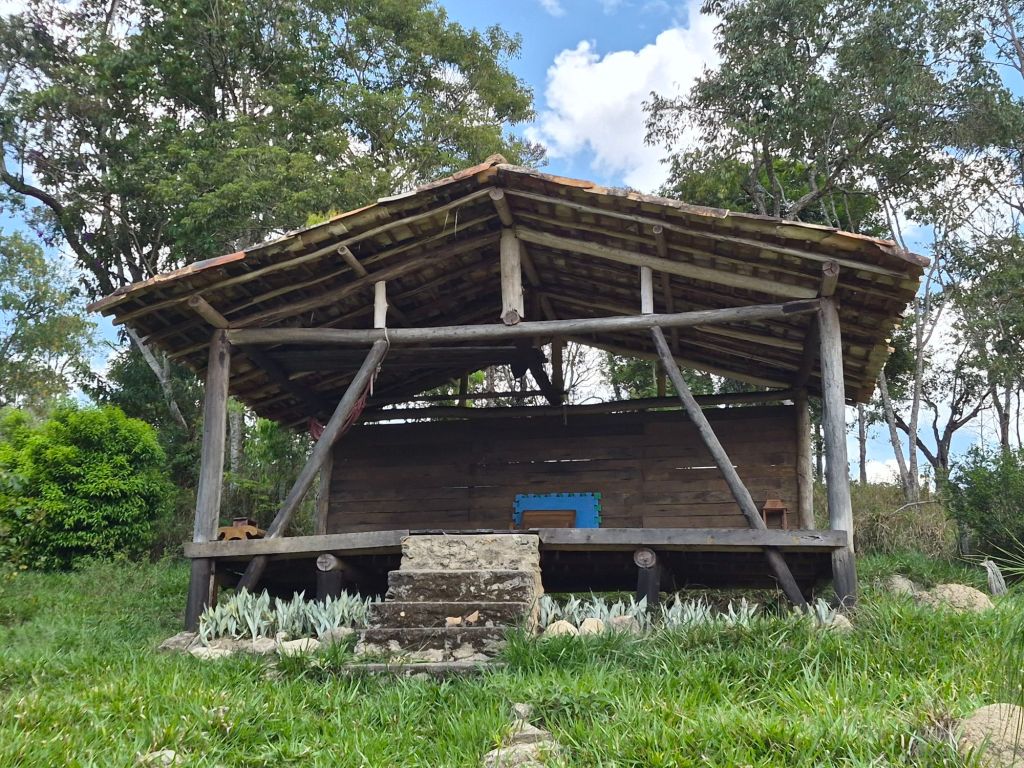
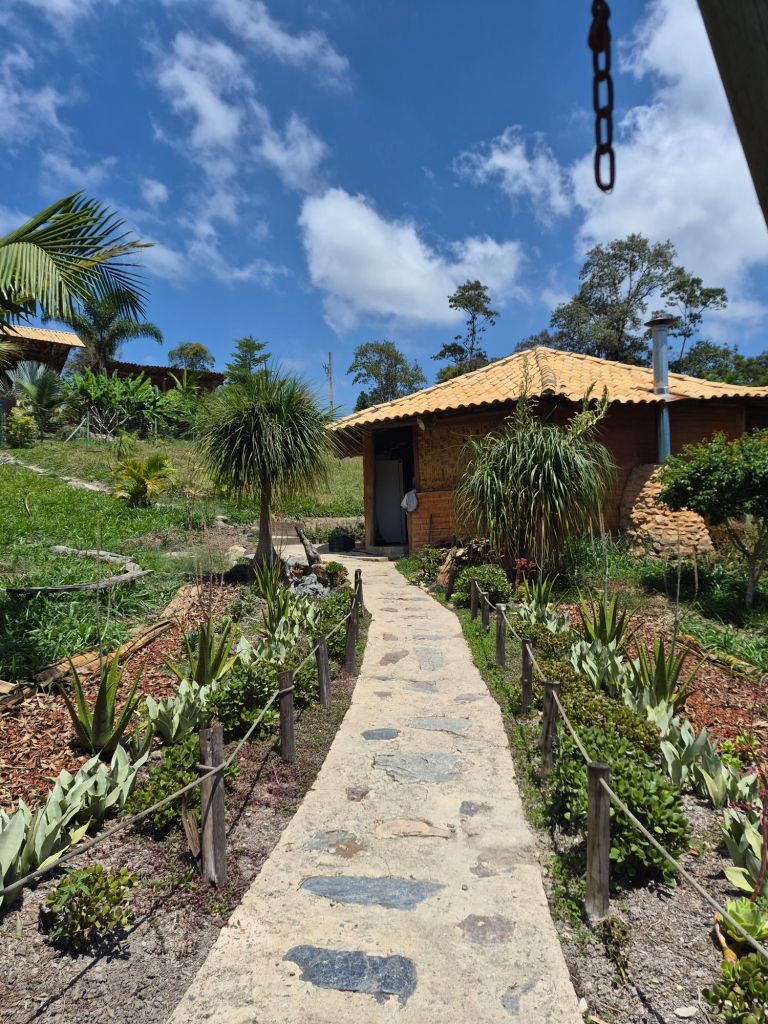
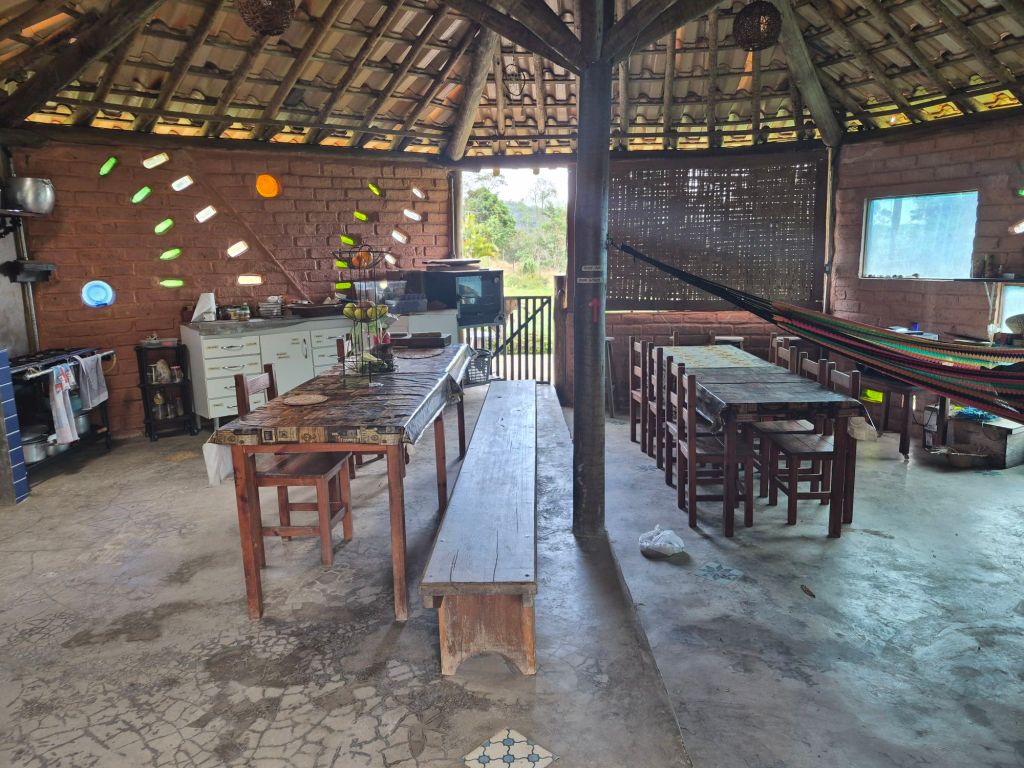
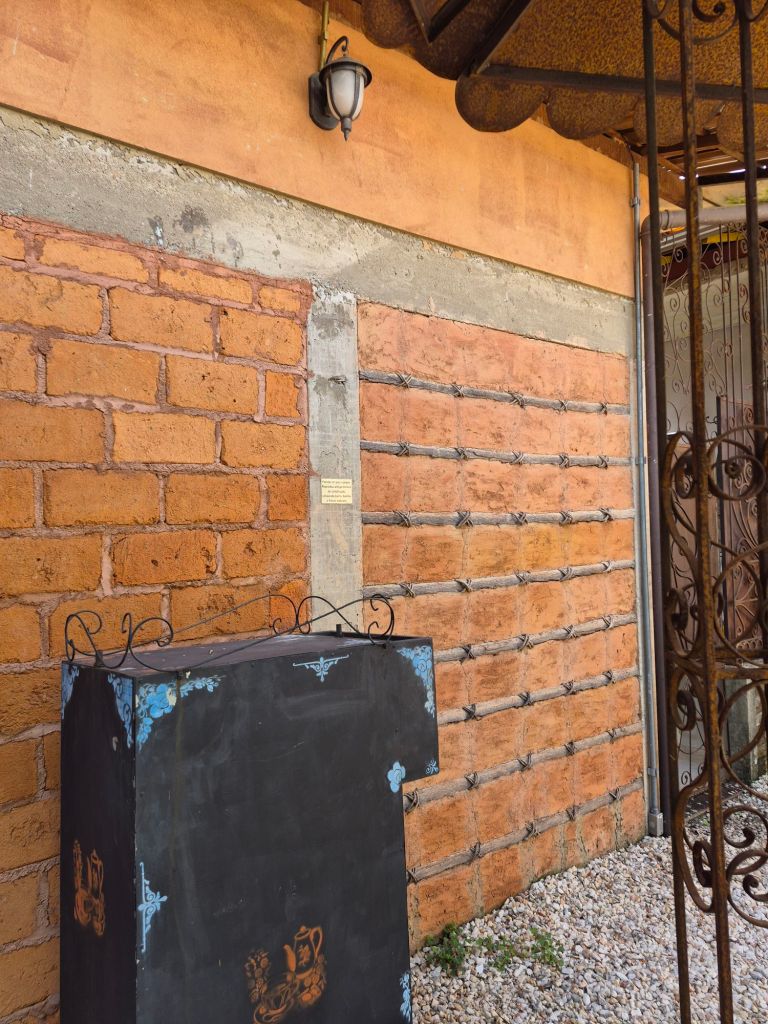
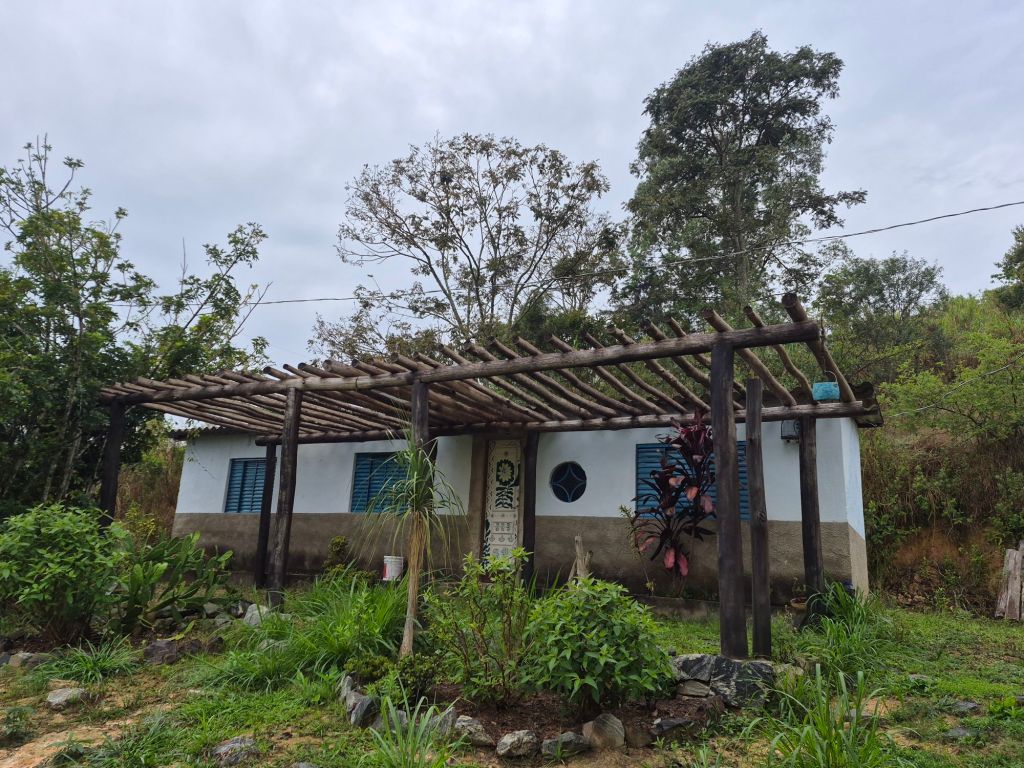
The house was built after Covid, and the bricks for it were made on the farm – raw bricks, painted with a mixture of red clay (from the area in front of the house), water, glue and a chemical compound dissolved and boiled in water. The result is a cool house in summer, warm in winter. Repainting has to be done regularly, much like whitewashing of Cape-Dutch houses in South Africa. Just one of the many jobs that Iara has to tend to, which she does single-handily with the help of volunteers.
Let me start at the beginning. While in Rio de Janeiro, I was looking for a Workaway job in Brazil, when I saw it advertised as “Create trekking paths and climbing routes in Caeté, Brazil” and further down in the profile, “Our place is very quiet and rich in nature, pets and scenery views.” Caeté is close to Ouro Preto, where I was heading to anyway, so it was perfect. I applied, starting with my usual opening sentence of “My name is Meryl, I am a 73-year young, but mature, traveller from South Africa…” and was immediately accepted by Iara,who normally has volunteers between 19 and 25 years old. We arranged to meet in Belo Horizonte, the sixth largest city in Brazil and 60km from the farm, last Tuesday, and I would then stay for two weeks.
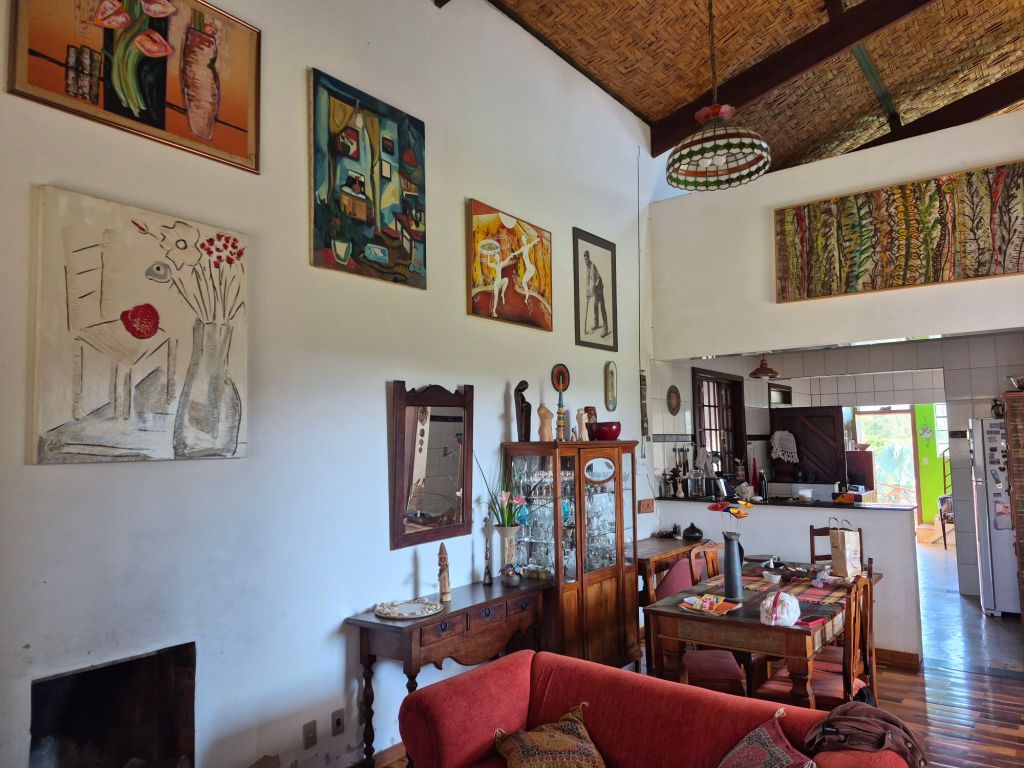
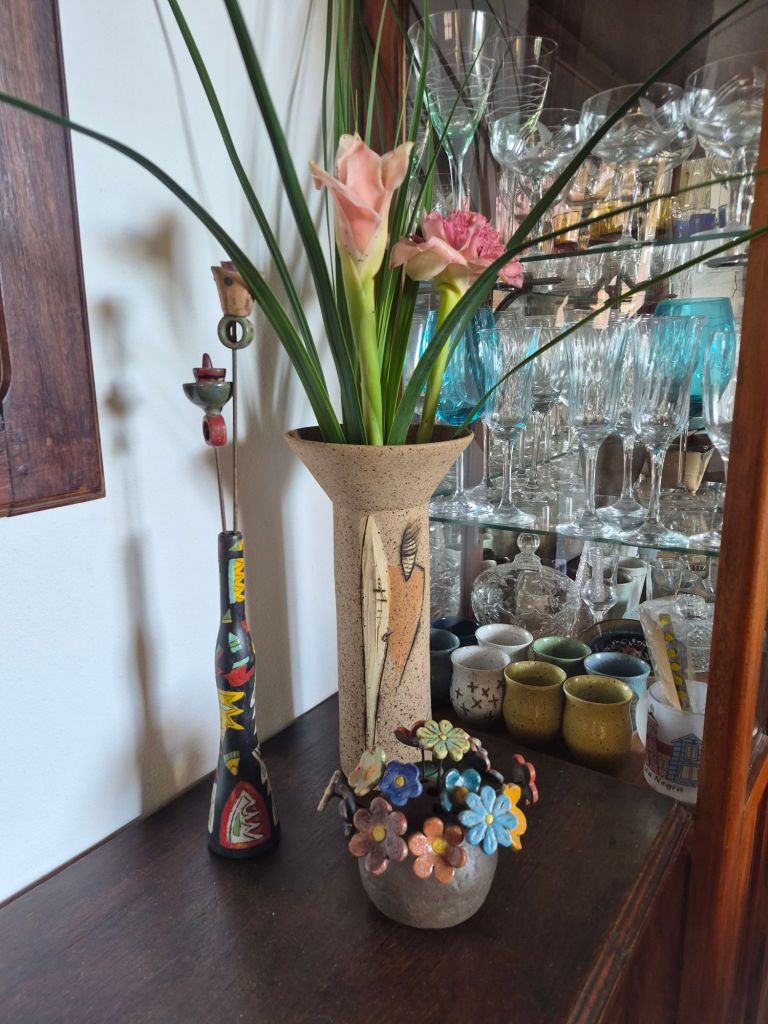
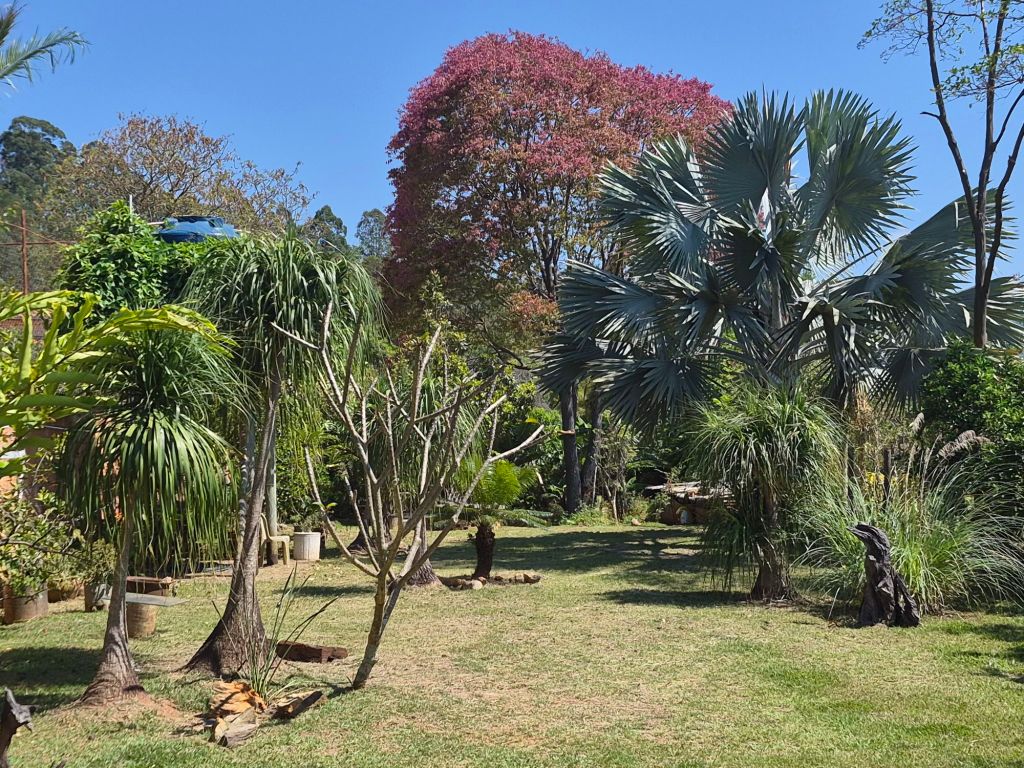
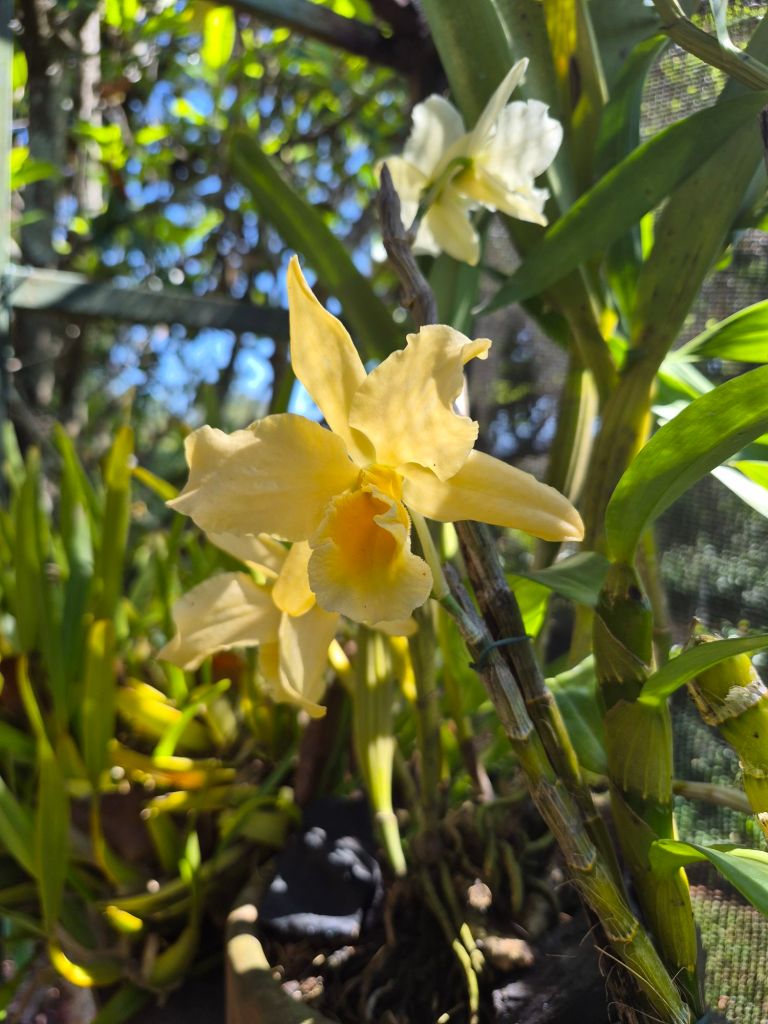
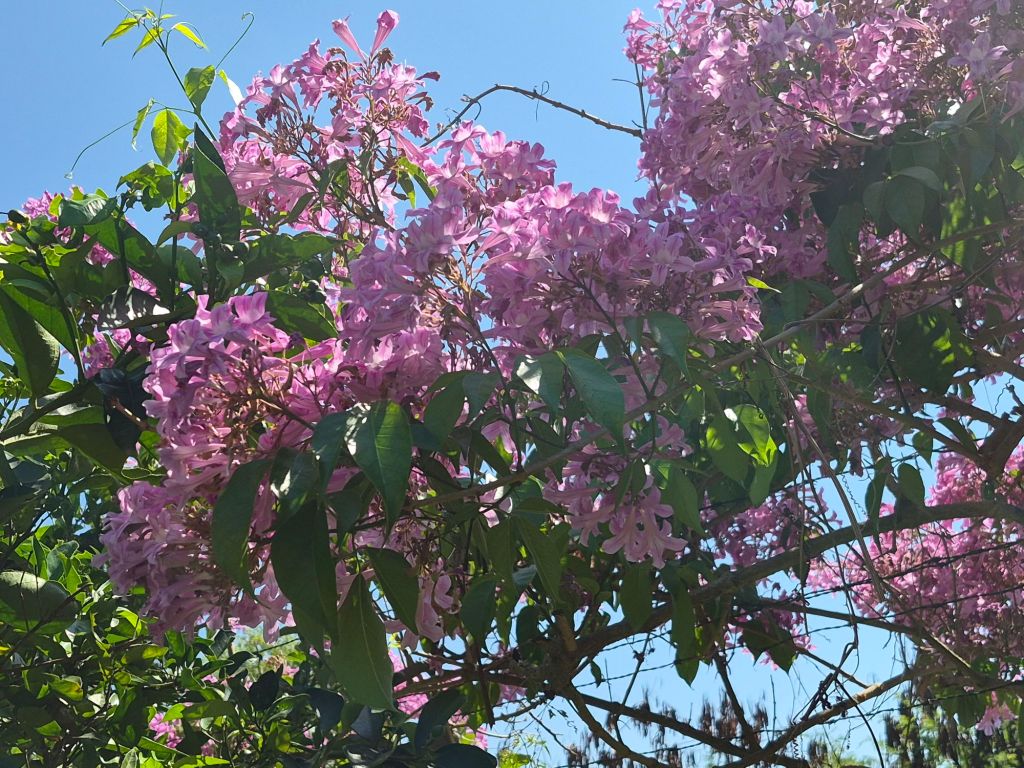
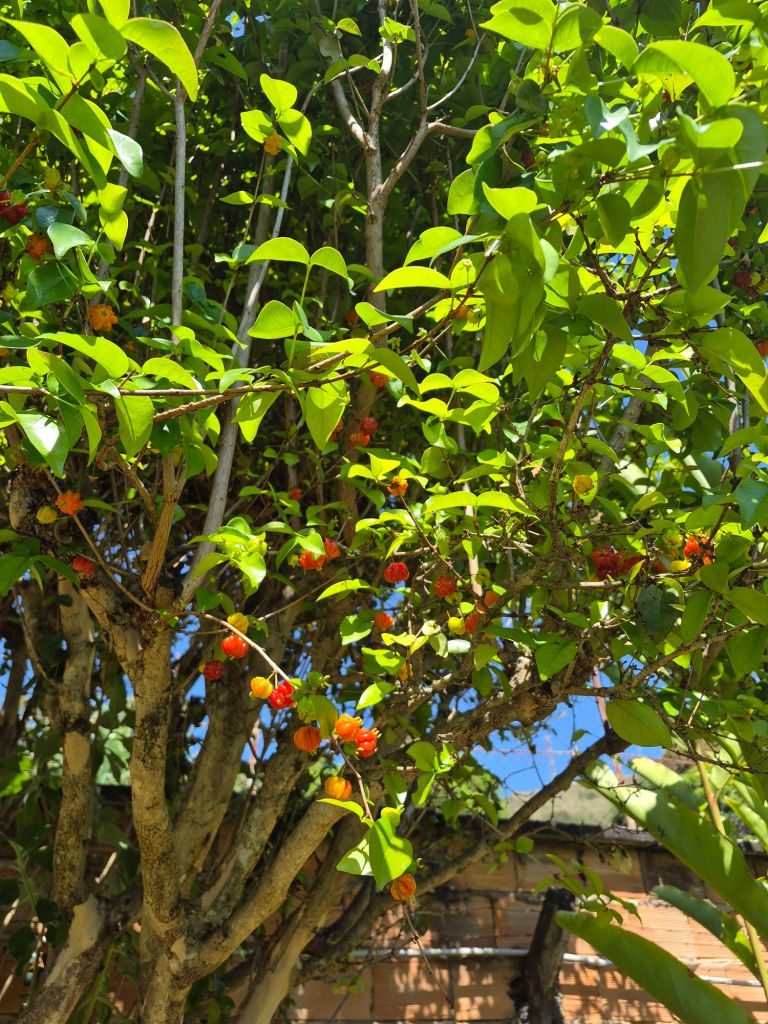
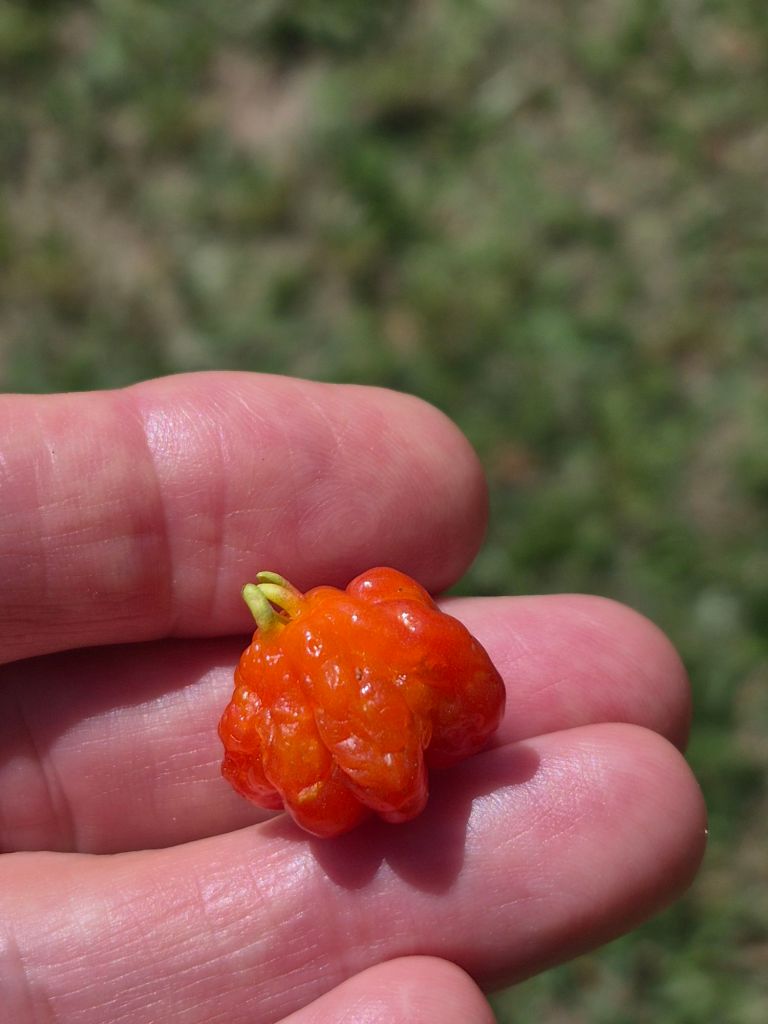
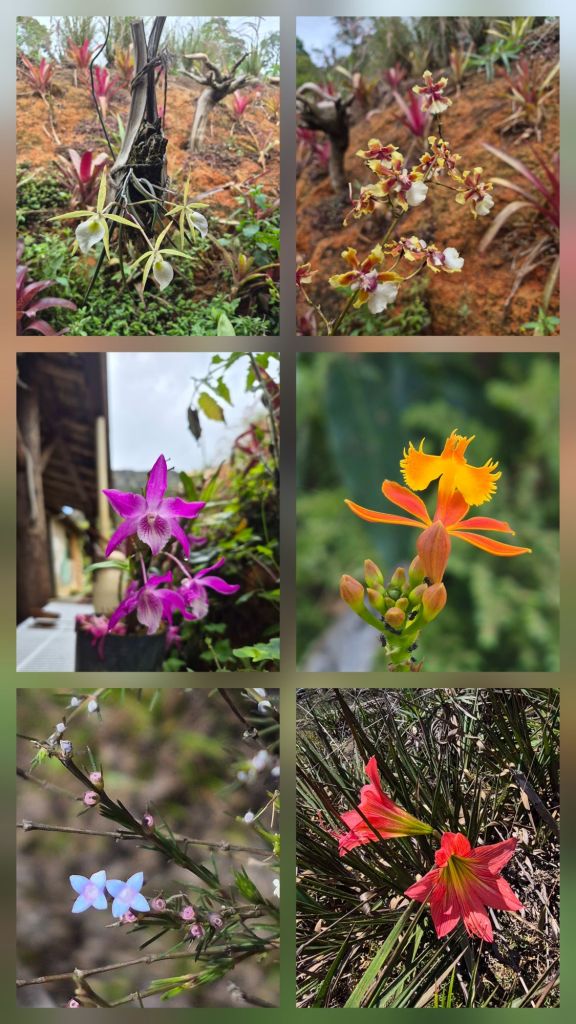
From the start we just clicked, and we talked non-stop all the way to Caeté, where we stayed at her mother’s house for the afternoon, as Iara was doing an online course in AI and the internet in town is better. Her mother, Bel, is a ceramic artist and she has an artistically decorated house that she had built after her divorce, when she moved from the farm to town. The house is close to the edge of town, on a rise, with a view of the mountains and a huge garden, with fruit trees, a vegetable patch, rolling lawns, orchids, creepers and various other flowers and plants. Bel’s studio is in the downstairs part of the house, and I had a peek into a storeroom that was full of ceramic pieces waiting to be fired.
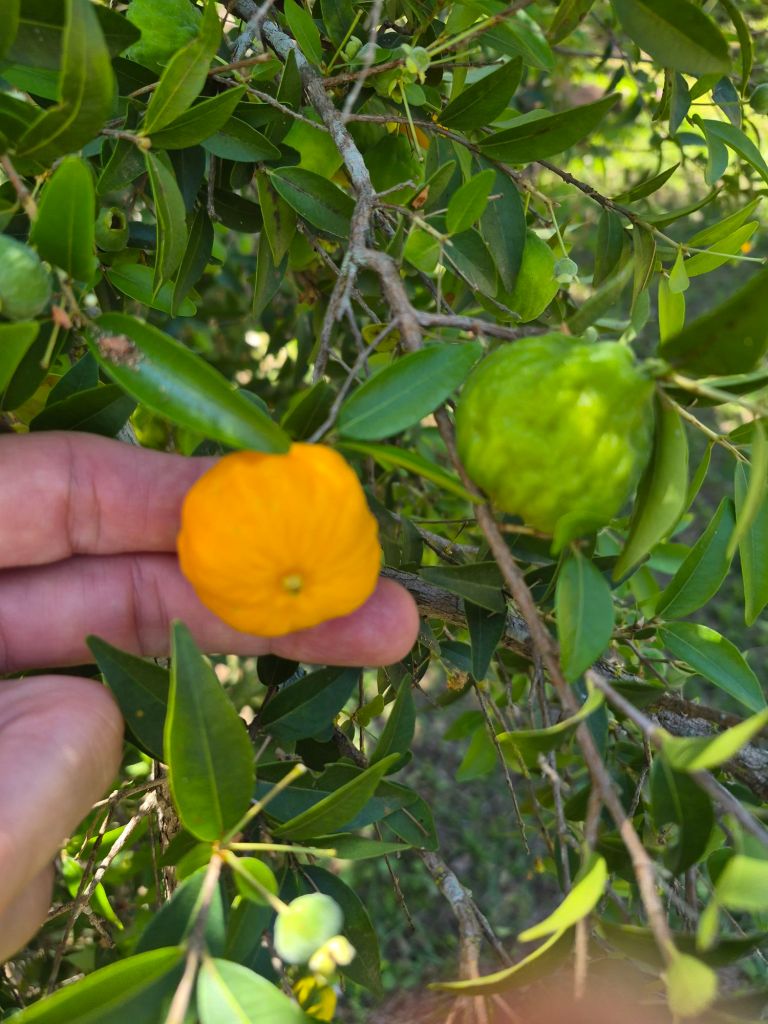
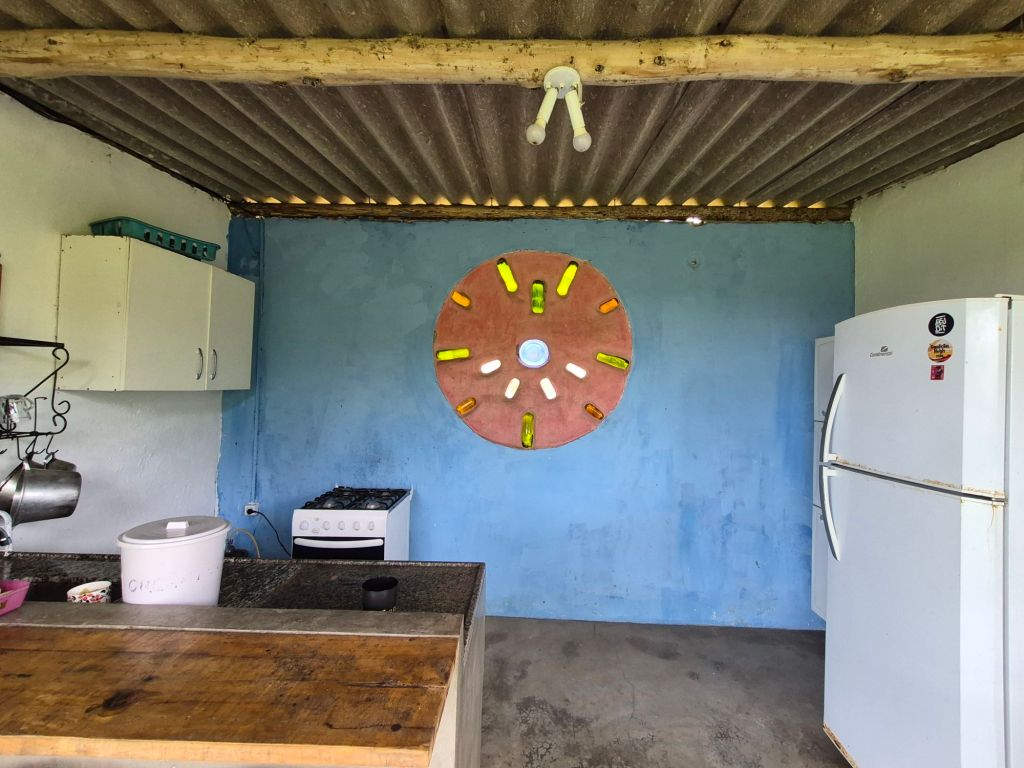
We arrived on the farm after dark and Iara took me to the bungalows where the volunteers stay, which is a 10min walk from her house. I was the only volunteer, so I had the whole place to myself. I put away the groceries I had bought in town, unpacked the clothes I would need, cooked some supper and while I was eating, discovered that there were fireflies, much to my delight. They flitted around in the tall grass, some coming quite close to the open kitchen, accompanied by the night sounds of crickets, frogs and a night jar.
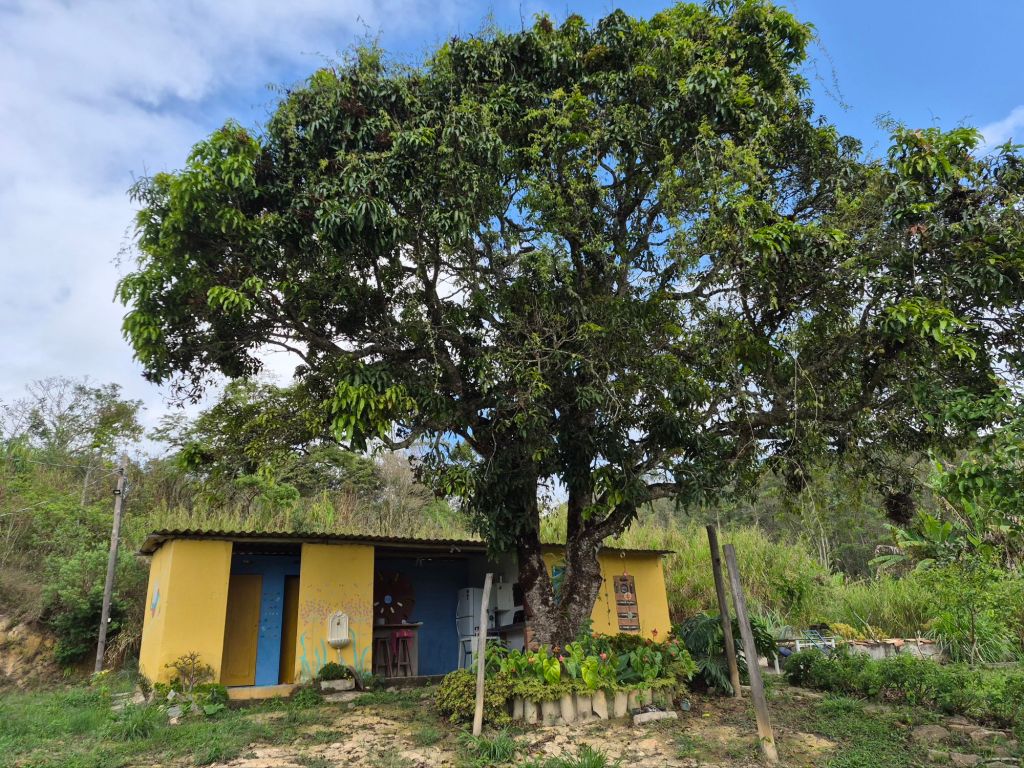
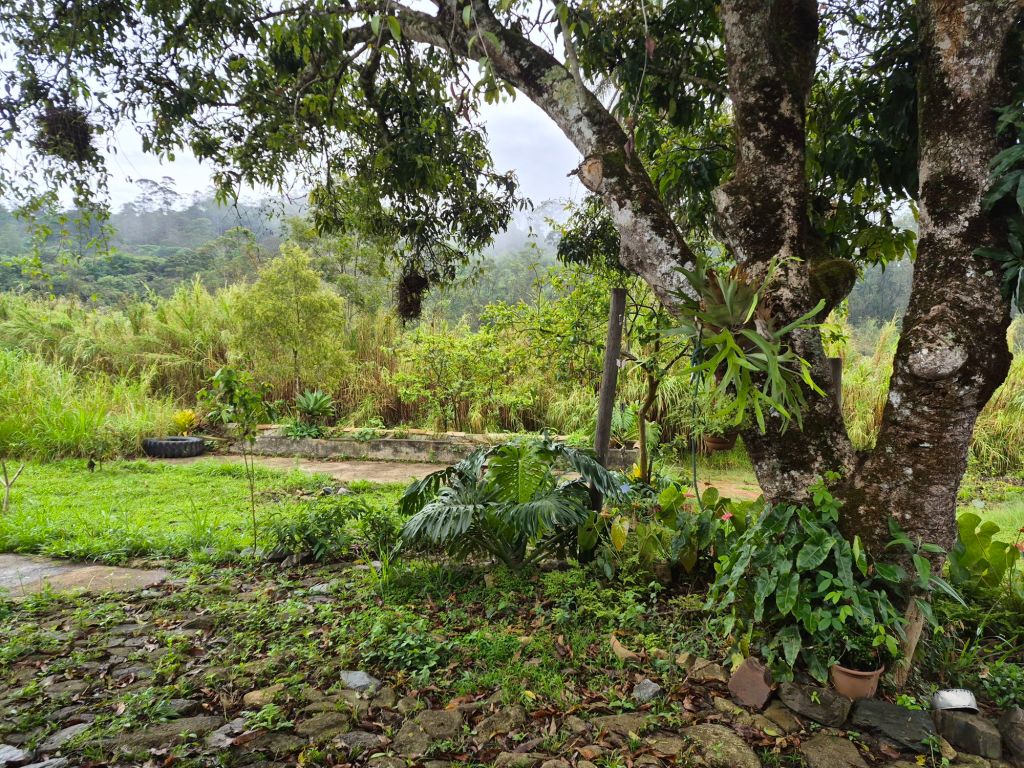
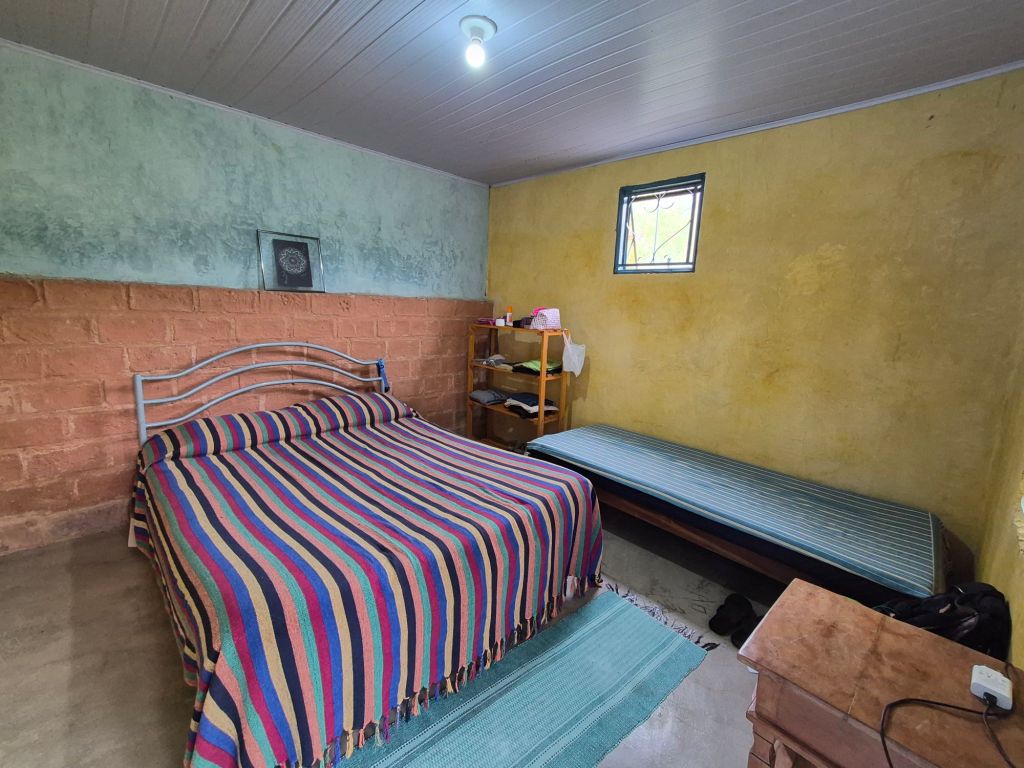
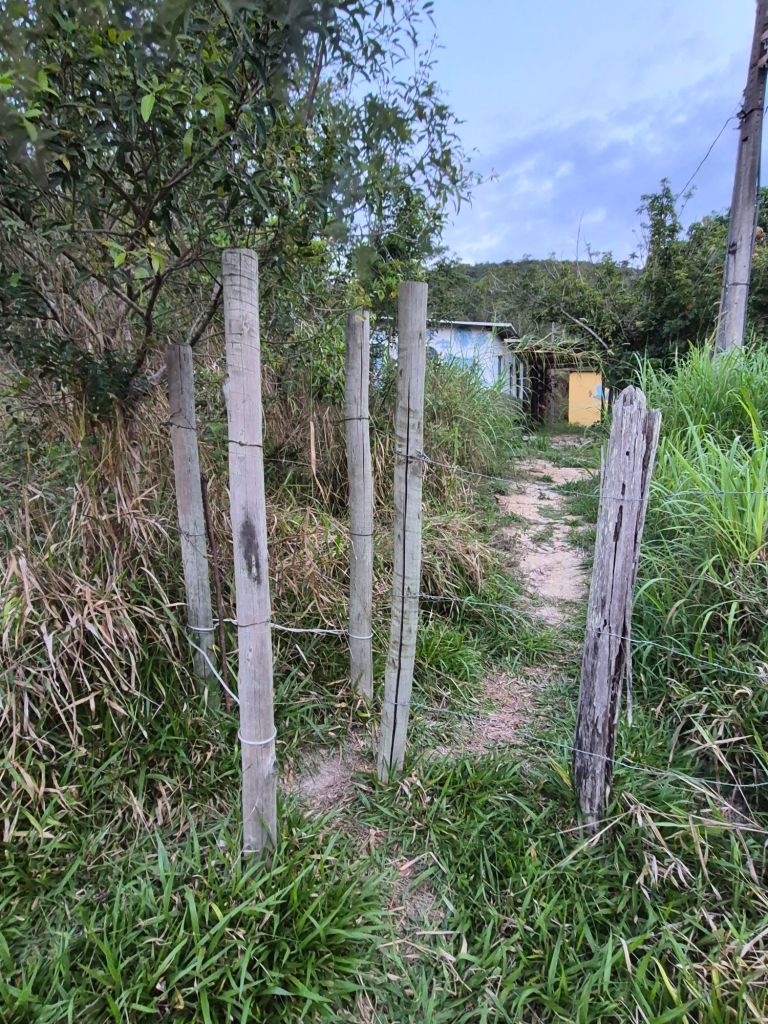
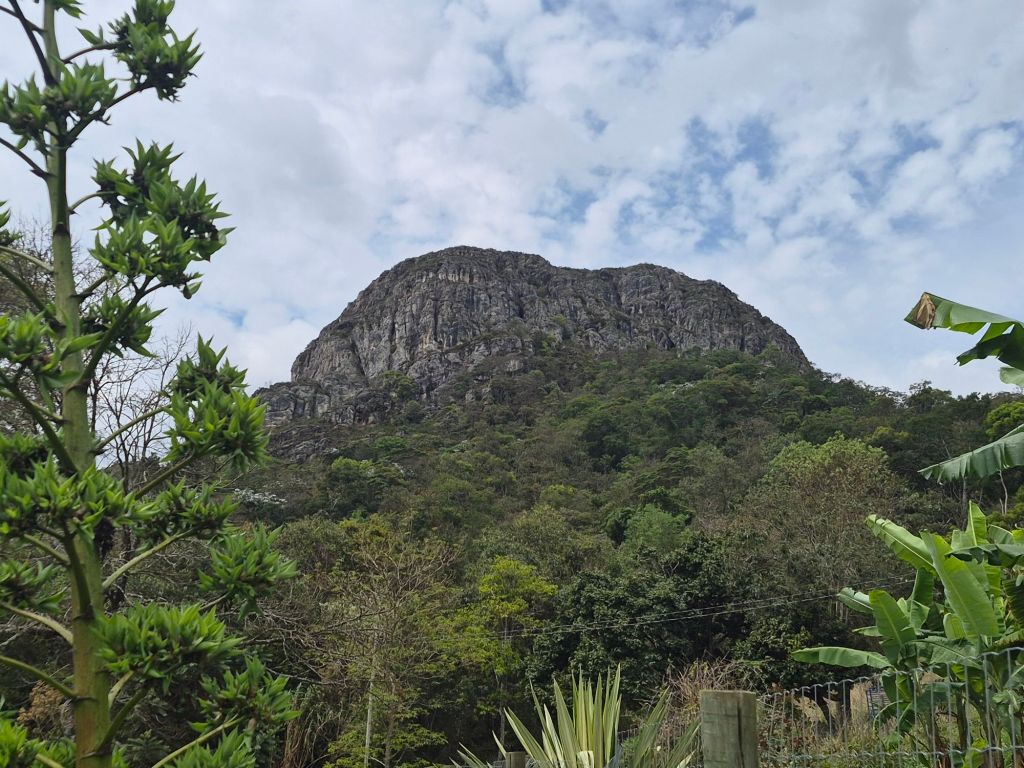
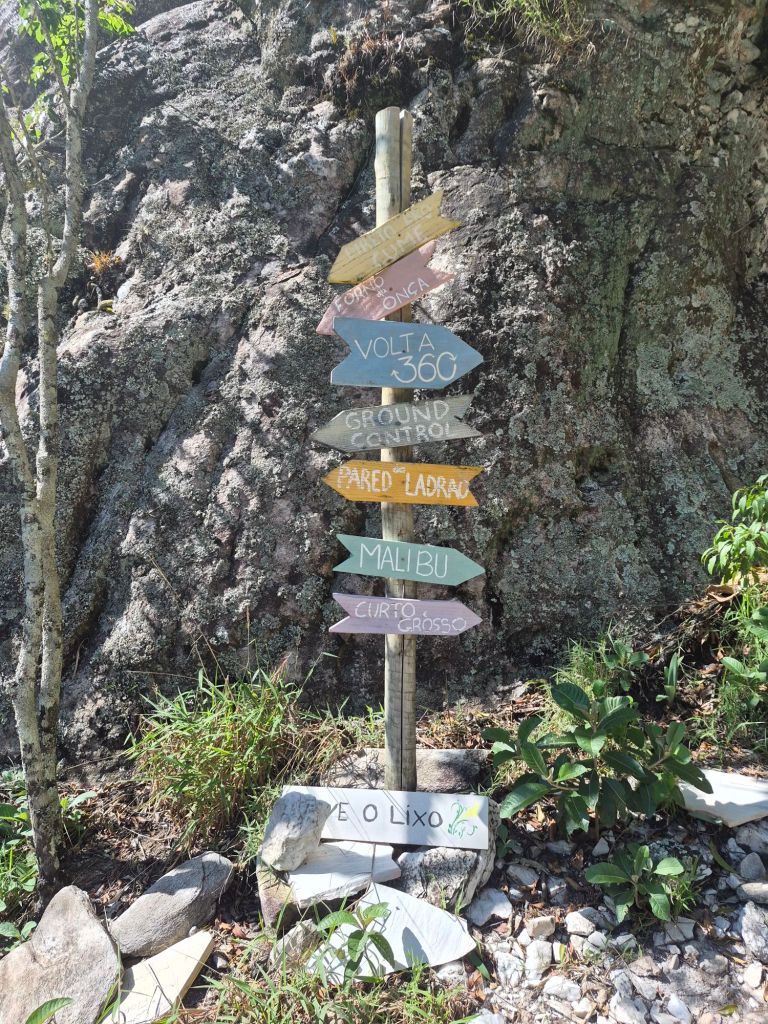
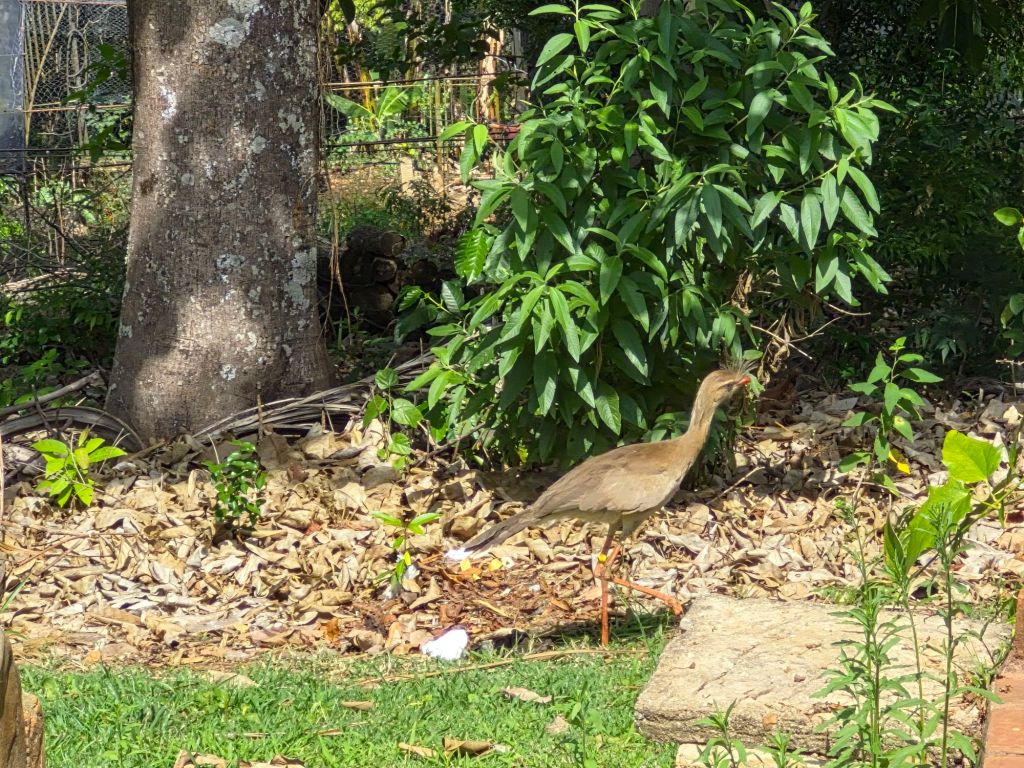
The next morning Iara arrived with a leaf blowing machine, having cleared the trail from her house of leaves, and blowing the ones around the bungalow. We walked to her house together, and the first view I had of the rock mountain where they do the rock climbing, was from the high point of the trail. The trail then goes down through a forest, and walking to work every morning was sheer pleasure, with the smell and dampness of the forest, the sound of birds and the ever present butterflies, even the big blue ones, the blue morphos.
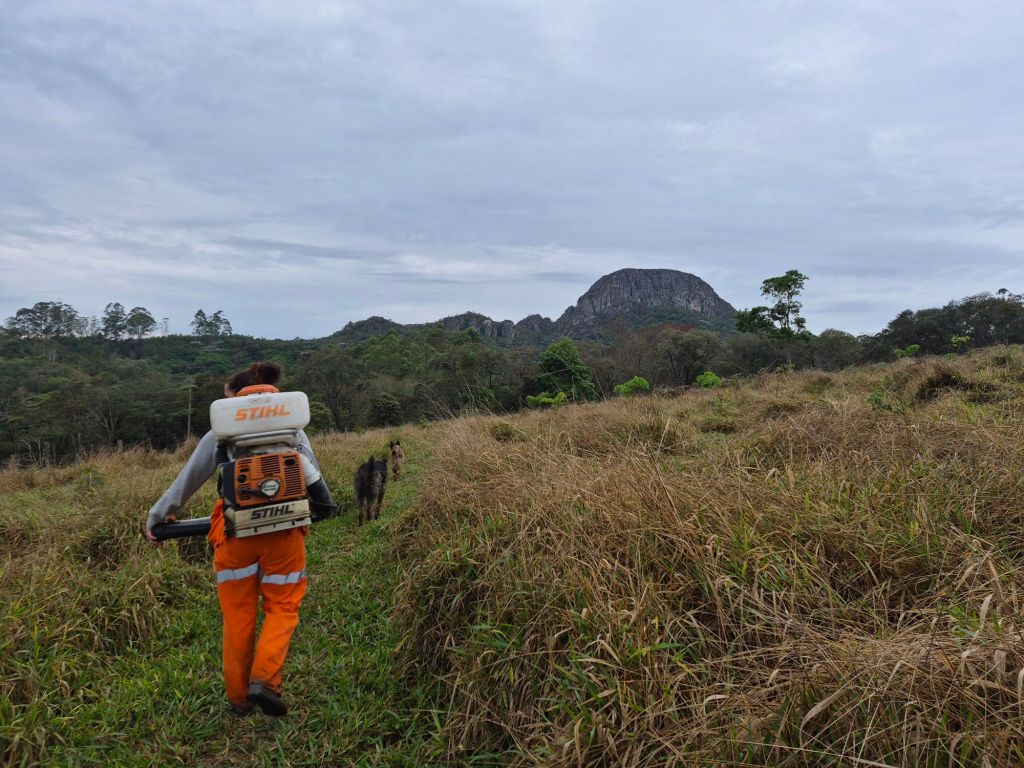
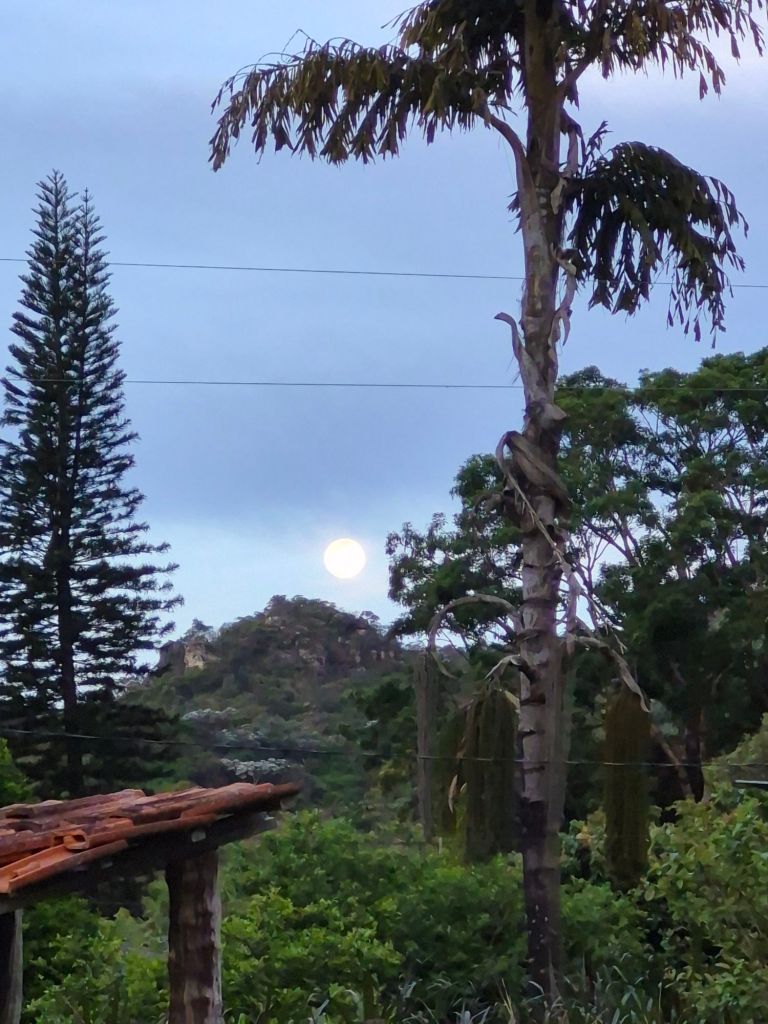
My work entailed four hours each day, off on Sundays, and we did much gardening, cleaning and polishing of old furniture, sorting out work spaces, moving furniture and personal belongings from a cottage to the main house, with Iara working alongside me all the time. She is a remarkable person, full of new ideas and projects, and as her life story unfolded, I realised that she is not only passionate and feisty, but once she sets her mind to a project, she follows through on it, often having to study or do a course to prepare for it. As an example: she wanted to work on super yachts, and although everyone was impressed with her, she was rejected because of lack of experience. So she studied to become a masseuse, and was duly employed on the yachts. She had previously been a trapeze actress, and saw the potential of doing trapeze acts on the boats, using the cranes. She had great trouble convincing captains that it was possible, but she persisted in trying to implement her idea, and was eventually able to take some pictures to show them, which led to her doing regular shows on the boats.


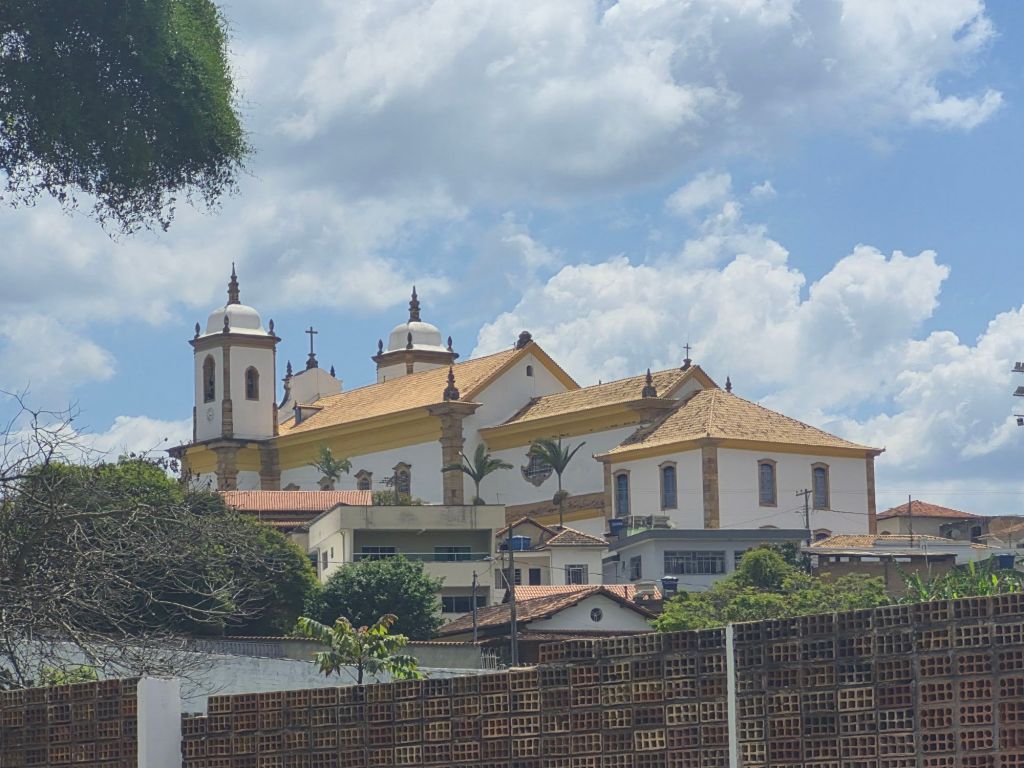
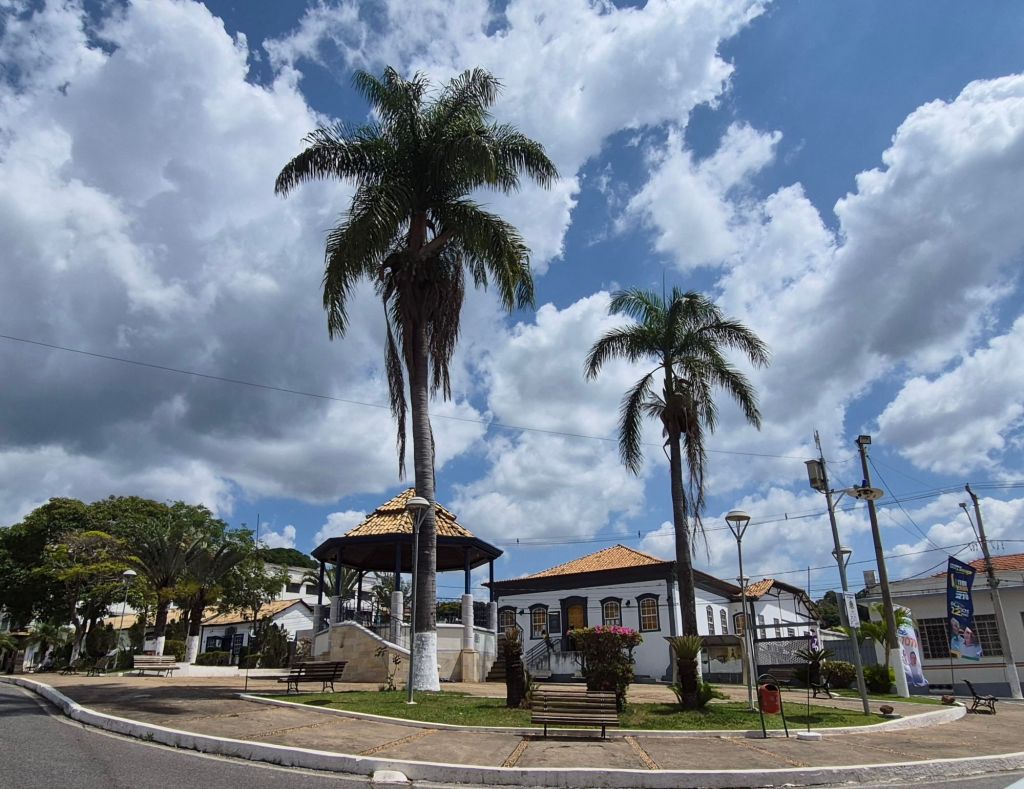
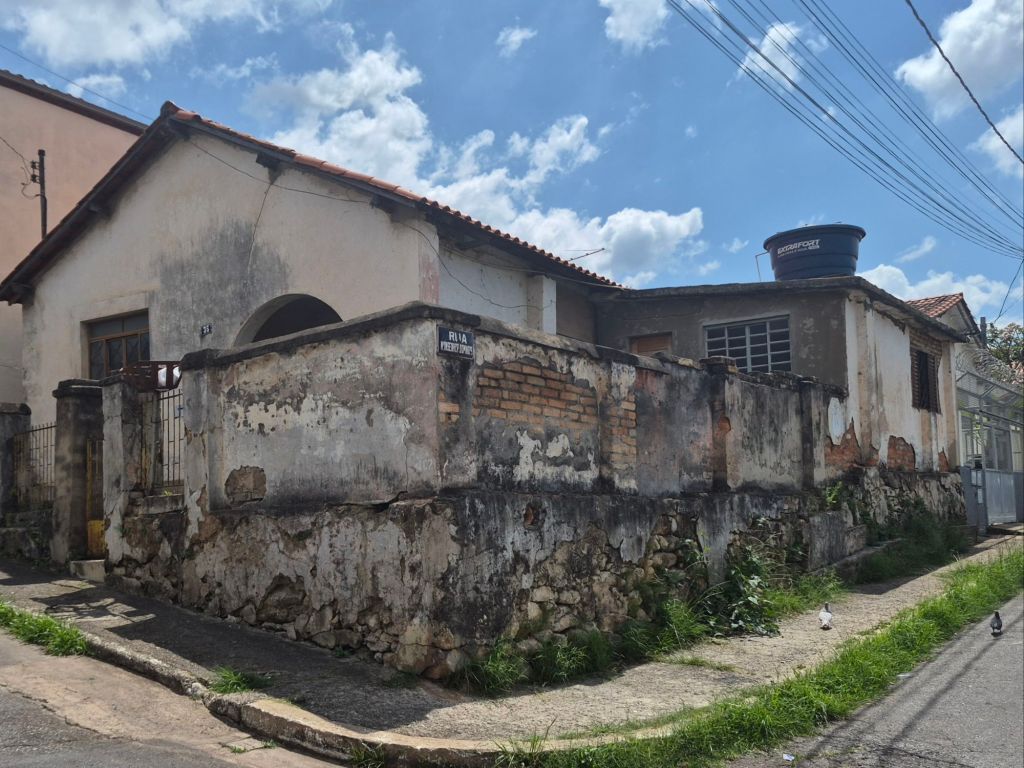
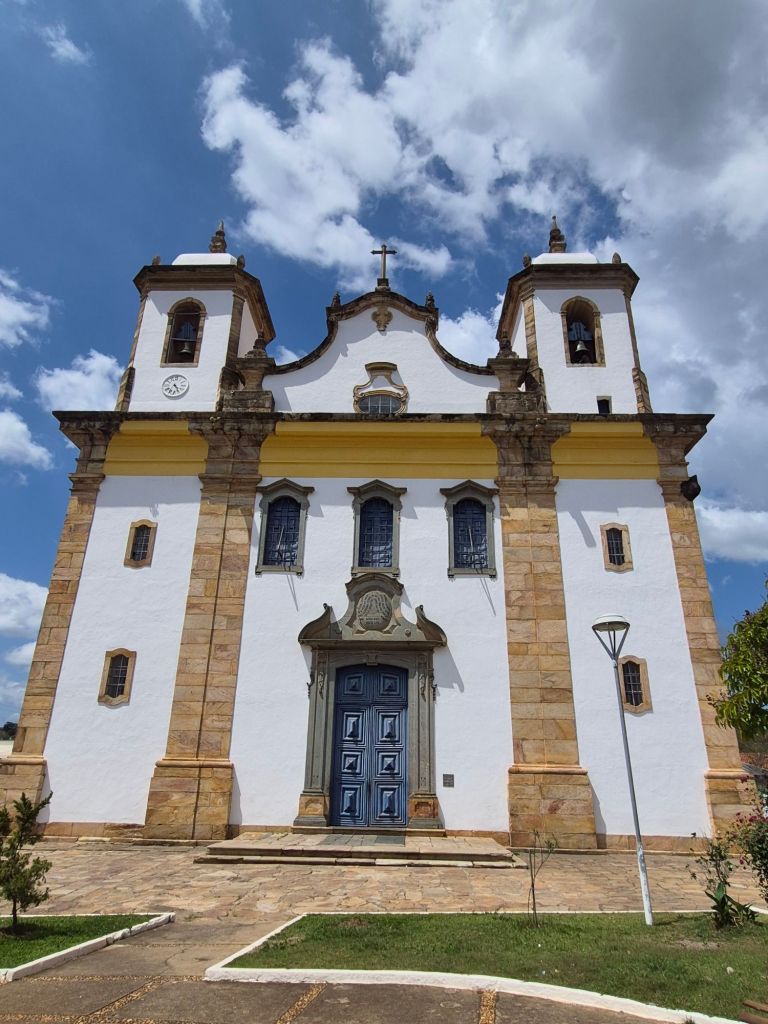
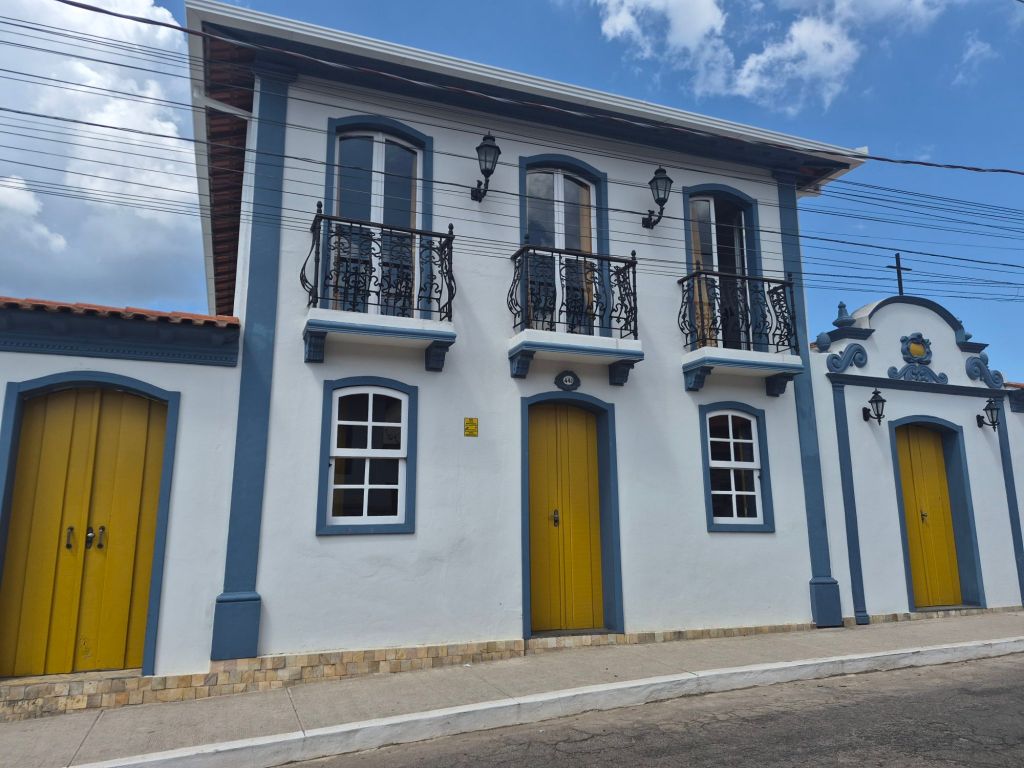
On the first Saturday there was a craft market in Caeté, where Iara and Bel were exhibiting some of their products at one of the stalls. Although it was very hot, locals attended and milled around, drinking more beer than buying goods, but Iara managed to sell some of her plants and earrings. Bel and I felt an affinity for each other, but communication was difficult because of the language barrier. I wandered off into Caeté for a few hours, taking pictures and eating ice-cream.
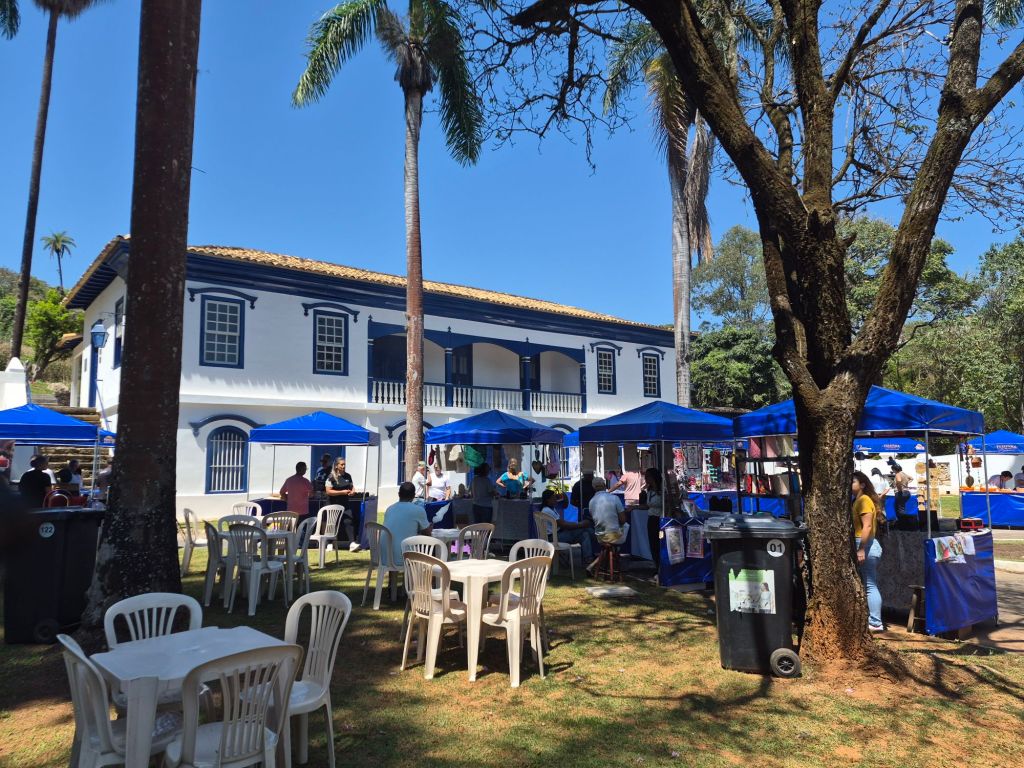
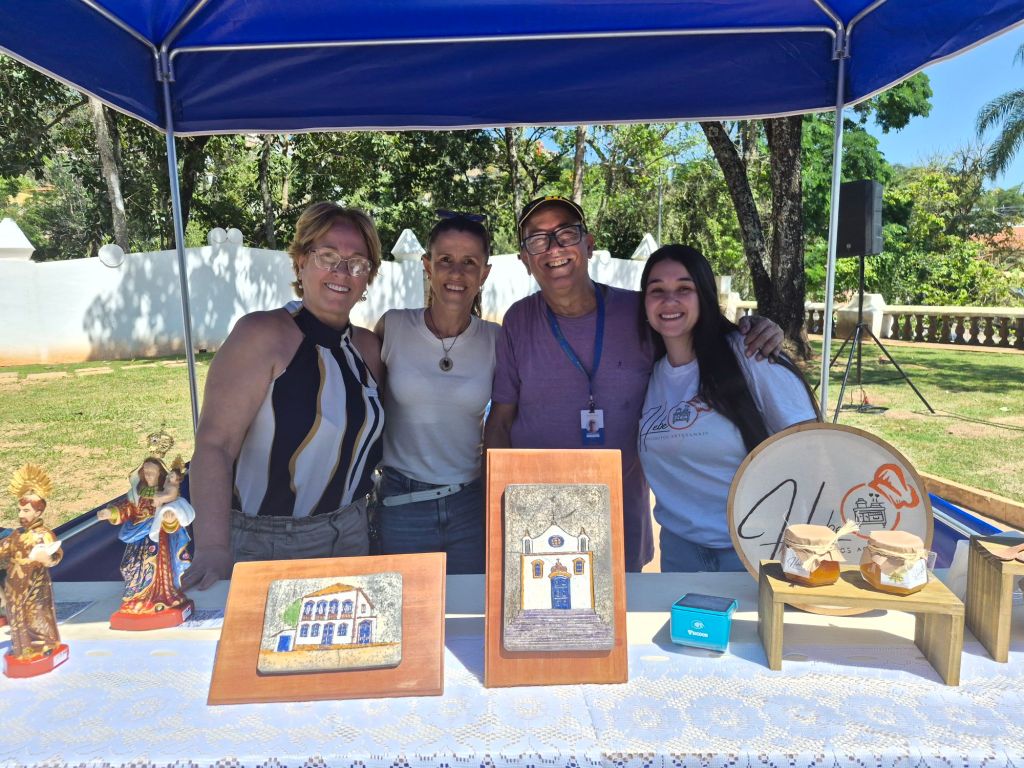

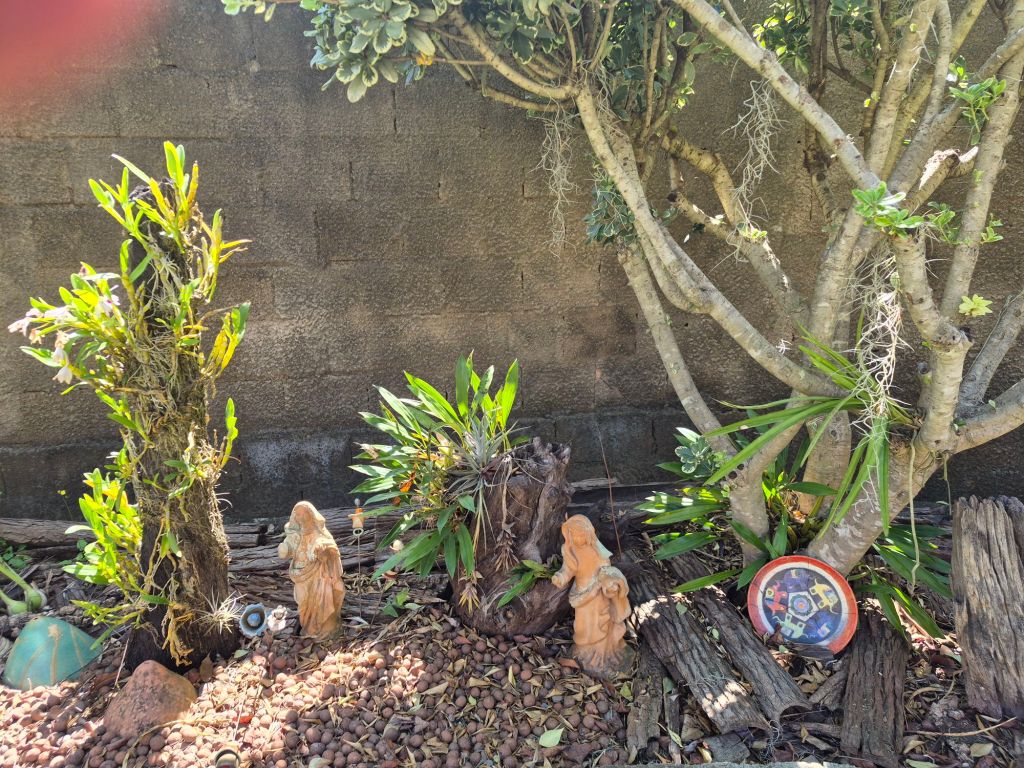
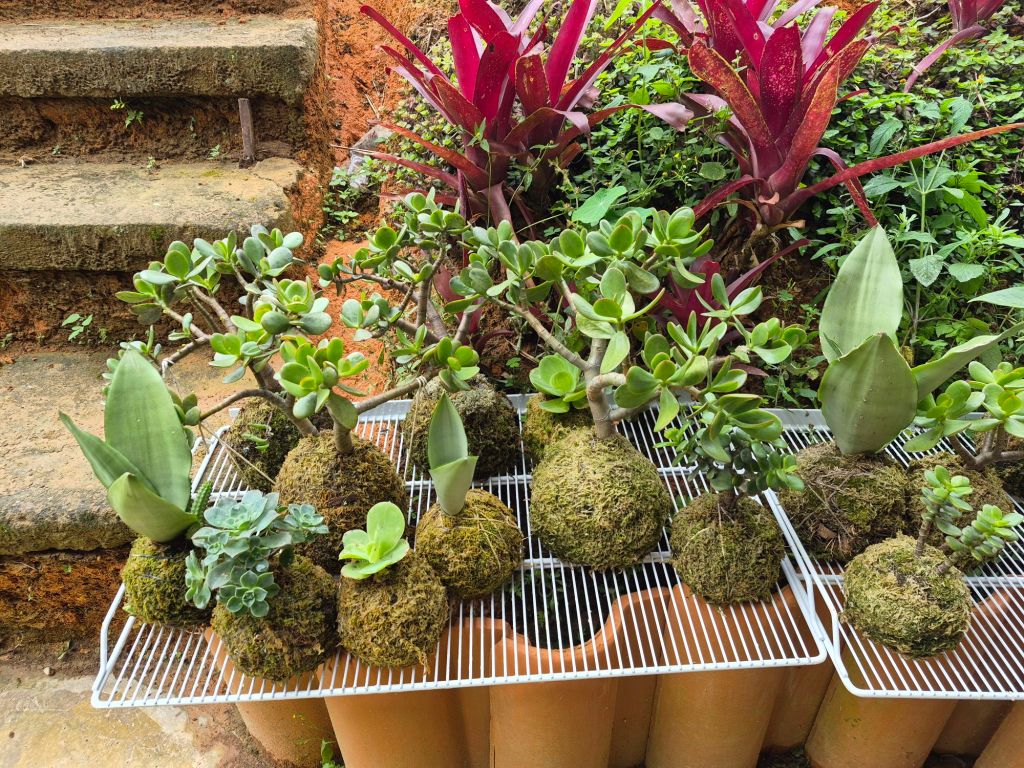
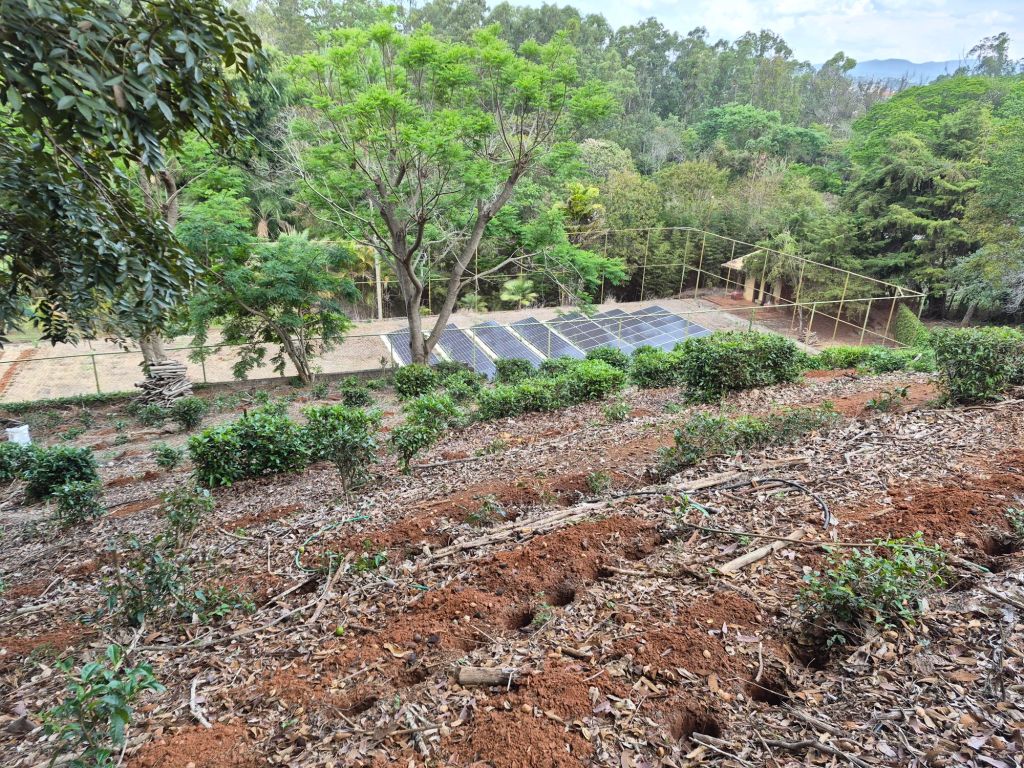
Iara is passionate about plants, and she uses any off-cuts to propagate new plants, often planting them in bags to pass on to friends who visit. Her whole gorgeous garden is full of plants that have been grown from one single purchase, and one of the things I did was remove some overgrown plants to replant in another area, which she had cleared of a termite heap and invasive grass.
The only downside to working amongst all that greenery is ticks – I regularly discovered one, but nothing serious developed from the bites, apart from itchiness. The roses were being eaten by the leaf-cutter ants, but Iara successfully curbed them with cinnamon. As the roses started blooming though, we saw that they were being eaten from the inside by weird-looking black flies. At least she doesn’t have to cope with moles or snails. There are snakes, but I never saw one.
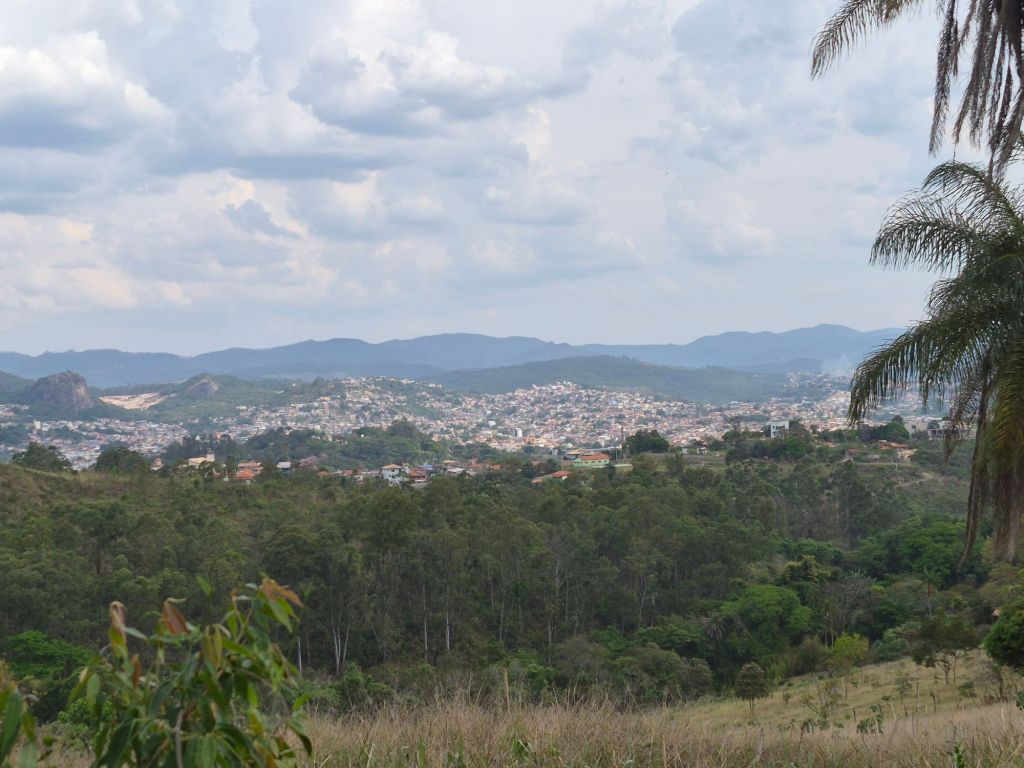
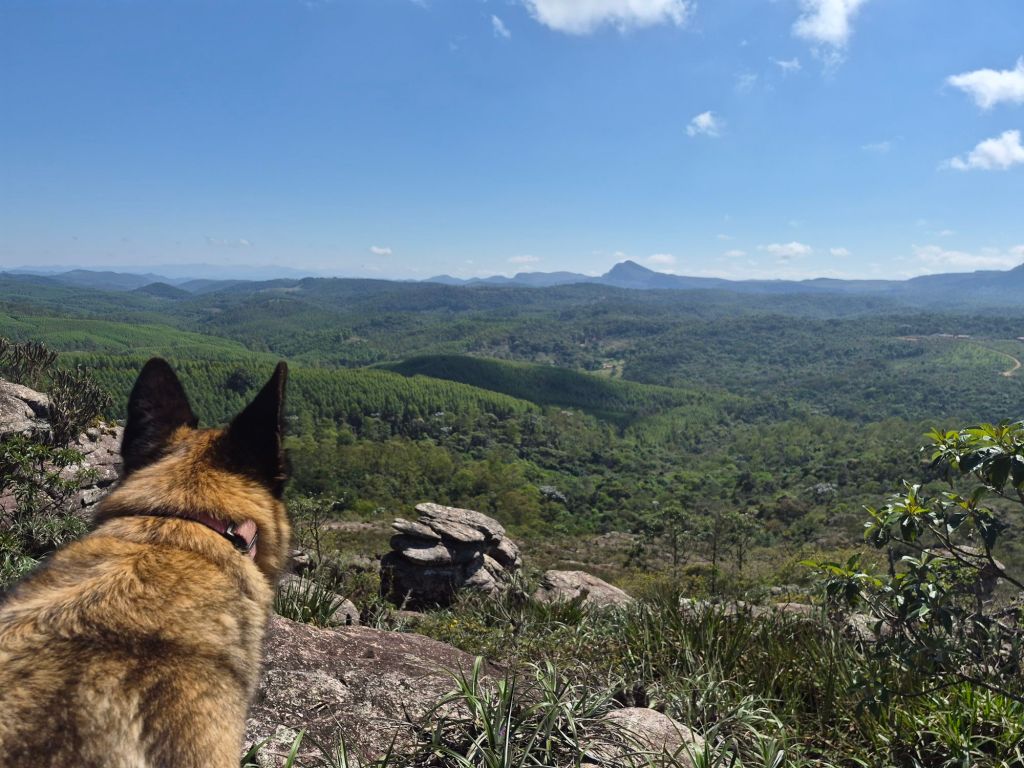
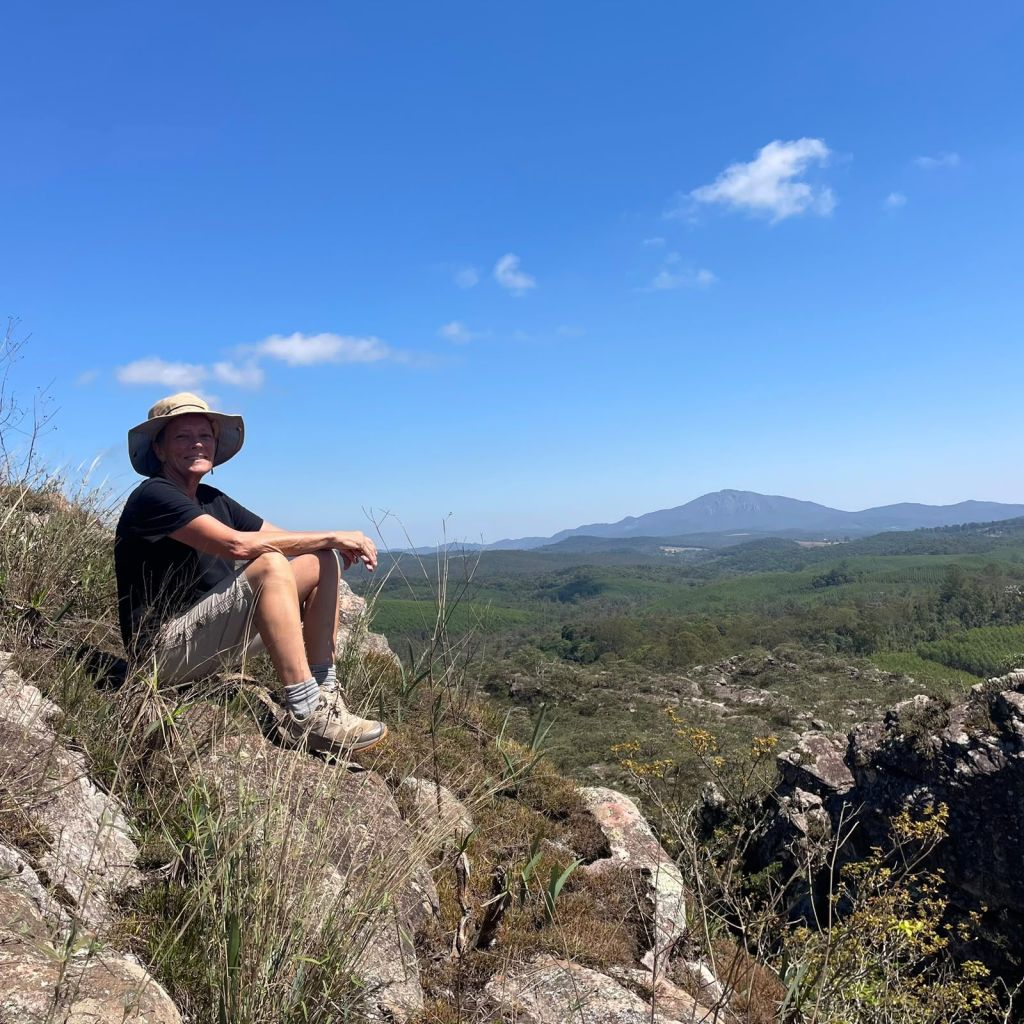
We climbed up to the top of the rock mountain, with a vista of the whole area, and looking down on the farm buildings and gardens down below, I said to Iara: “To think you created all that!” The dogs always accompanied us on walks, and evidently the cats sometimes do as well.
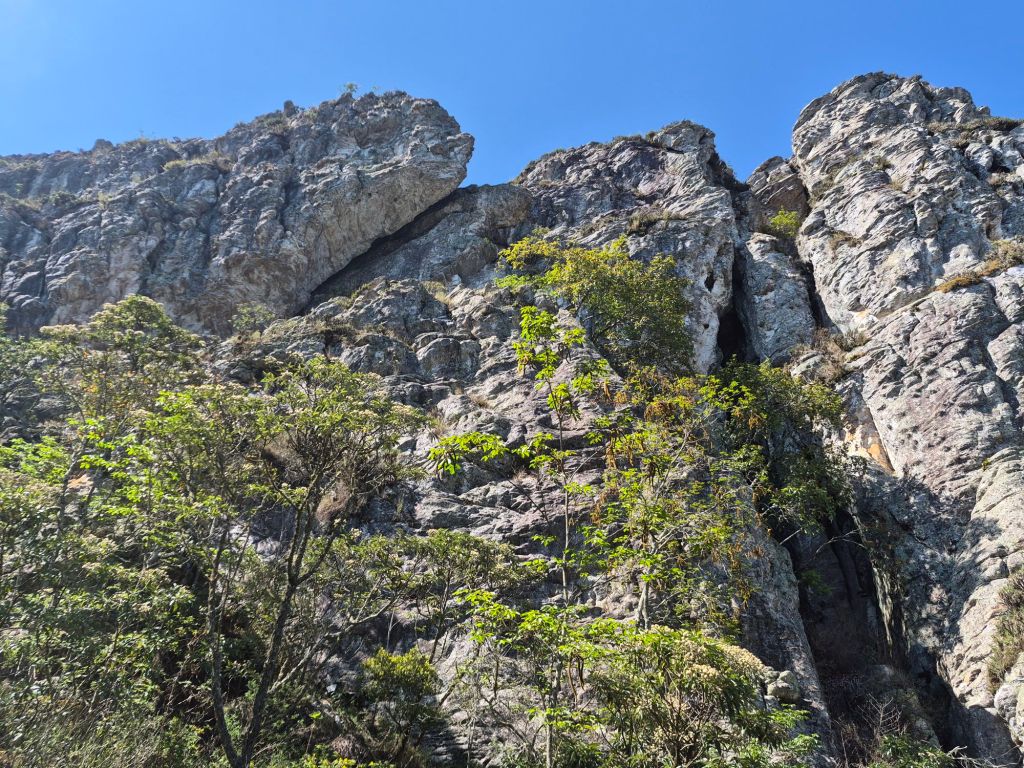
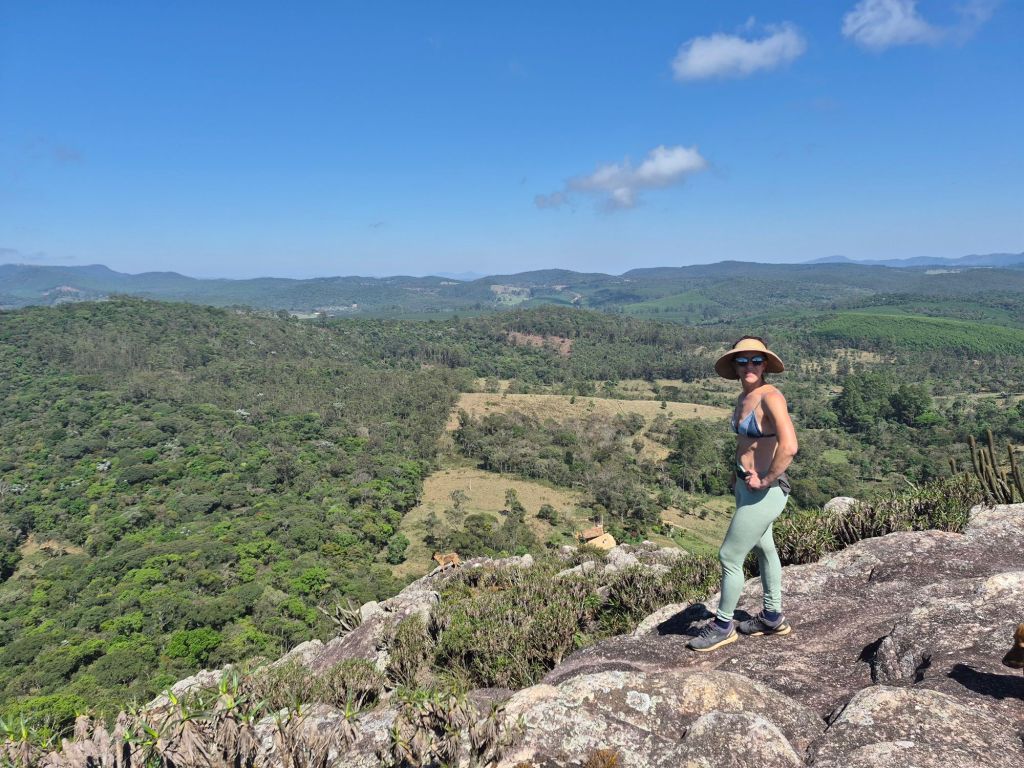
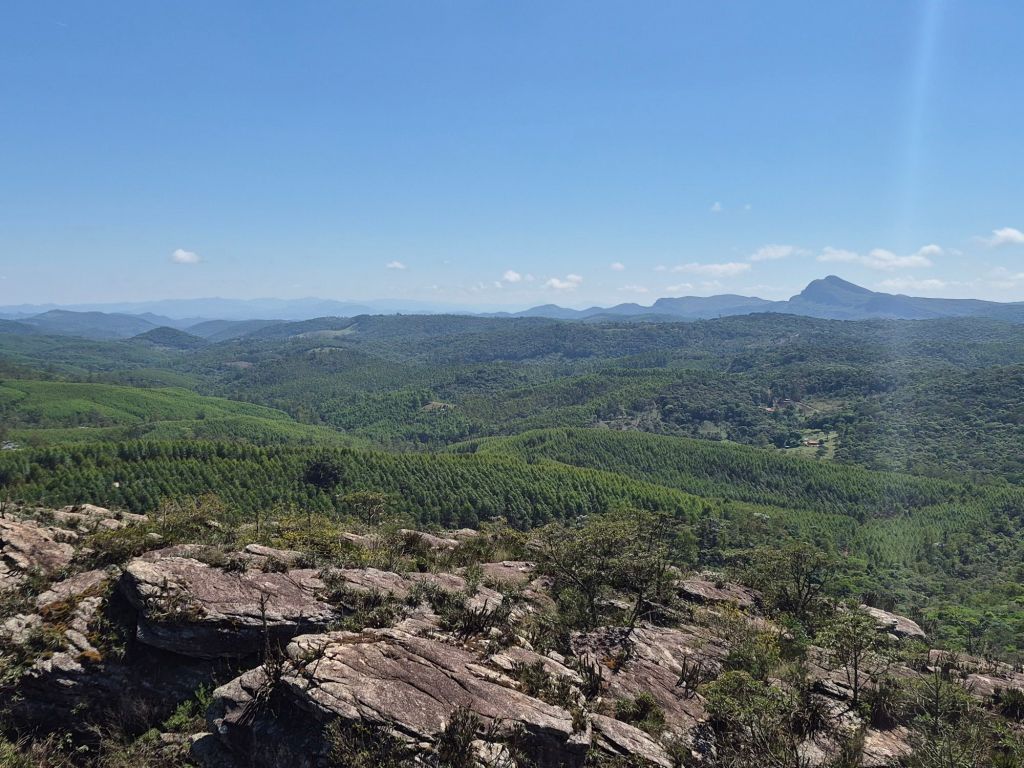
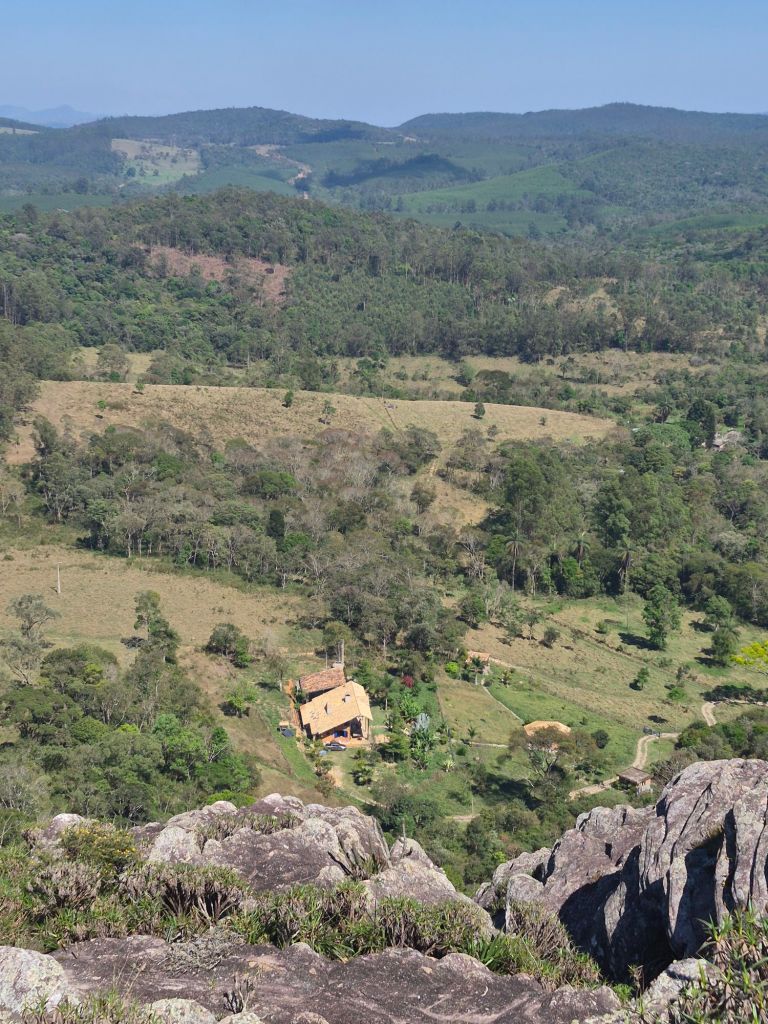
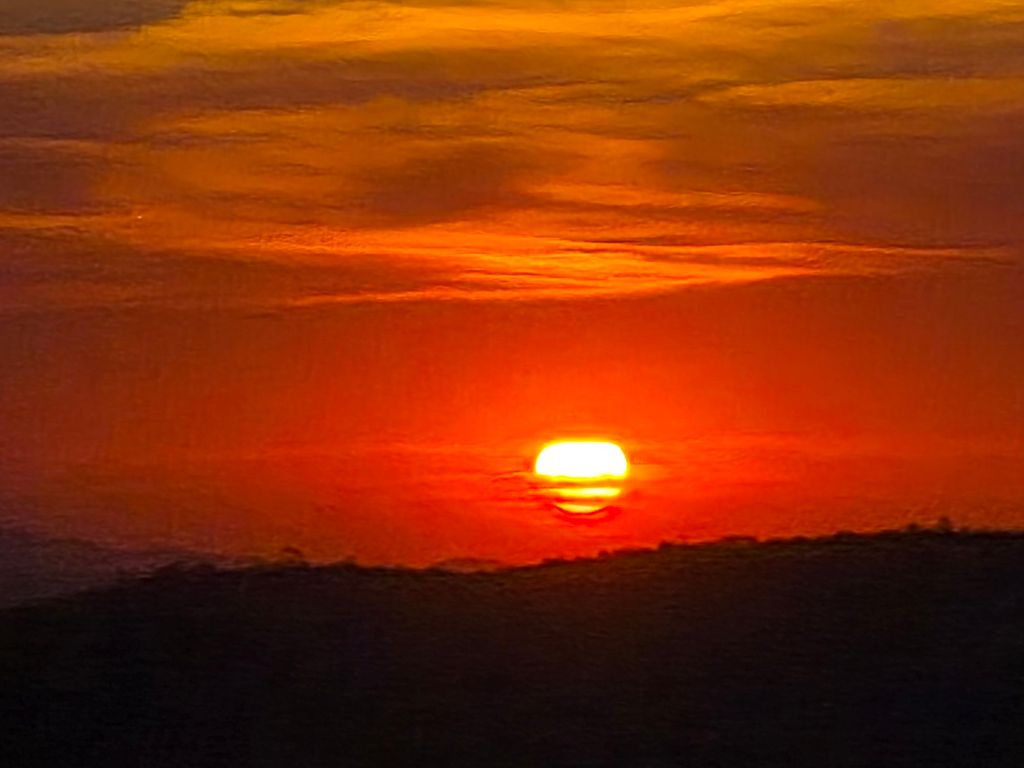
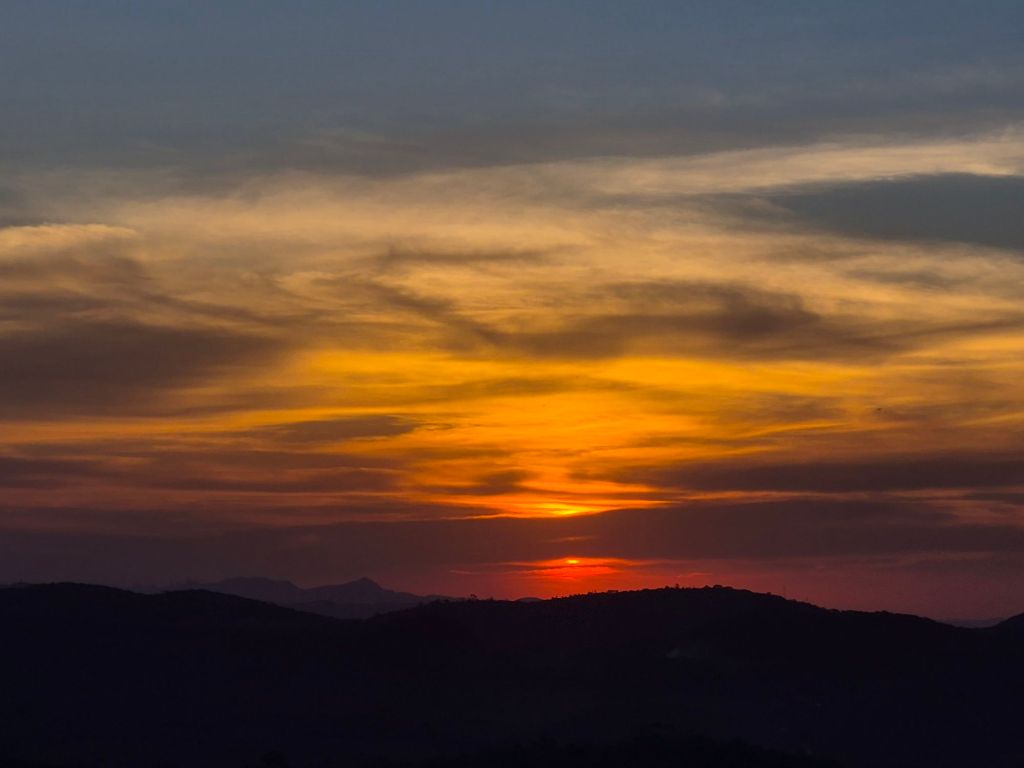
I climbed up late one afternoon to see the sunset.
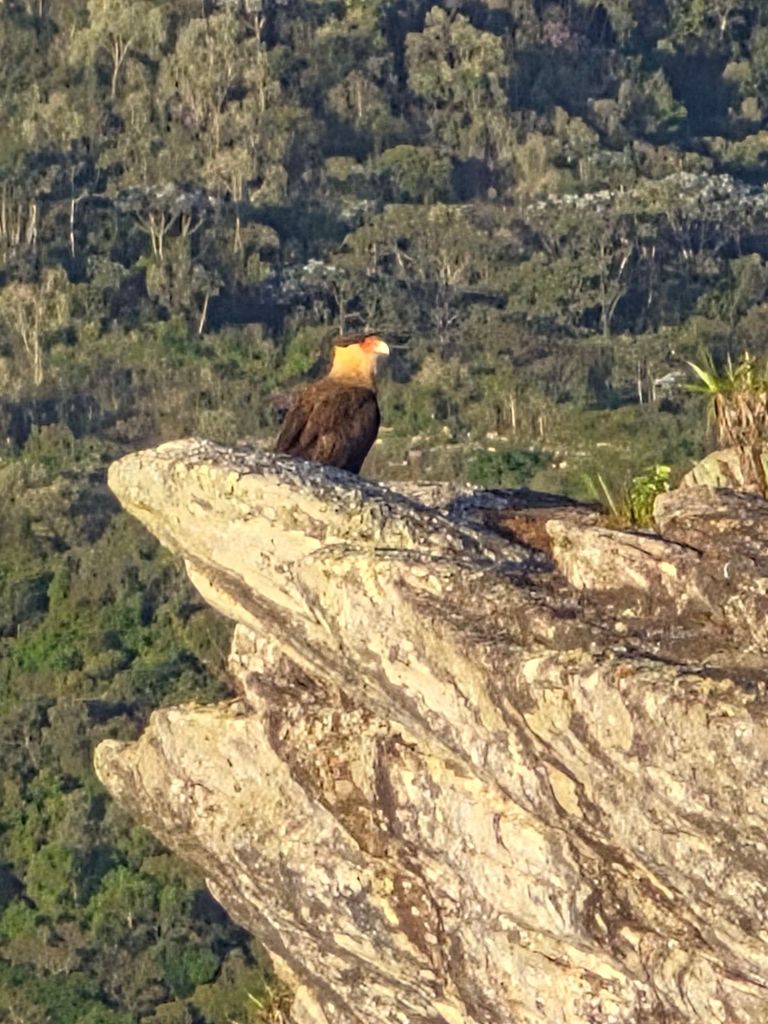
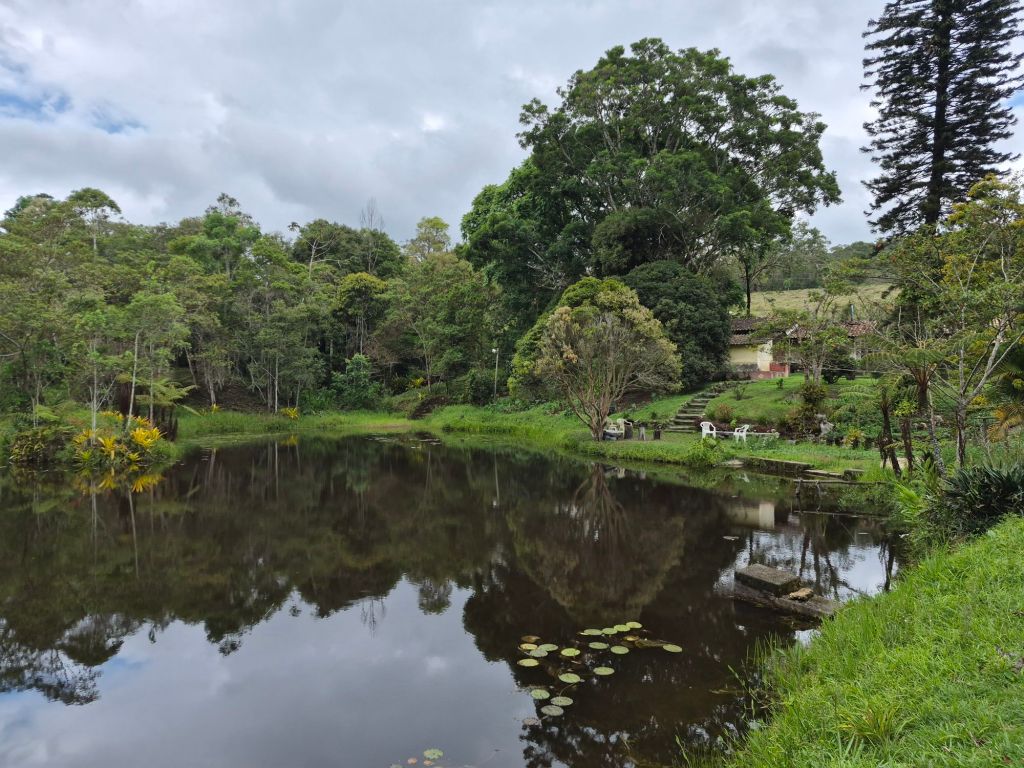
Mola, the one dog, craves attention and when there are volunteers, she attaches herself to them, going to the bungalow, sleeping there and following one wherever you go. Iara warned me not to feed her or throw sticks for her, as she becomes over-excited and aggressive and often hurts a paw. She is a lovely dog with a great personality, and I became very attached to her. I used to swim in one of the many small lakes on the farm after work every day, and there I was allowed to throw sticks into the water for Mola to retrieve. She would give a flying leap into the water, churning up mud and grass, proudly bringing the stick back to land.
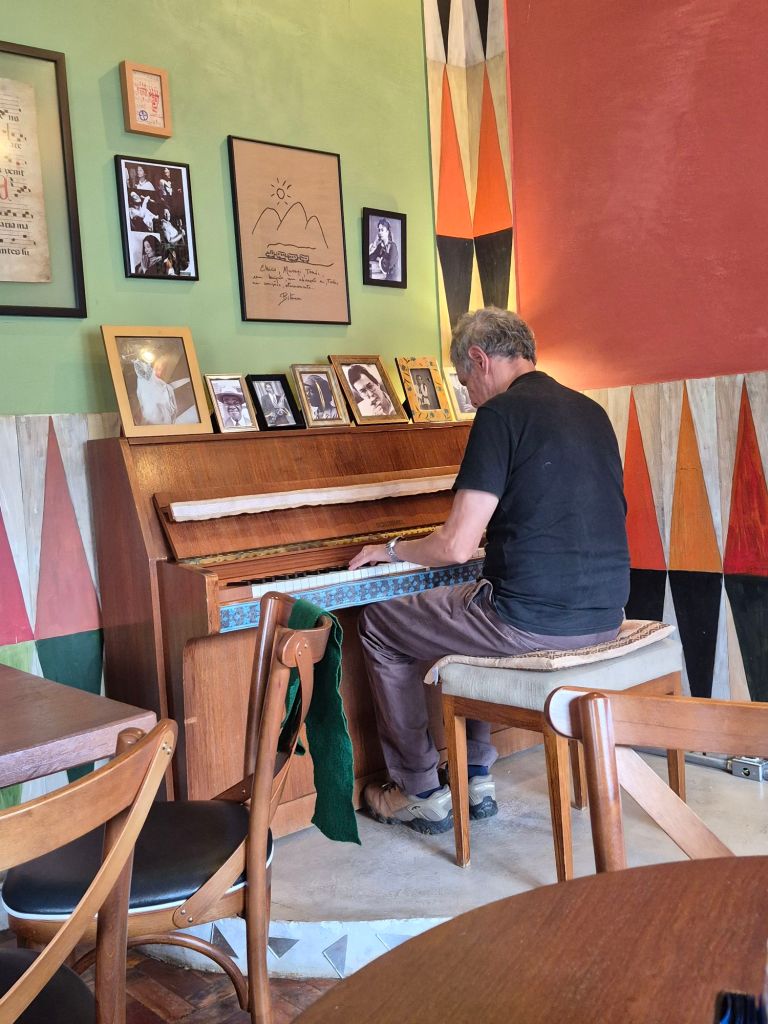
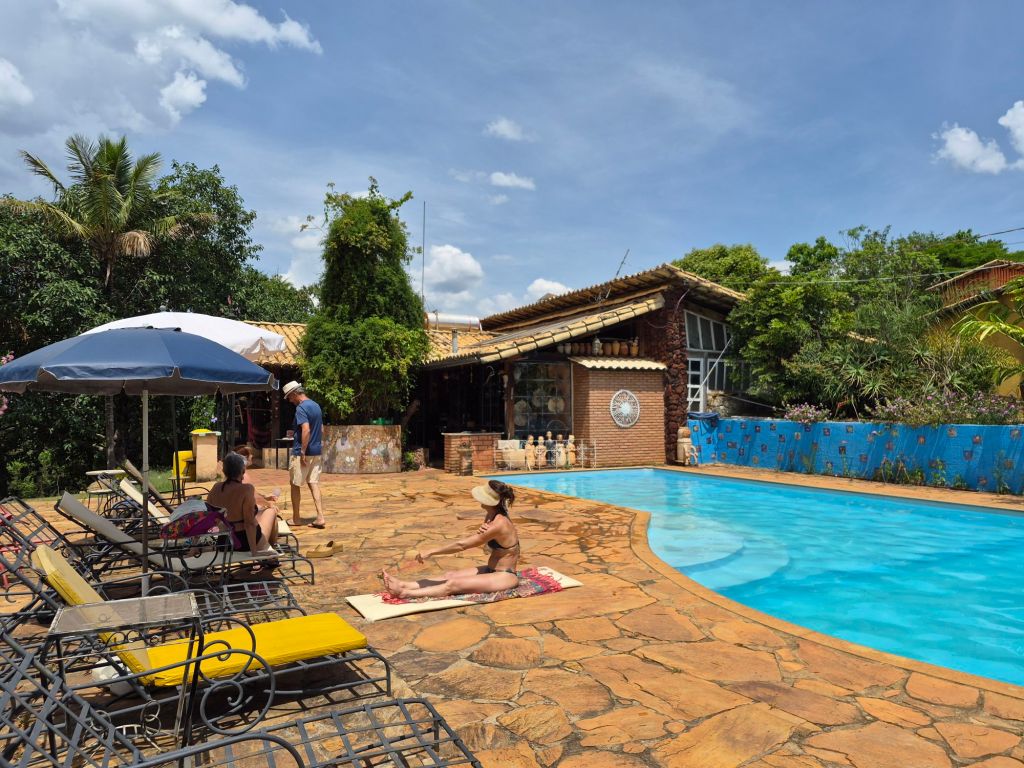
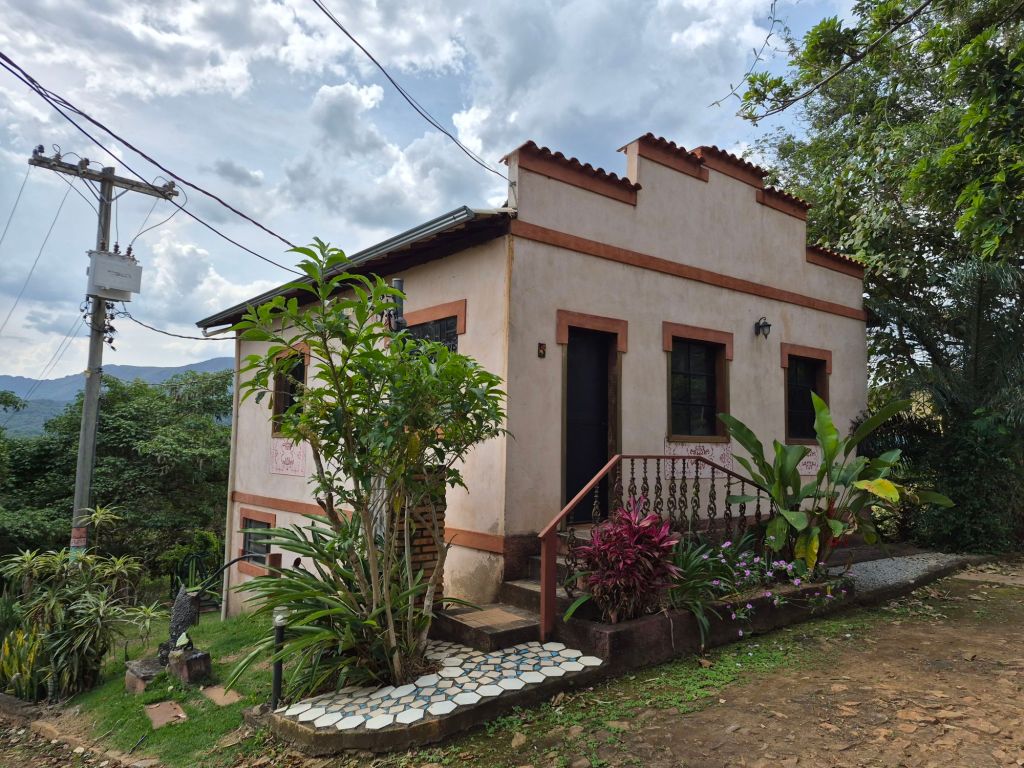
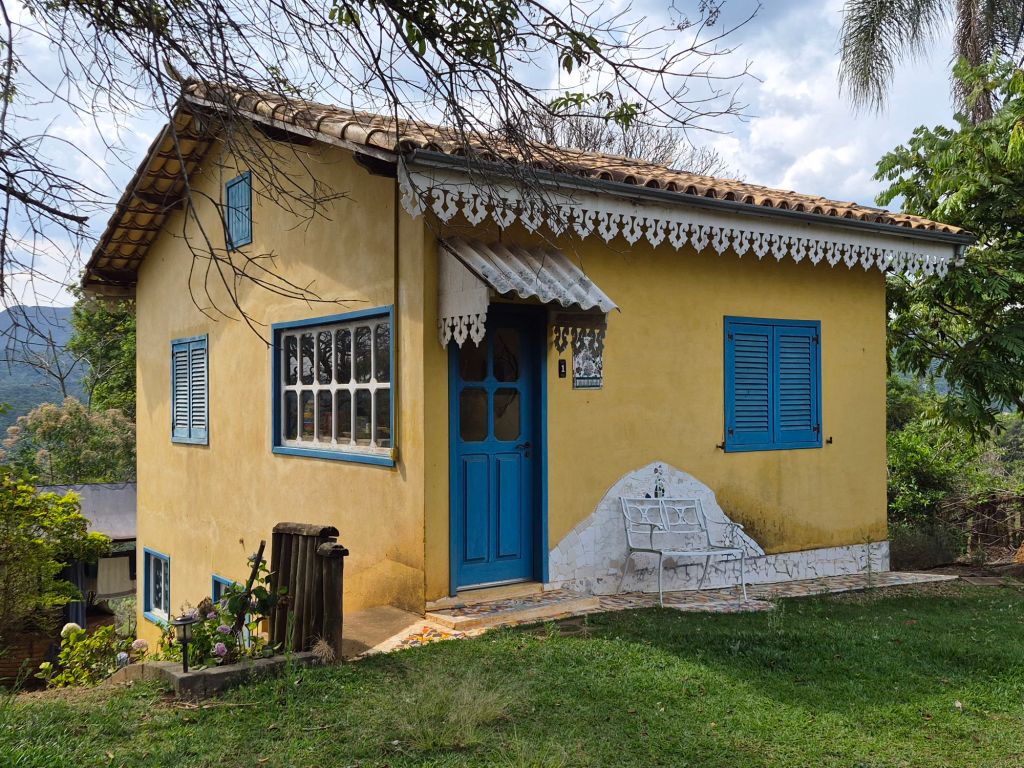
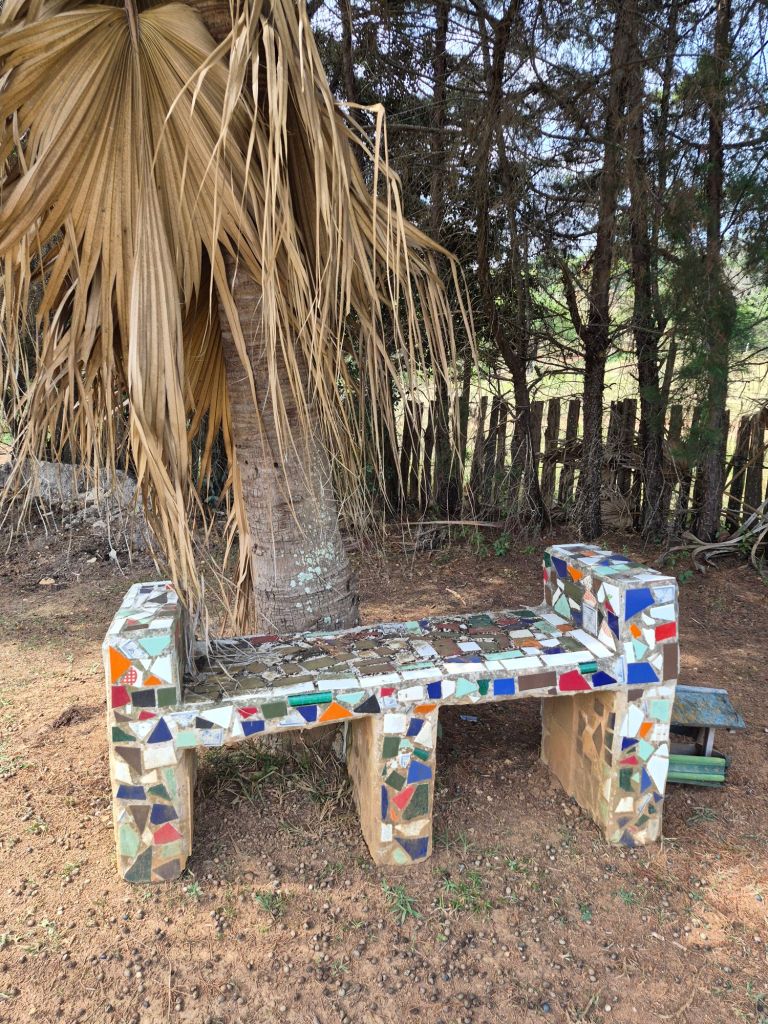
One day, we visited Iara’s friends on their plot of land on the other side of Caéte. Marrege is a restoration architect who has built quite a few cottages on their property for family members, each one uniquely furnished and decorated with artful creativity. Her husband, Chico, is a musician who gives live performances and teaches music. They have visited South Africa and were very happy to meet me, promising to contact me if by any chance they returned.
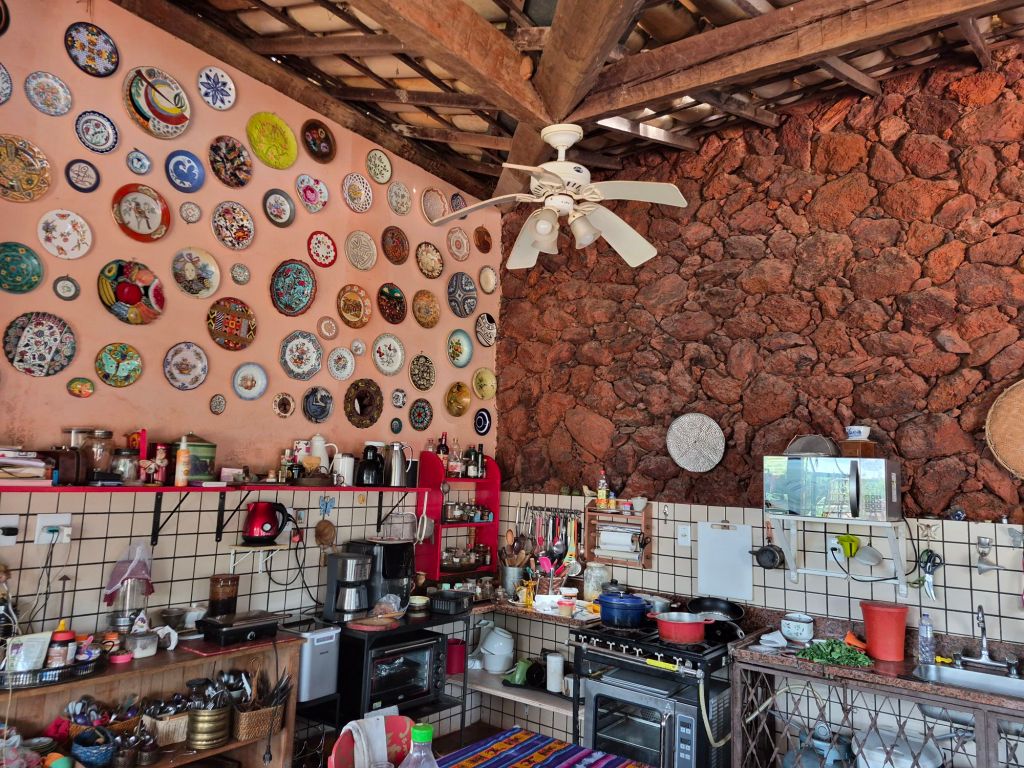
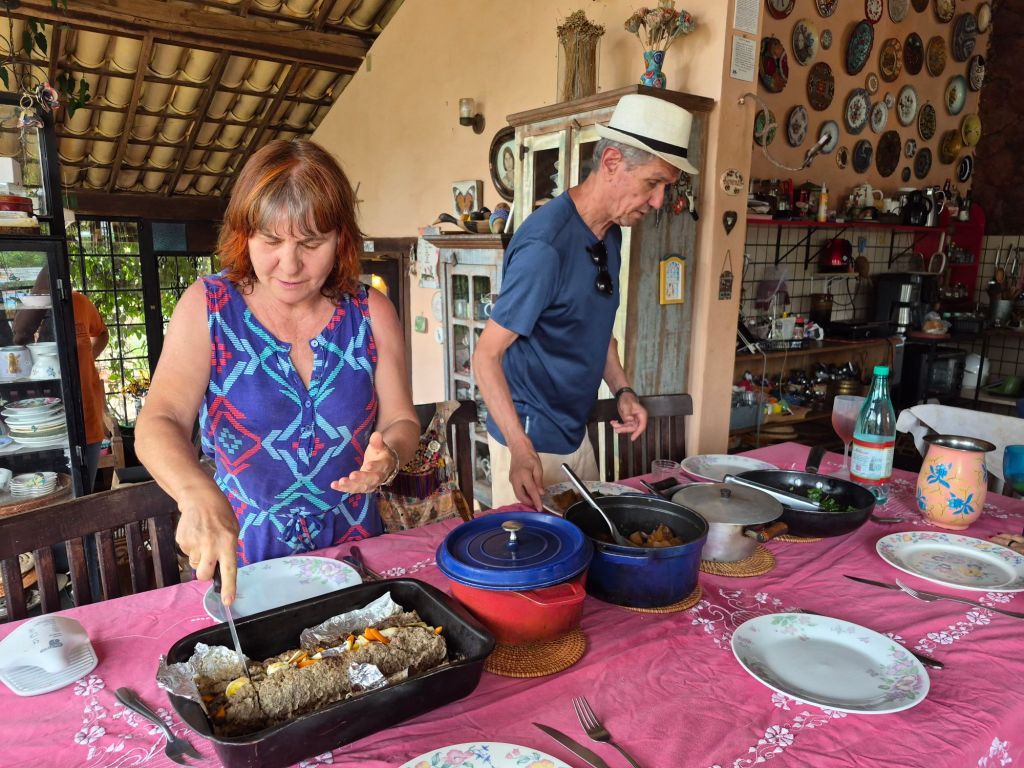
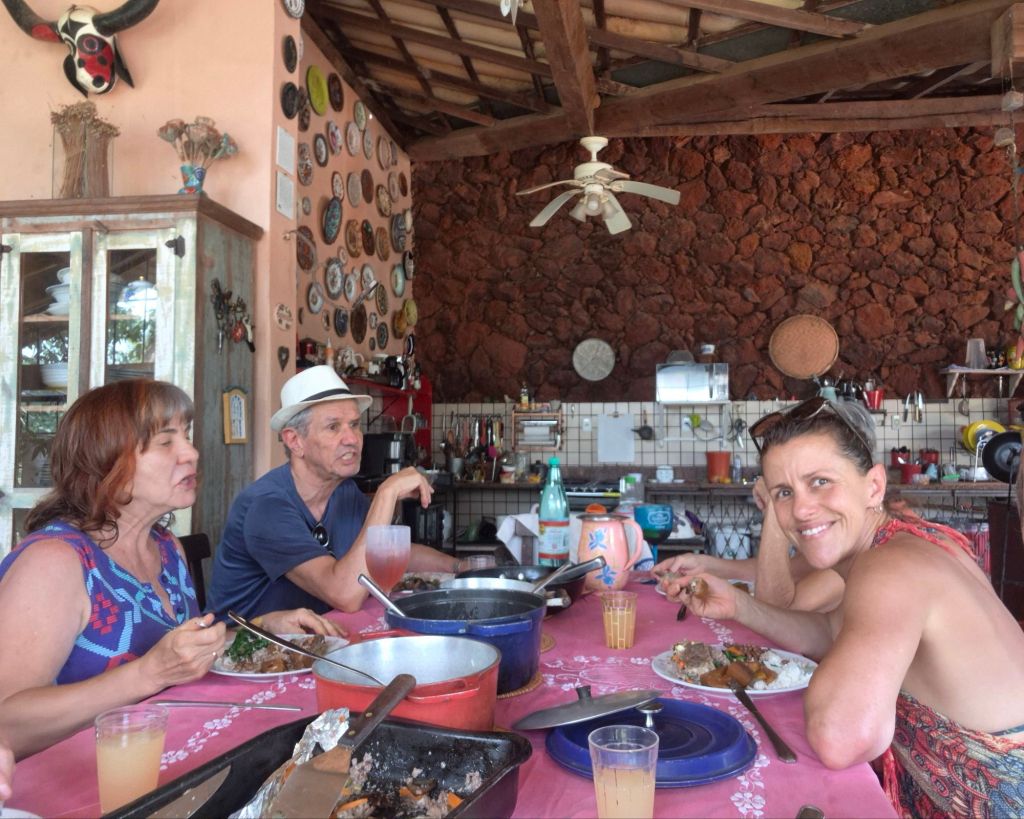
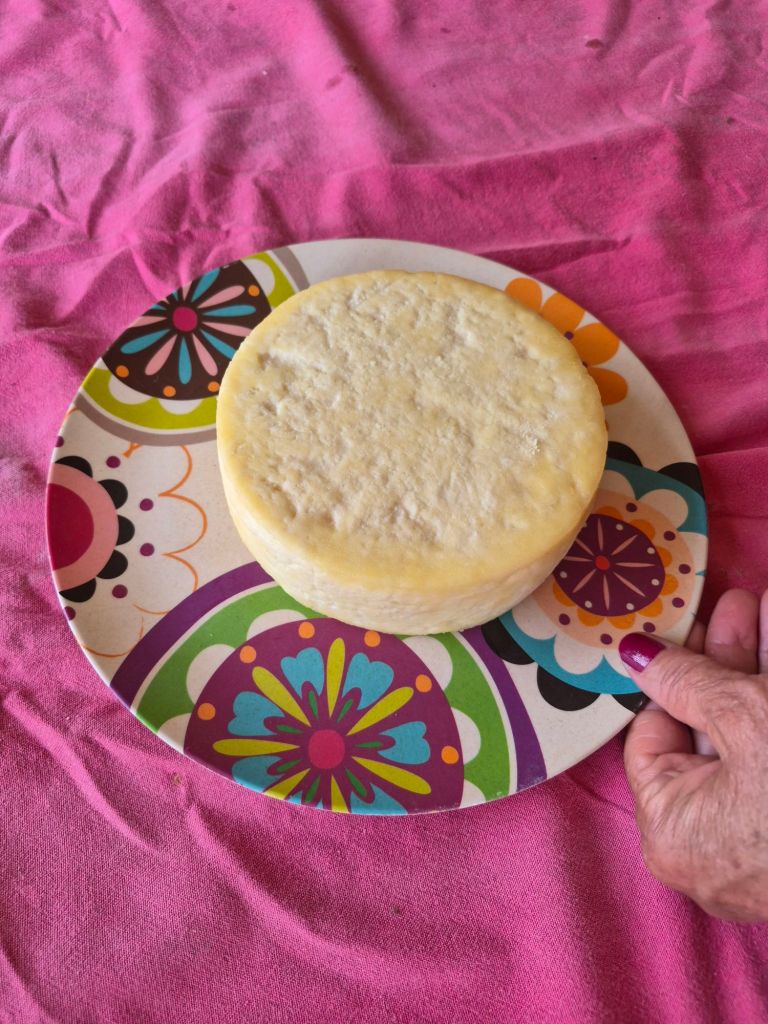
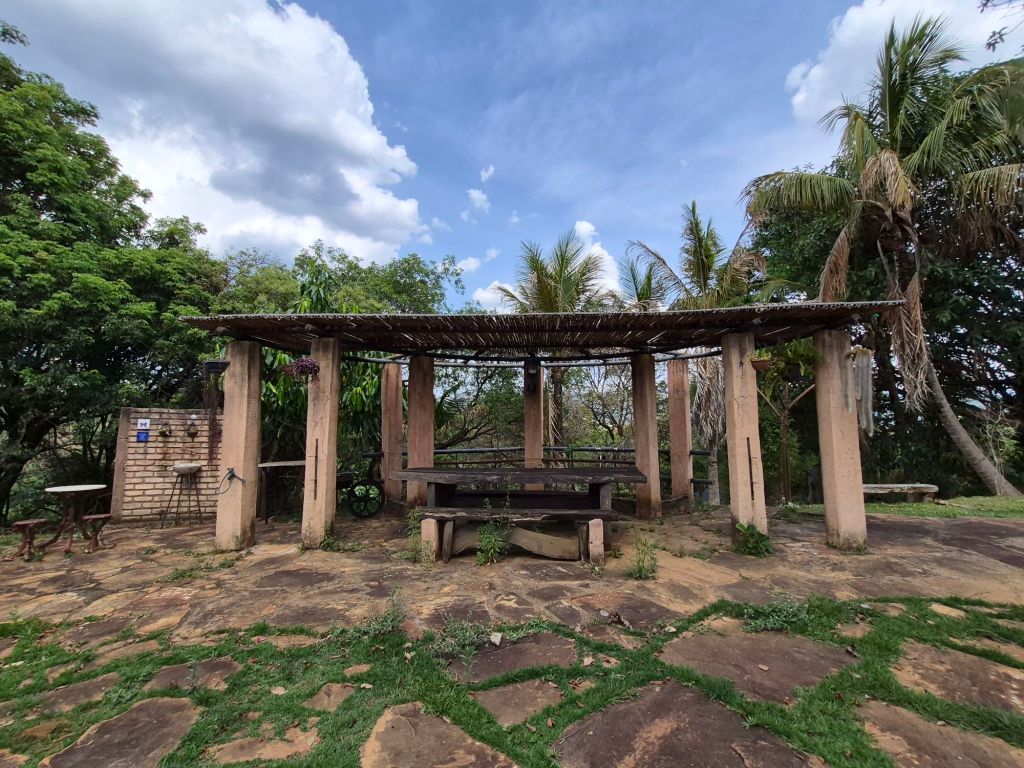
It rained on the last day and that evening we cooked together in the communal kitchen, a cosy fire burning in the grate. Another volunteer from Italy, Lele, had joined us the previous day, and he made us some pasta – only three ingredients: onions, bottled Italian tomatoes and the pasta, the secret being to cook the sauce over slow heat for a long time, delicious. We listened to music, talked and shared stories until late, and by then the rain had stopped and Lele and I could walk home, accompanied by the fireflies and Mola.
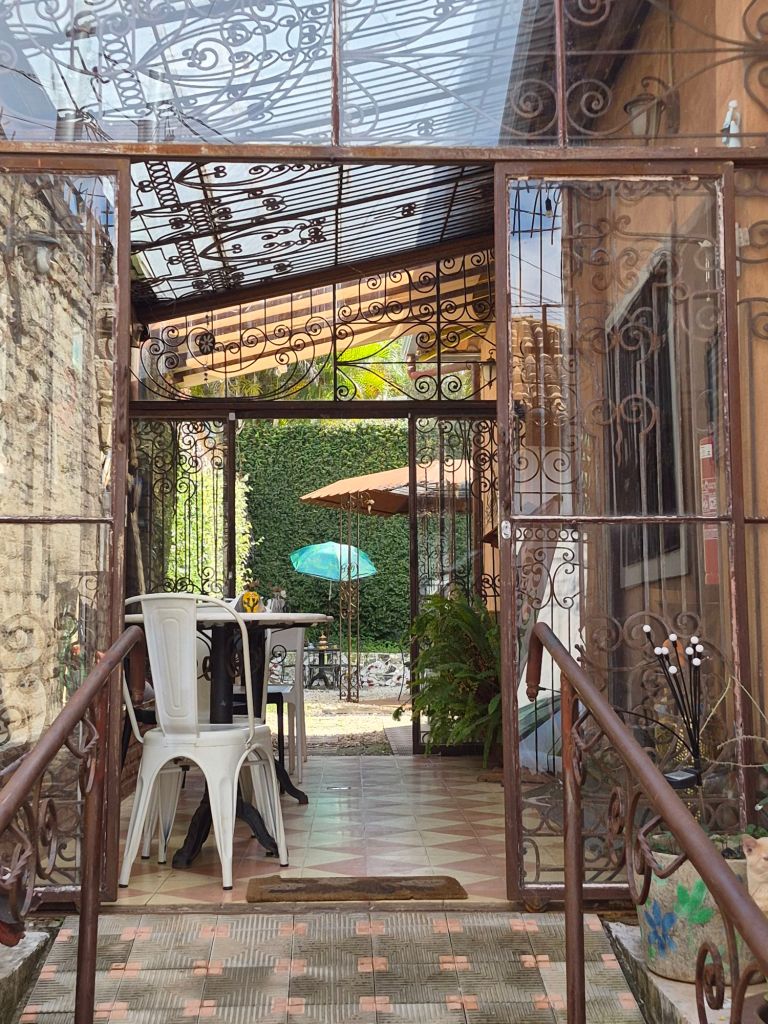
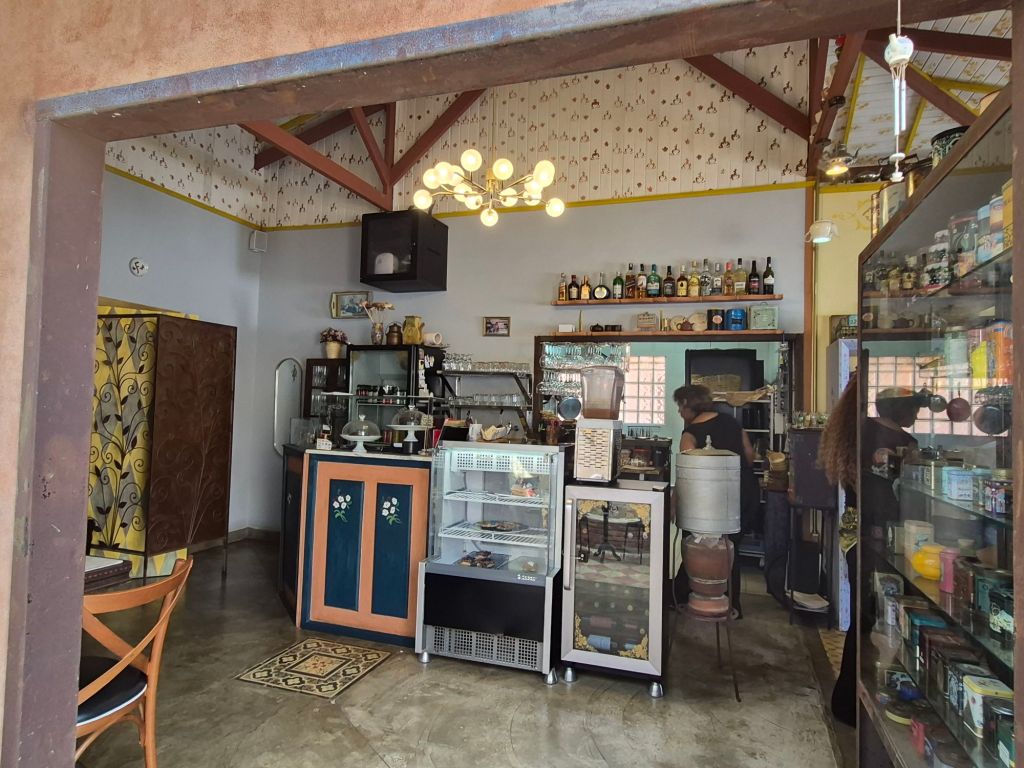
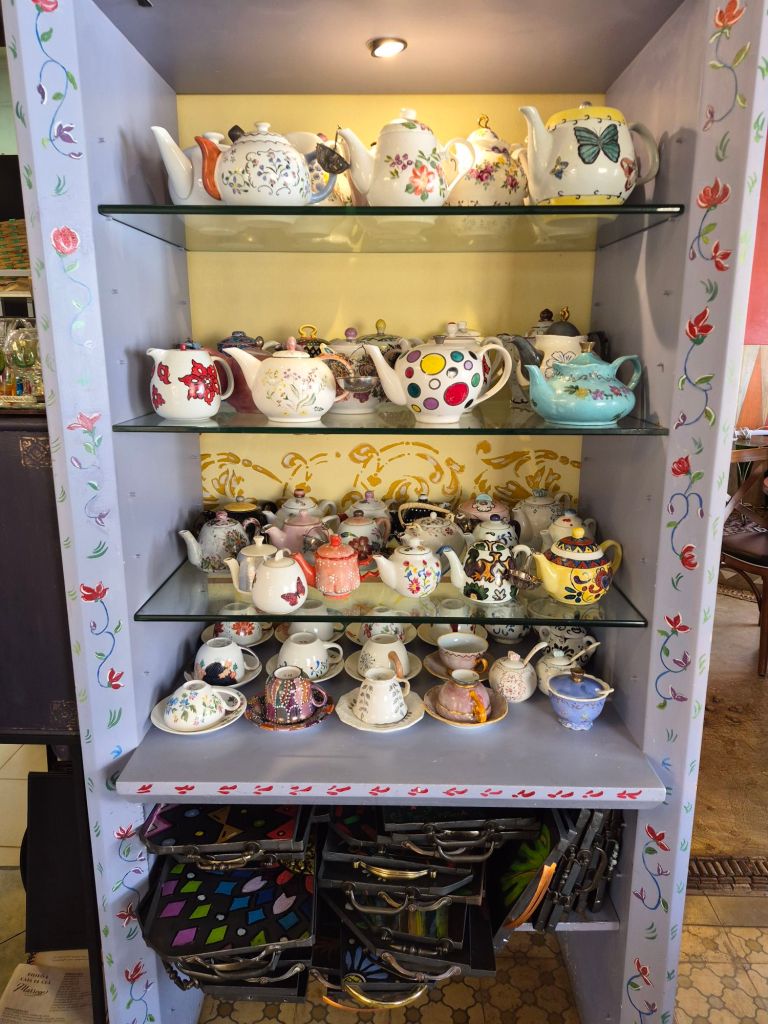
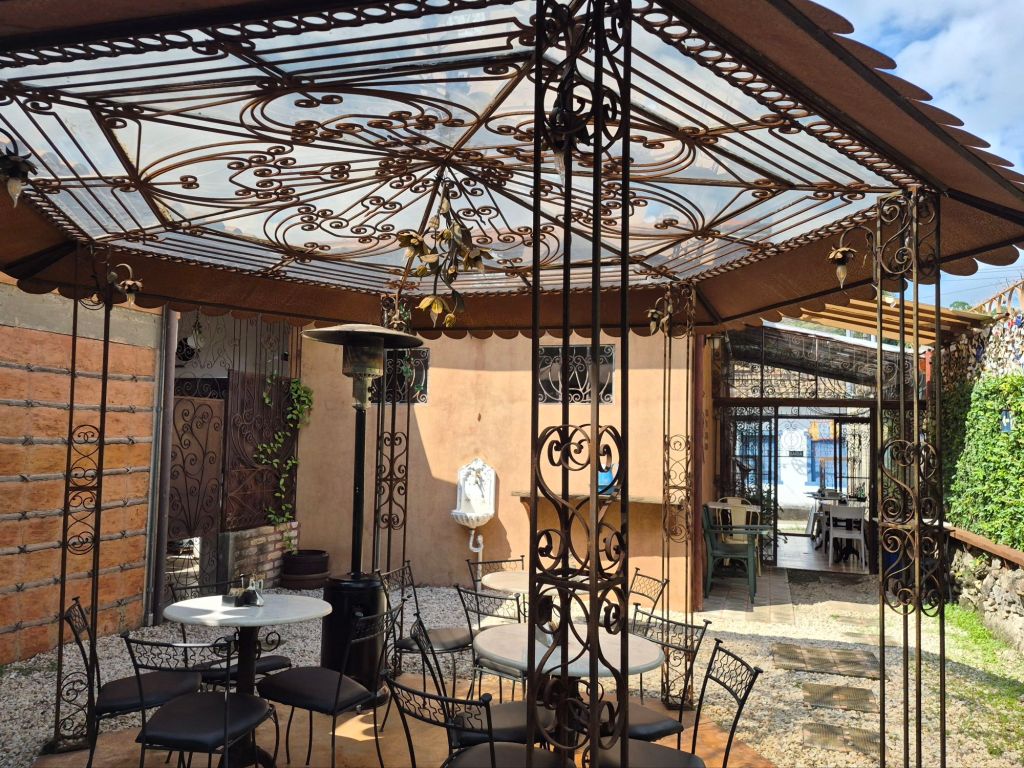
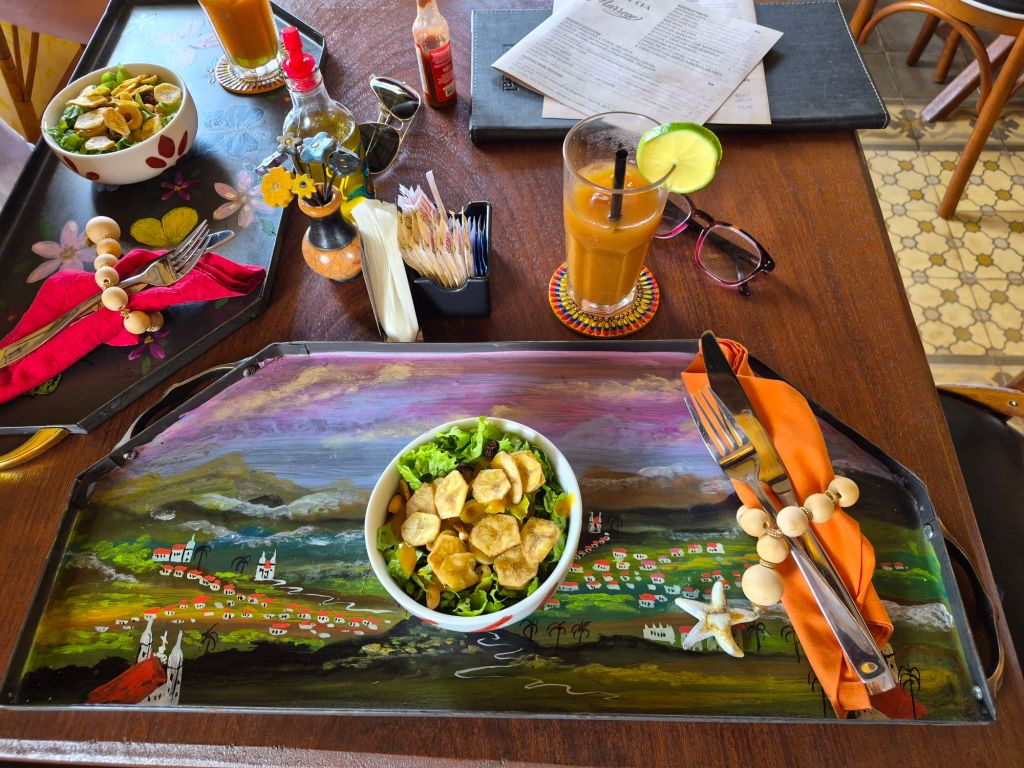
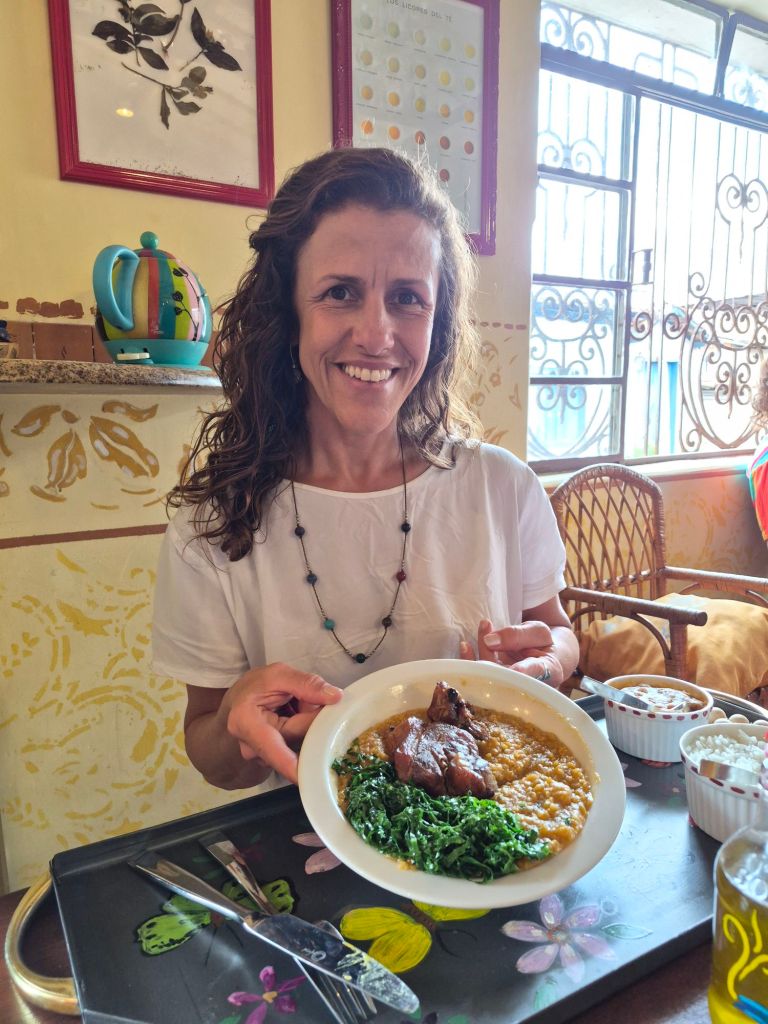
Iara had some business in Belo Horizonte, and she kindly offered to take me back. On the way we had lunch at Marrege’s restaurant, which is another remarkable creation of hers. The dish of the day was canjiquinha com costelinha (cracked corn stew with pork ribs), a typical Brasilian dish, which had a strong taste of herbs, excellent. There were other friends there too, and much too soon we had to leave, saying fond farewells.