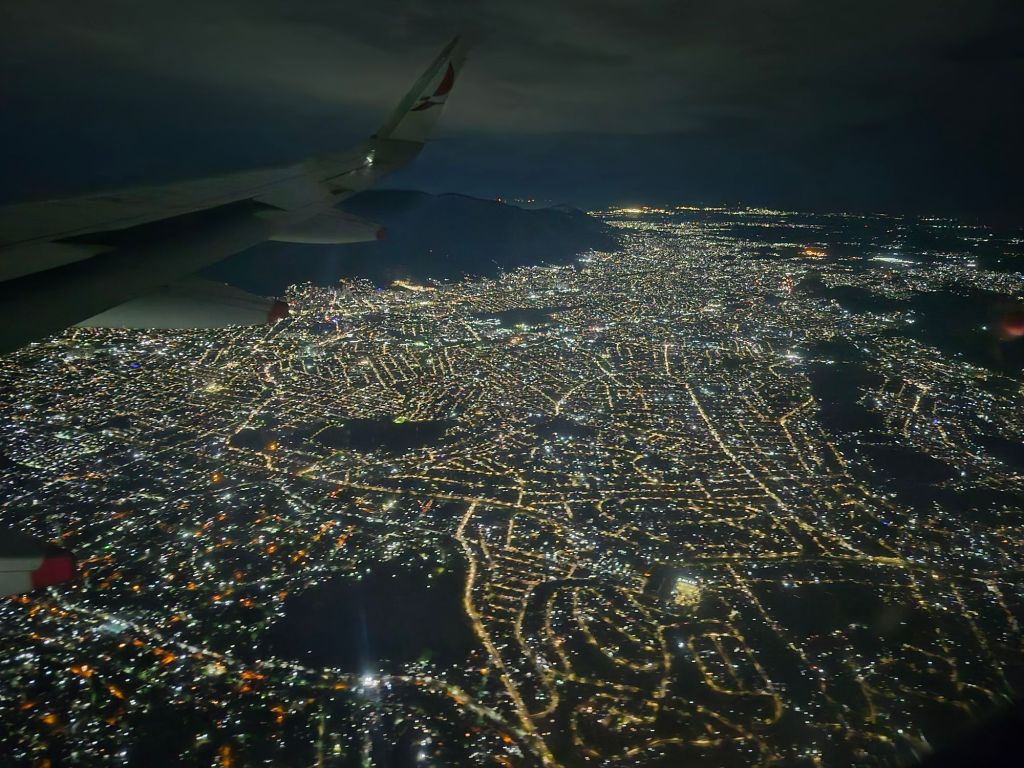
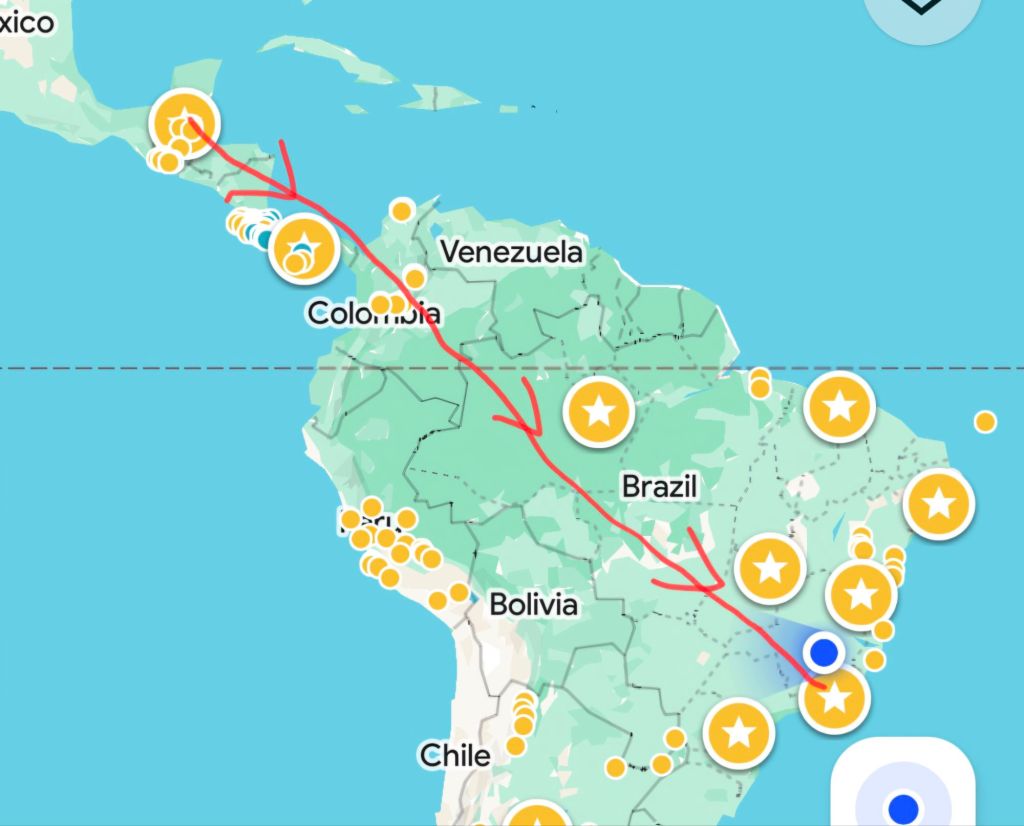
My plan was to fly to Belém (Brazil) from Flores and work my way down to Sao Paulo, from where I fly back to SA on the 28th Nov. The flight would have been 32 hours, compared to 13 hours to Rio de Janeiro, so I changed everything and flew to Rio, without preparing myself for a city at all. Landing there at 00h30 after a stopover in Guatemala City and Bogota, was a bit of a shock – suddenly I could not make myself understood (they speak Portuguese), I couldn’t draw money and I was ripped off by the guy who sold me a sim card, without which I would not have been able to contact an Uber. I had booked a hotel close to the airport for the first night, and the Uber dropped me off in a dark street in front of a high gate that did not look like a hostel, but a tiny sign indicated where one should ring the bell, and yes, the gate opened and a friendly man welcomed me. Everybody in the dormitory was asleep, so I took Suerte into the passage to find my pyjamas and toiletries, and went to bed. When I checked out the next morning, there was a different man on duty who could speak English and said he had grown up in Angola and had been living in Brazil for more than 40 years – suddenly everything seemed a bit less daunting.
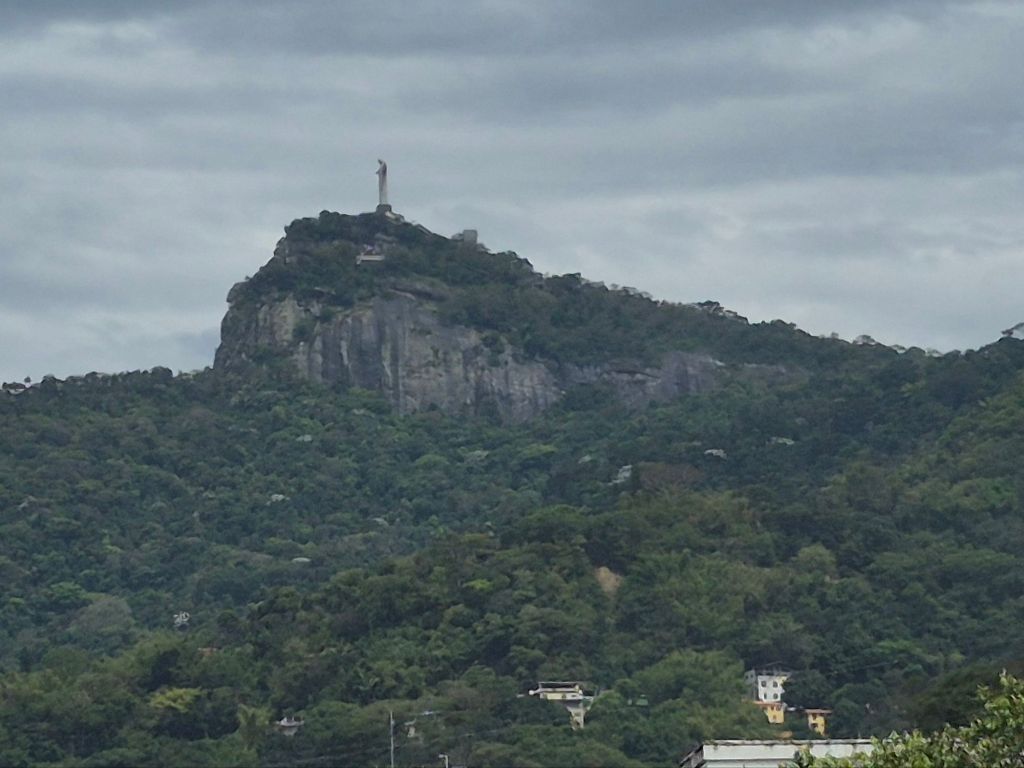
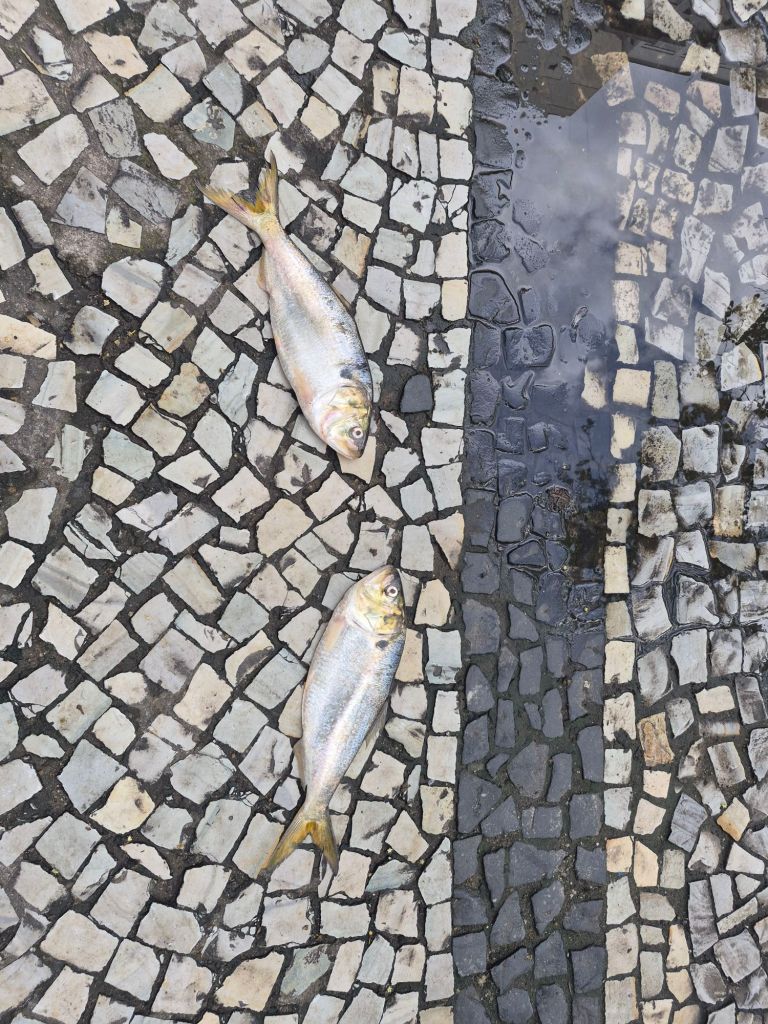
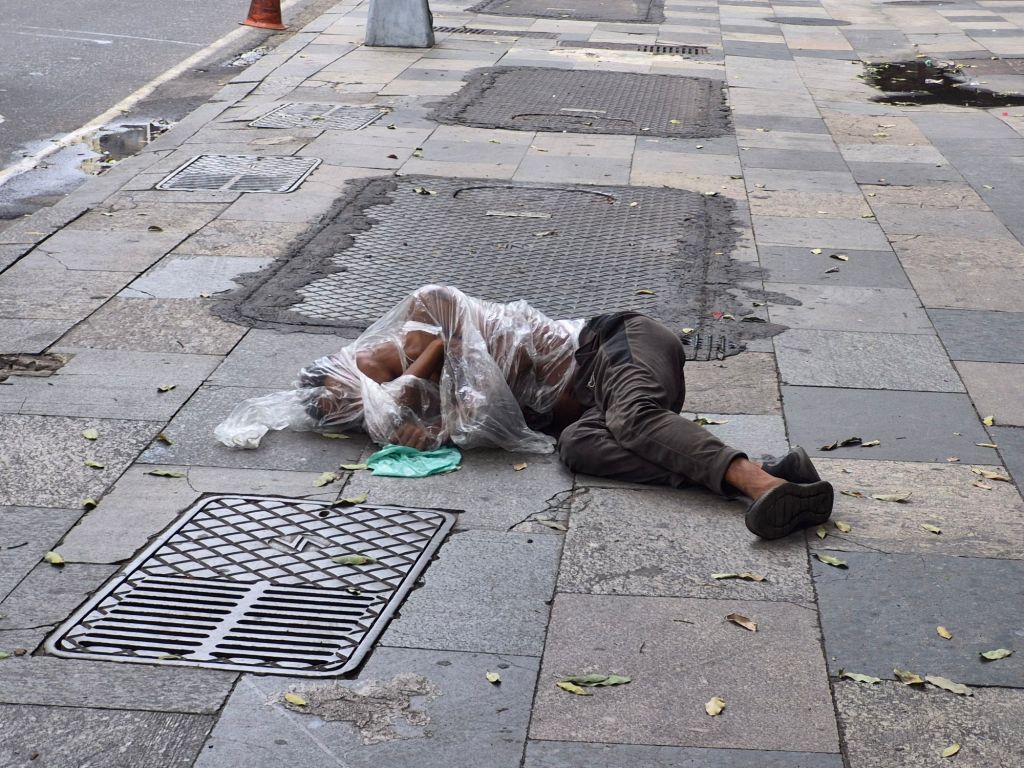
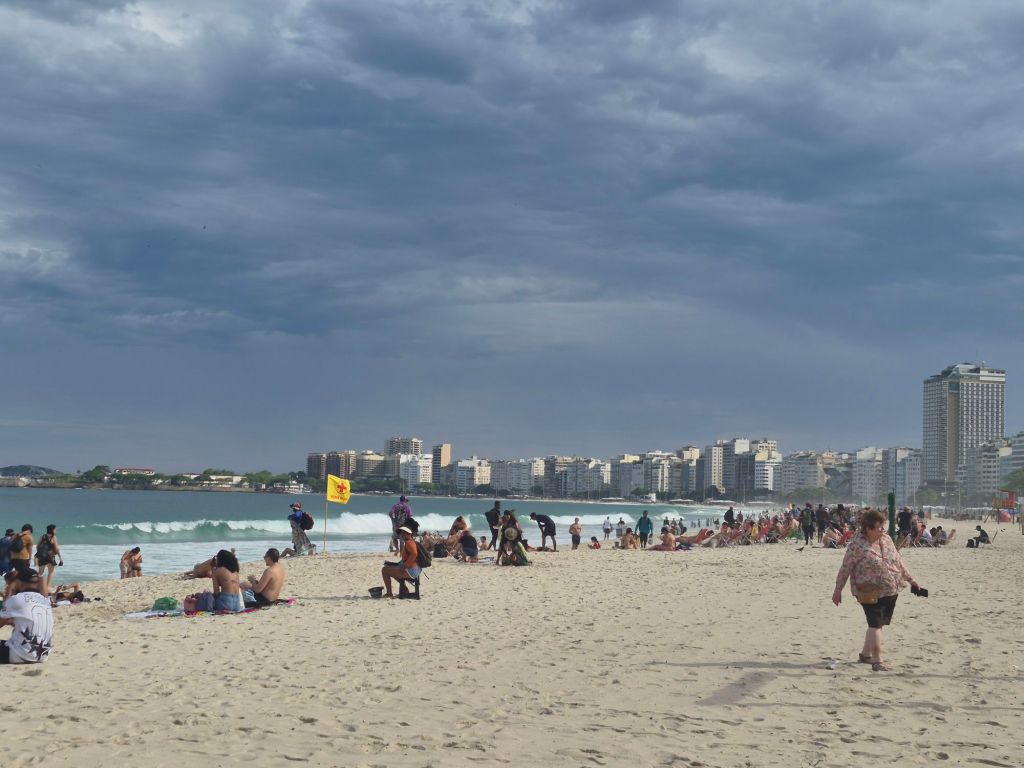
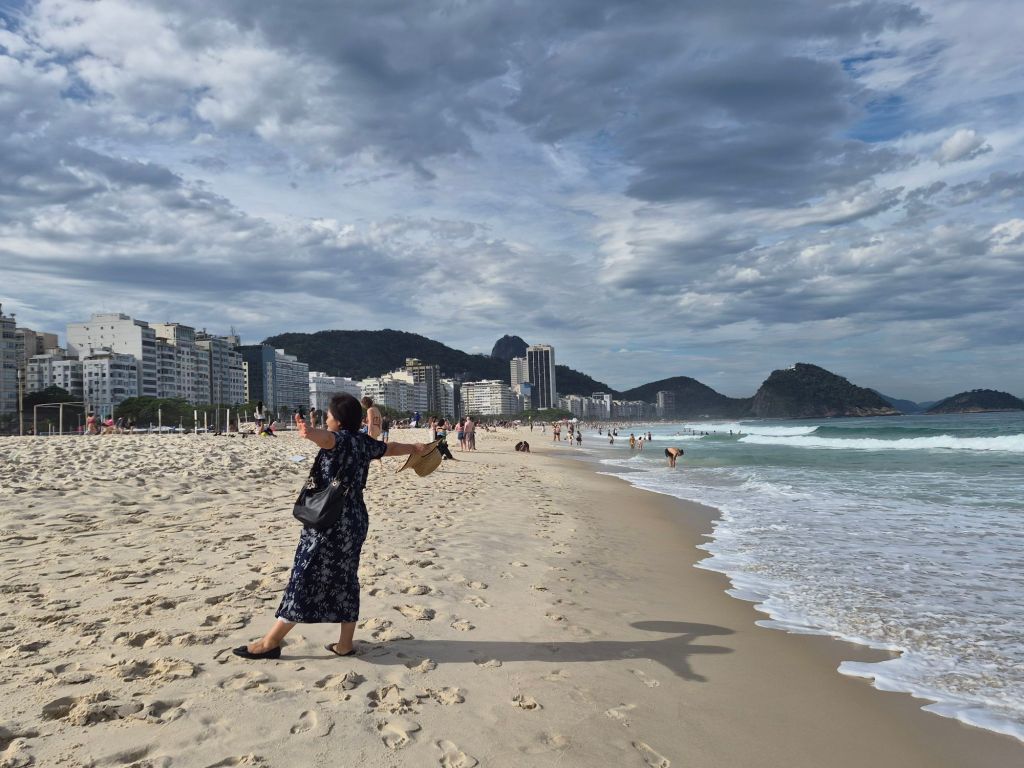
The next hostel was in Copacabana, a few blocks from the beach, and very close to the metro. One of the owners, Agnes, spoke English and could provide valuable information regarding safe areas, how to use the metro and places of interest in the city. I unpacked some clothes in the locker (wonderful if dormitories have lockers) and went in search of food and the beach. Maybe my despondency attracted negative things, but the first thing I came across on the pavement, were two dead fish. It had been raining a lot, out of character for Rio I was told, but dead fish??? Soon after that I saw a homeless man wrapped in plastic – not a warm welcome to Rio. I bought a sandwich and coffee and sat on a windy beach where very few people were swimming, but pictures were being taken of women with outstretched arms, excited about being on Copacabana Beach. I decided then and there I just couldn’t stay in Rio, I was not ready for a city of jubilance, partying and craziness.
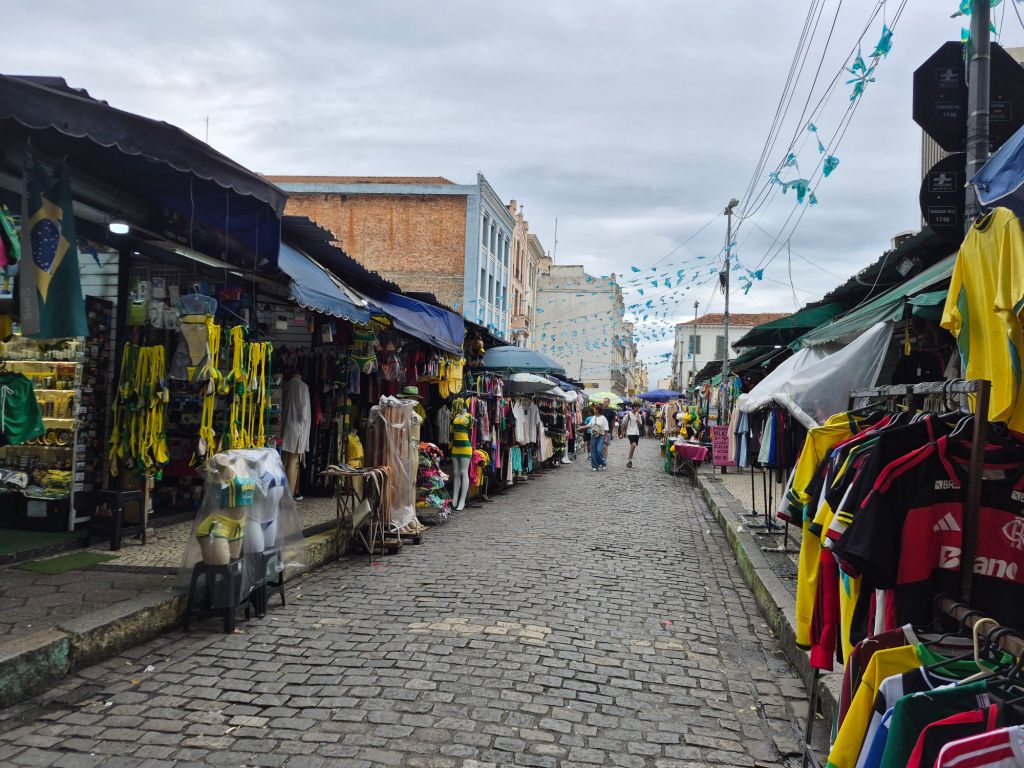
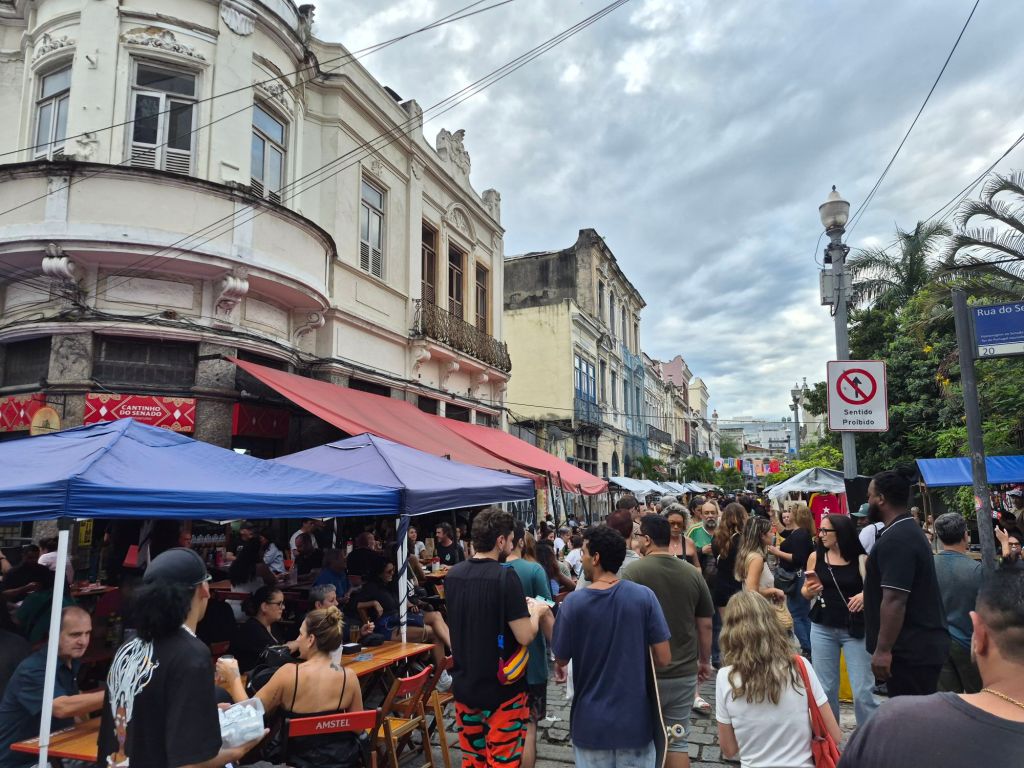
I had booked three nights at the hostel, so I spent the next day exploring the city centre. It was easy to use the metro, as there are only two lines, both going in more or less the same direction. I emerged in a bustling street with markets, but as I walked, I realised it was Saturday and most shops were closed and streets deserted. I wandered around, taking photo’s and slowly making my way to the Museo do Amanhã (Museum of the Future), an interactive science museum housed in a spectacular building designed by a famous Spanish architect, Santiago Calatrava.
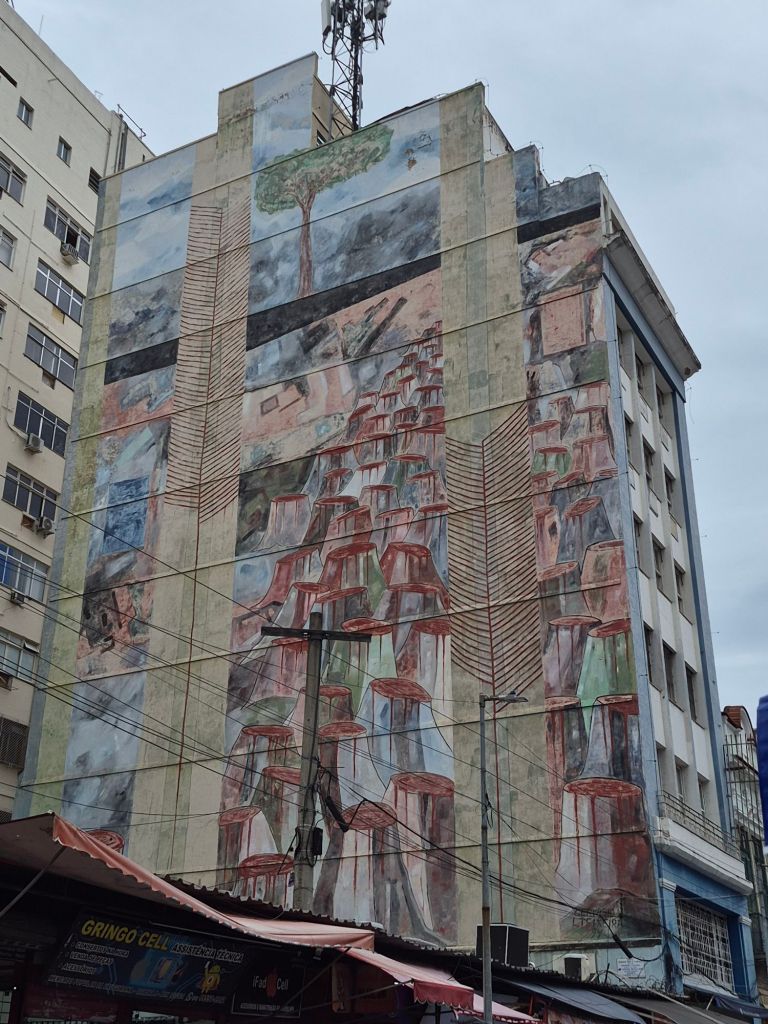
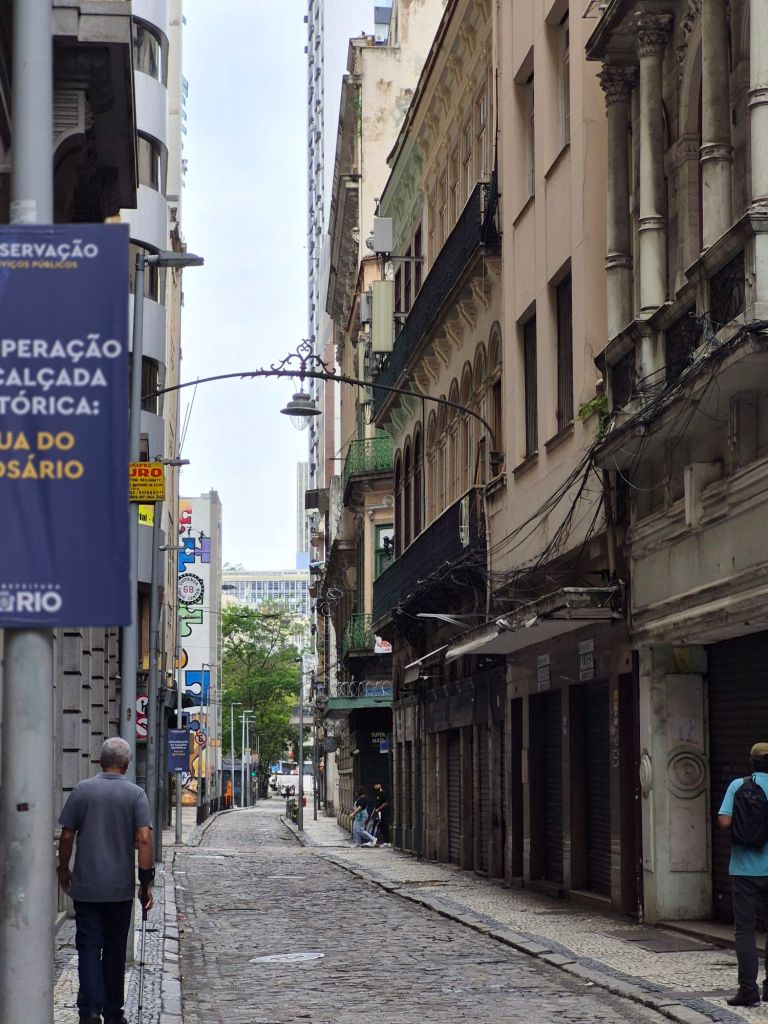
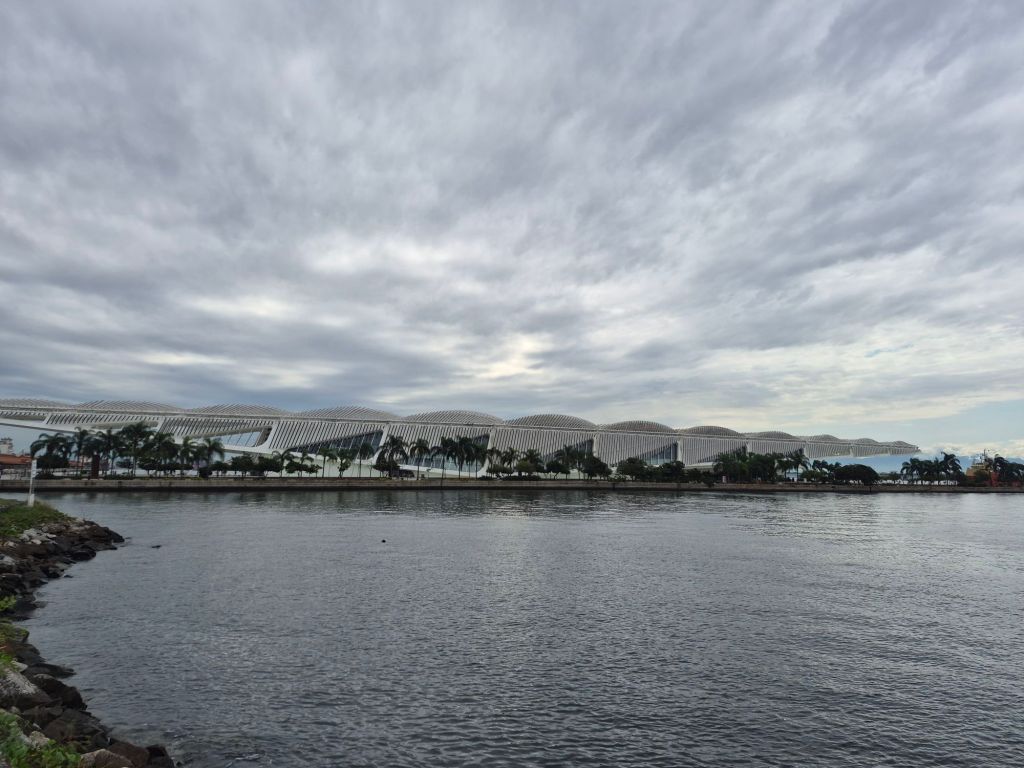
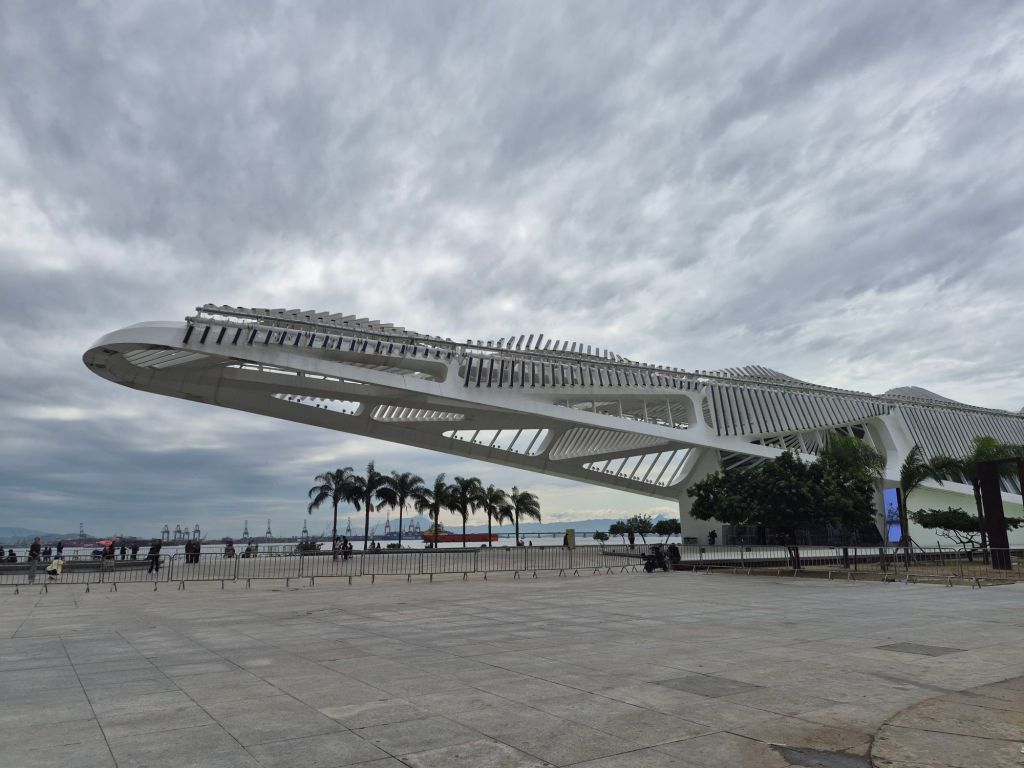
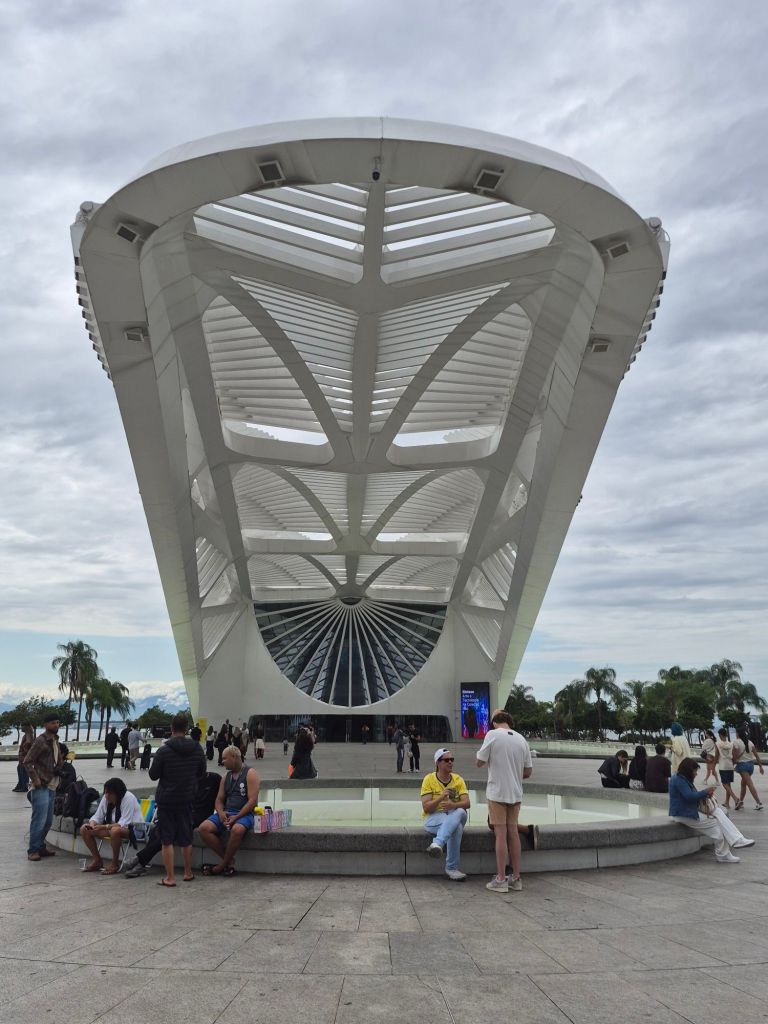
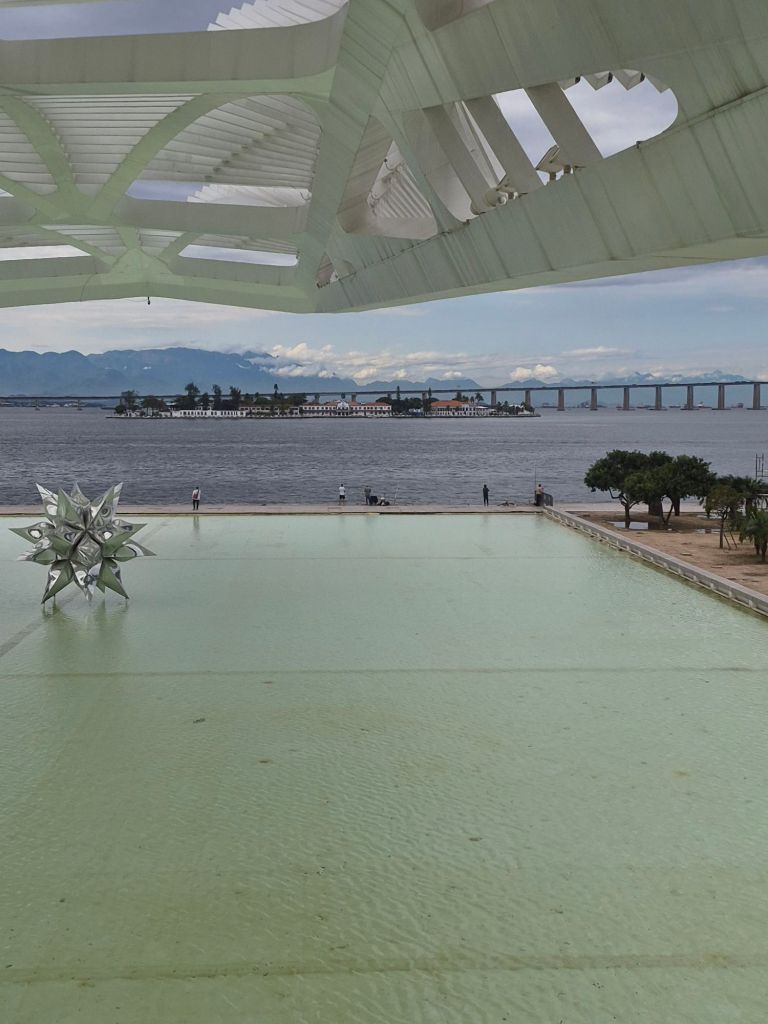
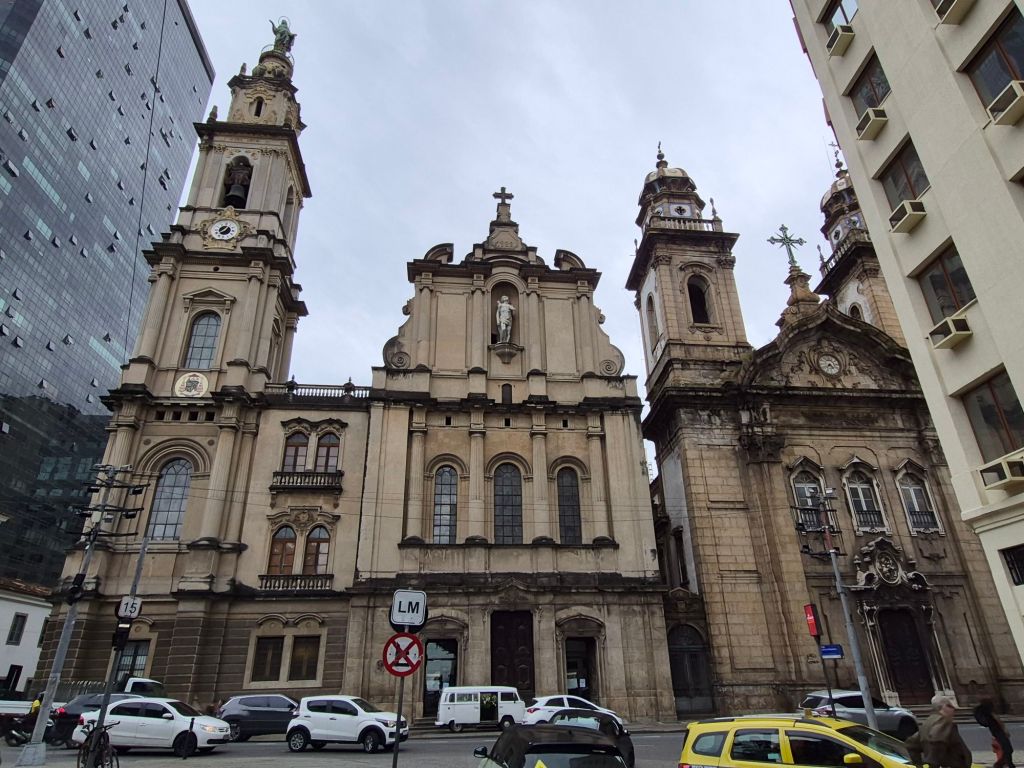
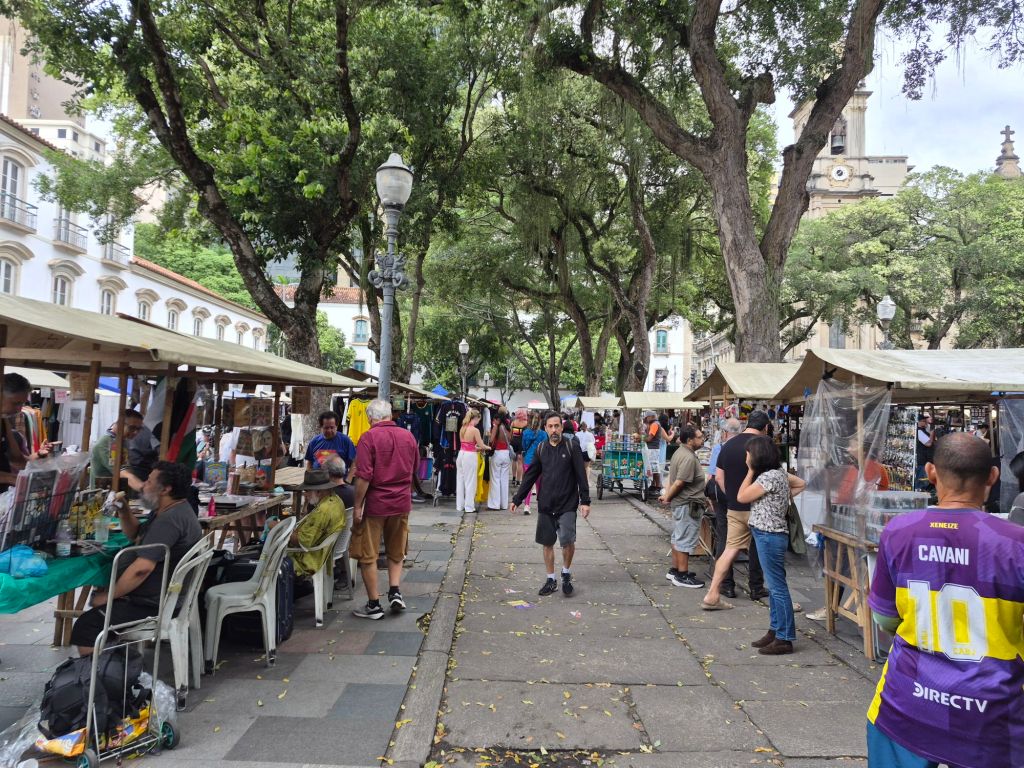
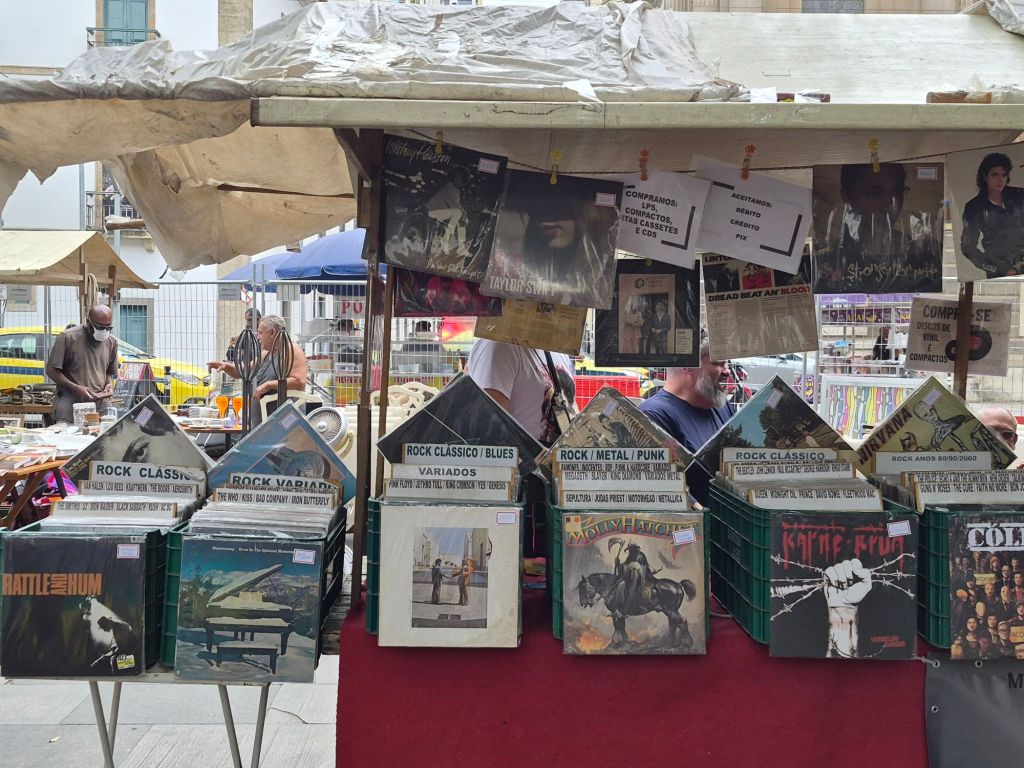
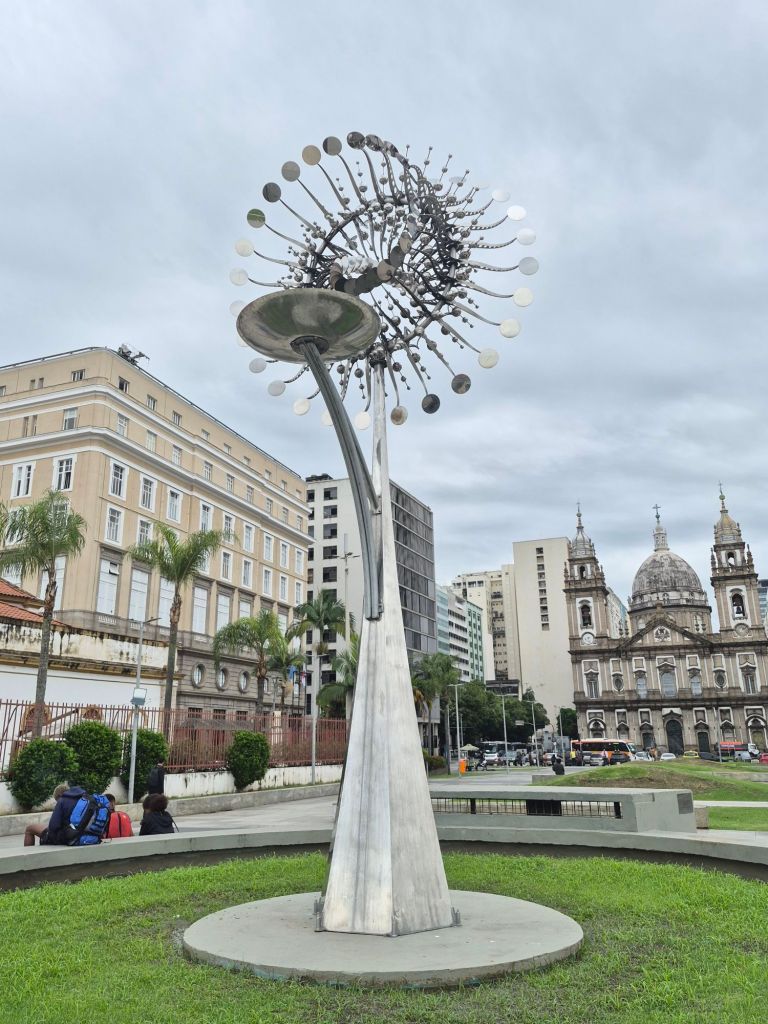
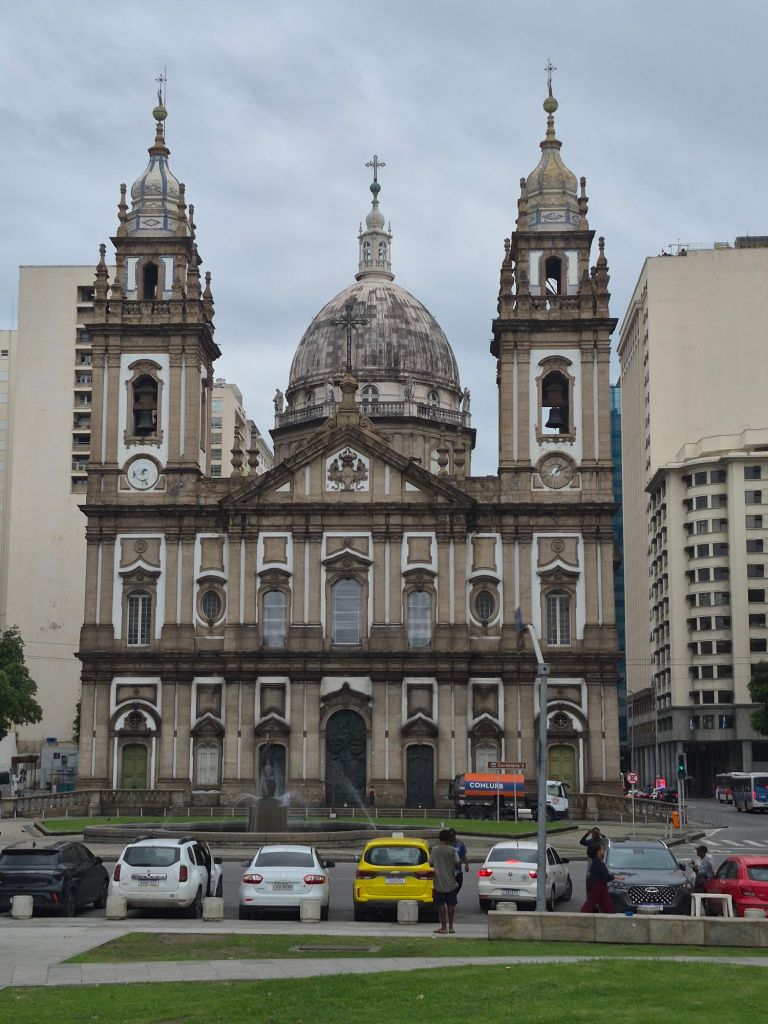
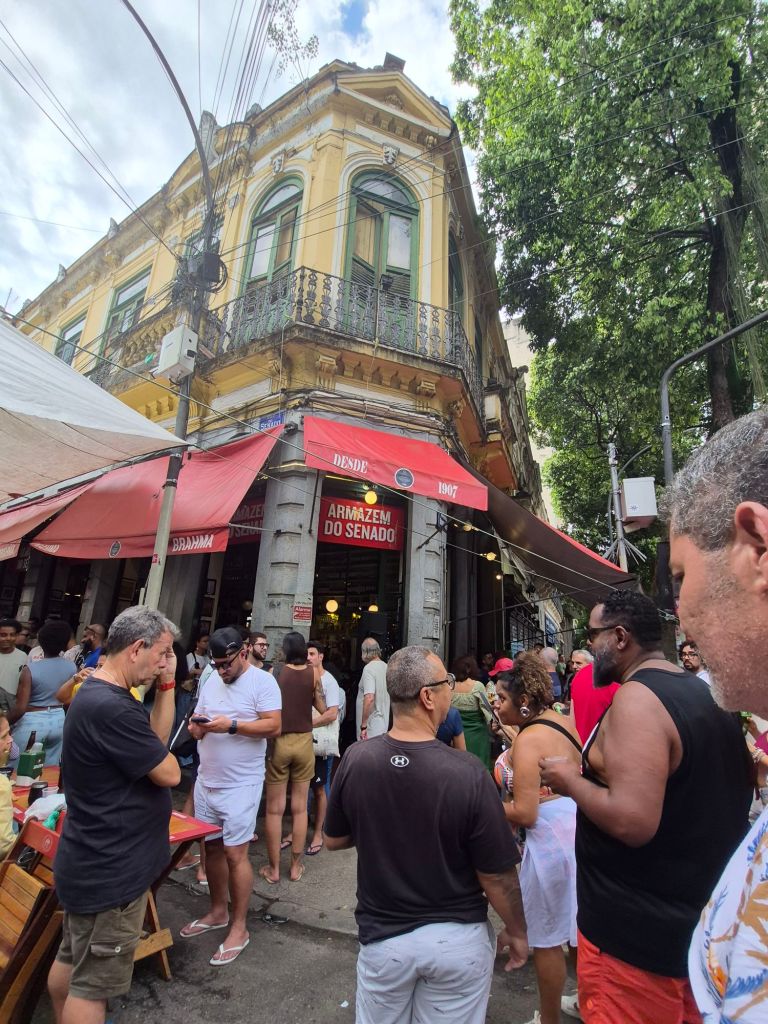
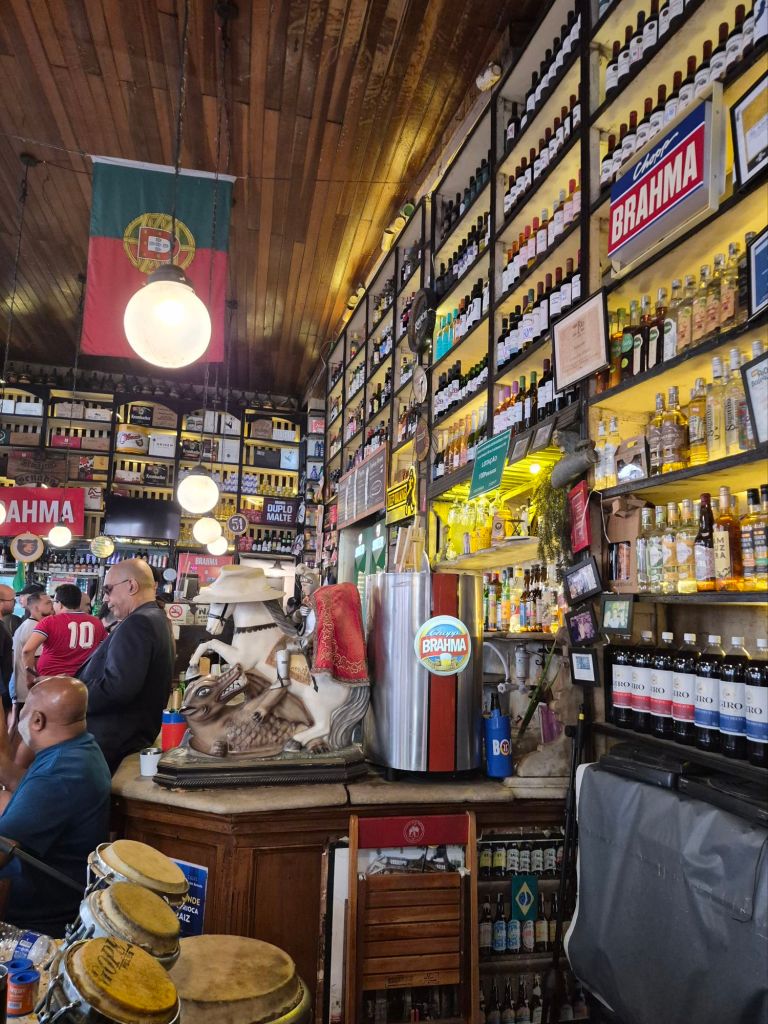
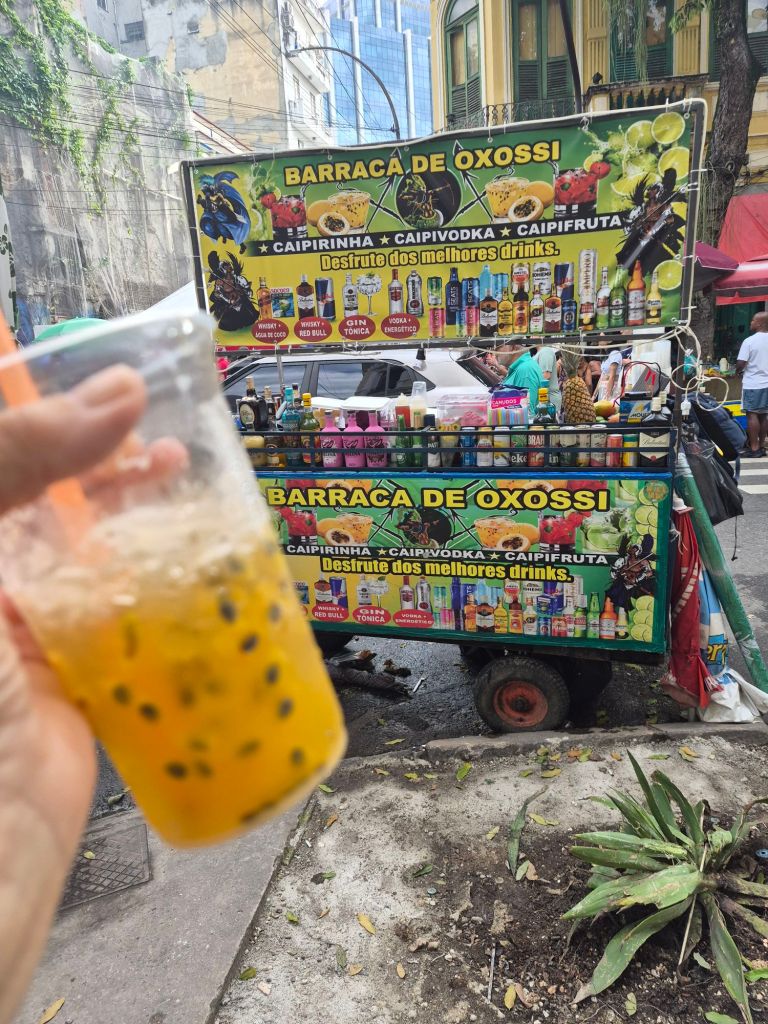
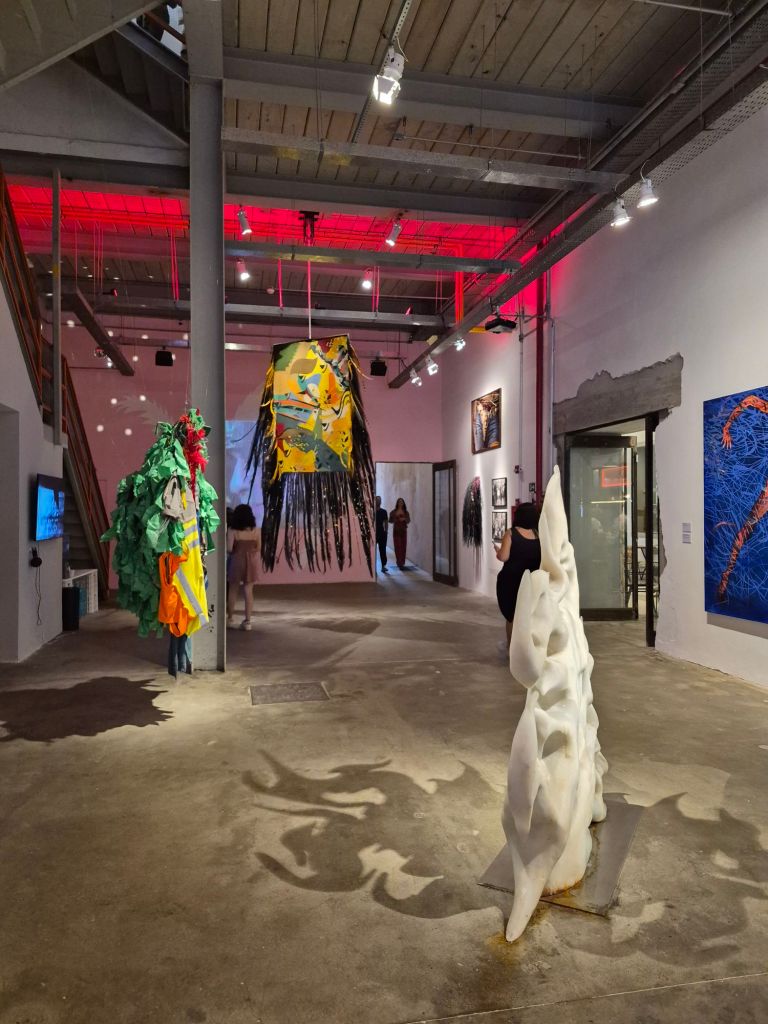
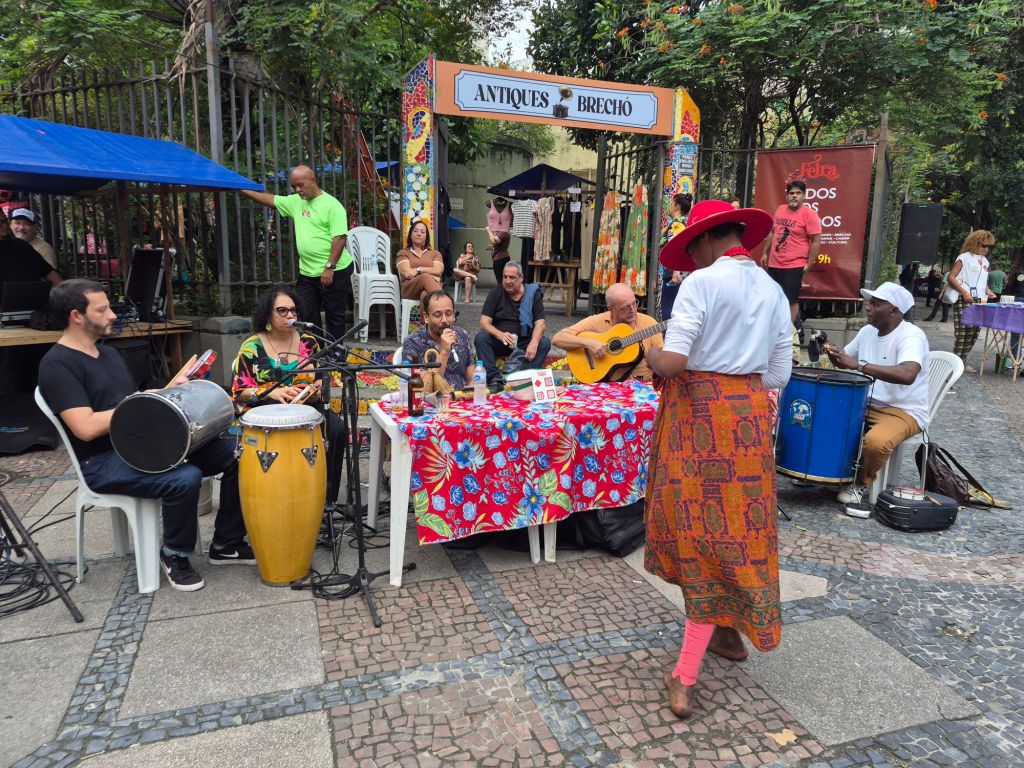
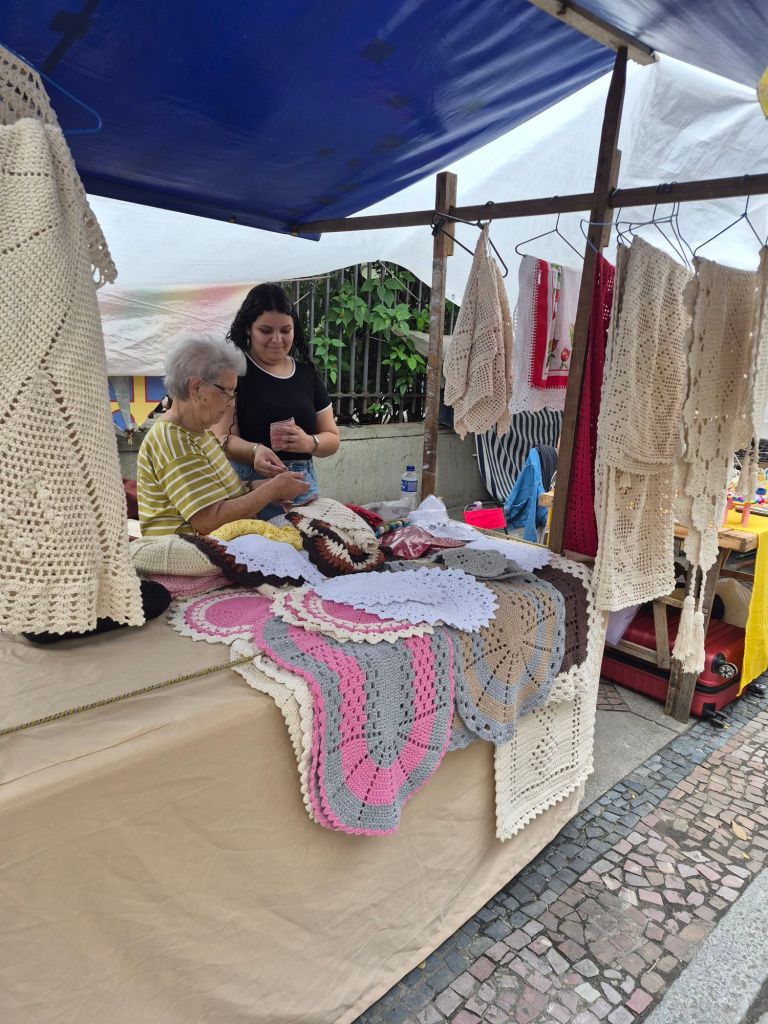
Although the streets were quiet, there were pockets of activity, one of them being Armazém Senado, a popular old bar where samba music is played on Saturdays and Sundays, drinks are served at stalls in the street, and people dance and enjoy the music. As I walked around in the area, drinking a caipirinha (national cocktail of Brazil, made with cachaça, limes, sugar and ice), I realised that Rio de Janeiro is a carnival, samba and party town. In that area there are many antique shops, restaurants and art galleries, and everywhere samba performances were held, with people dancing to the music.
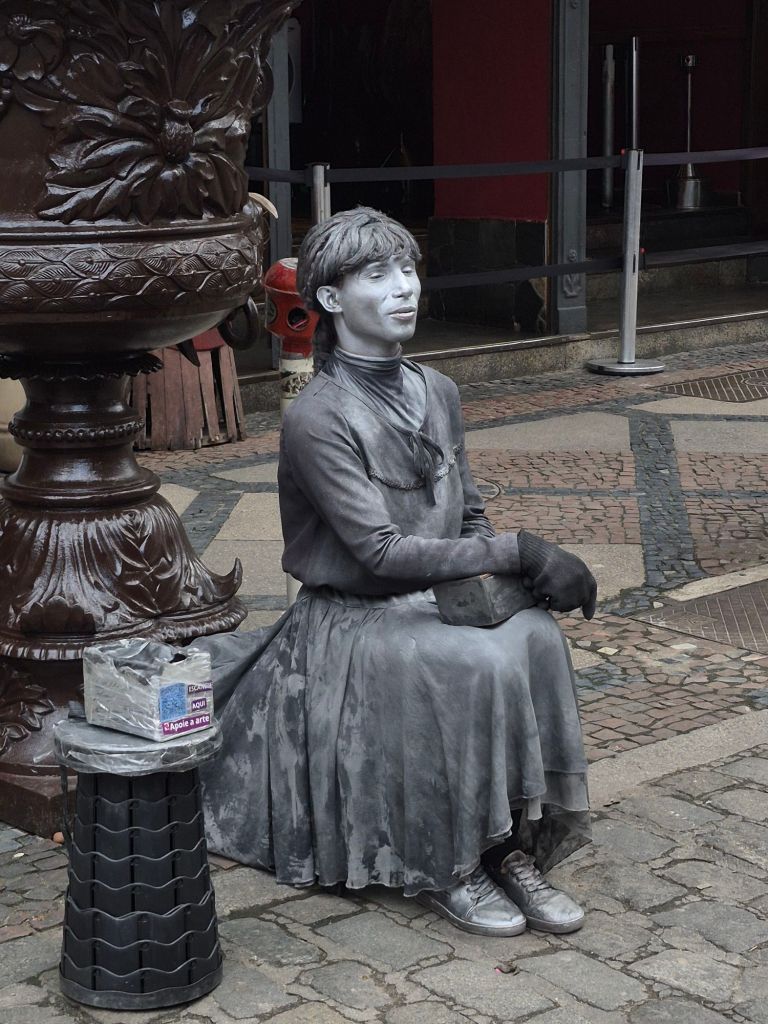
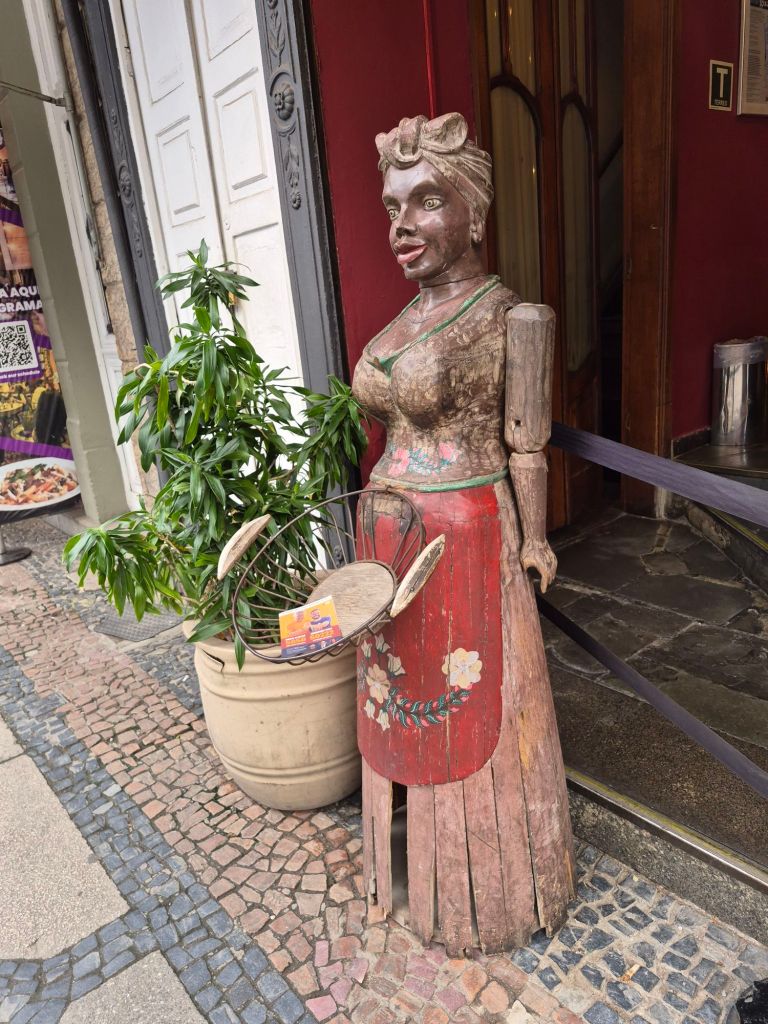
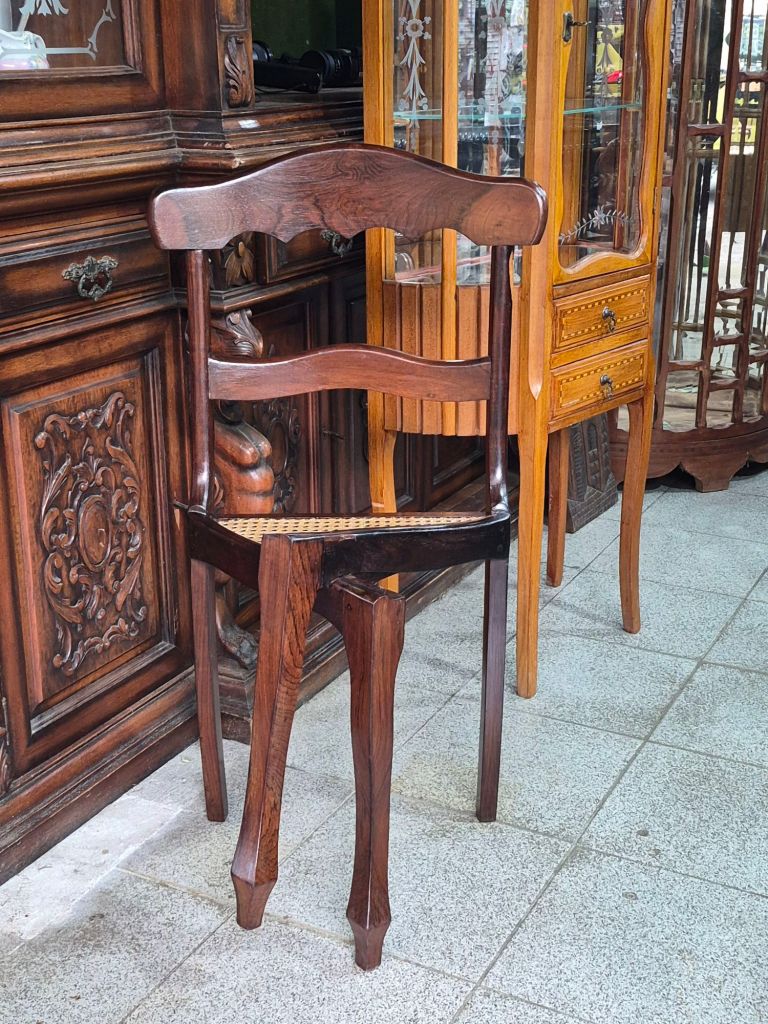
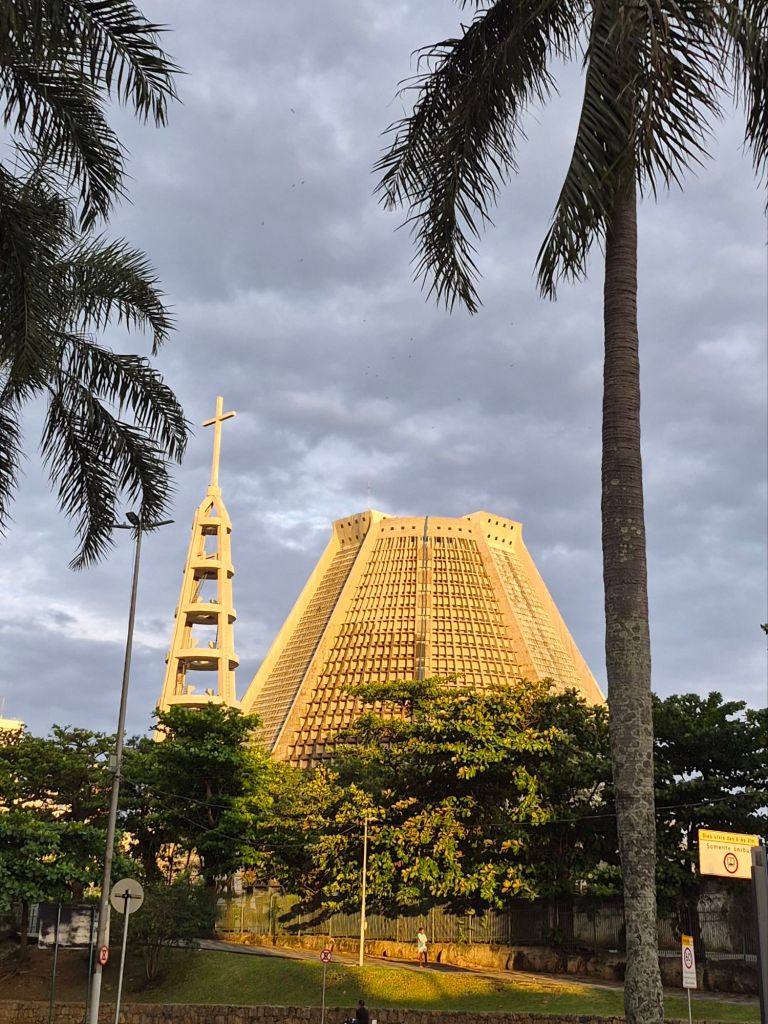
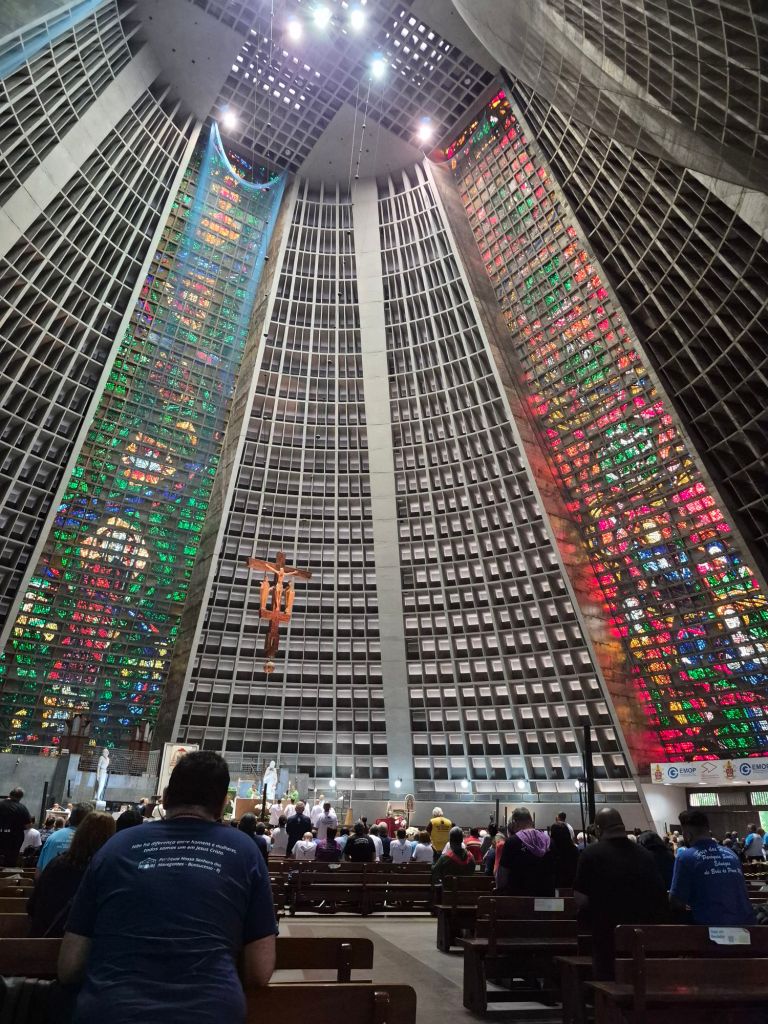
I carried on walking to the Metropolitan Cathedral, a pyramid type construction with stained glass windows that go all the way to the top. A service was being held when I arrived, and I joined for the closing song – I could at least sing the “amen” part.
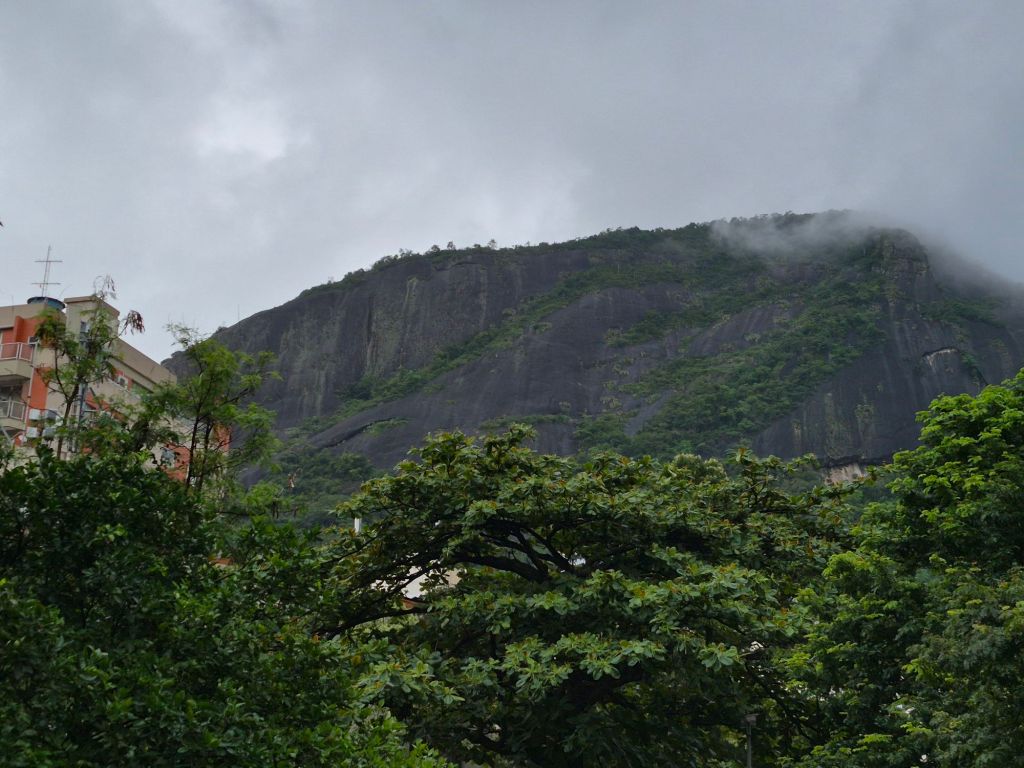
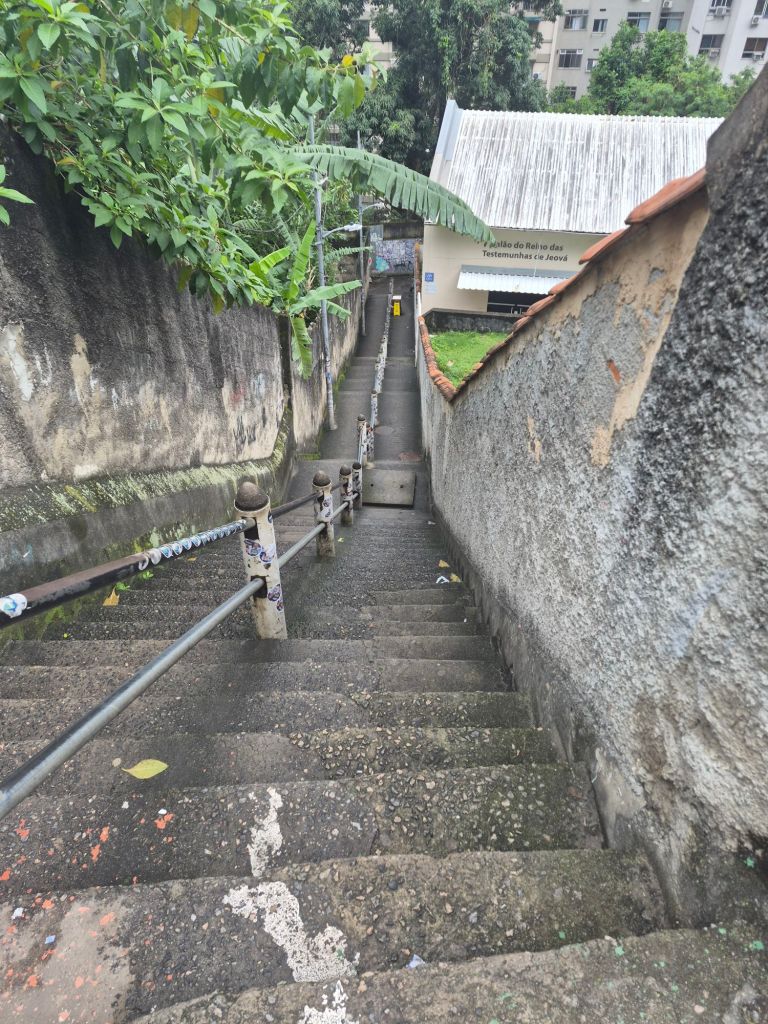
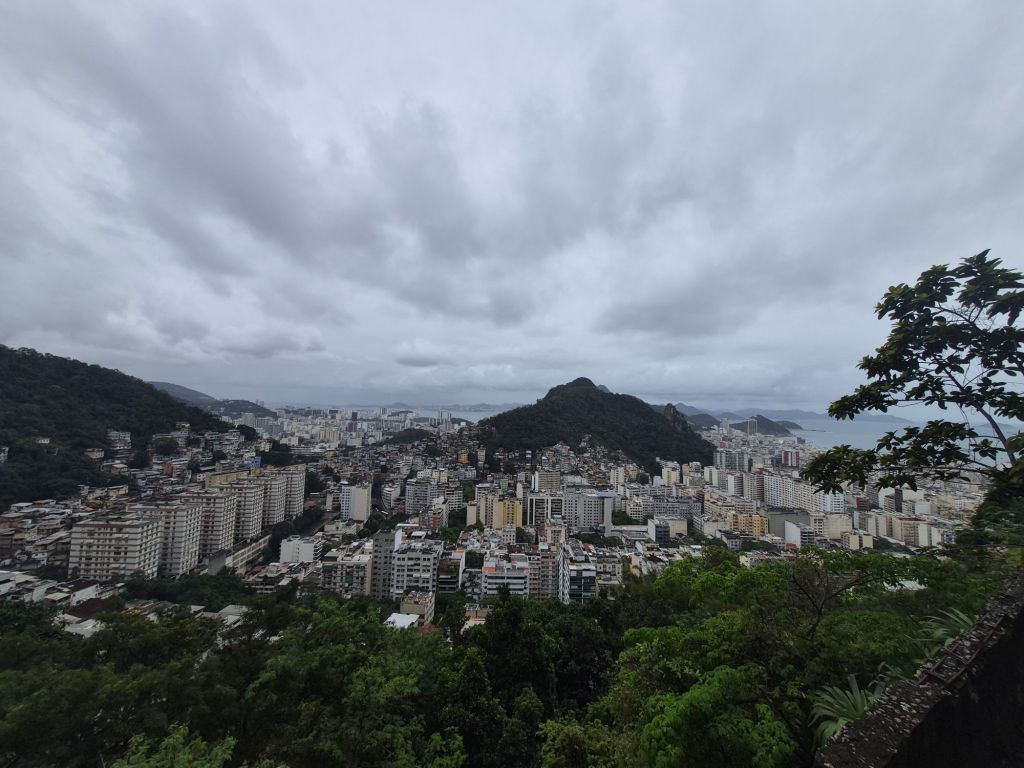
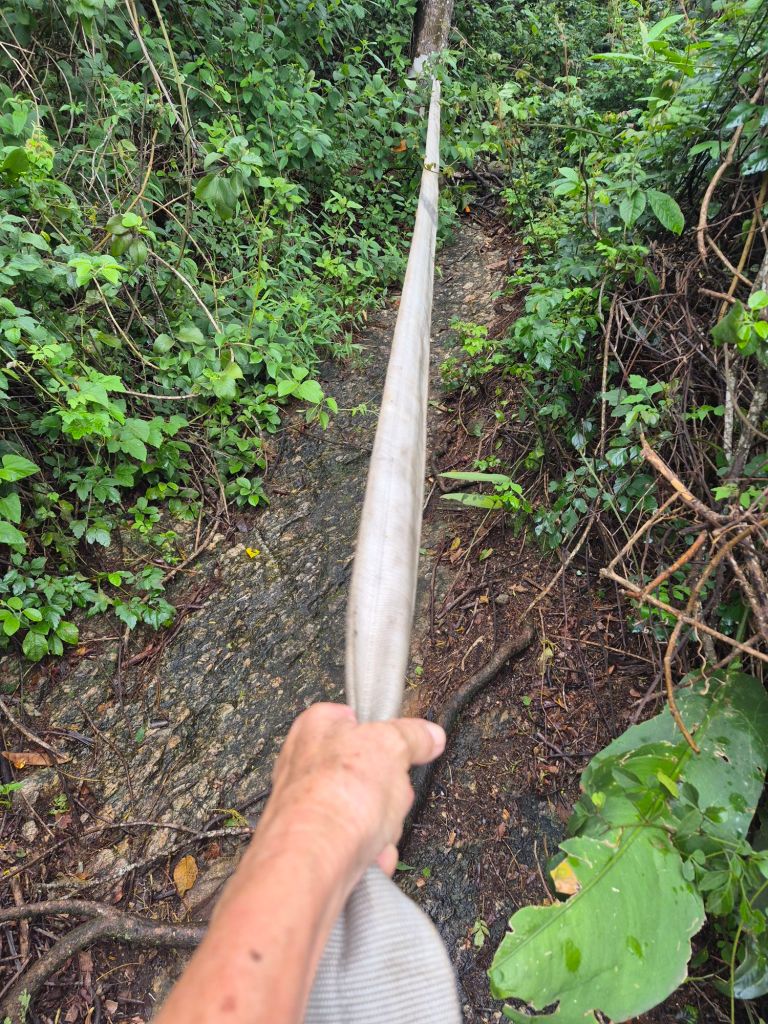
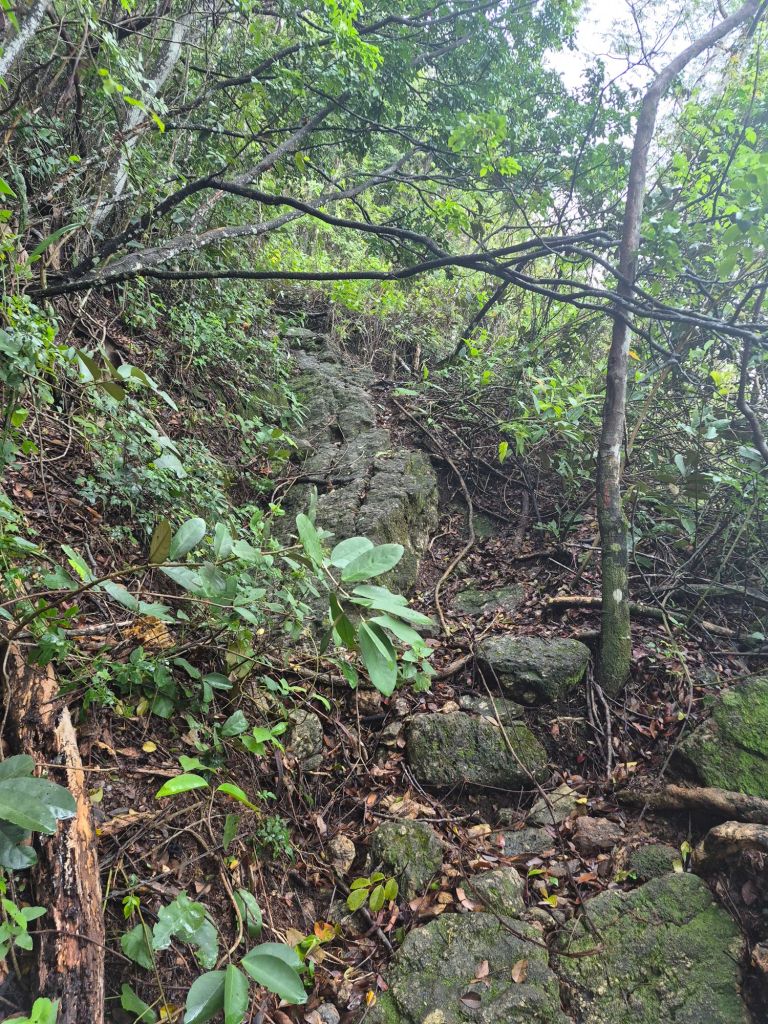
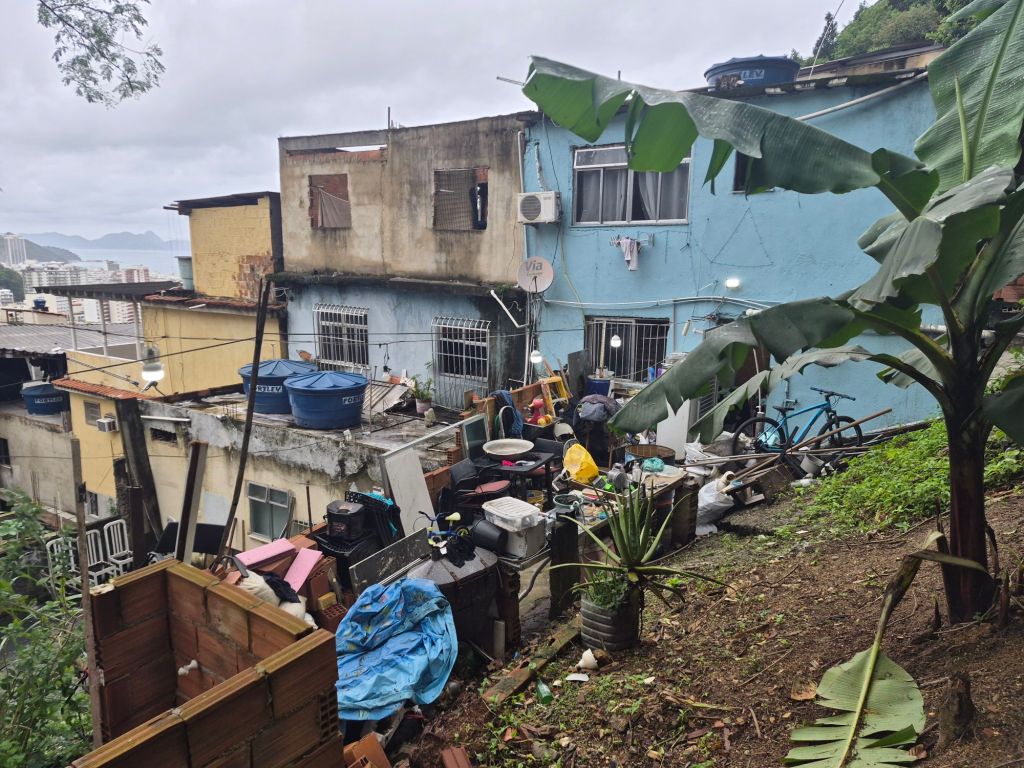
The next day I found a trail on Maps.Me, close to the hostel, that went up to a viewpoint. I think I walked through a favela, the notorious poor areas of Rio, but nothing bad happened and the people were friendly. It was more of a staircase (500 steps) than a trail, but there was a little section through a forest. I reached a viewpoint, and then there was a very rough and steep trail going further up, which had a dead end without a view – literally a concrete wall built against the mountain. According to the map I thought I would reach a road, but I had to retrace my steps, relying on roots and tree limbs to grasp onto, sometimes going backwards like on a ladder.
Back at the hostel I googled ‘unique places in Brazil’ and came up with a few places other than beaches that were worth visiting. The closest one was Ouro Preto (which means Black Gold), so I tried to buy a bus ticket online, but there is a number that each Brazilian has that needs to be filled in, which prevented me from buying it. The owner of the hostel tried to help me, and later he came to tell me that I had to use Busbud, another website which worked. The number is called a CPF (Cadastro de Pessoas Físicas), which translates to “Natural Persons Register”, similar to the USA social security number, and is needed for everything, like opening a bank account, buying online, signing a lease, etc. I read that any visitor or traveller can apply for one when visiting Brazil, but it seems like an unnecessary hassle, hopefully I will get by without it.
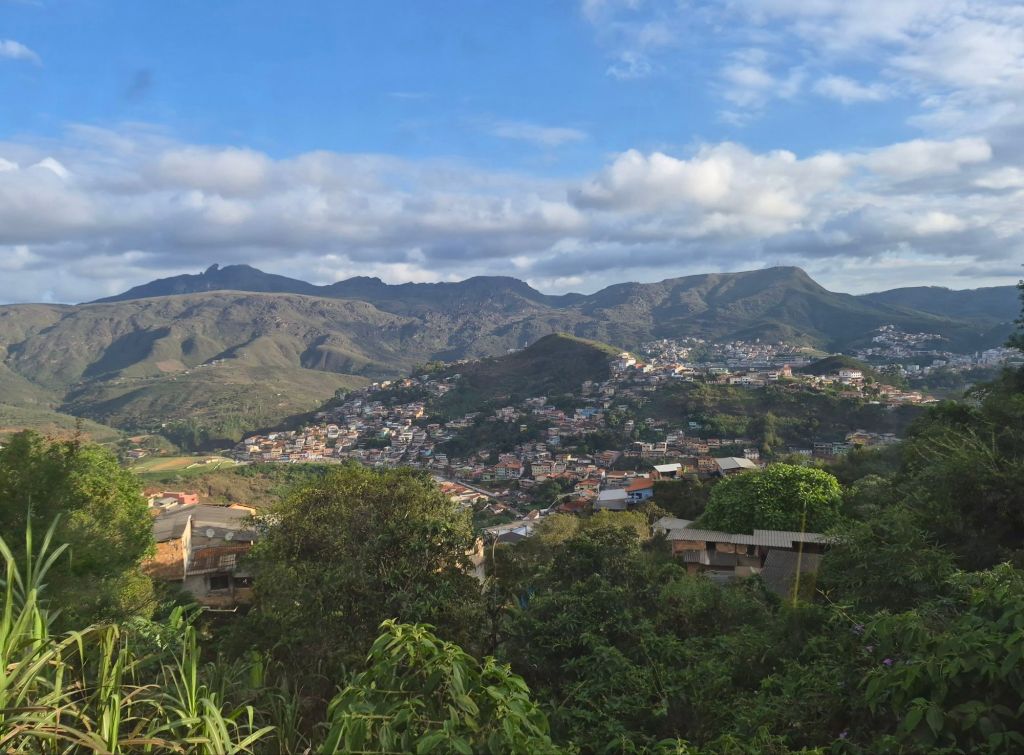
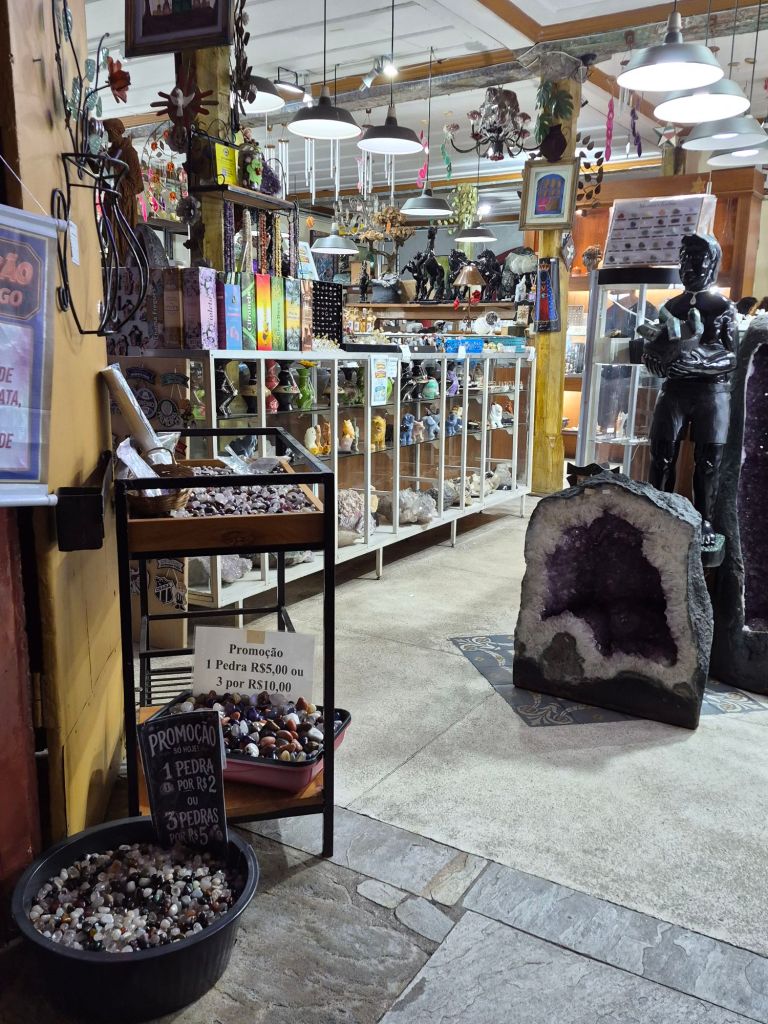
Ouro Preto has a ‘rich’ (pun intended) history. Gold was discovered here in 1695. Black nuggets (covered in iron oxide) were found in the riverbeds, and the different camps gradually grouped together to become Vila Rica in 1711. In 1823 it was renamed Ouro Preto, which was the capital of Minas Gerais (the name of this state) from 1720 to 1897. The gold mining had come to an end by then, and the capital of the state was moved to Belo Horizonte. In its heyday, Ouro Preto was larger than Rio de Janeiro and one of the largest and richest cities in the Americas. As with Antigua in Guatamala, people moved away when the gold was depleted, and no industrial buildings were erected, or further economic development took place, which meant it retained its quaint character. The government declared the city a national monument in 1933 to protect its colonial buildings and in 1980 it became the first cultural property in Brazil to be named a UNESCO World Heritage site, especially because of its baroque building style. It is built over hills with winding roads and cobblestone streets, which makes it difficult for heavy traffic or modern big buildings to be put up.
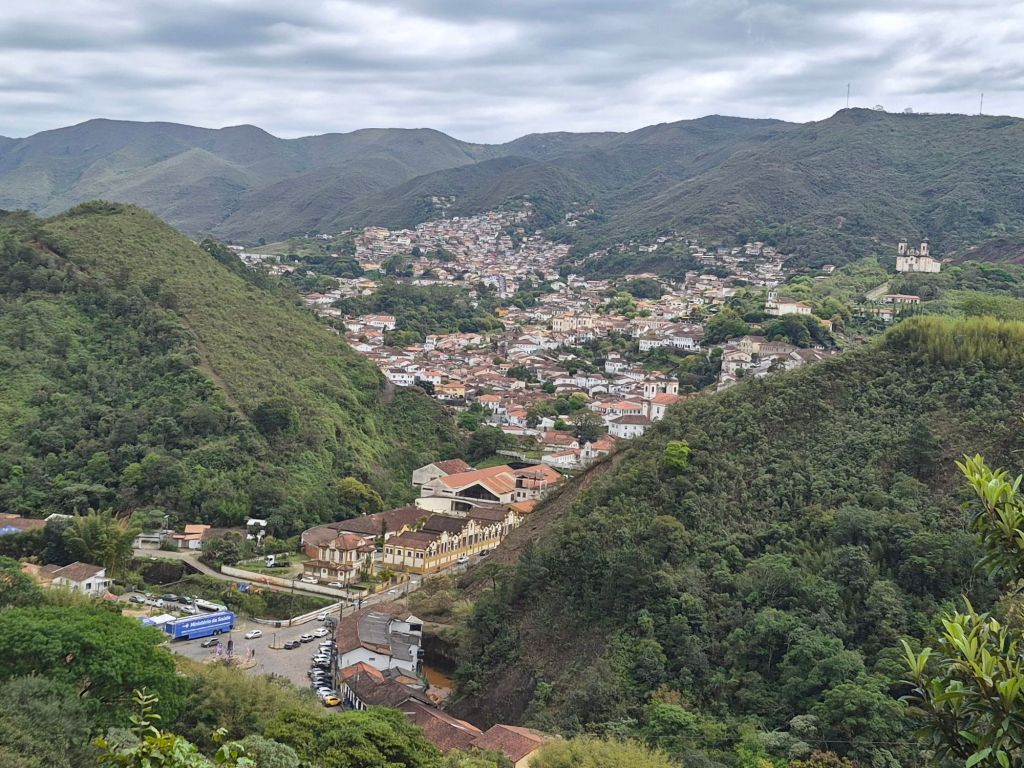
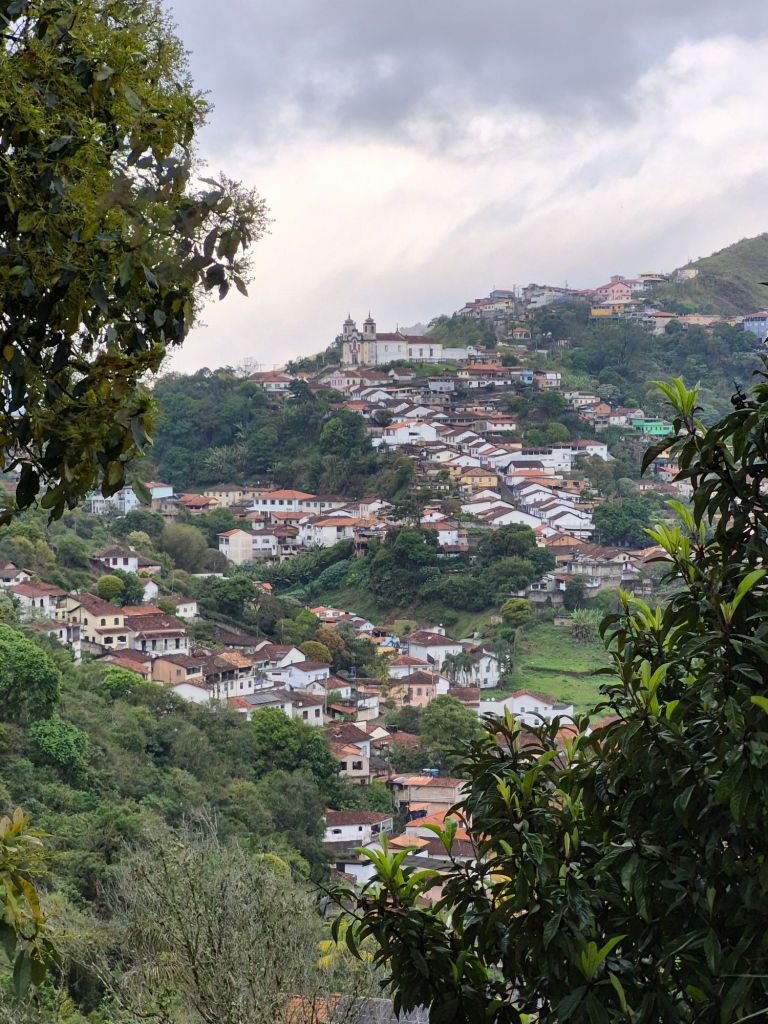
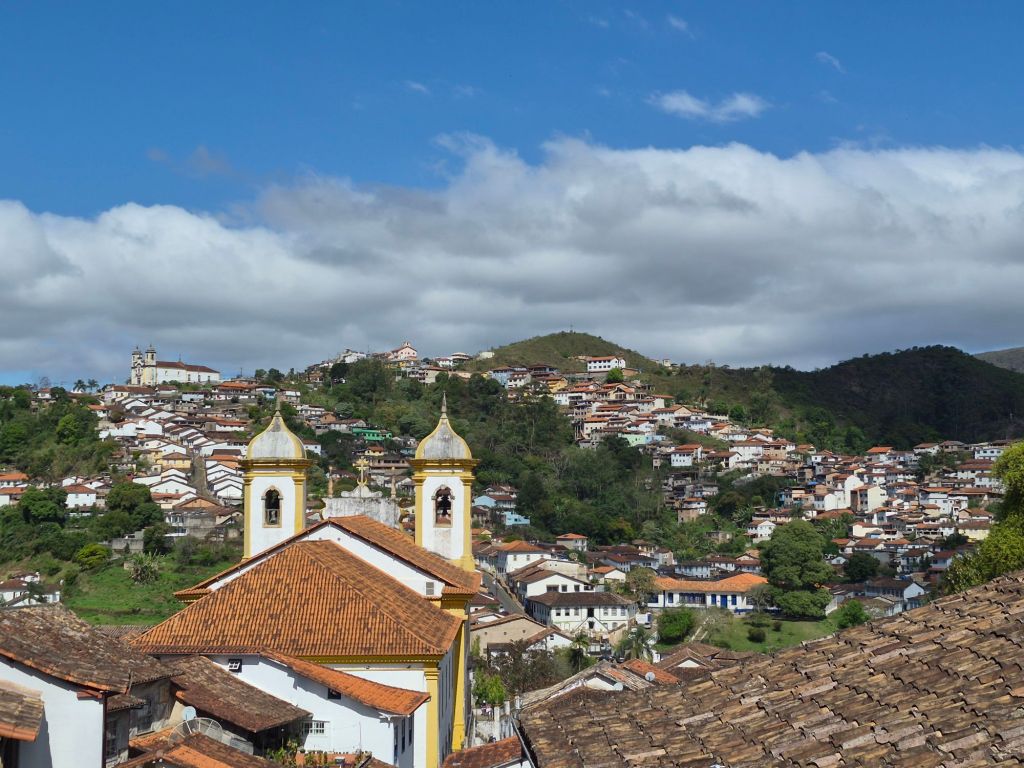
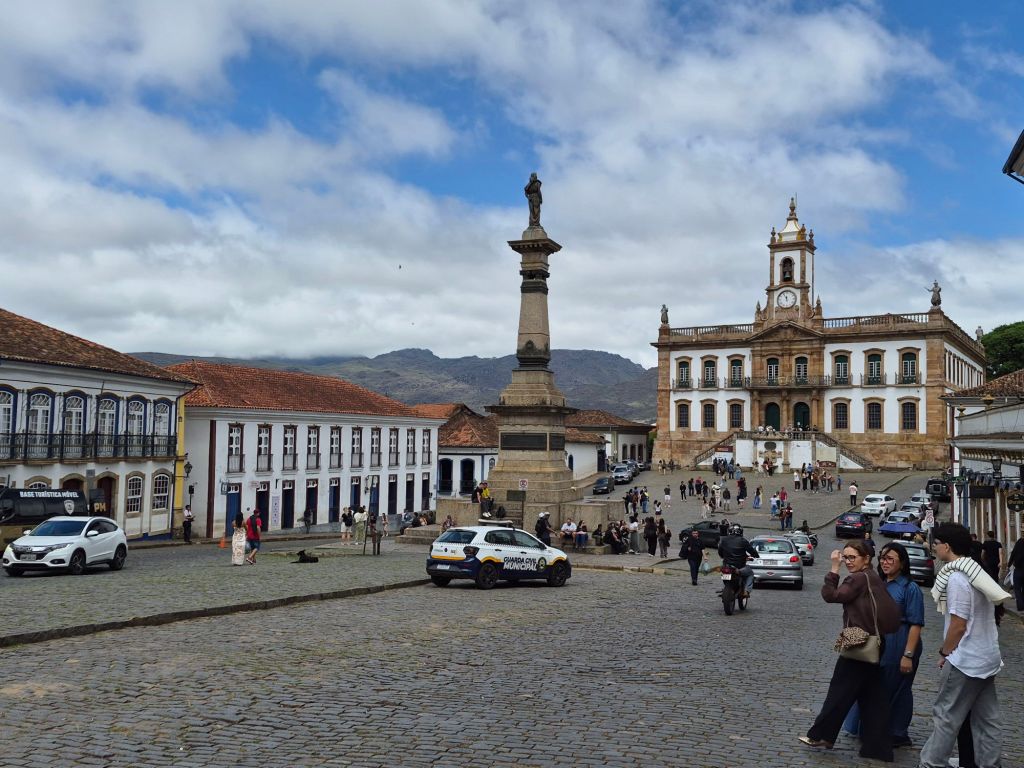
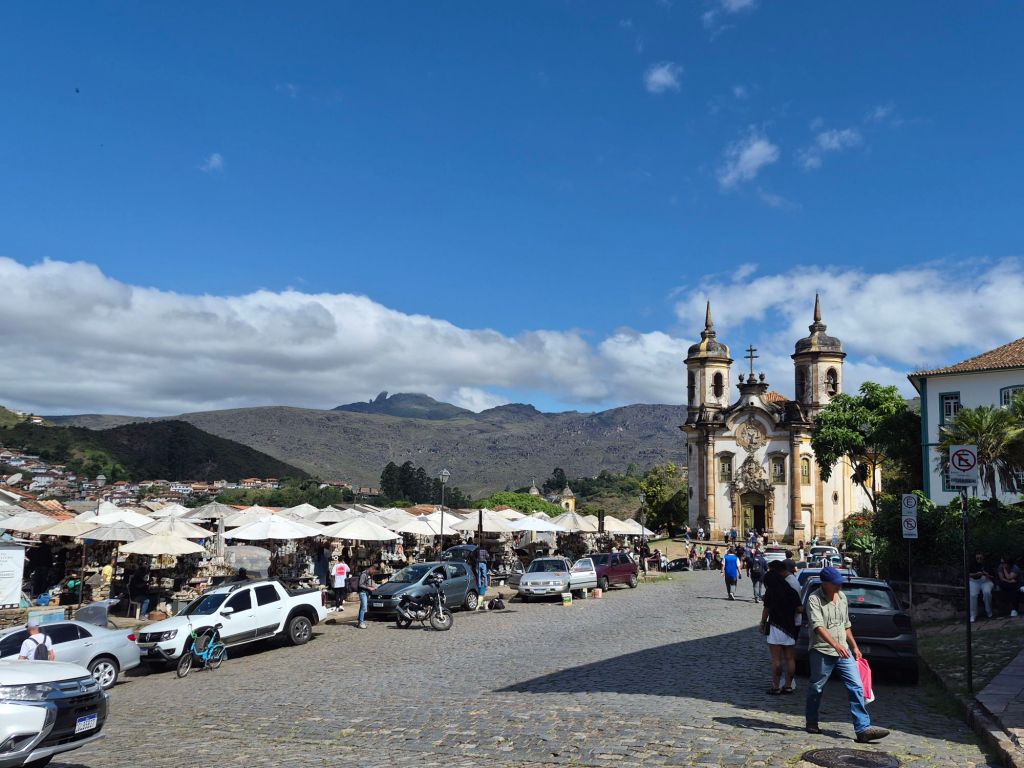
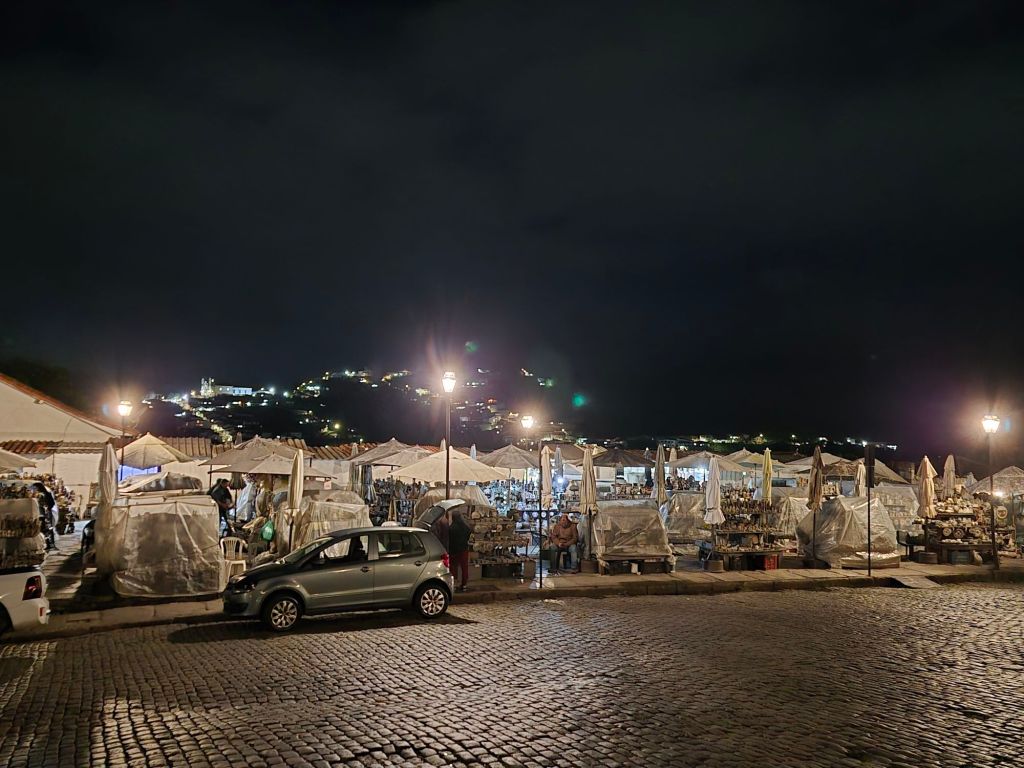
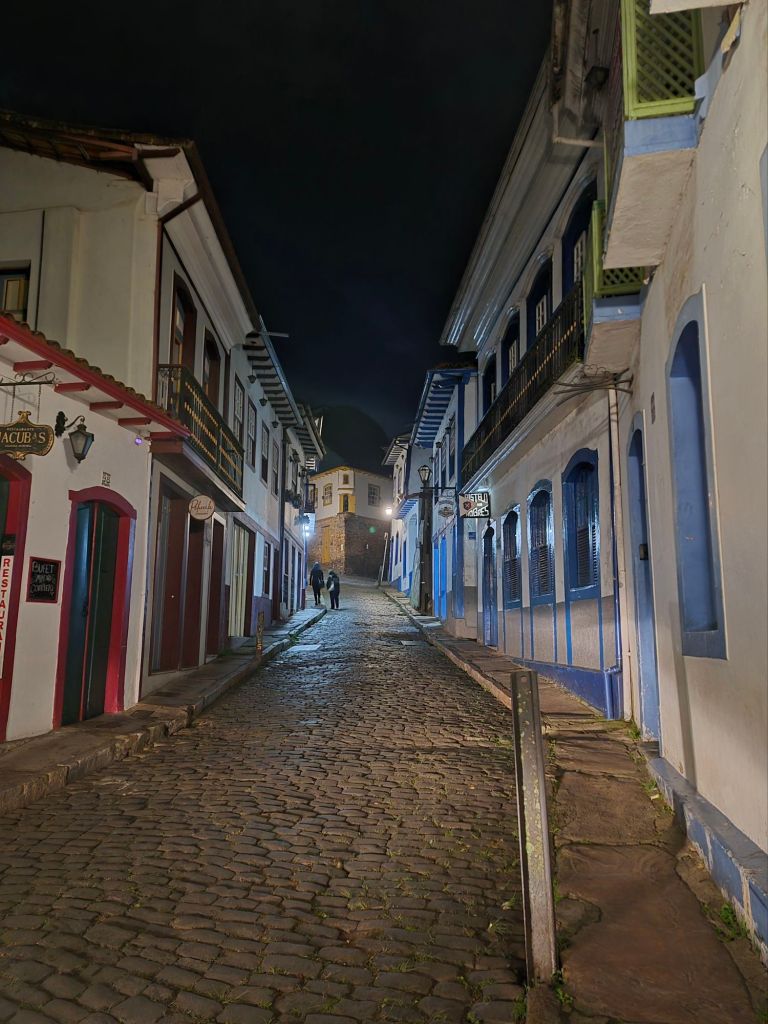
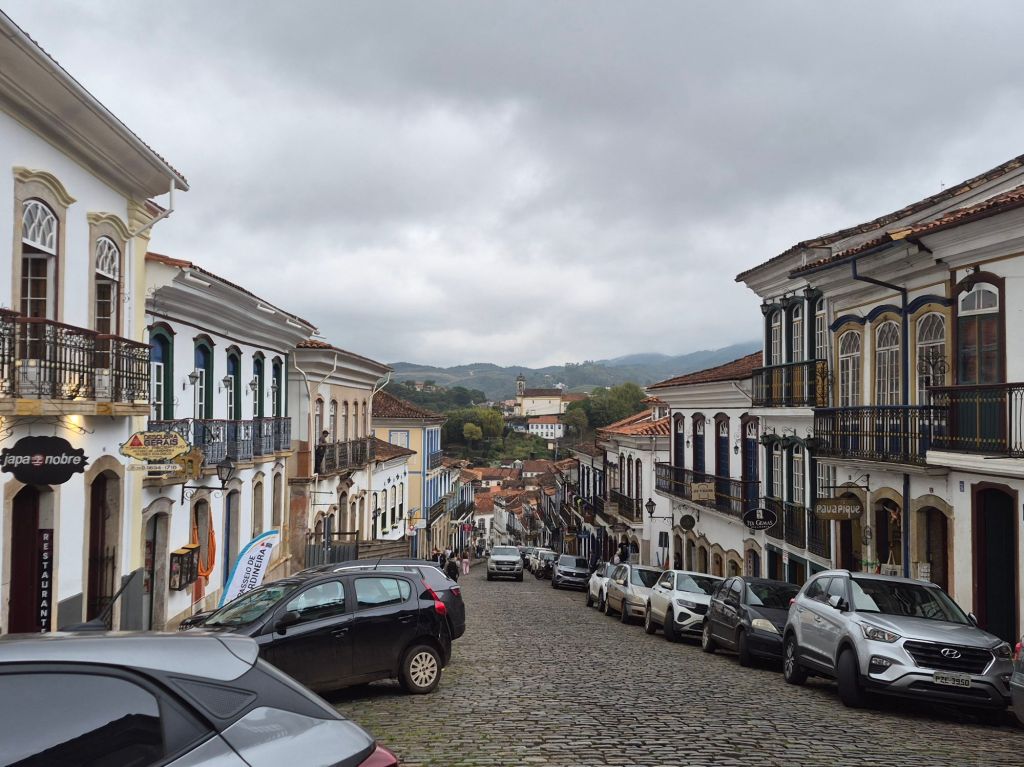
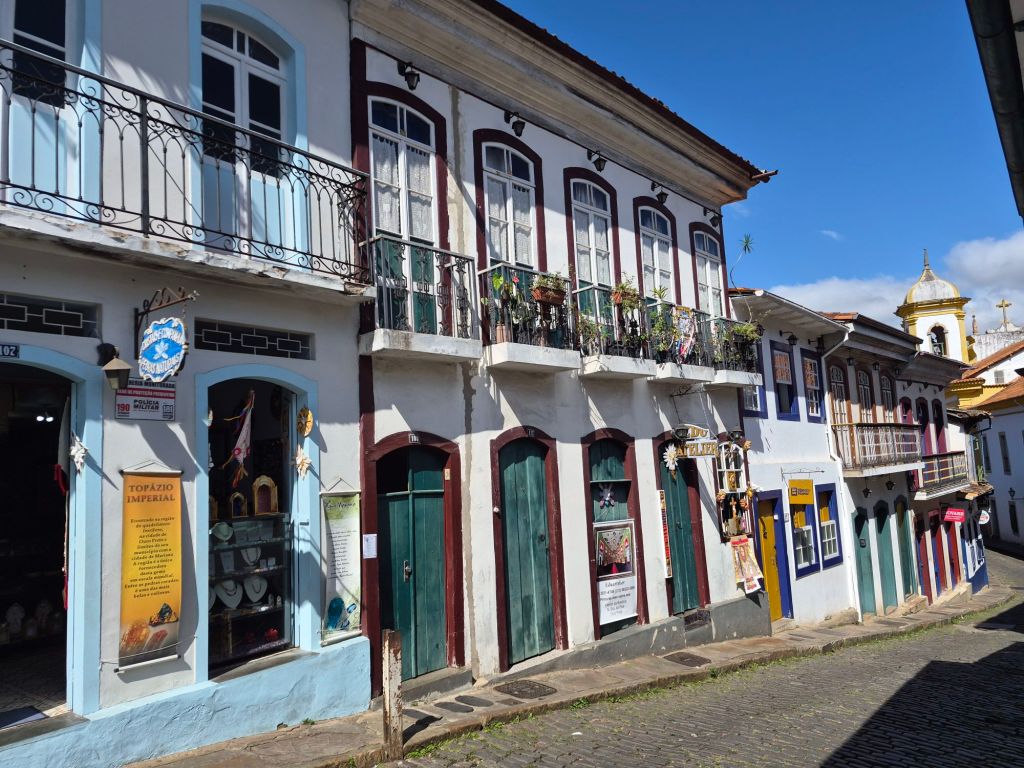
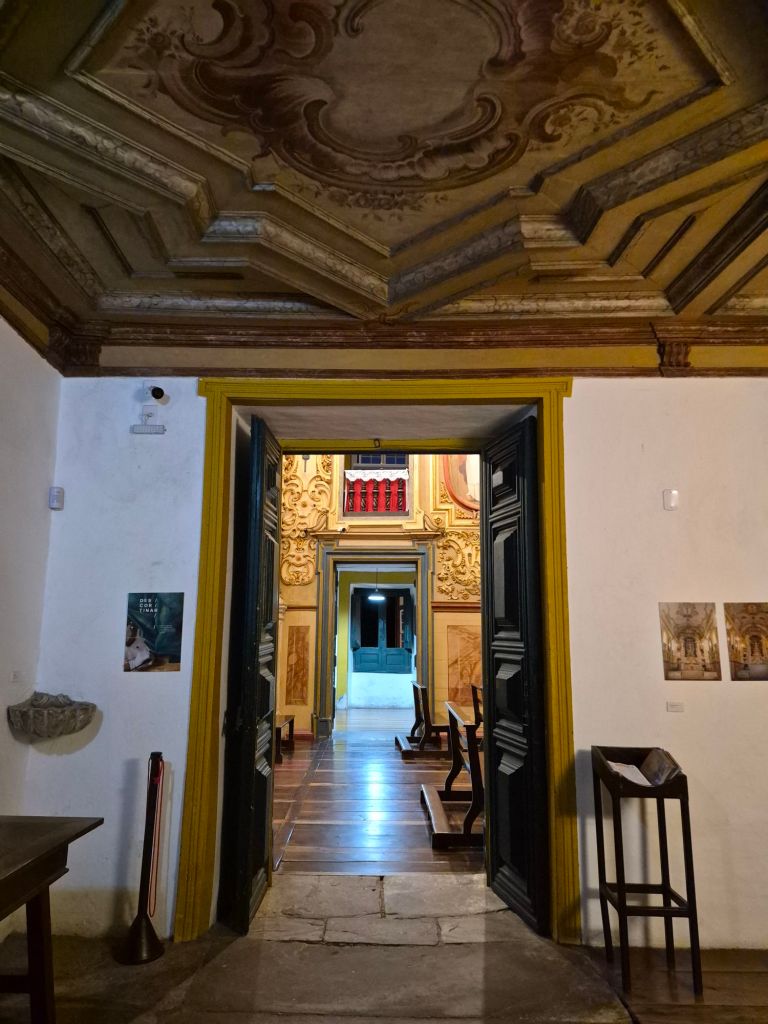
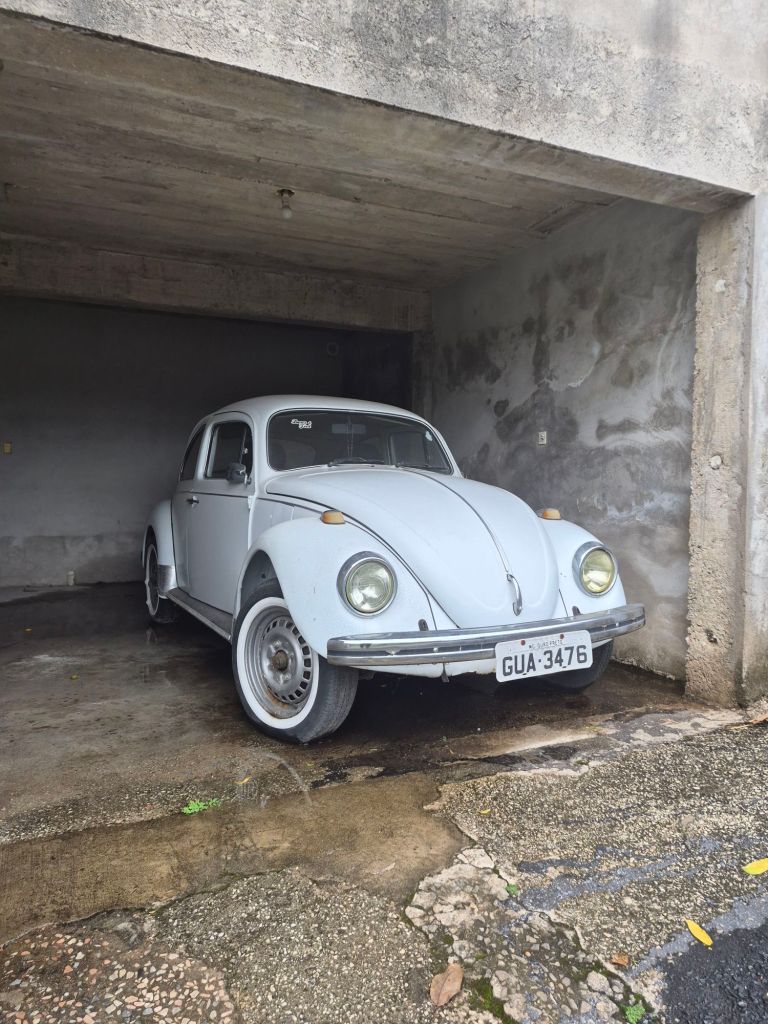
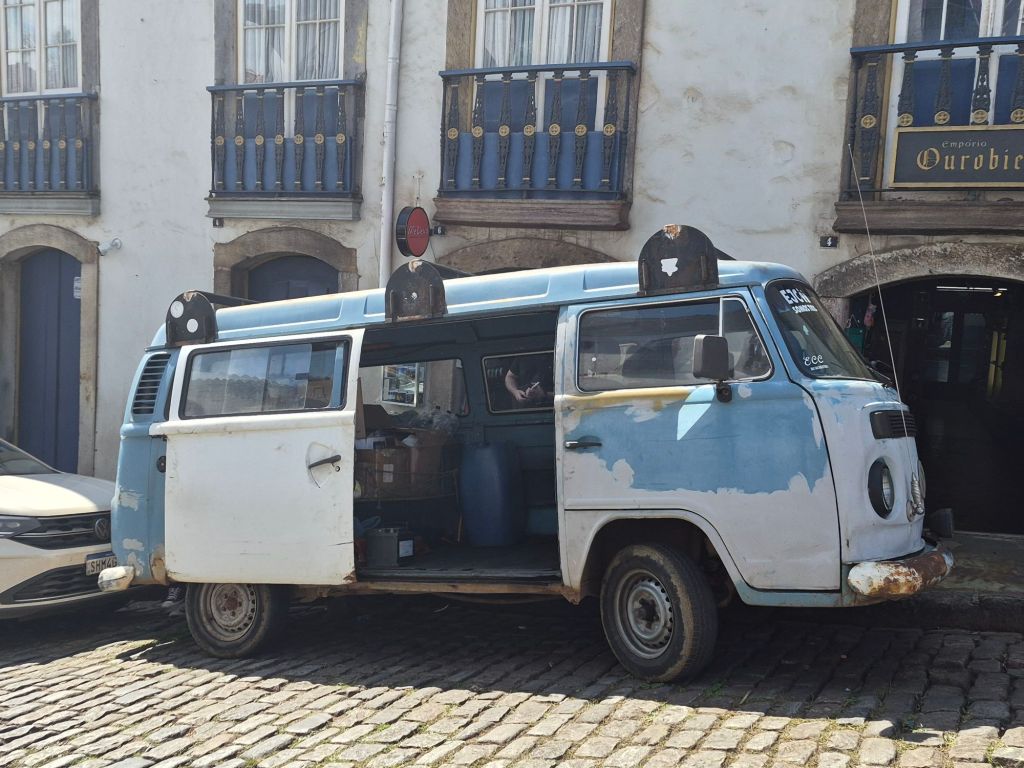
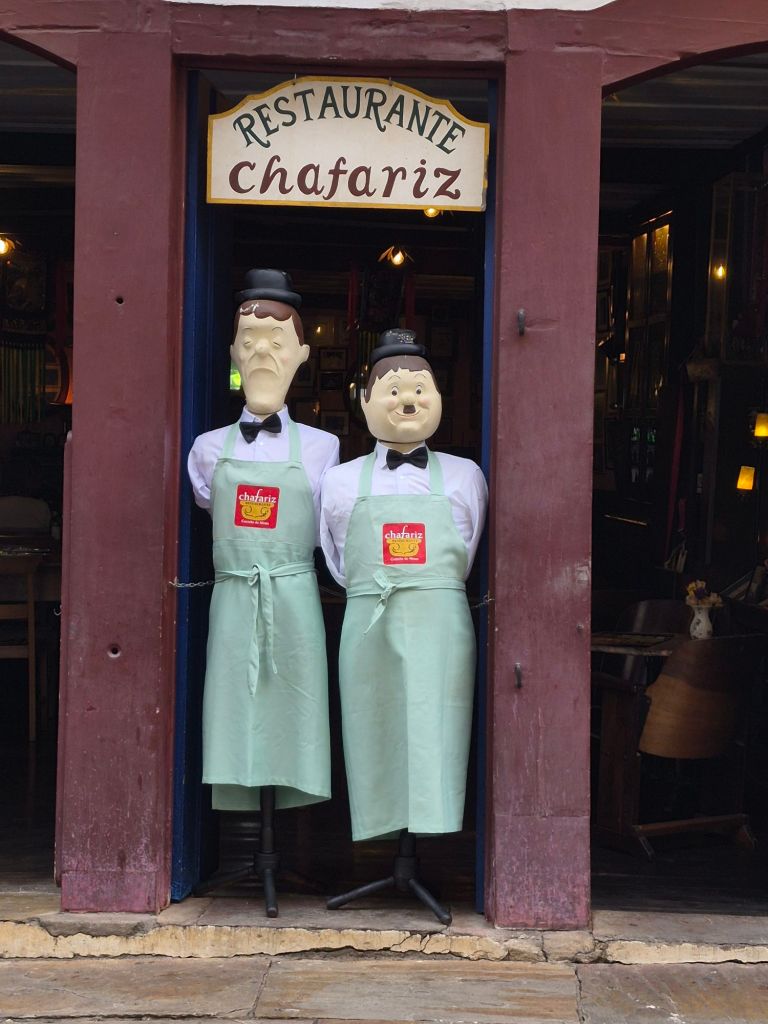
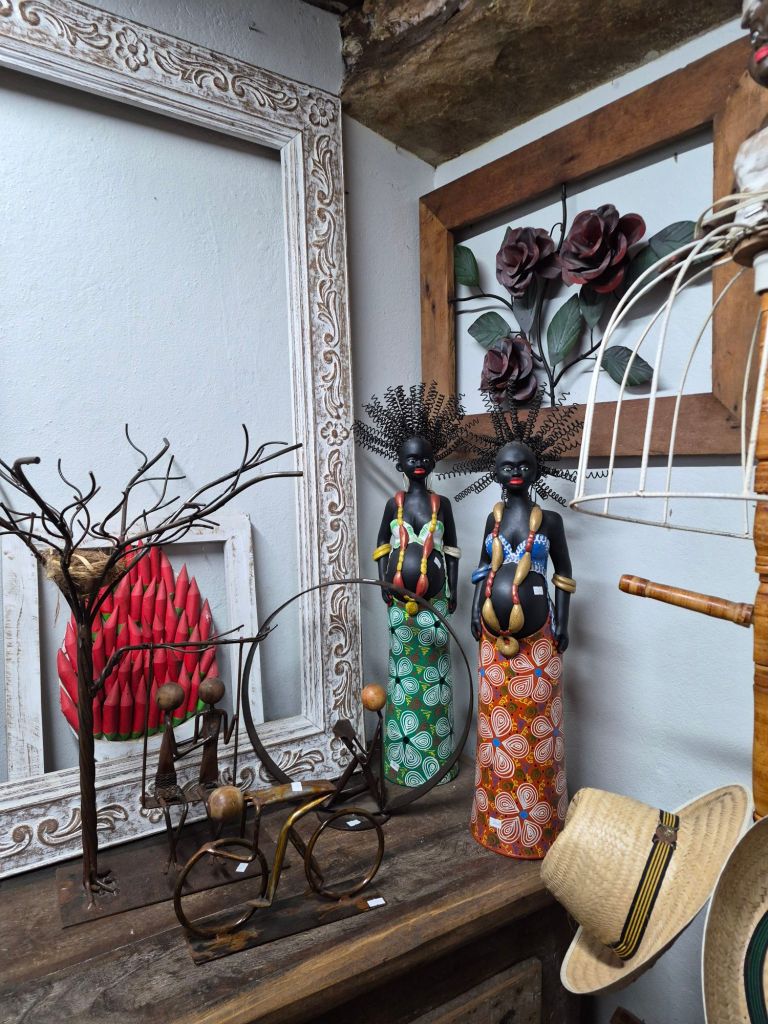
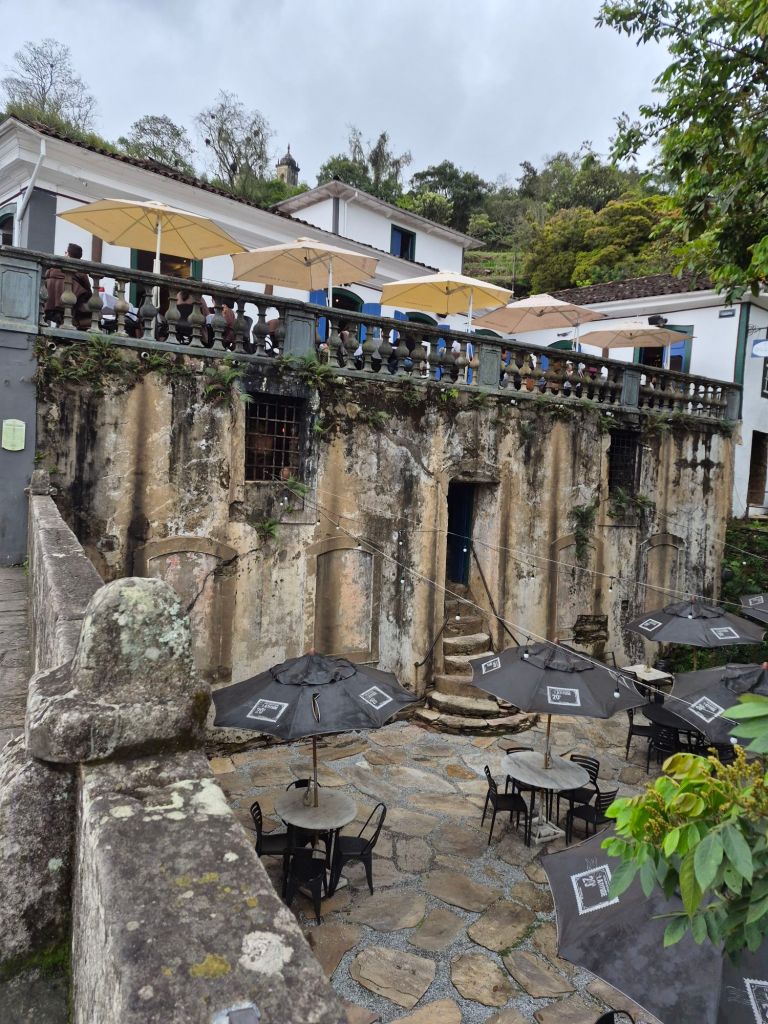
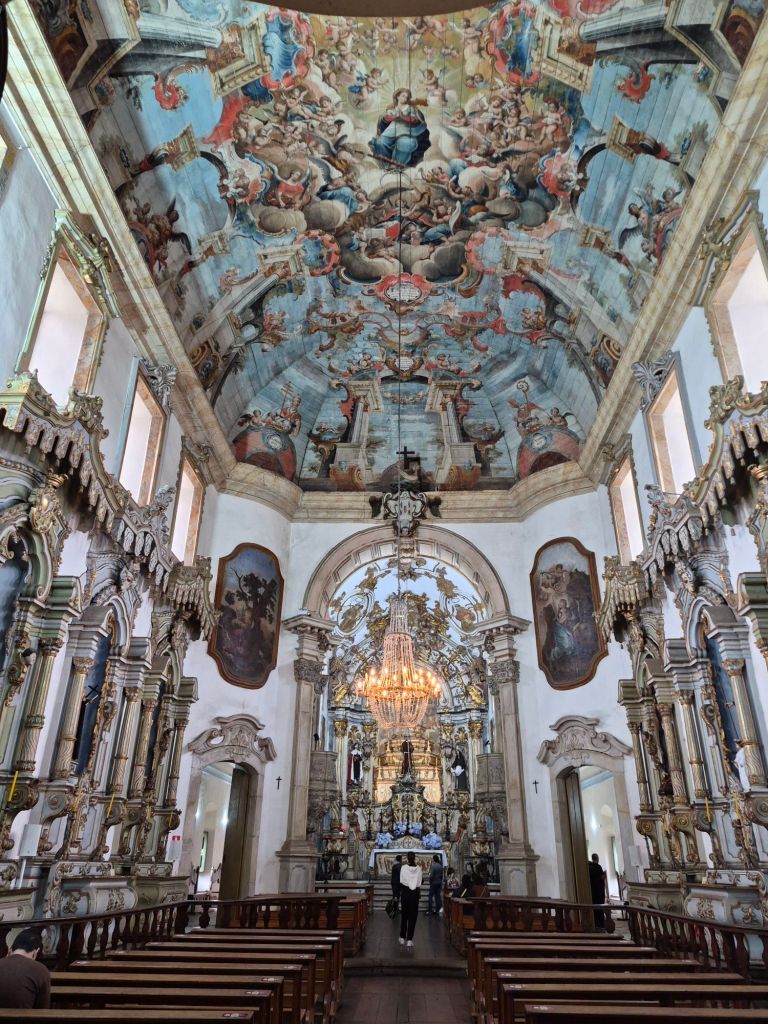
The Portuguese government did not allow monasteries to be established, so the different societal groups built ornate churches, competing with each other in grandeur. Most of the churches were built in the baroque style, with exquisitely detailed interiors. There are 13 historic churches and 8 smaller chapels, according to Google.
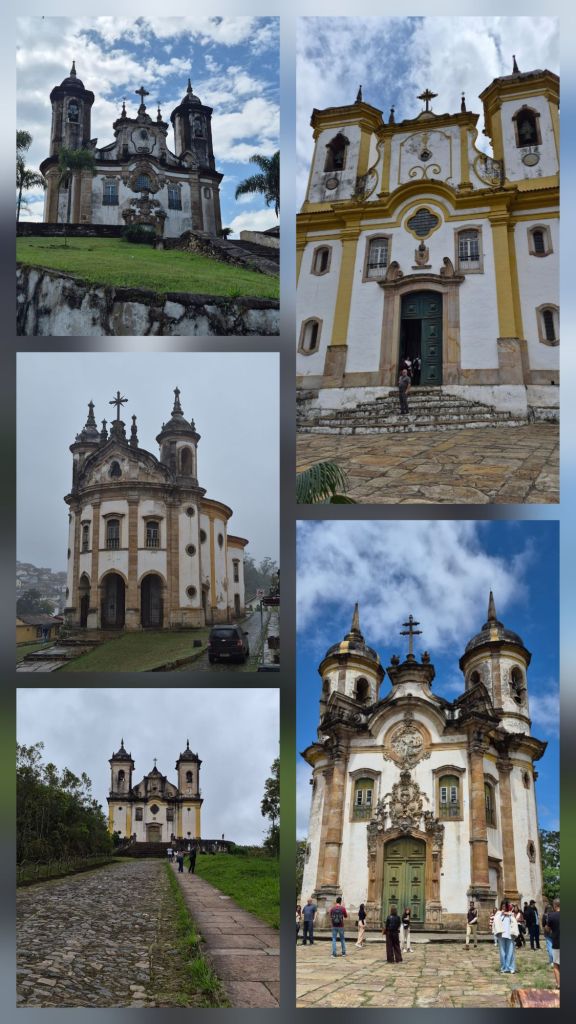
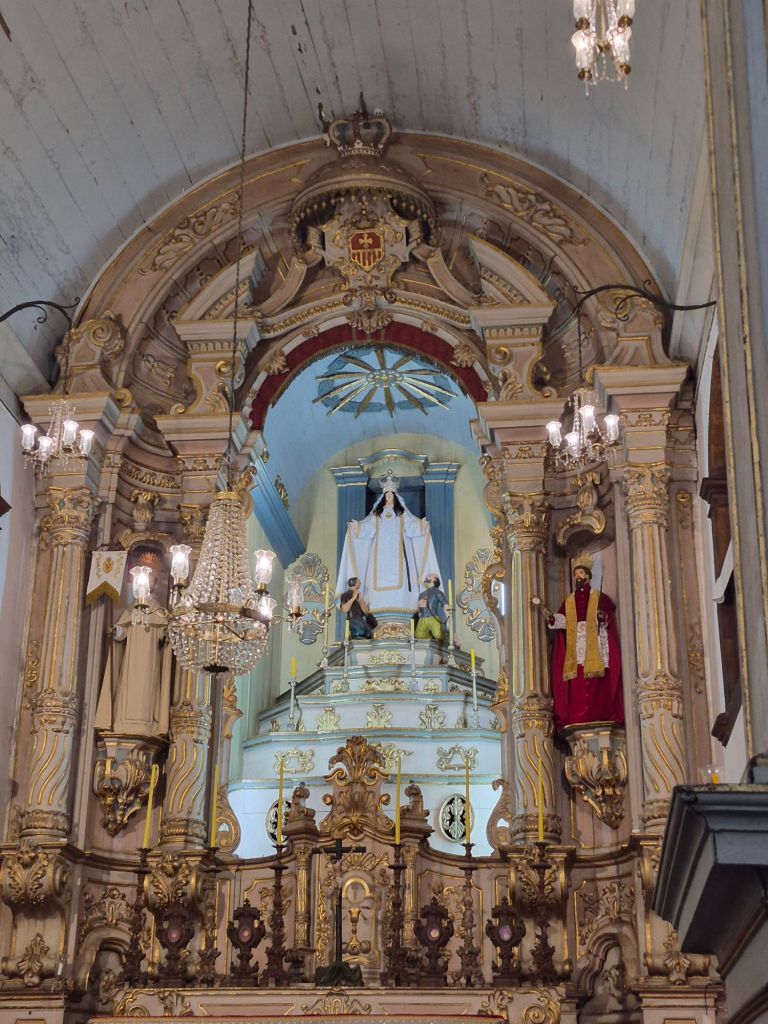
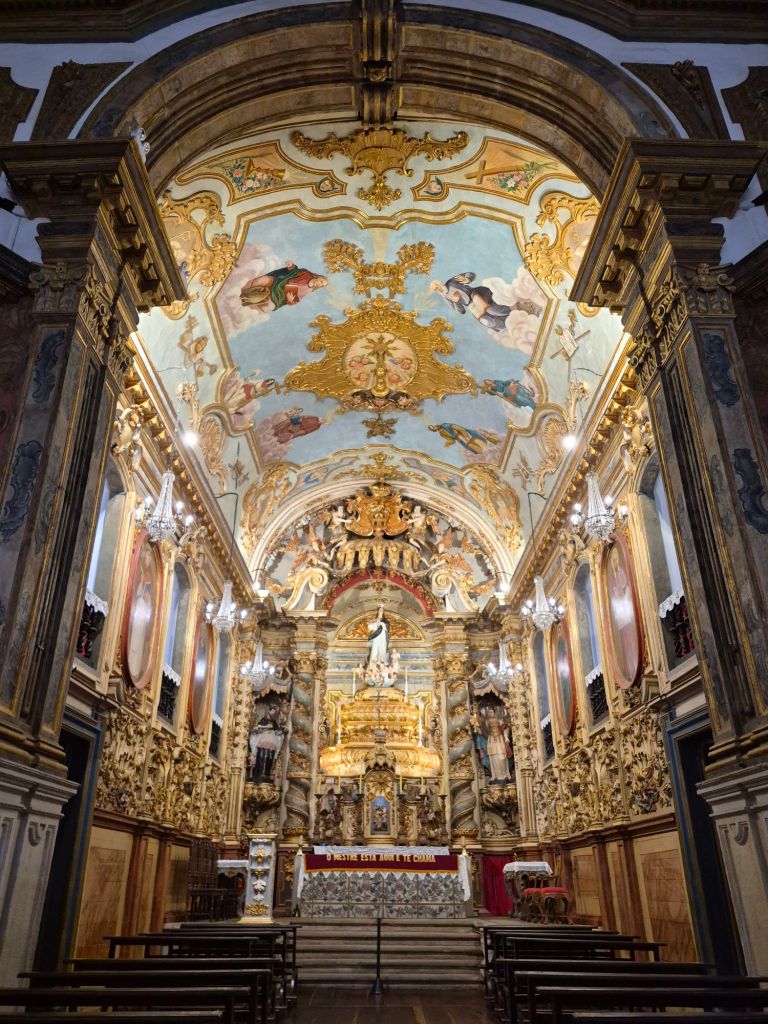
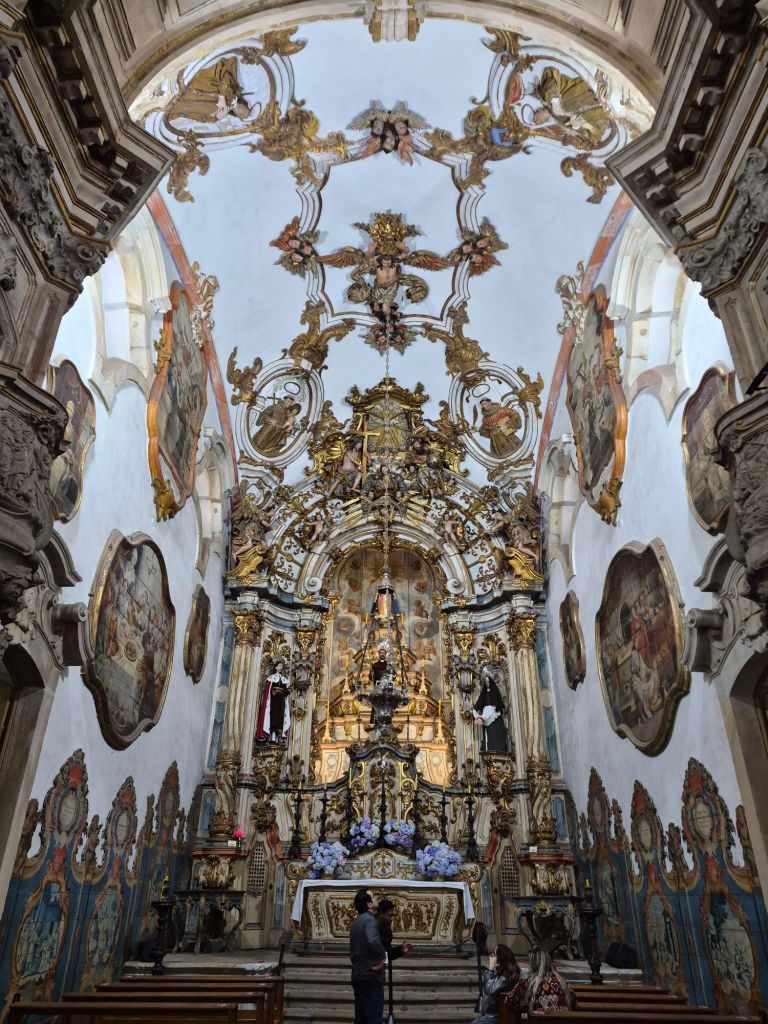
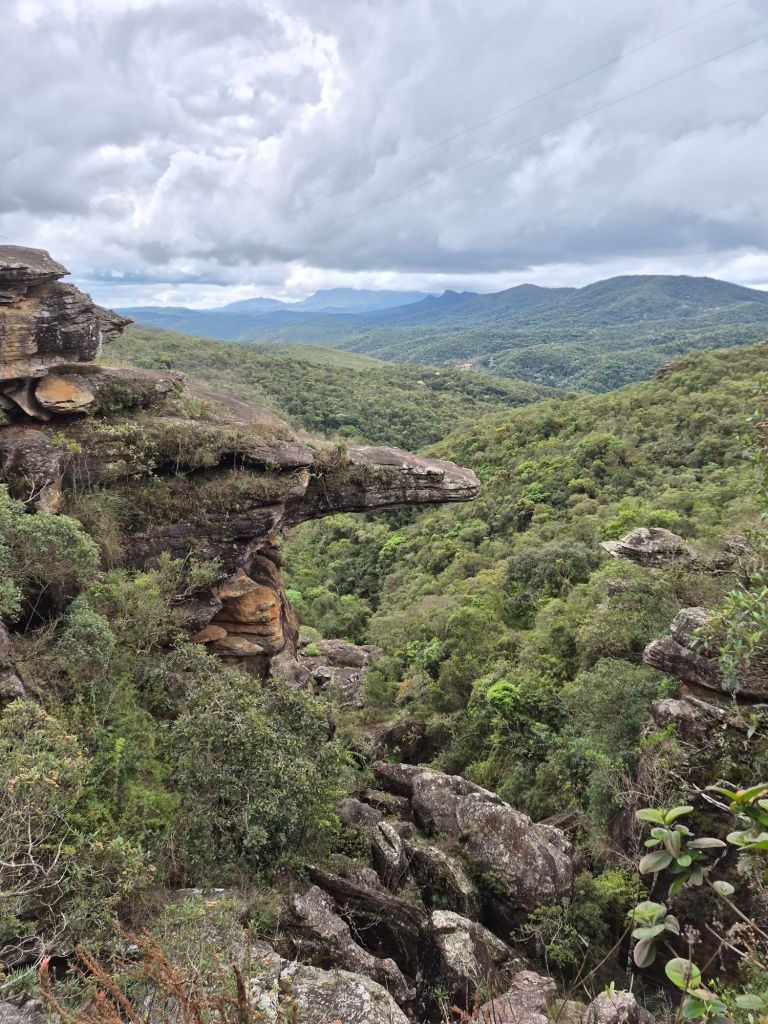
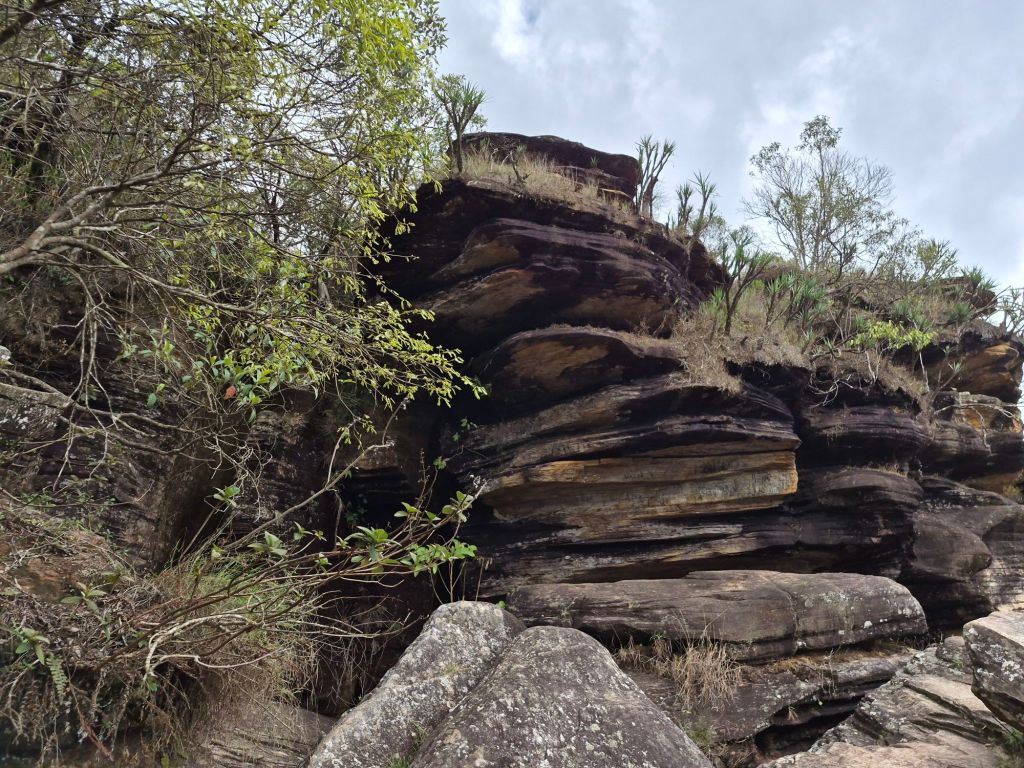
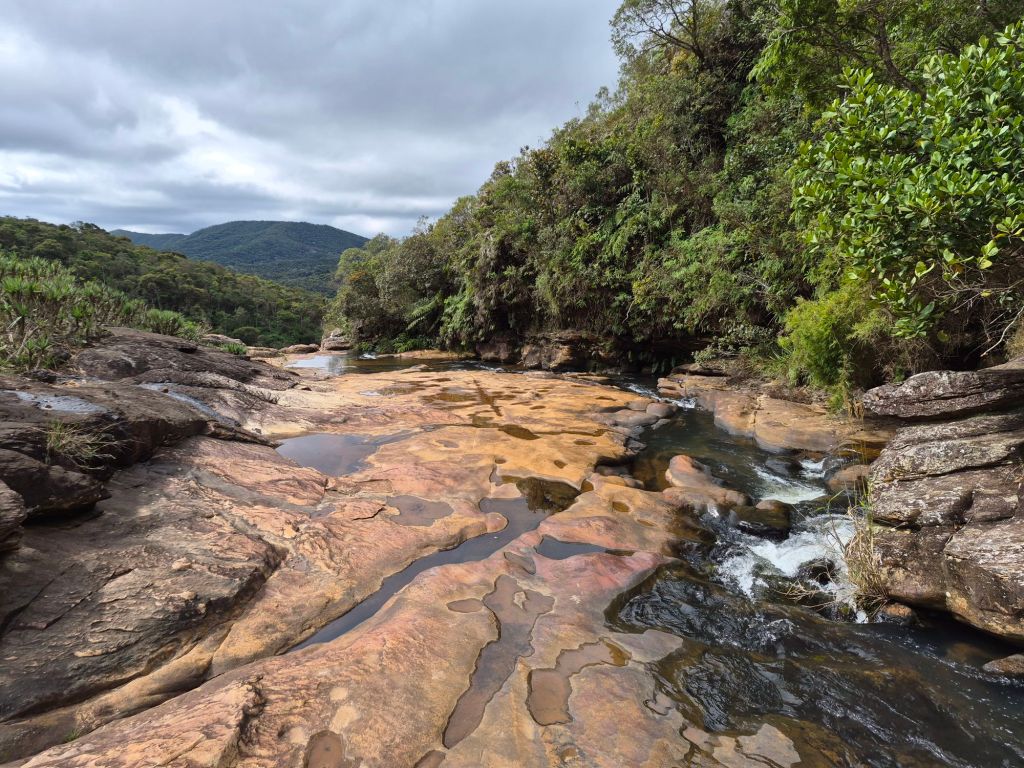
I spent a week in Ouro Preto, walking around, visiting churches, eating in one of the many restaurants, climbing up to viewpoints and visiting a national park outside of town. That day I took the wrong bus, which I realised by watching where it went on Google Maps, and then I waited for a long time, but no new bus came, so I decided to walk the 4km to the park, which was mostly a steep uphill. I was a bit at a loss when I arrived at the reception area, but a helpful young man that could speak English showed me the map, explained everything and pointed me in the right direction.
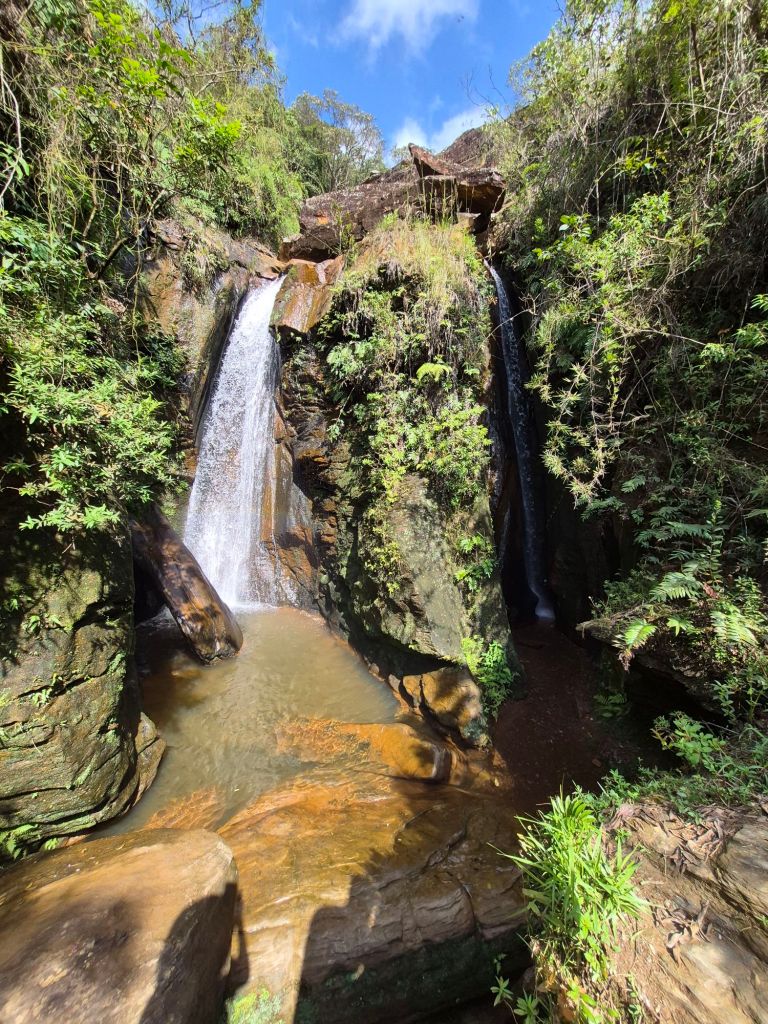
It was different from the parks in Central American, it reminded me of the mountains in the Southern Cape in South Africa. I was taking pictures of flowers, especially small ones, something I’ve always loved to do. There were three different waterfalls, one was quite a downhill climb, but well worth it. The young man had also told me about a trail back to the small town where I could catch a bus back to Ouro Preto, so that I didn’t have to walk along the entry road.
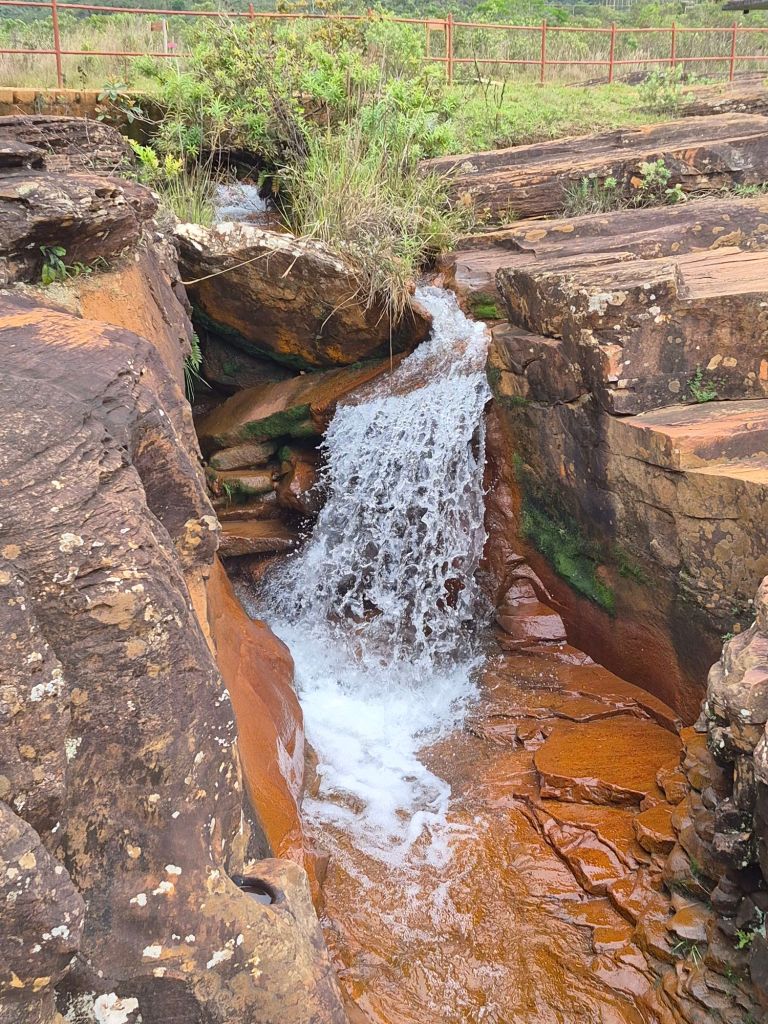
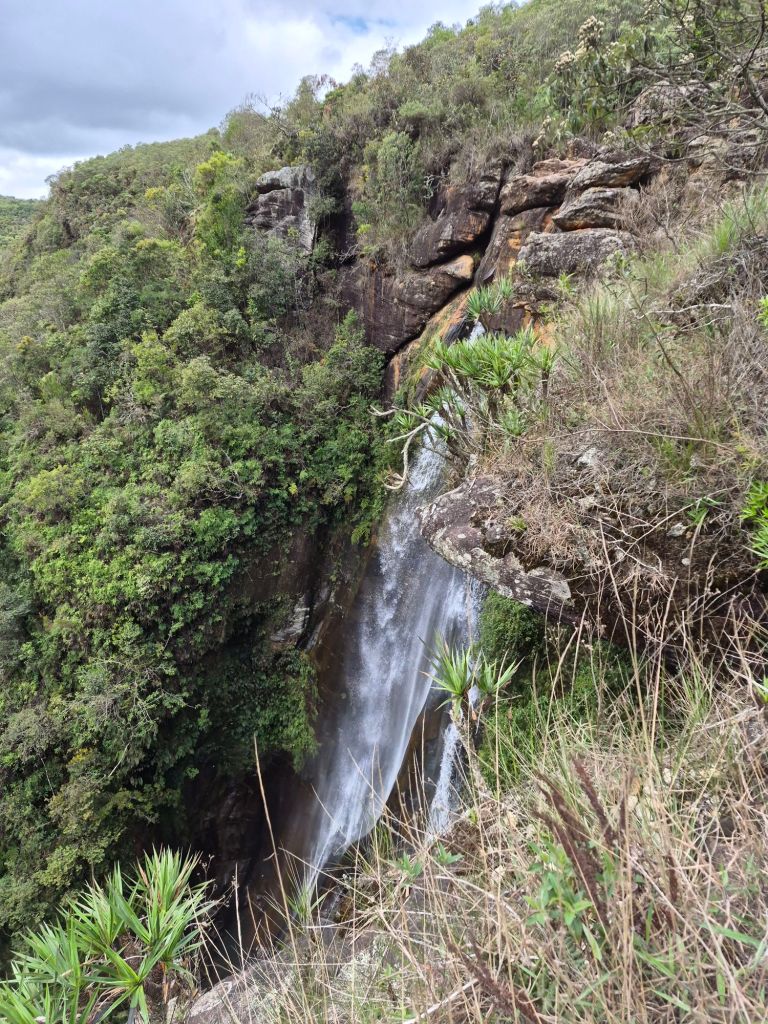
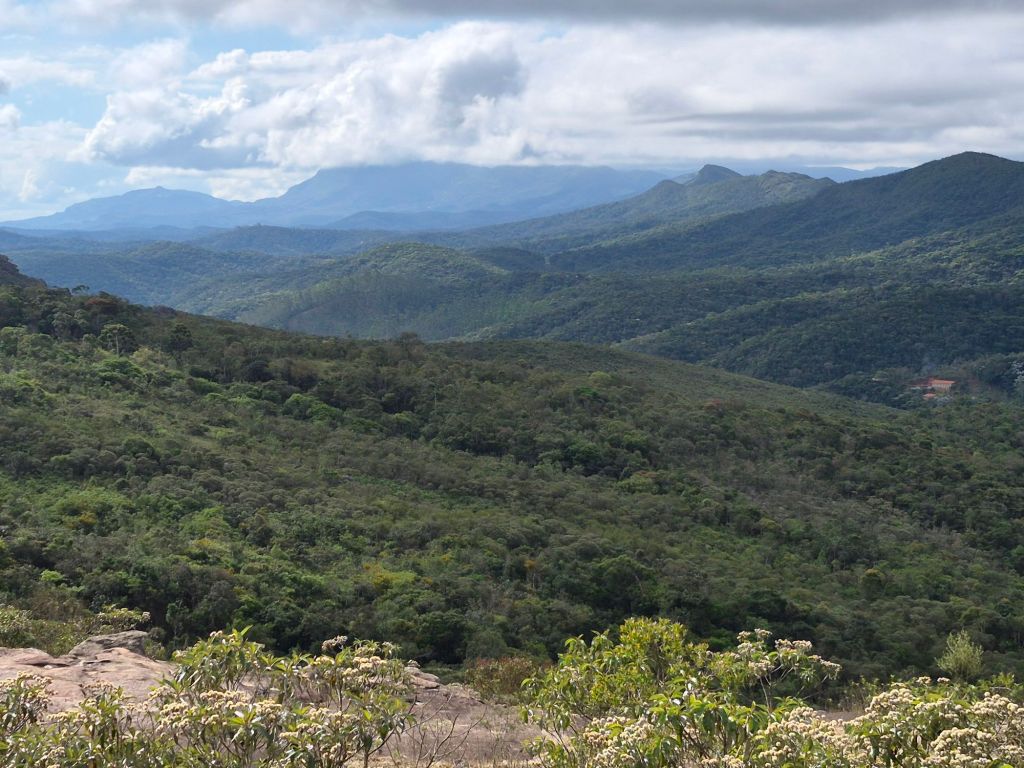
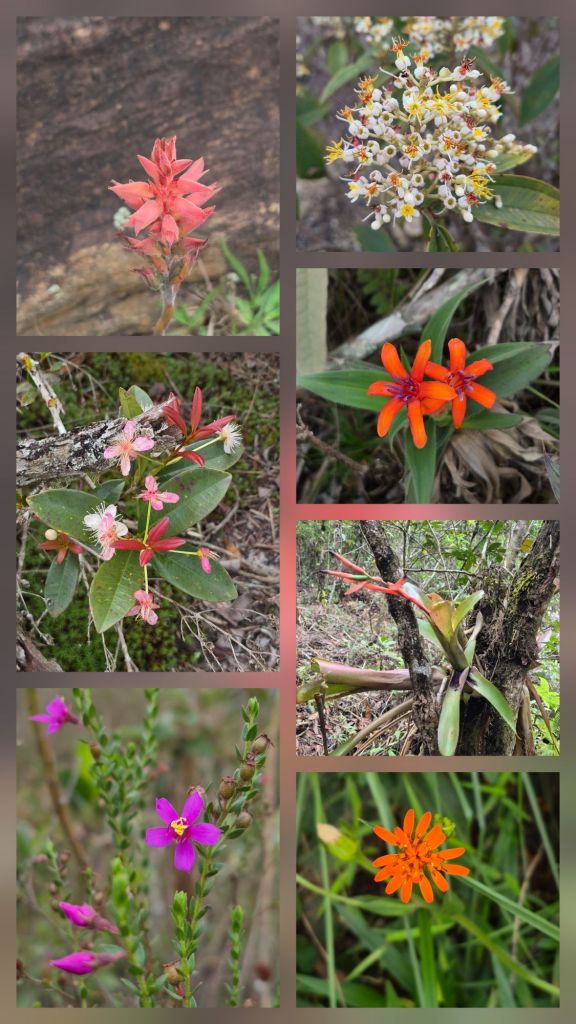
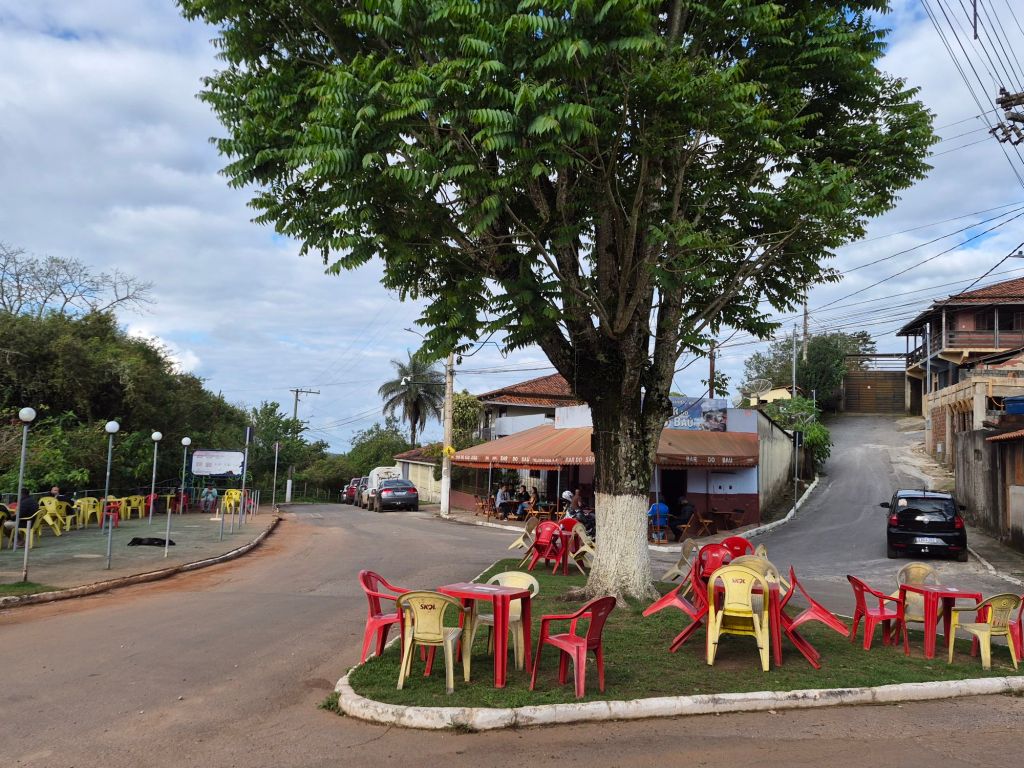
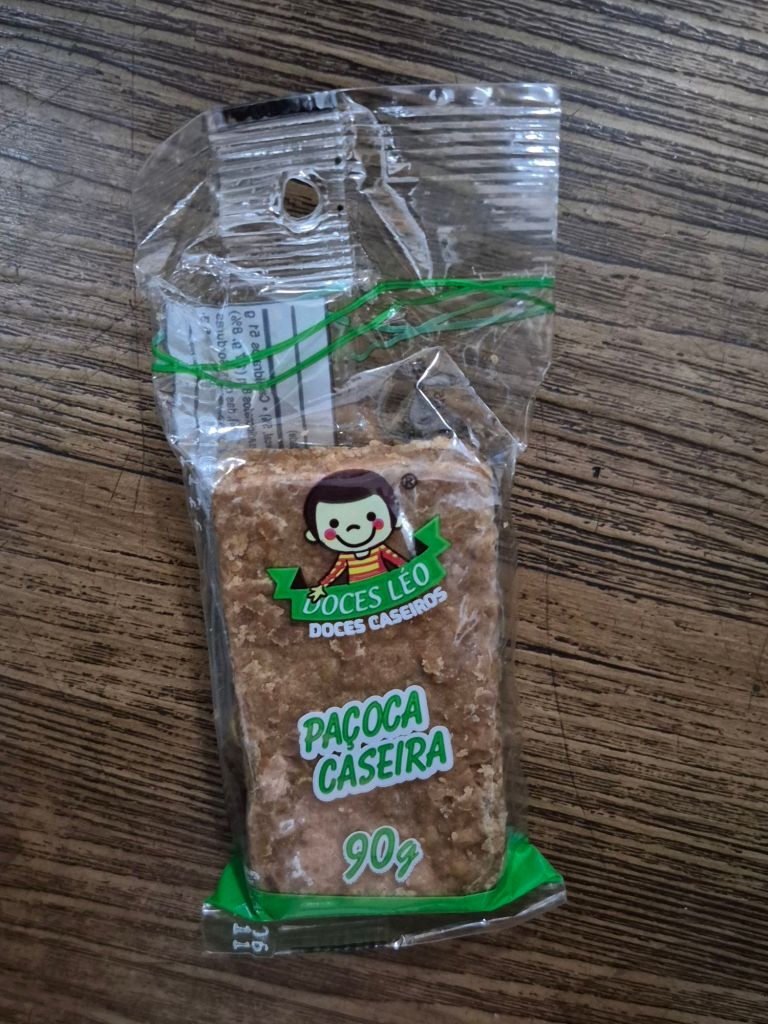
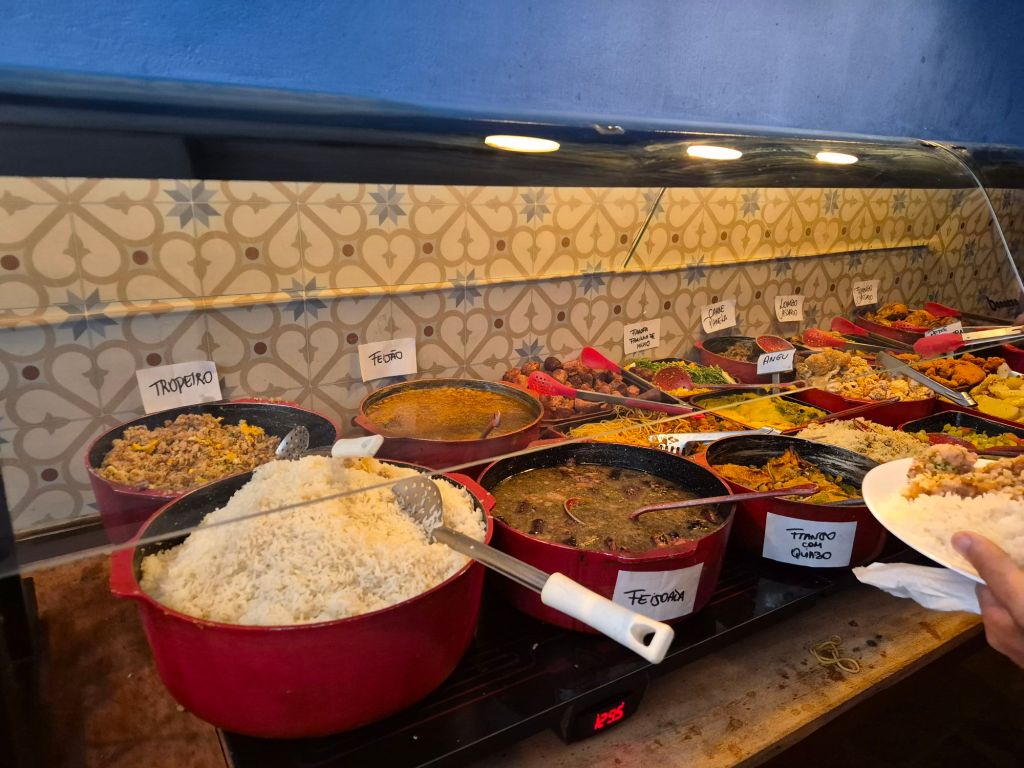
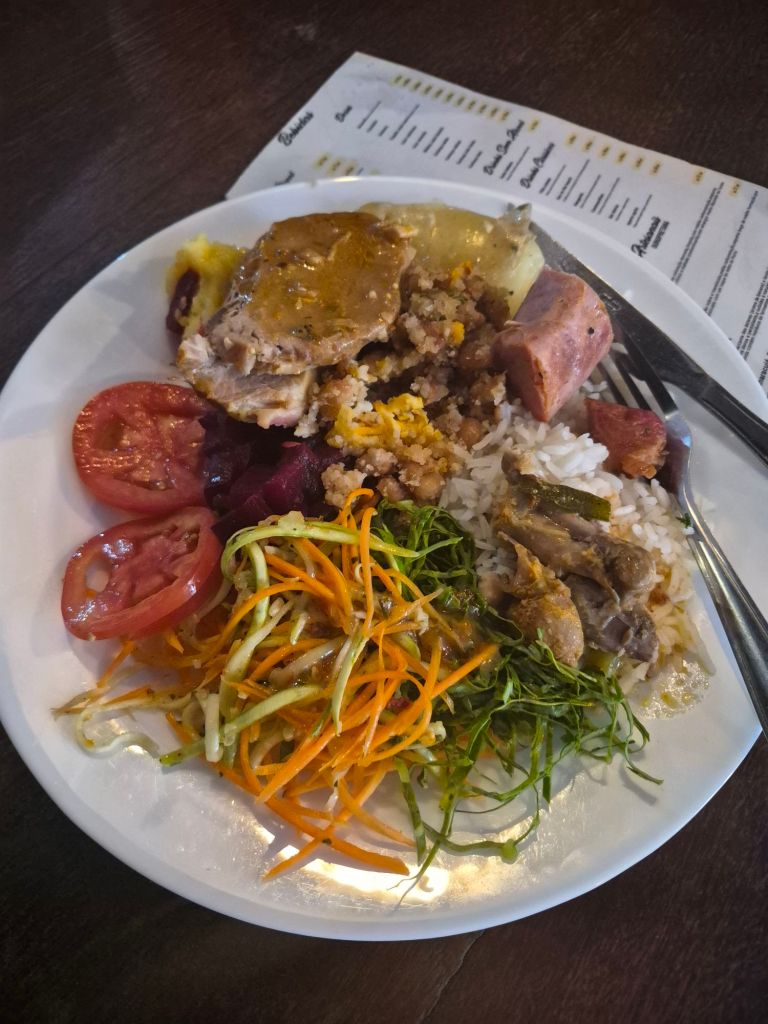
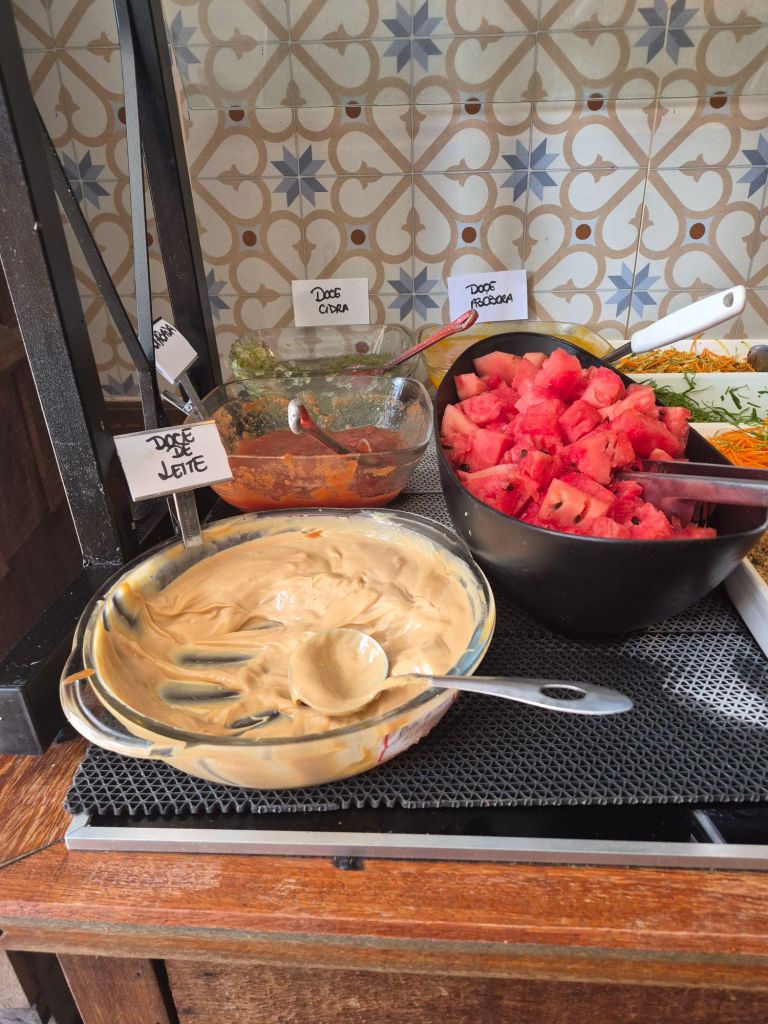
On Sunday, my last day in Ouro Preto, the sun finally shone and I took to the streets to retake photos of previously sombre ones, when it had been overcast or raining. I had lunch at a restaurant which serves a buffet of local dishes, ‘eat as much as you want’ for quite an affordable price (R180). They even had desert, which was dulce de leche (caramel), stewed guava as sweet and thick as jam, and wild watermelon, also like jam.
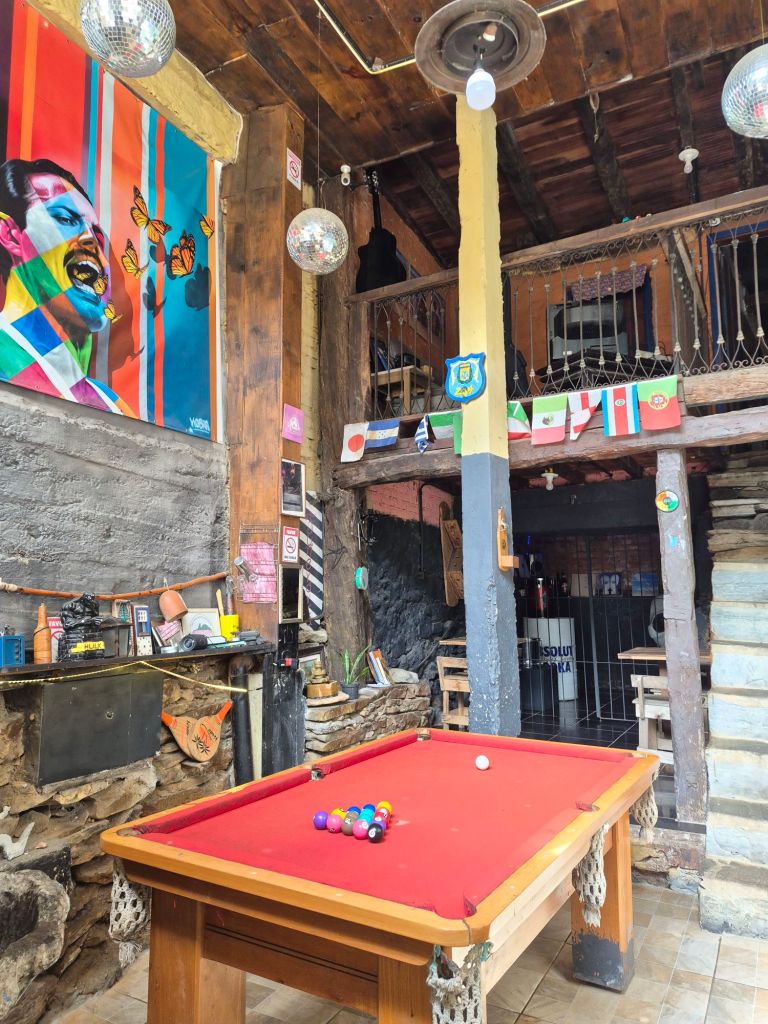
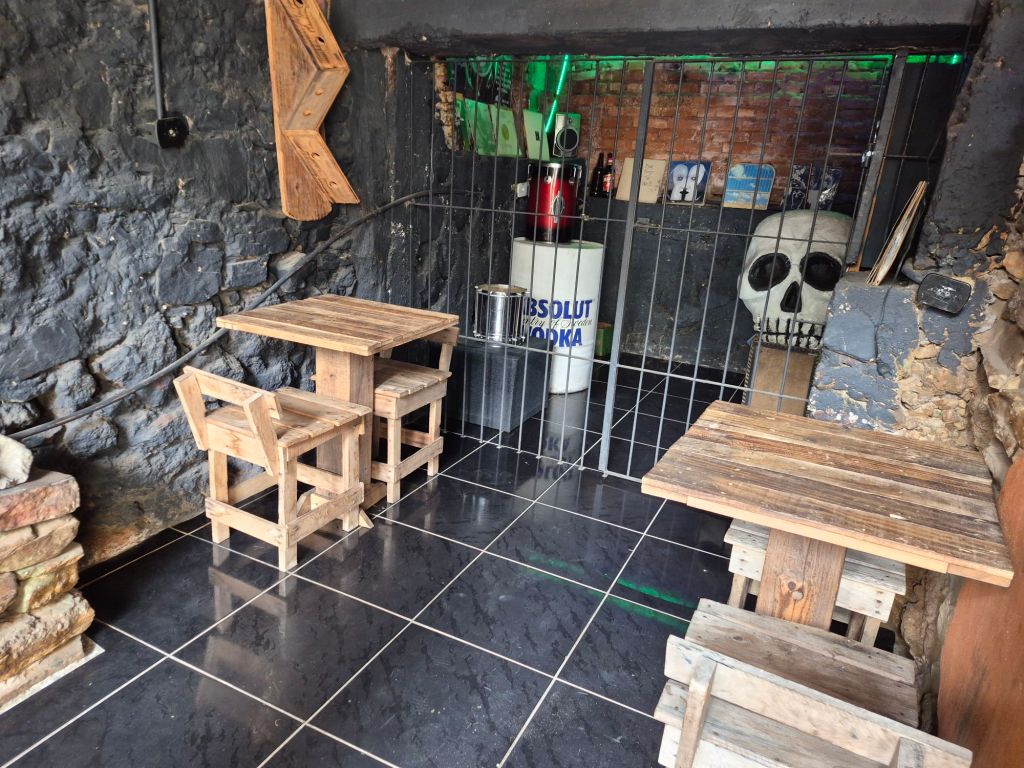
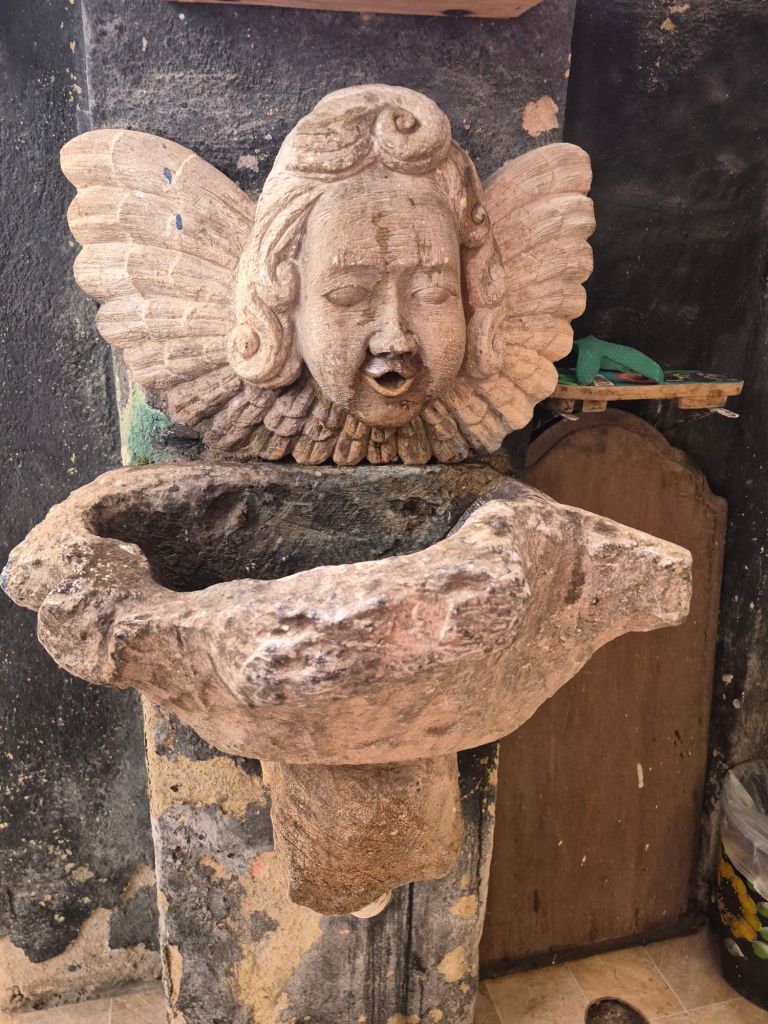
Ten days that had started off with a shock, ended well. It was time to move on, as I had managed to get a Workaway job on a farm outside Caeté for a week or two. I will take the bus to Belo Horizonte and the host, Lara, will fetch me there. Very apt – church bells as goodbye to Ouro Preto.
 Mella Madness