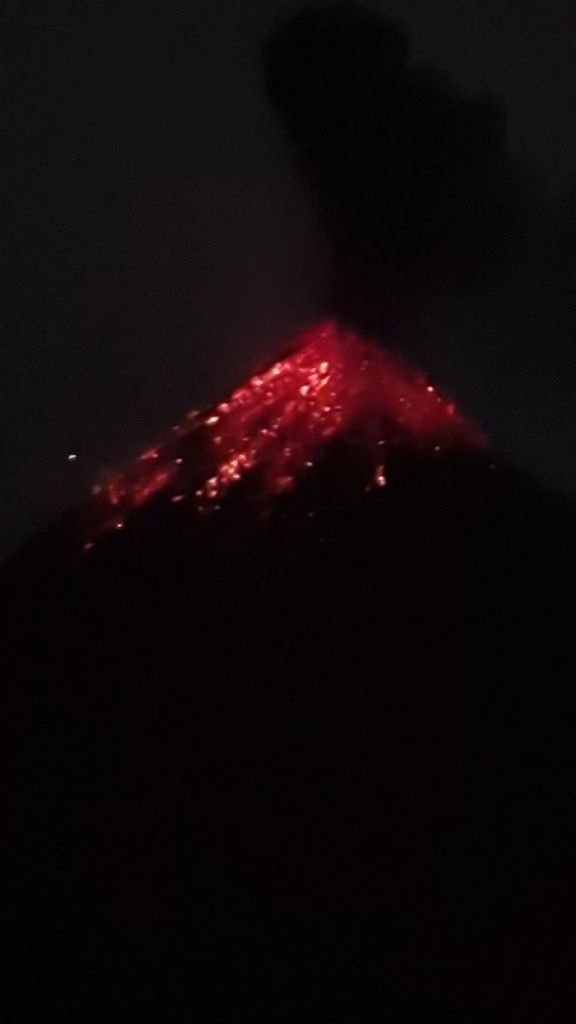
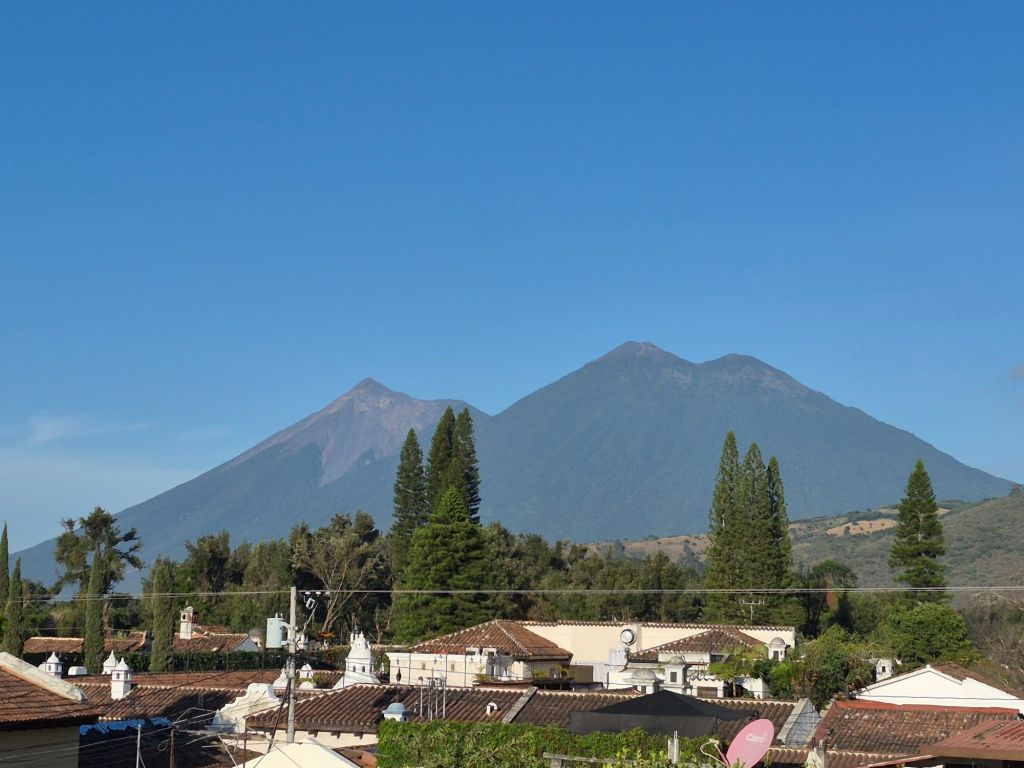
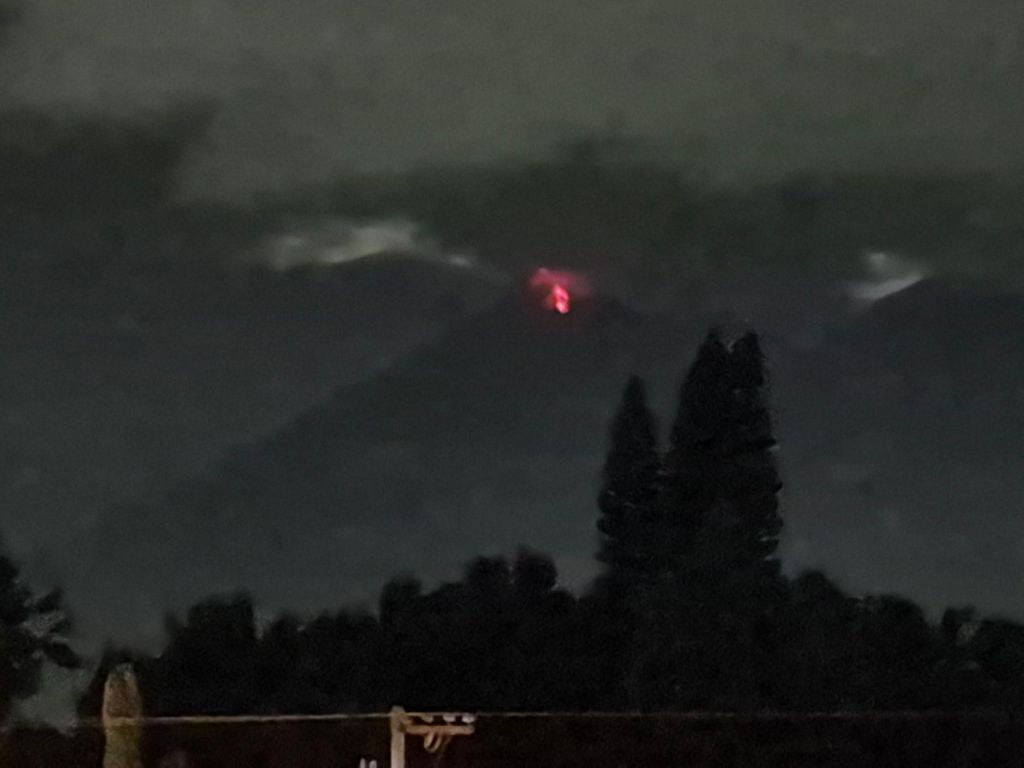
“The God of the Universe is charming you!” my daughter-in-law, Adéle said on the phone the other day. I had sent them pictures of my experience of Volcán Fuego, the active volcano near Antiqua, which had had a scary eruption on the 3rd August, the day before I arrived in Guatamala. It has regular eruptions, about every ten minutes smoke (ash and gas) would rise, but at least once in two hours there is a big eruption, with pyroclastic- (hot gas, ash, pumice and rocks) and lava flows. These are especially spectacular at night, when one sees the red lava. There are guided overnight tours up to Acatenango, the dormant volcano next to Fuego. They are rather pricey, but thanks to a generous donation from a dear friend, I was able to go.
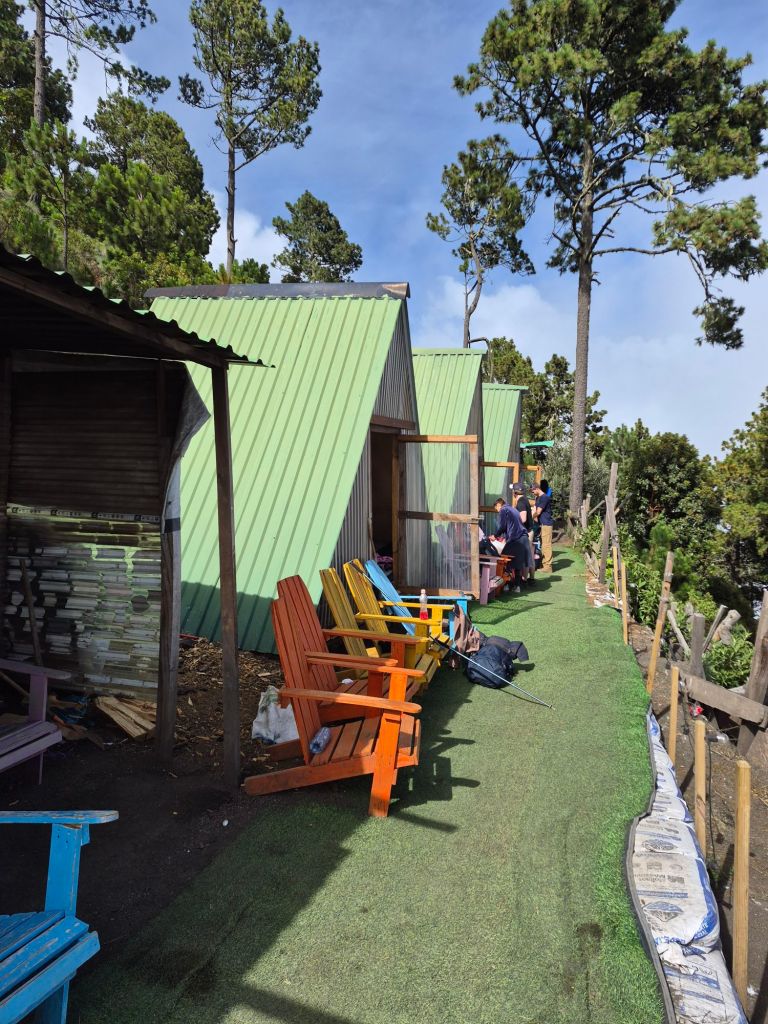
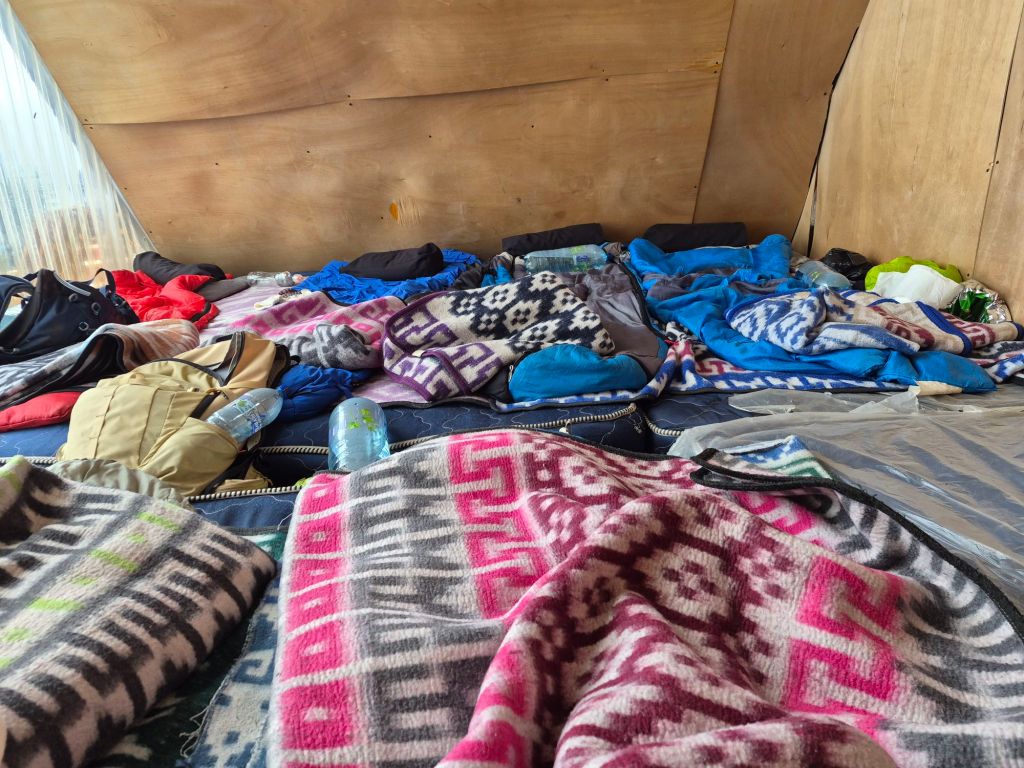
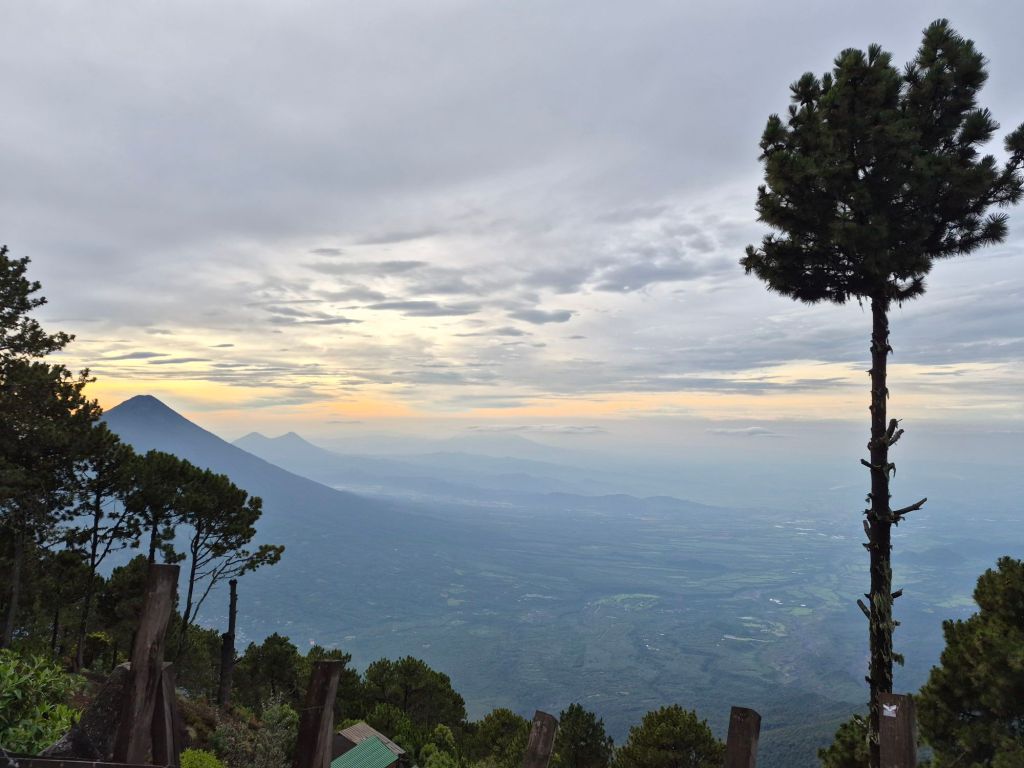
There is a basecamp at 3600m, with bungalows (just mattresses, sleeping bags and blankets), and from there one can either hike to Fuego itself, or to the top of Acatenango to see the sunrise. I did neither, as I knew I had to hike back the next day and wanted to give my knees a rest. The view from basecamp was excellent, and I was able to see quite a few eruptions.
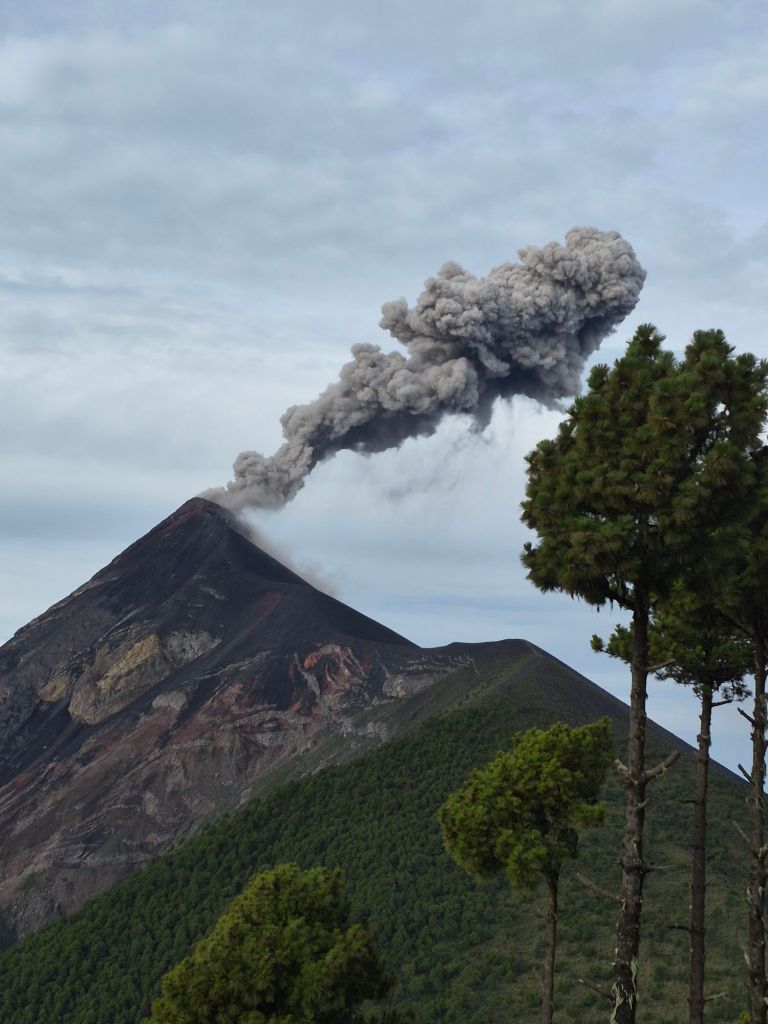
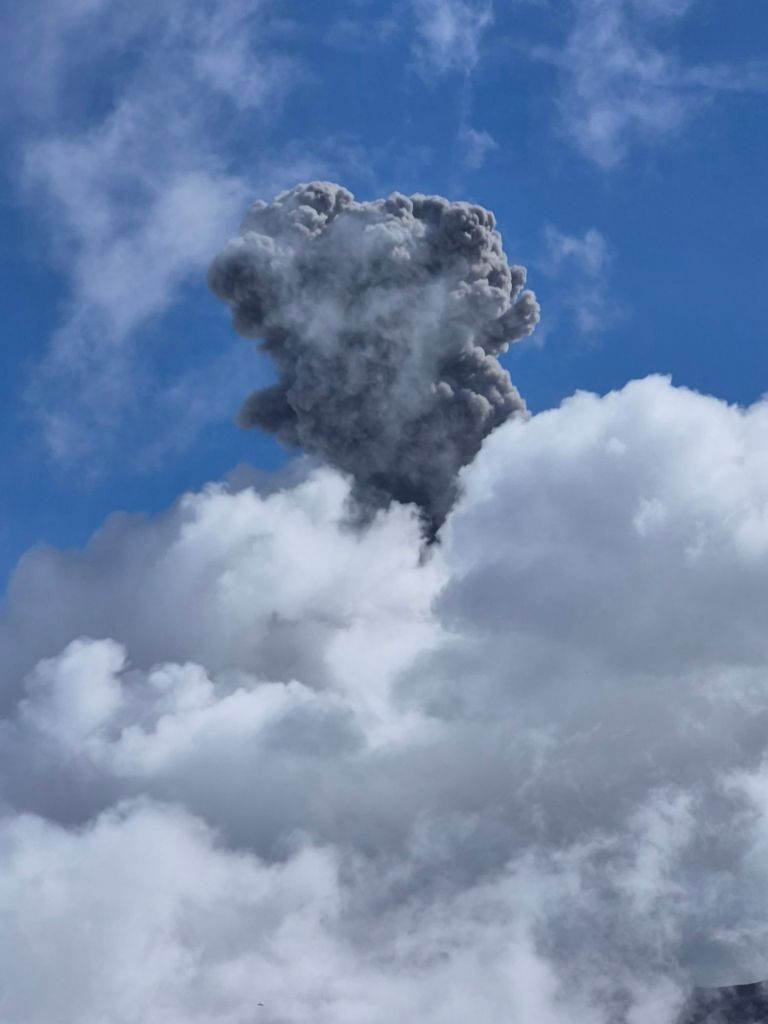
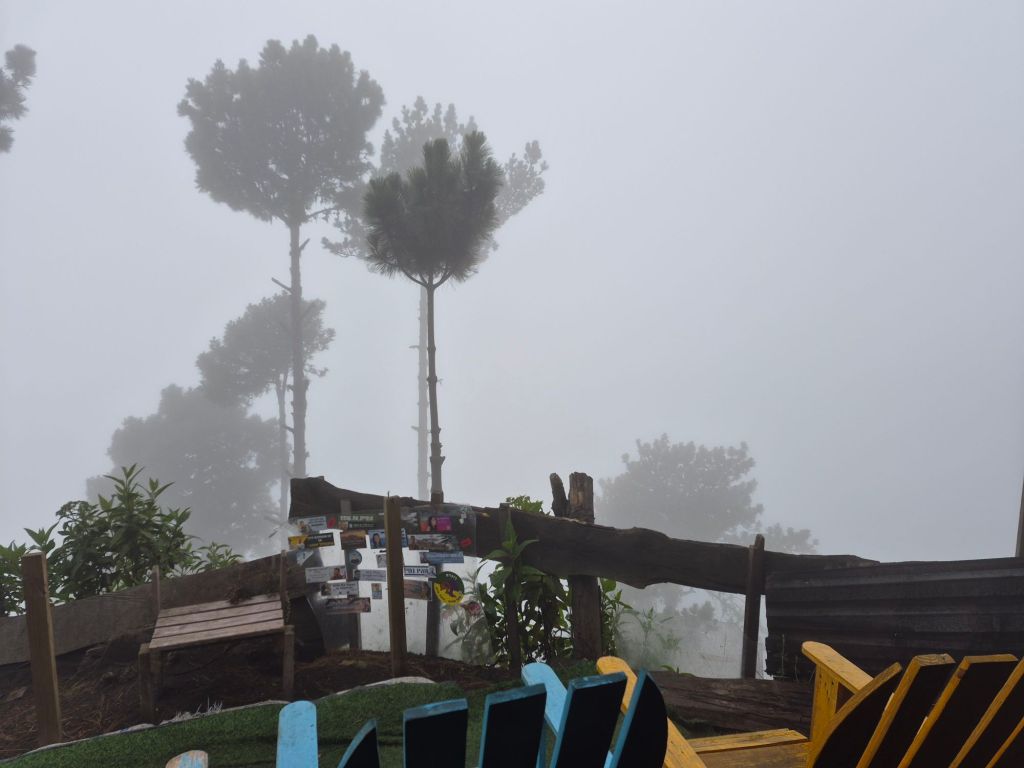
The “charming” relates to my experience as compared to the rest of the group. After arrival at 15h00 they decided to do the hike to Fuego, which meant 90 minutes there (first down then up), one hour at the top, and 90 minutes back. 30 minutes after they left it started raining softly, and an hour later a horrific lightning- and thunderstorm broke out. I spent two hours sitting warm and dry in the bungalow, watching nature perform with a vengeance.
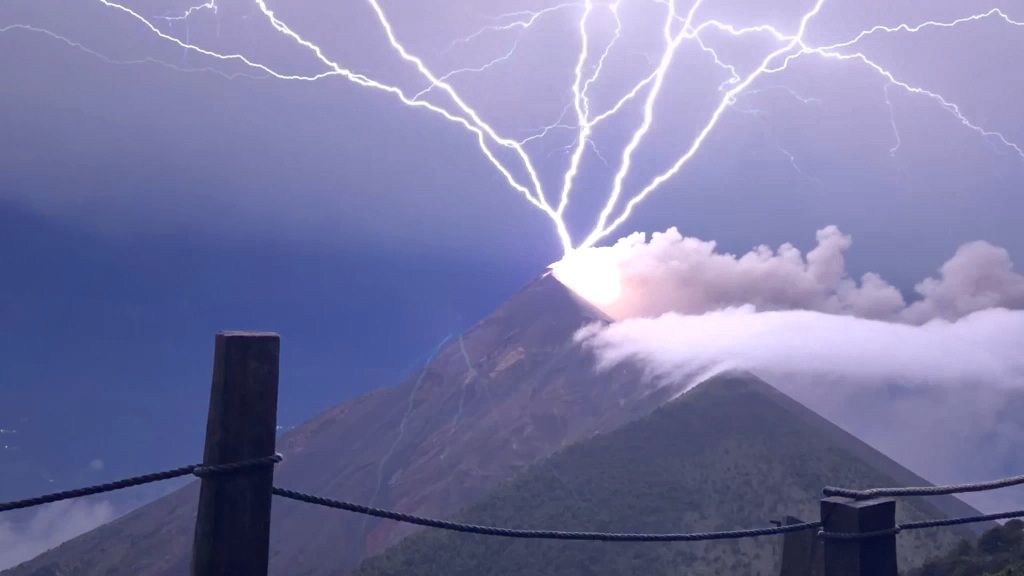
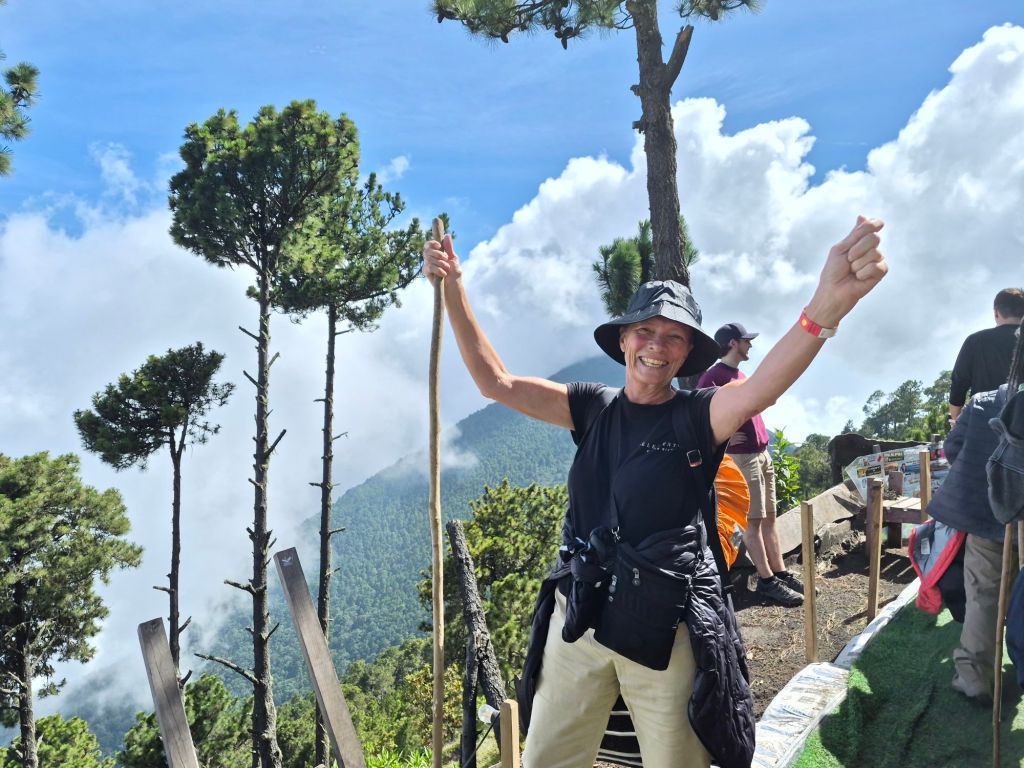
I was still standing there after the lightning, when there was an enormous eruption, which I thought I was recording on video, but I had pressed the wrong button. Daniel, our guide, had also stayed at the camp and took this picture of me after the eruption.
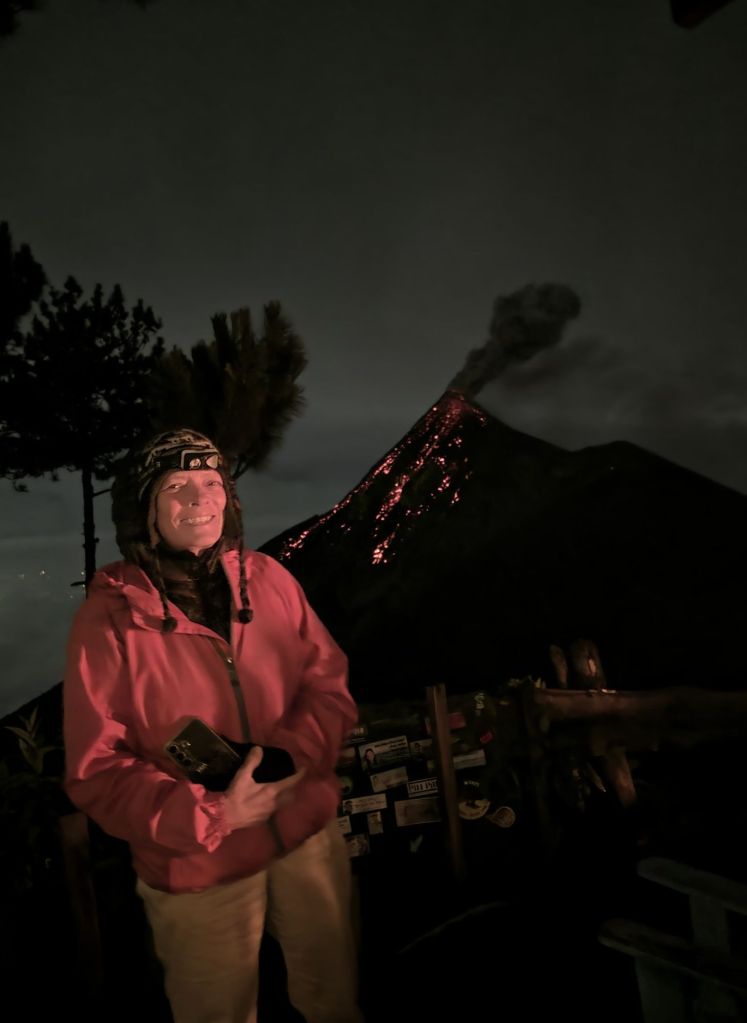
The group came back at 20h30, tired, wet, cold and disappointed as they had seen nothing, the rain and clouds had covered Fuego. I went to bed early, heard rain the whole time, but when I woke at 02h00 to go to the toilet, I saw that Fuego was open in spite of the rain, so I sat outside until 05h00 watching it, and saw two beautiful eruptions.
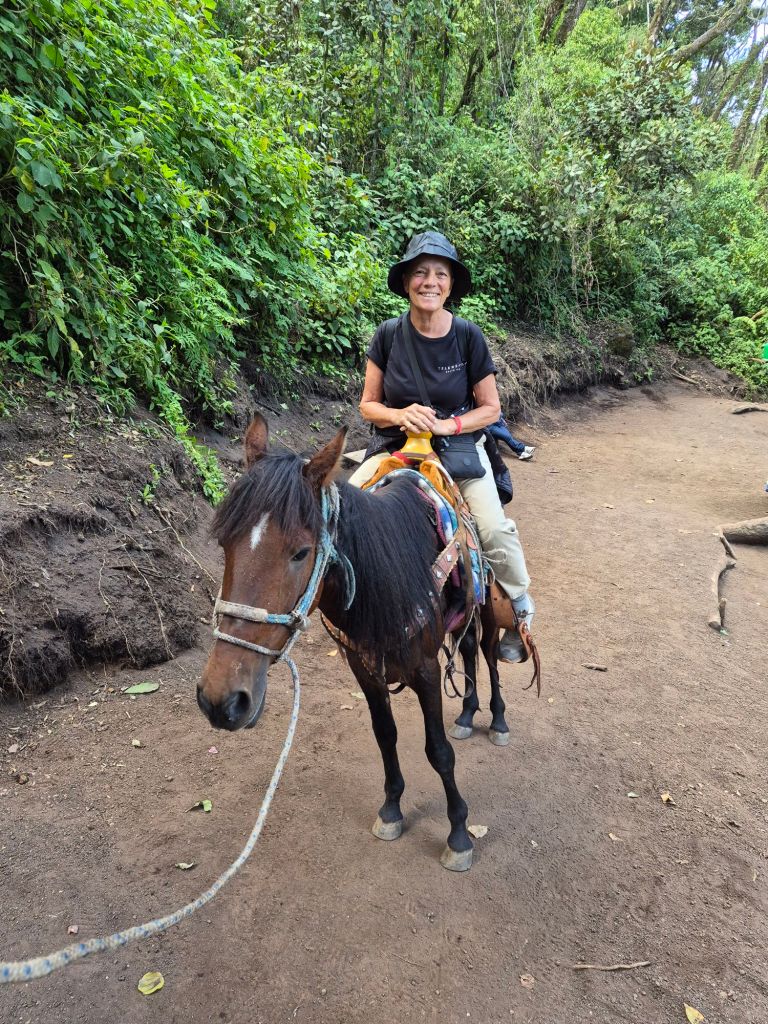
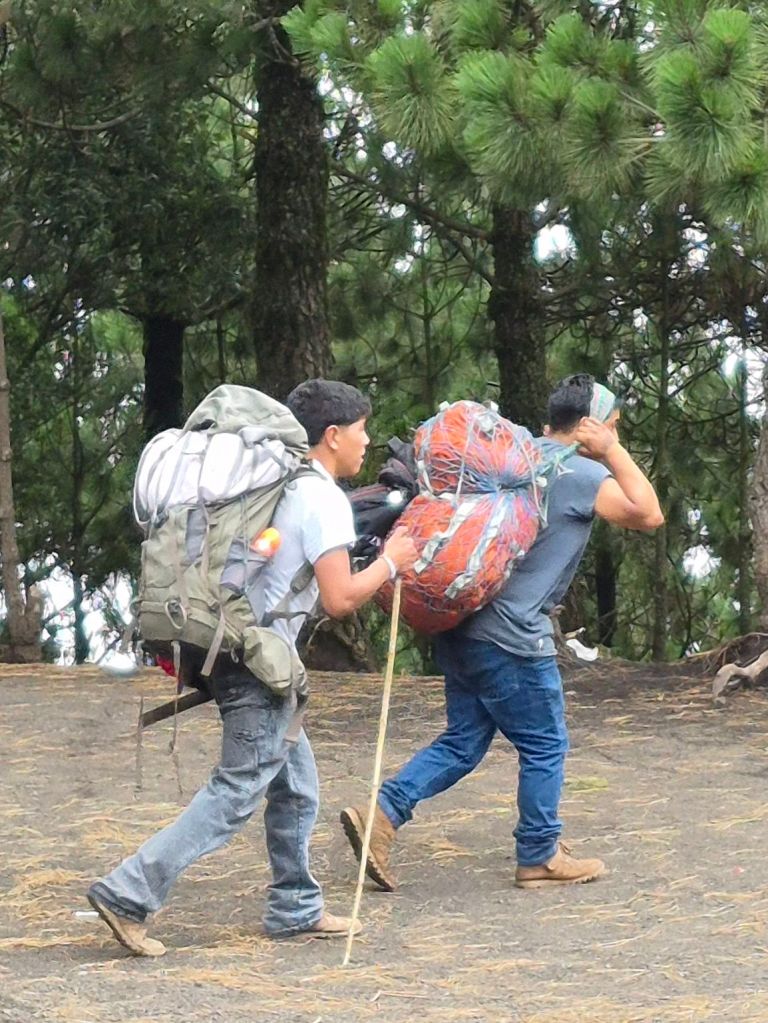
I had booked a 4×4 tour, but was told that the government had closed the roads, so I could either hike or go up by horse. I chose the latter, but felt so sorry for the horse that I told Elmer, the guy leading the horse, that I would hike the last stretch, which was not that difficult. Hiking down the next day was on a zig-zag path through a beautiful forest, a different one from which the horse-ride was. I had been very nervous beforehand, but my knees were fine and I kept up with the group, much to my surprise. It was while hiking down that I heard some of the group complaining about their experience, the bad weather and not seeing any eruptions during the night. It made me realise that one makes choices, and I was very satisfied with the ones I had made. Daniel and Walter (the guides) were excellent – they prepared the bungalow, made the food and kept on asking me “como estas” (how are you) whenever they passed me.
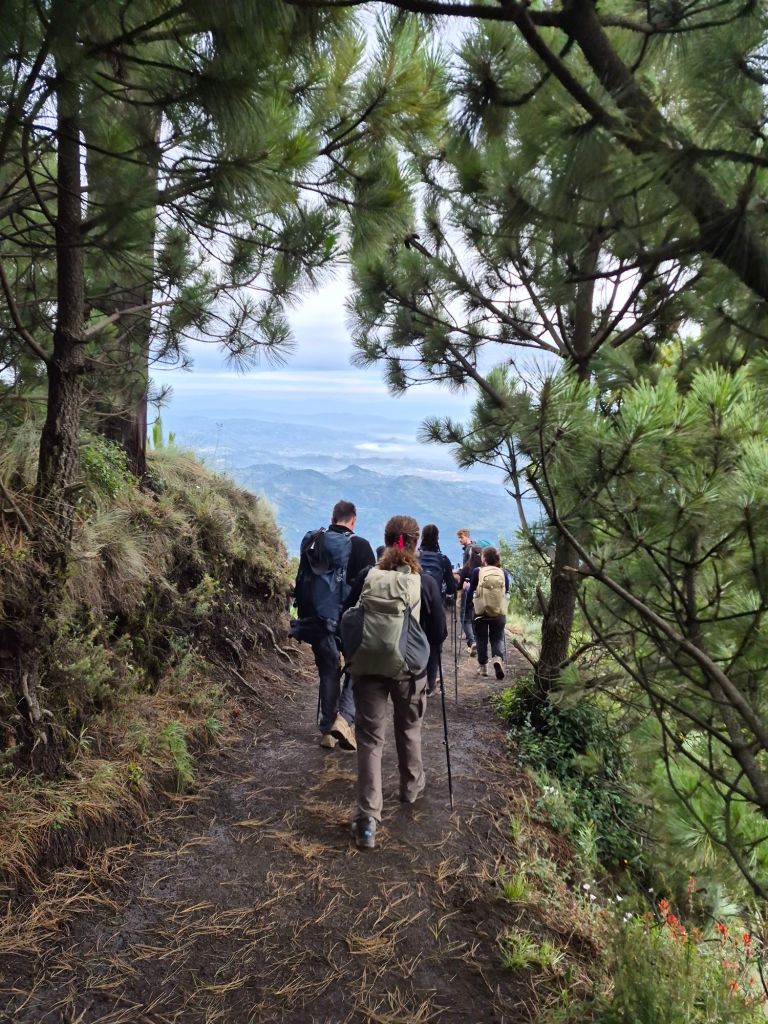
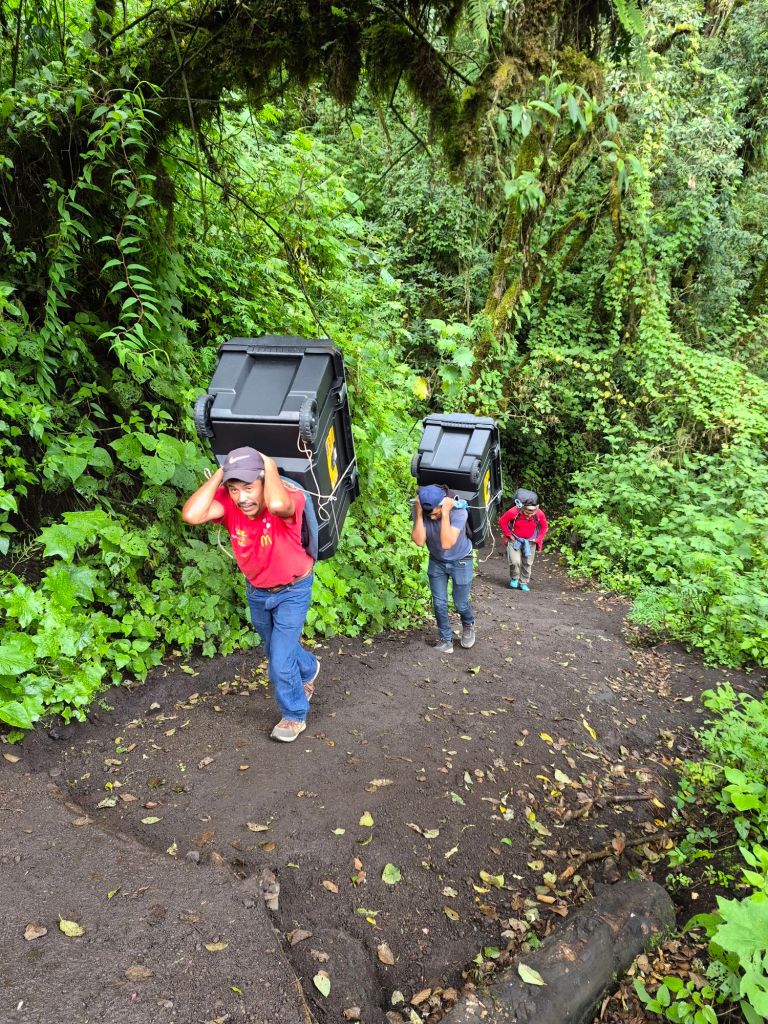
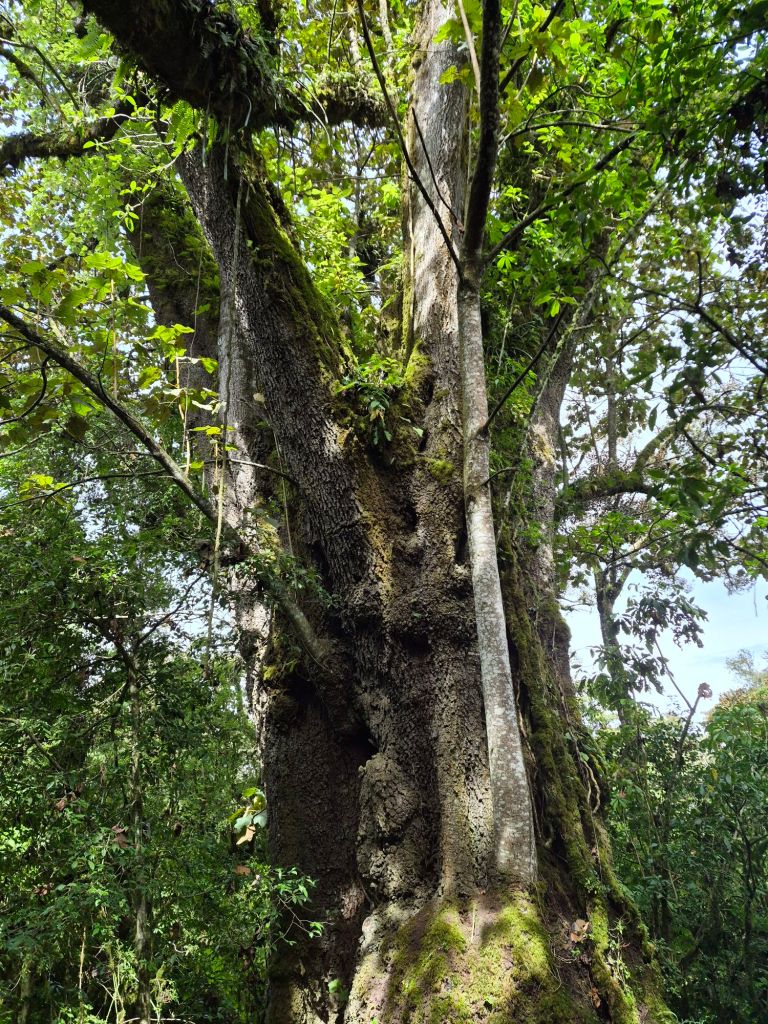
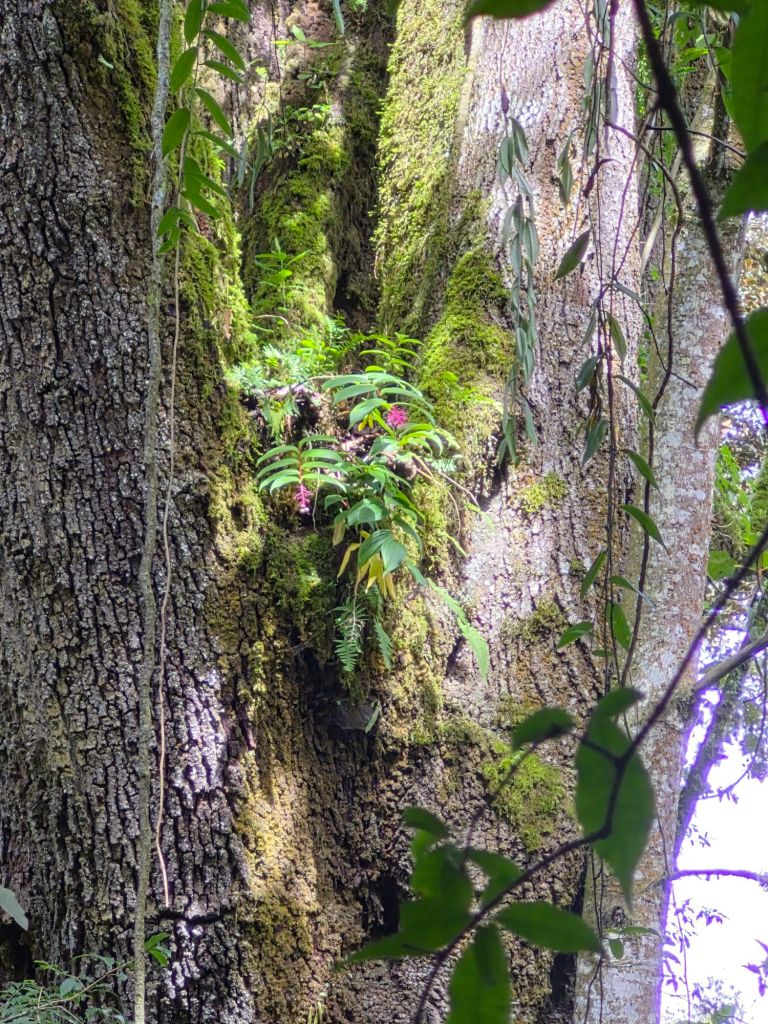
Another once-in-a-lifetime experience – I am so glad Juraj persuaded me to go. He kept on sending me WApps, saying what a unique experience it had been, encouraging me to do it.
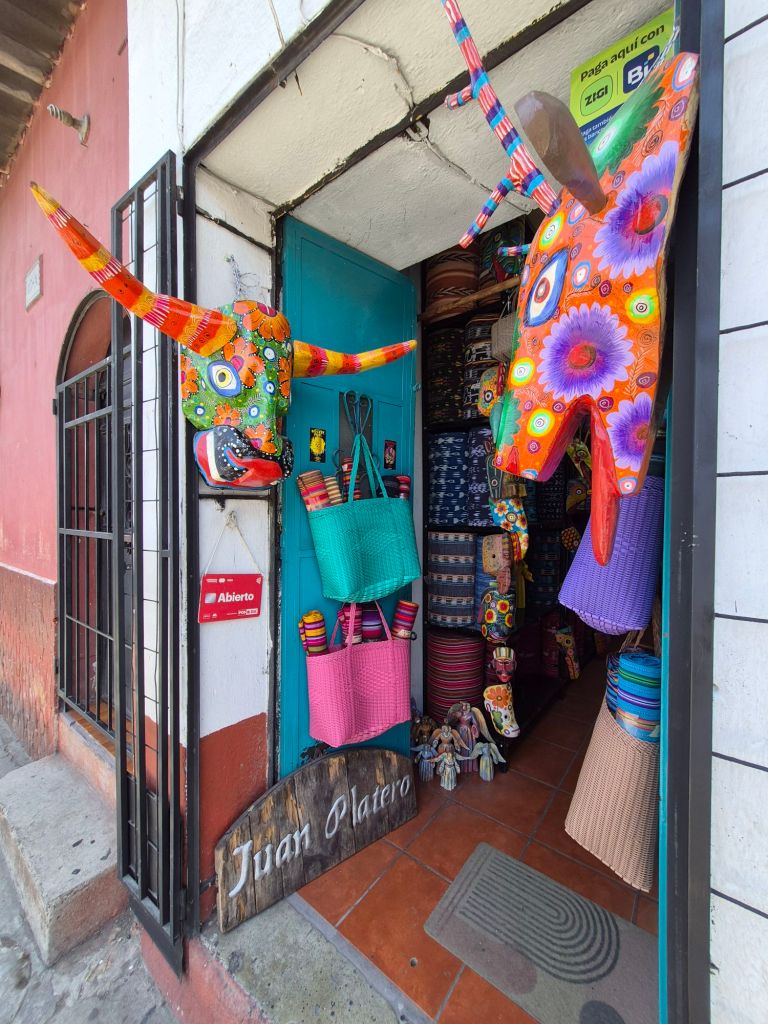
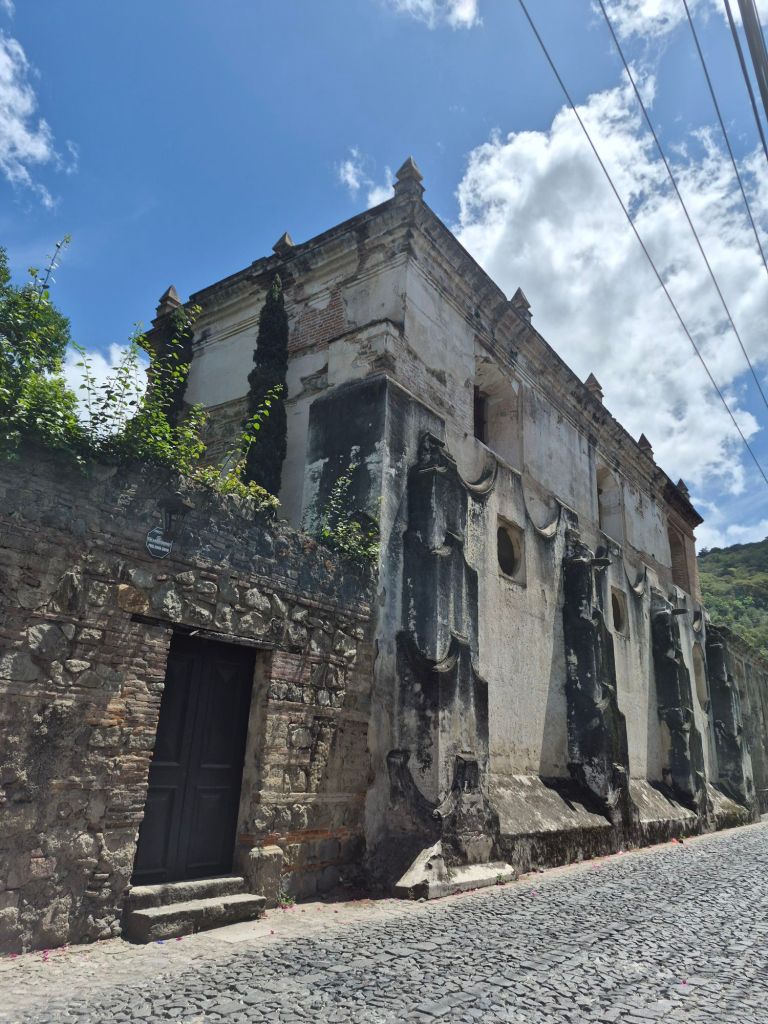
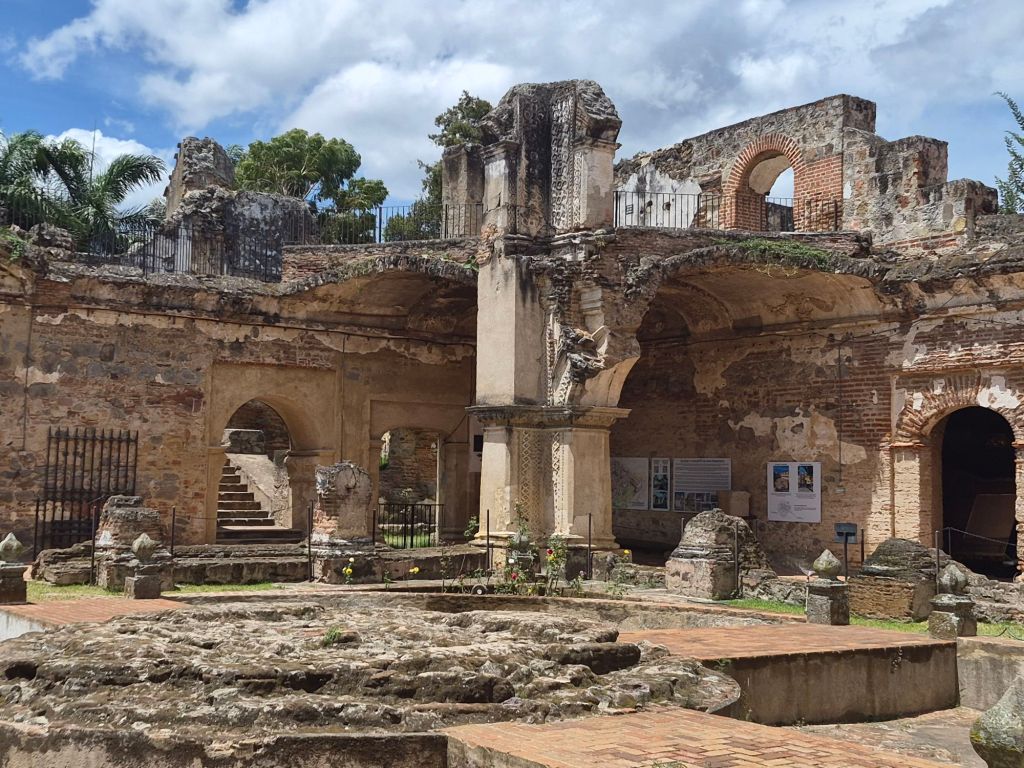
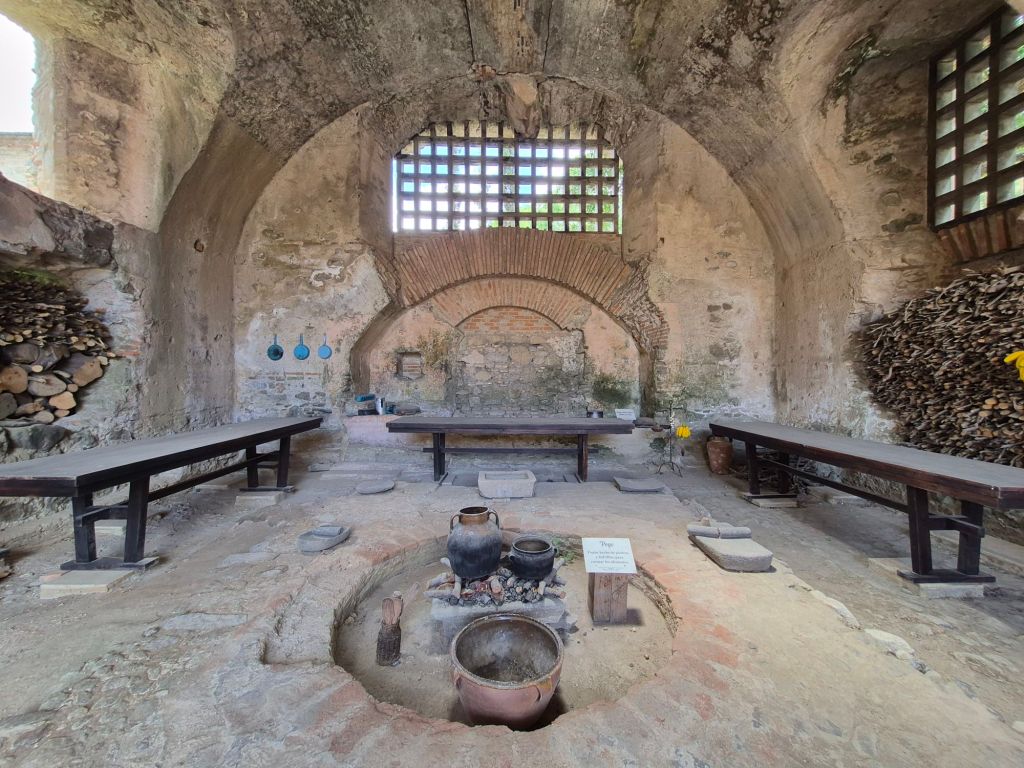
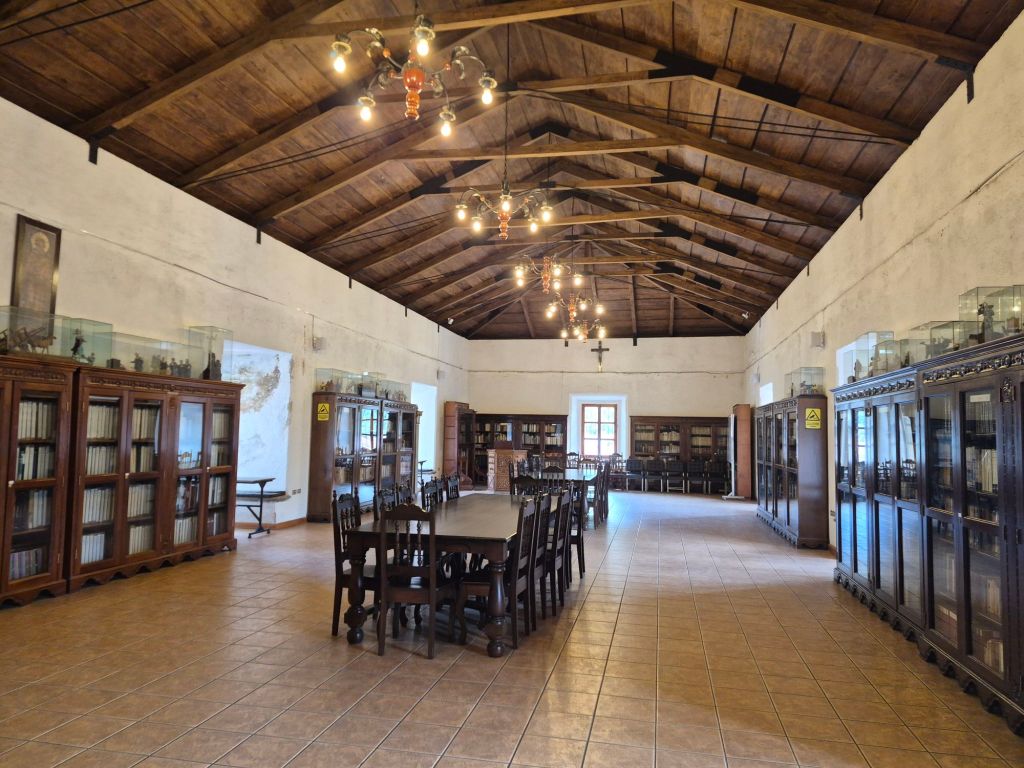
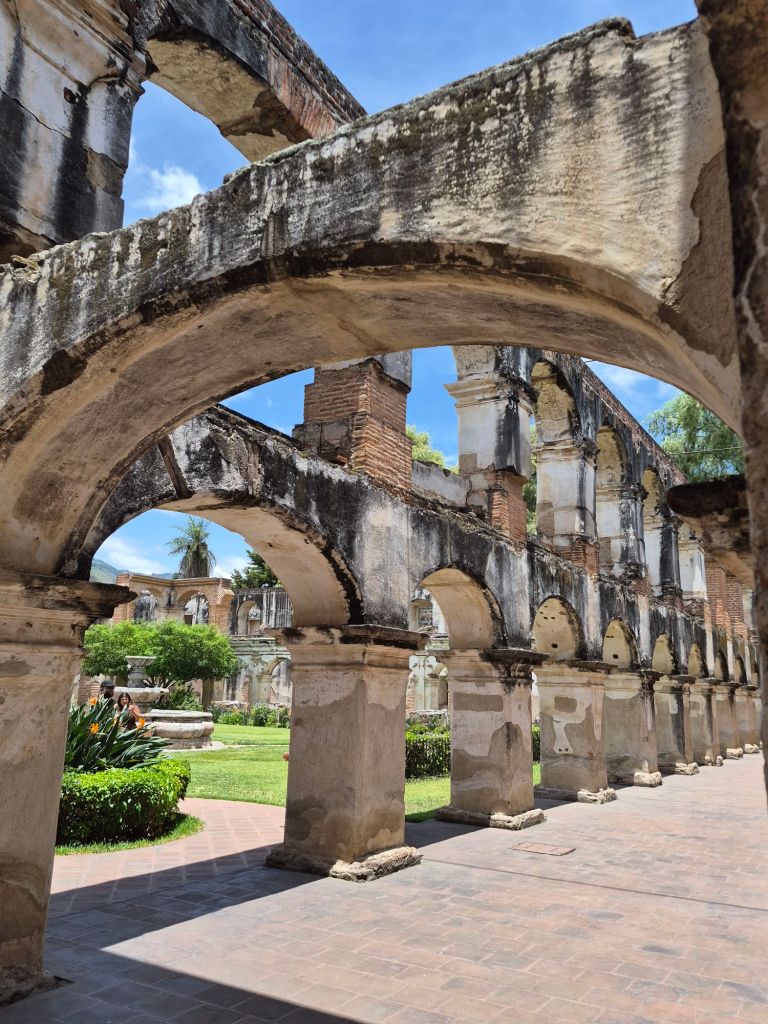
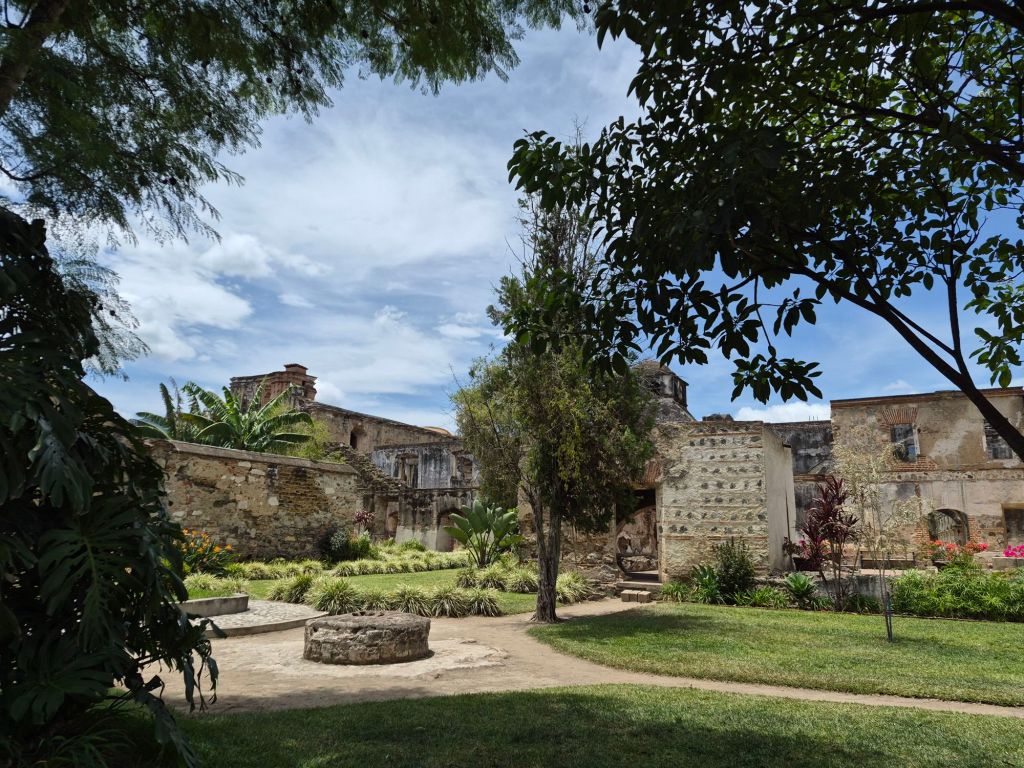
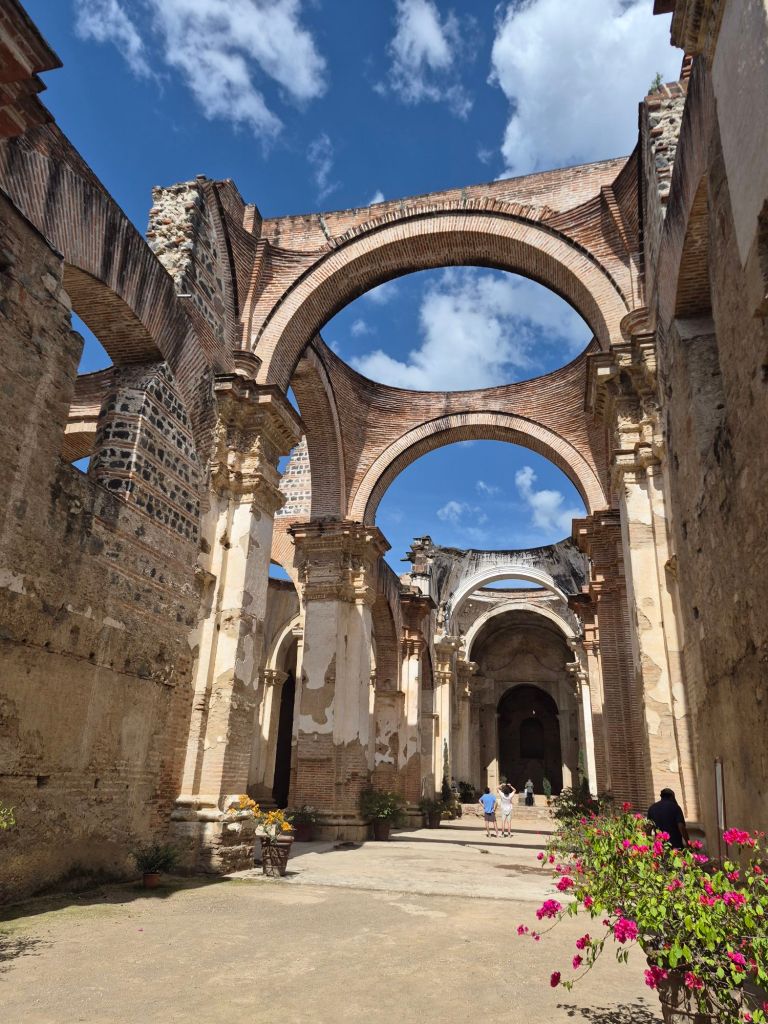
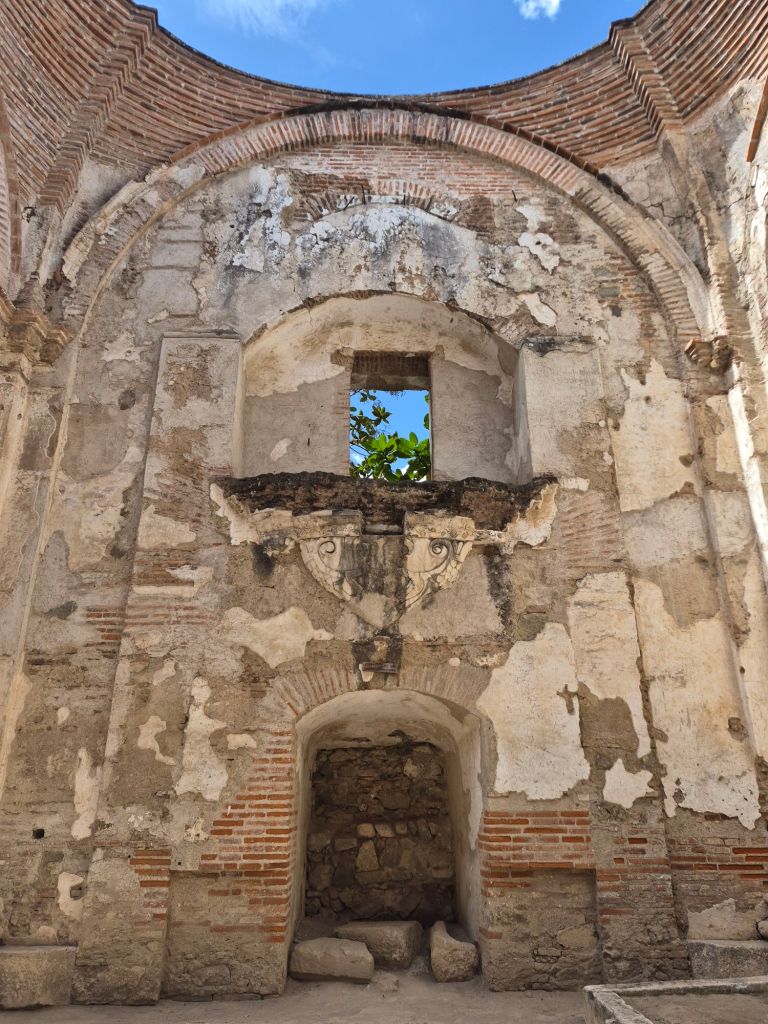
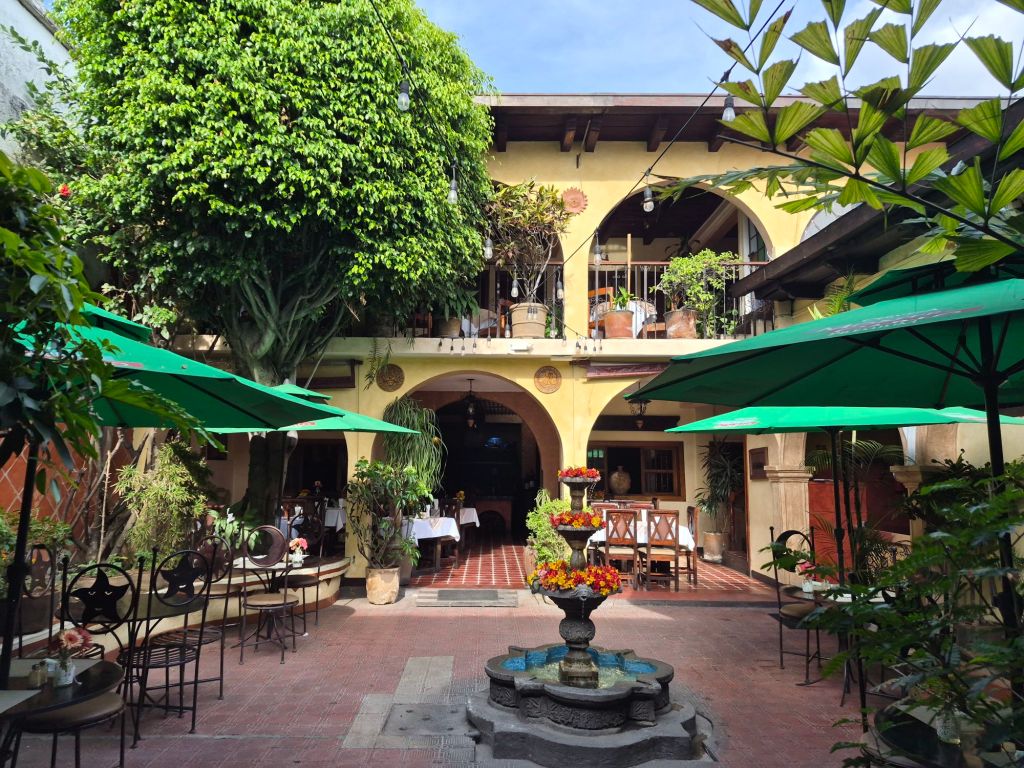
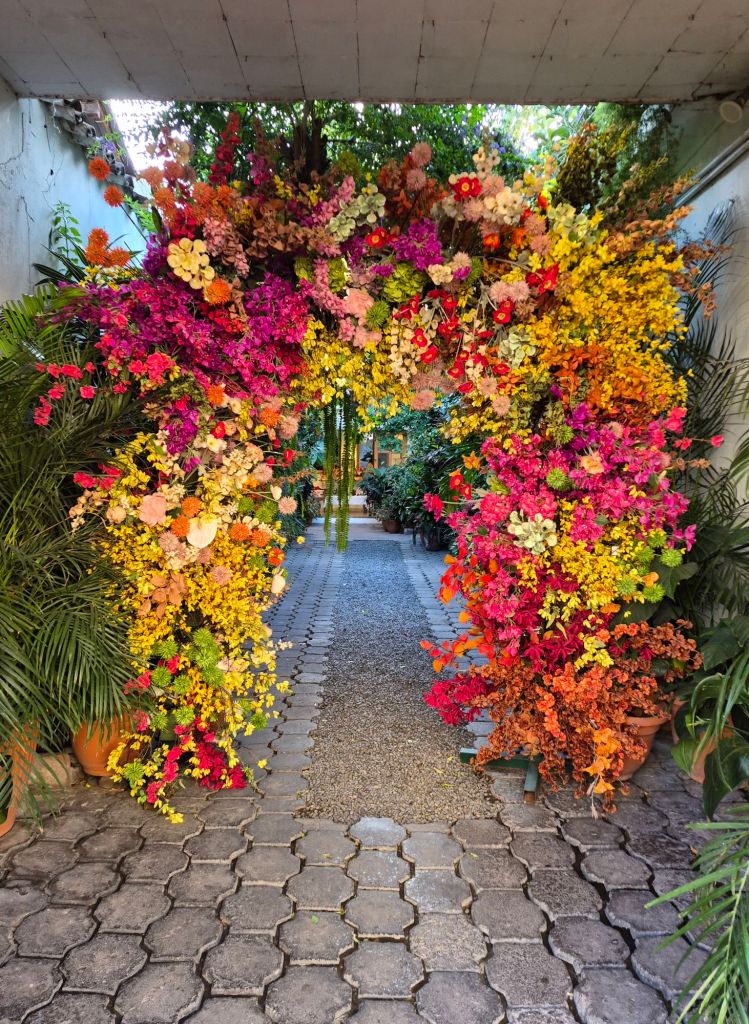
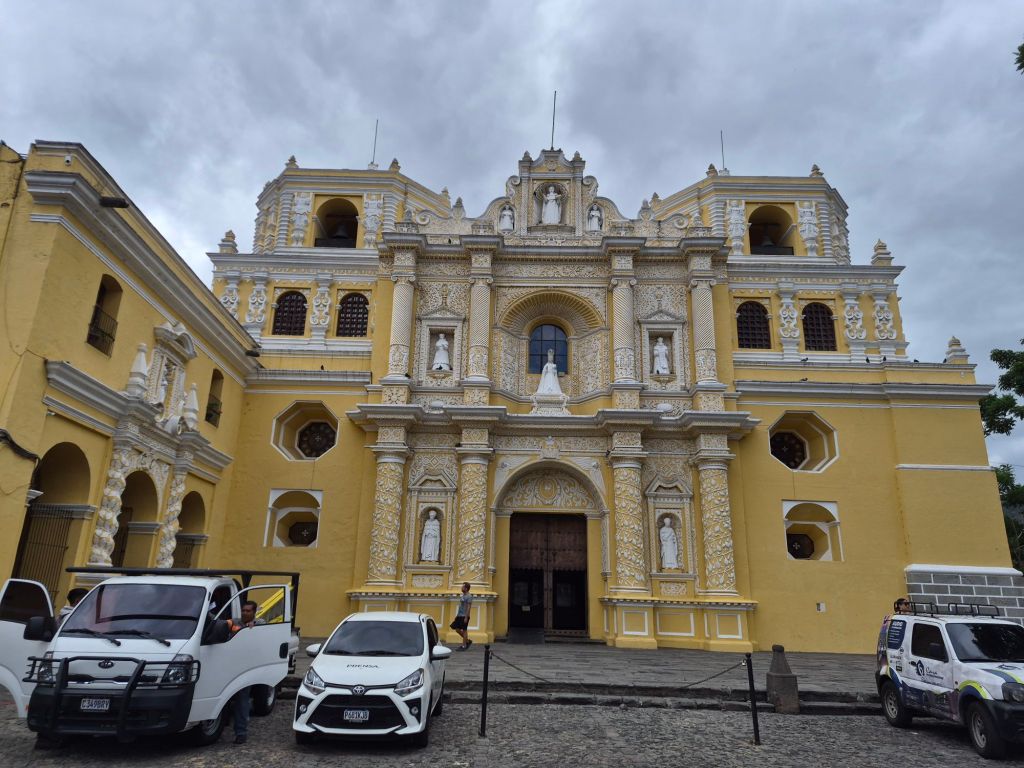
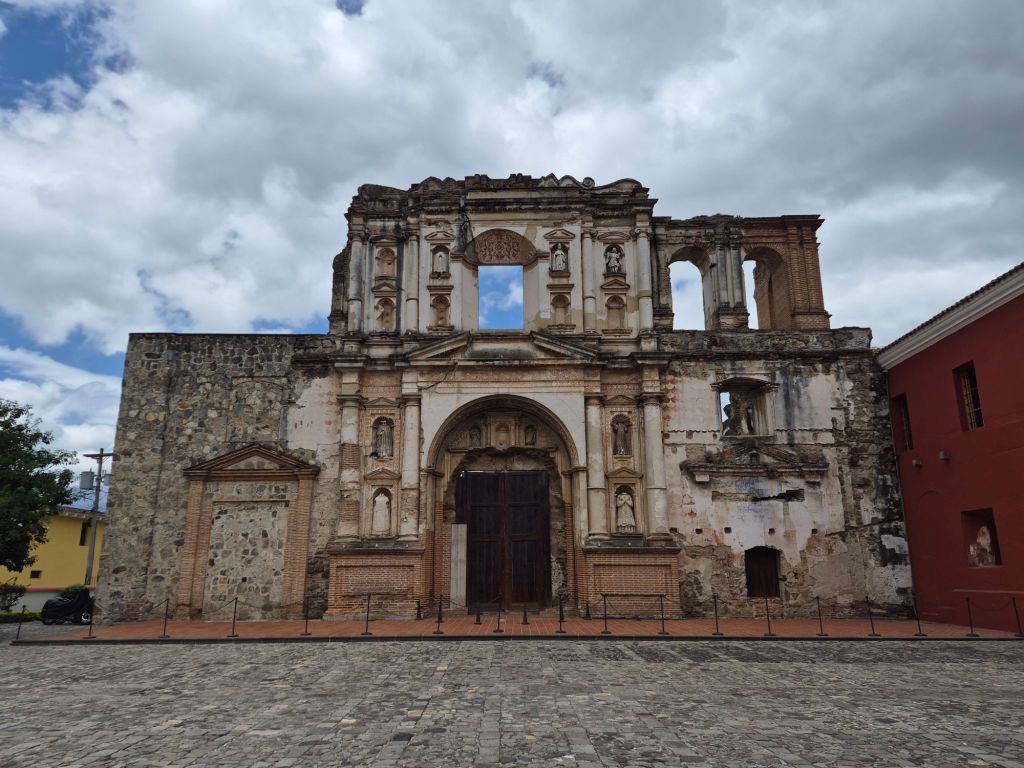
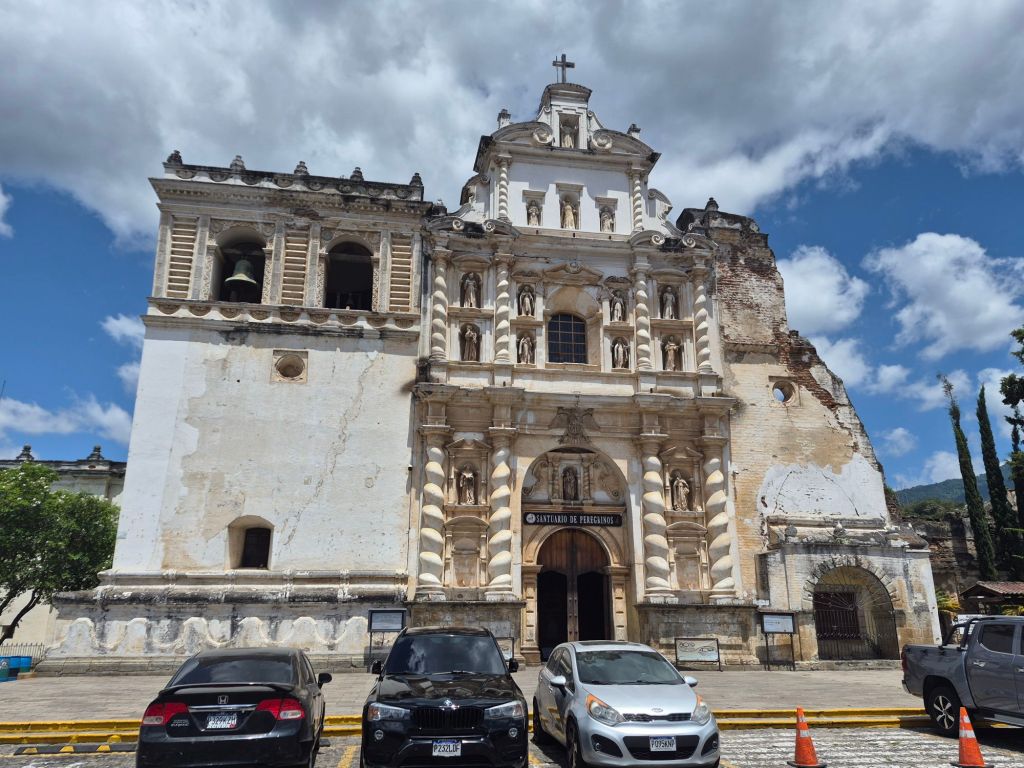
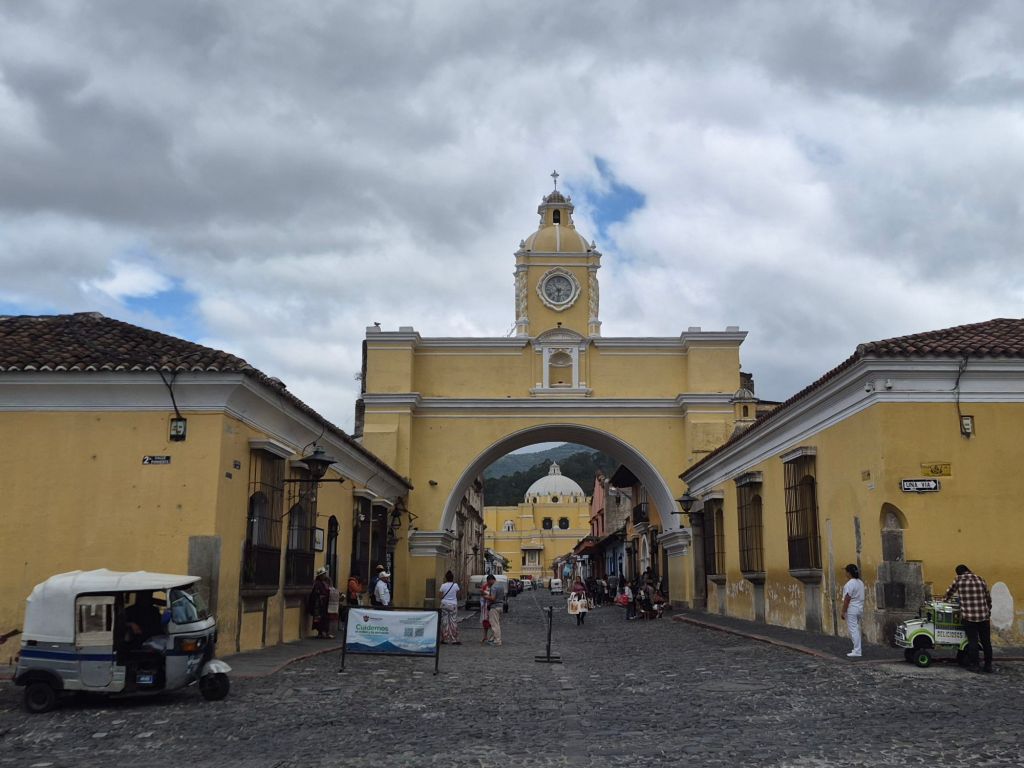
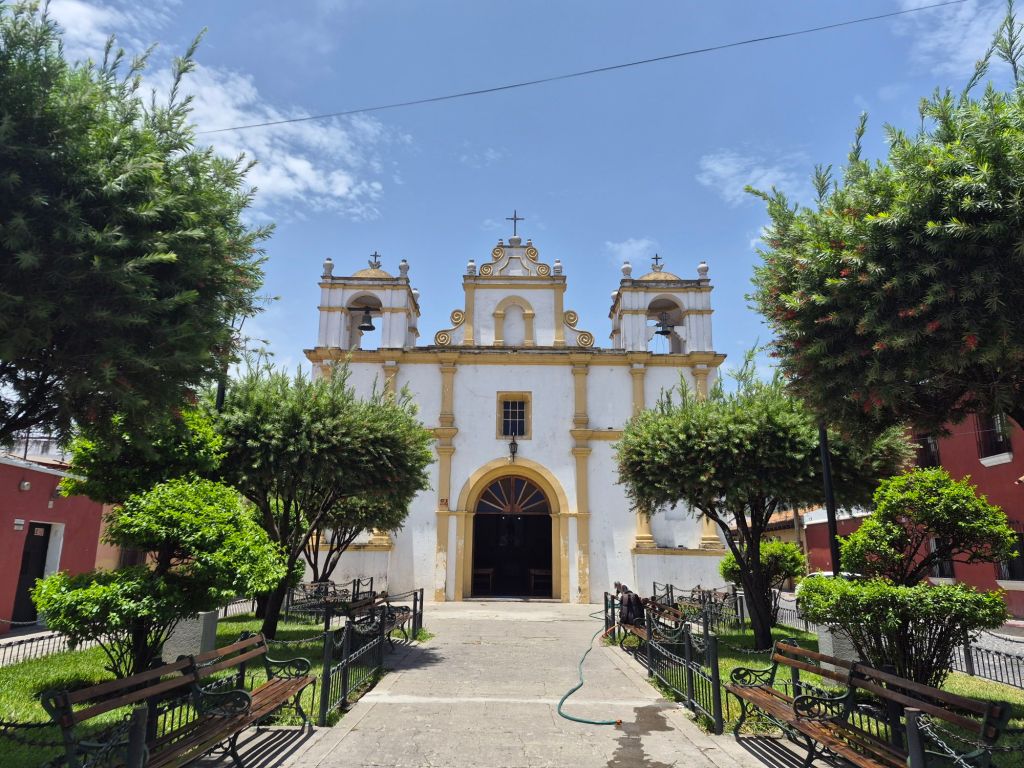
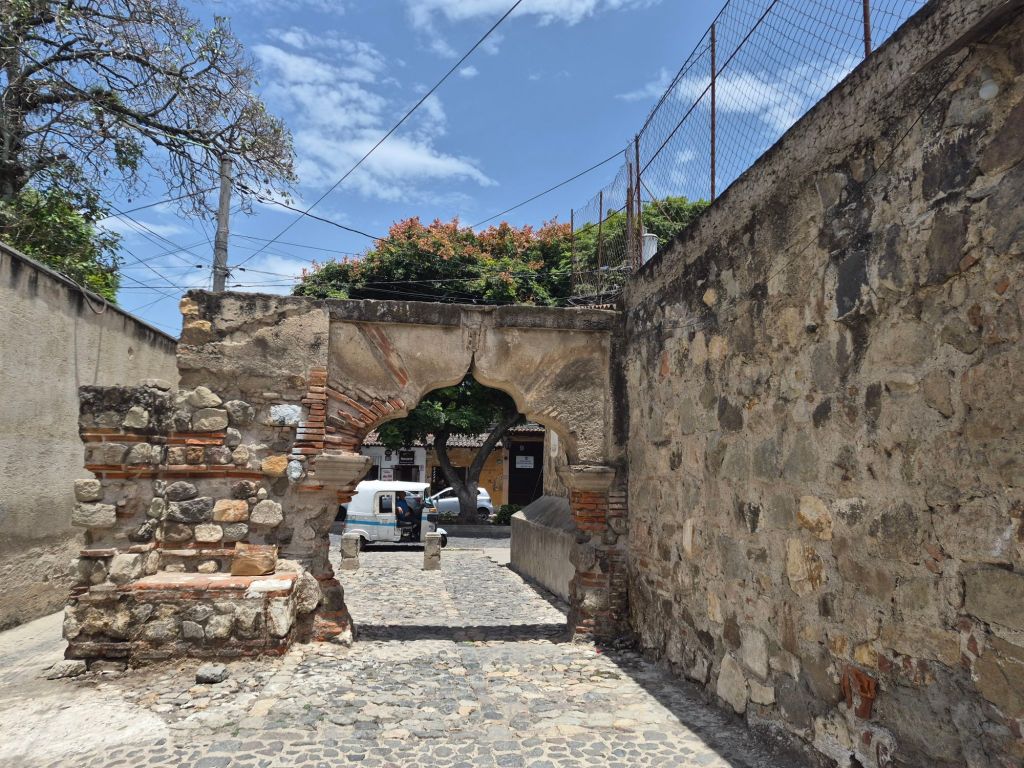
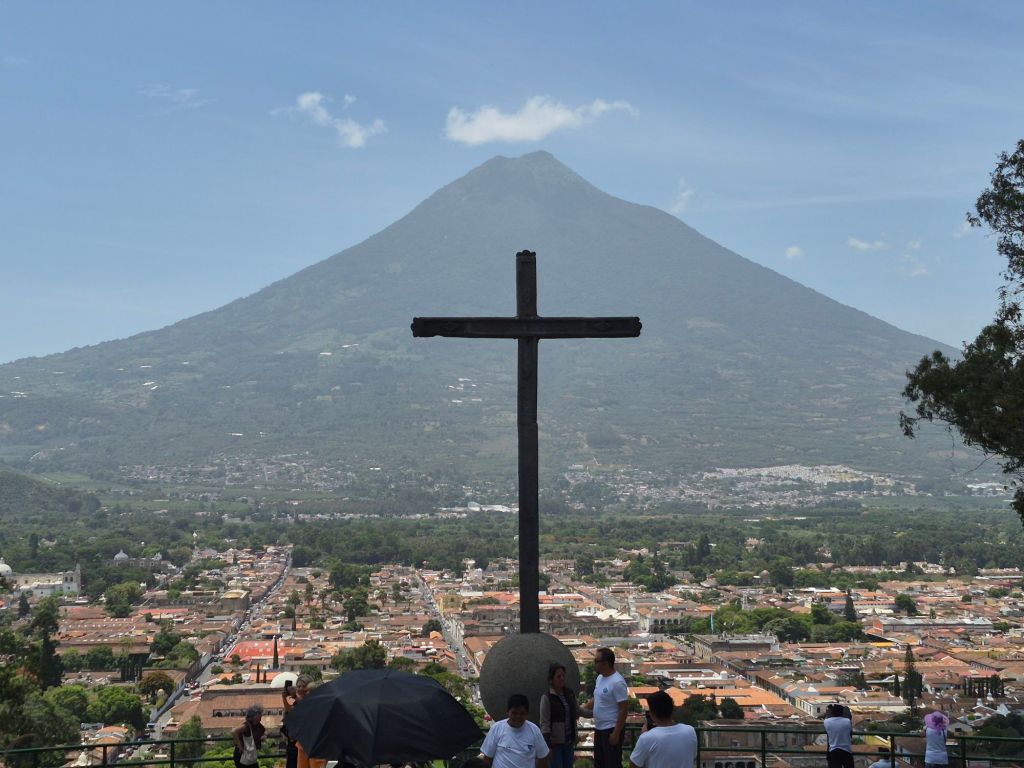
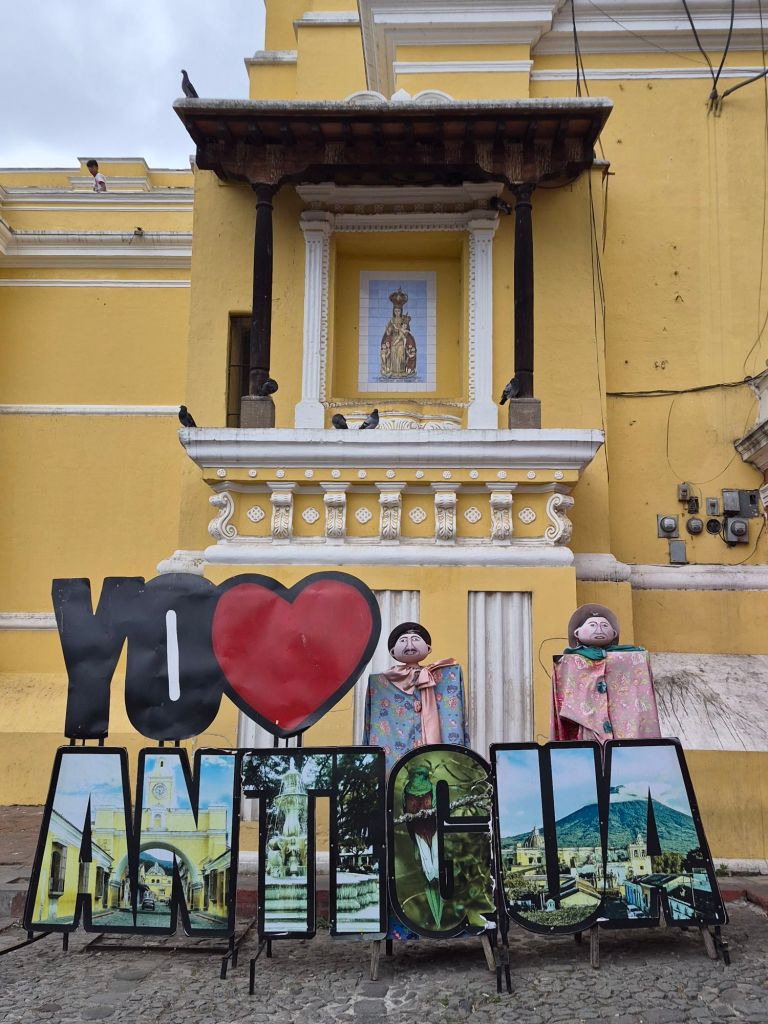
Antigua, the town from where one leaves to go up Acatenango, is a lively and picturesque old colonial city. It was founded in 1543 as the colonial capital of Central America, and called Santiago de los Caballeros de Guatemala (City of Saint James of the Knights of Guatemala). It was built in Spanish baroque style, with a grid-layout and cobbled streets, grand monasteries, educational buildings, churches and government palaces. It was regularly damaged by volcano eruptions and earthquakes, and finally destroyed in 1773 by the Santa Marta earthquake. It was then decided to move the capital to a safer place, which is now Guatemala City, and the city was renamed Antigua Guatemala (Old Guatemala). It was virtually deserted for the following 150 years, which meant the ruins of the grand buildings were kept intact and today there are many old sites to visit. Restoration was started in 1944, when the government declared Antigua a national monument. The buildings around the central park have been fully restored, and in 1979 it was declared a UNESCO World Heritage Site. The cobblestone streets have to be maintained and buildings are not allowed to have more than two storeys. I loved Antiqua, but it is colonial, not a true reflection of Guatemala. I spent a week there, visiting ruins, walking around, eating ice-cream and drinking coffee, enjoying what it had to offer in terms of restaurants, little cosy shops and markets.
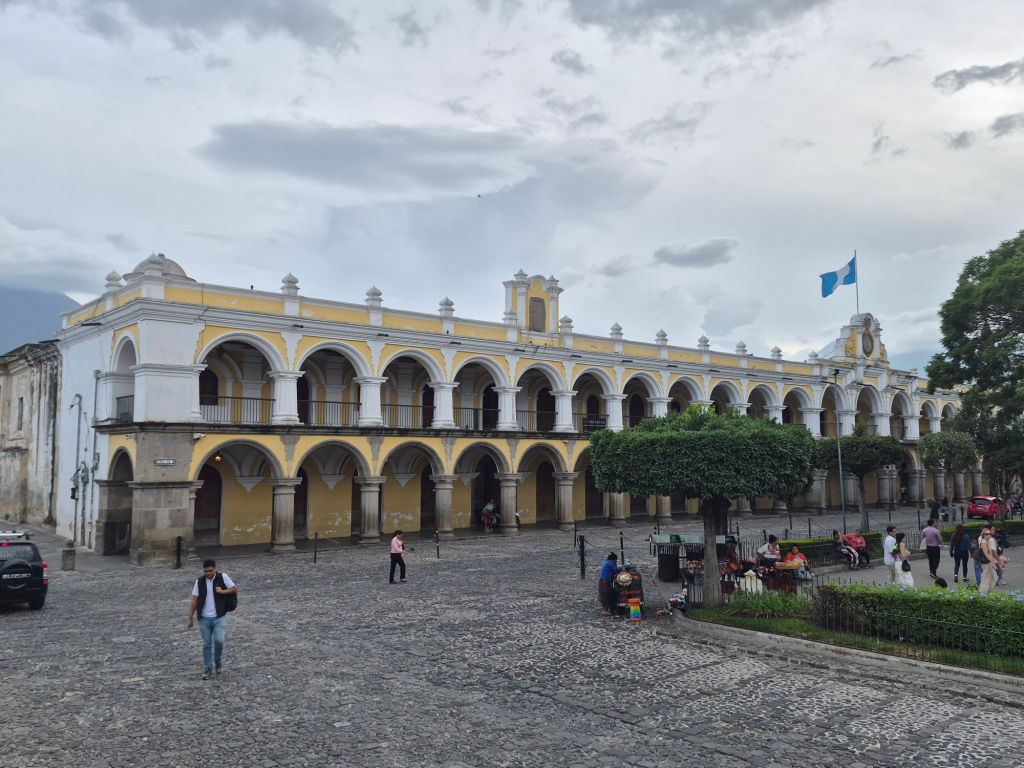
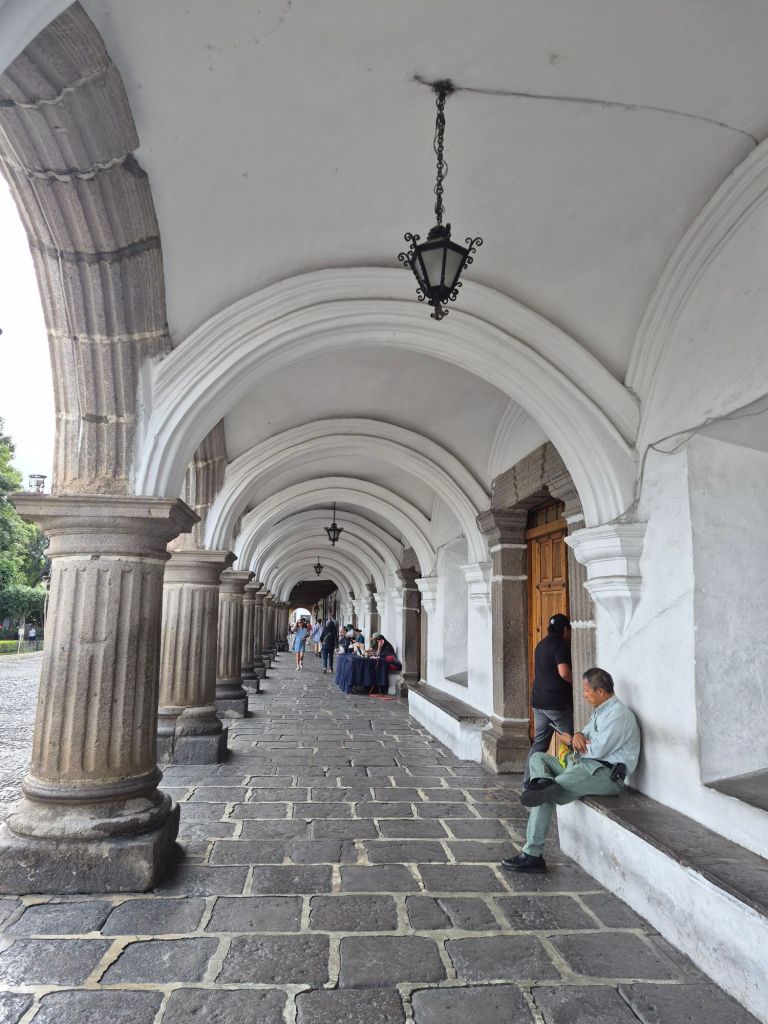
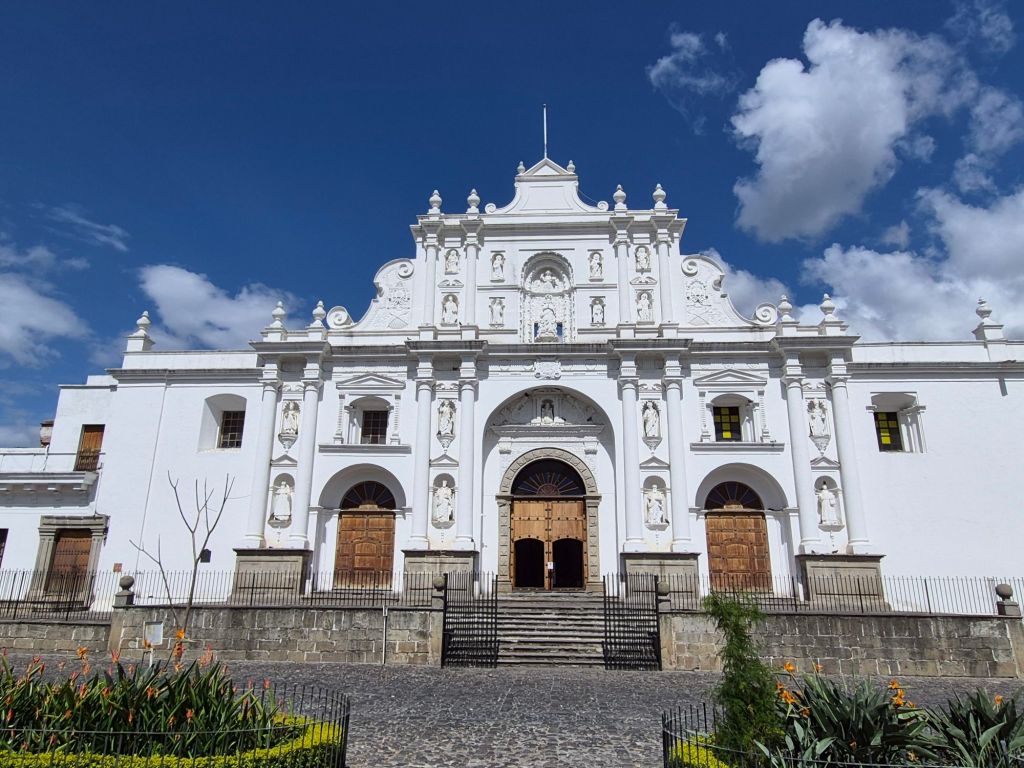
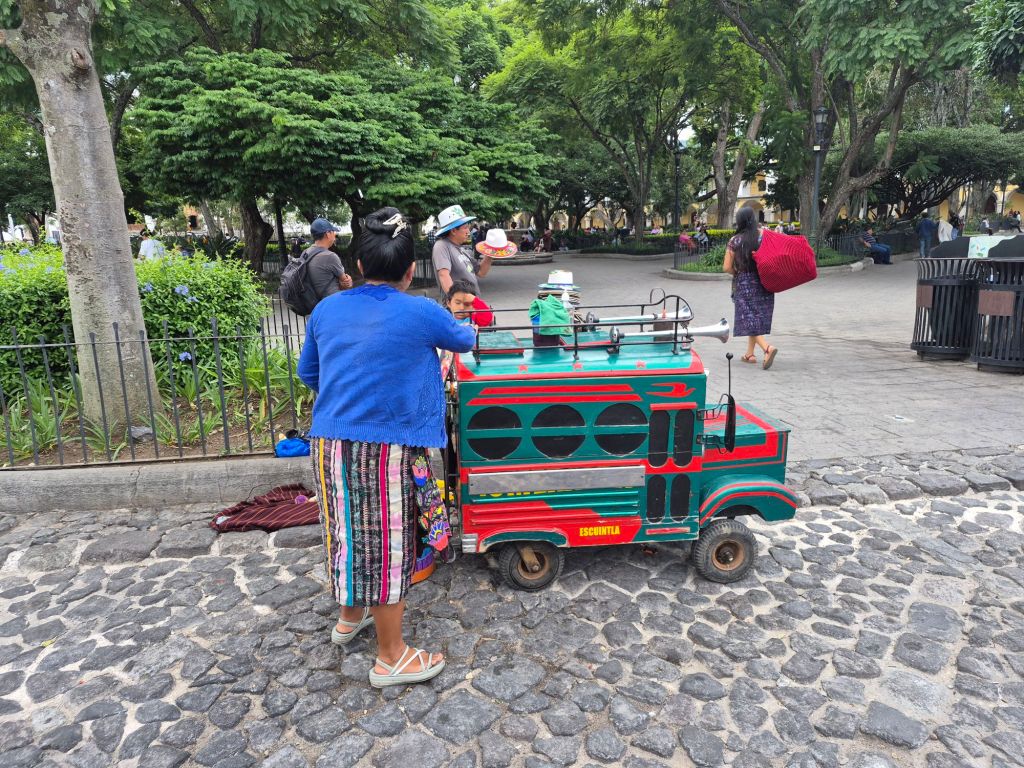
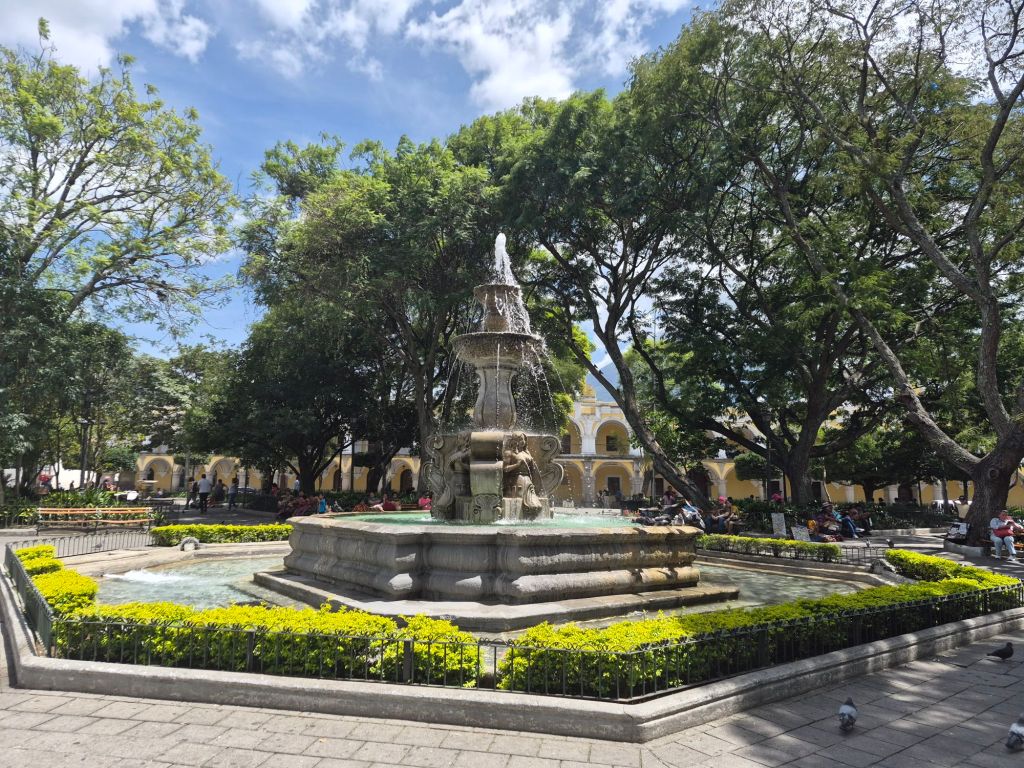
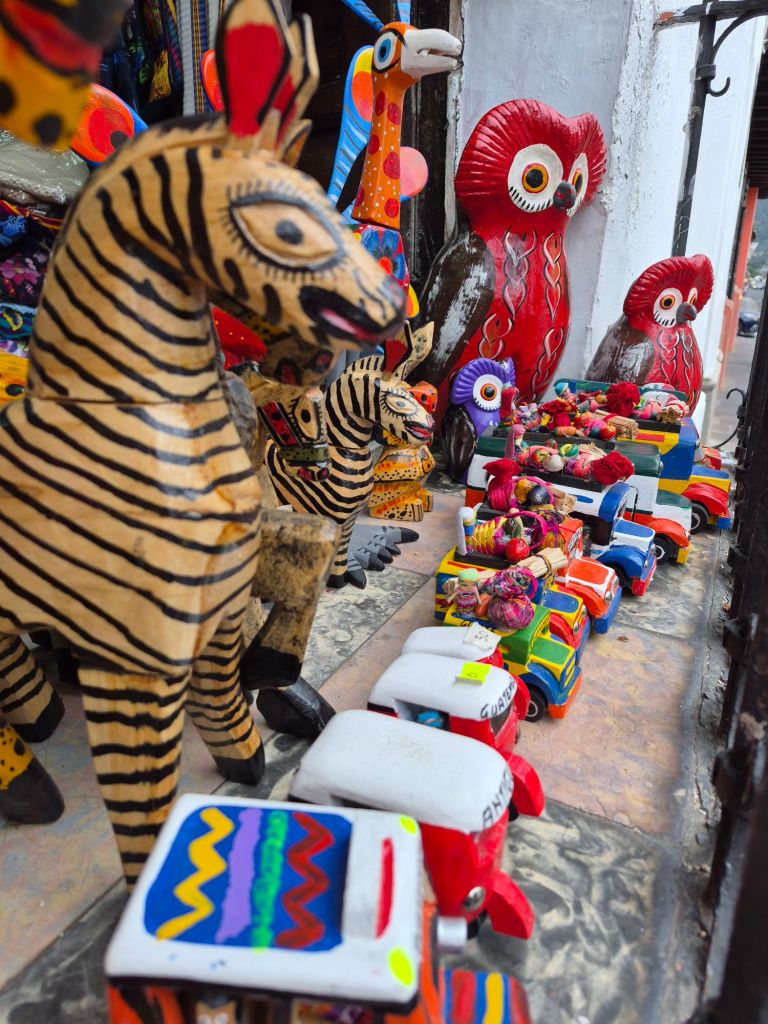
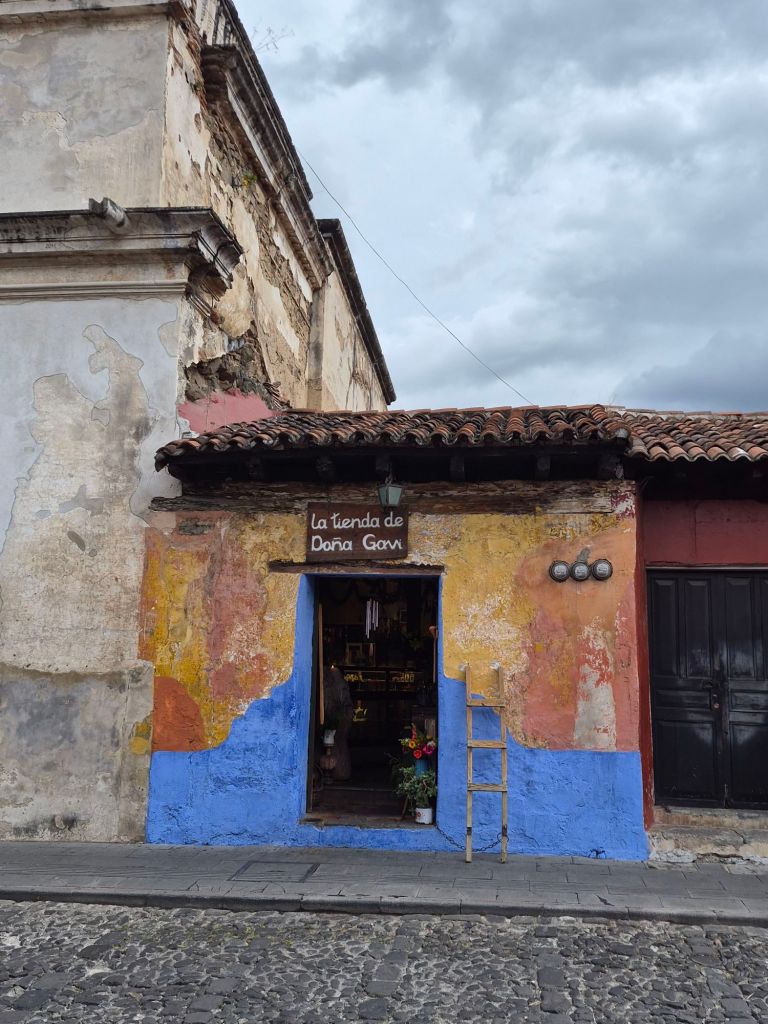
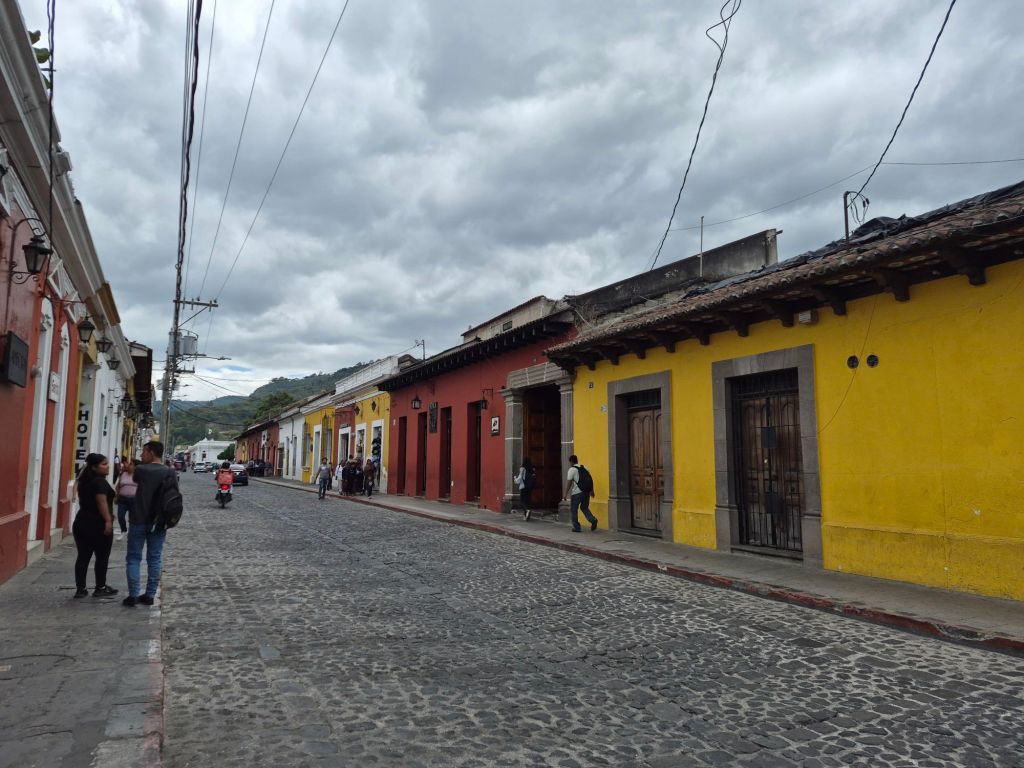
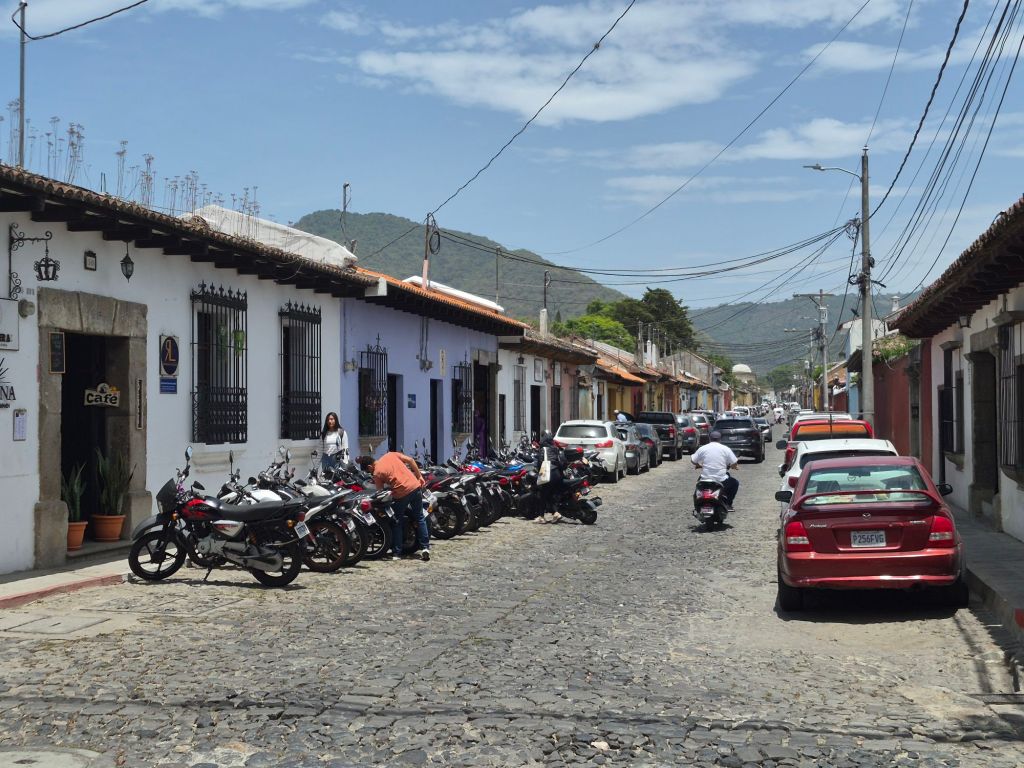
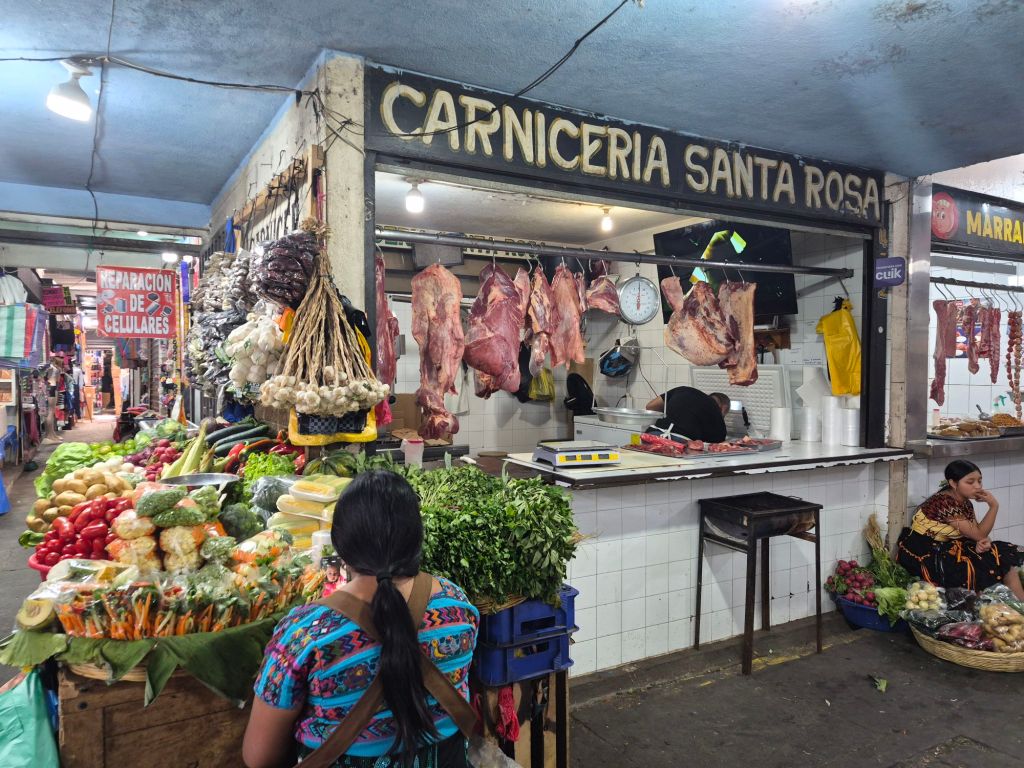
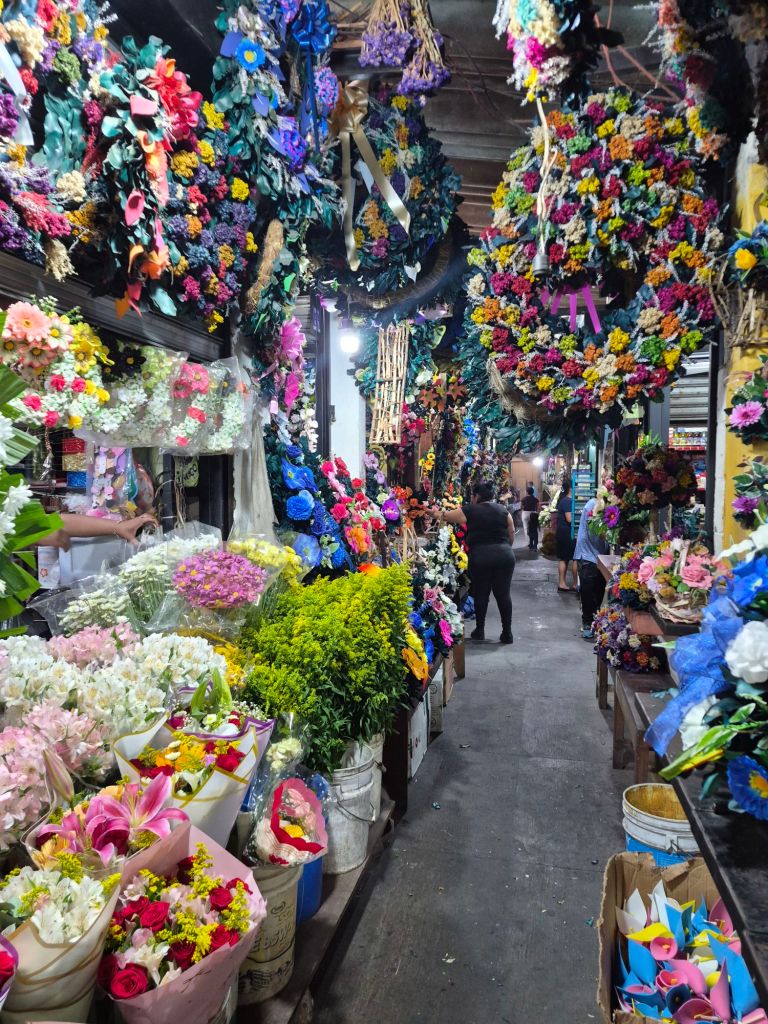
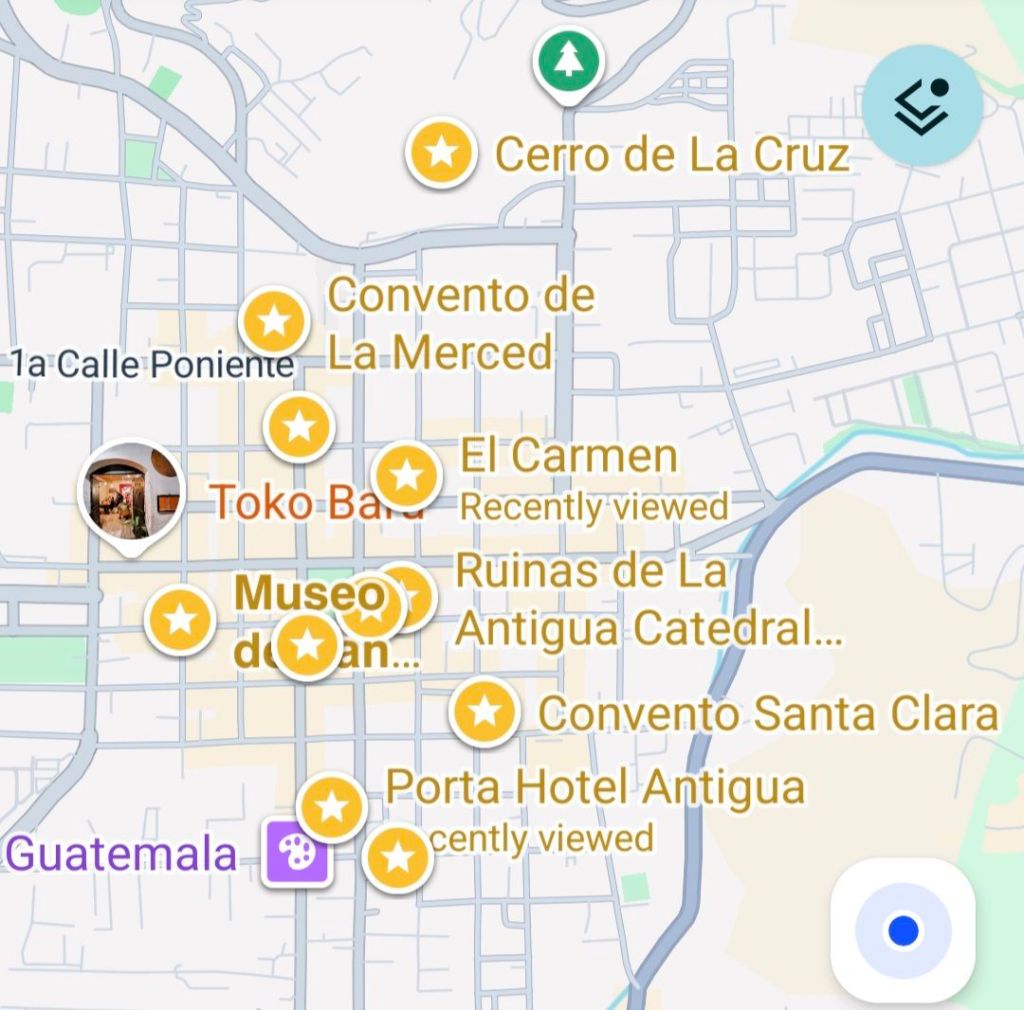
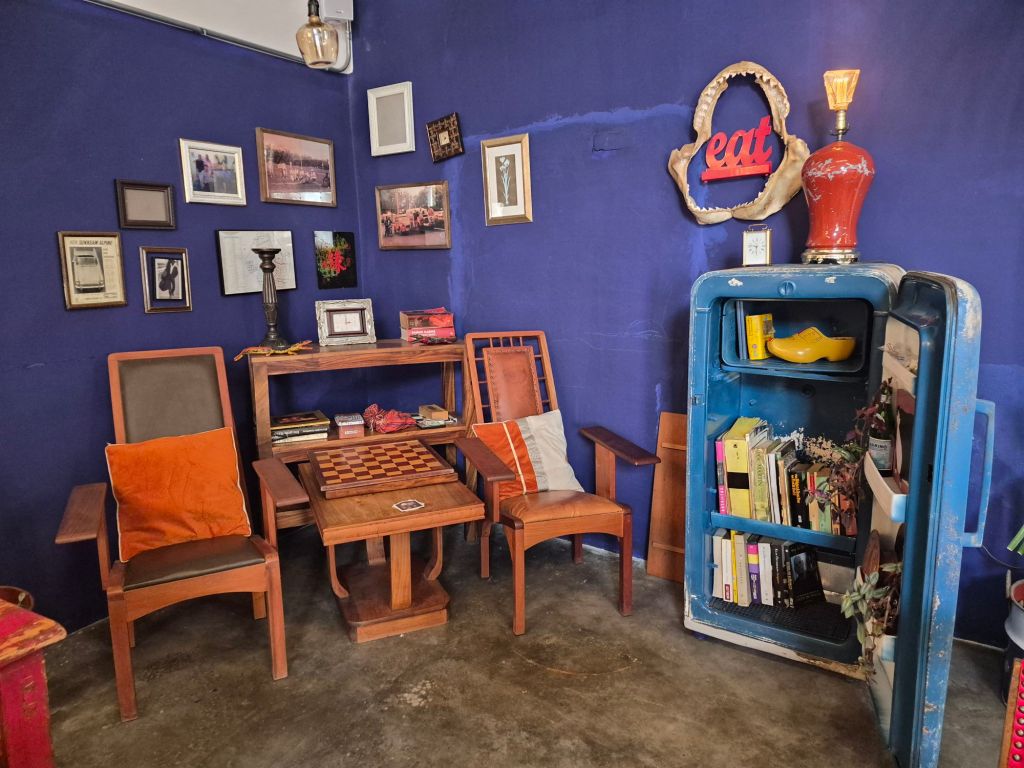
The historical centre of the city is quite small and everything was in walking distance from my hostel. Bob had recommended a restaurant (Toku Baru) which served delicious meals, both local and other, at a very good price. The hostel provided breakfast and a small dinner, so I had a good excuse to have a good lunch, often at Toku Baro.

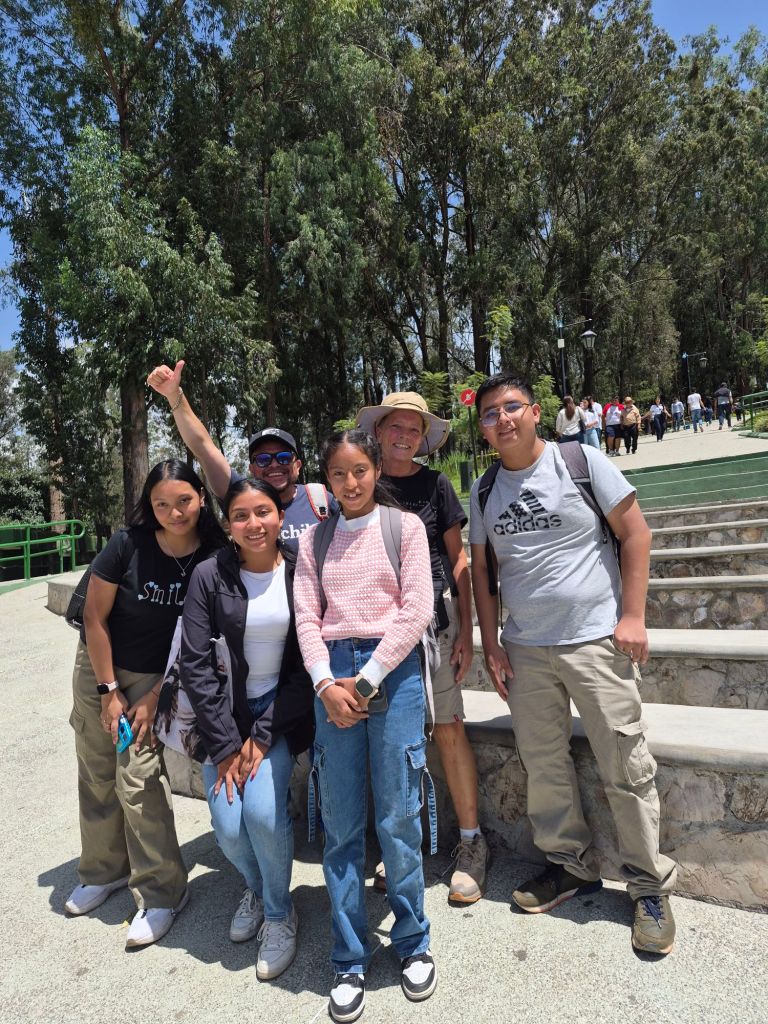
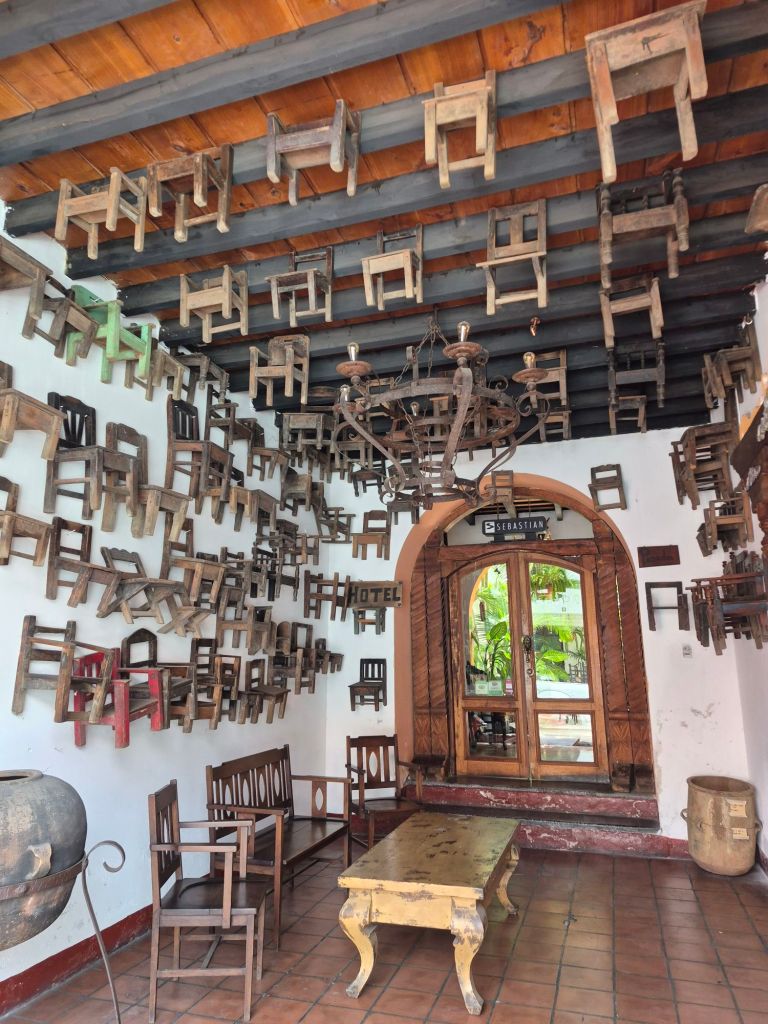
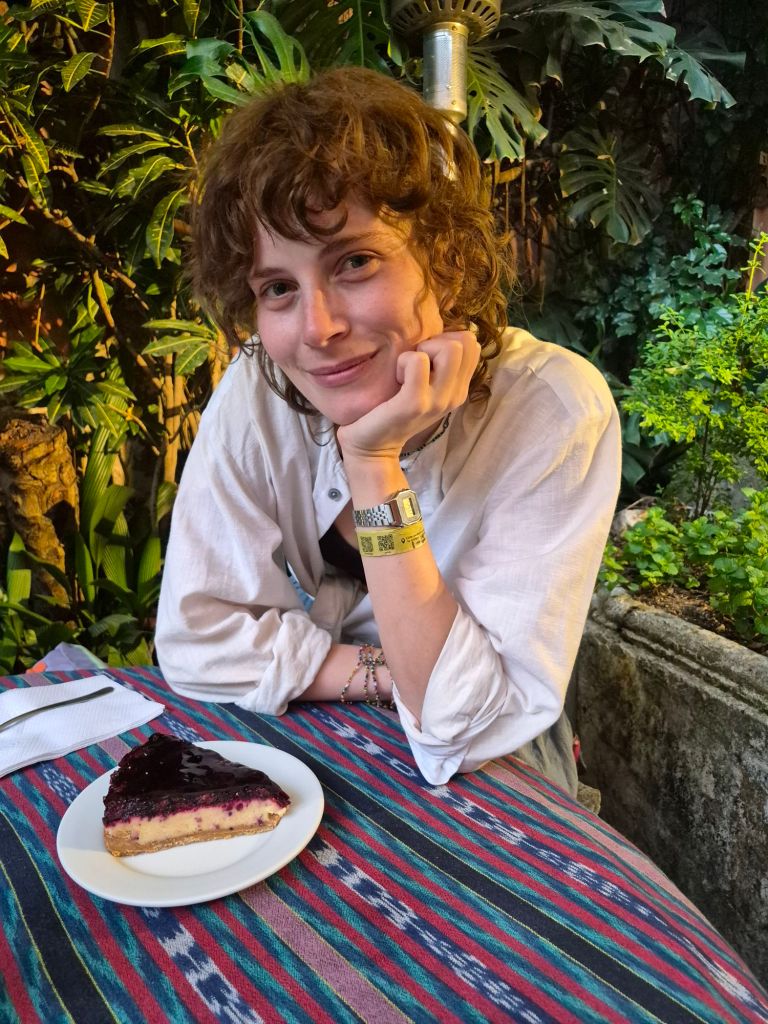
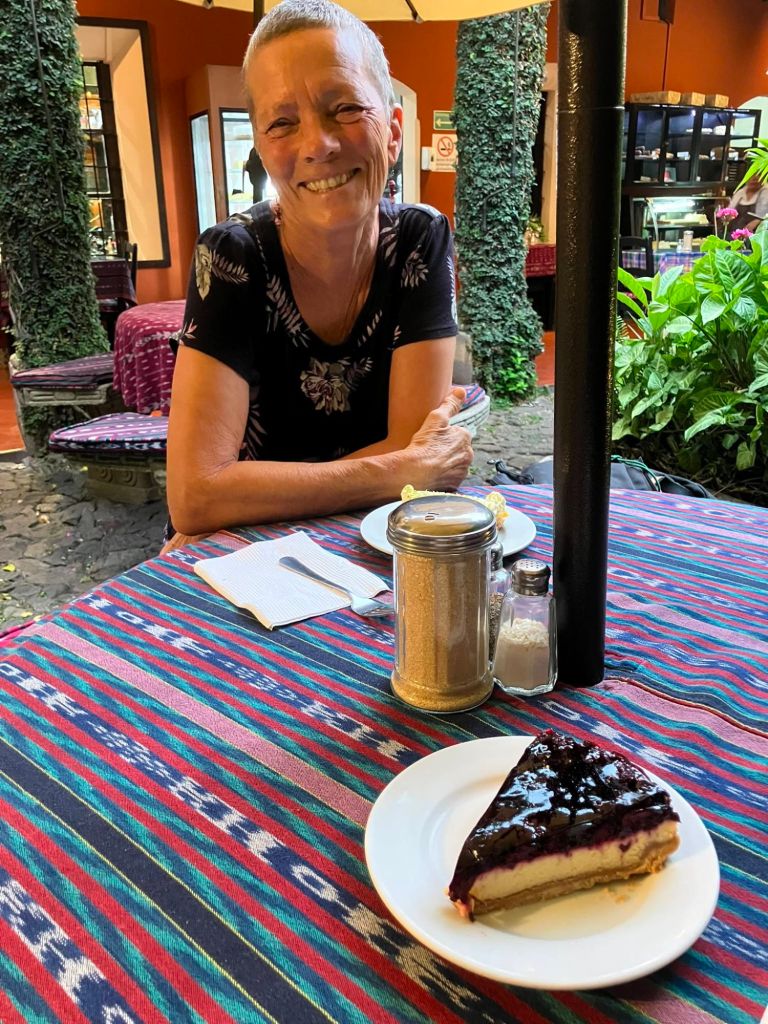


 Mella Madness
Wow, wat n ondervinding! Jy was baie gelukkig met jou keusus? Wees veilig met jou reis verder!❤️
LikeLiked by 1 person
WOW, living your best life, Meryl. Good for you! 💕
Mobile: +27 76 4895744
LikeLiked by 1 person