This blog has to start with una experiencia excelente I had two days ago. But first a very big thank you to all of you who are reading and commenting on my blogs, it is very inspirational, and I thank you with all my heart. Sometimes the going gets tough and I feel discouraged, and then I remember people are following me, and I am encouraged again. So thank you!
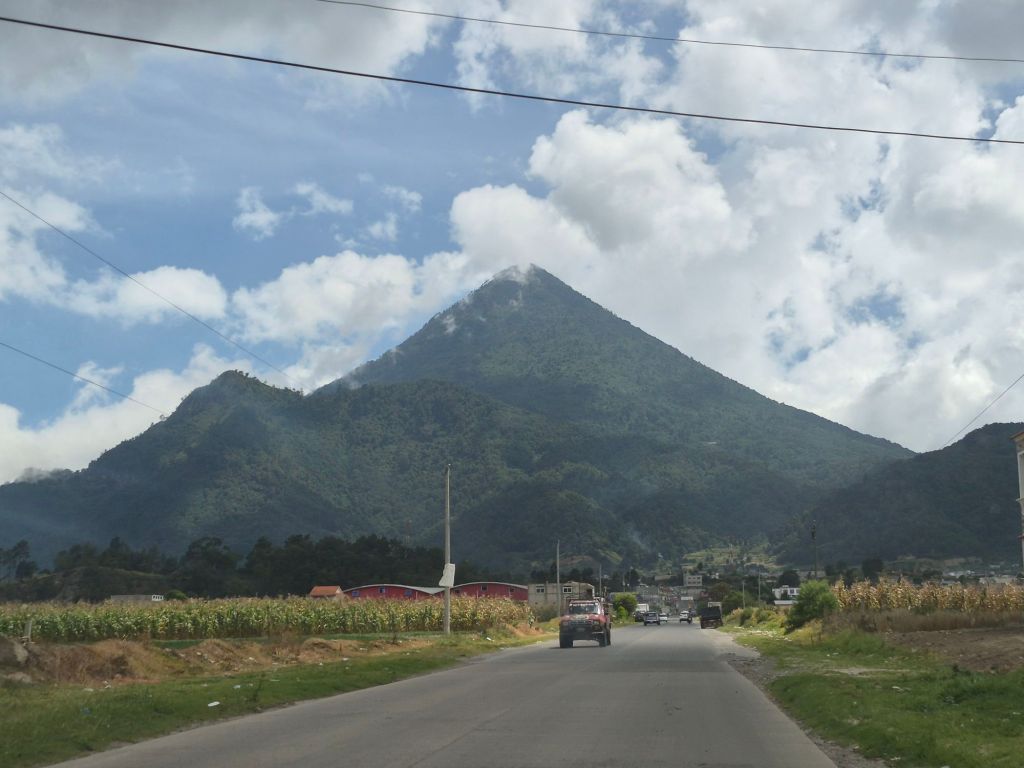
The story behind my excellent experience: The popular volcano to view in Guatamala is Volcán Fuego near Antigua, the one that erupted the day before I arrived. It is a difficult five-hour climb up the volcano next to it (Acatenango), and an overnight stay to see the regular eruptions at night. There is the option to take a 4×4 tour up to base camp, overnight bungalows and 3 meals included, but it is very expensive. So when Juraj left Panajachel to climb Volcano Santa María in Quetzaltenango (or Xela, as the local people call it) to view Volcán Santiaguito, I considered it as a viable option. It is the youngest volcano in Guatamala and the world, having being created by the massive and catastrophic eruption of Santa María volcano in 1902. Around 1922, new lava began to push out of the side of Santa María, which created the new volcanic cone. It is the most active volcano in Guatamala, and considered as quite dangerous.
I changed my bookings in Antiqua and went to Xela, finding a hospedaje (en-suite rooms in a private house), 100m from the start of the trail. Veronica, the kind and caring hostess, was adamant that I should not climb Volcano Santa María, as it was difficult, a steep and rocky path. She recommended the relatively easy two-hour trail that takes one around Santa Maria to a viewpoint that is as spectacular.
Well, what can I say. My father-in-law had the saying “It is better to travel expectantly than to arrive”, but in this case the arrival over a ridge to view the volcano outweighed the expectation that had been building up over the last 2km of the trail. The barren, rocky outcrops contrasting the lush green of the surrounding area made me exclaim out loud, and I went back down the trail to make a video recording.
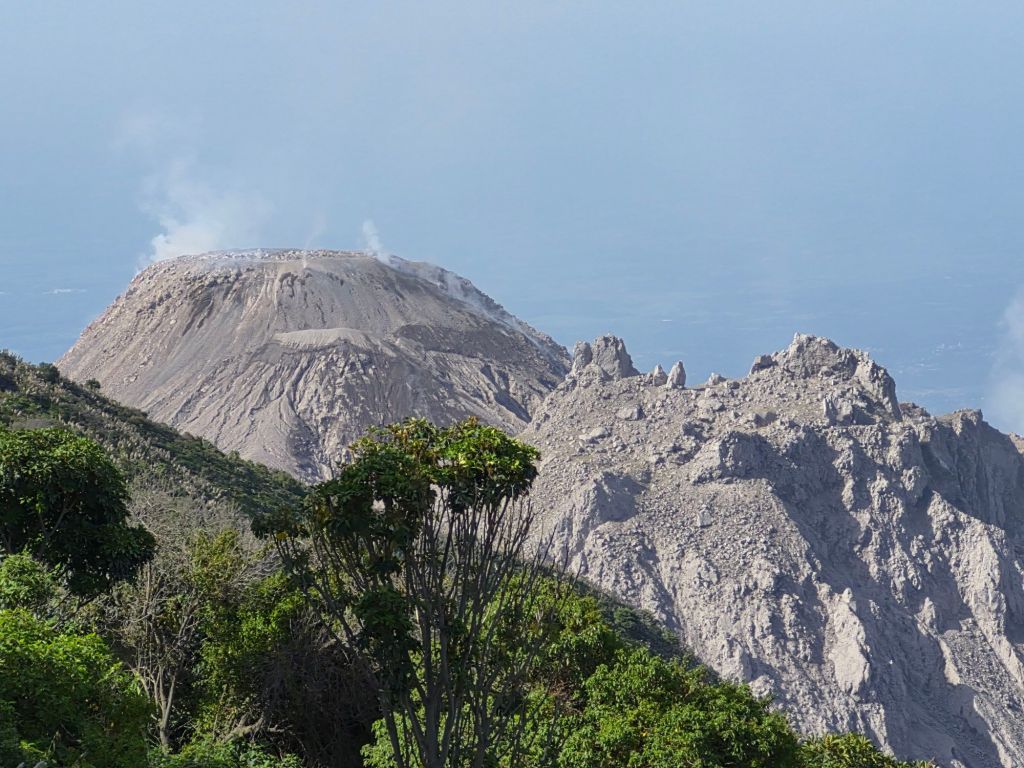
I was the only person there, and sat down on a grass ridge to eat my bread and watch the volcano, which had smoke coming up the edges. About 10 minutes later I heard a rumble, and some smoke came out of it, and thinking this was it, I posted a video to my family.
I love hummingbirds, and 30min later I glanced back and saw one feeding on flowers behind me. I got up to see if I could take a photo, when I heard a loud “boom”, and when I turned back to the volcano, a huge eruption was shooting billowing smoke high up into the air – what a sight, and only me to witness it!!
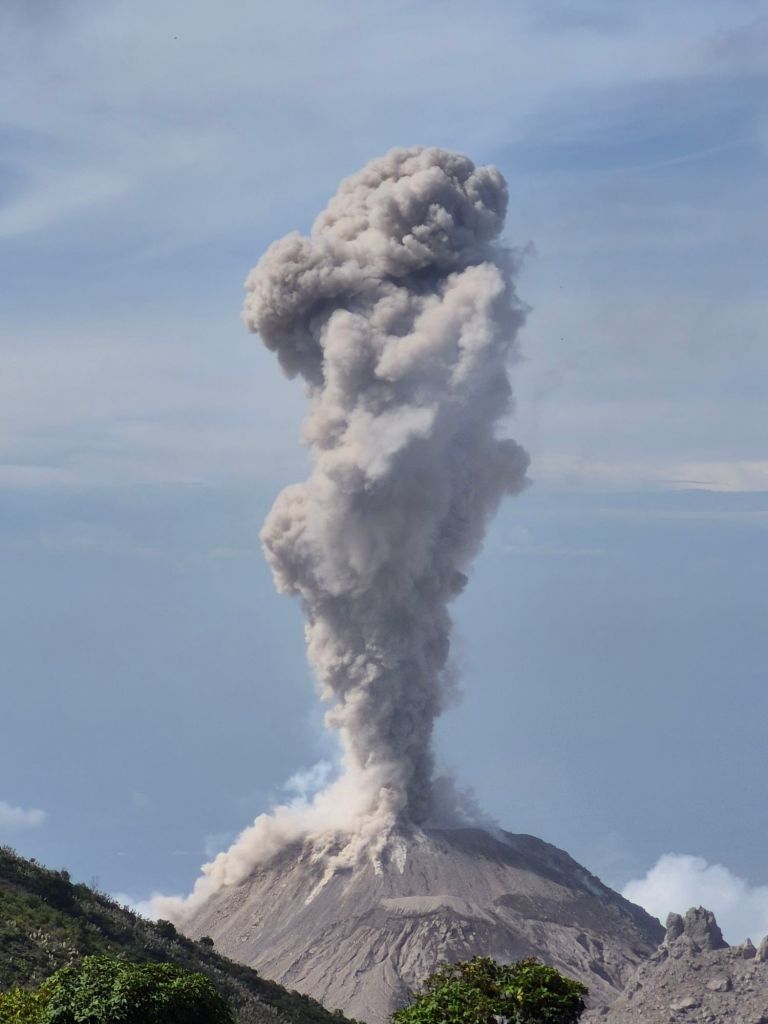
Soon after the eruption the mist and clouds started coming up the mountain, and the whole volcanic area below was covered in clouds. Had I been an hour later, I would not have seen a thing – I felt truly blessed.
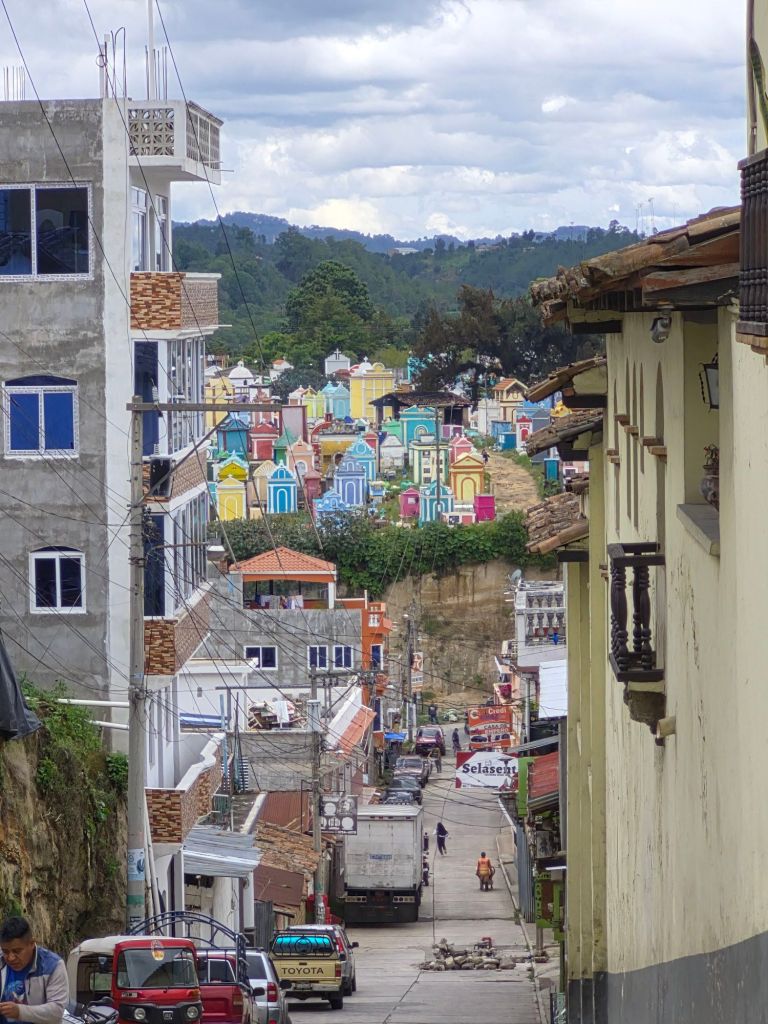
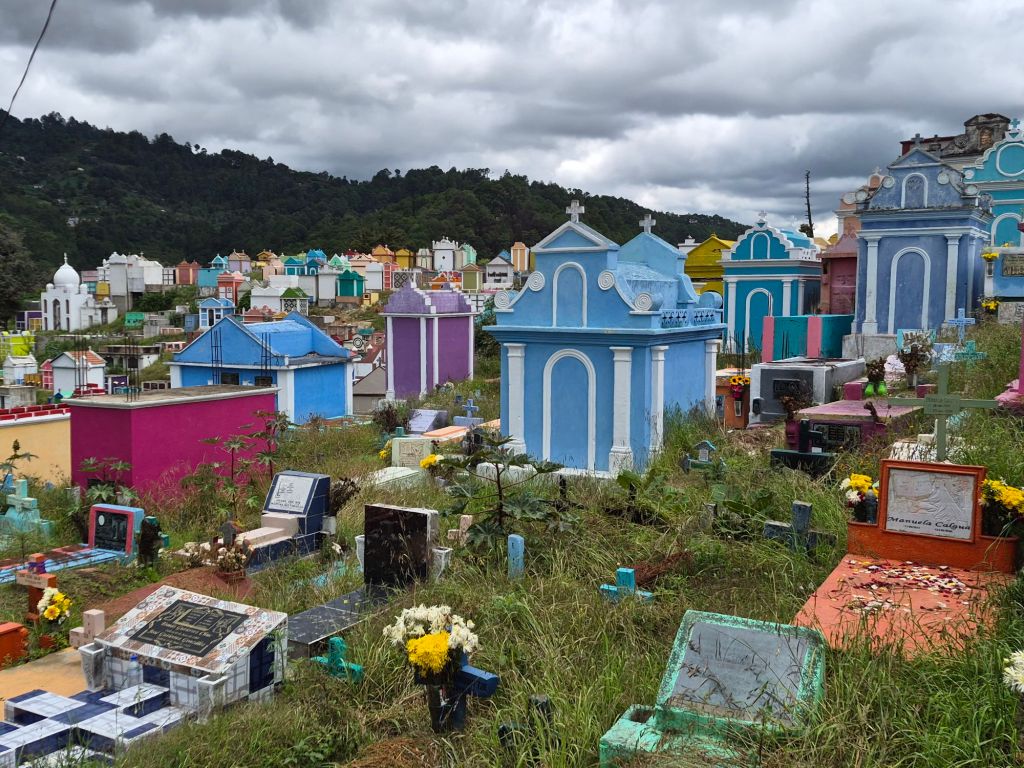
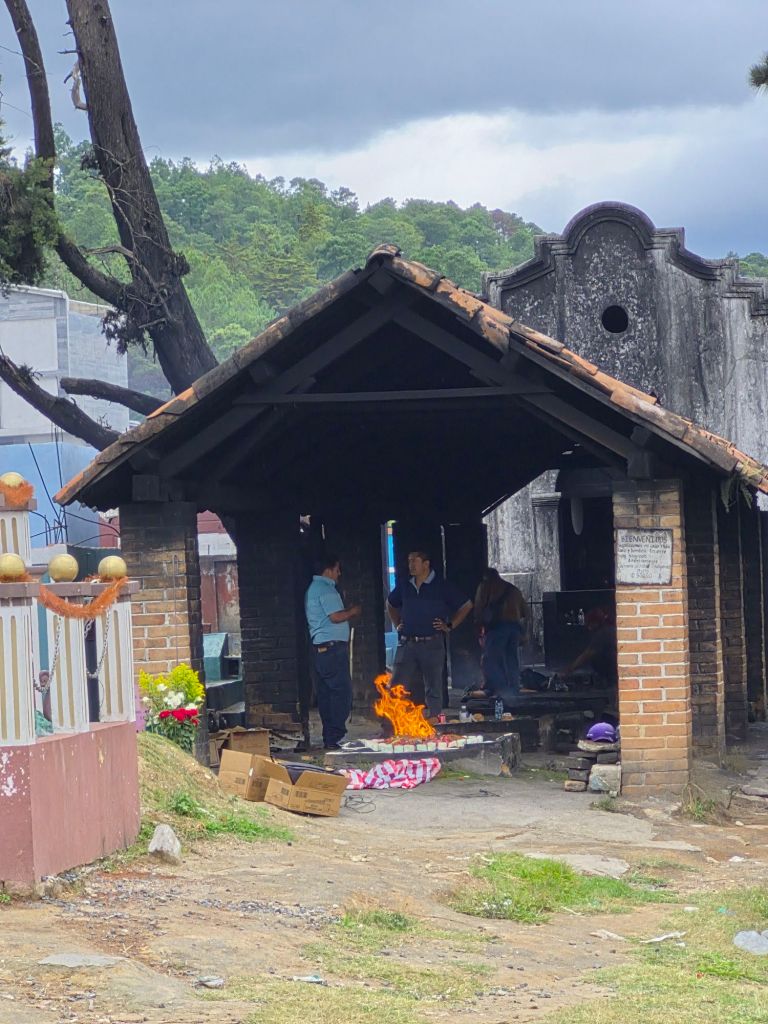
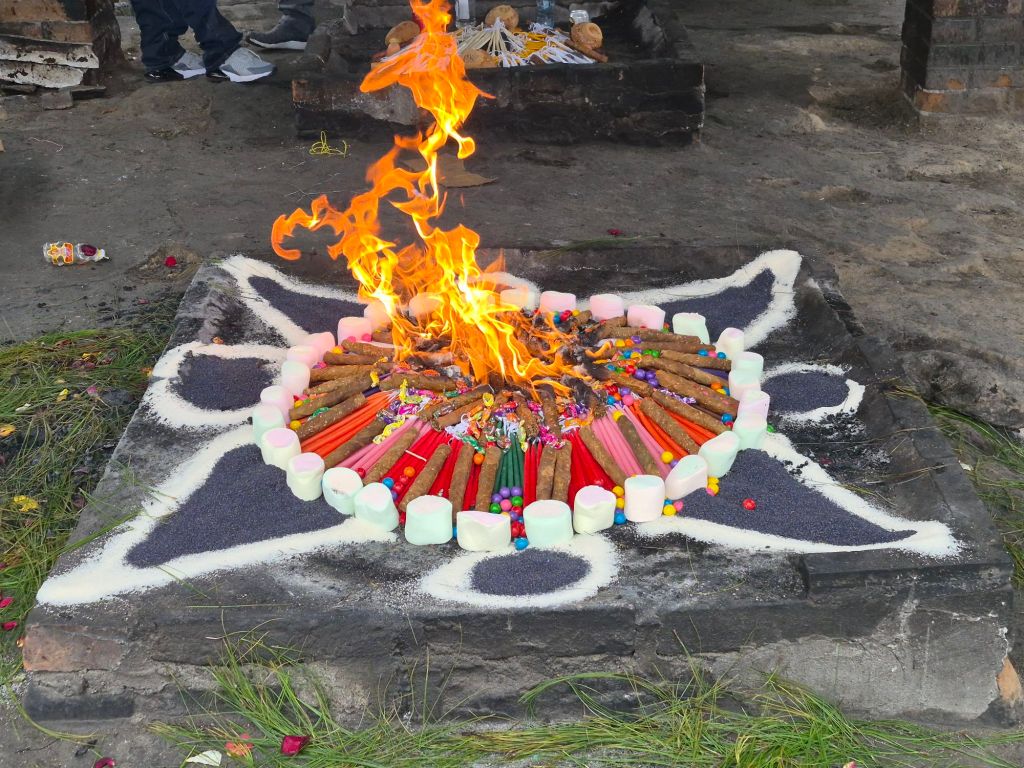
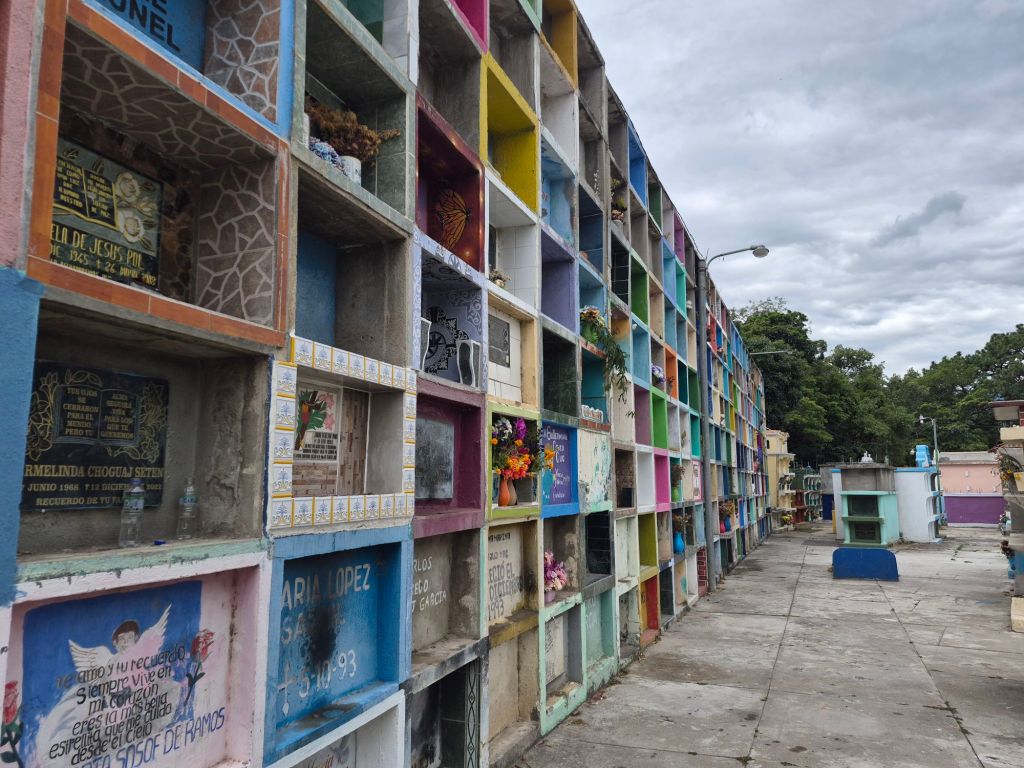
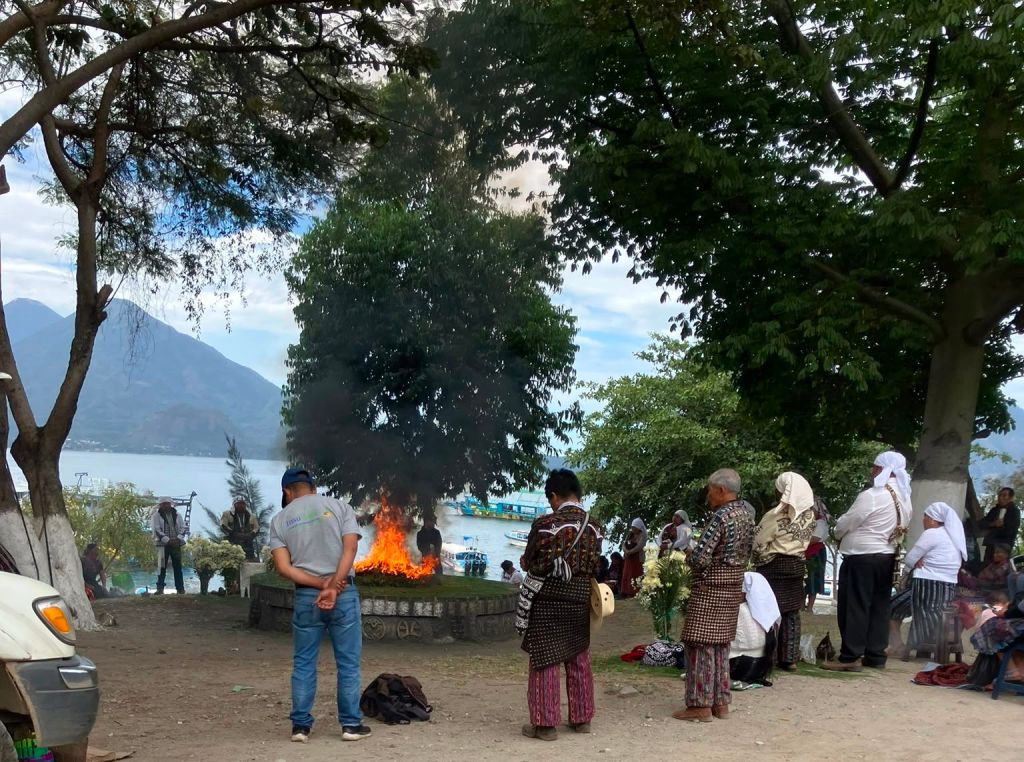
Now back to our day trips to villages surrounding Lake Atitlan. On the Saturday we had off, Anja and I went to a village more inland, called Chichicastenango, which has a very colourful graveyard. There we witnessed a Maya fire ceremony, where a big fire is decorated with sticks of tobacco, coloured candles, sweets, marshmallows and black and white sugar. Each of the objects and colours used has a unique meaning, and the ceremony is intended to be an appeal to spiritual guides and ancestors for the healing or assistance of a specific person. The fire itself is sacred and acts as purifier and a bridge between the human world, the cosmos, and the ancestors.
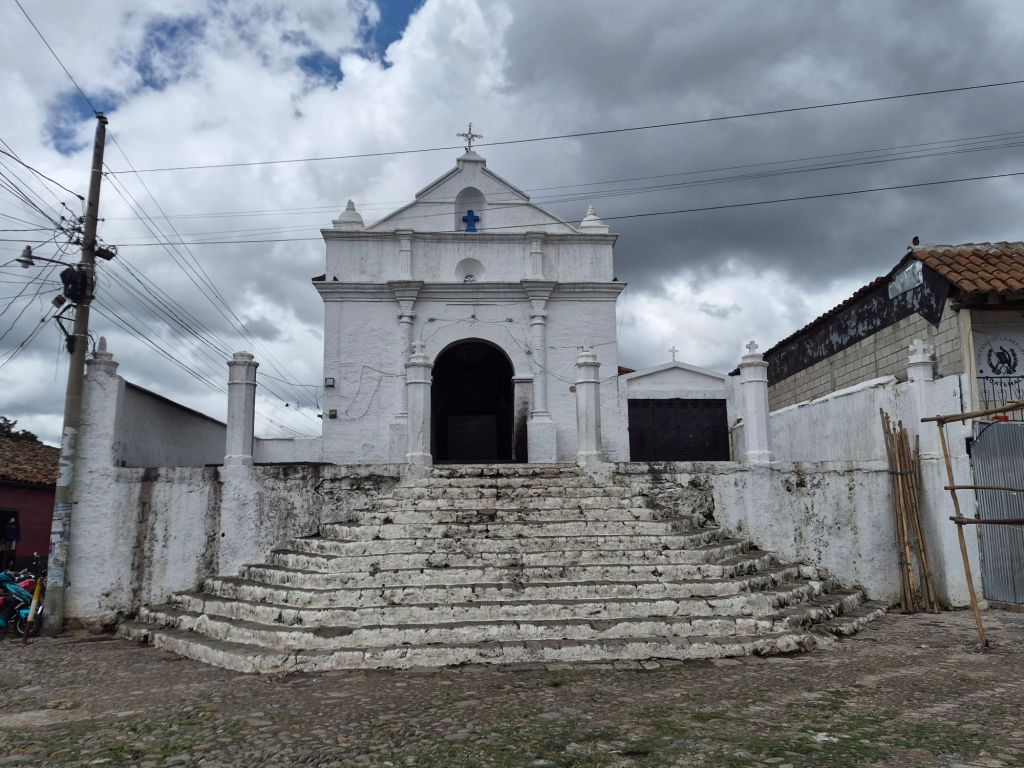
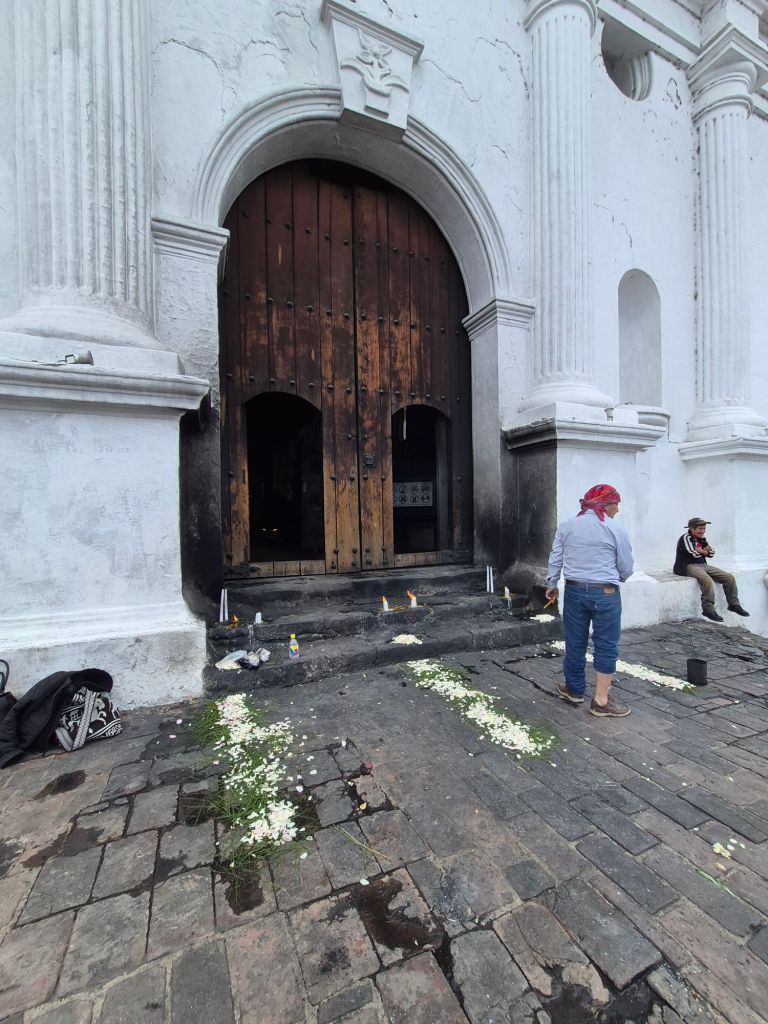
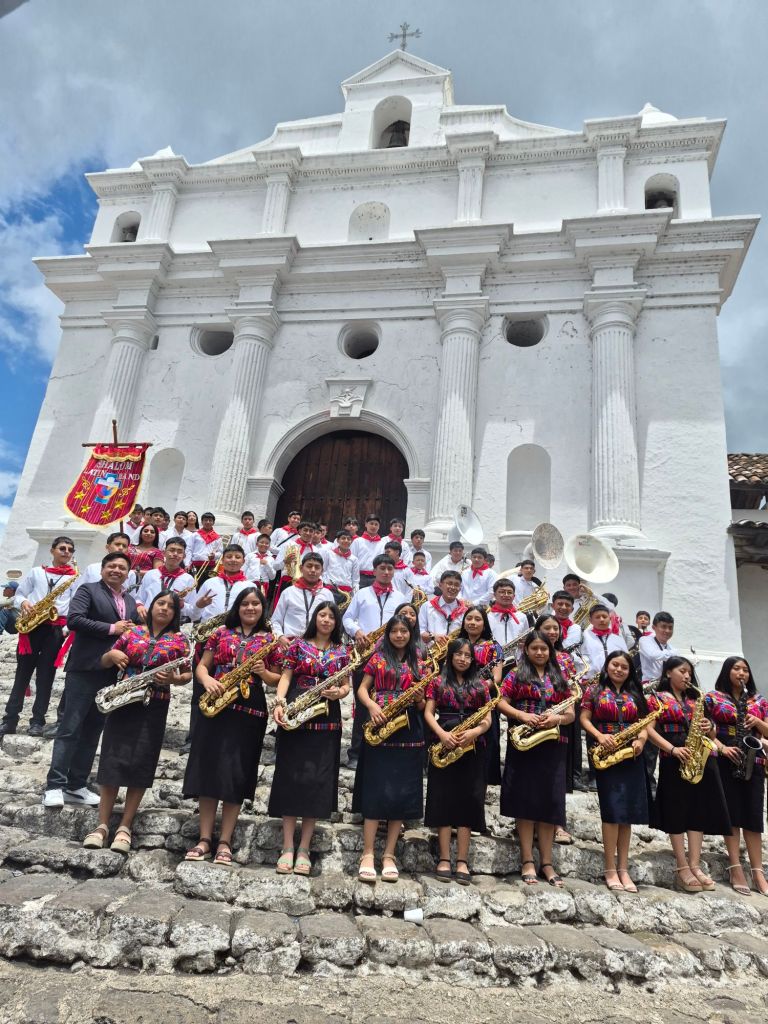
Back in town there was a school band performing on the cathedral steps. Interestingly, the church acts both as cathedral for Catholics and as place of worship for the Maya people. When we first arrived, there was a mass inside, and outside a Maya shaman, called Ajq’ij in K’iche’ (the local Maya dialect, meaning ‘daykeeper’ or ‘timekeeper’) was performing a ritual.
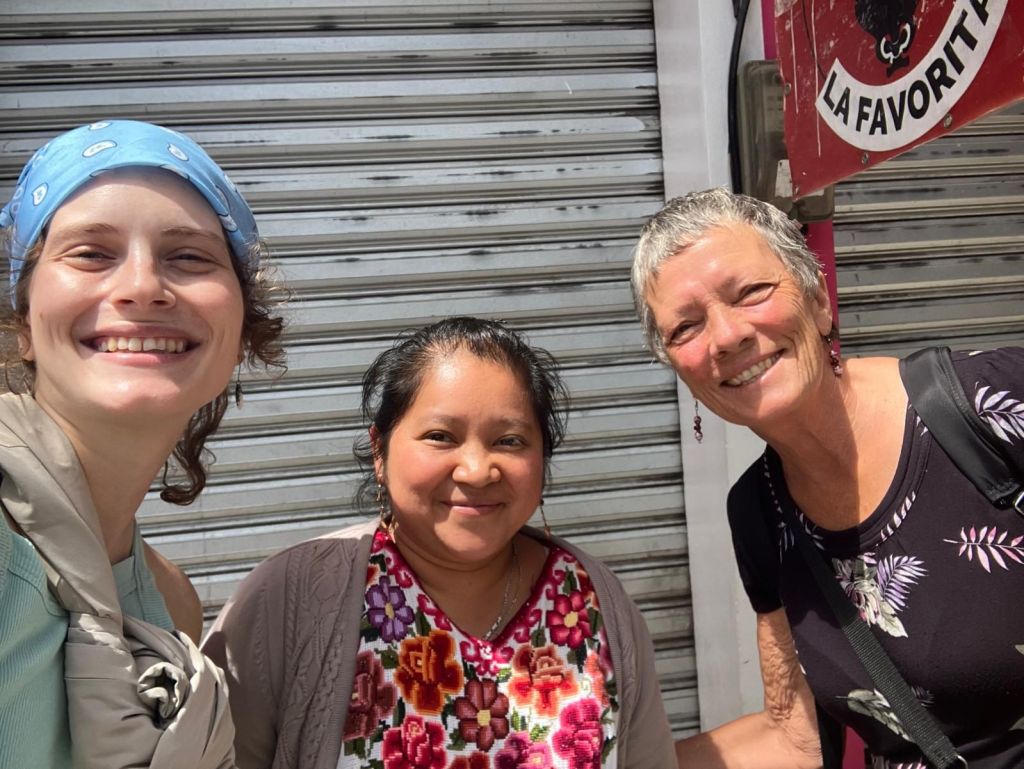
We had lunch in a small restaurant, and Anja started chatting to a guest, the mother of a 15-year old daughter, who told us that the average age for girls to get married was 12 years. Anja strongly advised the daughter to finish her schooling and travel before settling down. The mother herself was very young, having had her daughter at the age of 16yrs.
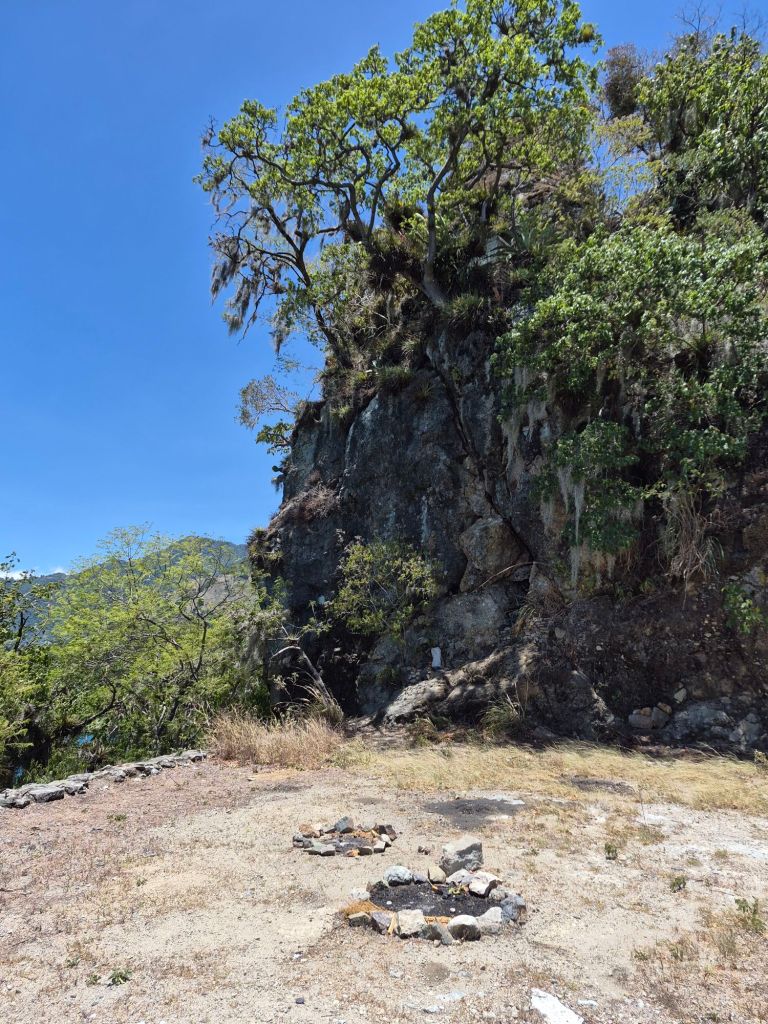
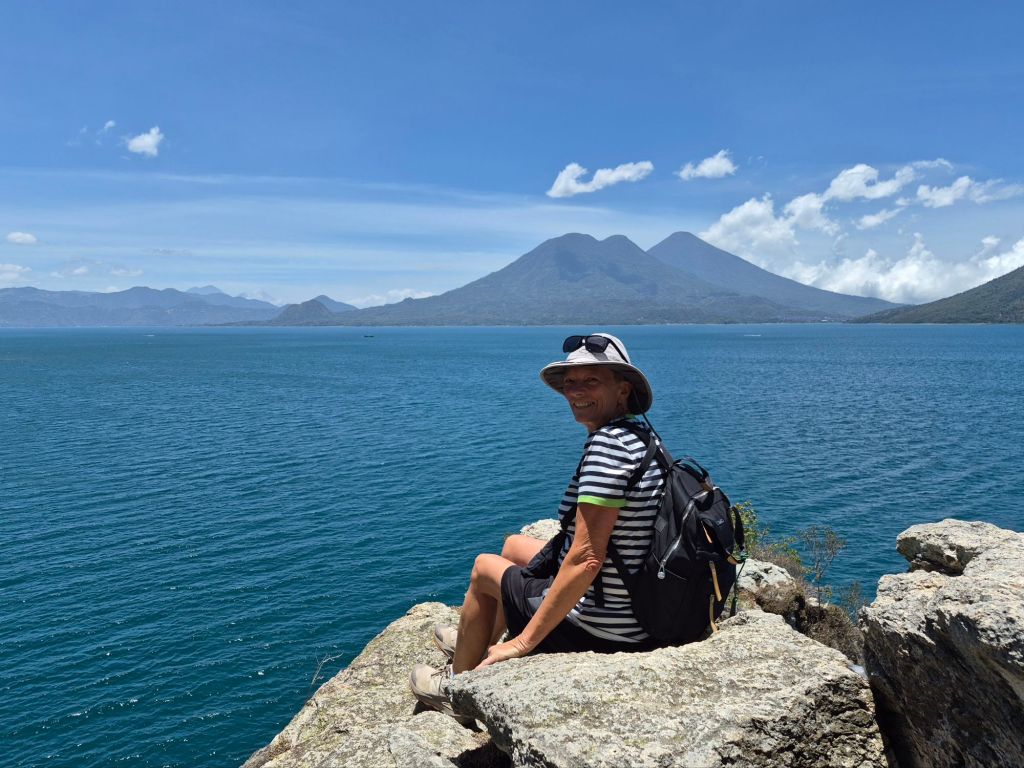
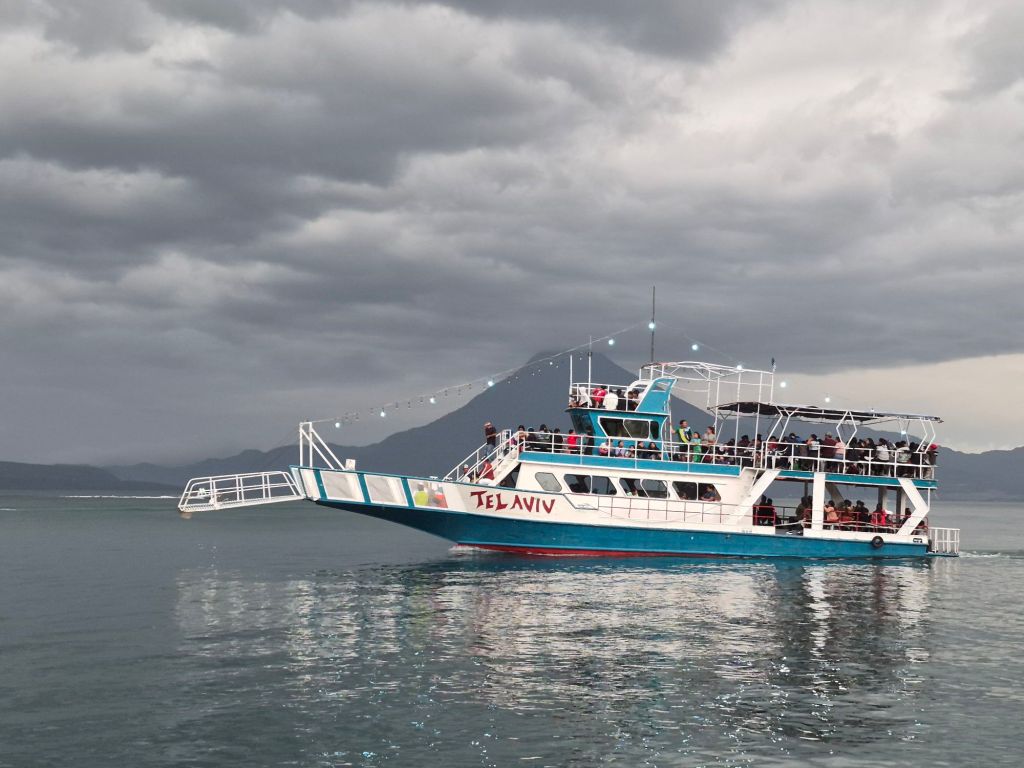
On Sunday we crossed the lake with an overloaded ferry which bumped so hard, I was afraid I made break my coccyx. We went to San Marcos first, and walked out of town and down 150 steps to a viewpoint that Juraj had told us about. There was a sacred place, where one could see the remnants of fire ceremonies, and the view of the lake and volcanoes was beautiful and tranquil.
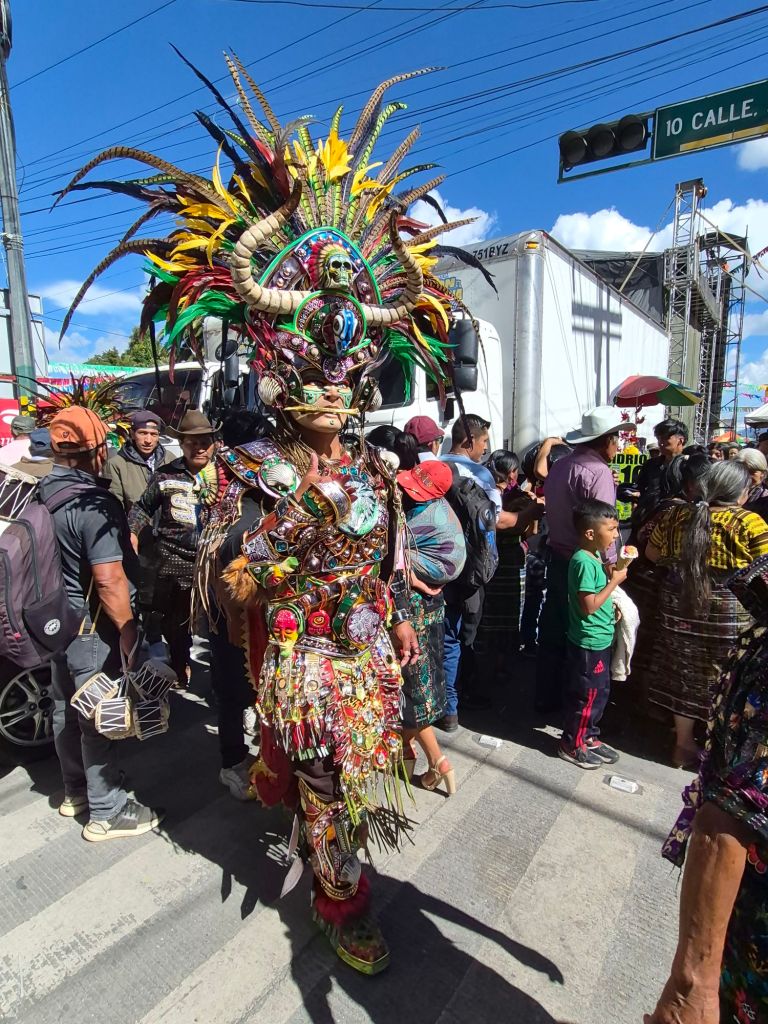
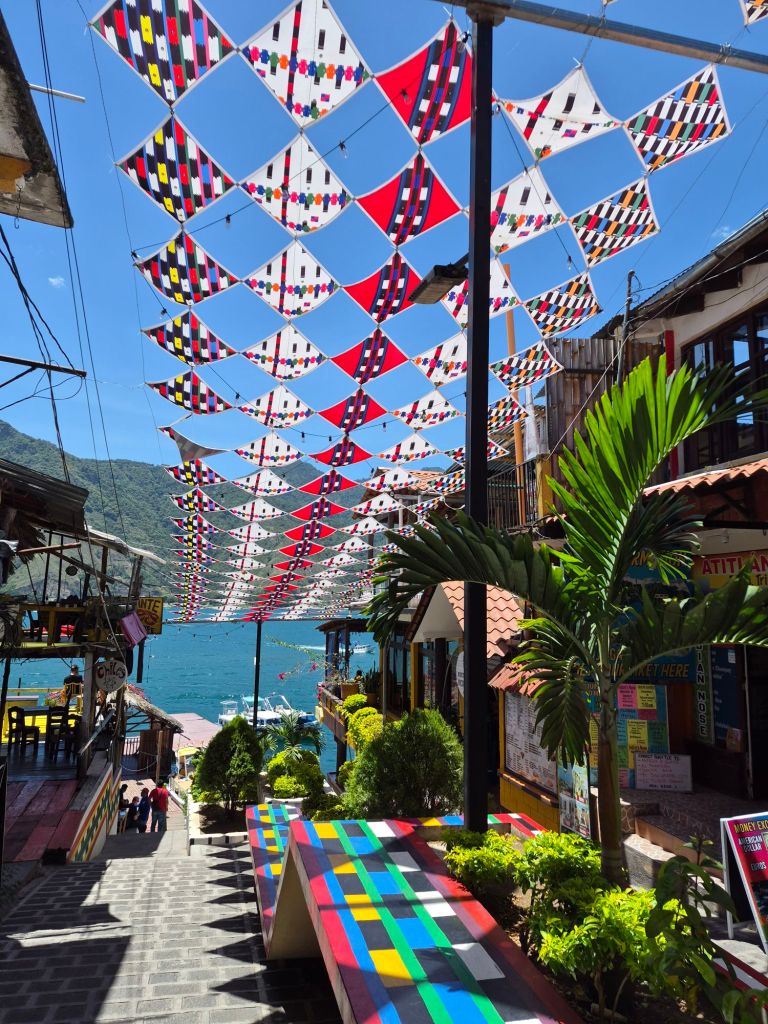
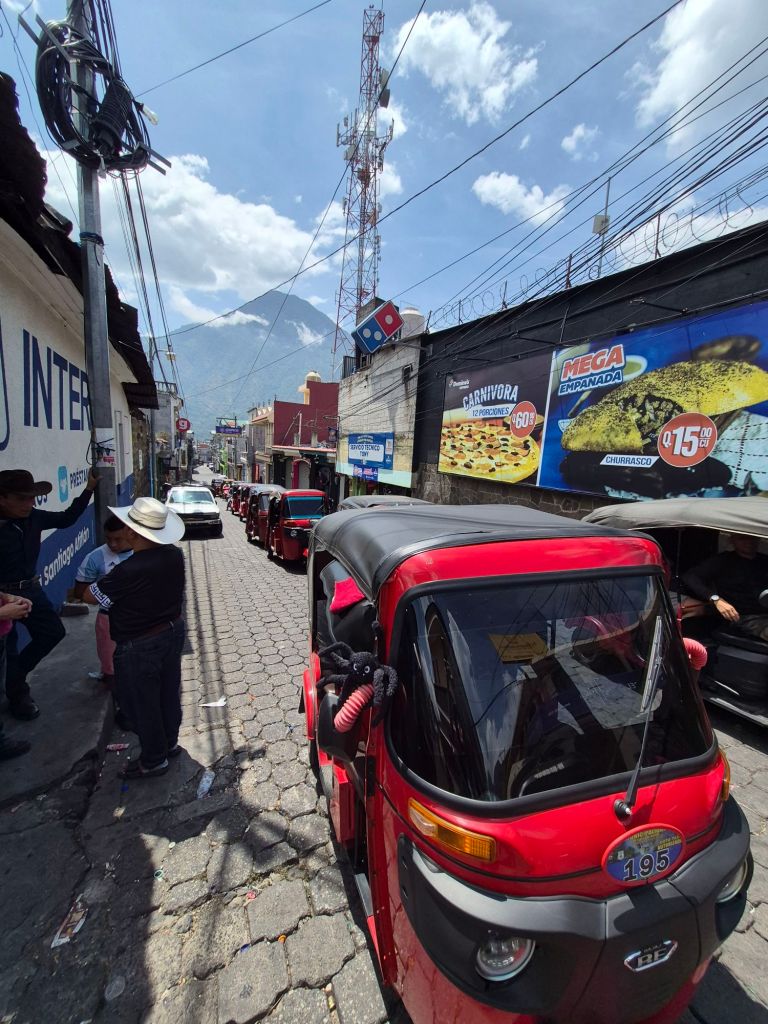
Our next stop was San Pedro, and then we took an overpriced tuc-tuc to San Juan, a very colourful village close to San Pedro. The ferry costs Q25 (just more than R50) per trip, whether you are going far or near. Less for locals of course, as some of them do daily trips to and from villages.
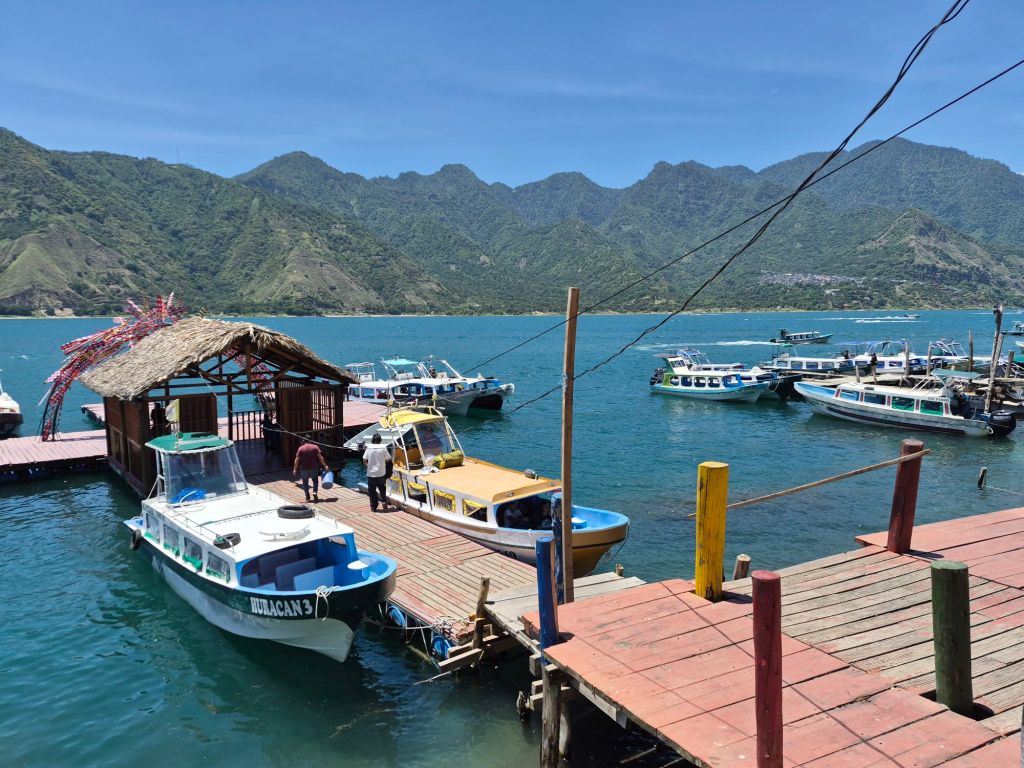
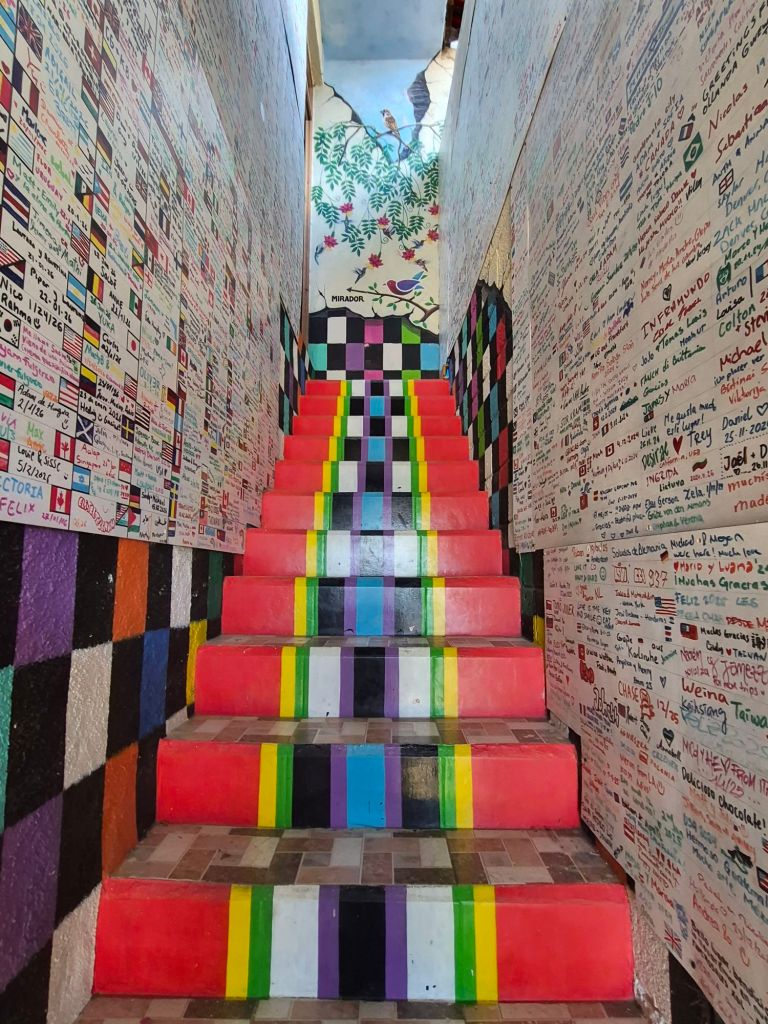
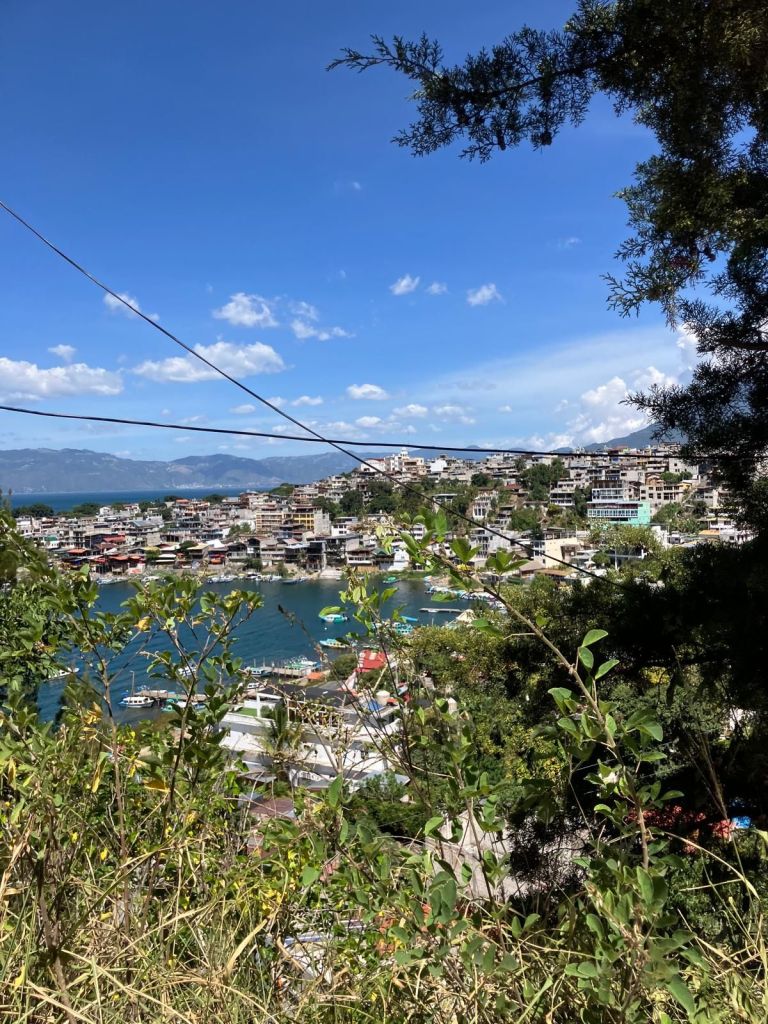
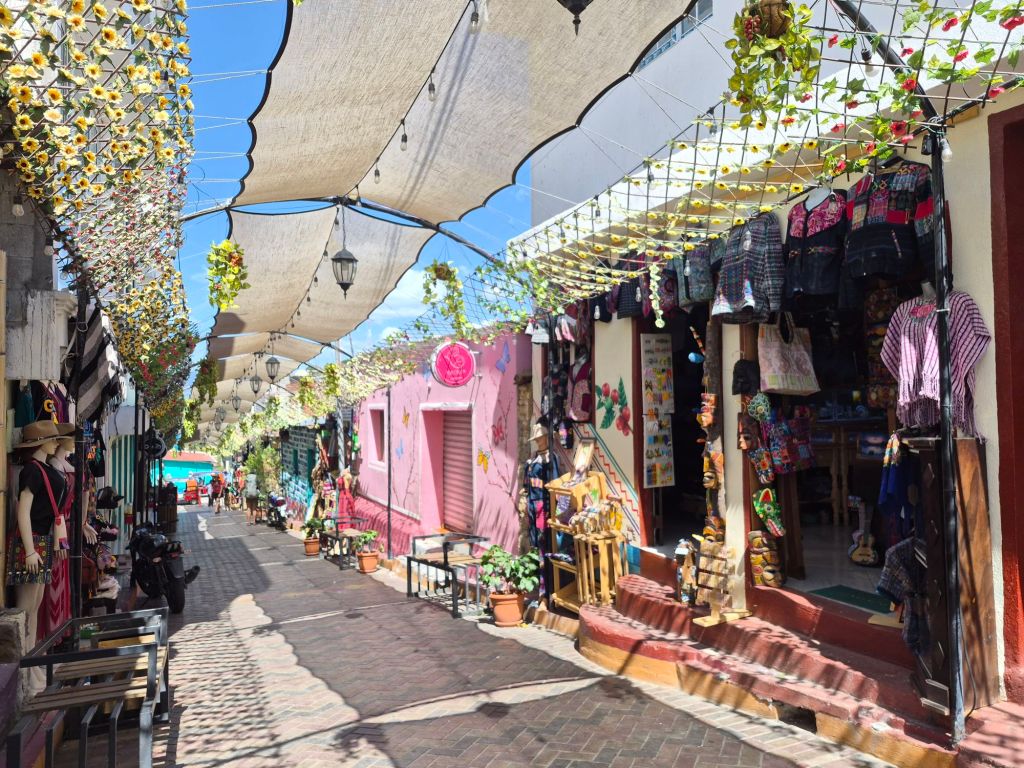
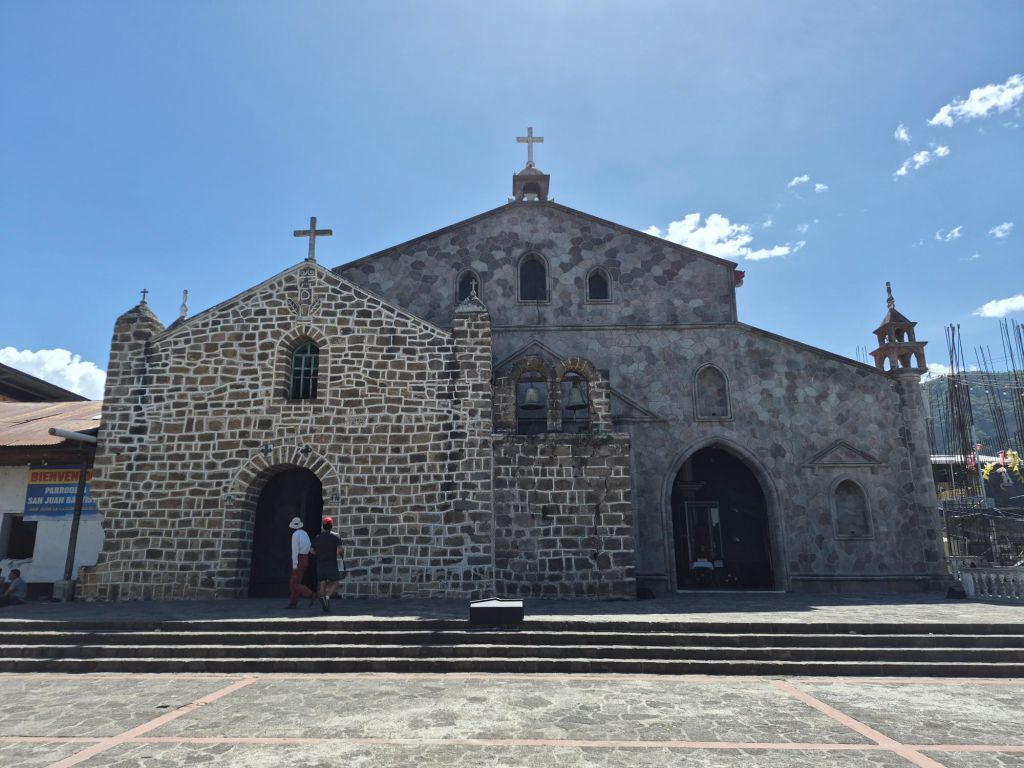
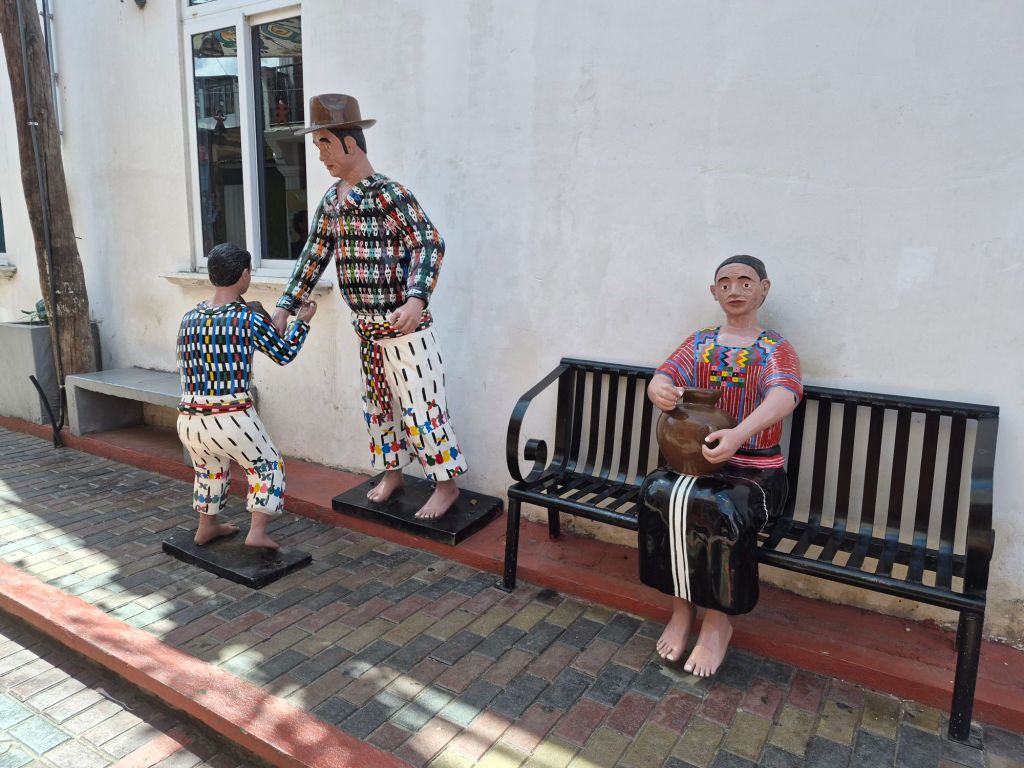
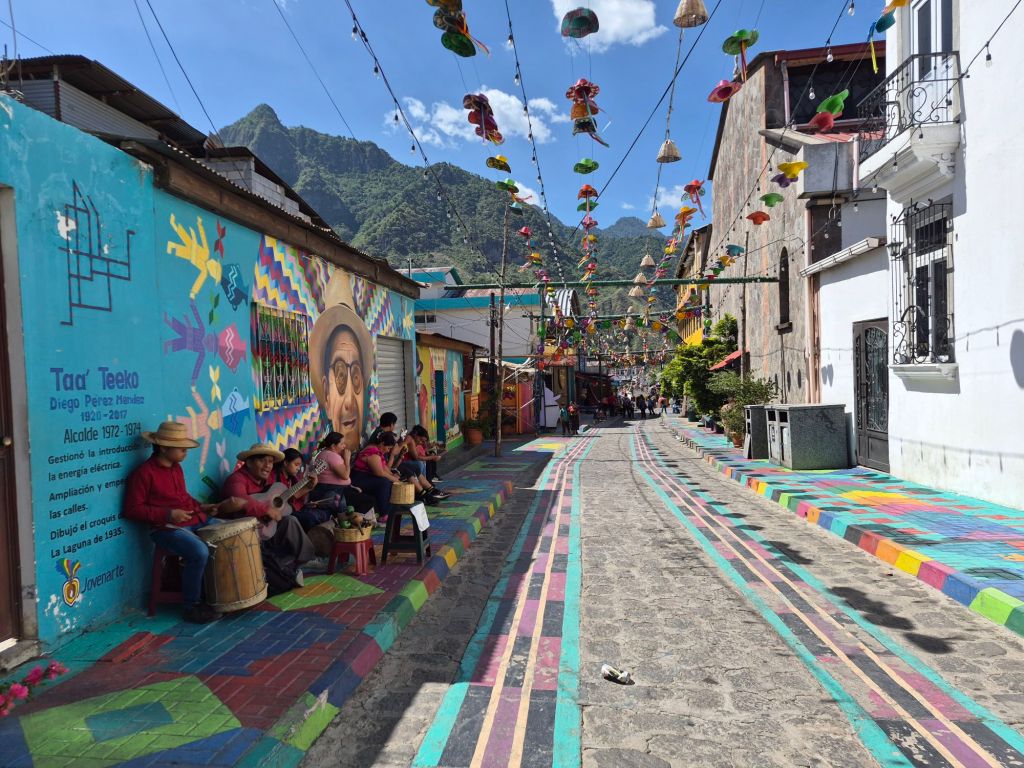
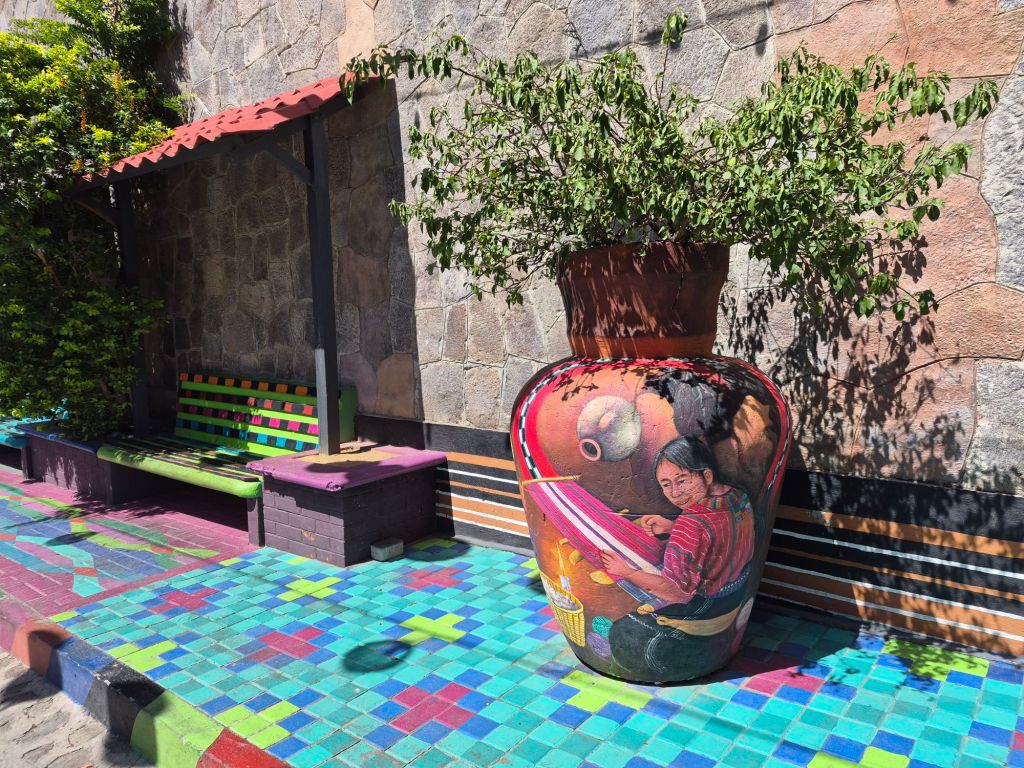
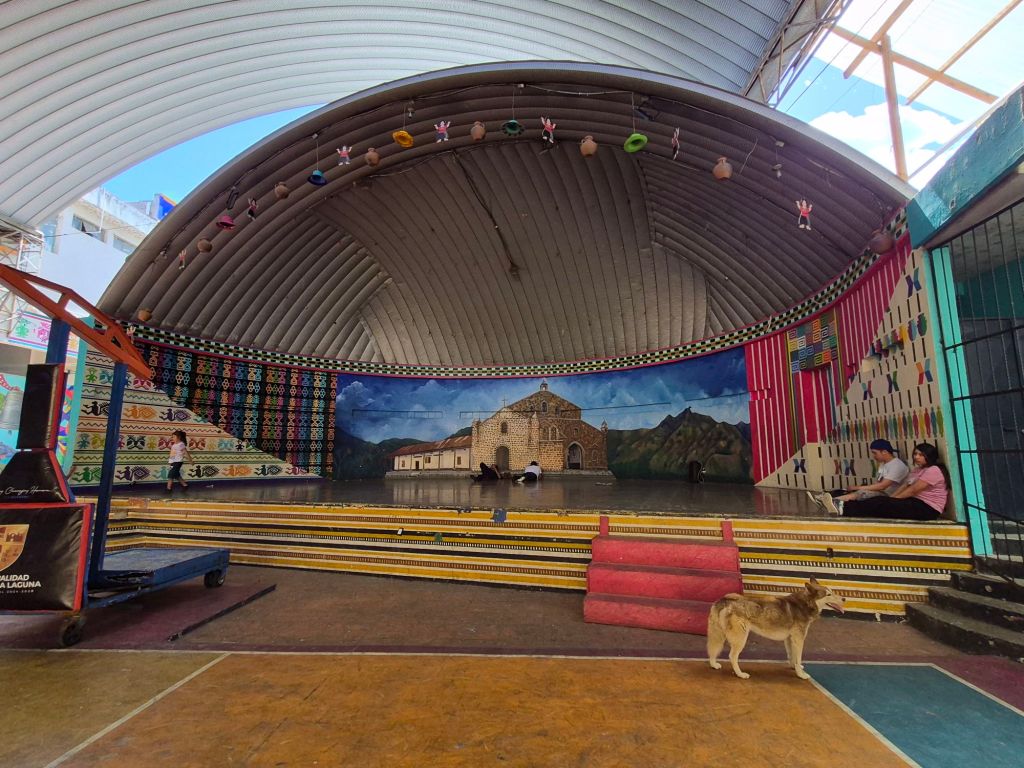
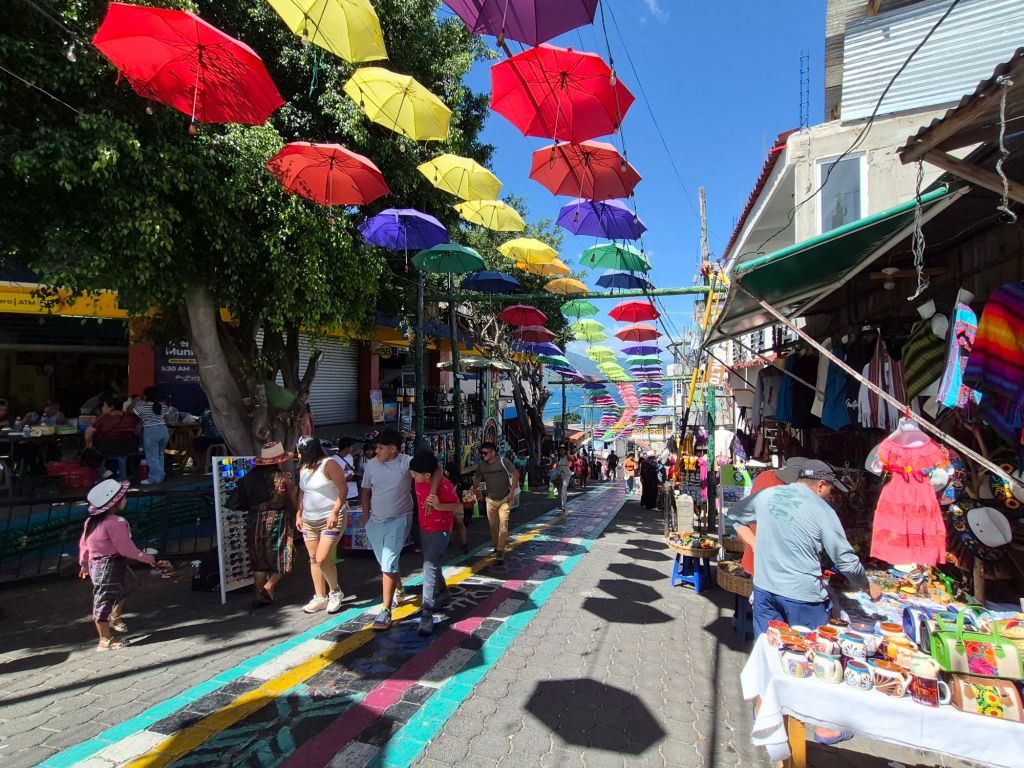
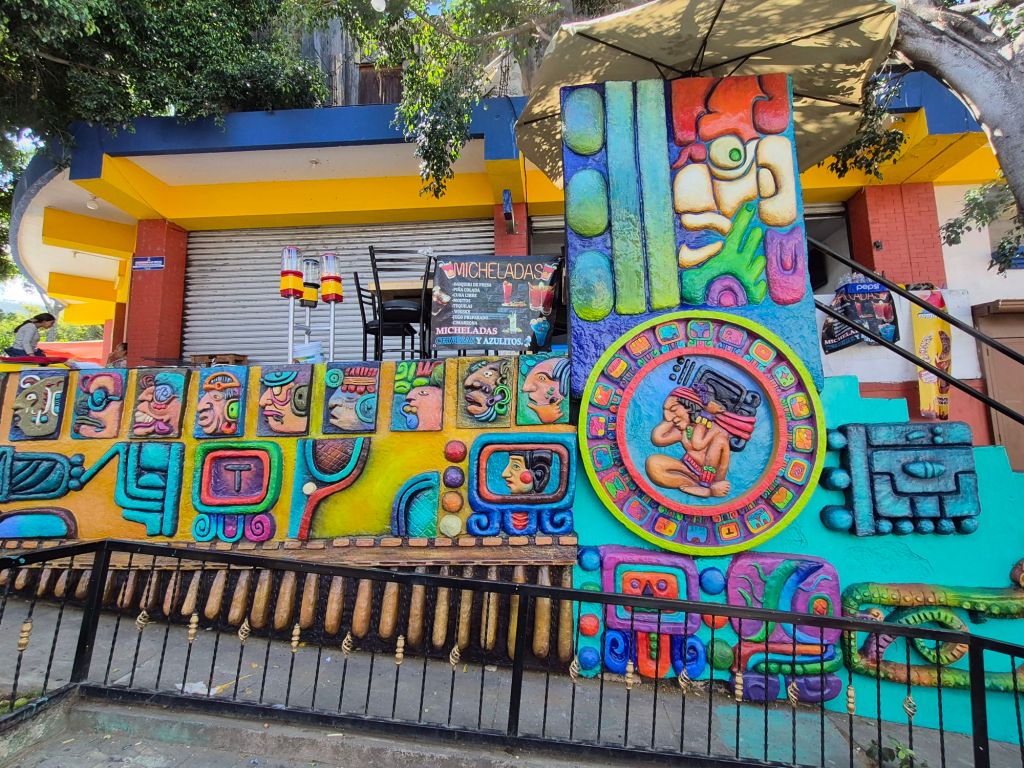
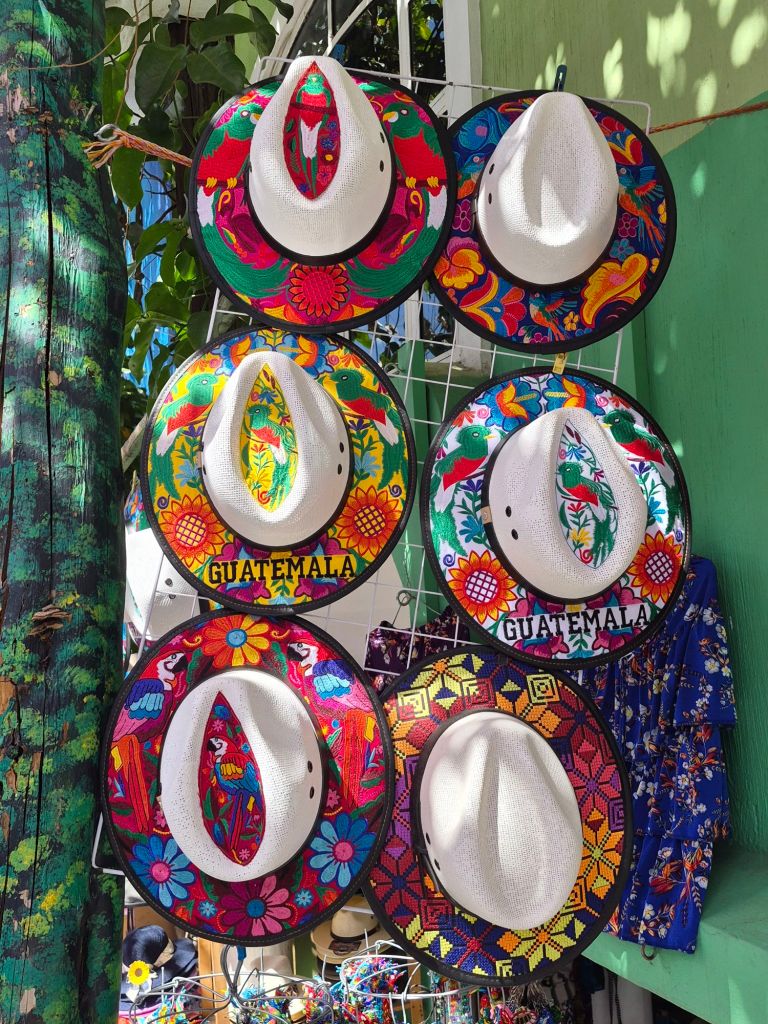
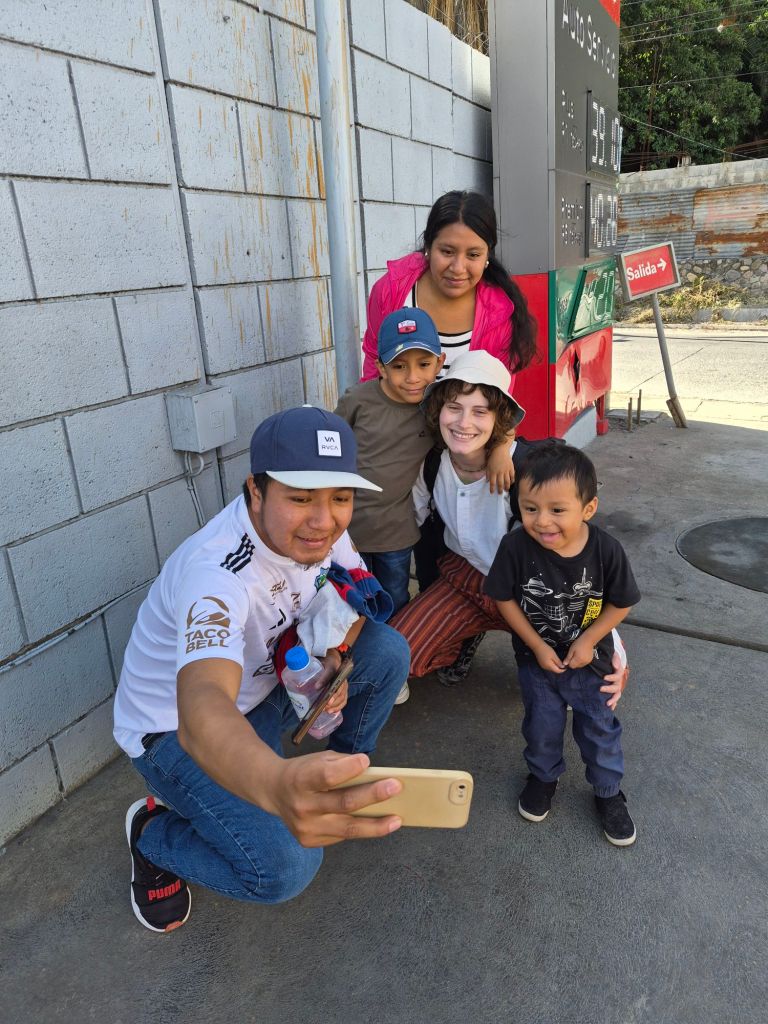
On the ferry back to Panajachel Anja struck up a conversation with a man (she speaks fluent Spanish), and he insisted that we disembark with him and his family, that he would pay (the local fee) and we could pay him back. That kind of made up for the overpriced tuc-tuc, we thought. The family then proceeded to walk some of the way with us, concerned for our safety. The two little boys were taken up with Anja, and both wanted to hold her hand, so sweet. Earlier I had heard the one boy telling his mother he needed to go to the bathroom, but as there was none in the vicinity, his father was going to take him behind a building. He and Anja kept on talking though, and I reminded him that his son seriously needed the bathroom, and we eventually left.
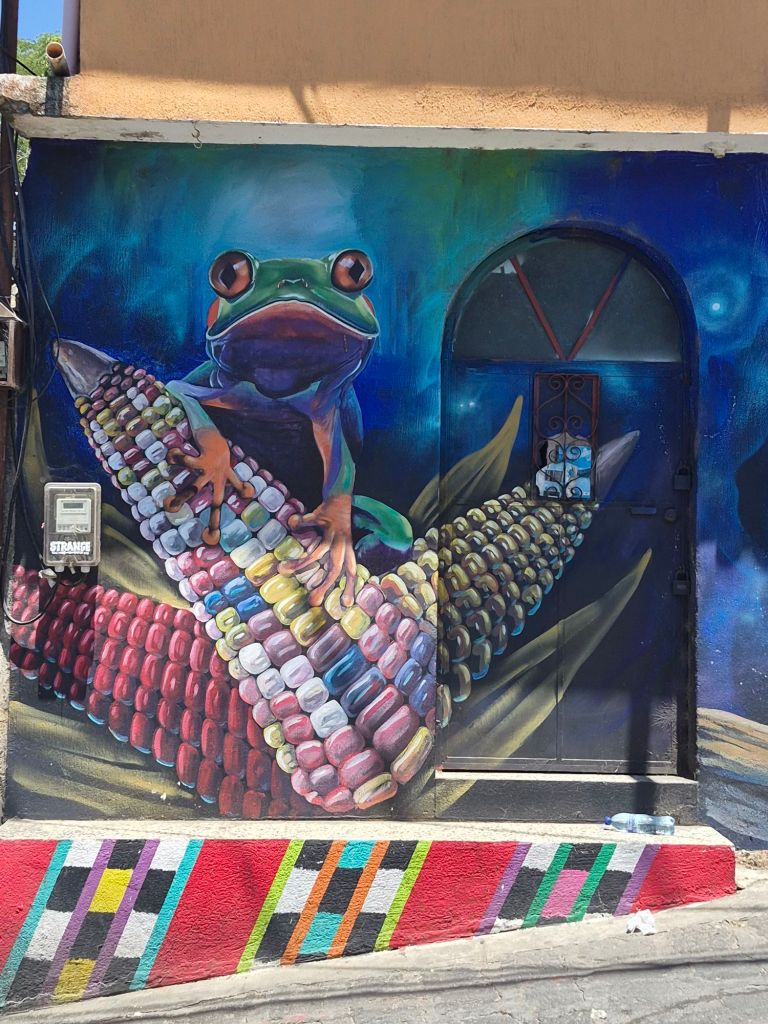
Lake Atitlan is the centre of the K’iche’ Maya, and Bob had a fascinating book telling of their beliefs and traditions. The Ancient Ones (los Naweles) created a divinity called Rilaj Mam, who created human beings from maize and cacao, binding men and women together as fertile and fecund couples. Through rituals of sacrifice, these couples sustain and provide for their divine ancestors, the Ancient Ones. The Maya therefore believe they are corn and they are cacao. It is a deep culture, spanning many centuries, reminding one that perfection lies in the harmony between man and nature, which in modern times has become warped and imbalanced as a result of many factors.
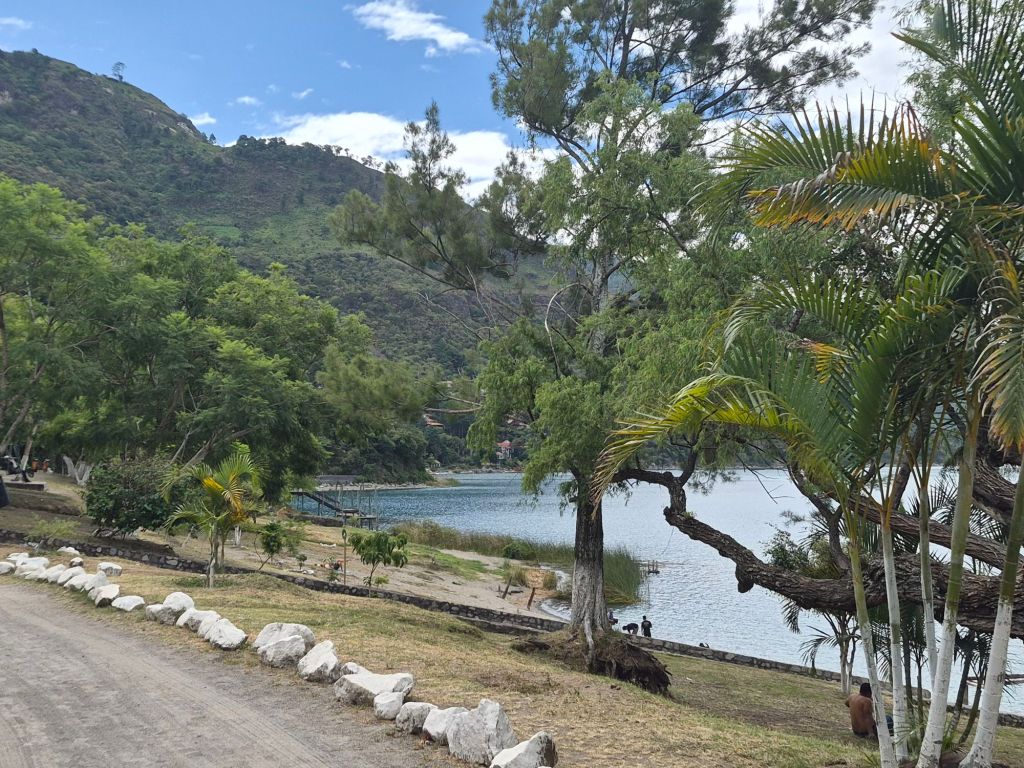
The day before leaving Panajachel I realised I had not even had one swim in the lake, so Anja and I set out early that morning to a spot Bob had suggested, but even there the water, although clear, looked a bit polluted. I had a quick dip, not daring to put my head underwater. Evidently it is not only sewerage polluting the lake, but also chemicals and waste that washes down the rivers when it rains. Friends of Bob told us that a sewerage purifying system had been installed in Panajachel, but funds had not been allocated to run it, so it was non-functional.
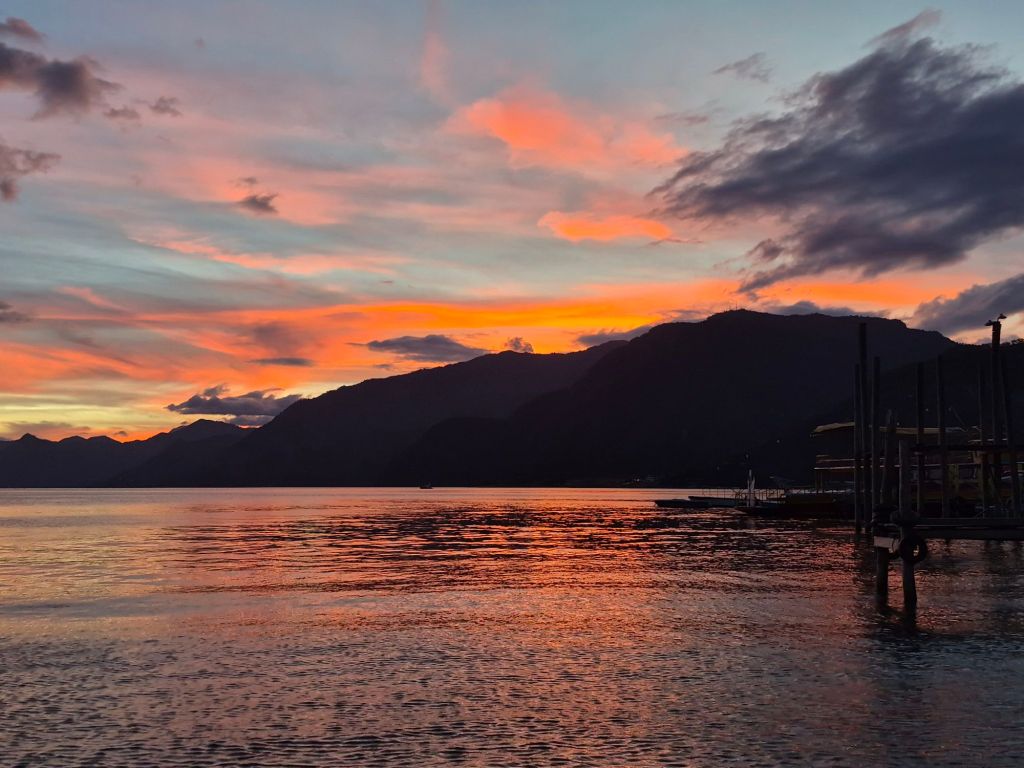
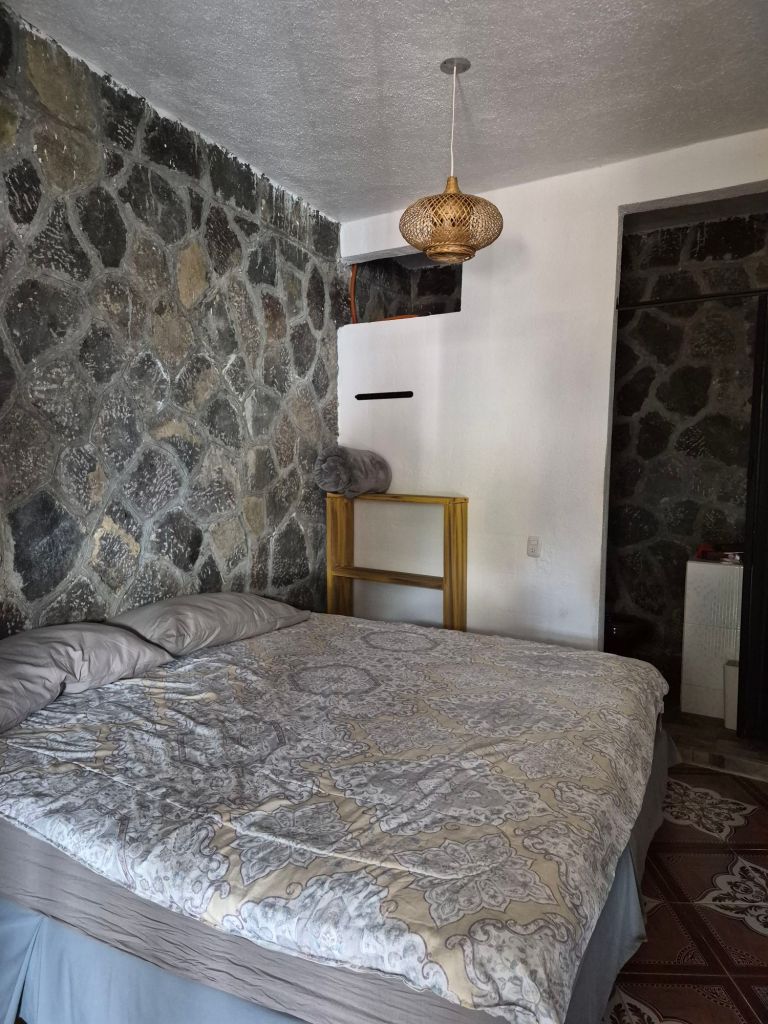
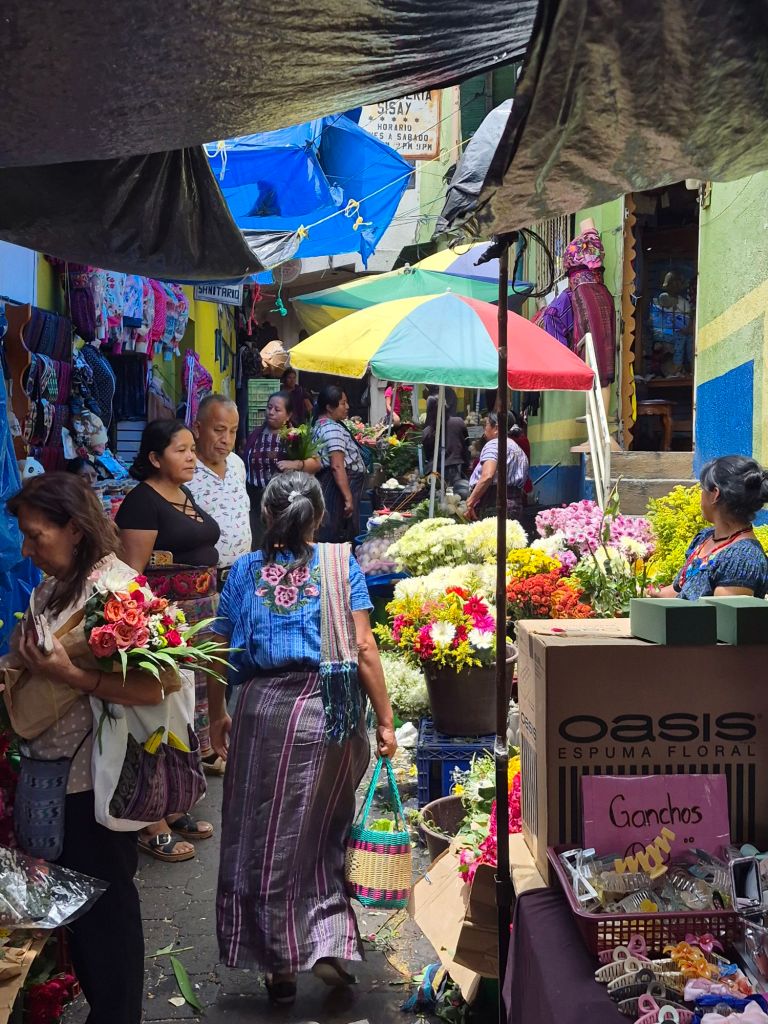
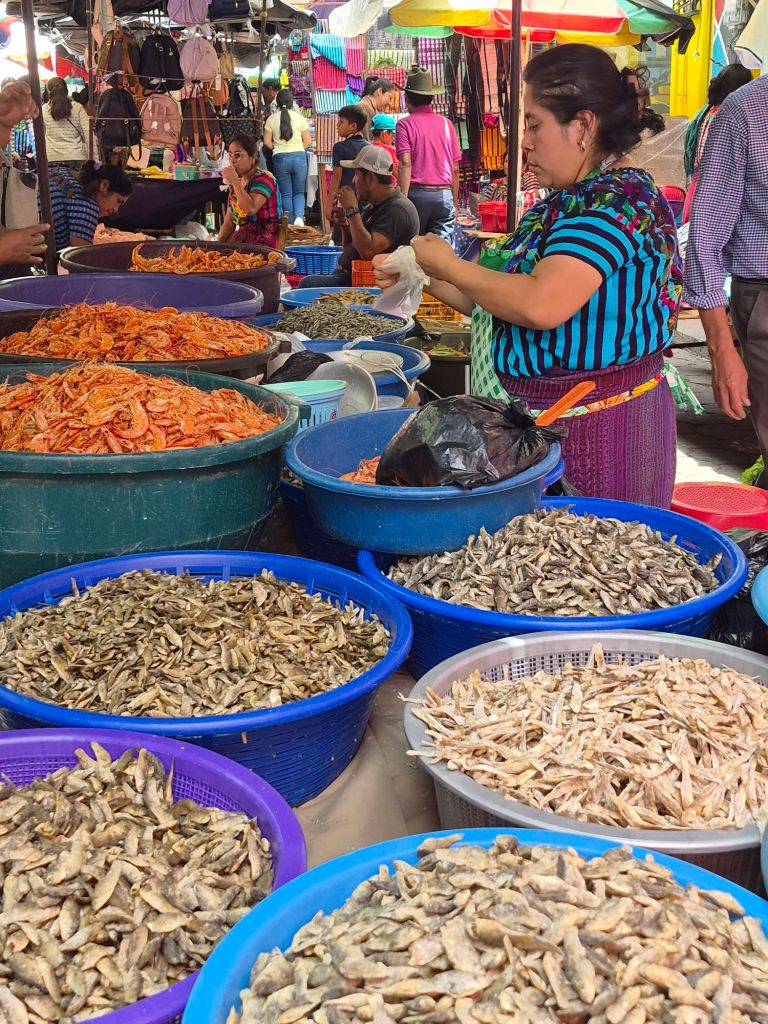
I had decided to spend a few nights in San Pedro after finishing the work with Bob at The Chocolate Factory, just to unwind and relax, regain my equilibrium. The key of the room I had booked was missing, so I was upgraded to a room with a queen-sized bed and en-suite bathroom, sheer luxury. I spent two days exploring and walking and visited Santiago, another village close by.
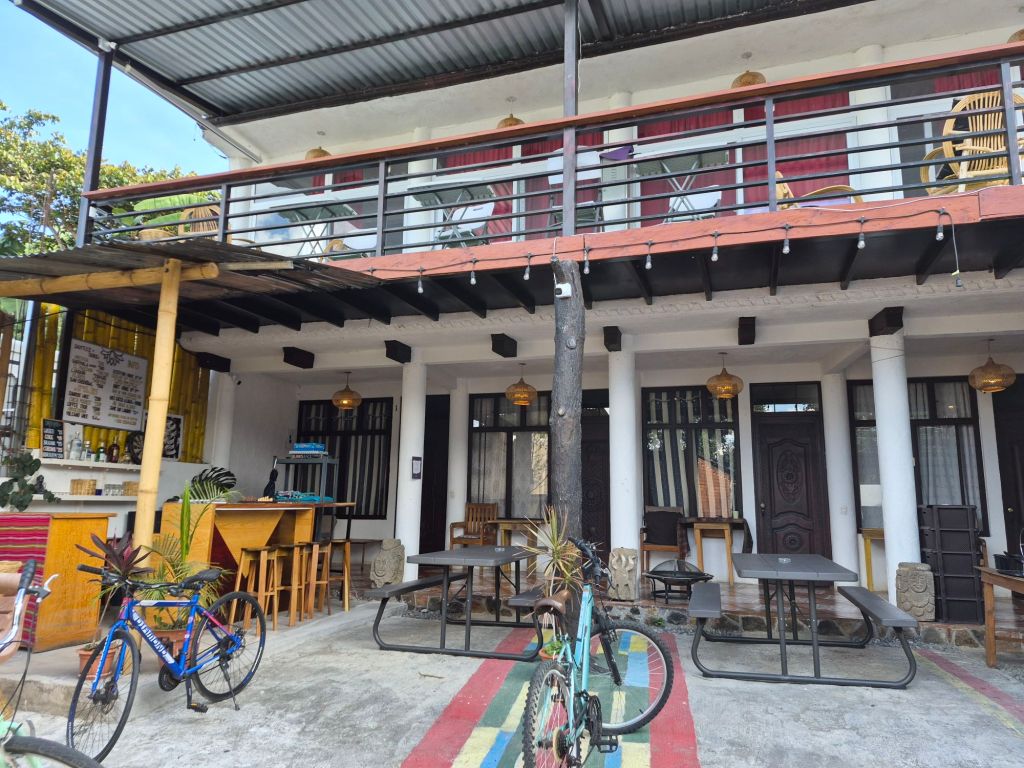
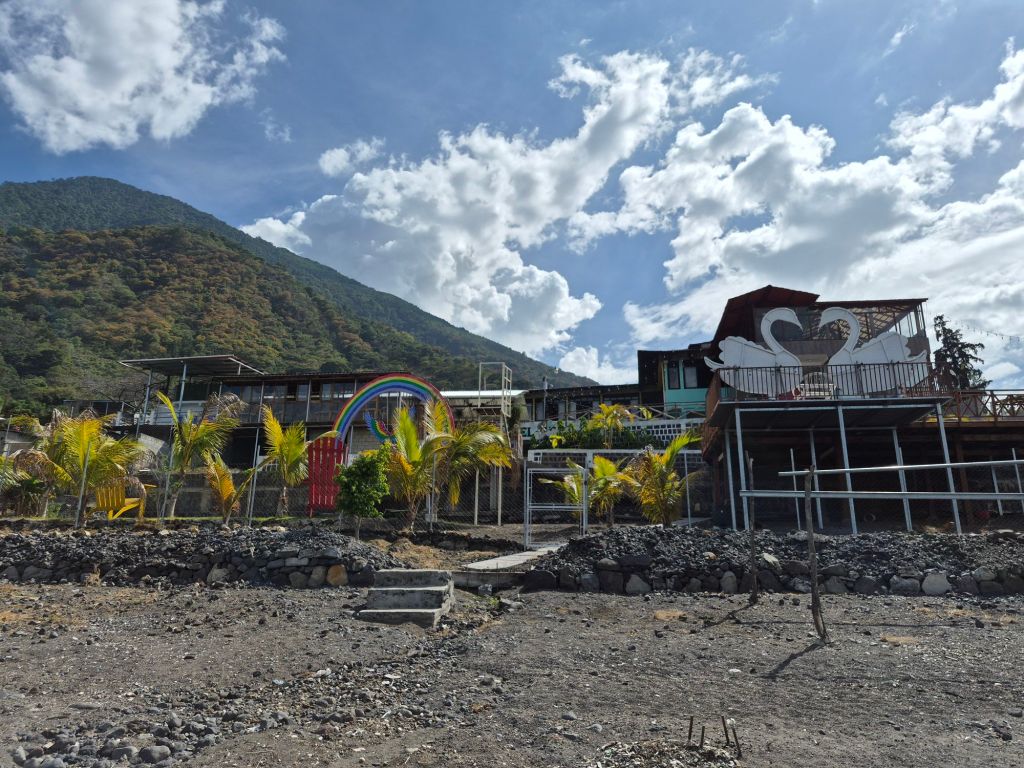
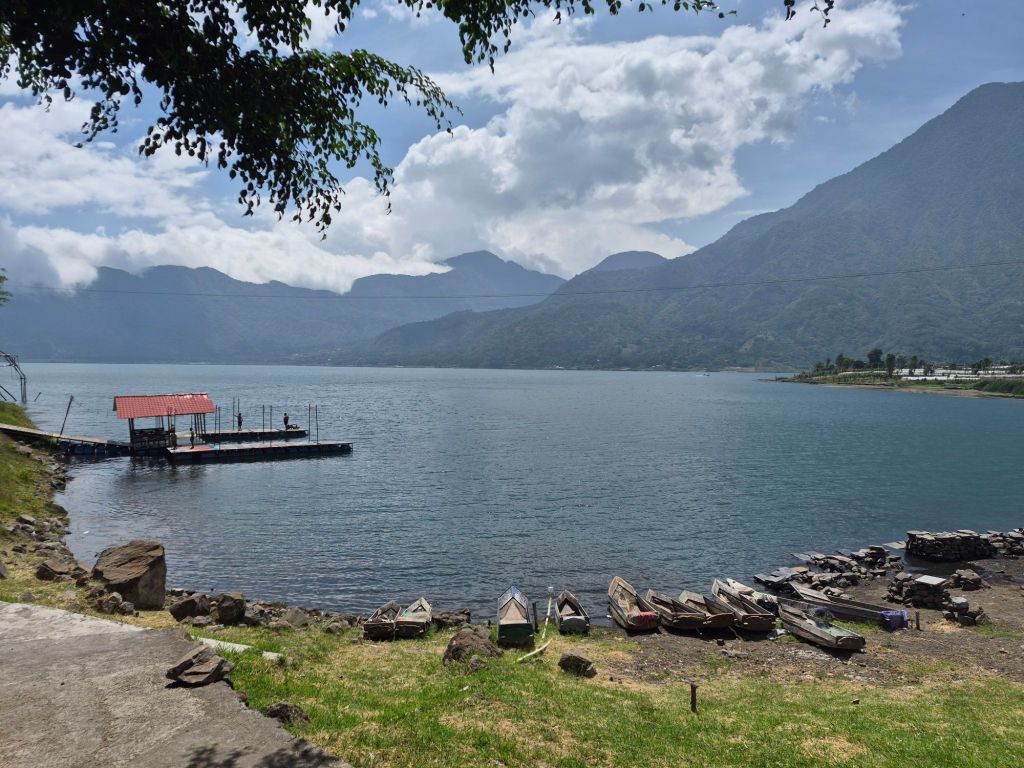
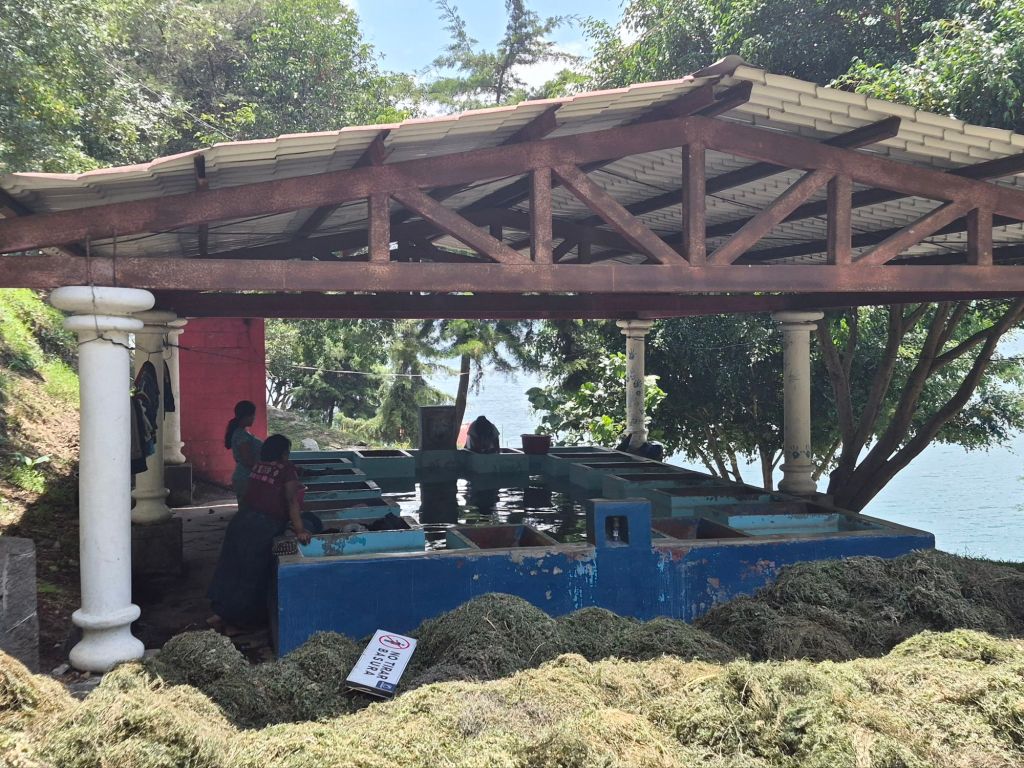
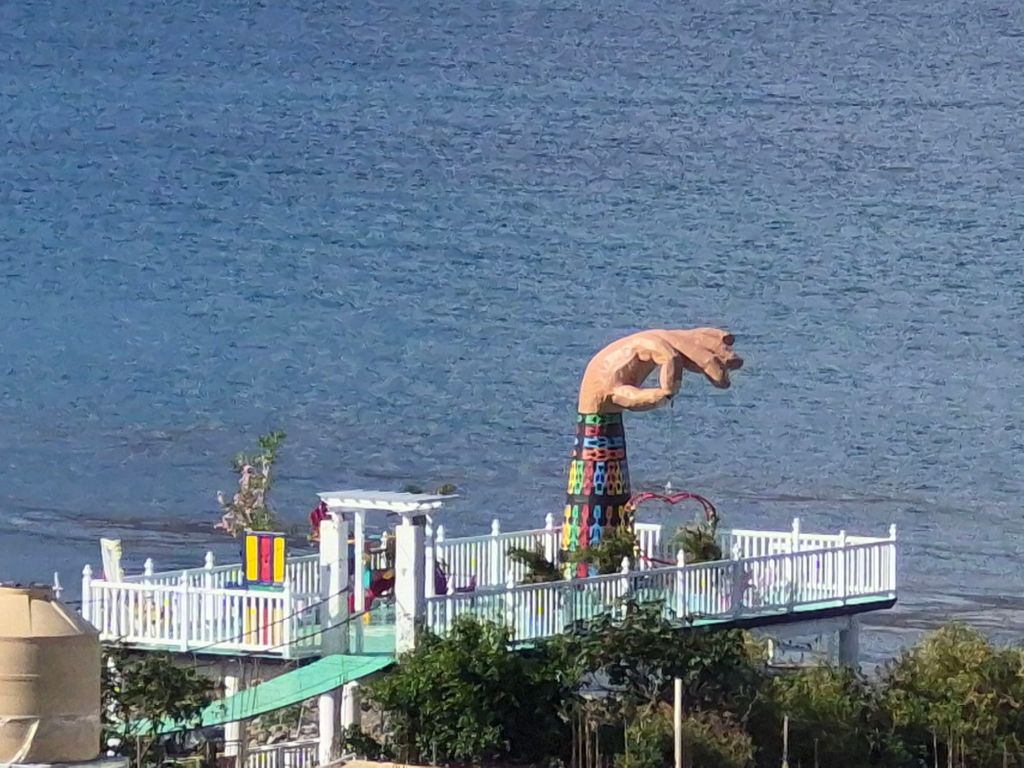
Finally I had to leave Lake Atitlan, quite nostalgic, but in retrospect it was for the lifetime experience of seeing an erupting volcano.
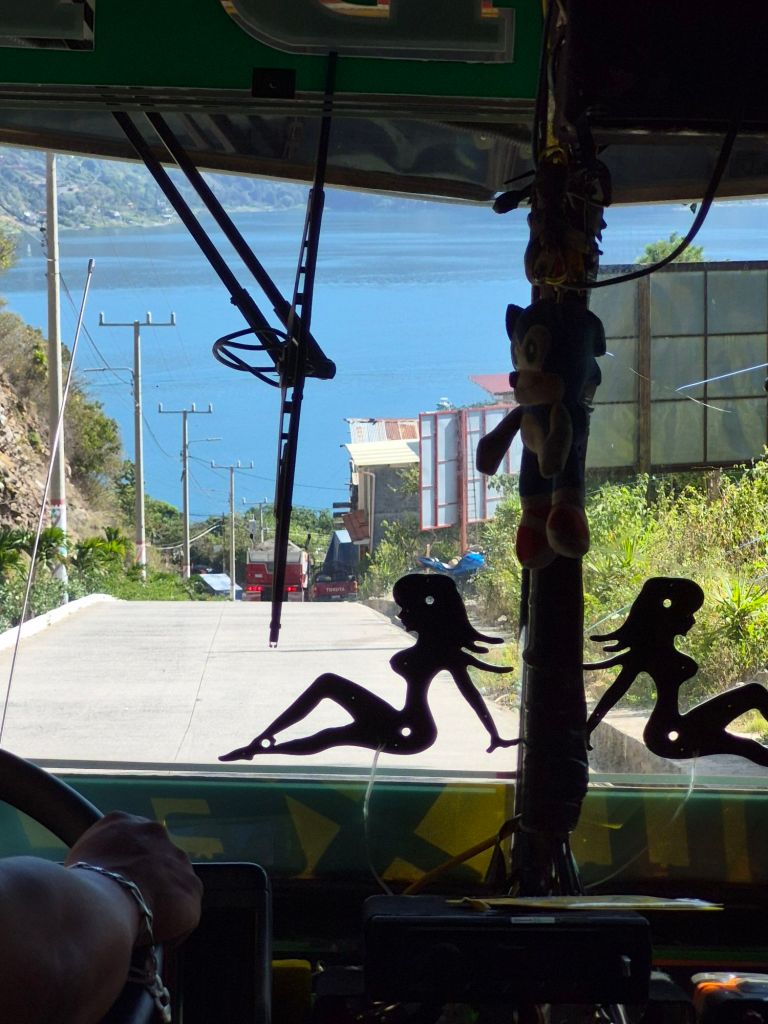
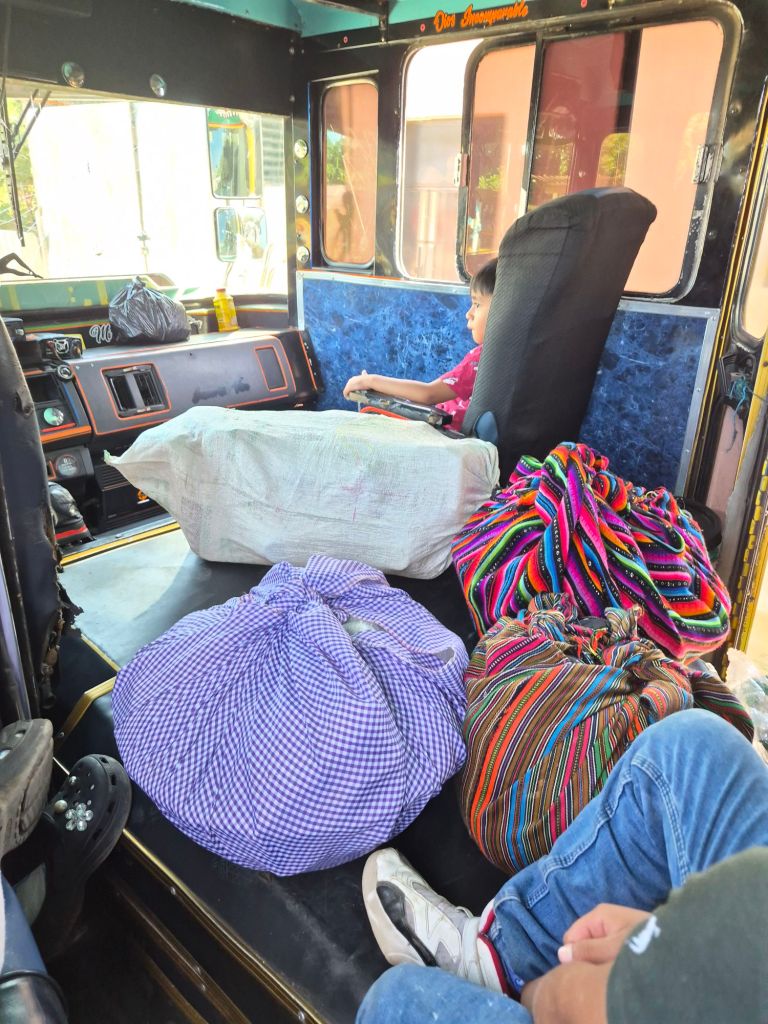
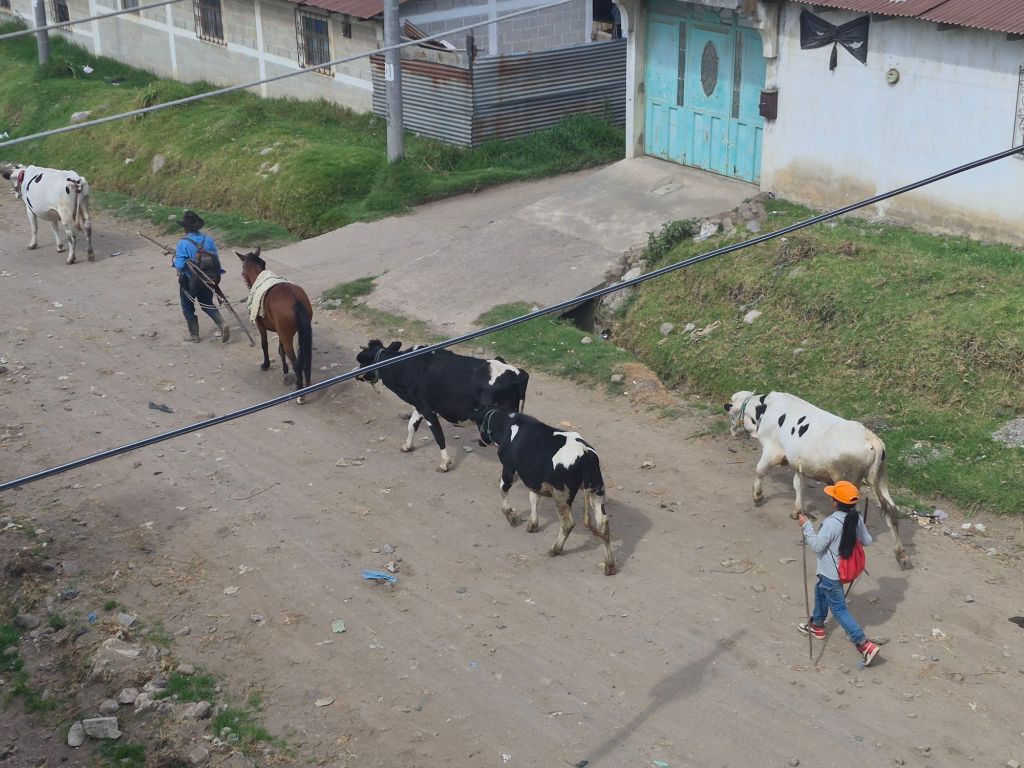
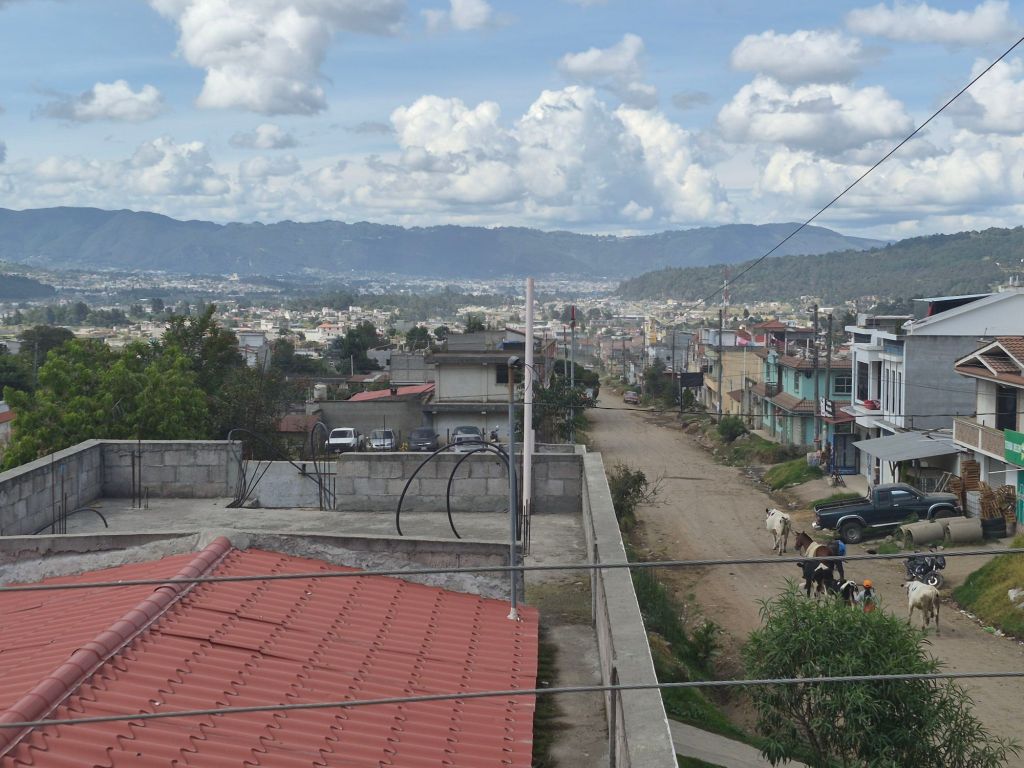
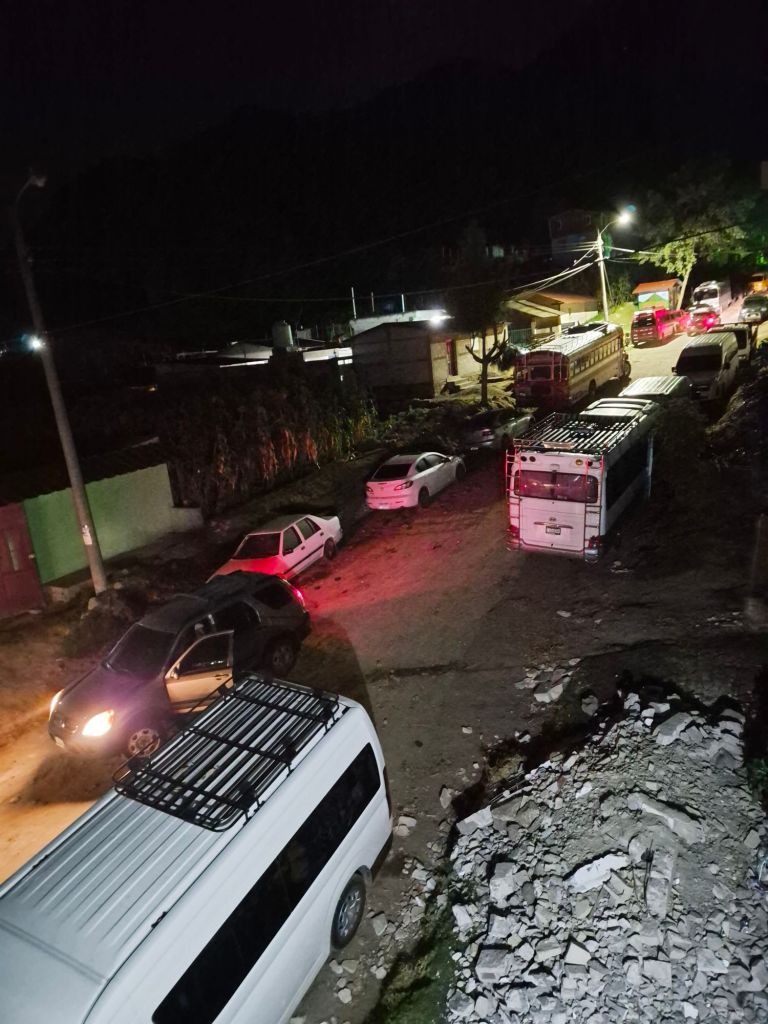
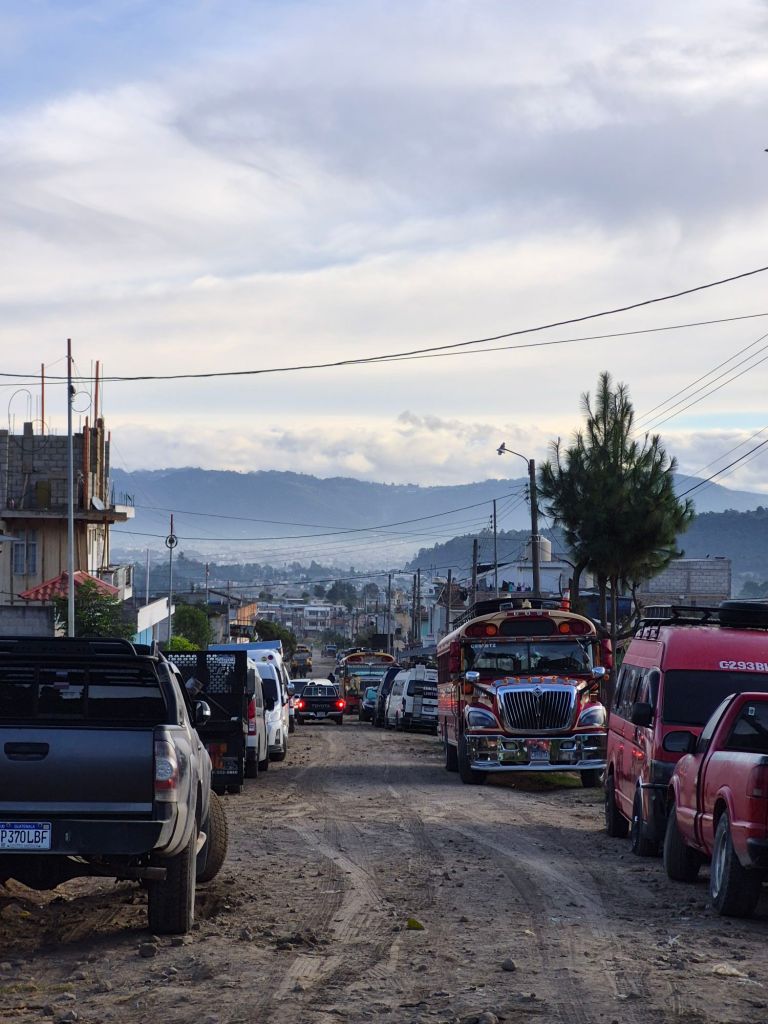
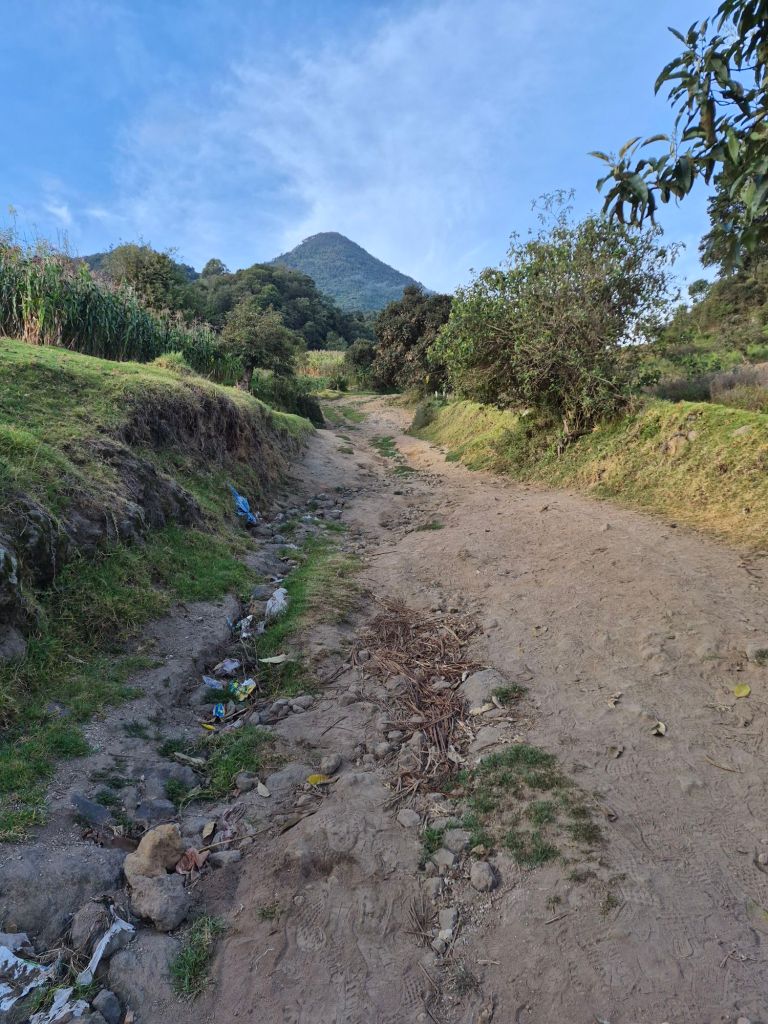
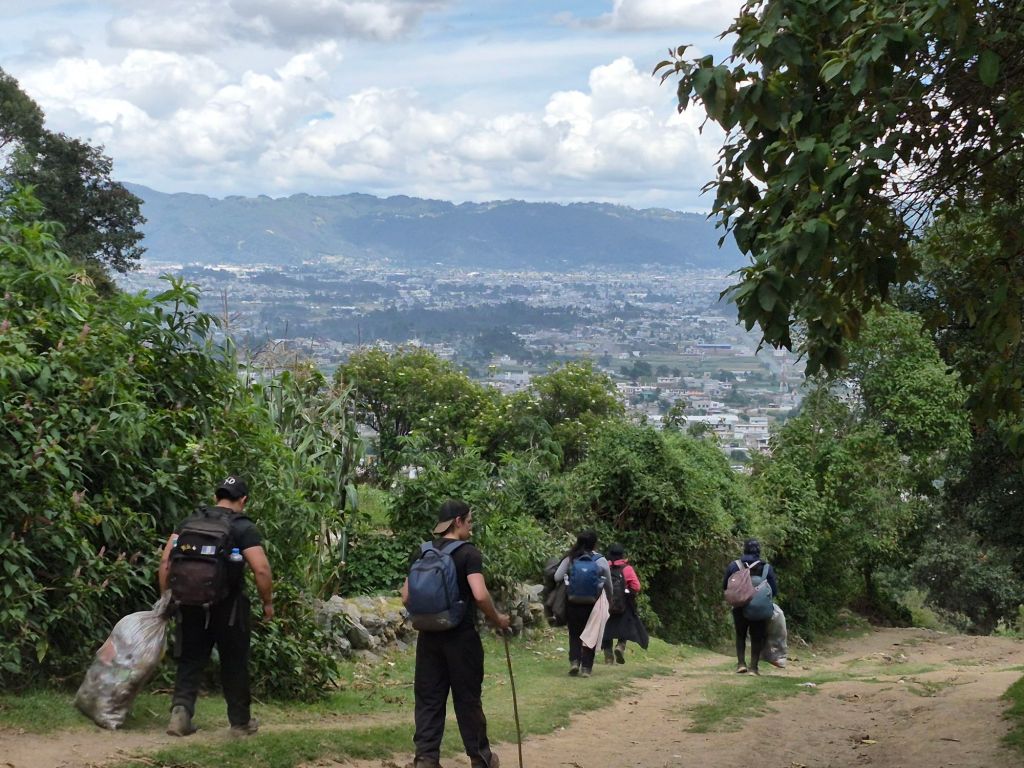
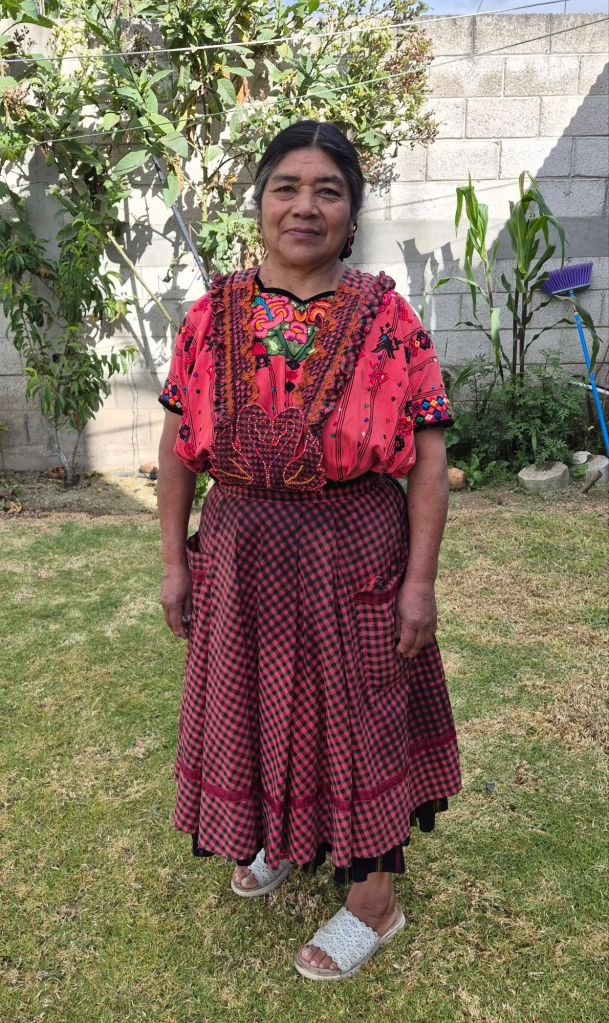
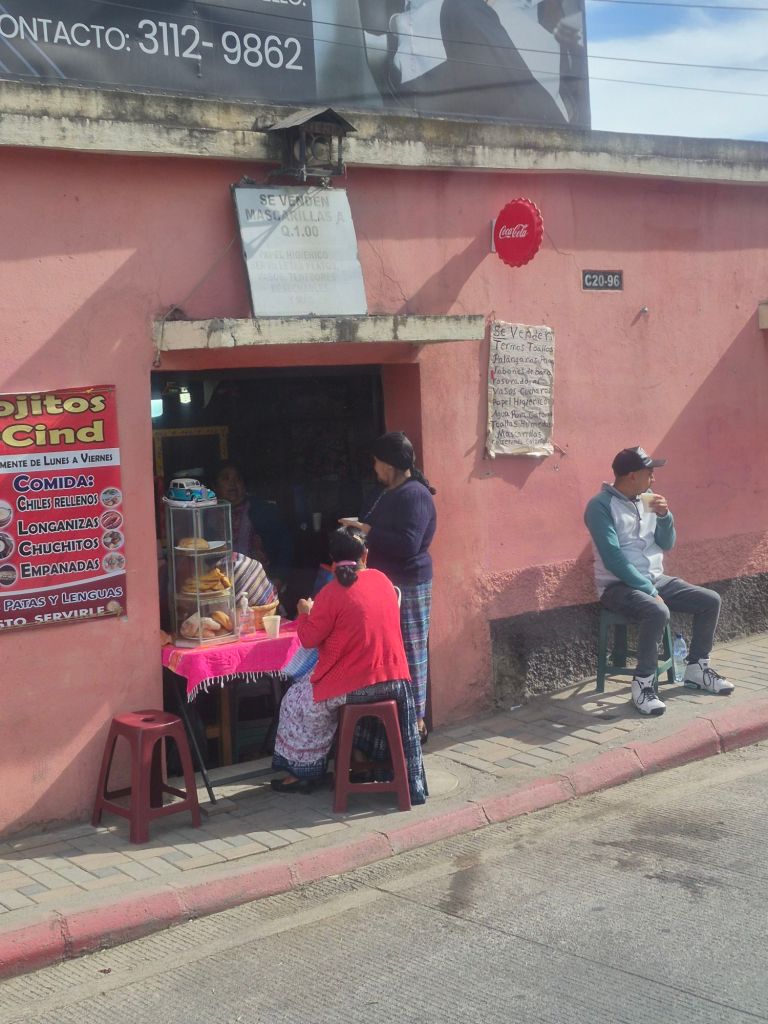
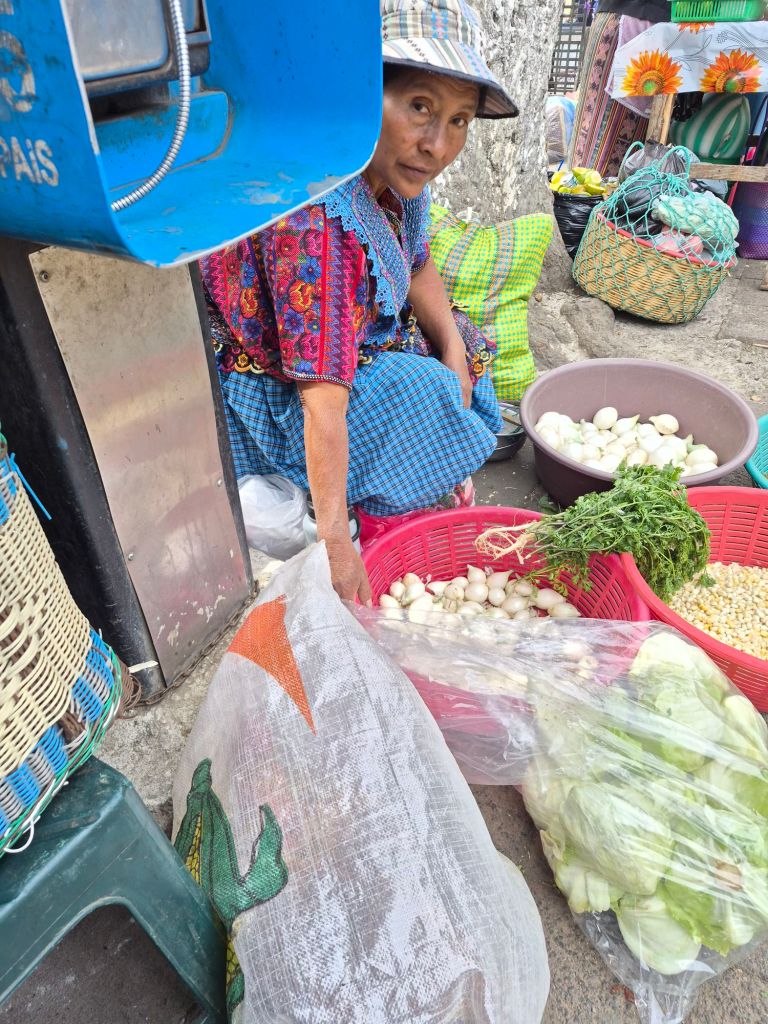
When I left on Monday morning, the street was empty again, everyone back to work. There is a bus stop just down the road from the house, and the bus blows its horn to announce its arrival, so Suerta and I walked down the dusty street, paying Q5 (R10) instead of the Q40 (R80) the Uber had cost me to get there. I was very hungry when it dropped me at the terminal, and I decided to join the locals in sitting down at a stall to have breakfast – cornflakes in a plastic cup and tamales (cooked maize wrapped in banana leaves) which were kept warm wrapped in blankets in a basket. I looked down and saw a chicken in a big bag next to me, which was being sold alive (to be eaten, the seller assured me).
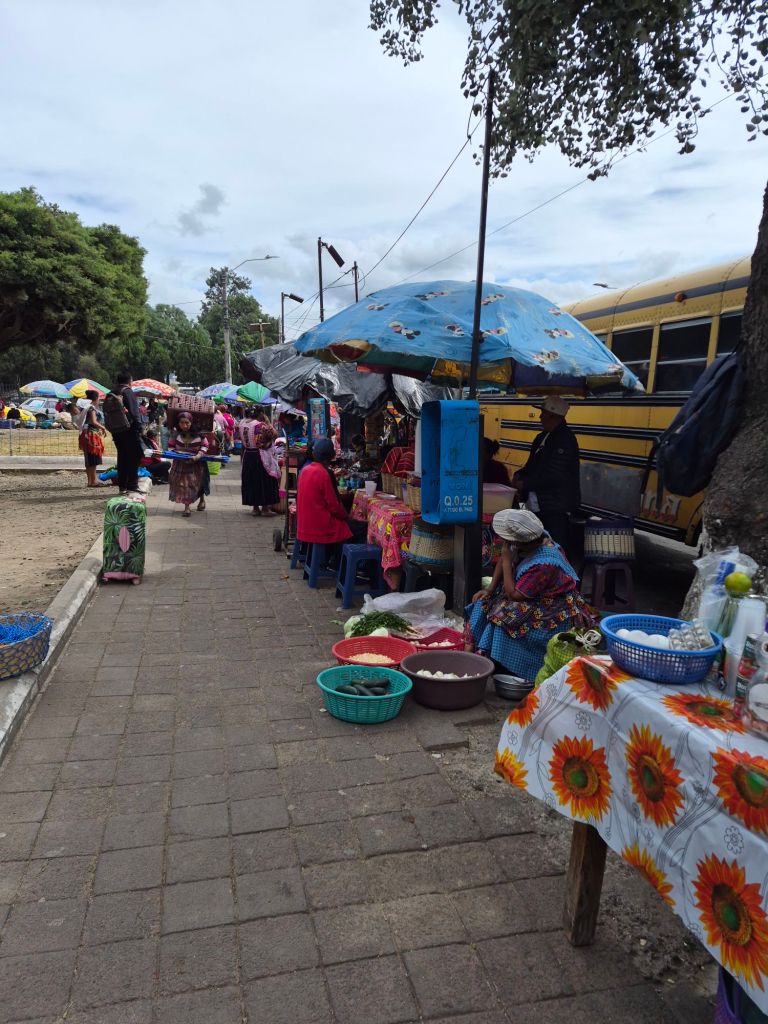
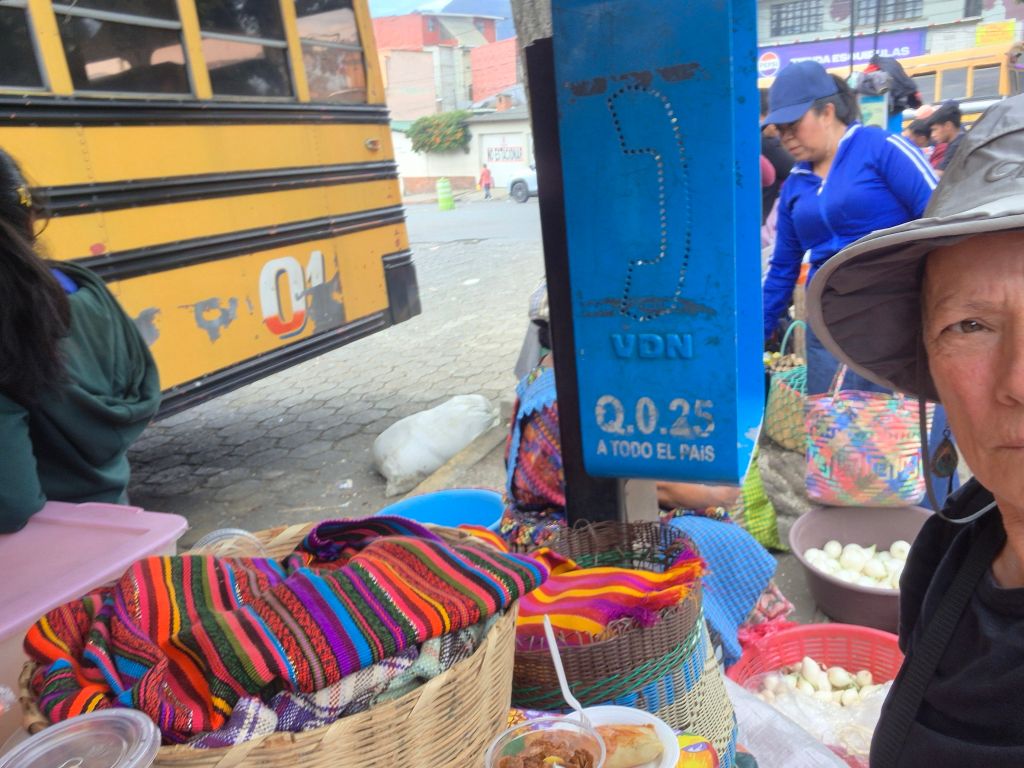

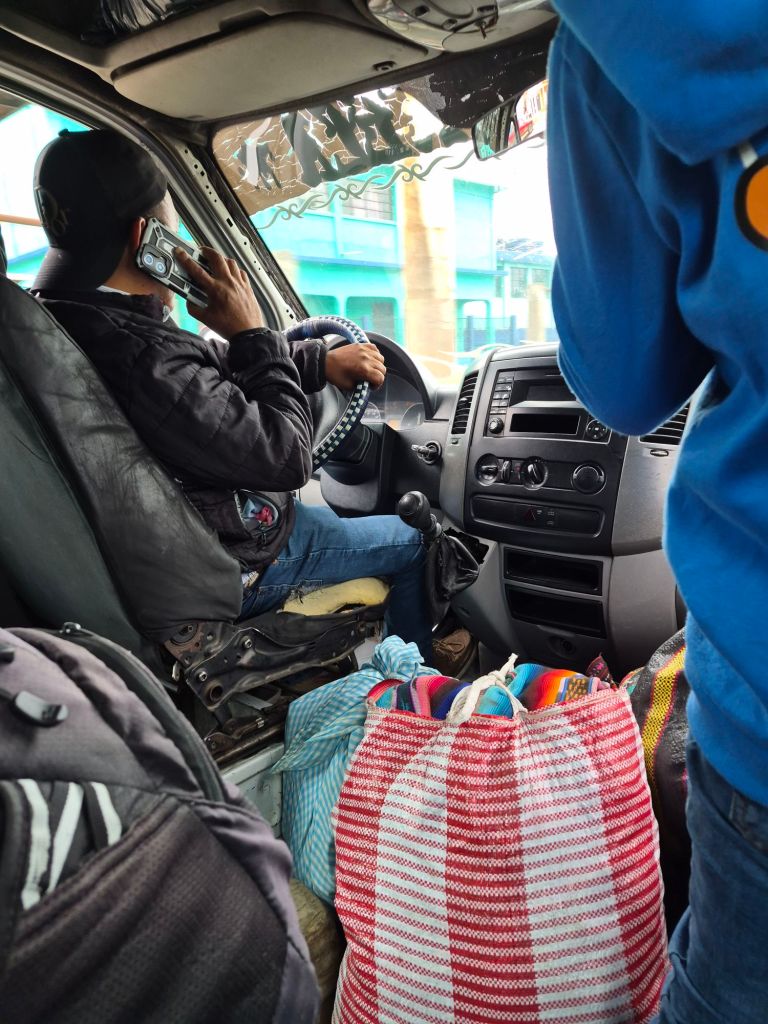
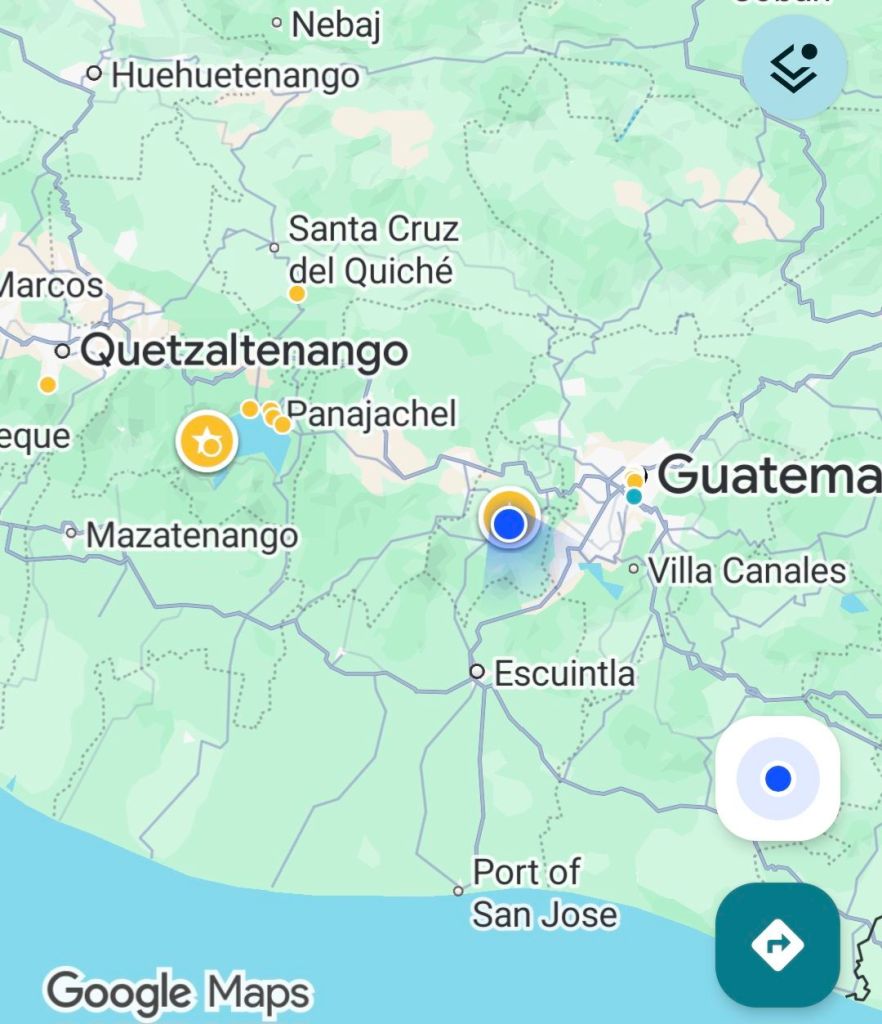
When I had boarded the bus at a crazy terminal full of chicken buses (as the funny looking local ones are called), I was assured it was going to Antigua, but 10km before the city, at a turn-off, I was told to get off and catch another bus 20m down the road. I was most upset, showing the conductor (who was a boy, not older than 14yrs) the map on my phone, but he just told me to get off, dropping Suerte from the top of the bus into my hands. I of course couldn’t catch her, so she fell on the ground, thankfully unharmed. Great respect for her, but I furiously picked her up and just shouted “No no no, this is not good!”. As if anybody was listening… I followed some other passengers, and within five minutes a bus appeared and I could board, Suerte being grabbed from me and put up on the roof again. They are always impatient and in a hurry, I don’t know why. This time however, when we stopped in Antiqua, a kind man helped me lower Suerte gently to the ground (I was again saying “No no no! Don’t drop her!”).
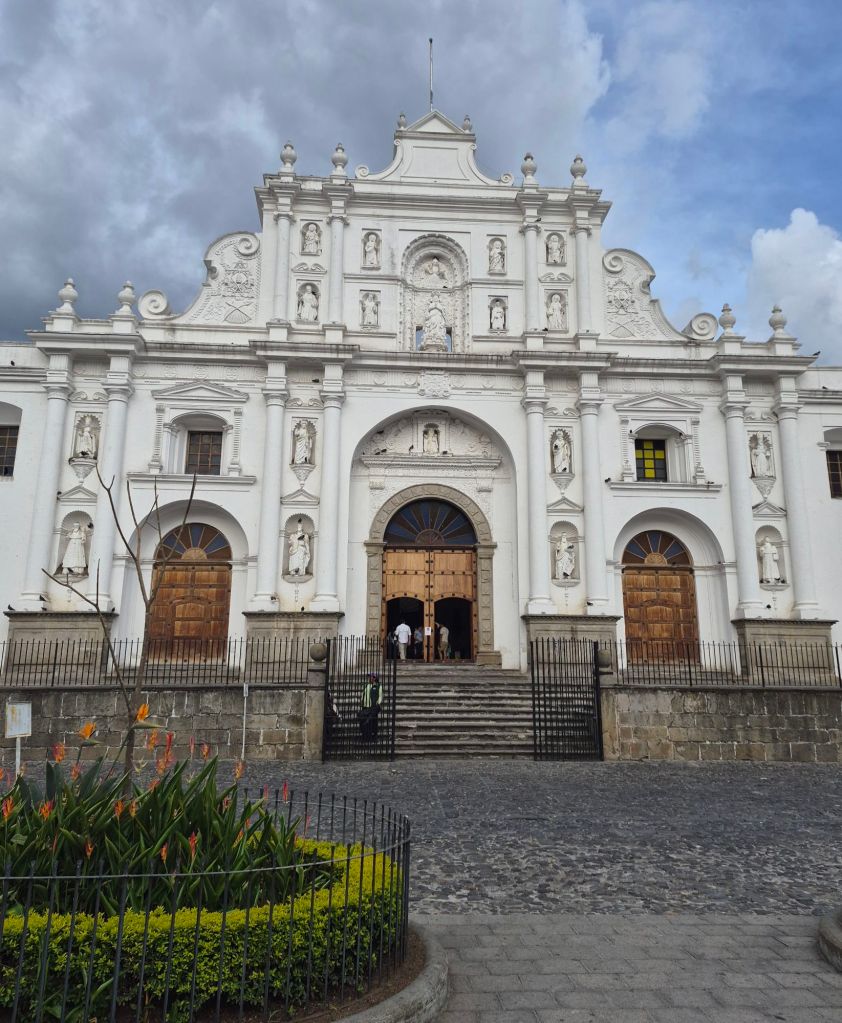
And now I am in Antigua, a beautiful old city, but I will write about it in the following blog.
 Mella Madness