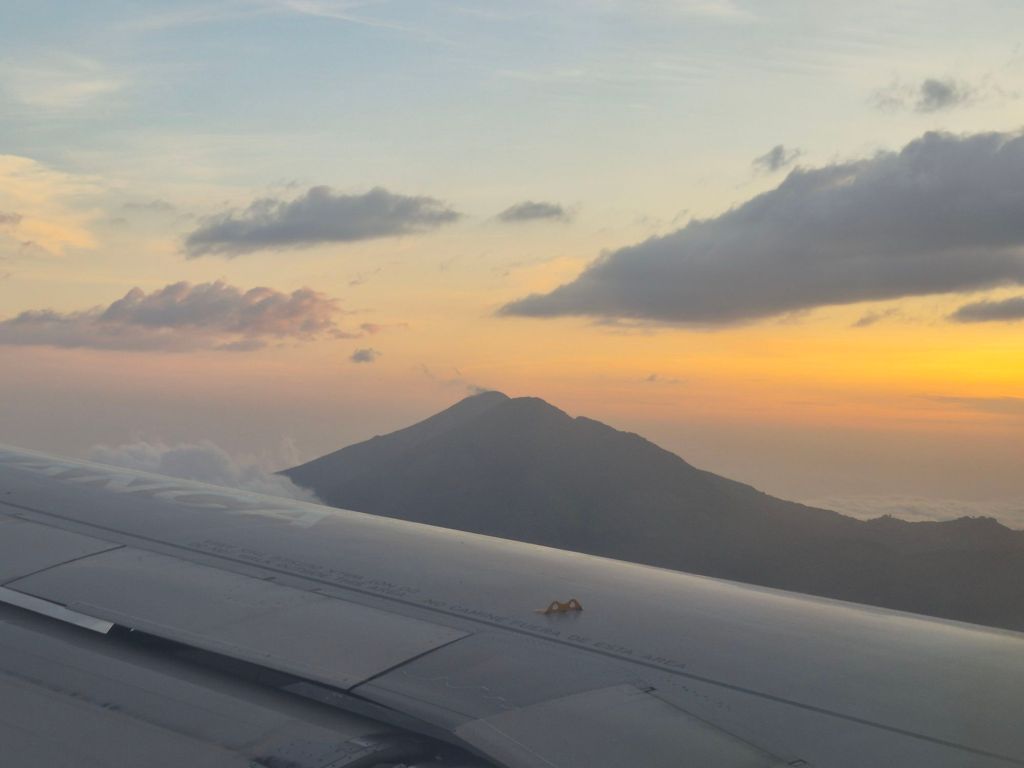
A friend sent me a WApp the day I was leaving Costa Rica: “Stay far away from the volcanoes!” she said. I couldn’t understand why she would say that, until I looked at Google Maps to follow the route we were flying to Guatemala City that afternoon, and saw a red star and inscription close to Antigua, warning of the eruption of Volcán de Fuego that had started the previous day, 3rd August. People had been evacuated from surrounding villages, but could return a few days later. All along the way one could see a hazy orange glow, and as we approached Guatemala City, I could see smoke coming from the volcano.
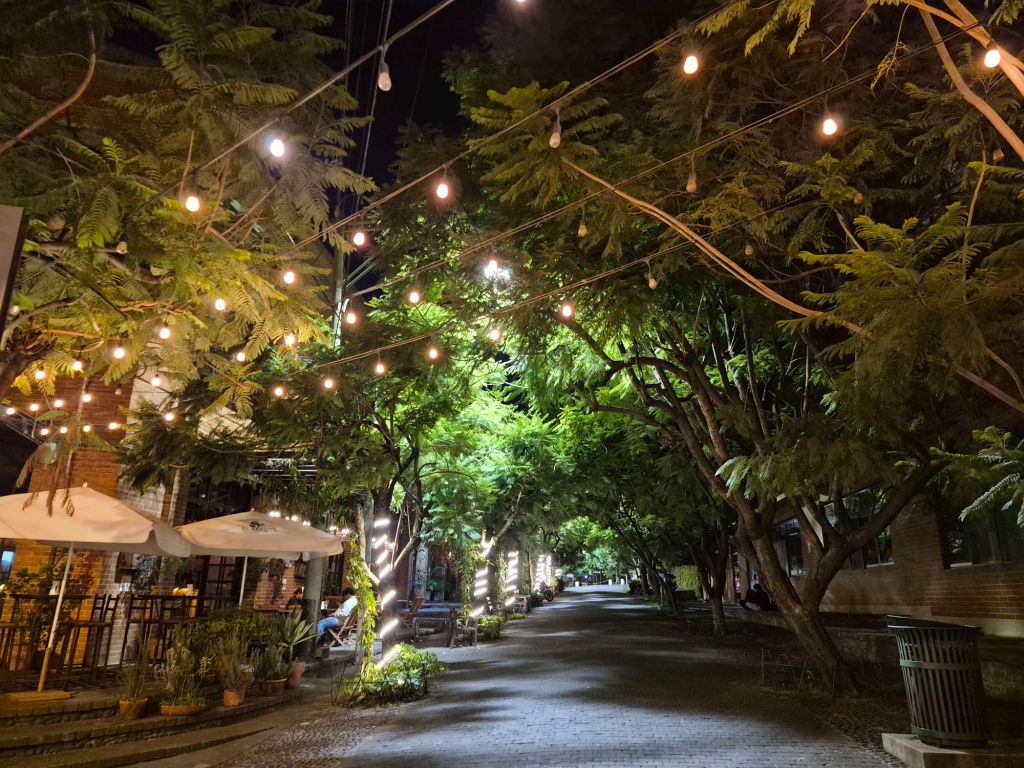
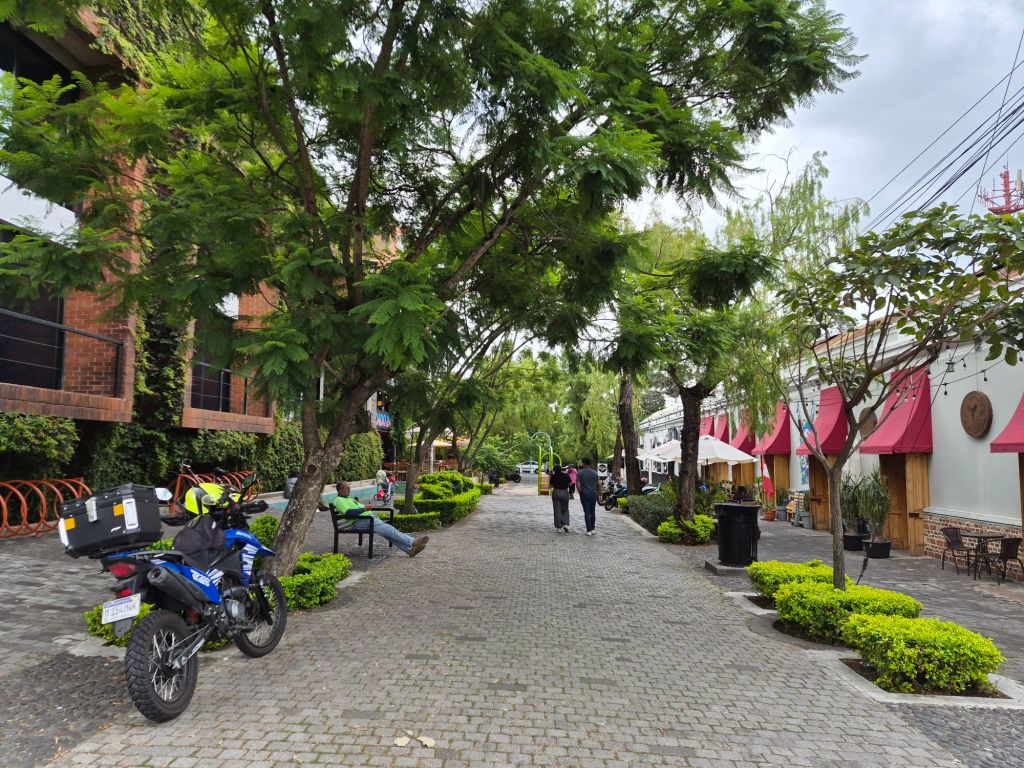
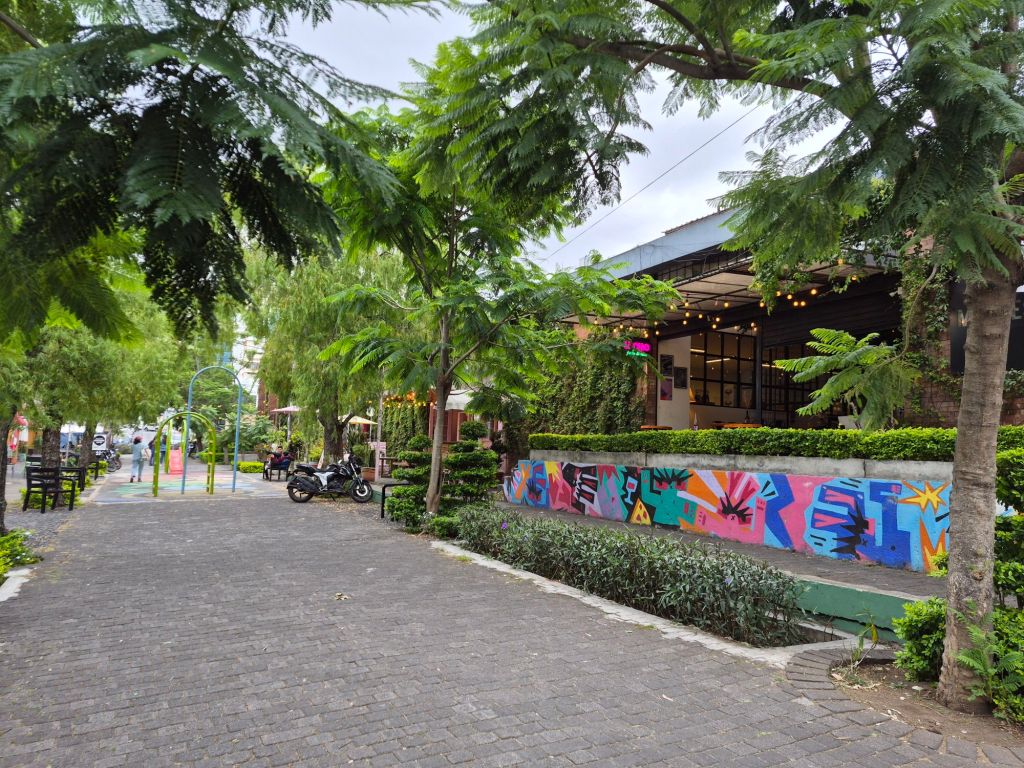
It was getting dark when I arrived at the hostel, and when I went to the reception area later to ask if it would be safe to go out to a restaurant, there was an American, Shane, who invited me to accompany him as he was going to find something to eat. He had a very long and complex story regarding his ex and his daughter whom he had not seen for several years, so he had been there for six months, involved in a legal battle. The area in which the hostel is located is called Zone 4, and it is known for its restaurants and artistic vibe, so it was great to have someone show me around. We ate tortillas at a popular local restaurant, where one gave your order at the entrance, went upstairs to a deck and filled your basic tortilla, which they brought to your table, with goodies from a salad bar.
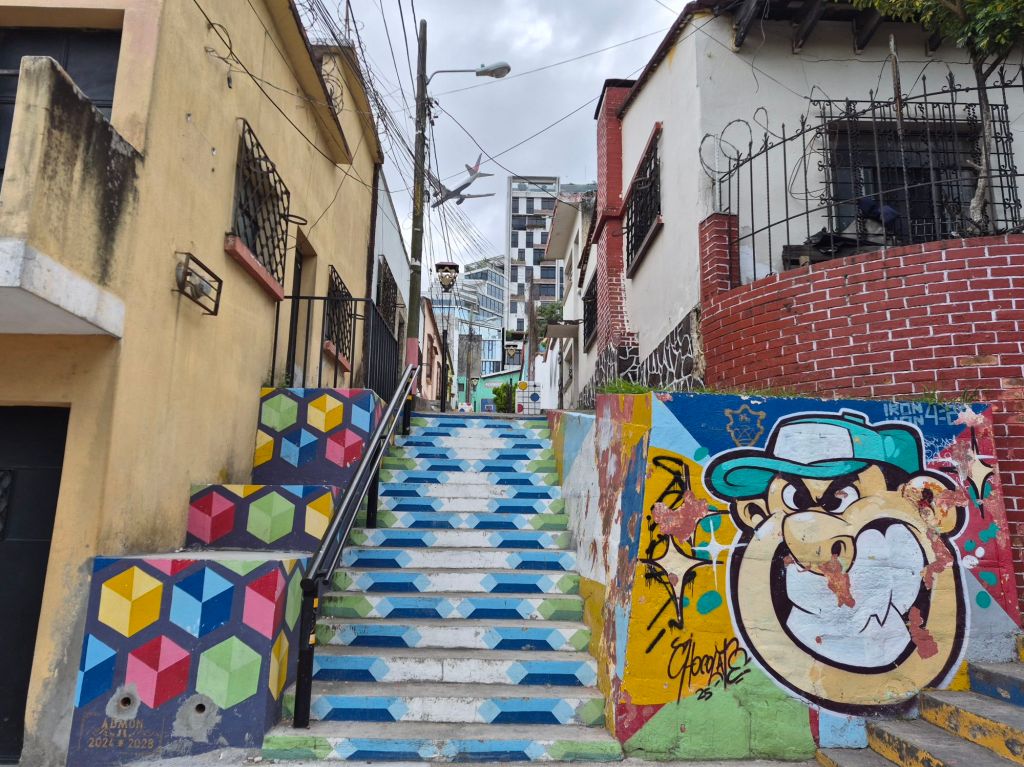
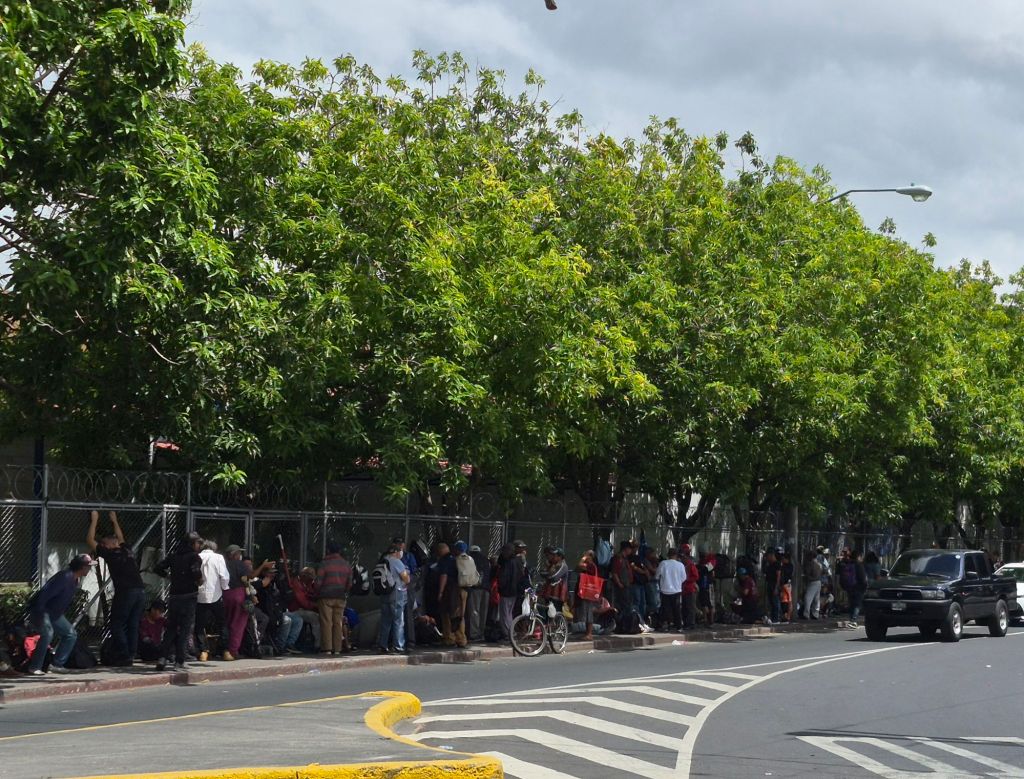
I set out to explore the city the next morning, mainly to see the underground market that is behind the church. As I walked through a poor area before coming to La Sexta, the long walking street that leads up to the market place, I realized that there is much more poverty in Guatamala than in Costa Rica. There was a long queue at a building that looked like social services, and I noticed that most of them were men. I think the women are mostly in charge of the stalls selling goods.
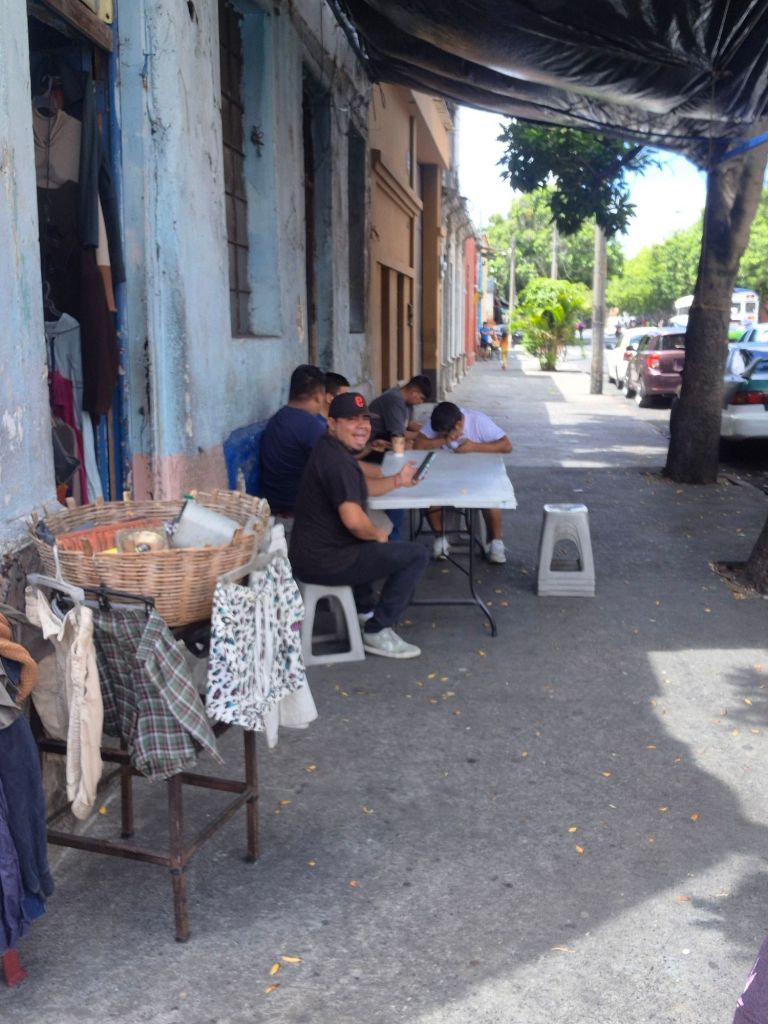
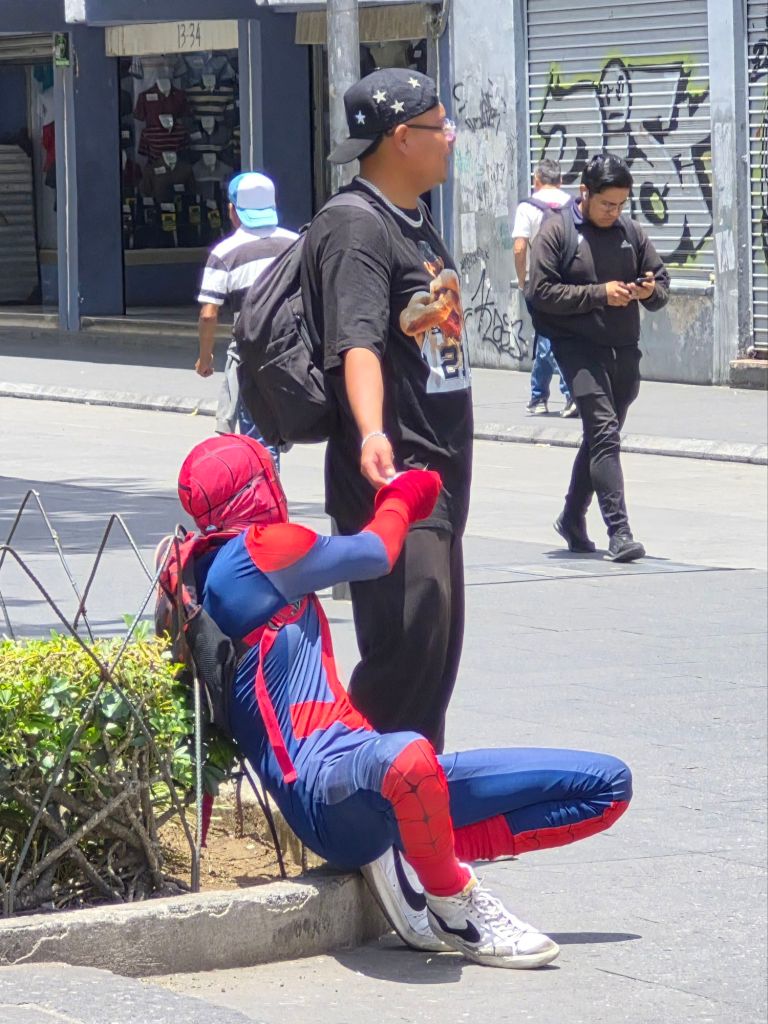
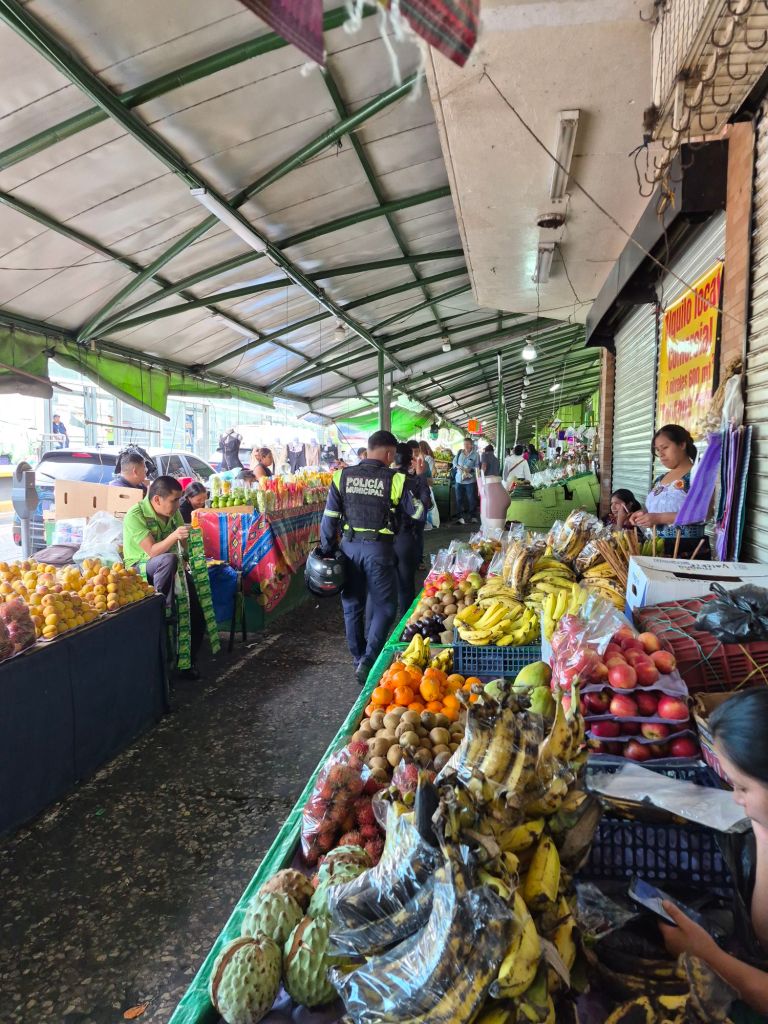
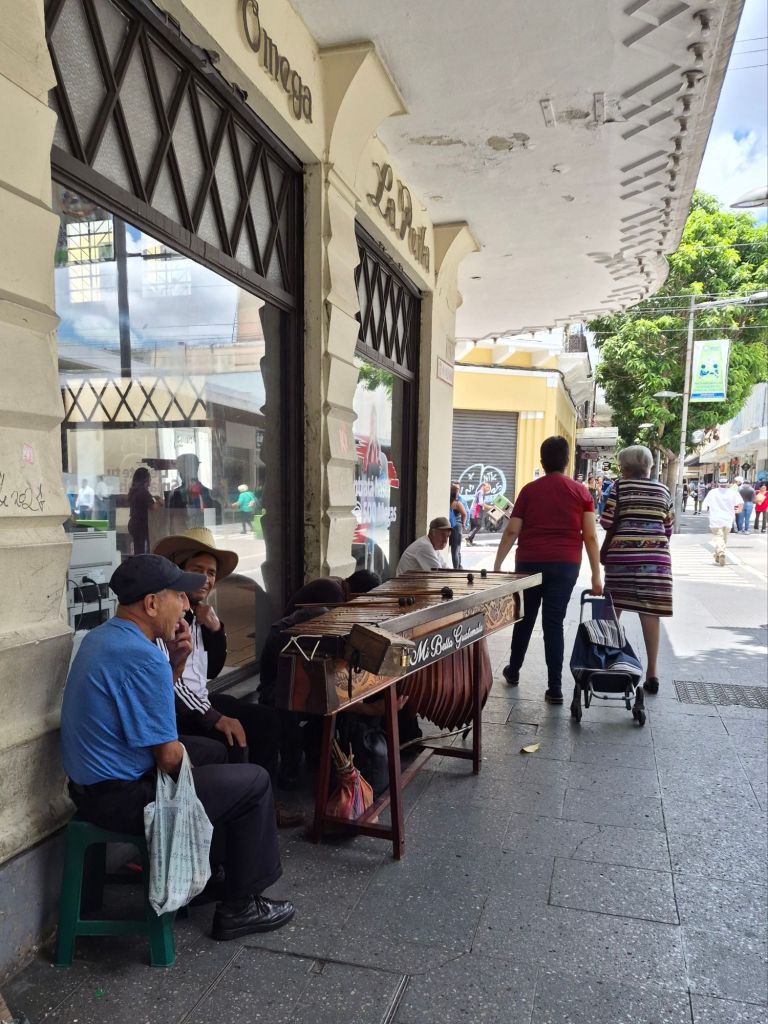
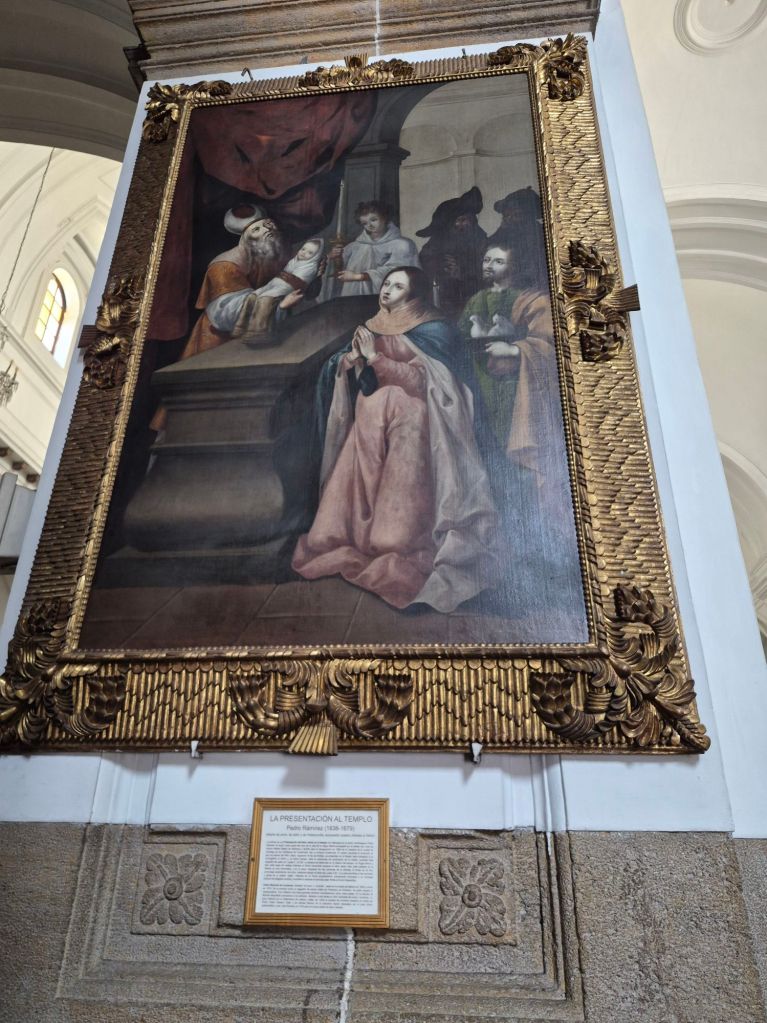
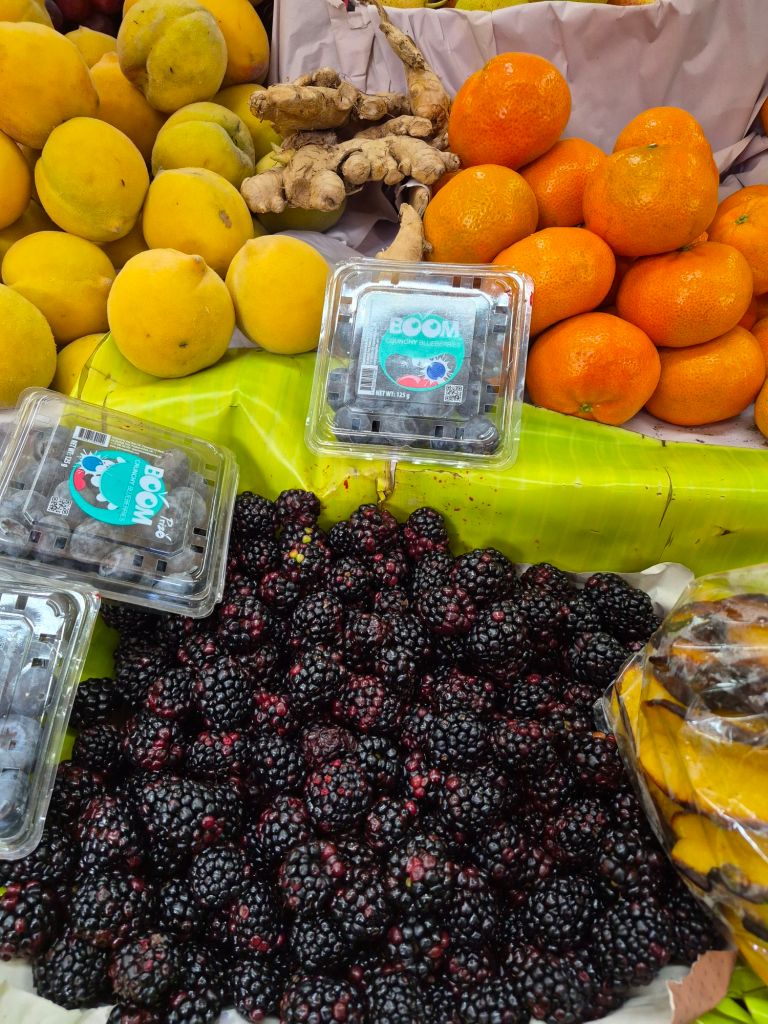
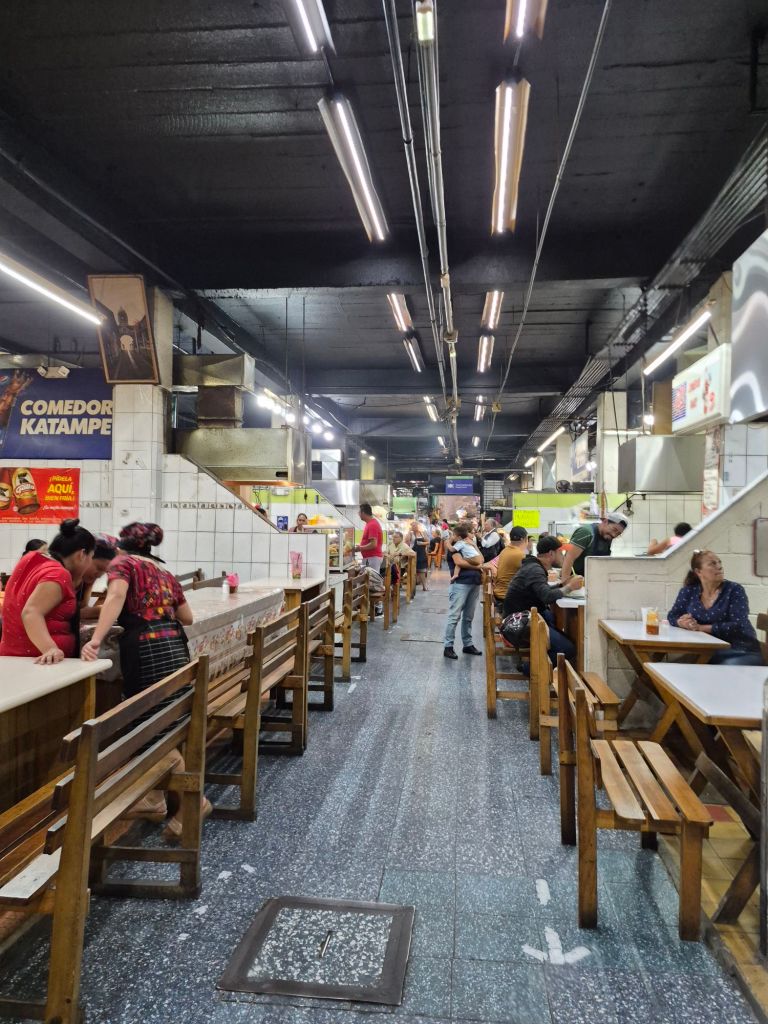
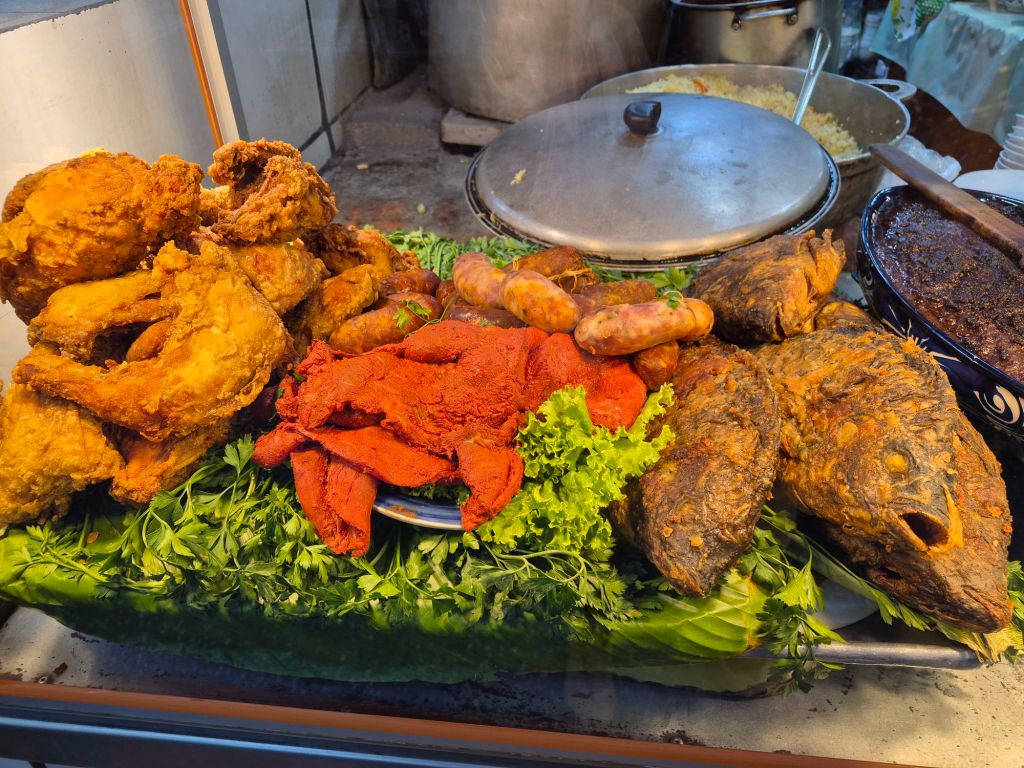
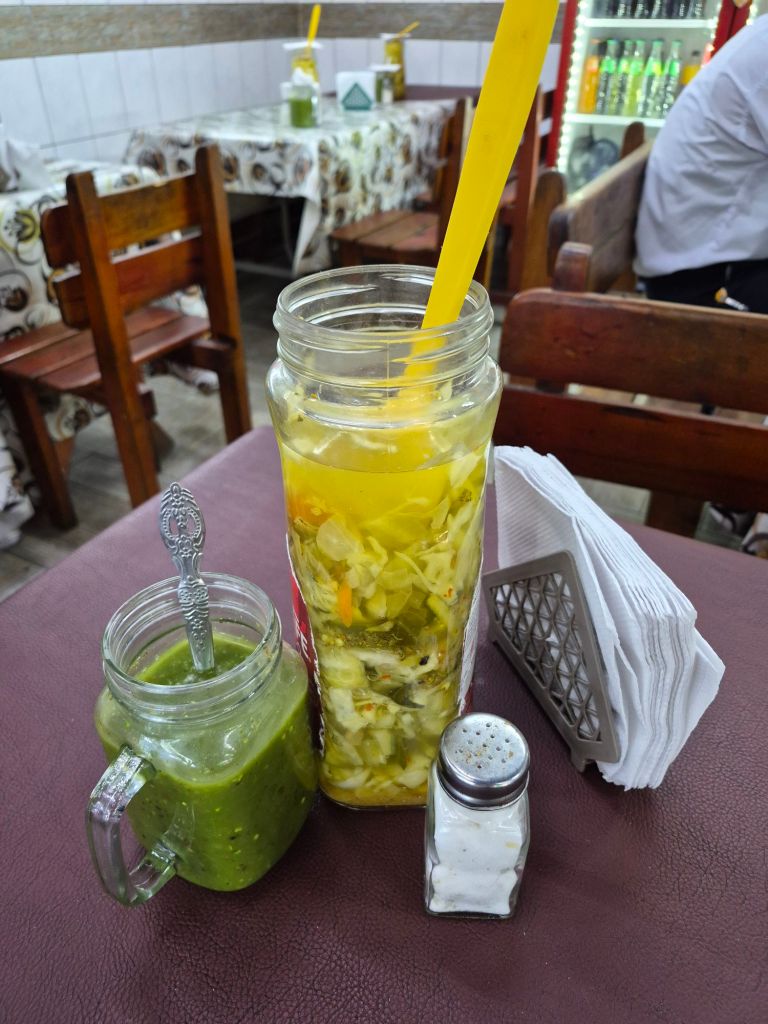
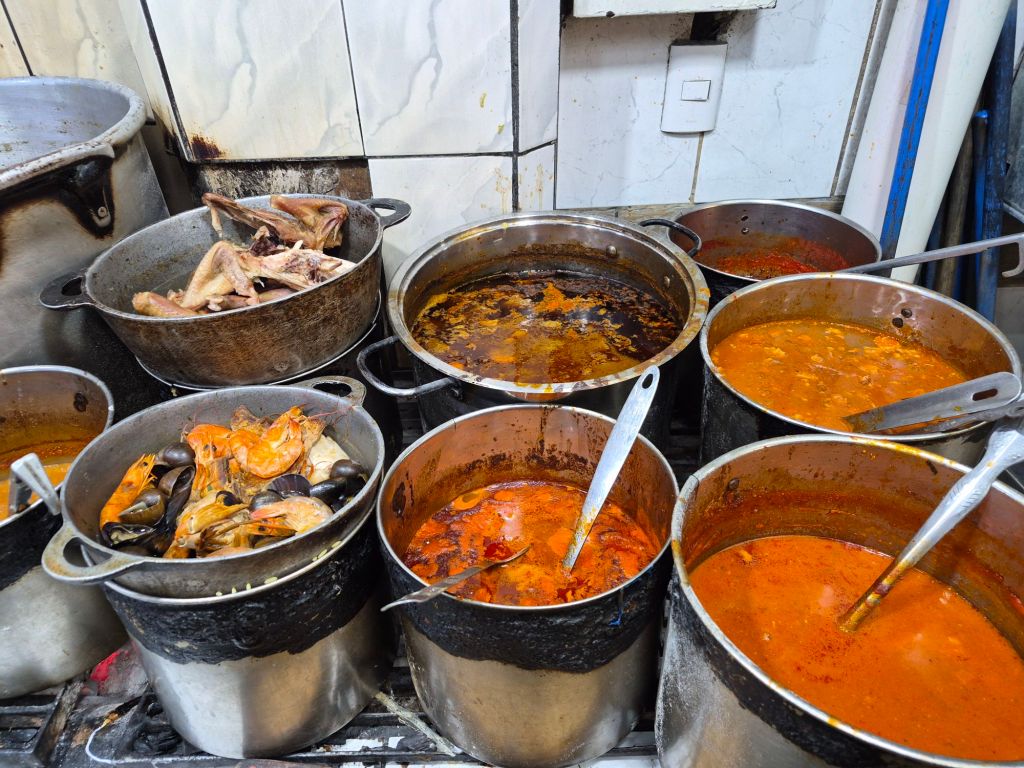
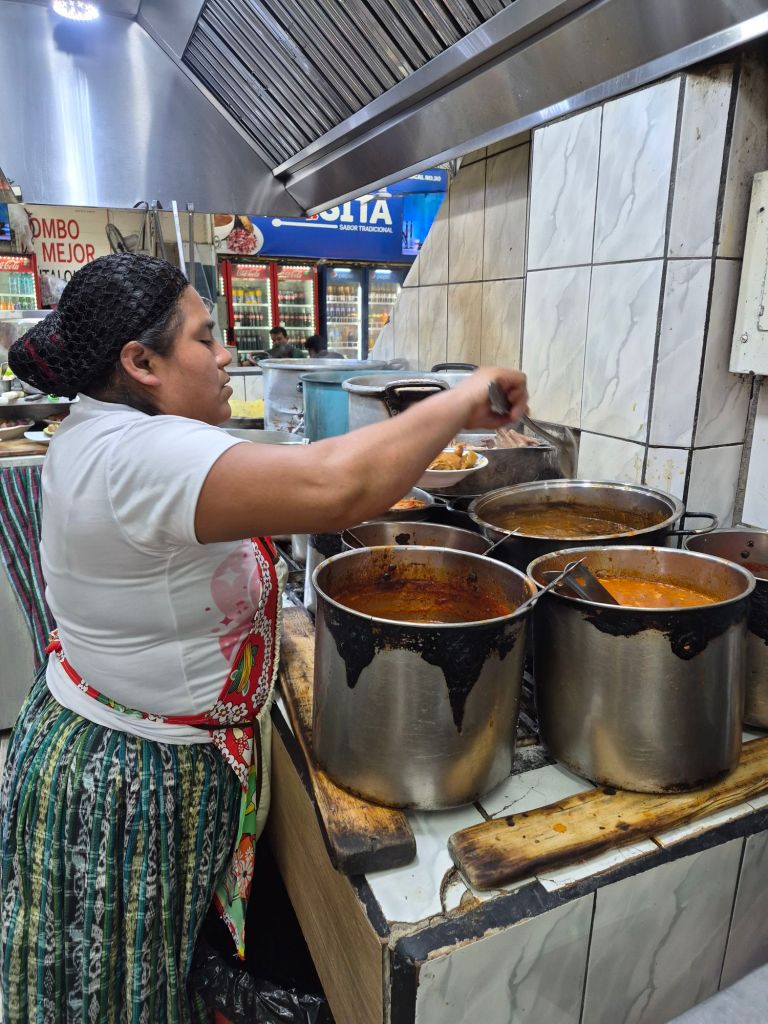
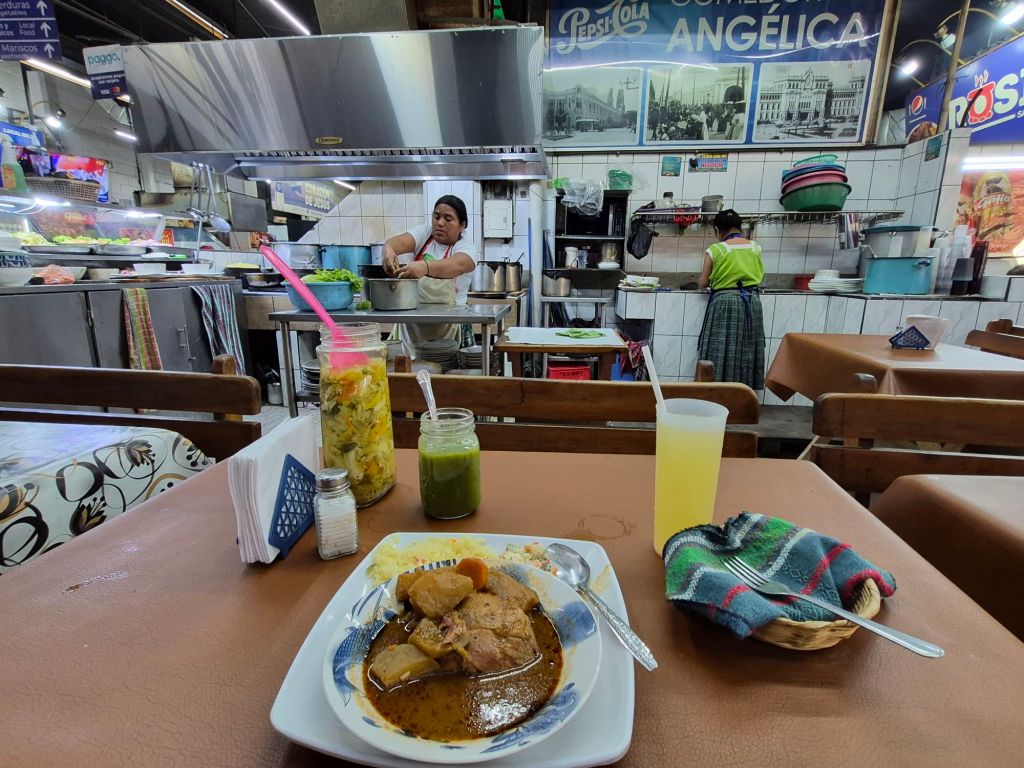
The entrance to the underground market is quite obscure, I almost missed it, but I was overwhelmed once I went inside. It covers a whole block or more, and when I had walked through the artisan part, I saw further steps going down into the fresh market area. I bought some blackberries which looked delicious, but they were very sour. After the fresh produce and flowers, there was a huge food hall where local food was being served. I stopped at some tables to take a picture of the pickles that were permanently on the table, when the owner walked up. We started talking, and I asked about the food being sold, as I had seen that pepián (stew with rice and salad) was one of the local dishes. He took me to the kitchen area, and the woman who was cooking pointed out the stew in one of the massive pots on the stove. She dished me a plate and I sat right there eating pepián, without the pickles as they were much to picante (spicy), with a musician playing at the next table – delicious food and jolly music. One also gets a big glass of some kind of watered down juice.
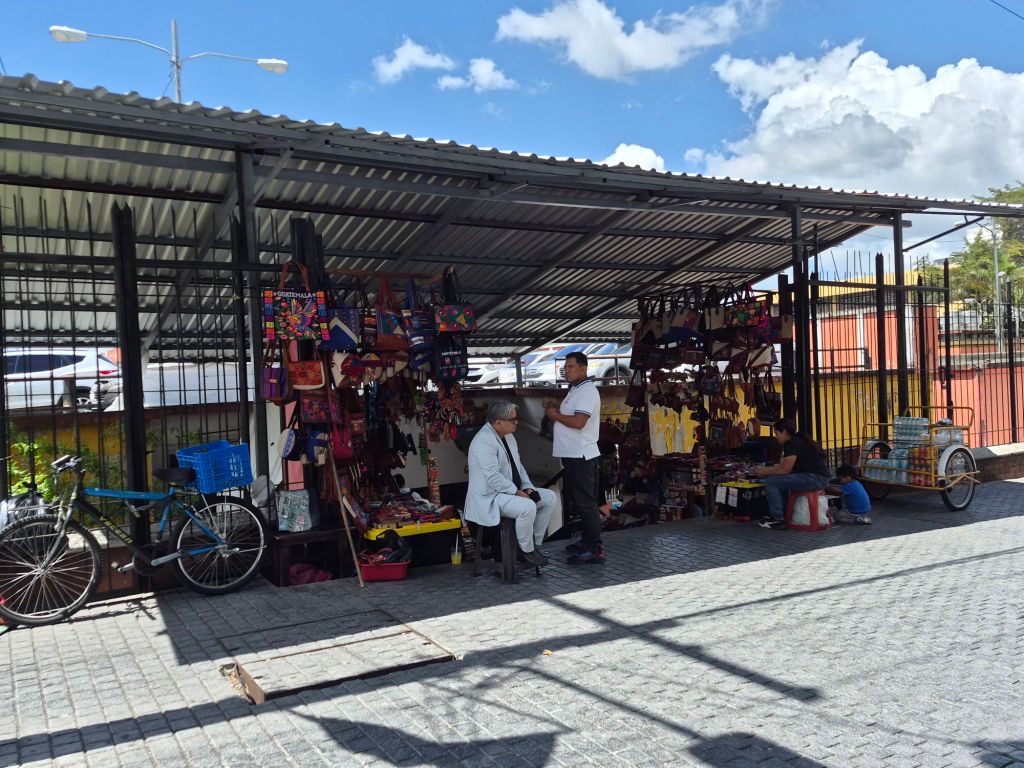
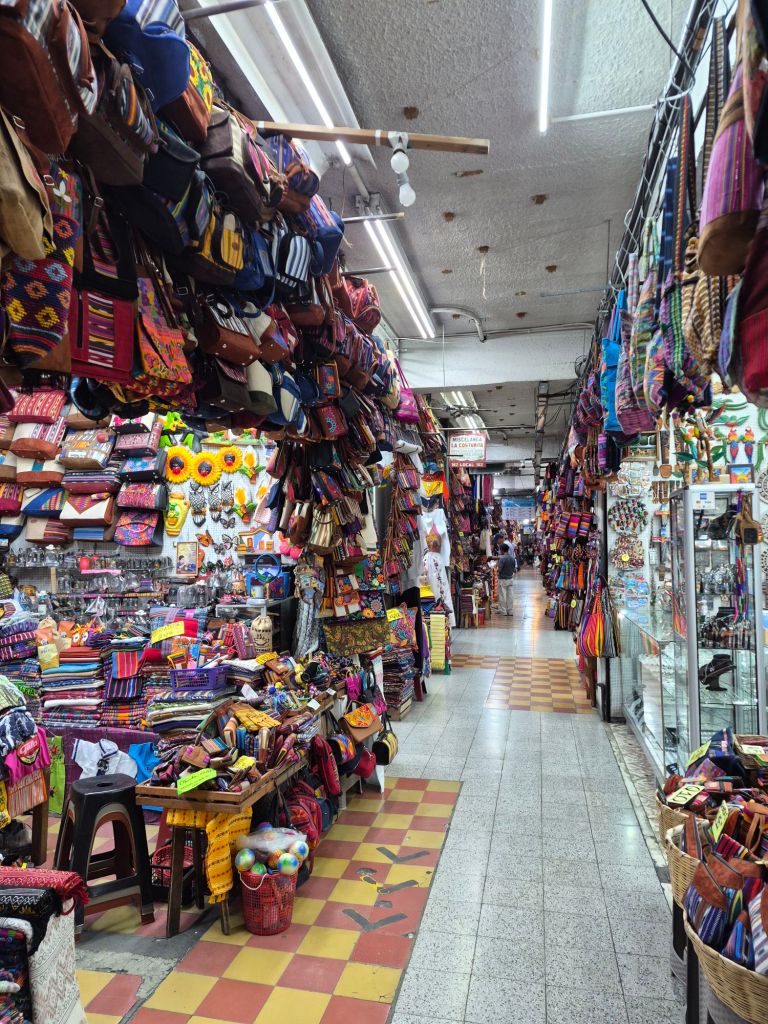
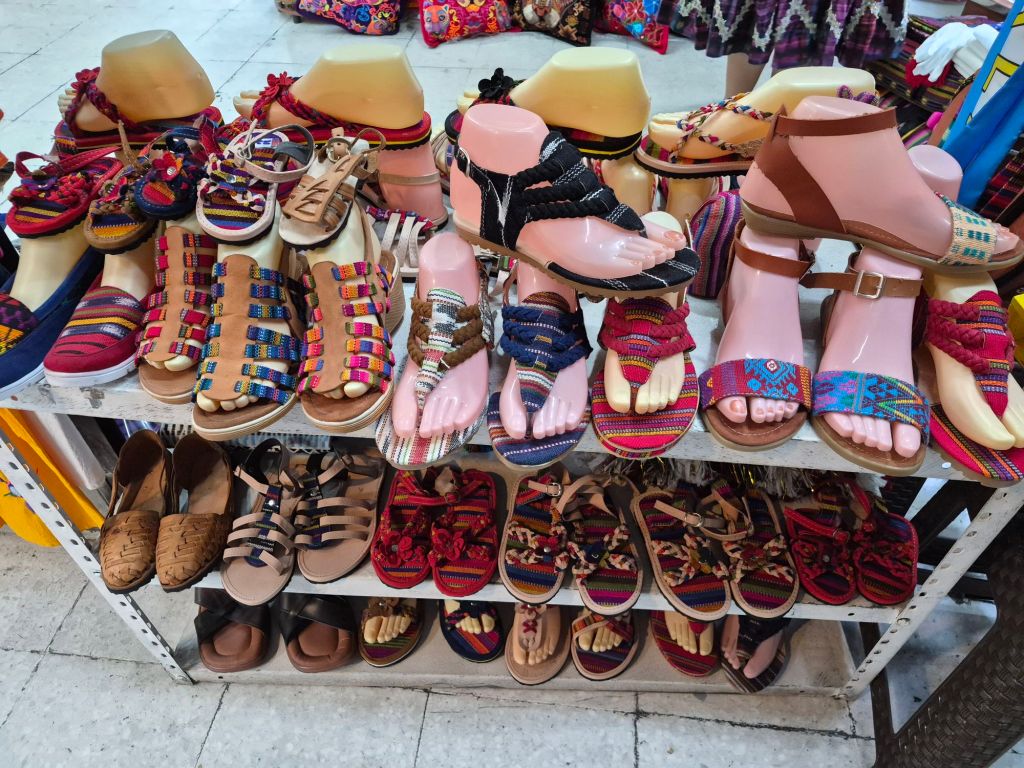
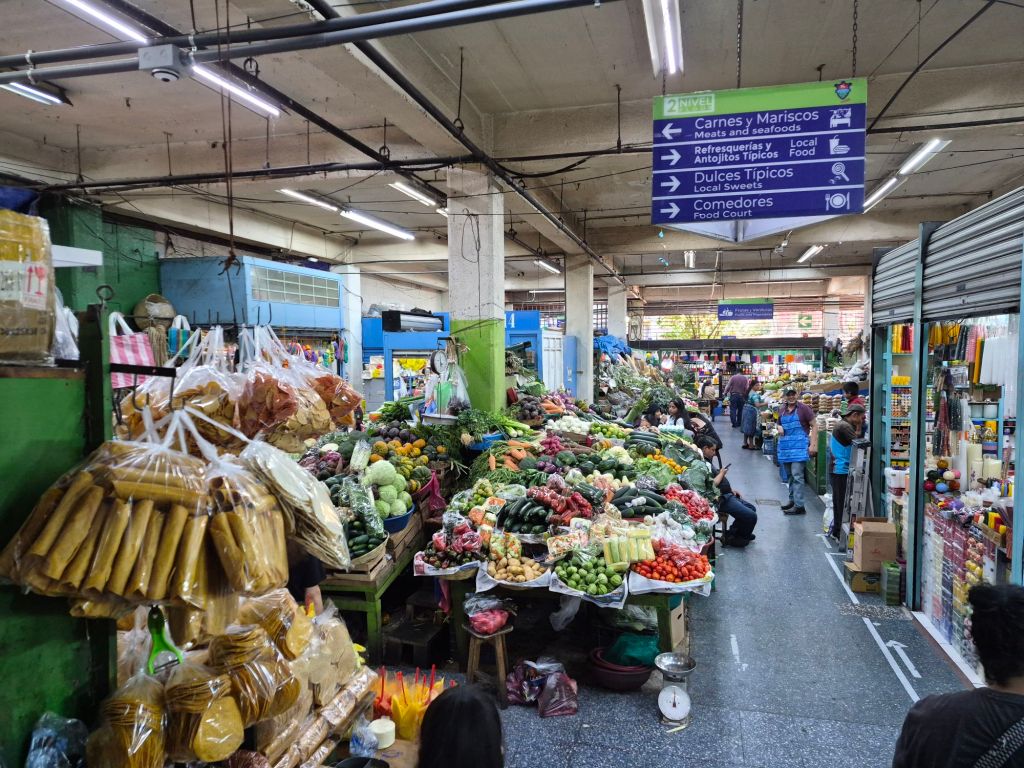
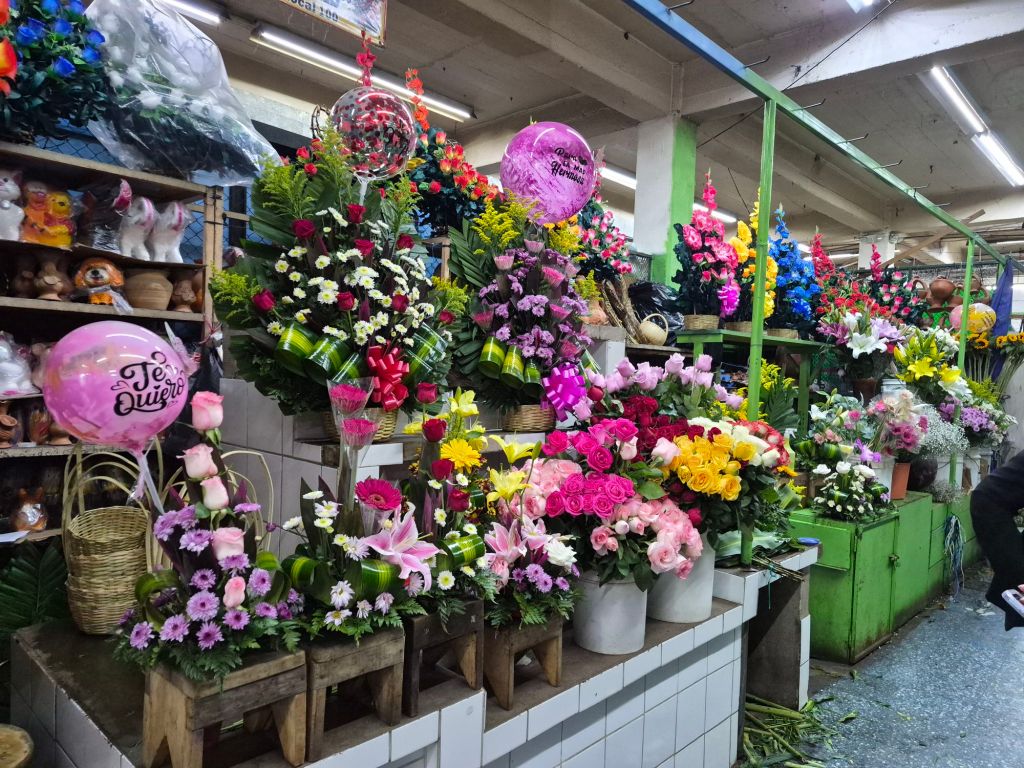
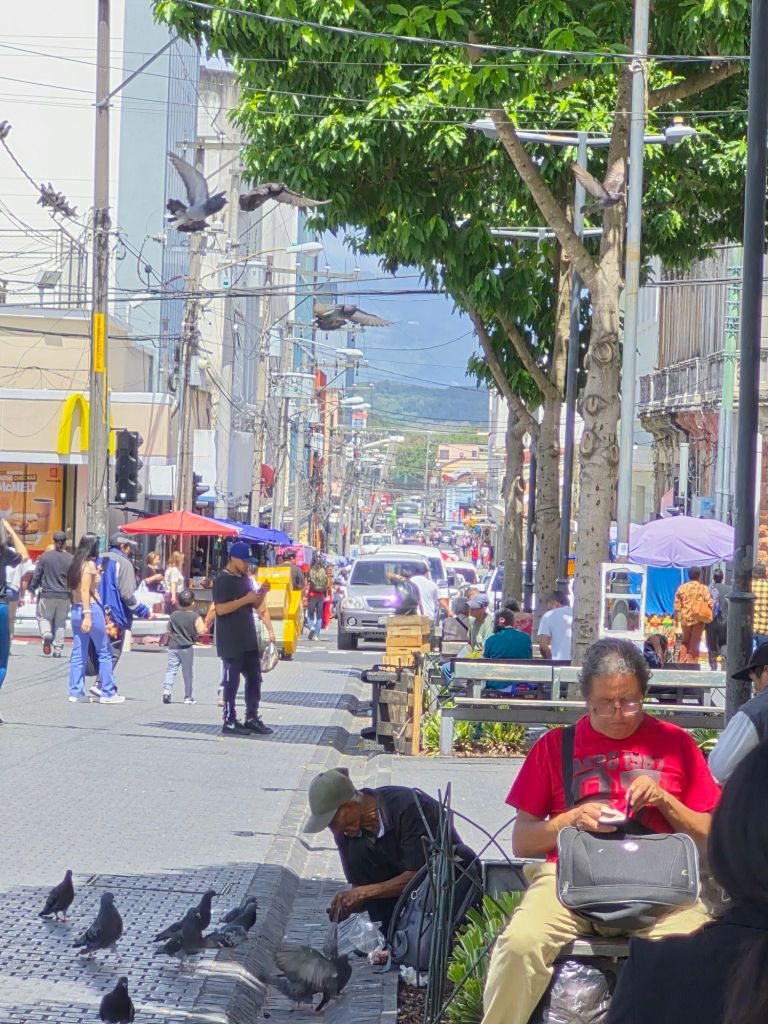
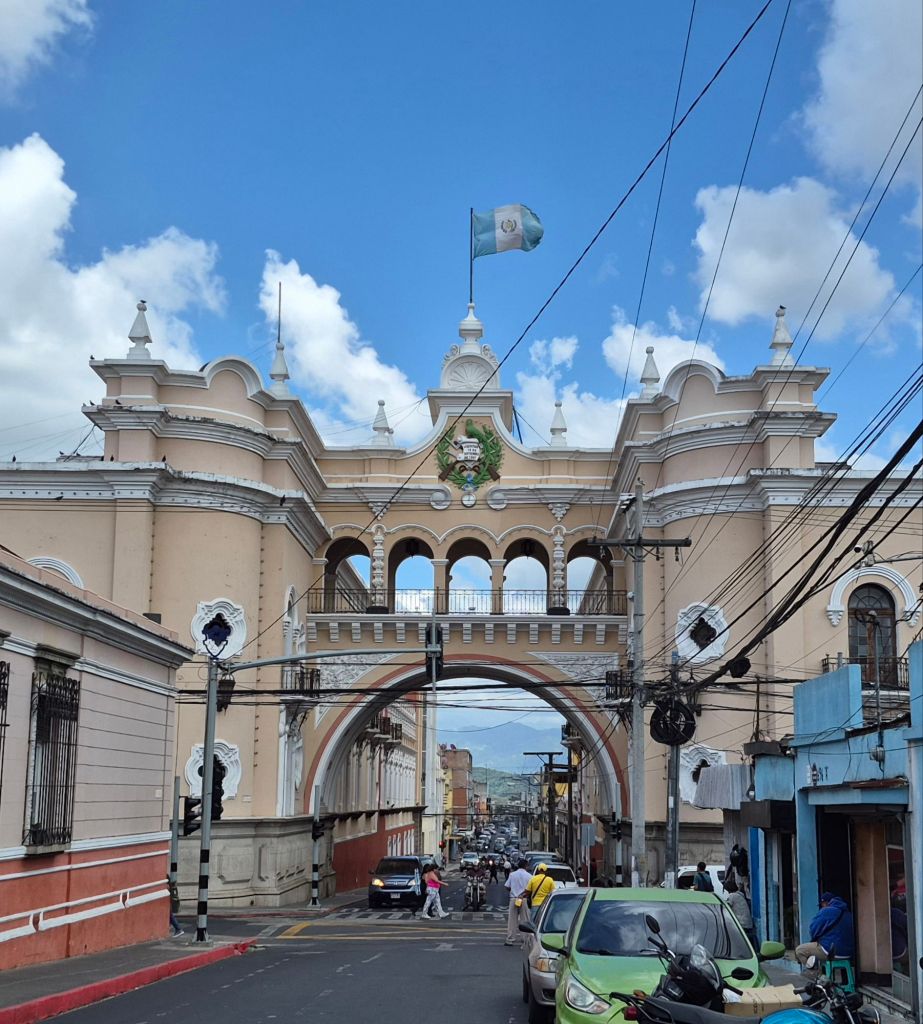
Guatemala City does not have much to offer, but I enjoyed just watching the people and walking in the crowded streets. There were not many tourists, and I felt a bit conspicuous in my shorts as the women all wear either long pants or traditional clothes (skirt and decorated blouse). I read later that it is a conservative city and wearing short shorts is not acceptable – luckily mine were knee length.
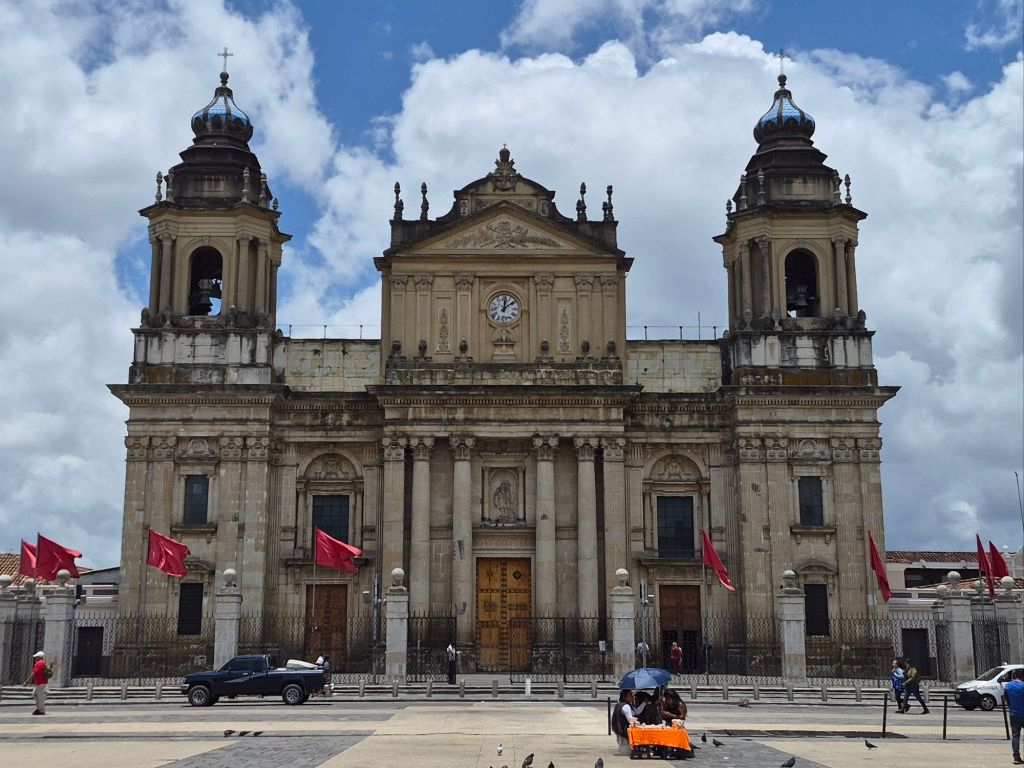
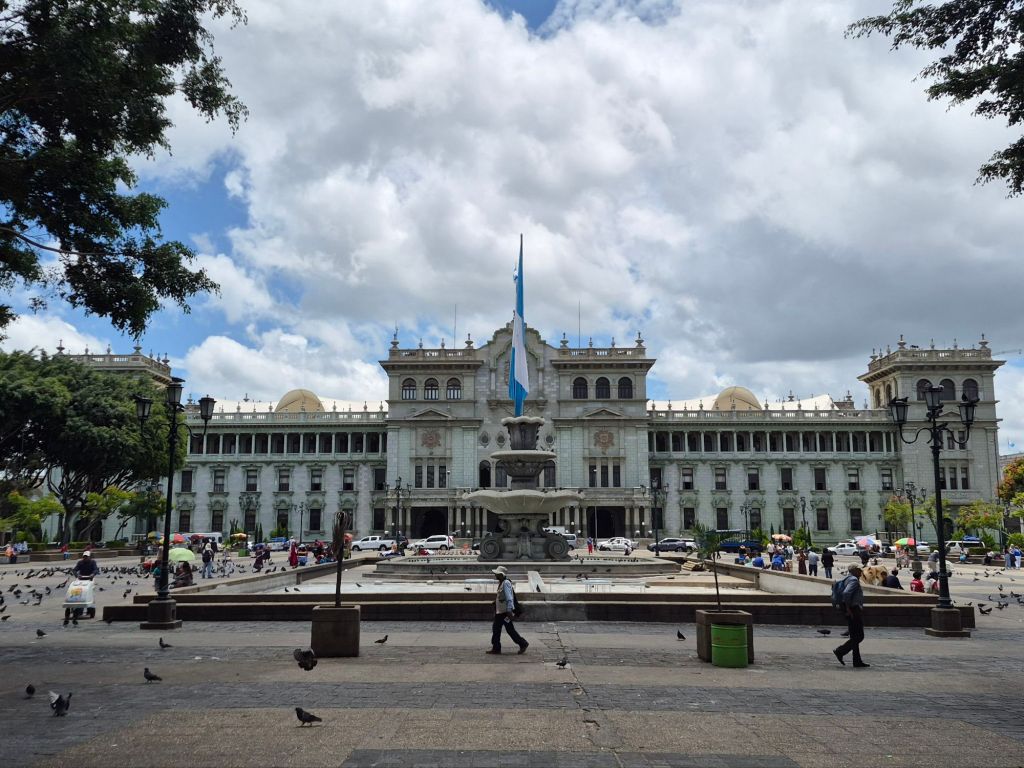
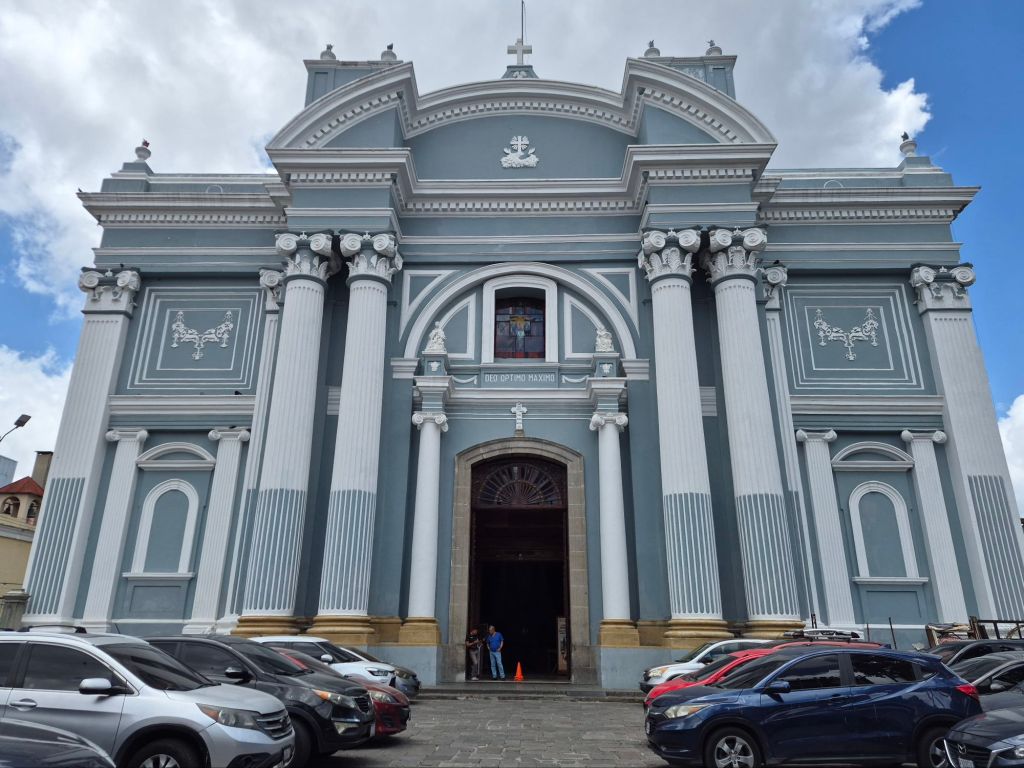
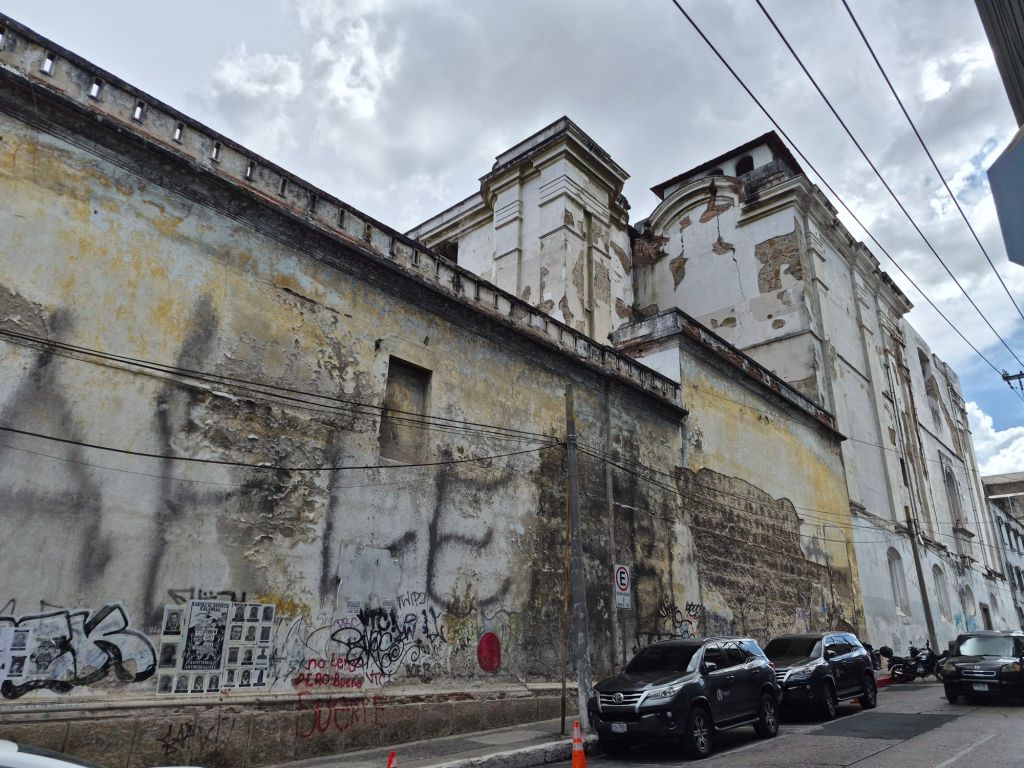
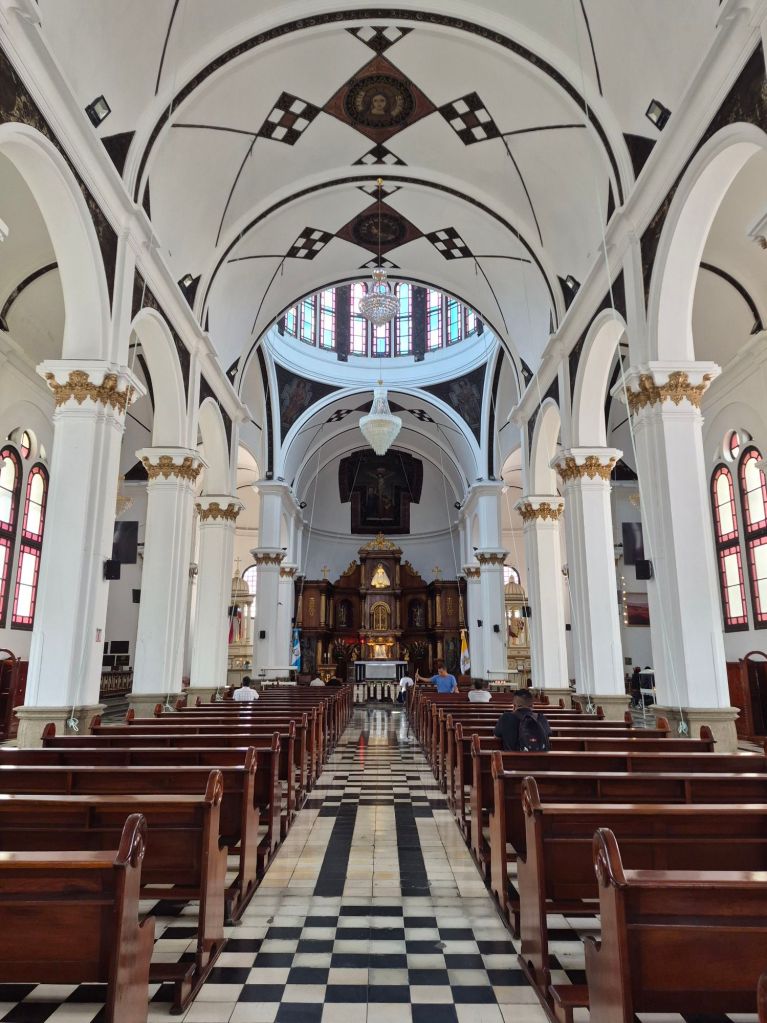
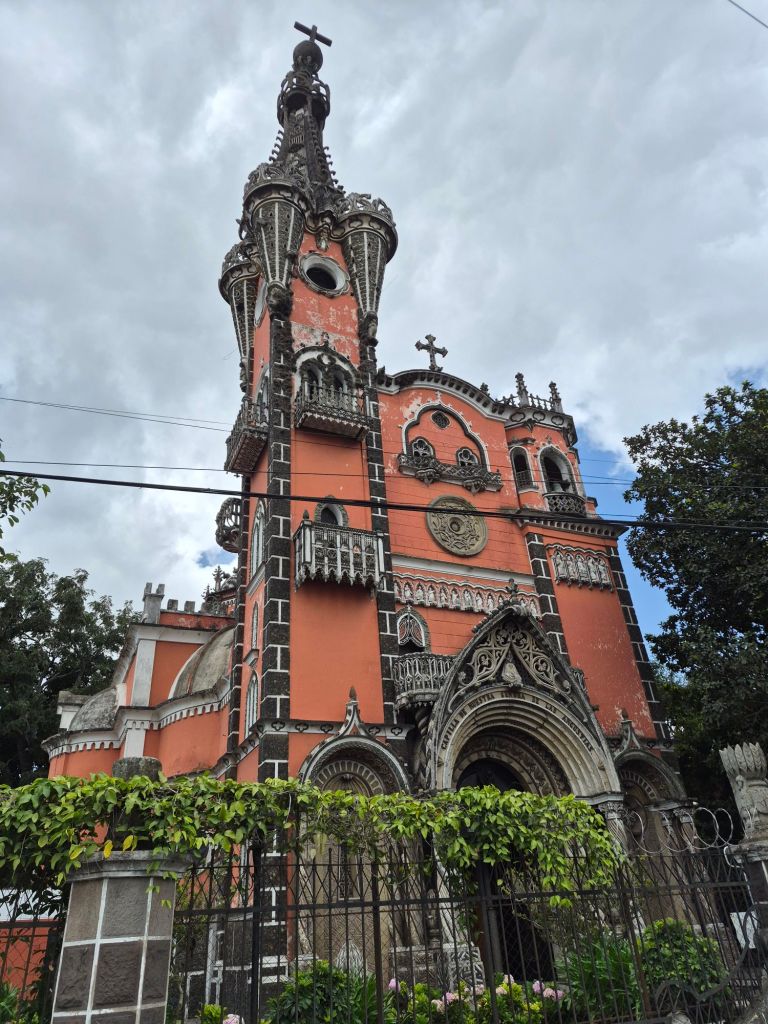
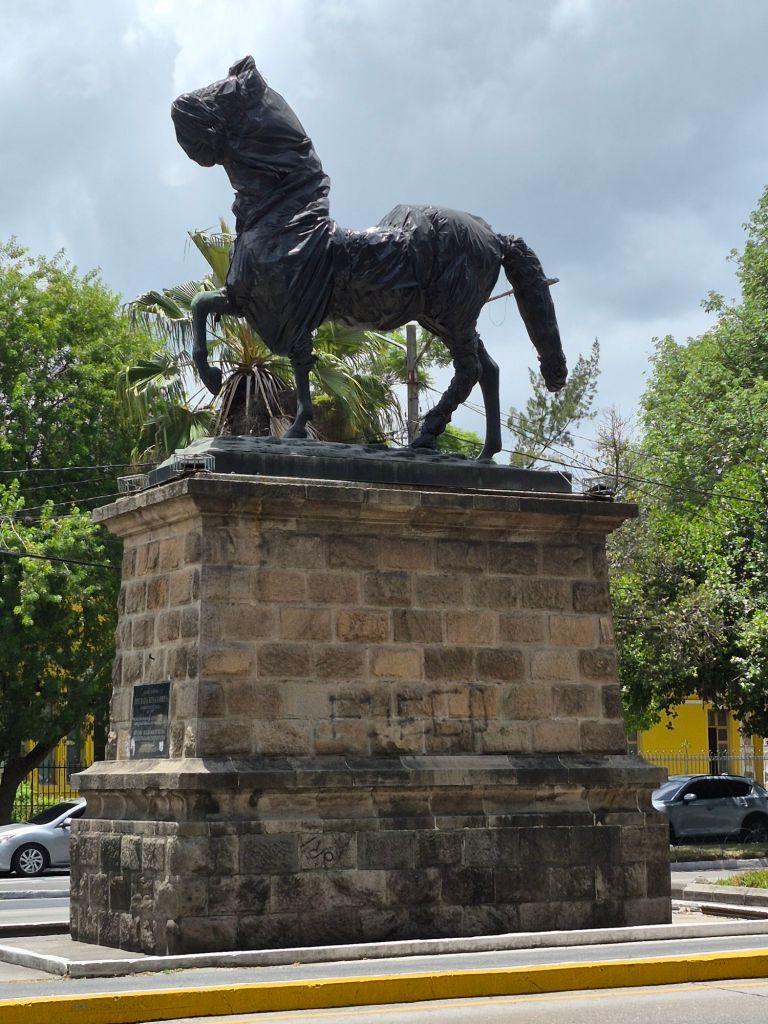
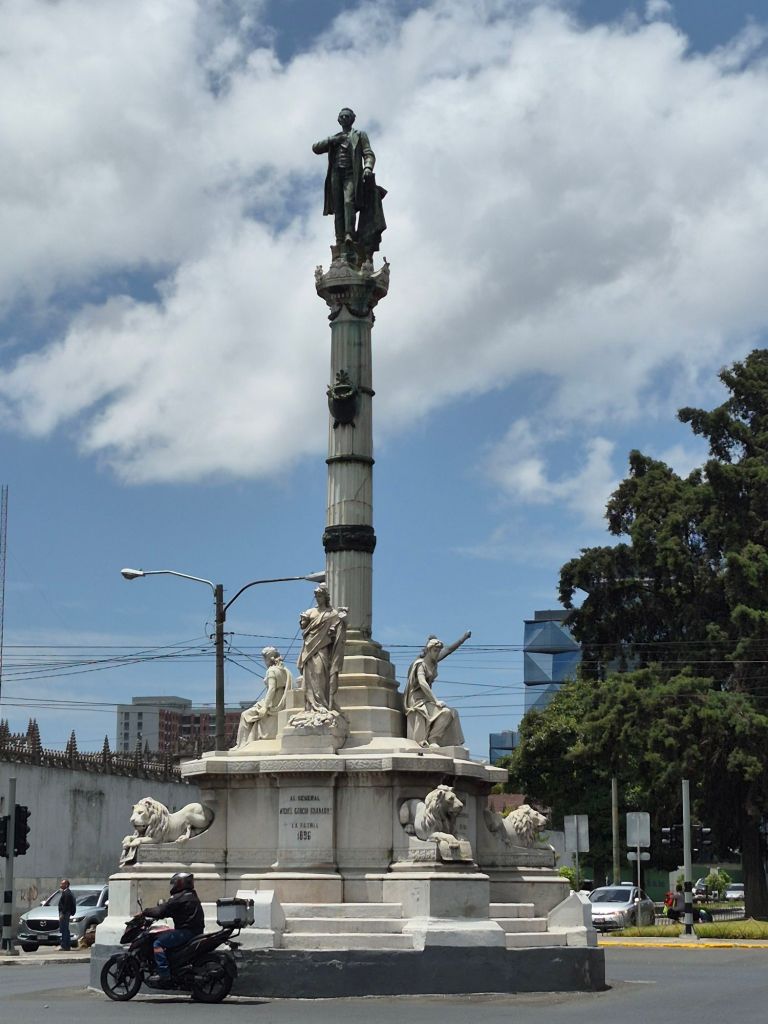
The city was severely damaged by a series of earthquakes in 1917, and again by a 7.5 magnitude earthquake in 1976, which killed about 23,000 people. Some of the buildings have only been partly renovated, like the blue cathedral below of which only the facade has been restored.
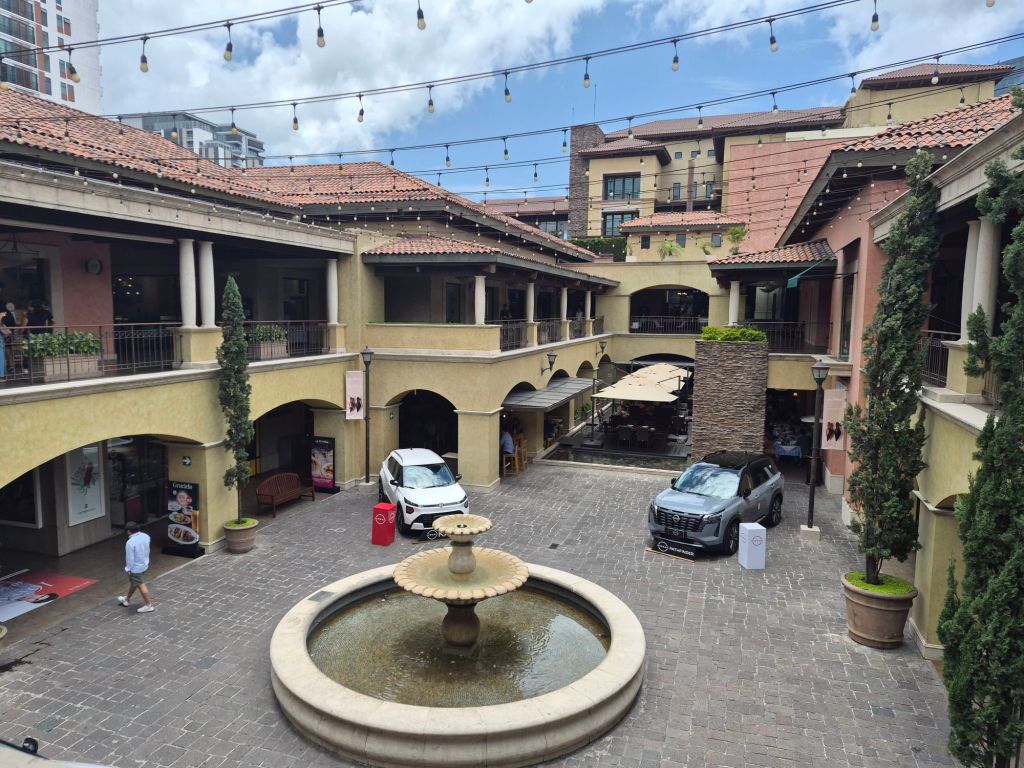
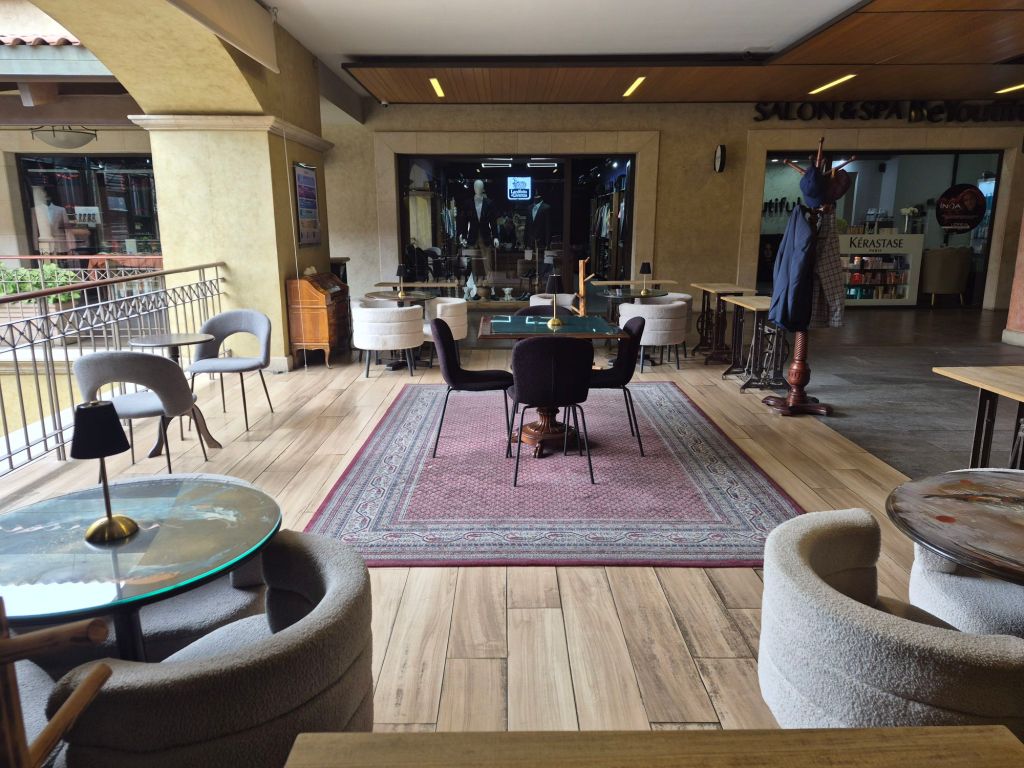
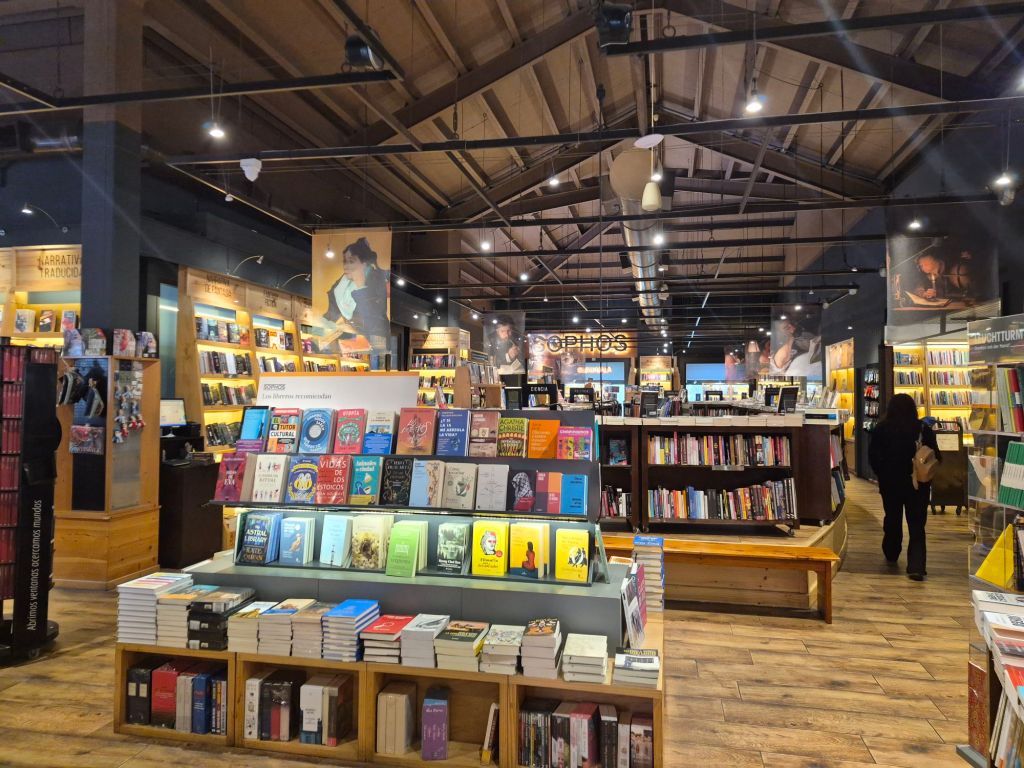
The next day I explored zone 10, which is a more modern and upmarket area, with an open-air shopping mall and well-dressed people walking around. I was wearing jeans, but felt completely underdressed. I took photos of a wonderful bookshop, not daring to browse as I find it hard to leave a bookshop without buying something, and packing space is limited.
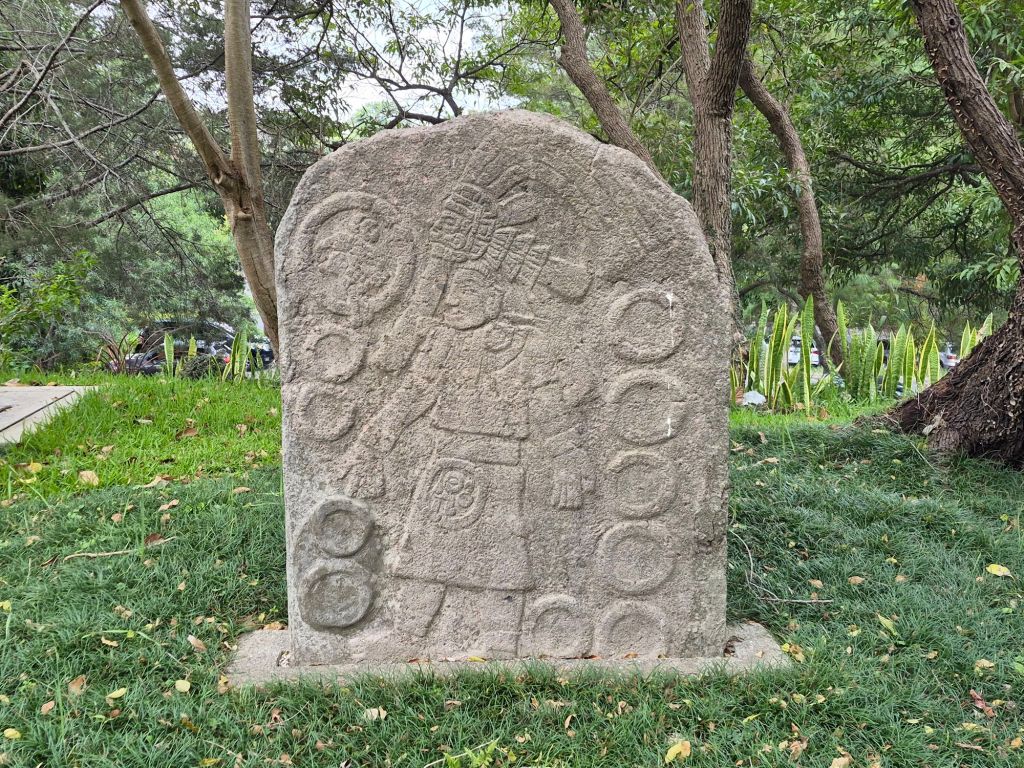
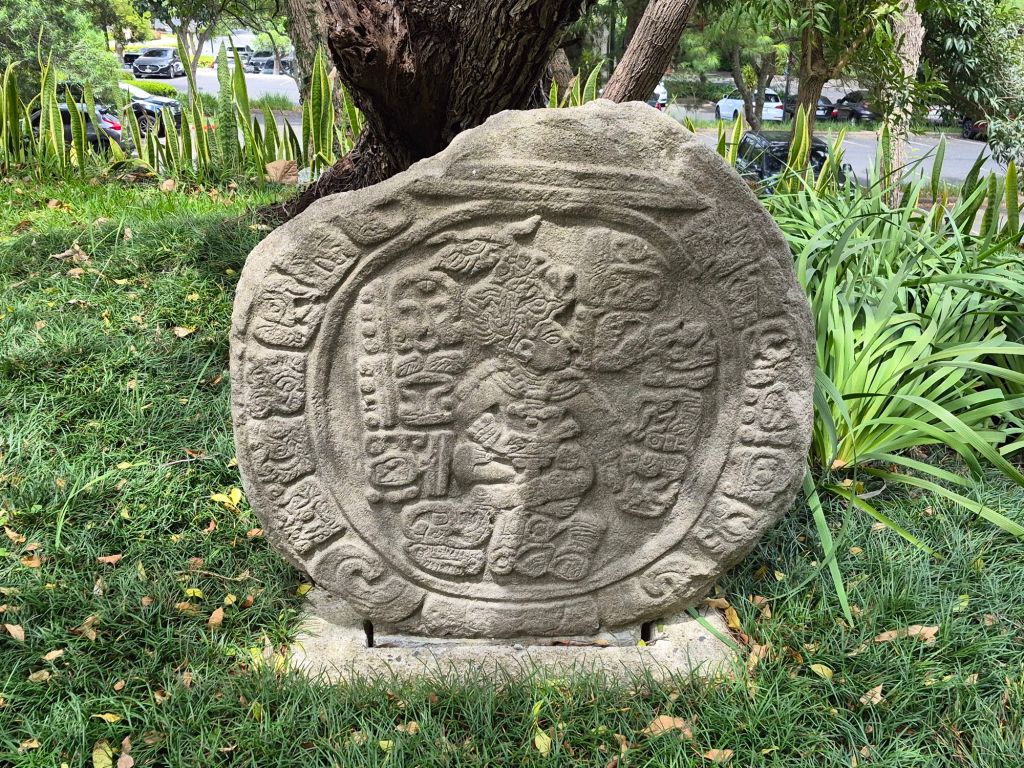
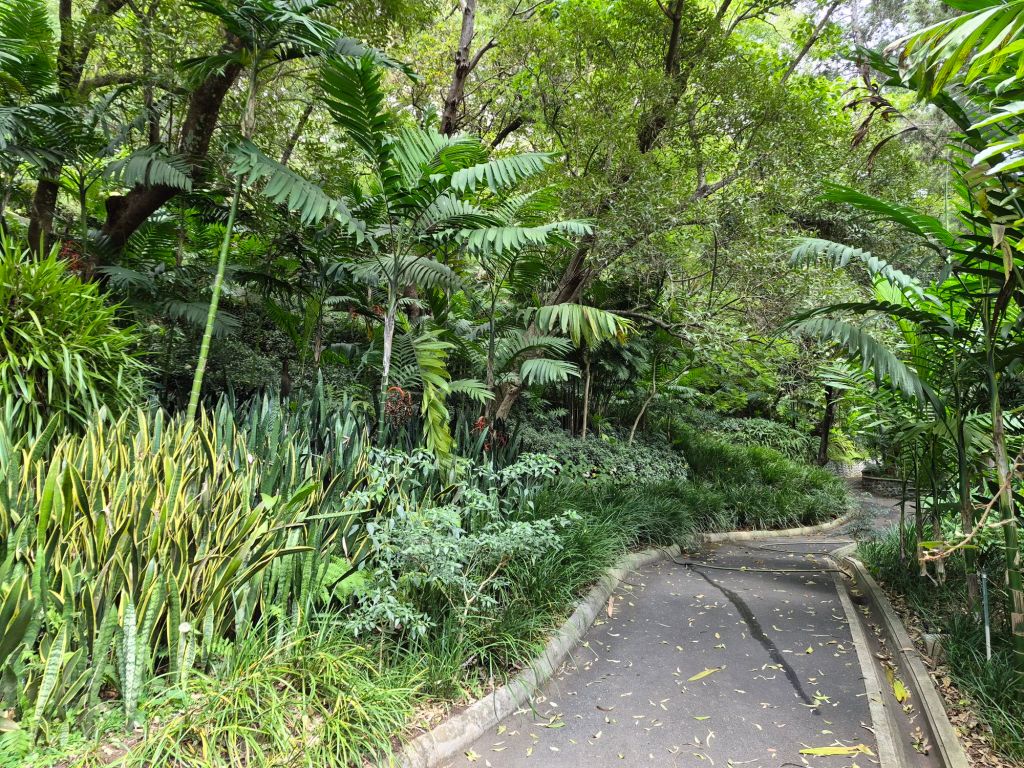
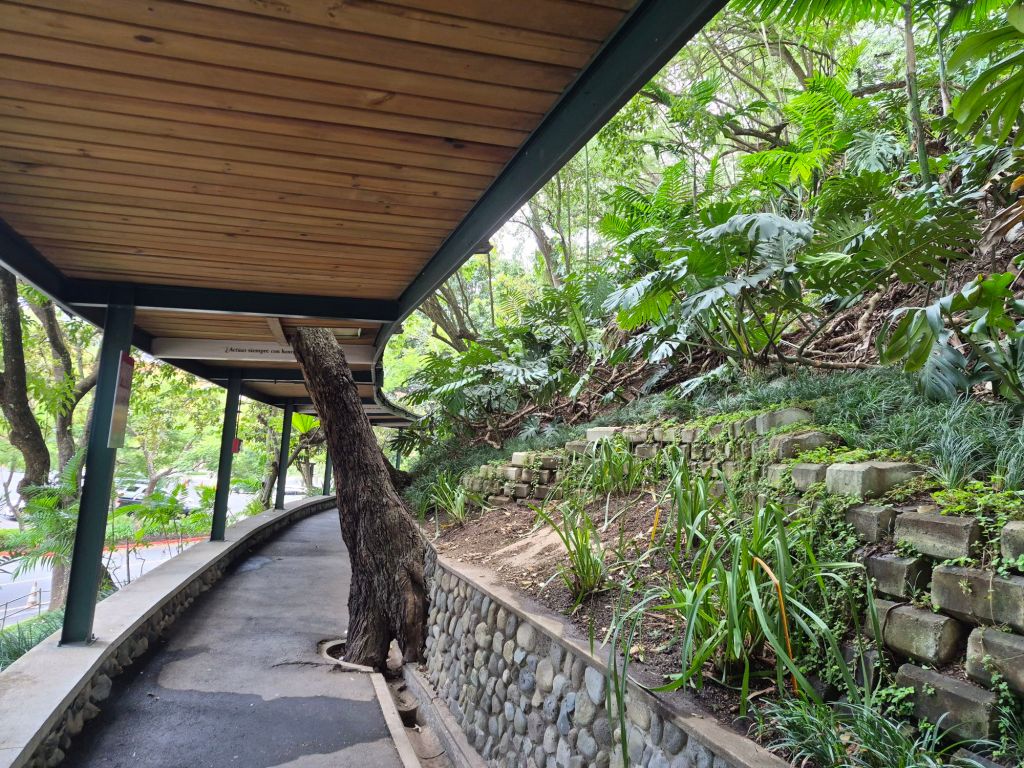
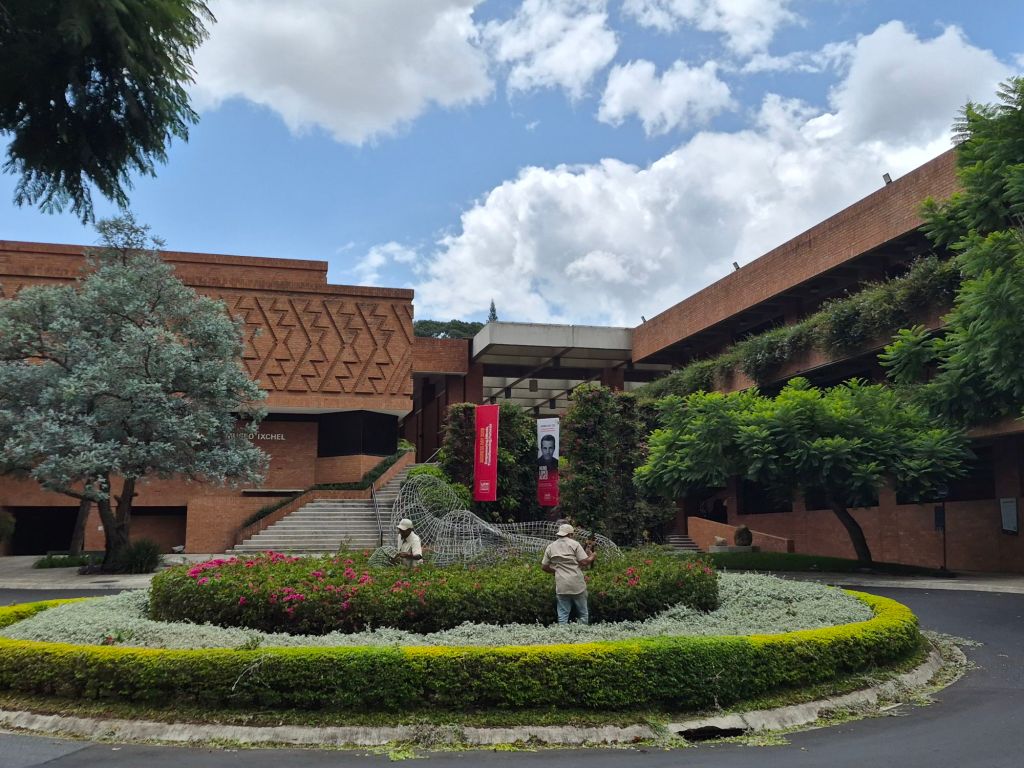
There is a textile museum, Museo Ixchel del Traje Indígena, not far from the mall, that I wanted to see. Although Maps.Me showed me the way, I was at a loss to find it and nobody I asked seem to know where it was either. I walked down into a lush valley, which turned out to be a university campus (Universidad Francisco Marroquín) with very beautiful gardens. I saw a big building which I assumed was part of the university, and asked an official person who was standing close to it if he knew where the museum was. He told me I had to walk out again, and up the hill, but I showed him my map and said it had to be there. I looked again, and eventually saw the name of the museum on the building – how come he didn’t know? Or maybe he just didn’t understand me.
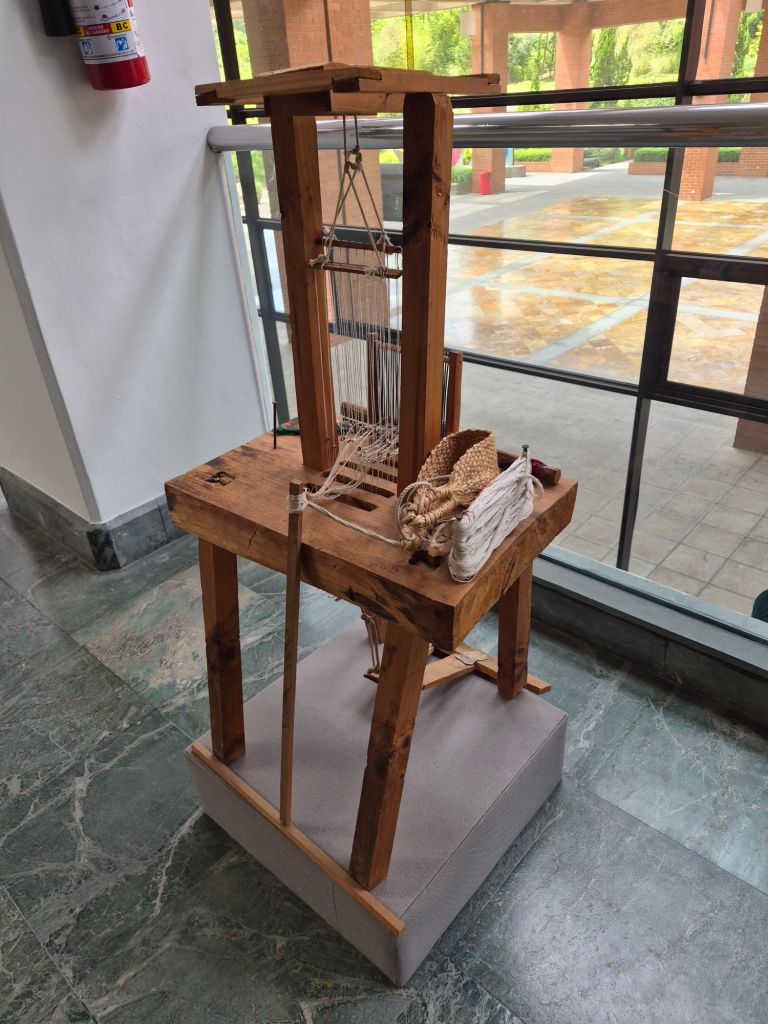
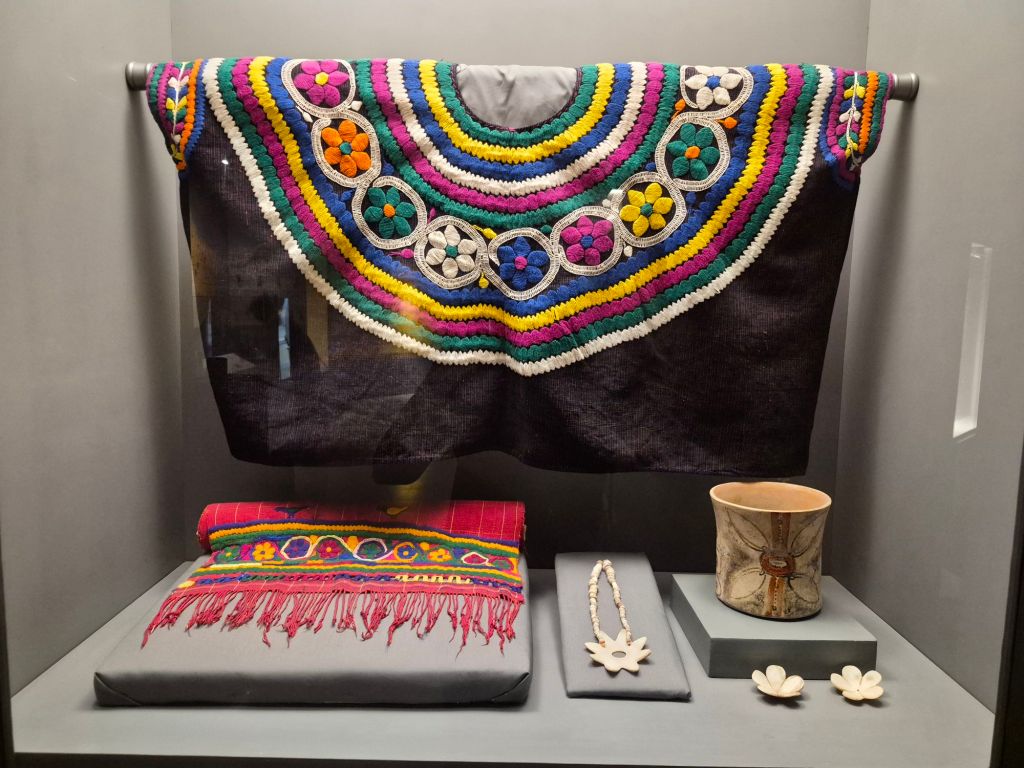
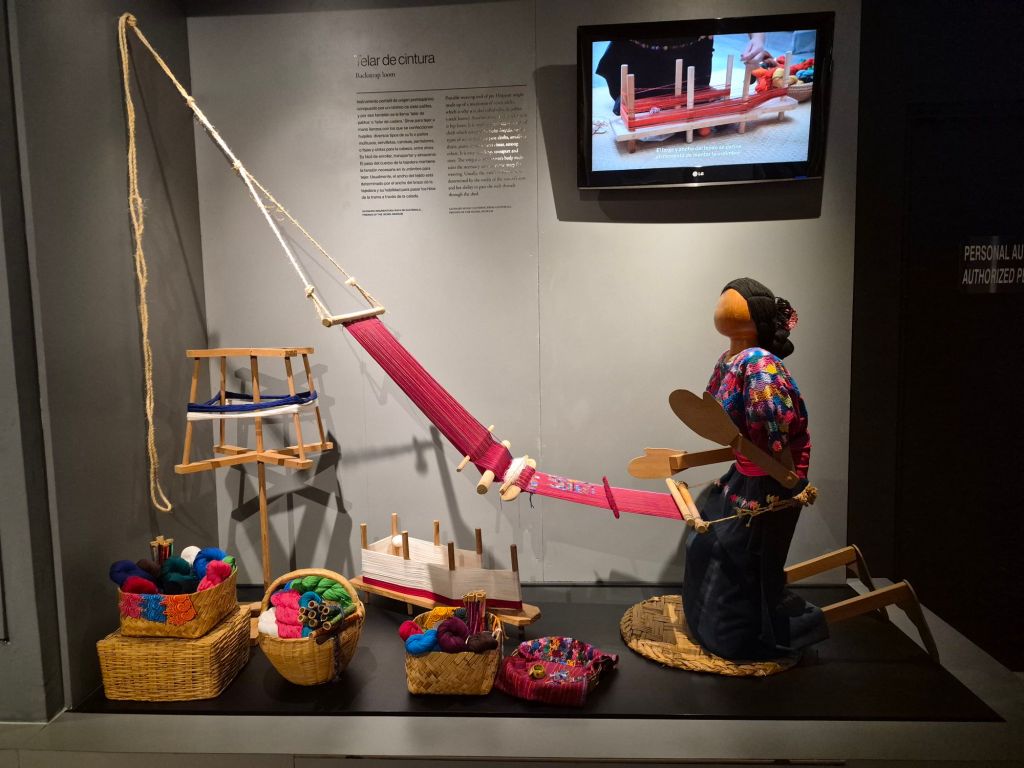
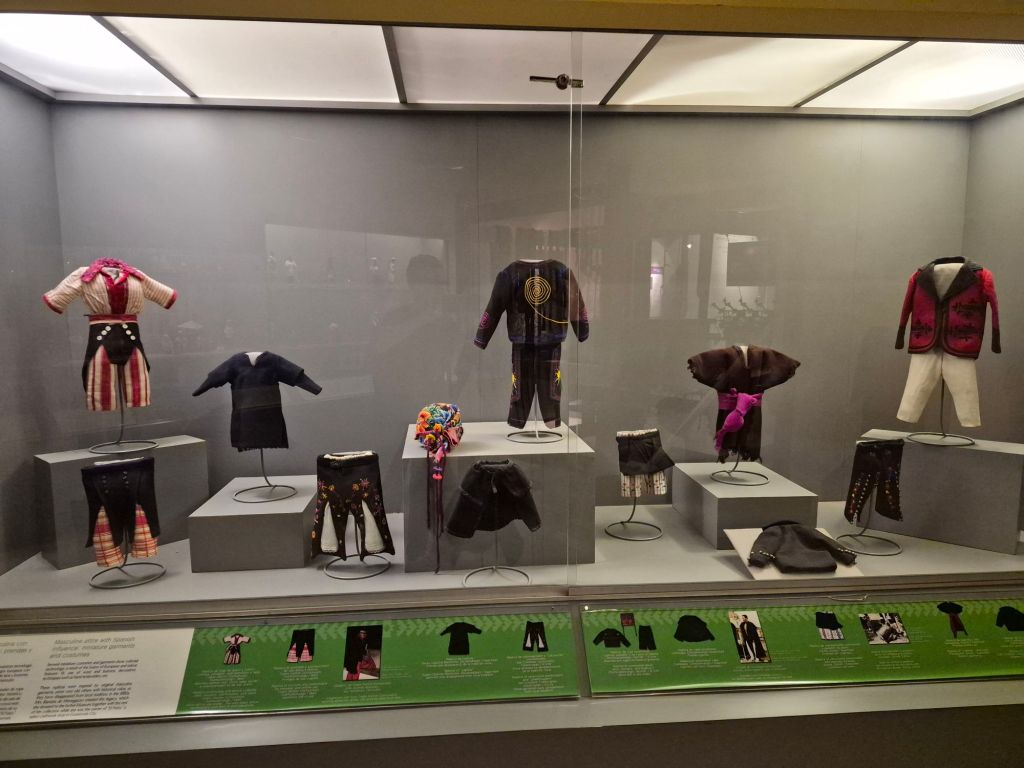
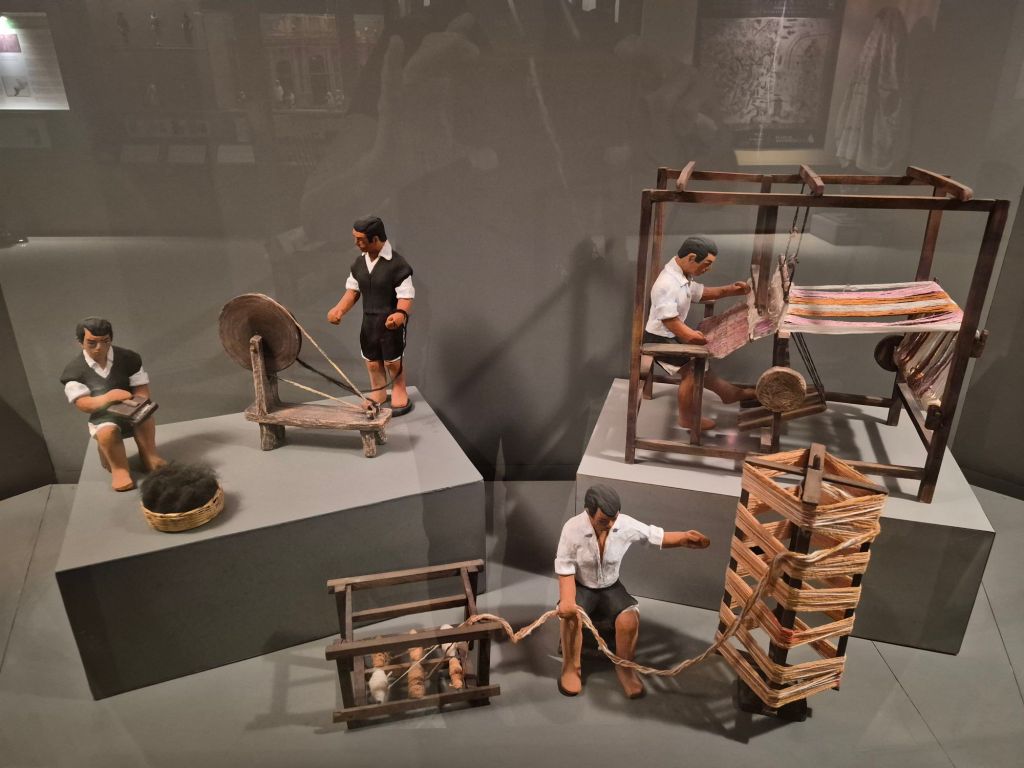
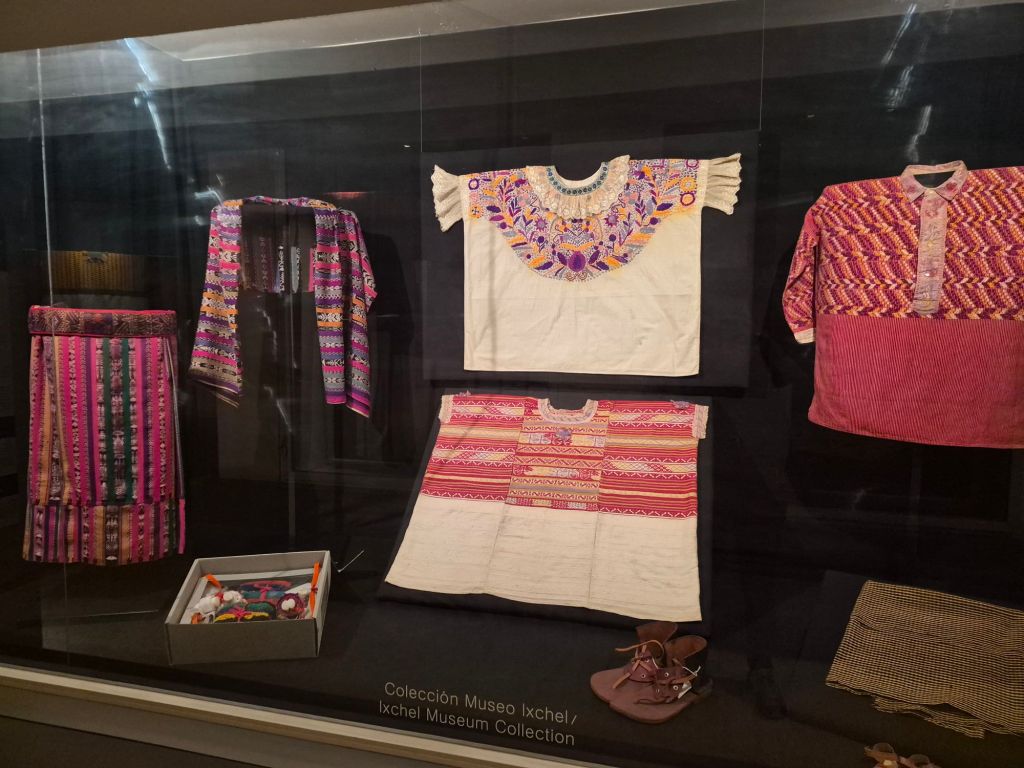
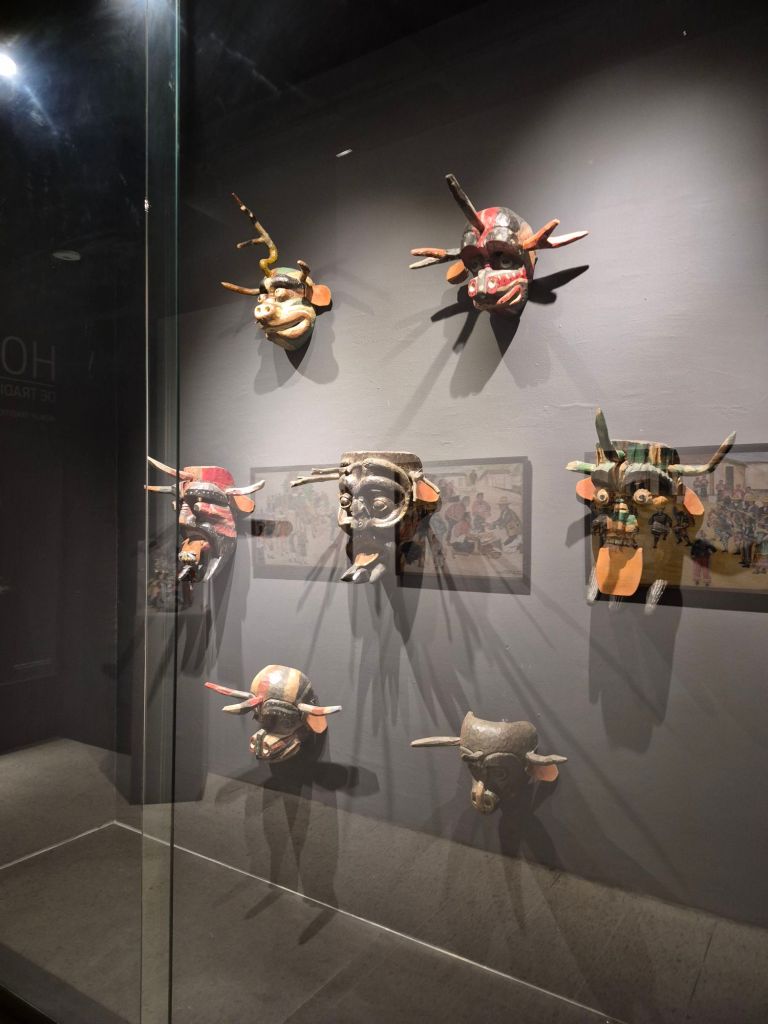
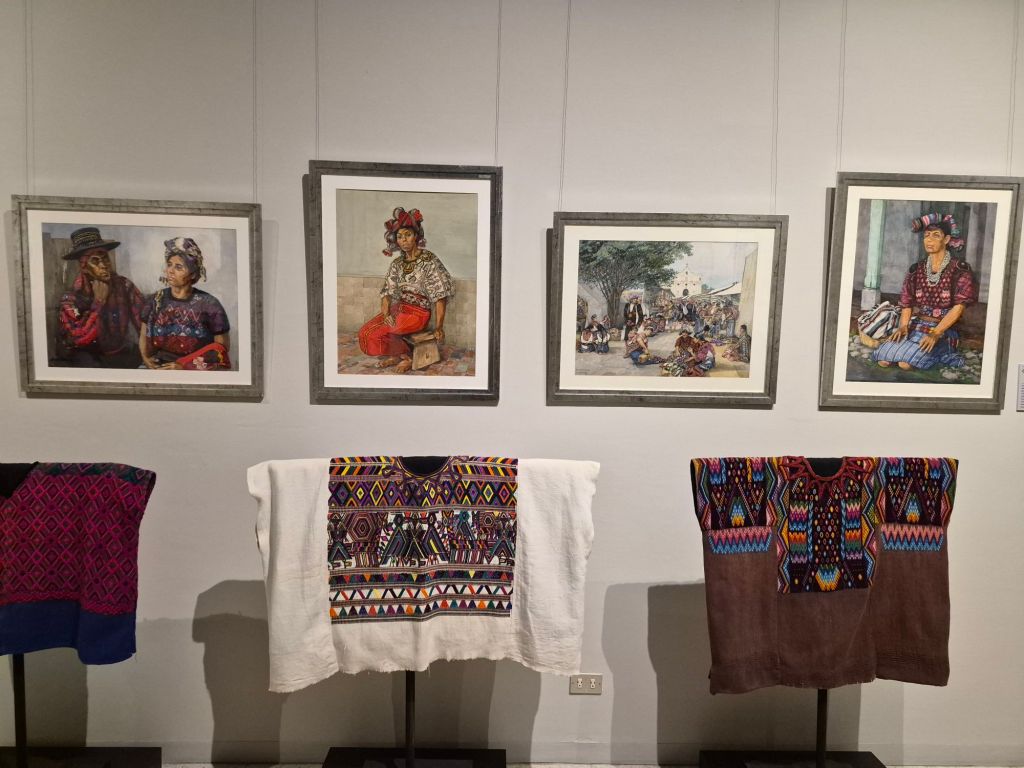
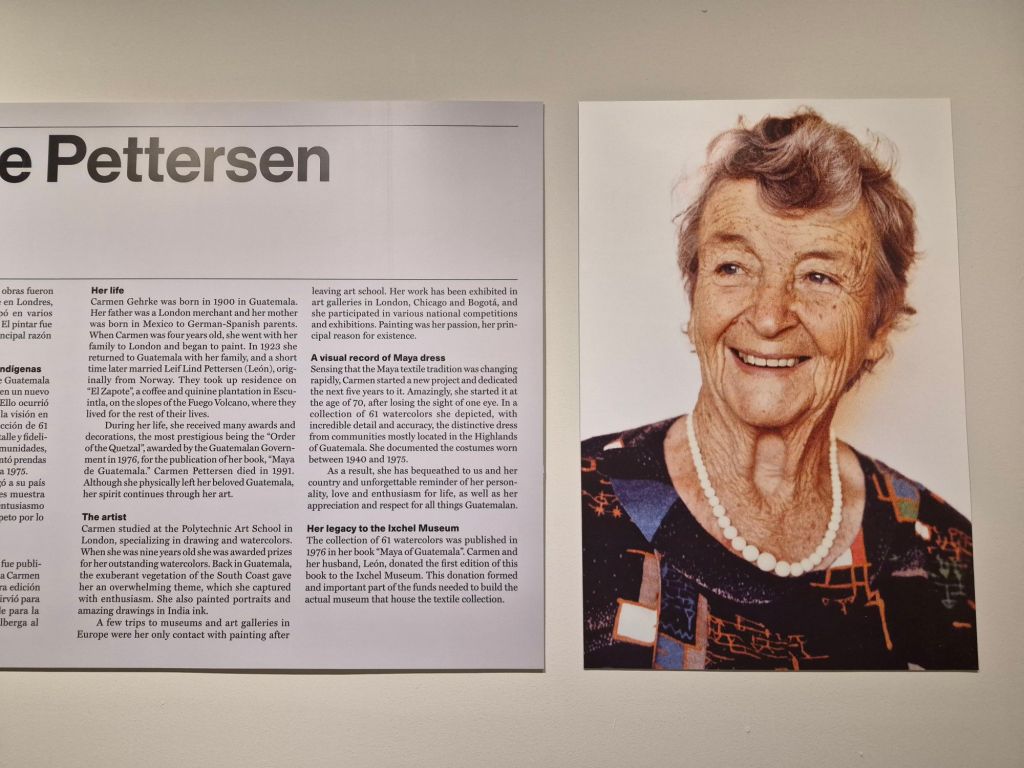
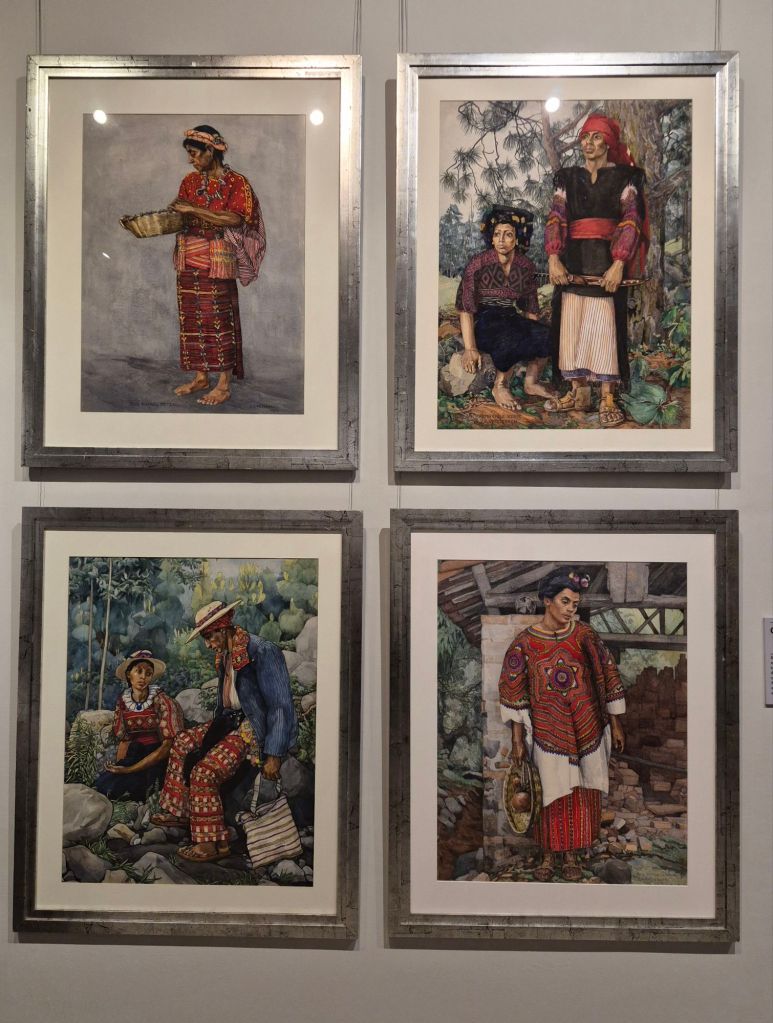
The museum was a good introduction to the Mayan textile industry. It has a big collection of indigenous hand-woven garments, traditional huipiles (loose-fitting blouse or tunic), and weaving tools, and it shows the origin and development of the weaving industry through the ages. Some of the displays use miniatures to depict the different types of clothes and activities. They started off weaving with the back-strap, which was eventually replaced by treadle machines and later industrial machines. The women (because they were more housebound) kept their traditional clothes, but the men (because they were more in contact with the colonists) changed to western clothes.
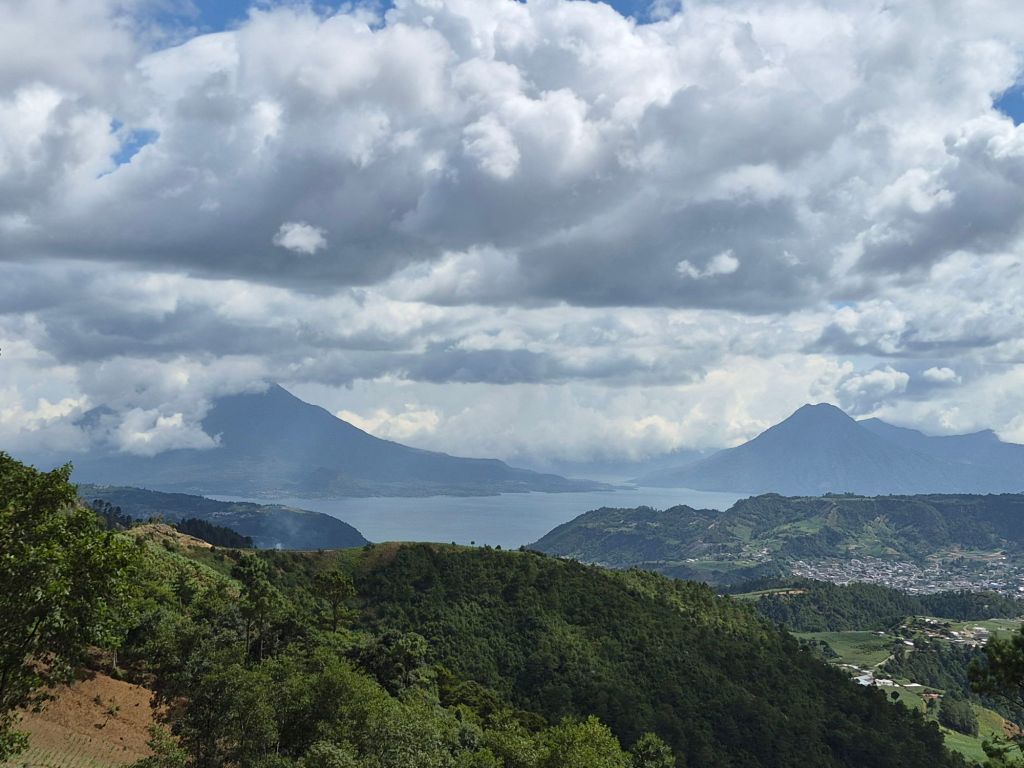
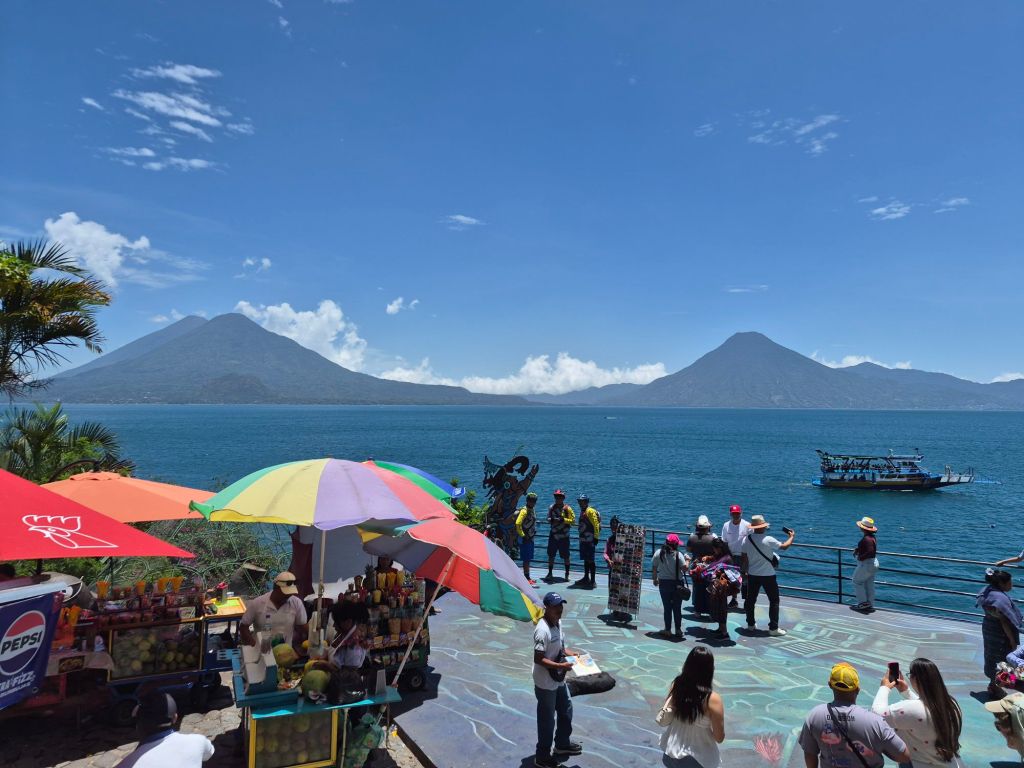
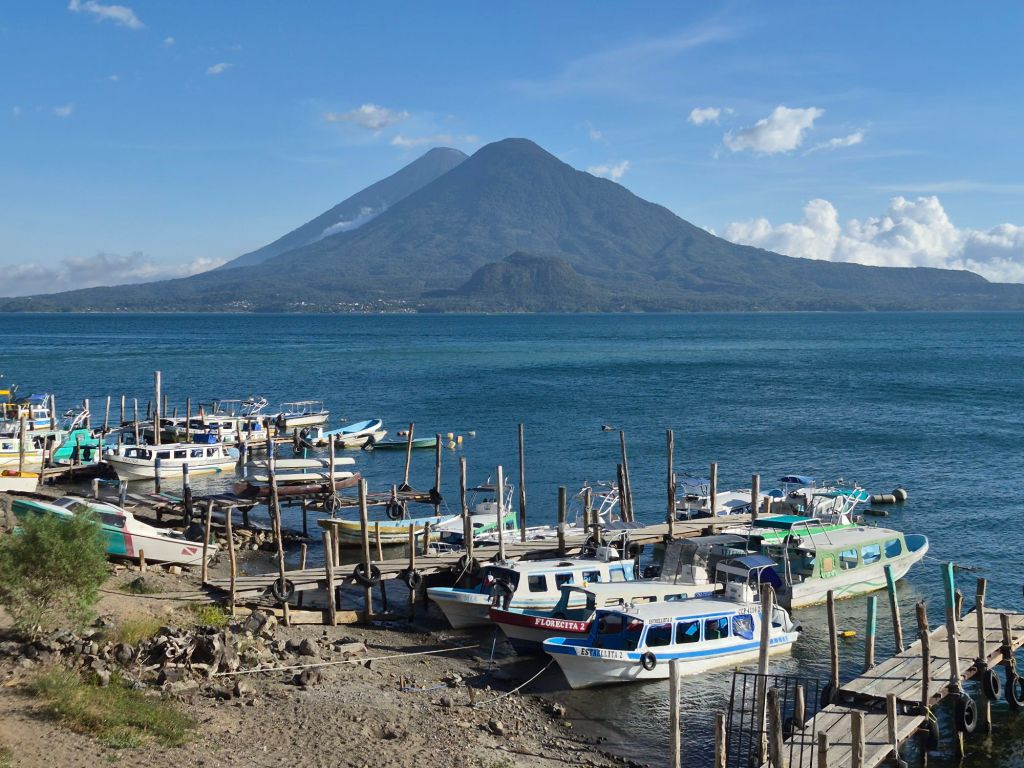
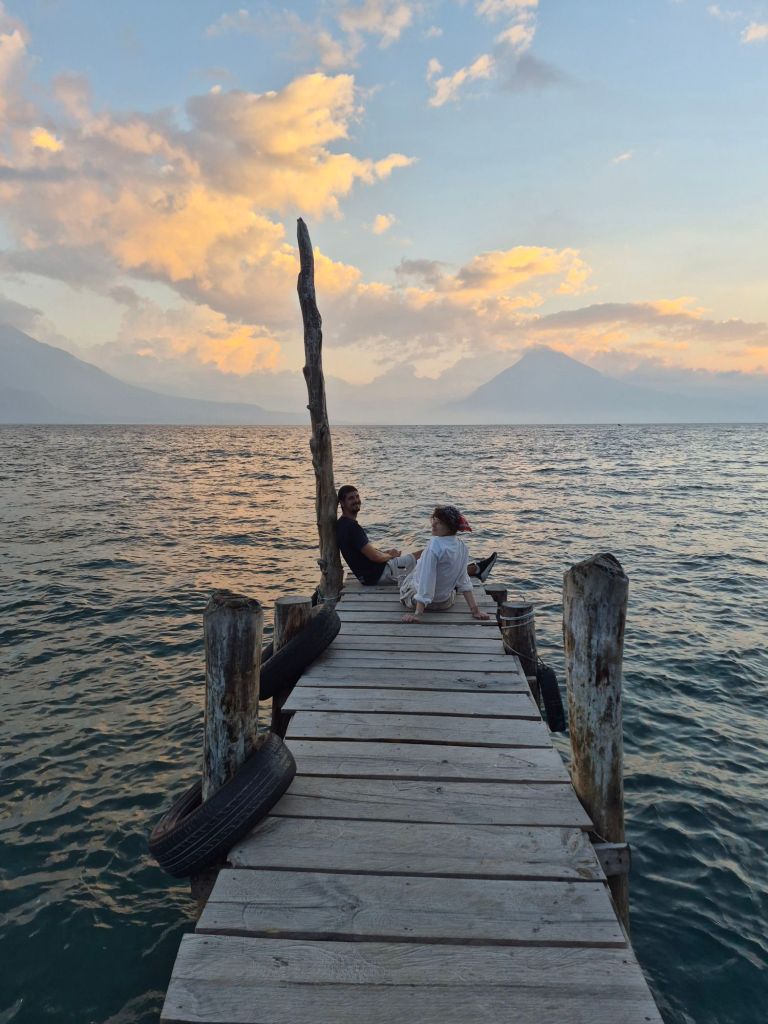
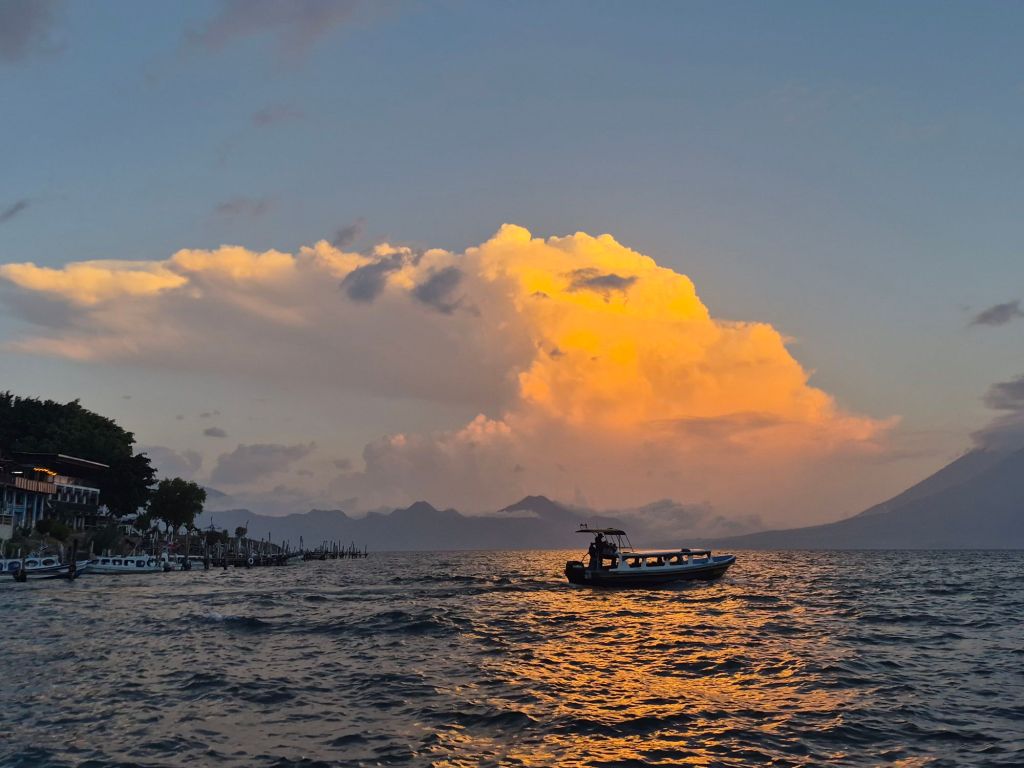
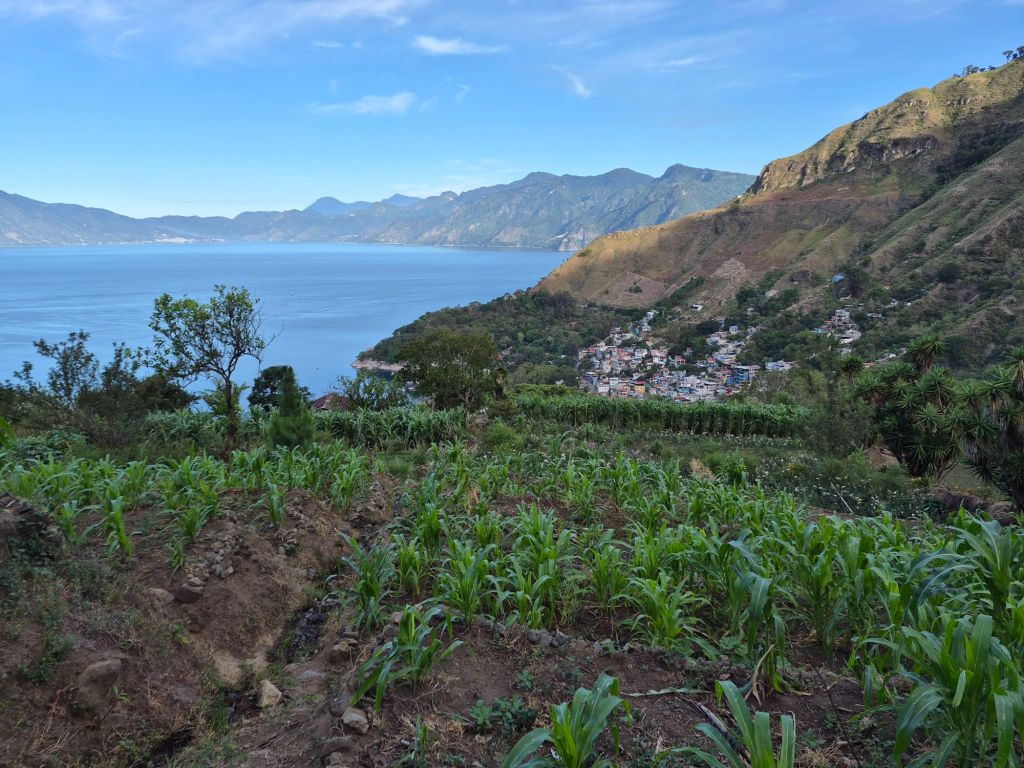
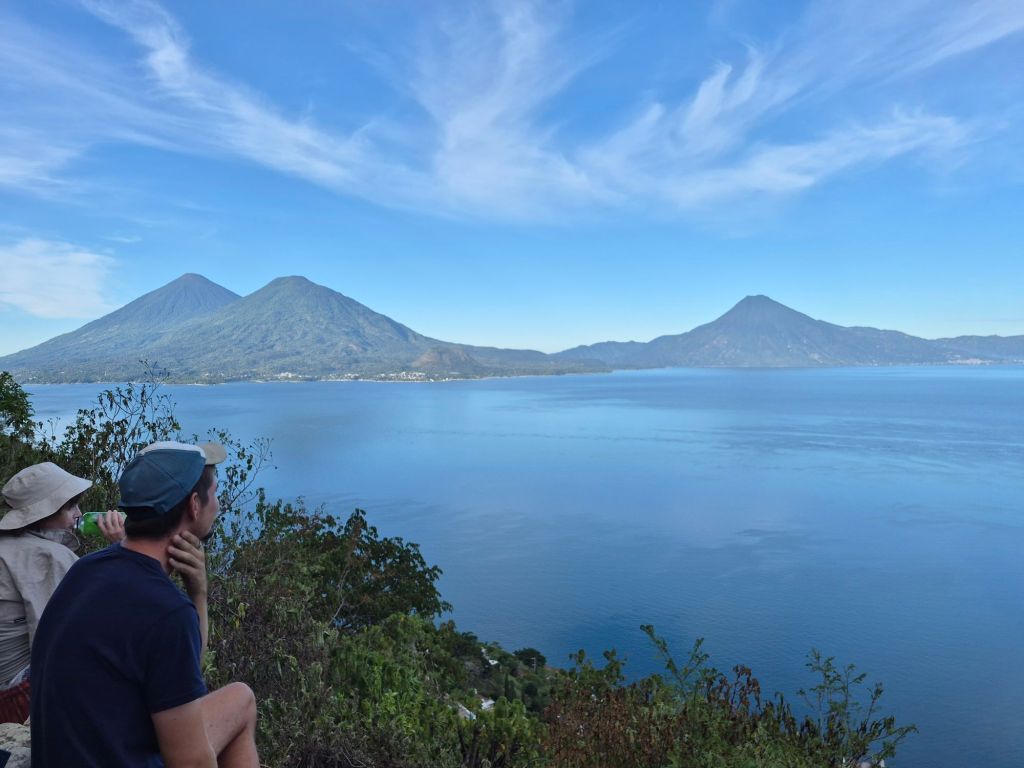
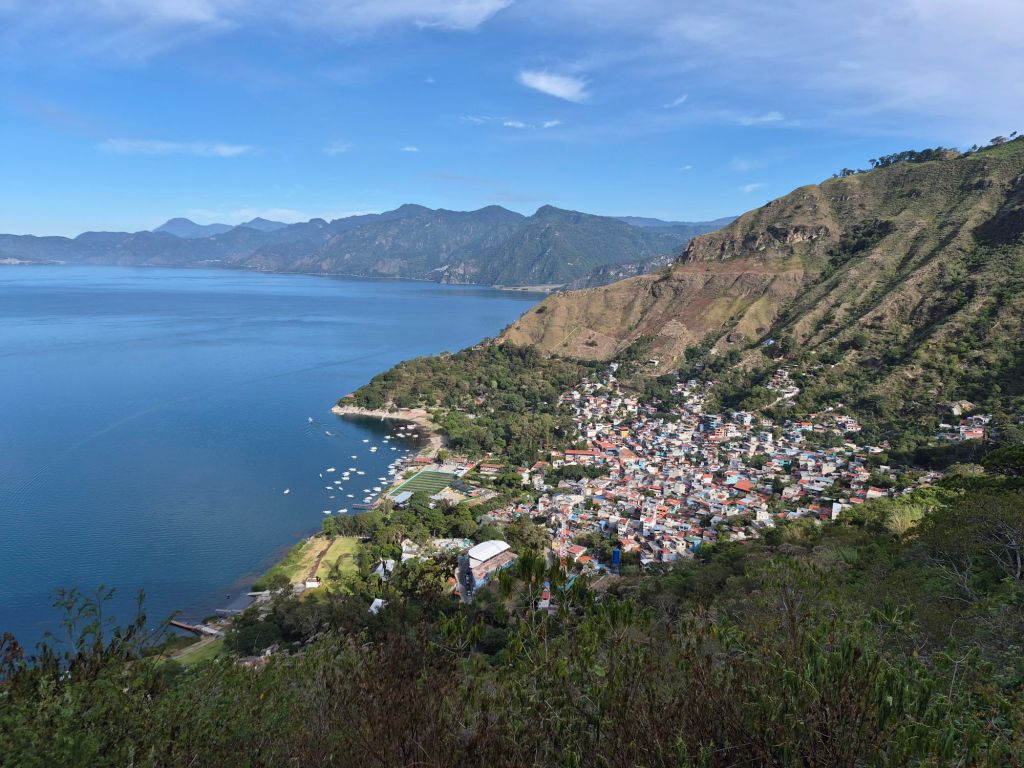
I had found a Workaway job in Panajachel, a town on the shore of Lake Atitlan, a volcanic crater lake in the highlands of the Sololá district. It is 1,563m above sea level, has a depth of 340m, length of 18km and width between 10 and 13km. There are three volcanoes across the lake from Panajachel (Atitlán, Tolimán, and San Pedro) and many Mayan villages all around the lake that one can visit using local ferries that depart regularly from the public piers.
The host, Bob, had arranged a shuttle for me from Guatemala City. I was surprised when I was picked up by a car, but it was only to Antigua (close to the city), where I transferred to a van with other people. Things were a bit confusing, as the driver did not know where to drop me and I had stupidly not asked Bob for the address as I had assumed he would have given it to them (which he had, but it was not passed on to the driver). I had applied for the garden job, but what had attracted me was the possibility of learning how to make chocolate and ice-cream.
Bob has a chocolate factory where Ixcacao (the name of his brand) chocolate bars have been made for many years, and recently he started a business called The Chocolate Factory in a house in town where he makes milk, white and dark chocolate, using it to make truffles and pralines, the fillings which are also homemade. His ice-cream creations are the best I have ever tasted, all made from scratch using fresh fruit, homemade vanilla paste, and his chocolate. Bob was very generous, often ending our day with a scoop of ice-cream. The lemon and basil sorbet was my favourite, and I gladly picked and cleaned a whole pot of basil leaves one day, and squeezed about a hundred lemons for the ice-cream to be made after I left.
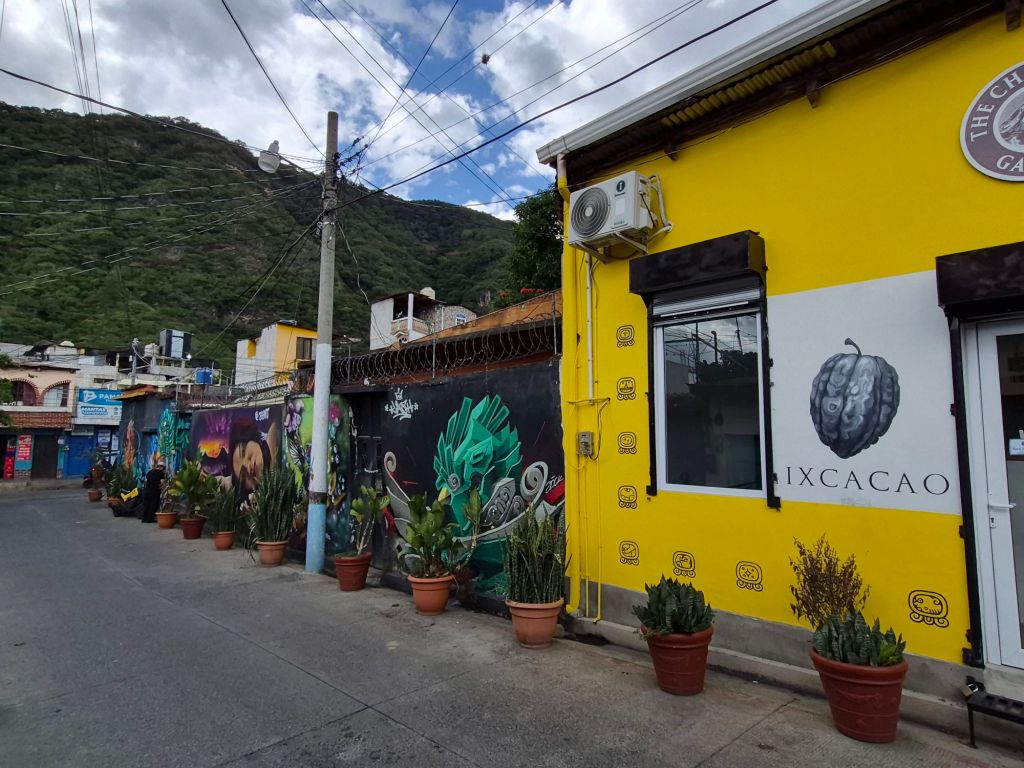
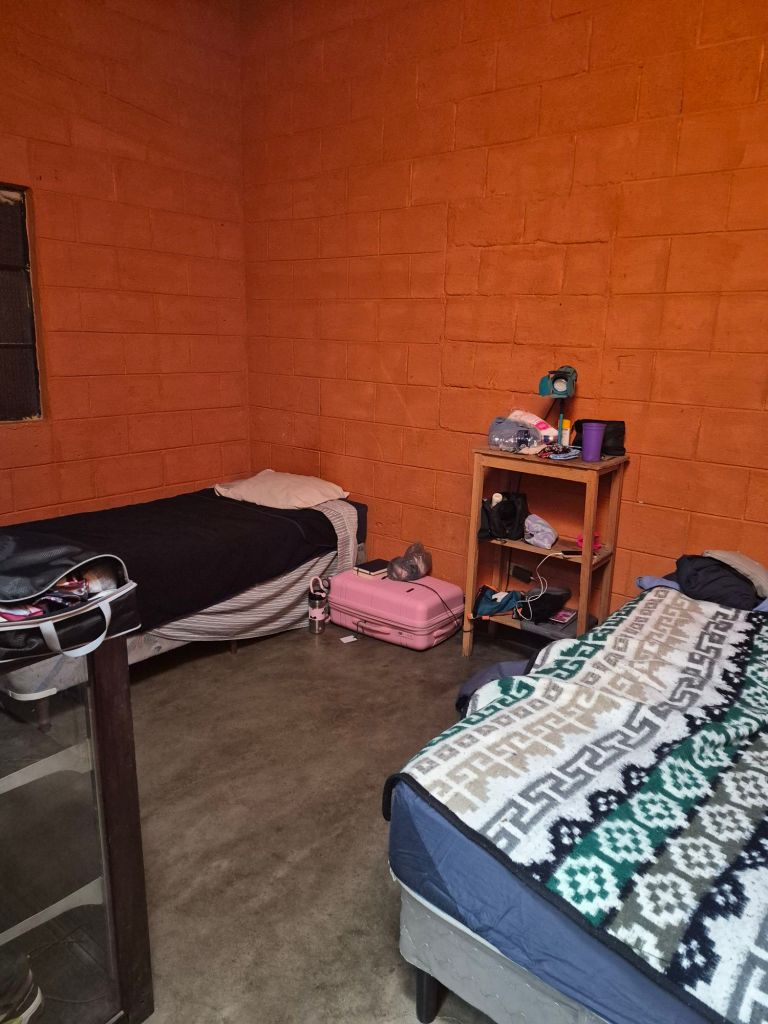
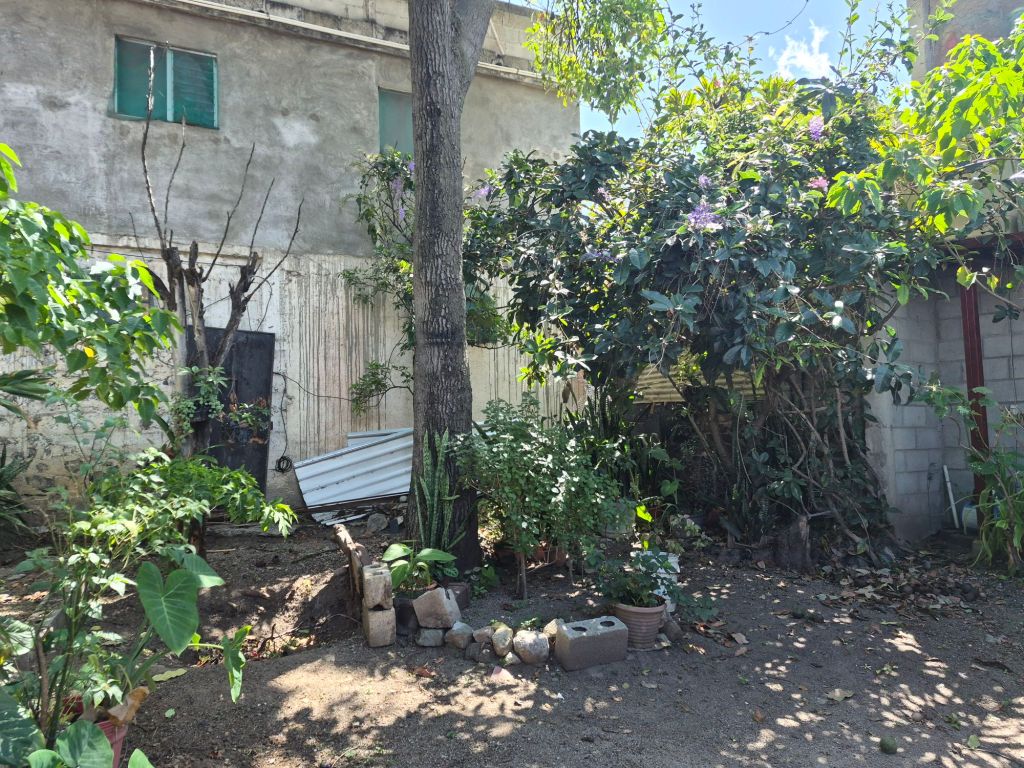
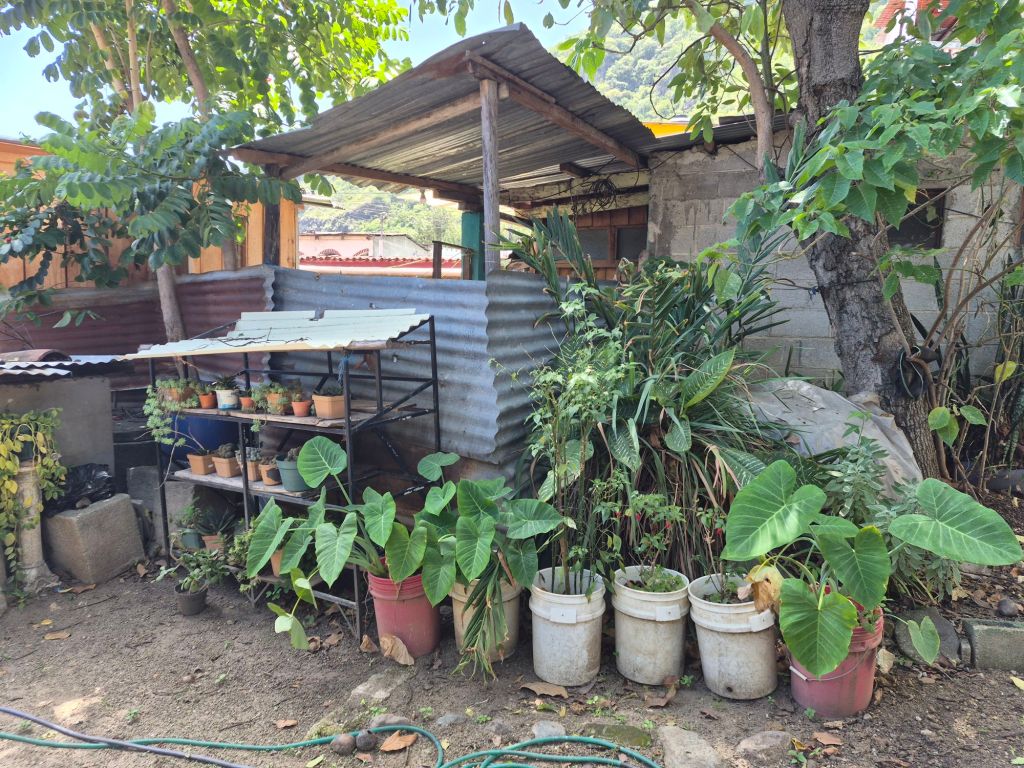
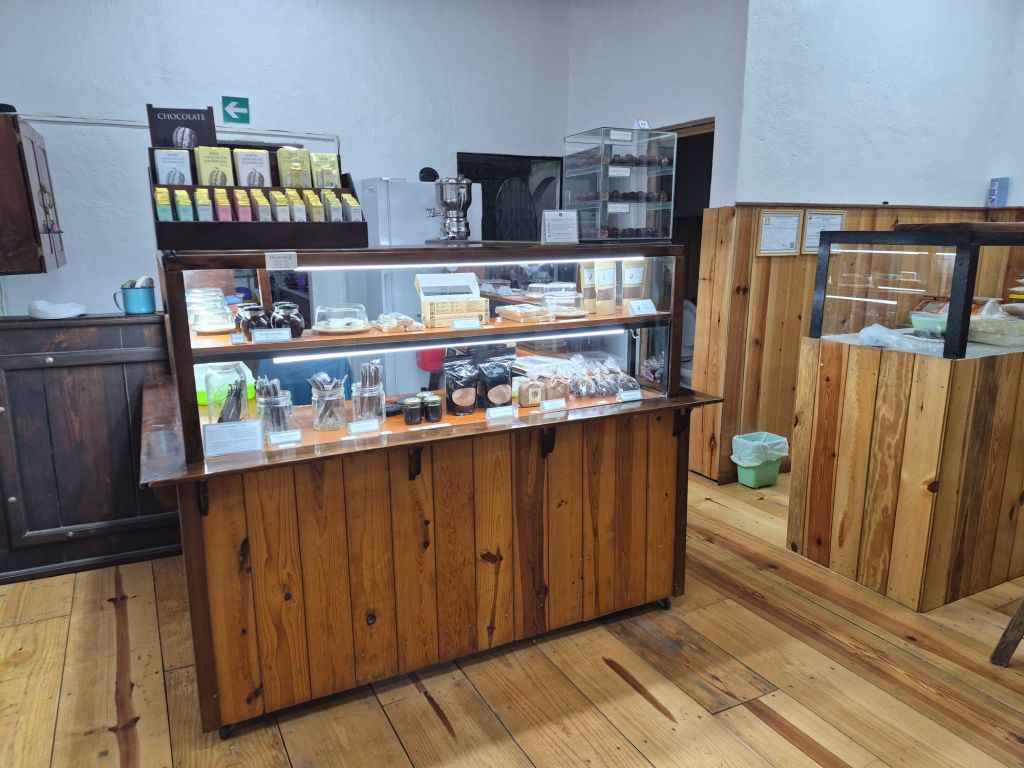
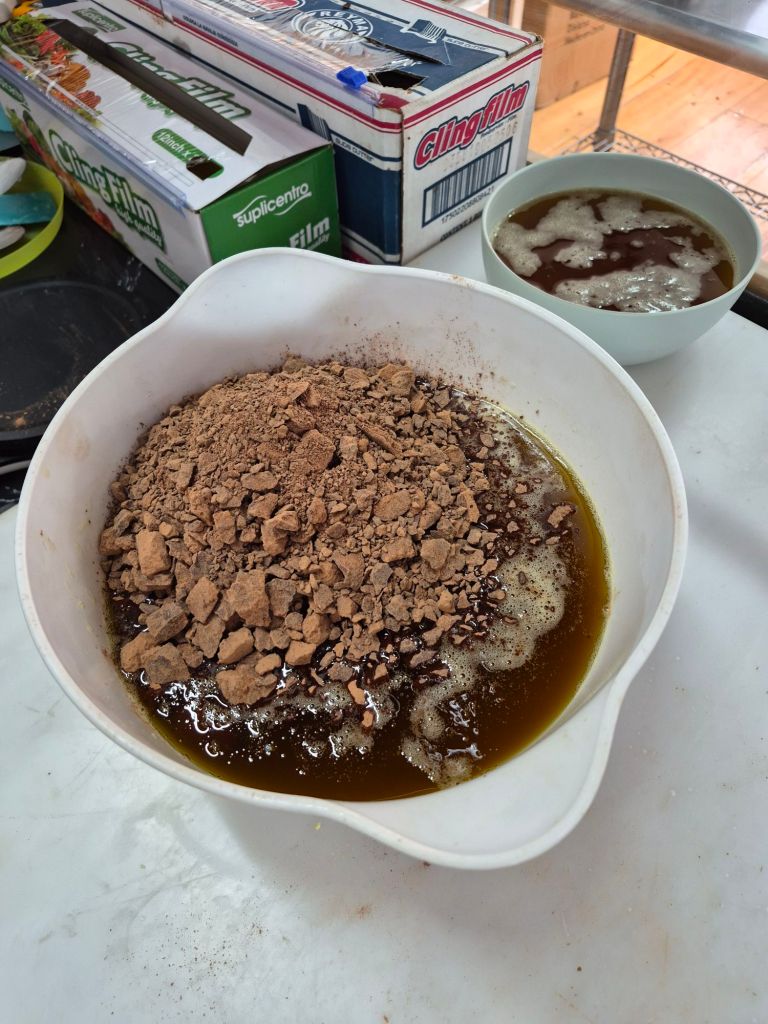
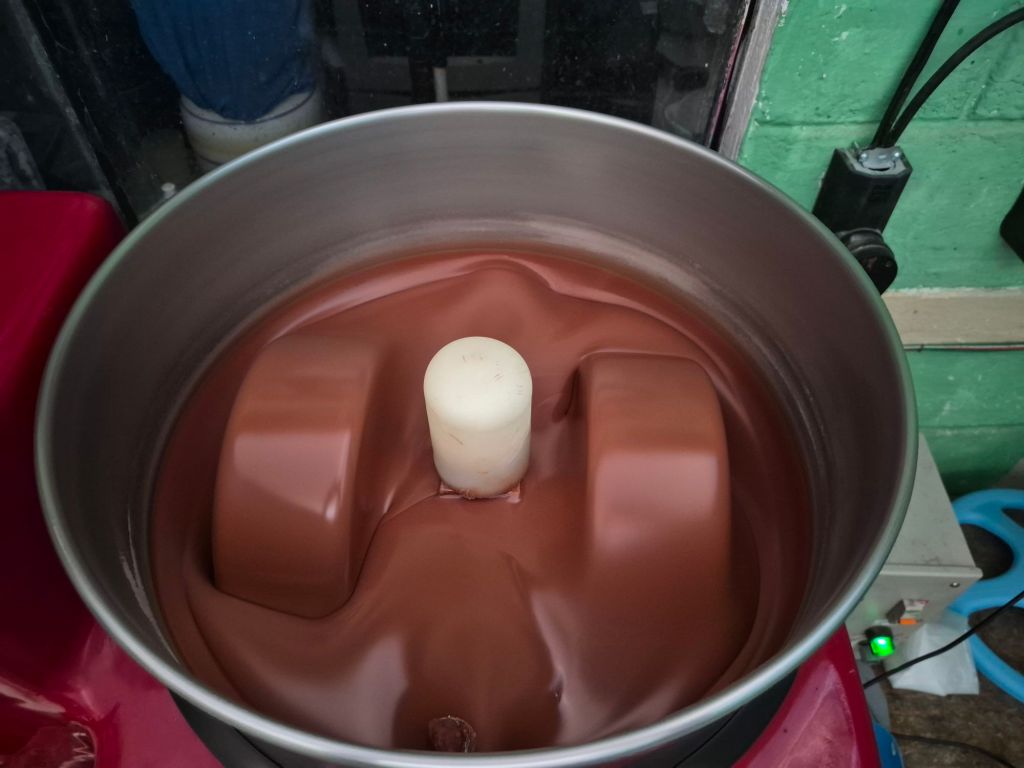
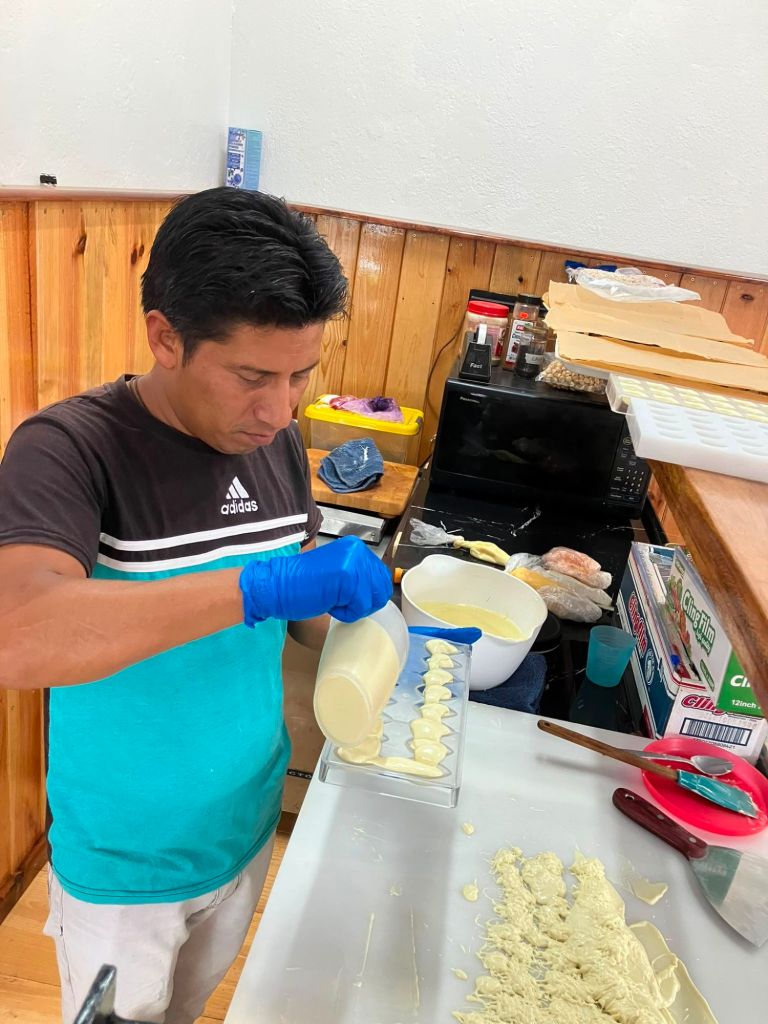
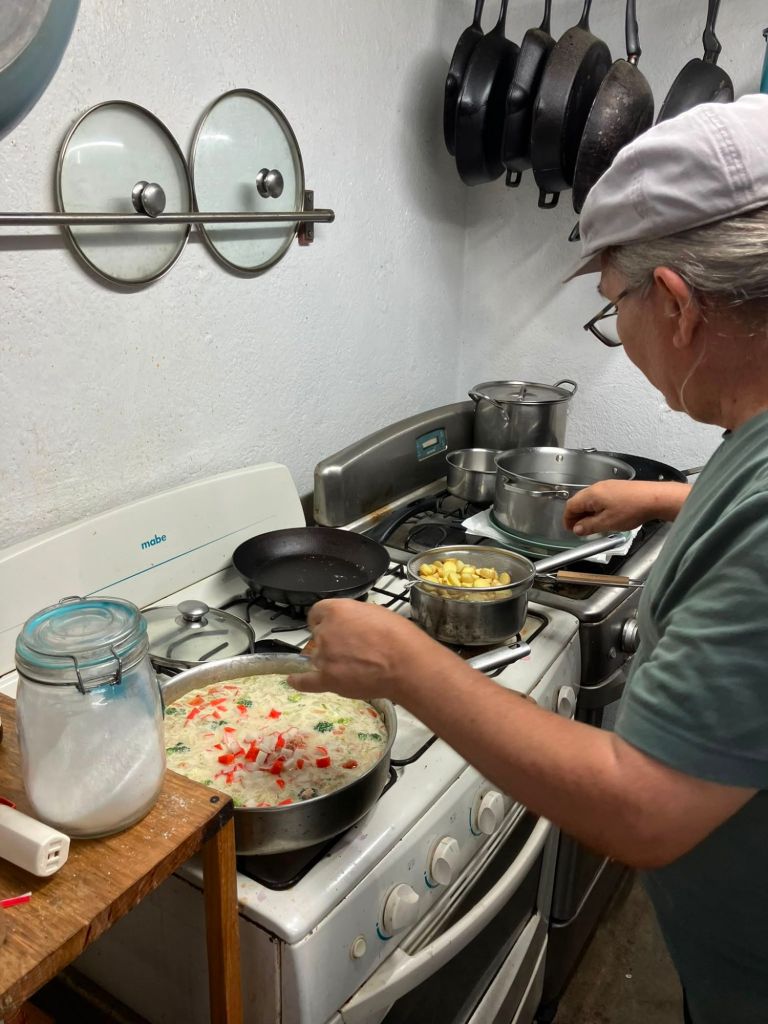
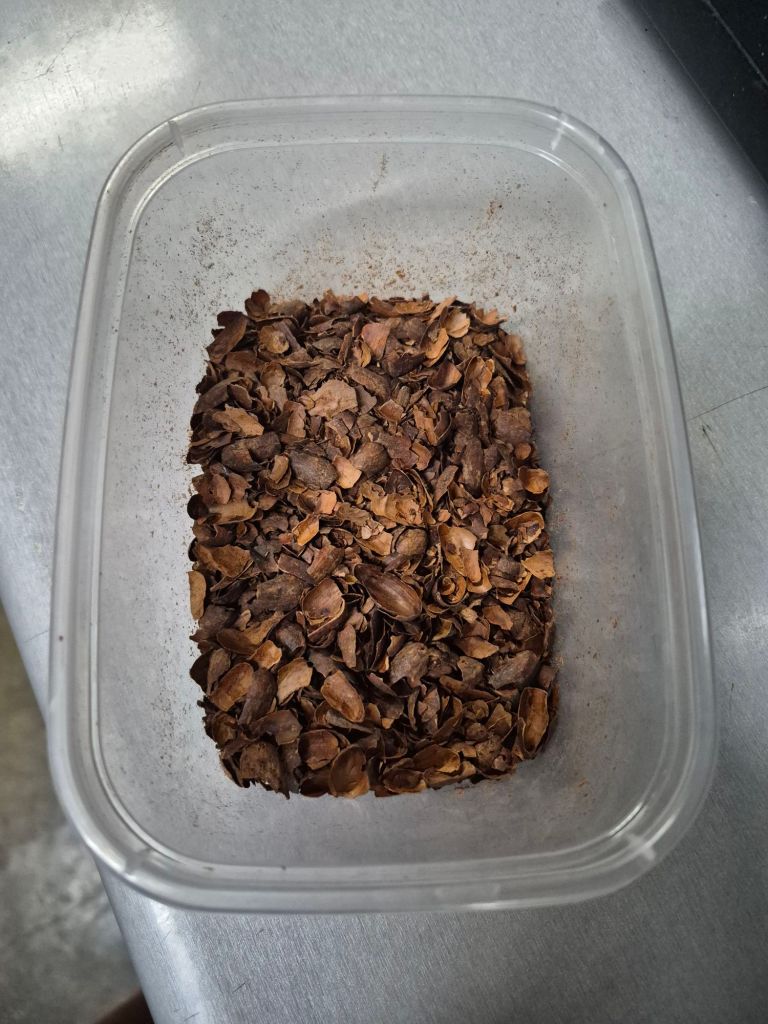
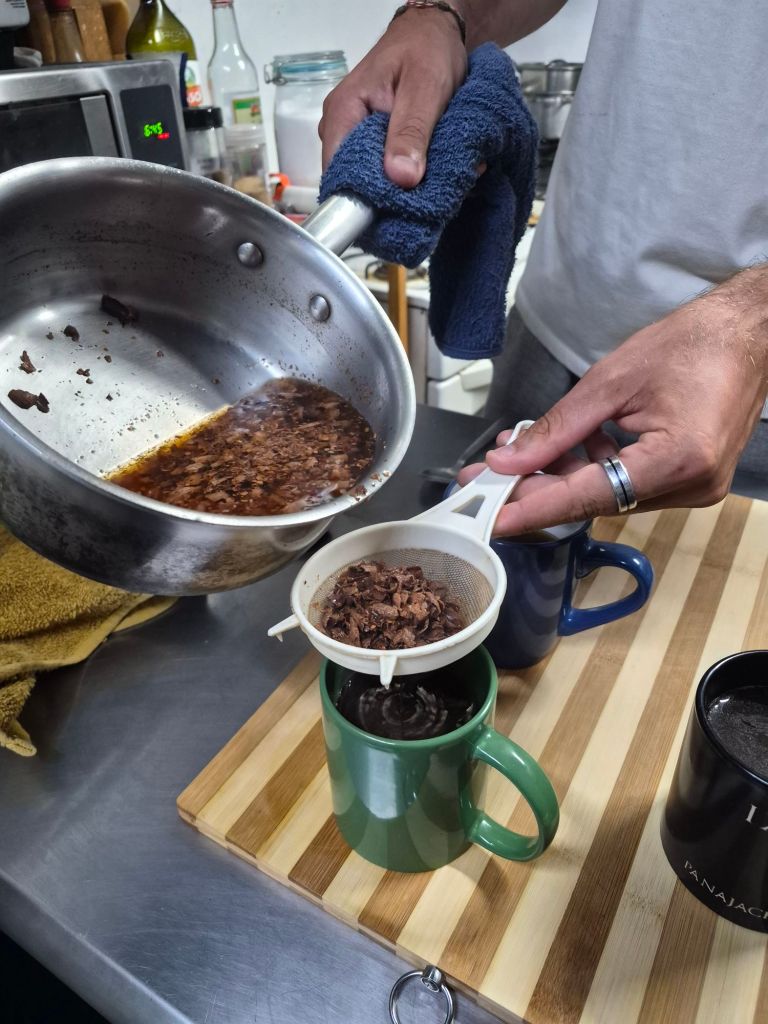
There were two other delightful volunteers, Anja (from Serbia) and Juraj (from Croatia) who were helping Bob with computer stuff. My job was to water the garden, keep it free from falling avocados and leaves, and remove the weeds from the pots in the street. Bob wanted some plants removed and re-potted, which I did, but unfortunately my shoulder started giving me huge problems, so after a few days I told Bob I couldn’t carry on and would have to leave. He kindly offered that I could leave the garden work and just help inside with anything that had to be done, which was sometimes awkward as he has a definite and meticulous way of doing things. We worked for five hours a day, but Bob liked us to be around most of the time and spent many hours telling us about the Mayan culture, adventures he had had, and life in Panajachel before the tourists took over. He is from the USA but has been living in Guatamala for 43 years.
Every night we went down to the lake to watch the sunset.
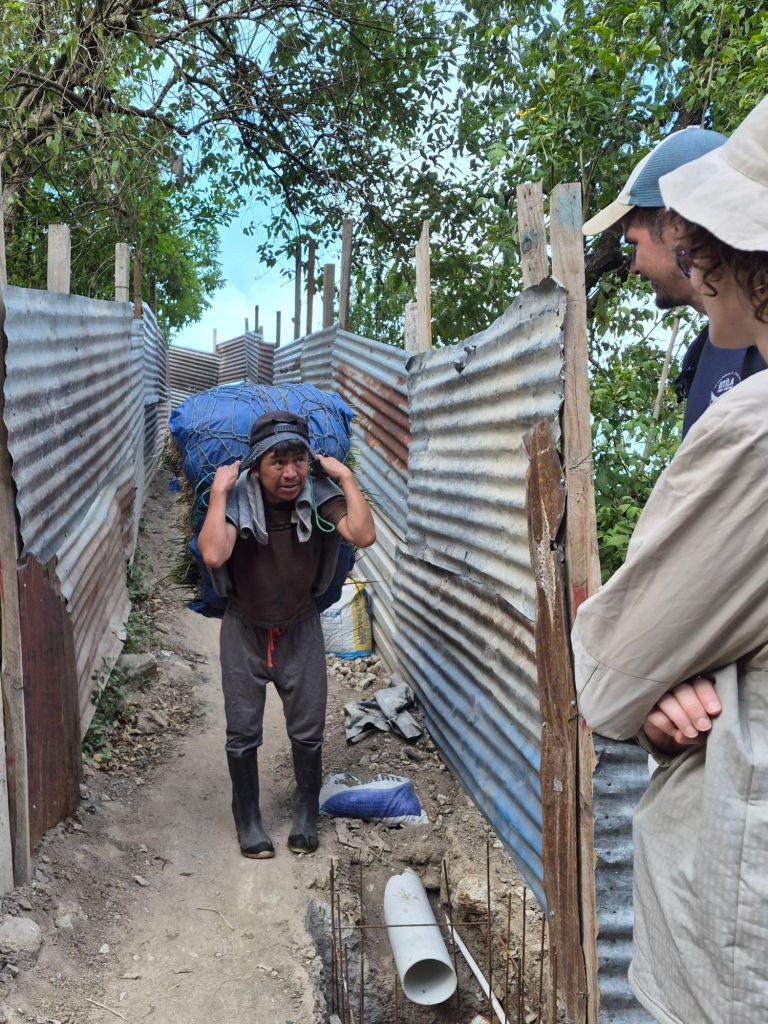
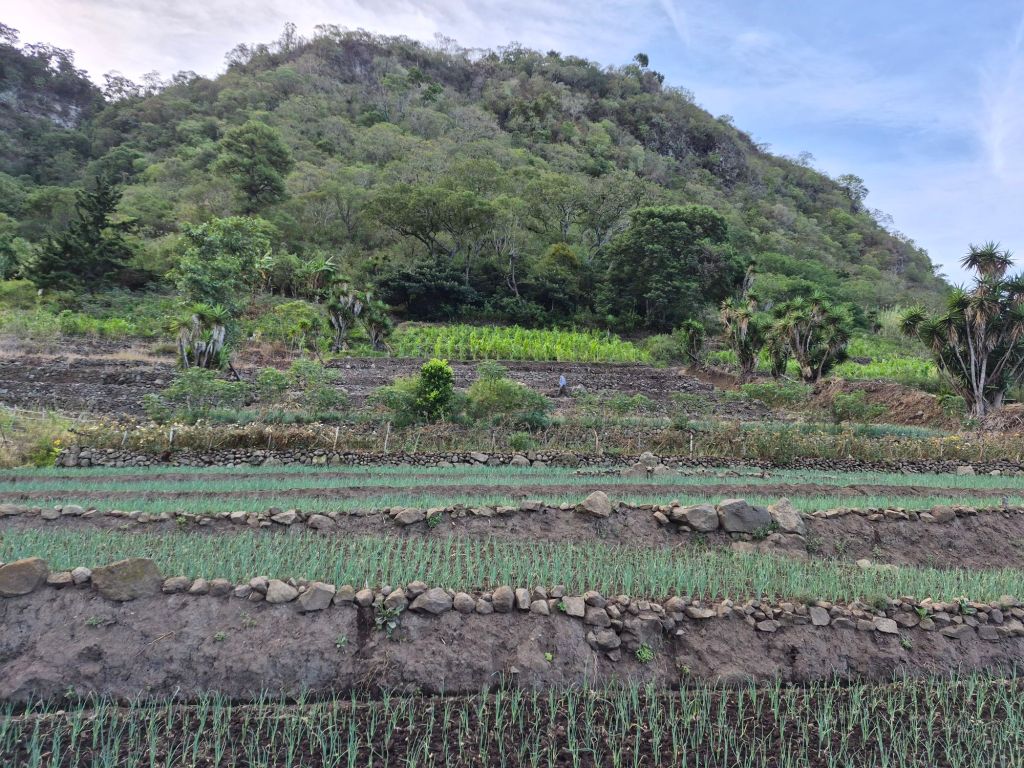
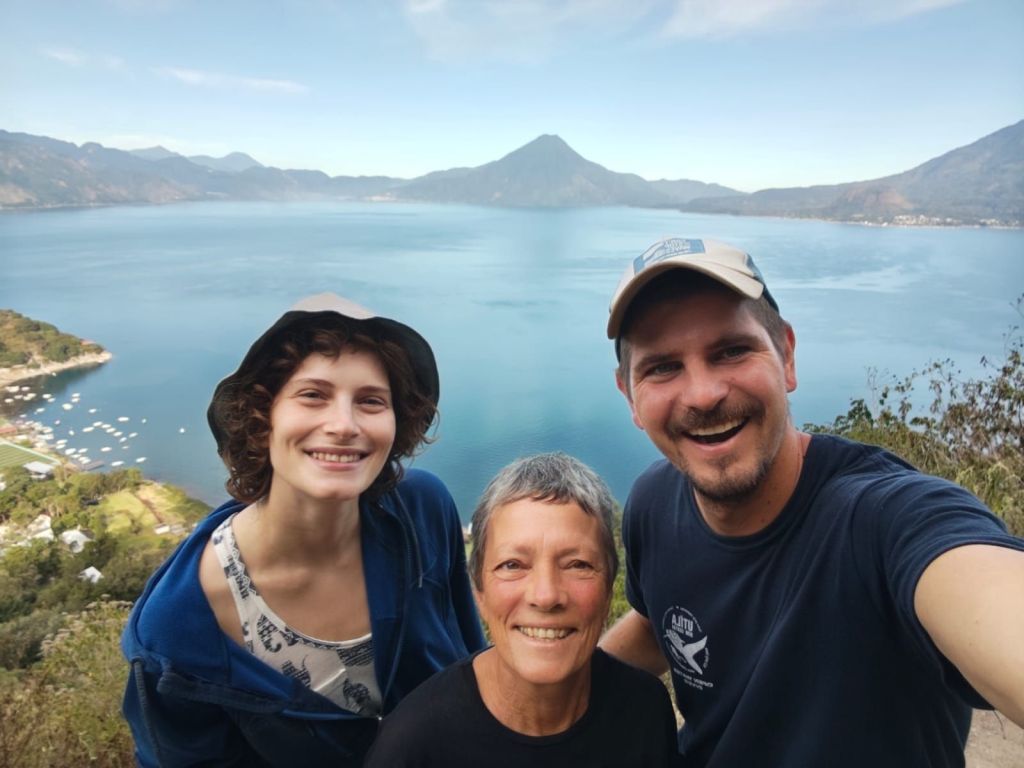
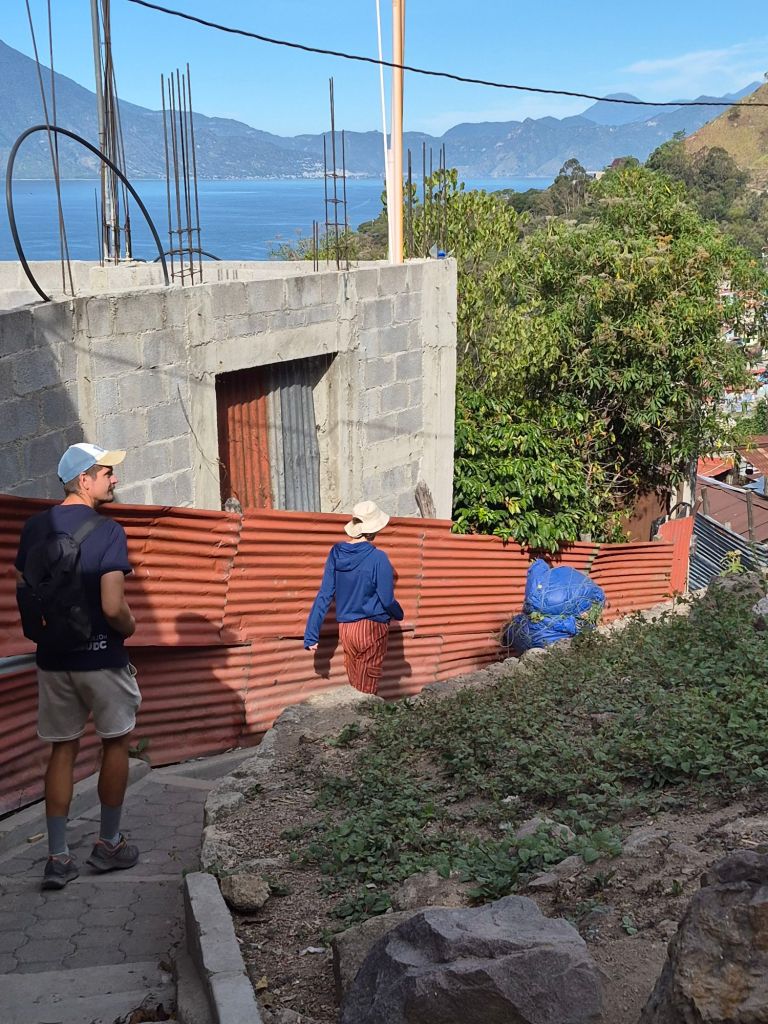
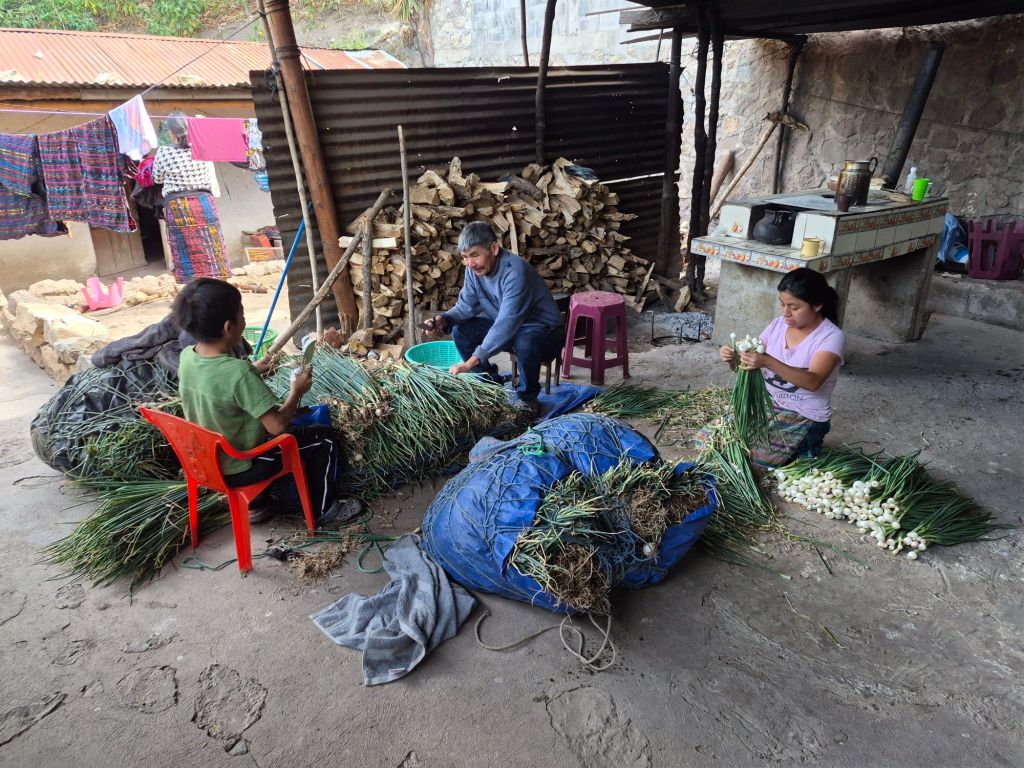
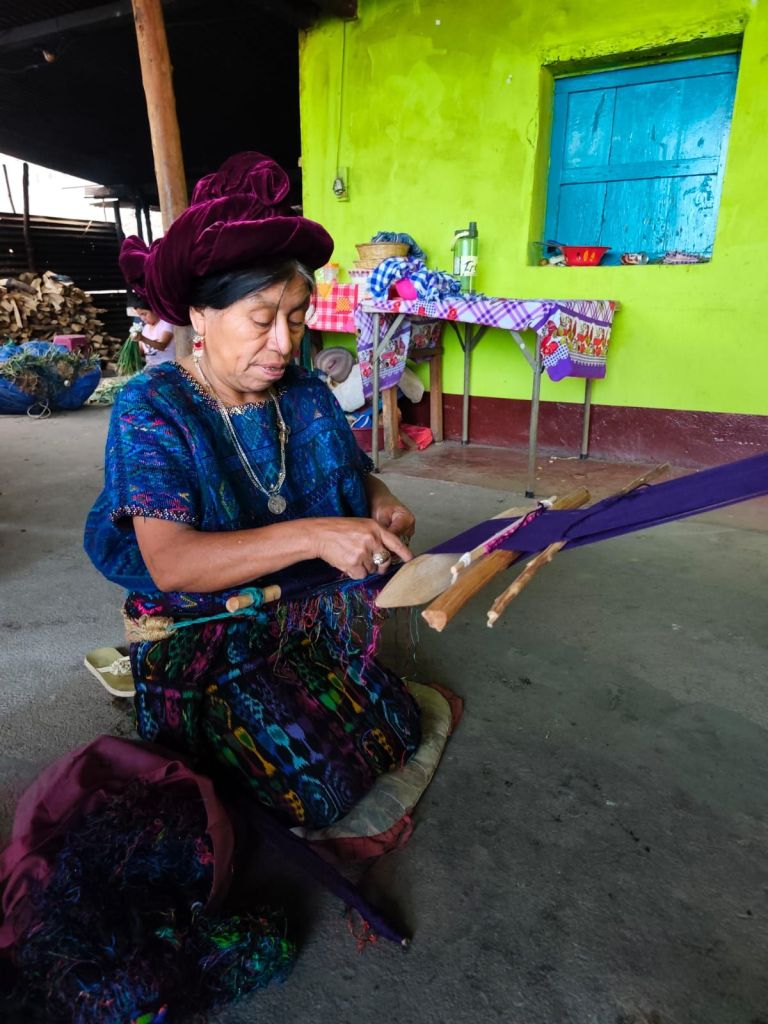
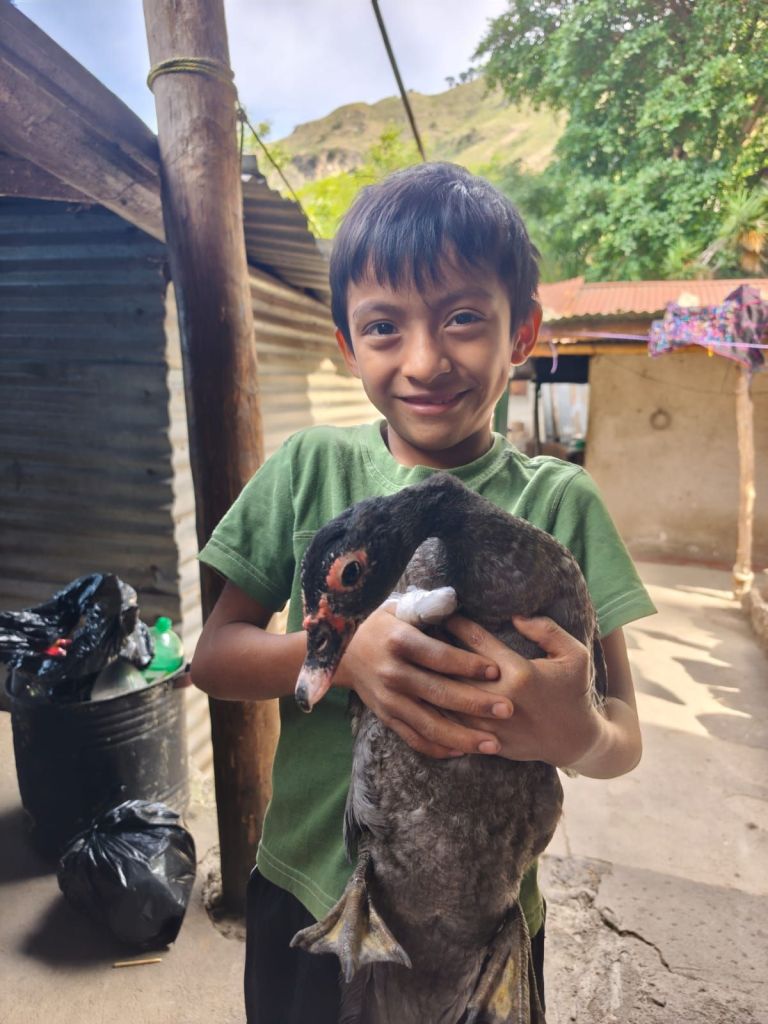
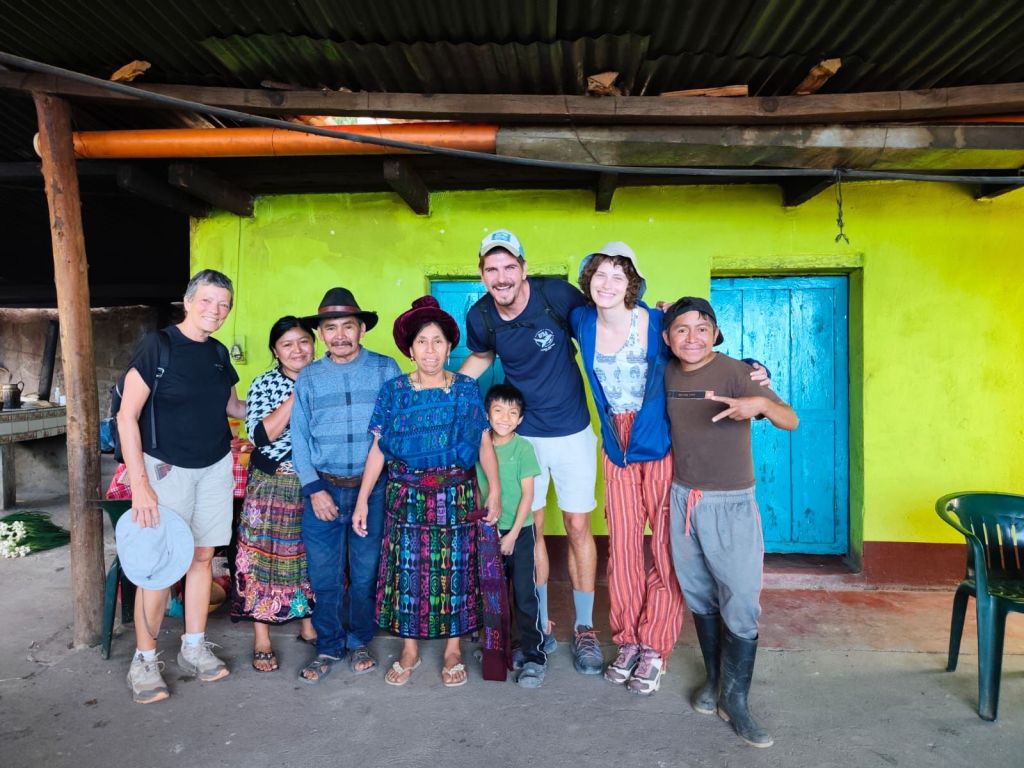
Juraj is a very keen hiker, and one morning early he took us to a viewpoint near Santa Catarina, the neighbouring town. Along the way we met a man, Daniel, who was carrying a very heavy load of onions on his back, using the traditional head-strap, bringing them down into the village from the fields higher up. He told us he does about four trips a day of carrying onions to help his aged parents with whom he lives, but he was actually a tour guide. On the way back from the viewpoint we met him again, and he invited us to visit his home and see his mother weaving with the back-strap. What a privilege – I bought one of the belts that had taken her five months to weave, very excited to have found an original piece of Mayan weaving as most of the items being sold in the shops and stalls are factory produced. We met Daniel’s sister, his brother and his wife and daughter, the parents and a little boy that they had adopted.
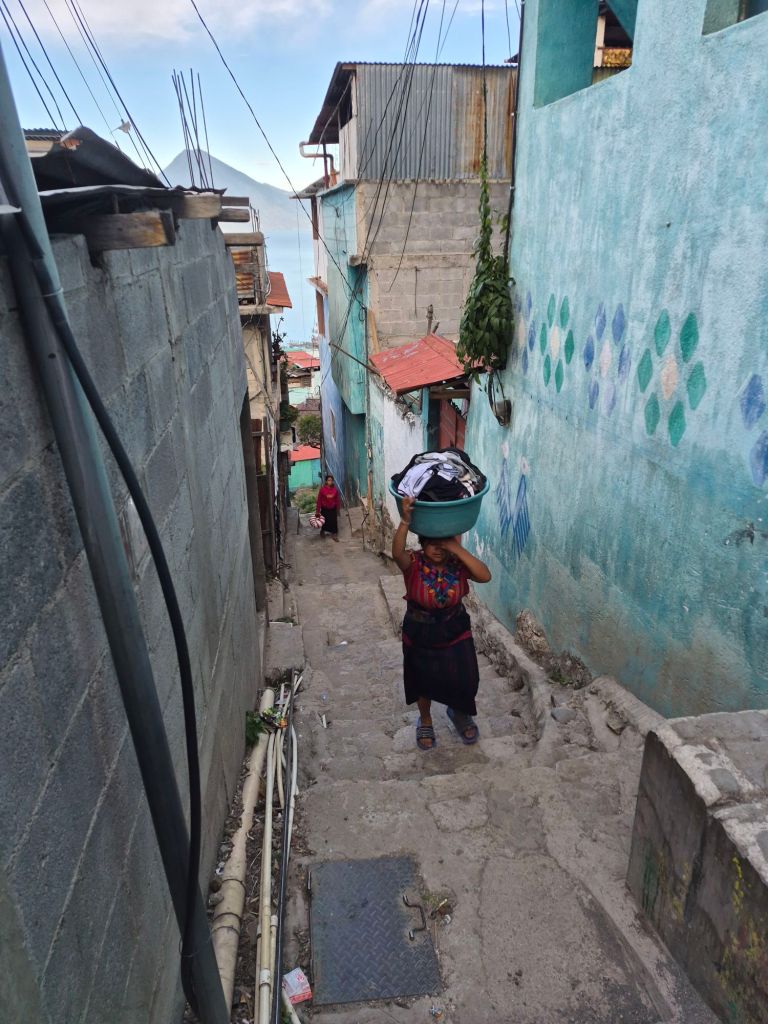
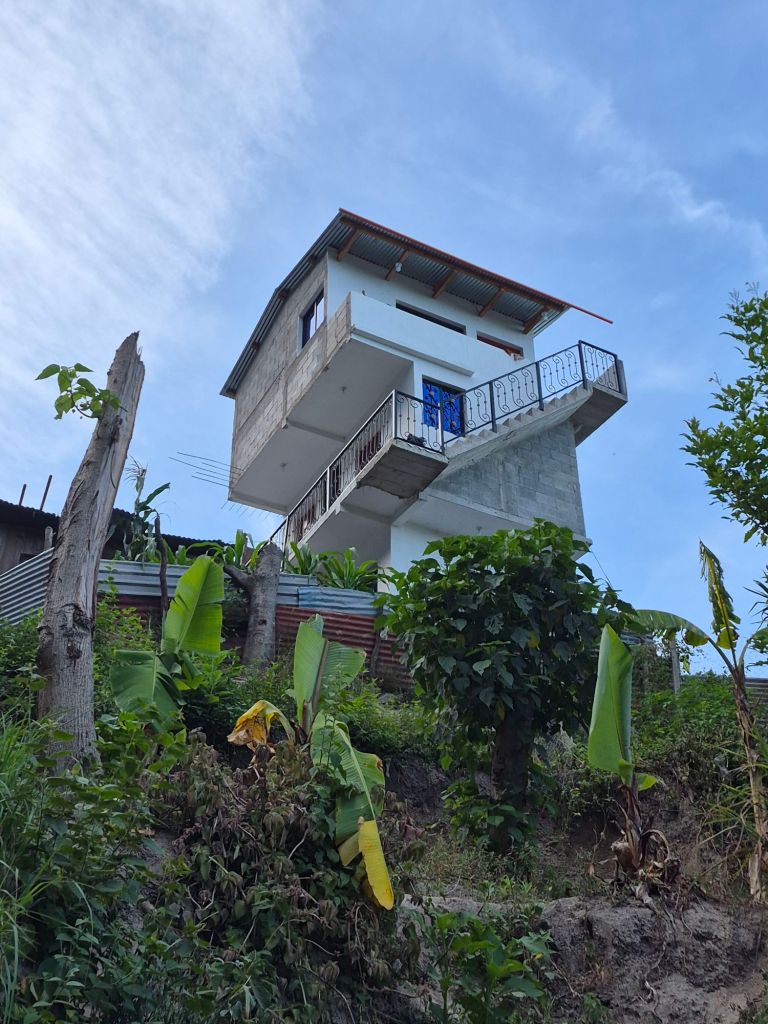
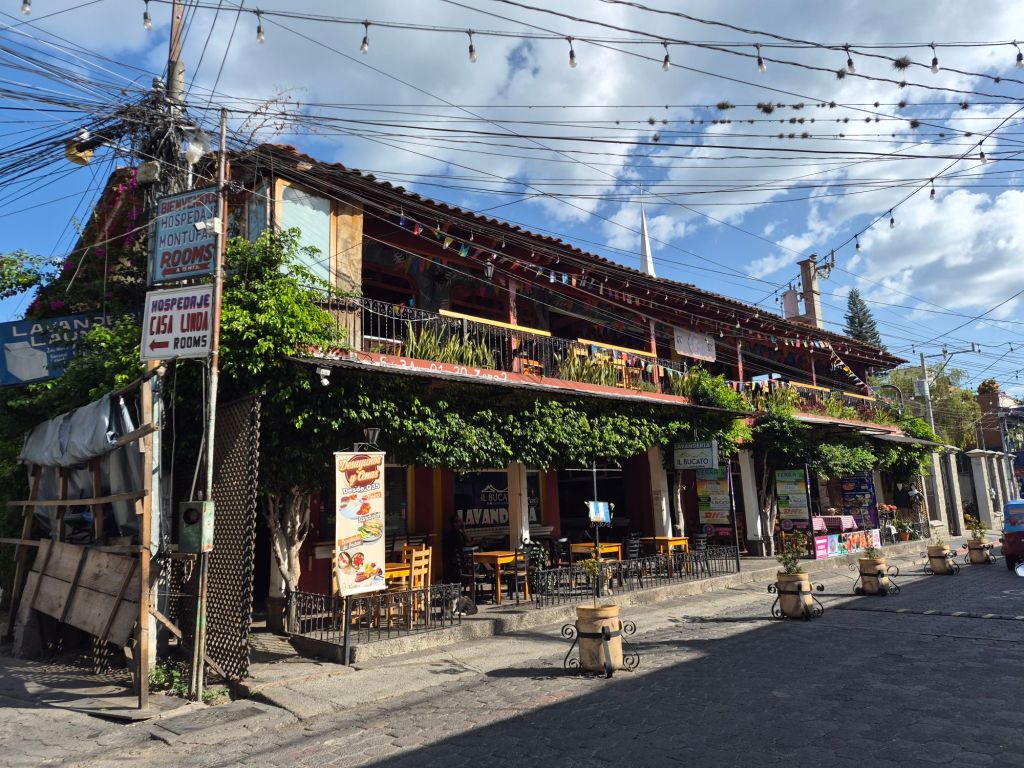
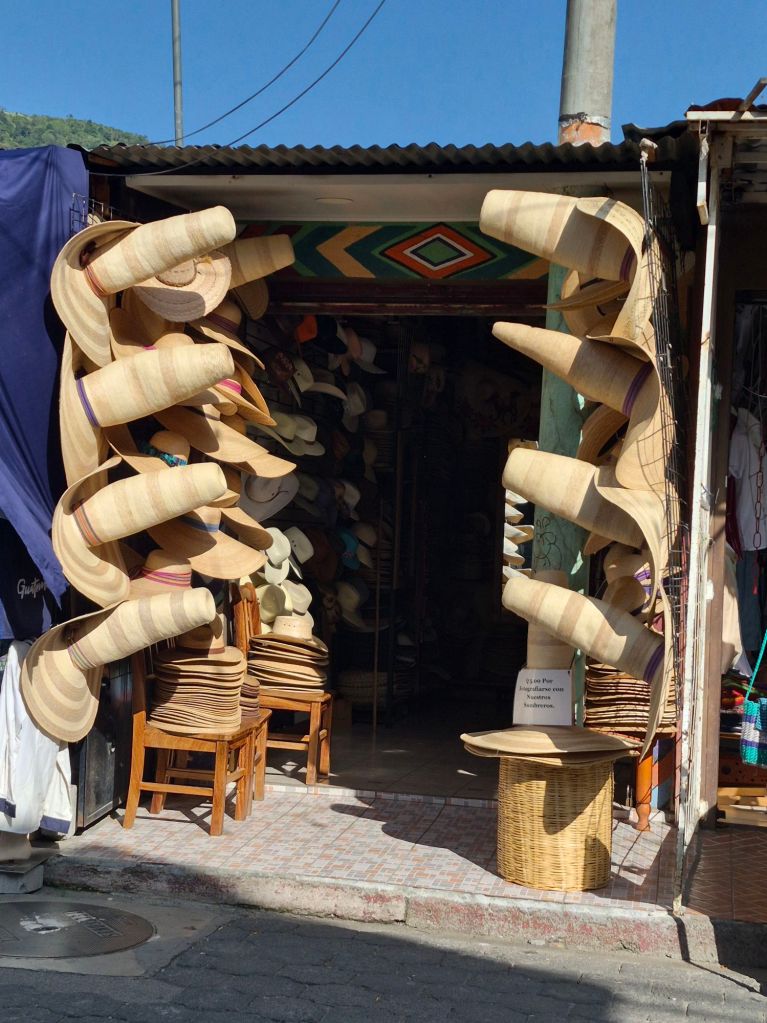
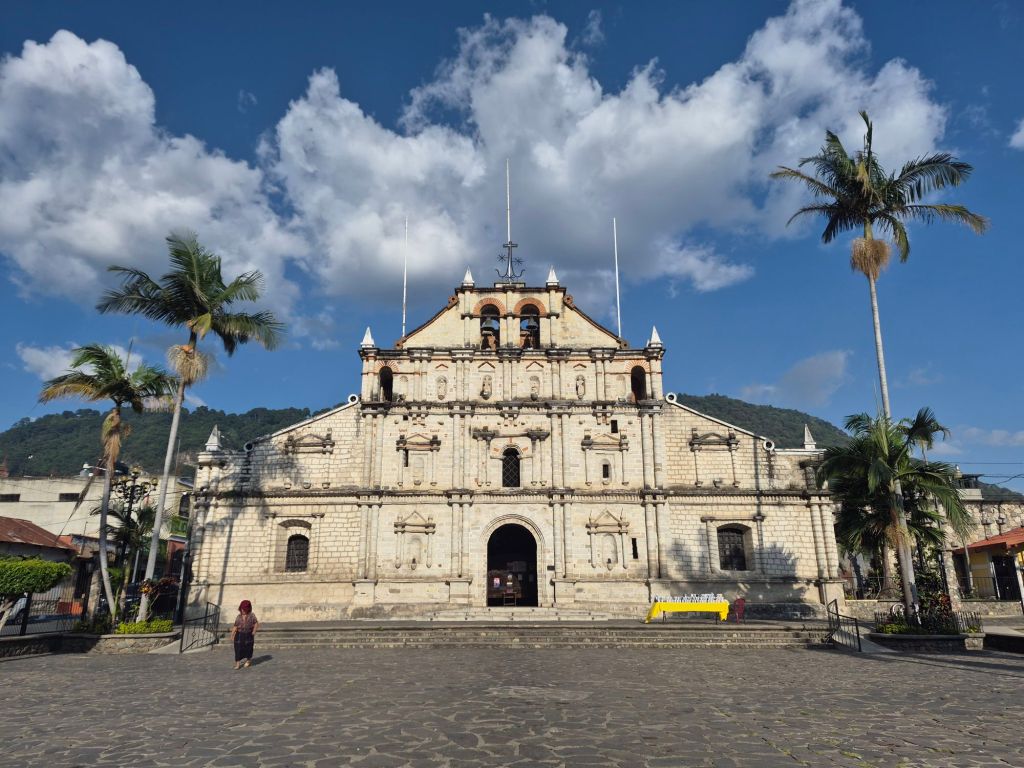
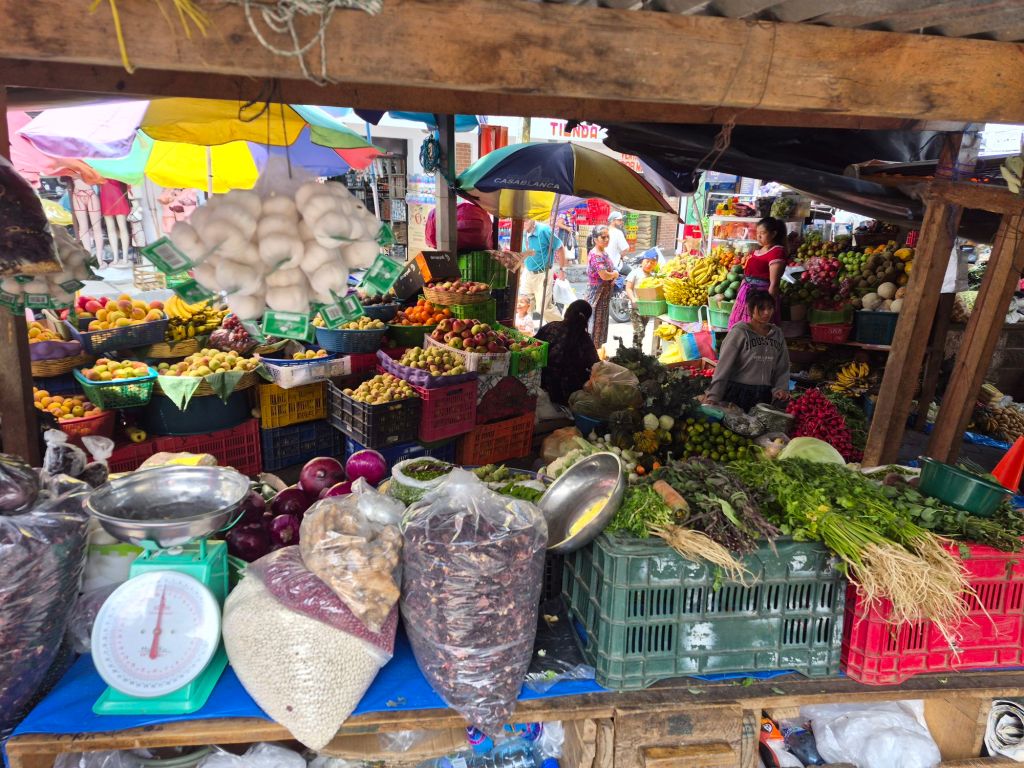
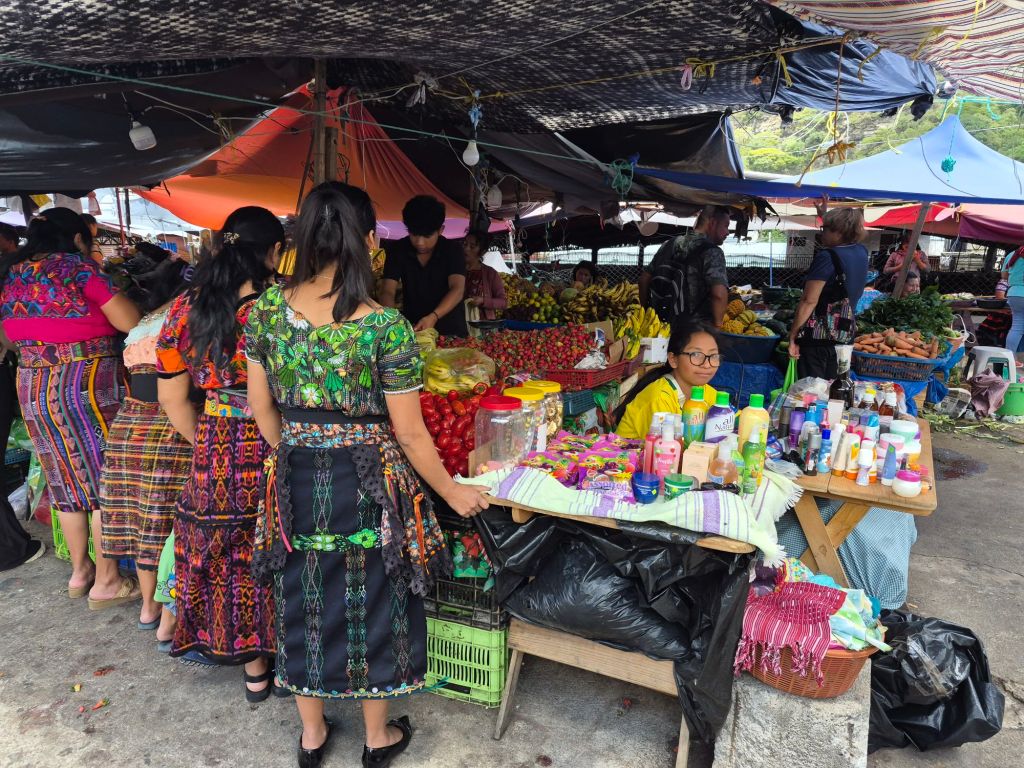
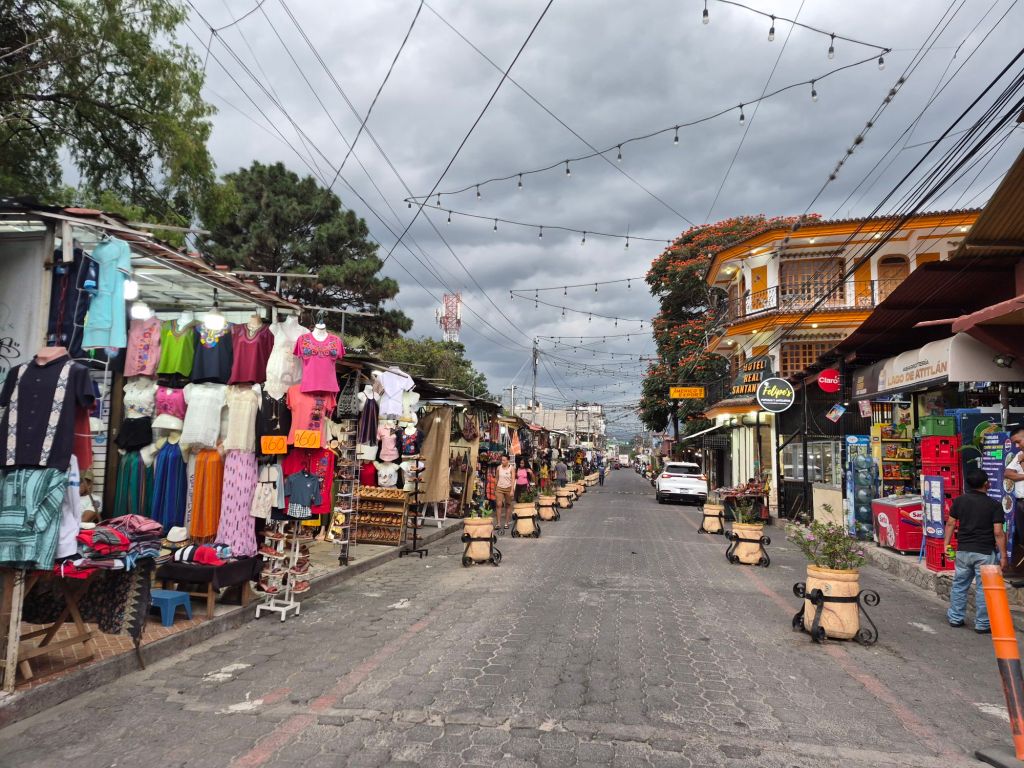
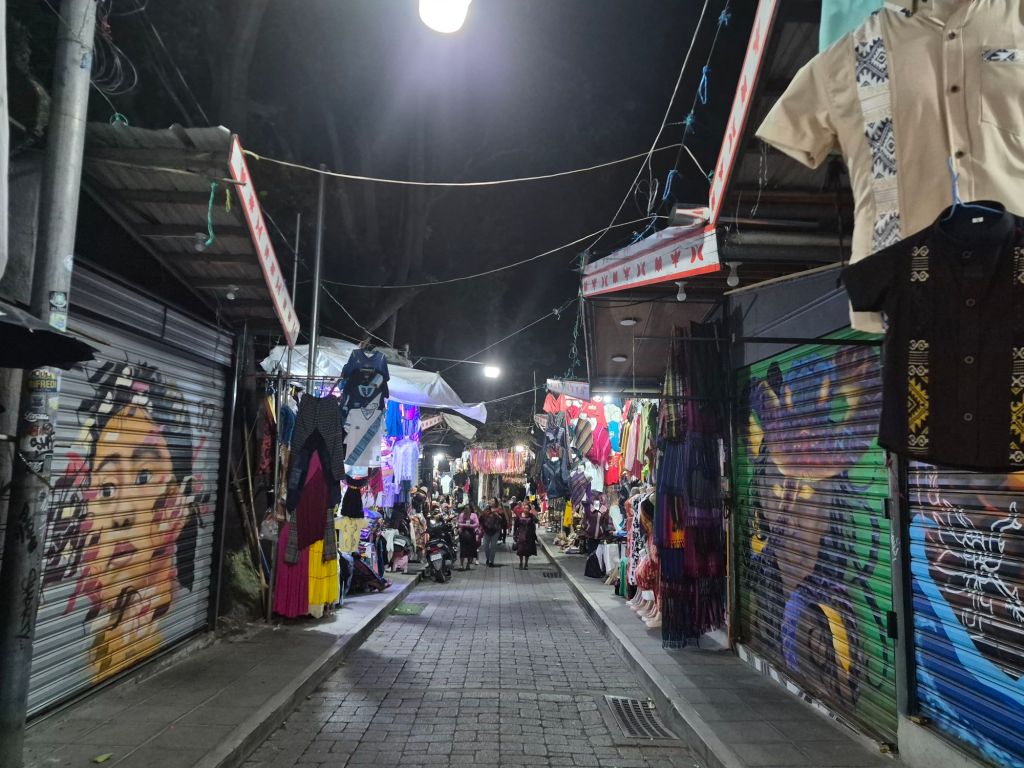
Panajachel is an entryway to the lake, and as such has many stalls, restaurants and a big artisan market. What struck me the most was the colourfulness of everything – even the buildings were painted with bright colours. Walking down to the pier was fun, as the streets are lined with stalls and people, and lights twinkle on the way back. The stray dogs are a problem though, and one has to watch where you step.
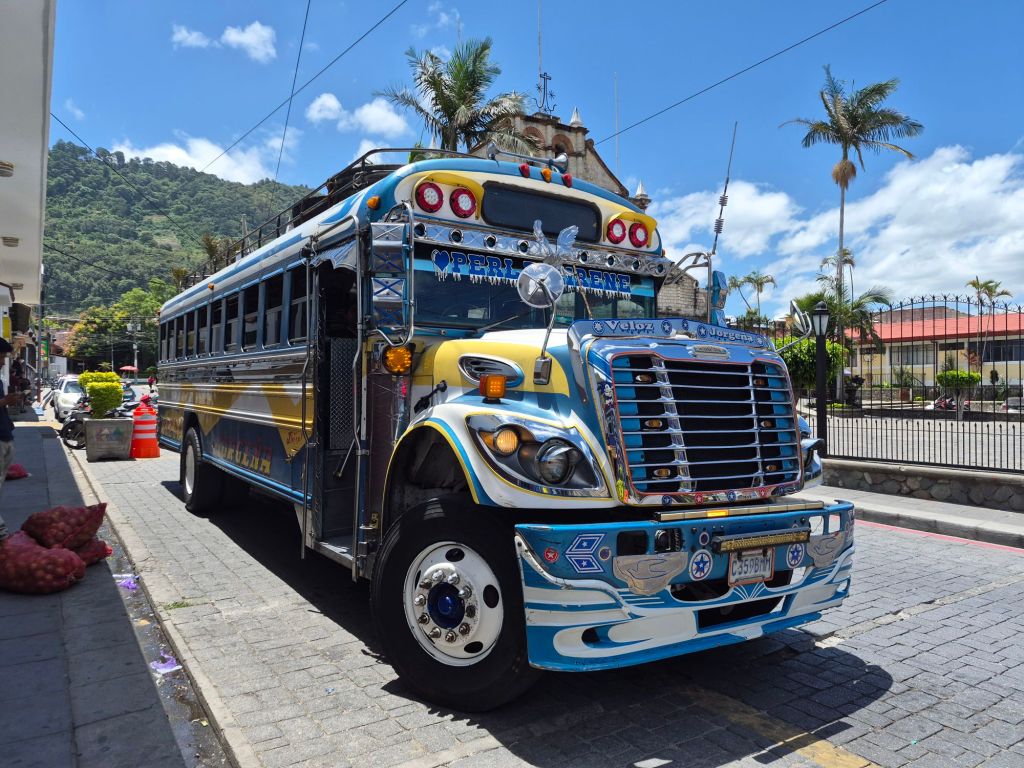
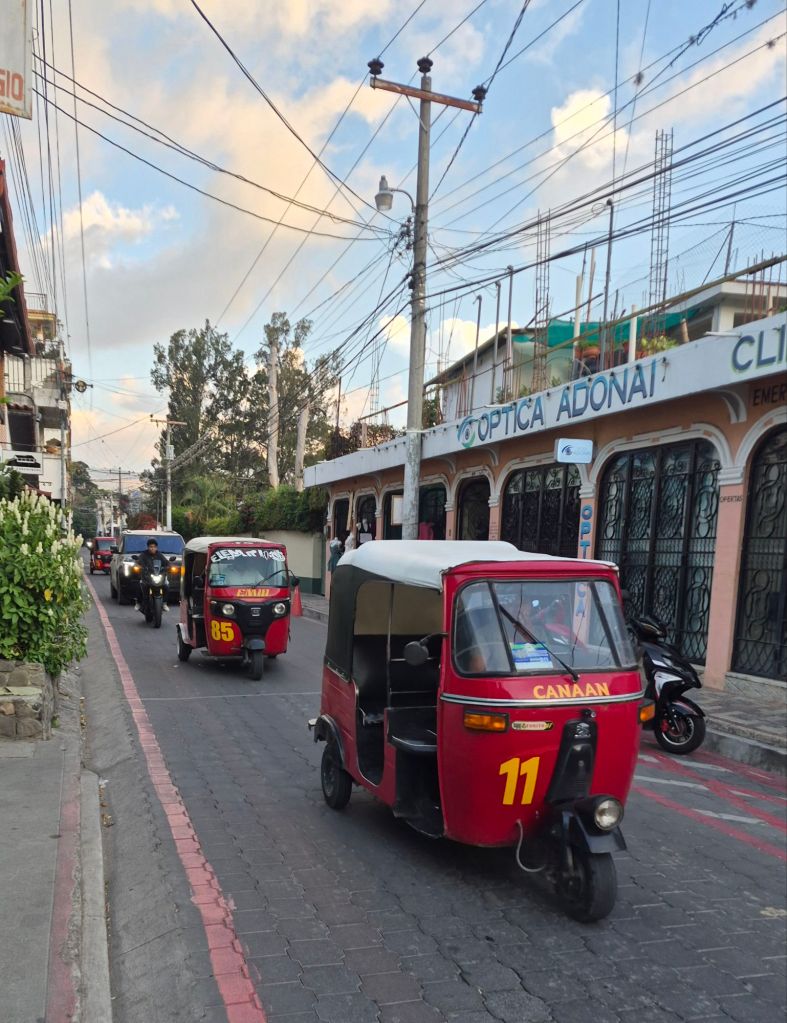
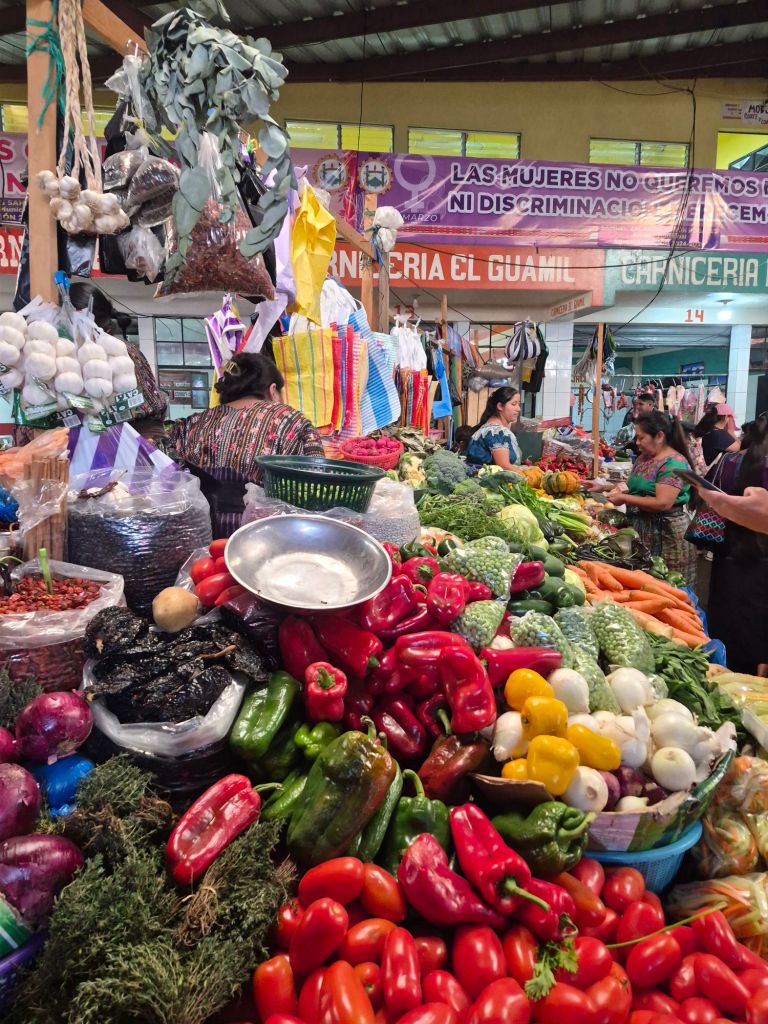
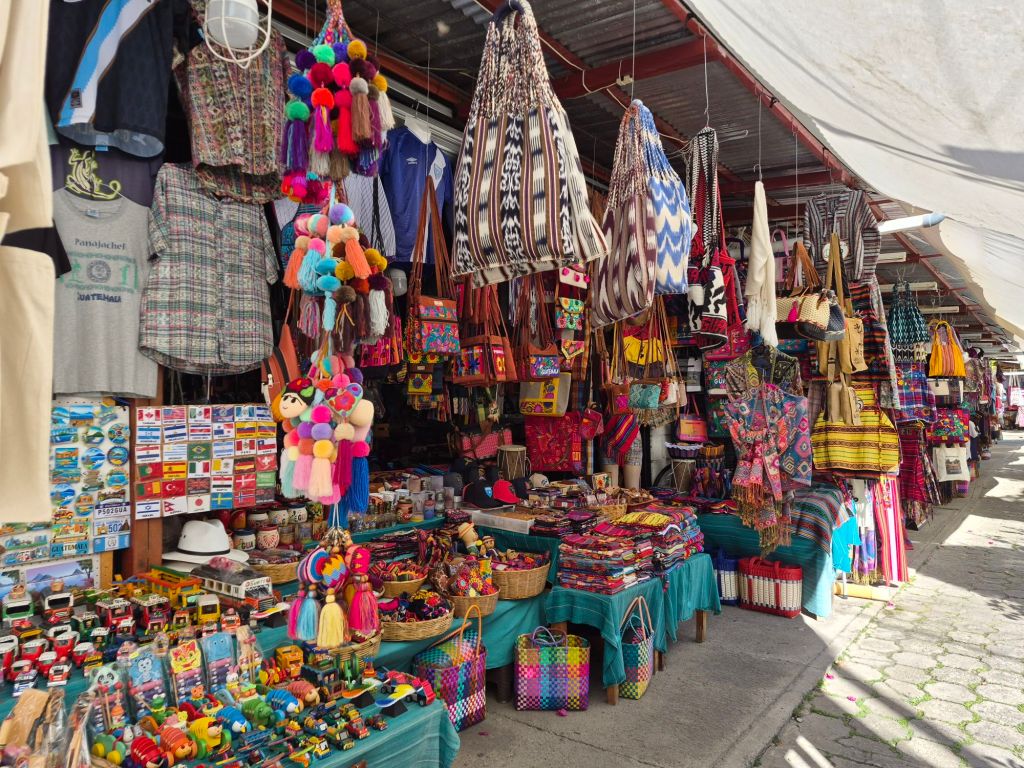
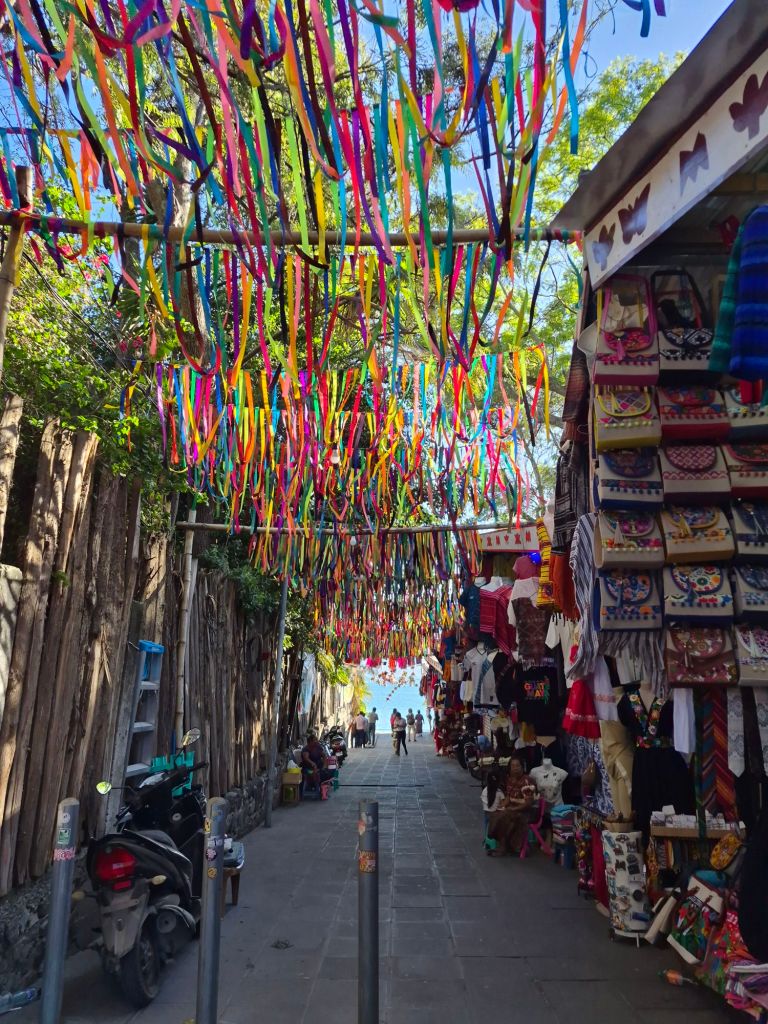
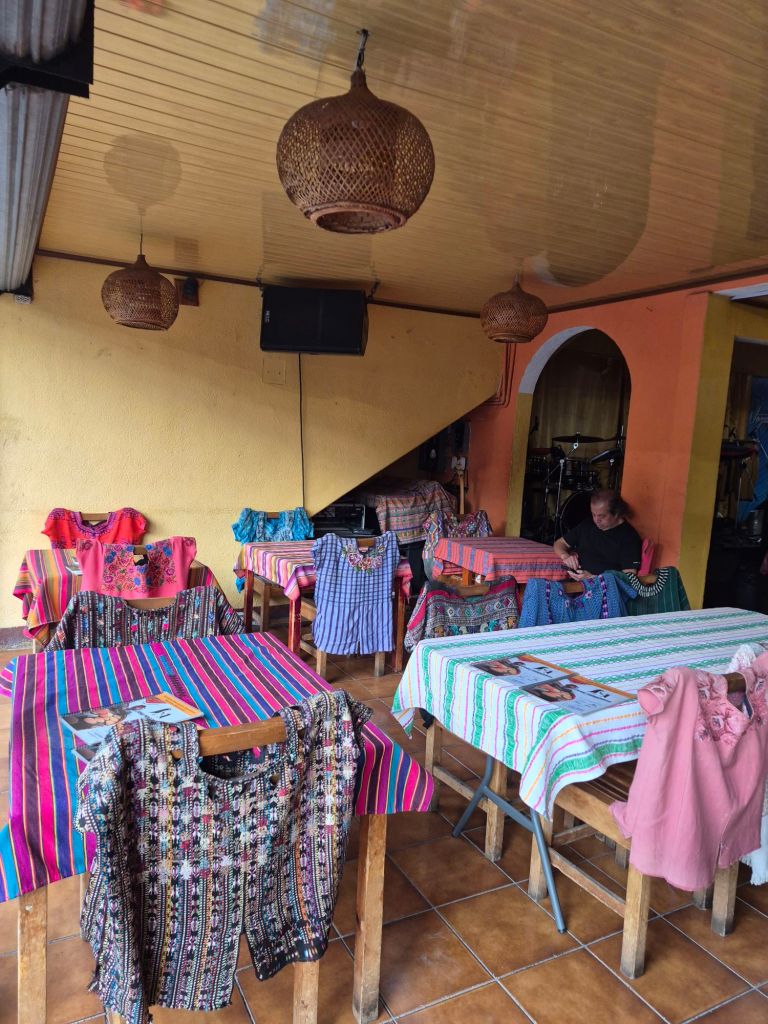
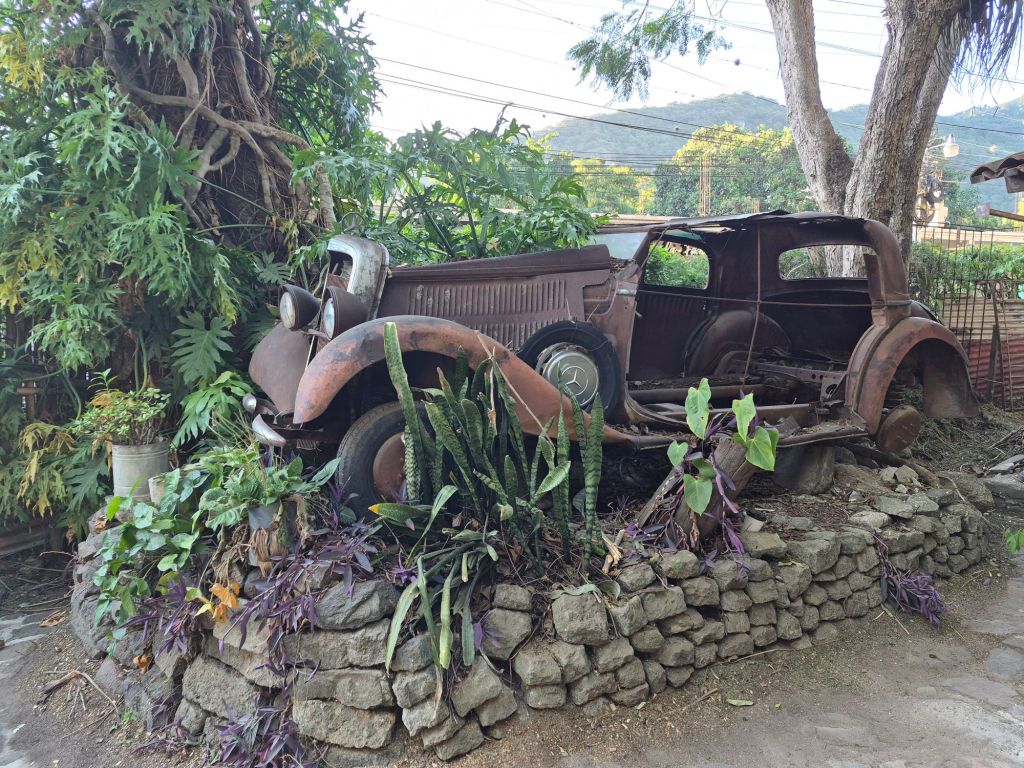
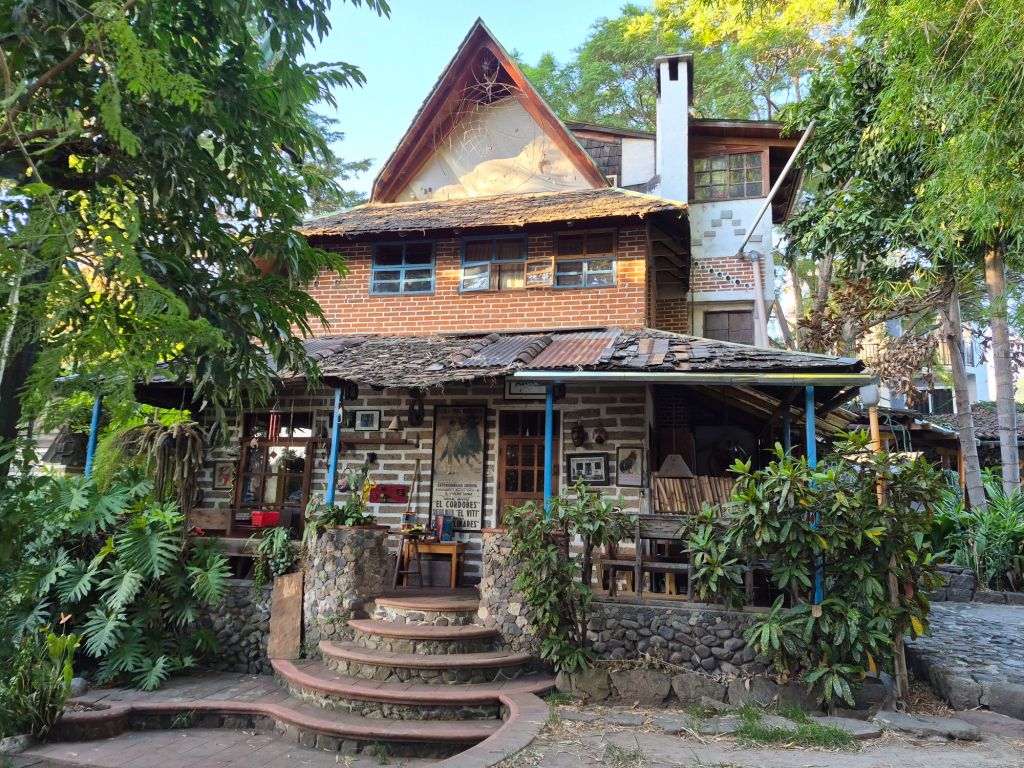
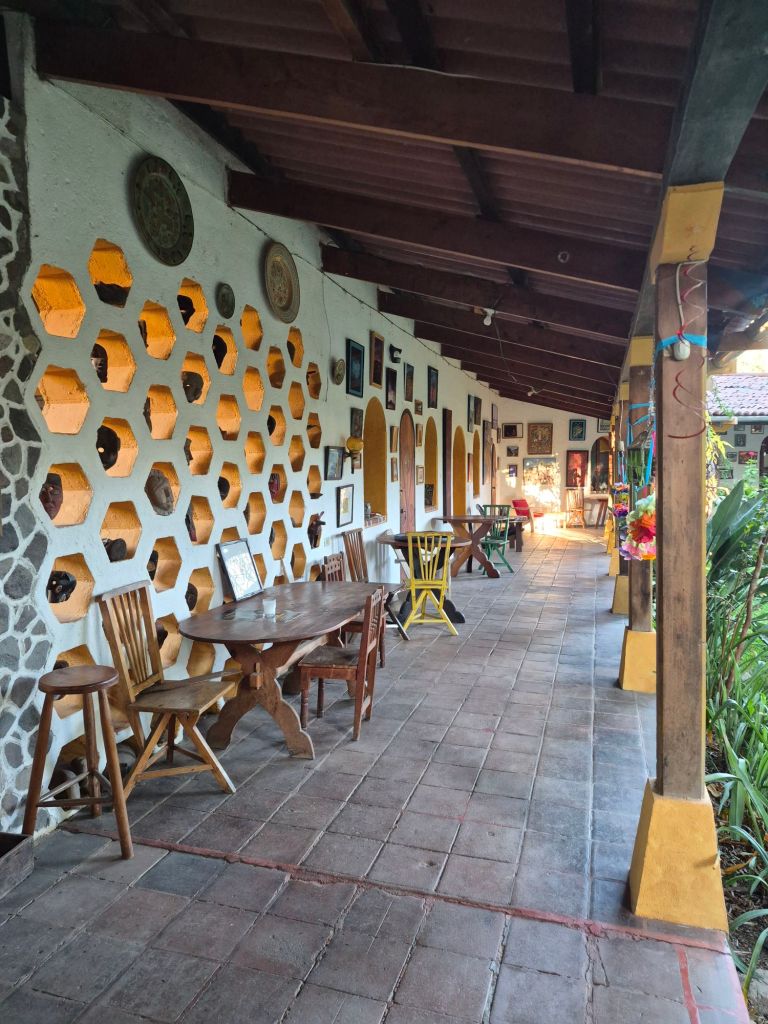
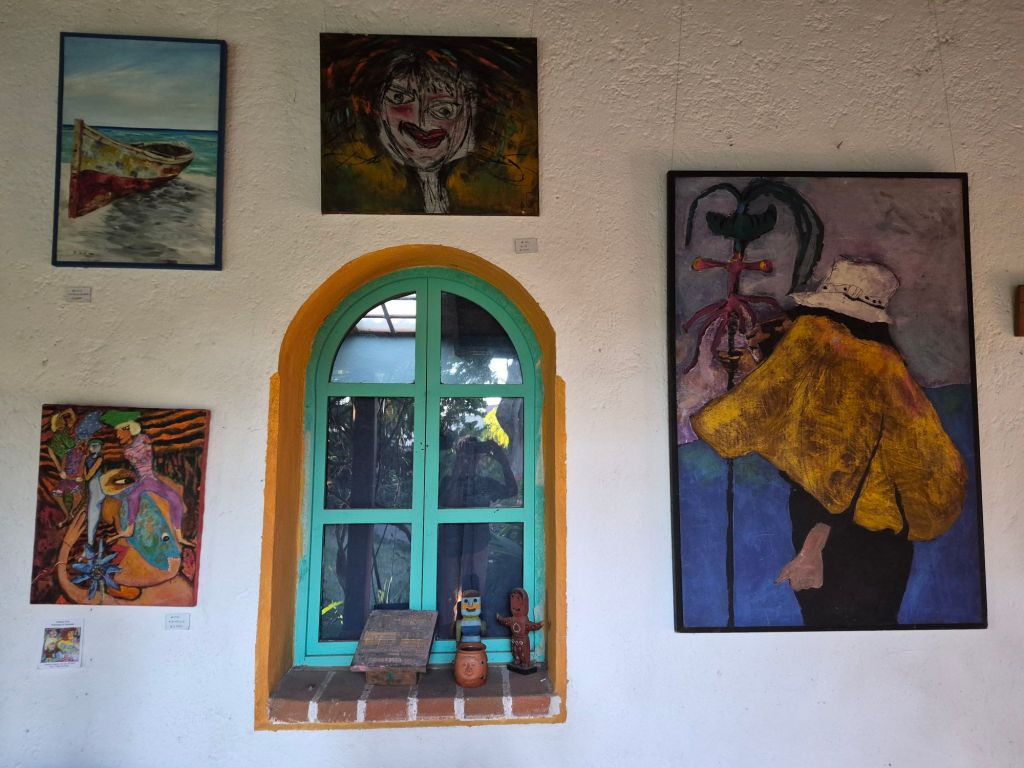
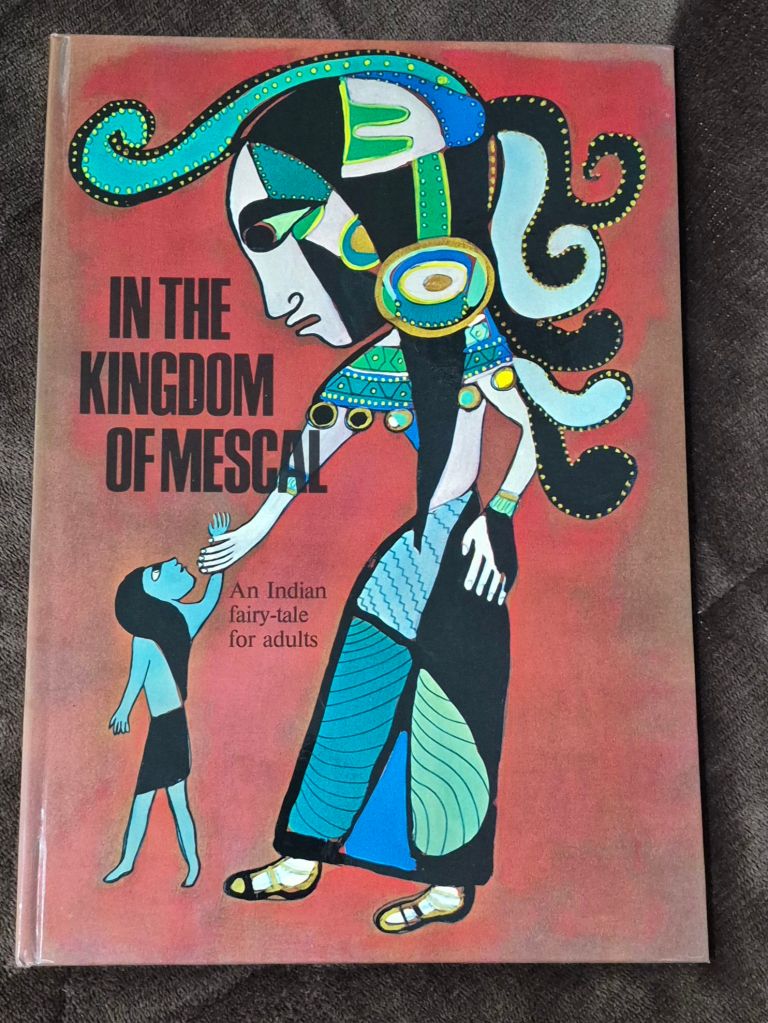
Bob showed me a book (an Indian fairy-tale for adults) that had been illustrated by a local artist, and there was a gallery in town that sold them. When I tried to visit it, there was a yoga class being held, but the owner of the gallery invited me to her house next door, and I was able to buy the book. She told me to look around the garden and the rest of the property, which they run as a guest house. She was German and had also lived in Panajachel for 37 years, but was yearning for her German roots. “The older I get, the more I long for the things in Germany,” she said. “Panajachel has become noisy – too much traffic, air and light pollution, so different from when we moved here.” I fully understood what she was saying, my sinuses were being affected by car fumes and one had to dodge cars and tuc-tucs all the time. Sad, that a cosy Mayan village had become a noisy, polluted big town. Lake Atitlan was quite polluted too, not only with sewage, but with waste and chemicals that washed down when it rained, as Bob had explained. The water is still clear, but swimming is not advised, and definitely not putting one’s head underwater.
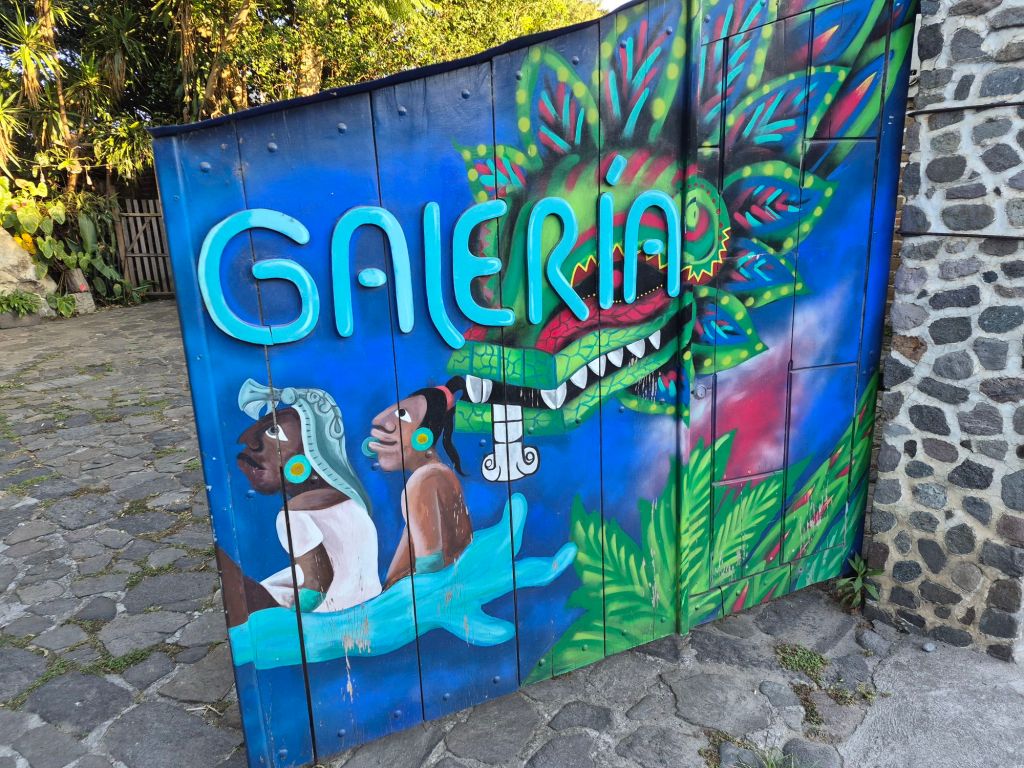
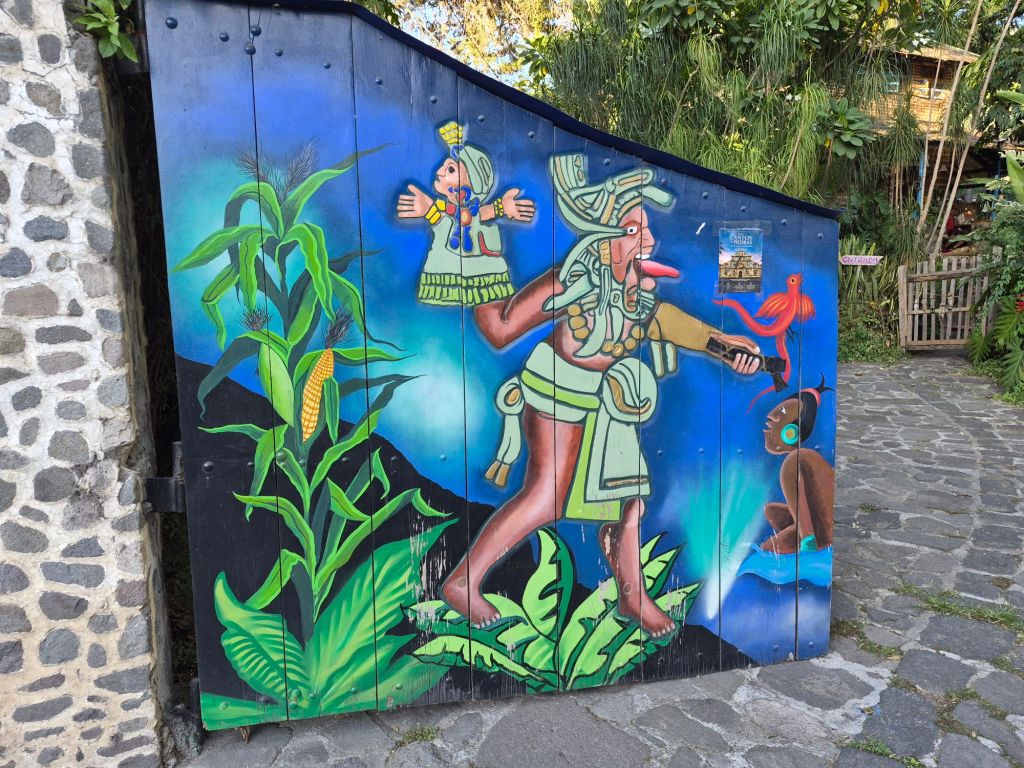
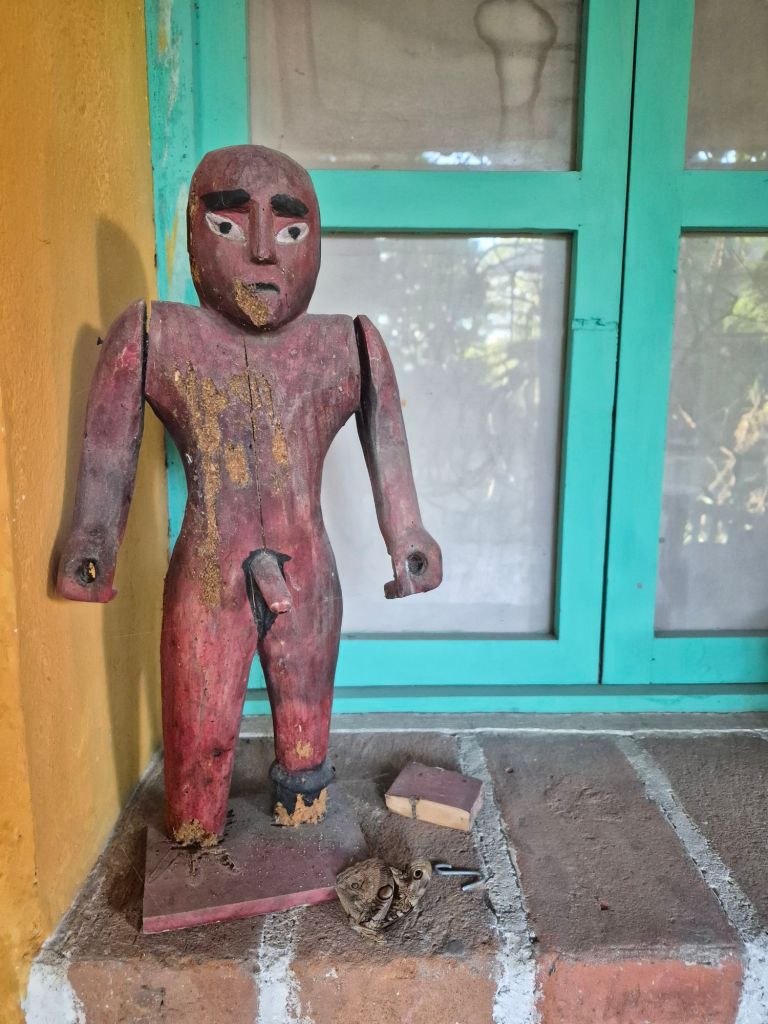
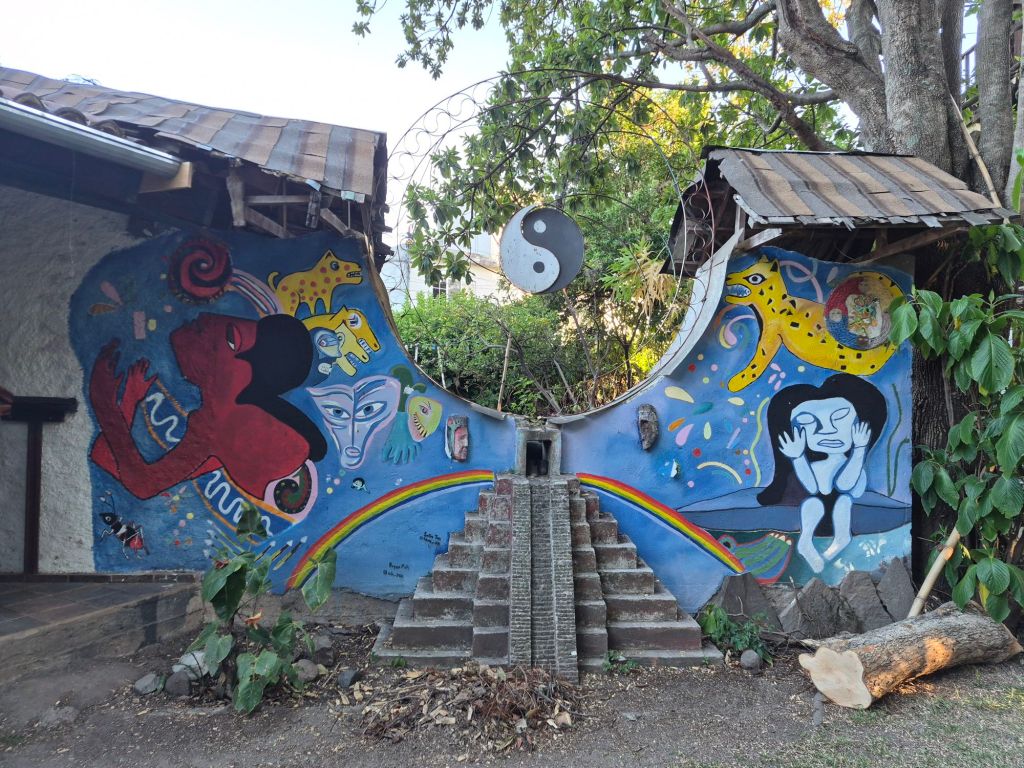
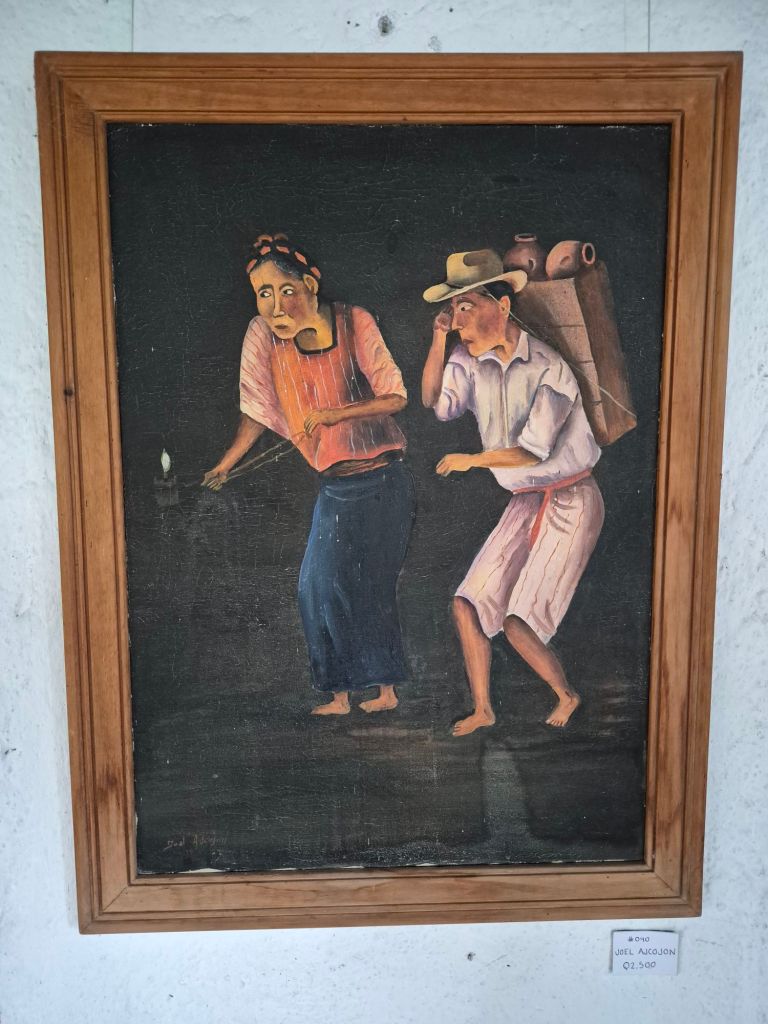
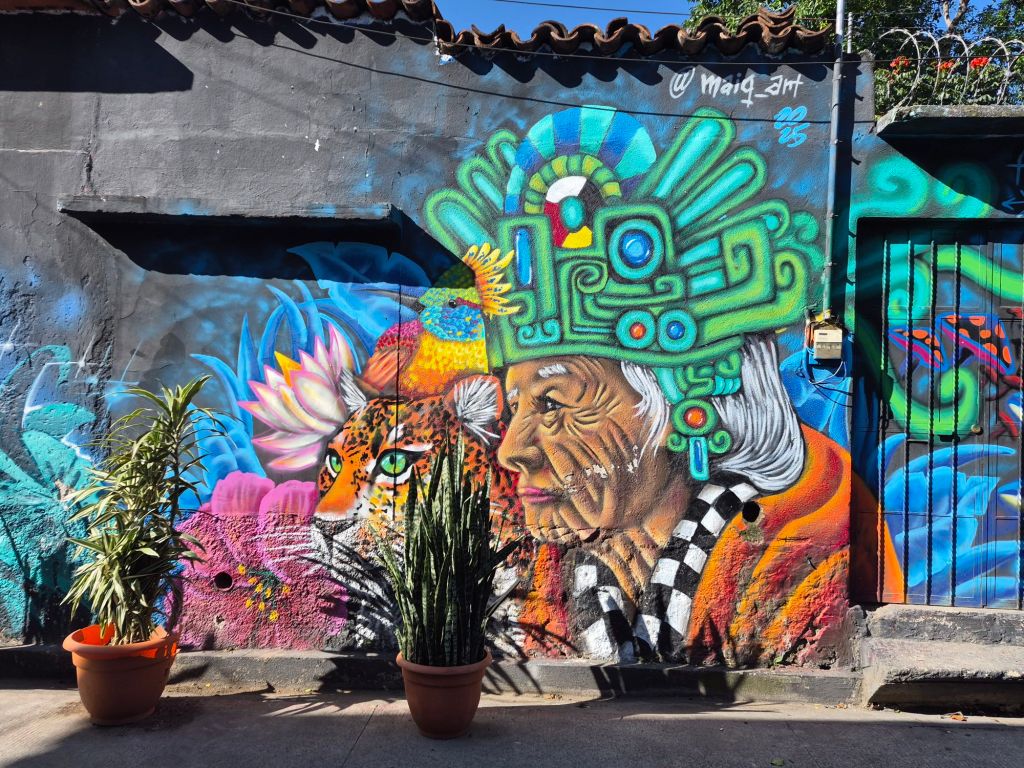
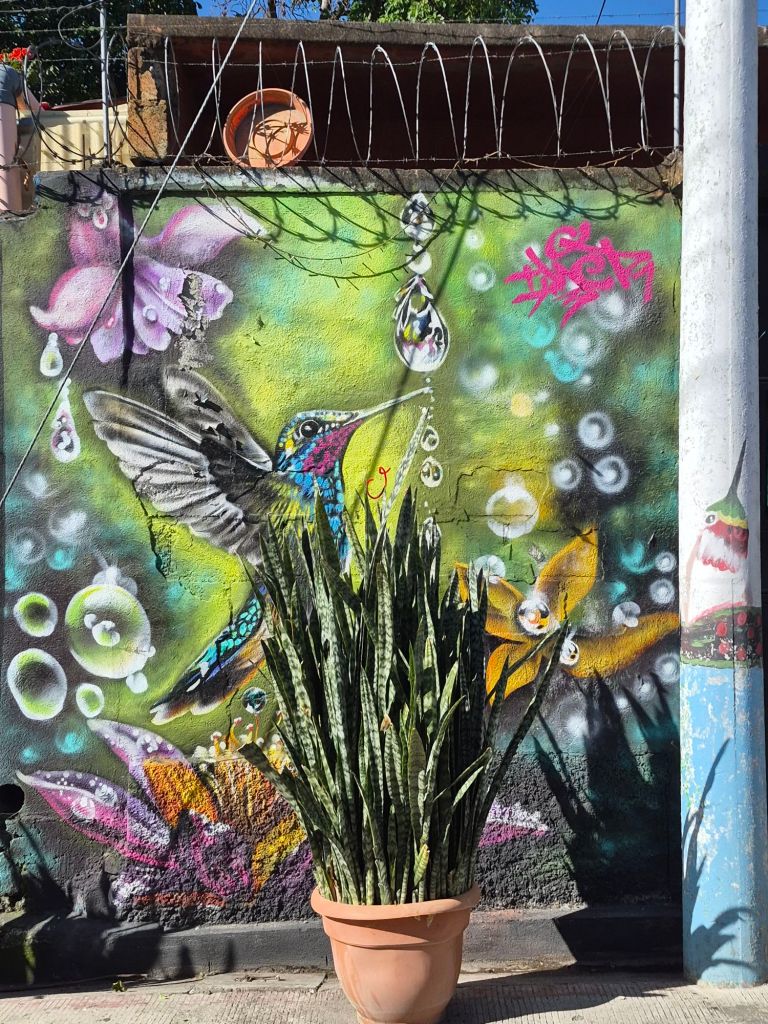
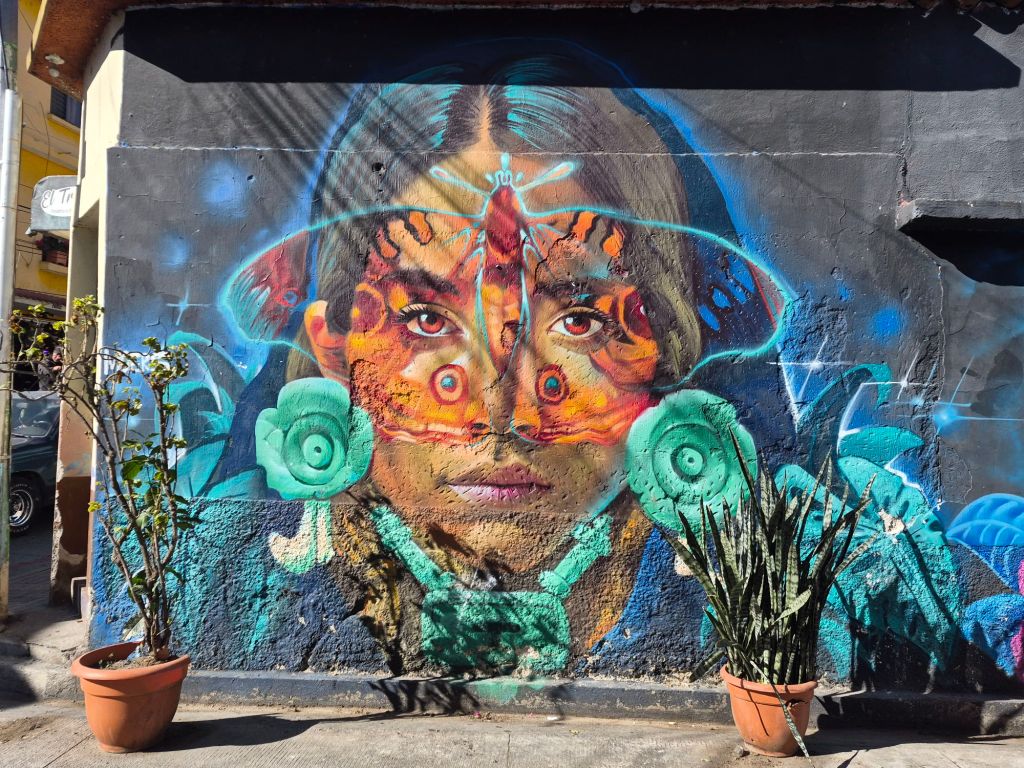
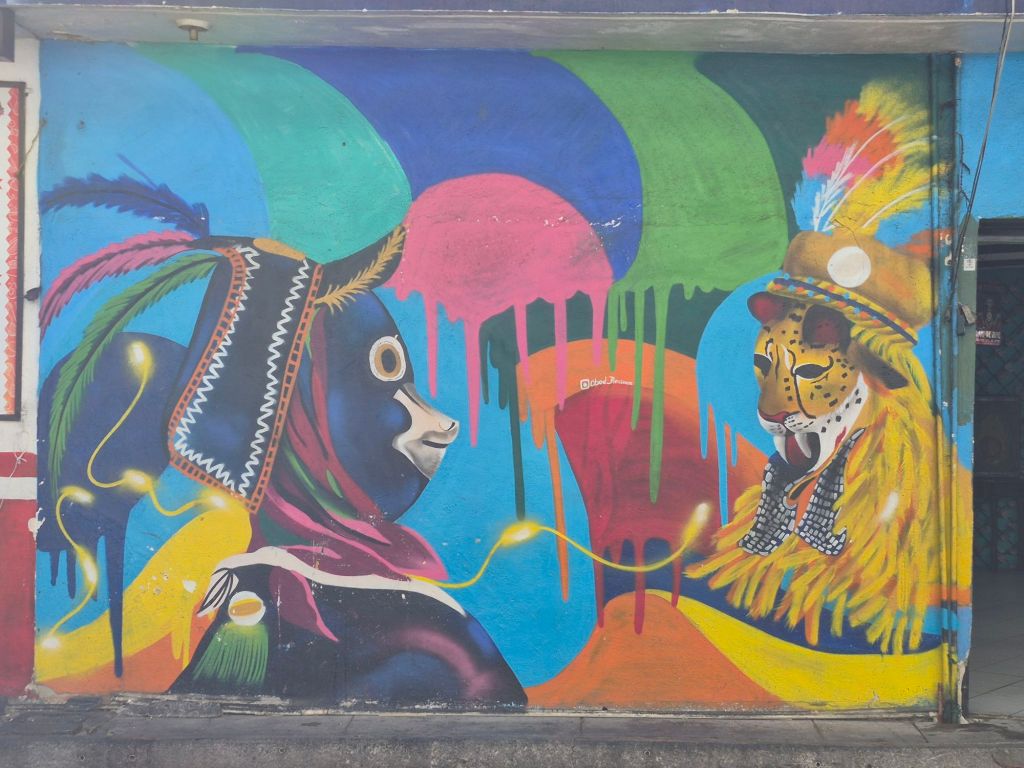
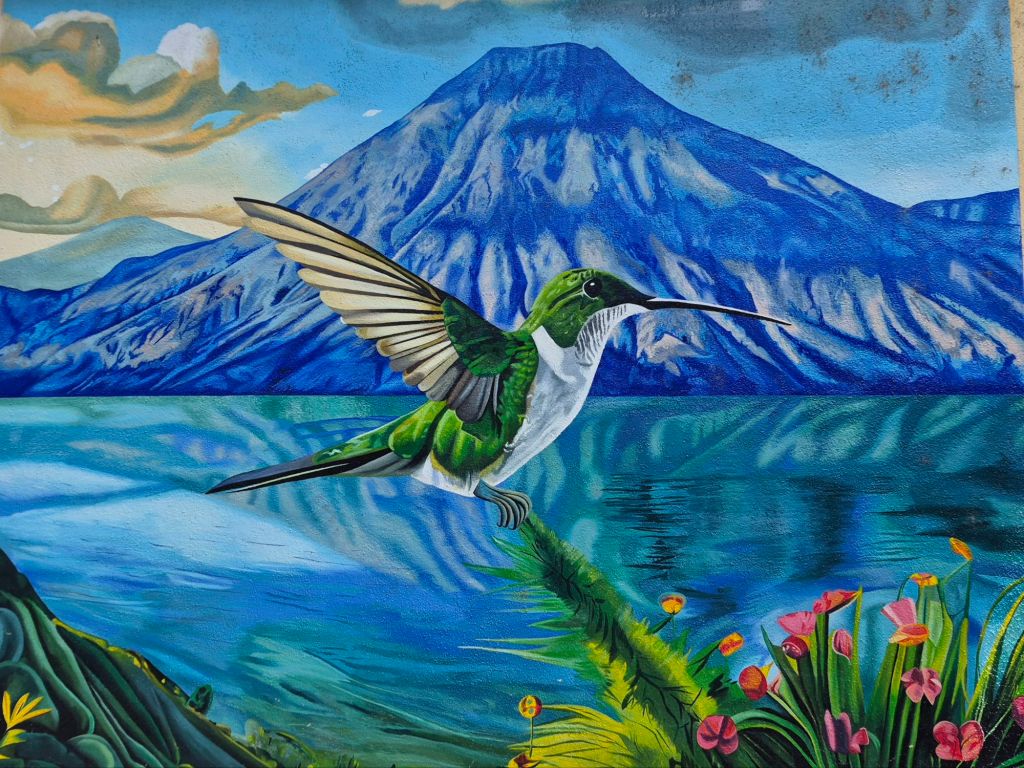
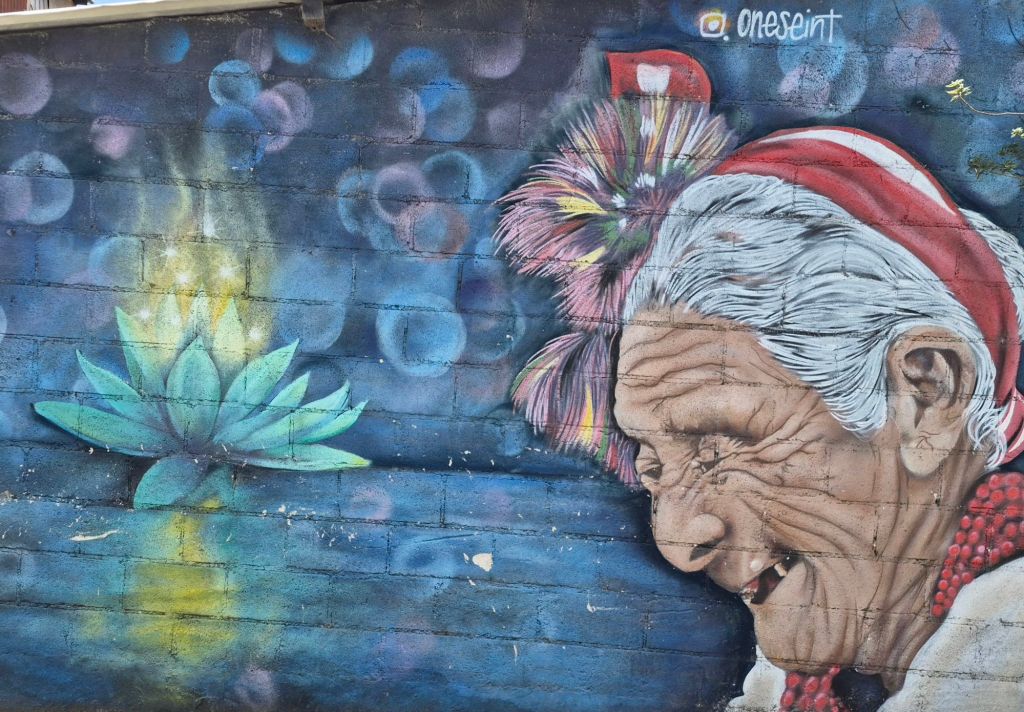
On Saturday and Sunday Anja and I took the ferry to some villages on the other side of the lake, but I will write about them in my following blog. (Sorry Lynda!) I’ll end this one with some murals that are all over town.

 Mella Madness
so nice to be included in your experiences. Safe travels
LikeLiked by 1 person