I have discovered why I couldn’t upload the videos and some photo’s in the previous blog – it seems that the plan that I had subscribed to did have not sufficient space. I have upgraded, hopefully it works.
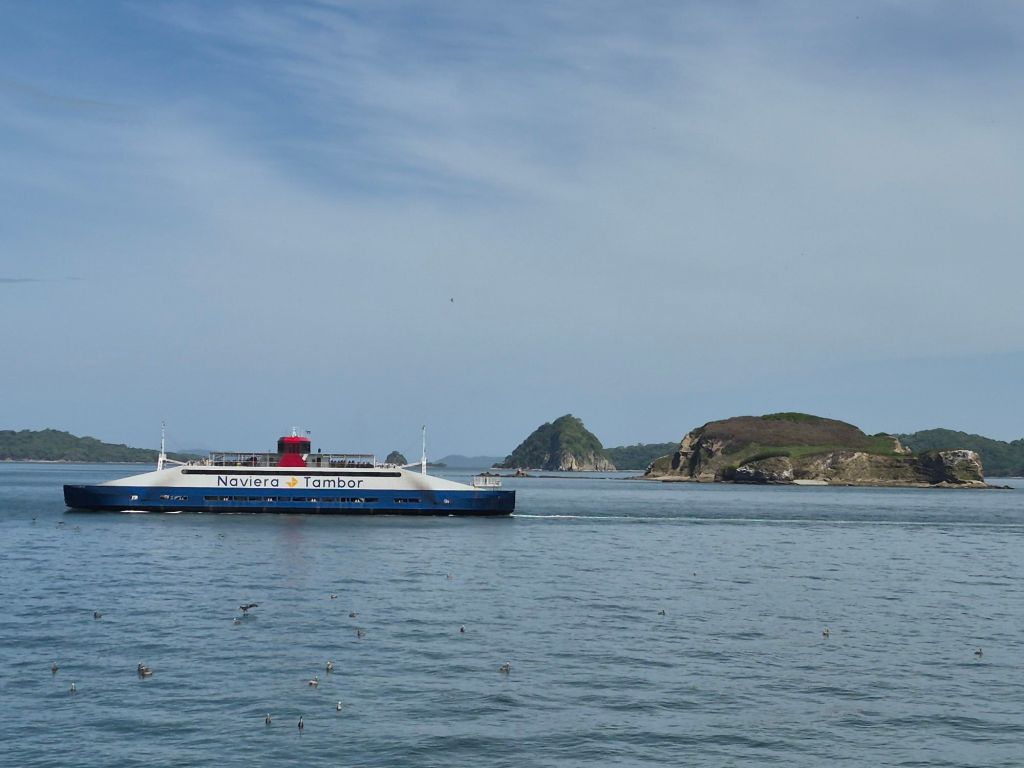
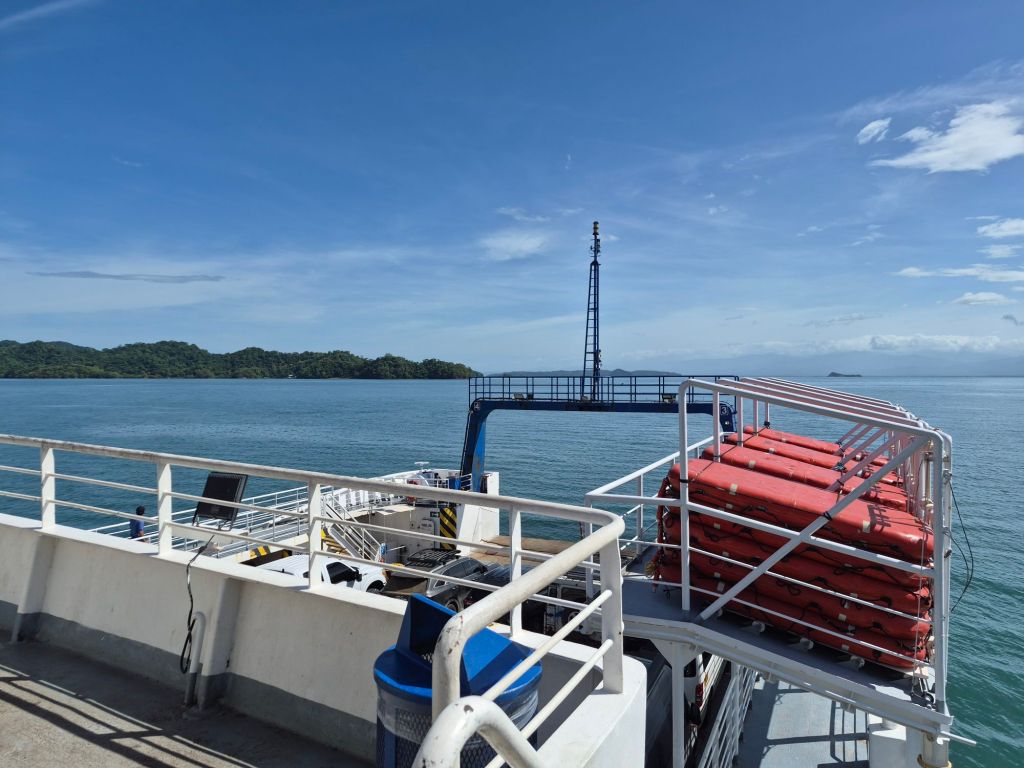
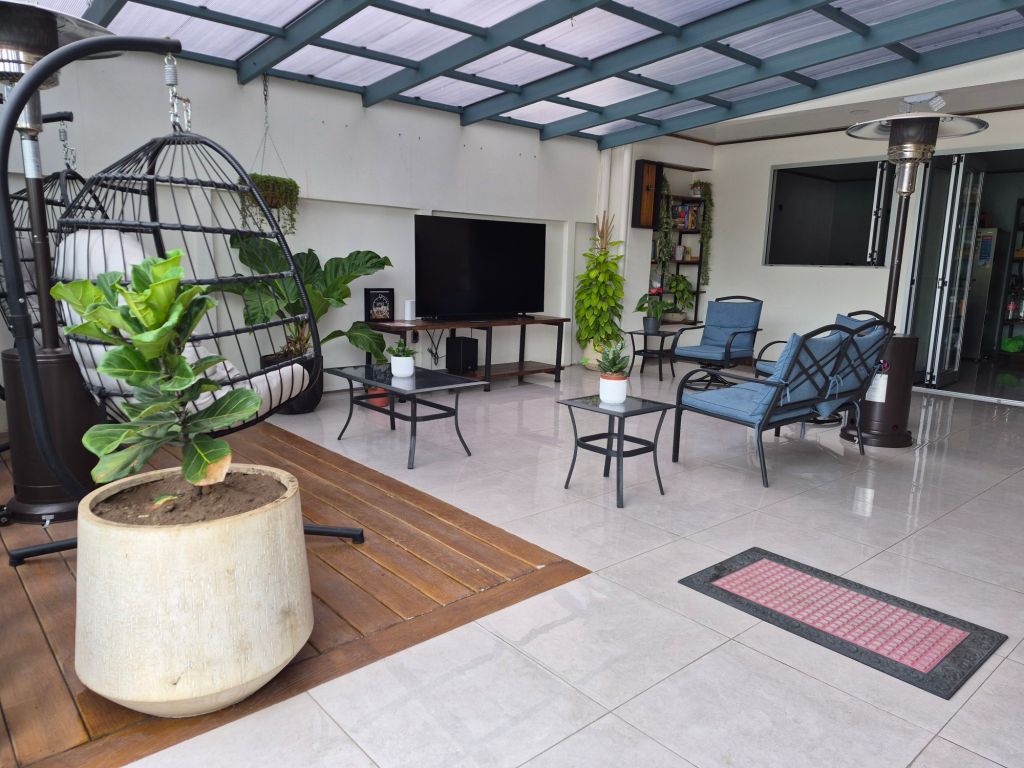
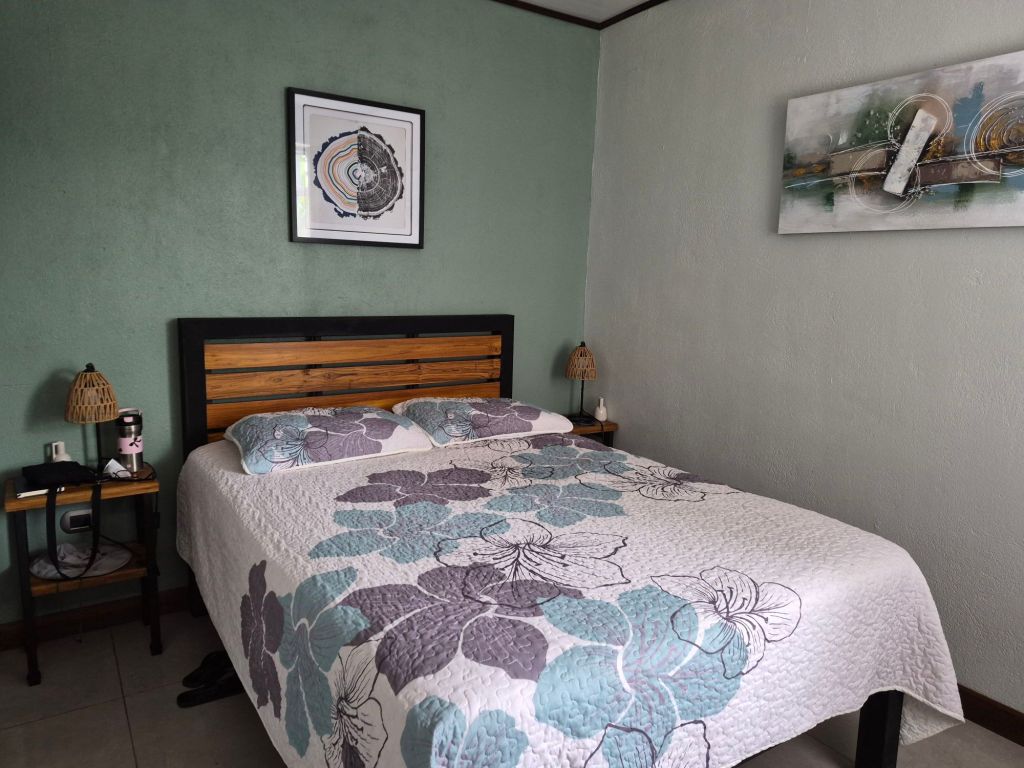
The ferry crossing from Paquera to Puntarenas was a slow and enjoyable trip of an hour, and on arrival I had another safari trip of catching buses and Ubers to Mi Barrio Hospedaje, where I had booked a private, very expensive room for three days. I needed to integrate and consolidate my Costa Rican experience, and spoiling myself with private space and my own bathroom seemed necessary.
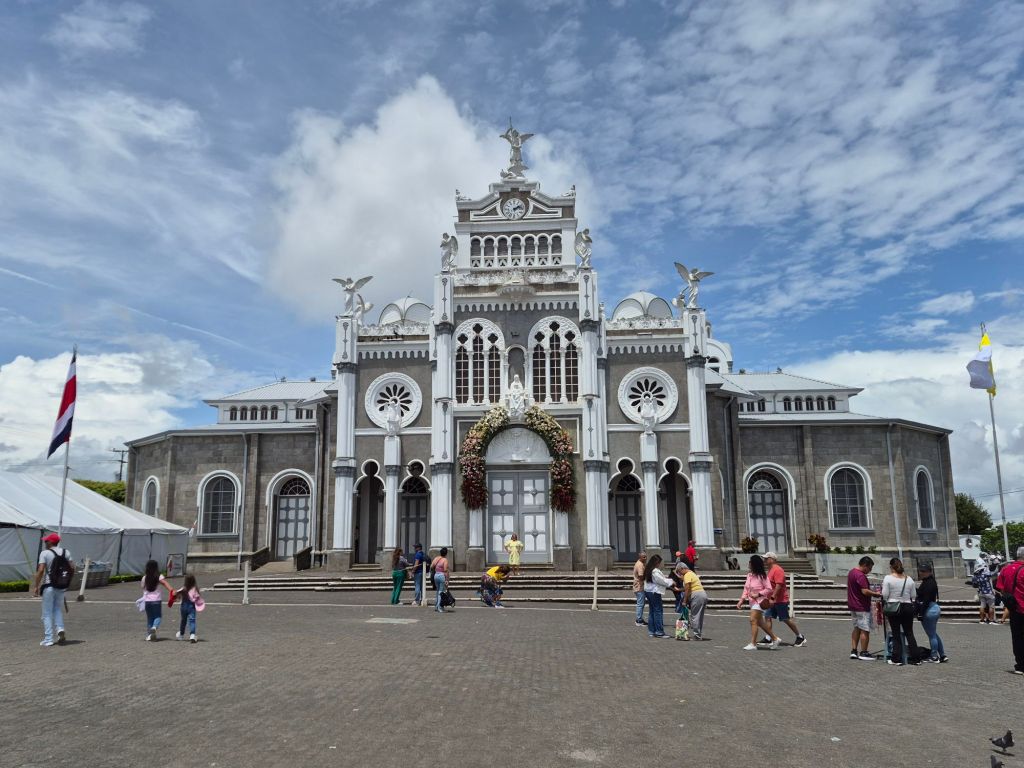
Cartago is 24km from San José, and a much better and safer option for staying in than the capital, as it is safer and more “tranquila“. I was researching churches in San José when I came across information about a pilgrimage to the Basilica in Cartago on the 2nd of August every year, known as La Romeriá. More than two million people from all over Costa Rica walk to the Basílica de Nuestra Señora de los Ángeles (Basilica of Our Lady of the Angels) in Cartago to honour the patron saint, La Negrita (Virgin of the Angels).
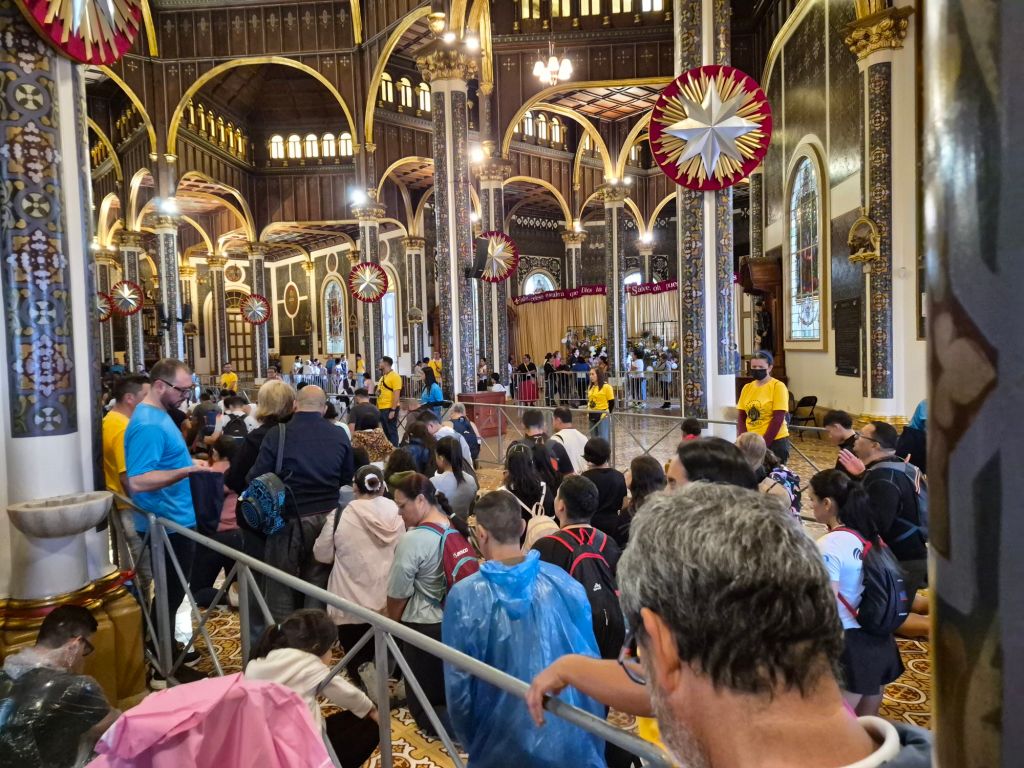
The story behind La Negrita is the following: In 1635 a young girl discovered a small black stone statue of the Virgin Mary holding the Christ Child, and she took it home and put it in a box. The next day the box was empty, and the little statue was again in the forest where she had found it. This happened three times, and then she took it to the local priest, who put it in safe-keeping. When it re-appeared in the forest again, he decided that a chapel had to be built where the statue was found, which later became the Basílica. Pilgrims walk to give thanks for miracles, to ask for healing or fulfil a promise, often doing the last few metres from the door of the Basilica to the altar on their knees.
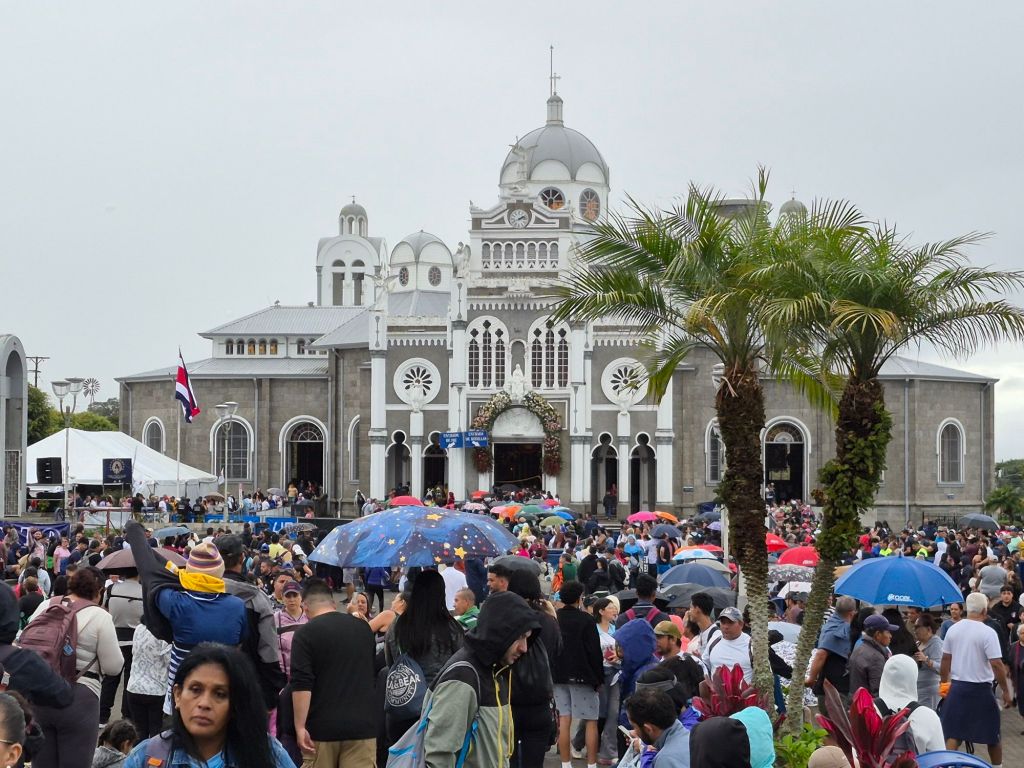
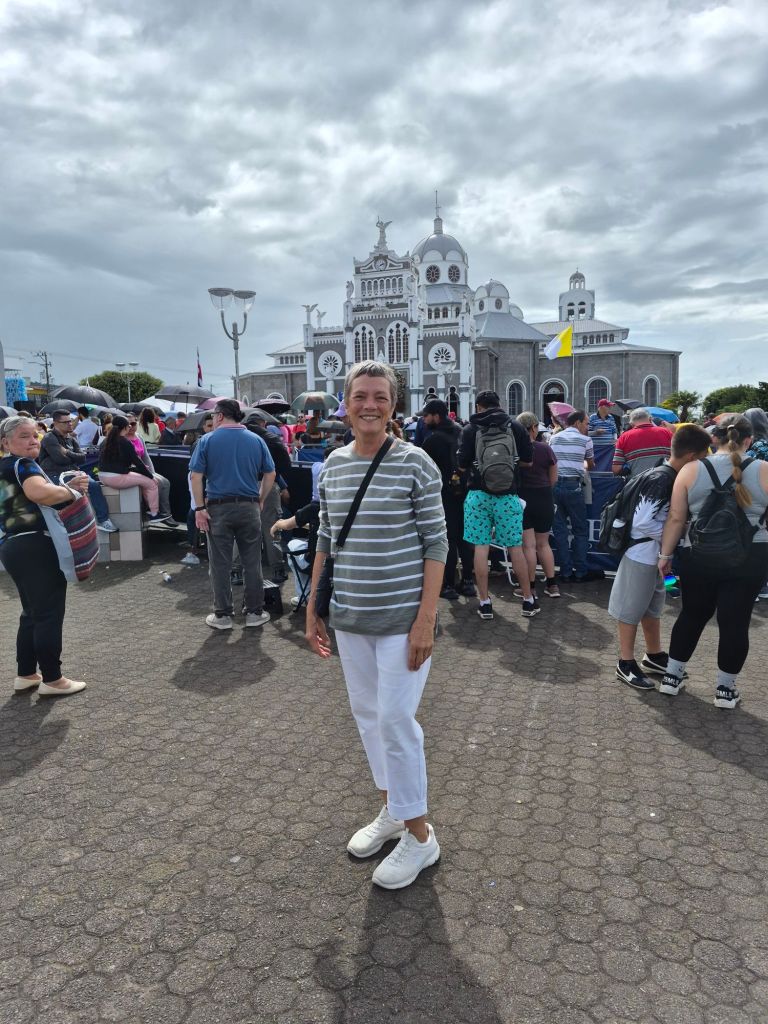
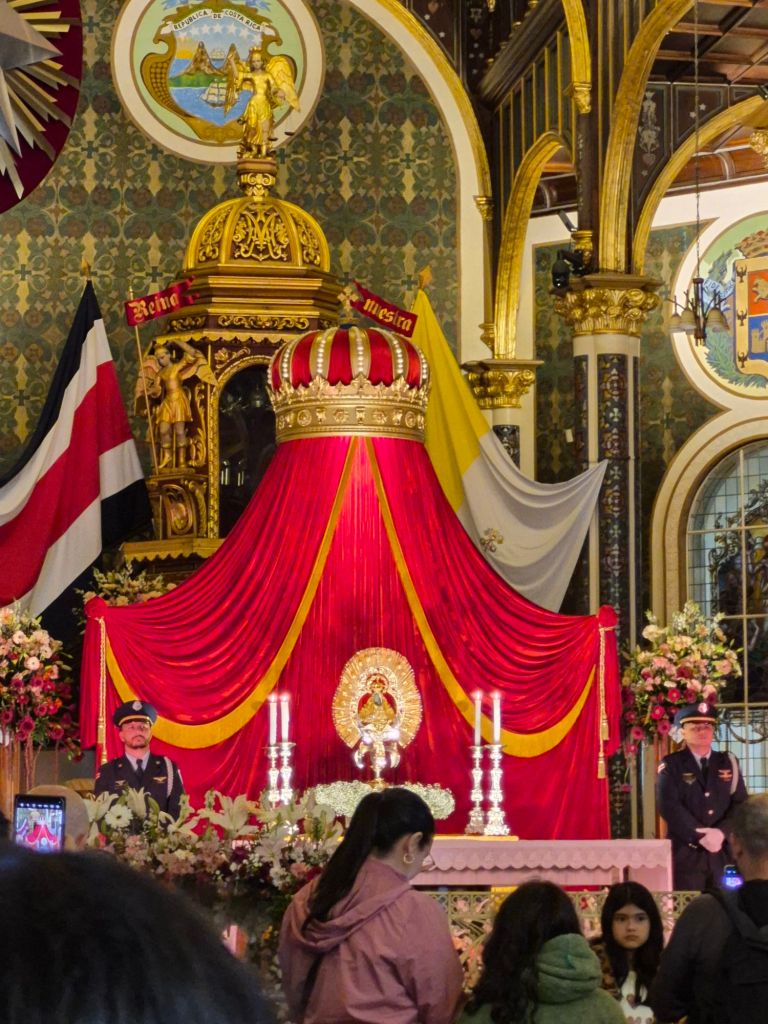
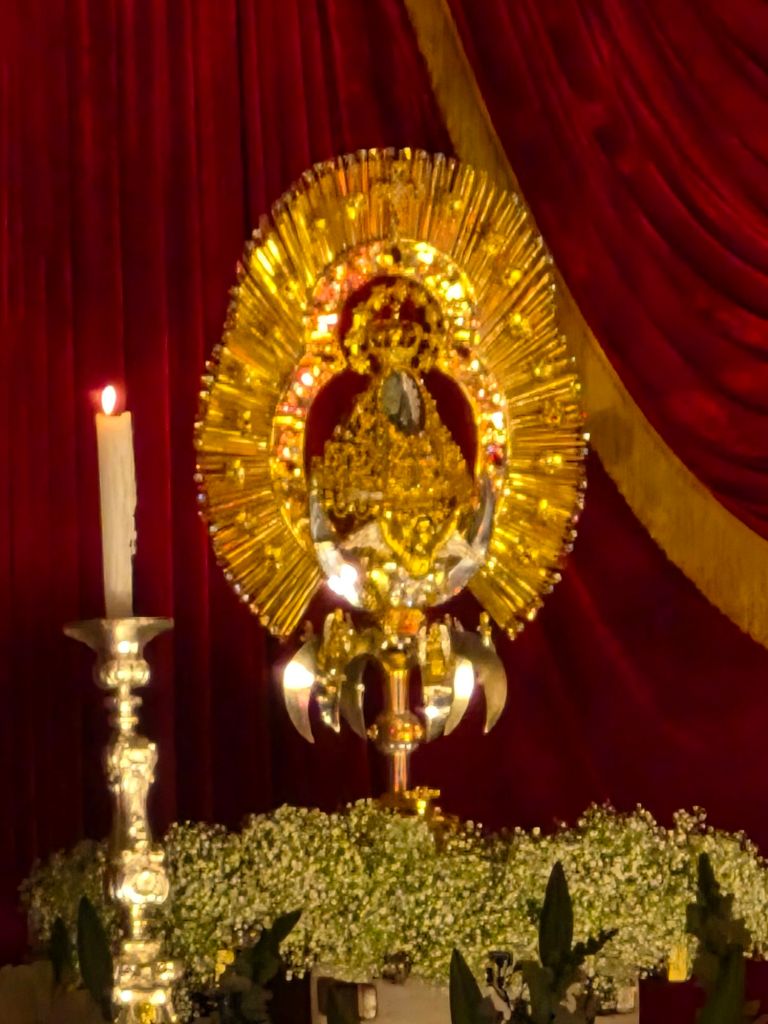
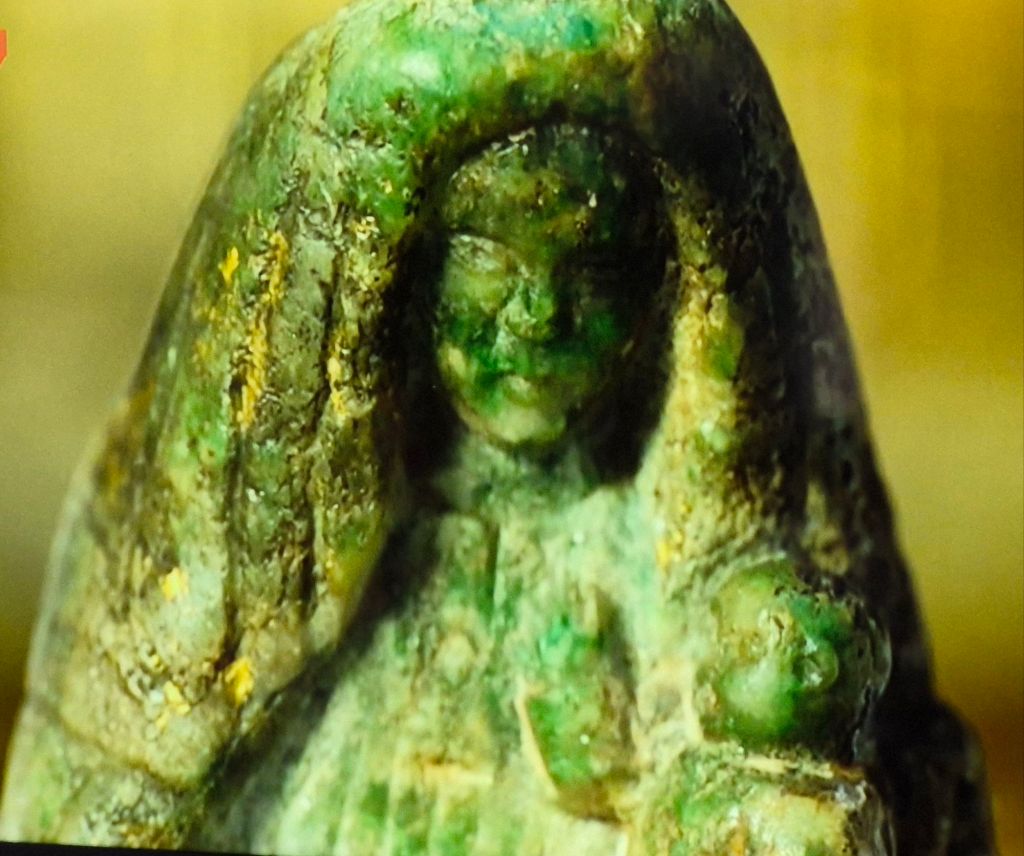
I saw hordes of people walking on the side of the road on the 1st of Aug, when I was travelling to Cartago, so I decided to go to the Basilica that afternoon. My hostel was 4,5km from it, and I walked there and back three days in a row, so I reckon I did my own pilgrimage. The most popular route is the 22km from San José (they leave from the outskirts), but as I approached the Basilica, I bumped into a crowd of people that had walked seven days from Quepos, the town where I had worked at the hostel, Planet B. I cheered them on, feeling quite emotional, and also a little bit sorry that I had not thought of walking to Cartago.
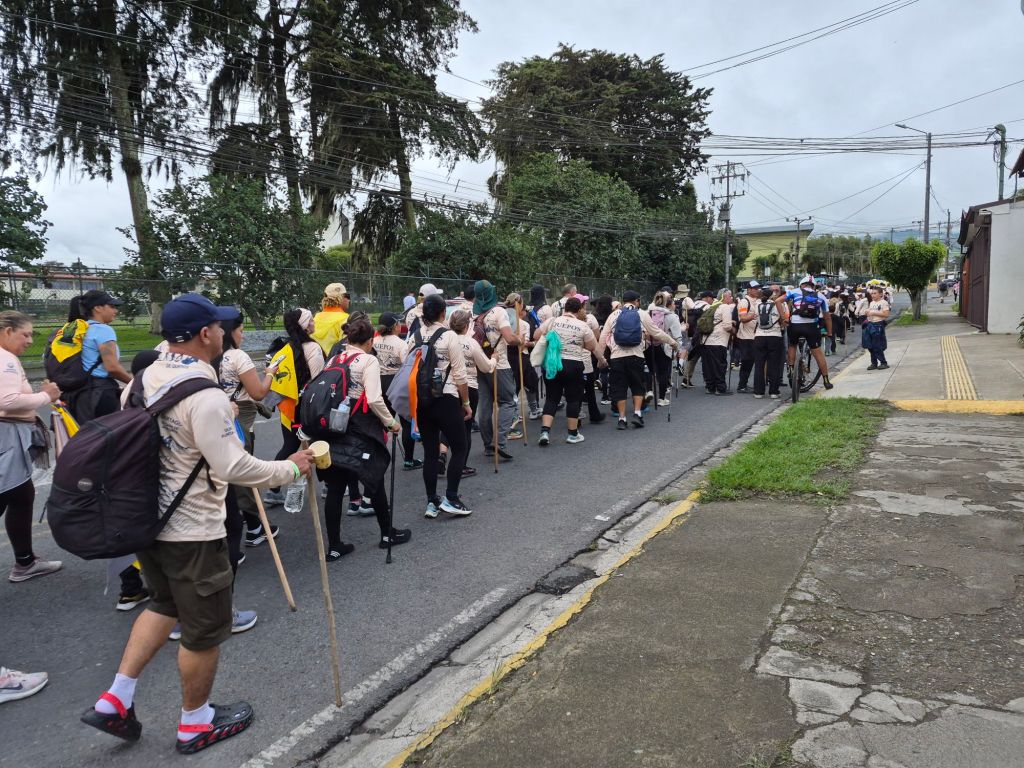
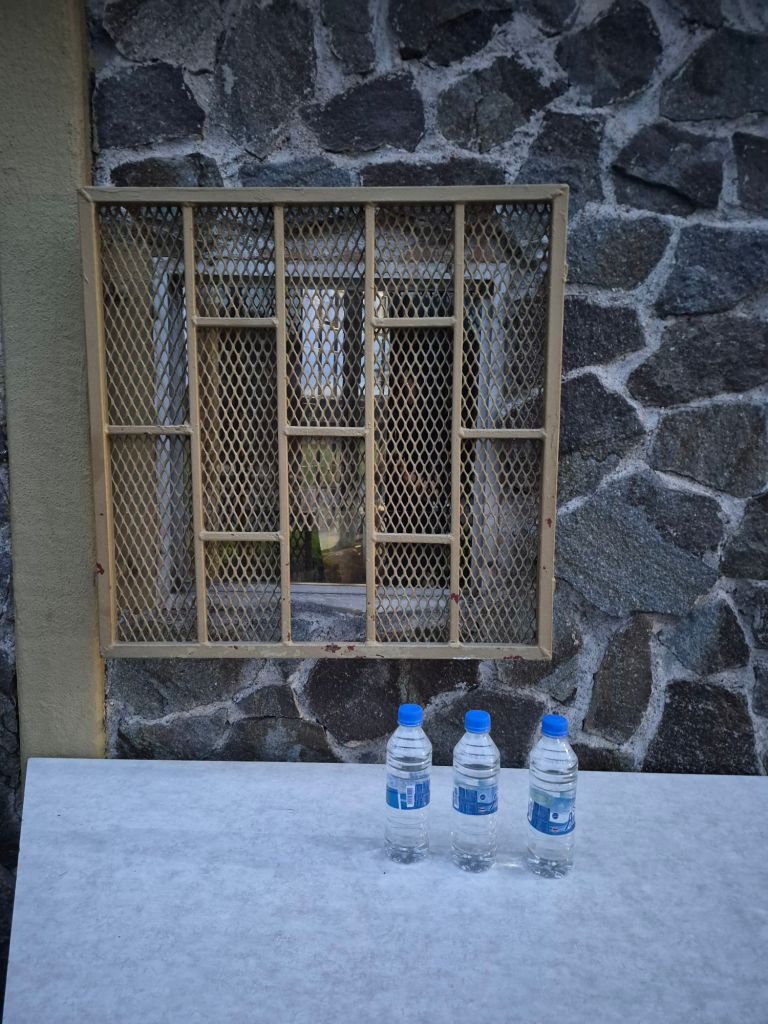
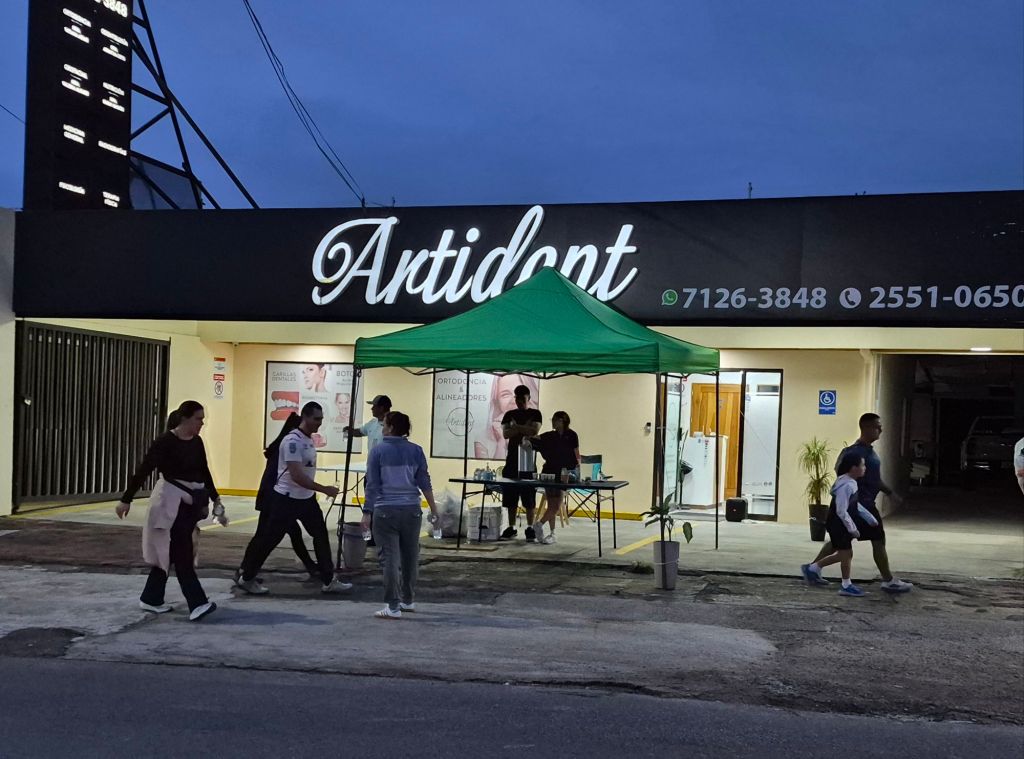
As I approached the Basilica, I soon realised that this pilgrimage was huge – many people were already gathered there, and many people were still approaching, and it was only the 1st. Quite a lot had been and were returning, people everywhere. Streets had been closed, and food stalls and vendors had put up shop in the streets close to the Basilica. I managed to get entrance through the left door, which was for the people who were entering without walking on their knees. It was getting dark when I walked back, but there were still so many people arriving from the front, that I felt quite safe. Along the way people were selling water and refreshments, but some were just giving it away.
The next day, 2nd Aug, was the official national holiday and a Eucharist was performed outside the Basilica with high-ranking religious and civic leaders. I managed to stand in front, close to where the officials were leaving from, to walk the path to the platform where the Eucharist was being held, and the president of Costa Rica passed a metre in front of me. She is Laura Fernández, beautiful and only 40 years old!
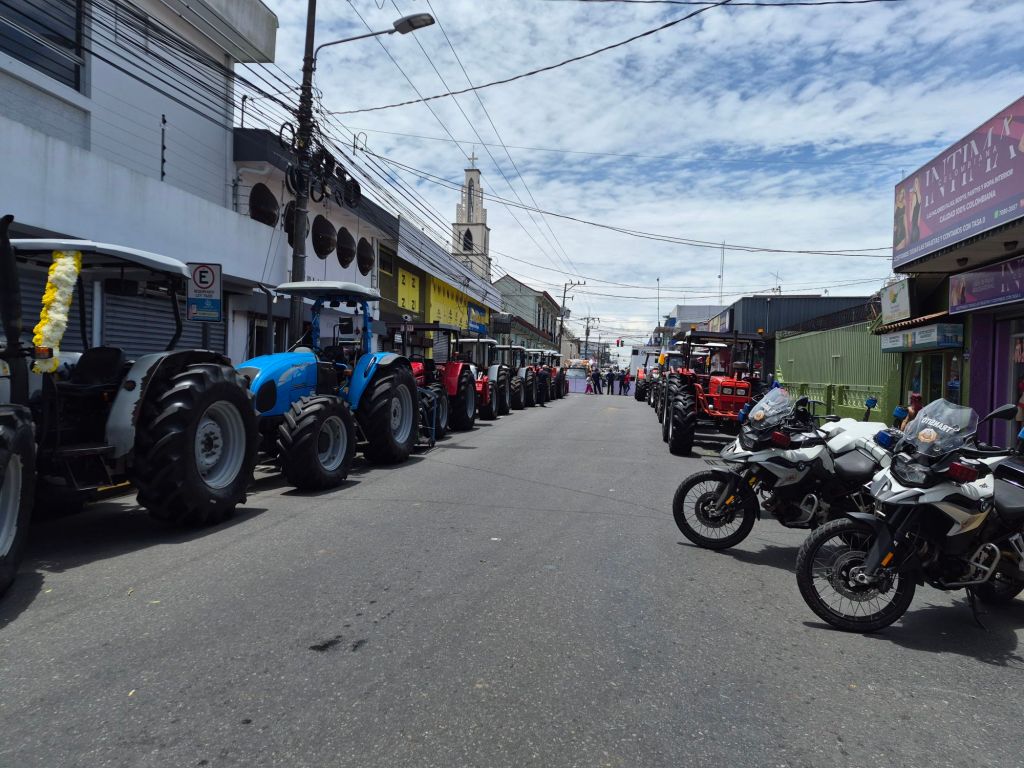
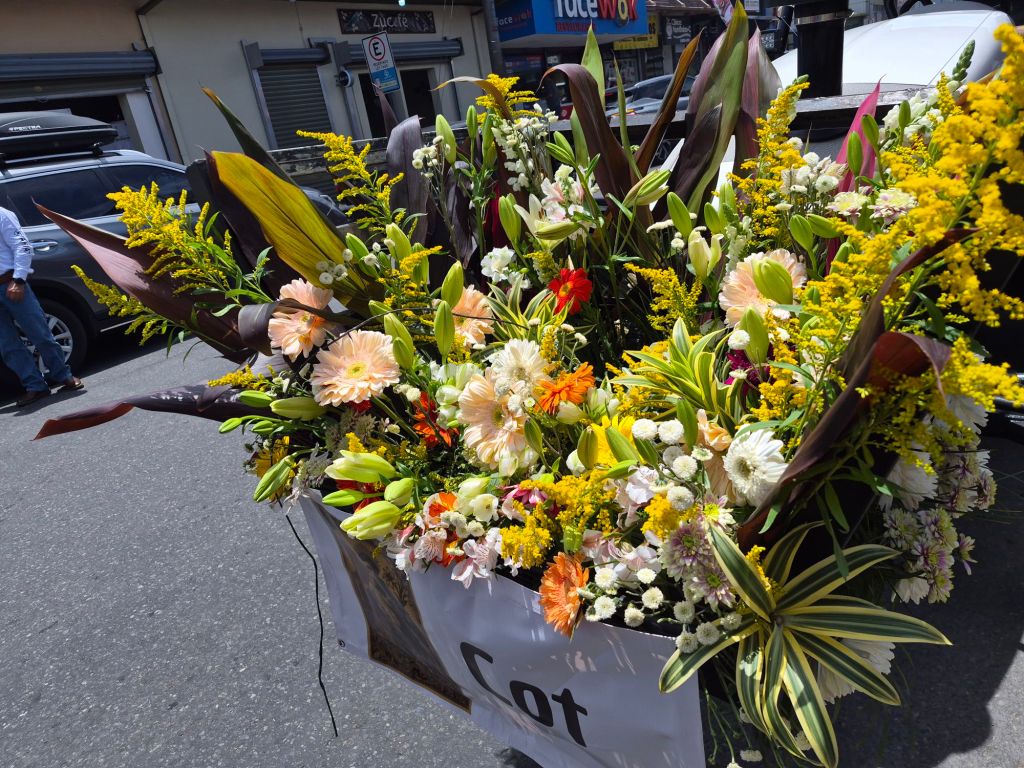
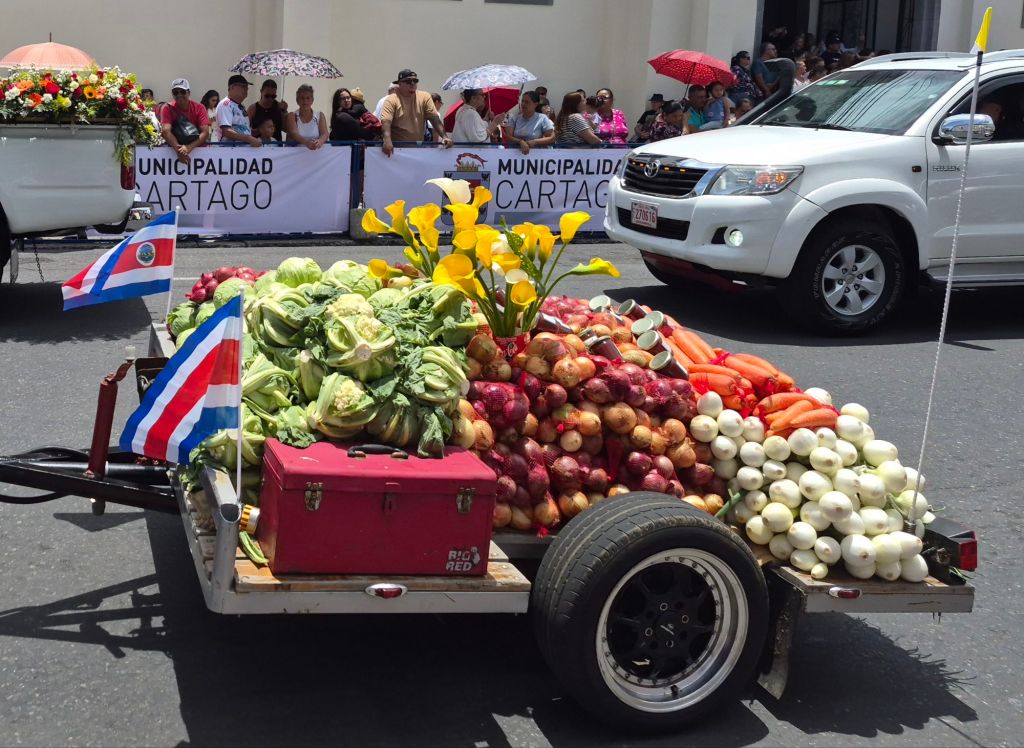
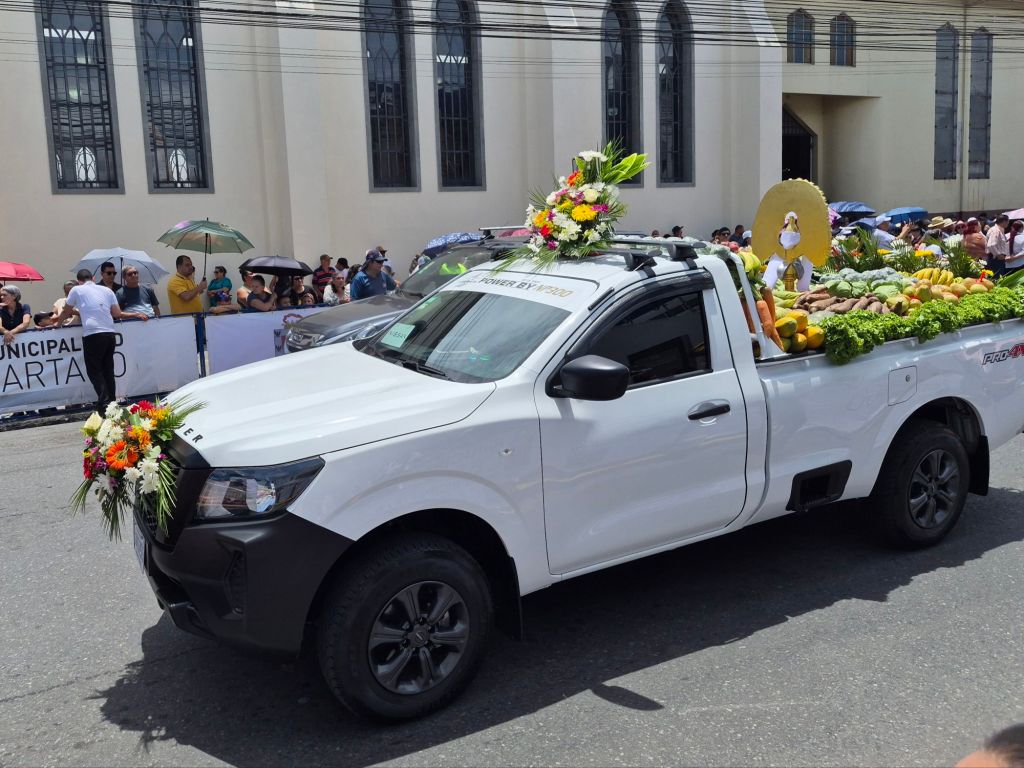
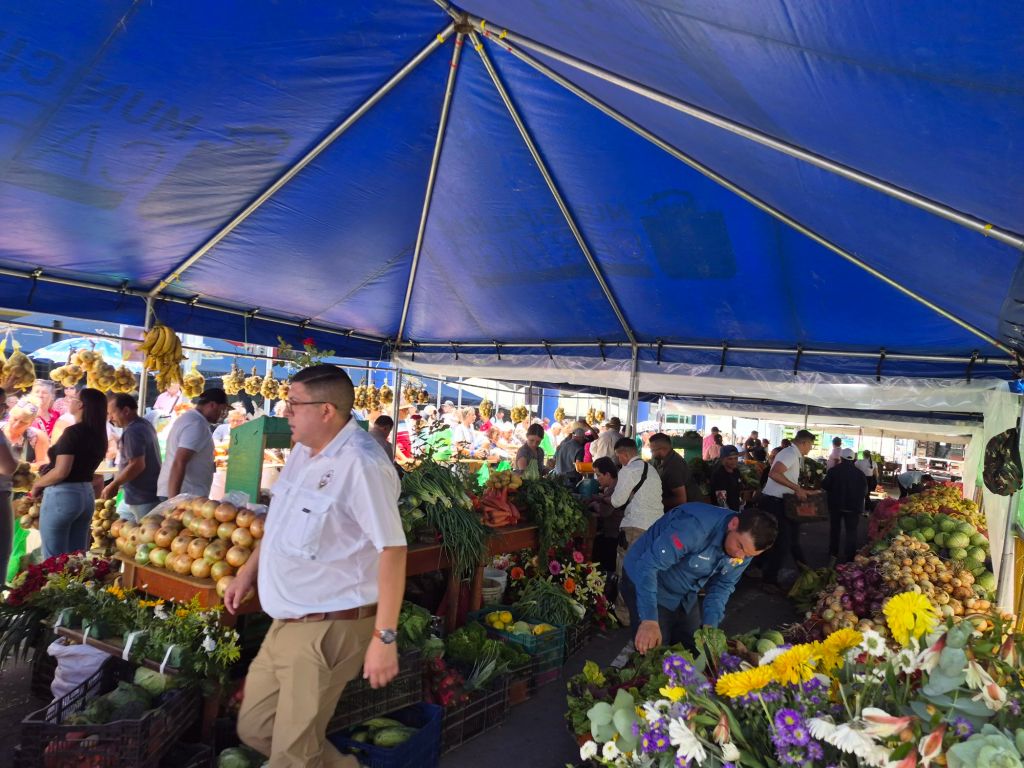
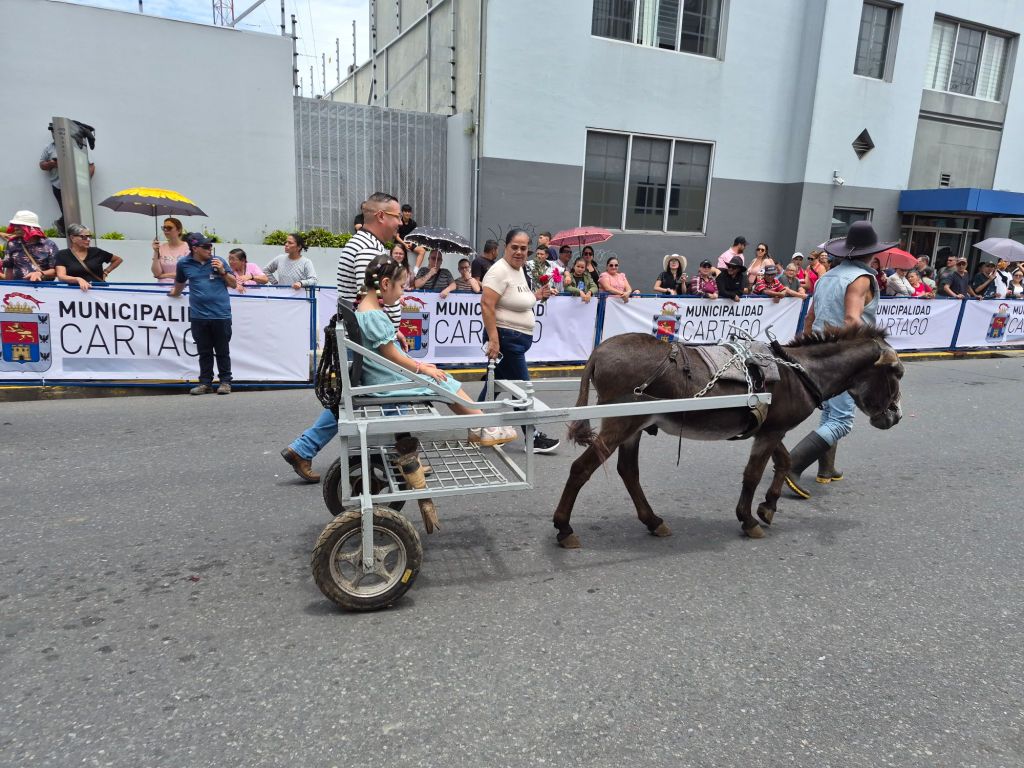
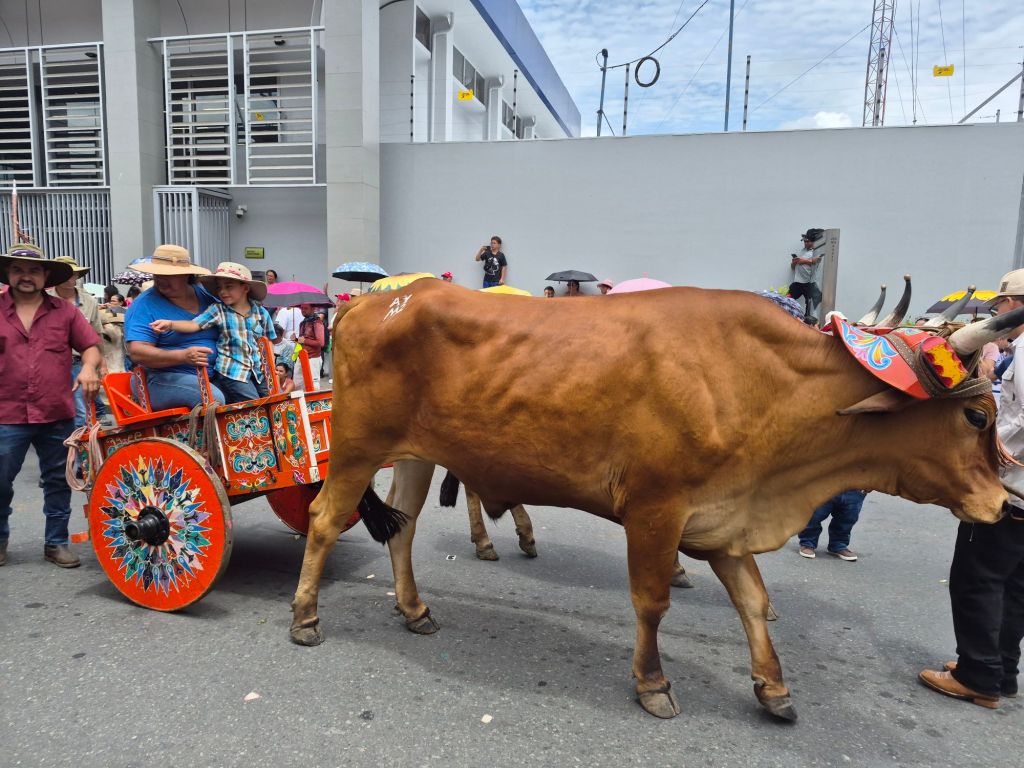
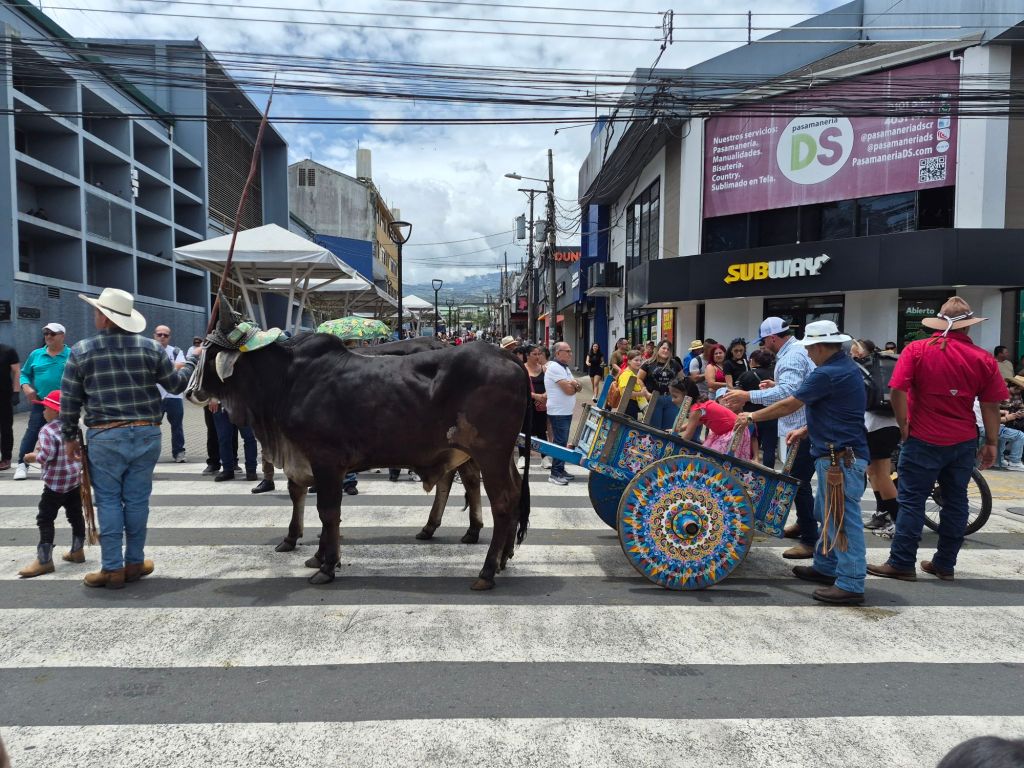
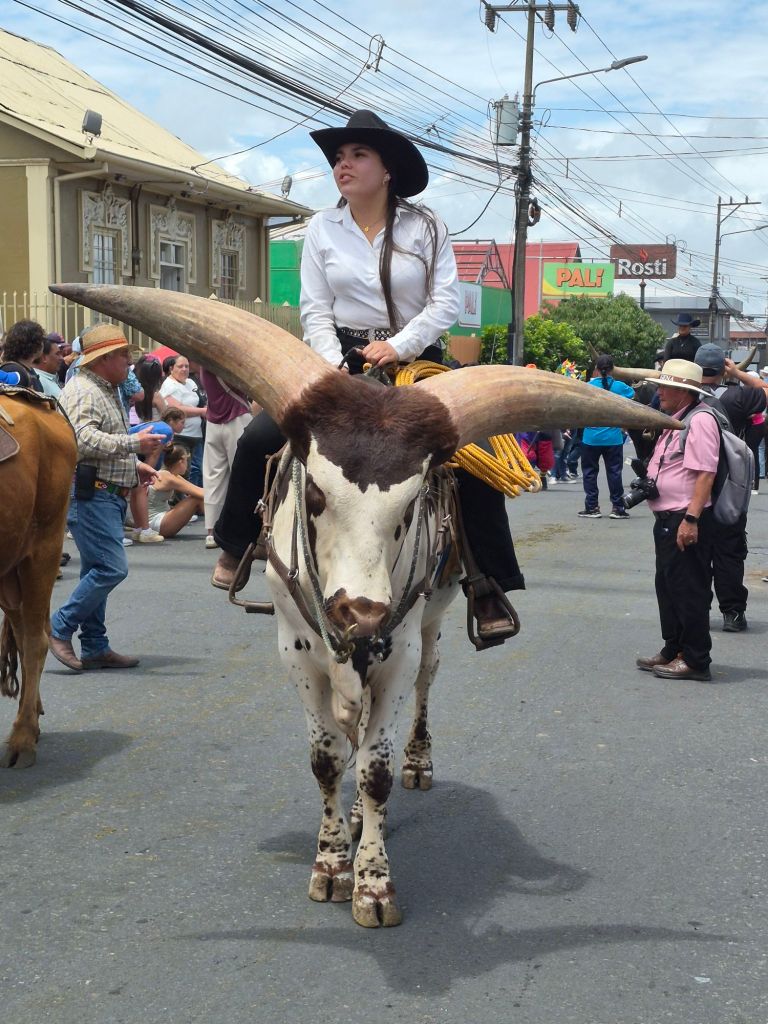
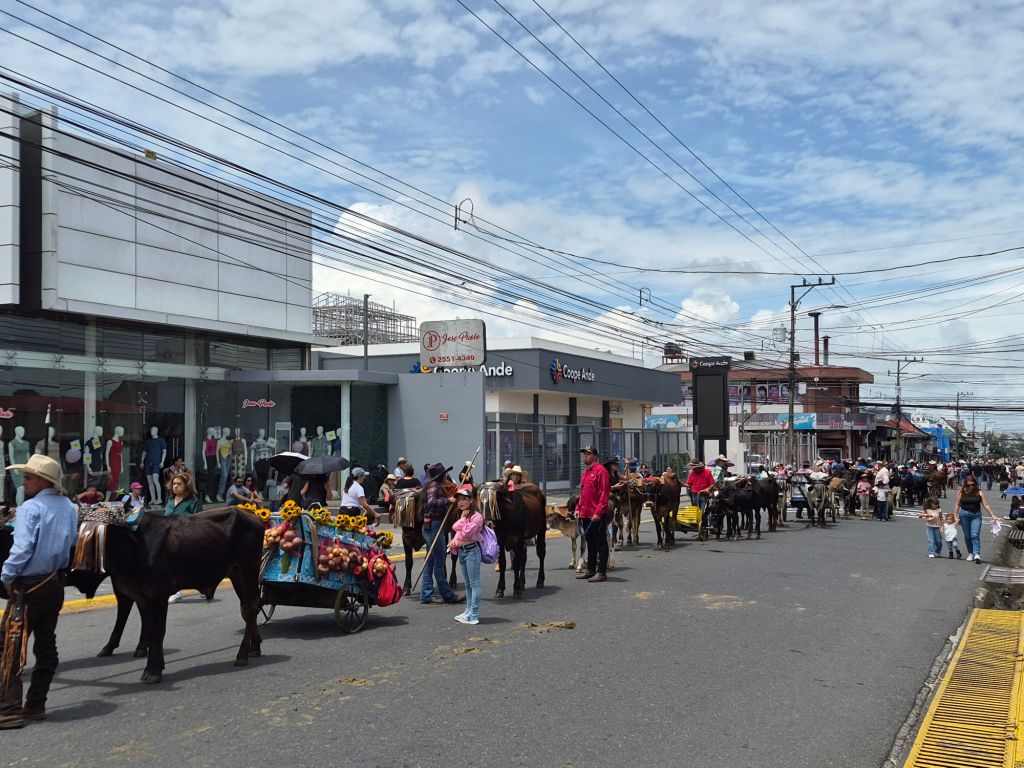
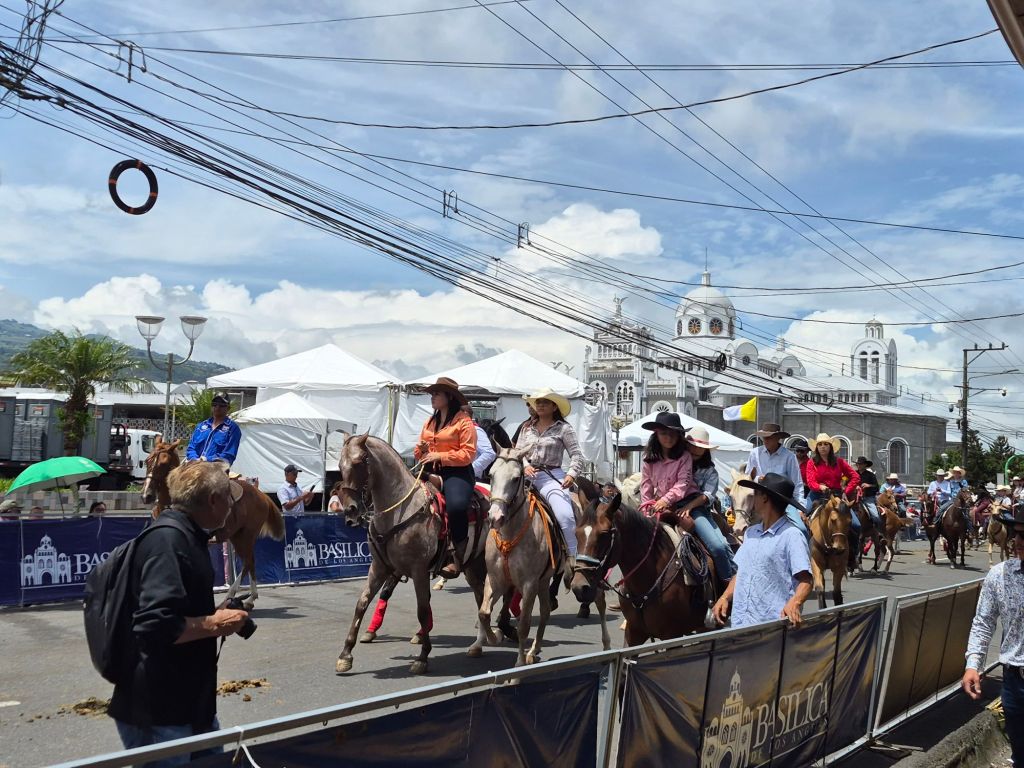
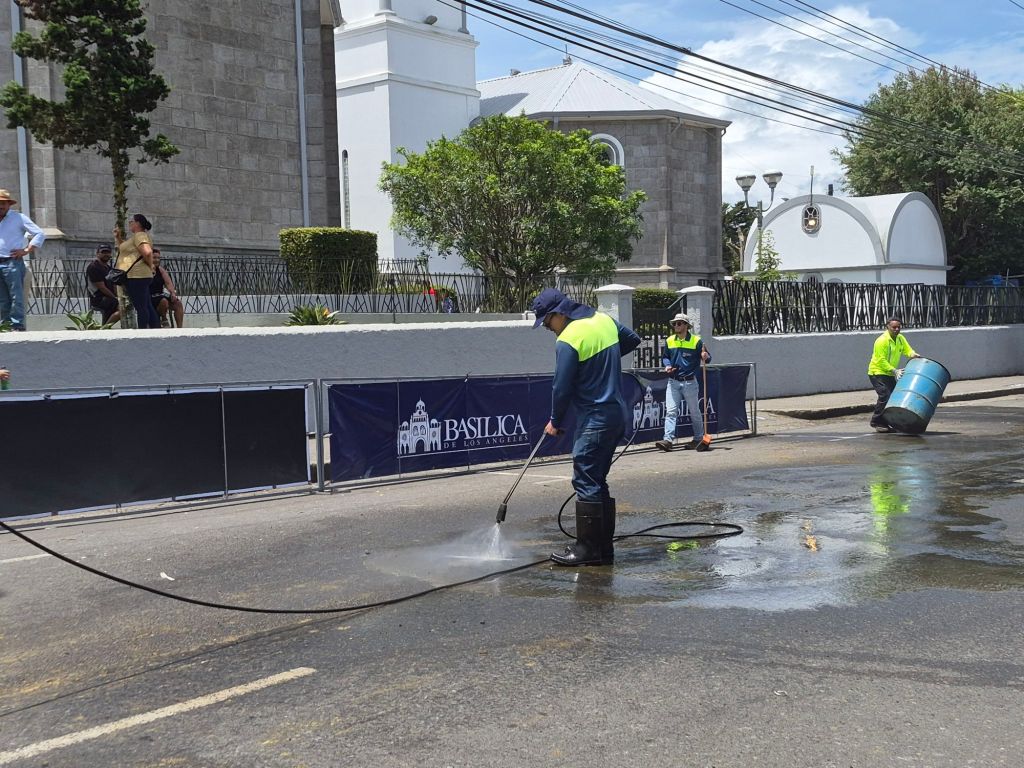
On the third day the statue was moved from the Basilica to the Cartago Cathedral, about a kilometre away, accompanied by a massive parade. It seemed that farming and produce were being celebrated, as there were about a hundred or more tractors and twin cabs bakkies (trucks) carrying produce that was off-loaded under tents next to the Cathedral. People were queueing to buy the produce (fruit, vegetables and flowers), and I assume the proceeds went to the church. I arrived just in time to view the arrival of the statue, and the people starting clapping, singing and waving, greeting it with great adoration.
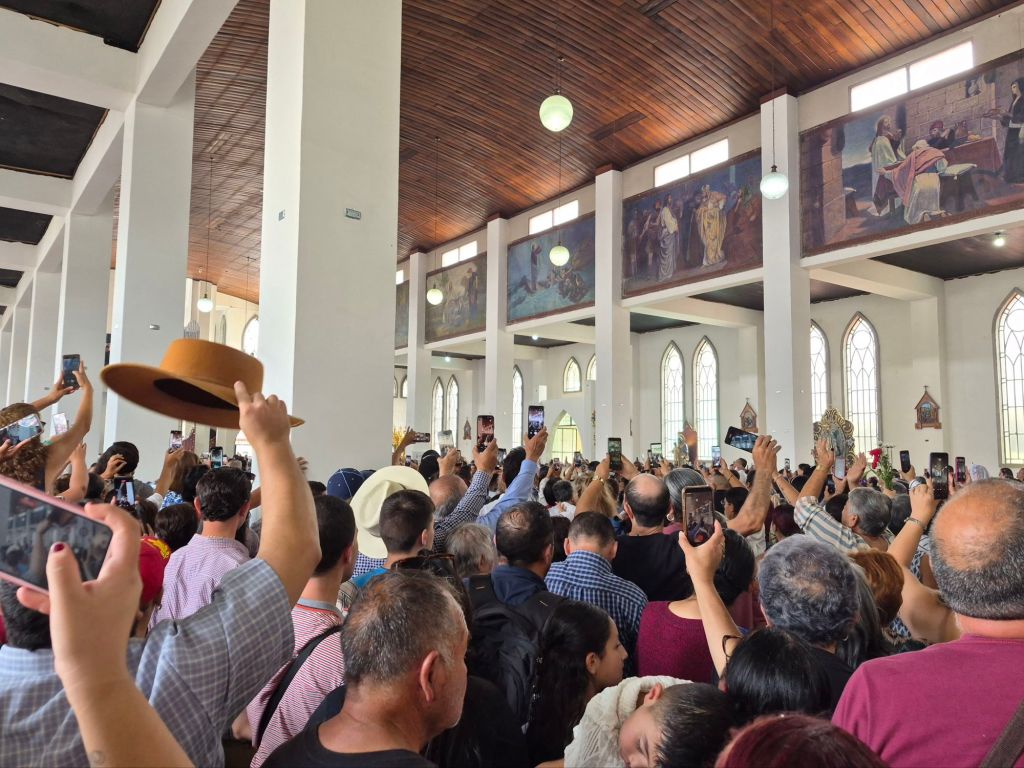
I left when the service started, and as I stood outside, it occurred to me that I had left my water bottle in the Cathedral. I was dismayed, as there was no way I could go back in, it was too crowded. I settled down on the pavement to wait for the celebrations in the church to end and for people to leave – hopefully I would find my bottle. I was standing there, looking at the parade that was still carrying on (now it was oxen pulling decorated wagons), when I glanced down at my left hand and saw that it was holding the water bottle. It felt like a miracle, just as the little statue was able to move 400 years ago, my bottle was moved into my hand. Well, that is how it felt, it had probably been there all the time, I wasn’t sure.
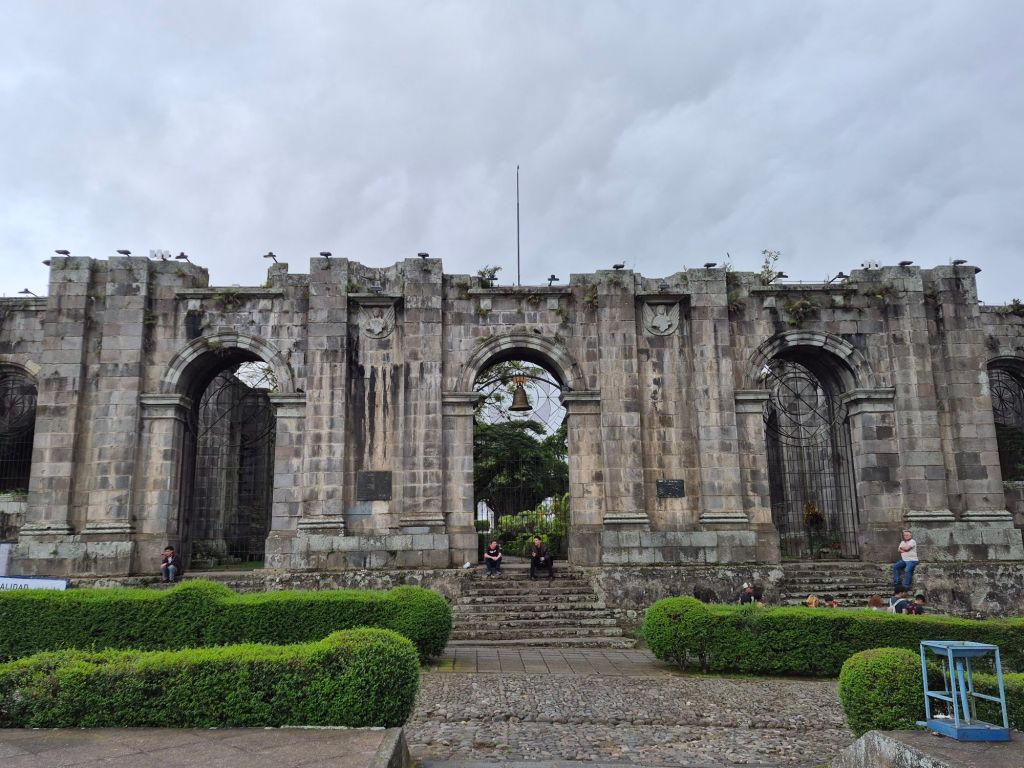
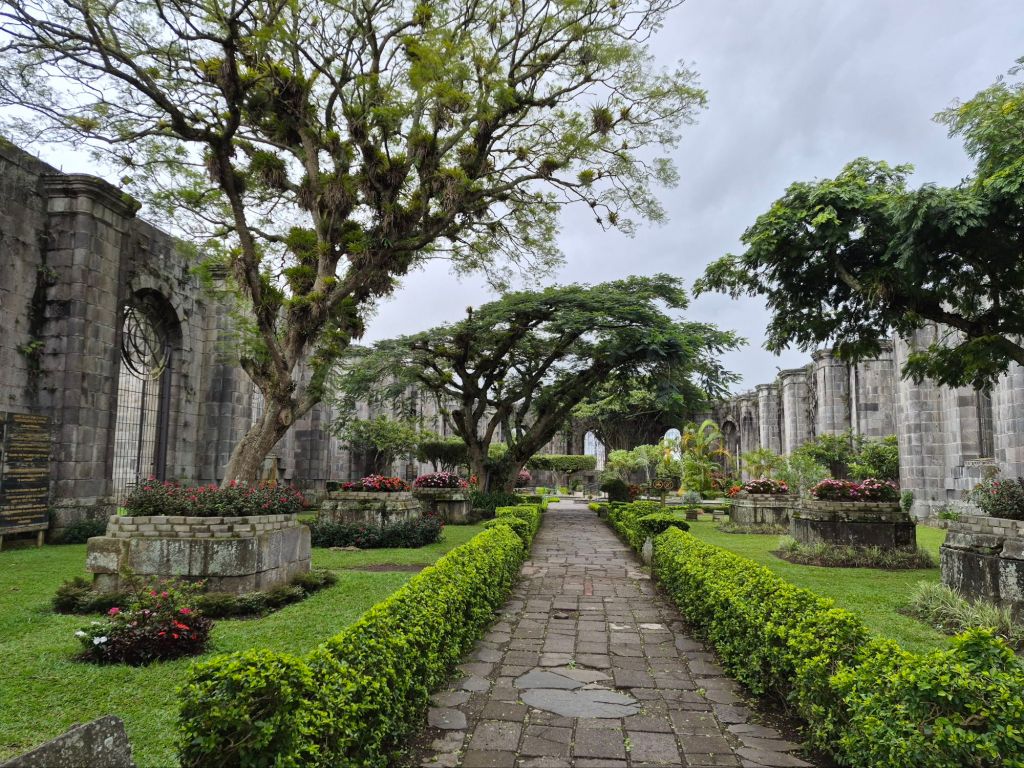
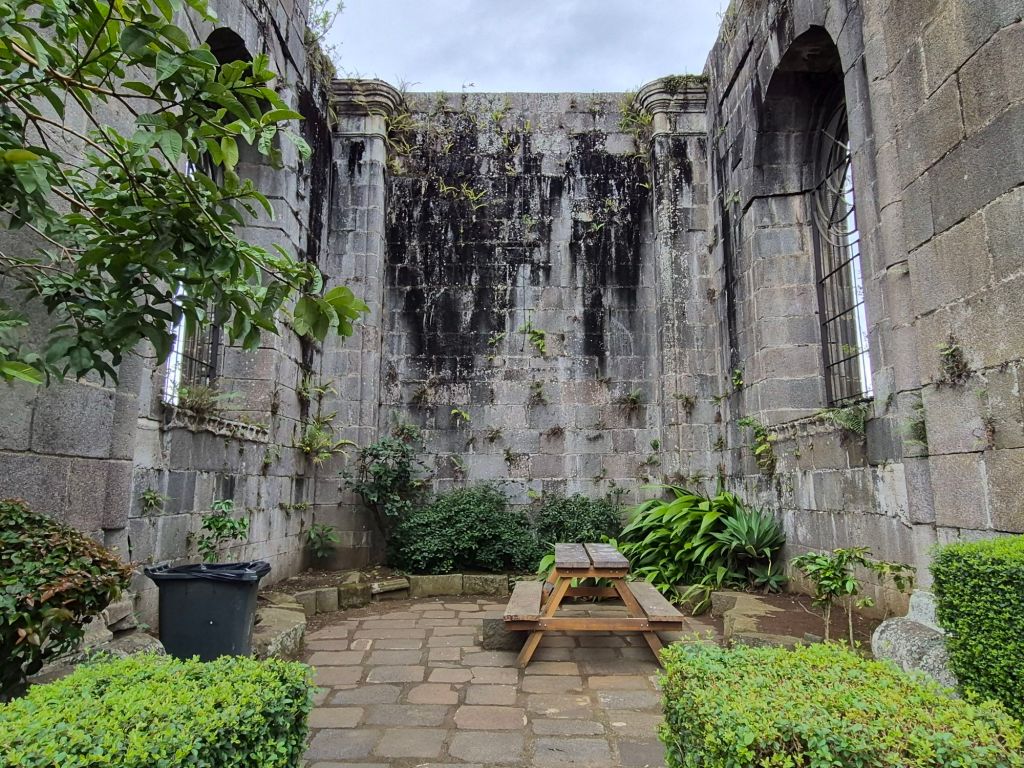
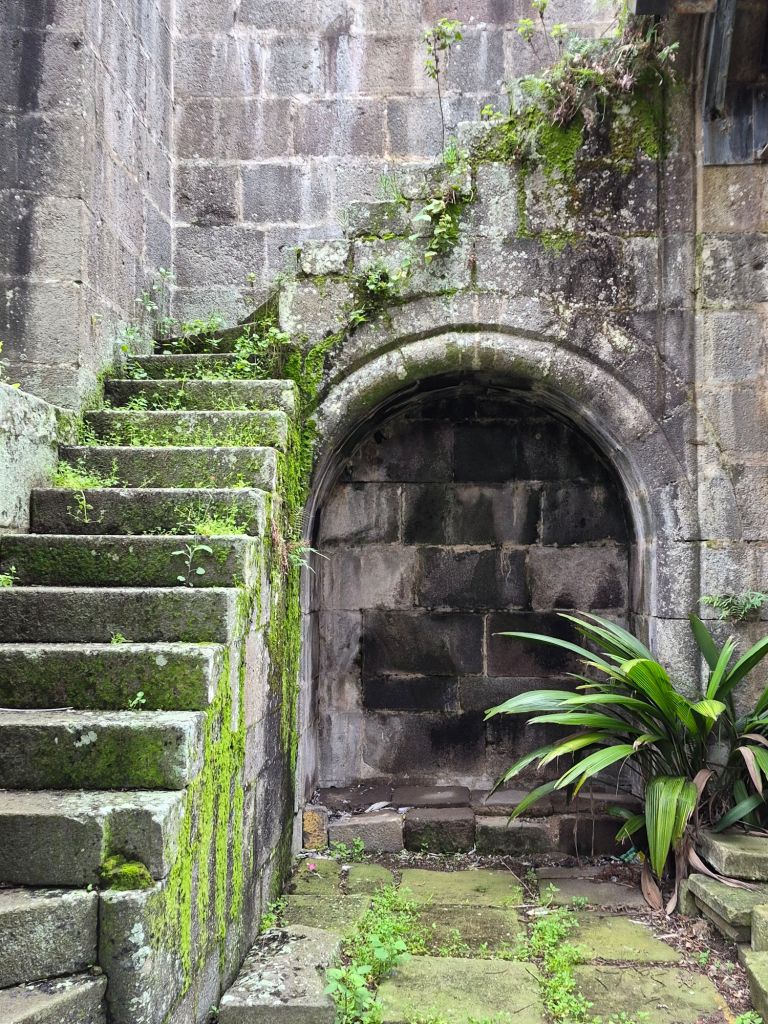
While walking to and fro from my hostel to the Basilica, I passed the ruins of the Temple of the Santiago Apostle Parish, where many temples had been built since the start of the evangelist period, all of them destroyed by earthquakes. The final one was started in 1870, but never completed.
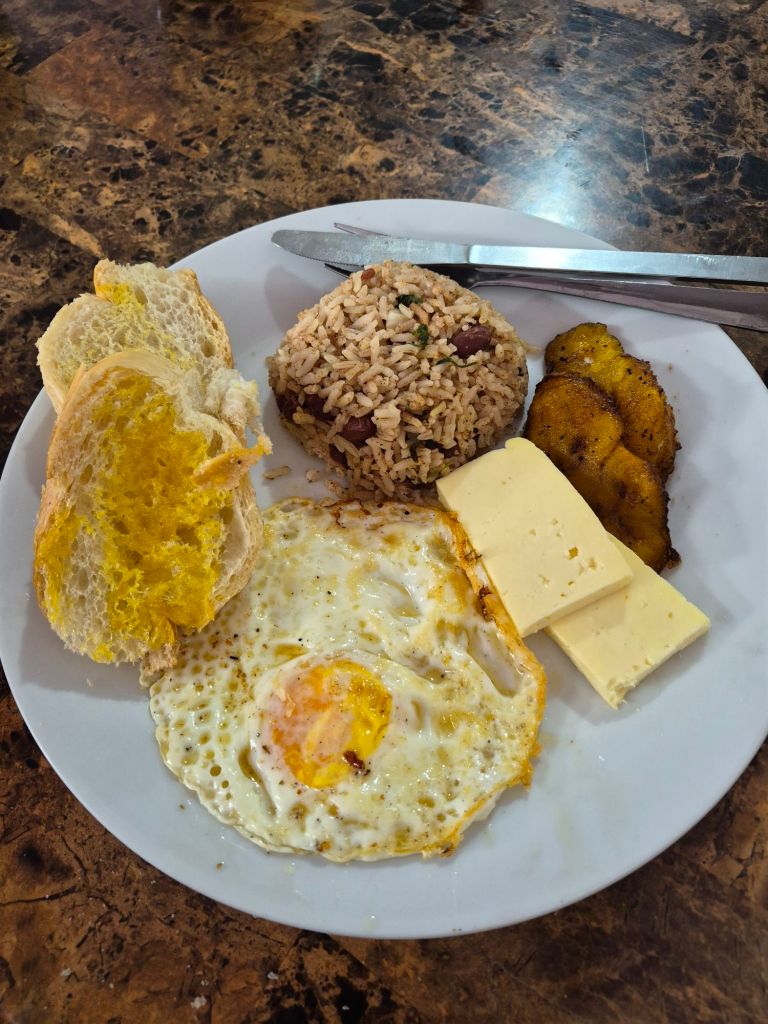
I had to have a final gallo pinto, their traditional breakfast, and when I discovered a proper soda (local restaurant) close to the Basilica, I treated myself. Eating where the local people eat always makes me feel more at home, as if I belong.
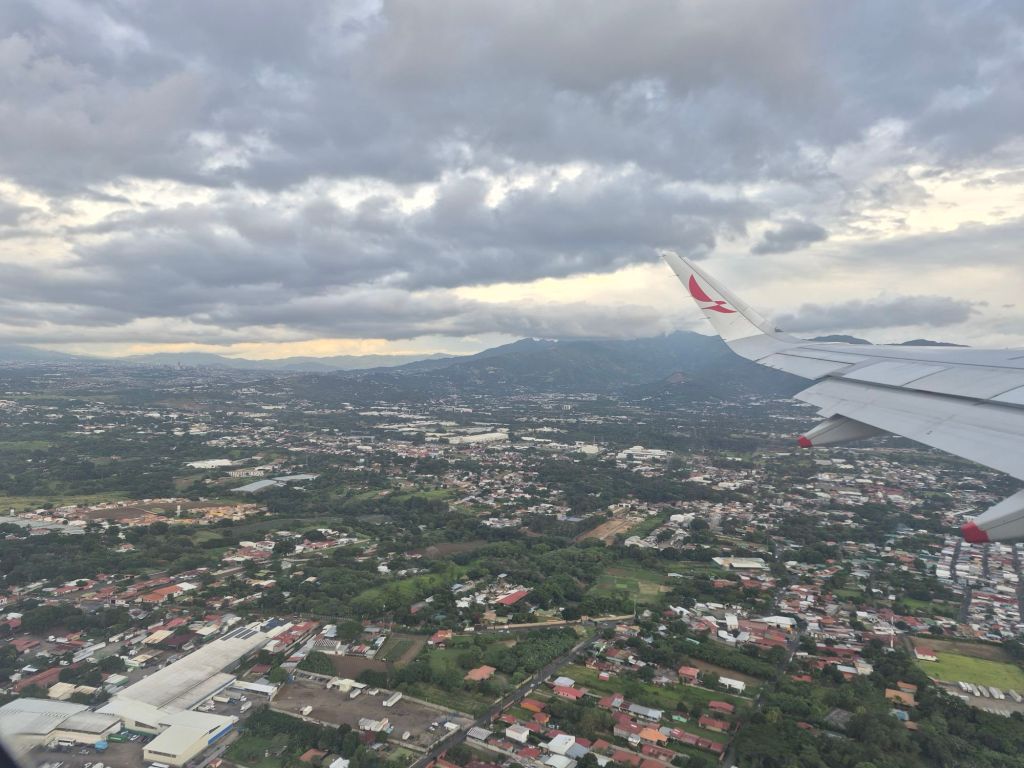
Finally it was time to move on, and I bid Costa Rica a fond farewell. When I told the guy at customs that I was sad to leave, he said: “Then don’t go! Please promise you’ll come back?” Maybe, maybe not.

 Mella Madness
Hi Meryl thanks for the update glad to see new hair nice style also glad you are safe. Sterkte Peter
LikeLiked by 1 person