Crossing the border from Panama to Costa Rica by foot was just so much easier than going through the rigmarole of airport exists/entrances – hassle-free and quick, no checking in/out of luggage, scans, or passport control checks, just a quick stamp in one’s passport at both ends, and voilà you’re through.
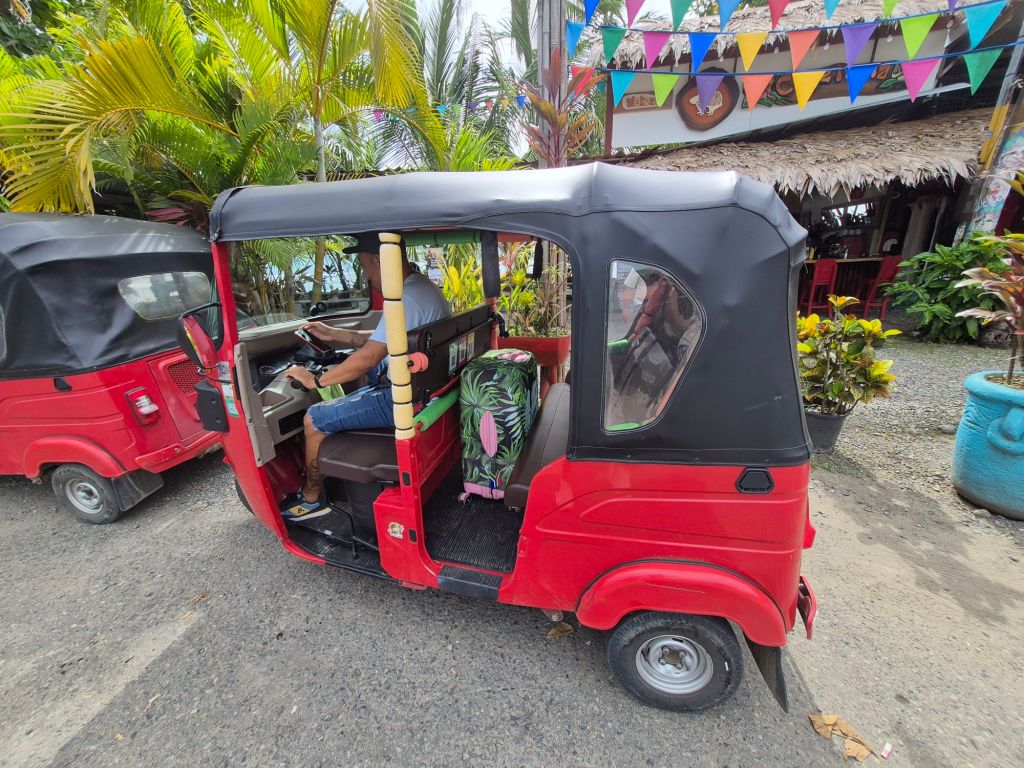
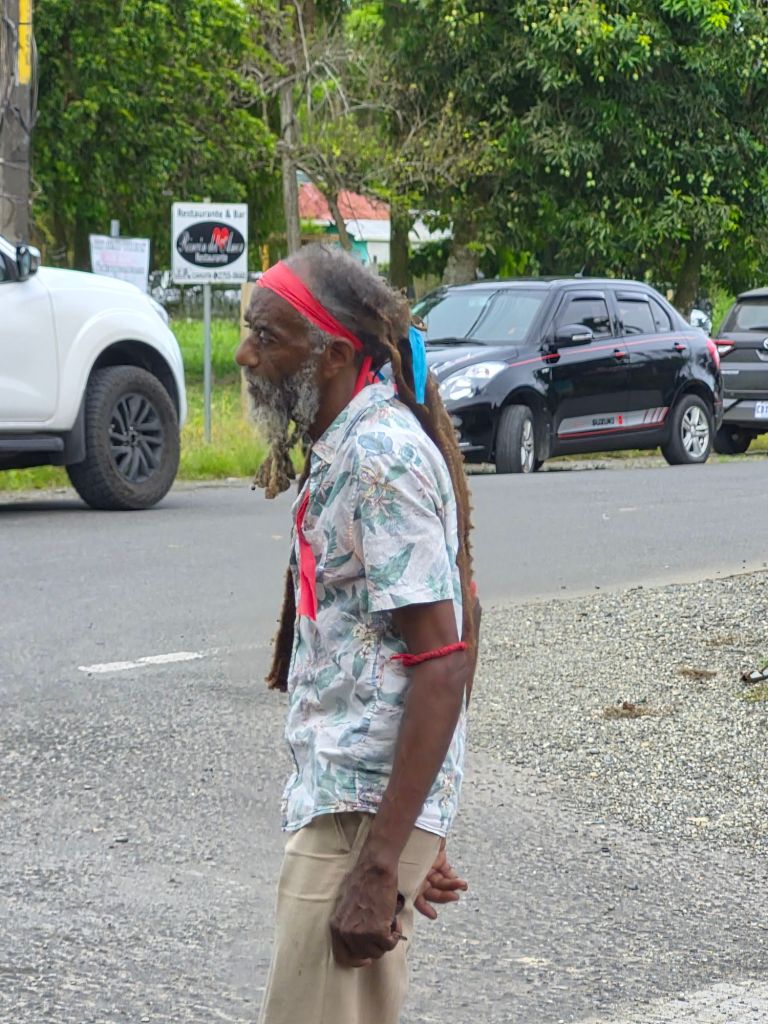
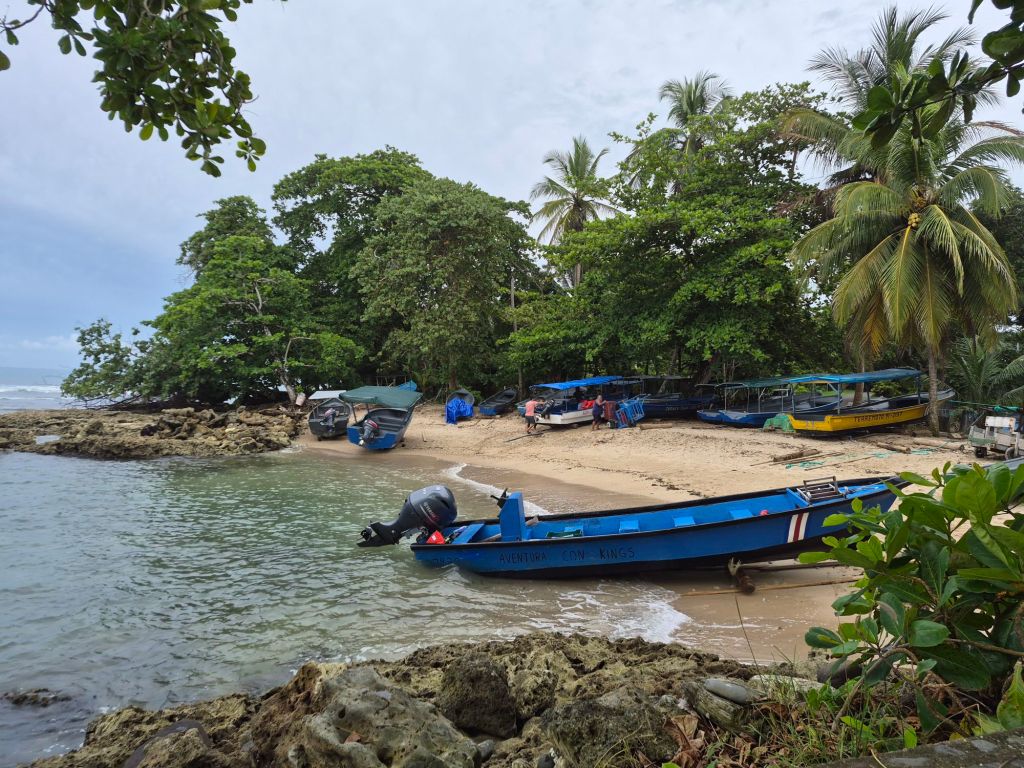
Arriving at Puerto Viejo on the Caribbean coast of Costa Rica, I was excited to see tuc-tucs, my favourite mode of transport. As soon as I stepped off the bus, I approached one and requested a ride to my hostel, 3,5km out of town. He quoted a price (CRC 3000) which became un poquito más (a little more) when he realised I was not going to the beach in Cocles (the next small town) but to a hostel, Madre Selva Jungle Hostel, in the rainforest 1,5km further. I only had dollars on me, and the receptionist at the hostel changed my $20 for Costa Rica colones (CRC), as the driver did not want to take dollars. I was expecting change, but he waved me off, stating that the CRC 7000 was the right amount. I tried to argue, but to no avail, and had to contend with paying R250 for a 3,5km trip. That was the last of my using a tuc-tuc – for the rest of my stay, I walked the 3,5km every time I needed to go in to town, hot and sweaty, but determined not to pay.
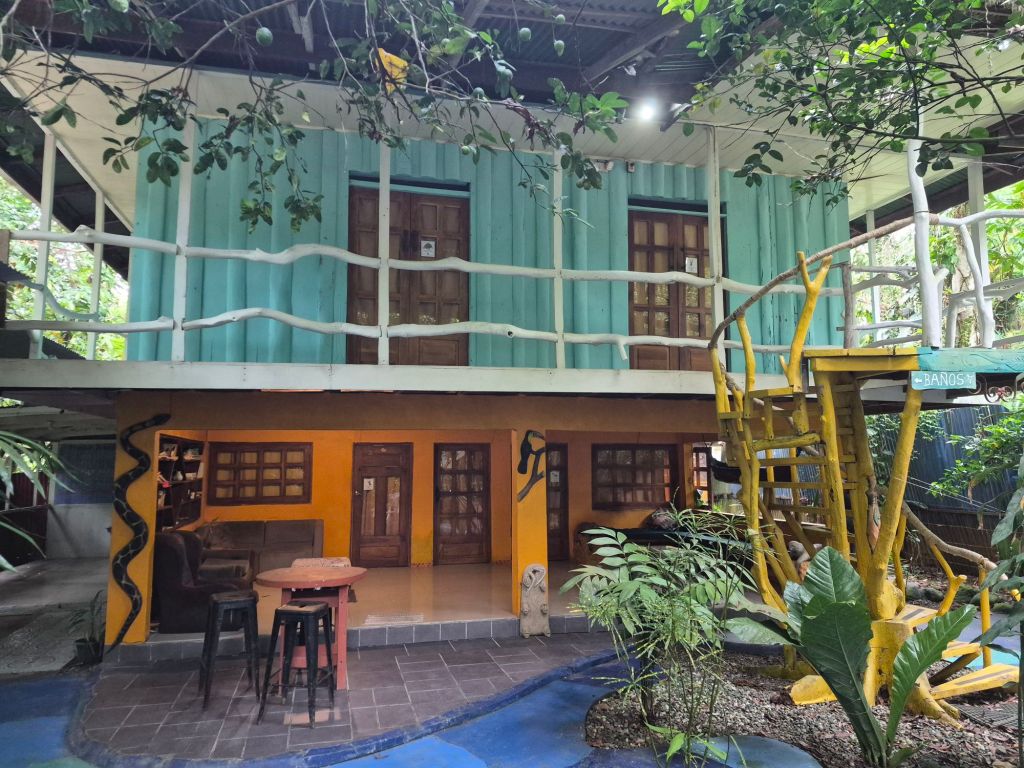
The rest of the day was rather frustrating. I needed to buy a new sim-card and to draw some money, so I walked the 500m along a dirt road to Cocles, the closest town. Some very helpful ladies at the supermarket sold me a sim-card for $2, but couldn’t get it registered, so I went to the next supermarket where they sold me a different sim-card (Liberty) which they still couldn’t get registered, so I had to go to the Liberty office in Puerto Viejo, which was closed, as I got there after 17h00. Along the way I had seen a guy who had been on the same shuttle as me from Bocas del Toro, standing in front of a hostel. I had chatted to him, and then I had noticed that one could rent bicycles there, which I then did, thinking it would save me walking to town and back. I could only get it for 24 hours though. In town I was also unable to draw money, I don’t know why it was refused, as it worked two days later. It was dark by the time I cycled back to my hostel, and I did the last 500m dirt road using my cellphone as a torch. A stretch was uphill, so I was pushing the bike part of the way, grateful when I arrived at the hostel safely.
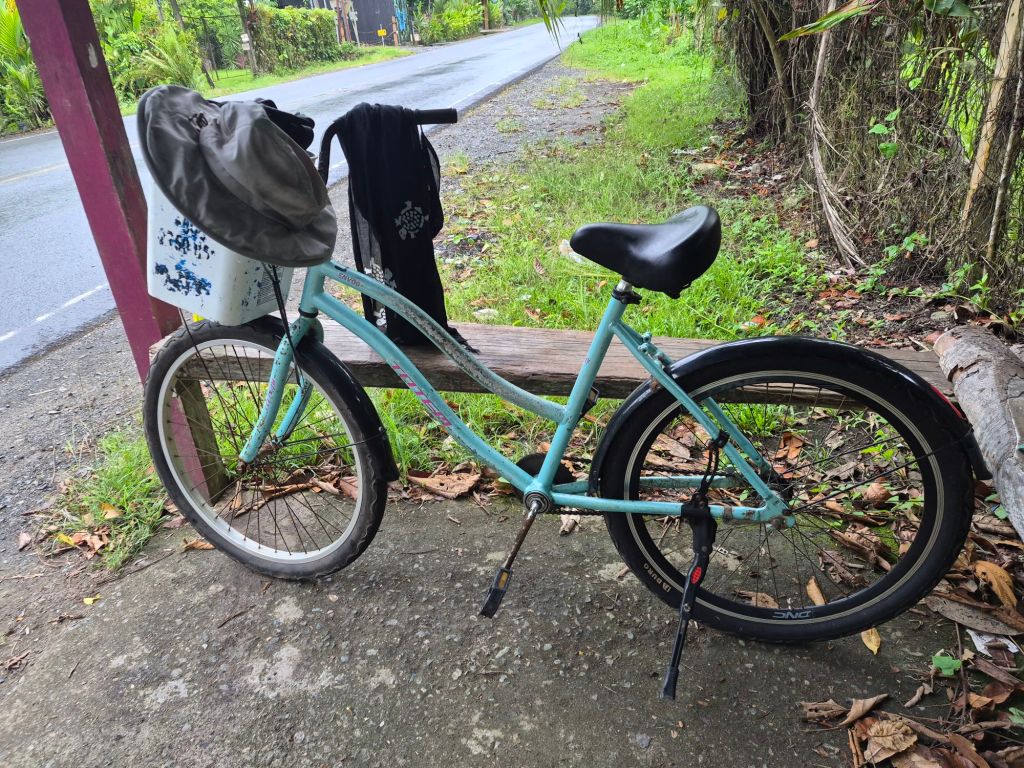
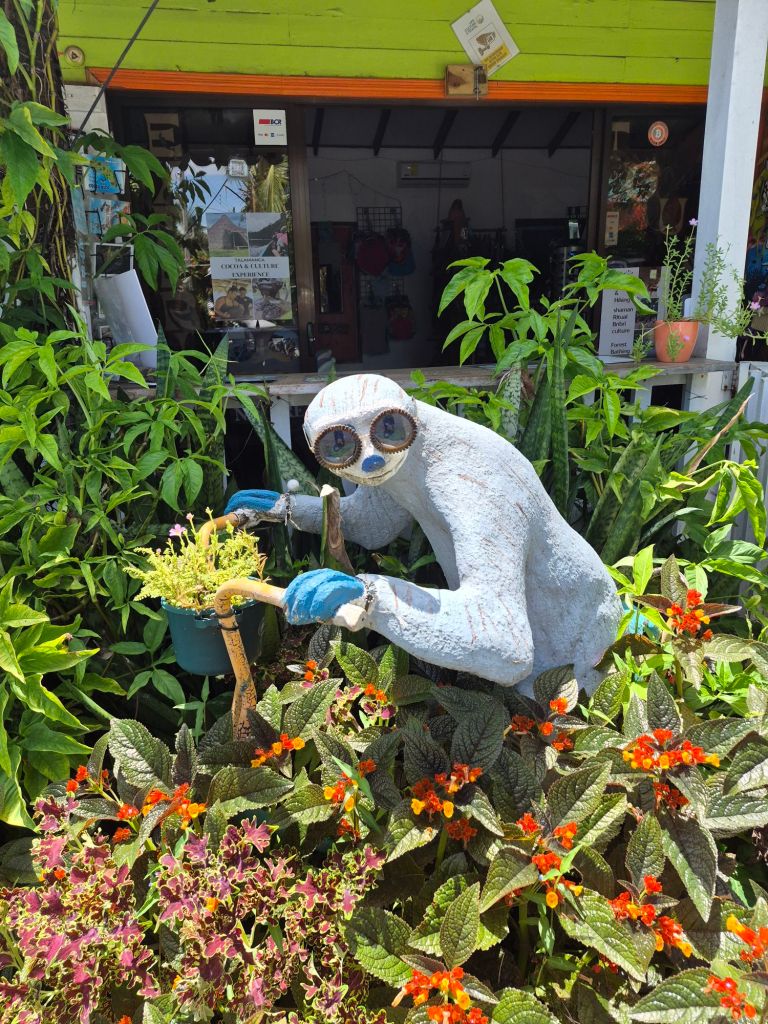
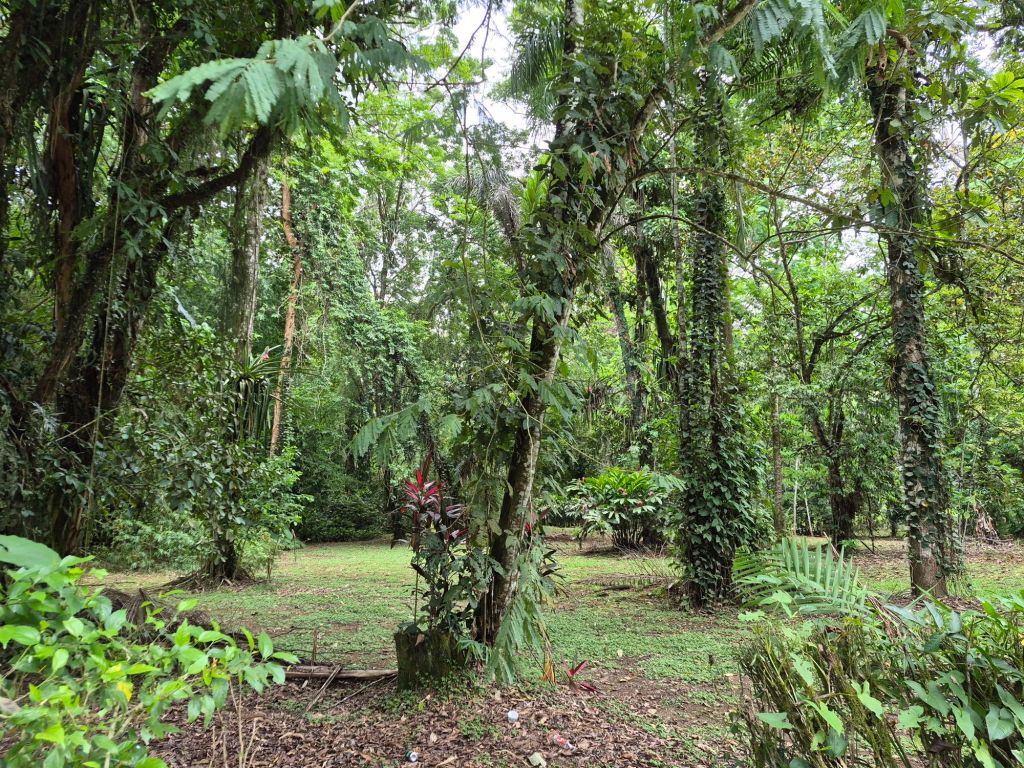
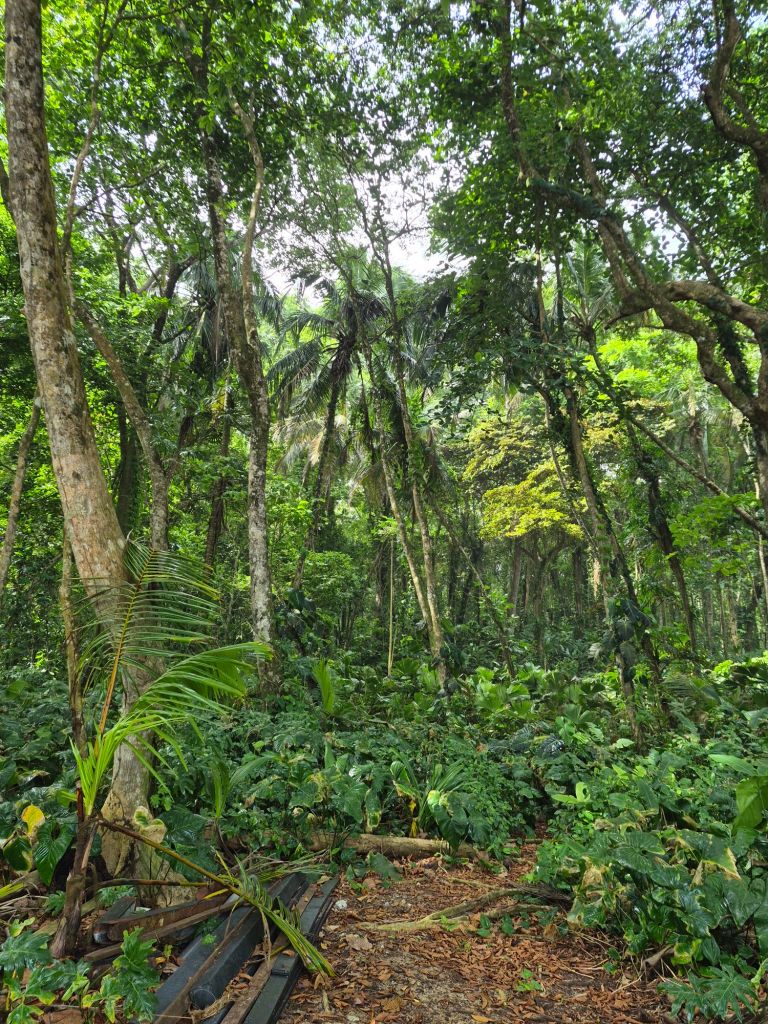
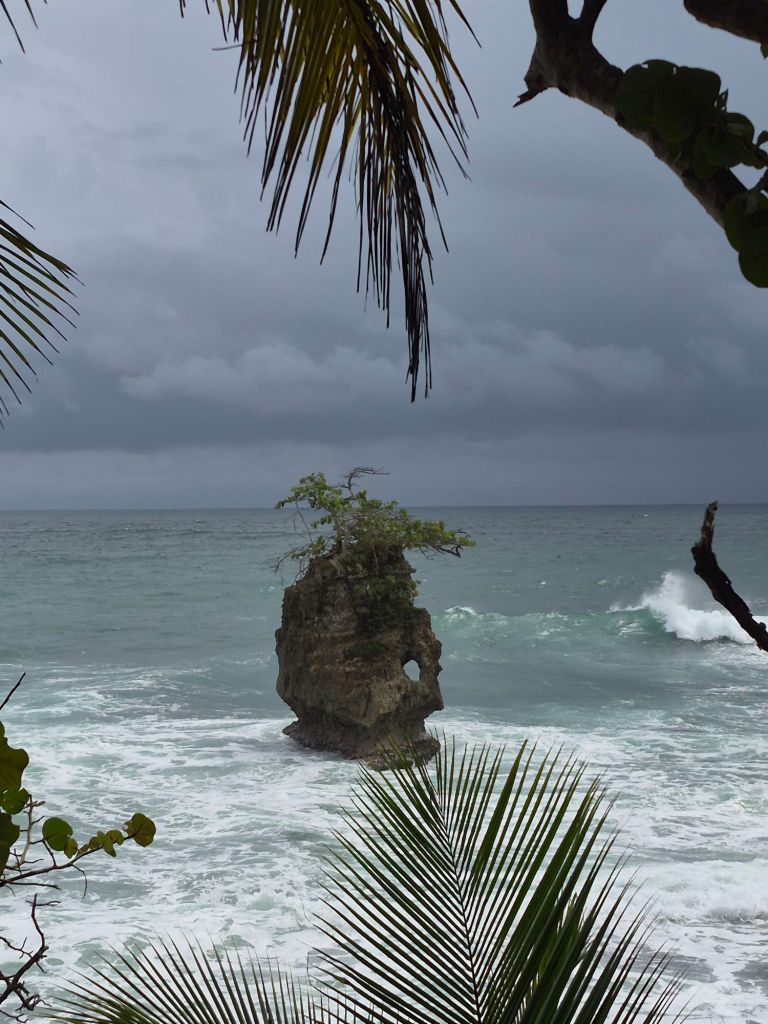
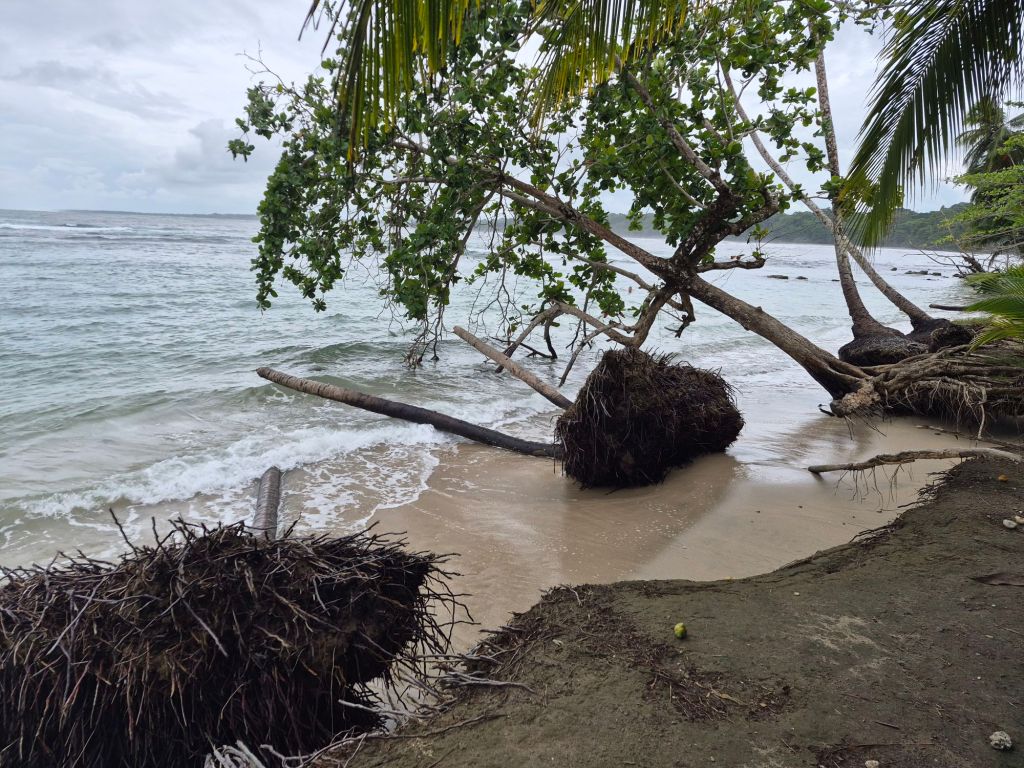
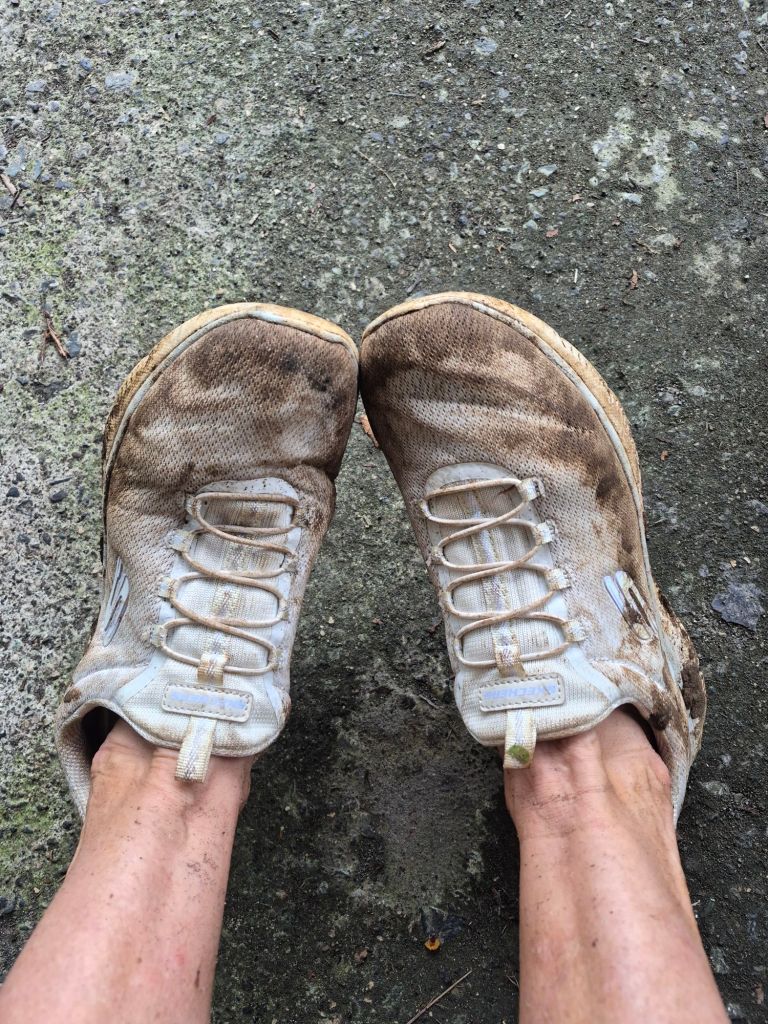
Another reason for renting a bike was that I wanted to cycle the 10km to the national park at Manzanillo, a town further east. It was a lovely morning (although there were threatening clouds in the distance) and an easy ride, with just two slight uphills. One walks to a lookout point, not very far, and then one can walk further to another beach, which a volunteer working at the hostel had told me was “the most beautiful beach I have ever see”. The path was very muddy, I was hot and tired of all the uphills and downhills, and very disappointed when I finally came to the beach – many palm- and other trees had fallen down, and the embankment was badly corroded as result of rising seawater. There were buildings, which looked like a bar and restaurant, but everything was closed and deserted, probably as the season had ended. I had a quick swim and walked back, advising a girl who asked about the distance to not go further as it was muddy and the beach not worth it. Just as well, because it started raining just as we came out of the forest, which meant I had to cycle back in pouring rain. Back at the hostel I had a shower, put on dry clothes, donned my plastic cape against the rain, and cycled a further 3km to return the bicycle. Wet and cold, I ordered an uber to take me back to the hostel, at half the price of the tuc-tuc.
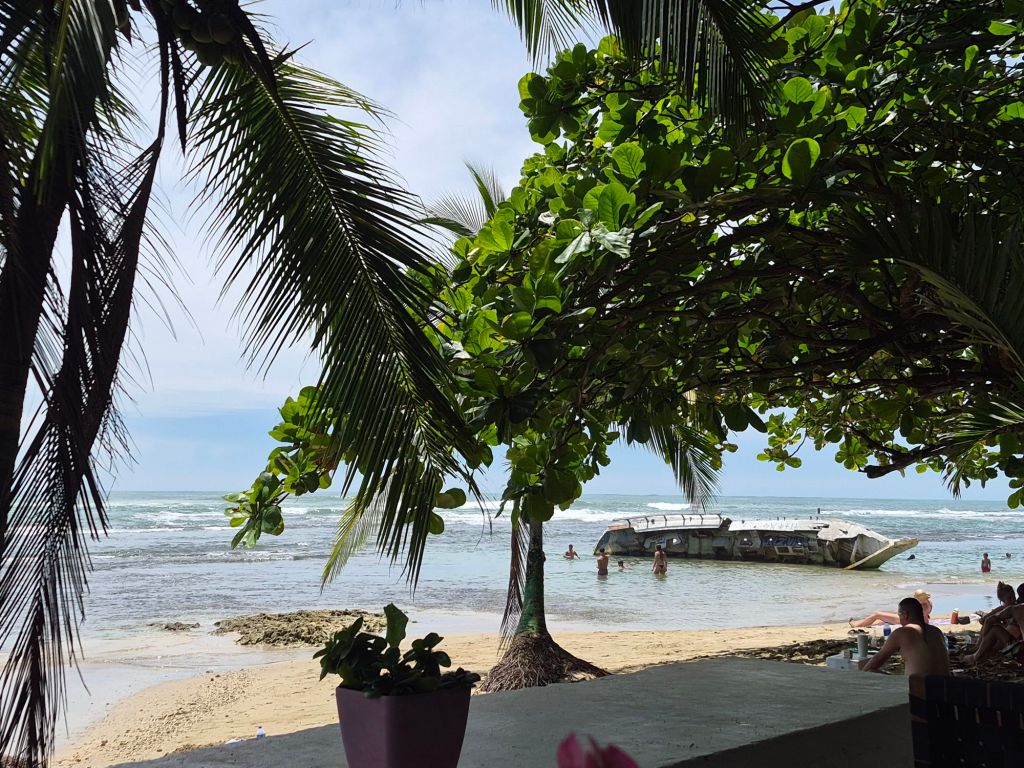
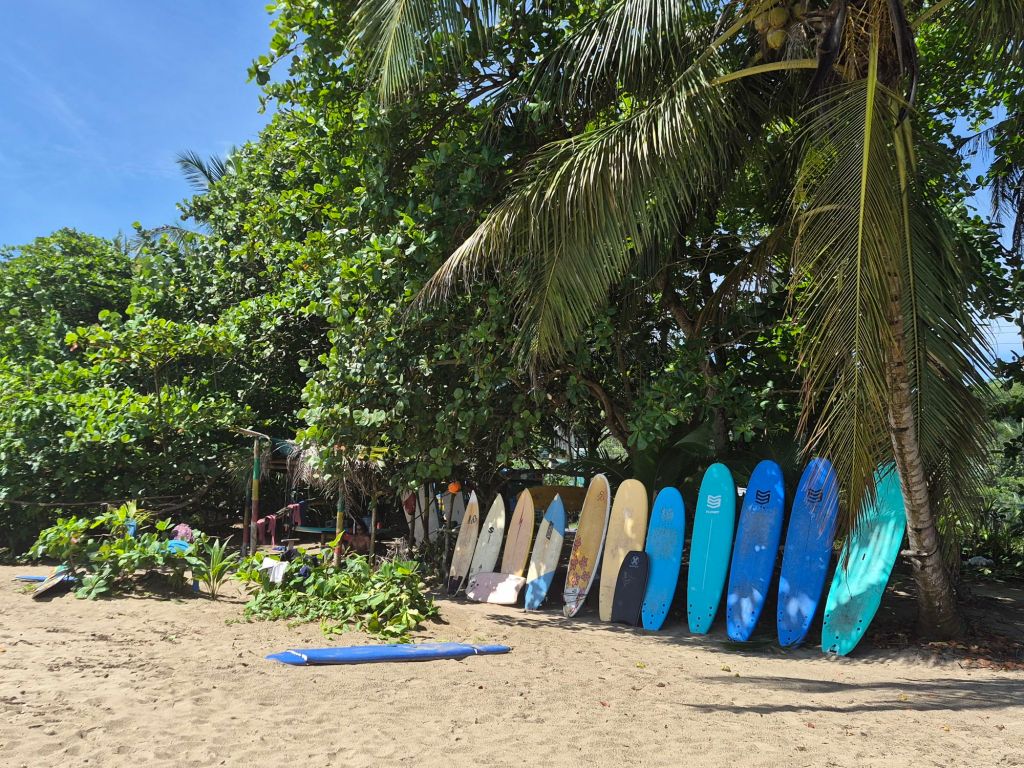
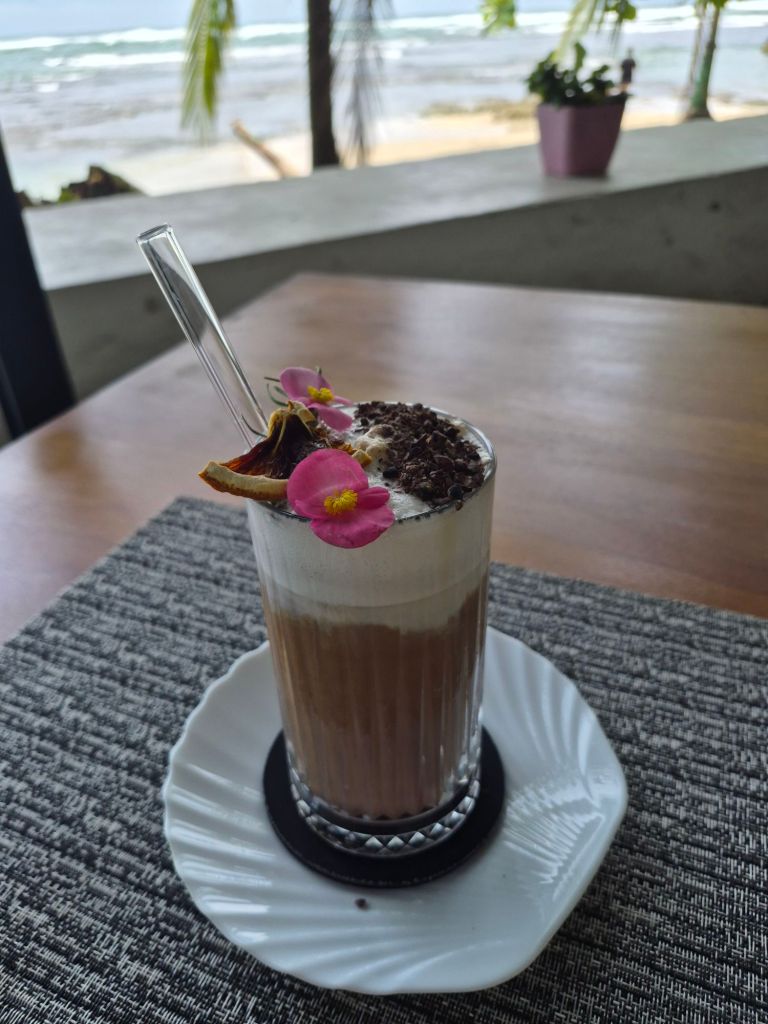
The third day I again walked to Puerto Viejo to get the sim-card sorted out and to draw money, all successful this time. There are many restaurants, bars and coffee shops – it is a town with a typical Caribbean vibe and a popular tourist destination. I bought a very fancy iced coffee which cost a fortune (R160!!), but it wasn’t that spectacular. I bought some groceries and did home-cooking that night (pasta and sauce, the standard dish), in a bit of a shock about the price of everything.
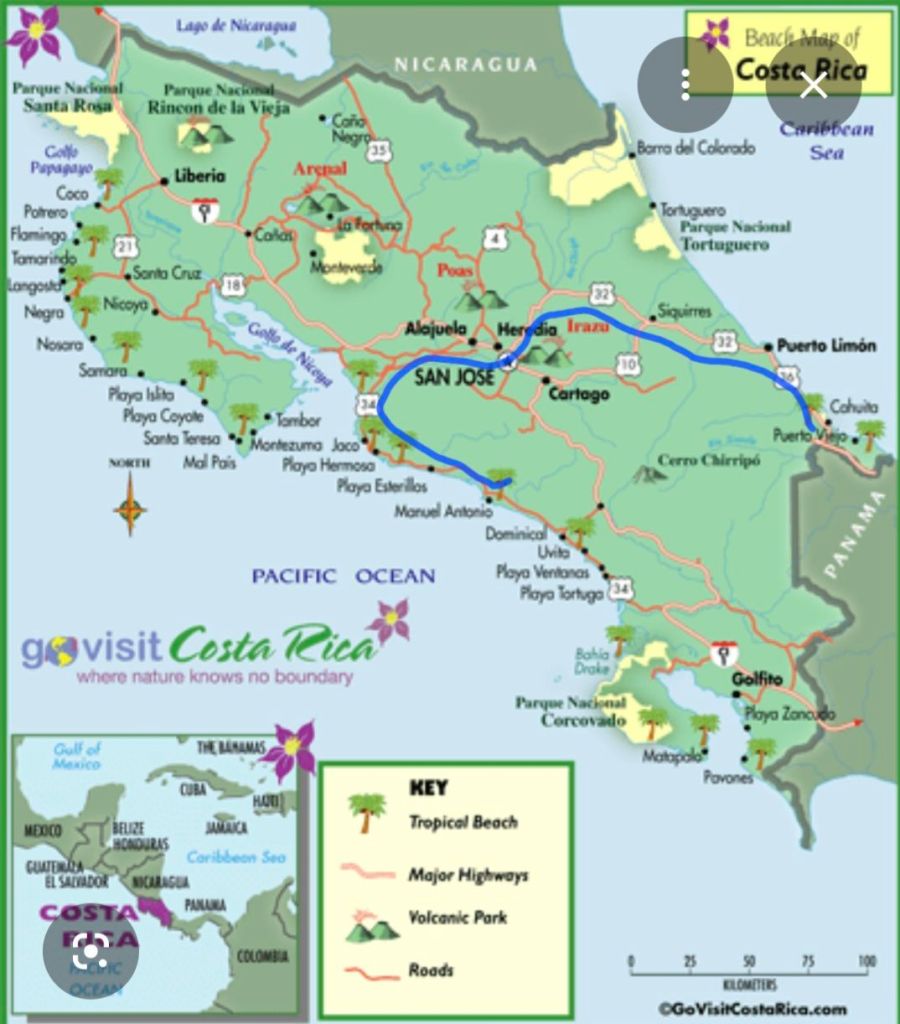
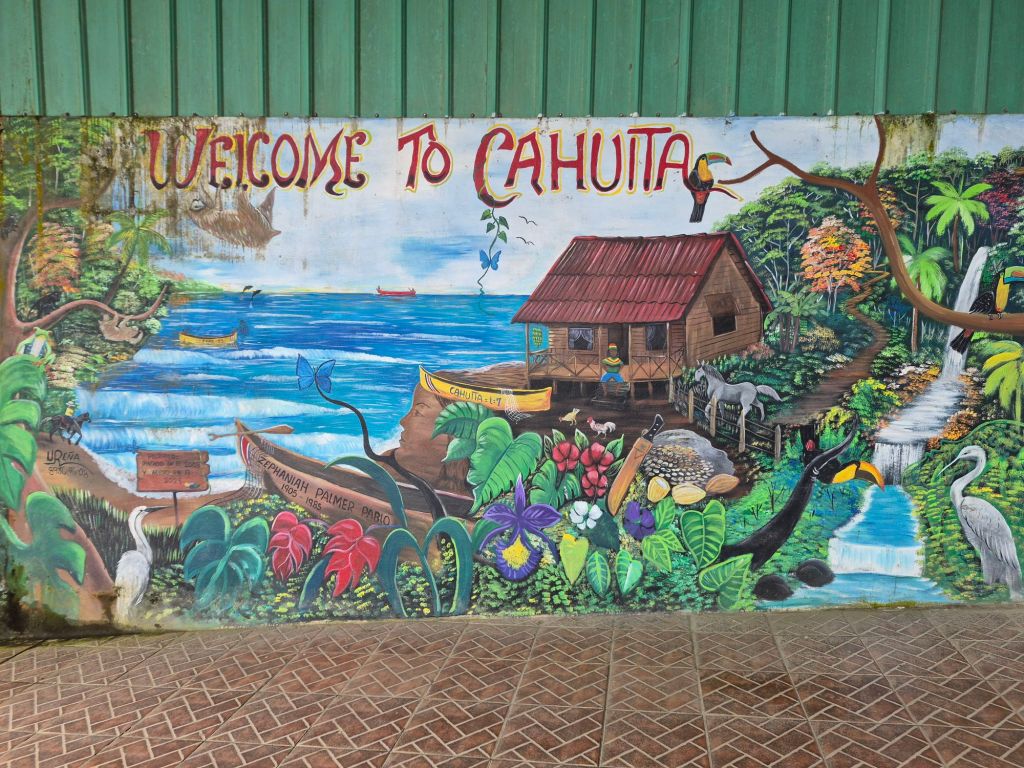
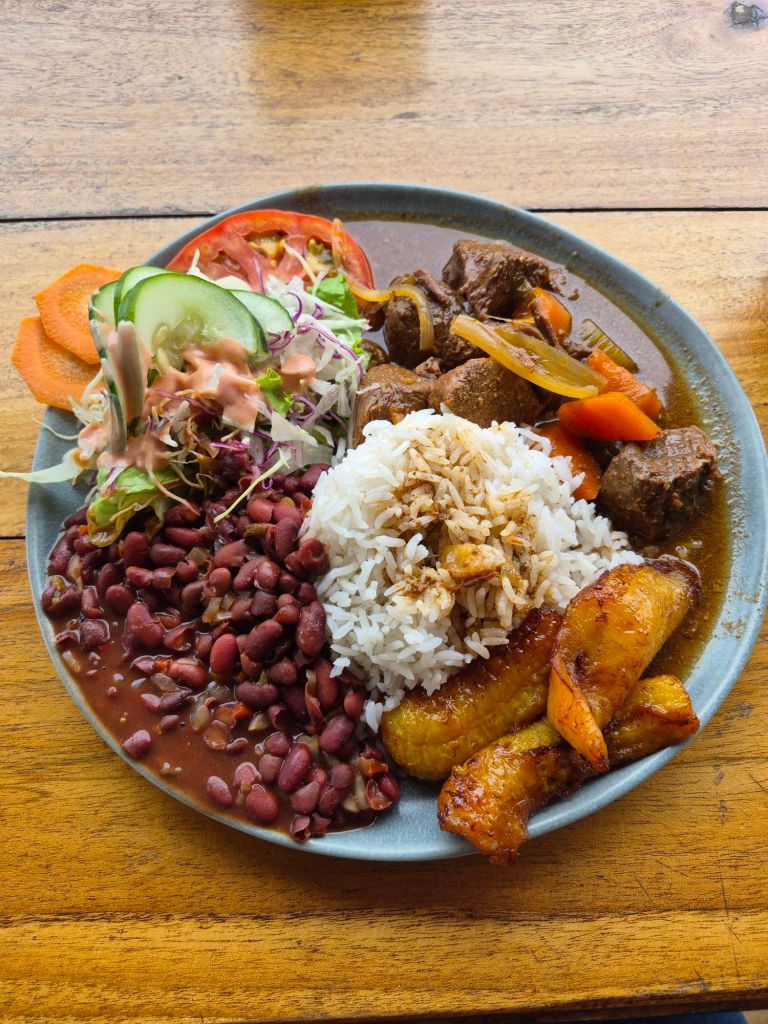
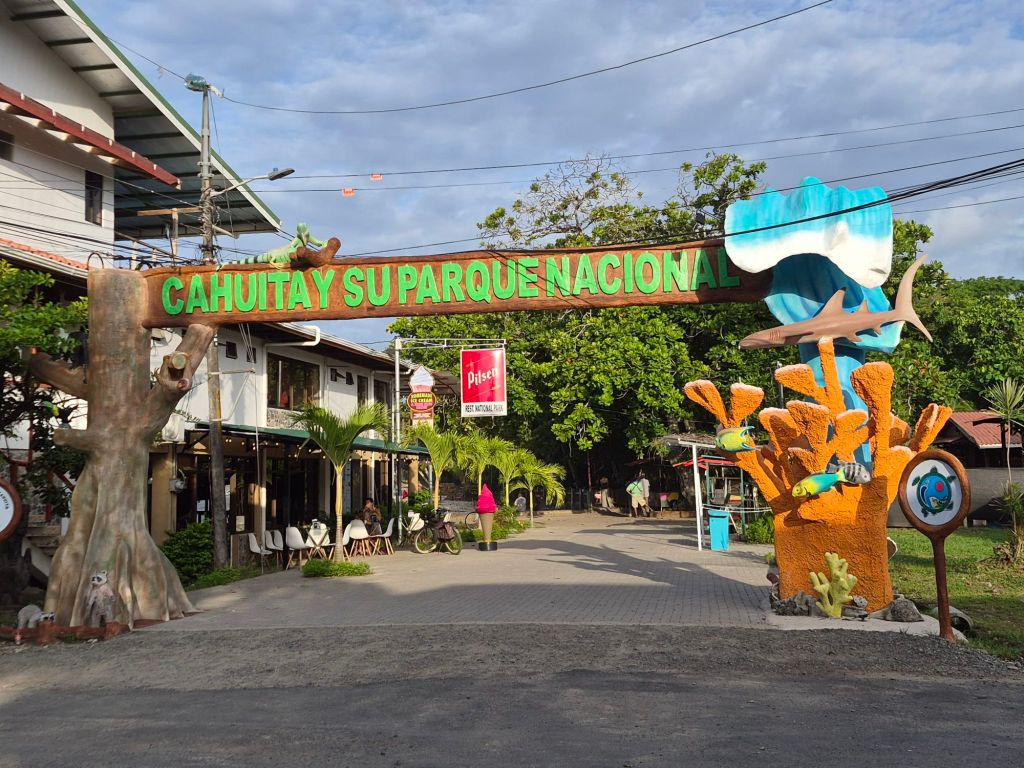
My original idea was that I would spend a month working in Costa Rica, and I managed to get work at a hostel between Quepos and Manuel Antonia, another popular tourist area, on the Pacific side. It was a long trip via San Jose, the capital, so I spent the following two nights in Cahuita, a town closer to San Jose. There was another national park there that reportedly had more animal sightings, so I was keen to visit it. Cahuita was much more my kind of town – it is very small, the main street having mostly restaurants, and everybody seemed to be locals. I was early (booking in is normally after 2pm) so I walked through the town, ending up at a restaurant where I had my first casado, a local dish that has now become my favourite. It is tasty, affordable (R200), the meat is very tender, and it is more than enough.
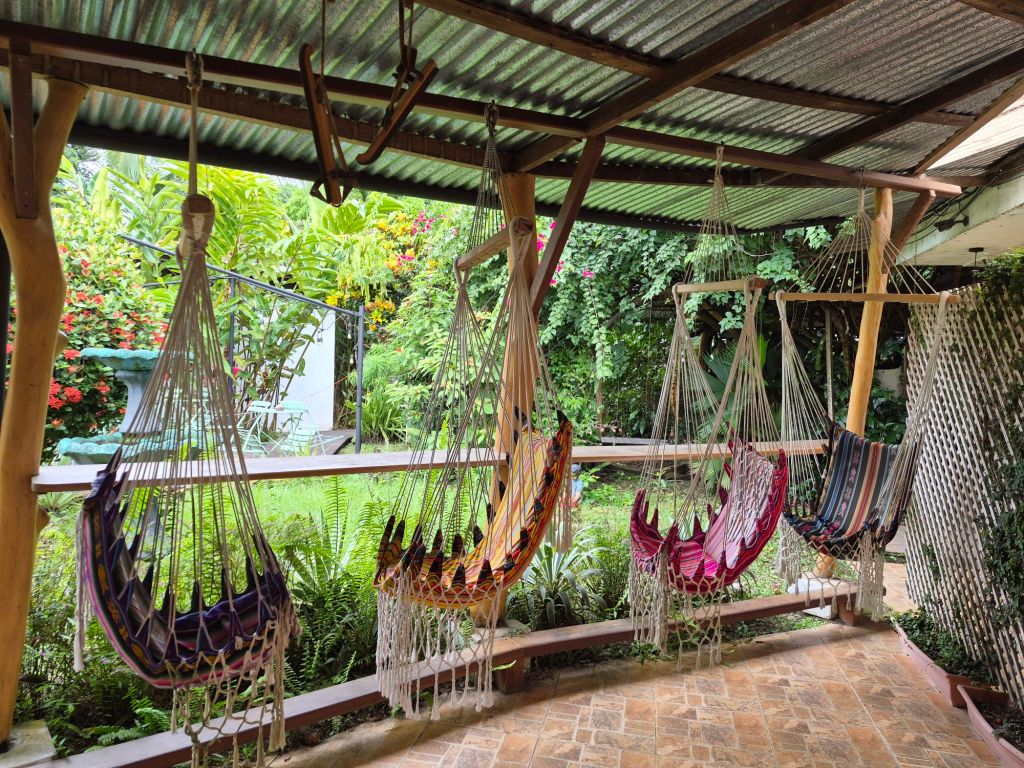
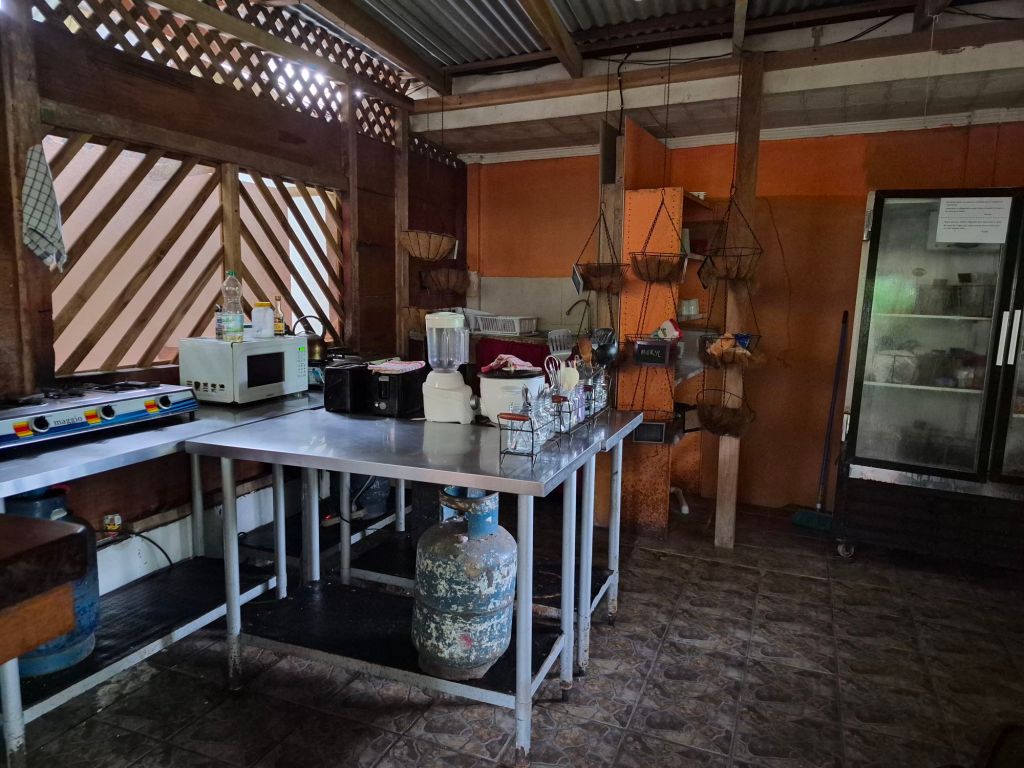
The hostel where I stayed, called The Secret Garden, was really lovely, with a very talkative and friendly receptionist who kept everything clean and tidy. I arrived there one evening after a stroll to see the sunset, to find her very agitatedly shining her cellphone torch into the bushes. “There’s a snake here, and I don’t know what kind it is!” she exclaimed. She had gone to take a photograph of a light or meter in the hedge, and the snake was right there. Later she came to tell me it was not poisonous. And I had another interesting experience in the hostel. I was having an afternoon nap, when one of the other occupants of the room arrived, came over to my bed and opened the curtain behind my head. Looking at me she said: “I thought this was a females-only dormitory!” I lifted my head, and replied: “The last time I checked, I was female.” She was very apologetic and closed the curtain – I suppose I have my very short hair to blame for that.
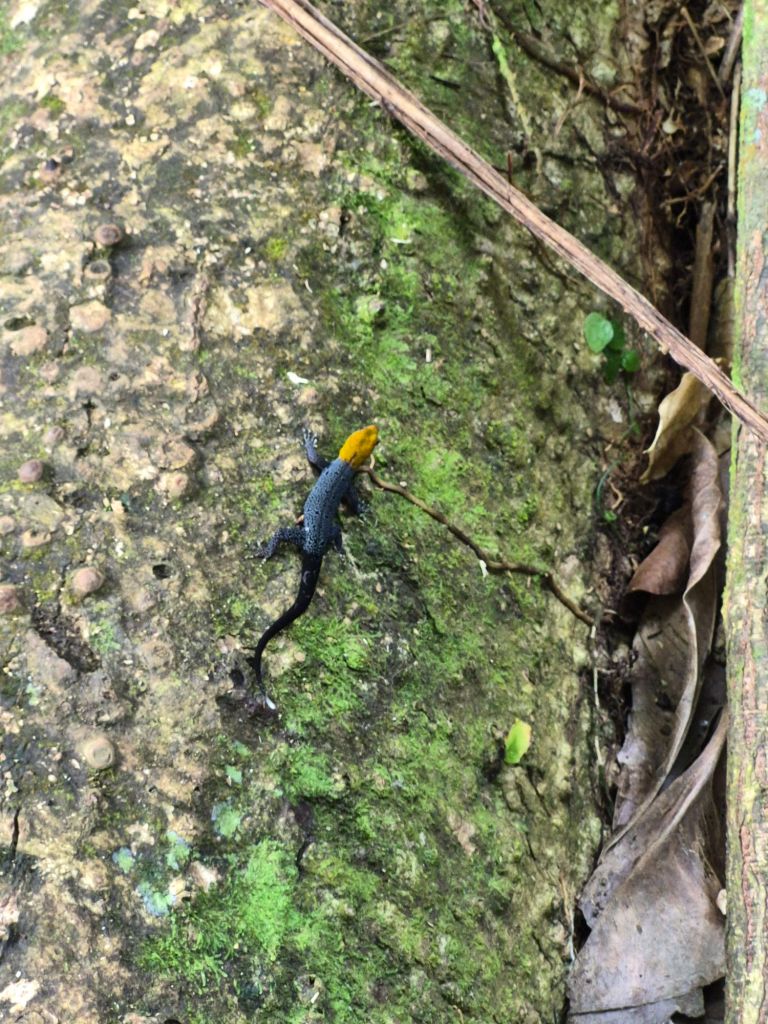
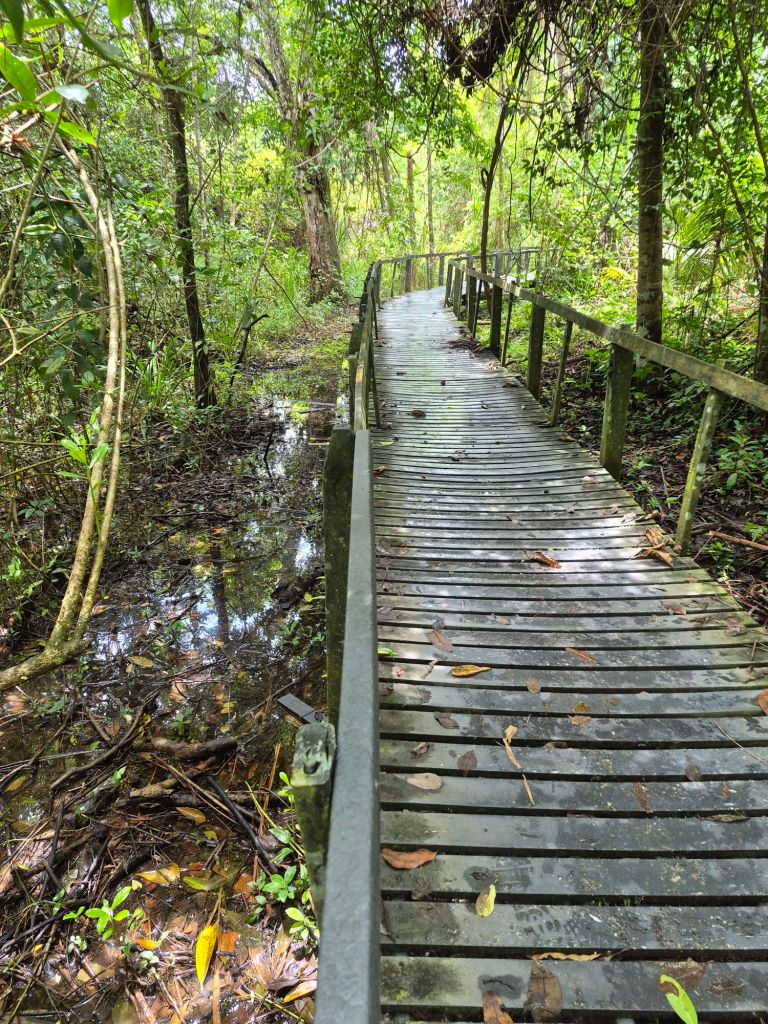
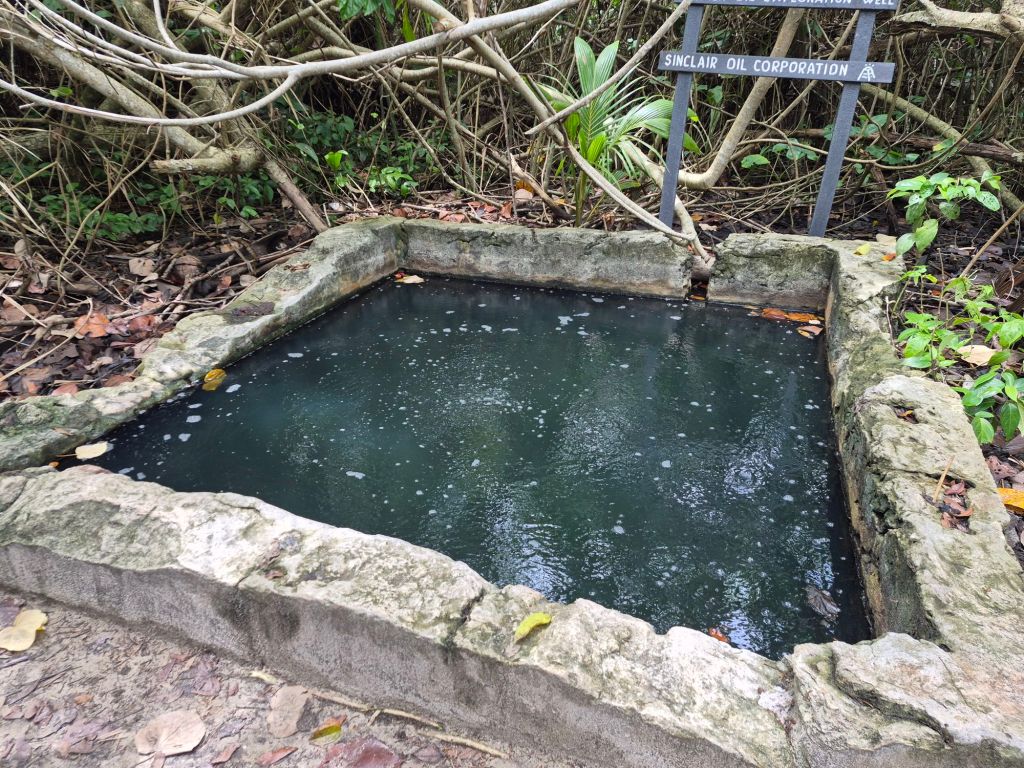
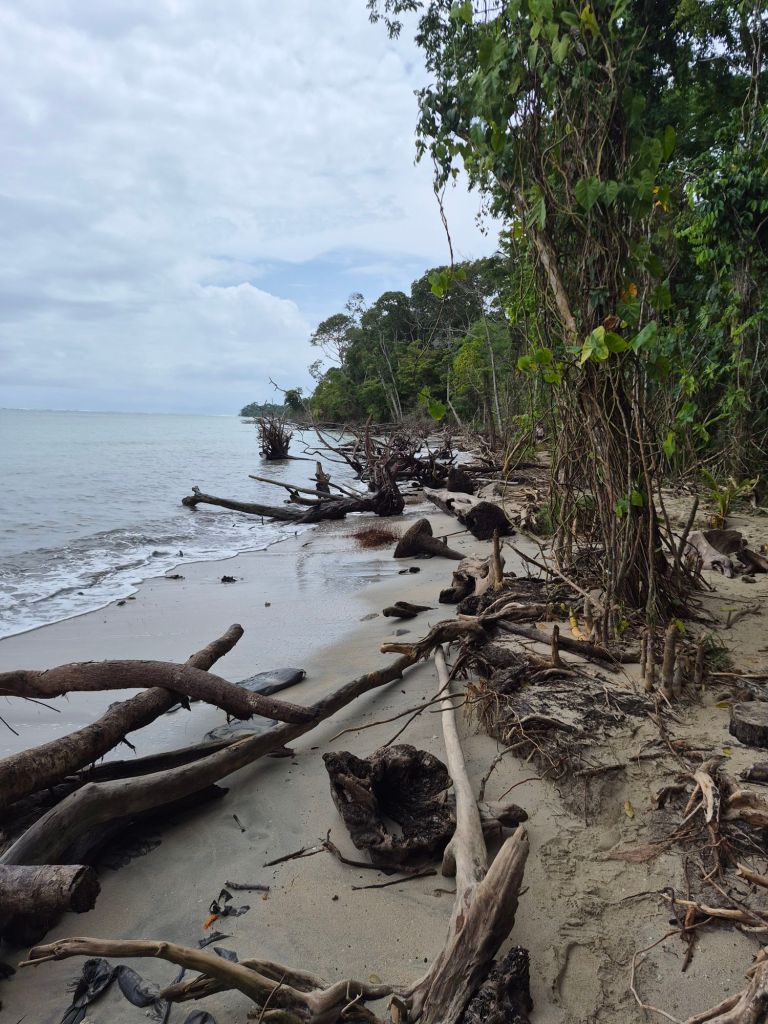
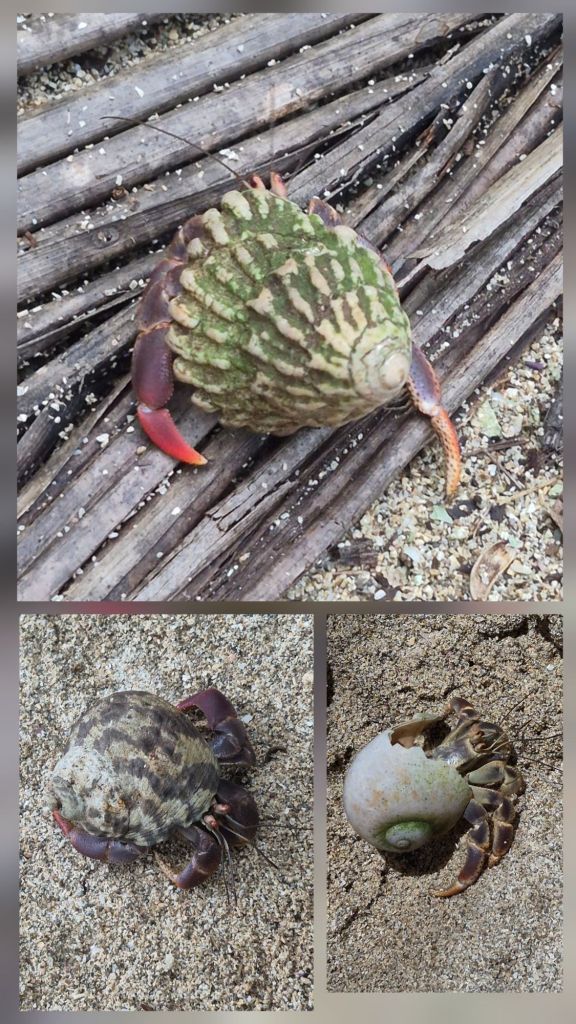
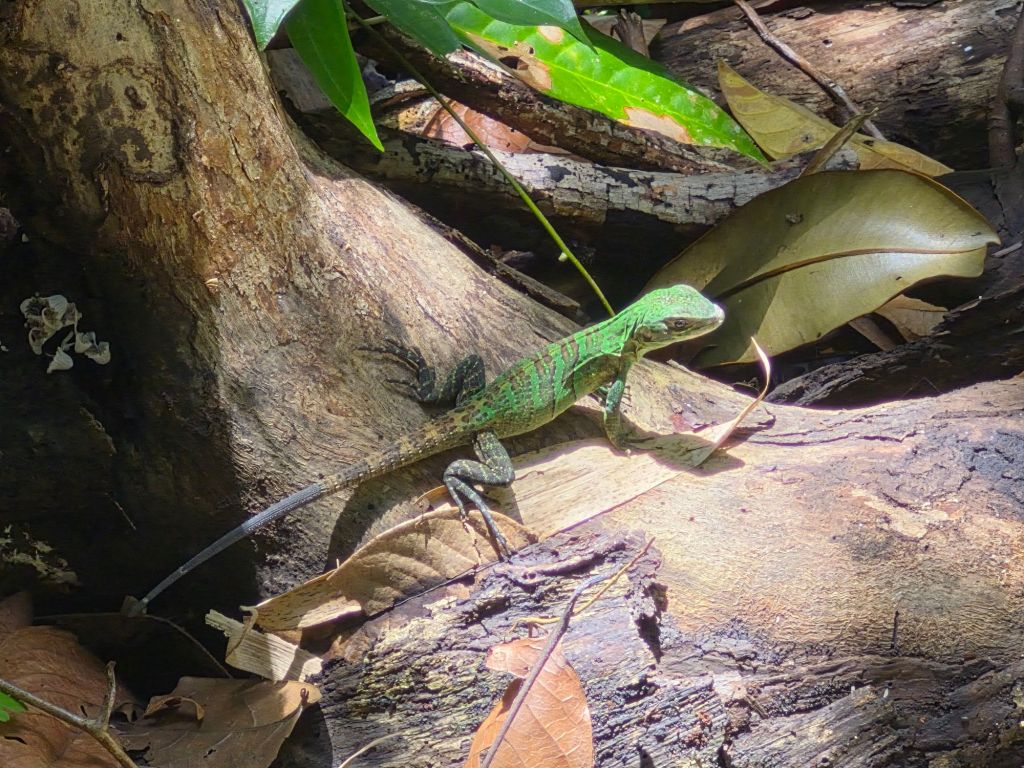
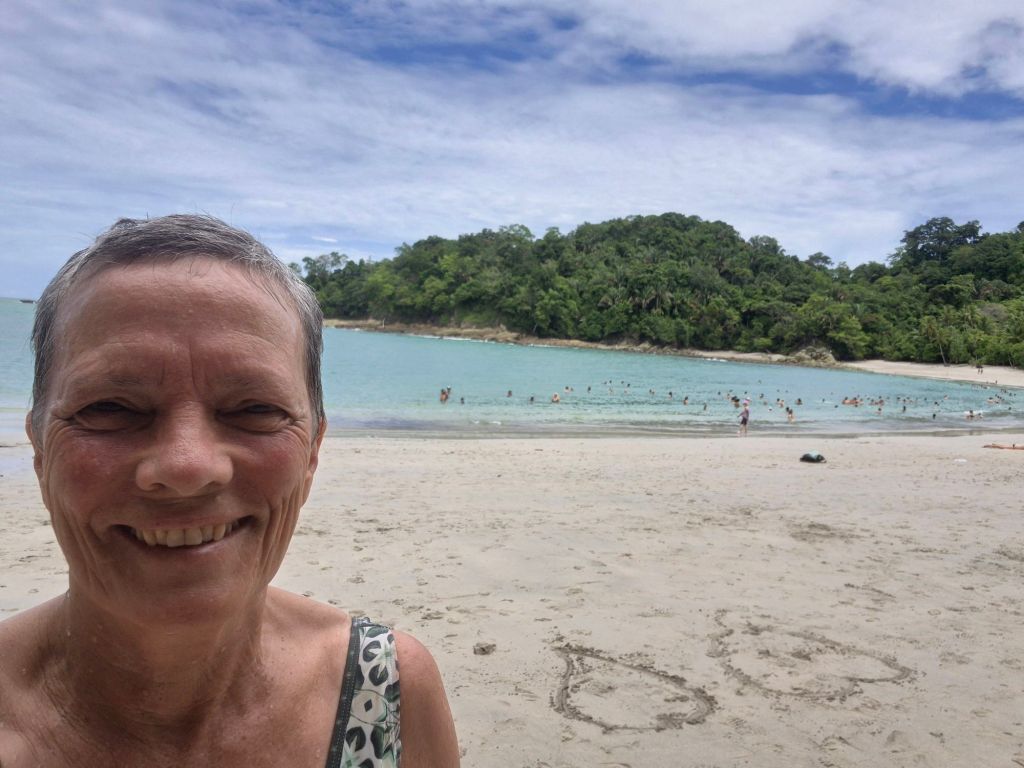
The park is very marshy, so one walks on boardwalks to the point of the peninsula where there is a safe beach to swim. There was a stretch along the coast where they made one aware of the evidence of corrosion as result of the rising seawater level, not very pleasant to see or walk through. I saw some sloths, monkeys, many hermit crabs and lizards, but that was about it. I heard birds call, but the forest is dense and they sit high up in the trees, difficult to spot. I had a swim at one of the beaches, and as it was a circular route, I emerged at another gate, 4km from town. At the exit I was greeted by a taxi driver in perfect English: “Hello lady! I hope you can speak Spanish, because I cannot speak English!” I laughed and declined his offer of a ride into town, telling him I was going to catch the bus. He told me they came every hour, looked at his watch and said the next one was due in 3 minutes. I ran the 100m to the bus stop, was there in time, just to see it drive past without stopping. I walked back to the taxi driver who was just leaving with 2 other passengers, and sheepishly asked for a ride. He made us a special offer, so it wasn’t too expensive.
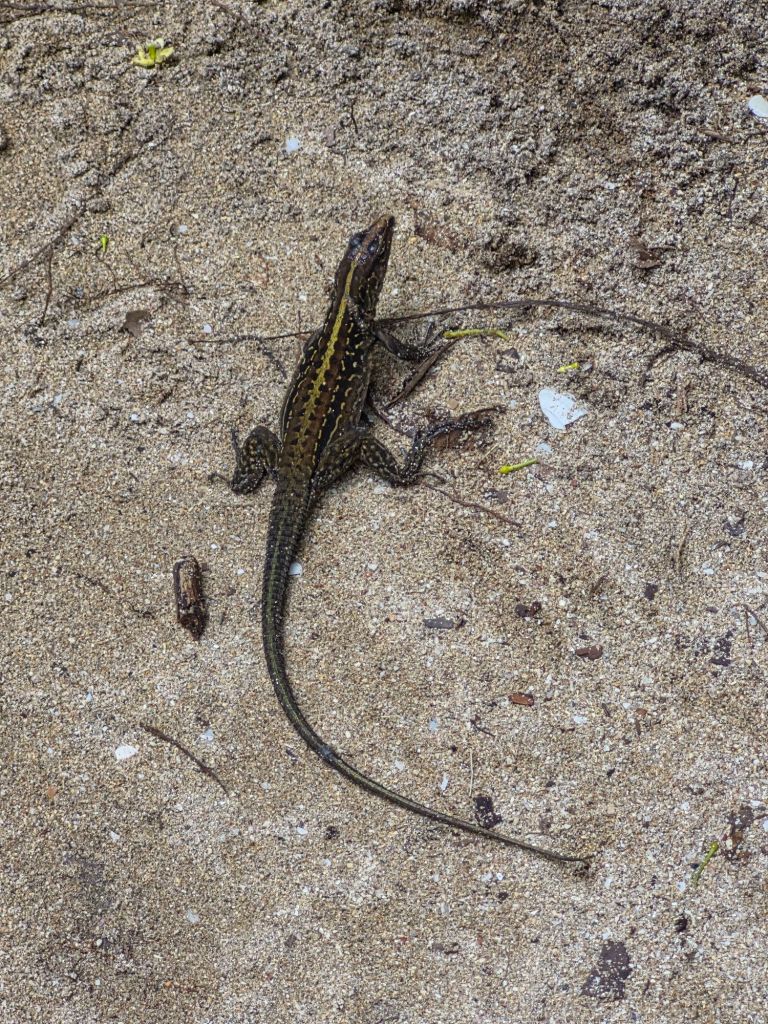
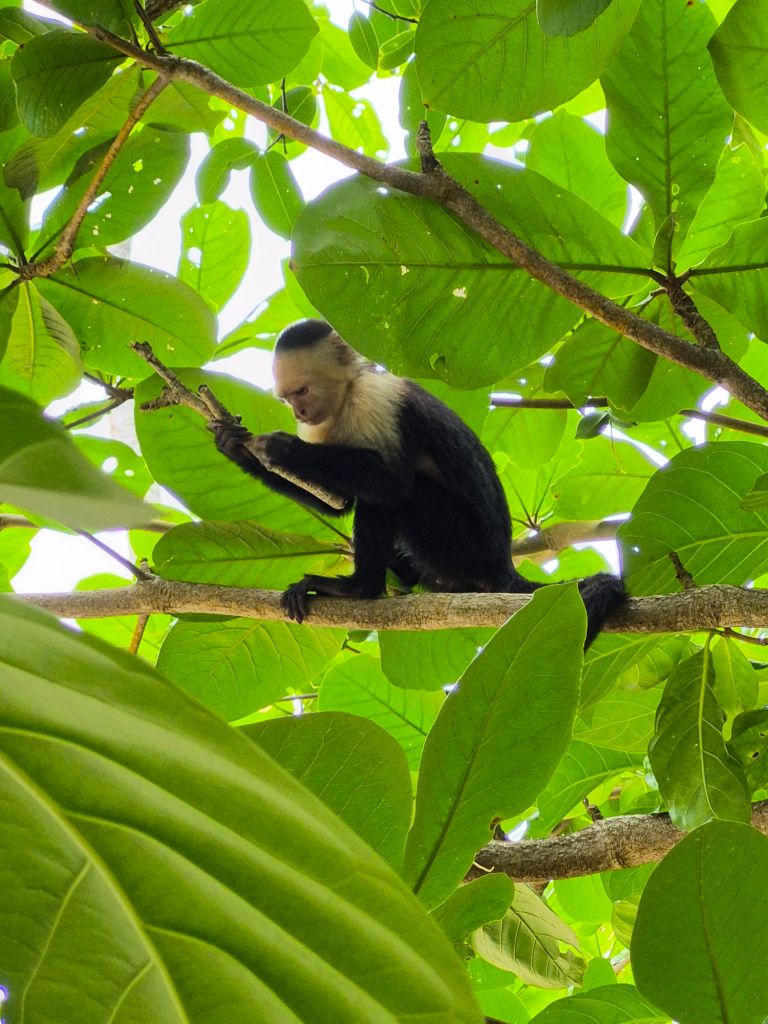
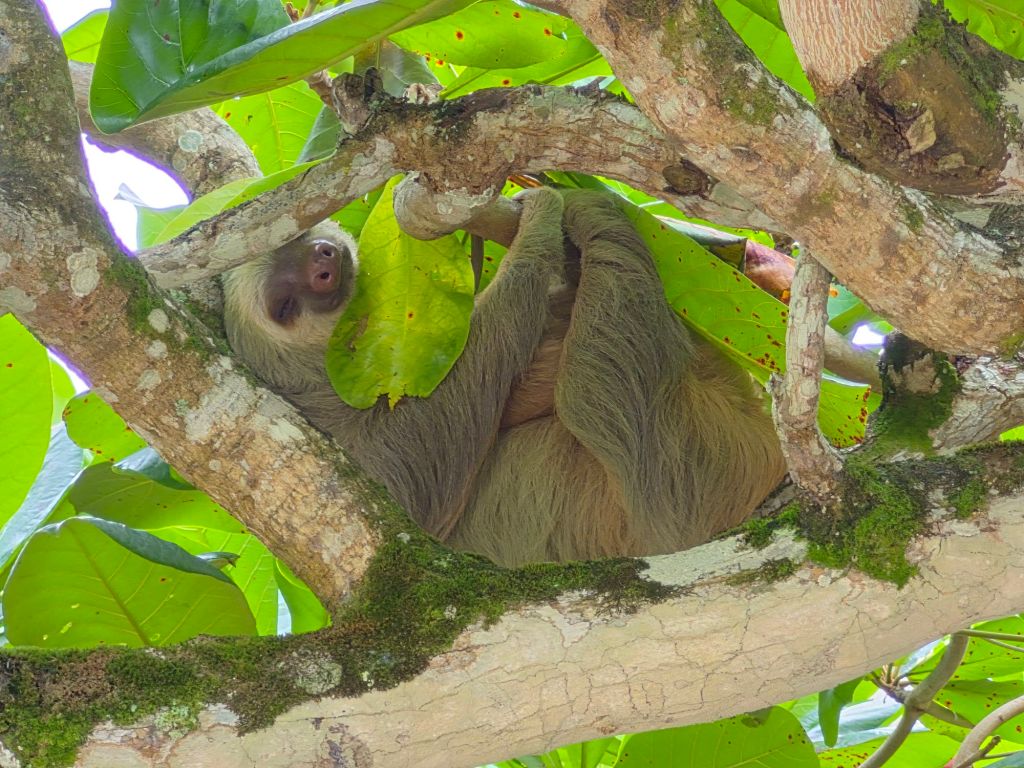
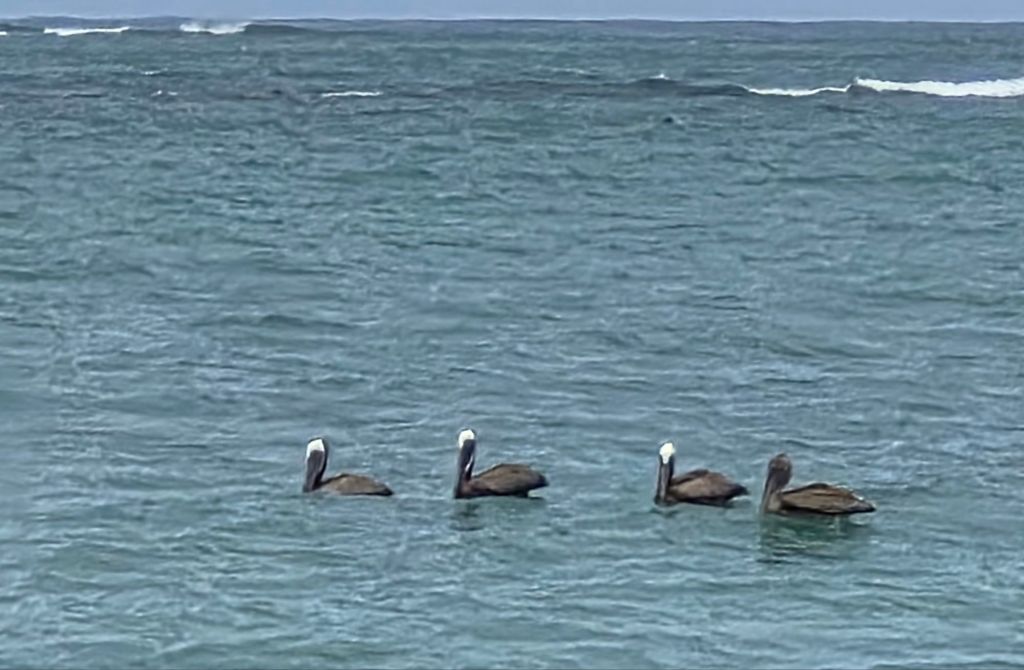
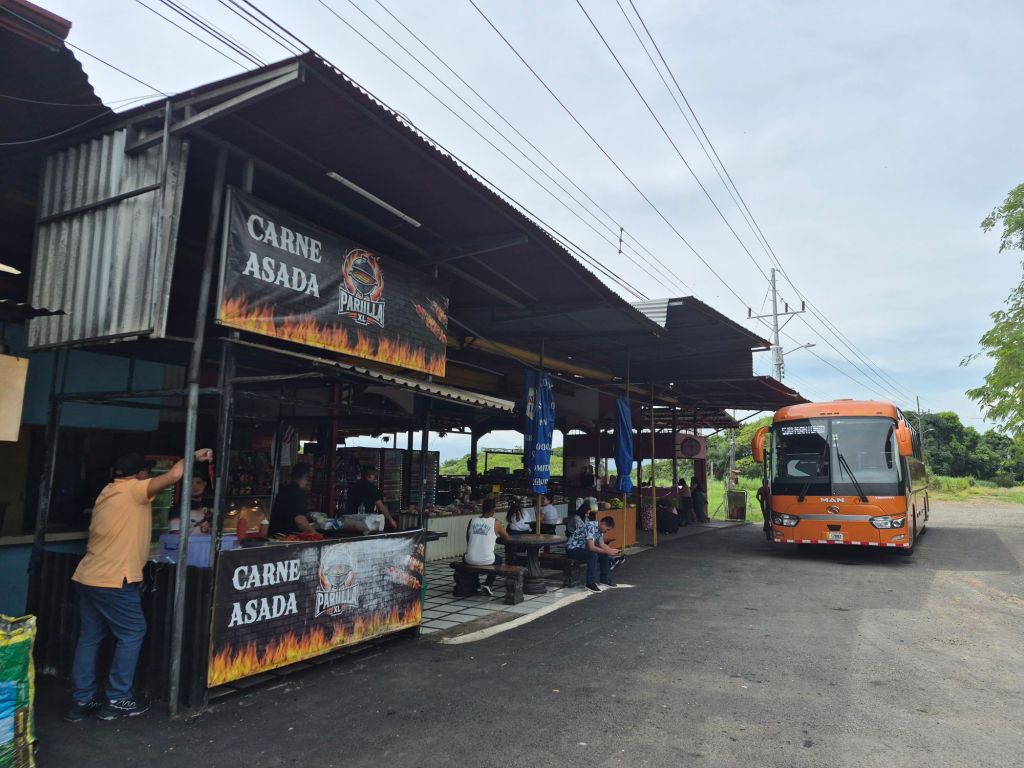
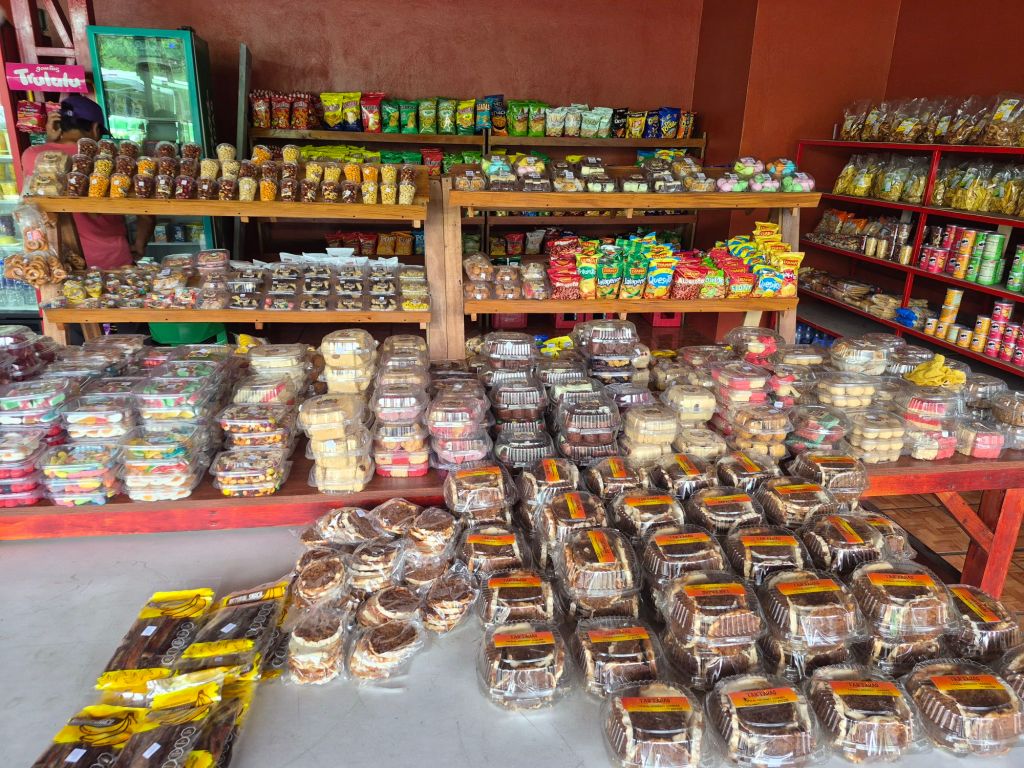
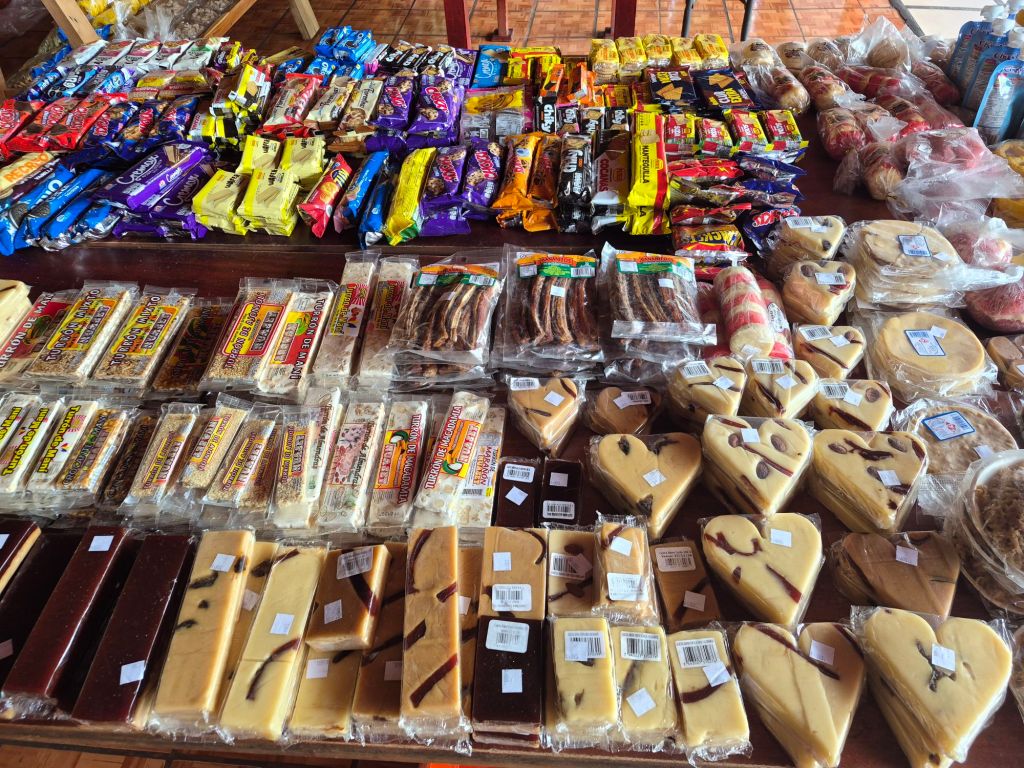
If one has a long journey on a bus, they stop for a lunch and bathroom break along the way, usually at a place where there are restaurants and stalls that cater for the passengers. On the way to San José, there were more stalls than usual, with interesting crafts and things to eat. The distances are not that far, but as the roads are winding through mountain passes, it often takes much longer than expected. Beautiful countryside, with spectacular views at times – but difficult to photograph in a moving bus.
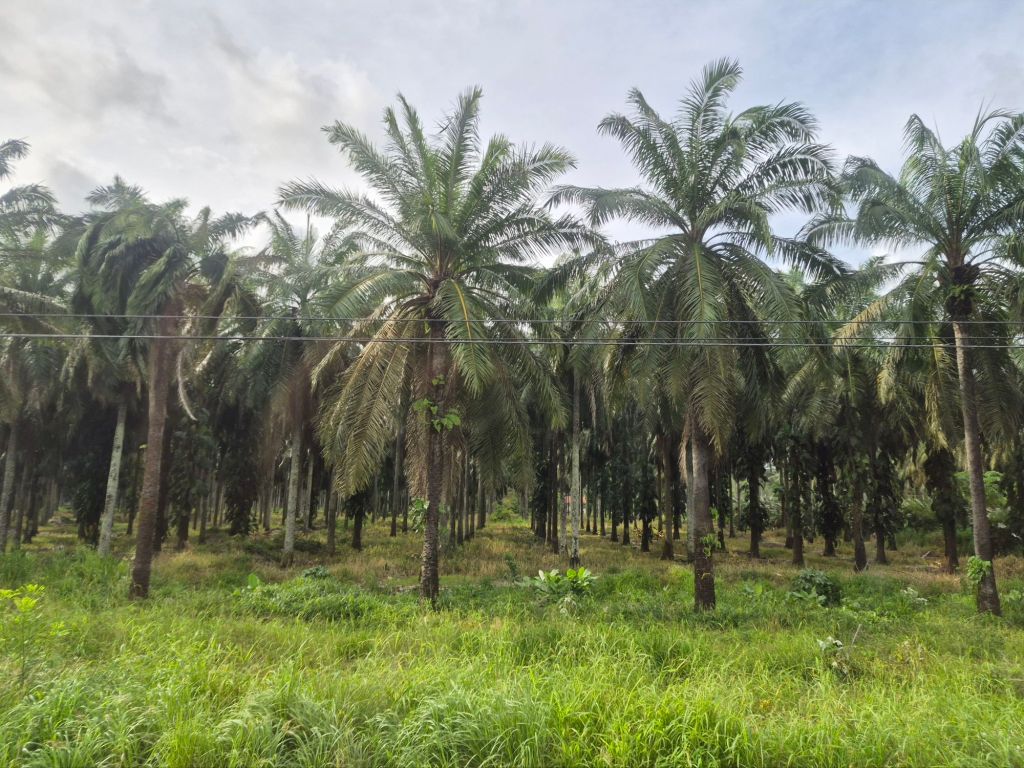
In San José I had to go to another bus station to catch the local bus to Quepos, and again the taxi driver quoted an exorbitant price so I ordered an uber, which the taxi driver told me was illegal. I’m not sure if that is true, but it sounded a bit like they were trying to monopolise the industry, just like in South Africa. When we got to the Pacific coast, we passed about 30km or more of palm tree plantations, and I read that this area has the largest production of palm oil in Costa Rica. The palms were planted in the 1950’s to replace the banana plantations that had been wiped out by disease. Although palm oil production is an important industry in Costa Rica, it remains environmentally debatable because of deforestation, soil health, and water usage and pollution.
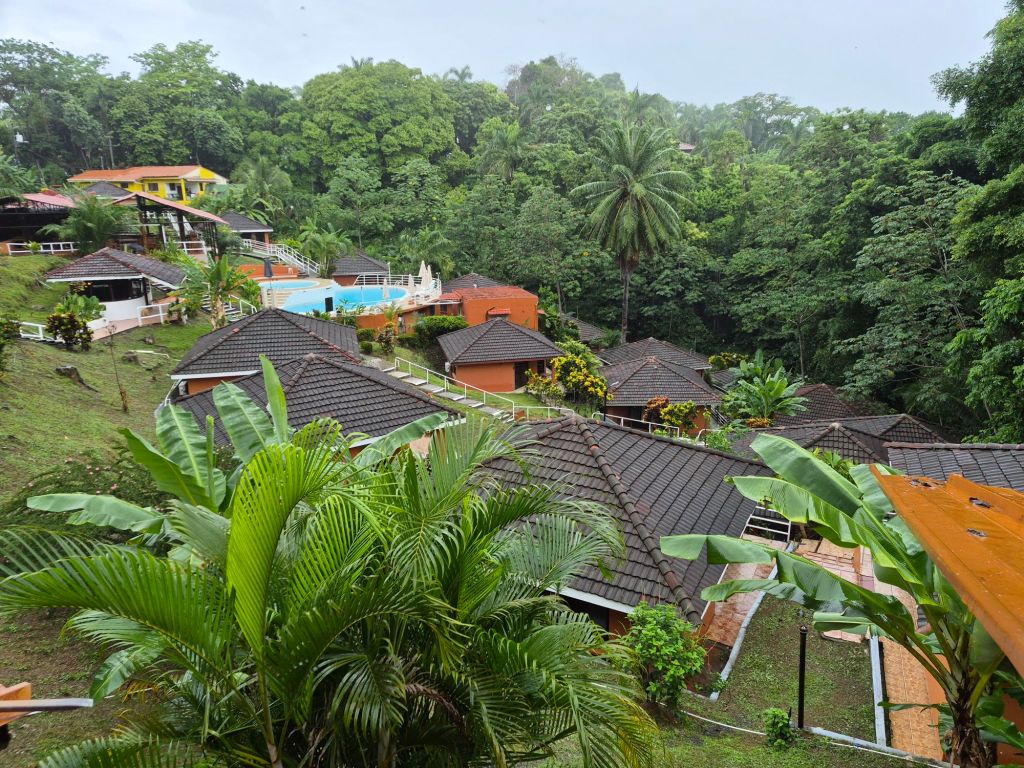
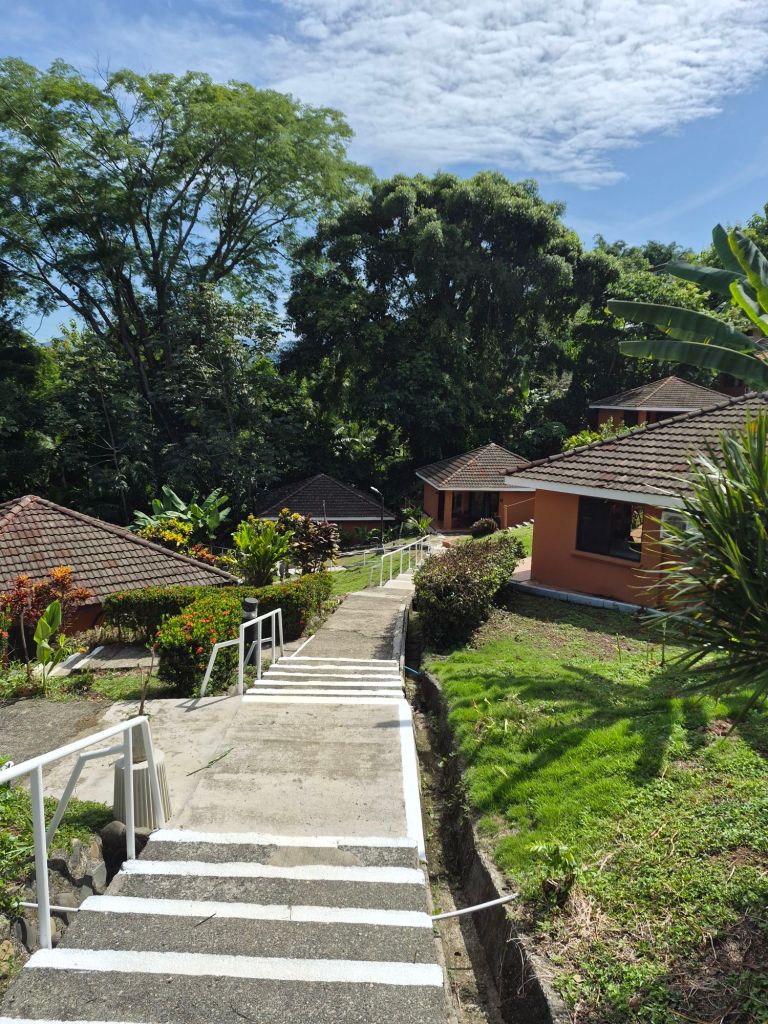
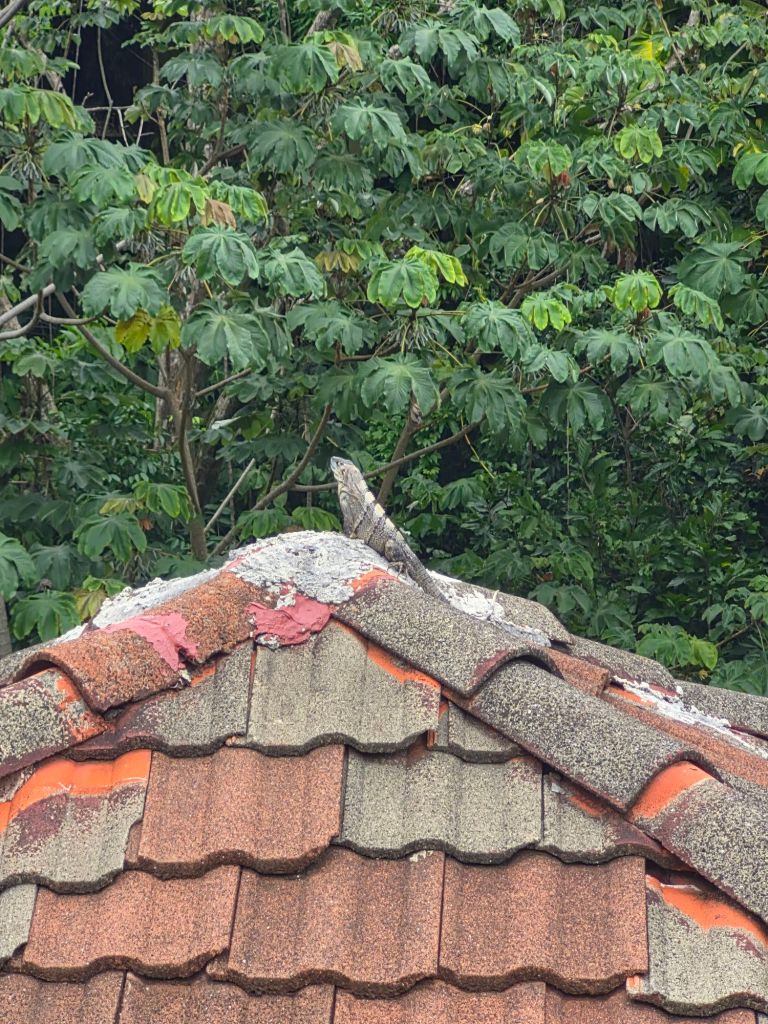
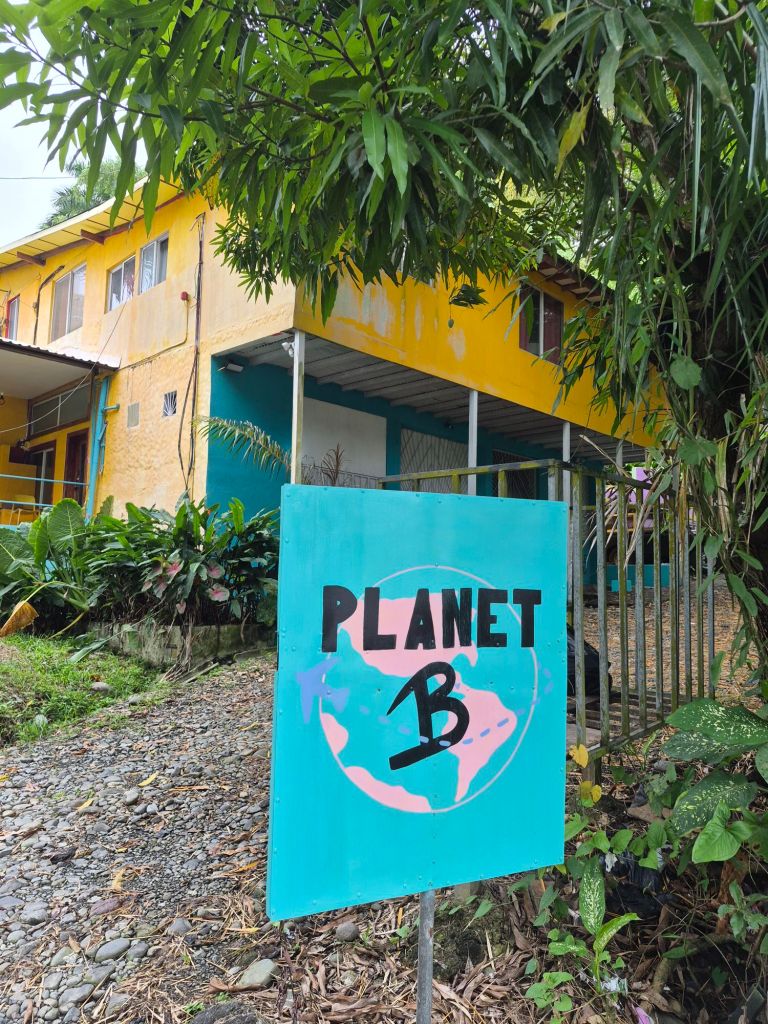
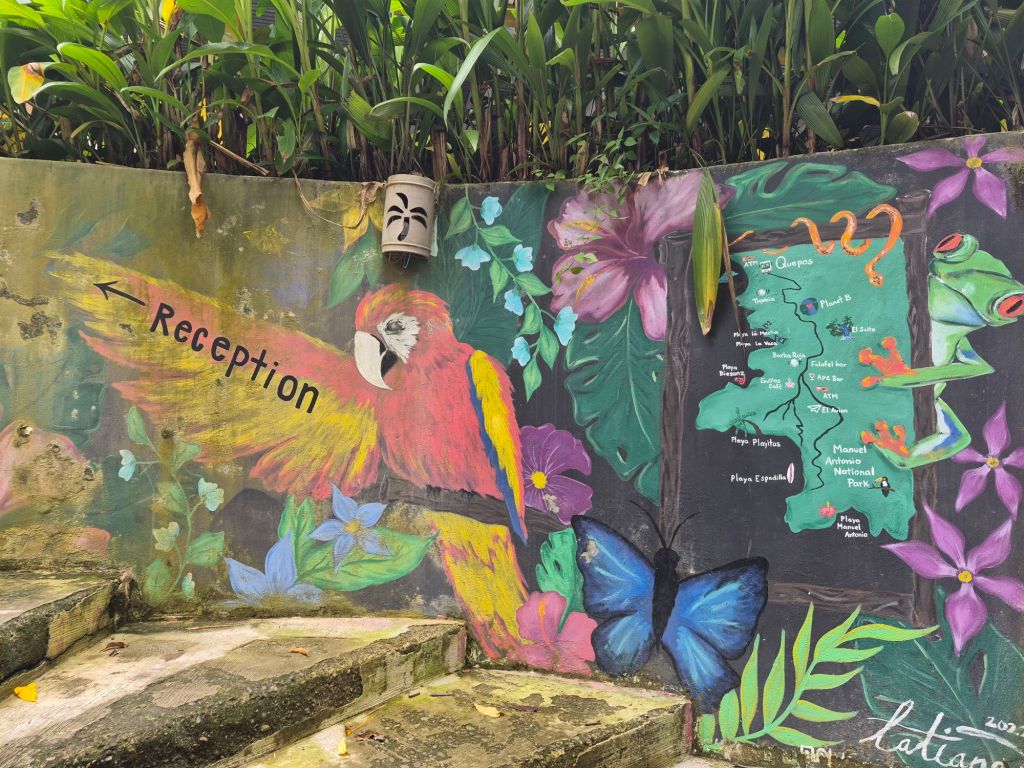
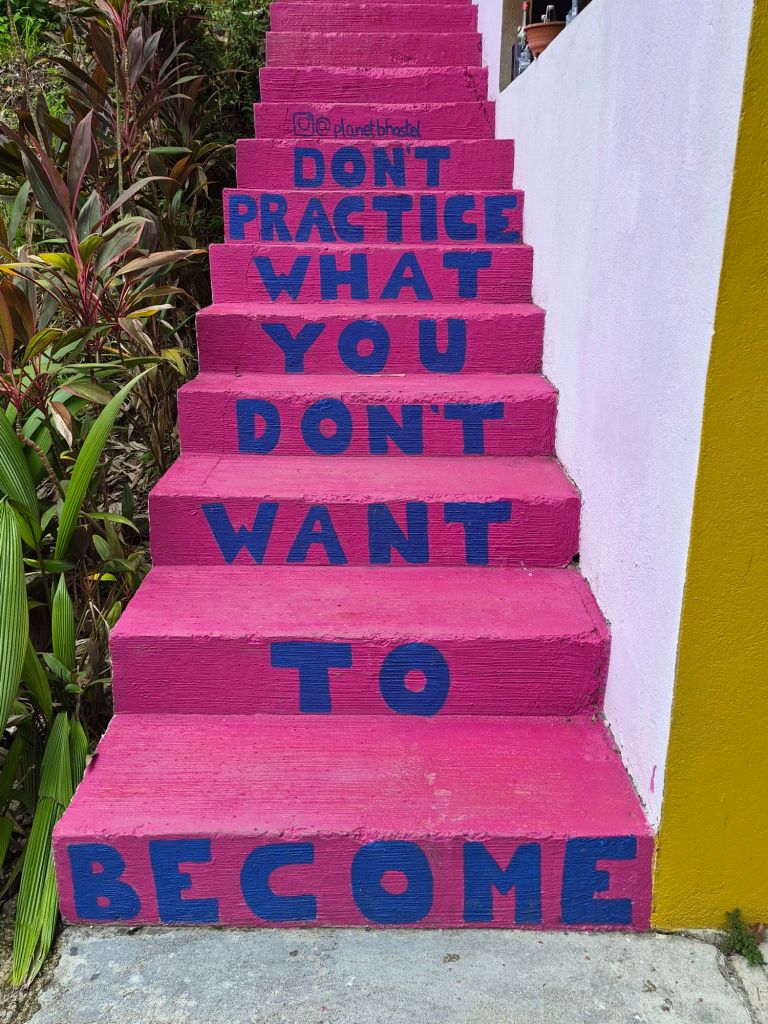
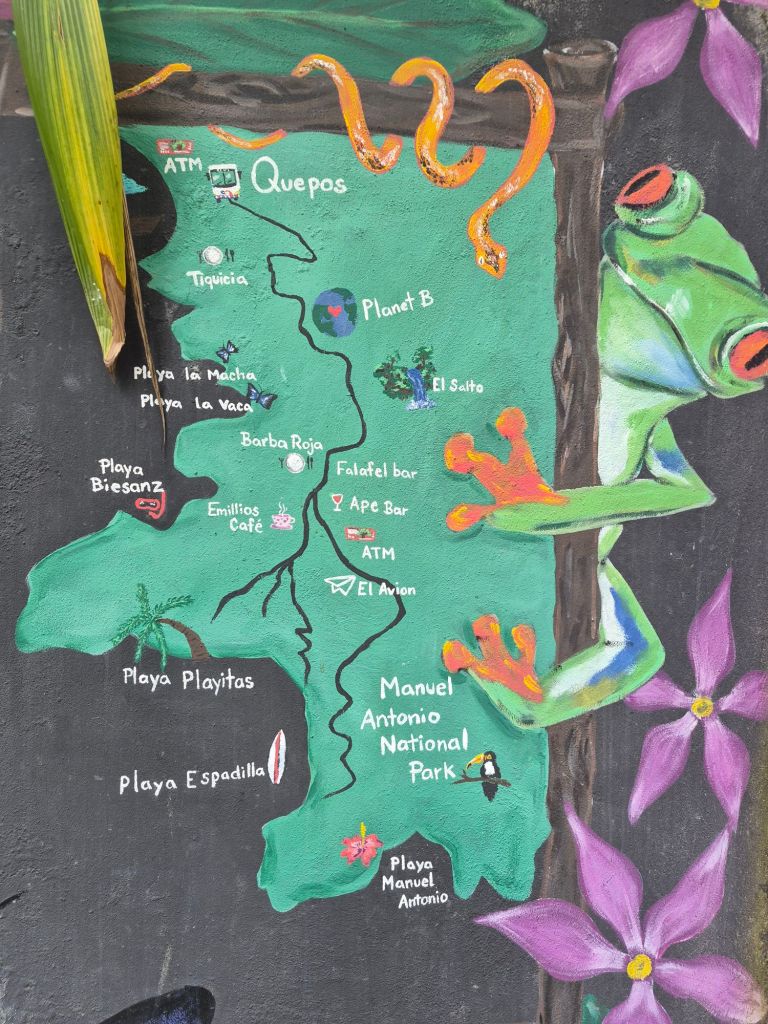
Now I have been working at a hostel, Planet B, 3km outside of Quepos, for almost 3 weeks. The owner, who lives in Texas, has an hotel as well, 5min walk down the road (BongO), where the volunteers stay. Bongo is nestled on a slope in the surrounding forest, and wildlife abounds here. There are monkeys, iguanas, lizards, sloths, macaws and other birds.
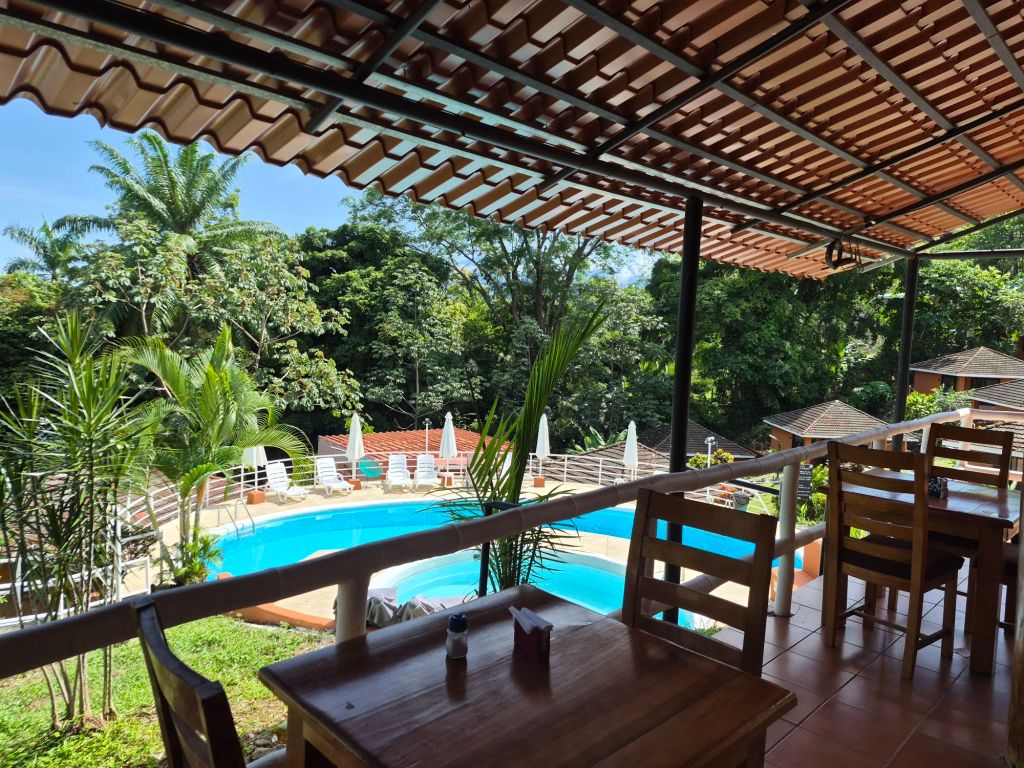
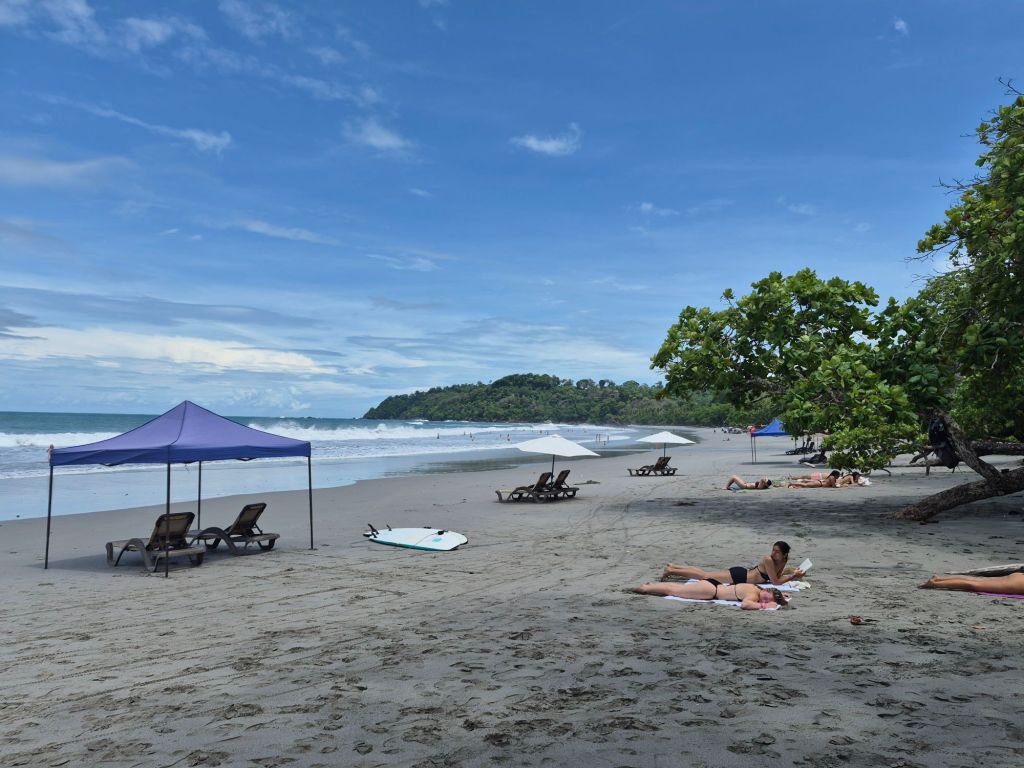
I’m sharing a bungalow with a delightful 19-year old girl, Amy, from the USA, whom I keep on pestering with translations of voice notes that Fernando, the manager, sends on the group. He doesn’t speak English, and my Spanish is just not good enough to understand. I really appreciate these youngsters for accepting me as an equal, despite the age difference. We are spoilt, as we have air-conditioned rooms, a huge kitchen just for the volunteers, and we may use the swimming pool. We work 4-hour shifts for 6 days, and then have a day off. There are beaches close by, Quepos is 20min walk down the hill and there is a regular local bus to catch if you don’t feel like walking back up the steep hill. Spectacular sunsets can be viewed just 200m down the road, and the very popular Manuel Antonia national park is 20min away by local bus. Costa Rica, and especially this area, is very expensive, so I am more than happy that I have free board and lodging for a month. Many expats have settled here, and one hears the Americans everywhere. The sea is warm, but some beaches are very dangerous as there are rip currents, so one has to be careful.
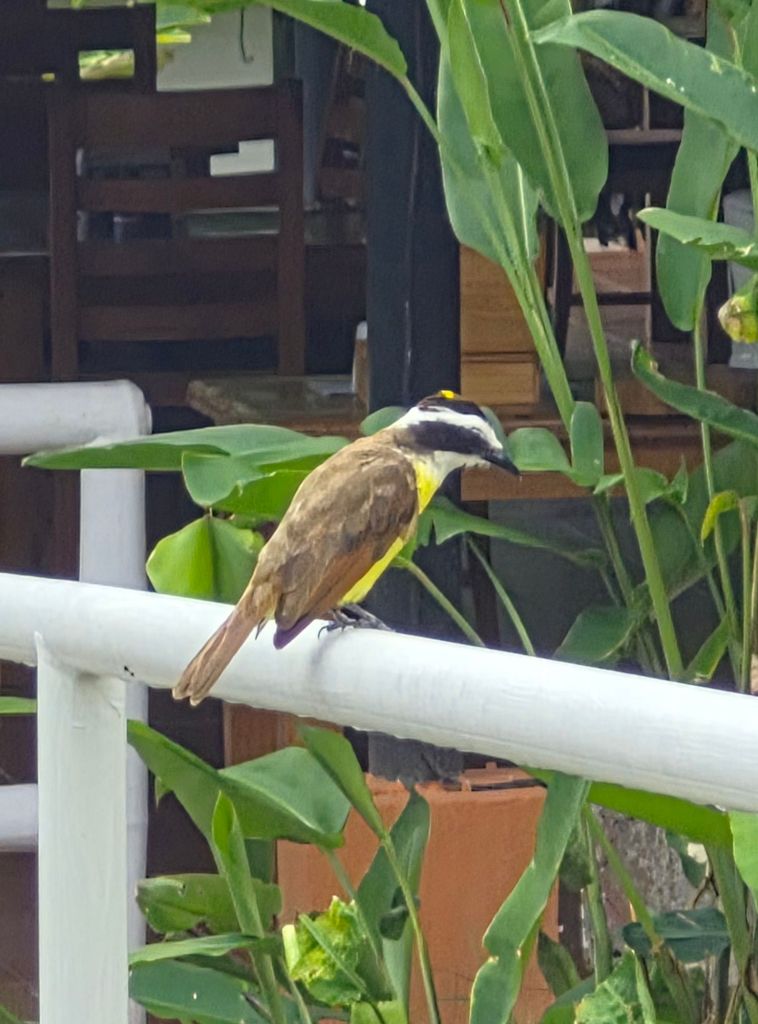
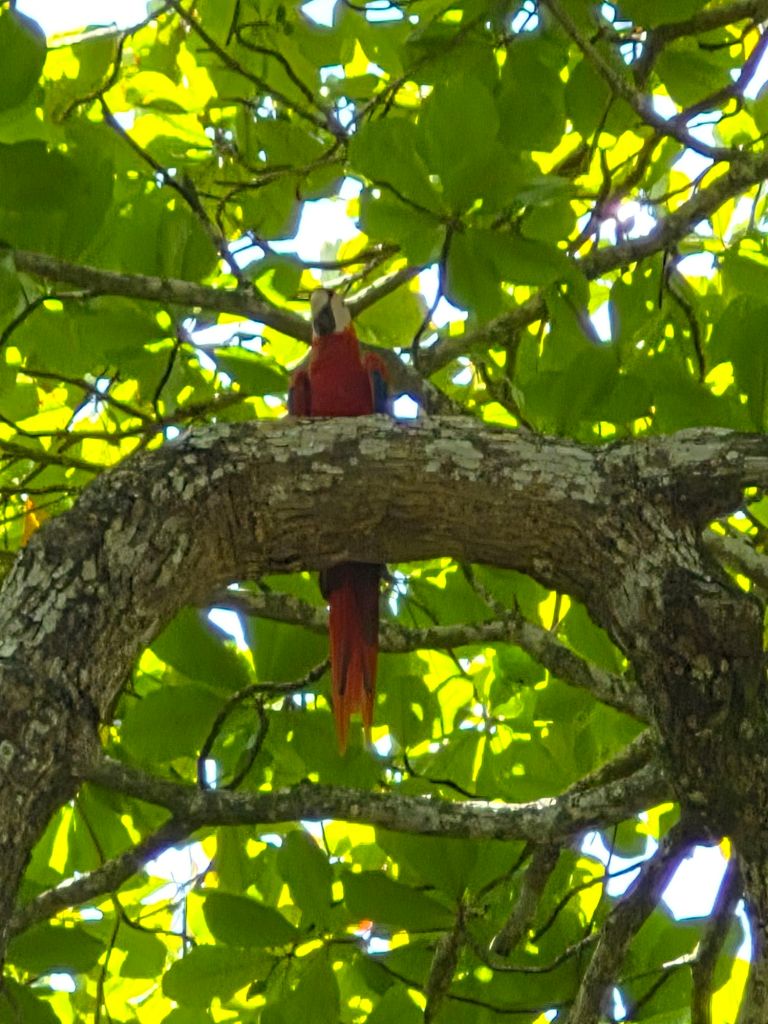
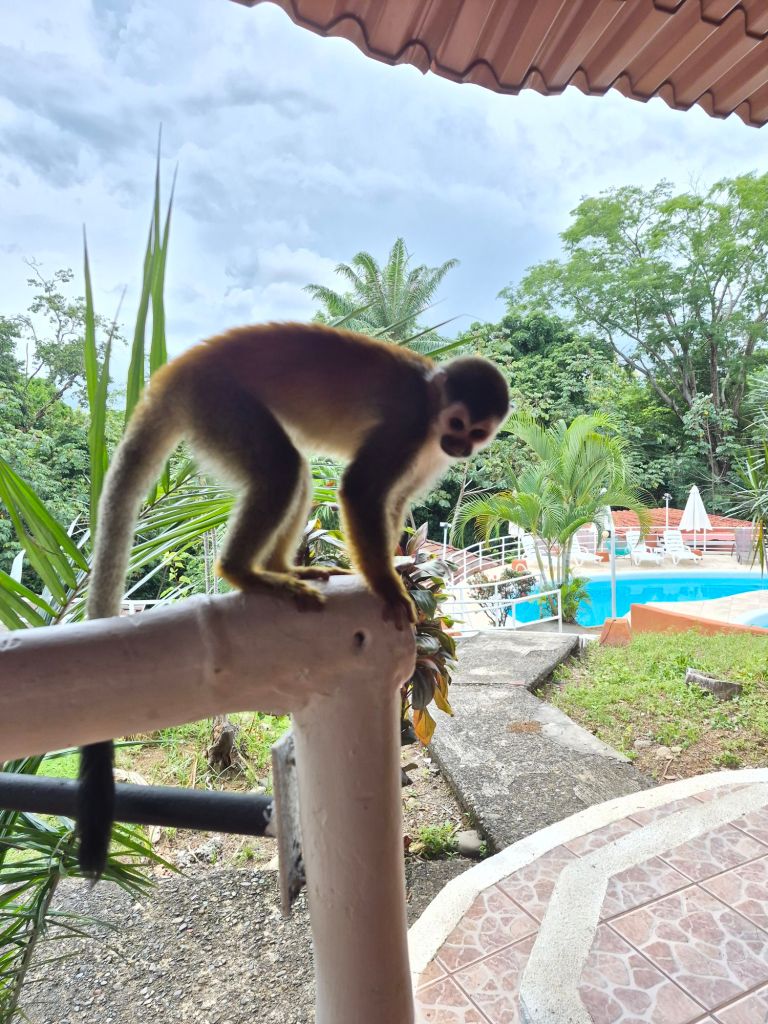
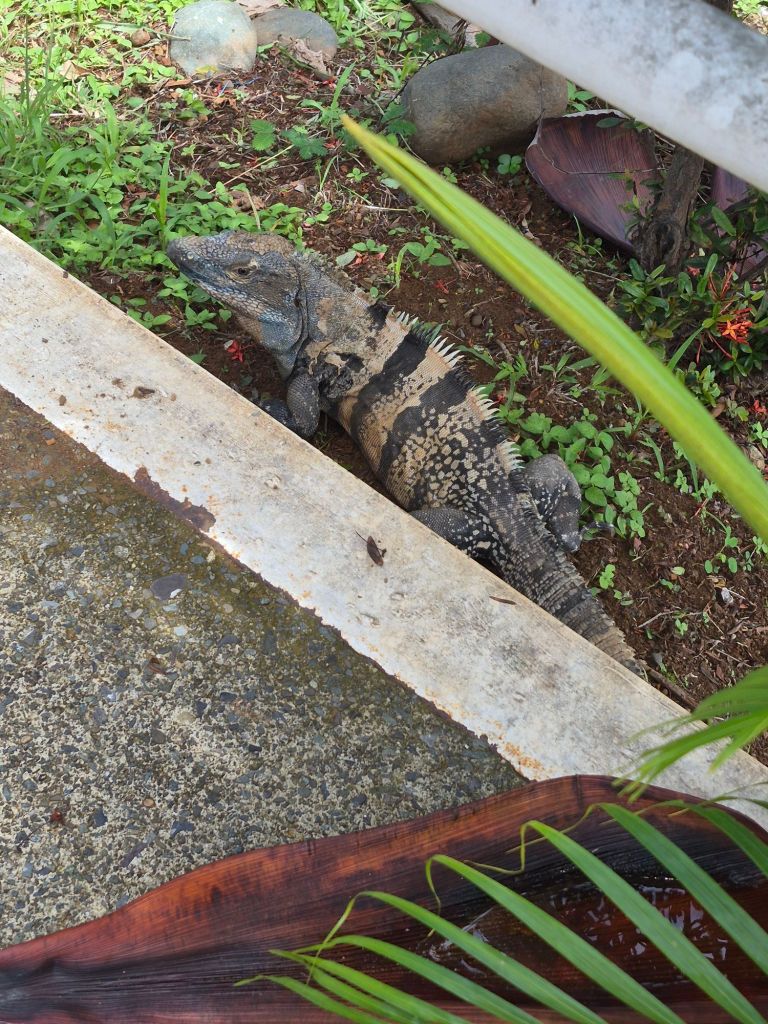
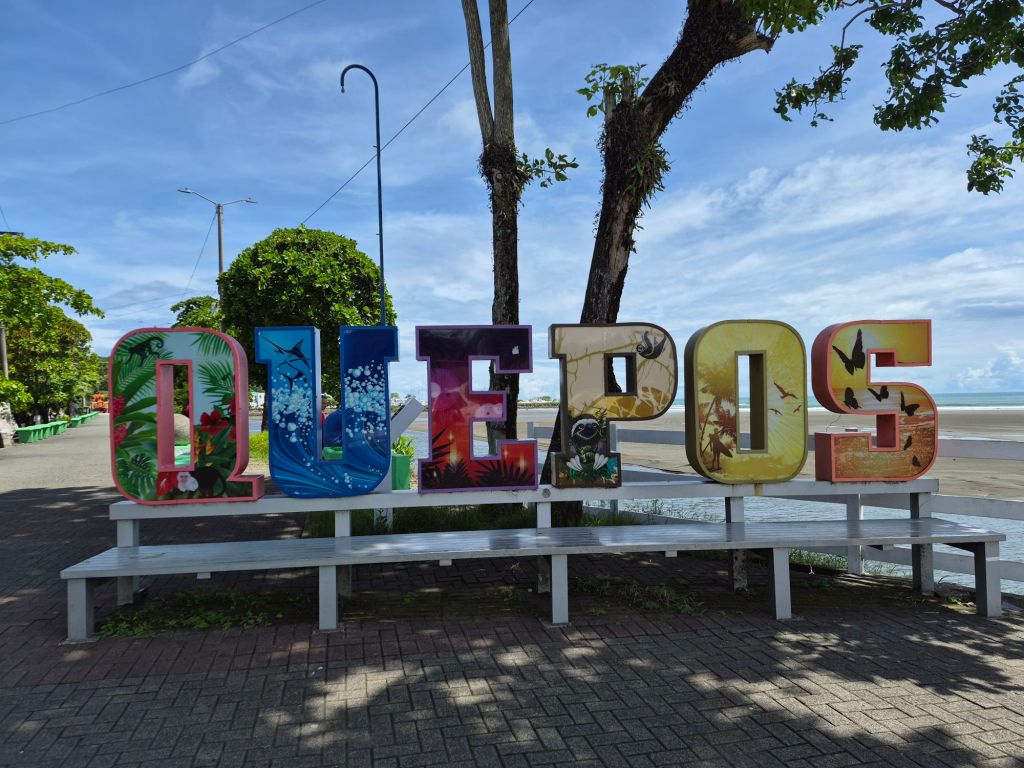
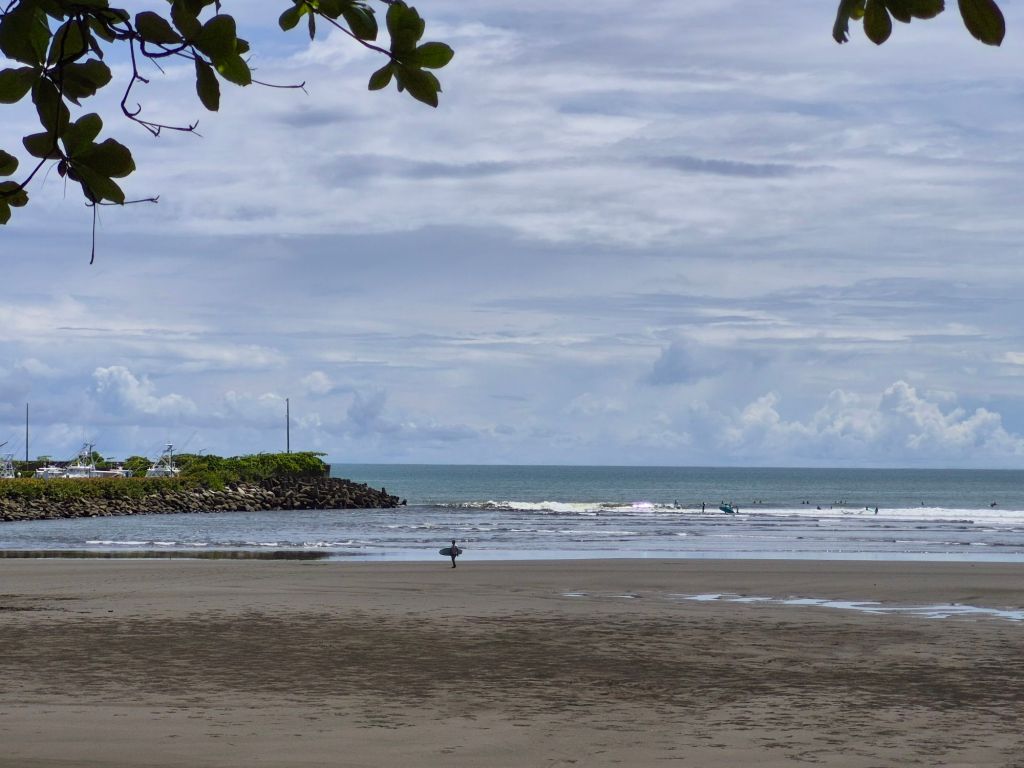
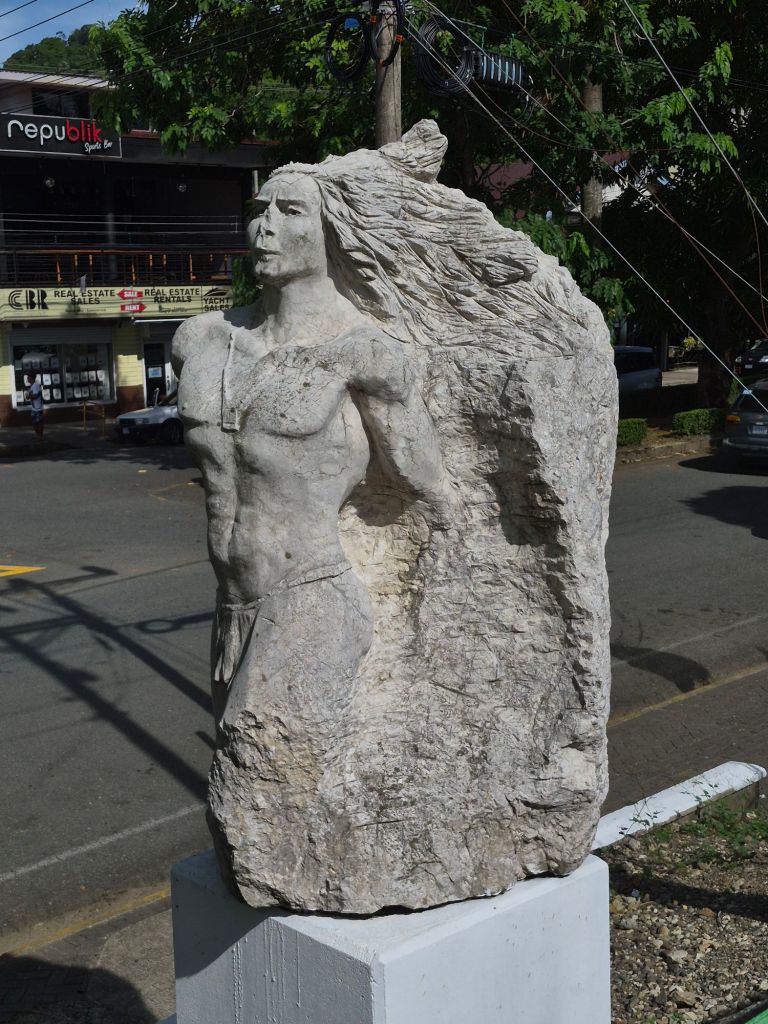
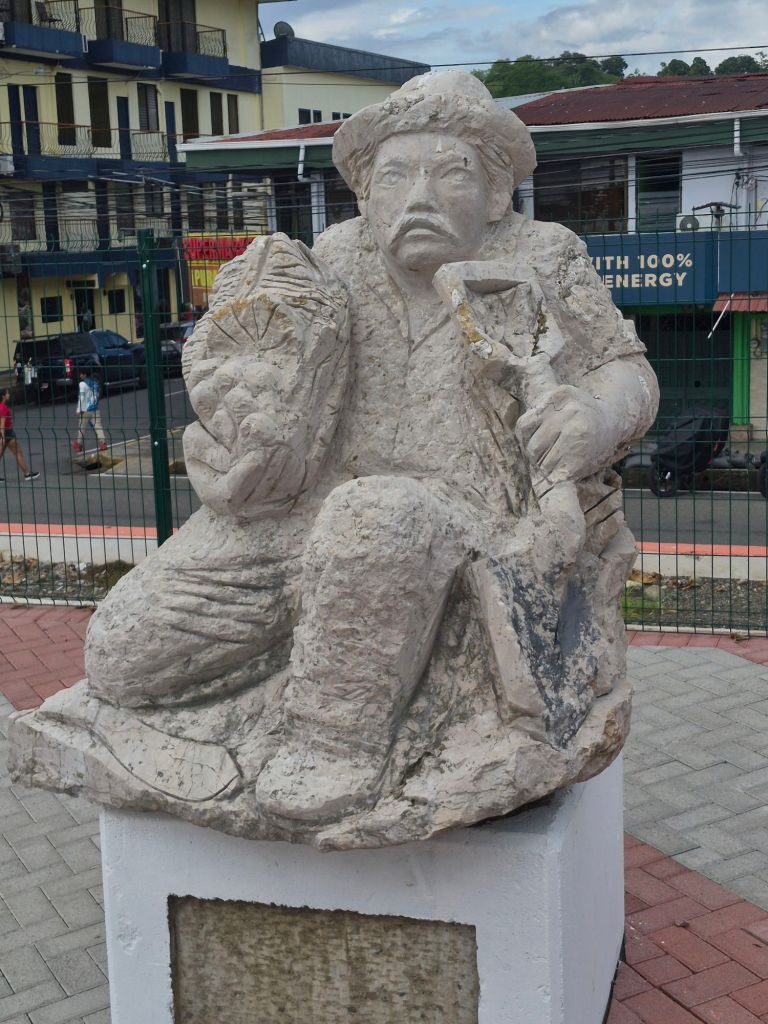

Yesterday was my day off, and I went to the national park in Manuel Antonia. One has to book online, which I initially struggled with, but Amy helped and eventually I managed to secure a booking. I had to buy a non-disposable water bottle, as plastic ones are not allowed in the park, and neither is any food. There is a restaurant in the middle of the park, which is caged in, so that no animals are attracted by food.
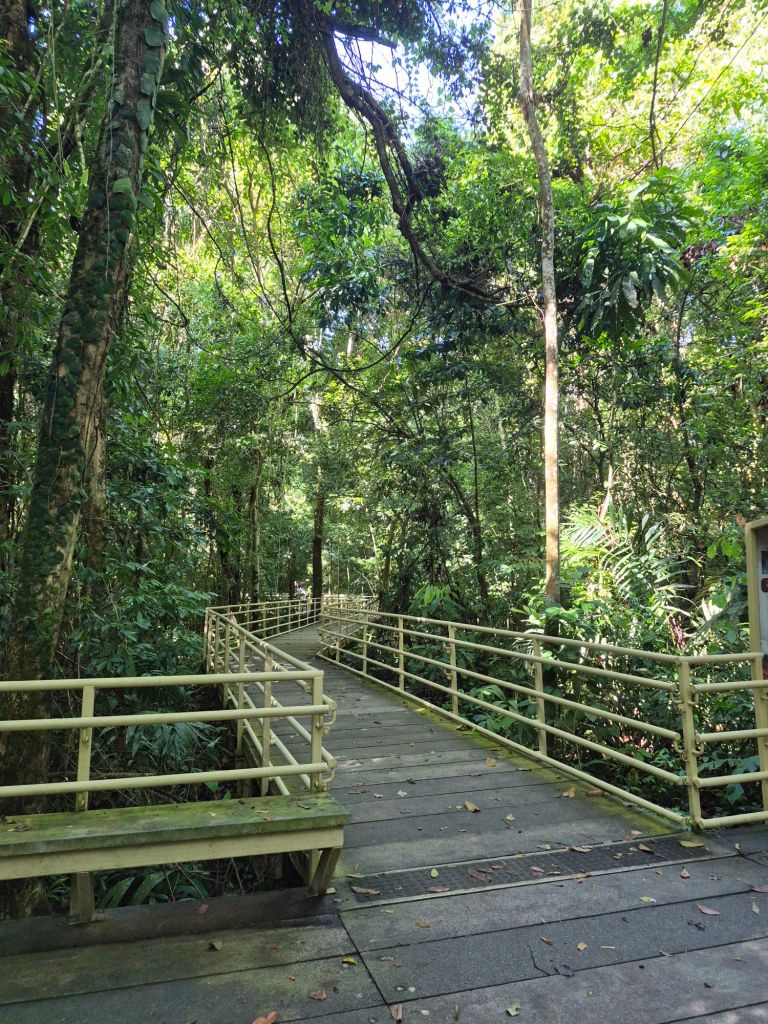
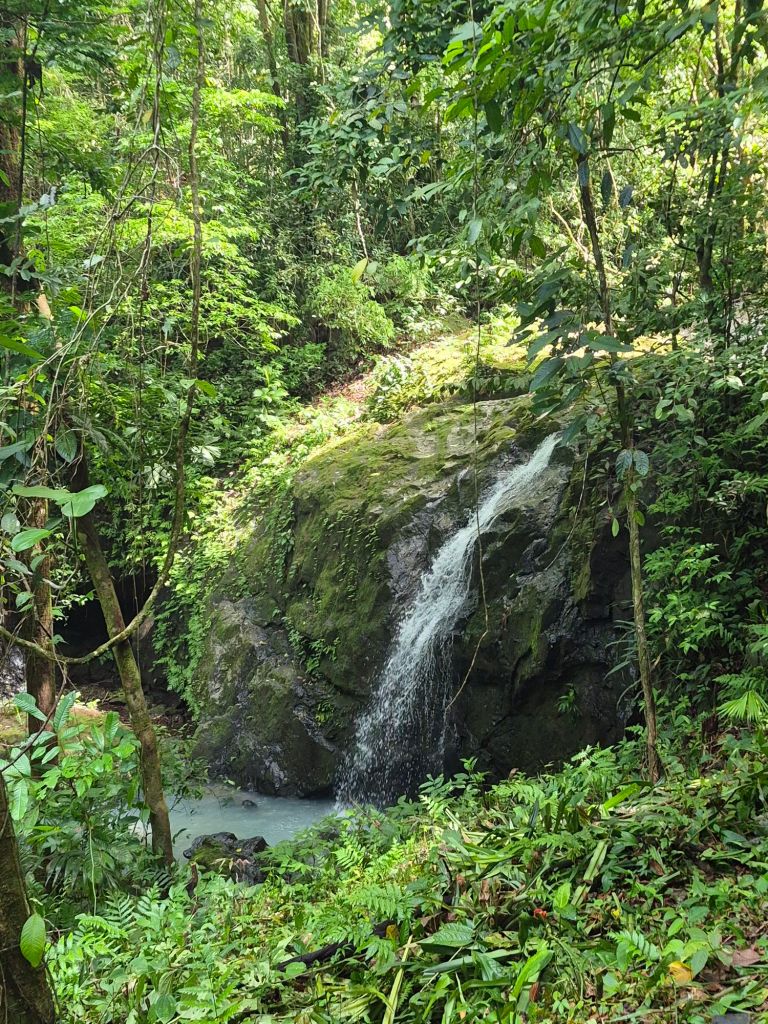
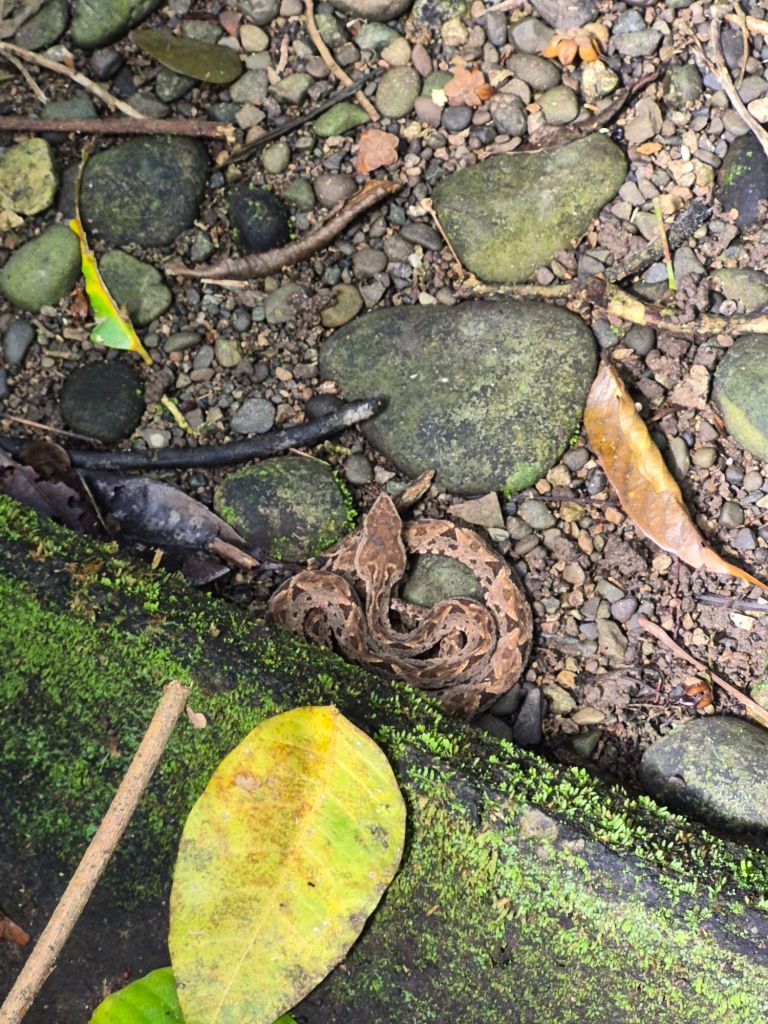
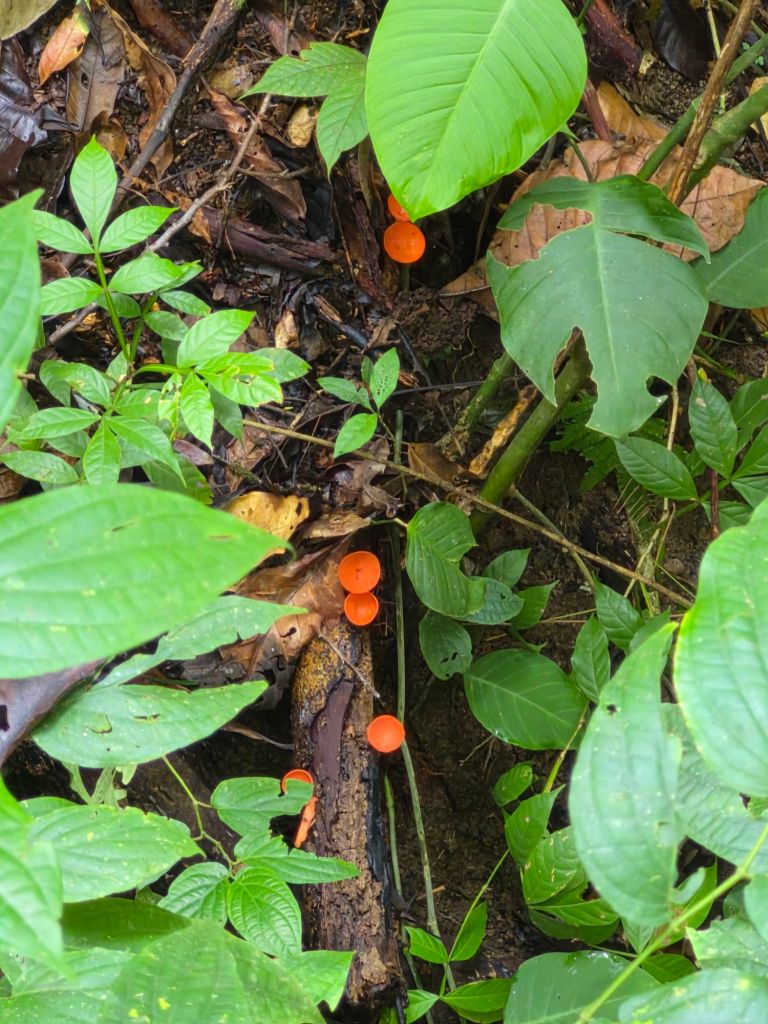
Walking in the park was frustrating, not at all like the parks in Panama, where I was sometimes the only one there. There are many visitors, most of them part of a group led by a guide. The paths are all paved, or are wooden walkways, and often so congested with people and guides, that one struggles to get past them. The guides have telescopic bent lenses that people can use to look at insects, frogs, crabs, birds or sloths that are often high in the trees. All the paths are indicated on my Maps.Me app, so I managed to steer clear of the crowds at times, walking deep into the forest. Then I would slow down, take a deep breath, inhaling the damp forest smell, listening to the silence and enjoying the fullness of the moment. I realised that I had missed the jungle walks, not having done one in almost three weeks.
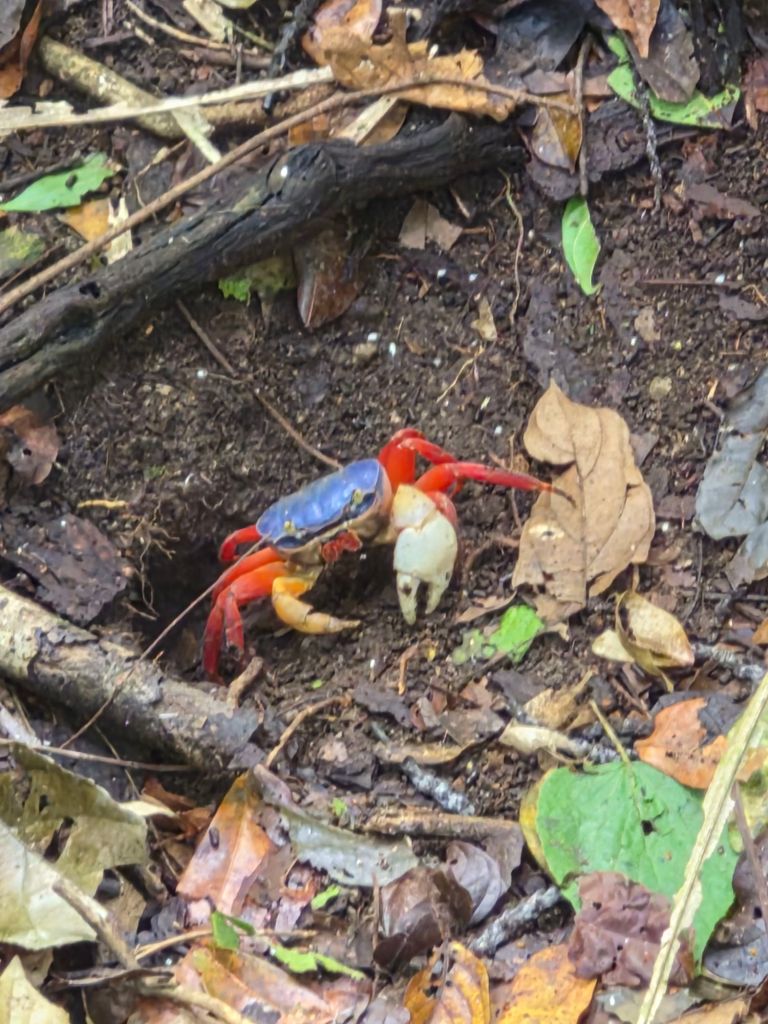
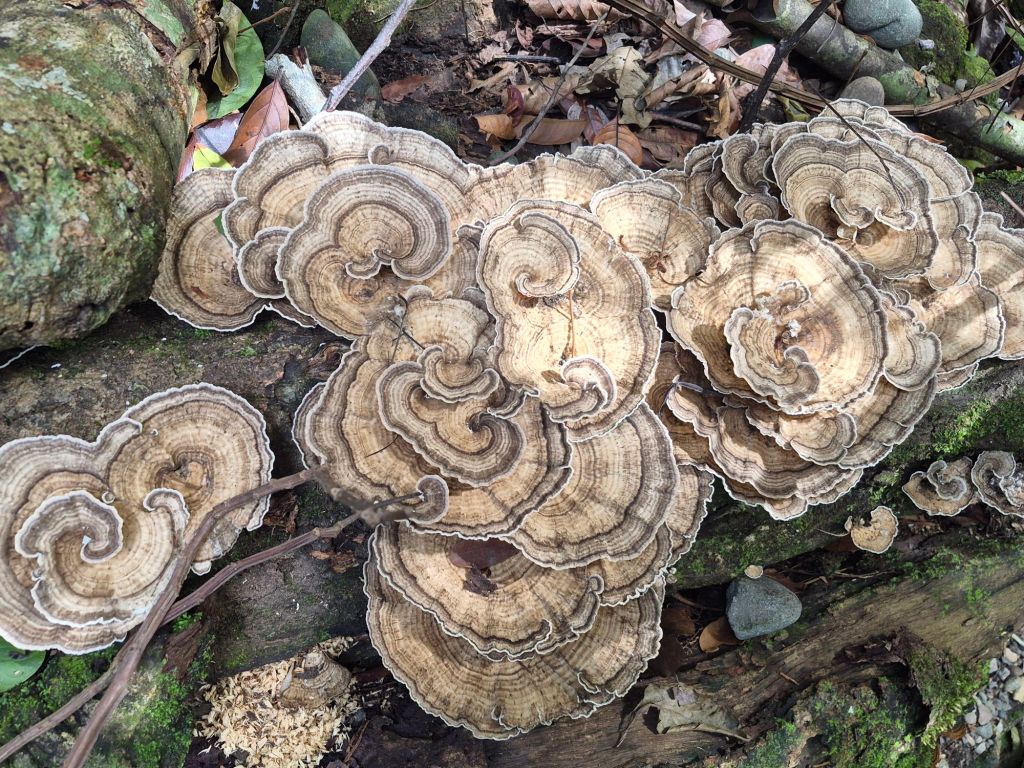
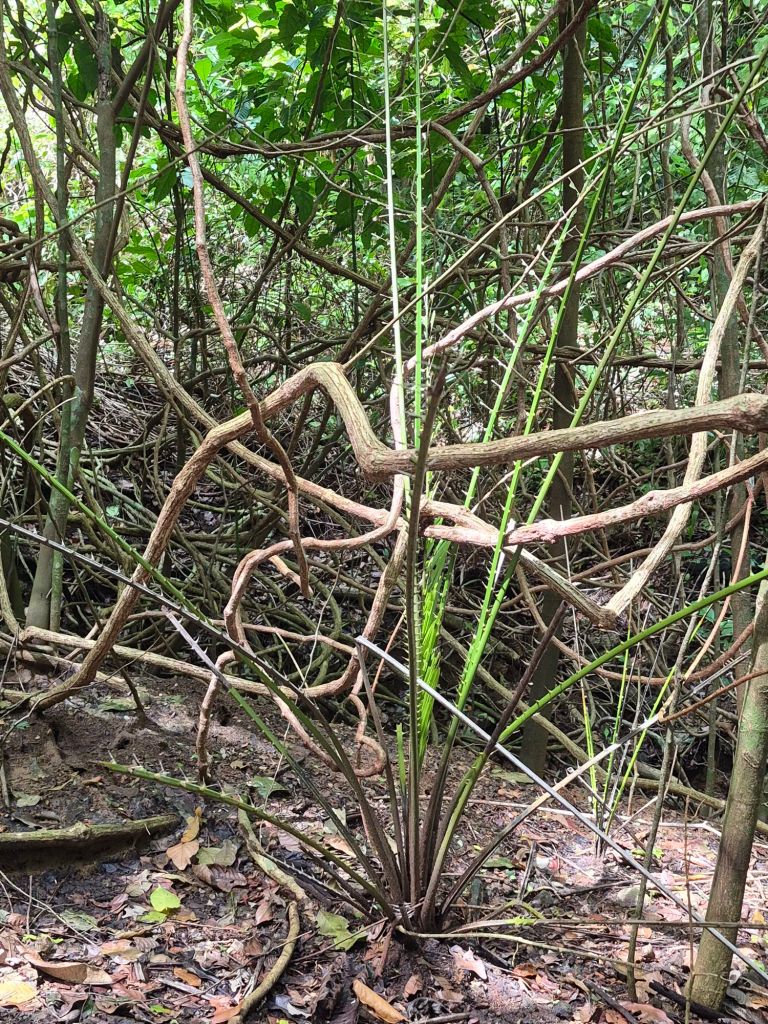
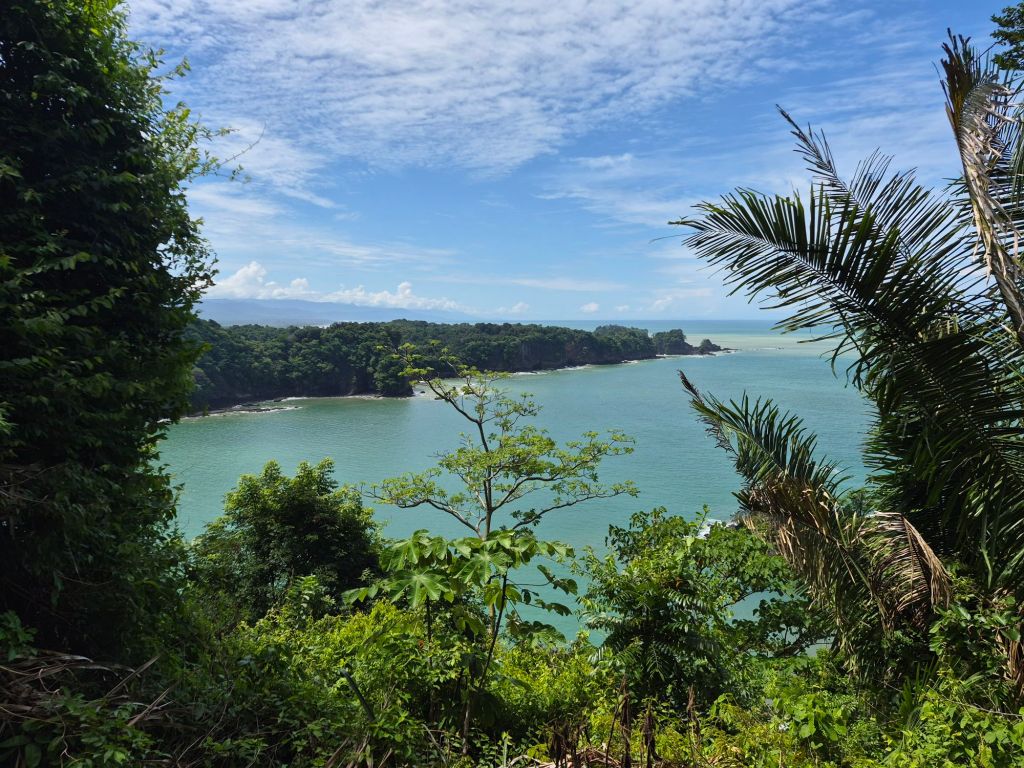
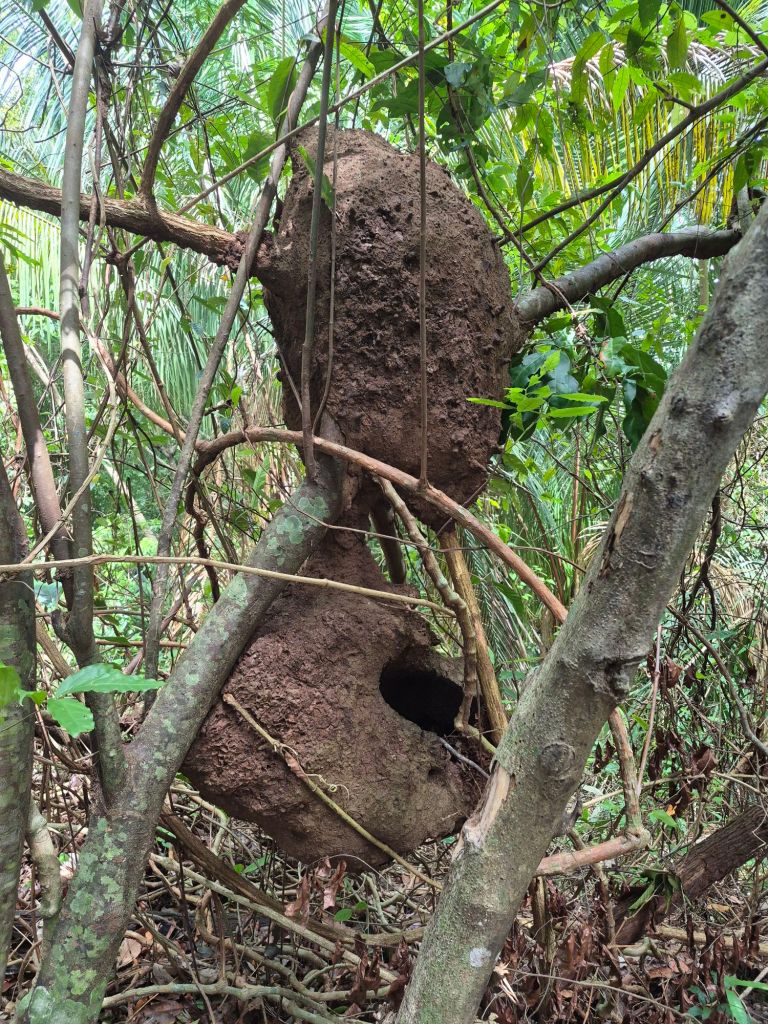
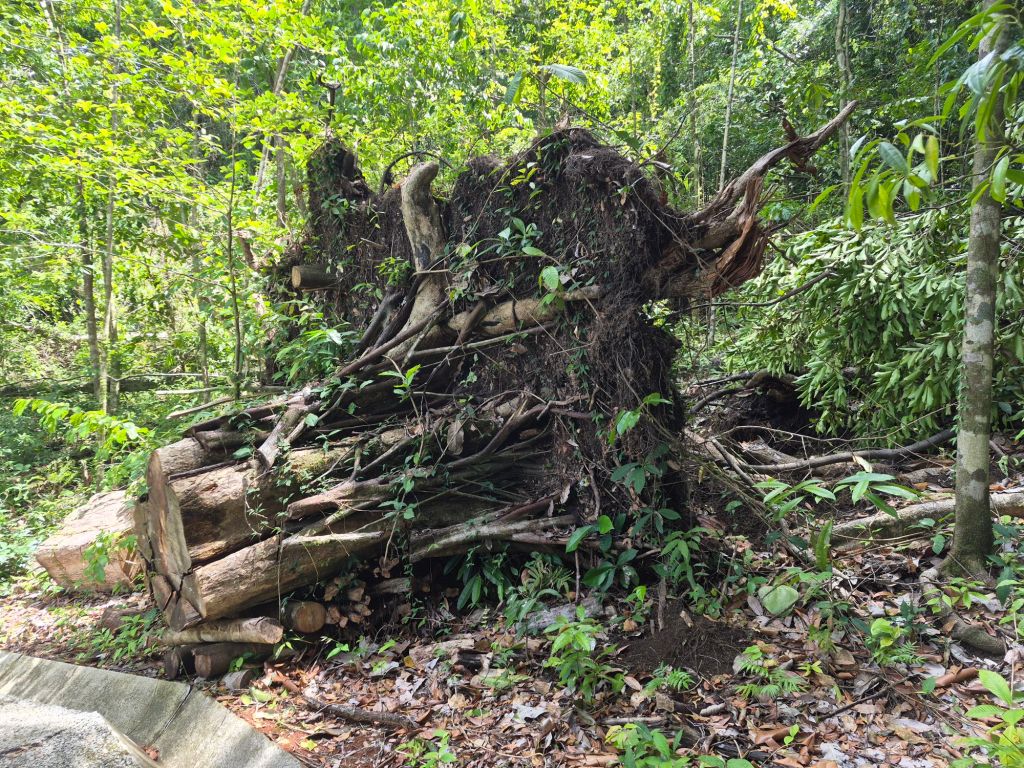
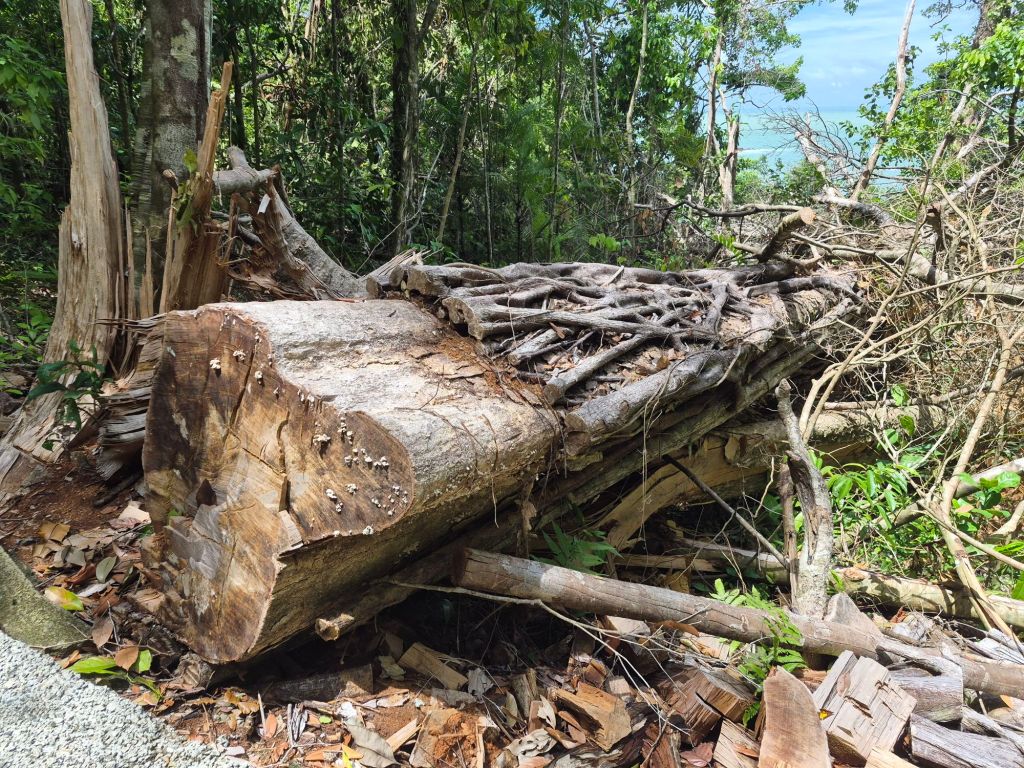
The following picture is one of an uprooted old giant that had fallen across the path. A chunk had been sawn out and removed, the rest of it was lying stretched out on the other side of the path. Just beyond that was a sign that said: “Matter cannot be created or destroyed, it can only be transformed”, with an explanation of the ecosystem that is sustained by fallen trees.
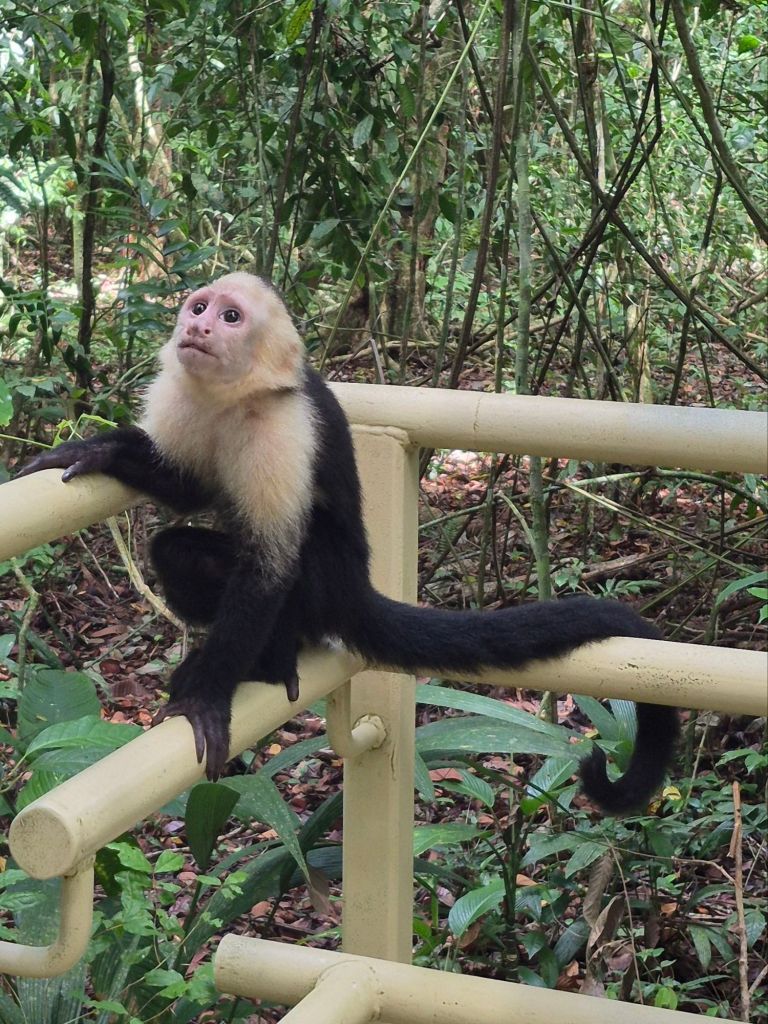
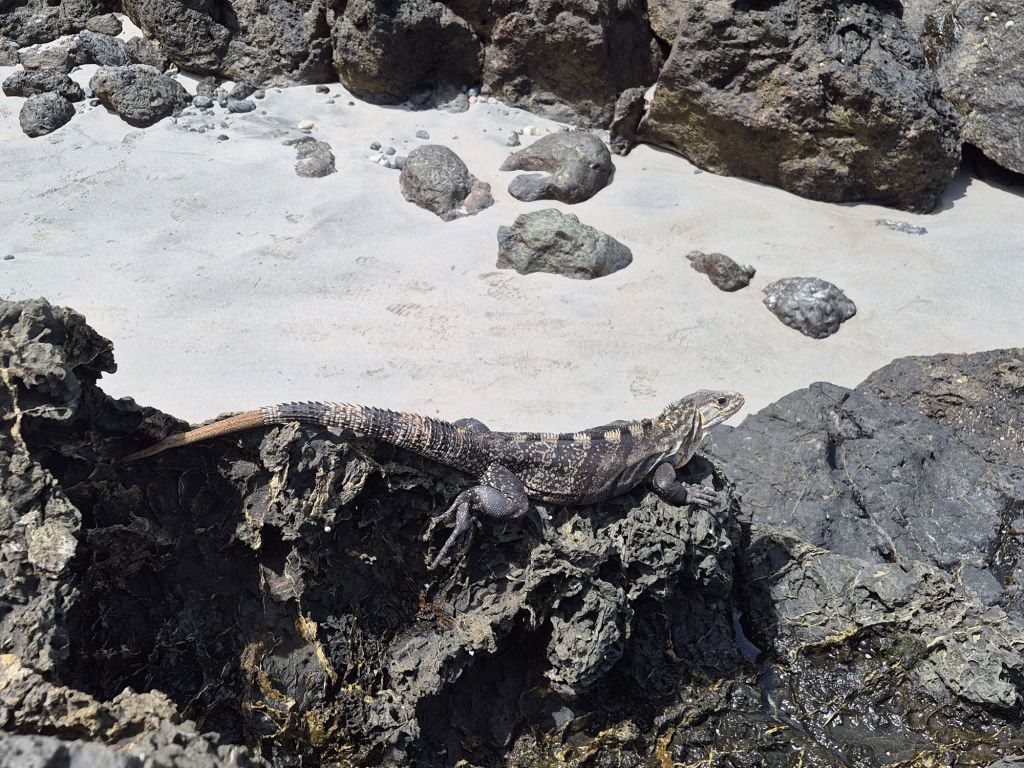
They have such old and sad little faces
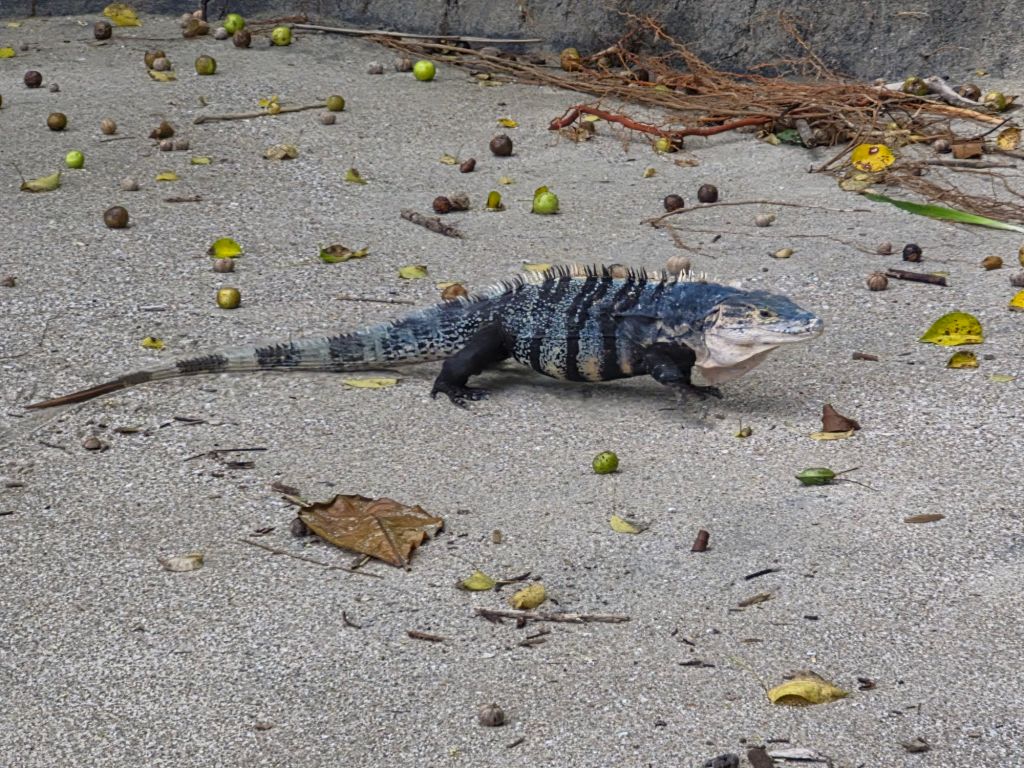
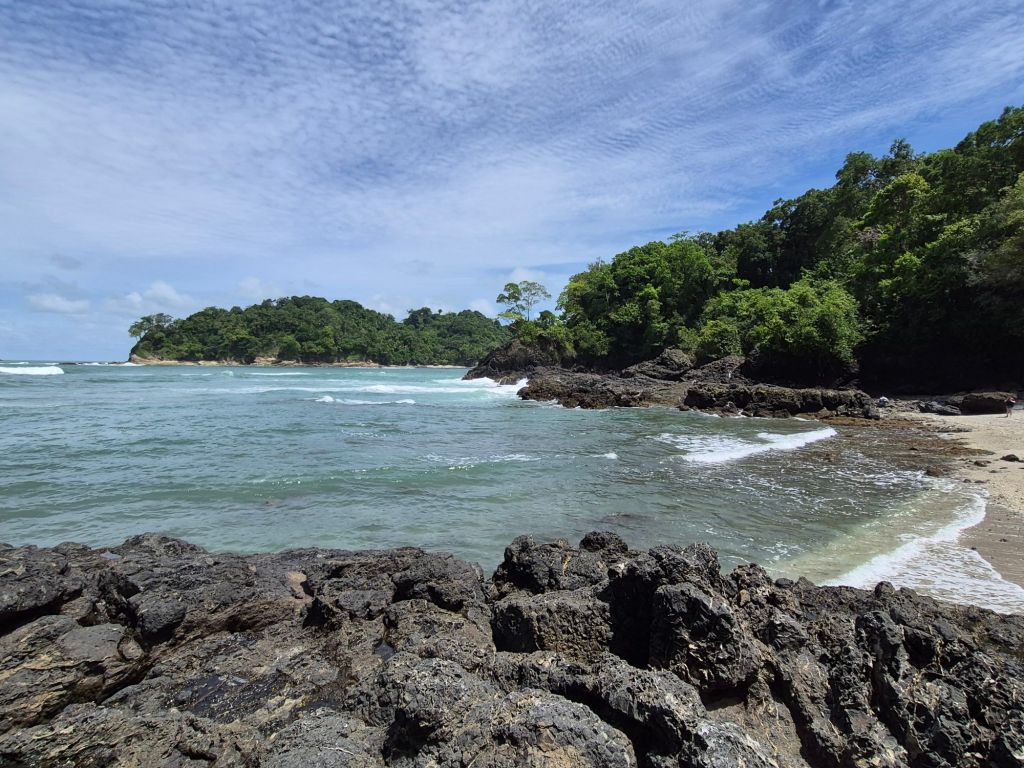
Evidently the fruit lying around the iguana are from a highly toxic tree, the Manchineel tree (Hippomane mancinella), regarded as the most dangerous tree in the world. Every part of it is highly toxic – the bark, leaves, fruit, and even its sap. It causes acid-like burns and blisters, the smoke from burning logs when inhaled can cause eye irritation and respiratory problems, and eating the fruit can be fatal. One shouldn’t even stand under one when it’s raining. Locally it is known as manzanillo de playa (beach chamomile) or árbol de la muerte (tree of death) and it grows at the edge of sandy beaches. I didn’t know any of is, and happily picked up and played with one of the fruit while walking along the beach (I usually pick up a stone, but there weren’t any). I also almost sat down on a trunk to put on my shoes, when a passer-by warned me. Oops!
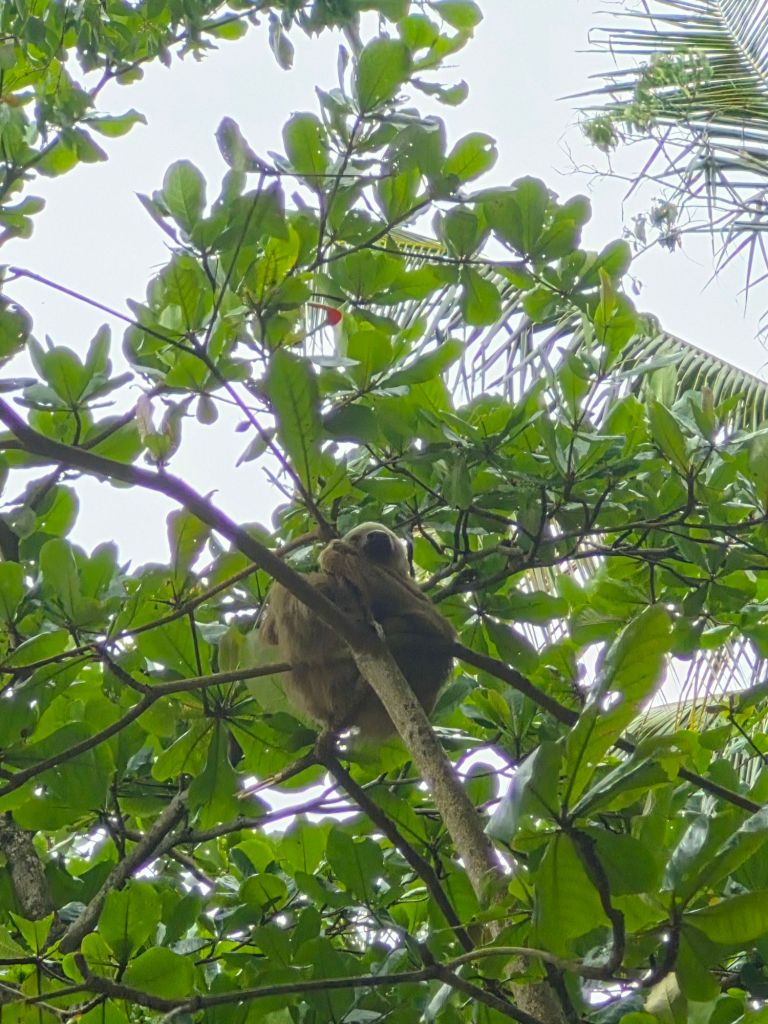
This morning during my breakfast shift I was talking to one of the guests, when she saw a sloth in a tree next to the hostel. It was the first time I had seen one move in natural surroundings, and compared to the monkeys they are very slow, but compared to a chameleon they are quite fast. I’m loving this living surrounded by nature, birds and animals.


 Mella Madness
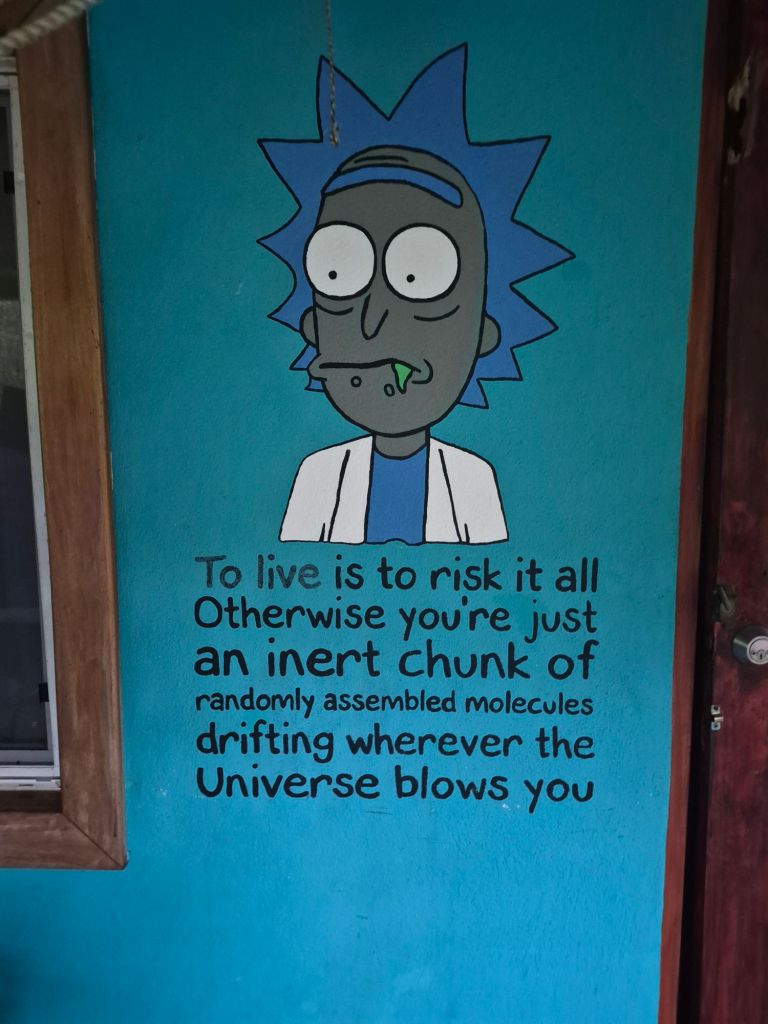
Jy het voorwaar hare op jou tande en leef die “to live is to risk it all..” gesegde. Ek geniet jou blog so baie! Travelling vicariously is maklik!
LikeLiked by 1 person
Hemel Meryl ek is so Bly jy geniet jou ervaring ek kan nie eers myself indink in jou keuses nie … Jy is uniek !!! 💛💛
LikeLiked by 1 person