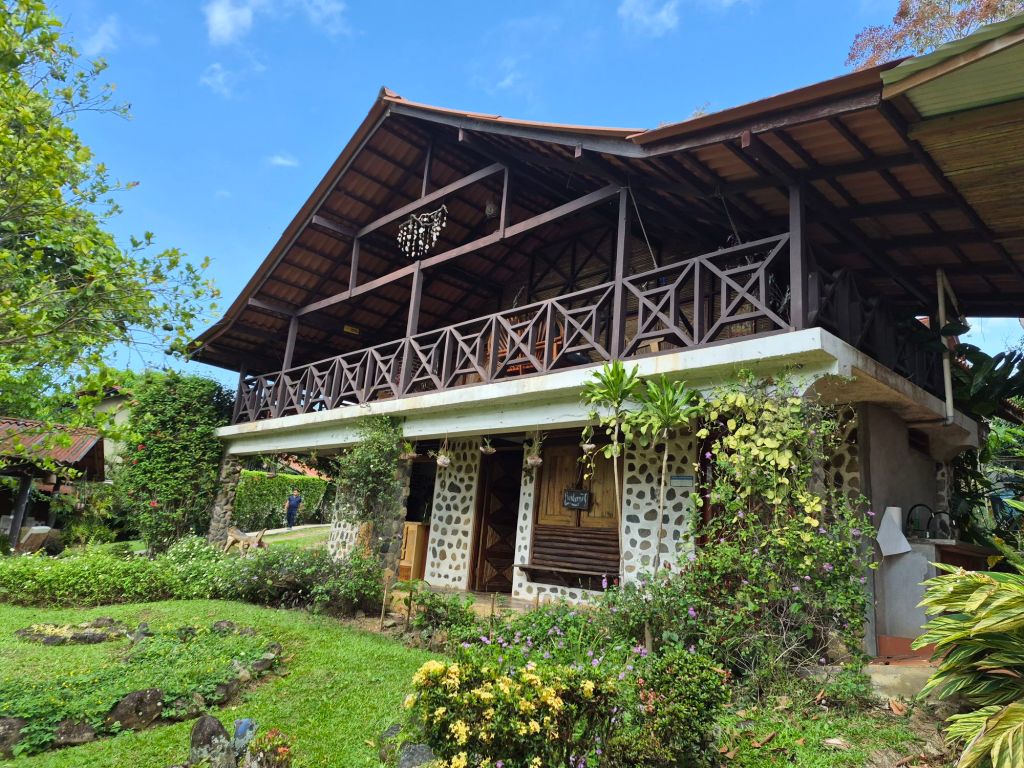
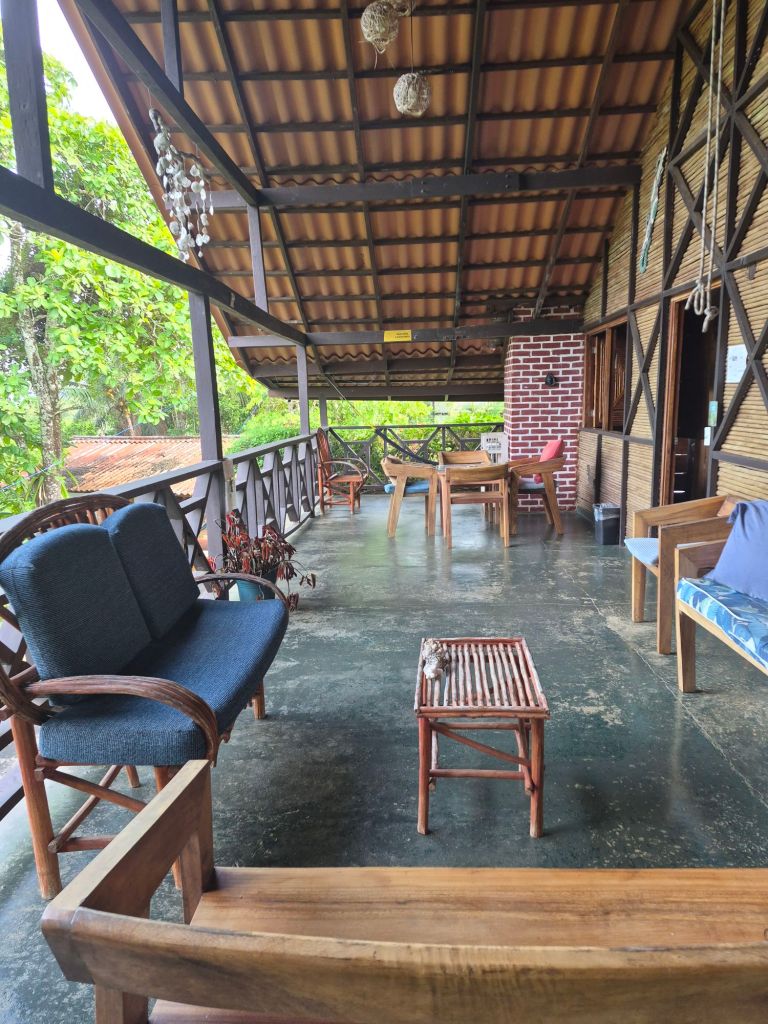
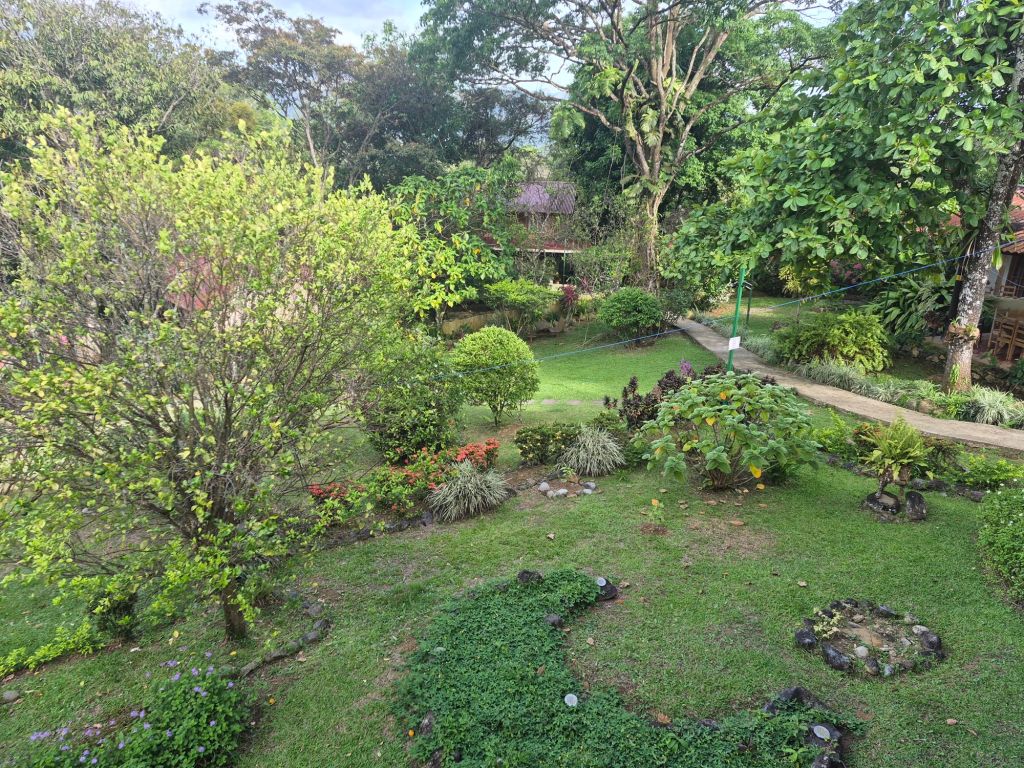
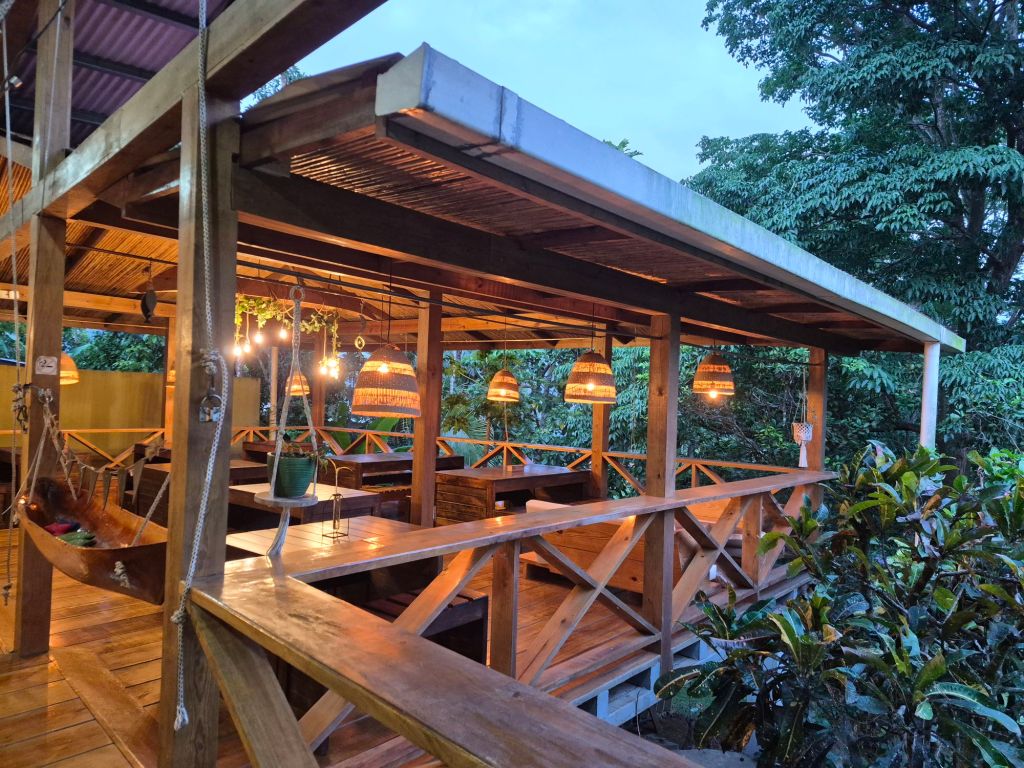
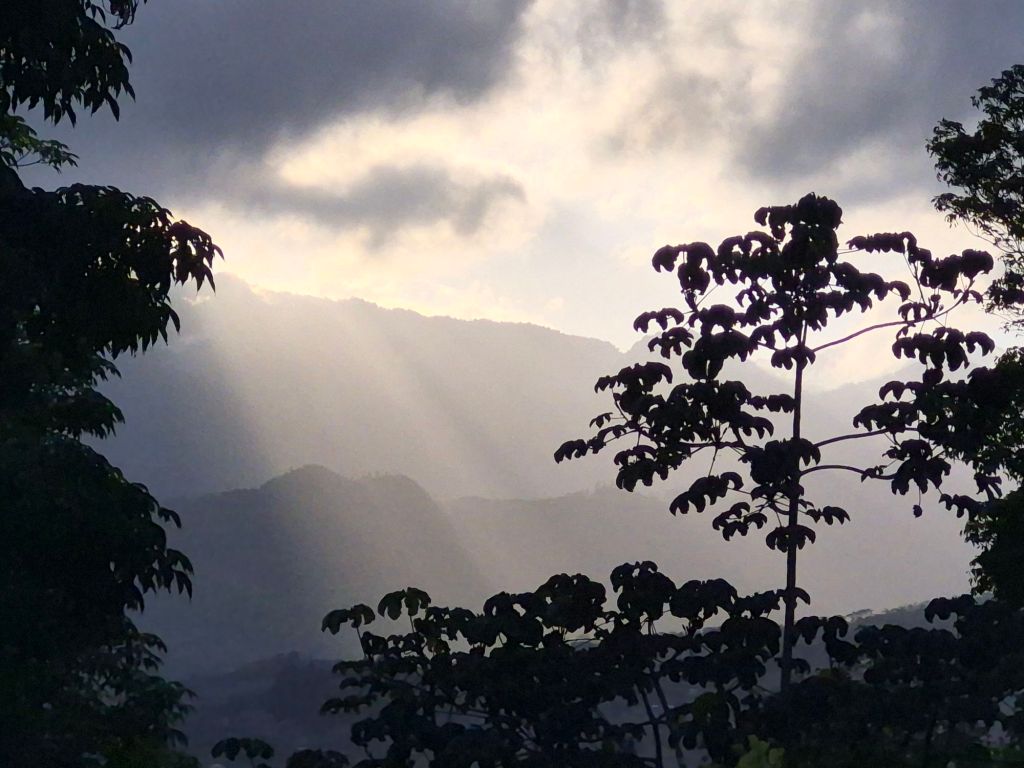
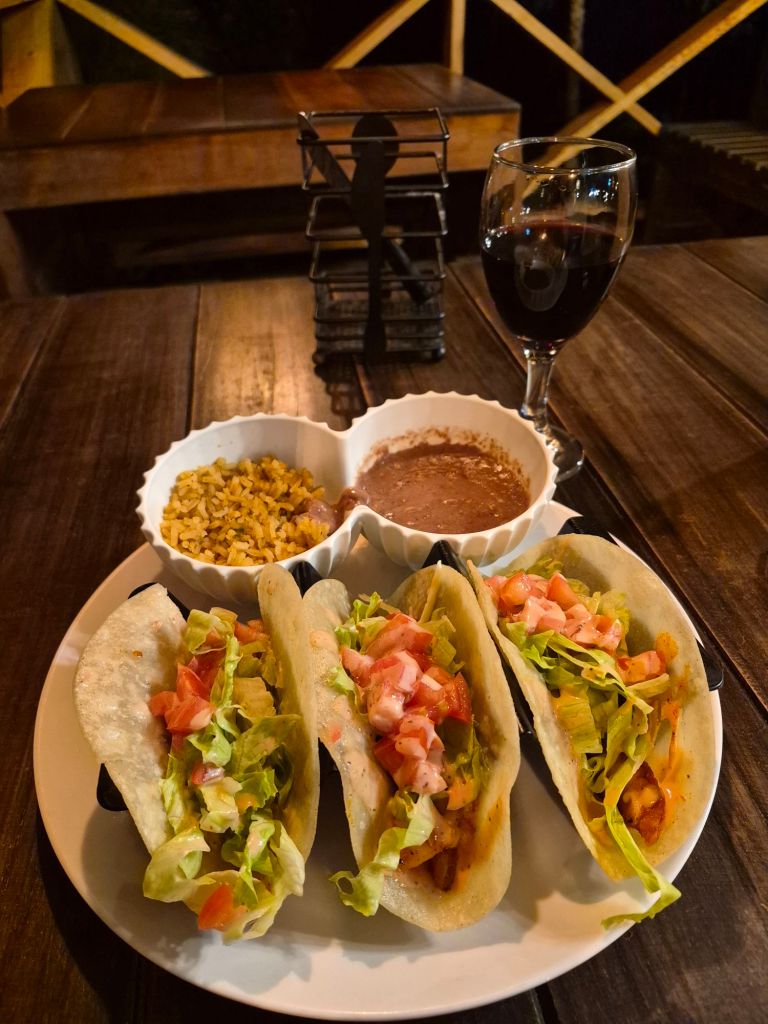
After the cooler weather of Valle de Anton, I decided to stick to the mountain areas and booked five nights in Santa Fe, a small town that not many people know of, but I found intriguing as I had read on a website about the clean-up and beautification that a group of people were doing there. I wrote to them, asking if I could help as volunteer, but I never got a reply, too bad. I was the only person booked into a Swiss-style hostel, alone in a six-bed dormitory, with only a cat to keep me company – bliss. Hammocks on the balcony, lovely garden and an adjoining restaurant where my breakfast was served, which was included in the booking. The restaurant had guests on one occasion, but the other nights I was the only one having dinner.
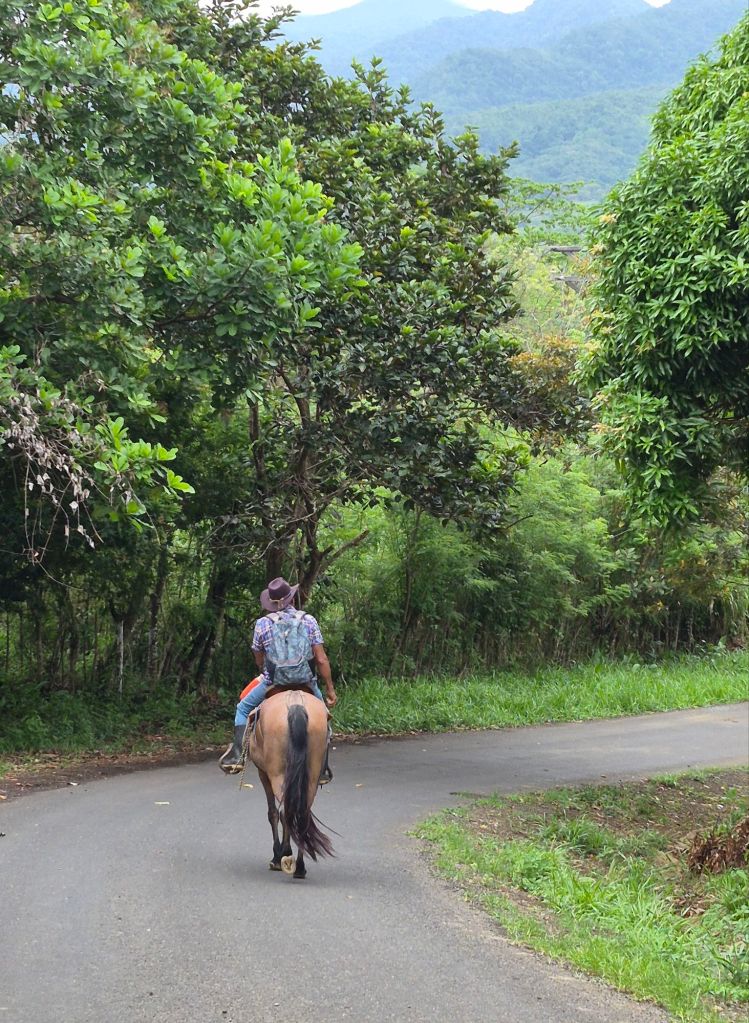
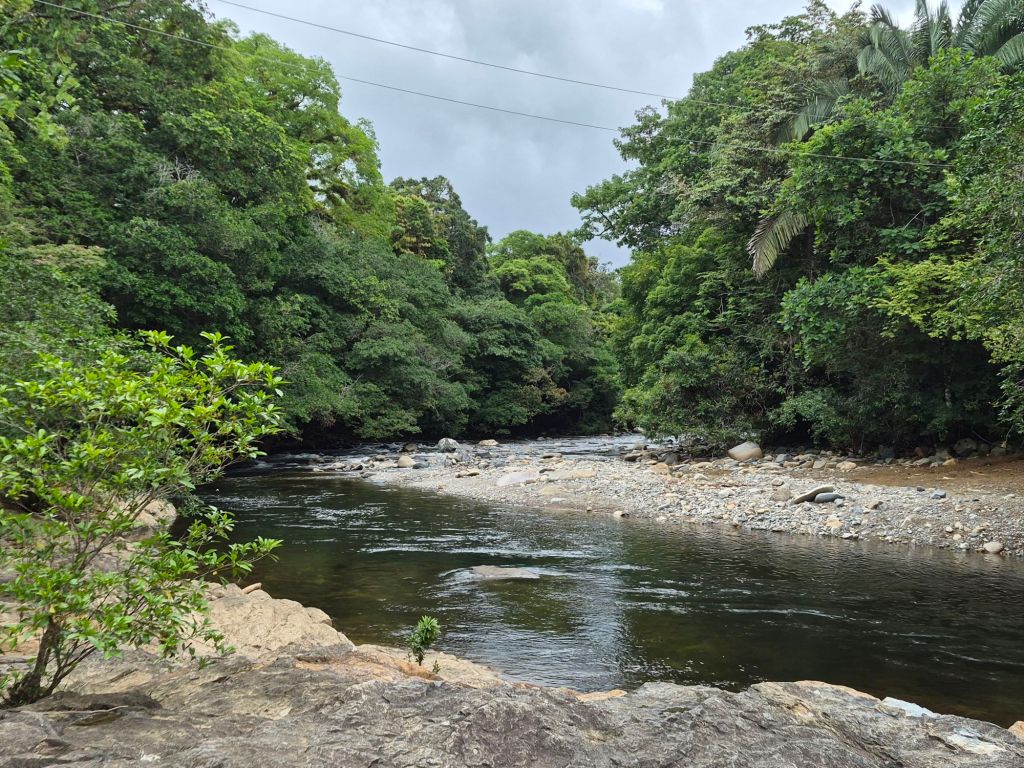
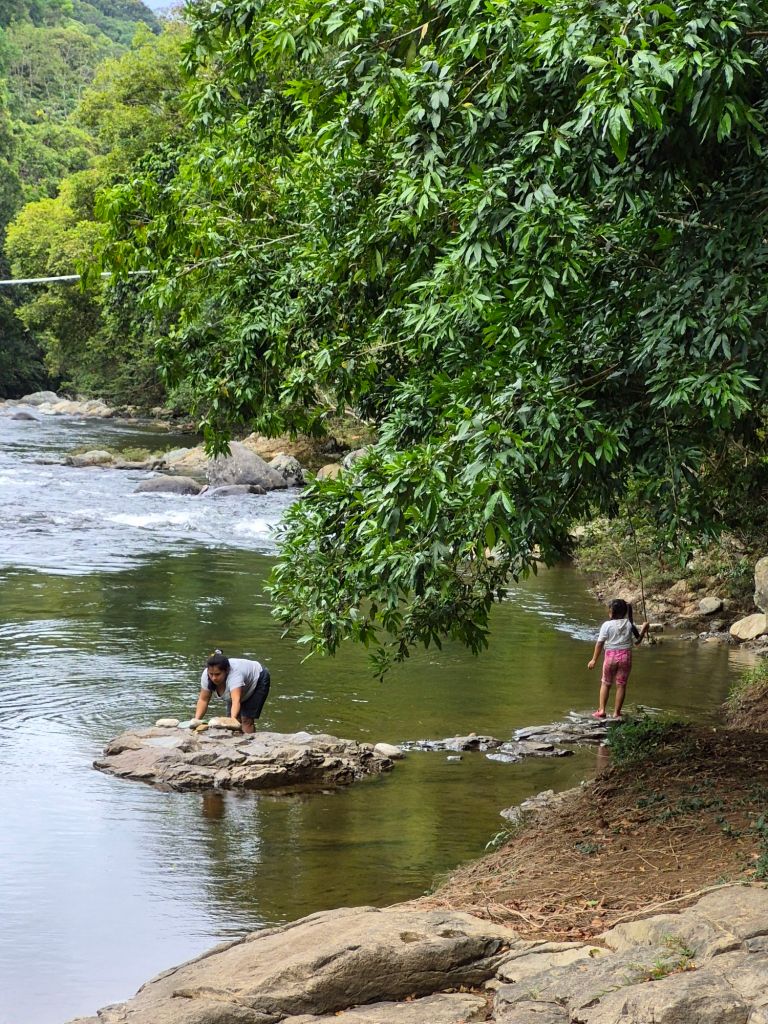
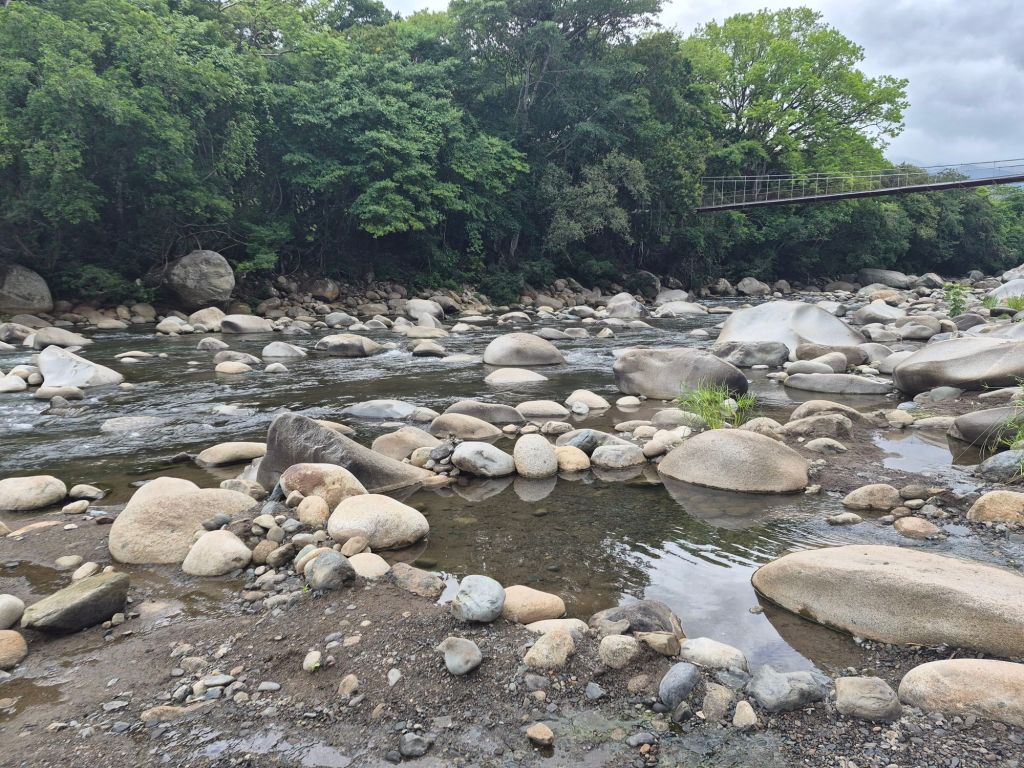
The first morning I set out to have a swim in the river 2km out of town, downhill of course, which meant uphill going back, but it was very refreshing. People still use horses there as the terrain is very hilly. A family arrived while I was there, and the little girl started fishing with a stick while her mother washed banana leaves that the father had been carrying on his back. I think they use them for tamales, the traditional dish I mentioned in a previous blog.
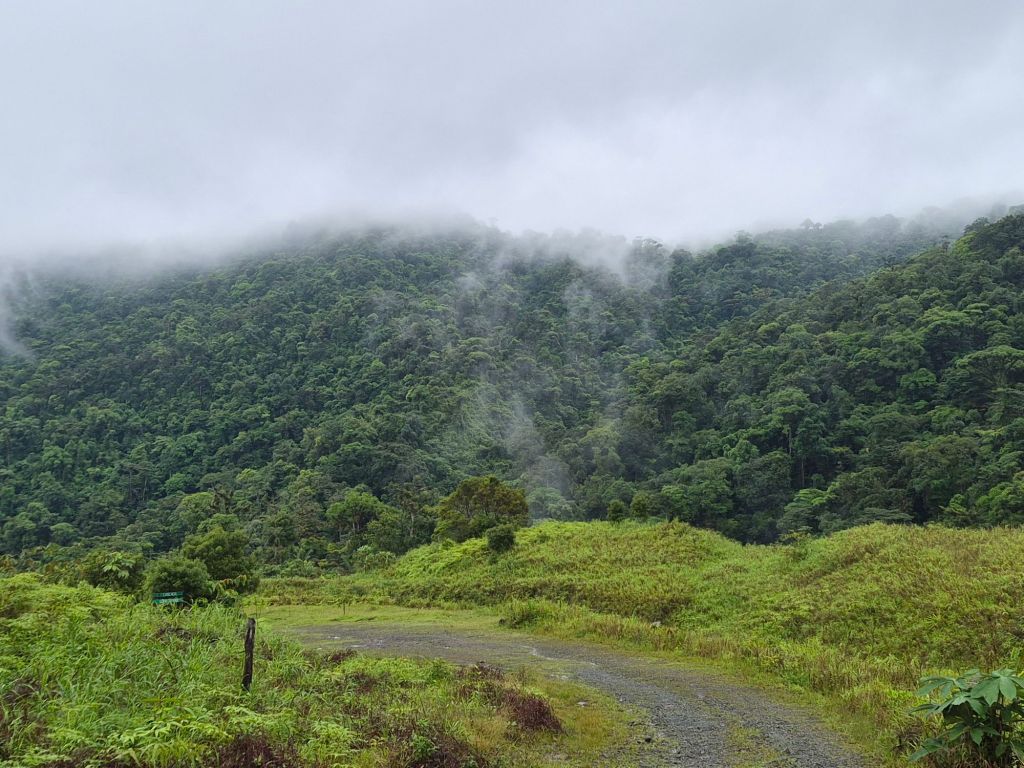
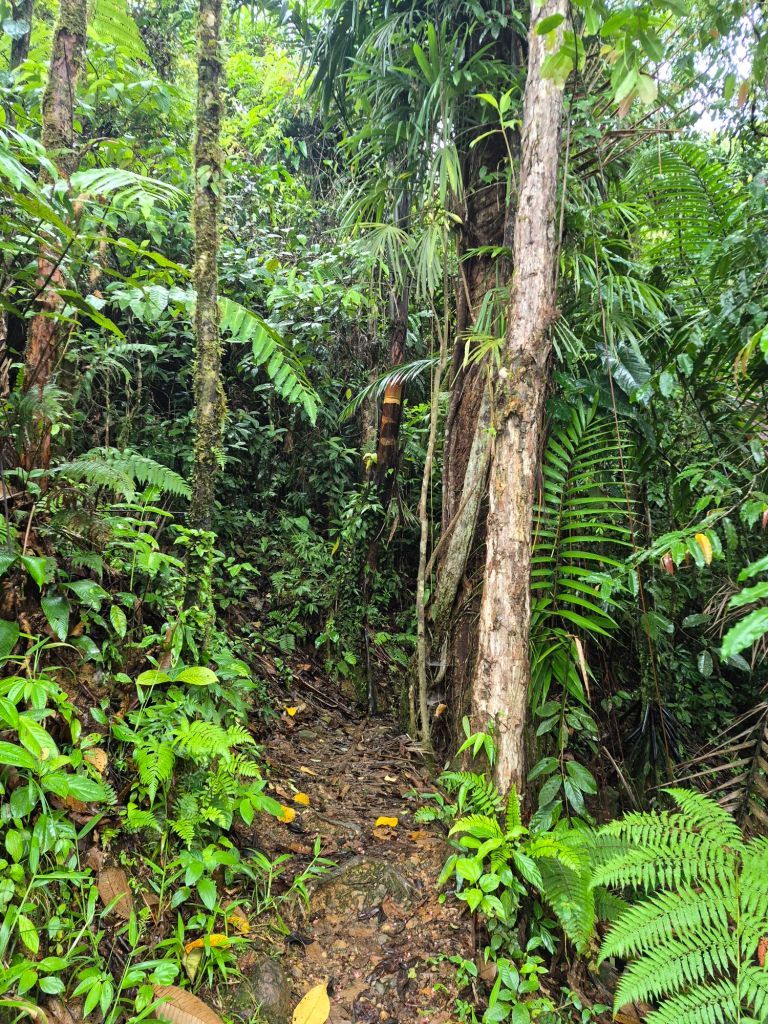
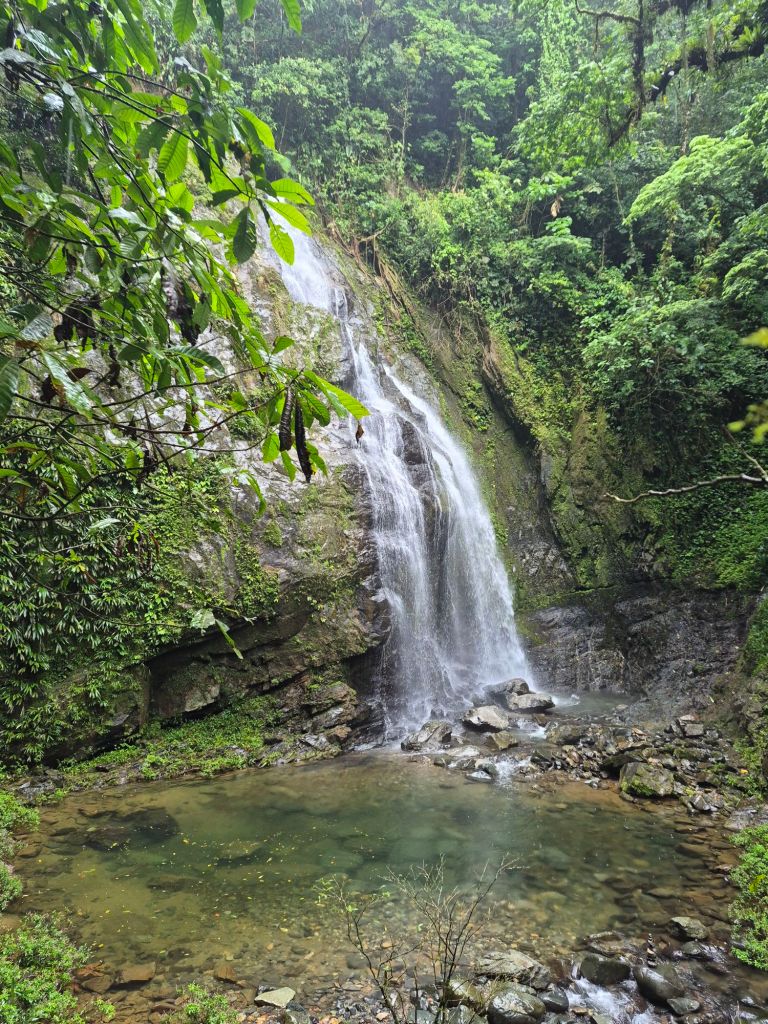
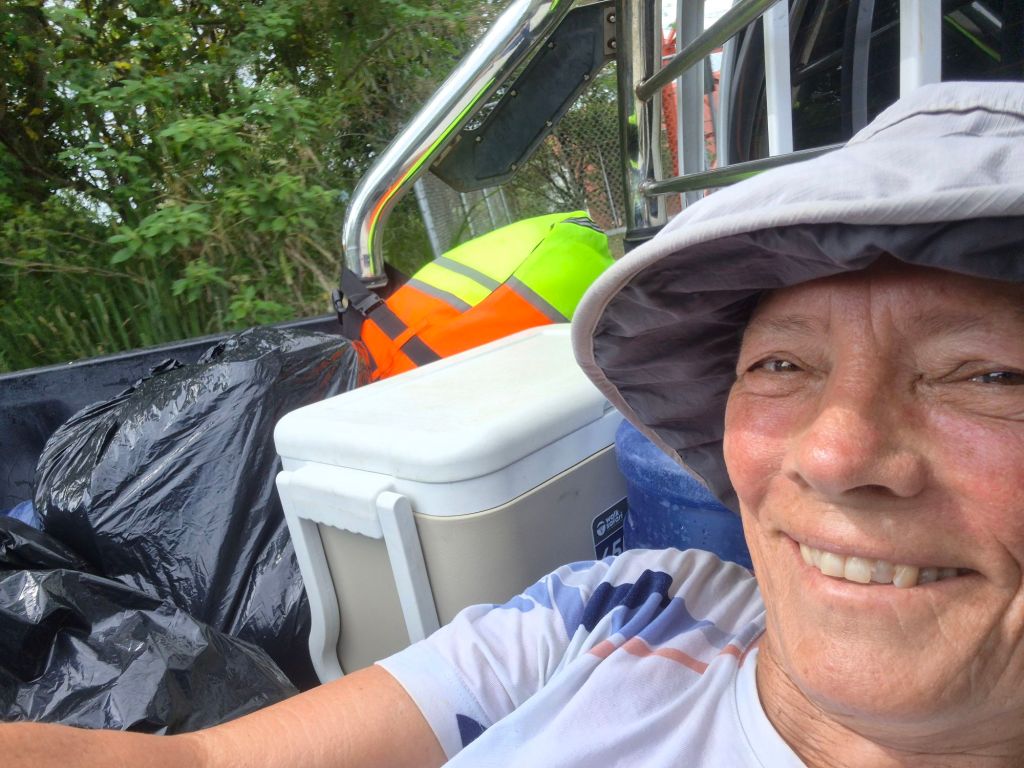
The next day I caught the colectivo (local bus) to the start of a trail leading to a waterfall, Cascada Loma Grande, even though the weather looked threatening. It felt a bit desolate when I was dropped in the middle of nowhere with a slight drizzle falling, but I found the trail and started down. It was beautiful in the forest, water dripping from the leaves, but not too wet. There were many steps and walkways, which made it easier. I had a quick swim, as by then it was raining harder, and walked (rather climbed) back with an open umbrella, which helped. By the time I reached the road, it had stopped raining and as I had no idea when the bus would pass, I started hitchhiking. A twin-cab full of people stopped and offered me a lift on the back, which was loaded with empty 25l water bottles, black bags and cooler boxes. I squeezed down between the stuff and had the ride of my life – down into the valley we would go, and as we went up the next hill, the landscape would unfold and it felt as if I was flying. When they stopped in town, some of the passengers got out and paid, but they wouldn’t take any money from me.
The hostels all have a collection of old books in different languages, which I love. I found one by Isabel Allende, Inés of My Soul, and spent the next day reading in the hammock. It is based on the life of Inés Suárez, and her relationship with Pedro de Valdivia, with whom she travelled to Chile in the 1500’s and founded the city of Santiago. Every time I now walk in the forest, after reading of their trials, adversities and suffering, I am grateful for a ready-made trail, a shower afterwards, clean clothes and food.
Santa Fe has an interesting history. It is one of the oldest towns in Panama, founded in 1560 by the Spanish captain Francisco Vázquez, the survivor of the Eldorado expedition (search for gold), for the purpose of gold mining. For many years it was quite isolated as it had no paved roads connecting it to Santiago, and it was dominated by a few powerful families who controlled most of the resources. In 1967 a Colombian priest, Jesus Héctor Gallego Herrera, arrived in Santa Fe and he started organizing the local peasants into cooperatives, to bypass the controlling elites. By 1971 things were going so well that Gallego, as he was known, was regarded as a threat by the dictator of that time, Omar Torrijos, and he was arrested and “disappeared”. However, the cooperatives continued to exist and later that year Santa Fe was connected to Santiago by a paved road.
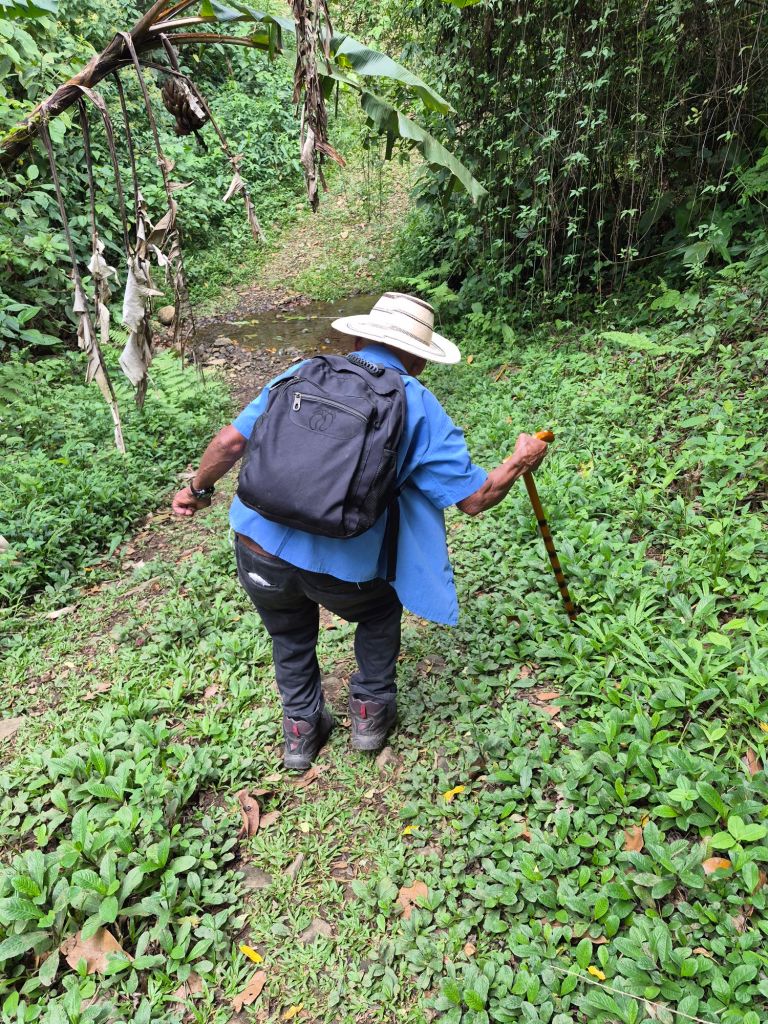
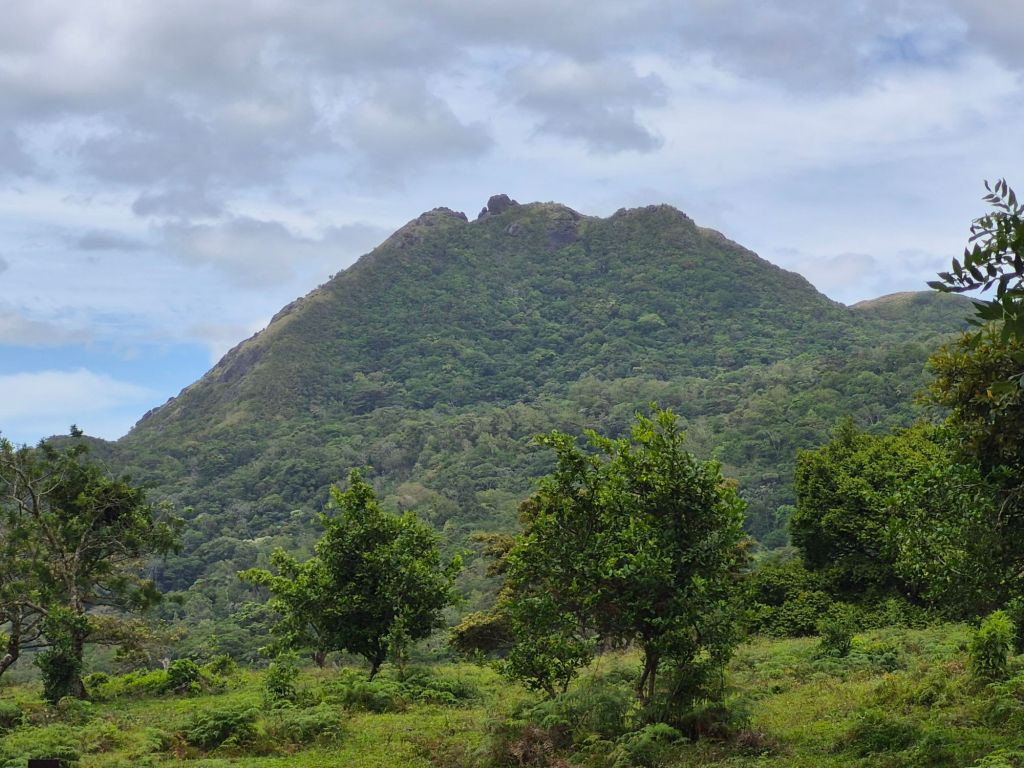
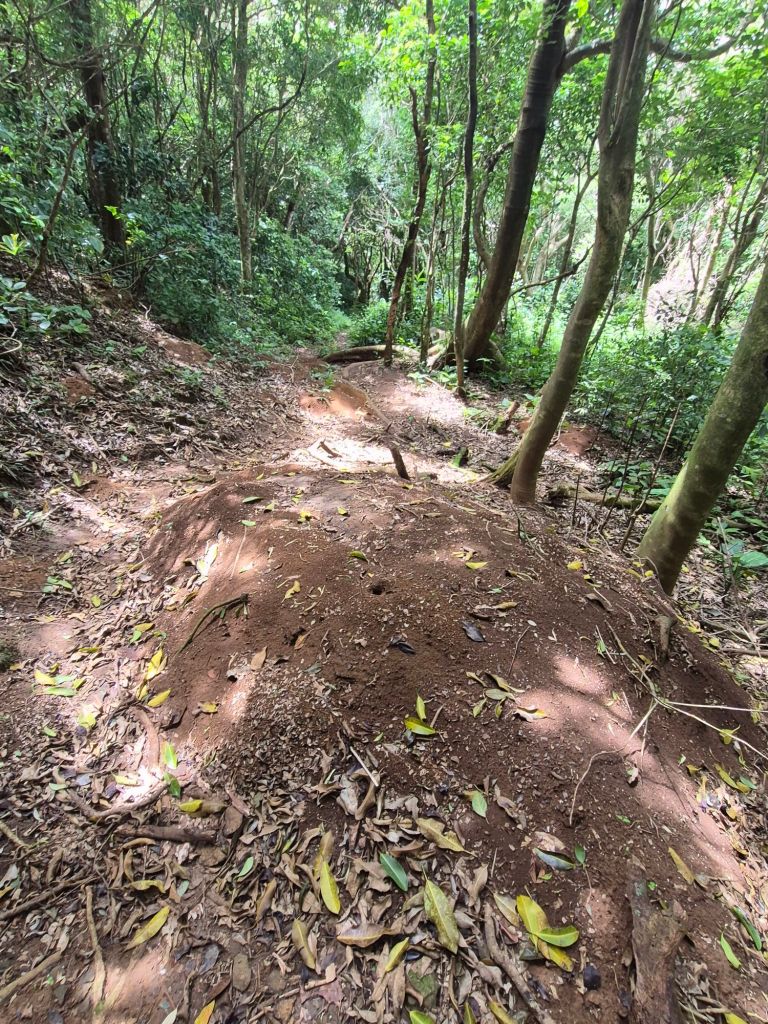
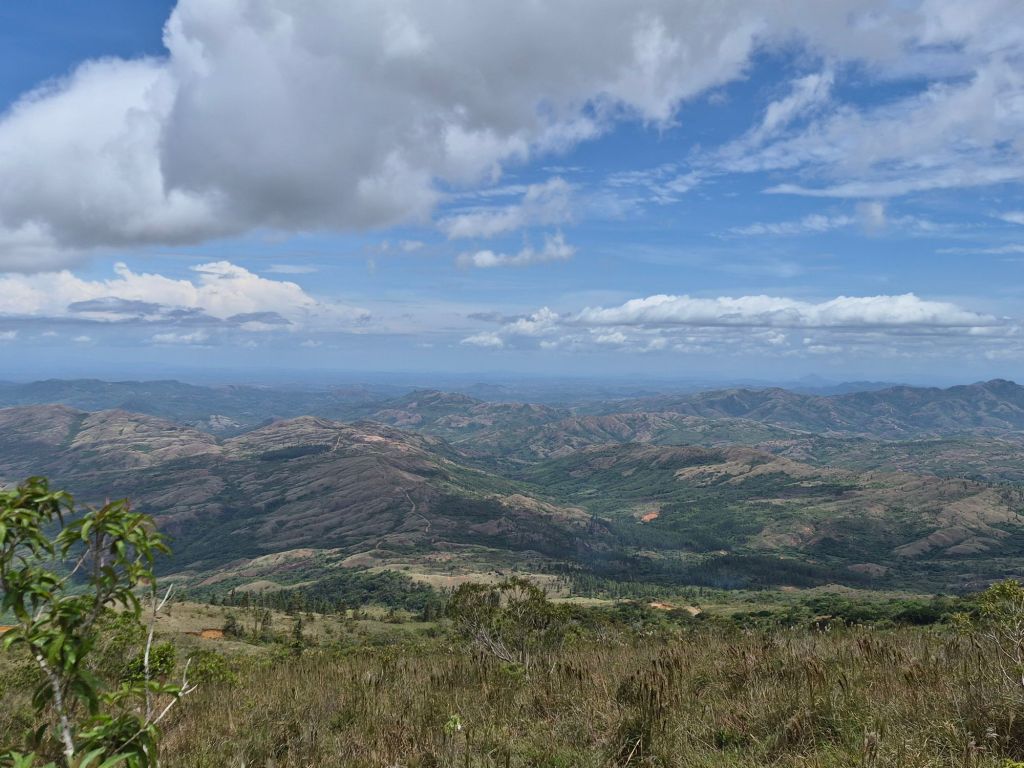
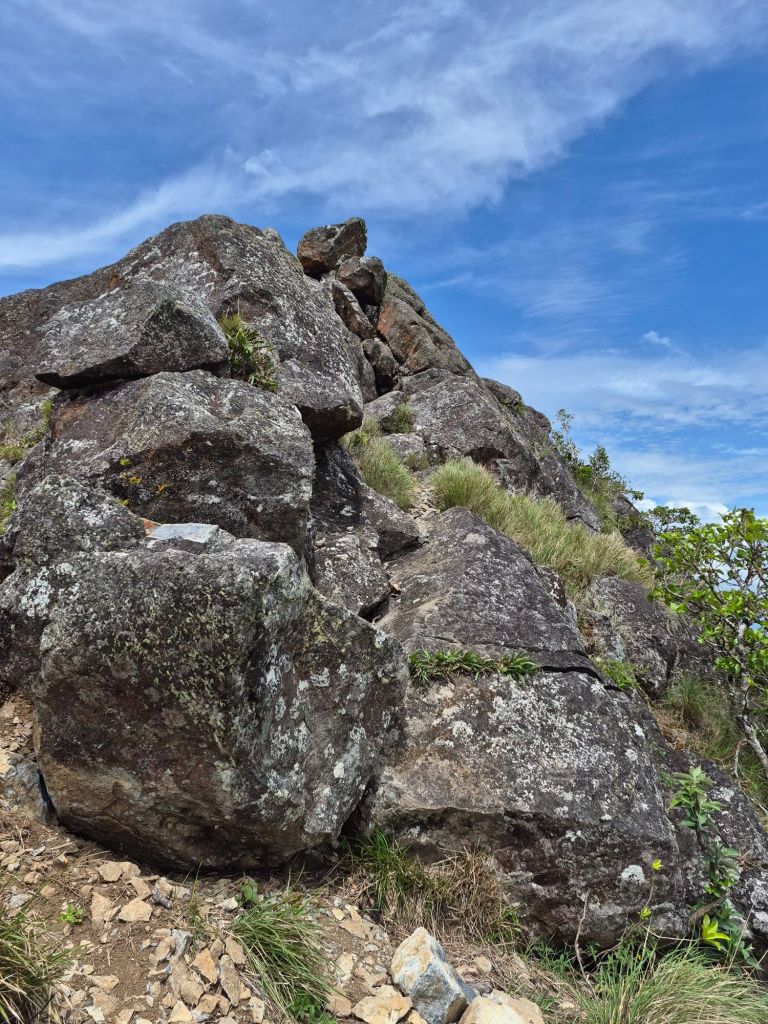
There is a mountain, Cerro Tute, where a revolt was staged by rebels in 1959, and this was where I was headed to the following day, an 8km hike to the top. A friend recently told me: “You must be very fit by now,” but I replied, “No, I climb very slowly and rest very often, but I get to the top.” “Oh,” he said, “dan is jy fluks, nie fiks nie!” Much closer to the truth (then you are diligent, not fit). As it was, it took me many hours to reach the top, but the view was spectacular. Along the way I saw an old man carrying his shopping, struggling along very slowly, so I helped him carry it to his house, 500m down the track. There are some rocks at the top that one could climb onto, and it was very windy, so fearing a fall, I contacted my family to tell them where I was.
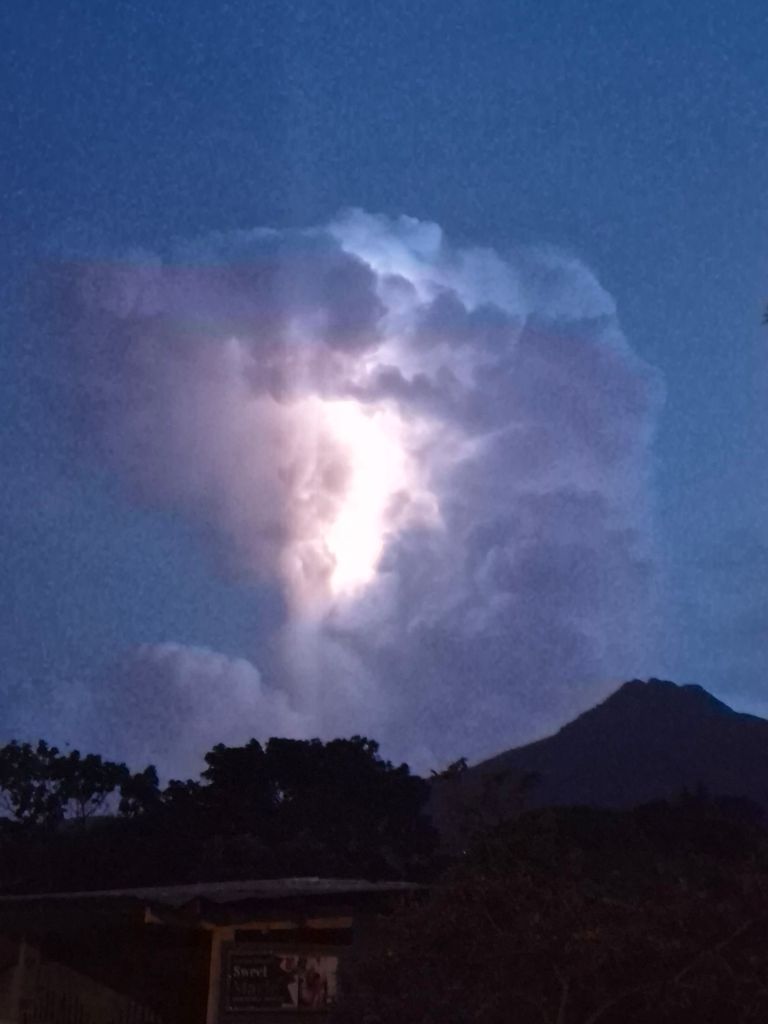
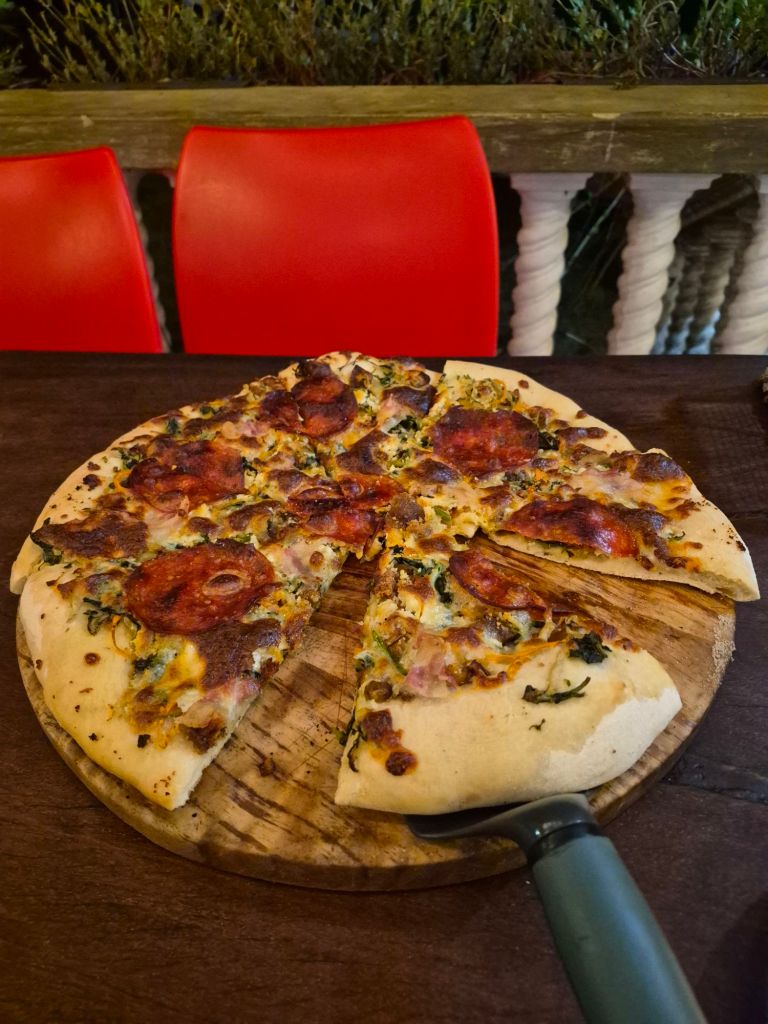
I was still reading my book, and didn’t realise that the restaurant was closed on the last night, so I went in search of some food. It was almost dark, and there were some huge thunderclouds looming in the distance – I managed to catch a streak of lightning on my cell phone. I found a cosy looking restaurant with a deck (probably the only one open on a Sunday evening), and was served a huge pizza with a thick crust. It was supposed to be vegetarian, but the chef came out and asked if he could add some other ingredients, which turned out to be chorizo and bacon. He was very proud of his pizza, and when I left, he said: “Tomorrow you take the rest of the pizza to the river, and you sit on the rocks, looking at the water and the trees, relaxing and enjoying it.” I just smiled and thanked him, not having the heart to tell him it would be padkos (food) for the long bus trip to Santa Catalina the following day.
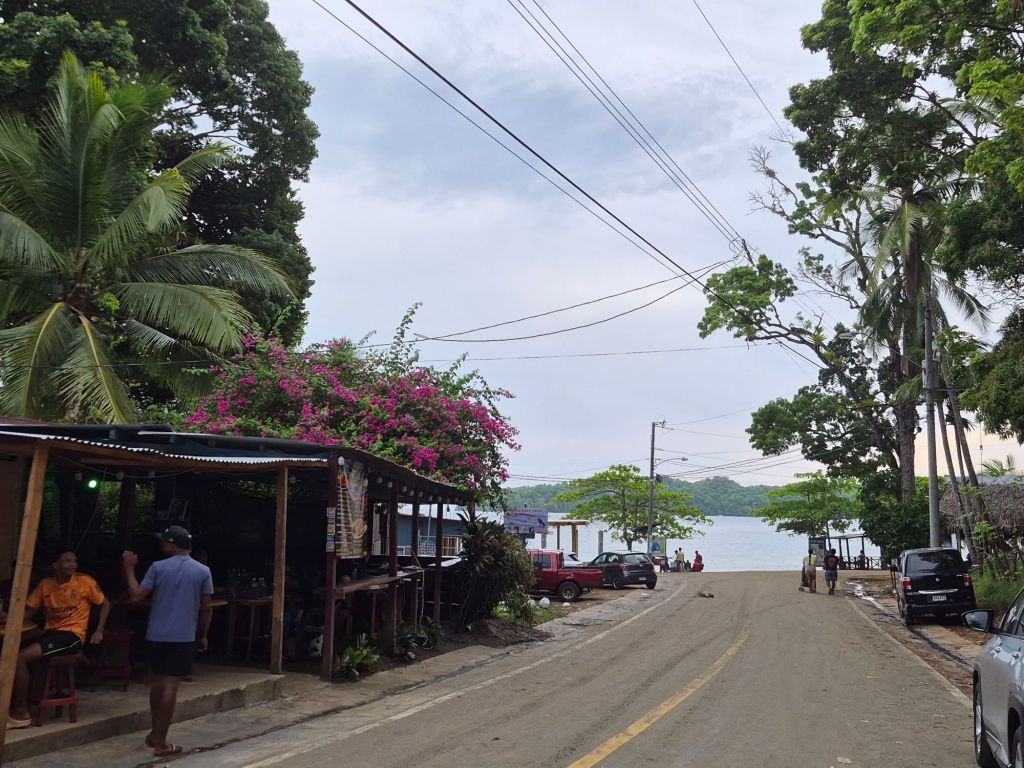
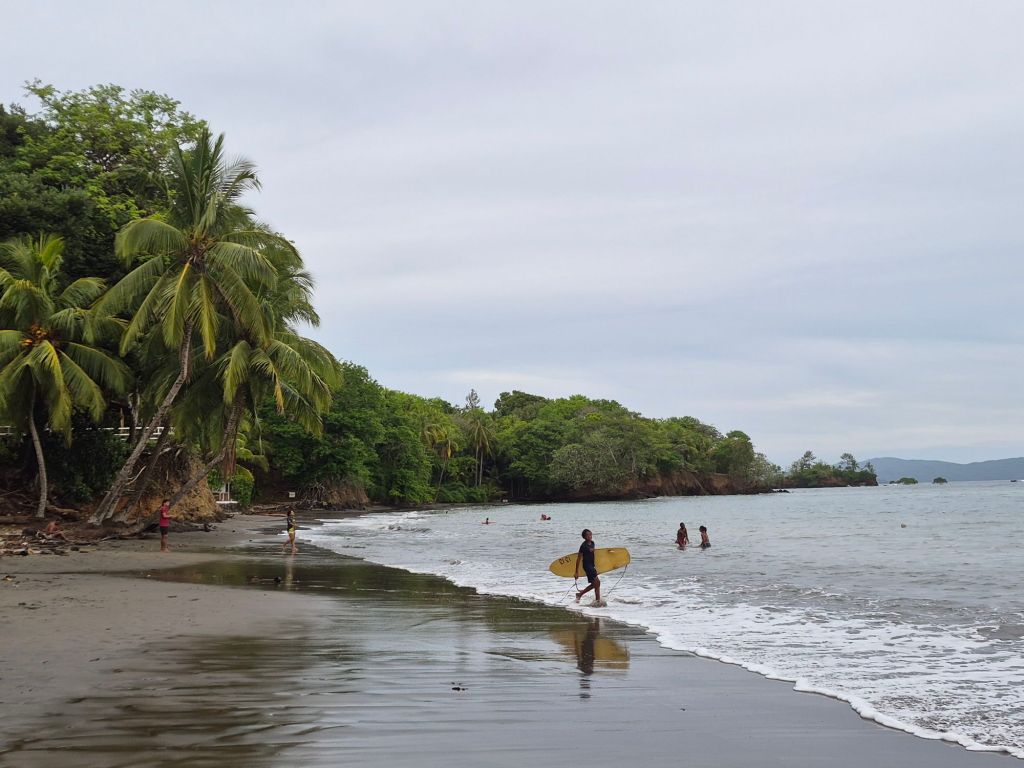
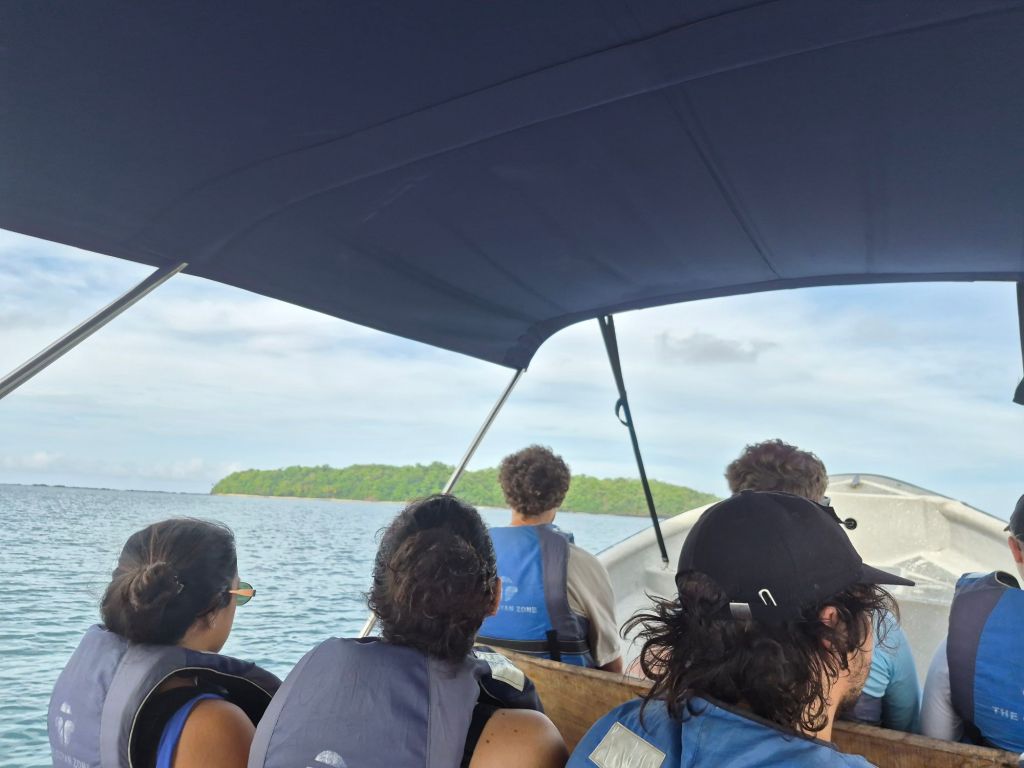
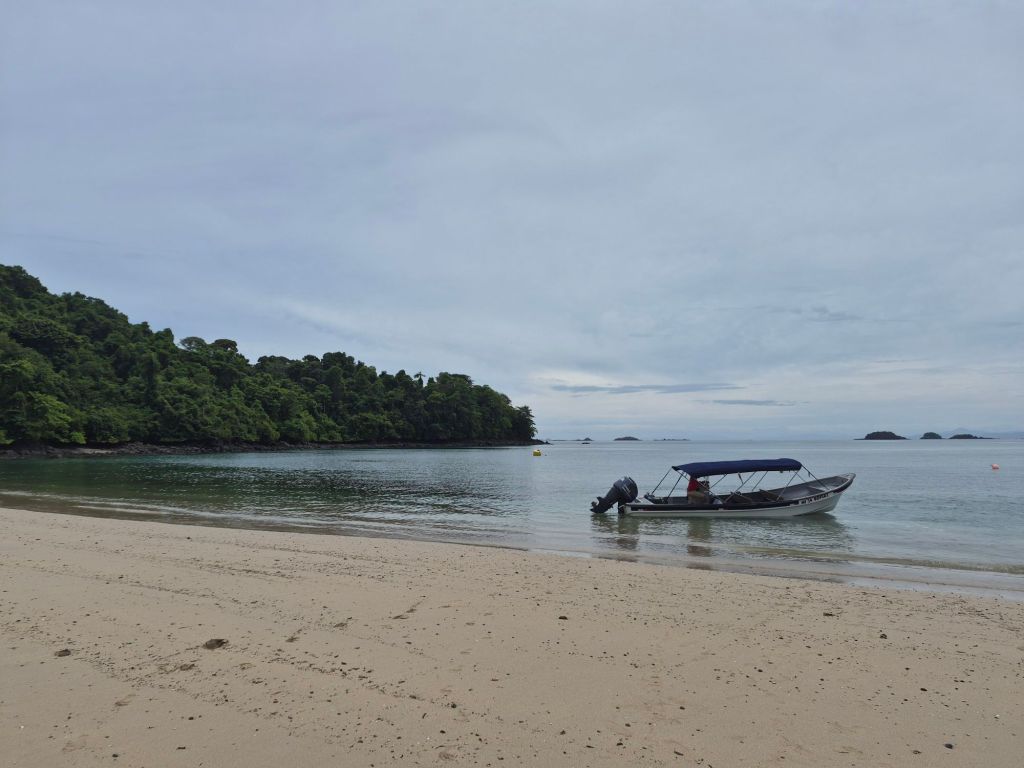
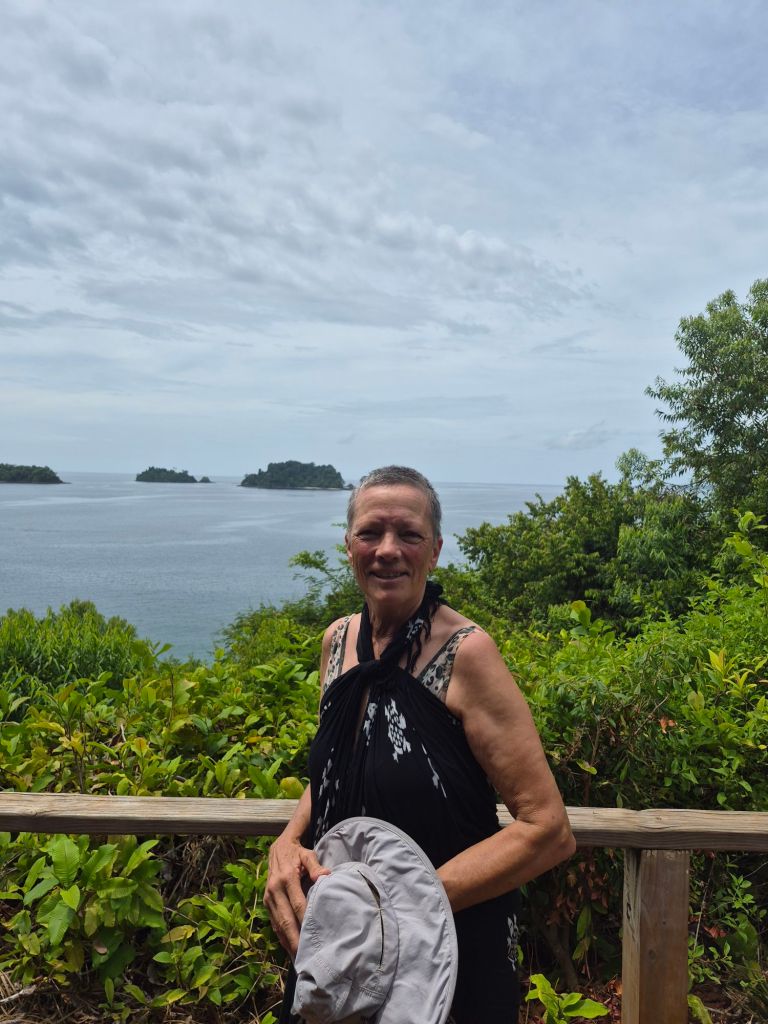
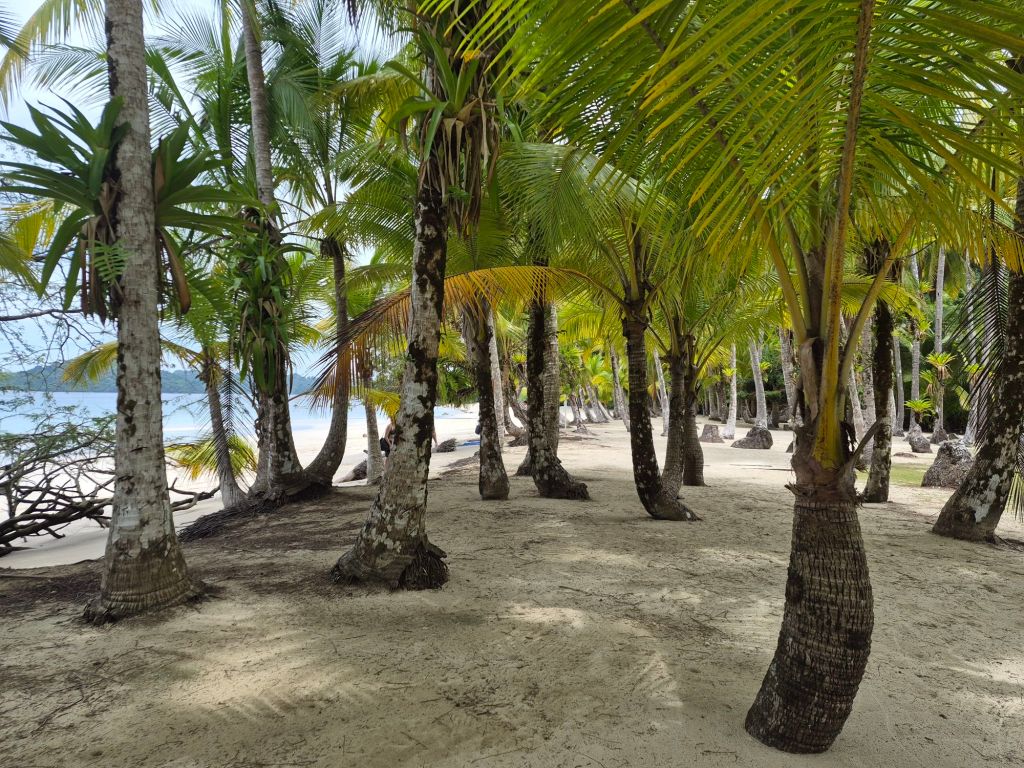
Santa Catalina is one of the places on the Mediterranean coast where all the young people go to for swimming, surfing, snorkelling and scuba diving. It was not my intention to visit it, but after all the strenuous hiking and climbing I felt like a swim in the sea, so booked two nights in a lovely hostel, called Bohdi. I had stayed in a Bohdi hostel in Anton de Valle, and I can highly recommend them. They are clean, well-run by friendly and helpful staff, and provide great breakfasts. As I was checking in, three girls walked past and the manager asked them how their trip was. They had been to Coiba Island on a snorkelling trip, and were ecstatic. Needless to say, I immediately booked a trip for the one day I was going to be there, even though it was quite expensive ($80). One travels for 1,5 hours along the coast by boat, and we saw some pantropical spotted dolphins playing along the way. There were three dives in various places around the island, with lunch served on one of the beaches. Coiba Island is a UNESCO World Heritage site, and well protected and preserved. One sea area has been closed off to visitors as it was being over-exploited. There is a museum with so much information, it was impossible to take it all in. We saw many hawksbill turtles, a few stingrays, white tip reef sharks, starfish, many colourful fishes, big and small. The bigger fish often swam in shoals closer to the surface, and one could almost touch them if you reached out. It felt like swimming in a huge aquarium, unbelievably beautiful.
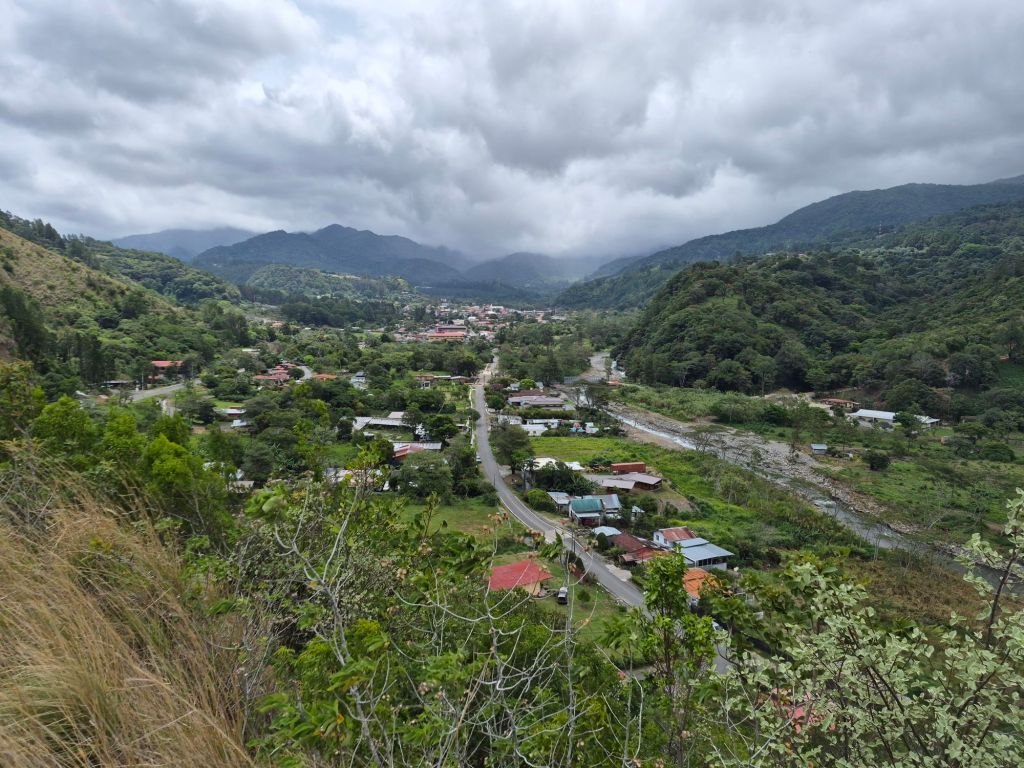
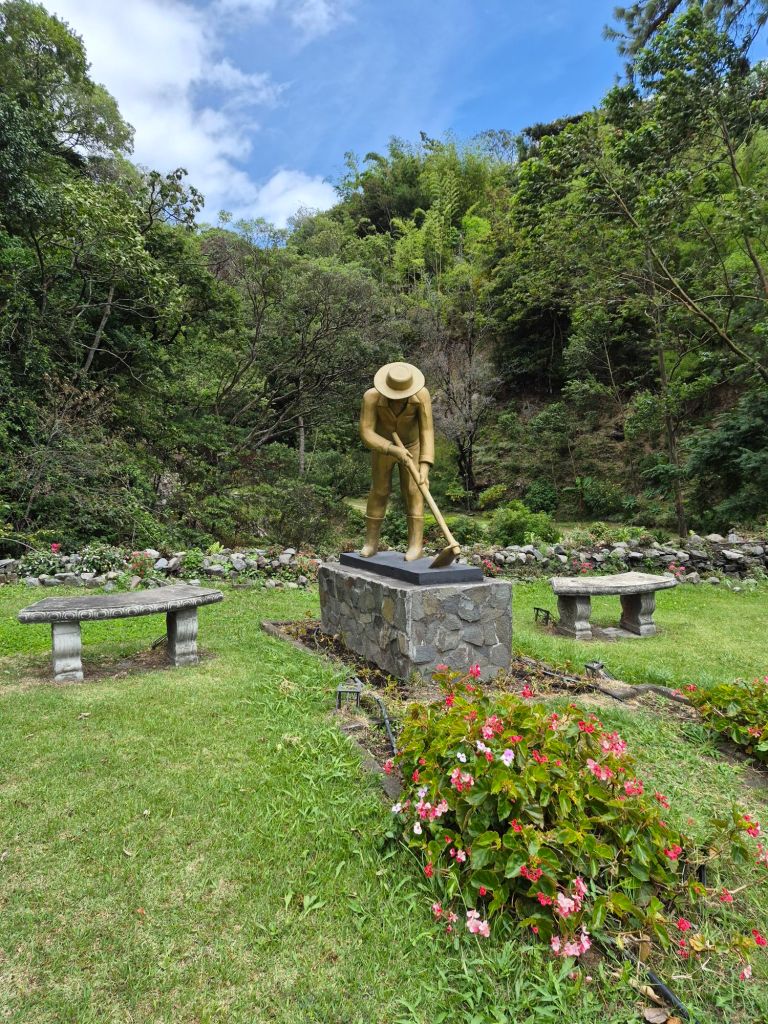
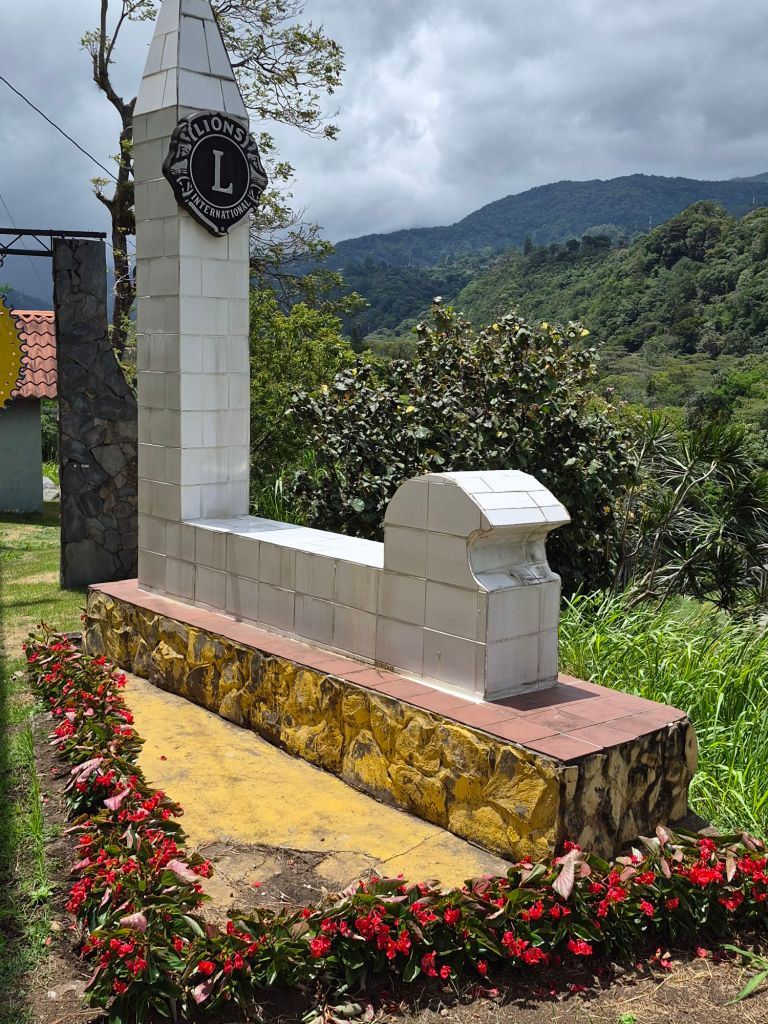
My last stop in Panama was going to be Boquete, another town in the mountains. Getting there with local buses would have meant taking a detour via Santiago, and many hours more, so I booked a shuttle for $35, which took a more direct route and had air-conditioning. Boquete is a typical mountain village, nestled in a valley below the highest volcano in the southern part of Central America, Volcán Barú, which is classified as an active volcano, although it last erupted in 1550. One of the traditional things to do in Boquete, is to start climbing it at 24h00 to be at the top in time for sunrise. To save my pride, I preferred not to, giving up the chance of climbing the highest peak in Panama at 3,475 meters above sea-level – I know my limits!
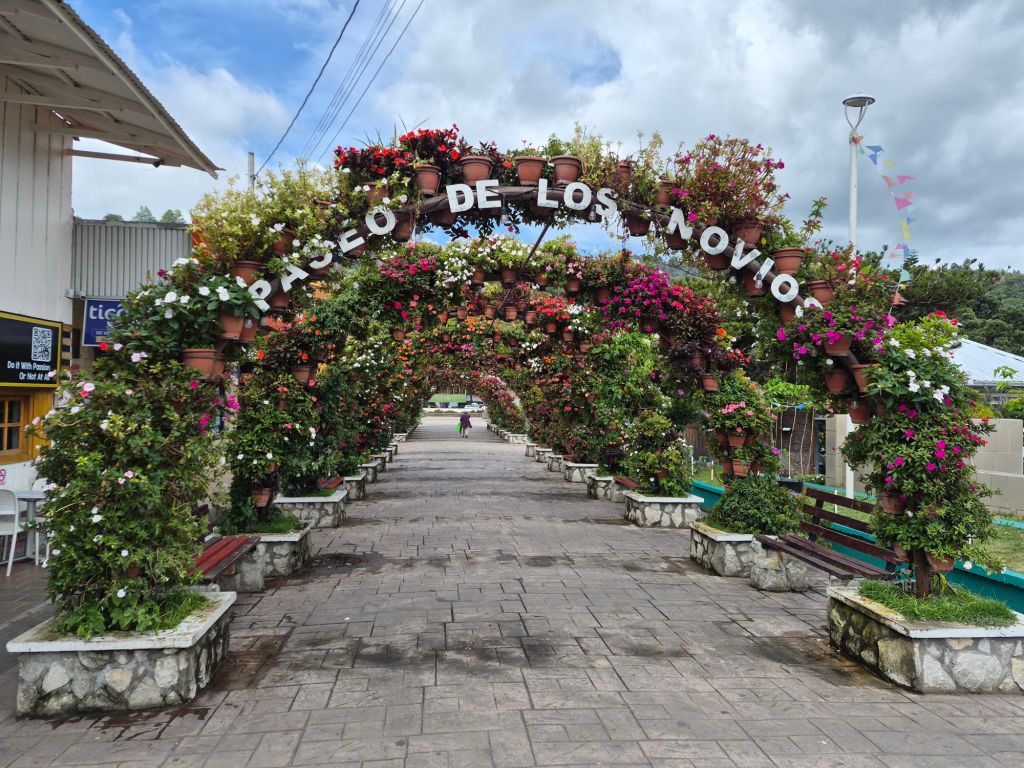
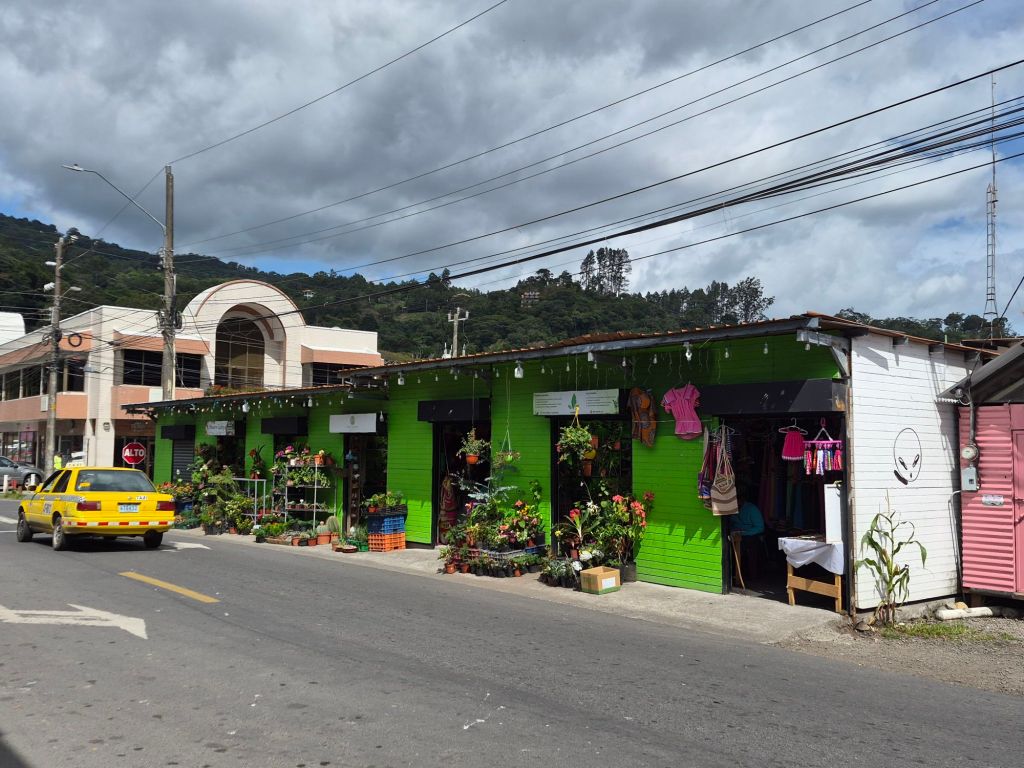
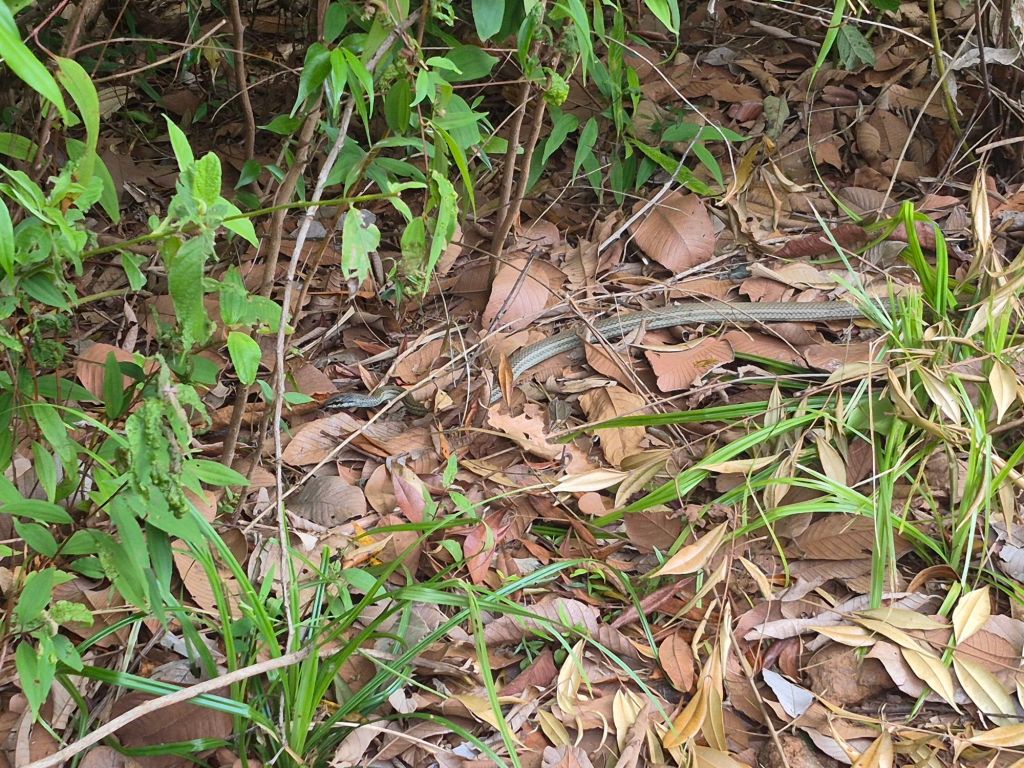
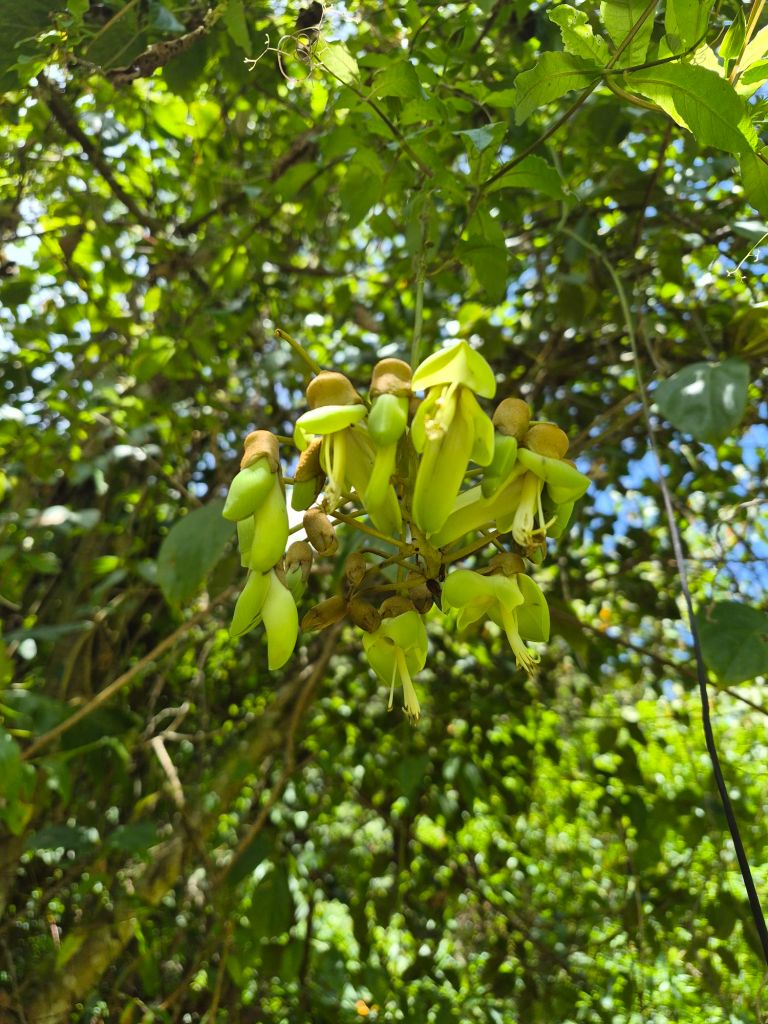
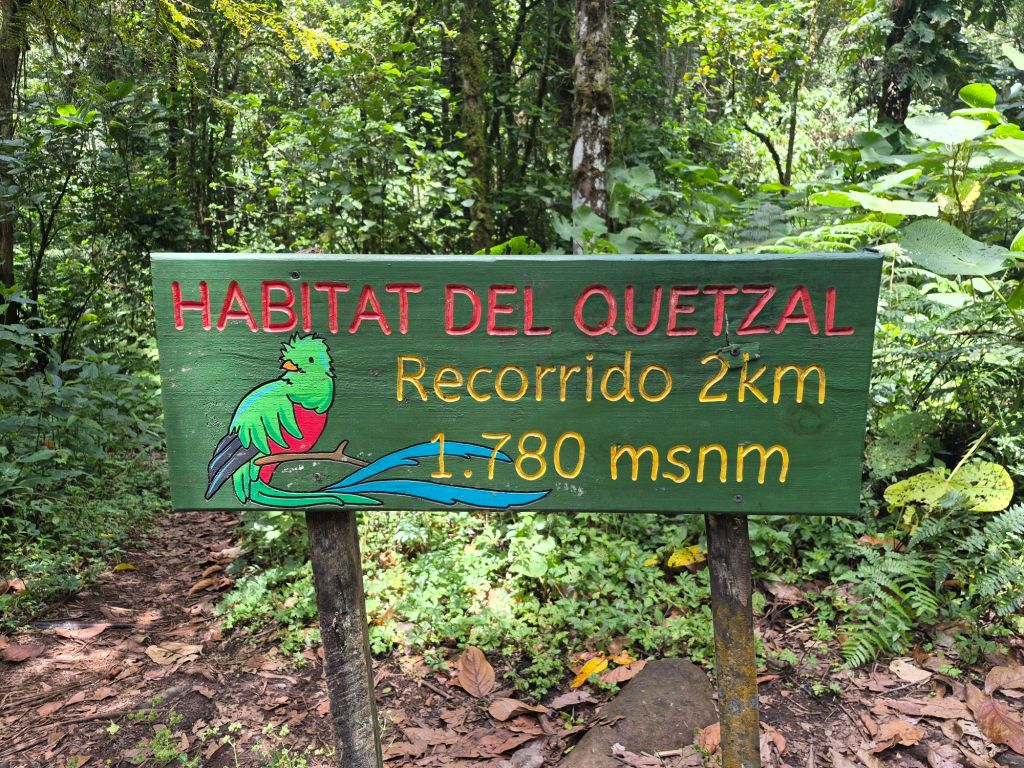
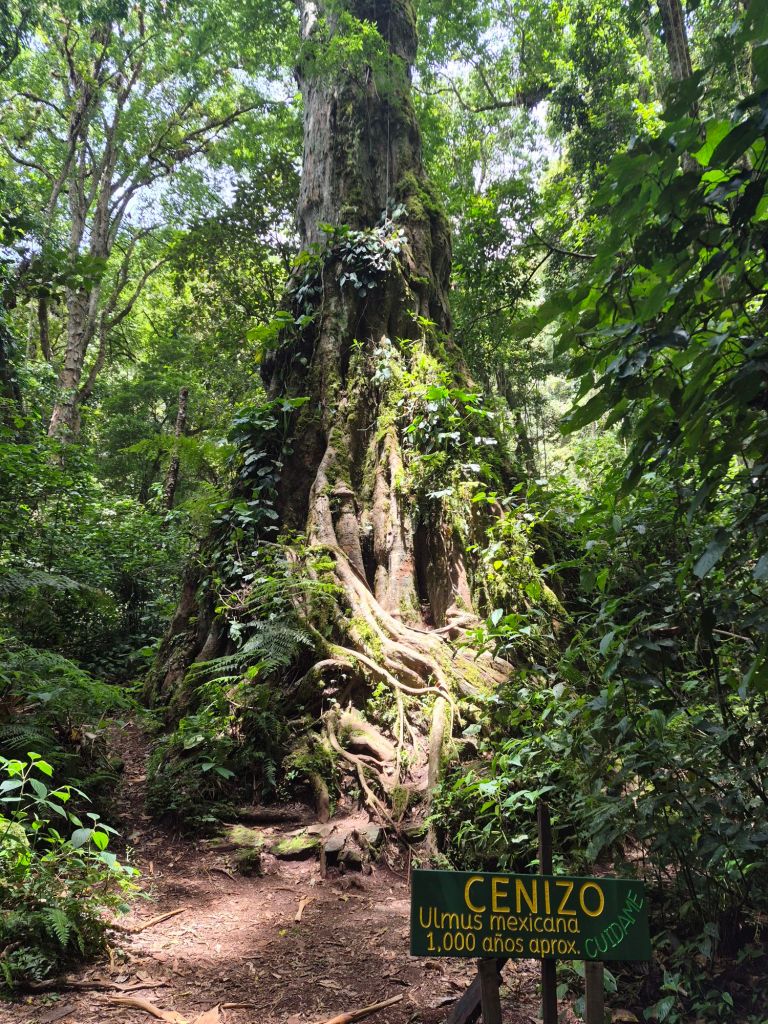
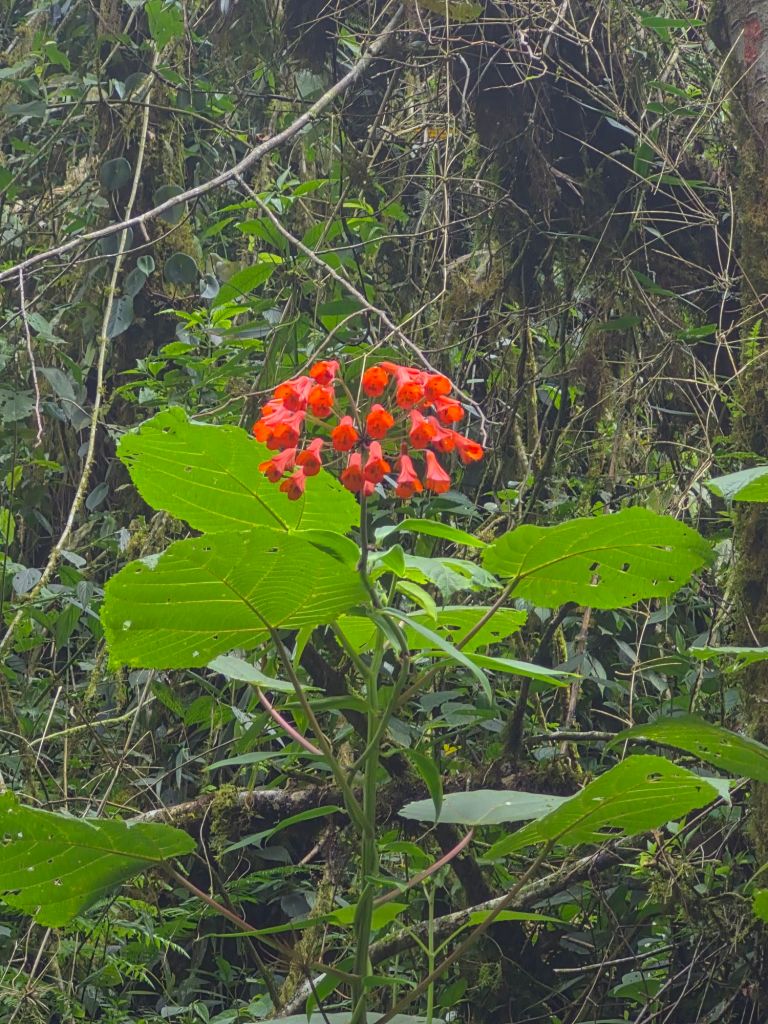
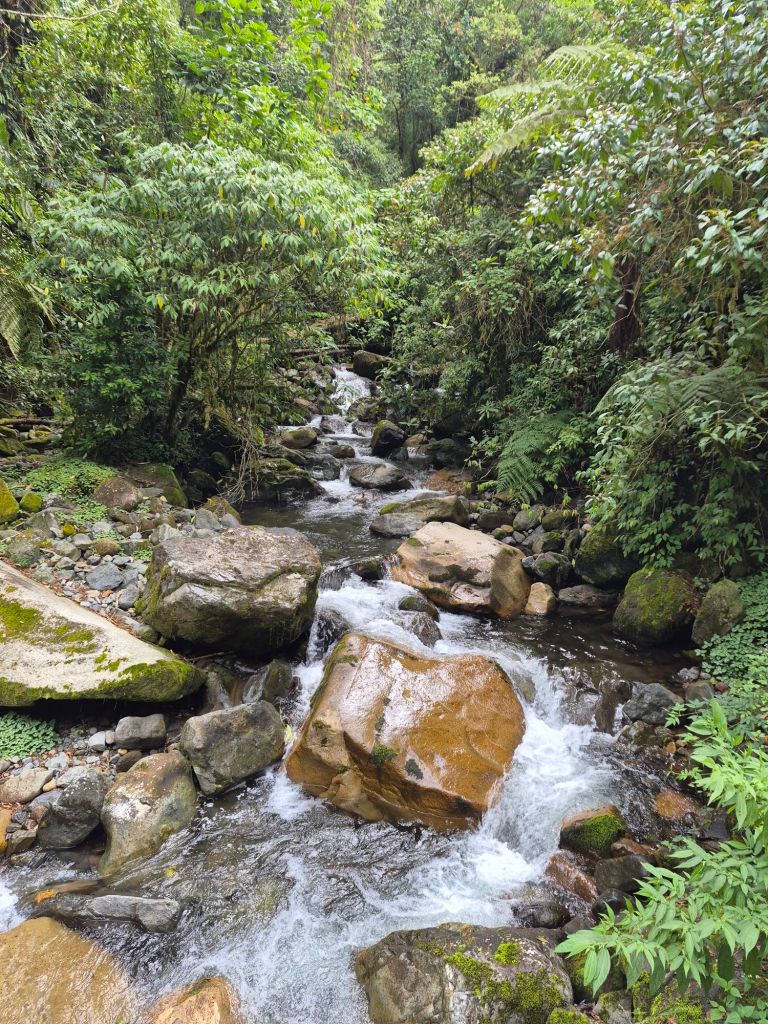
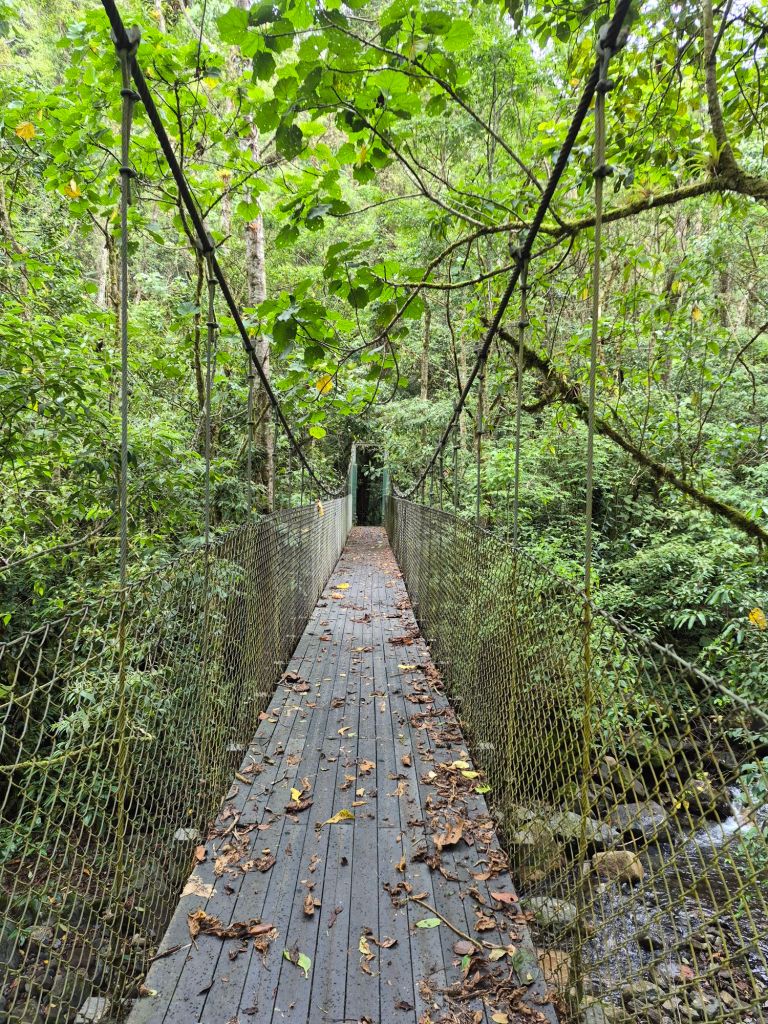
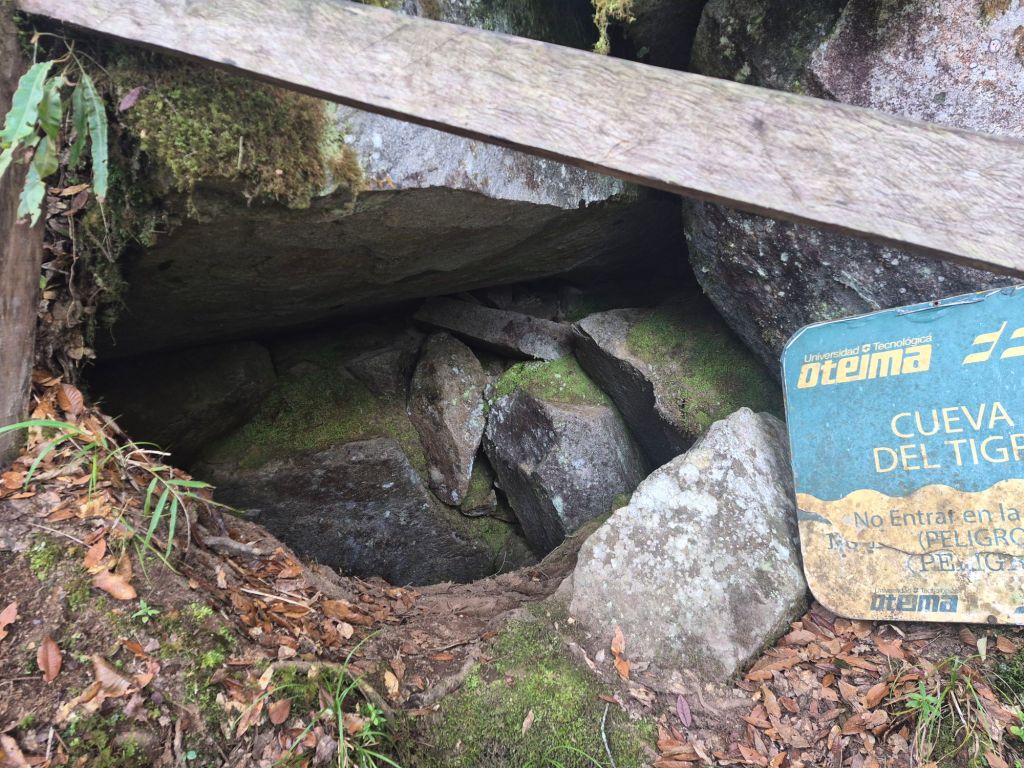
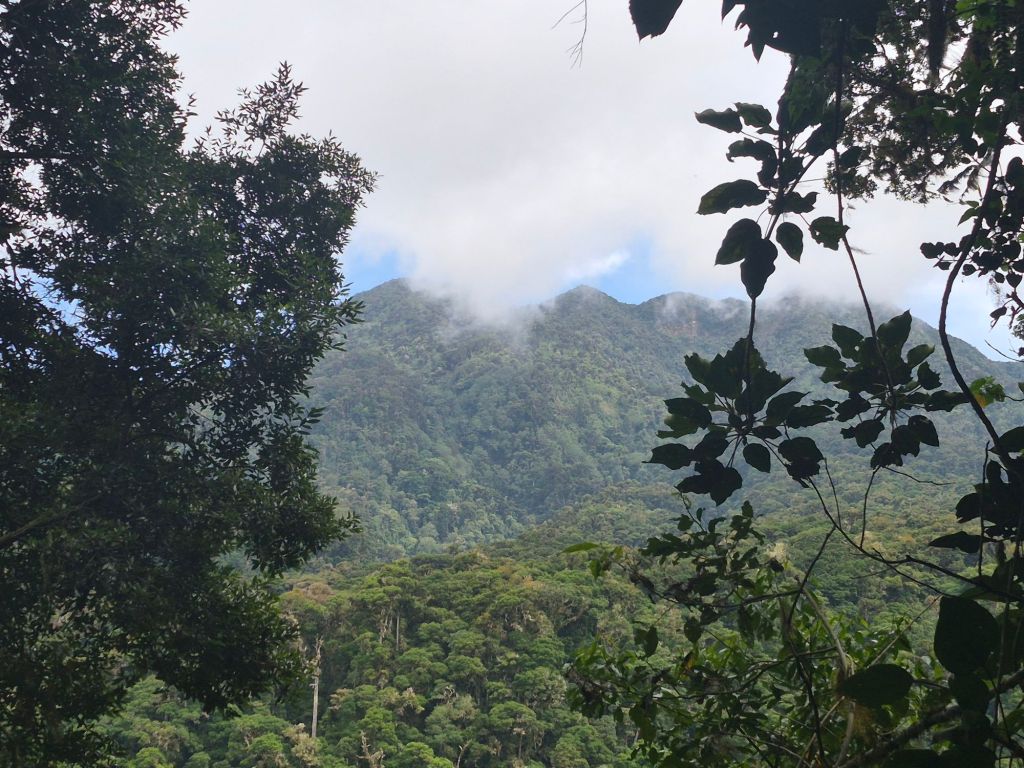
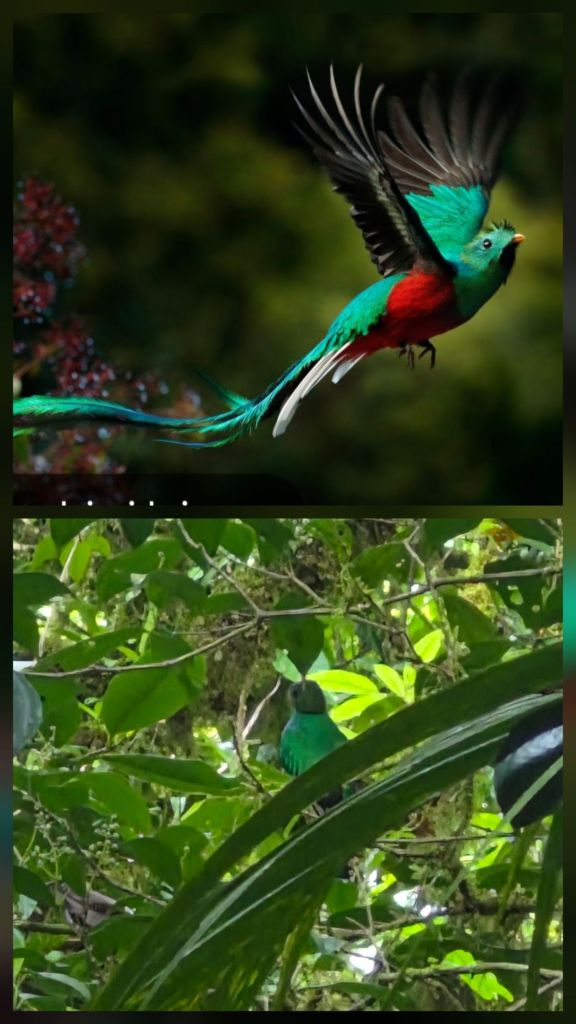
I had booked six nights in Boquete, with the idea of doing most of the hikes, but ended up doing one every second day, giving me plenty of time to relax, read, talk to people and explore the town. The first was to a waterfall along the Pipeline Trail, a 5km hike and back, not too strenuous. I was hoping to see the quetzal bird which has its habitat in those forests, but no luck. Two days later I was on my way on the colectivo to hike the Lost Waterfall Trail, when I decided to go further and do the Quetzal Trail, determined to spot the elusive bird. What a climb that was! I got as far as the Tiger’s cave, and 200m before a viewpoint I turned back, completely kaput (exhausted). I did however see the volcano across the valley through the trees, and really enjoyed the forest. About a 100m before leaving the forest to walk down a dirt road to the start of the trail (about 2km), I was telling myself: “You are a South African who knows that you don’t always see the lions, cheetahs, rhinos, etc in the Game Reserve, and you are okay with that. So just accept that you are not going to see the quetzal. Besides, the trees are very tall and they live in the tree tops, so chances are you won’t see it even if you hear it.” The next minute one flew across the path right in front of me, and perched on a branch, half hidden by leaves. I took a quick photo, but as I moved closer, it flew away. But at least I saw one!
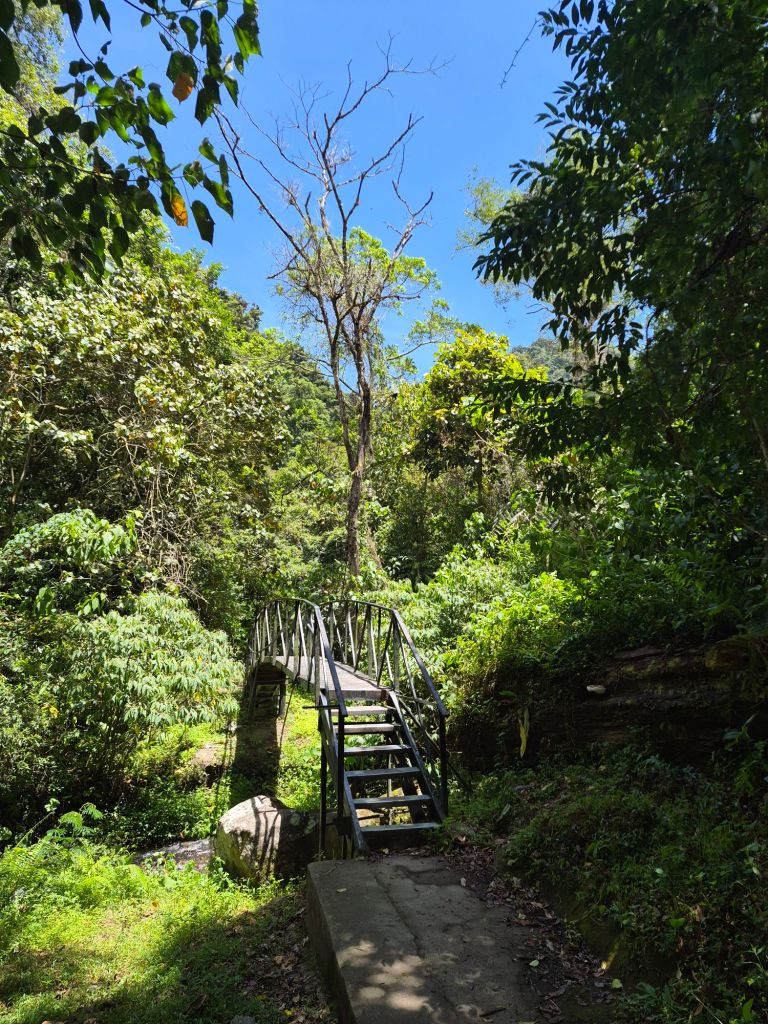
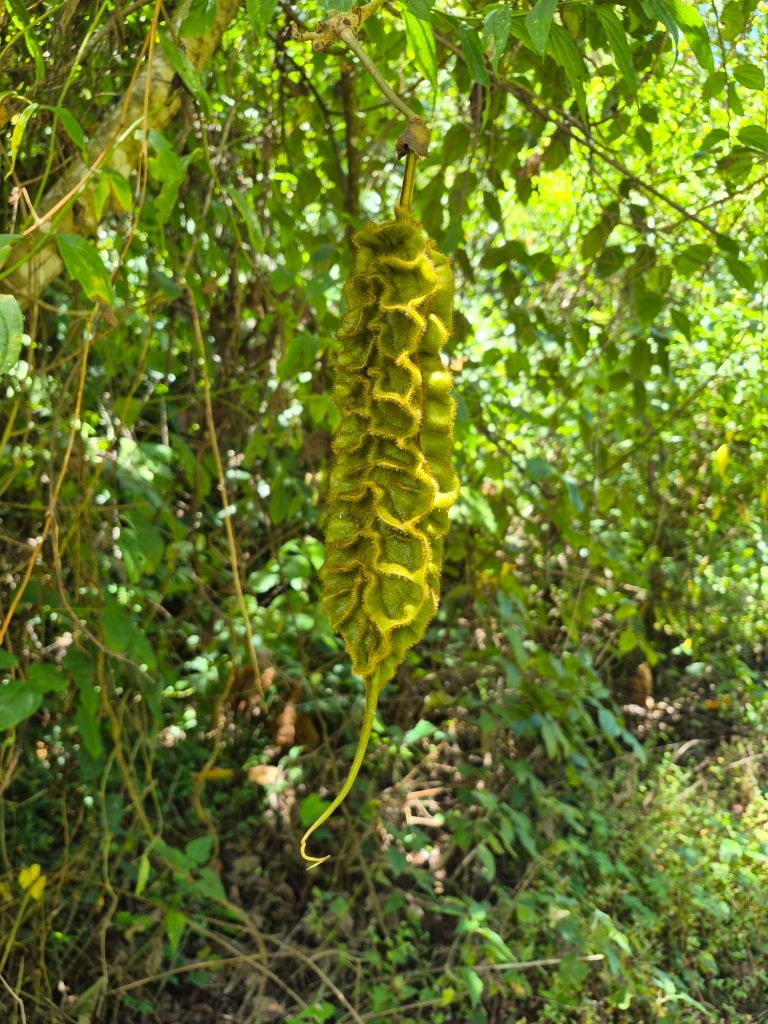
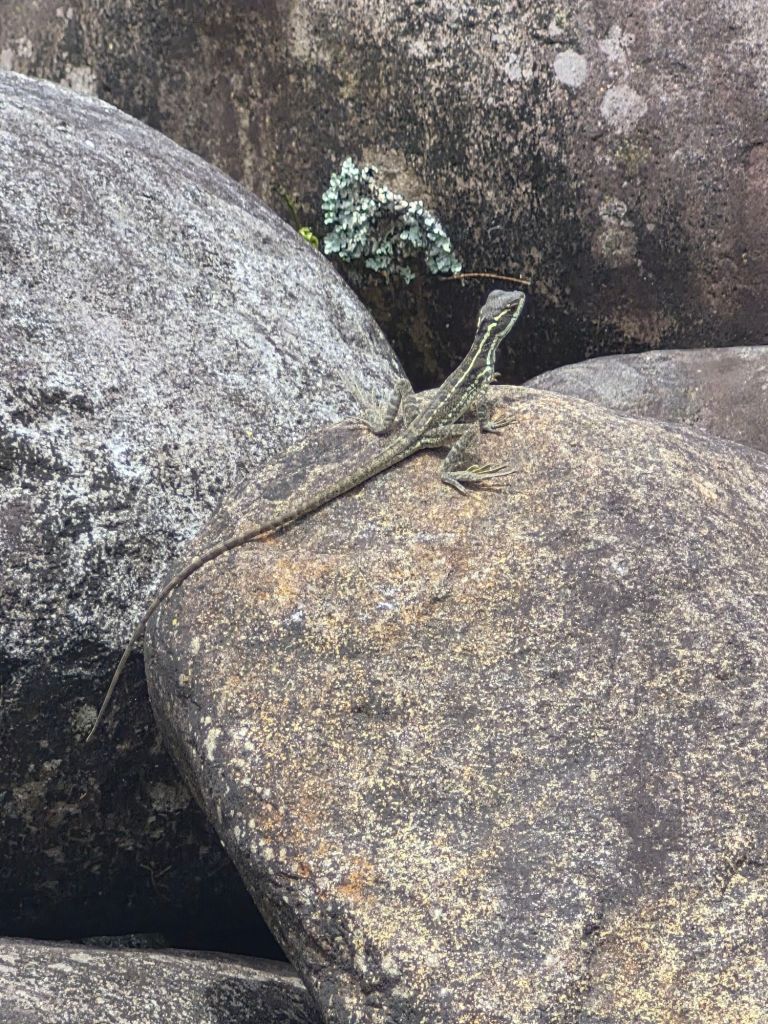
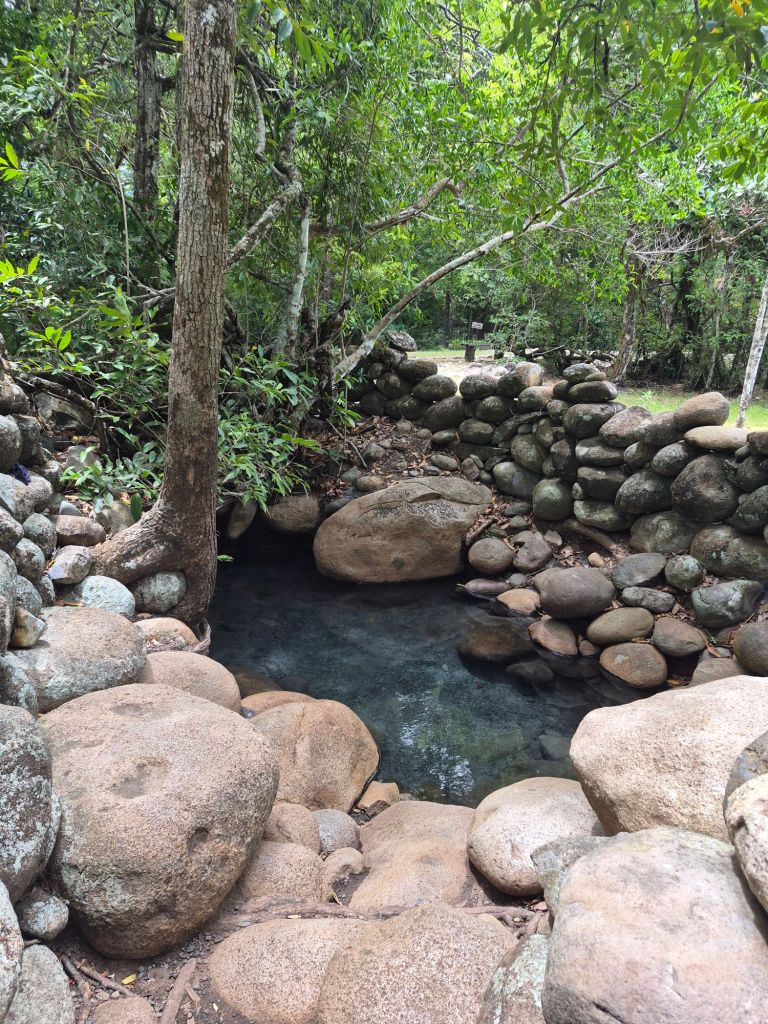
On the last day in Boquete I was going to do another popular hike to some waterfalls, but after having had serious problems with an upset stomach the whole night, I went for an easier option, i e to take a colectivo to warm springs, called Caldera Hot Springs. Little did I realise that one had to walk for almost an hour after being dropped off, so out came the umbrella and off I set. The springs were very natural, with boulders forming little pools, but crystal clear water, quite hot. There is a river running next to it, so I thought it would be much cooler in the river, and as I walked down to it, I stepped into a little pool, discovering it to be hot, much to my surprise. Could the whole river be hot, I wondered? Impossible. It was actually very cold, the little pool was just a catch-up of the hot springs running into the river. So I had fun going from hot to cold to hot, pretending the hot was a sauna. There were some Dutch youngsters further down the river, and on the way back, they passed me with their van, not even offering me a lift – poor form, I reckoned.
One meets people at the hostels, and valuable information is shared. One such girl that I met in Boquete gave me so much information about Costa Rica, that I now have a whole itinerary planned. She told me she had crossed the border from Costa Rica to Panama close to Bocas del Toro in the north-western tip, which made me re-think my plans of crossing at the usual place (Paso Canoas) more to the south. Bocas del Toro is another popular tourist town on Colon Island in the Caribbean which I had thought to avoid, but staying in Panama for two more days was tempting. Besides, I wanted to visit Puerto Viejo in Costa Rica, which is on the Caribbean in the northeast, not far from the border. So I again took a shuttle to Bocas del Toro, which makes the ferry crossing easier as it is included. I stayed in a weird hostel, which had pitched tents on a covered wooden deck, in a jungle-like garden, but I had booked a single room for more comfort. Unfortunately it was very mouldy, I slept with the fan on and the door slightly open, but almost suffocated. I’m sure if I had stayed longer, I would have developed serious lung problems.
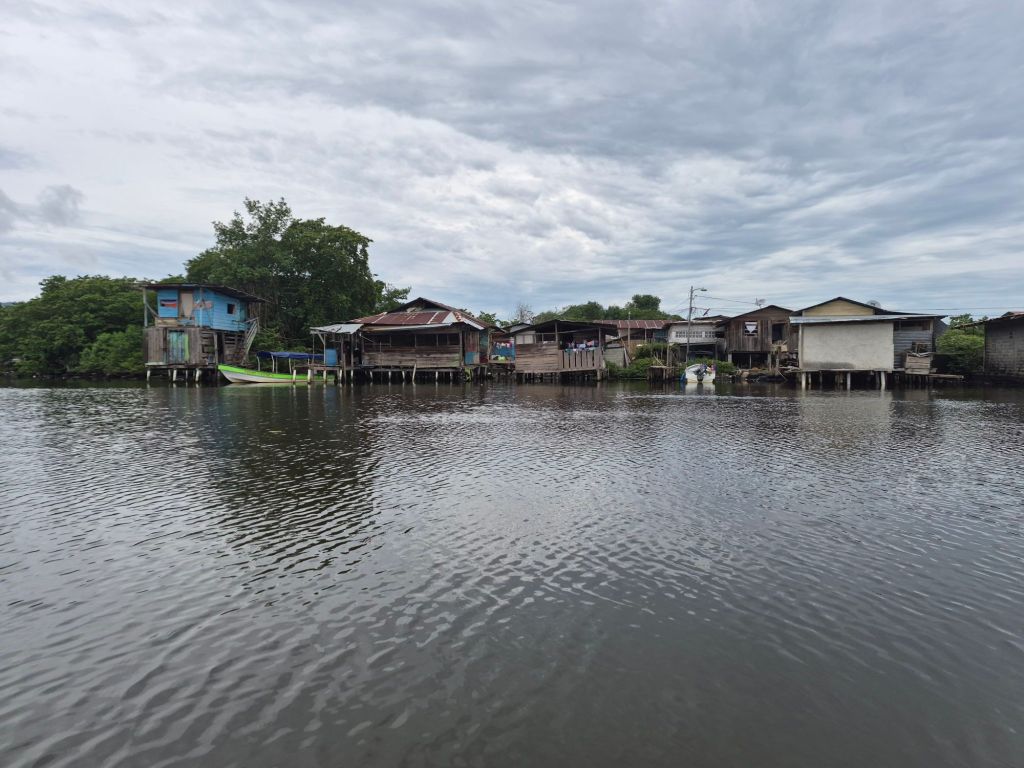
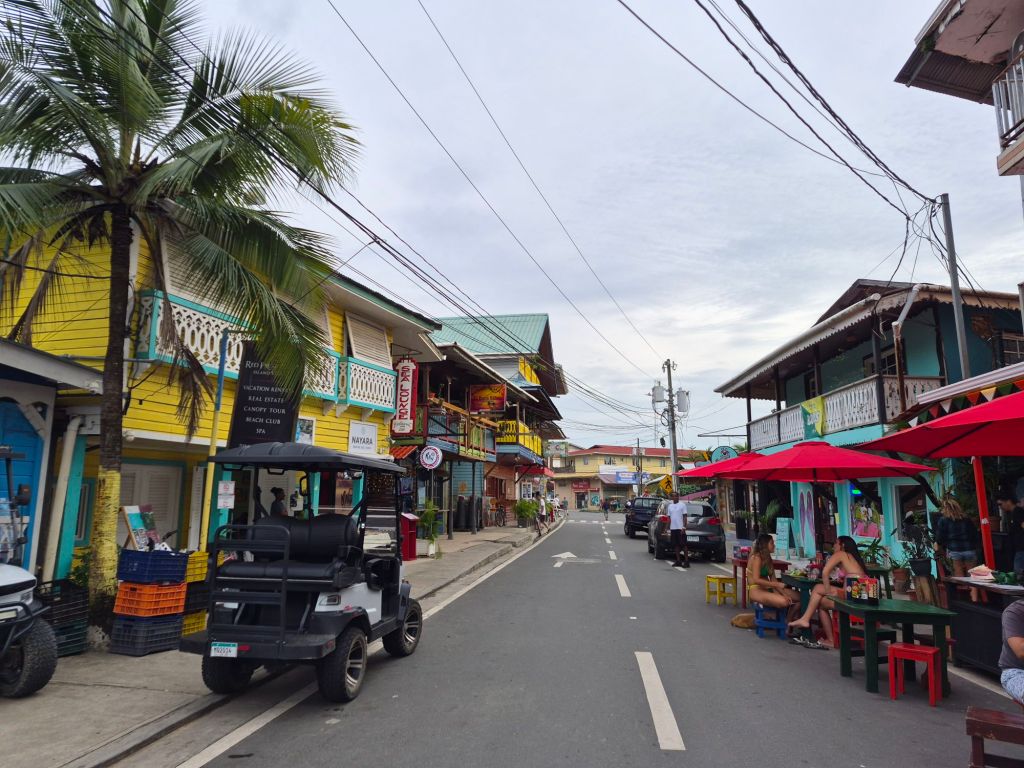
The hostel I was staying at was out of town, but close to the beach, which was not fit for swimming, the manager informed me. “People swim there with their heads covered in a mask” he jokingly remarked. I walked to a few other beaches, but one was rock covered and the other had big waves and currents, much too dangerous to swim. So I went back to a bar where I had noticed two women wading, and there was a pool.
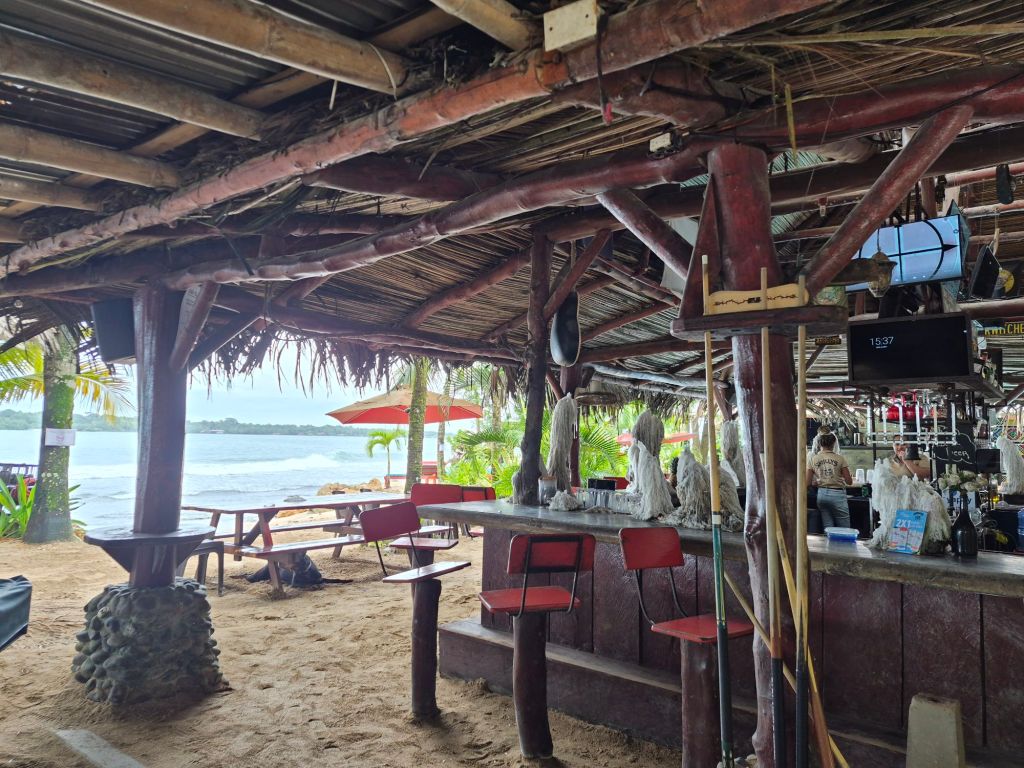
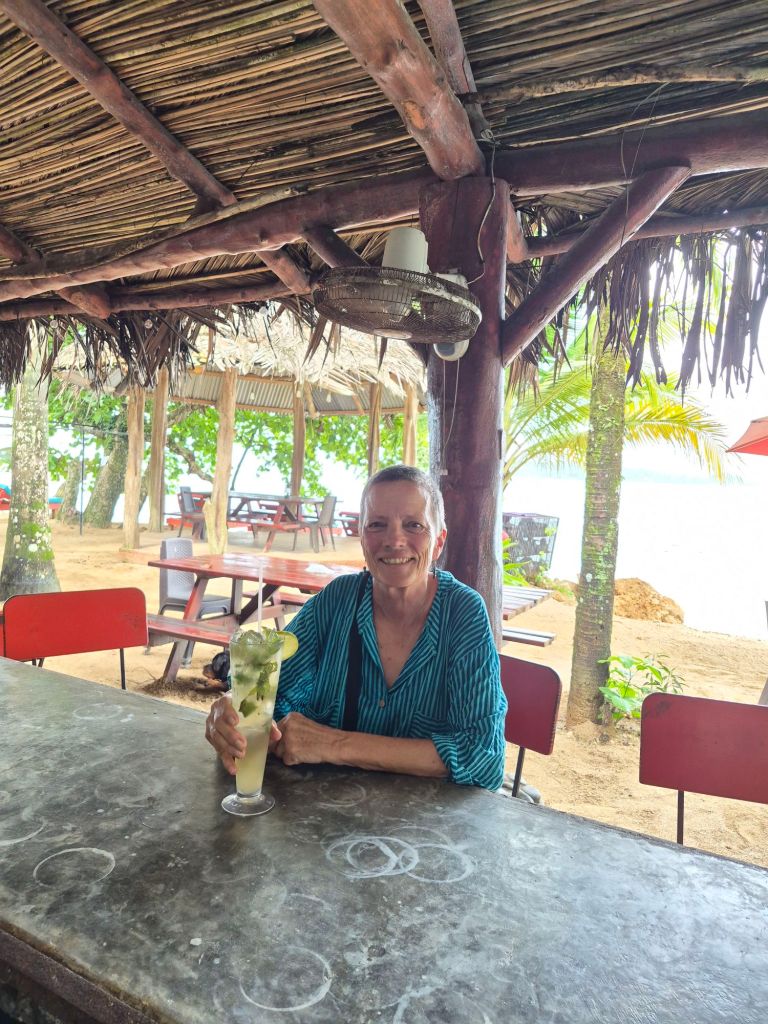
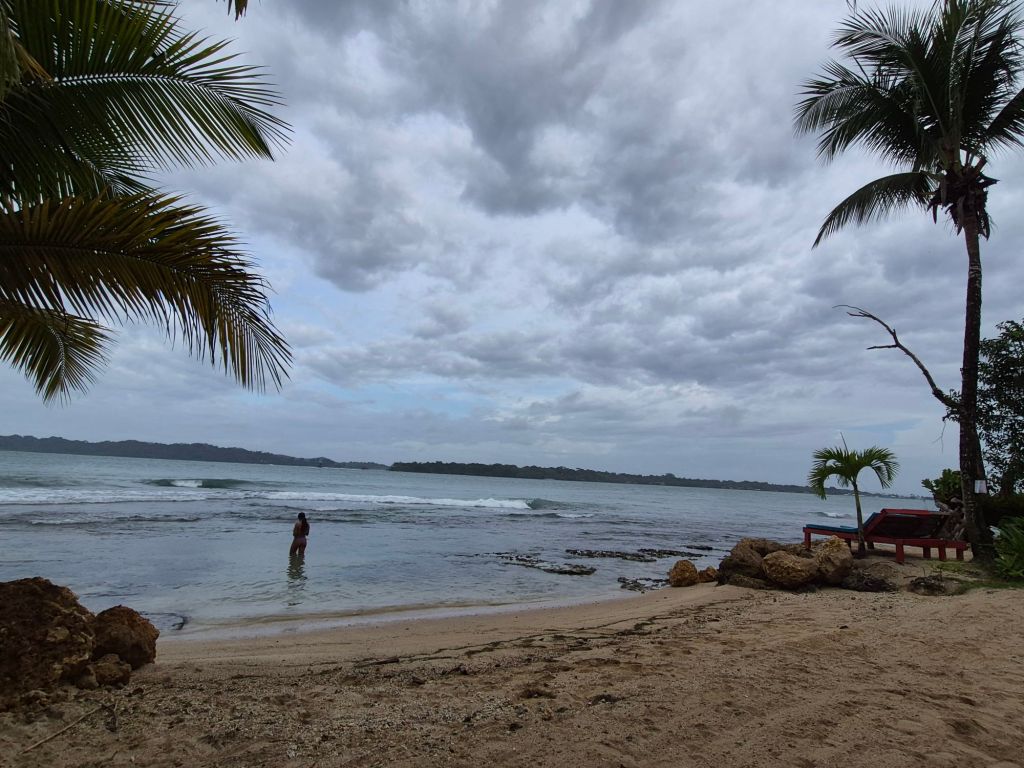
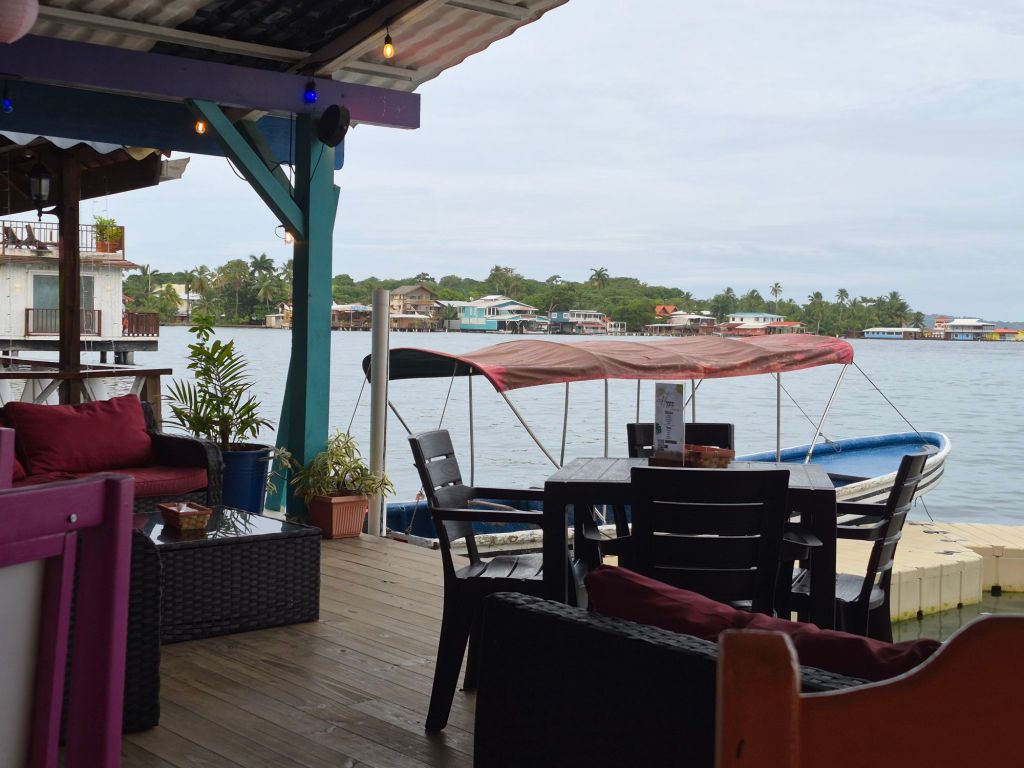
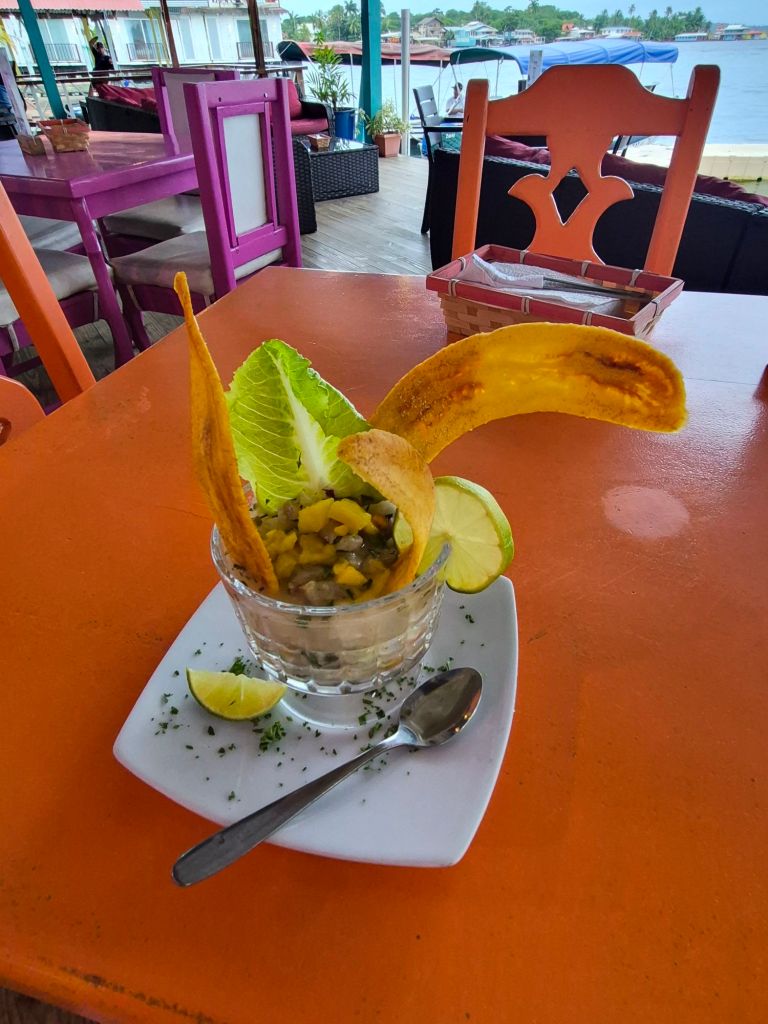
I had not eaten out for a long time, so that evening I went into Bocas del Toro and a friendly lady invited me into a posh looking restaurant overlooking the bay, telling me they served ceviche. I do not like raw fish, so I have avoided eating it, but thought I should give it a try. Absolutely delicious! The way they prepare it in Panama is different from the way they do it in Peru. The latter do whole chunks of fish, whereas in Panama they cut it up into small pieces, often doing a mix with prawns. Crisply fried plantains were used as garnish, which complemented the lime taste.
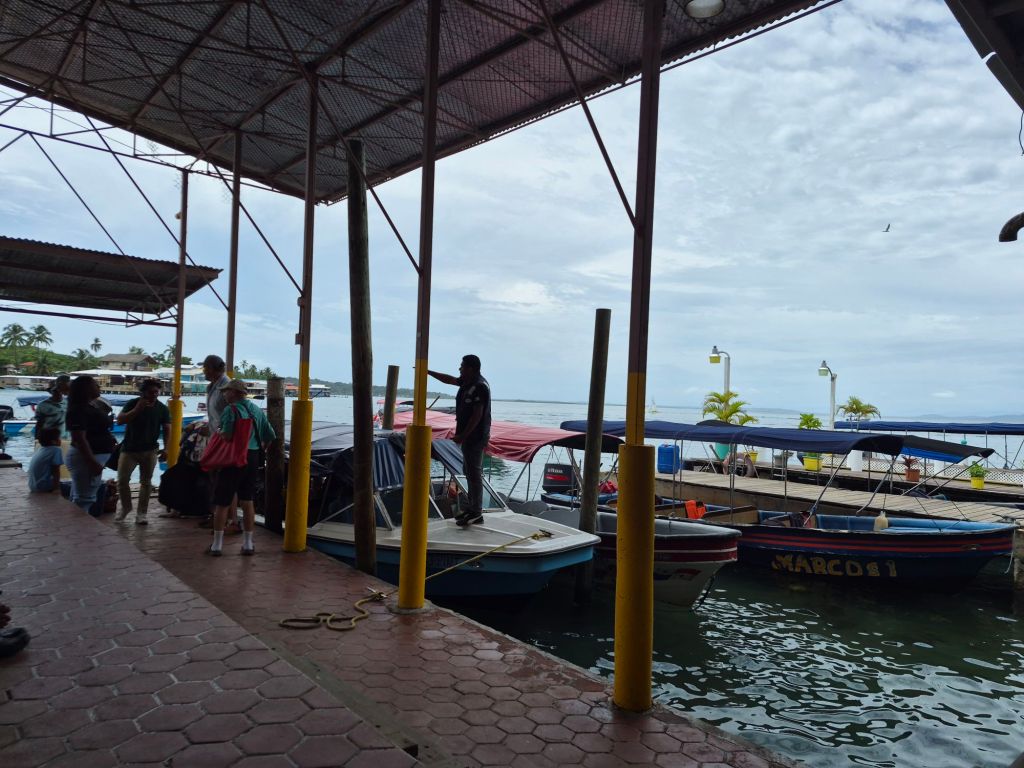
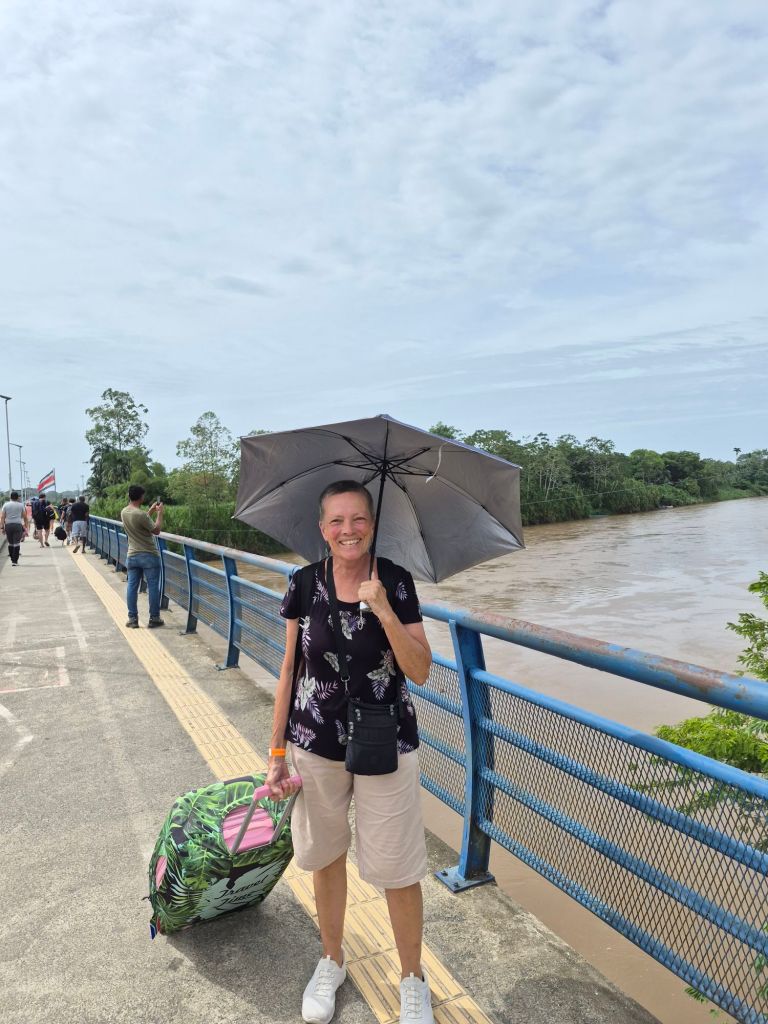
I had bought a shuttle ticket for Puerto Viejo in Costa Rica on arrival in Bocas del Toro, not sure about the authenticity of it, and I was quite sceptical, but in the end it was all legitimate. It was quite amusing, as the taxi driver that took me to the ferry, an older man (obviously a local), insisted on seeing and inspecting my ticket to make sure it was authentic. The shuttle took us to the border, where we were led by someone to the exit immigration office, then across the bridge of the Sixaola River (luckily not the Styx) and to the immigration office on the Costa Rica side, where another shuttle picked us up. All very efficient and painless. I was told one had to pay an exit fee of $8 on leaving Panama, but we walked right past that building without going in – evidently no control.
 Mella Madness