Back in Albrook, the bus station in Panama City, I knew exactly where to go and what to do to catch the bus to La Chorrera, where I was doing a Workaway job at La casa de Ito, a hostel owned by two brothers, Raul and Mario. Raul had told me where to get off on the Pan-American Highway, very close to the hostel, but the bus took a detour through town, so I got off at the very busy town square and ordered an Uber. The hostel is in a house that was owned by their grandfather, but they have added on an open-spaced living and games area, and have tents for guests to sleep in.
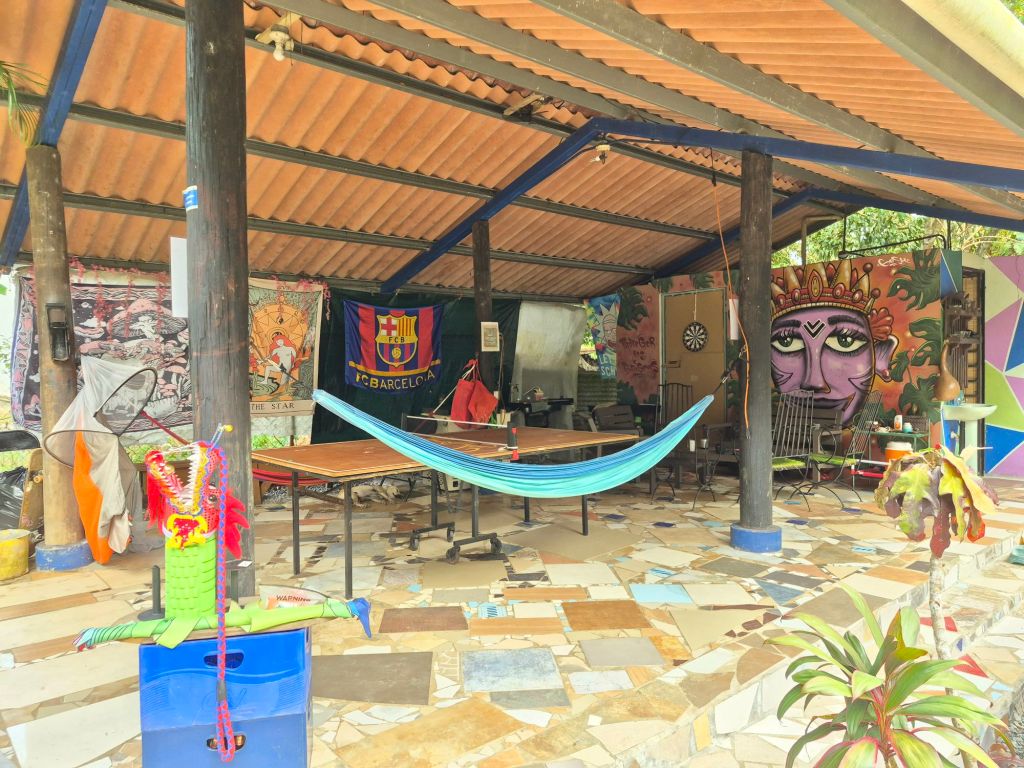
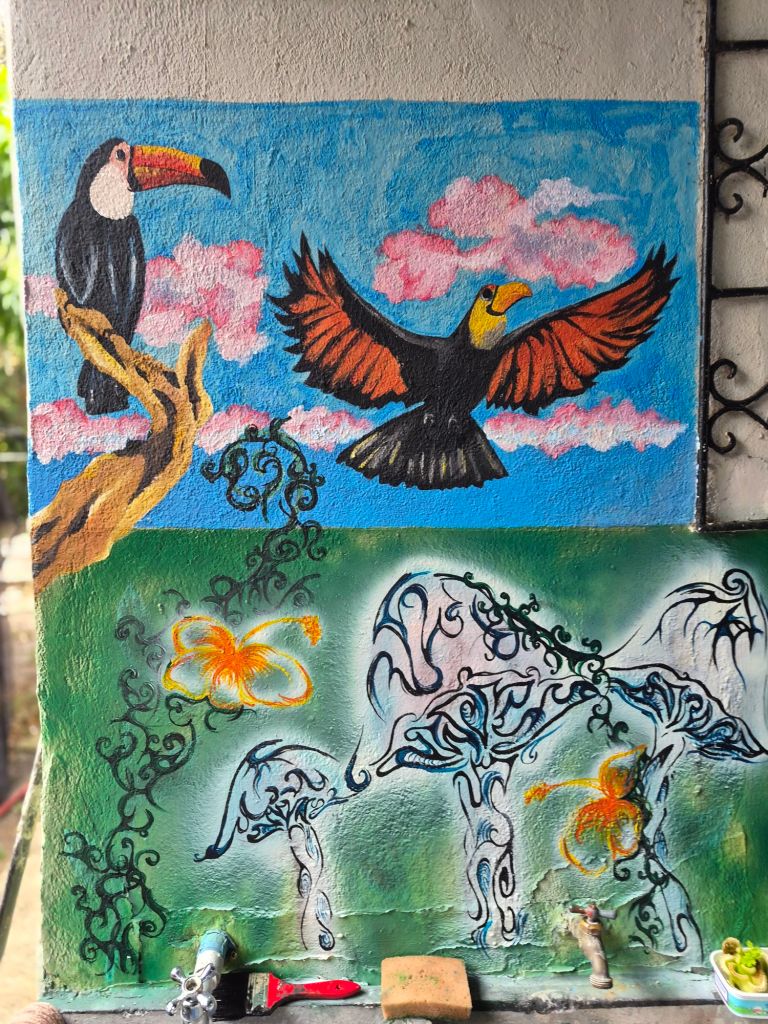
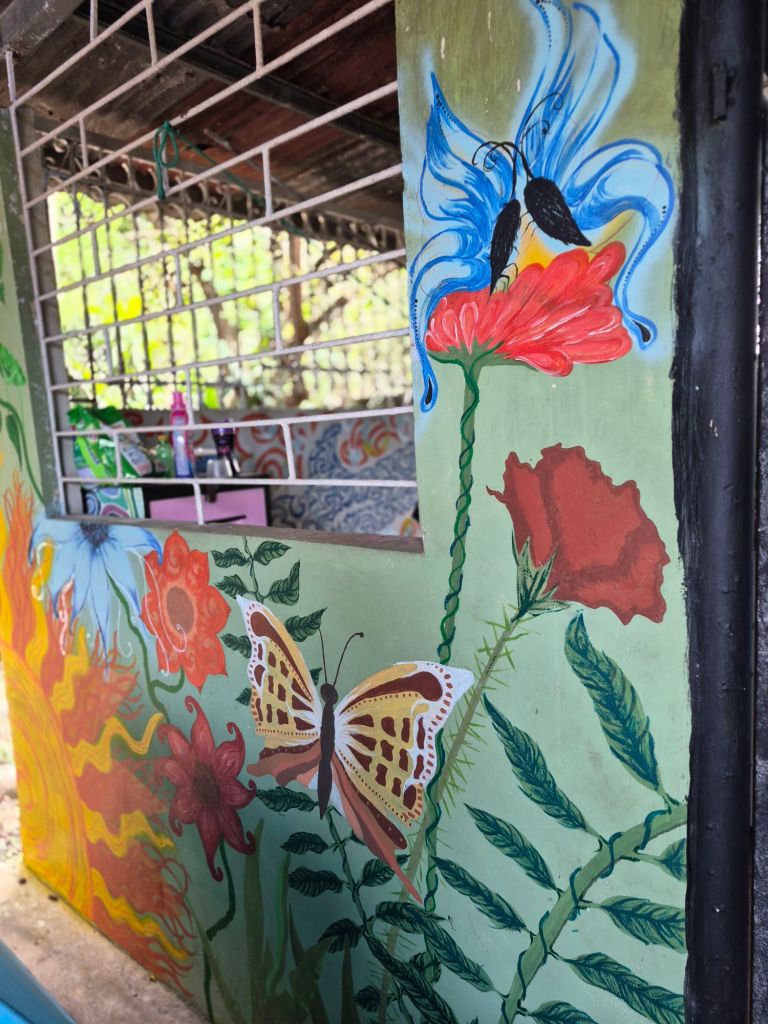
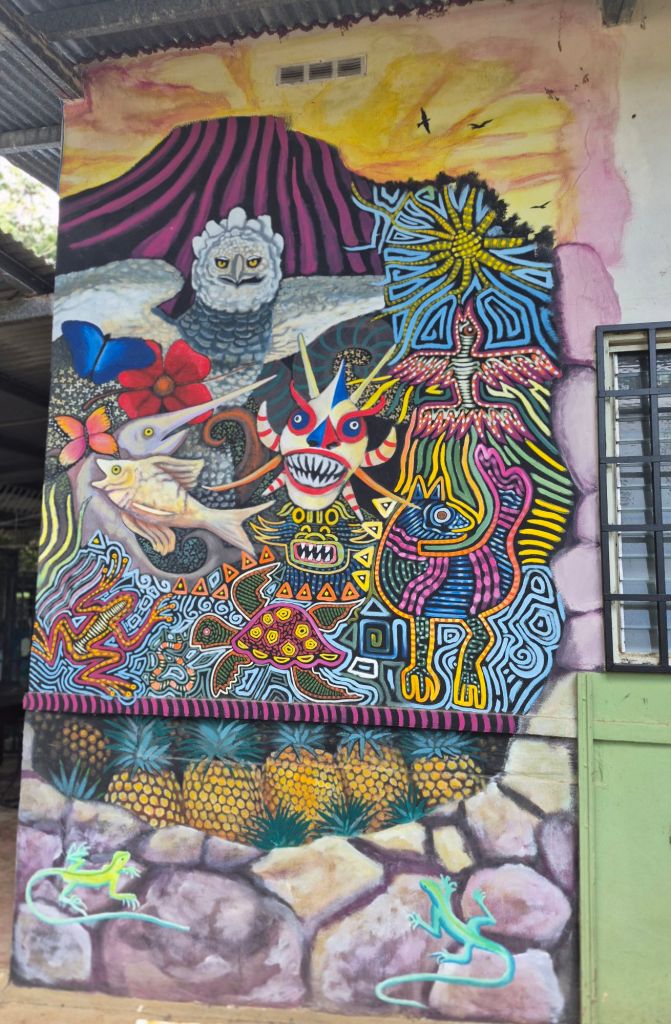
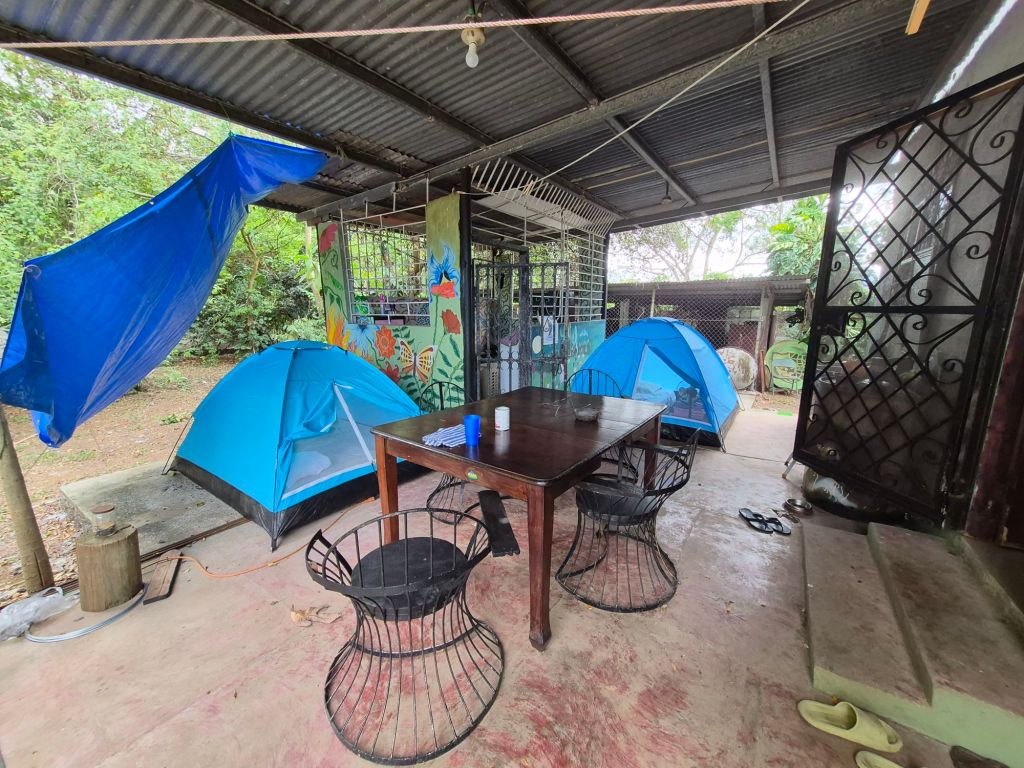
Raul and and Mario work online every day, so my job was to keep the house clean and rake the leaves, very tranquilo (relaxed). I walked to the town centre twice, but La Chorrera is not a pretty town, and it was very hot. Once I stopped for an ice-cream in an air-conditioned little shop, and asked if I could sit at the one available table where a young guy was eating. He could speak a little English and proceeded to tell me all about Costa Rica, as he had lived there for 3 years. That was the only interesting thing about La Chorrera…
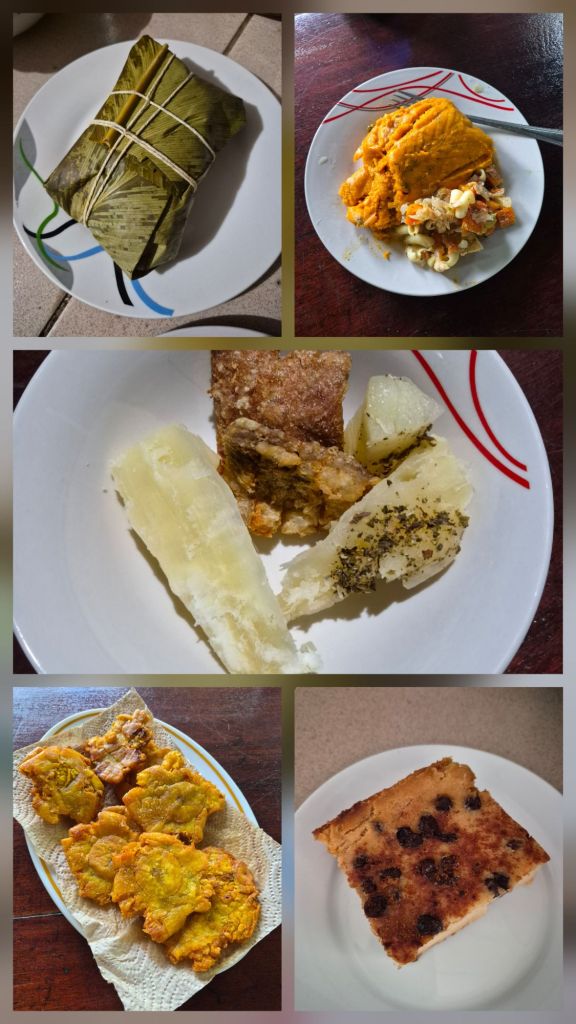
Staying with Raul and Mario was great, though. Raul went to a lot of trouble to provide local dishes for me, which I thoroughly enjoyed. Every evening their friends would come to visit and they would play table tennis, guitar, music or just talk or play games on their phones. I could never figure out who was who, but I gathered that Ricky made fantastic hamburgers and fried chicken, and Ruki’s mother made tamales (flavoured and spiced corn dough stuffed with chicken, wrapped in a banana leaf and steamed till firm).
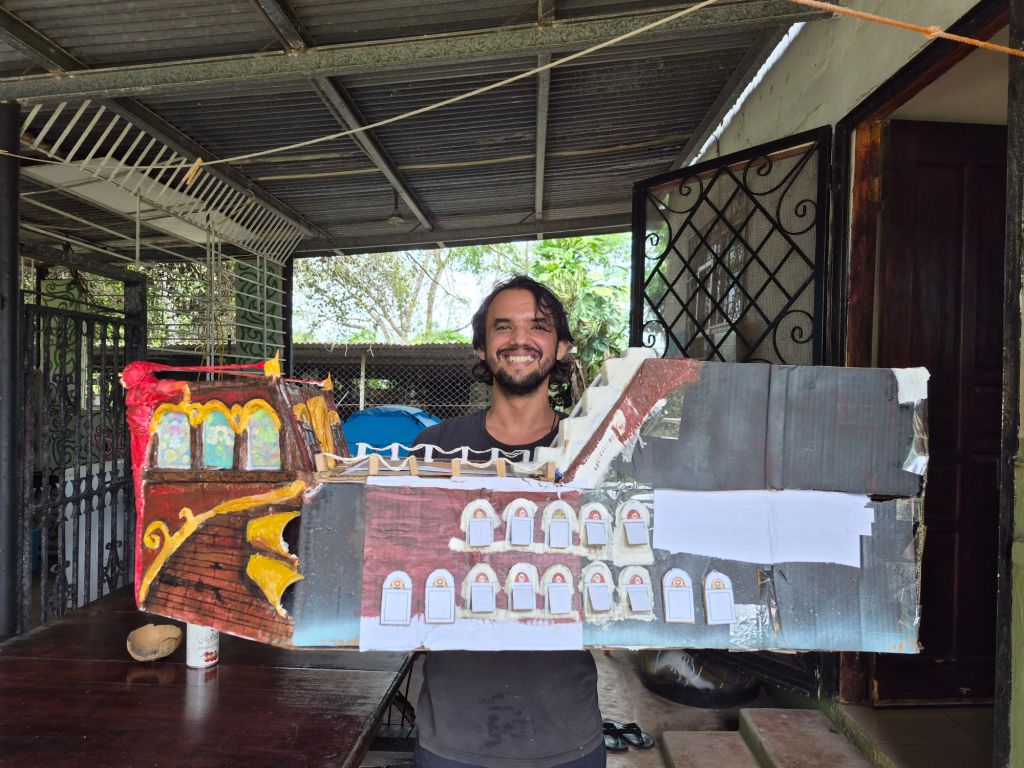
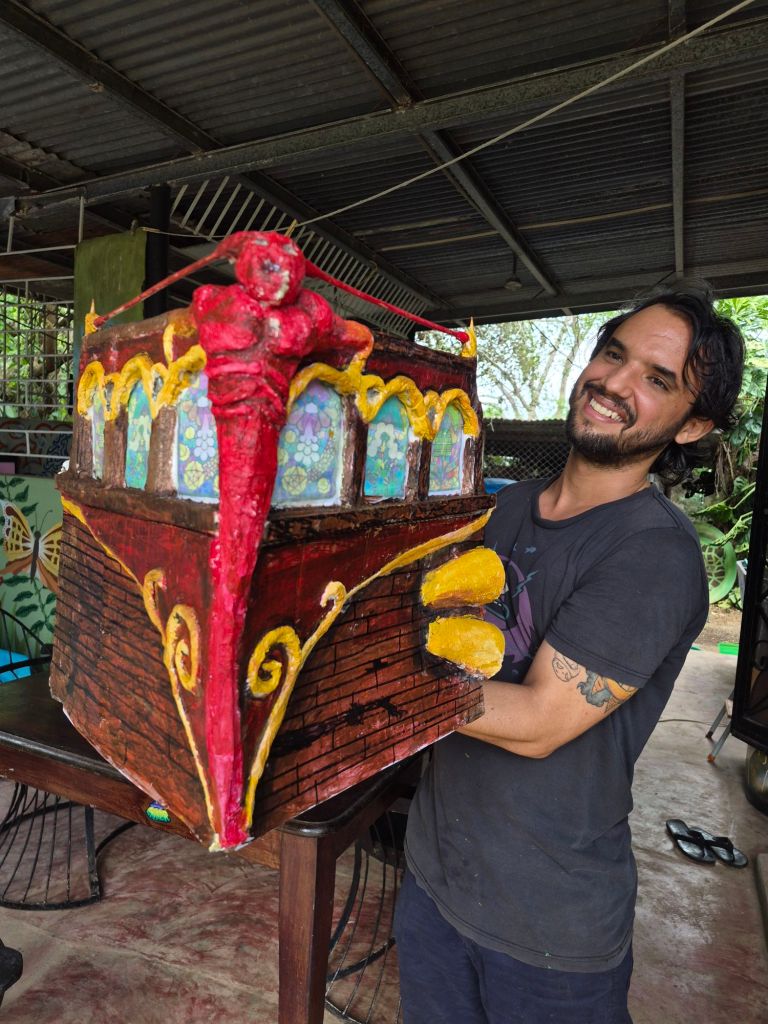
Mario was busy with a project in his room, and I couldn’t understand why the broom was always in his room when I looked for it, until he explained that he was building something and had to clean up every day. He eventually brought it out the day before I left. It was a boat, for the game Dungeons & Dragons, of which I know very little, but he showed me how one could fold open the decks, with things inside. He was building it with scraps of cardboard, empty toilet rolls and lots of toilet paper mixed with glue. I was very impressed, and sad at the thought that it could be broken in their ensuing battles. He however, was very pleased with his project, sure that it could be fixed again if broken.
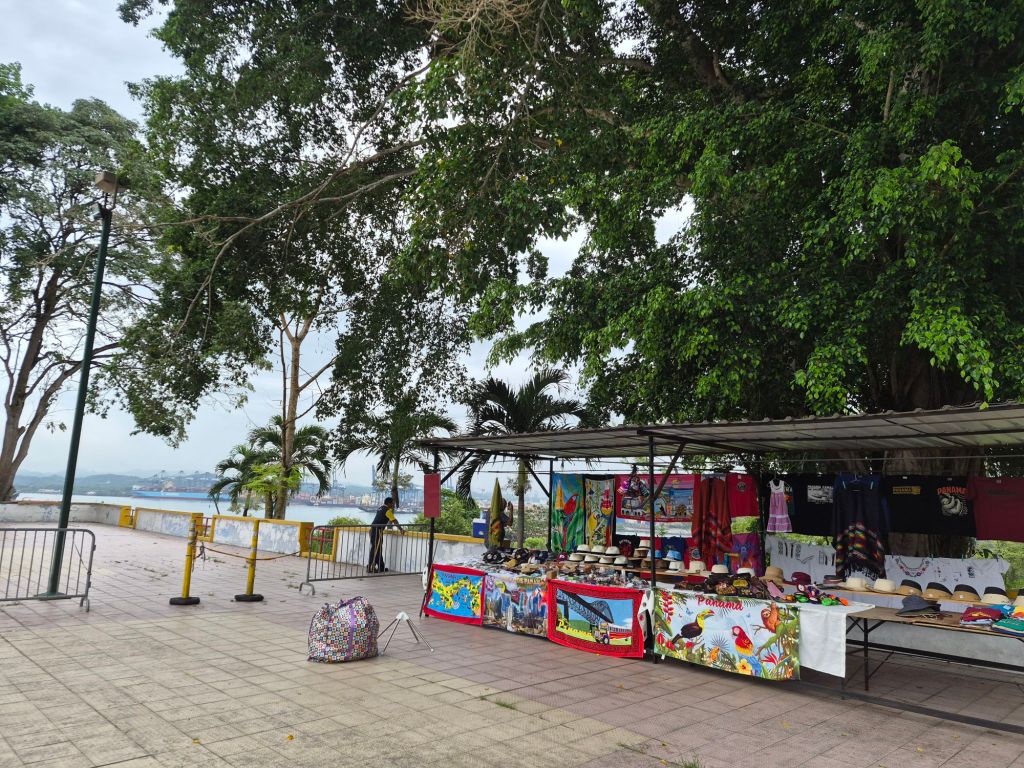
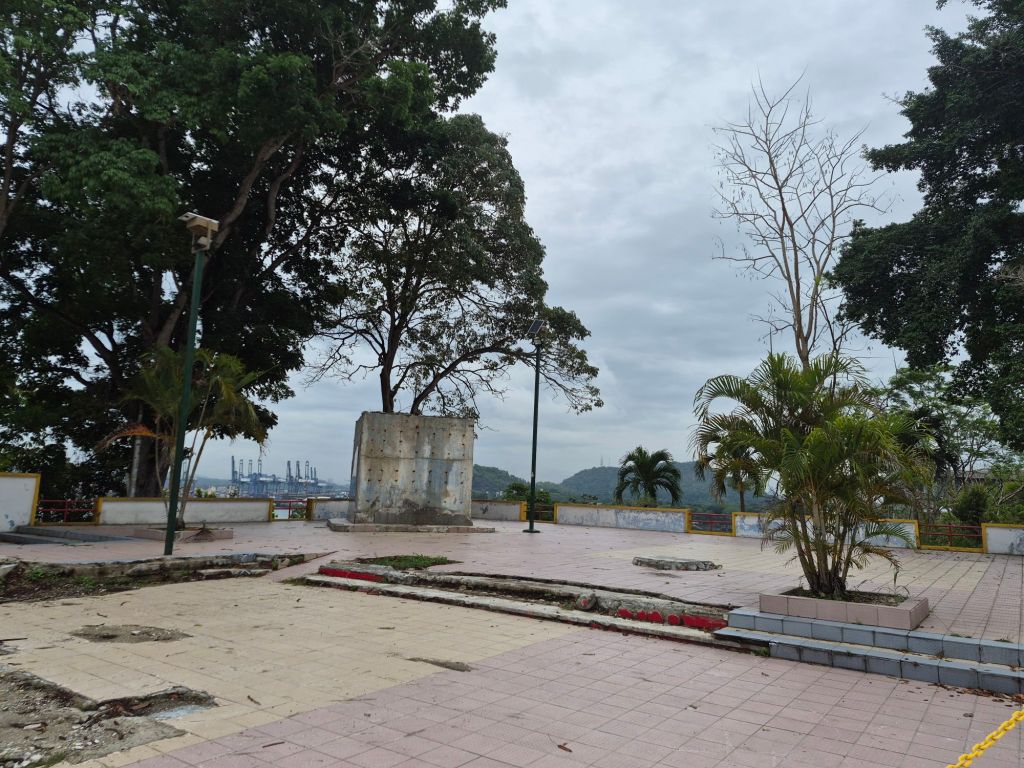
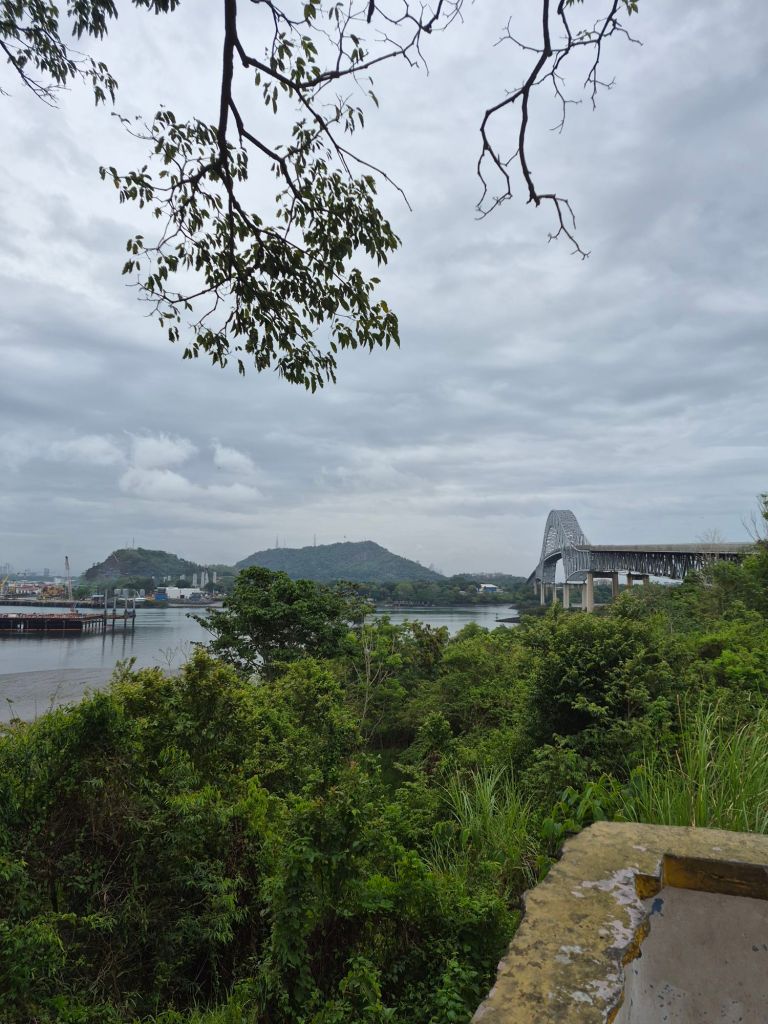
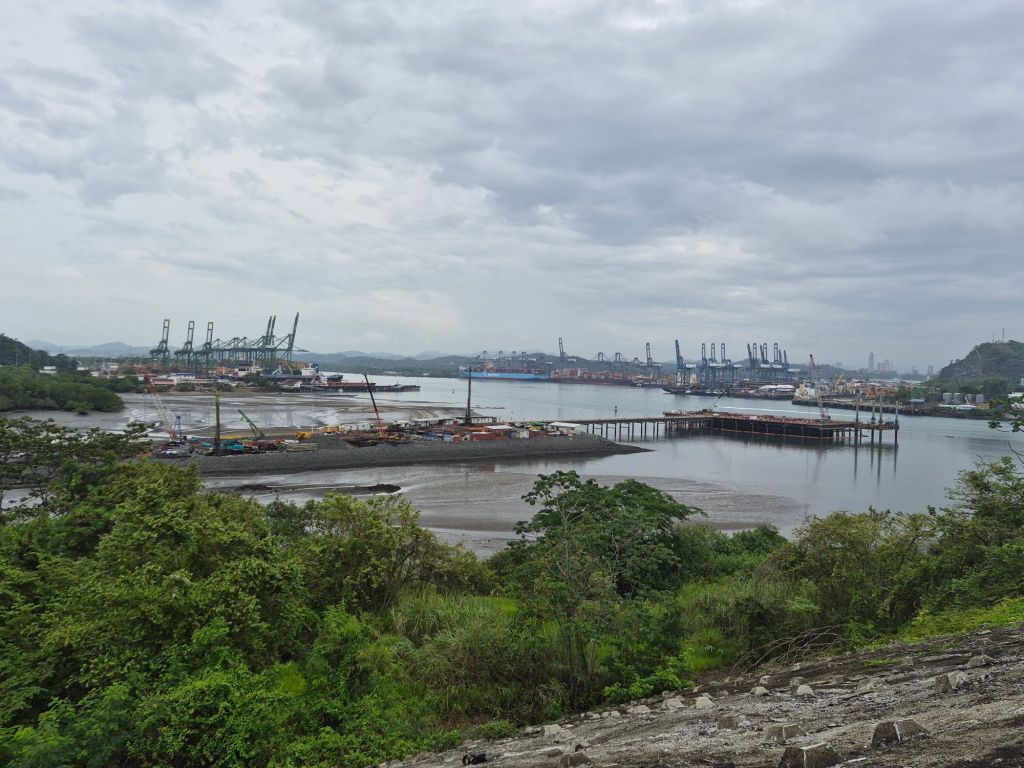
I went in to Panama City one day, to see the American Bridge over the canal and visit the Biomuseum, which is close to the bridge. The bus dropped me on the western side, as there was supposedly a lookout point and some Chinese stalls. Well, I got there to find nothing, apart from one local stall next to the road, and an area that was cordoned off with rope and a guard keeping watch. The guy from the stall could speak English and explained that Trump had ordered all the Chinese stalls and a statue to be removed, closing off the area to visitors. America had built the bridge, but the Chinese had built the harbour on the inland side of the bridge, which explains their presence there – but Trump was calling the shots. I walked across, a scary and unpleasant experience as the walkway is very narrow (and high!!), covered with garbage, and in the middle section there is no barrier between the pedestrian and the hundreds of cars racing past in four lanes. But I stoically marched on, keeping my hand on the railing to my right, in case I stumbled – landing in front of a car on the American Bridge was not on my bucket list. And so I walked from North to South America…
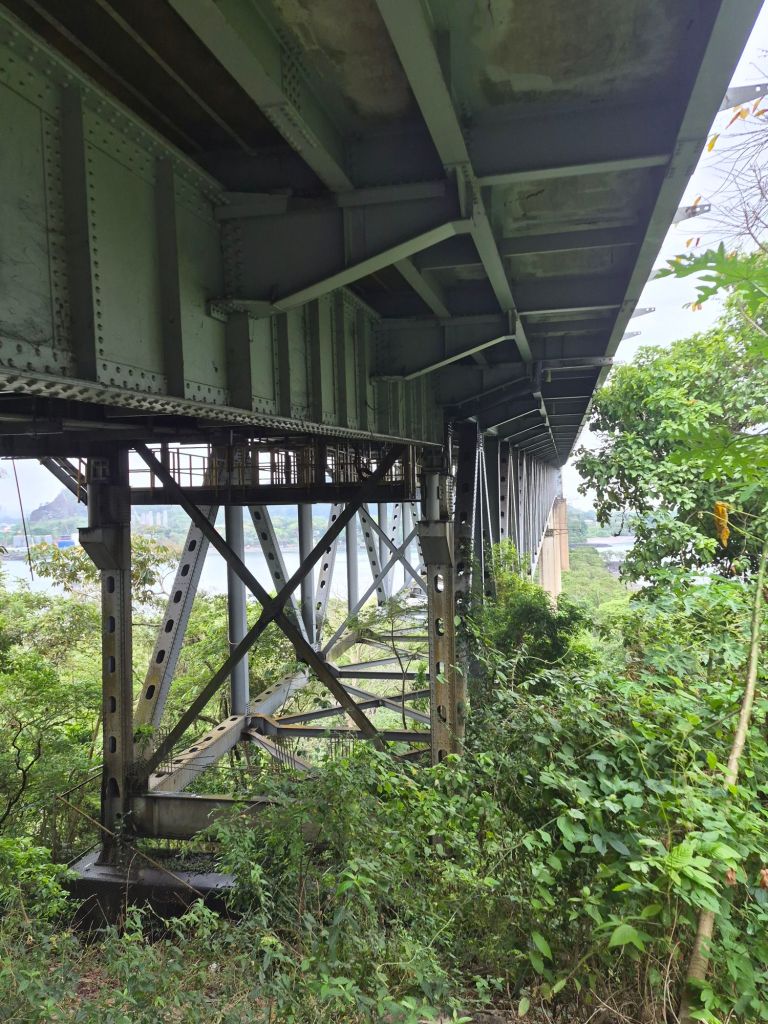
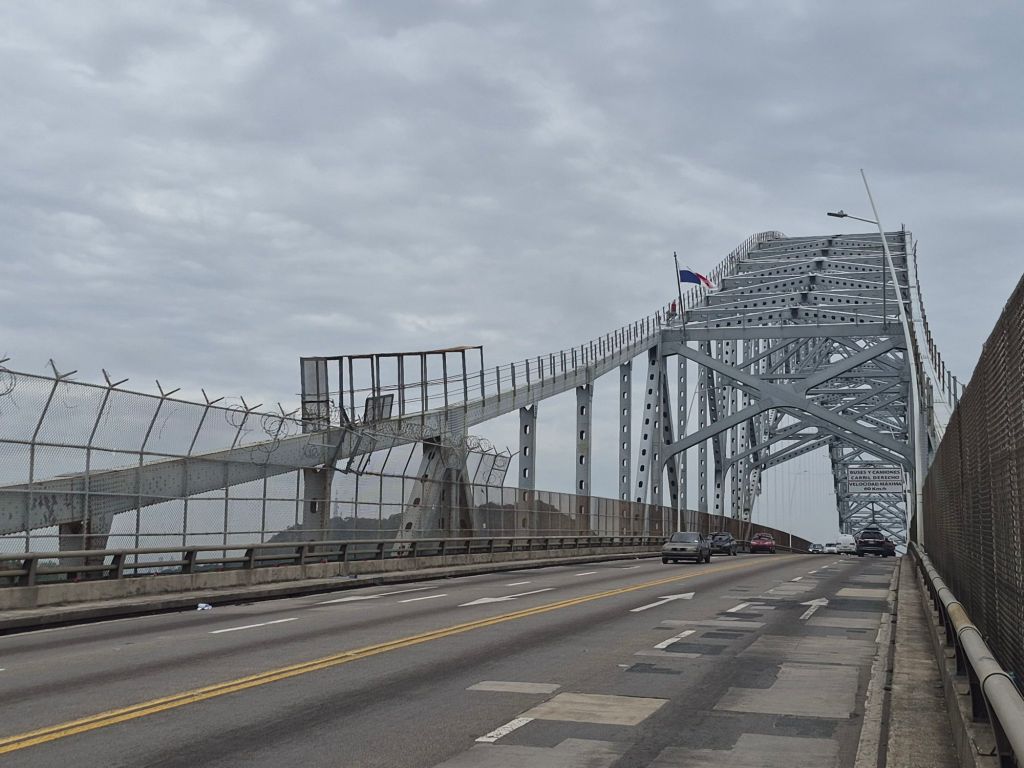
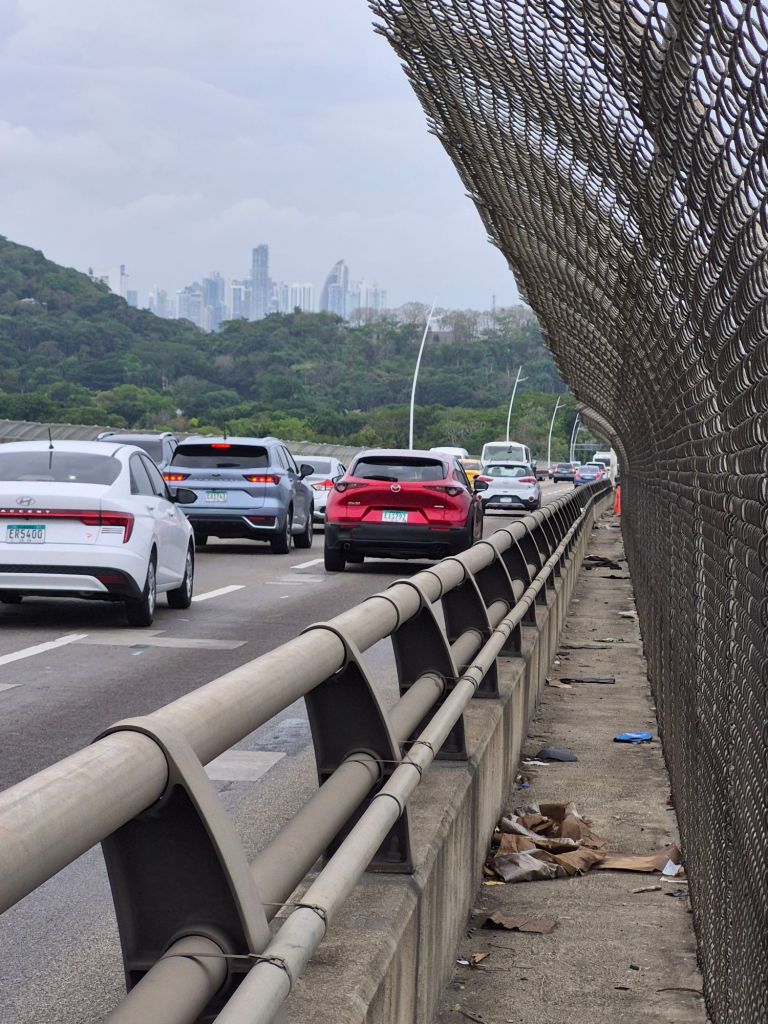
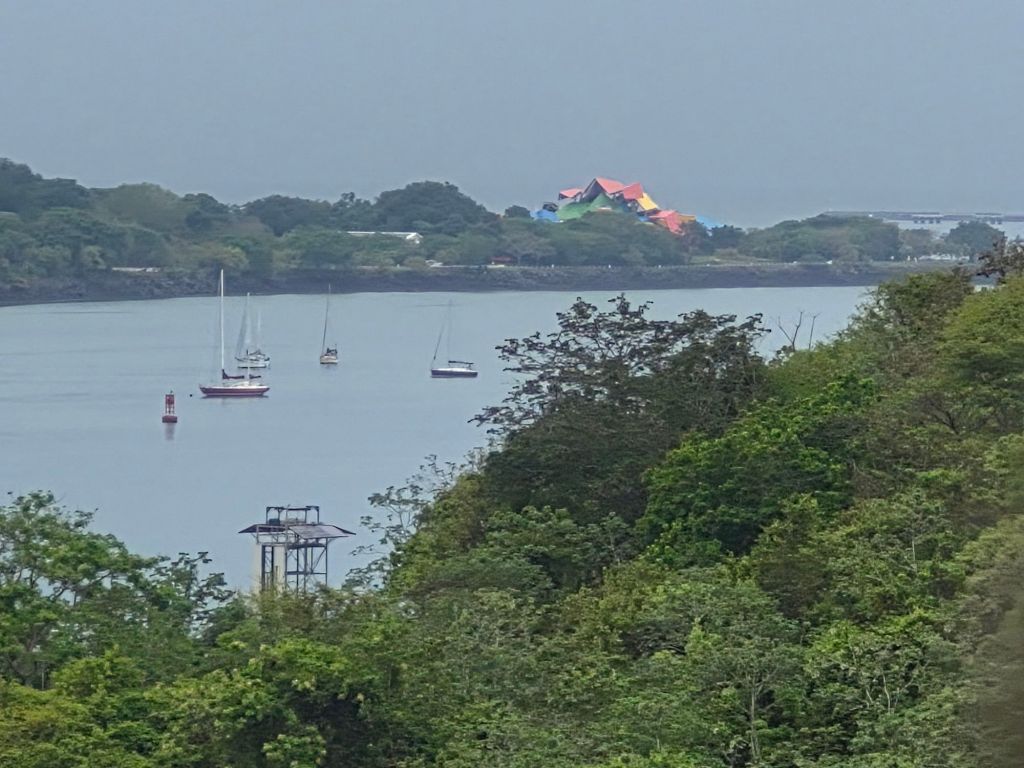
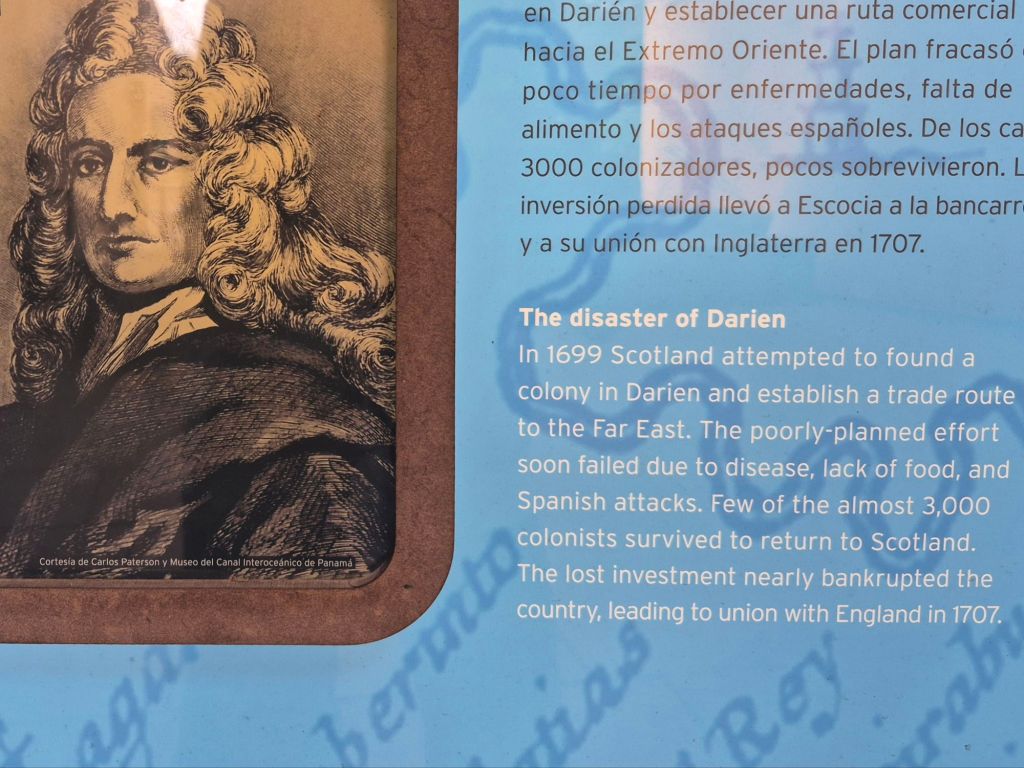
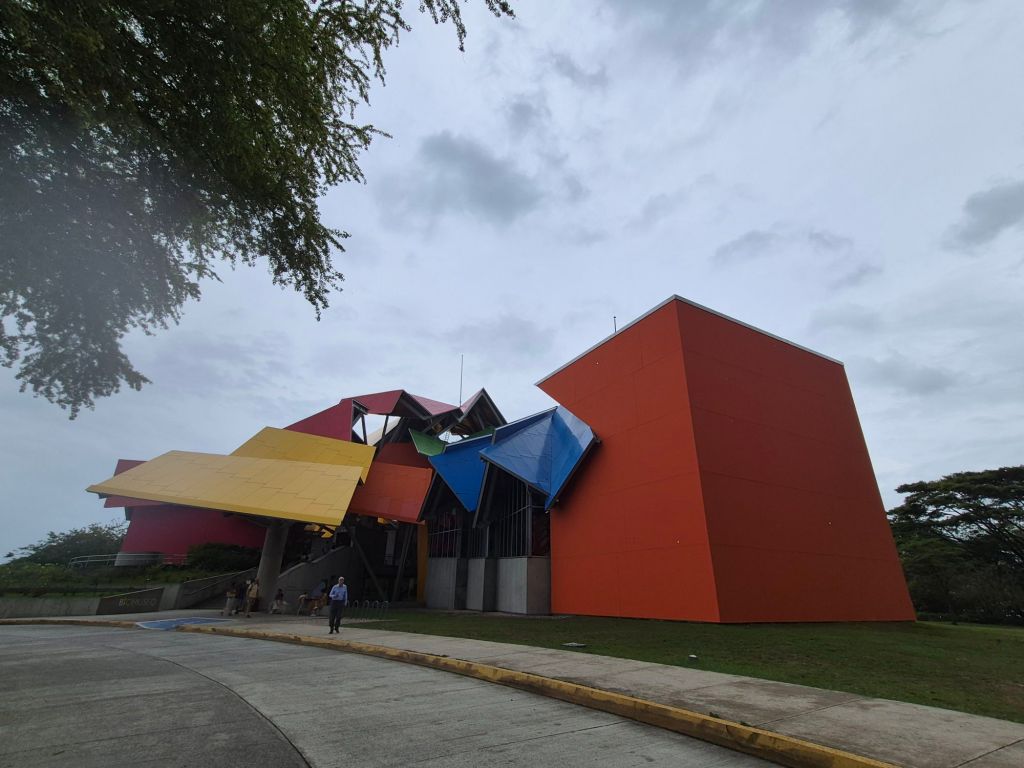
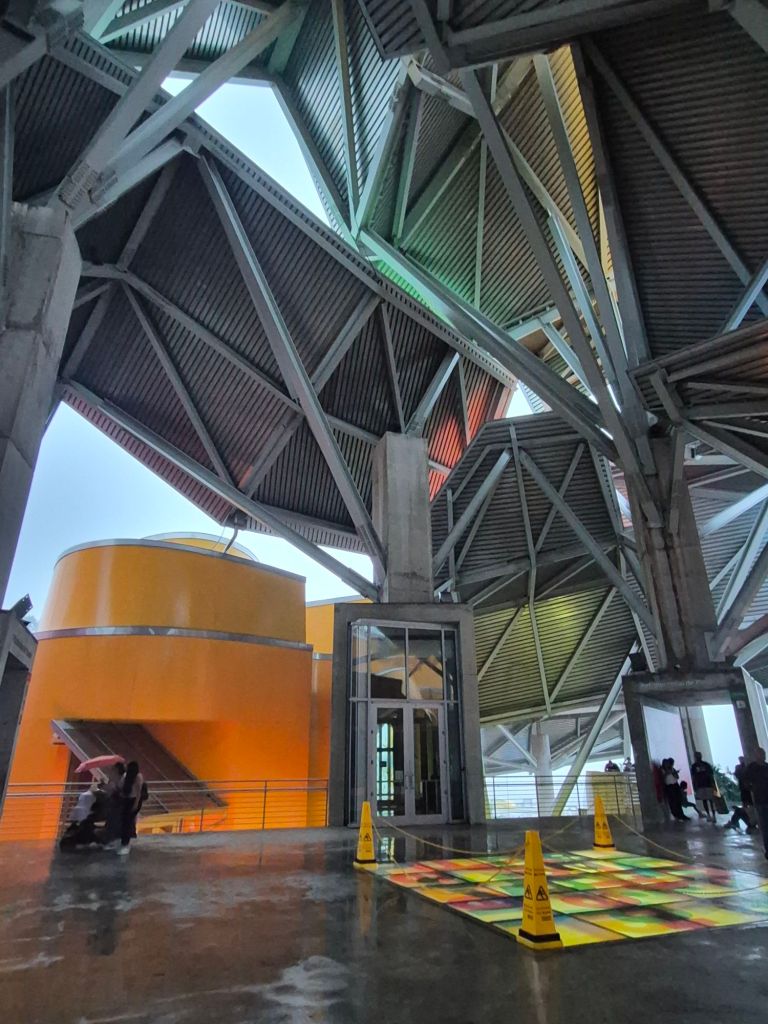
The Biomuseum (which depicts the biodiversity of Panama) is excellent – it has an interesting architectural design, with interactive and informative displays. It has different sections on different levels, and in the basement area, which is open, the history of the world and Panama is depicted on several pillars. Here I made an interesting discovery: my great-grandmother’s maiden name was Patterson (of Scottish descent), and in 1699 there was a failed attempt by Scotland, under the leadership of William Paterson, to found a colony in Darien, in the northeast of Panama. Could it have been an ancester of mine? Might just have been – a good explanation for my yen for travelling.
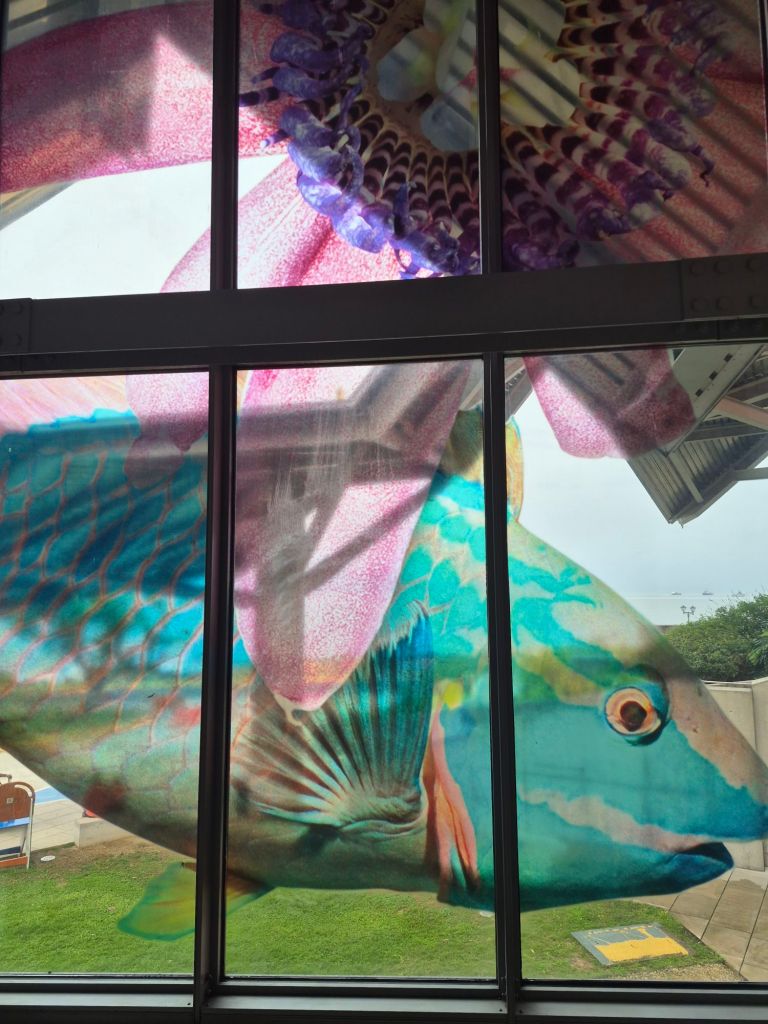
On the upper levels the biodiversity of Panama is shown through its geological structure, fauna and flaura, sea life and space exploration. The isthmus (land bridge), which was eventually Panama, developed from volcanoes over millions of years, thus eventually connecting North and South America. The general theory, that it was approximately 3 million years ago, has been accepted for the past forty years, but new research is showing that it all started many more million years ago with the movement of tectonic plates which caused a volcanic arch. The forming of the isthmus allowed animals to move from South to North and vice versa, it divided the oceans into Pacific and Caribbean, impacting on the movement of the gulf stream, and effecting the development of marine life.
There was a colossal downpour when I came out of the museum, which lasted for an hour or more, and eventually I just put up my umbrella and caught a bus to the Pan-American Highway, from where I could go back to La Chorrera. Not that easy – the bus dropped me beyond the highway, and I had to trudge through wet neighbourhoods and roads to eventually find a bus stop. A lady who was also waiting, assured me it was the right place, but a few buses passed and didn’t stop, some stopped but said not La Chorrera, and then a taxi stopped, asking if anyone wanted to go to La Chorrera. I had checked taxi prices and was not about to pay $30, but then he said only $2. I couldn’t believe it, but it was getting dark and I was anxious to get home, so I climbed in. The driver lives in La Chorrera, was fed-up with the rain and worried that there might be leakages at his home, so he had stopped working and was going home. Later Raul told me that it was quite common for taxi drivers to do that, and that the standard rate then was always $2. I gave him $5 dollars as I was very grateful for the lift.
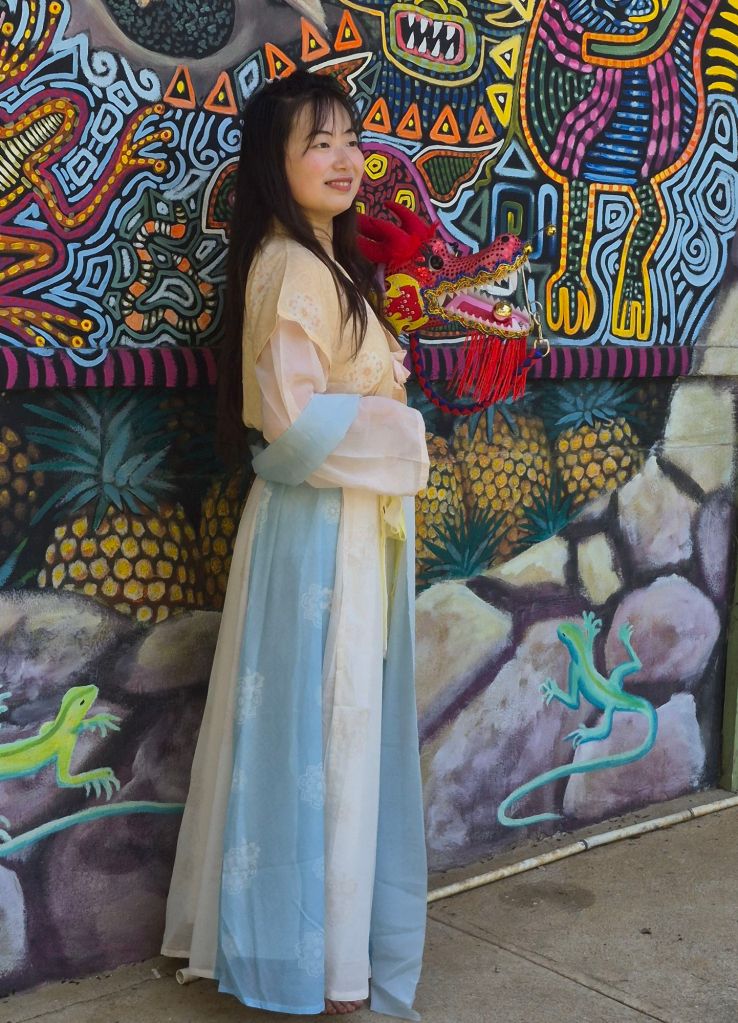
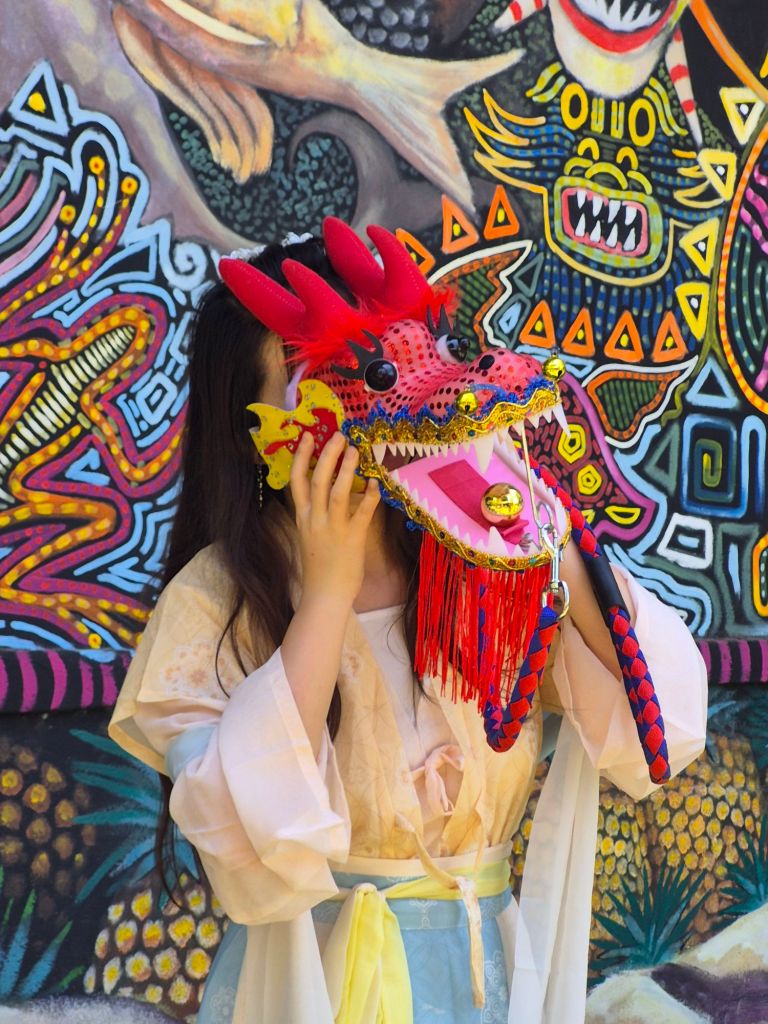
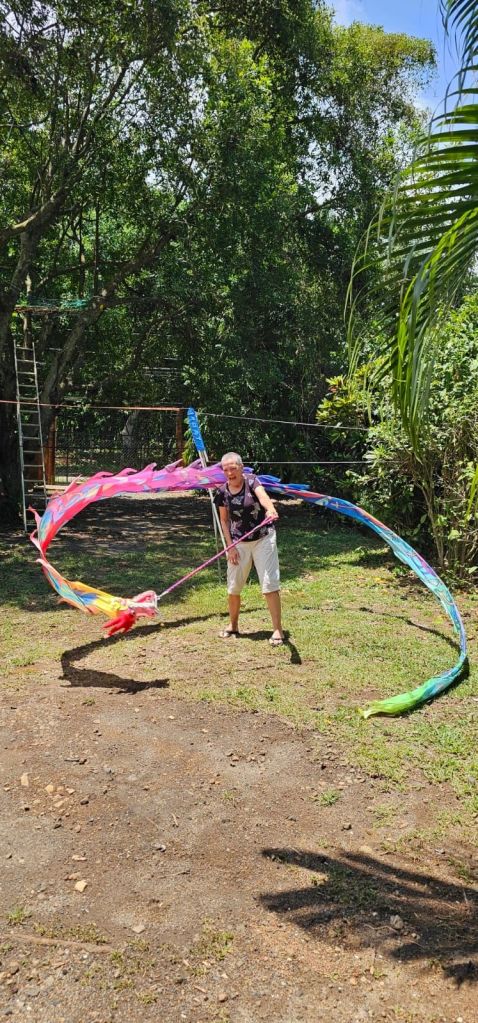
There was a Chinese girl, Valencia, staying at the hostel when I arrived, and in her last day she entertained us with her traditional clothes, dyeing fans and swinging a dragon ribbon, which is called dragon poi, which I could barely do. She said that during festivals in China, even little kids do it. Raul is also a tattoo artist, and when I came back from Panama City, he came up to me and said: “Look what I’ve been doing today,” showing me a picture of a tattoo. Valencia came out of her room, proudly showing me the tattoo on her upper leg. I was sorely tempted to have one done, but I thought I had better ways of spending $100, even though Raul assured me I was not too old for one.
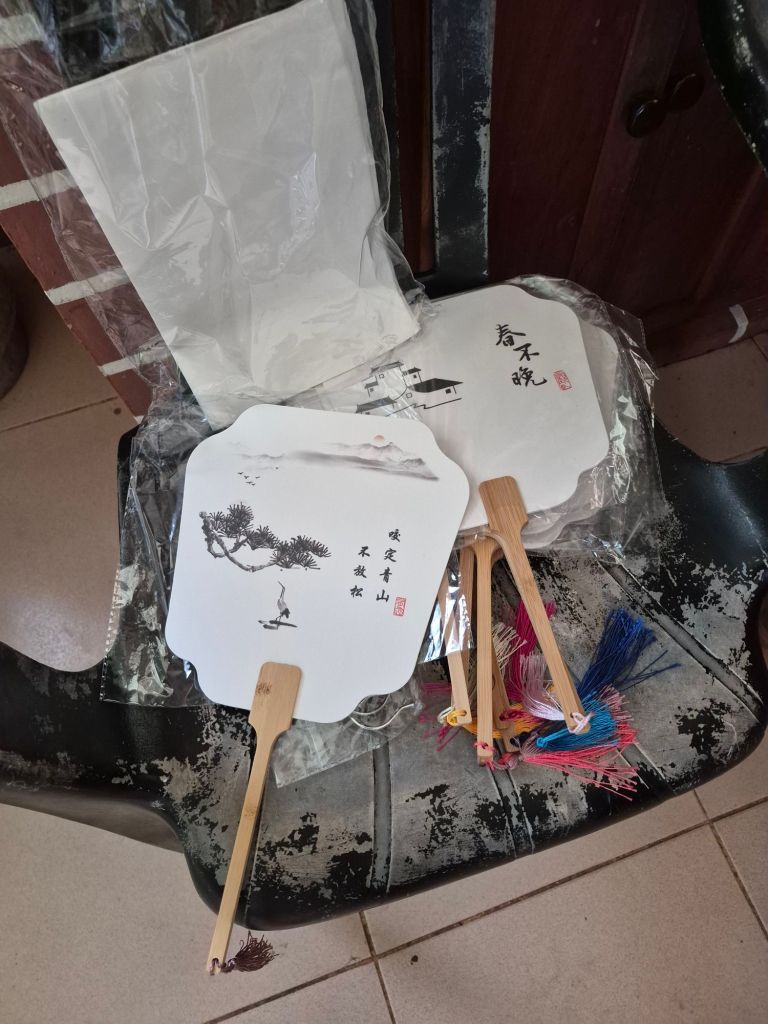
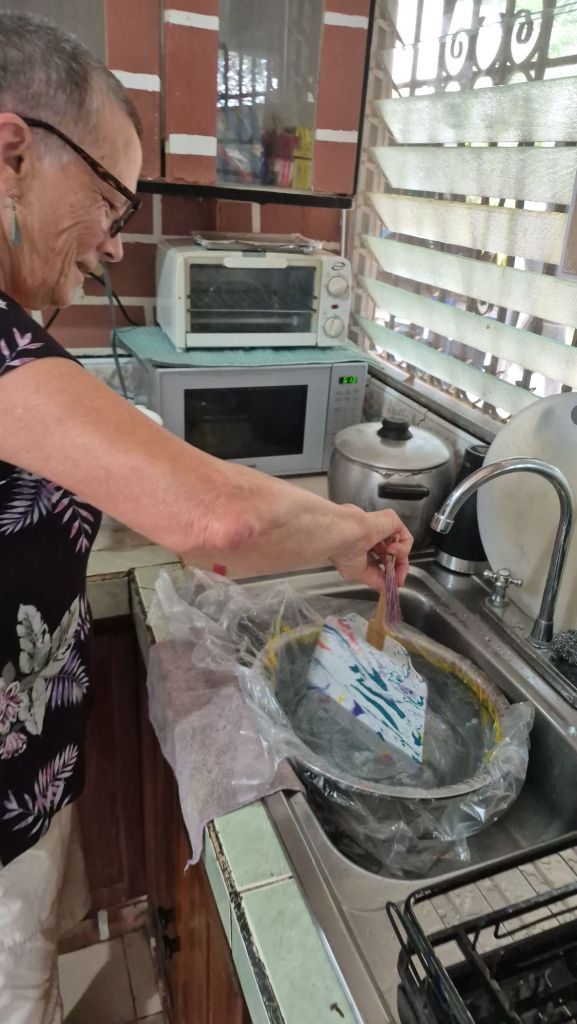
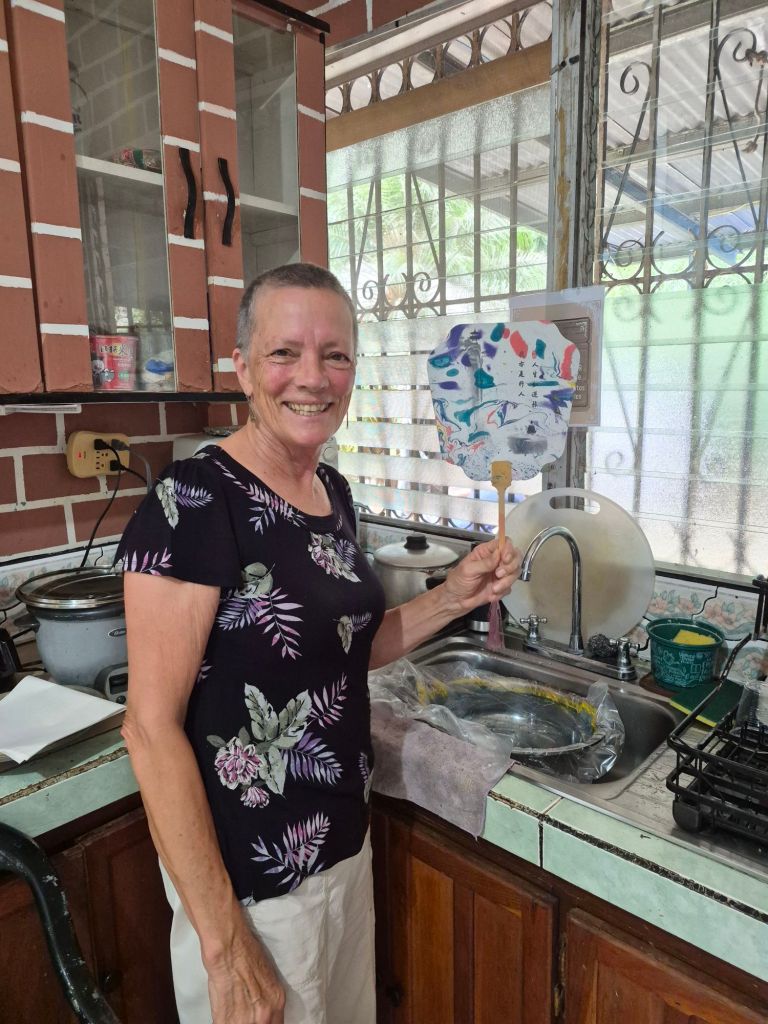
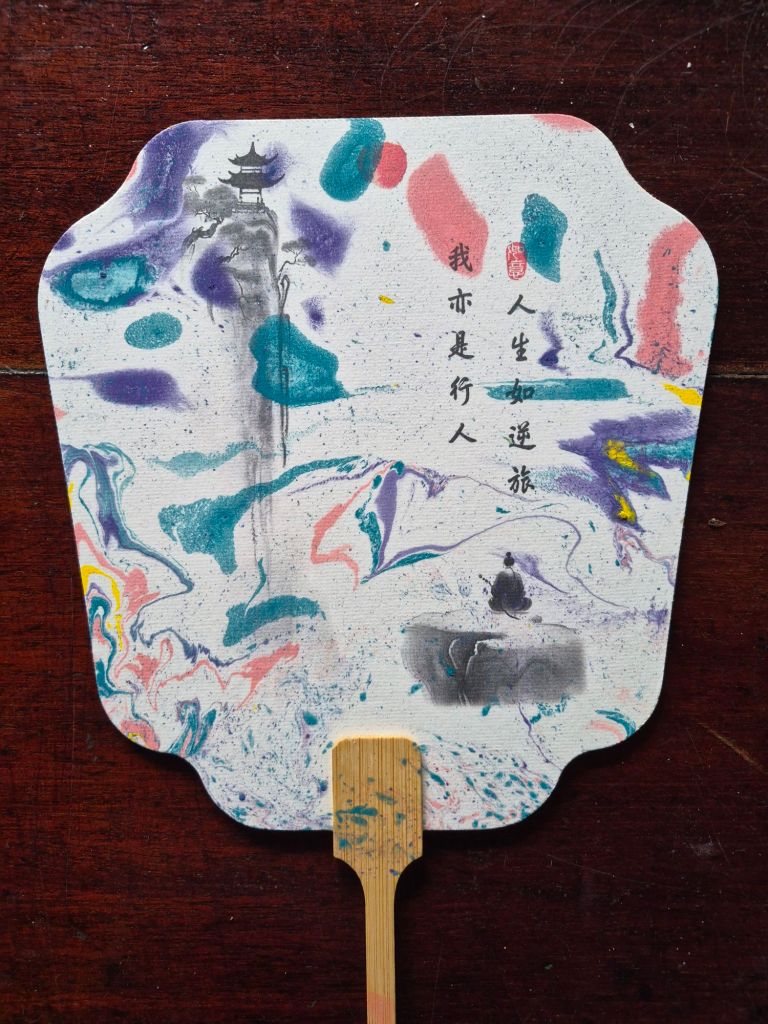
We could choose from several fans that Valencia had, and when I asked her later what the Chinese lettering on mine was, the meaning was quite profound: “Life is a journey, sometimes challenging – I am the walker.” Above the Chinese writing there is a red symbol, and the meaning of mine is: “follow your mind/ good luck”.
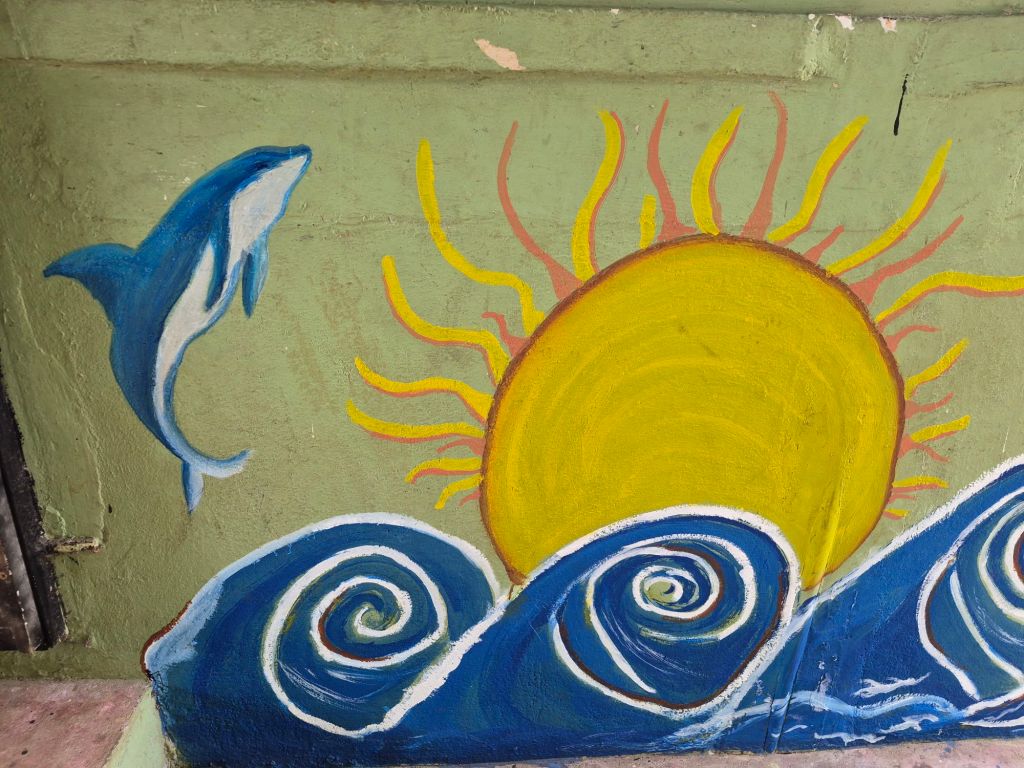
On my second last day there I had finished working and was sitting at the table outside my tent, staring at the wall, when I suddenly felt inspired to paint a dolphin. If I couldn’t have a dolphin tattoo, I would paint one on the wall. There was already a wave and a sun, and I found the perfect spot for my dolphin. I’m the worst artist, so googled a picture and was quite chuffed with my attempt. I told Raul and Mario that it would remind them to visit South Africa and to stay with me.
They are busy extending their accommodation by building a ‘hobbit’ house, which they started while I was there. There was already a cement rectangle as basis, to which they attached curved steel rods and wire netting. Next would come waterproof plastic, then foam, more netting and eventually cement plaster, which would be covered by a mosaic of ceramic tiles. Raul had learned this building method in Mexico, and was planning on having it all finished in two week’s time.
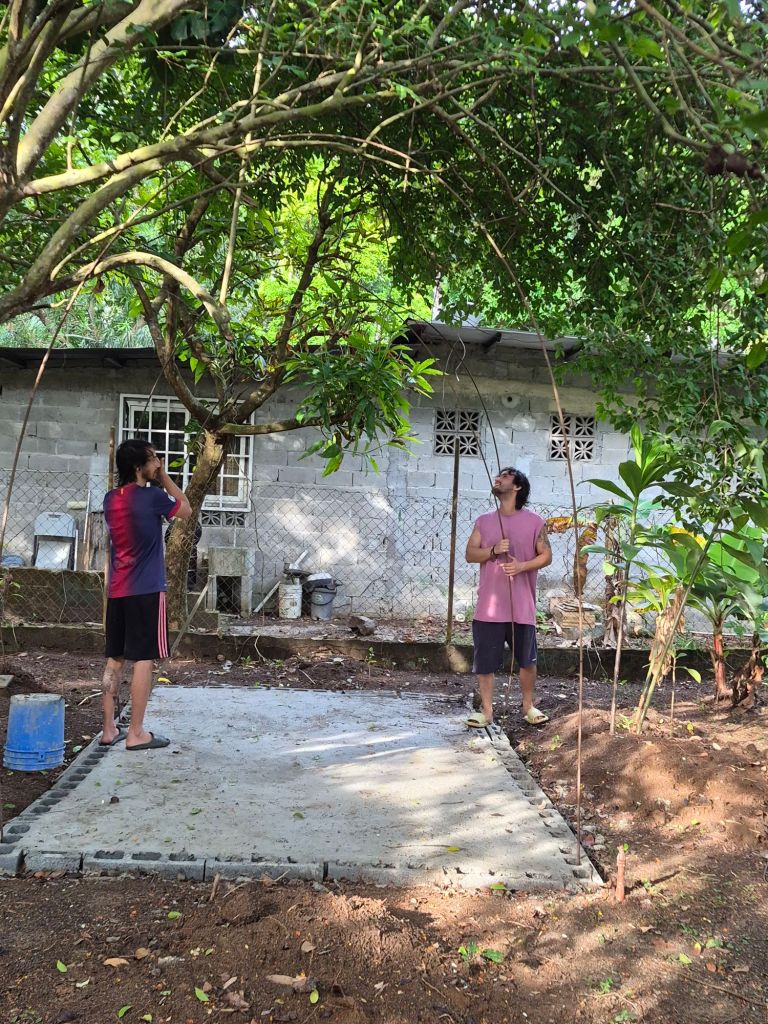
After spending 9 days living the traditional Panamanian life, having great conversations and listening to them and their friends as I lay in my tent, I was sad to go. Raul carried Suerte to the front gate, and they sent me off with a fond farewell and special blessings.
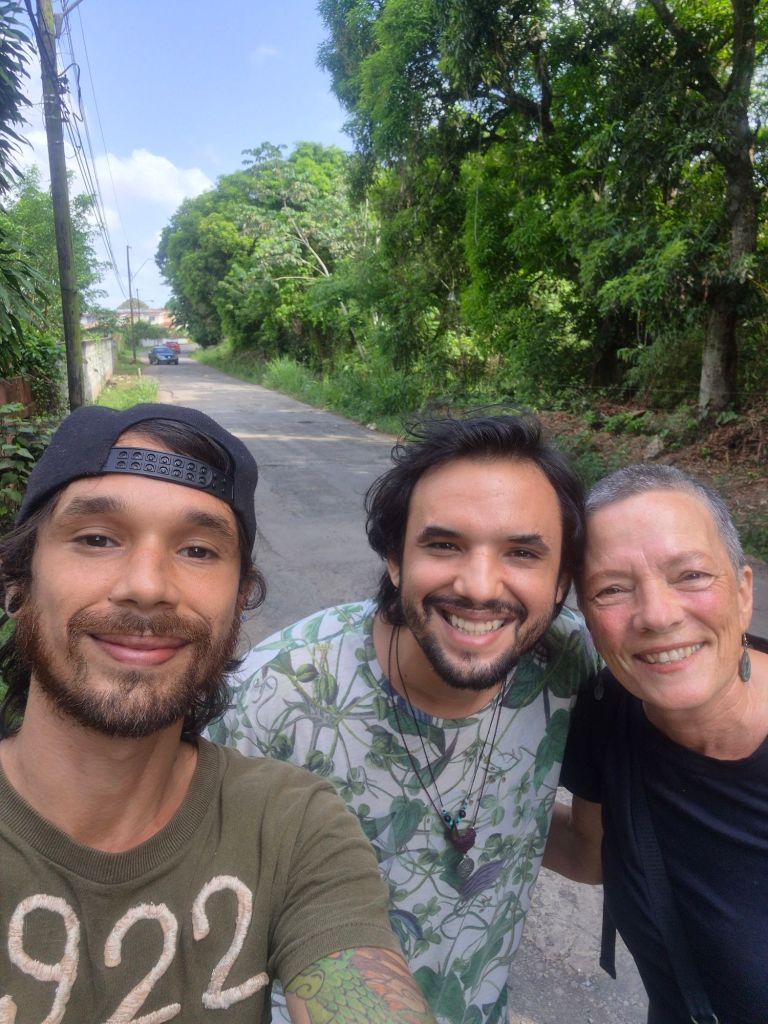
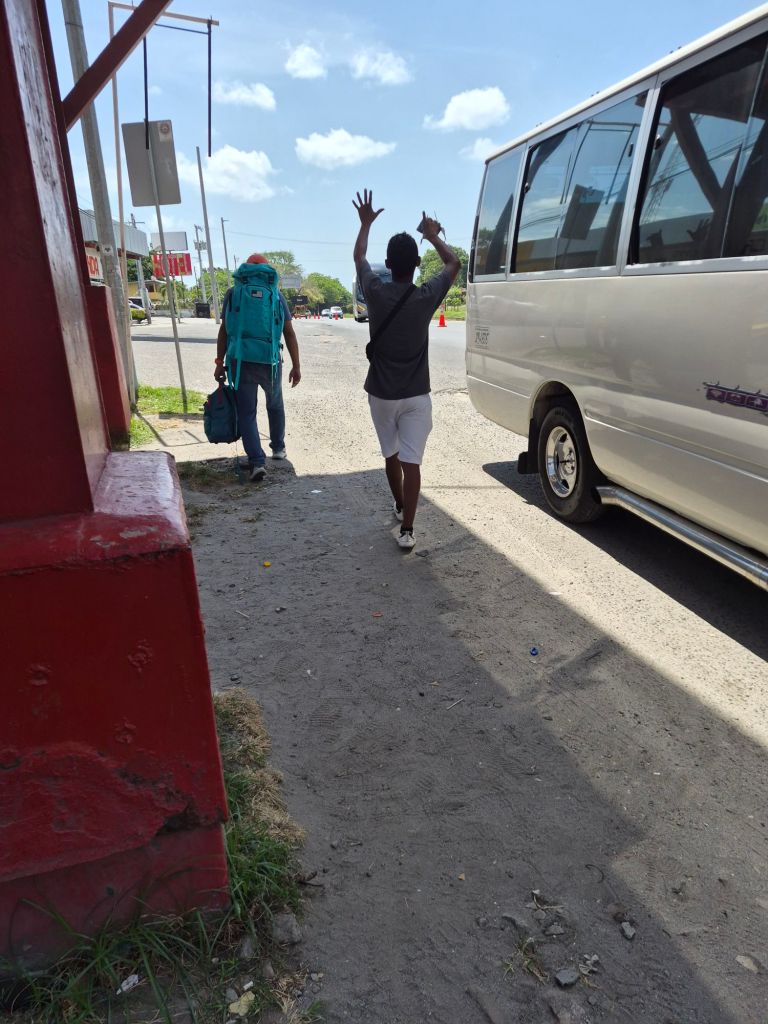
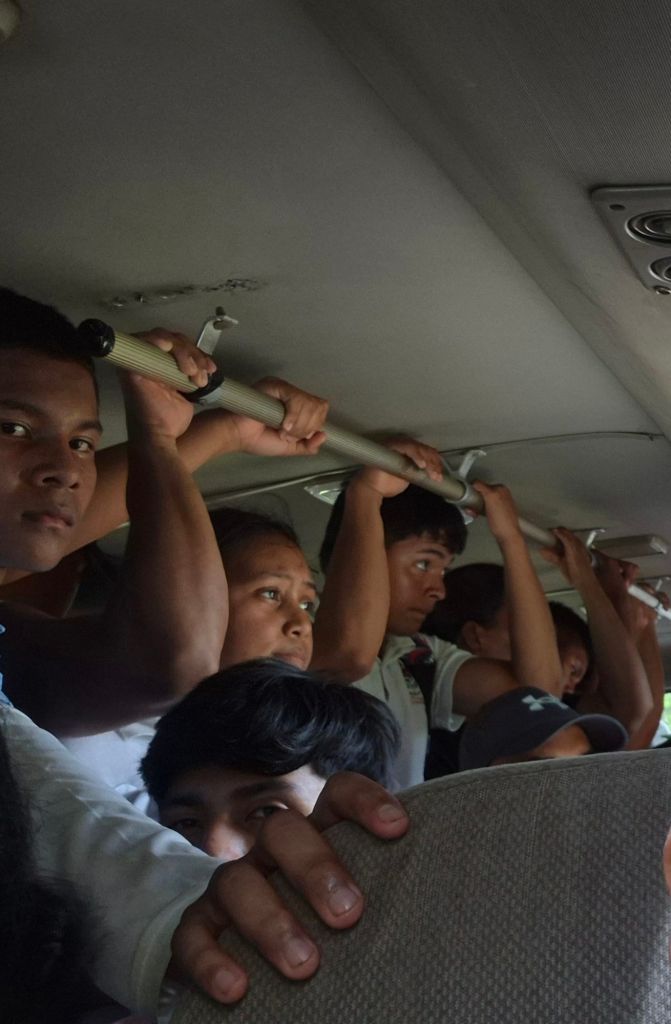
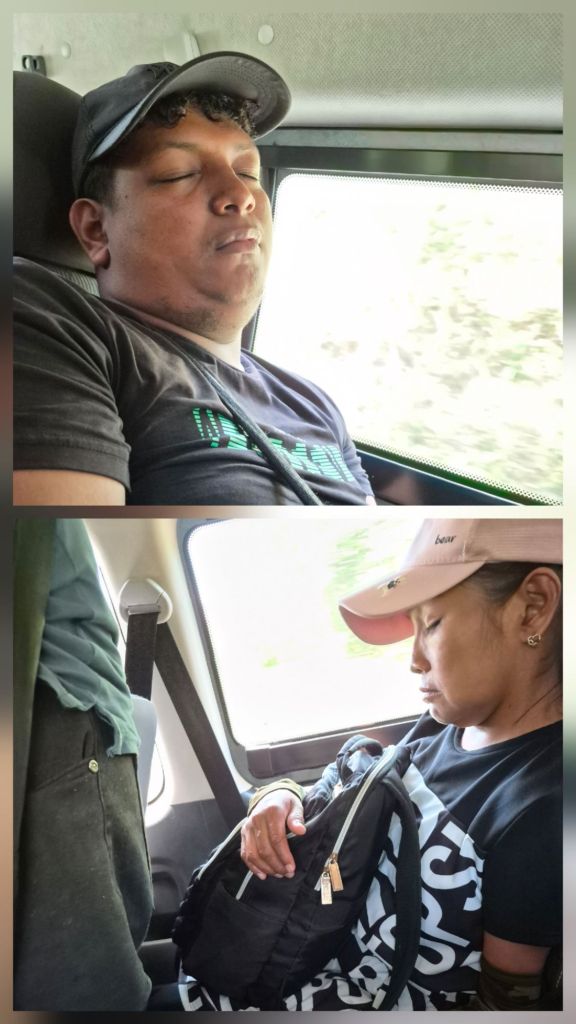
My next stop was going to be El Valle de Antón, but I had to first catch a bus to Anton, a town on the Pan-American Highway, and then a local one from there. When I arrived in Anton and told the conductor I was going to El Valle de Antón, he gave me a curious look and spoke to the driver, who went around the block again to drop me where I was supposed to have gotten off before. A sleazy looking man immediately approached me, speaking English, taking Suerte and shoving me toward a seat against the wall, saying that the ‘big bus’ will be there in 10 min. He had a little book, and was using his phone a lot. Five minutes later a small bus arrived and he instructed me to get on, but we ended up going back 30km to the previous town, Las Uvas. What was fishy, was that the bus driver gave the conductor some money, which he gave to the sleazy guy. I was following our route on Google Maps, and when I asked the conductor why we were going back and not using the direct route from Anton to El Valle de Antón, he kind of smiled and said the buses on that road did not run regularly. Back in Las Uvas, I had to carry Suerte over one of those road passes, and sure as anything, on cue, a bus, filled to capacity and more, was waiting just for me. Again a man with a book and phone, and money exchanging hands. I had to stand with a bent head, too tall for the space, grabbing hold of anything to prevent me from falling. Later on I managed to get a seat, when some people had gotten off. It felt like a cartel was at work – the drivers and conductors were mostly young guys, but some of the ones with the little books were older, and their eyes looked like they were on drugs.
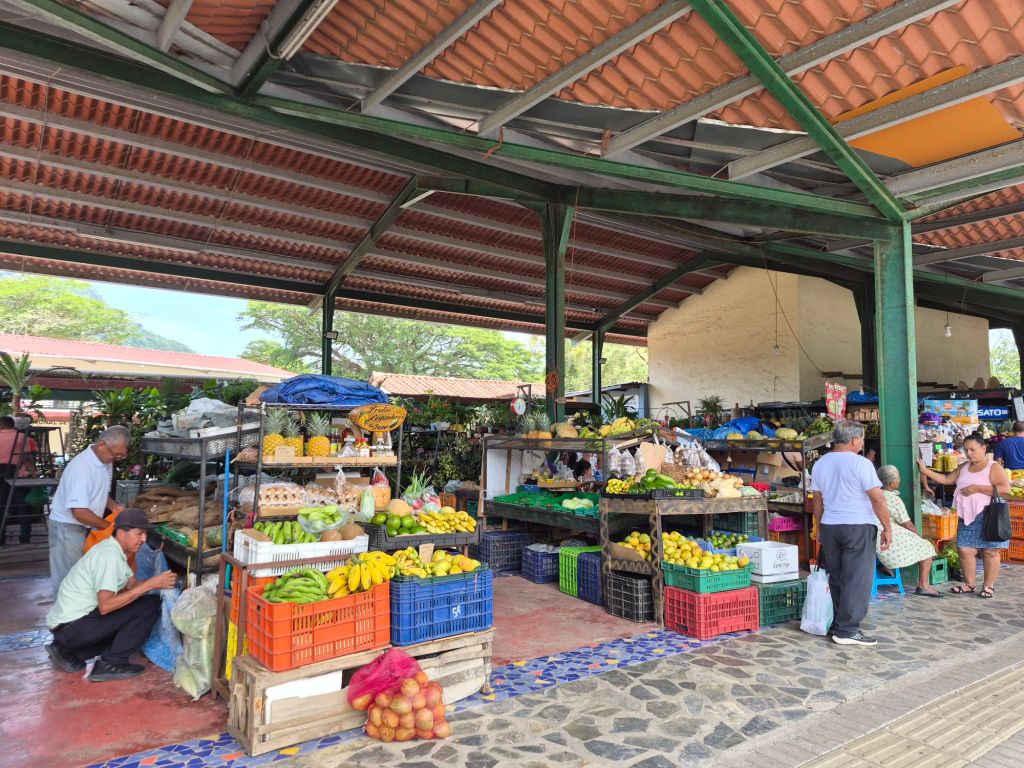
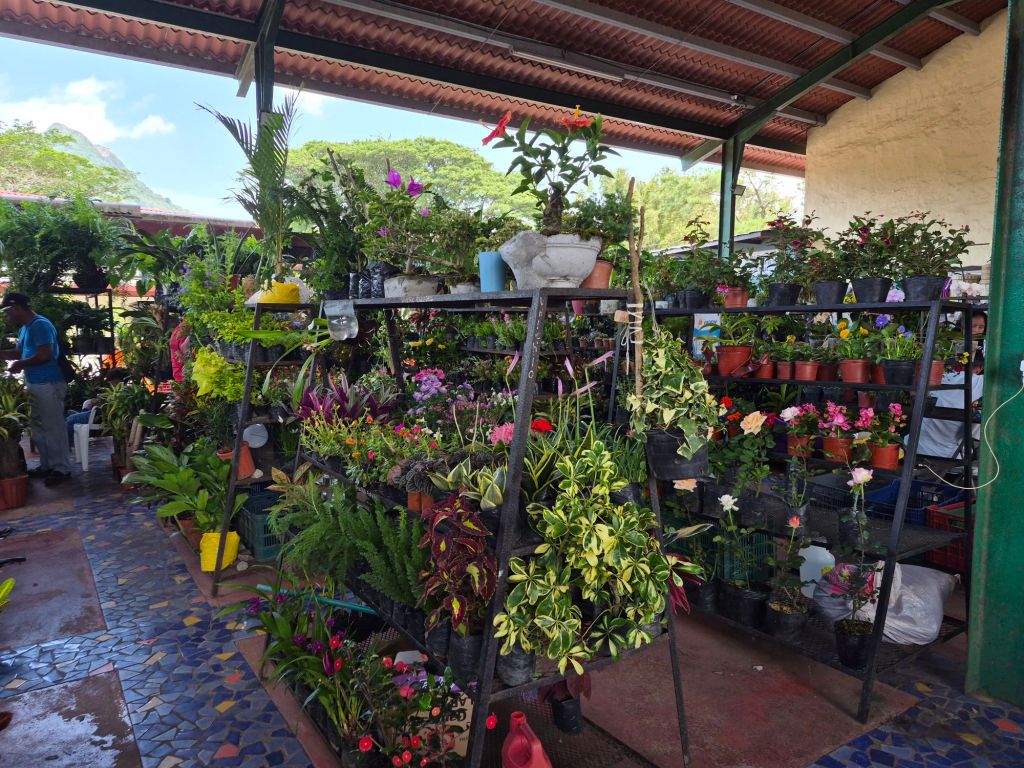
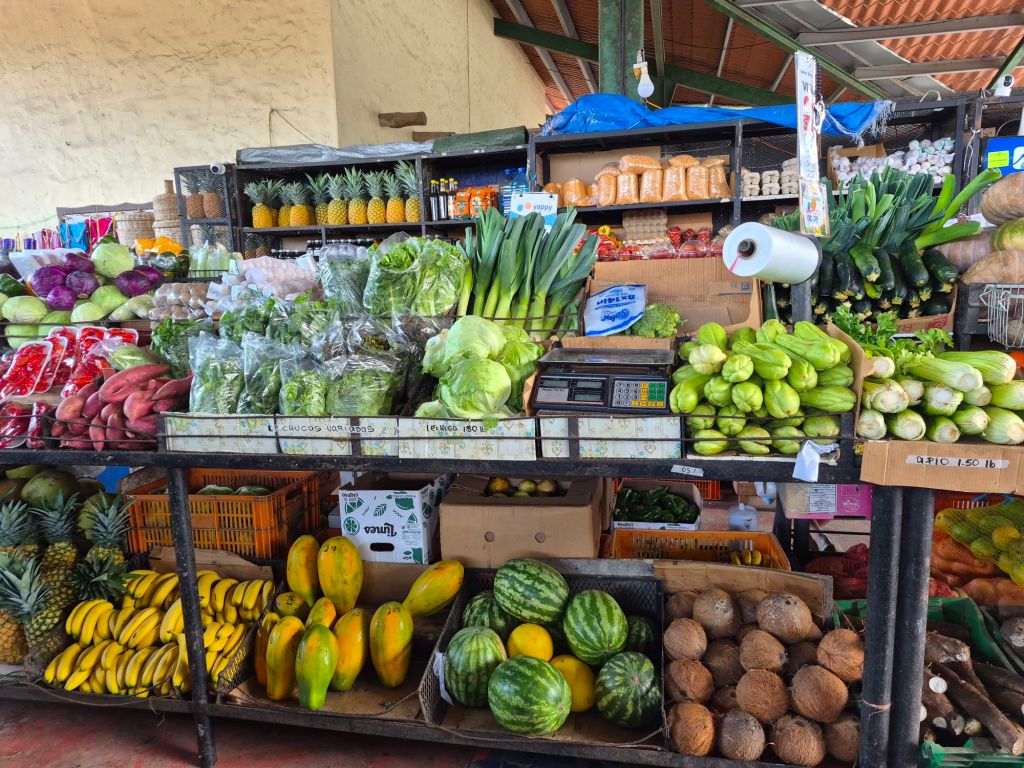
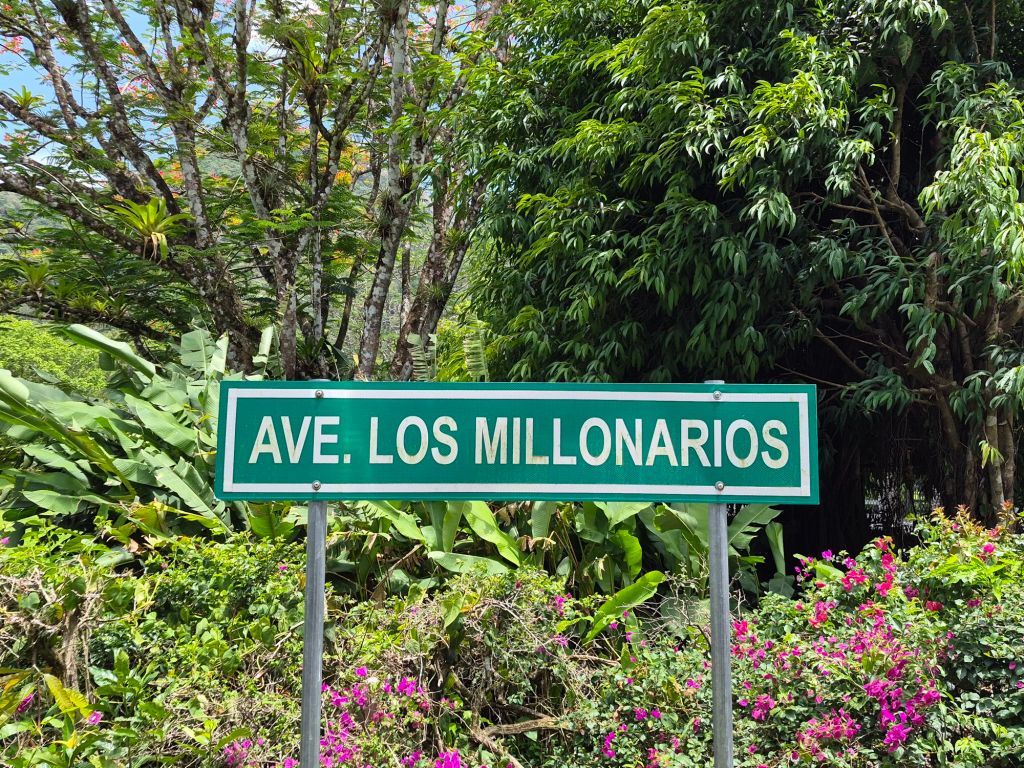
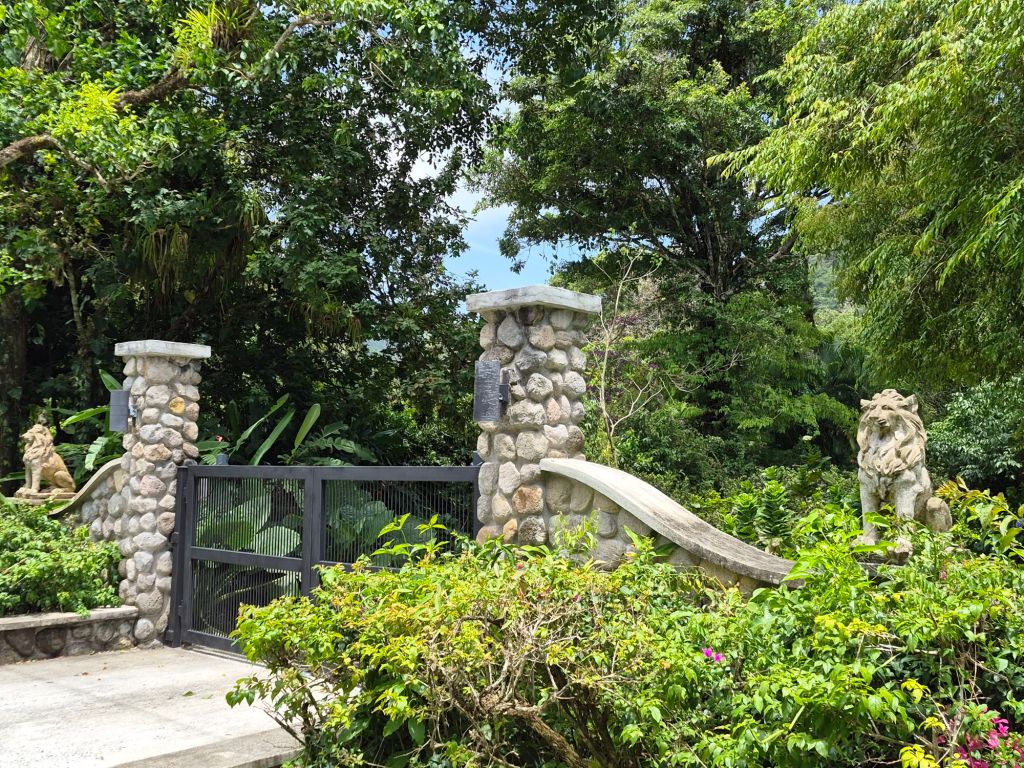
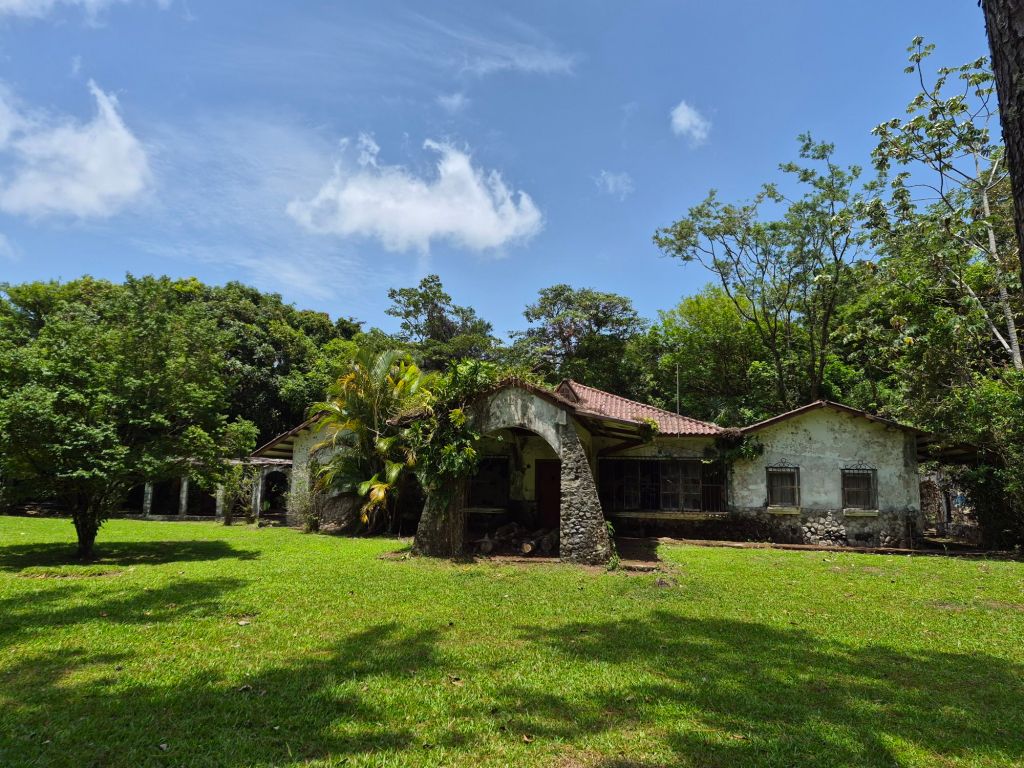
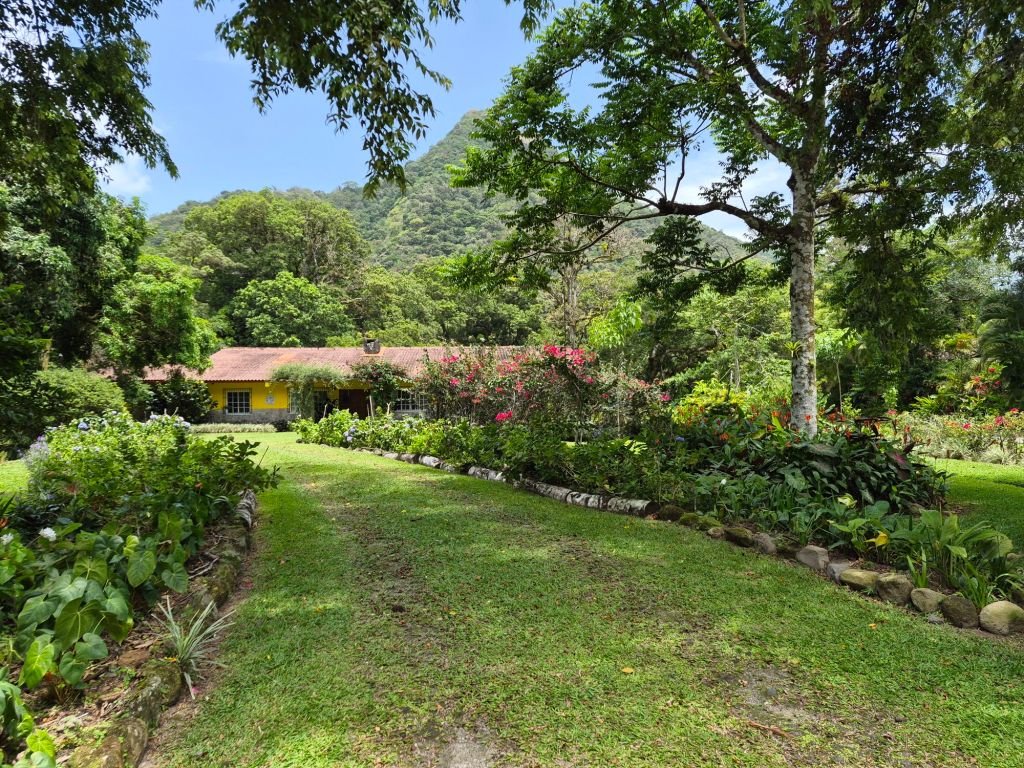
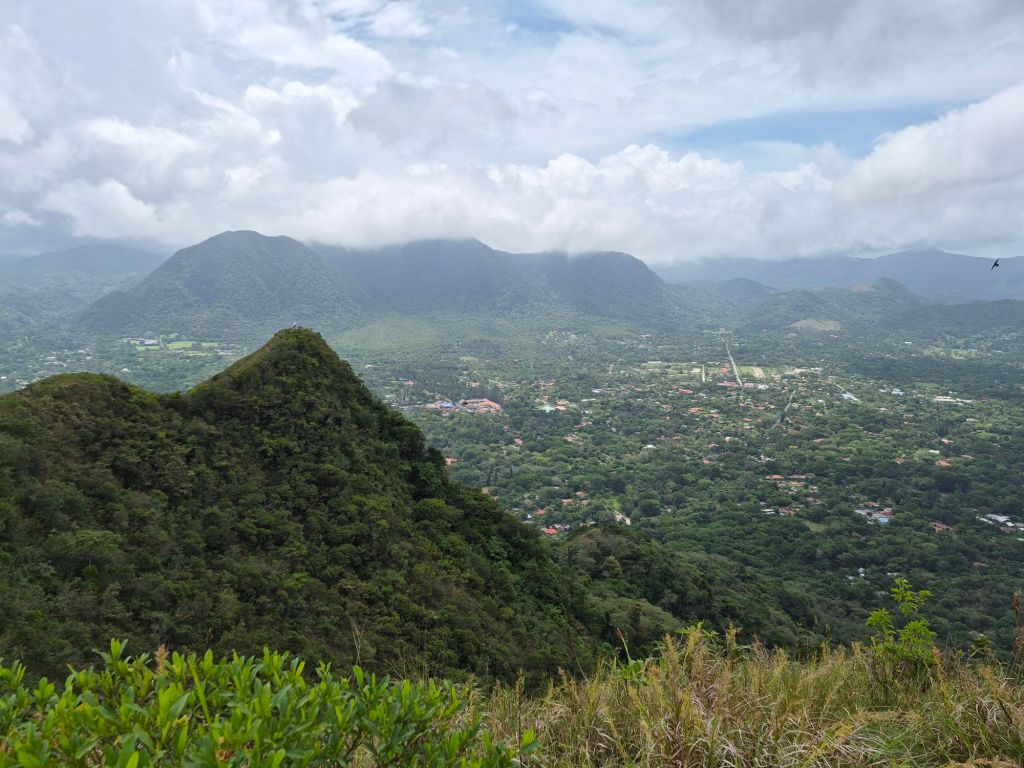
El Valle de Antón is a beautiful town built in a volcanic crater which was last active some 13,000 to 200,000 years ago. It had once been a lake, which drained through many thousands of years, and the valley was occupied by different native tribes for many years. At about 600m above sea-level, it is cooler than other areas of Panama and has become a popular weekend retreat for Panamanians, with a colourful permanent market where plants, fruit, vegetables and artisan’s products are sold. All the plots are huge, with rolling lawns and pristine gardens, although the houses are not necessarily mansions. There is even a street called Milionares Row.
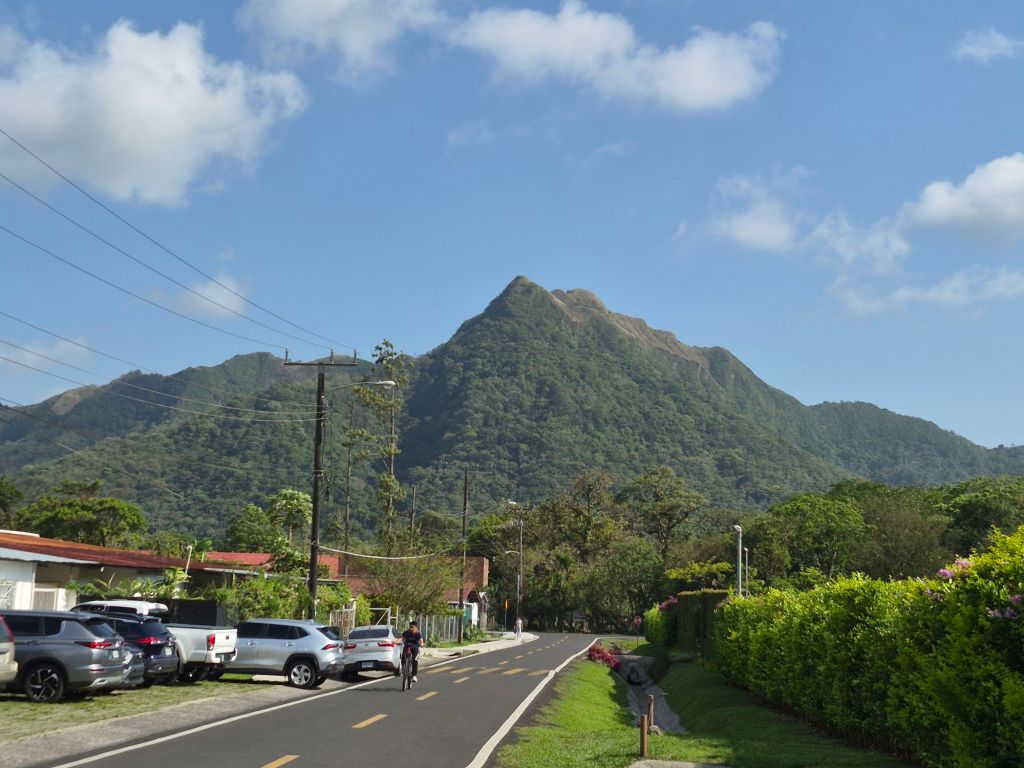
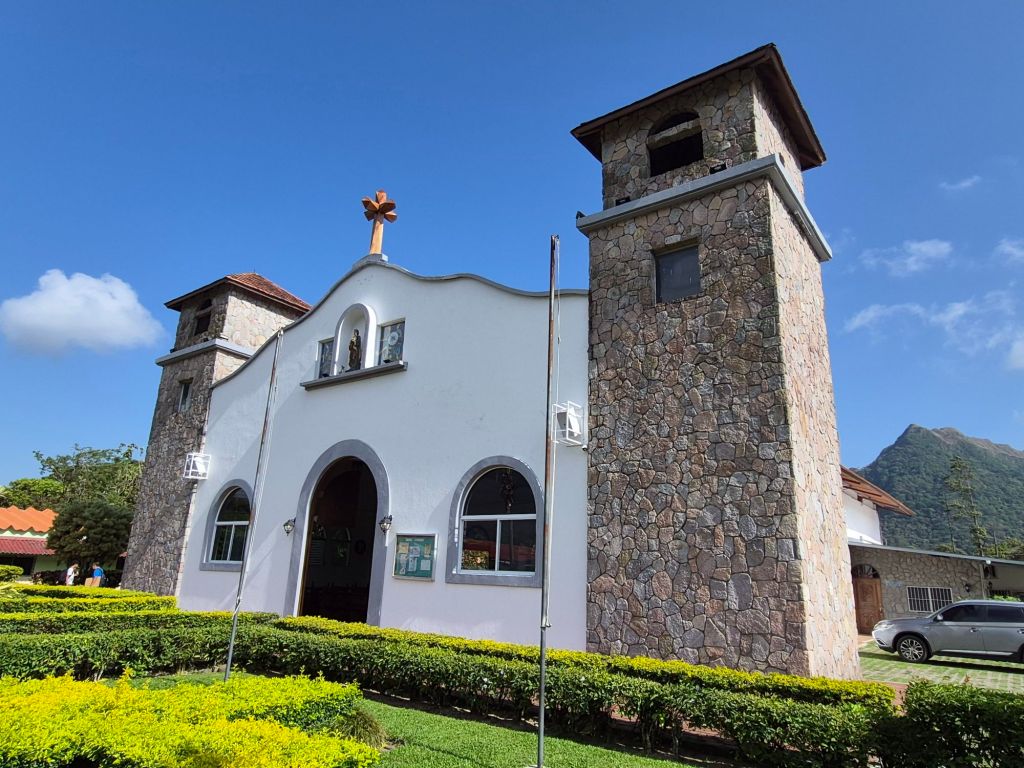
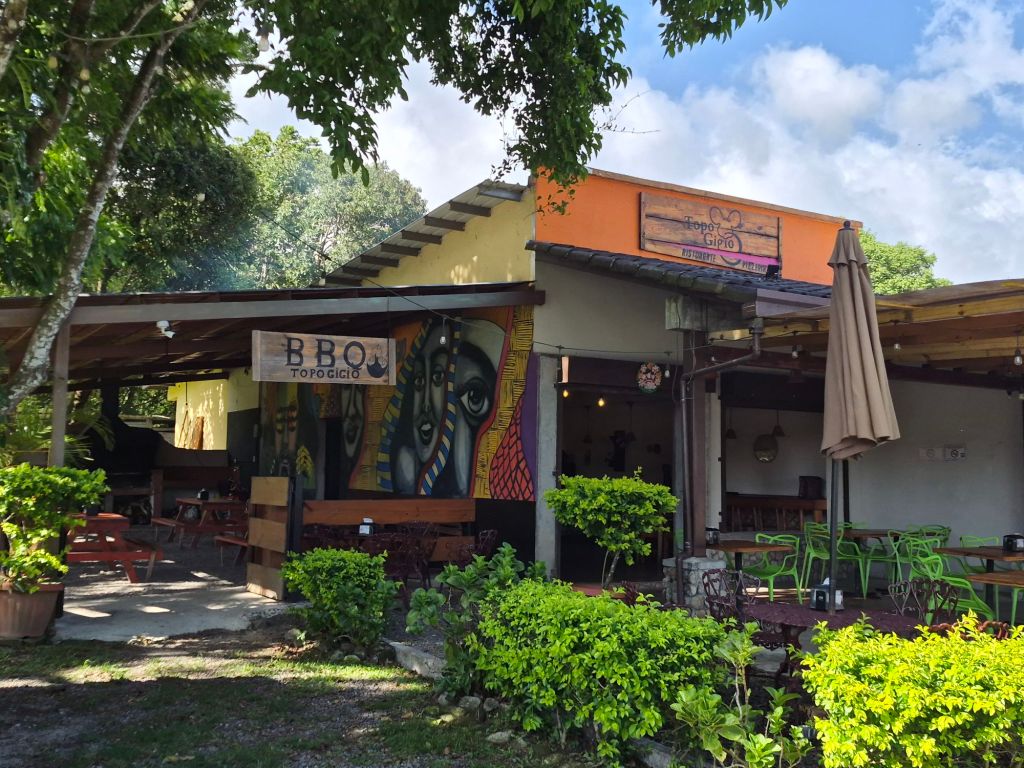
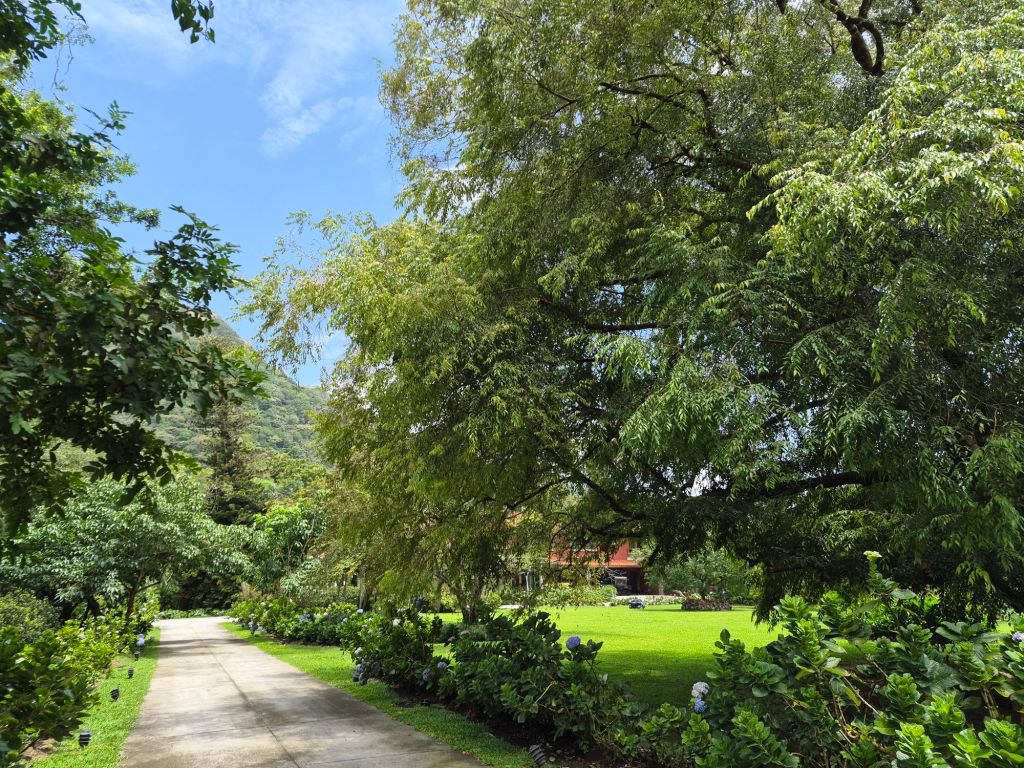
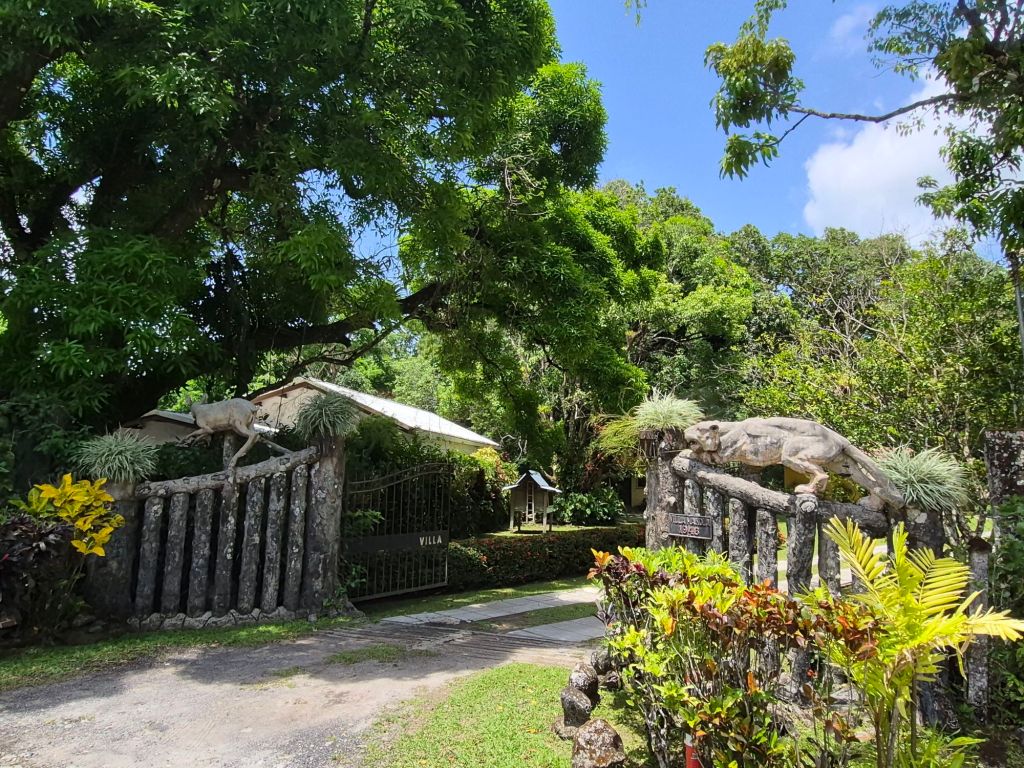
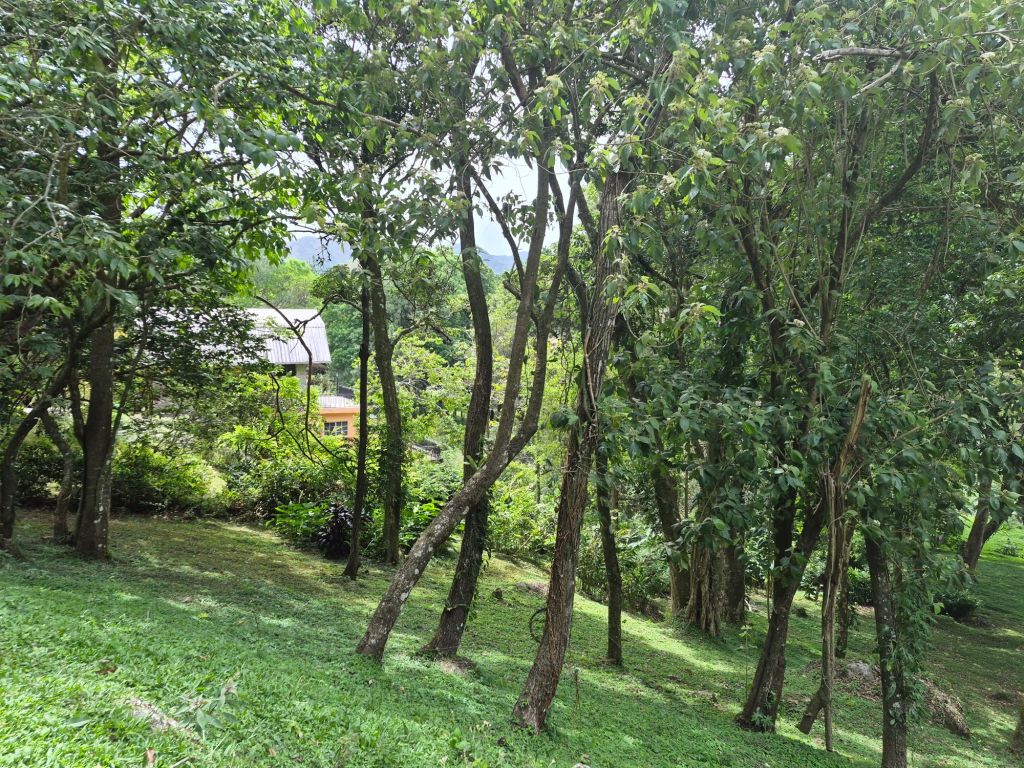
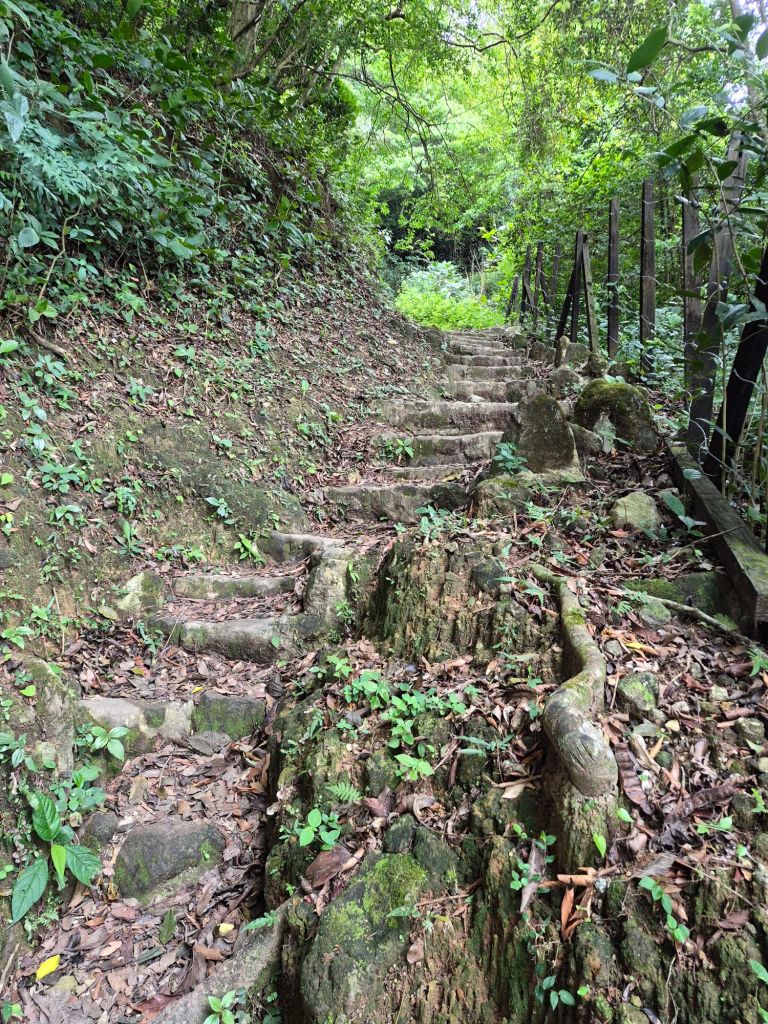
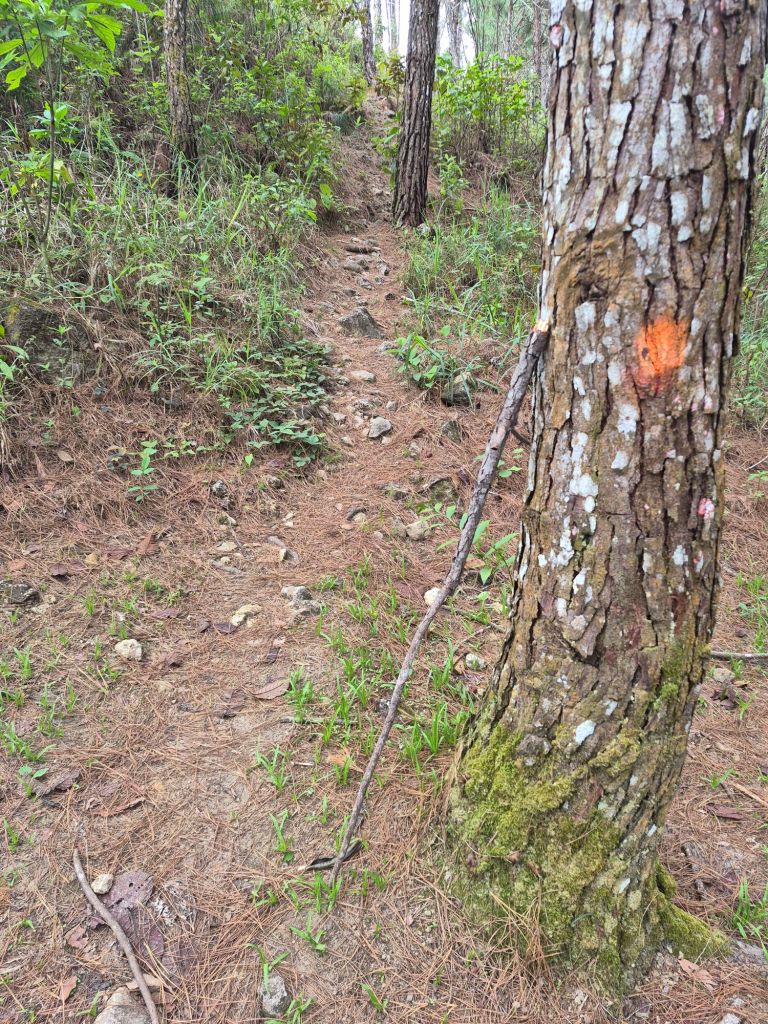
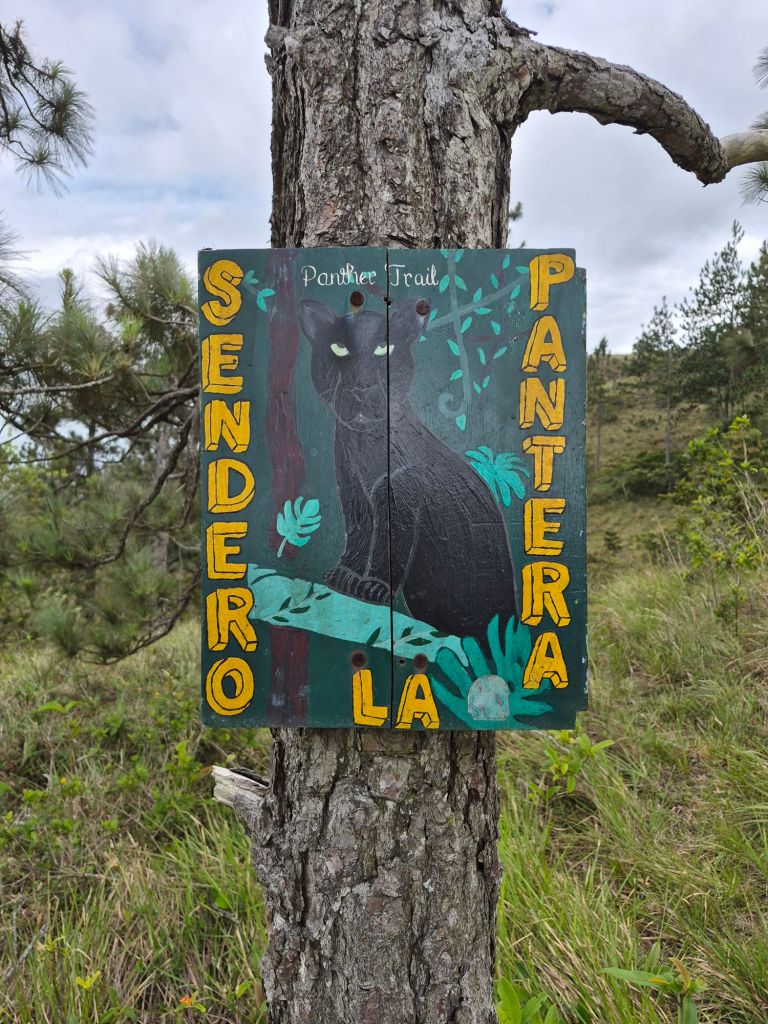
The mountains forming the ridge of the crater provide the opportunity for many hikes, of which I did a few. One of them, La India Dormida (The Sleeping Indian), has the shape of a woman lying on her side, and I was fascinated to read the legend that is told by traditional people.
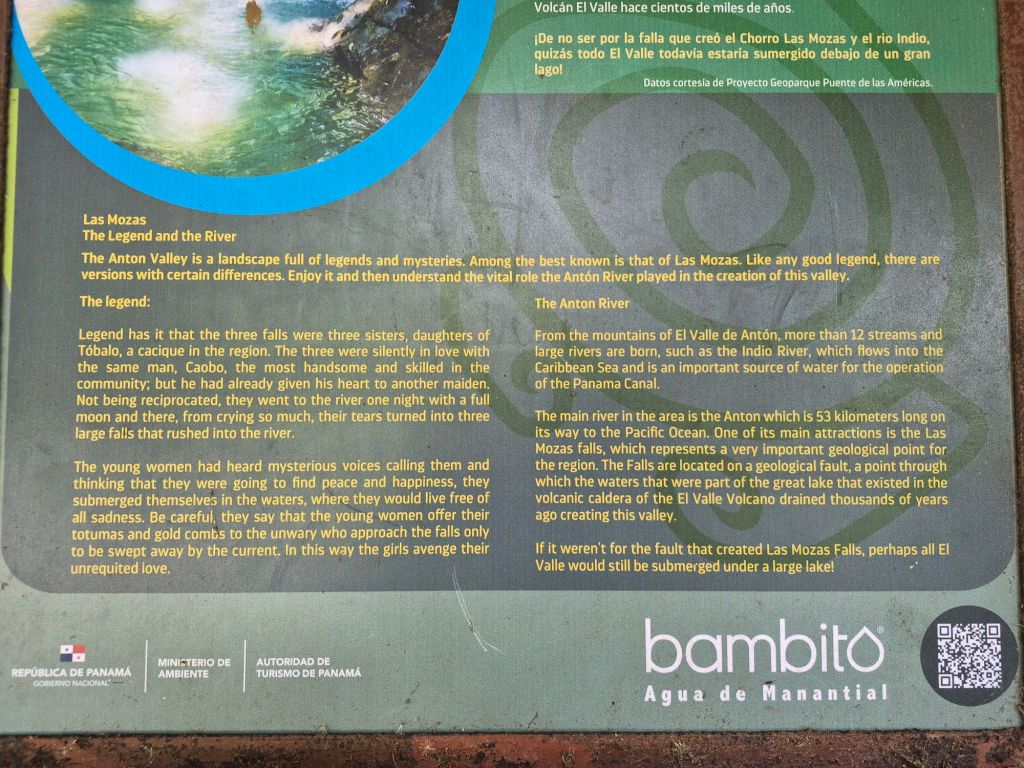
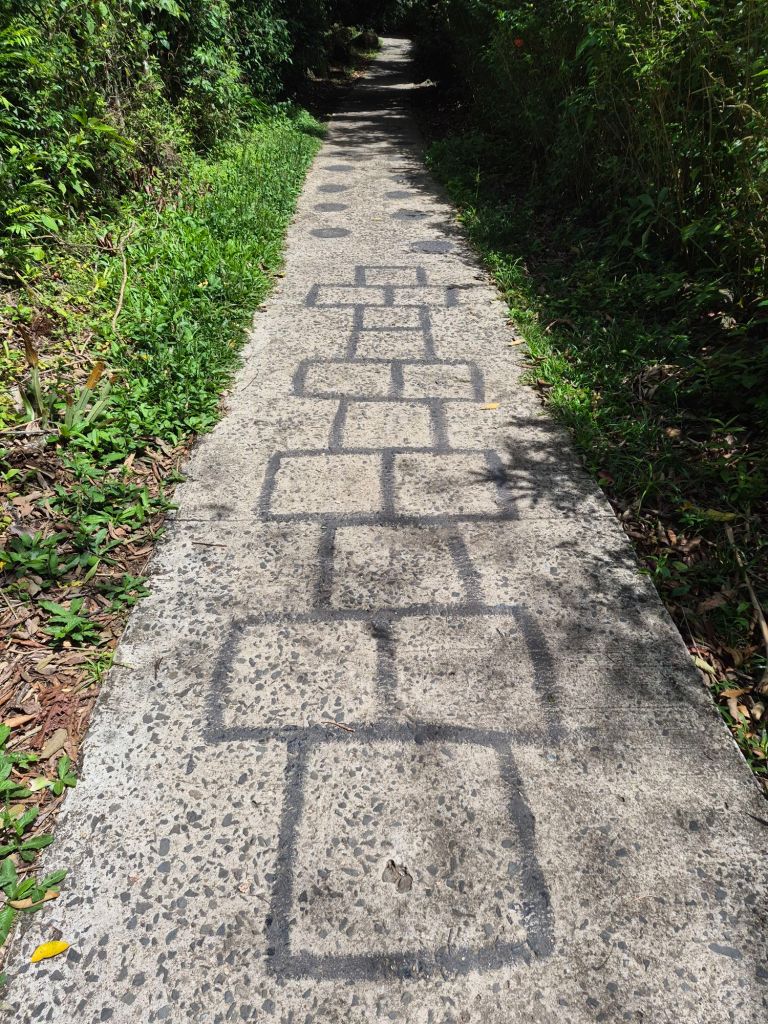
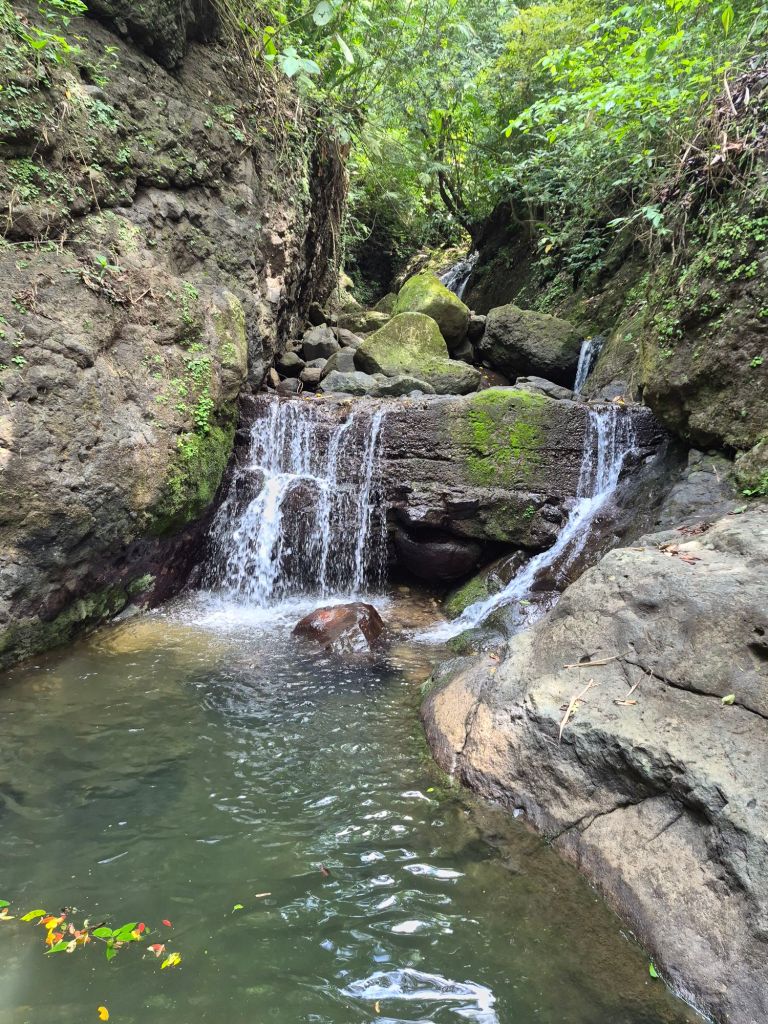

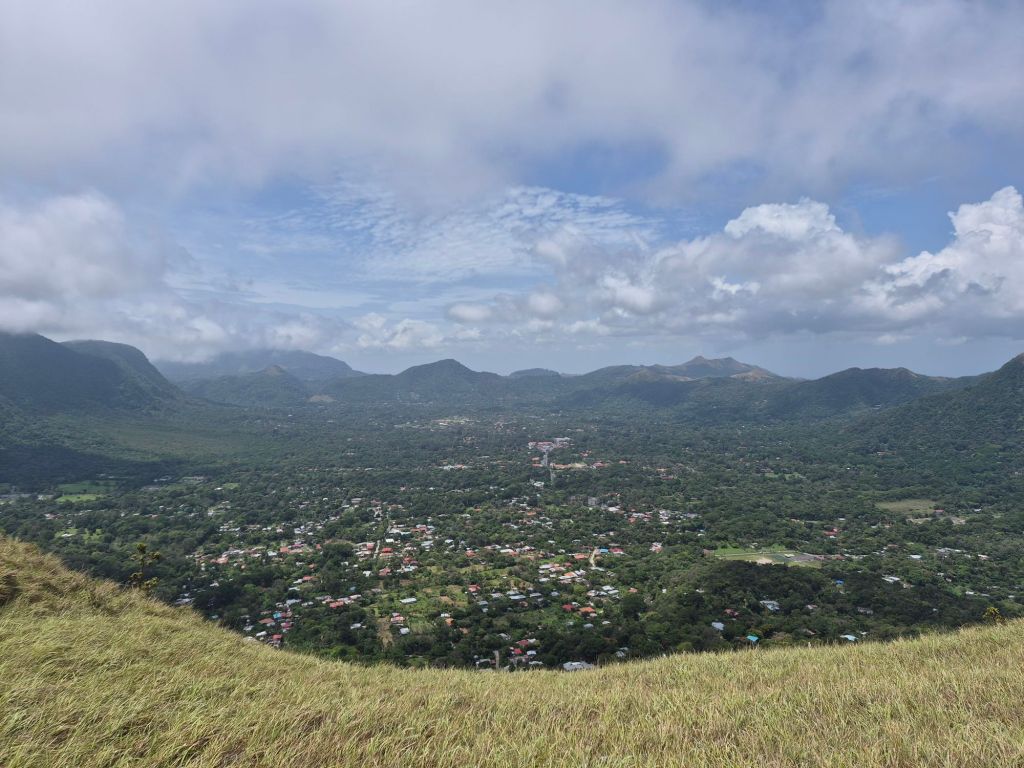
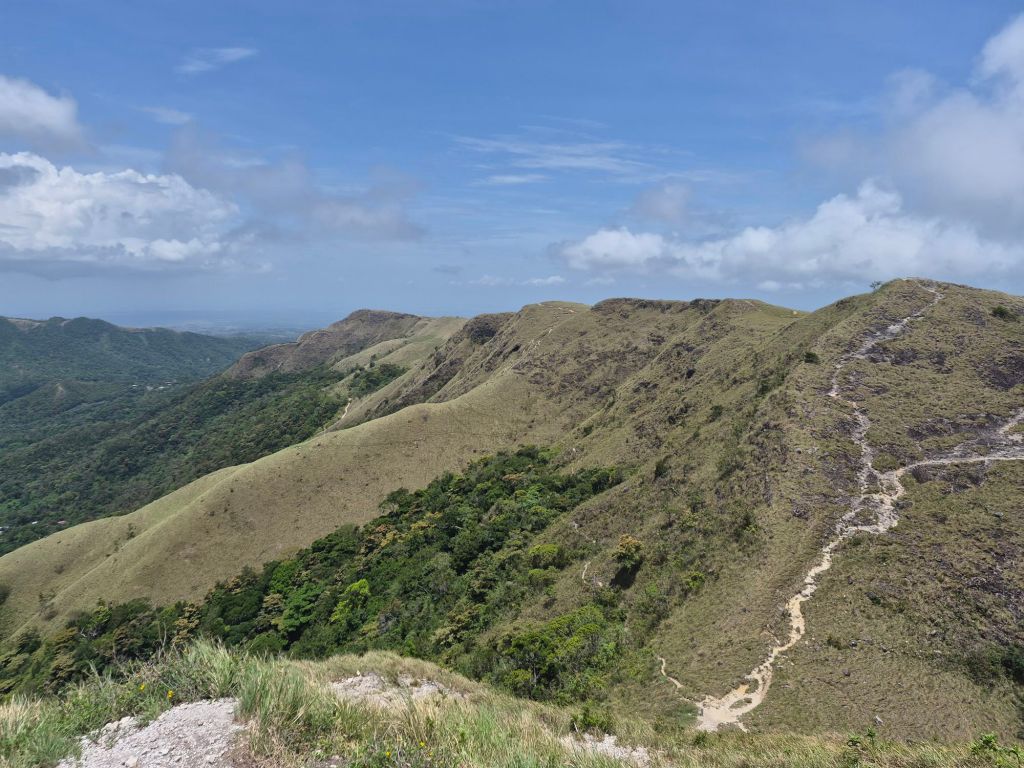
I eventually gave up trying to reach the end of the trail, and walked down to the road running back to town as I wanted to have a swim in a river closeby. I was low on water, and very tempted to drink the water from the river, but I was a bit scared as I realised the river runs through the town before reaching the swimming place. I was visualizing an ice-cold Coke, but when I eventually reached town and was buying one, the man behind me in the queue was shocked at my choice of drink after a strenuous hike, and recommended I rather drink coconut water. Meekly I replaced the Coke and went in search of coconut water, which I couldn’t find, but bought orange juice instead.
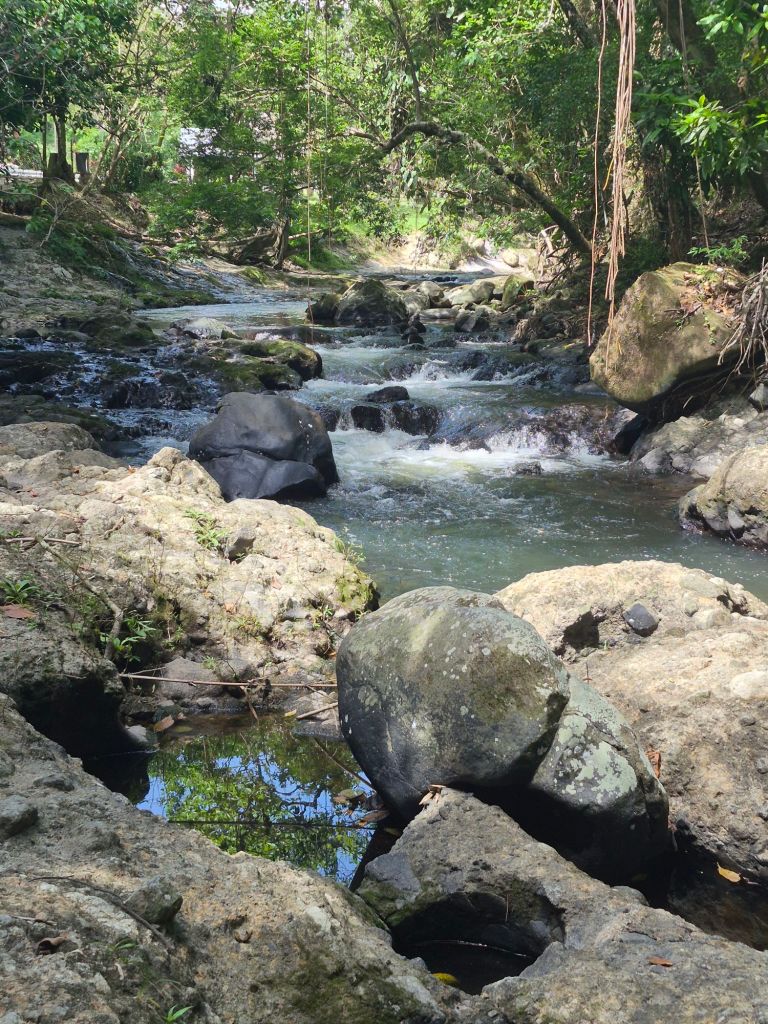
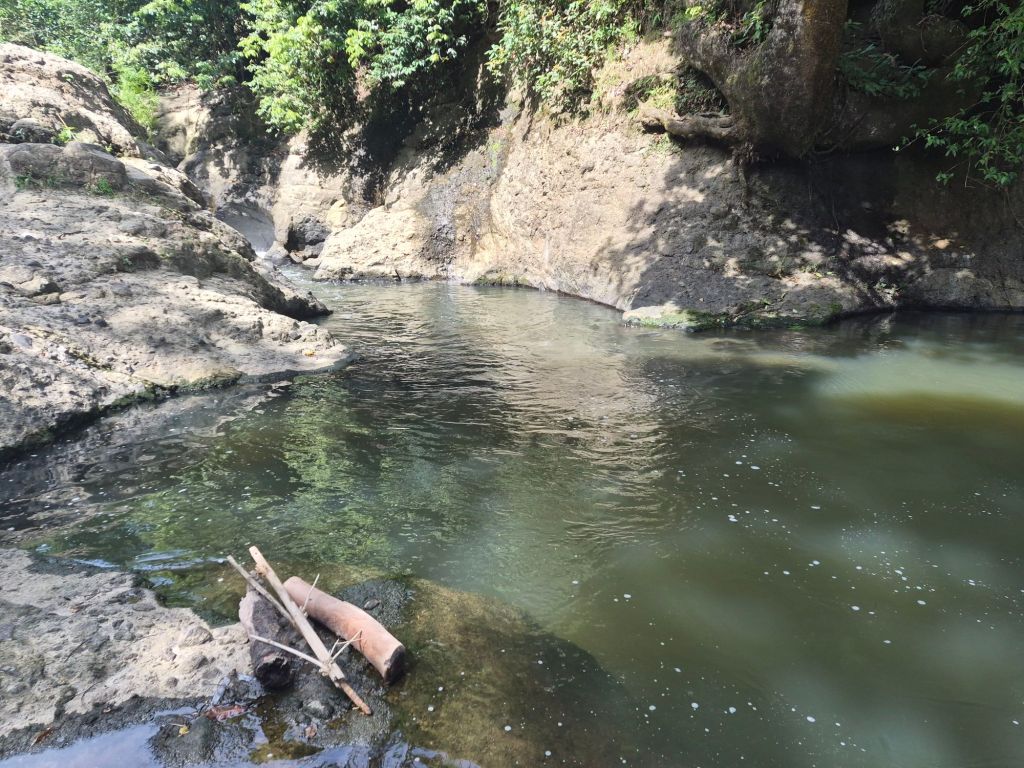
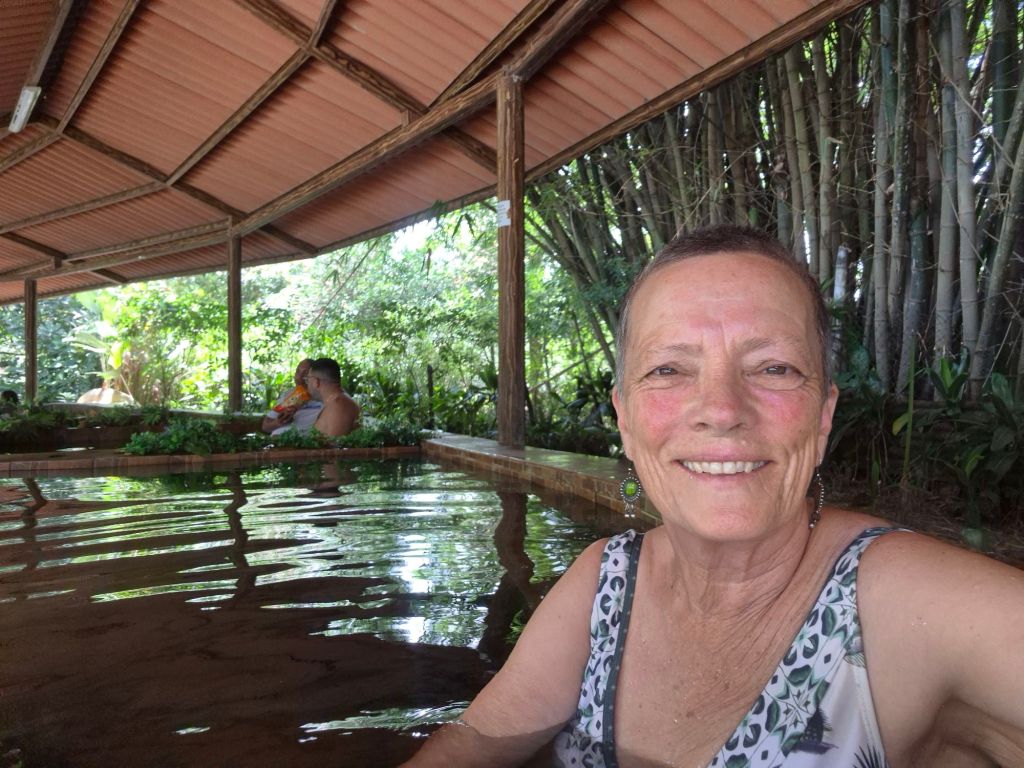
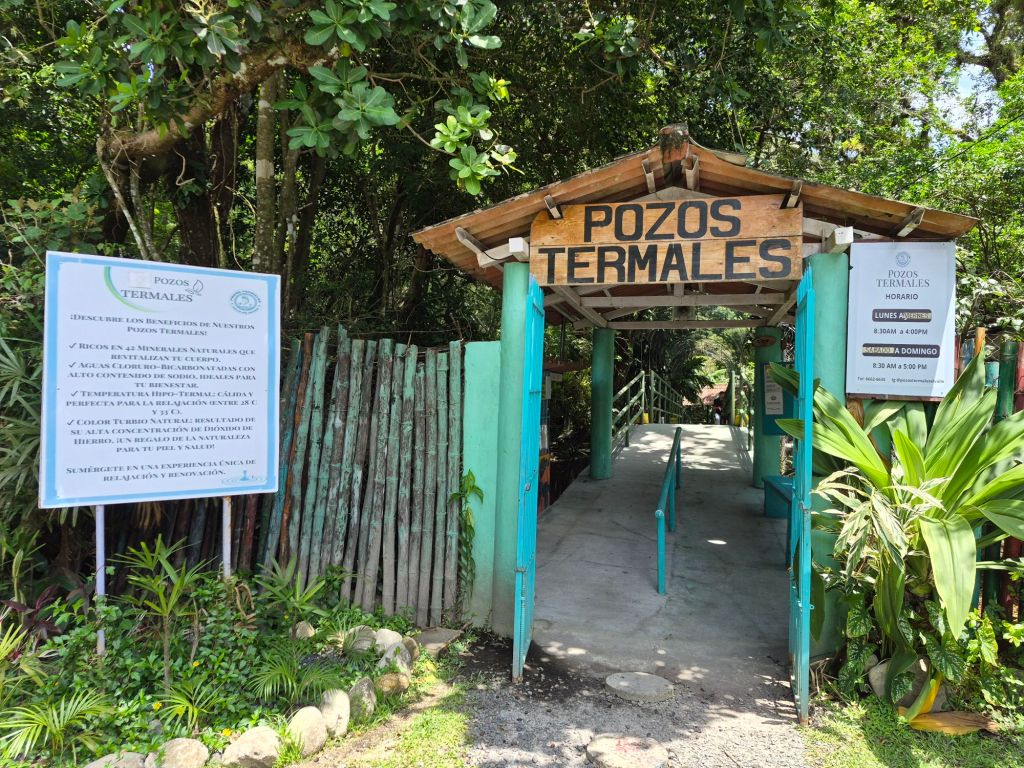
There are mineral baths on the edge of town, and I followed the sign to ‘Aguas Caliente’ (warm water), ending up in a public heated water park, which I later realised was the local gathering place on a Sunday. Everybody had gathered around the little pools with their cooler bags, food, loud music and kids running all over the place. I had a quick swim, and went in search of the right place, where I had to pay $6 entrance fee. My bathing costume was ruined for life, turned yellow-brown from the minerals, but it was very relaxing to lie in the lukewarm water.
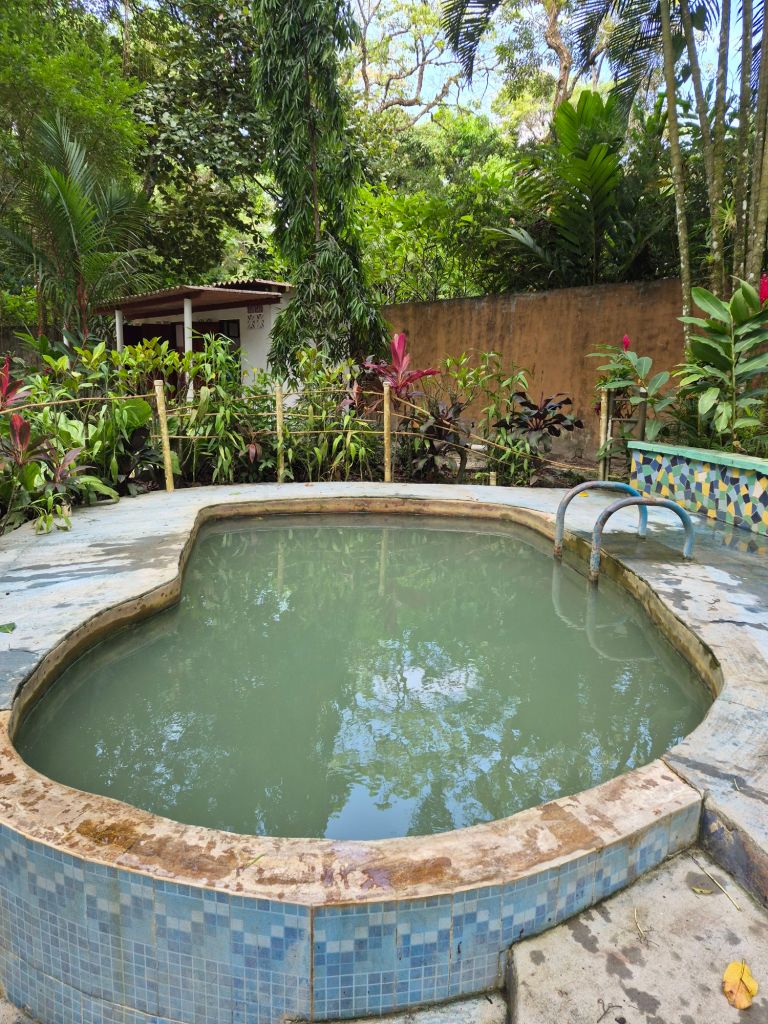
On arrival at El Valle de Antón I walked 3km up to a waterfall and swimming hole, only to be told I couldn’t swim as it was closing soon. “But I have to swim!” I exclaimed, “can’t I still do it?” Ten minutes is what I was given, and I had to pay $6 for that, but definitely worth every cent.
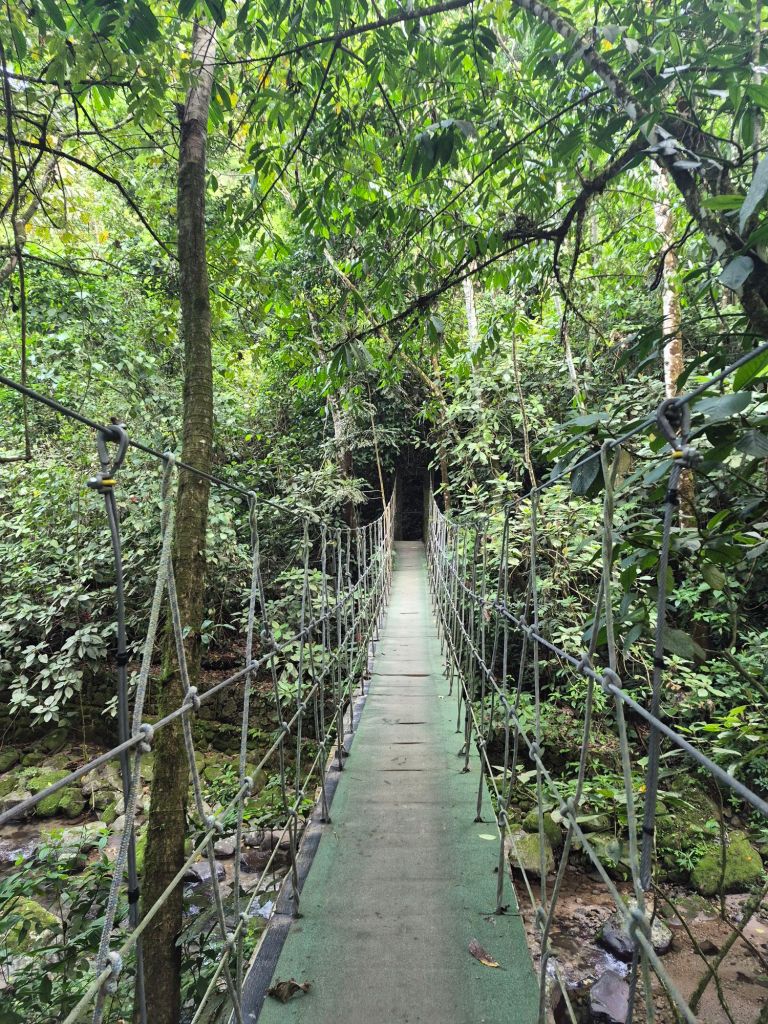
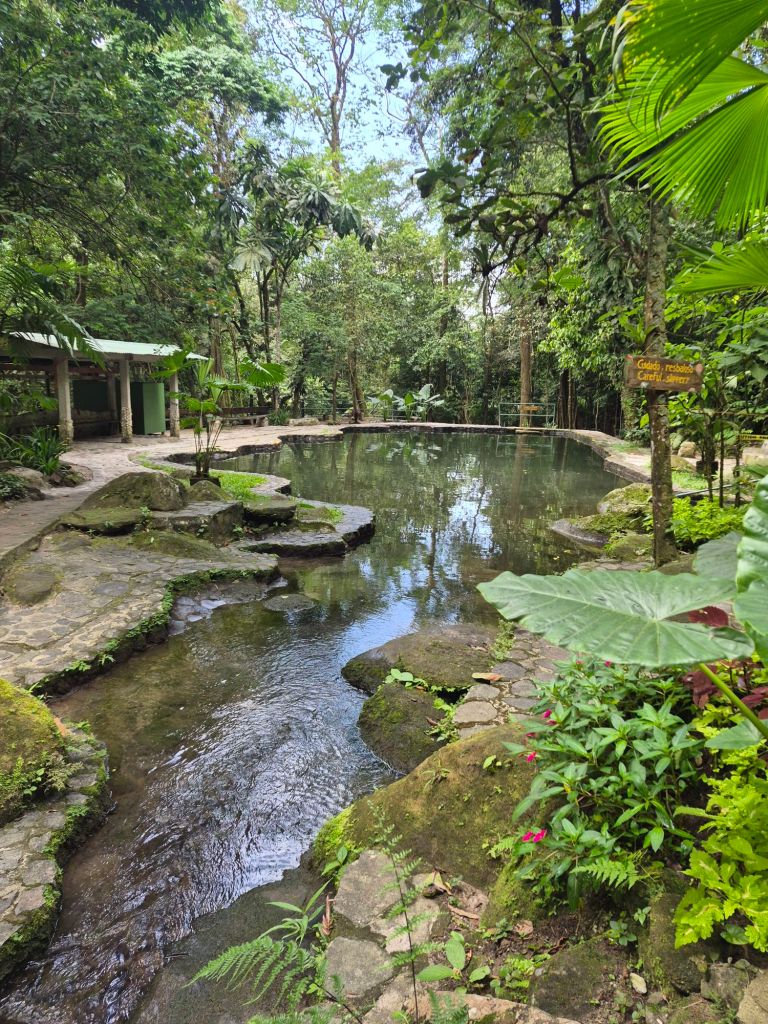
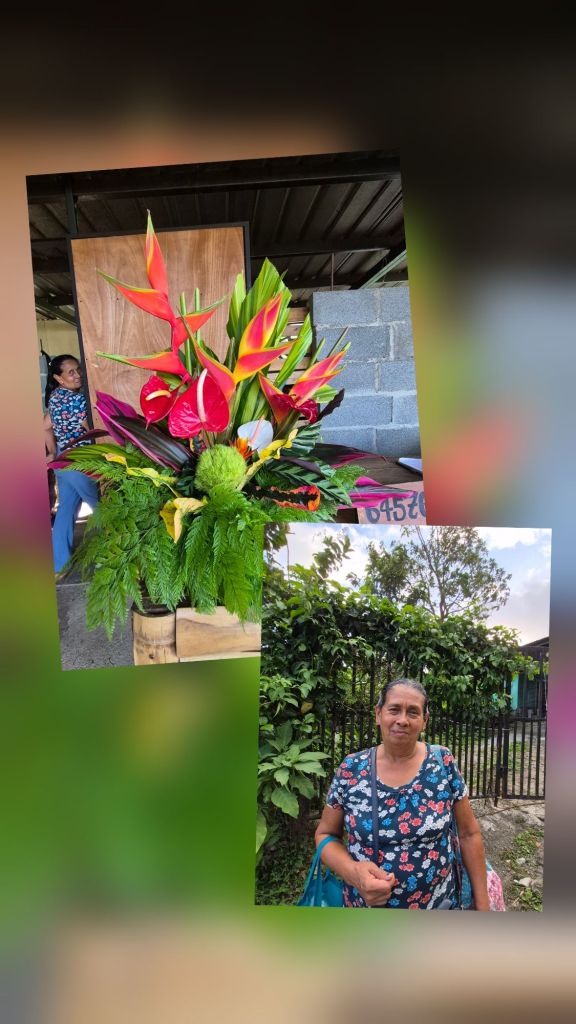
On my way I had seen and photographed a beautiful flower arrangement in a stall, speaking to the woman who had made it, and I recognized her on the way back, as she was walking home. I stopped and chatted to her, very happy that I knew somebody in town.
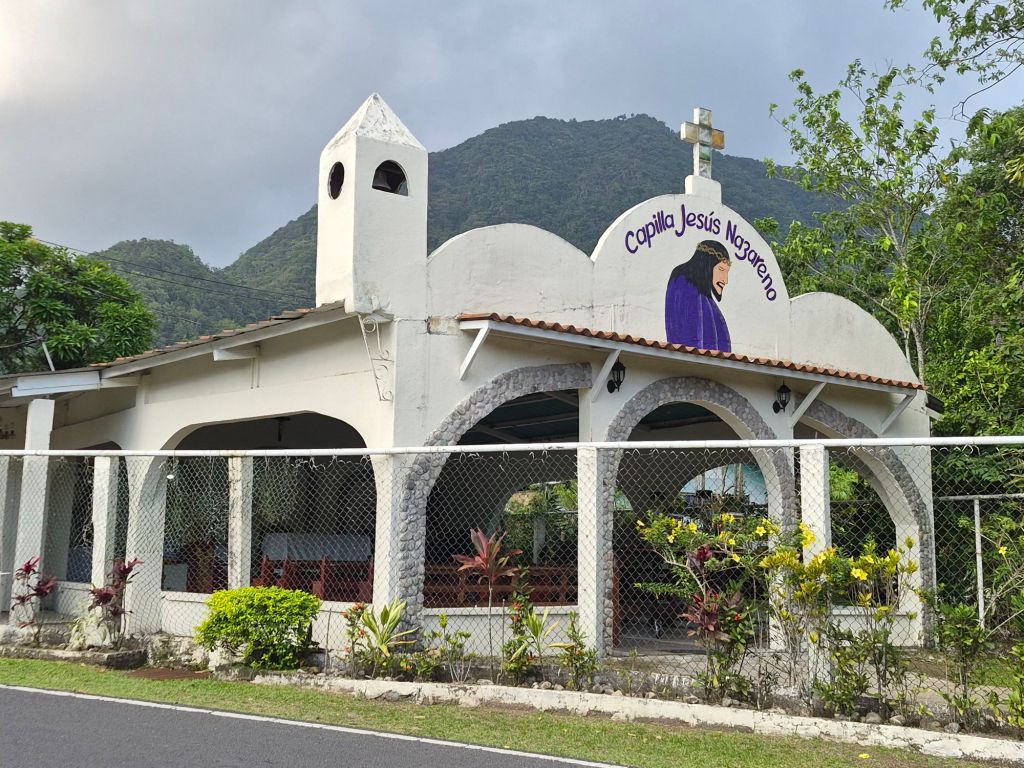
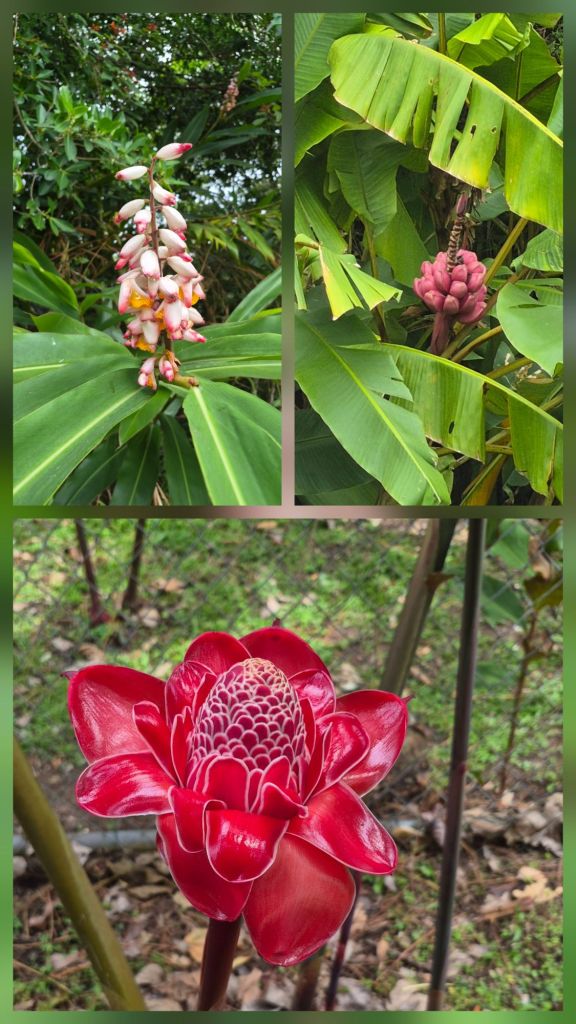
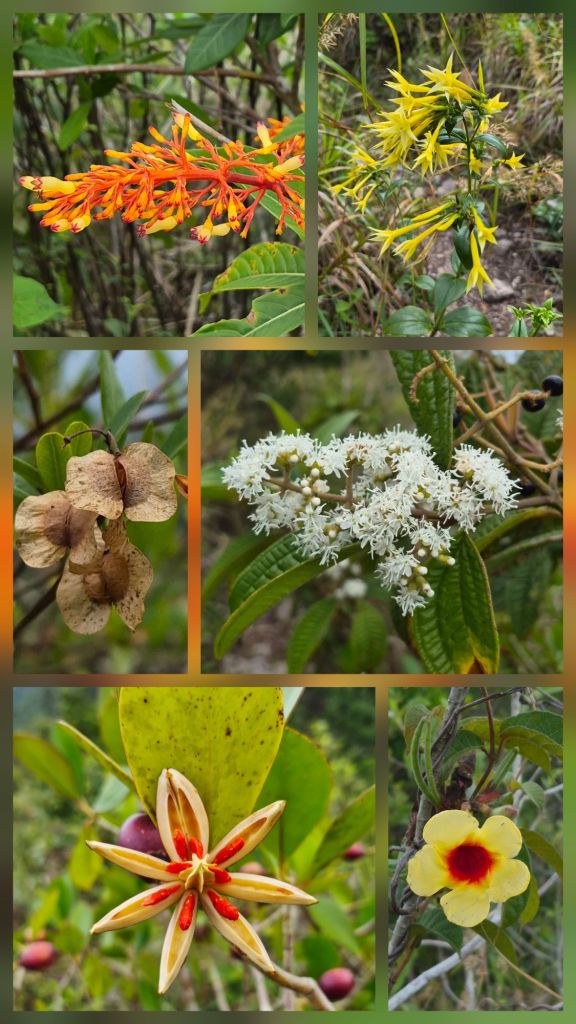
One experiences so much in a short time, I’m afraid my blogs are rather long, but they are also serving as diary for me, so I appreciate you all for sharing my experiences and memories. I’ll end this one with some pictures with descriptions – great place, El Valle de Antón!

 Mella Madness
Absolutely love your newsletters, Meryl. Thank you…travelling with you in spirit. Lots of love ❤️
Mobile: +27 76 4895744
LikeLiked by 1 person