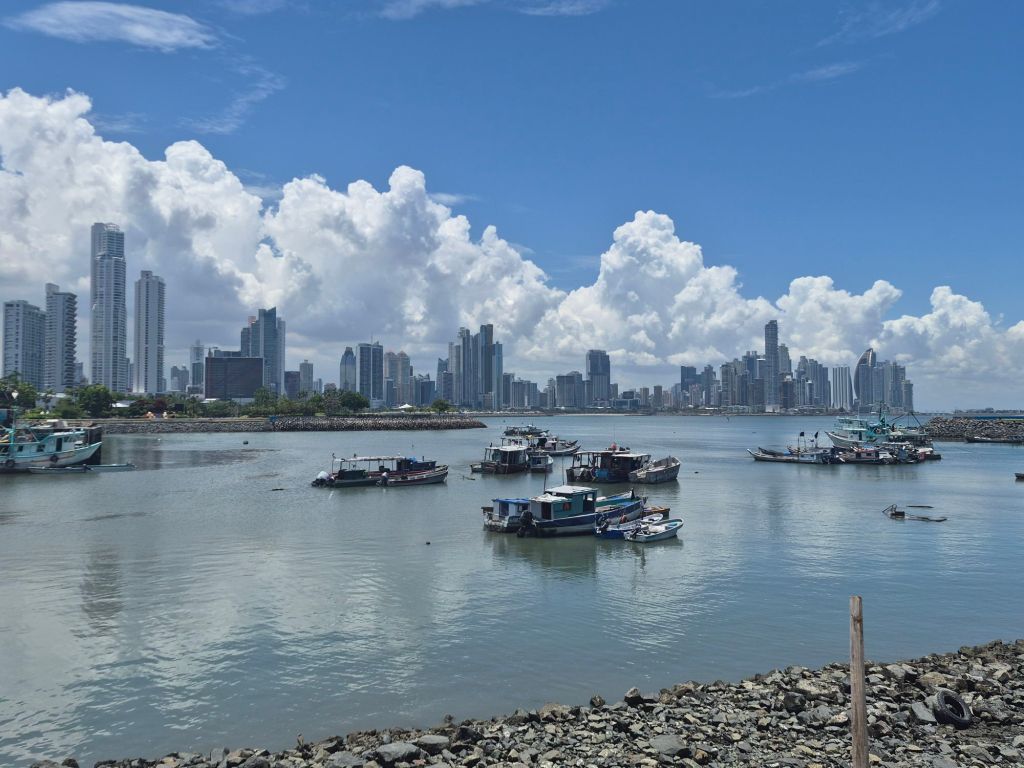
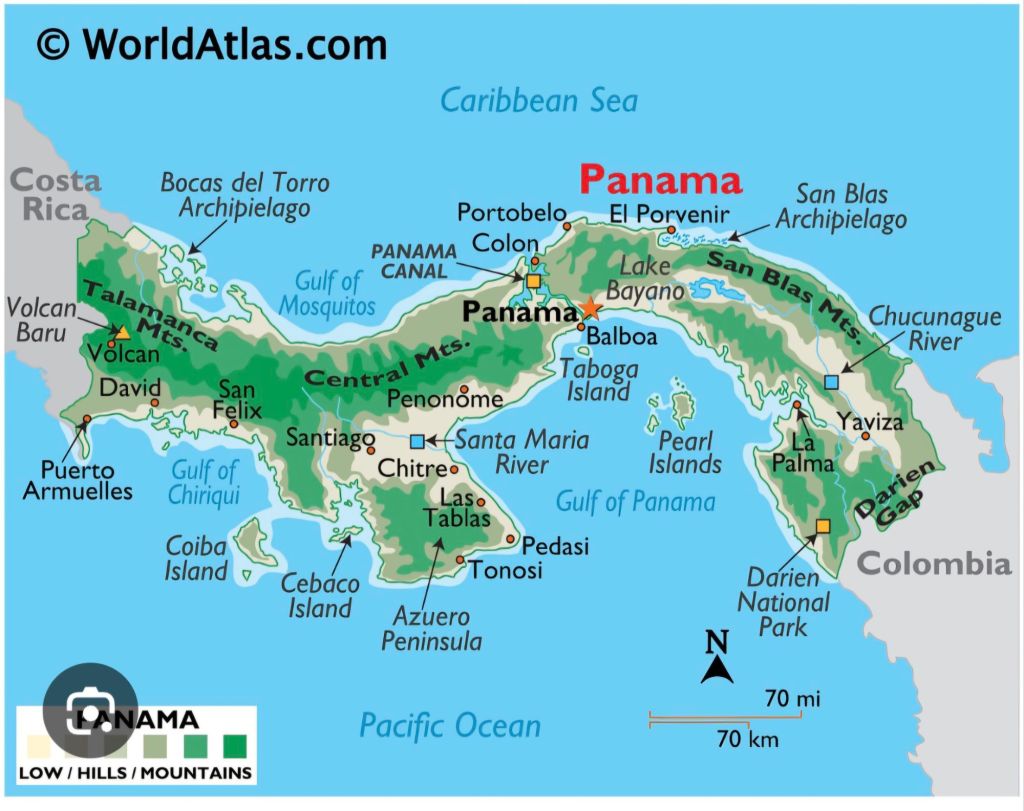
When we flew into Panama from Bogotá, approaching from the Pacific Ocean, I was surprised to see we were heading northeast past Panama City and within minutes ended up almost over the Caribbean – Panama is a very narrow ‘bridge’ between South and North America. The eastern part we were flying over was mostly forests, called the Parque Nacional Chagres, and there is only one road running east to the south of the national park, thus mostly uninhabited. Panama City, on the other hand, is rapidly growing and in 2023 had a population of almost 2 million in the broader metropolitan area. The skyline is impressive, impossible to get it all into one photo. Very modern, with a metro-line that is being extended to La Chorrera, west of Panama City.
I bought a sim card at the airport, and when I tried to change dollars to balboa (Panamanian currency), I was told that they use USA dollars here (1 USD = 1 PAB) which suits me fine. I asked the man at the cambio (money change place) about taxi’s, and he pointed me to the counter across the way, which was unmanned. I was looking around when I heard him shout “Taxi!” – he had come out of his booth and was shouting to the man in charge of the taxi booth.
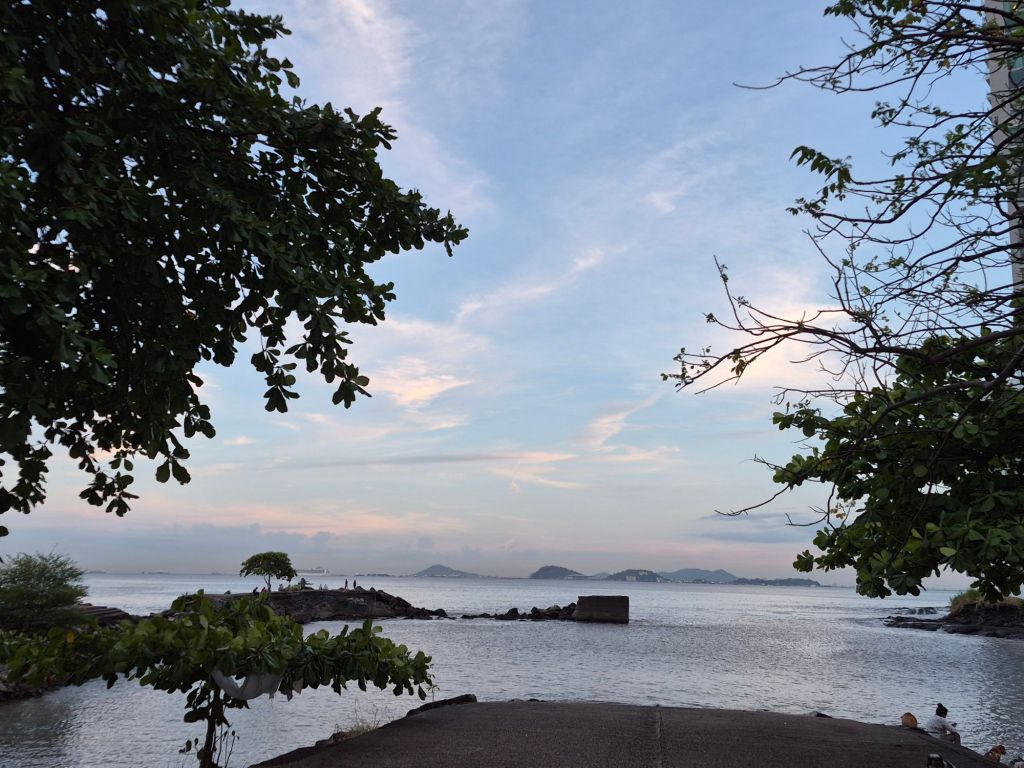
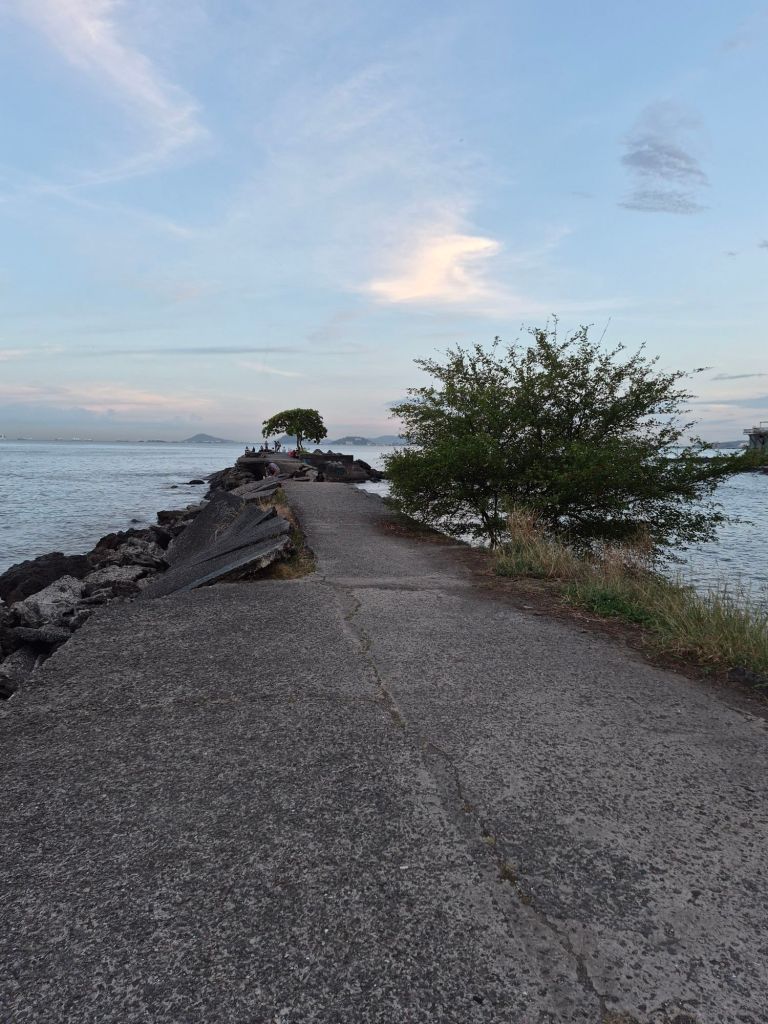
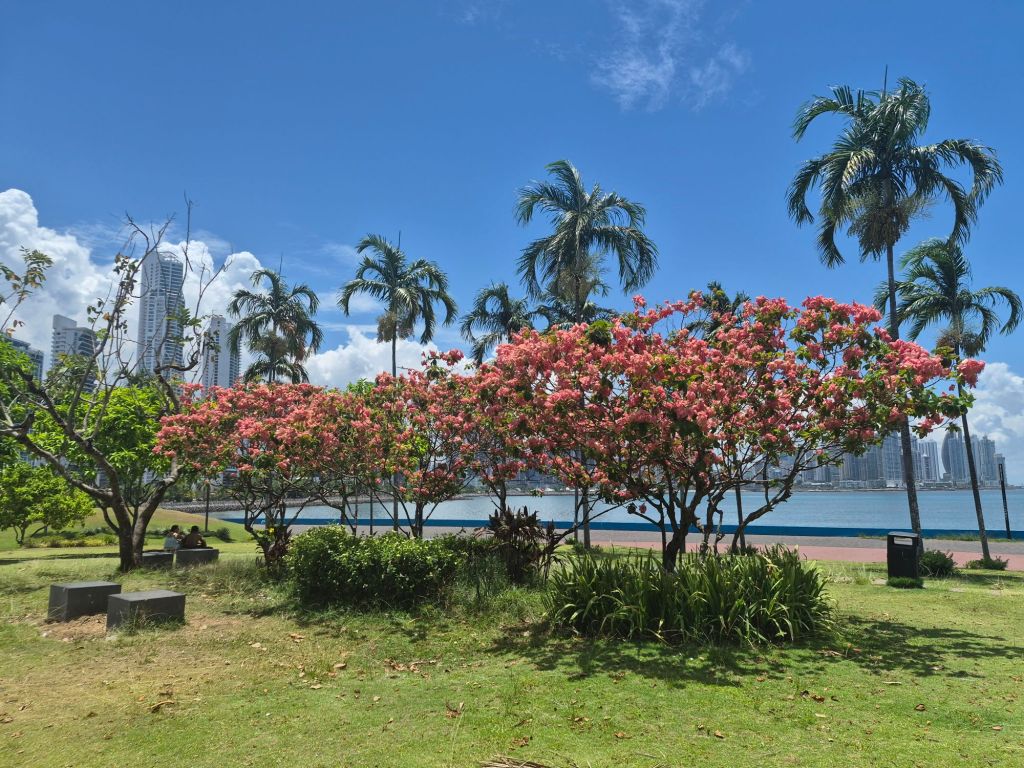
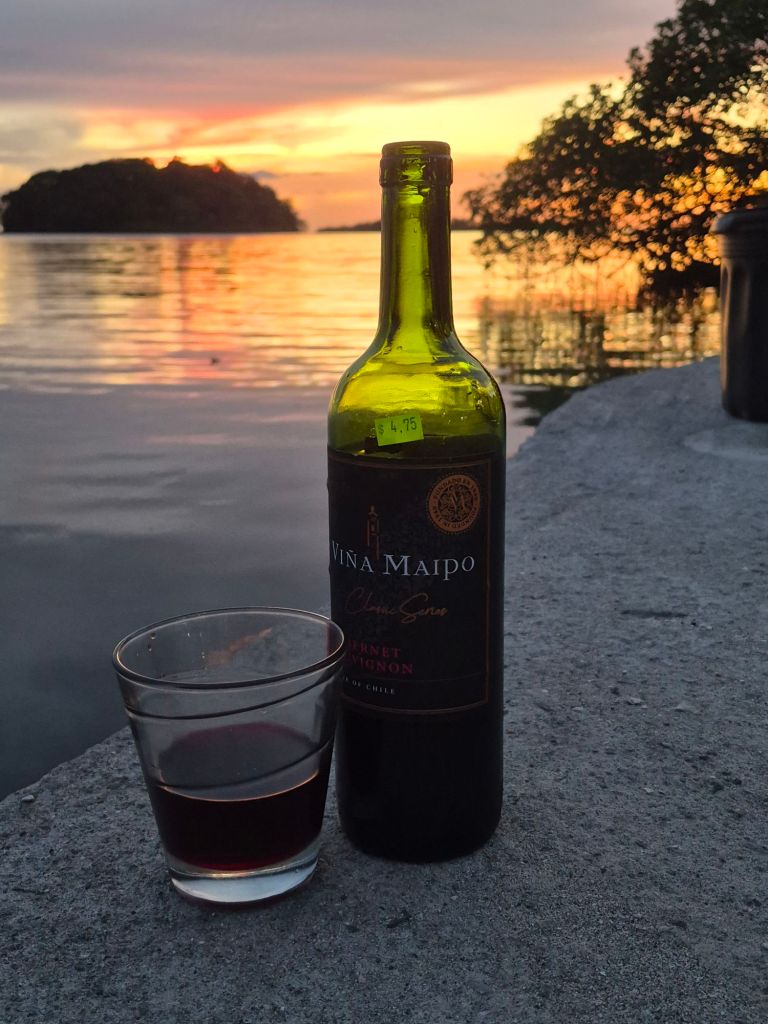
The hostel, Casa Areka, where I had booked at, is in a small area that has no immediate high-rise buildings in the vicinity. Maurice, the manager, was super friendly and helpful, excepting that I had to lug Suerte up a narrow flight of stairs to the 6-bed dorm with an en-suite bathroom. I was starving, so headed straight to the huge store in the mall behind the hostel, bought a beer, a ready-made tuna and pasta salad, as well as a green salad, devouring it all the minute I got back. I headed out to explore, finding a park with a dilapidated jetty and small beach within two blocks from the hostel. I walked to the point of the jetty, clambering over the broken parts, to watch the sunset and take some pictures of the buildings opposite the jetty.
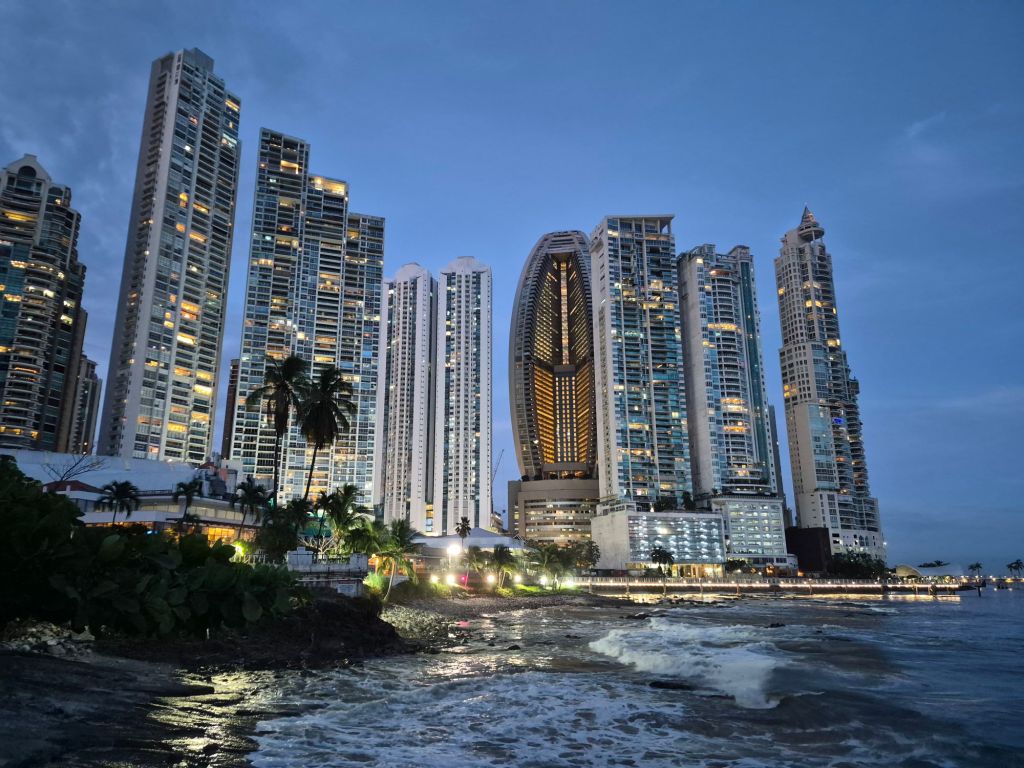
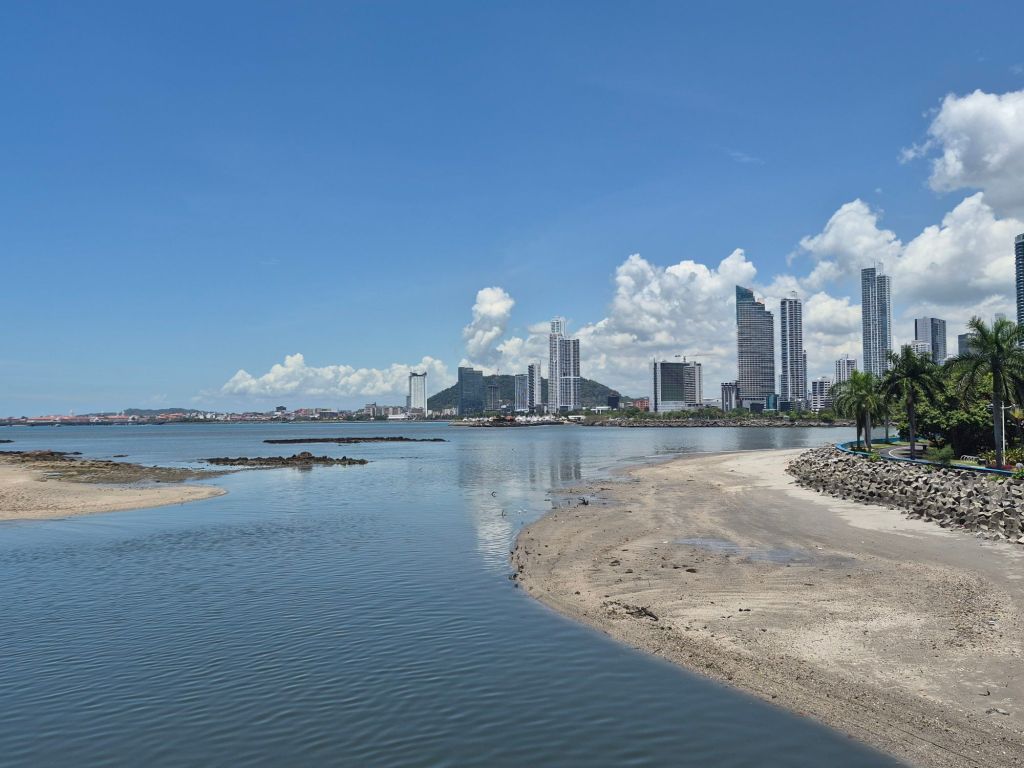
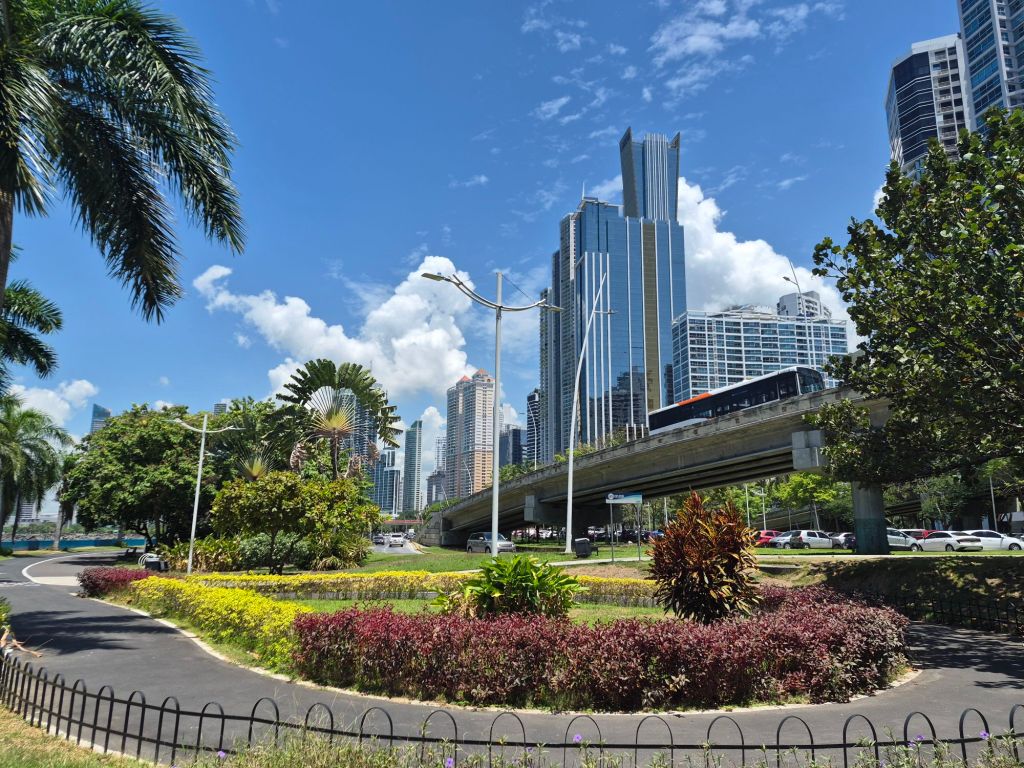
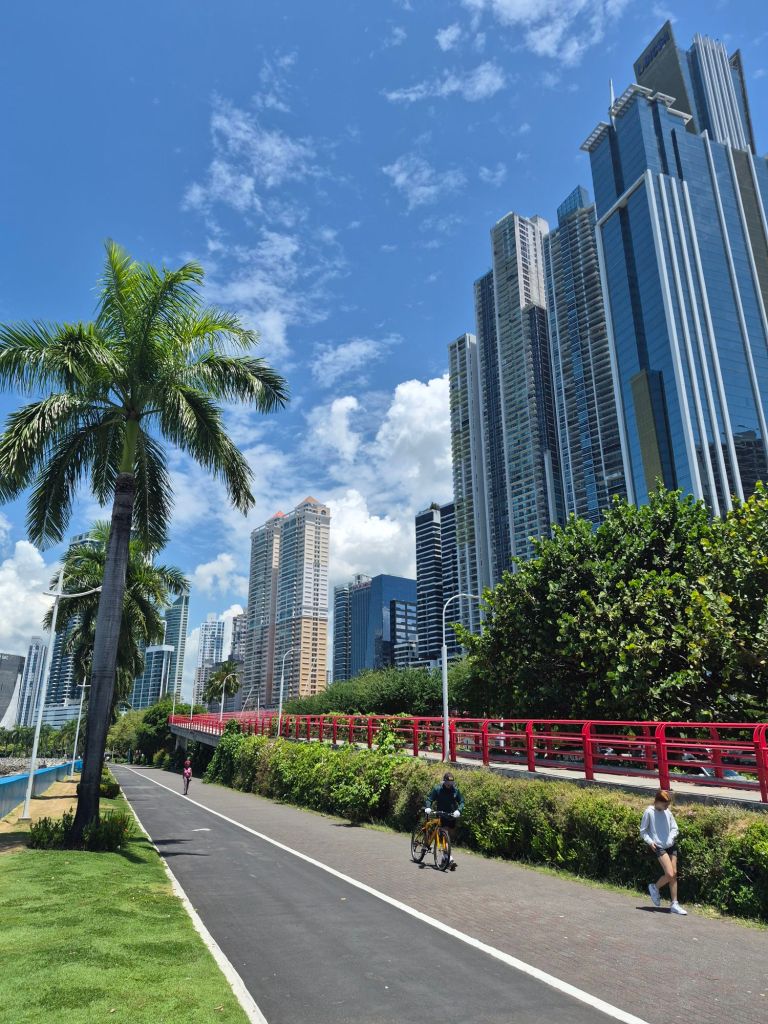
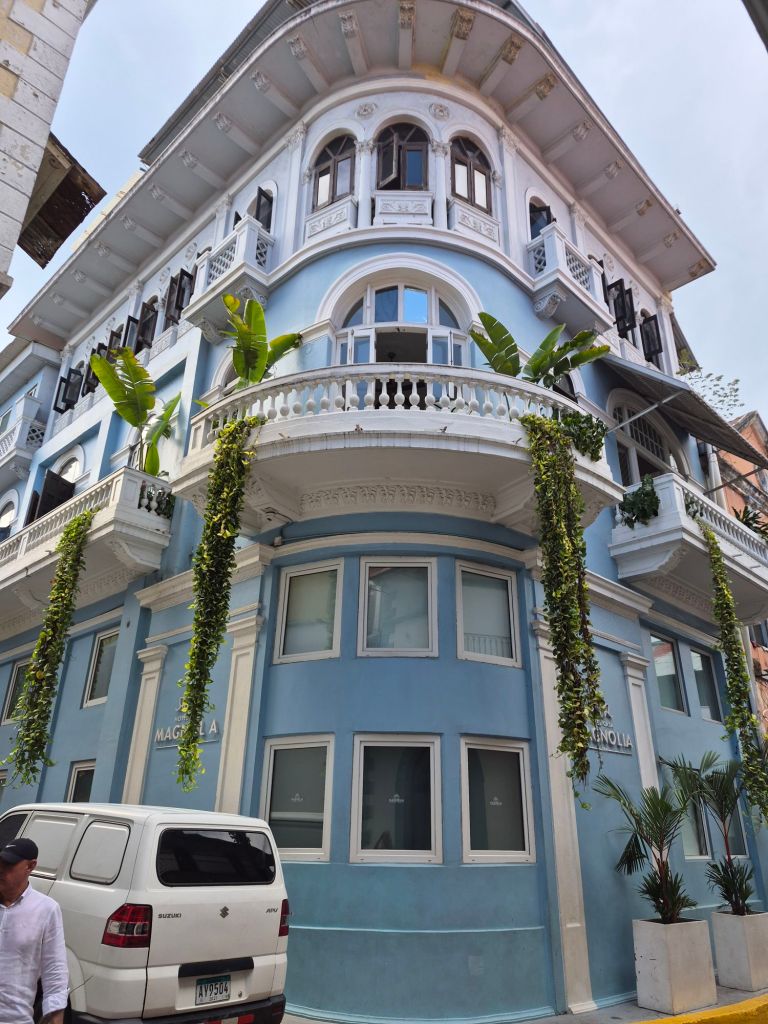
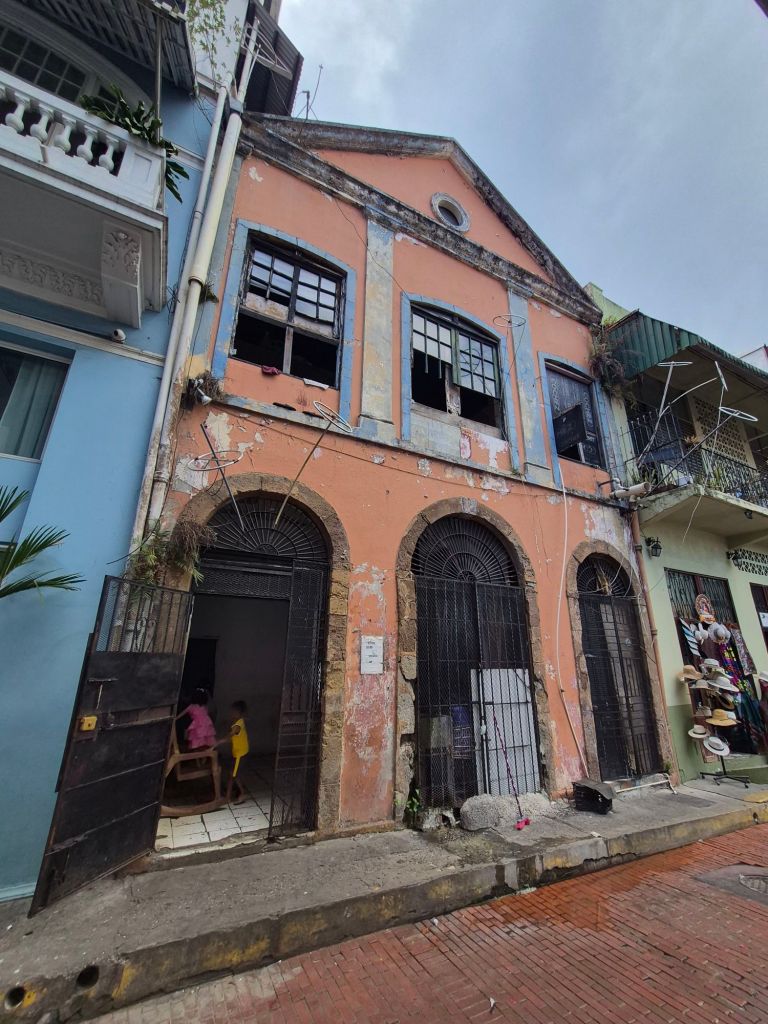
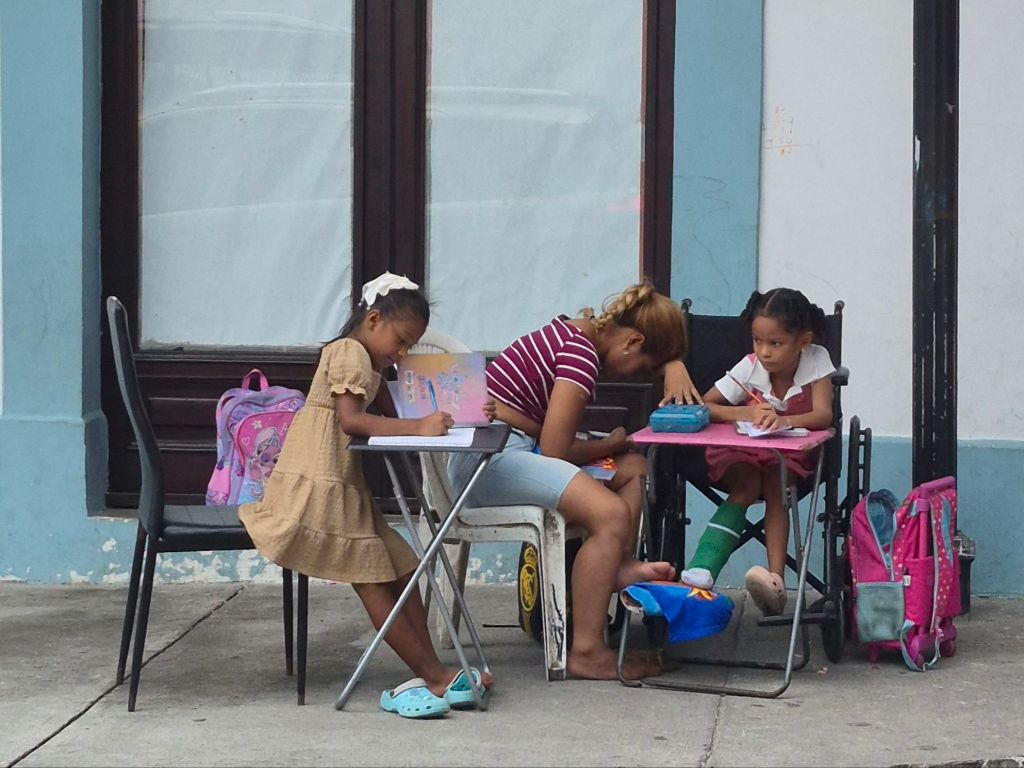
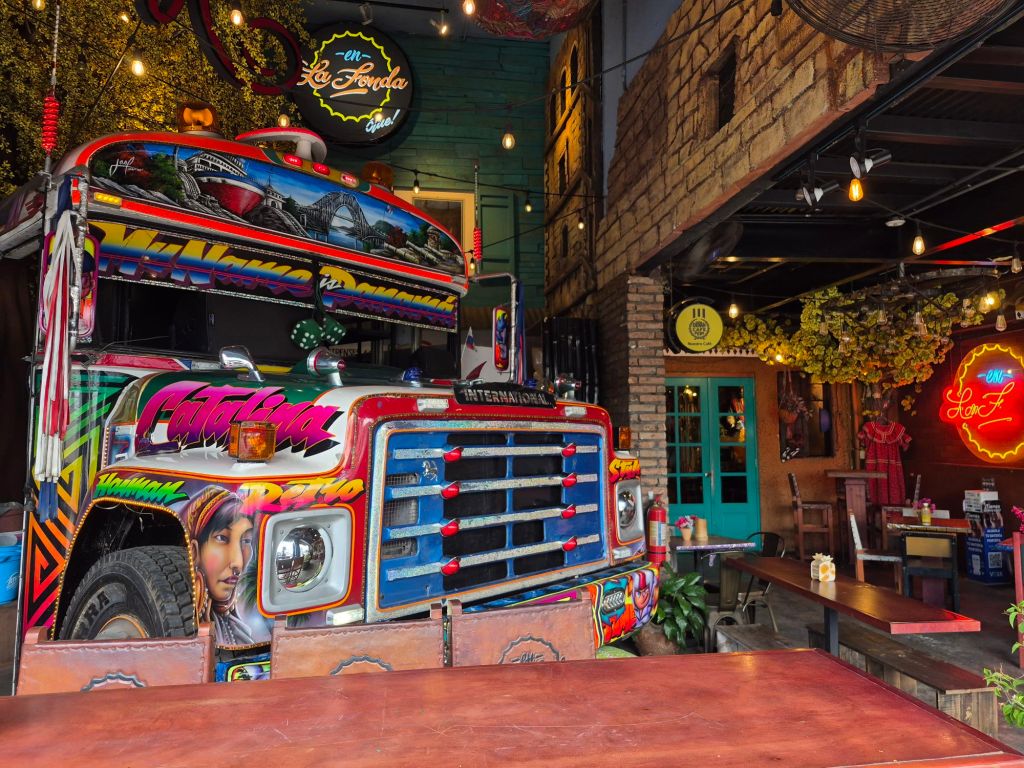
The following day I walked the 5km along the coastline to the Casco Viejo district (literally translated means ‘old shell’), the colonial quarter of Panama City. It was an interesting walk, but humid and hot!
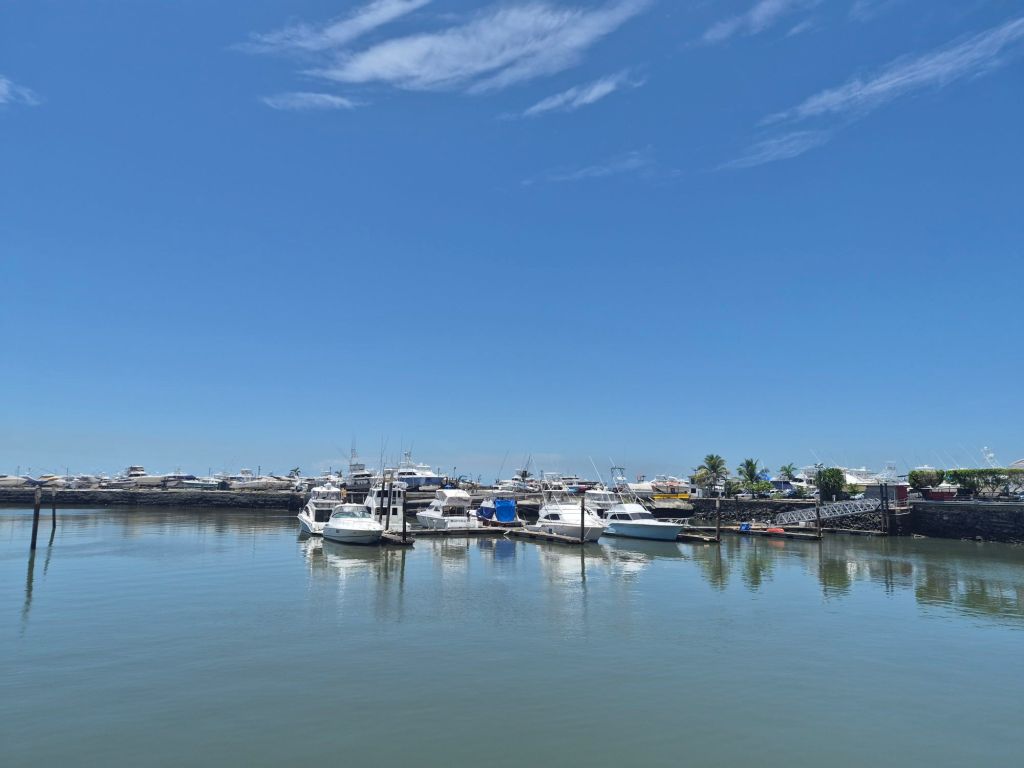
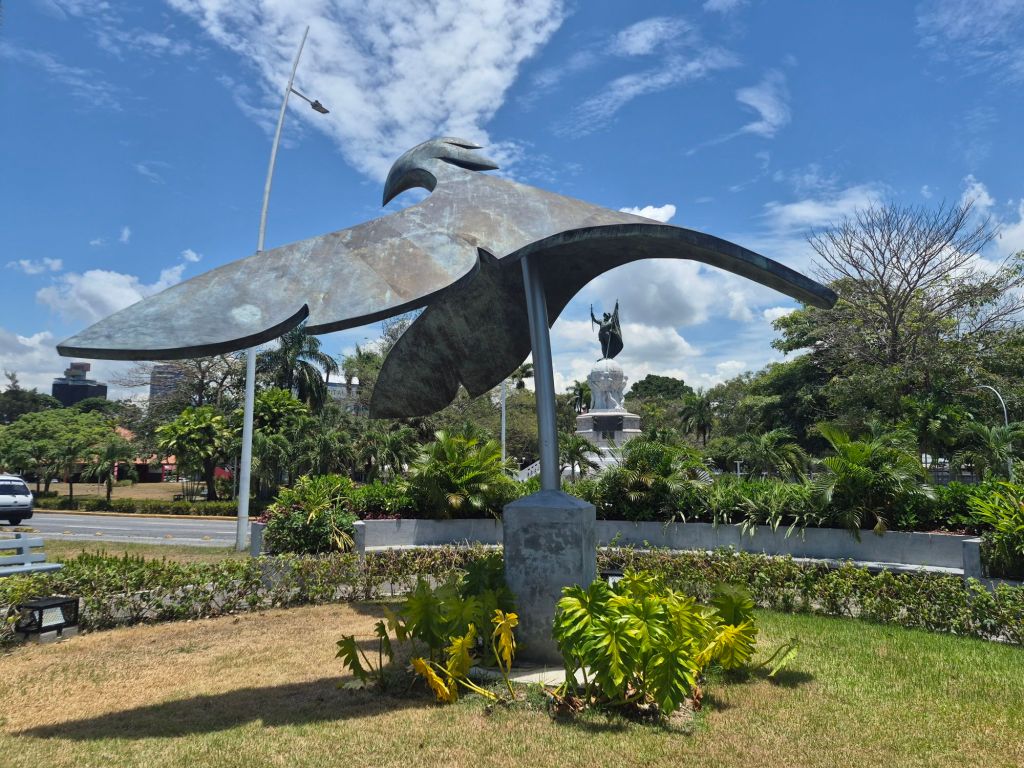
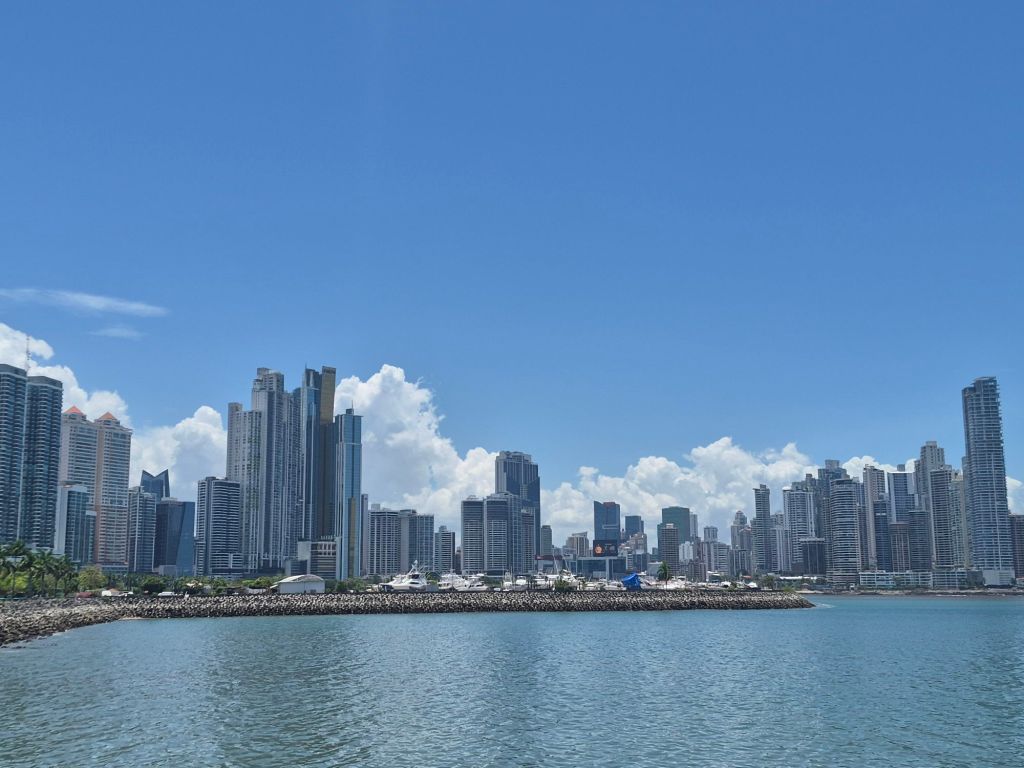
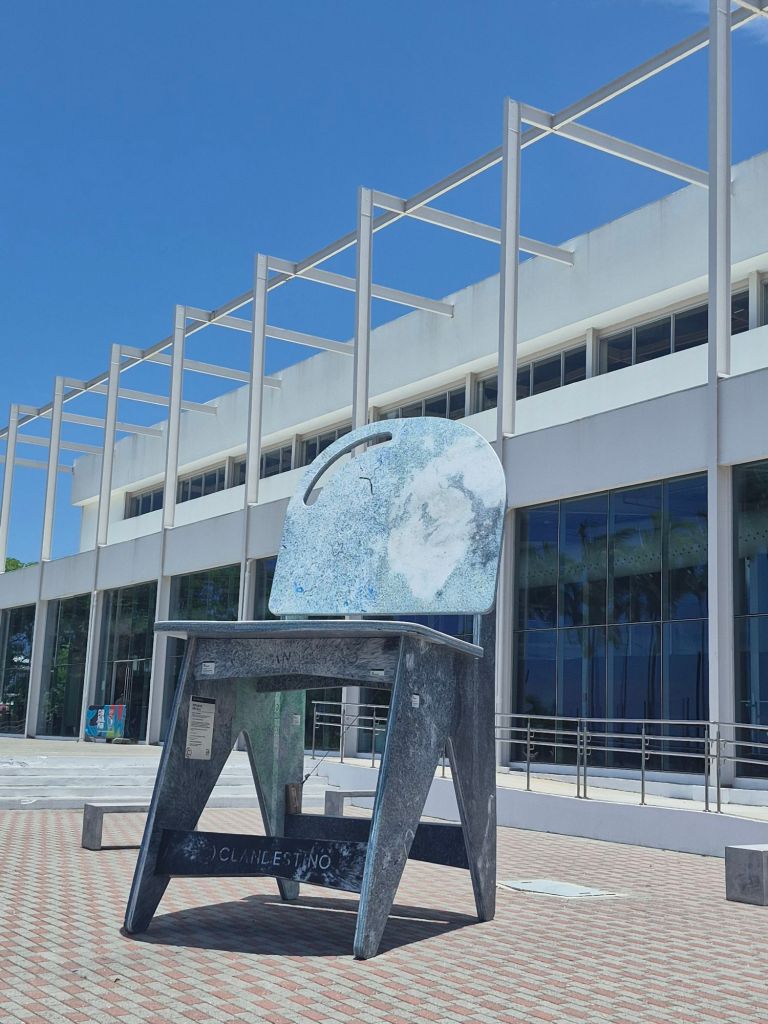
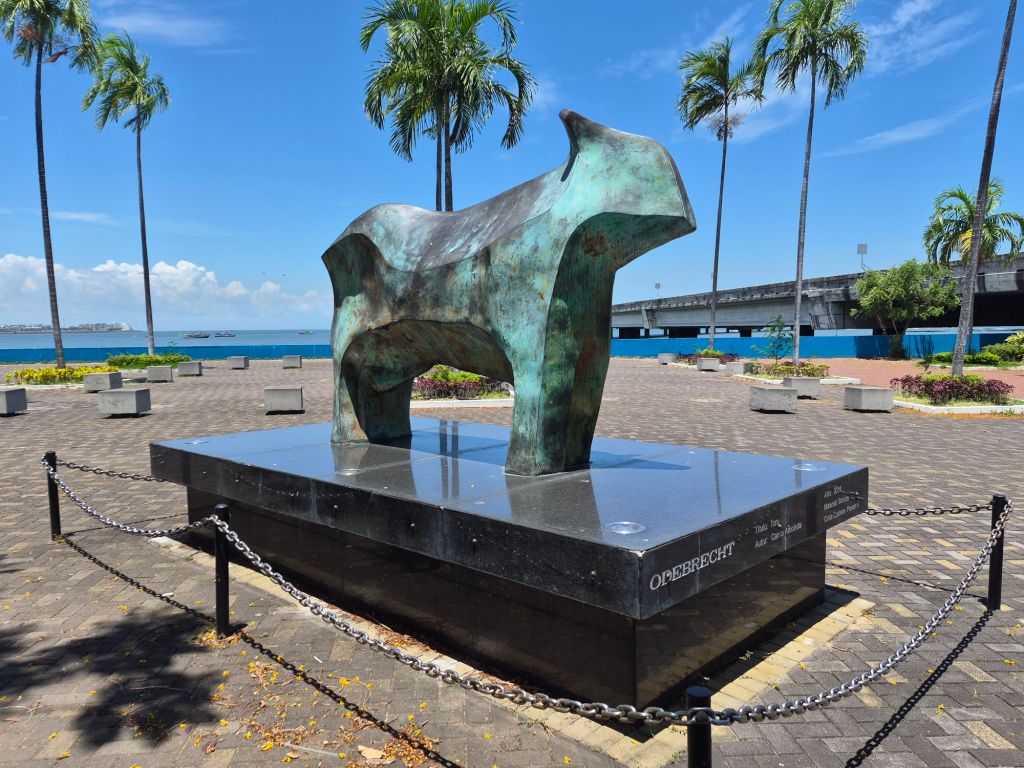
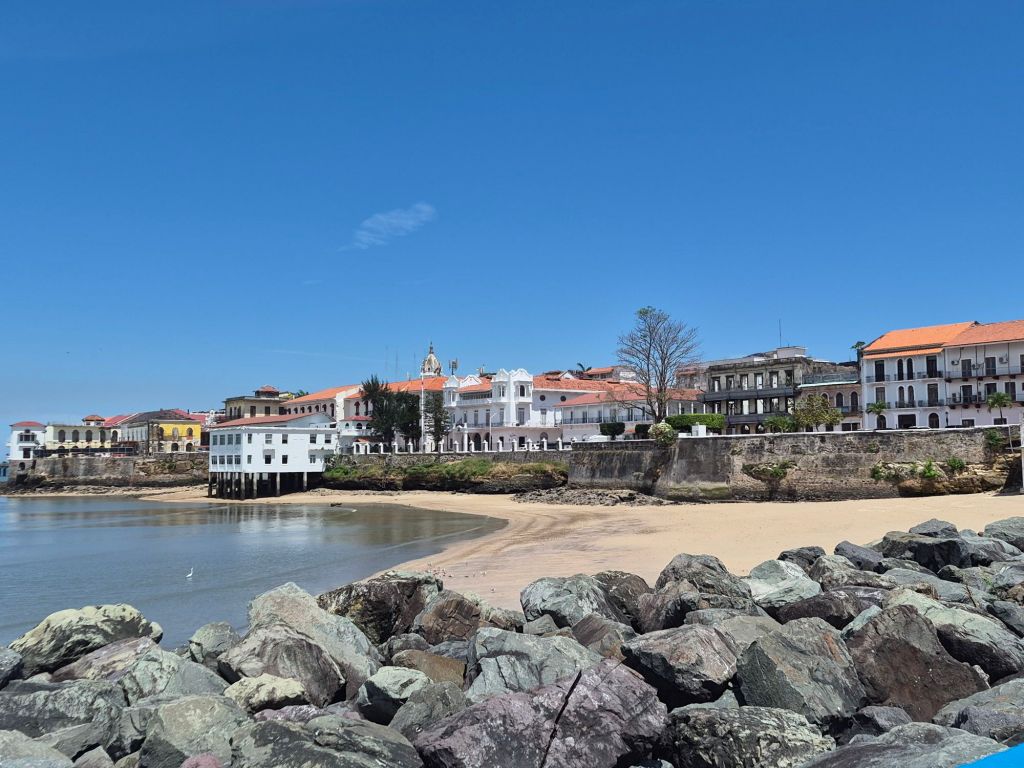
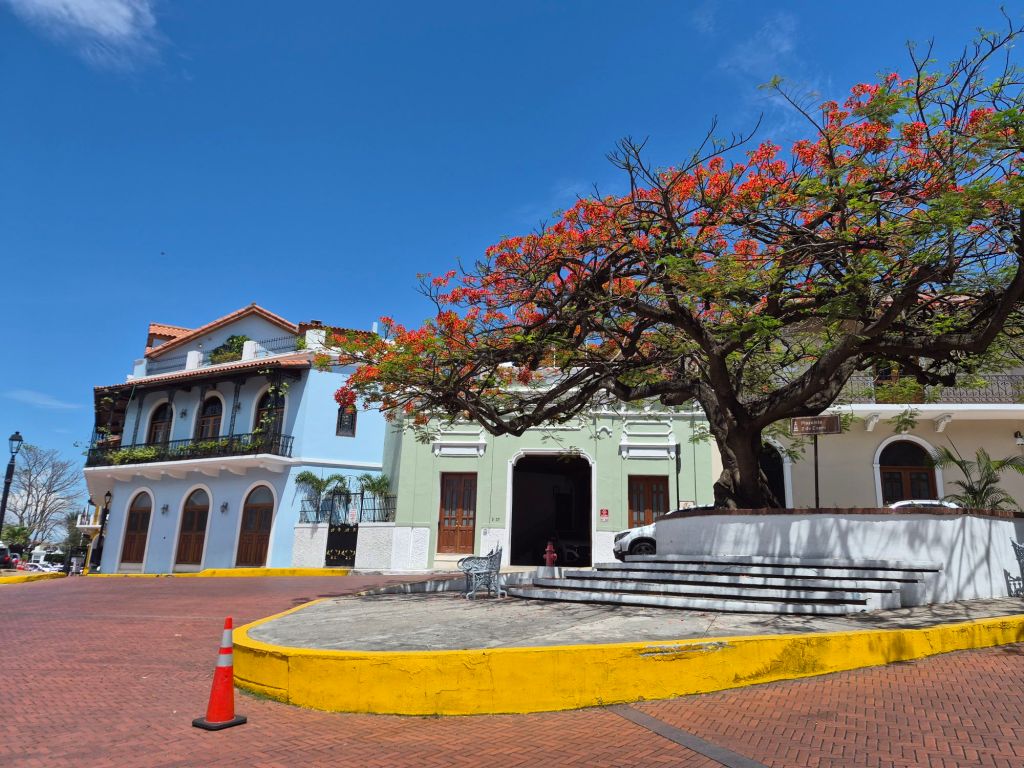
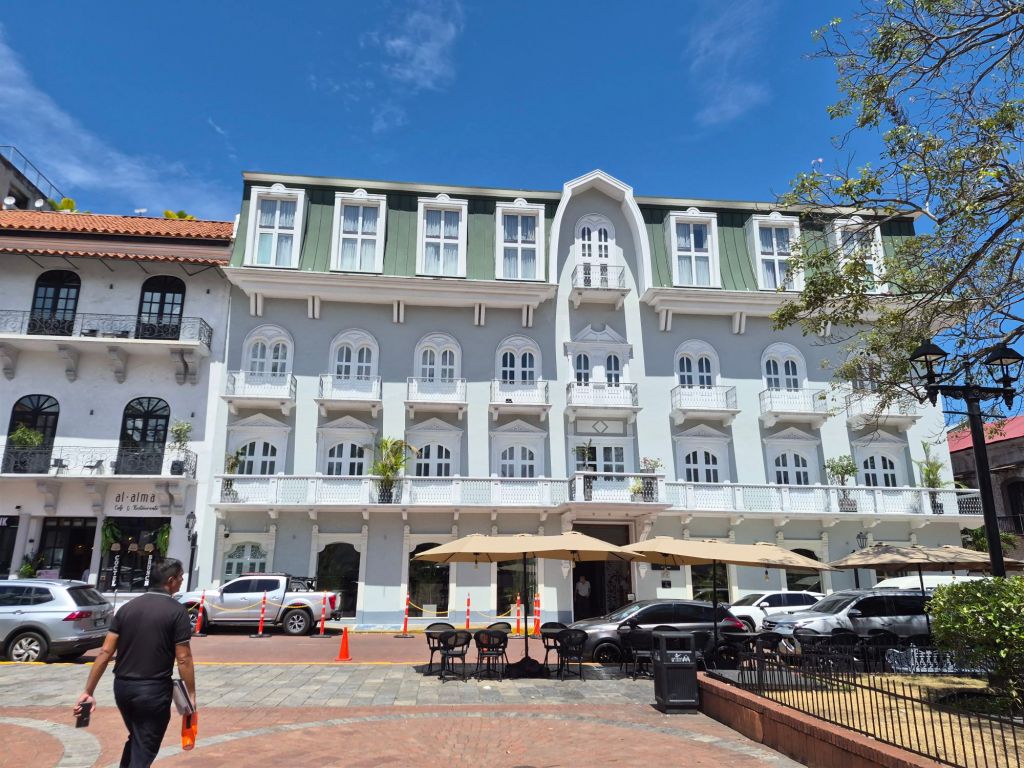
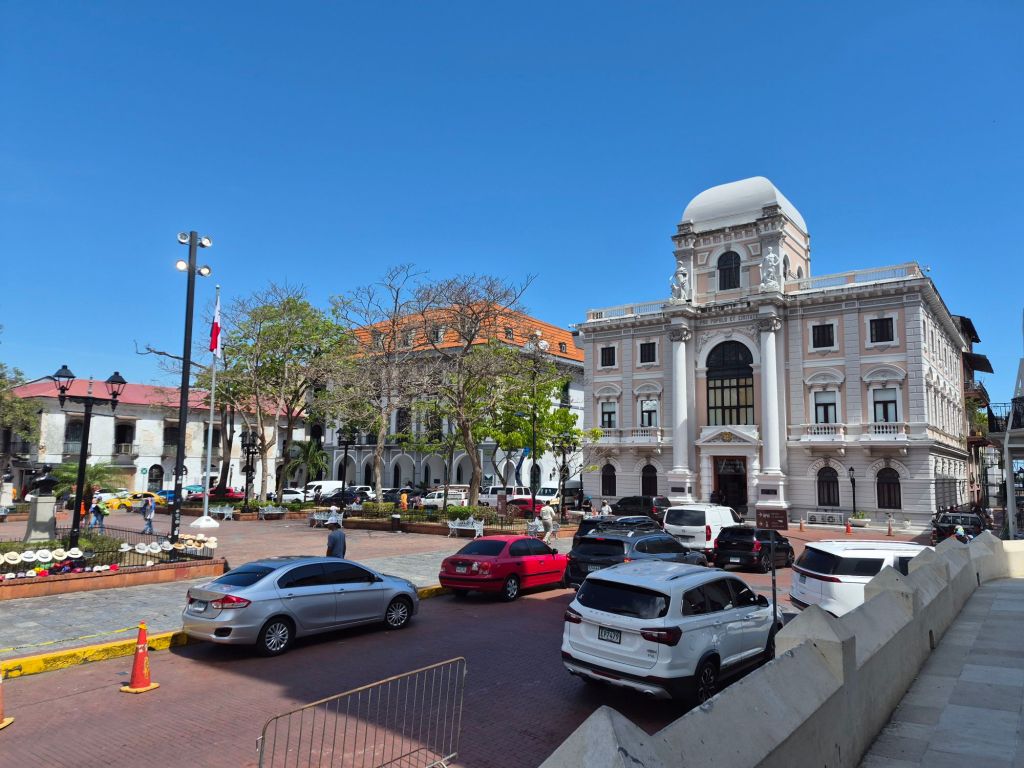
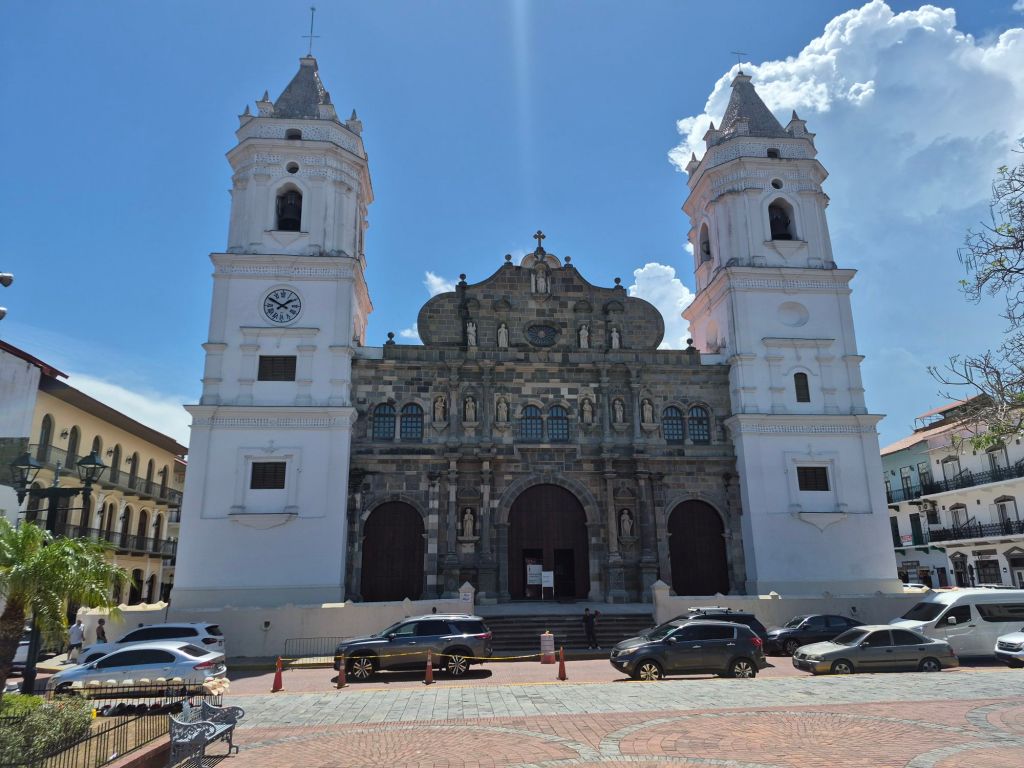
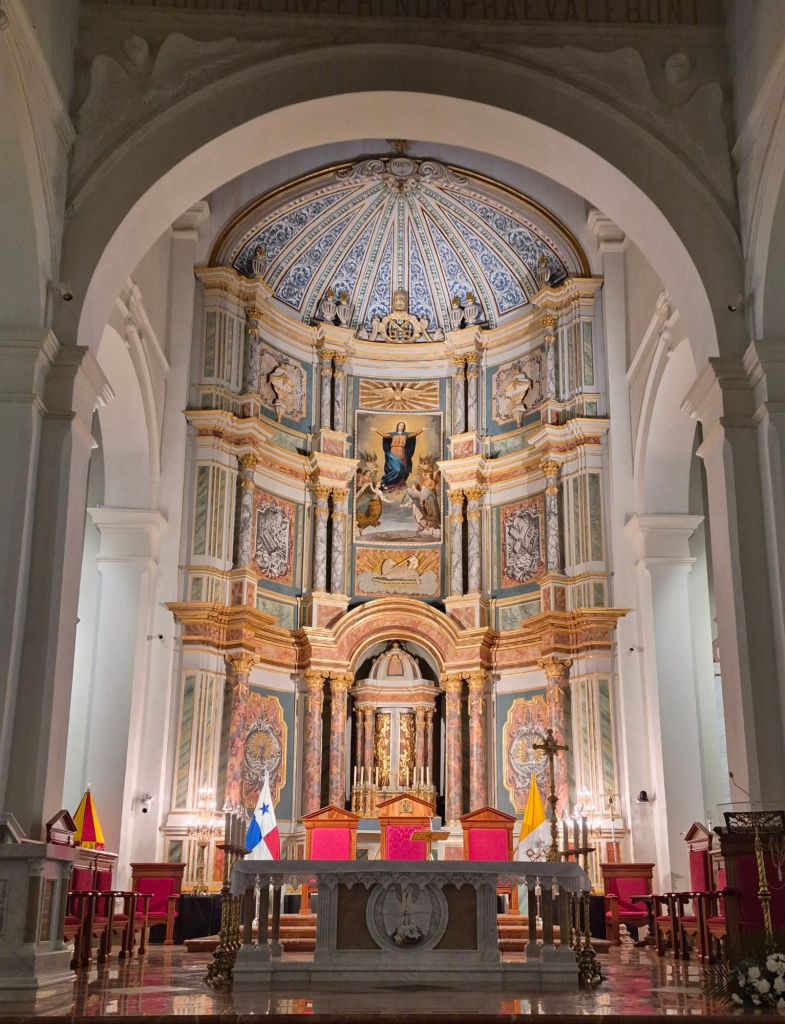
I ended up in the Plaza de la Independencia (Independence Square), which was where Panama declared its independence from Colombia on 3 November 1903. I was quite surprised when I had to pay to go into the Metropolitan Cathedral, also known as the Catedral Basílica Santa María la Antigua since 2014, when it became a basilica. It is one of the oldest cathedrals in the Americas – construction was started in 1688, and it was completed in 1796.
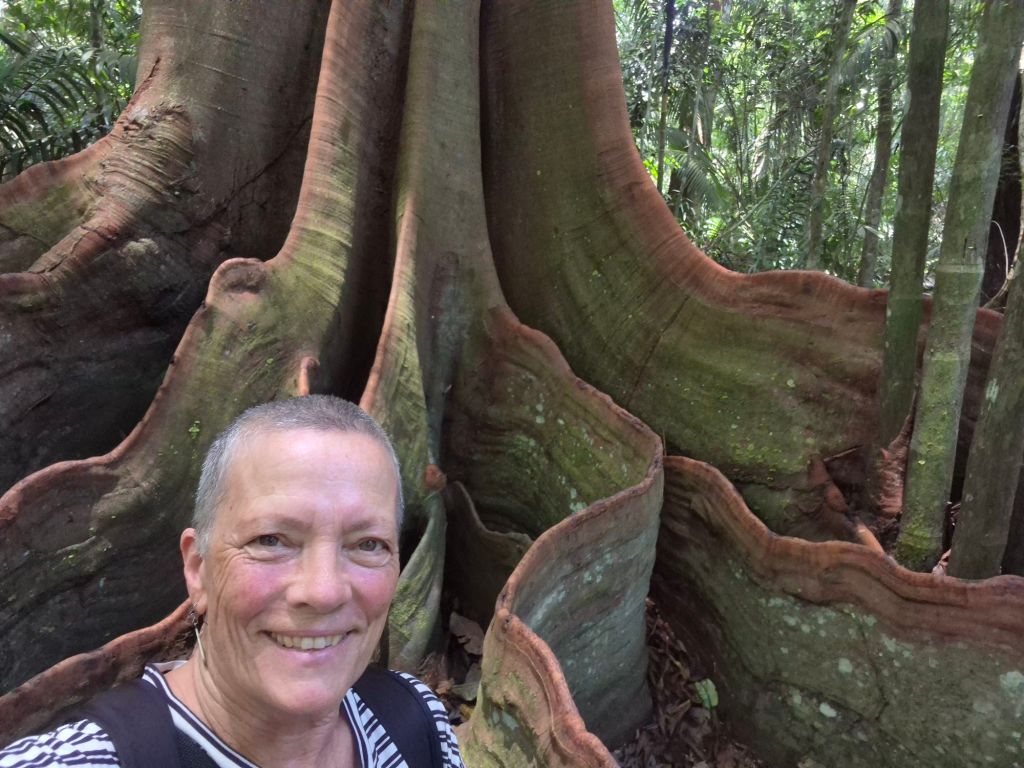
I was so hot and bothered when I walked back, and thinking about it, I had a great inspiration: I was going to cut my hair. Back at the hostel I had a shower, put on a dress and googled a hairdresser – there was one right next door! I had a lot of trouble explaining to them that I wanted a no 2 razor cut. Even Google Translate was to no avail. It was only when I said “a razor like a man’s” that they understood and asked a male hairdresser to shave off my hair. What bliss, I should have done it long ago.
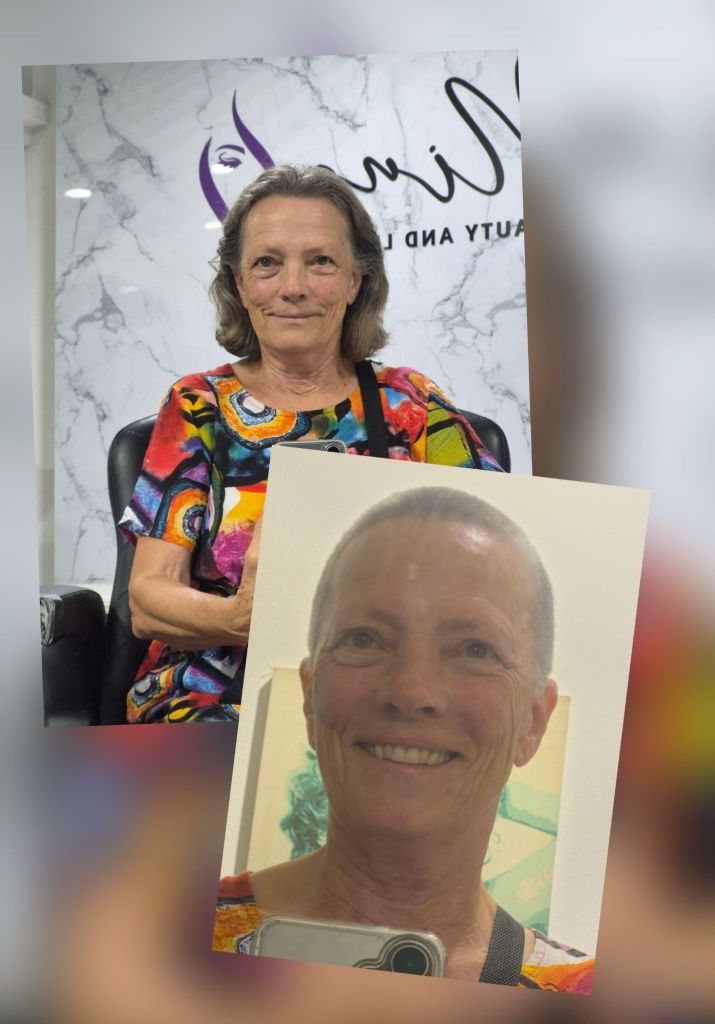
I met some really nice people at the hostel, and one of them, Hannah, was very excited about my haircut, as we chatted at the pool before I went. The funny thing was, she didn’t recognize me in the kitchen later when everyone was making supper. I said: “Hannah, what do you think?”, and she exploded with a “Oh my goodness, I didn’t recognize you at all! I love it!” Some other people also asked me whether they had seen me beforehand, as they didn’t recognize me.
Most of the people there had done a boat trip to the San Blas Islands, or had been, or was going to Santa Catalina – those seemed to be the popular things for the young crowd and the surfers. I had other plans though, as I had heard about the Pipeline Trail near Gamboa, which was where I was heading to. I took an Uber to Albrook, the bus terminal in Panama City, where I had a gruelling and challenging experience of catching the local bus to Gamboa, a 45-min trip to the northwest. In short: every counter I approached to buy a ticket, told me “further down”. I finally found an information counter with an English-speaking lady, who explained that I had to buy a Metro Card, as it is used for local buses. The machine swallowed my money without producing a card; I had to wait in a long queue at the claims counter, to be told I had to wait for the supervisor; 45 min later I was told the claim would pay out in 3 days’ time; I bought another card for US$3, couldn’t find the departure platform, and eventually the information counter lady escorted me outside and made inquiries; found the right place, waited another 30 min and eventually boarded – but then my card wouldn’t work, it was not loaded with dinero (money)!! A very kind woman on the bus came to the front and swiped her card so that I could enter. The total cost for the trip was US$1 (all that effort for $1) – but one can’t pay cash. Was I happy to sit down, after strapping Suerta down with a safety belt that is in an open area on the bus.
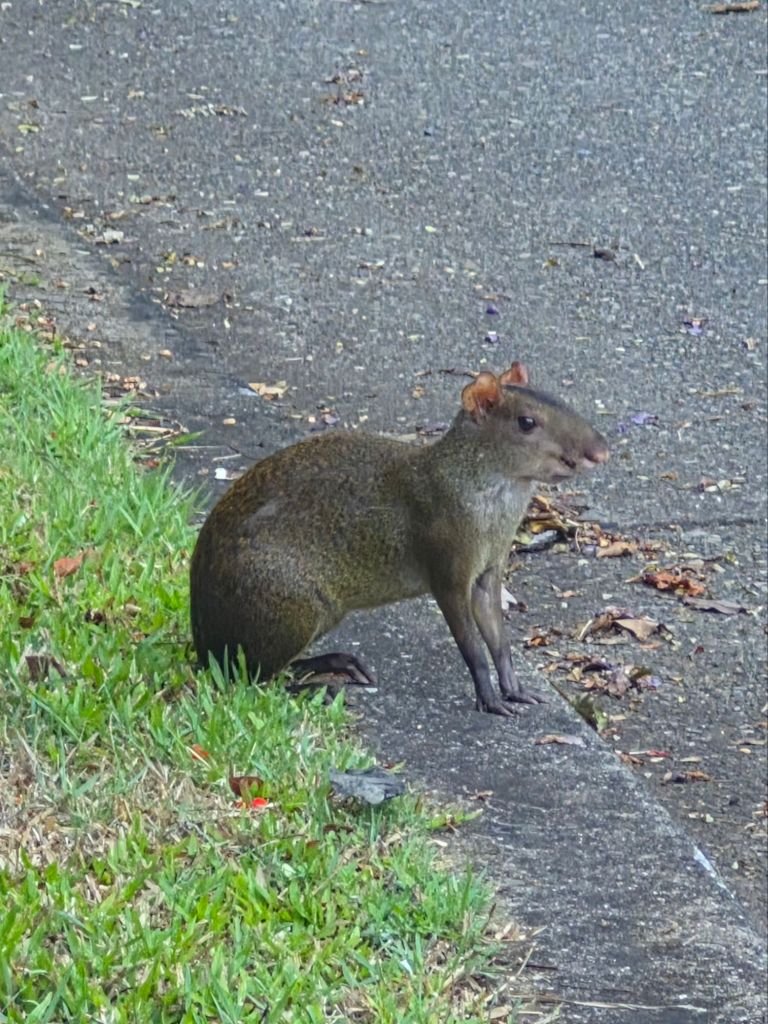
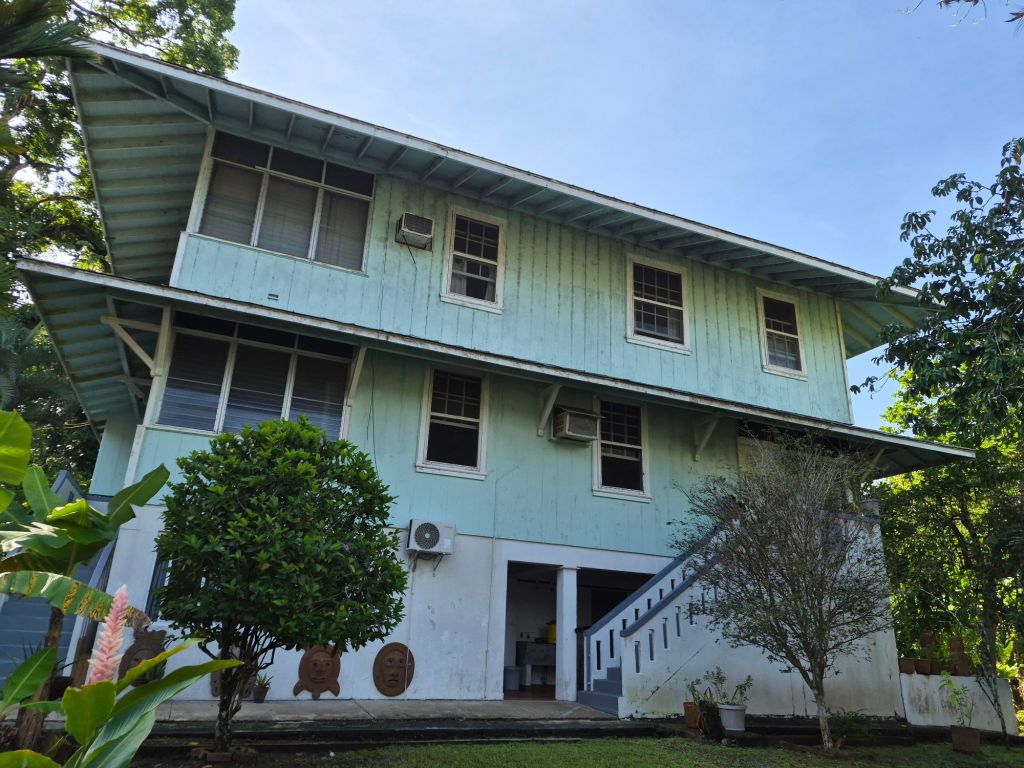
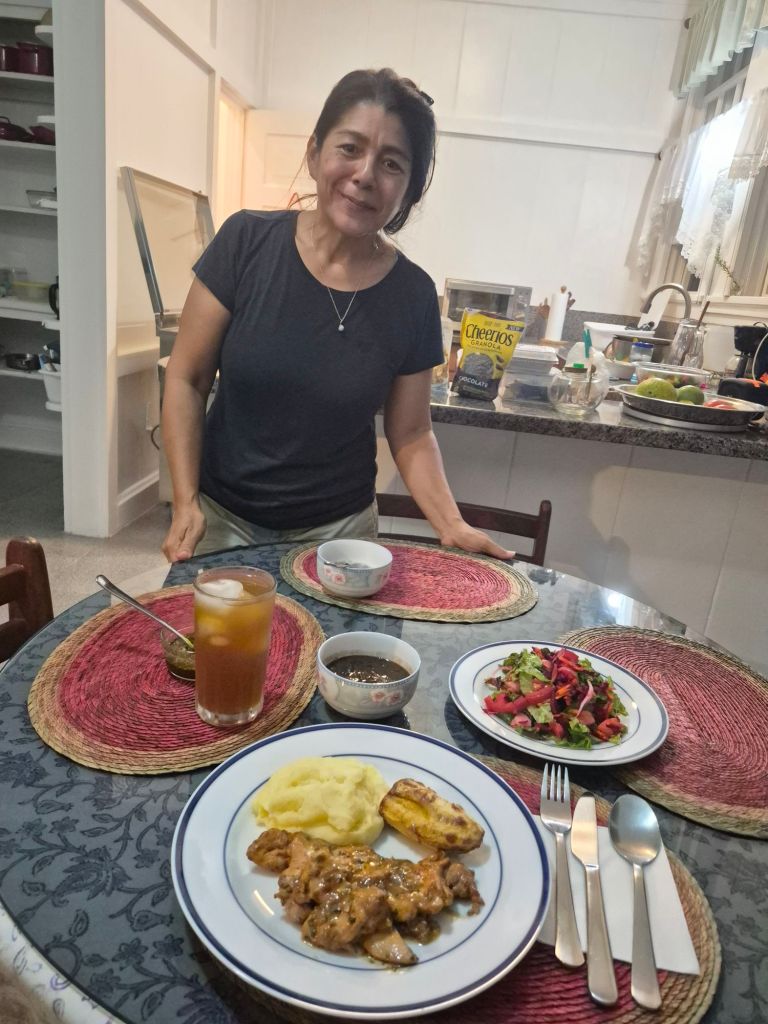
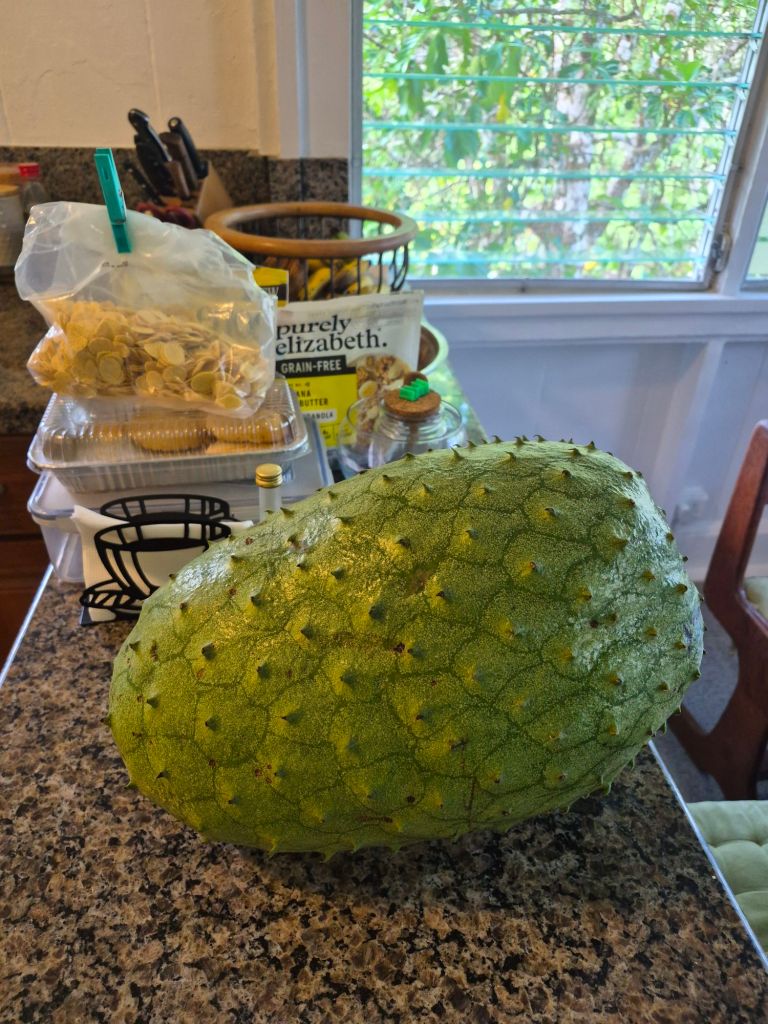
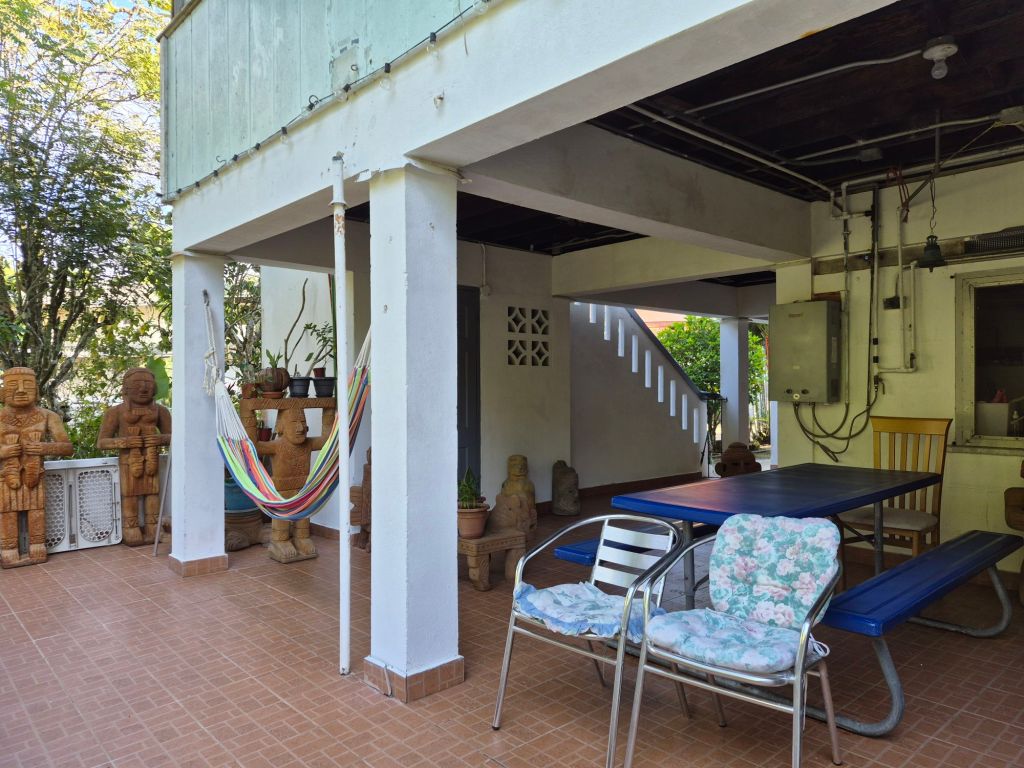
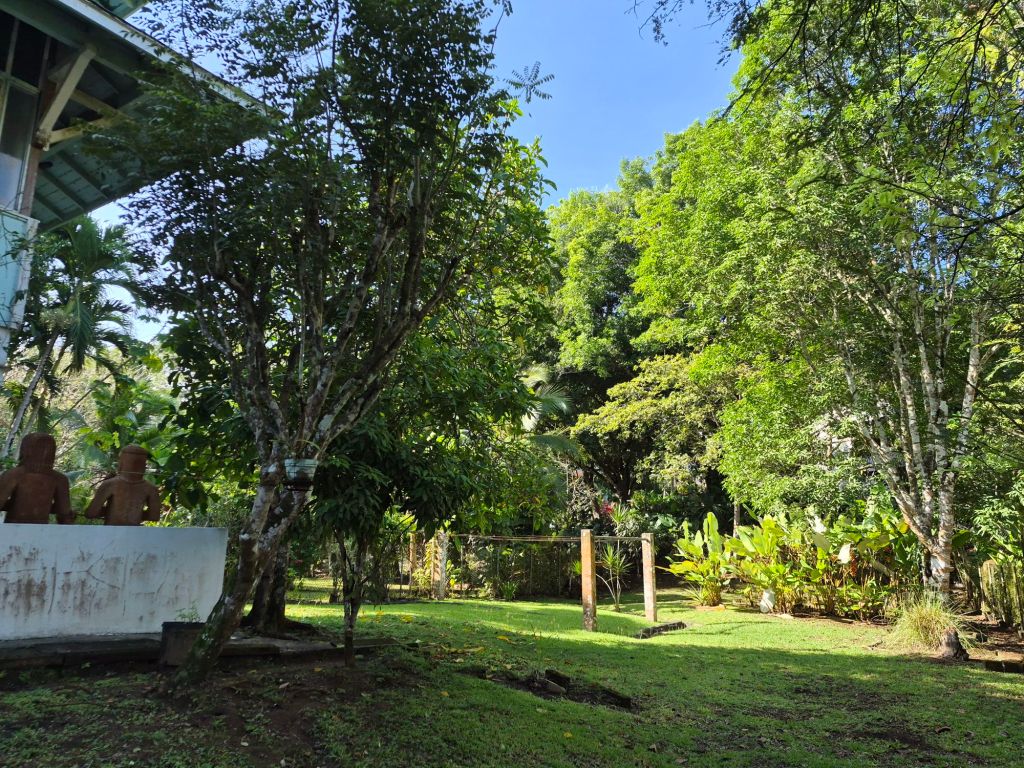
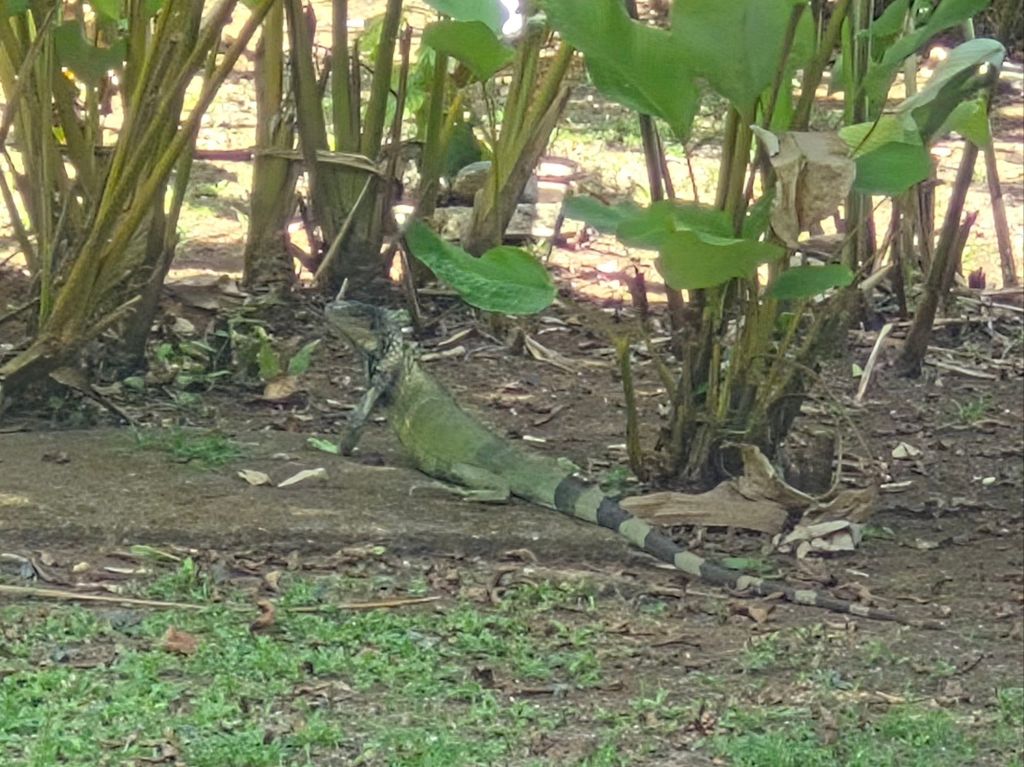
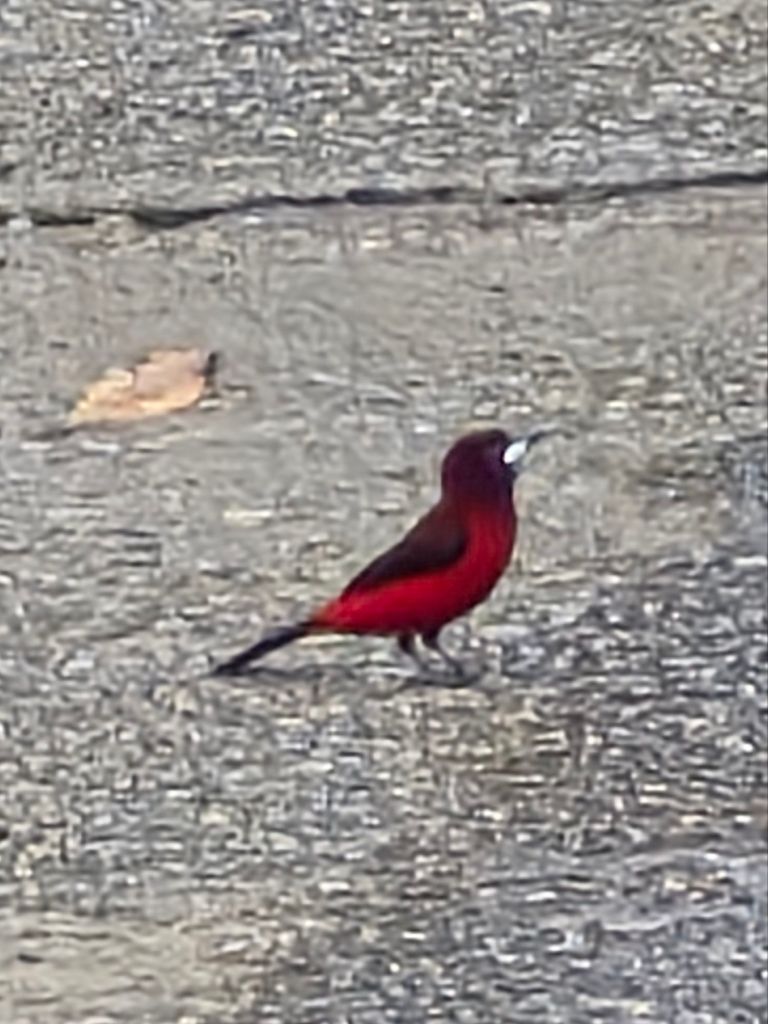
I had booked 3 nights through Airbnb, and had a lovely room with a fan and an aircon with Migdalia, who couldn’t speak English, but was most accommodating and helpful regarding information and suggestions for things to do. Her house, in the middle of the town, was spotless and uncluttered, and one had to take off your shoes when entering. There are many huge trees in the area, with houses scattered far apart. I had downloaded the Merlin app for identifying birds, and on the first morning I stood on the stairs outside her kitchen for 30 min, then walked around the block for an hour, and in that time Merlin had identified 48 different species of birds! I was flabbergasted. And then there were 3 agutis (agouti in English) in her yard, that ate from her hand. And black vultures, and even 3 iguanas the following day – a complete menagerie.
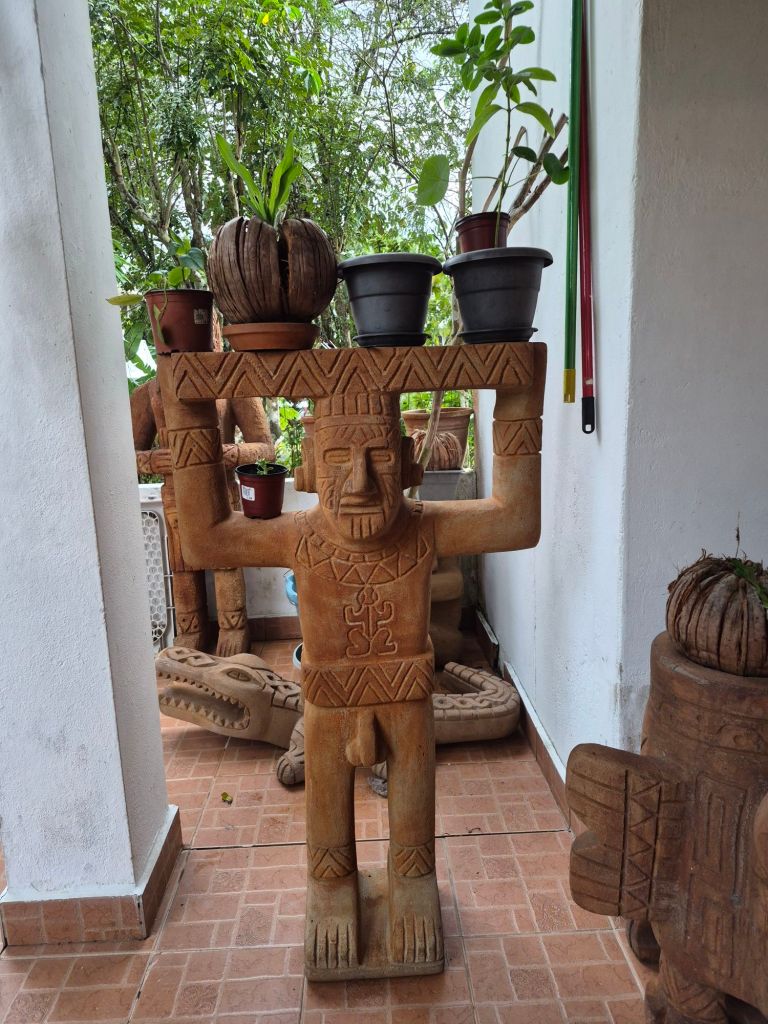
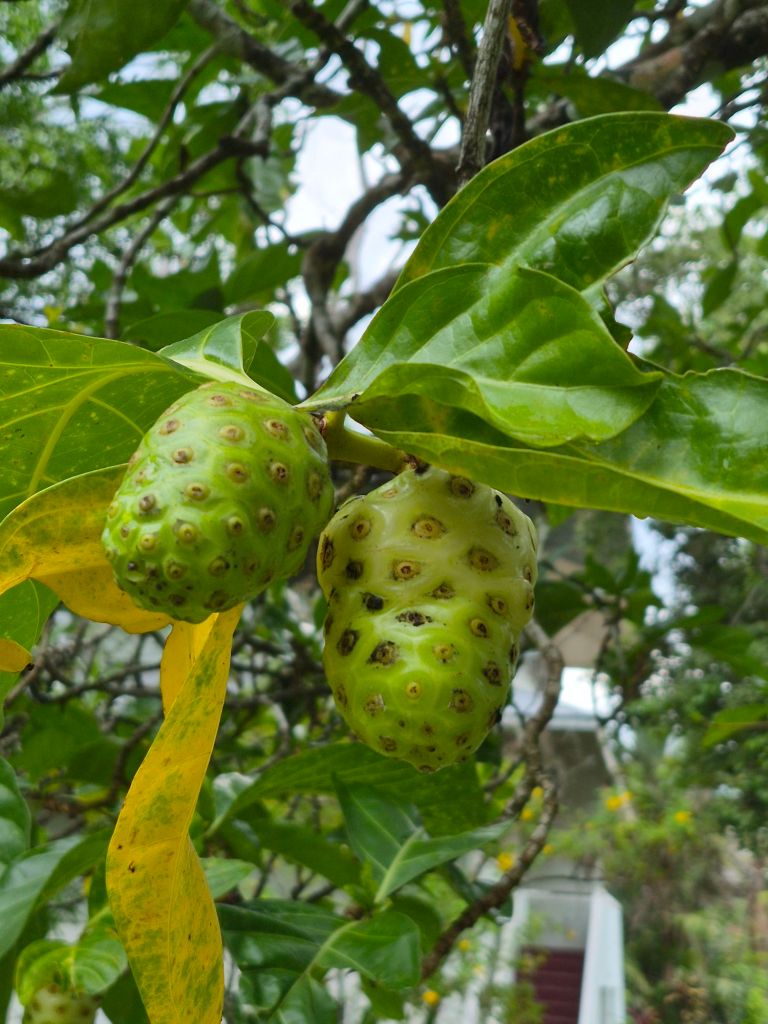
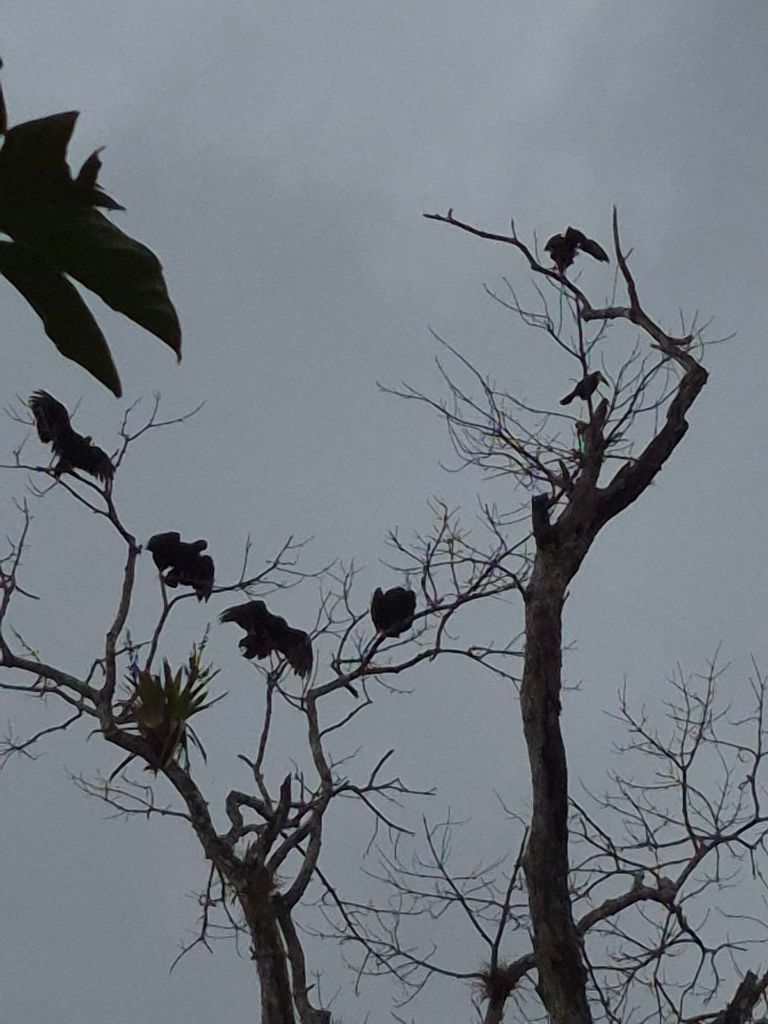
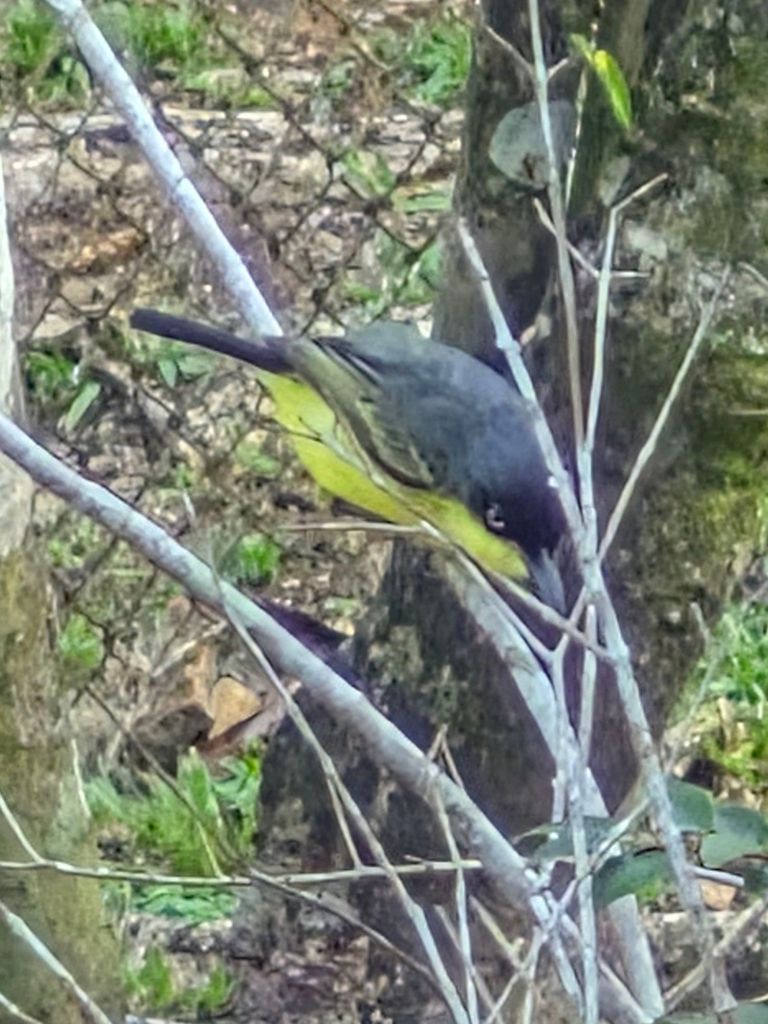
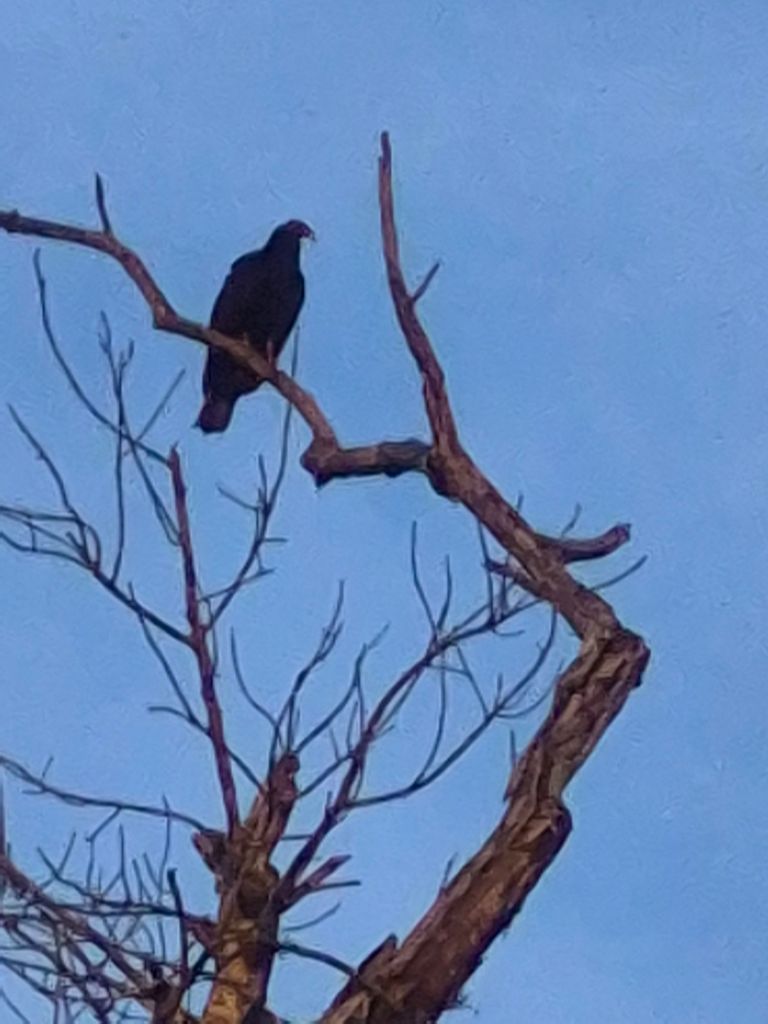
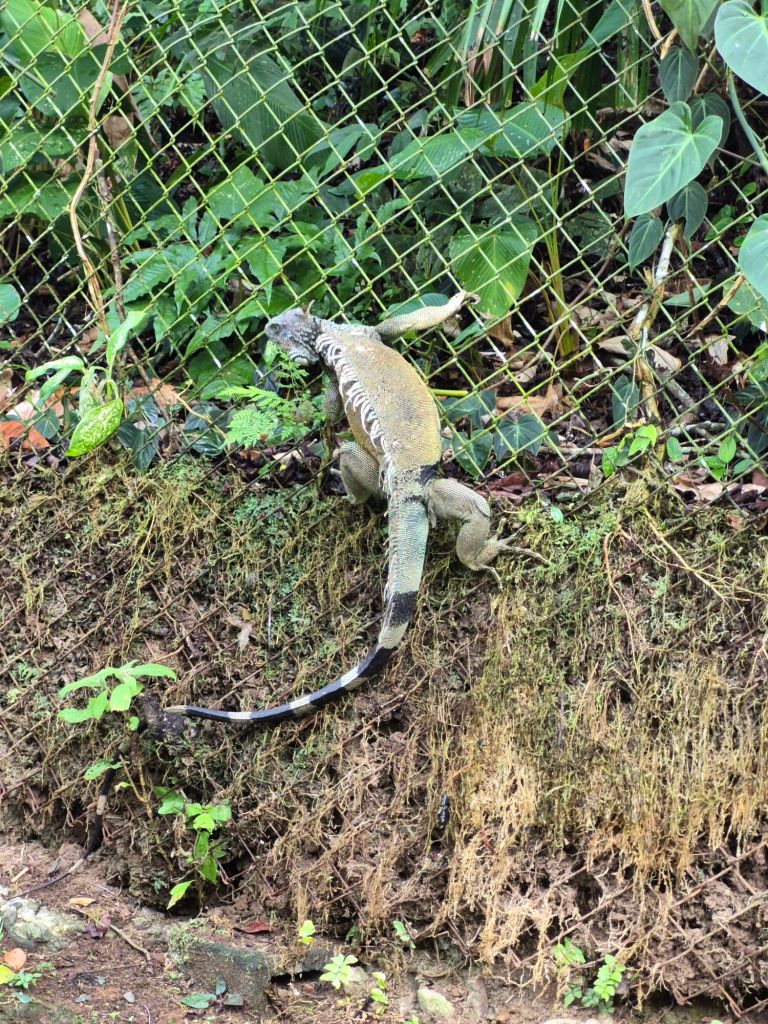
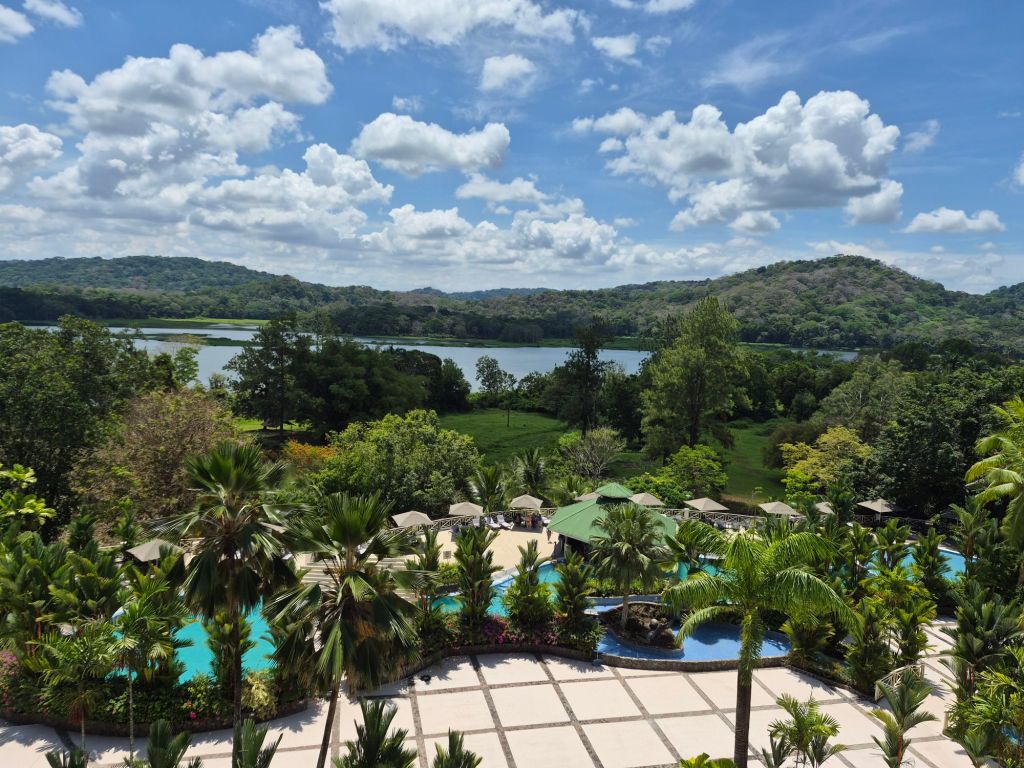
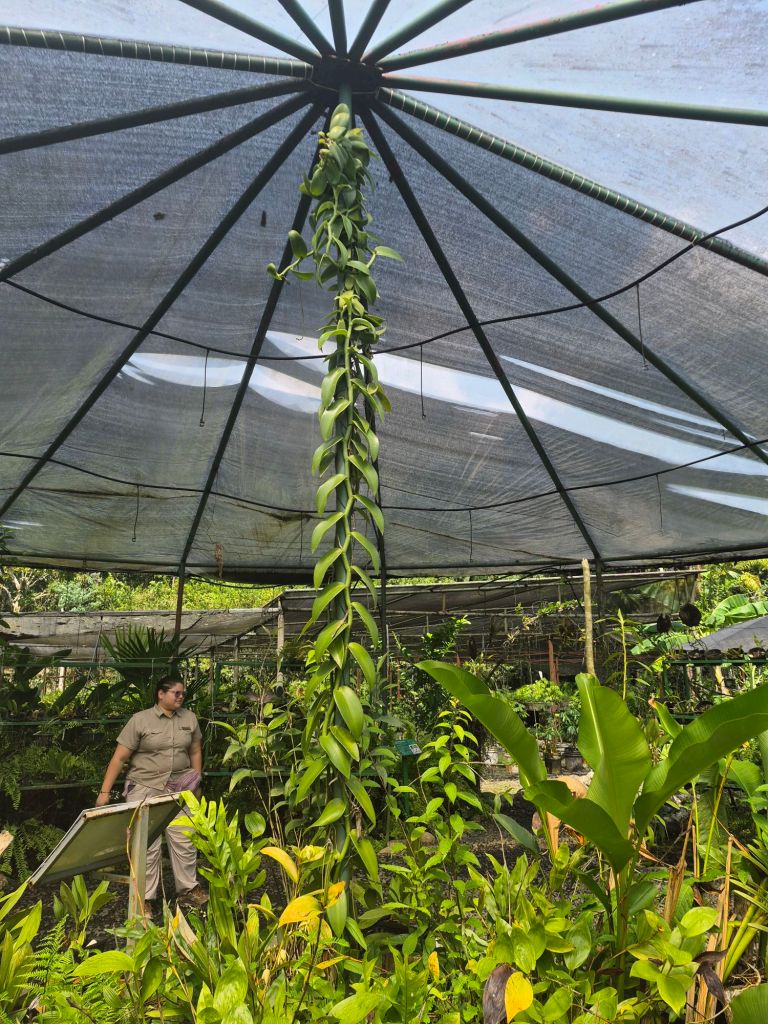
There is a sloth sanctuary about 2km from the house, and as they are difficult to spot in the wild, I thought it well worth a visit. One buys a ticket for the tour at a very grand hotel, which includes a visit to the big frog- and butterfly-breeding cages. On the way we passed an orchid nursery, but very few were flowering.
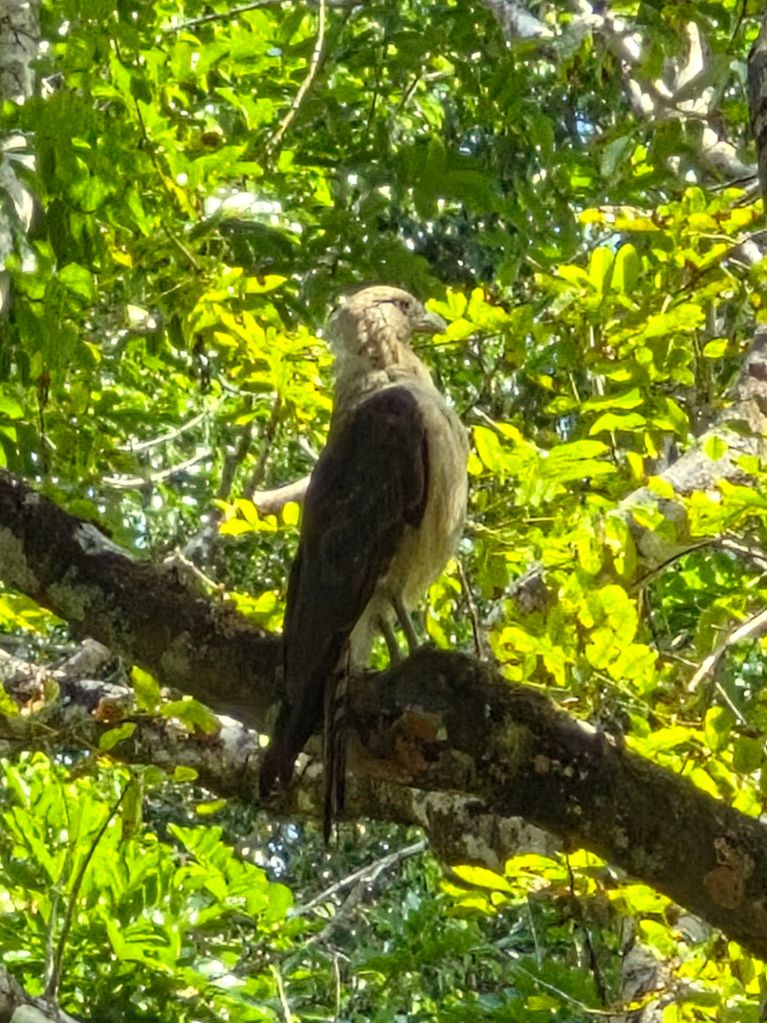
(Dabtrius chimachima) *, in the garden of the hotel.
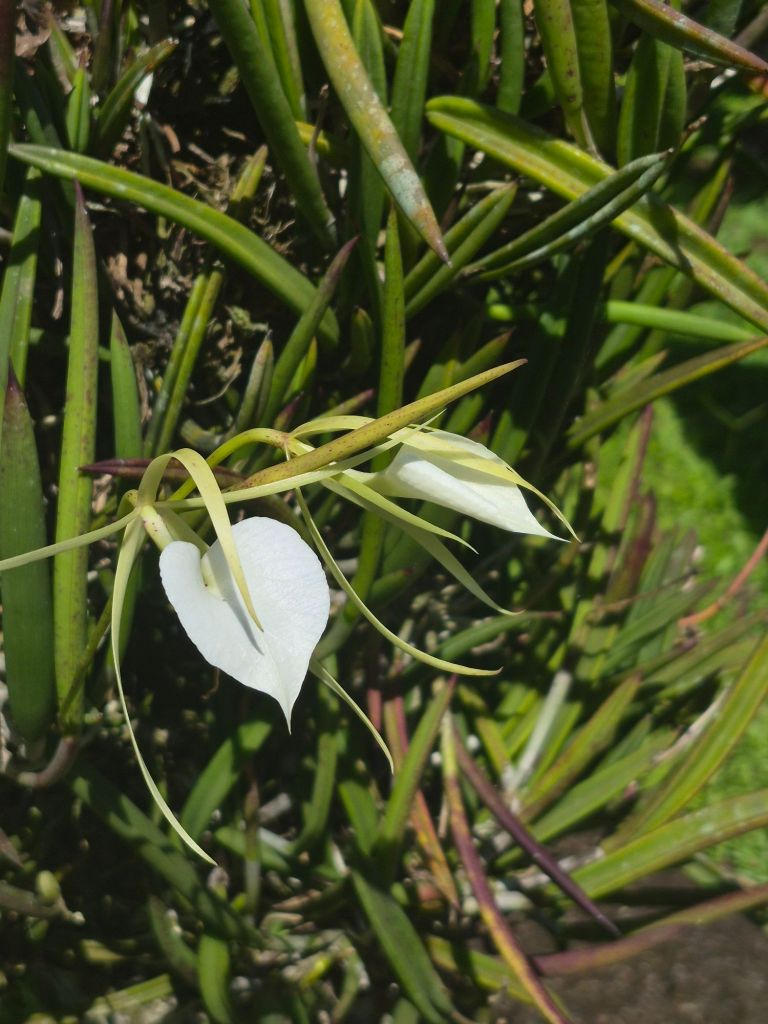
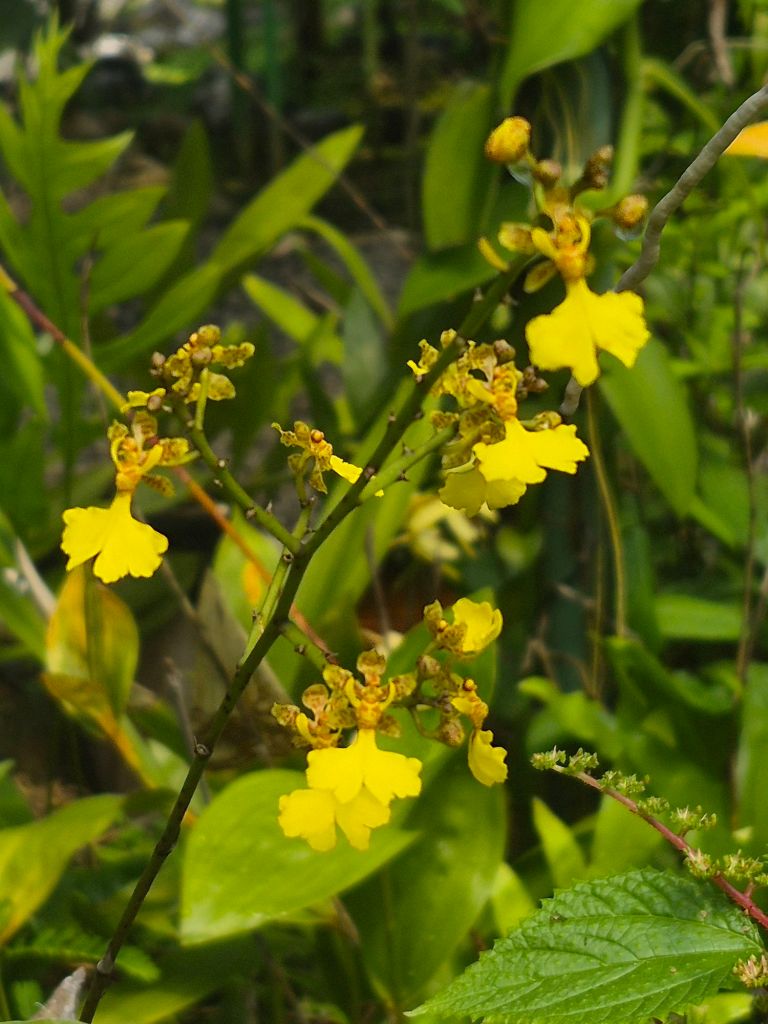
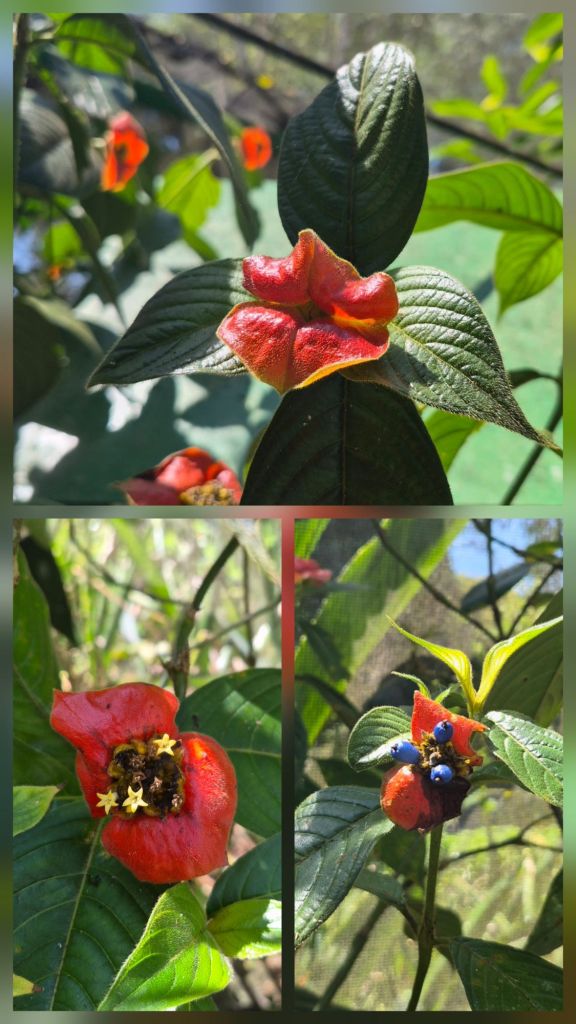
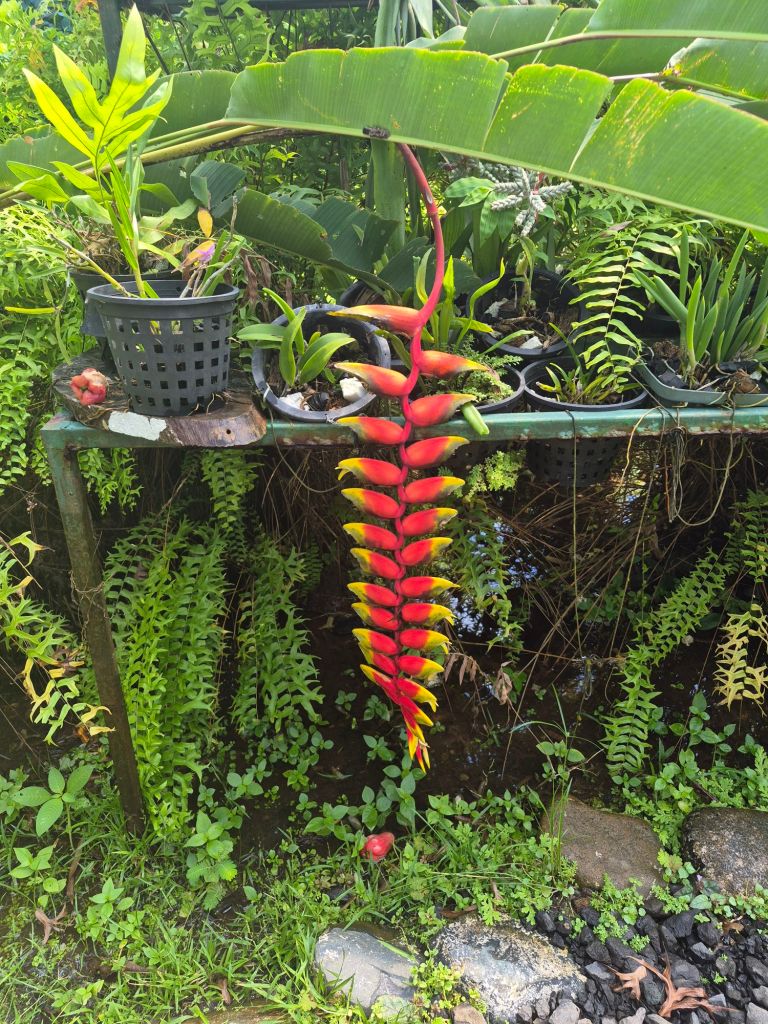
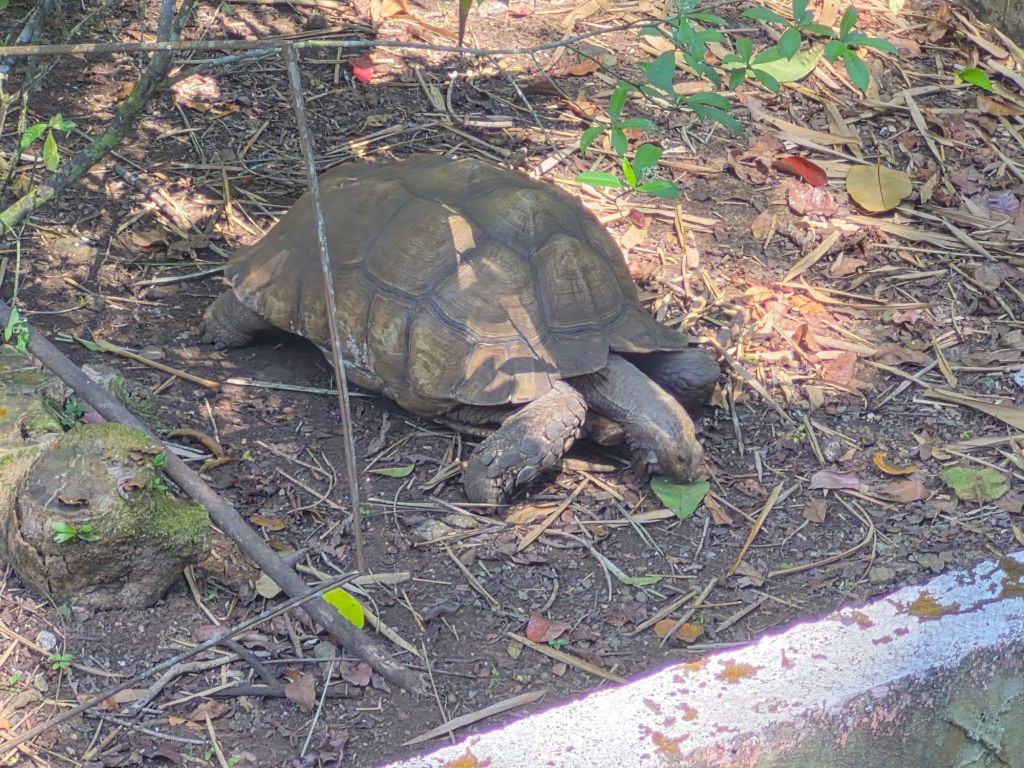
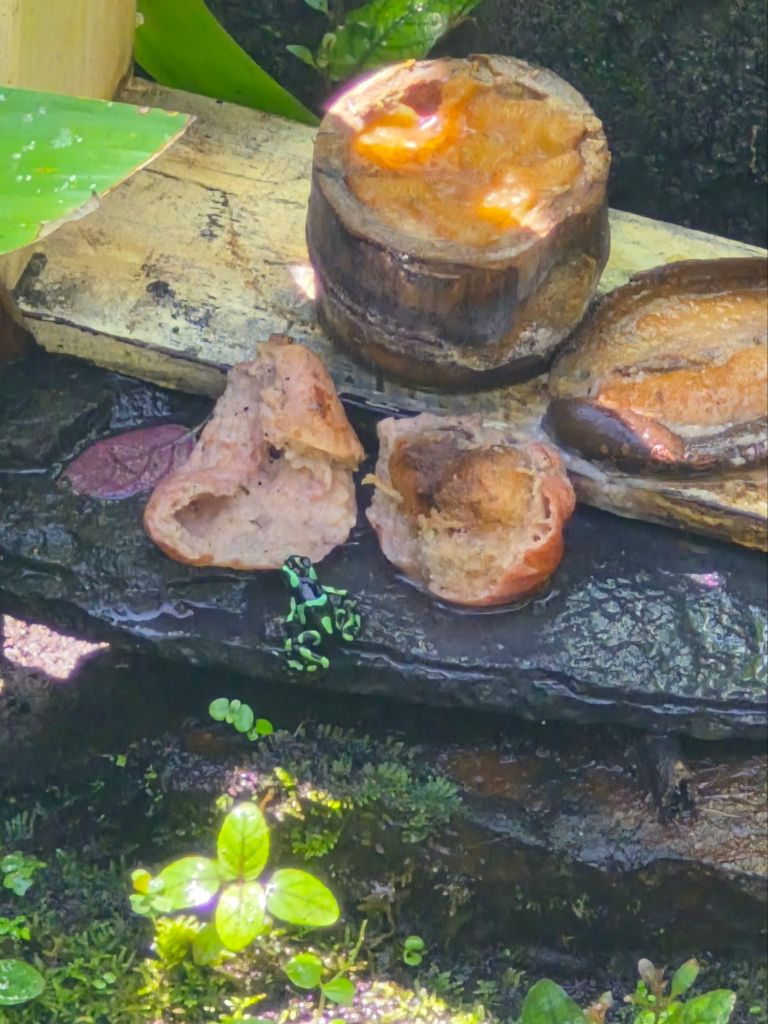
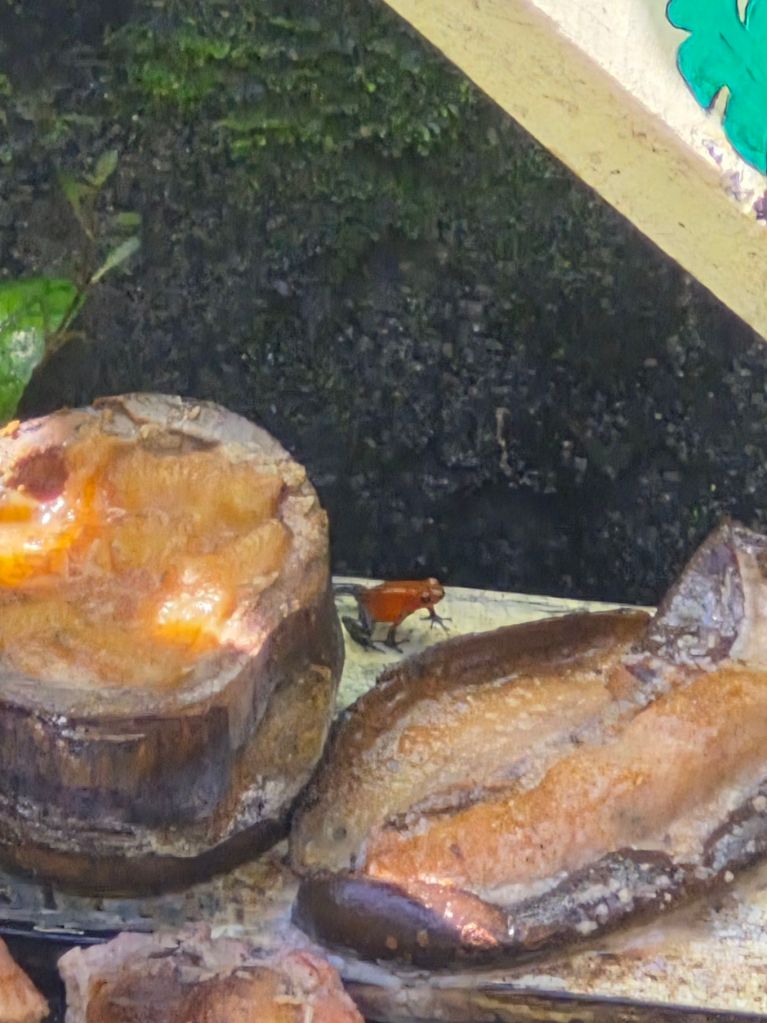
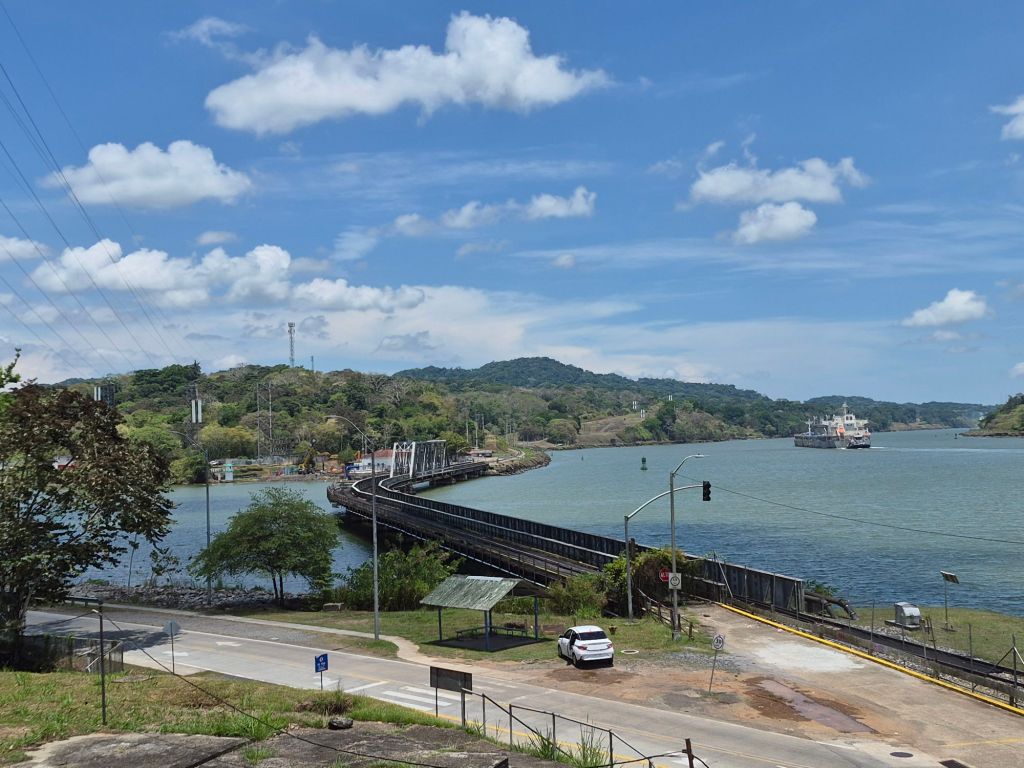
Gamboa is on the Panama canal, and when I walked back via a lovely trail, I came out at the place where the Chagres river runs into the canal, and I sat and watched the huge freighters pass. A train came past twice as well, loaded with crates.
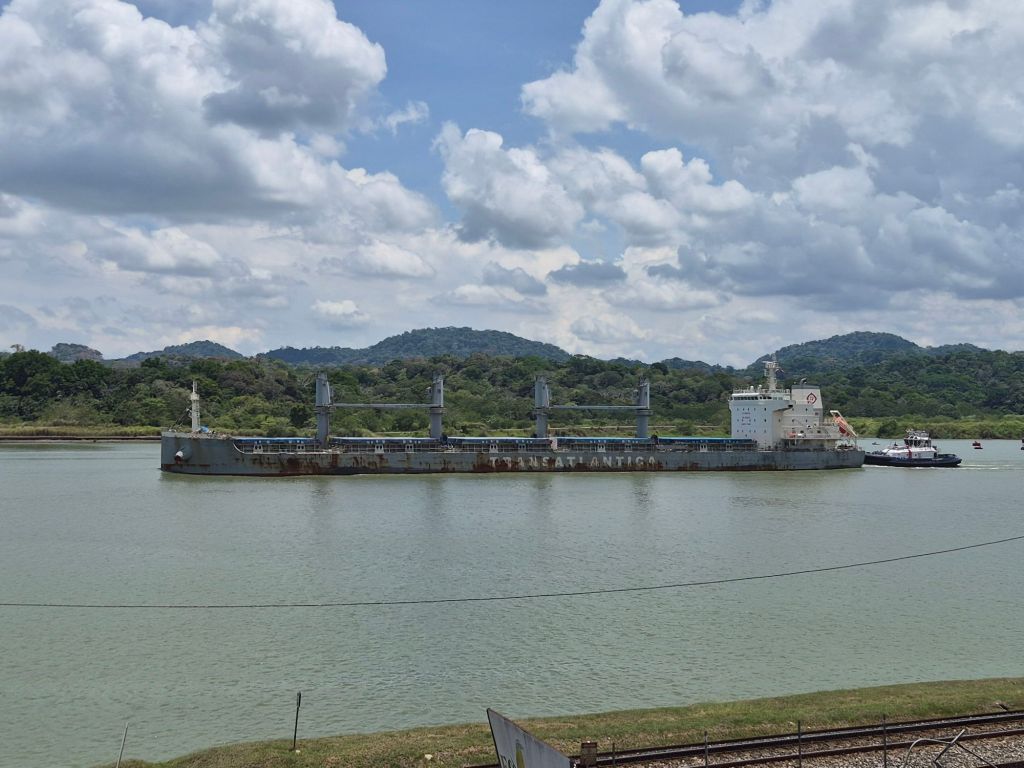
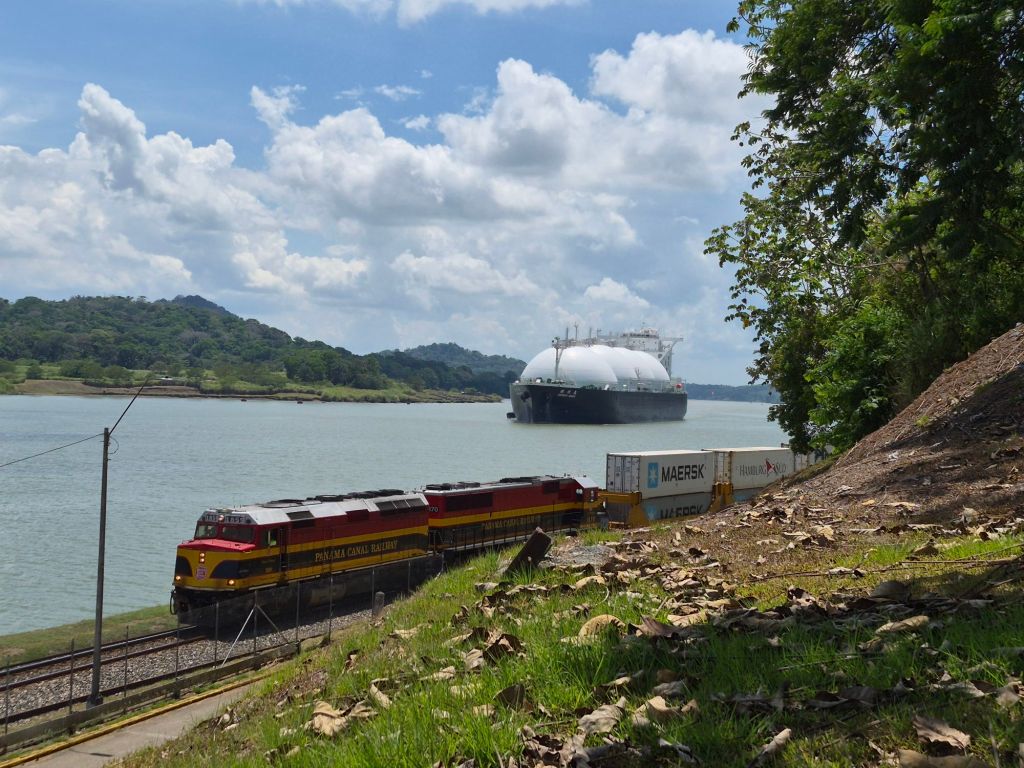
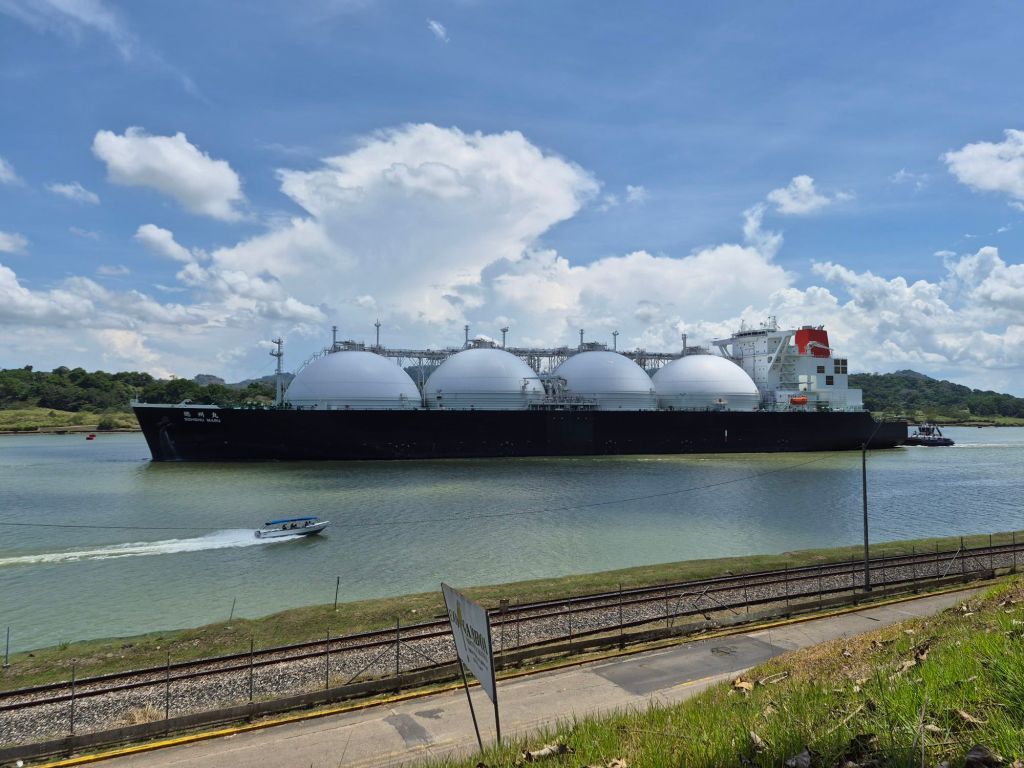
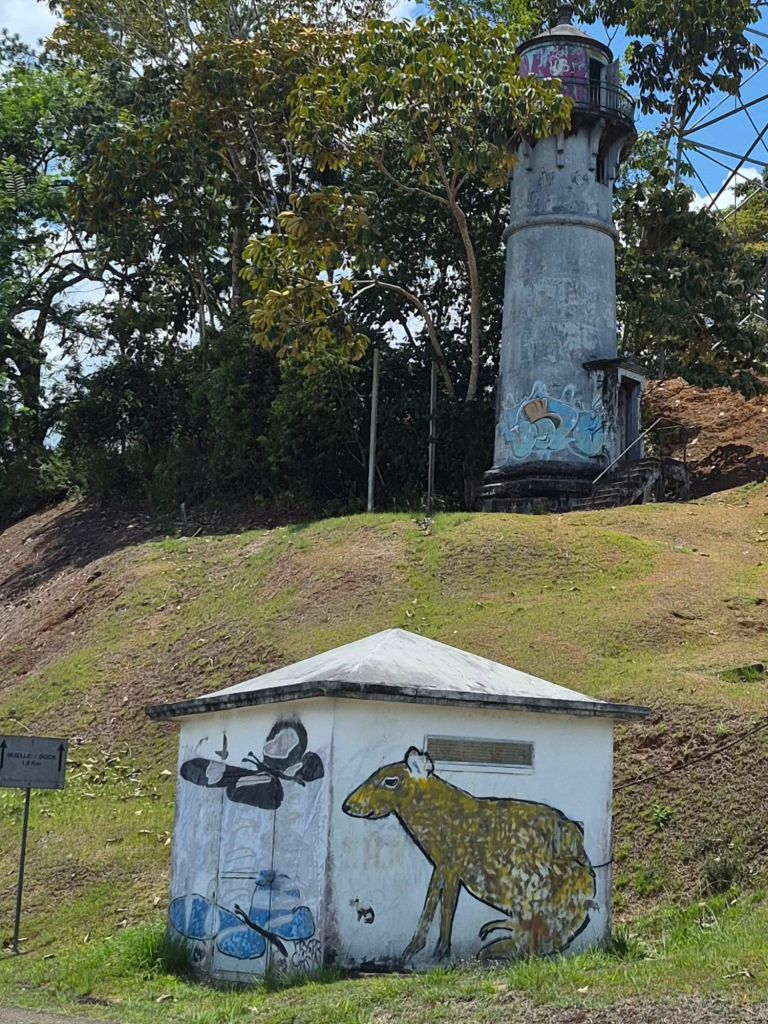
When I got back to the house, a German traveller, Sarah, had arrived. She had walked the Pipeline Trail that afternoon and was not impressed, but I decided to go the next day anyway. It was good to have English company, and we shared our travel stories. She also mentioned that the local restaurant next to the only shop in town, sold very tasty meals for much cheaper than I had paid for mine the previous evening. I had bought some bread, peanut butter, jam (for sandwiches) and oats (for porridge every morning), so was okay for food, but I did have a hamburger and chips at the restaurant the next day.
The Pipeline Trail in the Soberania National Park is known for its diversity of bird and other animal life, and is a popular destination for birders and nature lovers. It stretches for almost 30km to Gatun Lake, the manmade lake that feeds the Panama Canal. Most people walk for an hour or two – I walked 5km before turning back, quite enough in the humidity and heat. I met a few groups who were walking with a guide, but I like to do things on my own, saving money in the process, so obviously I saw very few birds, no sloths and only a few white-fronted Capuchin monkeys. I did hear the terrifying call of the Howler monkeys, but never saw them. The trail got its name in the 1940s when the Allies dug this route for a pipeline that was never completed, and although there is an embankment on one side, it is totally overgrown and one is not aware of a pipe. The trail follows a road though, so invariably there were vehicles coming and going. I found a trail veering off to the left, and walked a good kilometer or more uphill to a place called Radio Hill, in the hope of finding a view. There was only an old water tank, and a tiny viewpoint, but I did see one of the green frogs at the base of a tree.
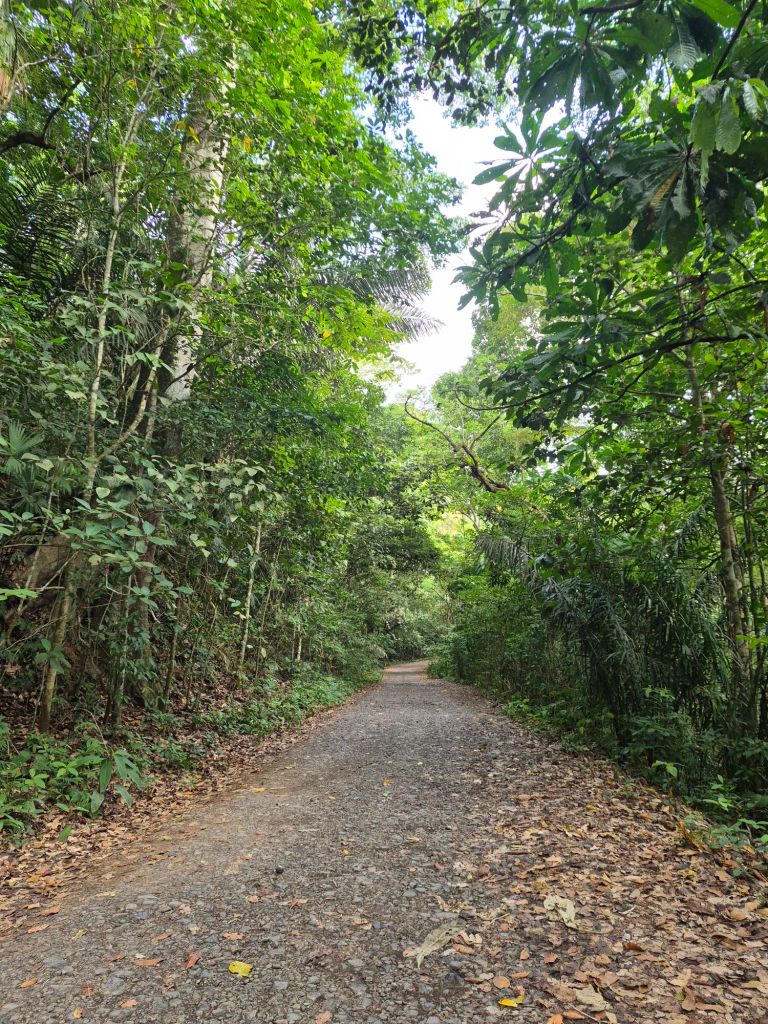
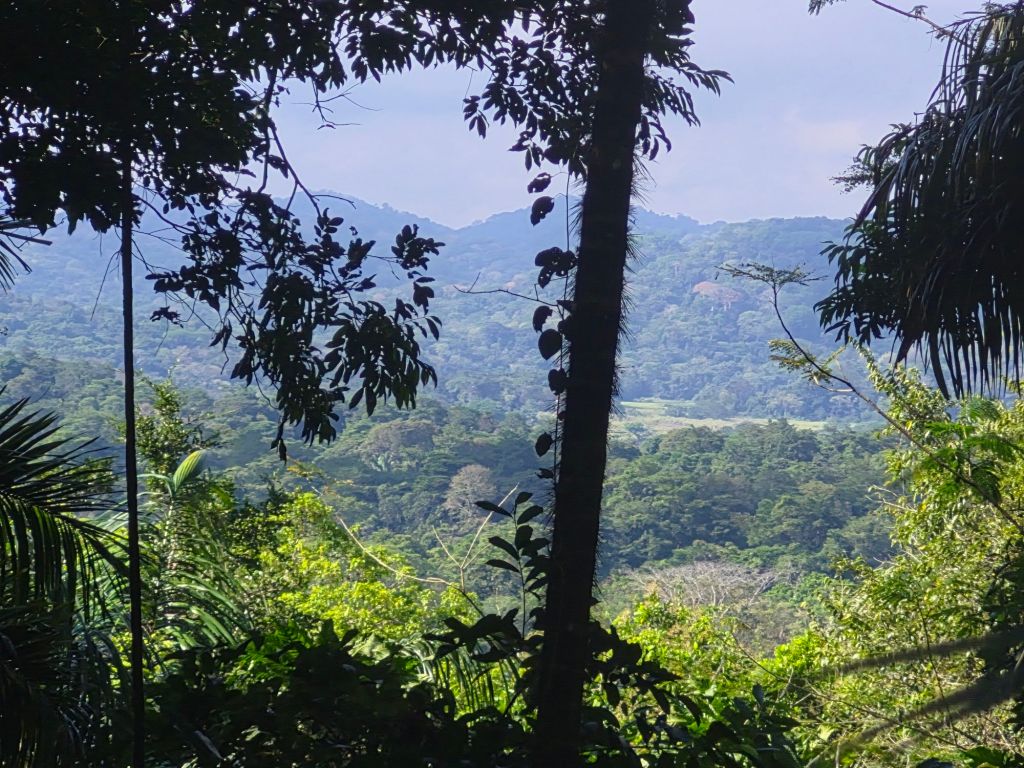
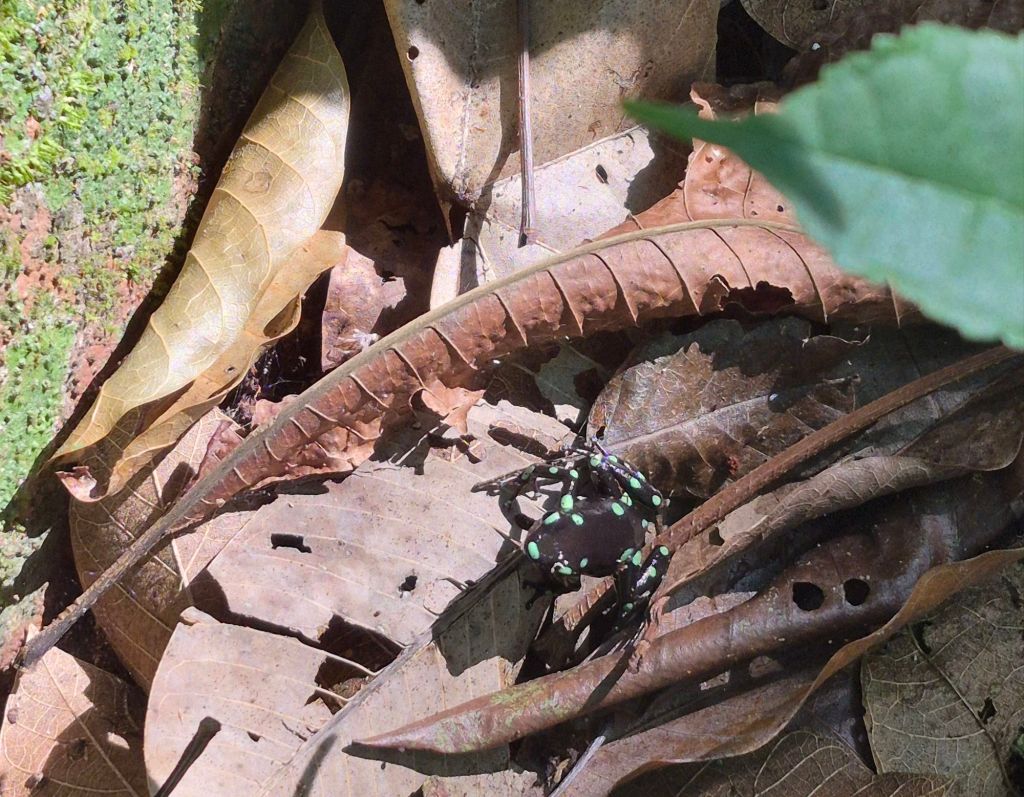
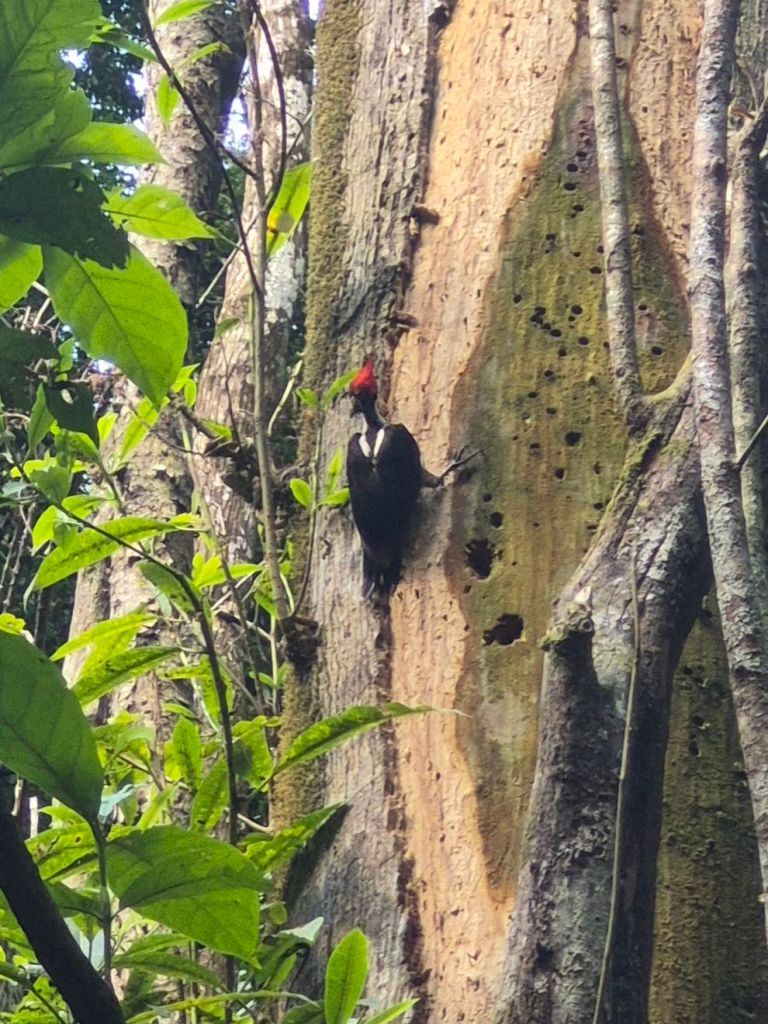
I was unable to recharge my Metro-card in Gamboa, so offered money to the bus driver, but he just waived me (and Suerte) in. I had to go back to Panama City to catch a bus to Colon, on the Caribbean coast, from where I was going to a hostel a few kilometers from Portobello – I seriously needed to swim. The description of Hostal Ofiuras said: “Private room with en-suite bathroom, sea-view”. They did not mention that the hostel is on the side of the narrow main road that runs between the mountains and the coast, and that the shallow sea had sea grass, and that I was the only guest. My apprehension soon turned to perfect relaxation and enjoyment, as I went into Portobelo to buy groceries, had a clean and functional kitchen all to myself, and could lounge on the deck-chairs or swim in the little pool right in front of my covered patio (which was great, I could even sit there when it rained).
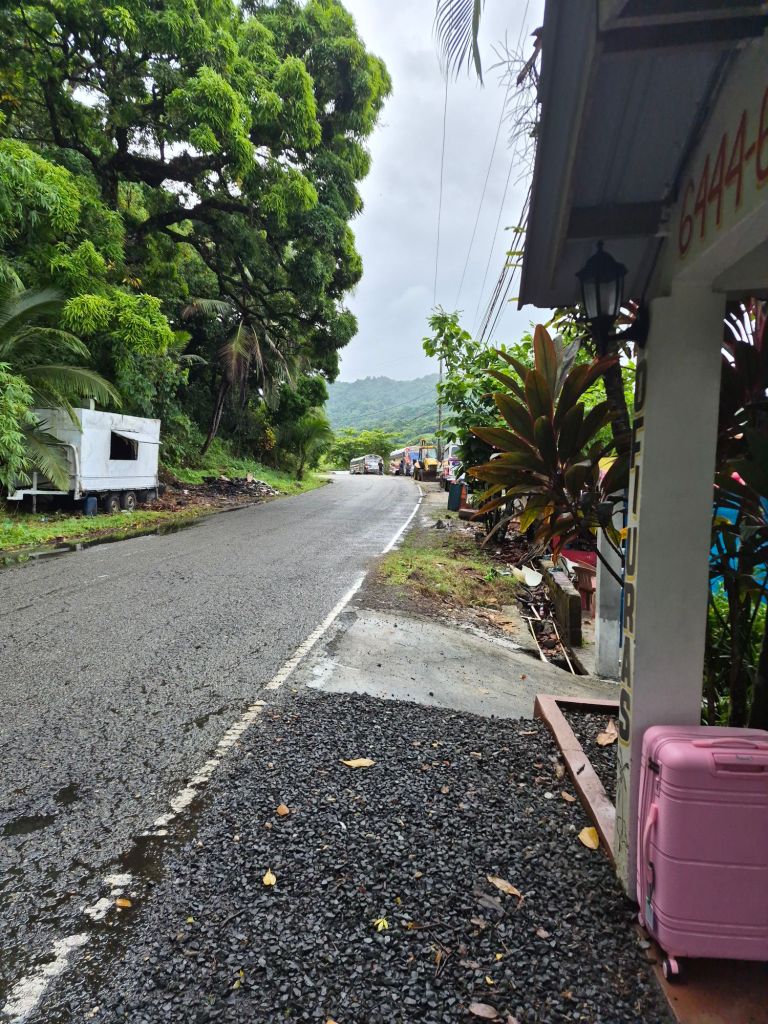
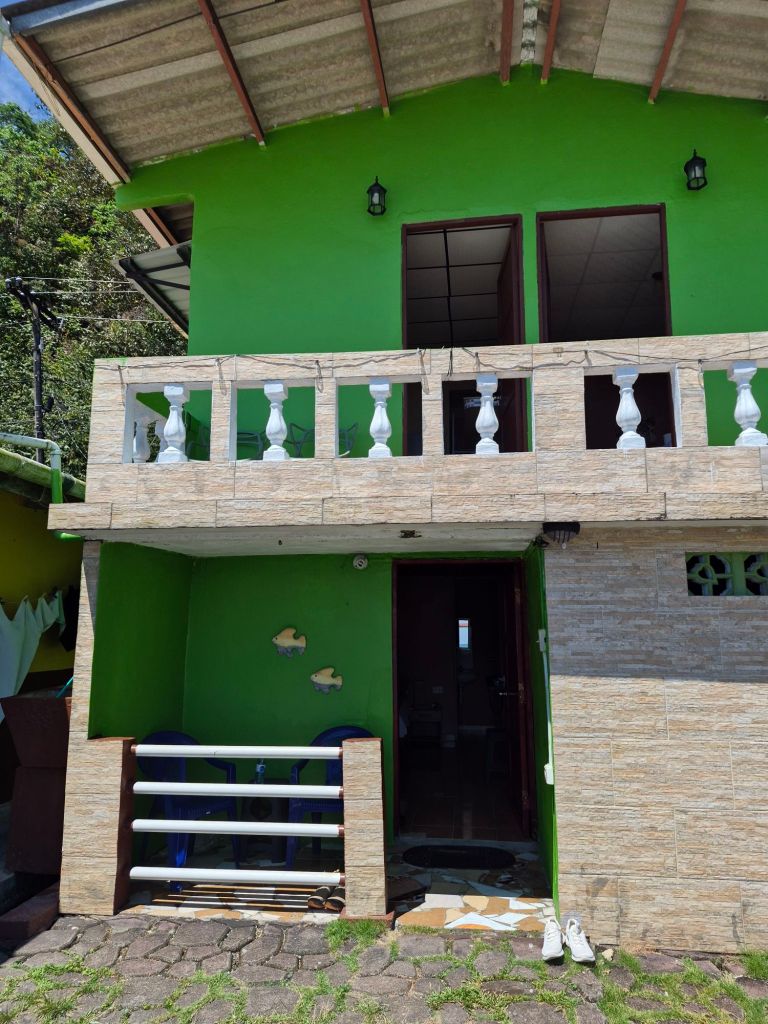
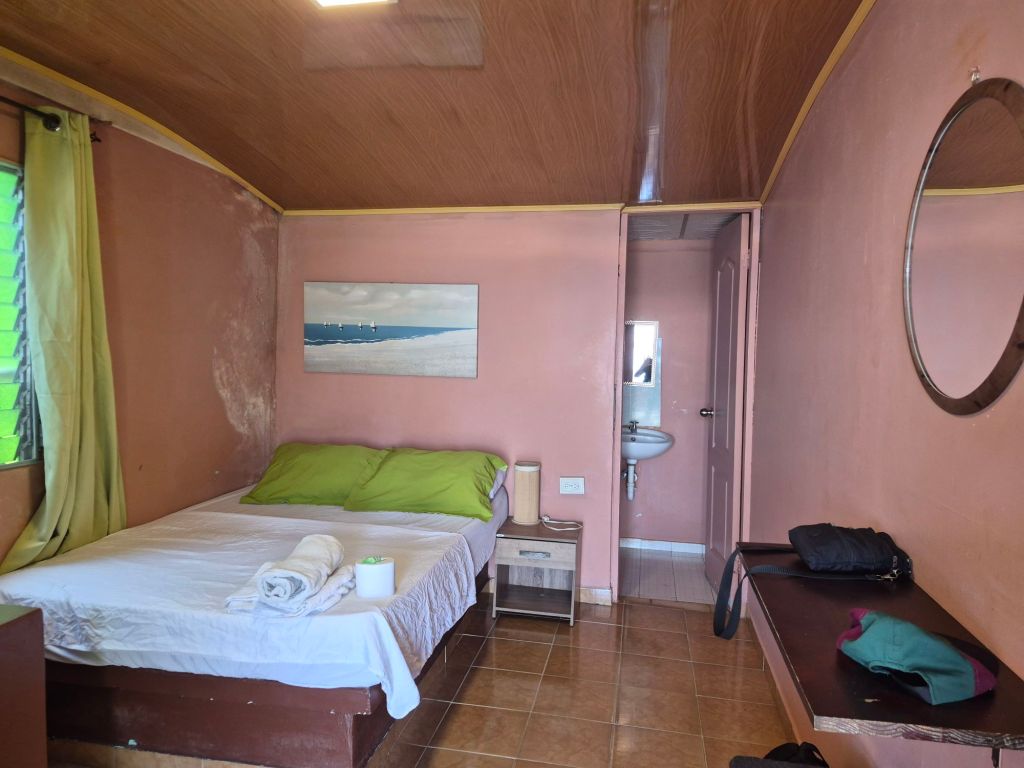
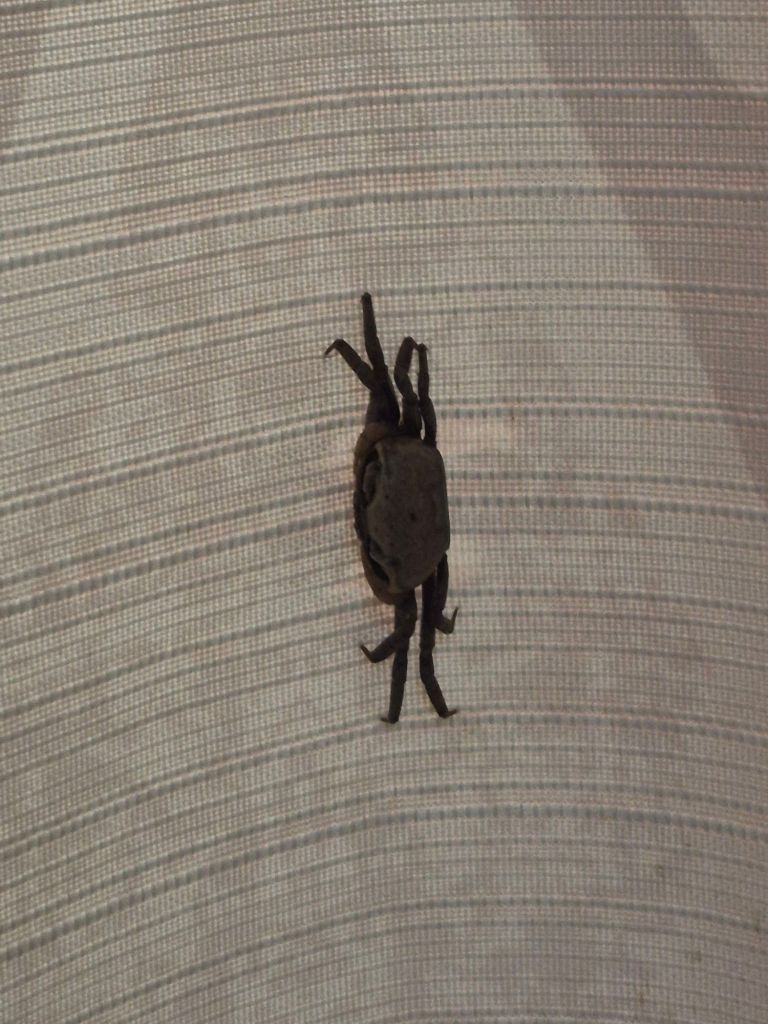
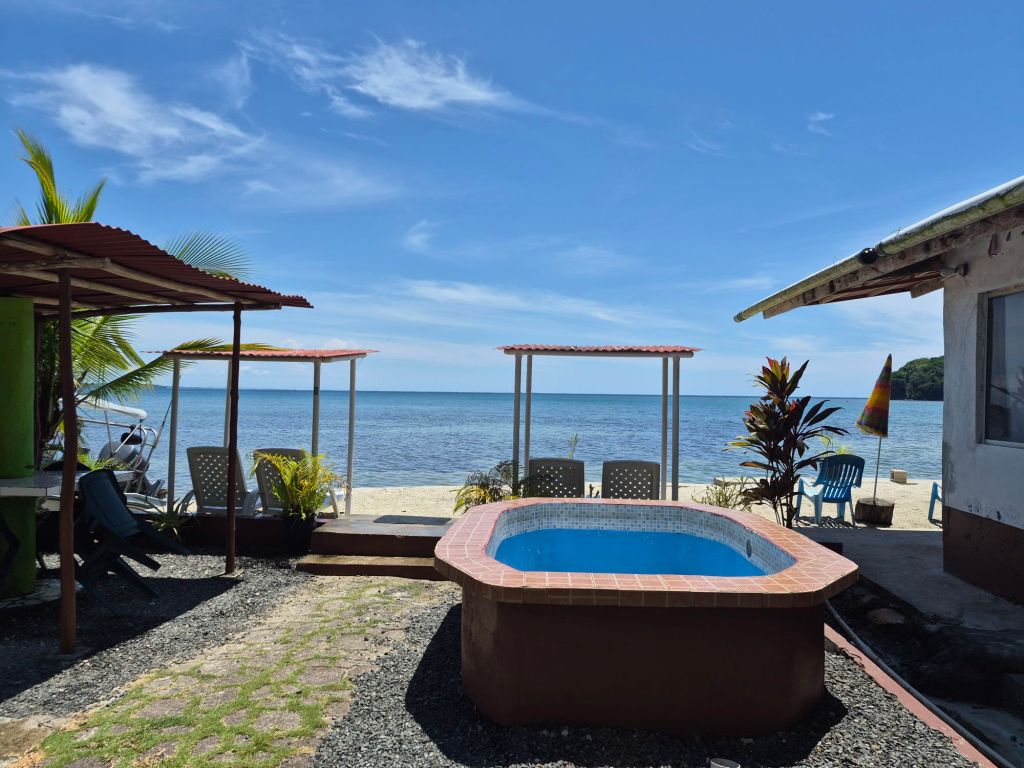
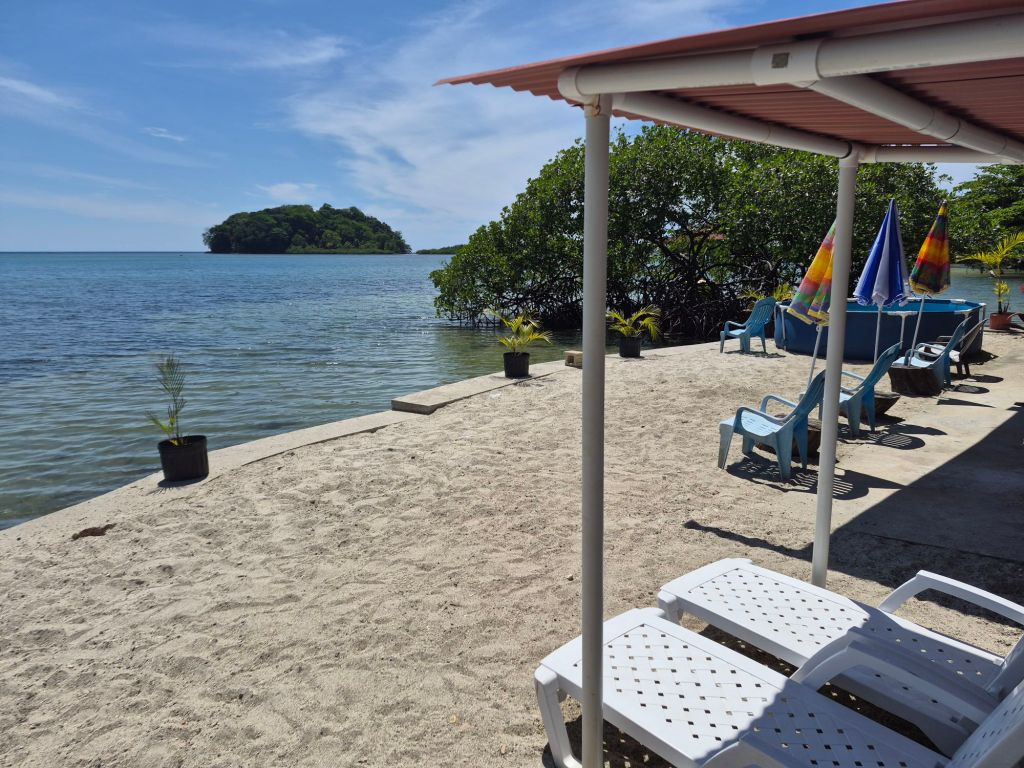
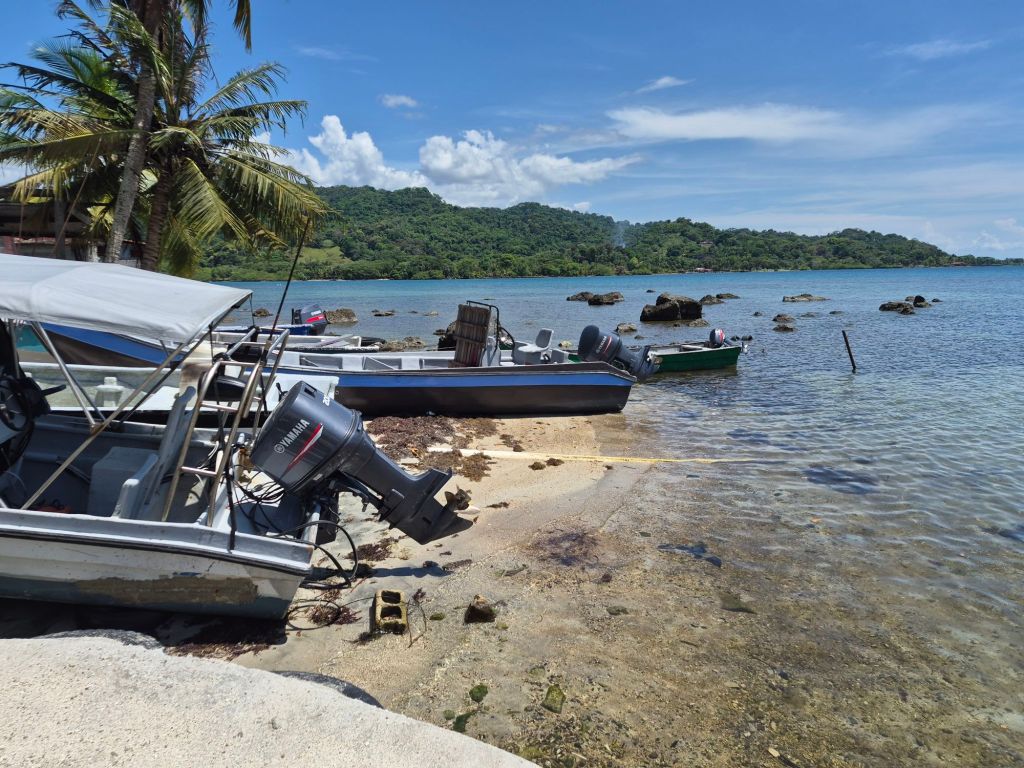
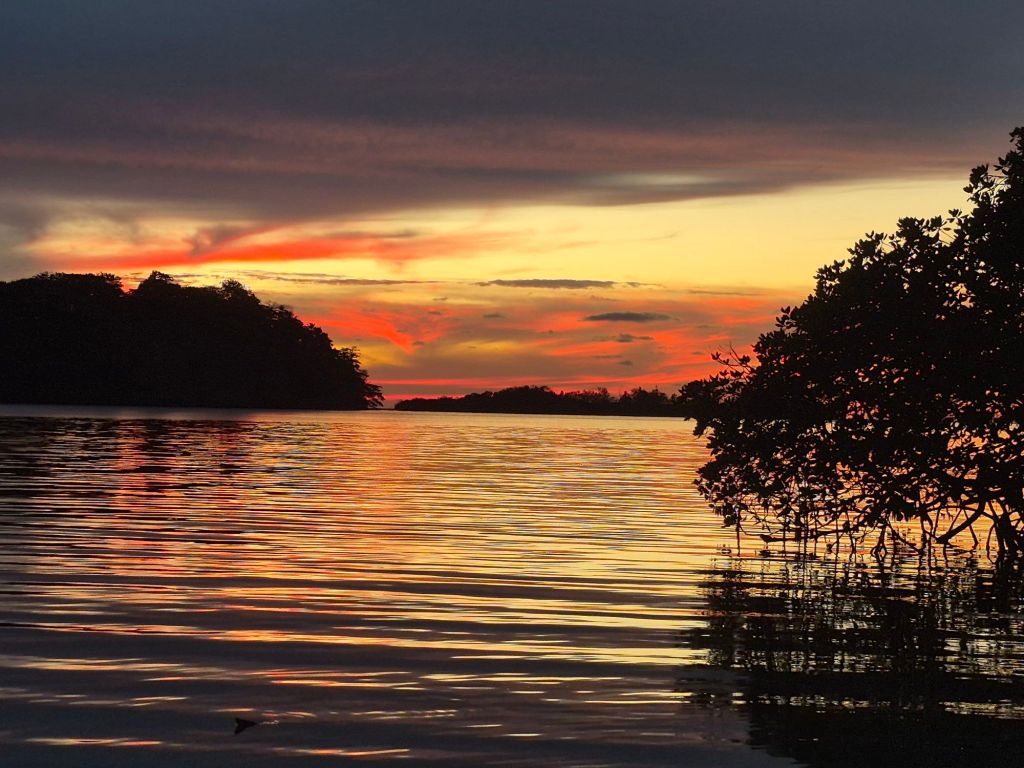
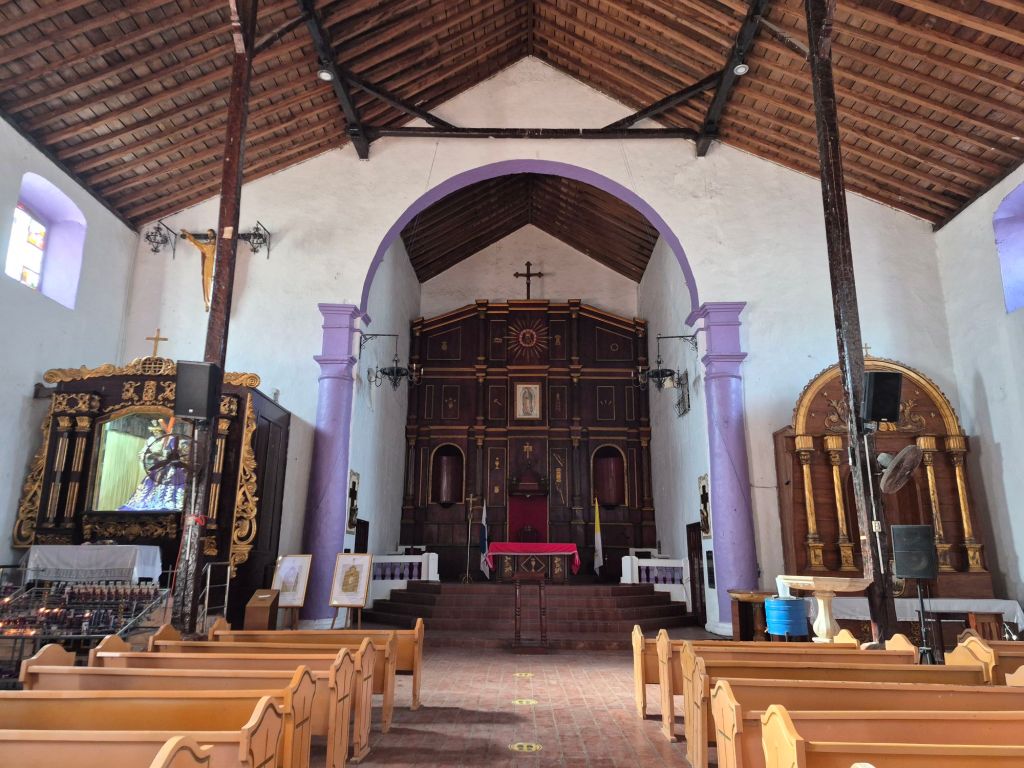
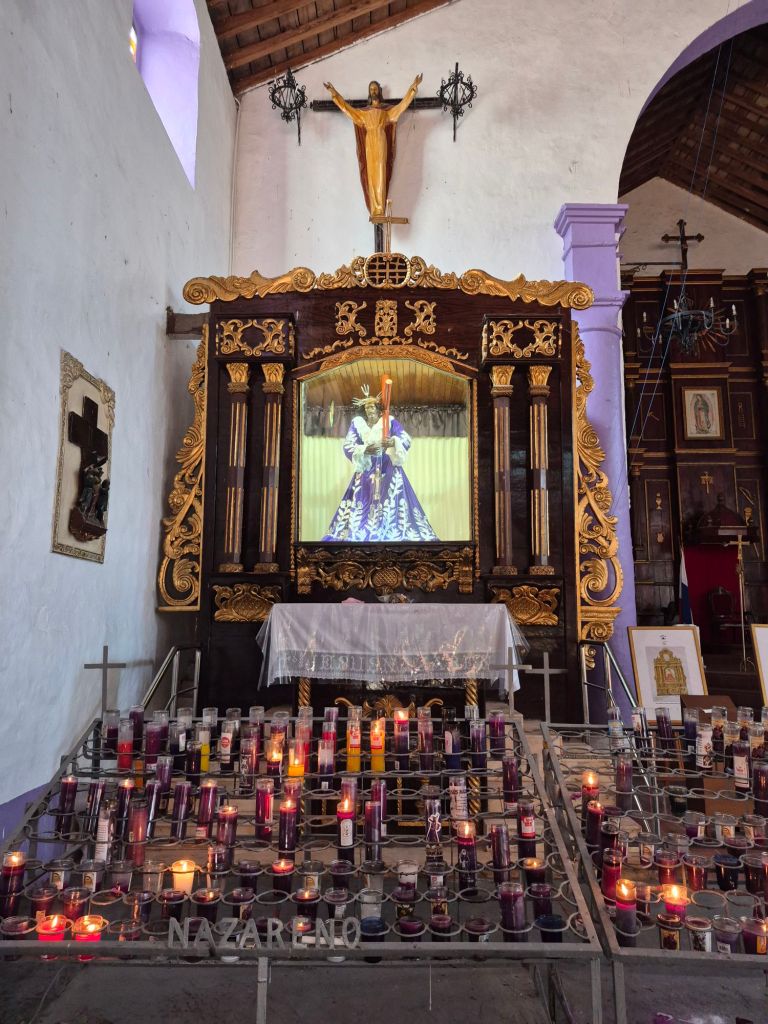
Portobelo on the Caribbean coast has an interesting history. It was established in 1597 as a port that the Spanish used to export Peruvian silver from South America. Legend has it that Columbus named it Puerto Bello (Beautiful Port) in 1502. Through the early years it was repeatedly attacked by privateers and pirates, the most well-known being Francis Drake, who died there of dysentery and was given a sea-burial. There is a little island close by called Drake Island. There are remnants of an old fort, which is now a UNESCO heritage site, but although it was mentioned as one of the best tourist towns, it is not well-kept. I went into the church, which is being restored, and saw a black Christ figure- afterwards I read that it is also known for its black Christ.
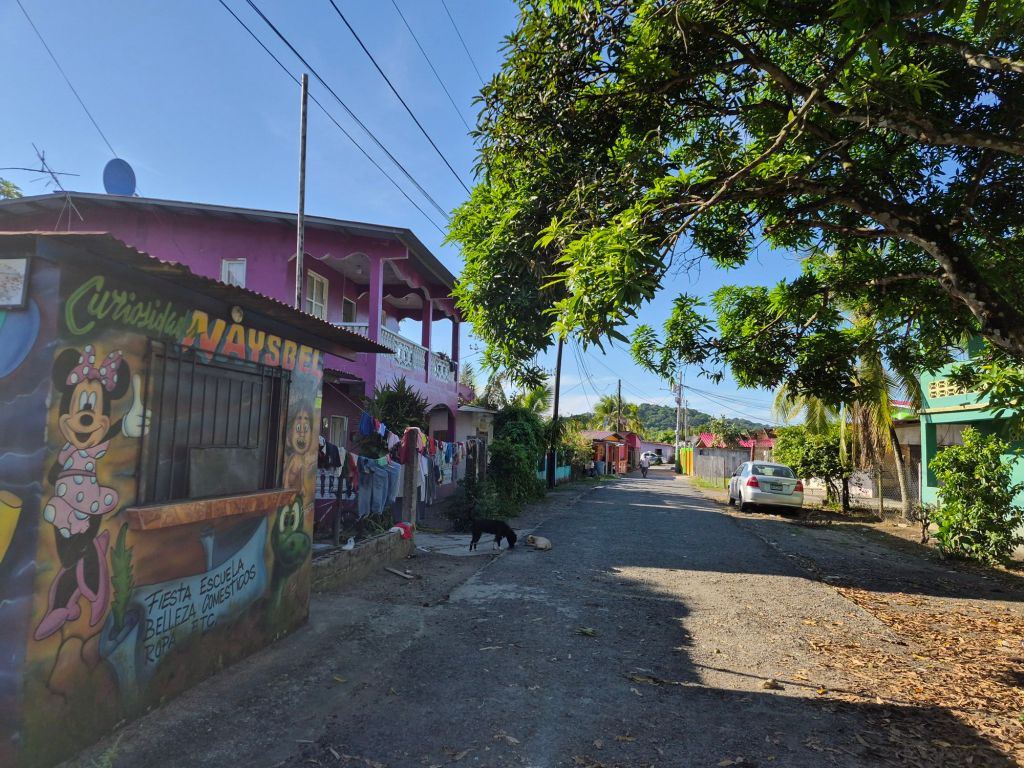
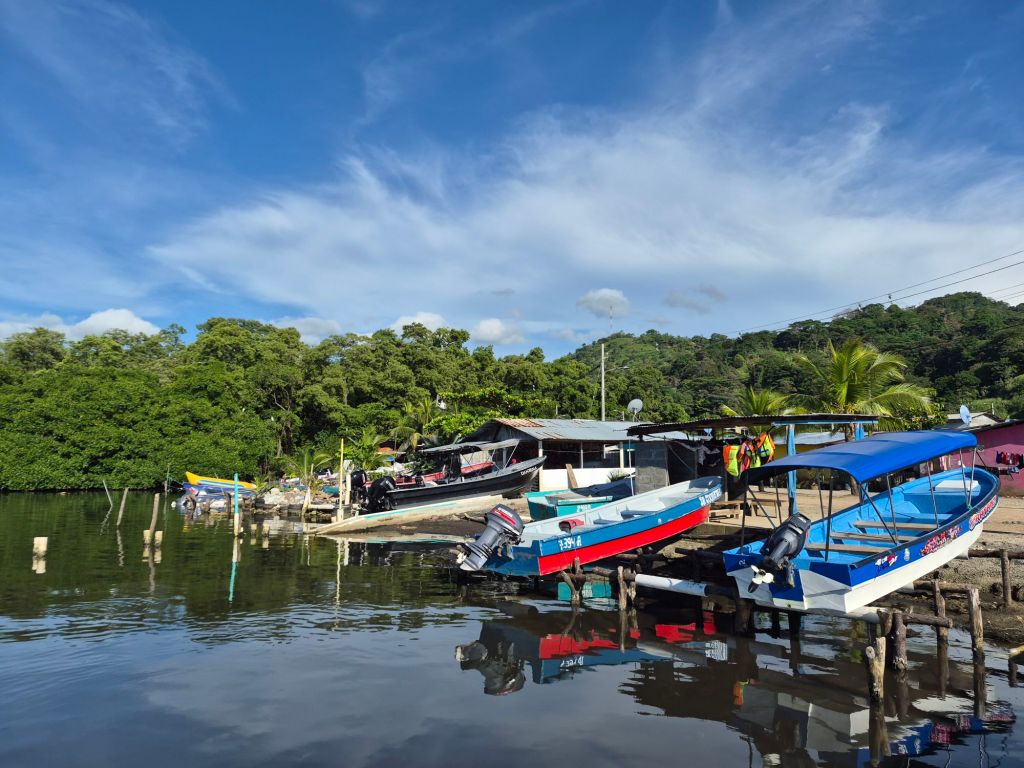
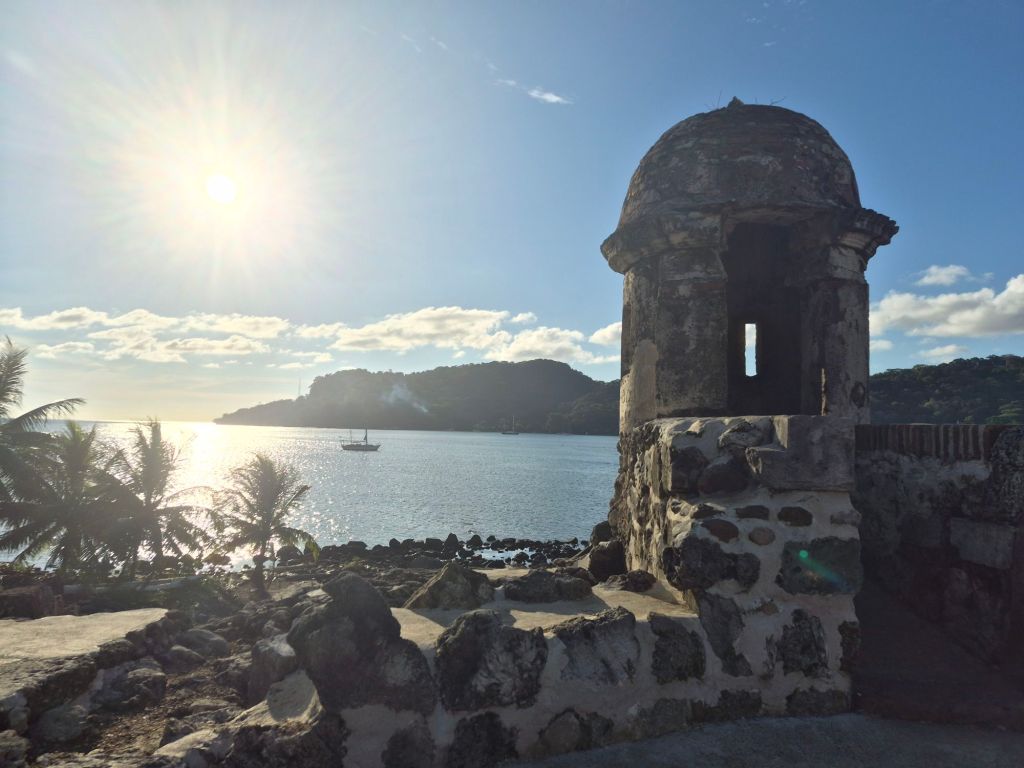
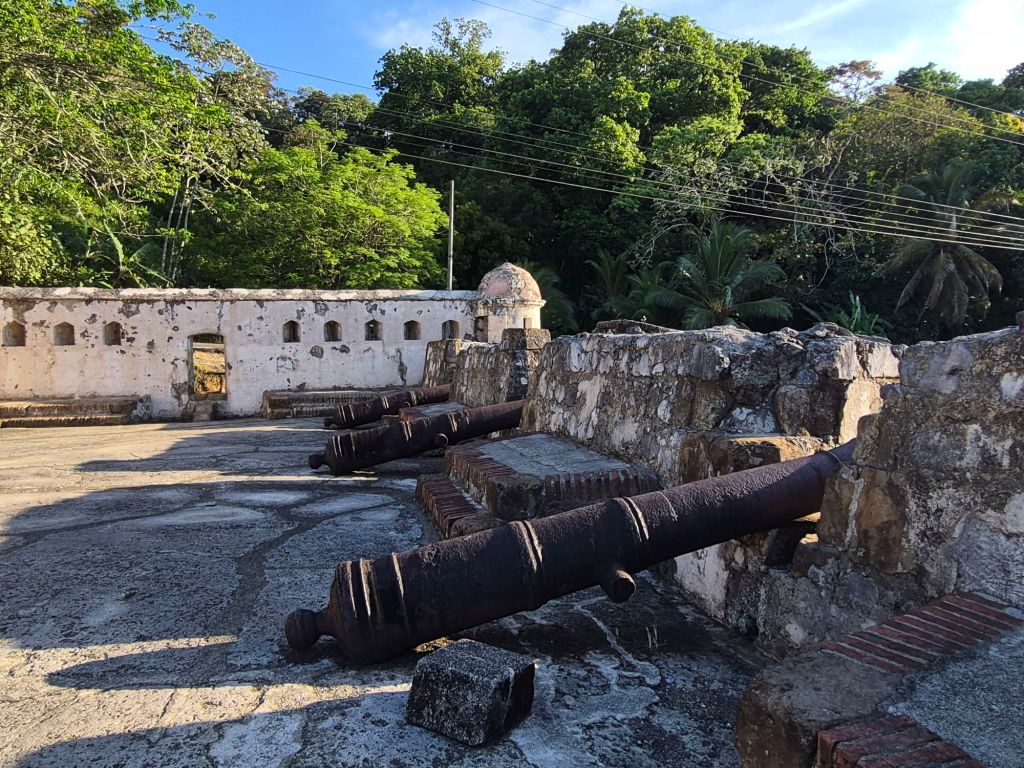
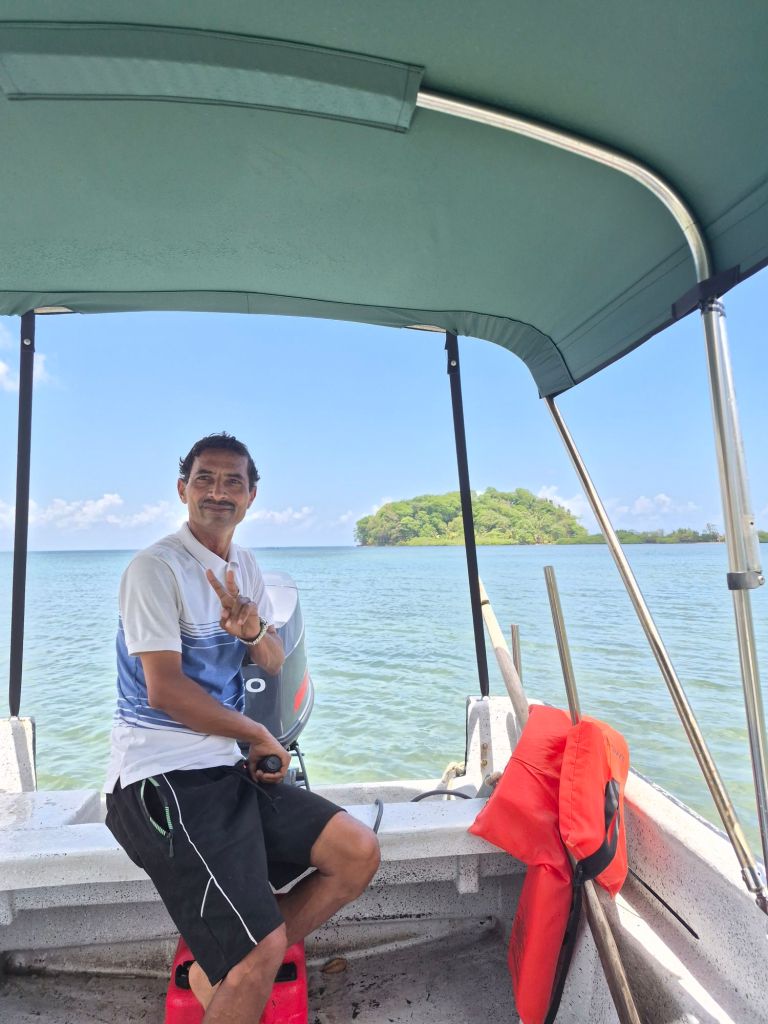
I saw some people snorkelling deeper into the sea in front of my room, so went looking for equipment to join them. I was told next door, and again next door, and eventually found someone where I could rent frog feet, goggles and a snorkel. When he heard what I was planning, he suggested that I rather take a boat to playa Huerta (beach that could only be reached by boat, $50), as the snorkelling was much better there. Good decision, as Maps.Me had shown a trail through the forest that I had thought of taking, but turned out to not be one at all. The rainy season had started, so luckily there were not many people. I bumped into a woman who recognized me from the bus station when I was waiting for my Uber to take me to my hostel. I had offered her a ride, but she preferred getting on to the very crowded local bus. We chatted for a bit, and when I was picked up again after 3 hours of snorkelling, swimming, lying in the sun and chilling under the trees, she waved frantically from where she was snorkelling – instant friends.
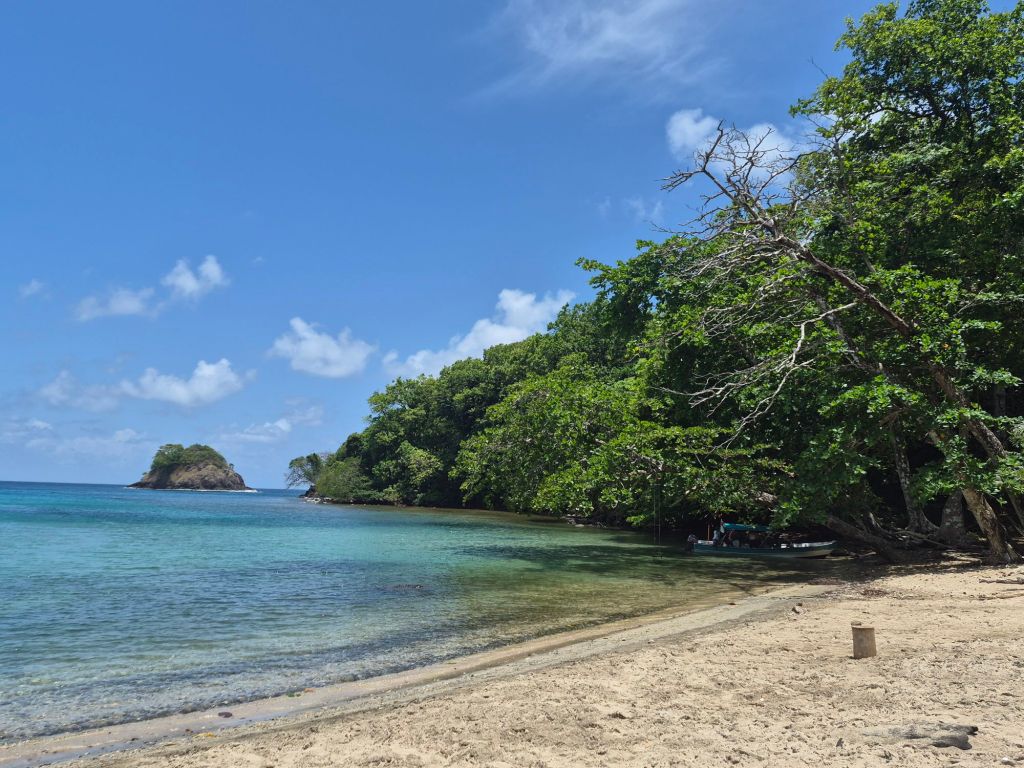
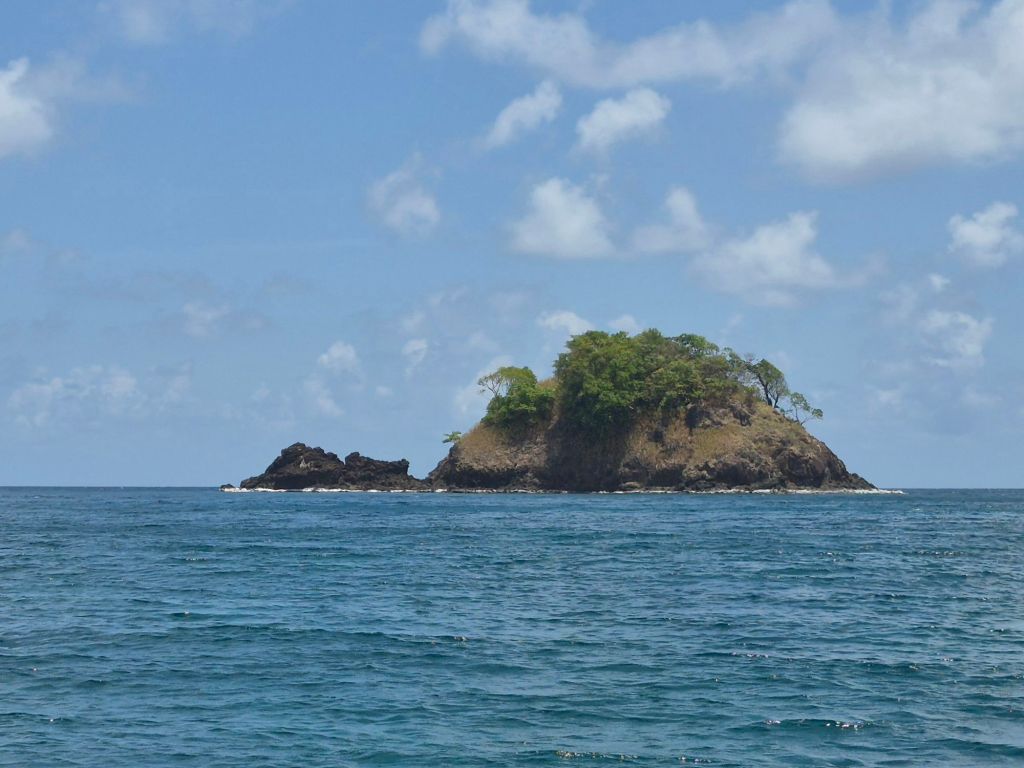
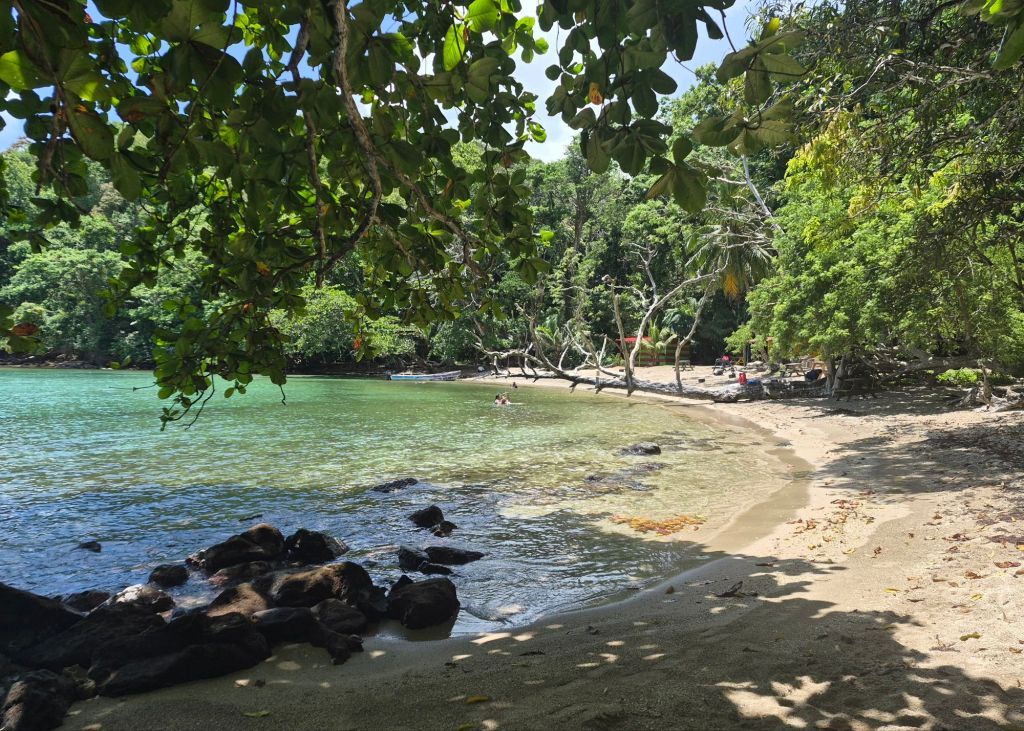
The next day I took the local bus to another beach, Playa Langosta, that looked like it had sand and was swimmable – which it was, but a stupid guy came and parked his car, opened his boot with massive speakers and proceeded to play the loudest boom-boom music which made the earth tremble. He was immune to any approach from people to turn down the volume. I tolerated it for a while, then moved further away to sit under some trees, but there was so much filth lying around, and other people were playing music too, that I just had another swim (at least the sea was clean) and fled home to my little pool and peace and quiet. It rained later anyway, so it was just as well I had gone home.
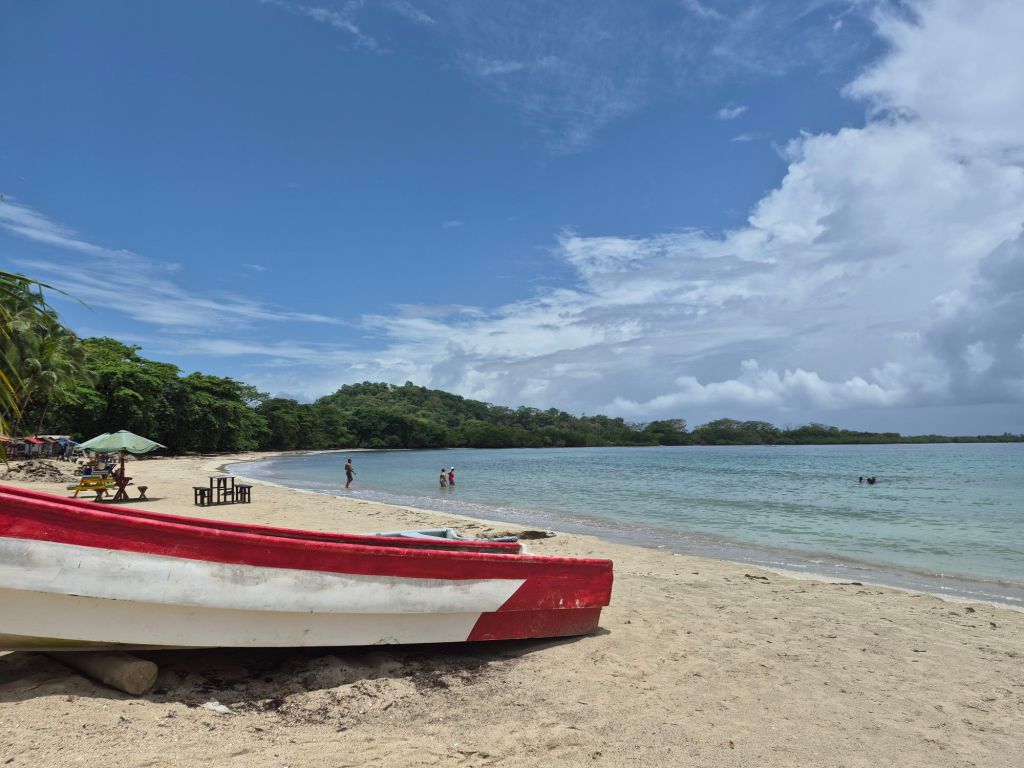
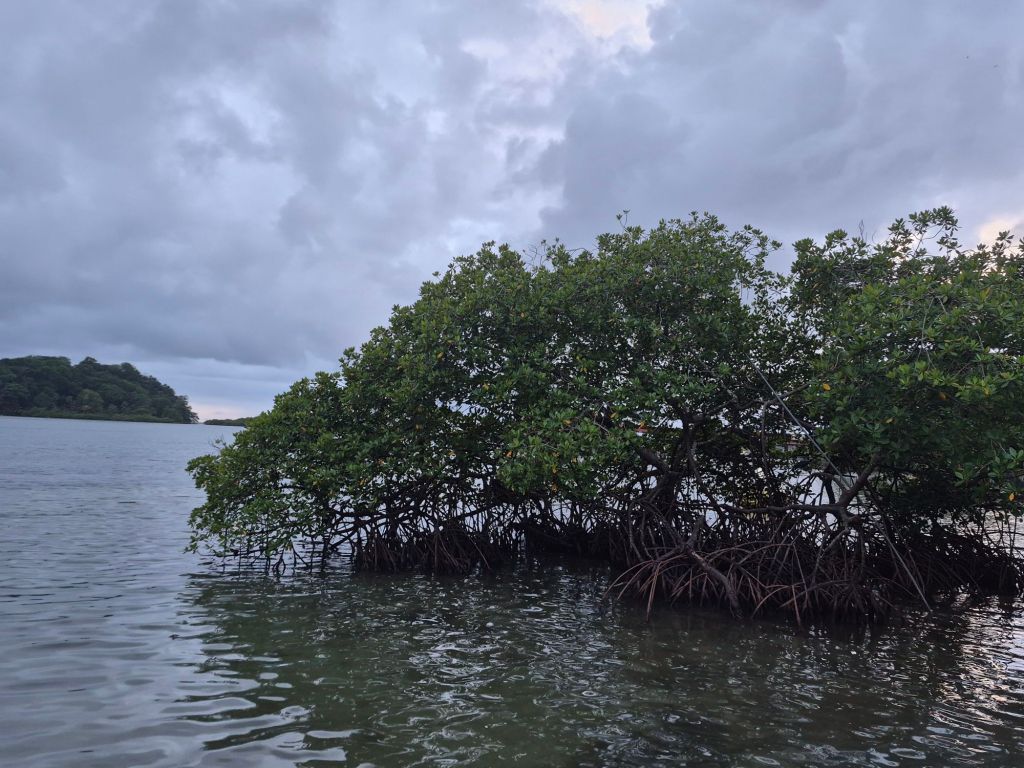
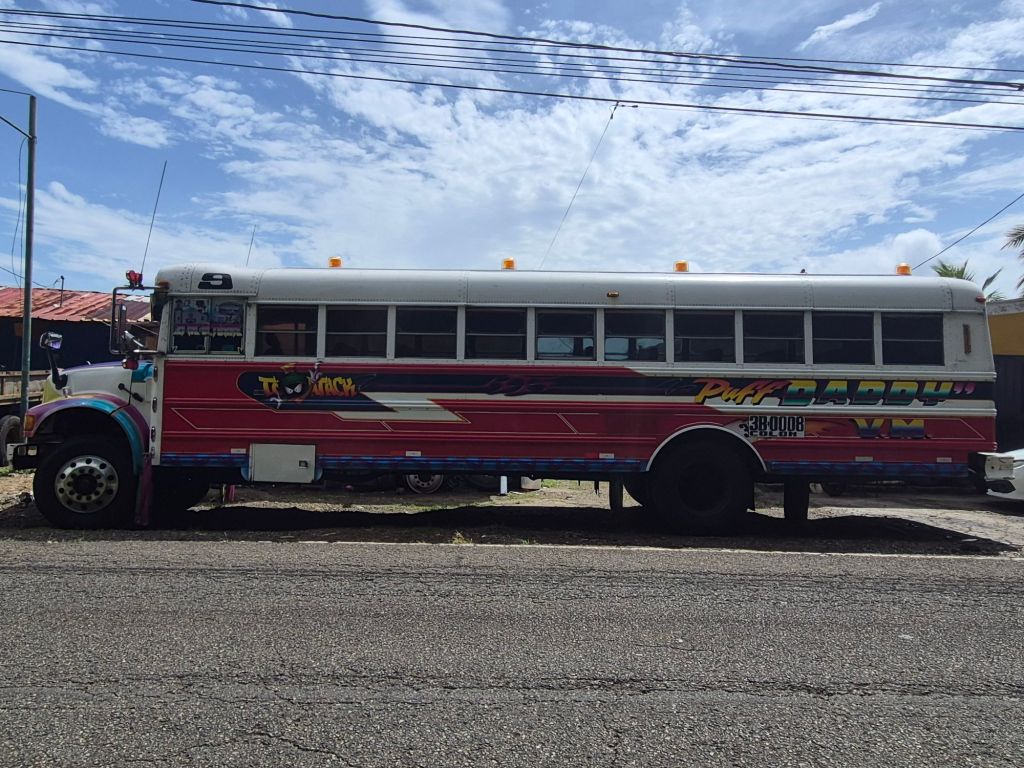
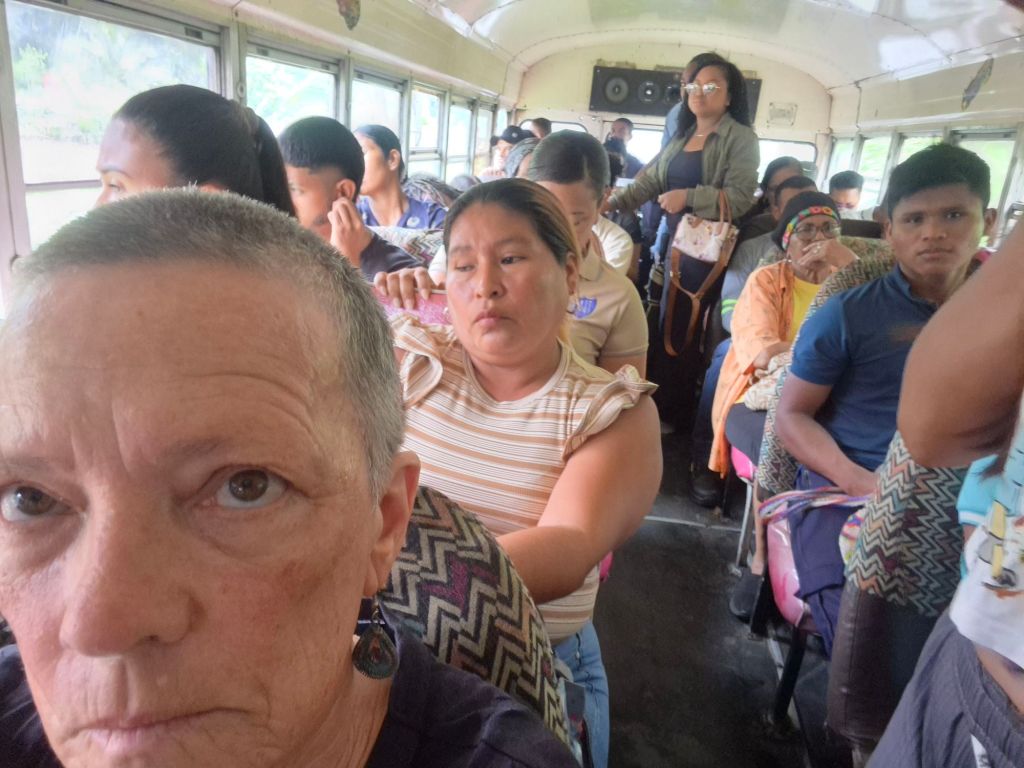
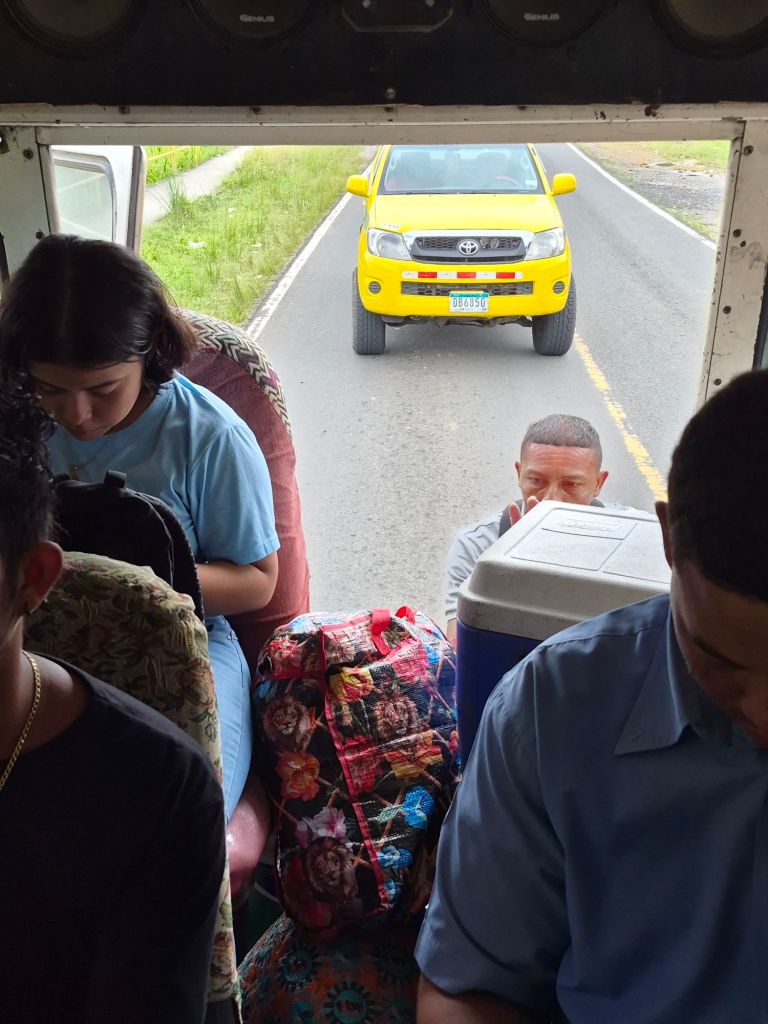
When I arrived in Colon, I was asking around where to catch the bus to Albrook (bus station in Panama City) when a kind lady pointed out to where I thought I should go, but then she indicated to me to follow her. Through the crowds along the street, broken pavements, vendor’s everywhere, I just kept on following her, pulling Suerte most of the way, picking her up at times, until she said we had to cross the traffic-filled street using the pedestrian overpass. My heart sank – all those stairs, and Suerte weighing a ton (19kg actually, I checked at the airport). I managed as best I could, the lady glancing over her shoulder all the time, encouraging me with a sympathetic look. Halfway across the overpass, she pointed to a bus (a big one, not a local one), asking them to wait for us, and I bravely struggled on. When I got to the bus, I realised she was not coming, had just done me the favour of taking me there, such kindness. The conductor grabbed Suerte, put her in the baggage compartment and forcefully squashed me onto the front stairs, as the bus was so full. There I stood, one foot on a lower step, barely able to find a place to hold on, wedged in between a garrulous conductor, two men behind me, and three more women, all on the stairs of the bus. One woman was sitting right next to the driver, who kept up a monologue for the duration of the trip. After about an hour some people started disembarking, so that I eventually had a seat for the last 30 minutes, otherwise I would not have made it. The irony was that I was in no hurry, and would gladly have waited for the next bus, even for an hour or more. But one is carried along by the momentum of the moment, and one does not think clearly.


 Mella Madness
🇵🇦🇵🇦🇵🇦🇵🇦🫶🏻
LikeLiked by 1 person
Long but interesting read! Different world totally! I am not a fan of your short hair, but it is cooler for you! Had to laugh “frog feet” = Padda voete = flippers!😄
LikeLiked by 1 person