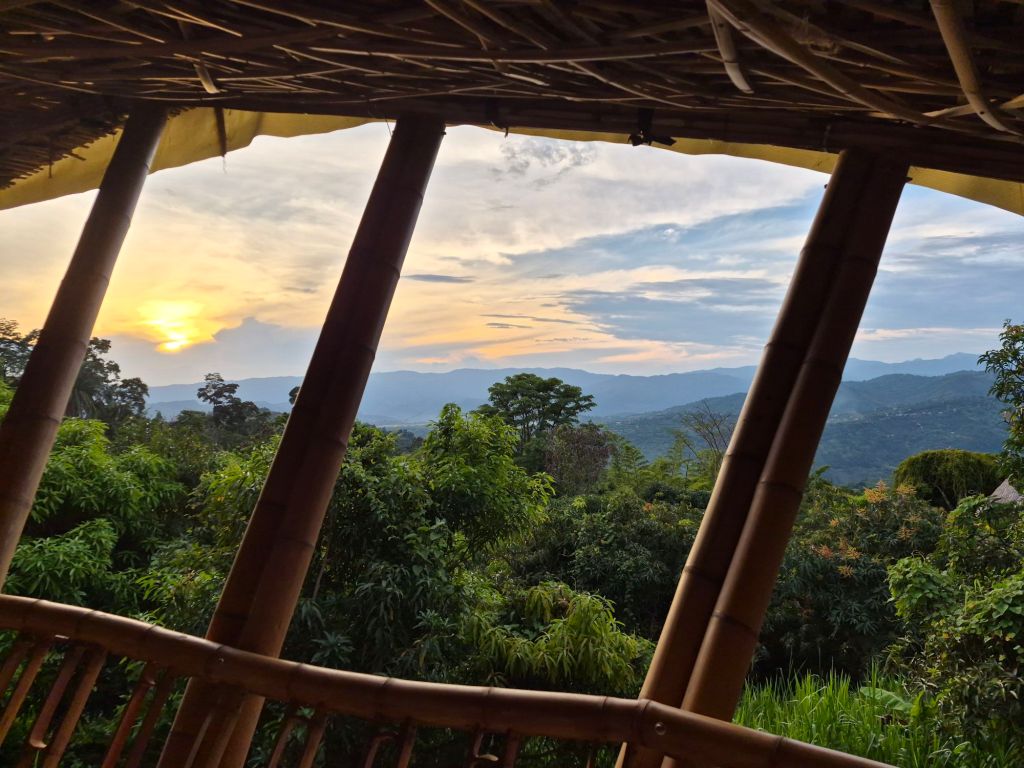
Two weeks of living in the most beautiful environment, doing volunteer work on a farm called Cultivarte, 20min by local colectivo from Anapoima, Colombia.
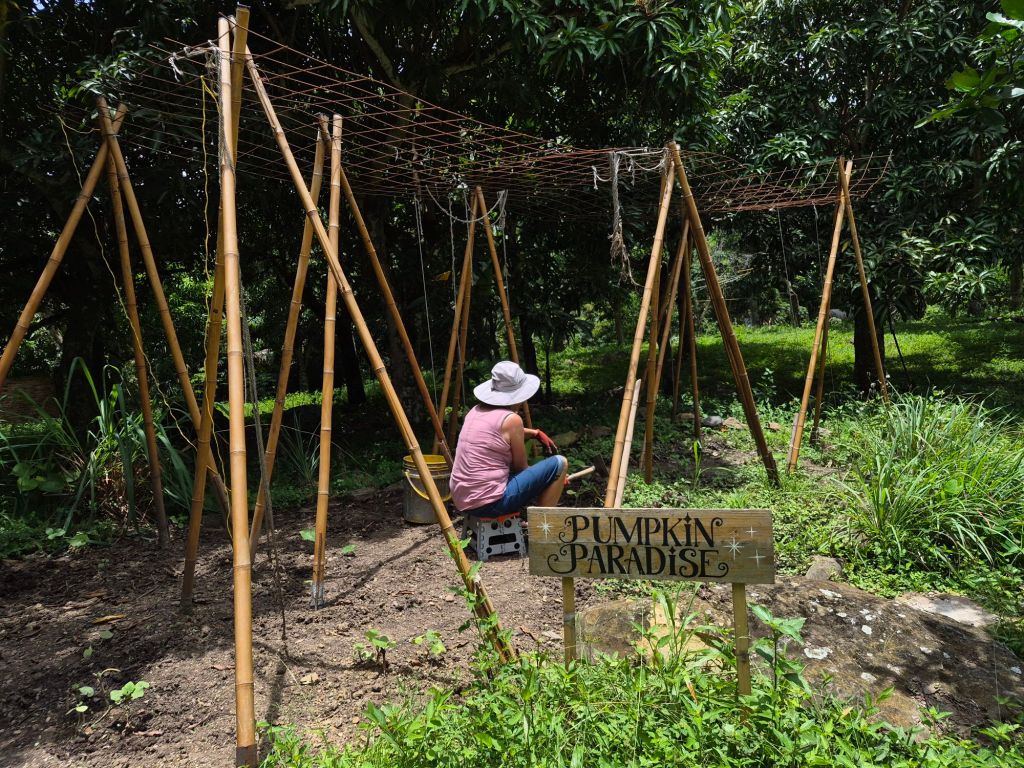
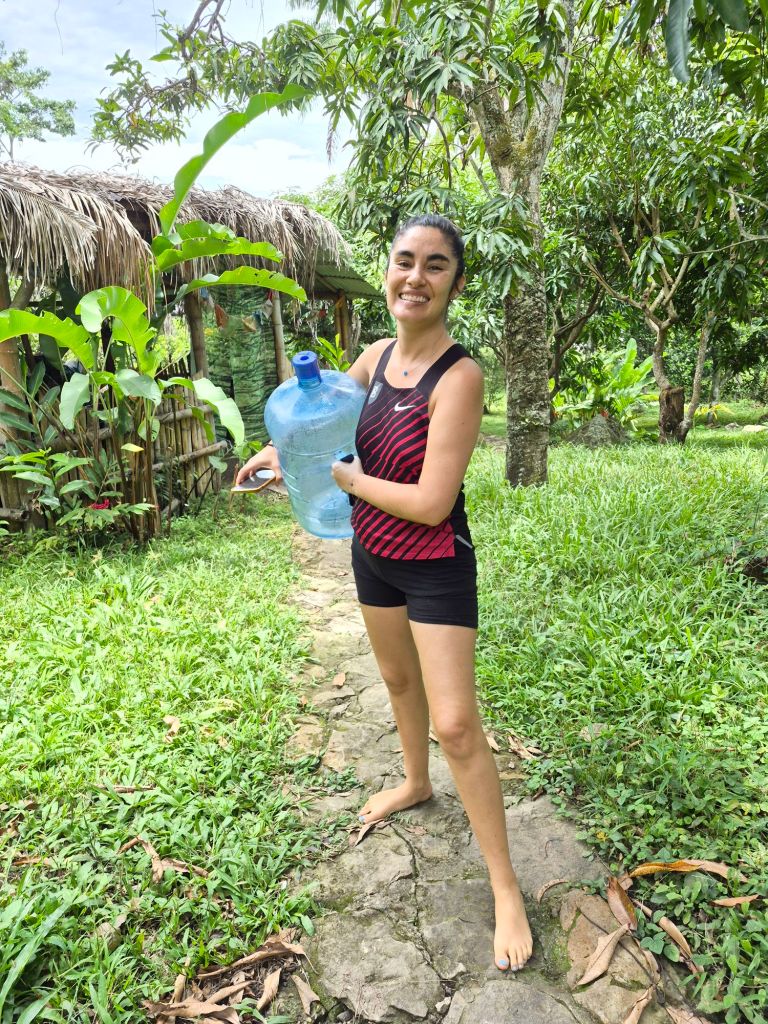
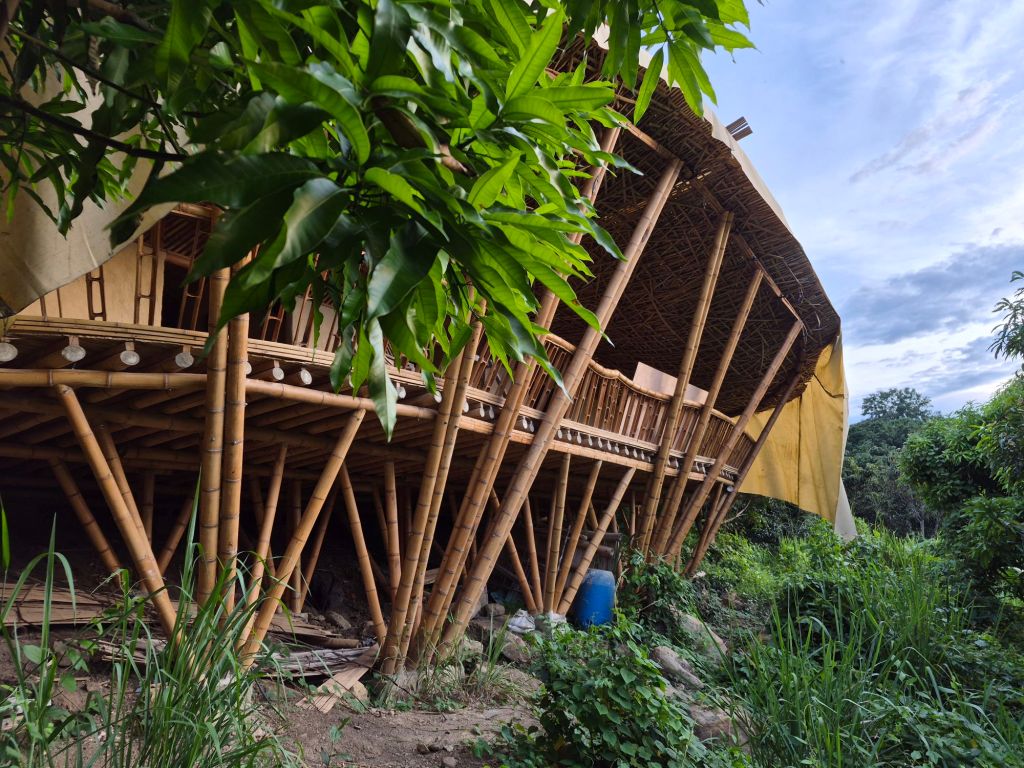
Eyal and Natalia have spent about 15 years planning, and 10 years implementing and fulfilling their dream of creating a space where they can live and propagate their healthy, natural and structured lifestyle. Their house and all the structures they have built, are from bamboo, and the grounds surrounding them are cultivated, but natural, with pathways connecting the various areas. There are more than 800 mango trees on the property. They run yoga and meditation retreats on weekends, or anybody can book and run their own retreats or workshops. They are also involved in teaching English at the local school.
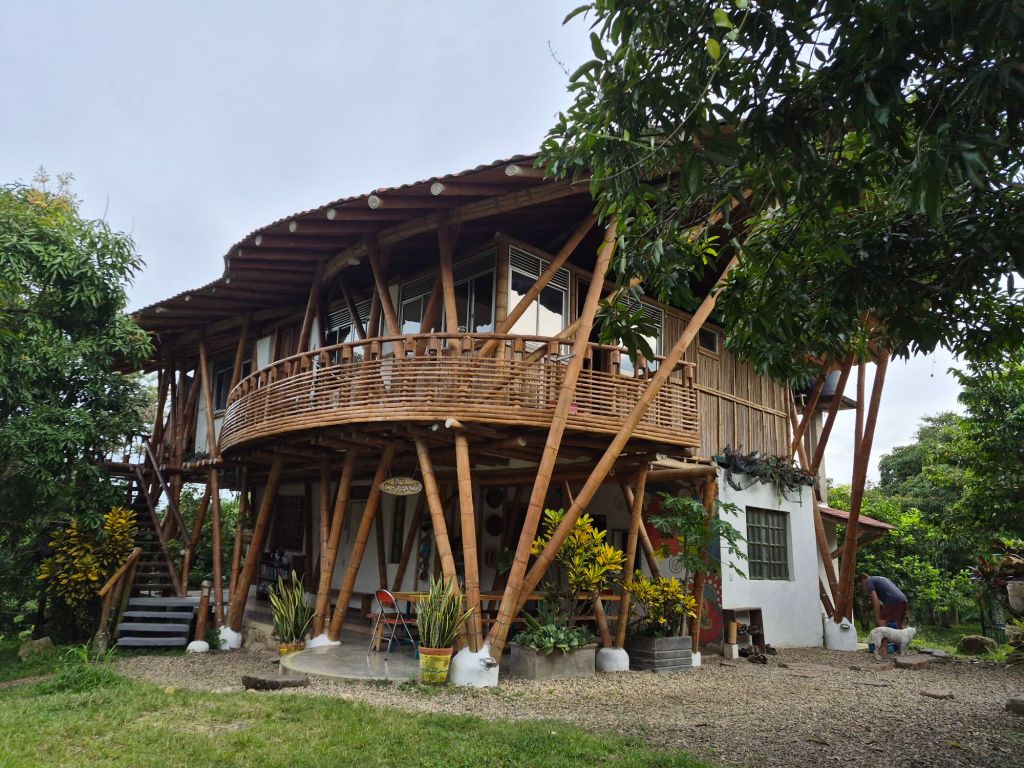
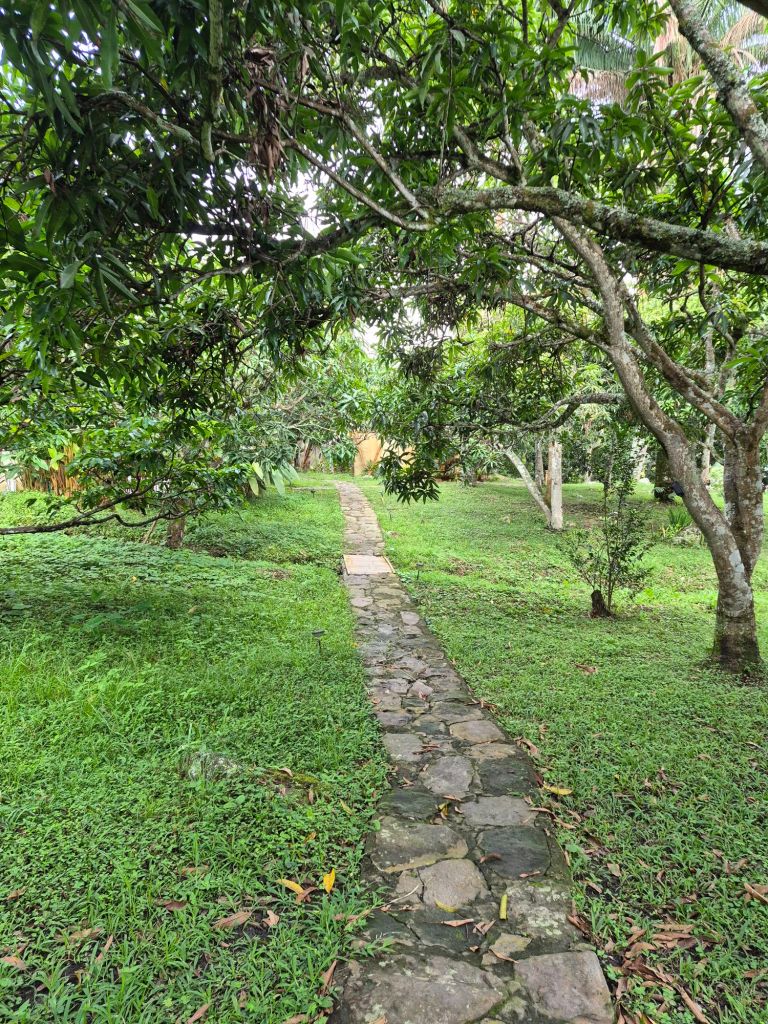
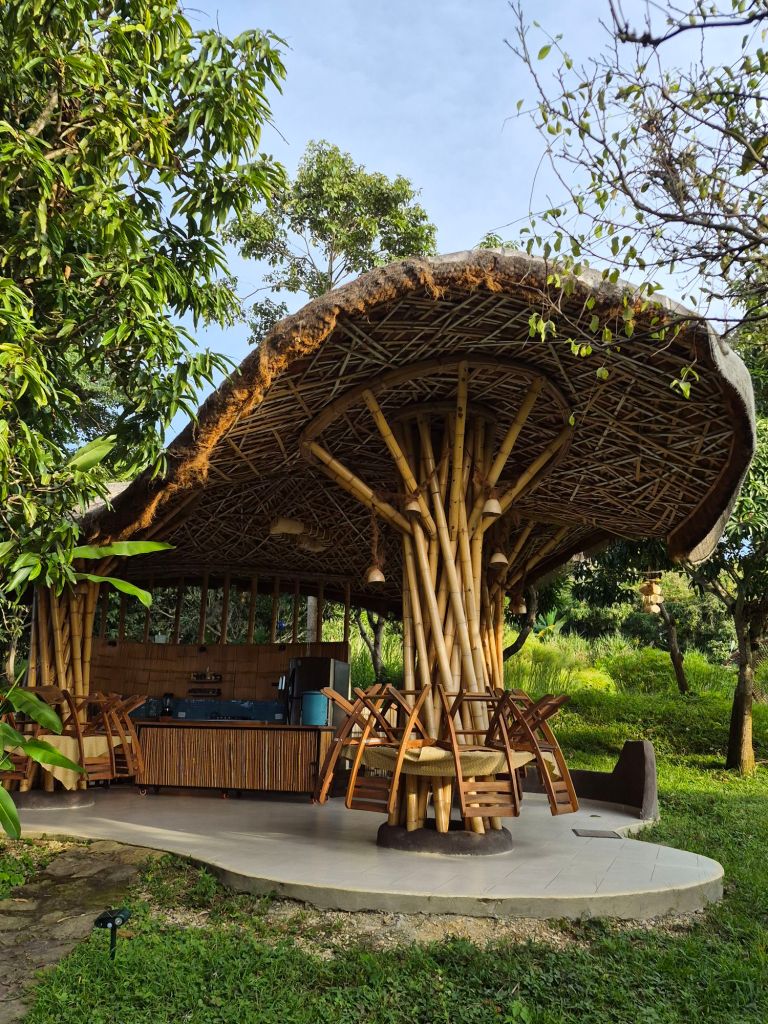
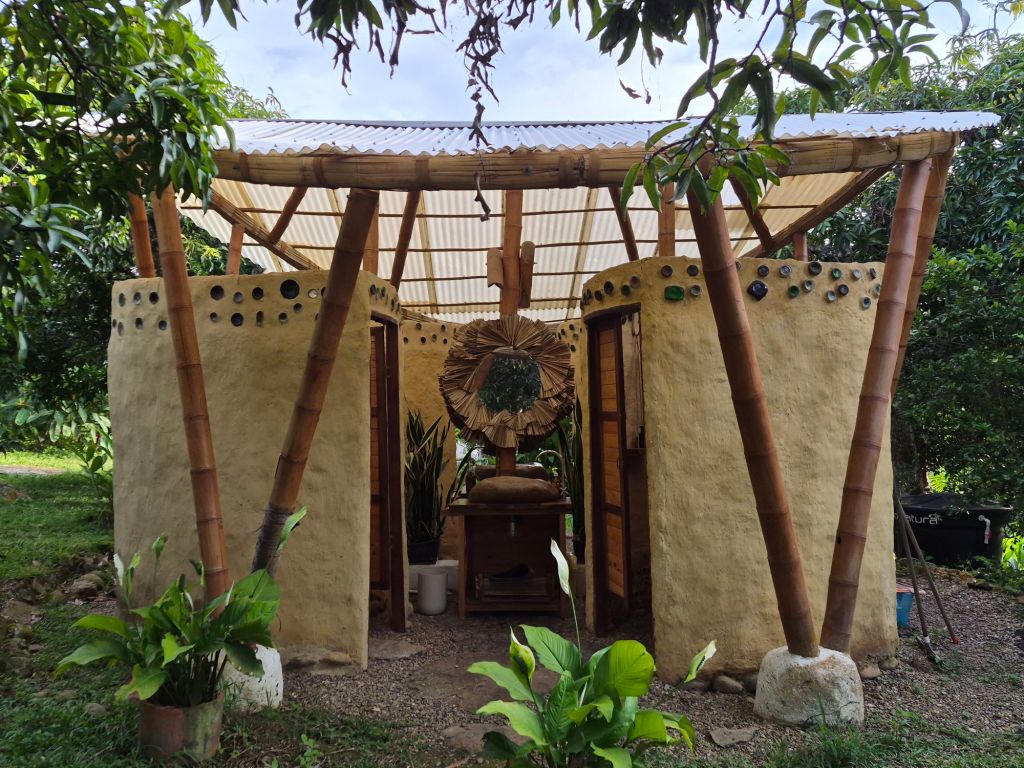
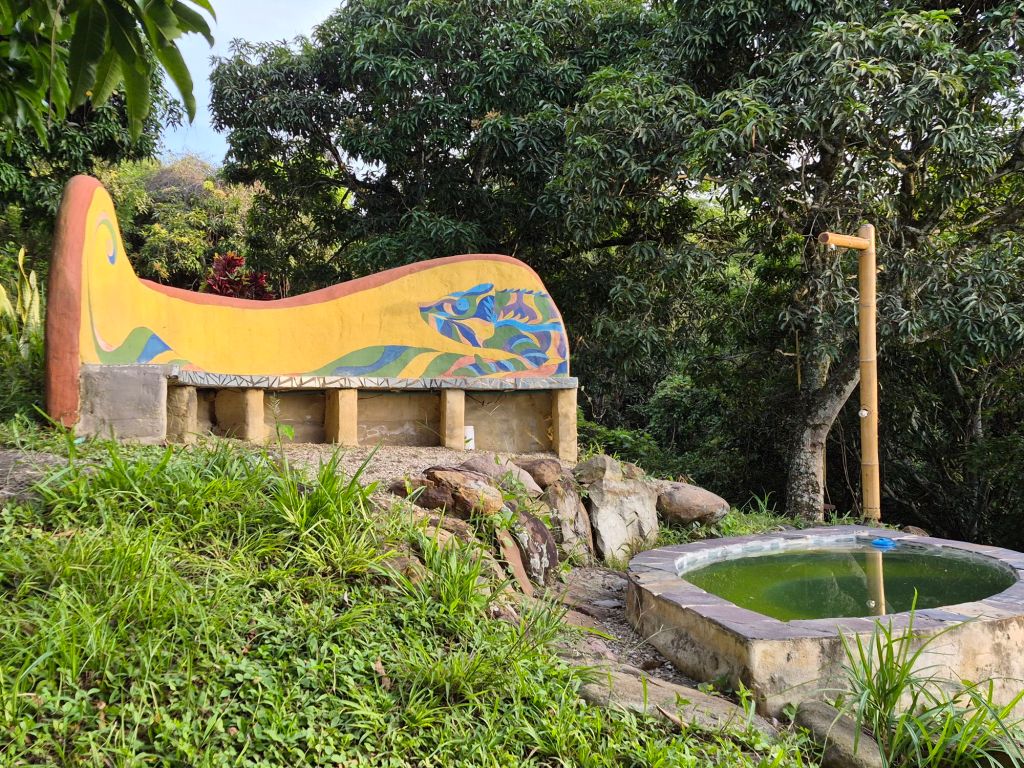
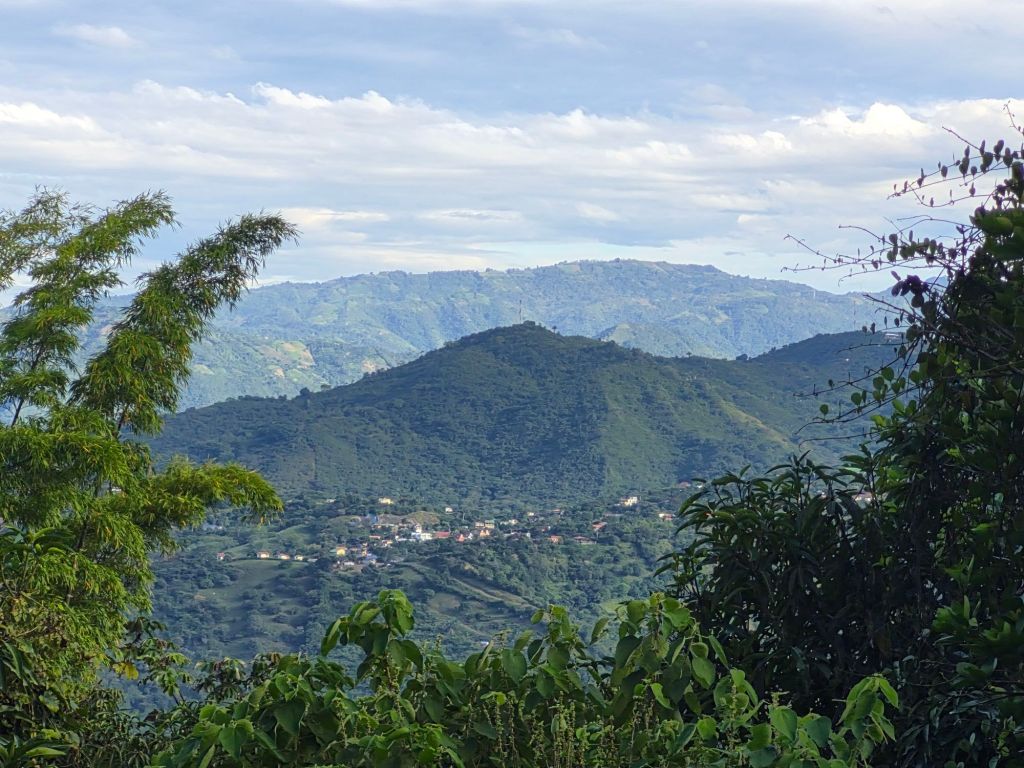
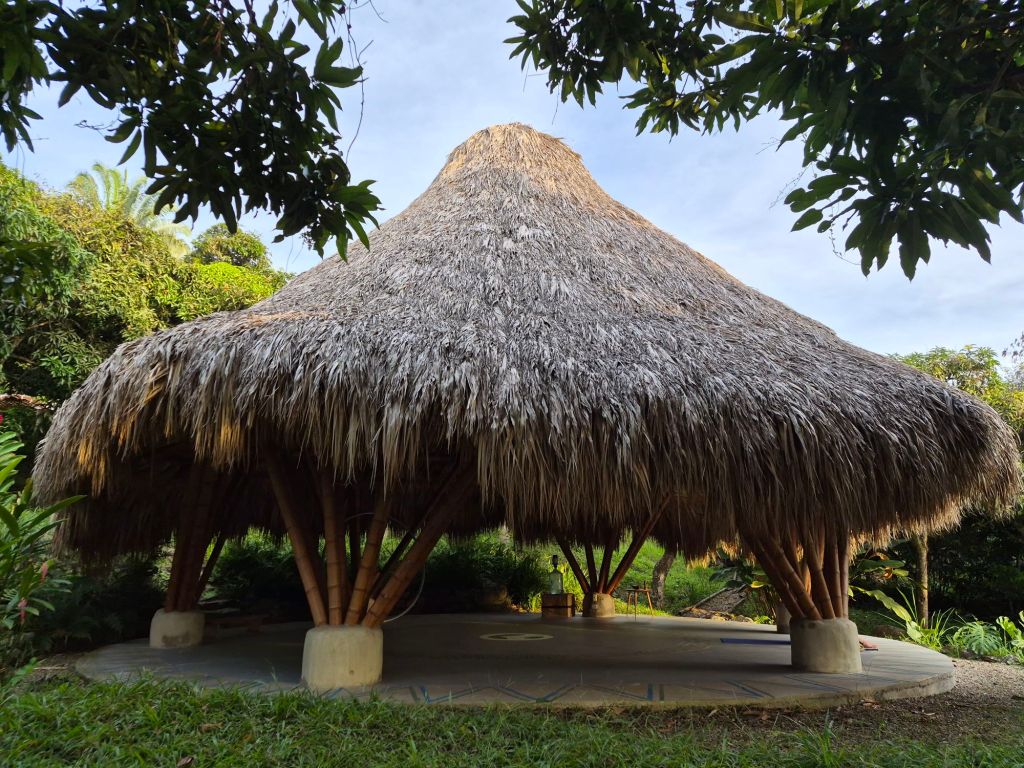
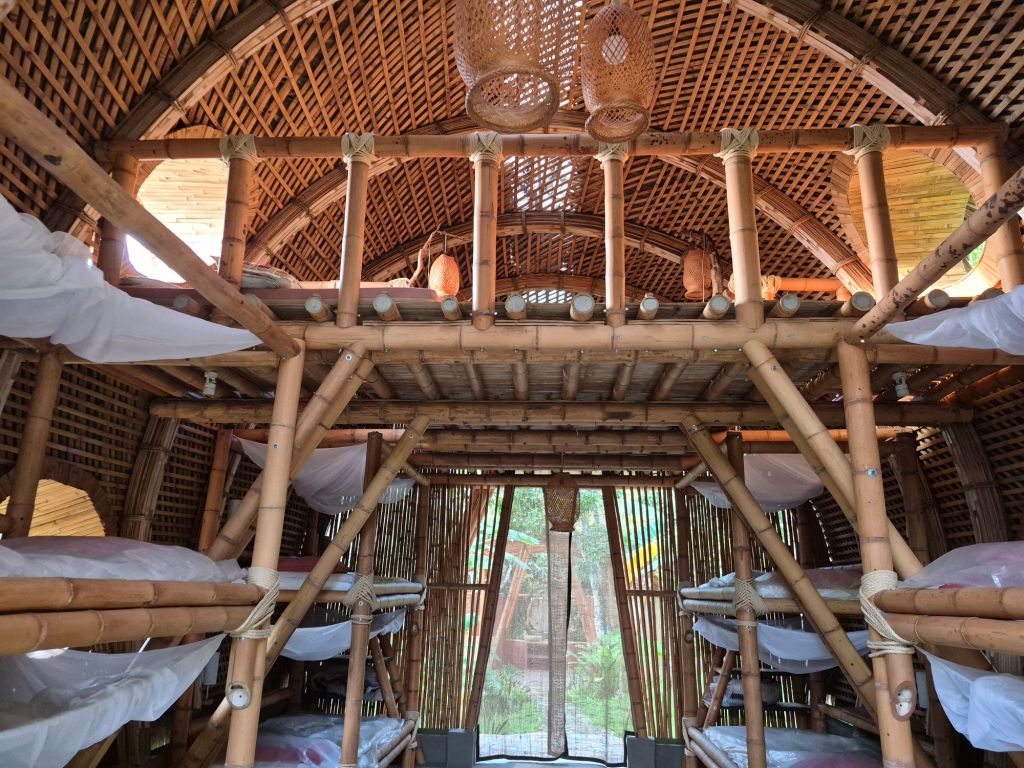
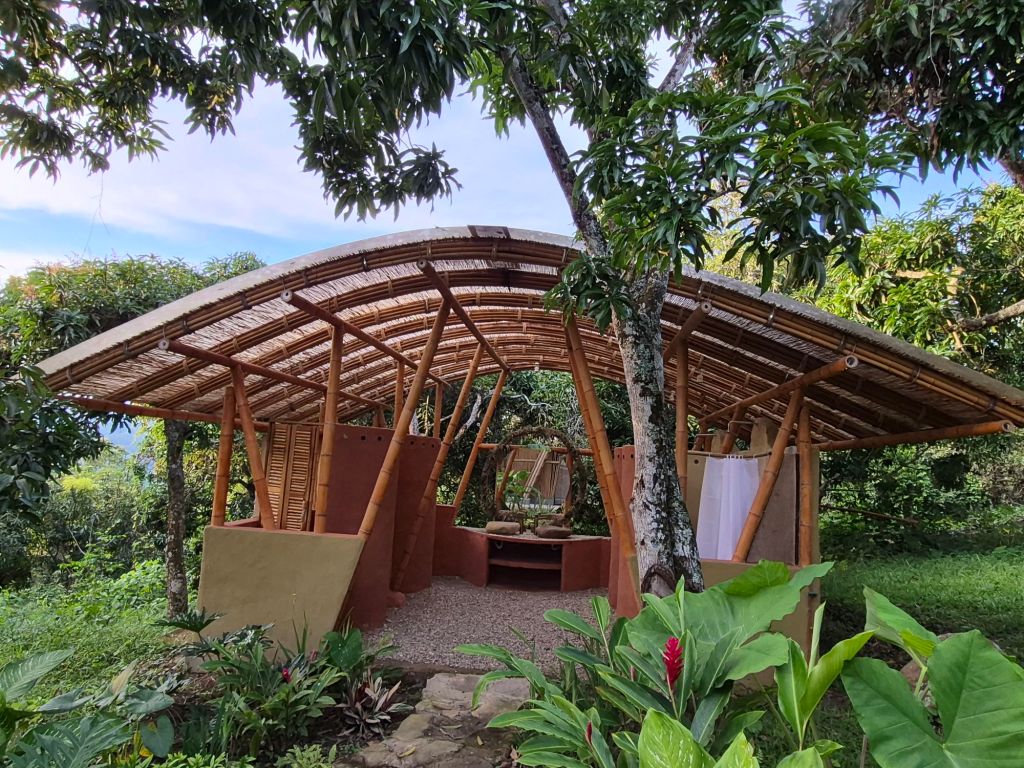
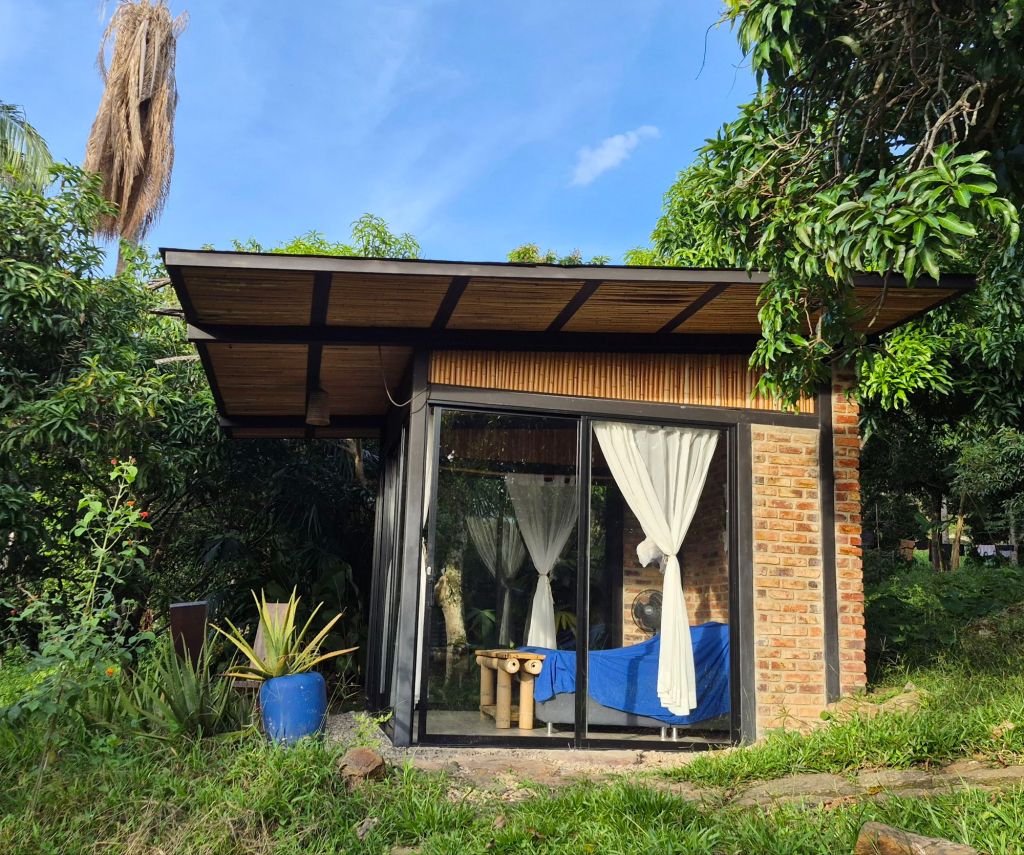
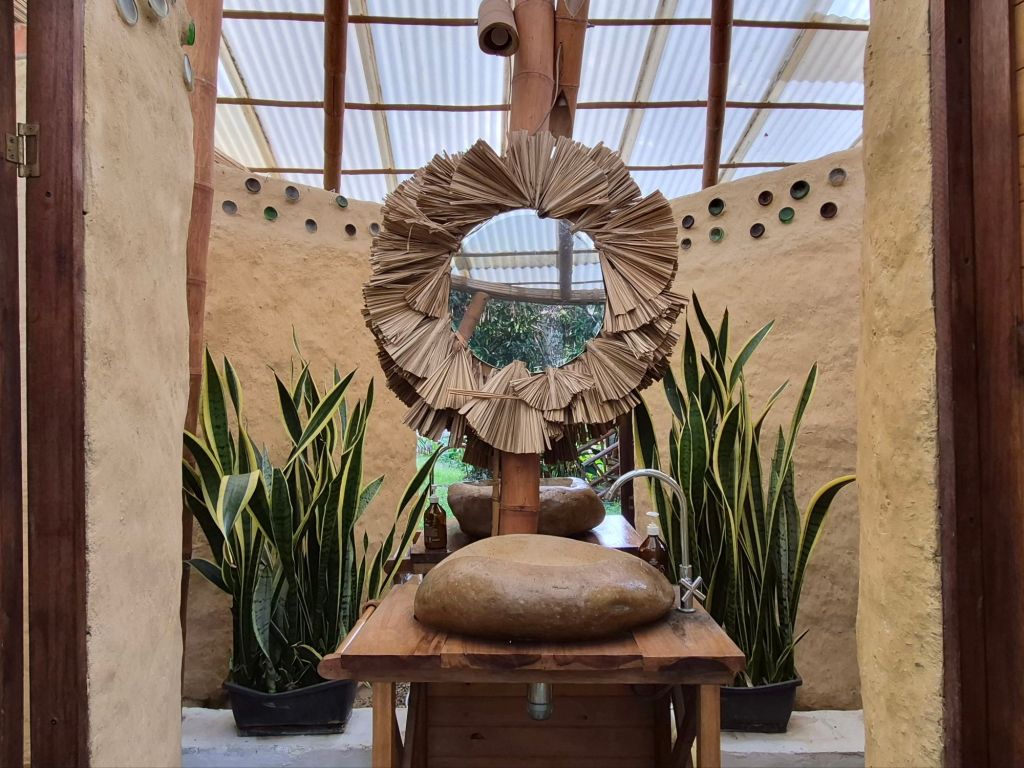
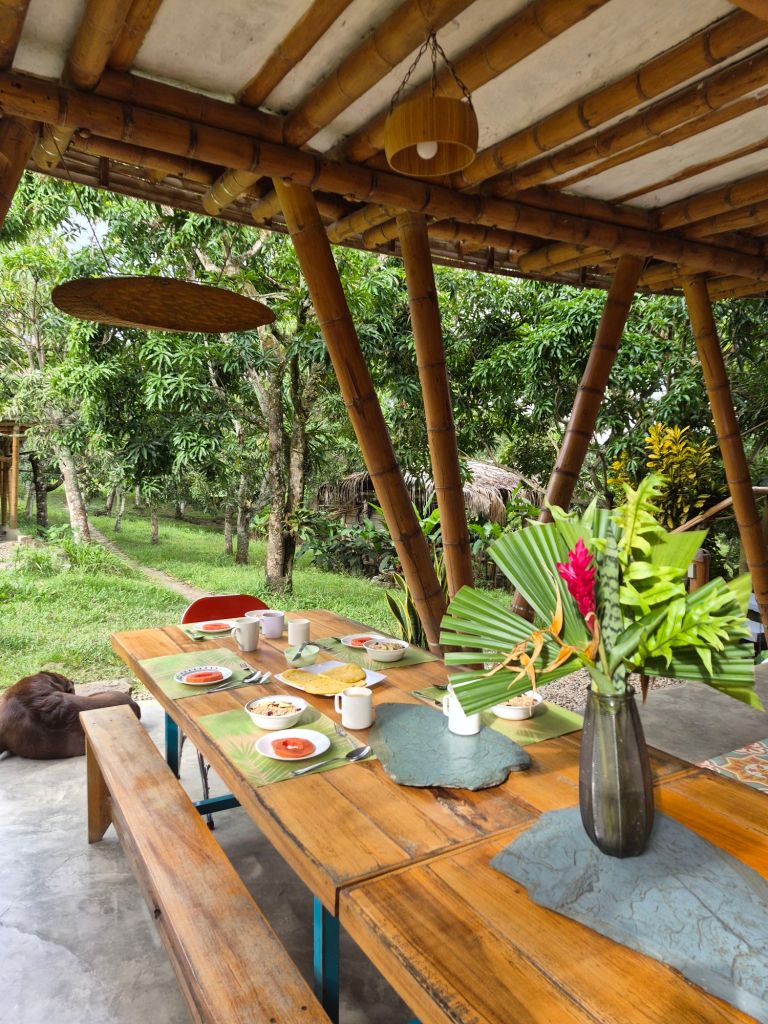
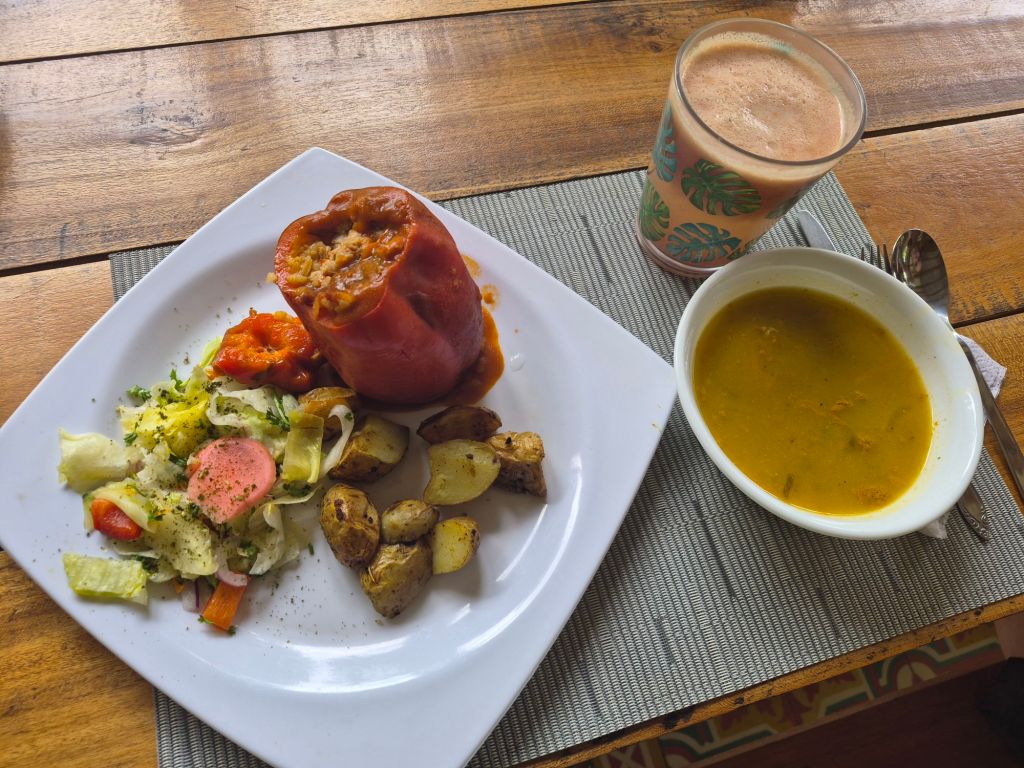
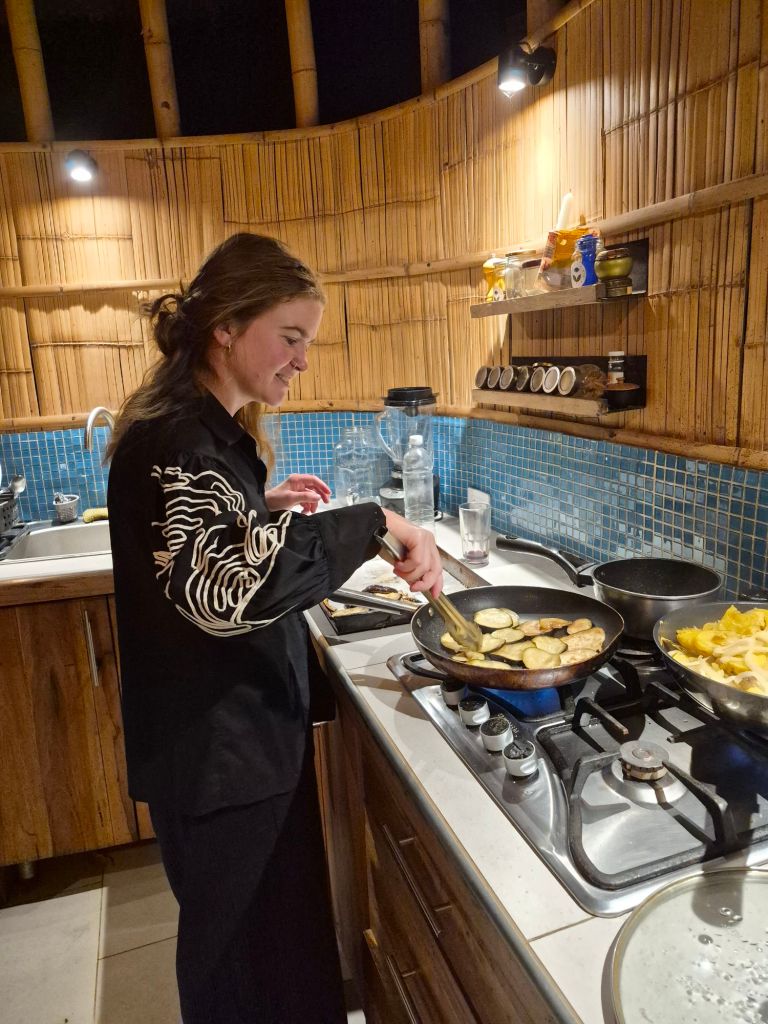
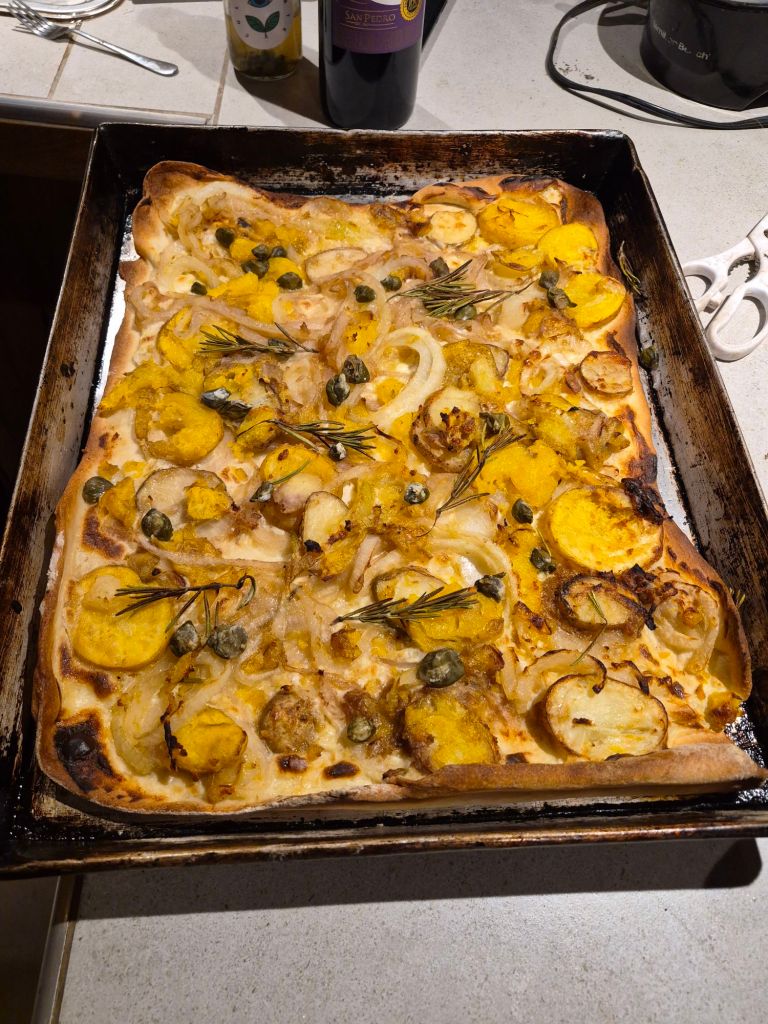
We were 4 volunteers – myself, Emil and Emma from Denmark and Boaz from Australia. From Monday to Friday we had a structured programme, with either Eyal or Natalia explaining every morning what the work would entail for that day. On weekends we were free. We started at 7am with small chores, yoga at 07h20, breakfast at 08h30, work from 09h00 – 12h00, lunch at 12h00, siesta, and then work again from 14h00 – 16h00. After that we were free to do our own thing. Supper was at 19h15 – three scrumptious vegetarian meals made by their trusted chef and helper, Sara.
On Saturday I went to Anapoima to buy slip-slops as my Crocs had broken, and to have lunch, preferably meat (which turned out to be a very tough steak, again!). I was standing in the doorway of the restaurant looking at the menu, when I heard a voice behind me: “Can I buy you some coffee?” Amazed at the English, I turned around, and it was Eyal who was in town to have his car washed. He not only bought me coffee, but cheesecake as well, very kind of him.
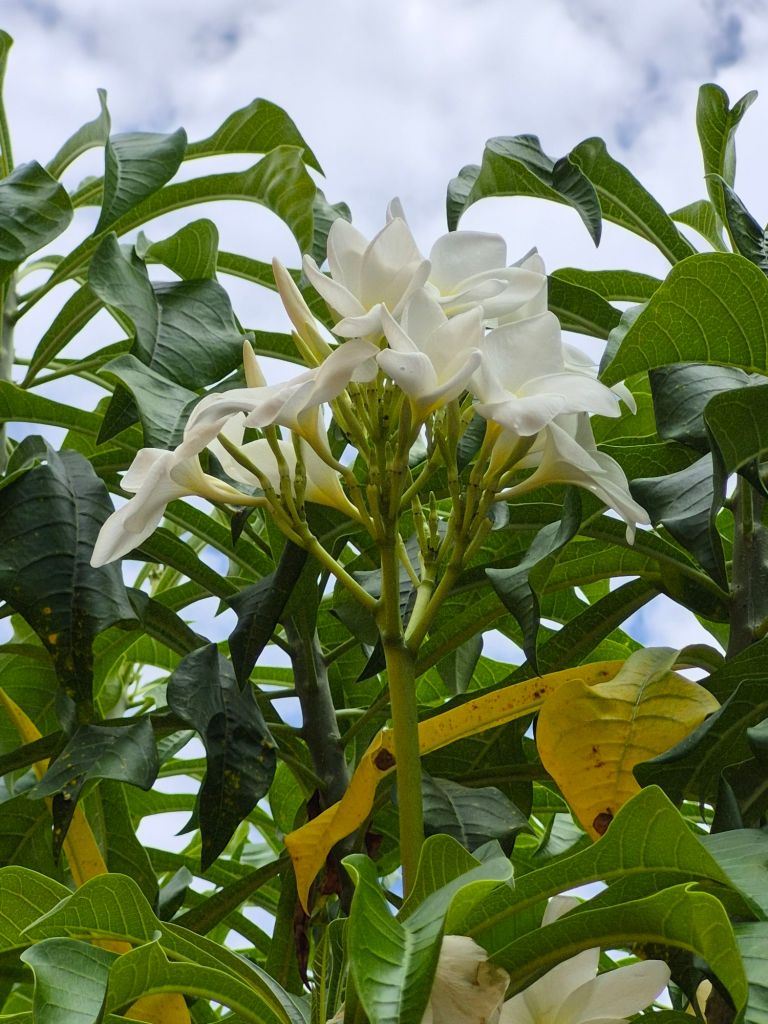
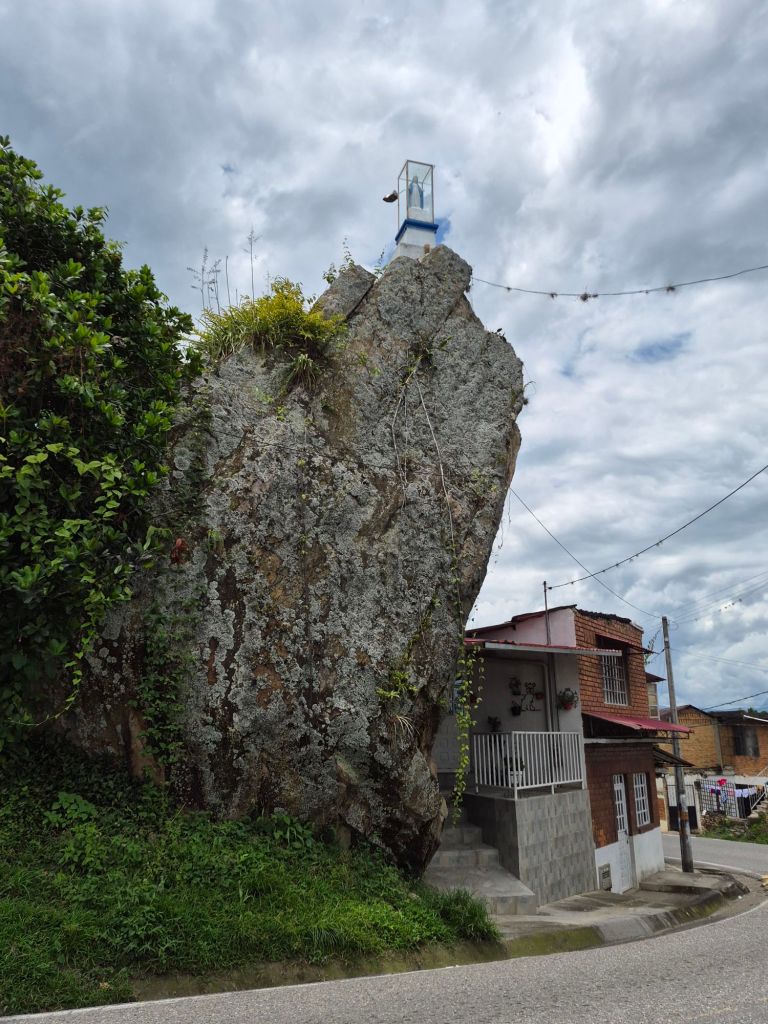
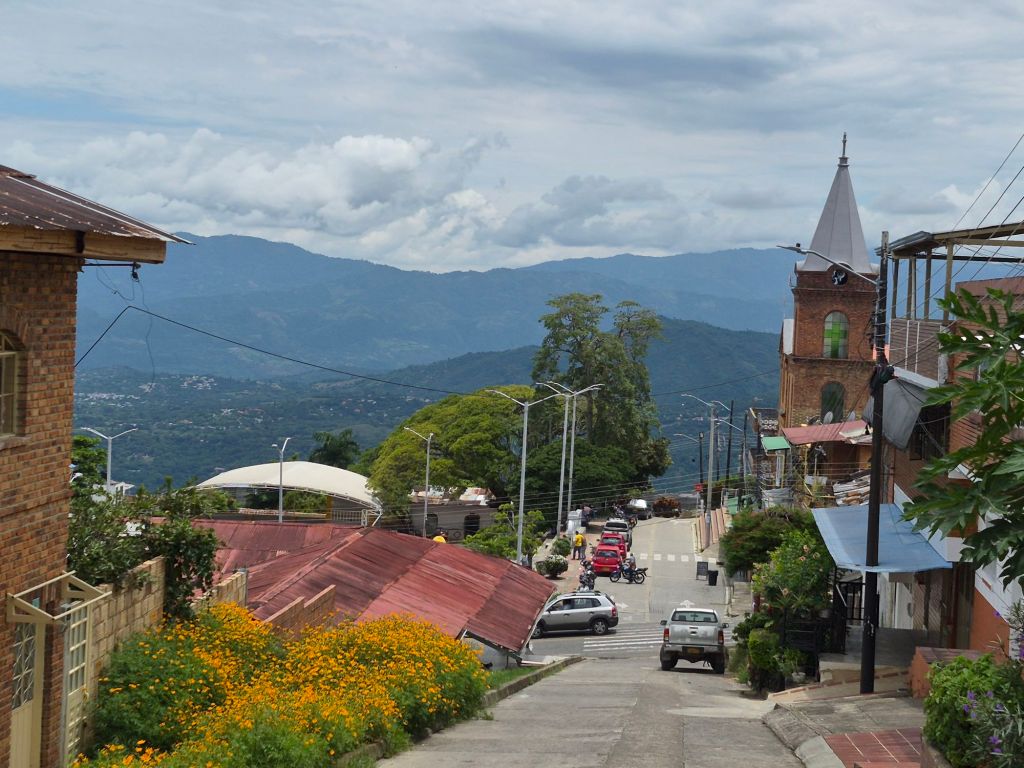
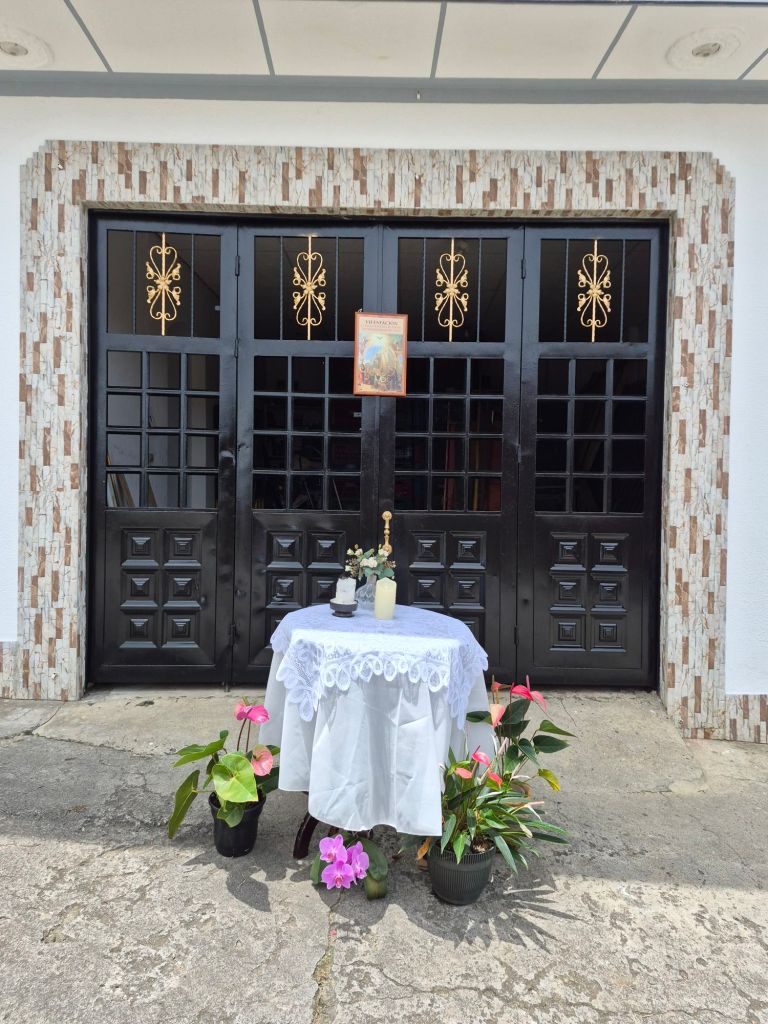
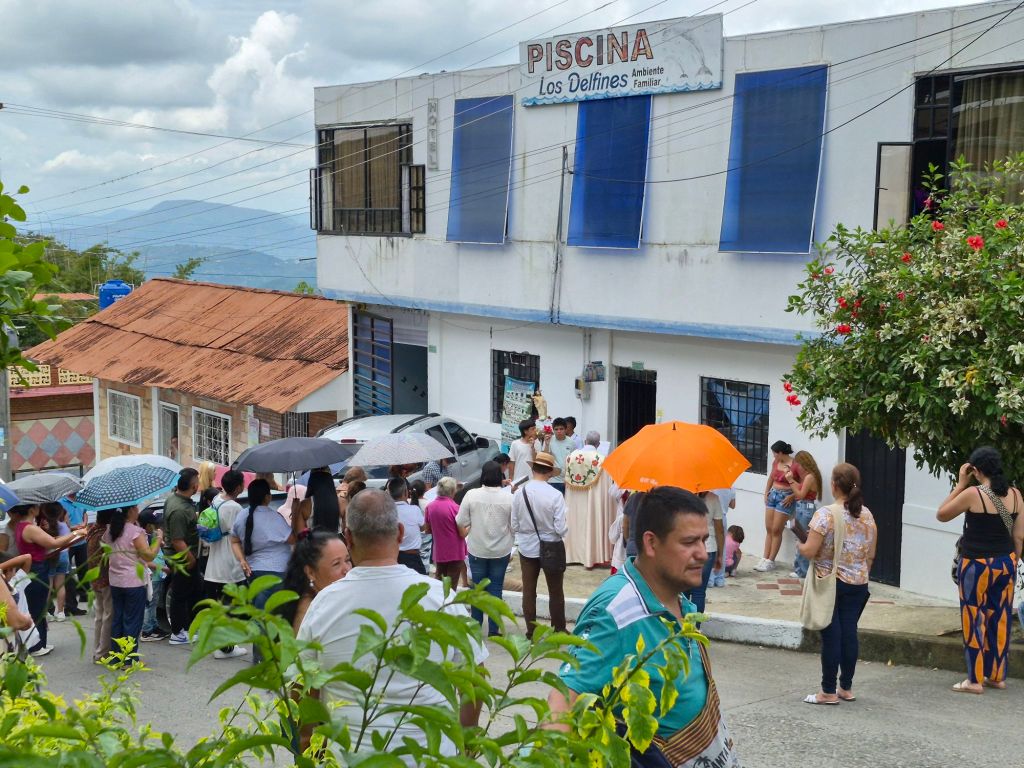
On Sunday I walked to a nearby village , El Triunfo, mostly uphill and the last 800m very steep, arriving hot and sweaty. I bought a cooldrink at a street cafe, and was calling all my children, when a church procession, led by a priest, came past in the street, stopping at different houses to bless them. I couldn’t understand how the priest decided which houses to bless, until I saw that there was a table with some decorations outside certain houses, and that is where he stopped. The priest was chanting all the way, it being broadcast by a car that was following the procession, and I had to laugh, as he became short of breath when he was walking uphill to the church, commenting on it!
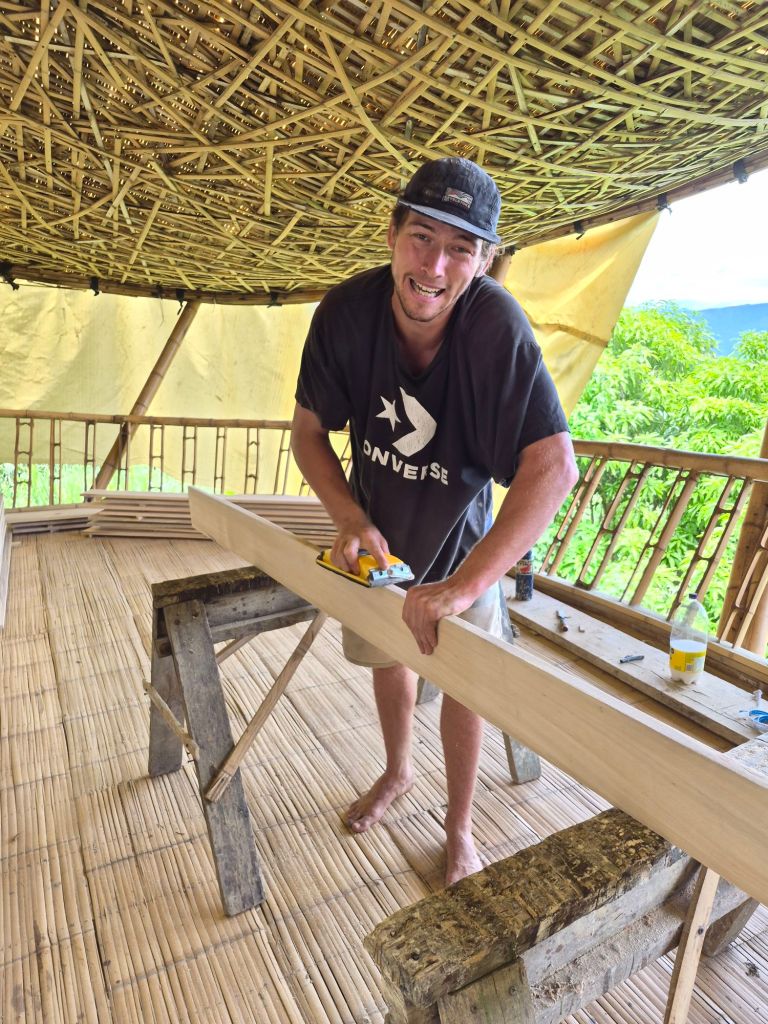
My work was mostly weeding the vegetable garden and some flowerbeds, but Natalia challenged me to help with the construction work too, which I happily did. Emma and I made four drawers for a wardrobe for the new house Eyal was building, and after the first day, she said she had learned a new word, “skew”, as I had used it so often. Boaz, who is a carpenter by trade, was very patient with us, although at the end he admitted that the work we had done in 3 days, would have taken a skilled person a few hours. And the drawers would have been the same size, and not as ‘skew’ as ours.
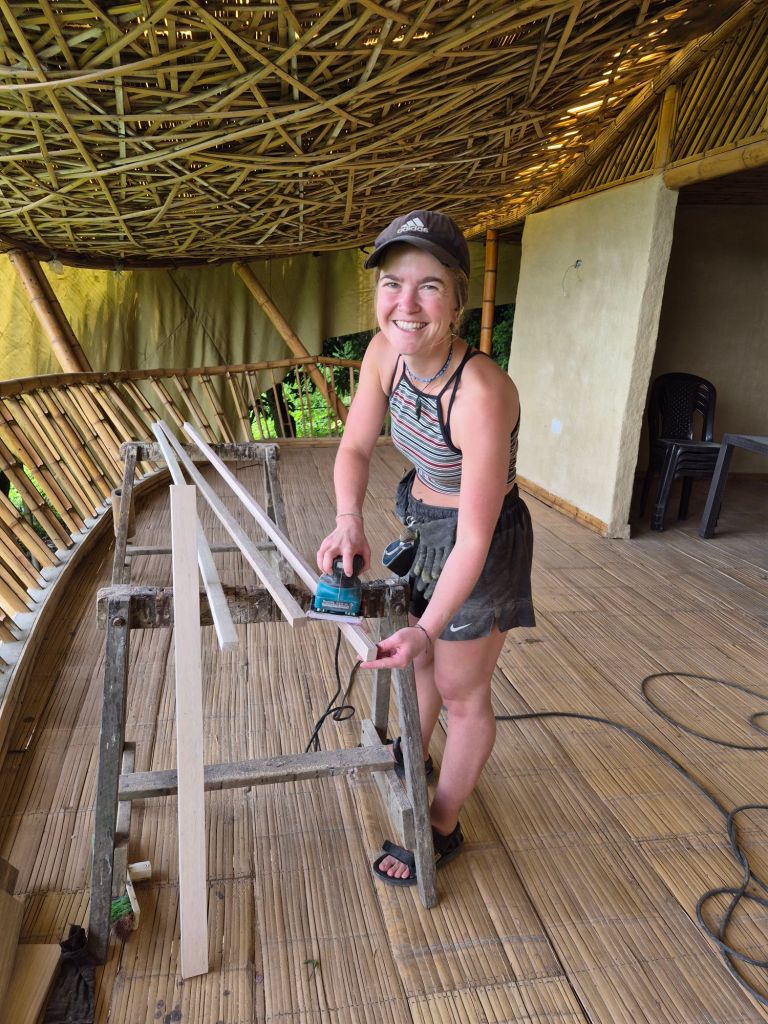
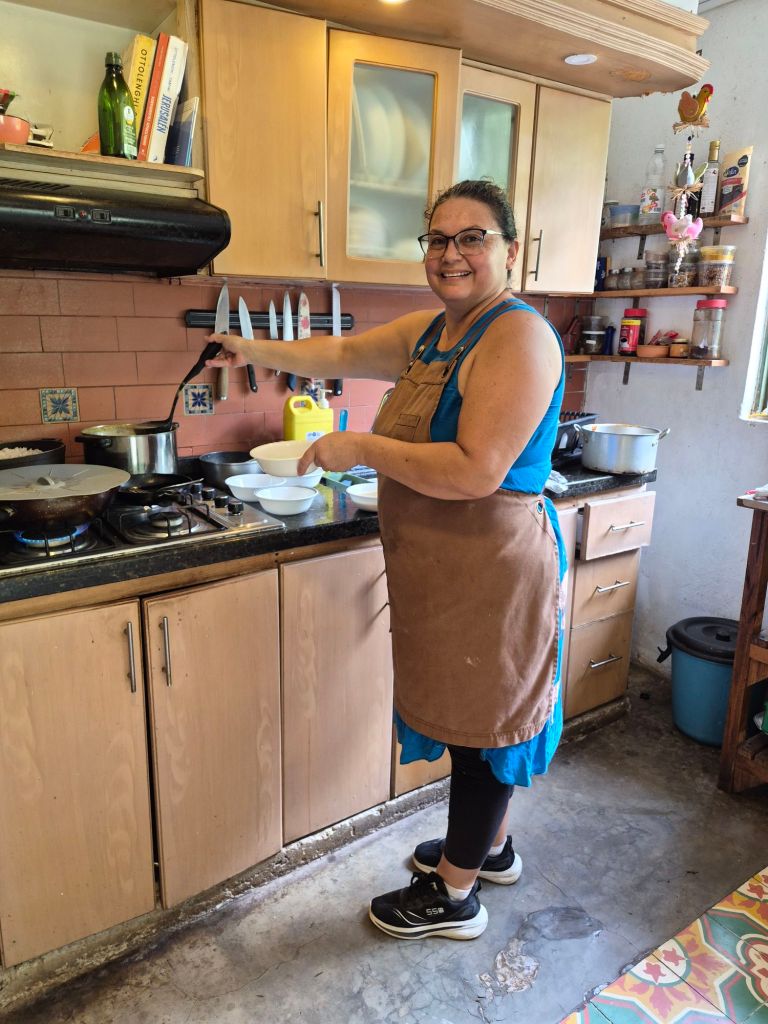
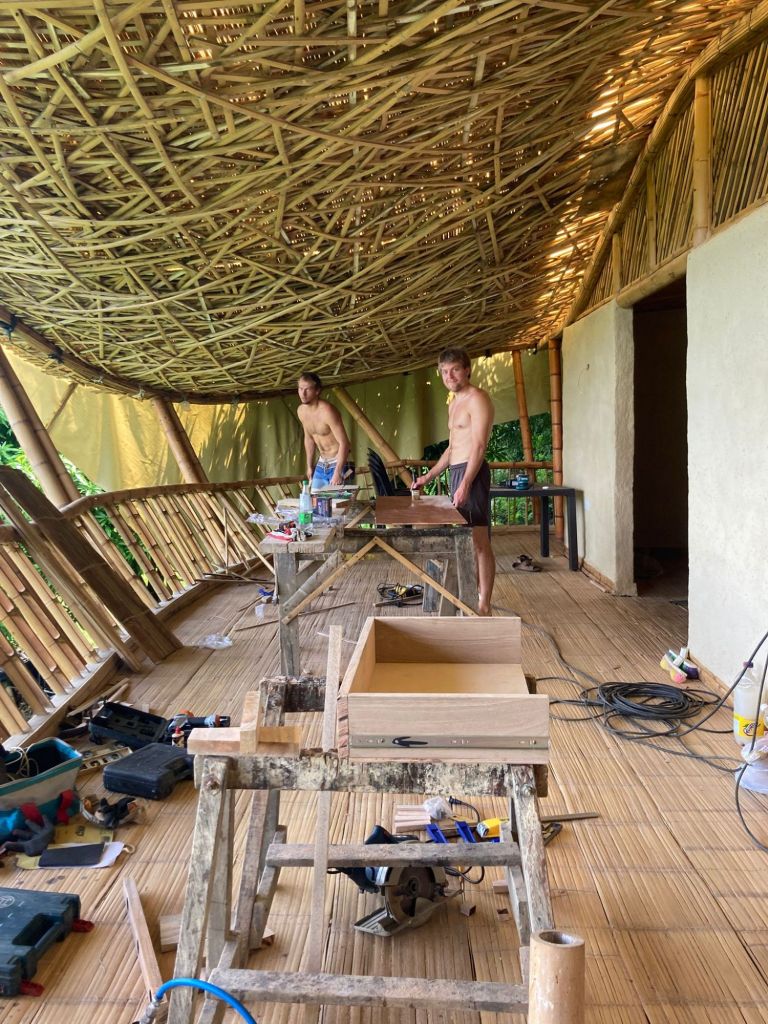
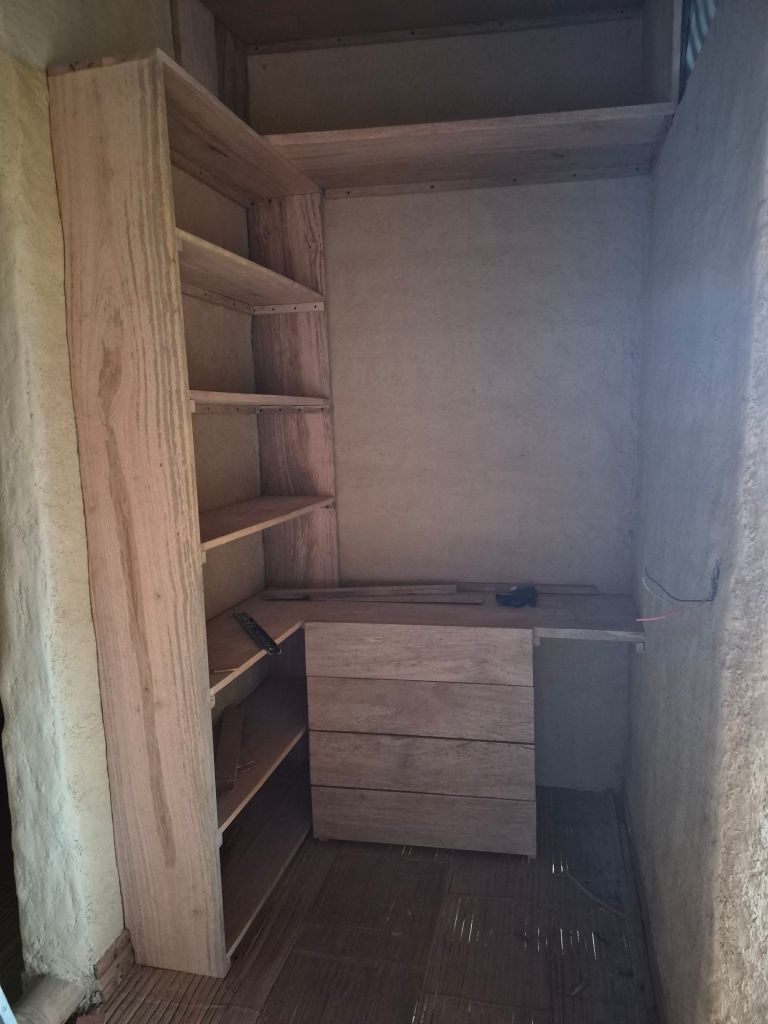
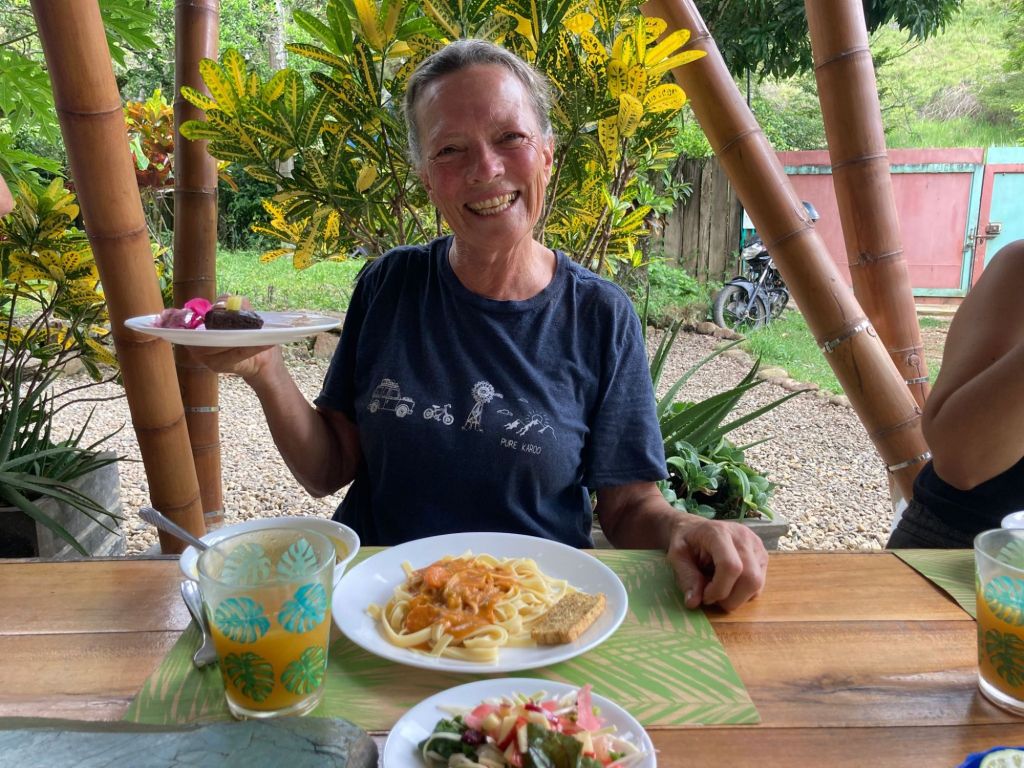
The young people accepted me wholeheartedly, and we had a lot of fun, playing cards at night, with much humor and laughter. I had told them it was my birthday on the 20th, and before my last lunch, Natalia surprised me with a brownie with a candle, all of them singing happy birthday – the best gift to end off an exceptional 2 weeks.
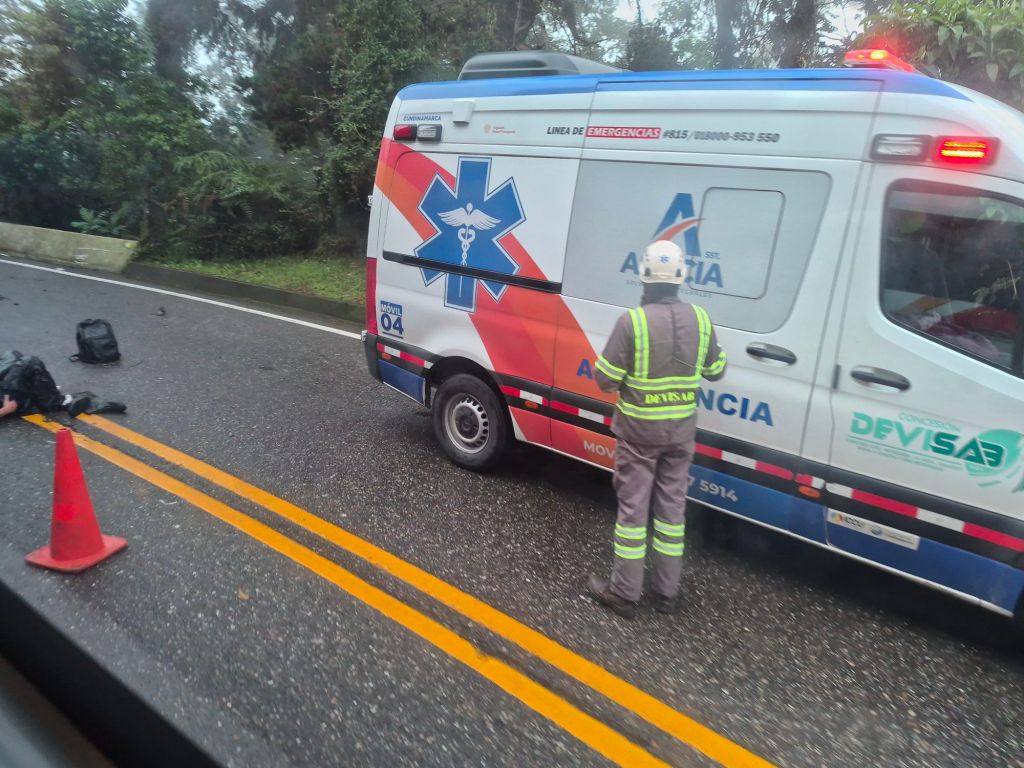
There was an motorbike accident on the way back to Bogotá, a man was still lying in the road and I assume another had been put in the ambulance, as there were people around it. Our busdriver was a bit of a cowboy, so I was reminded how easily things can go wrong and was grateful when we arrived safely in Bogotá through very heavy traffic, the busdriver weaving in and out of traffic.
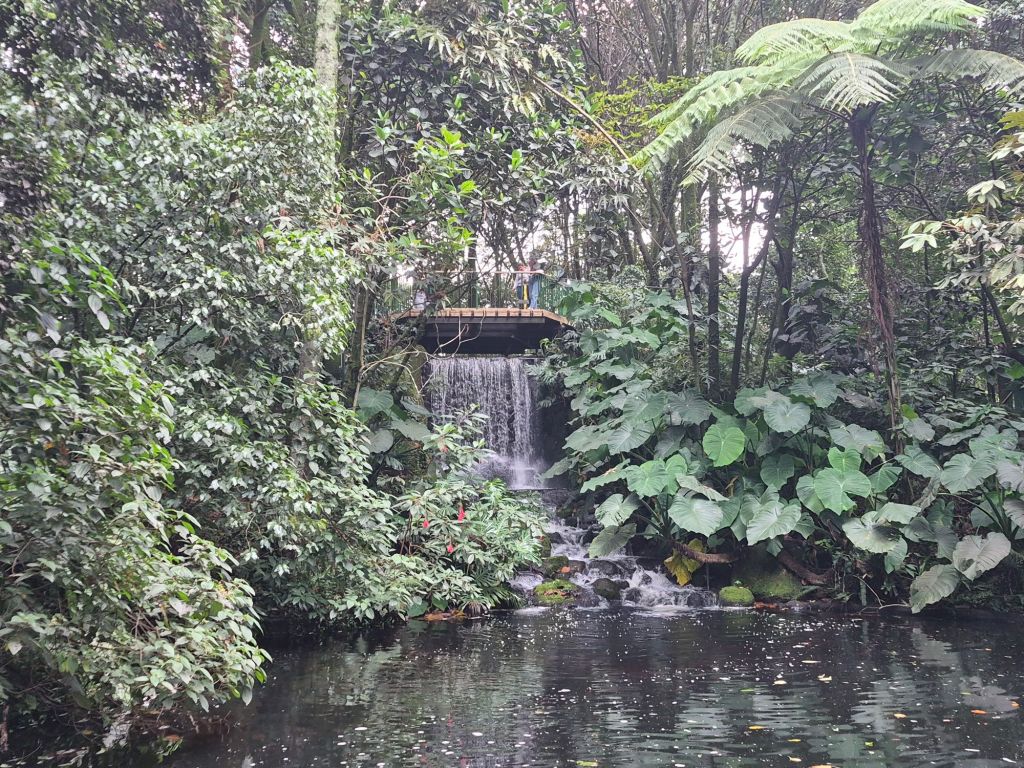
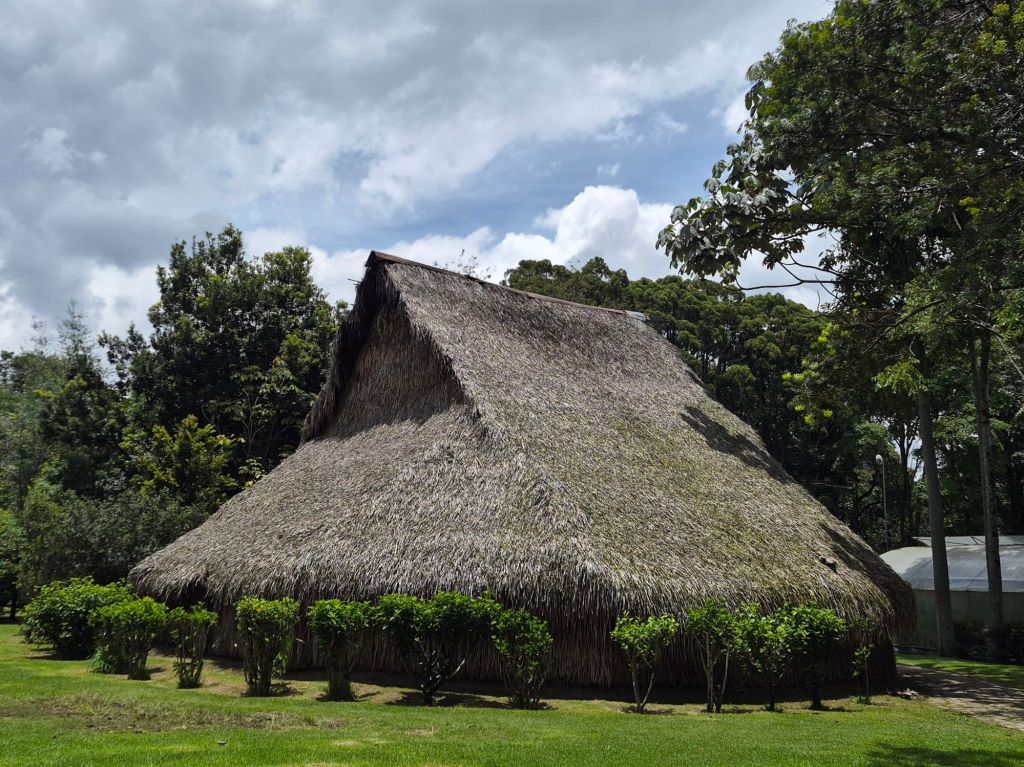
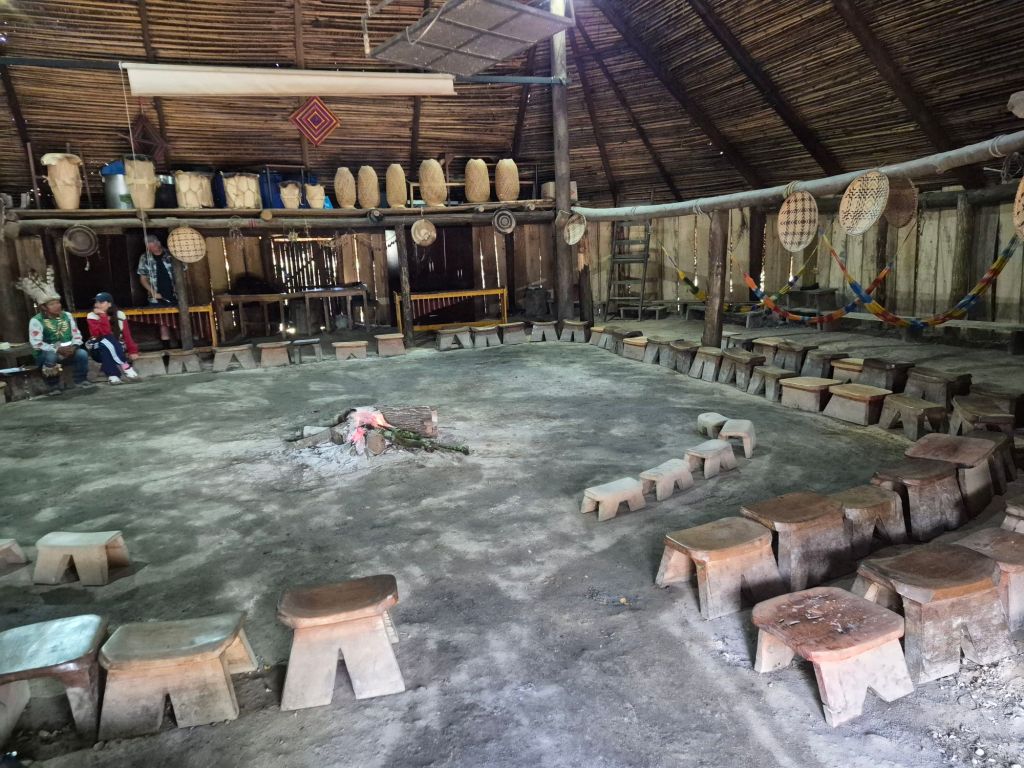
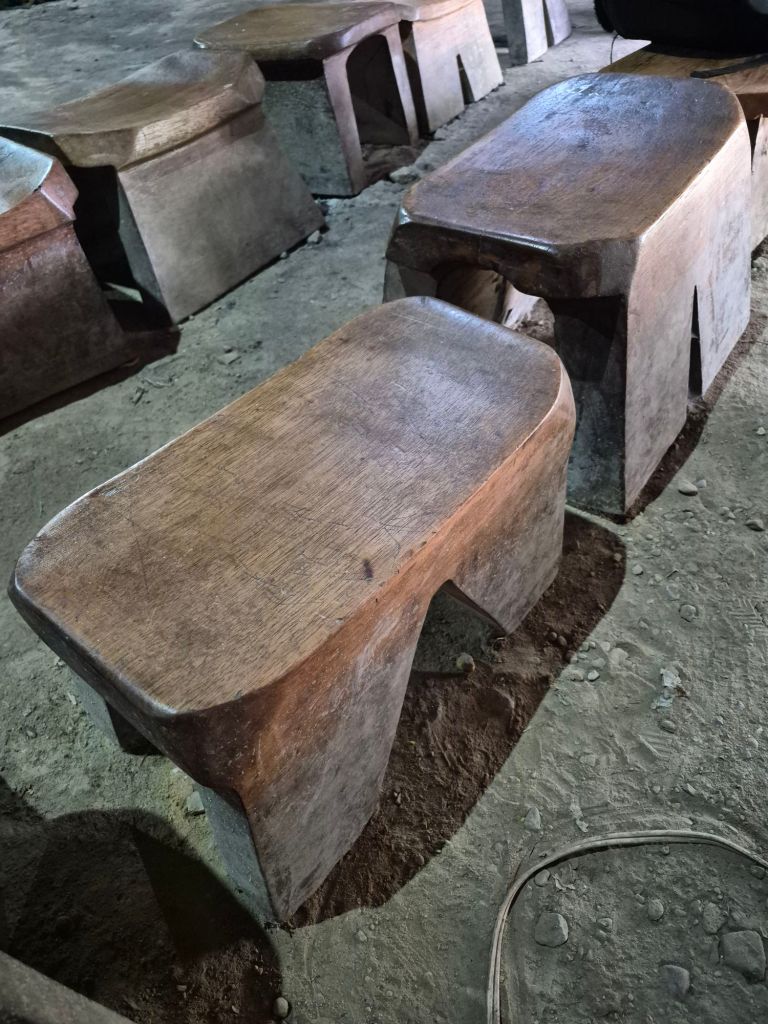
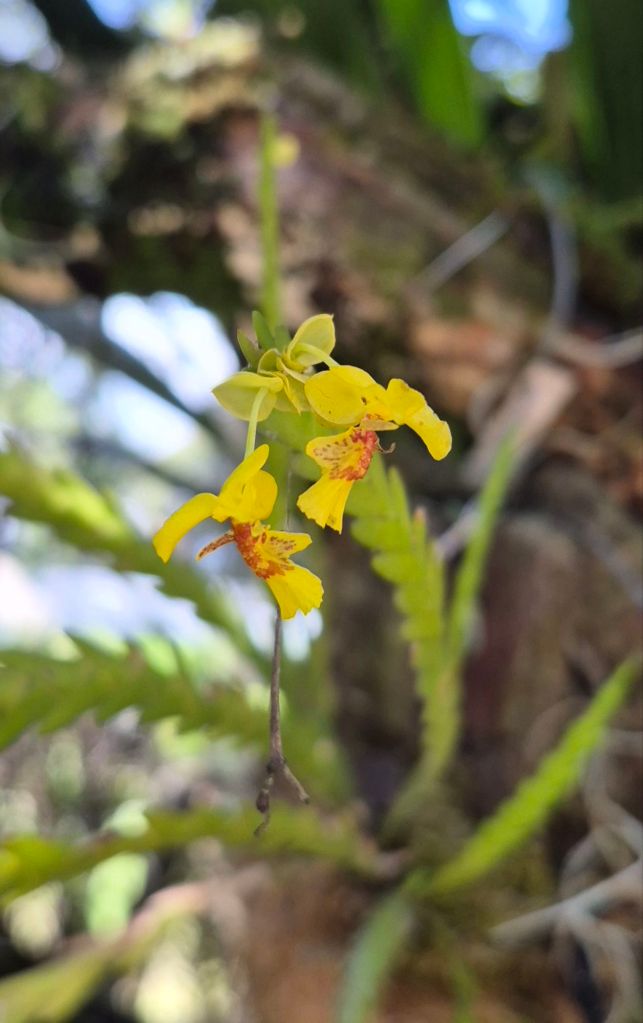
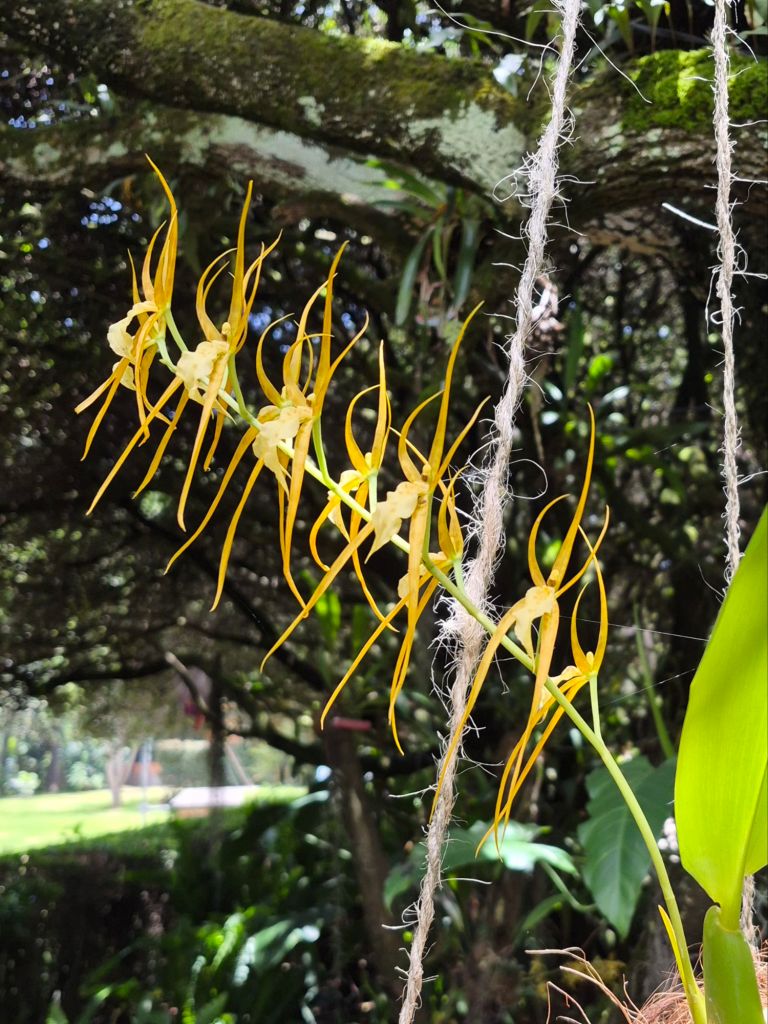
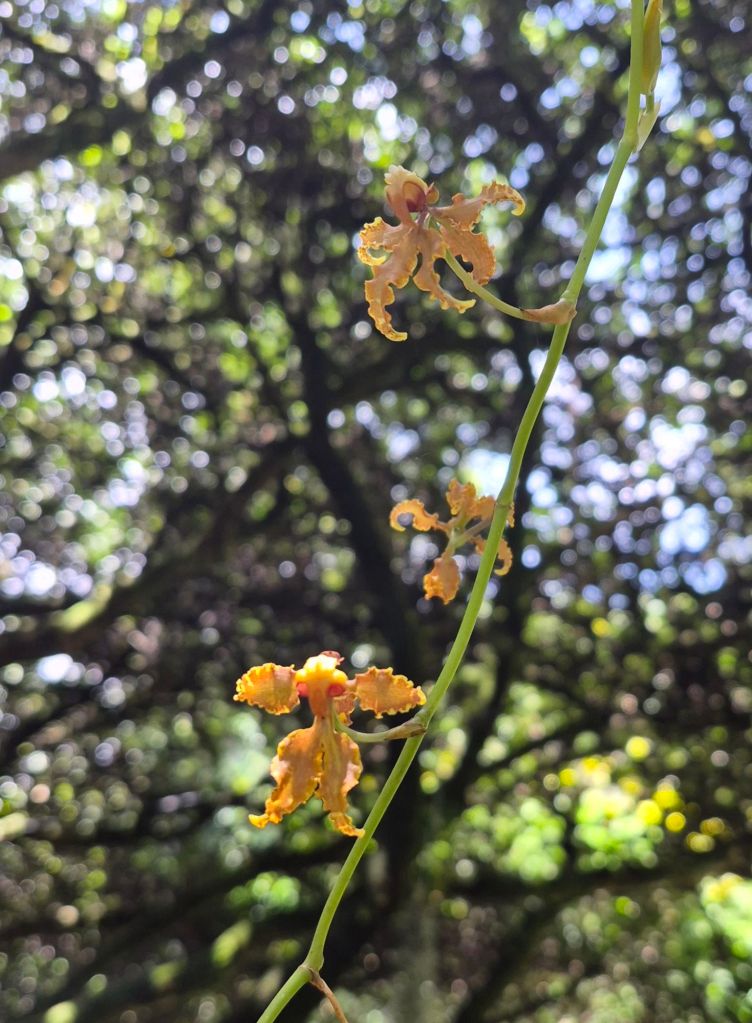
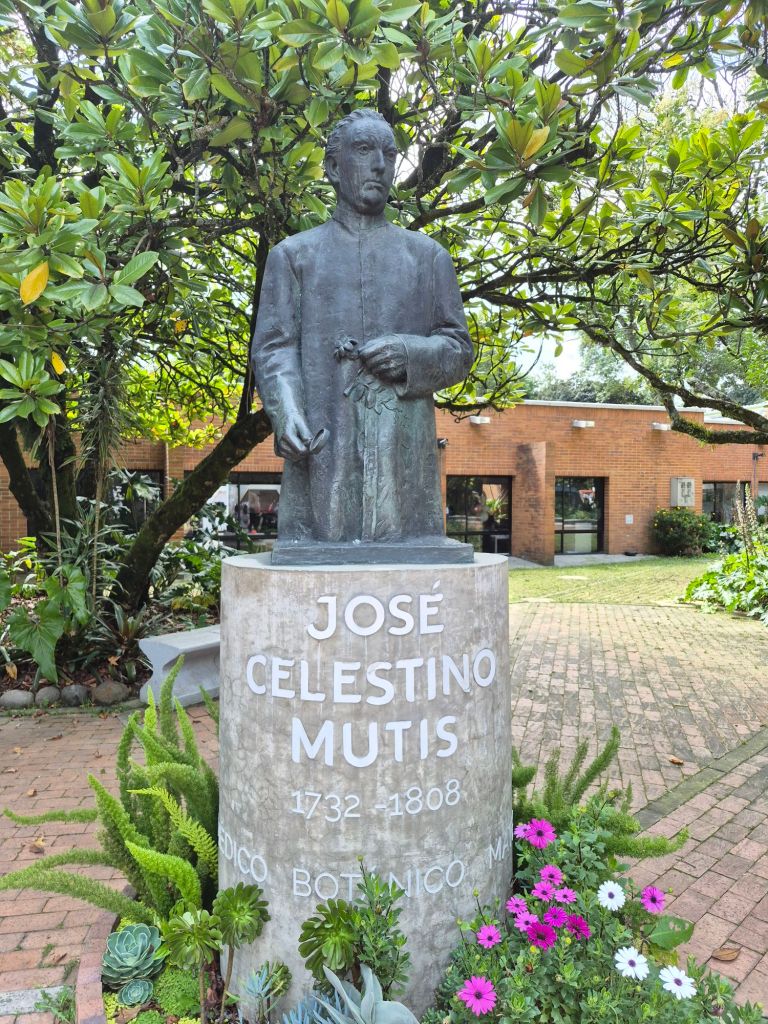
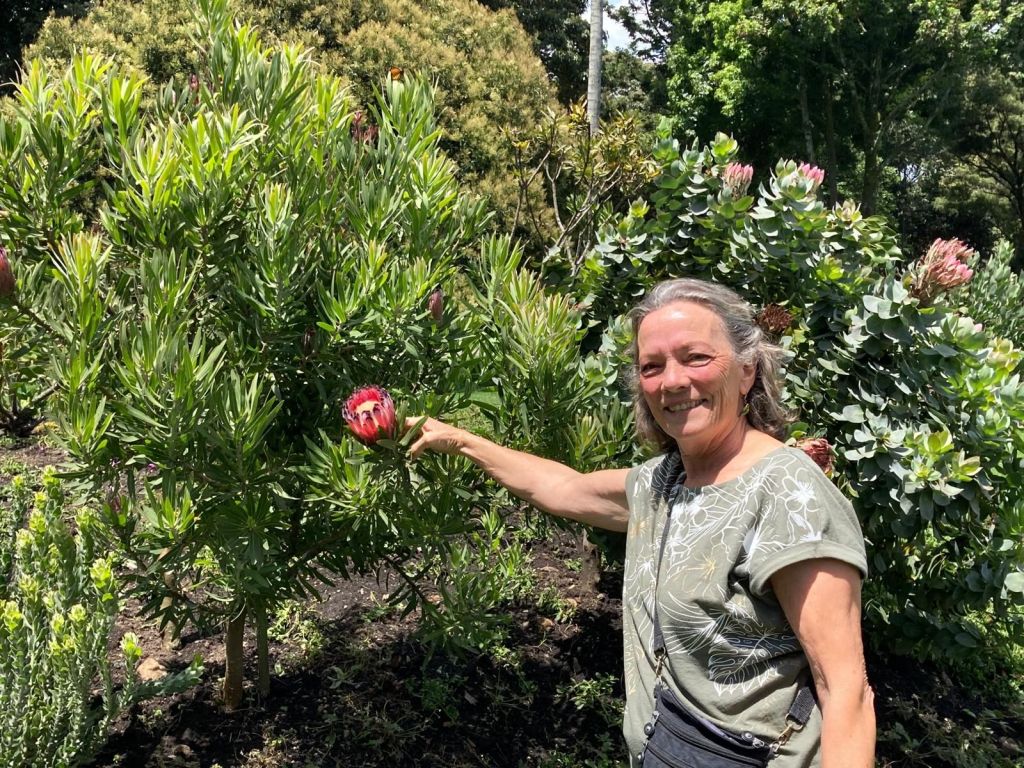
Alan’s plane was leaving late on the 18th, so we met that morning and walked around in the botanical garden and a nearby park with a big lake. Both these places were well-kept, beautiful and clean, and the botanical garden had some interesting cultural and educational aspects as well. There was even a section where South African plants were growing, which made me nostalgic.
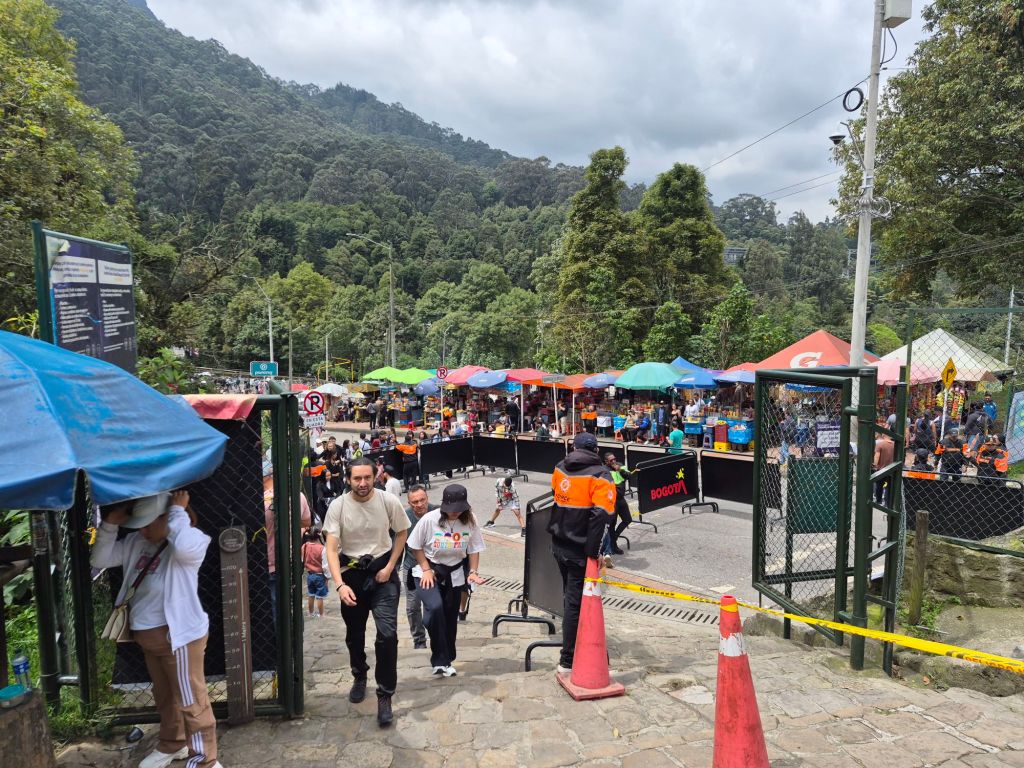
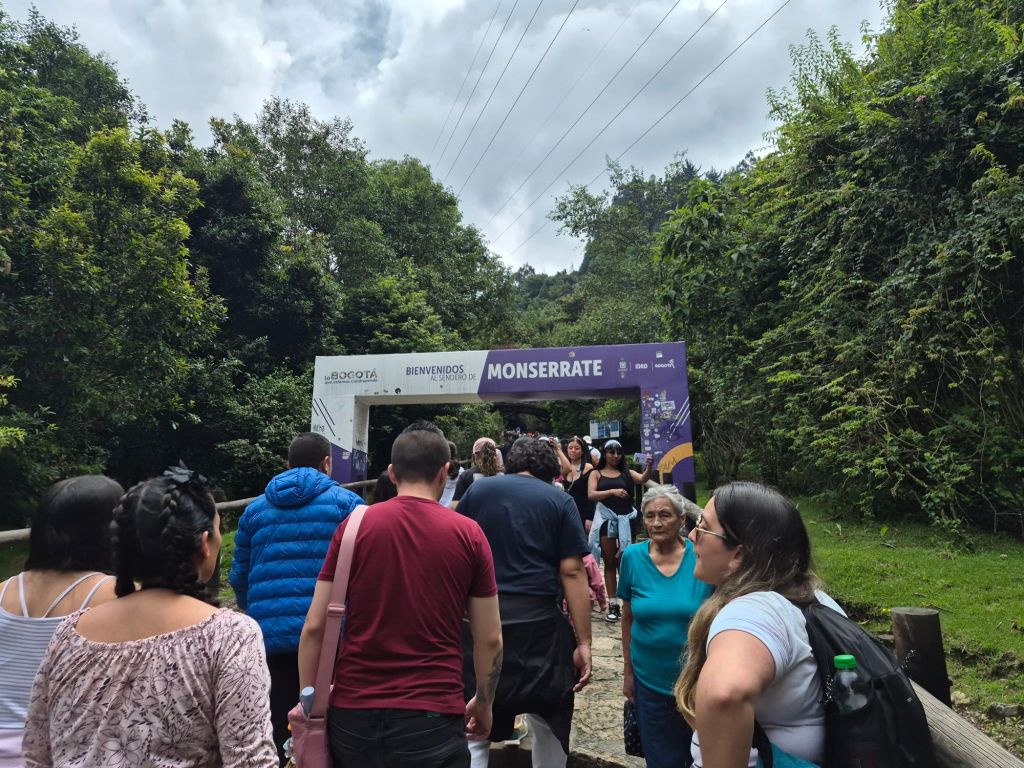
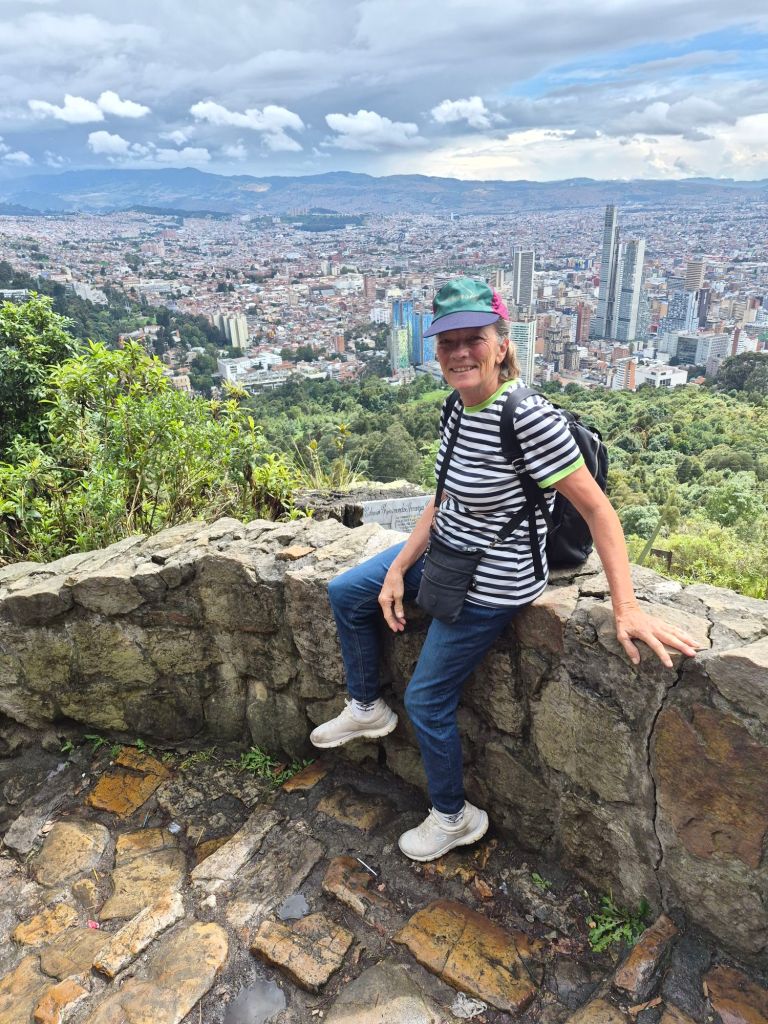
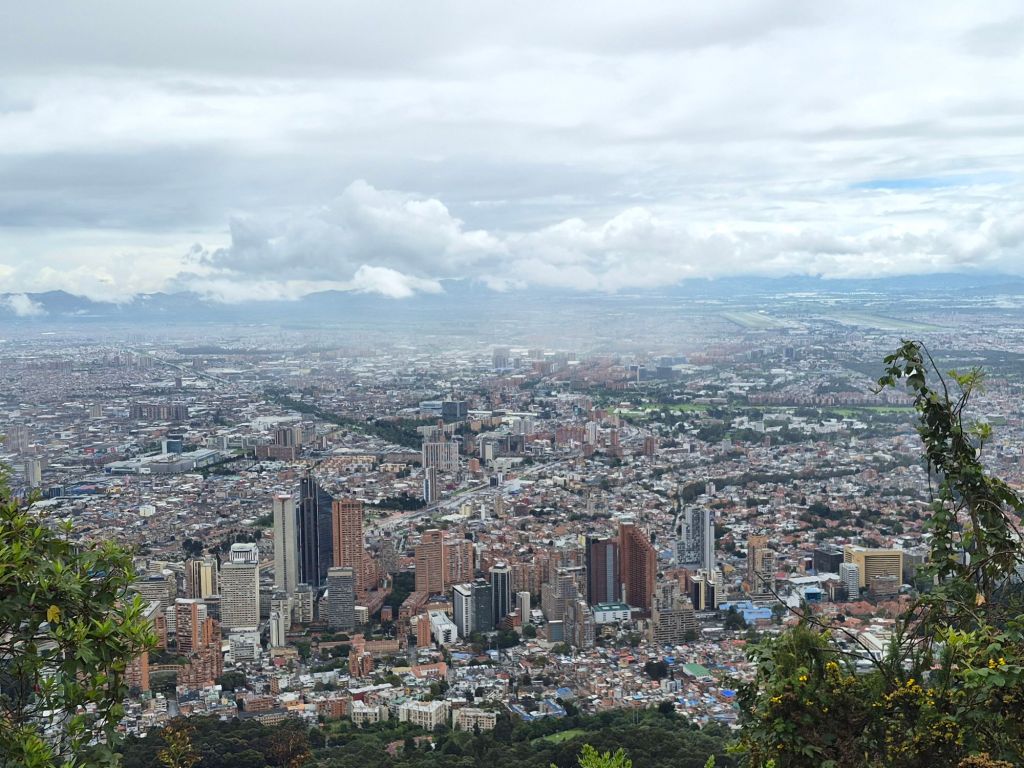
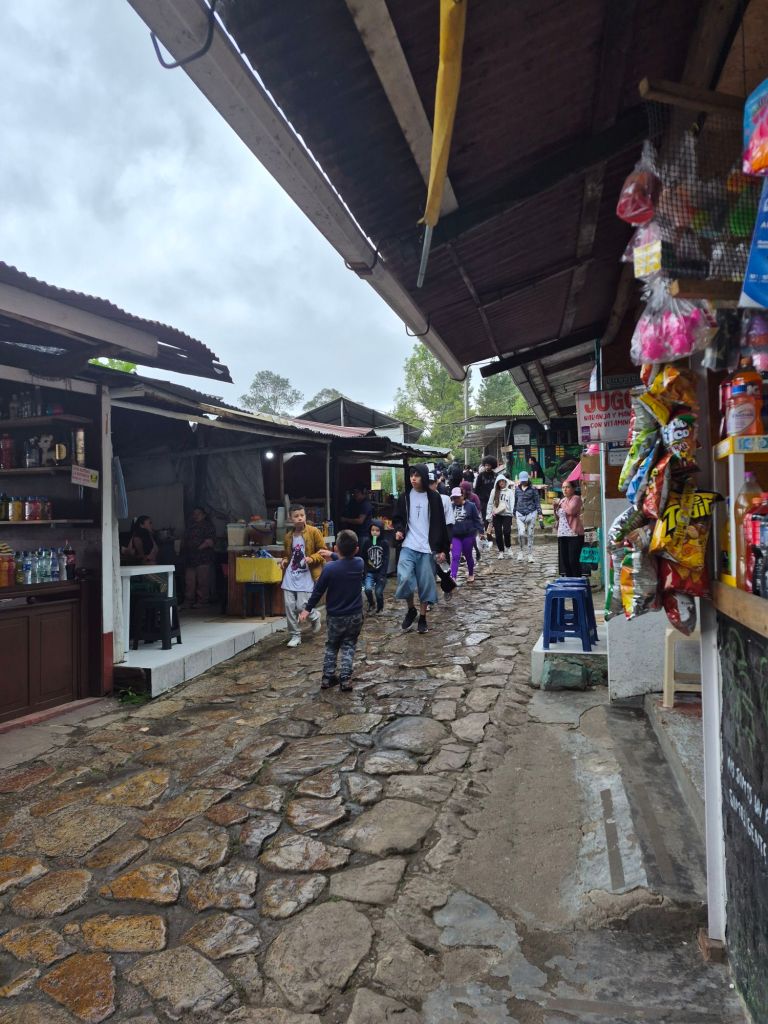
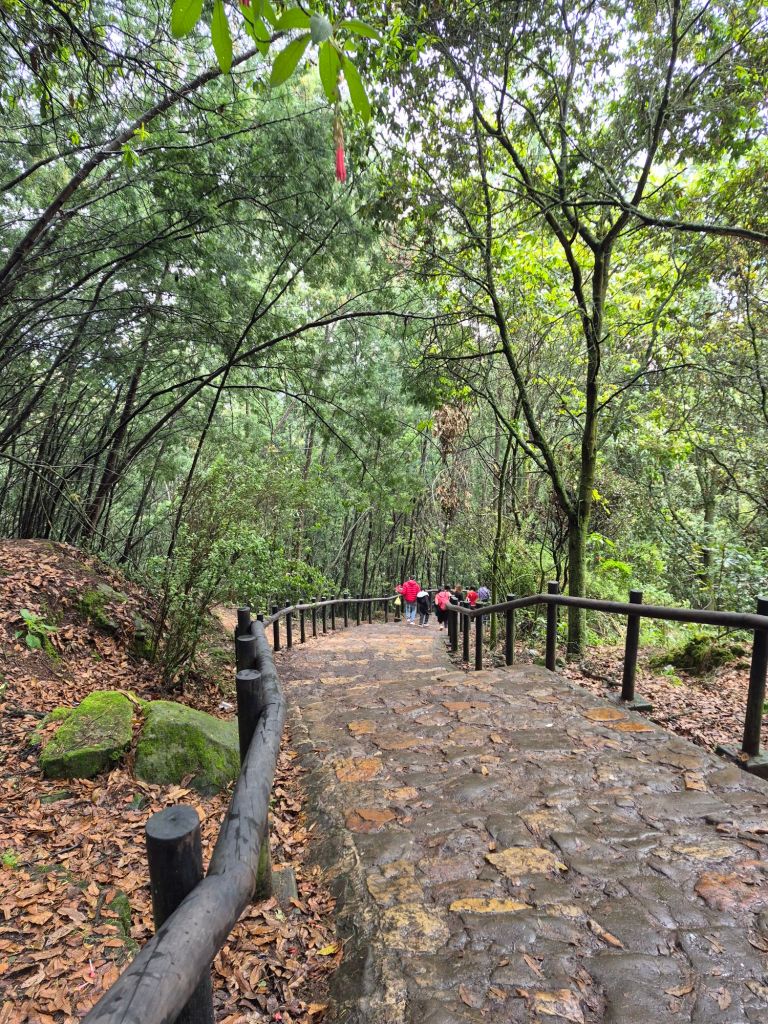
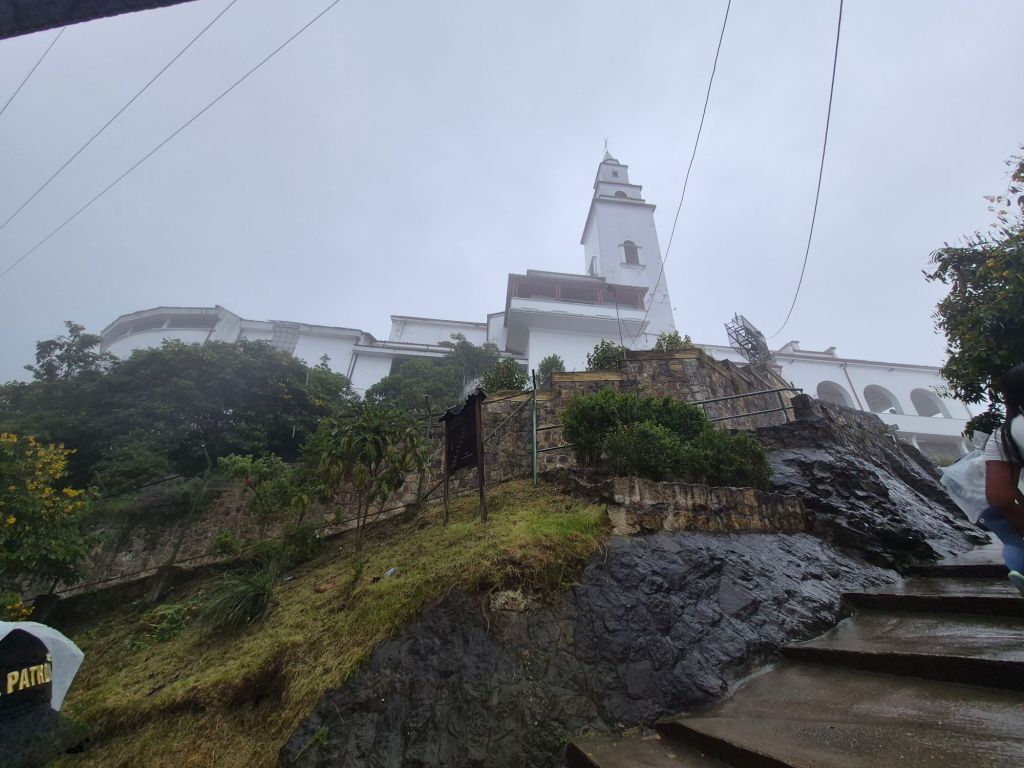
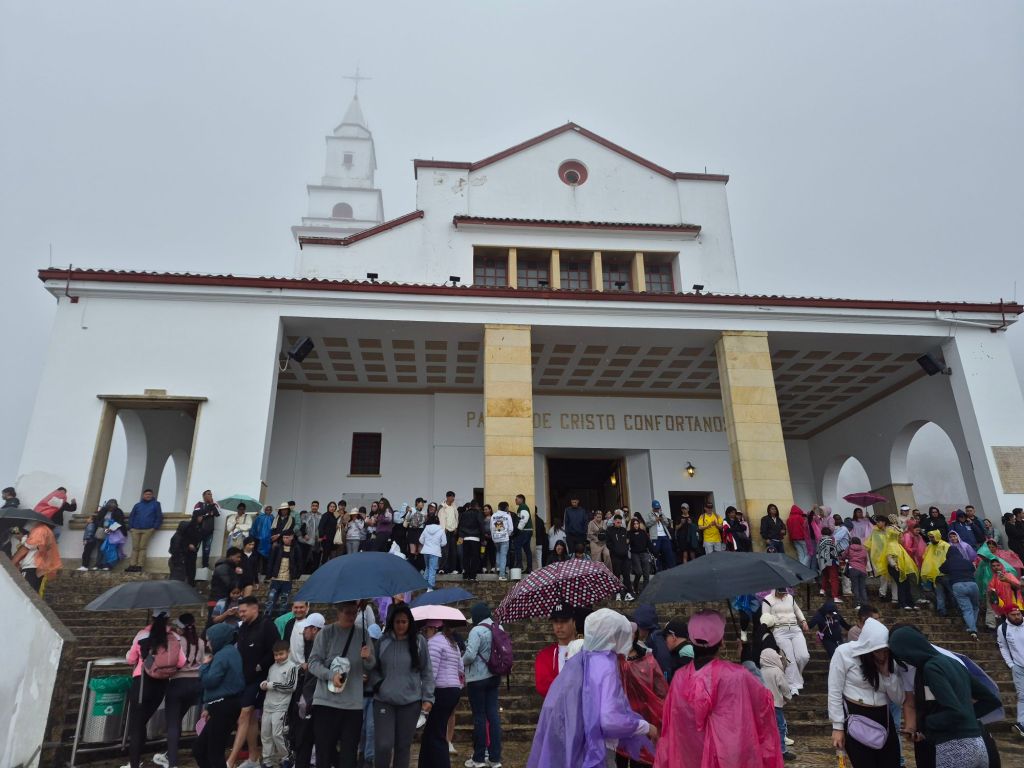
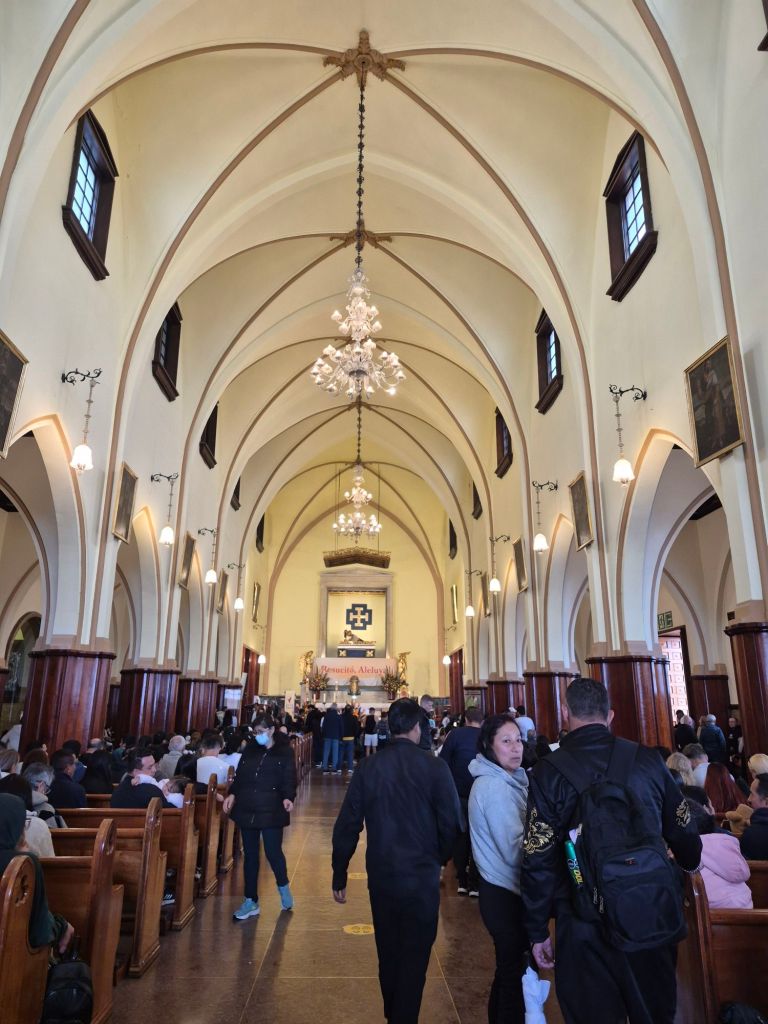
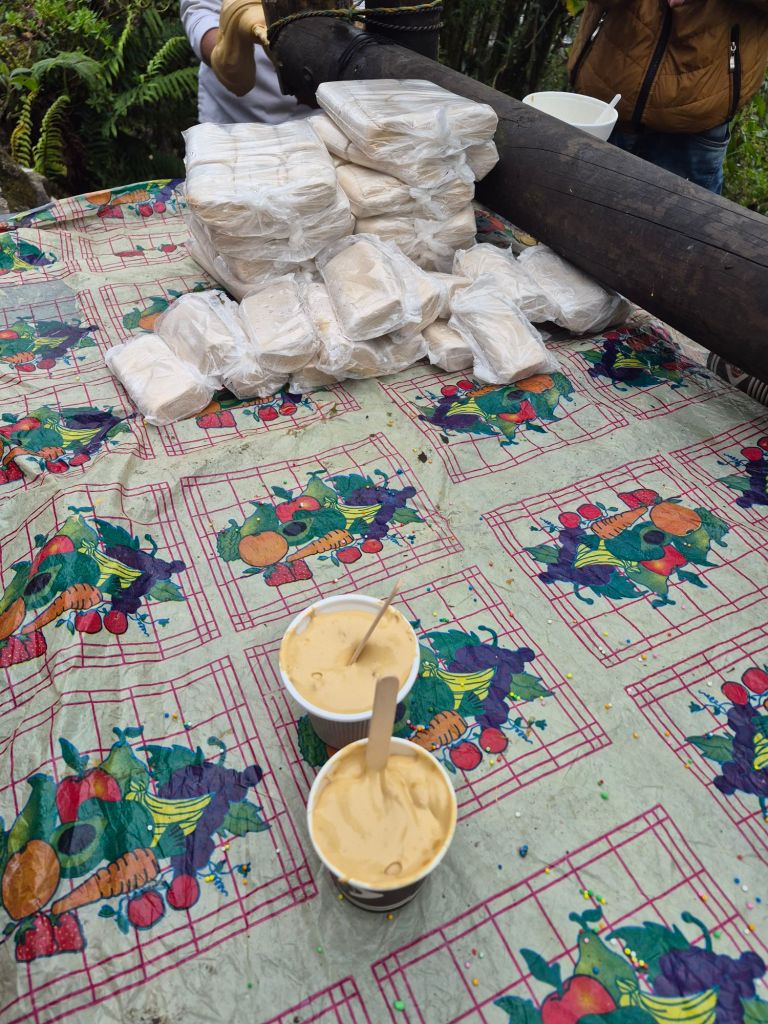
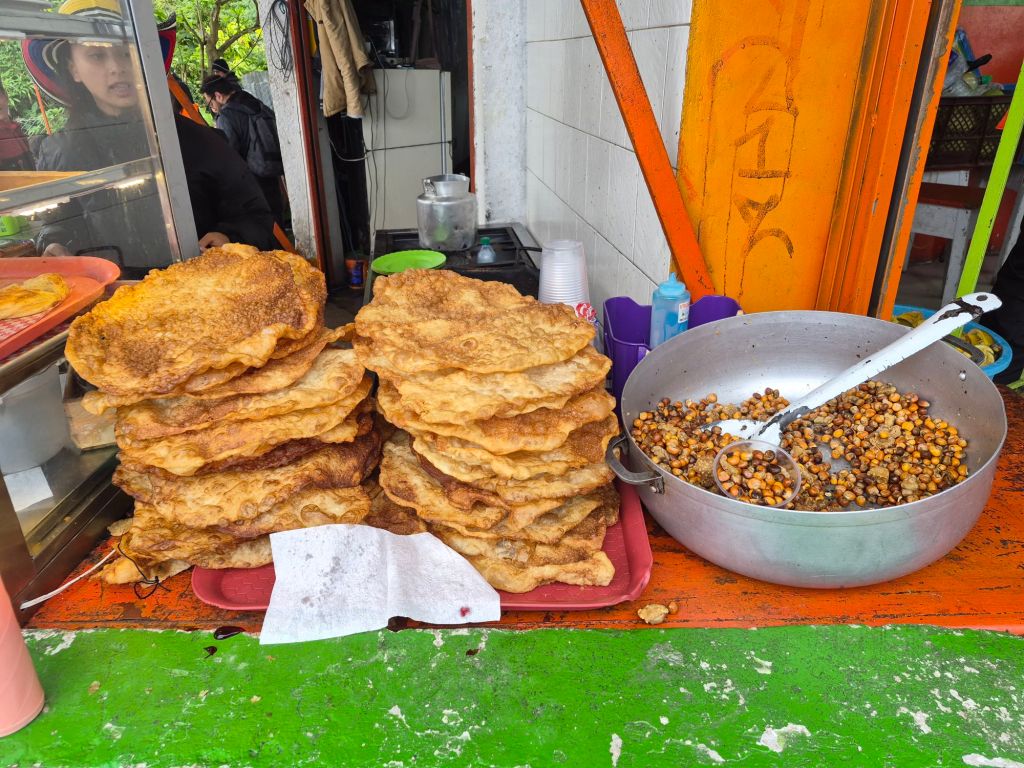
I had four more days in Bogotá before flying to Panama, and on Sunday I decided to climb the 1,605 steps to Monserrate, a viewpoint in the west Andes behind the city. It is 3,152m above sea-level, and the modern day basilica there, called the Basilica of the Fallen Lord (Señor Caído), was completed in 1920. The original was built in 1640 as a place of worship and pilgrimage site for the Spaniards. Climbing up to the basilica is very popular with the locals, and it being Sunday, about half of Bogotá were either going up or going down. I had not slept well the previous night, and was tired even before I started, so I stopped for a rest after every 20 steps. Initially the steps were far apart, but as the trail got steeper, they were closer together and I could manage 50 at a time, and even 100. I did not feel alone – many people often stopped to rest. It took me 2,5 hours to climb, and it rained the last hour, which meant I didn’t see the view from the top, but I had taken photos lower down. A service was starting as I entered the basilica, and I was surprised when they started playing a jolly religious song with everyone clapping. I didn’t stay long, but I understood a little in the beginning when the priest commended people for undertaking the pilgrimage, especially in bad weather, so it felt special. It was quite a cultural experience, as there were stalls along the way, selling all the local street foods, as well as artisan products, and just being part of that throng of people was worth the effort.
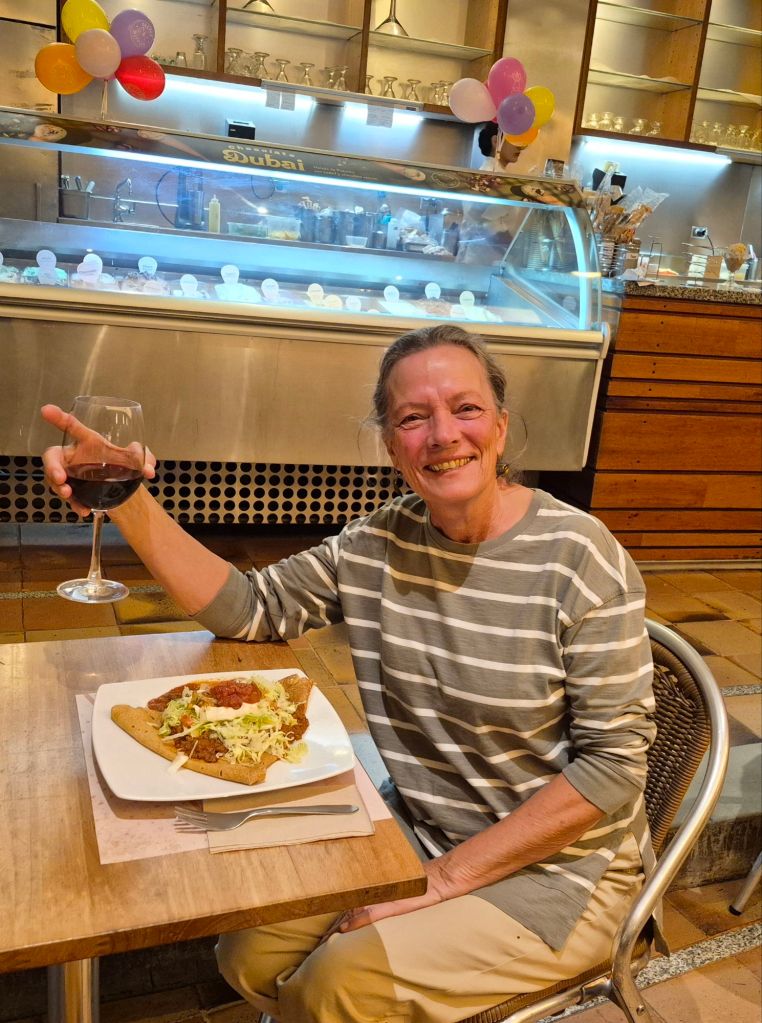
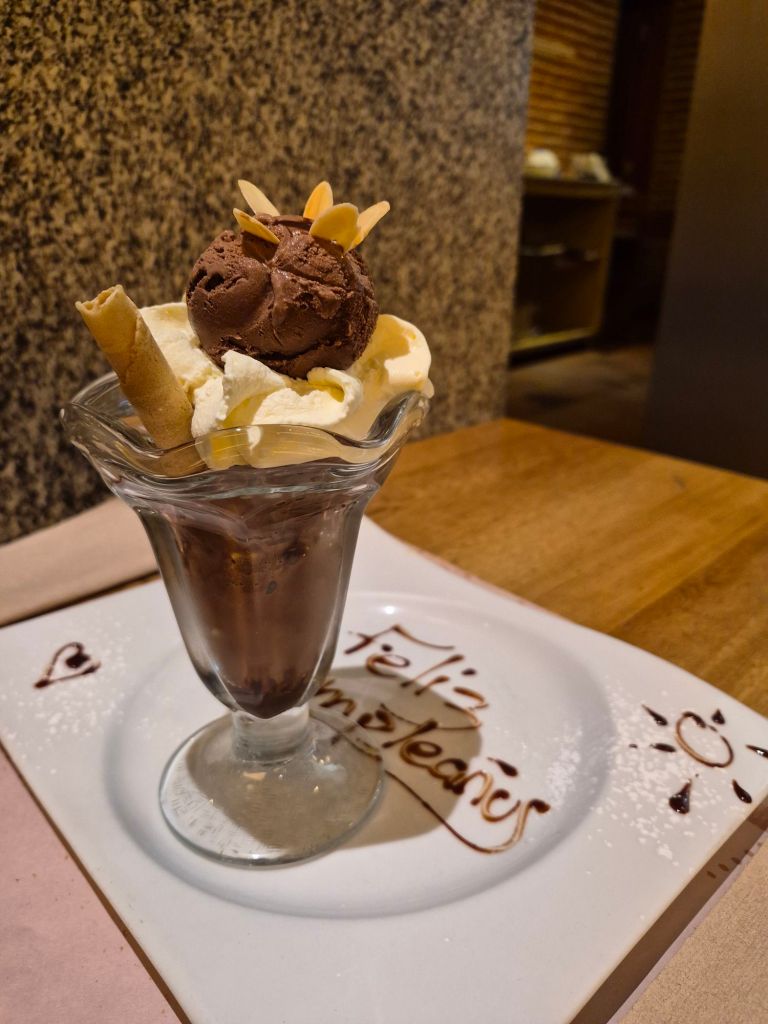
Monday was my birthday and I spent the whole morning reading and answering messages and taking phone calls, fantastic. I treated myself to a meal at the popular Crepes & Waffles, a restaurant started by two women and where only women work, and where the food is divine. I told them it was my birthday, and they surprised me with a Feliz Compleaños written on my dessert.
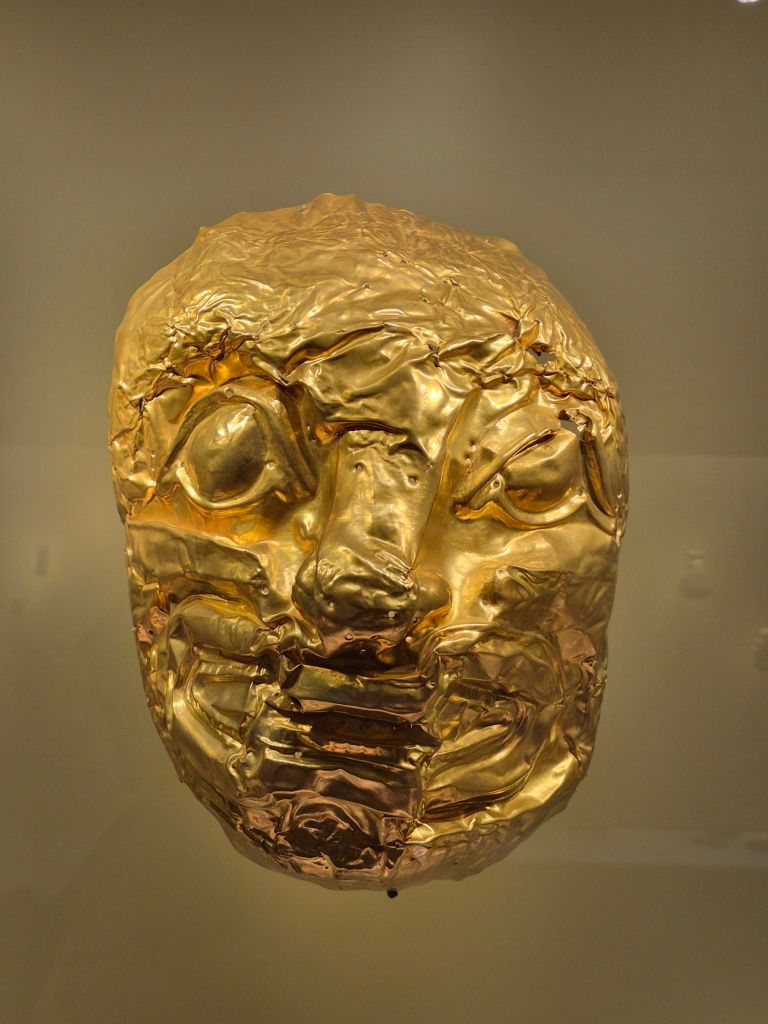
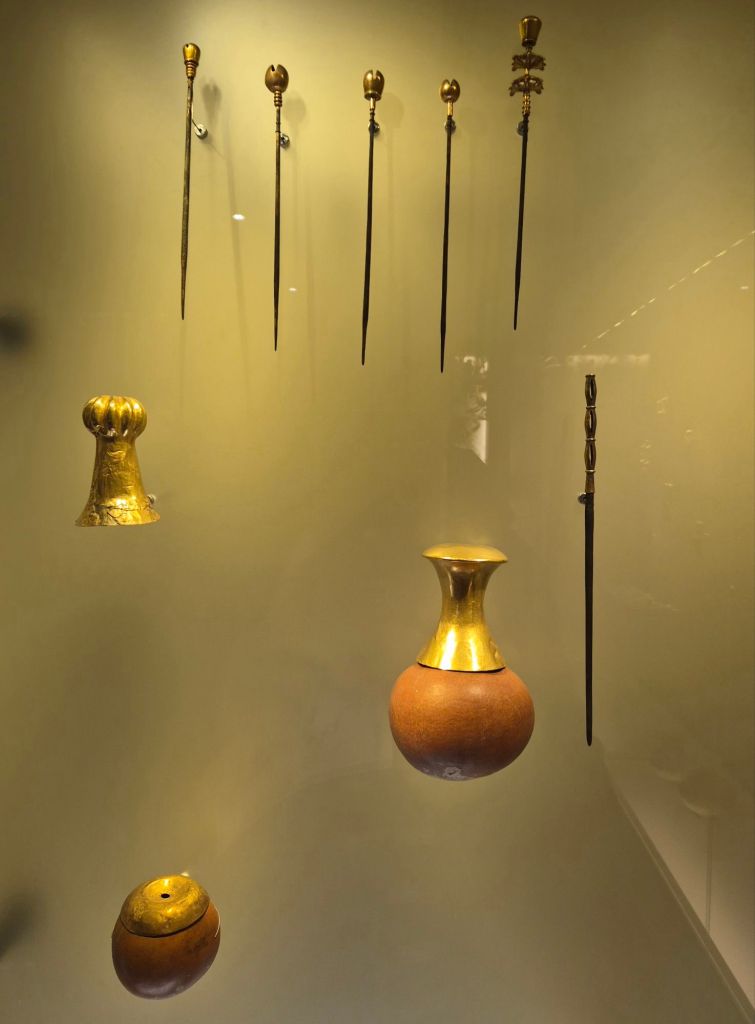
The gold museum in Bogotá has been rated as one of the best museums in the world, and it definitely is worth a visit. I spent my last day in Colombia there, and was struck by the depth of culture that the Colombians have, going back thousands of years. The history of gold is narrated with artifacts and descriptions, and the explanations of rituals and meanings attached to them adds a dimension that is both humbling and thought-provoking. Something that stood out, was the absence of weapons – no violence, only deeply spiritual, creative and skilled people. As was described in the museum: “Metal objects that were created by man, were returned to the earth as gifts to the gods. Imbued with profound religious meaning, they are offered up in lakes and caves, in order to restore the balance in the world. The metal cycle is thus completed; manipulated by man, it is used by him to manage the universe.” I left the museum filled with awe, very grateful for the opportunity to have been able to travel in Colombia, at the same time wishing I could stay longer.
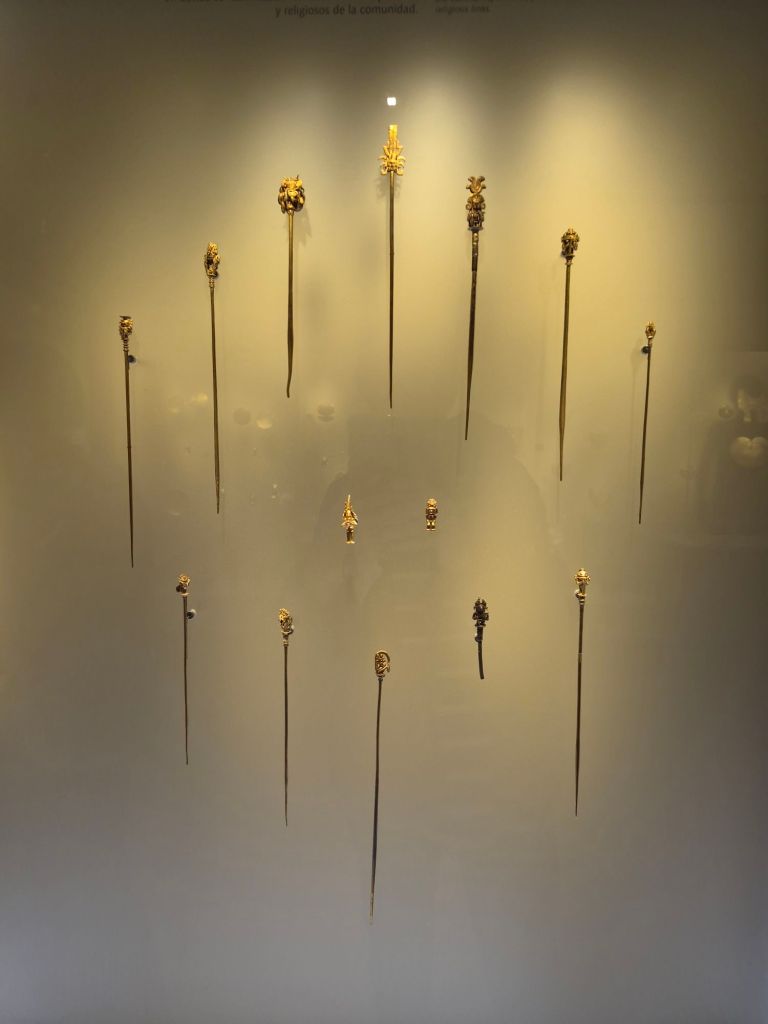
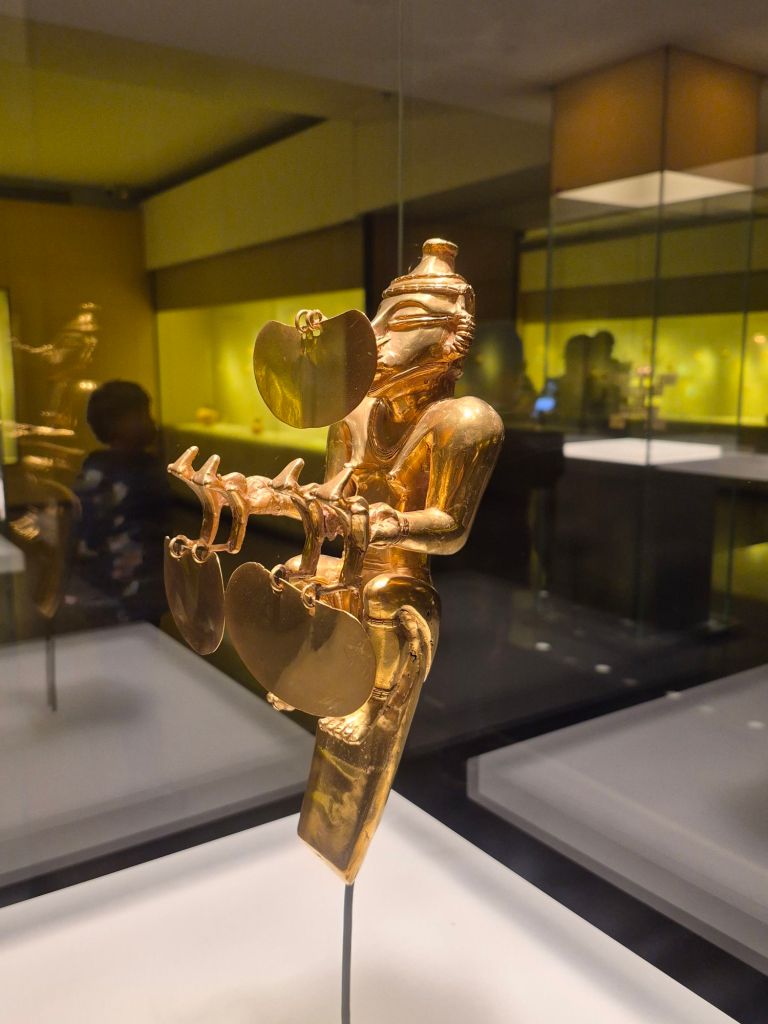
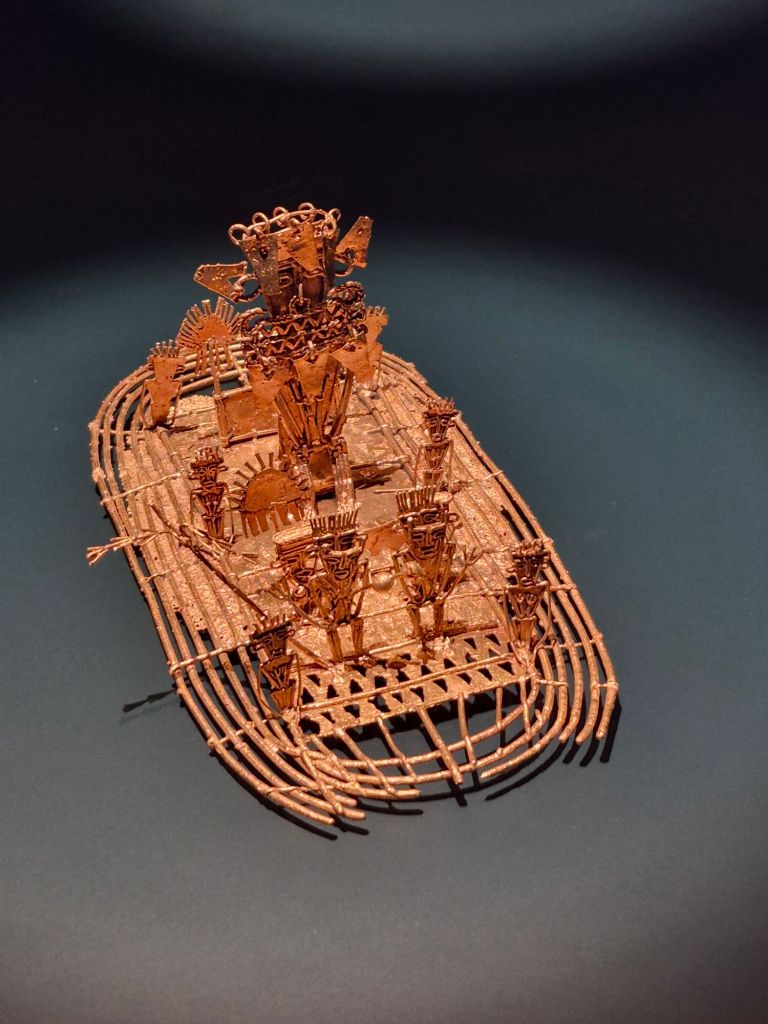
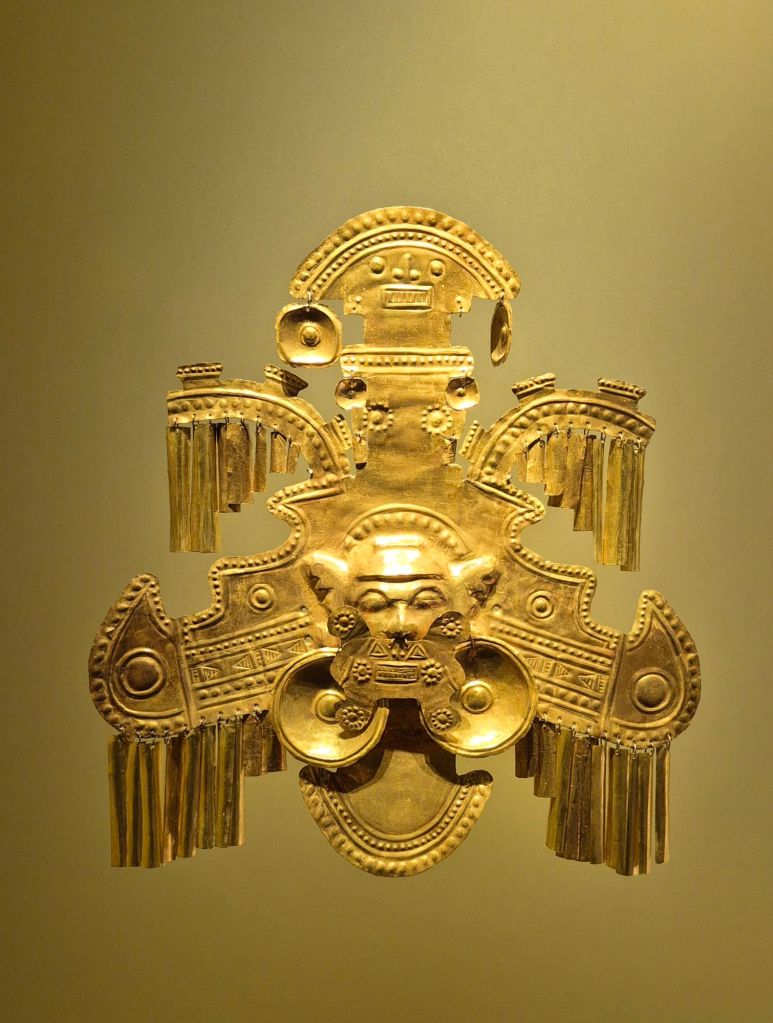
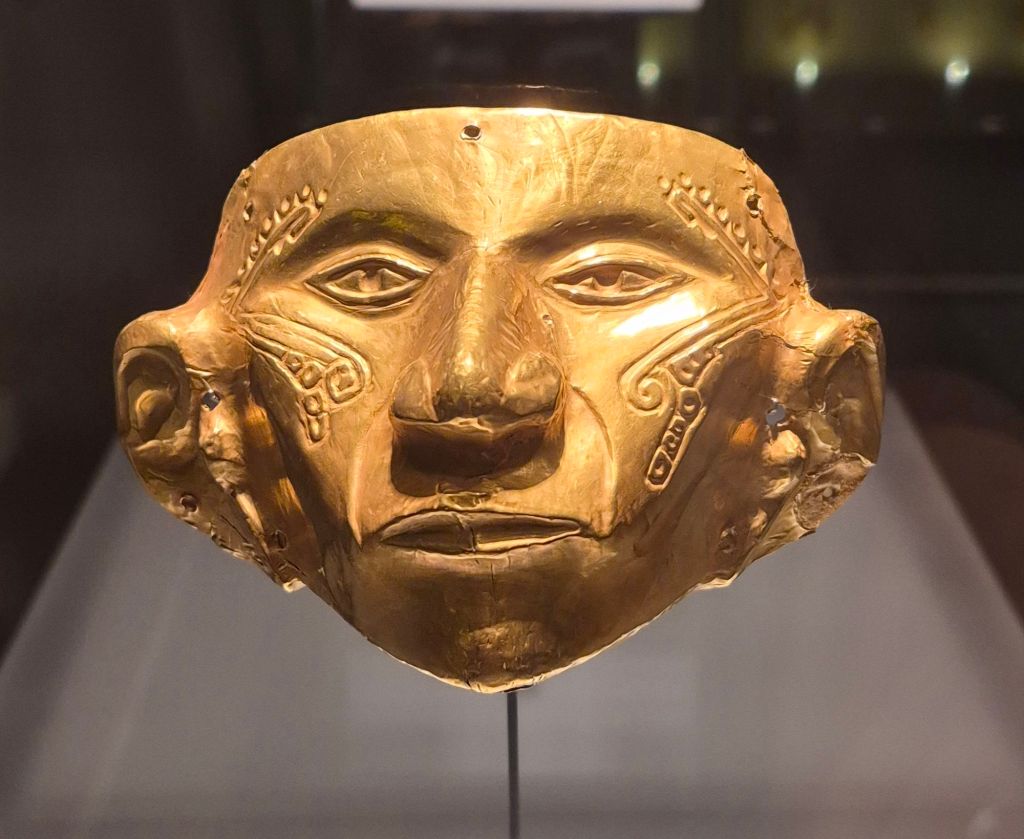
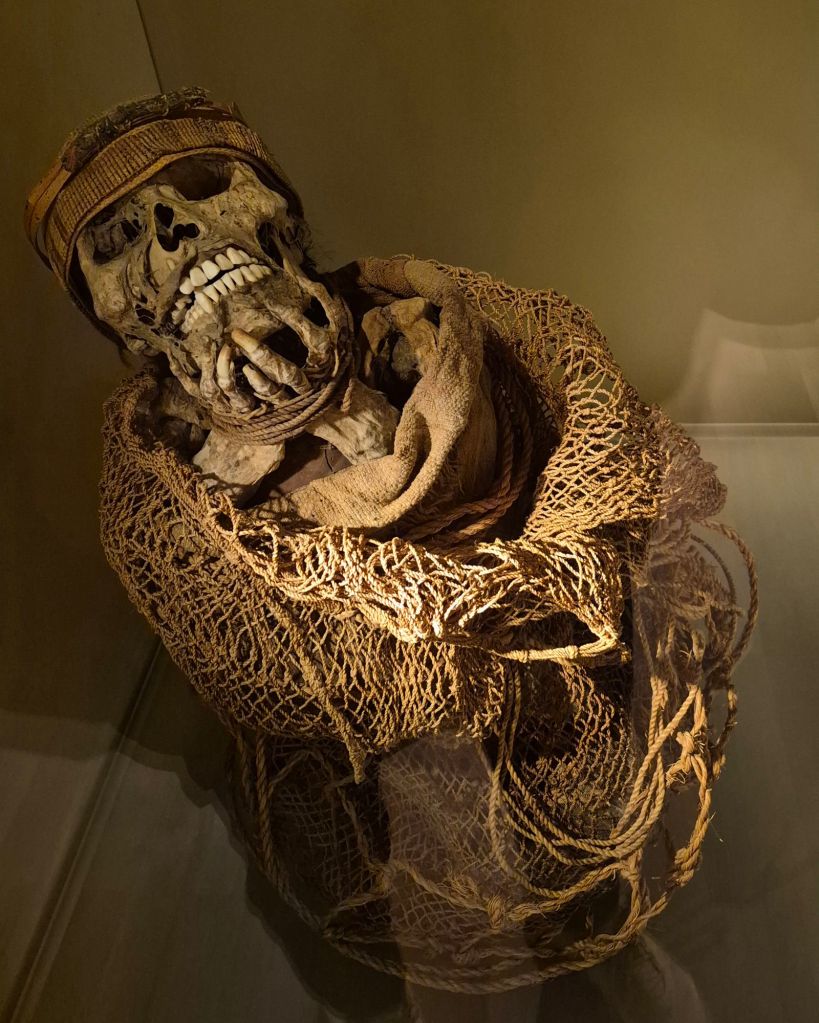
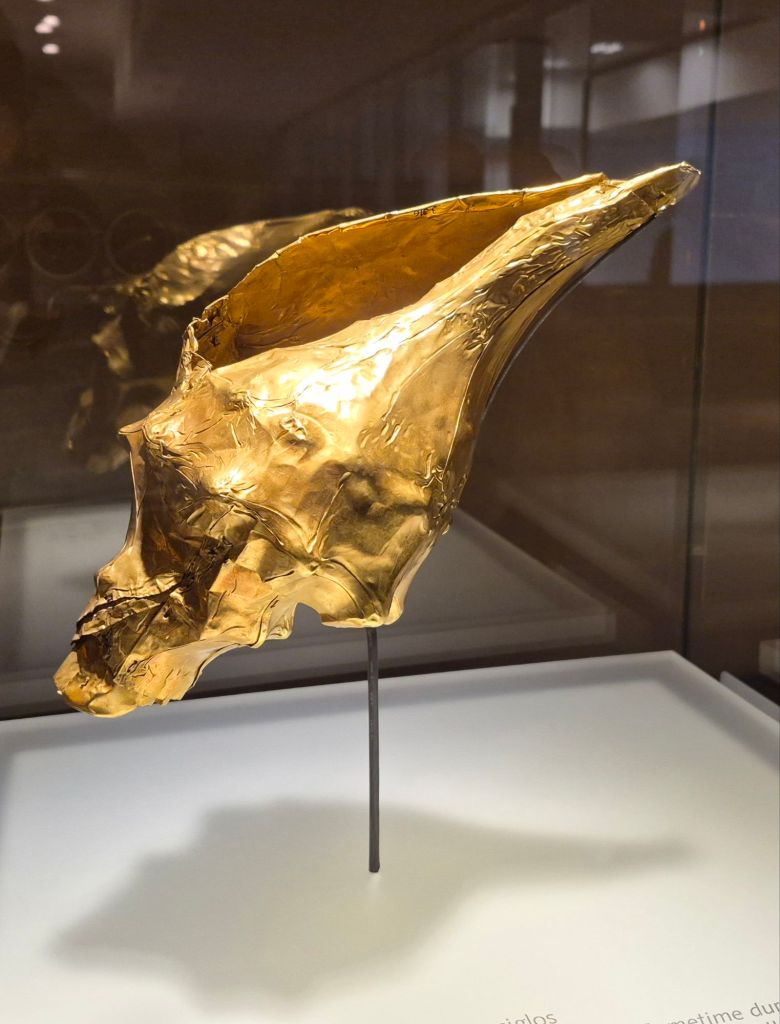
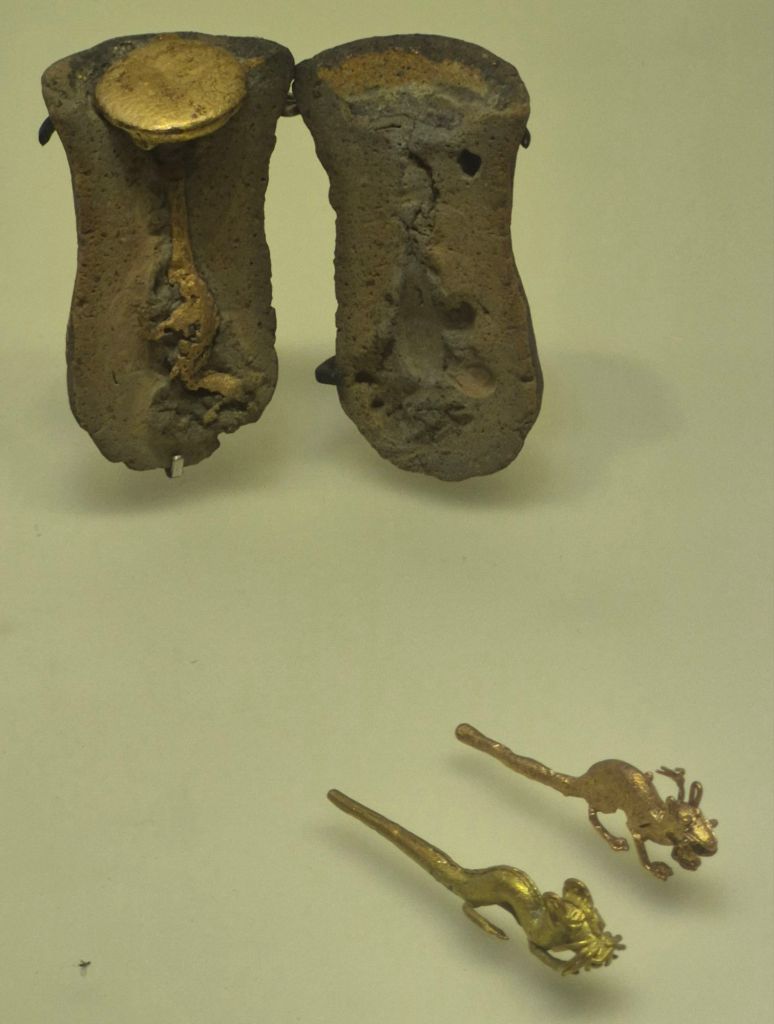
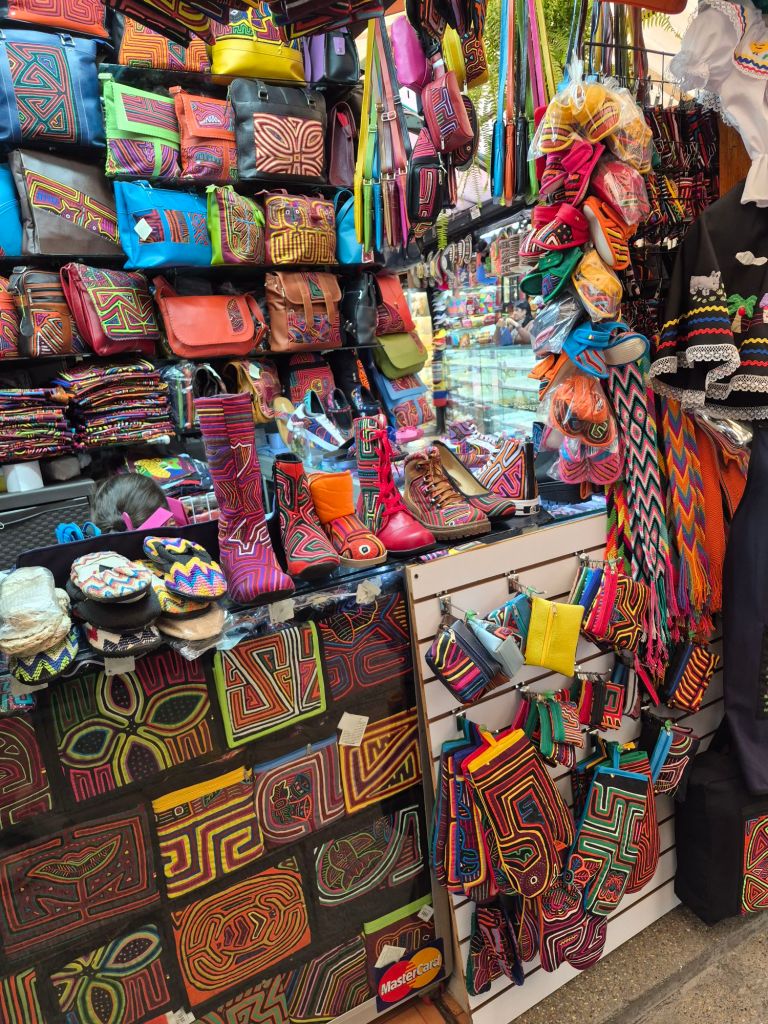
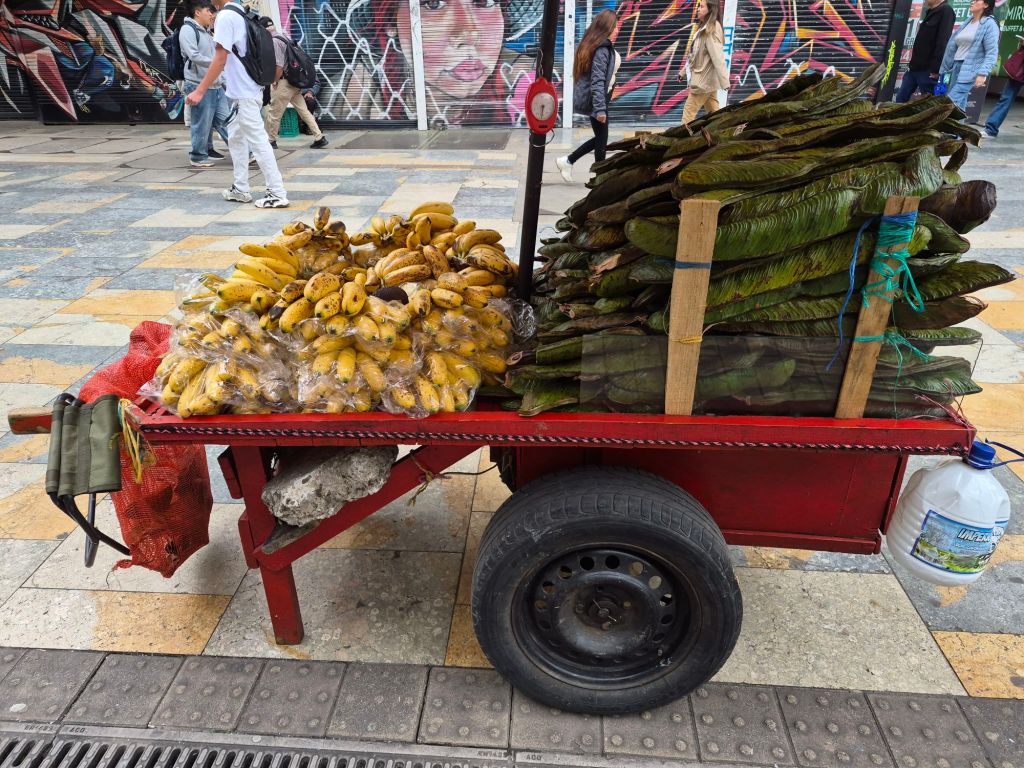
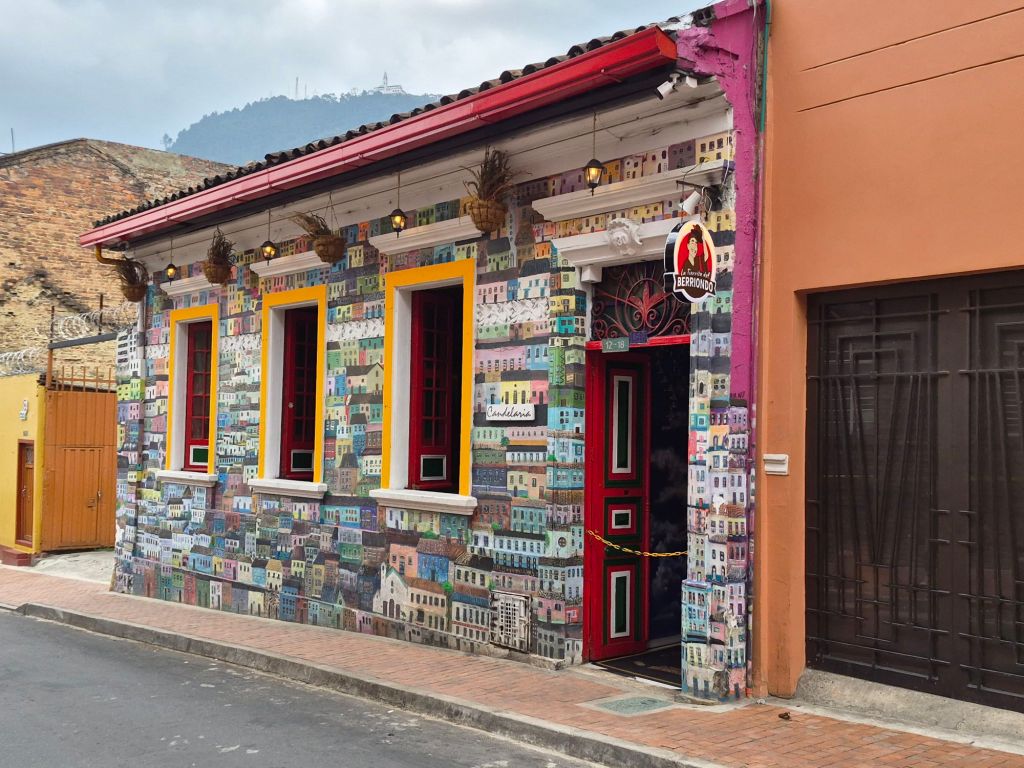
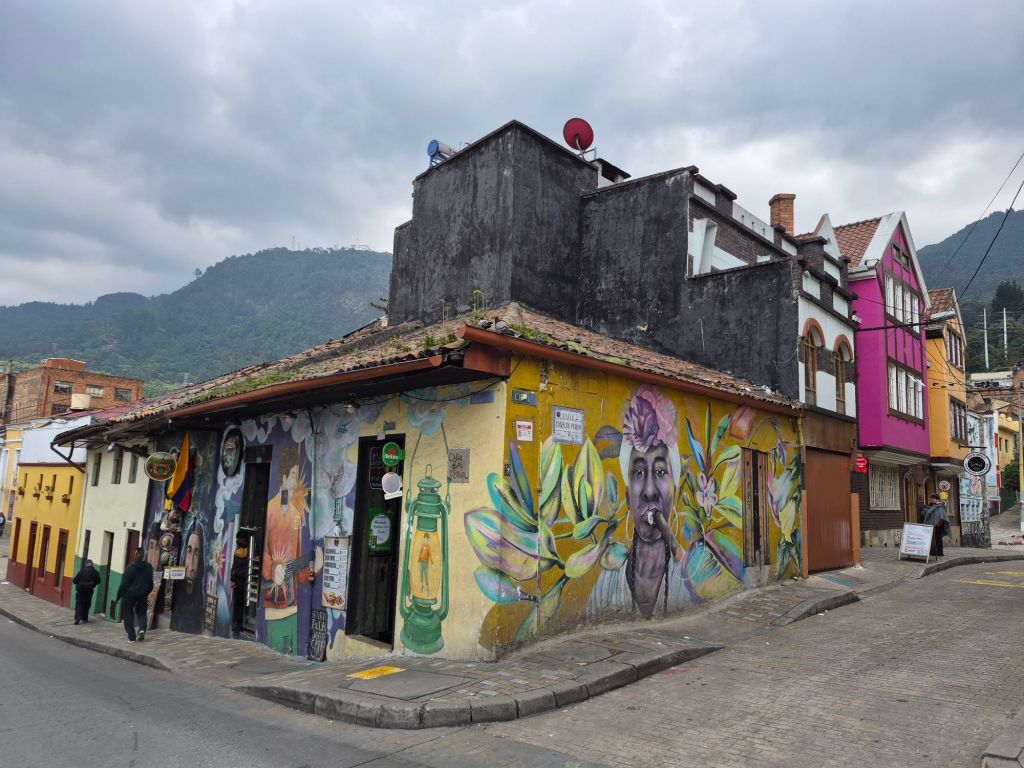
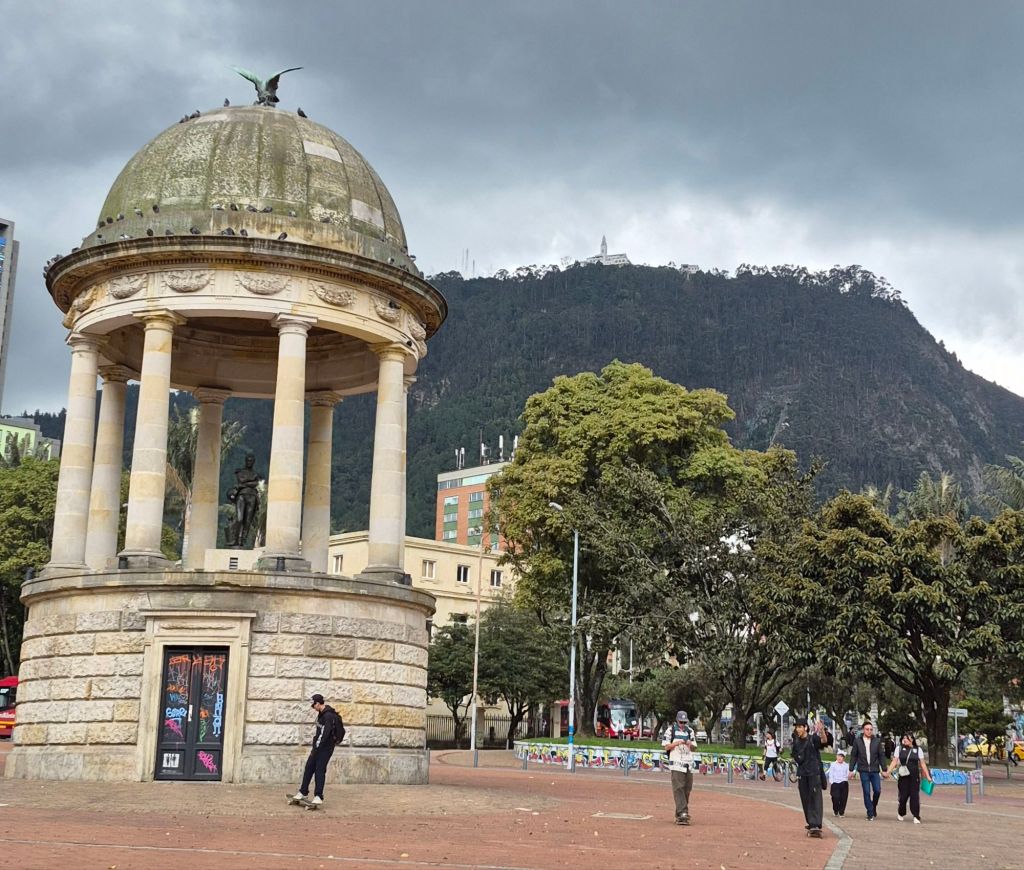
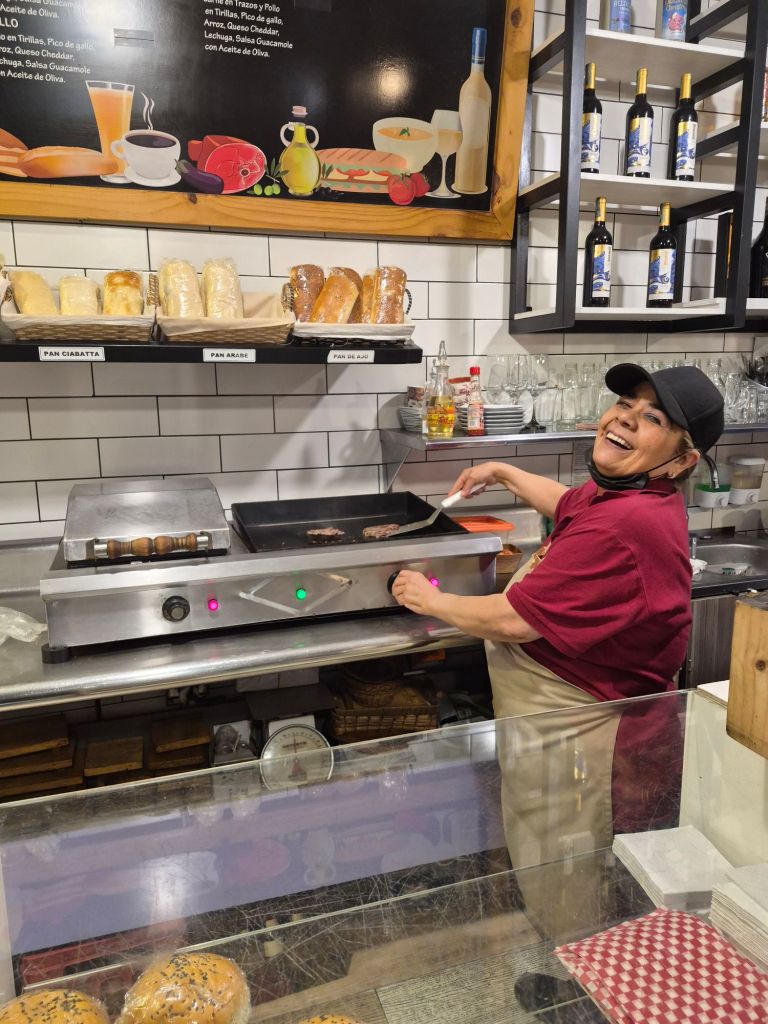
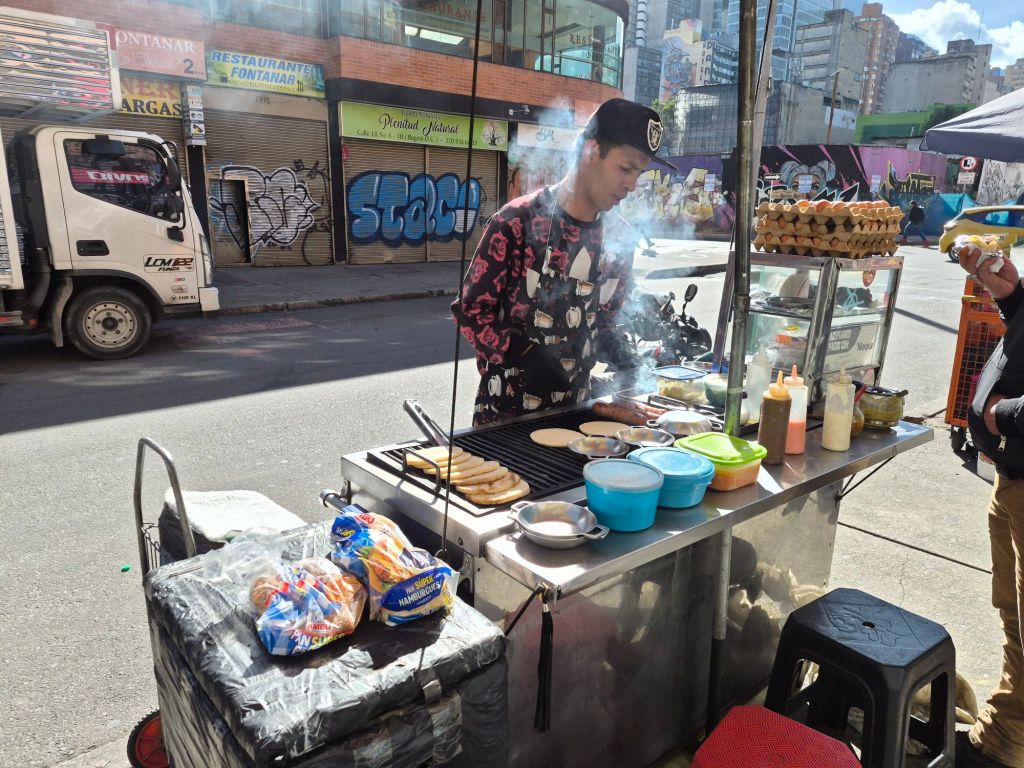
Just a few more pictures of Bogotá – I was very sad to leave.

 Mella Madness
Mobile: +27 76 4895744
LikeLiked by 1 person