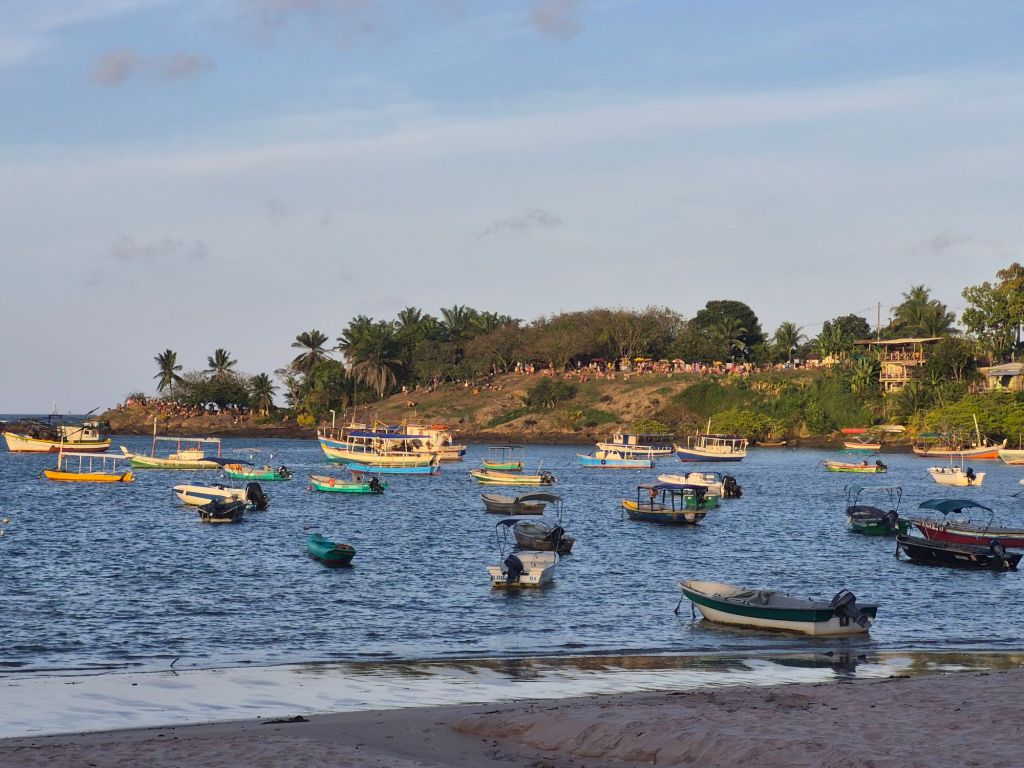
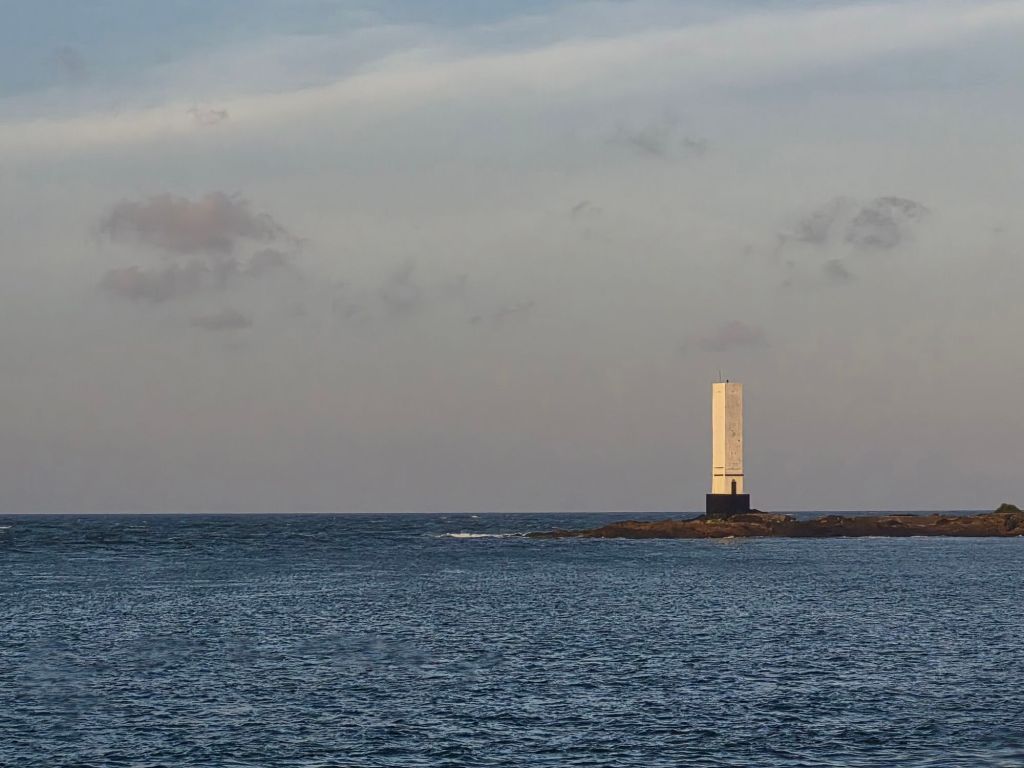
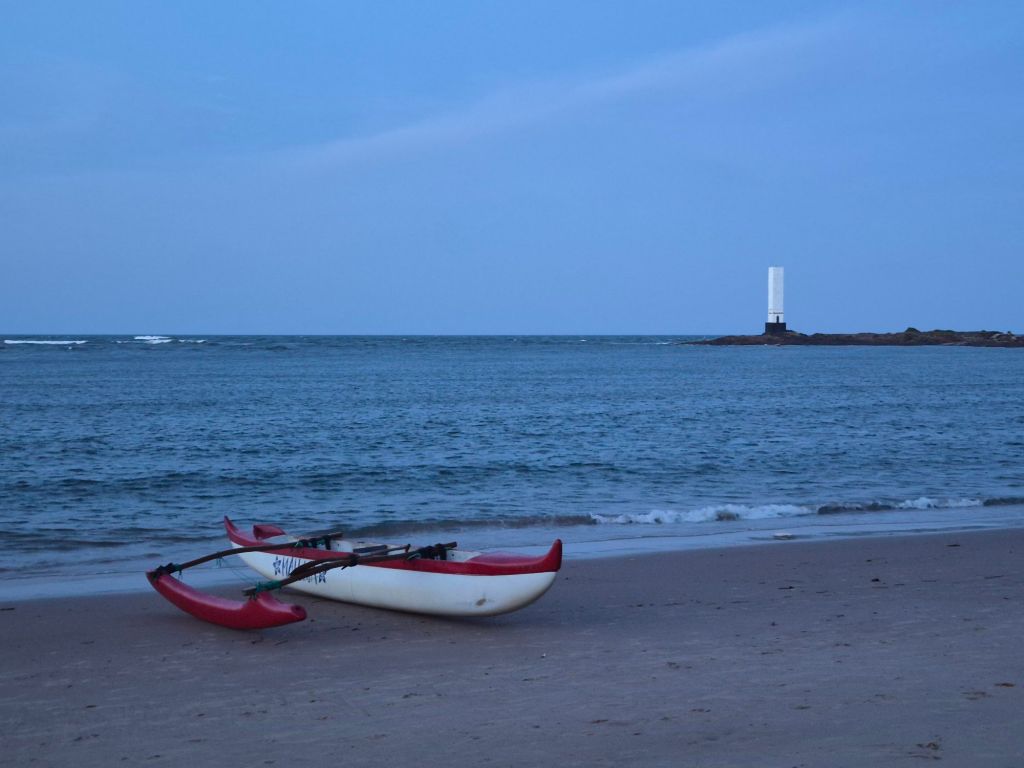
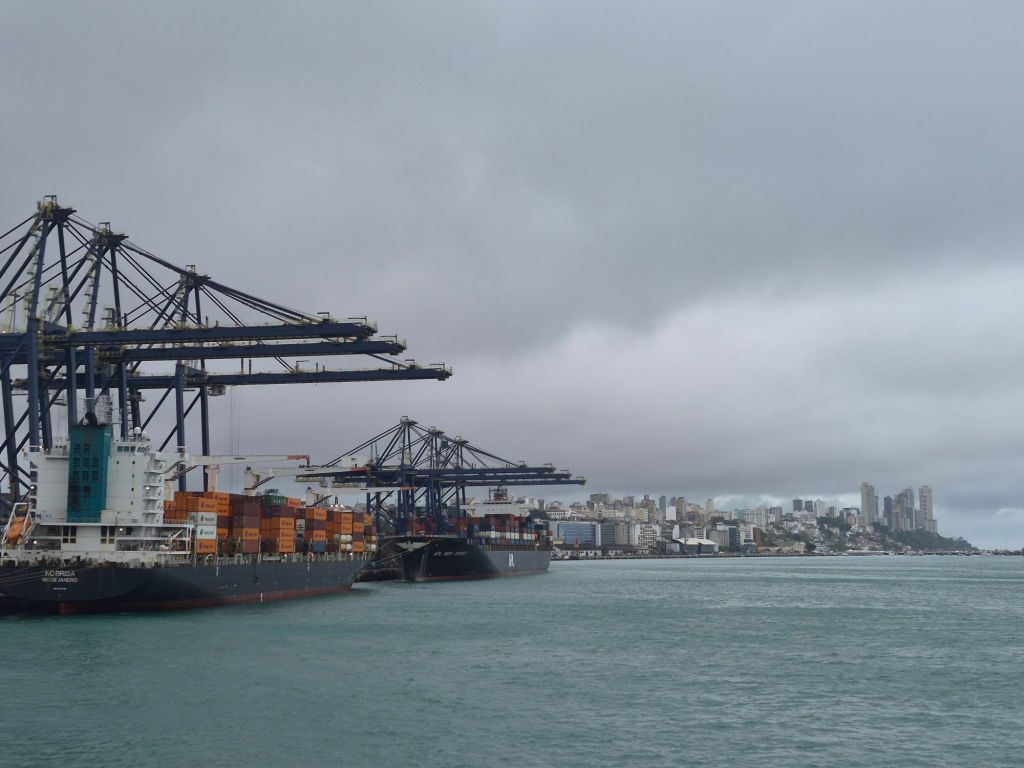
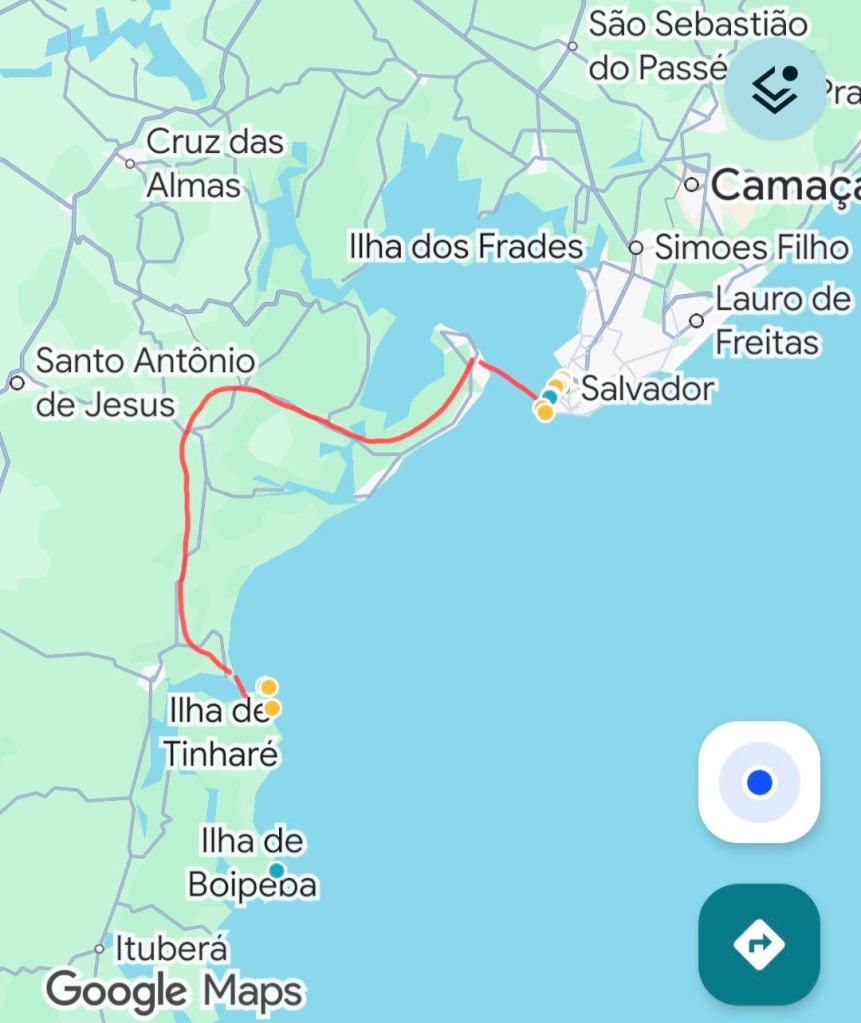
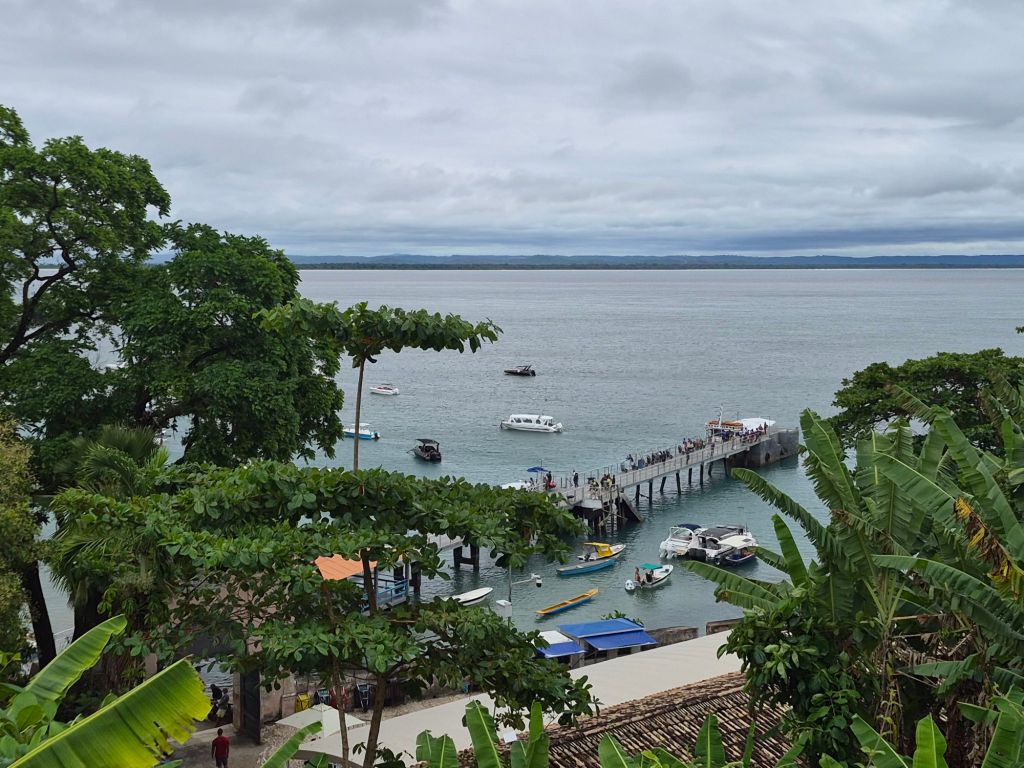
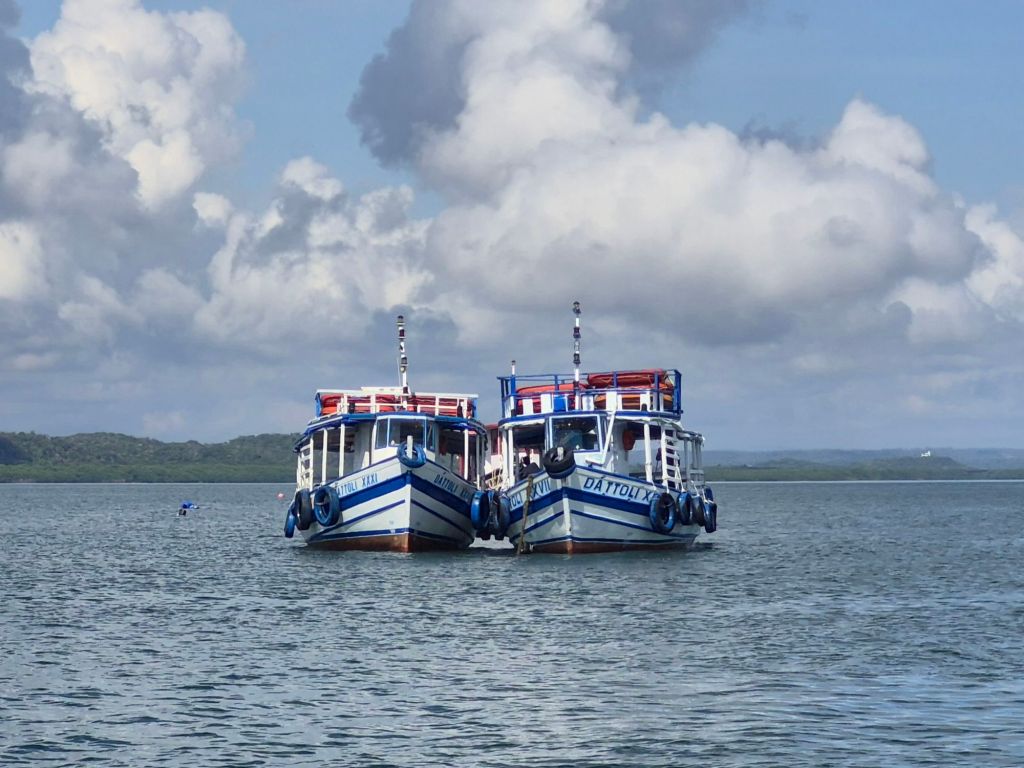
When I told Mericia I was going to work my way down the coast to Rio de Janeiro and eventually São Paulo, she suggested I start at Morro de São Paulo, a small town at the northern tip of an island called Ilha de Tinharé. One can cross the sea from Salvador by catamaran, or one can do a shorter ferry crossing, take a bus and finally a short speedboat trip. The weather was bad that morning and the catamaran had been cancelled – just as well, because even the ferry almost had me seasick.
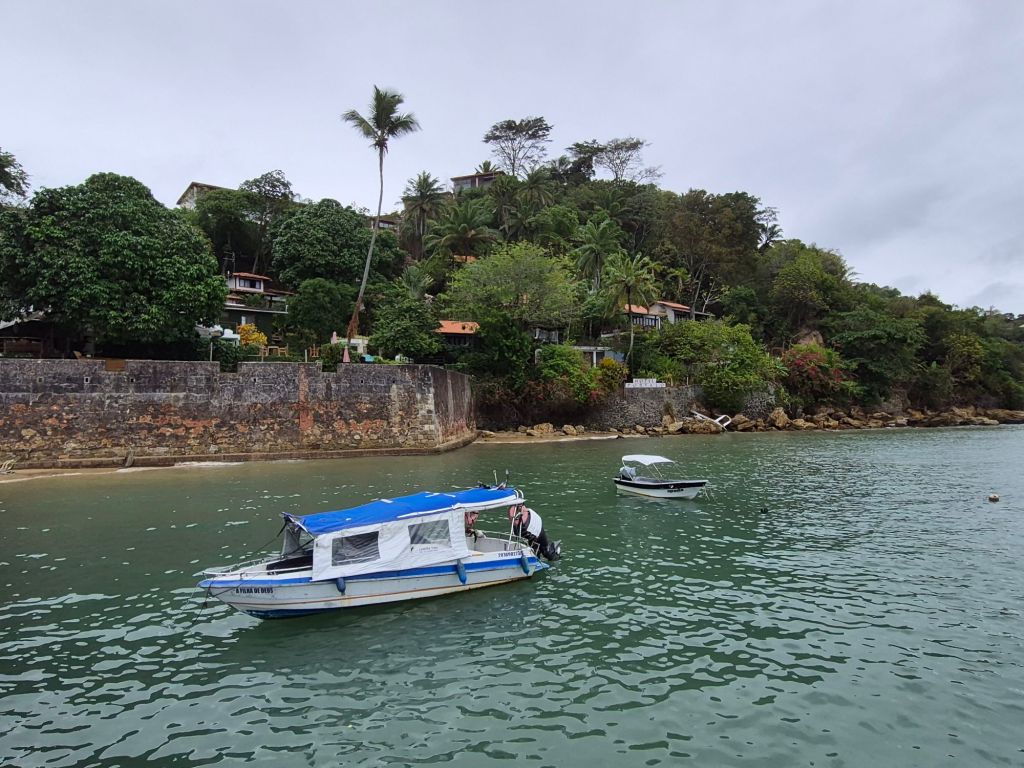
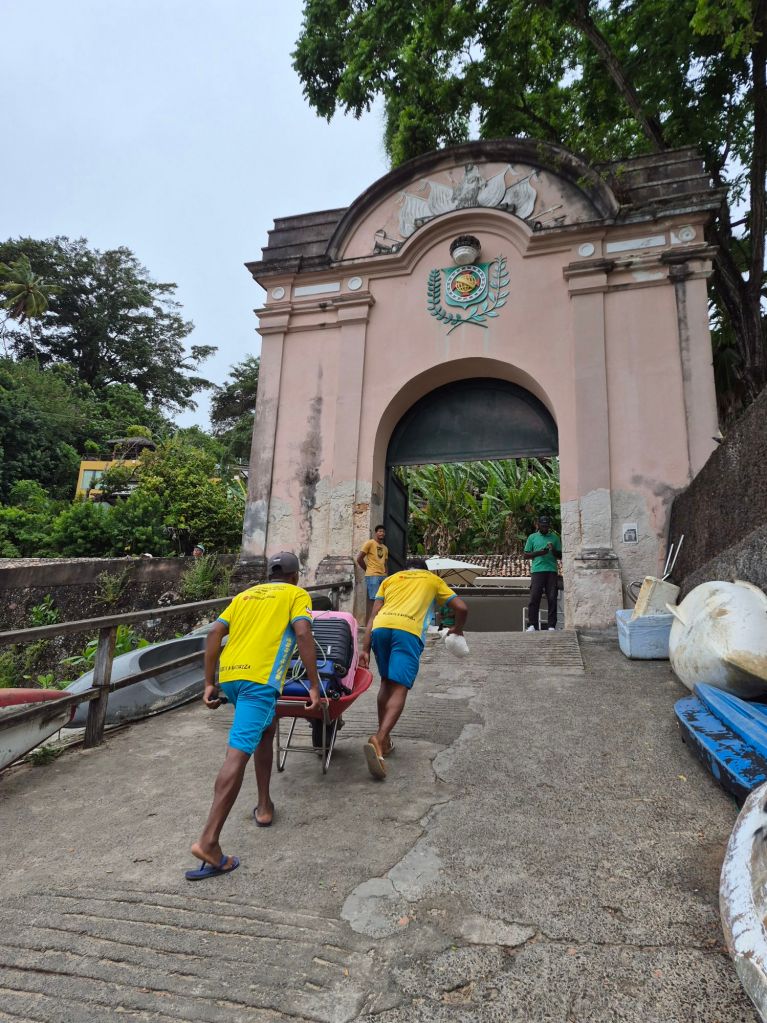
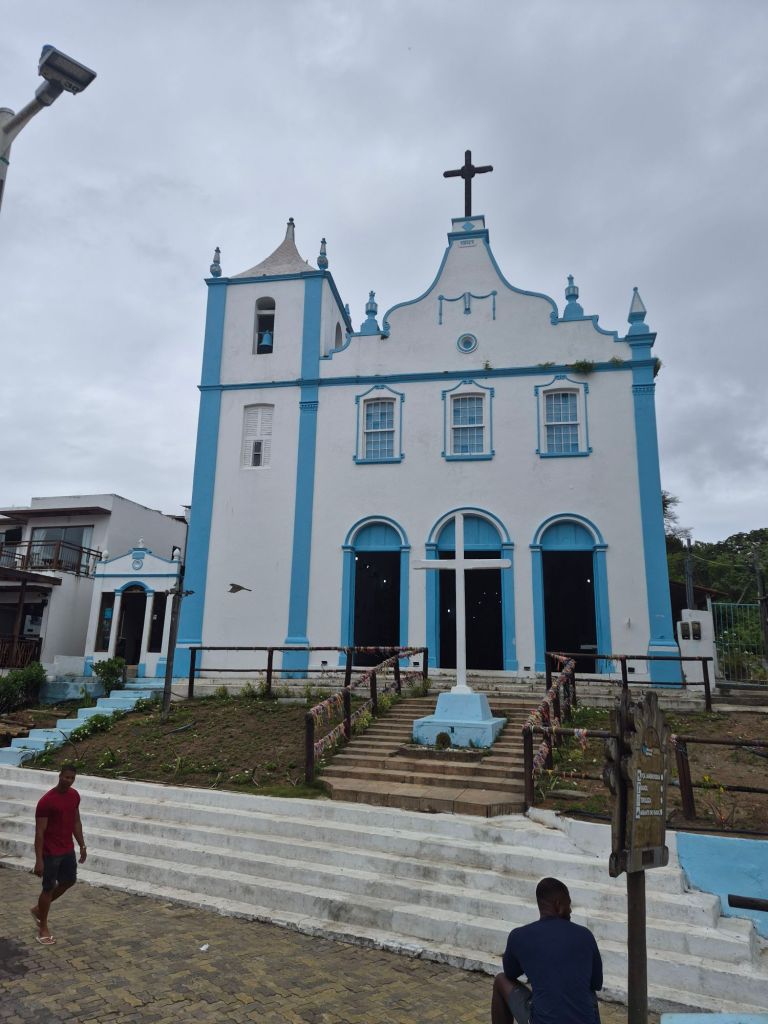
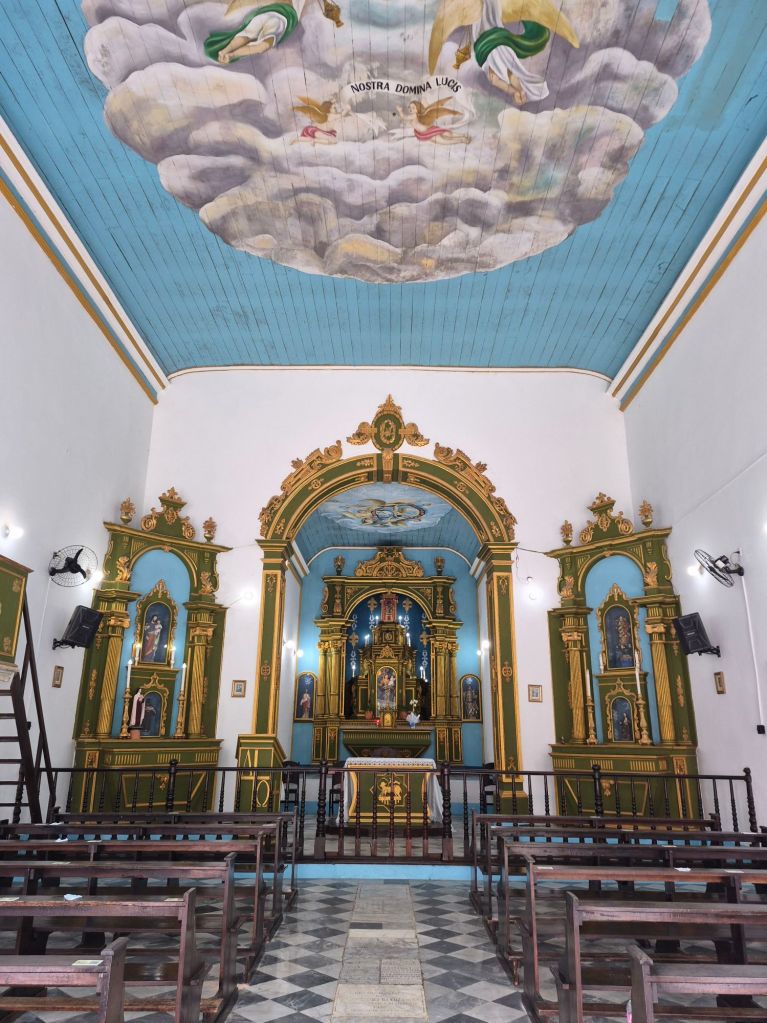
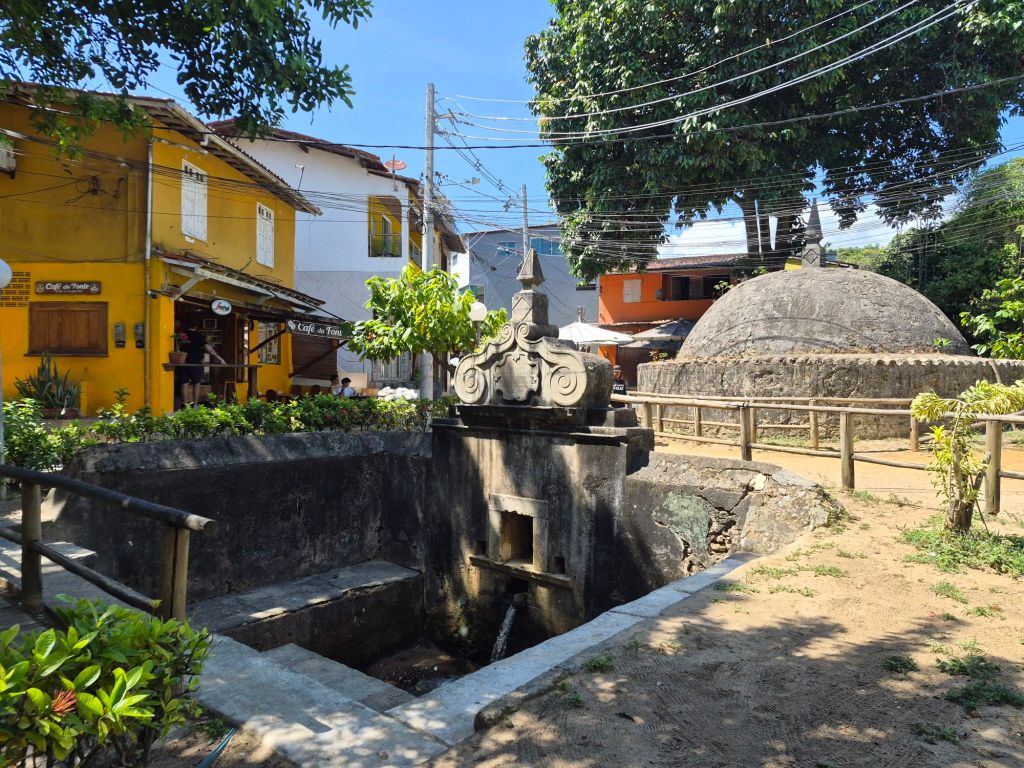
Morro de São Paulo has an interesting history. It is a car-free village that was established by the Portuguese in 1535 as agricultural and strategic outpost to protect the southern approach to Salvador. It was frequently attacked by French and Dutch privateers (for example, Dutch Admiral Piet Heyn attacked it in 1628 – I remember singing a song about him at school), which led to a fort being built in 1630 (Fortaleza do Morro de São Paulo). A water system was developed in 1746 when a well was constructed in the village, still a tourist attraction today (Fonte Grande). The village remained isolated for centuries until travellers and hippies started visiting it after electricity was installed in 1985. Now it is a prime tourist destination, with quite a few beaches, numbered from one to five.
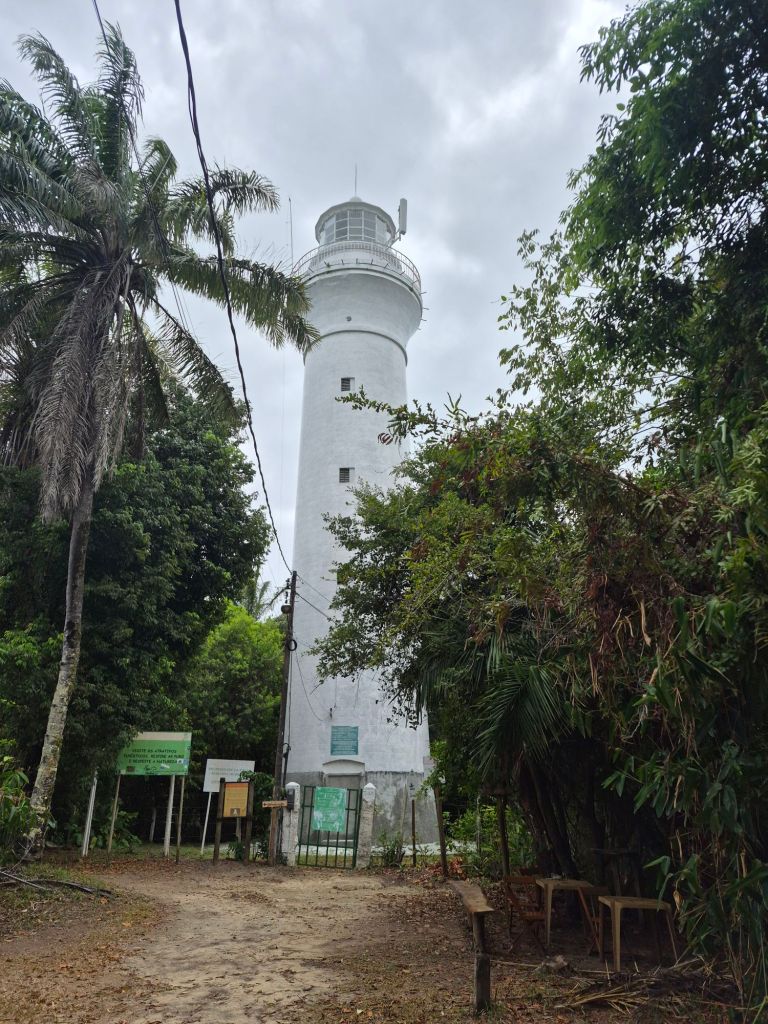
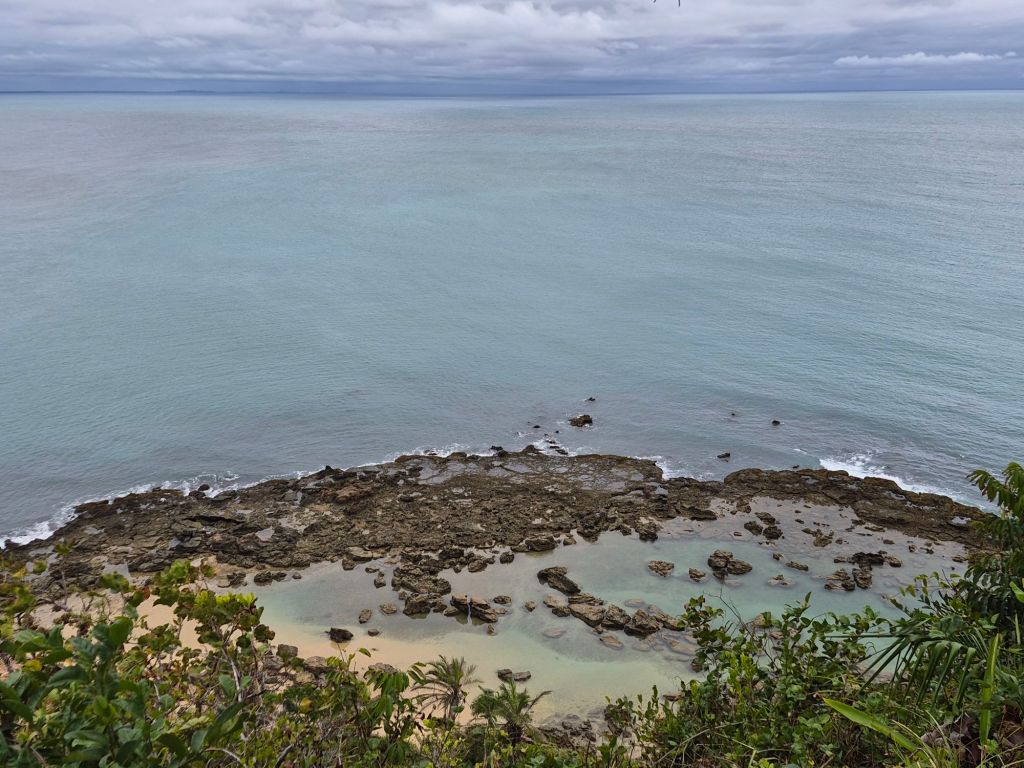
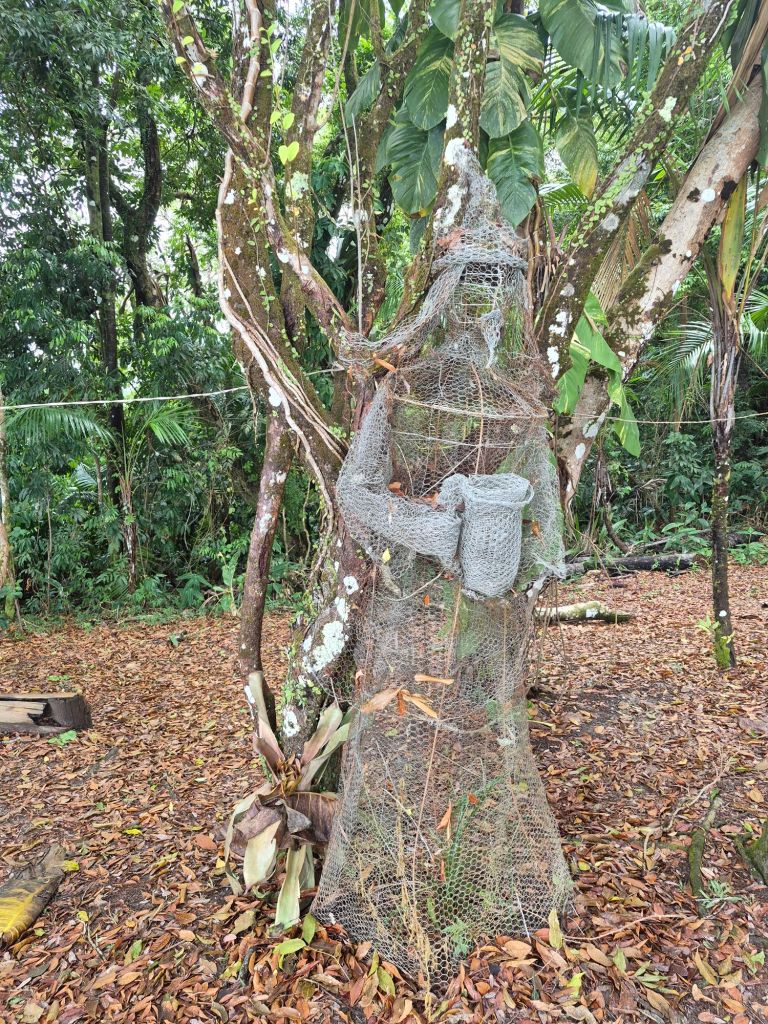
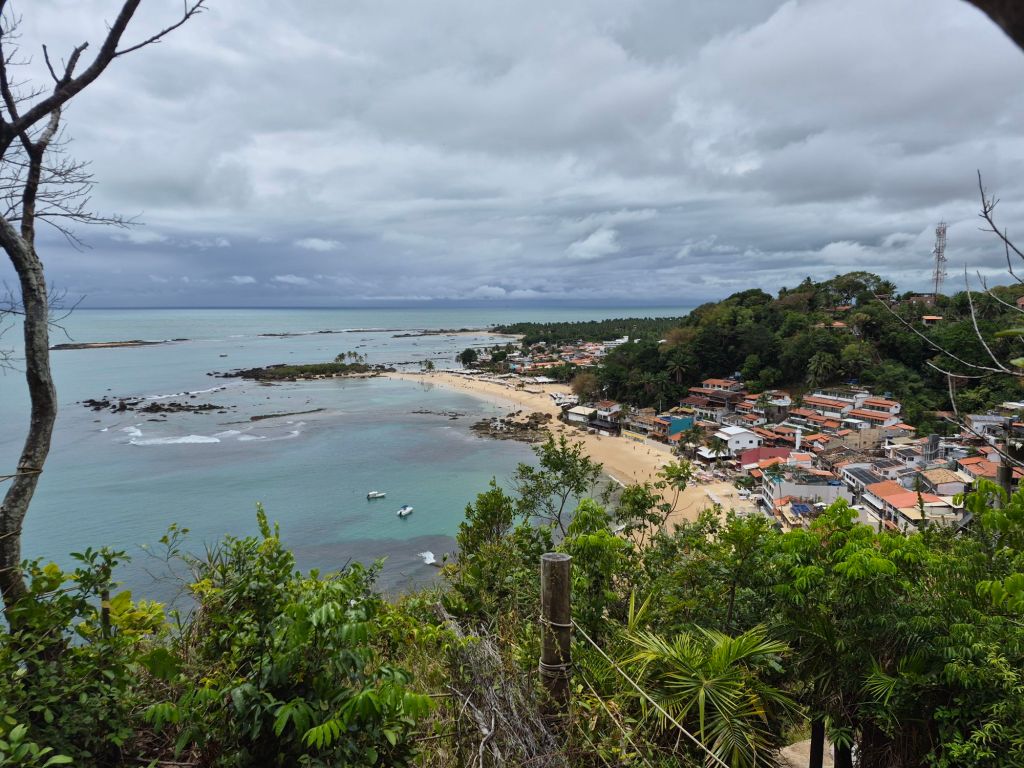
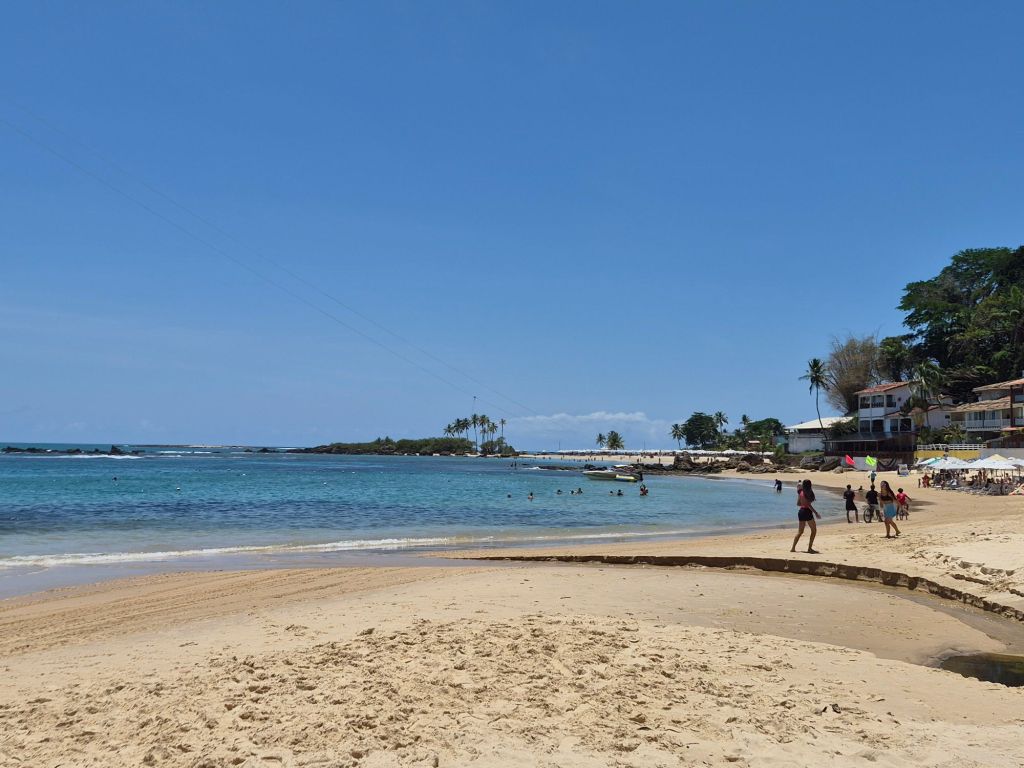
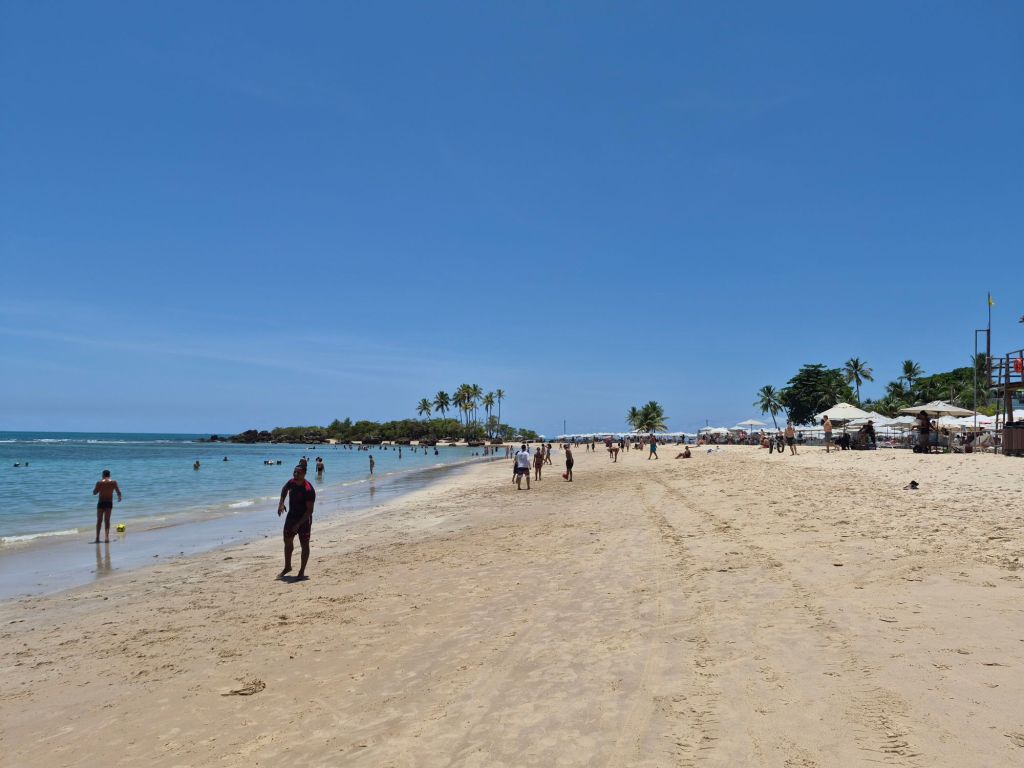
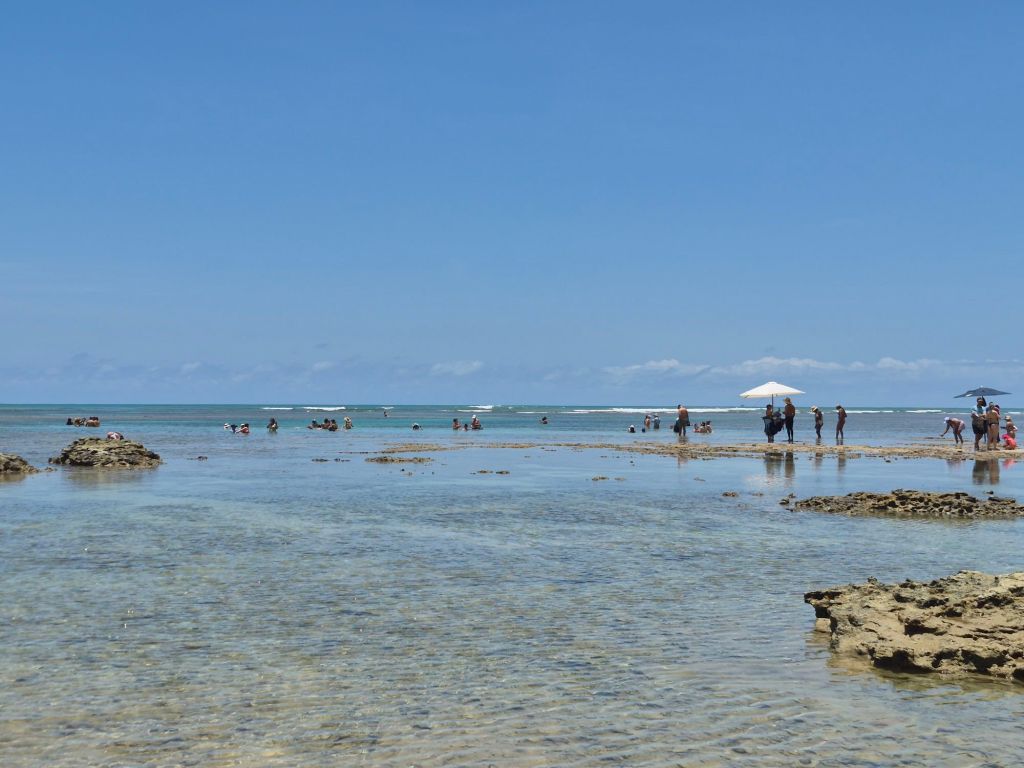
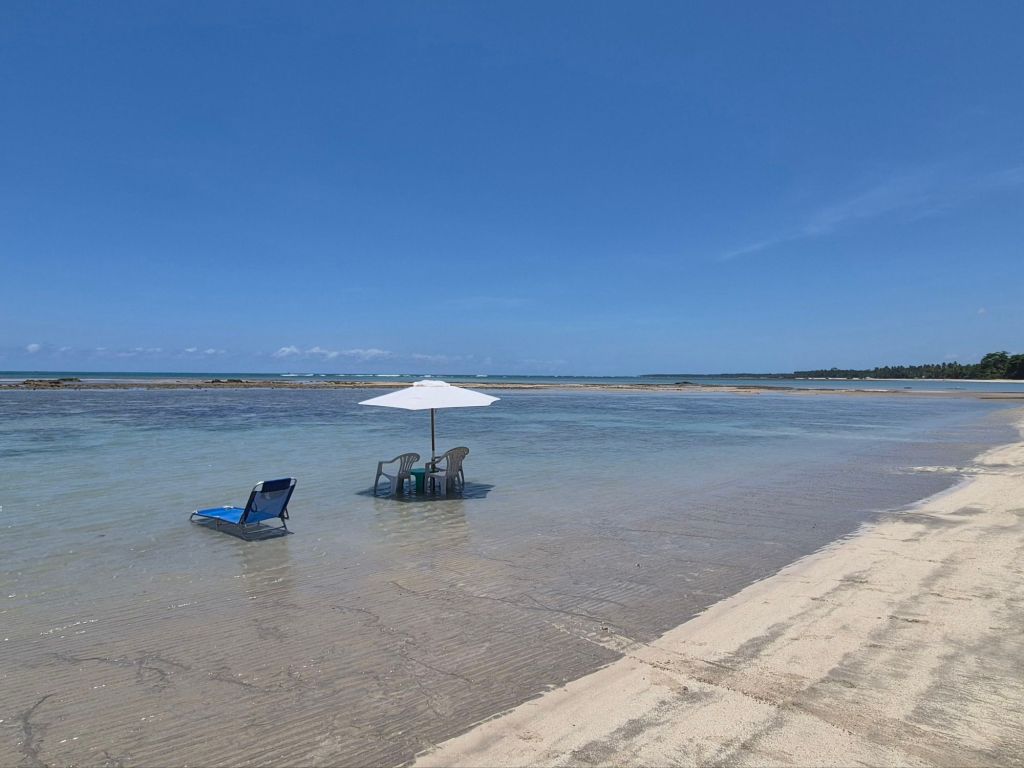
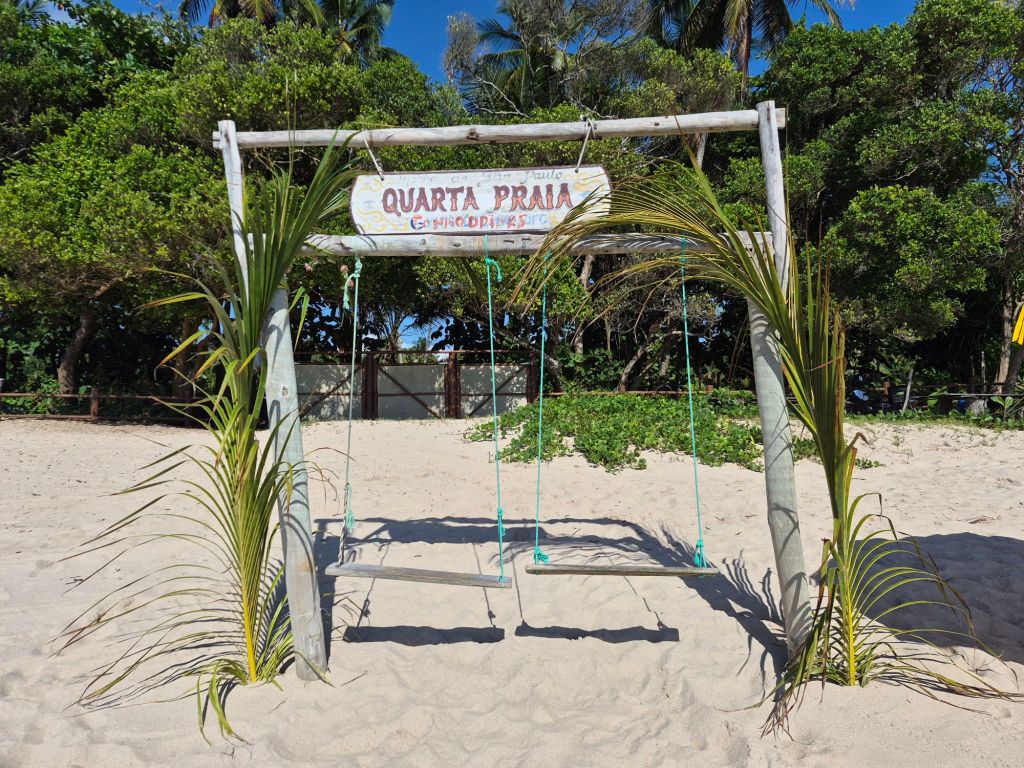
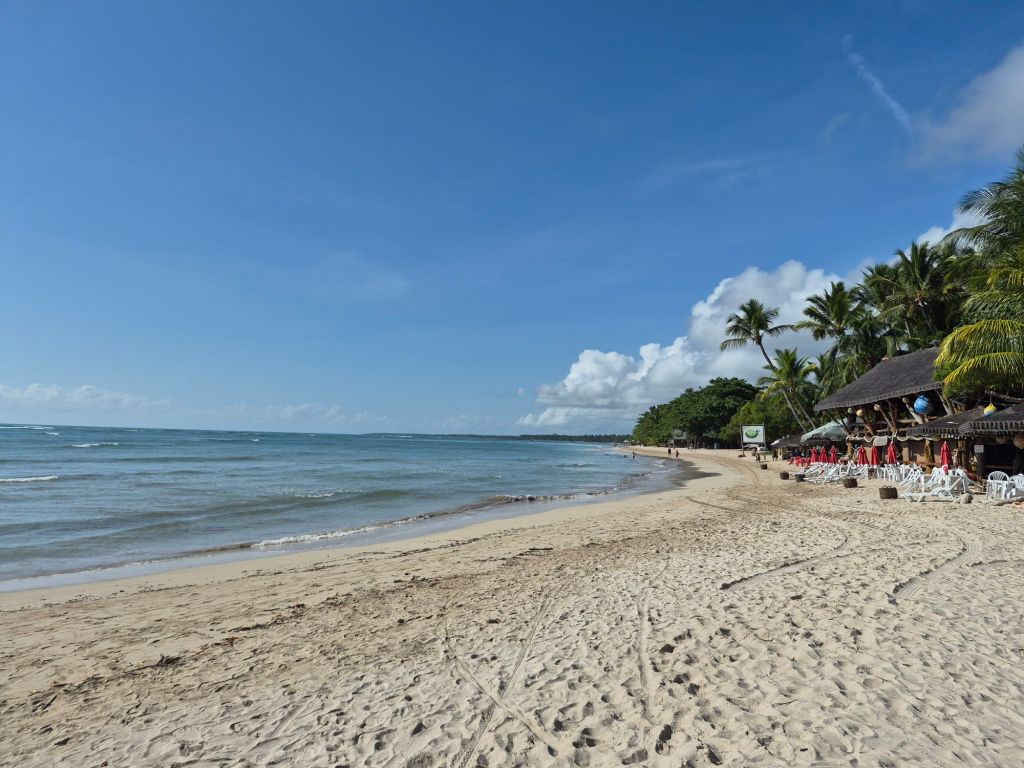
One day two of the girls staying at the hostel, Azul and Elizabeth, invited me to go to a beach on the opposite side of the island with them. The owner, Sandra, had recommended it as a place where few tourists go to, but the locals love it. The girls were great, and kept on inviting me to go out with them at night, but it was usually too late for me. Sandra manages the hostel on her own, works seven days a week and cleans the whole place every morning, still finding time to interact with the guests, serving coffee and sharing adult colouring sheets on rainy days.
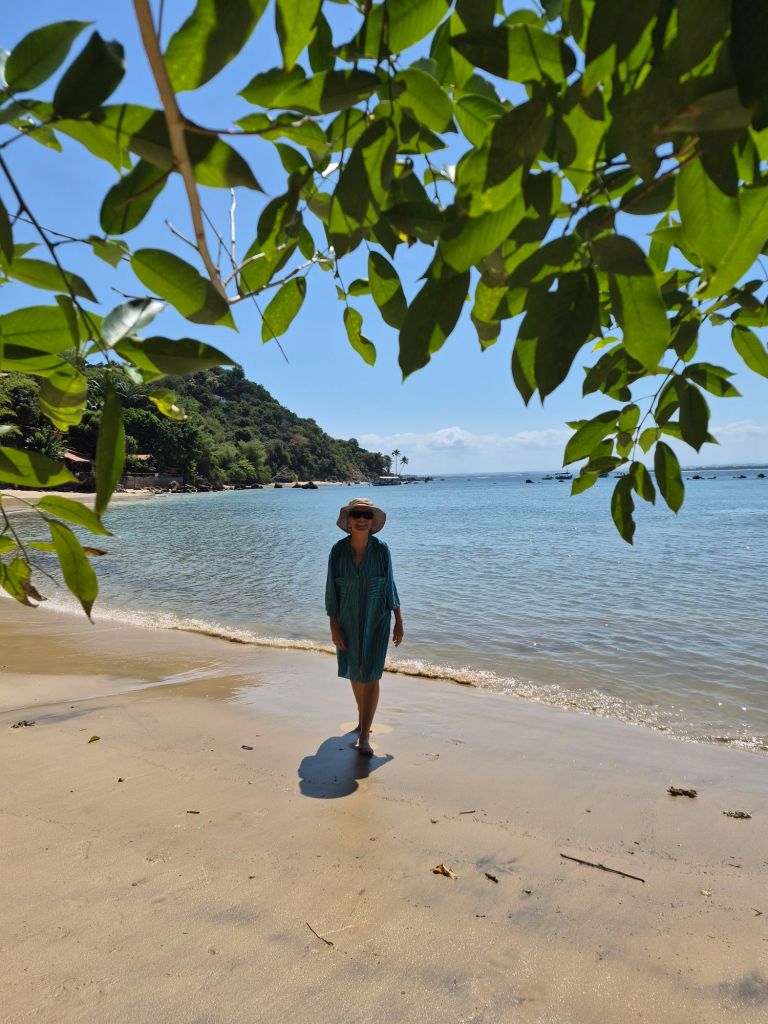
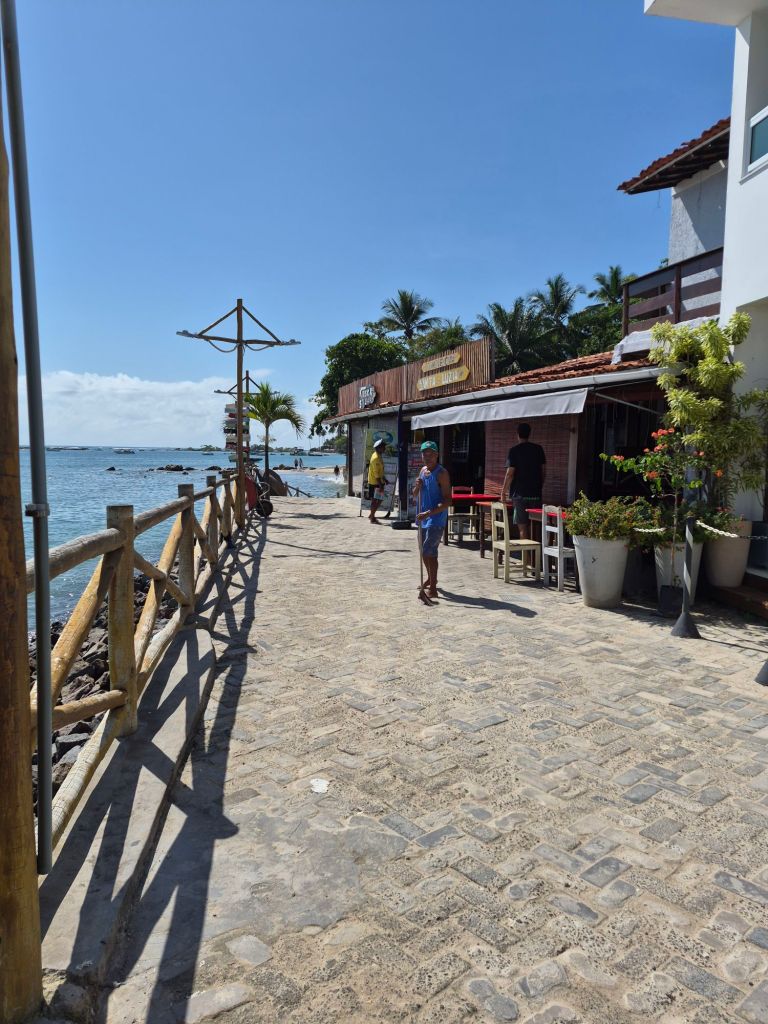
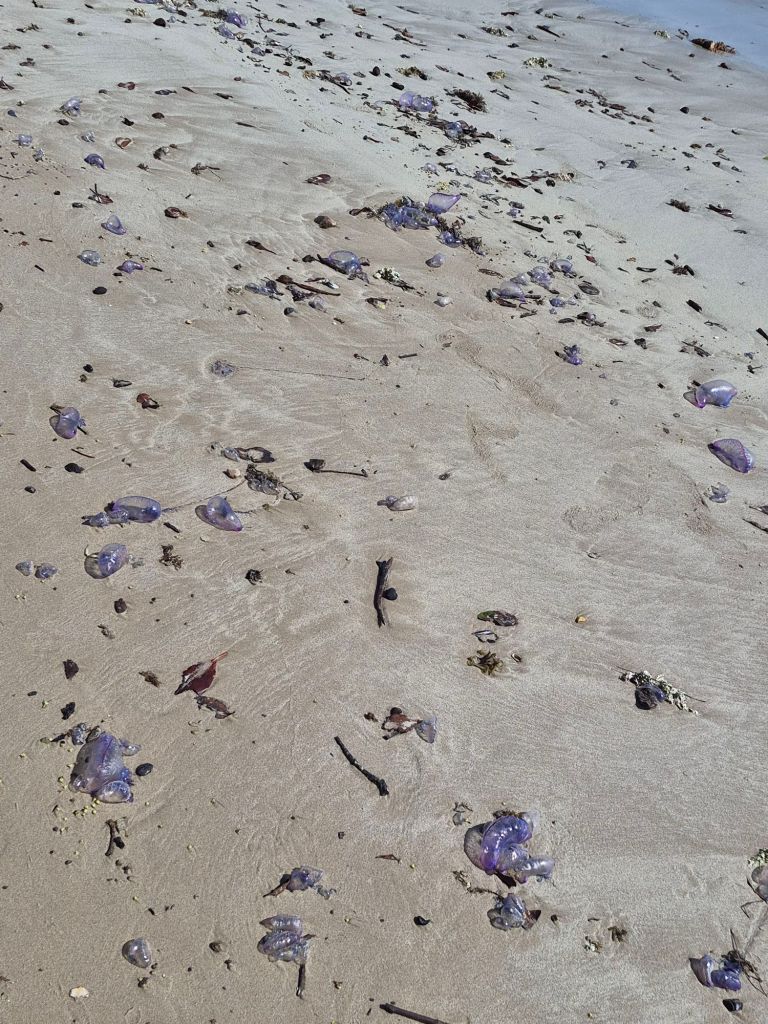
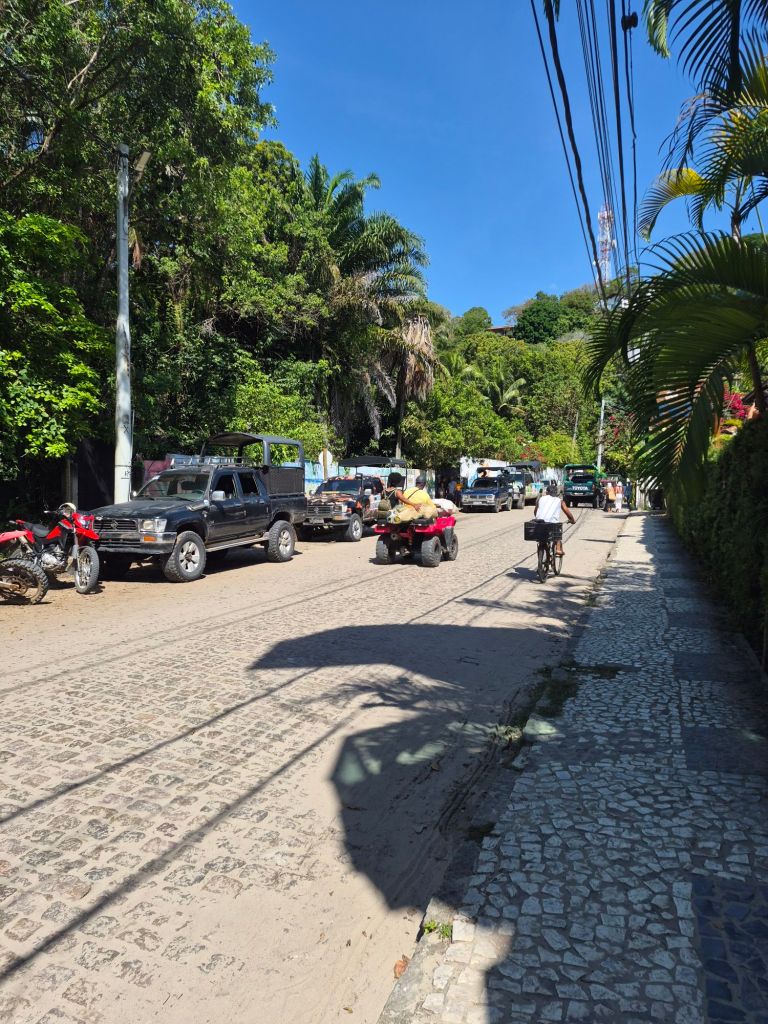
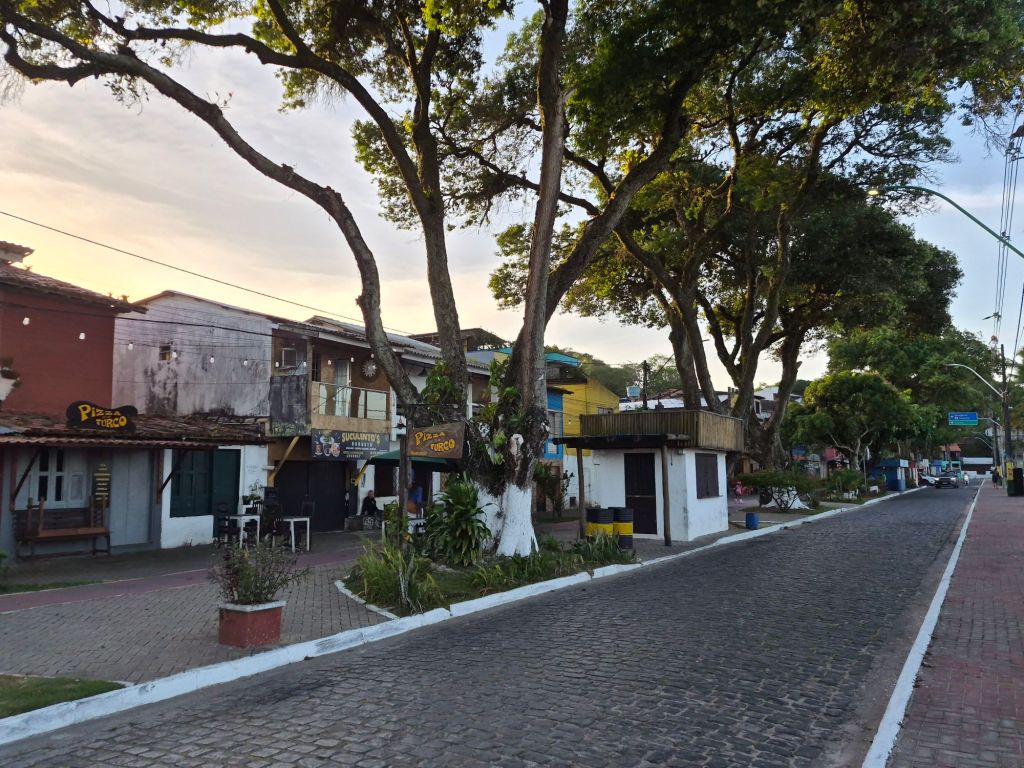
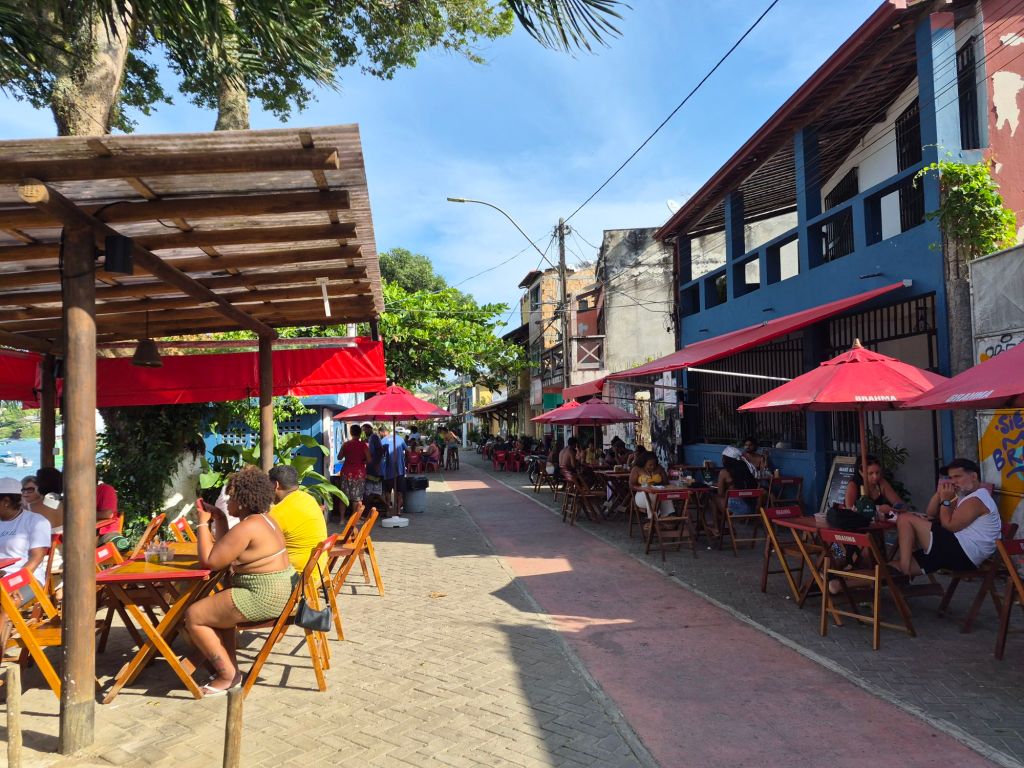
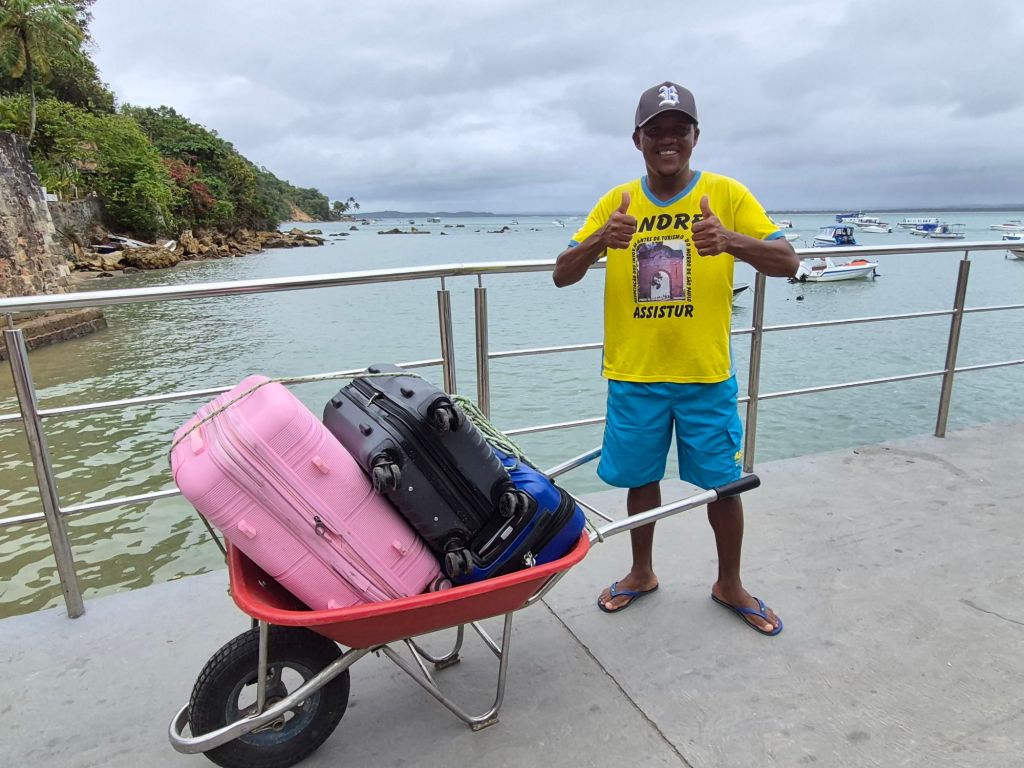
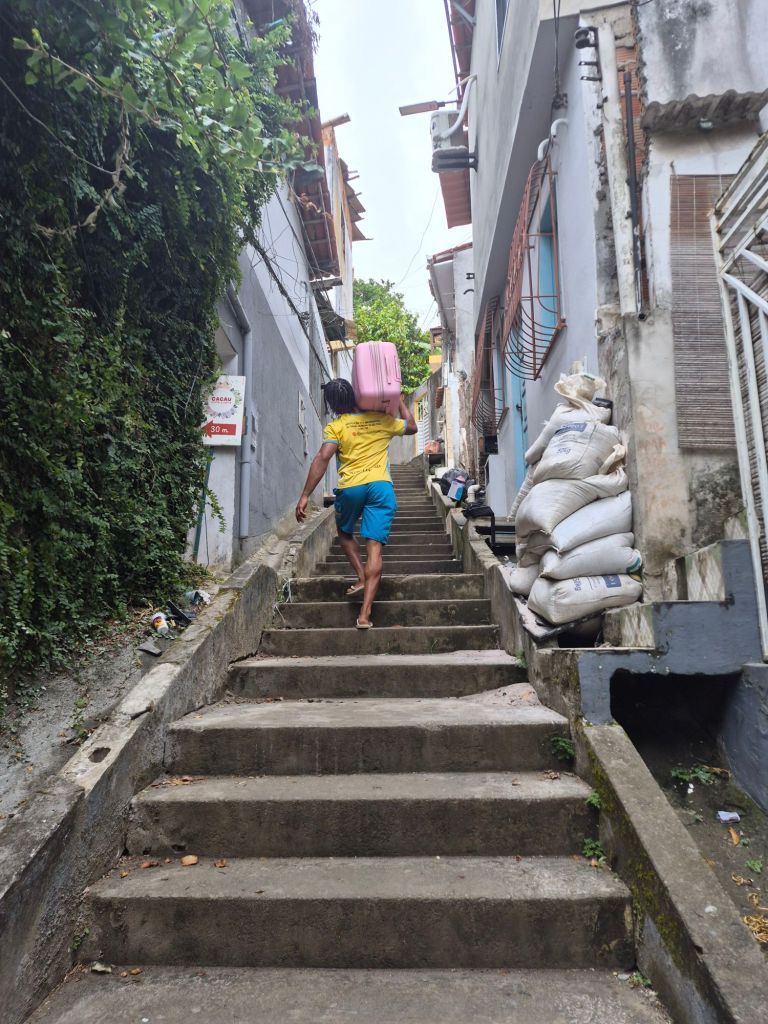
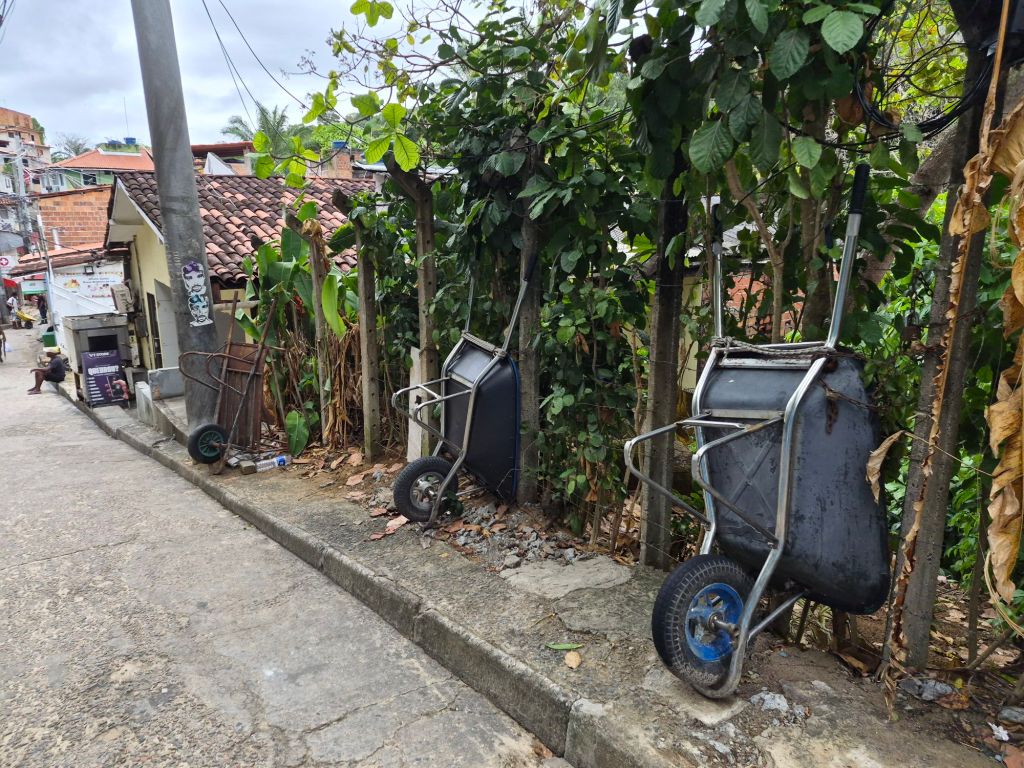
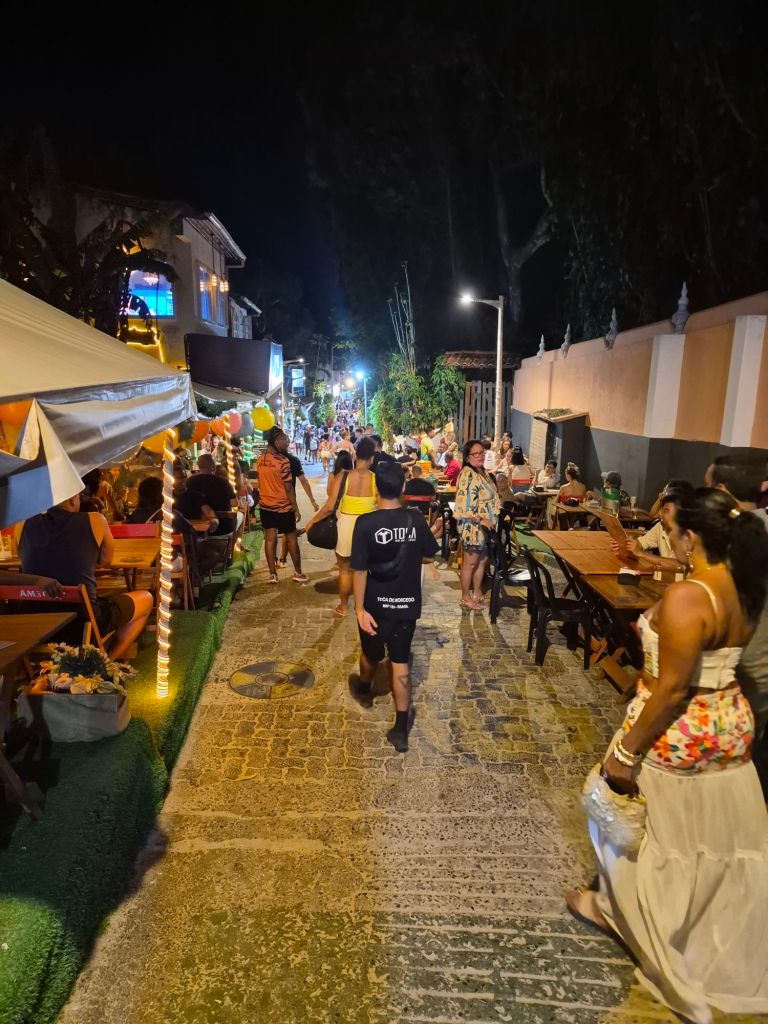
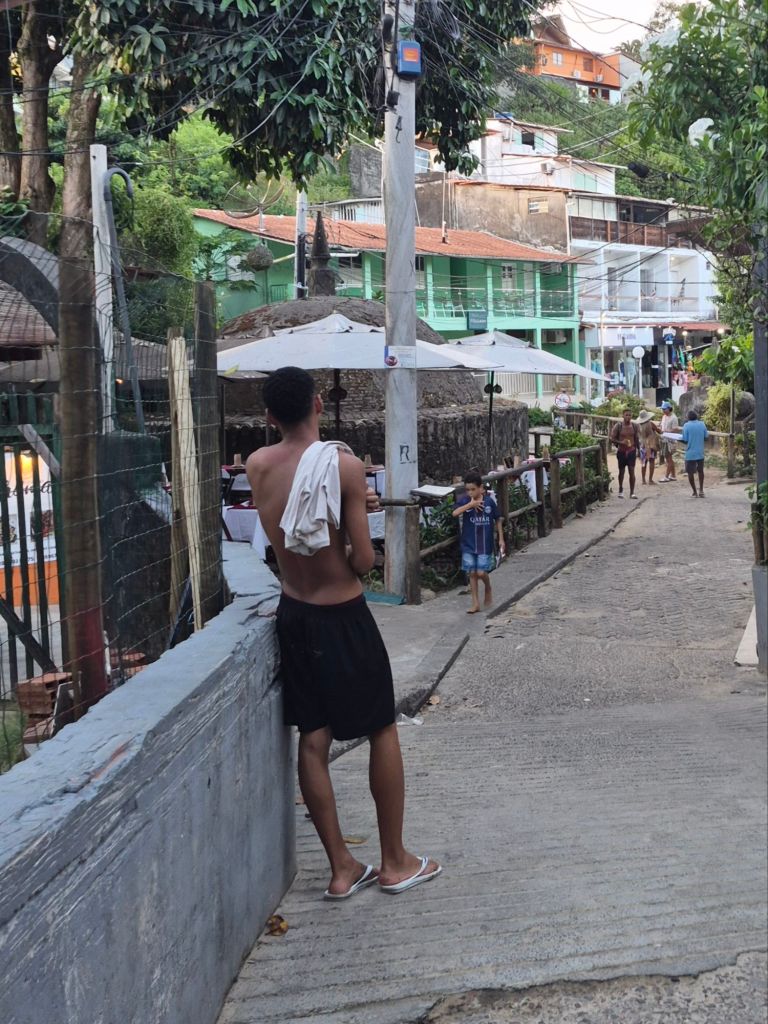
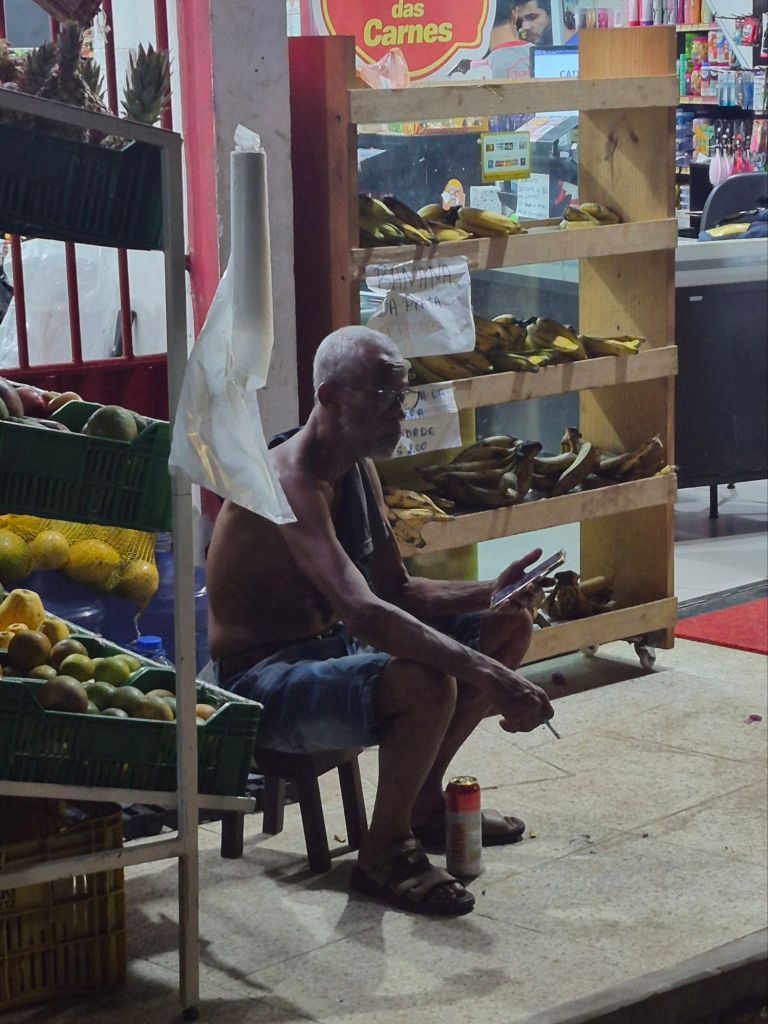
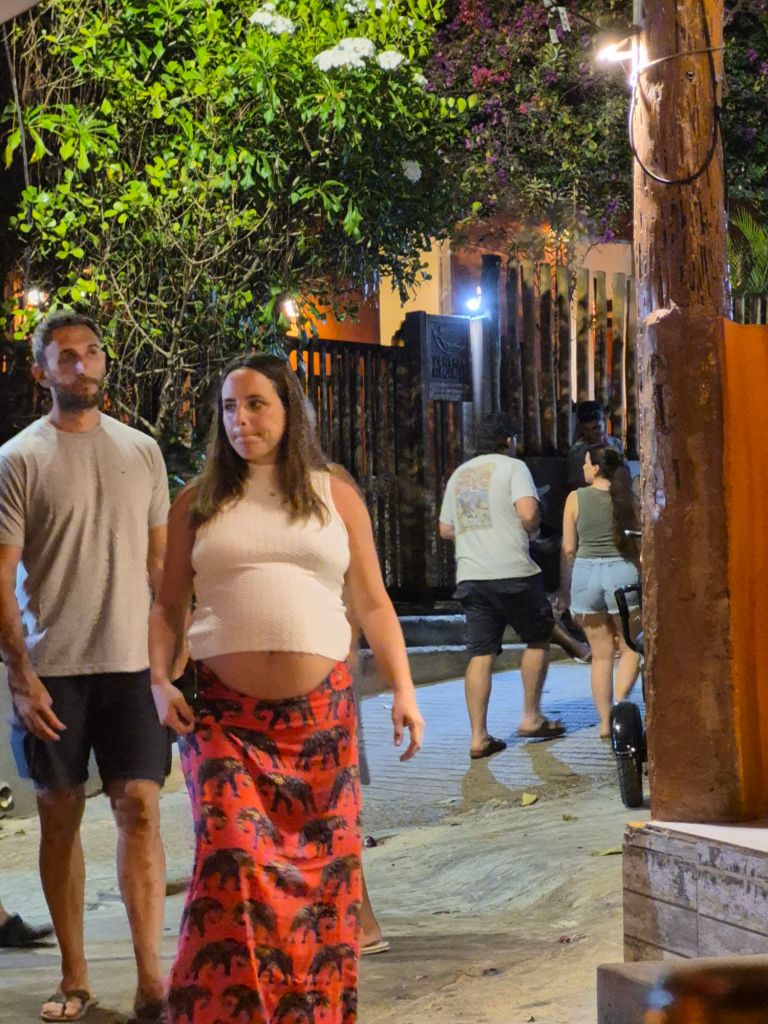
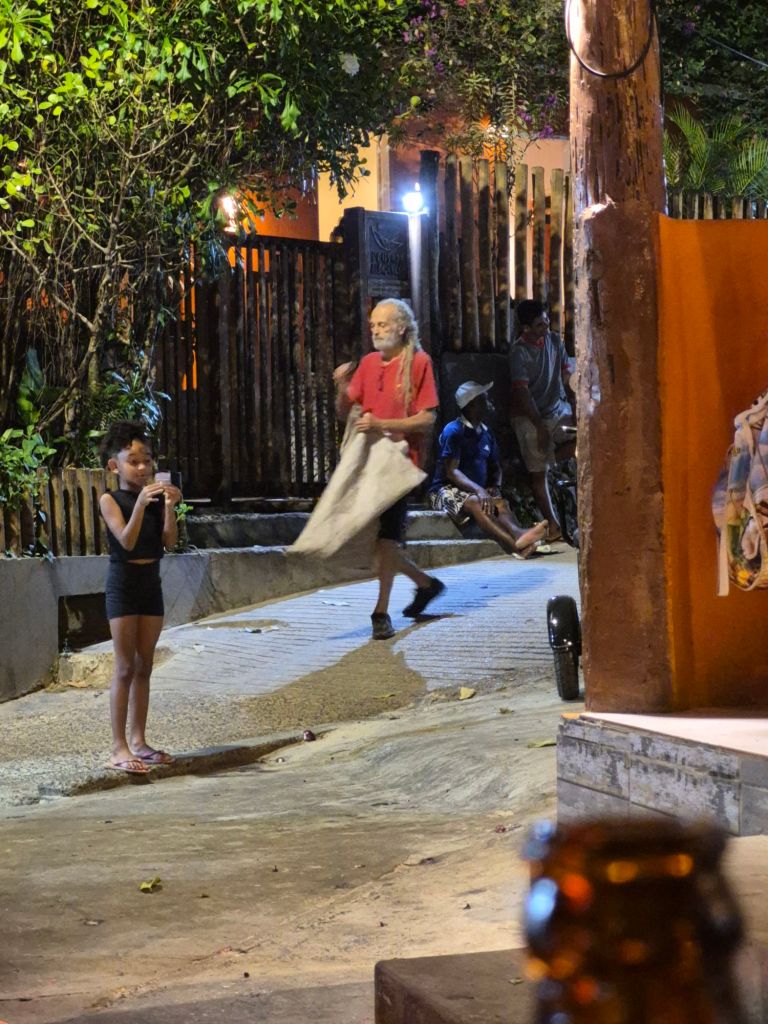
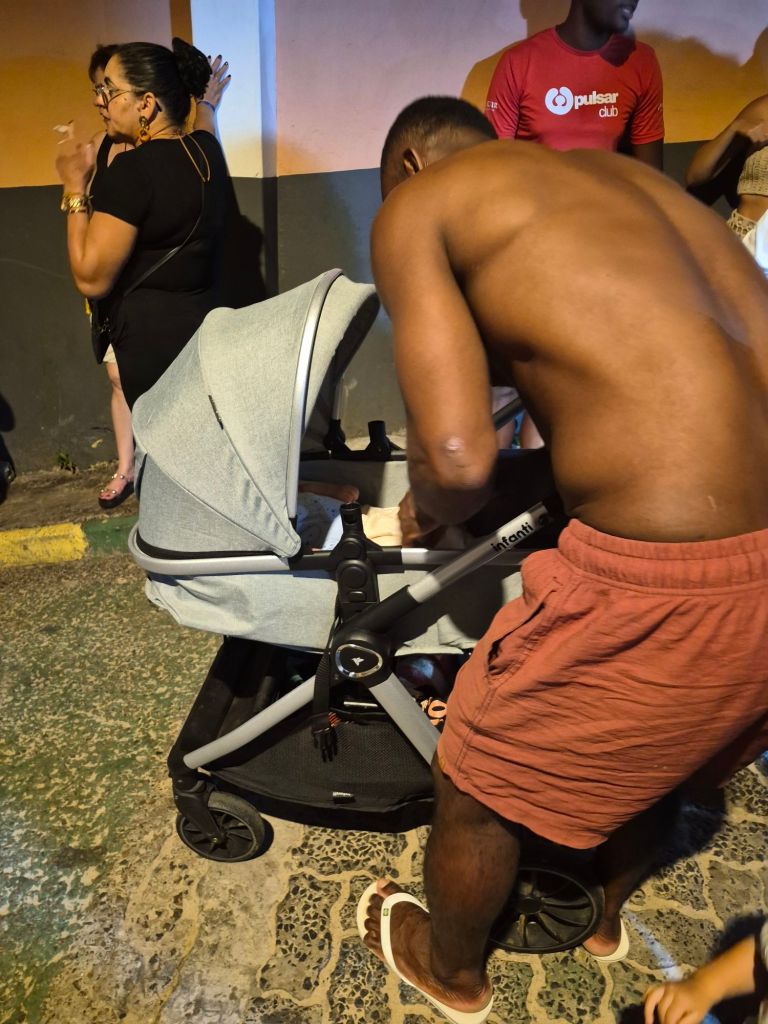
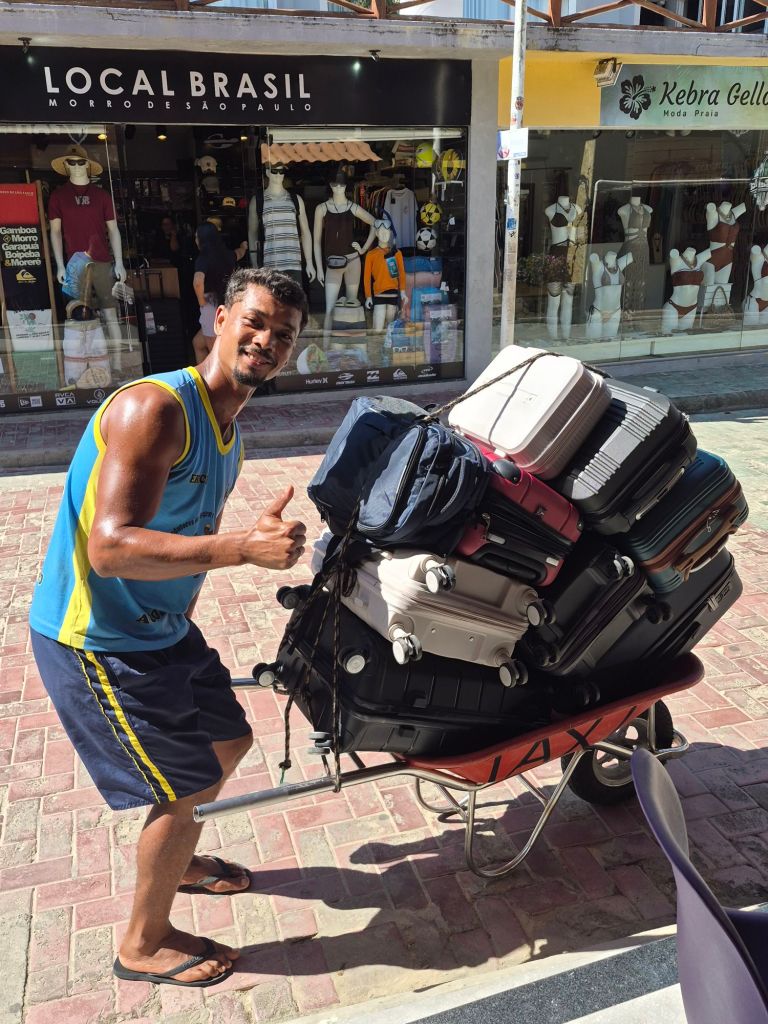
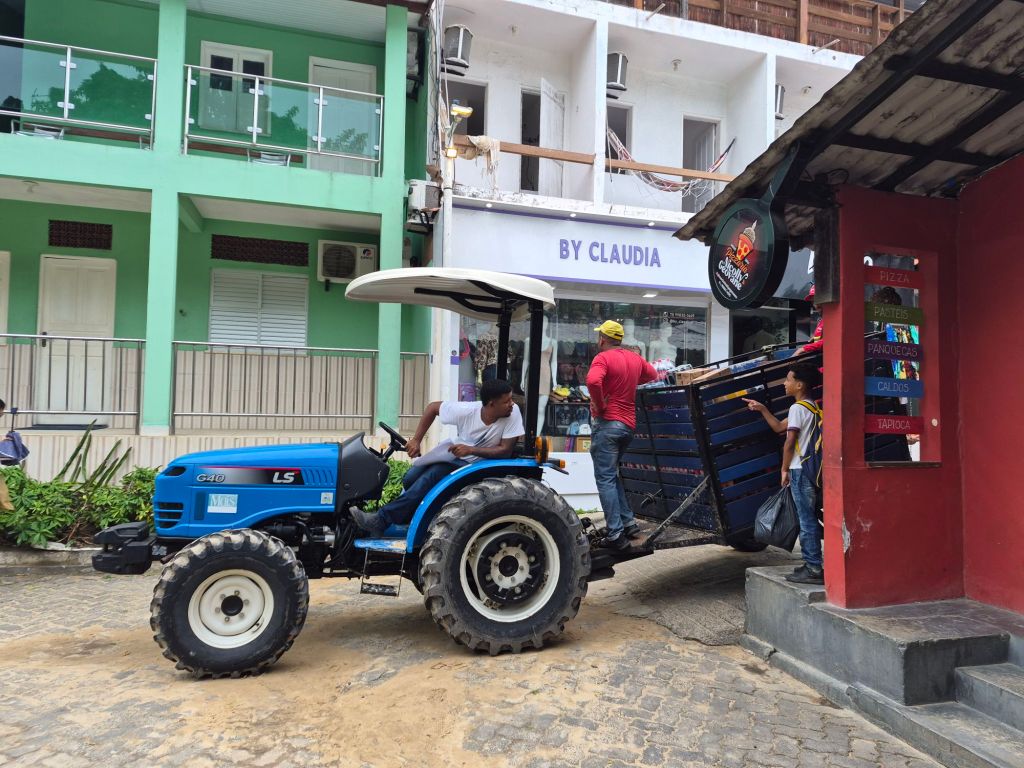
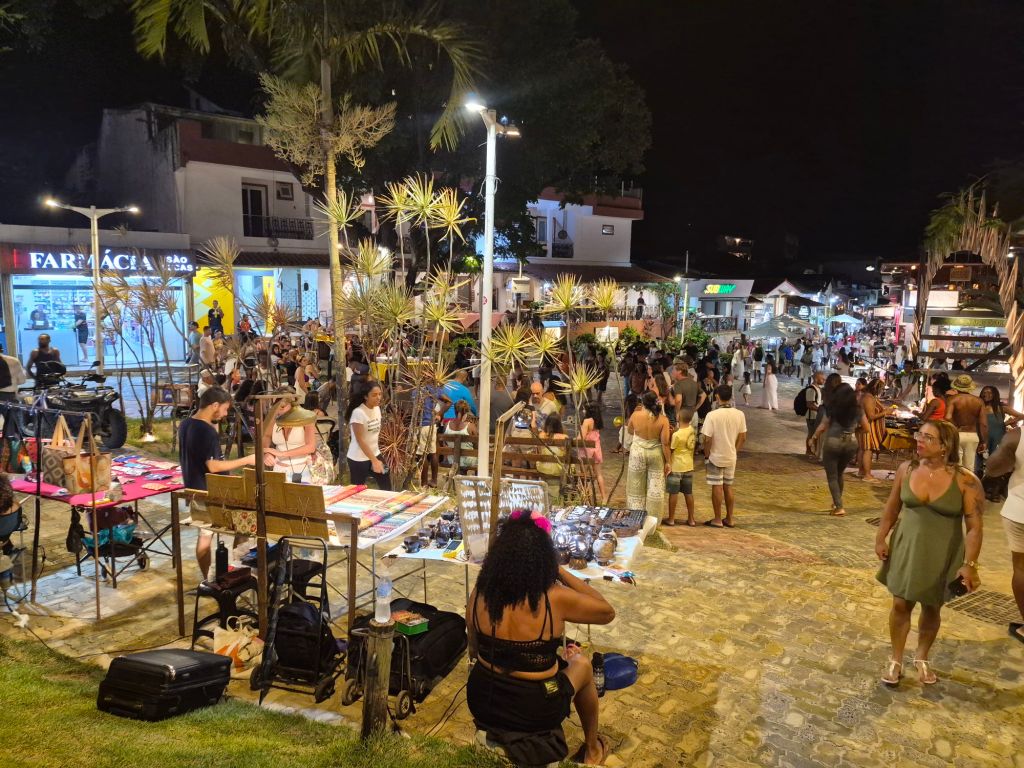
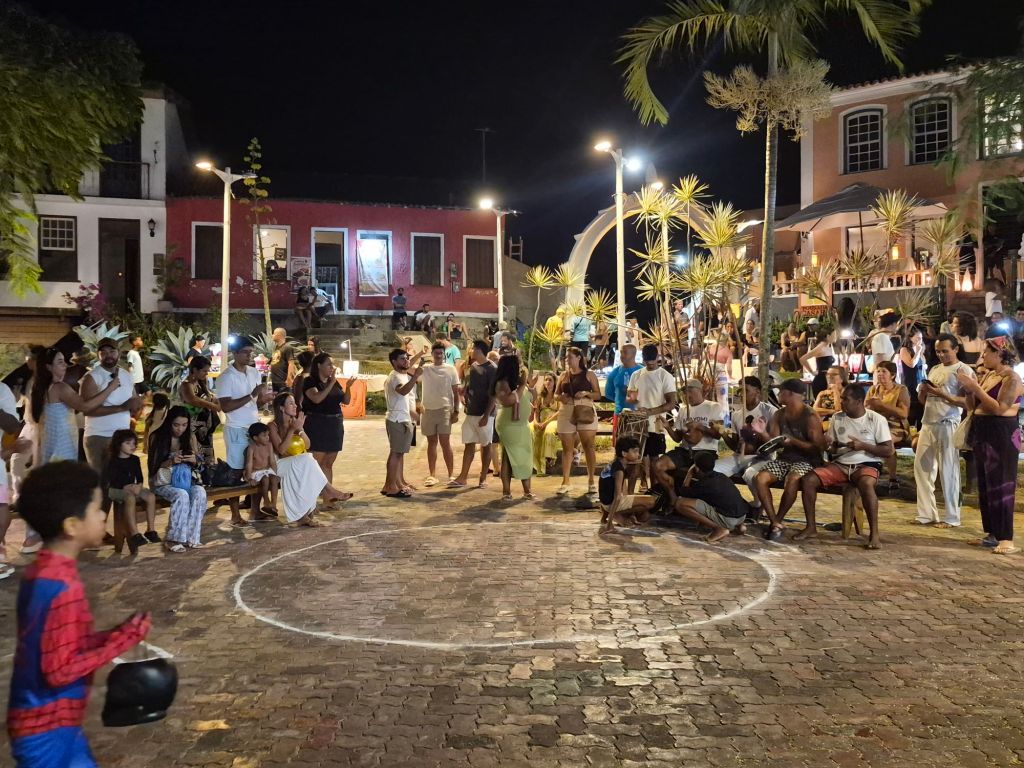
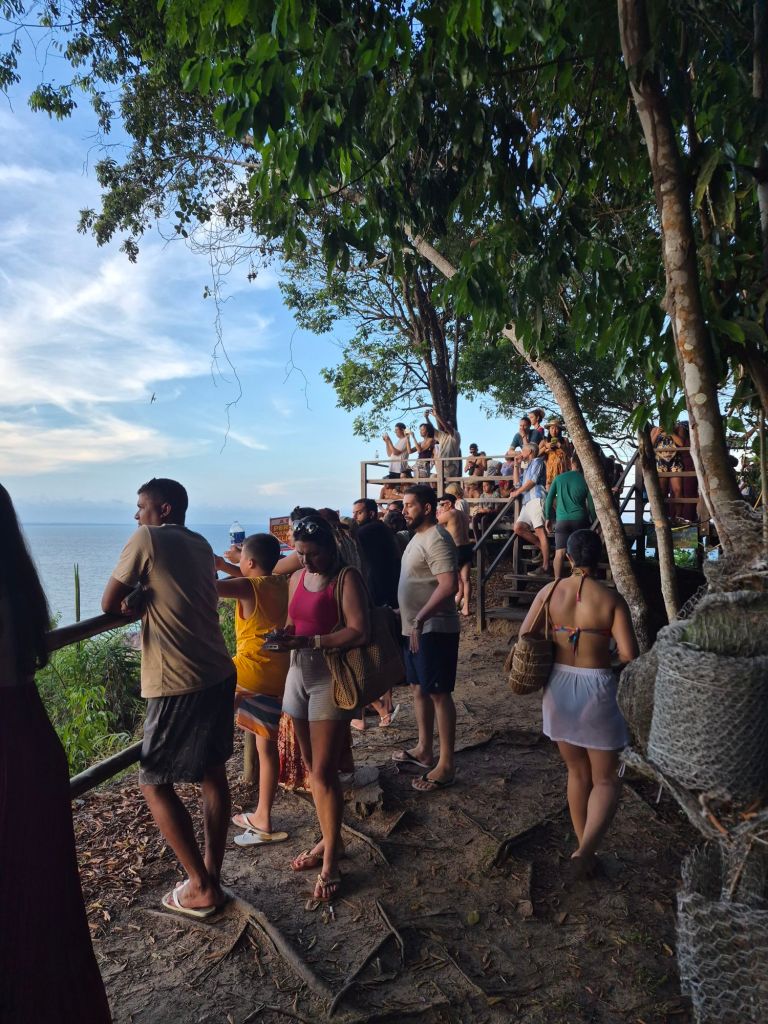
I spent my days visiting beaches, walking around town, eating at various restaurants and people-watching. The latter proved quite entertaining – the restaurant tables were placed on the narrow streets, where there was a constant throng of people passing by: skimpy dressed girls, young men with their T-shirts draped over one shoulder, fathers pushing prams, old characters collecting empty beer cans from the tables in a big sack, children zig-zagging between the pedestrians, people eating ice-creams and wheelbarrow taxis fully loaded, with the tourists in tow.

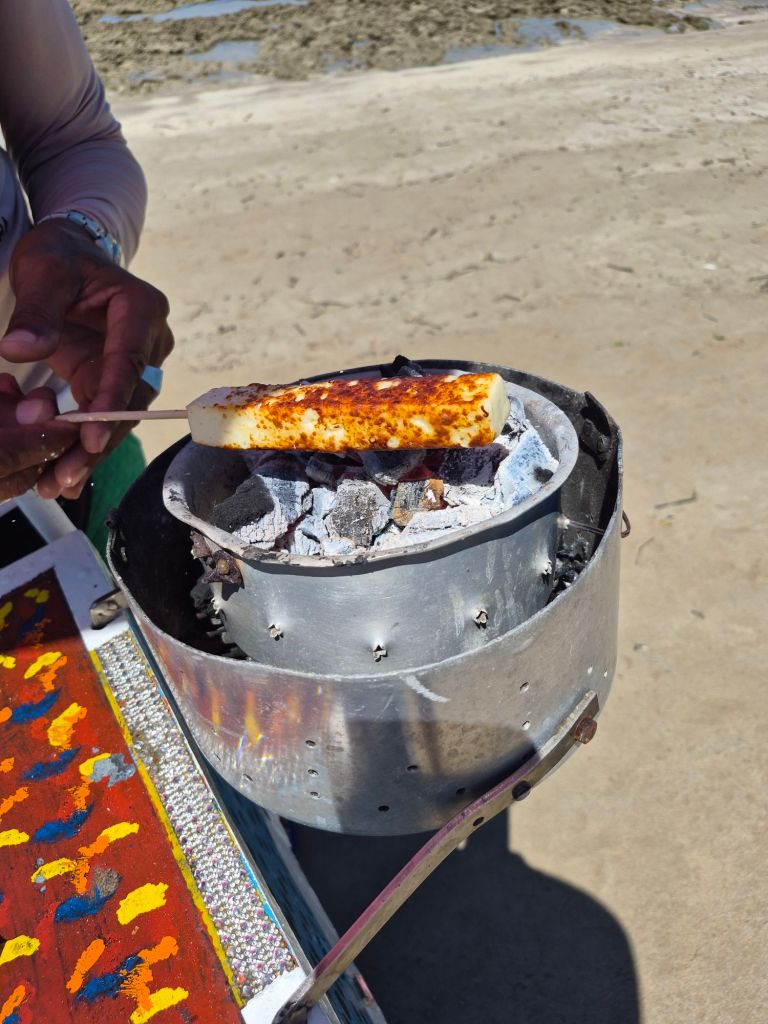
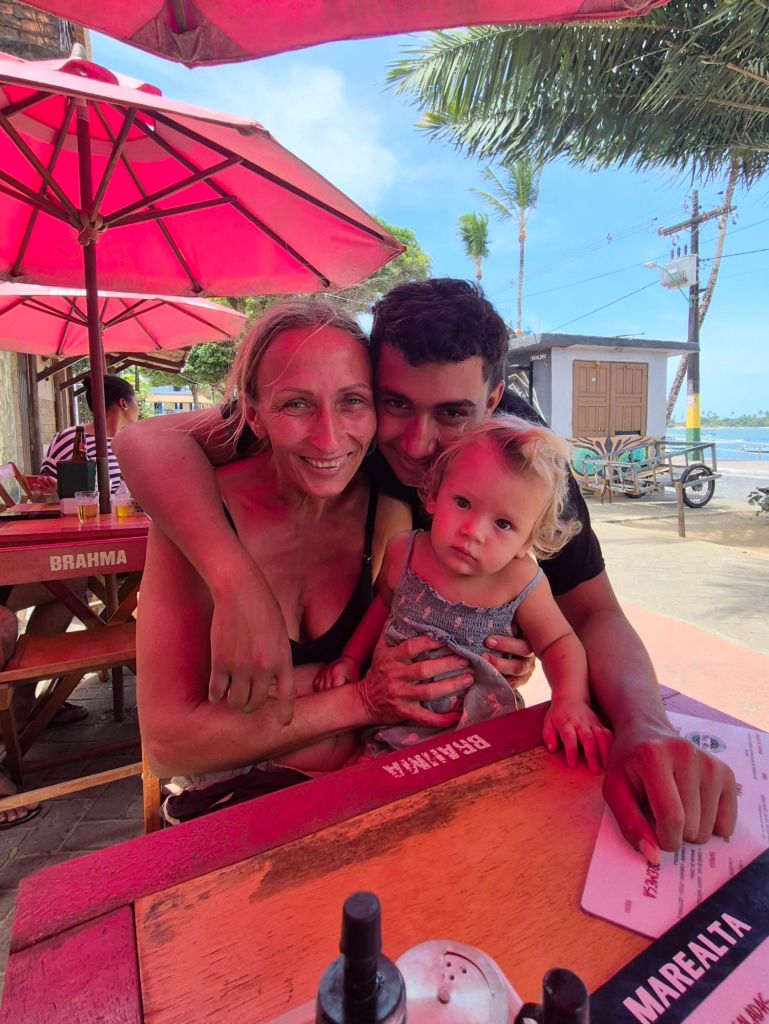
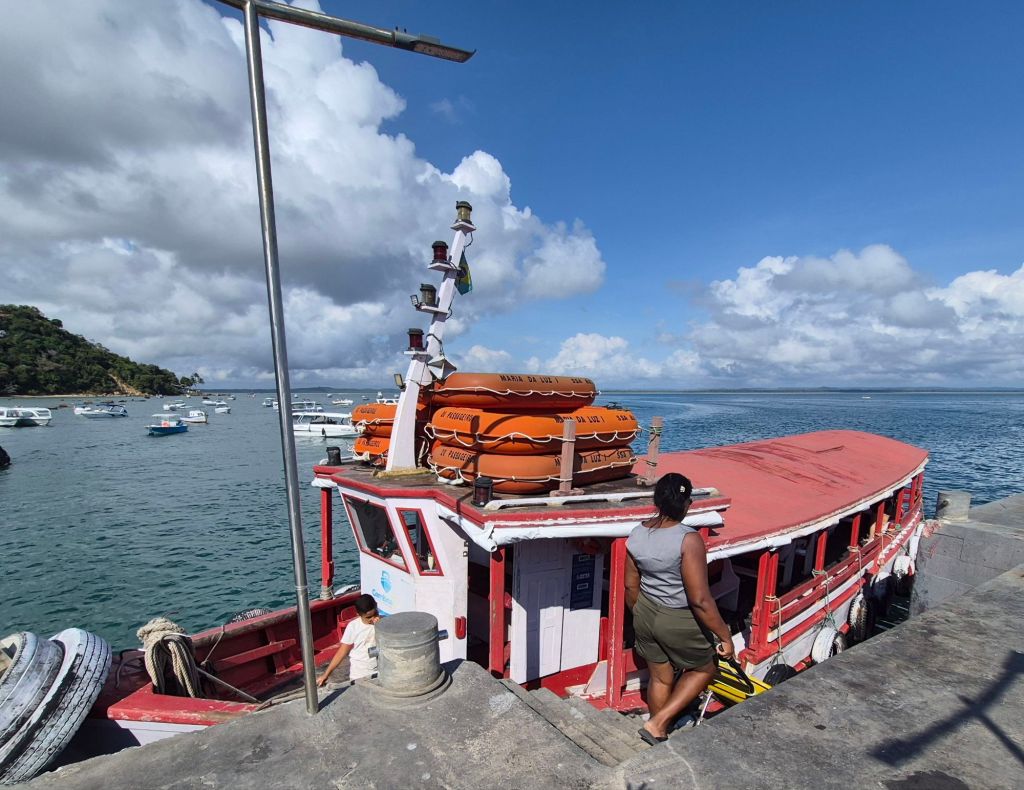
My next destination was going to be Itacaré, and two days before going there, I decided to apply for another Workaway job, as I was developing guilt feelings about just going to the beach. Or maybe I was becoming bored. Either way, I found one in Itacaré and the host, Susan, replied within an hour – very unusual for Workaway hosts. We scheduled a short video call, me being surprised to see the baby (Gianna), that her profile had said would be born in September, sitting up next to her. She had been born last year in September, Susan had not updated her profile description since then. Two days later I took the local boat taxi to the mainland, and was preparing for two hours on the water, when they stopped at the first place on the mainland and instructed us to take a bus for the rest of the way.
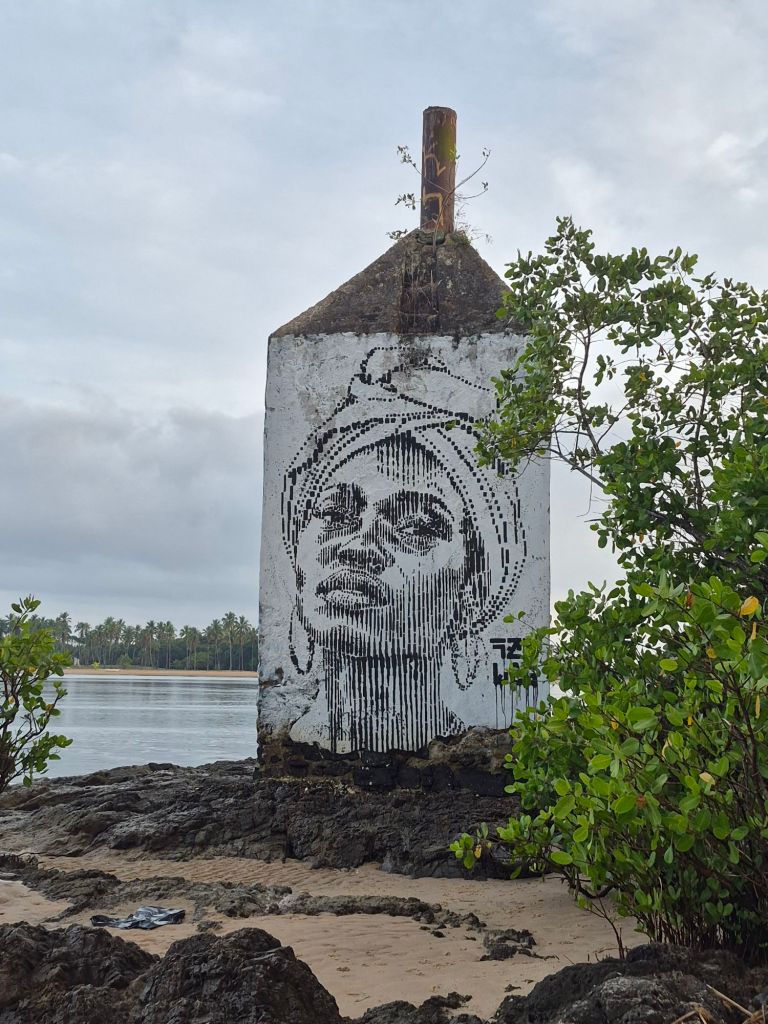
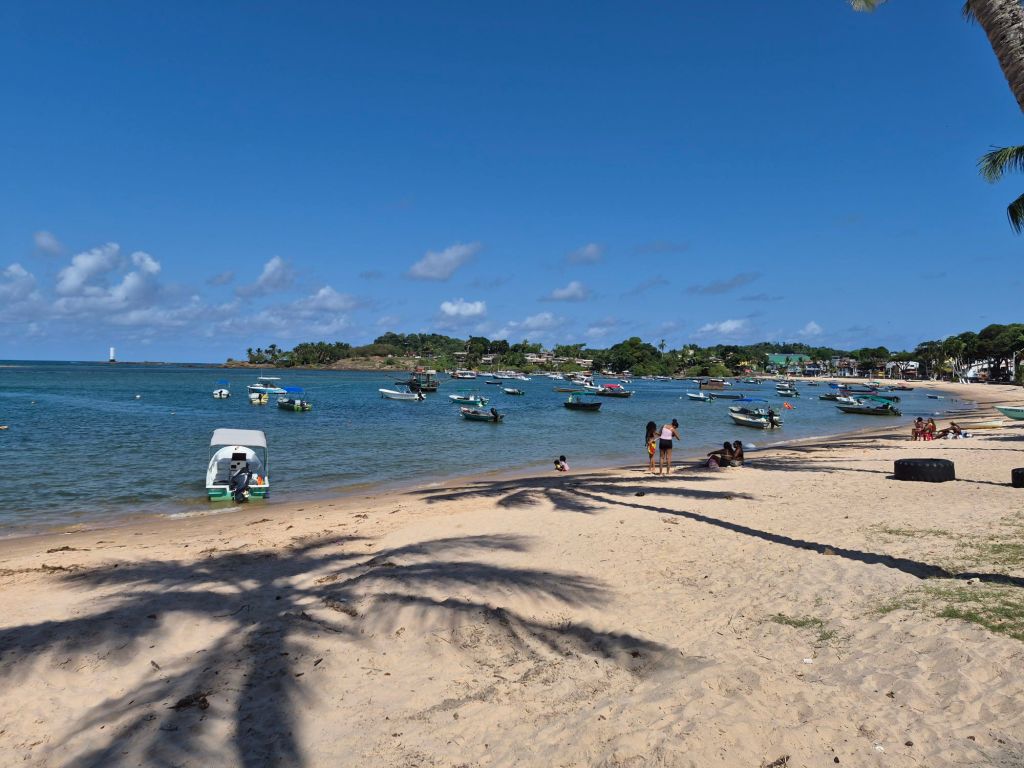
I arrived early in Itacaré and as Susan was still on the farm, I left Suerte on the pavement in front of the gate of the guesthouse and went for a walk on the beach. A big river, Rio de Contas, forms a bay there before running into the sea.
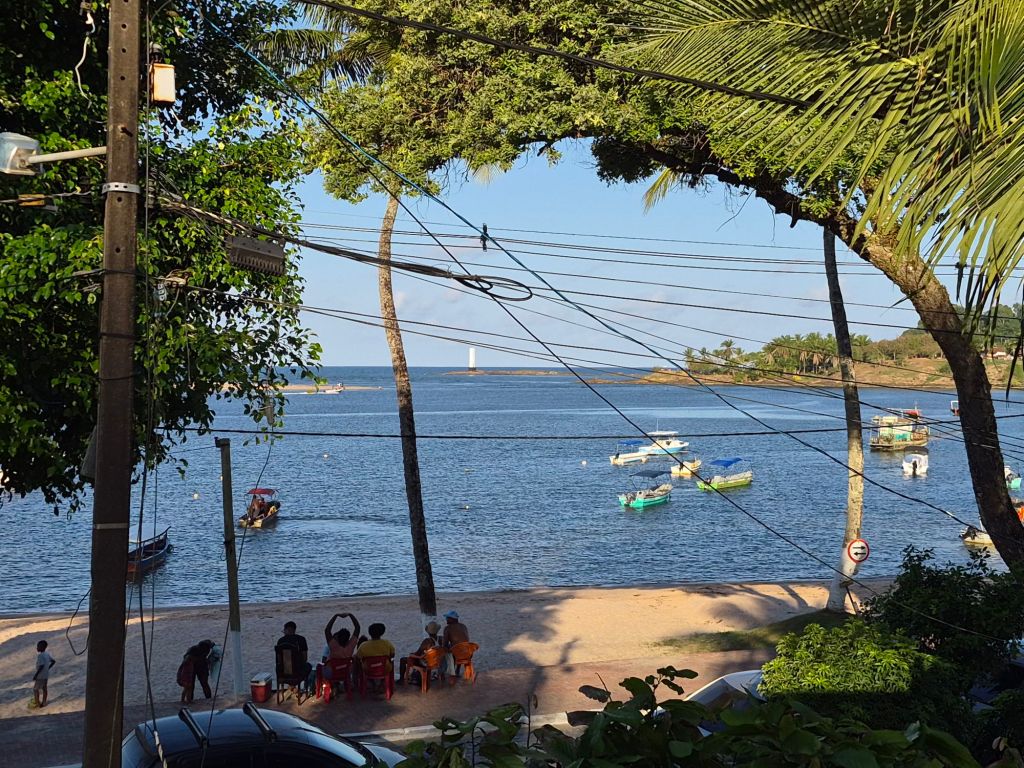
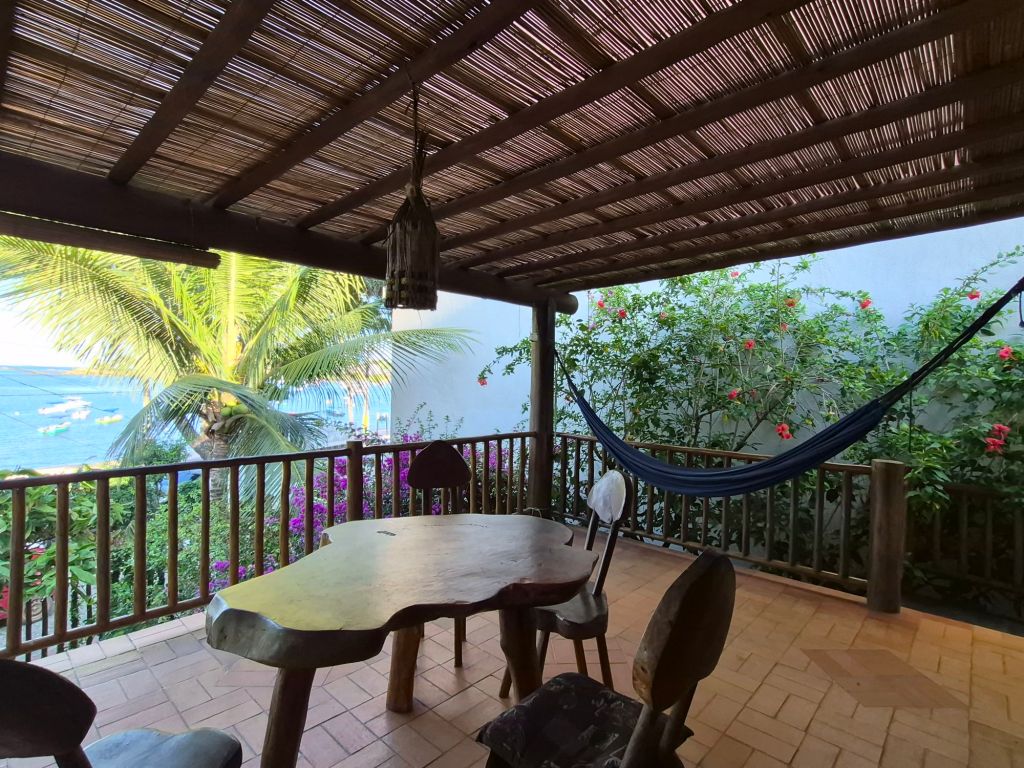
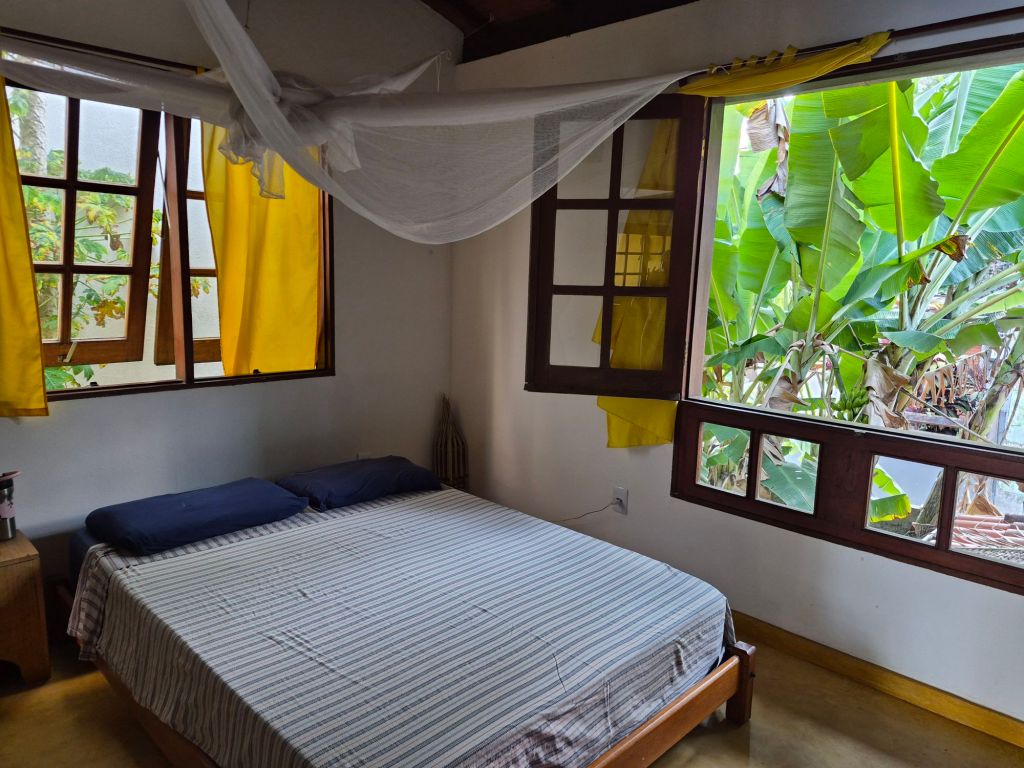
When Susan let me know that she had arrived, I was delightfully surprised to hear that I would be staying on the top floor of the guesthouse, as there were already two volunteers in the little house behind the big house, which she had built for her 15-year old son Carlos, but was now using for volunteers. I had the whole place to myself, with a deck that looked out over the bay, perfect for an early morning coffee view, and lazing in the hammock after work in the afternoon. Susan is German, and a diving instructor by profession, but moved to Brazil 15 years ago, after Carlos had been born. She designed the house and had it built, with her living in the top part and running an identical bottom floor as guest house. The noise from the street and restaurants, and parties on the boats got to be too much after a while, which inspired her to build on the farm and move there.
The other two volunteers, Cristina and Niccoló, had rented a bike, which they used to get to the farm, but I had to take a bus out of town to Km 6, where Susan picked me up and took me the last two kilometres by car. Her car broke on the second day and had to go in for repairs, which meant I had to go to the farm on the back of Carlos’s bike. Scary at first, as I kept on visualising what would happen if we had an accident on the highway, as although we were wearing helmets, we had on shorts, T-shirts and slip-slops. Later on I got used to it and wasn’t clutching so hard on the handles under me, but not enough to let go and just sit comfortably.
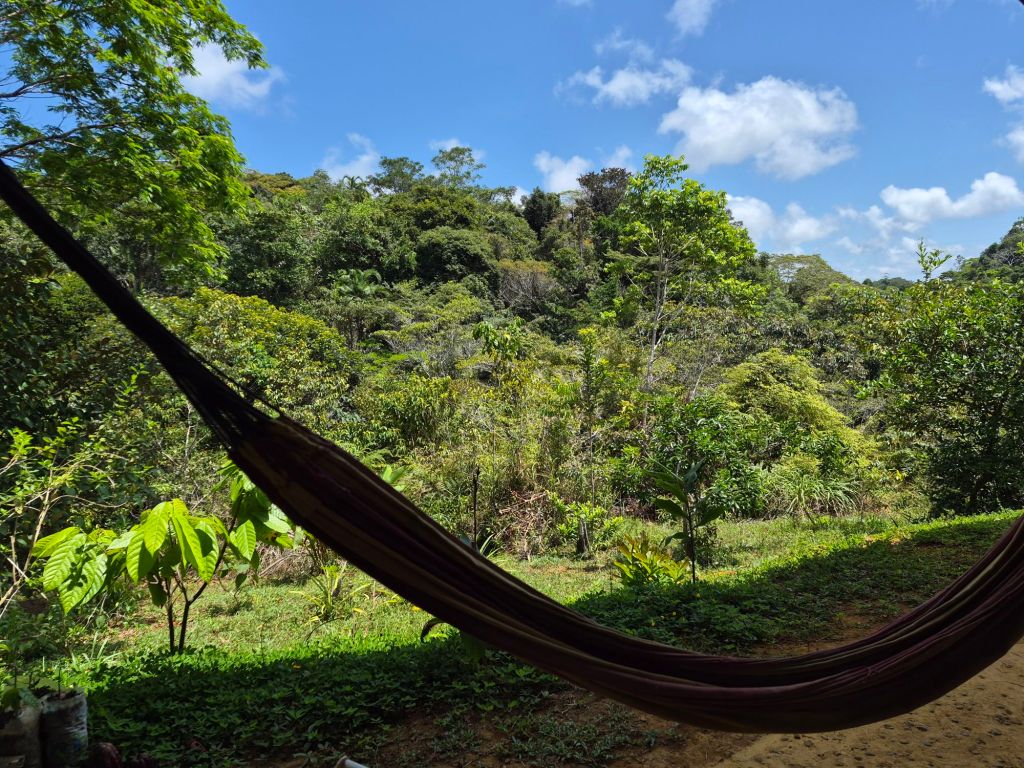
The work mostly involved digging up some soil around the house, sifting it, mixing it with some cement and water and then plastering the one wall of the room that Susan was building for Carlos. She started off by wanting shade on the farm, so excavated some land and constructed a big roof. The idea of sleeping there appealed to her, so she built a mezzanine, where she and Gianna still sleep, and the bathroom and kitchen followed. It is a work in progress and still very much open-plan, and she uses the volunteers to help her build. She has planted many trees, mainly fruit trees, and we also helped her to start making terraces for a vegetable garden. Gianna is a very happy and contented little girl, who was around all the time, although she is very attached to her mother and Carlos and would only interact with me from the safety of her mother’s arms. She made me really long for my grandchildren, whom I will soon be seeing.
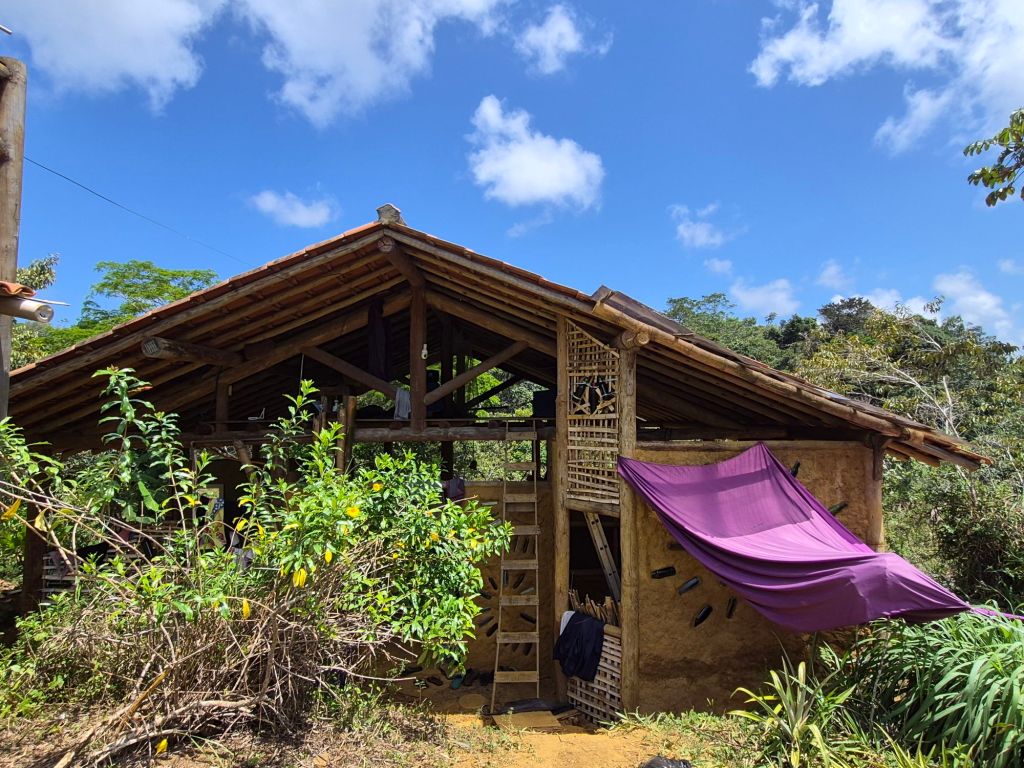
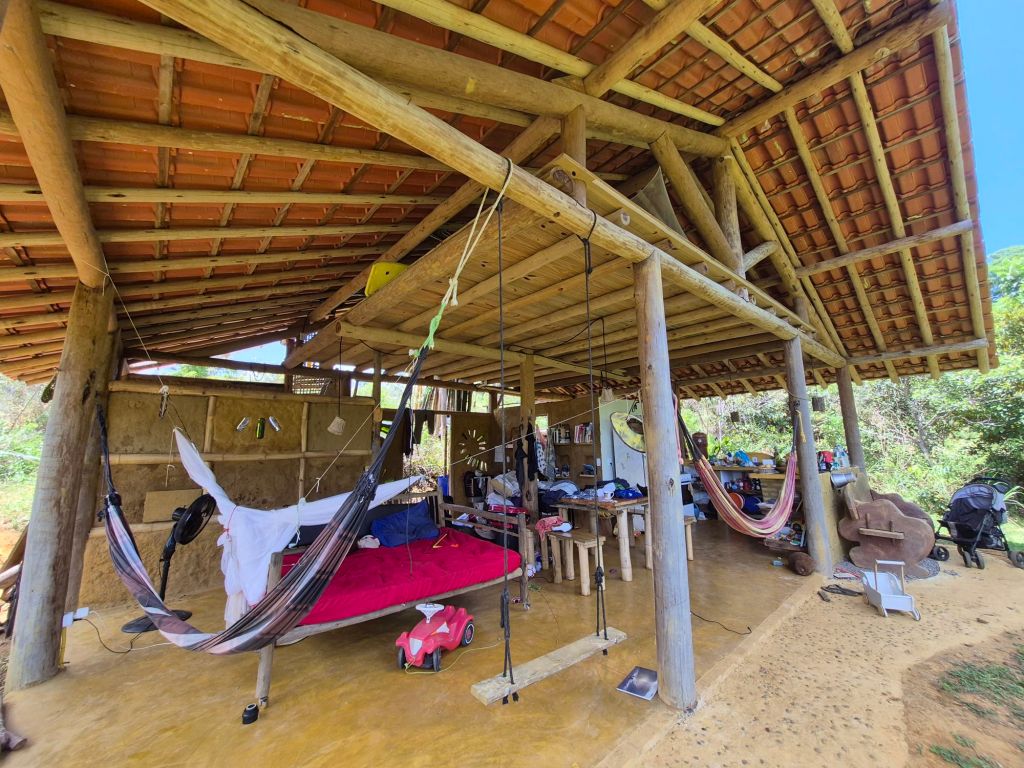
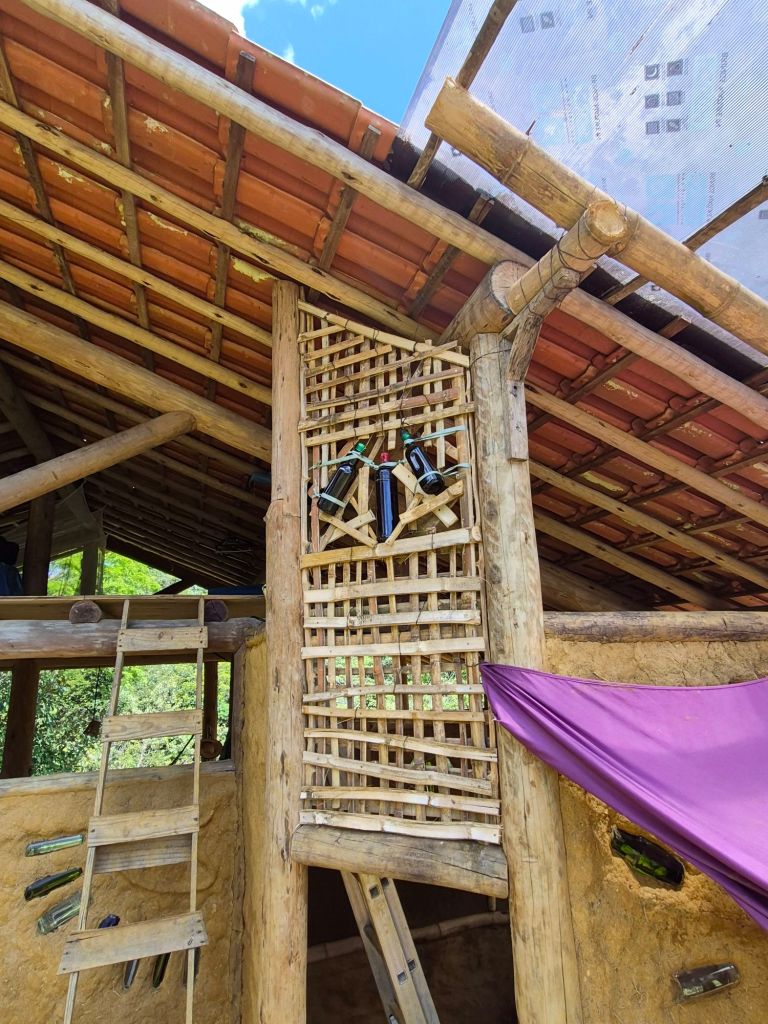
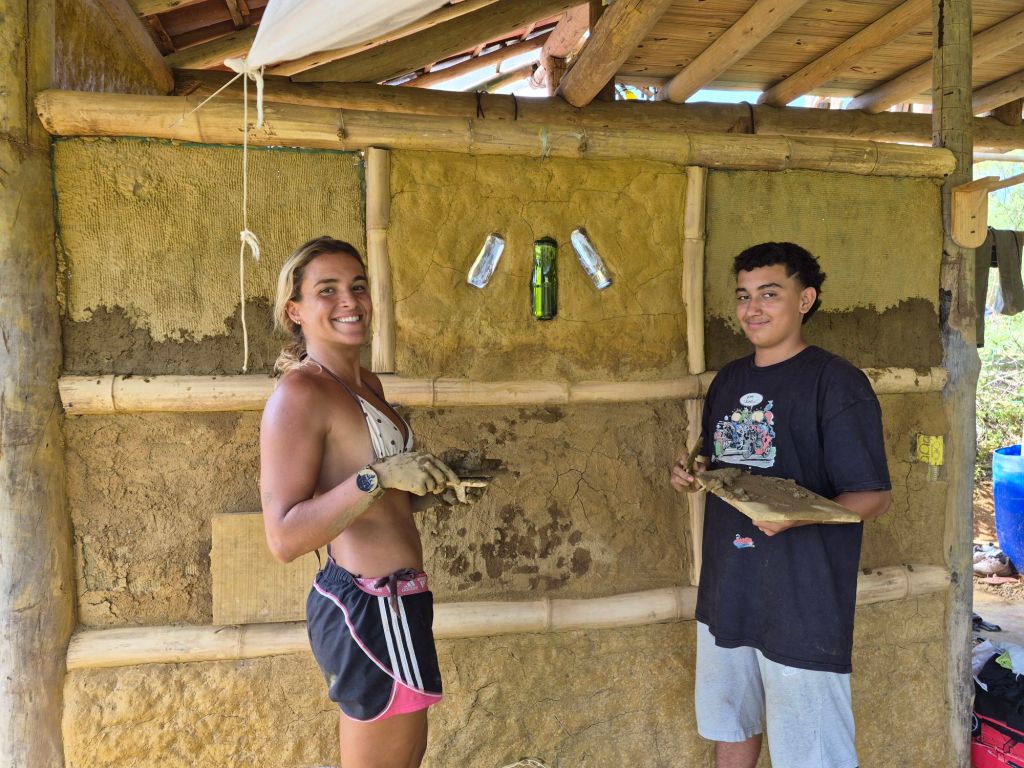
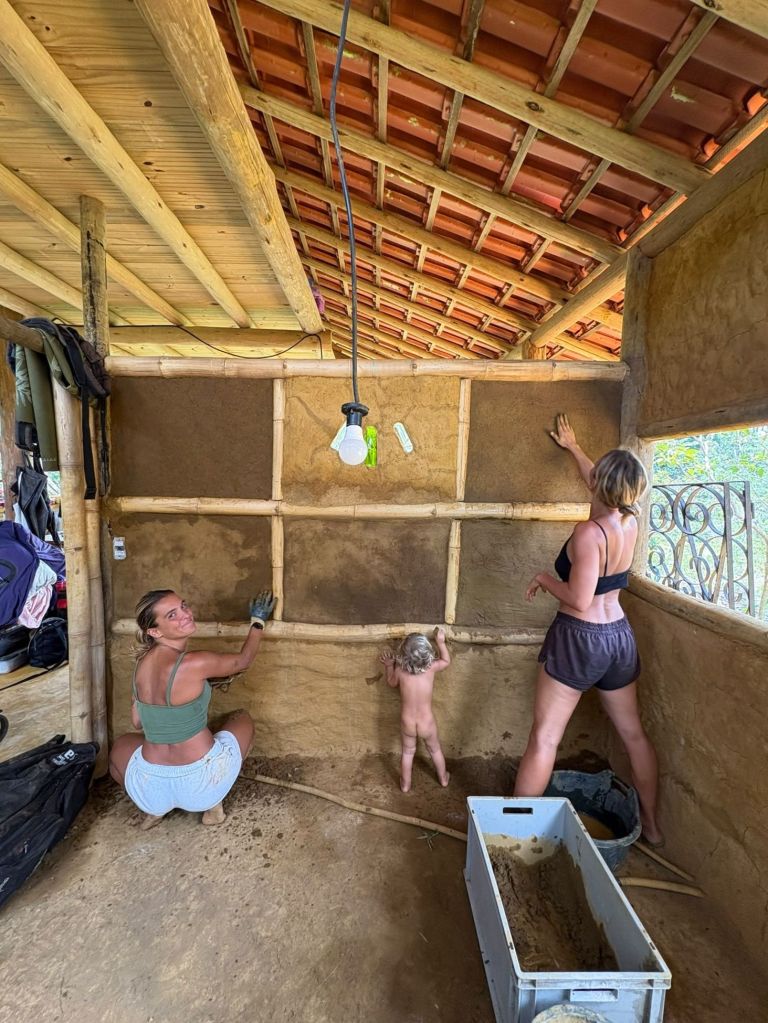
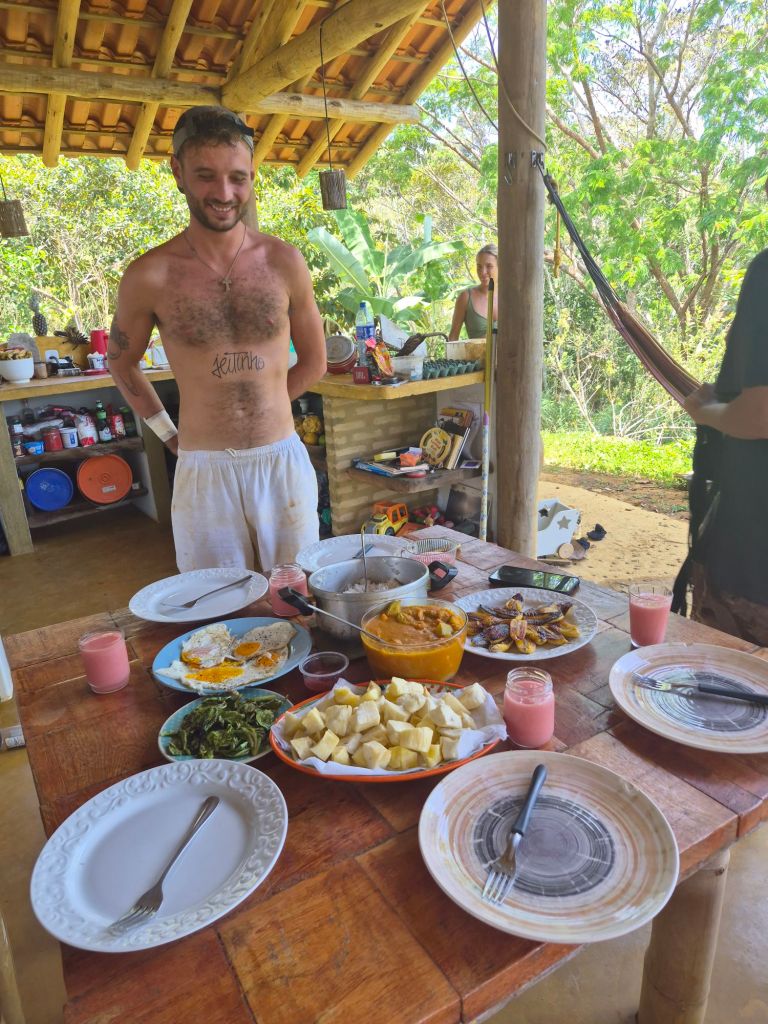
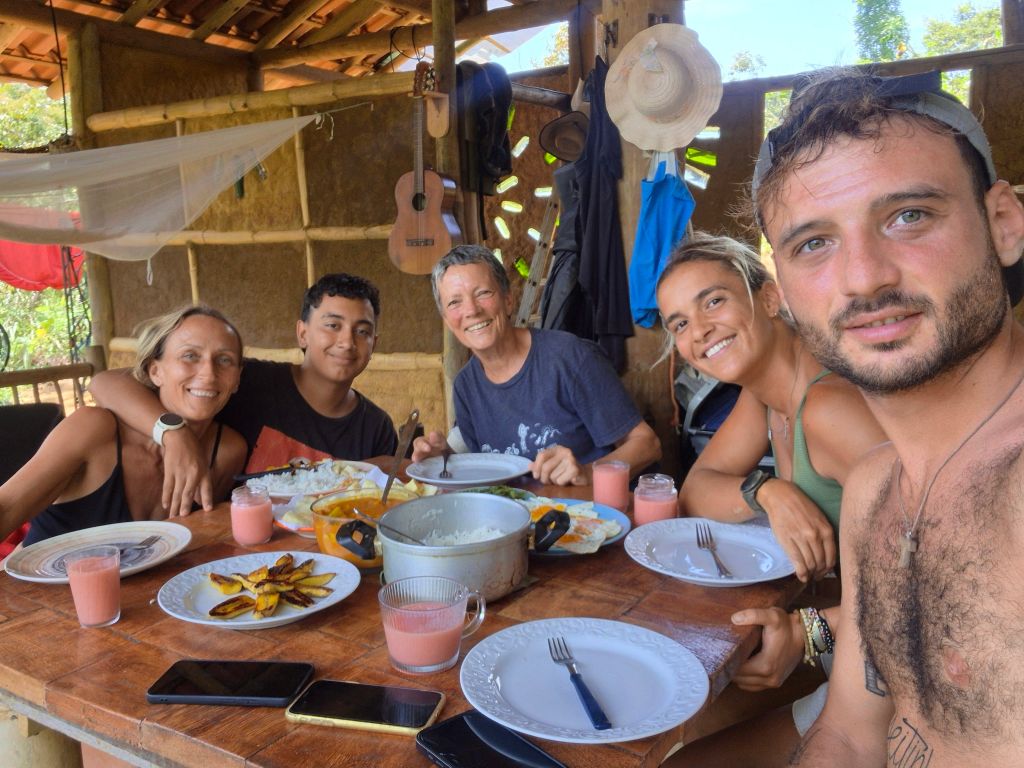
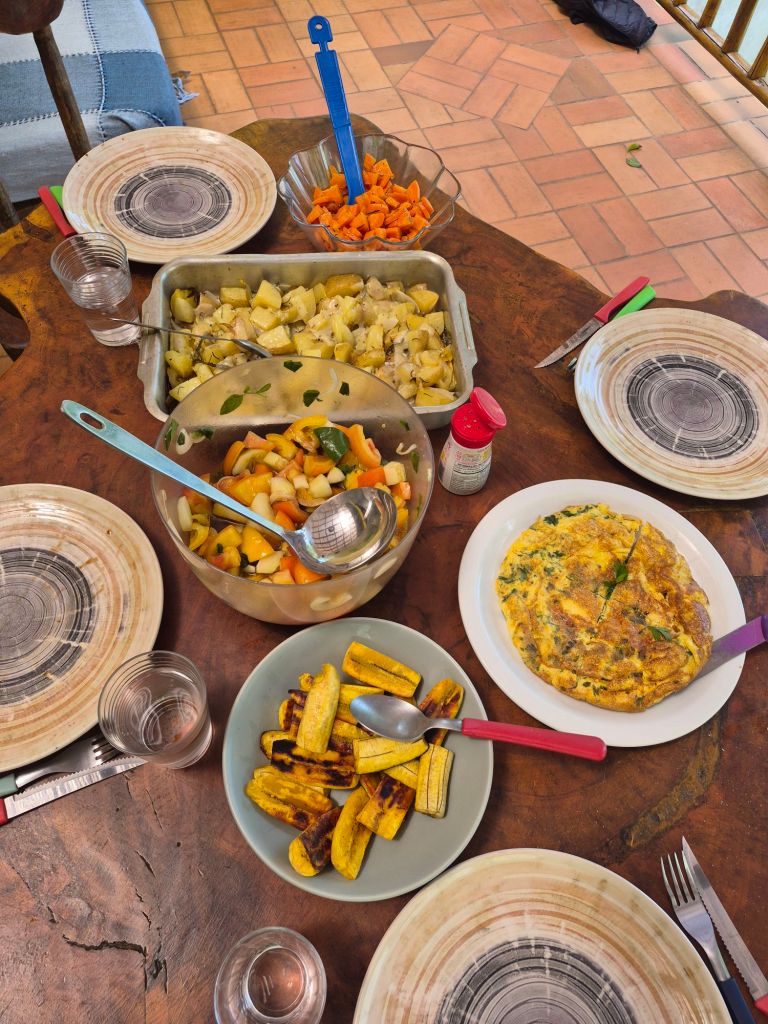
Niccoló is an Italian chef who is taking a break from years of stressful work in restaurants, and he made us some scrumptious lunches. Much to my relief everybody could speak English and we had a lot of fun and many good laughs, especially when Niccoló made hilarious comments with his very Italian accent. I held my breath when Gianna, who hasn’t started walking yet, climbed the steep ladder going up to the mezzanine. Susan was unpreturbed: “If she’s ready to climb a ladder, who am I to tell her not to!”
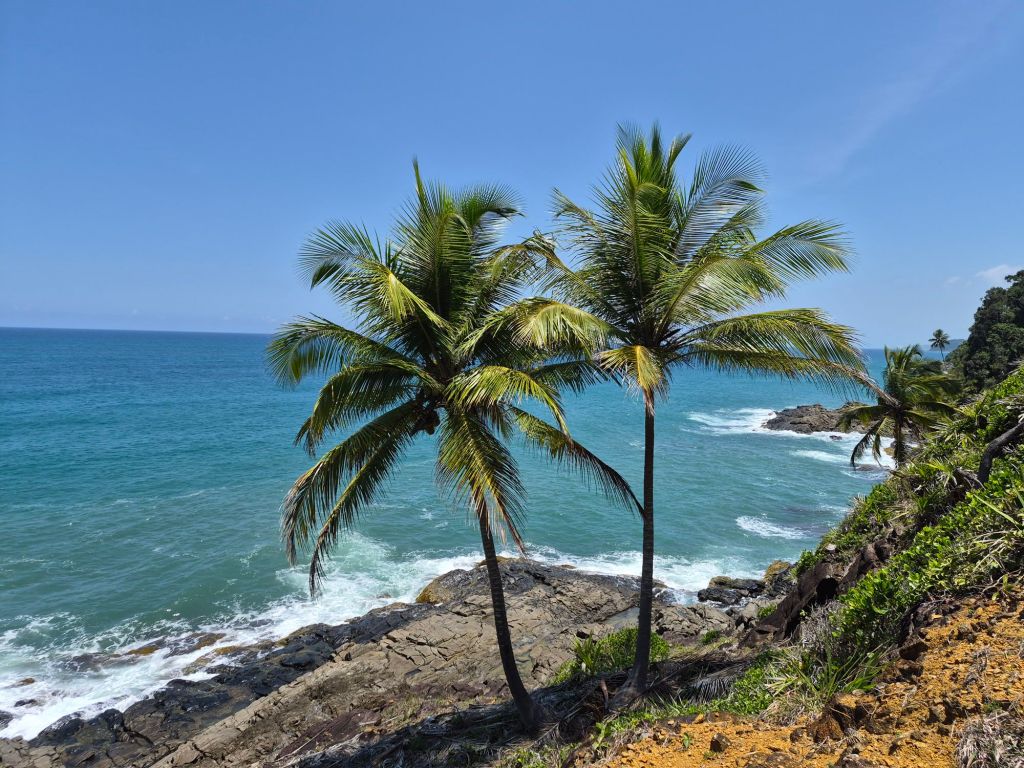
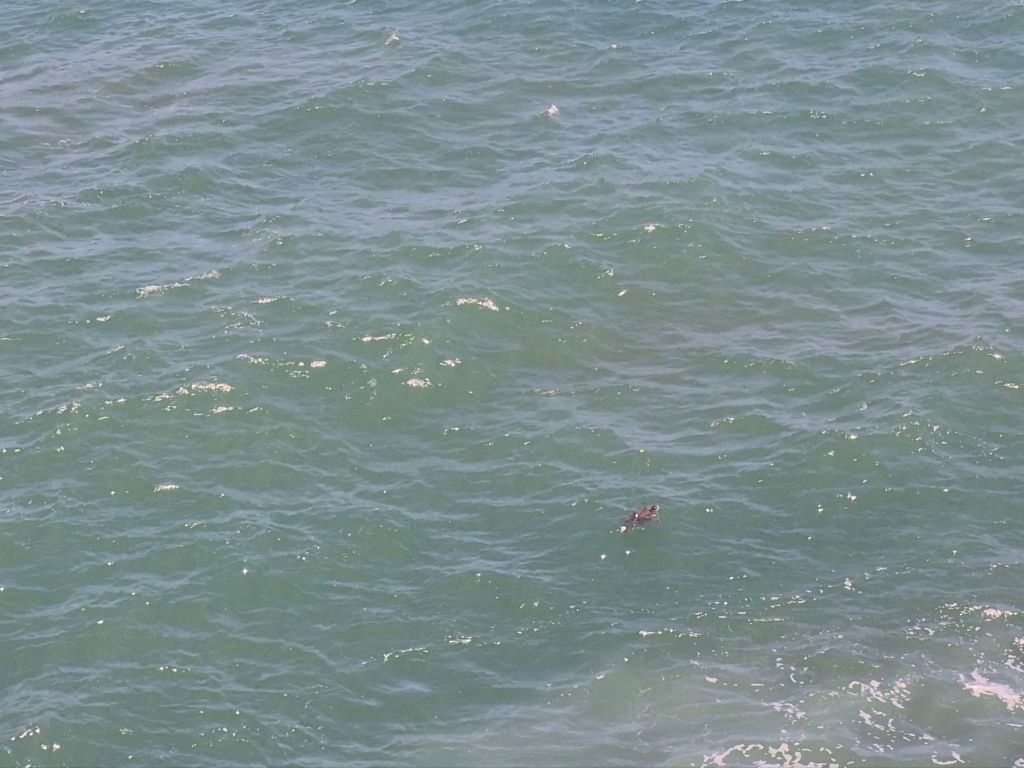
On the day that I was off, I went to the most beautiful beach about an hour’s walk away, along a trail that went through a forest. Carlos had given me a hint: “My mother and I often go there, and we always see sea turtles from the viewpoint. We stand watching for a few minutes, and then they pop up for air.” I was so glad he had told me, otherwise I would not have stopped to look – I saw six!
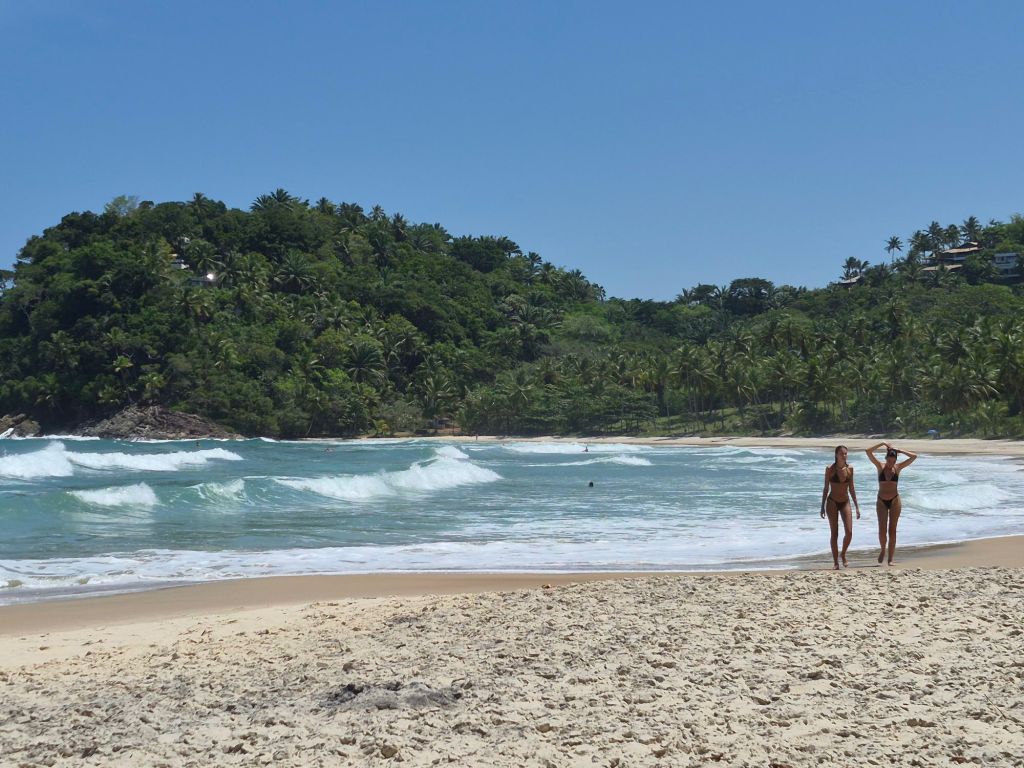
Itacaré is also a tourist town, with one long street full of shops and restaurants. One walks along it on the way to the beaches: first beach, surfer’s beach, family beach and dangerous beach. And a lot further, the one I went to.
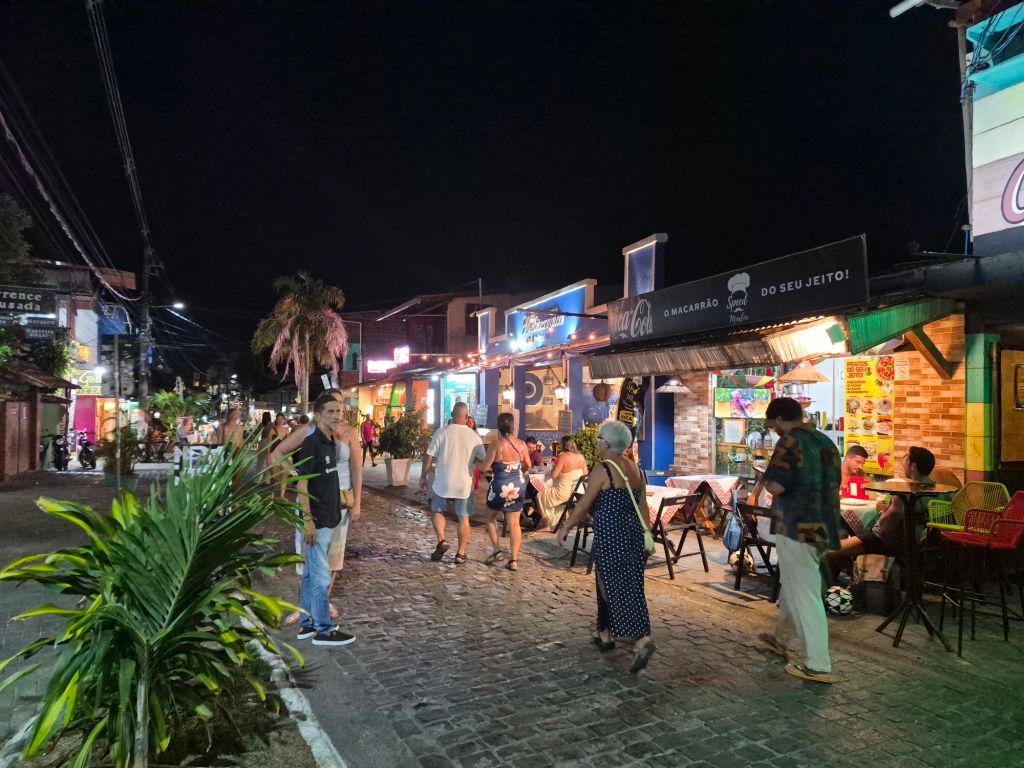
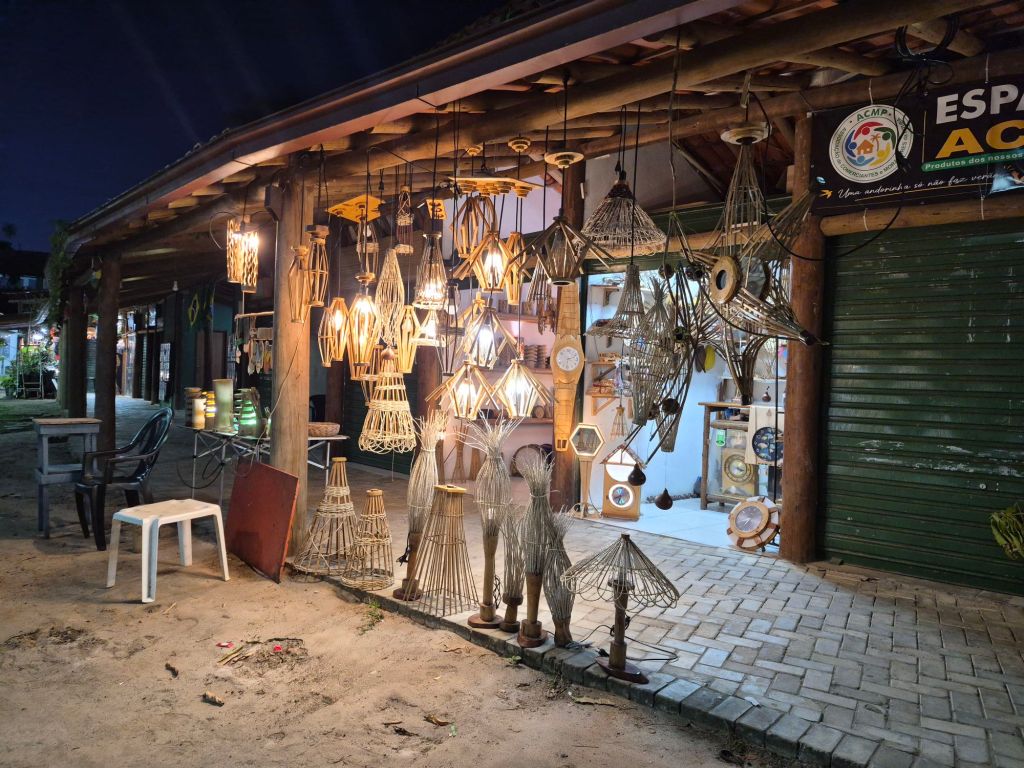

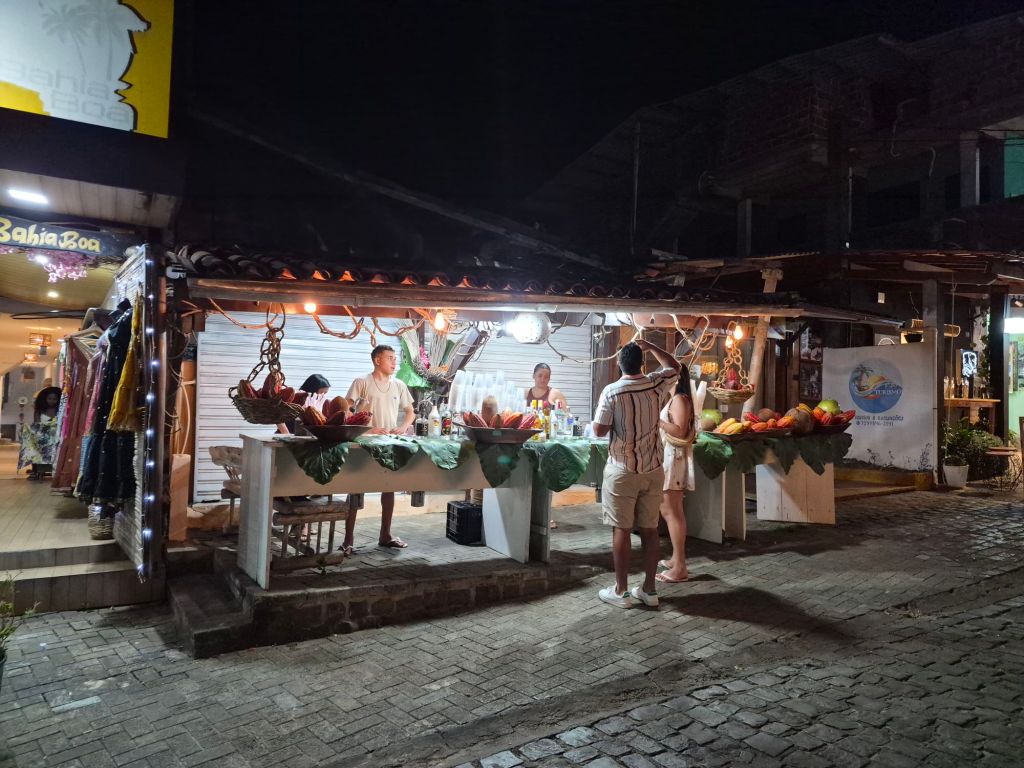
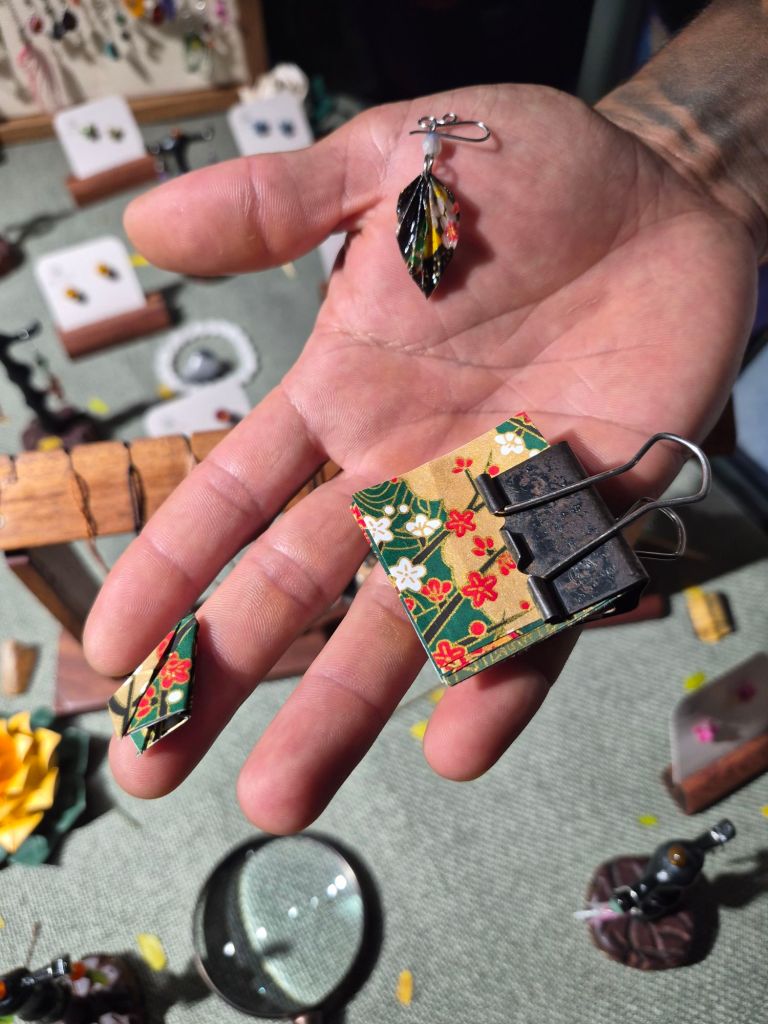
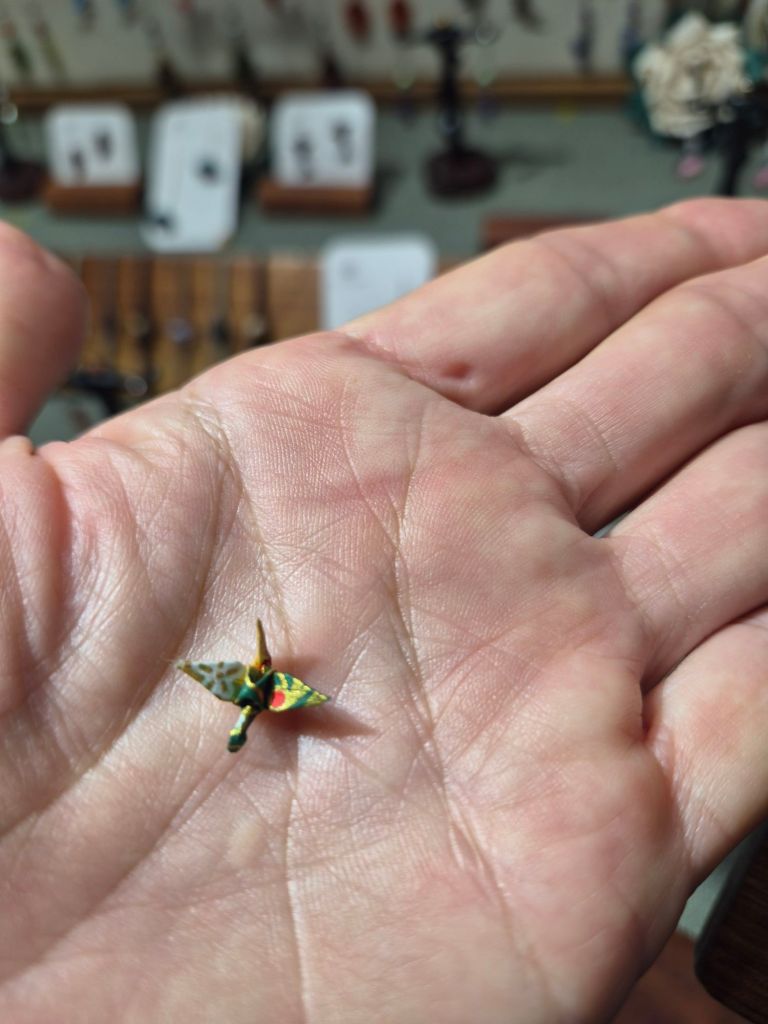
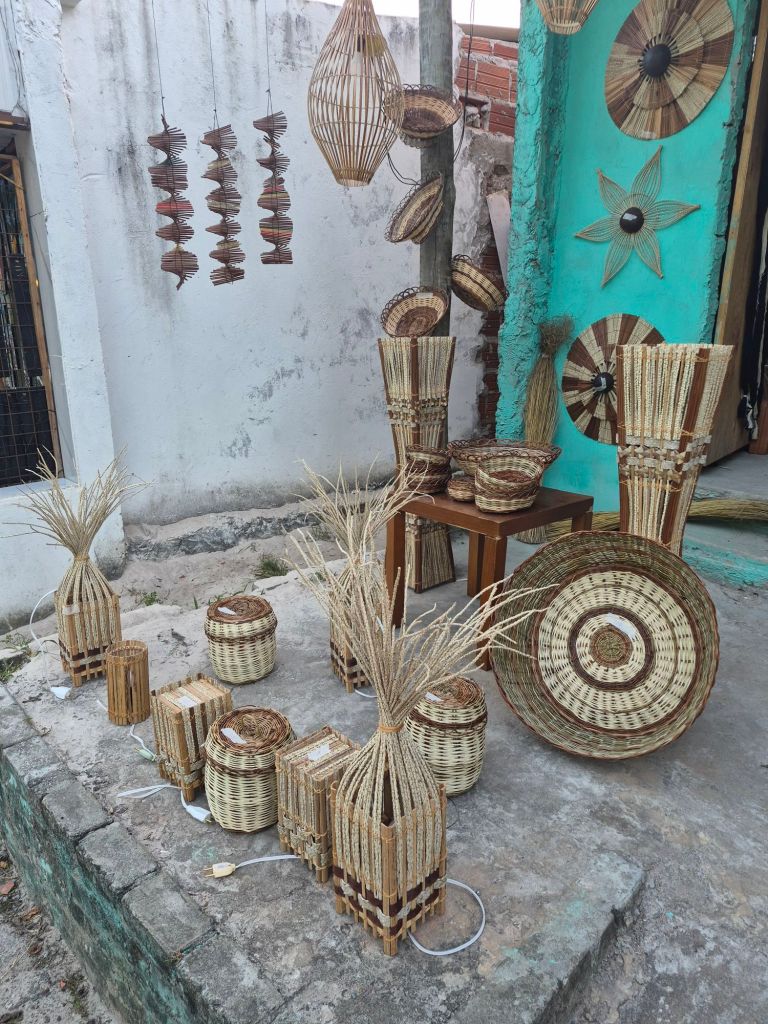
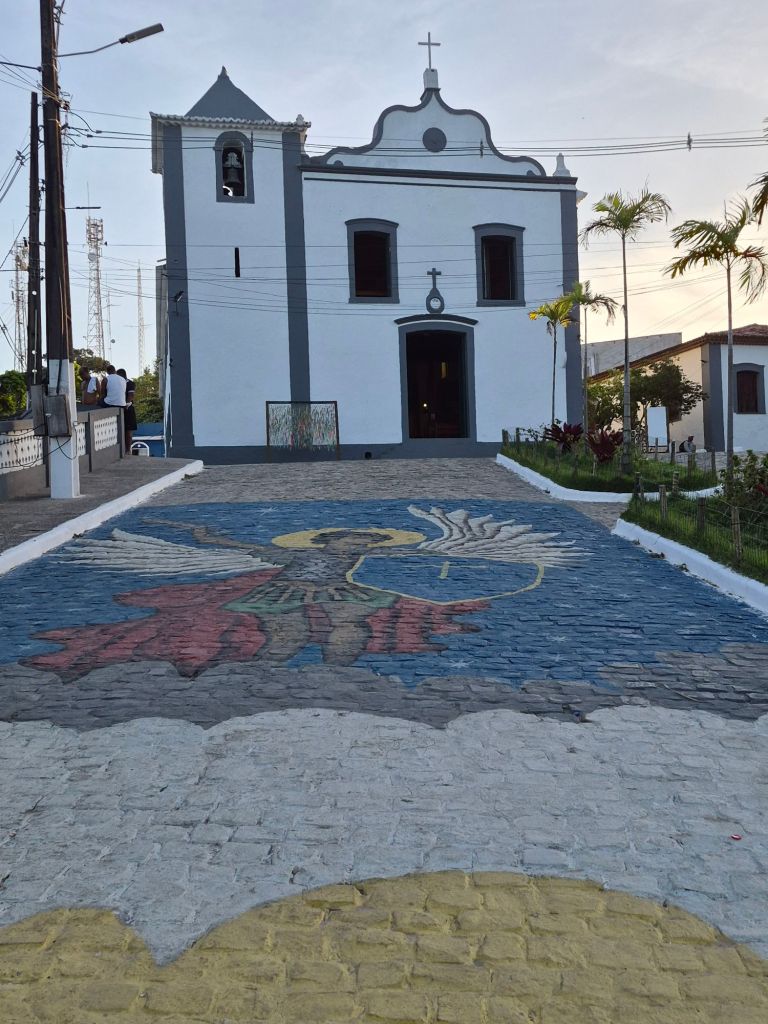
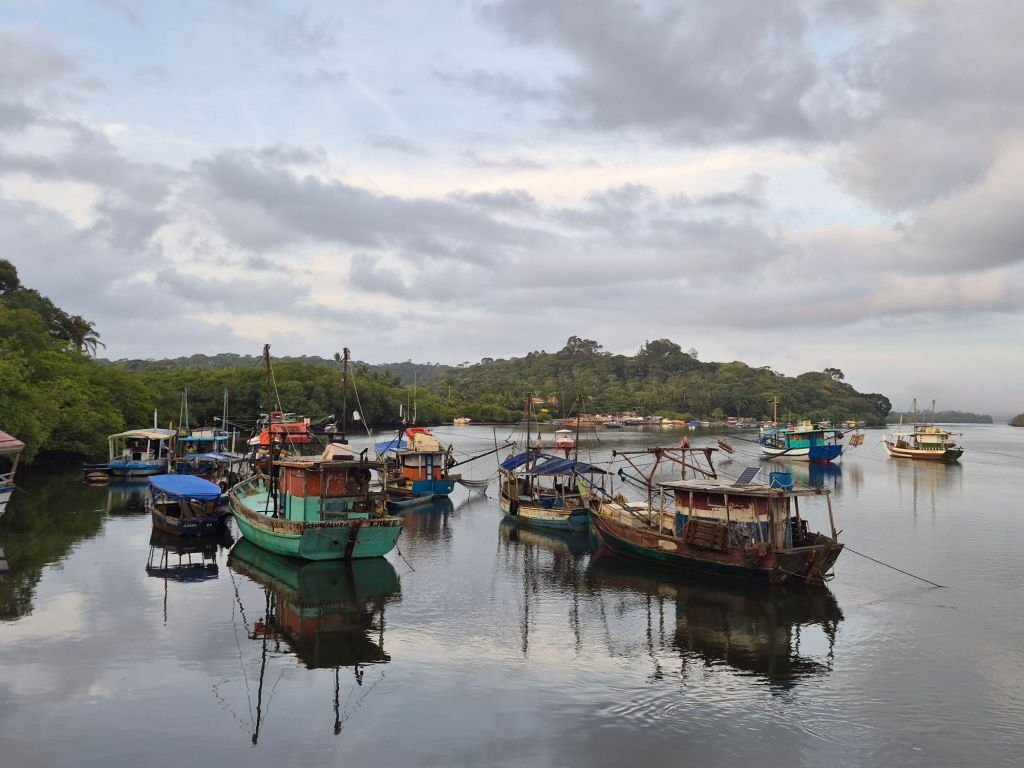
I preferred the area around the guesthouse, where the locals hung out. There was a church nearby, and around the corner was the harbour for the fishing boats. I had my evening meals just down the road, and on the last day, Susan, her children and I had lunch there too, with her chatting to a few familiar people walking past. One person I would like to mention: he was in a wheelchair, no arms and legs but a healthy and strong body. His one arm had a short stump, which he moved about enthusiastically as he spoke. He was an electrician that had been working on powerlines when he had been shocked and lost his legs and arms. I was sorry I couldn’t communicate, but Susan told me later what they had been talking about. His previous chair was malfunctioning, and the mayor had offered to pay for a prosthesis for his one arm, but he had used the money to buy a new electric wheelchair. He was trying to get donations for the prosthesis, but was not very successful. Susan had offered to create a website that could be used for such purposes, where one would be able to see on a daily basis how much had been donated and how much was still needed. She was going to get Cristina to design it the following day. I was impressed with her level of involvement in the community.