Gnats have been having a field day on me here in Colombia – the welts keep itching long after, and every new bite causes the old ones to itch again. I’m slowly becoming immune, and have bought some ointment which helps for a few hours. Other than that, I am surprisingly healthy, strong and fit, for which I am very grateful.
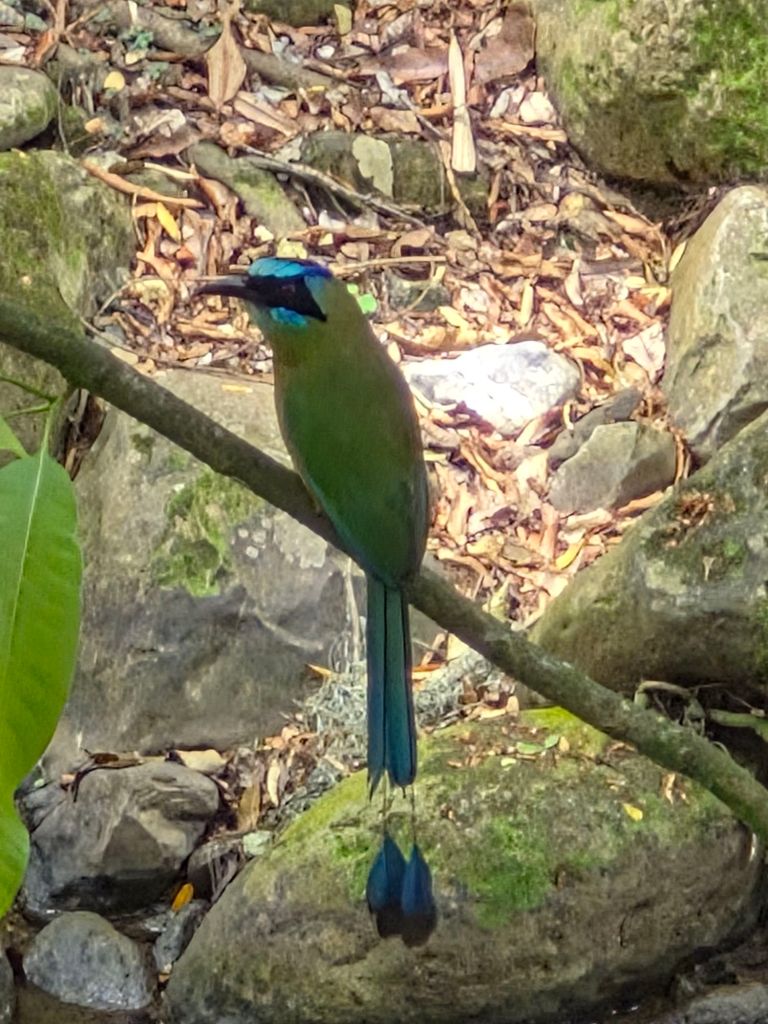
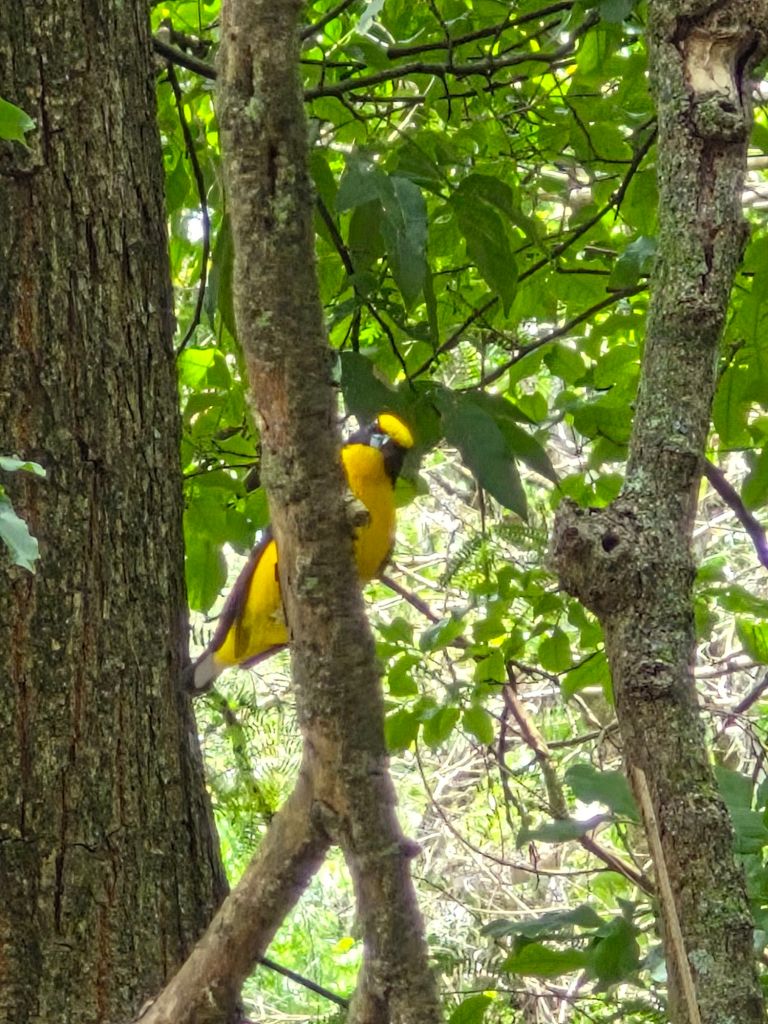
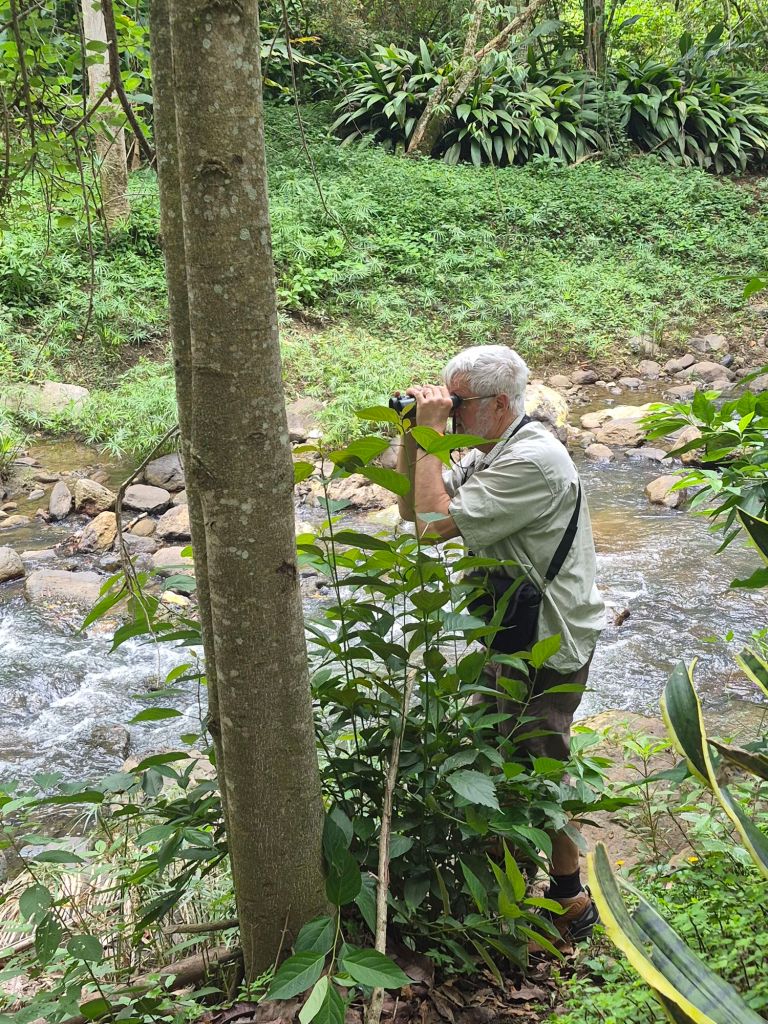
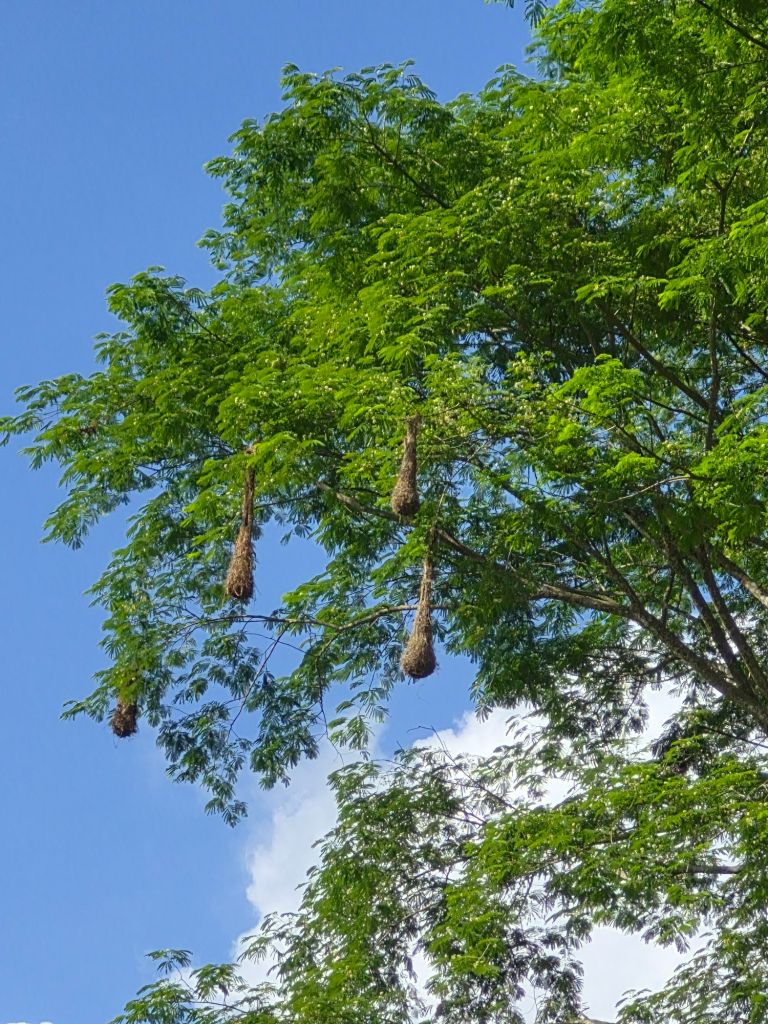
Meeting up with my cousin Alan, almost 4 weeks ago in Bogotá, opened a whole new world to me. He is an ornithologist and naturalist and an avid birdwatcher, with binoculars, camera with huge lenses and the necessary apps on his phone. Colombia has the highest number of bird species in the world, with over 1900 recorded, more than 80 of them endemic to the region. Alan came to Colombia to do a birding trip, but arrived a week earlier so that we could travel together for a while – wonderful for me to have company, and an expert guide to go with it.
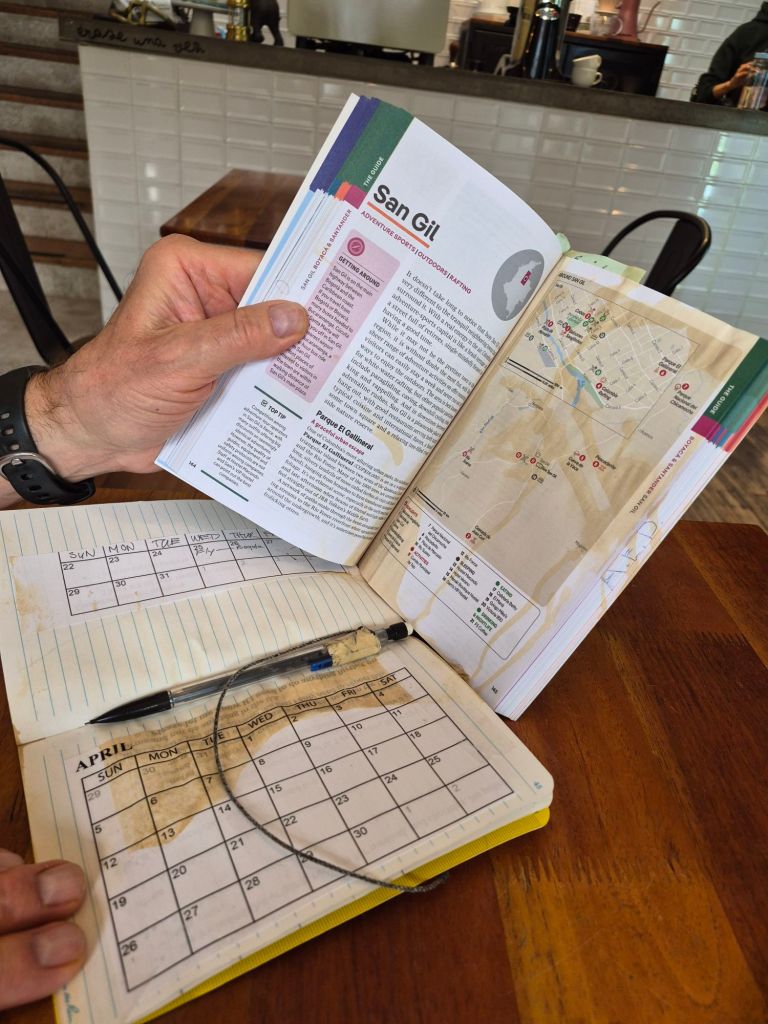
We decided to meet for coffee to discuss our plans for the next couple of days, and were served a very good cortado, which Alan proceeded to knock over before even having had his first sip of Columbian coffee. A proper mess, with his brand new Lonely Planet book on Colombia, and his birdwatching notebook with calender, covered in coffee stains. Undeterred, we carried on planning and within 10 min had an itinerary (sort of) worked out and our first 3 days booked in San Gil, a 6-hour bus trip north of Bogotá. “You’re good at this”, Alan commented. “I’ve had lots of practice,” was my reply.
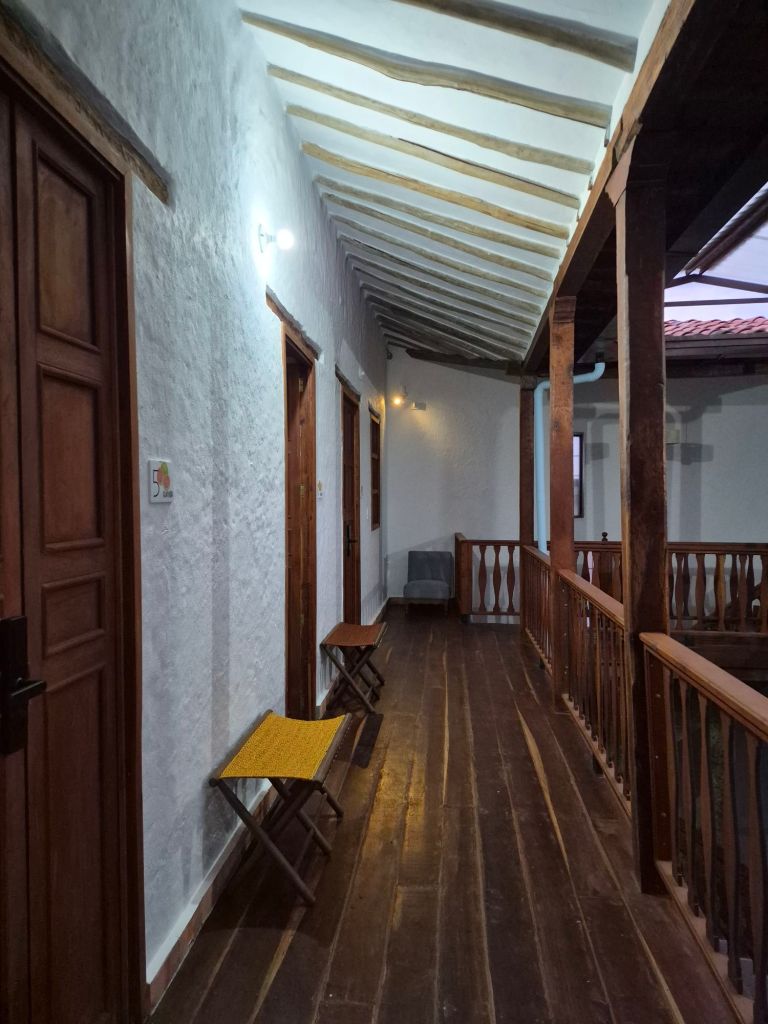
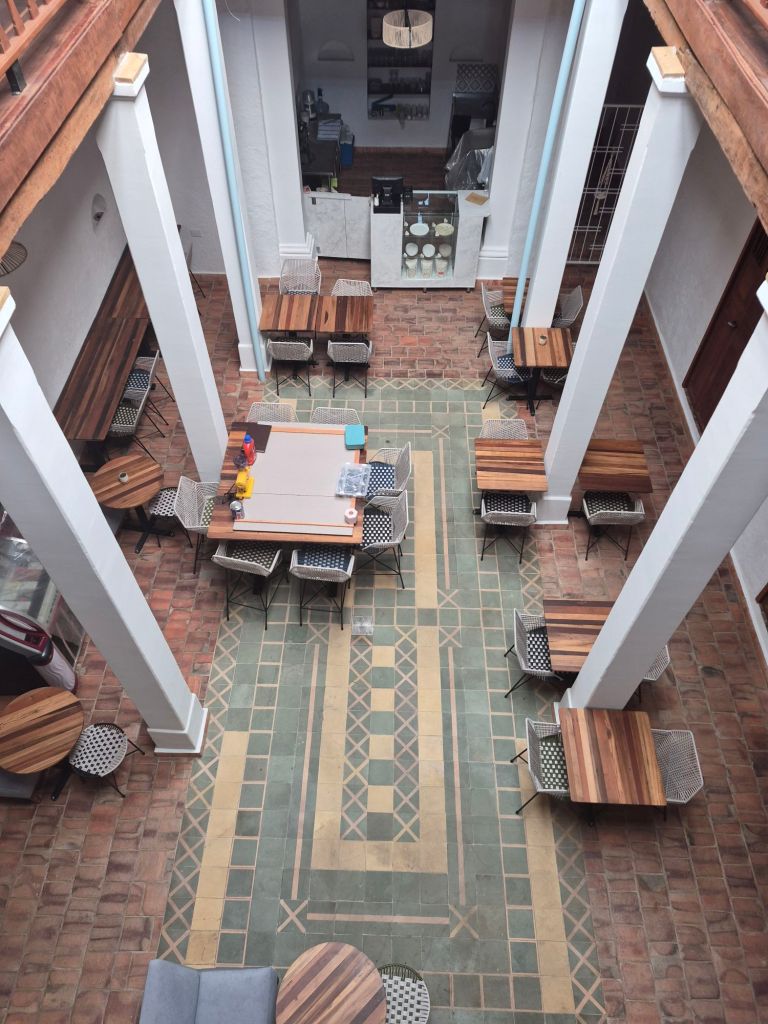
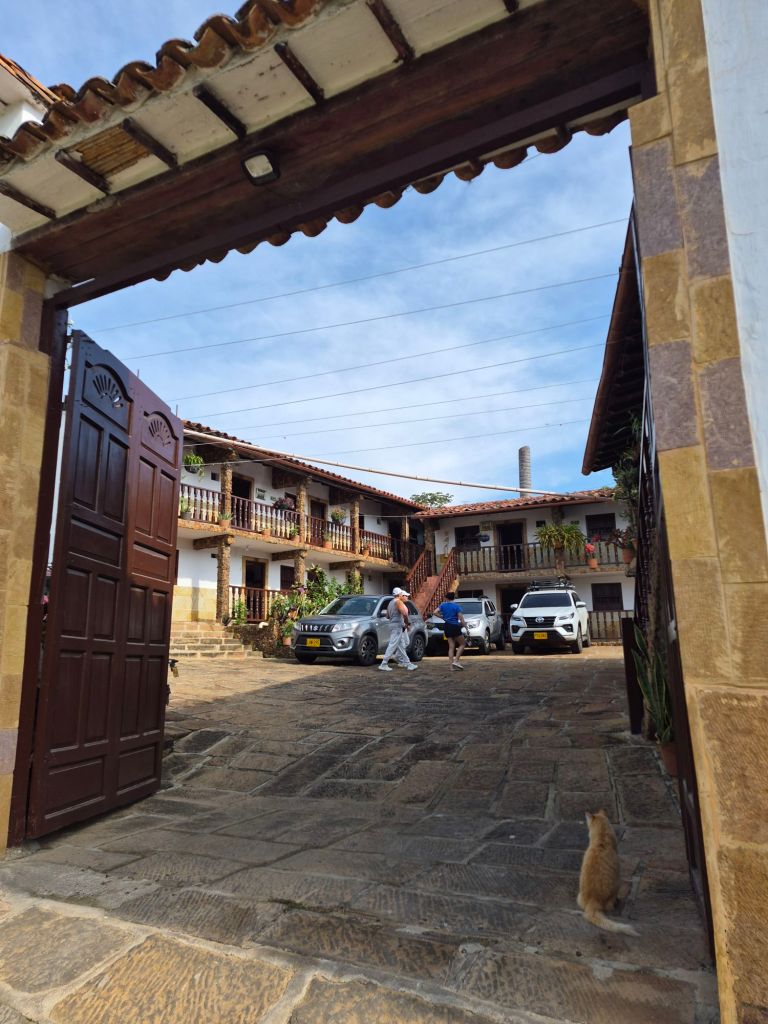
We caught the bus to San Gil at 10am, thinking it would be a 6-hour trip, which then turned out to be 11 hours, so we arrived after dark. We had been sitting in the bus for so long, we decided to walk the 2 km to the hostel, fortunately downhill, as we were carrying our luggage – I had a smaller bag, Suerte was left at my hotel in Bogotá. We arrived at the address, but there was no sign of a hostel, and the area looked a bit dodgy. The owner, Manuela, arrived within a few minutes and unlocked a door – what a surprise awaited us! She and her sister had restored a 100-year old building, which had originally been the first hotel in San Gil. It is a double storey building, around a covered courtyard, with high ceilings downstairs as the horses were brought indoors in the past. They had kept a lot of the old woodwork, but replaced the floors, using the floorboards to build the coffee tables. The kitchen and bathrooms have been newly built, all very tastefully done. Their aim is to open a coffee shop downstairs, which would probably happen soon.
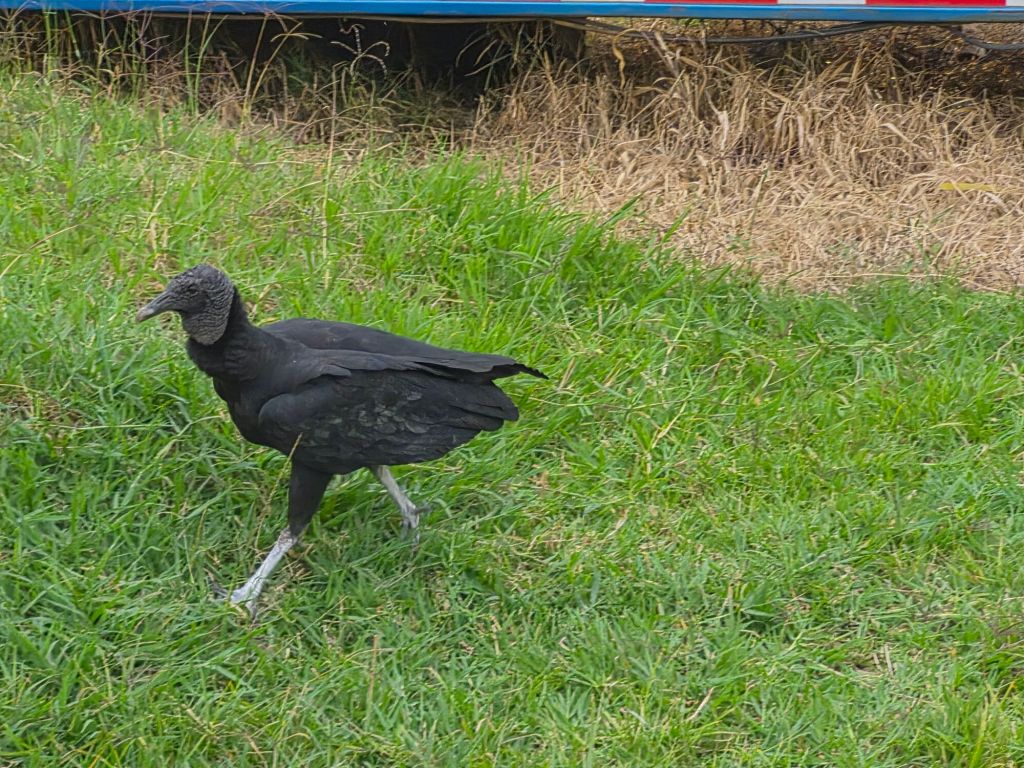
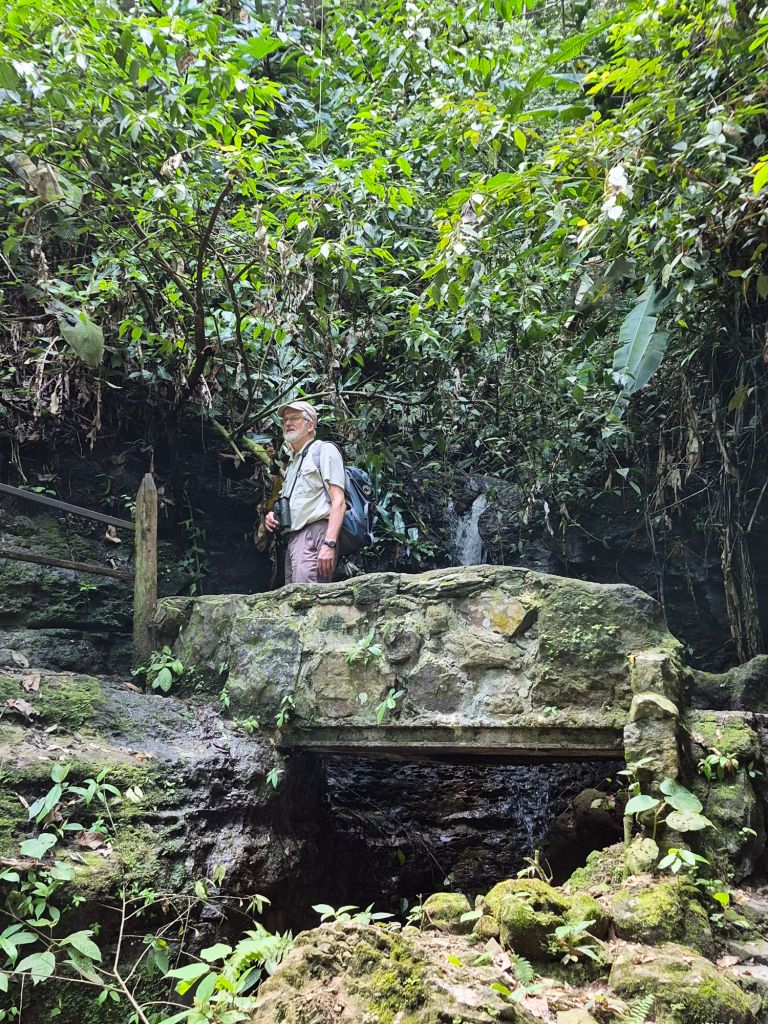
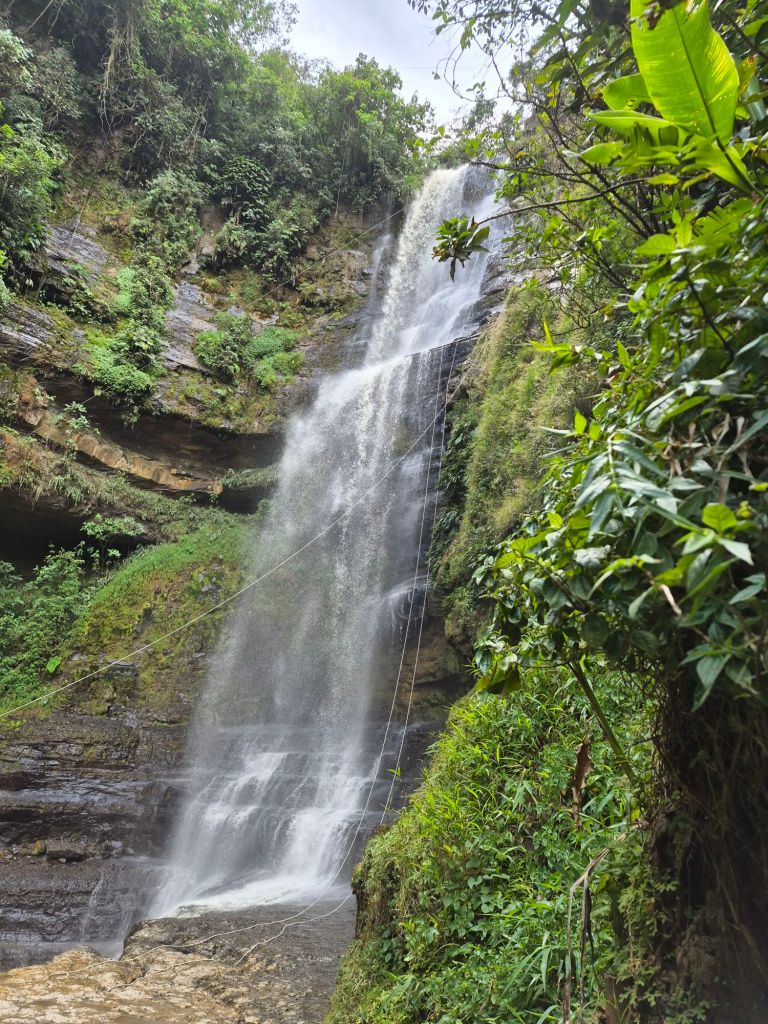
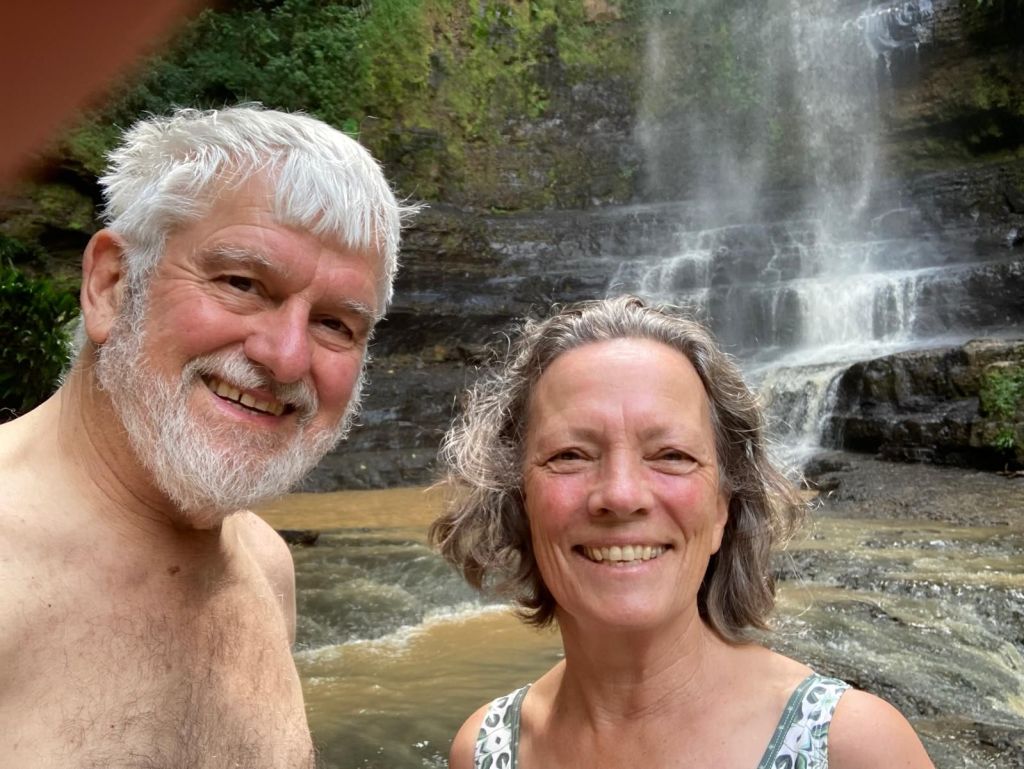
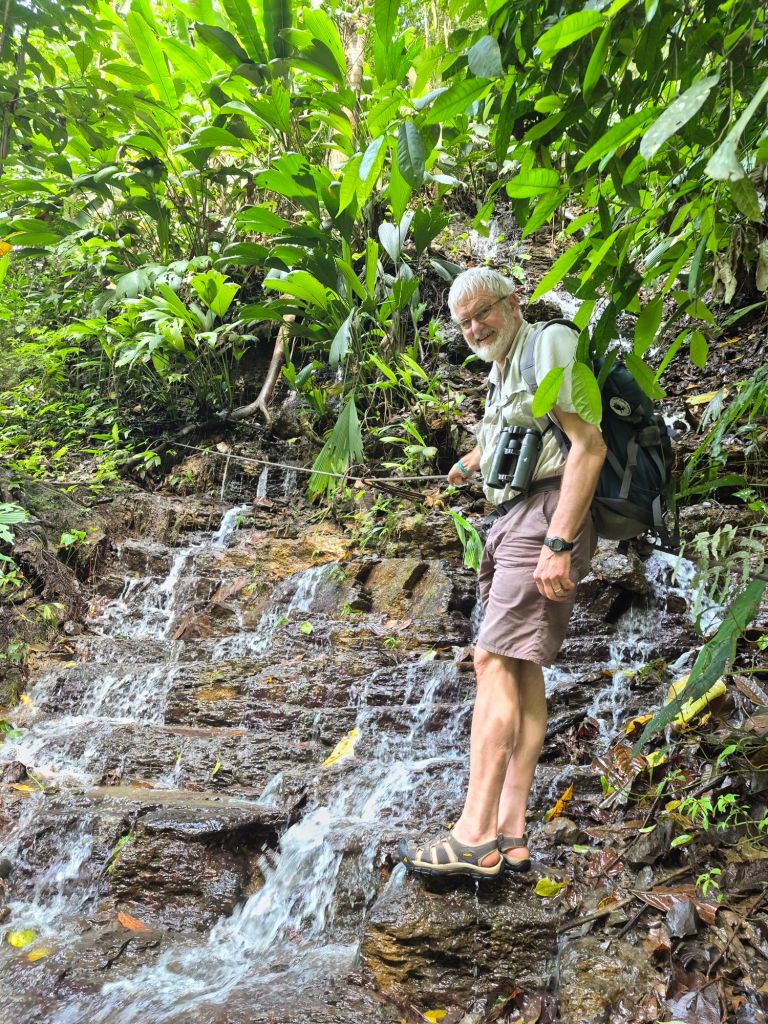
San Gil is not a very exciting town, but there are many trails in the area, and the first day we went to the Cascadas de Juan Curi Parque Ecológico, where there is a beautiful waterfall with a pool that we could swim in (I think this is where the gnats got to me the first time). There is an app, Merlin, that identifies bird calls, showing pictures of the specific bird, so our progress was slow and comfortable up to the waterfall as we stopped often to identify the bird calls. Alan identified more than 20 species every day, and recorded them on EBirds at night, a website that contributes globally to bird sightings.
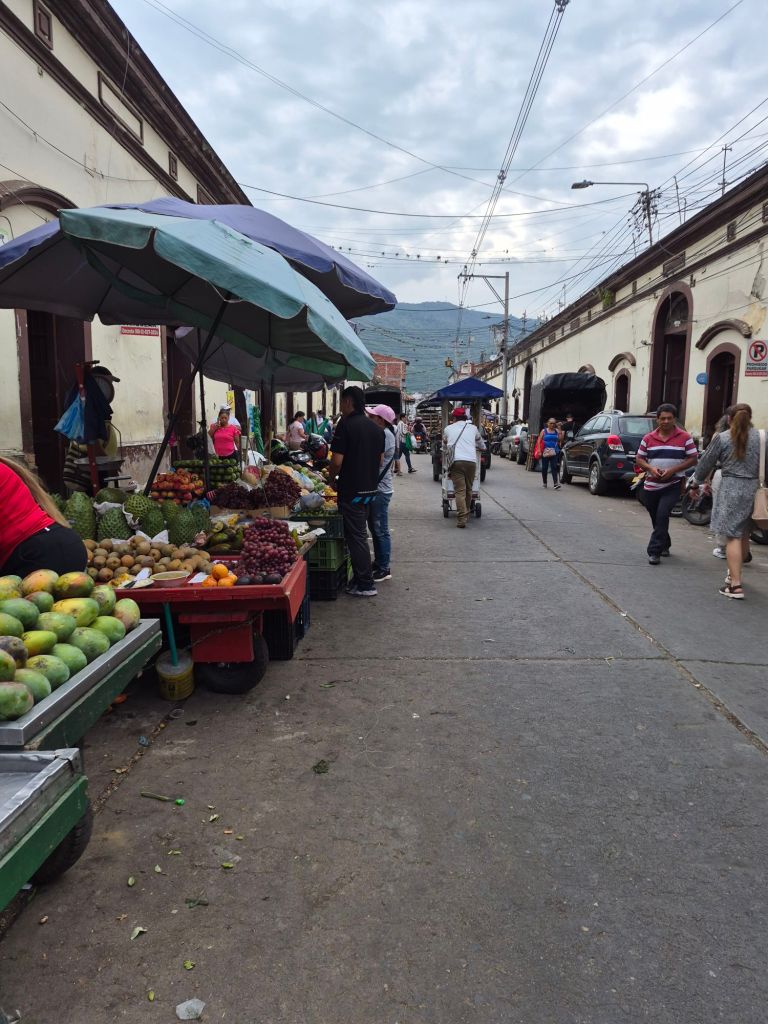
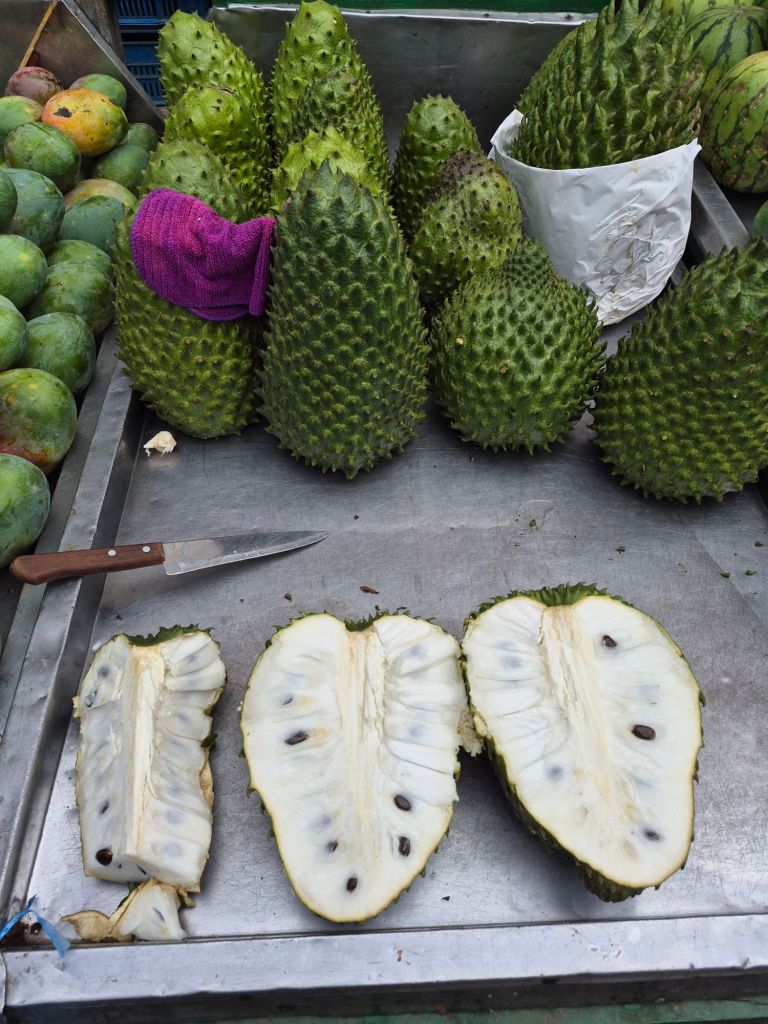
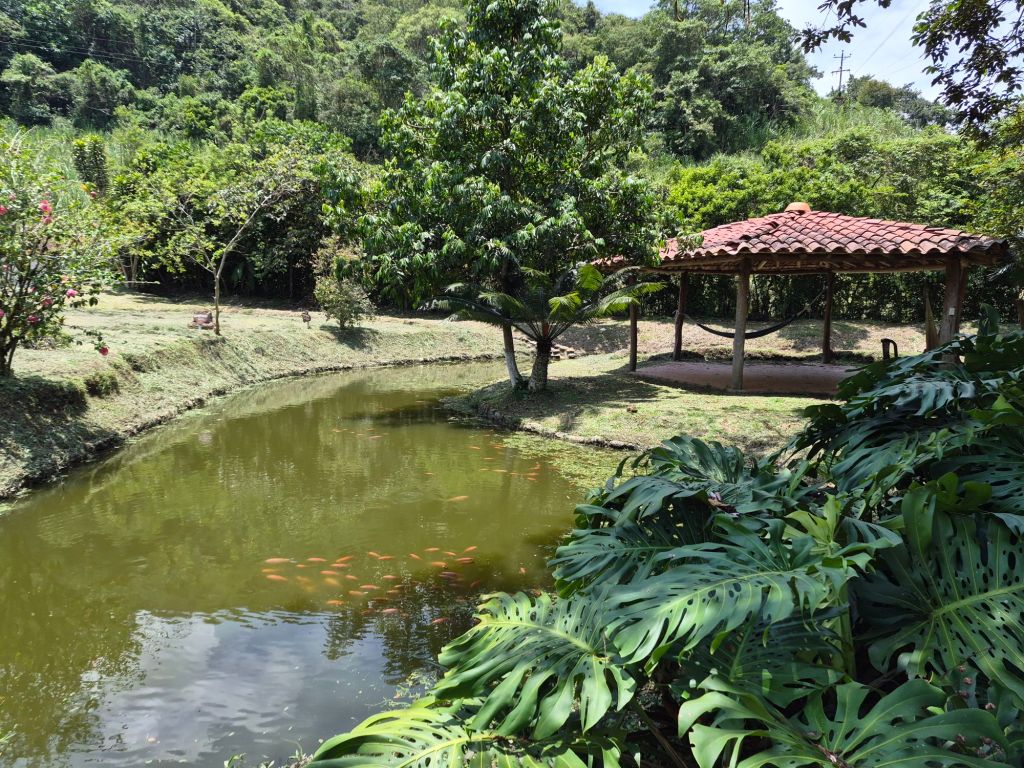
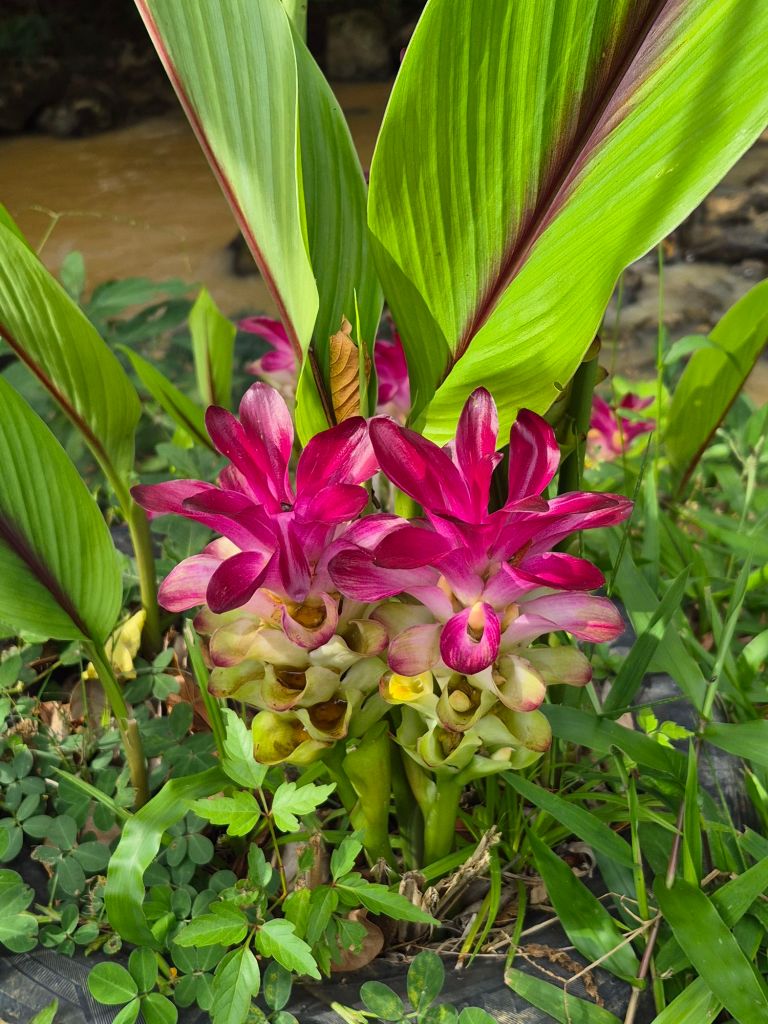
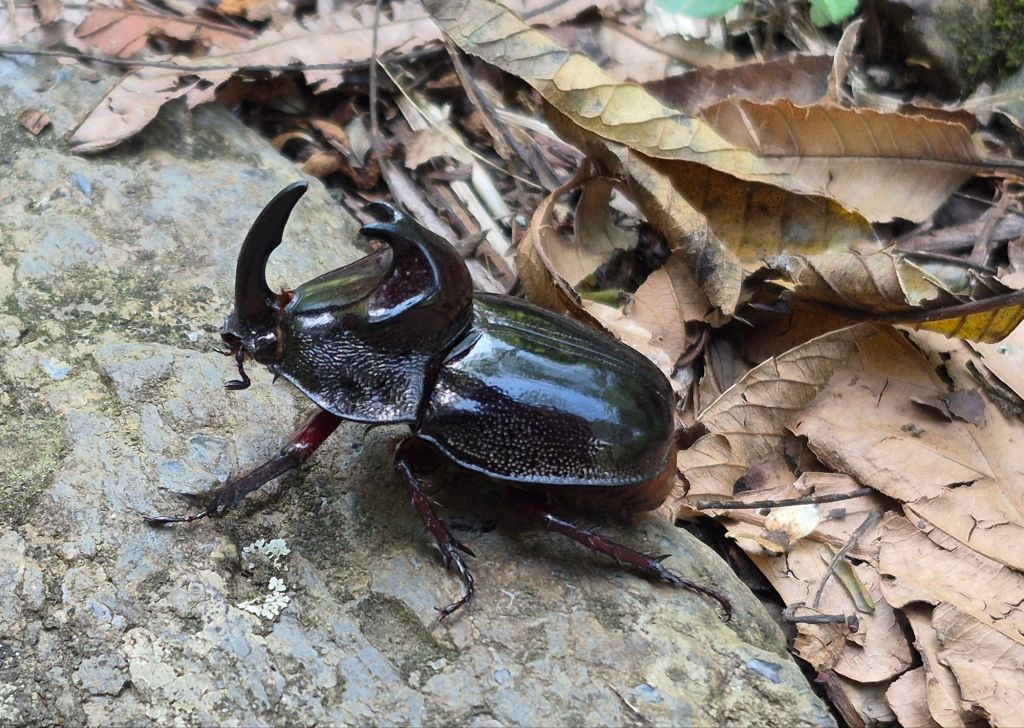
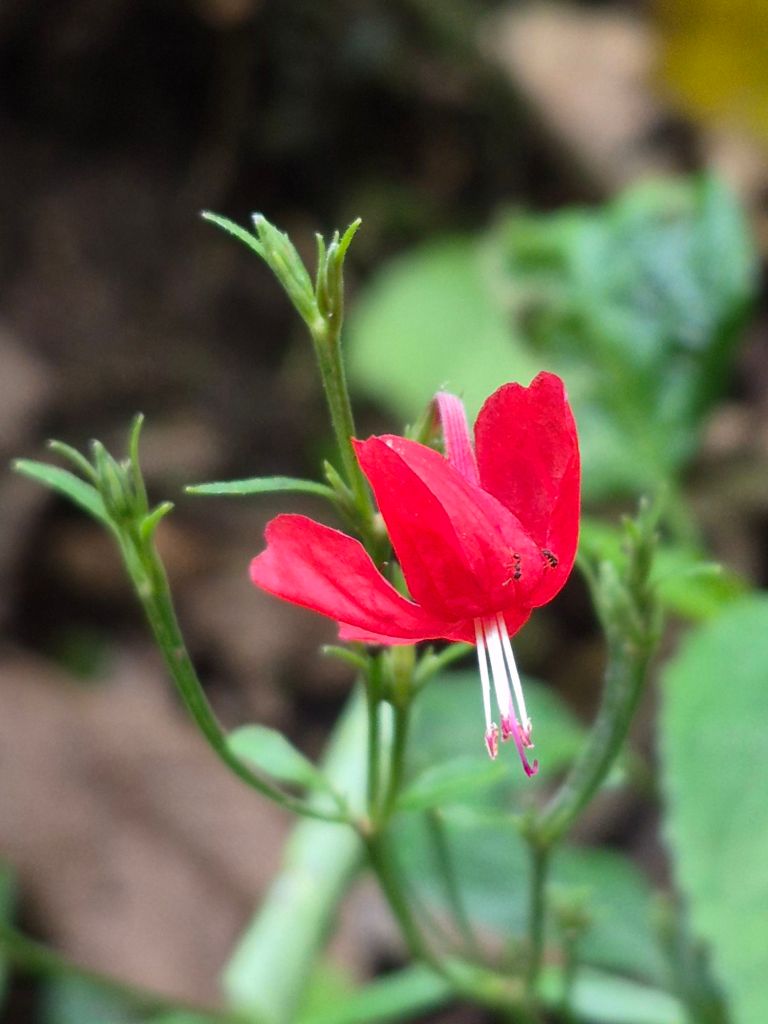
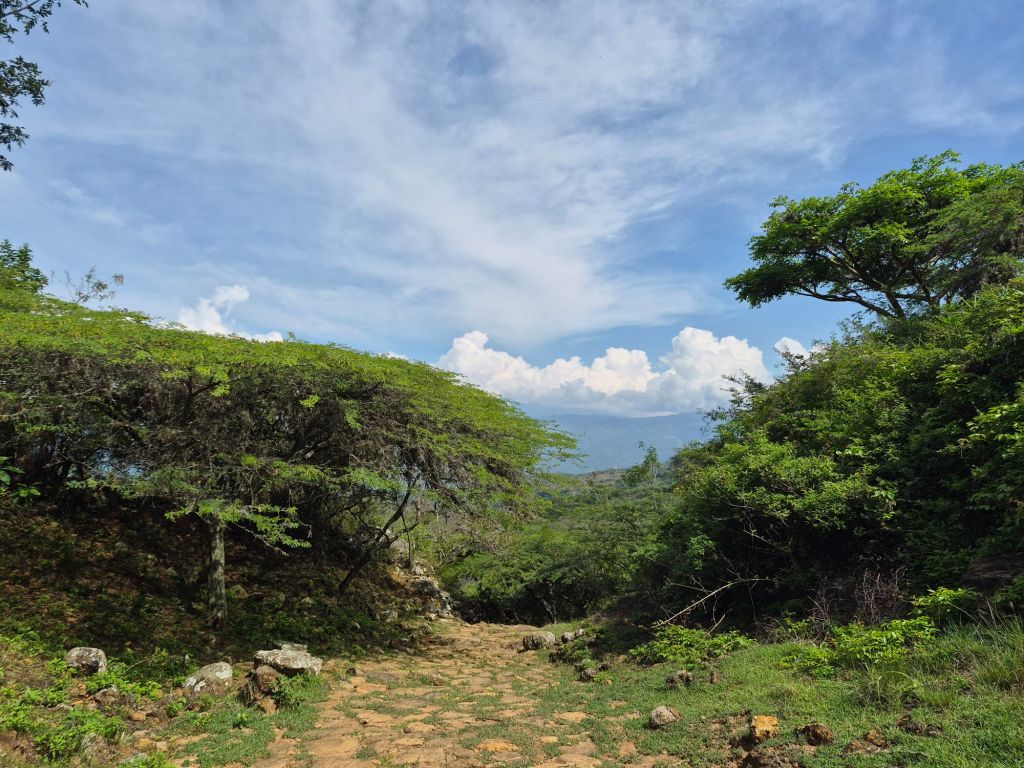
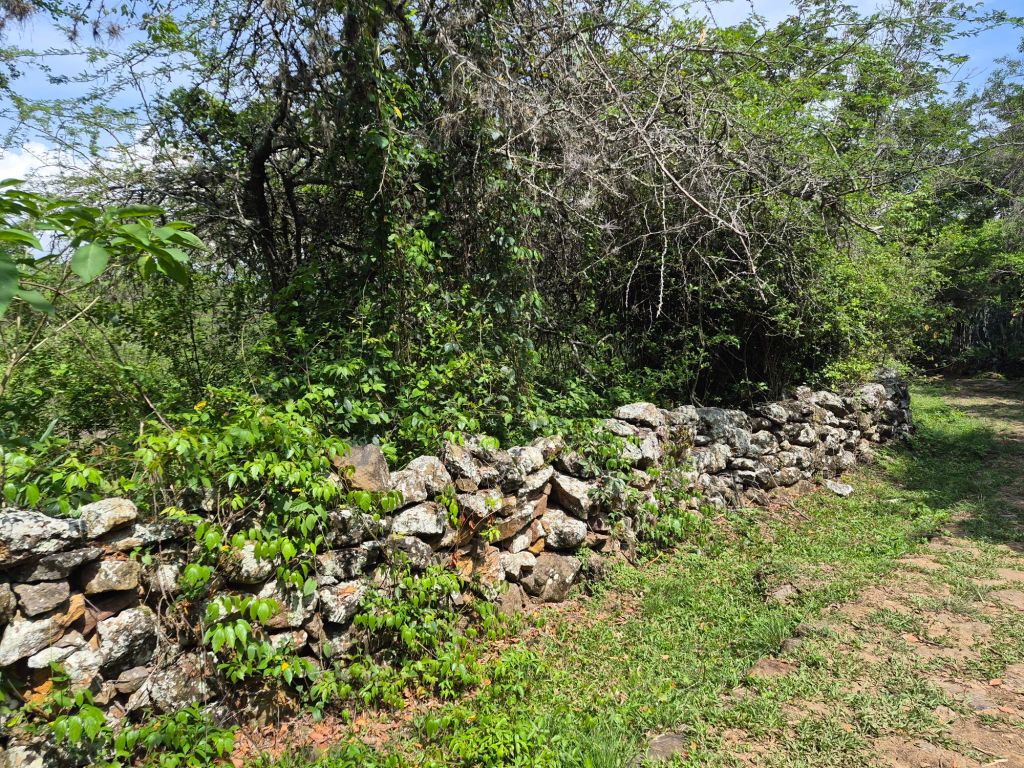
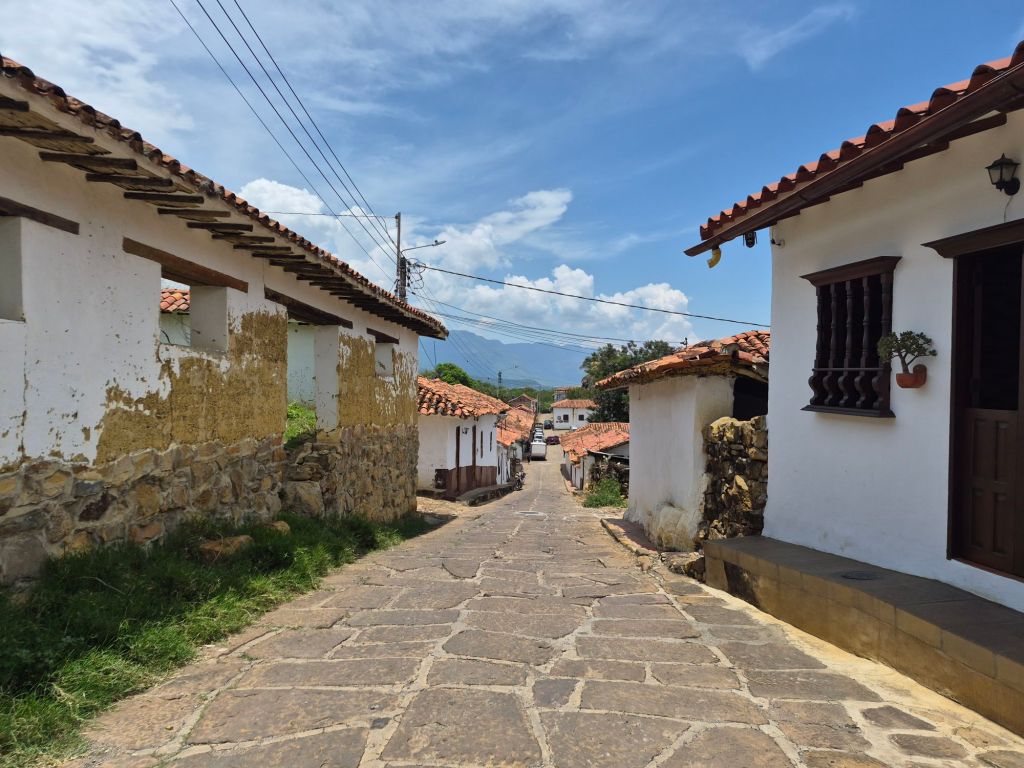
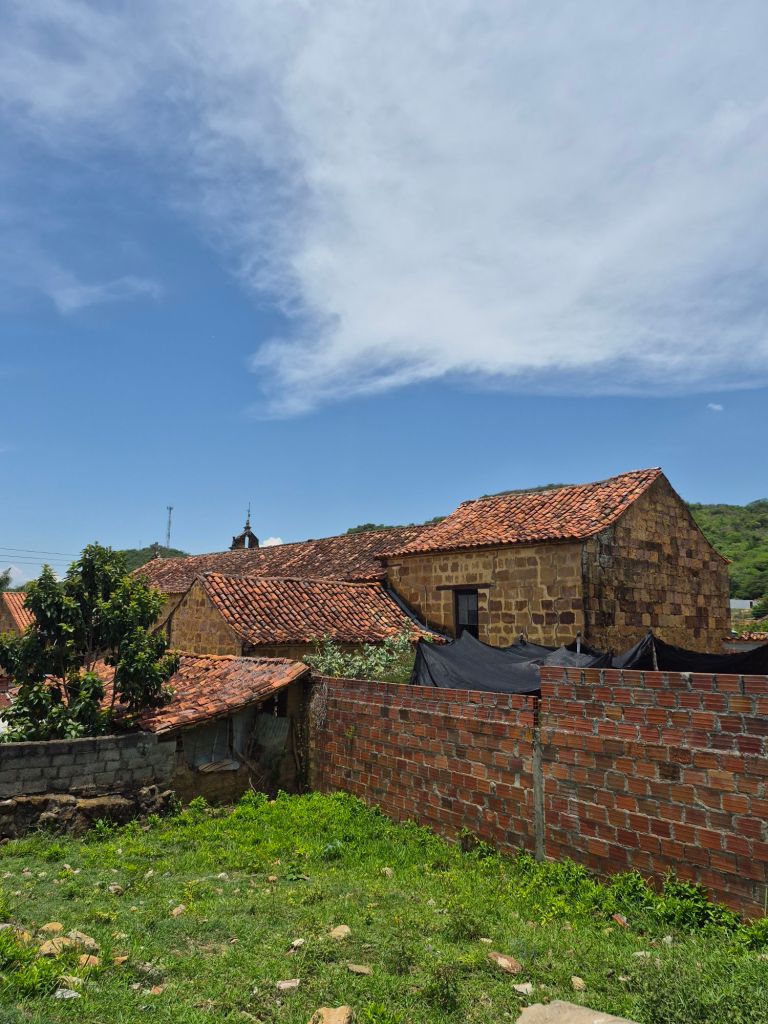
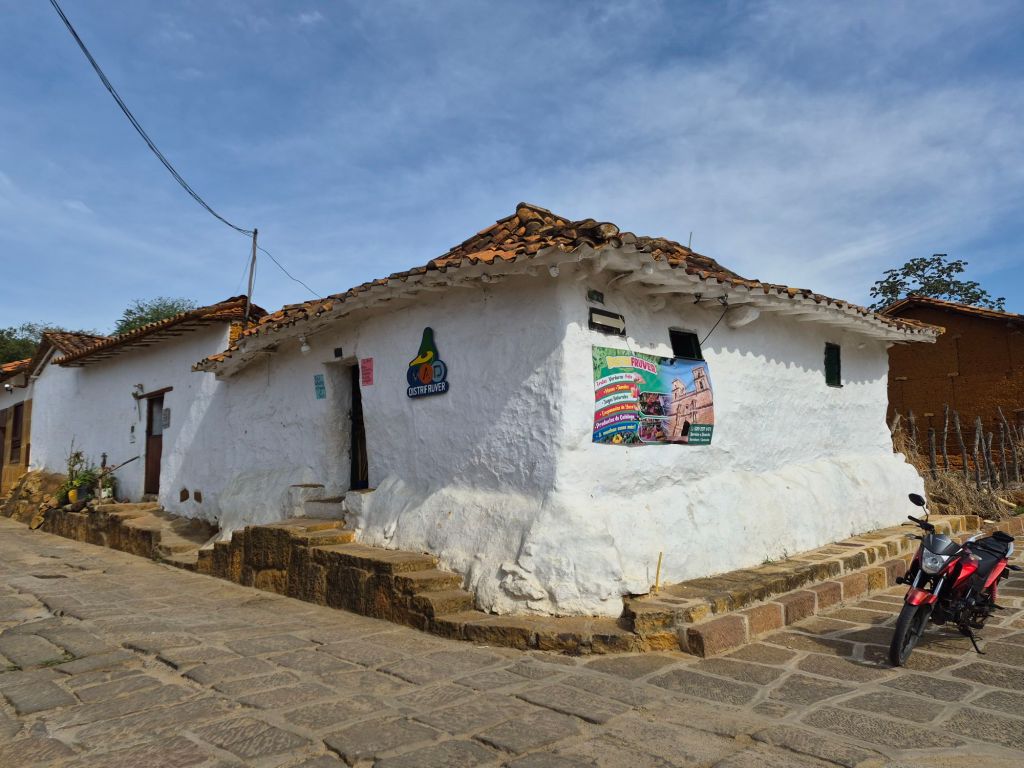
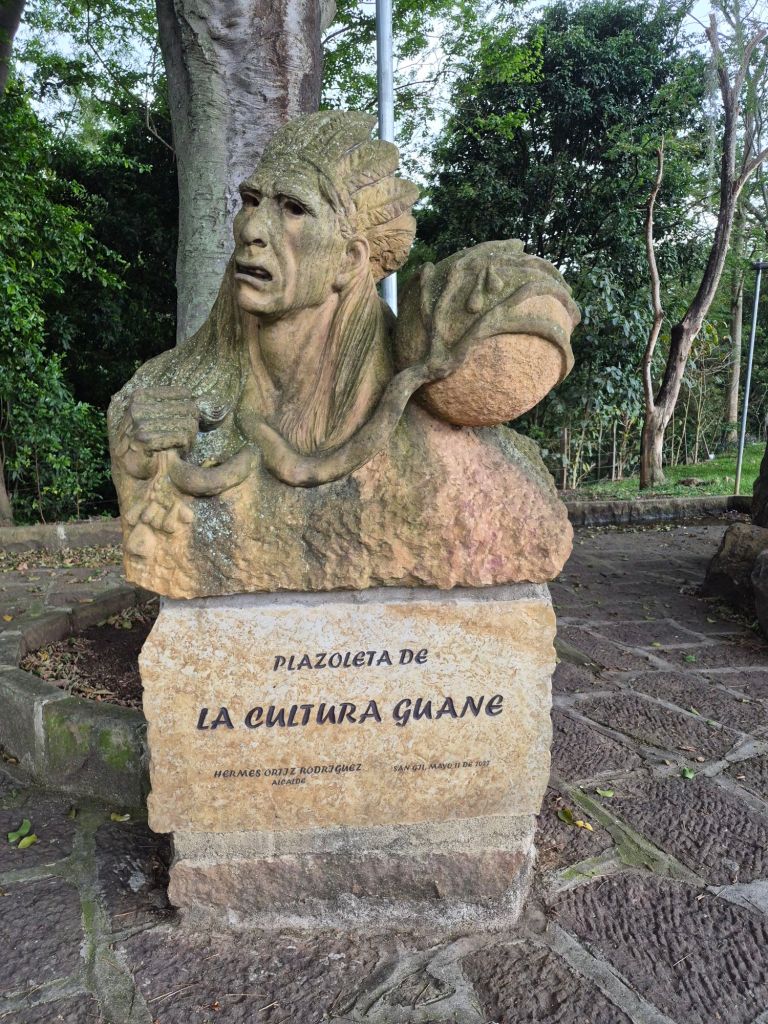
The following day we took a colectivo (local bus) to a nearby town, Barichara, and walked 6km of the Camino Real to Guane, a small old town where time seems to have stood still. The part of the Camino that we walked, was a broad stone-paved path with stonewalls on either side, quite impressive. It was a Sunday, and many people were walking, some with blaring music from radios they were carrying, some overweight and very hot, some wearing strappy tops and tight fitting shorts – all very Colombian. It took us 4hrs to do the 6km, because we stopped so often.
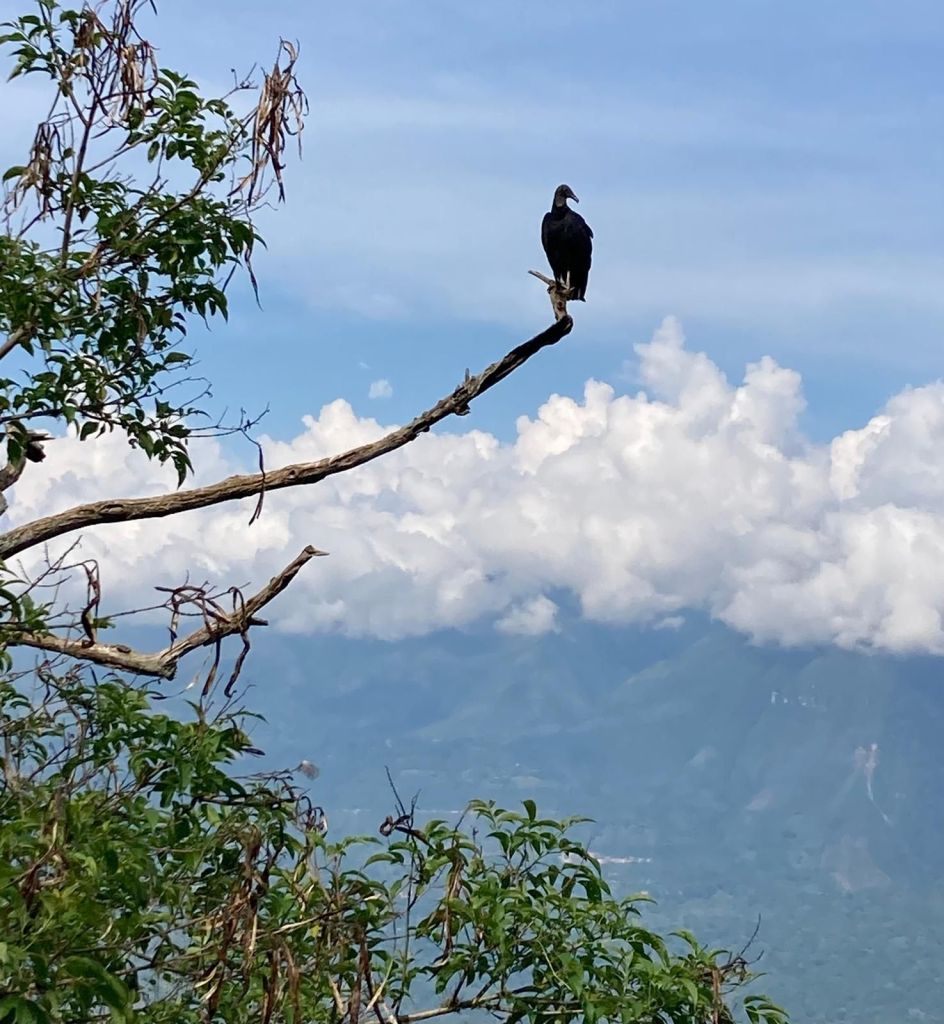
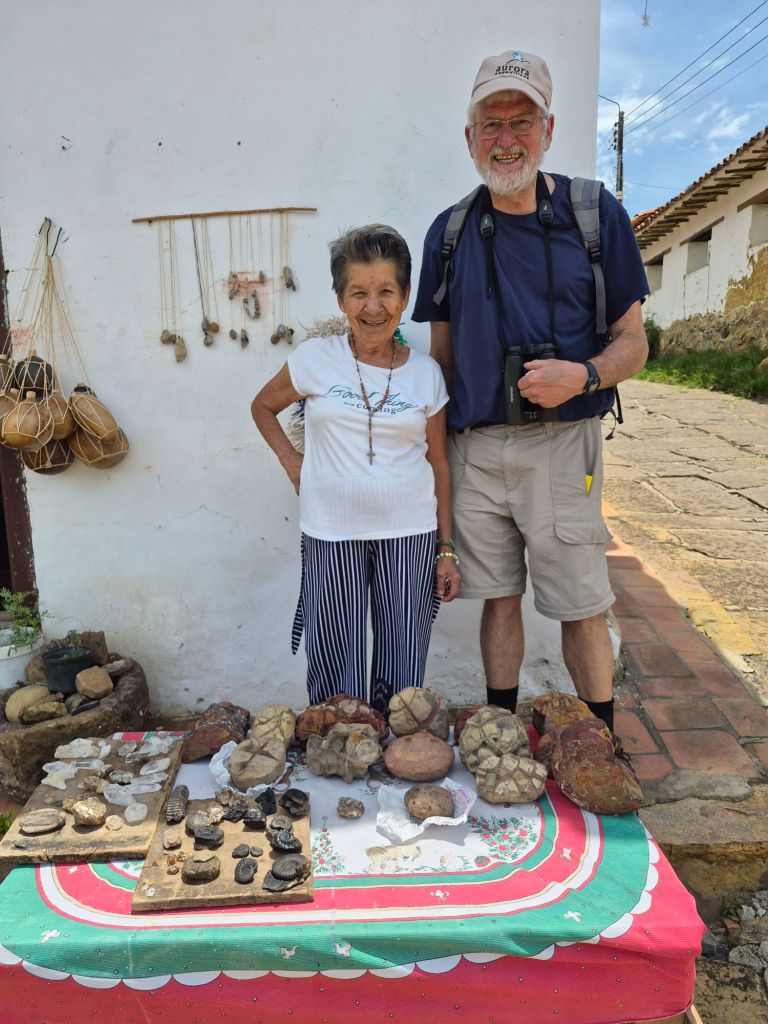
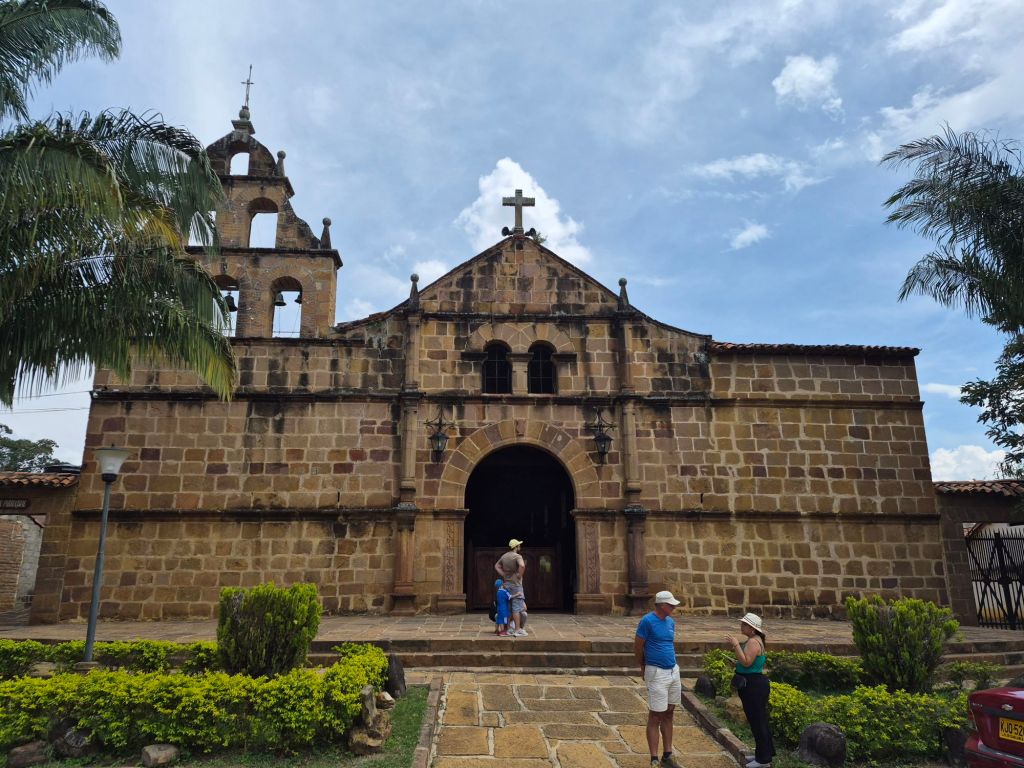
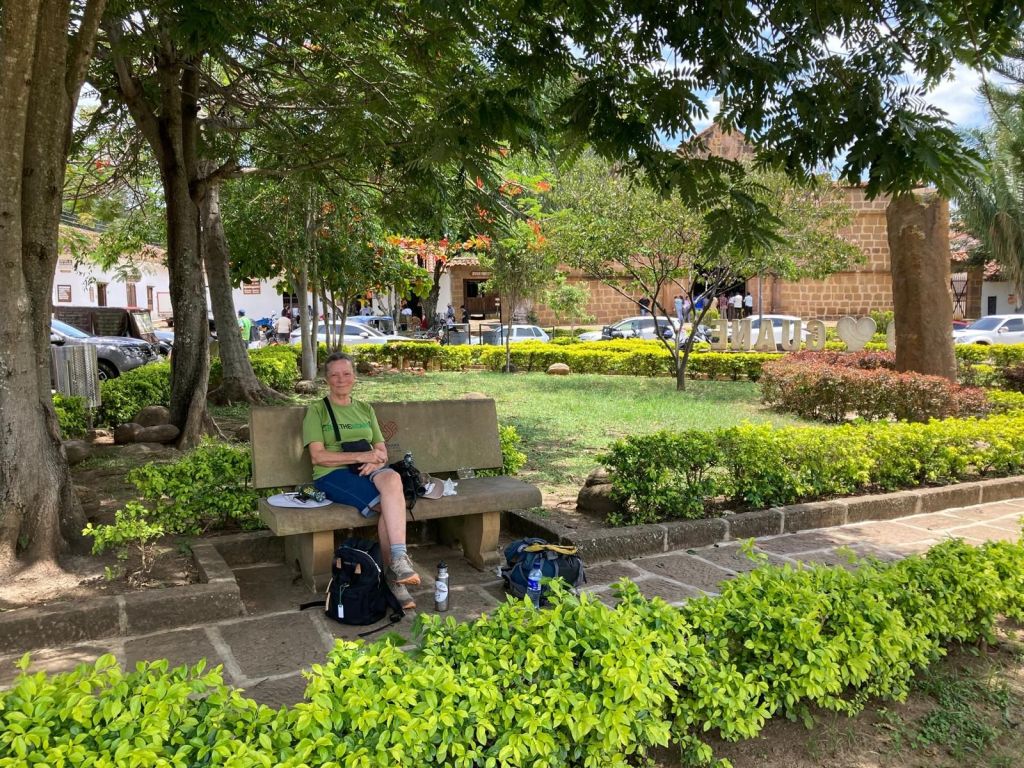
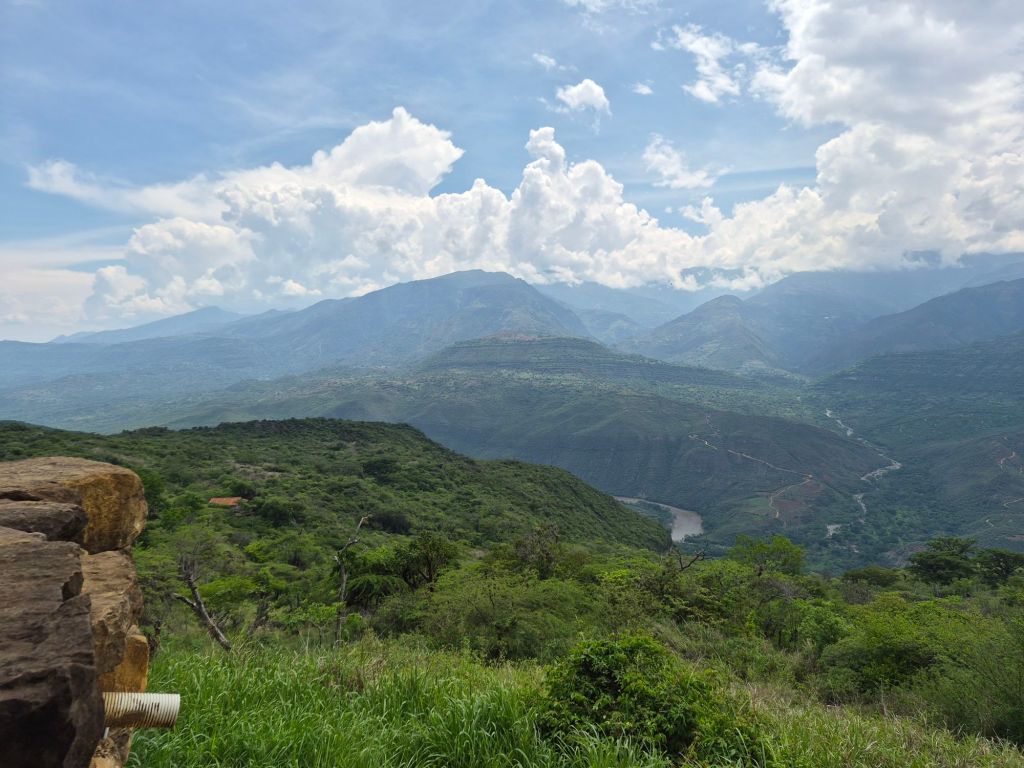
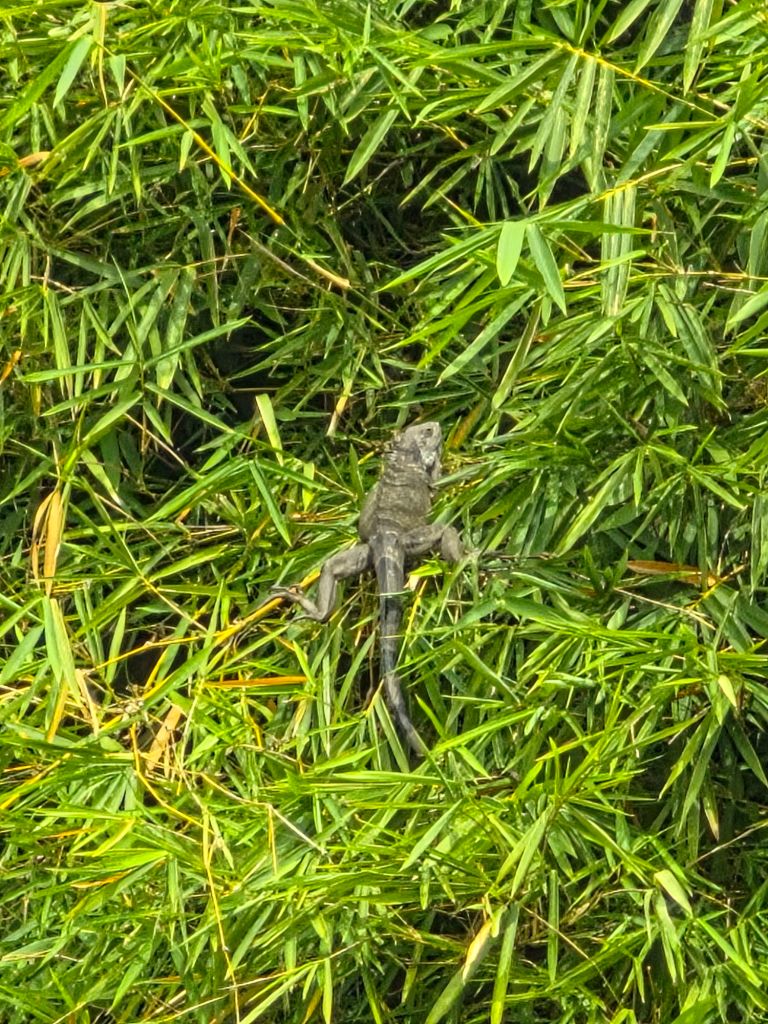
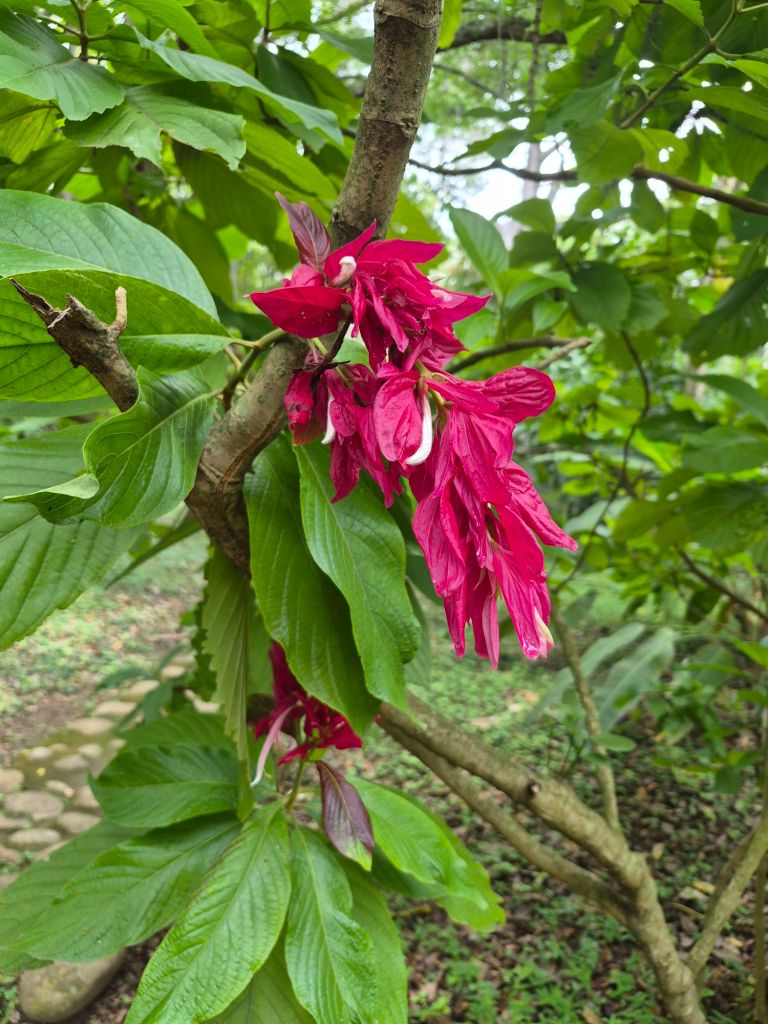
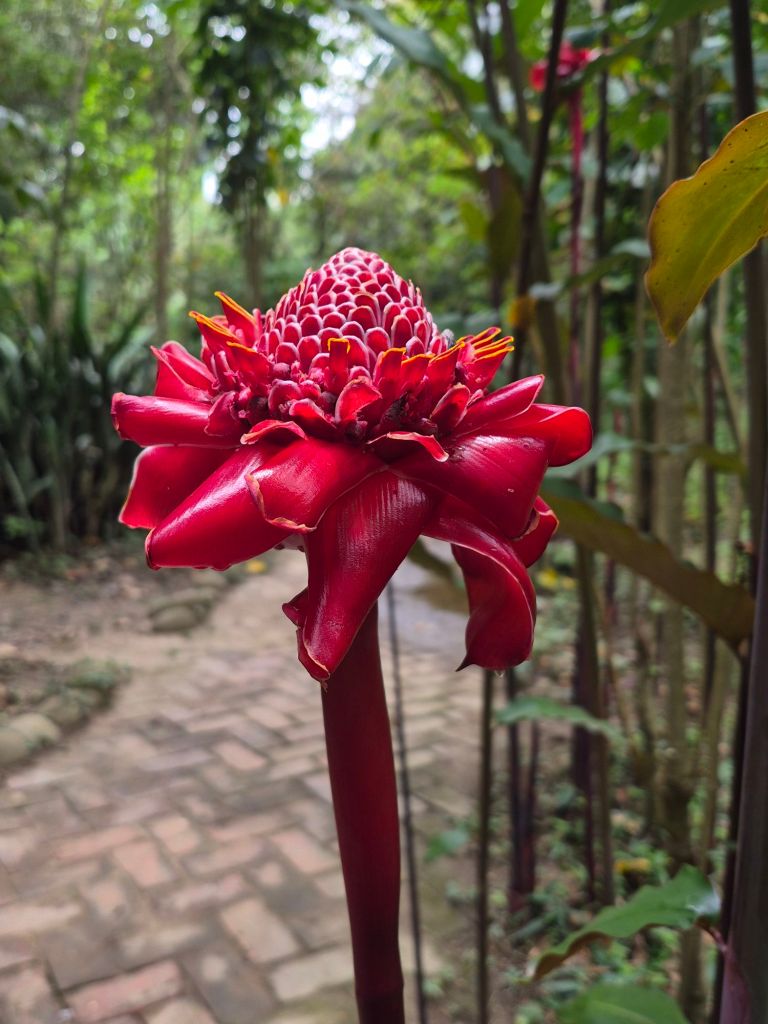
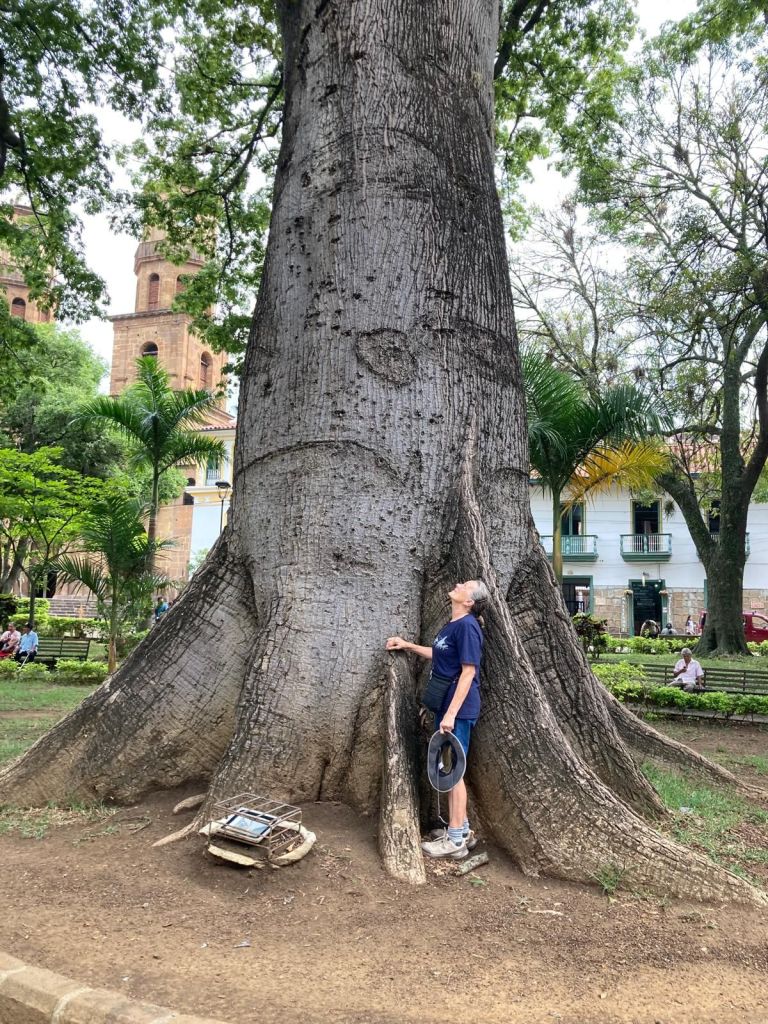
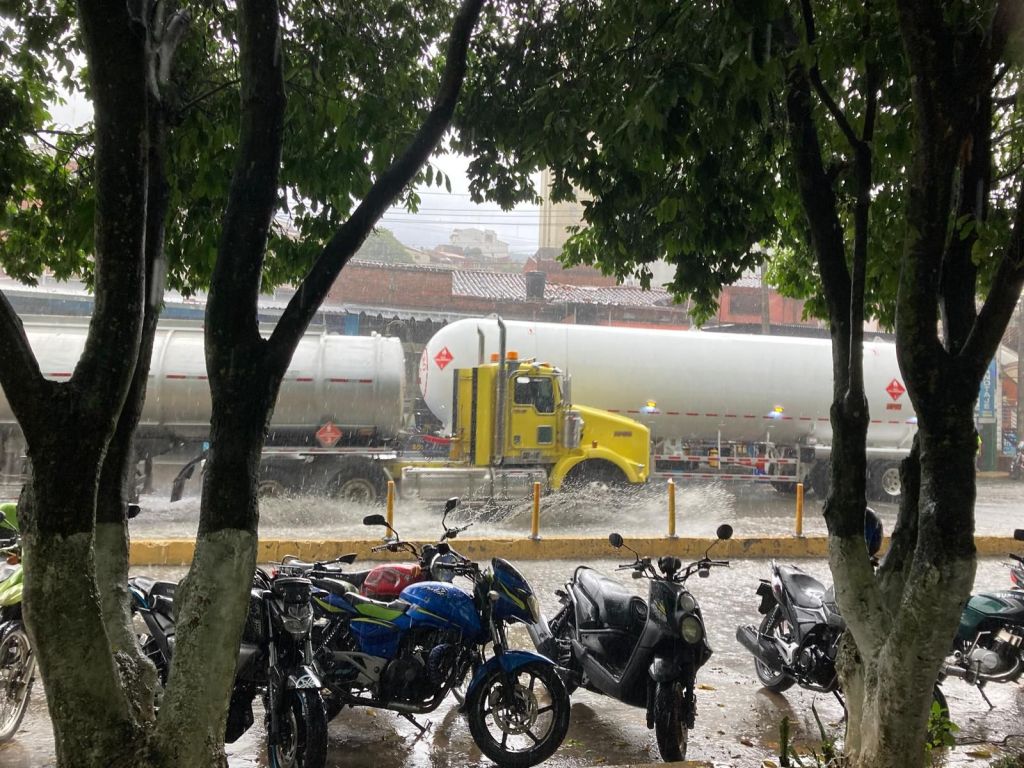
We were taking the night bus to Santa Marta the following day, so had time to go to the Parque Natural El Gallineral in San Gil, close to the hostel. It had been raining during the night, and the park was closed (parks close when it rains, as I discovered in Buenos Aires), but luckily it opened just before eleven. We spent a few hours exploring, seeing iguanas, birds, river rafters, flowers and huge trees. We sat next to a stream and had the sandwiches we had made, Alan trying hard to find a specific bird, without any luck. A light drizzle started as we left, which soon became a total downpour. We had an umbrella and a rain cape between us, but we soon realised it was insufficient and ran for cover under a vendor’s awning. When the rain eventually stopped, the streets had been turned into small rivers, and we were drenched by the time we got back to the hostel, having had to trudge through water that was running accross the sidewalks. Luckily Manuela had said we could use the kitchen and bathroom until we had to leave, so hot showers sorted us out and the wet clothes and shoes were stuffed into plastic bags.
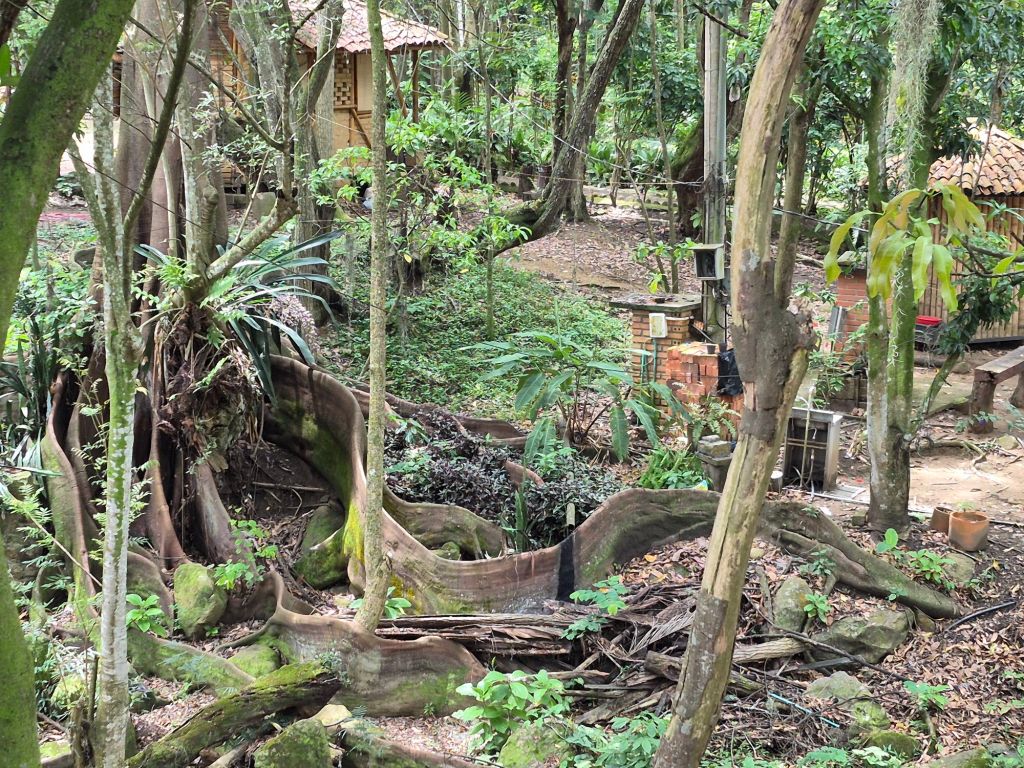
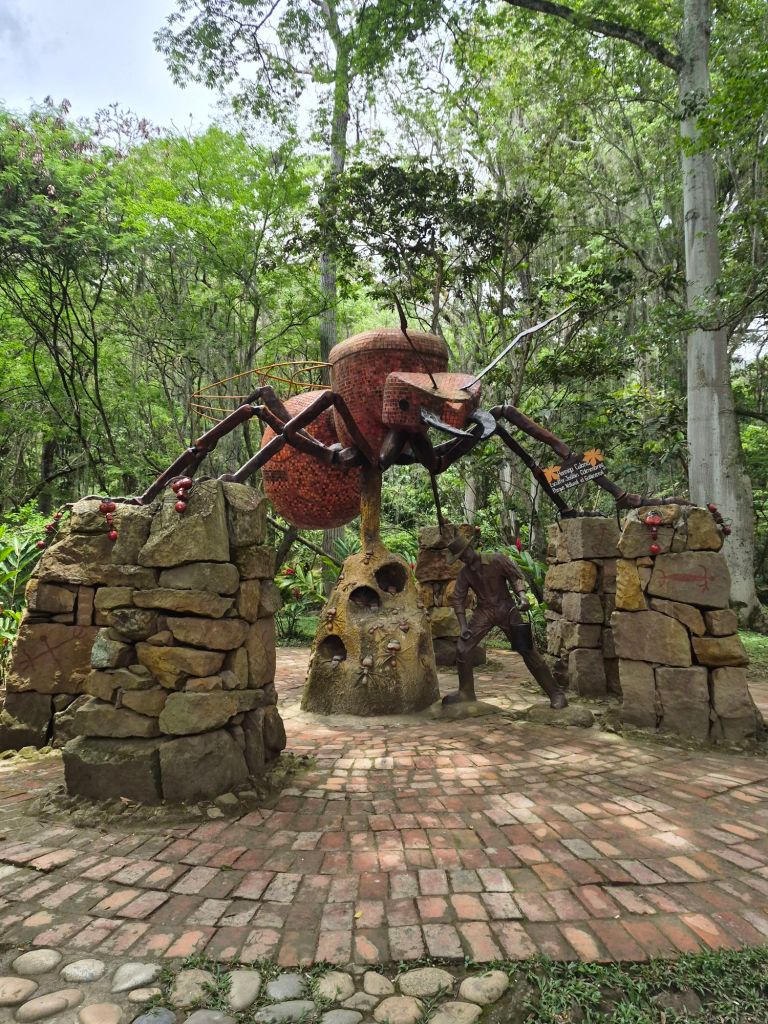
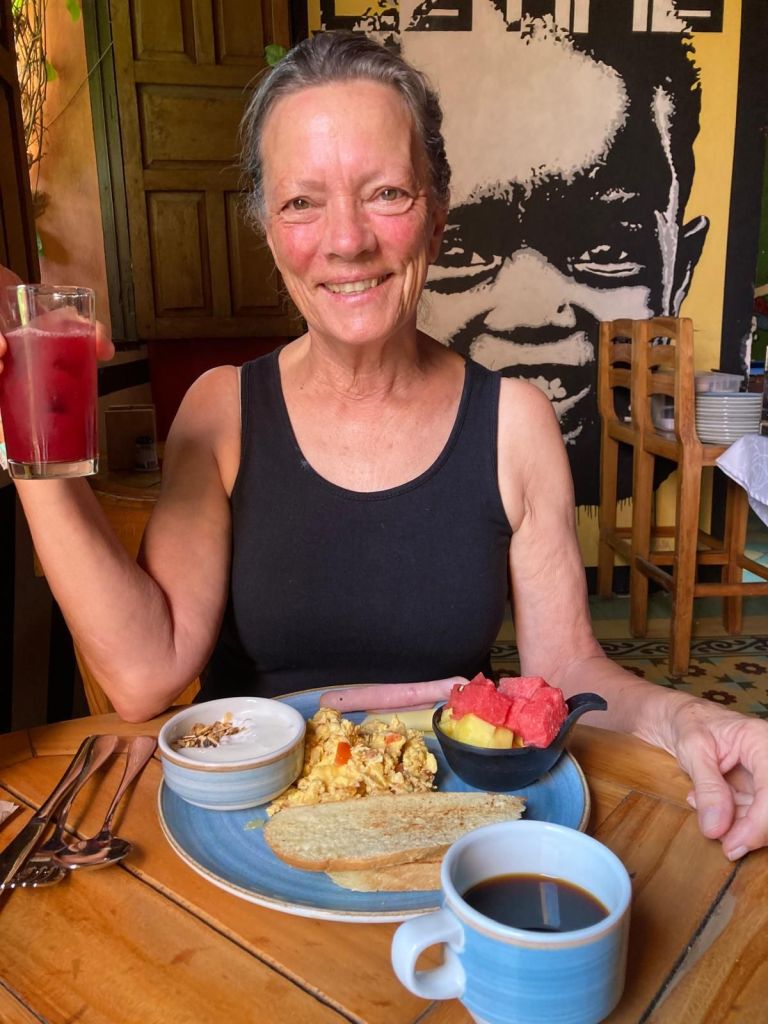
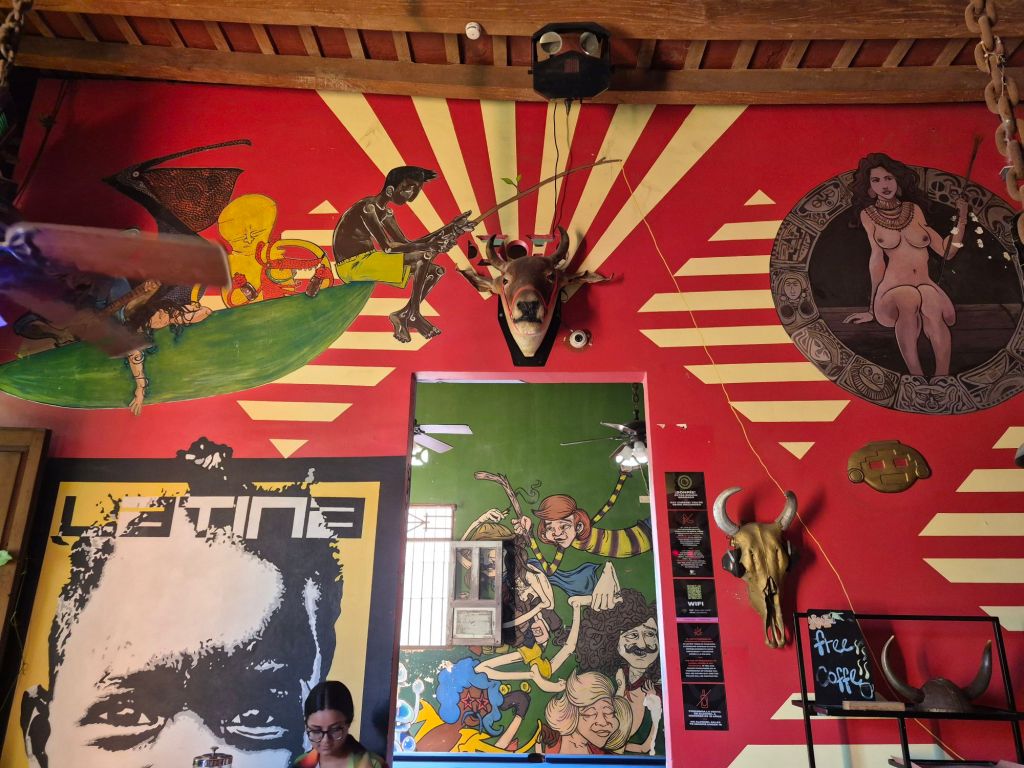
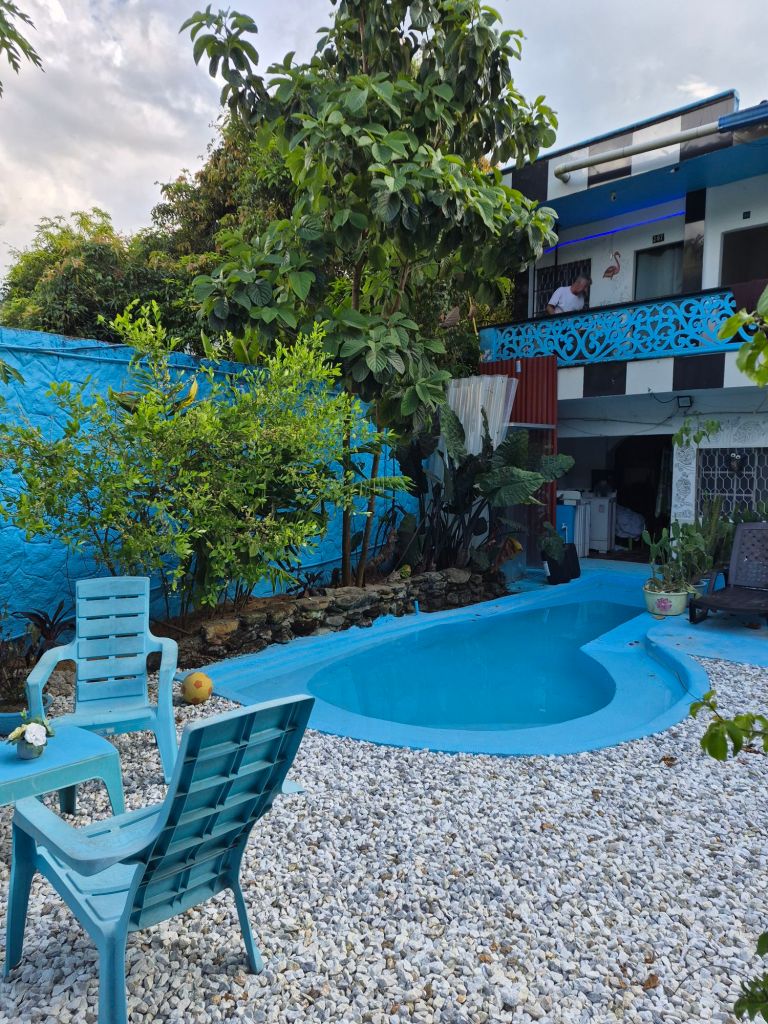
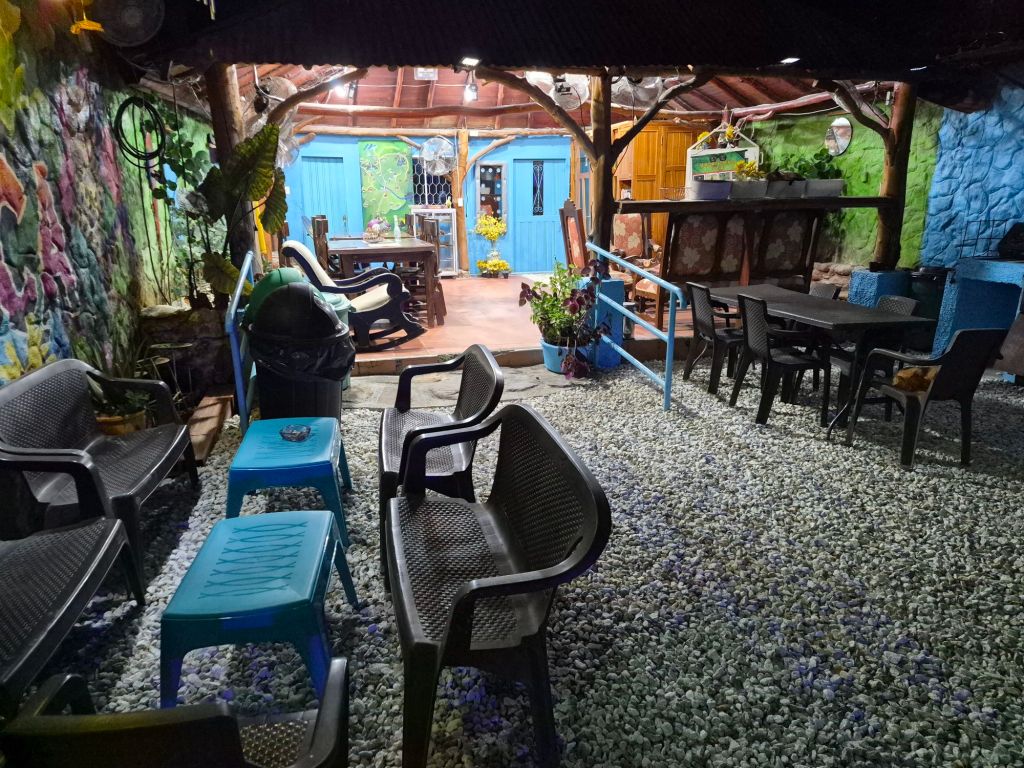
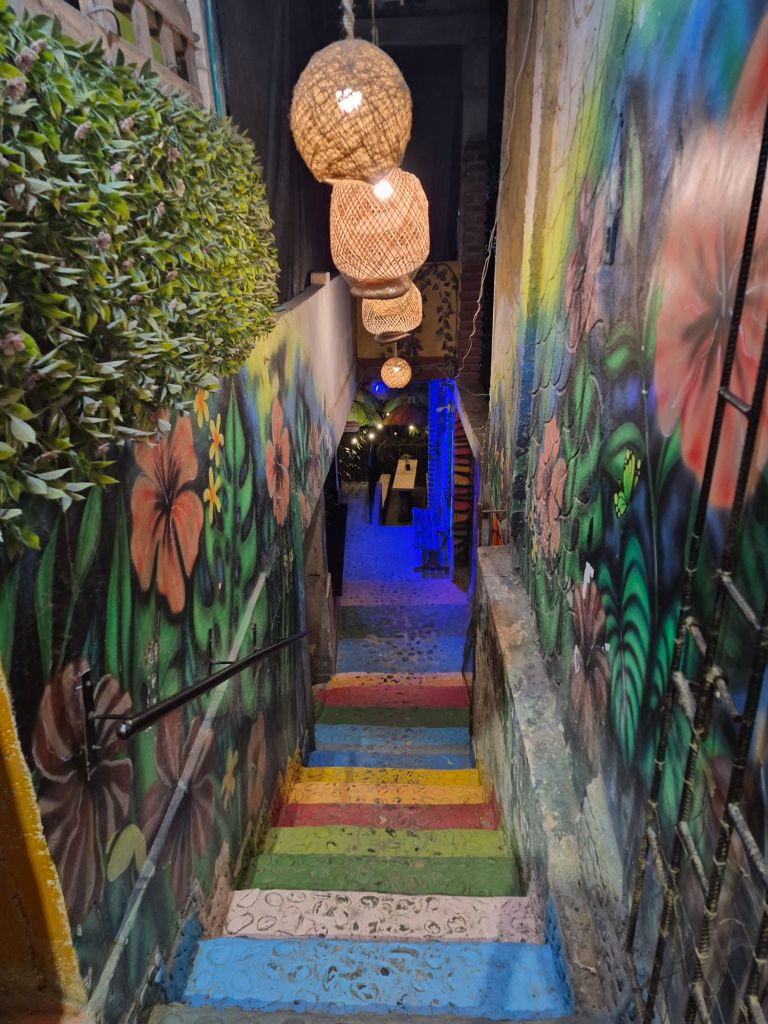
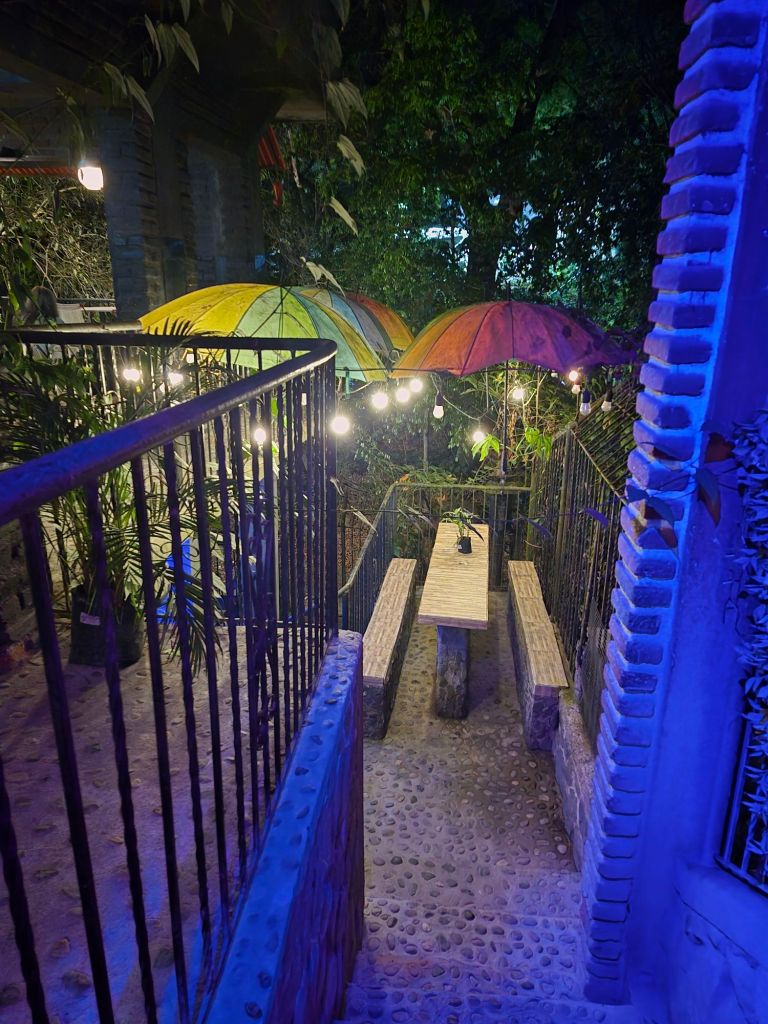
Meryl thinks she is clever in chosing good hostels – until she chose a party hostel in Santa Marta! Fantastic place, delicious breakfasts included, with a small swimming pool in the courtyard, very friendly and helpful staff – but the very loud, thumping music carried on until 3am, or even 4am. It was supposed to stop at 2am, but it being Easter holidays, it carried on later than usual. If in Santa Marta, avoid the La Brisa Loca (which, by the way, means The Crazy Breeze).
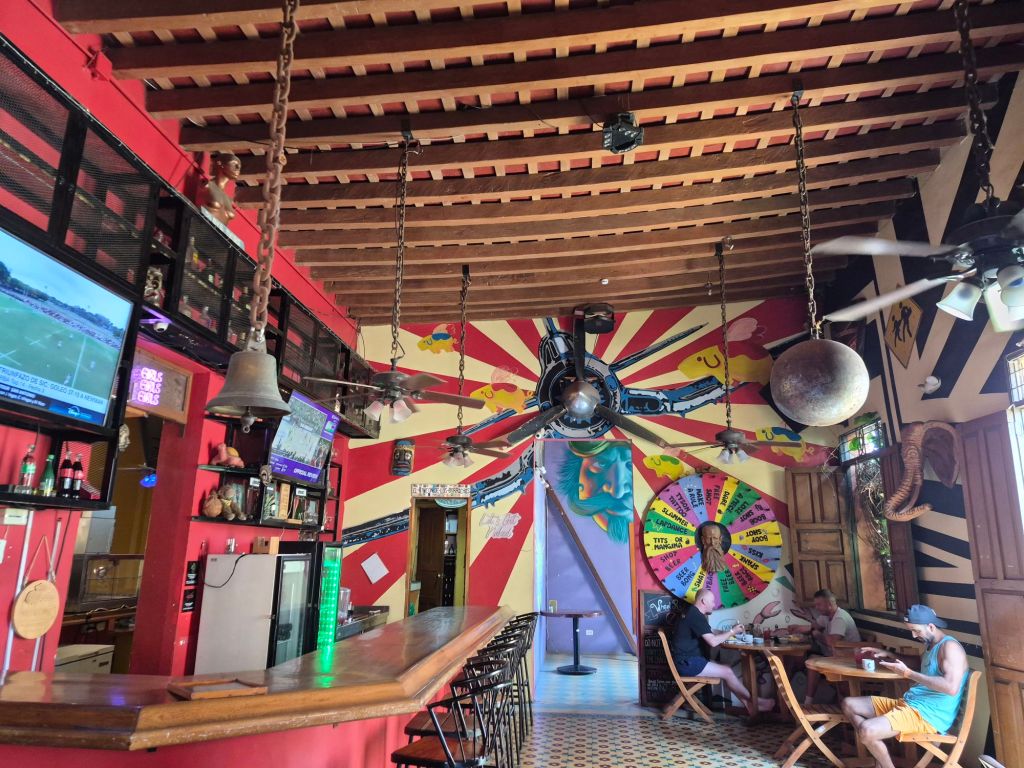
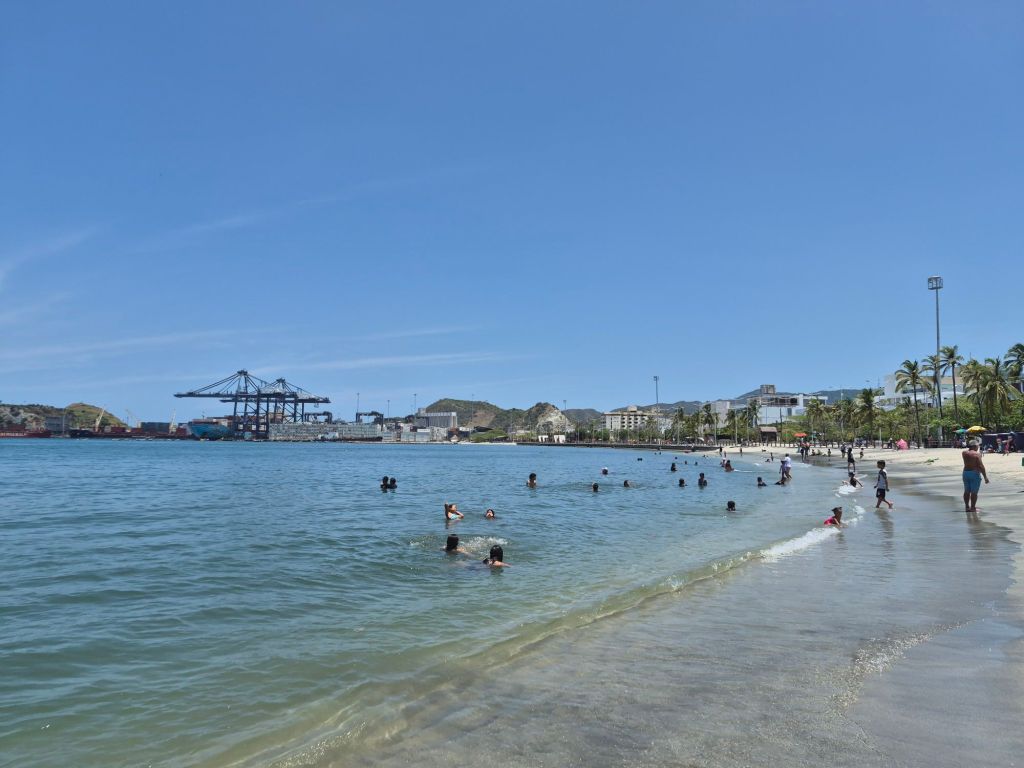
Santa Marta is on the Caribbean coast, a popular holiday city for Colombians to visit, and there were many there as it was school holidays. We stored our luggage until it was time to check in, and walked the few blocks to the sea, where the water was not very ‘Caribbean’, as it was the harbour area. It was very hot, so we decided to go and swim at the hostel instead. On the way we went into the gold museum, and I was amazed at the intricate designs that had been made by the indigenous people. The history of gold in Colombia is quite interesting. For the indigenous people, it held spiritual and political meaning rather than monetary value, and they used it in their rituals. The legend of El Dorado originated as result of the Muisca tradition of covering their chief in gold dust before pushing him into the lake at Guatavita, and throwing gold objects into the lake as well.
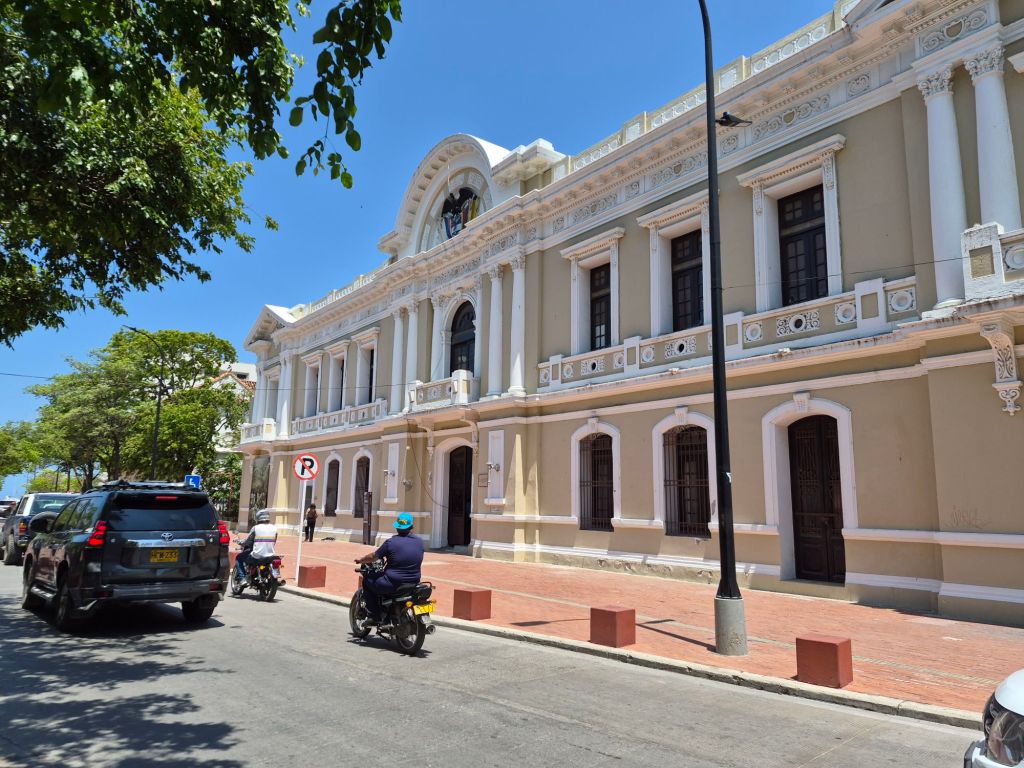
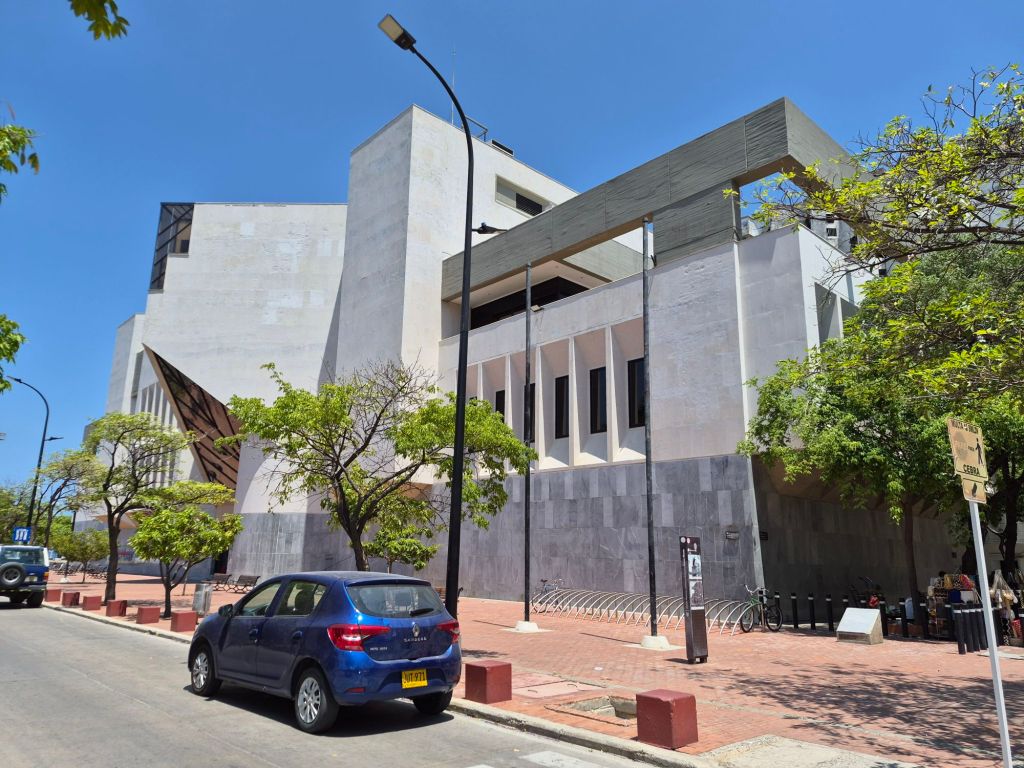
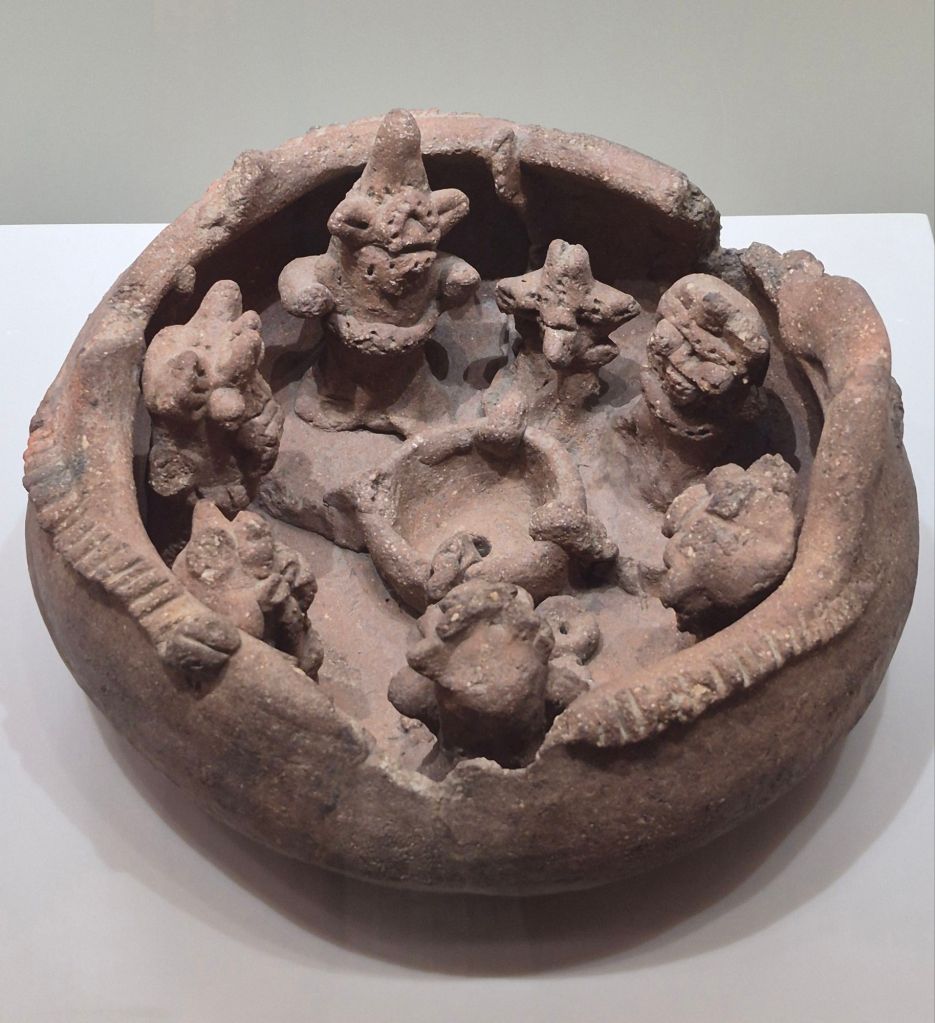
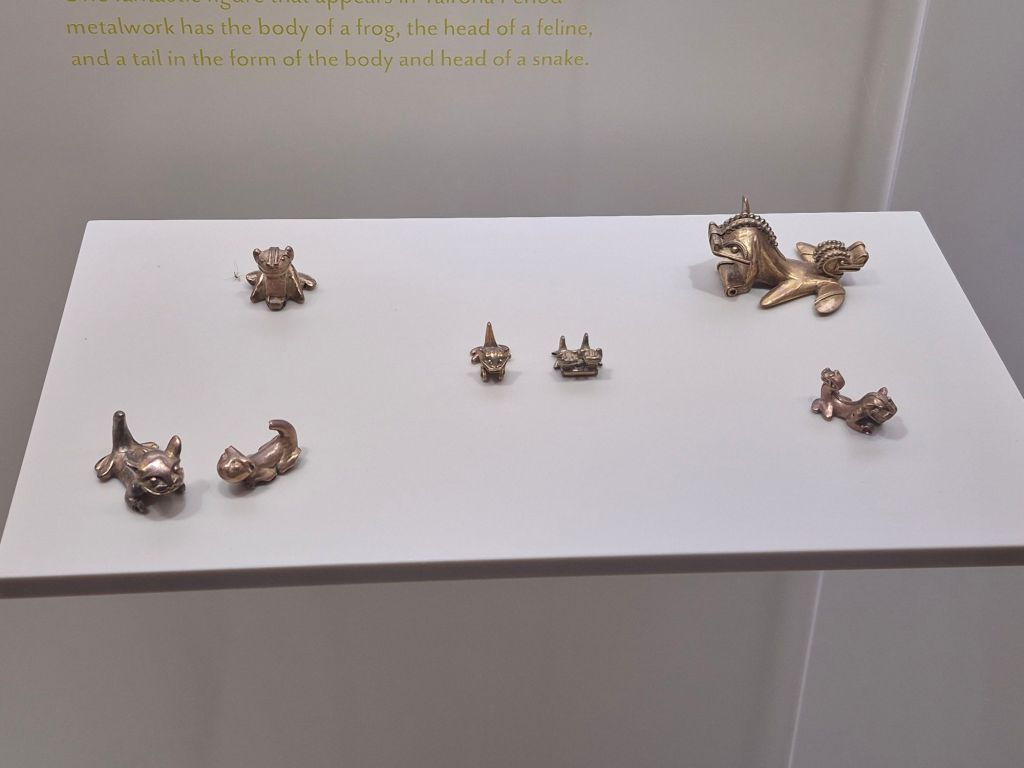
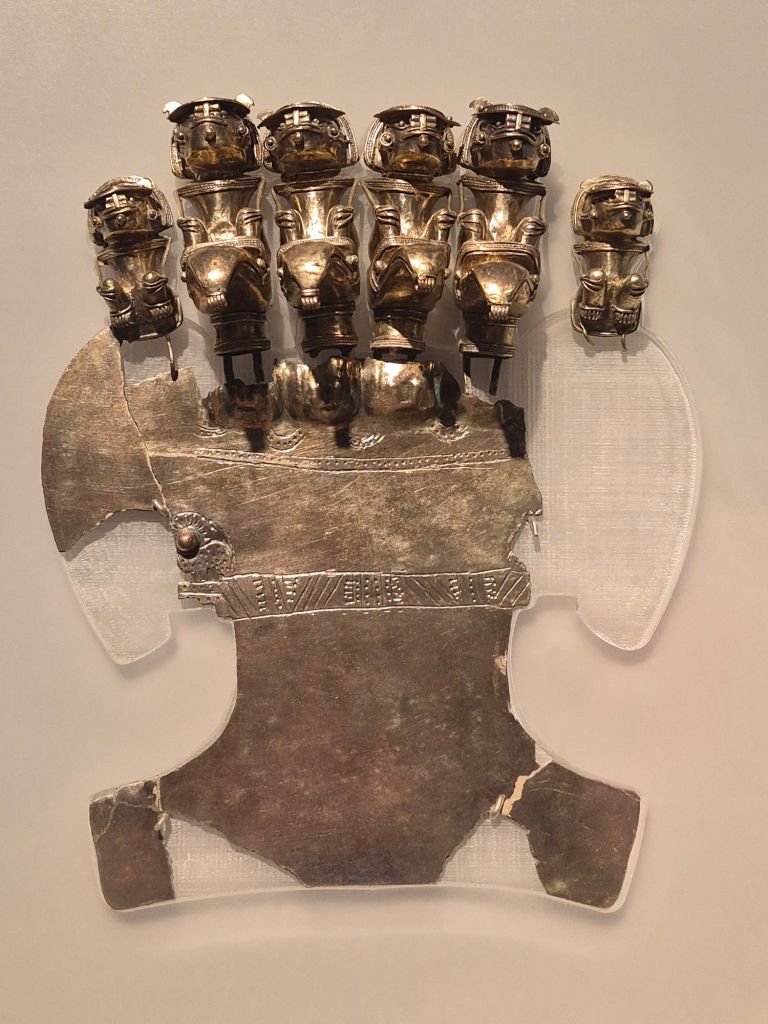
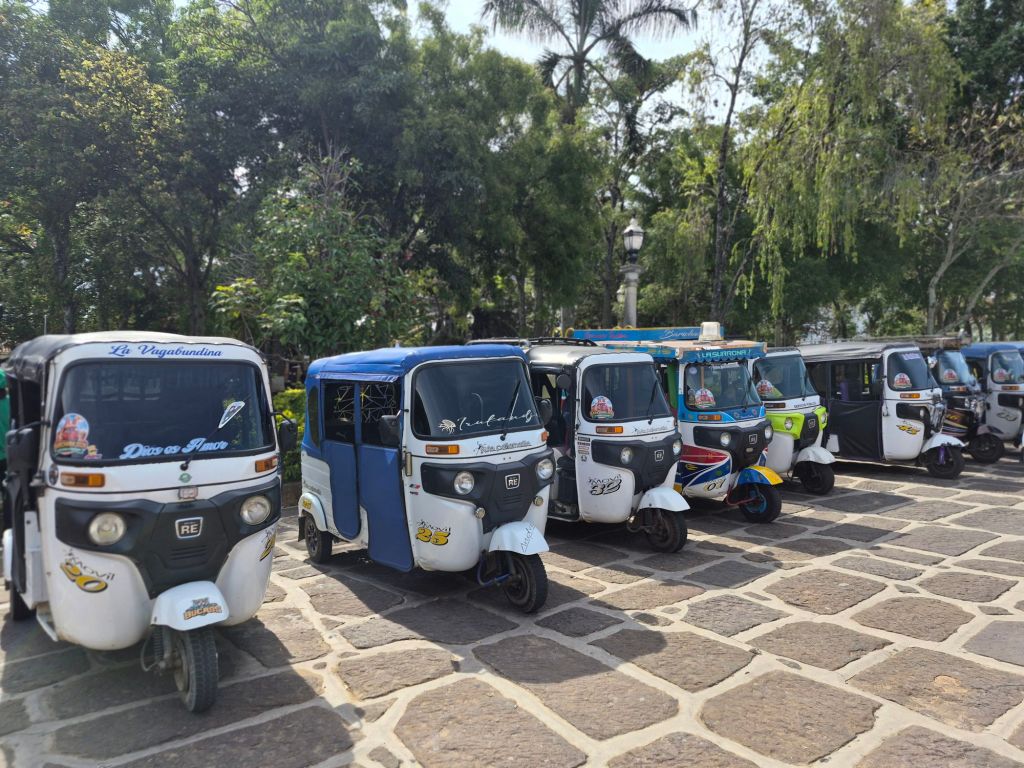
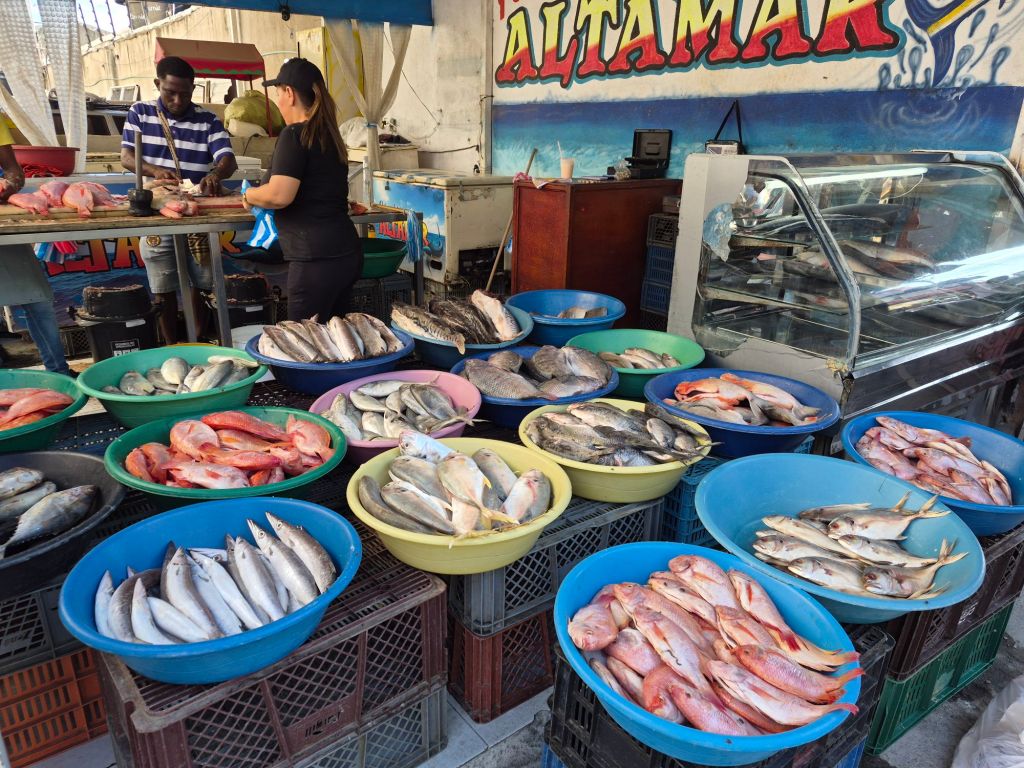
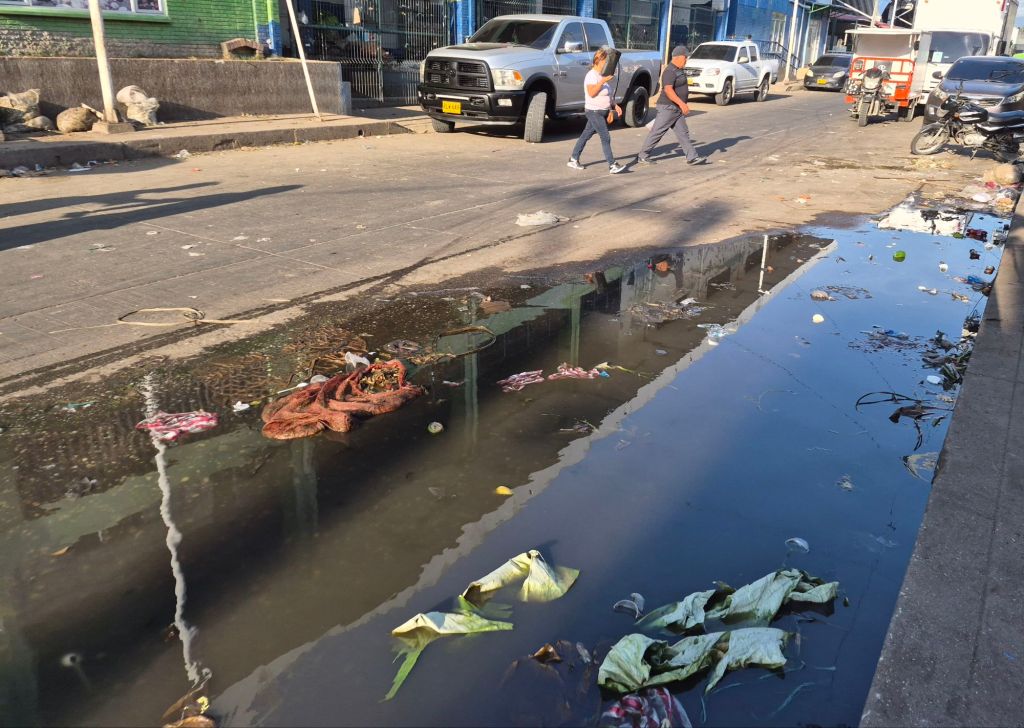
Finding the place from which to take the local bus to Parque Nacional Natural Tayrona the next day, was quite a challenge. It was in the market area of Santa Marta, a crowded, chaotic and noisy set-up with dirt everywhere in the streets.
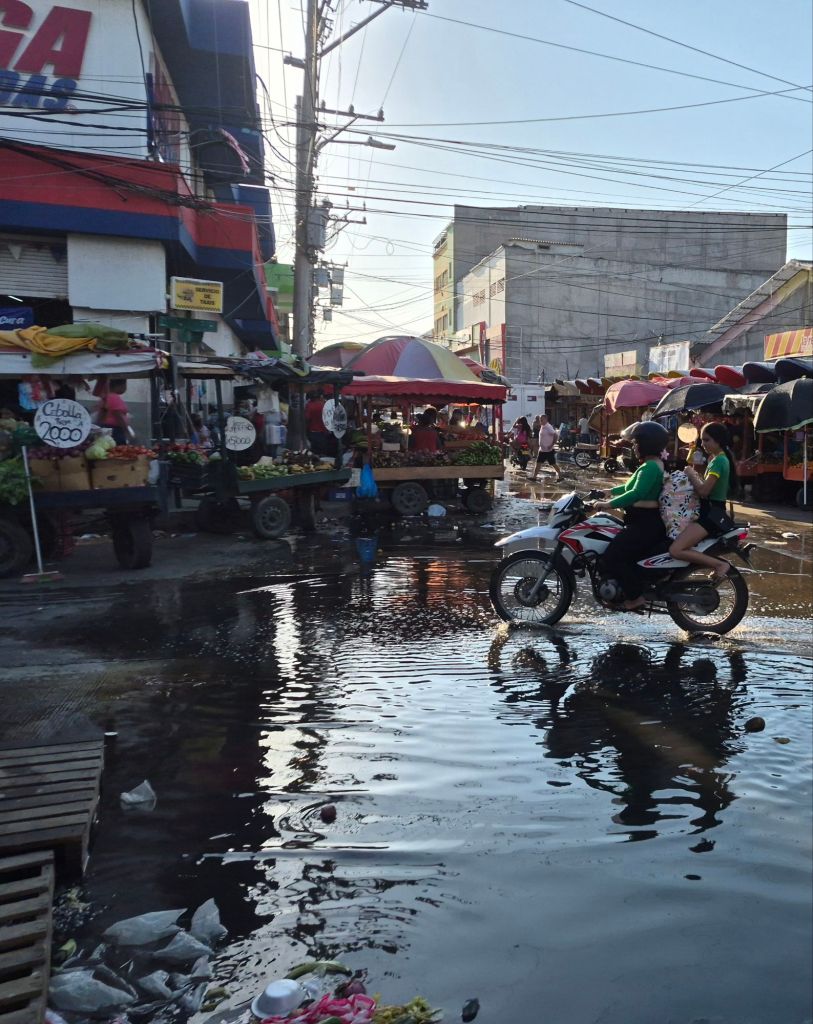
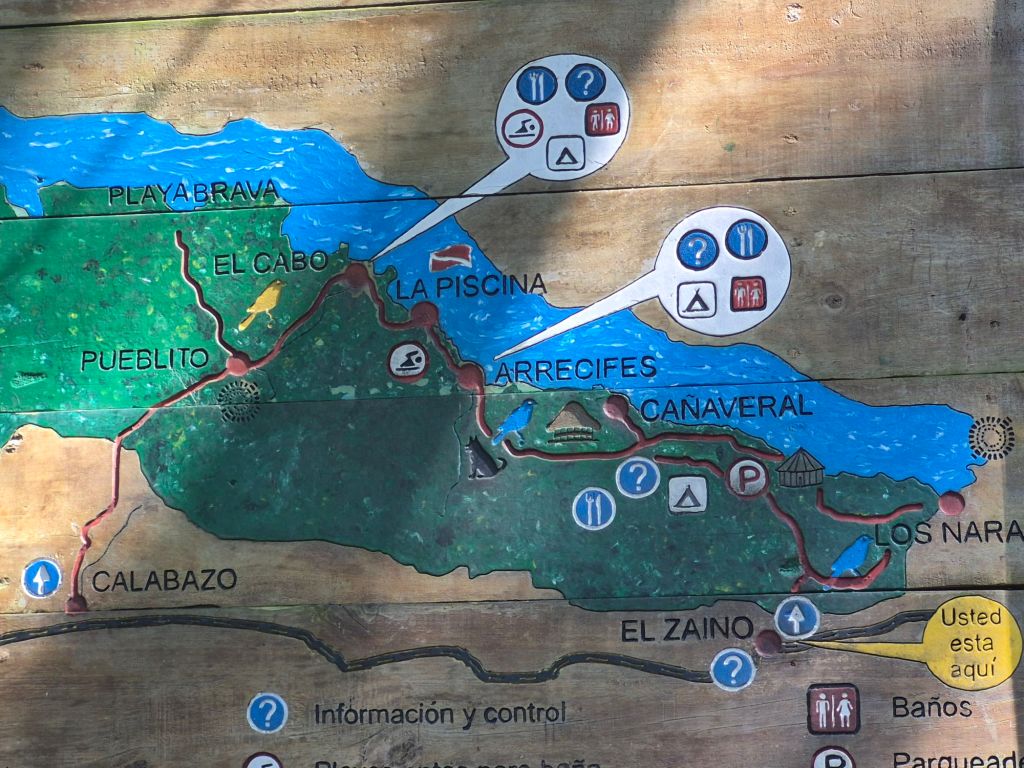
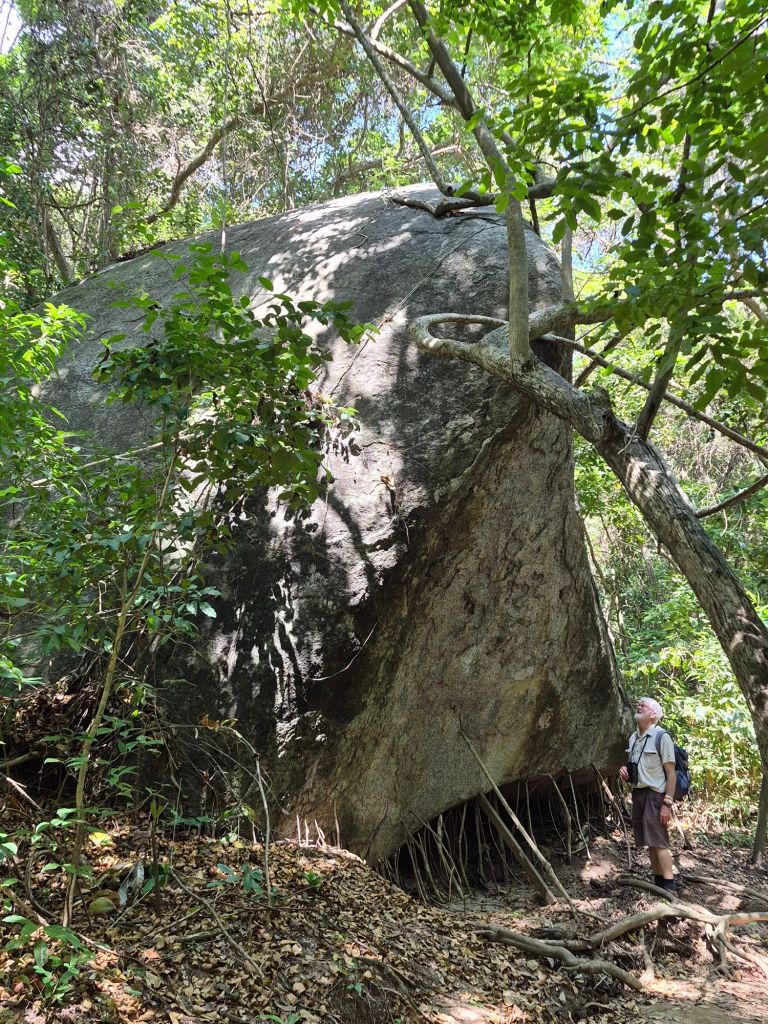
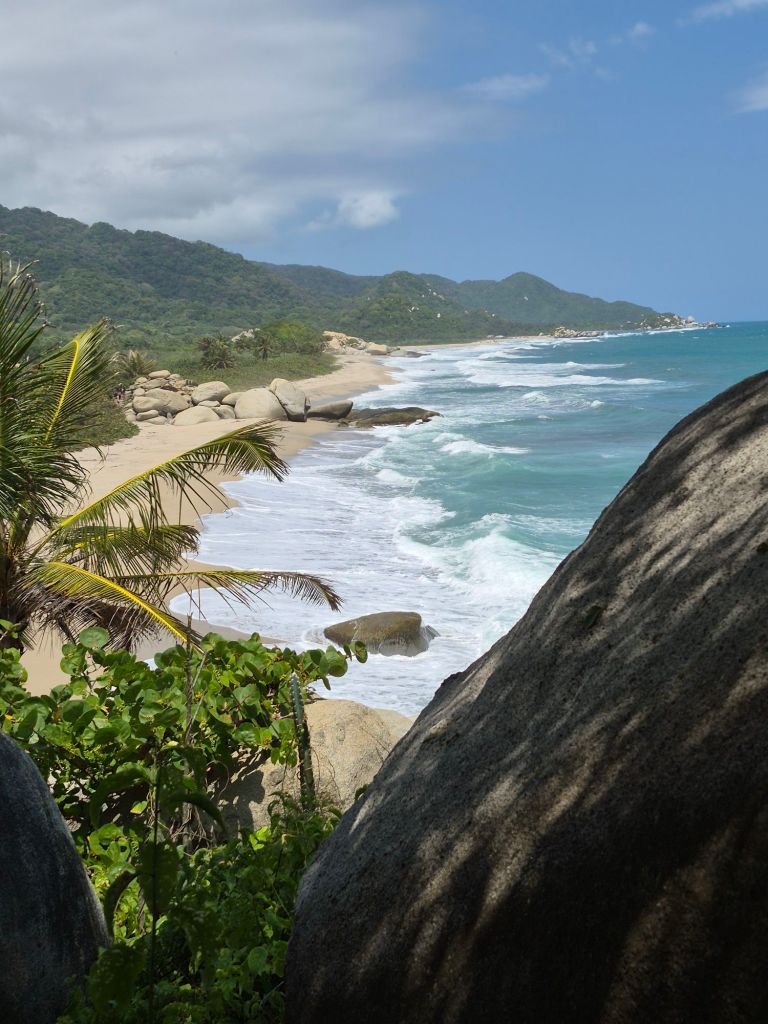
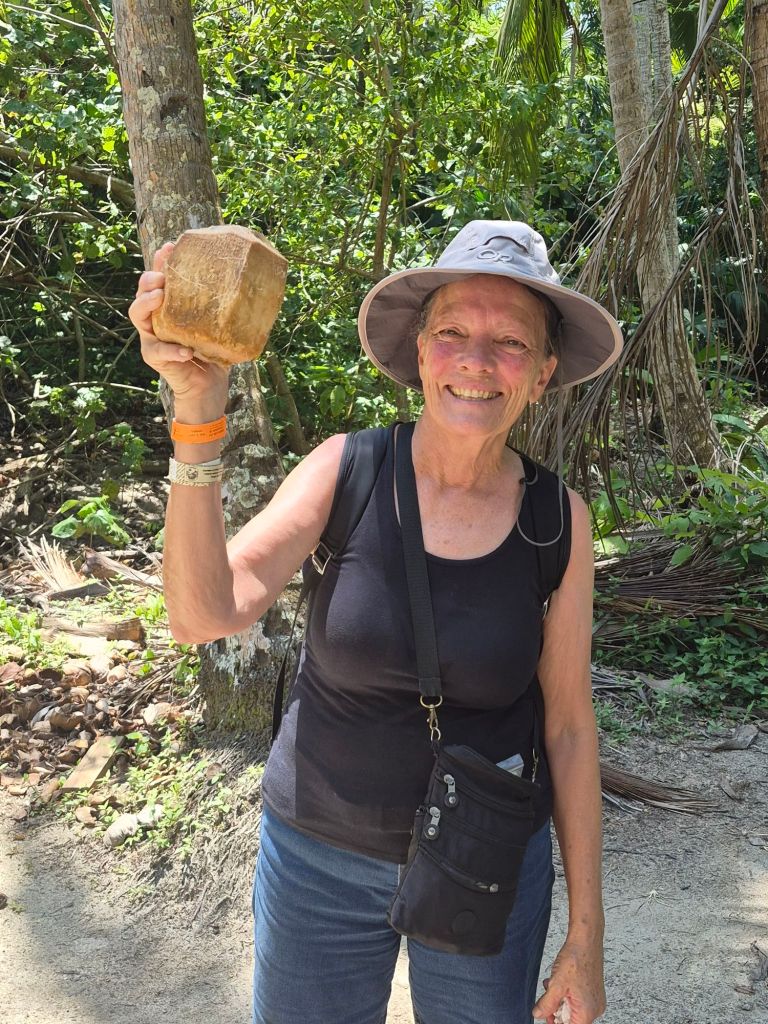
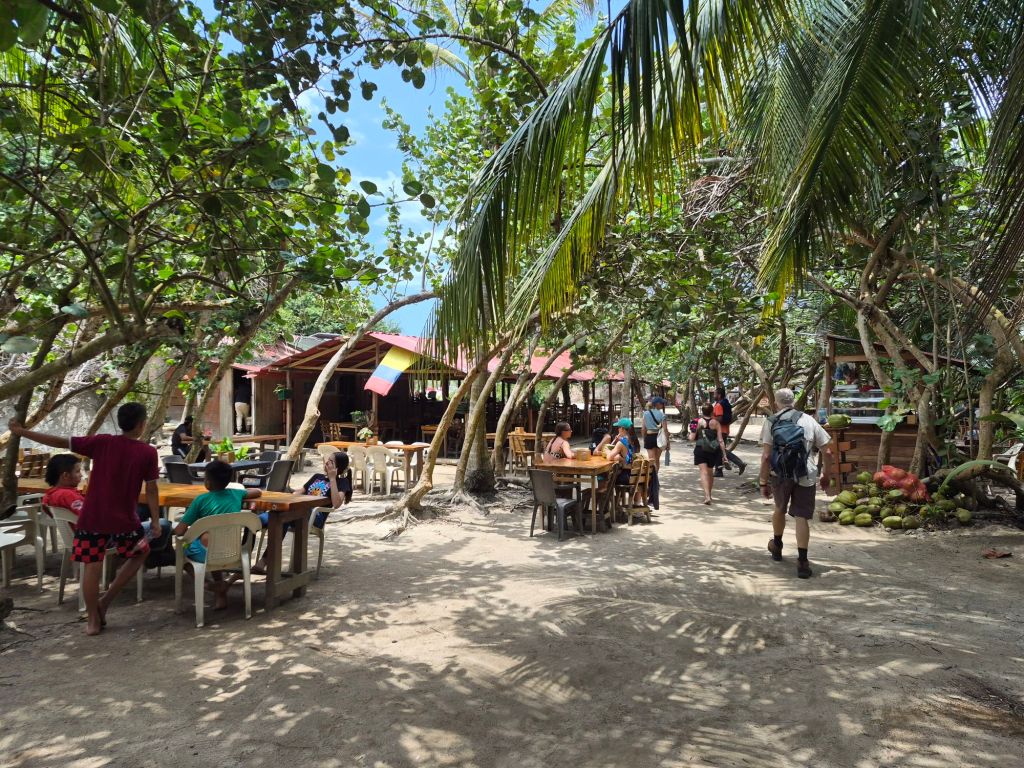
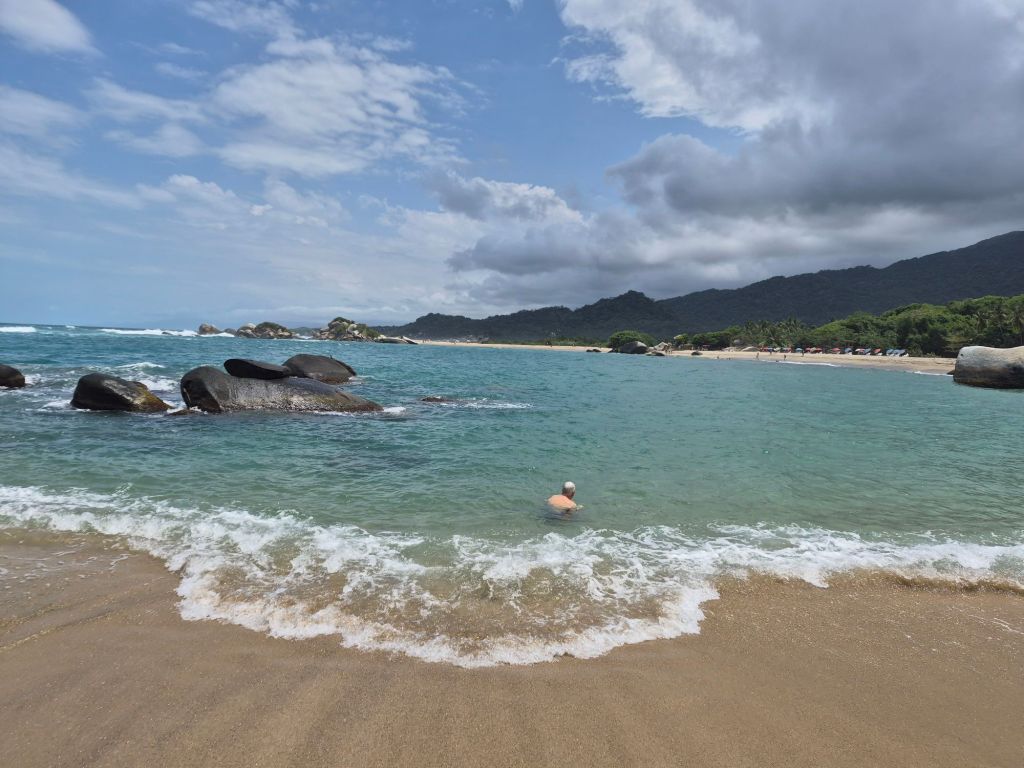
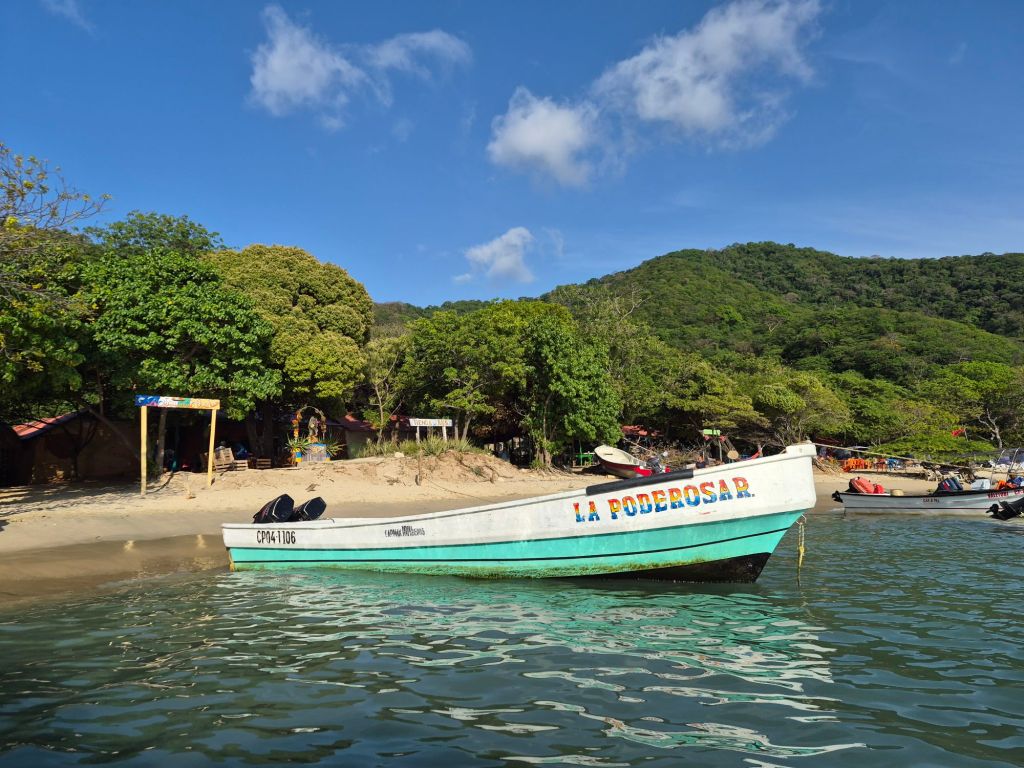
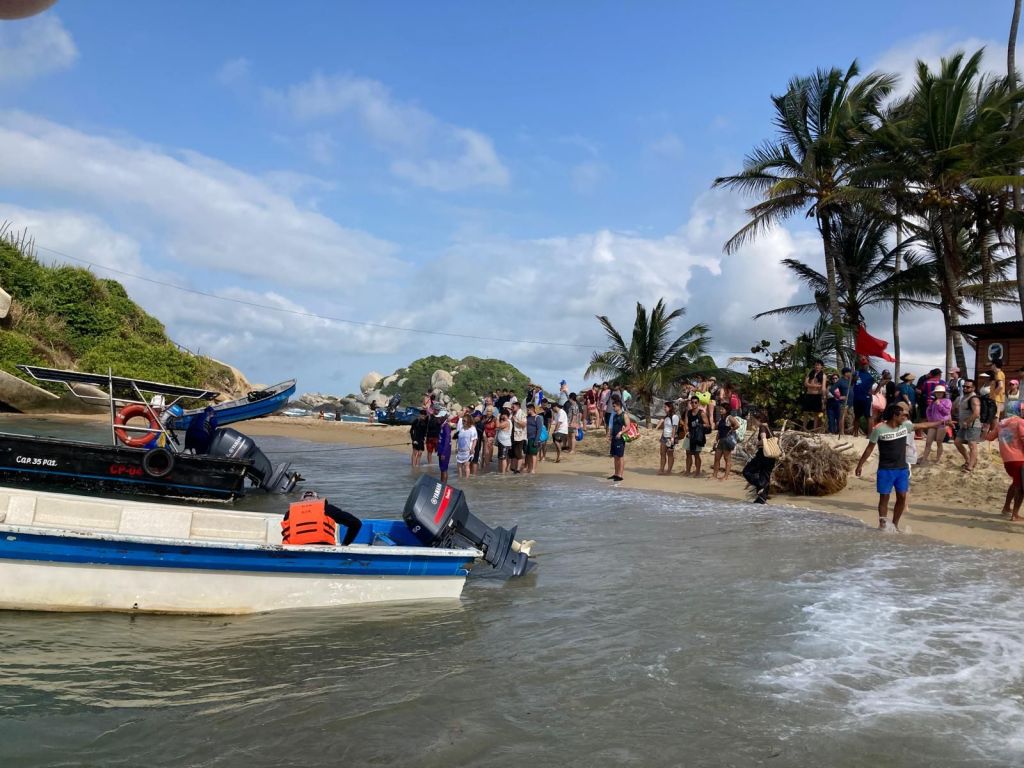
We did eventually find the colectivo and spent the day hiking in the park. The walk from the entrance to the coast is through indigenous forests, but I was rather disappointed when we reached the sea, as it was quite a commercialised area, and crowded. There are several beaches, and we managed to find a quiet spot to eat our lunch and have a swim. We had planned to walk out through a different gate, but when we asked some rangers about the possibility of doing that, they told us it would take 8 hours, as one has to cross a mountain. I didn’t feel like walking back the same way that we had come in, and we chose to take the ferry back to Santa Marta, an option that got us drenched once again, as was everyone on the ferry. The sea was choppy, the boat was fast and the spray from the boat deliciously refreshing, but heavy.
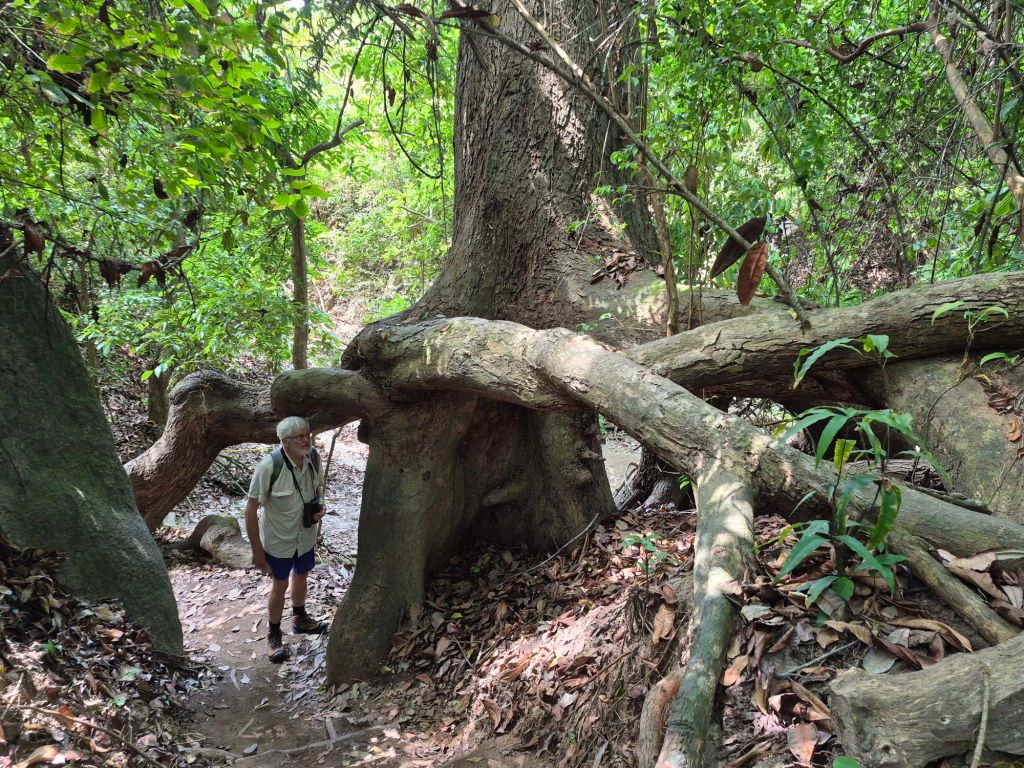
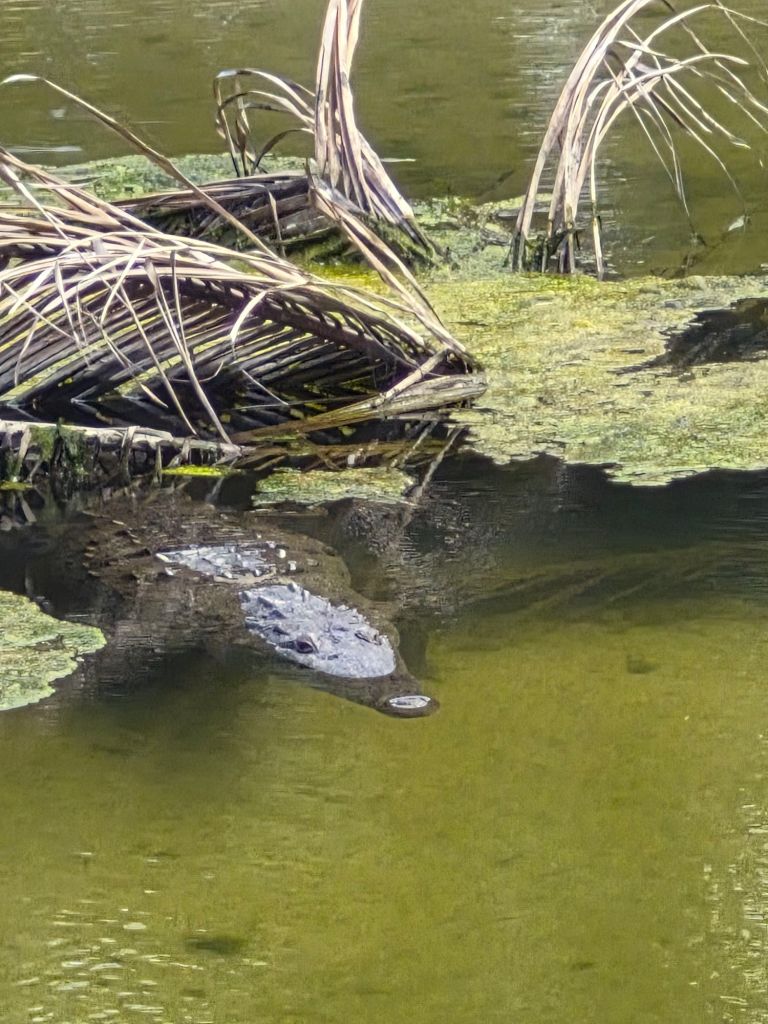
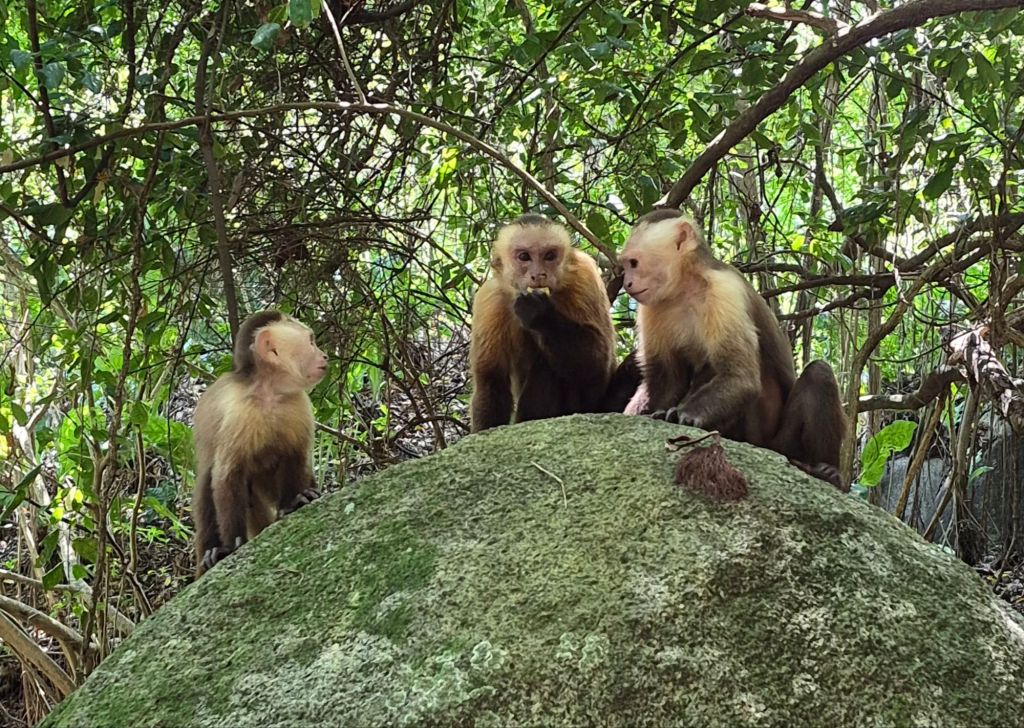
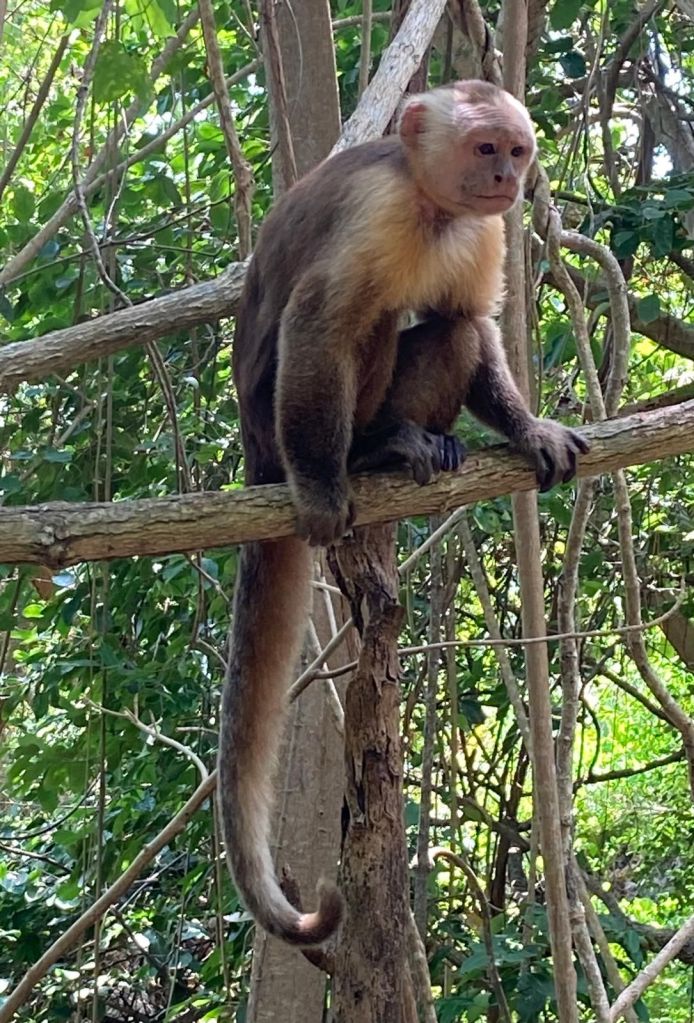
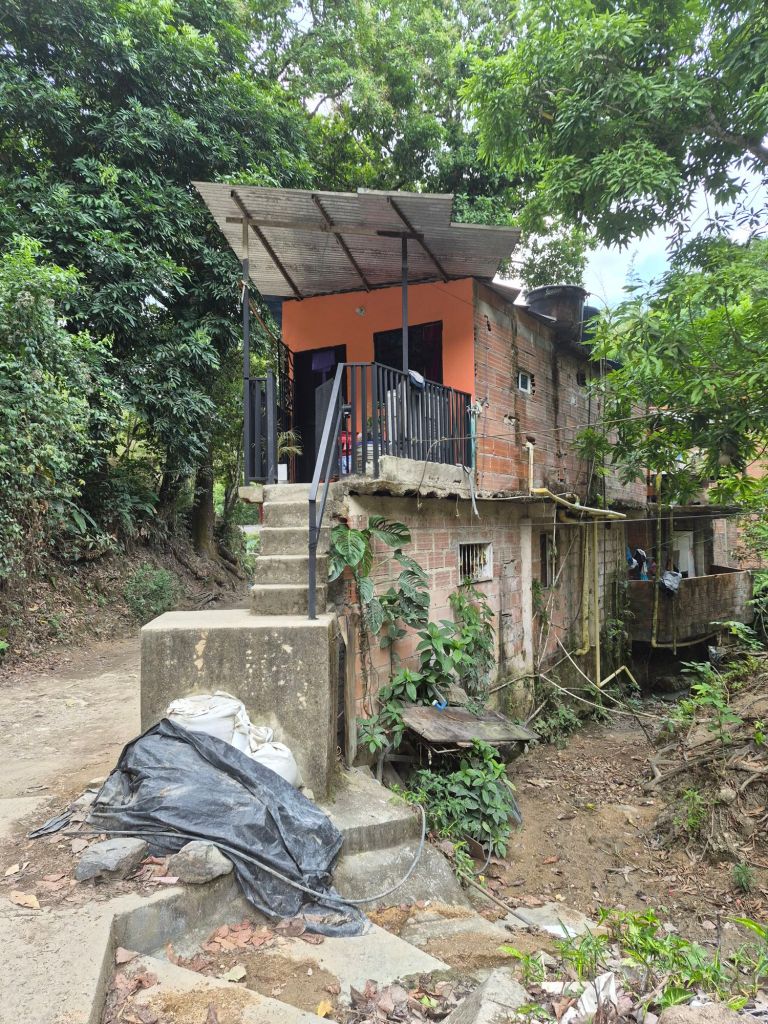
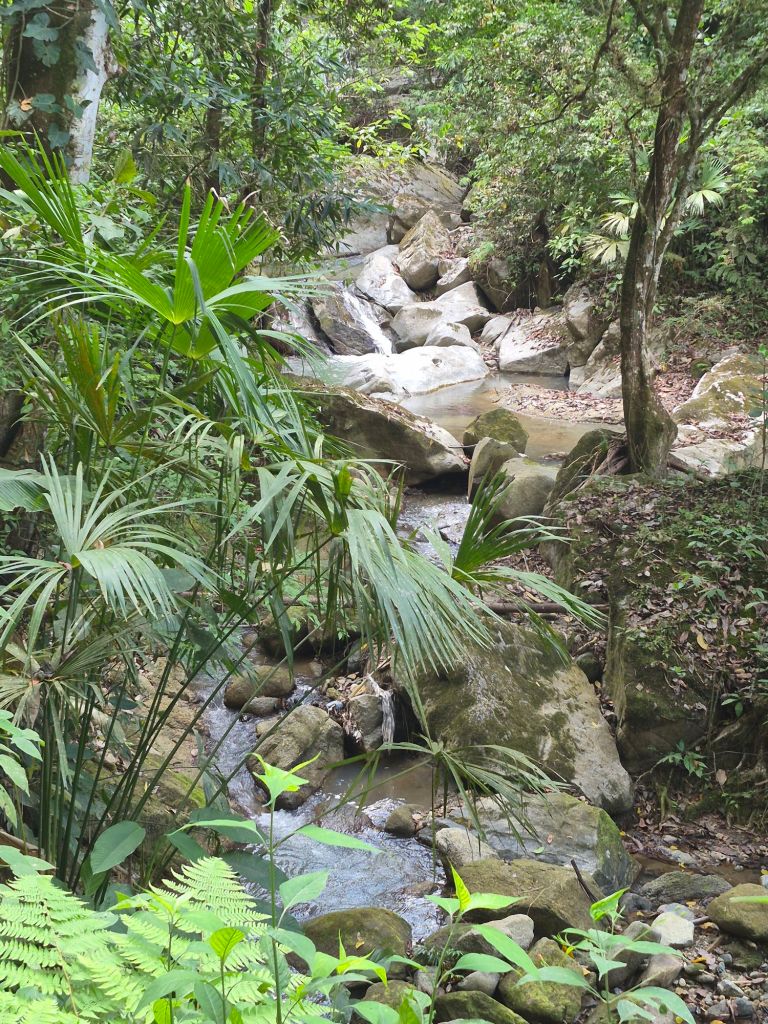
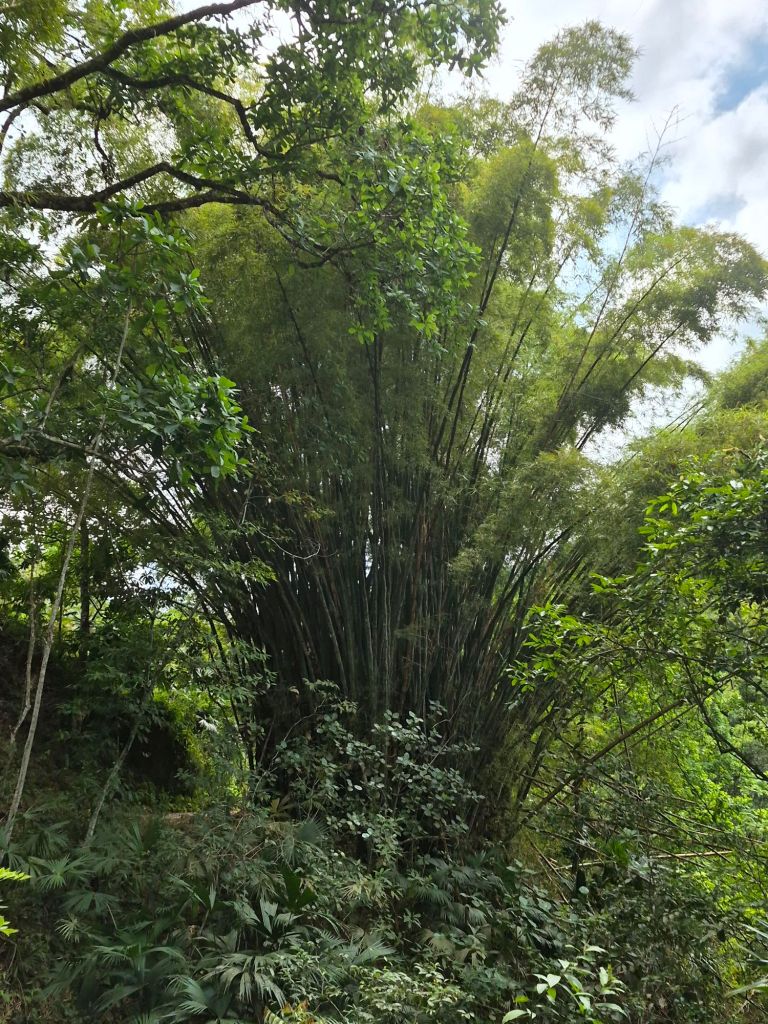
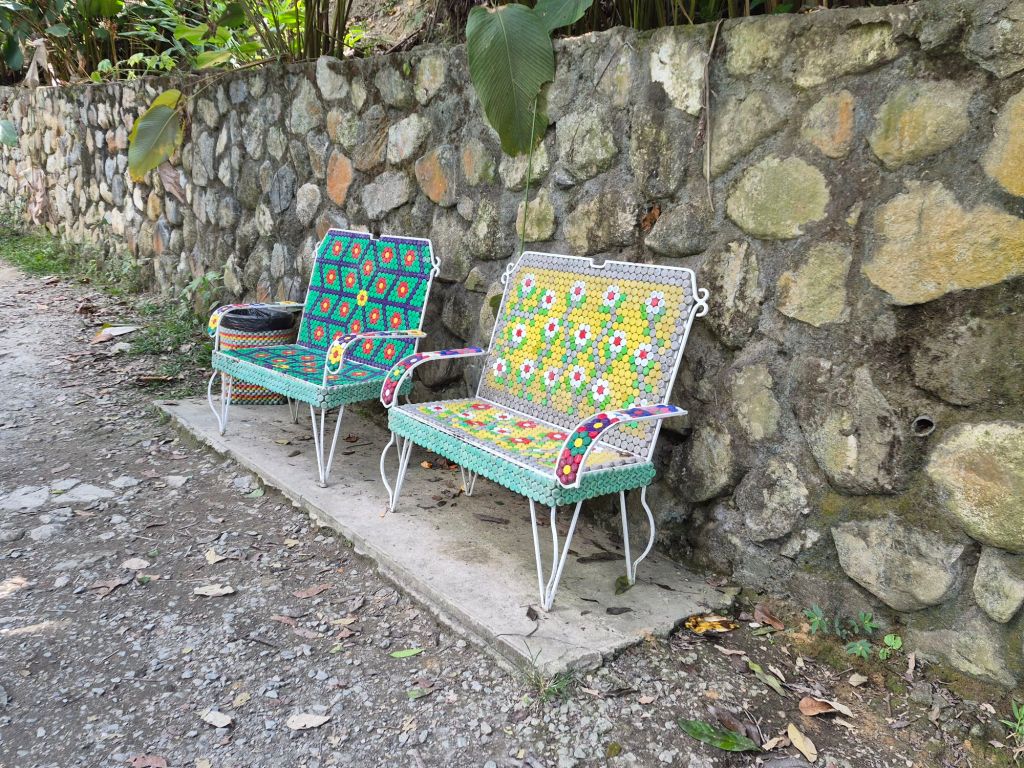
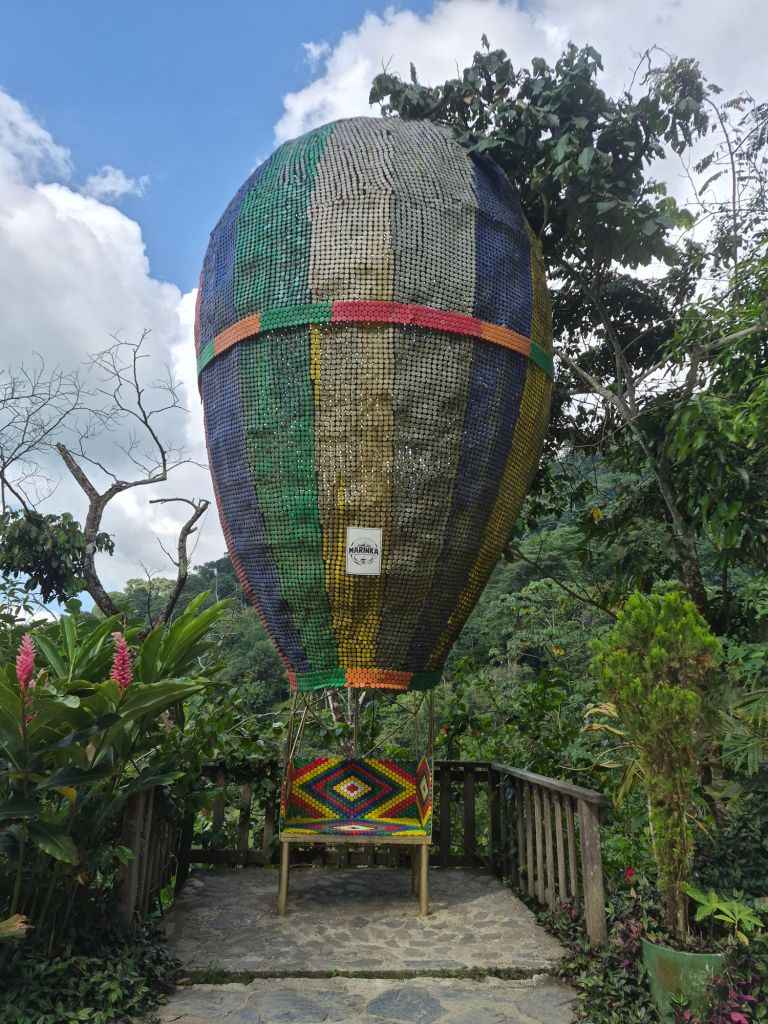
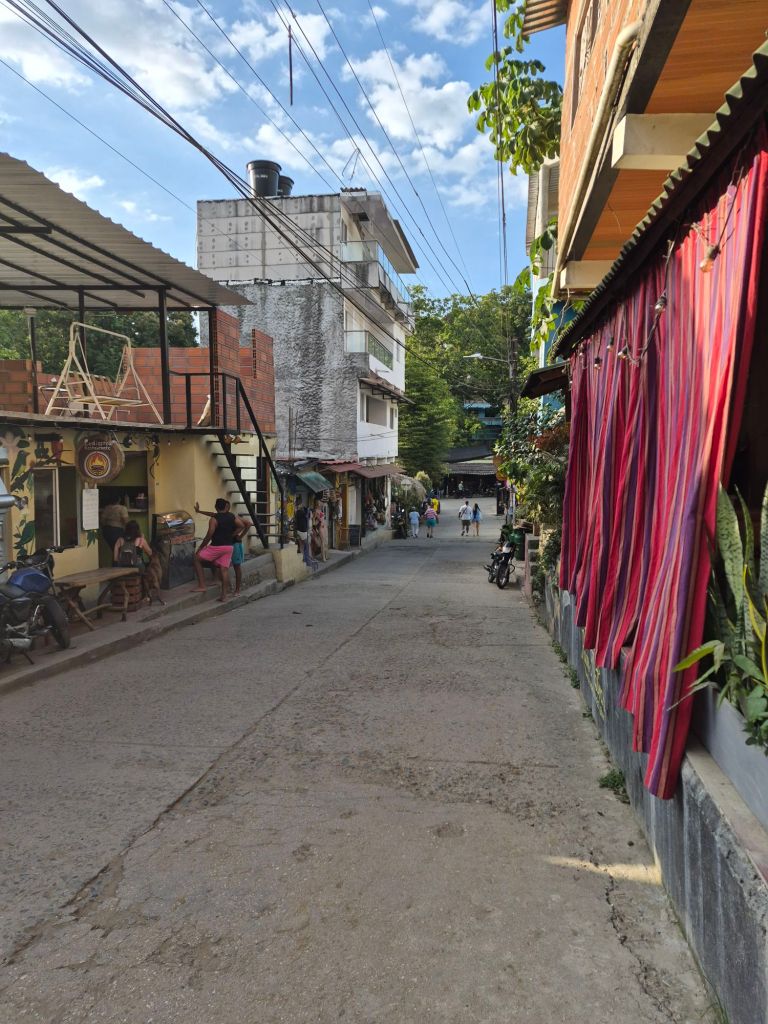
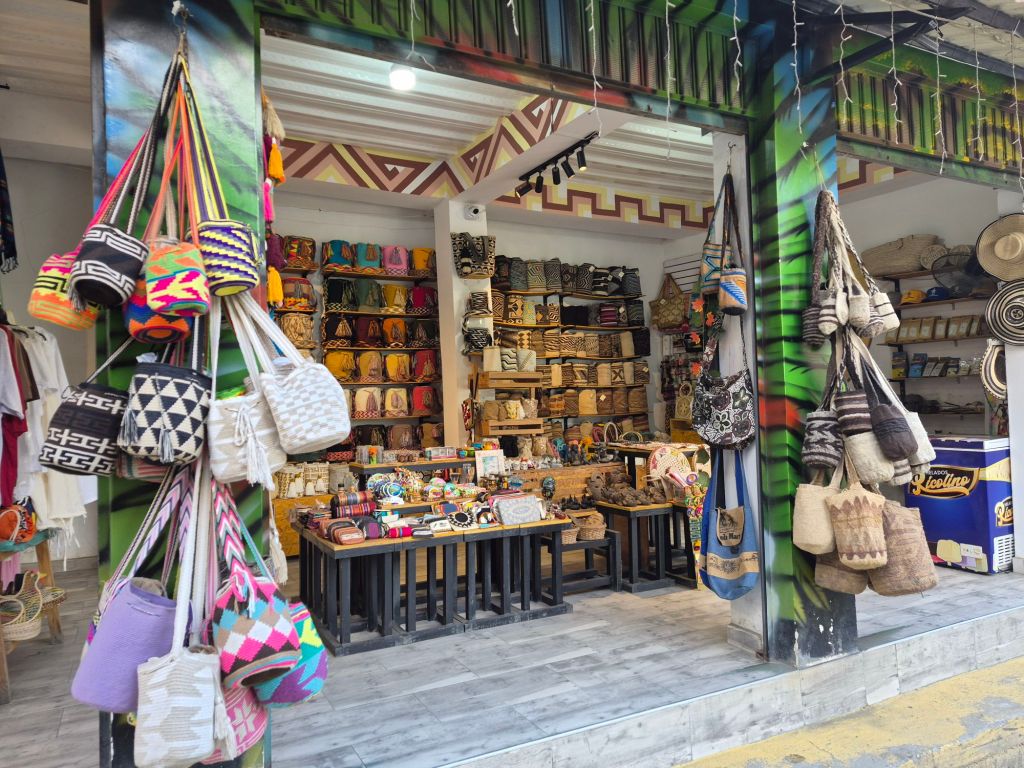
The next day we again had to find the collectivo that would take us to Minka, a small town in the Sierra Nevada mountains close to Santa Marta – it happened to be in the same messy market area. Minka is high up in the mountains, and again there were several hikes in the area. We only stayed one night, and spent a few hours doing a long uphill hike along a road to a waterfall. We didn’t even see it, as one had to pay an entrance fee, and by then we were fed-up with all the people, motorbikes, 4×4 vehicles and cars travelling up to the waterfall, completely overcrowded. So we went back, swam in the pool at our hostel and Alan treated me to a wonderful meal in a restaurant on the bank of the little river that runs through Minka.
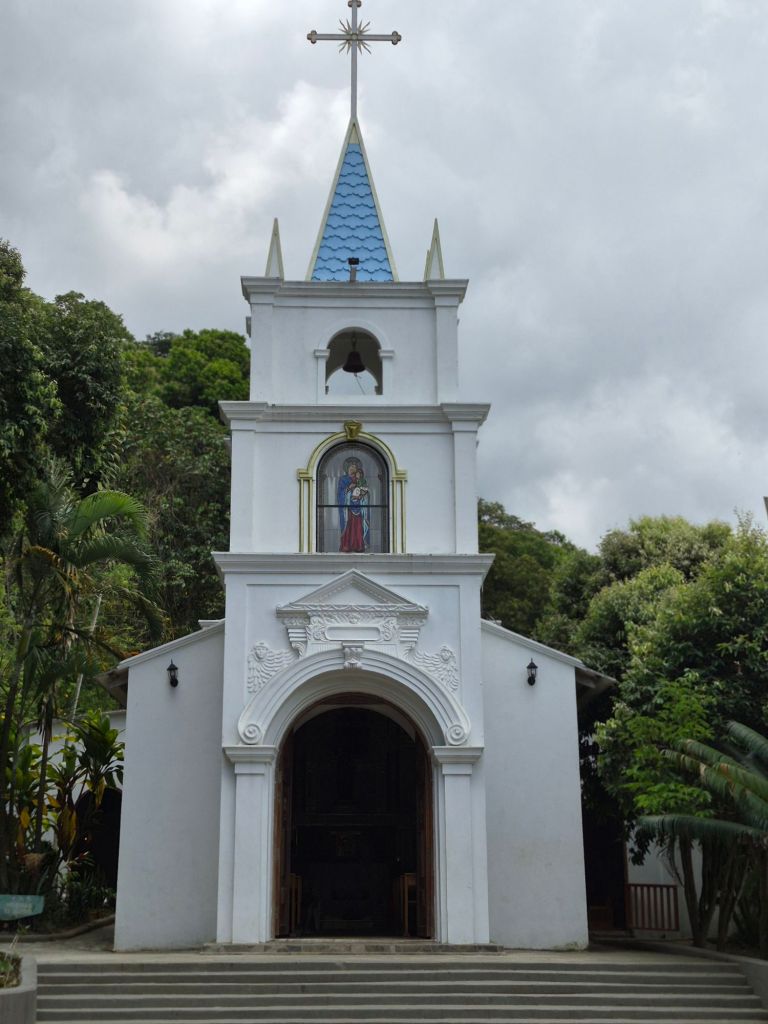
Back in Santa Marta, I had to find a place to change money, and when I asked a group of police officers where I could find one, they escorted me to one which was just one block away – quite weird, but very friendly. We also ran into a religious procession, and it was funny how the people from the street just joined in.
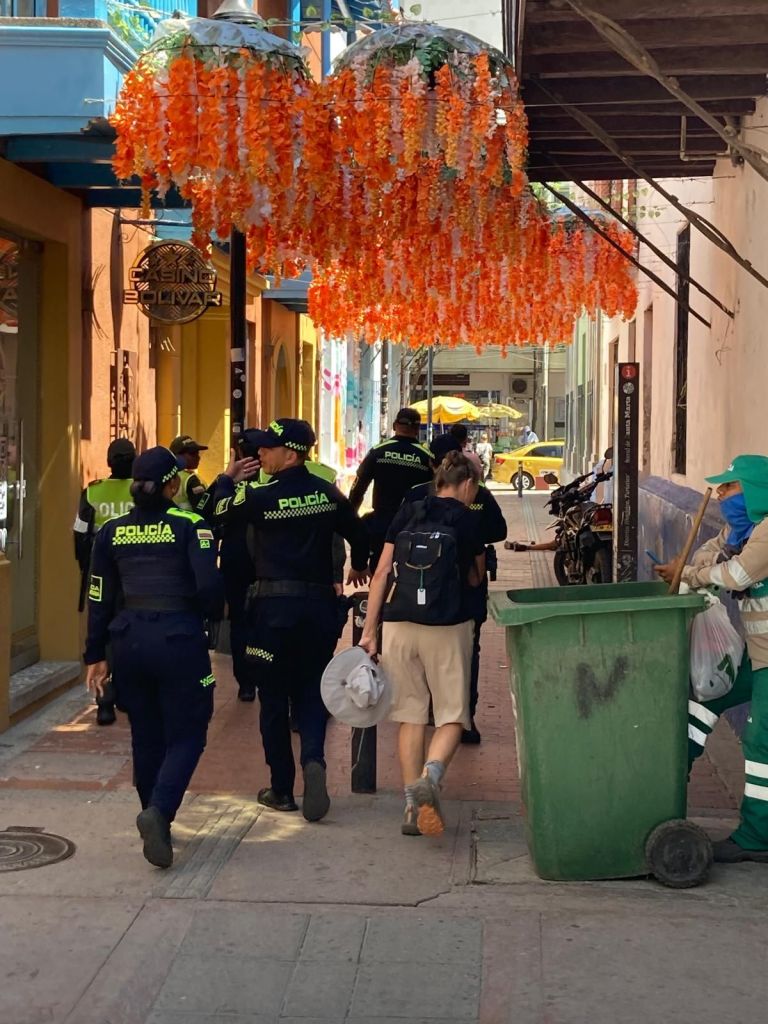
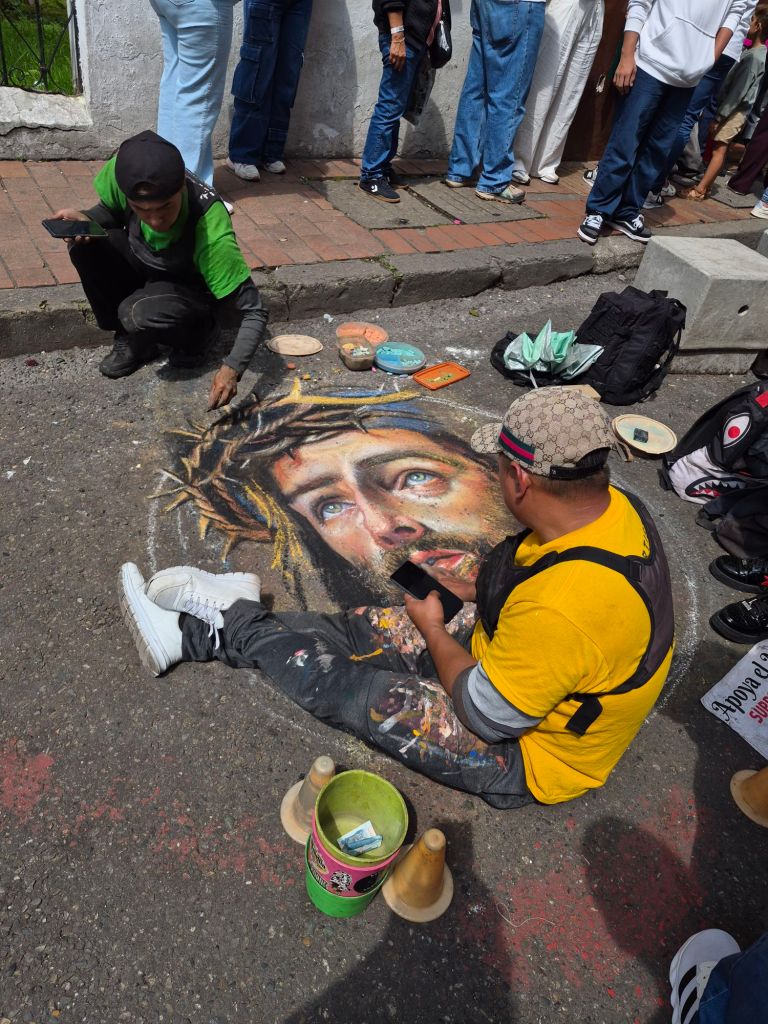
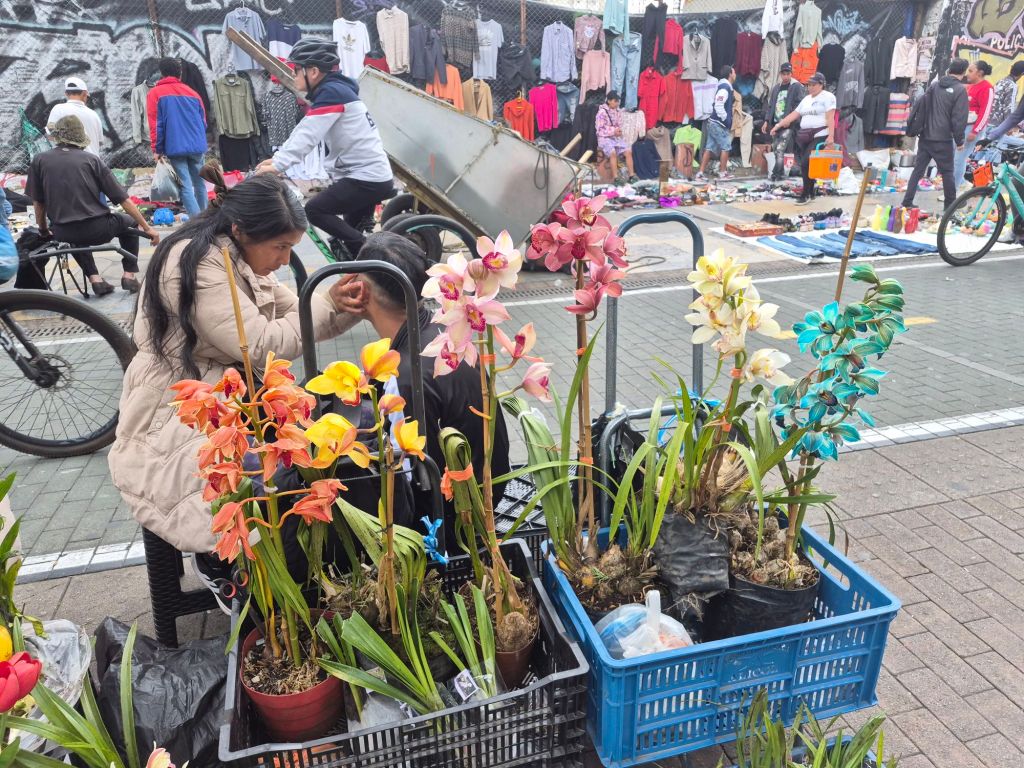
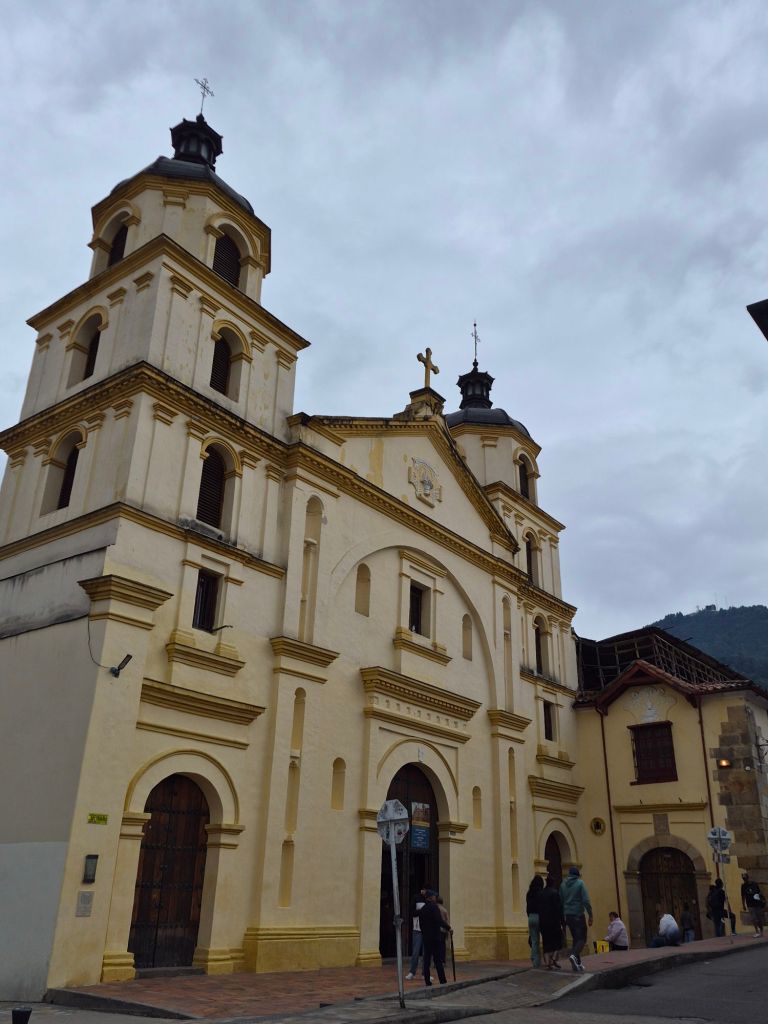
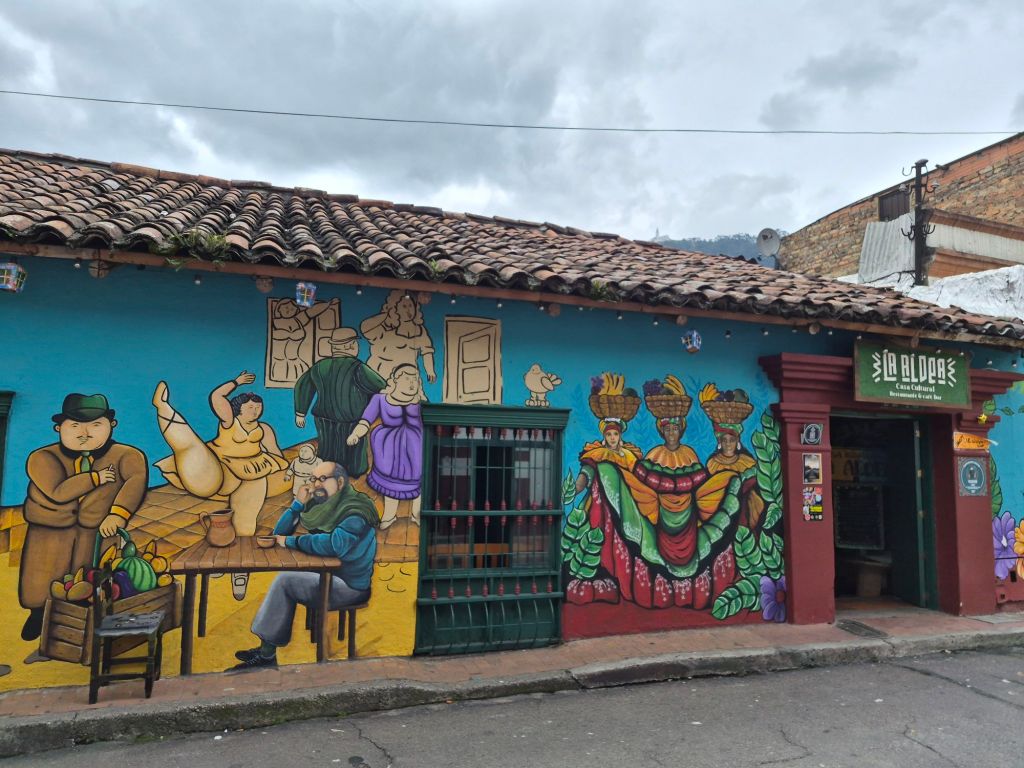
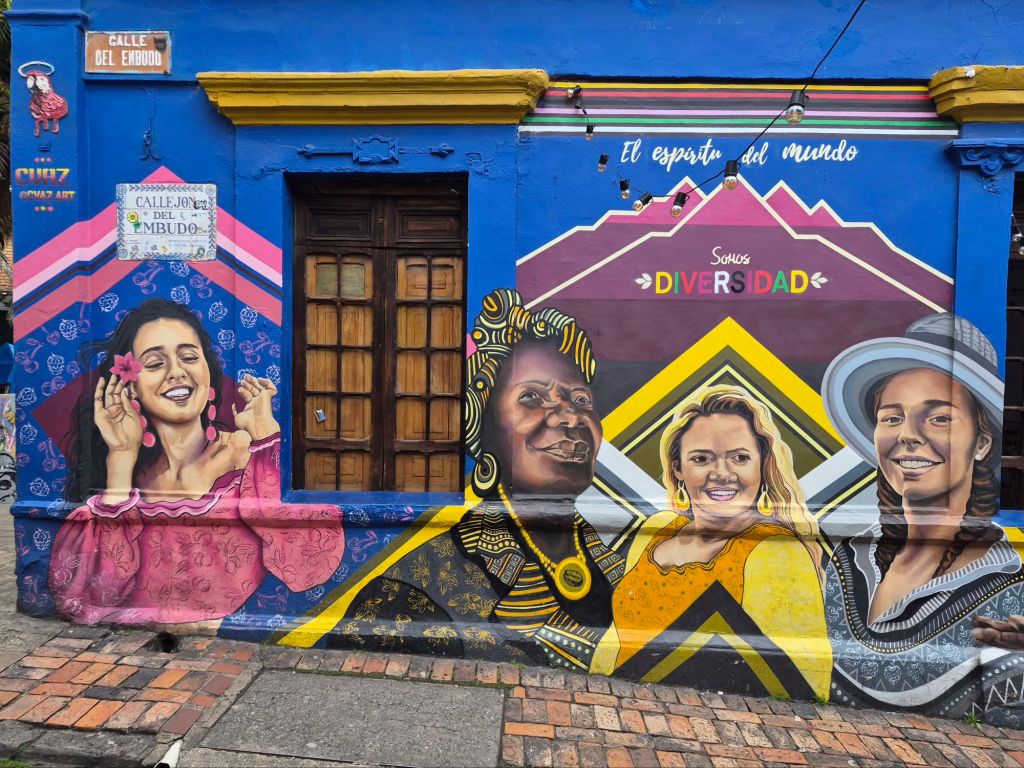
We flew back to Bogotá as Alan had to join his birding trip group, but he had time till 5pm, so I could show him the historical part of Bogotá, called La Candelaria. (I posted some pics of this area in the previous blog, will just add a few more.)


 Mella Madness
Mobile: +27 76 4895744
LikeLiked by 1 person