Inspiration has returned, in the form of an elderly couple who decided to pick up a hitchiker on a boring, lonely, desolate and windswept road. Estela and Roberto, real angels, who then proceeded to take me with them on their yearly round-trip of the area north of La Paloma, where I’m now staying.
What happened this morning, is that I decided to walk 9km to a lake, where there is a bird hide and supposedly a restaurant with local food. The first 3km were through town, then on the beach for a few kilometers, veering off towards the lake for the last 4 or 5km. The sun was at my back, and the wind was picking up, but also from behind, so the going was good. The road parallel to the lake – which was visible in the distance – was straight, endless and boring, and the further I walked, the more I was asking myself: “What are you doing, the lake is not what you expected it to be!” Sometimes a car would pass, but there was no-one else in sight. I eventually gave up and turned back, knowing I had to walk back 9km, against the howling wind and the sun in my face. After about 2km, I decided that if a car passed, I would hike. I was just about to sit down under the only tree next to the road, when a car approached, slowed down when they saw me hiking, and stopped! Estela later said that they had passed me earlier and were wondering where on earth I was walking to. When they saw me hiking, she turned to Roberto: ” Shall we pick her up?” And together they decided yes, in spite of not normally picking up hitchikers.
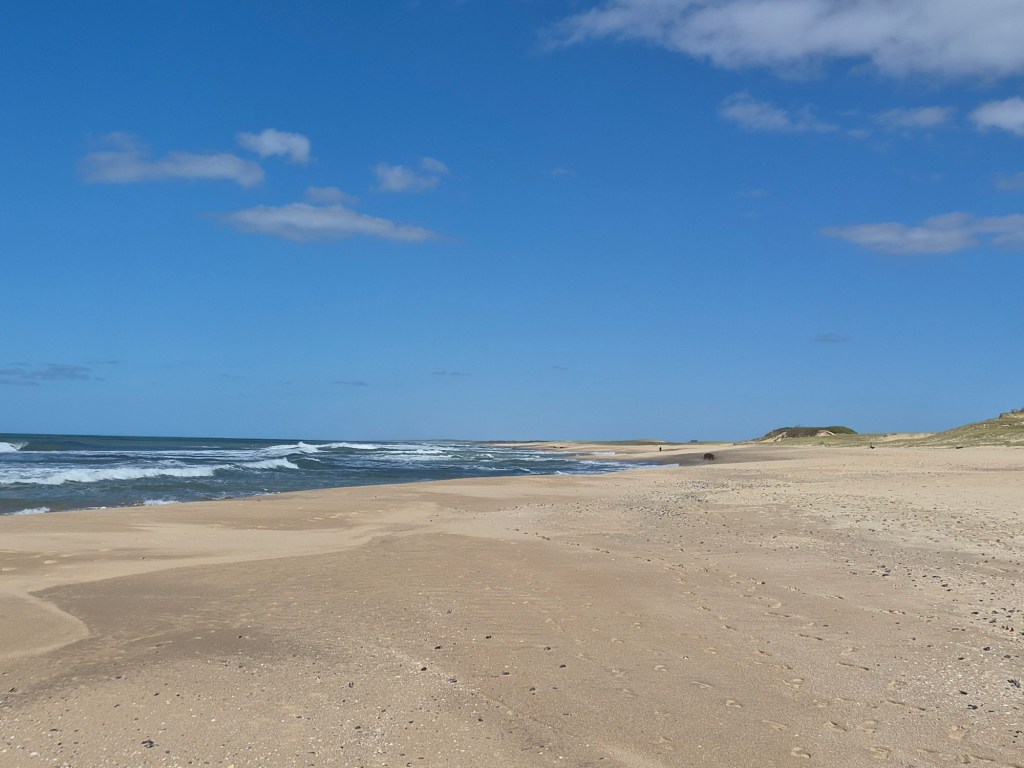
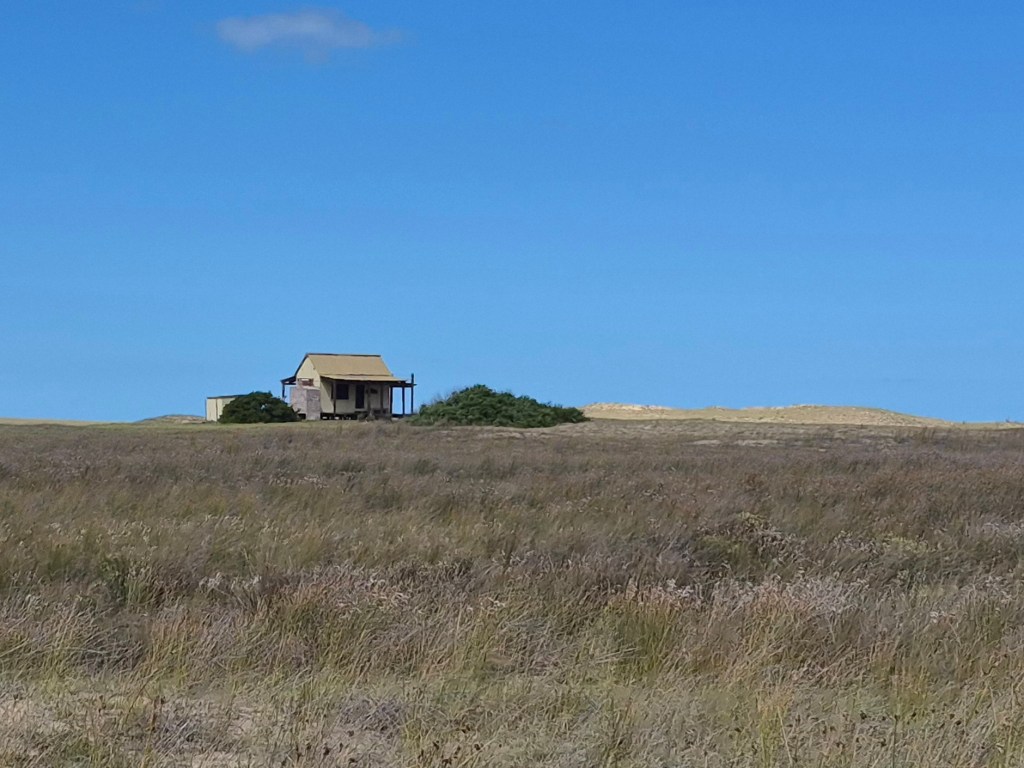
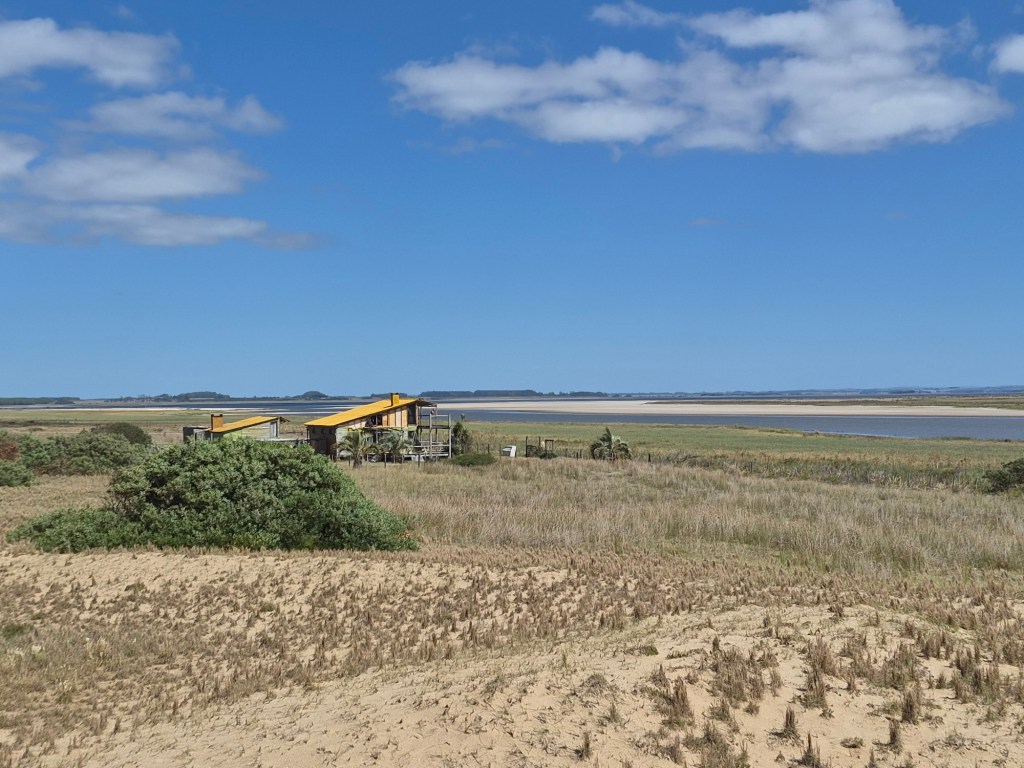
Estela was fluent in English, so conversation was possible, me asking many questions about things I was curious about. They were from Montevideo, but every year they do a trip in this area. “Every year we come to the lake, and I ask why we do it, because it is not nice. But we do it every year!” I wholeheartedly agreed.
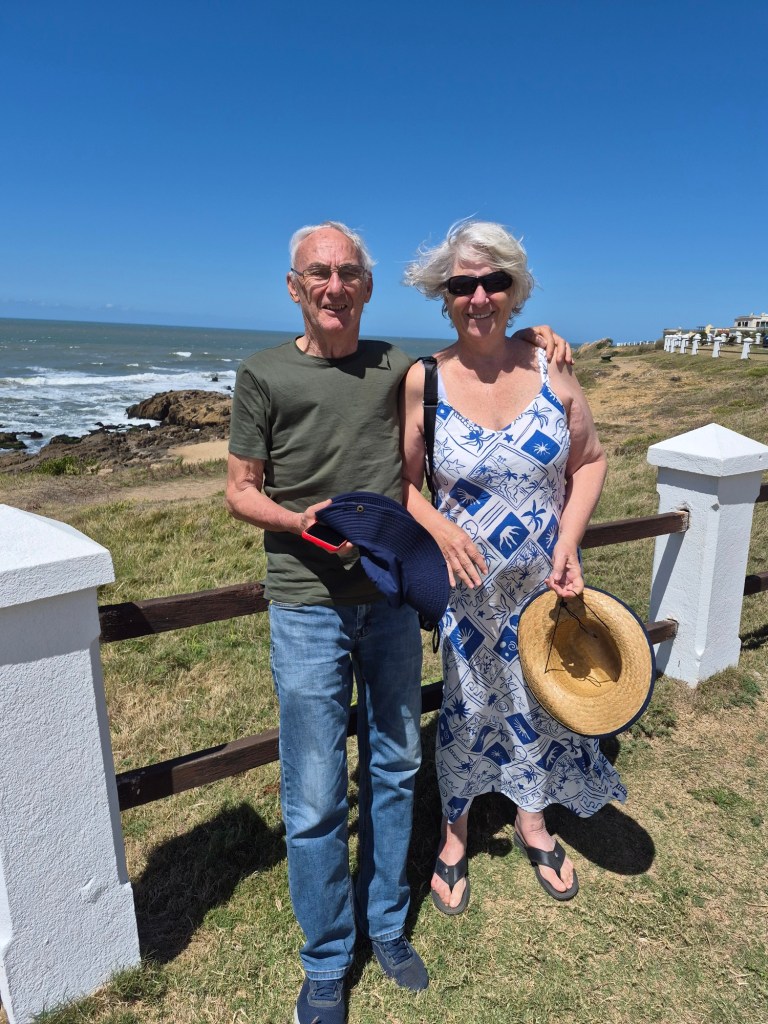
They were going to La Padrera, which is a quaint town with rocks on the beach, and we got out to take pictures (same procedure as last year). We drove through Arachania, and she regaled the story of their honeymoon there 55 years ago, in Aug, a very quiet and cold time of the year, and how they had nurtured an oil-covered penguin which then adopted them. When they left, they wrote a notice which they left next to the penguin, explaining that it ate meat and needed to be cared for.
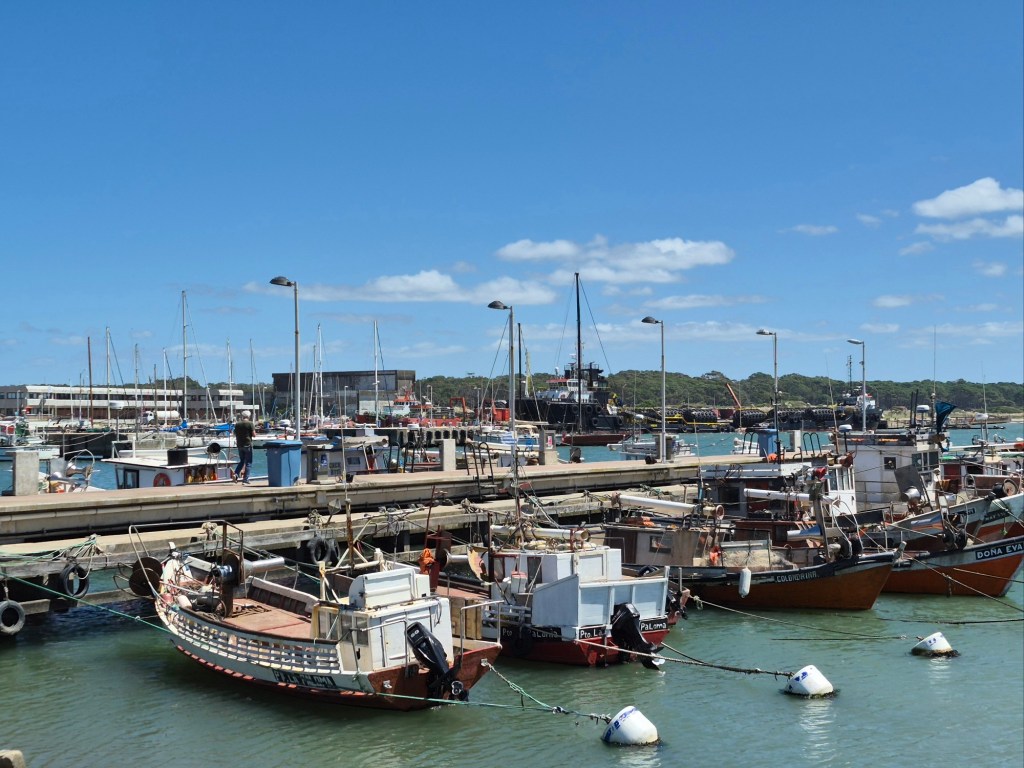
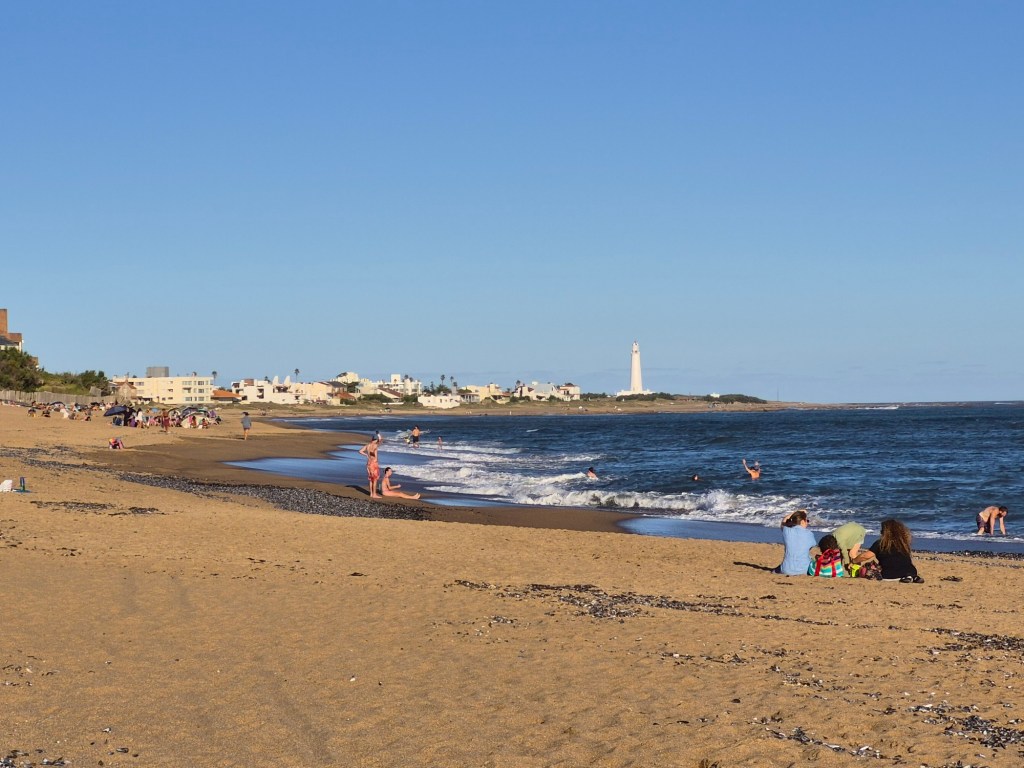
In La Paloma, we stopped at the docks, of which I wasn’t even aware of, and Roberto pointed out a stall where one could eat fresh fish. I will go there for lunch tomorrow, even if it means walking another 4km from where I live. Roberto then kindly dropped me off at my doorstep, and I bade them a fond farewell, especially as Estela and I had shared similar perceptions of various things, amongst other, the pure joy of grandmotherhood.
Now I have to backtrack, as I have not shared my experience of Barra de Valizas. My friend from Uruguay, Ale, had told me about the ombu trees in Uruguay, and when I discovered that there is an ombu forest close to Barra de Valizas, I booked a place to stay (through Agoda this time, a steal at US$14, well knowing it could be risky) and took the bus there from Colonia. Although it is off the main route, it is possible to go by bus.
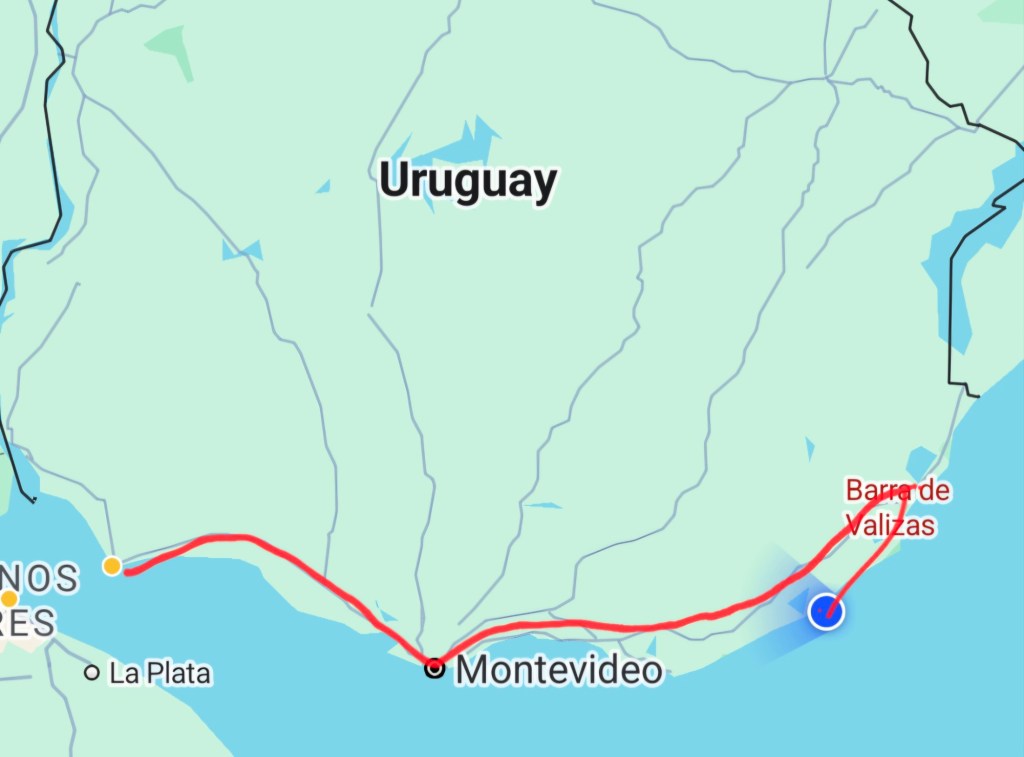
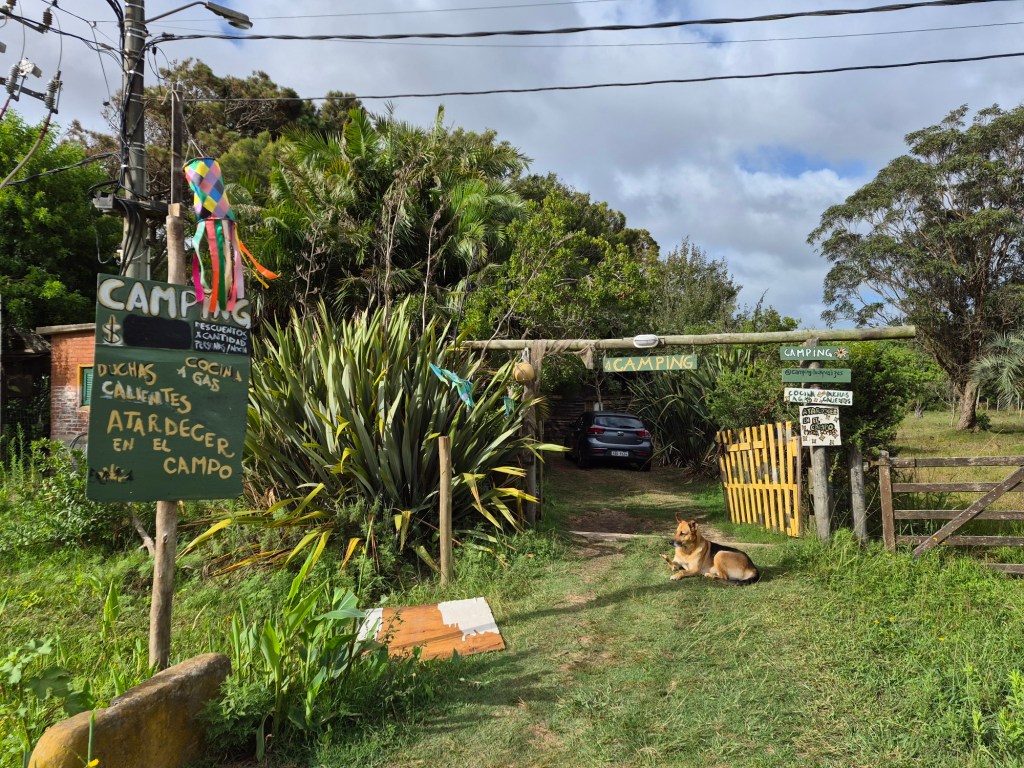
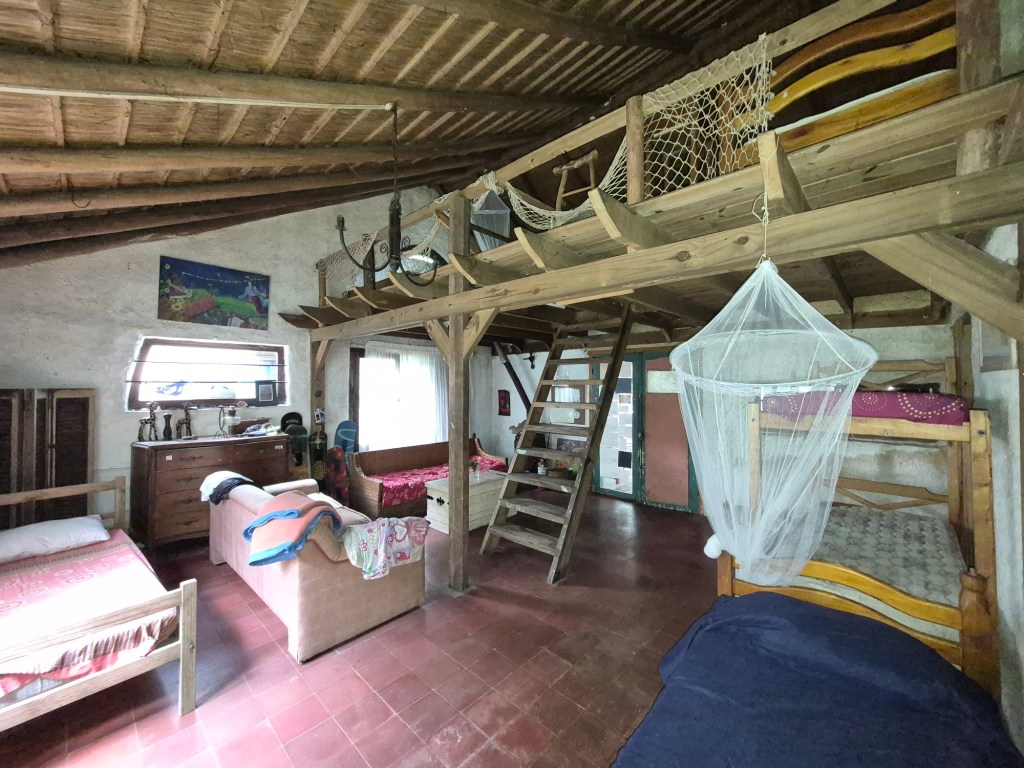
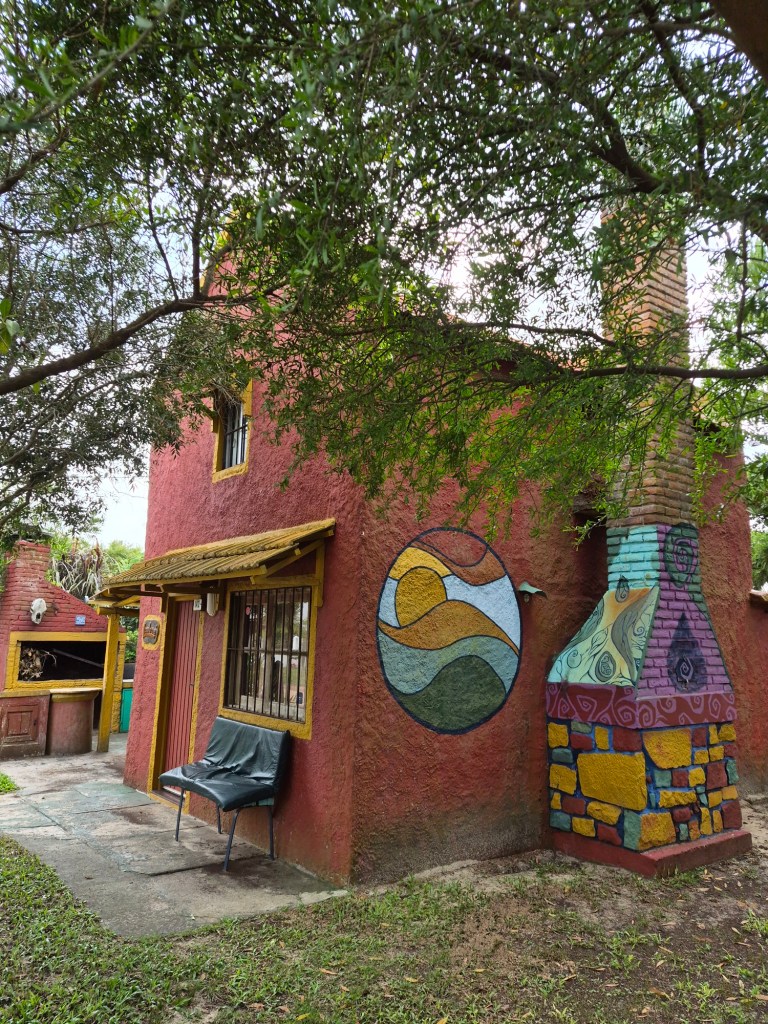
The trip took longer than anticipated, and I arrived well after sunset. It had rained that day, and I determinedly dragged Suerta along a wet dirt road in the dark, arriving at Luckyvalizas disheveled and uncertain. I traipsed through a garden path toward a light, and found 4 people gathered around a table on a stoep, drinking mate of course. A warm hug from the hostess, Maria, put my mind at ease, and I was shown to a bed in a large room with 4 beds, and a loft with 3 more beds. It is also a camping site, so everything is outdoors – the toilet to one side, showers and basin to another, all very rustic but quaint in a way. There were campers, but I was the only guest in the room – or so I thought, until I heard someone sneak up to the loft in the early hours of the morning. It turned out to be Maria, who sleeps there too.
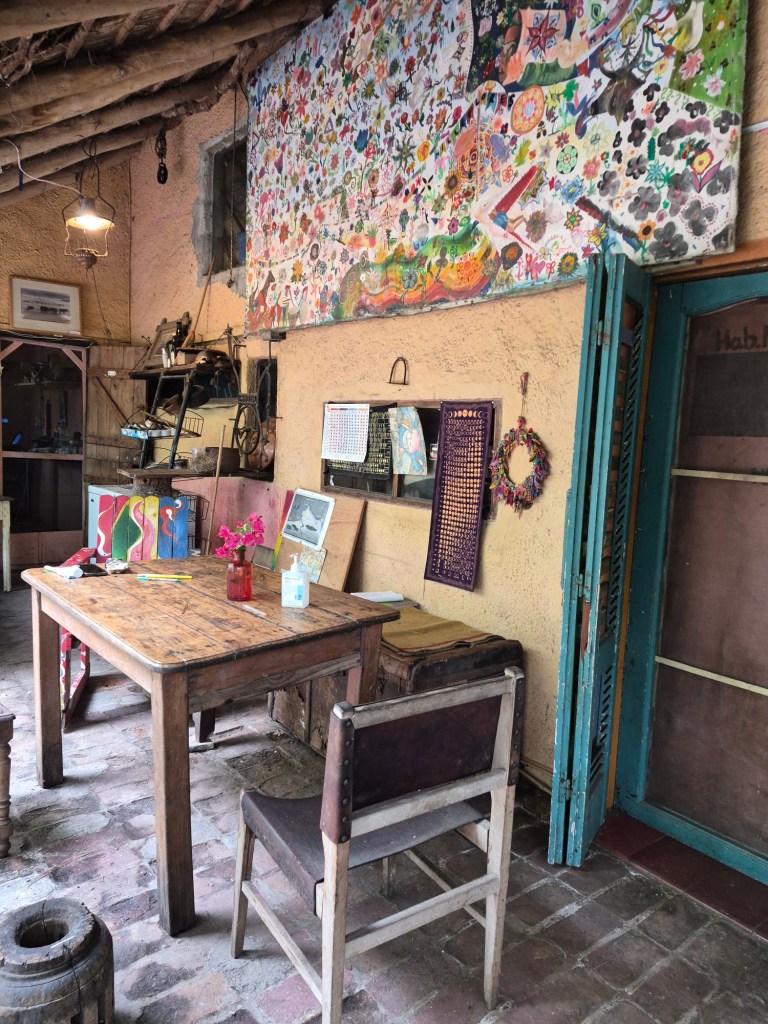
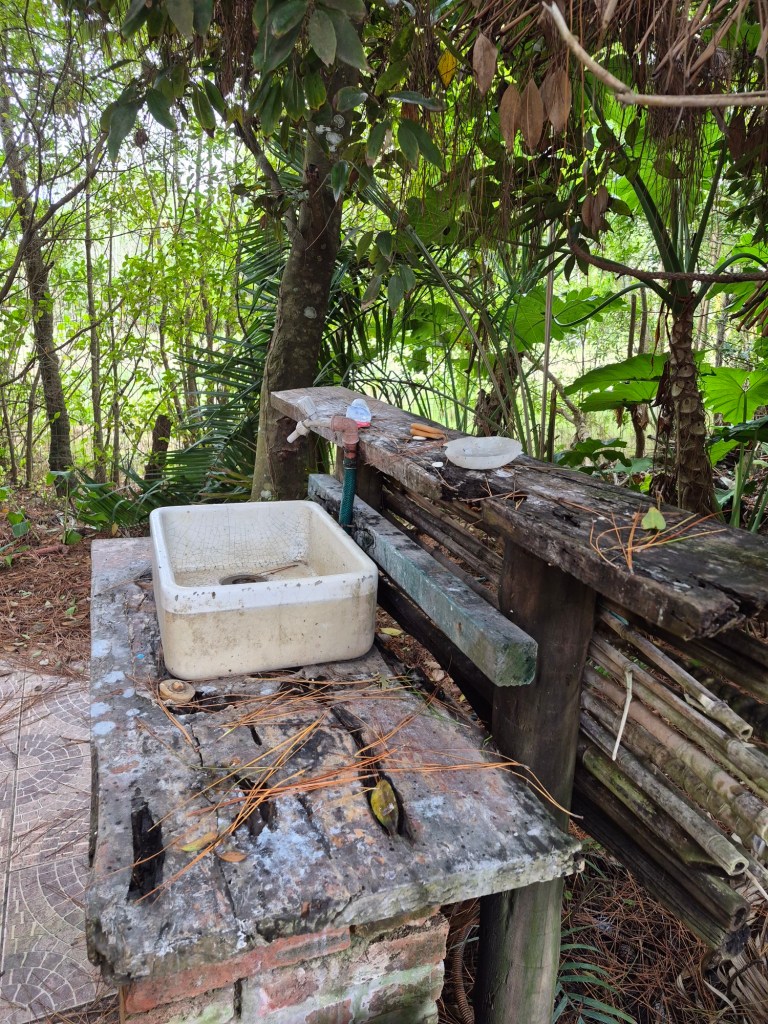
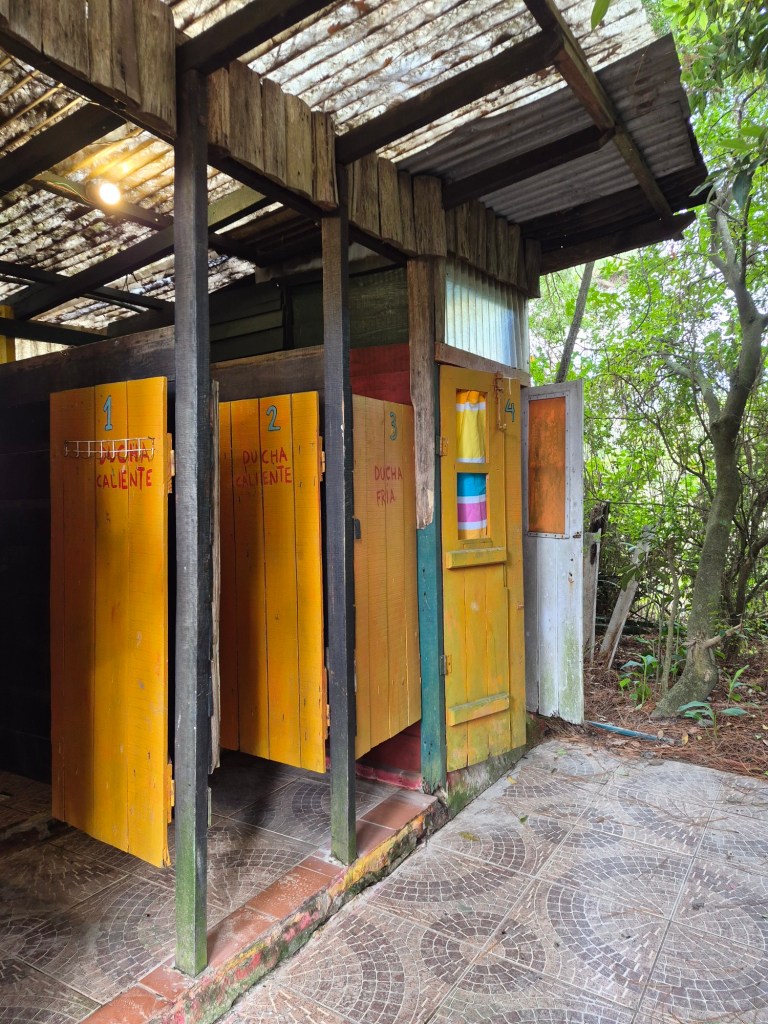
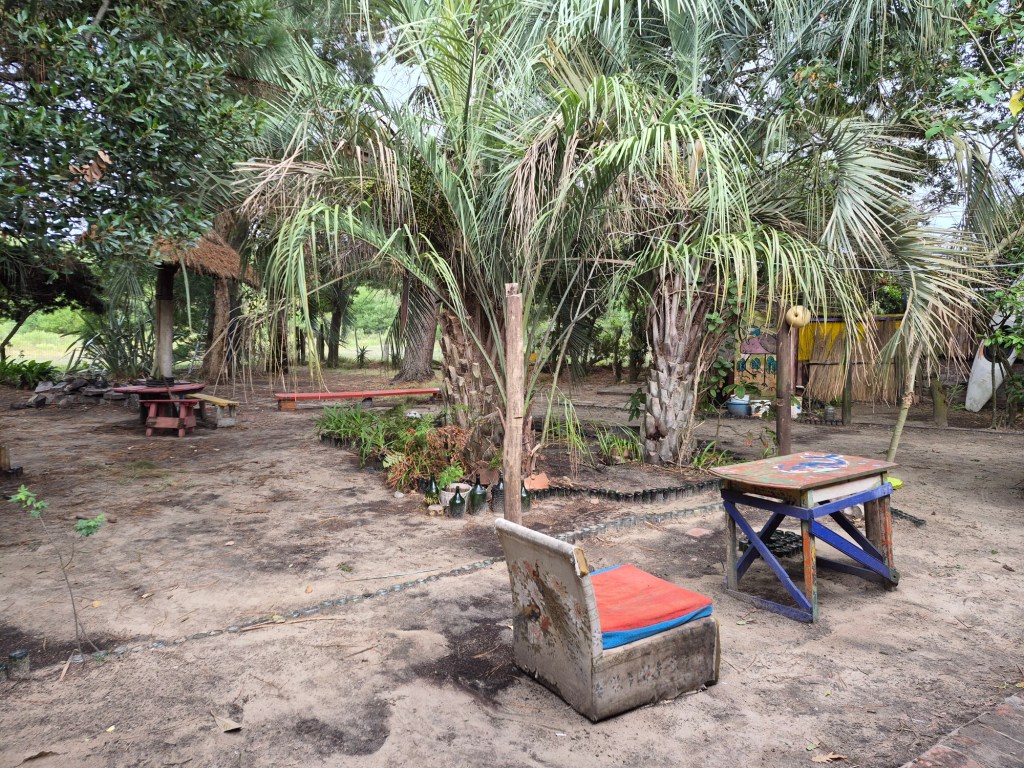
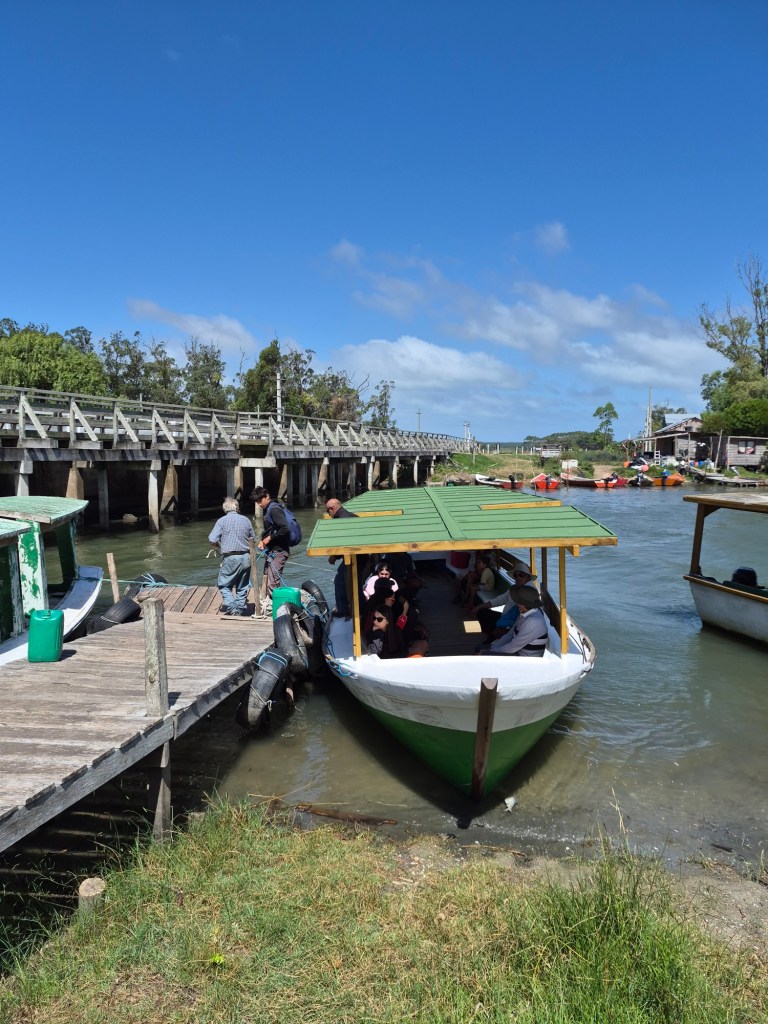
Maria was very helpful the next morning in getting me set up for the visit to the ombu forest. It required a short bus trip to the bridge at Puento Valizas, and waiting for Carlos, whom I had to pay $1000 (Uruguay pesos = R500), which was R1500 cheaper than what an advertised tour would have cost. Me being me, I walked across the bridge and back, looking for Carlos. A man was waiting next to the road, and thinking it was Carlos, I approached him. He knew Carlos, and pointed me back accross the bridge, where another lady said Carlos was in the forest and would be back in one hour. It turned out that Carlos organises boat trips to the forest, which is privately owned and can only be reached by boat, and eventually we were about 15 people on the boat, steered by Alberto and a guide who could speak English.
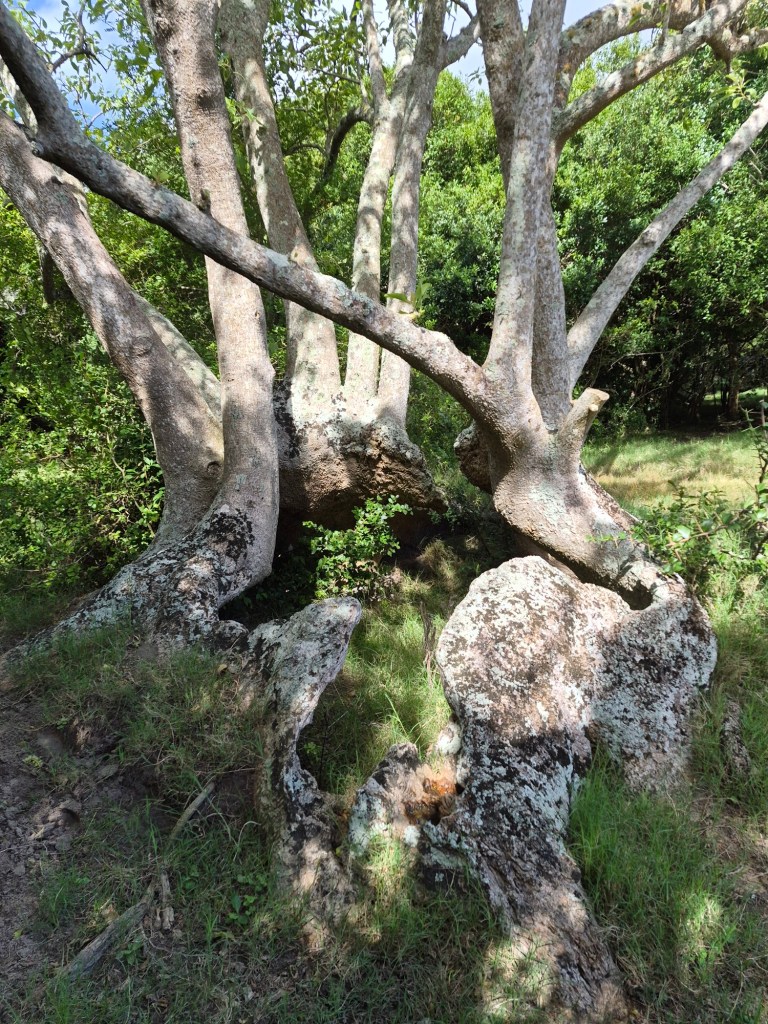
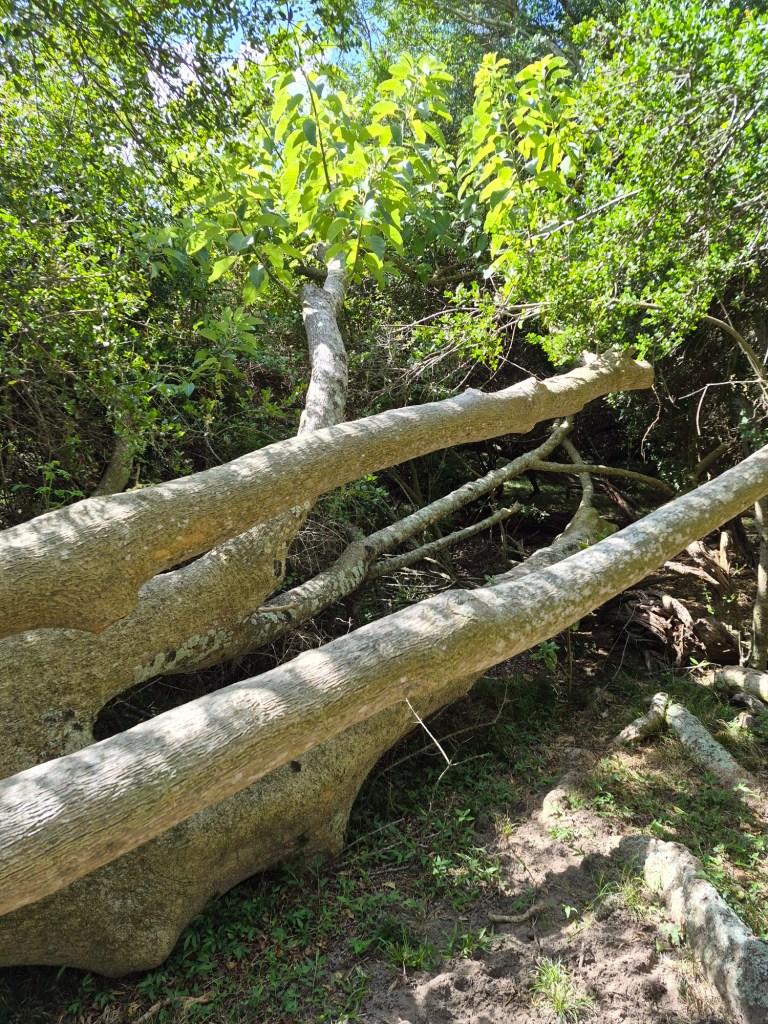
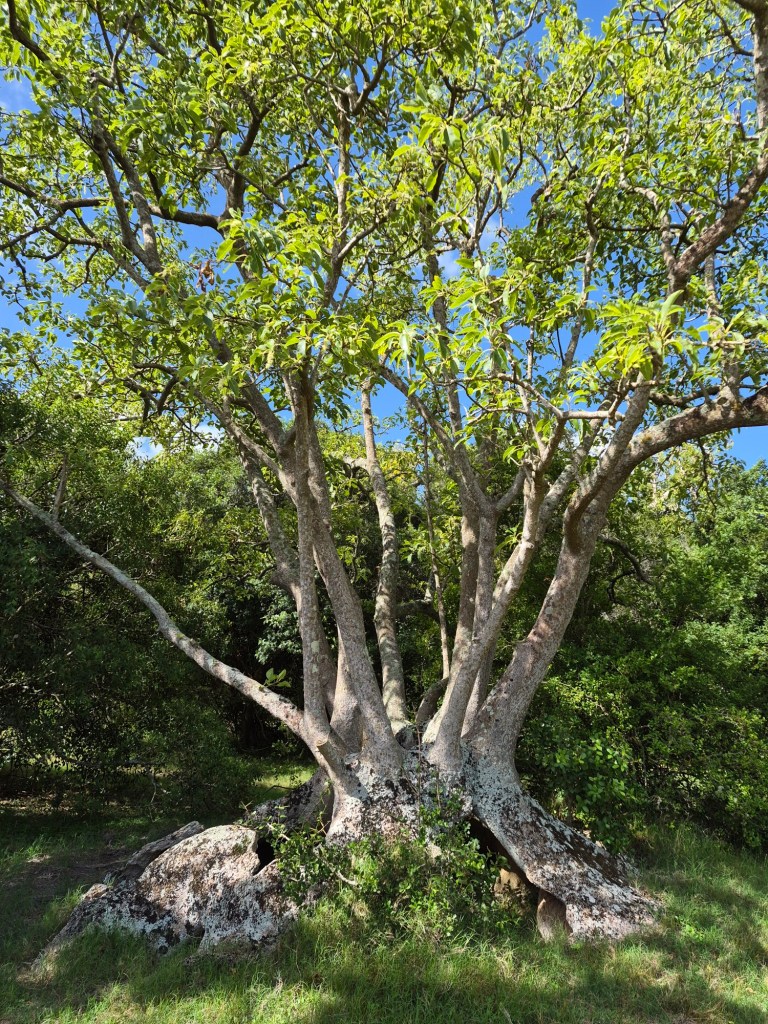
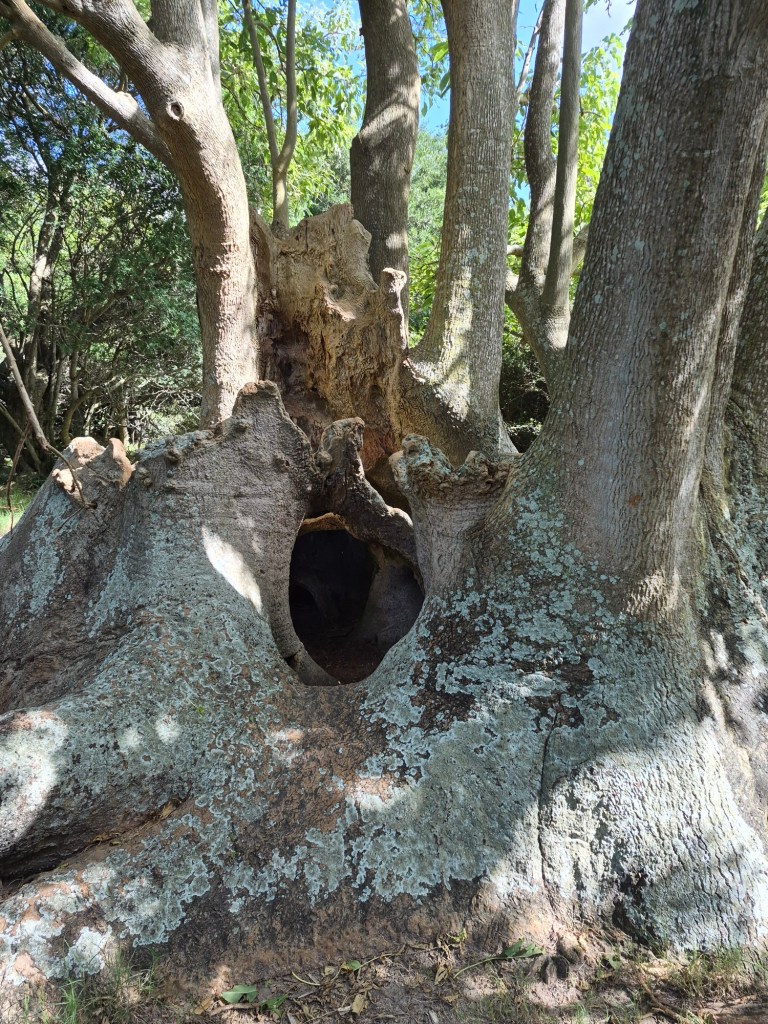
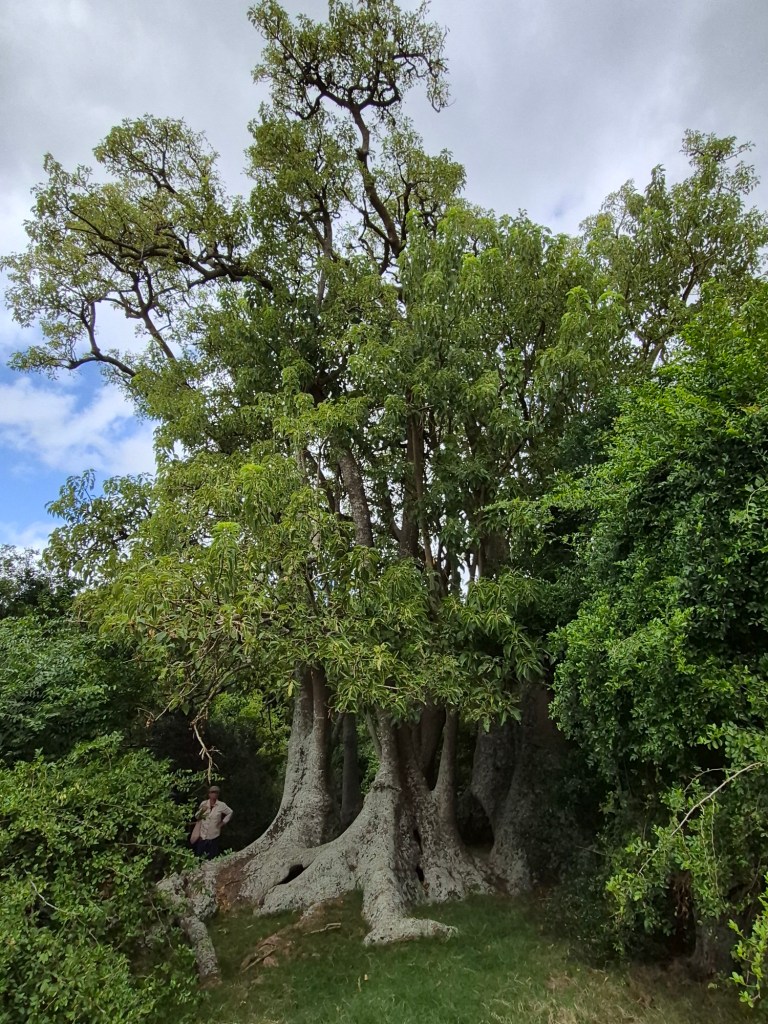
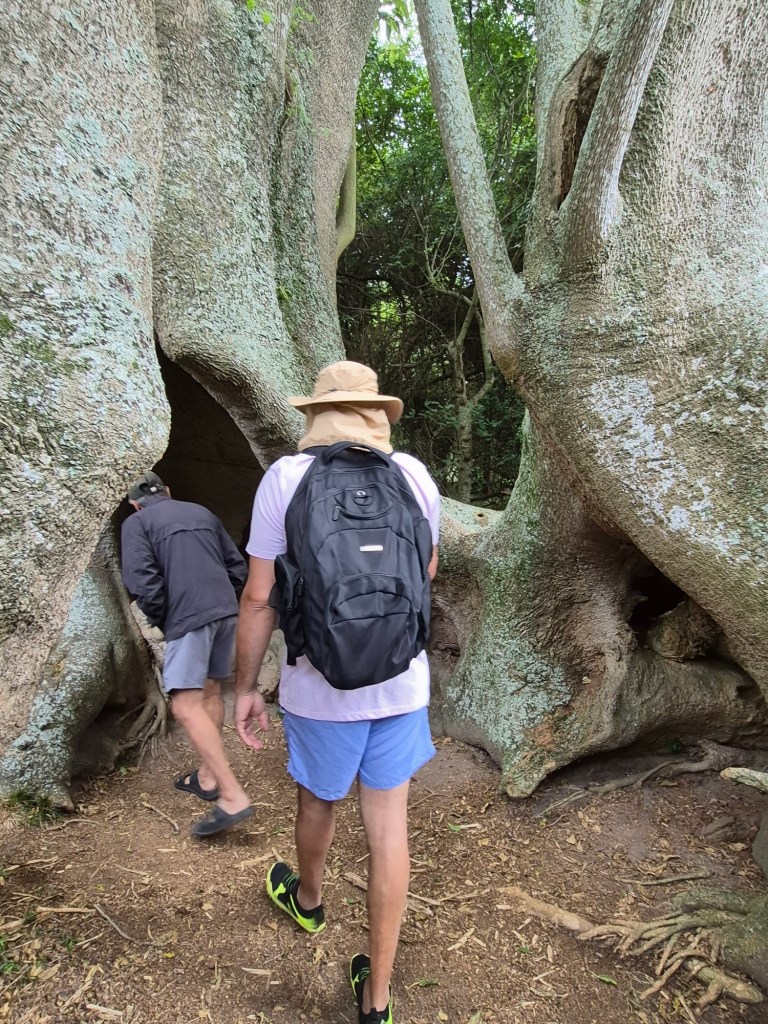
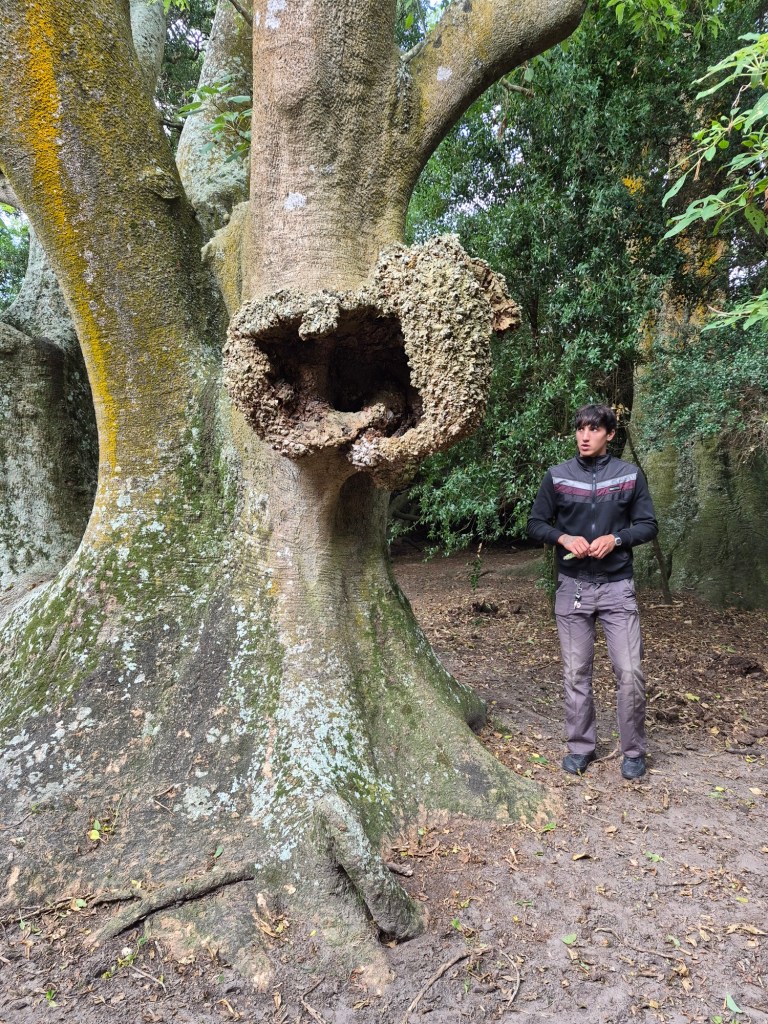
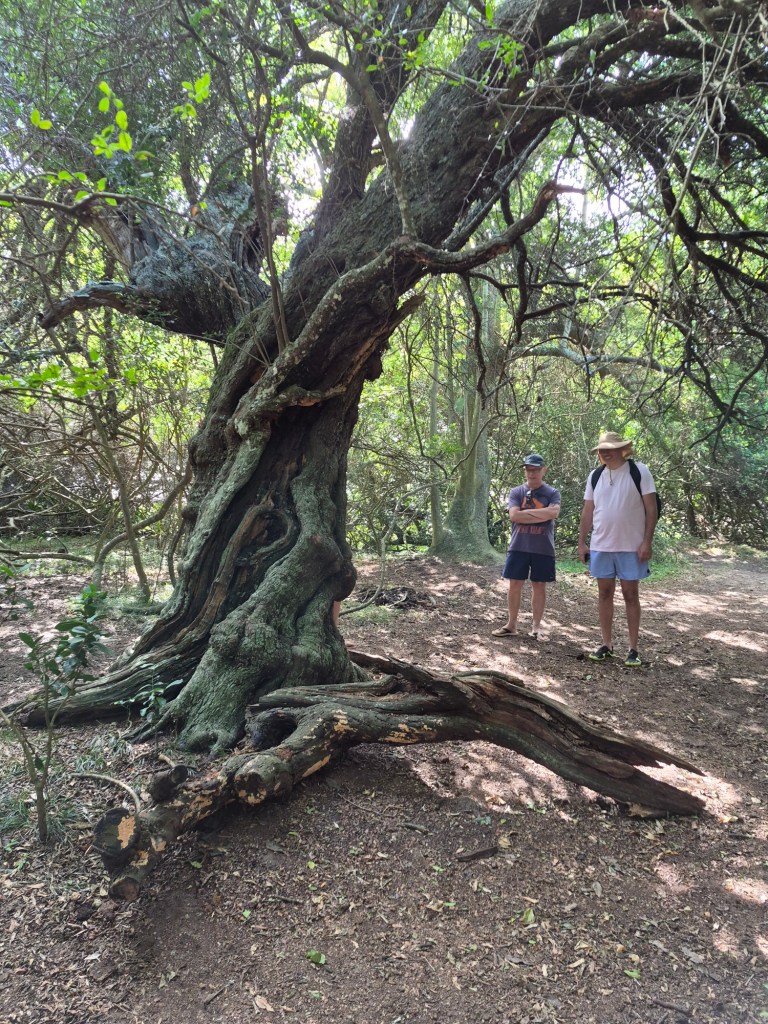
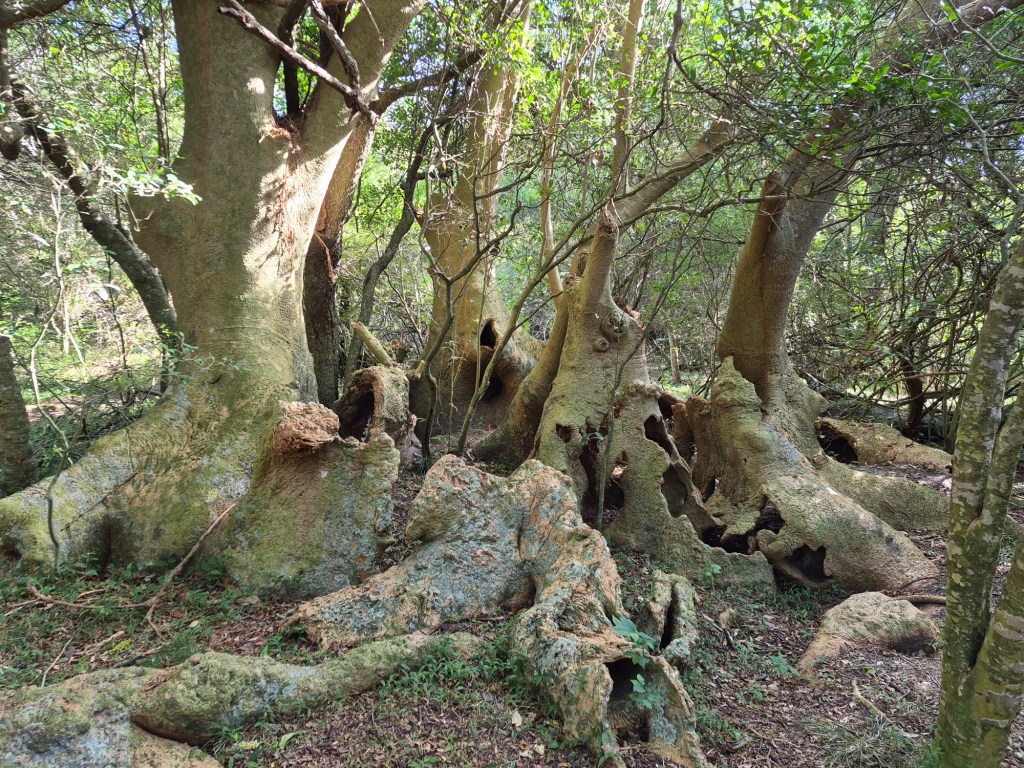
The ‘Monte de Ombúes’ (Ombu Forest) is the largest in the world, and stretches for 20km near the Laguna de Castillos. There is much to know about the ombu. It is not a tree, as it does not have wood, but has fibrous material. It is a herbaceous plant that can grow up to 14m. It stores water in its large base, and is therefore resistant to fires. It cannot be dated as it doesn’t have growth rings and they have different growth rates (we saw two 25yr old trees, one half the size of the other, one growing with just one branch, the other with 5 or 6 branches). They provide a natural habitat for small animals because of the holes in their bases, as well as for bees. The interactive role of the bees is obvious in that they then pollinate the trees. There are two different approaches to propagation and preservation of the trees in that area. On one side of the river, where the forest is on private ground, the owner allows cattle to graze, which eliminates competition from other indigenous trees and plants, especially the undergrowth. Here the ombus are flourishing, and new plants are protected with a circle of dried branches that the owner places around each young ombu to protect it from the cattle. On the other side of the river is a public park, where natural forest is allowed to grow unencumbered as no grazing is permitted. The undergrowth is thick and dense, and the ombus are dying because they cannot compete with the other natural plants and trees.
I caught a bus back to Barra de Valizas and bought some vegetables, mince and canned tomatoes to make spaghetti bolognaise. I still had spaghetti in Suerta.
Can you believe it, after all that effort one of the dogs managed to drag the dish with meat off the counter! Fortunately I had eaten by then, but I was going to offer the rest of the food to Maria and the owner, Luciana. We all stood around very dismayed and apologetic, but Carlos, a friend who was visiting Luciana, just calmly called the dogs to come and finish what they had started.
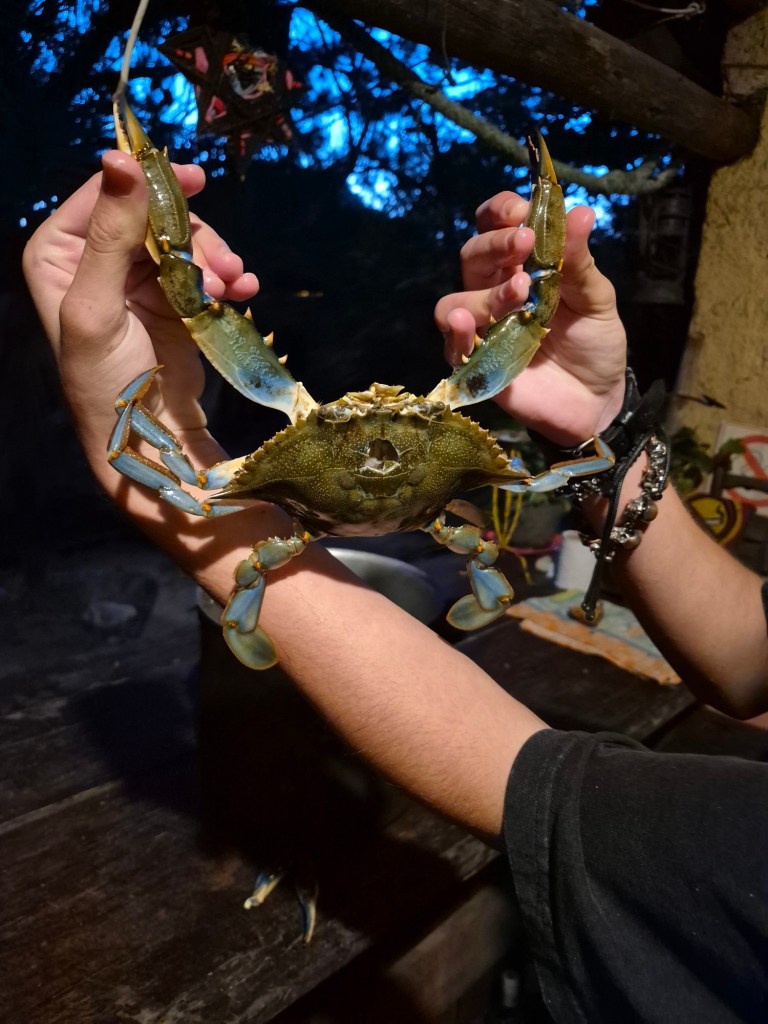
Luciana’s son caught crabs in the Valizas river, and he let me taste some – better than crayfish!
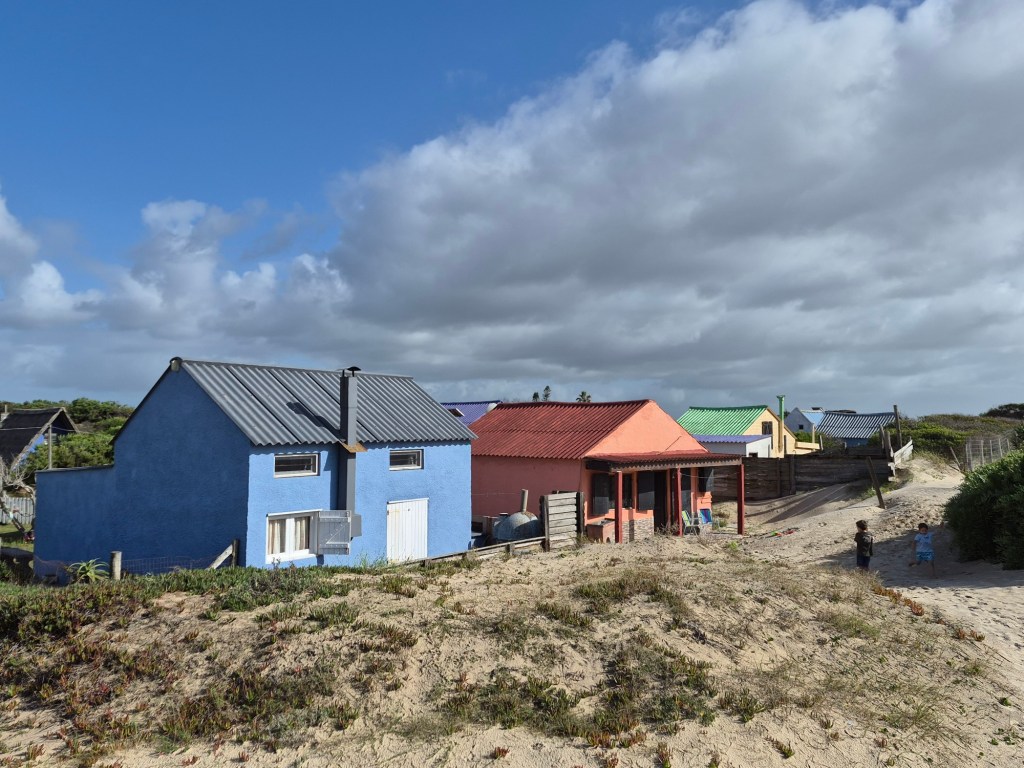
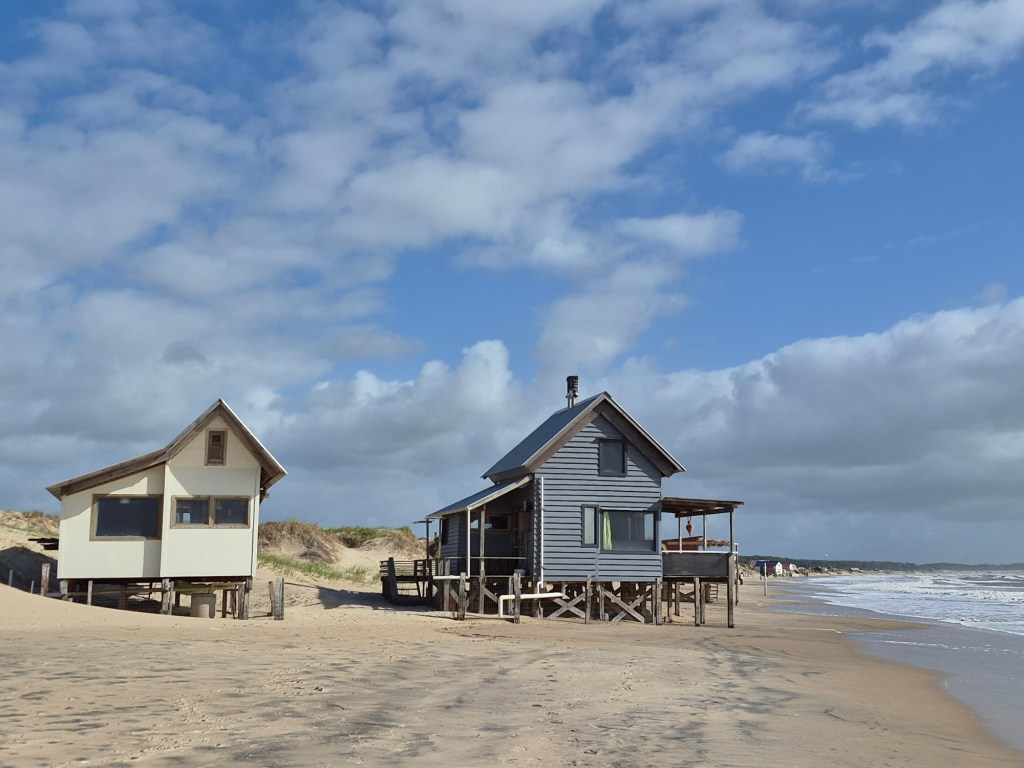
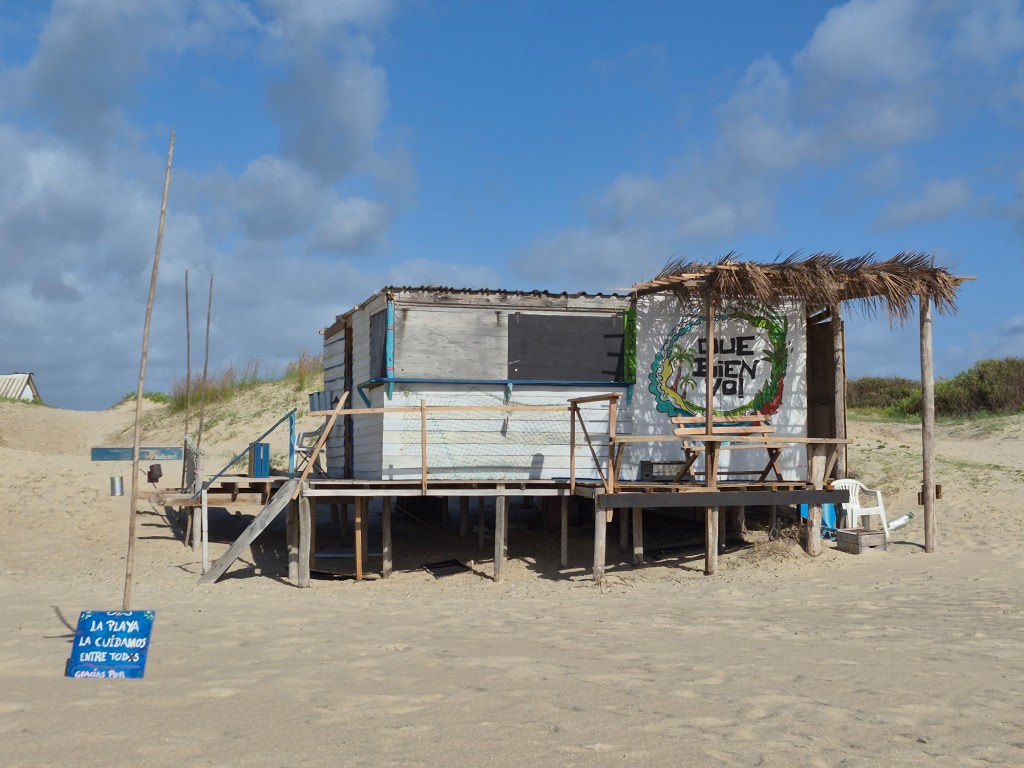
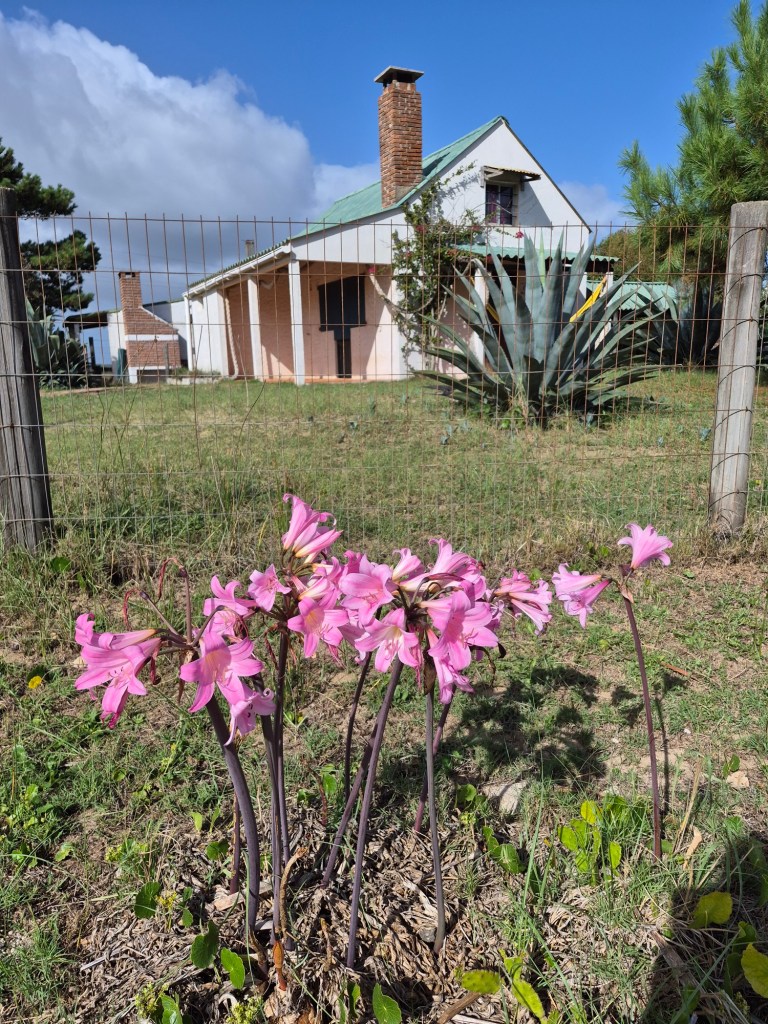
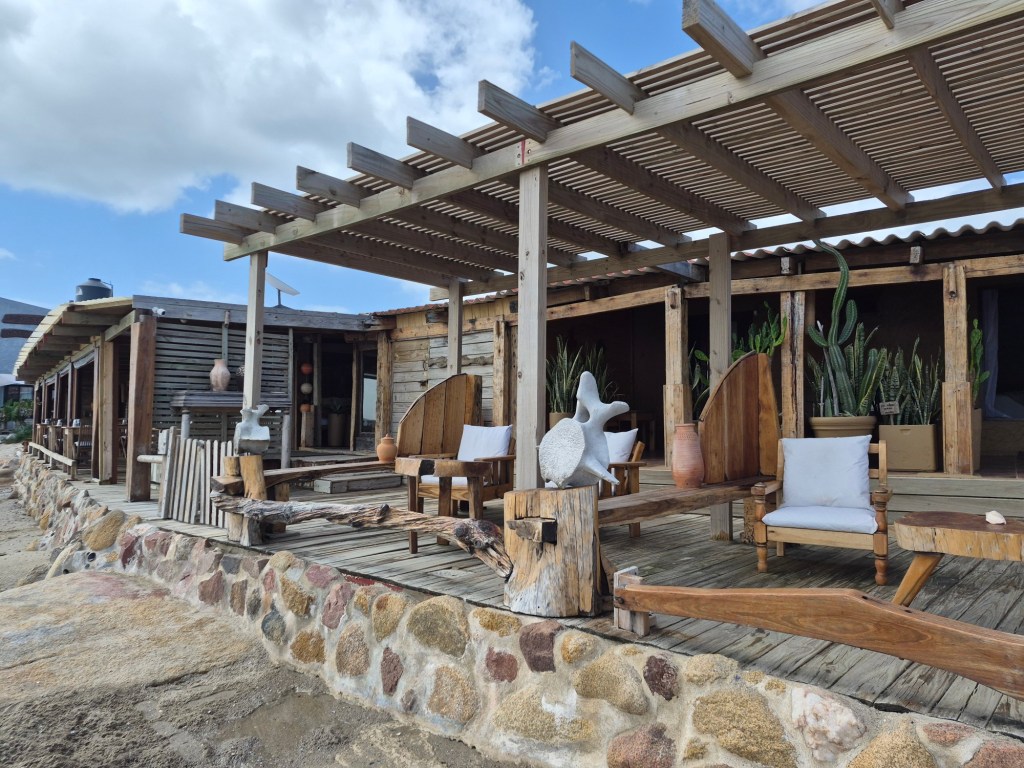
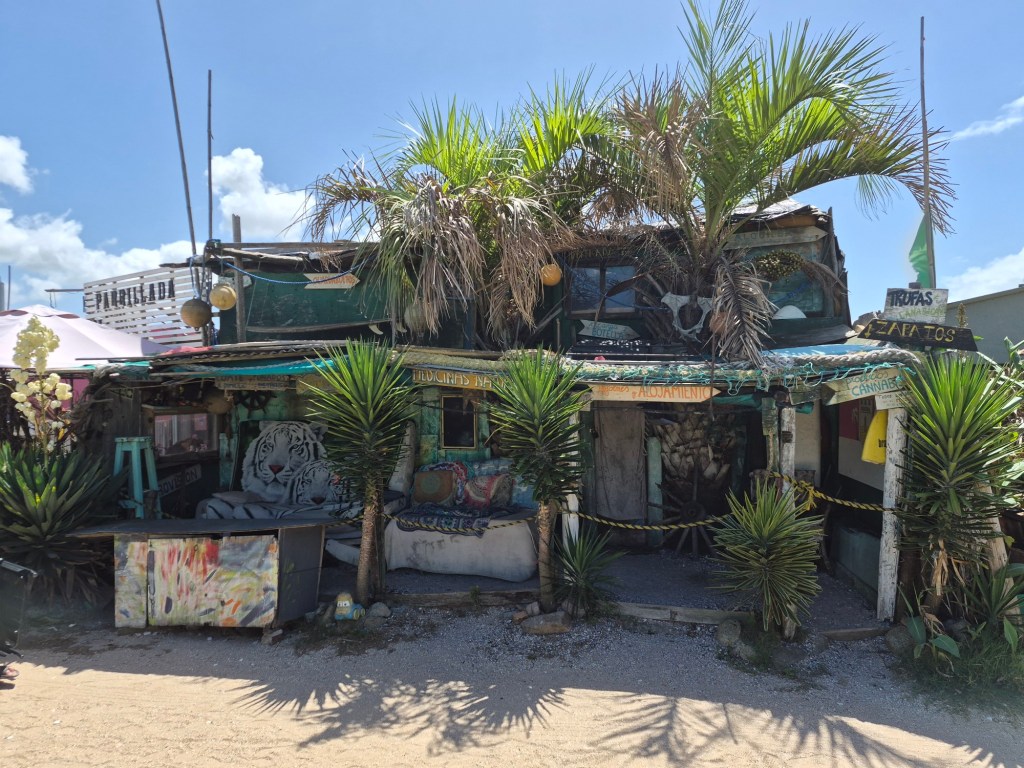
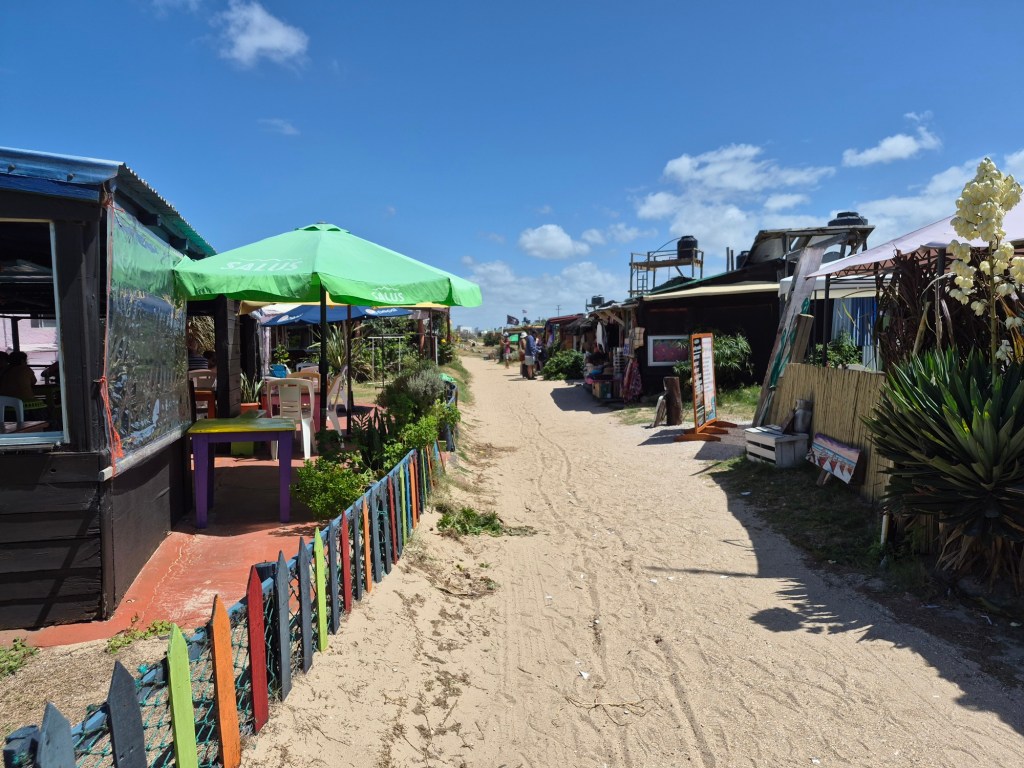
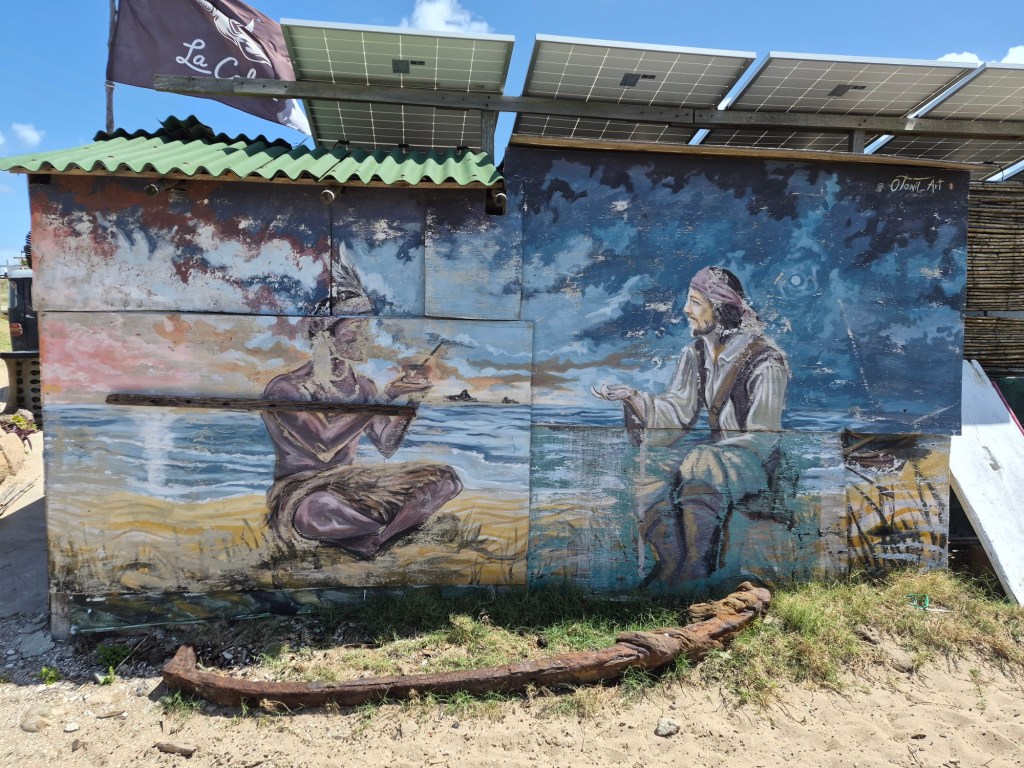
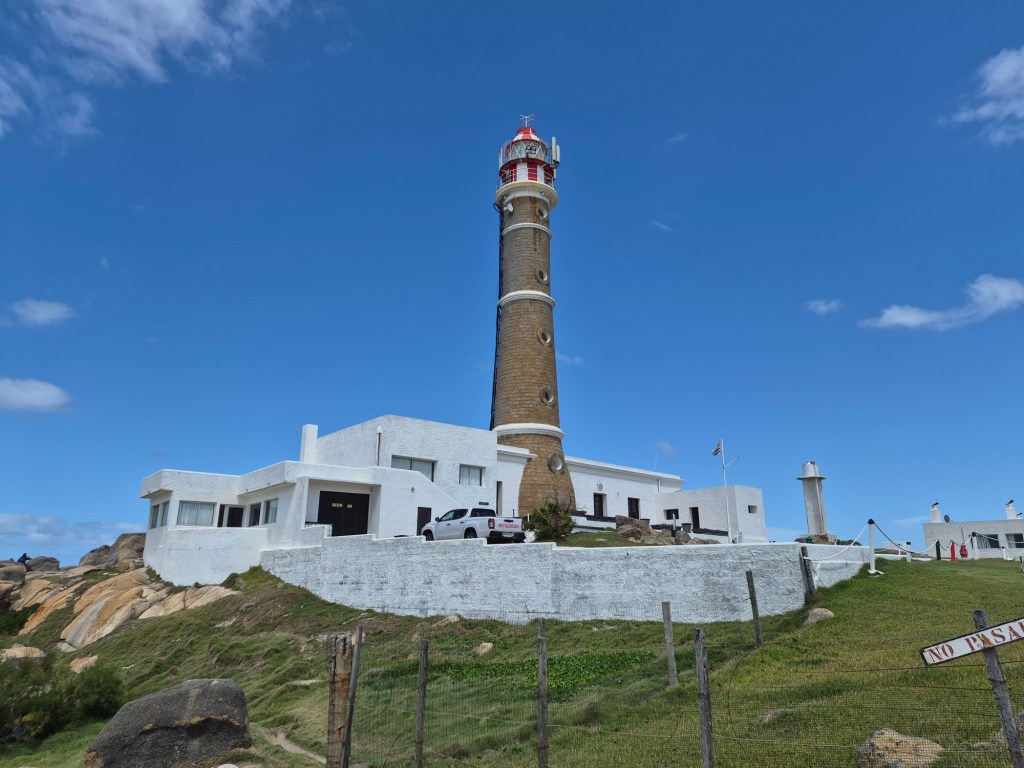
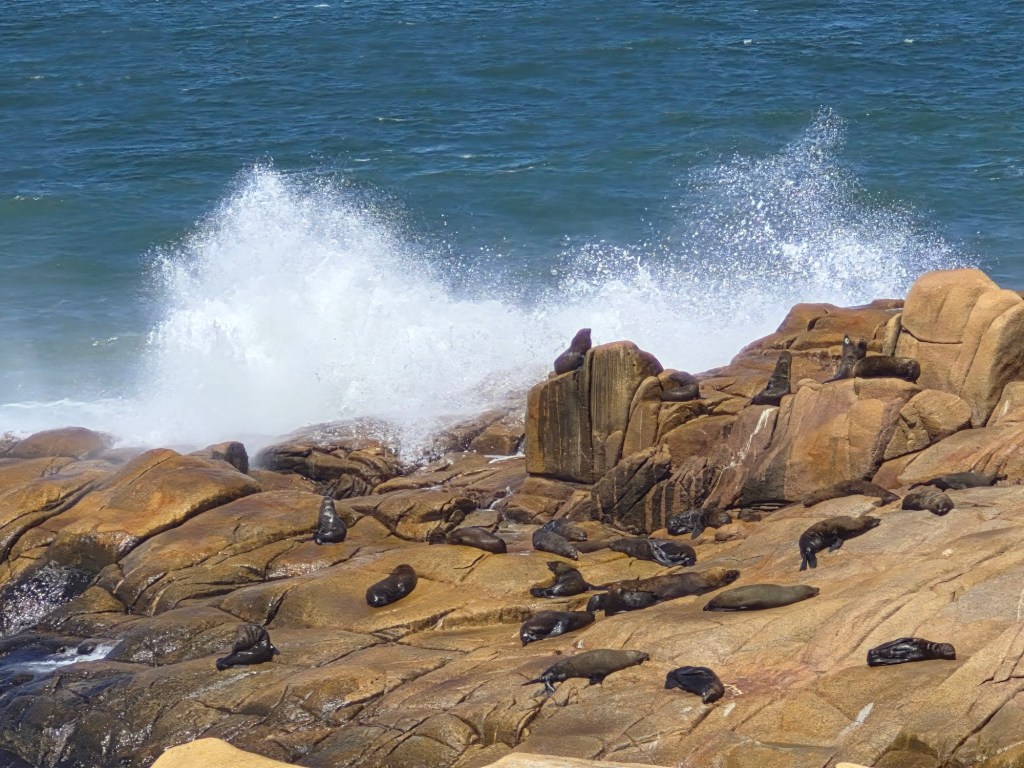
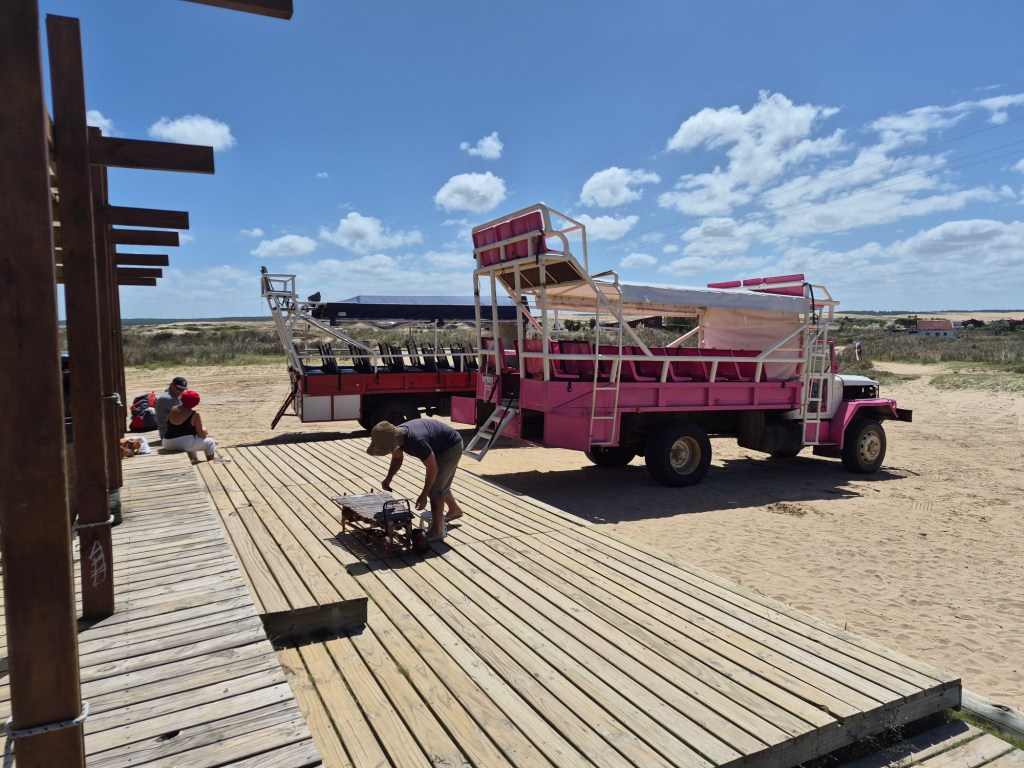
Cabo de Polonia is a resort south of Barra de Valizas, which can only be reached by foot or with a 4×4 vehicle. It is 9km from Barra de Valizas, so I set out along the beach the following morning. Along the way there is a rocky outcrop with a fabulous view of the area, and the resort itself is picturesque and people are very casual. Two small islands off the coast have the 2nd largest breeding colony of seals and sea lions, and some were lying on the rocks near the lighthouse.
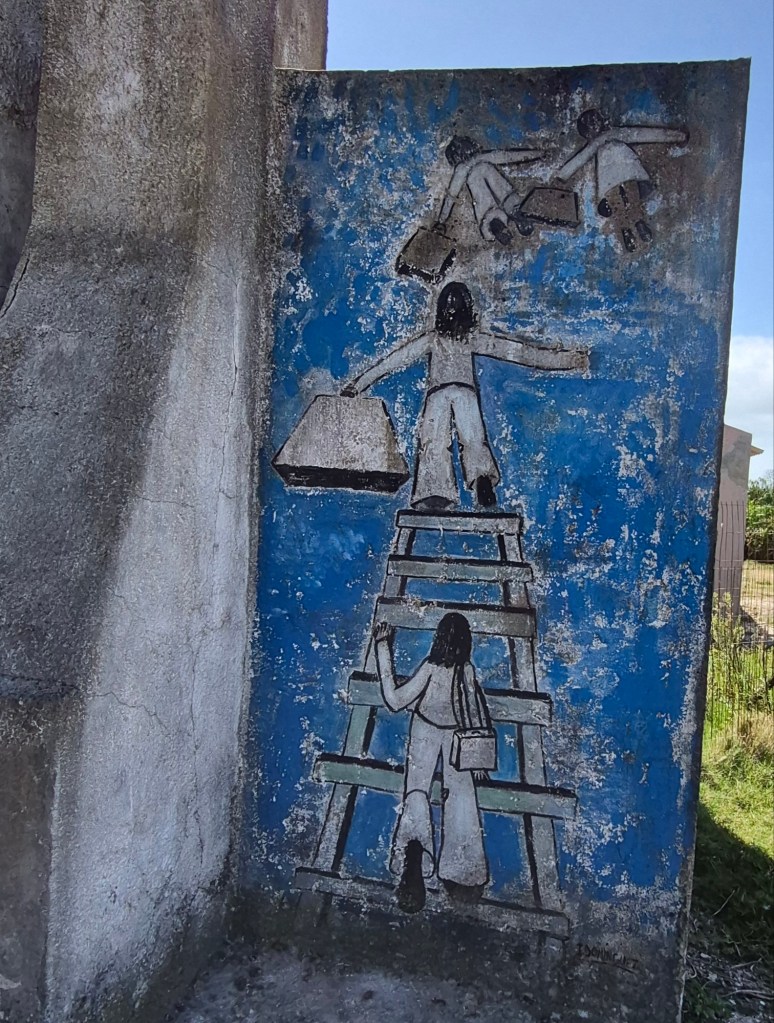
The next day was a beach- and laundry-day, and the following day I caught the bus to La Paloma, another relaxed holiday resort, although the people in Barra de Valizas regard it as a ‘city’. I had told Luciana about Workaway and suggested that she should use volunteers to paint the buildings and sort out her garden, that she really had a gem. I appreciated her WApp after I had left: “Let’s keep in touch from time to time. Have a safe journey of the soul these next few months, Meryl.”
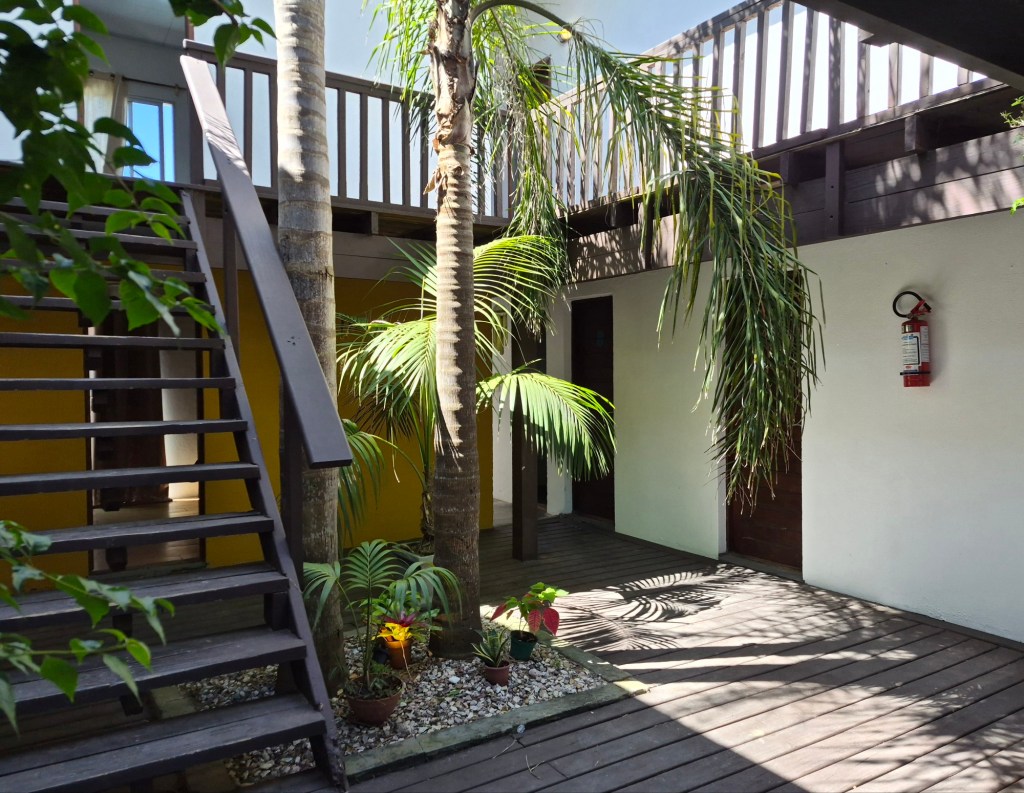
The hostel I am staying at in La Paloma, is great. I am alone in a communal room as there are very few guests at the moment. The 3-month school holiday is over, school started yesterday, 2nd of March.
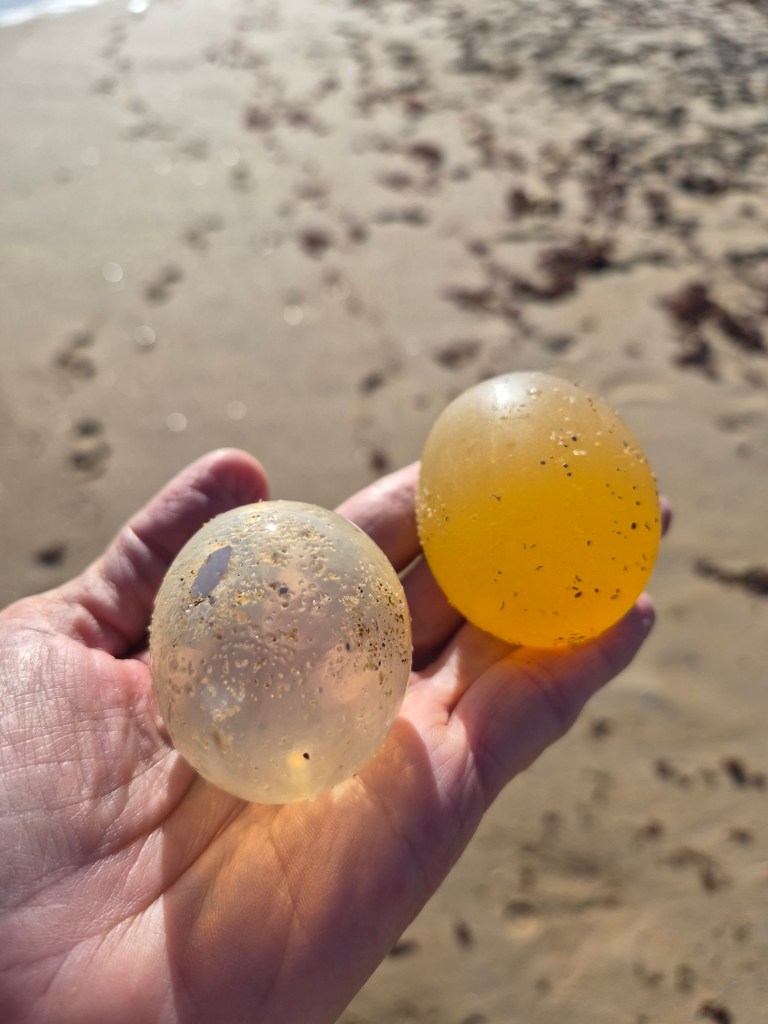
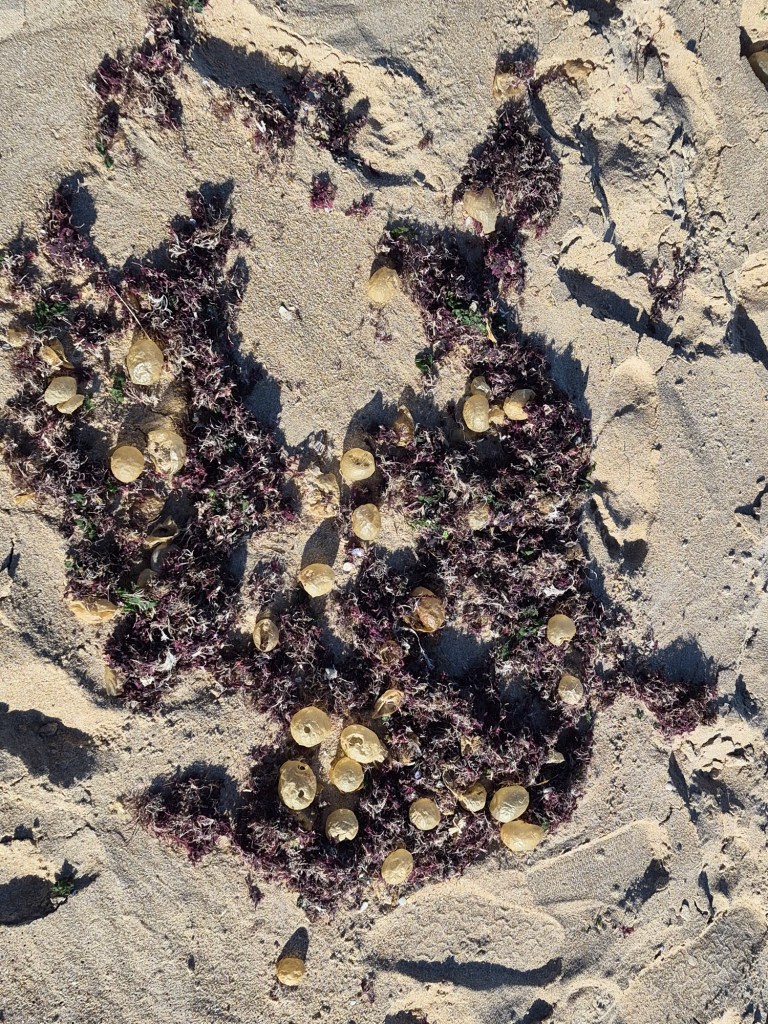
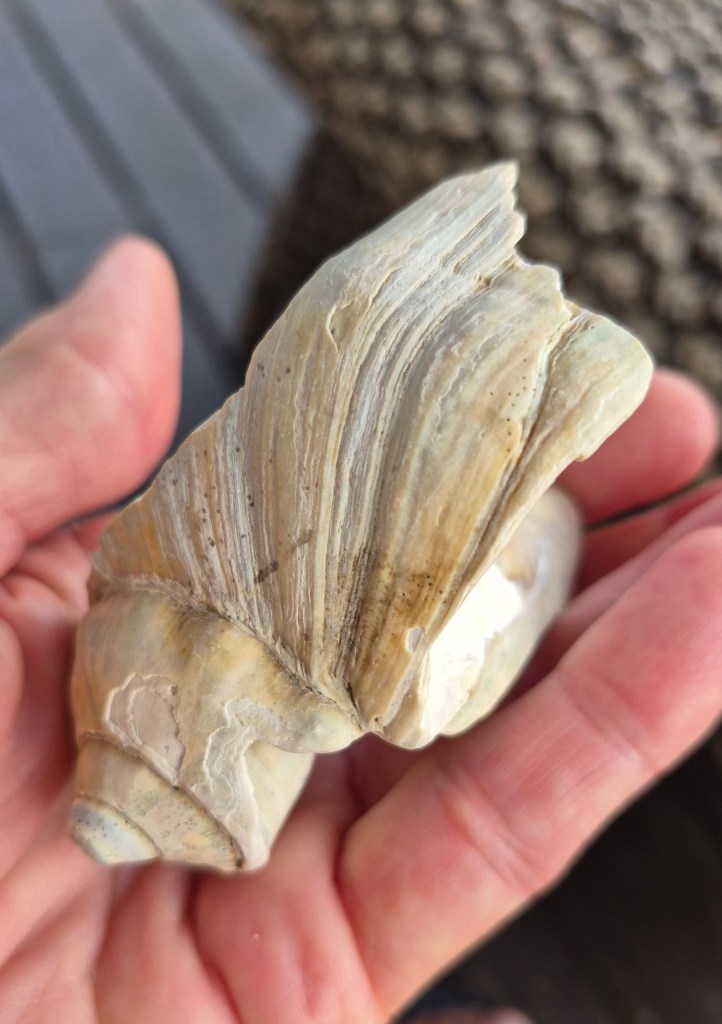
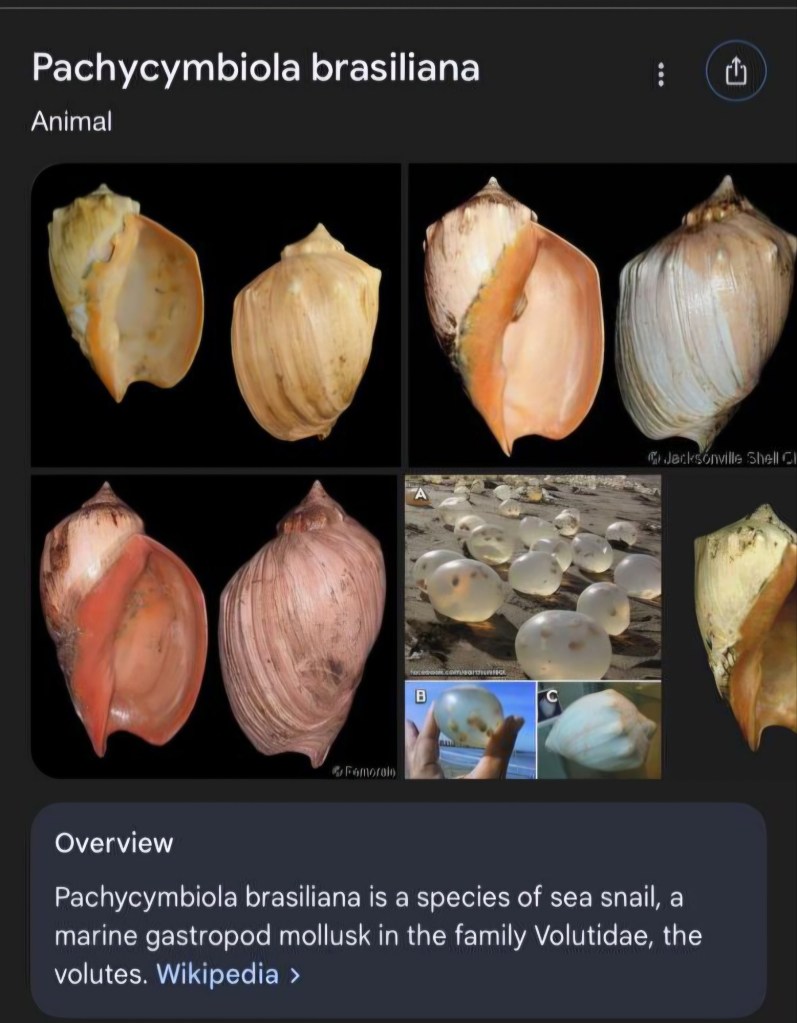
There are egg-shaped gelatinous things on the beach, some attached to the seaweed. When they are dry, they look like thin ping-pong balls. Some are still whole and are filled with a salty watery substance, and when I Googled them, I was appalled to see that I might have killed a few, or even thousands of snails when I broke it. Thanks to my cousin Lynton (whose friend could supply the information) I now know that they are the eggs of pachycymbiola brasiliana, a species of sea snail. Estela told me they are found everywhere and the snails are big, but I would not find any shells here on the beach.
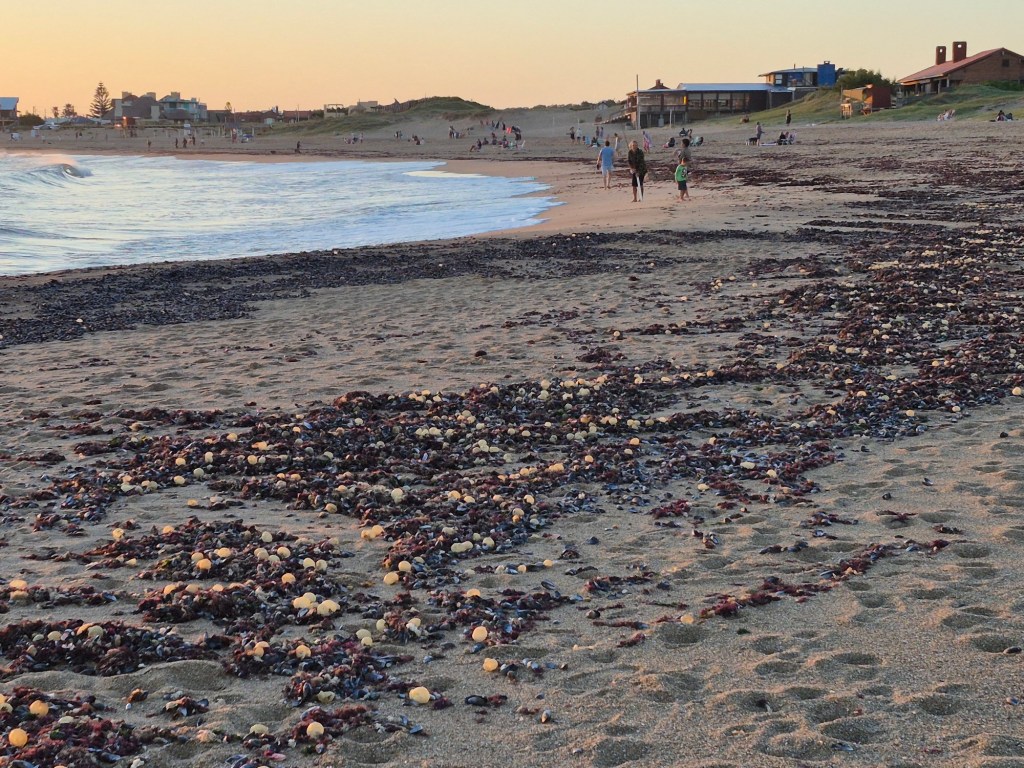
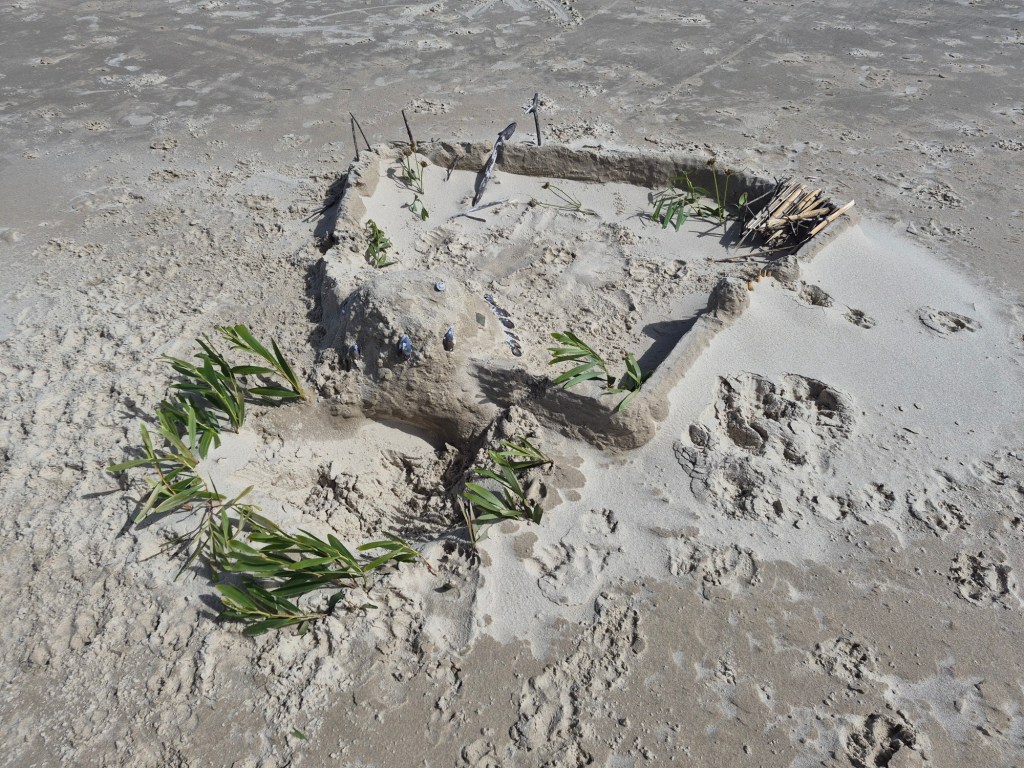
The difference between our beaches and these, are that there are no cricket- or beach ball games, and children don’t have beach toys. Everybody sits on chairs under umbrellas, or they lie on towels, just basking in the sun or drinking mate. Much to my surprise, I found evidence that children do play on the beach, and quite creatively too.

 Mella Madness
Mobile: +27 76 4895744
LikeLike