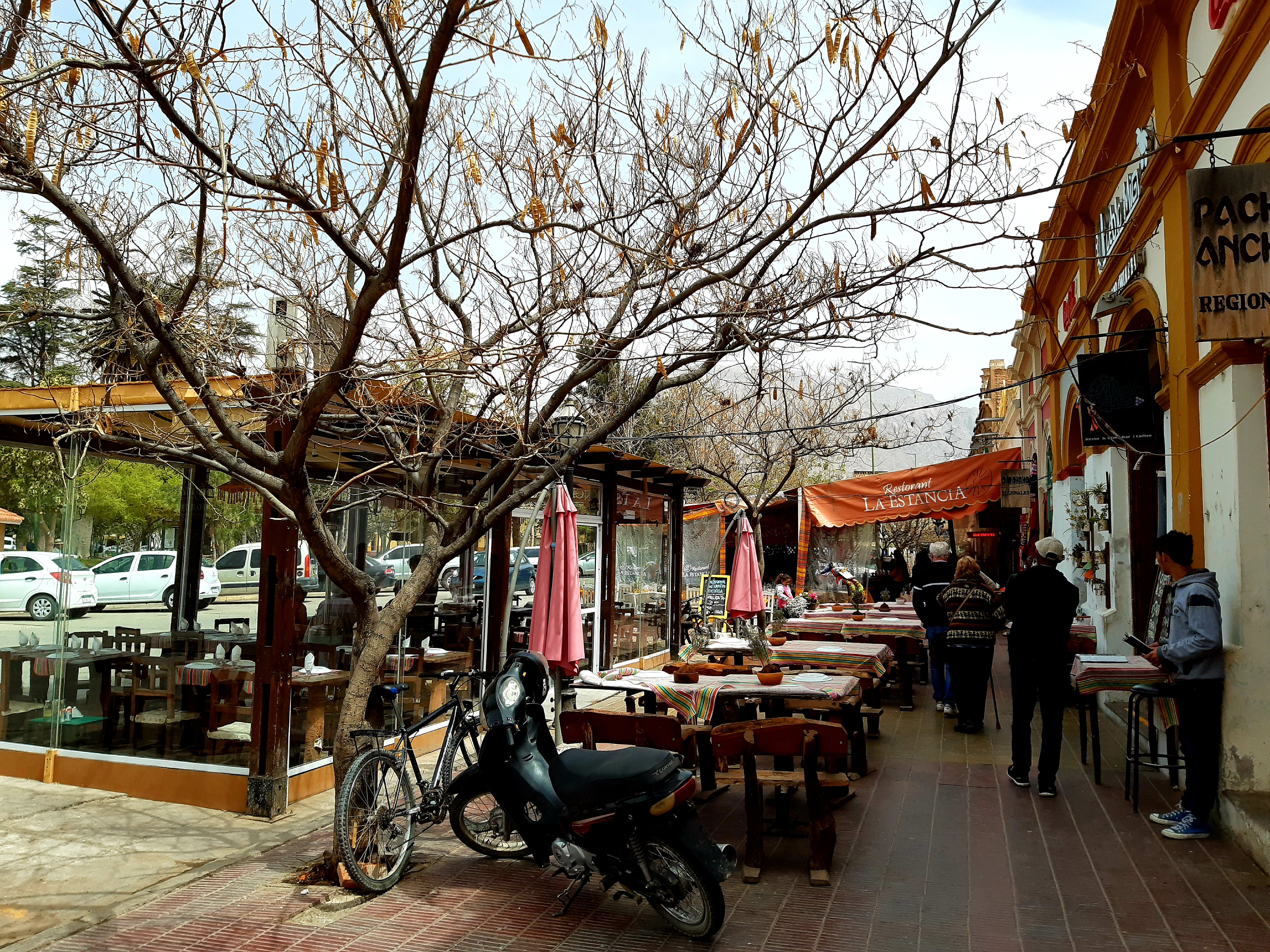
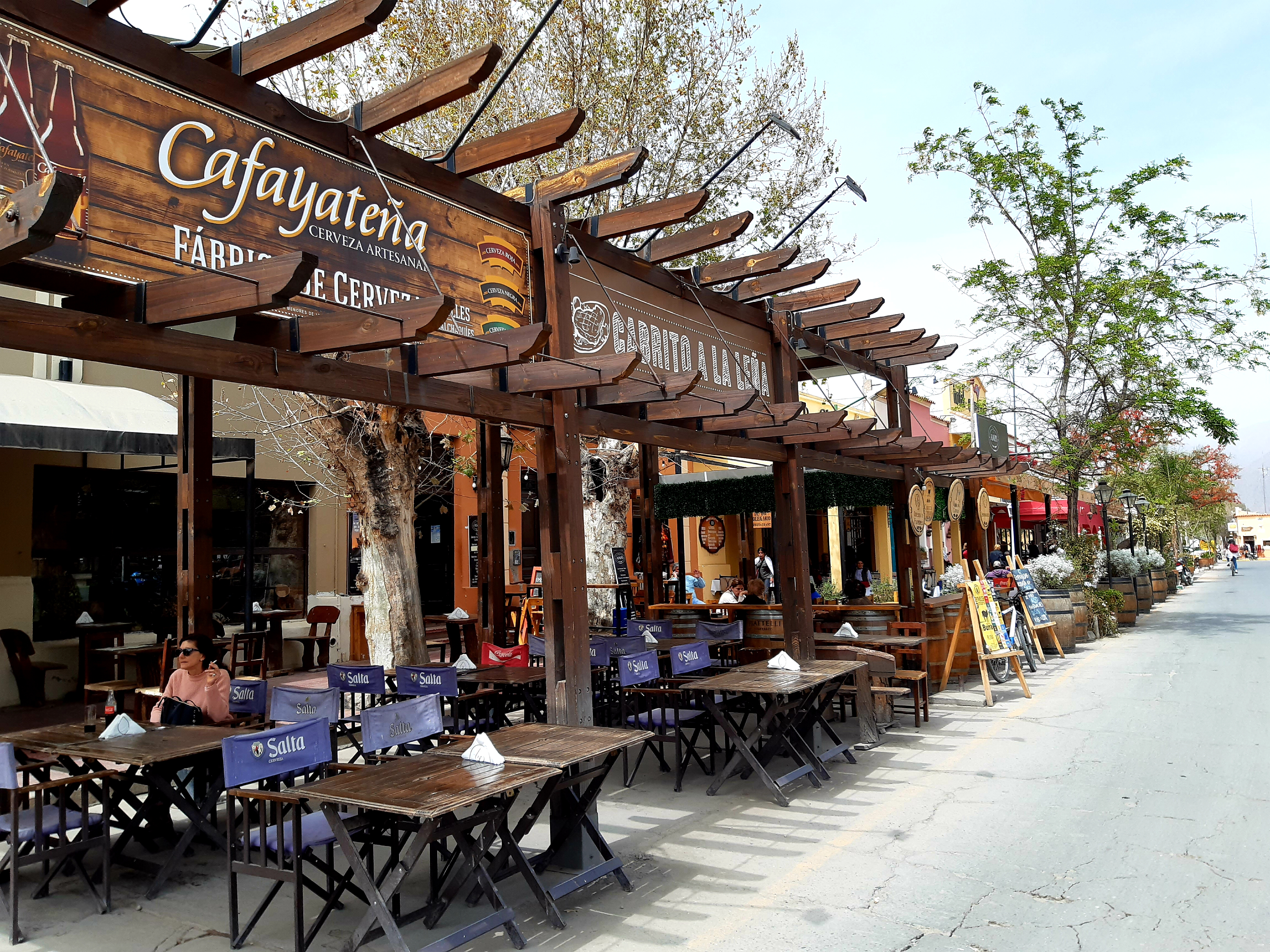
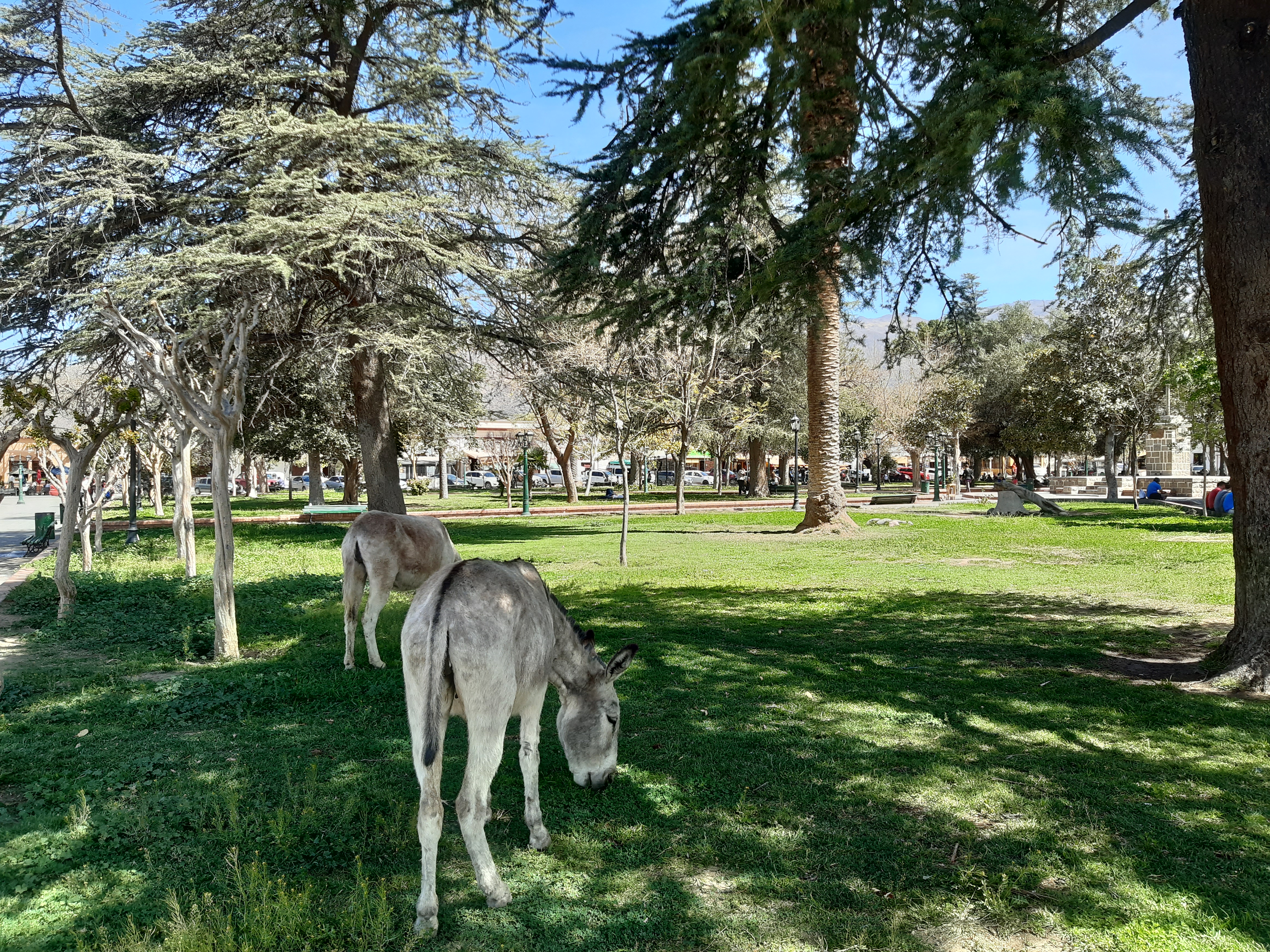
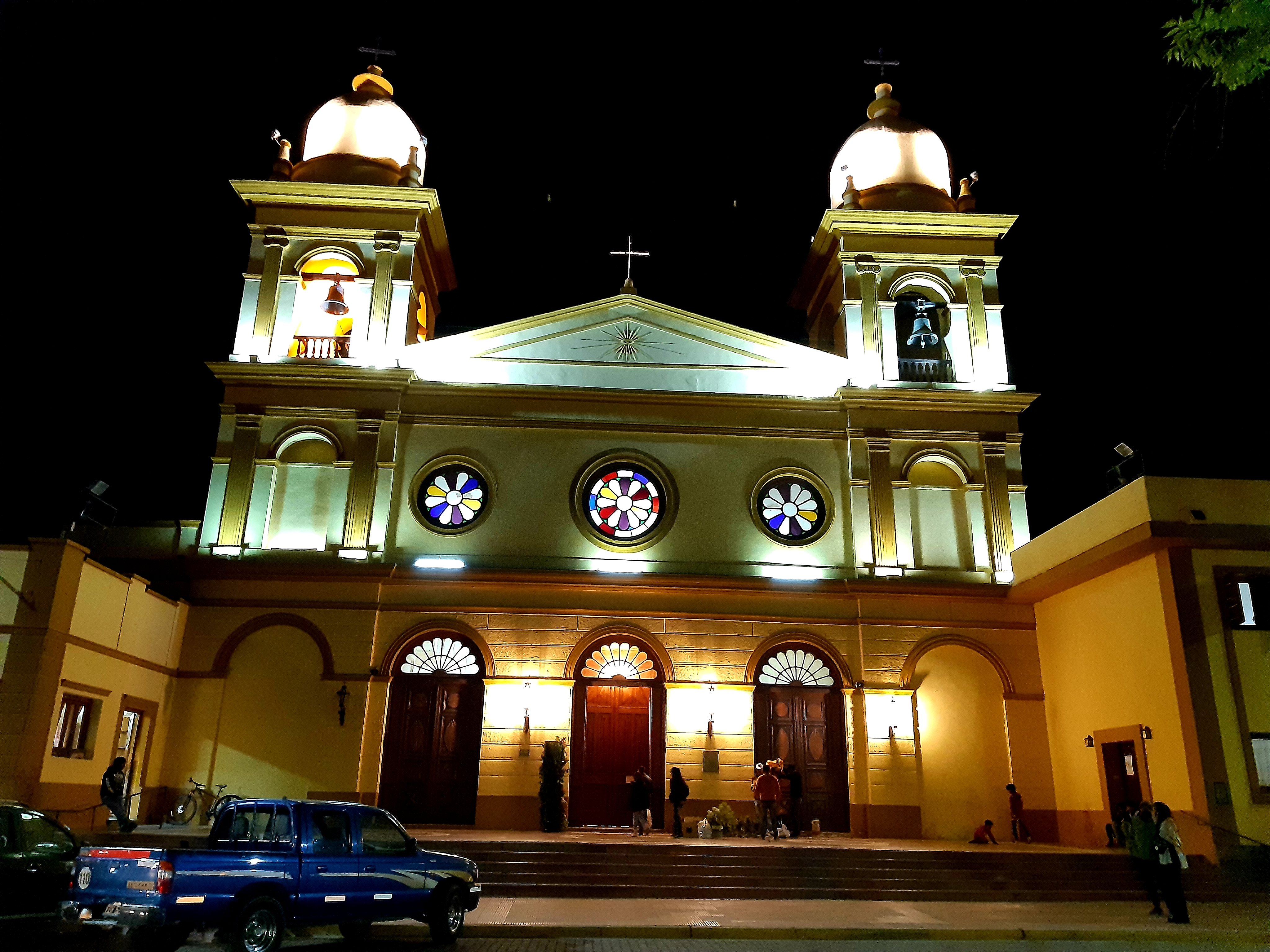
 When Louise and I (for new readers: Louise is my ‘companion’, my very pink suitcase on wheels) arrived at the plaza last Sunday evening at about 21h30, I was dumbstruck. All the restaurants were brightly lit, sidewalk tables and chairs filled to capacity, loud live music everywhere and people, young and old, strolling around. I thought I’d landed in Paris! There had been a religious celebration that day, which accounted for the presence of so many people, but it has not been much different every other night. I have loved having a beer or glass of wine at one of the restaurants after my work shift at the hostel, reading my book or just watching people go by.
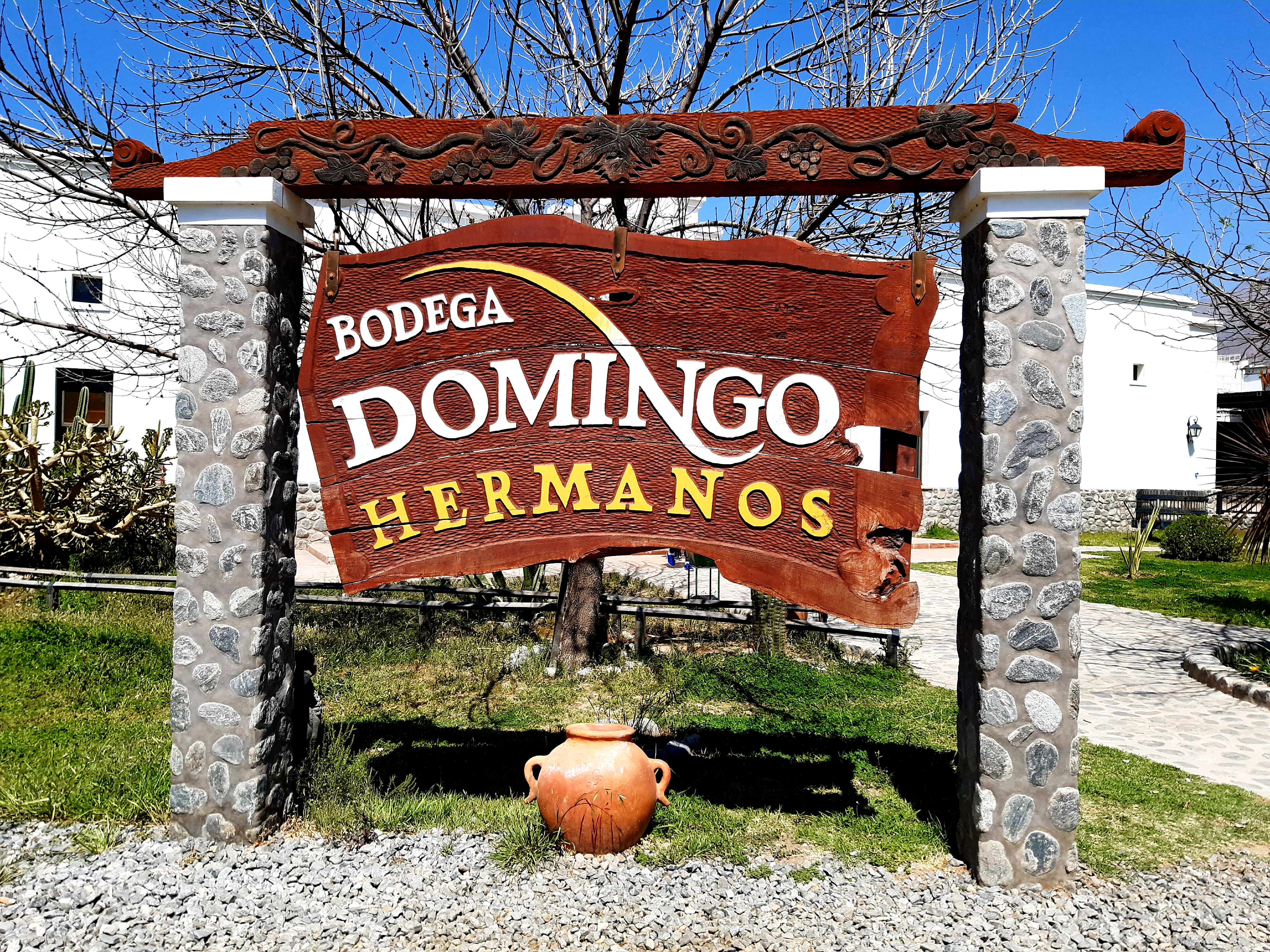
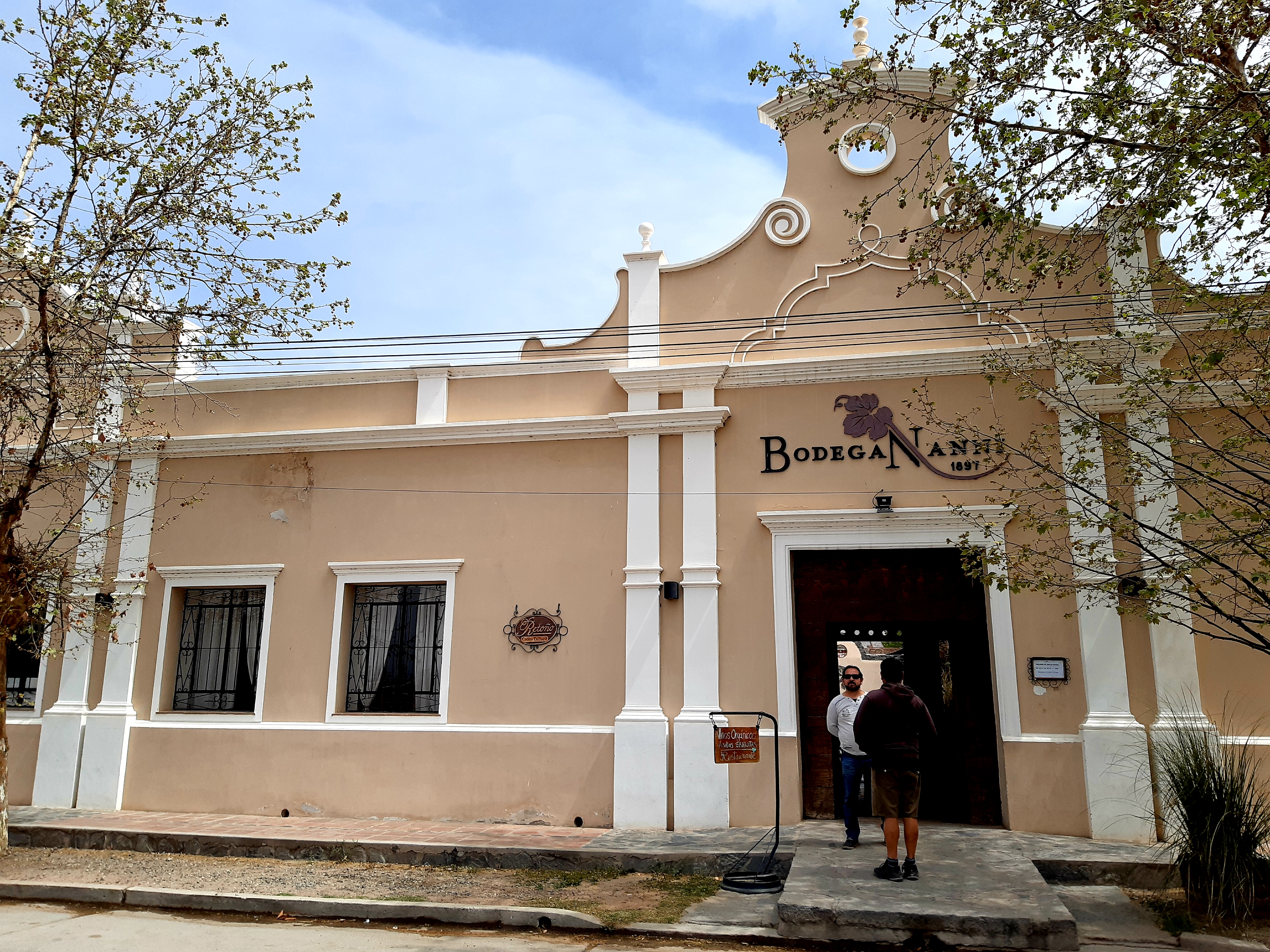
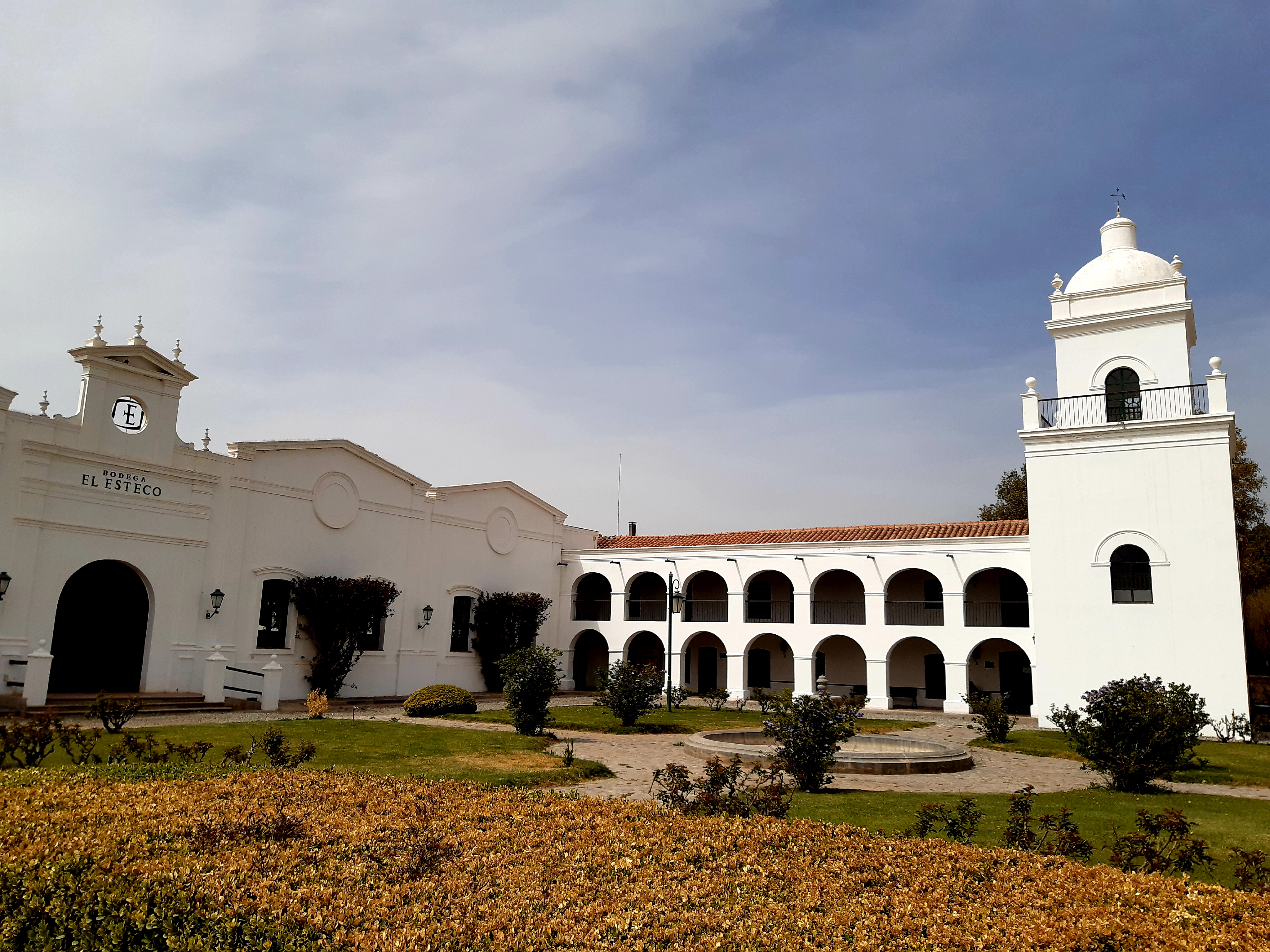
 I filled my days with long walks on different roads out of town, or exploring the town itself and doing some wine tasting at the different bodego’s (wineries).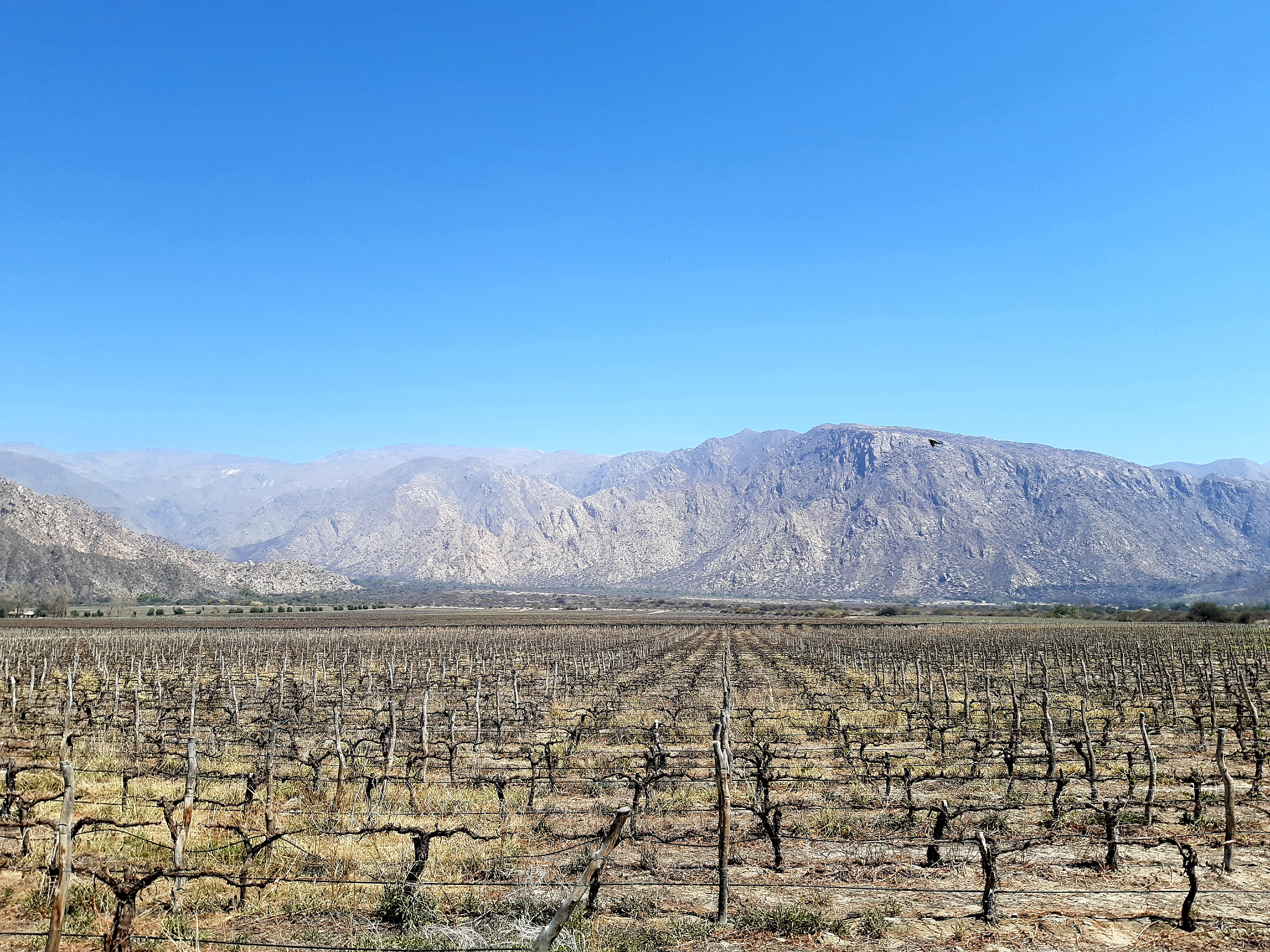
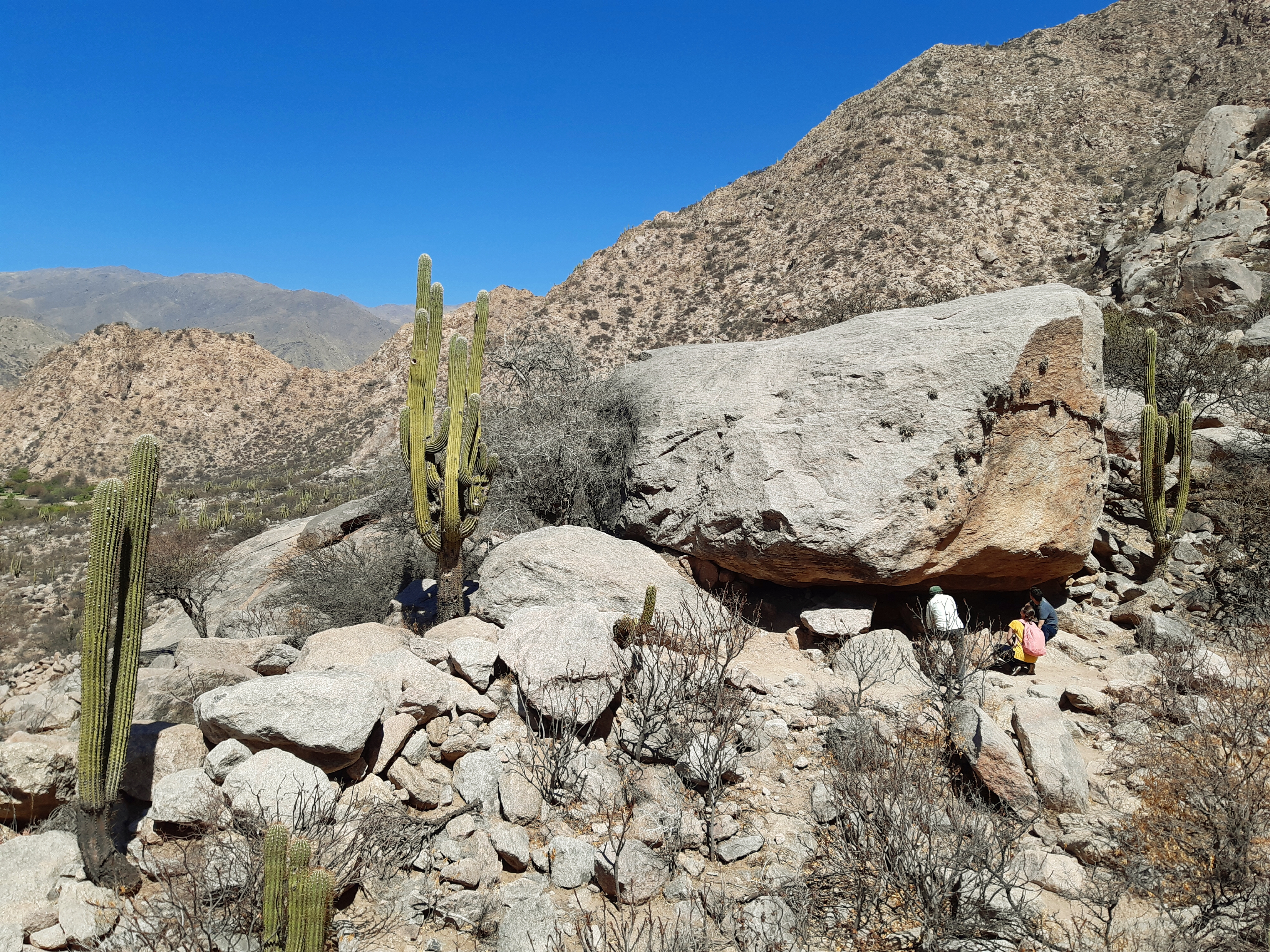
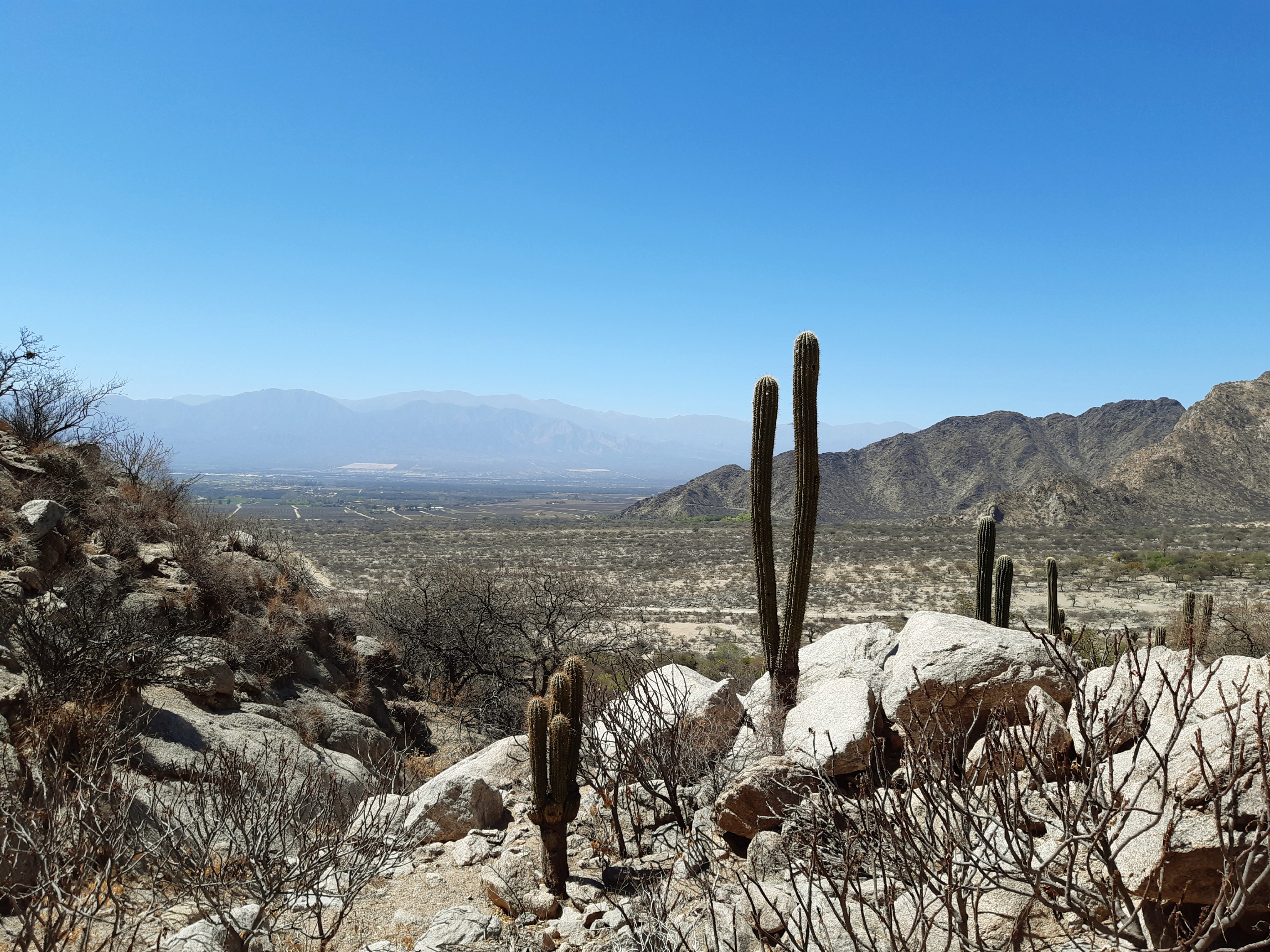
 I joined up with some English speaking guests at the hostel to visit a site where there are 3000yr old rock paintings done by the original people of the area, the Diaguites, and later by Inca’s who travelled through, or settled as their empire extended beyond the Peruvian borders. (The Inca’s annexed the area during the 15th century imposing their language, religion, art and government on the Diaguites.)
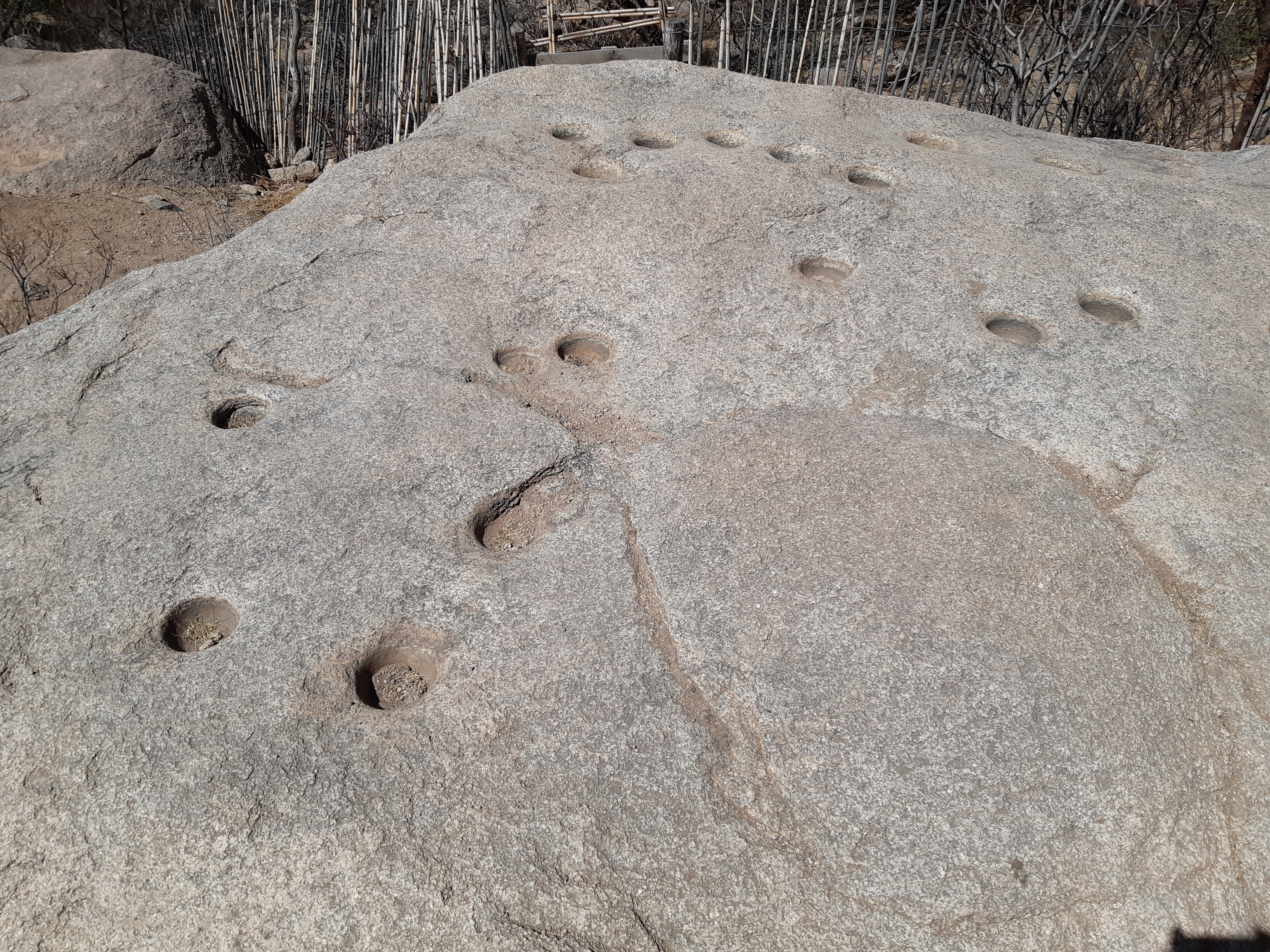
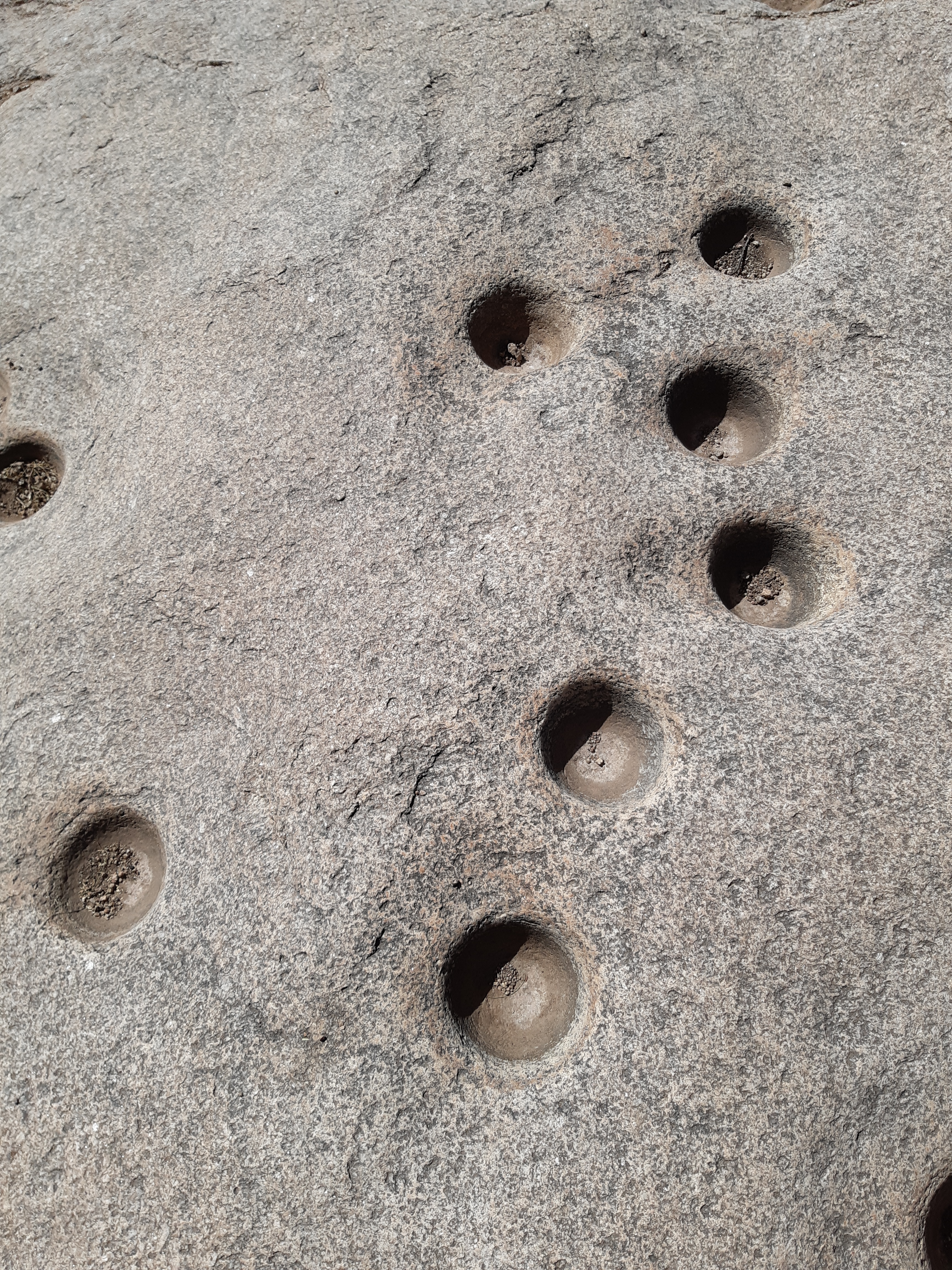
 At one place there are holes in the rocks that were made to represent the different stars and constellations. Only one man in the tribe was allowed to shape the holes, which are all the exact same size. They were used to predict the weather and rain – astrology, 3000 years ago!
 The rock paintings, which were often symbolic, were also used to inform the Inca’s when they should be on the move to be in time for the trade that occurred further south before the rainy season started. (Yes, that ís an ostrich – for a moment there I thought I was back in South Africa).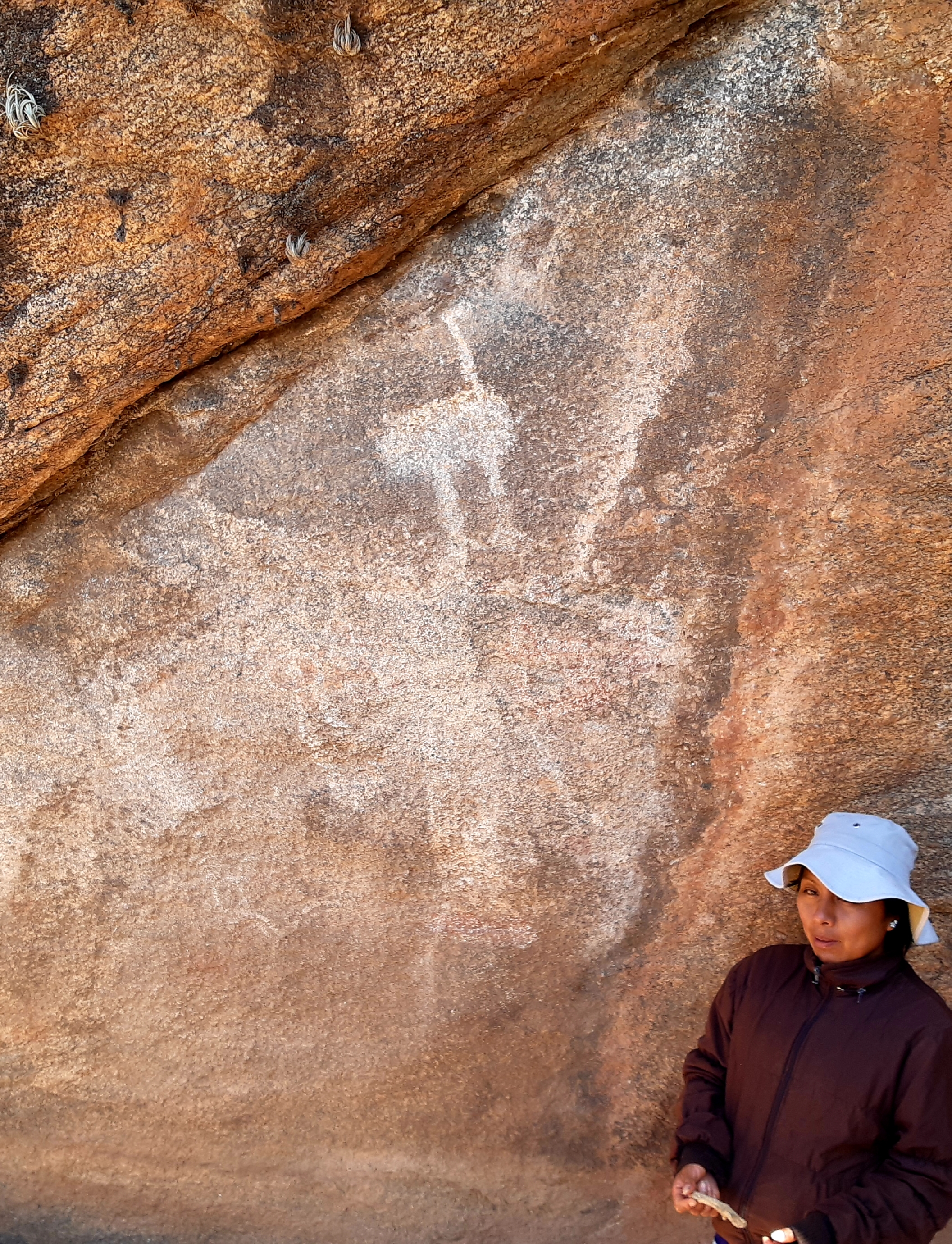

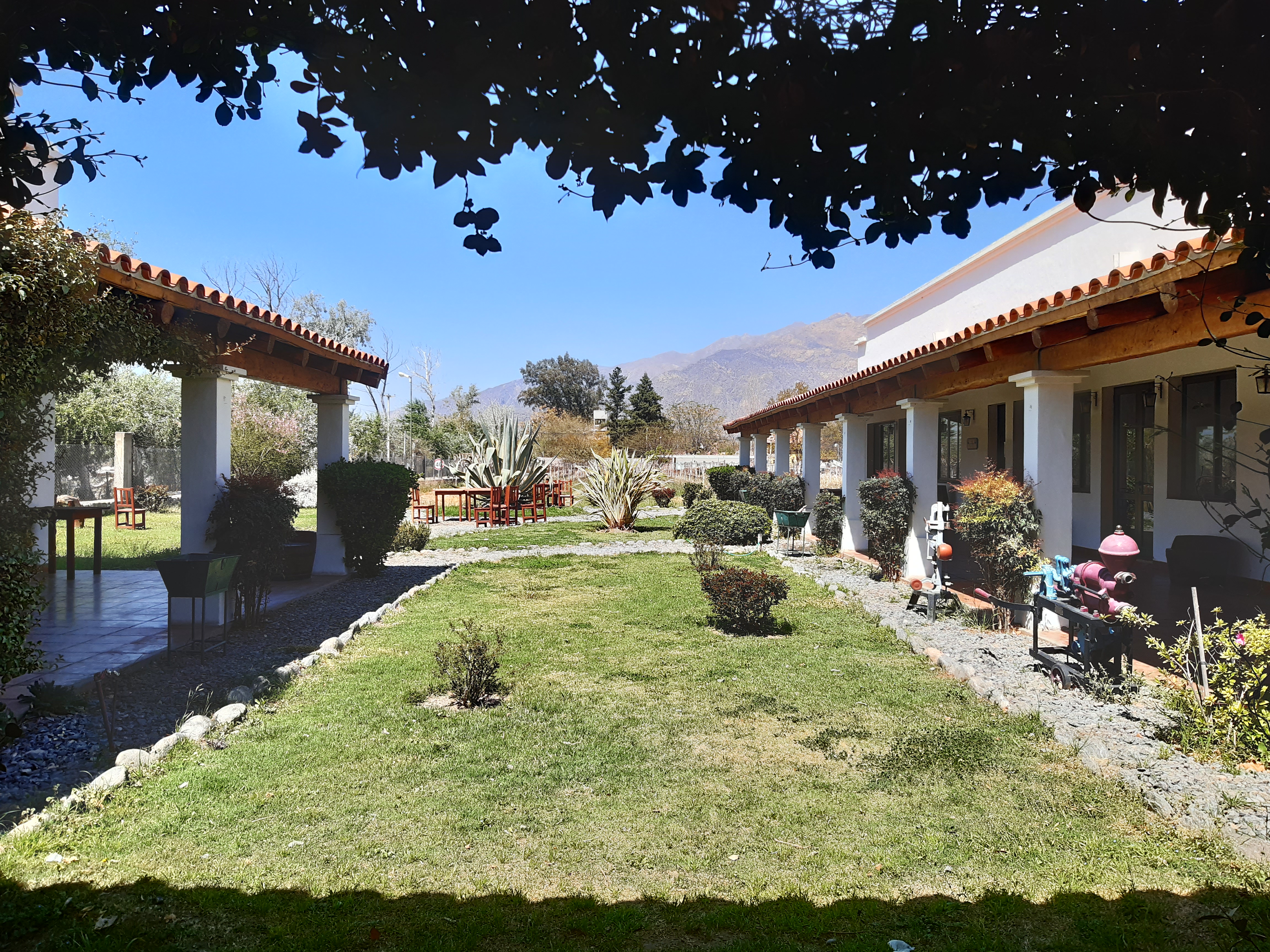
 There is an excellent wine museum, partly in a new building, and partly in the Enchanted Winery, an old family owned winery that had been replaced with another new building. The walls are covered in poetry about the earth, water, sun, air and wine, reflecting the respectful and romantic approach that is maintained towards the cultivation of wine in this region. Vines were brought to the Calchaqui valley in 1556 by the Spanish Conquerors, who came from the north (Chili and Peru). Huge clay pots were used for the fermenting process and subsequent storage.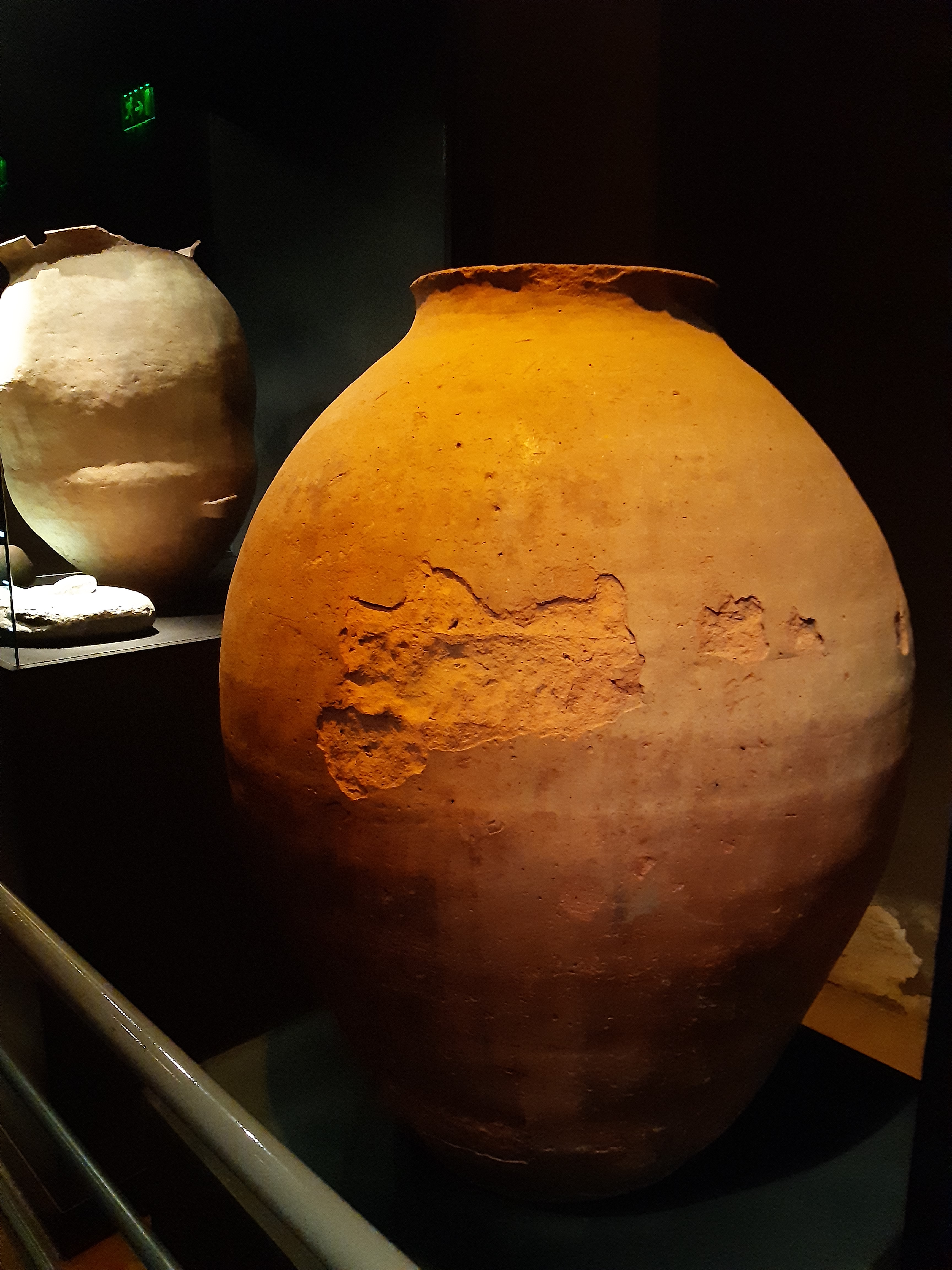
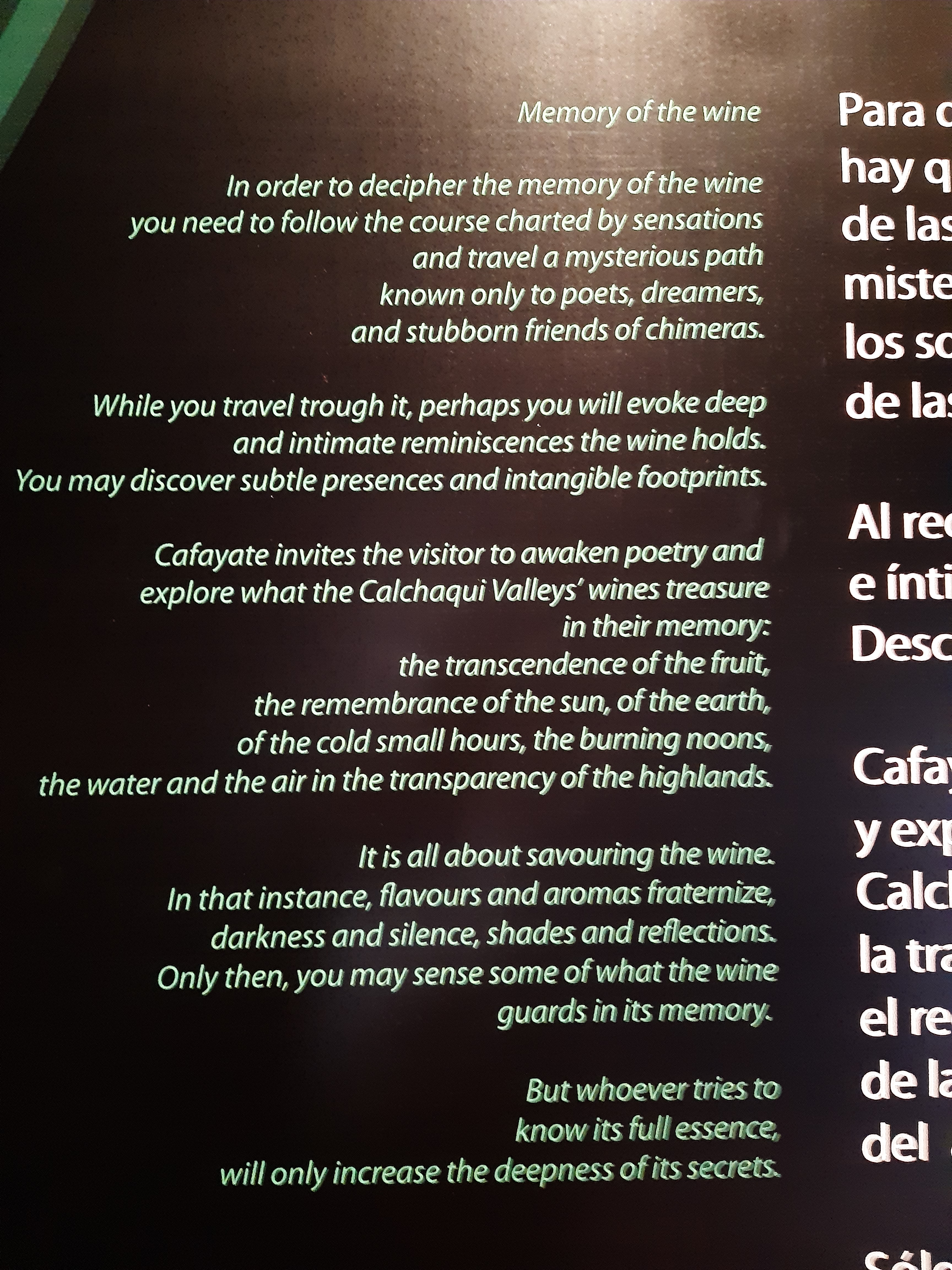 The above reminded me of a thought that I had had when living amongst the vineyards outside of Stellenbosch years ago. I was taking a walk in the vineyards one day, when something I had been thinking about made me laugh out loud. The grapes were full and ripe, just about ready to be picked, and it suddenly occurred to me that my laugh might be caught up and stored in the grapes, and some day, someone might be taking a sip of wine and suddenly laugh without reason – my laugh, stored as ‘memory’ in the juice of the grapes. Possible, why not?
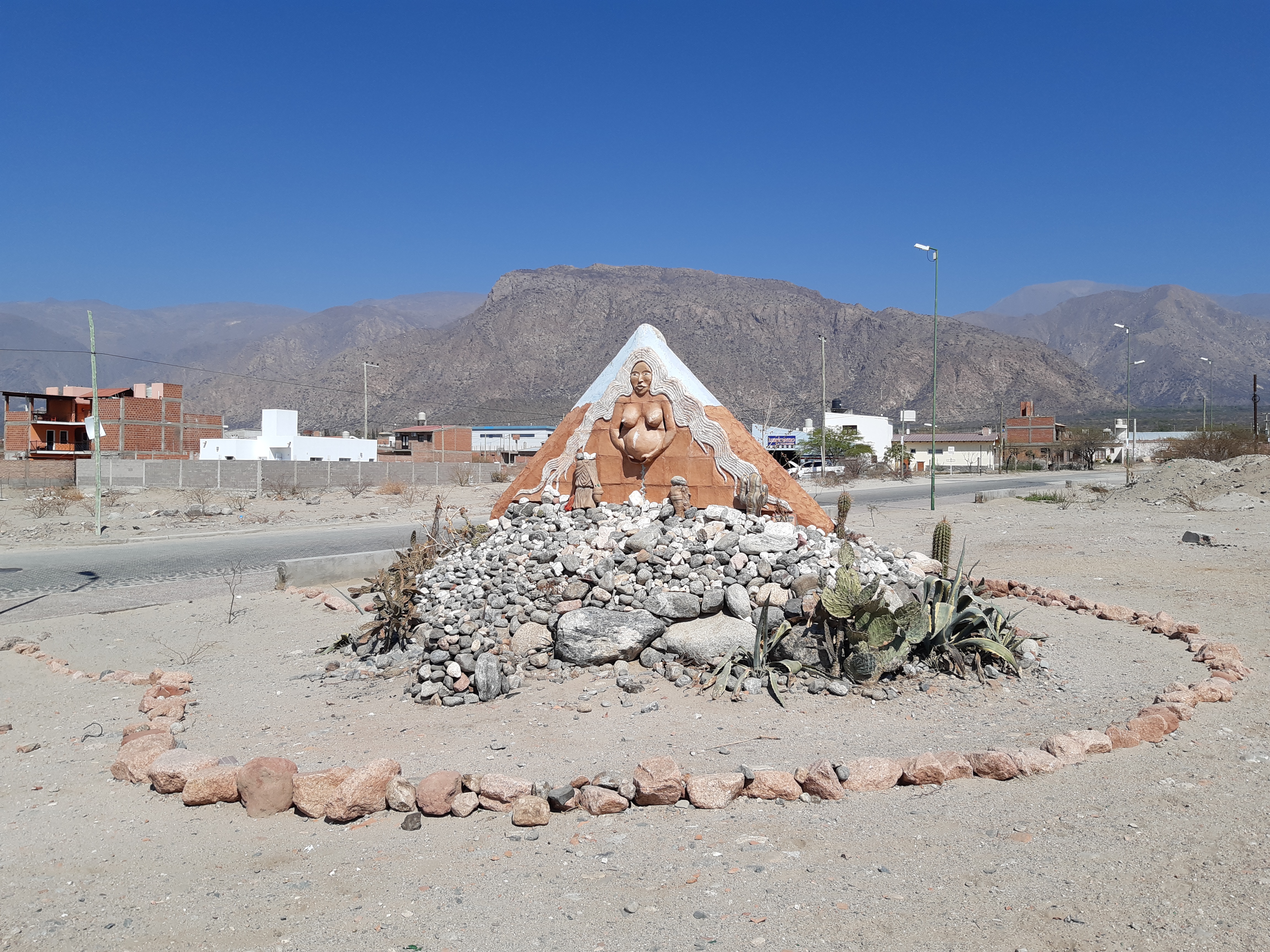
On one of my walks I came accross this monument, and the owner of the hostel explained that it was a monument to Pachamama:
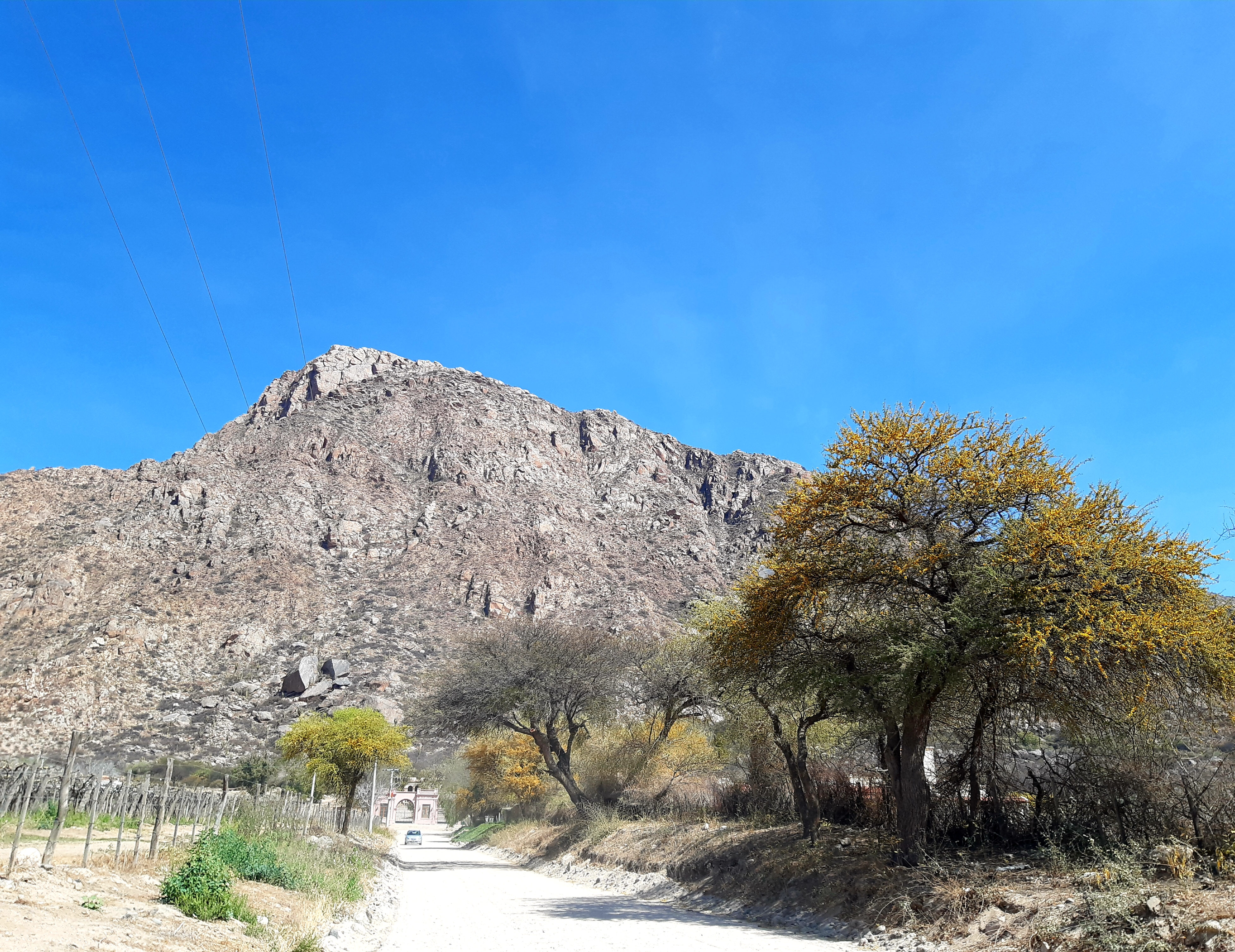
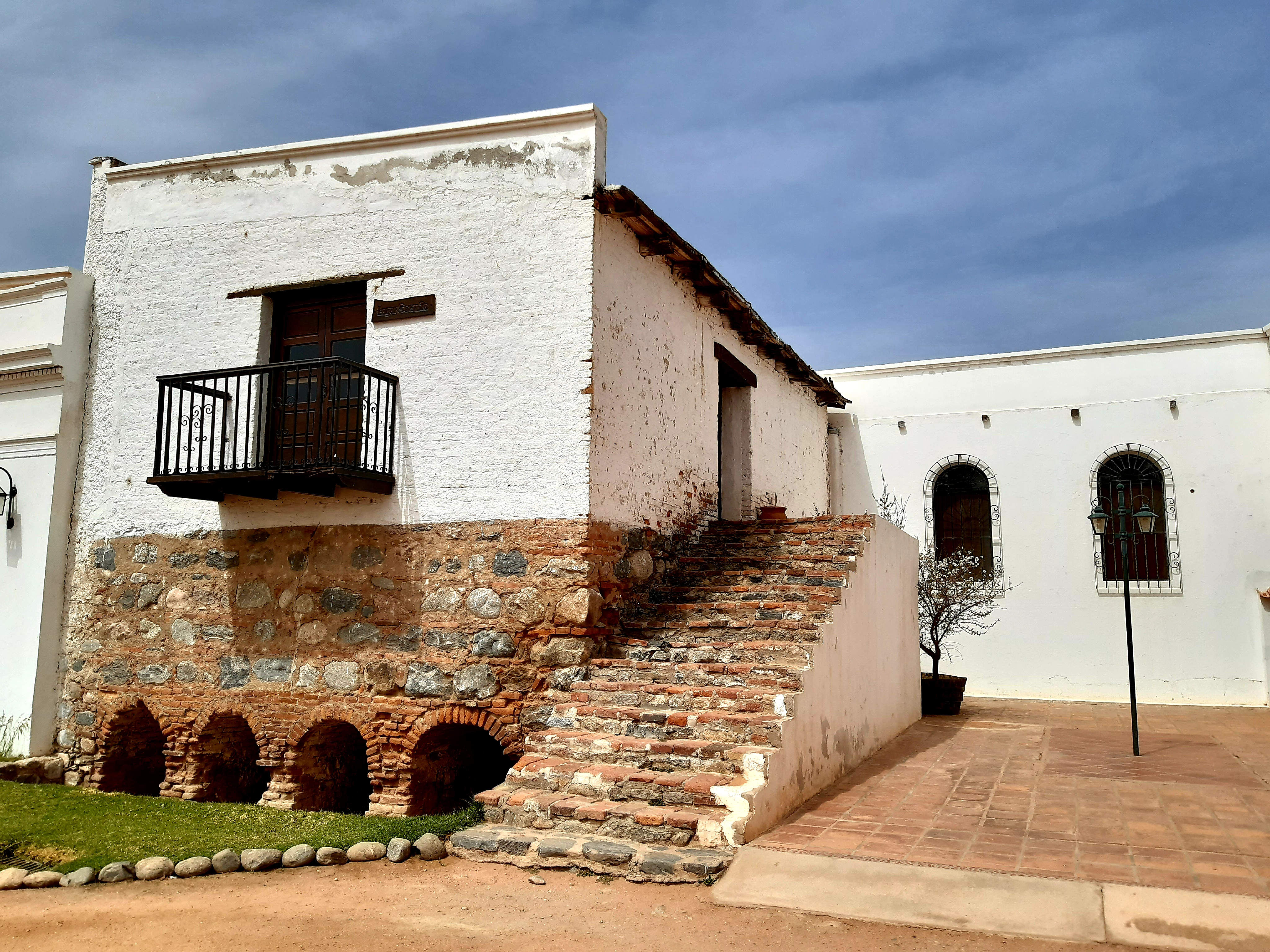
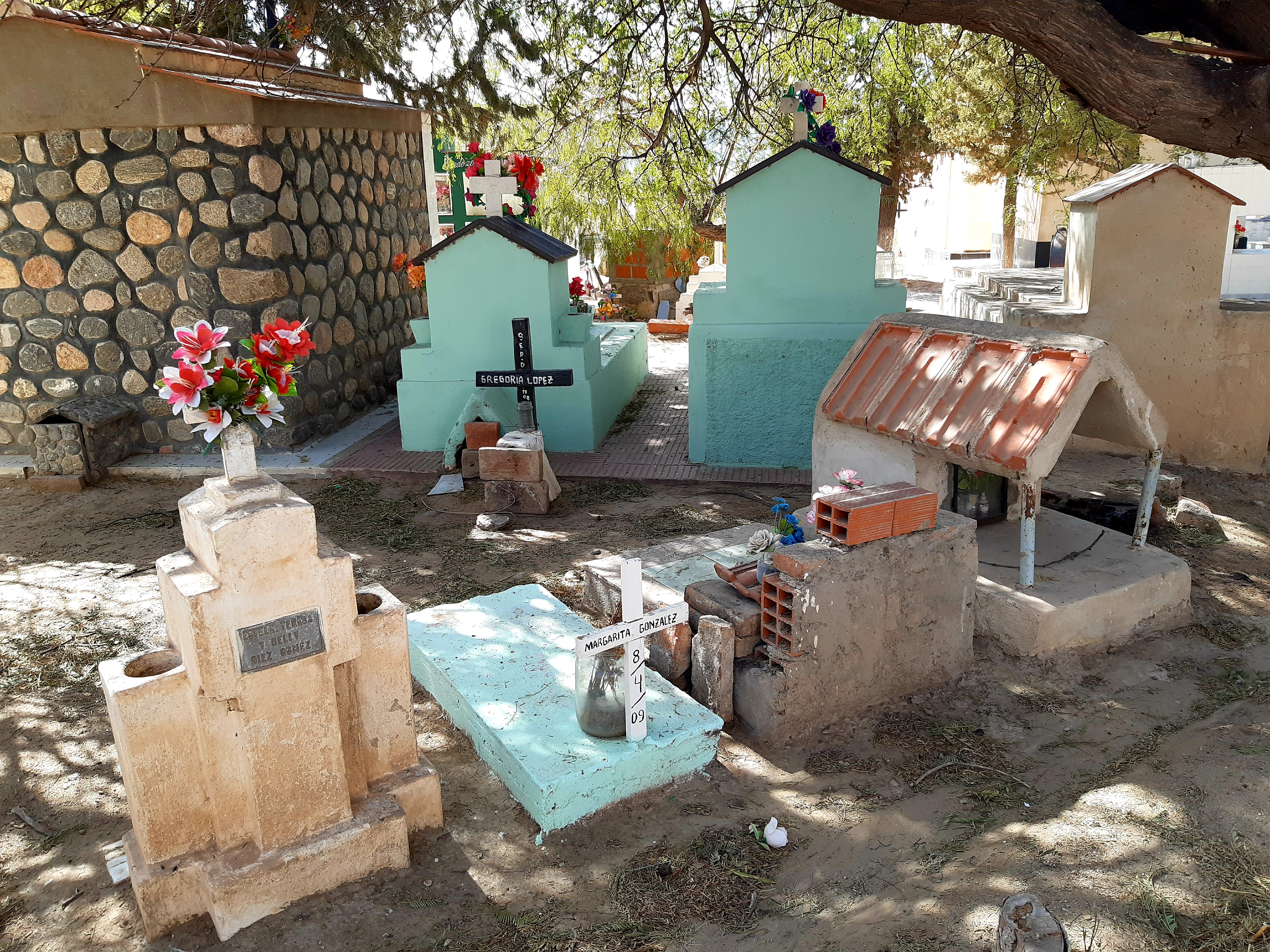
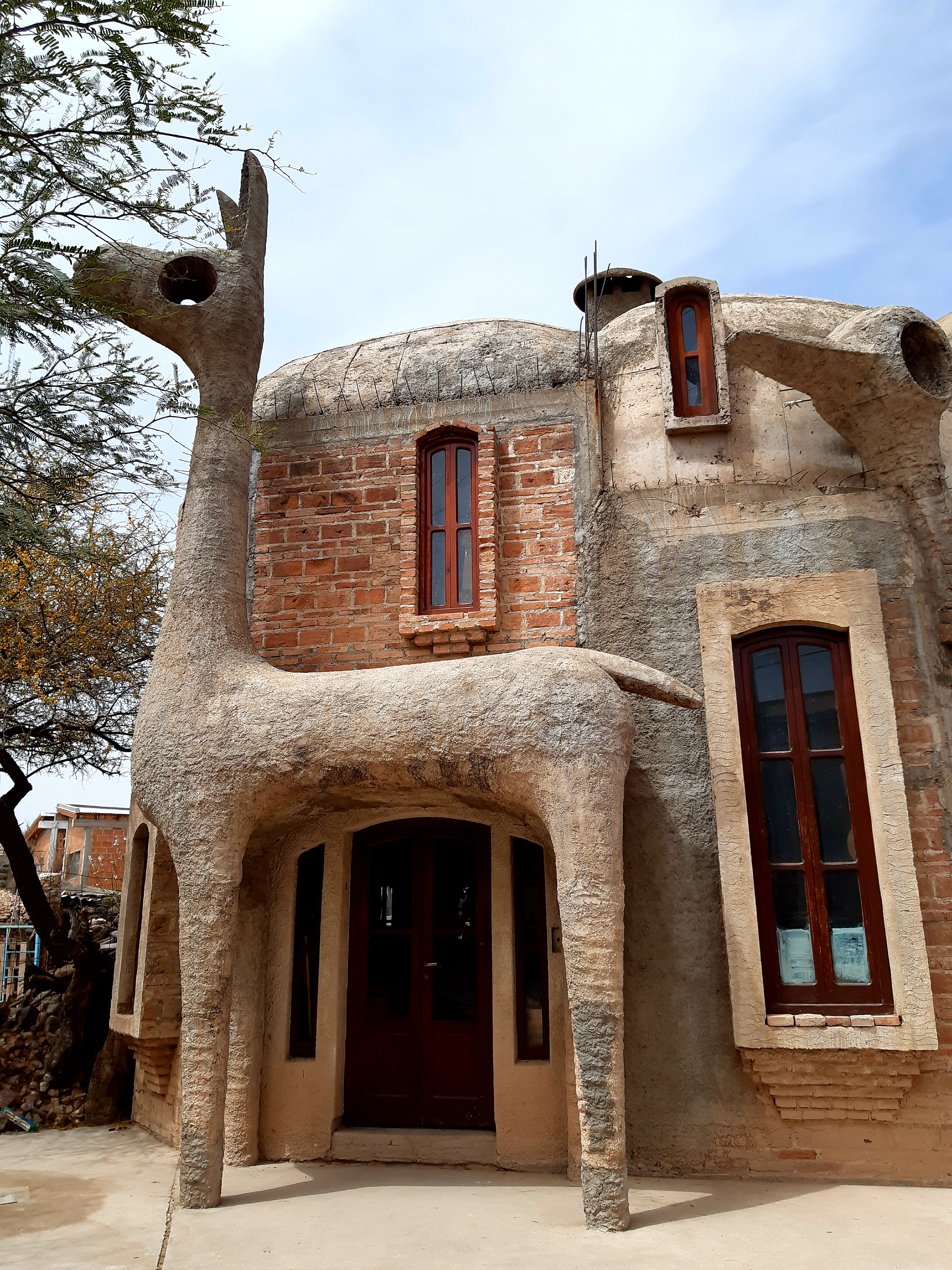
 Here are some photo’s of other places and buildings of interest. I was astounded by the amount of graves of small children in the graveyard.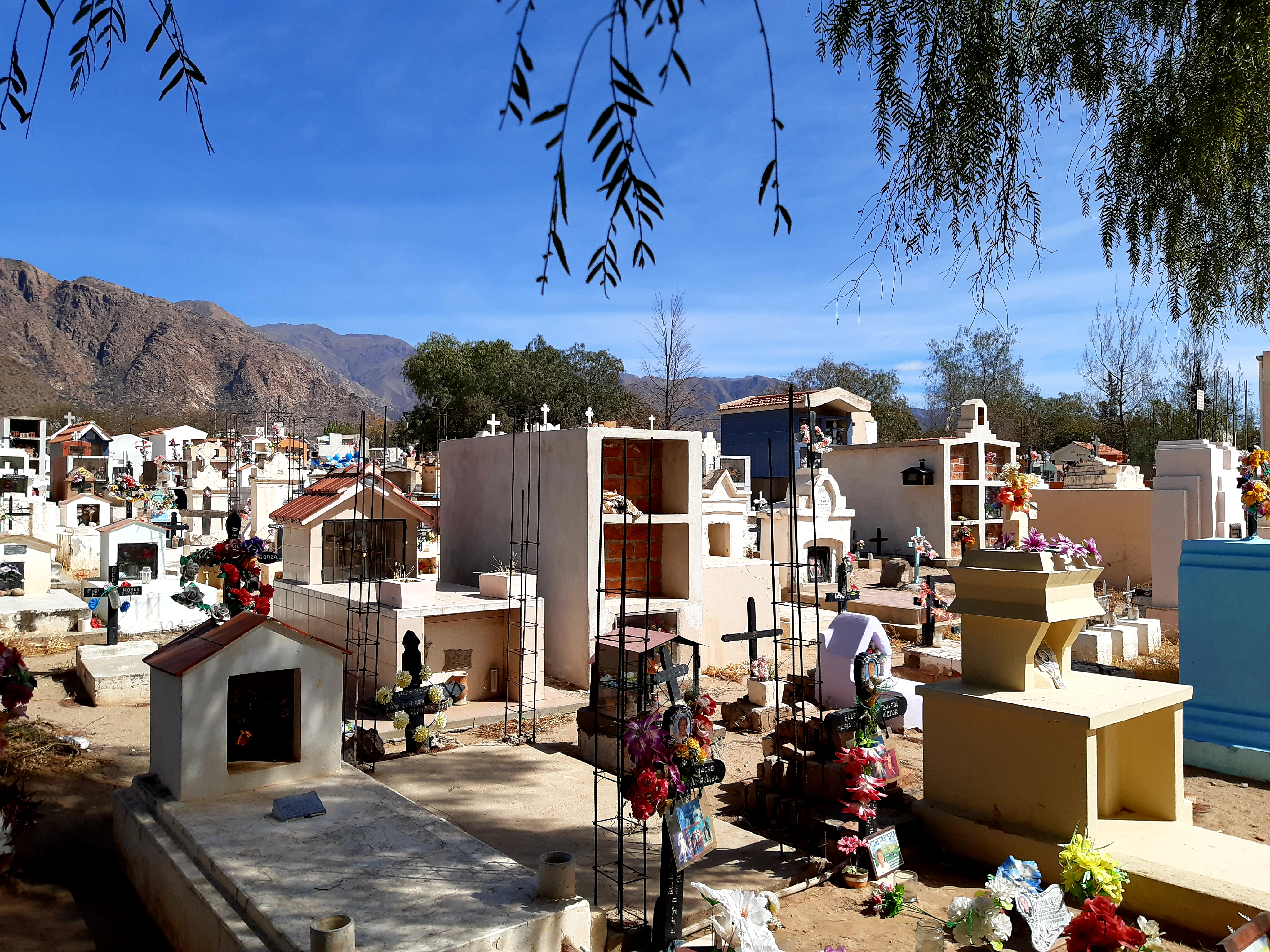
 One of the artisan markets, with woven and knitted items made from llama wool: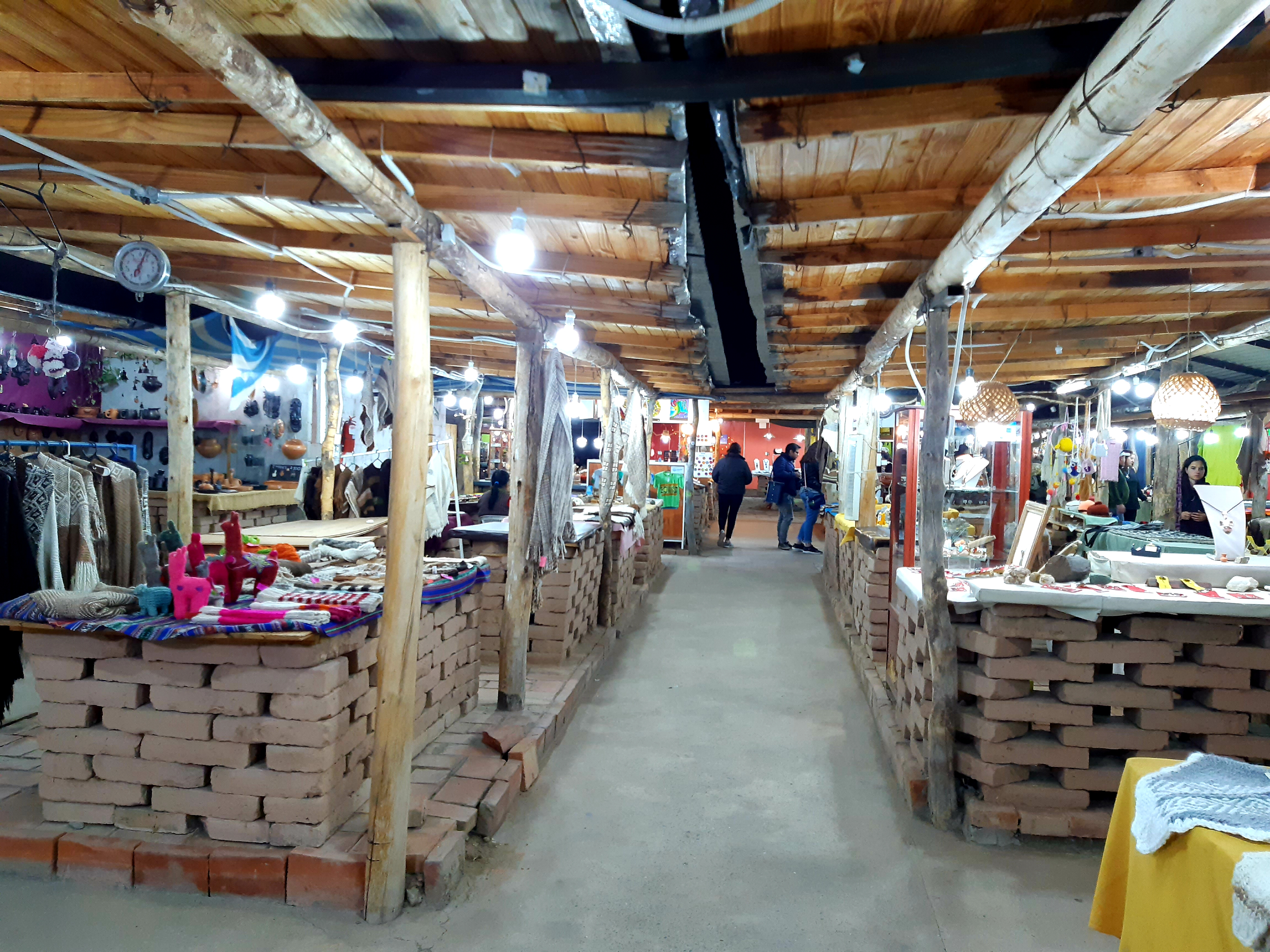
 These old Ford and Chev bakkies (trucks) are everywhere, still very much in use: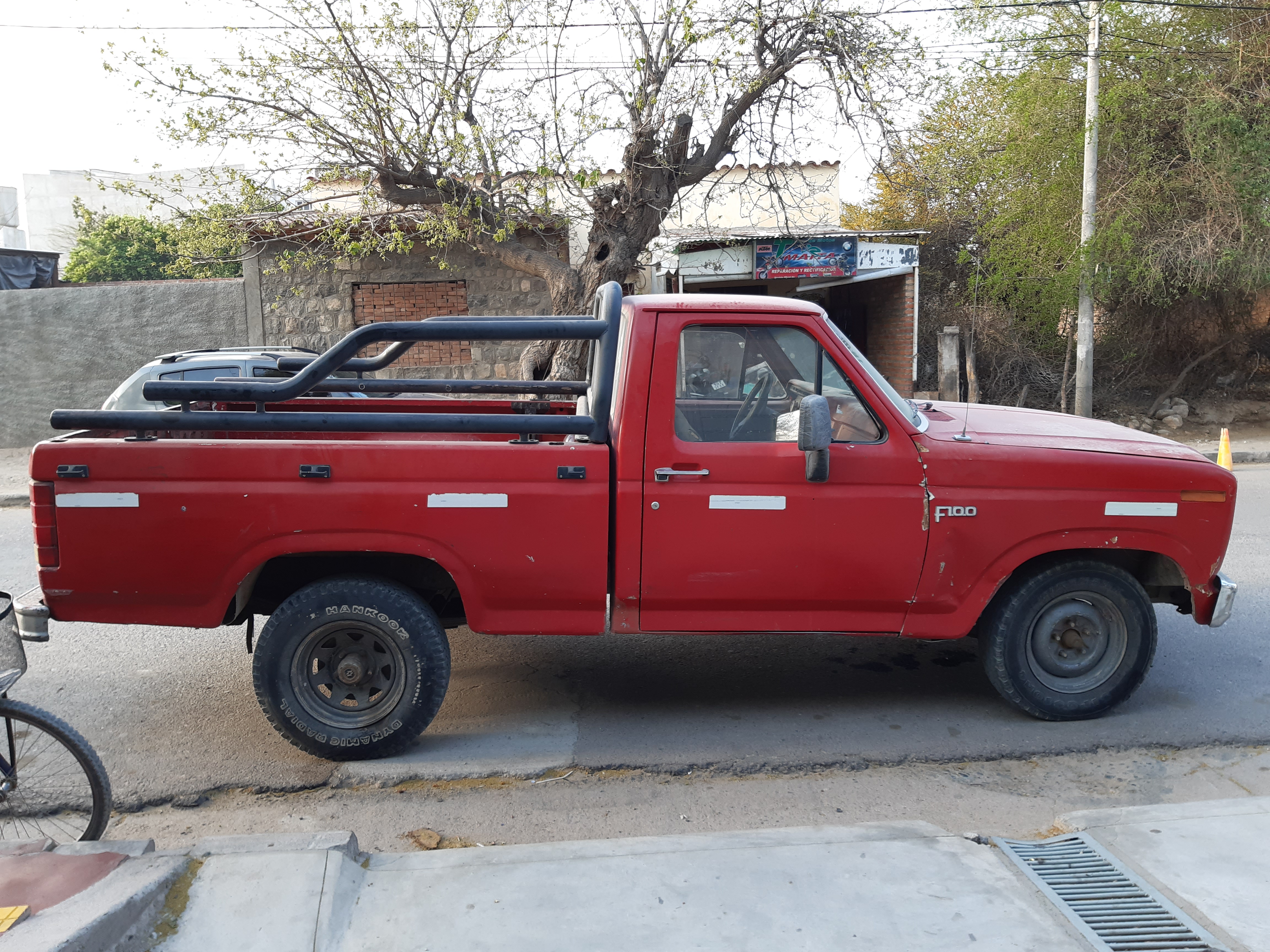
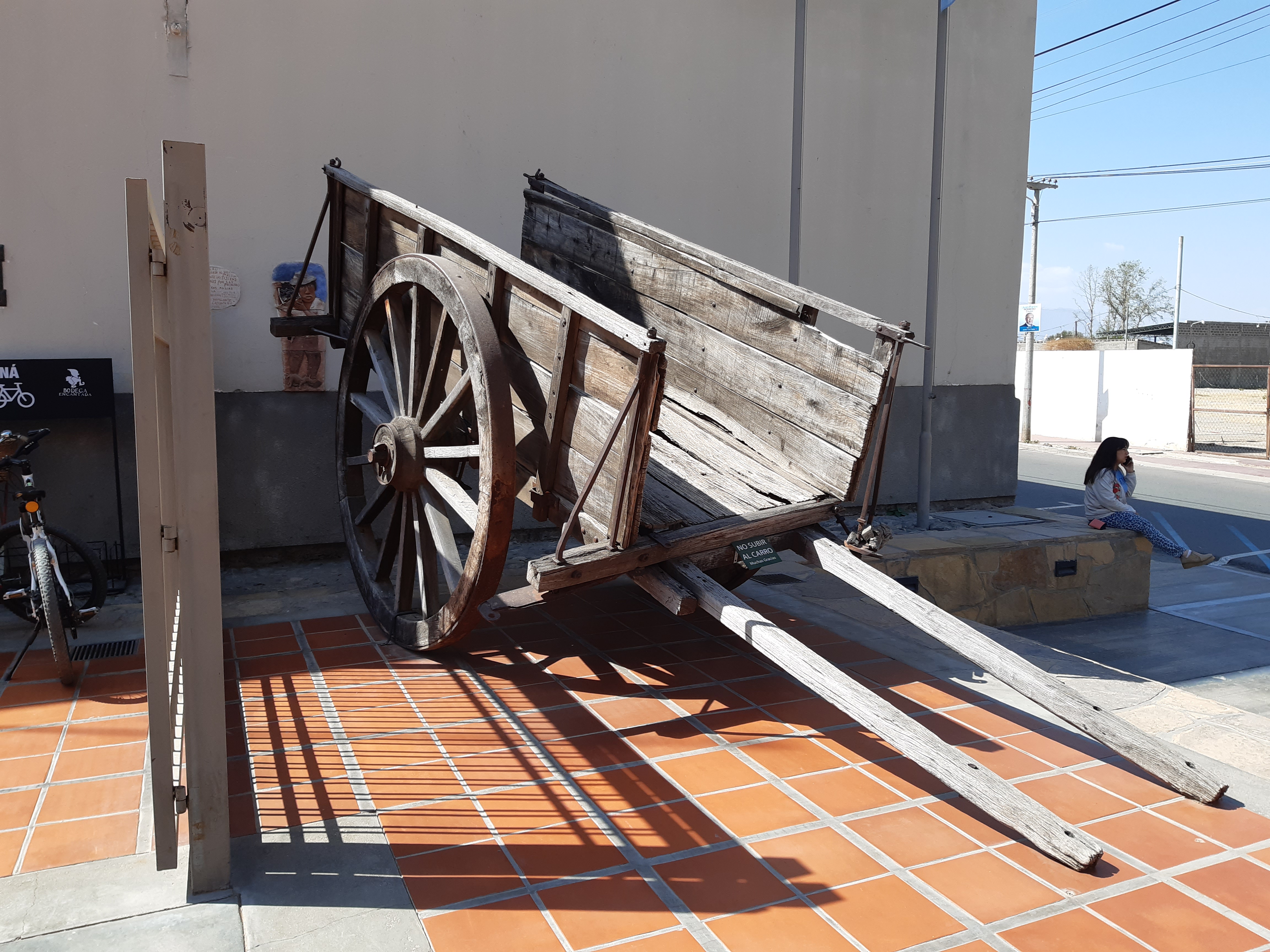 Obviously the above is nót a Ford or Chef – or maybe it was the forerunner??
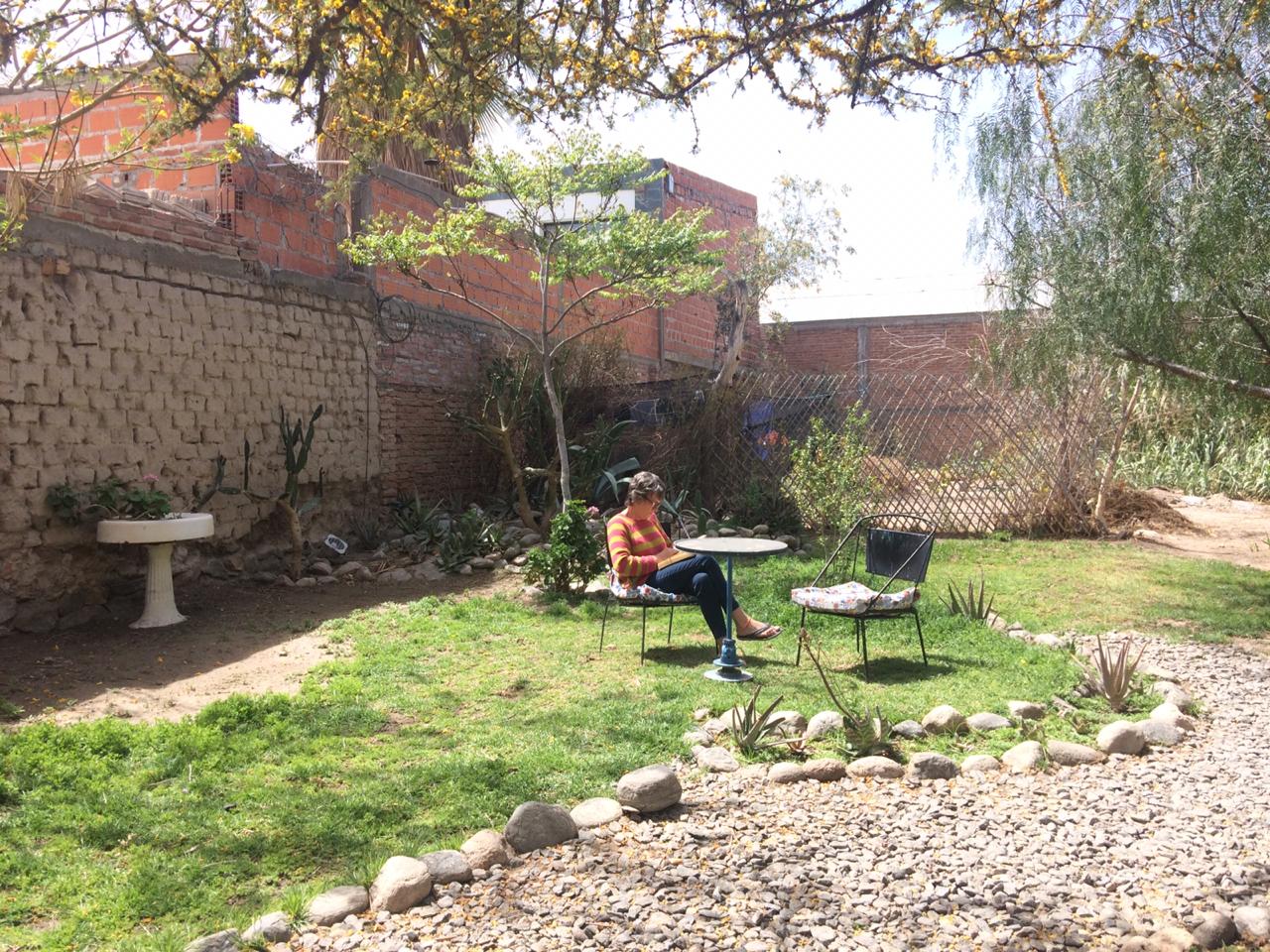
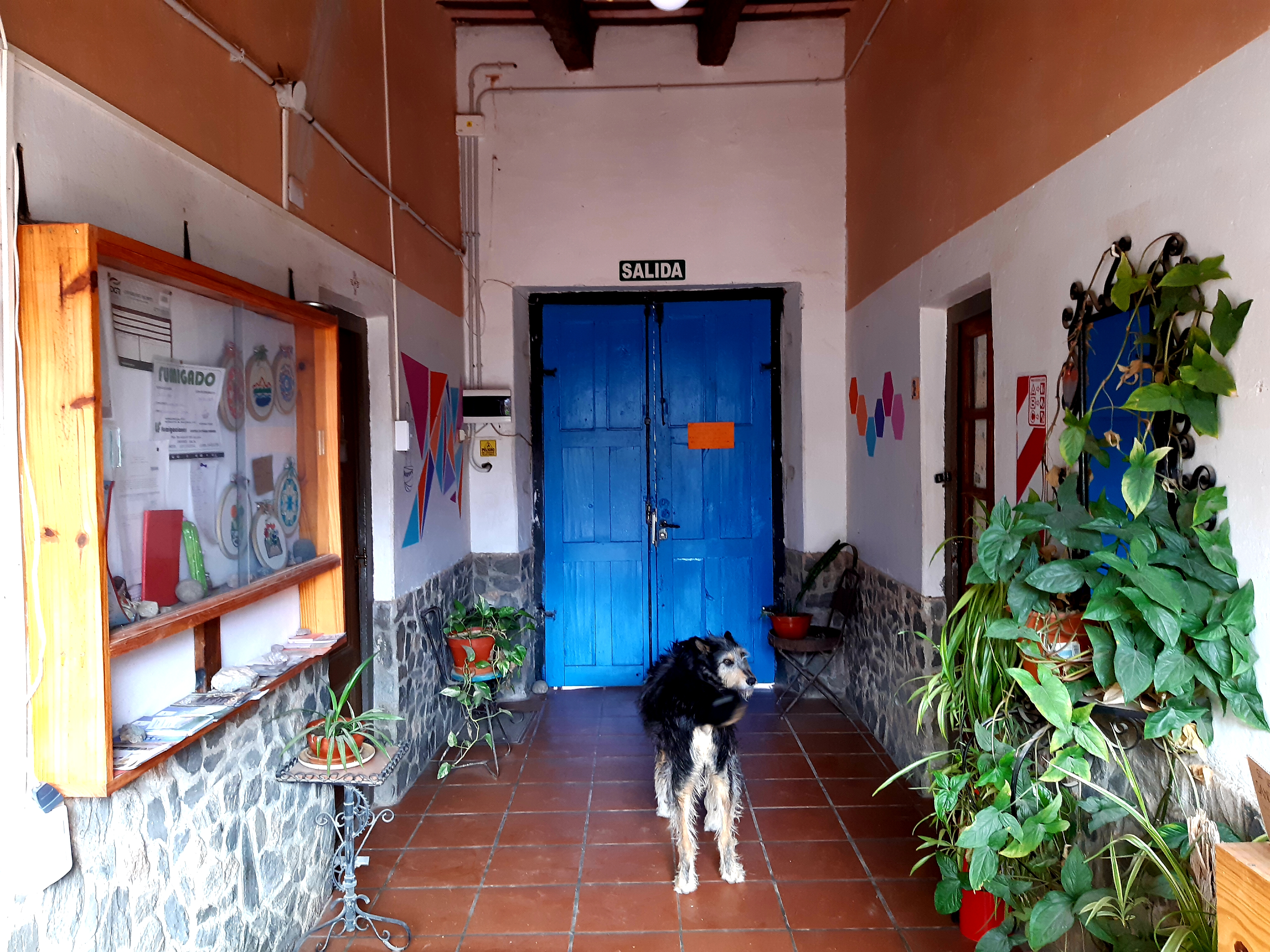
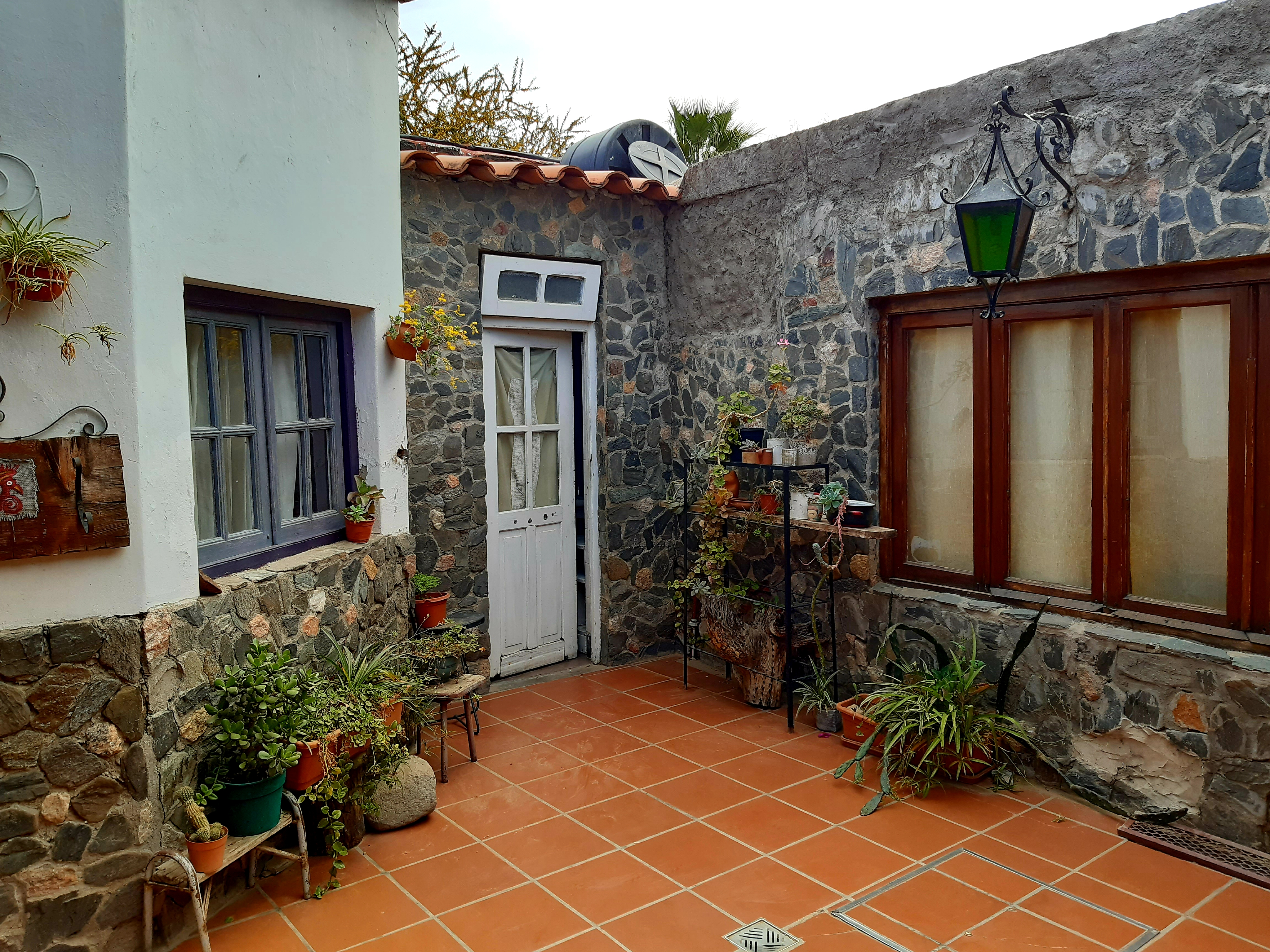
The garden, foyer and courtyard of our hostel:
 I have to share an emotional moment I had yesterday morning. I was leaving the hostel on a walk, when I literally stopped ‘to smell the roses’ – a deep crimson rose, of the kind that is deliciously fragrant. As I inhaled, I was jolted by immediate memories of my mother’s garden on our farm, Blaauwkrantz. So strong were these memories that tears welled up in my eyes, and I just could not pull myself away from that rose. I kept on pushing my nose into it, inhaling as if I could conjure up the real setting. It is said that smell is directly linked to the memory centre in the brain – well, I can most certainly vouch for that!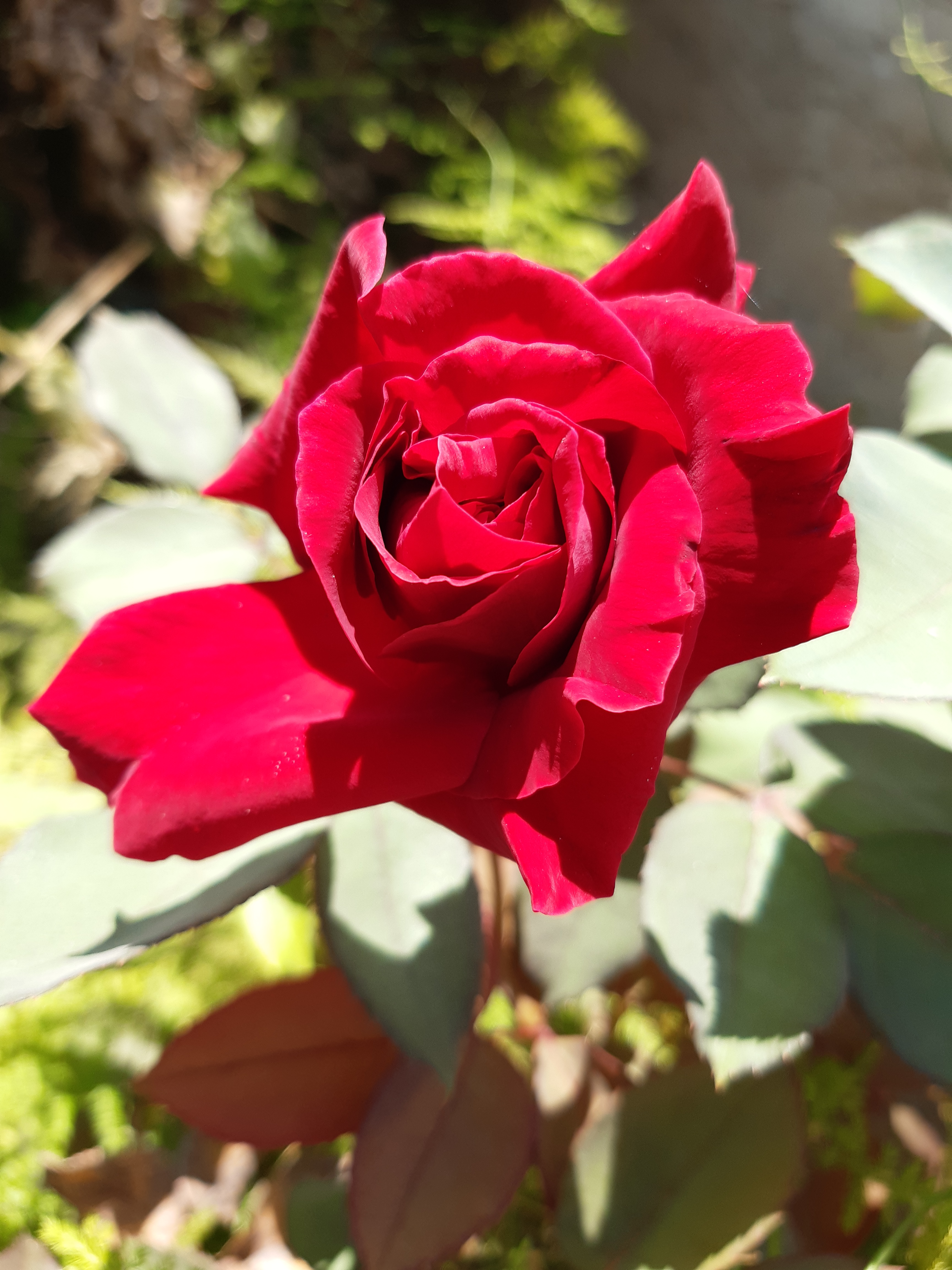


 Mella Madness
Beautiful!! Sommer alles! Xx
LikeLiked by 1 person
Thanks for sharing these wonderful experiences, Meryl! Some of your pics so remind me of the Karoo (which is where you grew up, isn’t it – on your farm?), the same ruggedness and rustic beauty. I do love the colours that the buildings have – the creative stonework in so many hues of brown, beige and tan … and those bright blue doors, and the walls dotted here and there with plants. Are you enjoying the work ….?
LikeLiked by 1 person
Thanks Lynn! Yes, it’s very much like the Karoo. It’s not really work, more like hanging around with enough time to explore. Today I’m moving on to Córfoba, quite sad to leave here.
LikeLiked by 2 people
Well, travel safely then – I’m sure Corfoba will offer you plenty more magic. Looking forward to hearing all about it ….. xx
LikeLiked by 1 person