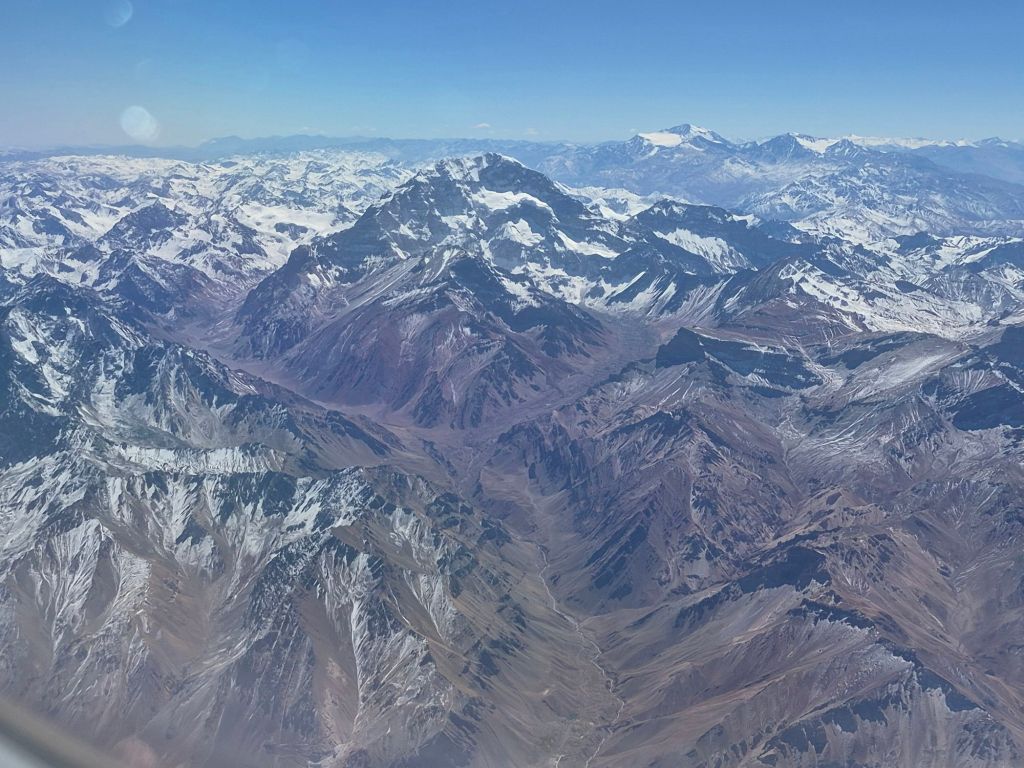
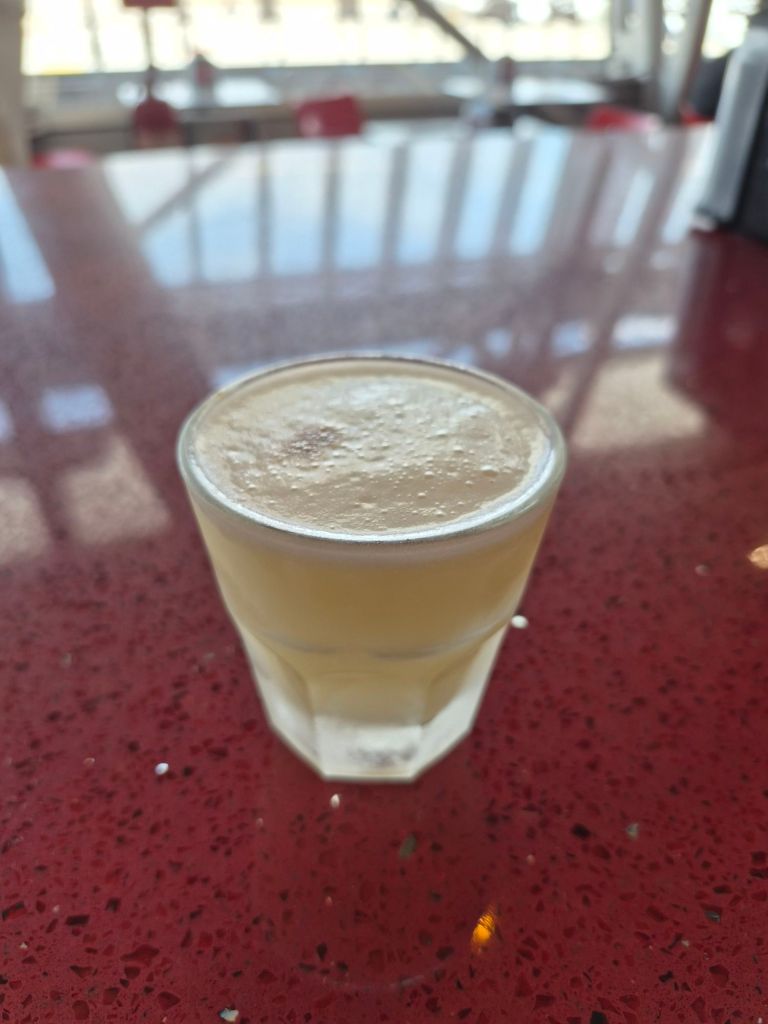
The flight to Colombia was via Santiago, and crossing the Andes in daylight was spectacular, even though it was summer. Being in Chile filled me with nostalgia, and I promptly ordered a pisco sour at one of the bars and sent a WApp to a family I had stayed with in Cochran, Chile, 6 years ago.
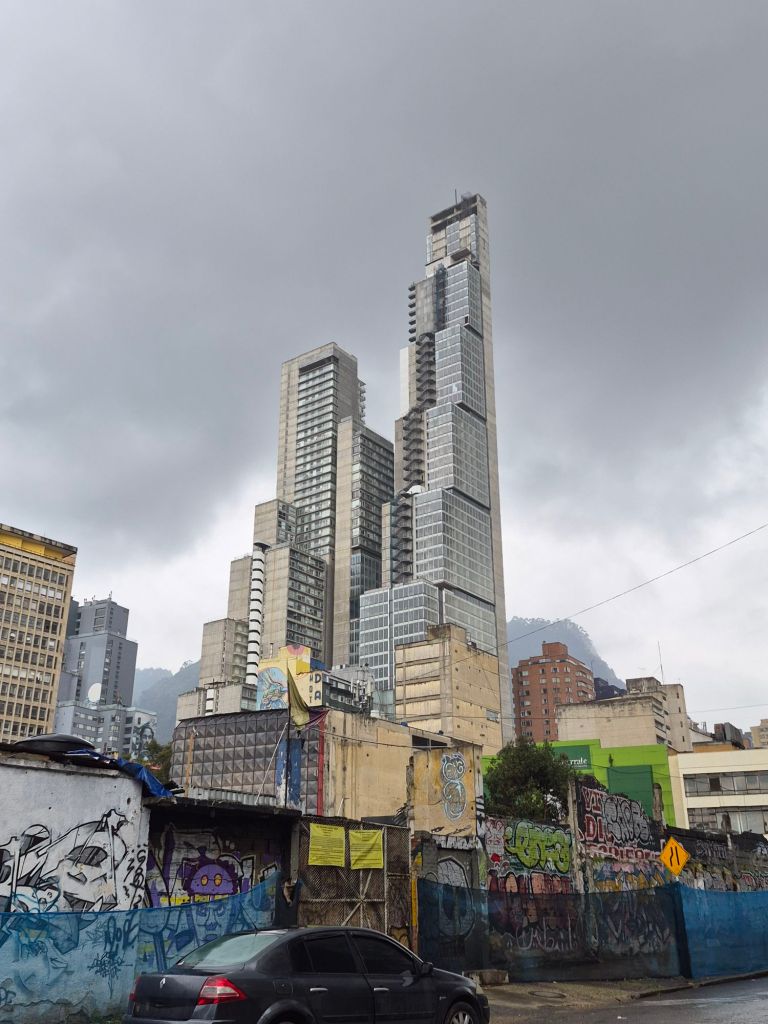
I arrived in Bogotá after 9pm, and waited for a very long time for my luggage, which I was afraid had gone missing. It was eventually spewed out by the conveyor belt, thank goodness, and after a very warm welcome by the passport control guy, as well as the baggage control one, I logged into the airport WiFi, only to discover that my hotel booking had been cancelled and I had been referred to another hotel. There was supposed to be a hotel transfer vehicle, but after a frantic search, I realised there was none. A kind man outside at the transfer area helped me find transport to the new hotel, where the person on duty unfortunately knew nothing about my booking. After 30 minutes of Google Translate-communication, I was shown to a room with no windows, but an en-suite bathroom, which was a comfort. I sat on the bed for an hour, in a state of disorientation and shock. I had no idea where I was, what it looked like outside, if there were shops or restaurants in the vicinity, and I had no idea what to do the following day. I had one day in Bogota, as I had planned to visit family of friends in South Africa the following day, and it was supposed to be spent exploring the historical city centre and buying a bus ticket to Armenia, where I was headed. I wrote miserable WApps to my children and some friends, bemoaning my situation. Everything had been going so well, I was not prepared for this set-back and felt completely at a loss. My daughter responded with: “Very easy, just look for another hotel in the old city. One needs such disasters, it makes things interesting and a good story to tell.” In retrospect my reaction seems ridiculous, but at that time it was disastrous, not just a bump in the road.
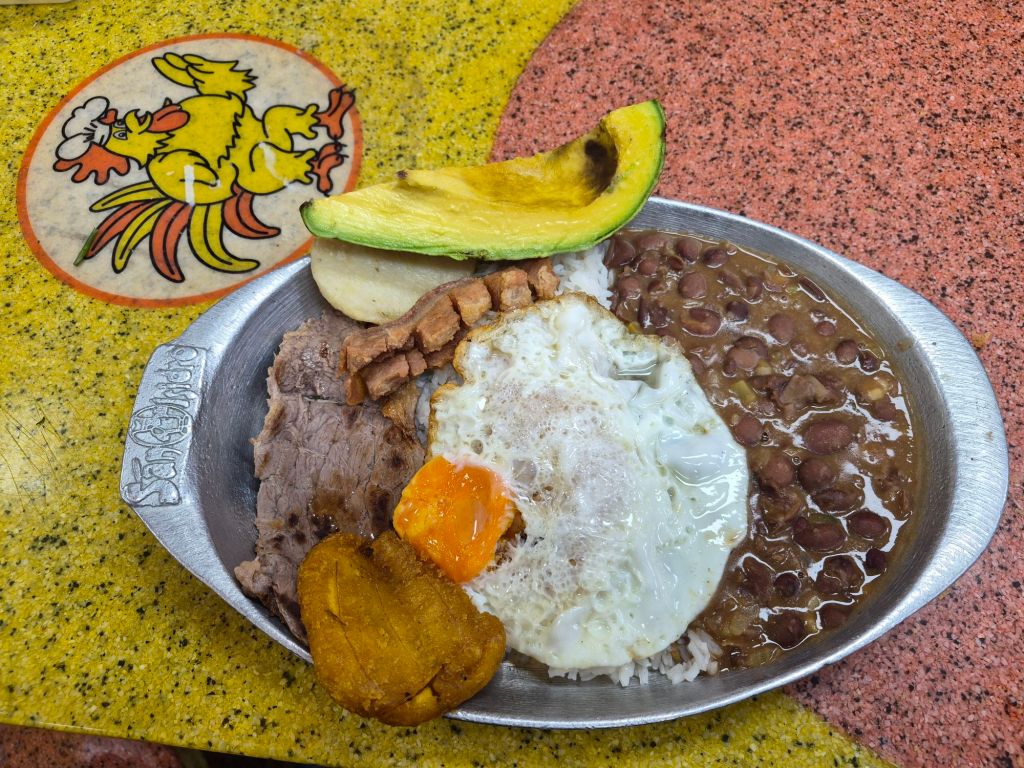
I was up at 7am, showered and dressed and fighting fit. I sent a WApp to the original hotel, asked for a transfer to them and a taxi to take me there, which was immediately granted, but would only be after 12 noon. I discovered that the bus station was within walking distance from the current hotel, so set out to buy a ticket to Armenia (a town in Colombia) for the following day. Much to my surprise, the sun was shining, and, as usual, everything was working out perfectly. I was starving by then and ordered a funny looking breakfast at a really sleezy place in the bus station, but “honger is die beste kok”, as we say in Afrikaans, so down it went.
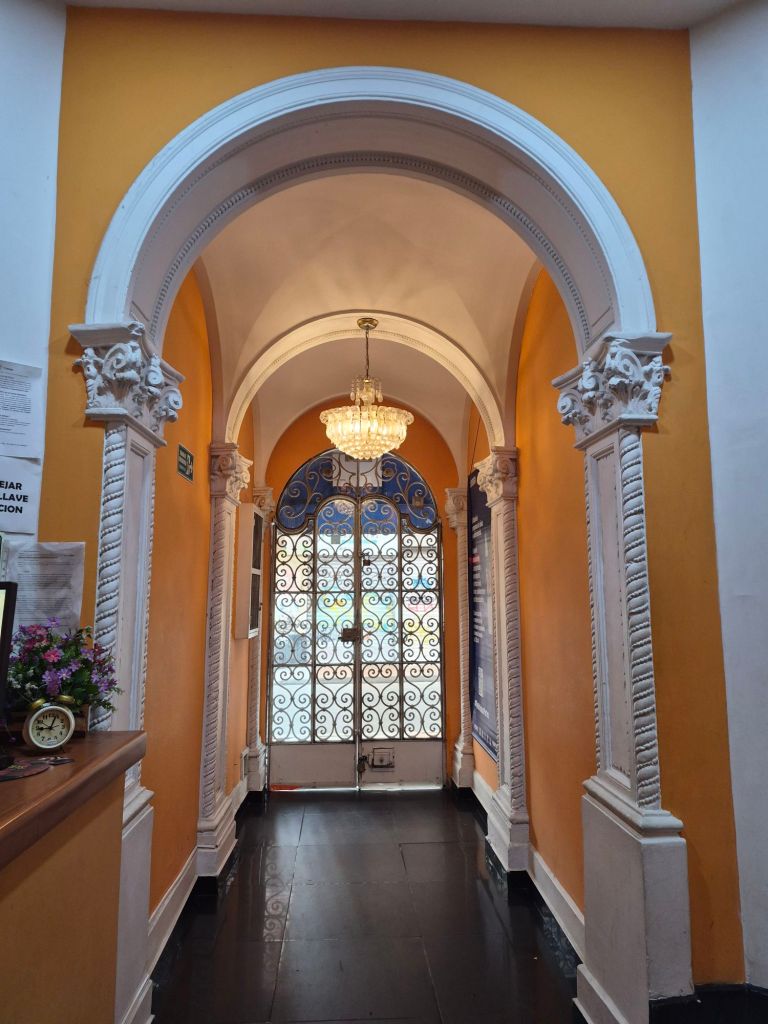
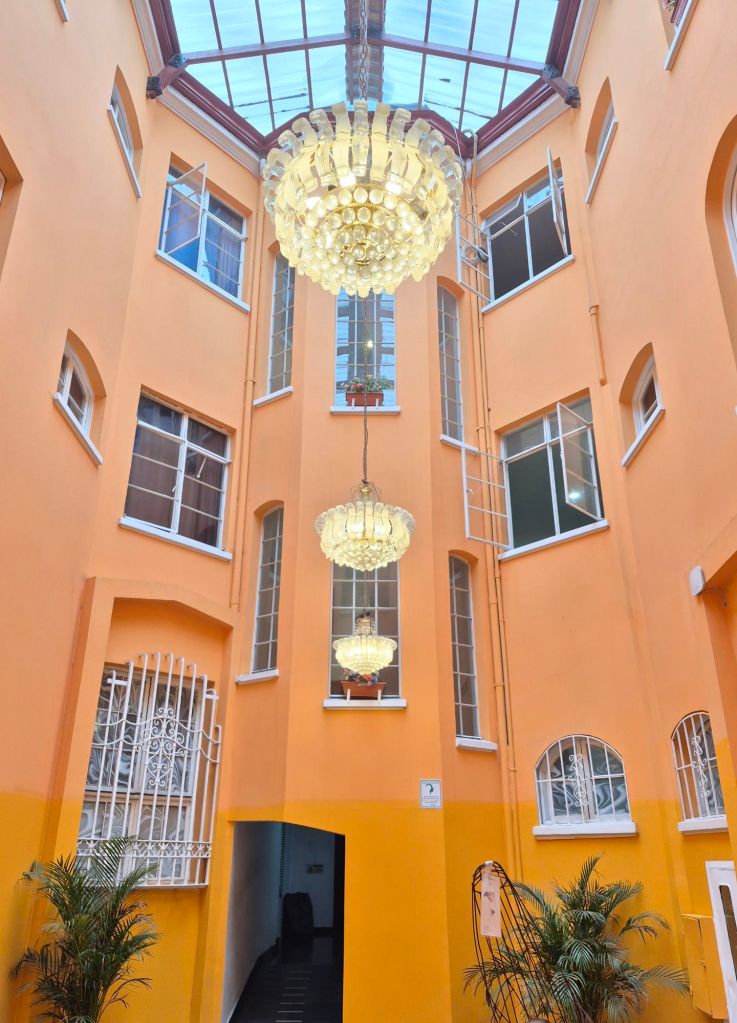
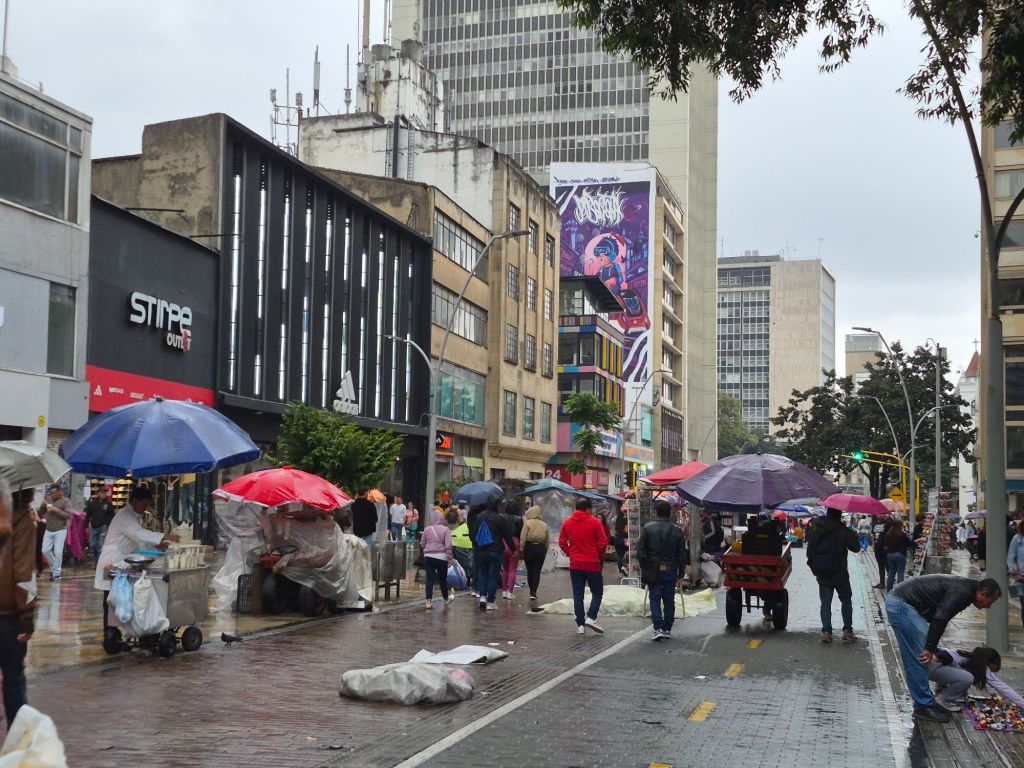
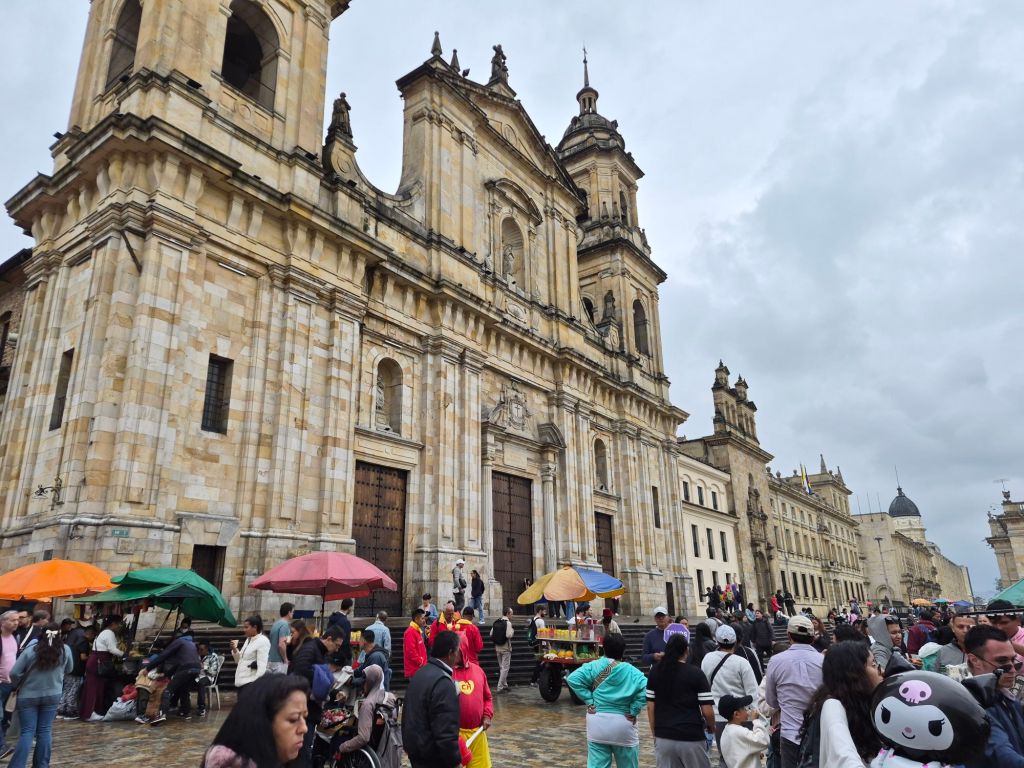
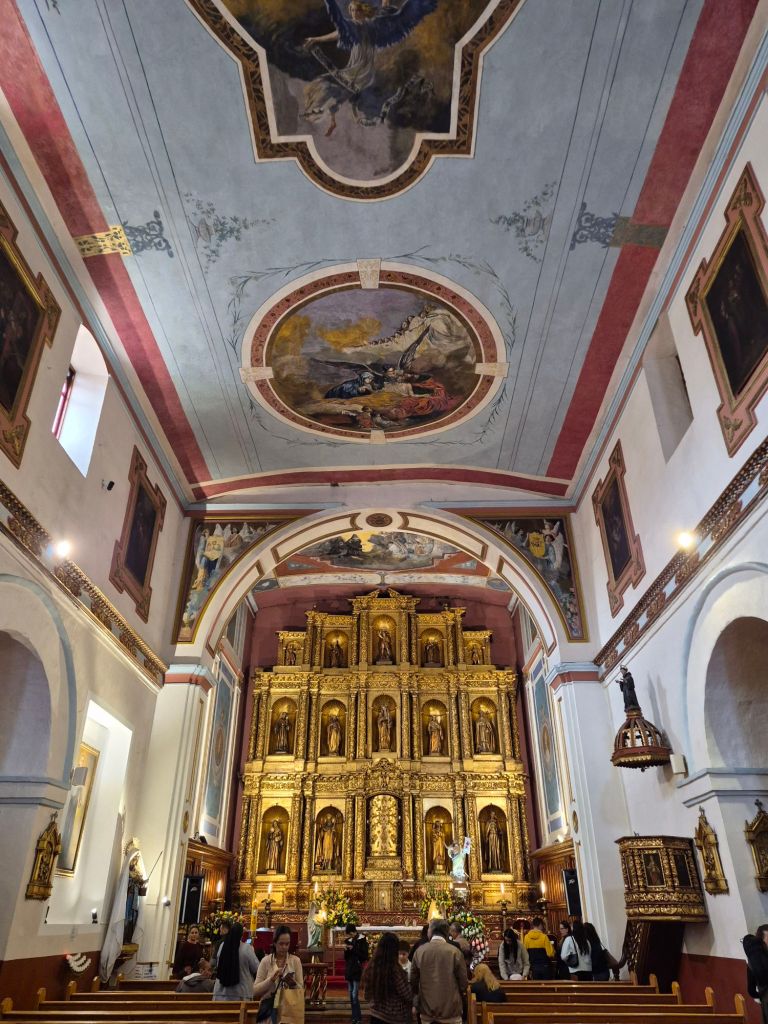
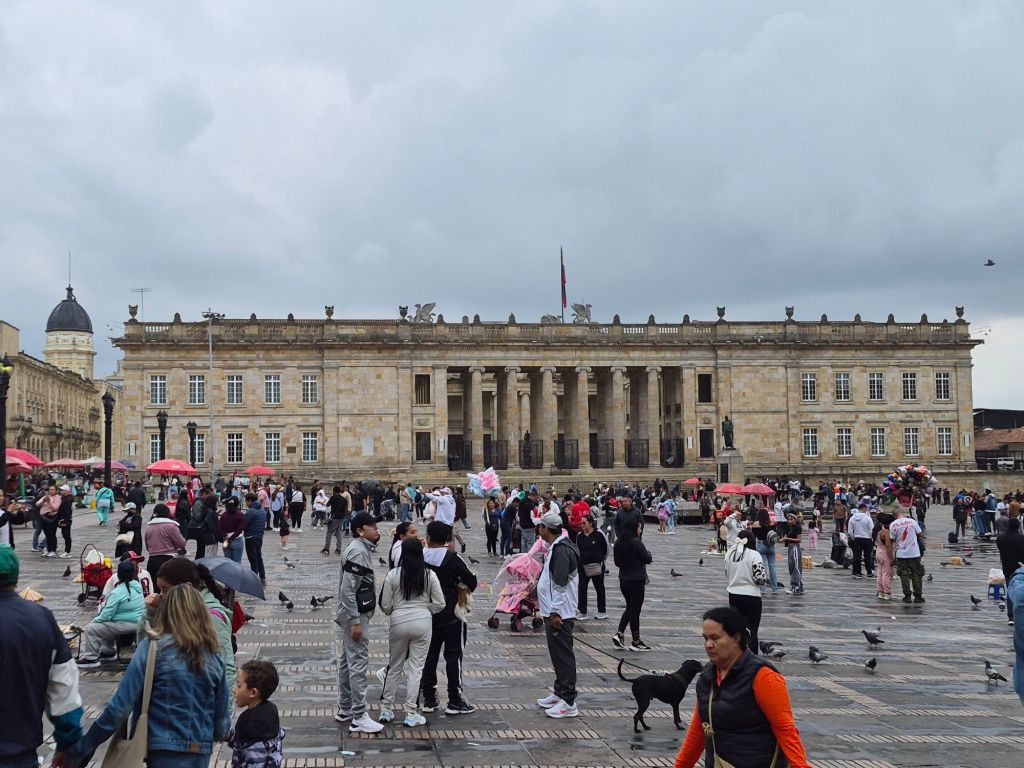
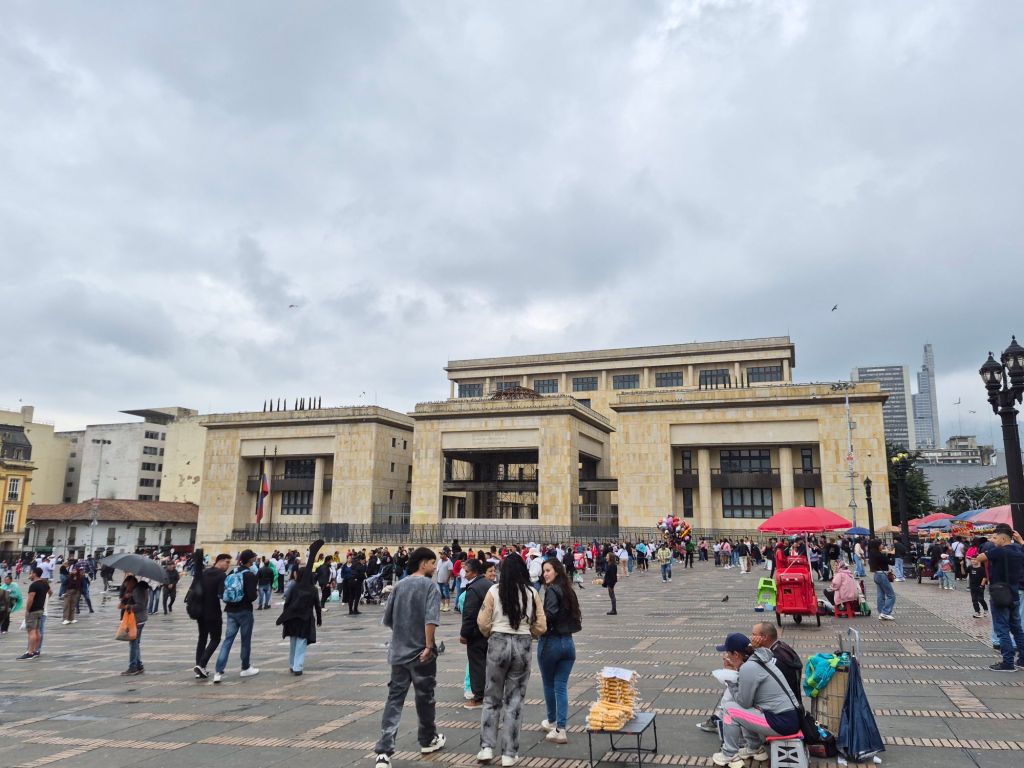
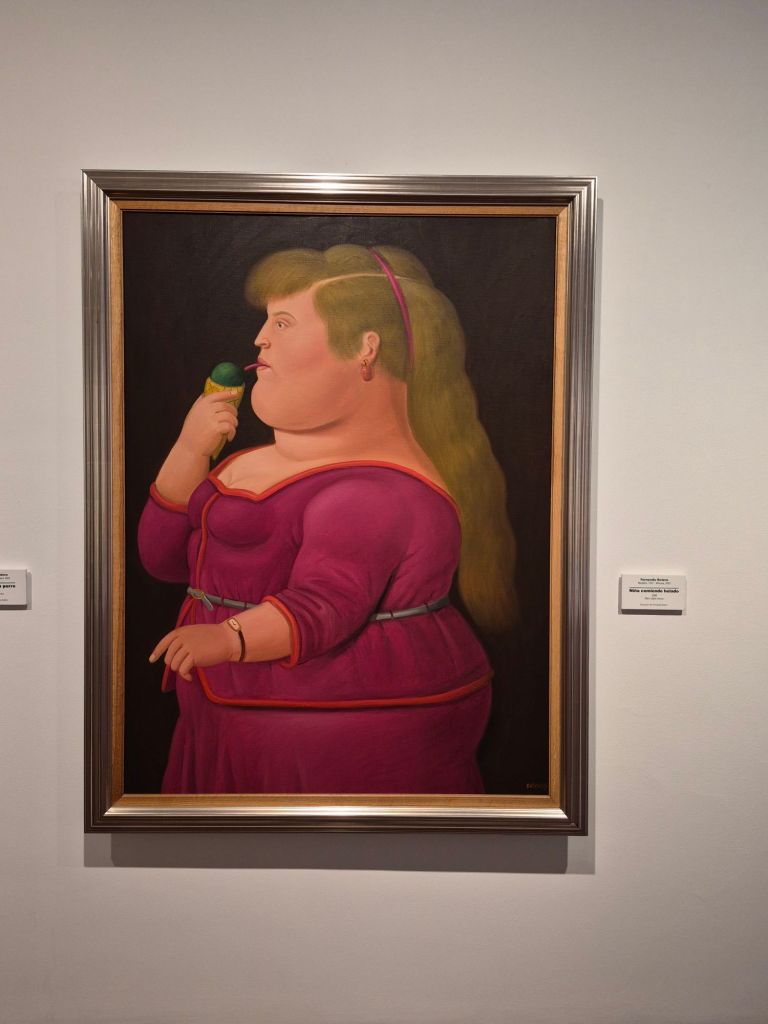
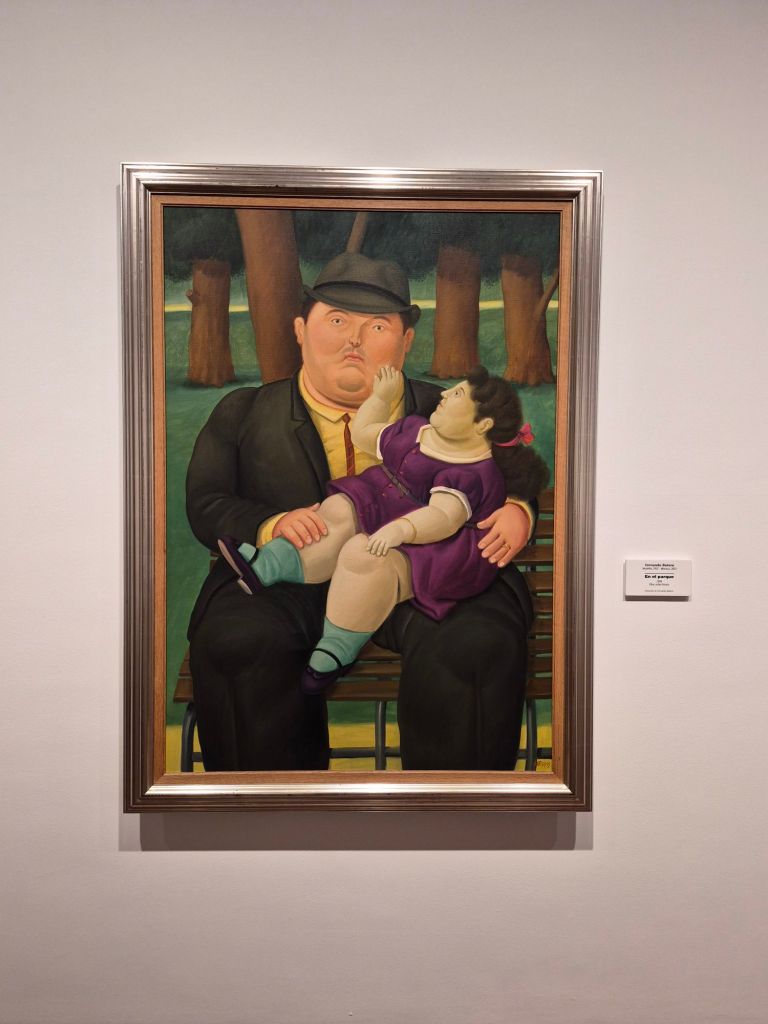
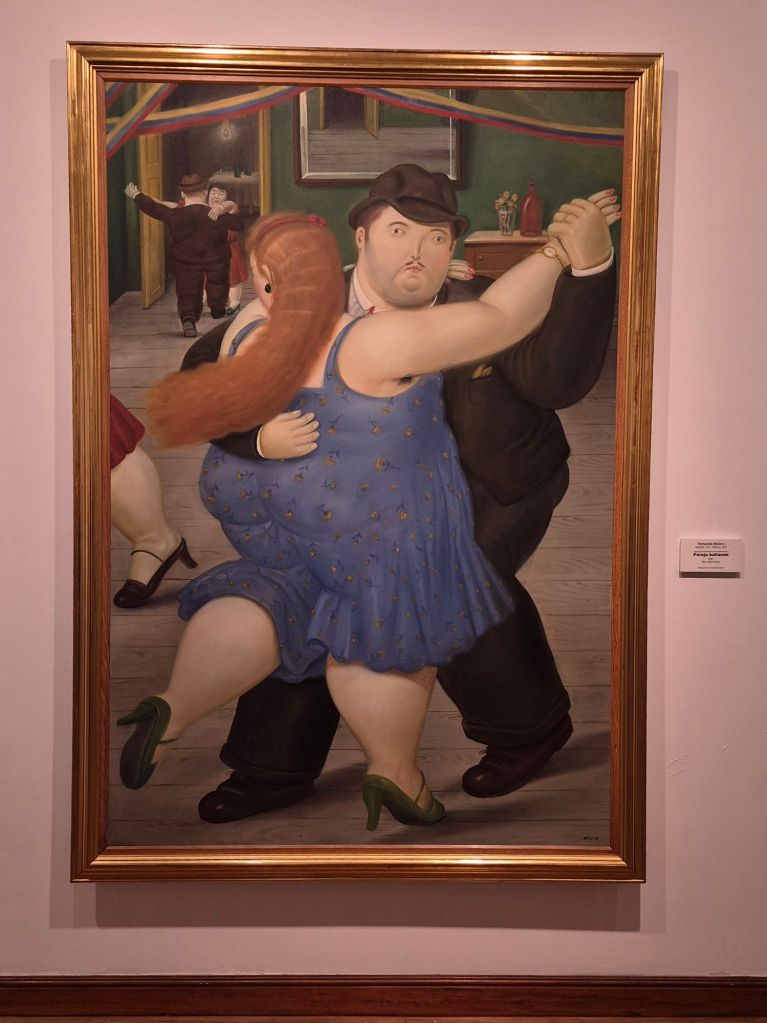
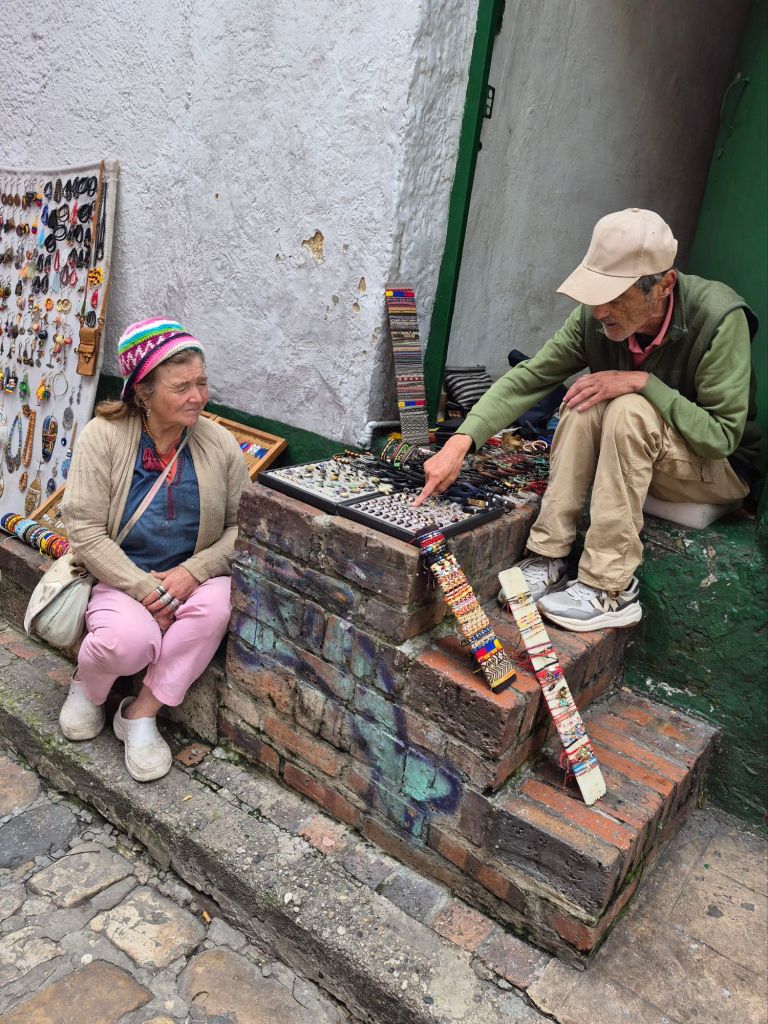
Hotel Artistico, where I had originally booked, has an old-world feel to it, right next to the historical centre, and after settling in, I took to the streets. It was Sunday, and there were street markets everywhere. All my woes of the previous night forgotten, I was walking around with a huge grin, enjoying the hustle and bustle, favourably impressed with Bogotá. It started to rain, but umbrellas and covers came out, and everything carried on. Angela, a friend of mine in South Africa who is Colombian, had given me some recommendations of things to do and places to visit, so I meandered along, passing the Plaza de Bolivar with its beautiful cathedral and other old buildings, working my way to the Botero museum, which is free.
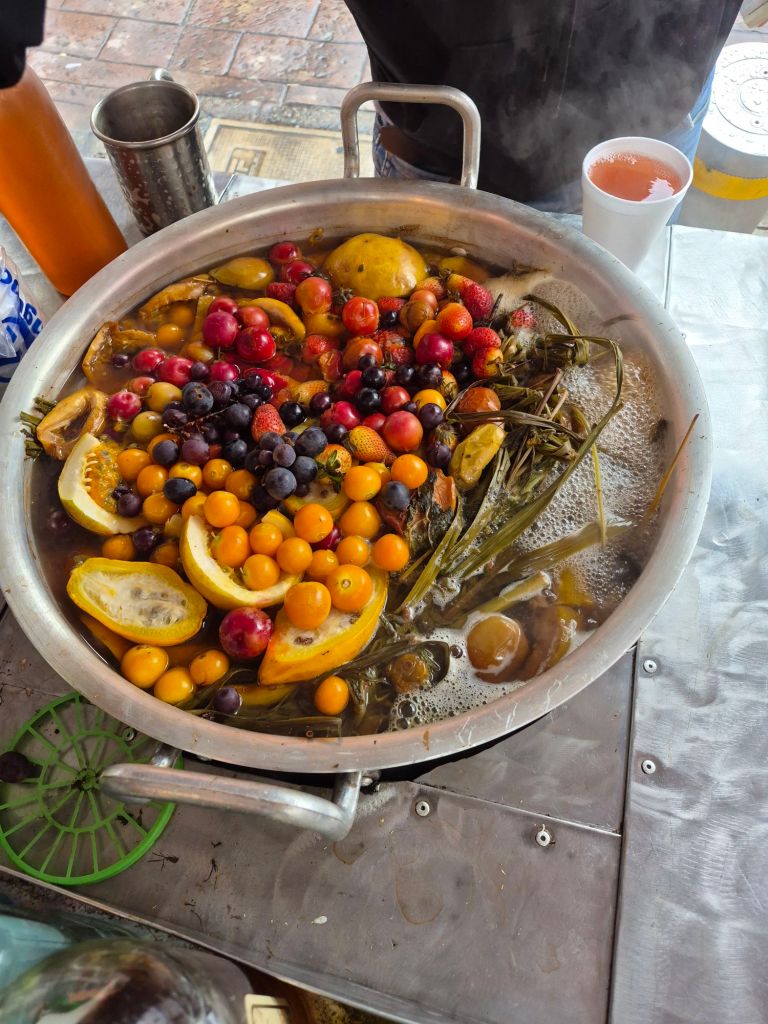
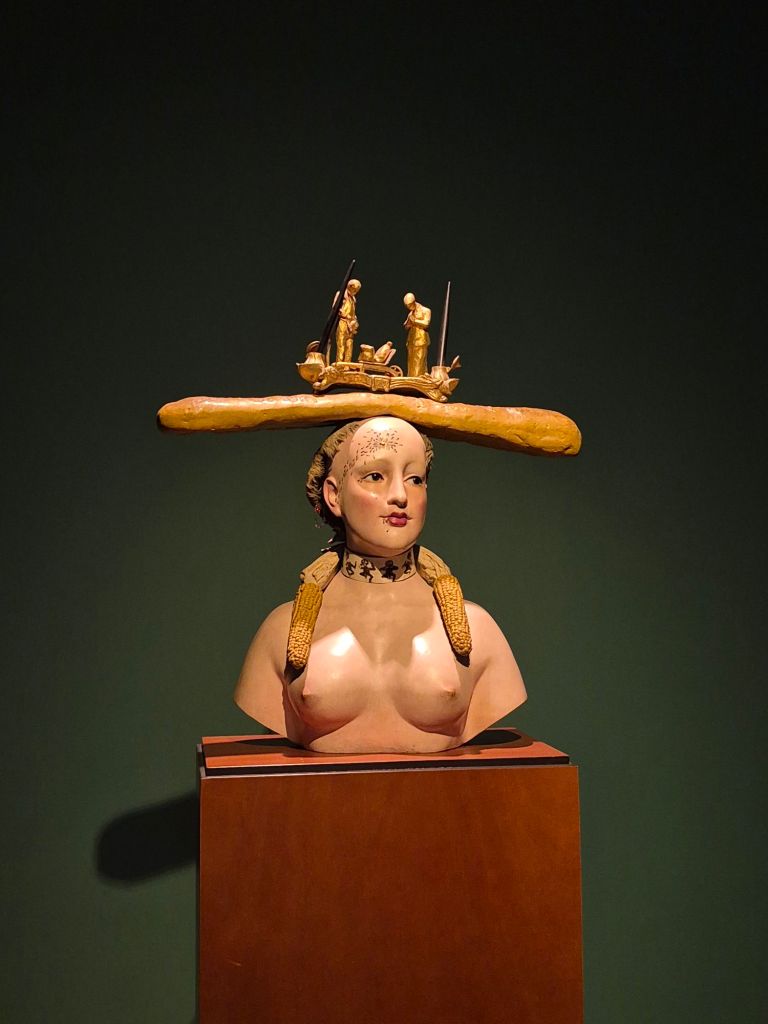
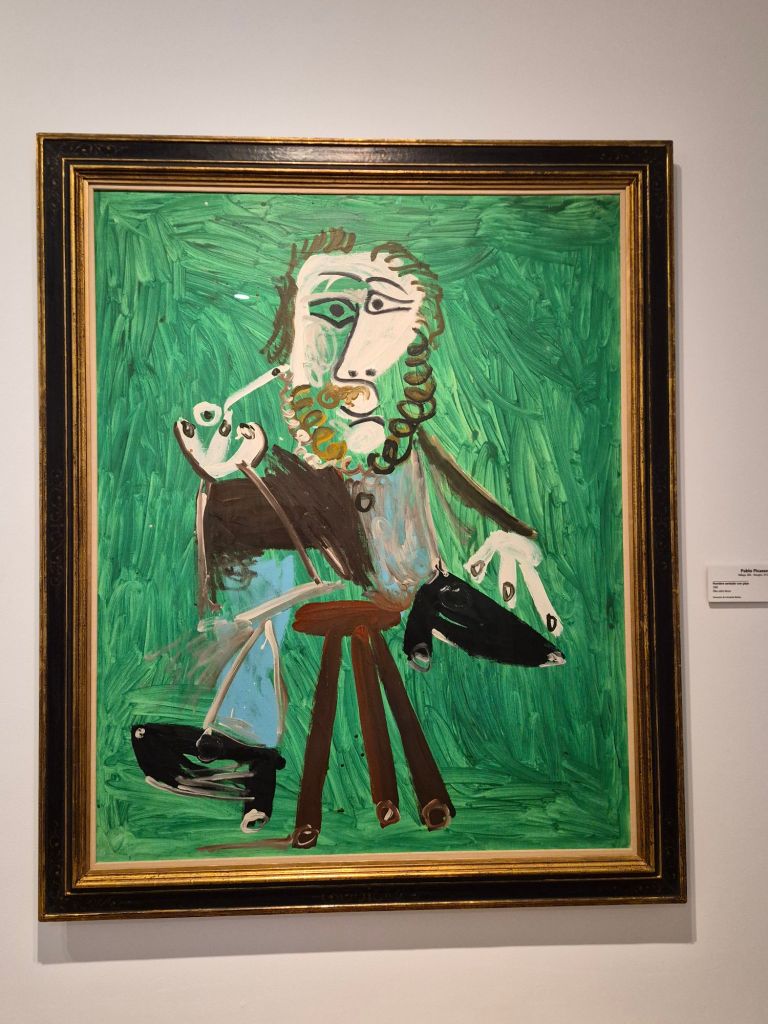
Fernando Botero Agulo was a Columbian artist and sculptor, who was born in 1932 and died in 2023 in Monaco. He was considered the most recognized artist from Latin America in his lifetime, and his style became known as Boterism. In 2000 he donated 123 of his own pieces and 85 artworks from his private collection to the Museo Botero in Bogotá. His paintings have a way of making one smile – exaggerated bodies, small mouths, funny expressions, everyday occurrences from an ironic point of view.
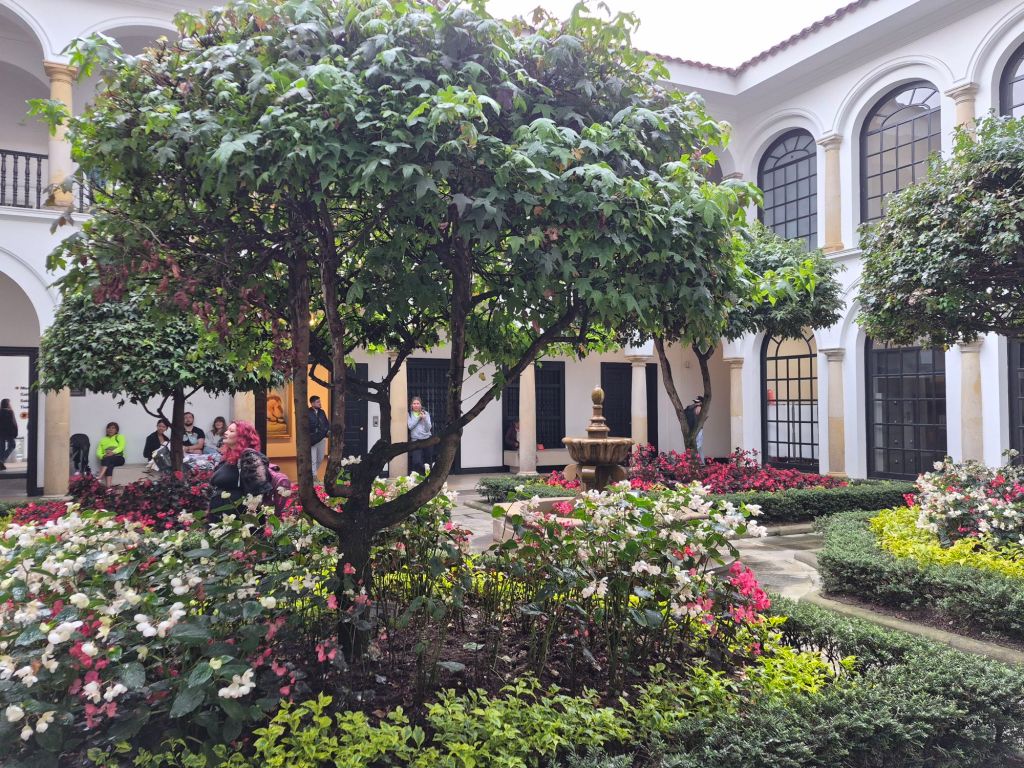
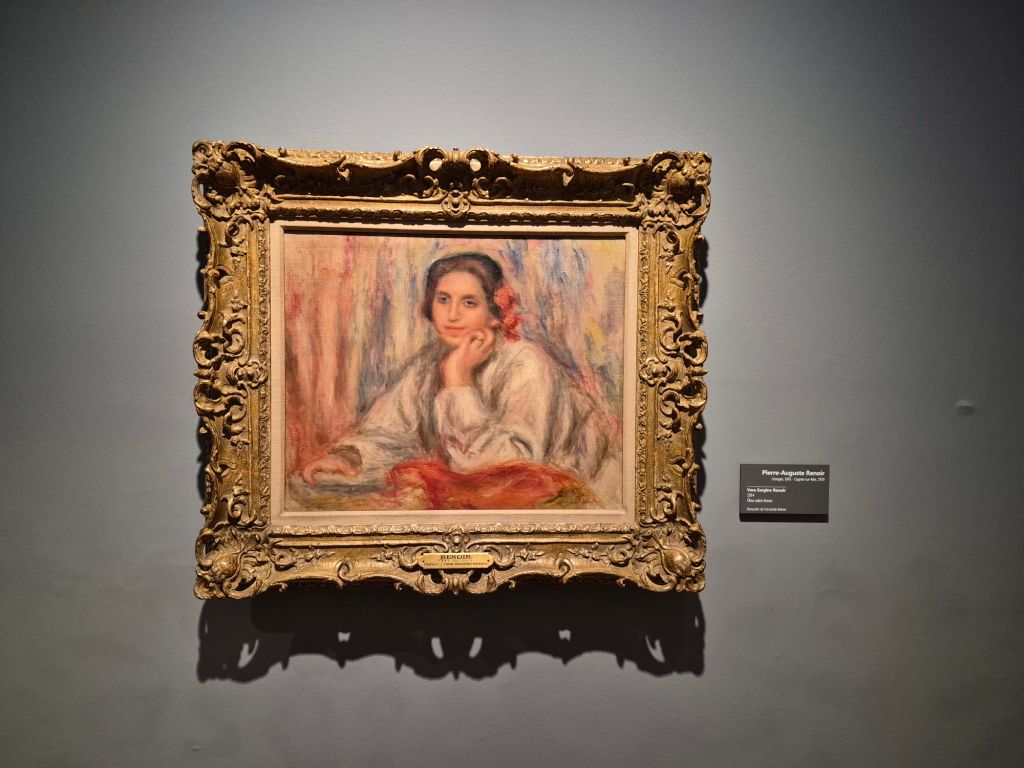
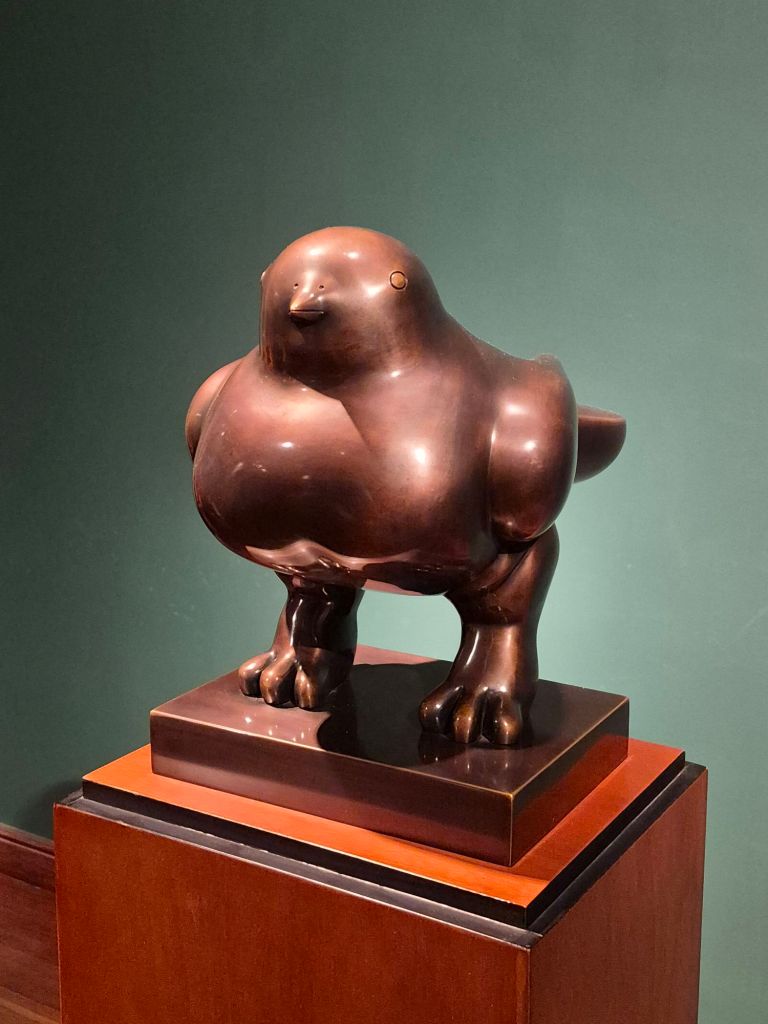
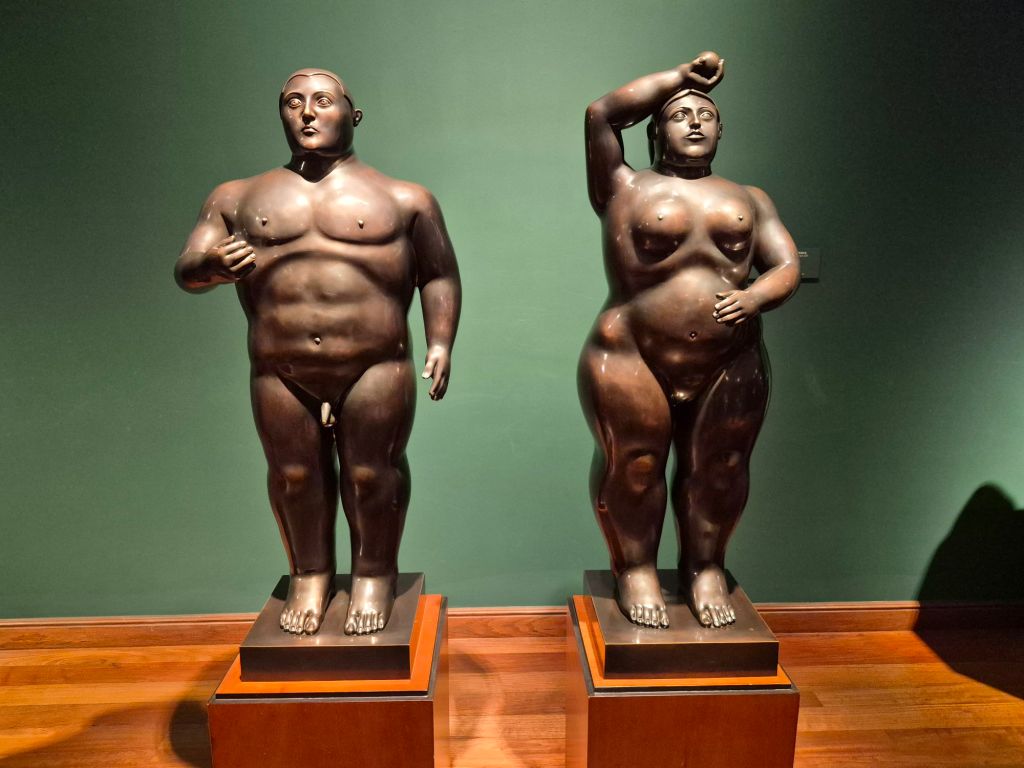
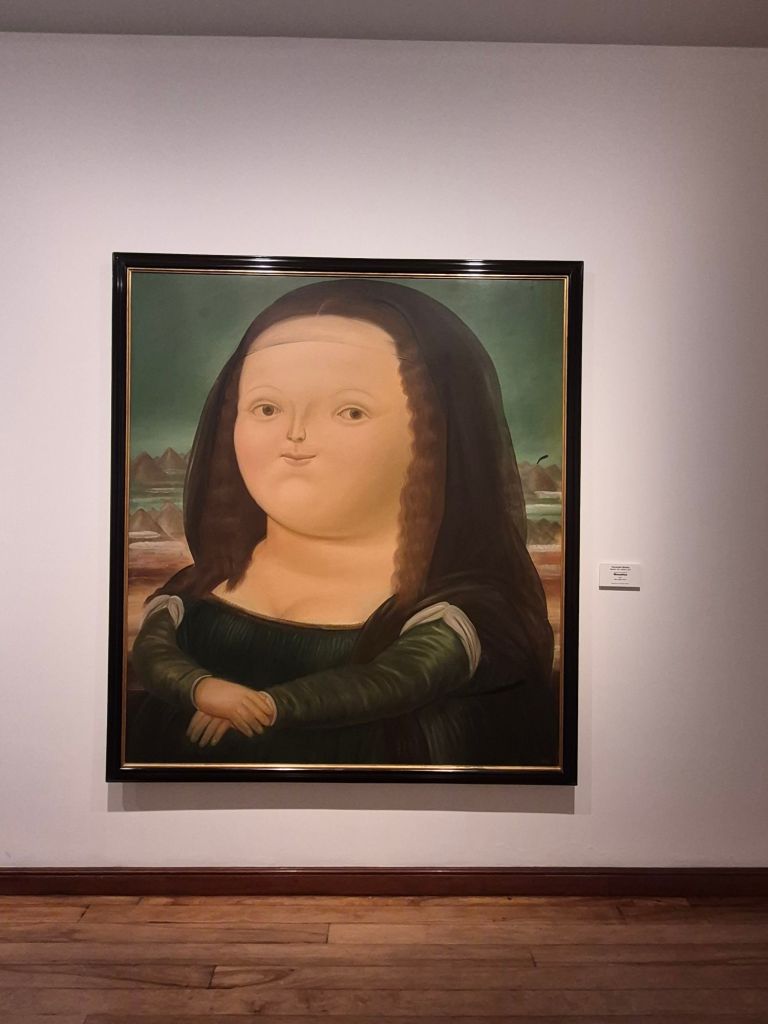
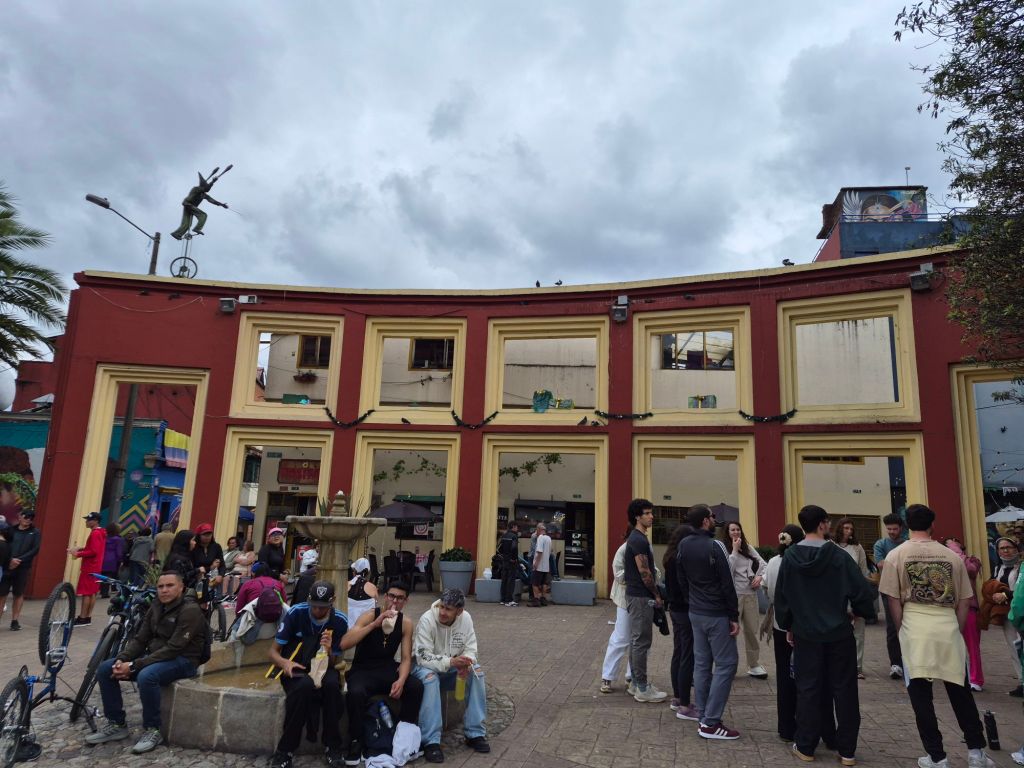
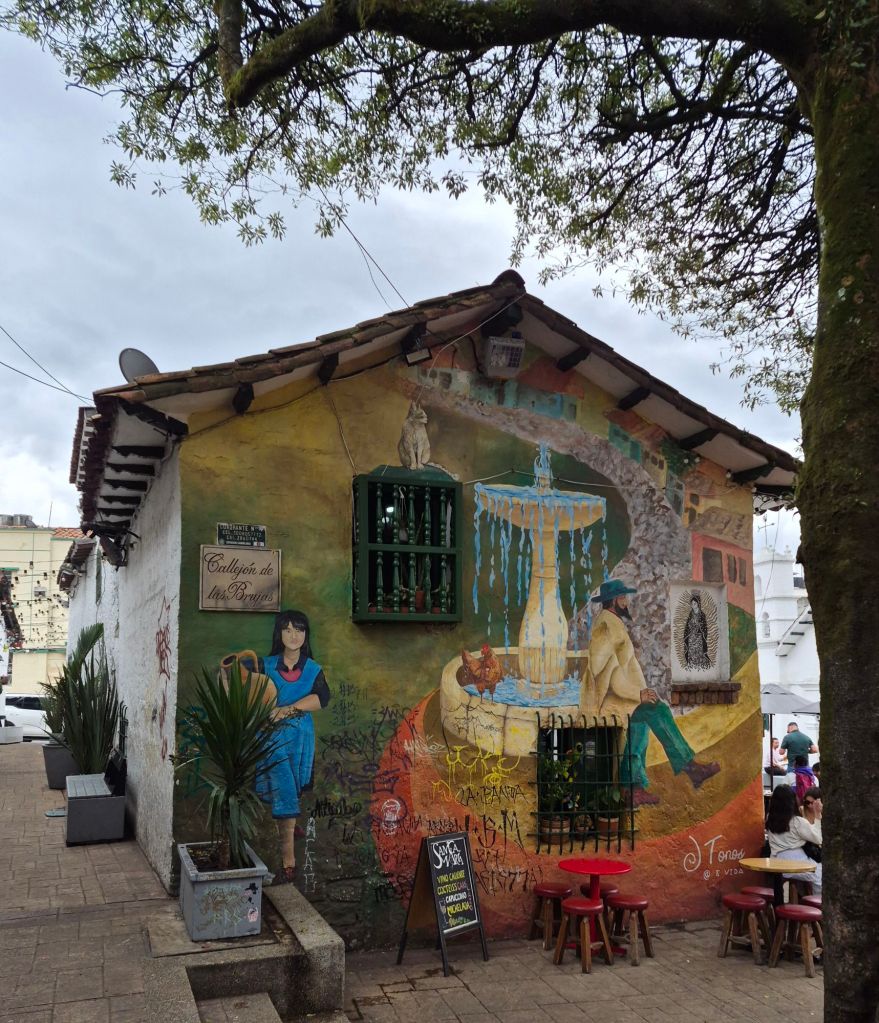
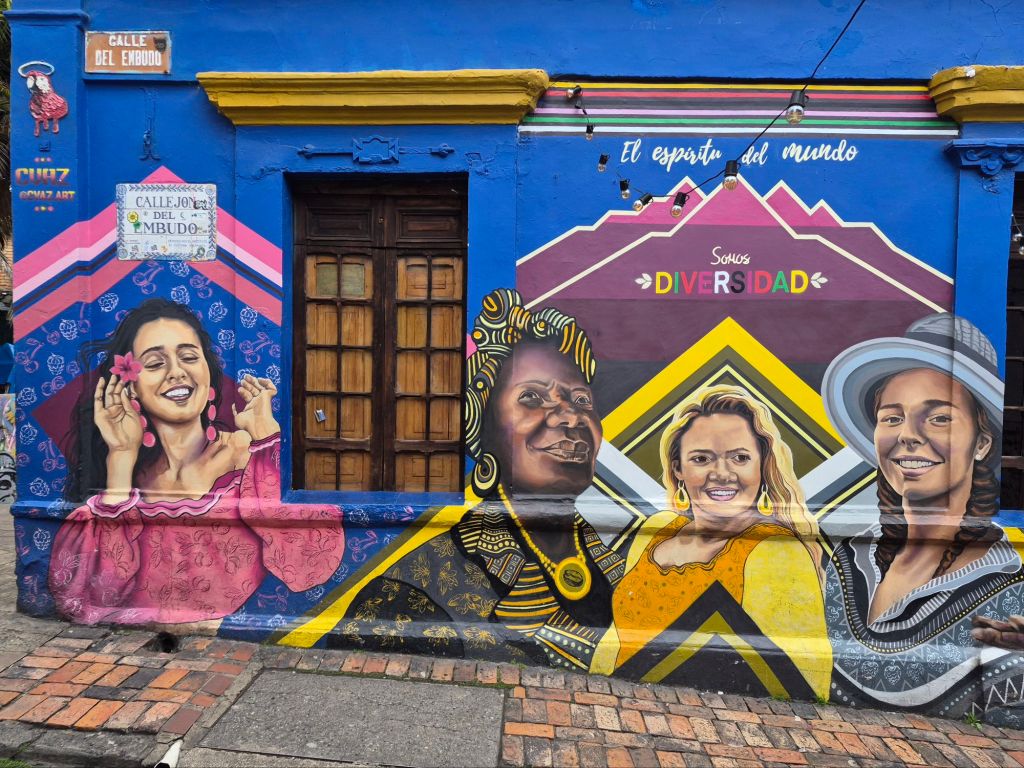
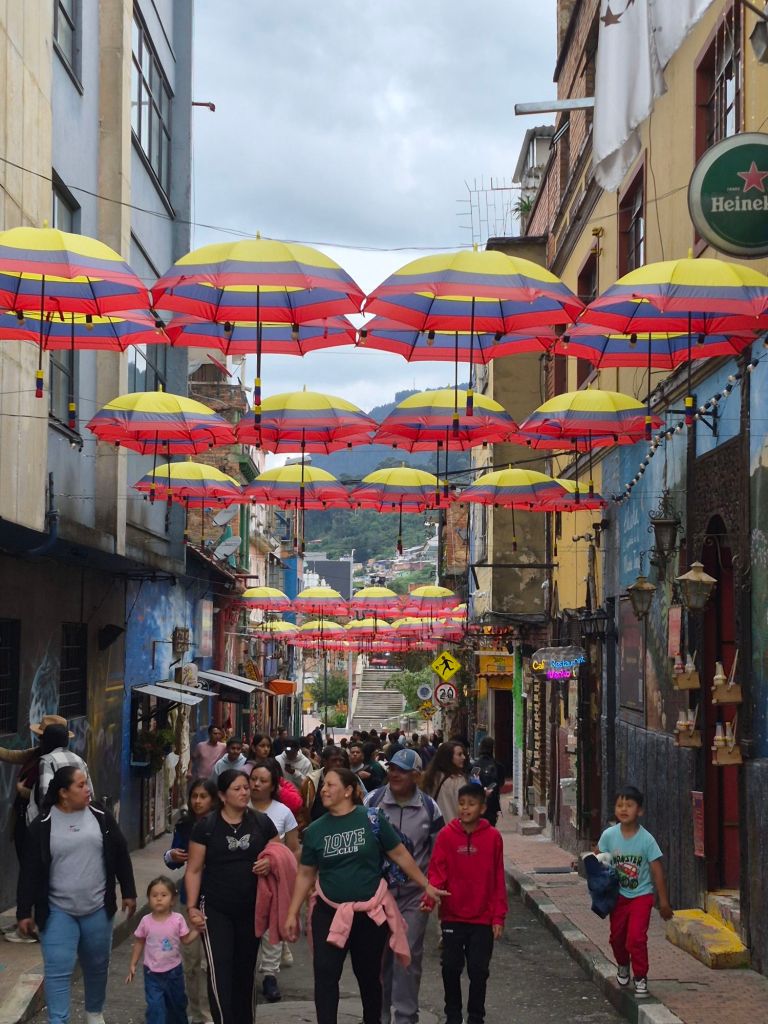
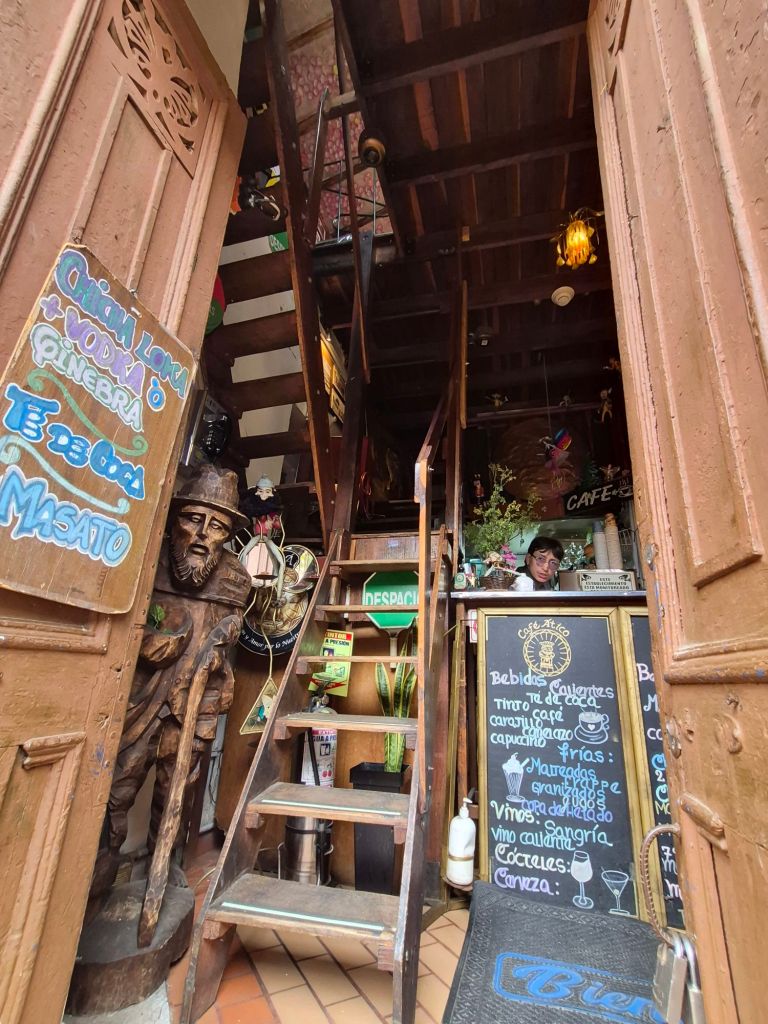
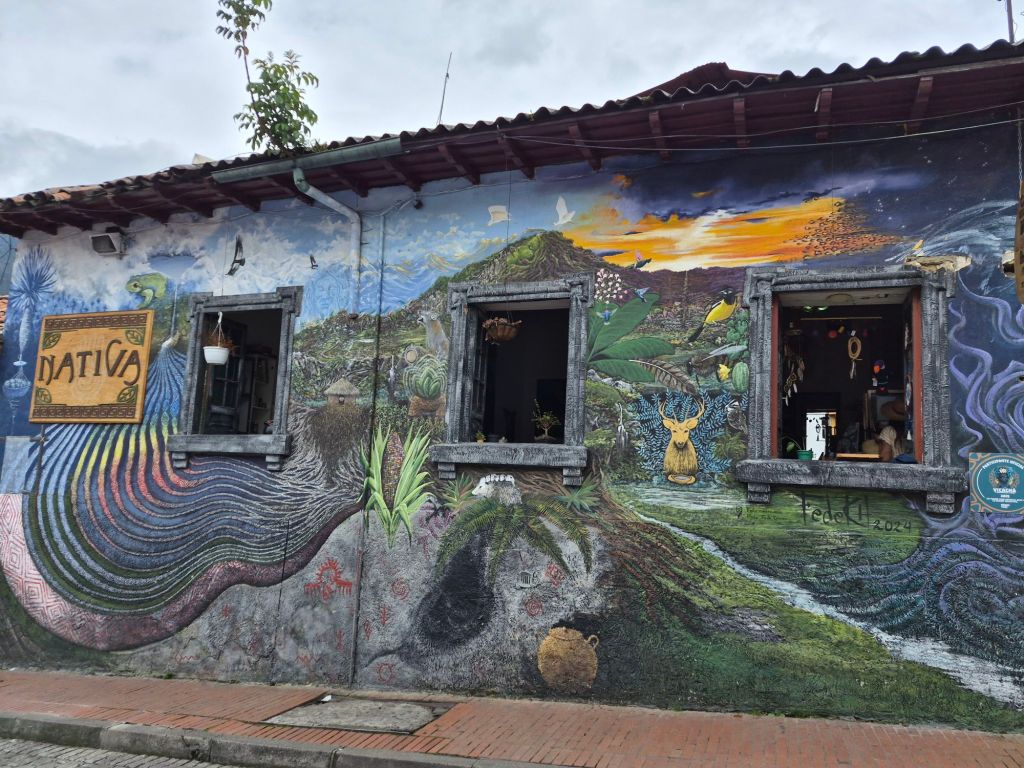
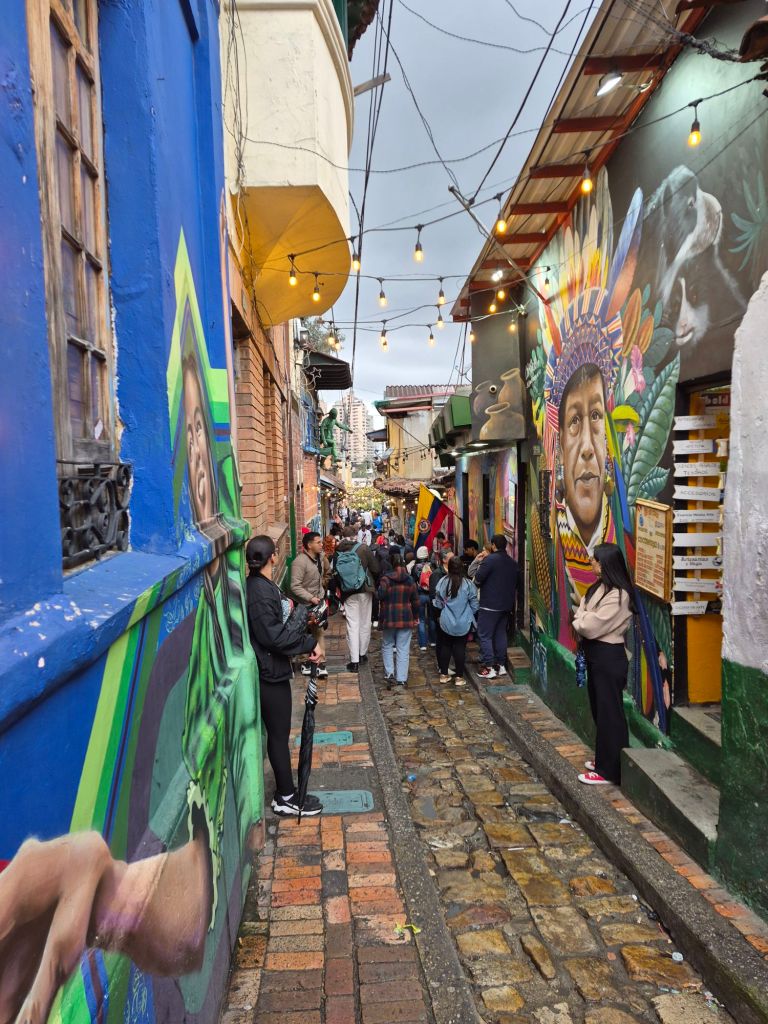
I walked further up the hill to Plazoleta Chorro de Quevedo, a plaza in the heart of the historical center, which is the place where the city was founded in 1538. The plaza was rebuilt in 1969, based on some old images and models, and a new well and church were built. Some streets around it are narrow and cobbled with quaint bars and restaurants, and the graffiti is very artistic.
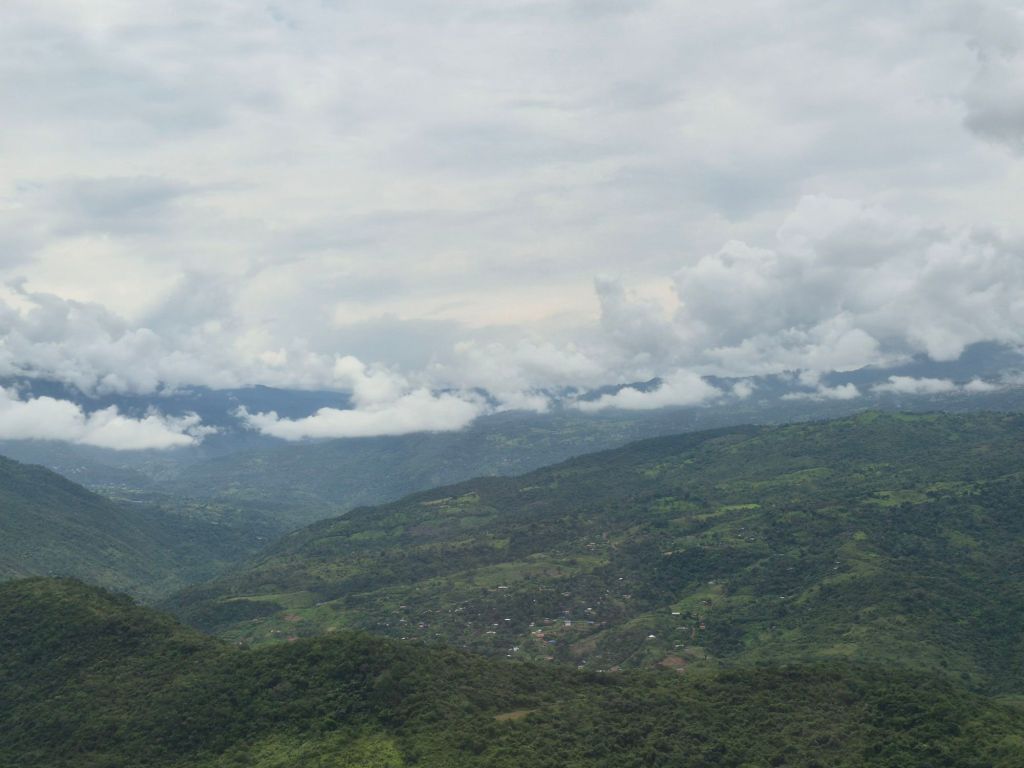
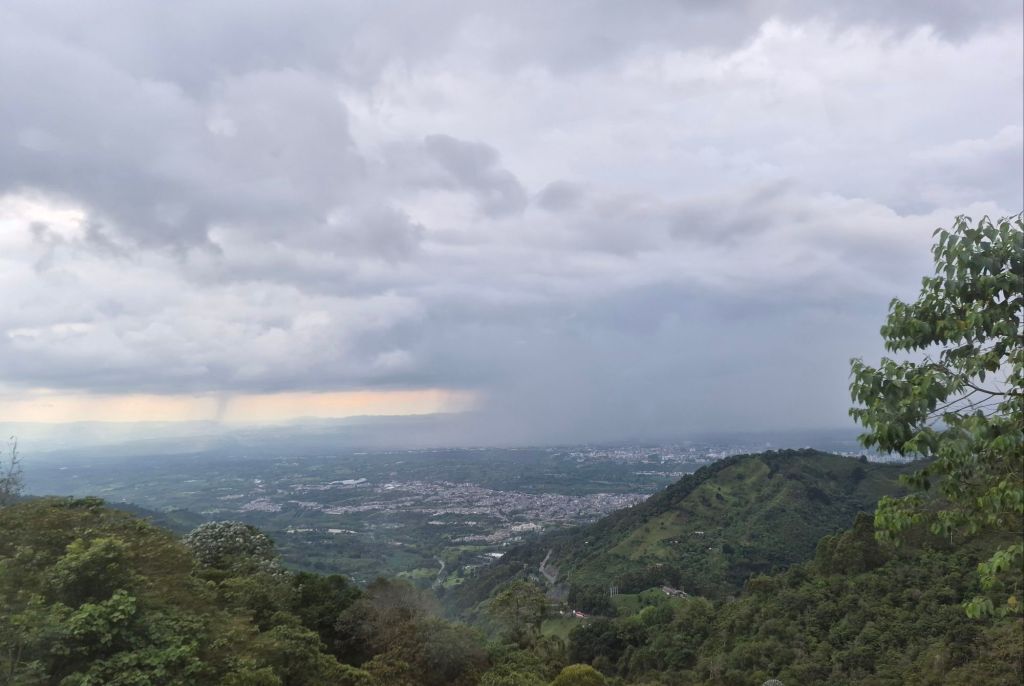
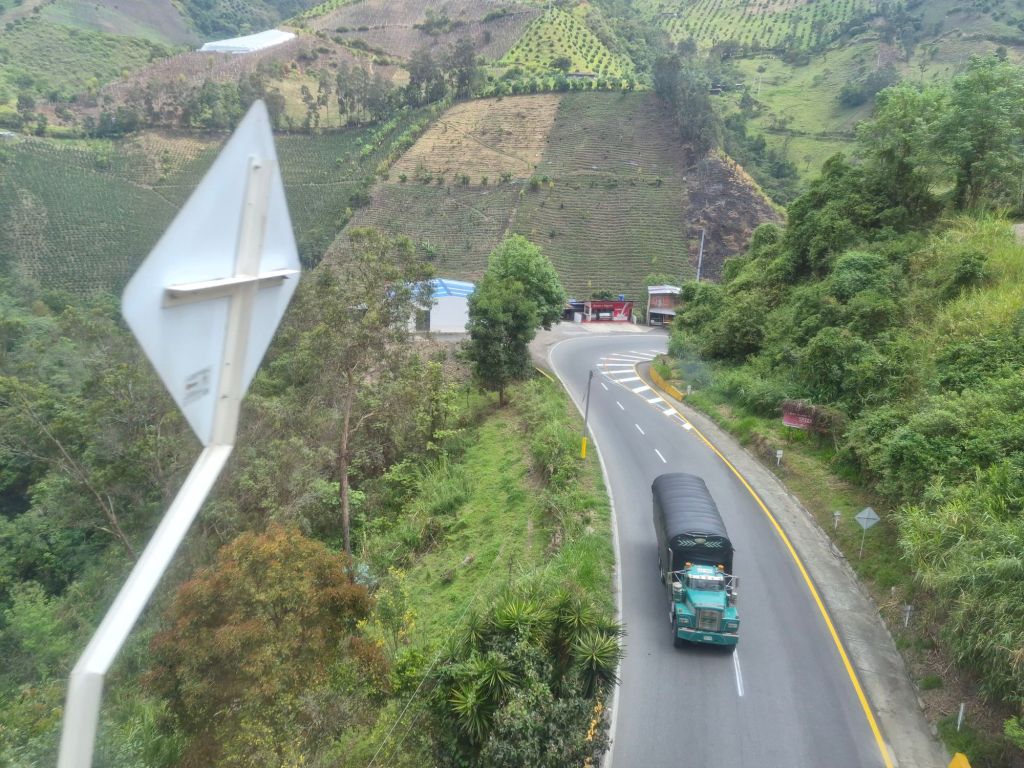
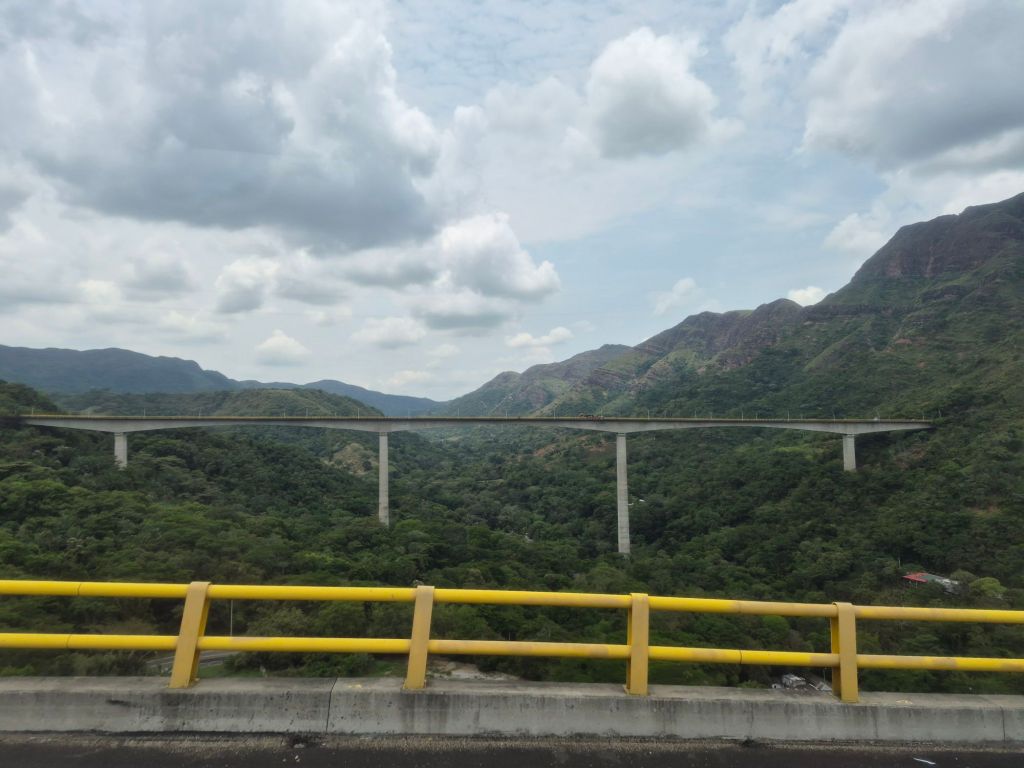
The following day I caught the bus to Armenia, a 240km trip that took almost 7 hours, as it takes one and a half hours to get out of Bogotá. The road winds over the Andes, a breathtaking and sometimes scary journey as the abysses are steep – but worth every minute. I so wished I was in a car to be able to stop and enjoy the scenery.
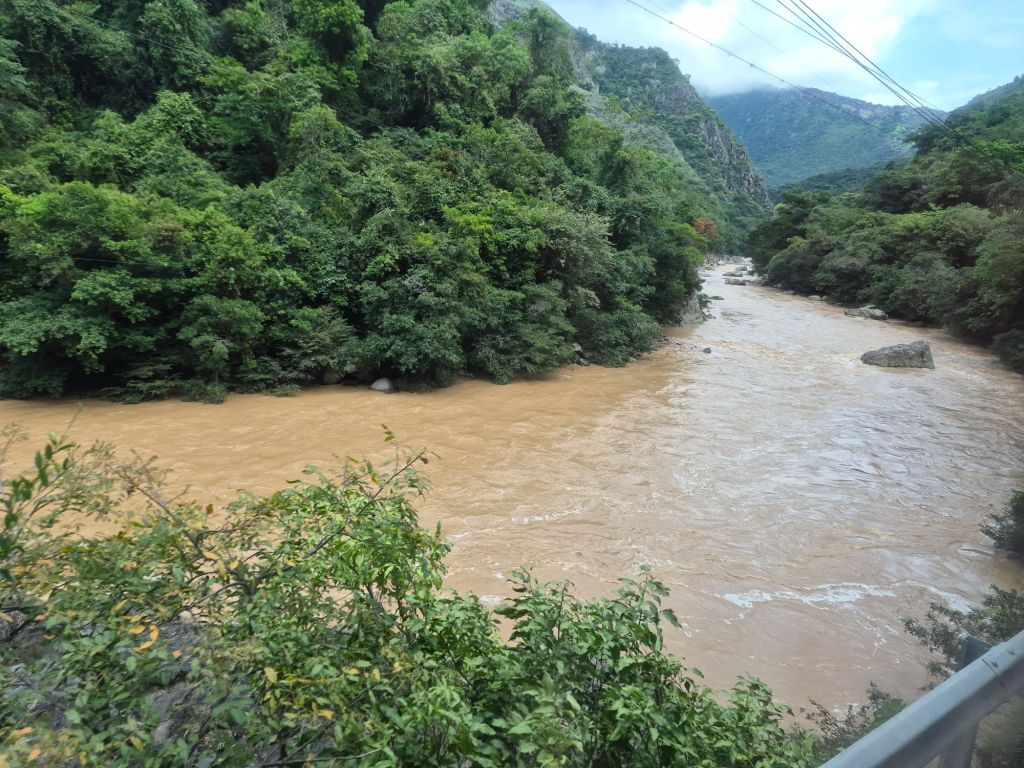
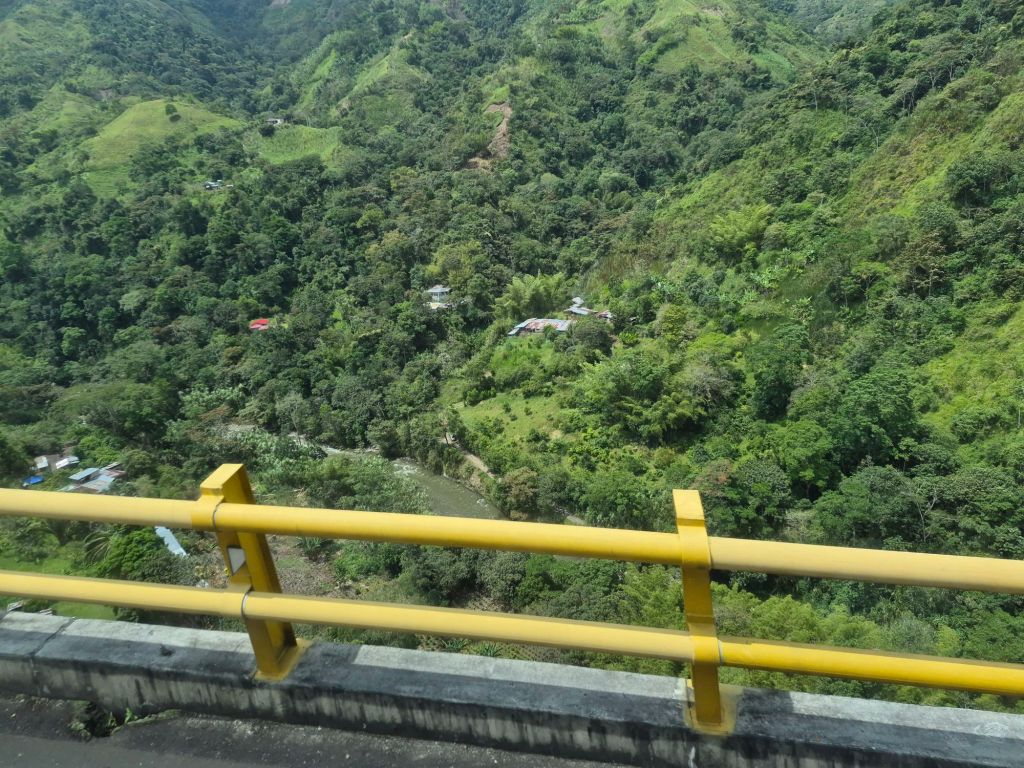
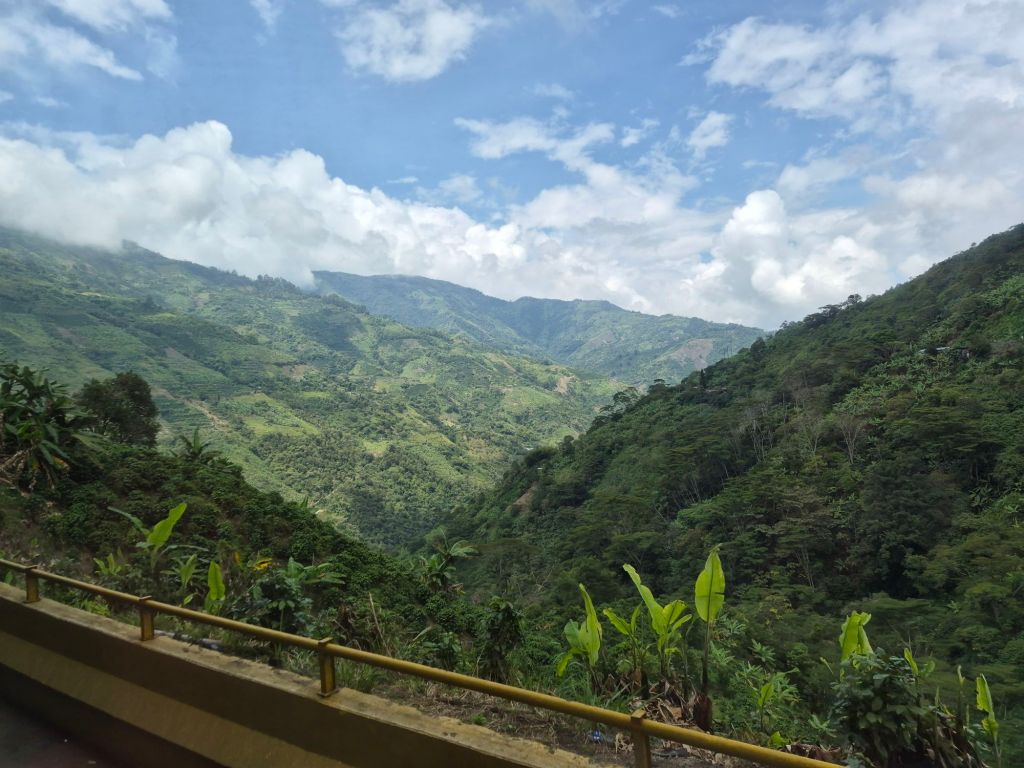
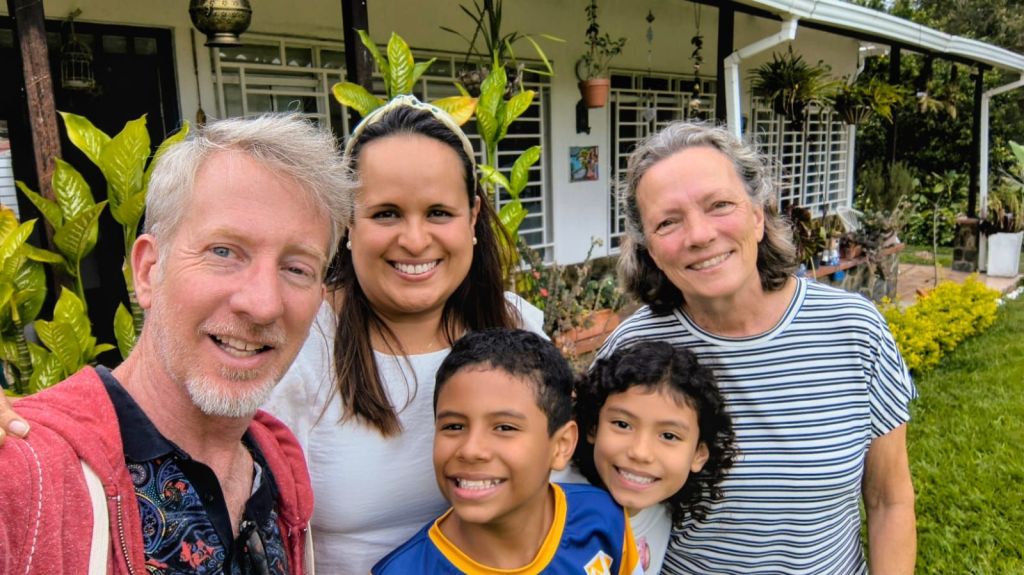
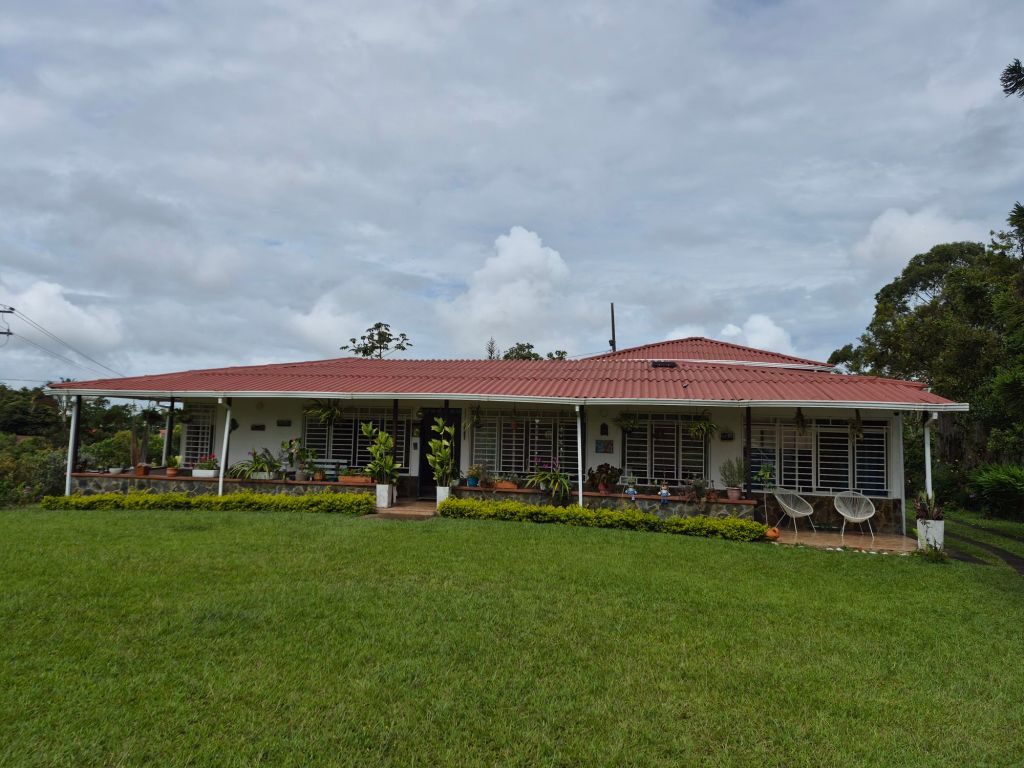
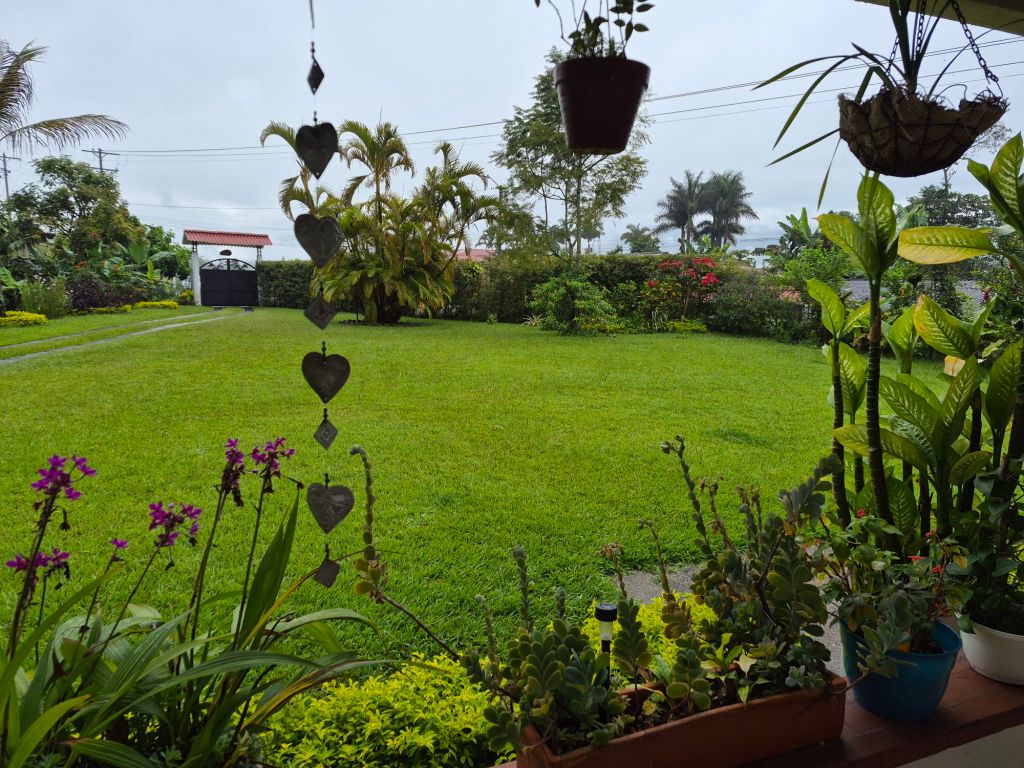
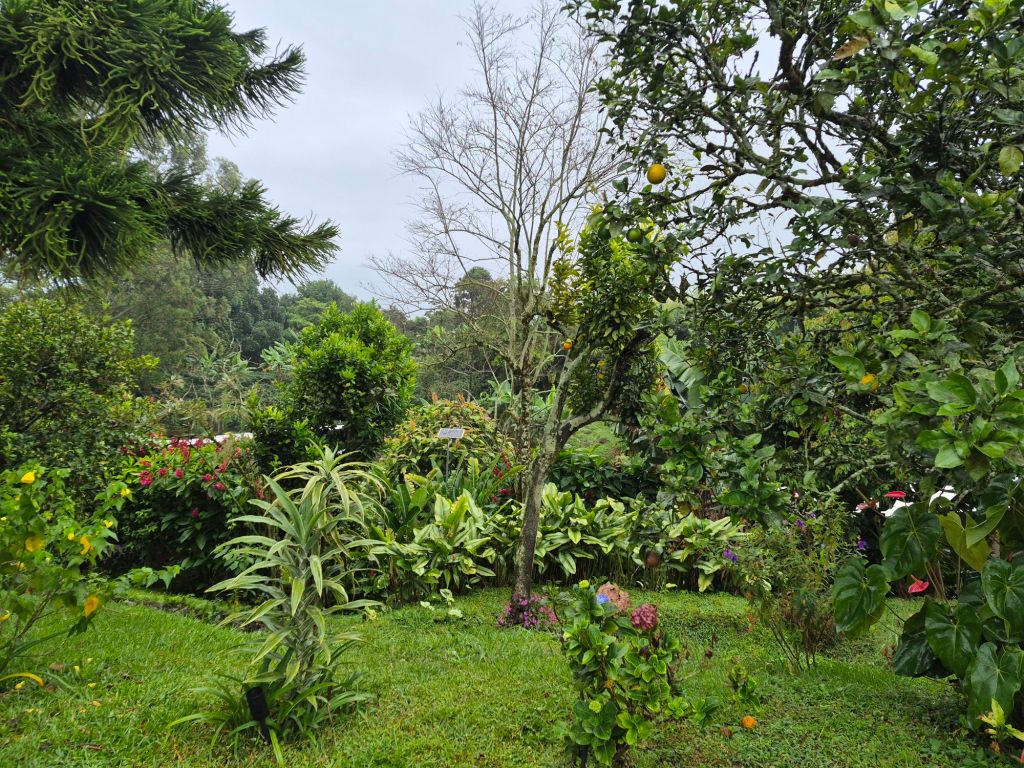
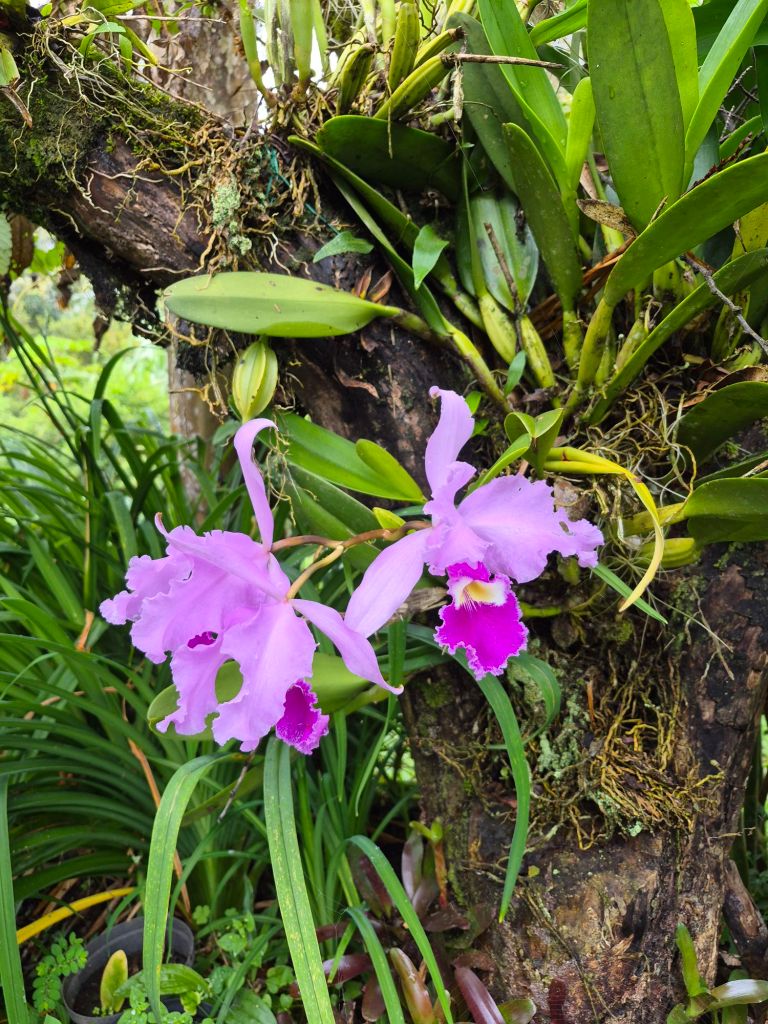
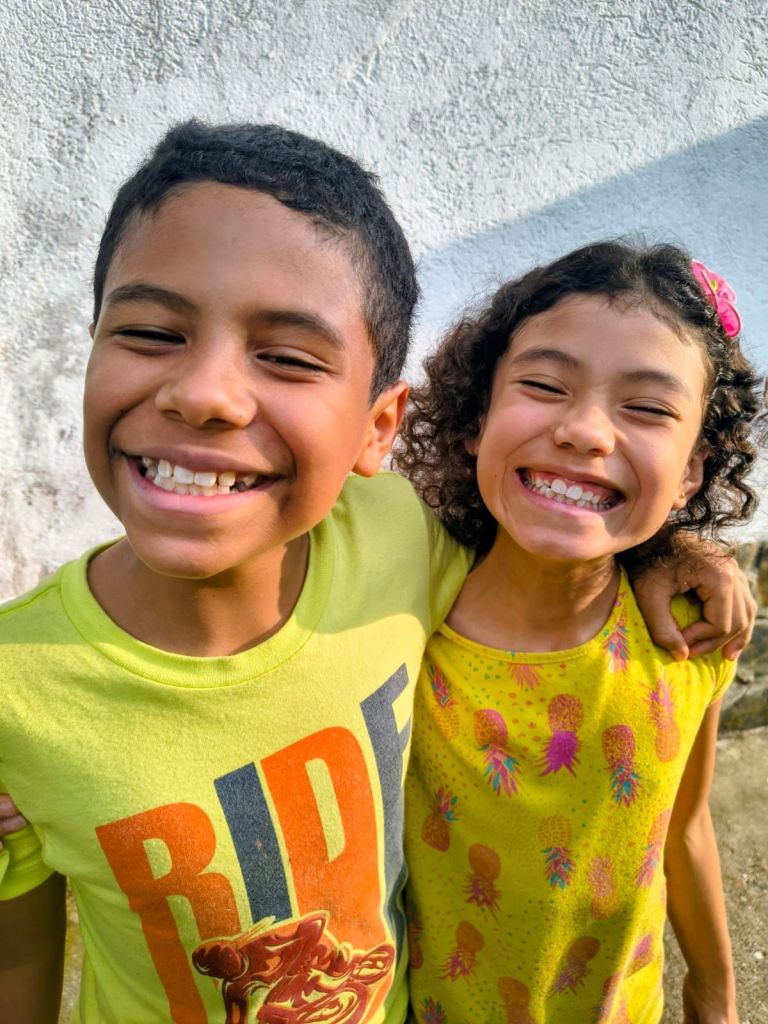
Rickus and his wife Xio picked me up from the bus station, and I spent the following two days with them and their two children, Alexis and Elen, at their beautiful home on the outskirts of Circasia (a smaller town 20 minutes from Armenia), being thoroughly spoilt. Xio’s parents, Ruben and Amanda, live on the same property, and Amanda showed me around the huge garden the next morning, picking some coffee beans, explaining the process of cleaning and roasting. They have many fruit trees, such as bananas, oranges, tangerines, avocados, other citrus and even a little apple tree which Rickus grew from a seed – I told him it is much too hot and humid there for apple trees to grow, but he is hopeful.
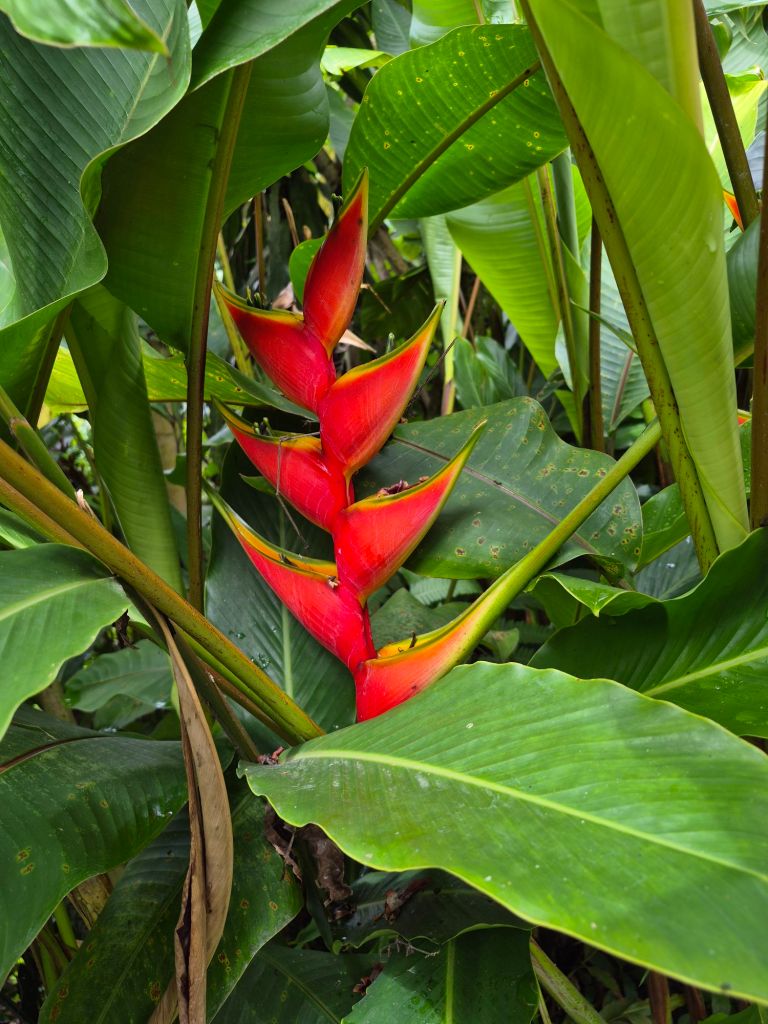
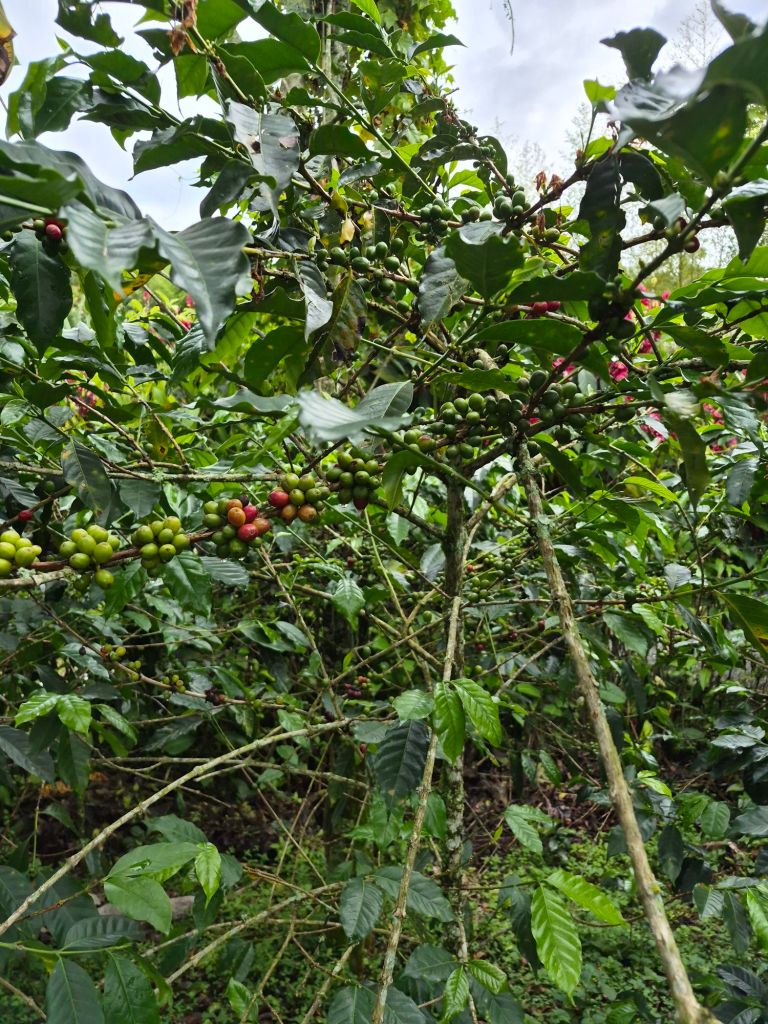
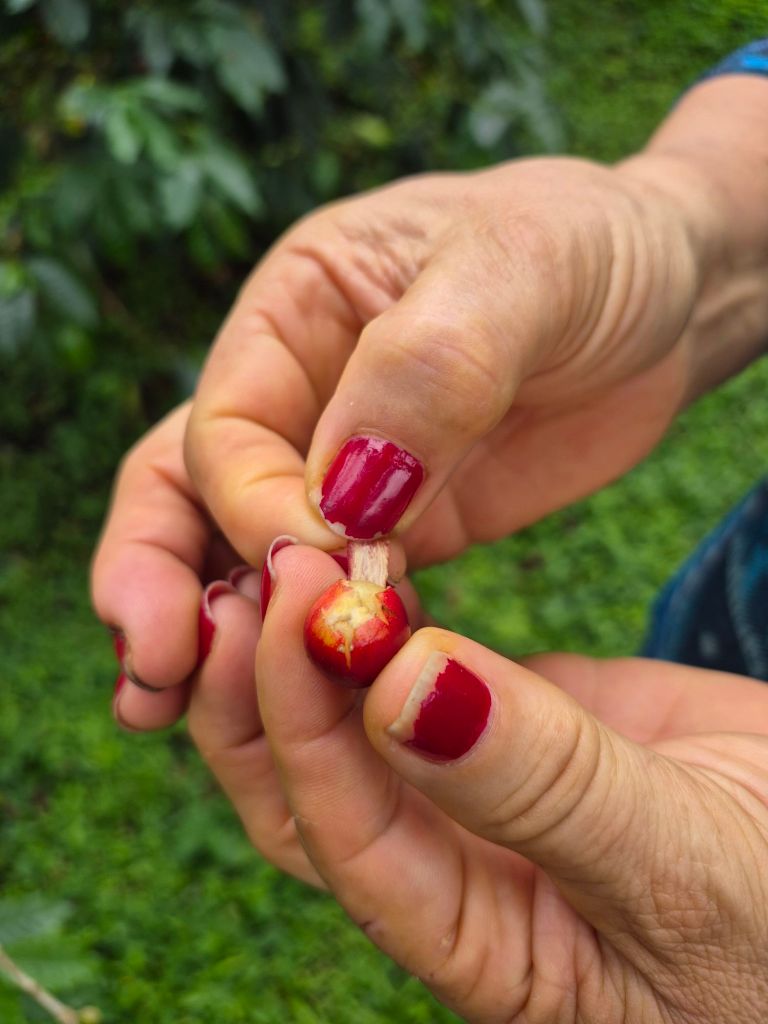
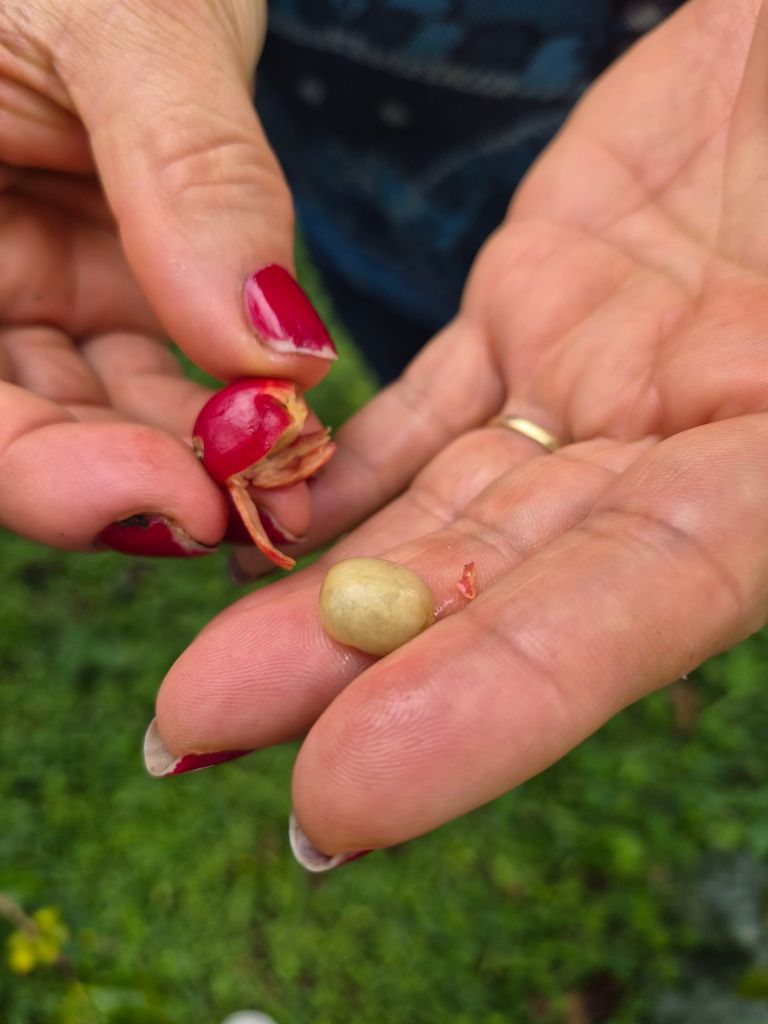
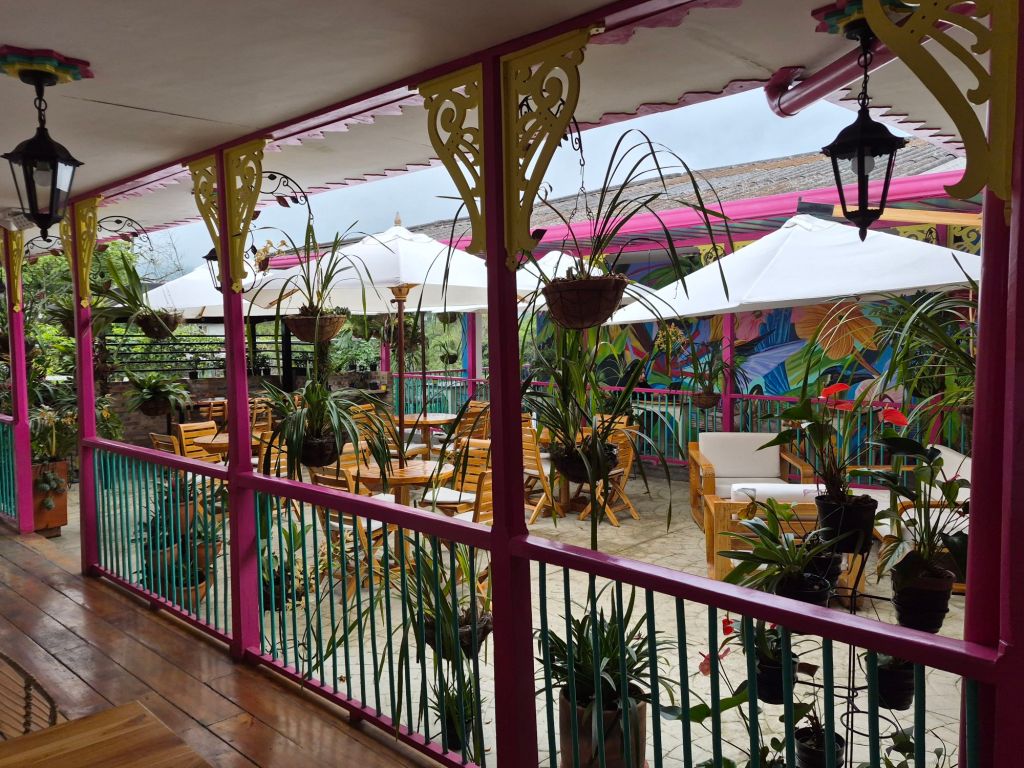
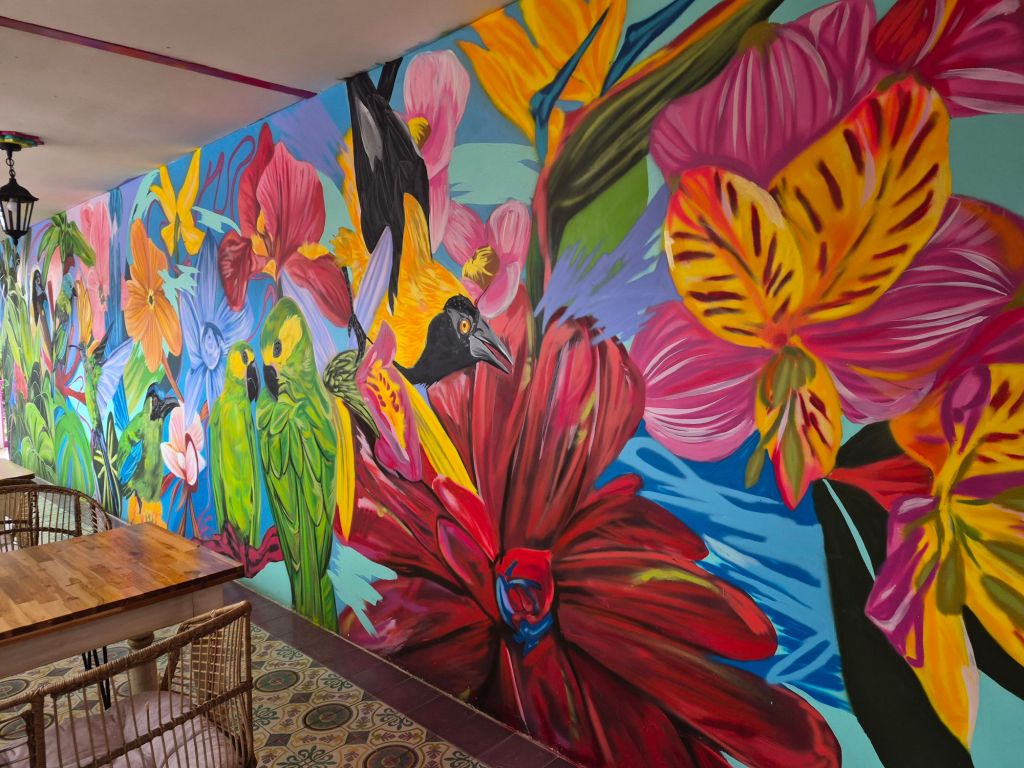
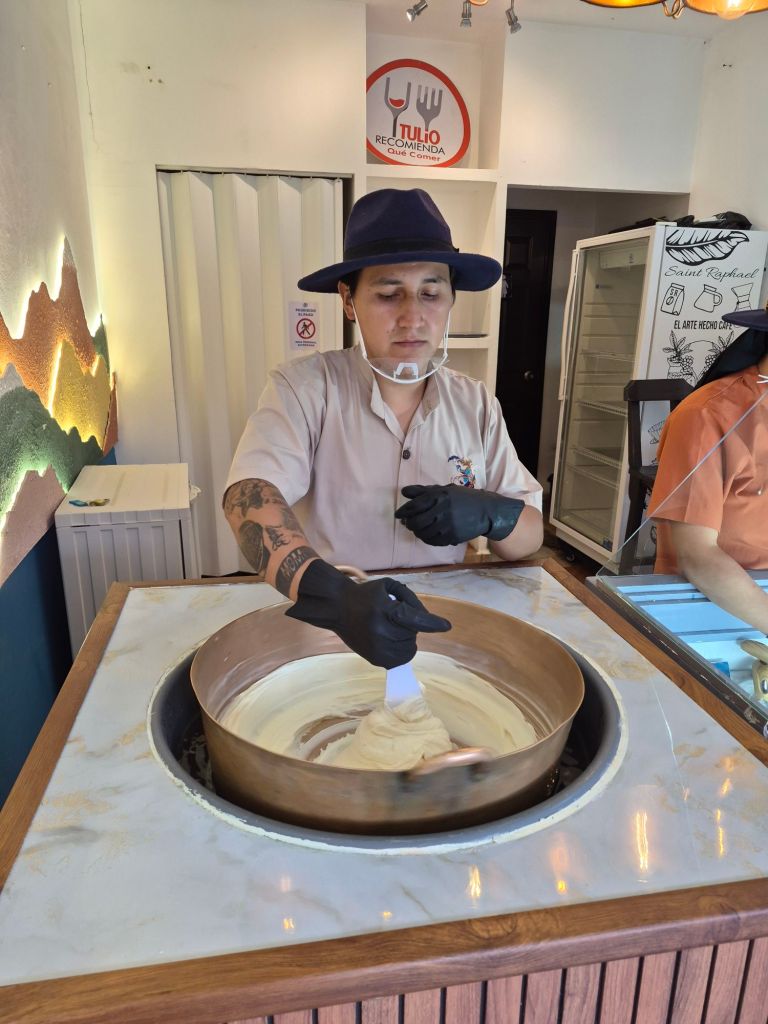
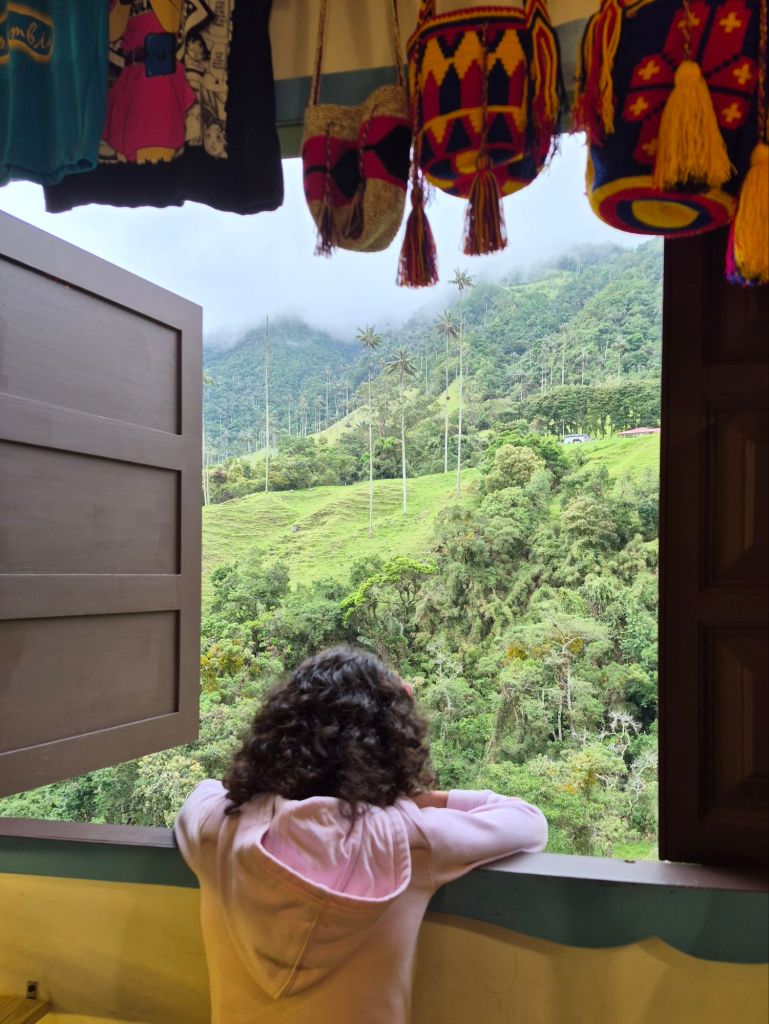
They took me to Solento later that morning, one of Colombia’s main tourist destinations, and we walked up the Valle de Cocora (Cocora Valley), where the very tall Quindío wax palms (Ceroxylon quindiuense) grow, the national tree of Colombia – a sight to behold. We walked through the town, taking pictures and having lunch at a restaurant which was in an old house, beautifully restored. I bought some coffee – it was the coffee region after all – which I now have to carry with me until December.
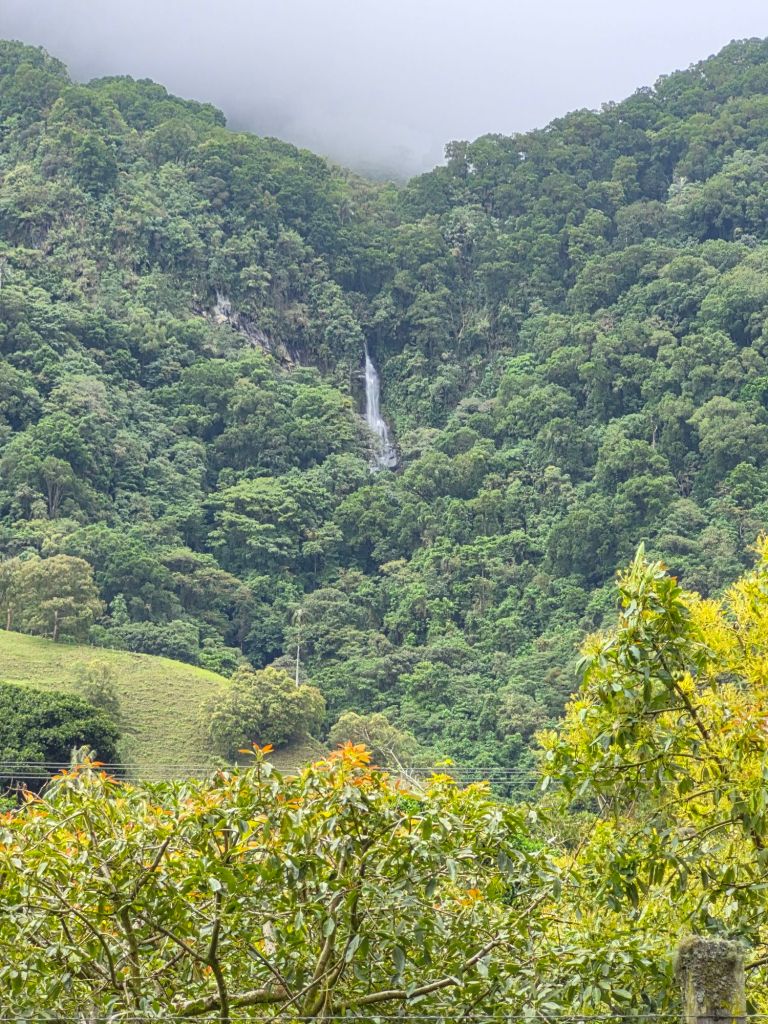
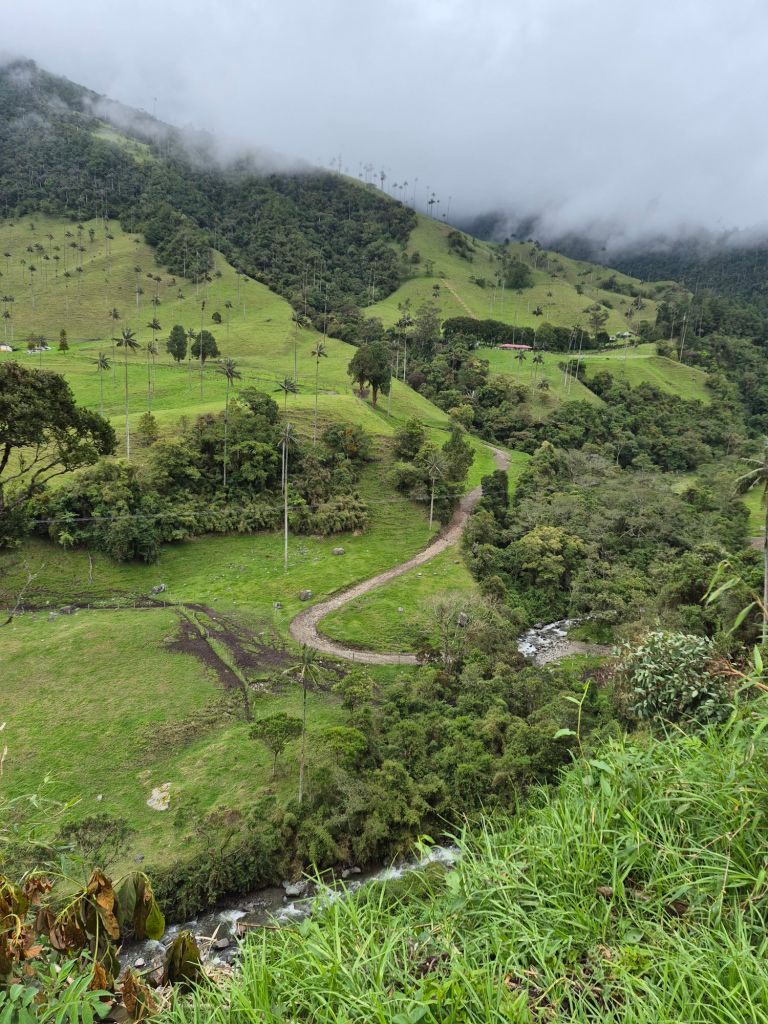
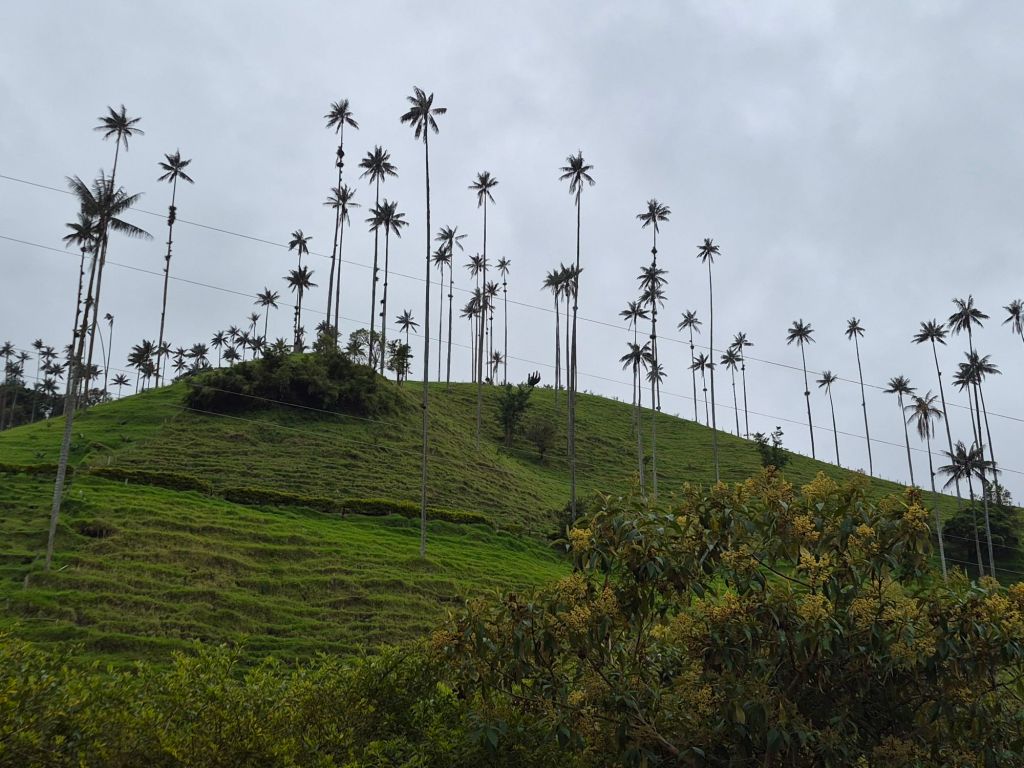
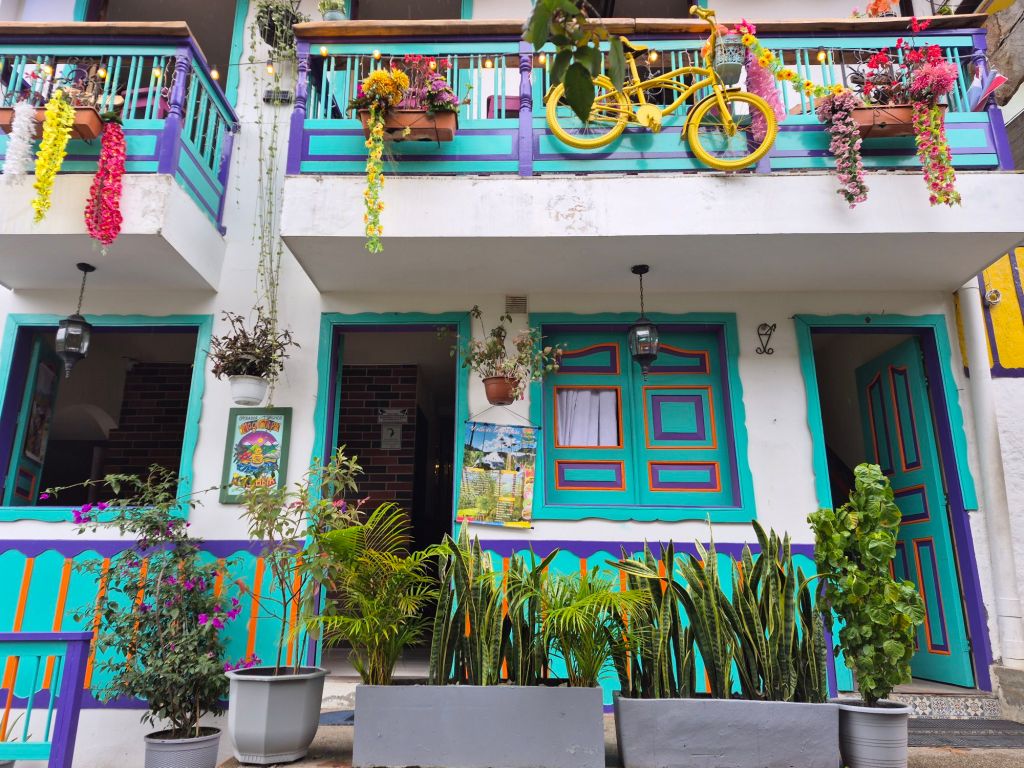
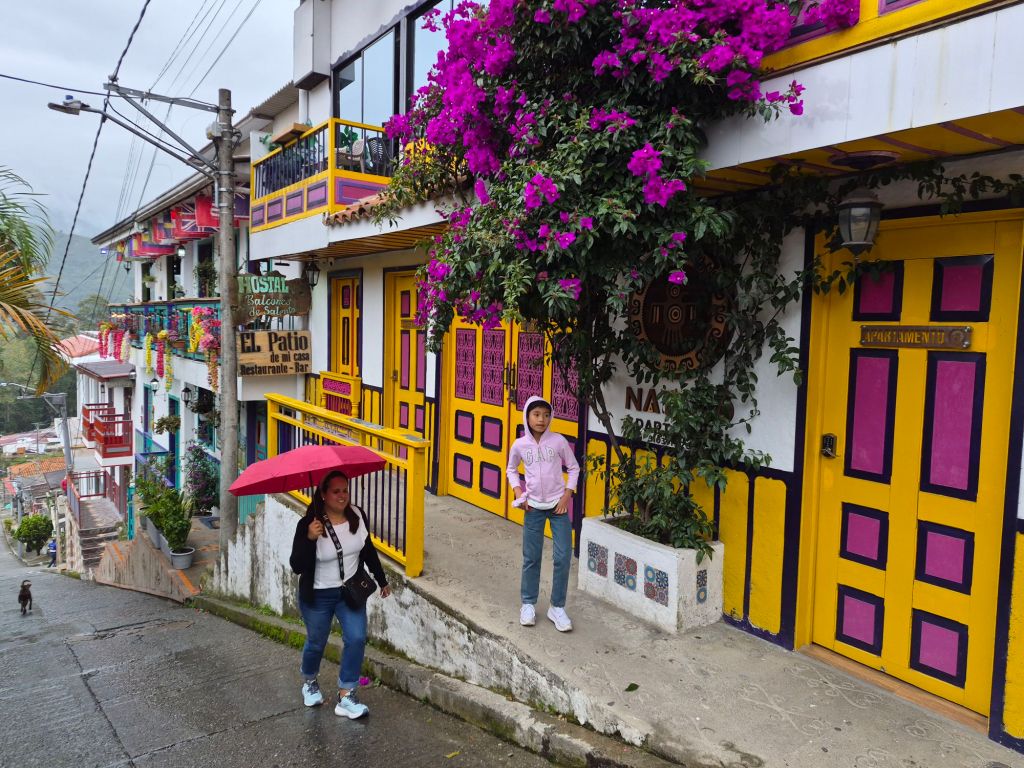
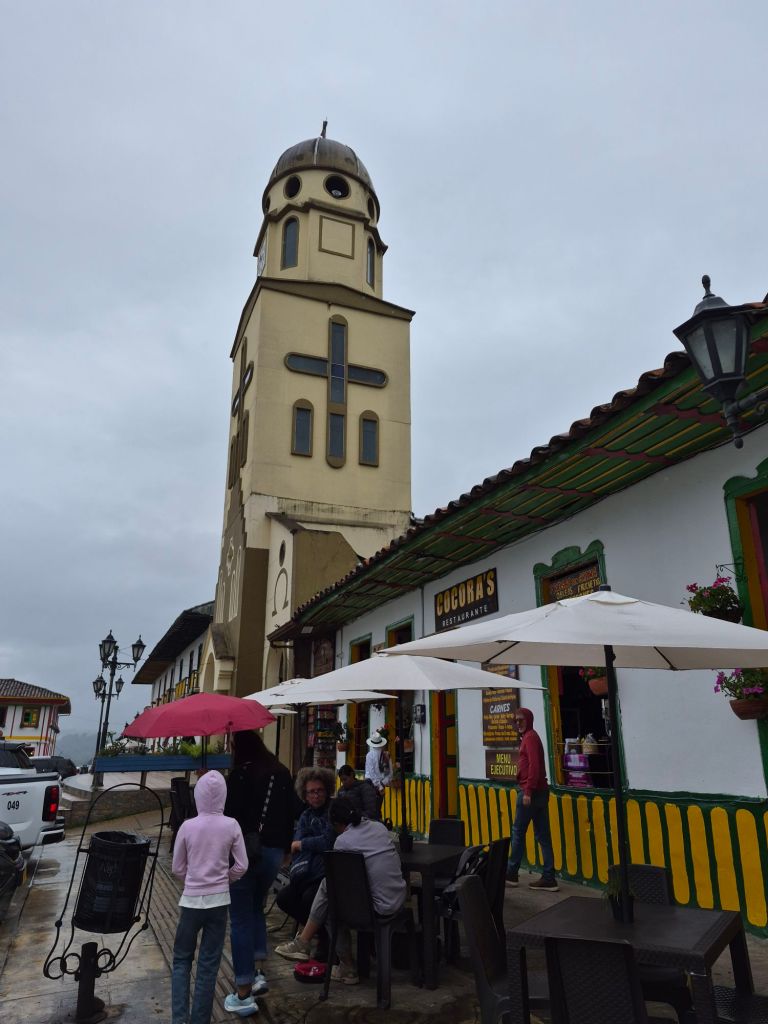
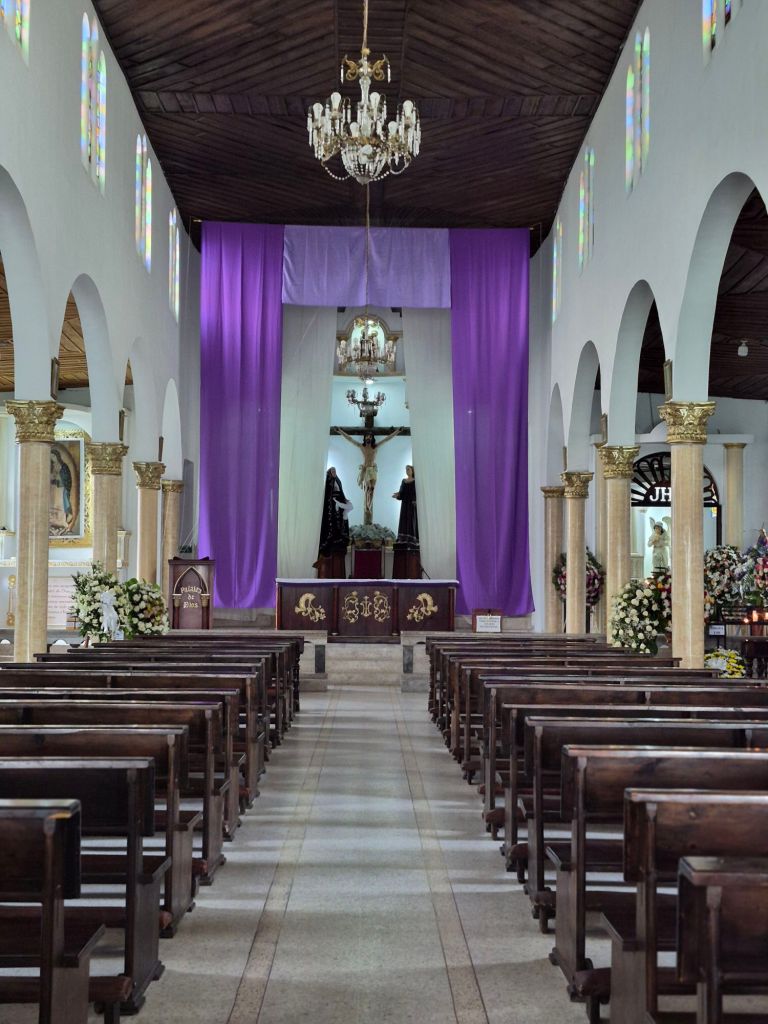
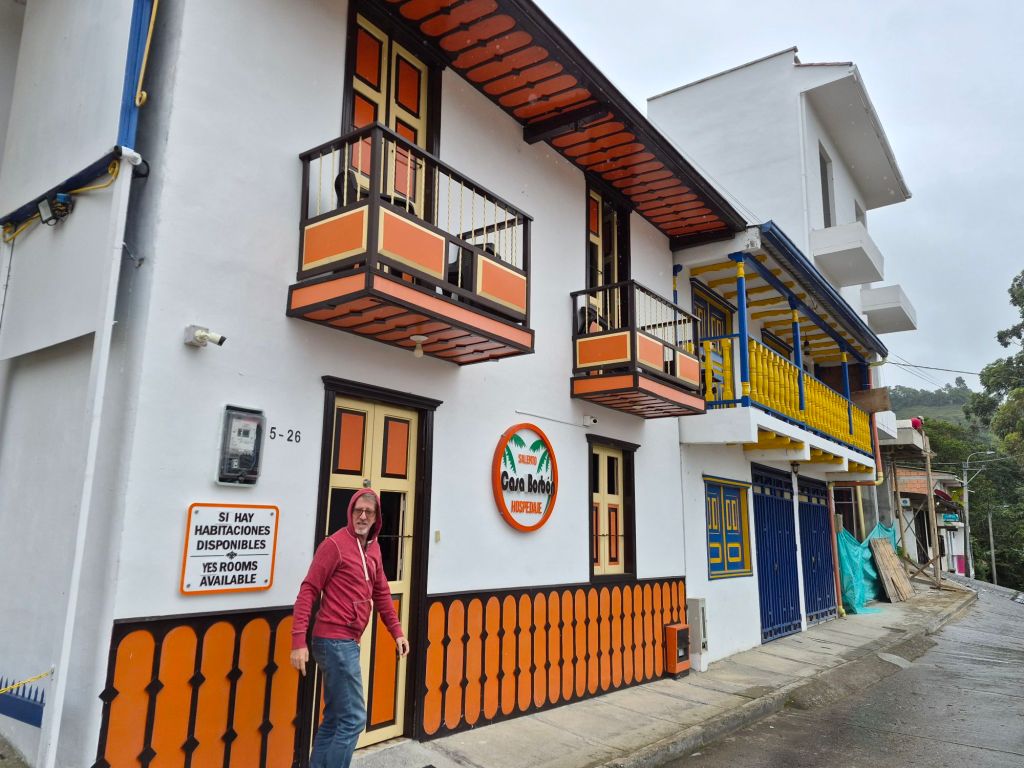
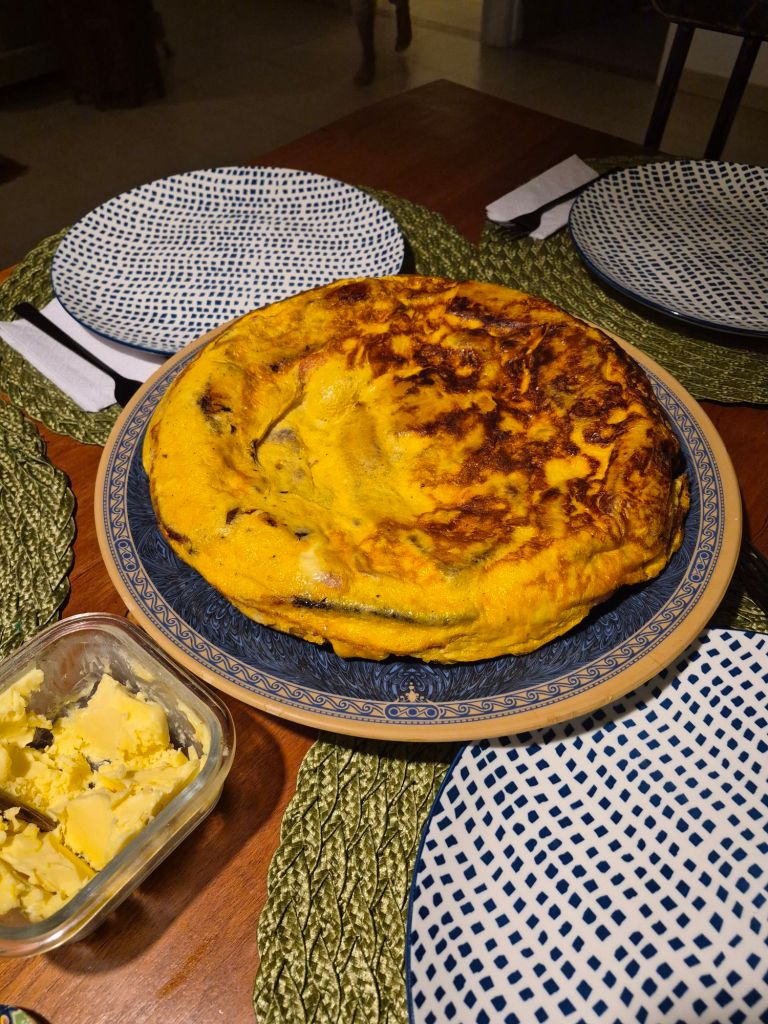
When we came back from Salento, Amanda had made a perfect tortilla with plantains from the garden. Usually the tortillas are made with fried potato pieces, but the plantains give a different flavor and texture. Plantains are a big type of banana that is used only for cooking. The thin flat chips that are made from them are often served as a side dish instead of potato chips.
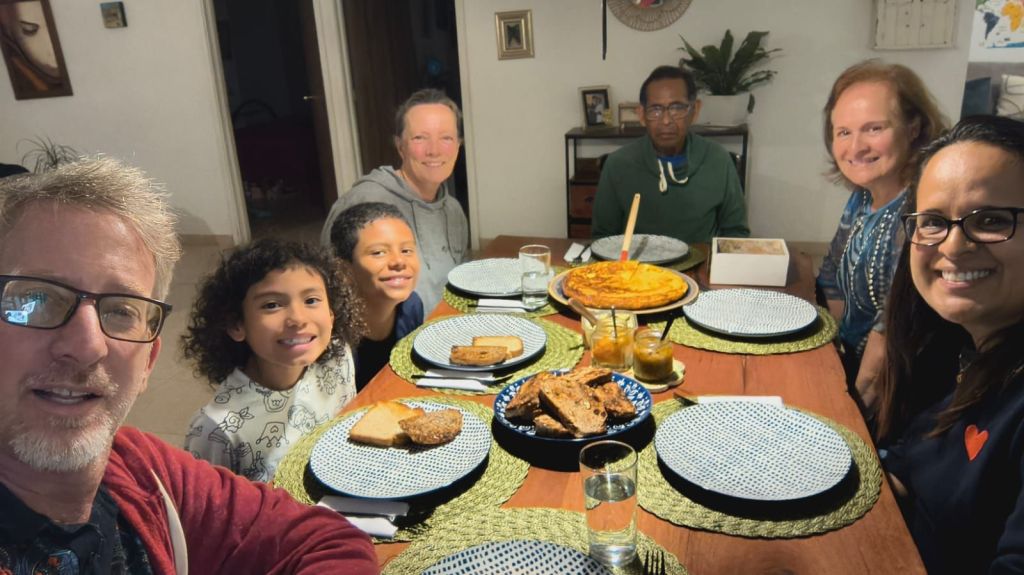
The hospitality of Rickus, Xio and their family touched me deeply. We had many open conversations and discissions about family, child rearing, religion and life in Colombia. There are certain parts of Colombia that are controlled by drug lords, and life can be difficult there, as it is a war zone. There is to be an election in May, and a promising presidential candidate has said that if he wins, he will attack the drug lords and their industry. Armenia and surrounds are in a very safe area, and as Amanda said, it is absolutely wonderful to live there. Xio does home schooling with Alexis and Elen, and they both passed their grades the day I returned to Bogotá.
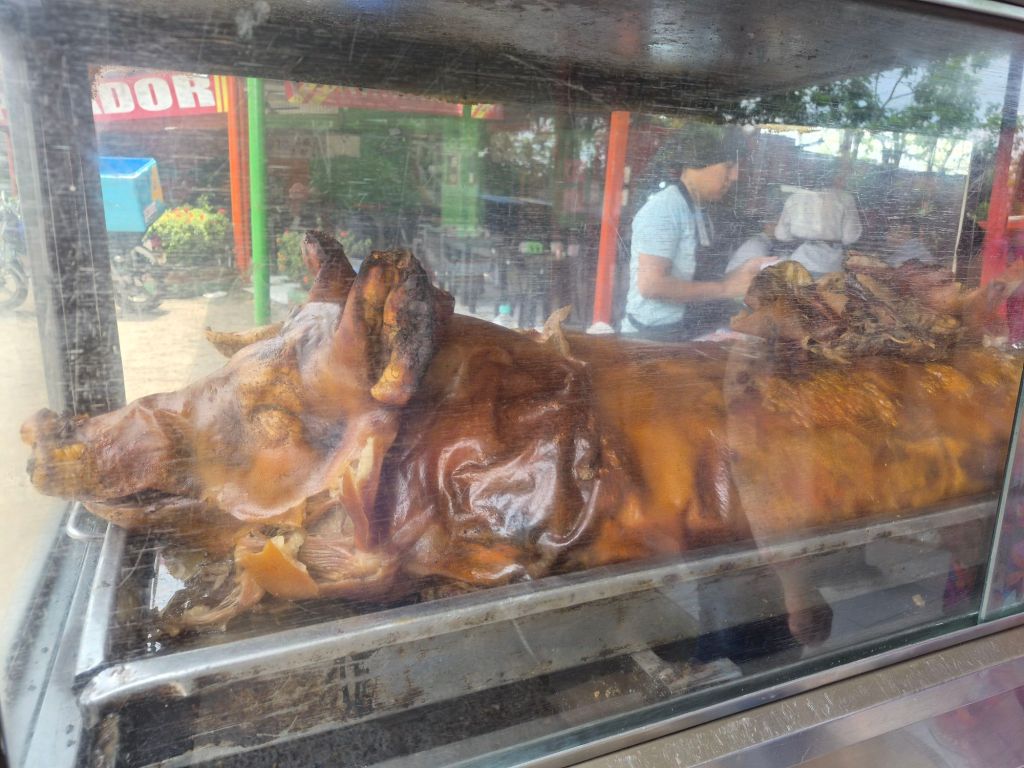
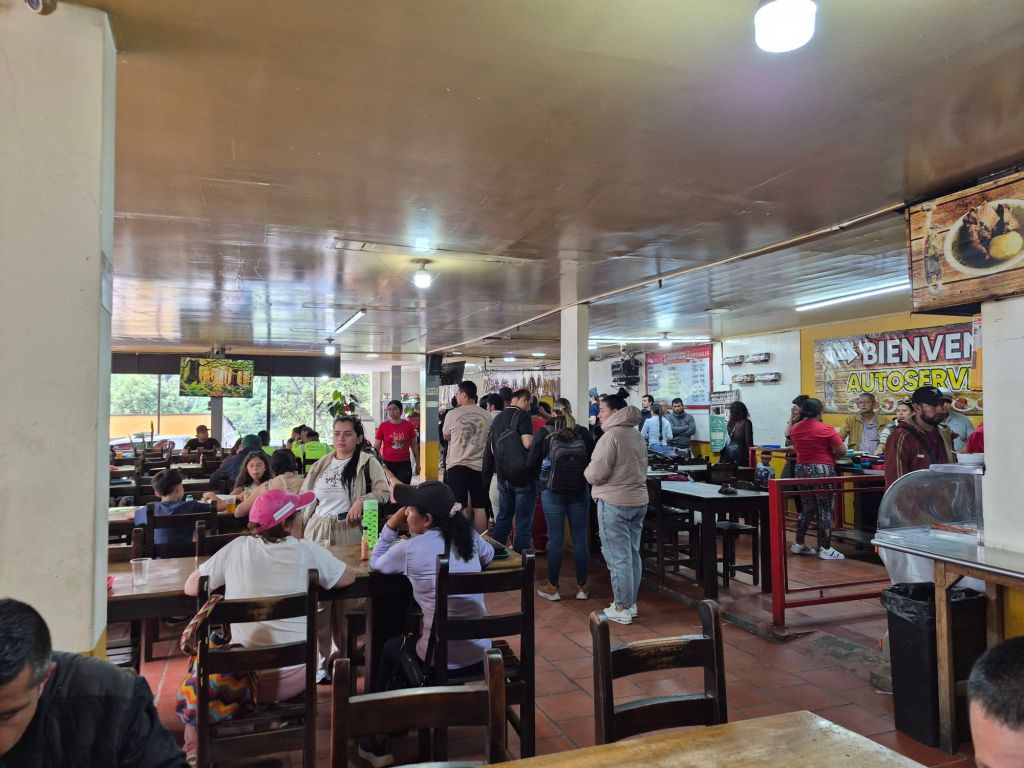
The road to Armenia is interesting in that for a certain stretch it is dual carriage, with the way there following the old, winding pass, and the way back going through tunnel after tunnel and many viaducts. Naturally the travelling time back to Bogotá is faster, but not as scenic. The bus stops at a restaurant next to the road, and evidently one can get a free meal, but the queue was long and I couldn’t figure out how to do it, so I just ate the delicious lunch that Xio had packed for me.
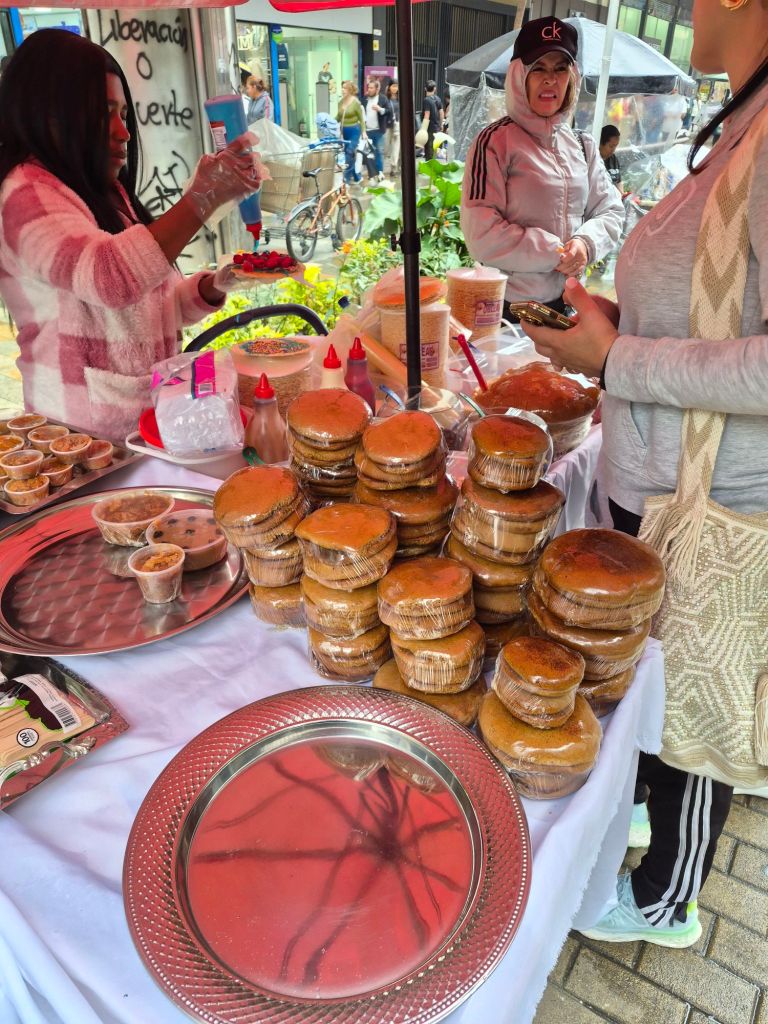
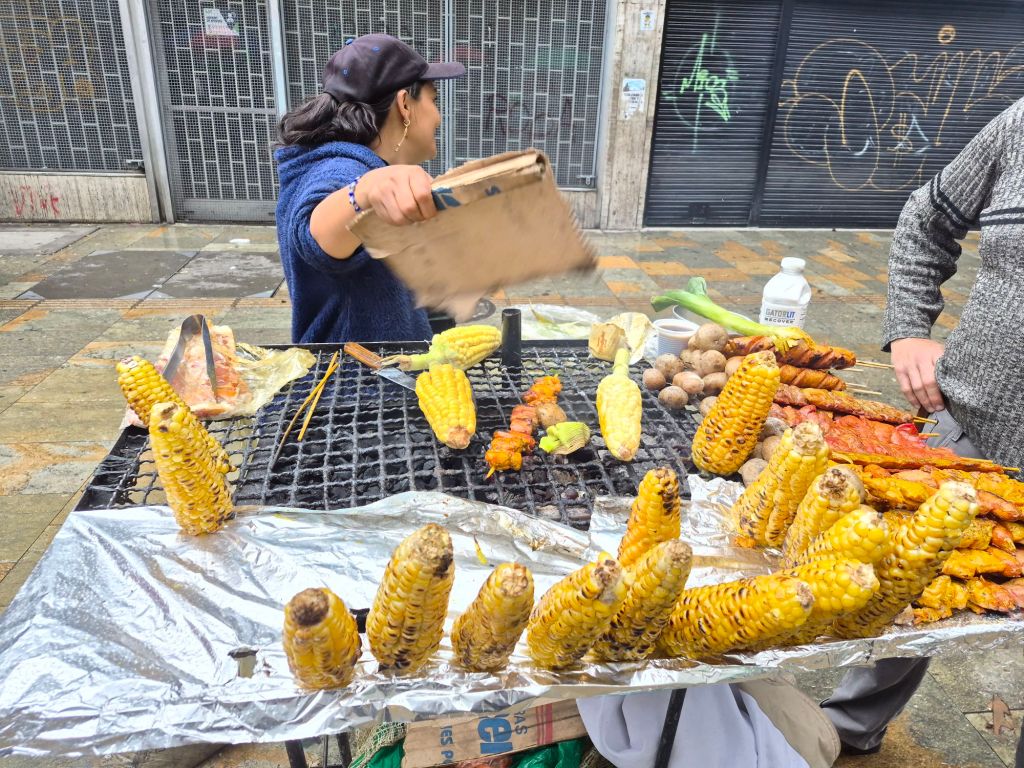
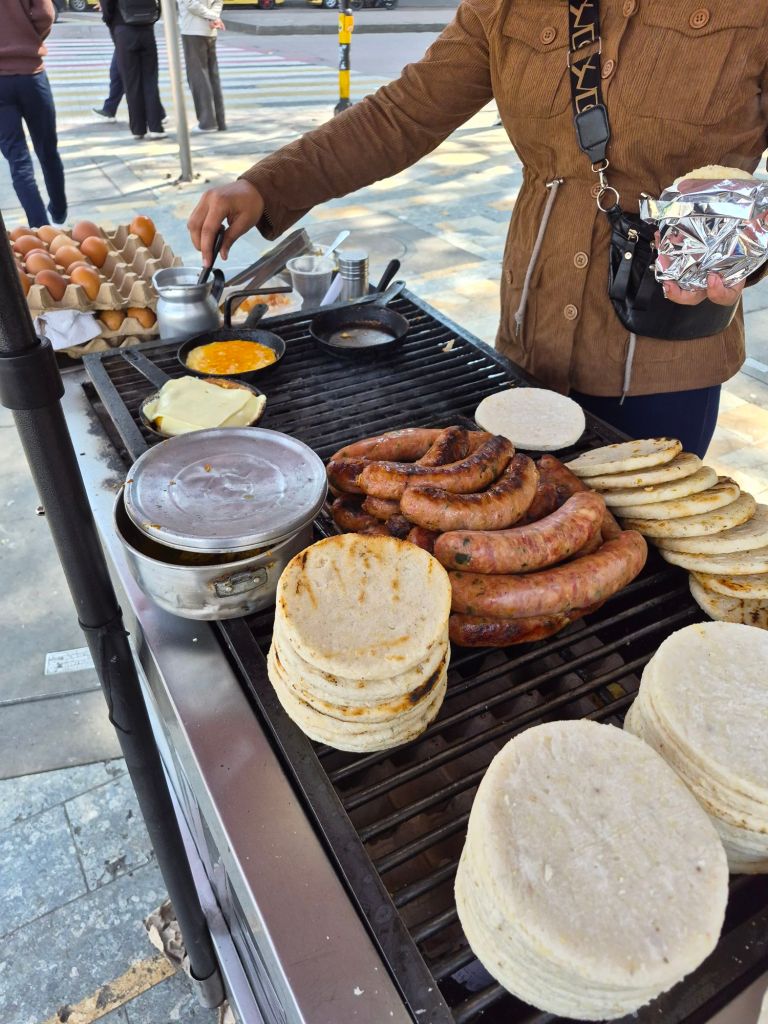
Back in Bogotá I stayed at the Hotel Artistico again, and discovered a small restaurant with good food around the corner, one block away. I was a bit wary of going out after dark, but hunger made me brave and Rickus’ advice was to walk purposefully with chin held high – it worked, no threats at all. The matronly woman who runs the restaurant, does everything – the cooking, serving, cleaning and payments, all very homely. The hamburger had fesh lettuce, tomatoes, cheese and a decent patty. No eating utensils were provided, so the eating was a homely mess too. One of my favourite meals has become the arepas de maiz (round, flat buns that are made from maize flour). They are sliced open, like a pita, and filled with anything. I first had them at Xio’s house, when she made them with a curry mince filling and cheese. The breakfast ones on the market street are filled with egg and cheese, and served in a foil envelope that keeps it warm.
 Mella Madness