I had a very relaxed and interesting week in Montevideo, a city that epitomises the Uruguay approach to life. I’ll mainly post pictures, they depict what I experienced, but I cannot refrain from telling a story or two.
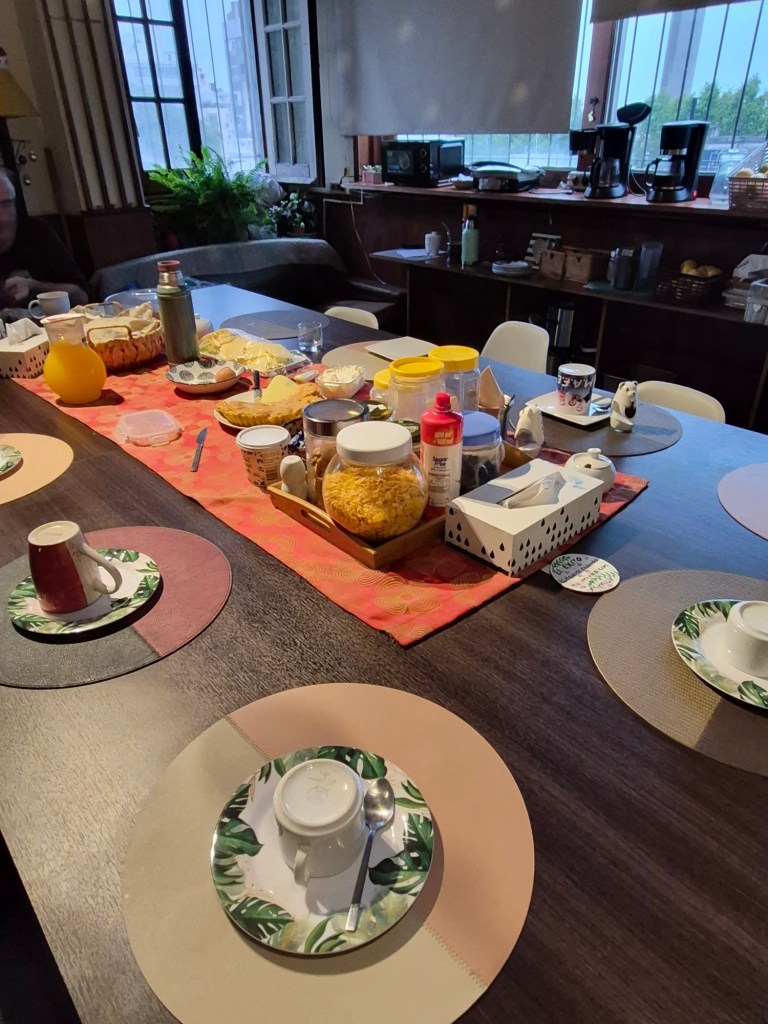
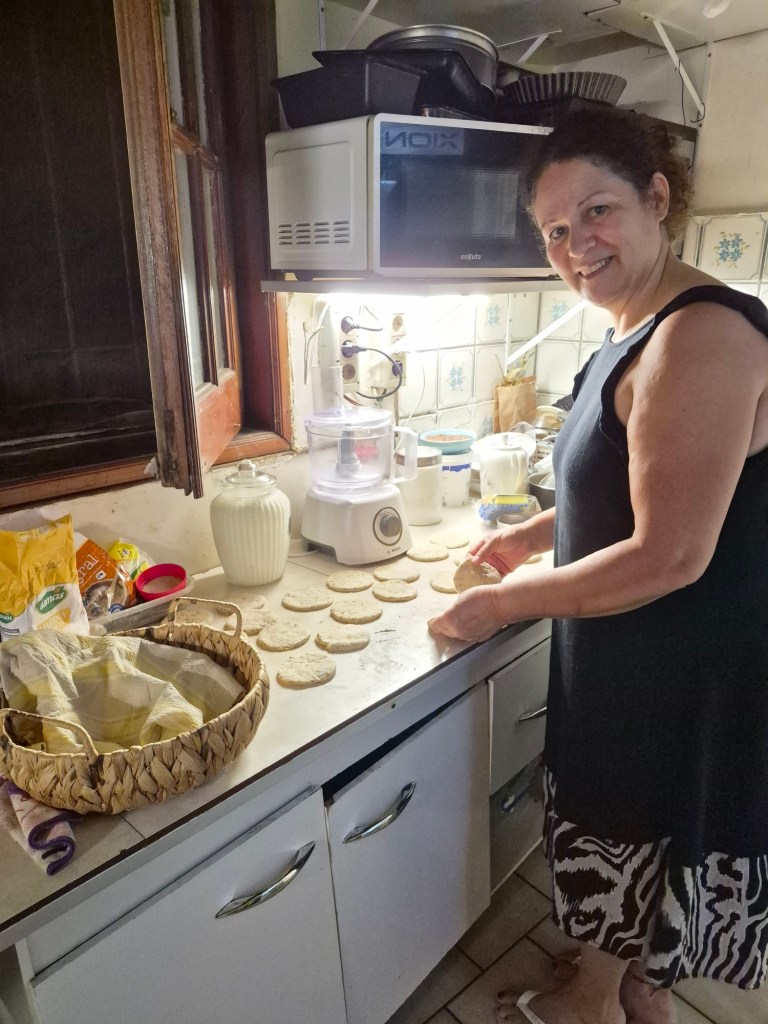
The first one is about my arrival. The bus ride gave me the opportunity to re-establish my equilibrium, and the reception at Montevideo Hostel was extraordinary. Annette, the owner, gave me the warmest welcome, inviting me to have breakfast even though it was already noon. The spread (every day, available the whole day!) consisted of eggs, freshly baked flat buns, cheese, salami, fruit, tea, coffee, juice, yoghurt, seeds, corn flakes, cake, and sometimes a special treat like aroz con leche (a rice and milk desert).
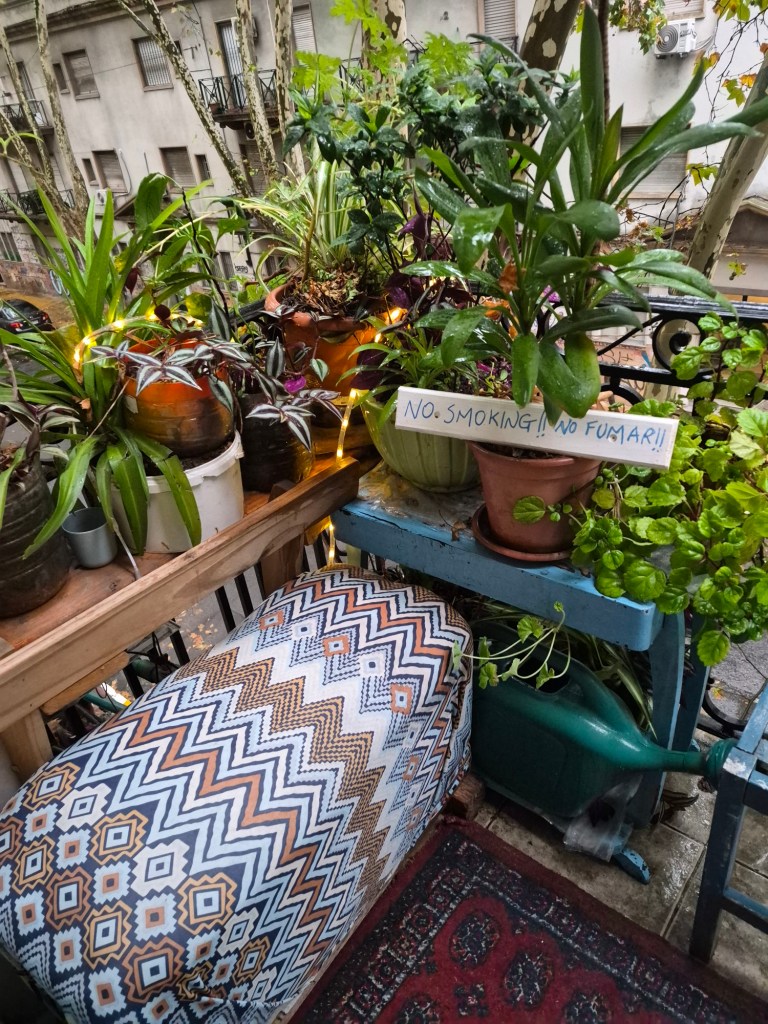
I was shown to a 6-bed room, but we were only two in the room, making it more comfortable. There was a locker to unpack my things into, and a little balcony just outside the room, which became my personal haven for the week.
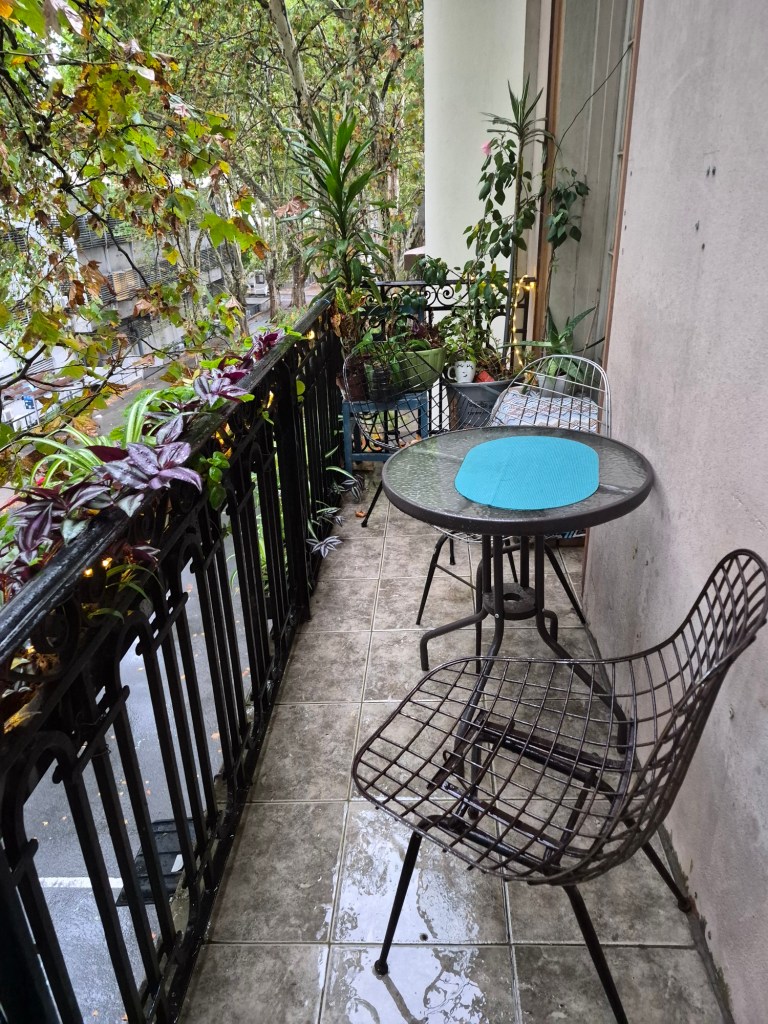
I can strongly recommend this hostel. Annette runs it like a home, and everybody is family – mostly young guys who work in Montevideo for a few months and live there, some even up to a year.
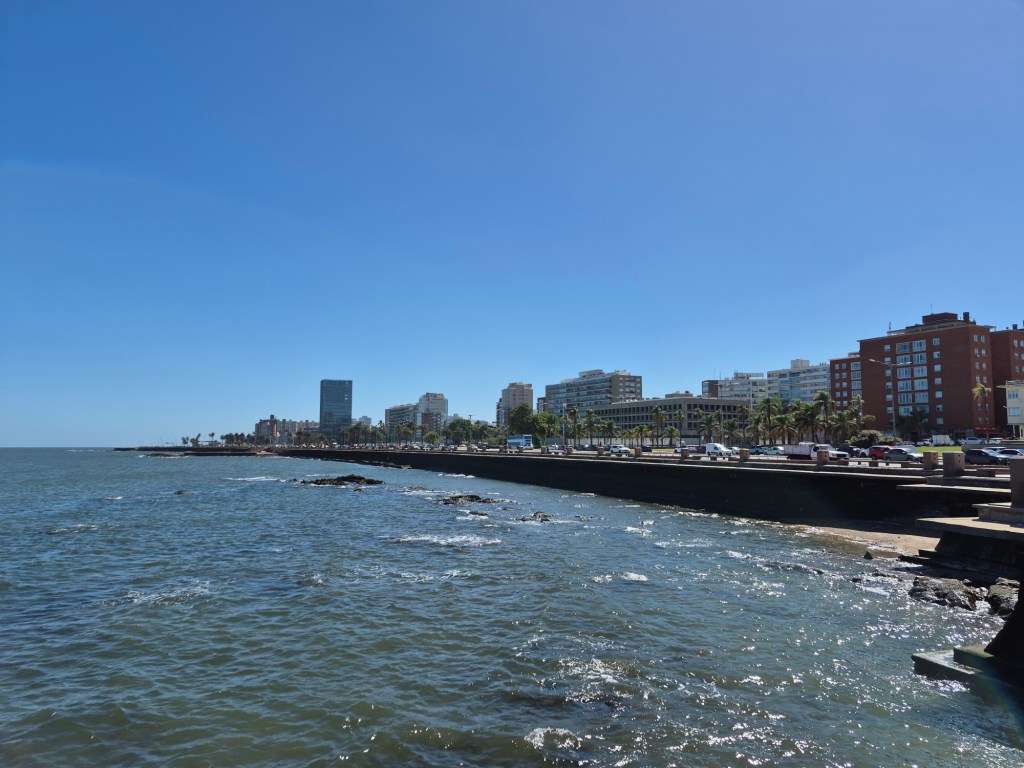
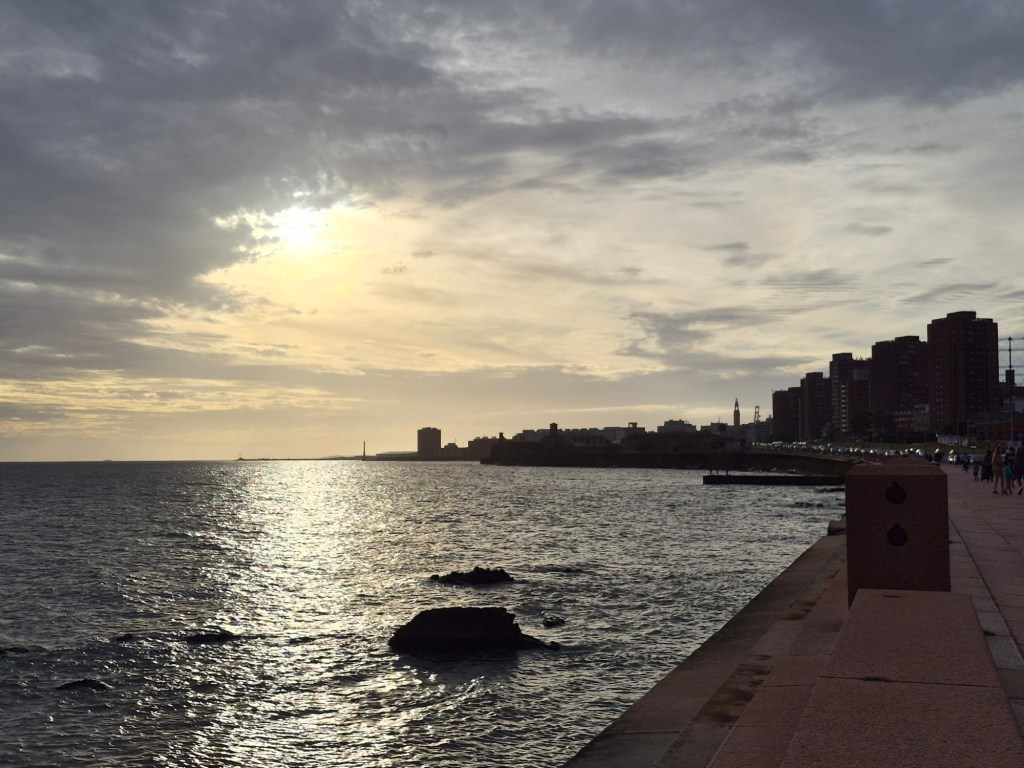
After a healthy ‘breakfast’, I set out on an exploratory walk, straight down to the sea through a rather rundown neighbourhood, deserted on a Saturday afternoon, and along the broad promenade which runs all along the sea for many kilometers, called the Rambla Sur (Southern Boardwalk).
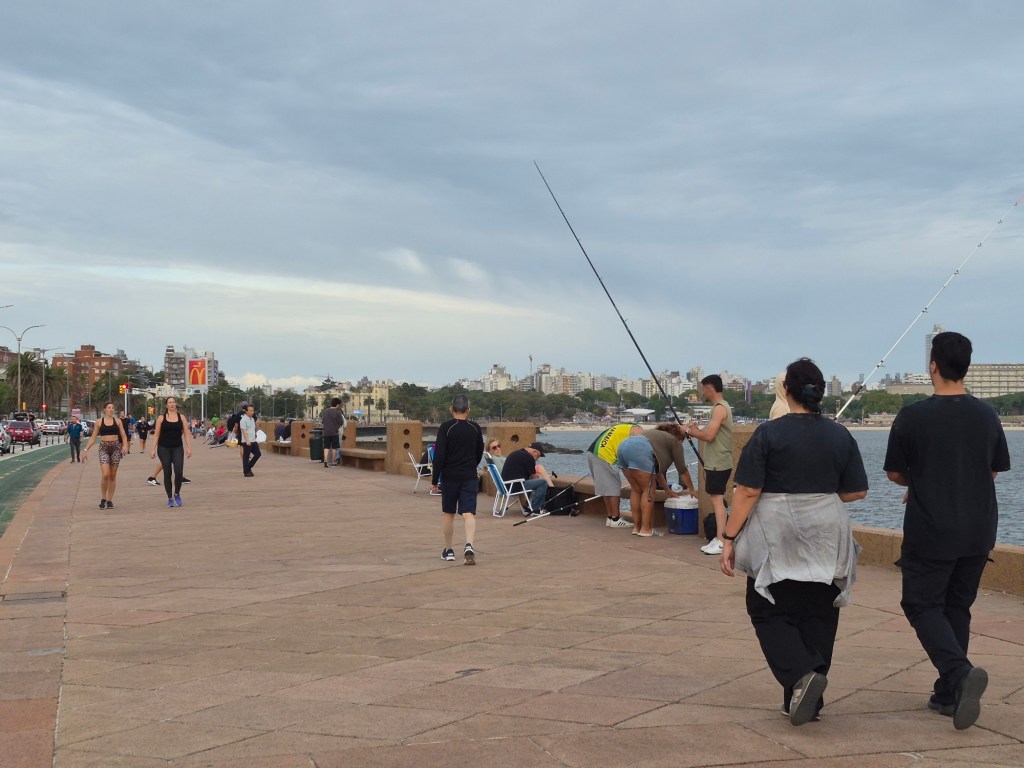
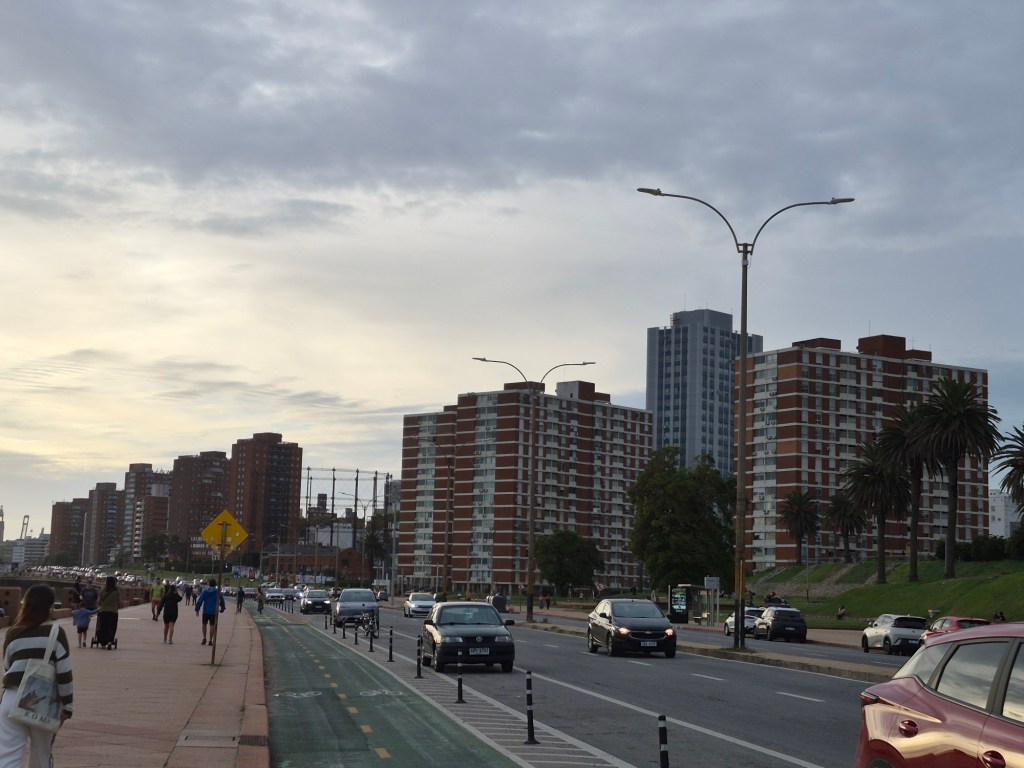
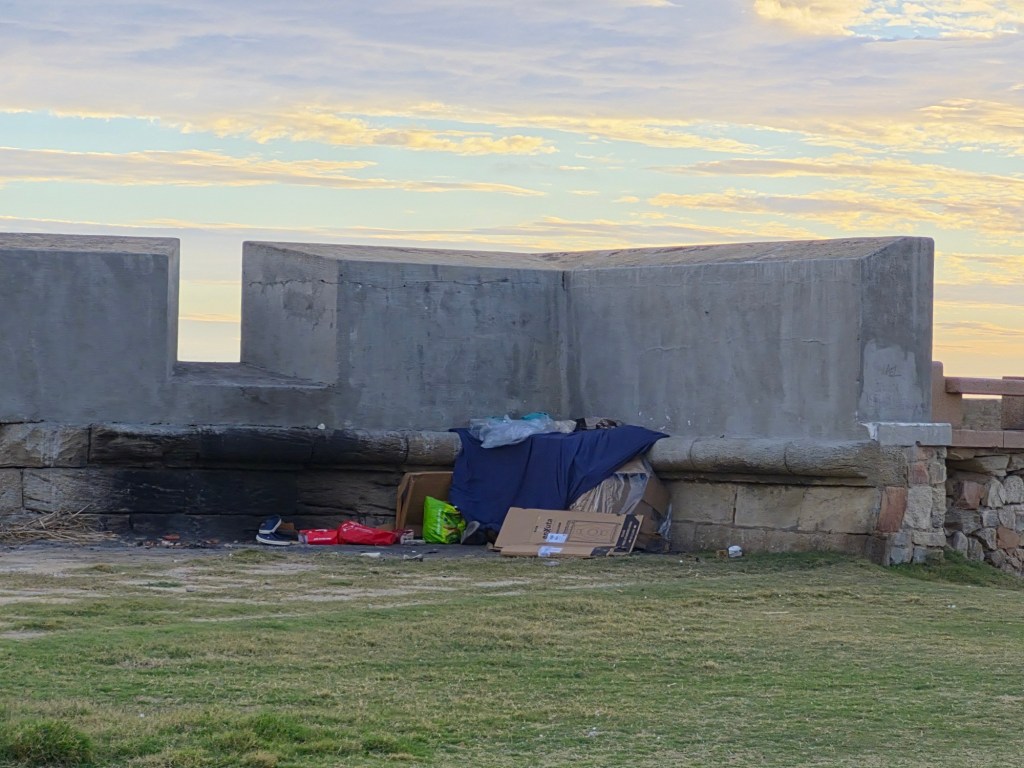
The further I walked, the more despondent I became. Everything looked drab in comparison to Punta del Este, the sea was polluted and brown, the people looked different, there were beggars and homeless people lying in nooks, the high-rise buildings were facebrick and brown, and in general the buildings looked neglected. “Montevideo is ugly,” were my thoughts, “how am I going to spend a week here?”
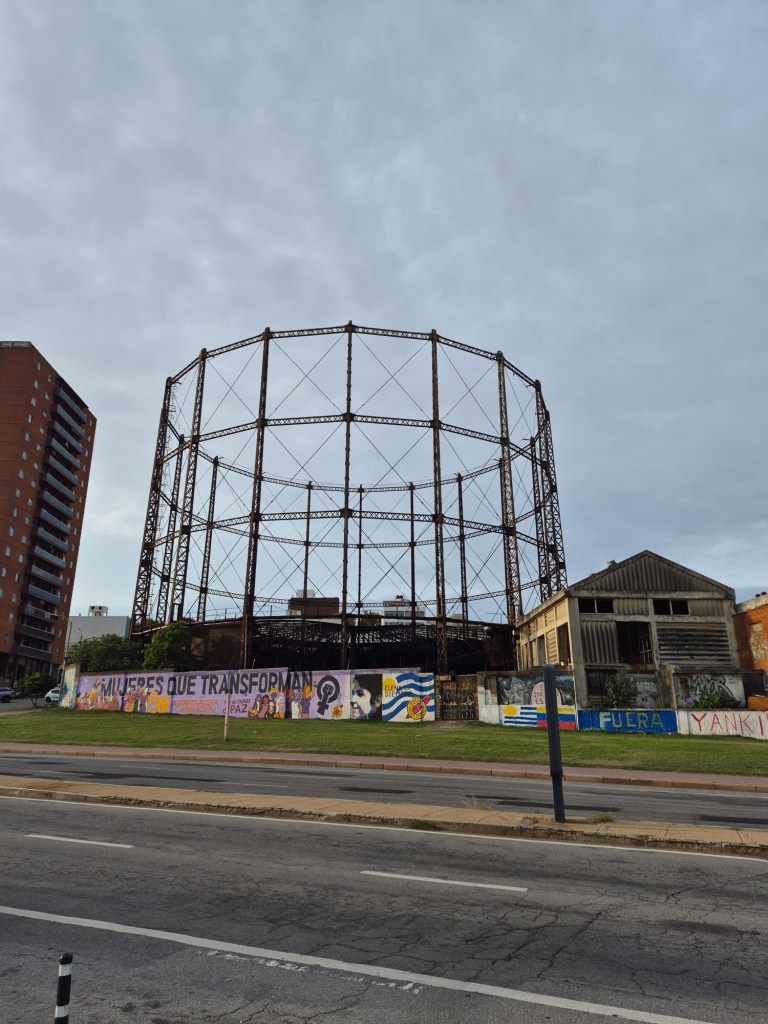
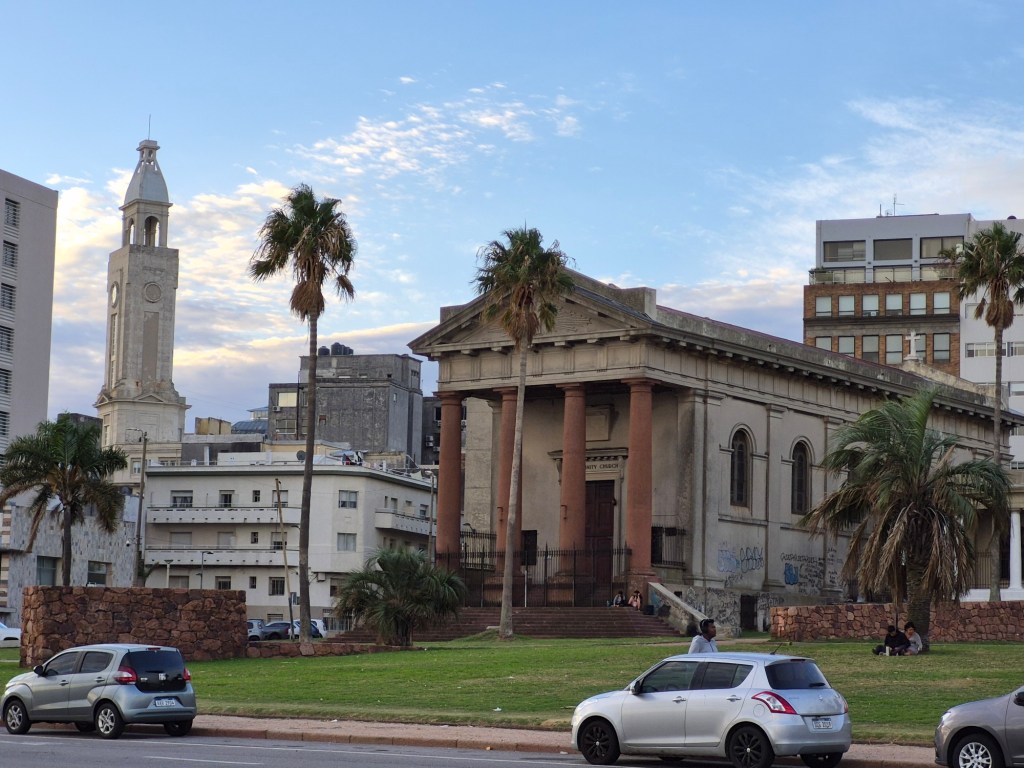
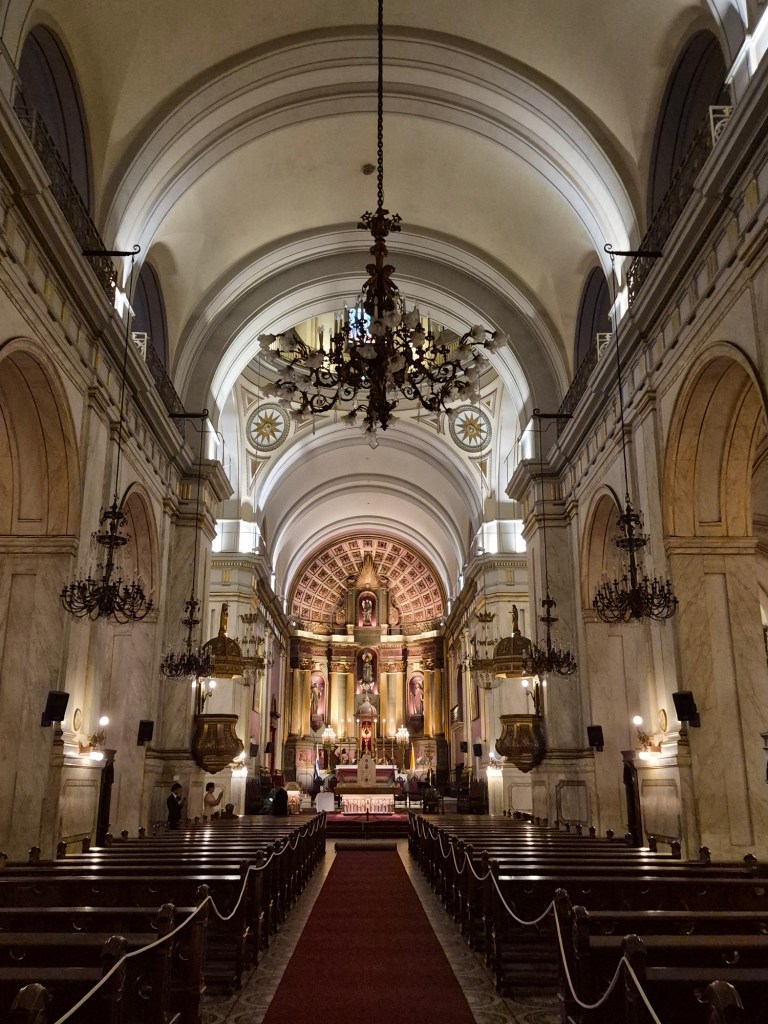
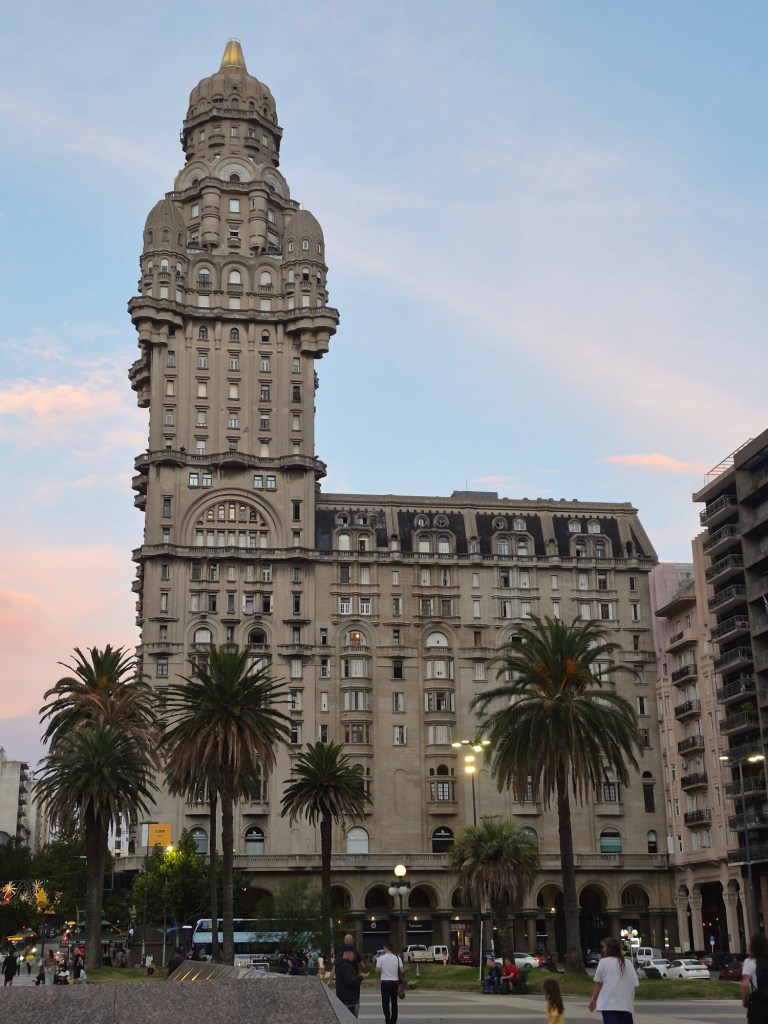
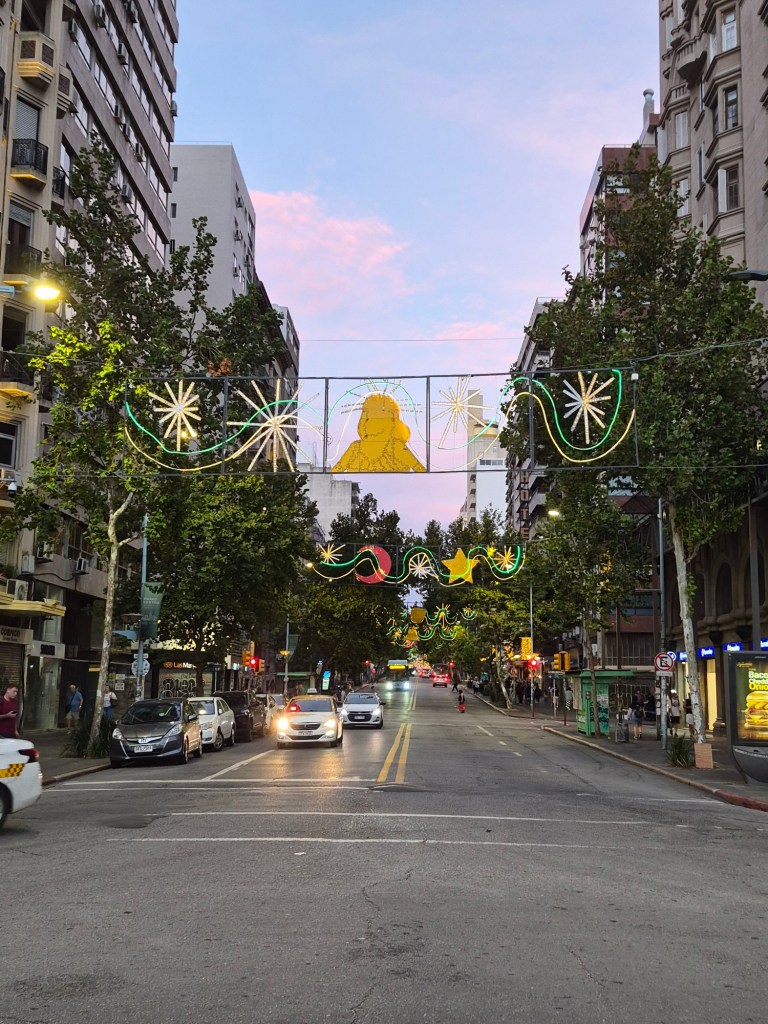
I veered inland when I was opposite the old city, and then the magic started to happen. Suddenly there were more people, coffee shops and restaurants, and as I started walking up Avenida 18 de Julio (the main street), there were plazas (squares) with interesting buildings, and as it was getting dark, lights in the street. I was becoming more and more intrigued, and as I entered Plaza Juan Pedro Fabini, I was enthralled: people were sitting in a circle on chairs, and elderly couples were dancing the tango – the real thing, not the staged tango dancers of Buenos Aires!
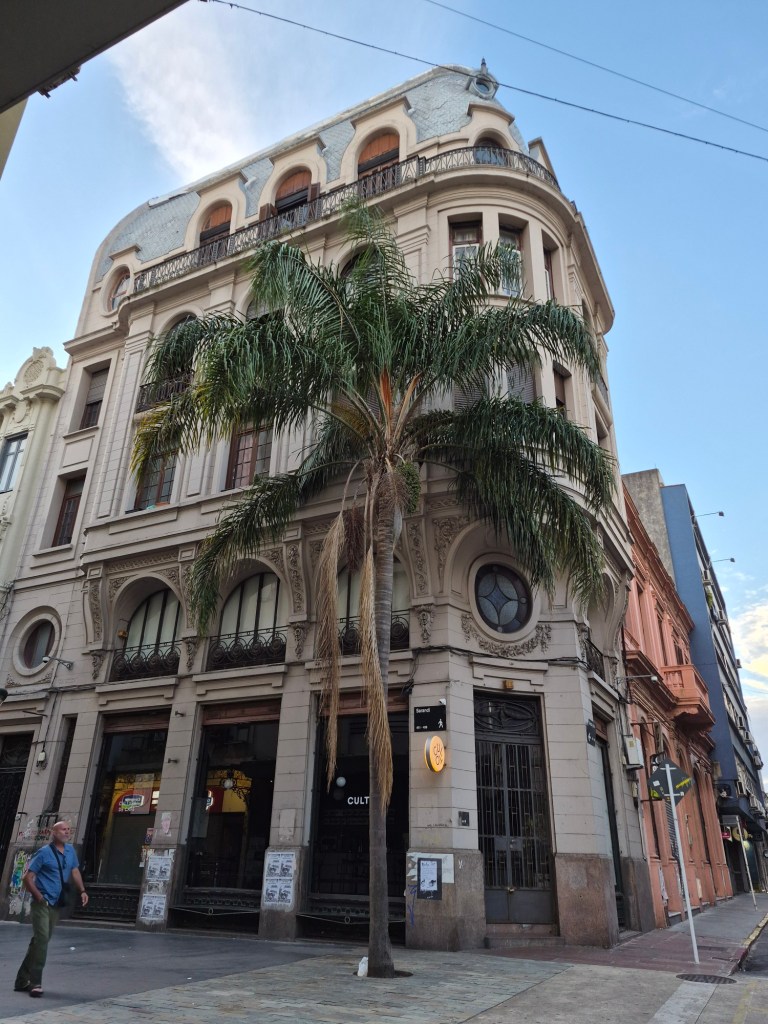
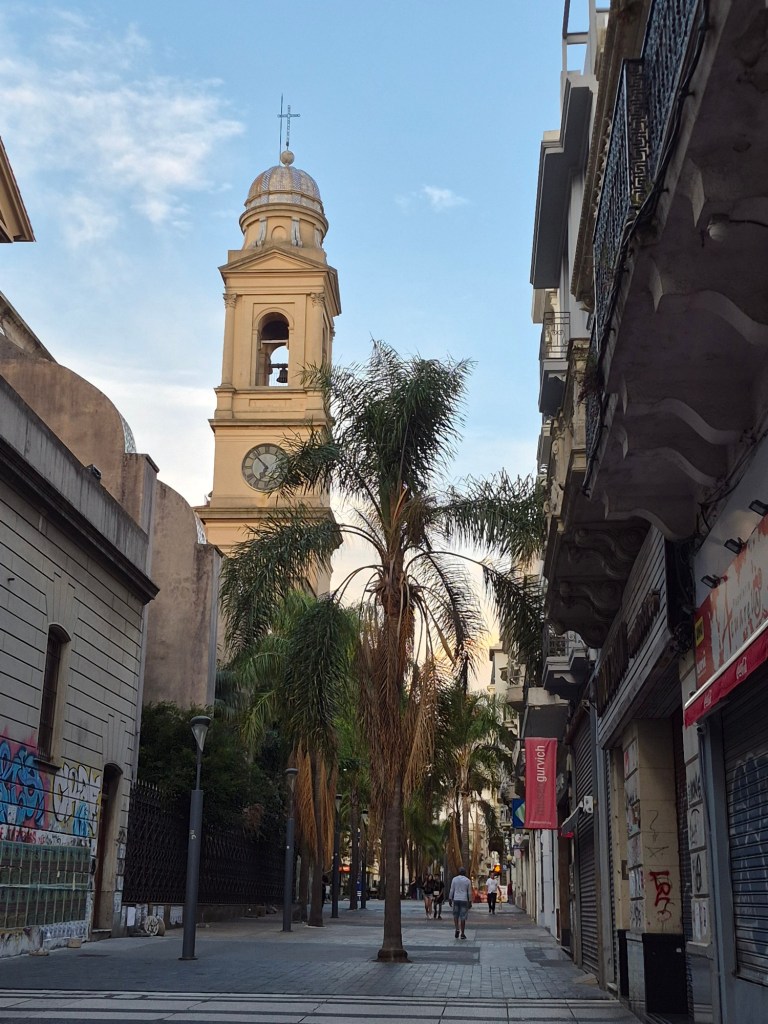
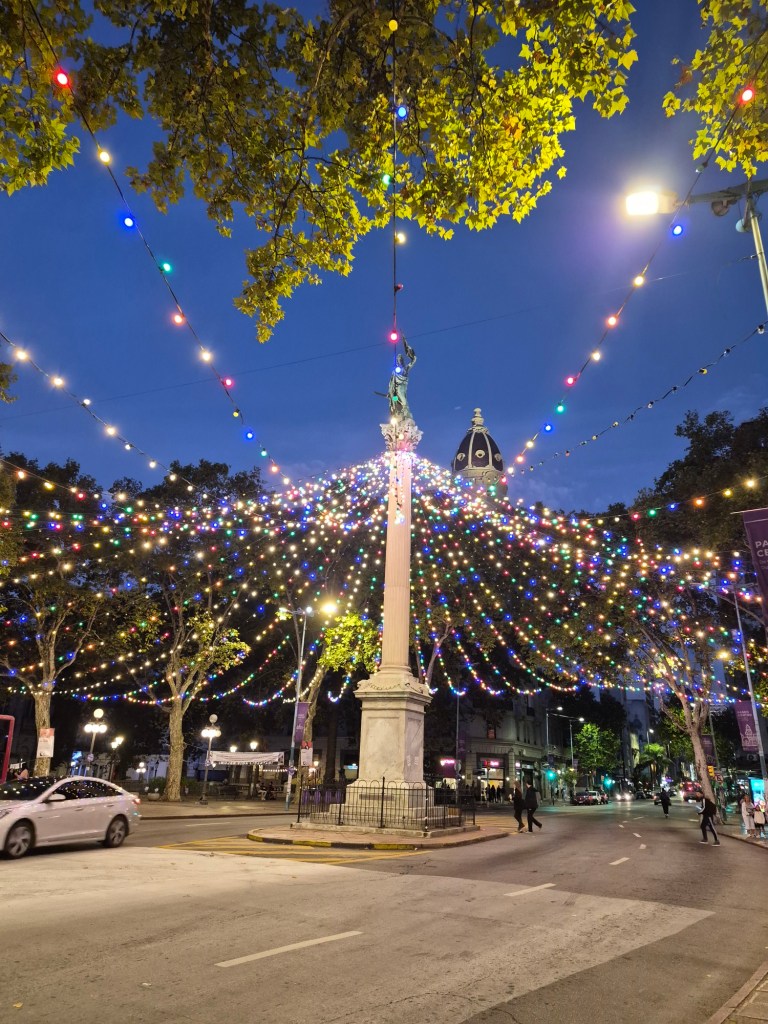
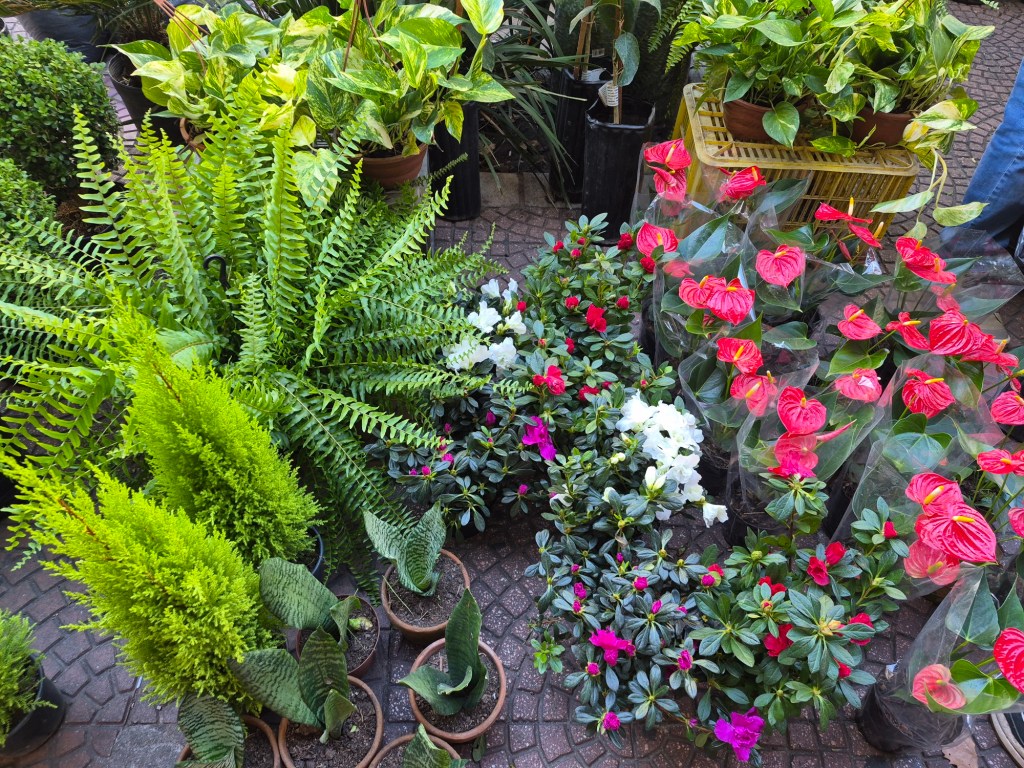
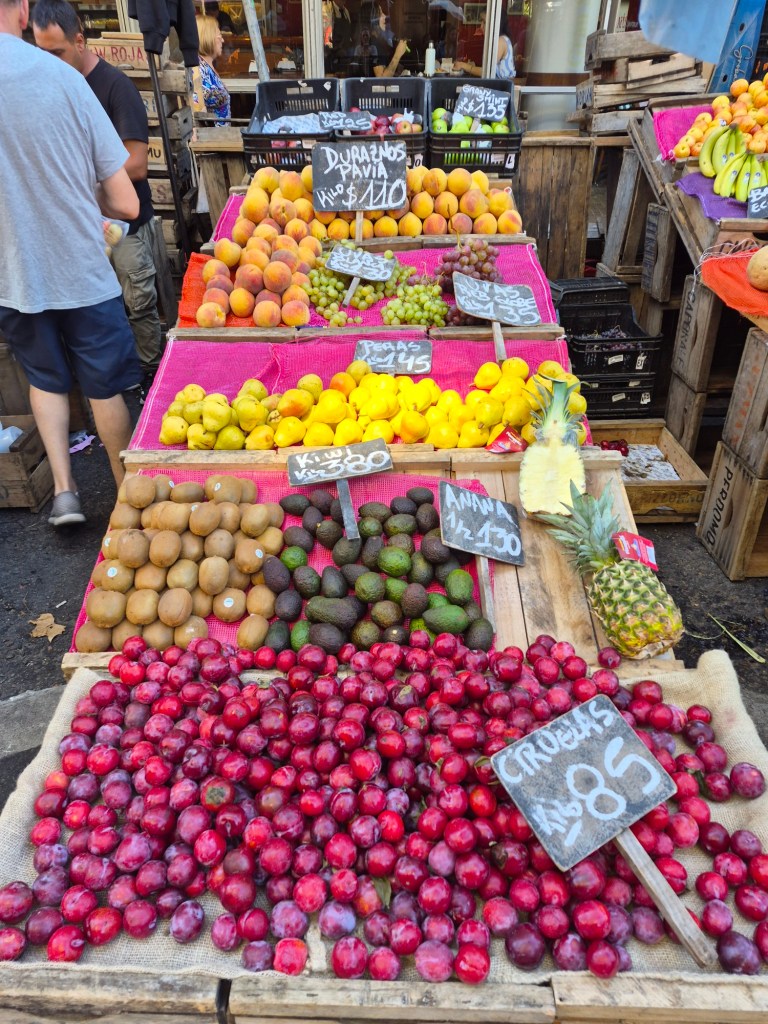
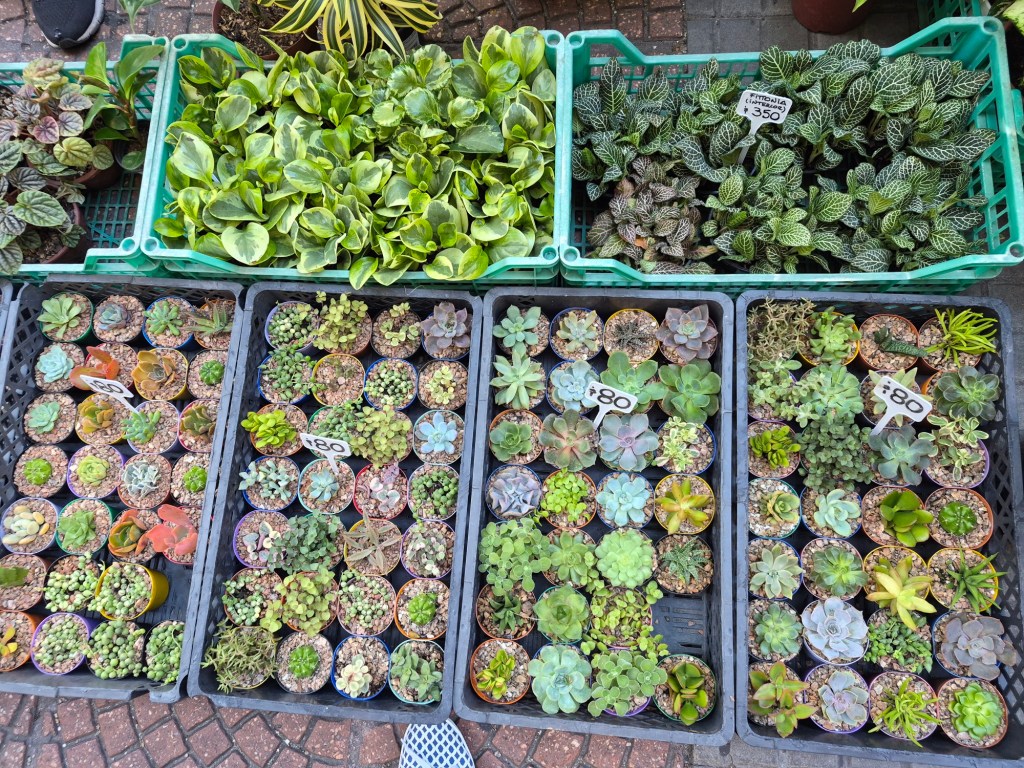
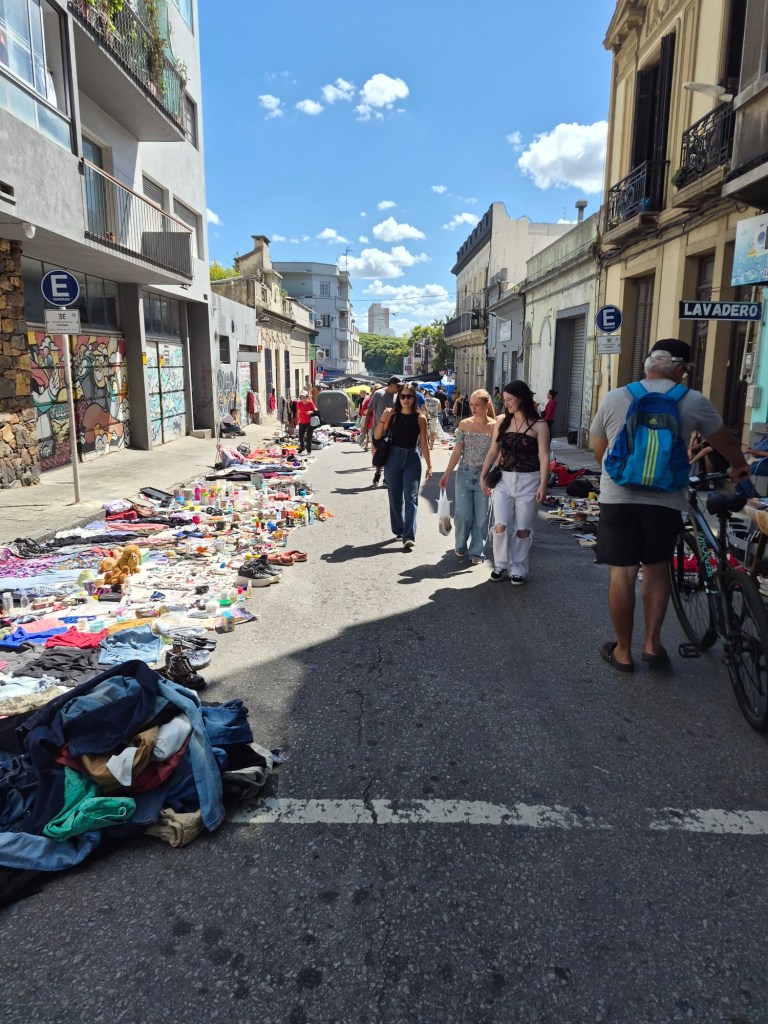
On Sunday I walked to the Feria de Tristan Narvaja market, a bustling street market that has spilled over into the adjoining streets. I decided to buy myself a mate and bombisha, now all I need is the thermos.
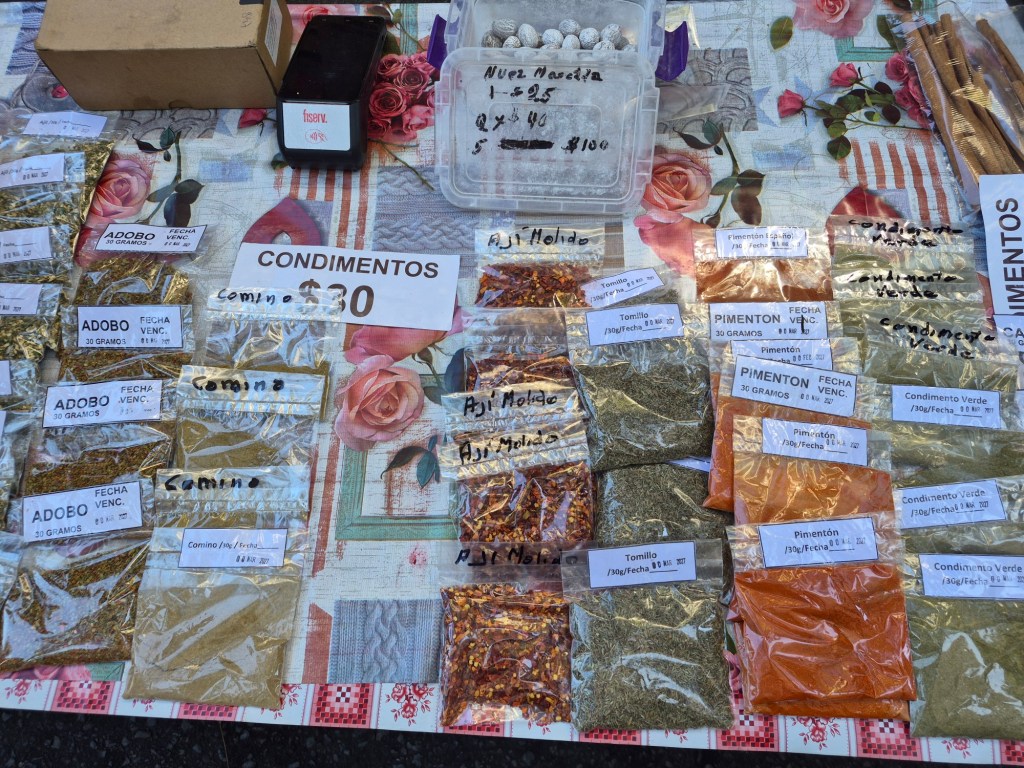
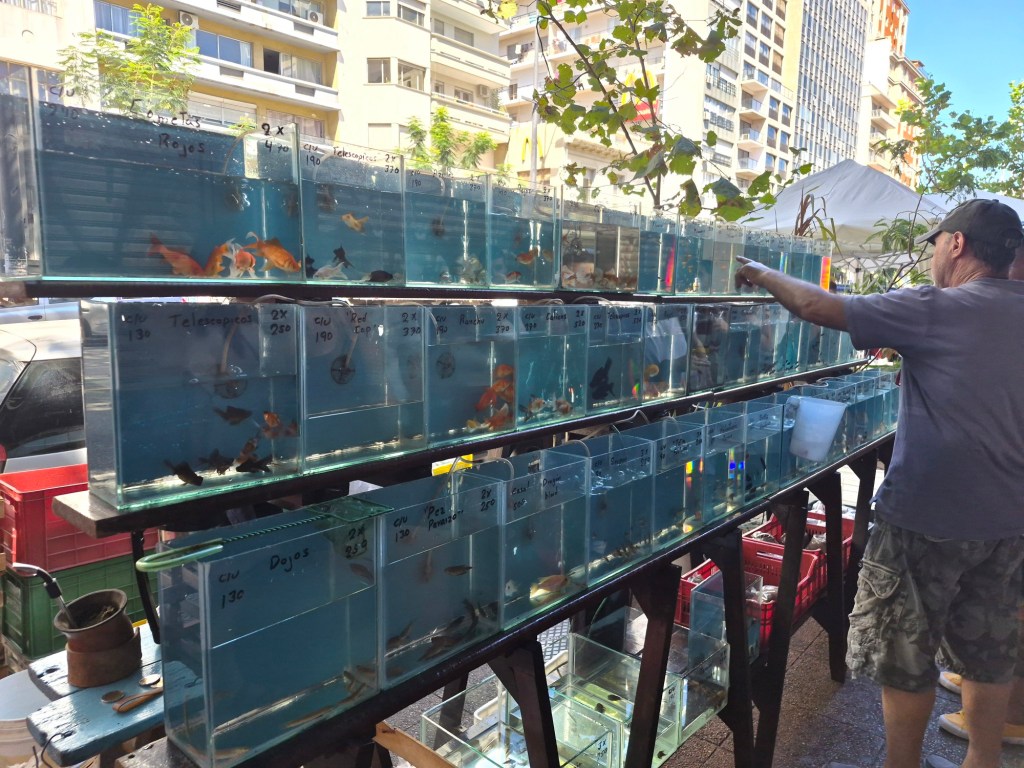
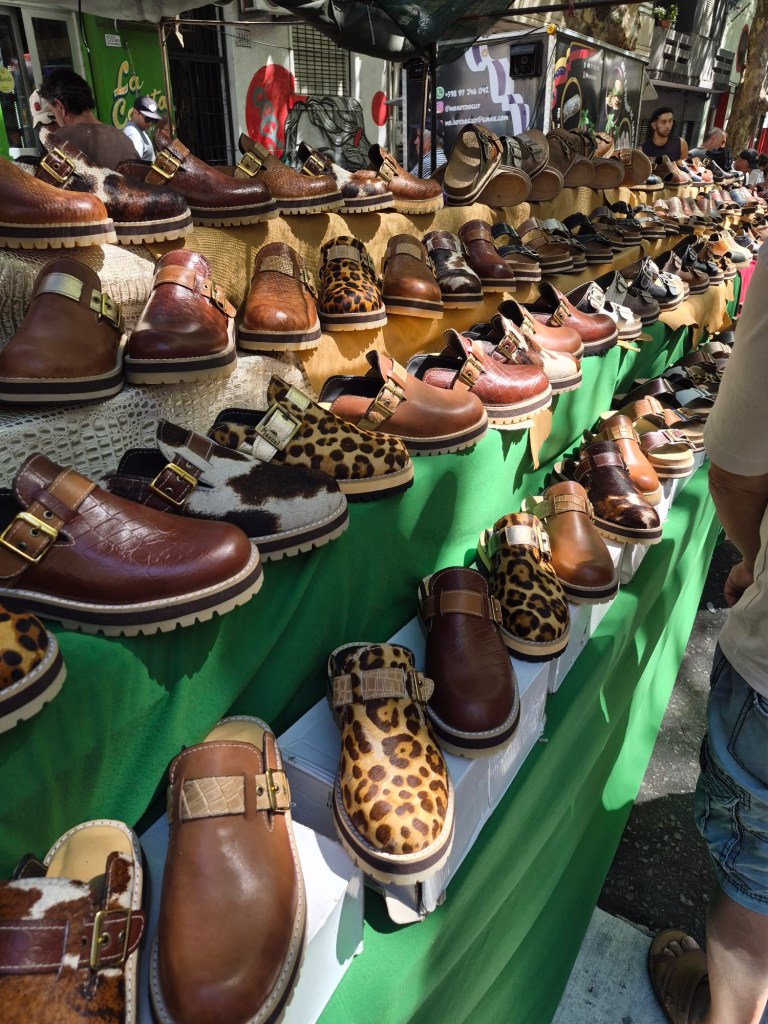
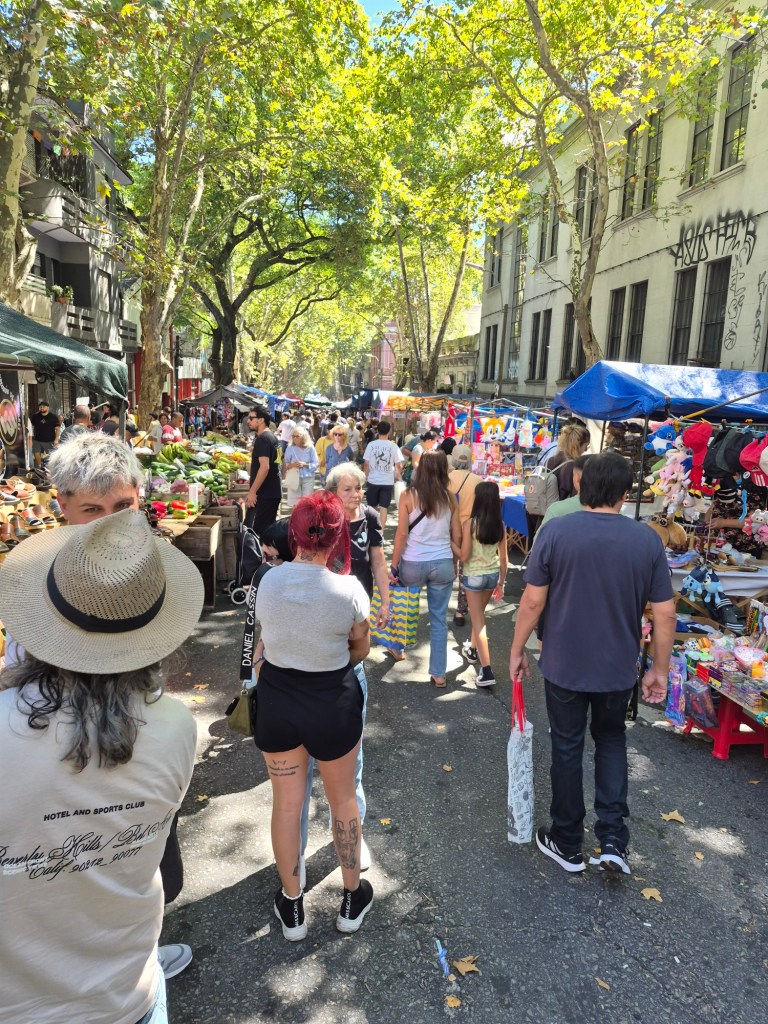
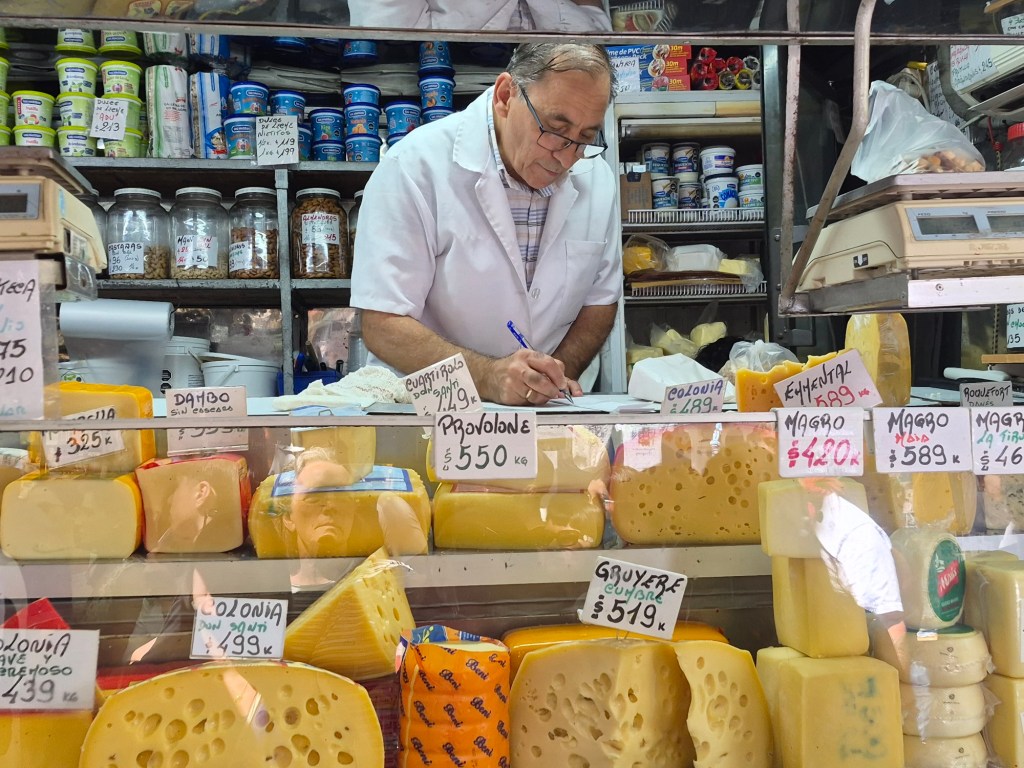
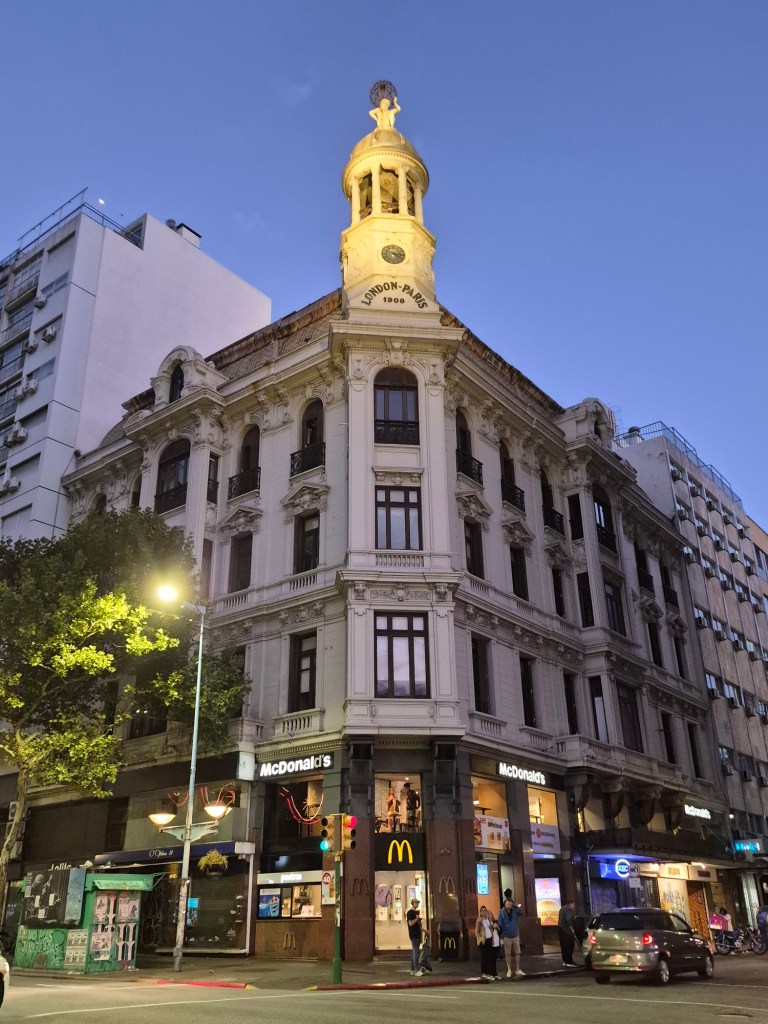
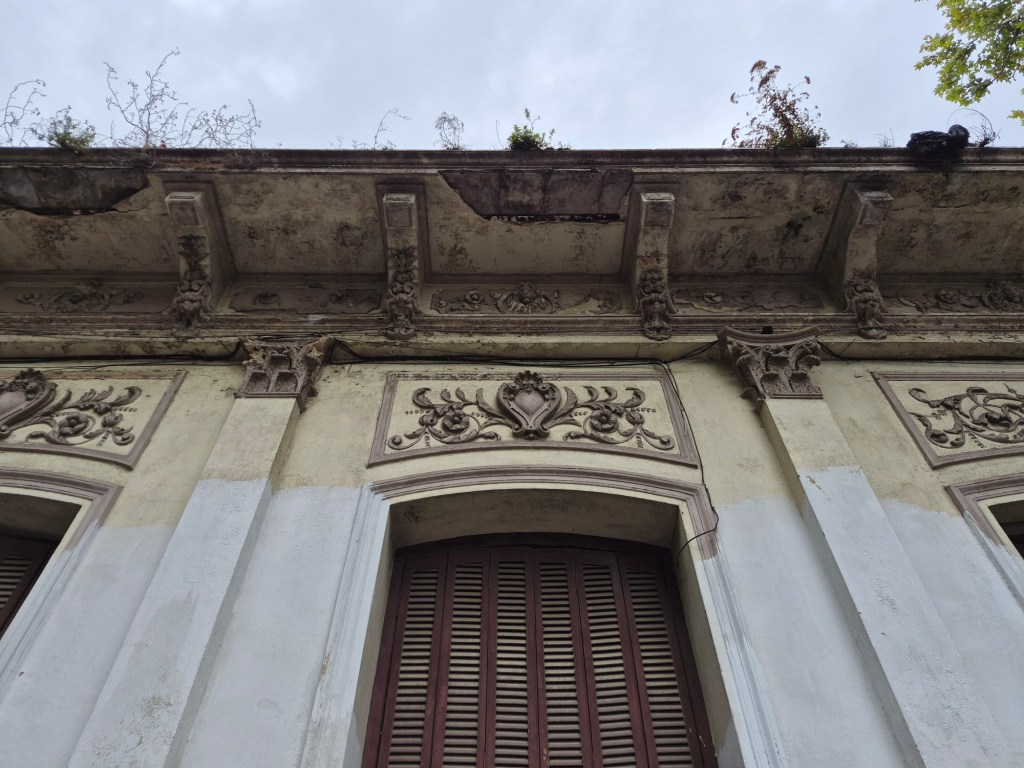
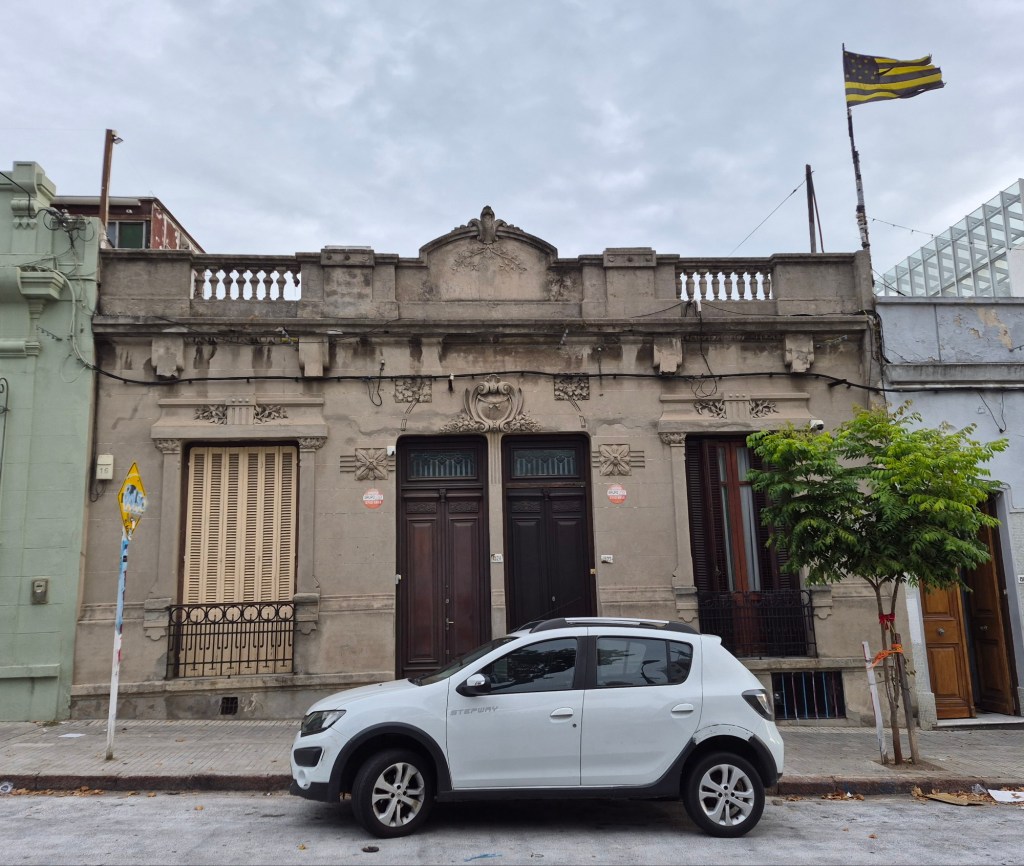
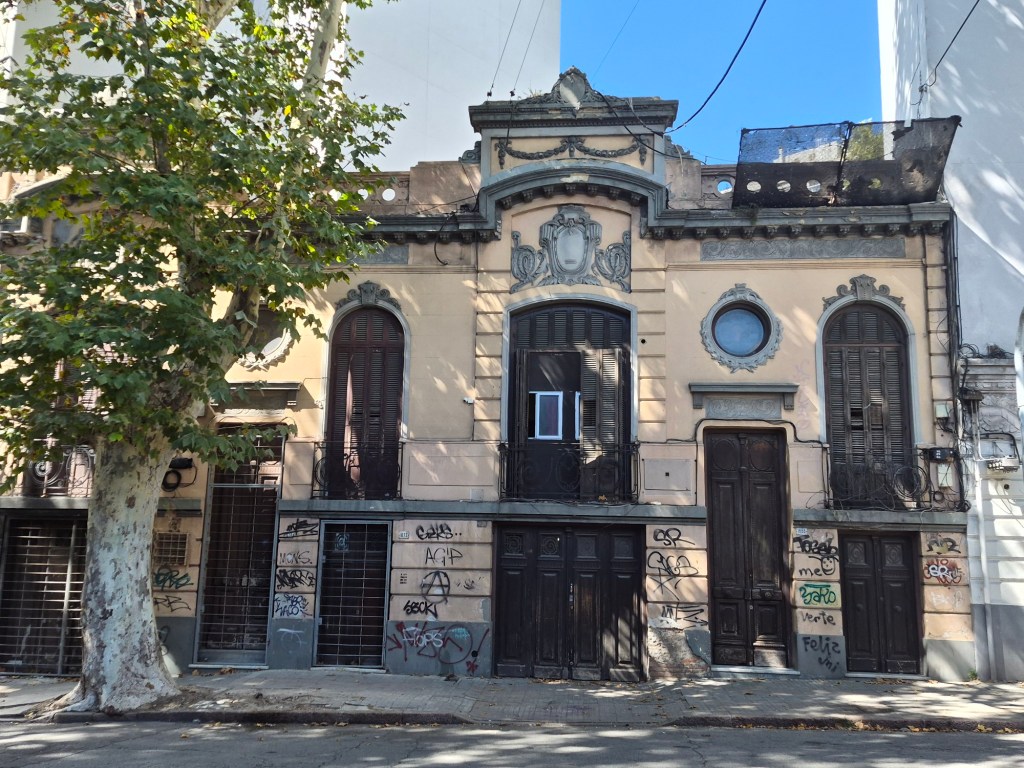
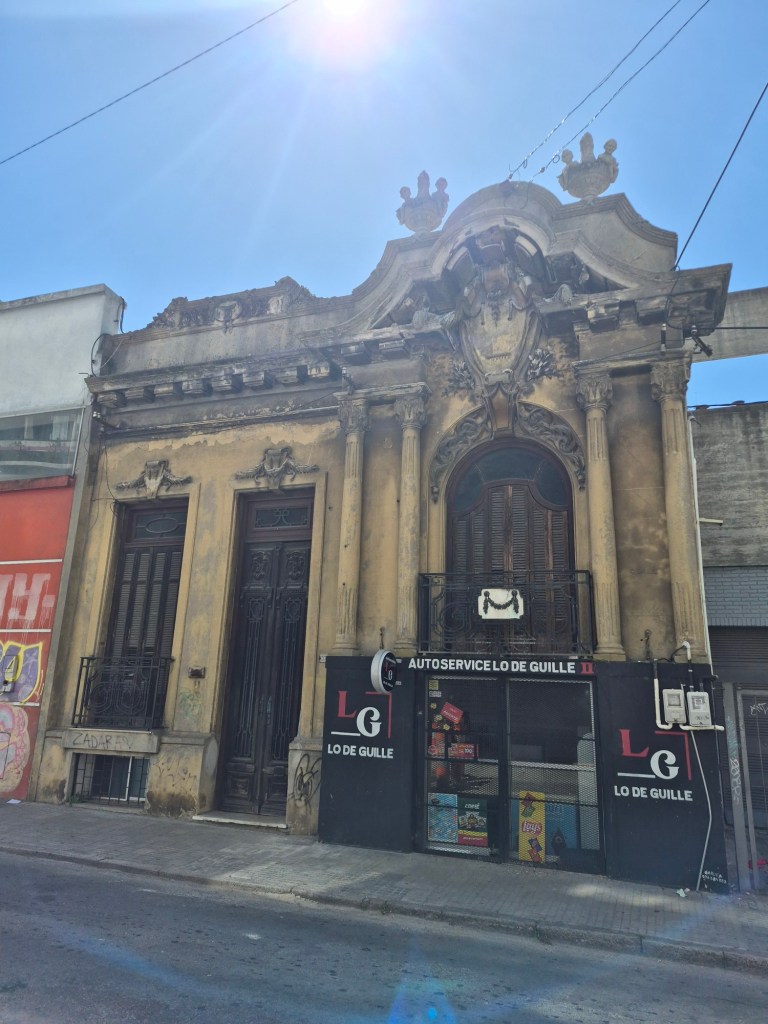
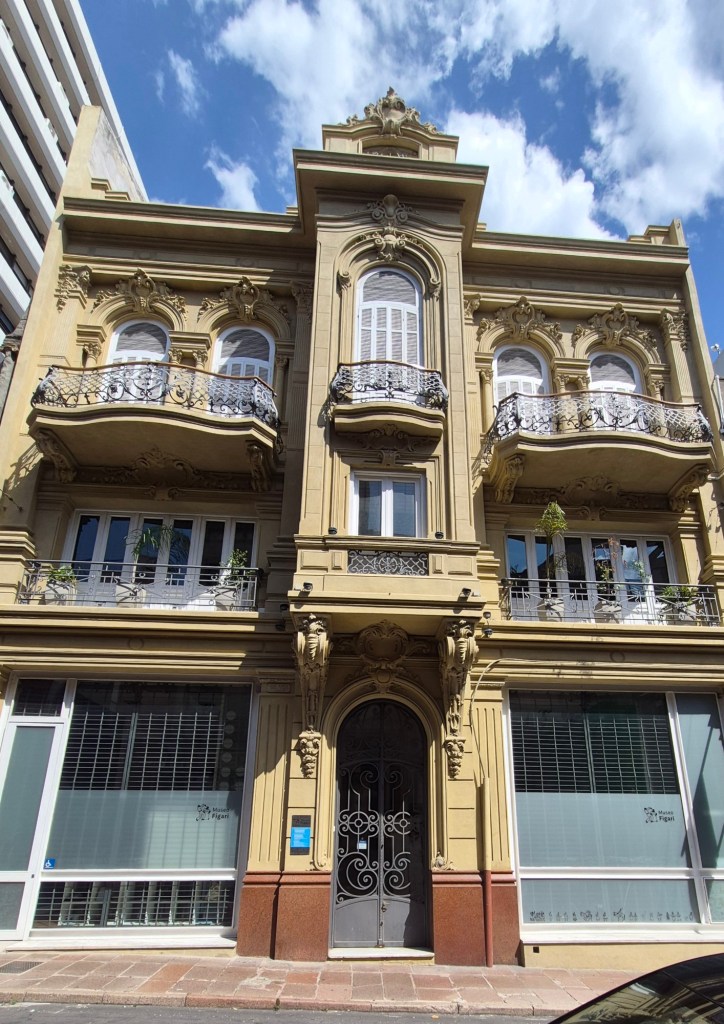
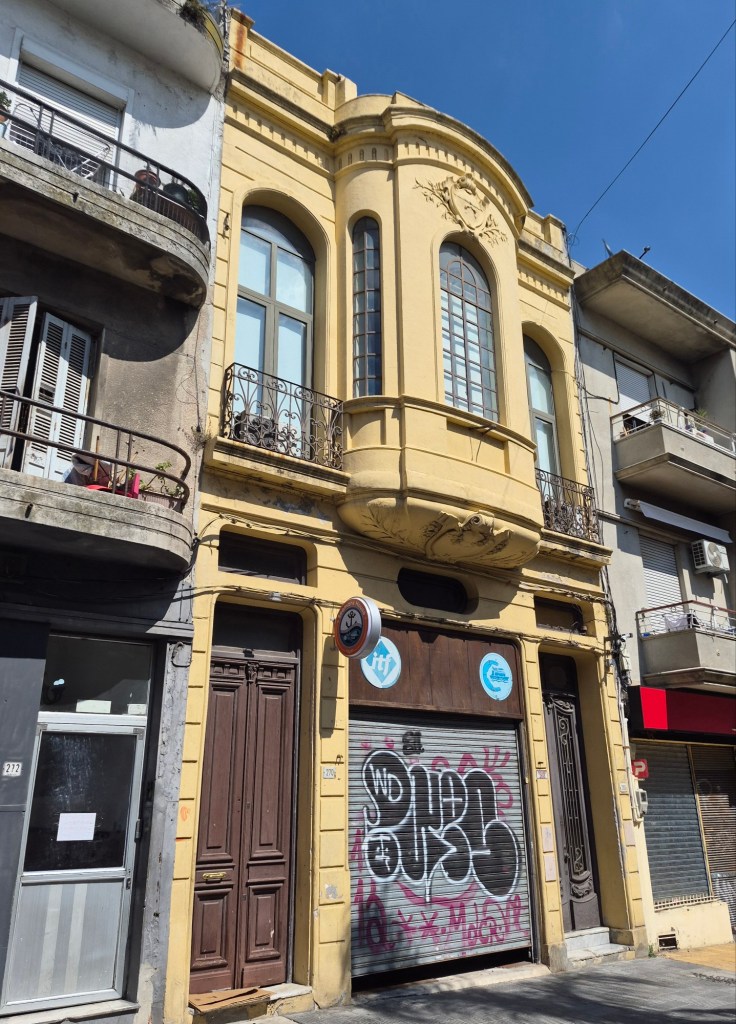
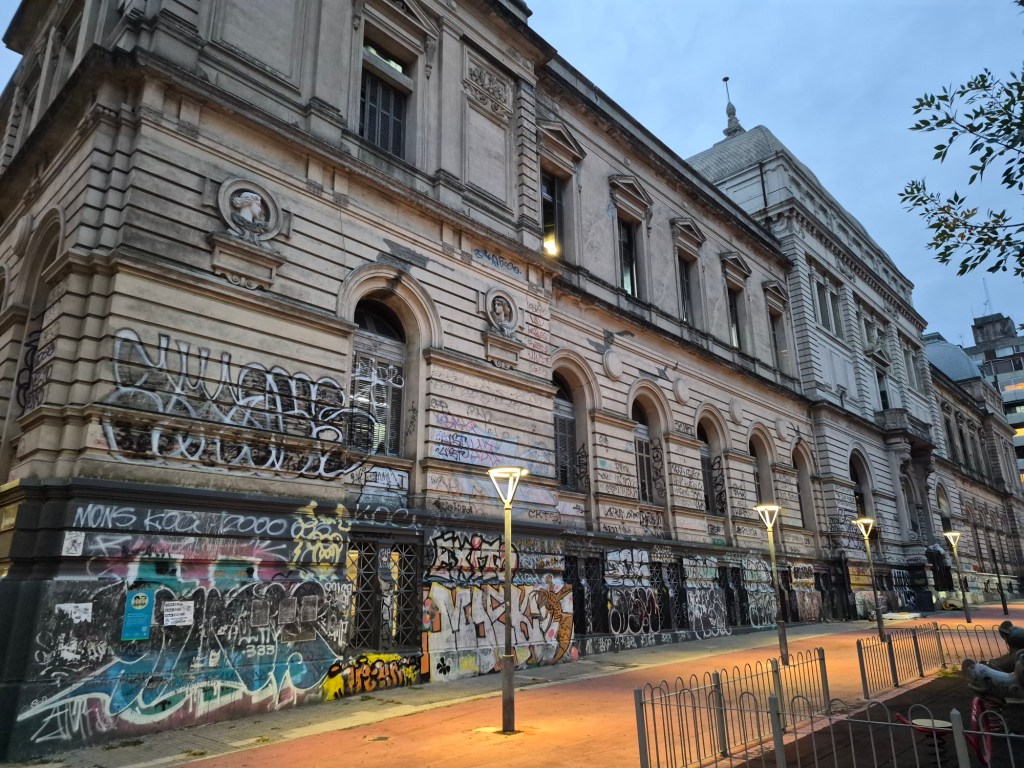
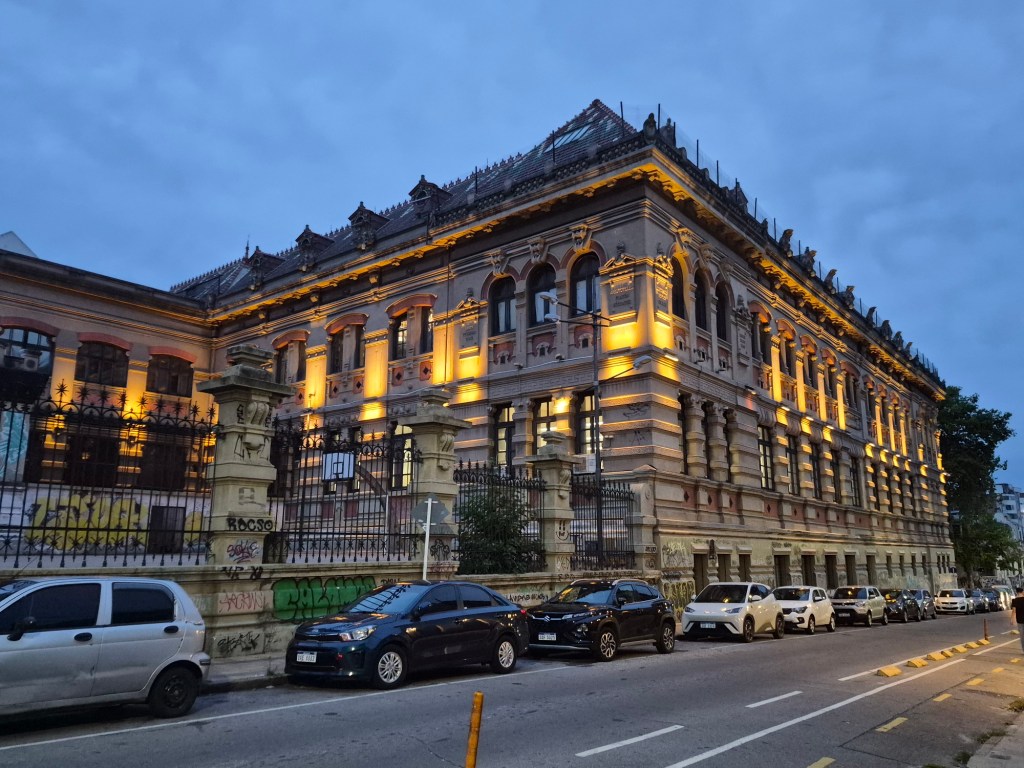
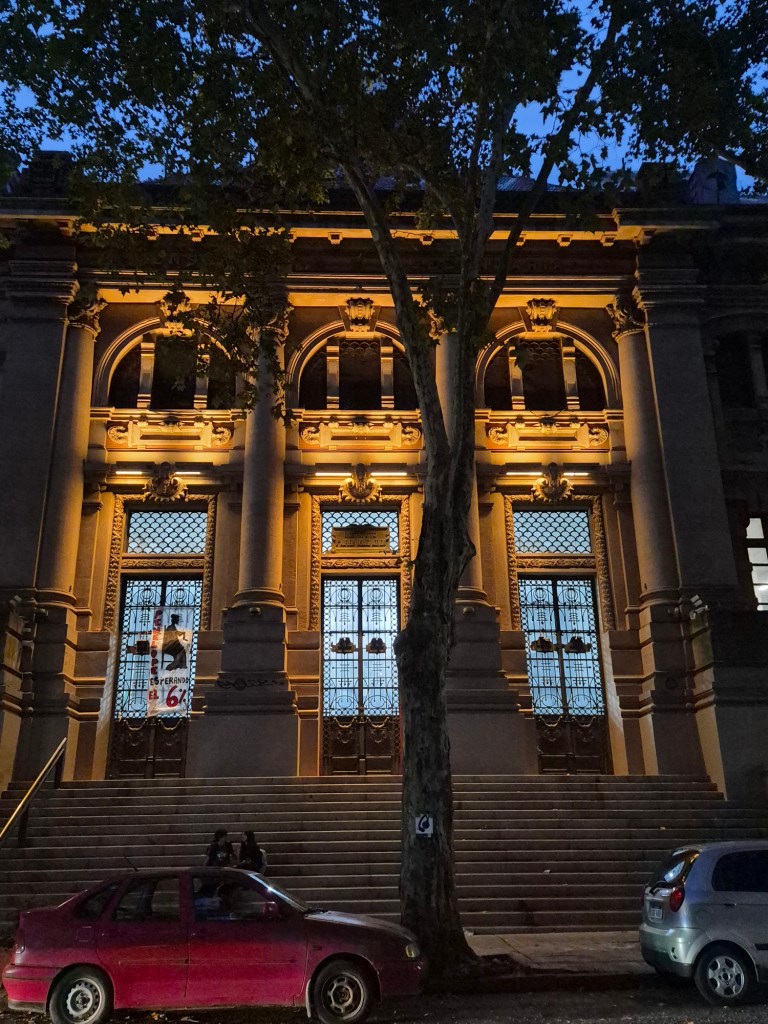
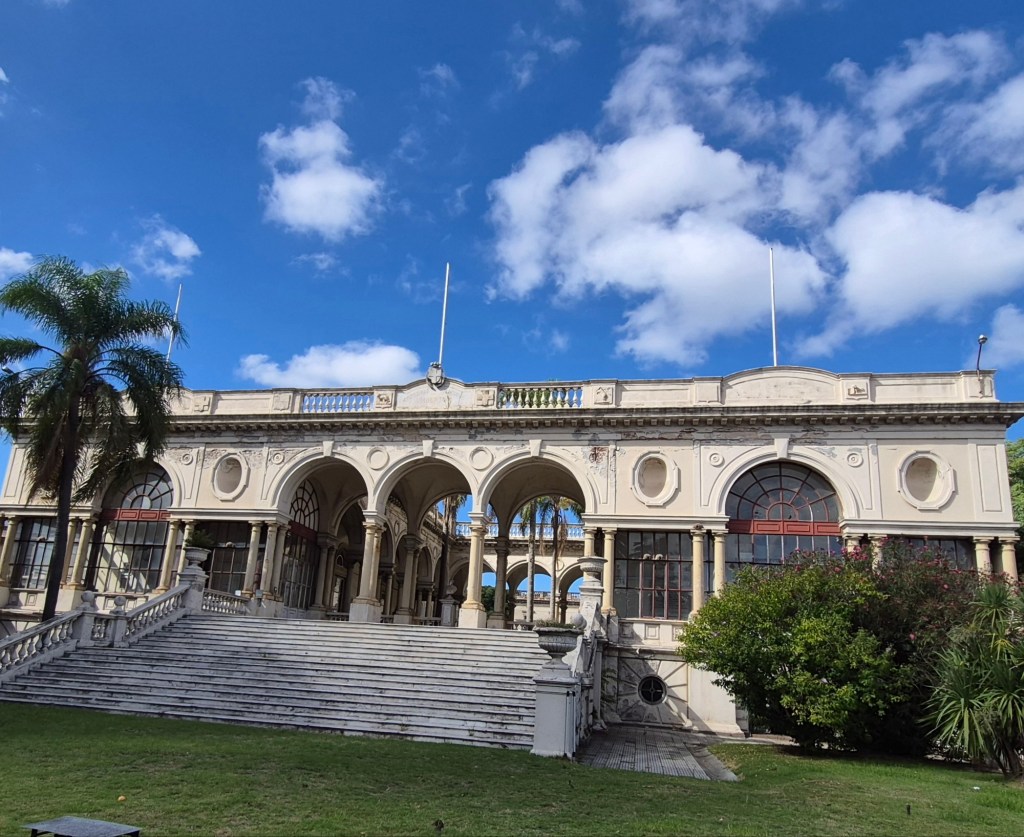
Much of Montevideo is in need of restoration – there are many striking buildings hidden in all the streets, which remind one of a thriving era of long ago.
The murals never cease to amaze me:
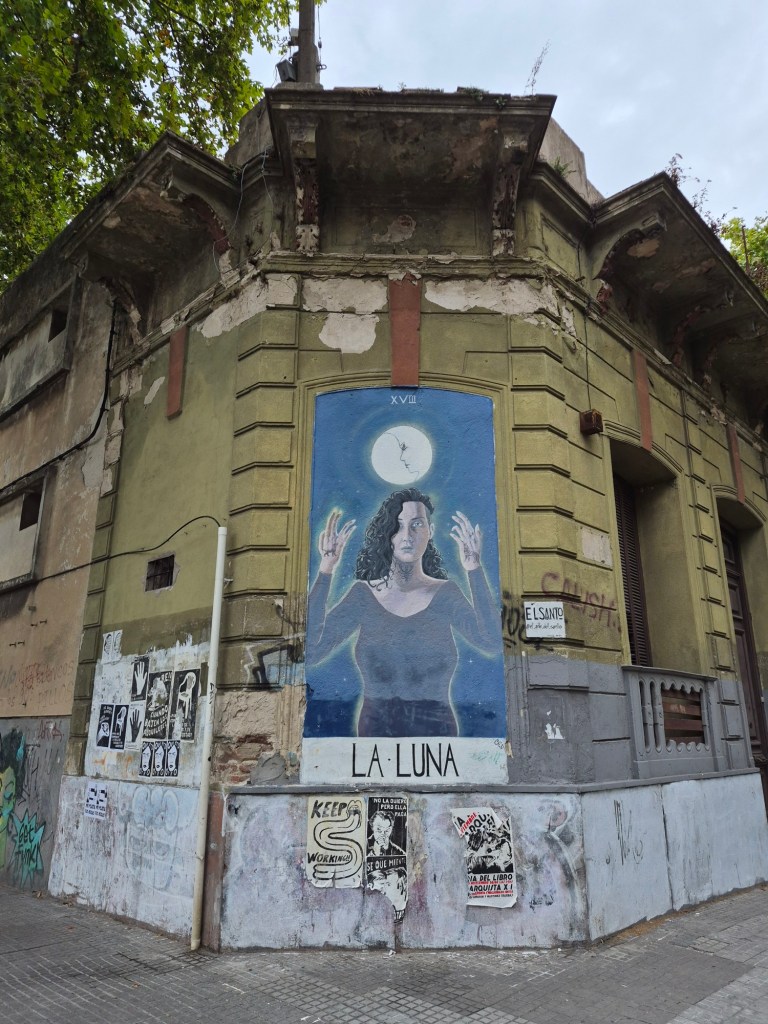
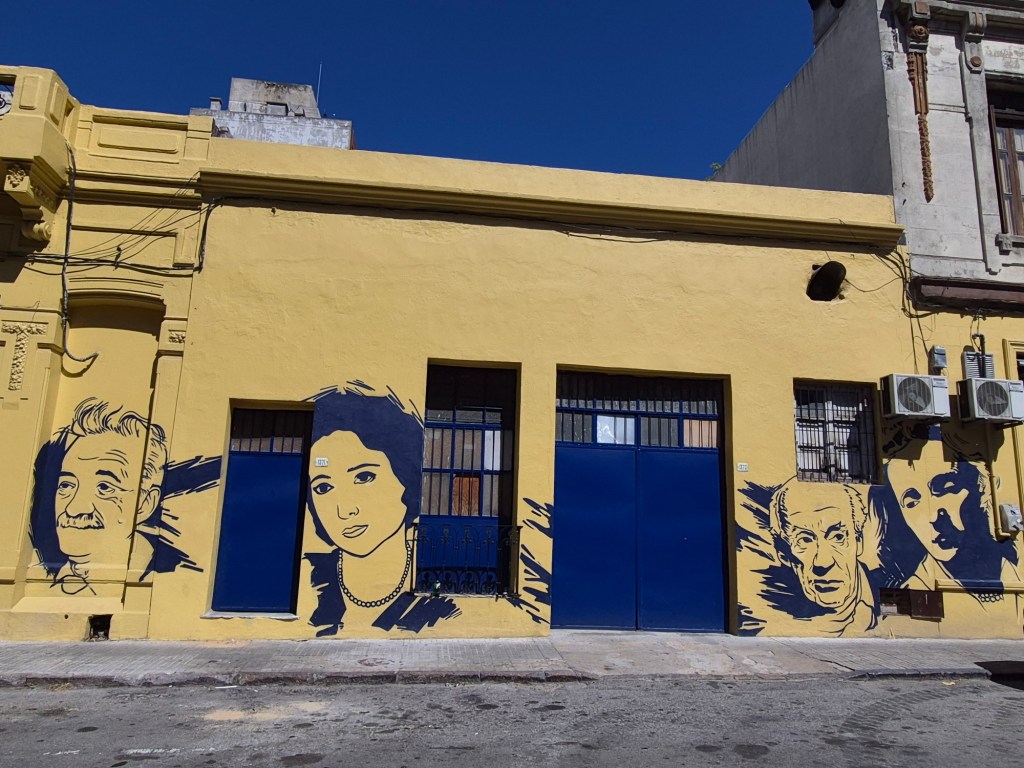
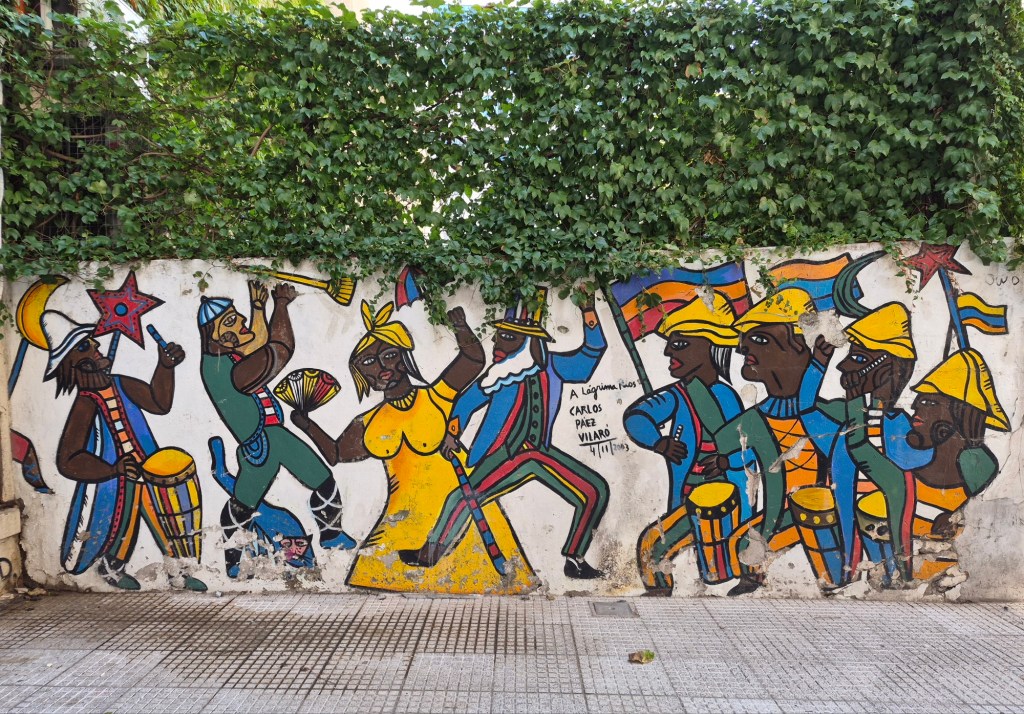
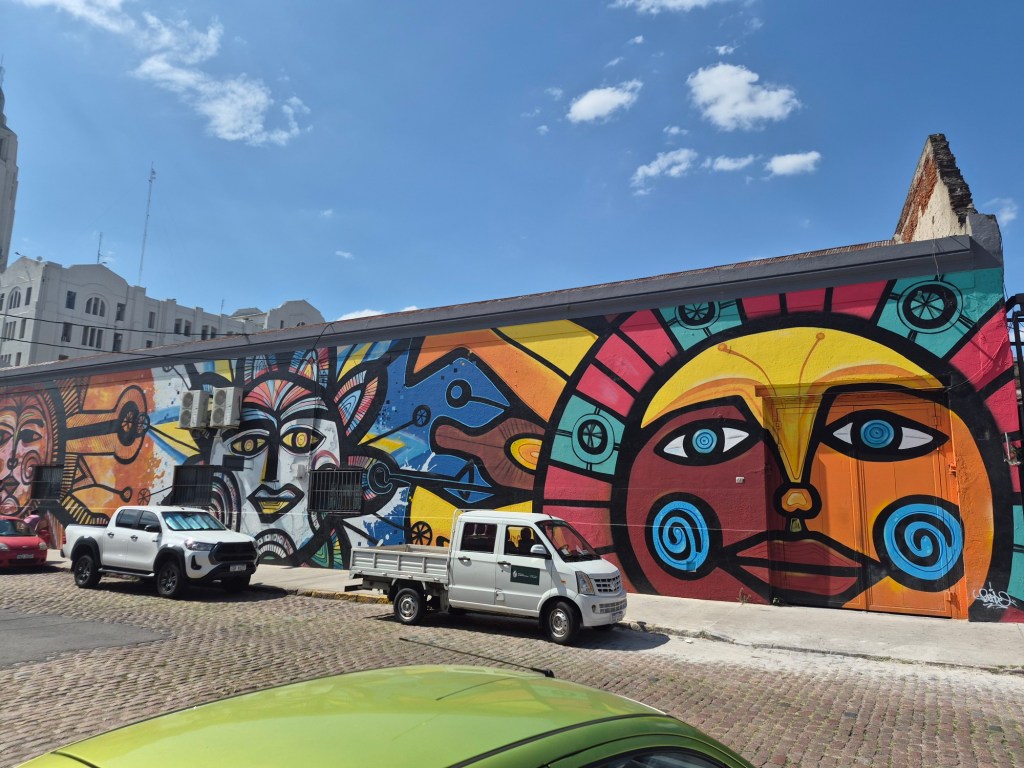
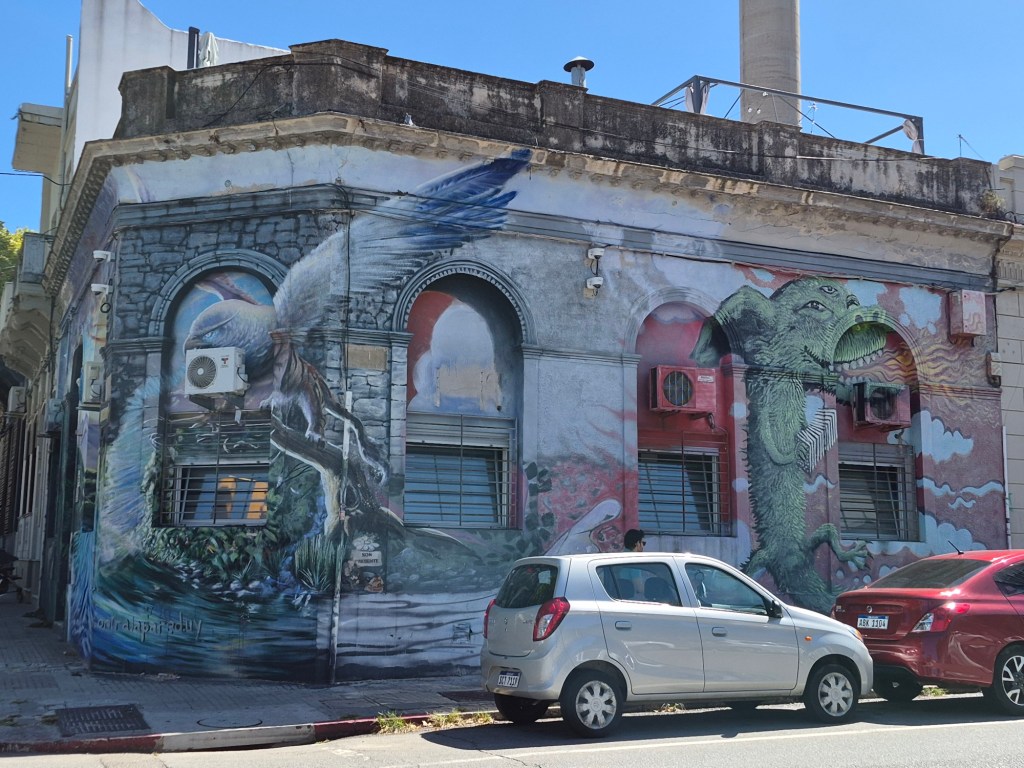
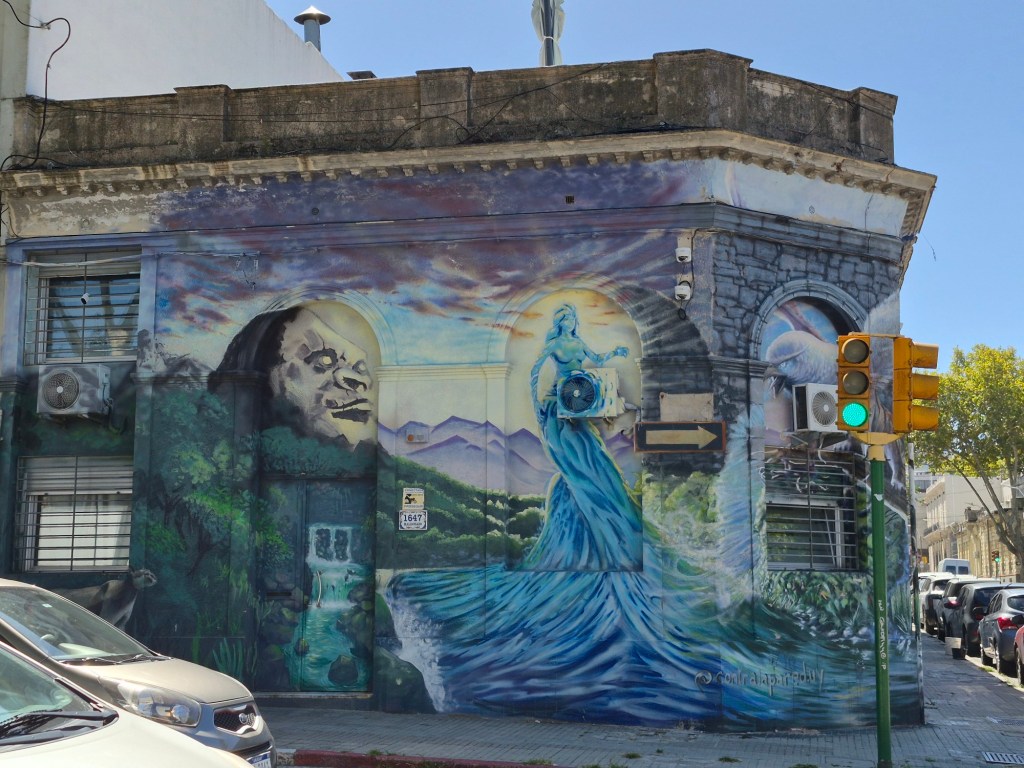
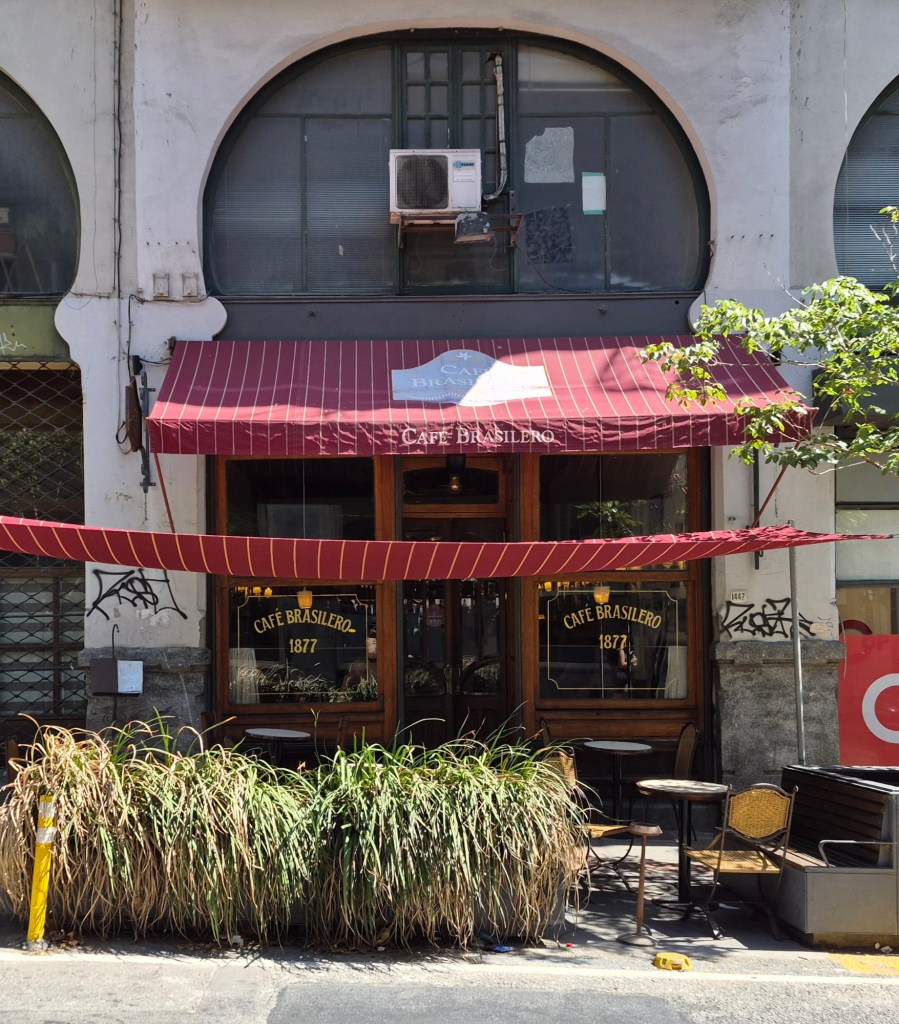
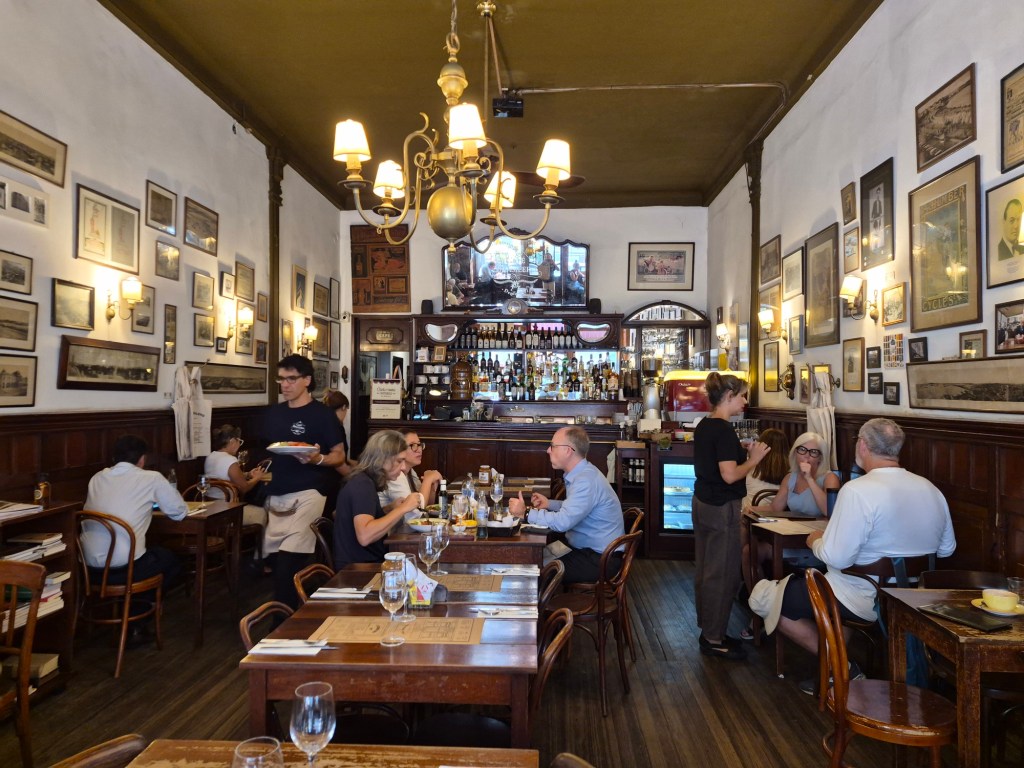
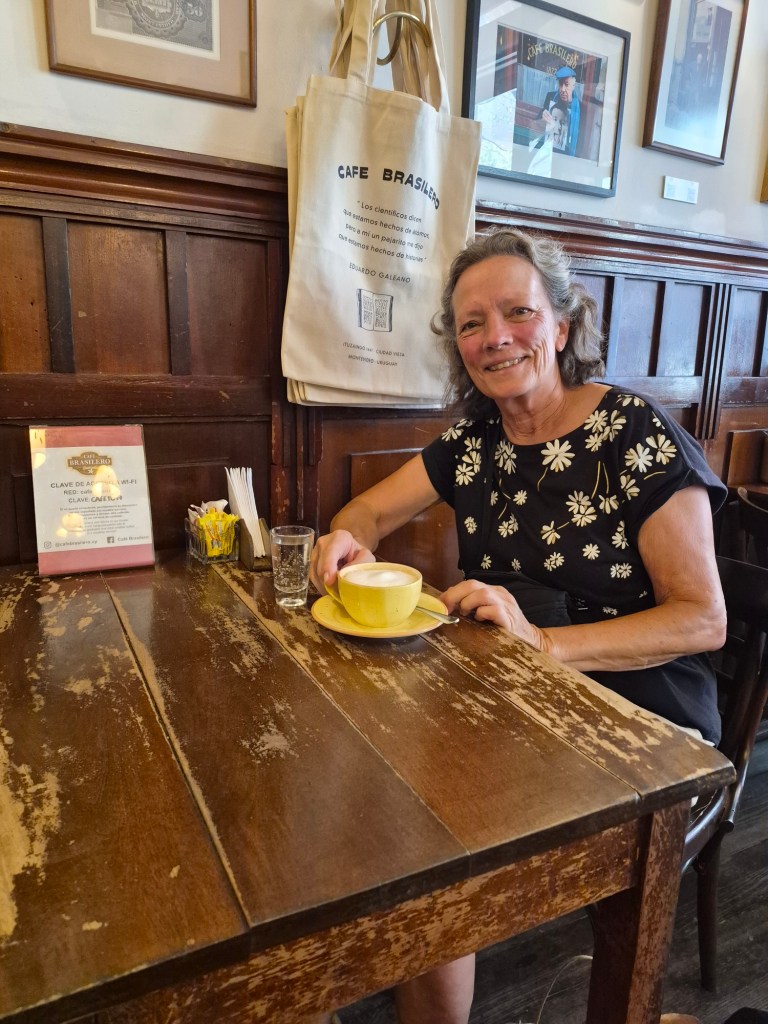
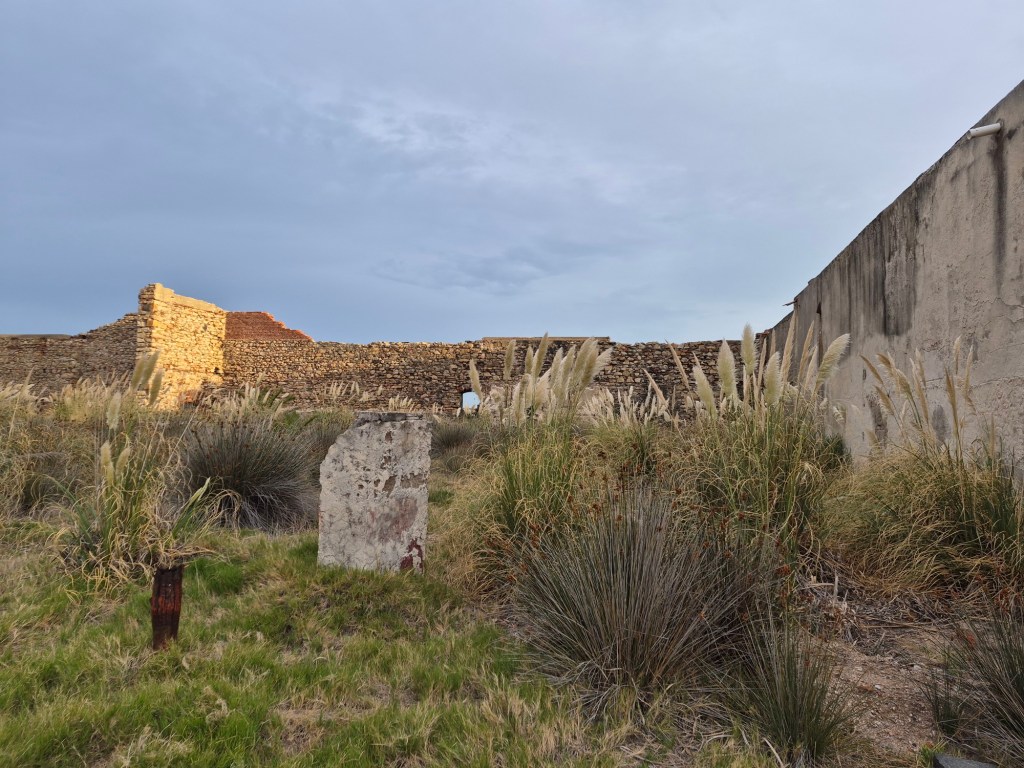
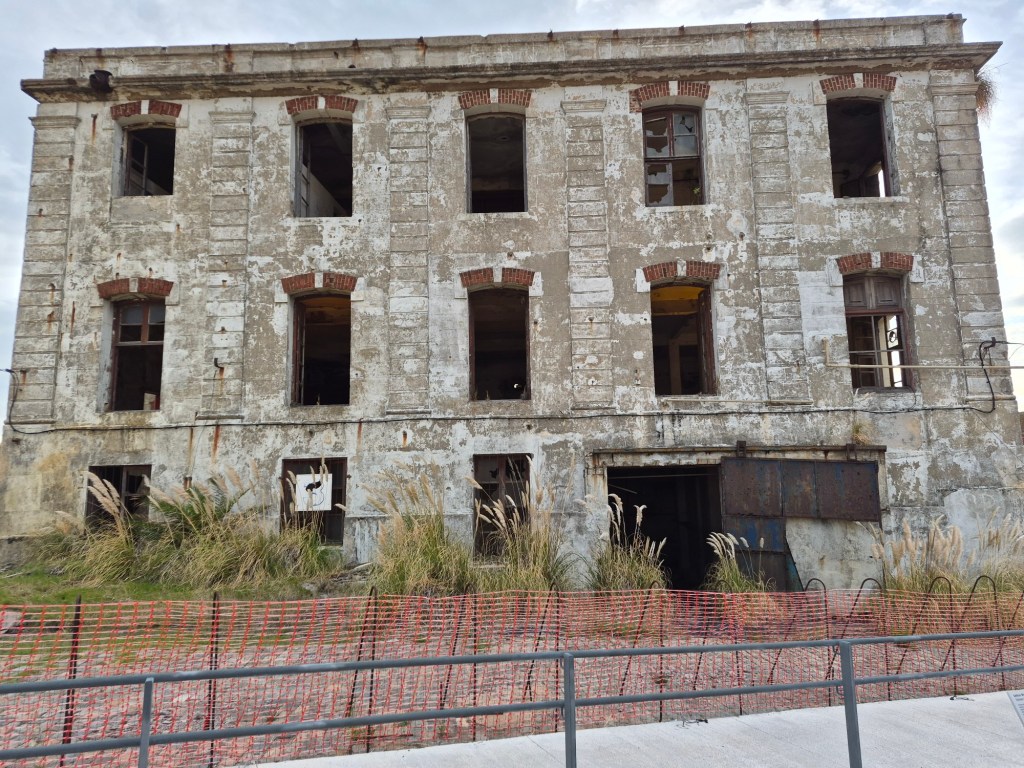
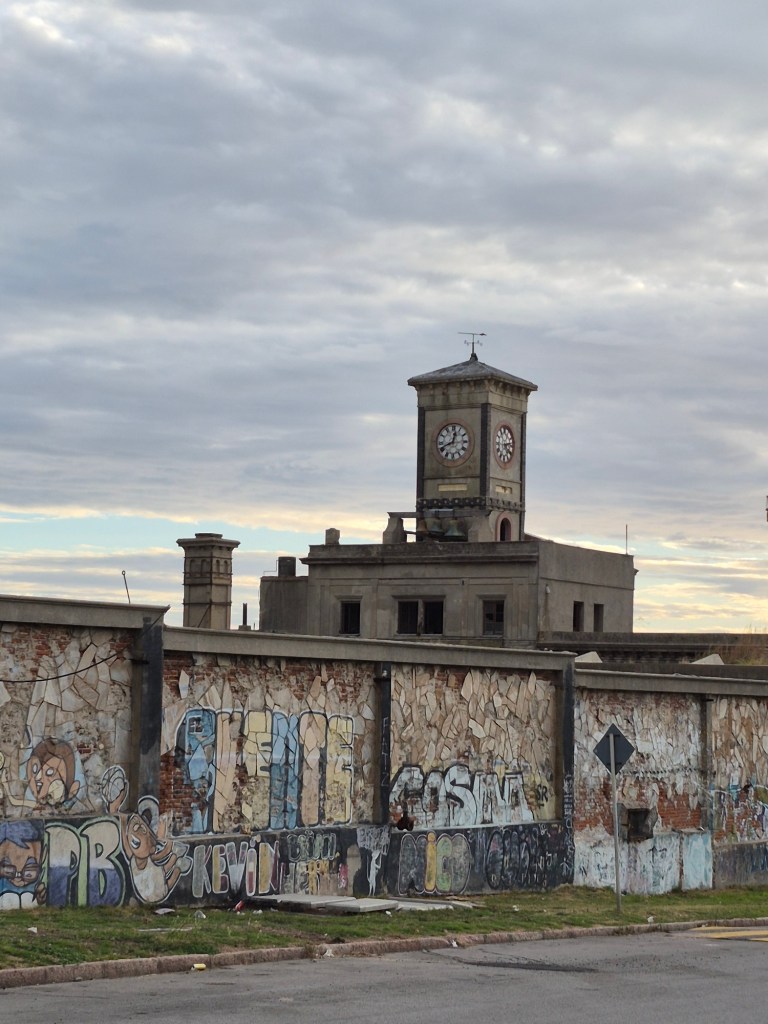
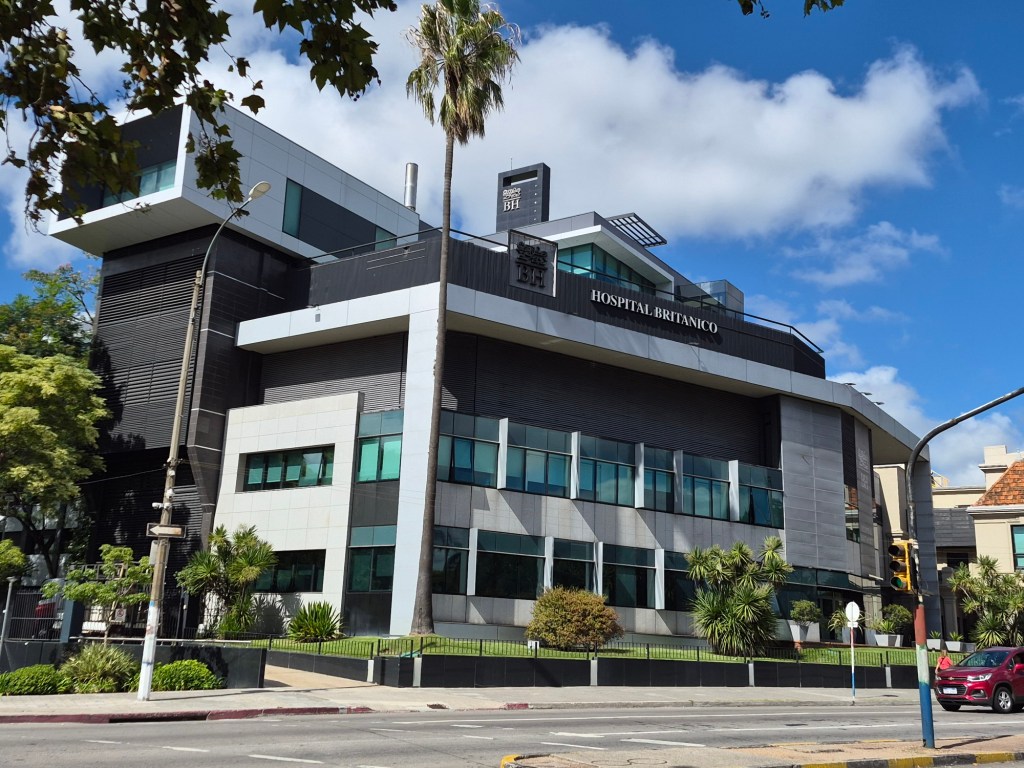
I spent most of my days exploring; I happened to walk past a well-known coffee shop, ruins of an old gas company, Montevideo University, and a derelict Italian hospital that still seems to be used, as I saw people going into the building.
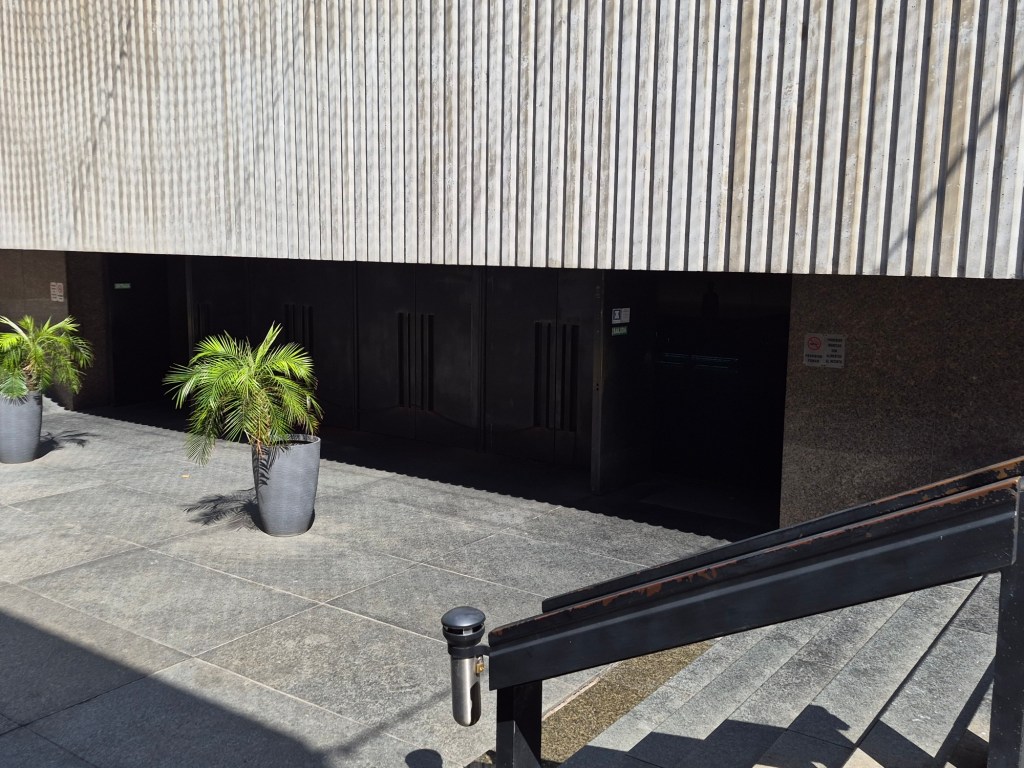
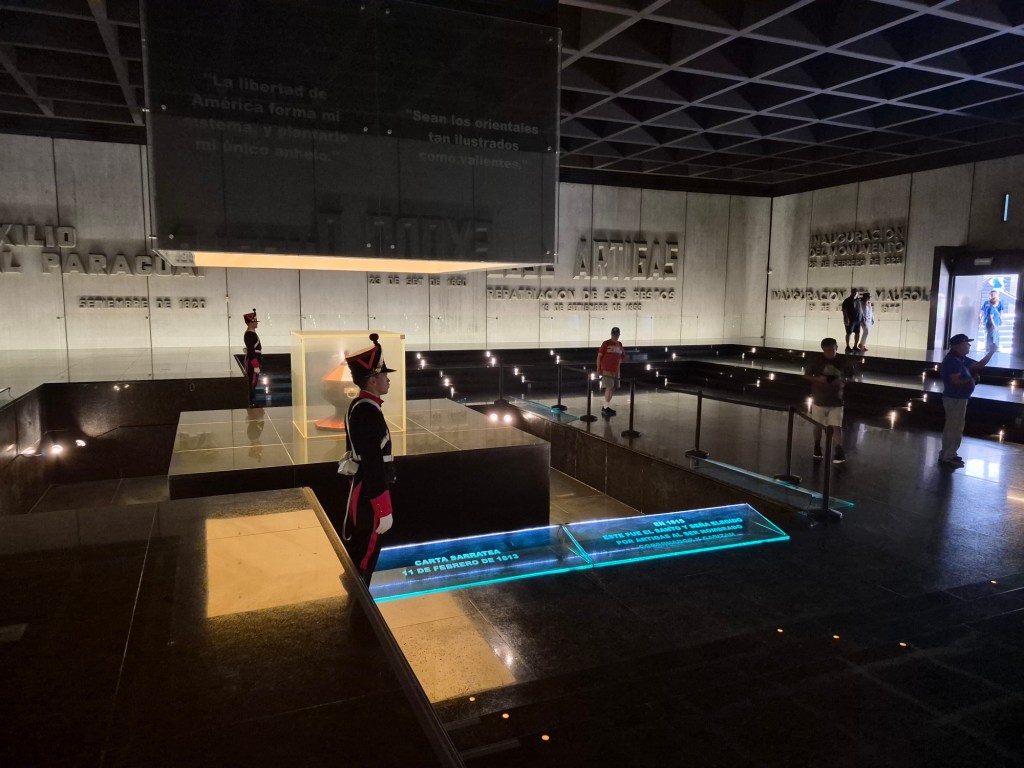
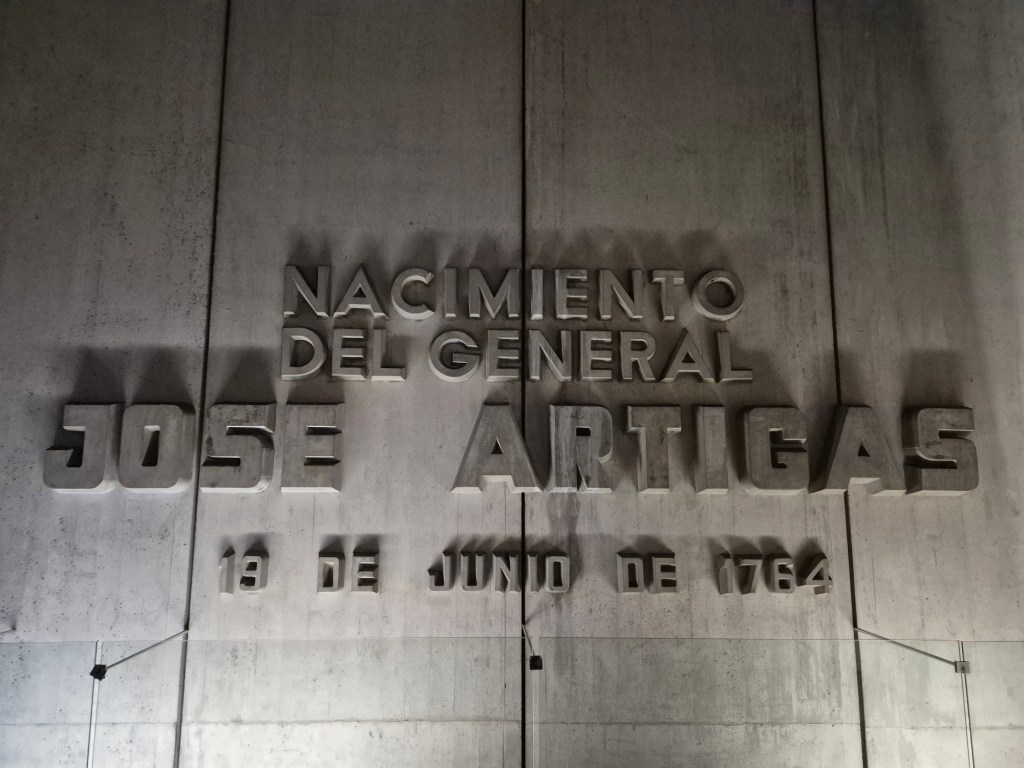
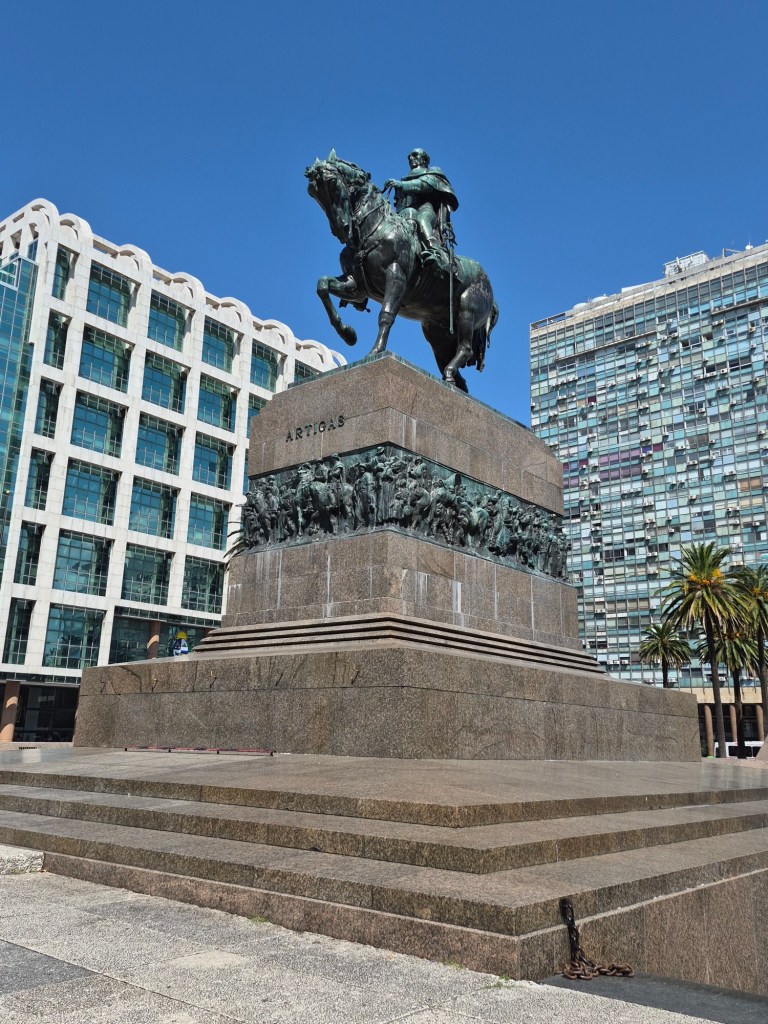
I followed a tourist group down some stairs on Plaza de Independencia (which I had previously assumed led to public toilets), and there was an underground museum depicting the history of the independence of Uruguay, heralding General Jose Artigas, a national hero and regarded as the father of Uruguayan nationhood. The mood in that dimly lit space was grave, hushed, almost pious.
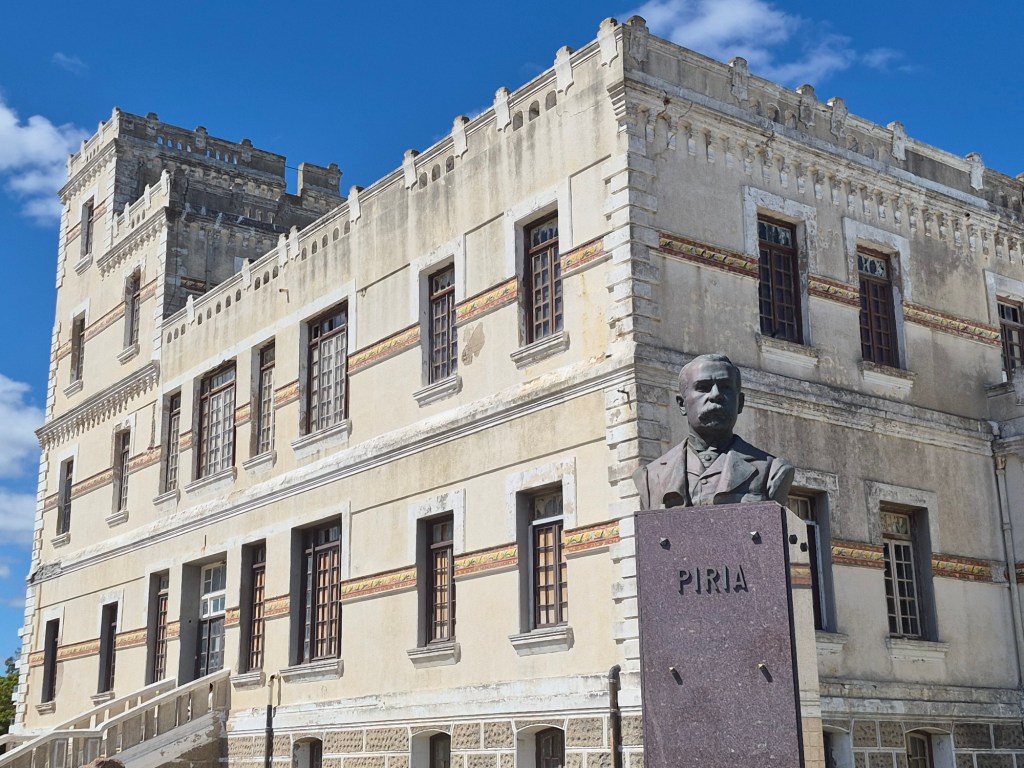
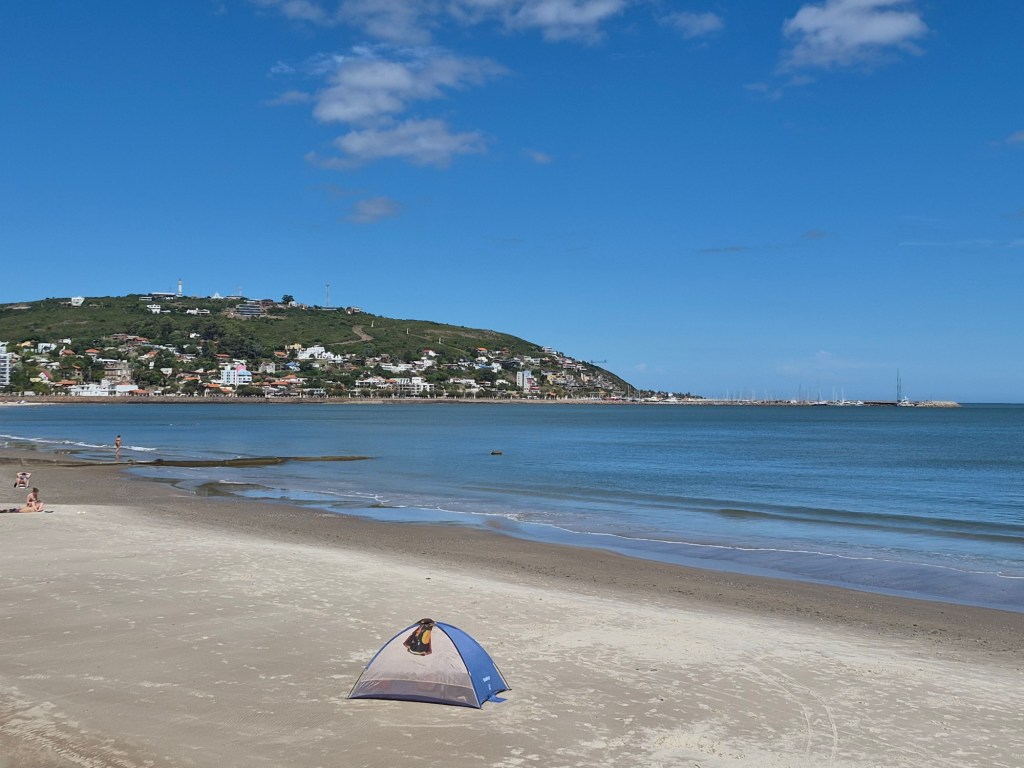
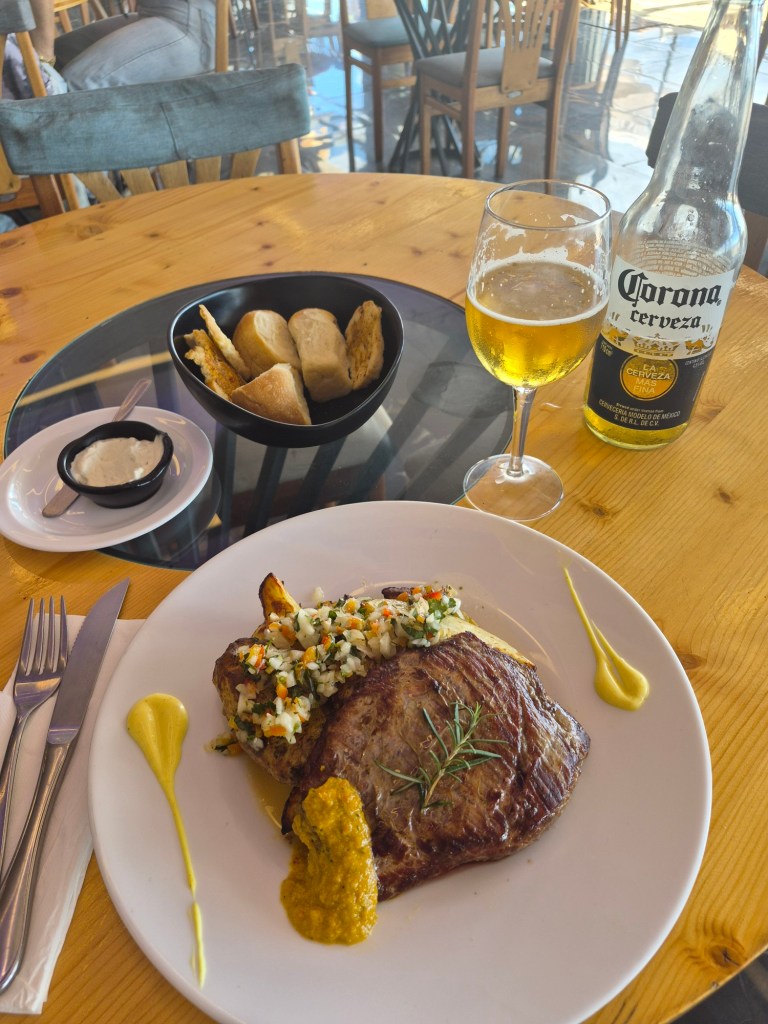
The last day in Montevideo I decided to take a bus to Piriapolis, a small coastal town east of Montevideo, as Annette’s husband had highly recommended it. My main mission was to eat a steak, which I had attempted to do the previous day, but the restaurant I wanted to go to, where Maria (Workaway host)’s son was a chef, was only opening at 8pm and I was not prepared to walk home late at night.
Annette’s husband speaks English, and we had a very interesting conversation about Uruguay when I asked him how the Iran-war is affecting the country. “Uruguay does not become involved in the issues of other countries,” he said. “We always maintain a moderate stance, encouraging dialogue rather than violence. We respect the fact that every country has the right to govern themselves, without interference. Even in politics we are moderate – it does not make much difference if it is a left- or right-wing party in government, it is much the same. As far as the possibility of an energy crisis, it should not impact too heavily, as 98% of our energy is generated by solar-, hydro- and wind-power. In the past year, 60% of cars that were sold were electric, and there are charging points everywhere. At the moment, there is no real impact,” he concluded. One person’s opinion, but I experienced the moderation and respect he spoke about.
I had also asked him about the possibility of seeing candombe, the traditional dance that was started by the African slaves and their descendants. It was banned in 1955, but has been revived, and they have a festival the whole of February, which I had missed. I was recommended to attend a show at El Milongon, and I booked a ticket for the Thursday night: $40 (US) if one just had wine, $80 including dinner. I had been walking around the whole day, and was rather tired, so I cancelled it and stayed in the hostel. At about 9pm I was upstairs in the general area, when I heard drums, and one of the guys that is a regular at the hostel, said that there was a group of women who practiced candombe in the street below us every Thursday night. I ran downstairs and lo and behold, there they were – my own private show, totally free!
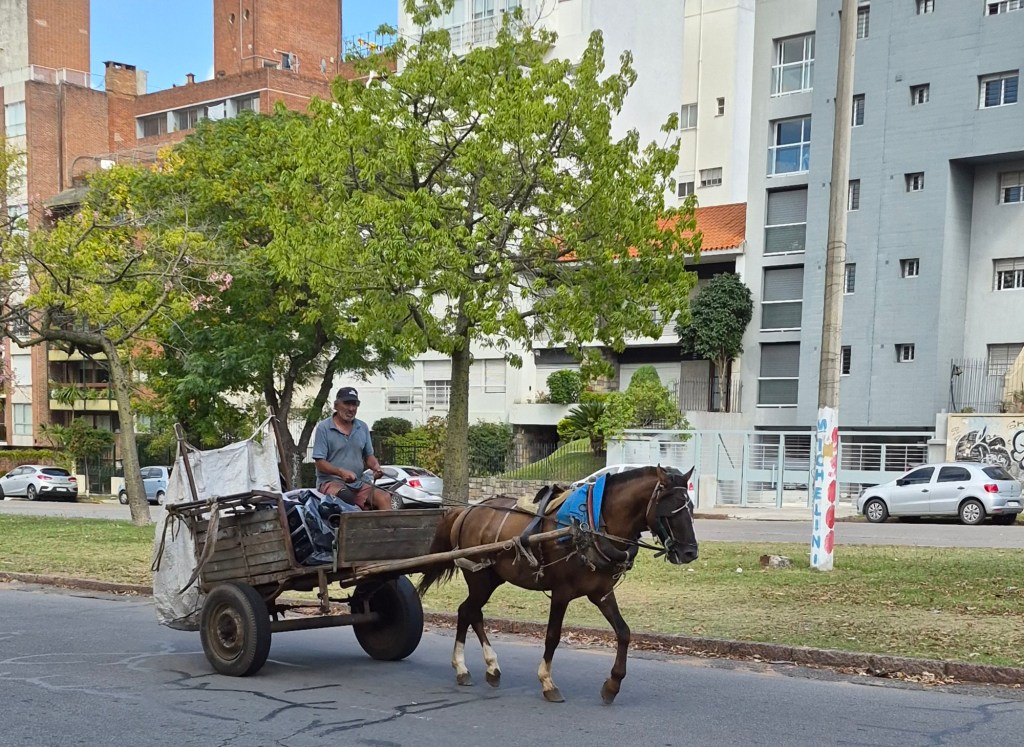
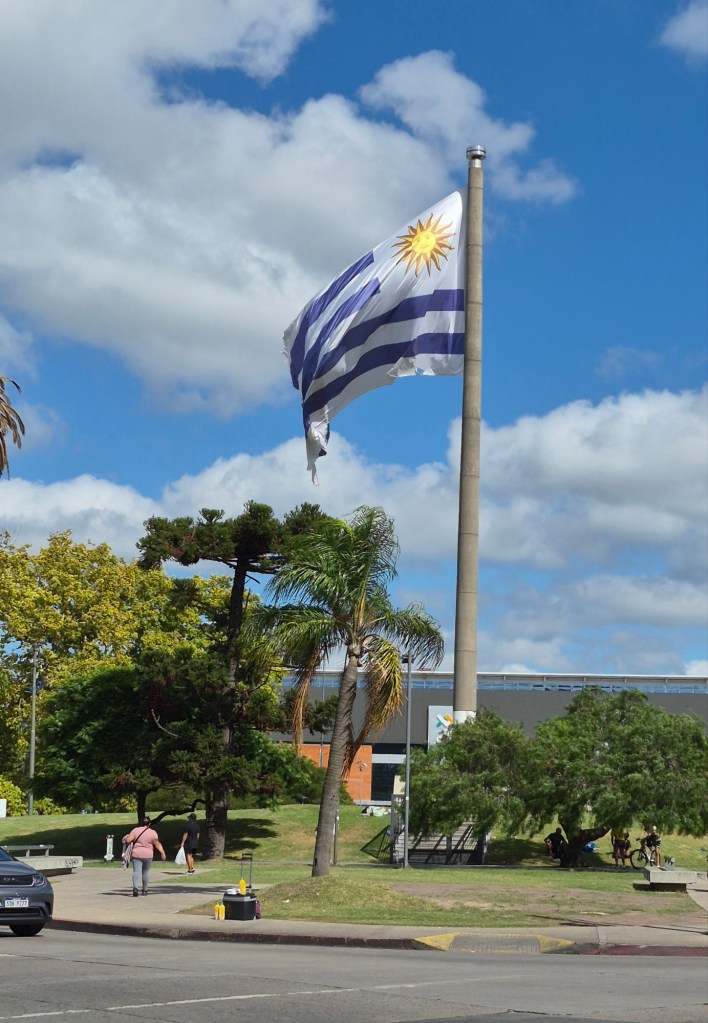
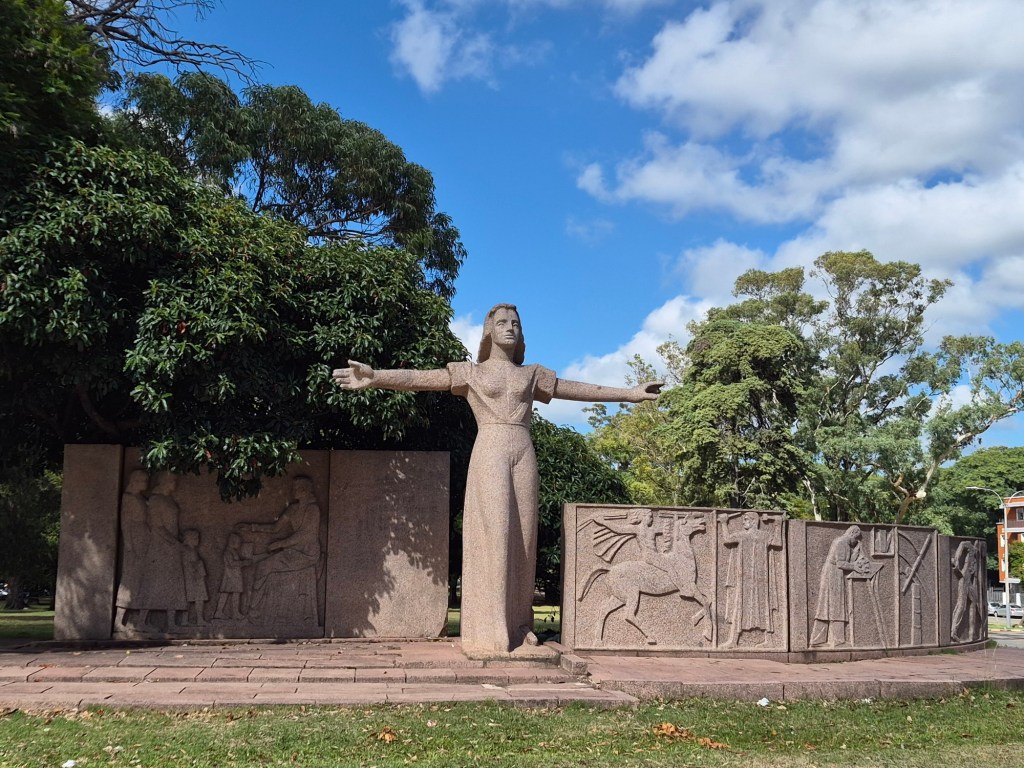
Some random photos:
 Mella Madness