Truthfully? A tough experience last week, on different levels. And also a very enriching one, on different levels. I am reading An Autobiography of a Yogi by Paramahansa Yogananda, and I was struck by the following: “All thoughts vibrate eternally in the cosmos. … Thoughts are universally and not individually rooted; a truth cannot be created, but only perceived. The erroneous thoughts of man result from imperfections in his discernment.” (P 112). A gentle reminder to carefully consider my own thoughts and how I express them. And to realise that my preconceived ideas and perceptions determine my reactions to situations – thus, all is personal.
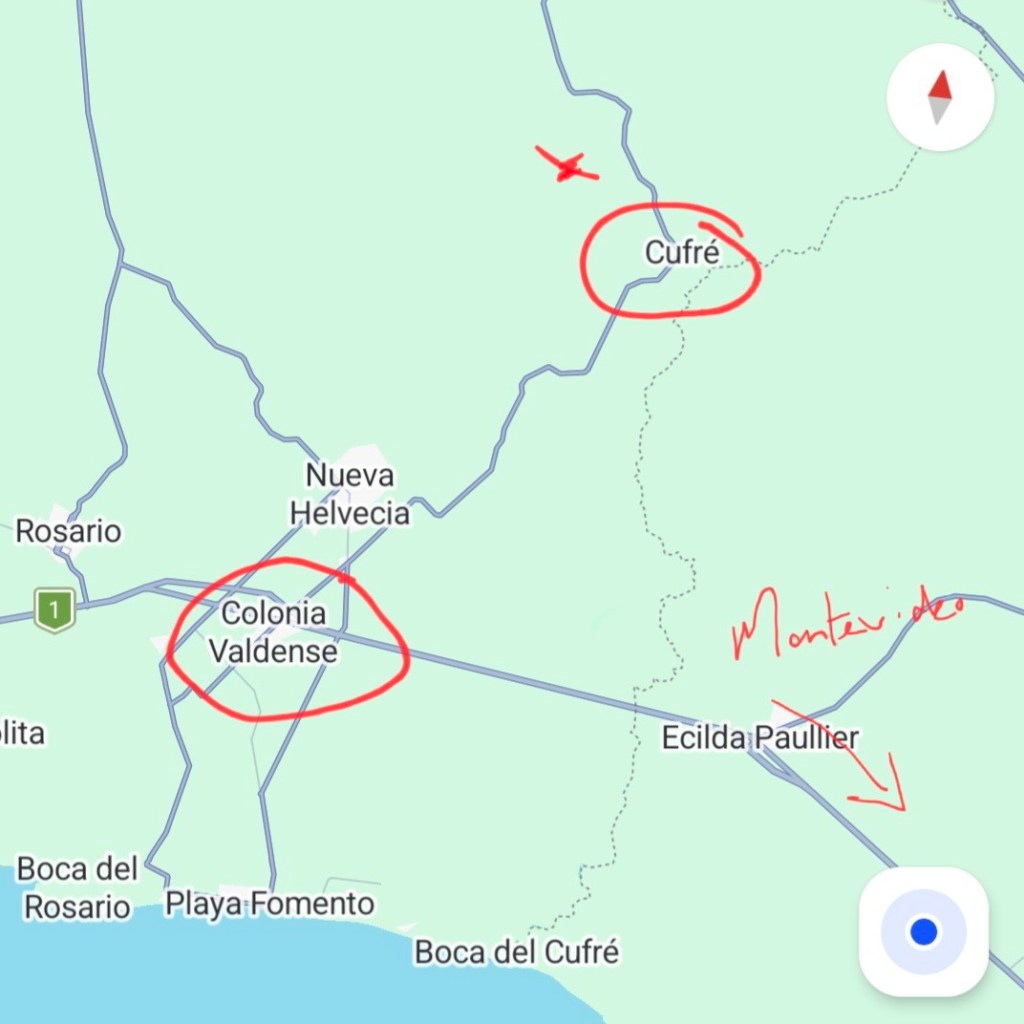
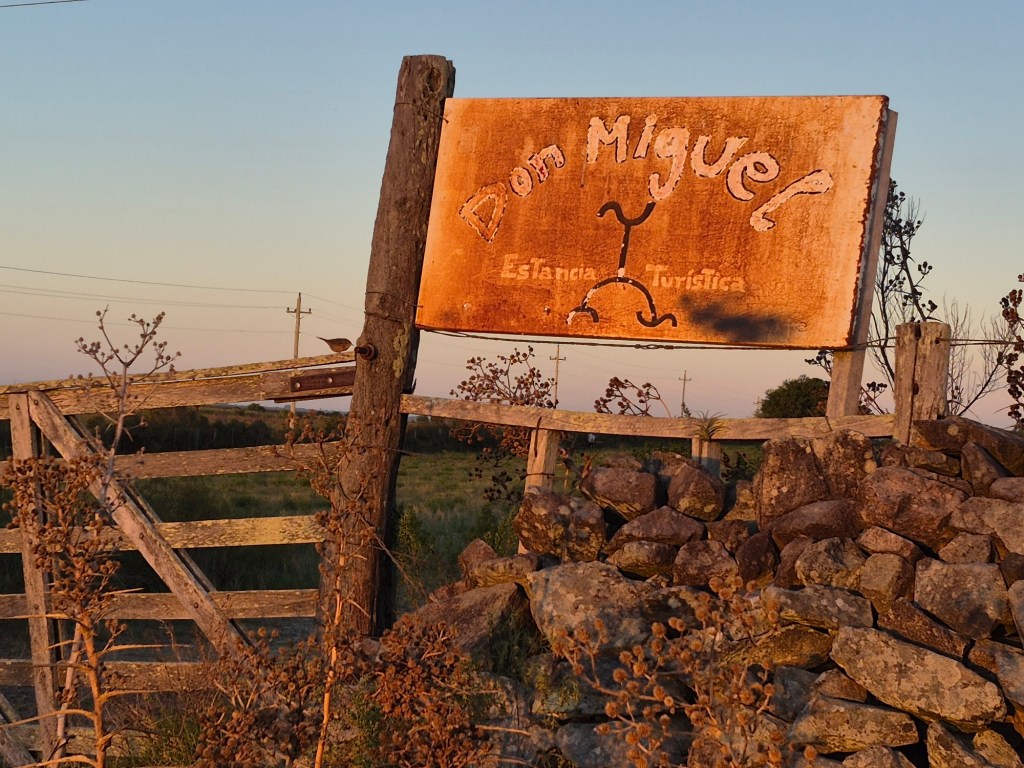
I had a Workaway commitment on a farm, Don Miguel, 7km out of Cufré, a very small town north of Colonia Valdense. Maria and Hugo picked me up at 20h30 at the busstop in Colonia Valdense, which is about halfway between Montevideo and Colonia del Sacramento. I was an hour early and bought a sandwich in the little restaurant which serves as busstop, so I wasn’t aware that they had arrived until I got a WApp telling me they were waiting. They were driving an old white combi with one seat removed, which enables Hugo to transport things I suppose, as he doesn’t have a truck. We picked up their grandson, Sabino, on the way to the farm, which was about a 20-min drive. I was shown to my room, which was in a long outbuilding, where the kitchen was also located. I was told that breakfast would be in the kitchen just after 08h00, lunch would be there as well, and for supper I could help myself to anything that was available in the fridge or kitchen. Google Translate was working overtime, but I understood most of the instructions.
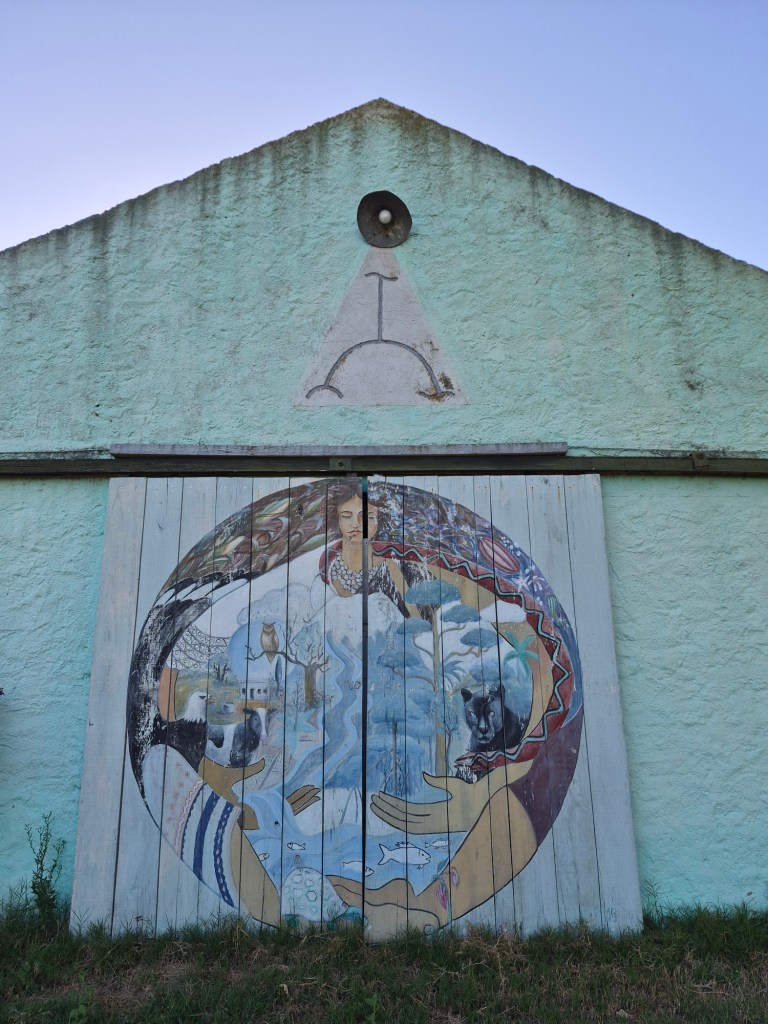
The room was very basic with twin beds, and toilet and shower en suite. I could unpack my things on the other bed as I was the only volunteer, and Maria brought me two sheets and a pillowcase – I found a blanket in a full cupboard in the room. There was a gauze door to keep out mosquitoes, but the windows in the room and bathroom didn’t have any. Fortunately I had a repellent.
Breakfast the next morning was green tea, homemade bread, butter and homemade pumpkin jam (delicious), but Maria had fruit and yoghurt as she was on a special diet. “Not for health reasons” she explained, looking at Hugo for support, “but because I am taking chlorine dioxyde, an alternative medicine for treating cancer. I have been taking it for 8 months, and the cancer has shrunk to more than half its size. It is the most inspirational thing that has ever happened to me, and I am writing a book about it,” she concluded. She was not allowed to have any gluten, sugar or acids, especially citrus fruits (high in vit C). She was quite hesitant in telling me all this, as obviously it was a sensitive issue, but I was so inspired by her positive attitude that I asked her permission to write about it.
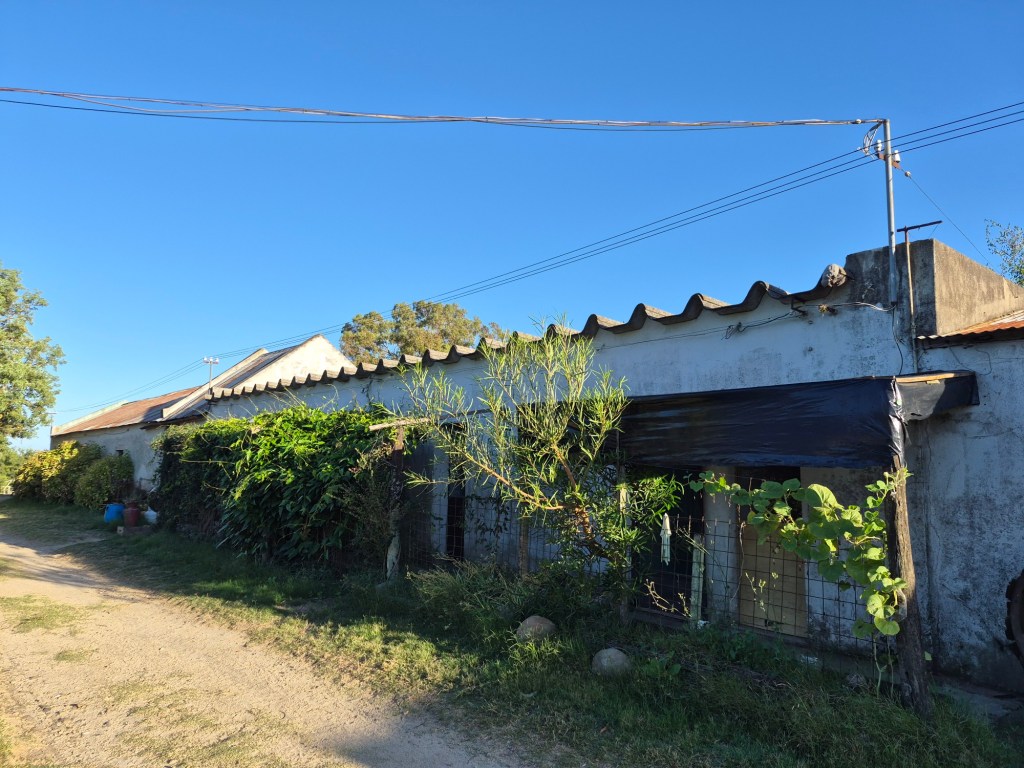
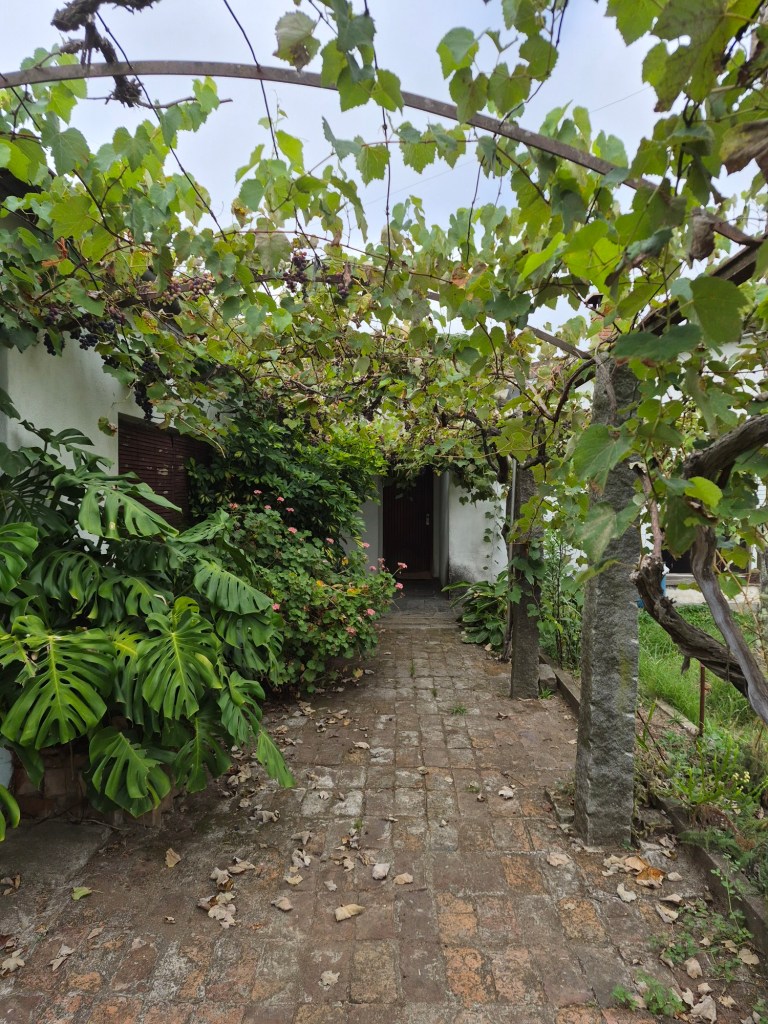
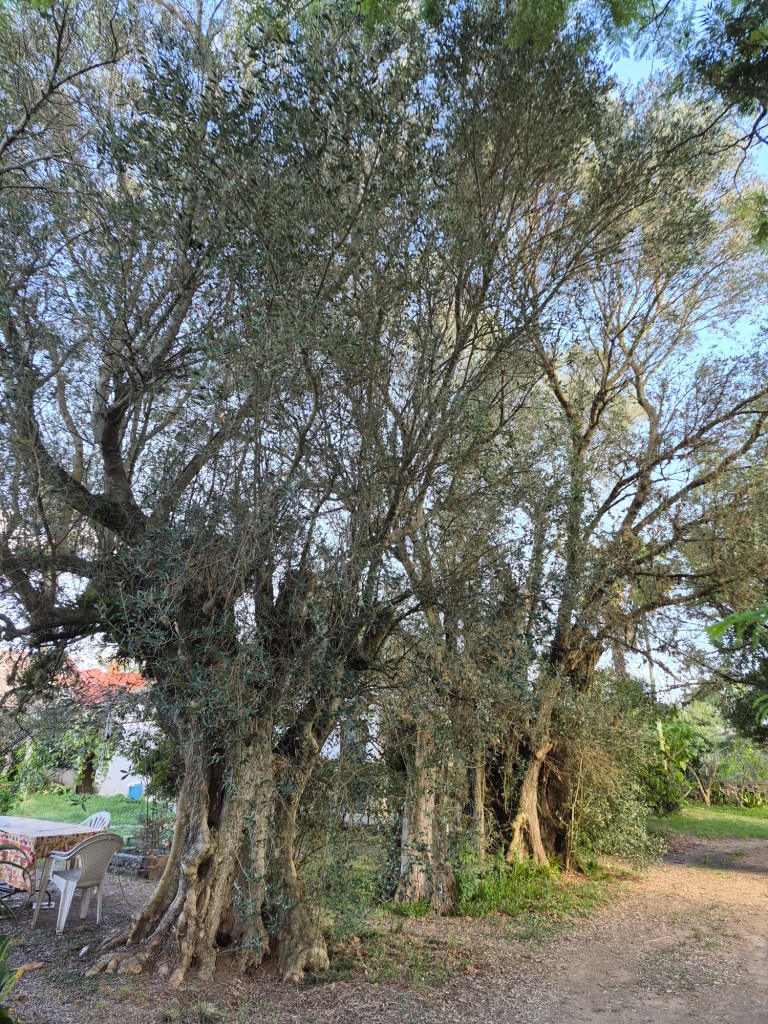
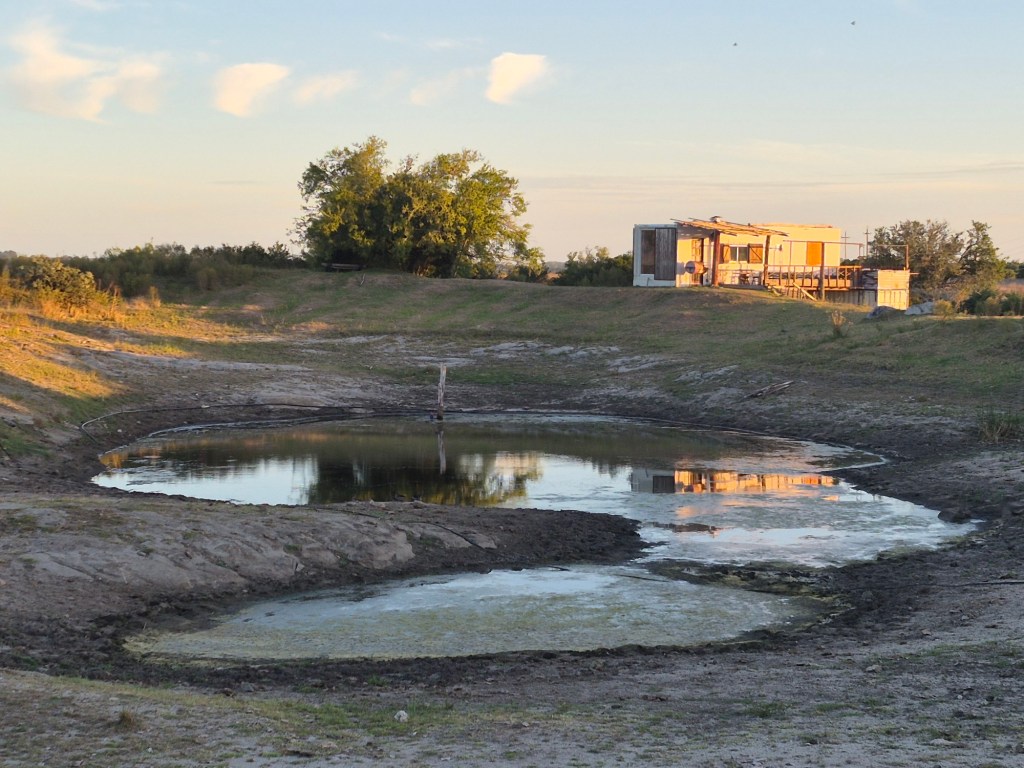
I asked about the work they were expecting me to do, and Maria said that I had to clean the kitchen after breakfast, to always keep it clean, and after that I had to trim the hedge (in the photo of the outbuilding), remove some prickly plants and harvest some herbs (yellow nutsedge, chuffa in Spanish). I misunderstood about the chuffa. When she demonstrated what she wanted me to do, she picked some, and some she pulled out by the roots, so I assumed it had to be the latter. I washed them to remove the soil from their roots, which I was not supposed to do, but she was not too upset about that and told me to put them on a metal gauze frame to dry out. I’m explaining in detail here, to illustrate the difficulty of not being able to communicate effectively, Maria’s strong sense of being in charge, and my eagerness to do things right. That set the tone for the week.
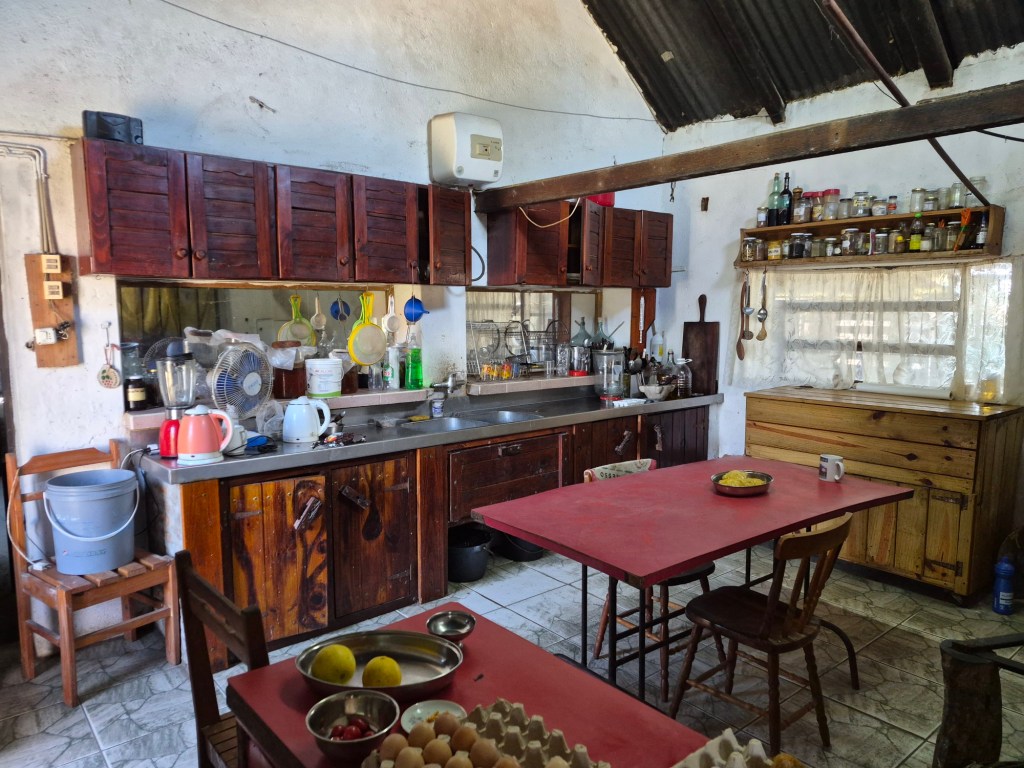
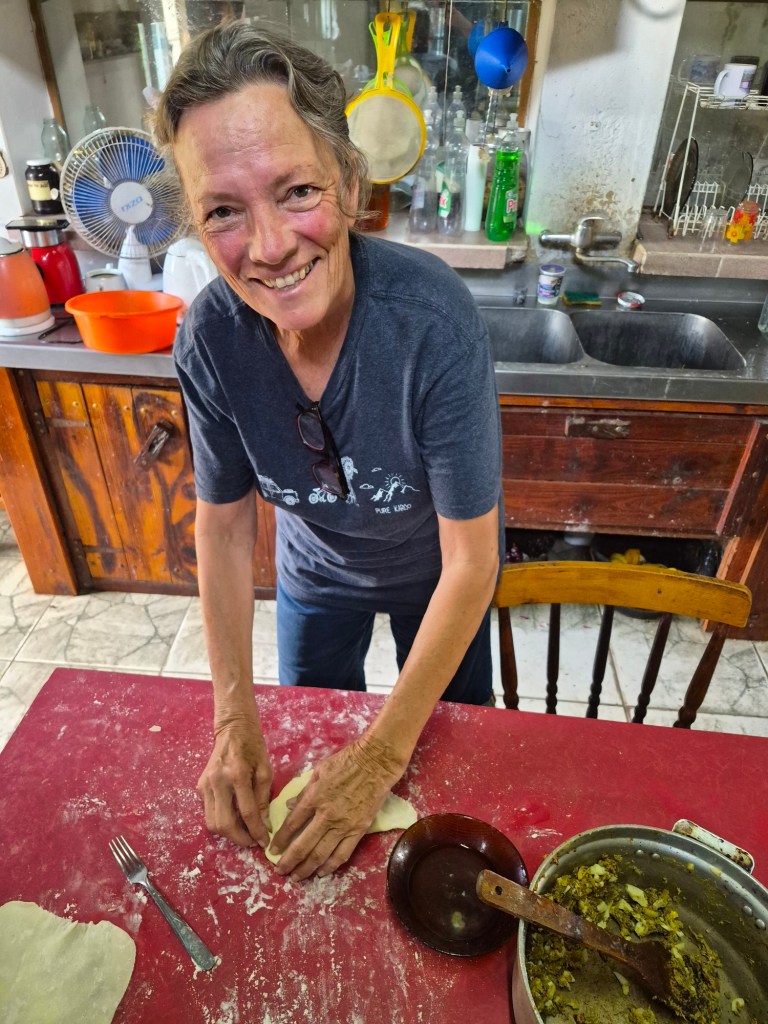
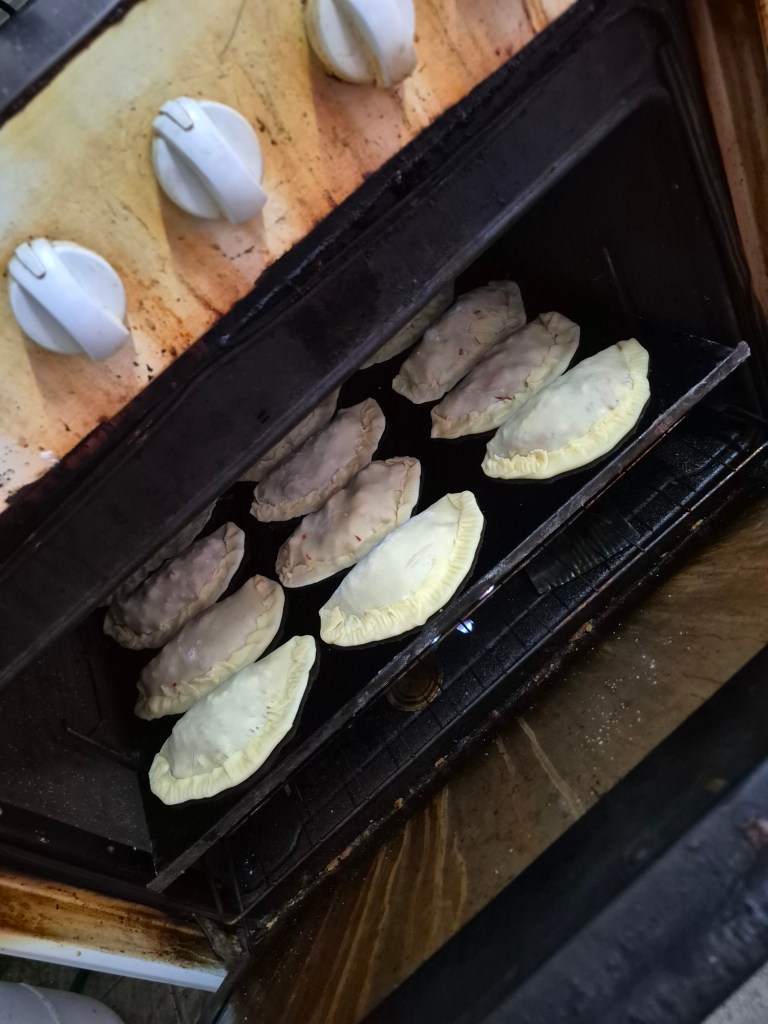
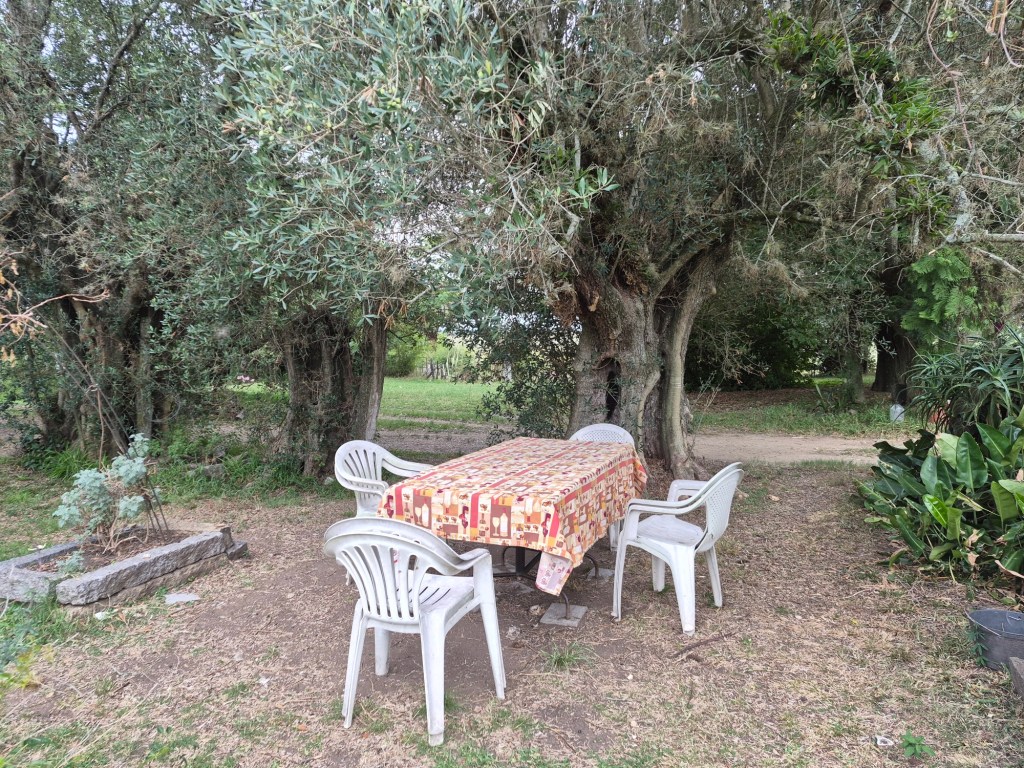
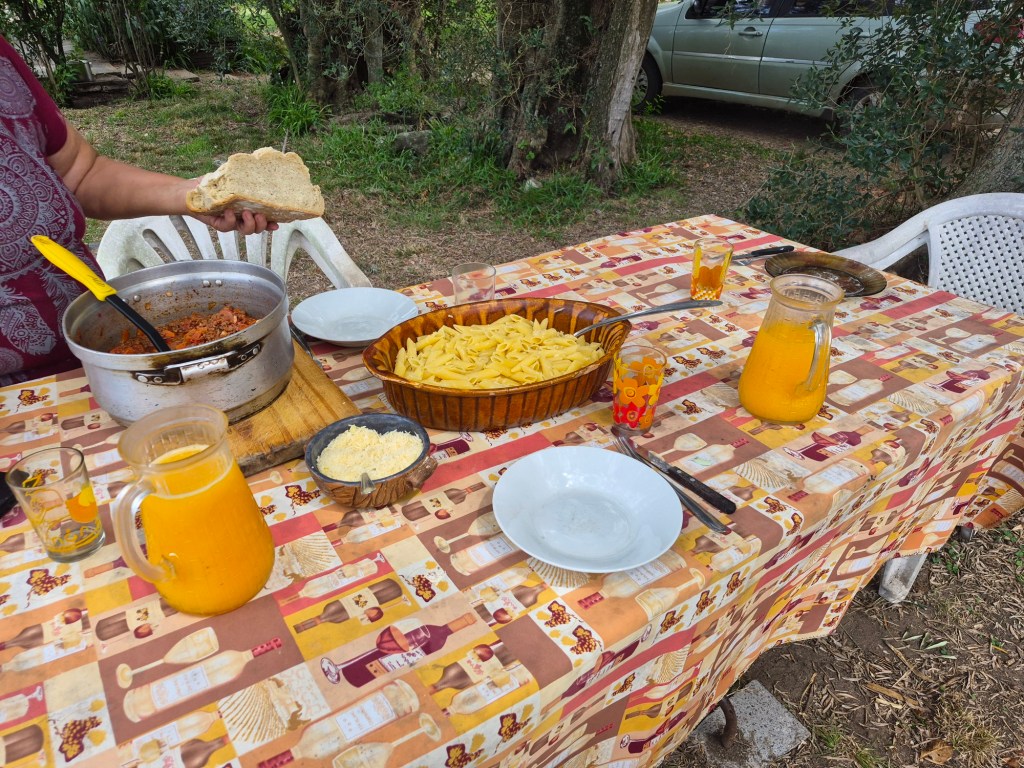
When I’d done all that, I found Sabino in the kitchen making empanadas. and he invited me to try to make one. He was very impressed with my first attempt, and we continued making all of them (which were for lunch and for supper), discussing politics in his broken English and my poor Spanish. Lunch was always at a table under the trees, as the kitchen was too warm. I had to set the table with plates, cutlery, glasses and freshly squeezed orange juice. After lunch I cleared away everything, did the dishes and pots or pans that had been used for cooking, and swept the kitchen floor. Feeling a little bit like cinderella, it occurred to me that that is what it must have felt like for the servants on our farm in South Arica, who were always cleaning up after us. The big difference being that here I was eating with the family, and they never did – a humbling and shaming thought.
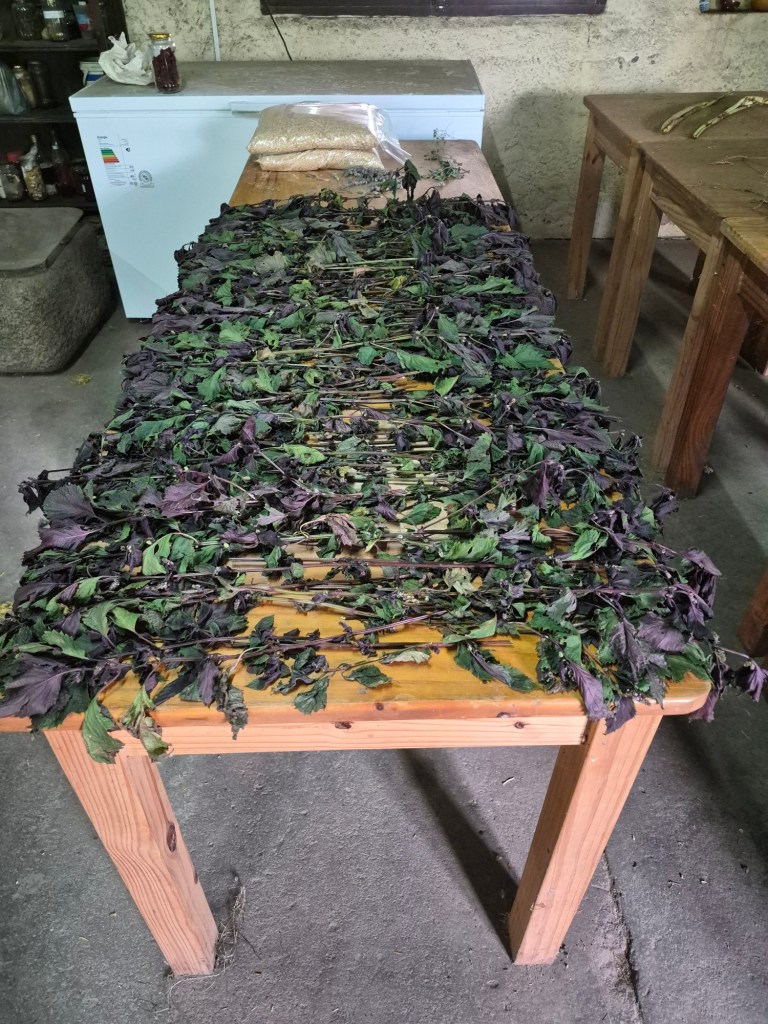
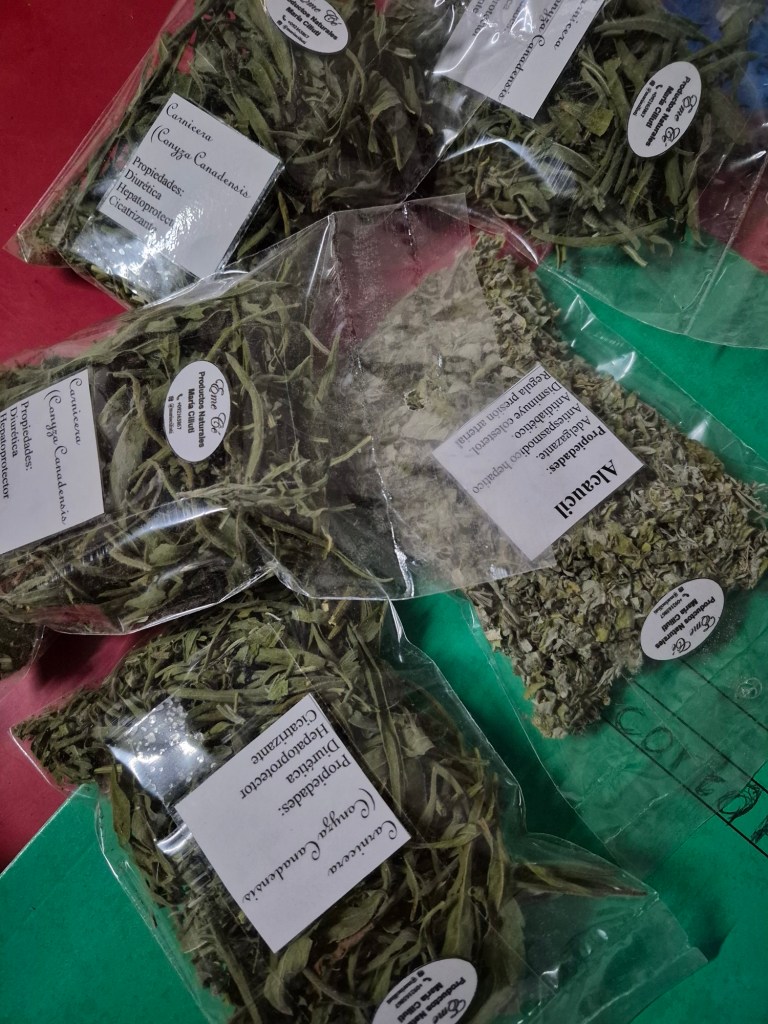
Workaway volunteer hours are normally 5 hours a day, so I assumed my work had been done after cleaning up after lunch, but Maria always had some extra things I had to do in the afternoons, normally involving the herbs, which I was keen to learn about and I happily obliged. One day I had to harvest purple basil, as it had to be cut in the heat of the day. On another day I had to put stickers and her logo on packets, fill them with that specific herb, weigh them and seal them with an electric sealer. As we worked, she explained the importance of having the right attitude and positive energy when handling herbs; that we had a chakra in the middle of our palms, and that the energy was transmitted in that way. She also mentioned that not all volunteers were able to work with the herbs, which I took as a compliment. She had studied medicinal herbs many years earlier, and was very intuitive and knowledgeable, explaining the properties of the herbs that we were packaging.
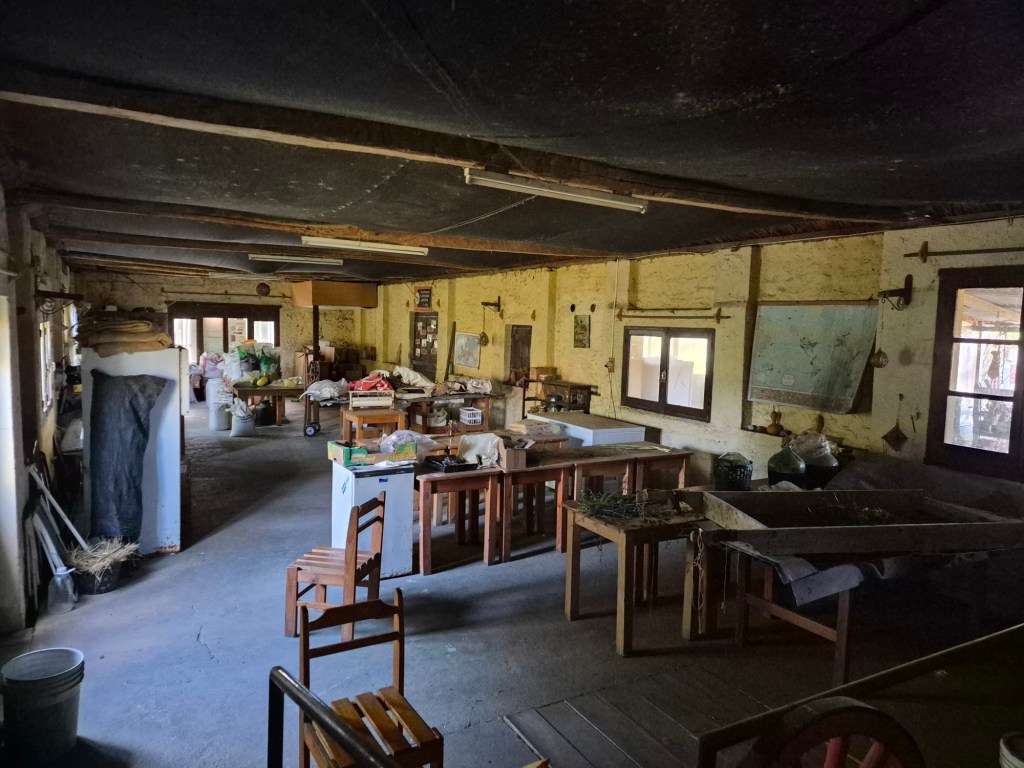
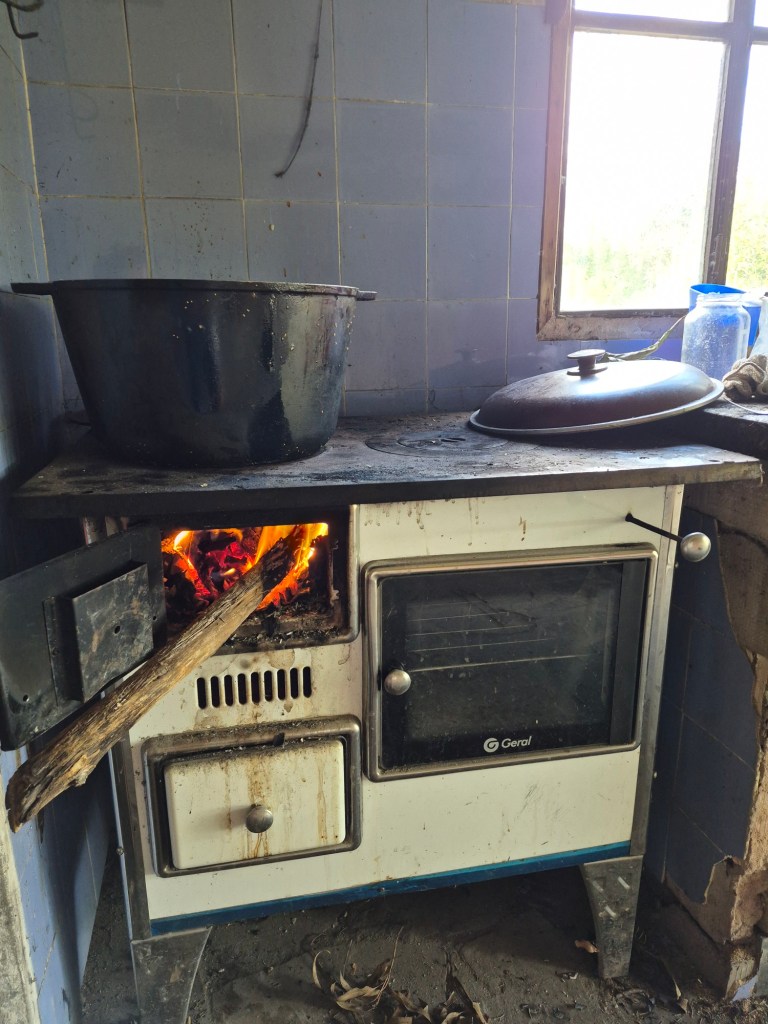
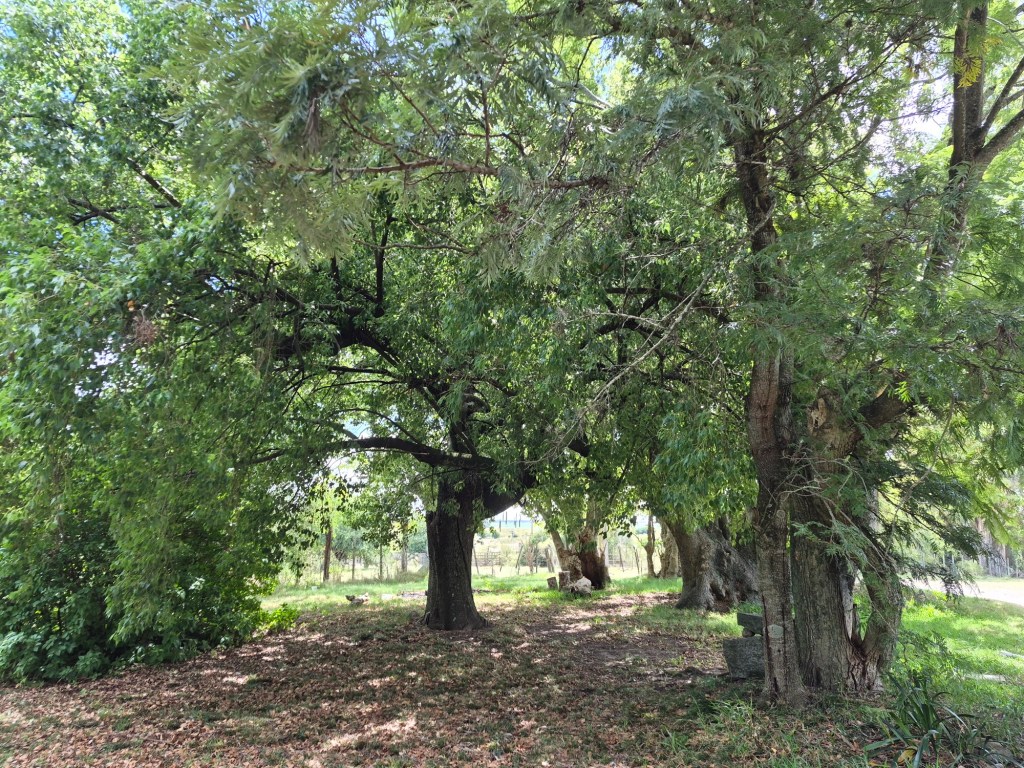
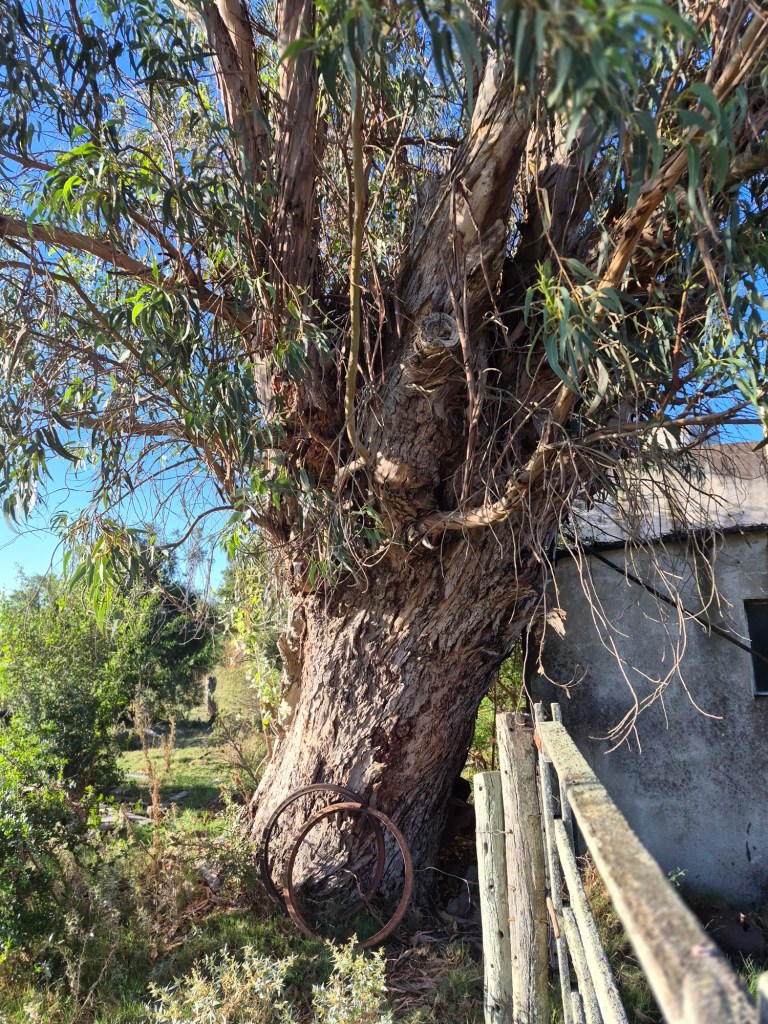
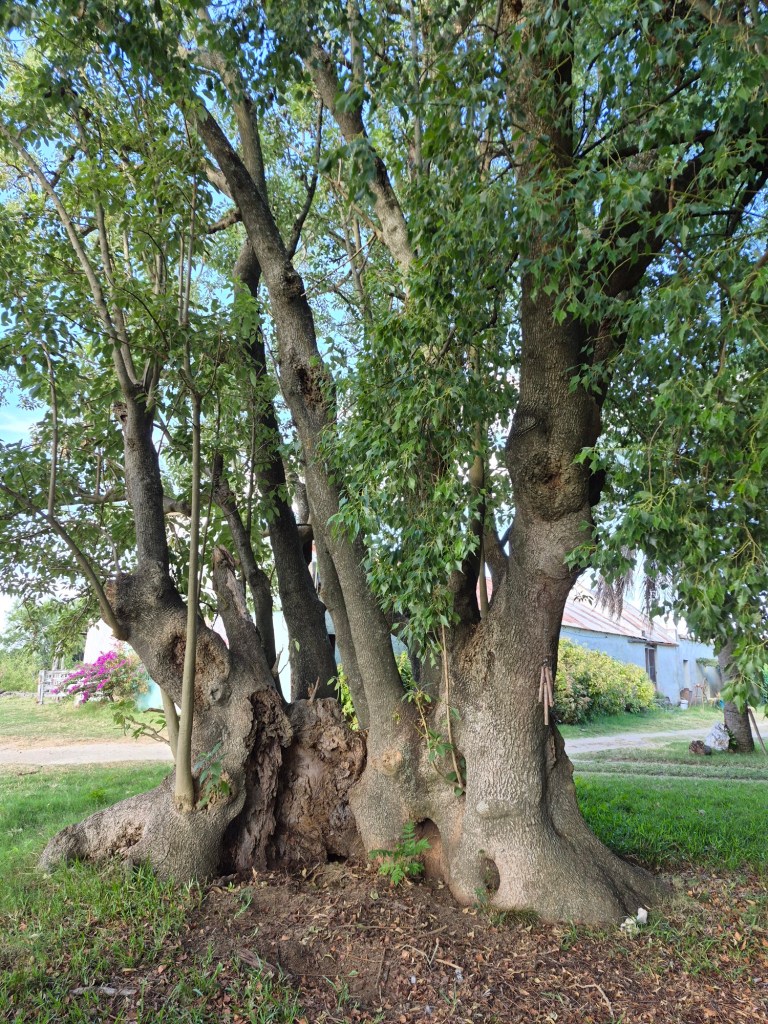
In the meantime, Maria was making fig jam and salsa sauce and boiling bones to extract gelatine that she bottled and sold. This she did in her garage on a woodburning stove, sitting in front of it, continuously feeding the flames with pieces of wood. One day she asked me to gather wood for the stove, using the wheelbarrow and finding wood any place around the house. Quite an easy job, as there are many huge trees on the property and lots of dry wood lying around. There are also a few huge ombu trees around the house, which I loved – beautiful from one angle, hollowed out on the other side. Their fibrous material is of course no good as firewood.
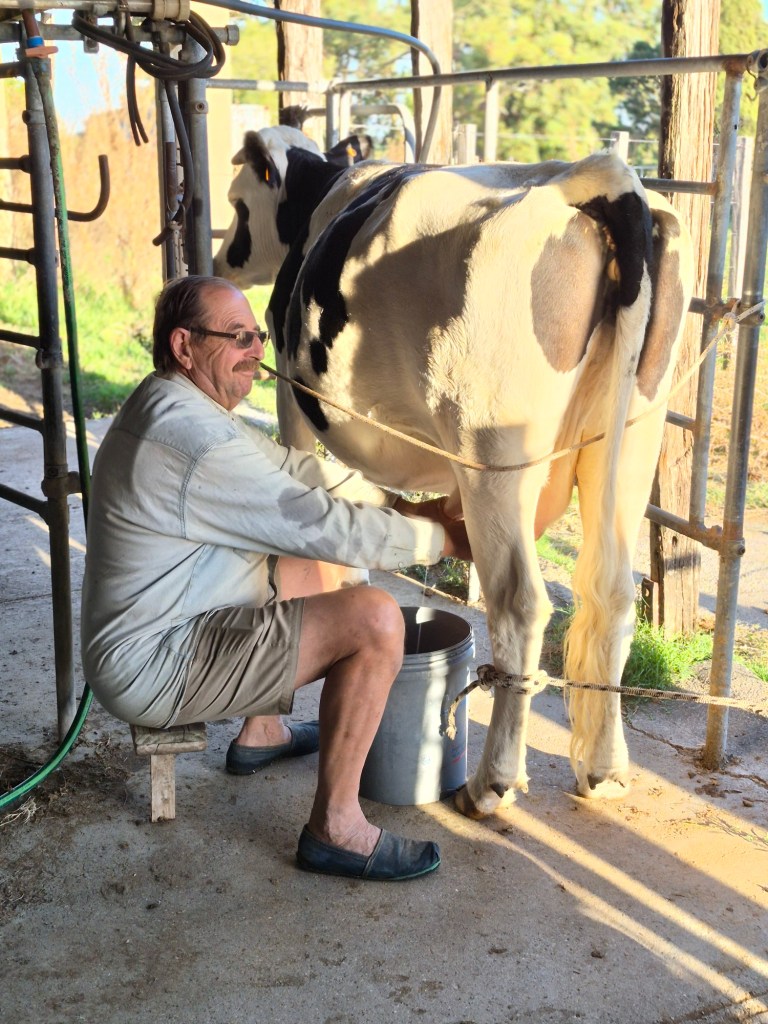
On the second morning I decided to help Hugo fetch the cow and watch him milk. He asked me to try, but no matter how hard I squeezed those teats, I just couldn’t get the milk to come out. It was a strange feeling, I could feel the milk going back up into the udder, instead of out. Hugo was very encouraging, explaining how I had to curl my fingers from the top to the bottom, but to no avail. We had quite a laugh, and eventually I just gave up. After milking, we fetched the calf, which was almost full-grown, to drink. Hugo walked into the camp, calling out as he searched for it, and eventually the calf appeared from the bushes a way off. My mother used to call her tortoises on the farm in the same way.
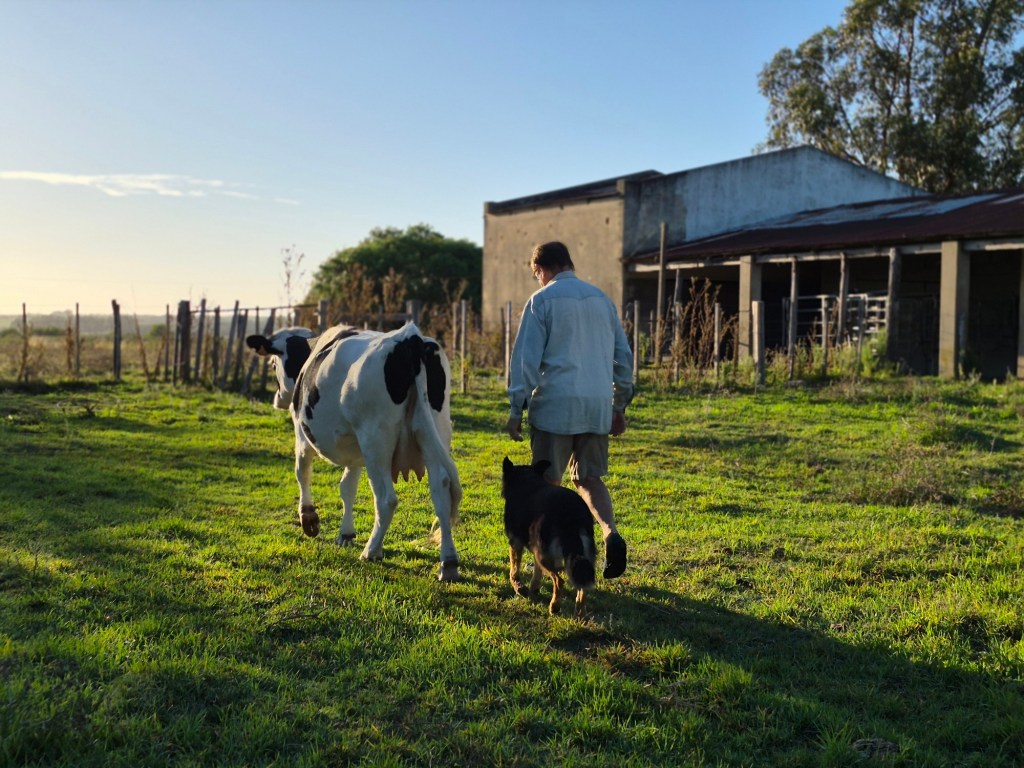
Hugo is just as entrepreneurial as Maria. One day I saw him cleaning out one of the outside rooms, and later I heard a constant droning sound. I investigated, and saw that he had a machine that was making rice flour from rice. The following day he showed me that he also makes flour from pomace, the remains of grapes after the wine had been made. Evidently it is an excellent antioxidant. He gets the pomace from a bodega (wine farm) on the outskirts of Cufre.
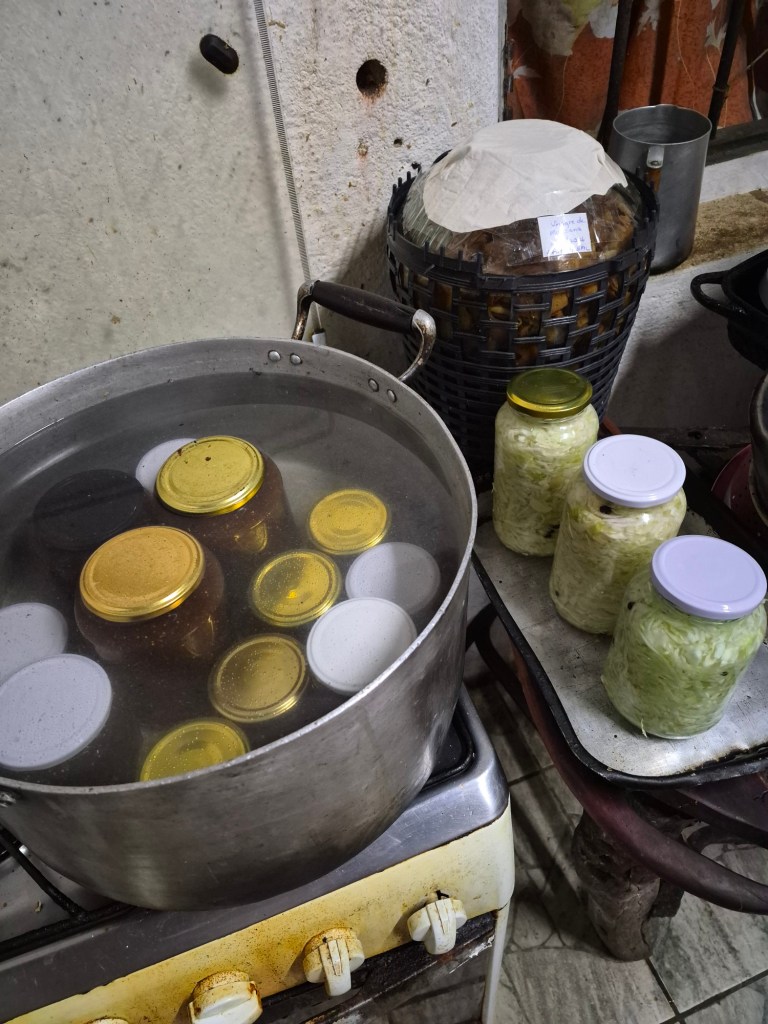
Another whole morning with Maria was spent making apple vinegar and cutting and salting cabbage, which gets bottled and is used as probiotic. Maria also sterilized the jams and salsa she had bottled, which I then had to lable.
Recipe for apple vinegar: Add together in a glass container:
1 kilo apple or peel with core
1/2 kilo sugar
10 l of cold water, or less
Cover with taped down cloth (must breathe, and the taped down cloth keeps bugs out)
Leave for minimum of 6 months, strain and bottle.
Recipe for salted cabbage: Remove the core of the cabbage and slice very thinly. Add coarse salt, 2% of the weight of the cabbage. Mix while crushing the cabbage with your hands until watery, leave 6hrs. Put one clove of garlic cut lengthwise and a few cloves in the bottom of a glass jar. Fill half the jar with the sliced cabbage, pressing it down very tightly. Add more garlic and cloves, and fill up with tightly packed cabbage. Add more garlic and a few cloves, and fill the jar with seawater. Put lids on, but not screwed shut, the liquid should be allowed to escape. Stand for 5 – 9 days.
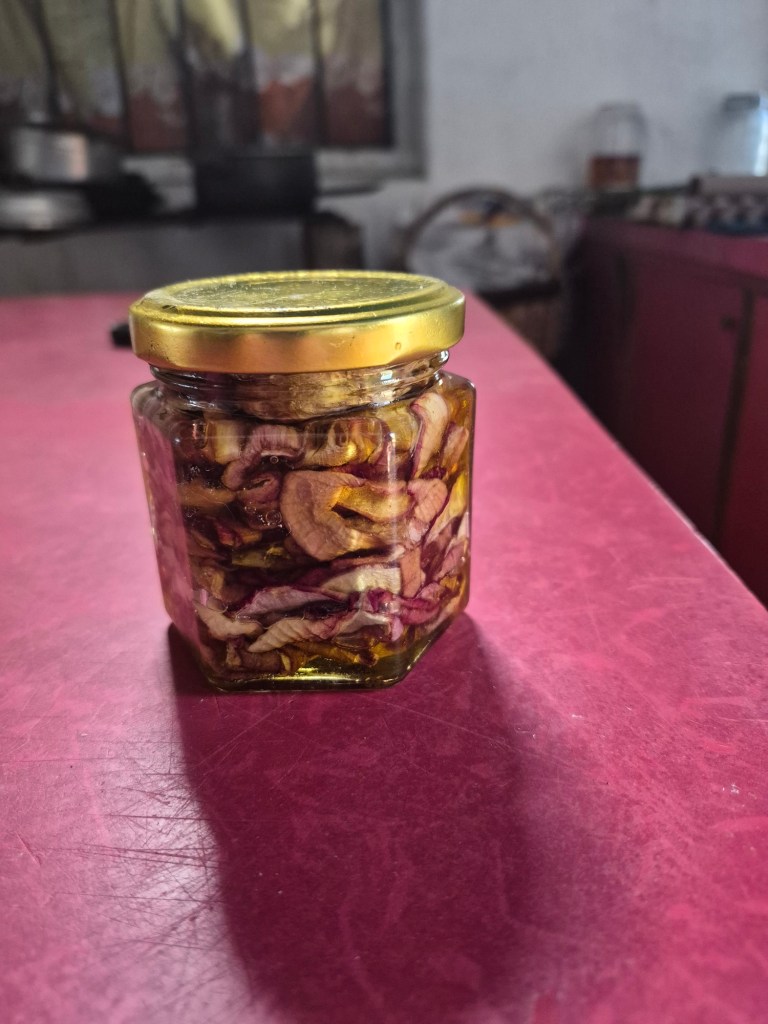
At some stage Sabino walked into the kitchen with a piece of a root of the Ceibo tree, which has medicinal properties. Maria then showed me how she makes smoked olive oil (aceite de carbon) which she served on our pasta that afternoon for lunch. She put a piece of the wood on the gas stove, let it burn until it was red when the flames were blown out, and dunked it in a cup of olive oil, immediately covering it with a saucer. She did it twice to get more of the smoked flavour. She had also come up with a recipe of salted, dried onions which she bottled using the smoked olive oil. Evidently one can buy smoked olive oil, but it is very expensive. It is absolutely delicious!
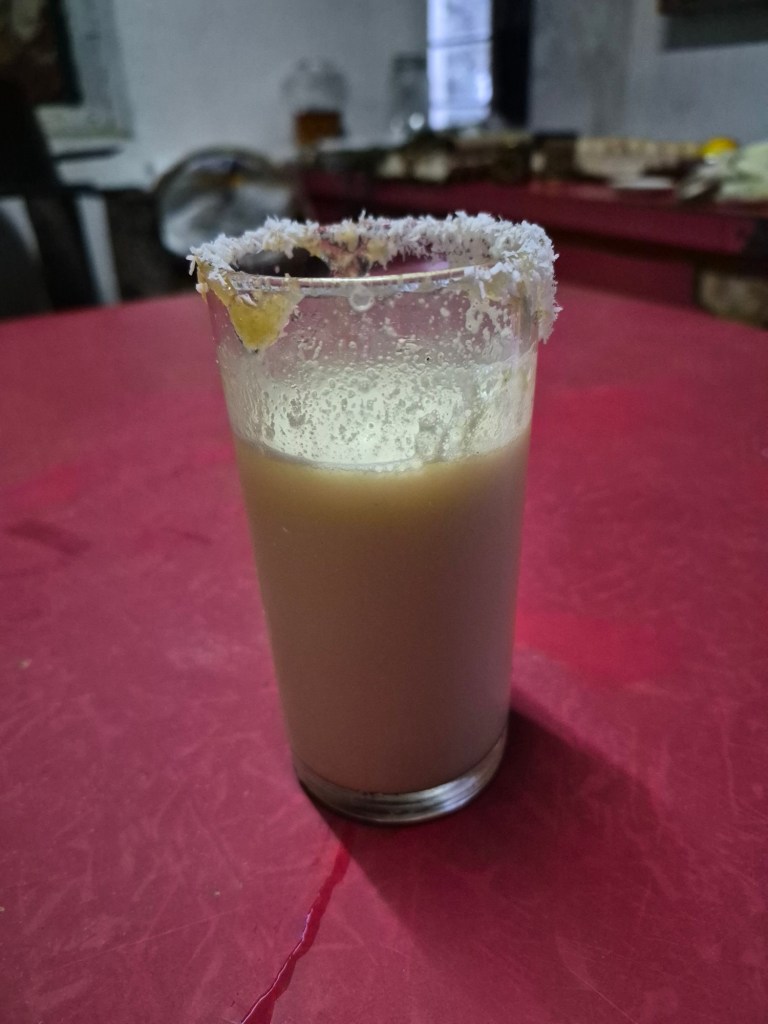
I had to cook lunch one afternoon – rice, steamed vegetables (which I was in trouble for, for cutting up in small pieces instead of big chunks) and steaks – and Maria kept the butternut seeds, explaining that she makes a very healthy seed drink that is good for deworming, is anti-inflamatory, and good for the prostrate gland too:
Seed drink
2 spoons of seeds (any squash, butternut, watermelon, cantelope)
1 spoon coconut
1 spoon honey
1 cup of water, 4 cubes of ice
Smooth in a processor, and pour through a sieve, serve immediately.
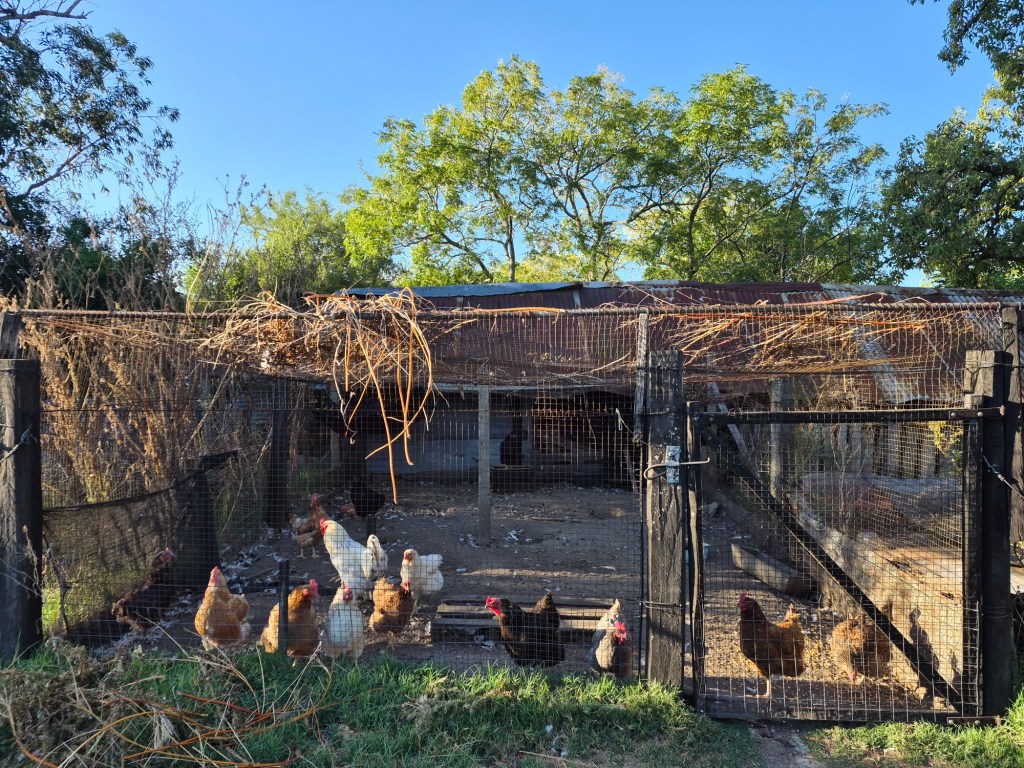
It was also my job to let the chickens out at 18h00, to collect any eggs they might have laid, and fill the water trough. And to be sure that all 14 hens and the cock were safely back in the run before closing it later, as there were small foxes and other predators around that could’ve caught them. The first night Maria and Hugo were not there, and thinking there were 14 chickens in total (I had not understood that there were 14 hens and one cock), I was happy that they were all safe and sound, having counted 14. As I walked back to my room, a hen came sauntering by, totally confusing me. The misunderstanding was cleared up the following day when they explained about the 14 + 1. One hen had a long cloth string attached to her leg, and was being picked on by the other chickens. When I asked Maria about it, she said she had been broody and had been tied up, and if I could catch her, I could untie the string. That evening she had accidentally tied herself up around a pole in the chicken run, so it was easy to just pick her up and remove the string. I am convinced the extra egg the following day was her feeling liberated and able to lay again.
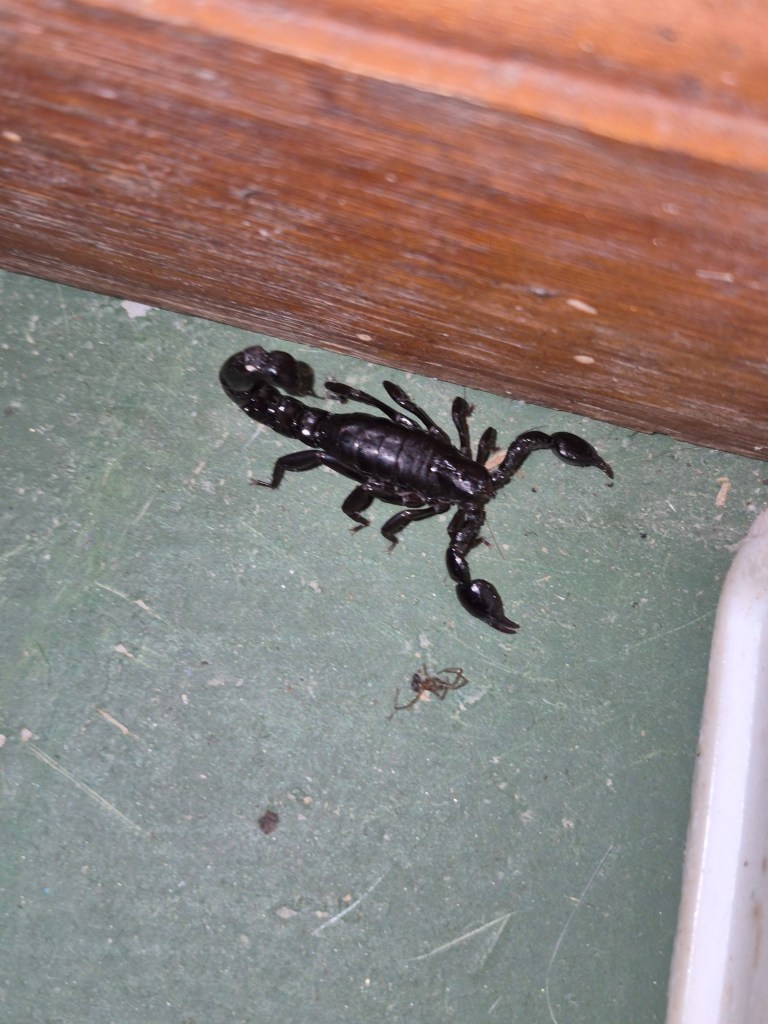
One night I discovered a little scorpion in my room, which kind of freaked me as it was under my phone which was lying on top of the adapter on the floor. It made me decide to not extend my stay, which Maria and Hugo had asked me to do as their next volunteer had failed to reply to WApps. I had been sharing some personal issues with Maria, and she had responded with positive energy and had offered to do reiki, which she was trained to do. It had all become very intense, and I had felt my energy being drained to the point of exhaustion, so the scorpion was just what I needed to remind me that I should take charge of my situation and make sensible decisions. My work had been done, it was time to move on.
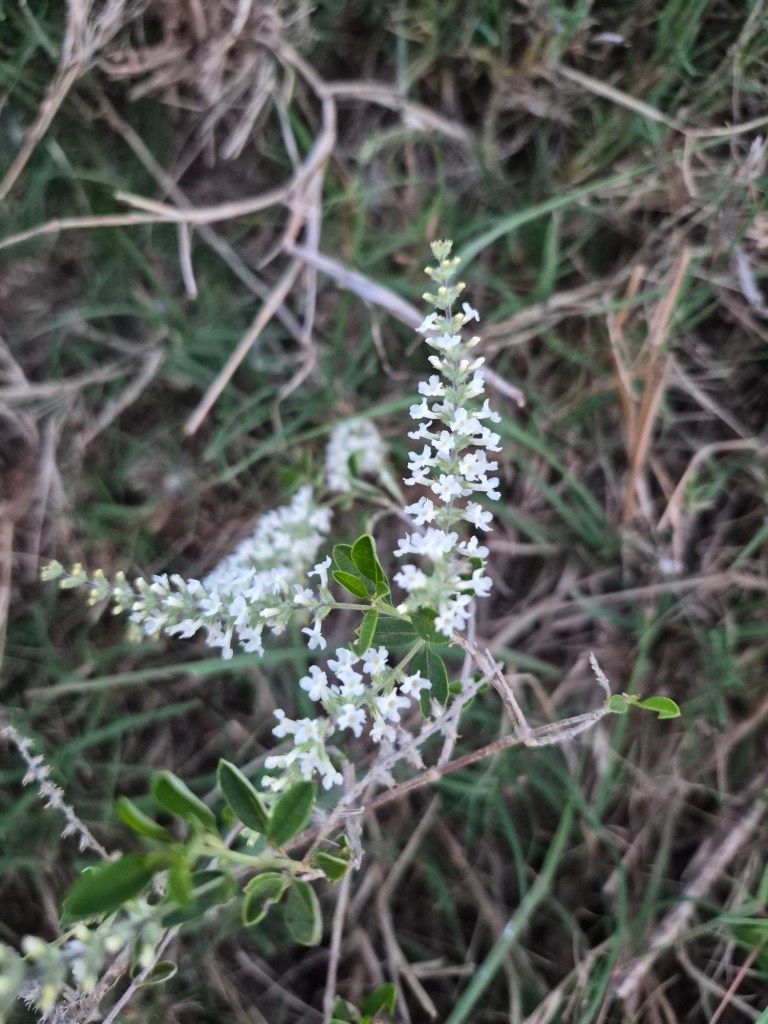
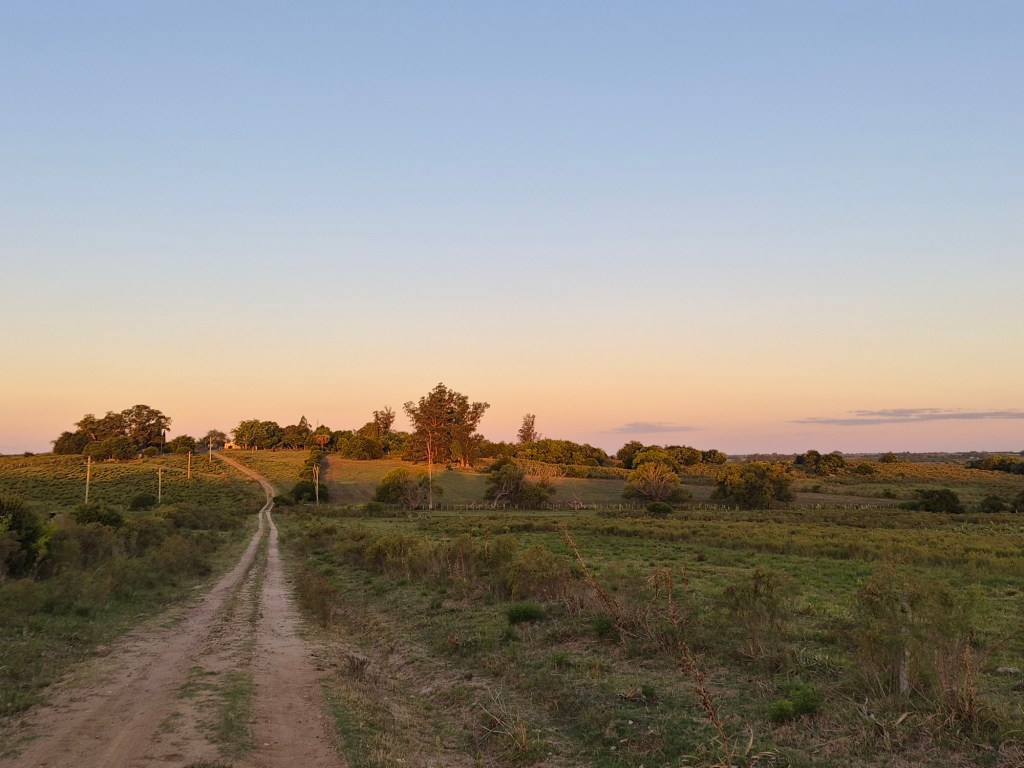
I would often go for a walk late afternoons, watching beautiful sunsets, taking pictures and picking and smelling a dainty flower along the way, that had the same calming effect as lavender. Dante, one of the three dogs, always accompanied me with much gusto, reminding me of the joyous pleasure to be found in simplicity.
 Mella Madness