Working and travelling are contrasting activities. Travelling to me is about exploring, discovering, being attentive, walking, and sometimes interacting. It is mostly personal, invigorating and exciting. Working, on the other hand, means becoming involved, being open to forming relationships, sharing living- and life-spaces, learning about the culture and accepting that people do things differently. It involves energy, sharing and participating, and being present. Sometimes I can do it for longer periods of time, when there is an easy and comfortable flow of energy, and sometimes for shorter, when the intensity of the energy is draining. The past week has been the latter. More about that in the next blog, first a travel experience in Punta del Este.
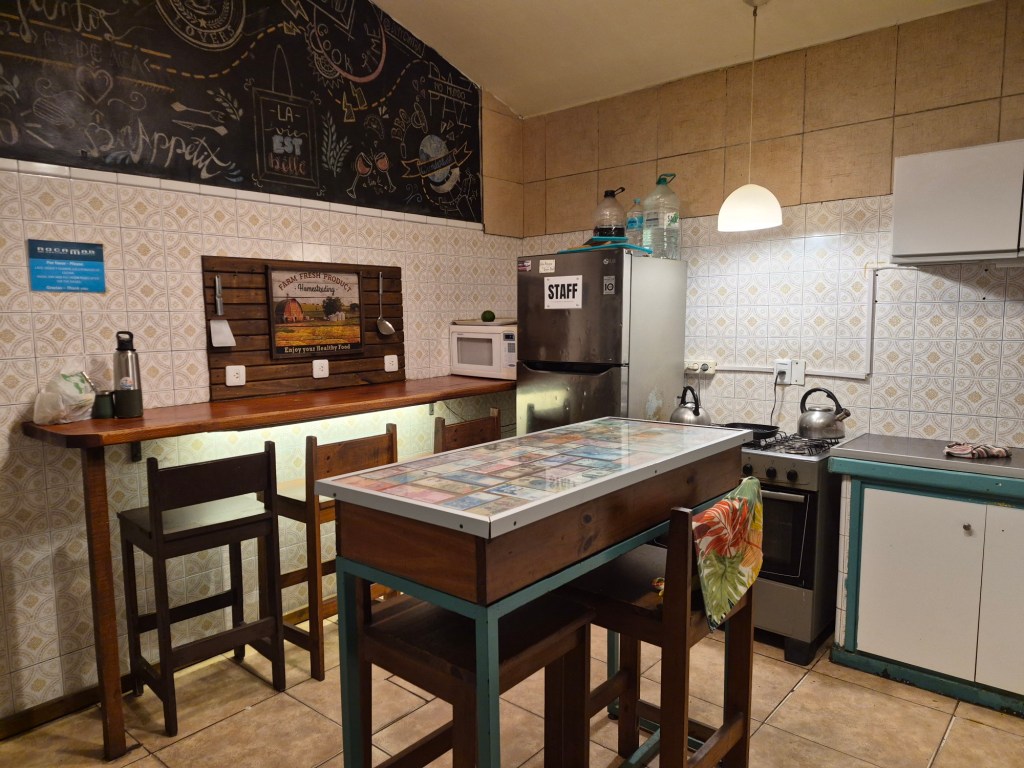
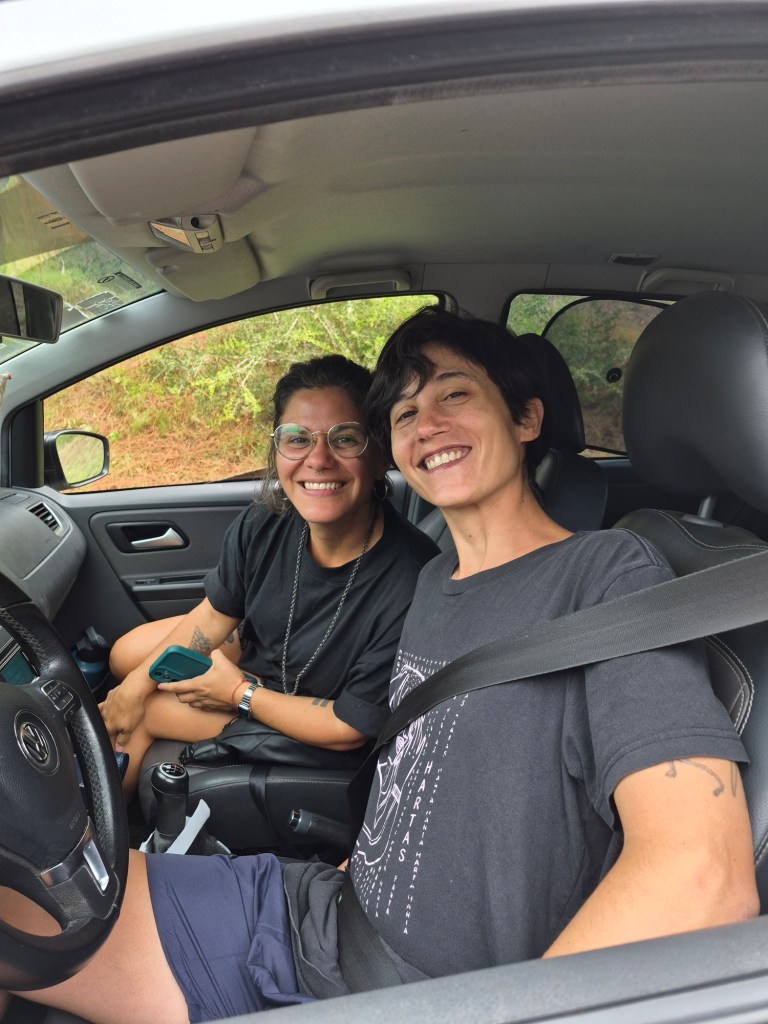
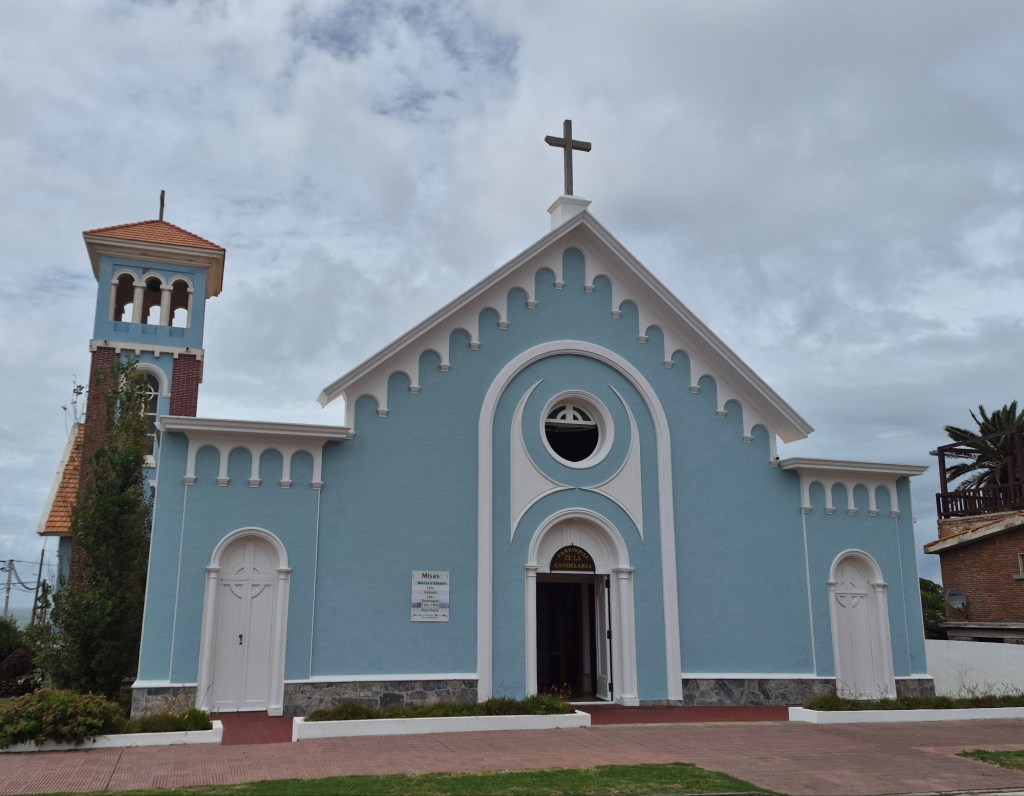
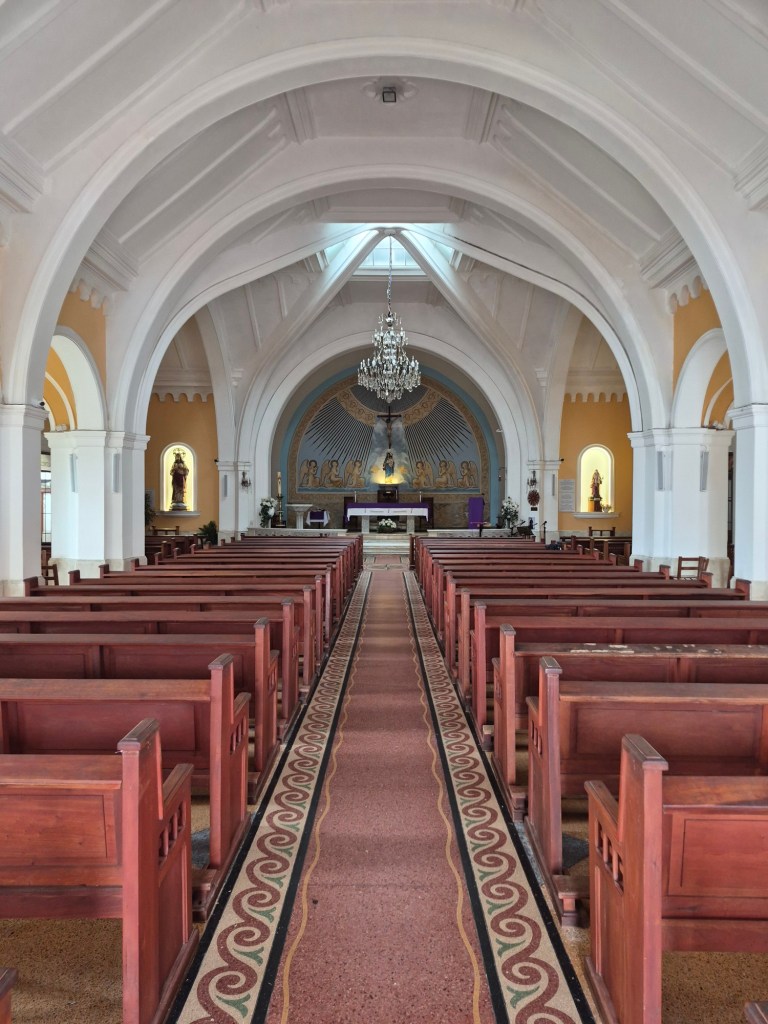
The morning I had to leave La Paloma, it had been raining and the clouds were threatening, so I was waiting in the kitchen area of the hostel to see what would happen. I did not feel like pulling Suerte through the mud, and contemplating my options, I started chatting to two women who were having breakfast. They, Susi and Manuela, were going to Punta del Este by car, and I promptly bummed a lift, offering to pay what the bus would have cost. We had the most enjoyable trip, drinking mate and chatting the whole way, and they dropped me right in front of the hostel. They are two best friends from Buenos Aires, who were on holiday for a week, and we shared life stories and philosophies as usual. Susi and her partner (who was at home) have applied to adopt a baby, and I said a special prayer for them in a church in Punta del Este.
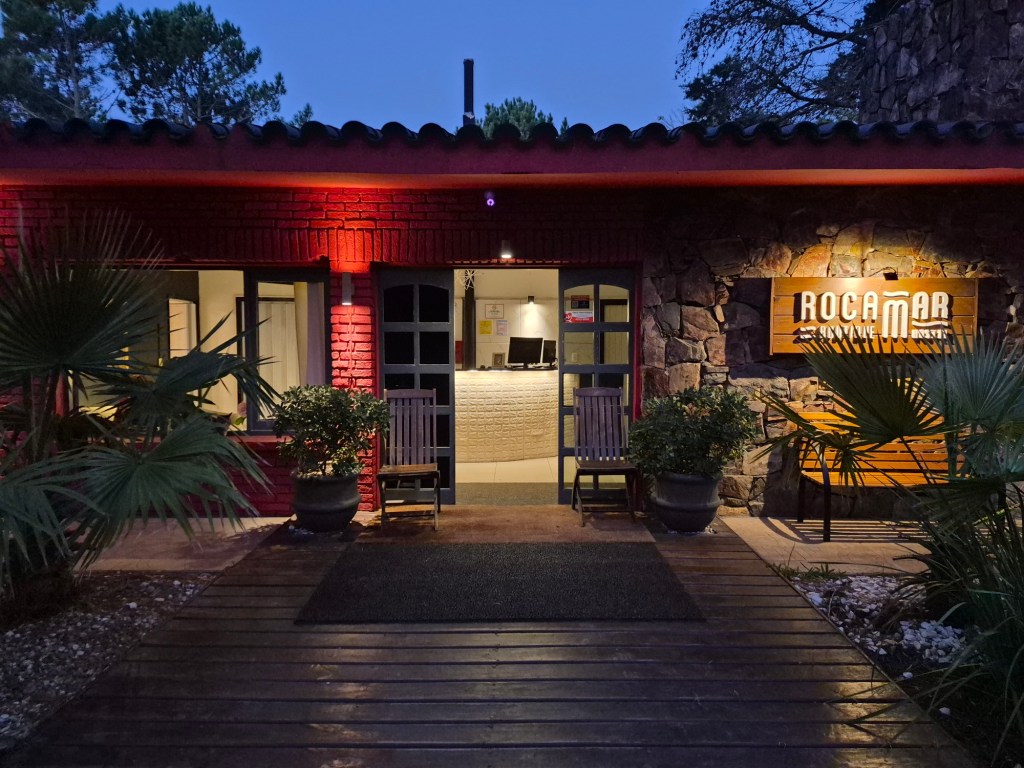
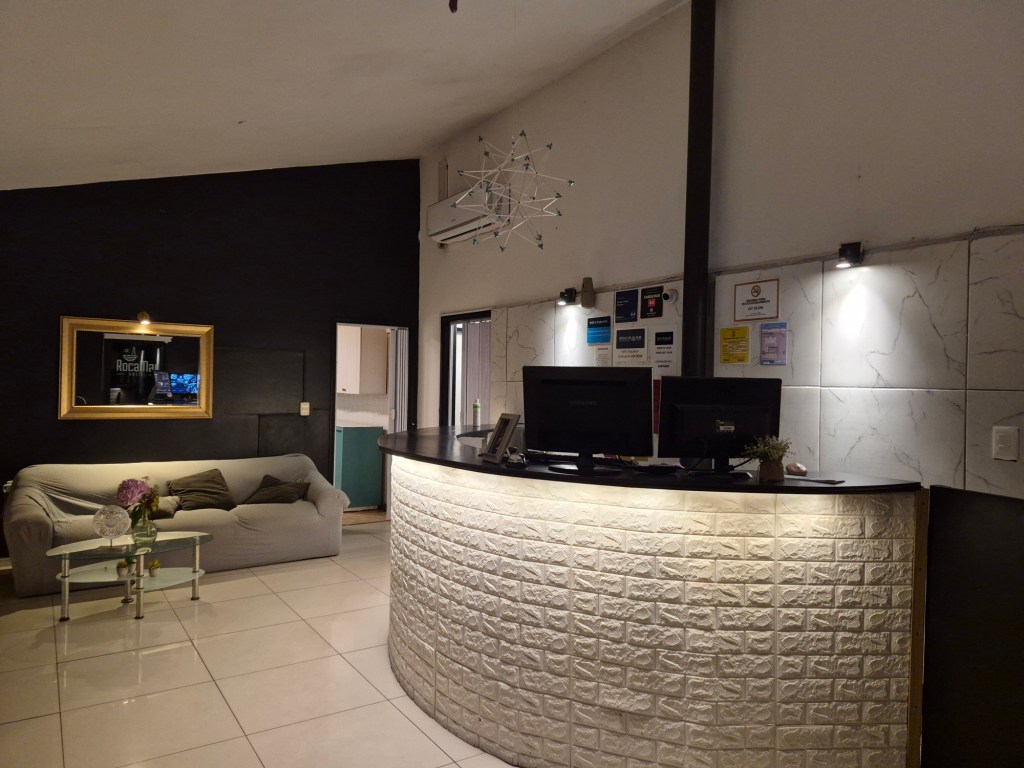
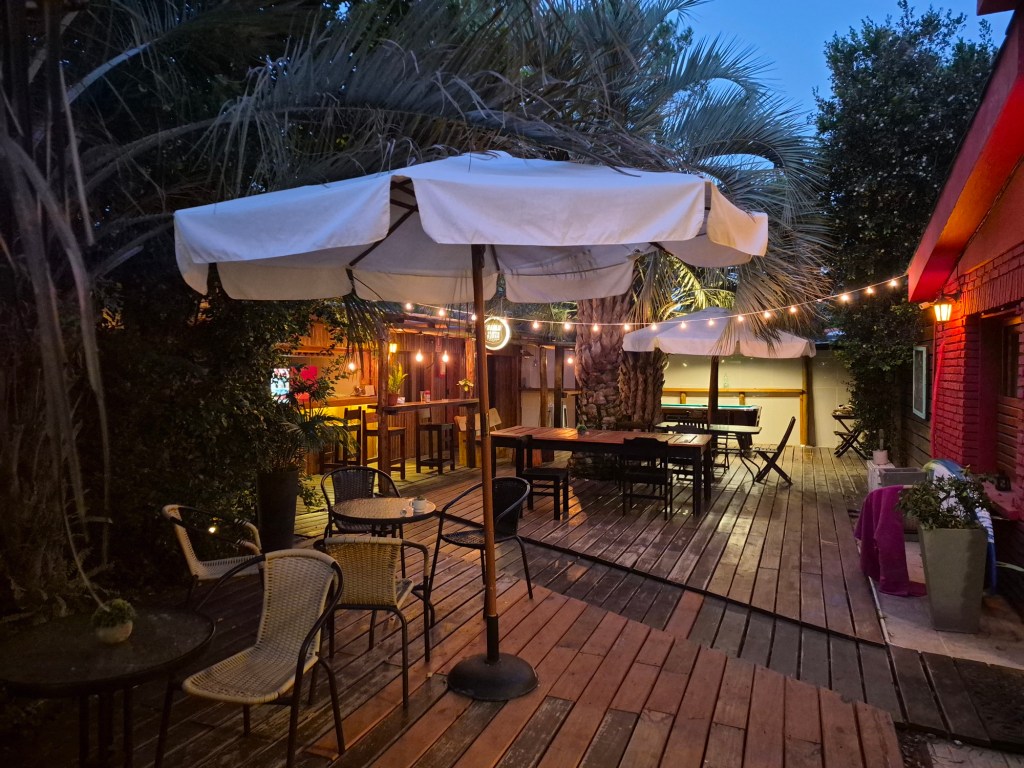
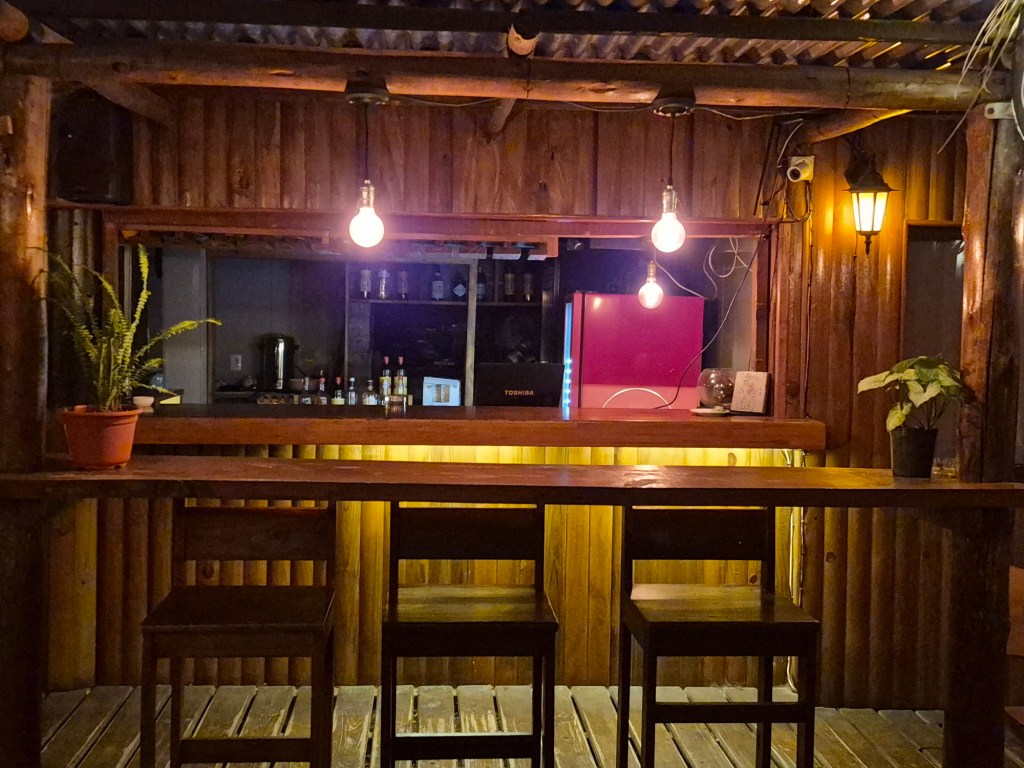
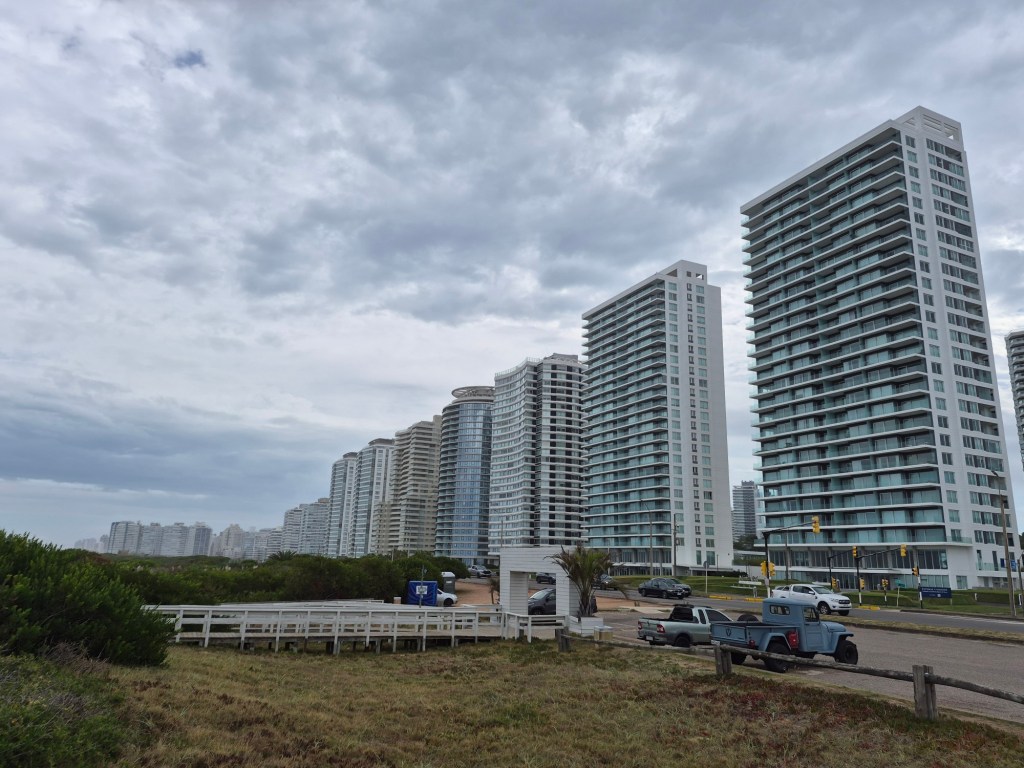
Punta del Este is something else. I got quite a shock when I walked out of the hostel and was confronted by many 27-storey blocks of flats lining the waterfront street, as far as I could see. A man I met walking toward the city center told me it is supposedly becoming the next Dubai, as investors are looking for places that are secure and safe.
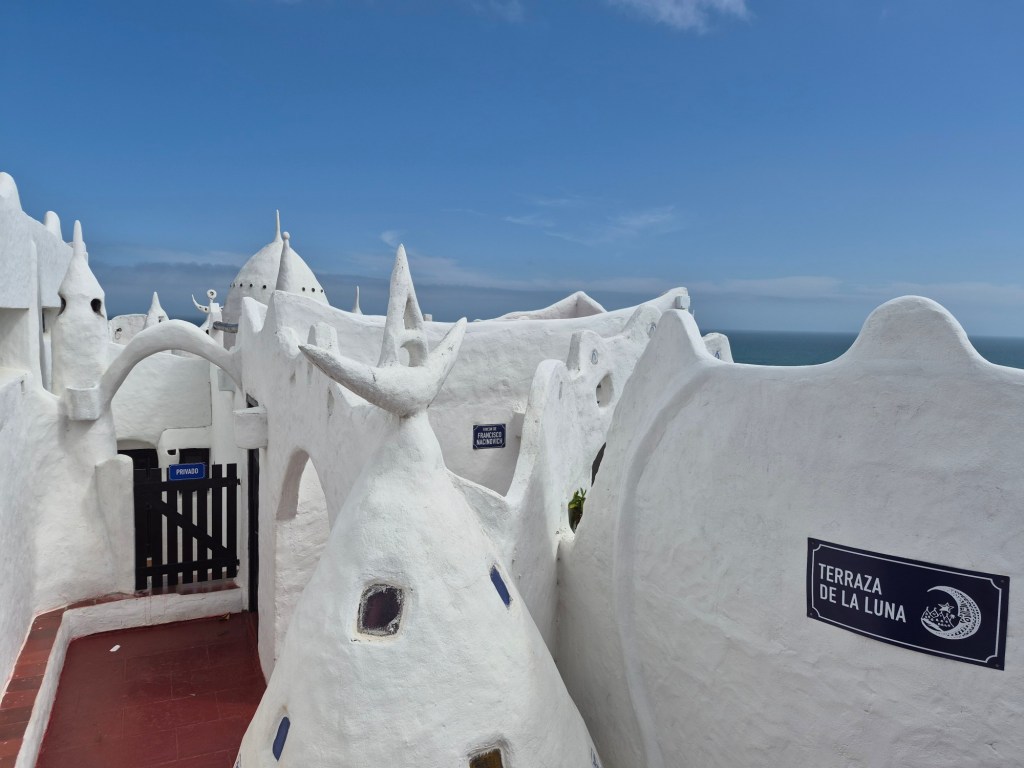
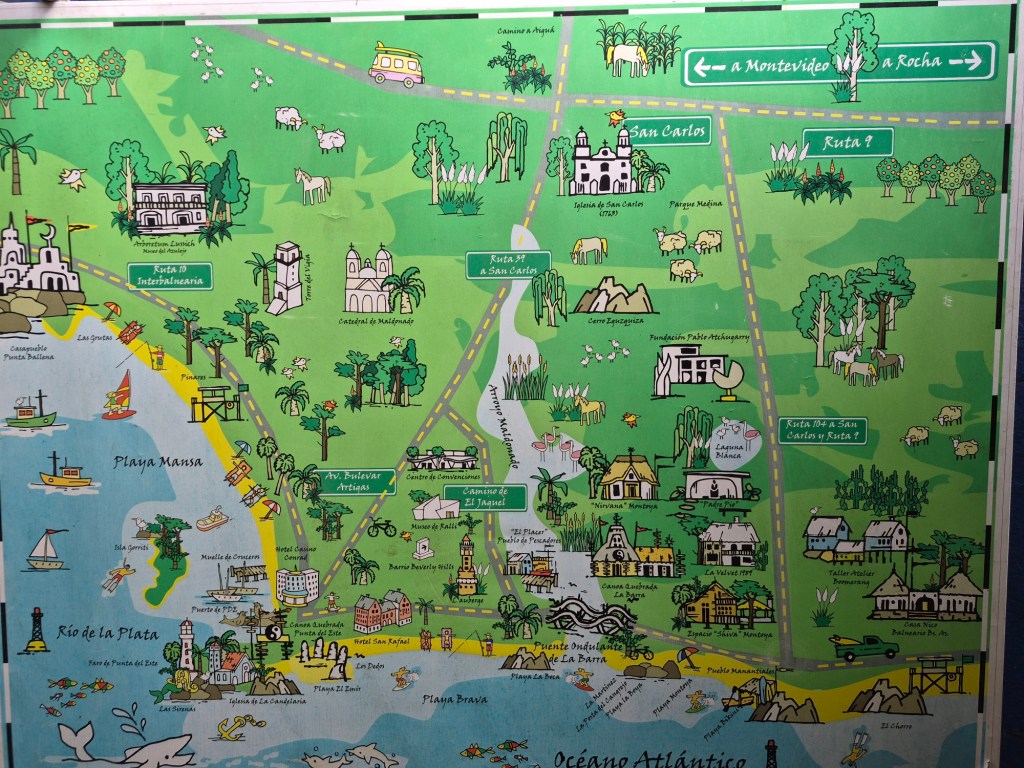
My Uruguay friend, Ale, had given me the names of two places to visit, but he owns a car, and I don’t, which meant I had to take a bus, and walk quite a bit. The first, Casapueblo (House of the People), was a total surprise. It is a huge, architecturally unorthodox house, built over 30 years by a world renowned artist Carlo Páez Viraló. He knew many world leaders, travelled widely, painted with Pablo Picasso and represented the cause of Africans in his artwork. The house started off as a wooden shed that he had built as his studio, which he later personally plastered and added on to, with the help of friends. I watched a video about his life – truly inspirational.
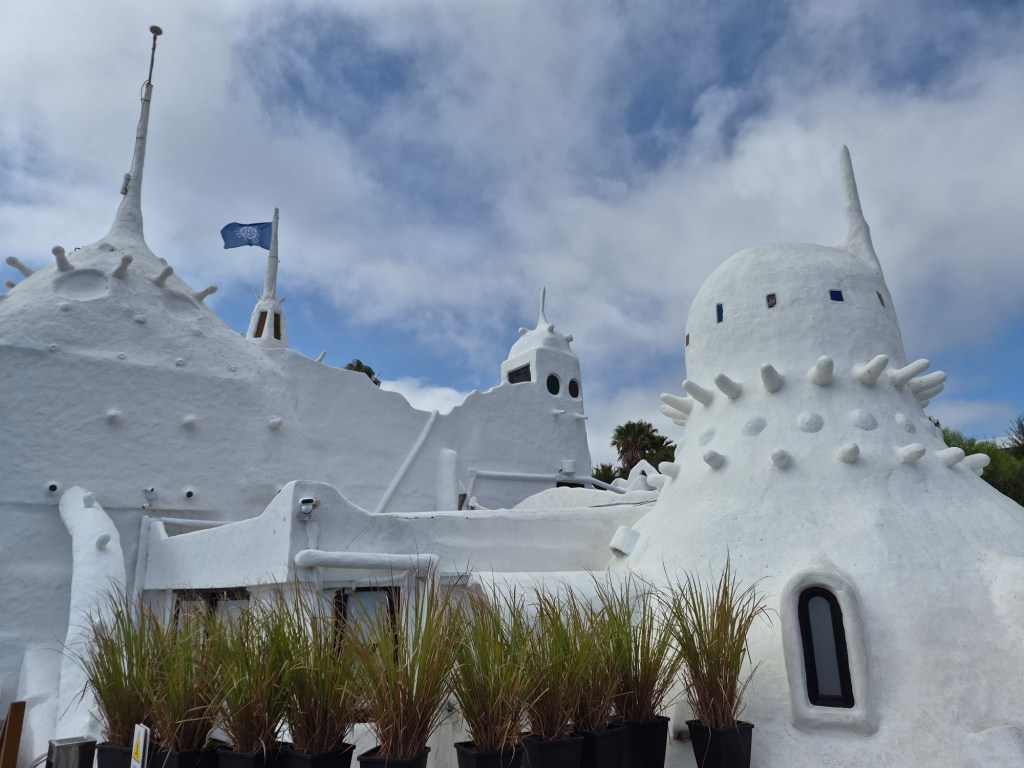
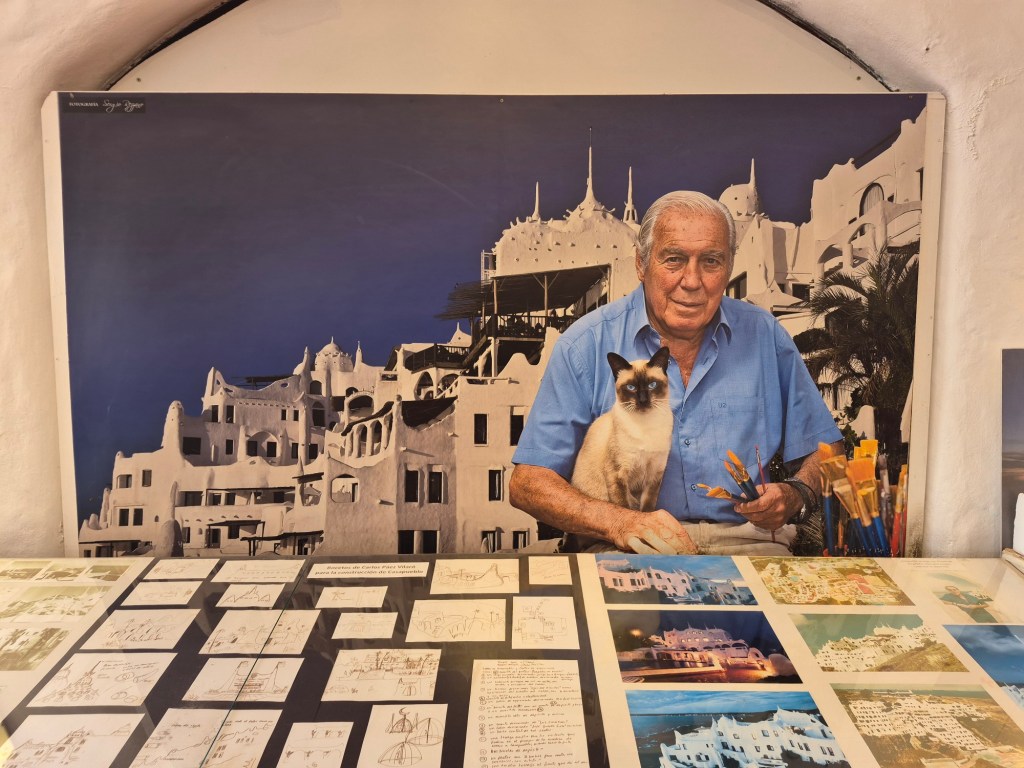
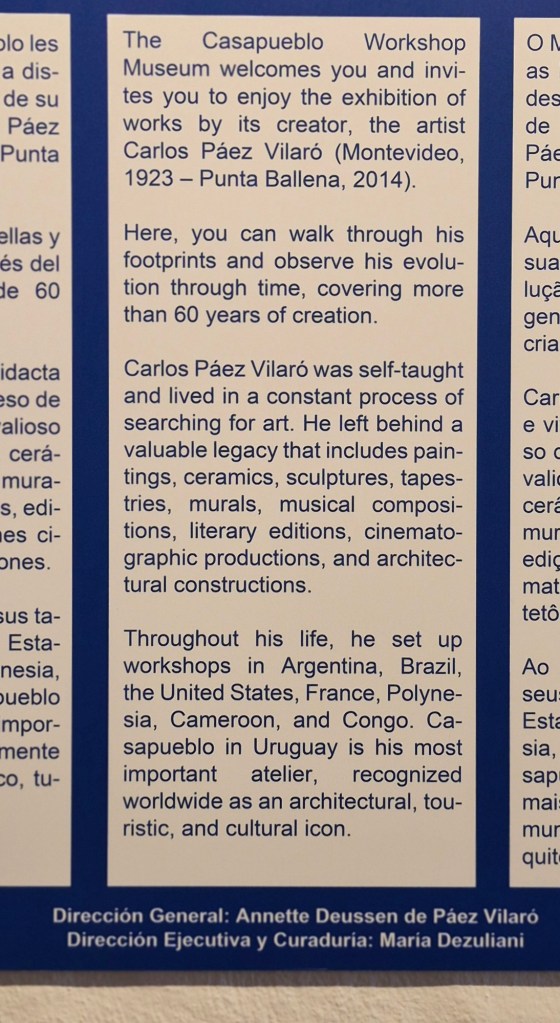
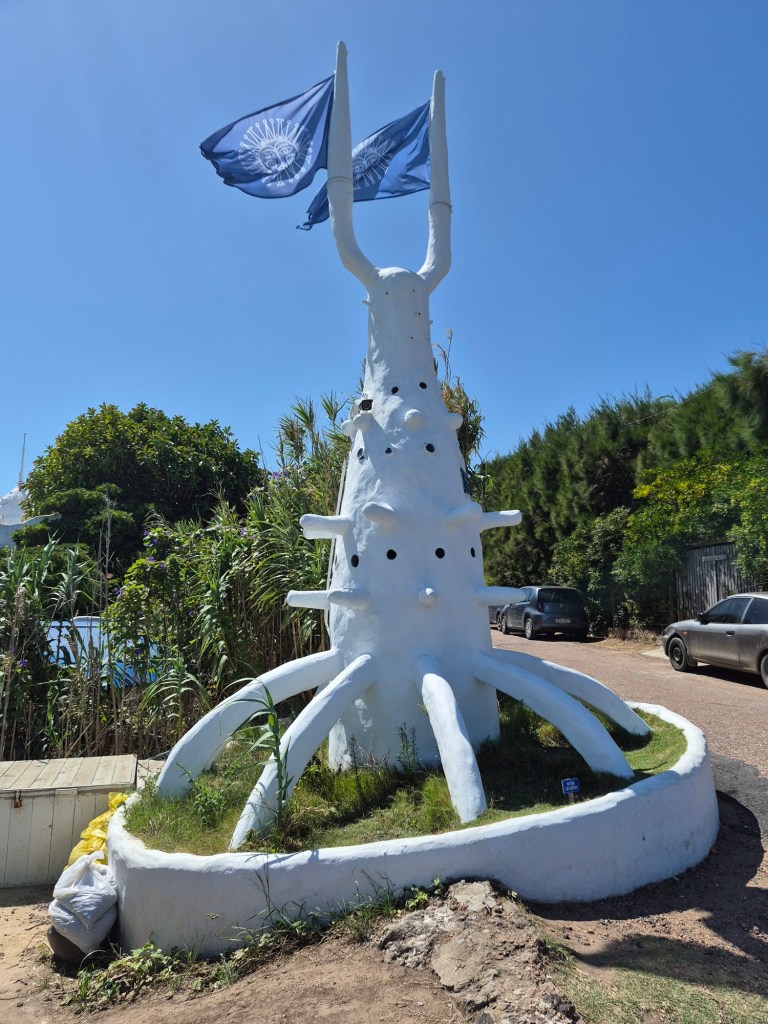
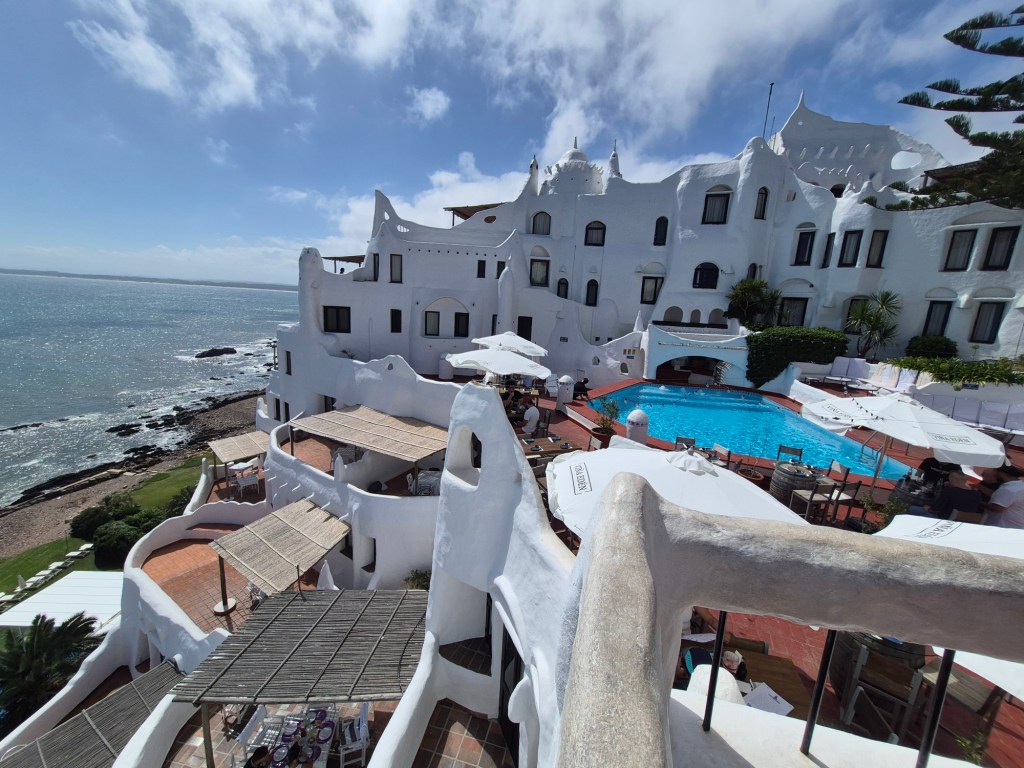
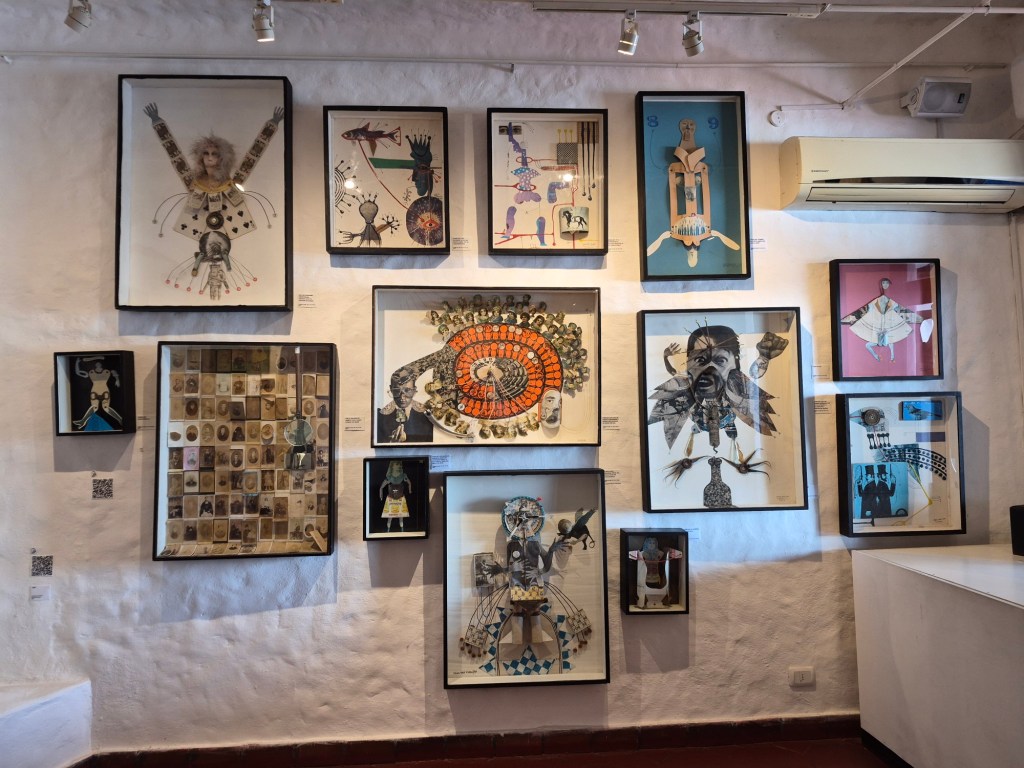
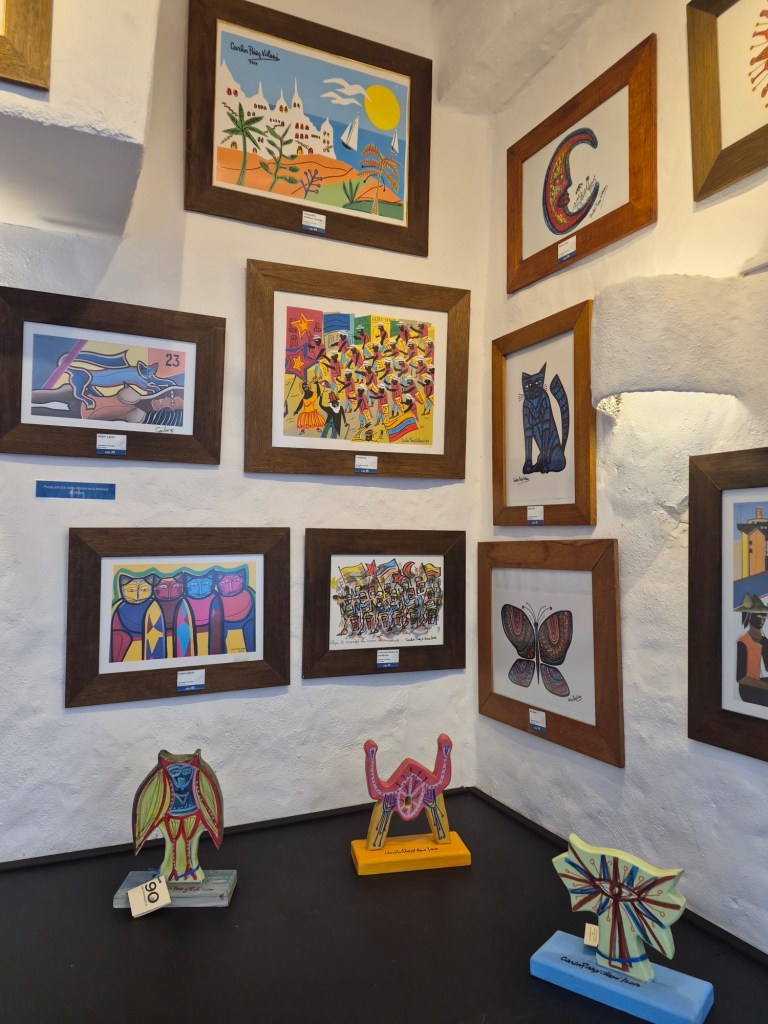
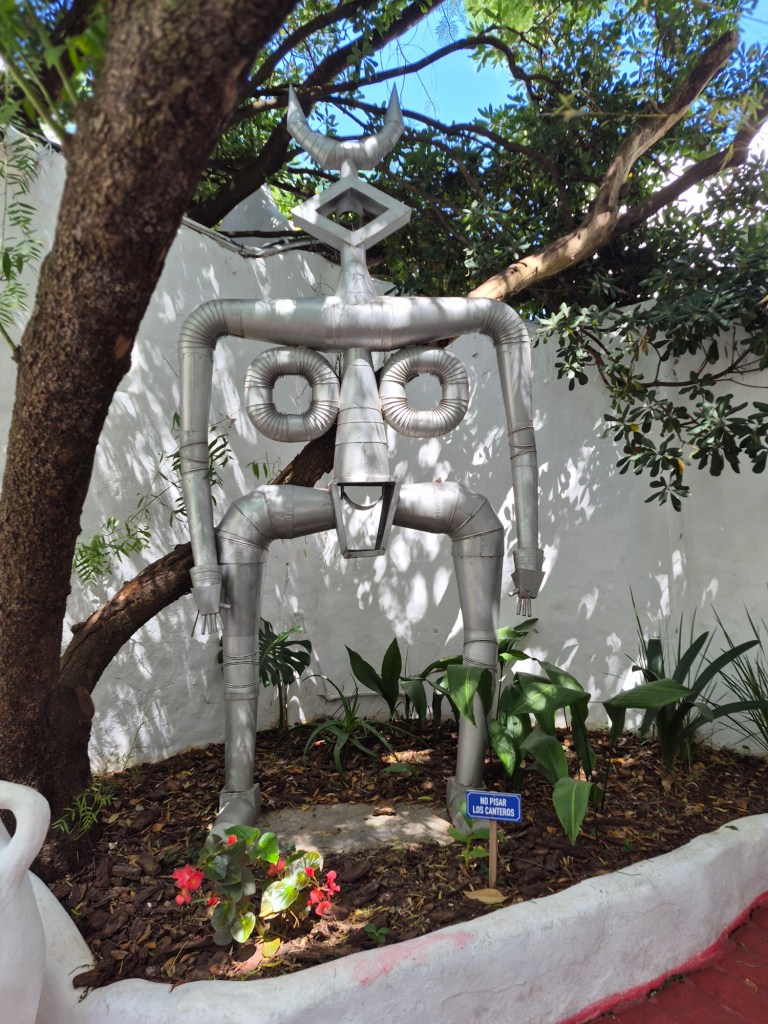
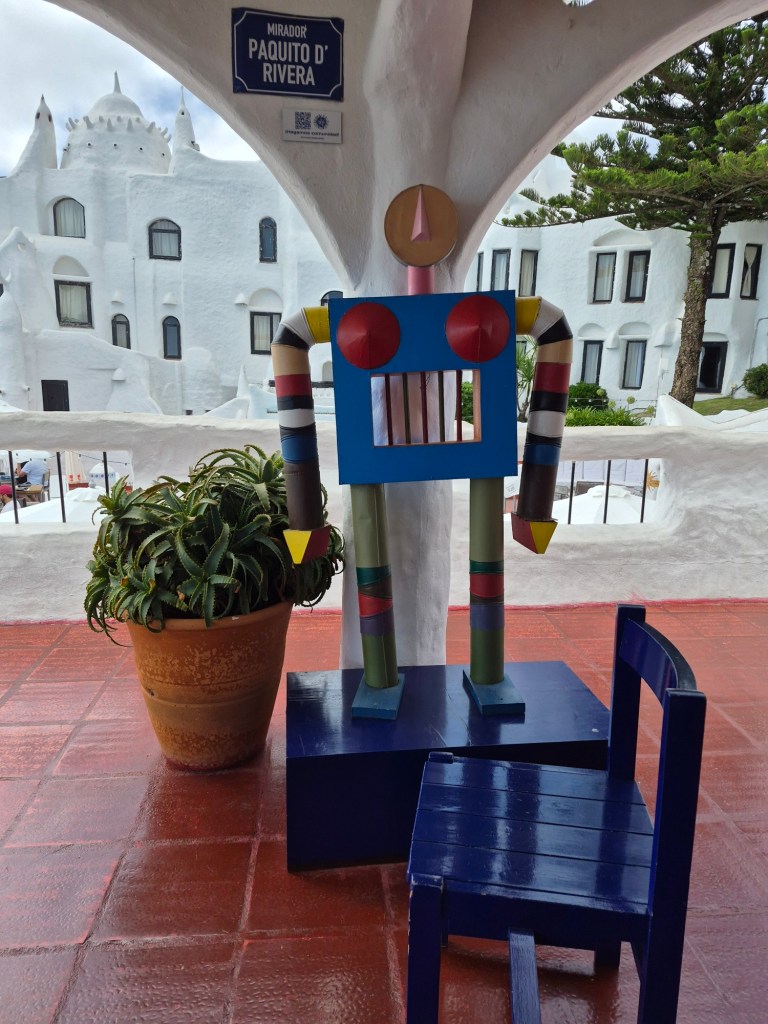
Getting there was not easy. It is the first time ever that Maps.Me took me to the wrong place. When the bus dropped me off, a lady showed me the way to walk, and after about 2 km through a posh neighbourhood and down a steep hill, I realised I was not going to find Casapueblo. A woman standing next to her car was my salvation (at that stage it felt like salvation, not rescue), as she offered to take me to the place. It turned out that she was a landscaper, who had done most of the gardens in that area, all very attractive.
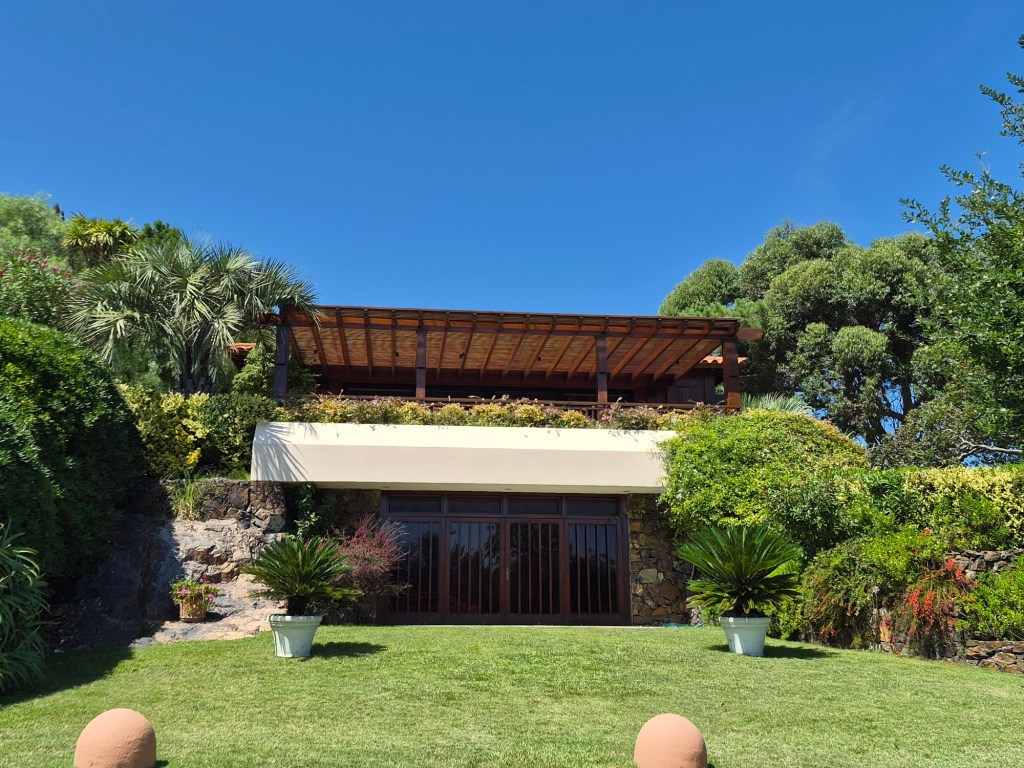
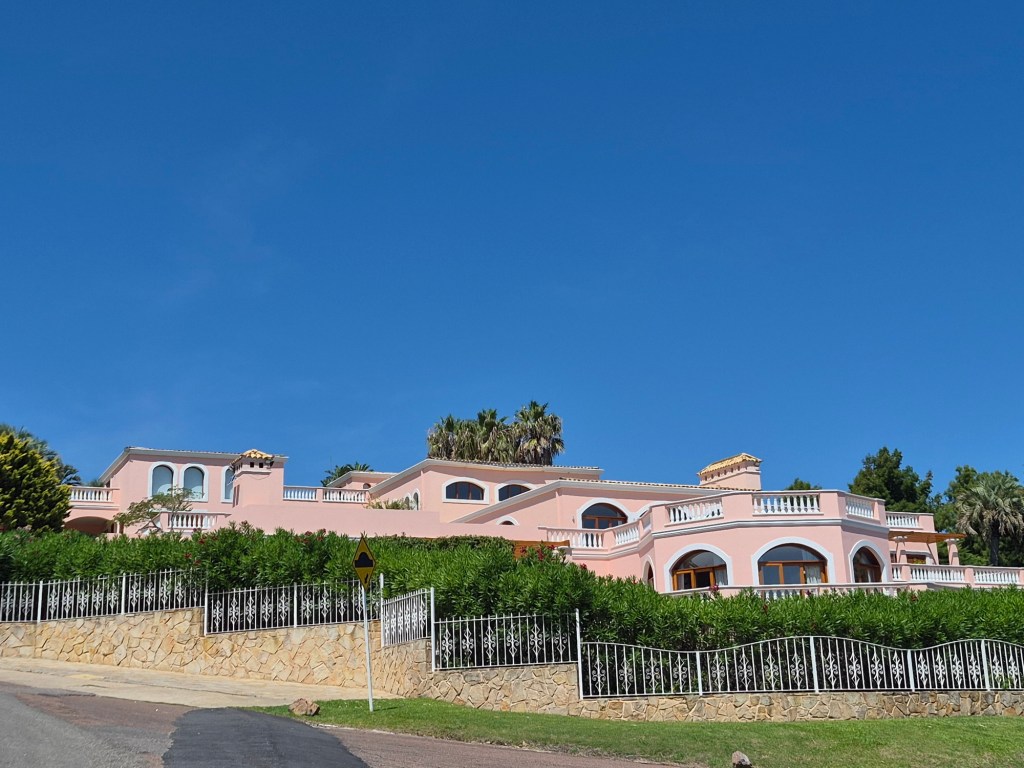
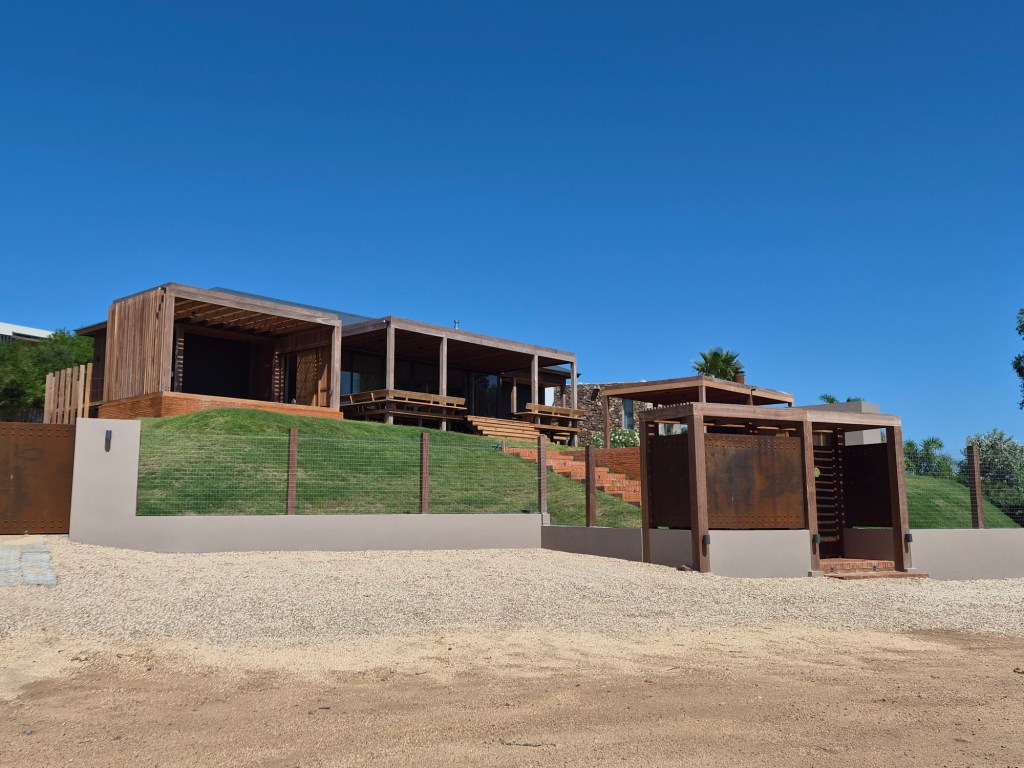
Walking back was fun, as I followed a trail down a cliff overlooking the ocean, where I sat down and had my late lunch that I had packed for the day, not knowing what to expect.
The second place Ale had told me about, was the Arboleto Lussich, one of the most important privately-owned forests and the largest arboretum in the world. It was started in 1896 by Antonio Lussich, who was a sailor and collected seeds and trees from all over the world. It covers 192 hectares with trails and lookout points to the east and west.
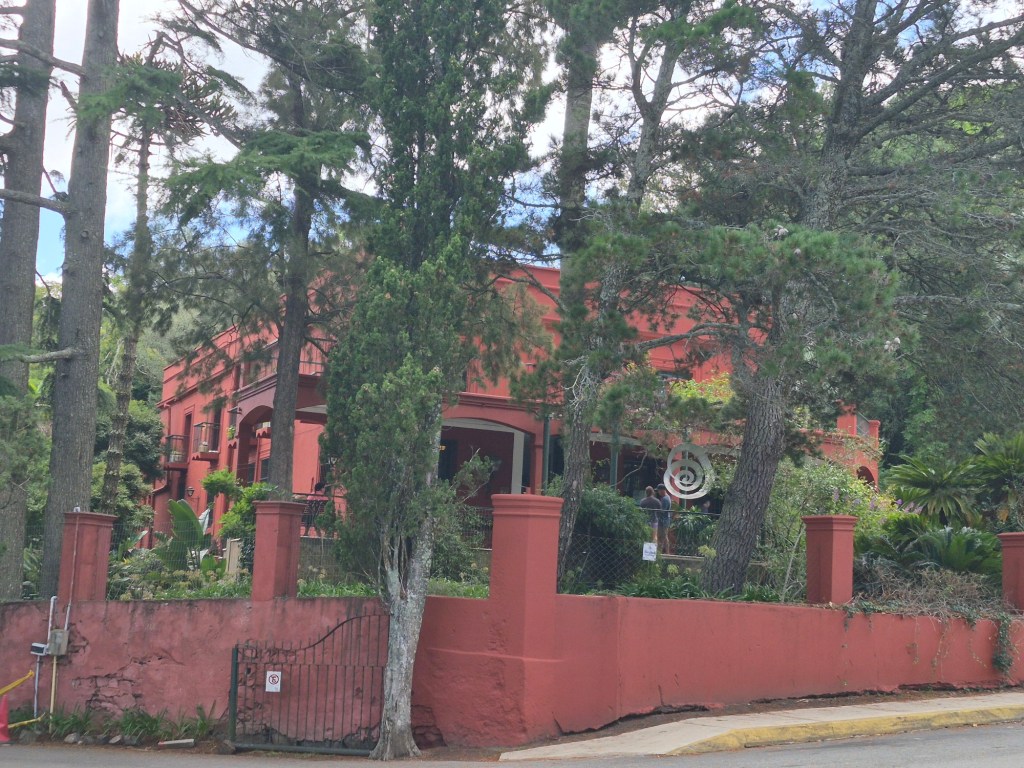
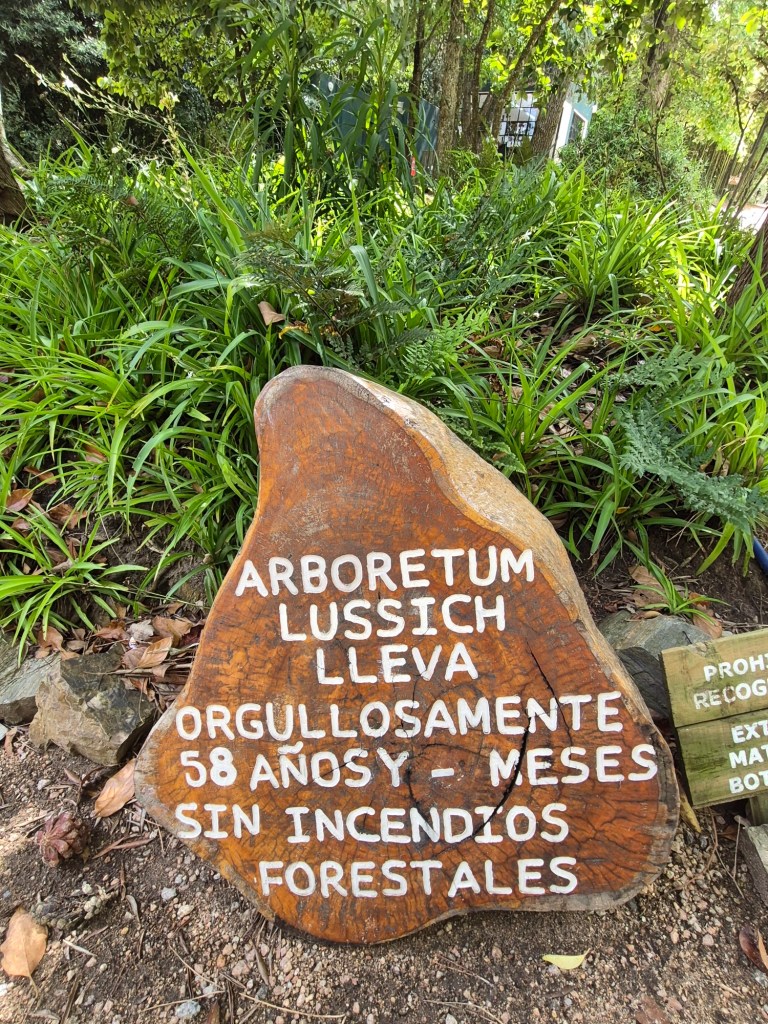
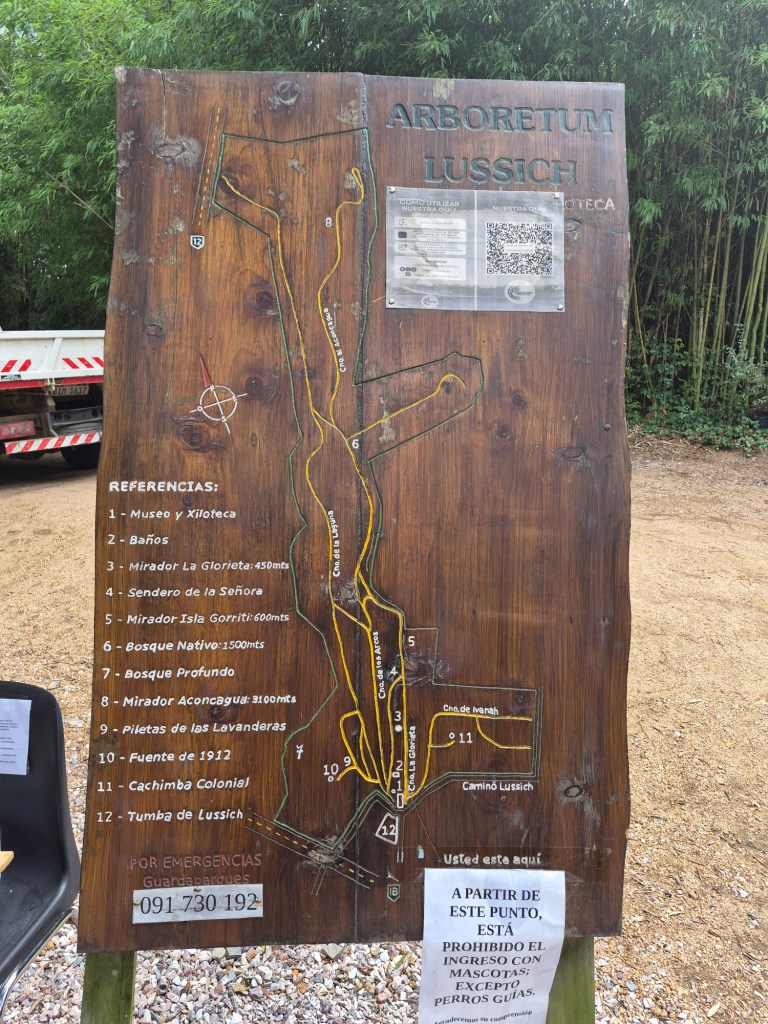
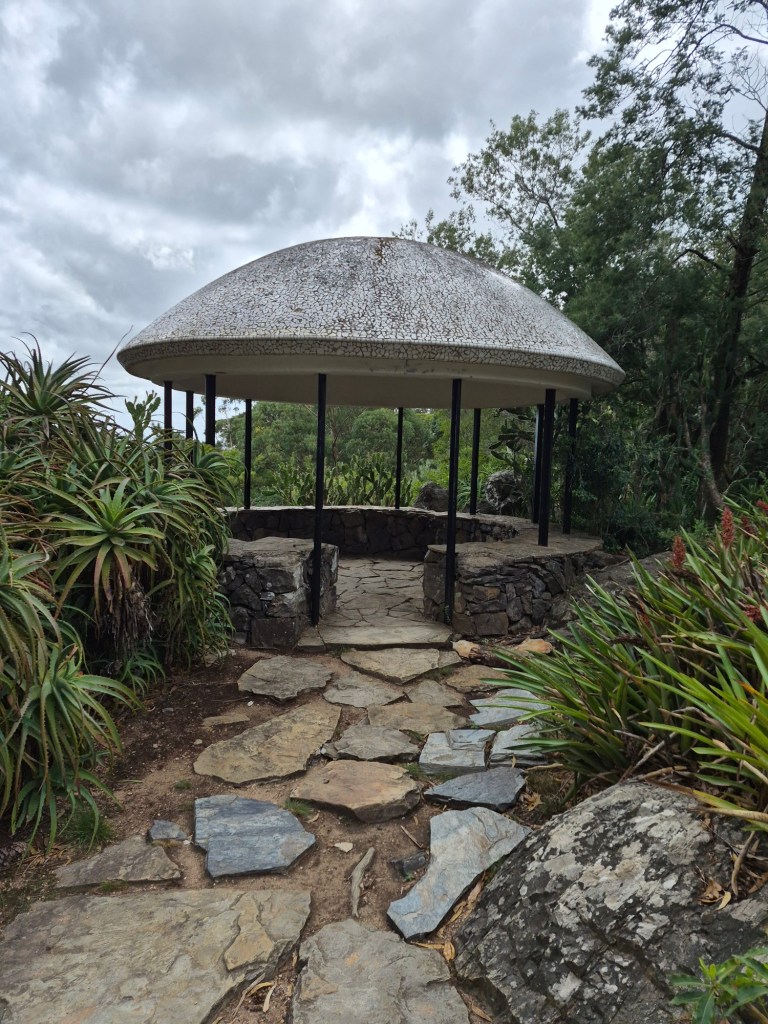
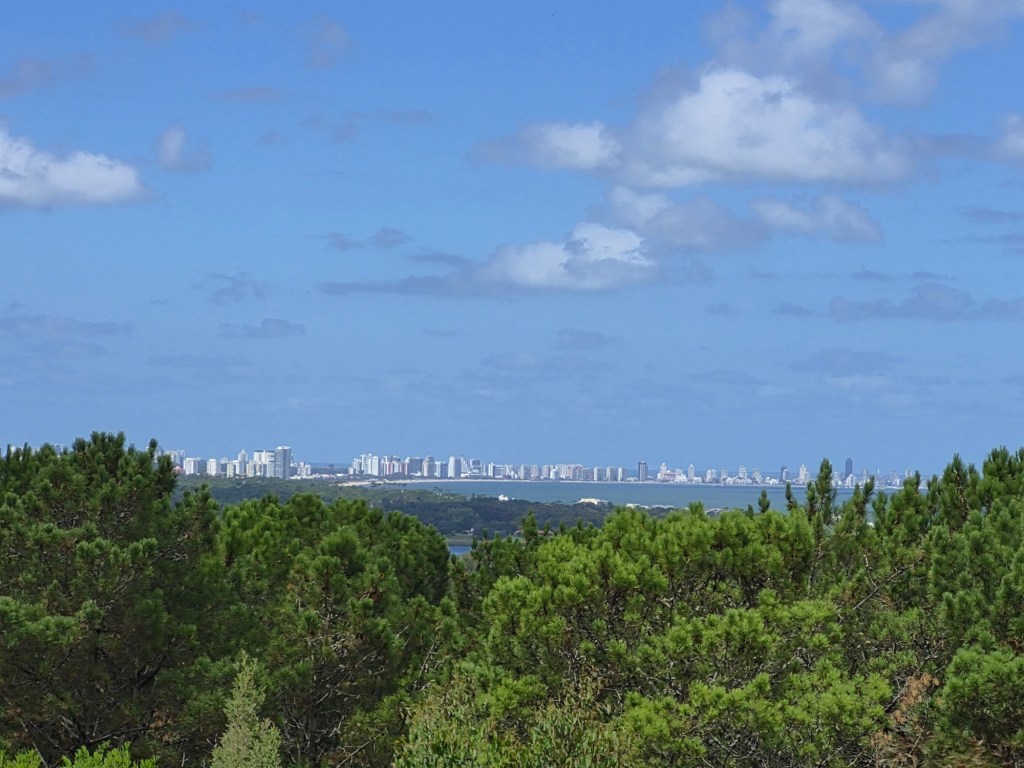
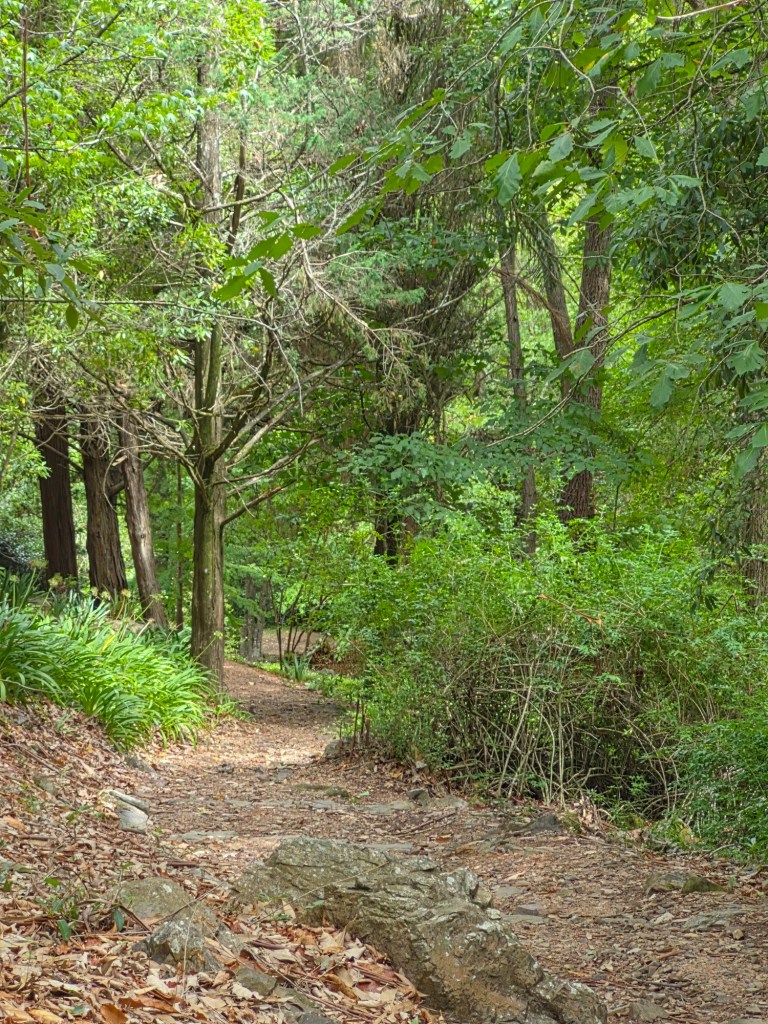
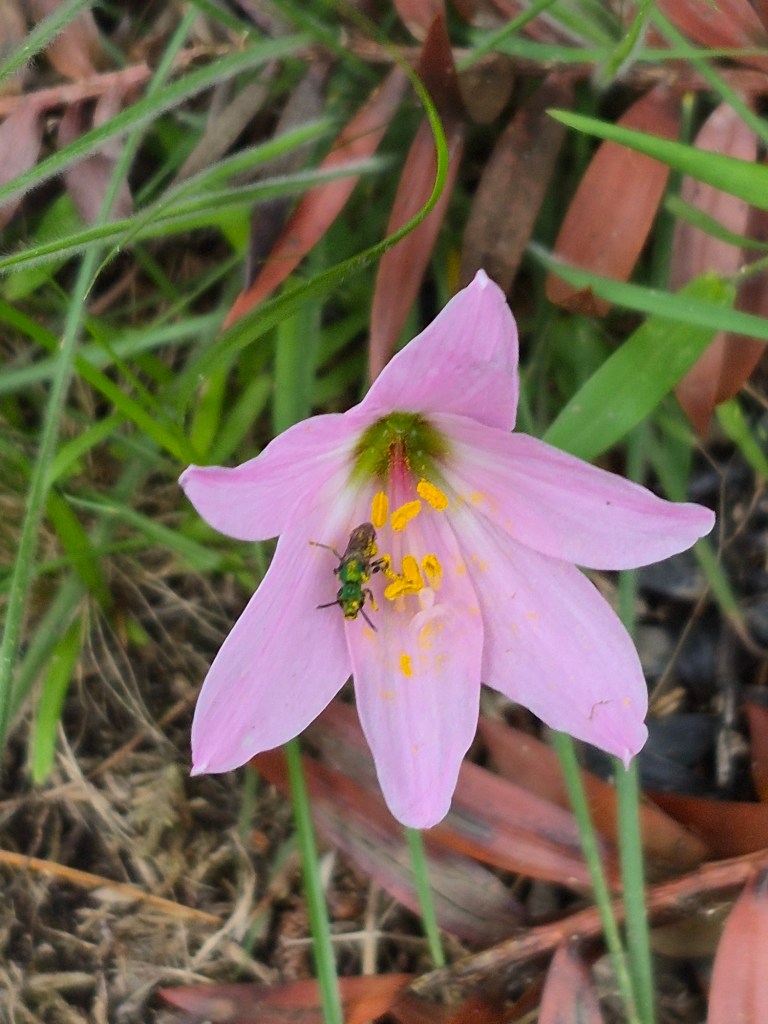
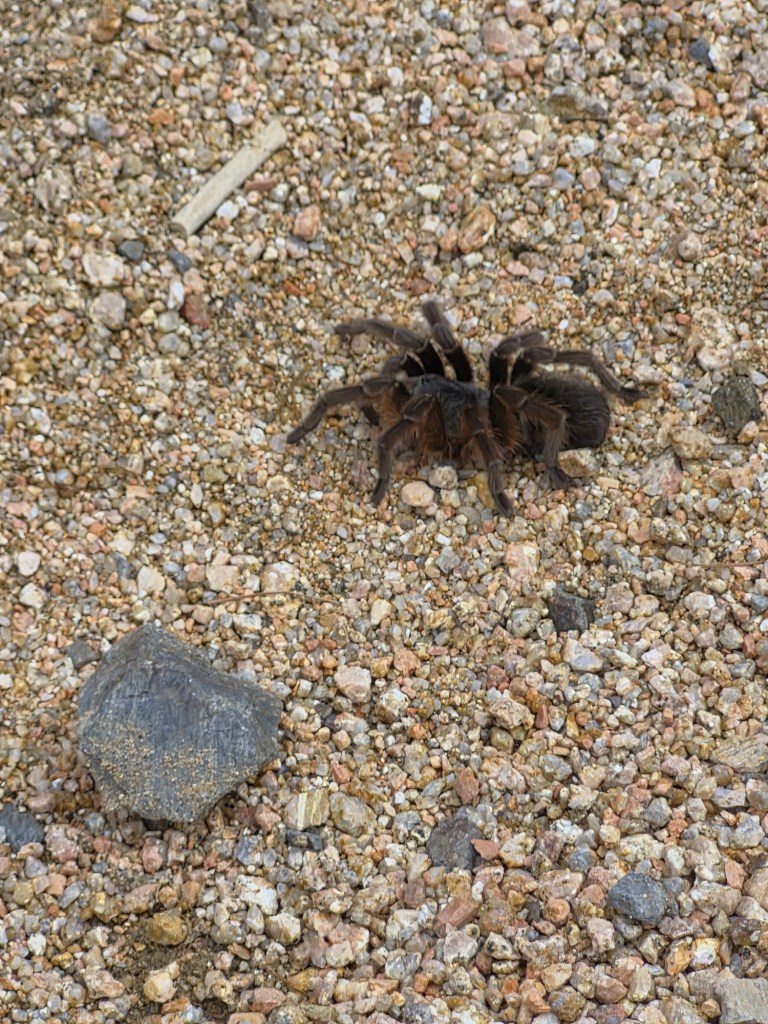
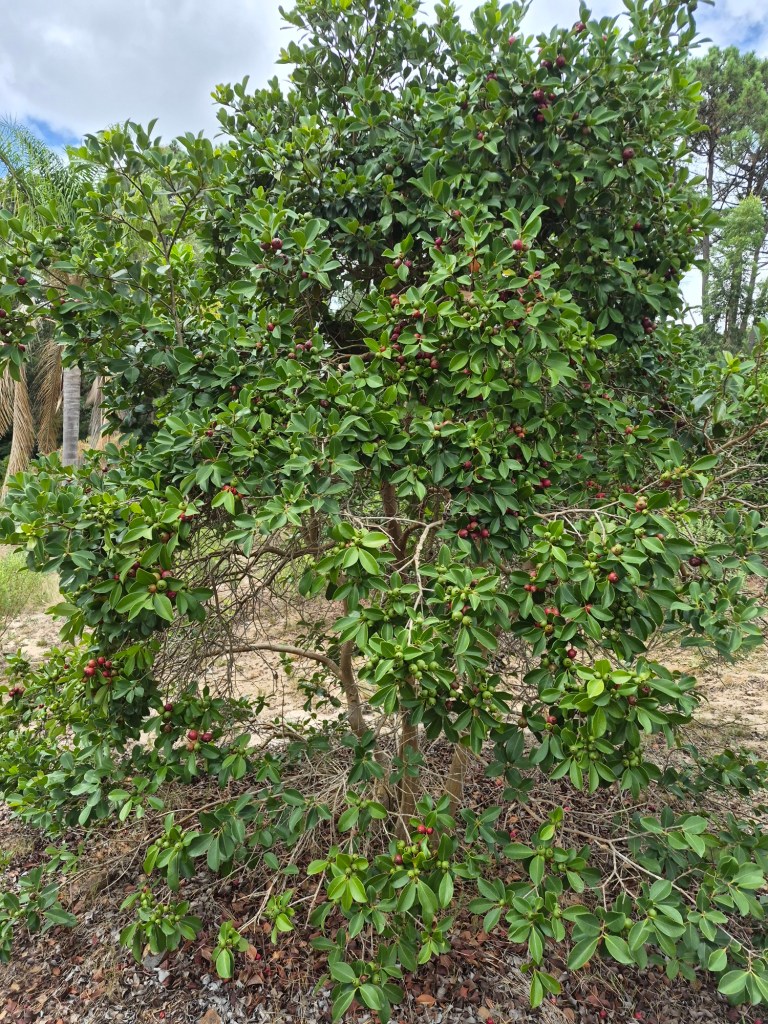
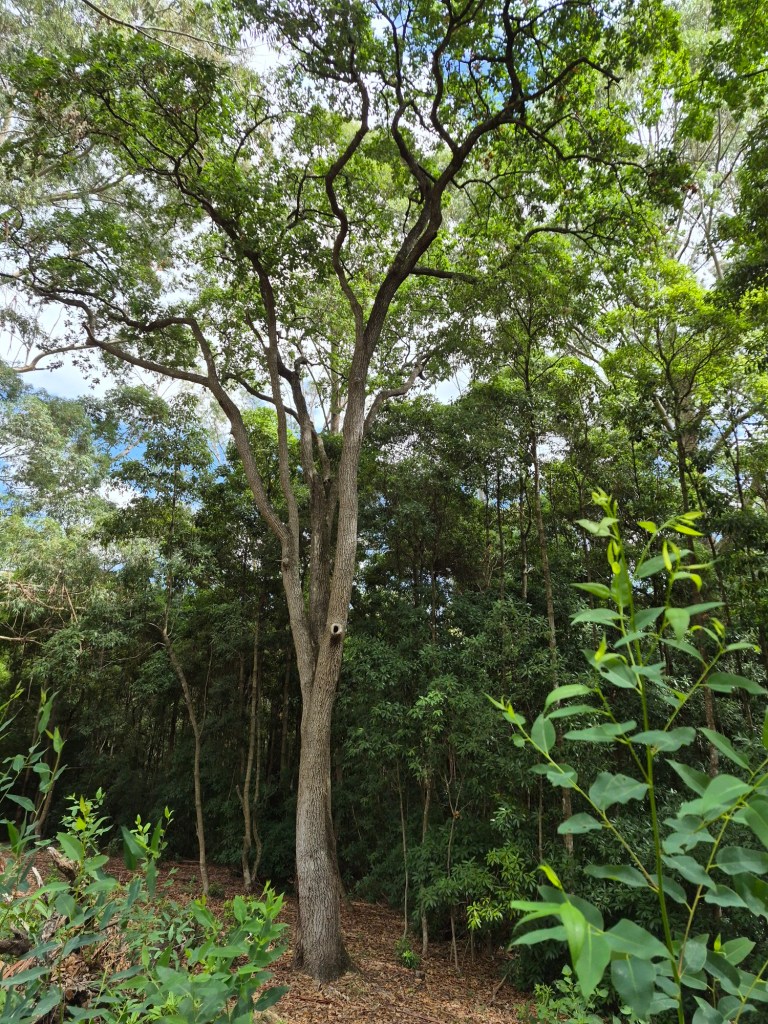
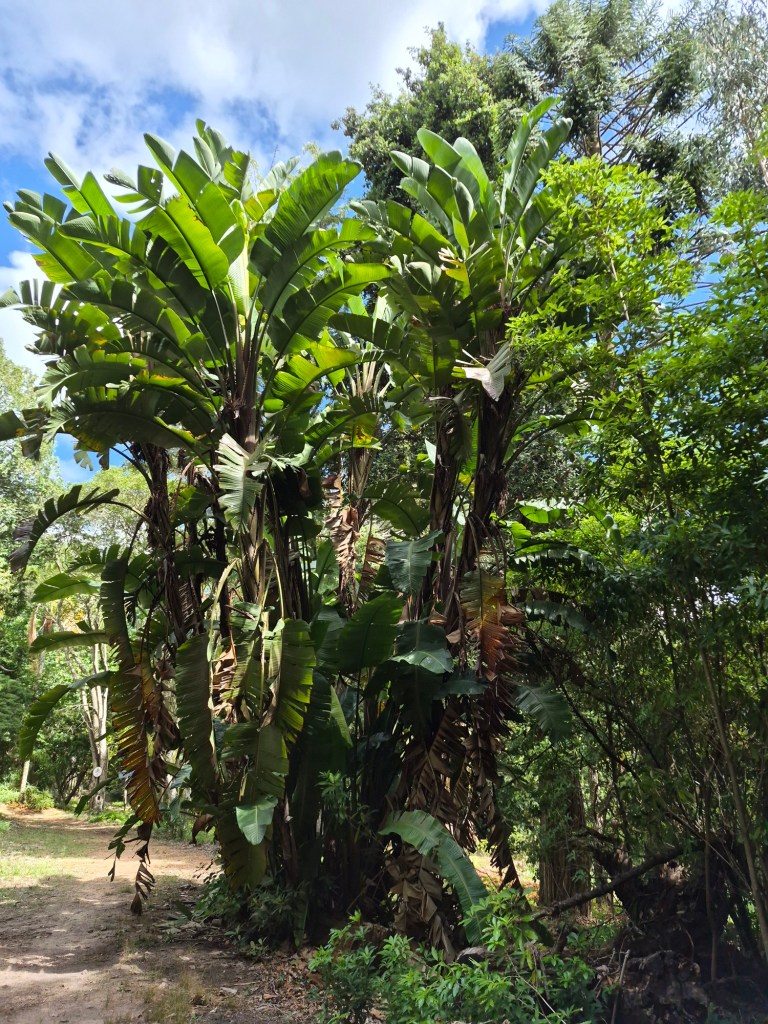
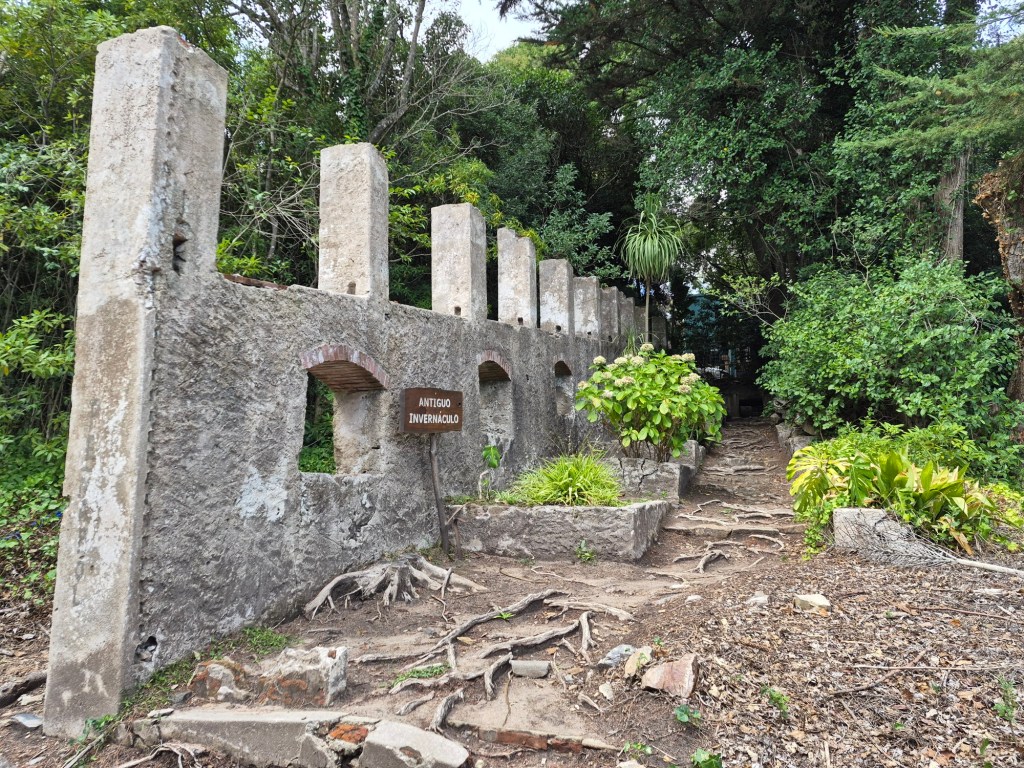
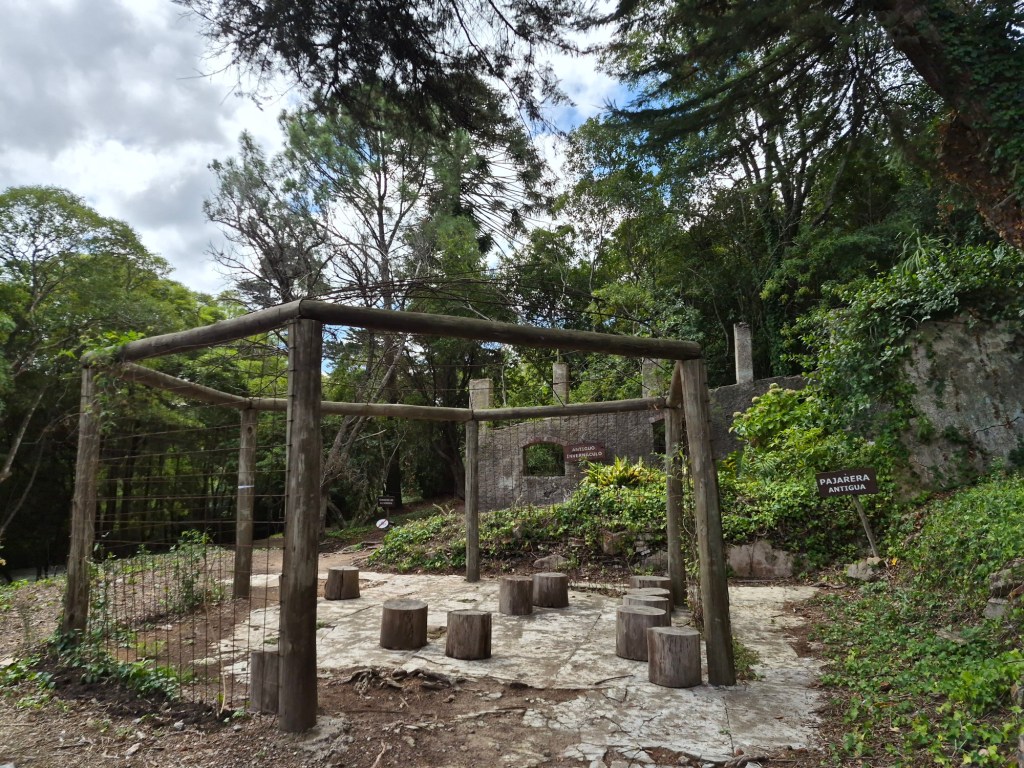
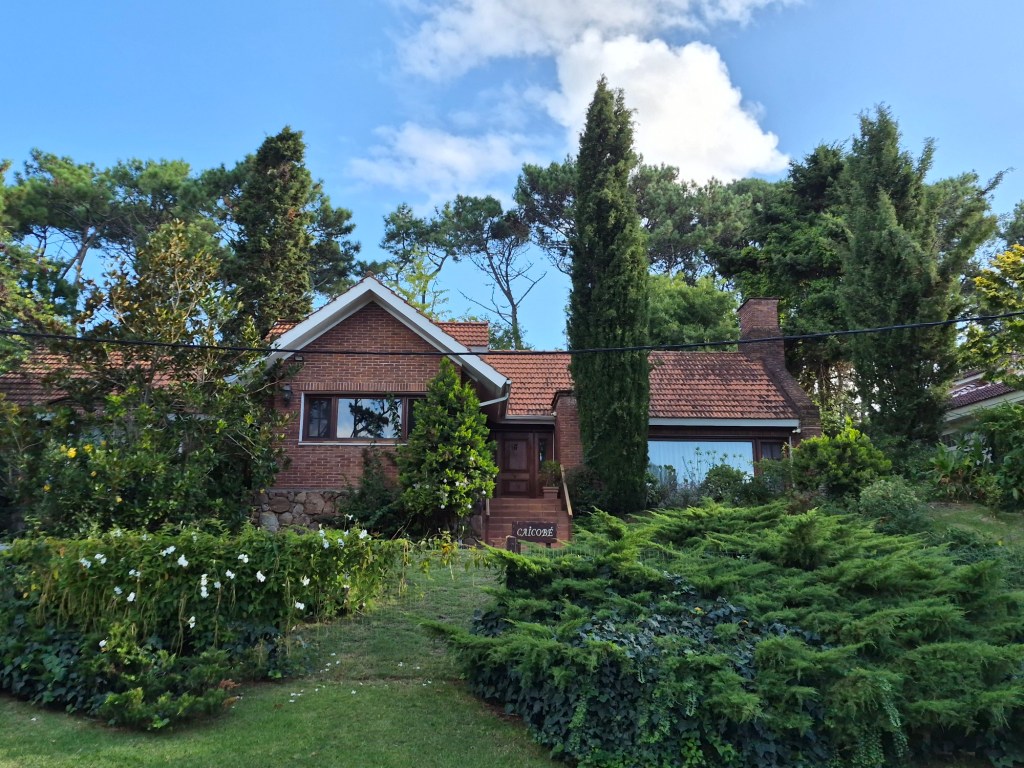
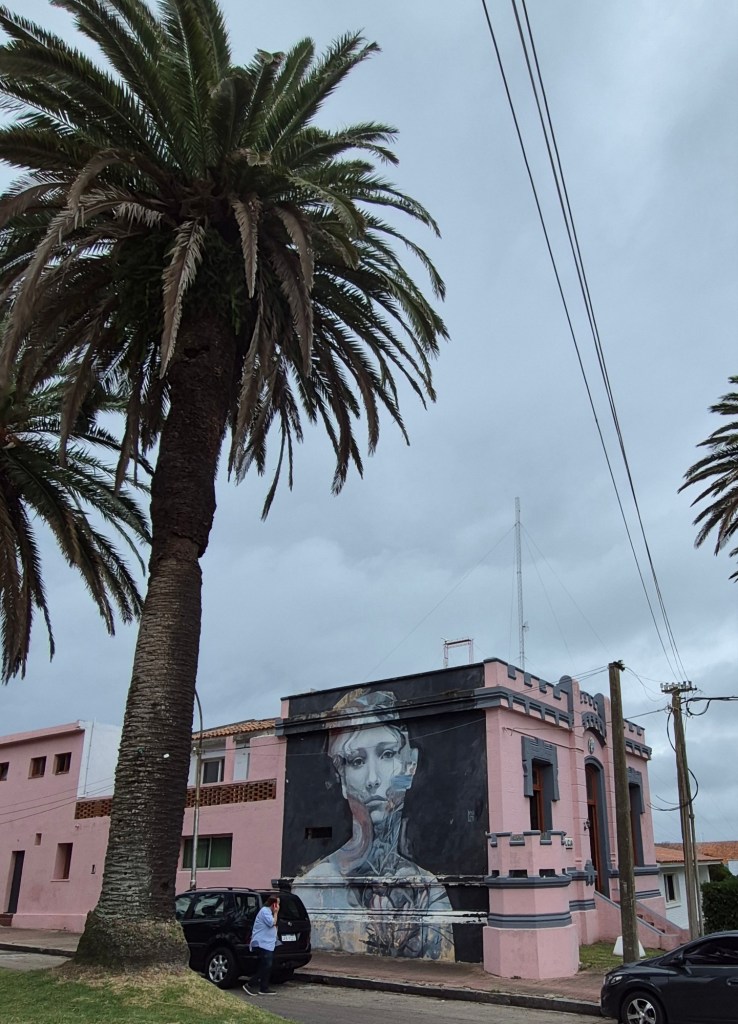
Uraquay people are helpful and kind, without fuss or bother. I experienced this again on the way to the forest. I asked to be dropped at the same place as for Casapueblo (it was just easier), but as we approached the bus stop, I was standing next to the driver and mentioned to him the actual place I was going to. He then told me to wait, took the following off-ramp from the highway, stopped and dropped me off 600m from where I had to be, shrugging off my thanks with a ‘con gusto’ (with pleasure). I took the wrong bus going back, and ended up far out in the northern part of the city before realising it. I just crossed the road and waited for the next bus back to town, getting off before the bus terminal, as the walk home was shorter from there. I was dying for some coffee, and I’m quite ashamed to say, but there was a MacDonald’s and I couldn’t resist buying a take-away and a donut. And then I walked through a beautiful neighbourhood, aptly named Beverley Hills, with huge trees, green and lush lawns and gardens, and charming houses.
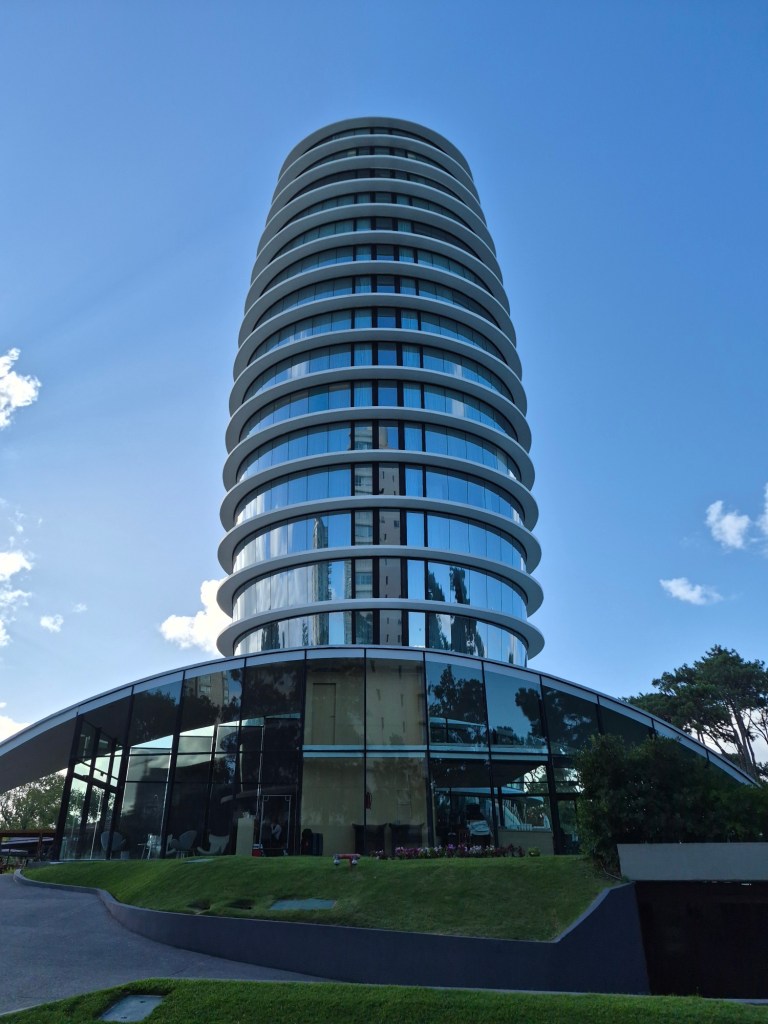
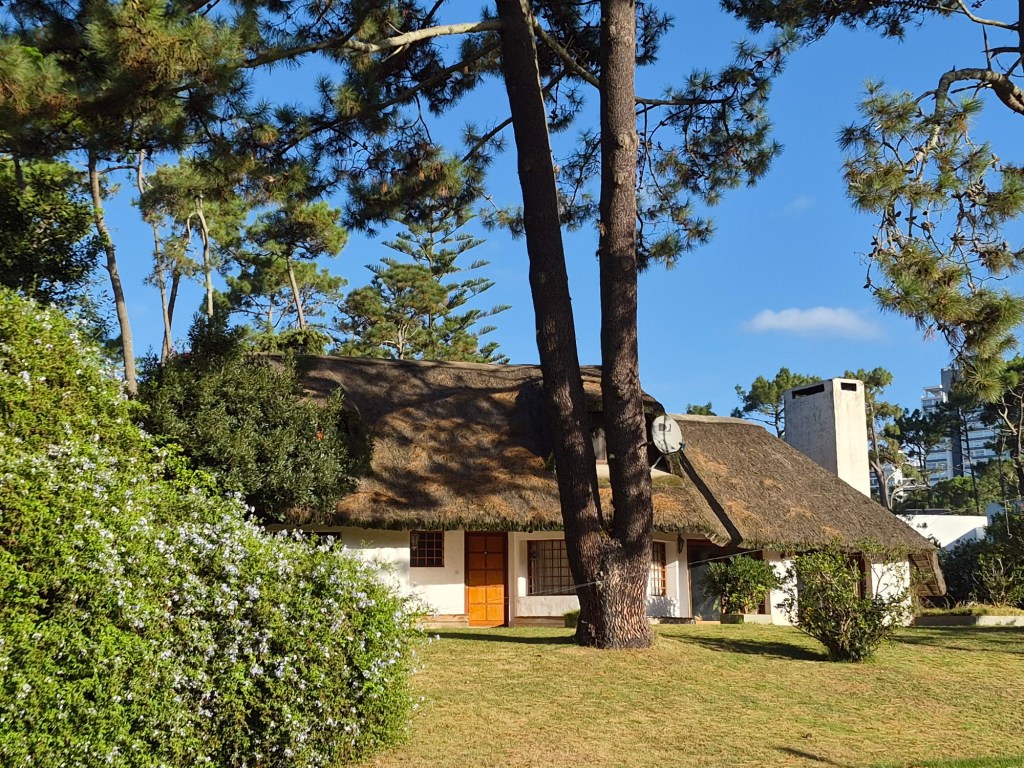
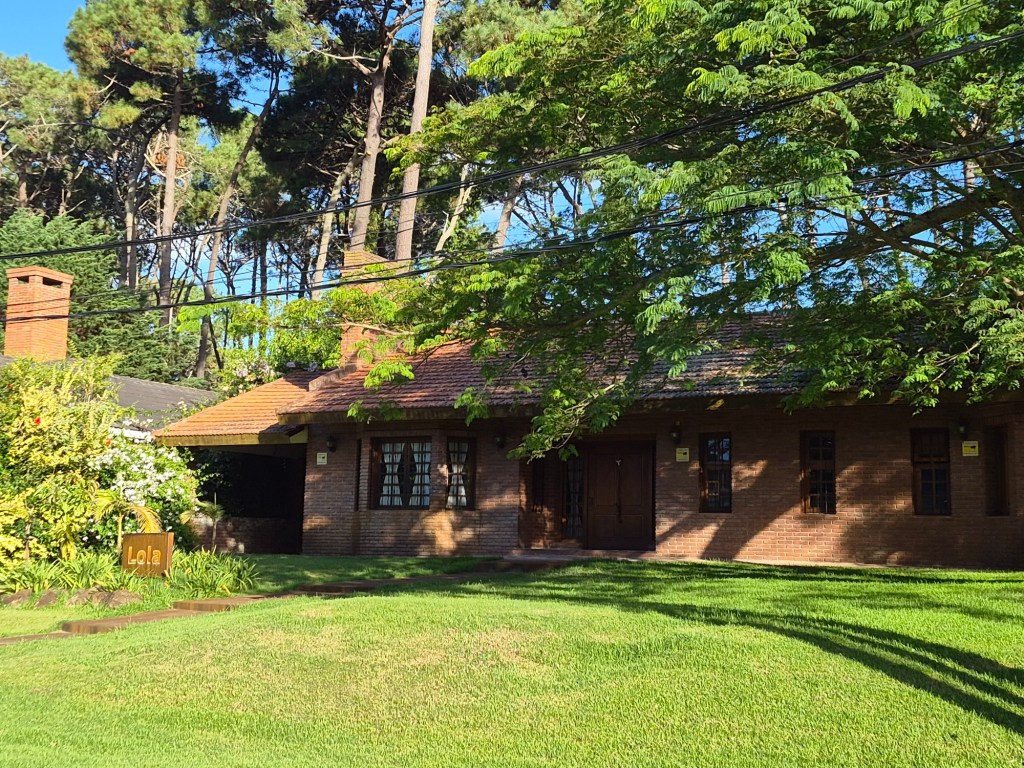
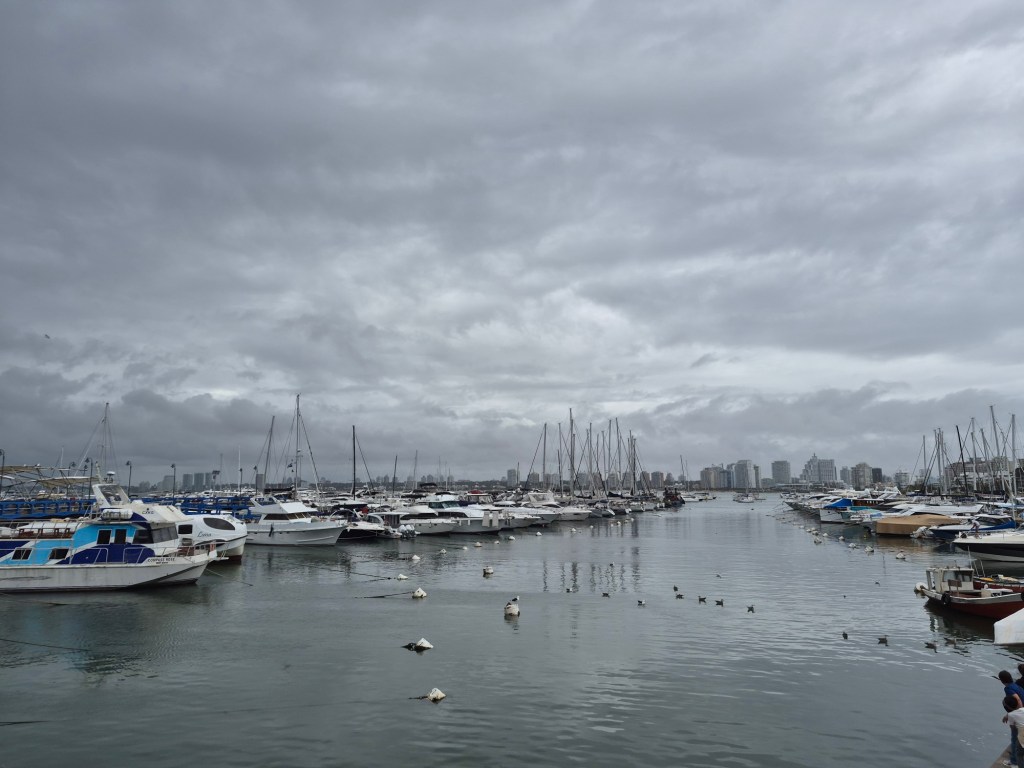
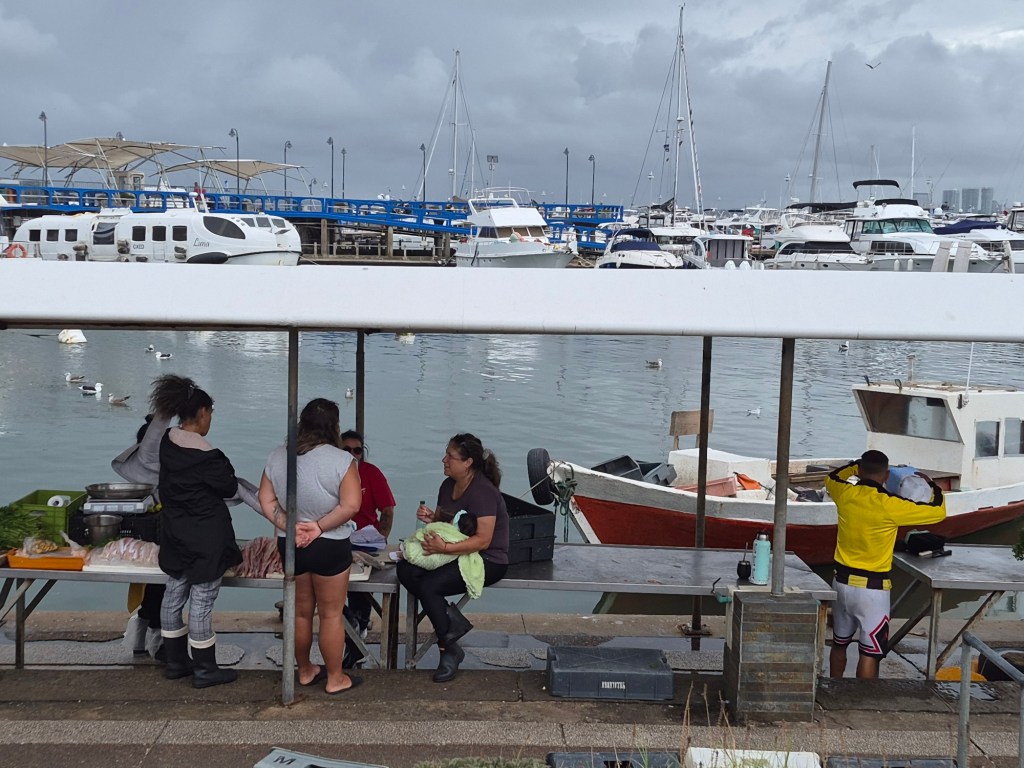
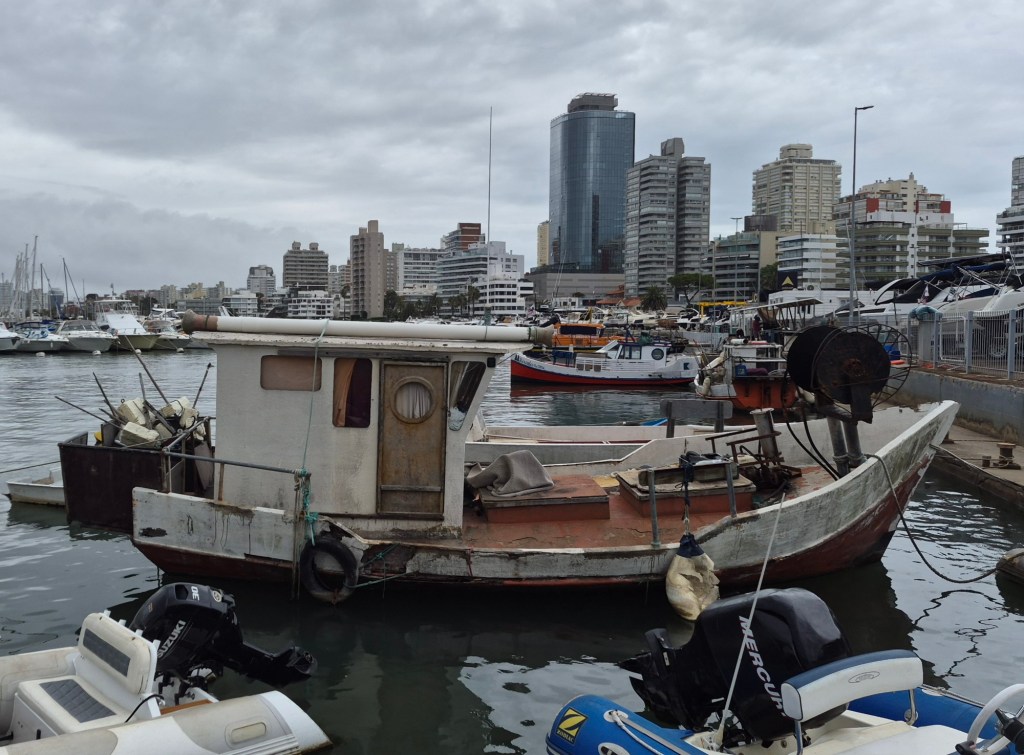
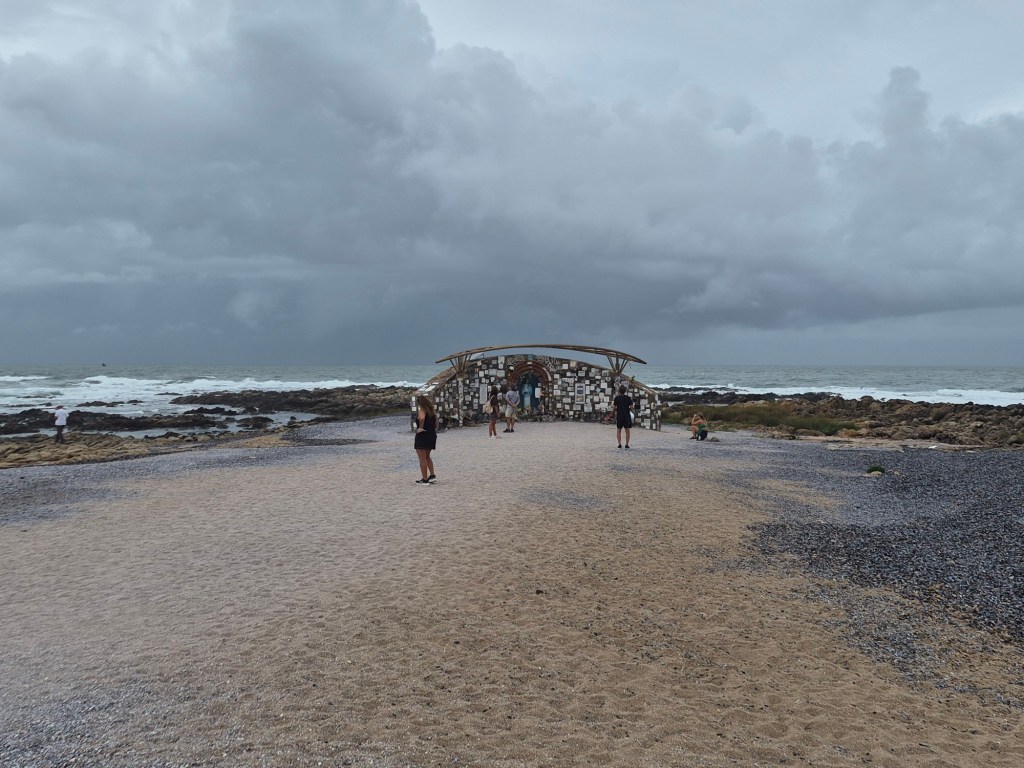
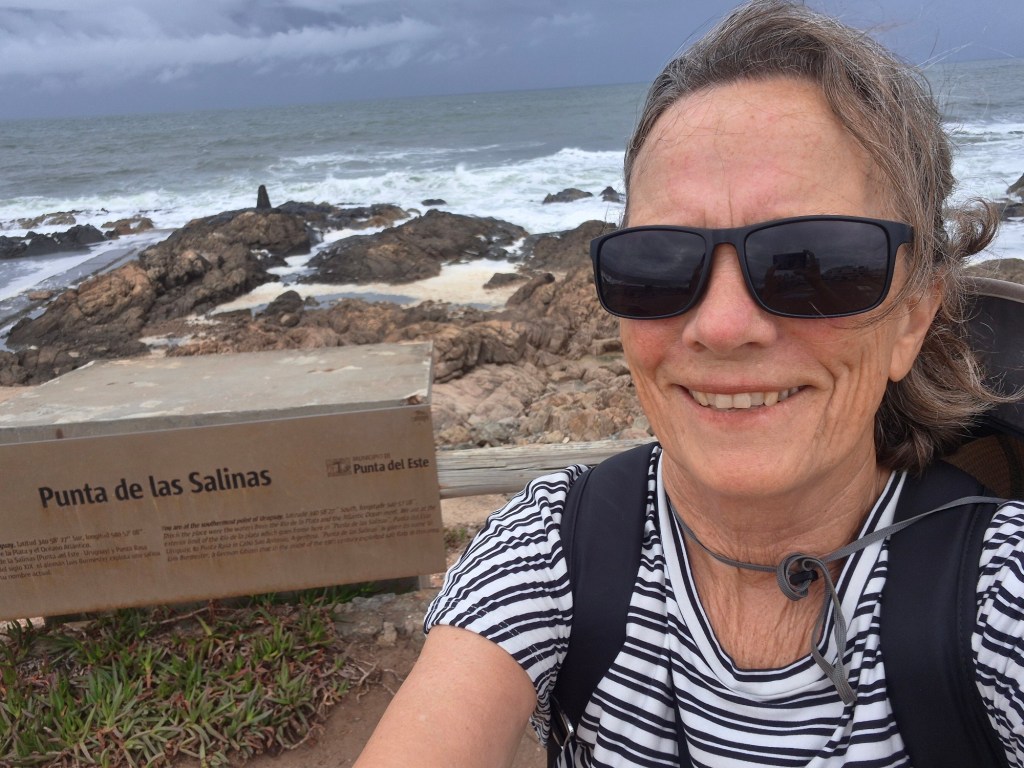
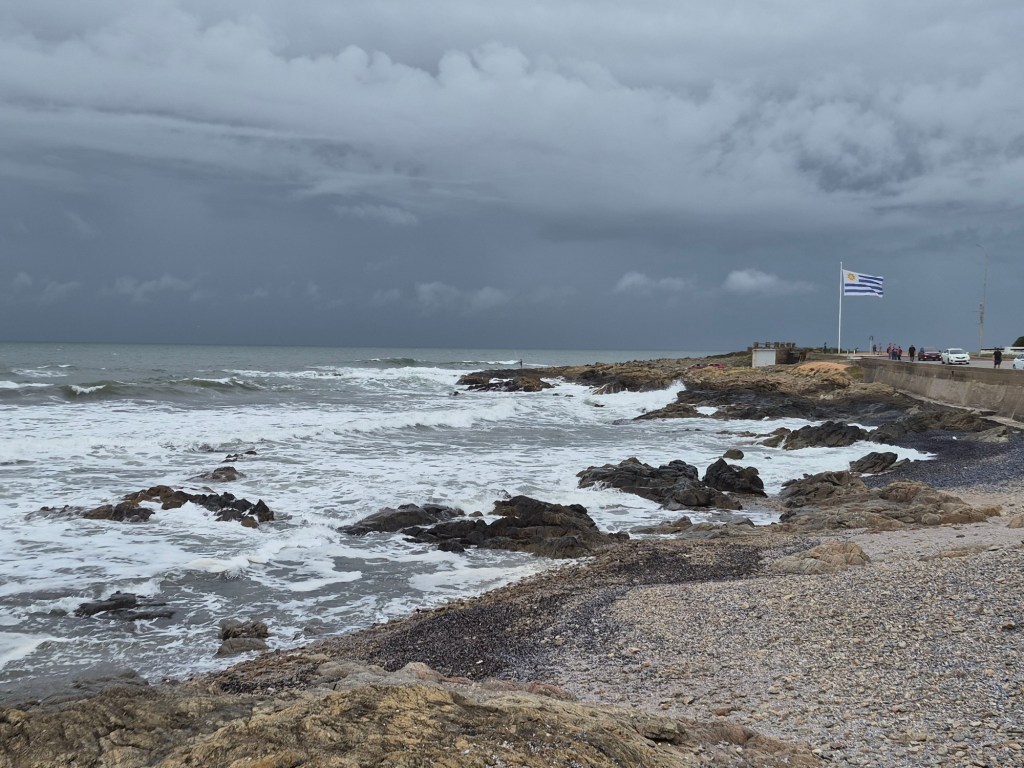
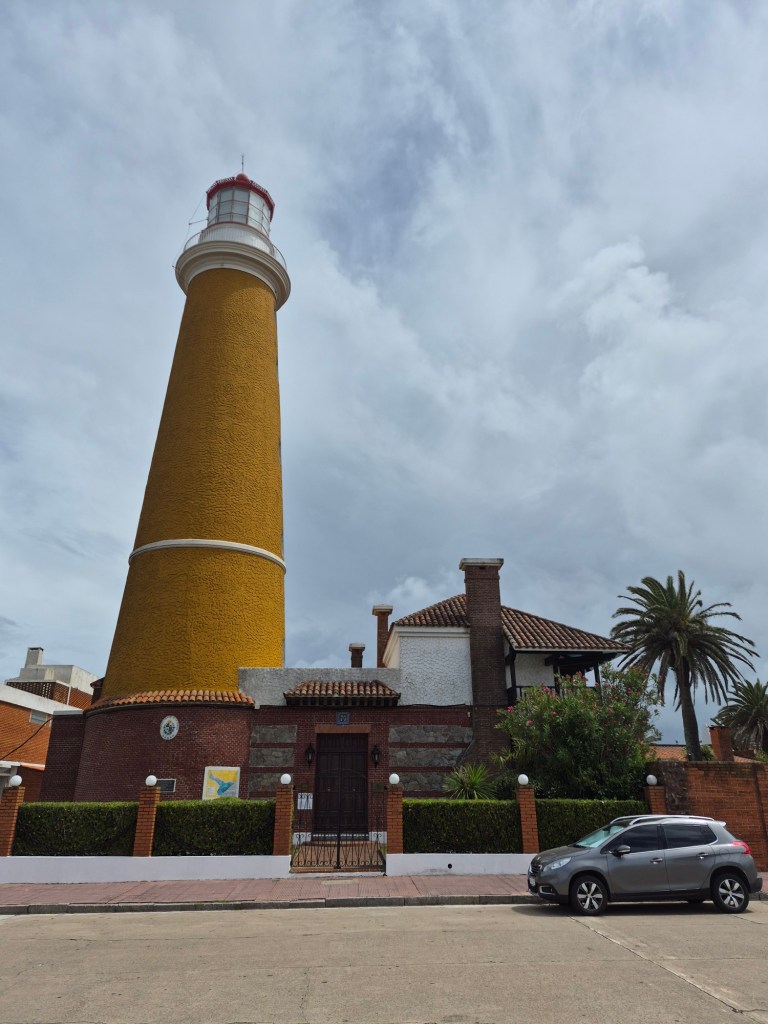
The old town of Punta del Este is on southern point of the peninsula, with the harbour on the west side. I walked around the point, the weather quite ominous with seriously threatening clouds, but thankfully it never rained. I stopped at a hippy shop to buy a fridge magnet, and was somewhat overwhelmed by the owner who could speak English, had been in South Africa and was adamant to take me right to the back of the shop and show me some maps, explaining the points of interest.
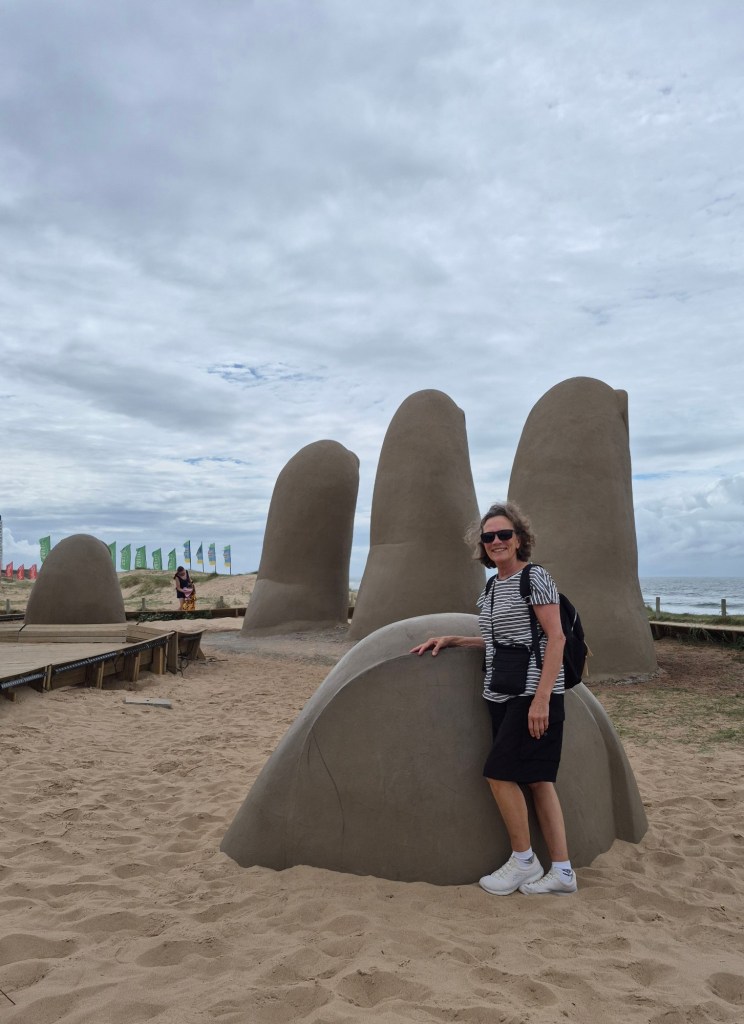
And finally, the most photographed place in Punta del Este, ‘La Mano’ (The Hand). The guy at the hippy shopped had asked me what my interpretation of it was, and wriggling my fingers upwards, I replied: “Hello, here I am!”. His reply: “No, completely the opposite! It is ‘Help me, I am drowning'”. Well, that might be so, but I prefer my interpretation.

 Mella Madness
Mobile: +27 76 4895744
LikeLike