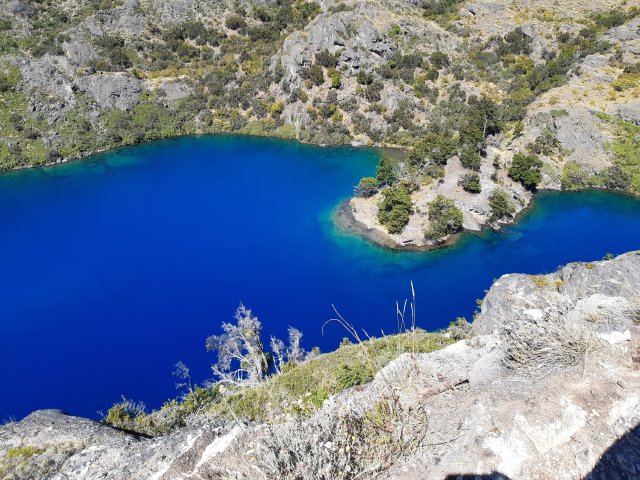
I woke up in Chile Chico to a sun filled windless day, very rare. My bus was leaving at 10am, so I walked down the street at 8:30 and happened to find a takeaway coffee at a small restaurant (nothing opens before 9am). I took it down to Lake Buenos Aires, which is called Lago General Carrera in Chile, and sat by the willow trees, soaking up the sun and silence – it really is noisy and unsettling when the wind blows. The water is crystal clear and unpoluted. I took this photo from the jetty – what looks like patterns are the slight ripples on the surface of the water:
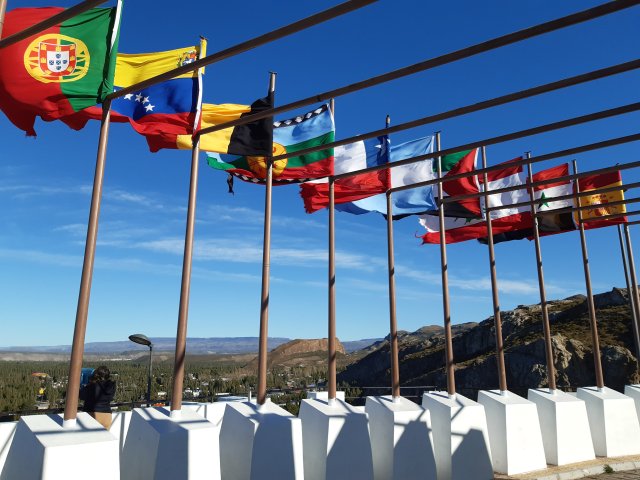
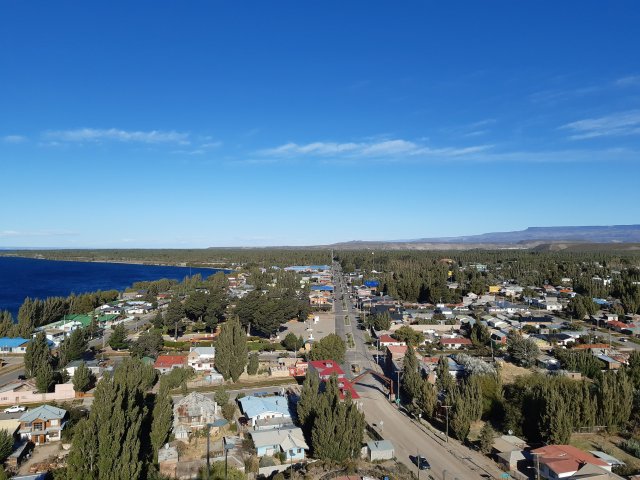
 When Carla (my boss in Los Antiguos, who had brought me accross the border to Chile Chico) left after our lunch the previous day, I had walked up to a mirador (lookout point) in the howling wind. Chile Chico is a small town, and a ferry takes people and cars accross the lake to Puerto Ibañez in 2 hours, a trip that would take about 6hrs by car.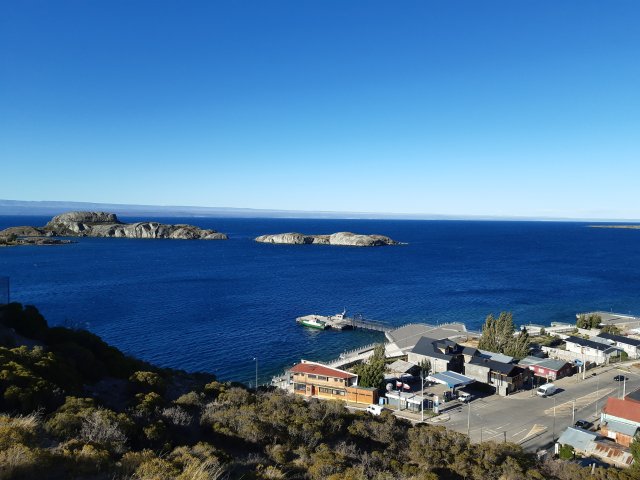
 I was heading to Cochran, which is south of Chile Chico, along the Carrera Austral, the main road runnning longitudinally down Chile. There are only direct buses on three days of the week, so I had to go to Puerto Rio Tranquilo, which was more north, and then catch a bus south again, retracing about one third of my trip. It wasn’t bad, because it is a scenic route all along the lake and countryside.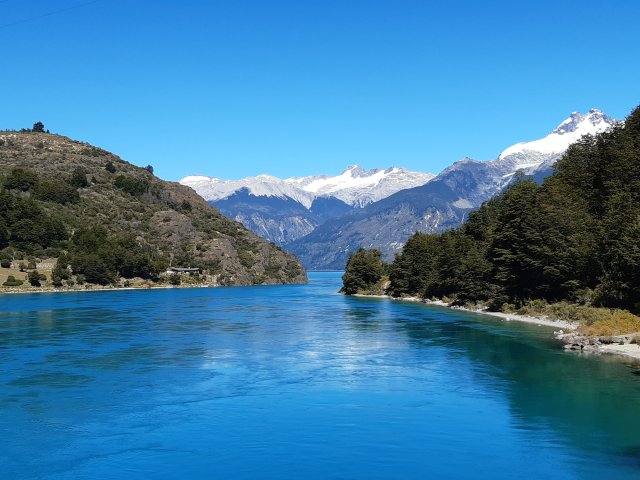
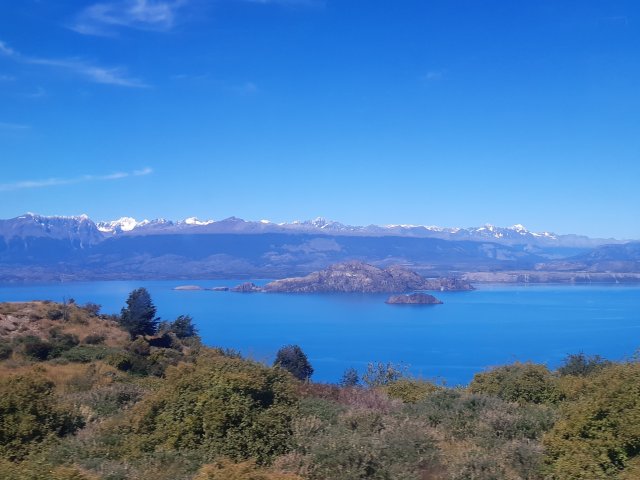

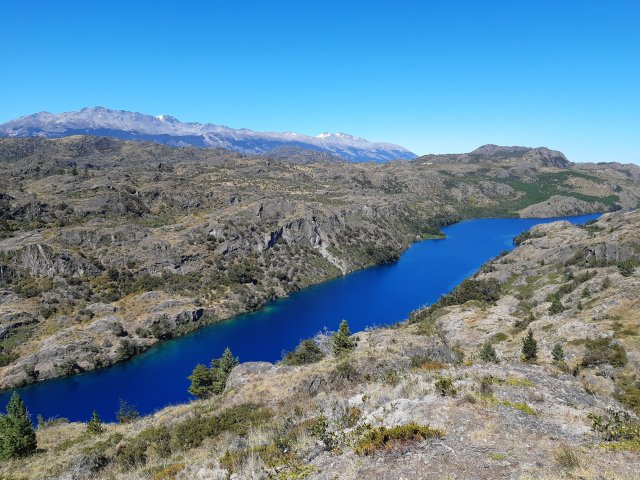
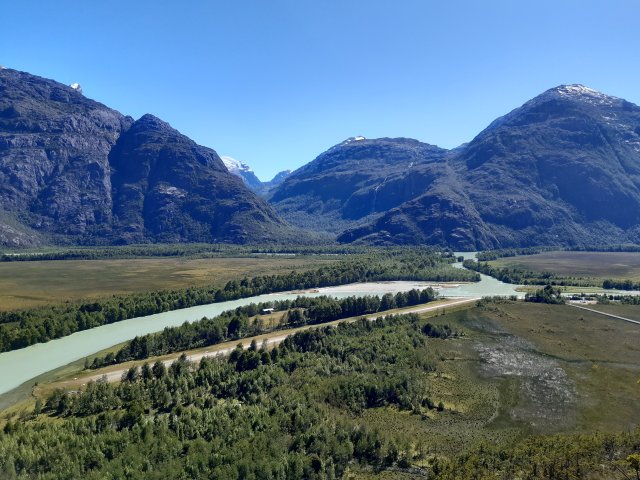
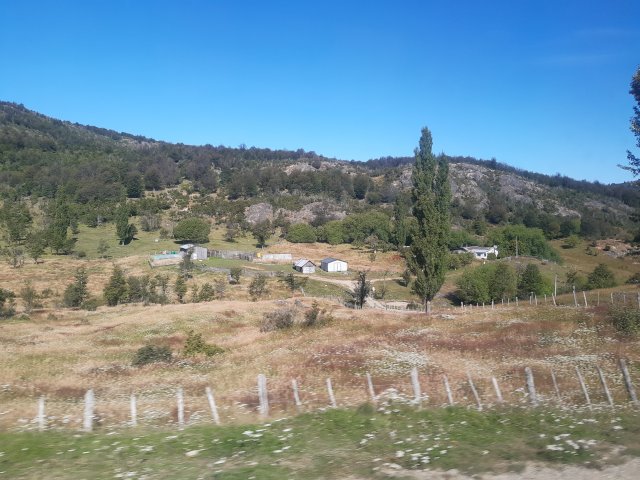 Cochrane is a small town which is covered in snow in winter, but once again I was blessed with a bright windless day. I borrowed my hostess’s bicycle to ride the 4km to the Parque National and did a 2hr hike to a lookout point of the lake and river. On my way into the park I was lucky enough to see a huemul, the south Andean deer that is an endangered specie native to the mountains of Argentina and Chile.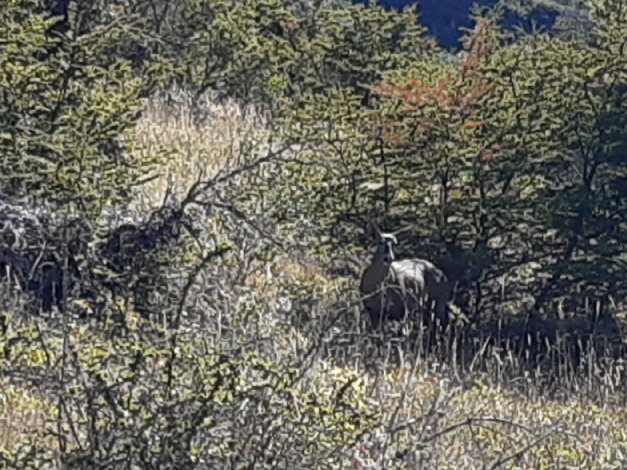

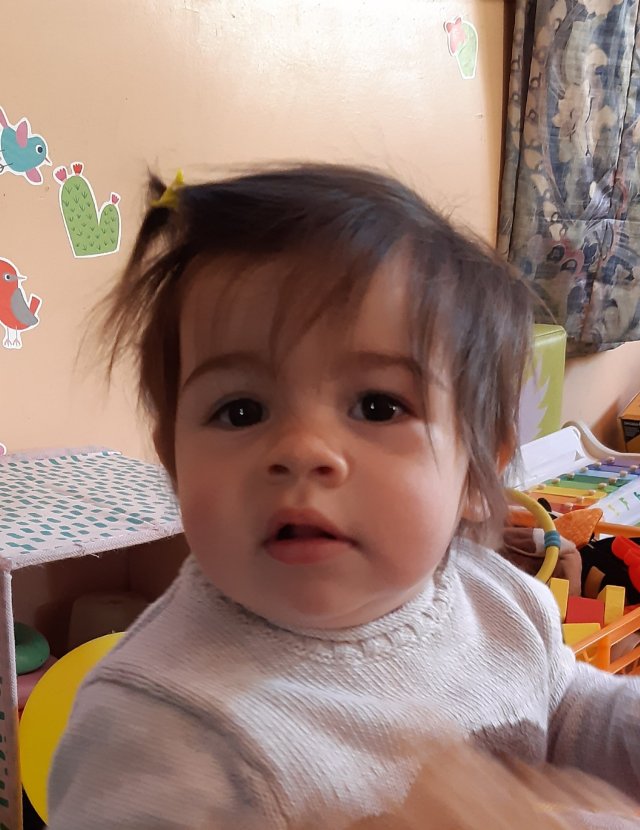
 I was staying with the most wonderful couple, Maurice and Carmen, and I fell completely in love with little Amara, their one-year old daughter. Her penetrating brown-eyed stare never wavered for a moment – she must be an old soul, with the wisdom of the ancients. Both Carmen and Maurice know much about Chile, its history, indigenous people and the political situation, and they happily shared all of it with me.
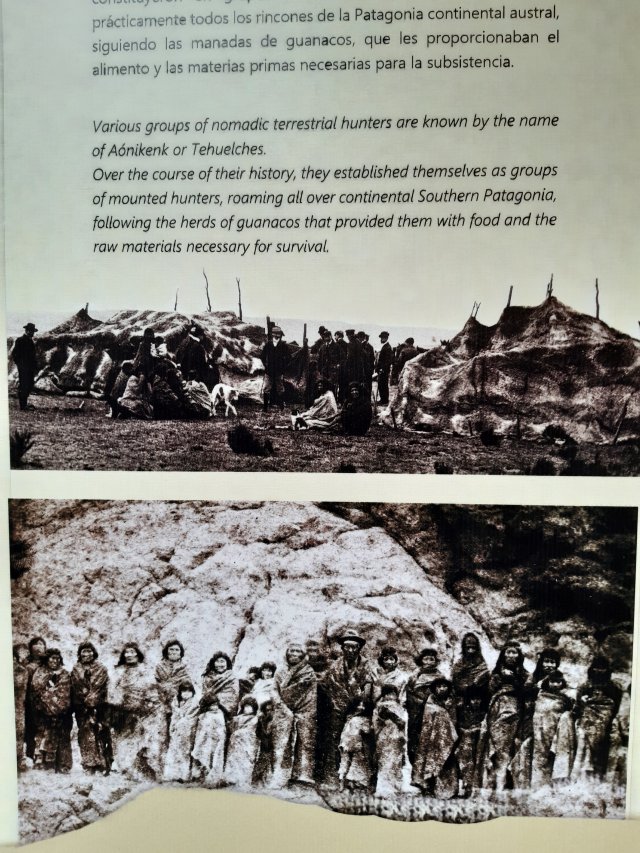
 The first group of hunter-gatherers arrived in Patagonia about 12000 years ago, when the landscape was mostly cold steppe, and trees grew only in some parts of southern Patagonia. The Aonikenk, or Tehuelces, were the group who roamed the steppe, living in tents and hunting guanacos for food and raw materials. After the settlers arrived, their numbers started dwindling as they succumbed to sickness, strange food and alcohol. They couldn’t hunt anymore, so took to breeding horses and working for the settlers. The last Aonikenk, Alberto Achacaz Walakial died in 2008.
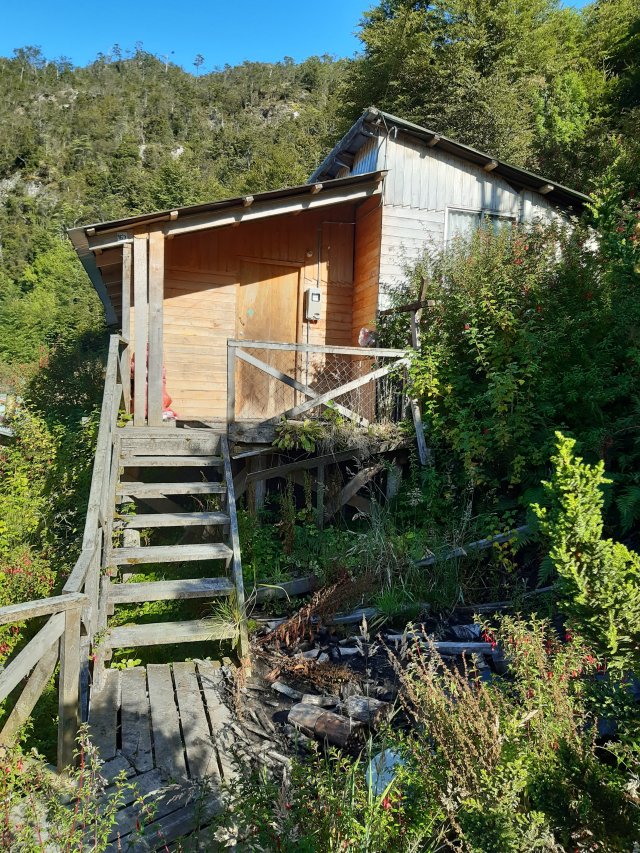
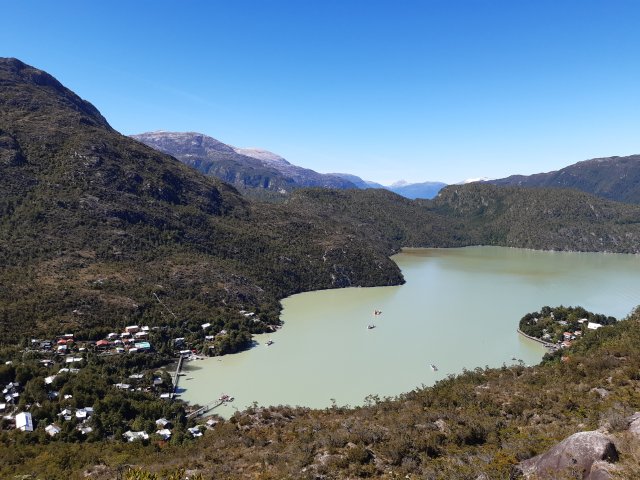
 My mission was to go from Tortel (south of Cochran) to Puerto Natales by ferry, a once-a-week 41hr trip down the fjords, having only an allocated reclining chair and meals served in a dining salon. I had unsuccessfully tried booking online for several weeks beforehand, and finally was told that there were no seats available for the 22nd February, the day I wanted to leave. I determinedly caught the bus to Tortel anyway, a picturesque village with no cars, only boardwalks. There is a parking area for vehicles at the top, and wooden stairs lead to the village below. The road there from Cochrane had only been built in 2000 – previously it had only been accessible by horseback.
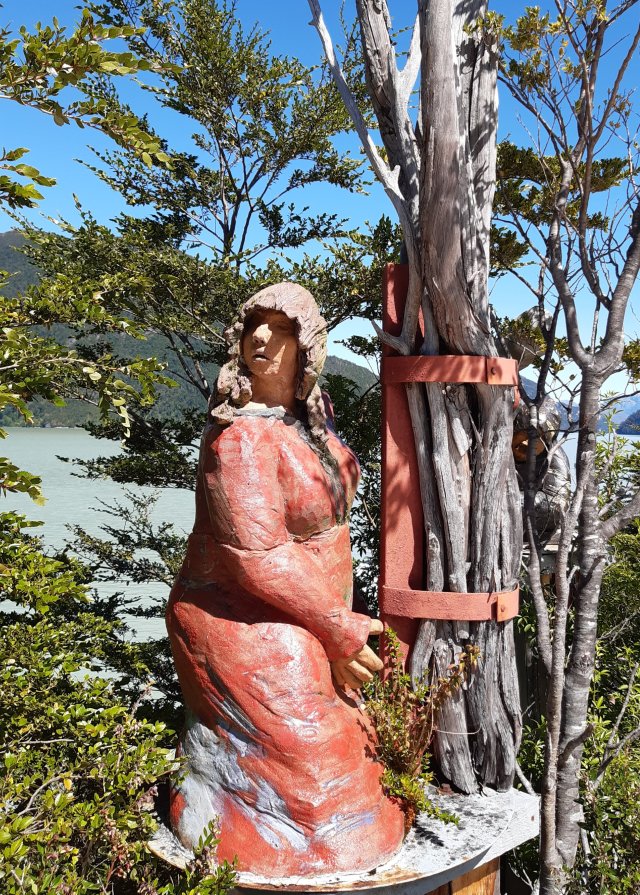
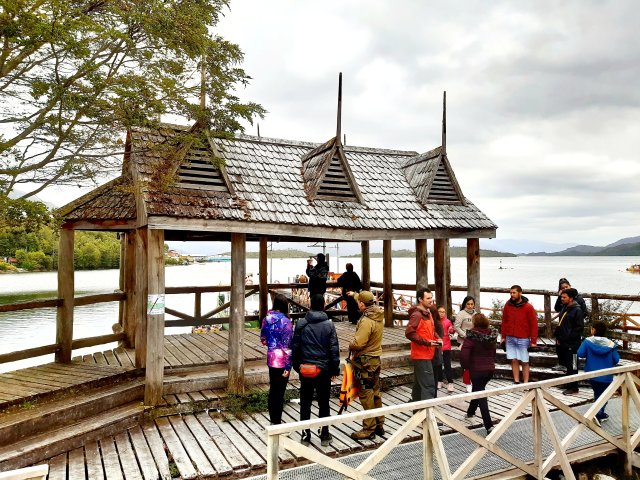
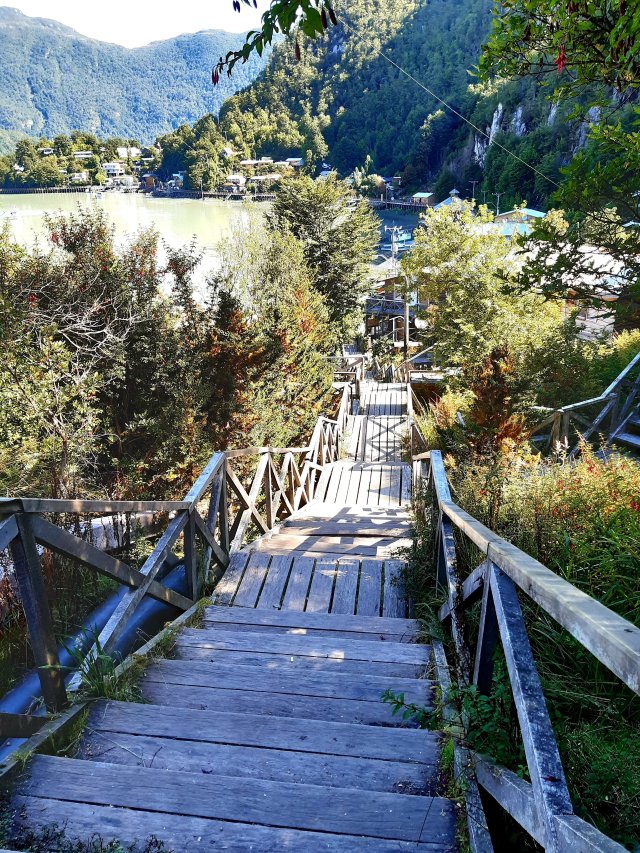 I arrived at Tortel at 9am, stored Louise at the bus station, and spent the day exploring, climbing to a mirador, eating and waiting. I mentioned in a previous blog that every town, no matter how small, has a plaza (square), and in Tortel, those covered areas jutting out are the plazas.



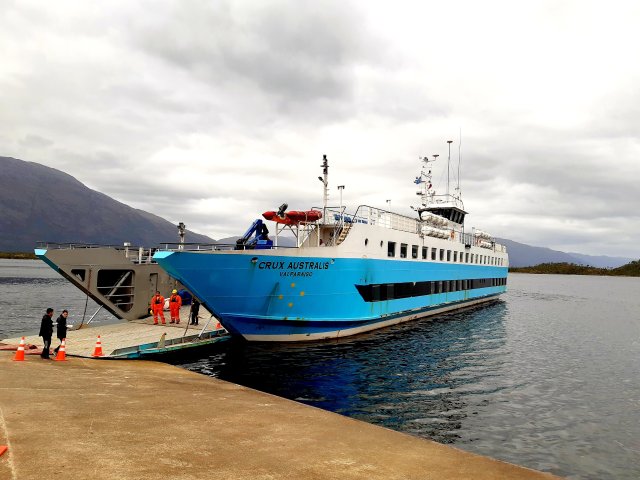
 At the local Astral Broom office (the company running the ferry) they also told me there was no space, but that I could go to the docking pier at 10pm and enquire if there had been cancellations. My nerves were being severely tested, but everyone around was supportive and encouraging, and there was no way I was lugging Louise back along the boardwalks (her wheels kept on going into the grooves) and úp all the thousands of steps which I had had to carry her dówn. So I focussed on staying positive. In the end there were seven of us without tickets, and we all got a seat after waiting for about an hour. The price of the ferry was 125000 pesos (Chilean = R2500), which included good meals. The ferry takes about 30 cars and 150 people, of which 50 tickets are allocated to foreigners, 50 to Chilean travellers, and 50 to local Chileans. The Chileans’ tickets are subsidised by the government, so they travel very cheaply.
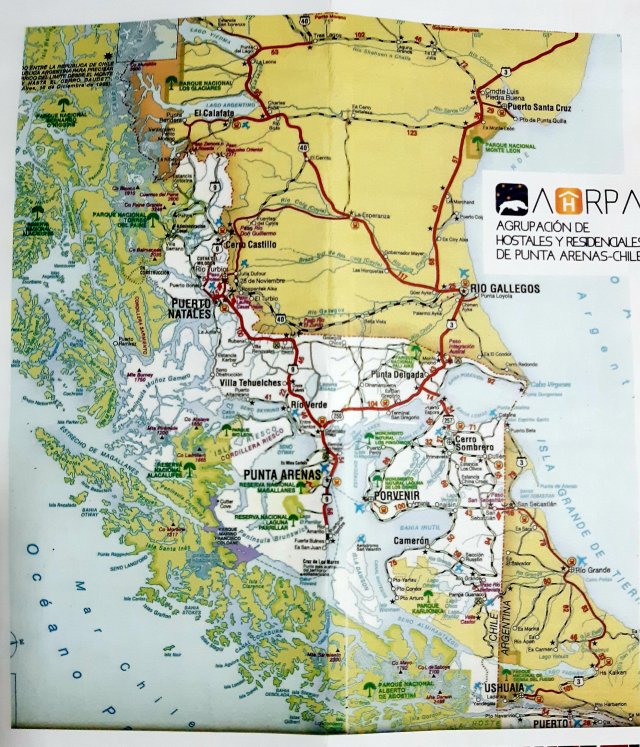
 This is a map of the area south of Tortel, the dotted line between the fjords is the route the ferry took:
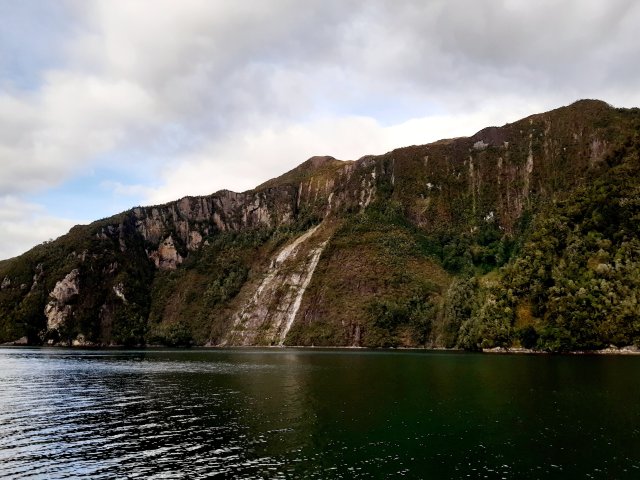
 I was super excited and on deck before sunrise, taking pictures and going from one deck to the other up and down the steps. There were waterfalls, wooded mountains and wrecks along the way, and I saw some dolphins and many kinds of birds.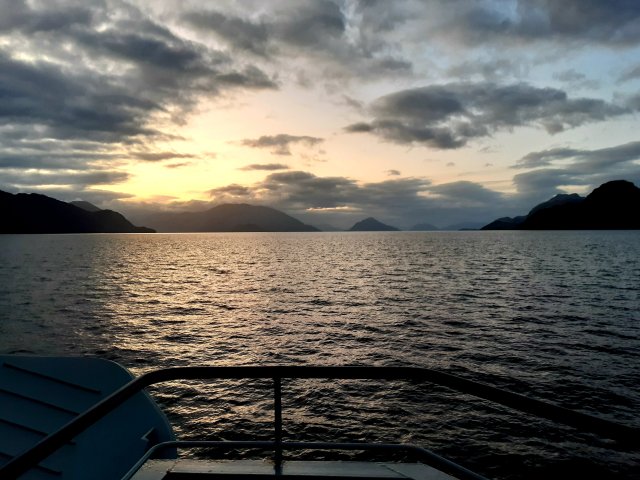
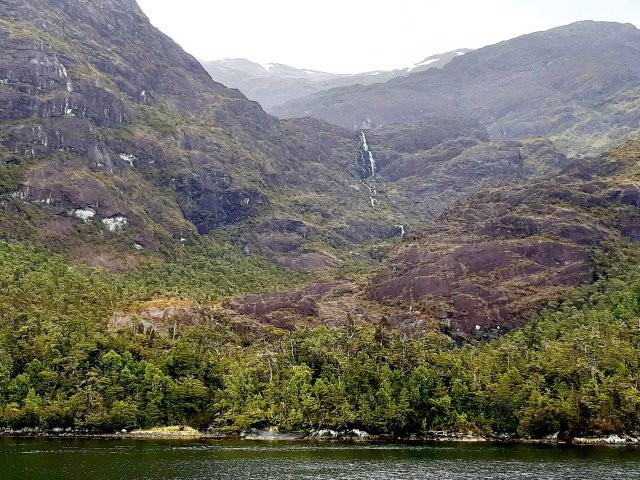
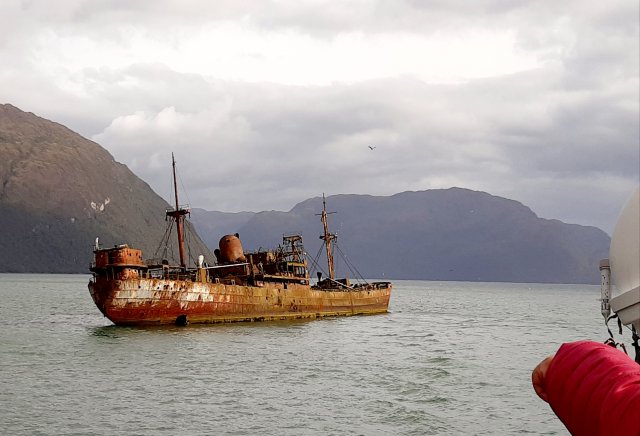
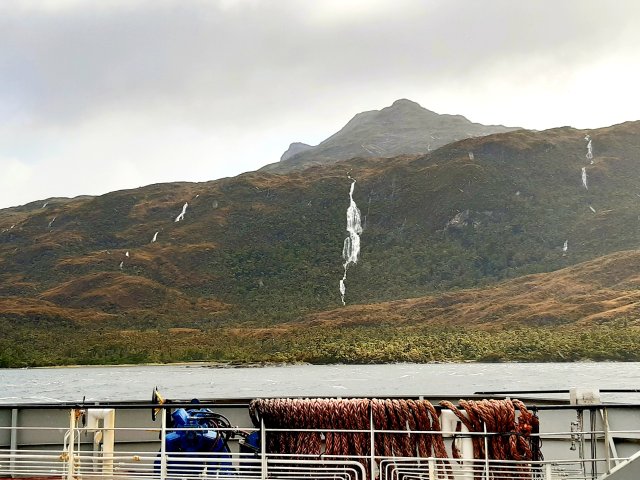 Around noon of the first day we stopped at Puerto Eden, a pueblo (town) on an island, also with no cars. This part of Patagonia had been inhabited by the Kawésqar, nomadic people who spent most of their time (as families) on their canoes, going up and down the fjords. The canoes were made of bark and caulked with a mixture of plant material, mud and roots, and sometimes covered with skin. They always kept a fire going in the canoe, on a bed of stones, shells and sand. Sometimes a woman would even give birth on the canoe, and the man would wear the umbilical cord around his neck to show that he had become a father. It was worn for a year, and meant bad luck for the child if he lost it before the year was over. The women gathered shellfish, diving for it (in that freezing water) if necessary, wove baskets, cleaned birds and looked after the children. The men made boats and weapons, and fished and hunted. The 3000 inhabitants met with the same fate as the other indigenous people when the whaling and sealing boats started arriving at the end of the 18th century. Individuals, and sometimes whole families, were also taken to Europe and North America to be exhibited and studied, as they were believed to be savages worthy of scientific study.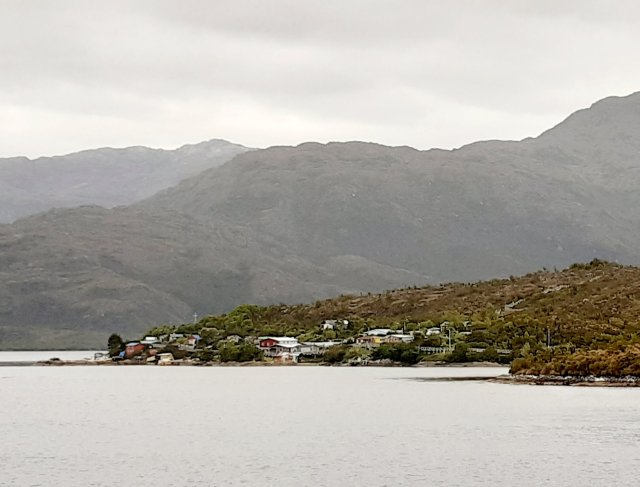

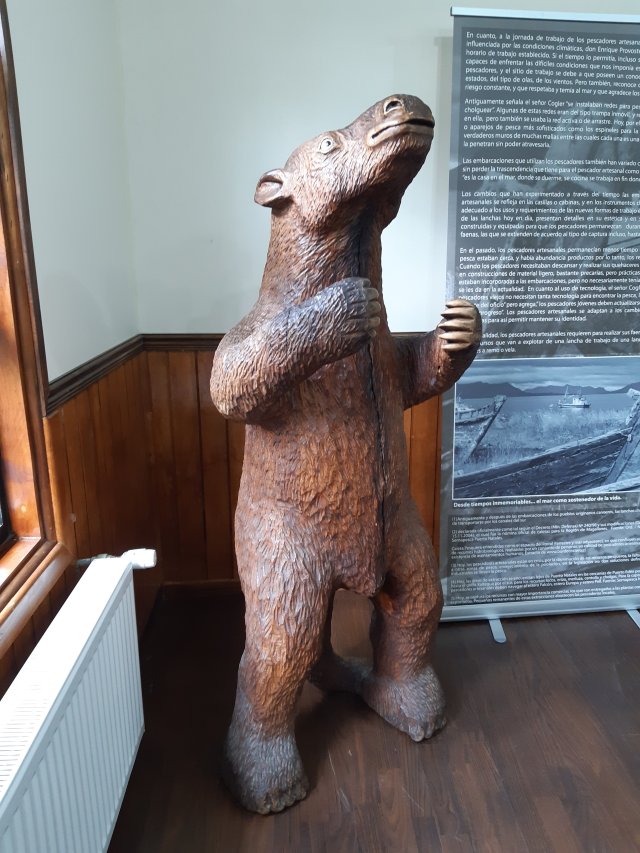
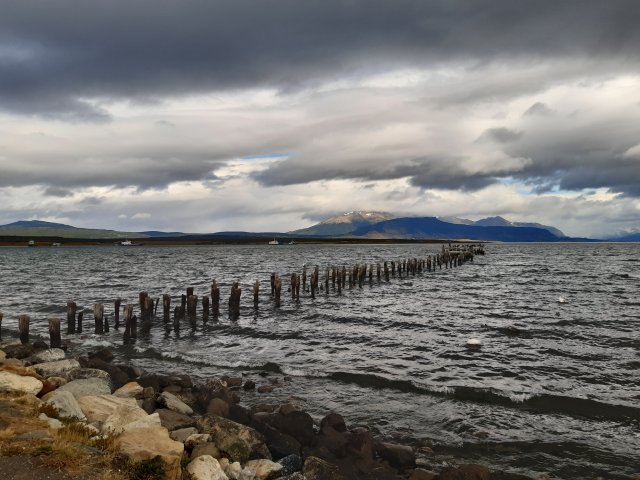
 The weather changed later that afternoon, and we had rain and an icy wind for the rest of the trip, arriving at Puerto Natales at about 4pm.Puerto Natales is the town from which most people do the trekking in Torres del Paine, a popular and quite difficult 5 or 8 day hike in the park. There are caves worth visiting, where fossilized bones of the milidon, a large sloth with a head like a horse, were discovered. They date back at least 9000 years, when they had disappeared as a result of natural catastrophes.
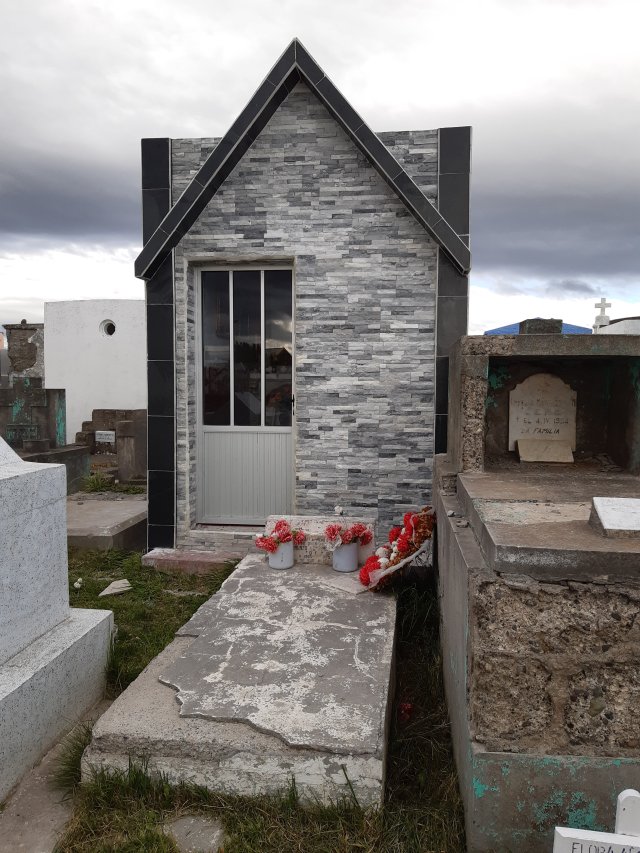
 I didn’t do much other than walk around, visit a museum and the graveyard, have a few dinners with a friend that I had met on the boat, and cook on a lovely warm woodburning stove. I was meeting up with two of the French Workawayers that had been at Los Antiguos, and we had a happy reunion at a bar/restaurant overlooking the bay.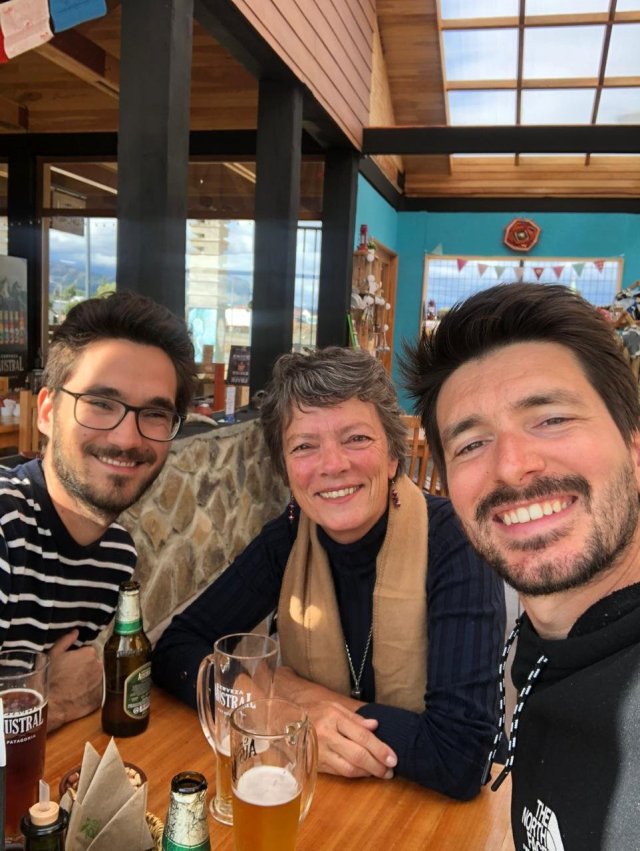


To be continued…
 Mella Madness