For buses…always waiting. They all seem to travel at night, here on the east coast of Patagonia. Which means you arrive at your destination at an uncomfortable hour. A few days ago I realised that there comes an hour when very late at night becomes very early in the morning. I would put it between 02h00 and 04h00. I told my landlord in Puerto Santa Cruz that I would be arriving very late, which at that stage was 02h30, but then the bus was more than an hour late and it became 03h30, which ended up being 04h30. As I walked down the street, dawn was just lighting up the horizon, and night was suddenly morning and I’d missed the night’s sleep that I had paid for. More about this story later.
I left Sarmiento for Comodoro Rivadavia at 13h00, but there I had to wait until 20h30 to catch a bus to Fitz Roy, my next stop. Fitz Roy is a town of 10 streets long and 3 streets broad, with 2 garages with restaurants, one proper restaurant and a cafe, all along the one street next to the highway. I had decided to stay there for two reasons: 1) it was cheaper than the town on the coast, which is where people usually stay, and 2) it was closest to the Nacional Parques Petrificados (national park) with petrified trees, which I had planned to visit.
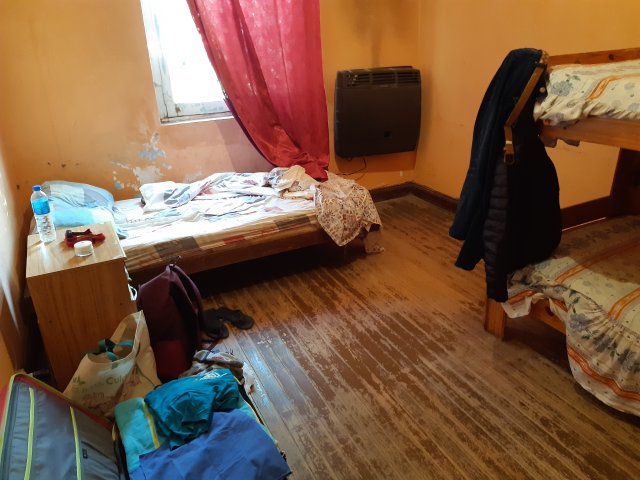
I got off the bus at 24h30, sort of a decent hour (in Argentinia anyway), and walked to the hospejade (type of hotel) I had seen on the map. It was full, and she directed me to a ‘hotel’ accross the street, which looked more like a dilapidated old house. A girl of about 12yrs old was in the shop (front of hotel) and took charge of booking me in – $400 (R100). Down the passage, to a dorm with 3 beds and communal bathroom further down the passage. Luckily I was the only one in that room, but really, only the sheets were clean. There were even cobwebs behind the curtain. I had paid for 2 nights, as I needed a day to visit the national park.
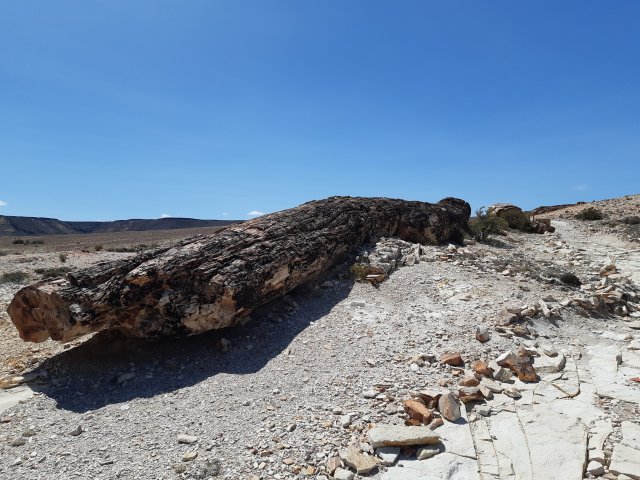
Enquiring about a bus or taxi to the park the next morning, I was told there was none. As I was determined to see the 130 million year old trees from the Jurasic period, I decided to hike. Got a lift after about 10min, with a guy from the military who was returning from a fishing trip to the Parana river at Rosario. He proudly showed be pictures of the huge dorado’s he had caught, and typically fisherman style, I showed him pictures of the even bigger fish my son Francois had shot in the Ivory Coast. I felt quite bad afterwards, he was so proud of his fish.
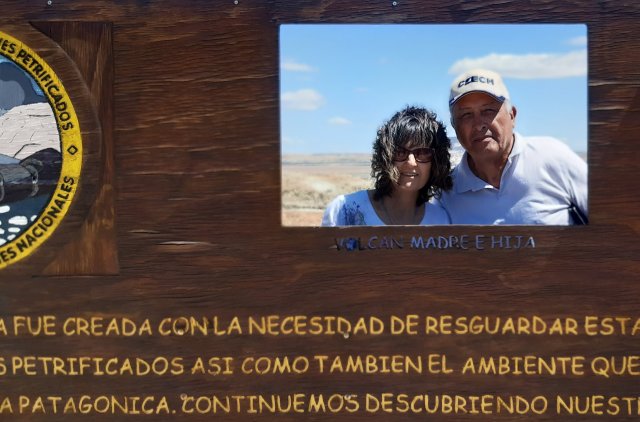
After 70km he dropped me off at the turn-off to the park, which was another 50km further along on a dirt road. I was thinking “right, come on lift”, when a car turned off onto the dirt road, right on cue. But it drove straight past me! I immediately recalled the wish I had made for a flat tyre for them, and it must have worked, because a few minutes later they came back and stopped on the opposite side of the road. The window rolled down, and a very suspicious man asked to see my passport. I reluctantly handed it over (one is told never to let go of your passport, but I needed that lift), and he told his wife: es una turista (it’s a tourist). Once I was settled in the back seat, he emphatically told me that I was very fortunate because it was the first time in 10 years he had picked up someone, and again he asked my passport and took a photo of it. By the end of the outing (I had gone there and back with them), he asked me if I had made provision for my old-age, which had me bursting out with laughter as he is a broker. We exchanged emails, and he promised to come and do business in South Africa.The lift-givers:
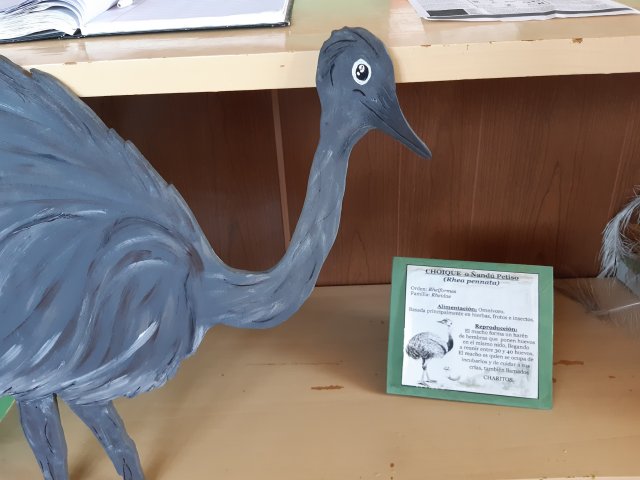
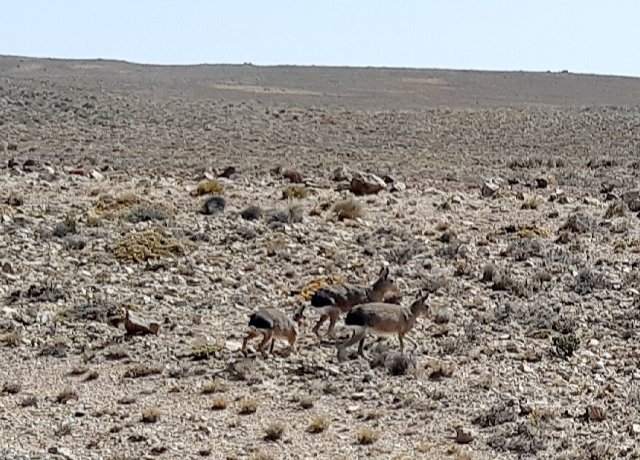
In the previous blog I had complained about the lack of wildlife, but on the way to the park we saw many guanacos (a kind of llama, I was told), a few choiques (ostriches, but much smaller than the one’s in South Africa), a zorro (rooijakkals) and 3 mara’s (big hares that walk, with black bottoms).

The mountain in the background of the following photo is a volcano, called madre e hija (mother and daughter).
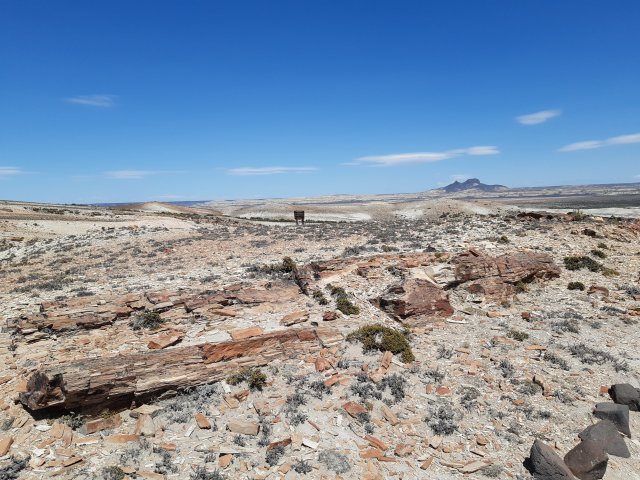
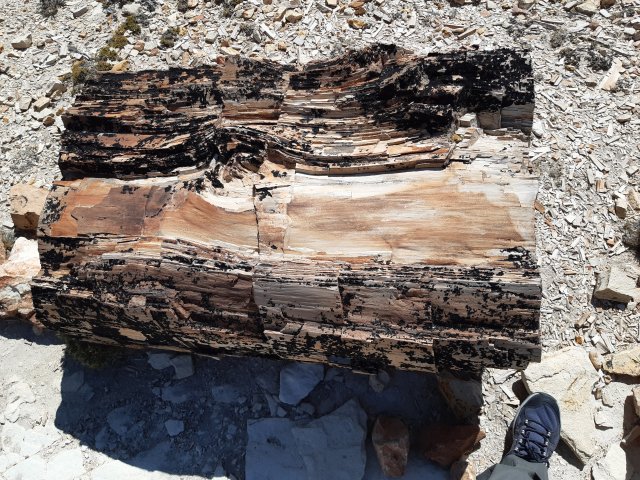
The trees had grown in a swamp area before the existence of the Andes, when winds had blown in moist air from the Pacific, causing high rainfall. Volcanic ash and other sediments had covered them, causing petrification. I was very impressed when the friendly park ranger knew and asked me about the petrified trees in Namibia.
There must have been a comunication barrier, because my benefactor and his wife were passing Fitz Roy on their way back, but for some or other reason they decided to drop me off at the T-junction at the highway. And there I stood, in wind worse than the strongest southeaster, with only the sun as company. Interesting experience, hitchhiking. At first I was very optimistic, sure that the next car would stop. Later I began to yank my hat off the minute a car appeared over the ridge, and pleaded, hands together, with a big smile. Even later I decided, whatever, and just carelessly put my thumb out. Admittedly most of the cars were full, some people waved and one driver coming in from the dirt road offered me water. He was going in the other direction. Eventually, after an hour, a car passed, turned back and picked me up. By that time I was sure that people probably thought I had escaped from an asylum, crazy old woman, hat in hand, with hair standing on end in the wind.
Back in Fitz Roy I asked about a bus to Puerto San Julian, my next destination, only to find out it leaves at 24h30 (of course, that was the time I had arrived). I had paid for 2 nights, so decided I would sleep, and then sit in one of the restaurants at a garage the following day, with the hope of catching a lift with someone. I had asked the petrol attendant to enquire about possible lifts, and waited for 3hrs, nothing happening. On impulse, or divine inspiration, I approached the people at the table behind me, and by 13h00 I was in the car with a silent driver and his very talkative 16yr old daughter, who wanted to practice her English as payment. None of the people would take money for the lifts – the broker said I had to give him one Rand, and I just happened to have a R10 note in my bag, so he was very impressed.
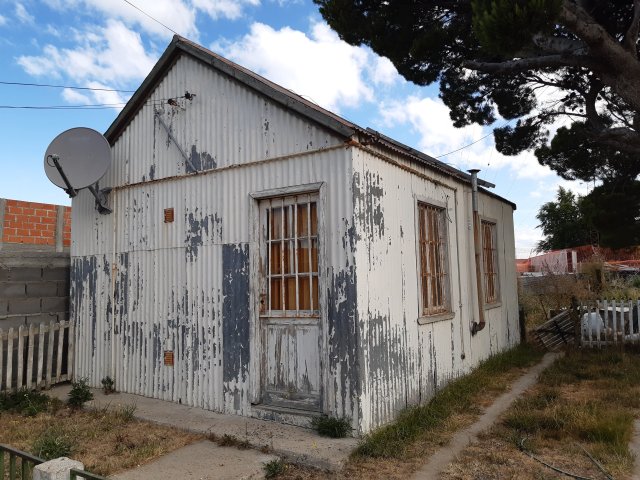
In Puerto San Julian I booked into a hotel – I wanted a clean room with my own bathroom for one night! I walked around town for an hour or two, saw what there was to see, and enjoyed my hotel room.Cute new corrugated iron sheet houses:

And old ones:

Puerto San Julian is the place where Ferdinand Magellan first landed in Argentina on 31st March 1520. He decided to spend the winter, and left again in August. During that time he had had a mutiny and he had exiled one person and had another beheaded. Francis Drake also landed there in 1578, spending the winter. A small settlement was started in the 19th century, but never came to anything. Only in the 20th century did the towns on the east coast start thriving when European settlers wanting to escape the threat and aftermath of World War I started to arrive, mostly Spanish, English, Germans and Slavs. A monument pays tribute to the first communion that was held on the beach on Palm Sunday. I stood there above the water’s edge in the wind, and could well imagine the piety of the moment.
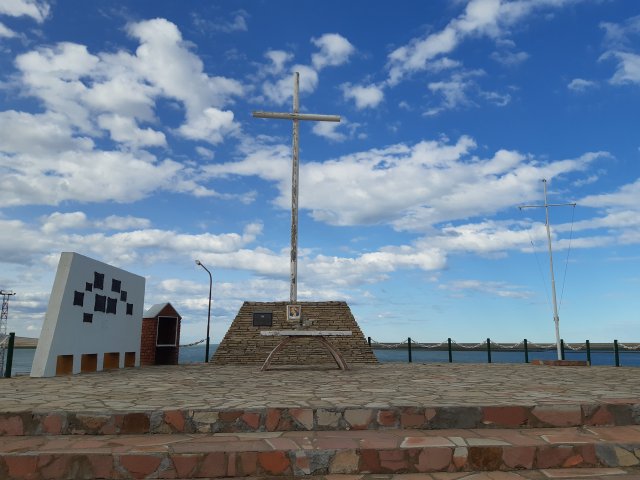
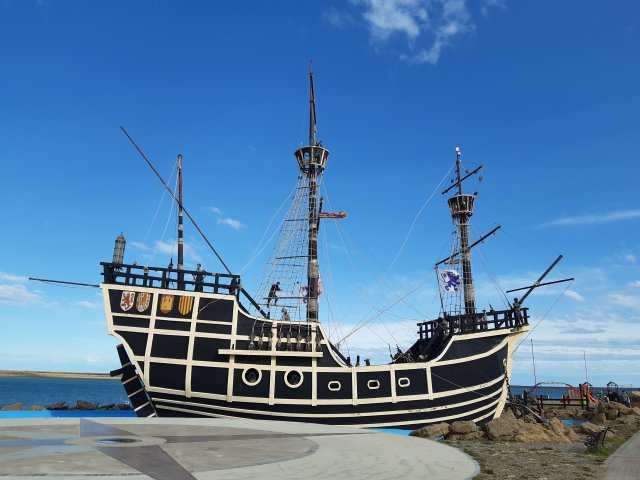
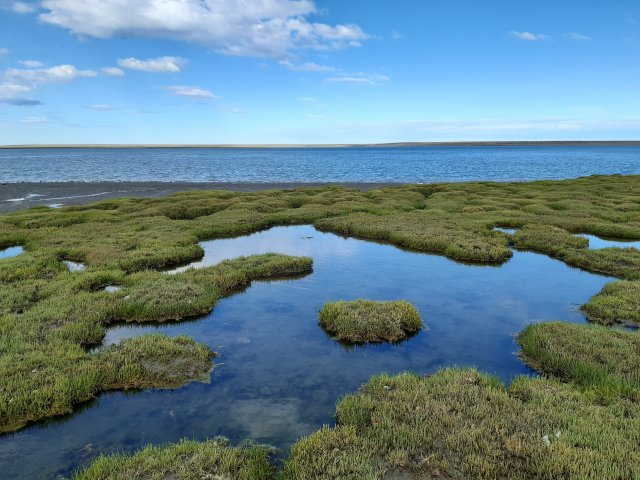
‘Rockpools’ with a difference:
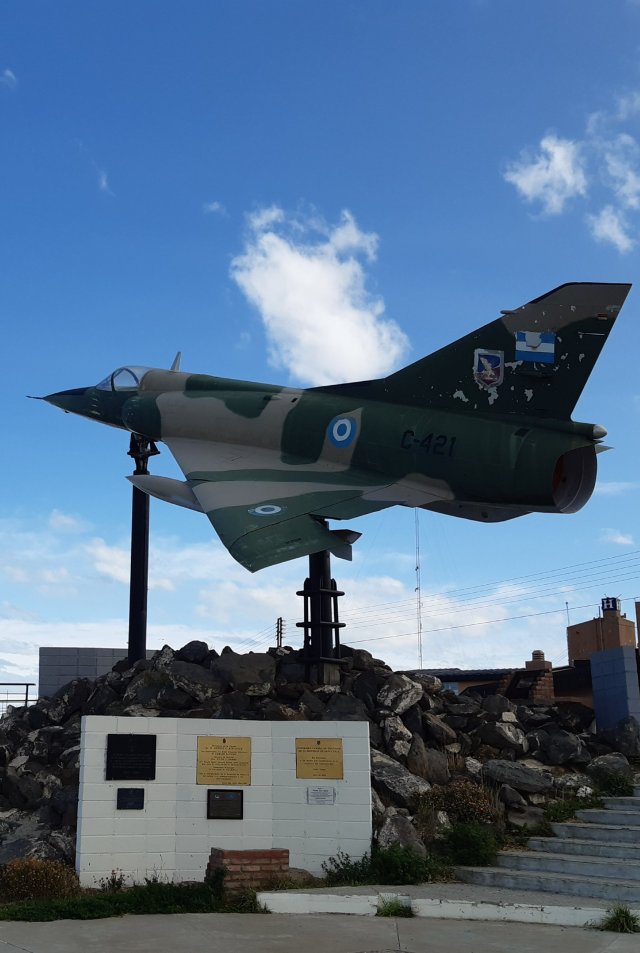
In all the towns on the east coast of Patagonia there are monuments honouring the soldiers who had fought and died in the Malvinas (Falkland) war in 1982.
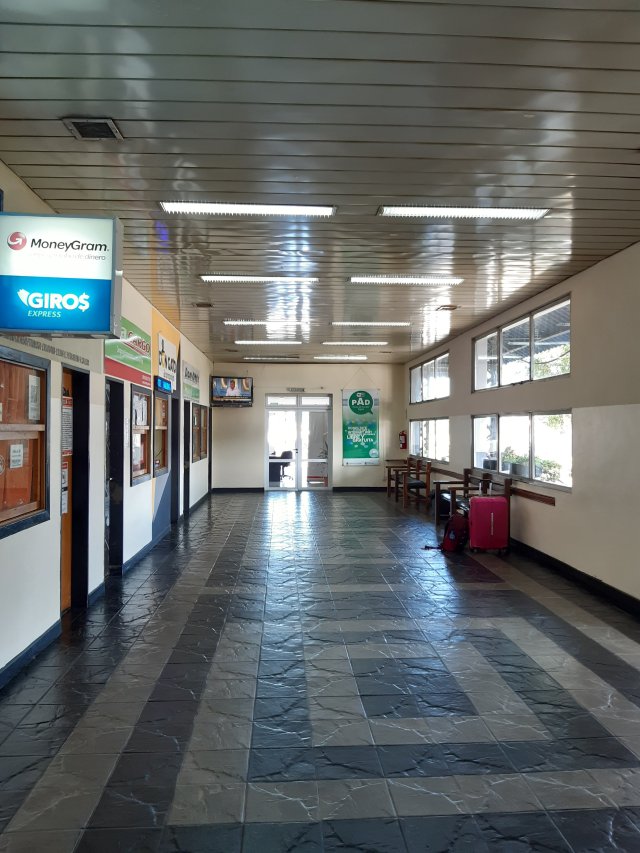
I spent another day waiting for a bus to my next destination, Puerto Santa Cruz, and got to the bus station at 17h00, just to be told that I had been misinformed by the tourist office re the time, the bus was only leaving just after midnight. So Louise and I kept each other company here for another 8hrs 30 min, as the bus was 1hr 30min late:
I now go back to the story I was telling earlier.When I disembarked in Puerto Santa Cruz at 04h30, I headed in the wrong direction for two blocks before realizing I had made a mistake, again. I had just turned back when a twin-cab bakkie drew up and the driver questioningly said: “Meriel?” It was my host, he had been waiting for me at the bus station, an angel from heaven! The apartment I had booked was like a little house, all my own, and I decided to stay 2 extra days, cooking, relaxing and taking short walks.
Puerto Santa Cruz lays two claims to fame: one that Charles Darwin, in 1834, on board the HMS Beagle under command of captain Robert FitzRoy, had taken a cruise up the river that runs into the sea there (the Santa Cruz river). He found his first fossils, which contributed to the development of his theory of evolution. This visit to Patagonia also made him realise that he was more of a geologist than zoologist. In studying the valley of Santa Cruz, he concluded that this part of Argentia had once been submerged under the sea, rising slowly to change from a group of islands to the land it now is. It also made him realise that the world was much older than ever imagined.
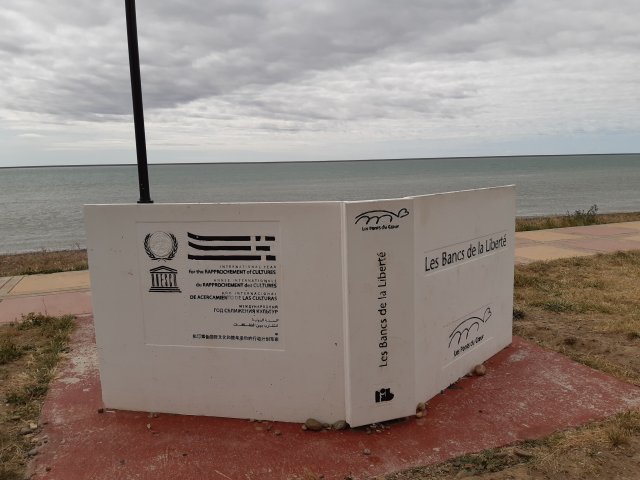
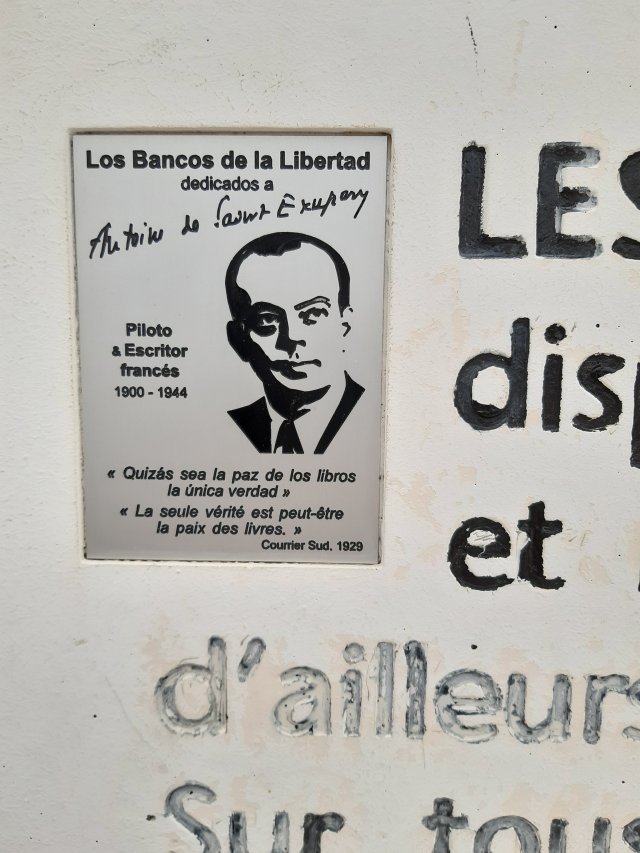
The second claim is that the pilot-writer, Antoine de Saint Exupéry, auther of The Little Prince, spent time in Puerto Santa Cruz. He was in Argentina from 1929 to 1931, flying between Buenos Aires and the south. In 2015 an organisation, The Freedom Bench Project, was established by a nephew of the writer, to promote values such as commitment, exchange and links. Benches could only be erected in places that Exupéry had actually lived.
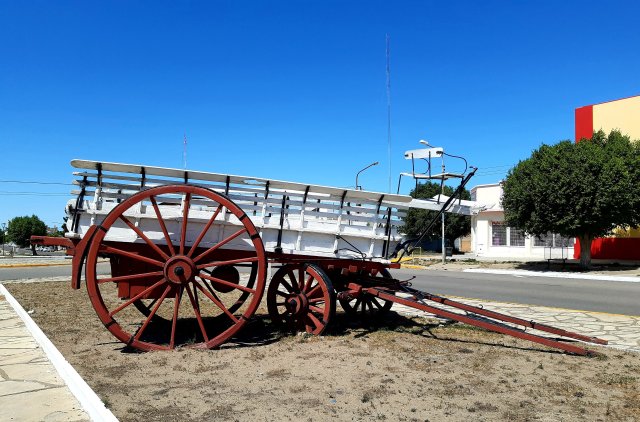
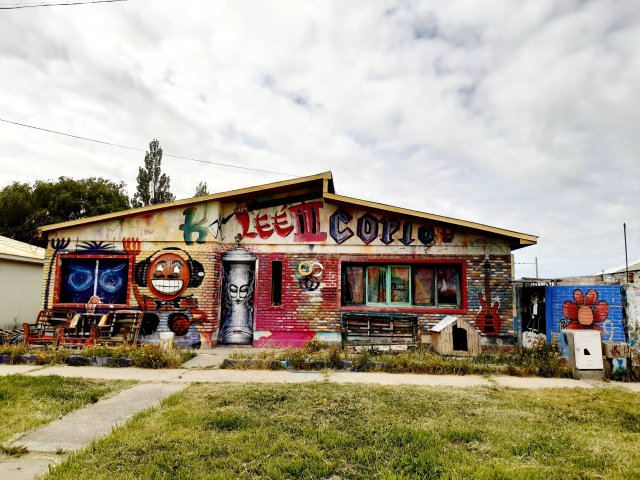
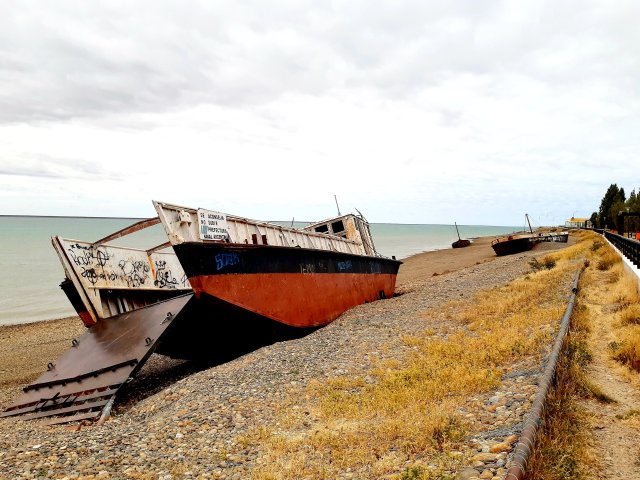
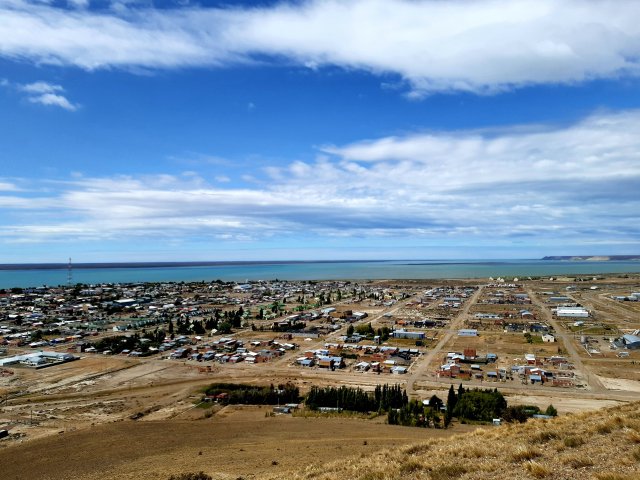
Some scenes from the town:
There is an abundance of marine life along the whole of the east coast of Patagonia, with many colonies of penguins and sea lions, as well as pods of Commercon’s dolphins. I was fortunate to spot some of these graceful black and white dolphins in the bay of Puerto Santa Cruz, but unable to take pictures. Anyone planning on doing a trip in Patagonia would be wise to rent a car, as many more places could be reached and explored in that way. Unfortunately a bit expensive for a solo traveller on a tight budget…
 Mella Madness