So, after that horrific road trip, I had a relaxing few days in Atalaya. Jennifer’s response to my blog was perfect and much appreciated:
Hi Meryl, I read your post is very interesting. When I’m read I smile because I remenber when I said you that this road is dangerous and you said me very happy “is not problem”
But is important that you doing this travel, because now you know the really kind of life that have diferents persons in this country, and the reason that some persons never go to other places, (it’s espensive, dangerous or other). All the time is imposible to have a good or confort travels, but this experience you never forget and pls never repeat.
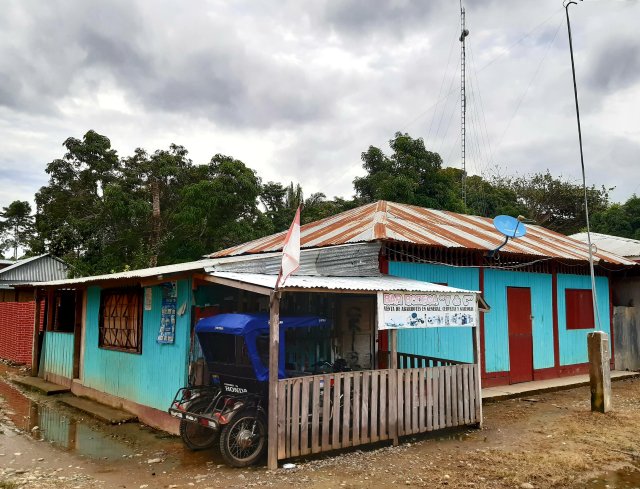
As you saw in the previous blog, the motor-taxis in Atalaya are different than in Quillabamba, because the roads are worse and people use them to transport their goods. They have a carrier at the back, and charge a standard rate of 1 sol (R4,50). You don’t ask, you just pay.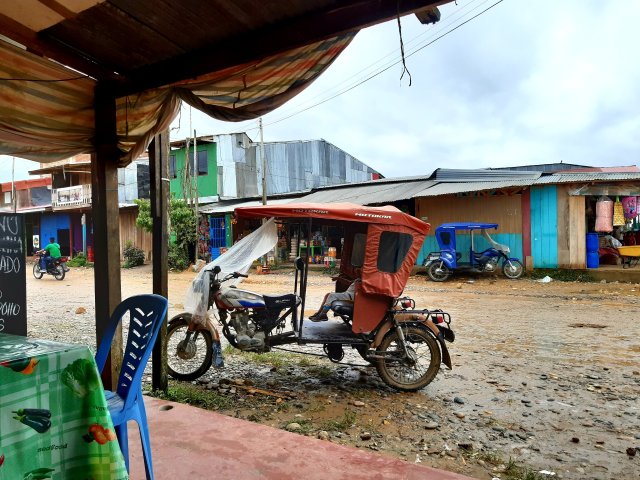 I walked around town, ate at local restaurants for 5 soles, visited a few places out of town and spent a lot of time sleeping and relaxing, especially as it rained for a certain part of the day every day. Nobody speaks English at all, which was good for practicing my Spanish.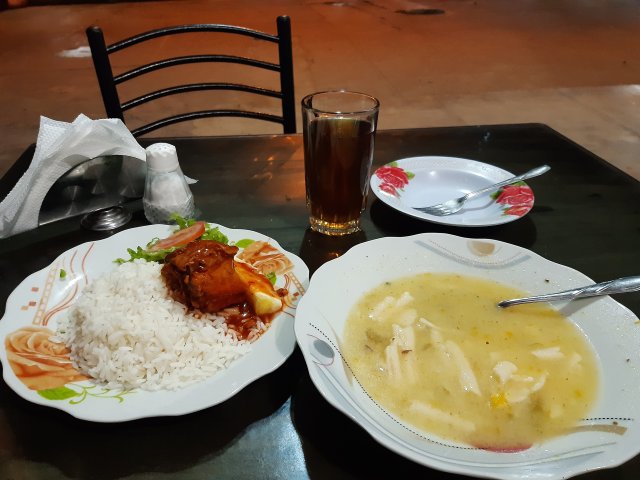
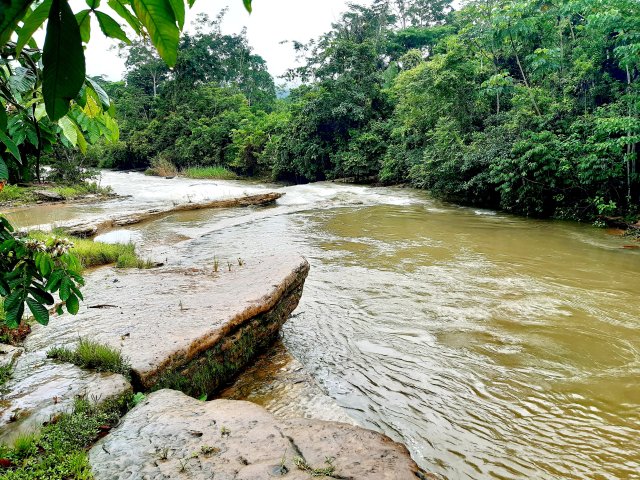 The above photo was taken at Sapani, a resort that normally has crystal clear pools, but was flooded after the rains.
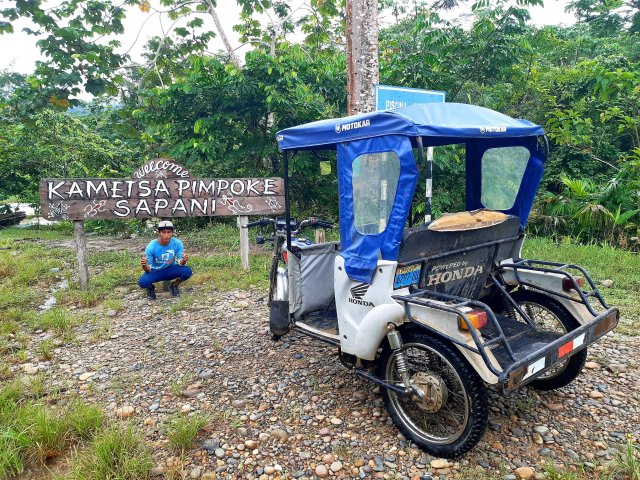
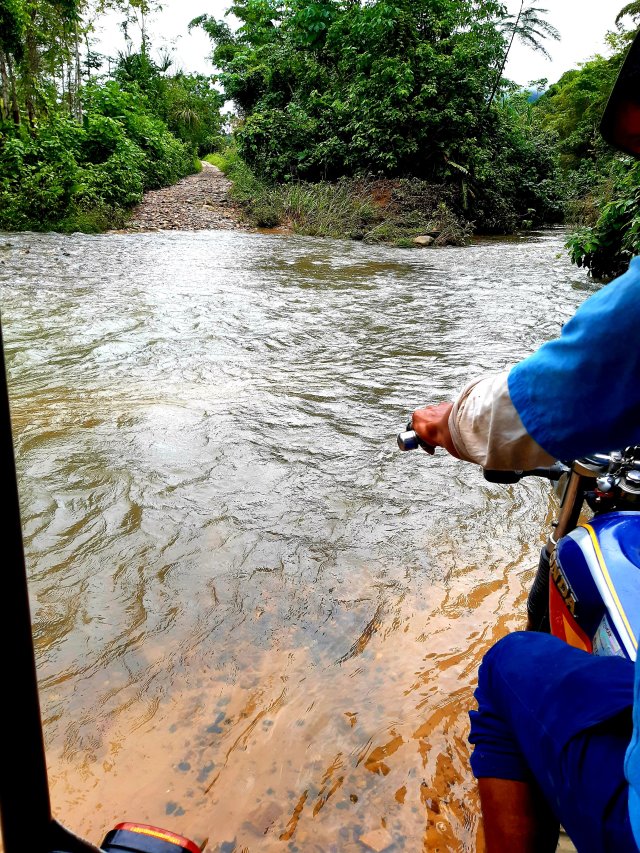 The motor taxi I took out there had to cross streams like this twice. I had to move to the corner if the back seat, to put some weight on the back wheel for better grip. We made it through both times. My proud driver:
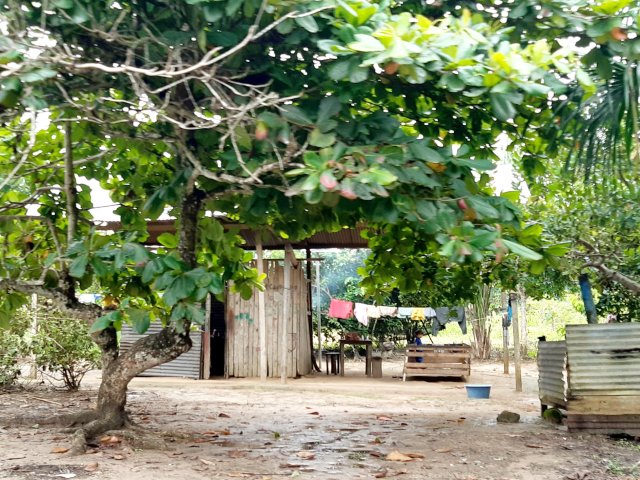
 Some houses in the forest: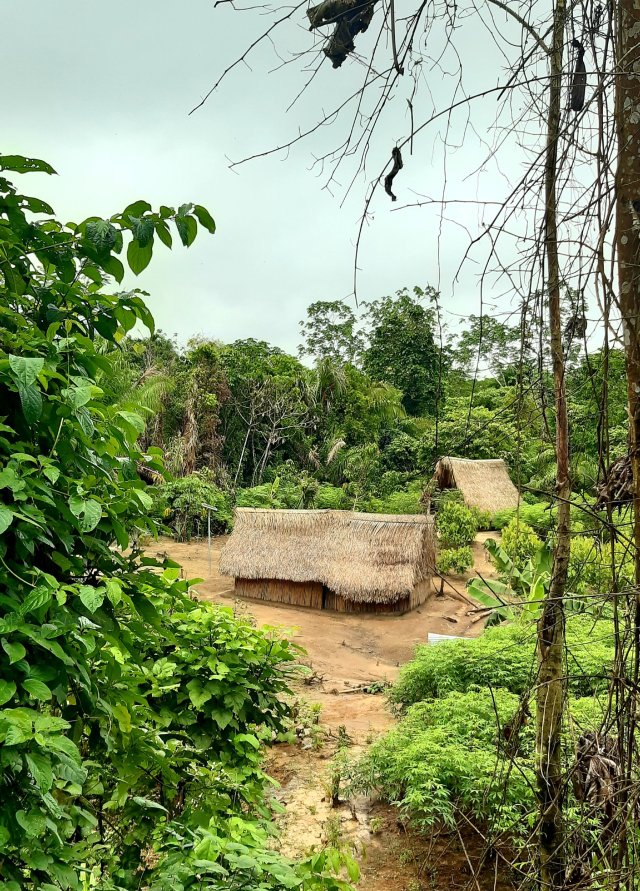
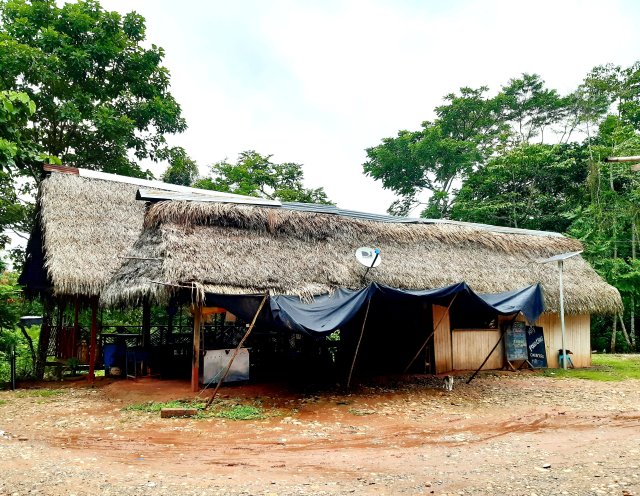 The houses are all built of wood, in a specific style, and on my trip through the jungle I saw signs of deforestation, especially high up on the flat part if the mountains.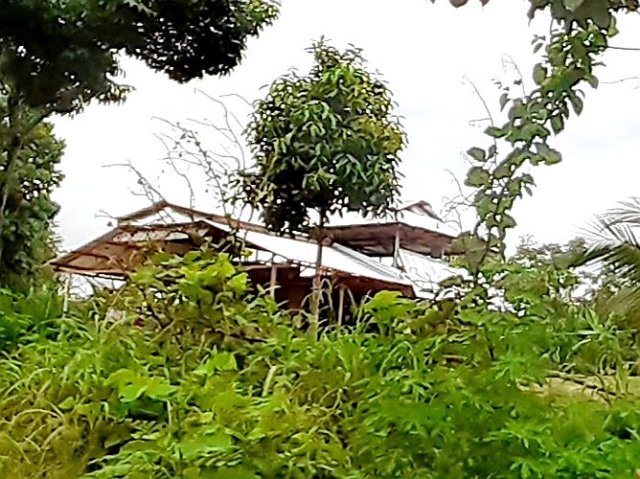
 I saw the full moon rise on my first night in Atalaya, over the Tambo river, which joins the Urubamba (the same one that passes Machu Picchu and Quillabamba), becoming a torrent of water of which I took a picture from the plane when flying back to Lima (the window of the plane was extremely dirty or perished or something, all my photo’s were flops).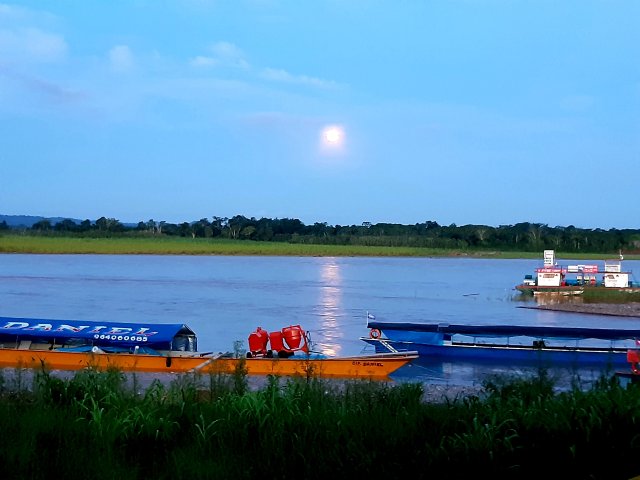
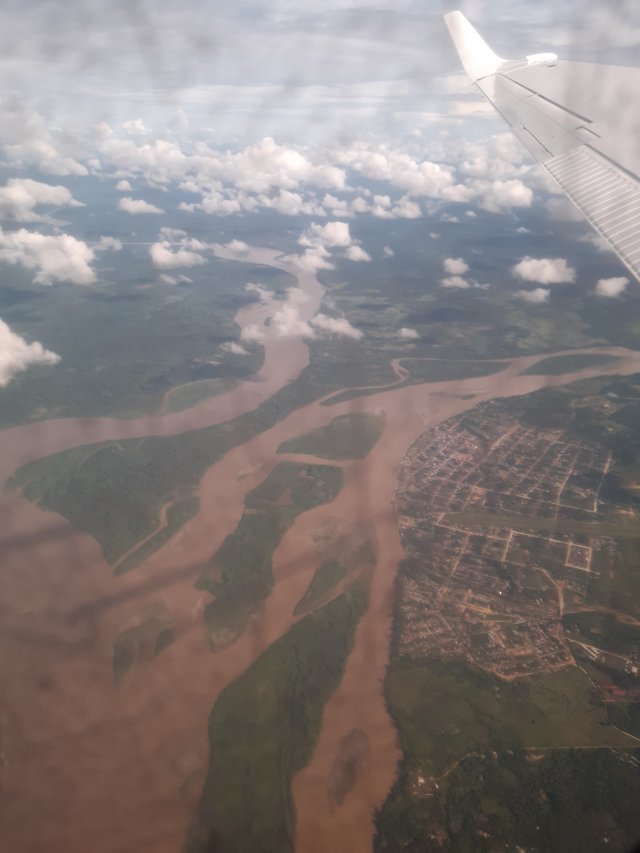 I badly wanted to see the Urubamba at Atalaya (on the photo it is the stream furthest left), so decided to take a boat. After much asking around, I finally found the place from which to depart, but we went to the opposite bank of the Tambo, from which I had to take a motor taxi overland to a little village on the banks of the Urubamba.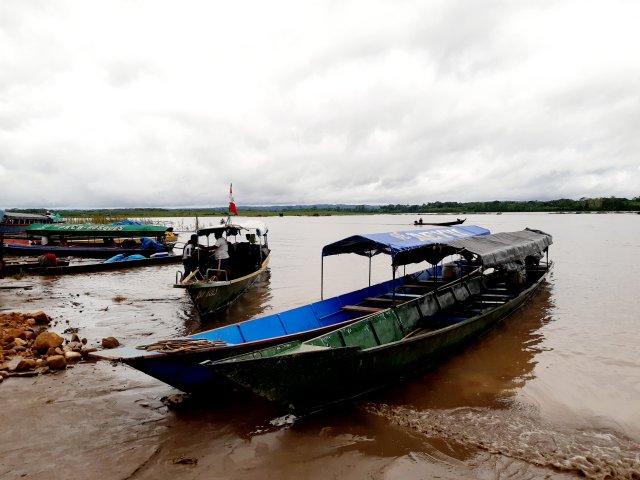
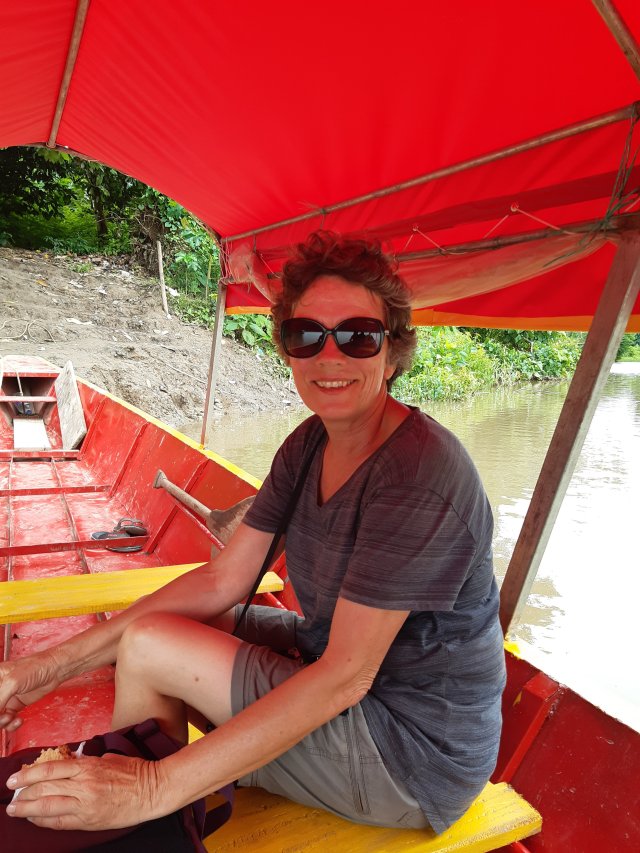 At least I saw it, full of wood, plants and debris after two weeks of rain in the area, I was told. I loved walking through the little town, saw some youngsters playing soccer in a mud field on the square (more falling around in the mud than kicking the ball) and going for a swim in the river after their game. An older man was selling chickens that he was carrying around in heavy wooden crates, calling out as he was walking down the street. He stopped every now and then, wiping sweat from his brow, but would scuttle away when a potential buyer would beckon him.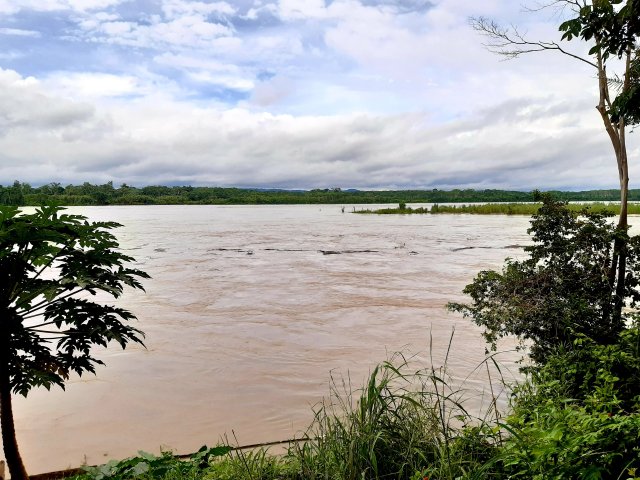
 The night before I left a friend asked me what my general impression of Peru was. I had returned to Lima and wrote the following:
“Good question. Here in Lima (especially Miraflores, which is a modern, perfect and expensive suburb), the contrast between the rest of the country and here is starkly evident. However, as I flew in from Atalaya, I saw the size and poor section of Lima too. About 10m people live here, one third of the population.
My sense of Peru is that the rural towns and people are isolated. Distances are mucho and transport is difficult, and so their traditions and culture live on, especially food, dances, festivals and the traditional textile industry. One ‘modern’ thing that is noticeably present, is cell phones – and like everywhere else, people are addicted to them.
The people are friendly, sincere and not at all touristy, except in Cusco and Lima. They do not bother you and don’t charge more for taxis or at the food stalls, just because you are a ‘tourist’. Everyone seems to be accepted, confident and happy, and as a traveller I was accepted and welcomed as a person wherever I went. There is tolerance for most things, accept for pedestrians. Cars take preference, and beware if you dare try and cross the road in front of one, the hooter will blast you back on the sidewalk!
Interestingly enough, courtesy for them in restaurants means not to bother you at all. The menu is brought, order taken and delivered, and that’s it. If you need anything else, you ask, and when you’re done, you ask for the bill – la cuenta por favor.
Unfortunately there does not seem to be an environmental consciousness as yet. People throw things out of car windows and in the street, do not recycle and distribute plastic bags for everything you buy. Plastic straws are still used. I saw a video clip this morning of waves full of plastic bottles on a beach south of Lima, horrific. They come down rivers after rain and pollute the sea. It was mentioned that the government is trying to pass legislation to diminish the use of plastic. There is hope!”
Muchas gracias Peru, it was a memorable experience!
 Mella Madness