On my arrival at Quillabamba, a volunteer at QuillArt (the art institute where I’m doing volunteer work) told me of her trip to Machu Picchu from here, the local way. Jennifer, my host, enthusiastically joined the conversation, extolling the incredible beauty of Machu Picchu and expertise of the Inca’s. I was persuaded, and promptly bought my online ticket, which cost $65. I later discovered that the tickets on the government website, http://www.machupicchu.gob.pe, were $20 cheaper, ugh! Only 2500 people are allowed to enter per day, and only 400 may climb Huayna Picchu, the peak that forms the backdrop to the citadel. I read that UNESCO is considering declaring Machu Picchu an endangered World Heritage site because of the many tourists and to prevent mismanagement. In the late 1990’s the Peruvian government approved the building of a cable car and 5-star hotel, including a tourist centre with boutiques and restaurants, which was fortunately stopped as a result of protests against it. In 2018 negotiations were re-opened for the building of a cable car to encourage Peruvians to visit the site.
Too much effort to write it all in my own words, so here is some information I found on MAPS.ME: “Machu Picchu was constructed as an estate for the Inca emperor Pachacuti (1438–1472). Often mistakenly referred to as the “Lost City of the Incas”, it is the most familiar icon of Inca civilization. The Incas built the estate around 1450 but abandoned it a century later at the time of the Spanish conquest. Although known locally, it was not known to the Spanish during the colonial period and remained unknown to the outside world until American historian Hiram Bingham brought it to international attention in 1911“.
Okay, info done, so last Saturday another volunteer here (Gabriela), Derjarth (Jennifer’s 17yr old son) and I started out from Quillabamba in a minivan filled with a lot of locals. Derjarth had never been to Machu Picchu, but had been to Santa Theresa, our first stop (49km), and had warned us about the precarious road along the mountain tops, with sheer unprotected drops down to the river below. Suffice it to say that had I had a fear of heights, I would have preferred to walk…
At Santa Theresa we had to take another taxi to Hydroelectrica (10km), where the road stops. The only way to get to Machupicchu Pueblo, or Aguas Caliente as it is also called, is by train or walking the 11km. We opted for the second – a fairly easy walk along the railway-line and Urubamba river through a green and lush canyon. We were in high spirits, the weather was perfect, cloud cover but no rain, and we could see Huayna Picchu, even spotting some people and buildings at the top.
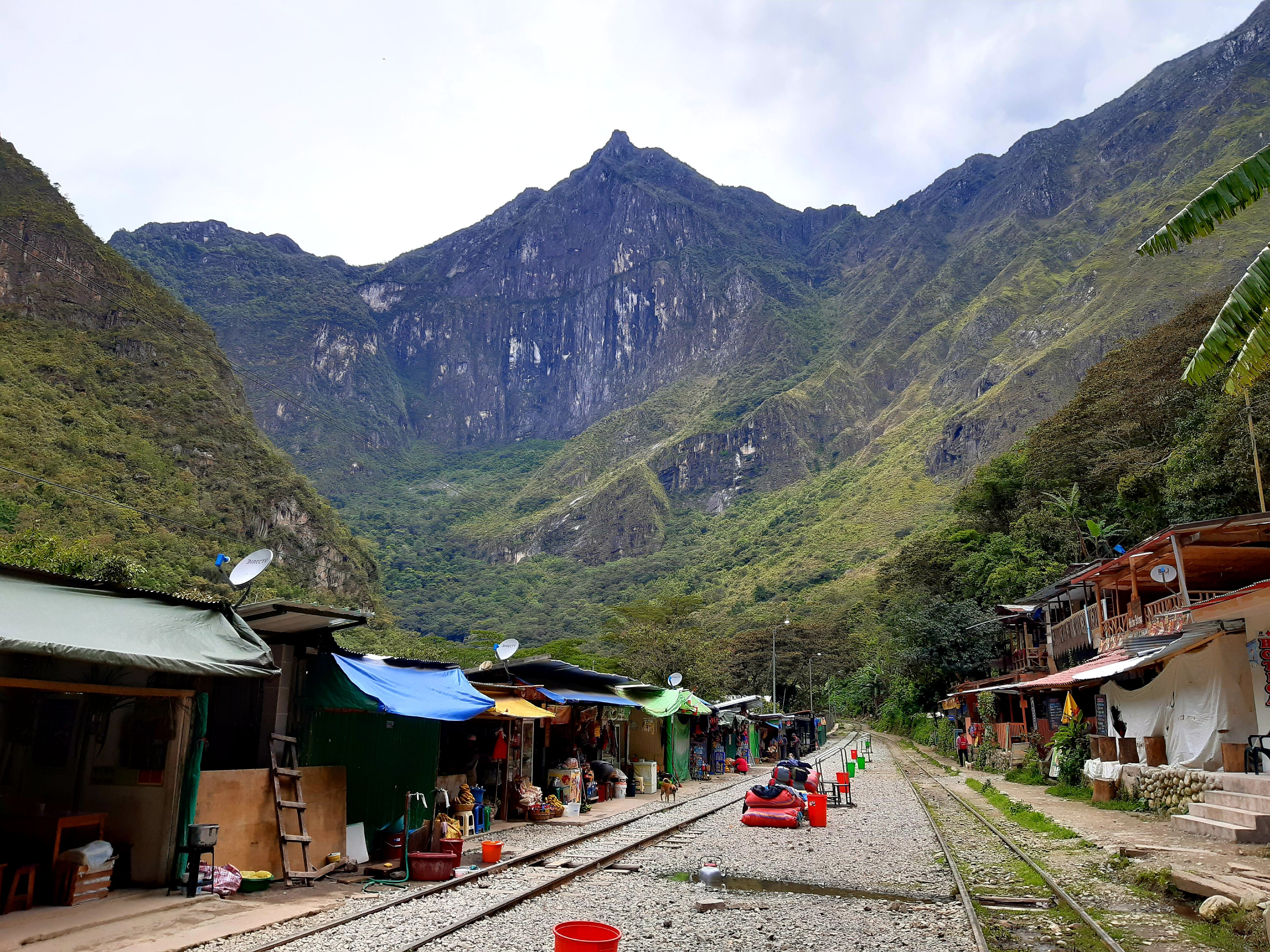
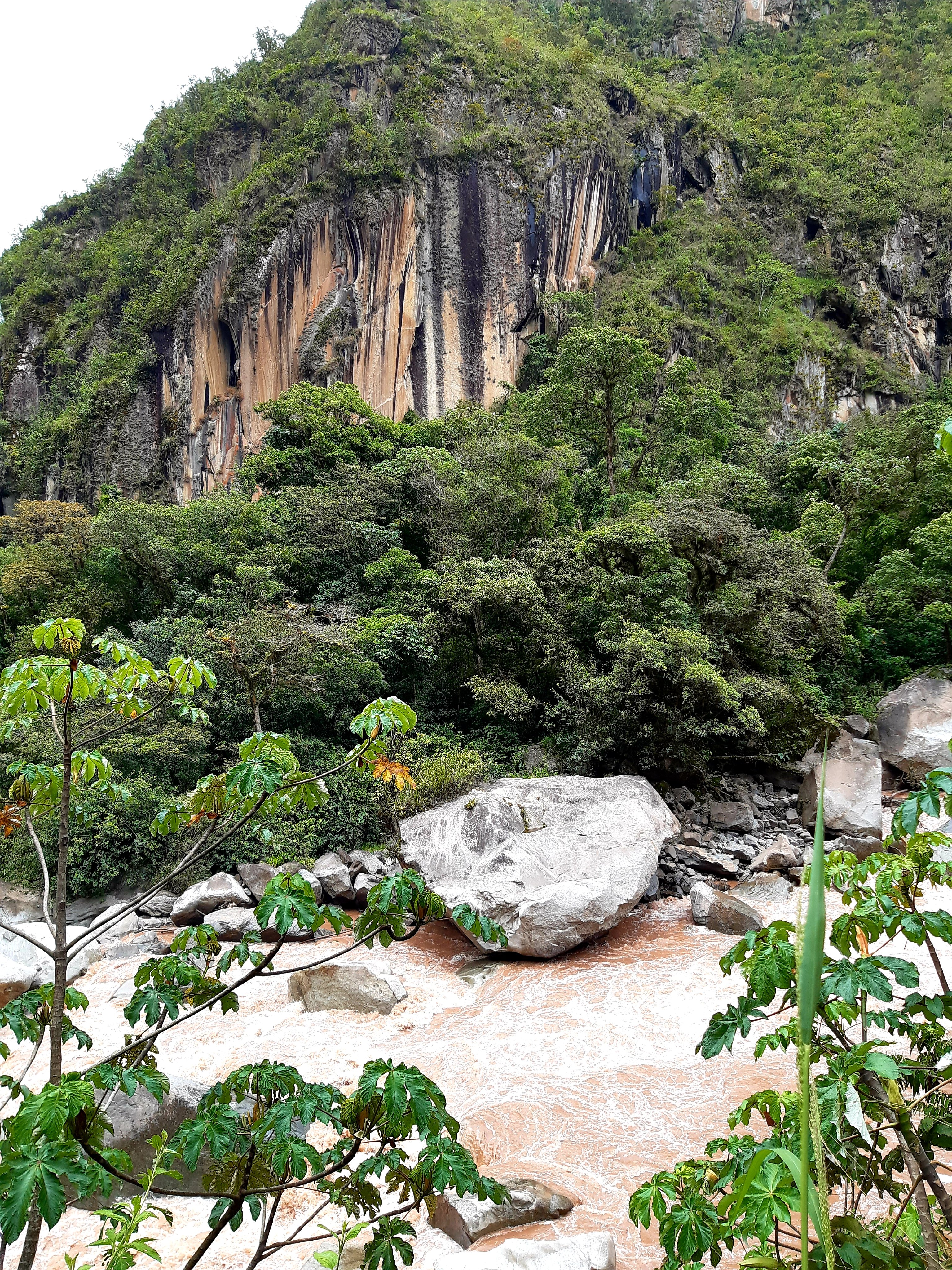
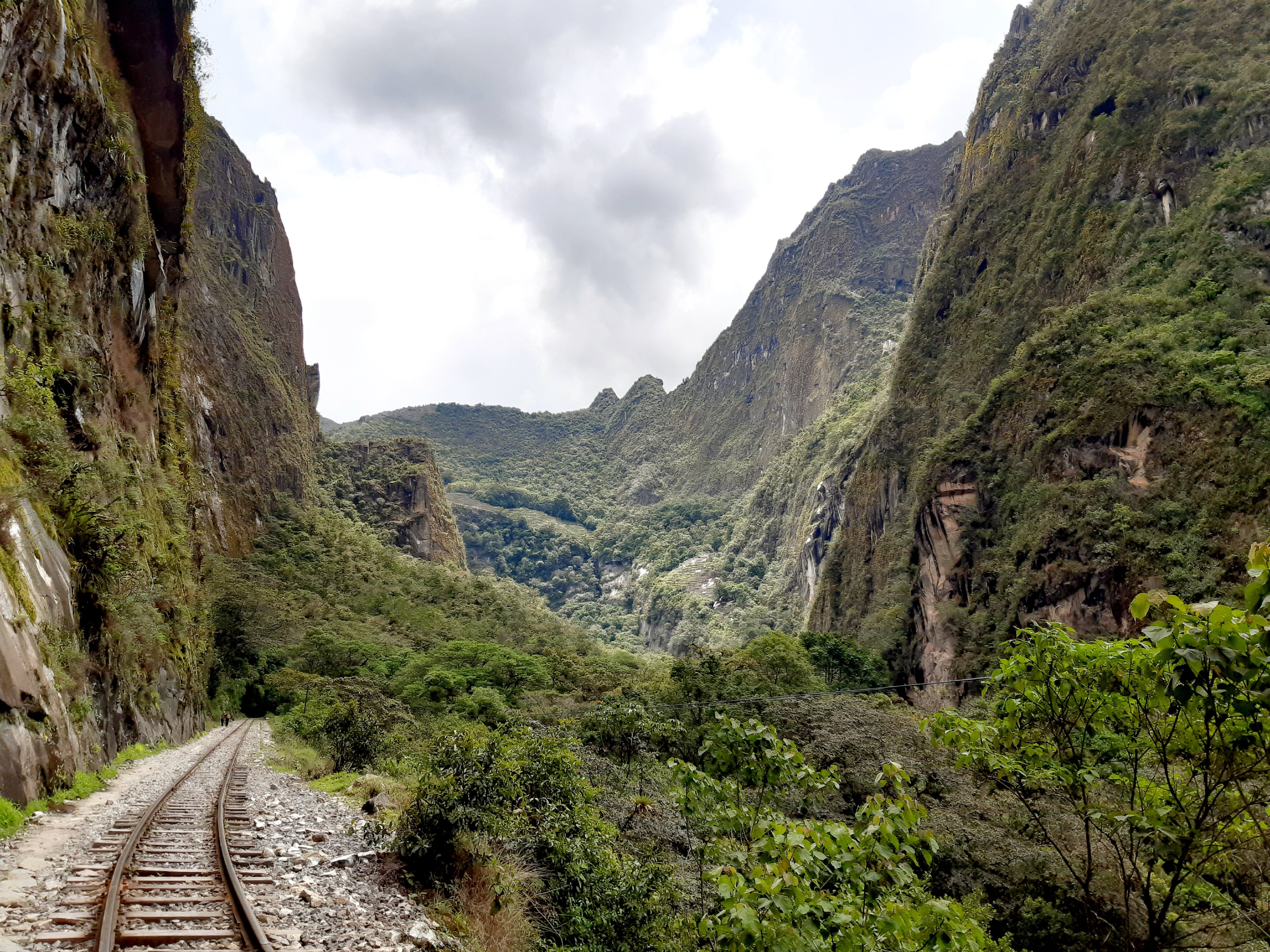
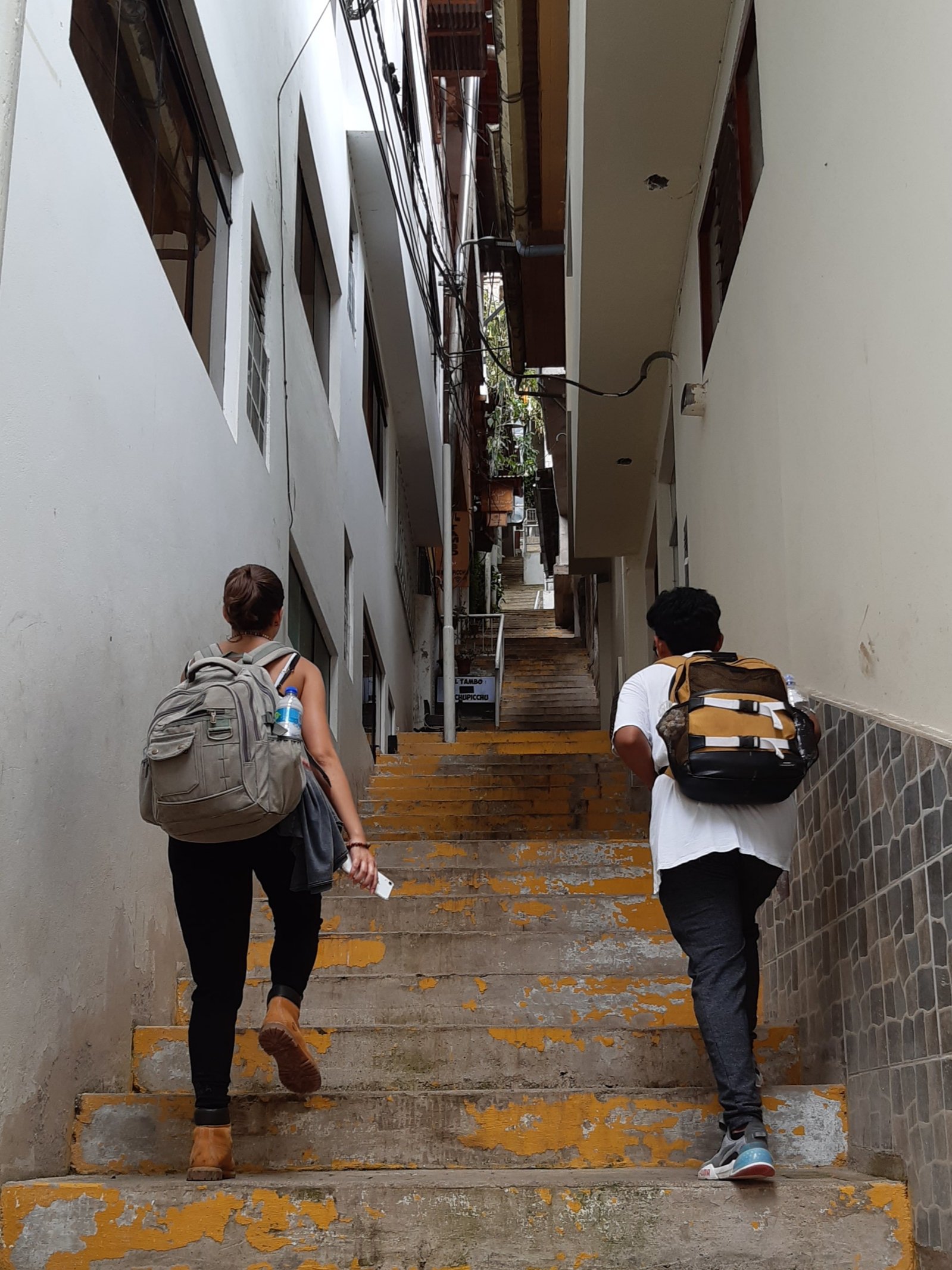
We arrived in Machupicchu Pueblo at about 2pm, only to discover that we had about another million steps to climb to our very quaint, clean and cheap hostel.
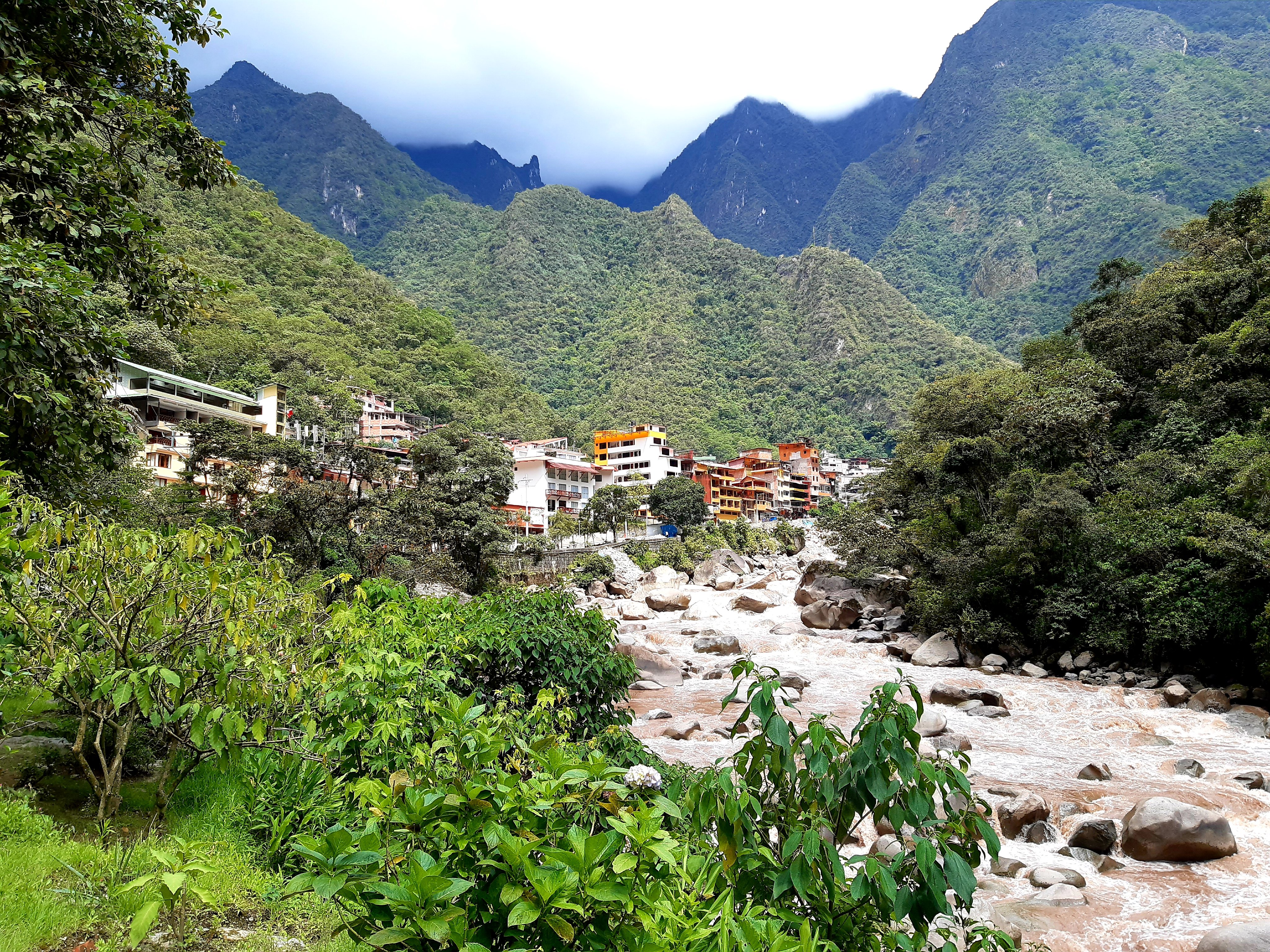
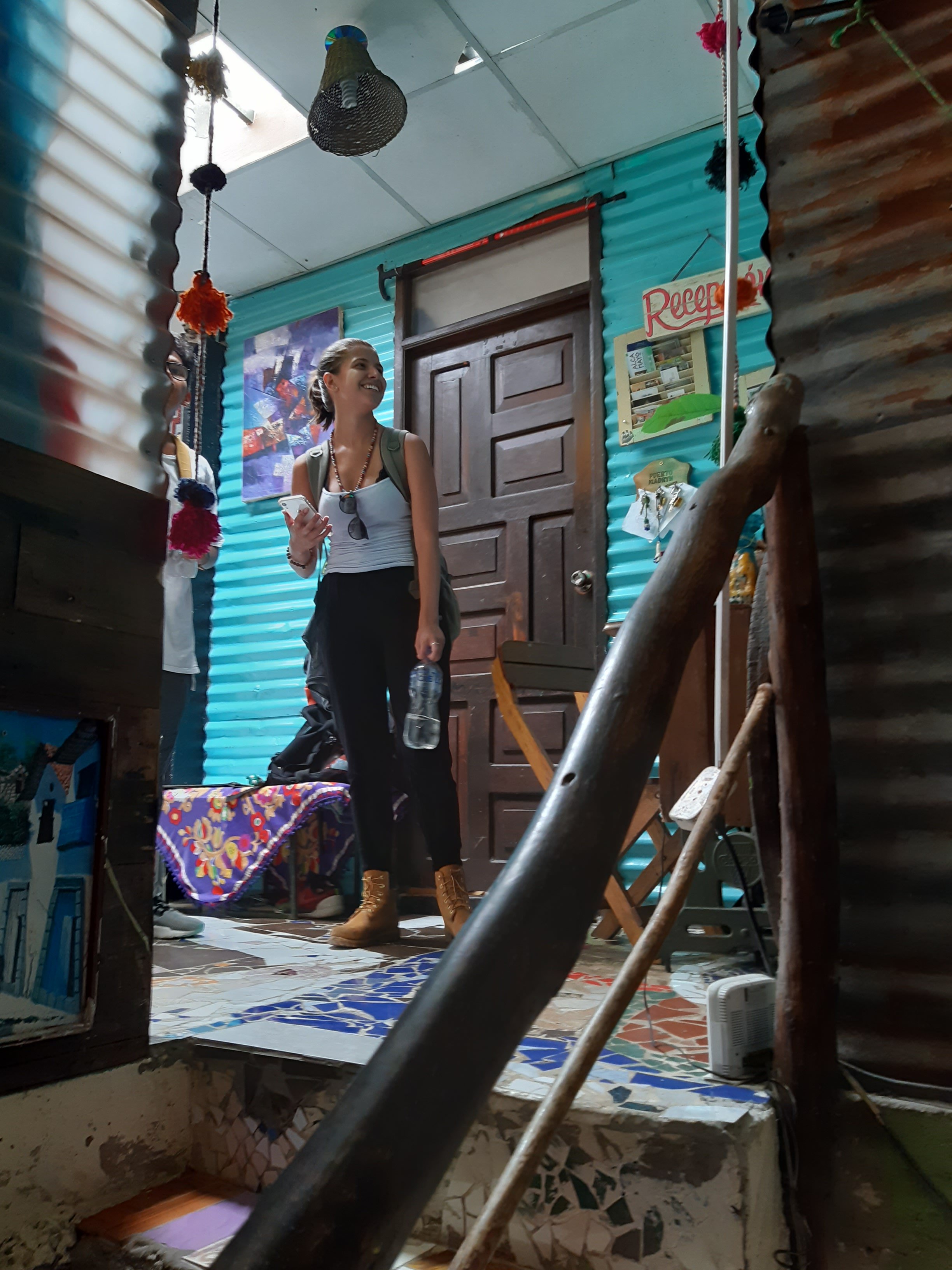
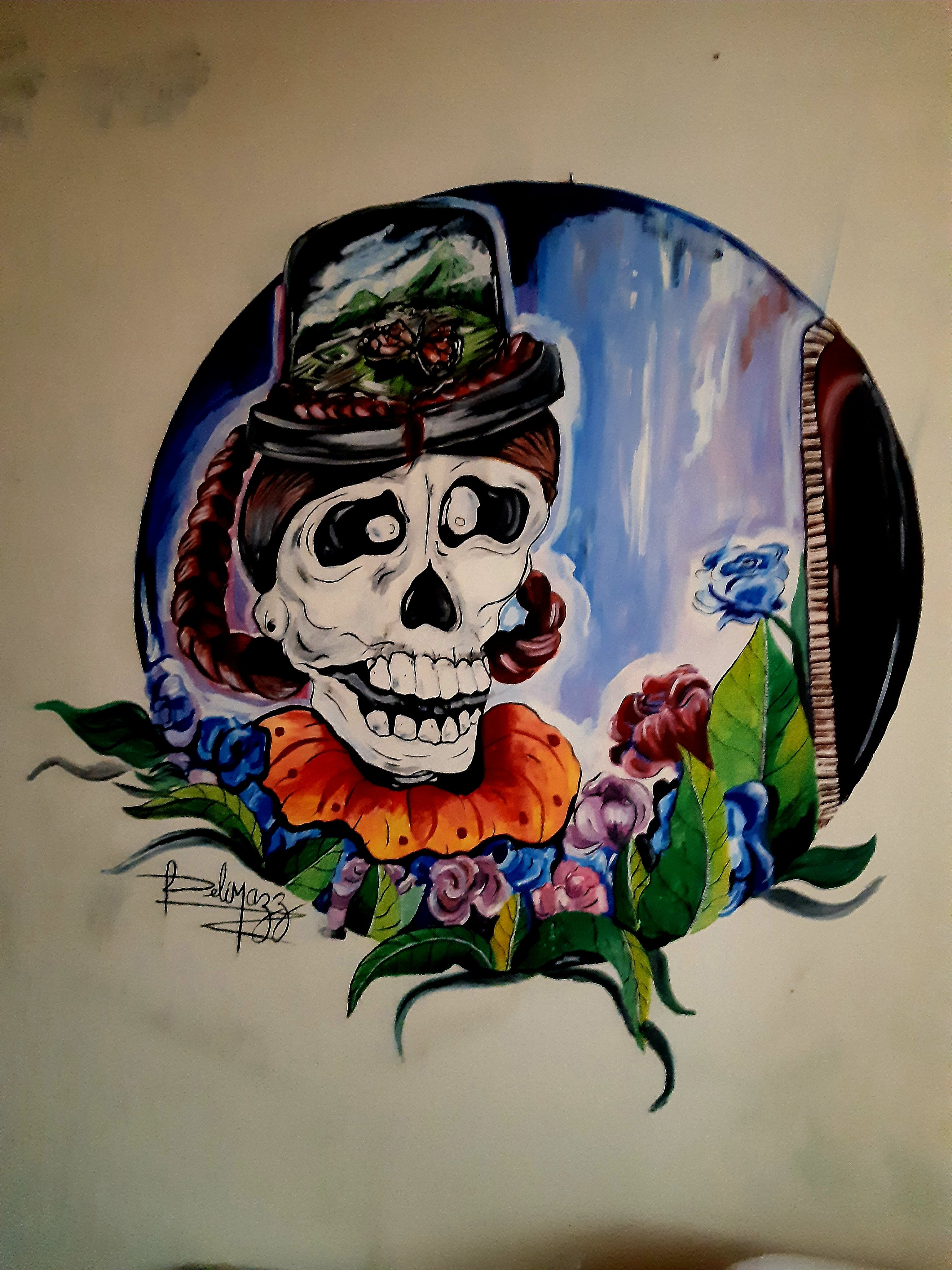
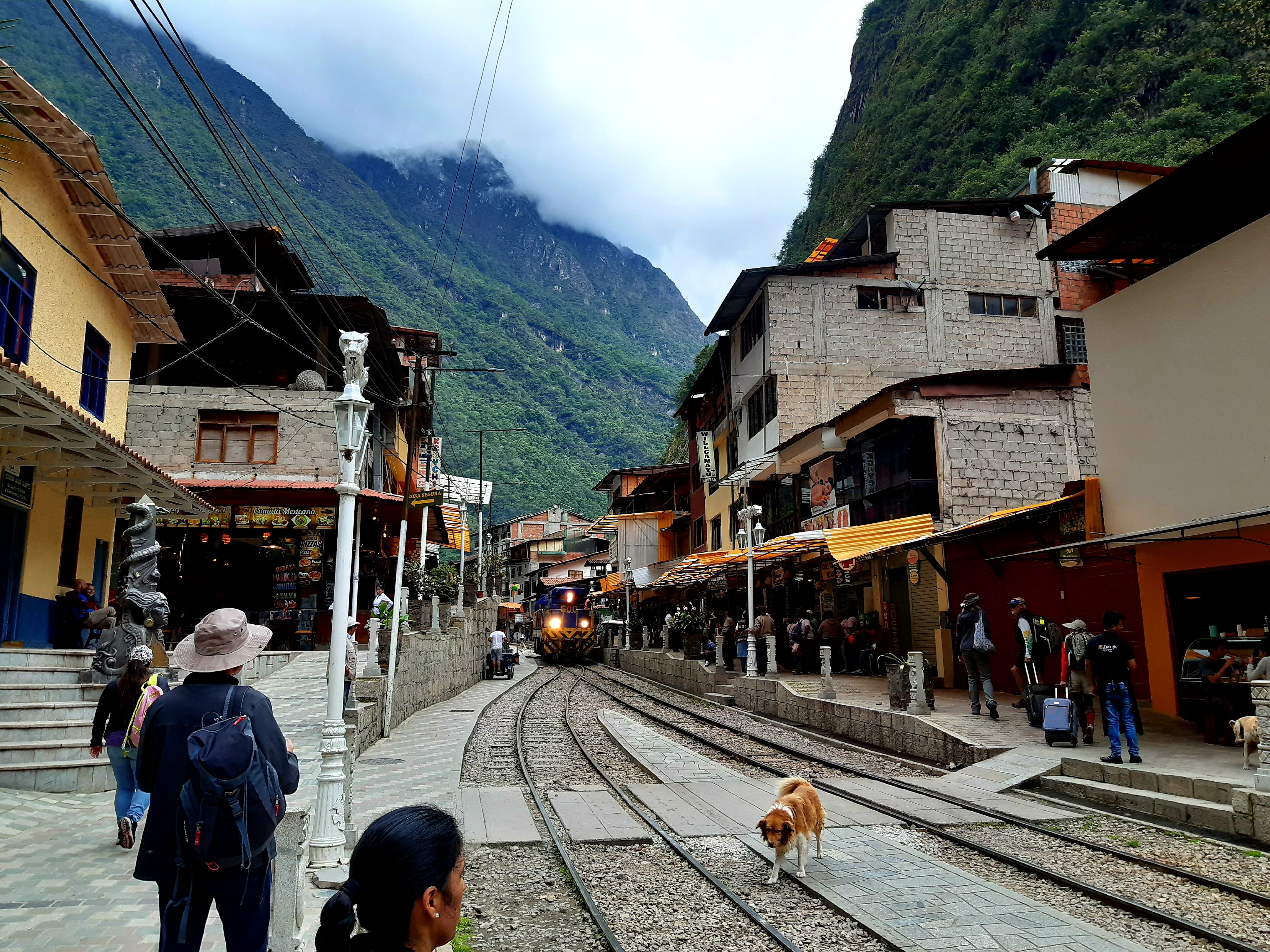
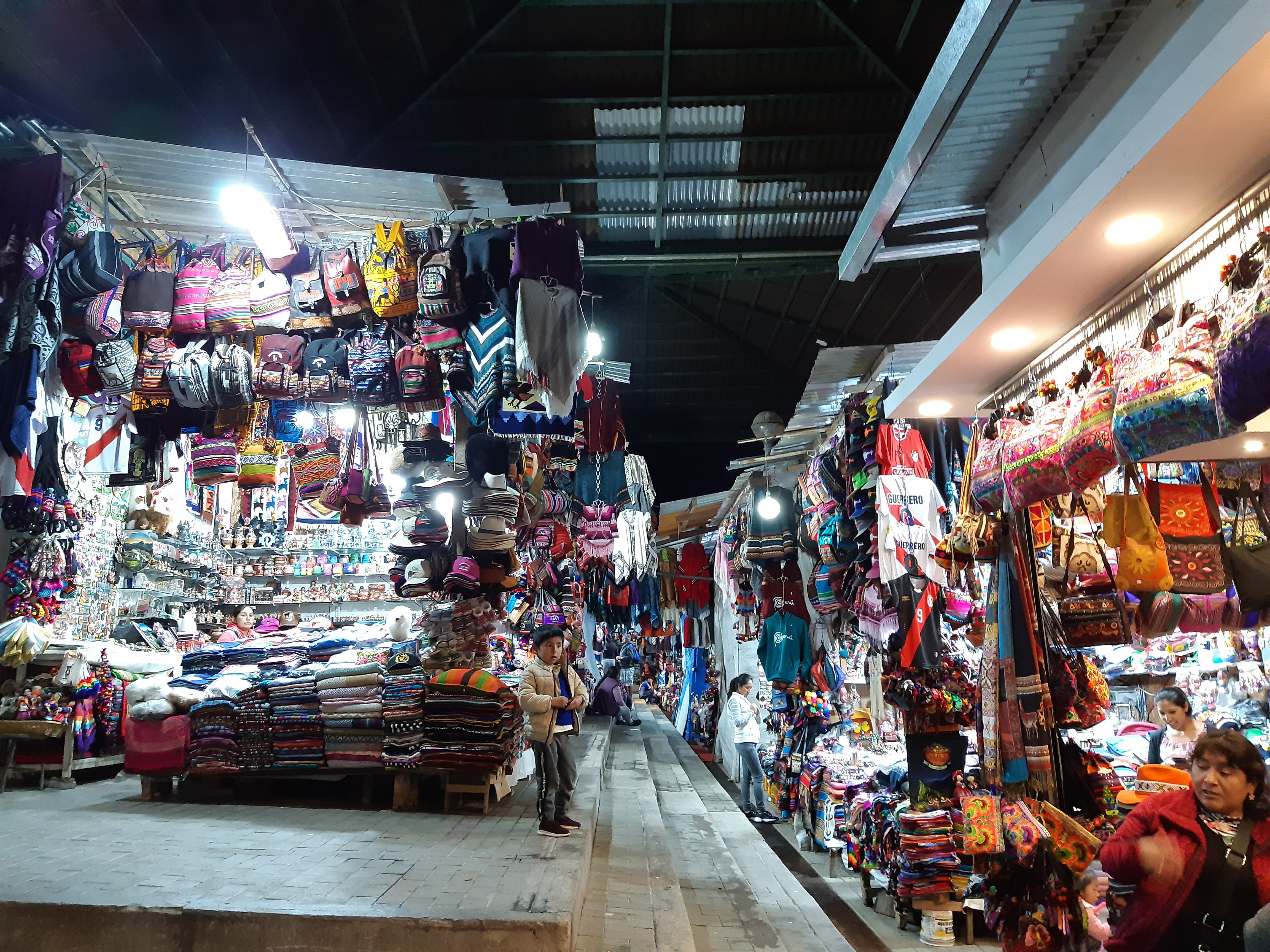
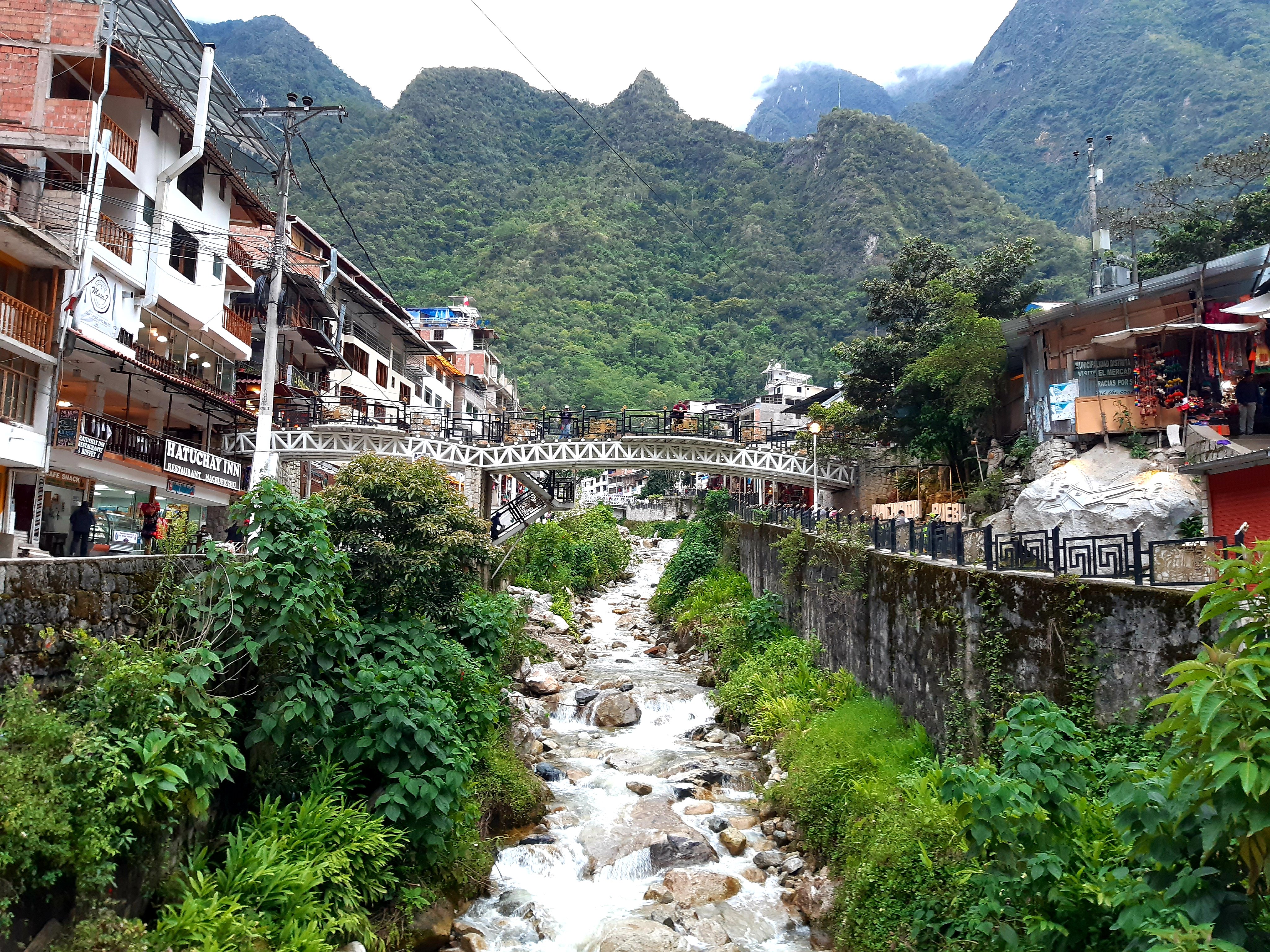
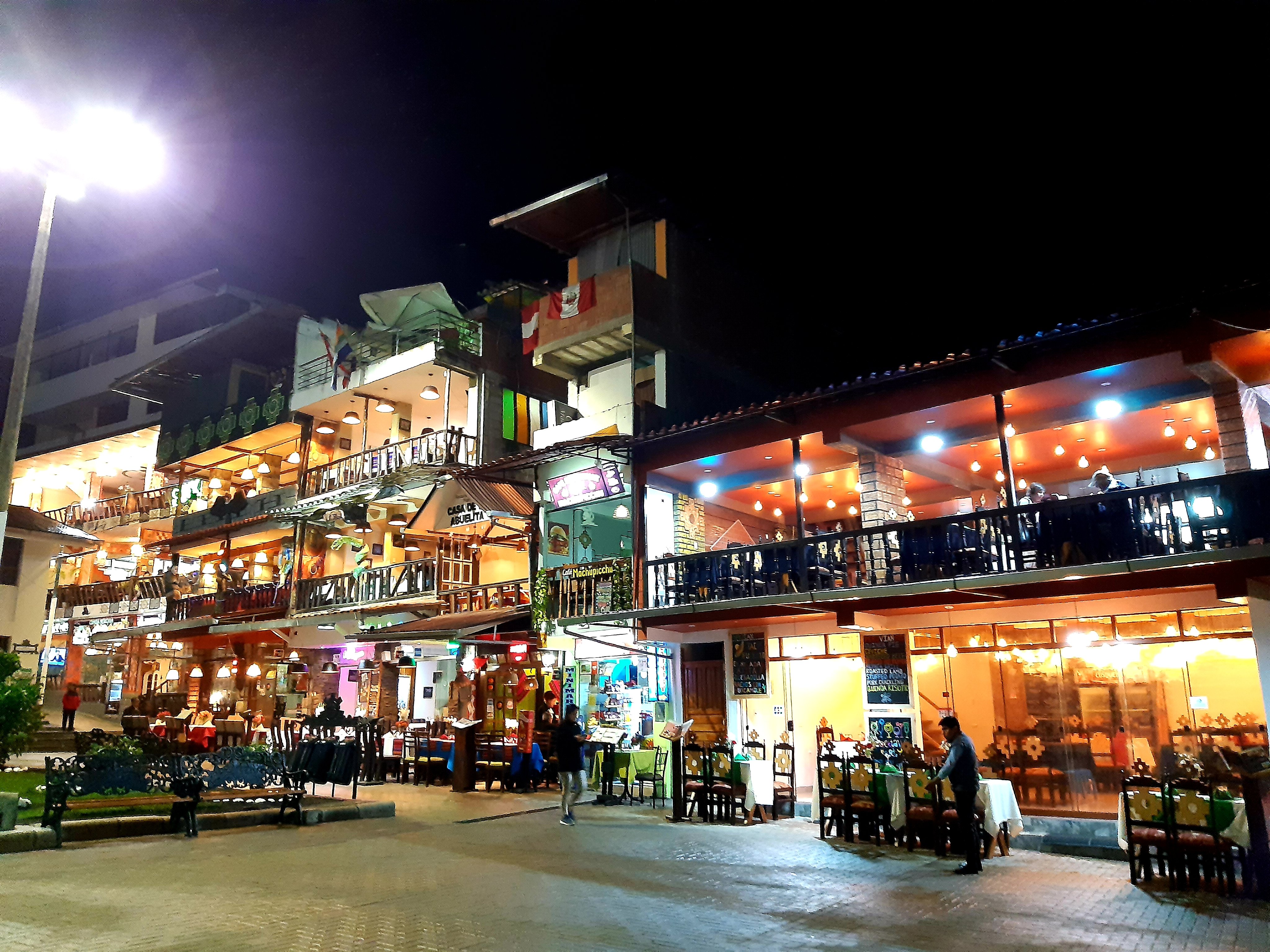
Machupicchu Pueblo is 2km from the starting point of the climb up to Machu Picchu. Everybody, apart from the people doing the Inca Trek or similar hiking trips, passes through there, staying at least one night. It is the most touristic town in Peru, of that I am sure, and every house offers accommodation. Restaurants, souvenir and artisan shops, all other kinds of shops, markets and coffee shops abound. The train and a river run through the middle of town, with bridges connecting the two sides. I was wondering about the buses that are available to transport people to and from the main gate at the top of the mountain, as there are no roads leading into the town. Evidently they were brought in by train, and are not allowed into town further than where the railway-line crosses the road.
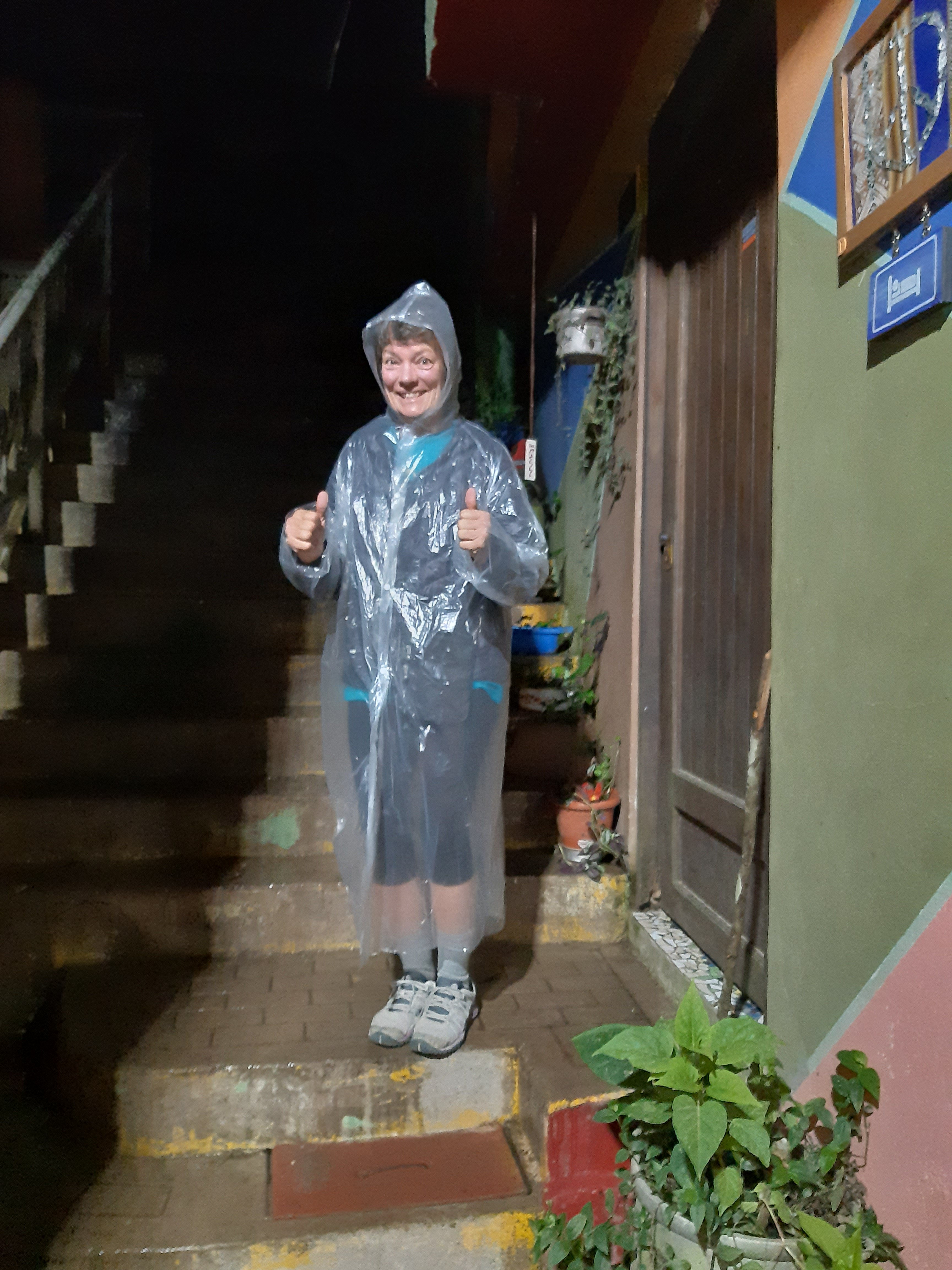
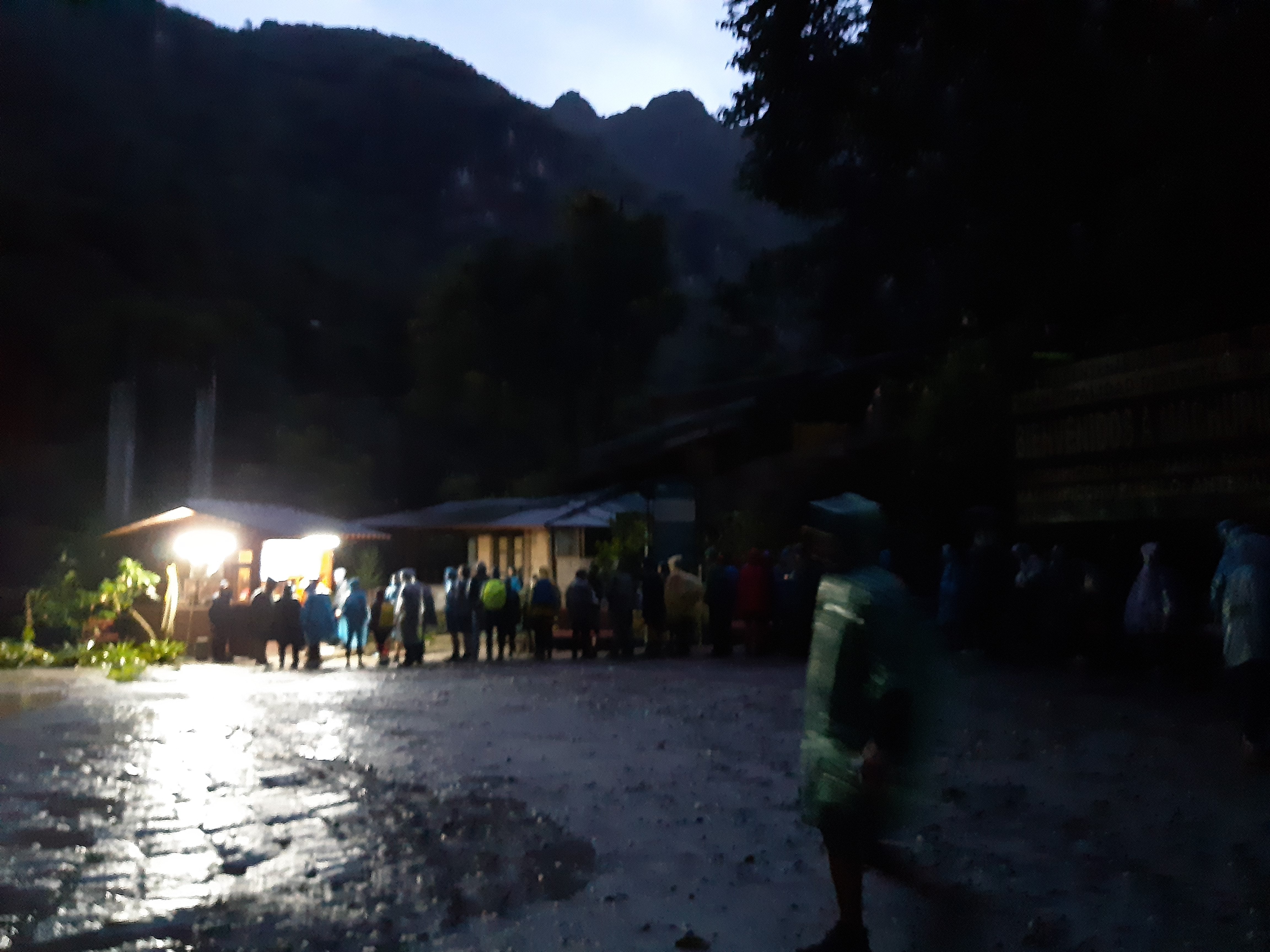
The hostel was willing to serve us breakfast at 4am, a hearty meal of bread, butter, jam, eggs and coffee, to which I added a cup of strong coca tea for that energy boost I knew I was going to need. We started out on the first 2km trek at 4:15am, in darkness and pouring rain, not talking much. People were passing us at full speed all the time, and I wanted to tell them it was not a race, but thought better of it and kept my thoughts to myself. We were stopped at the bottom gate, where for some reason or other they had to check our passports and tickets. We waited in the queue for about 20 min before they opened the office, which meant that we got to the top after 6am, the time that the gates open. By then busloads of people had been dropped, but it was still okay.
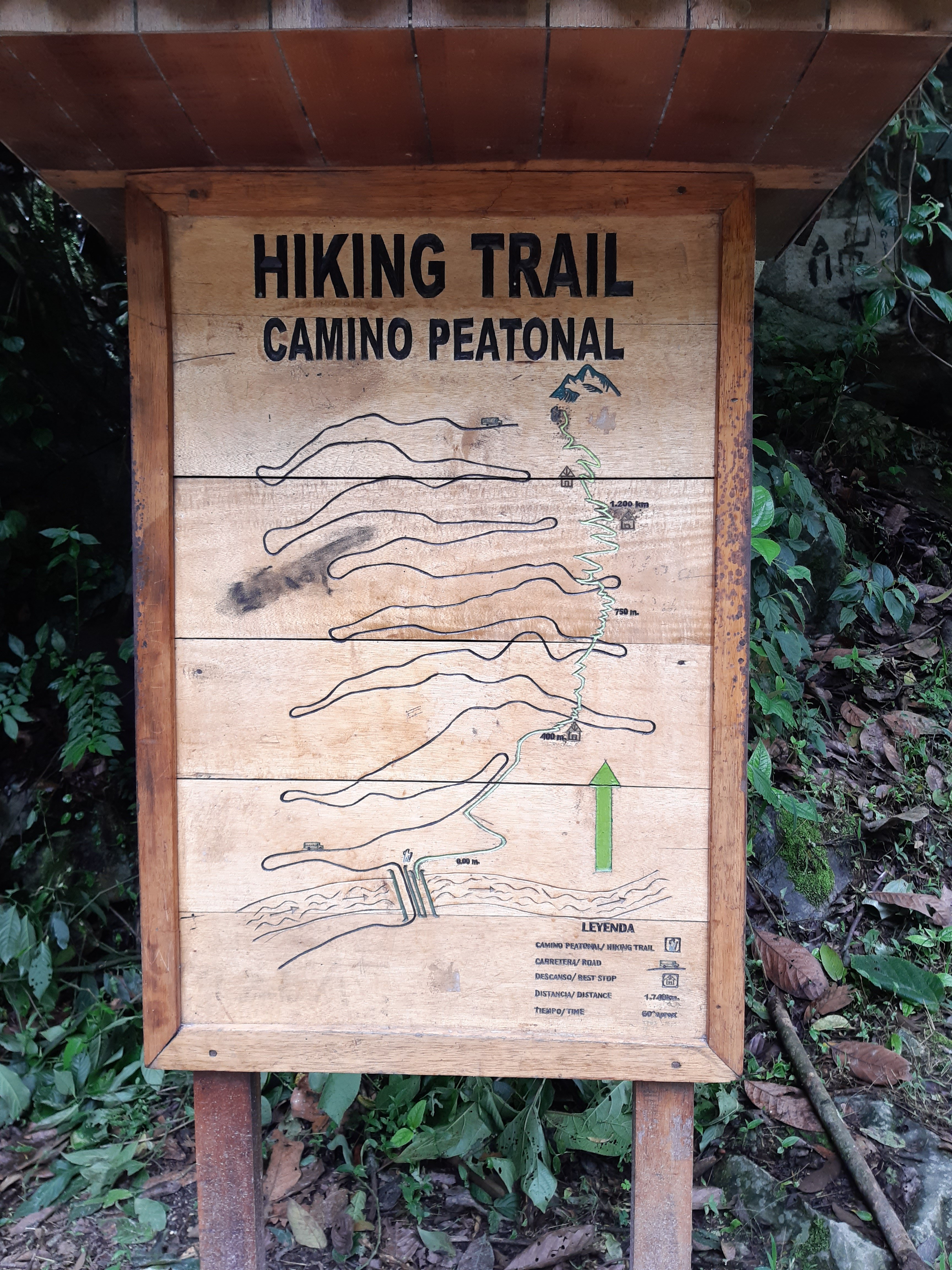
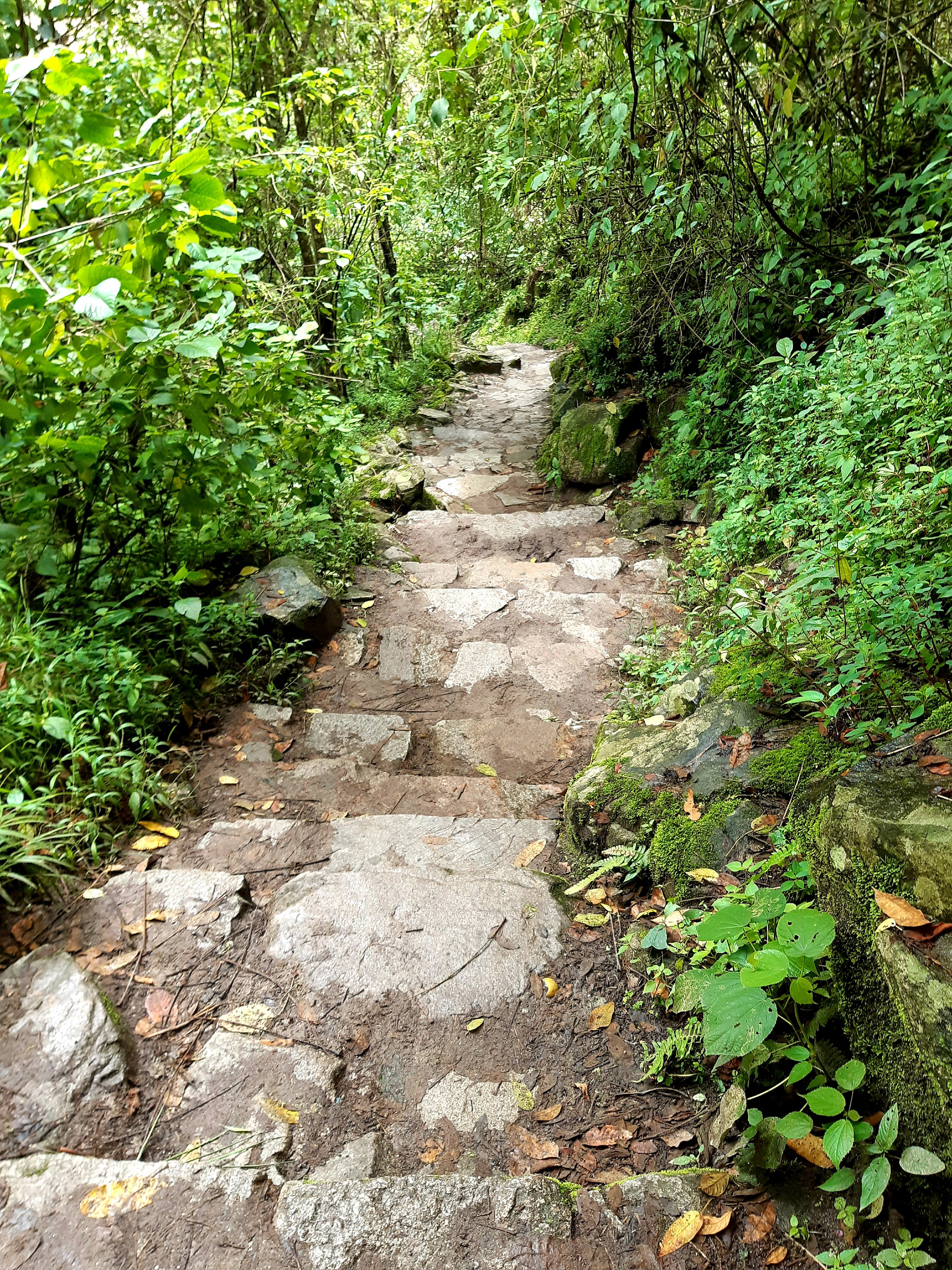
The path is paved with rock steps and goes straight up, wheras the buses take the zig-zag road. As dawn started breaking the rain eased up a bit and the view became more and more breathtaking.
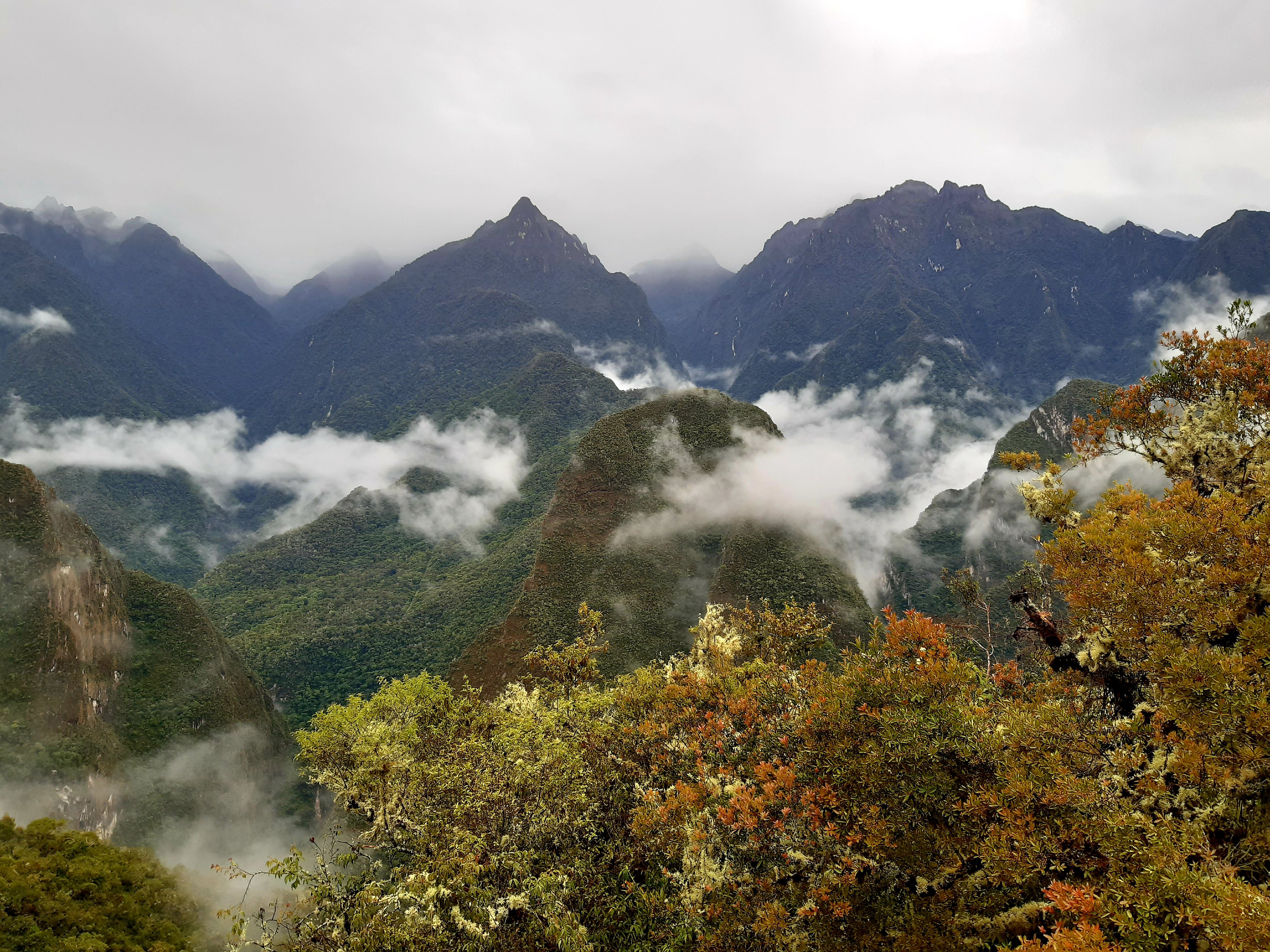
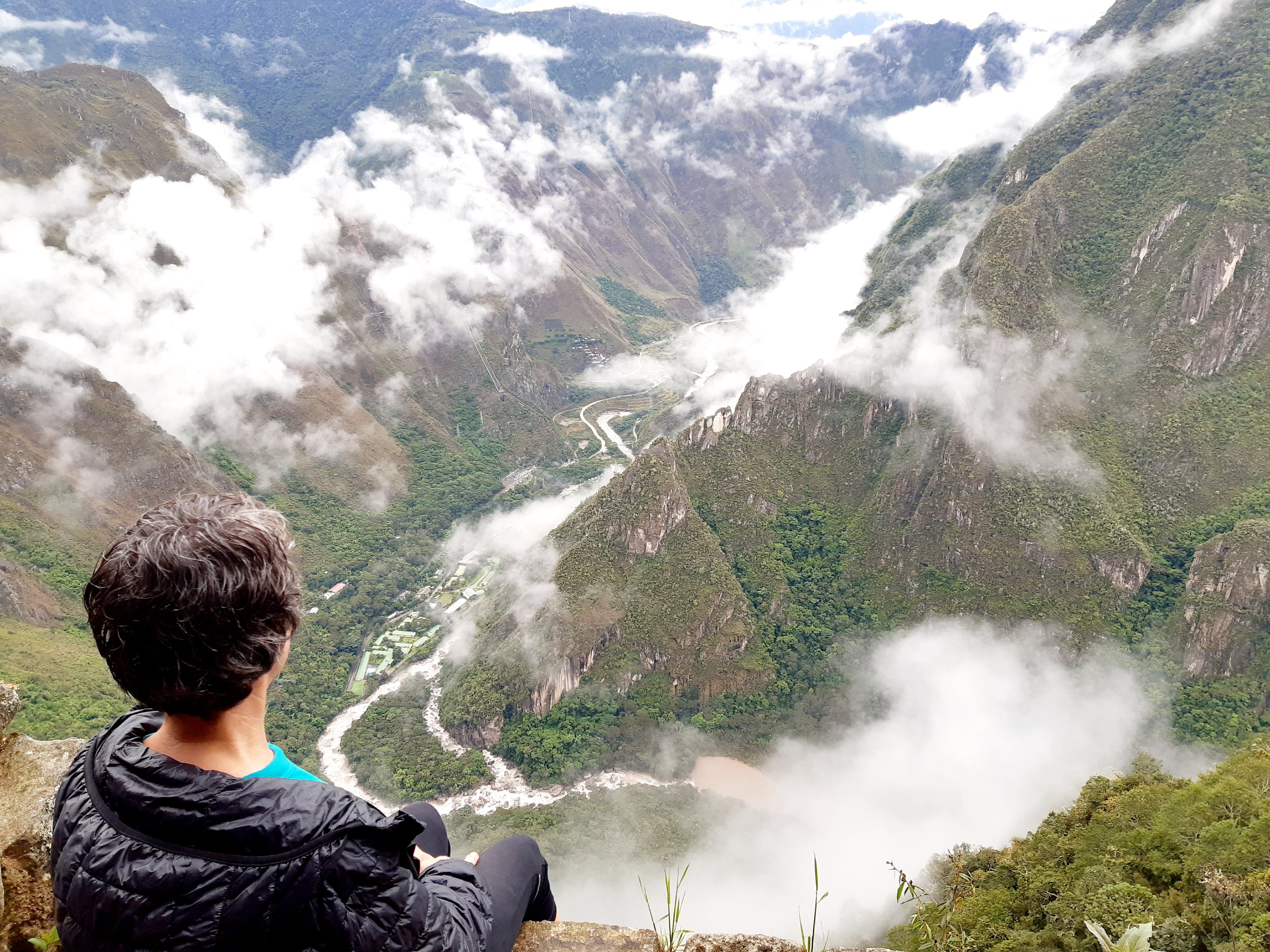
By the time we reached the top, I was soaked, a mixture of rain and sweat, but the view made it all worthwhile. I will let the pictures speak for themselves.
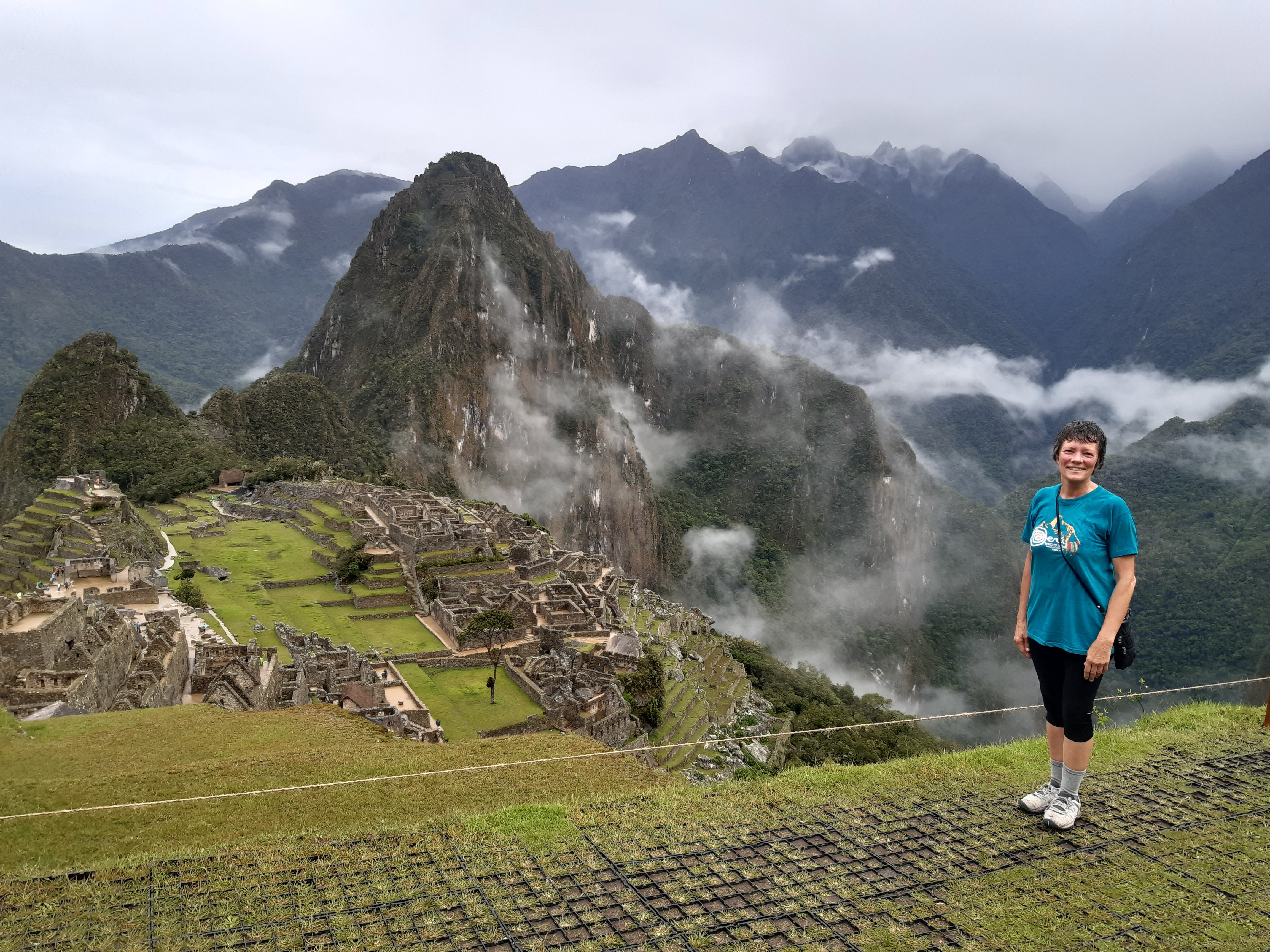

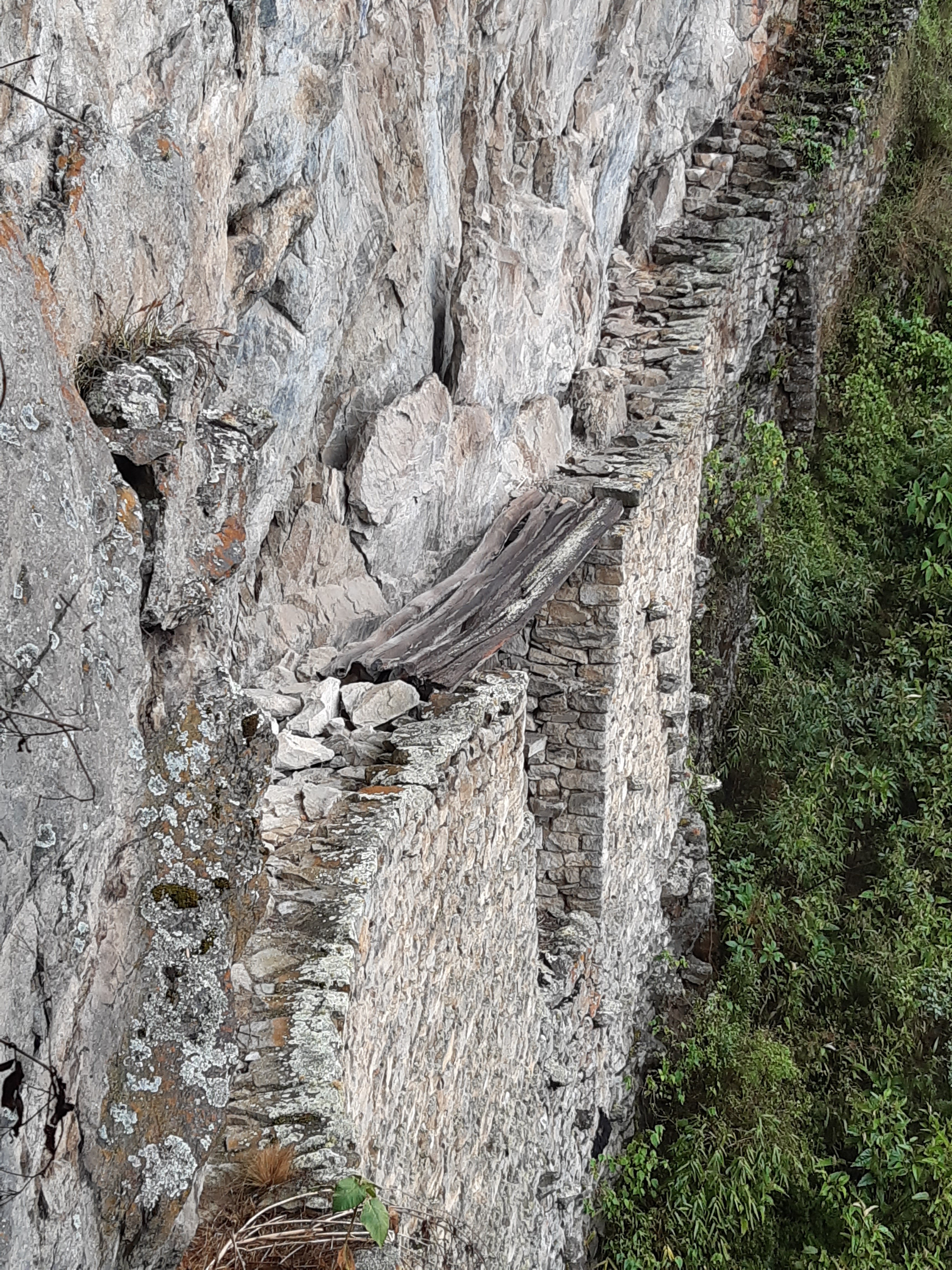

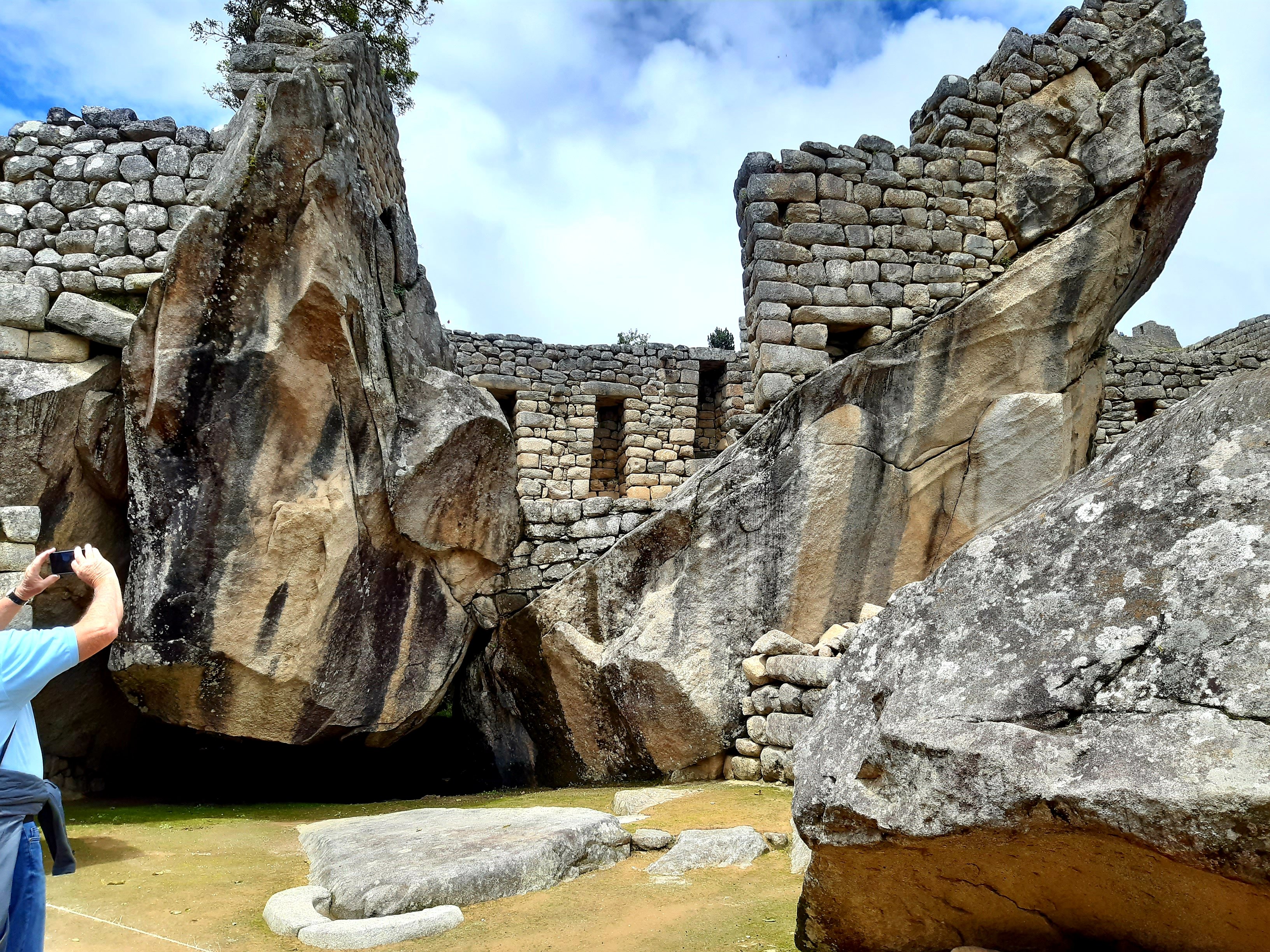
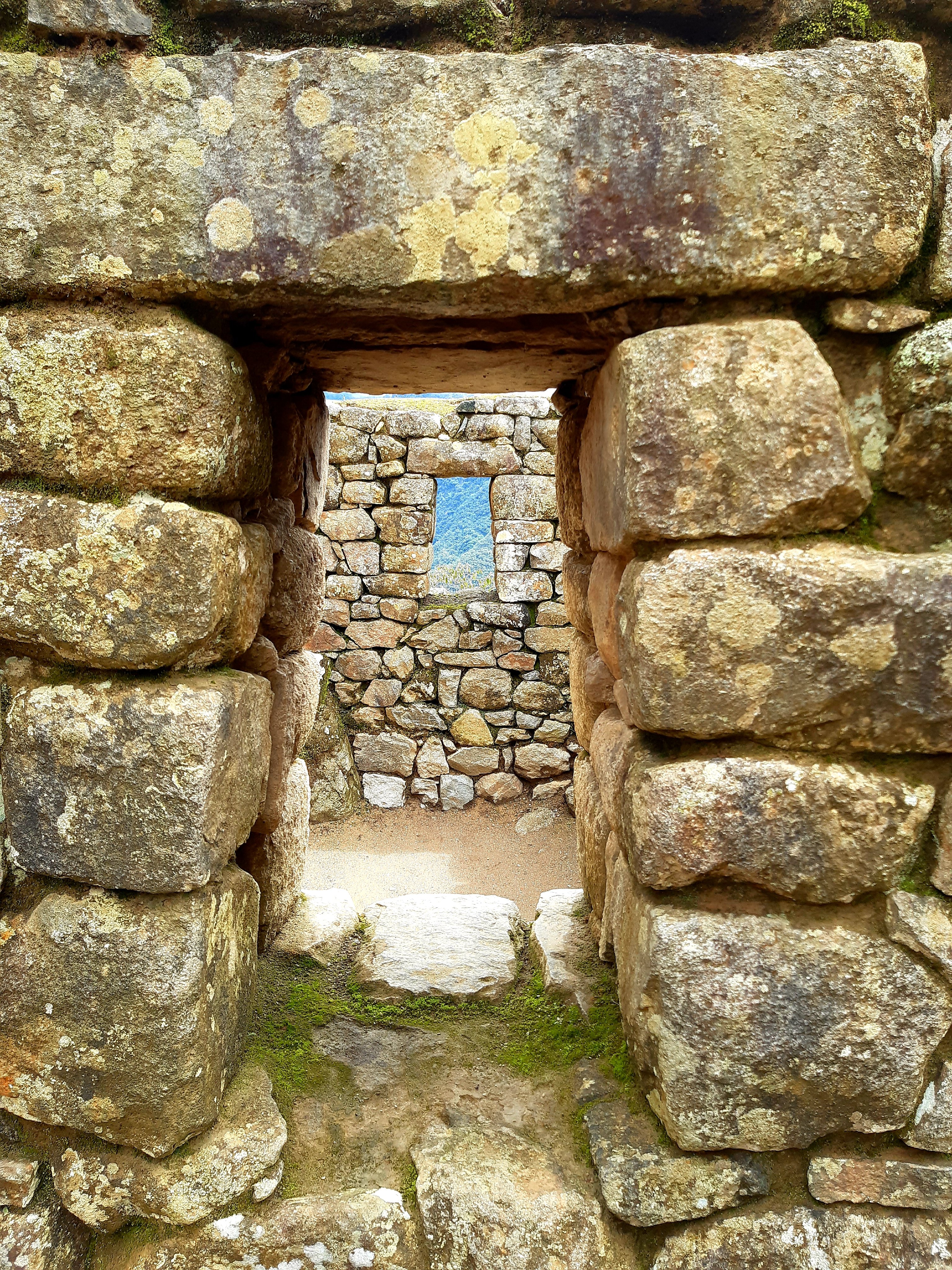
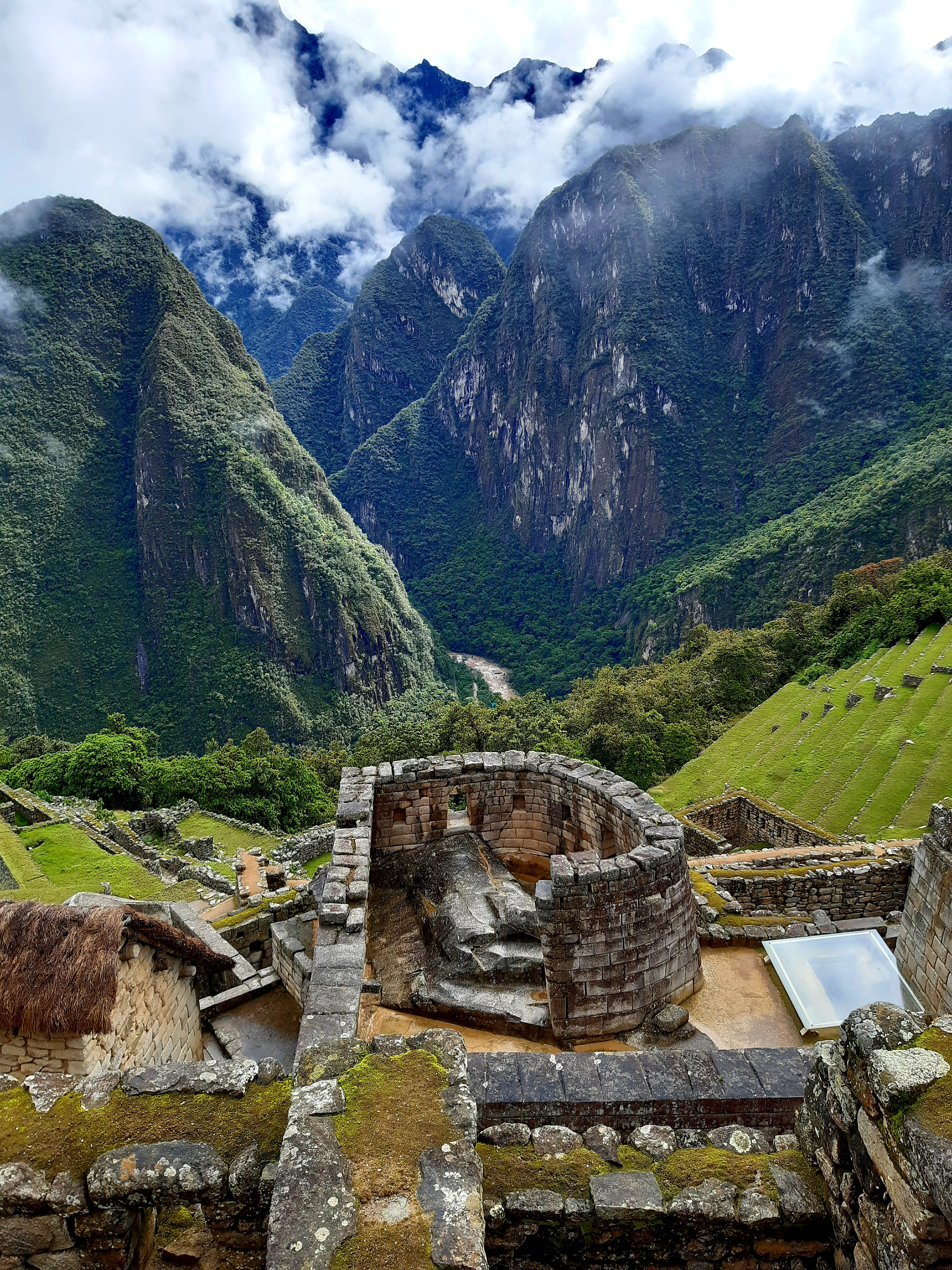
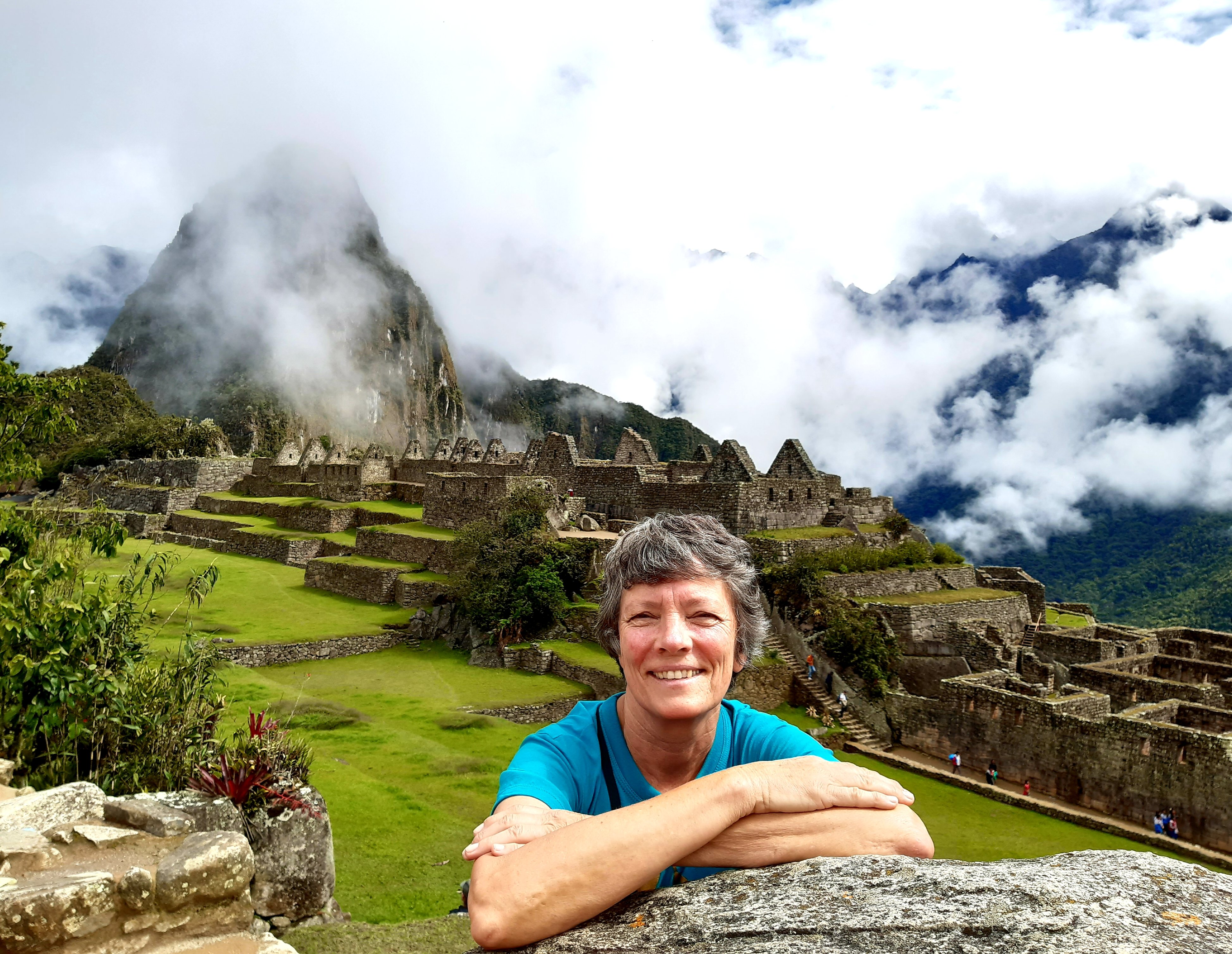
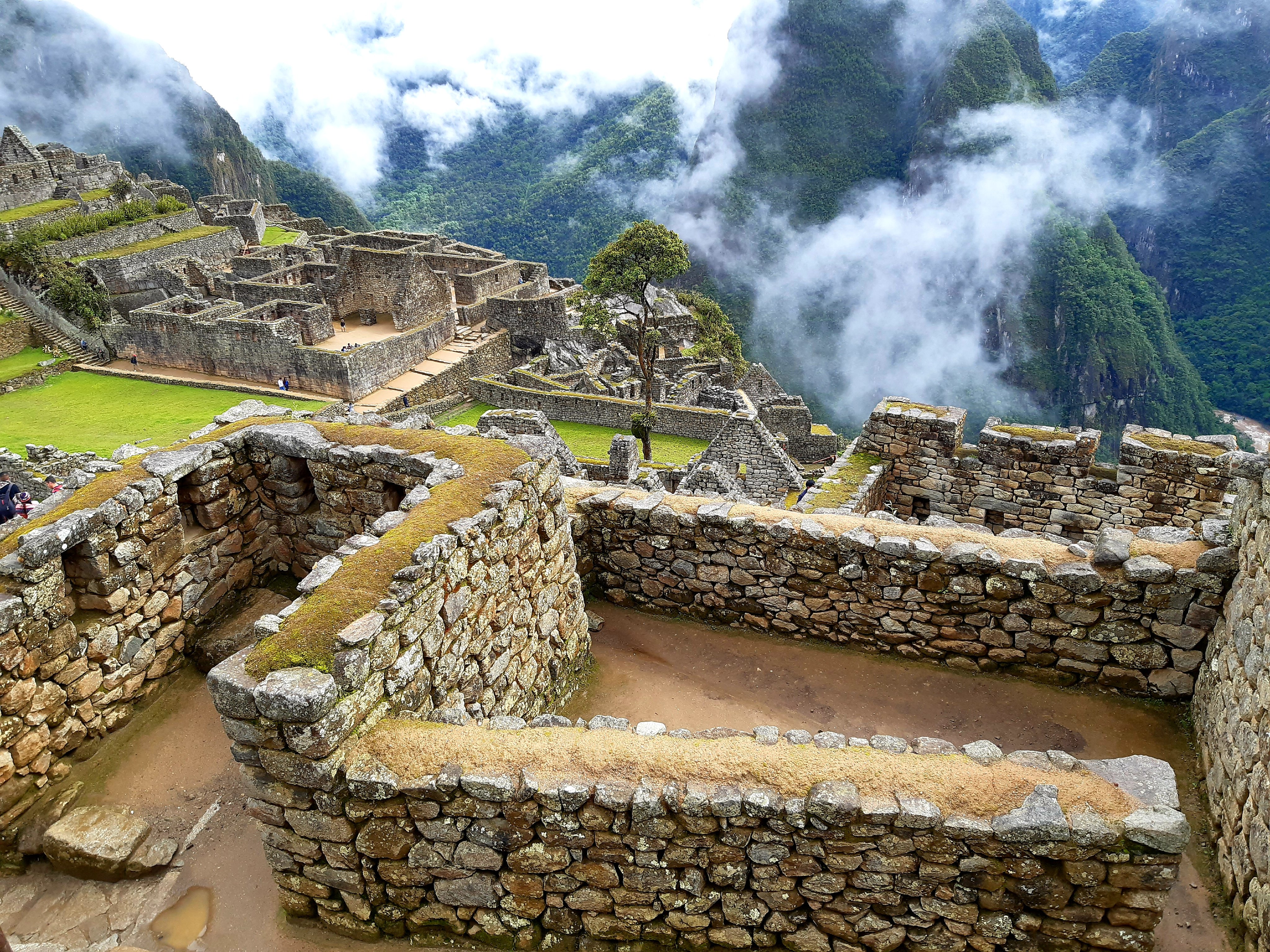
Machu Picchu has a perfect location in a big bend in the Urubamba river with sheer cliffs forming protection on 3 sides. The remaining side had only two entrances, one the Inca trail and the other the Inca bridge, which is a kilometer or so to the west of the ruins. One is not allowed to walk onto the bridge (thank goodness, as you can see from the photo), but how the Inca’s managed, heaven knows.I have the greatest admiration for the Inca’s and what they managed to accomplish so many years ago. It is sad that they only occupied the citadel for about 80 years, but a good thing it was not discovered by the Spanish, else it might have been destroyed as many other buildings were. It was slightly discomforting to have to walk along designated one-way pathways, even having signs saying: ‘don’t stop, keep on moving’. Made one feel a bit ‘sheepish’ and pressurised.
For me, ultimately, it was an unforgetable and exalting nature experience, one that literally made me feel on top of the world.
 Mella Madness