An artist, a composer and a revolutionary – all having lived within a radius of 3km from each other in a small town called Alta Gracia, 40km from Córdoba. What makes this town so special? The mountain air. In the 1920’s and 1930’s it attracted wealthy Argentinians in search of fresh air and second homes, and doctors referred patients there with lung diseases and problems.
On my way to the first museum, which is the original house of the artist Gabriel Dubois, I walked along a clean, green and shady river, very refreshing.
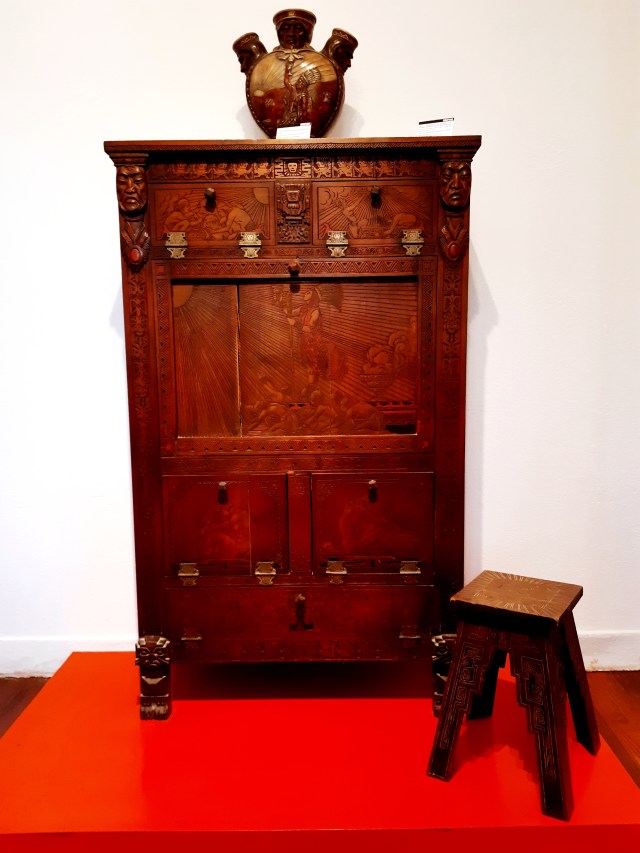
Gabriel Dubois was a French artist/sculptor, born Gabriel Frederico Eugenio Simonnet. He studied under Carrier de Belleuse, a well-known French sculptor, and was só good, he was given the nickname ‘Le Petit Dubois’, which he adopted as his own. He was an adventurer and came to Buenos Aires in 1895, at the age of 22yrs. He worked there for many years, eventually moving to Alta Gracia in 1932. He had one son, Emilio (Titi), who often spent time with him in his studio, and who appears in many of the artworks. The painting in the middle is of Titi in the workshop, and it was a unique experience to be standing in the exact same workshop, everything kept as it was at the time of Gabriel’s death.
When his wife died, Gabriel made a sculpture of her as the Fallen Angel, with Titi as a little boy (he was an adult by then), because she had always spoken of him as ‘her little boy’. It was placed in the garden, and is still there, very poignant.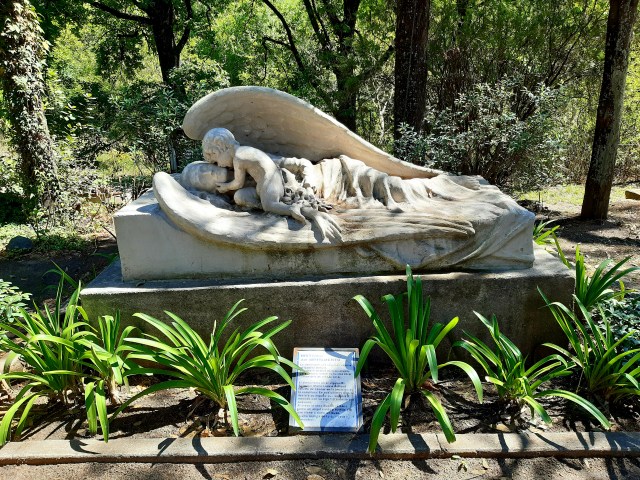 Gabriel then took in a woman to do the housekeeping, and her son, Luis Hourgas, became the only student he ever had. The house was often the gathering place for artists and intellectuals of the town, and one could easily imagine the conversations that took place there.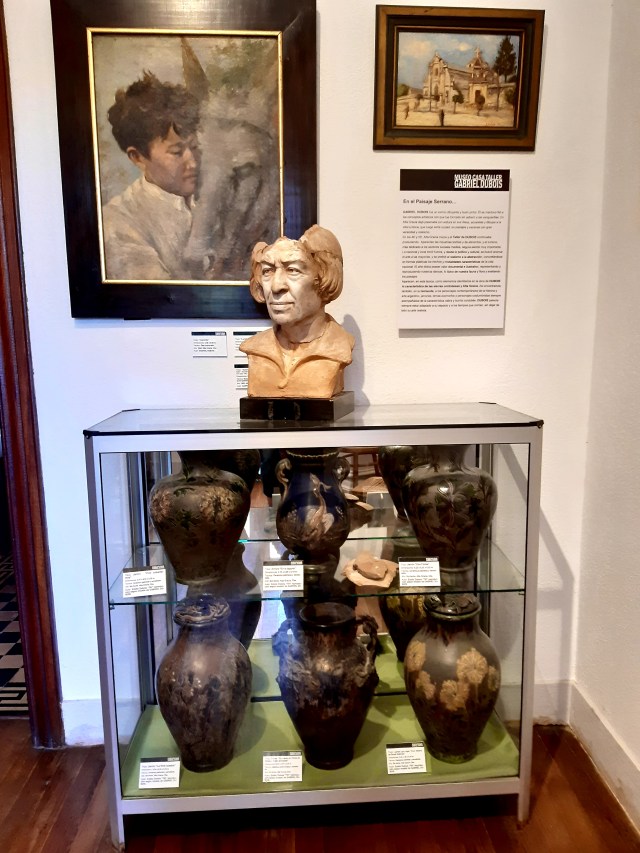
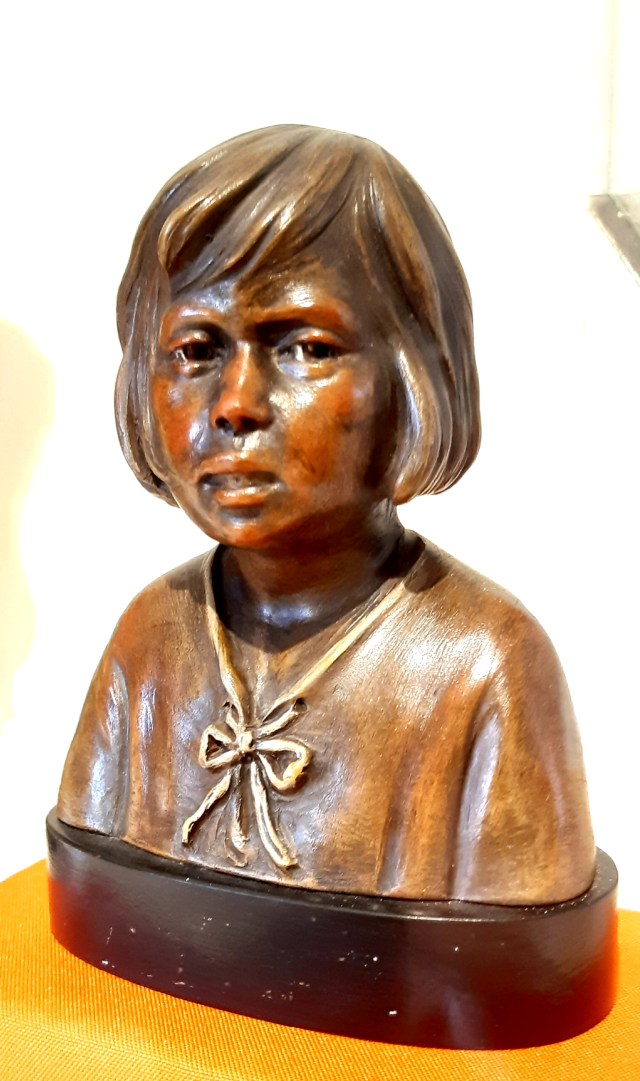
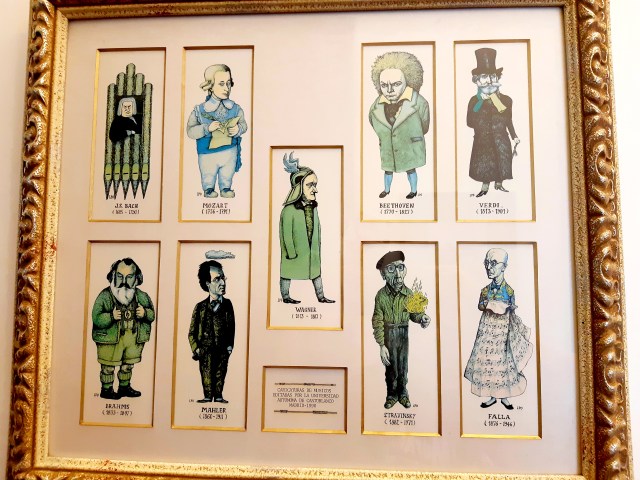
My next stop was the house of Manuel de Falle, one of Spain’s greatest modern composers of the 20th century. He fled Spain during the Franco regime and moved to Alta Gracia in 1942 because of lung problems. The house was specially designed and built for him. It had two bedrooms, each with their own bathroom, and a balcony which served as livingroom, where he spent much time visiting with friends and enjoying the view of the mountains.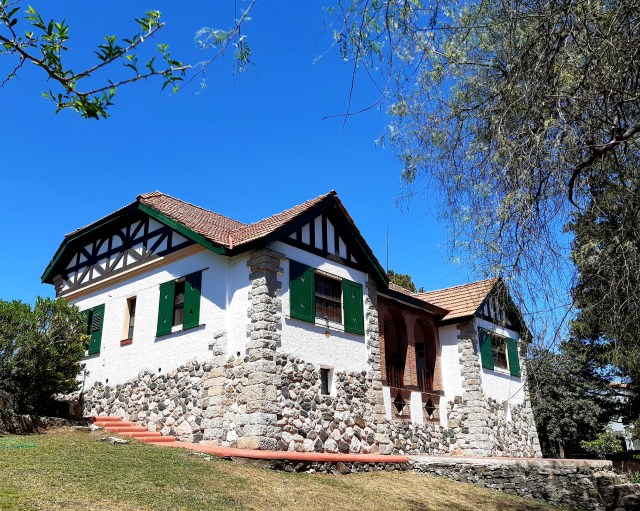 He had never married and his sister, also unmarried, took it upon her to care for him after their parent’s death in 1919. As one enters the house, one is enchanted by his music which fills the rooms. He had many well-known friends, such as Picasso, Dalí, Vázques Díaz and others, who had all made caricatures of him that hang in the passage. Picasso also made drawings of costumes used for one of his operas. Some fellow composers:
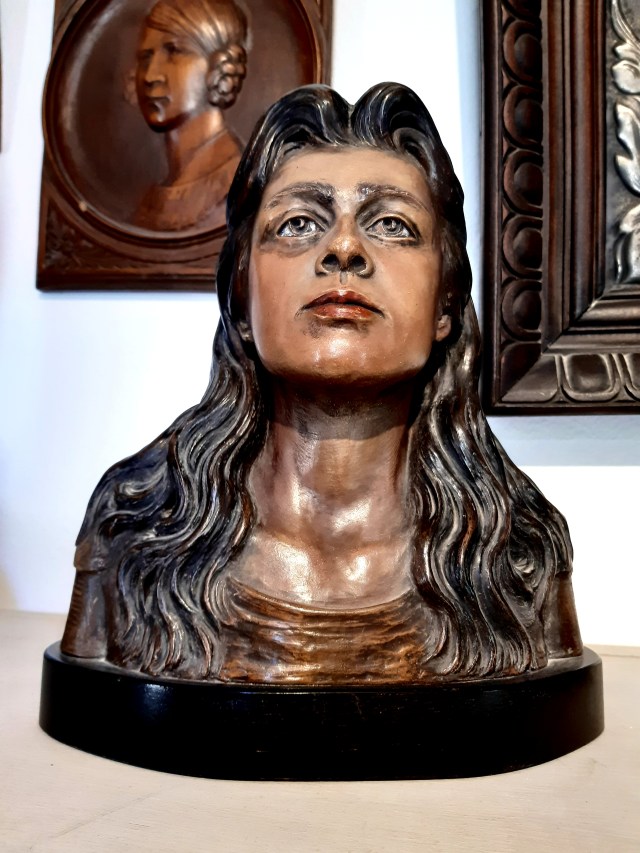
 This following sculpture of La Falle, ‘The Creative Inspiration’, was made by Luis Hourgas, the student of Gabriel Dubois – quite uncanny for me to have just heard of him.
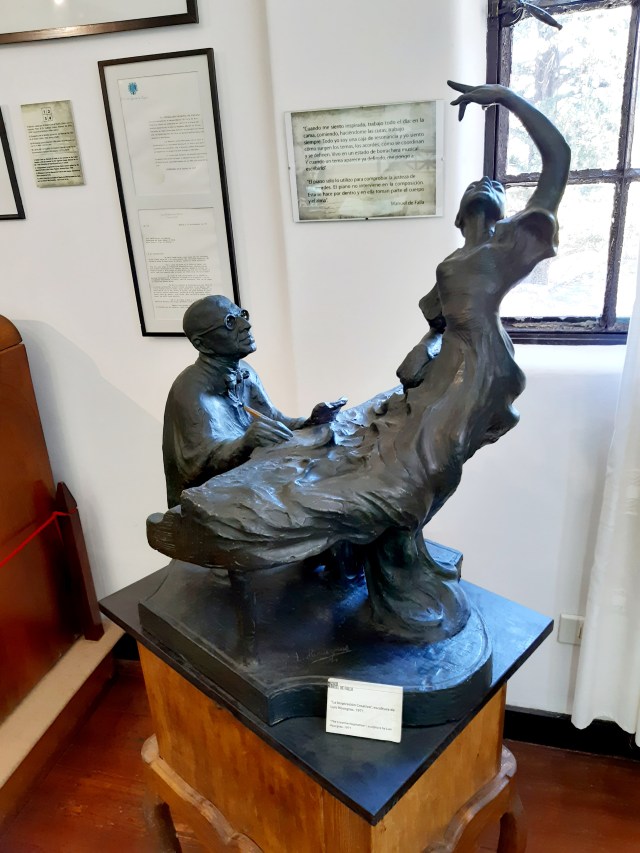 The elongated window seen in the photo was designed for La Falle to be able to see the mountains while he worked. He also had another window from which he could view the chapel on a hill that he and his sister often attended, his health and weather permitting.
Allow me an interruption at this point, as I have to regale a personal incident. I walked through a park and up the hill to the chapel (of course). On my way there I had to go through a residential area. Dogs had been barking at me, much to my displeasure, but suddenly a fierce alsatian came charging at me from behind and attacked me. Fortunately I was carrying my backpack, and instead of my backside being ripped apart, his jaws closed on my backpack. I was furious and turned on him, and thankfully he ran away. One has to be careful – a visitor at the hostel in Cafayaté told me he had been bitten by a dog in Peru, and the people told him the dog had rabies, so he had to have injections, big drama.
Back to my story. La Falle was a very modest and religious person, as could be seen by his sparsely furnished bedroom, simple iron cast single bed and religious artefacts. What impressed me was that the town of Alta Gracia decided to honour him even though he had only lived there for four years, before he died in 1946.
A few blocks away is Villa Nydia, where the Guevara family lived for most of Ernesto’s (Che’s) childhood years, mainly because he was born with bronchial problems that had developed into asthma.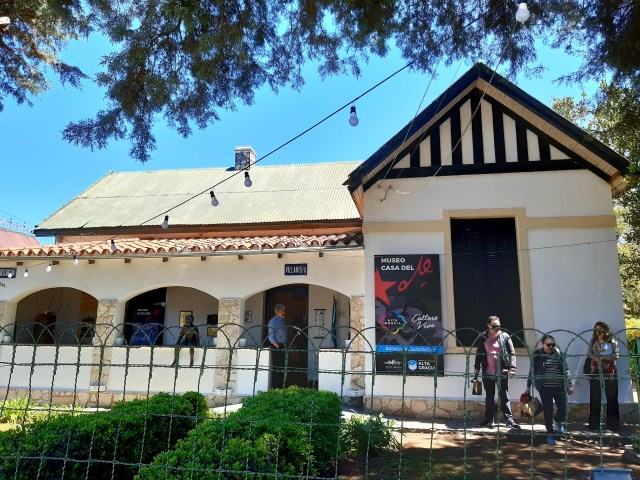
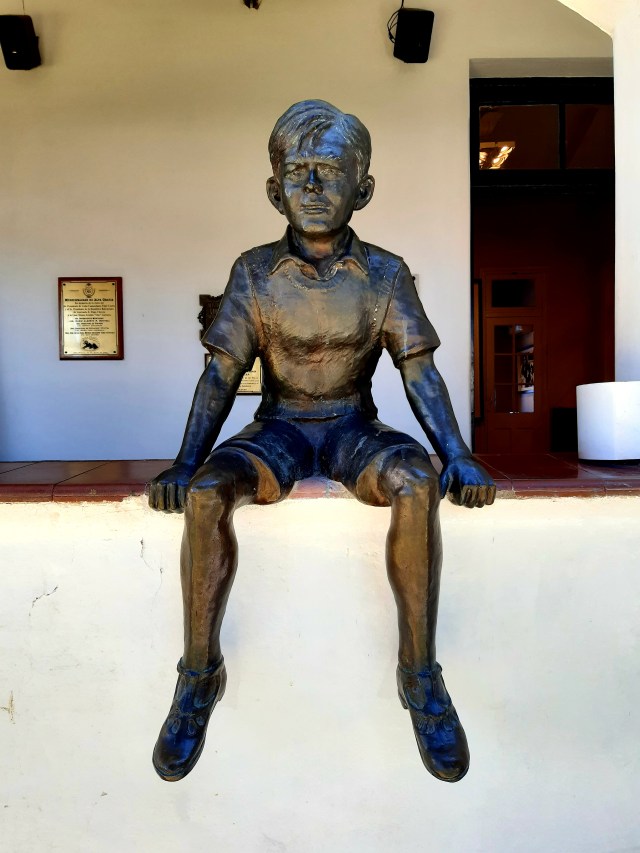 Che’s full name was Ernesto Guevara de la Serna, the last part being his mother’s surname. Despite his health problems, he led an active life taking part in different sports, thus ‘acquiring a spirit of discipline and self-control‘, alias the brochure. Evidently he was a playful and intelligent child, who shared many adventures with his friends. He was an avid reader of well-known authors from an early age, as can be seen from the children’s books lying on his desk in his bedroom.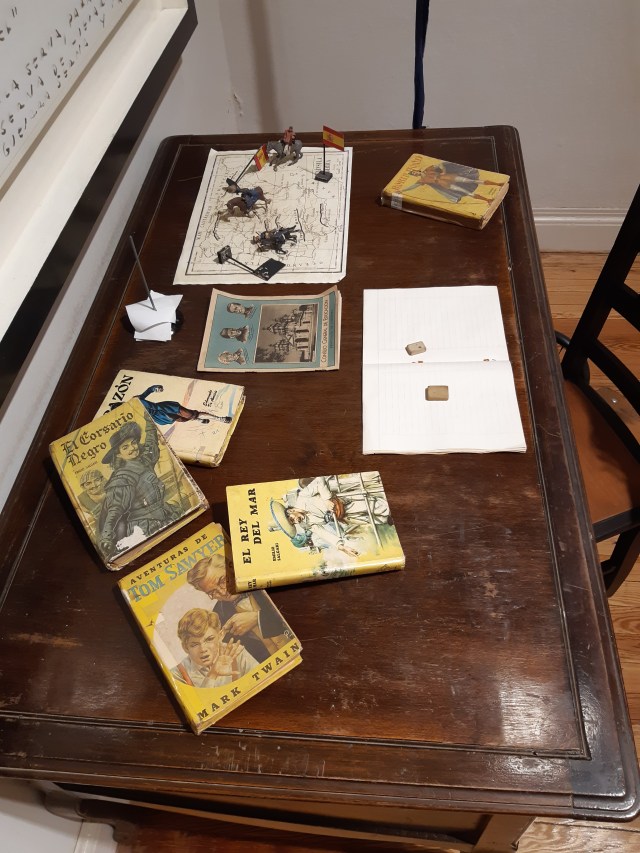
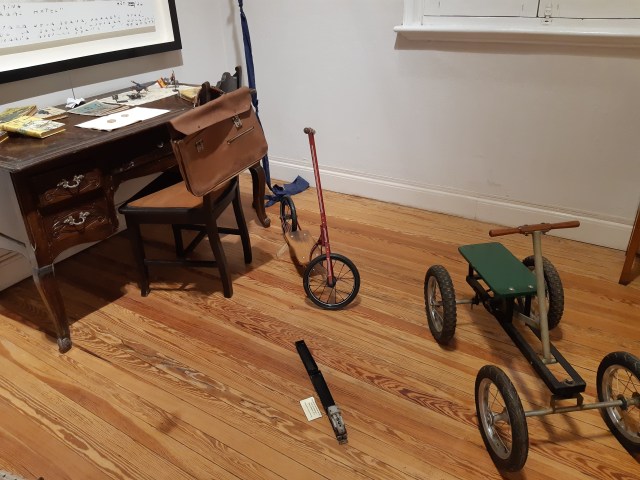 After school he went to study medicine in Buenos Aires, but interrupted his studies to do a 4 000km bicycle tour of northern Argentina, during which time he became aware of the social inequality in the country.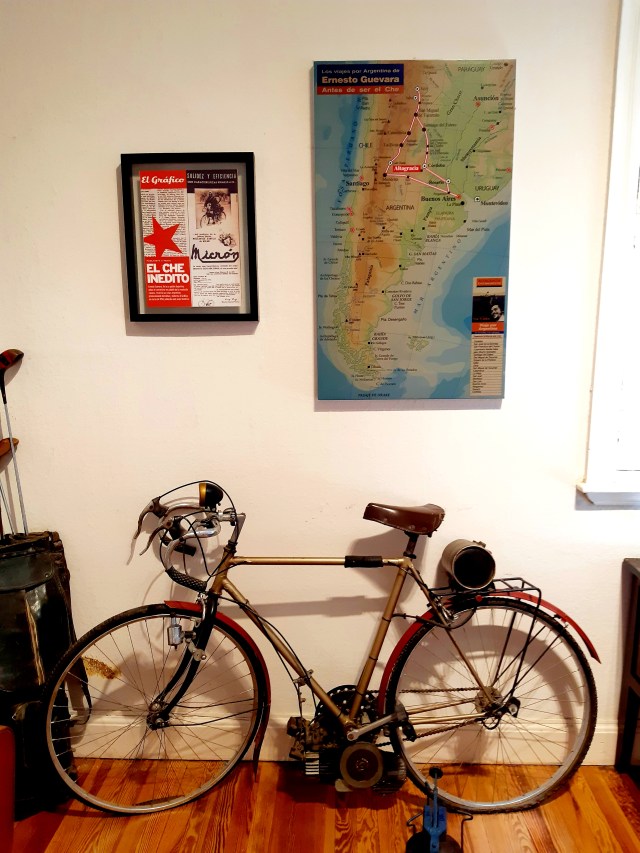
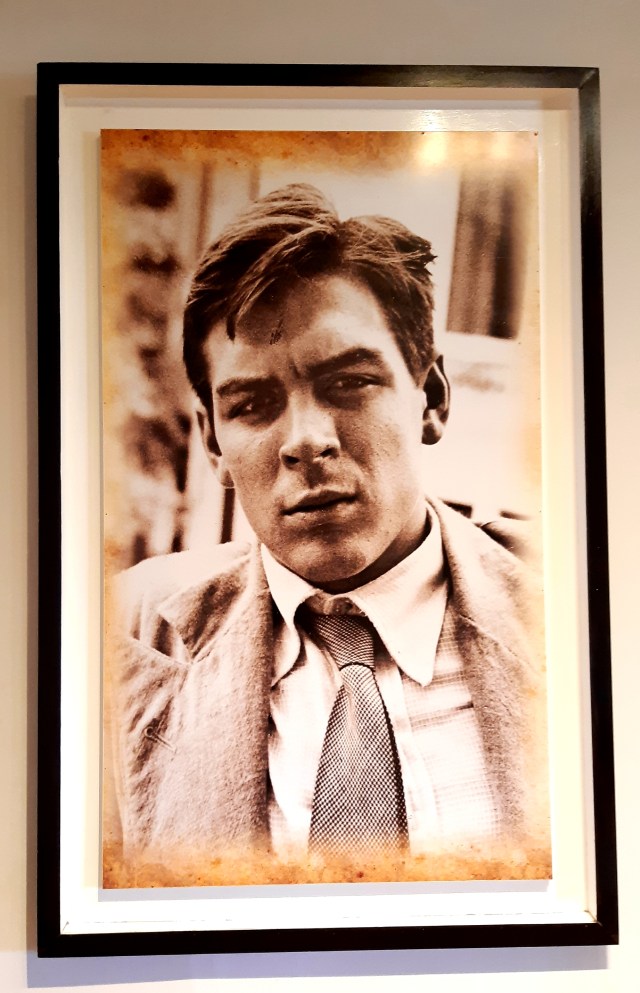 After returning to Buenos Aires, he embarked on a another tour, this time of Latin America, on a motorbike with a friend, Alberto Granado.
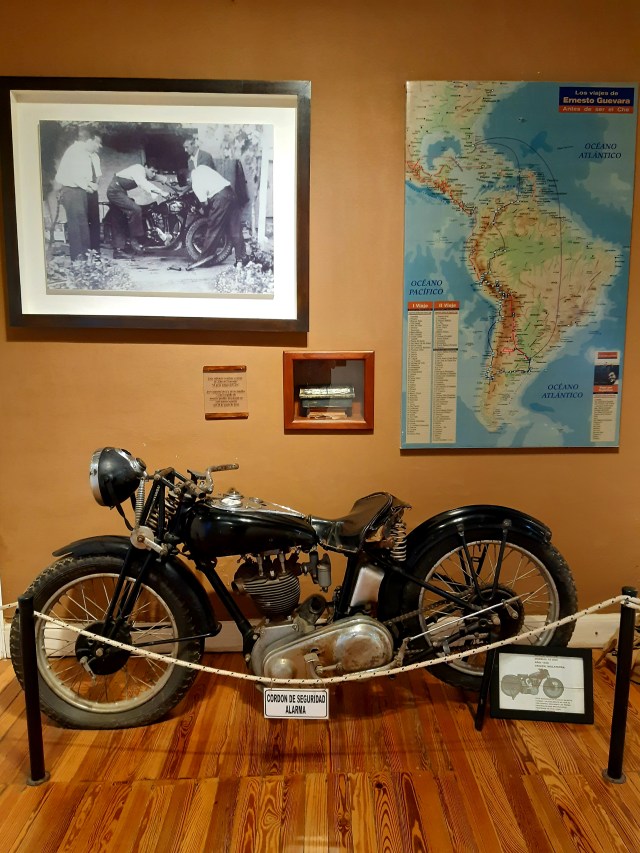 After reaching Venezuela, he returned to finish his medical studies, as he had promised his mother. This he did in less than a year, qualifying as physician at the age of 25. He and a childhood friend, Calica Ferrer, made a second trip through Latin America, travelling through Bolivia, Peru and Ecuador, where they parted ways. Ernesto went to Guatemala, where he met a Cuban Ñico López, who gave him the nickname Che, and a woman who became his first wife, Hilda Gadea. He left for Mexico, where in July 1955 he met Fidel Castro from Cuba, and enlisted as a field doctor in his future guerilla expedition.
In Che’s own words: “… This aimless wandering through our ‘capitalized America’ has triggered major unexpected changes in me…” And: “…My future is linked to the Cuban Revolution. It is either victory or death for me…” He joined the revolution in 1956 and on the 2nd of January 1959 rode alongside Castro when they victoriously entered Havana. He married a fellow revolutionary, Aleida de la Torre, and they had four children. He obtained Cuban citizenship and in that year travelled overseas and met prominent presidents such as Nasser (Egypt), Sukarno (Indonesia) and Nehru (India). He eventually became Industry Minister in Cuba and visited America, Soviet Union and Czechoslovakia on trade missions.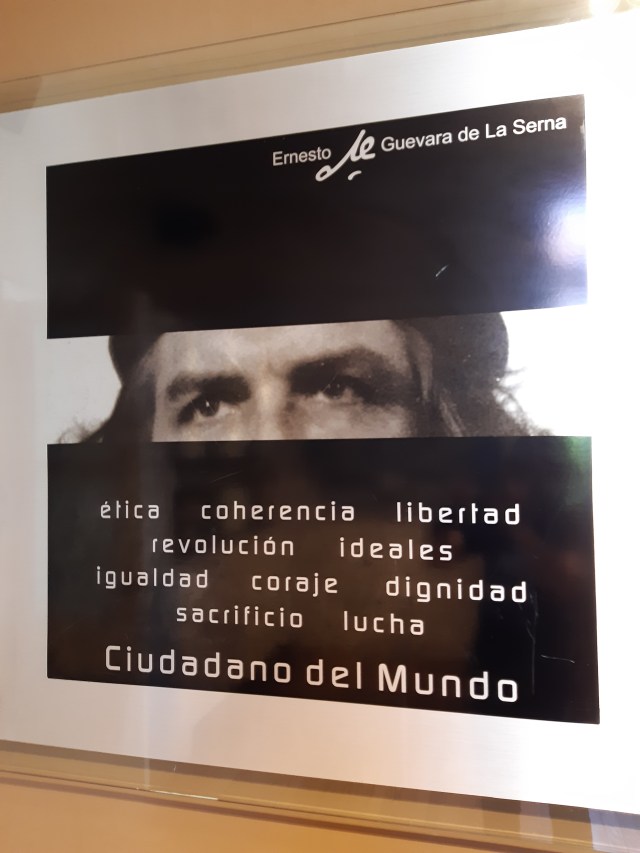 Che left Cuba in 1965 to join forces with guerrillas in the Congo, but left after 7 months, as their disorganization, mass desertions and tribal divisions led to failure. He went to Bolivia to lead the revolution in that country, but was wounded, captured and interrogated on the 8th October 1967, and shot dead on the 9th October. His body was only found 30 years later in a communal grave in Bolivia.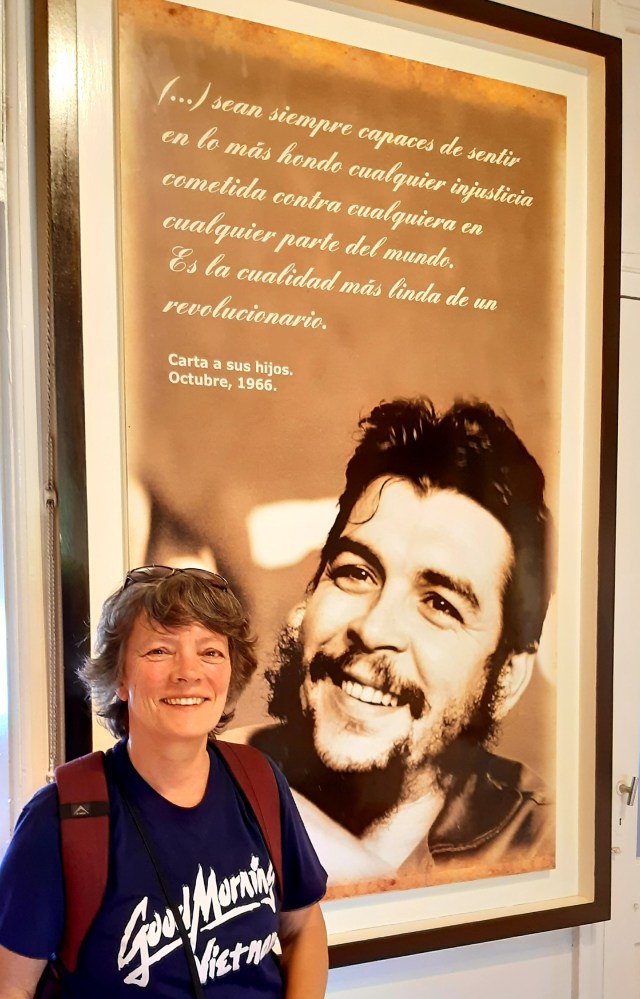
I am not a supporter of revolutionaries, and didn’t quite know how to react to all this information in the museum, but one thing became clear to me: he was intelligent, shaped by life experiences and social injustices and committed to rectify matters. He kept a journal, and regularly wrote letters to his family. I was struck by one quote from a letter to his children : “…Always be able to feel in the deepest sense anywhere in the world. It is the most beautiful quality of a revolutionary…” For me, I don’t have to be a revolutionary to believe this, I feel anyway.
After all that cultural information and deep thinking, I walked down to the town centre to have a look at the estancia (ranch) established by the Jesuits in the 17th century to help support the University of Córdoba. It is now a museum.
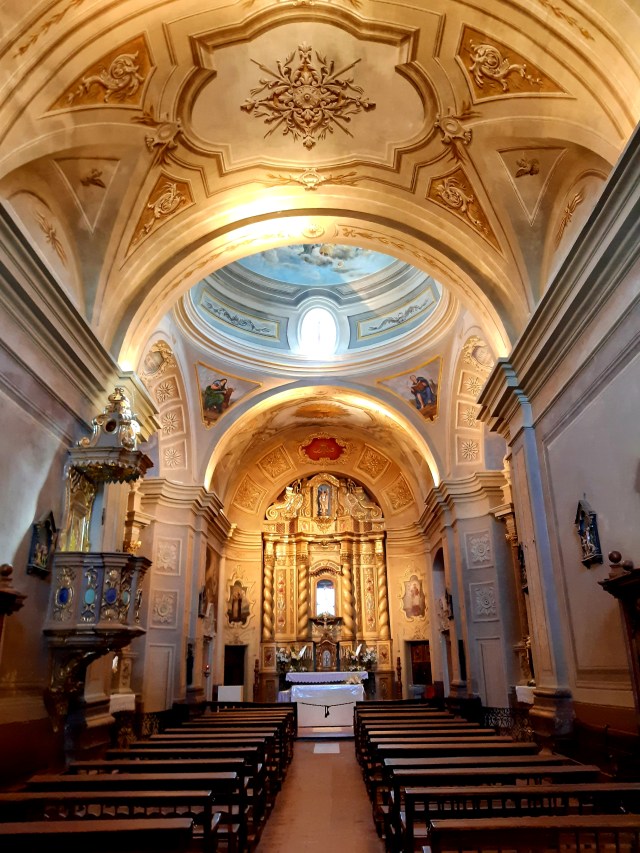
 The cathedral next to it was well worth a visit, as always.
 There is tranquil man-made lake where I had my sandwich, watching some dragonflies mating, one immediately afterwards being caught by a frantically hungry bird. Shocking, to say the least. I felt sorry for the other one, who was hovering around the death scene for a while, until it too was caught. Oh well, such is life in the animal kingdom.
 Mella Madness