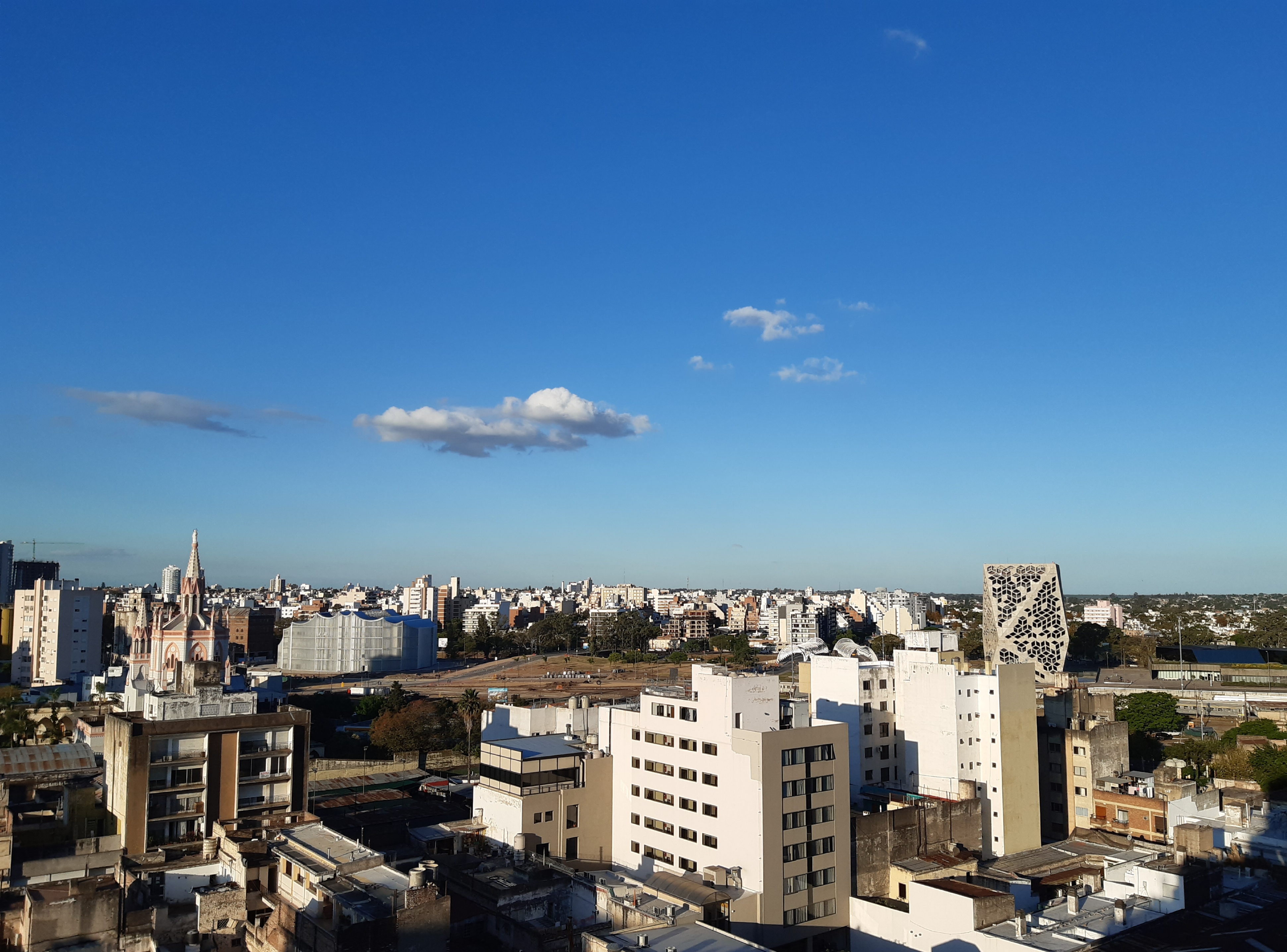
 That strange big building on the right is part of a complex that was built for their bicentennial celebrations of in dependence on 9th July 2016. I’ve thought about that, the fact that Argentina has been independent for over 200 years, and South Africa only for 58 years – there’s hope for us!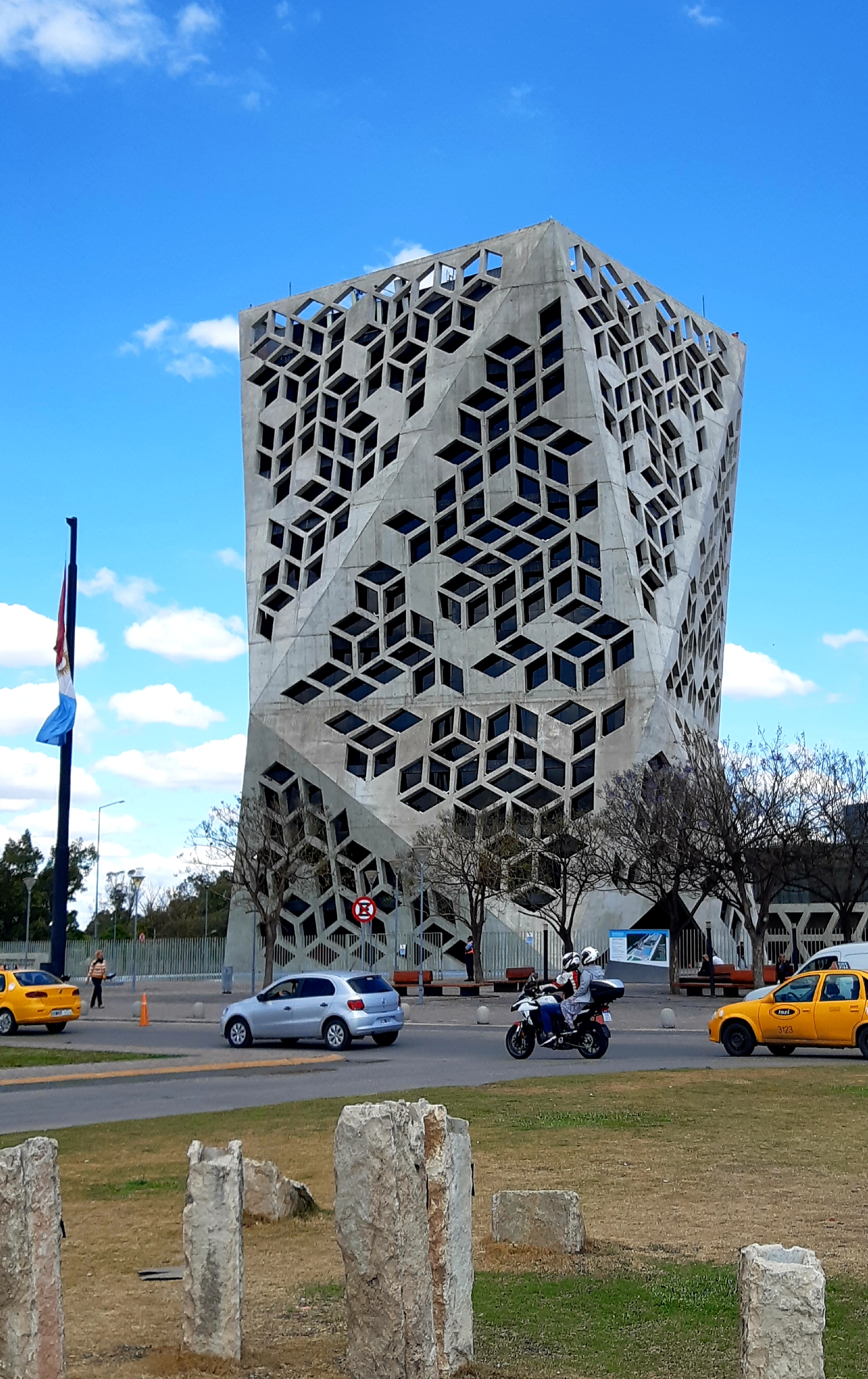
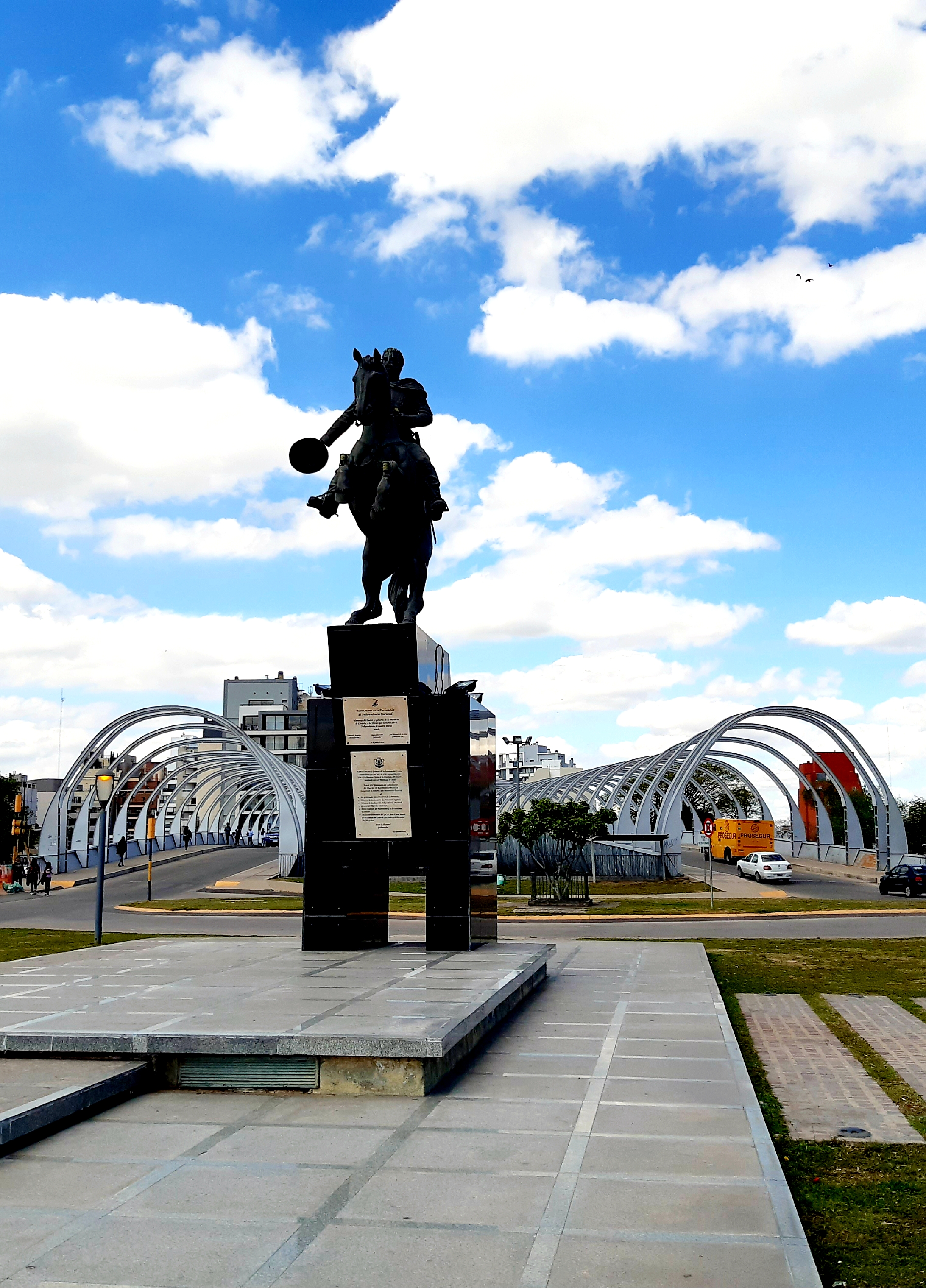 In 1810 Buenos Aires was the capital of the Viceroyalty of the Rio de la Plata, which included Argentina, Bolivia, Paraquay, Uruqauy and parts of Brazil. The war for independence was started with a week long revolution in Buenos Aires from 18 – 25th May 1810, on which day viceroy de Cisneros was removed from power and a local government, called the Primera Junta was estsblished. The problem was it had only representatives from Buenos Aires and when other cities of the Viceroyalty were invited to join, war broke out as they were opposed to what had happened in Buenos Aires. The War of Independence was from 1810 to 1818, with a formal Declaration of Independence being issued at the Congress of Tucumán on 9th July 2016. The Argentinian Civil Wars between the Federals (who had declared independence) and the Unitarians (who opposed it) lasted from 1814 to 1880, when peace was finally reached.
That concludes the history lesson for today. I just had to sort out for myself why every town and city has a 25 de Mayo (May) and 9 de Julio (July) street, an Av San Martin (he was one of the main independence fighters), and squares and parks with similar names. It’s uncanny how the cities all have the same names for streets: Belgrano, Sarmiento, Molina, Mitre, Colon, etc – all war heroes, I have discovered. They also have city names as streets, such as Buenos Aires, Córdoba, Corrientes, etc. It makes it quite easy to move from town to town, one’s address is often the same.
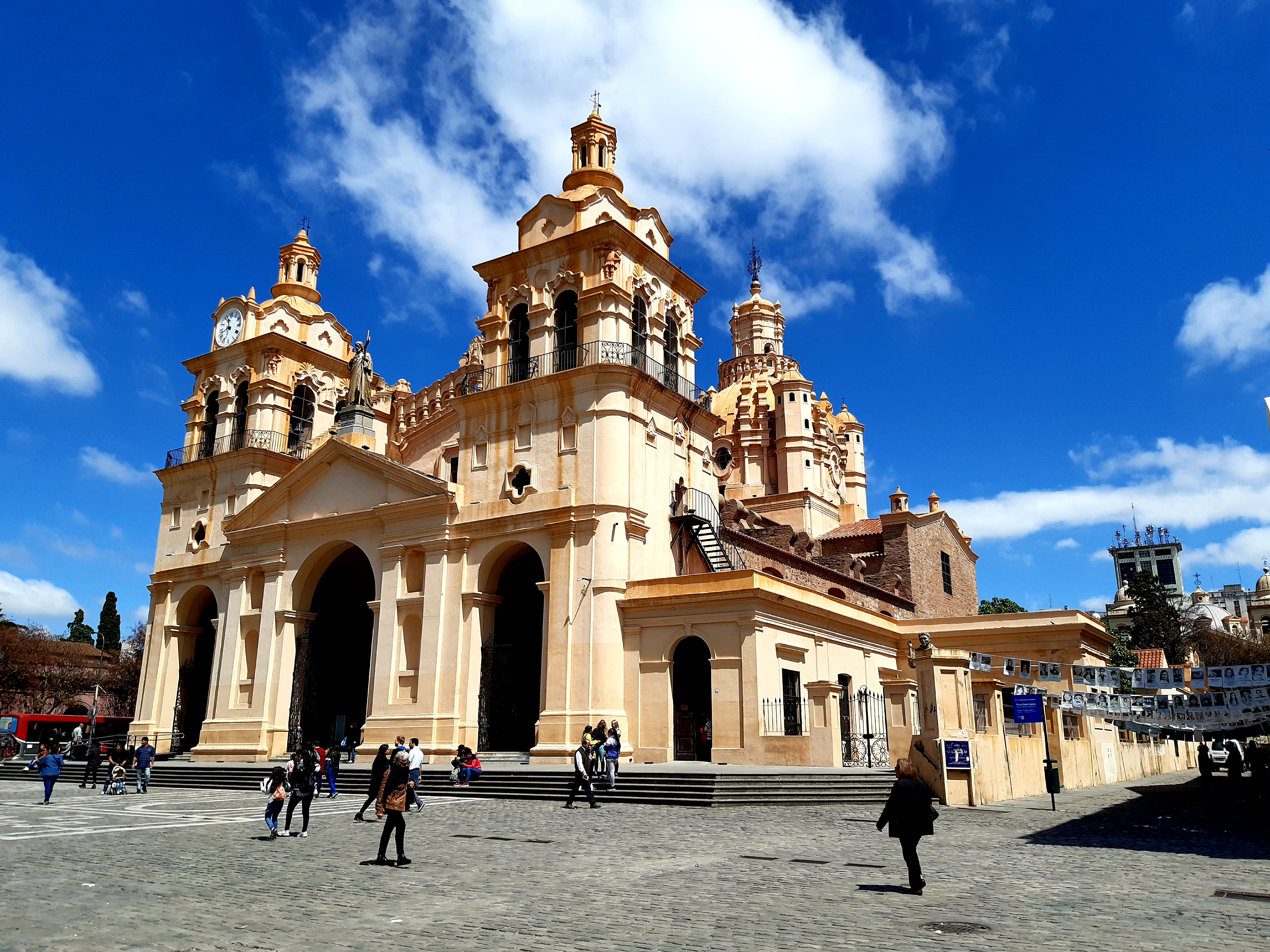
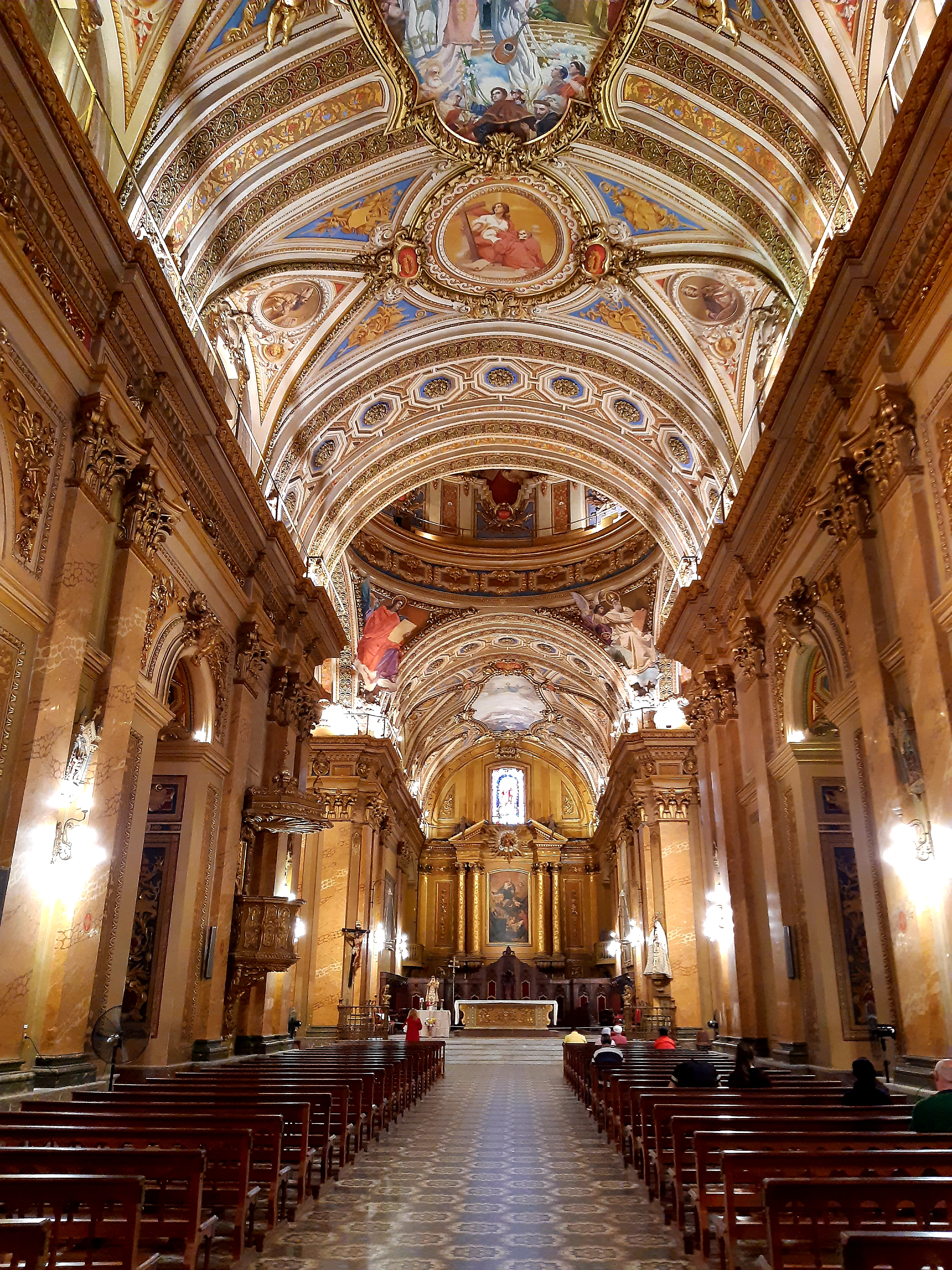
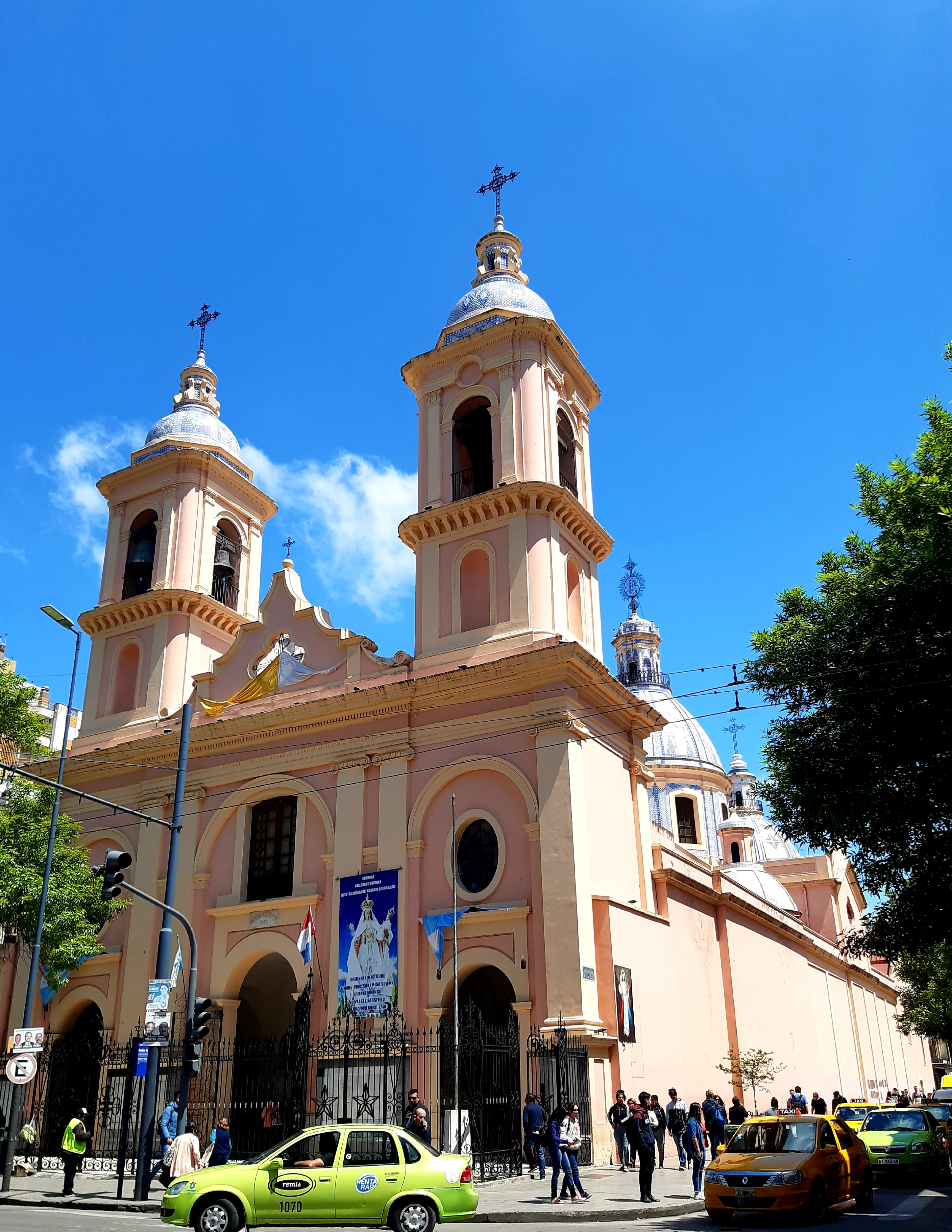
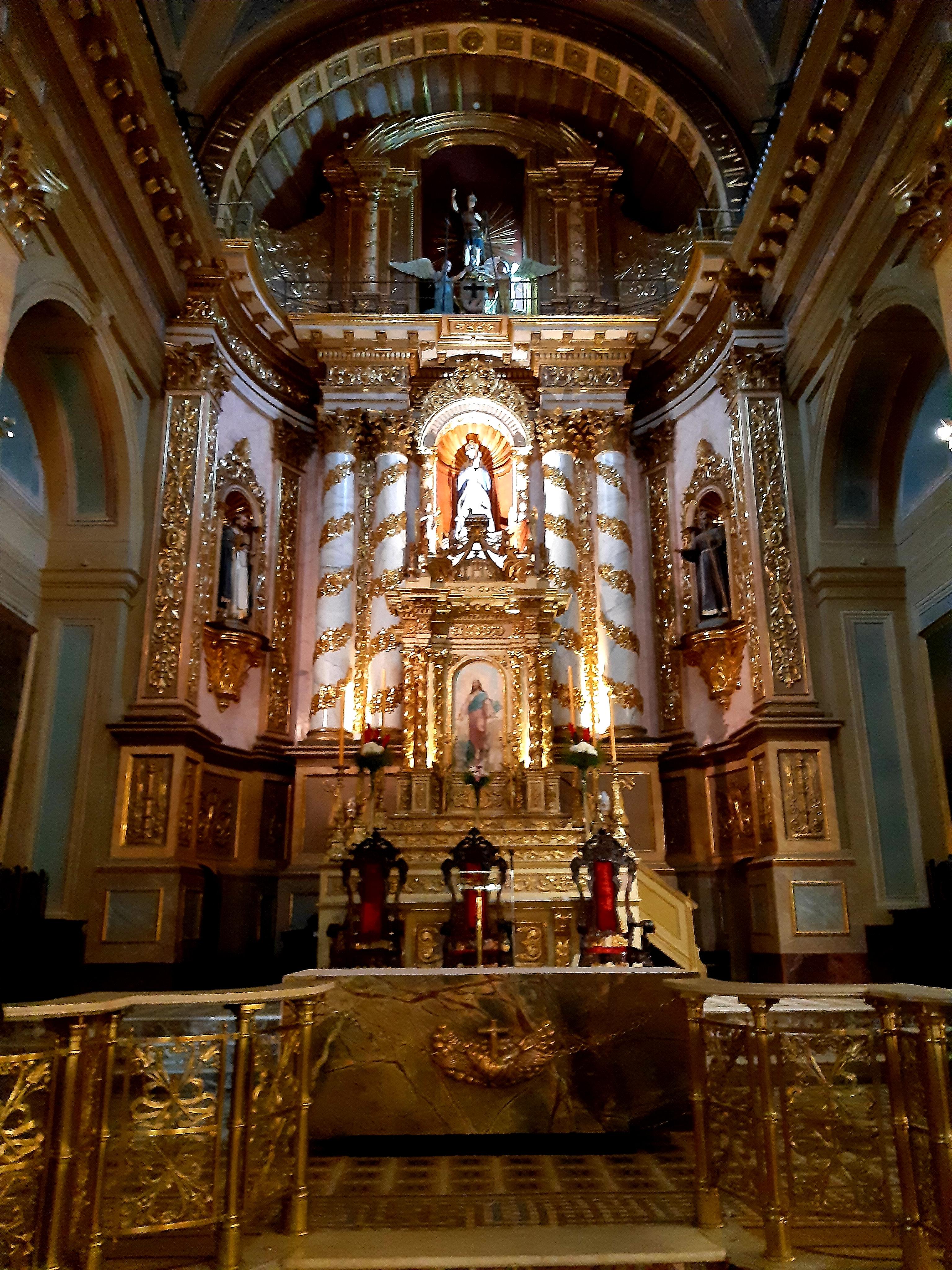
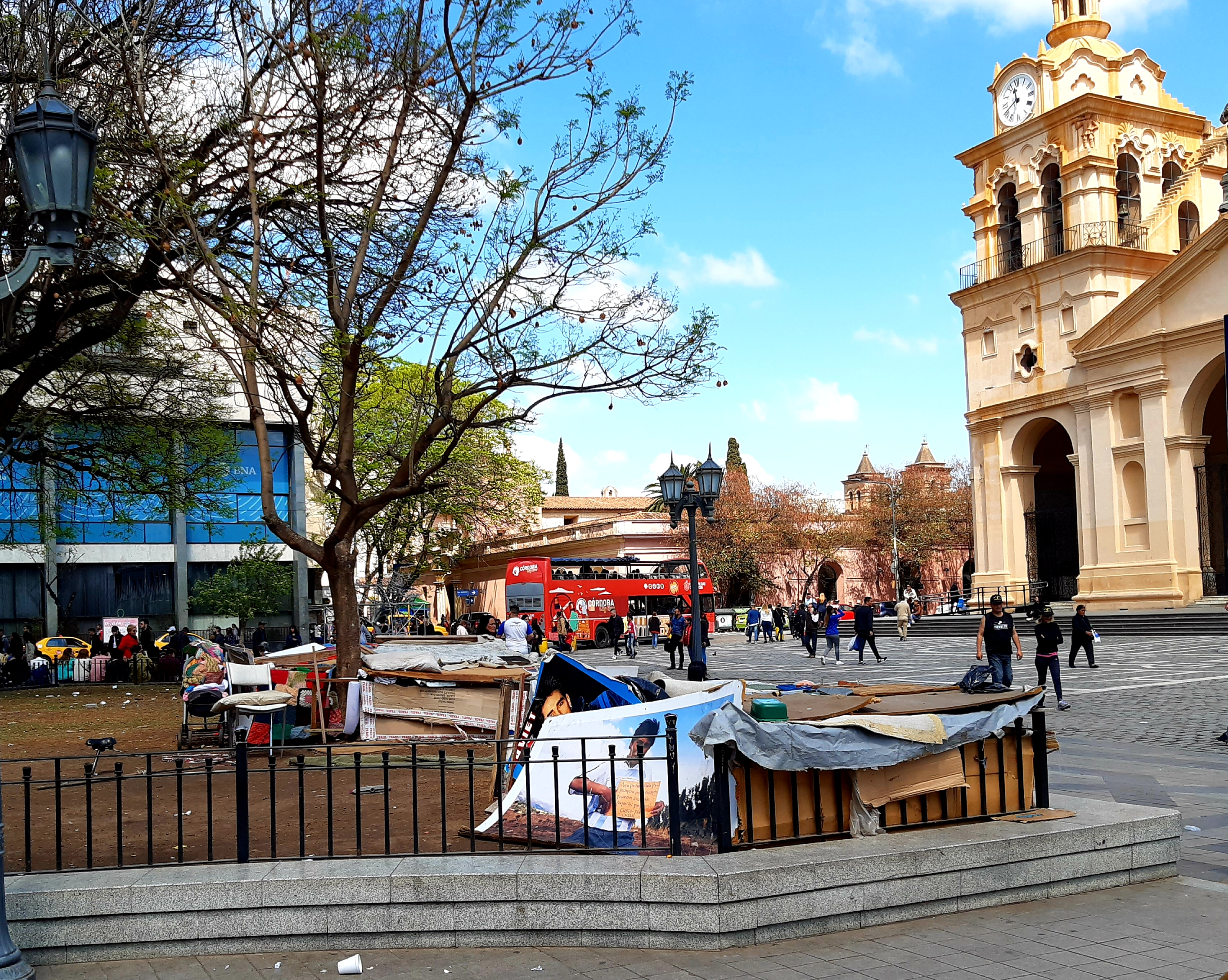
Córdoba has its quota of iglisias (churches) and cathedrals and I visited and photographed most of them. Unfortunately they don’t have candles to light, so I would spend time sitting, meditating or just contemplating life in general. Mostly I was praying for a very sick family member, who is making a remarkable recovery. I told his wife that he hád to get better, else they would start charging me money for all my visits to the cathedrals! The first picture is of the Iglesia Catedral, Argentina’s oldest cathedral, built in 1782.
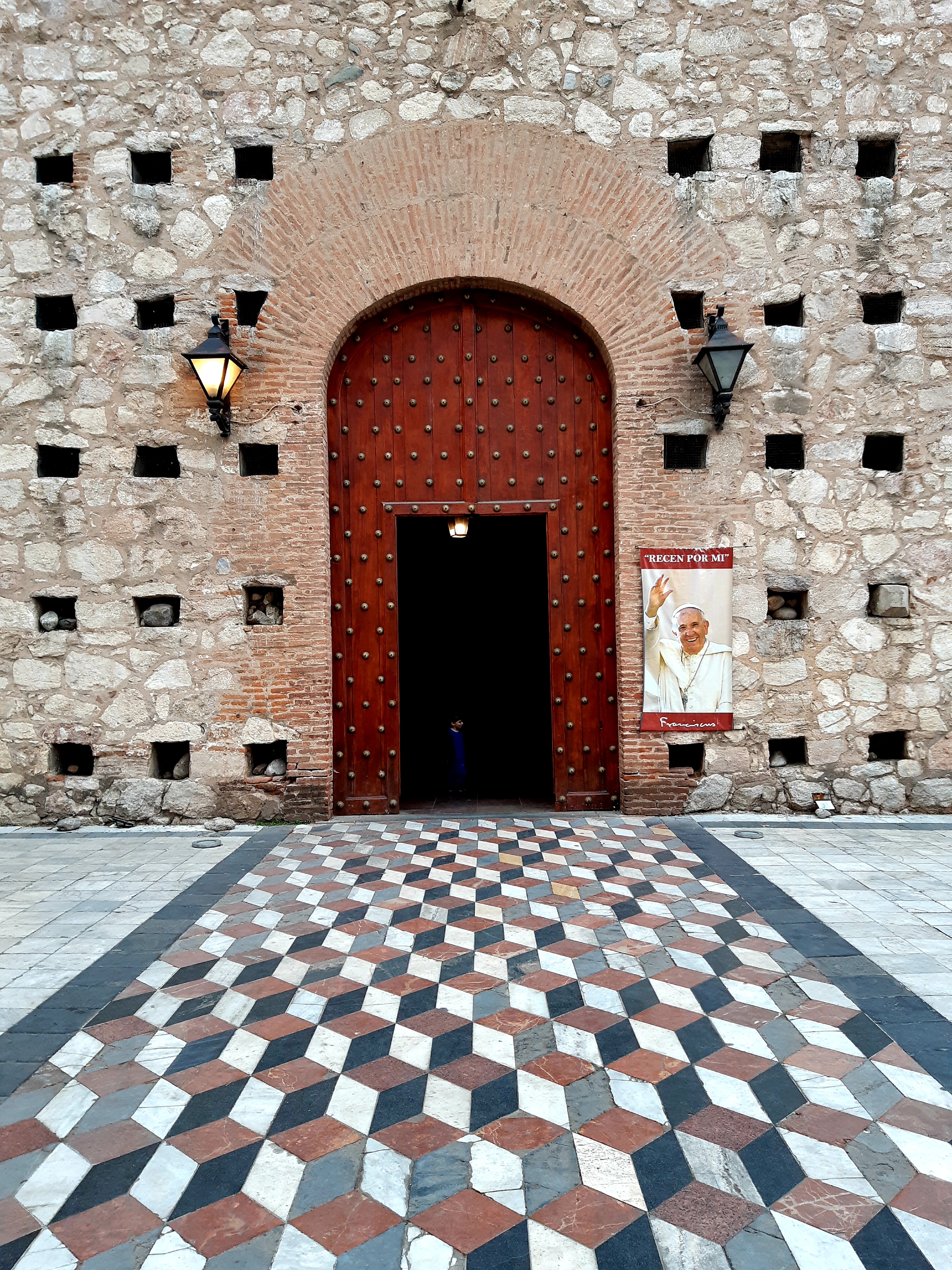
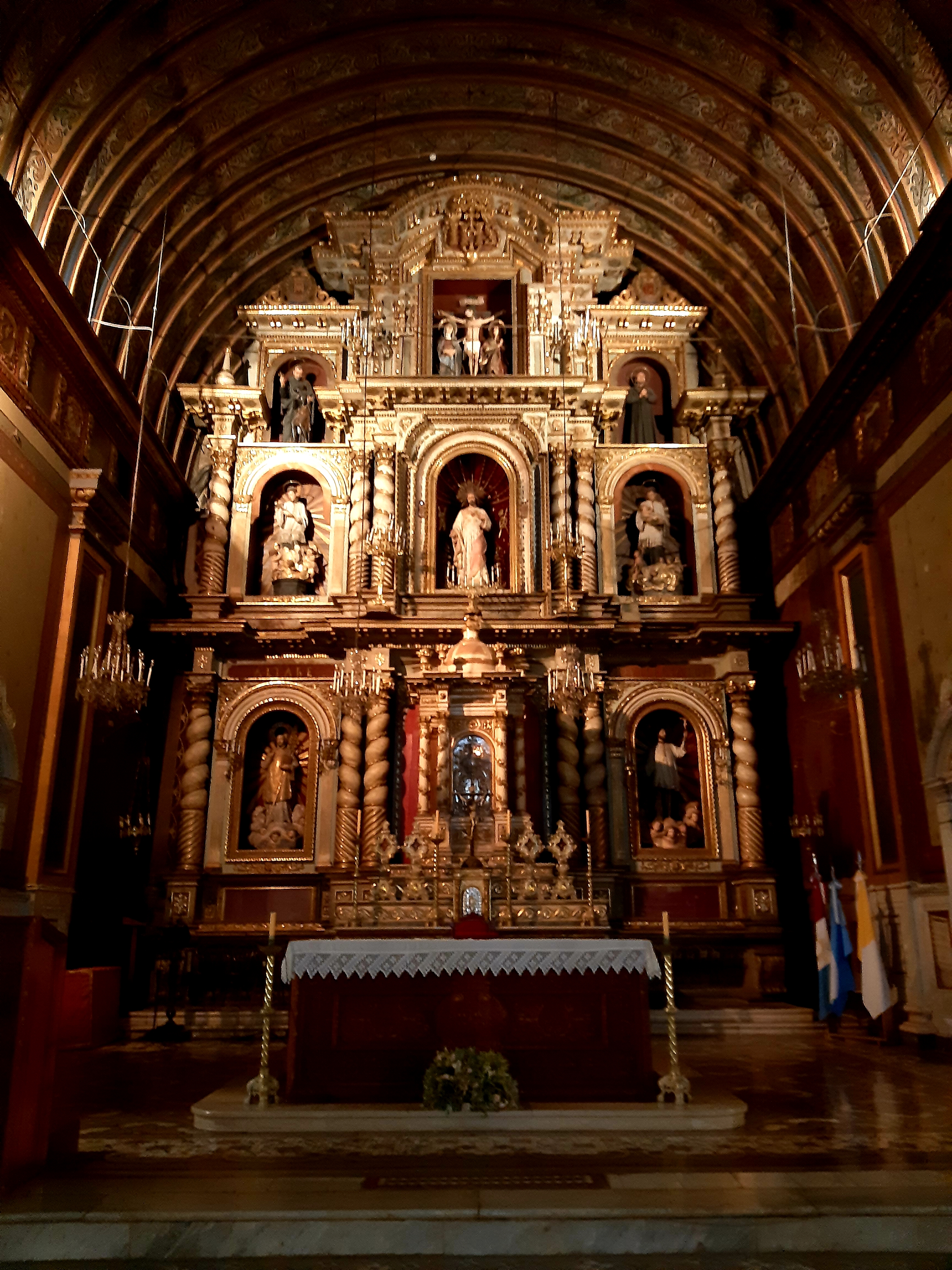
 In 1583 land was given to the Jesuits in Córdoba and the complex that was developed is now called the Museo Histórico de la Universidad Nacional de Córdoba. From here they oversaw all their conversion activities across central and northwestern Argentina, as well as the farming they had started to help fund their projects. One main project was that of the National University of Córdoba, one of Latin America’s oldest universities. The Iglesia de la Compañia, which forms part of the museum complex, was built in 1640 and is the oldest surviving Jesuit temple. This complex, as well as the estancia (farm) built in Alta Gracia, a town 25km from Córdoba, was declared a World Heritage Site in 2000.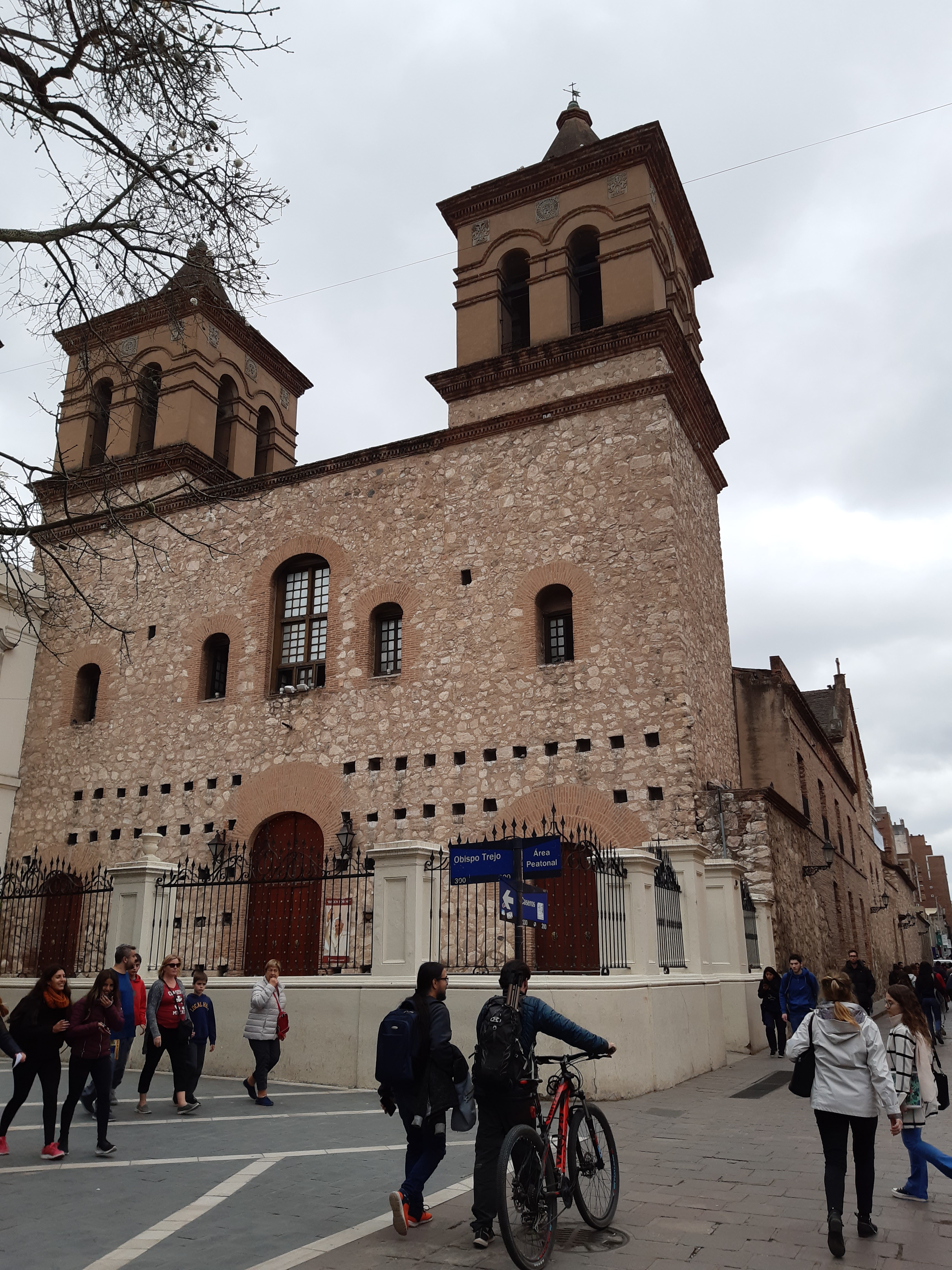
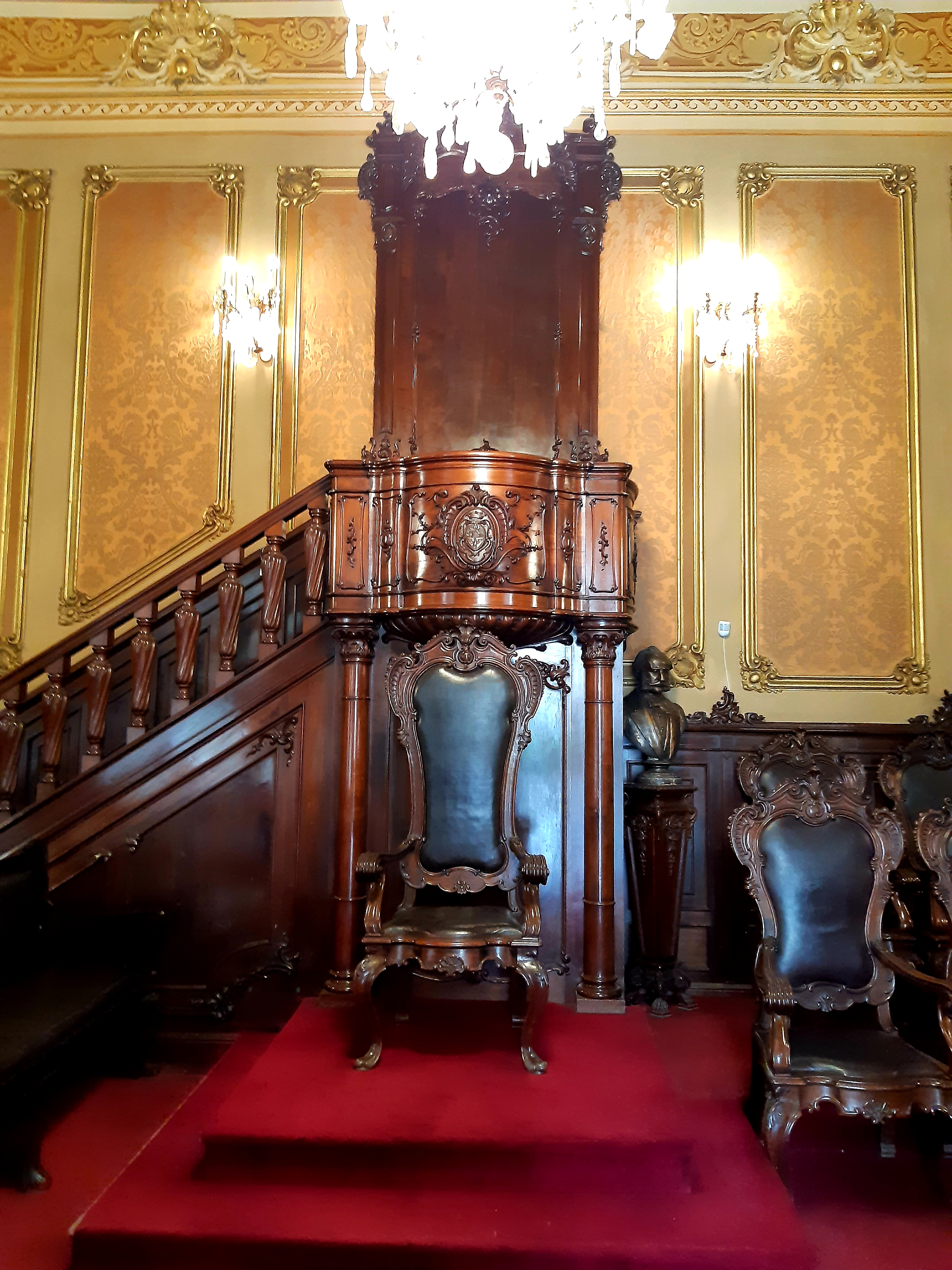
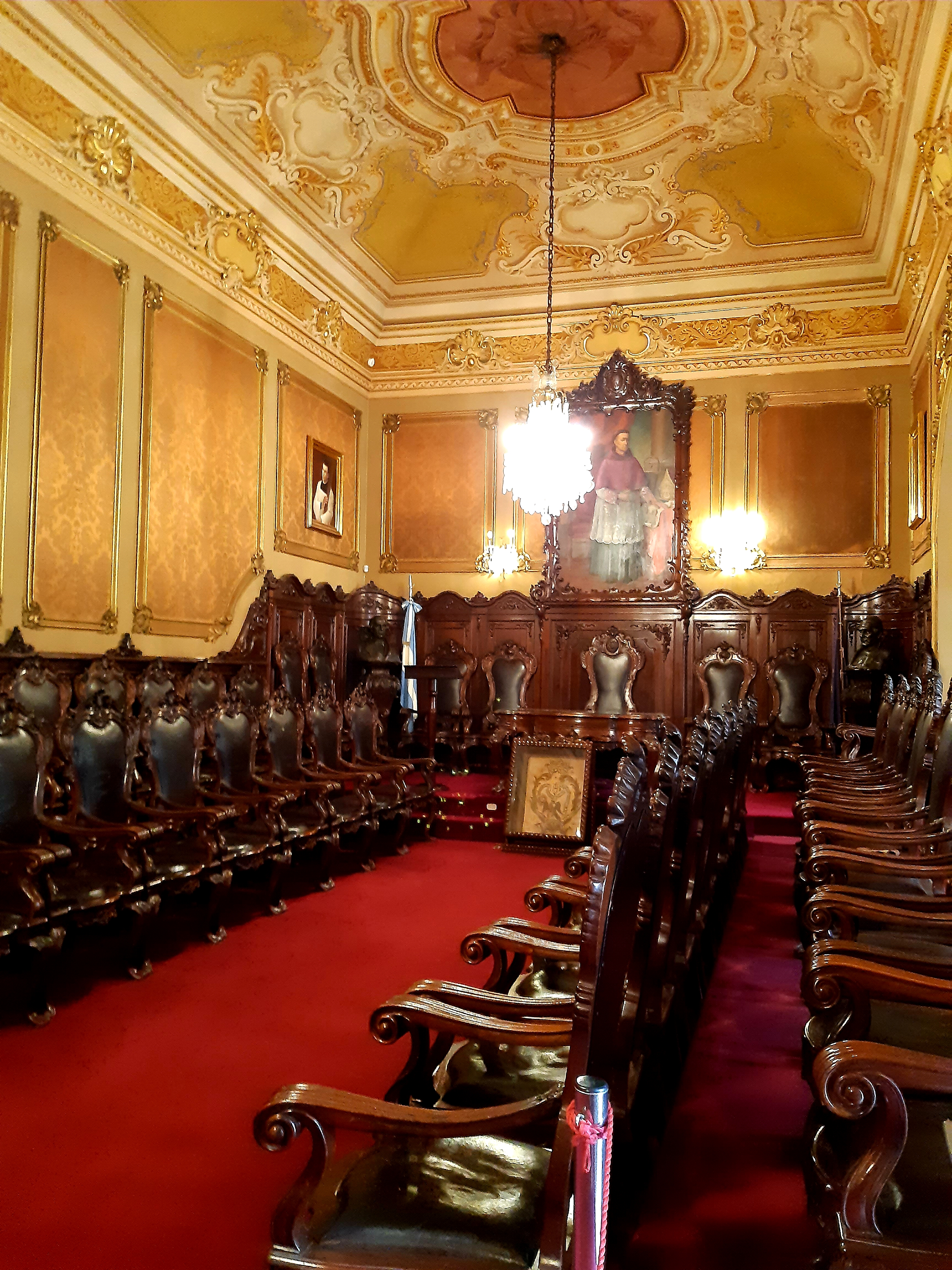
 The hall at the university that was used for presentation of dissertations is both impressive and intimidating. The student stood on a raised podium in the middle of the hall, with his godfather in a carved high chair below him:
 The family sat to the left:
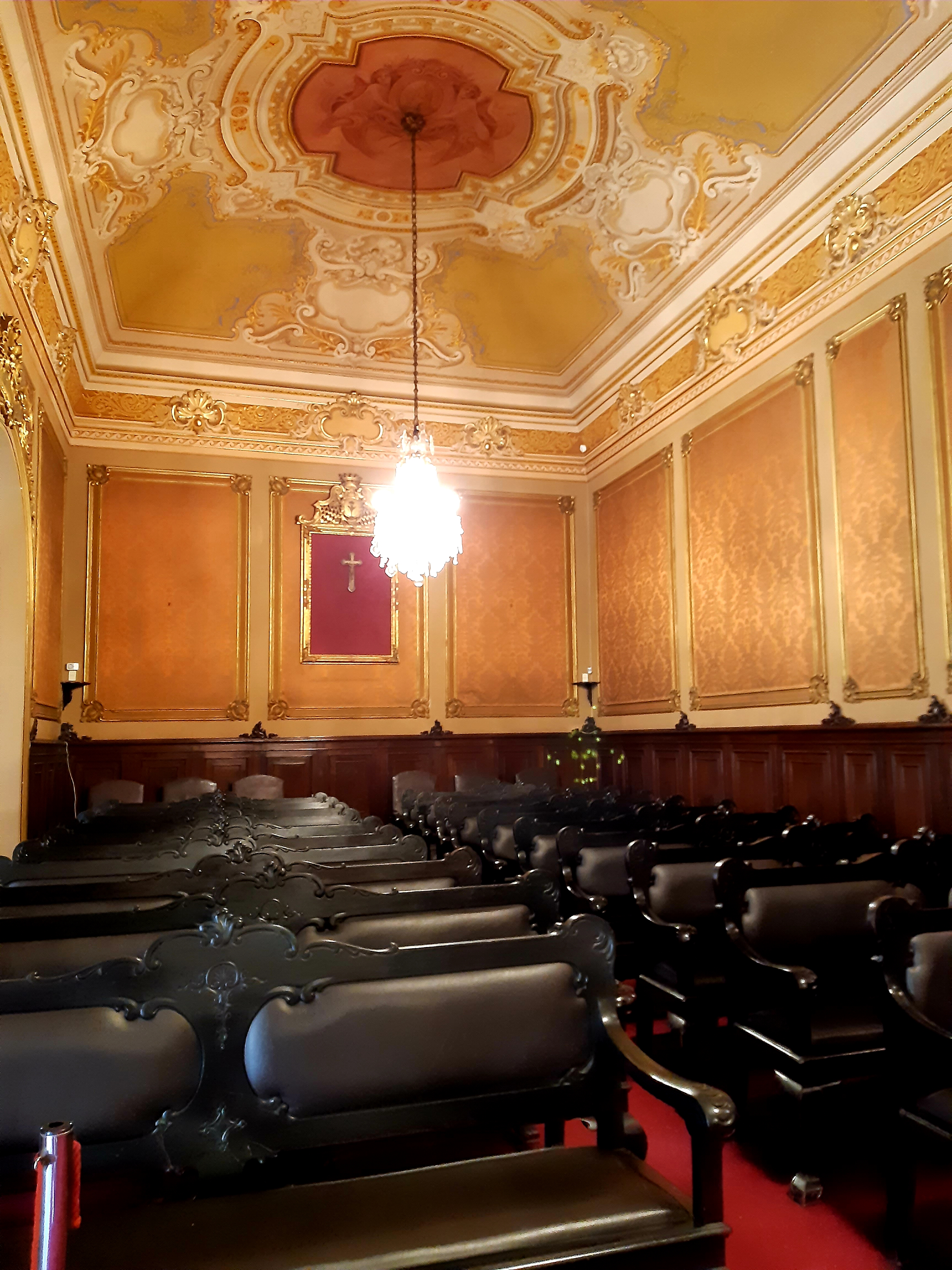 And the professors sat to the right:
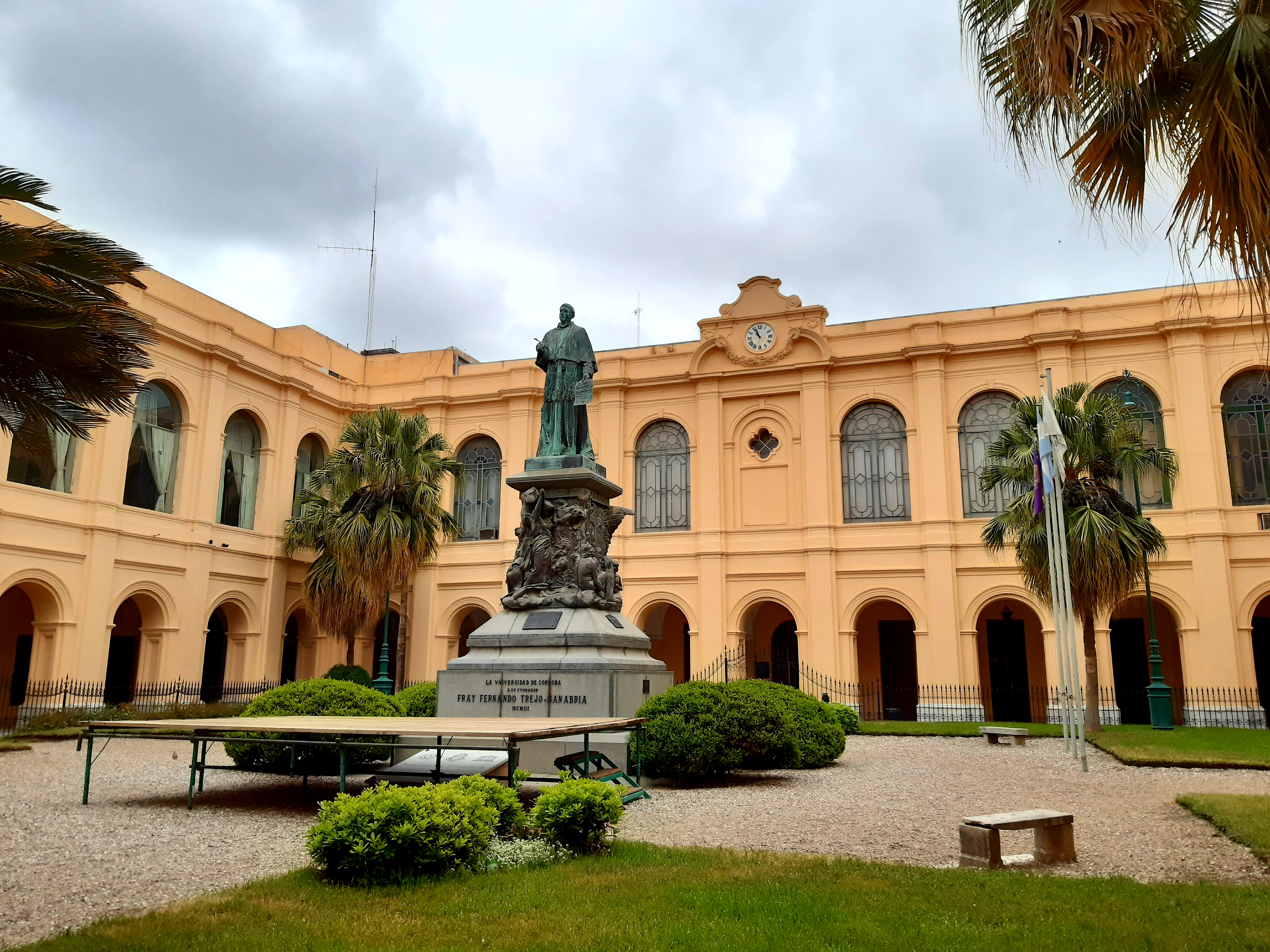
 One of the courtyards of the university:
 In 1989 a Jesuit crypt was unearthed and partially restored. This underground site was a novitiate where new Jesuits were trained, until they were expelled from the country in 1773.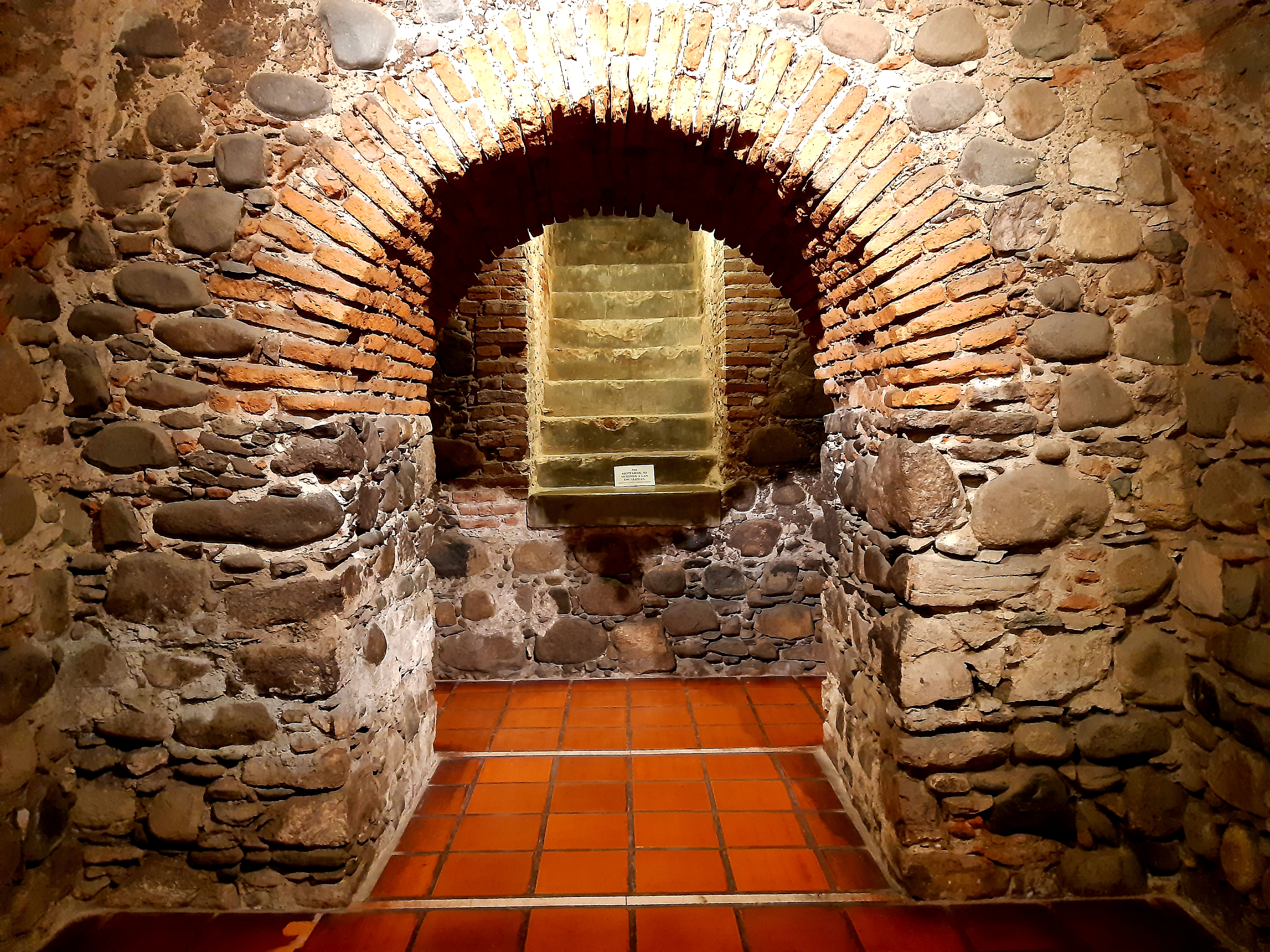
 I visited the Genaro Pérez museum, an art museum housed in an old mansion, with old and new works, most interesting. Some well-known Argentinian artists’ works are exhibited, such as Emilio Caraffa, Lucio Fontana, Lino Spilimbergo, Antonio Berni and Antonio Seguí. I found the ‘paper rooms’ most intriguing – imagine tearing up all those books, it must have taken ages to construct. That artist’s name is Pablo Lehman.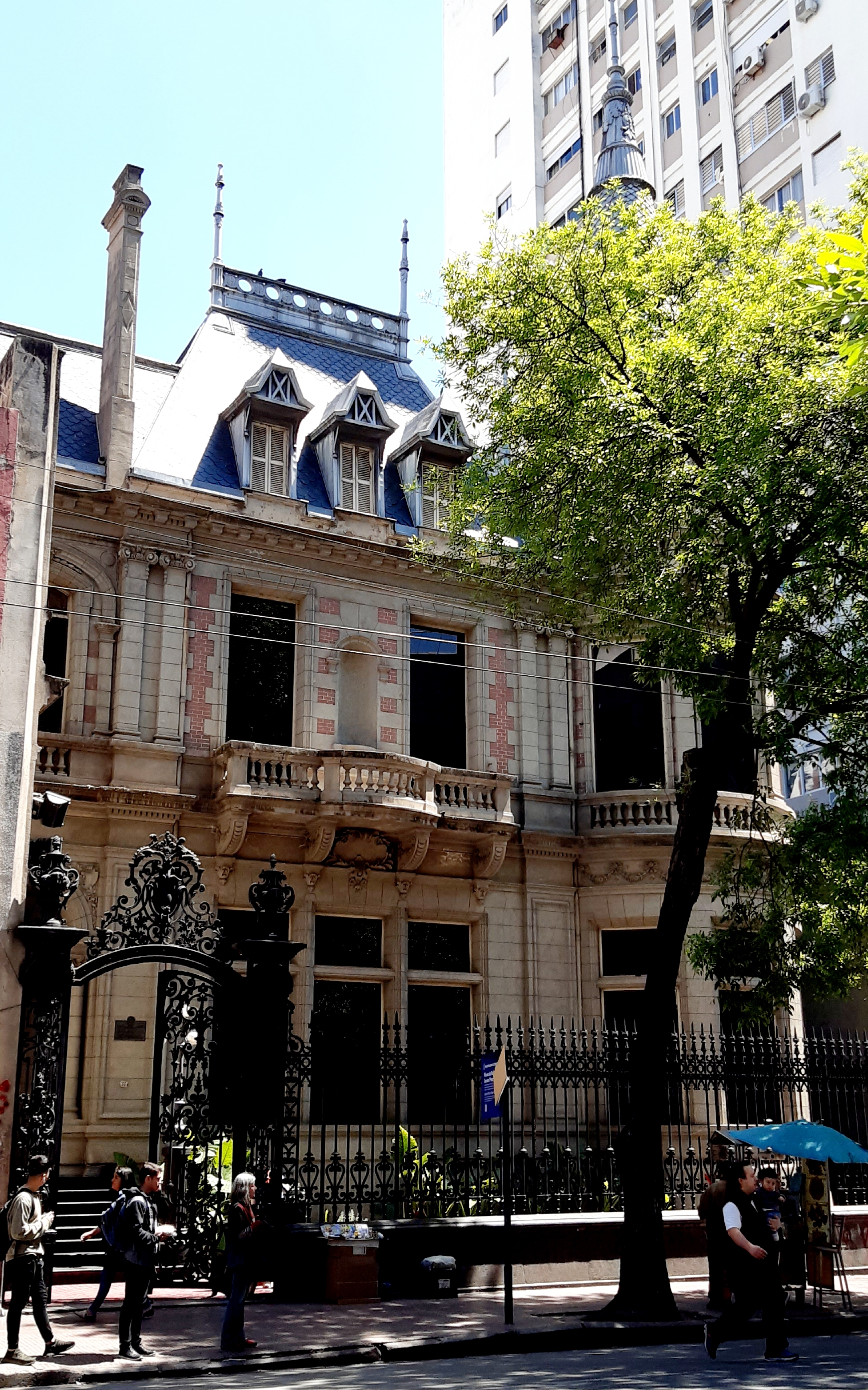
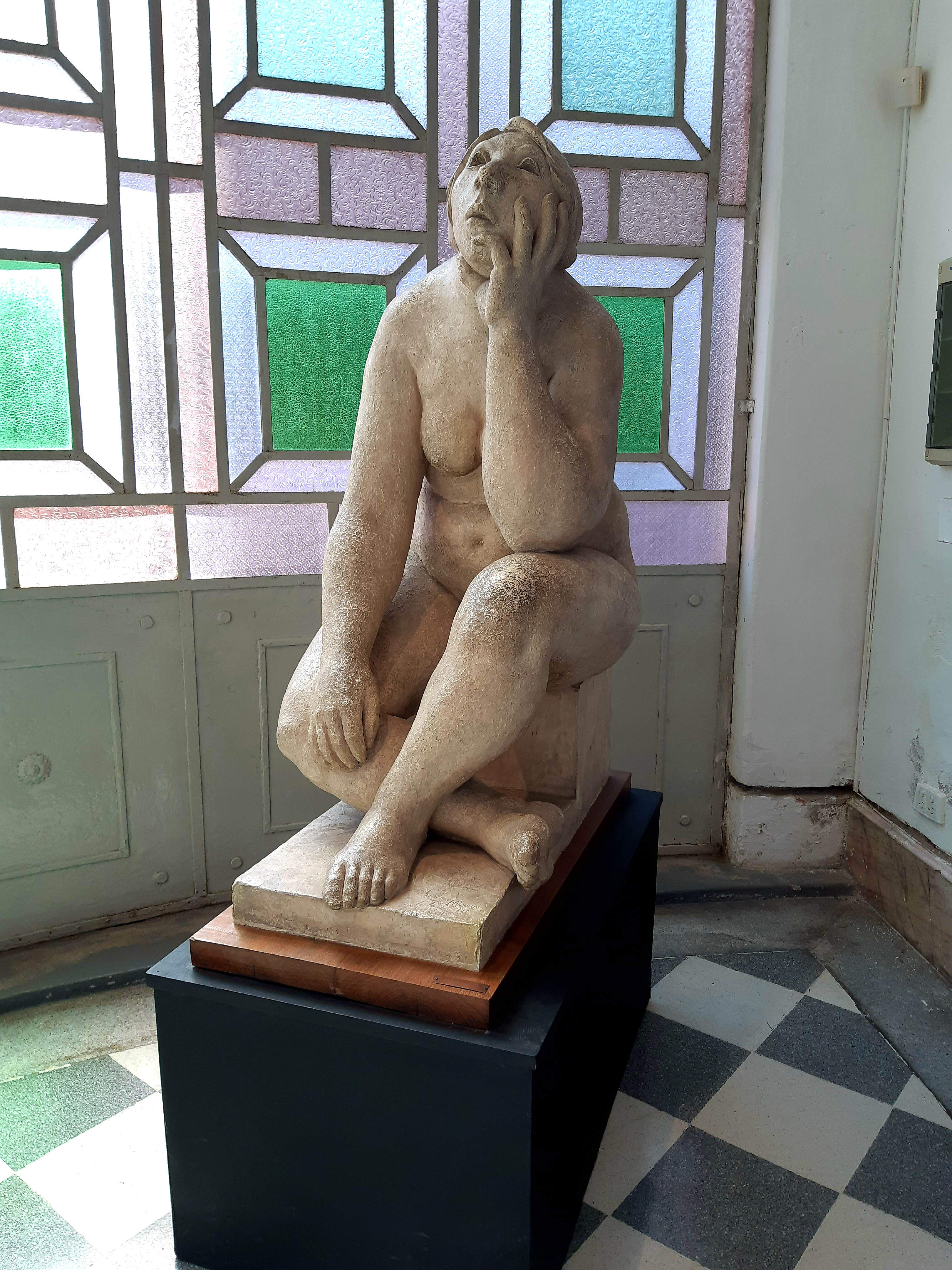
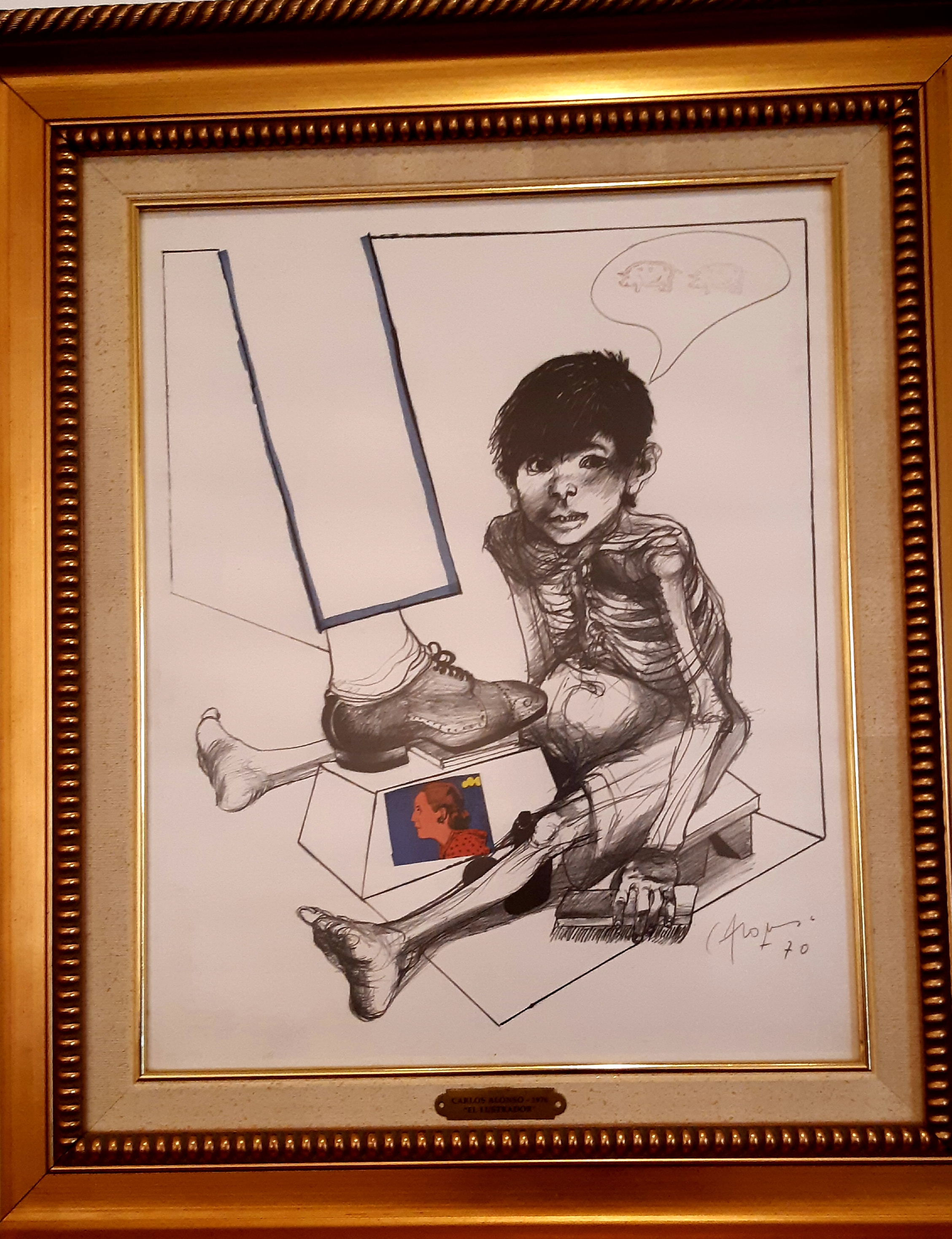
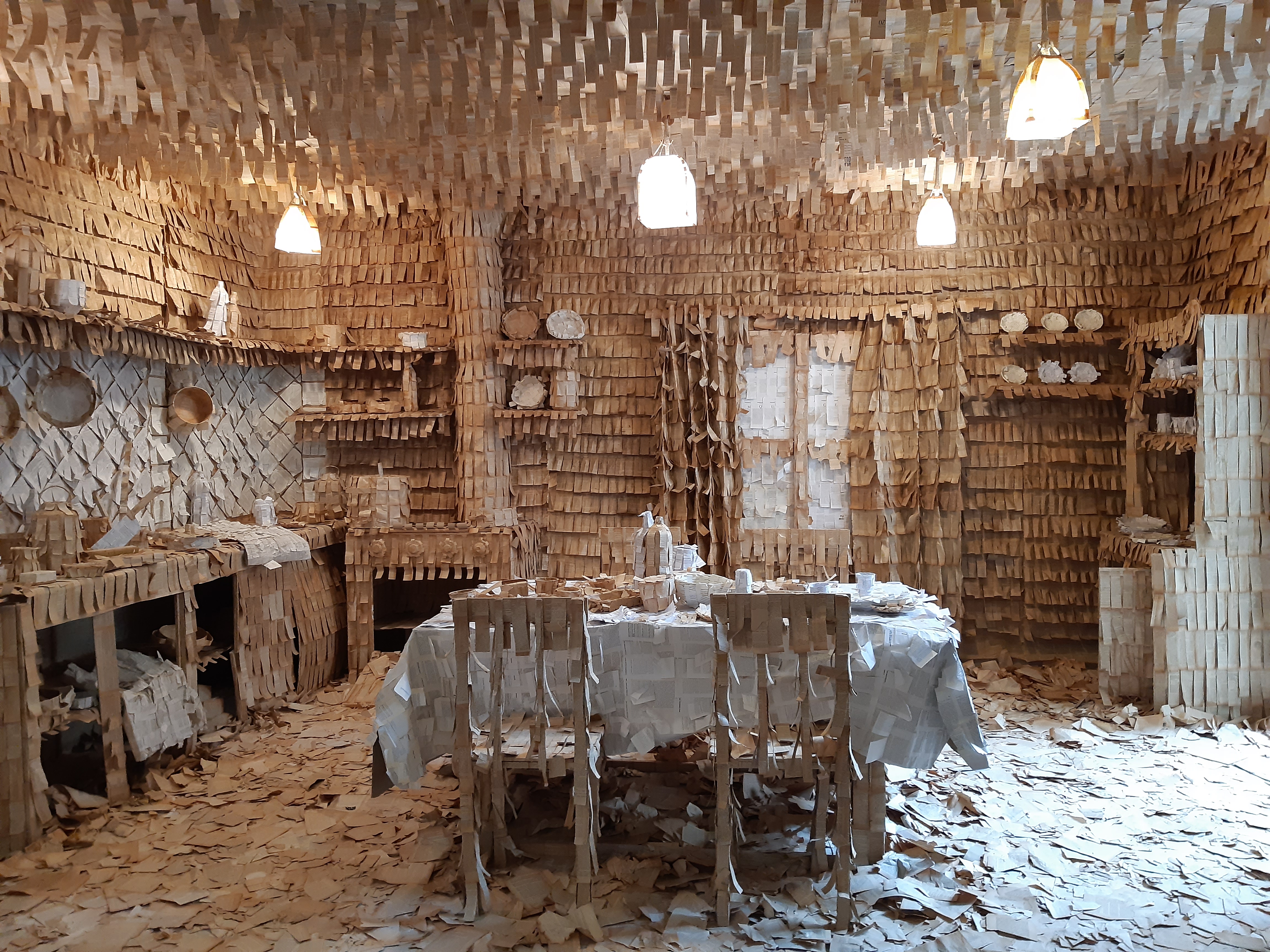
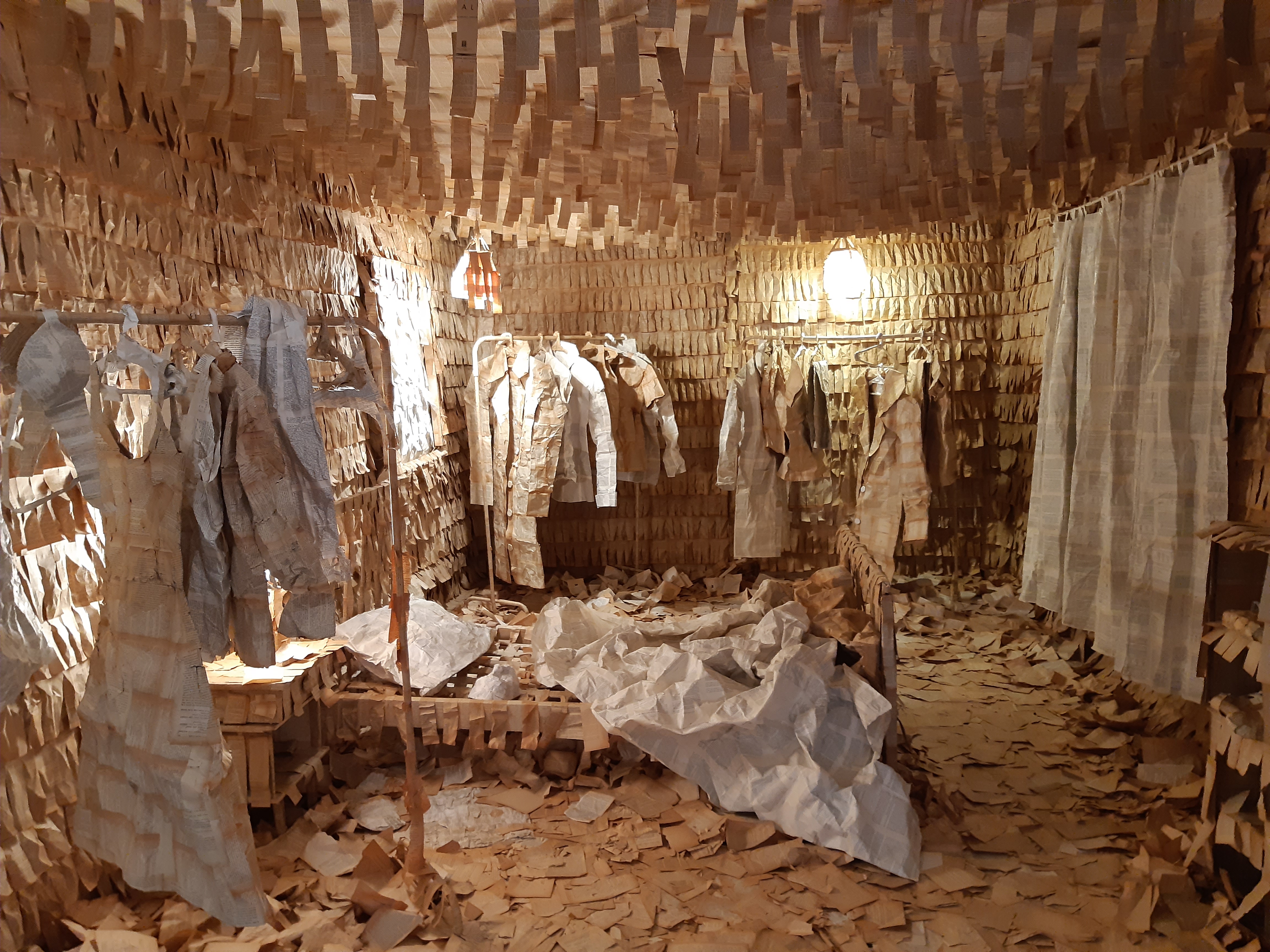
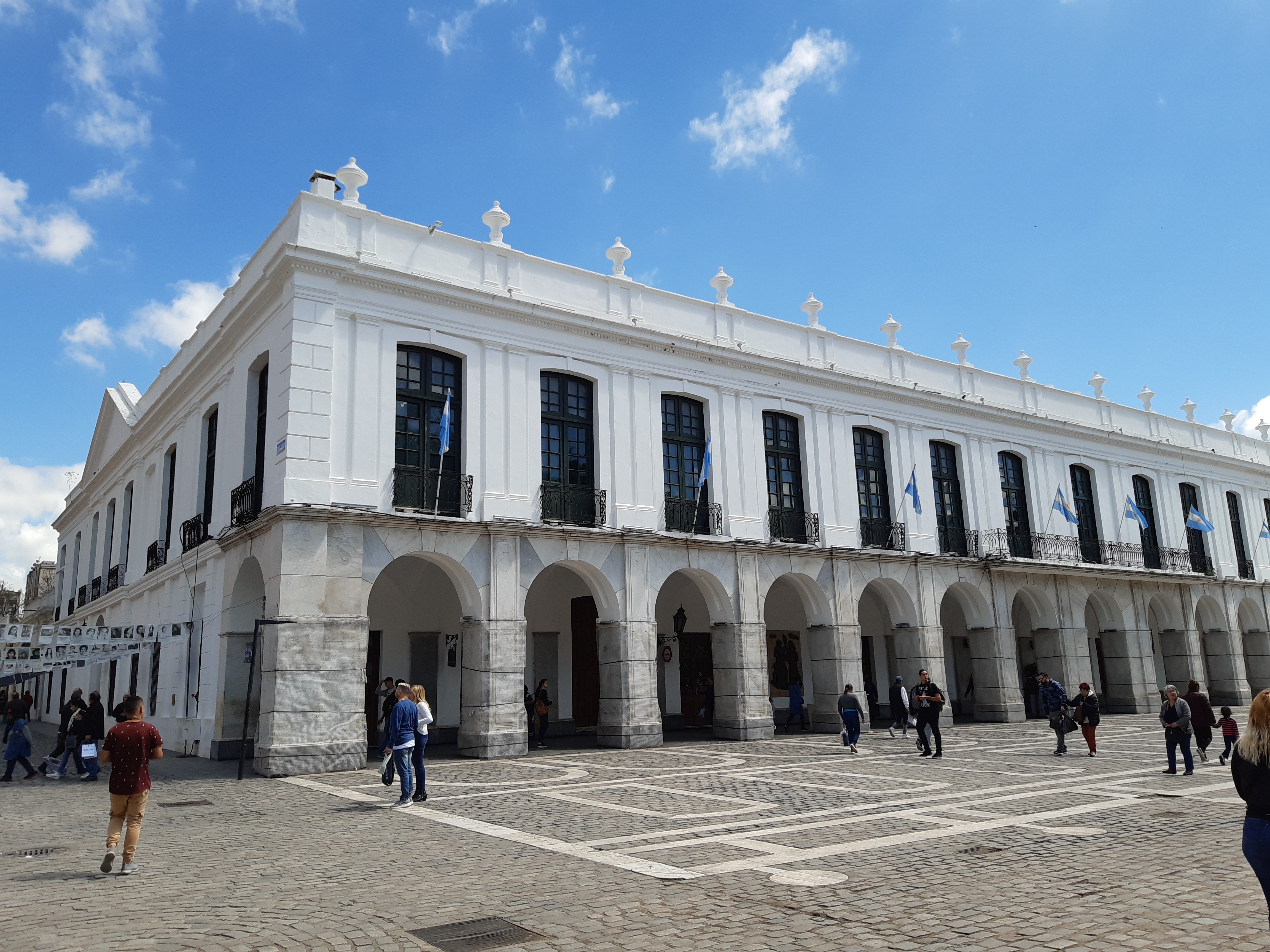
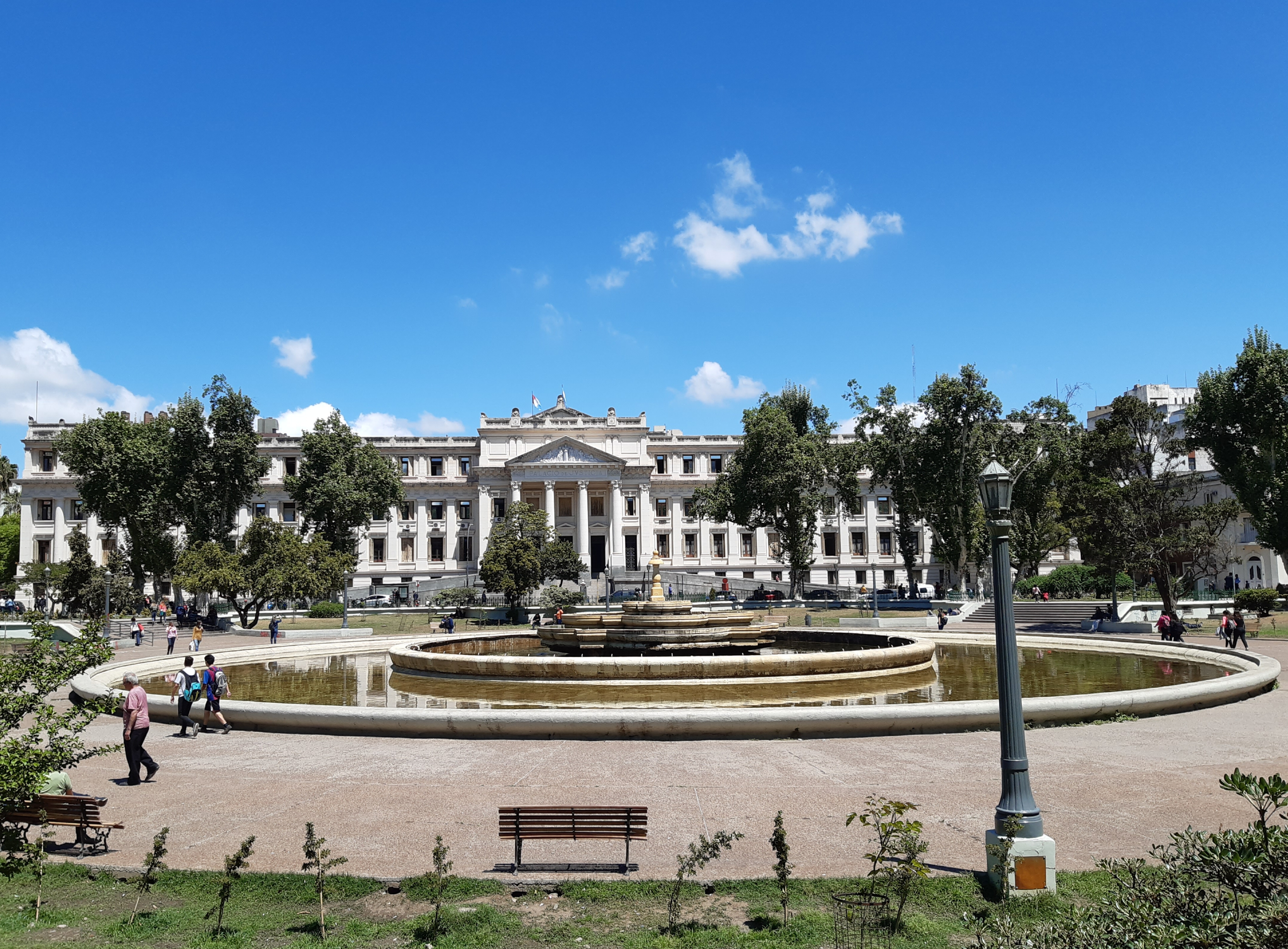
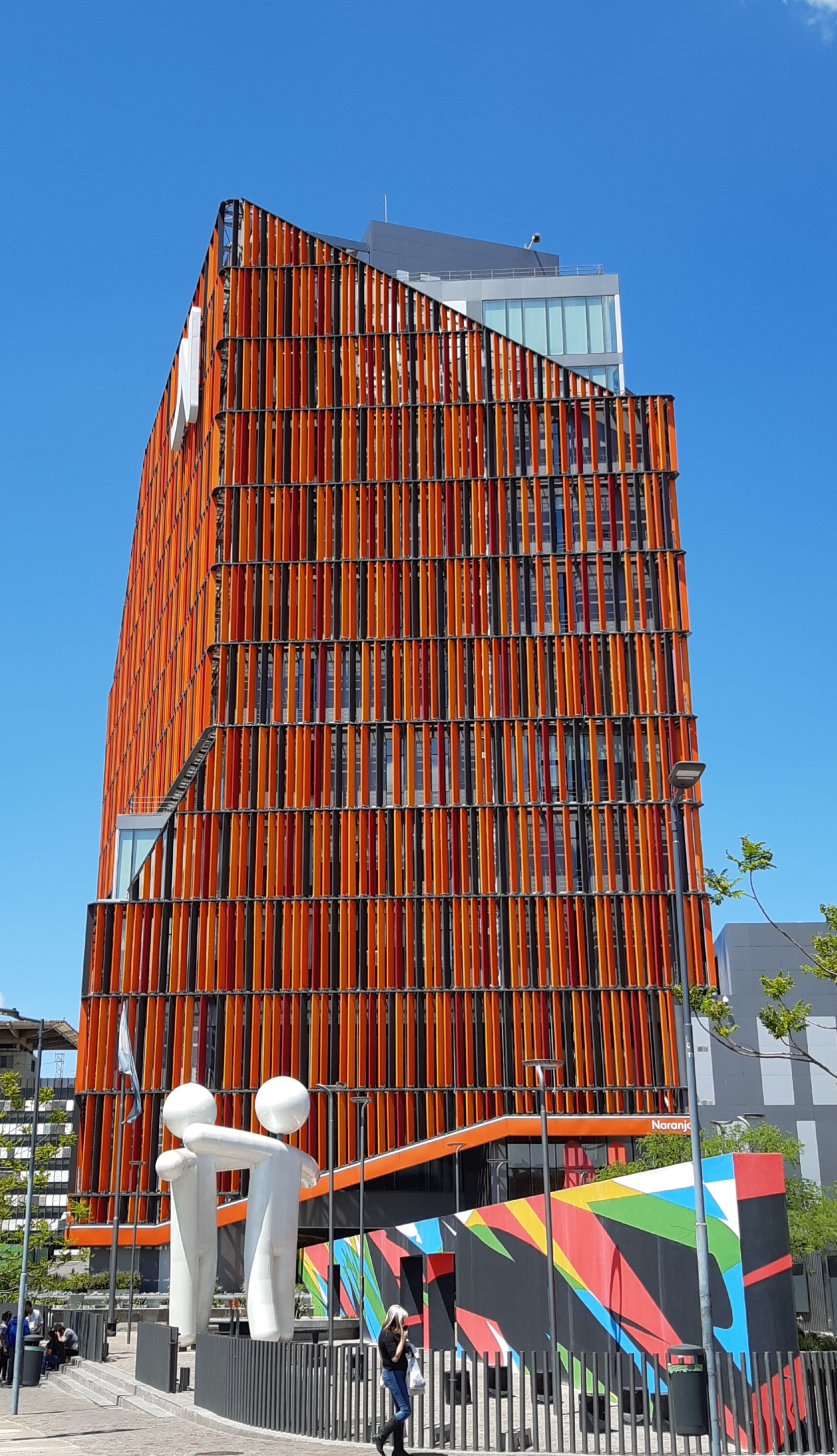
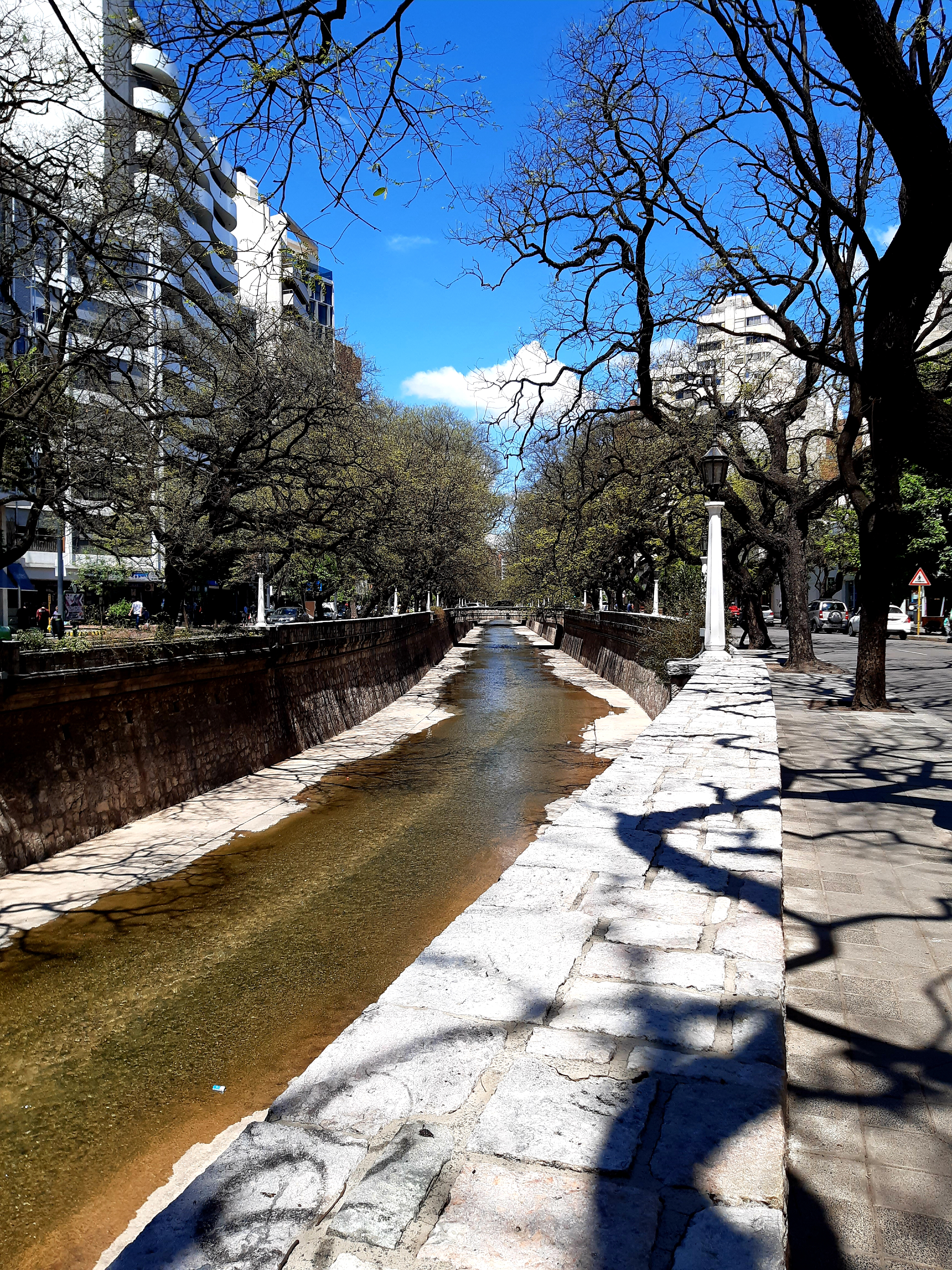
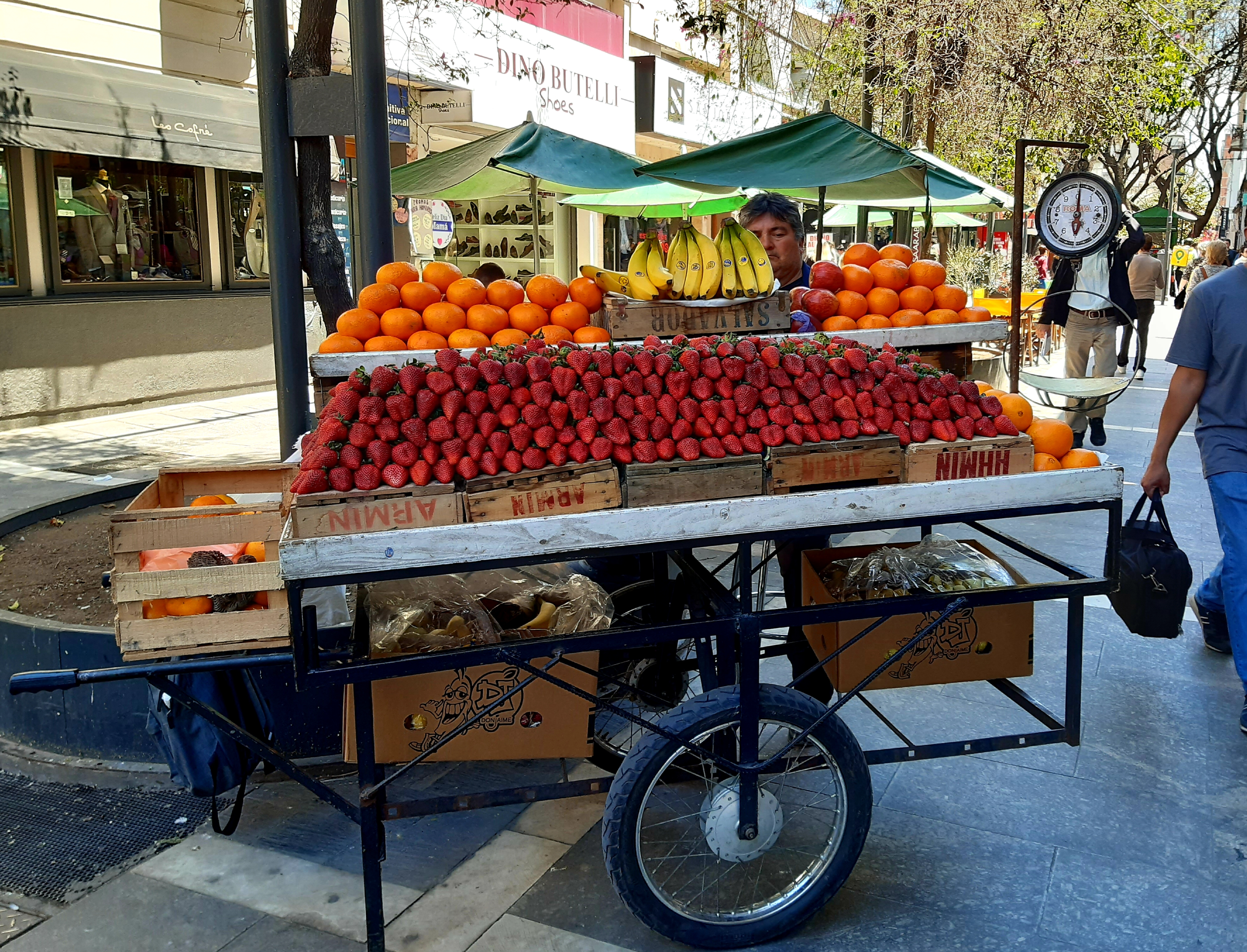
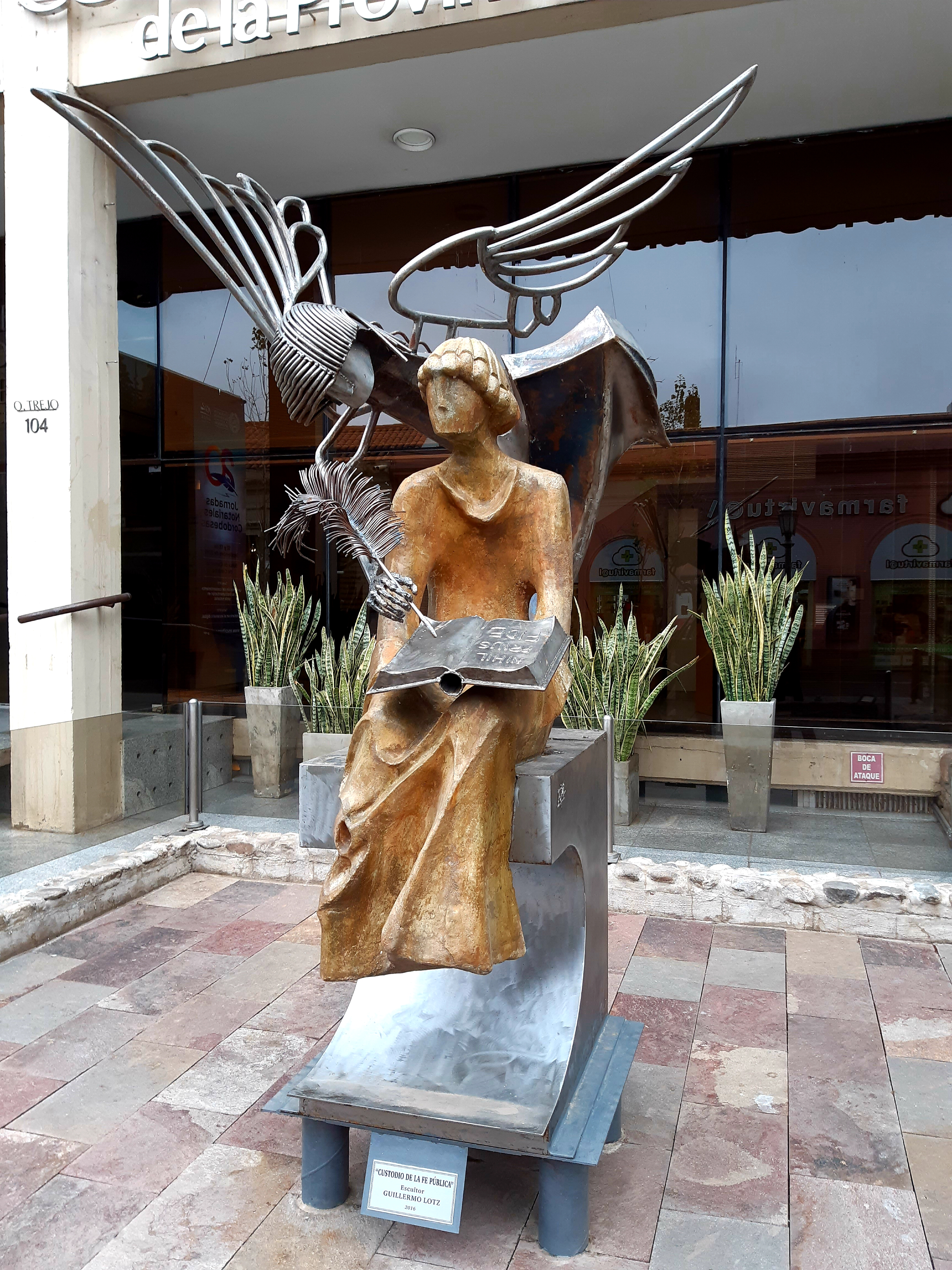
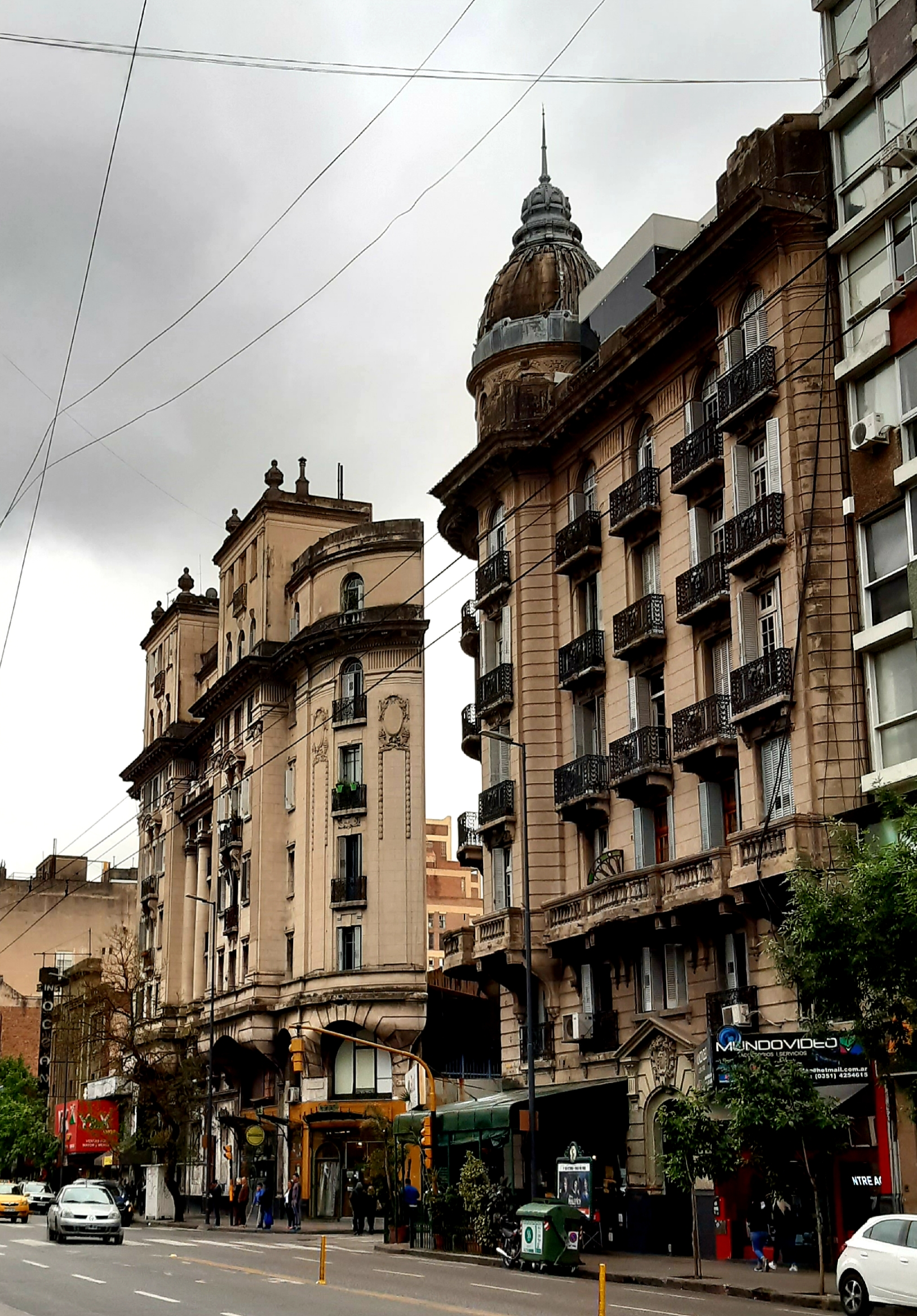
Finally, just a few general pictures of Còrdoba.




 Mella Madness
Such interesting art! I loved the room made of pages and paper. Hope no-one drops a match! 🙂
Meryl, I’m really glad to hear you’ve had a chance to take a few days “off”, just to rest and digest all that you’ve seen and experienced so far. Your adventures are wondrous!! xx
LikeLiked by 1 person
Daardie katedrale en kerke is darem net ongelooflik, mens kan nie anders as net in te loop en te geniet nie.
LikeLiked by 1 person
Ja-nee, ek kan hul nie verbyloop nie!
LikeLike
Meryl pragtig al die geboue en plekke was jy besigtug. Wees veilig en geniet elke oomblik. Groete Andre van Wyk.
LikeLiked by 1 person
Dankie Andre, ek moet sê, ek geniet my gate uit!
LikeLike